




Ah, Royalty.47

City Views.246
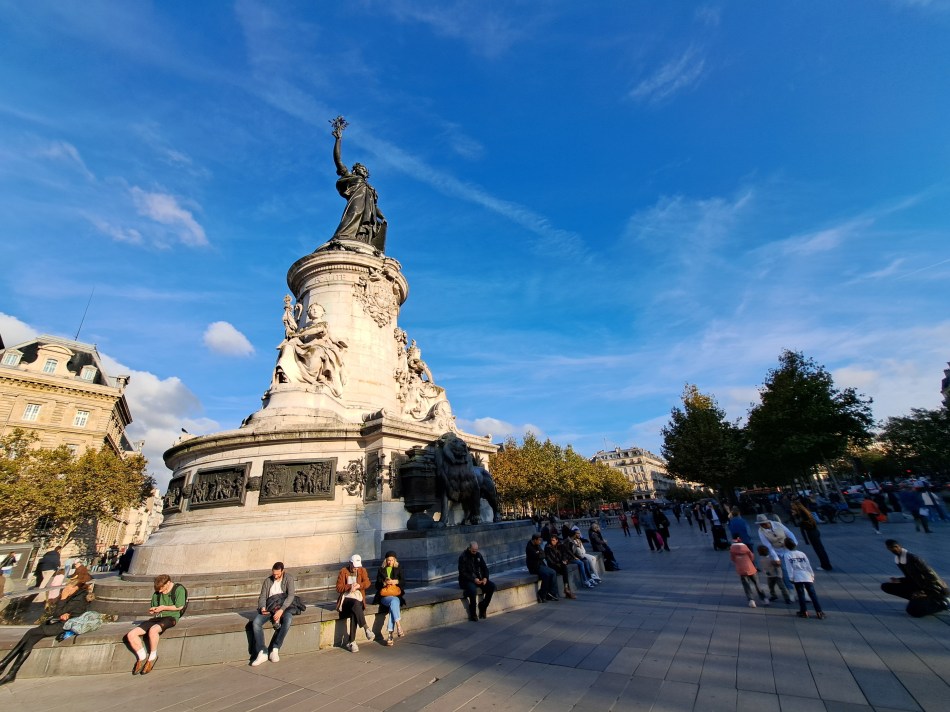 Place de la République gained its current name in 1879, nine years into the third French republic. The 3rd republic, in case you want to keep track, replaced the Second Empire, which had been founded by a descendant of Napoleon. Boney had himself launched the first empire when he decided he was emperor after all and all this “republic” business was too much of an impediment to his ambitions. But back to the square you see above: It gained its current form as a lovely pedestrian zone after a promise made during the mayoral campaign of 2008. Indeed, Paris has become far more bike and pedestrian friendly than it was when I spent more time there between 2005 and 2008.
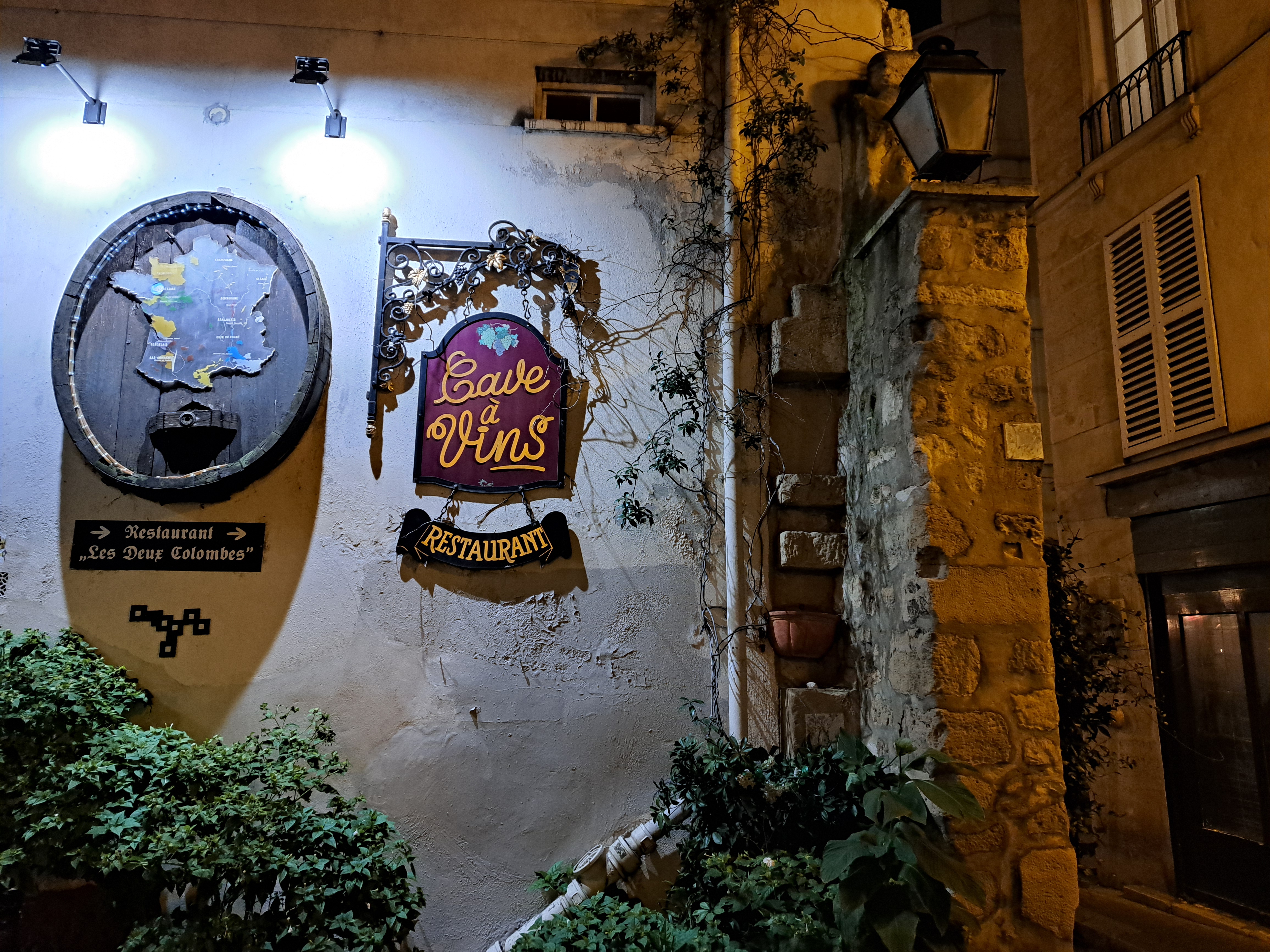
Hence my walk noted in the previous post: all the photos I’m showing you in this post are from that walk. The column you see in the gallery below is on the Place de la Bastille. The place (square) is named after that infamous prison whose storming began the real (first) French revolution. But the column actually commemorates the July (second) Revolution in 1830. That revolution’s outcome was that an unpopular Bourbon King was removed from office with head still on neck, and sent over to England for a merry golden parachute retirement. He was then replaced by a cousin from the non-patrilineal Orleans rather than Bourbon branch. Said cousin and his branch of royals seemed more popular at the time. They ruled in this second iteration of “constitutional monarchy” – often called the July Monarchy, it seems – until they grew unpopular enough to spark the 1848 (third) revolution, which ushered in the second republic. (The first republic was most of the 15 years from the storming of the Bastille and arrest + beheading of the King & Queen and very, very many more, until Boney declared himself emperor in 1804.)
Keeping up with it all, so far? (They’re currently on the fifth, just to be clear. Governance has never been easy, anywhere, let’s be realistic about this fact even if politicians often aren’t…)


Urban Entrances.146


Small Wonders.255

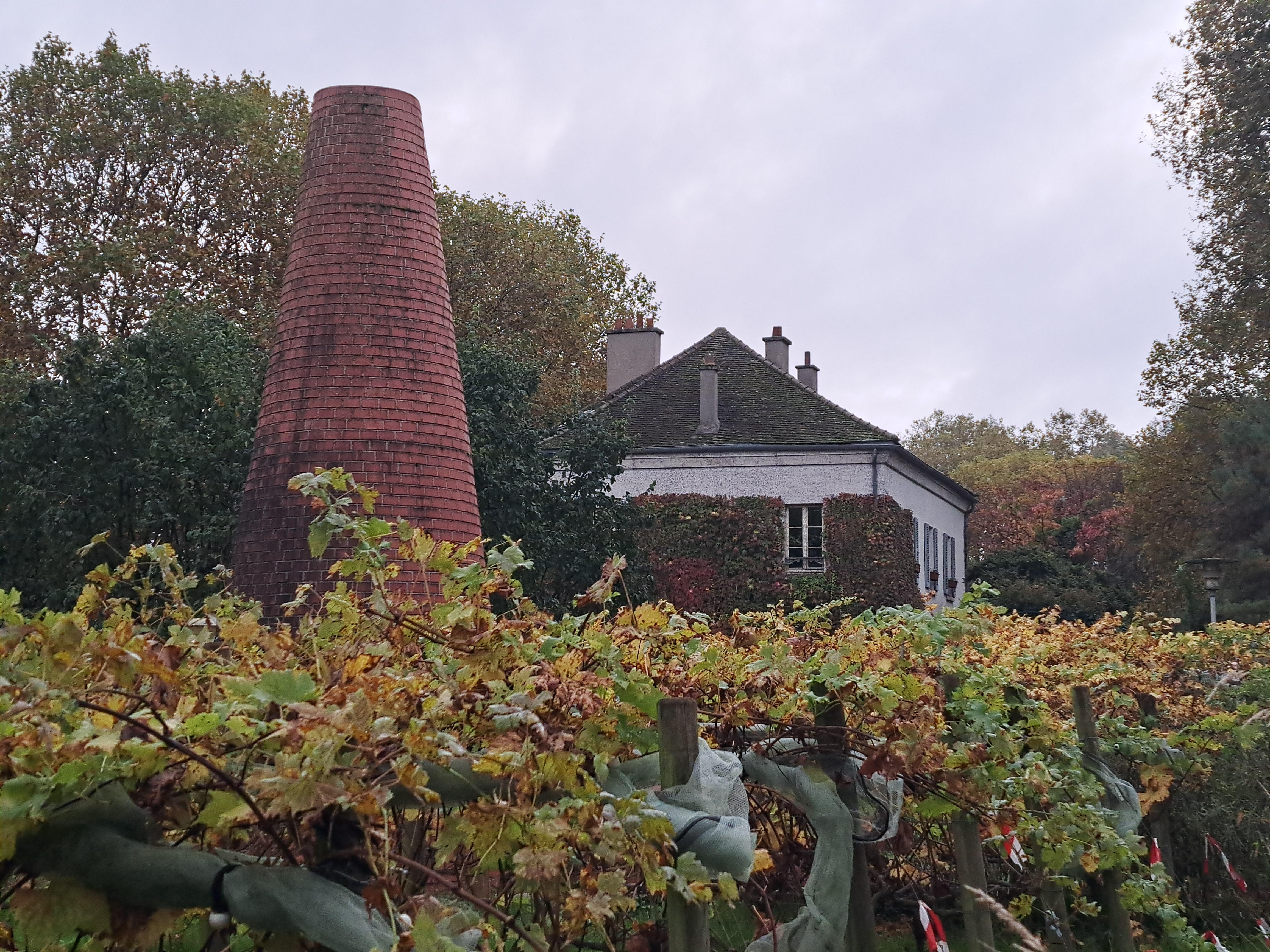
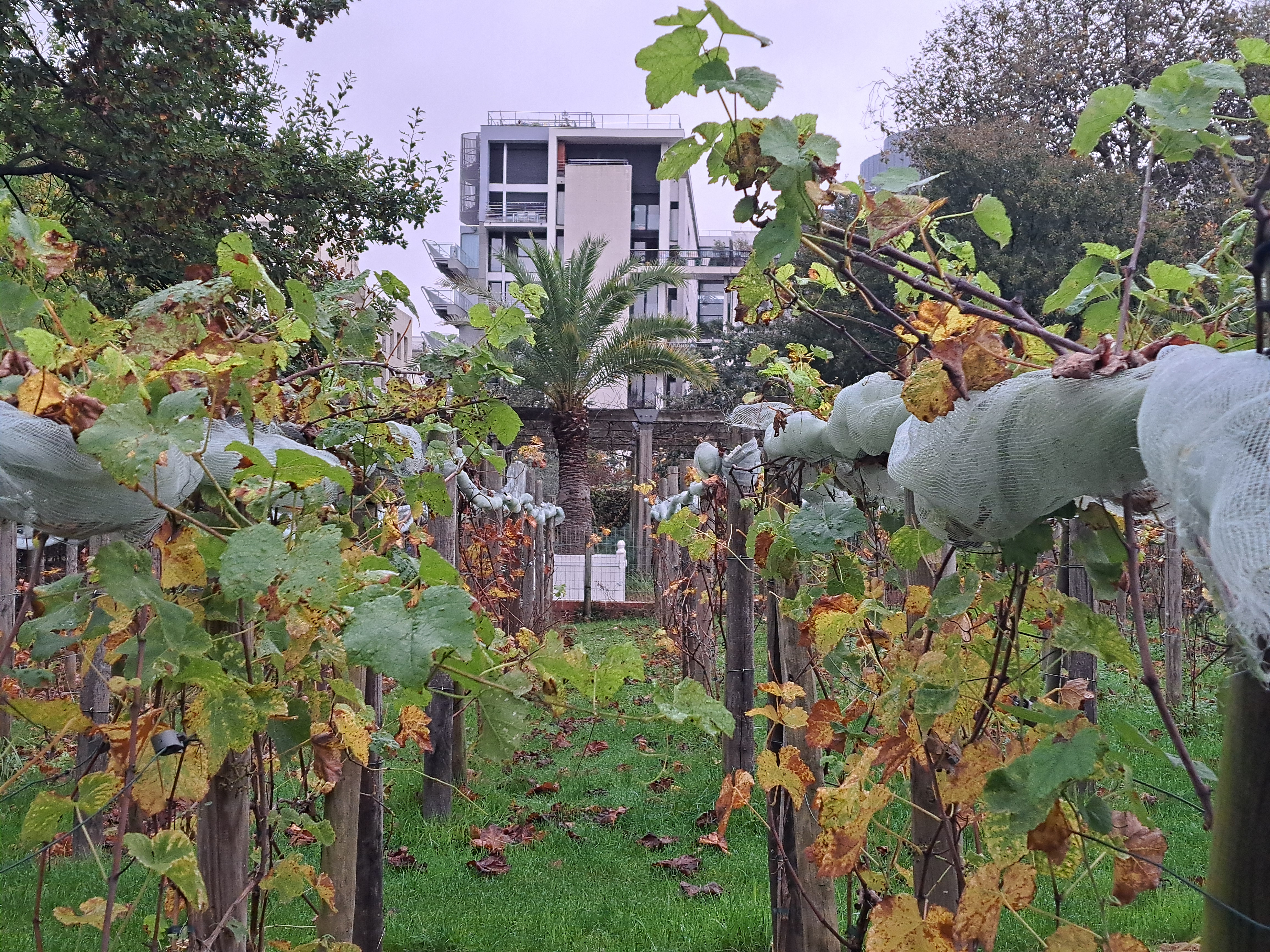
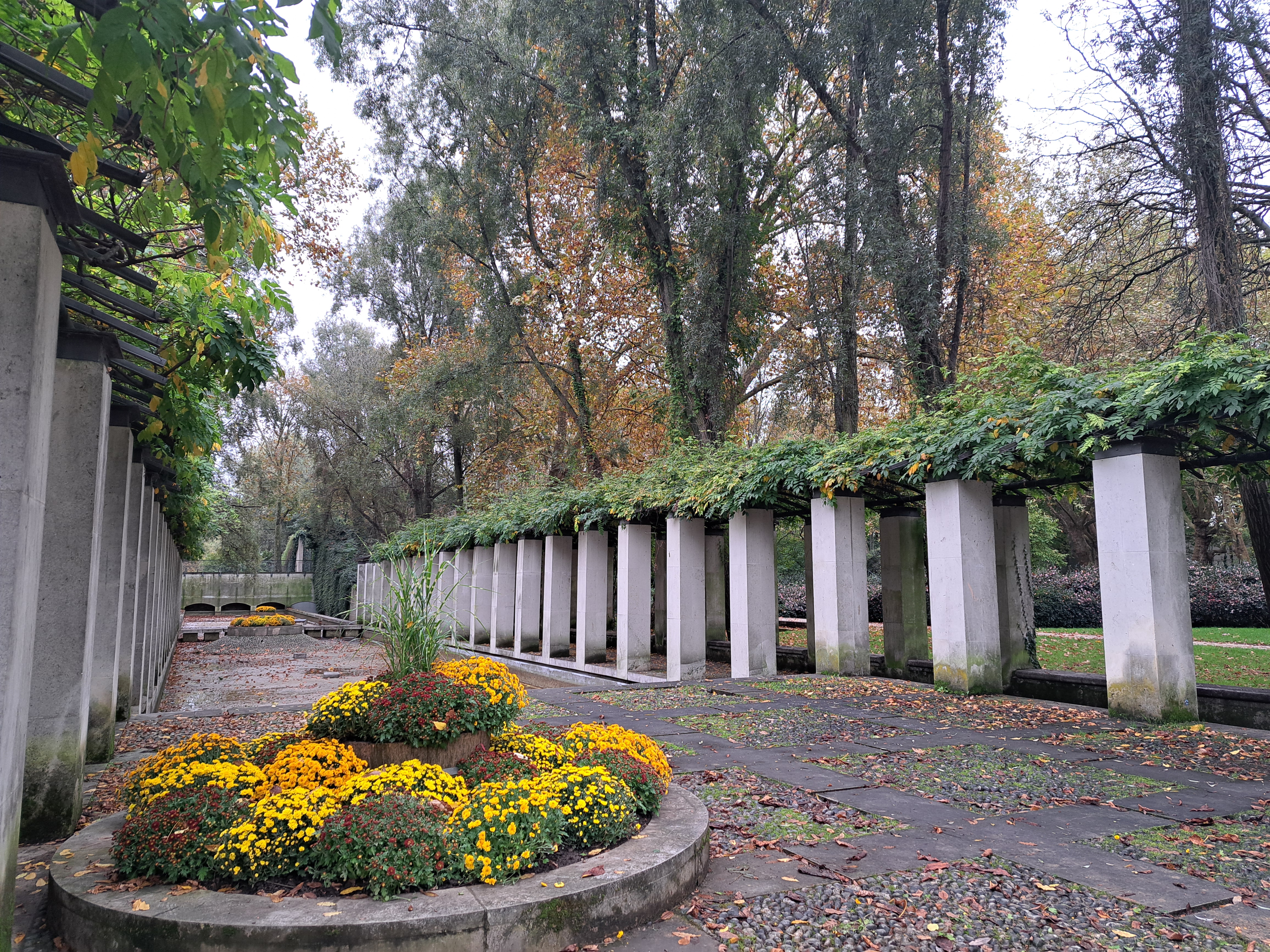
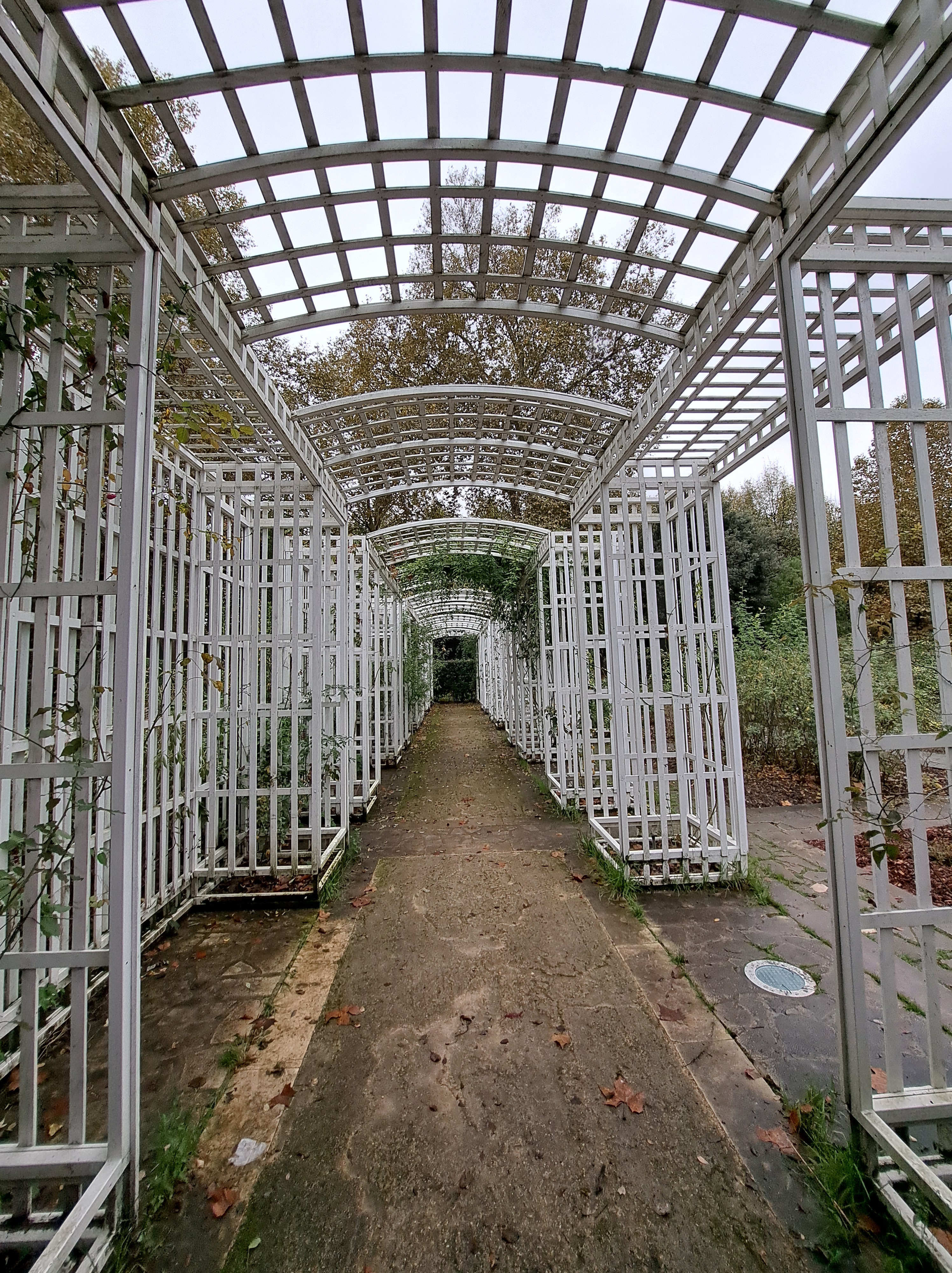
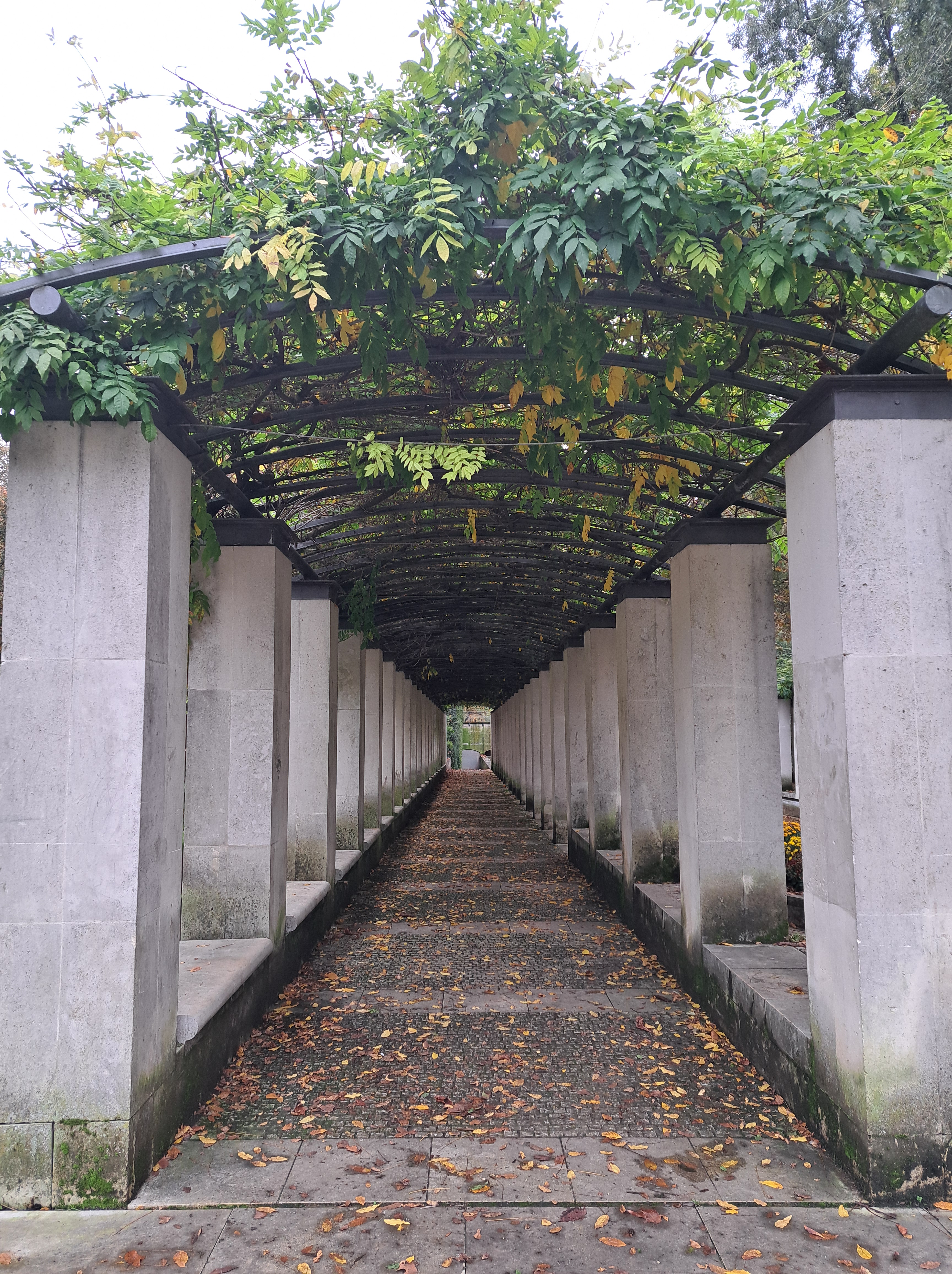
Was delighted to see camellias blooming on that first morning walk in Paris’s Parc de Bercy last month 🙂


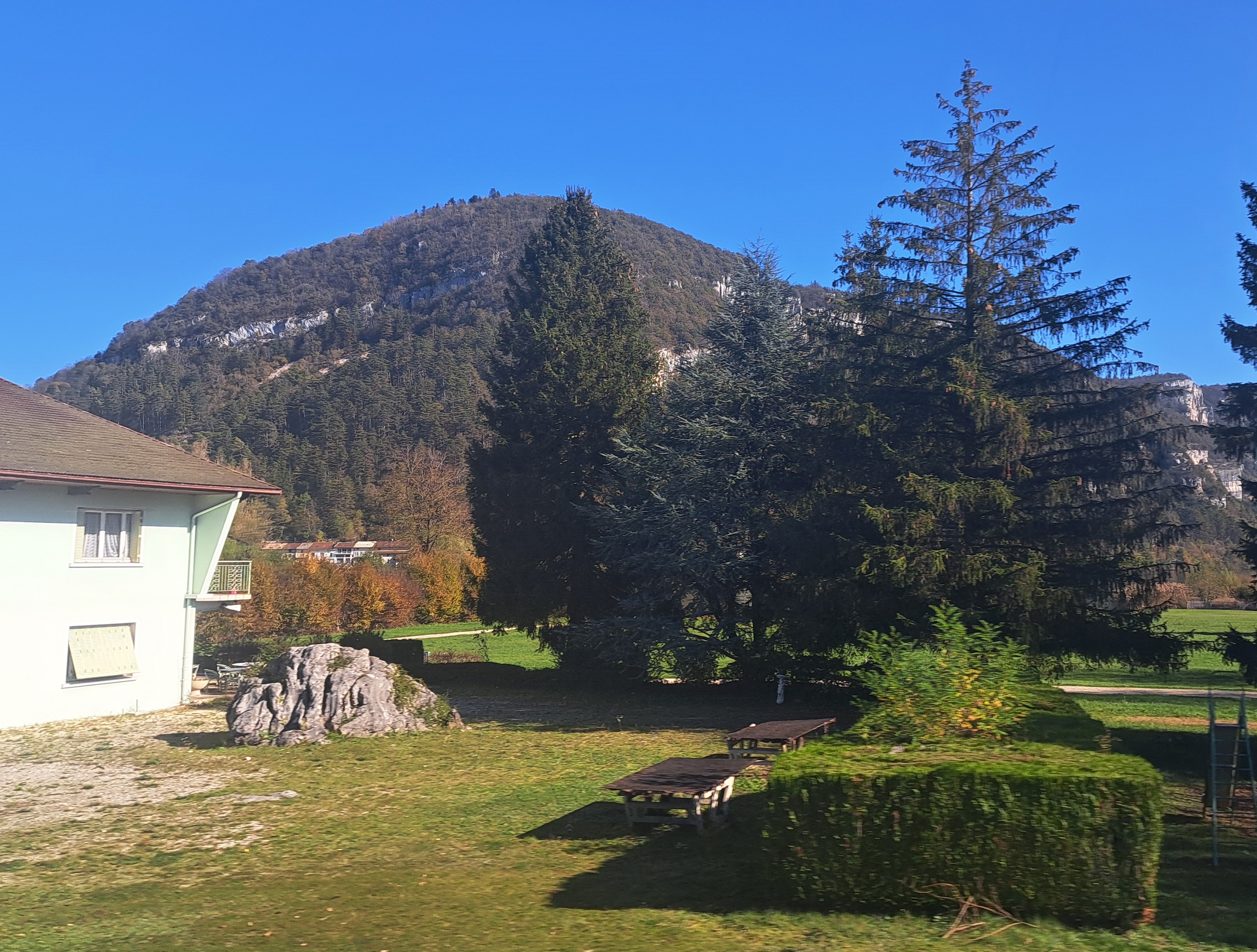
Mountains.65

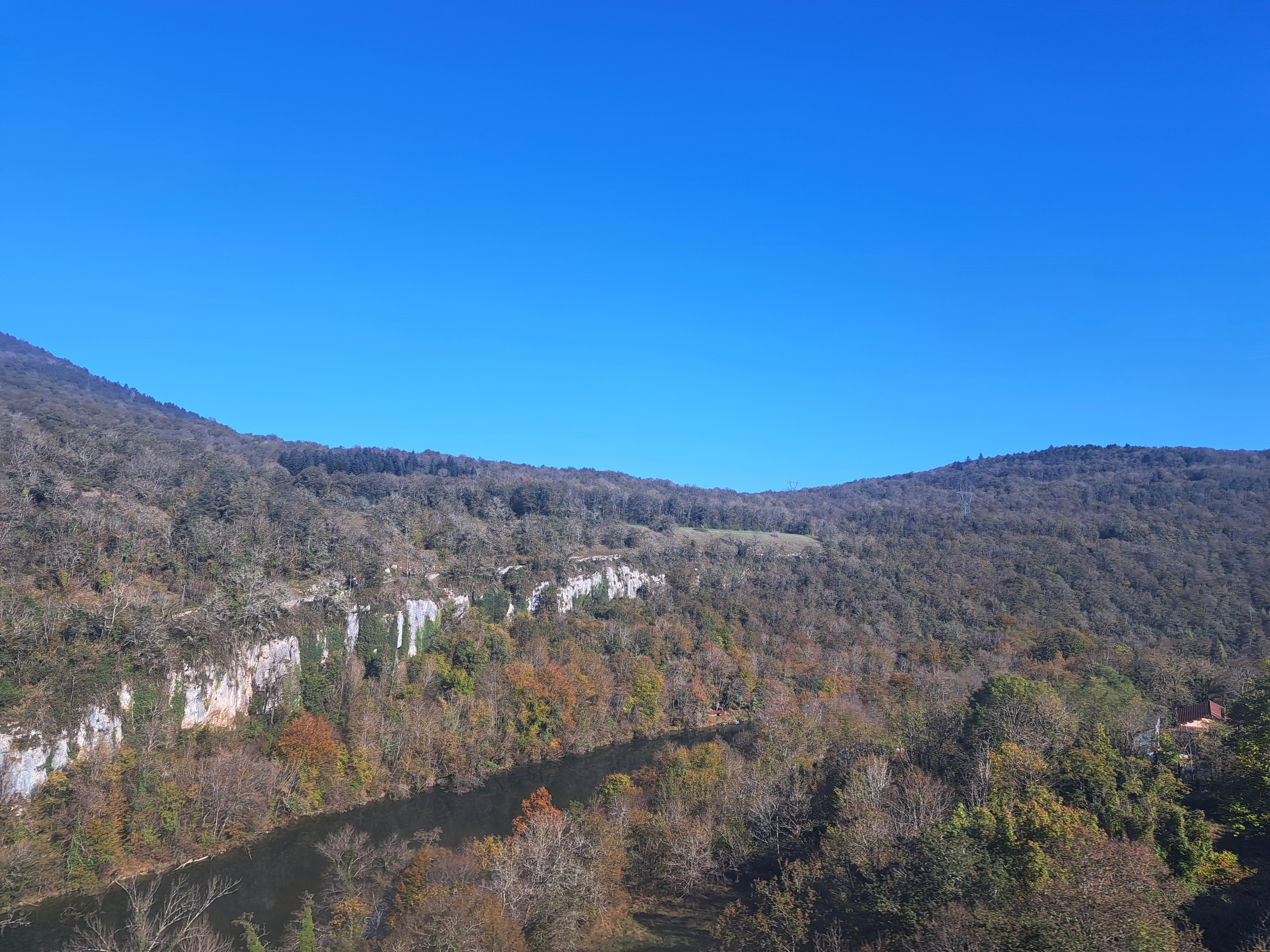
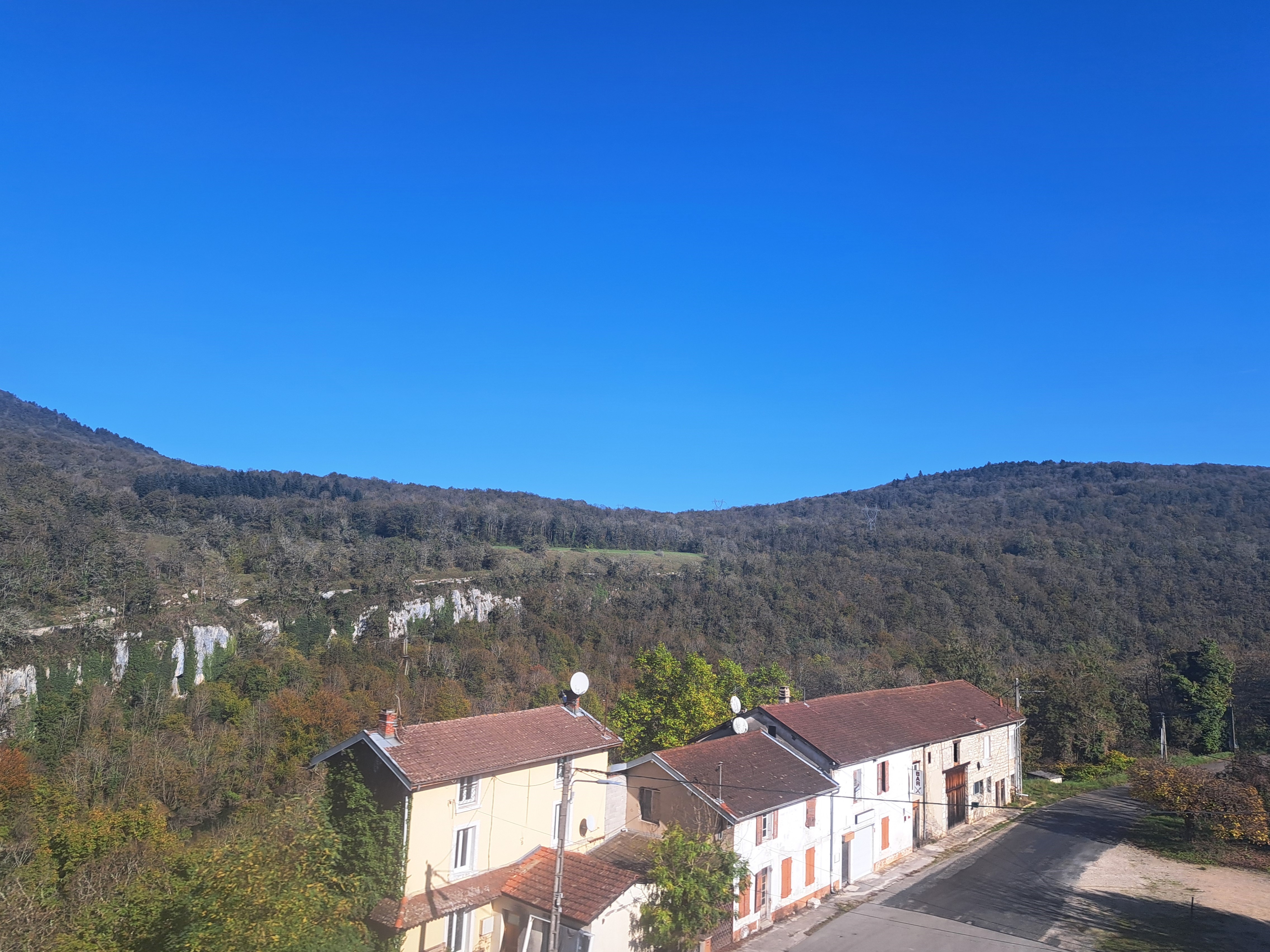
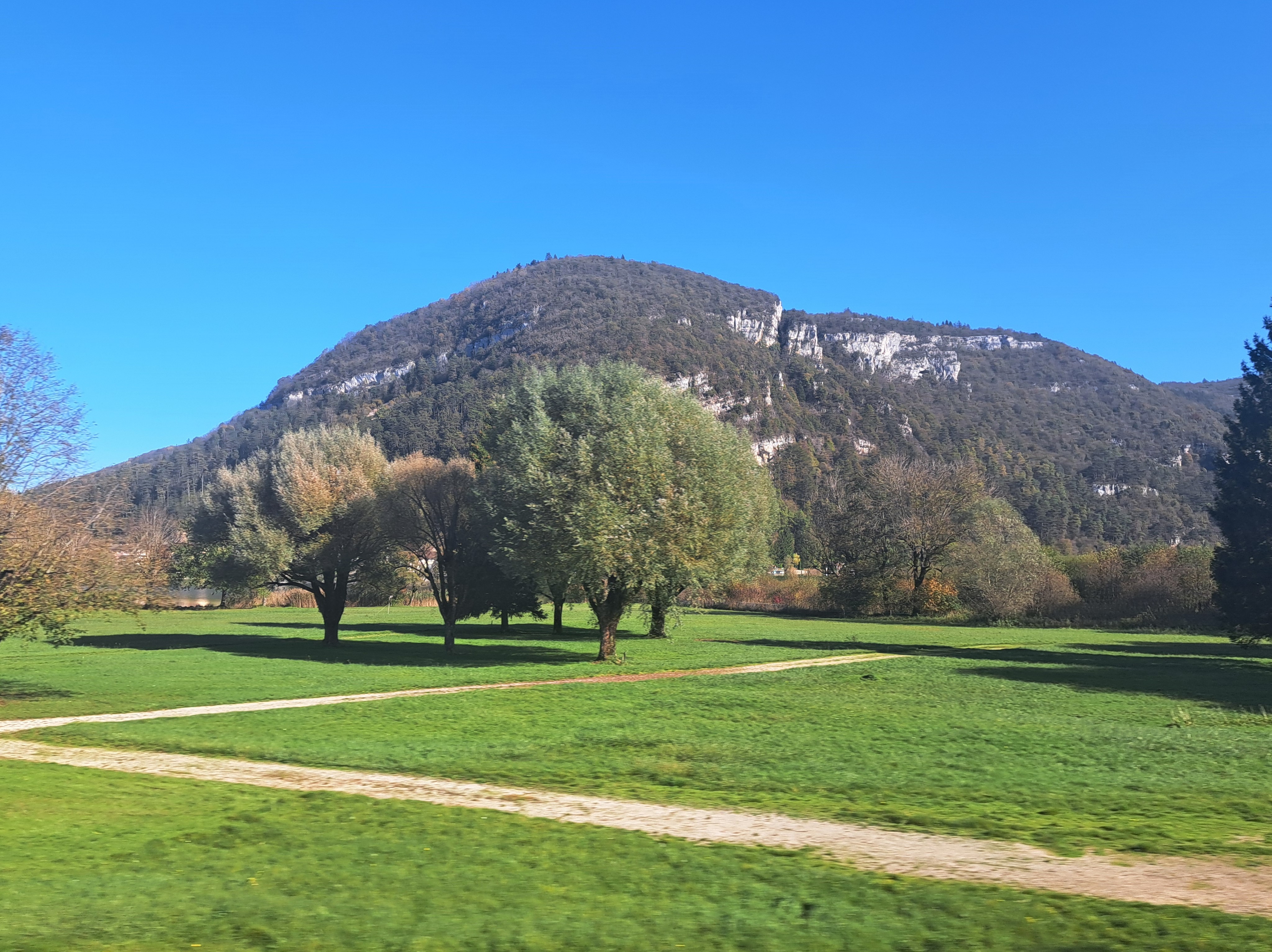



 (so much world, so little time....)