
Agra & Fatehpur Sikri: Seats of Empire
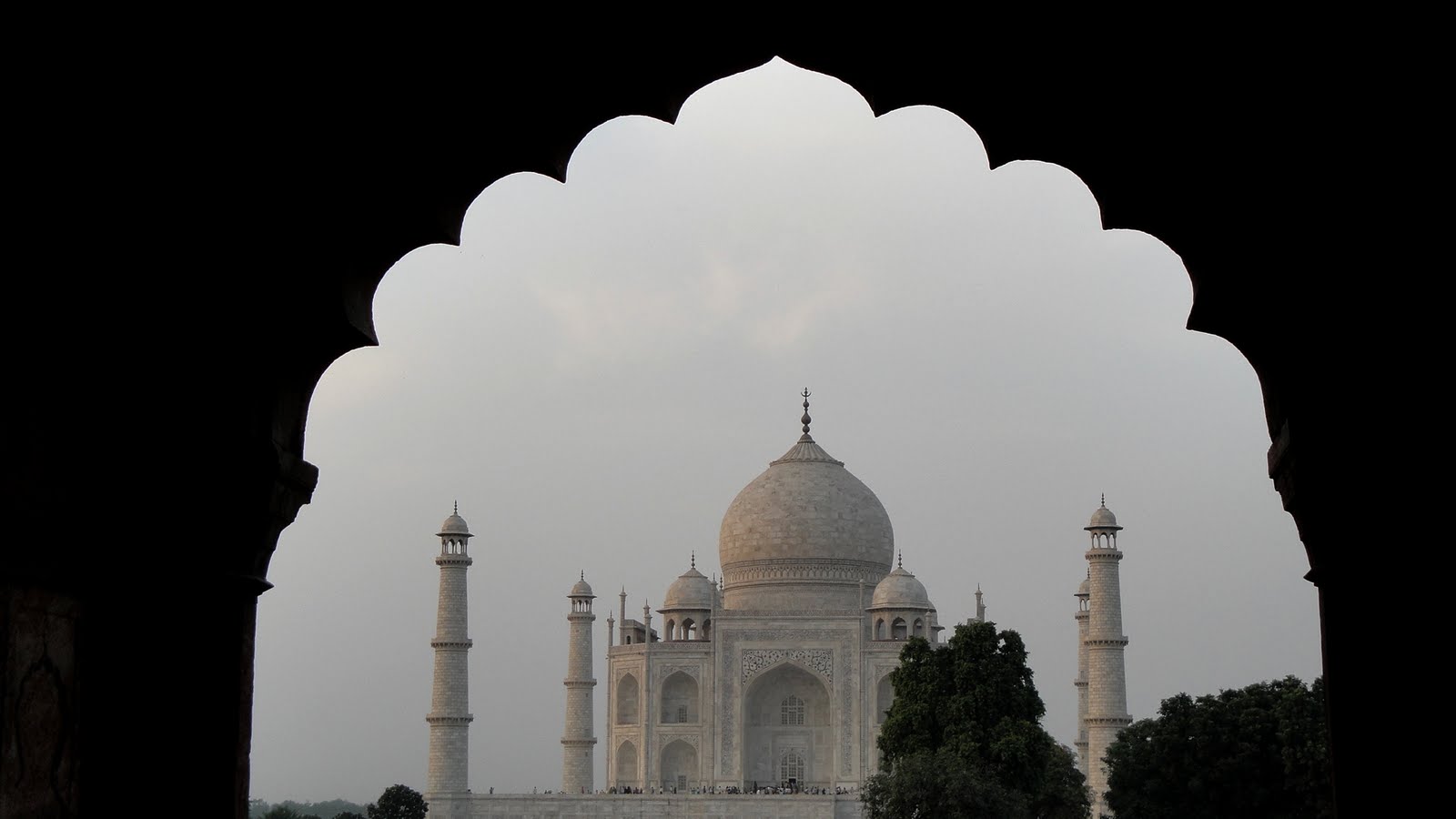 Though I must have known at one point or another, I was surprised anew that the great Mughal empire, of which I’ve heard and read so much and whose art and architecture have so inspired my imagination, really only encompassed the reign of six different rulers — naturally, there were still some Mughal rulers after Aurangzeb more or less destroyed the empire through his religious intolerance and costly expansion of empire. (Hmmm…sound like anyone in recent American history?) But the glory days of the Mughals were clearly over by the time Aurangzeb’s reign ended. In any case, the capital moved back and forth between Delhi and Agra a few times, and once it popped down to Fatehpur Sikri for fourteen years, where Akbar (still revered for his skill at enlarging his own rule while respecting differences of religion and philosophy among his diverse subjects) built a new capital in honor of a local Sufi saint who’d predicted the birth of an heir to the empire after a worrisome dry spell on the heir-production front. This set of shots are all from the main sites at Agra — the Taj, of course, but also the lovely tomb of Itimad ud Daulah and the Agra Fort — as well as the religious and governmental structures at Fatehpur.
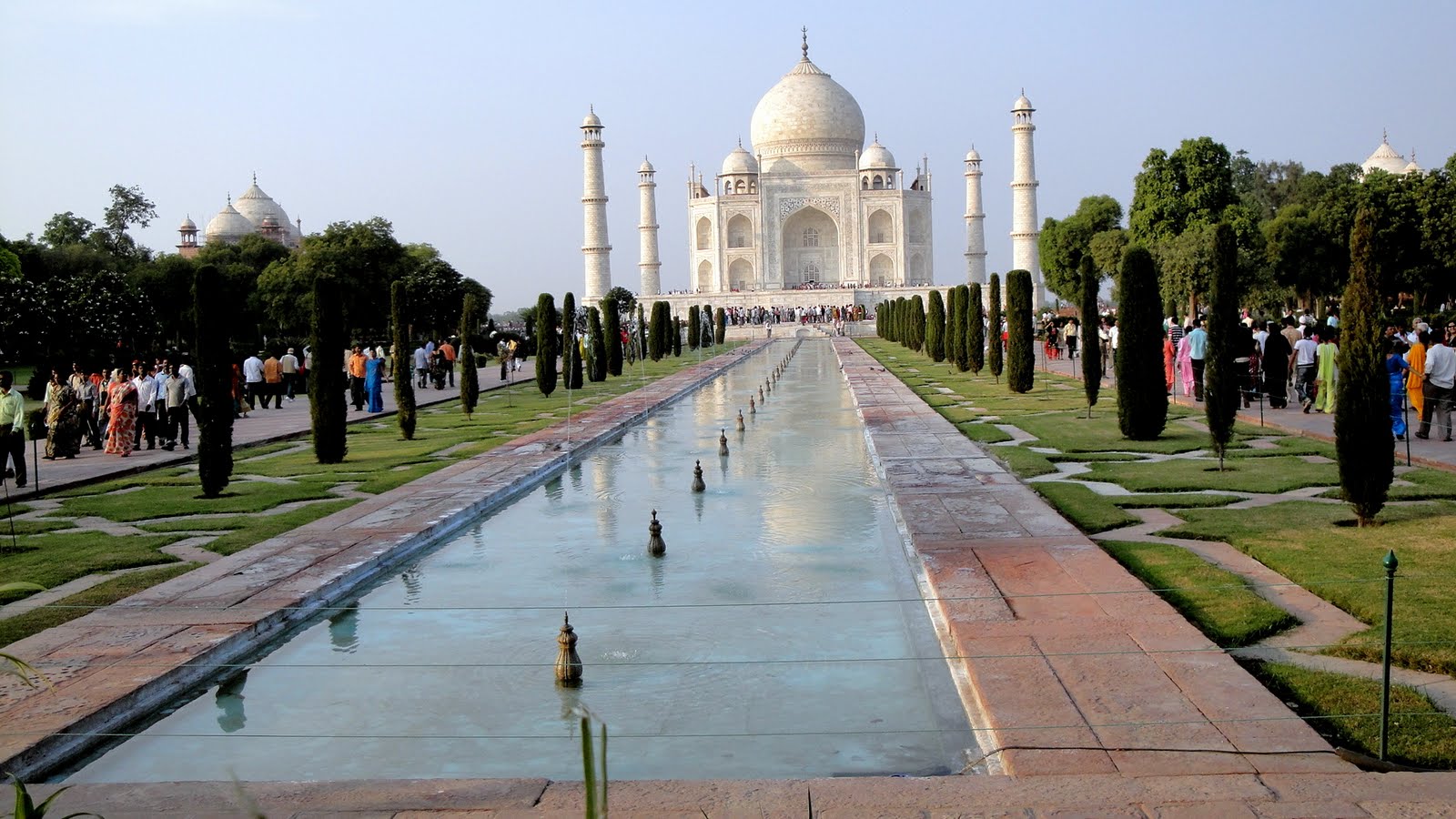
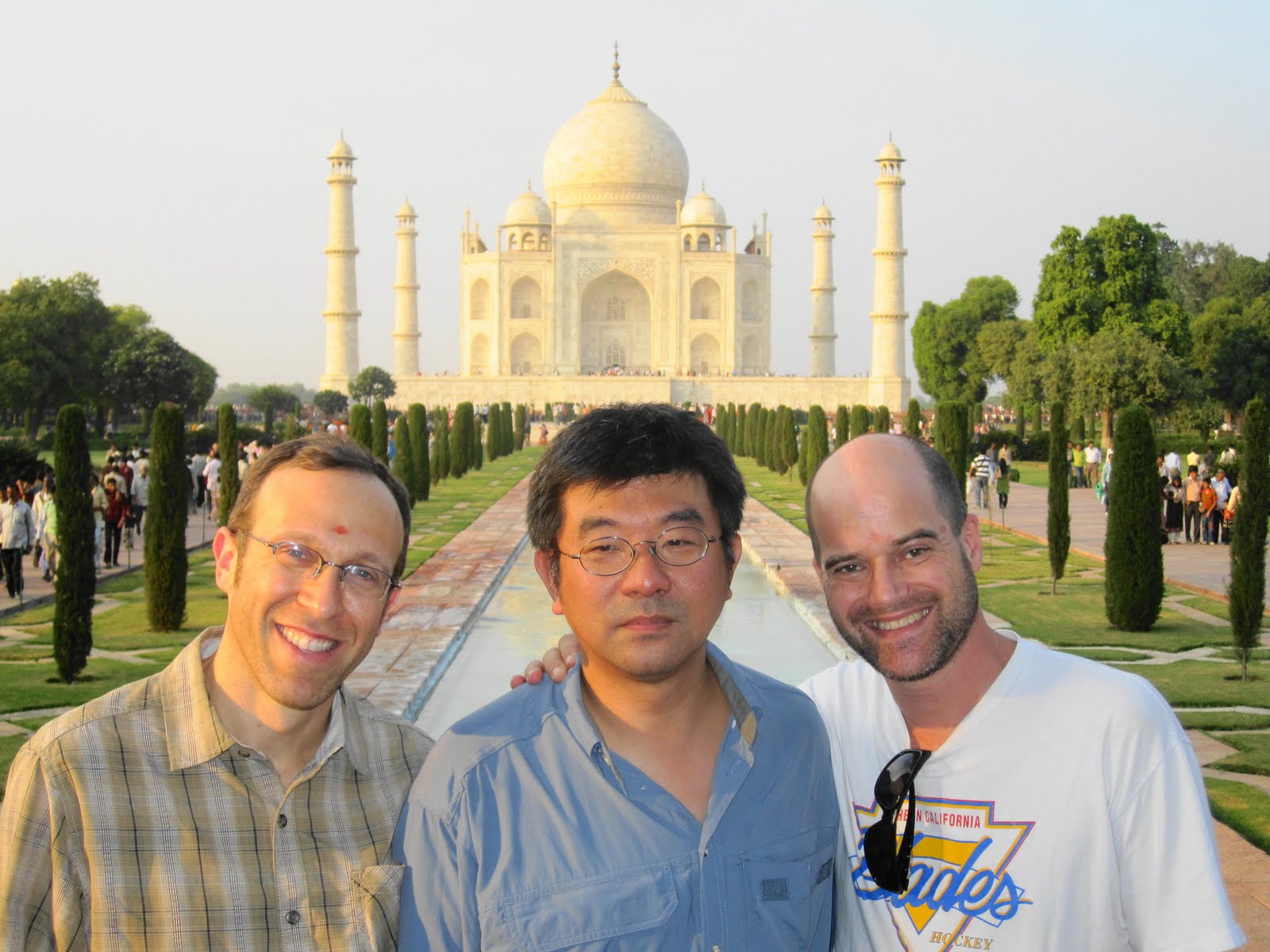
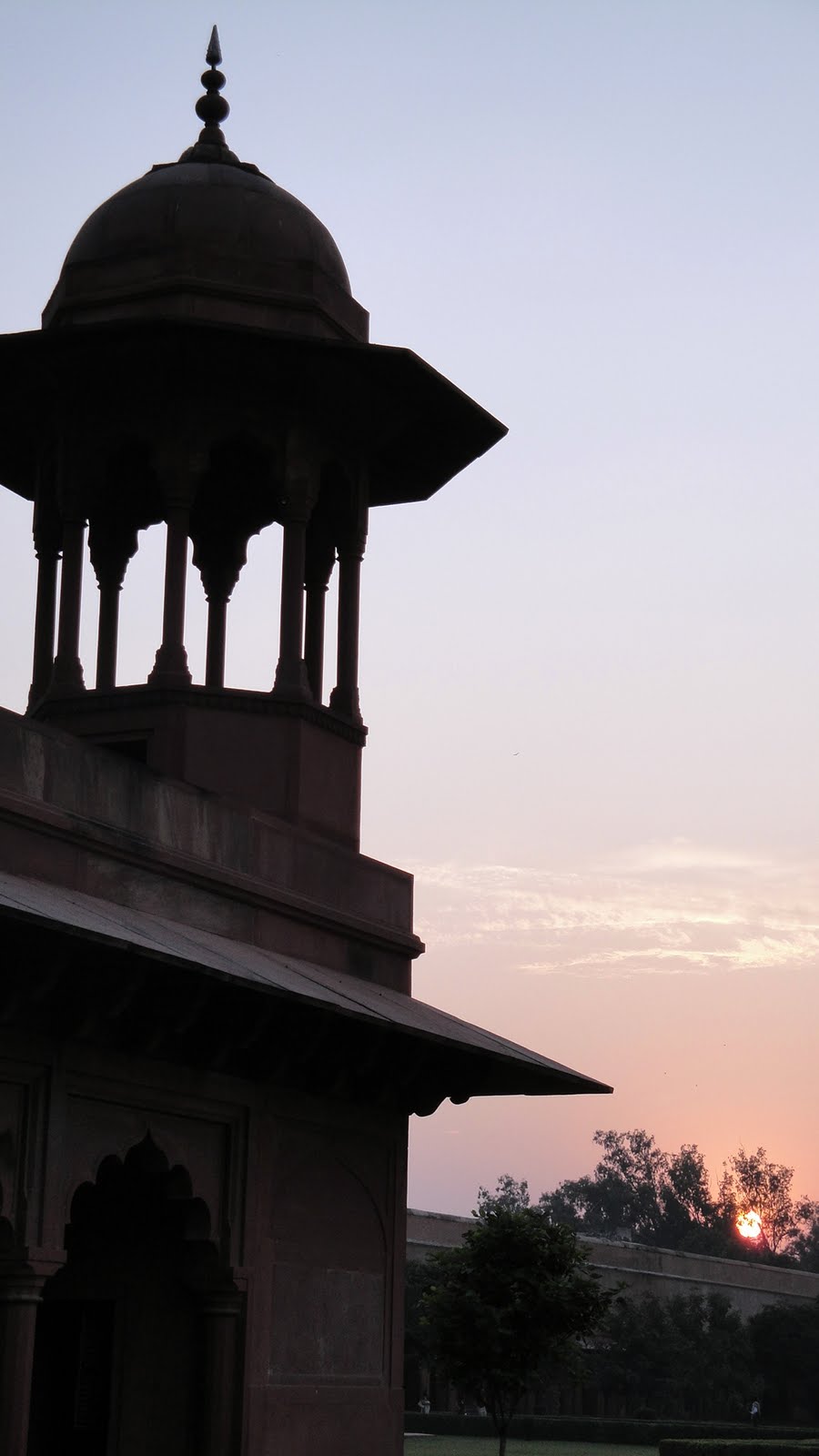
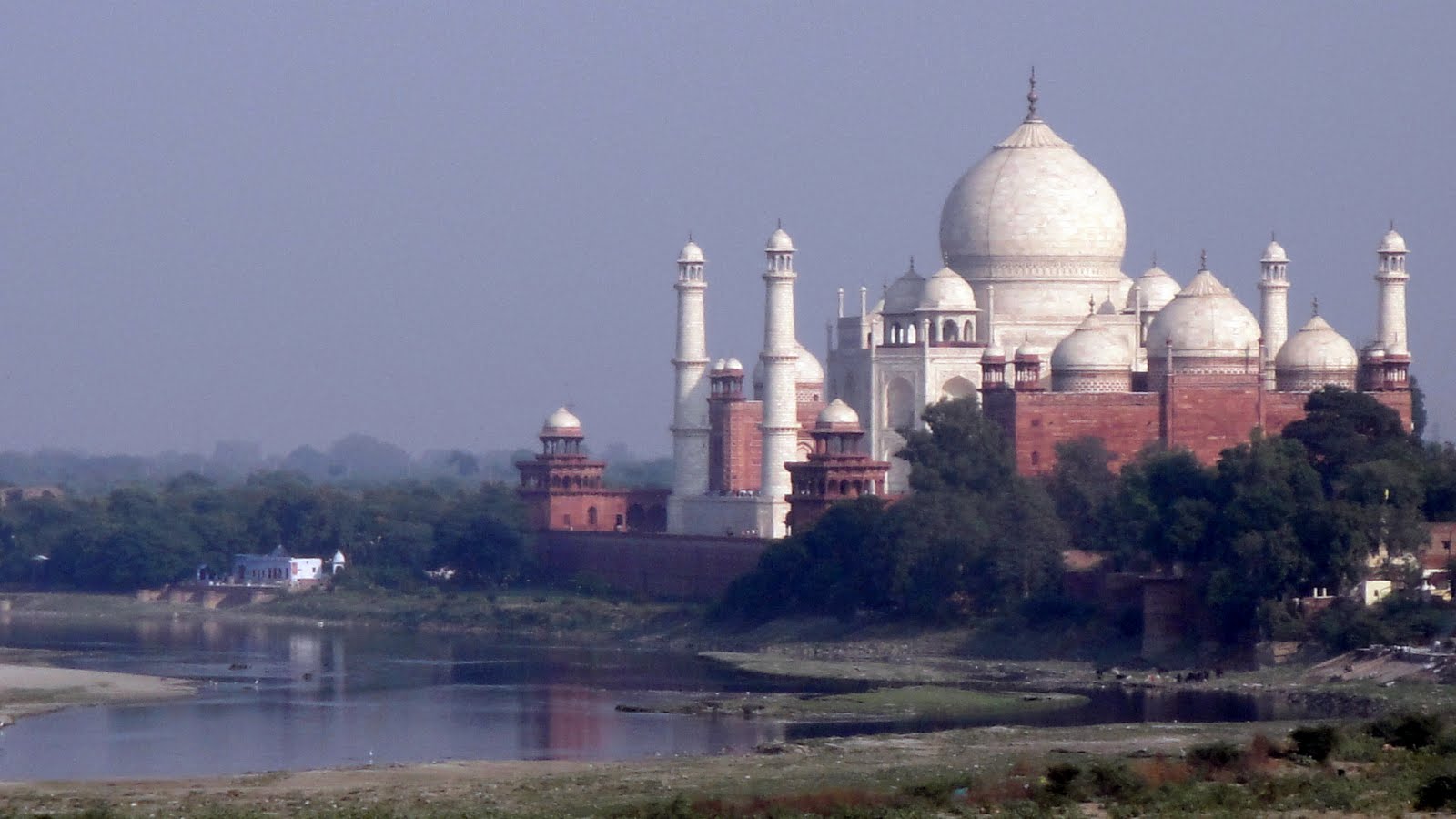
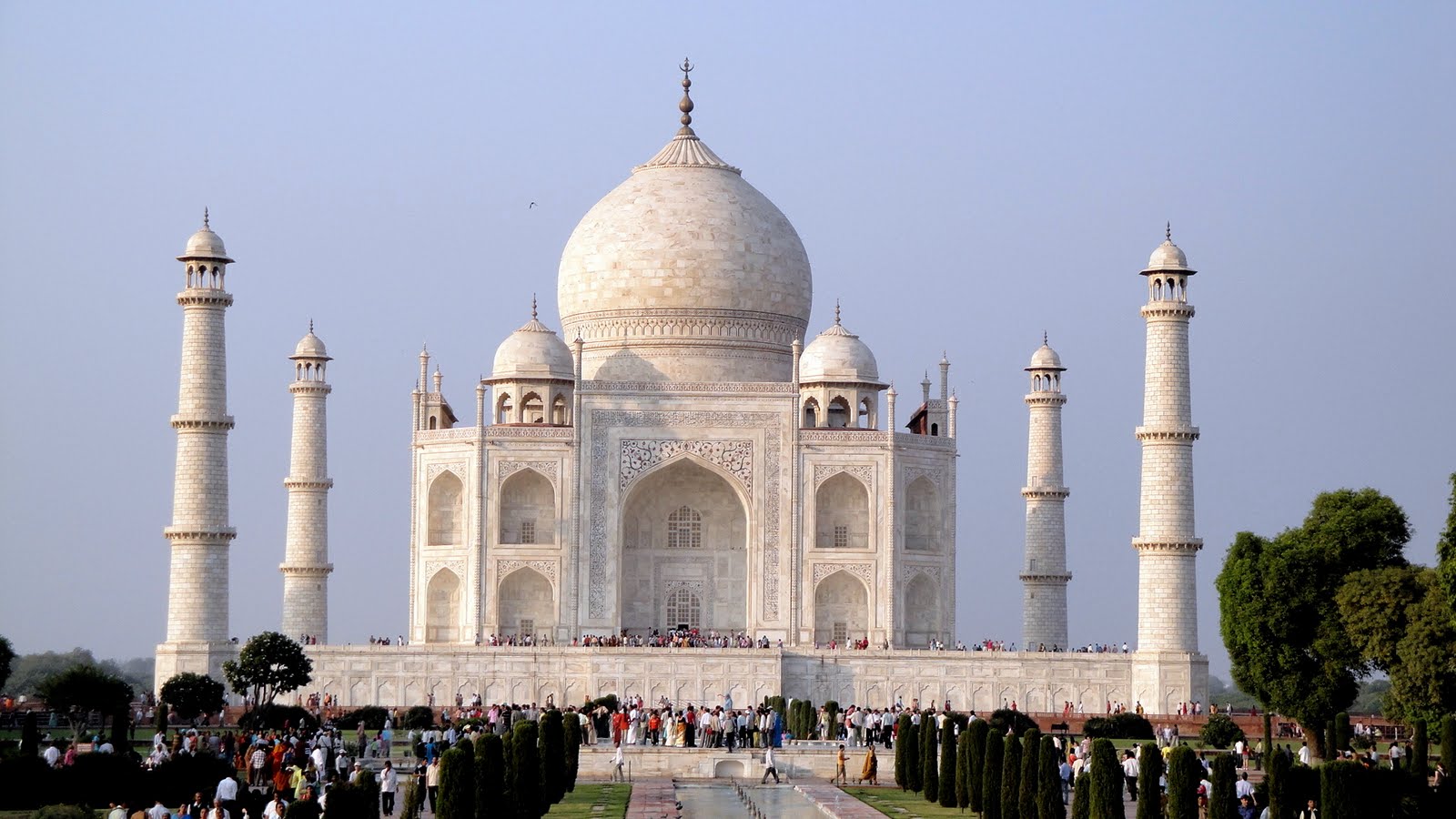
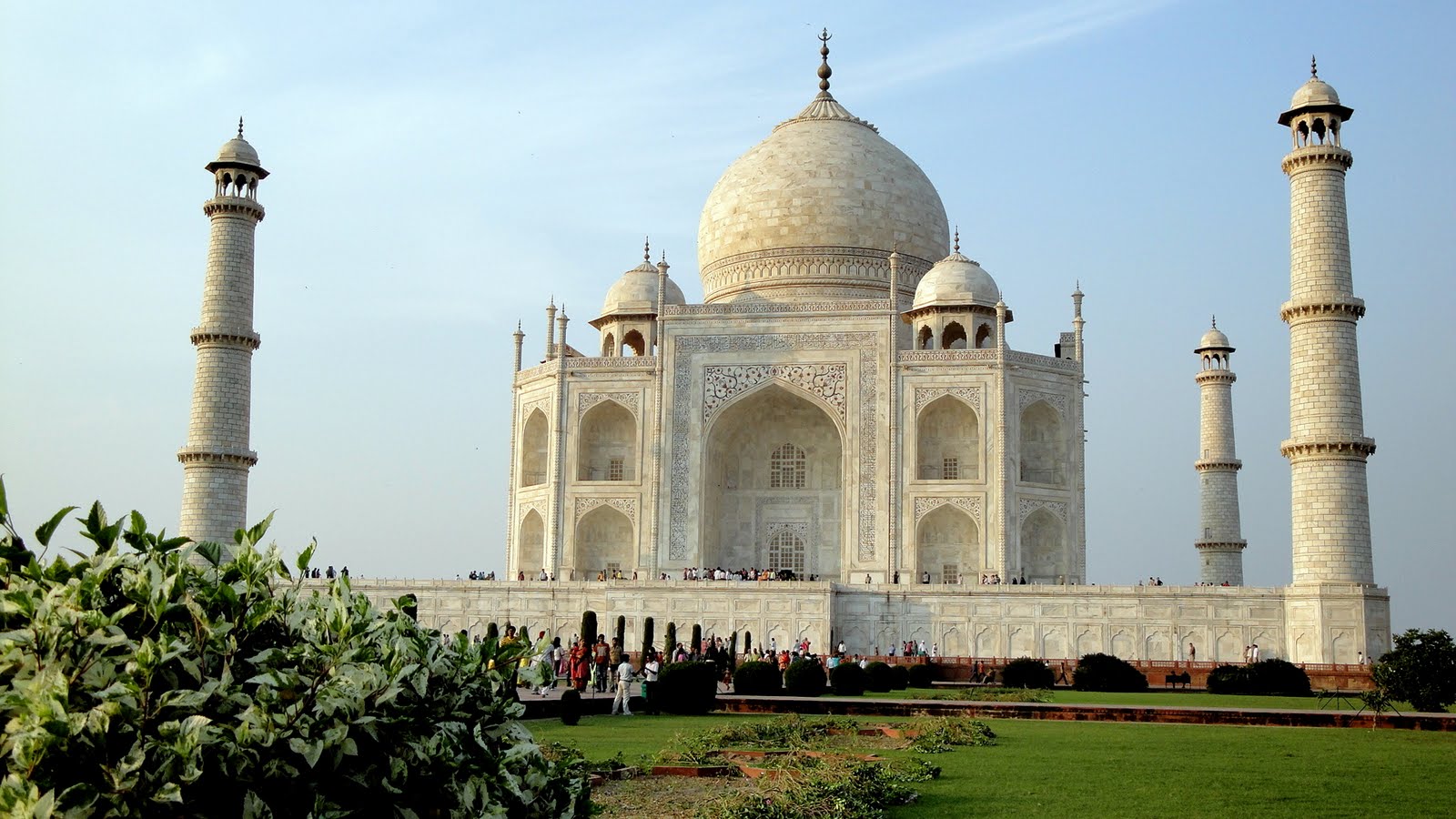
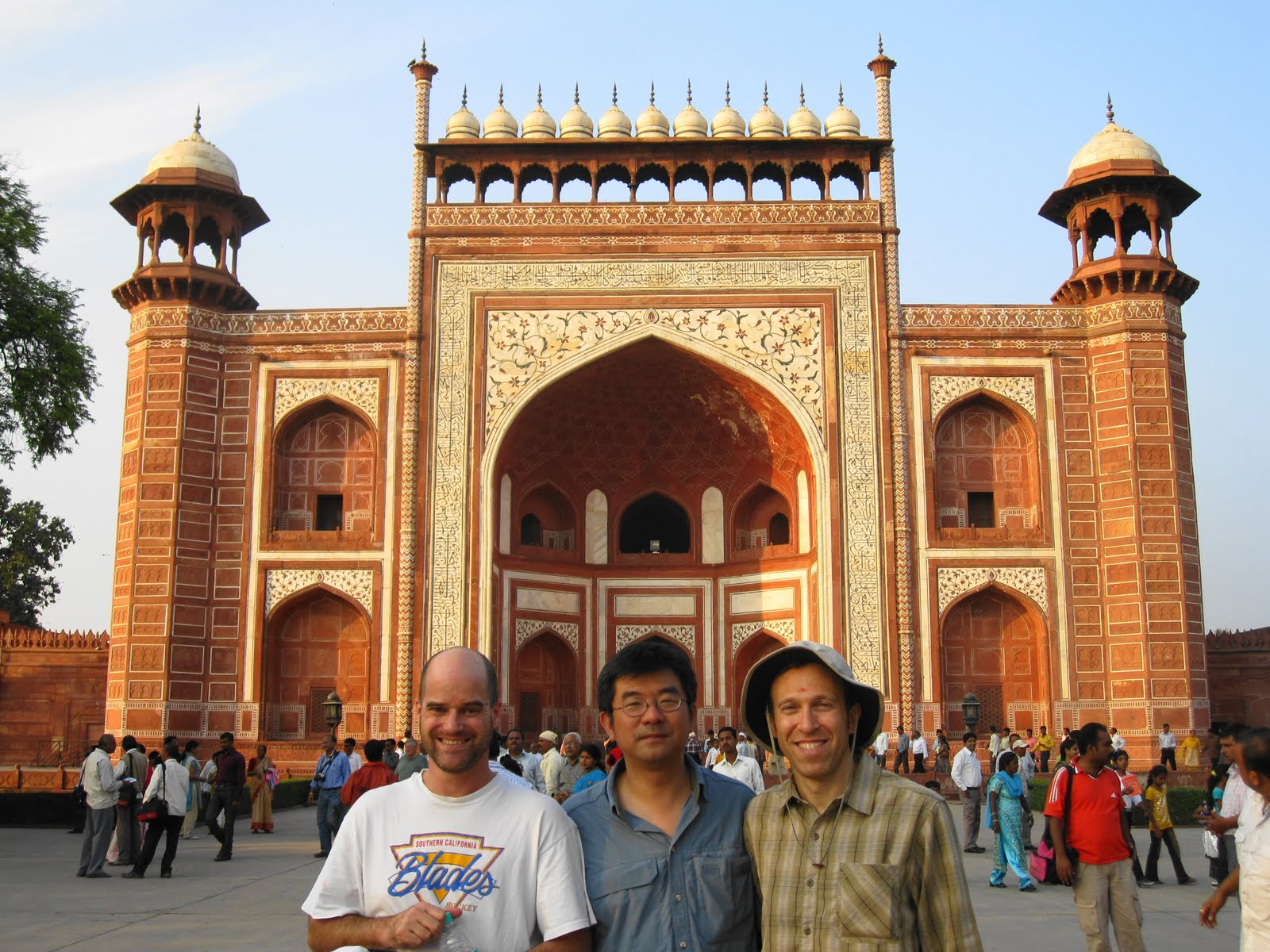
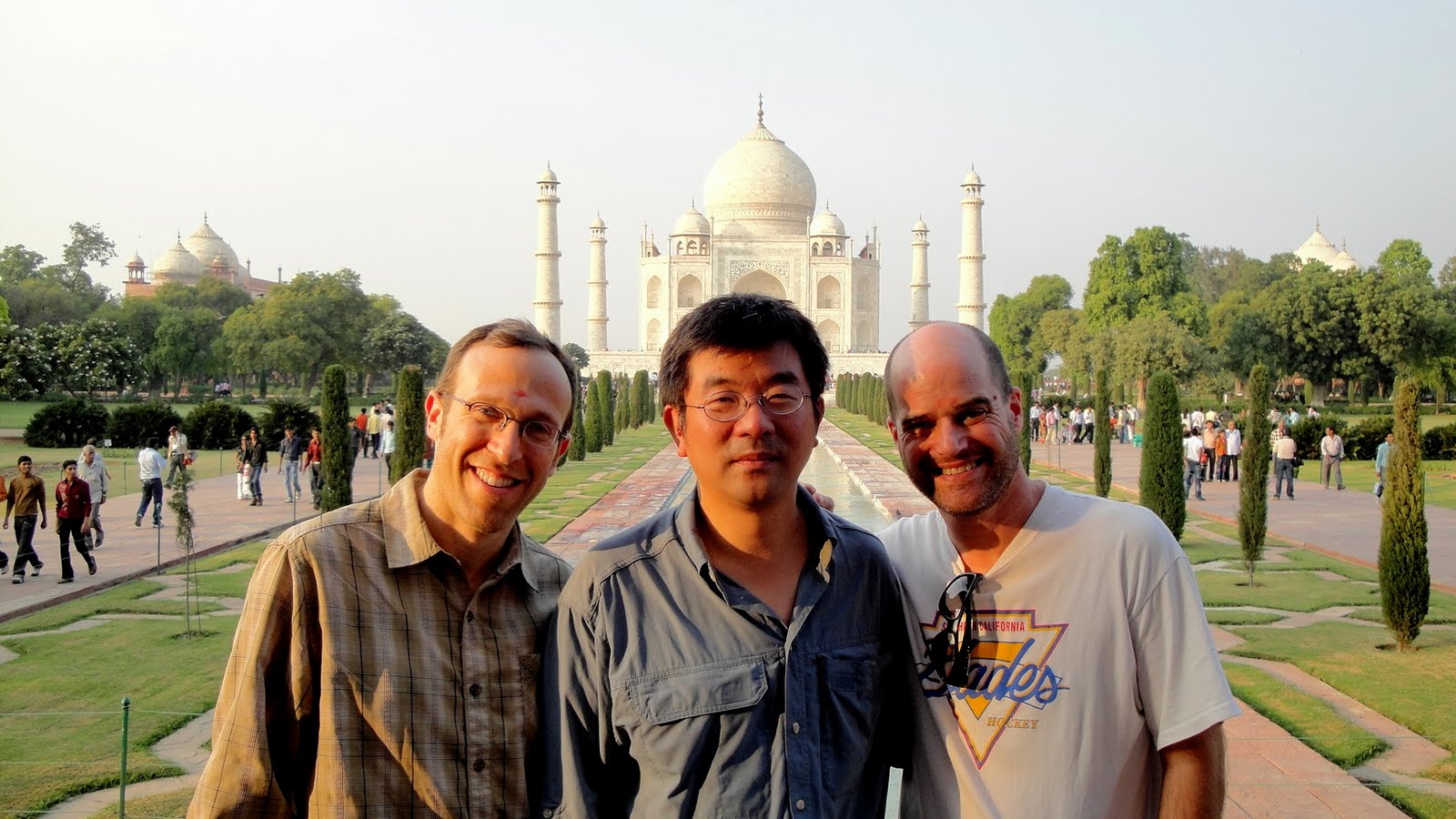
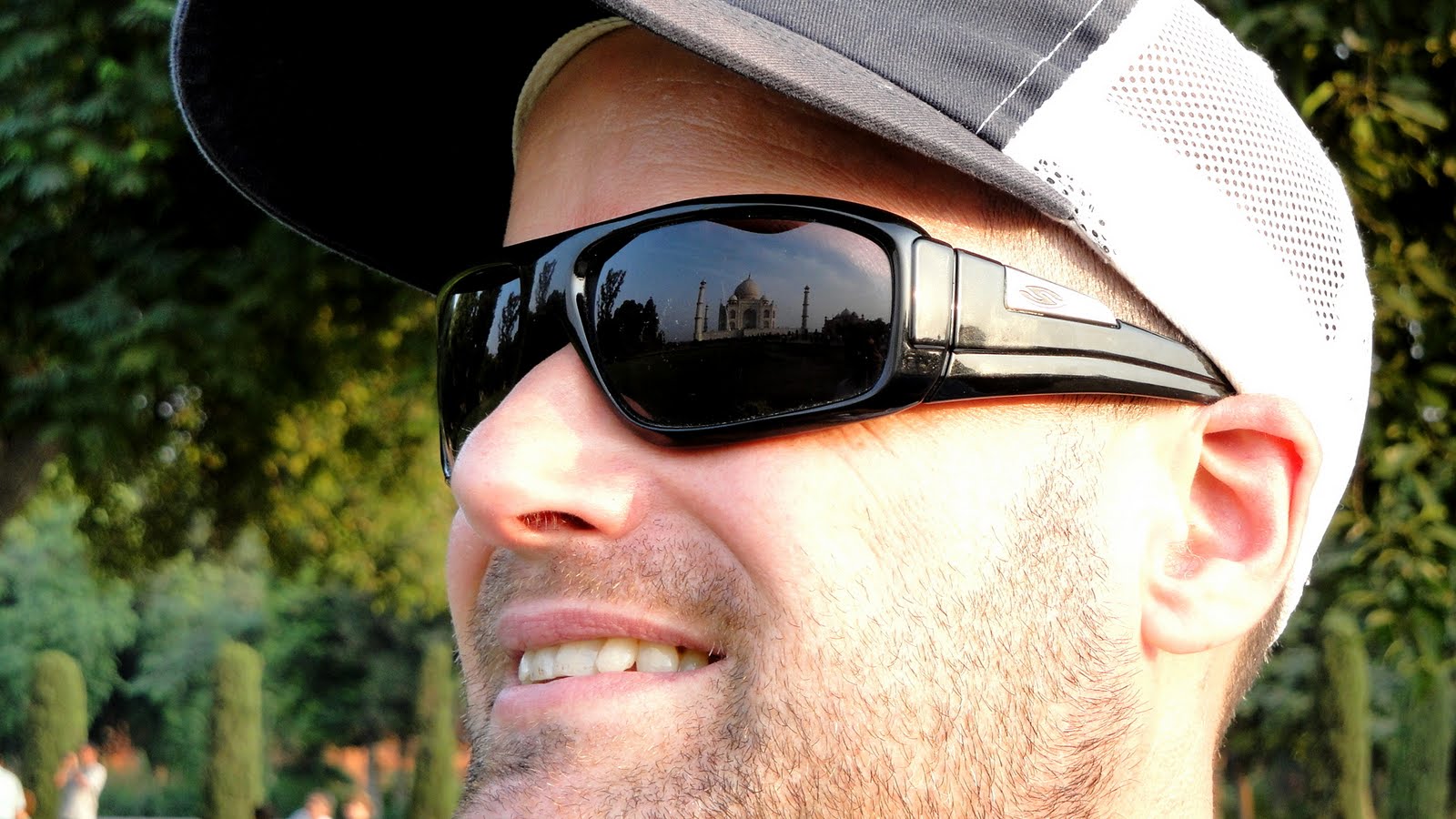
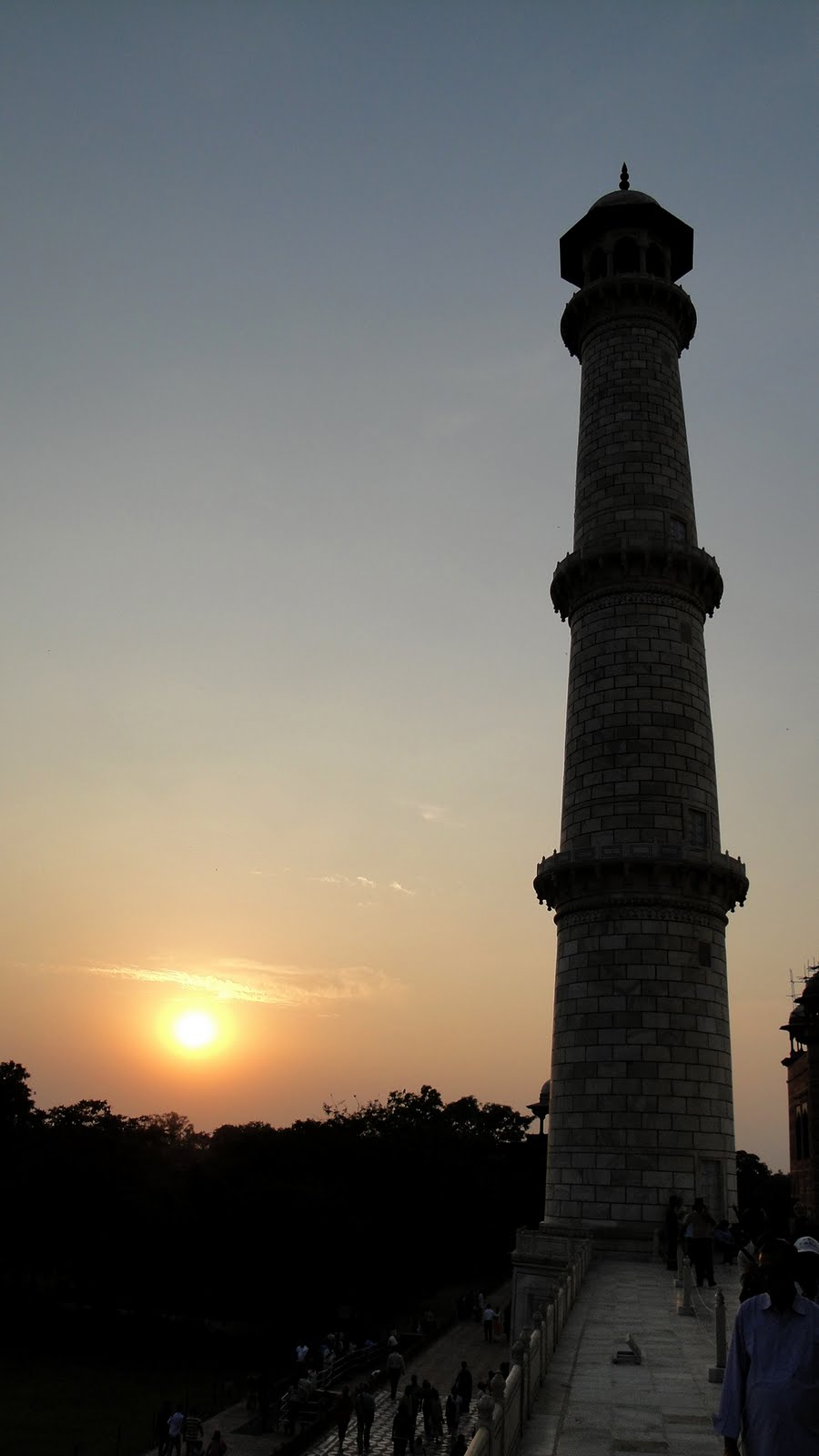
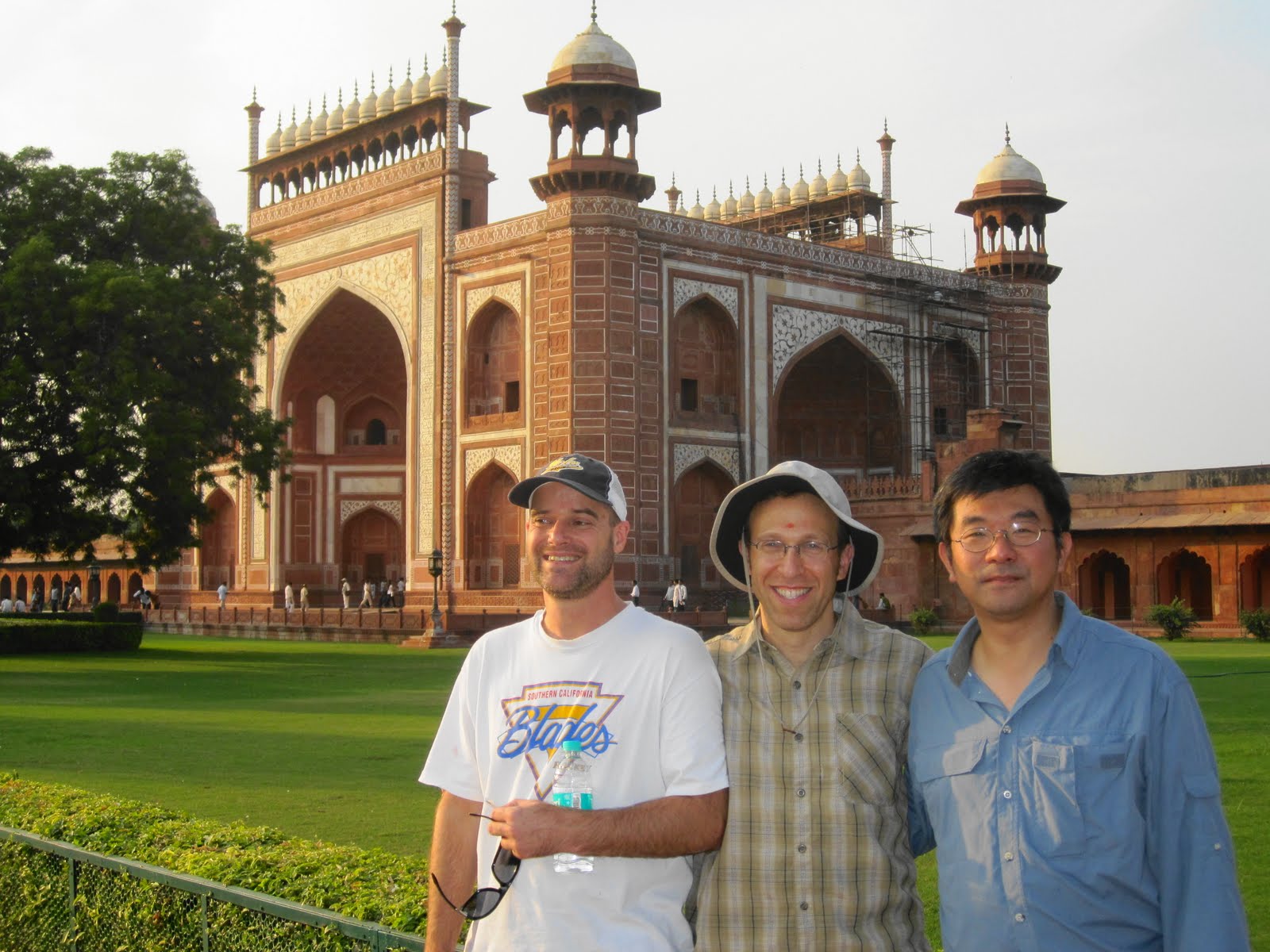
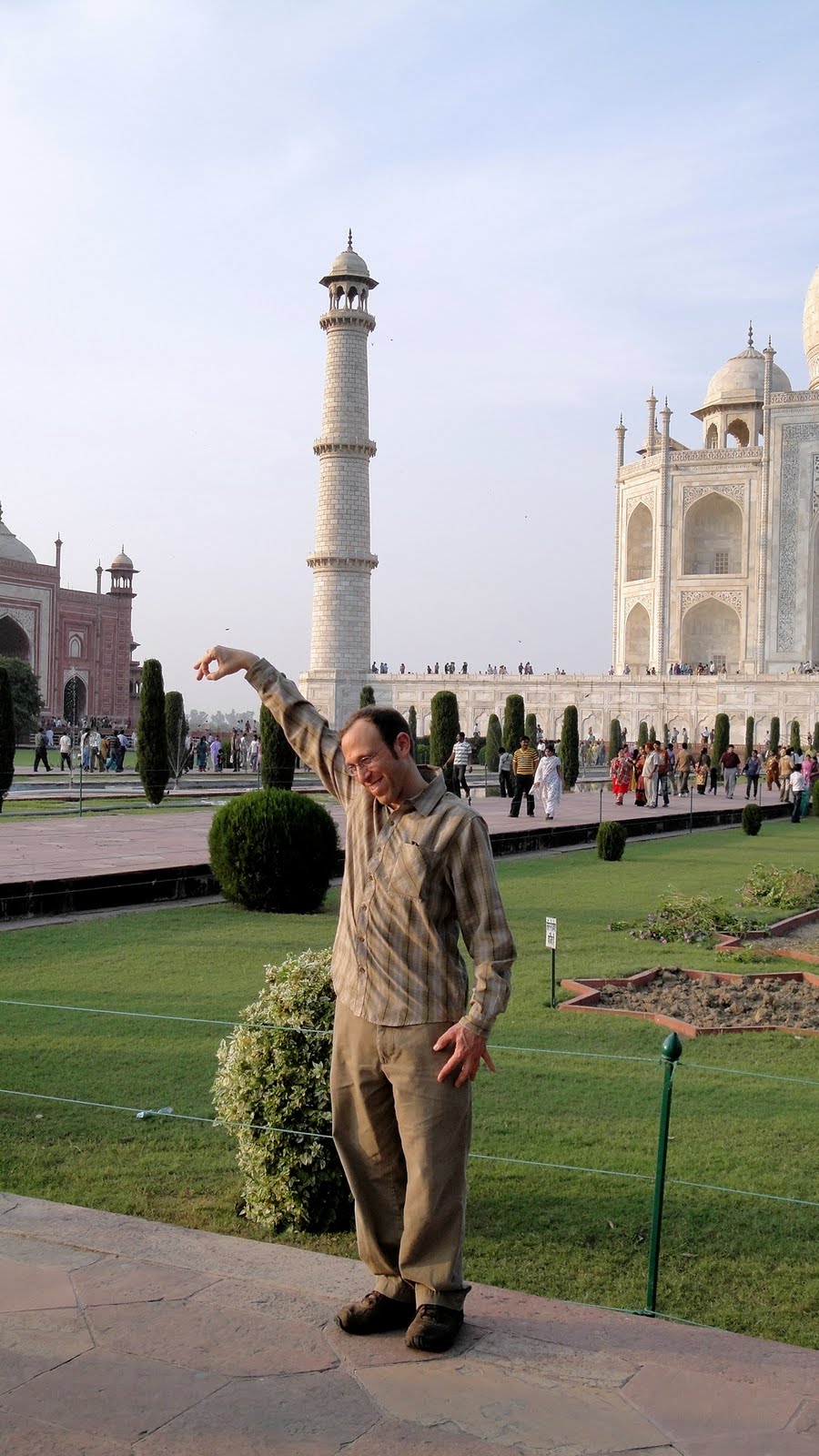 …ah, the Taj. It’s obviously India’s most famous icon, and as these photos attest yet again, it’s magnificent. For all that, it’s not the thing I enjoyed most in our twelve day tour, nor even in Agra — honors for that go to the tomb of Itimad ud Daulah or the complex at Fatehpur Sikri, both shwown in excruciating (no doubt) detail below. My problem was both the crowds and the guide that our agency had arranged for us; since this was our first day on the tour we didn’t know enough to turn down the guides. (When I travel alone, I bypass such guides and travel agencies, but they helped us schedule a lot of places in a short time as you’ve figured out…without me needing to do much other than list where we wanted to go.) In any case, the guide suggested the silly shot above — taken from the correct angle, it looks like Howard has has hand on top of the side tower and is really kinda cute — and the nifty sunglass reflection below. Both are nice ideas, and indeed the guy did a fine job…but he rushed us through so fast!
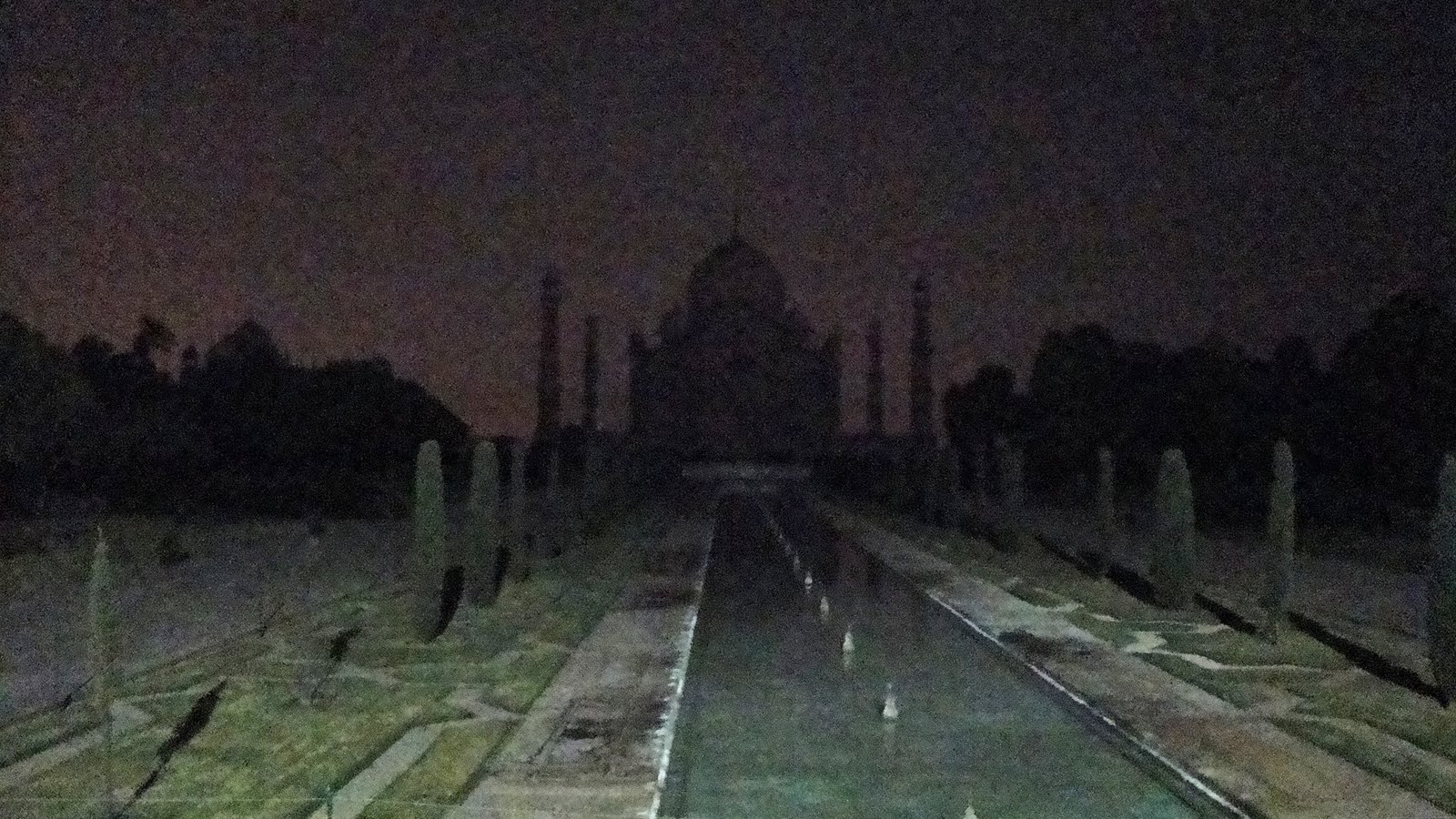
  My advice to anyone planning a visit: skip the guide, take yourself there at the crack of dawn and go through the interior tomb area when it seems as uncrowded as it’ll be, then just linger on the grounds and watch the changing light for a long long time — take a book, take some water; you can’t take much more really (check the rules on that before you leave your car or hotel!). Or go before sunset, as we did. IF you get moonlight (full moon — five nights per month, full moon plus the two nights and after) tickets, then be sure to go for an early morning or a sunset viewing before you go at night — it won’t make as much sense to you otherwise. Our moonlight, as you’ll see below, was a bit hazy from the pollution. Still, it’s very uncrowded, very atmospheric, and utterly memorable.
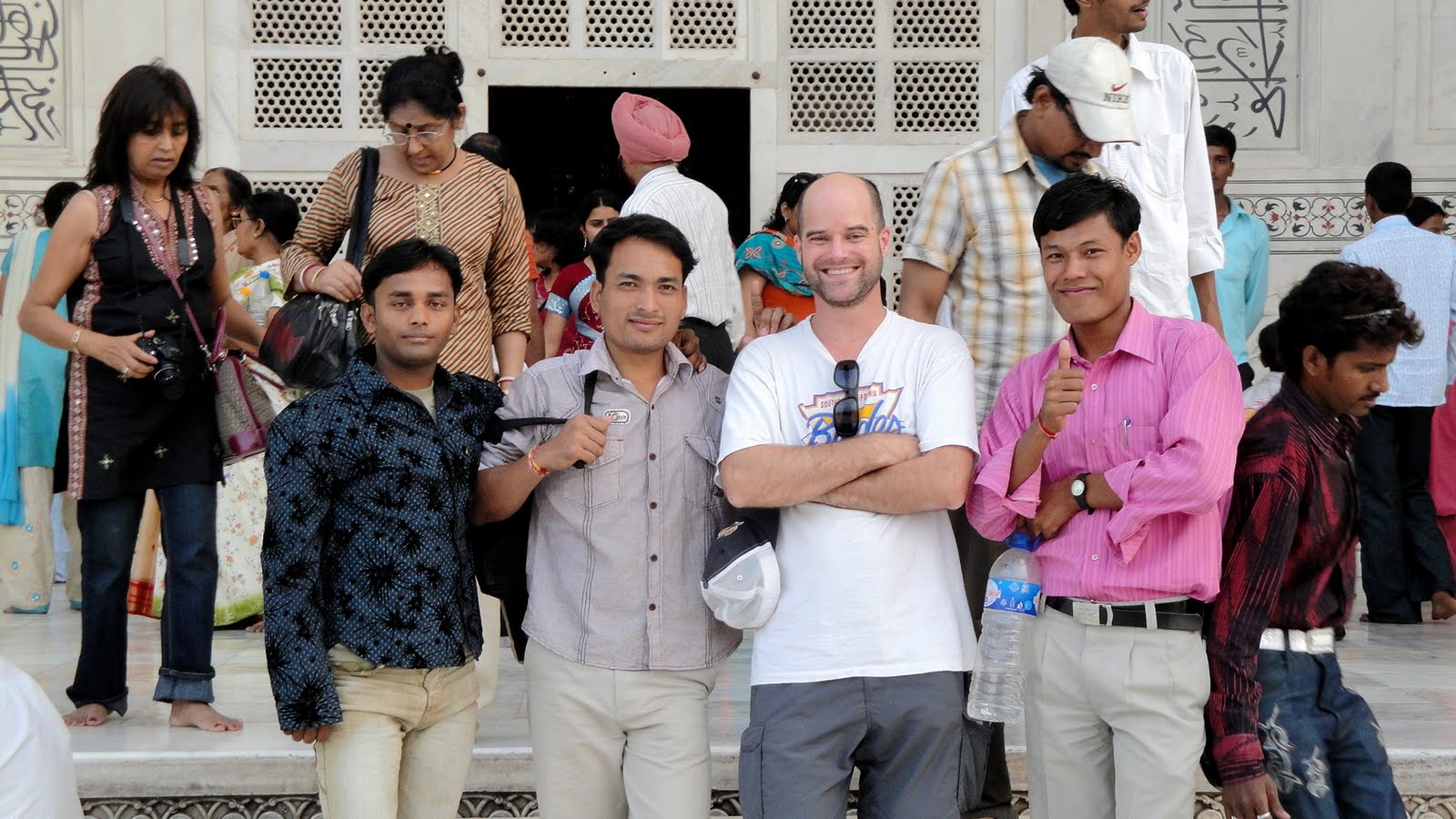
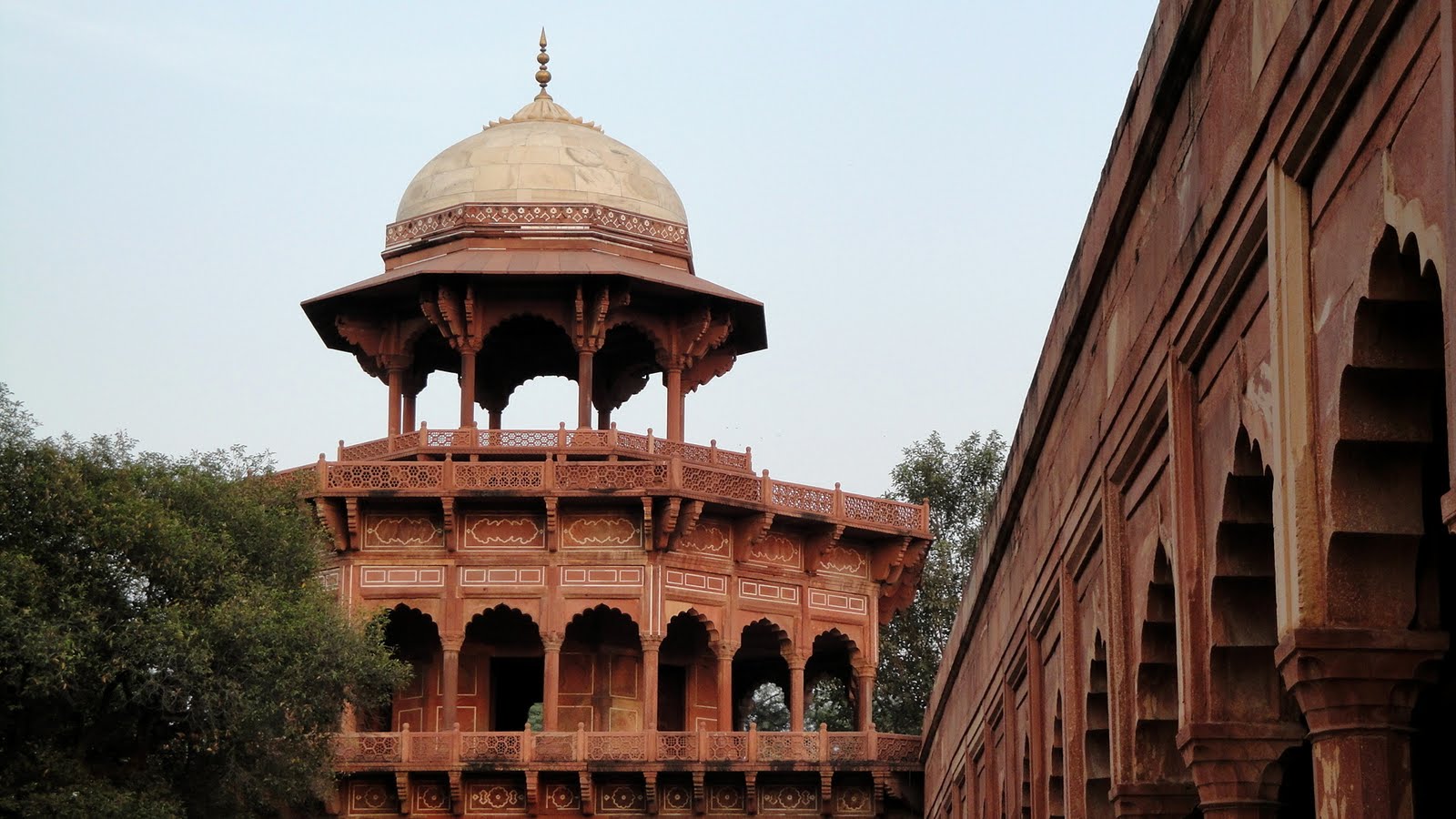
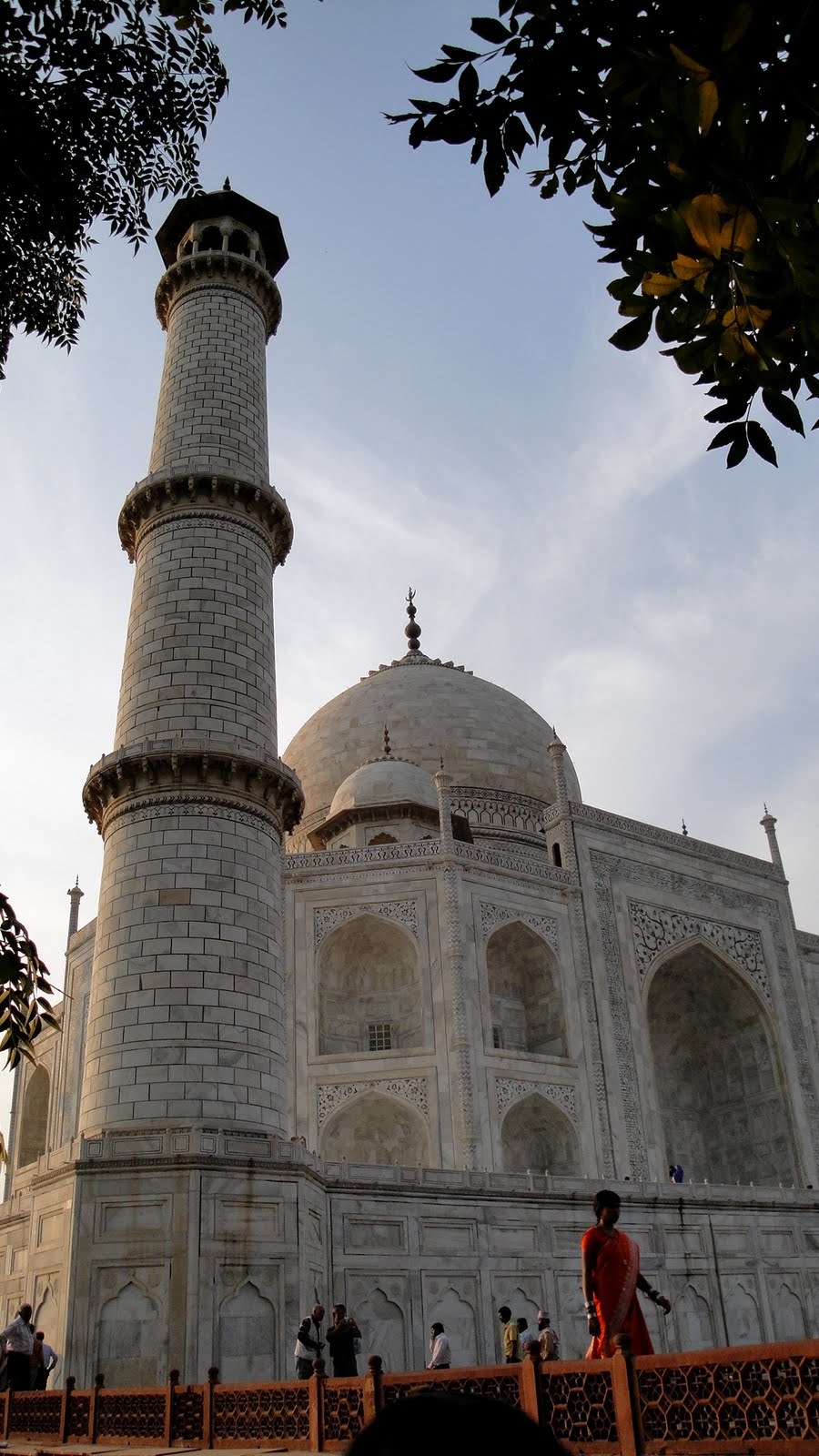
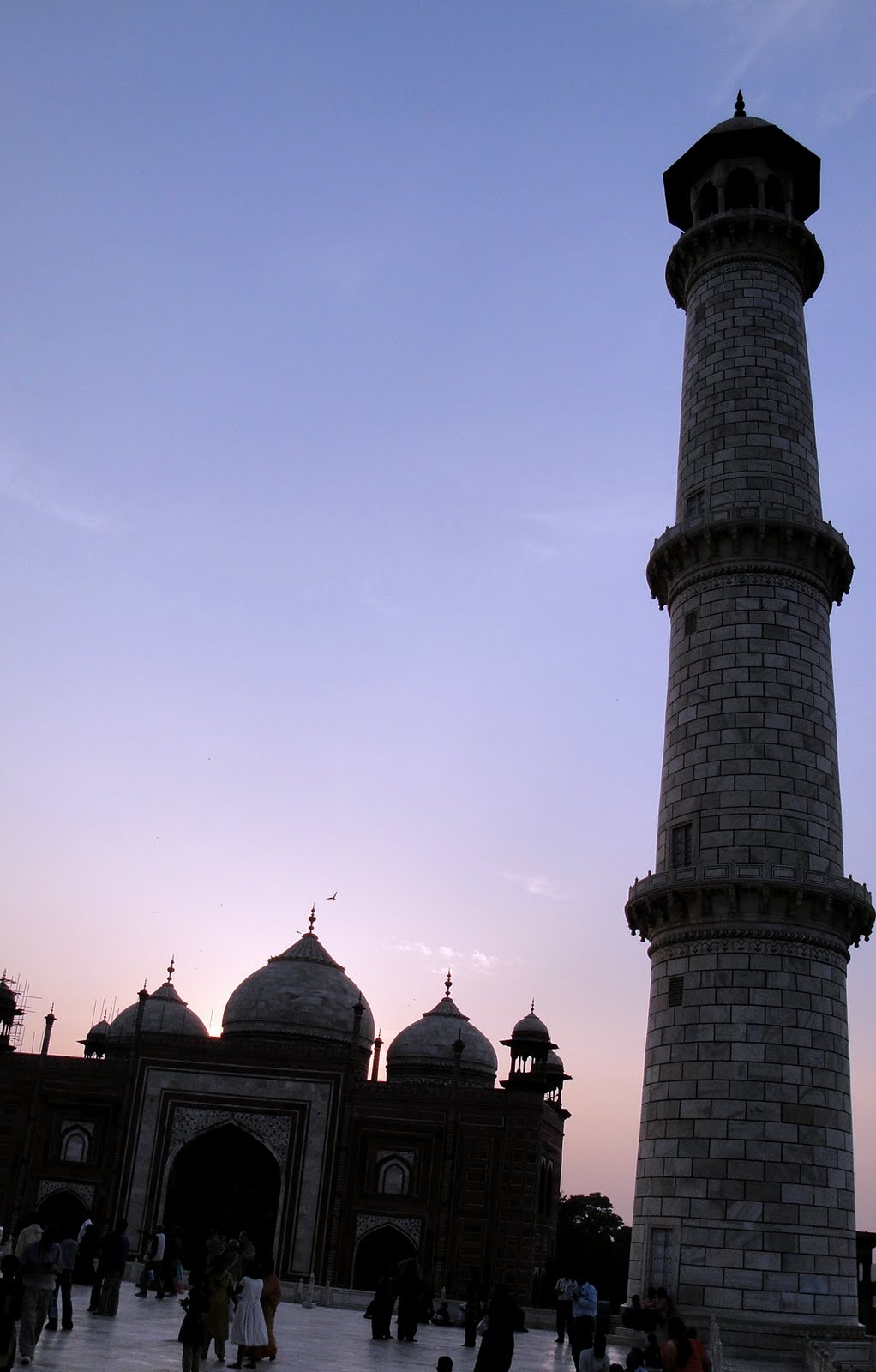
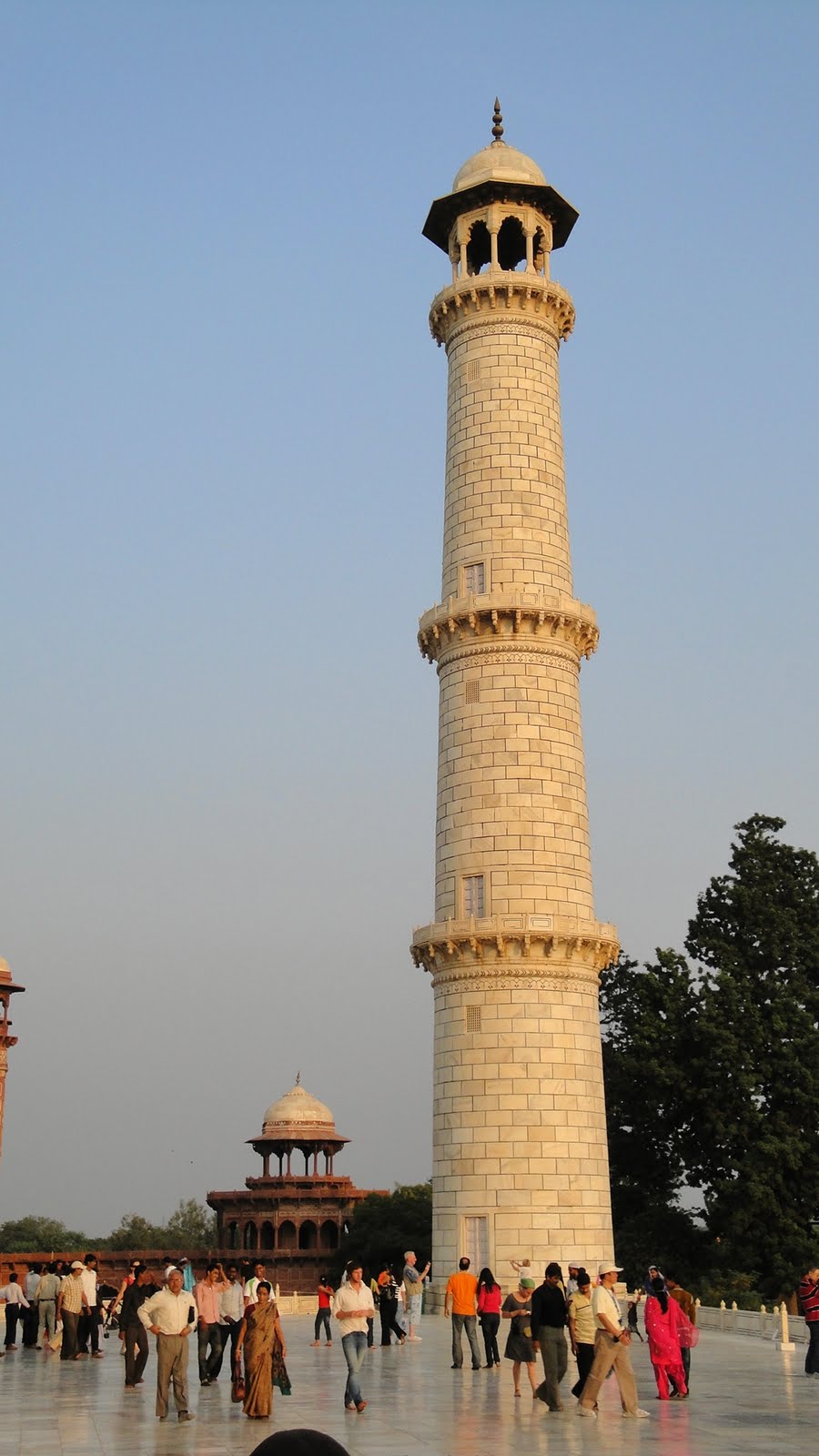
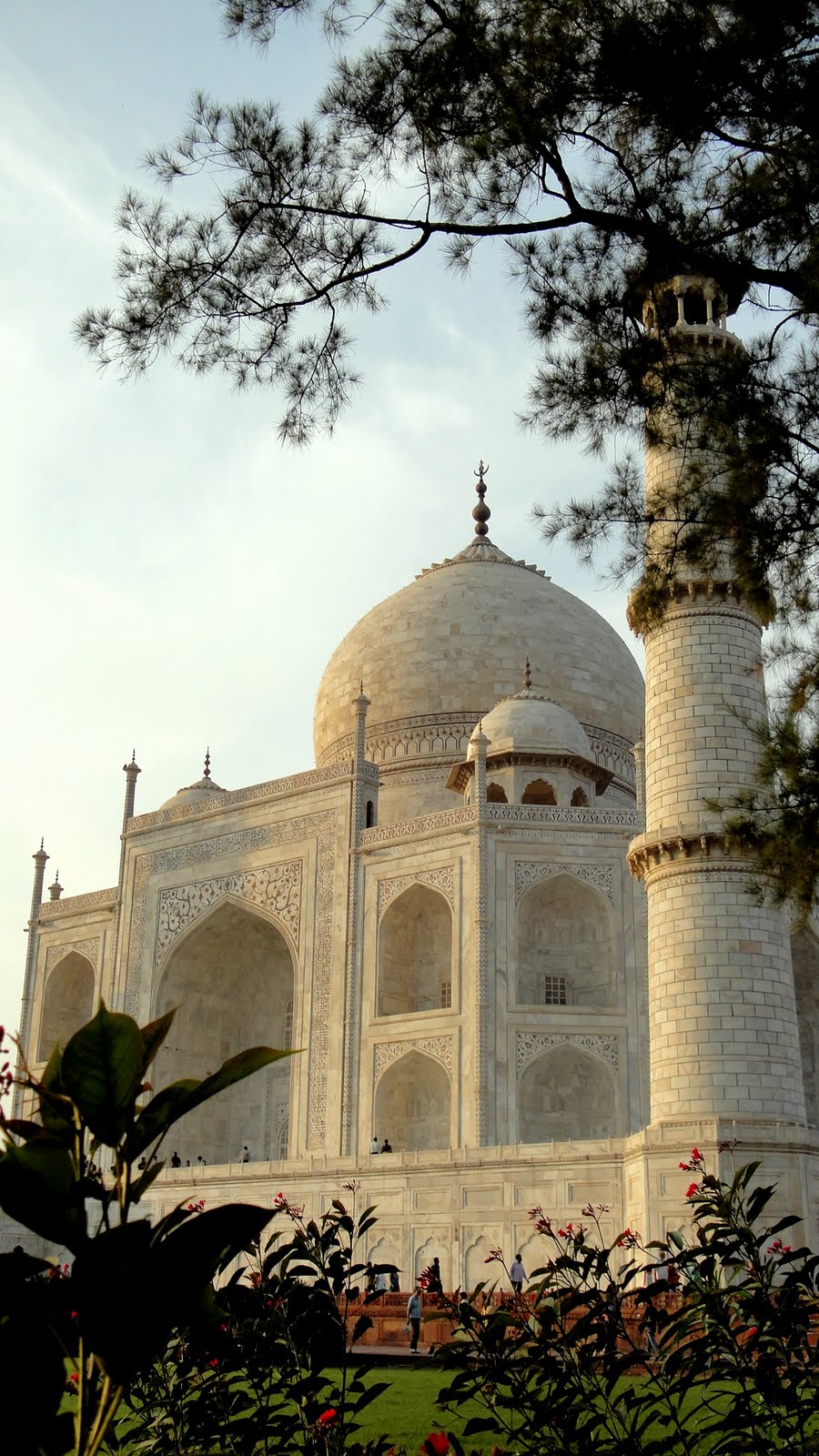
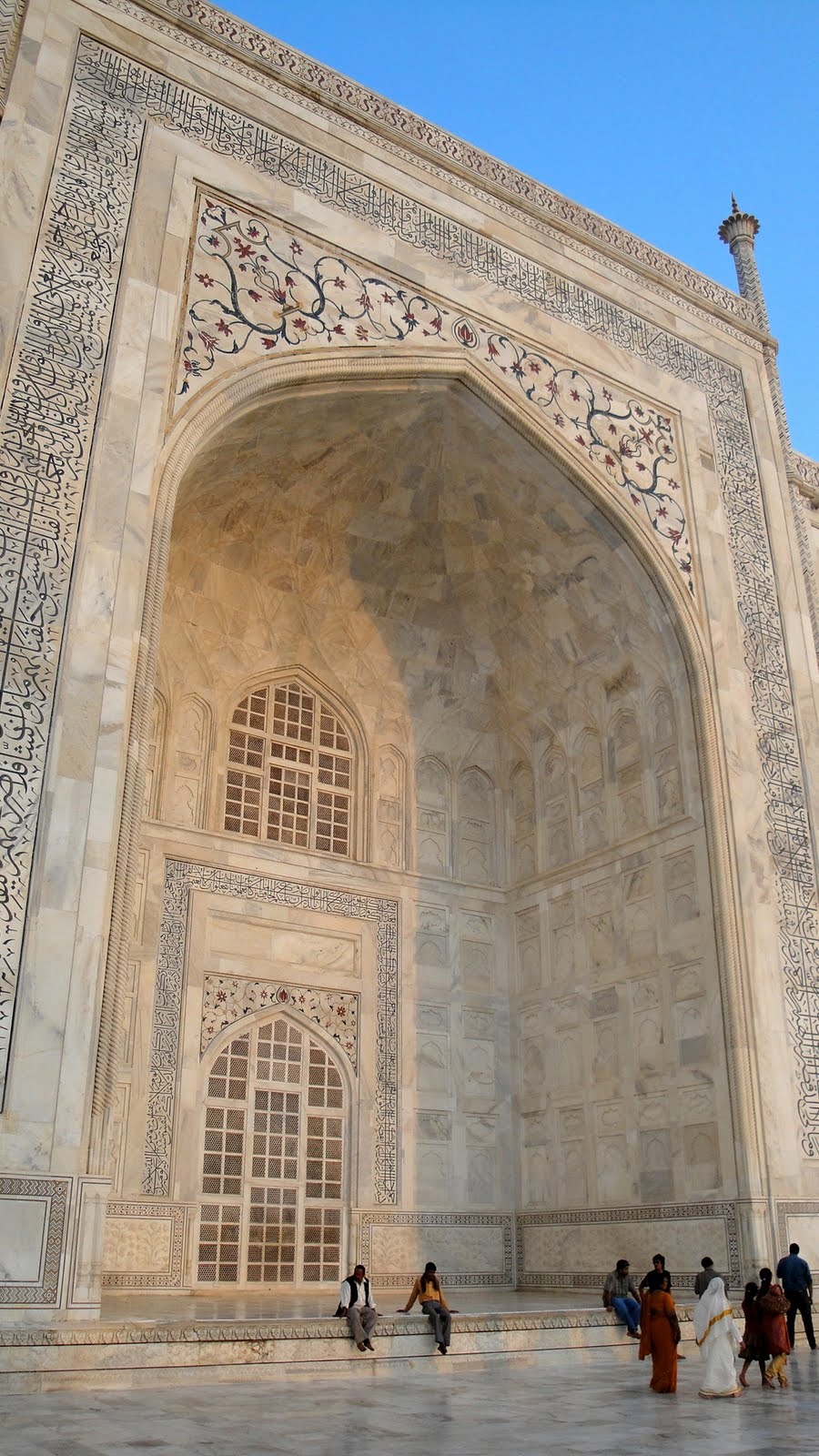
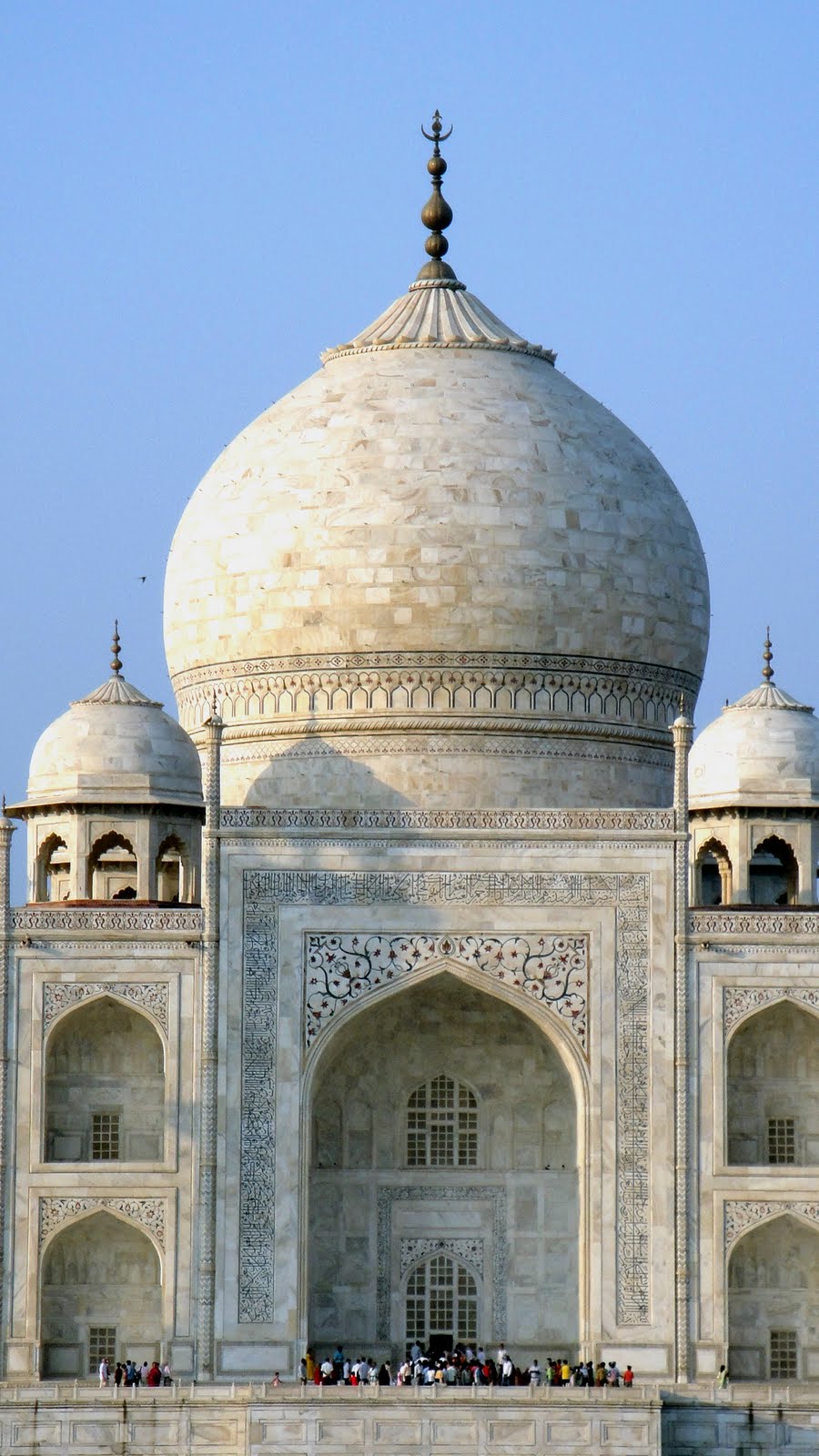
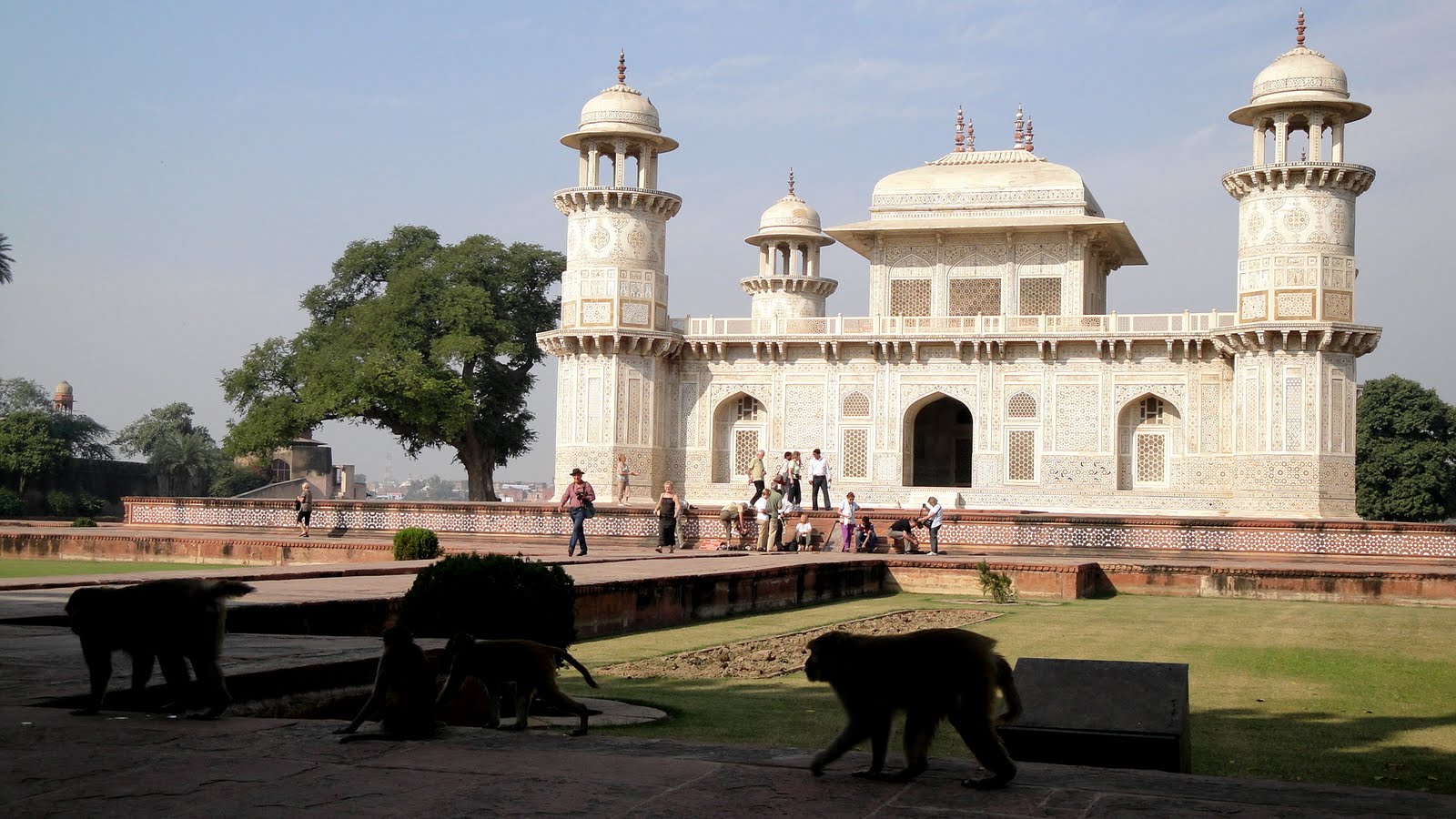
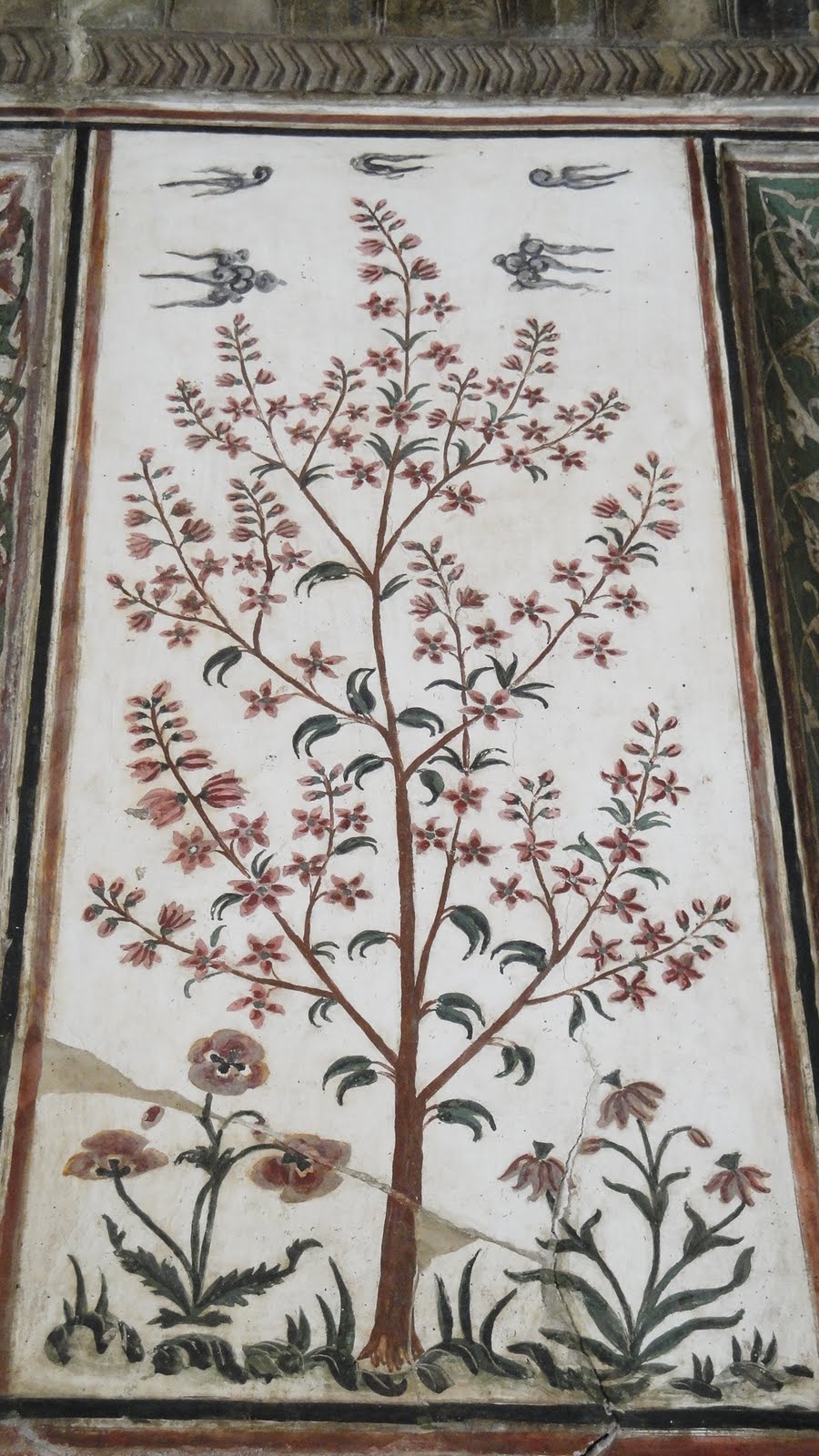
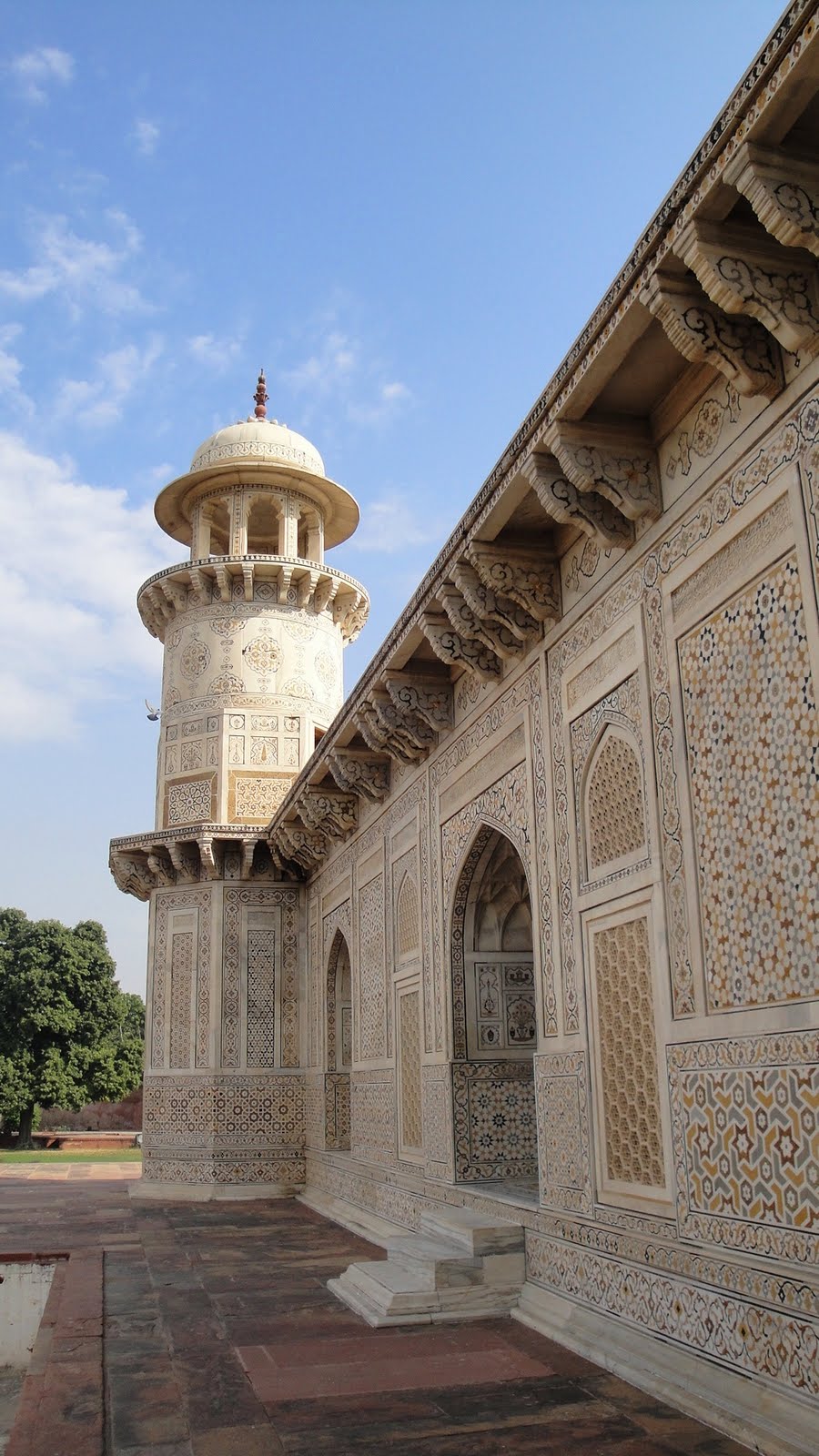
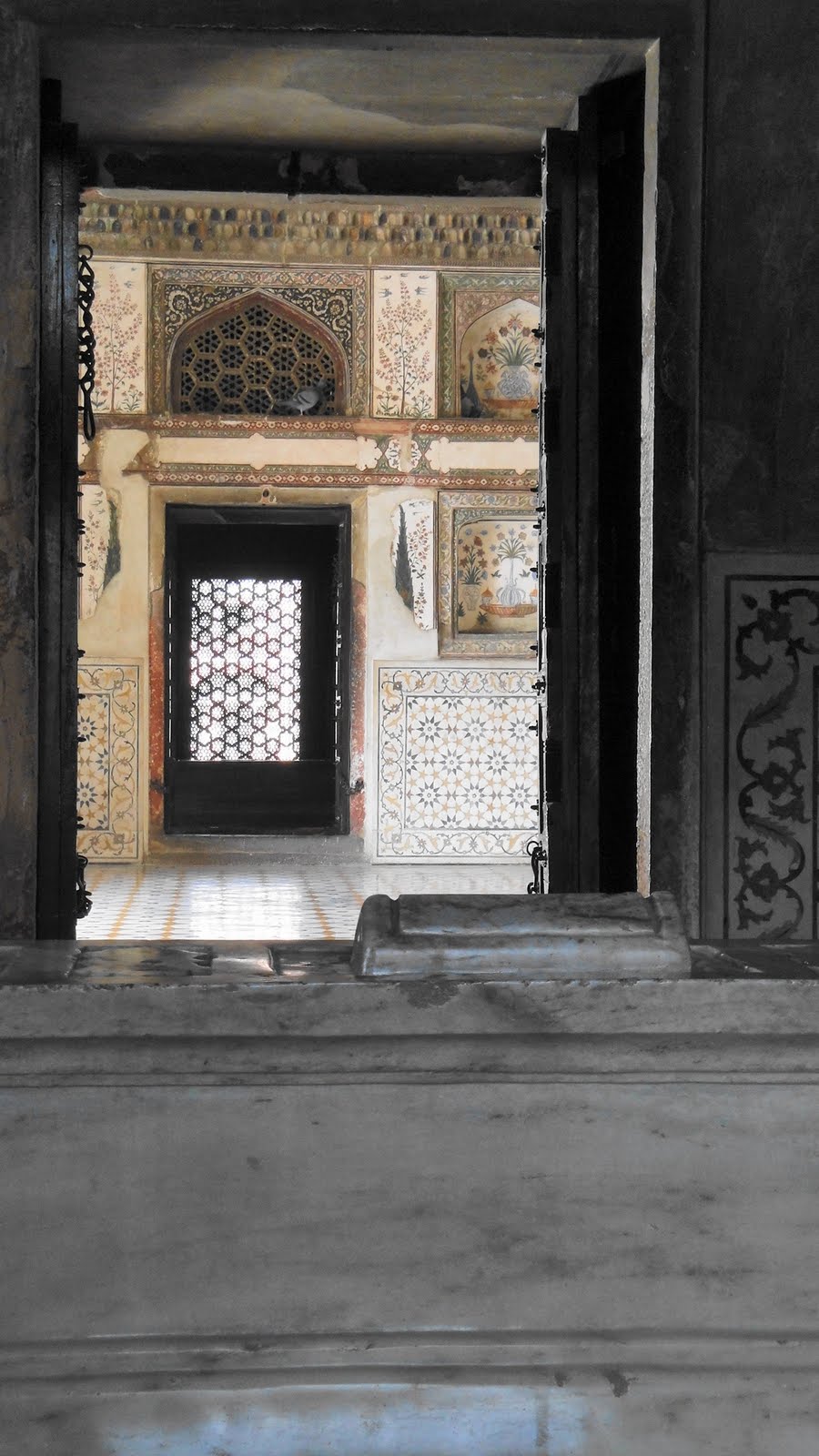
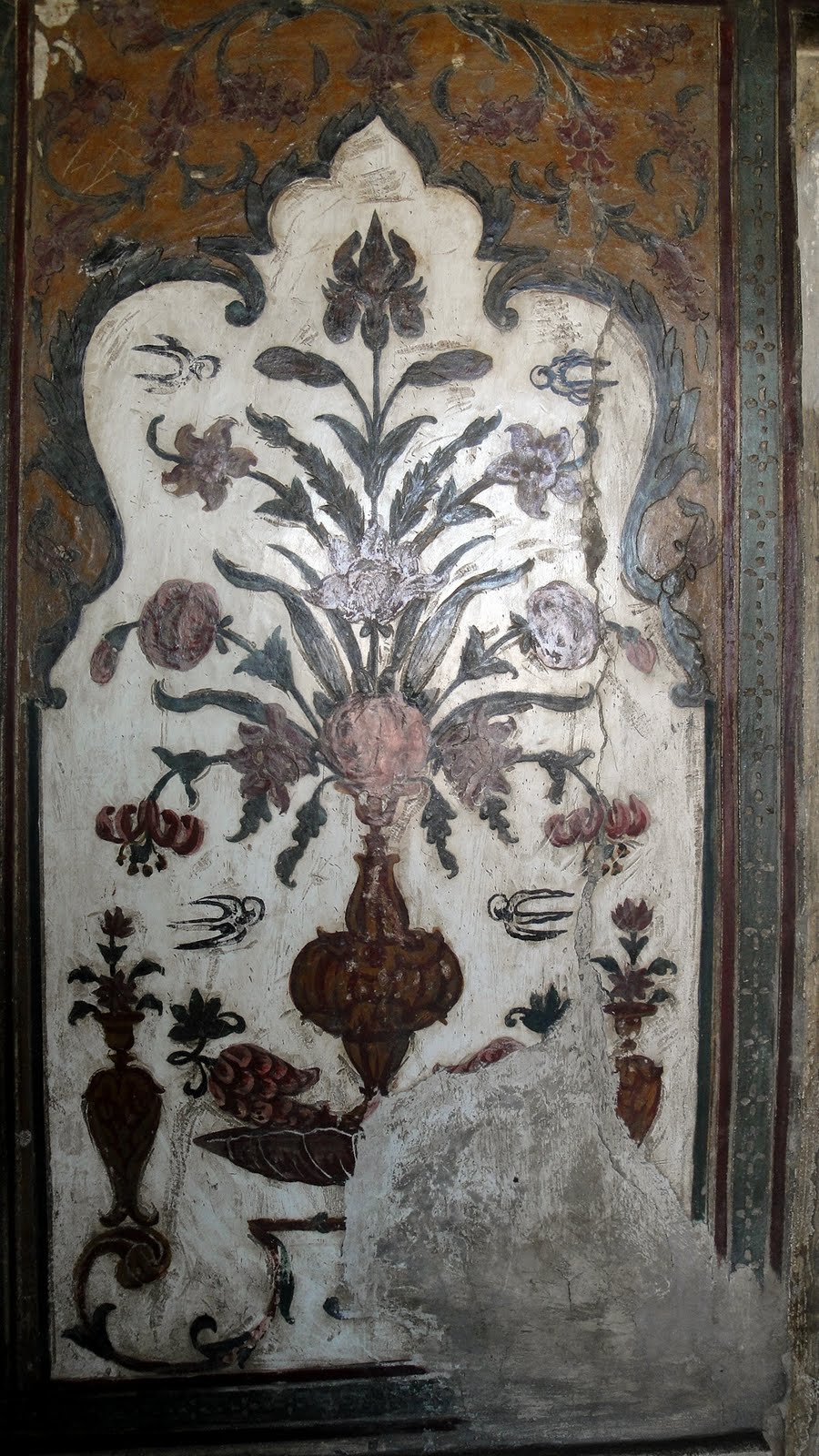
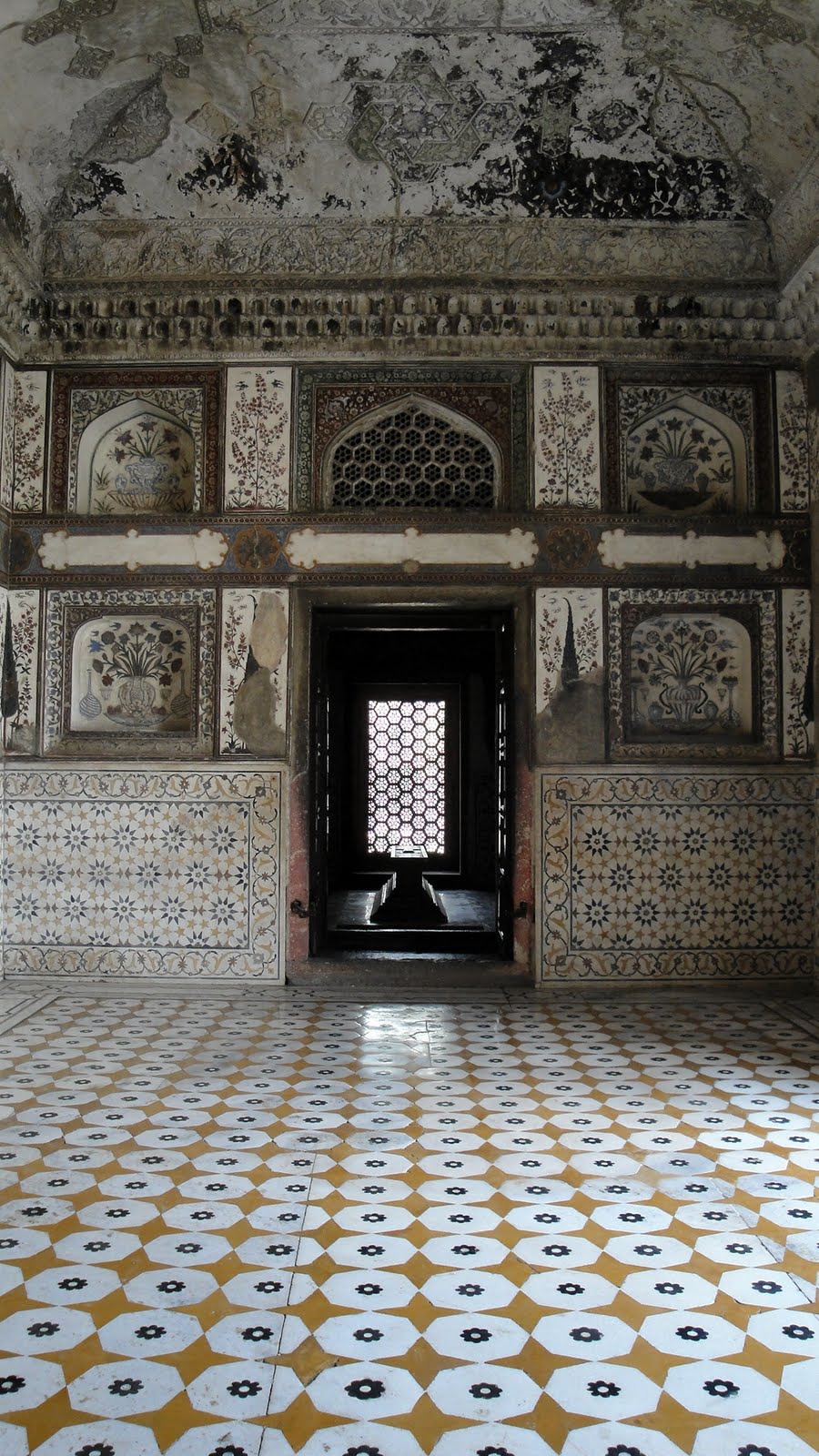
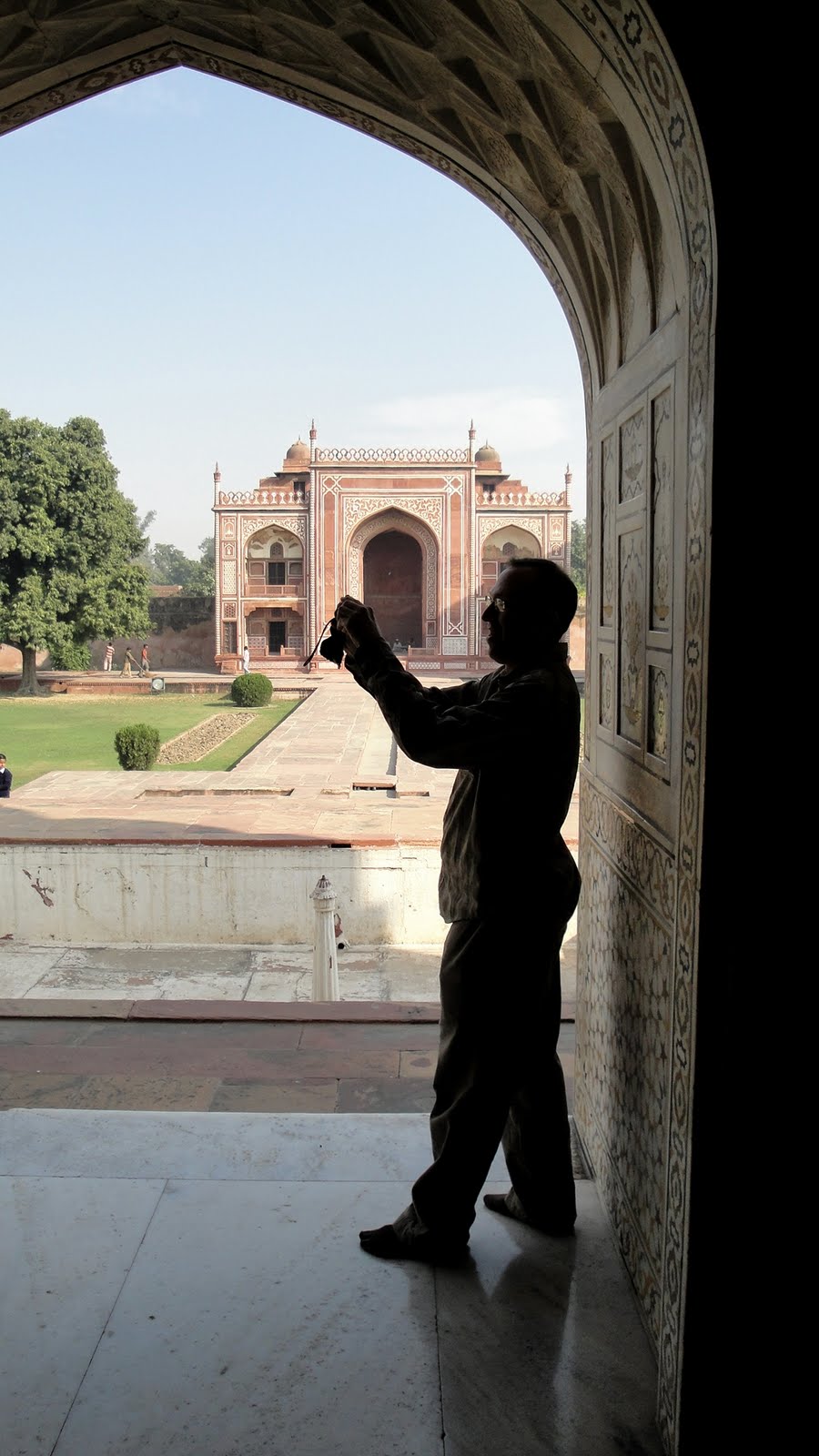
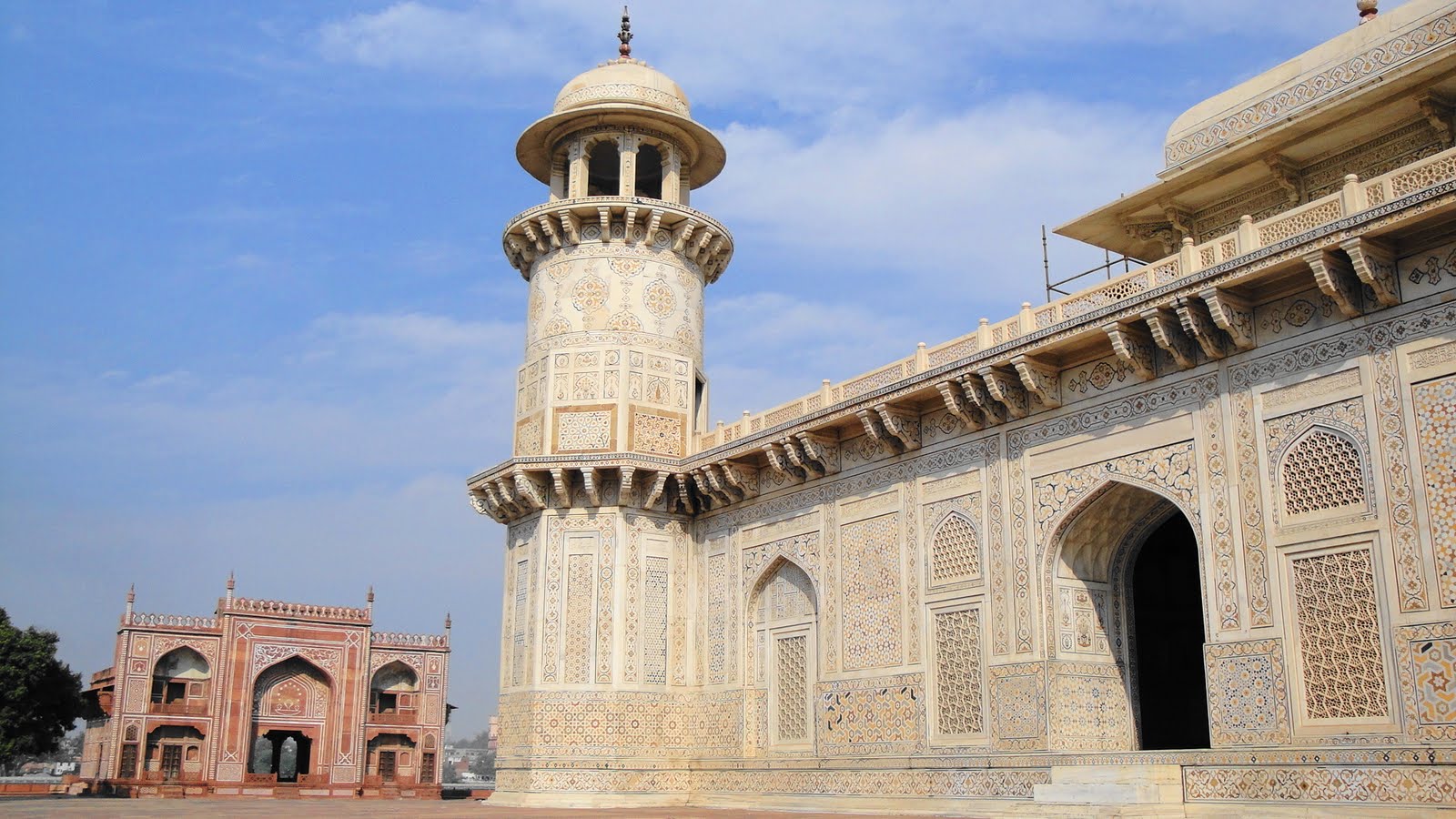
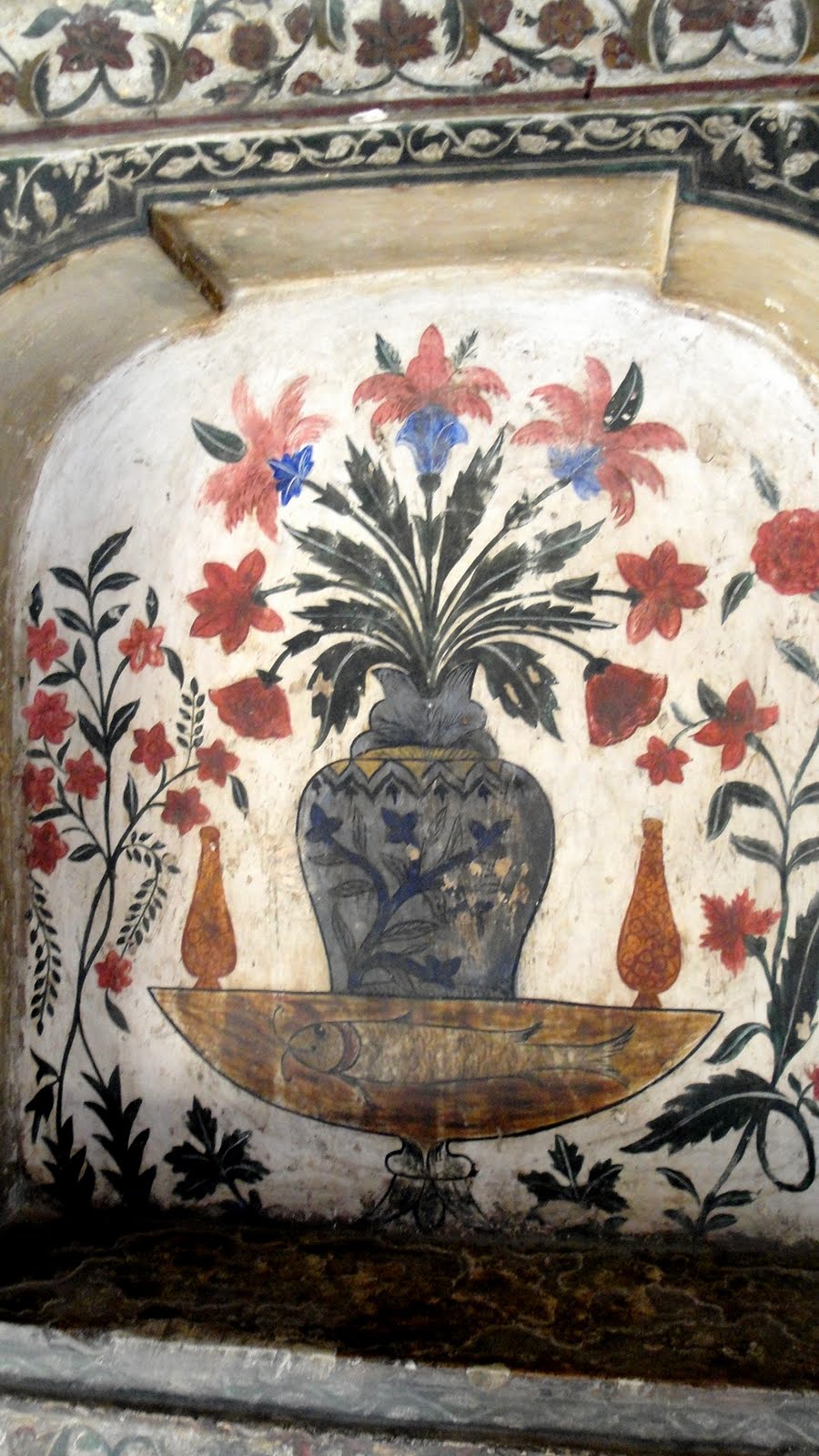
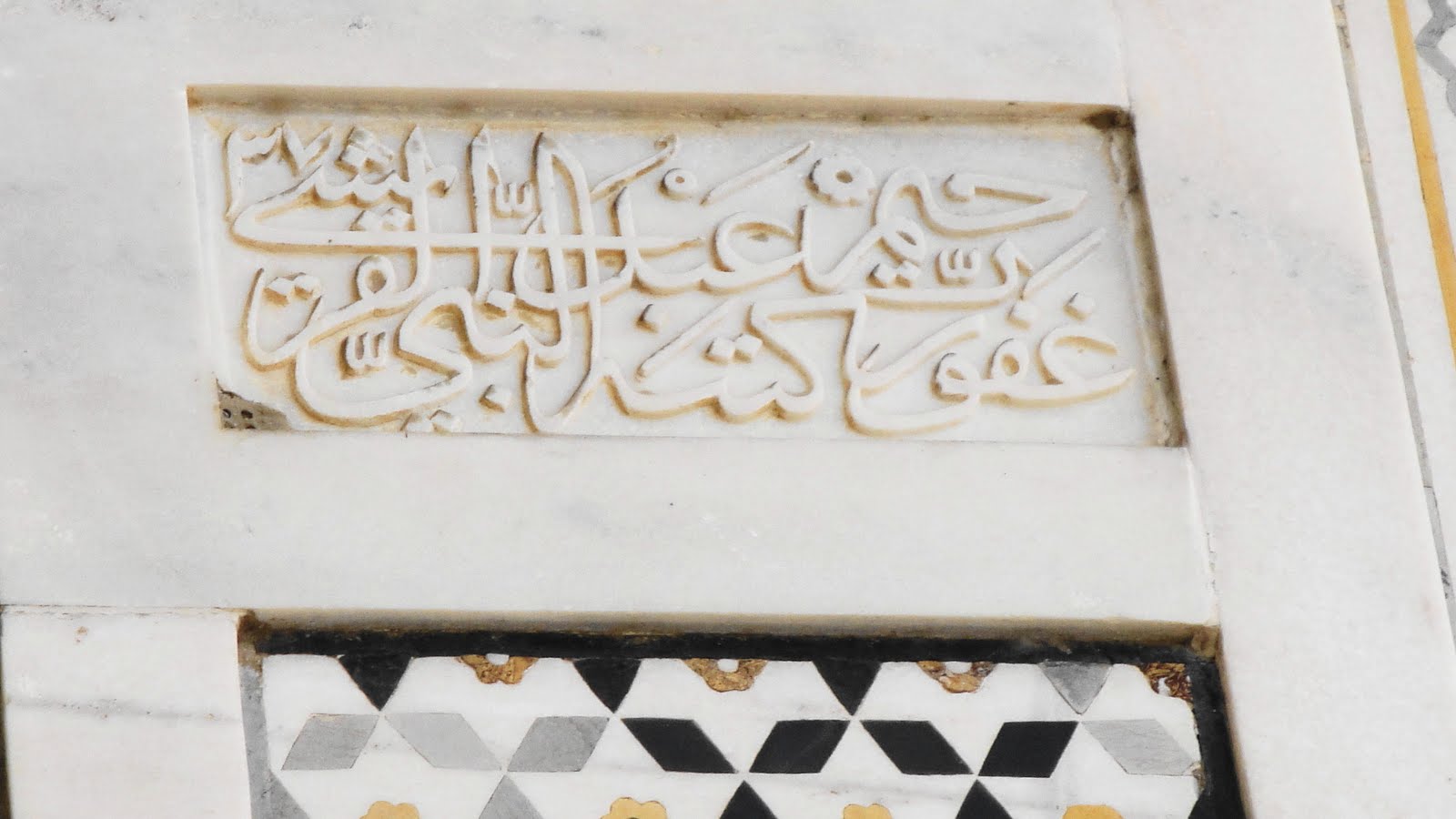
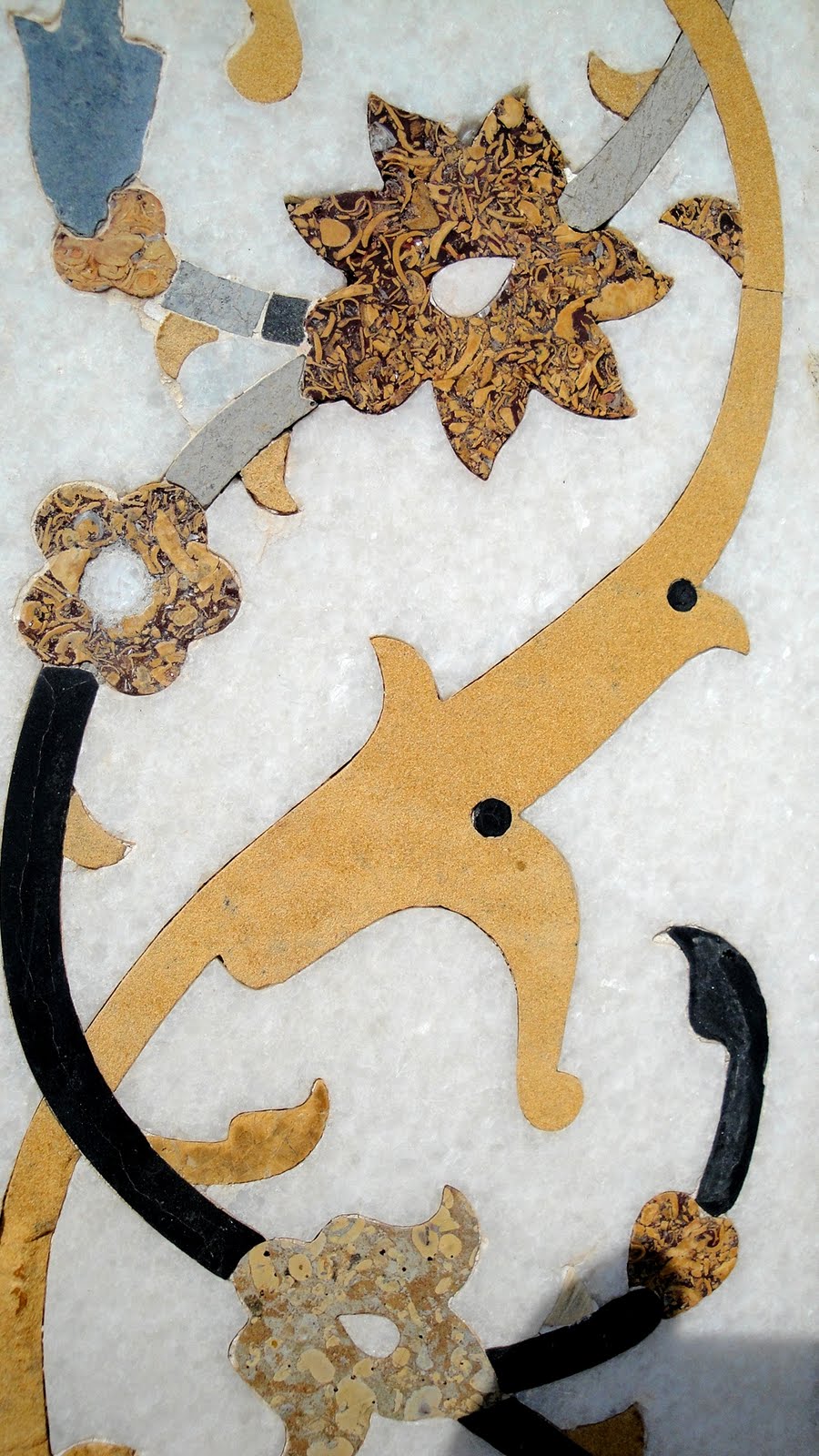
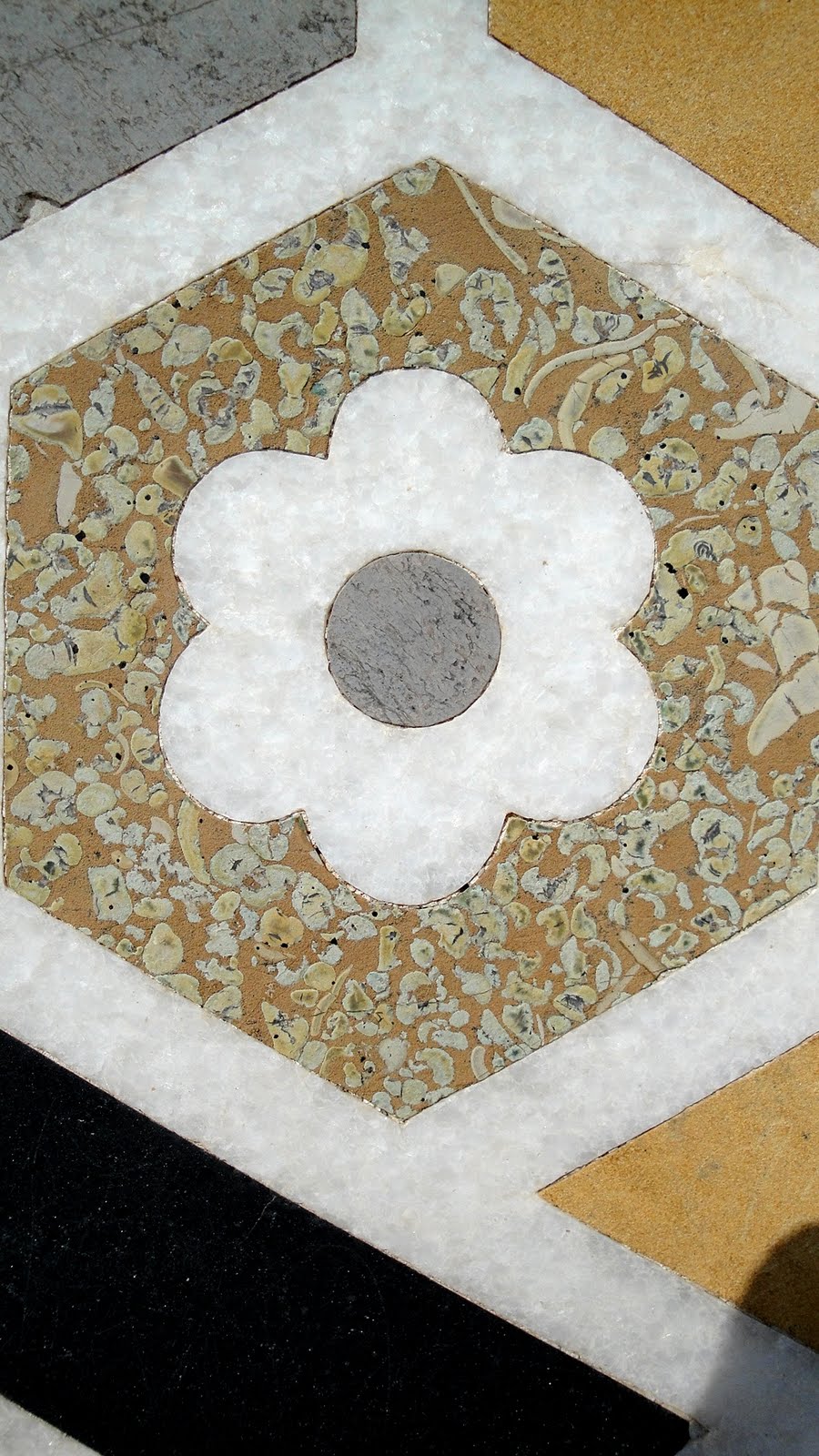
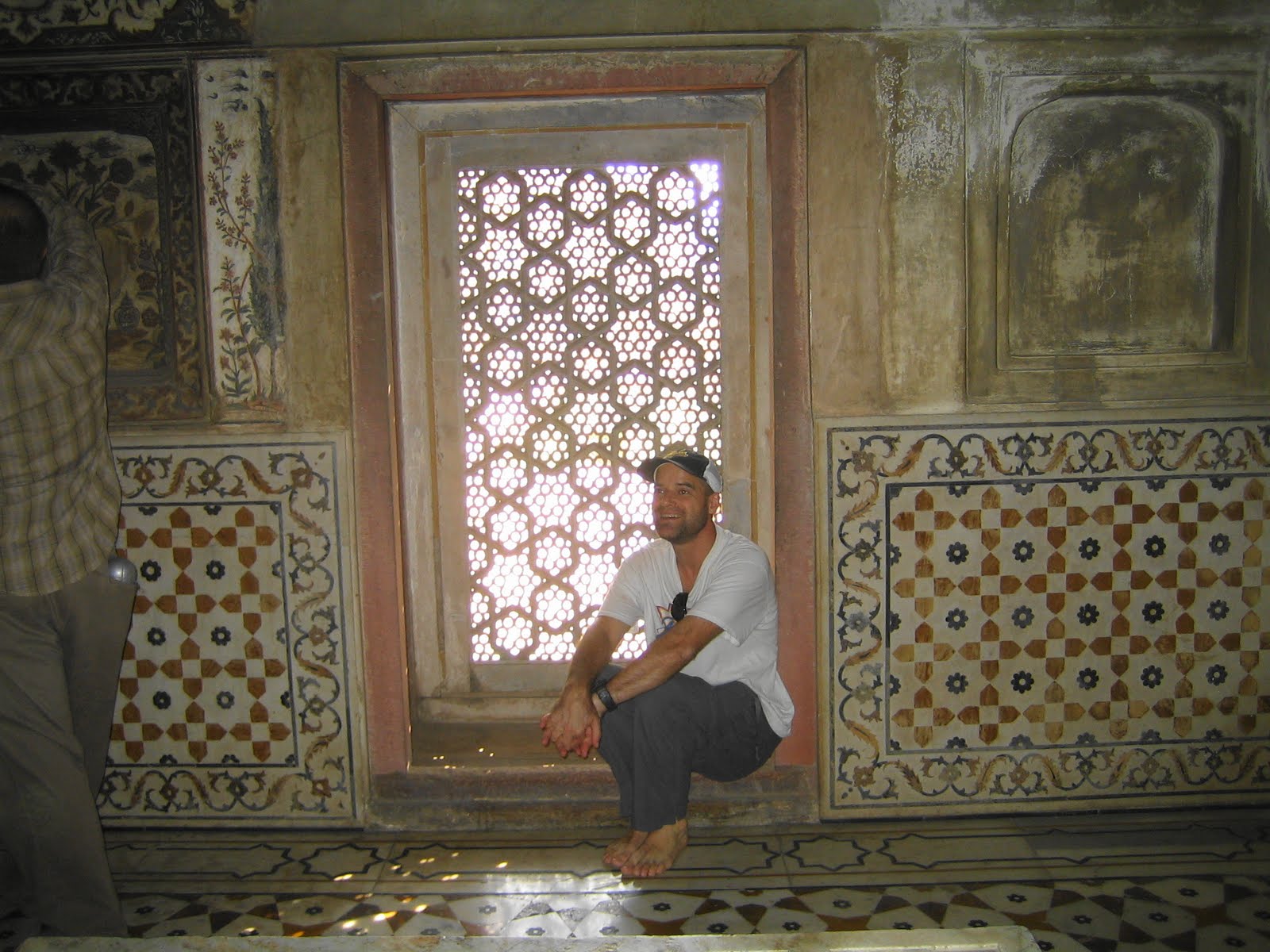
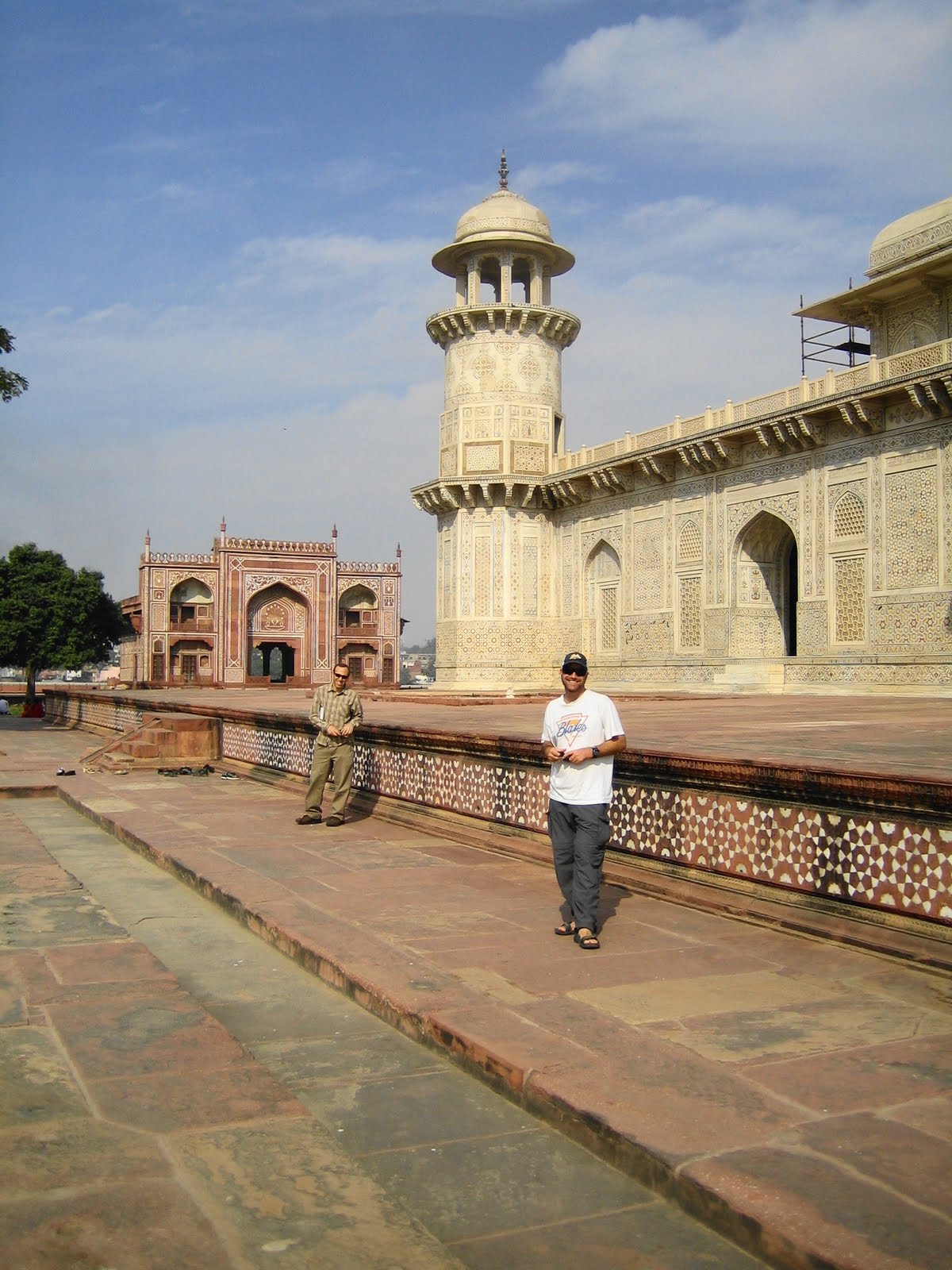
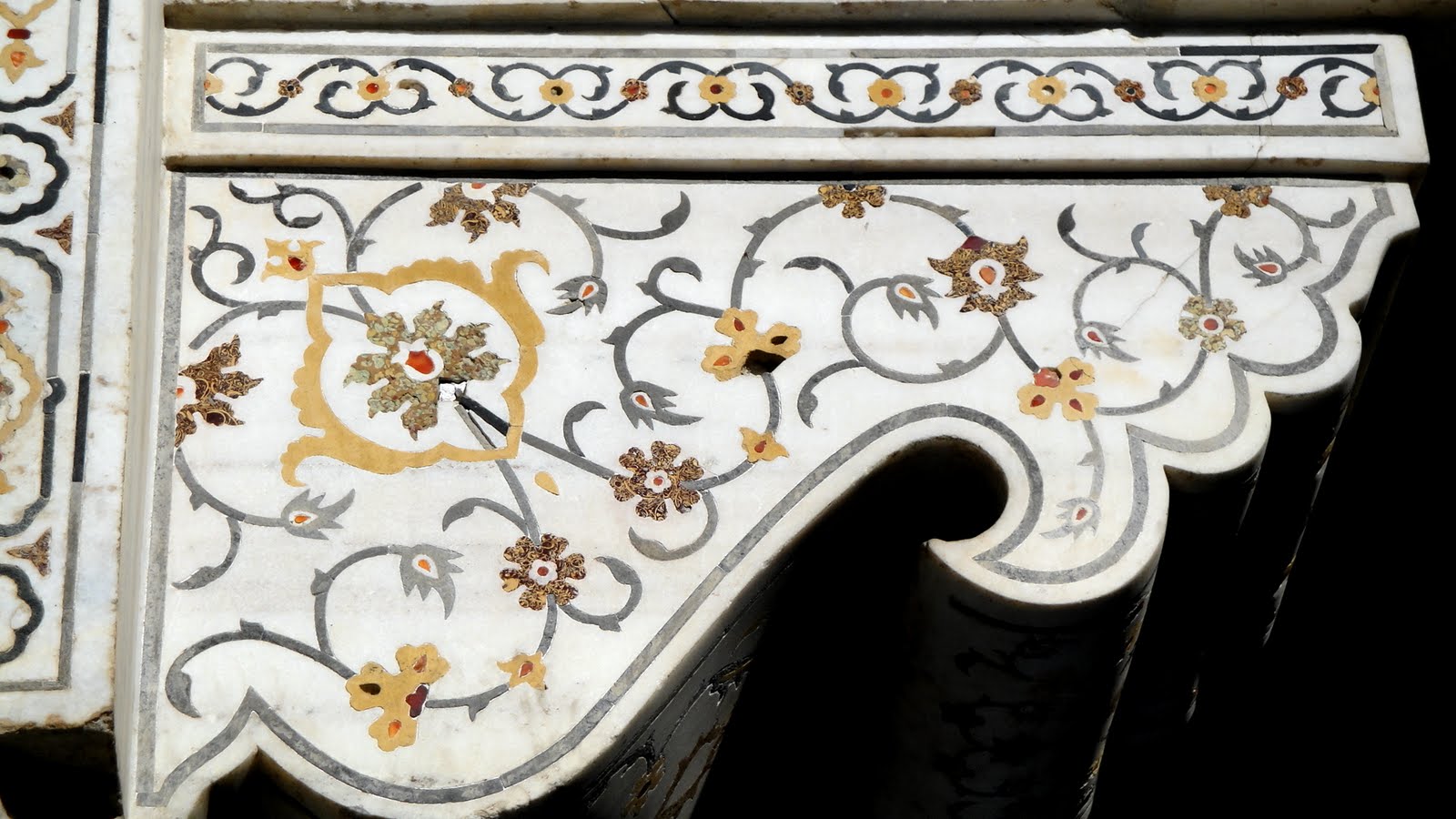
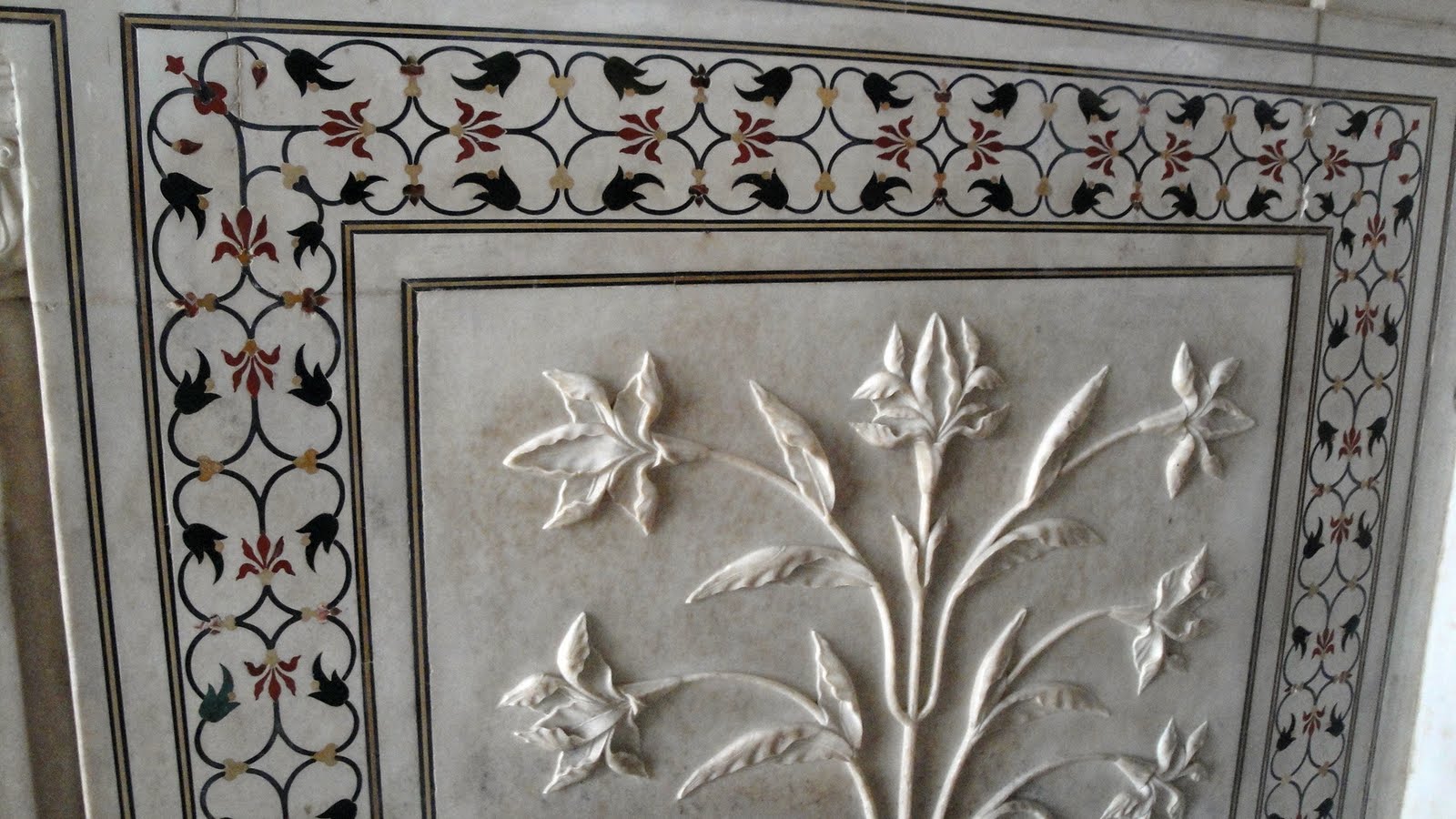 One aspect rarely captured in the classic photos of the Taj Mahal which we’ve all seen is the exquisite detailed carving and tilework inlaid into the glowing white marble: most shots capture its elegant proportions with shots taken from a distance against lovely blue skies, which don’t allow for close-up inspection of its details (like most of my shots, which in my case relates more to the above-mentioned crowd & guide-related hustle). I made up for missing the time to enjoy Taj’s details by savoring a luxurious morning taking in lots of little details in a long morning visit to the tomb of Itimad ud Daulah, across the river and fondly called the ‘Baby Taj.’ It was built earlier than the Taj in honor of her father by Nuur Jahan (for whose tomb the Taj was built by her husband Jehangir, fourth Mughal emperor). In any case, above is the one decent detail image I have from Taj, and below are tons of photos from Itimad ud Daulah – no doubt too many, but I’ve trimmed what I could, honest.
 .
.


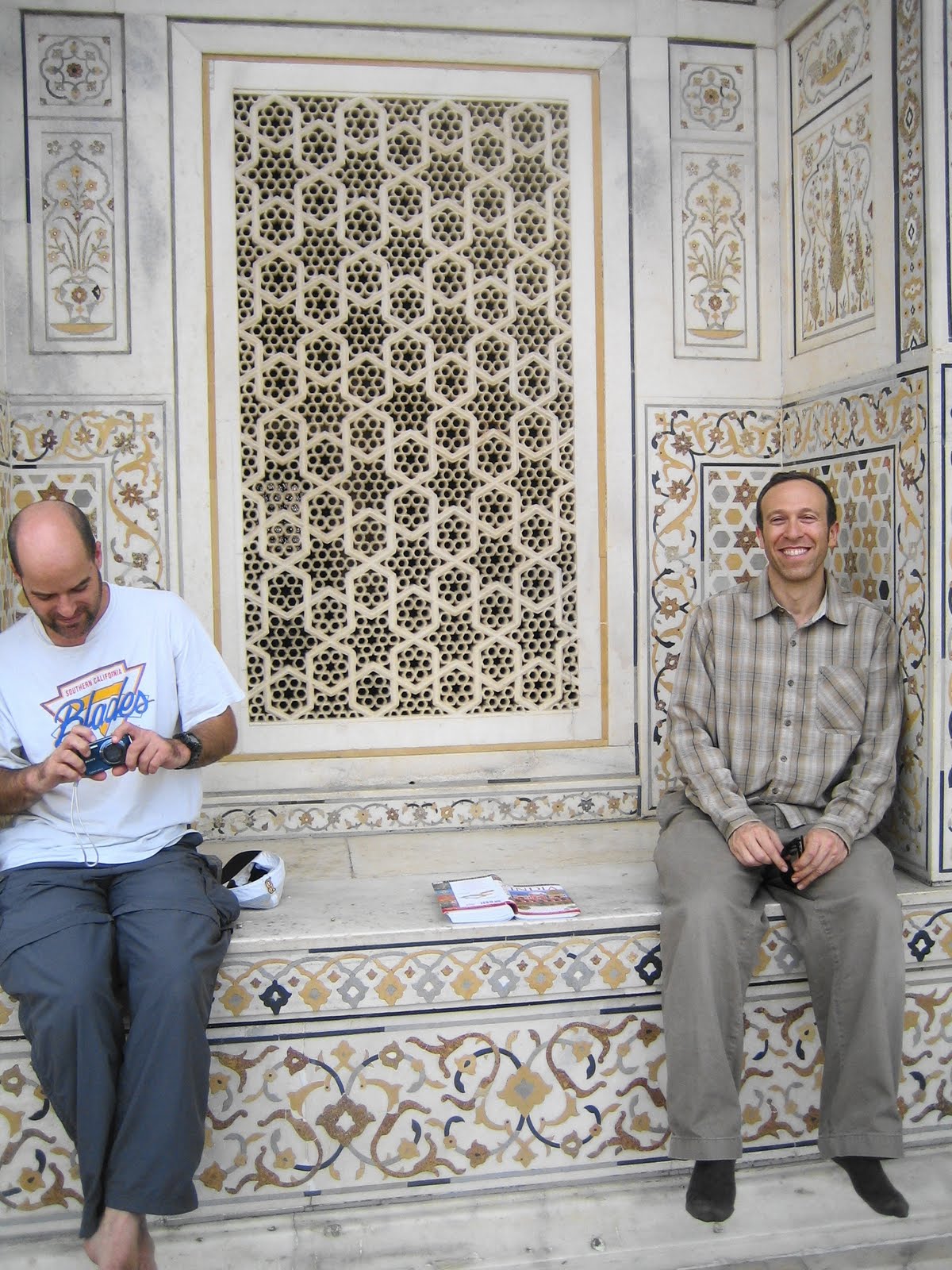

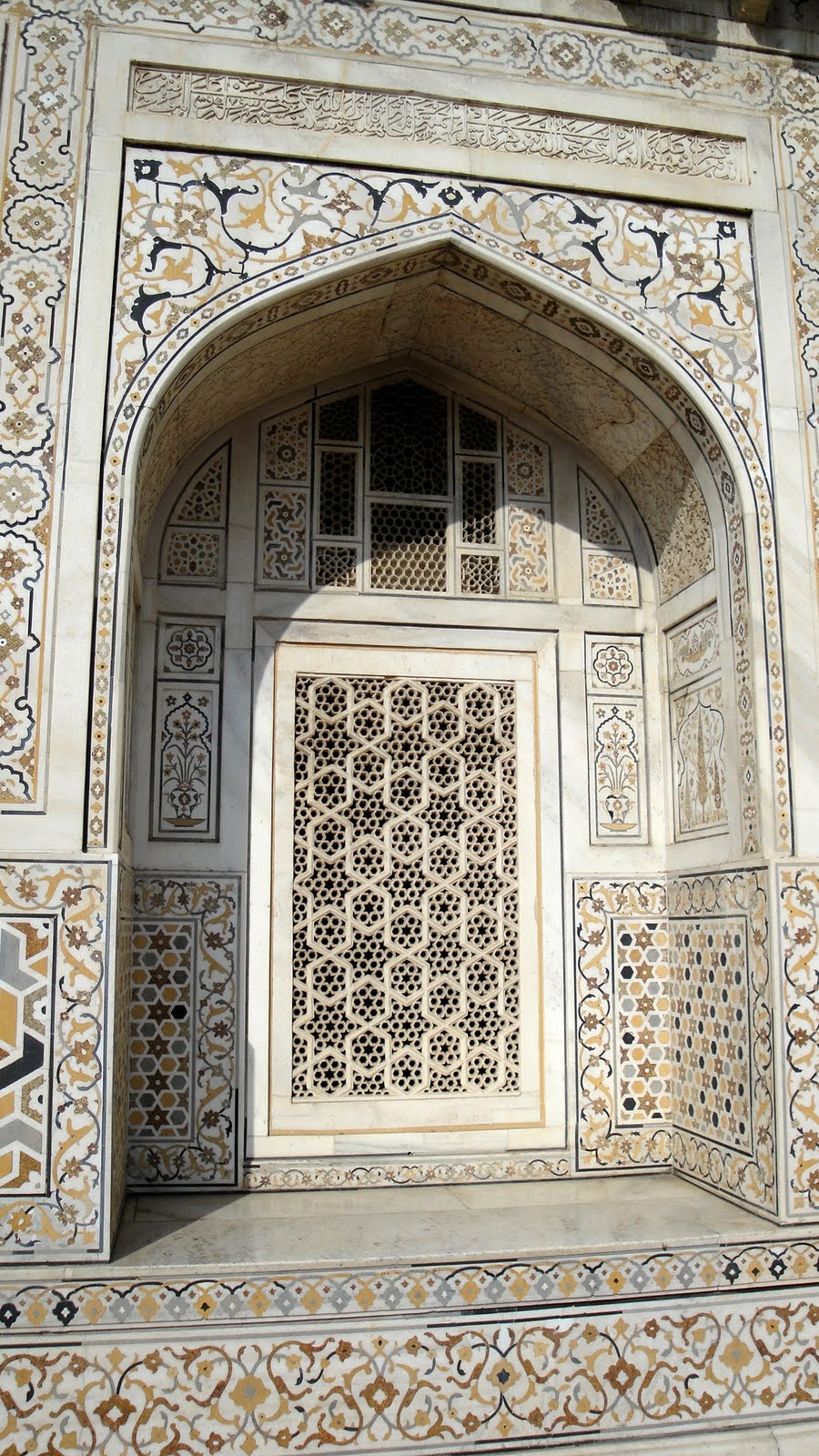
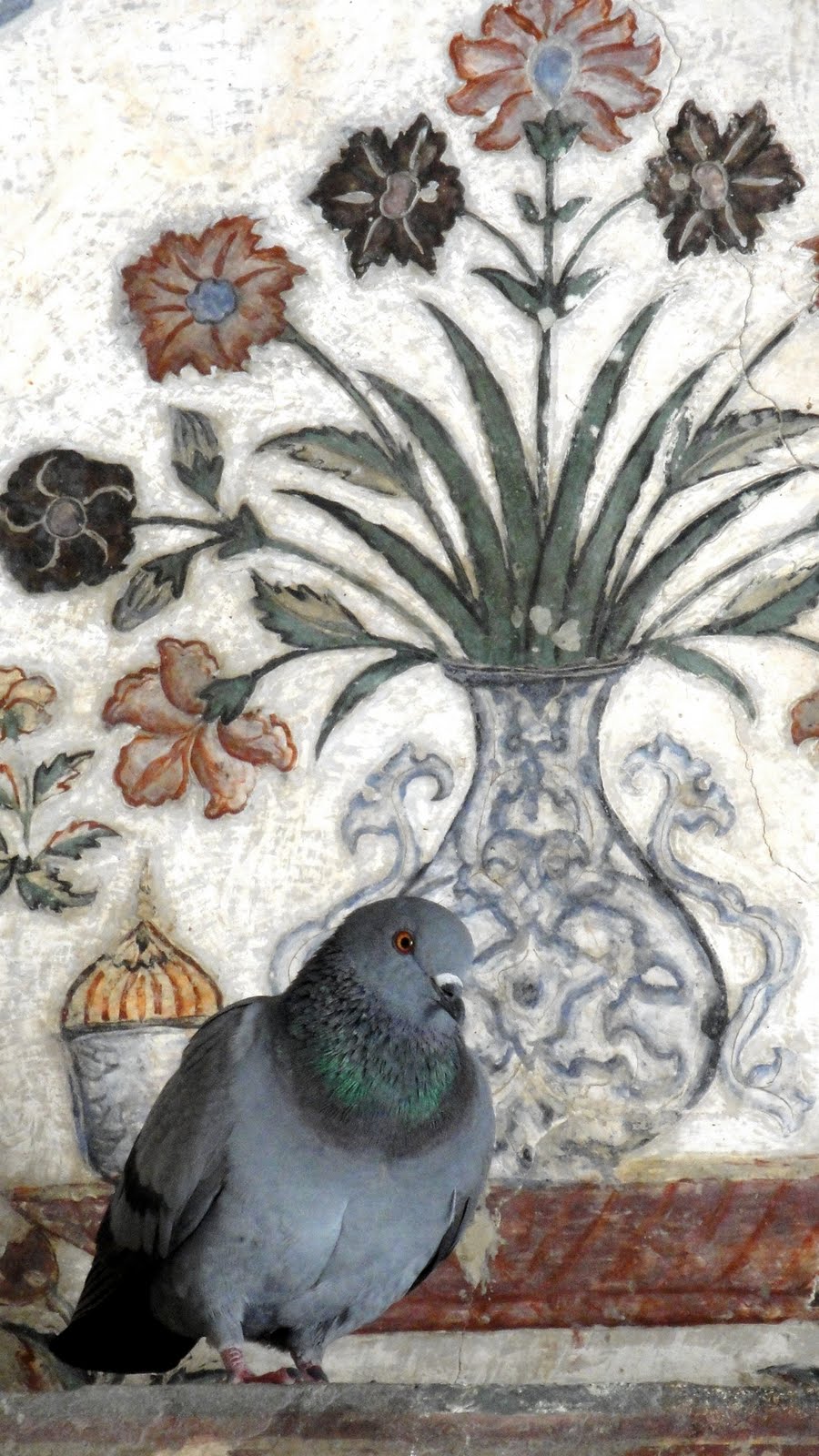
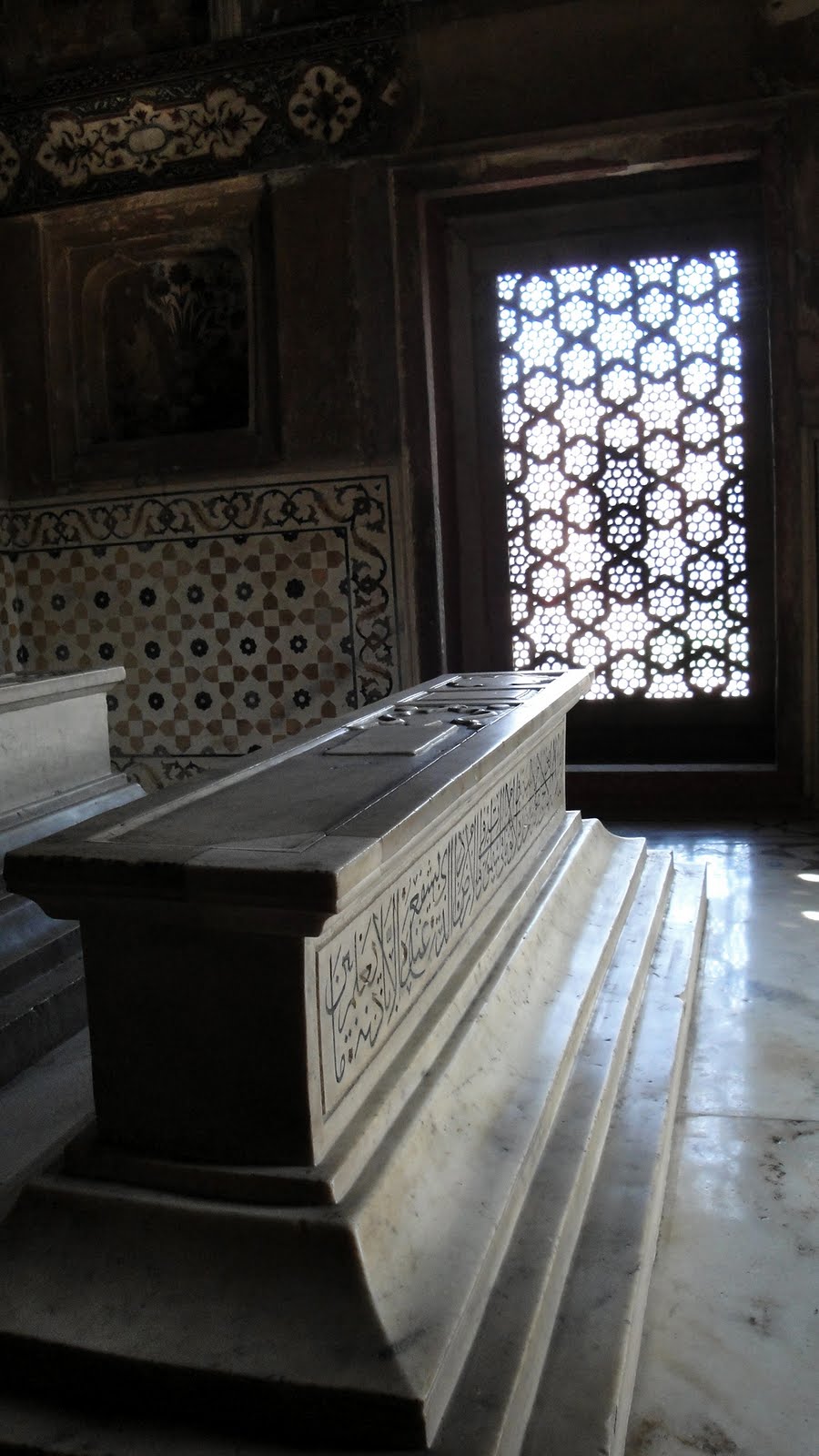
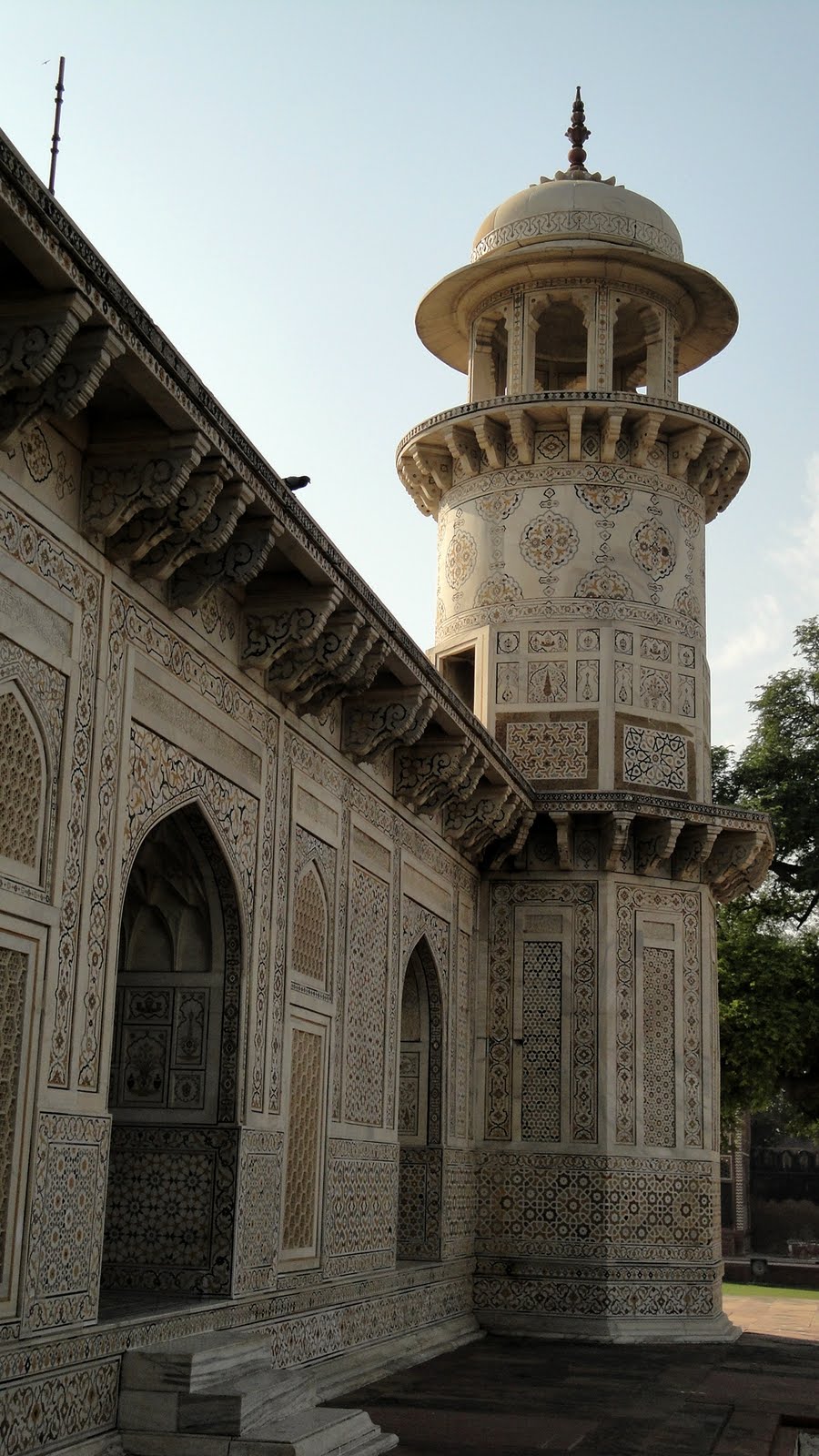
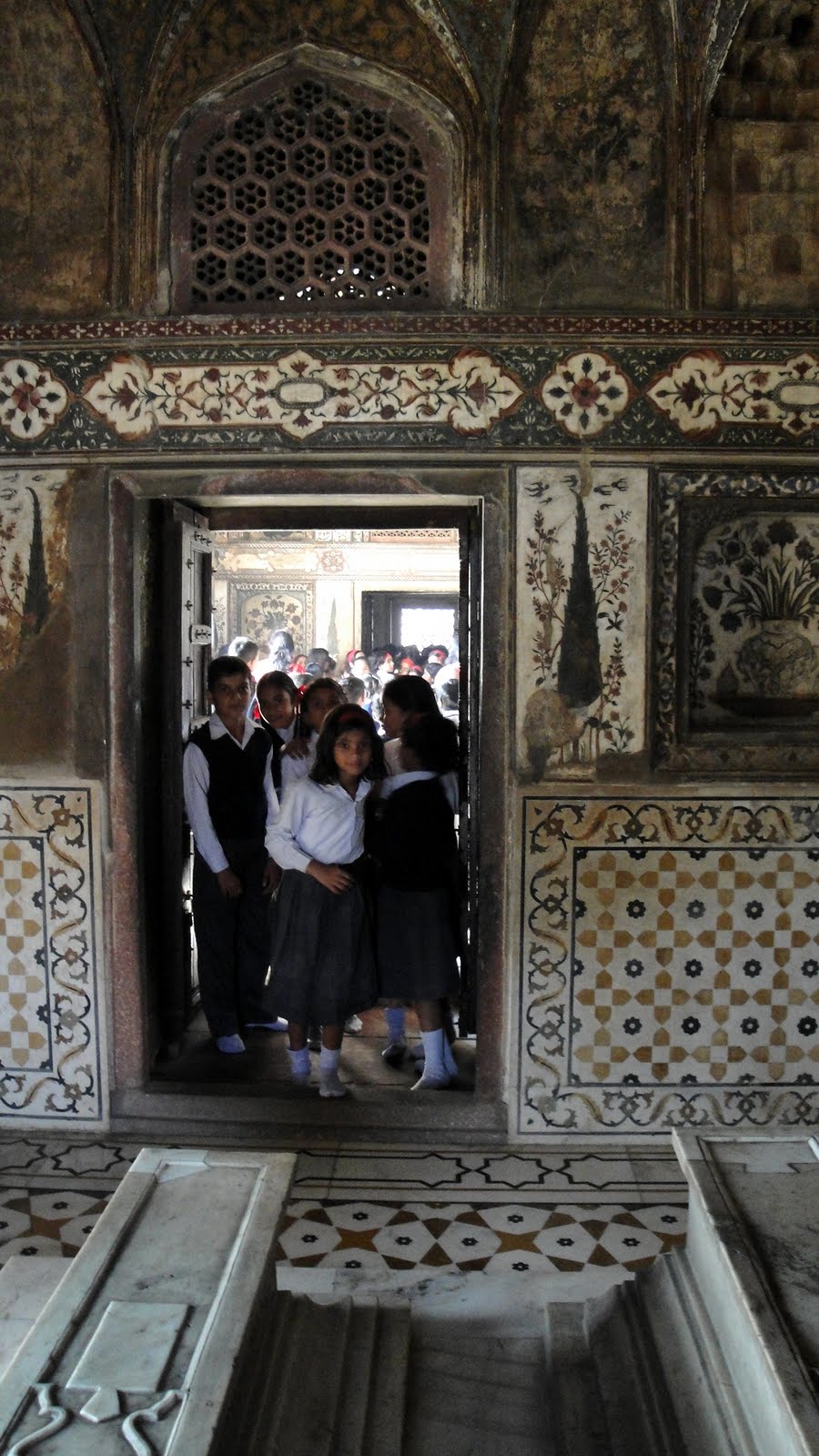
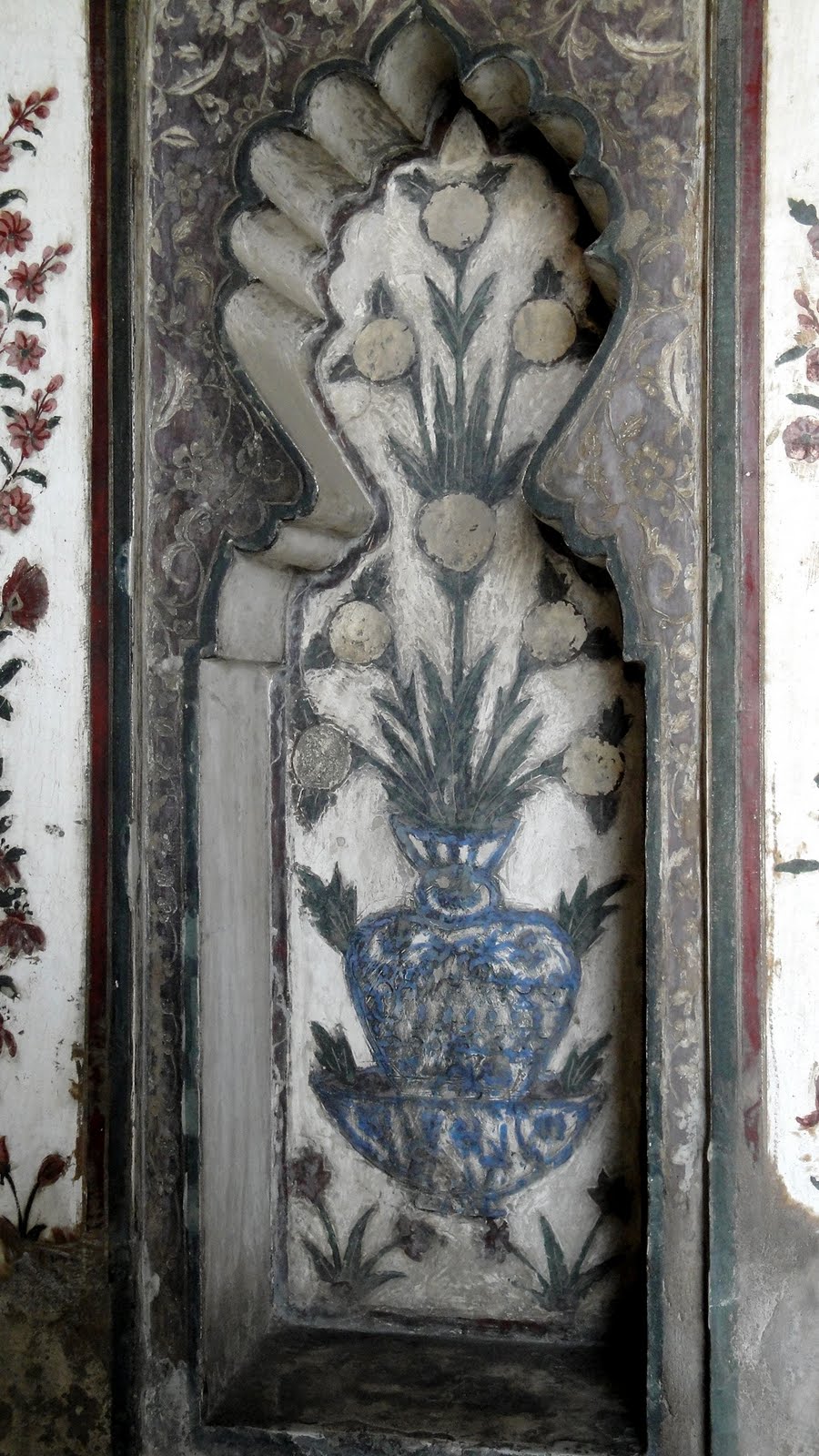
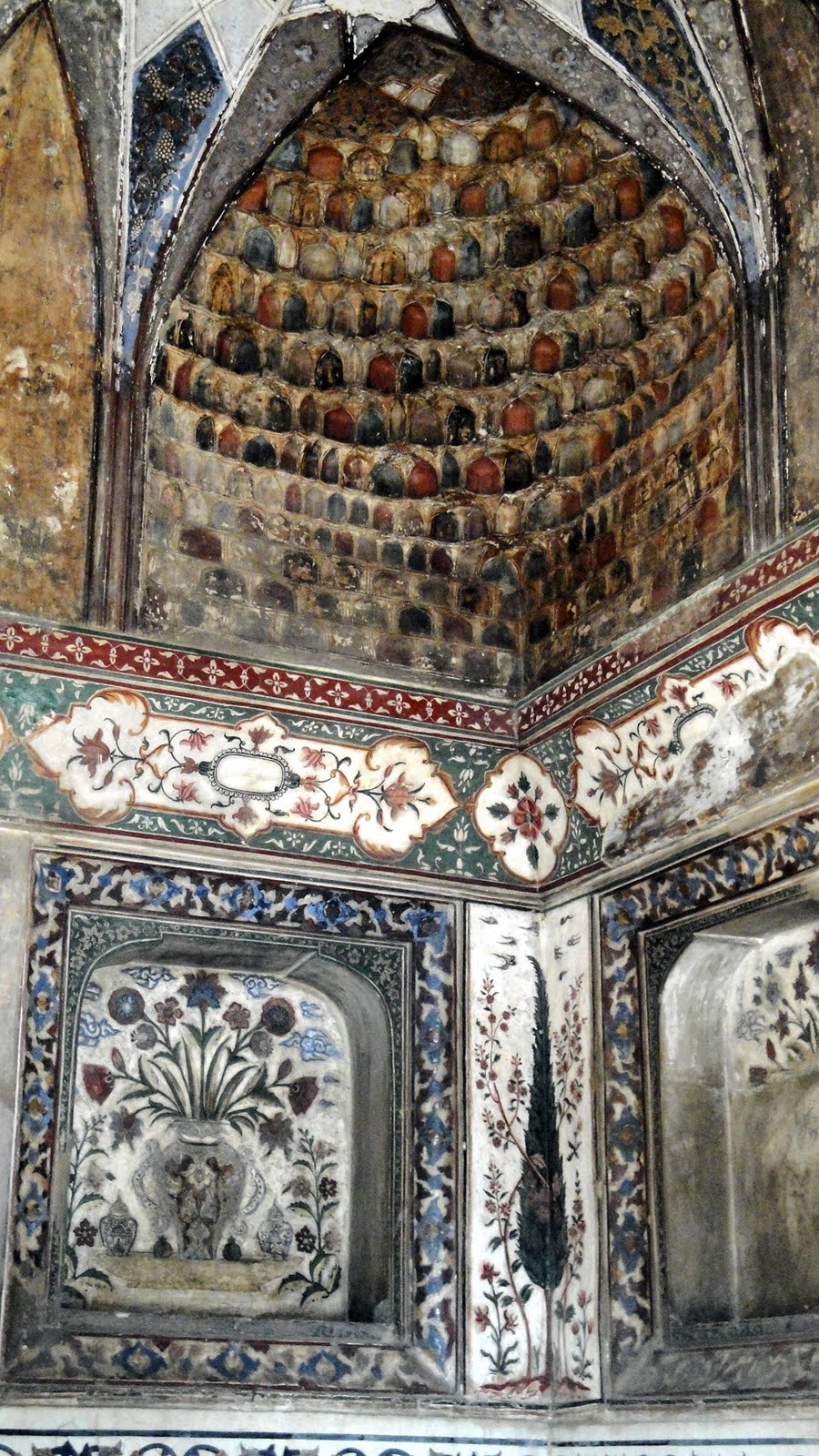
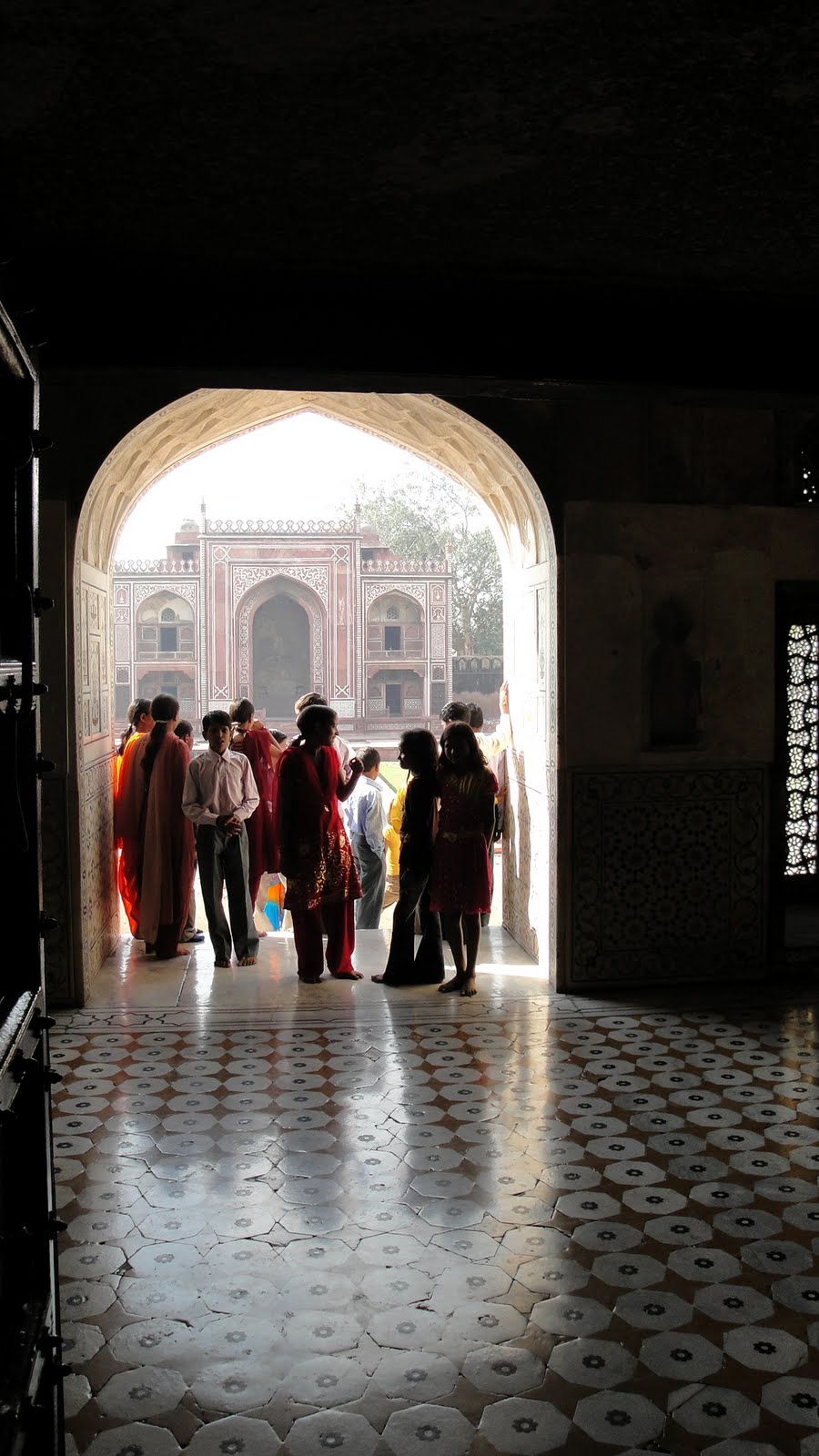


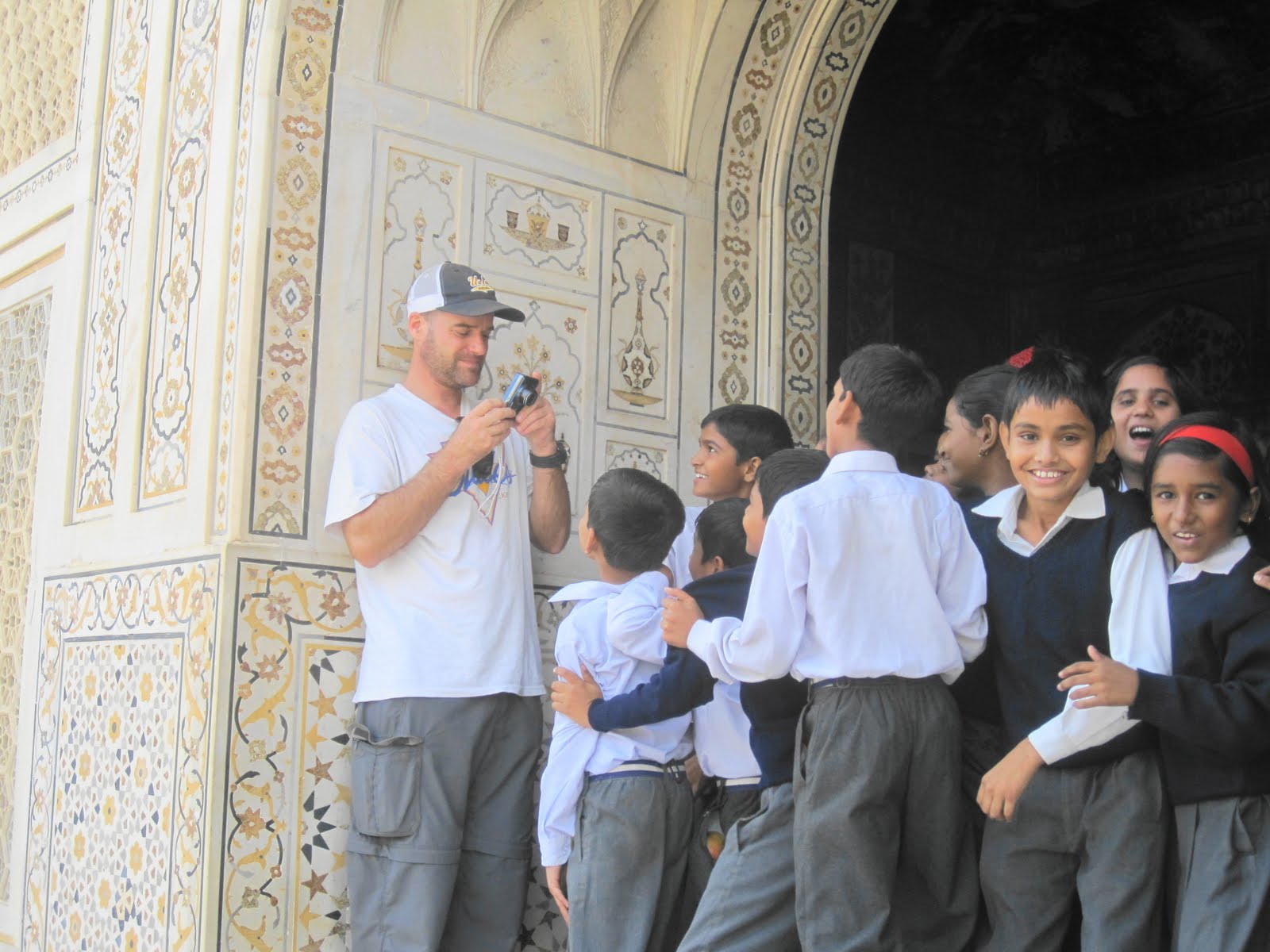
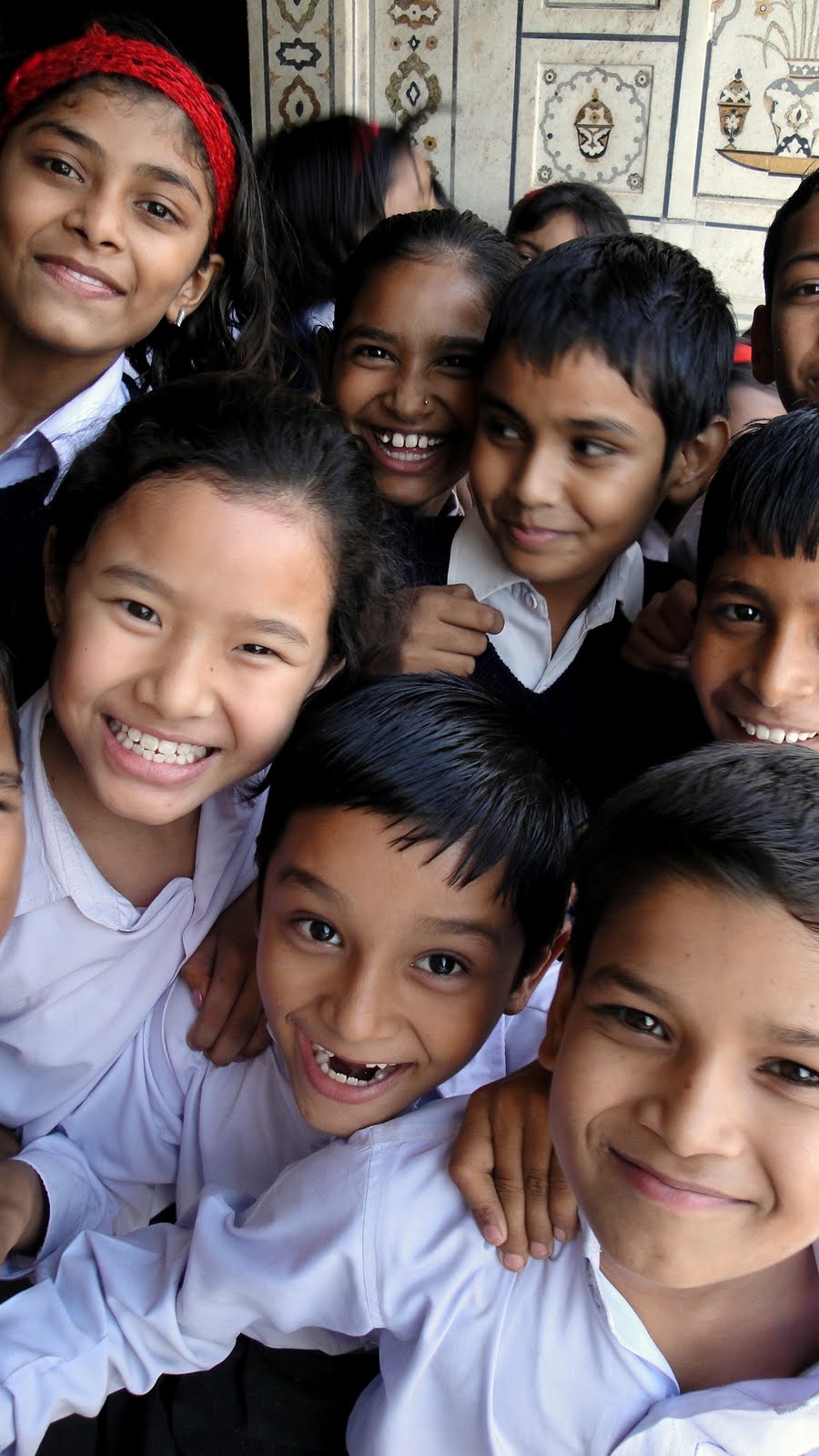
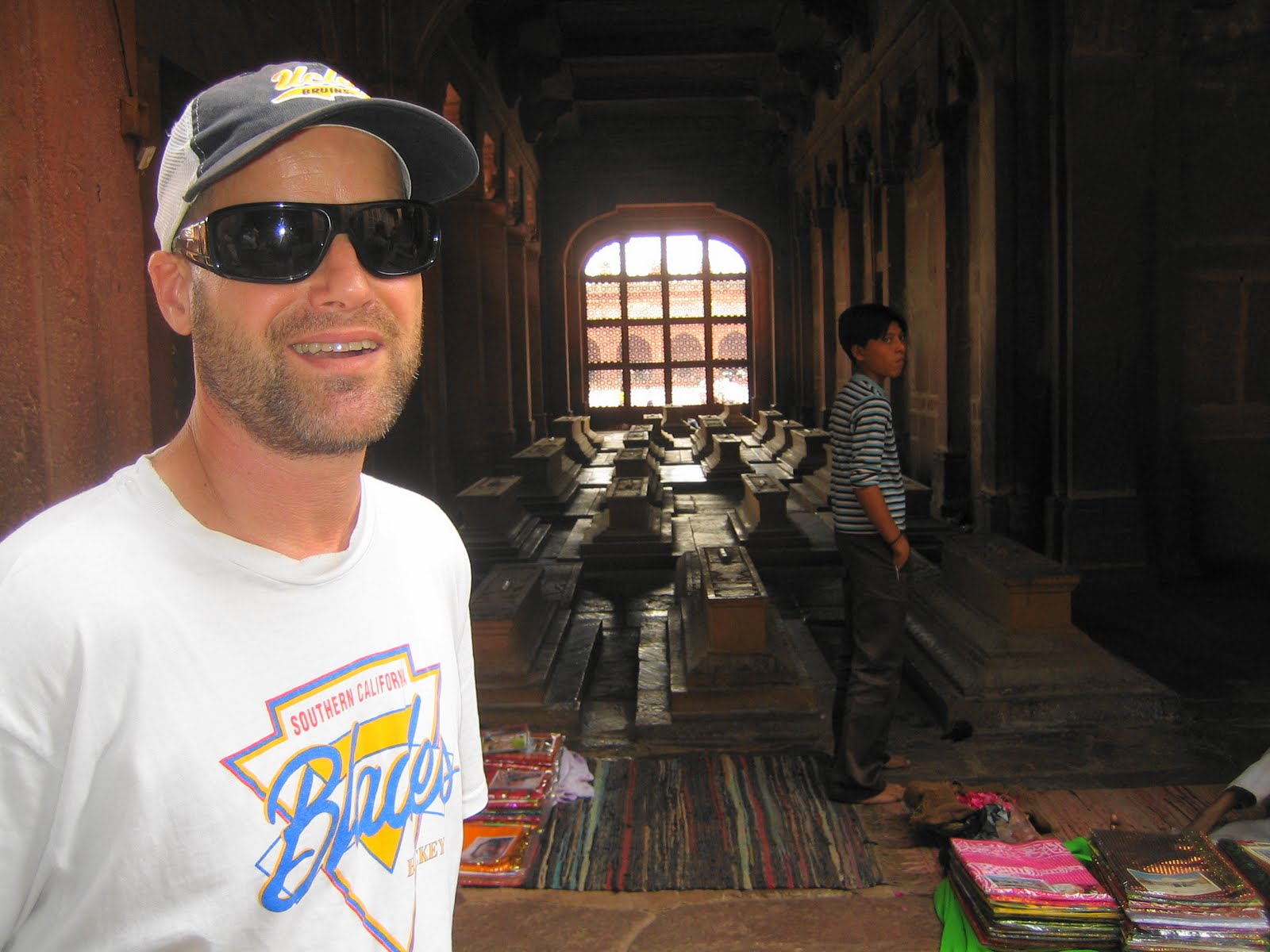
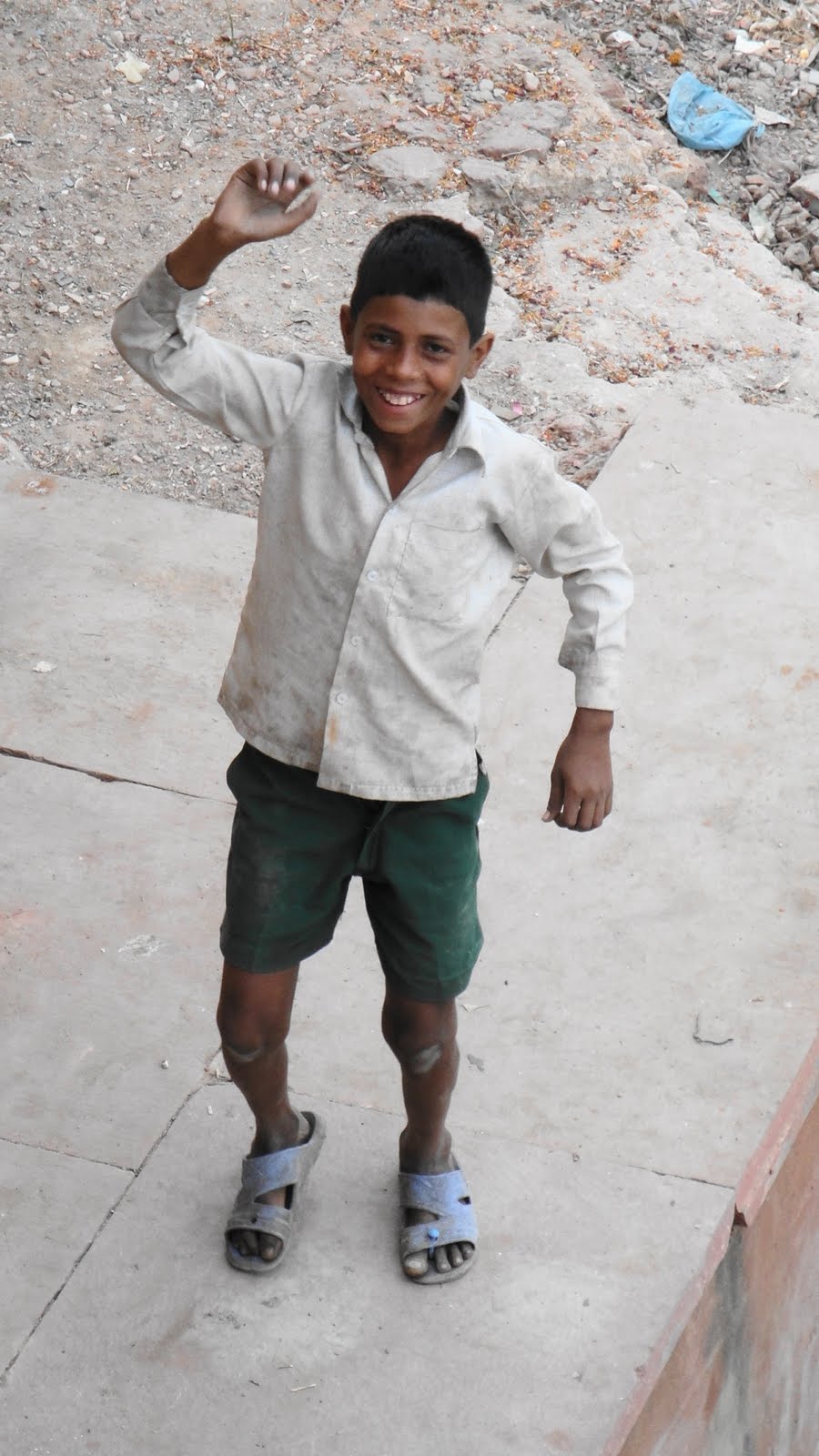 …this is not one of the private-school kids. He was wandering outside the compound by the river and is no in their income bracket, by all indicators.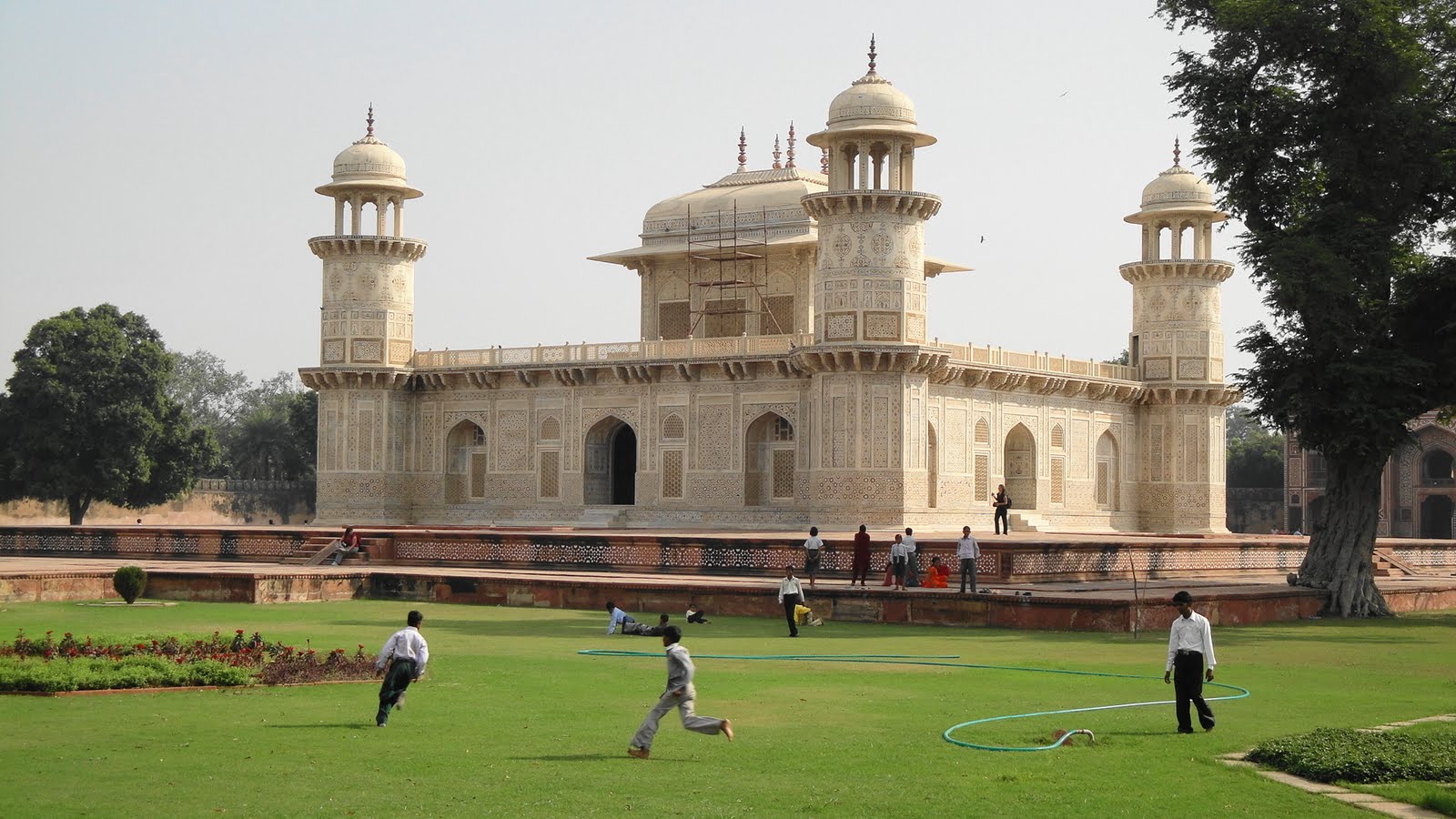
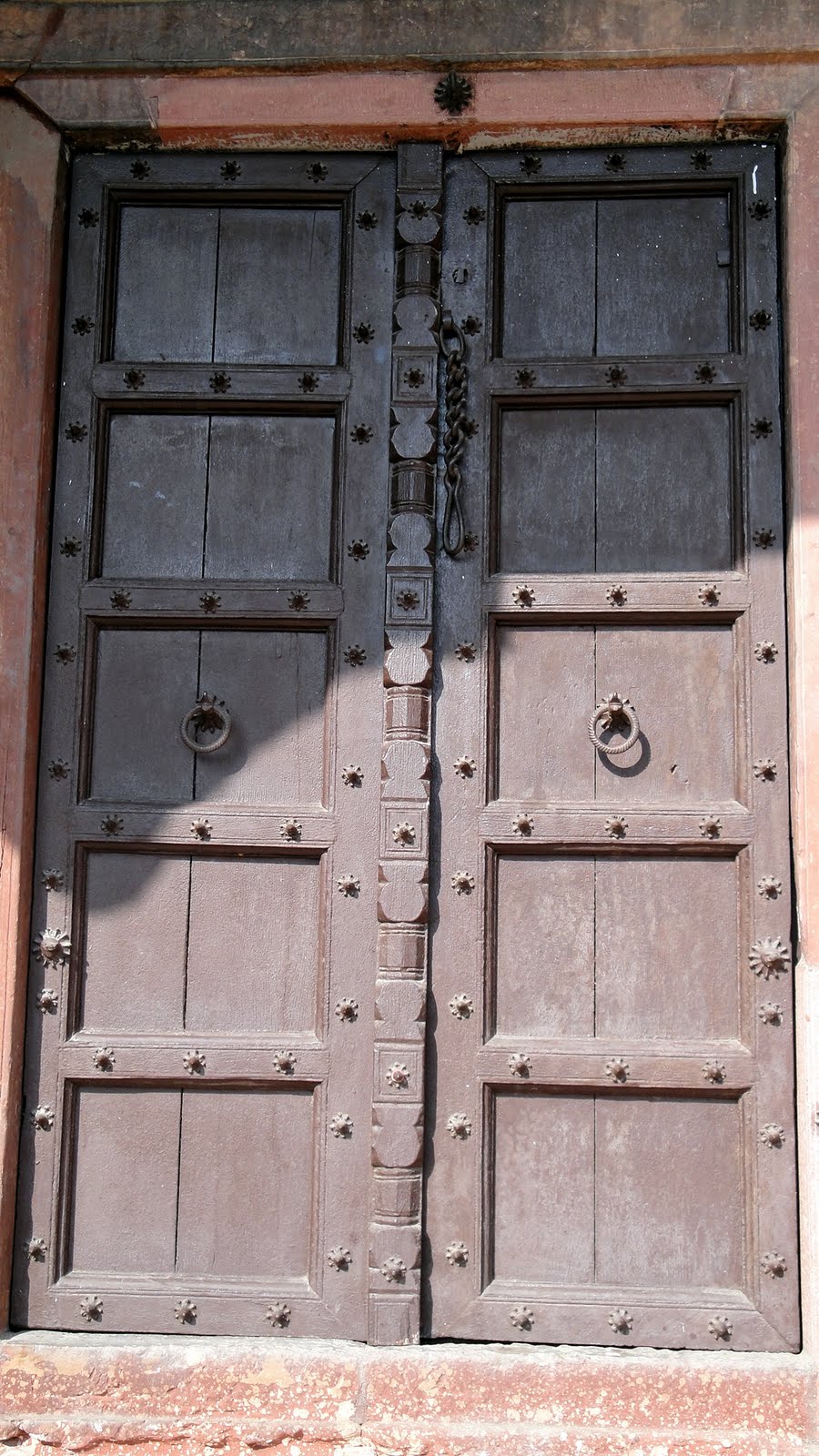

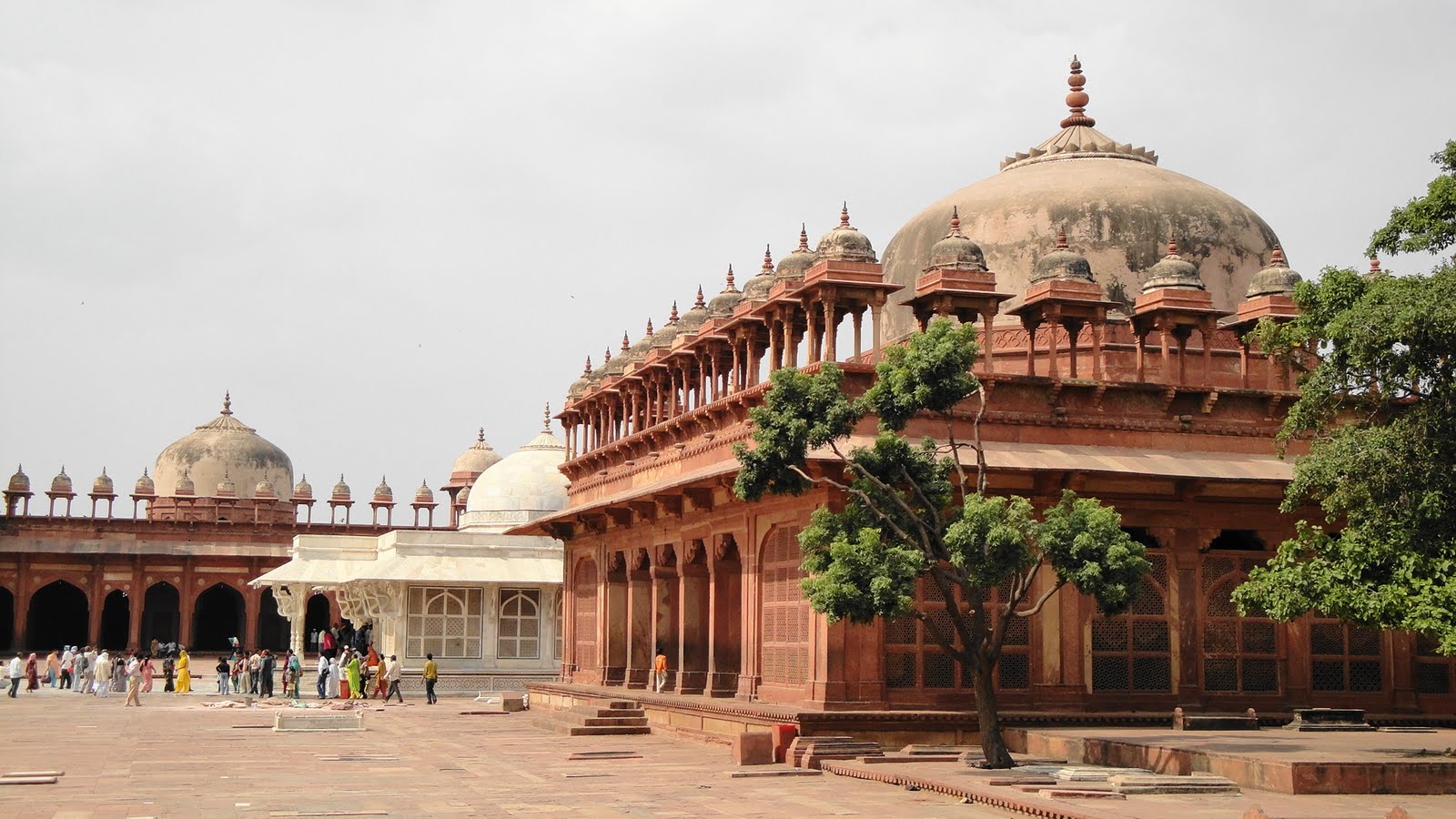
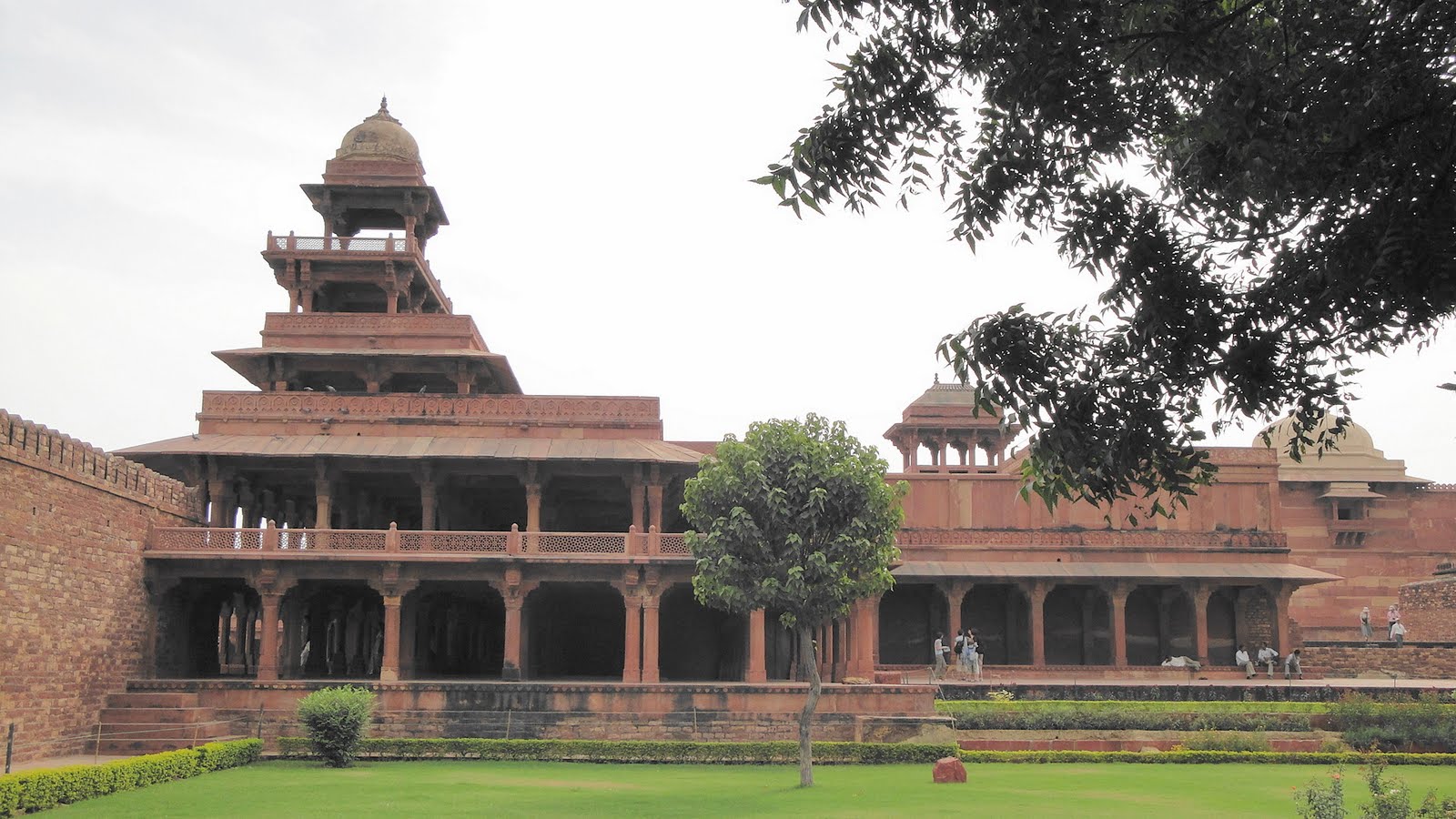
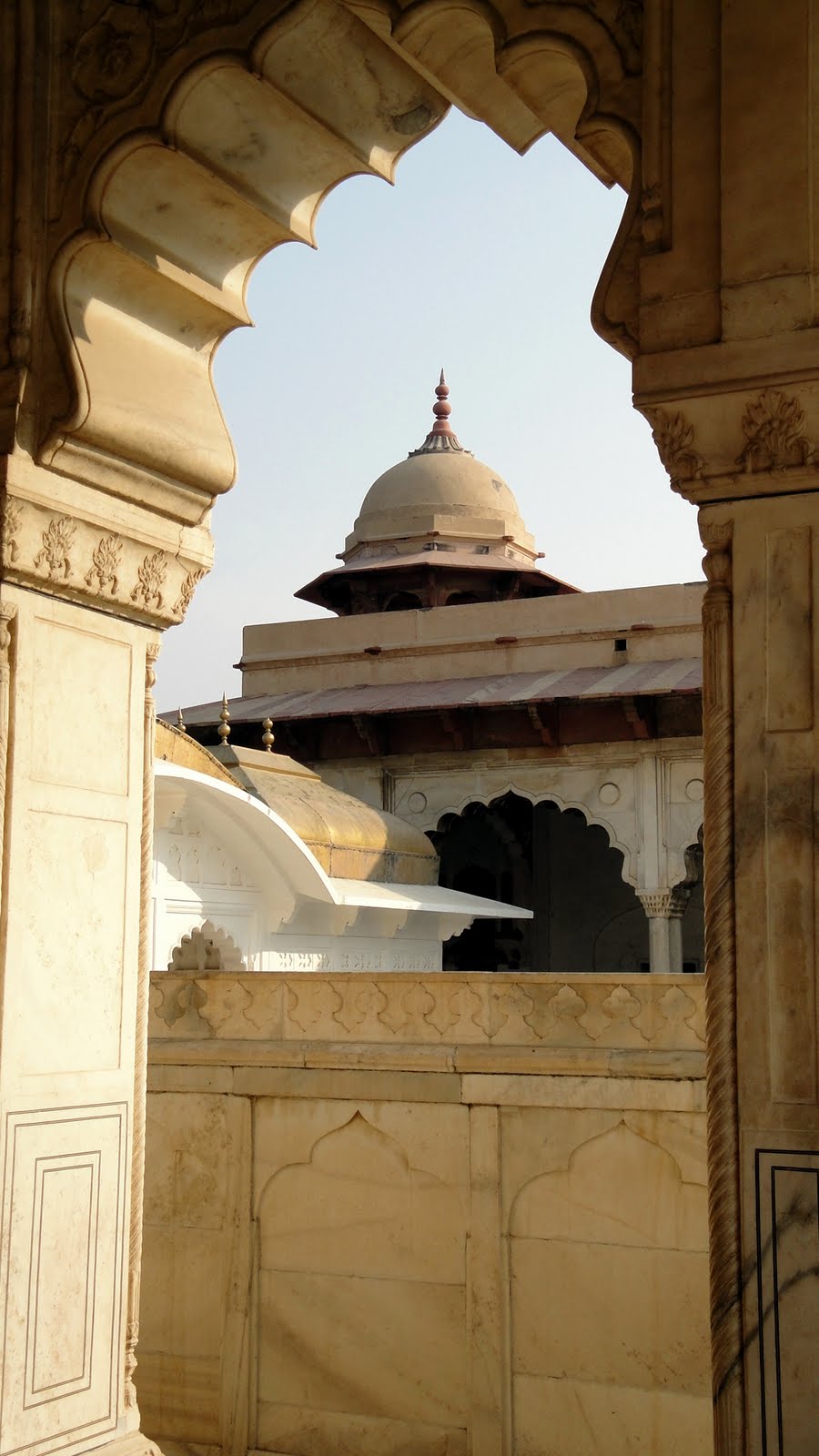
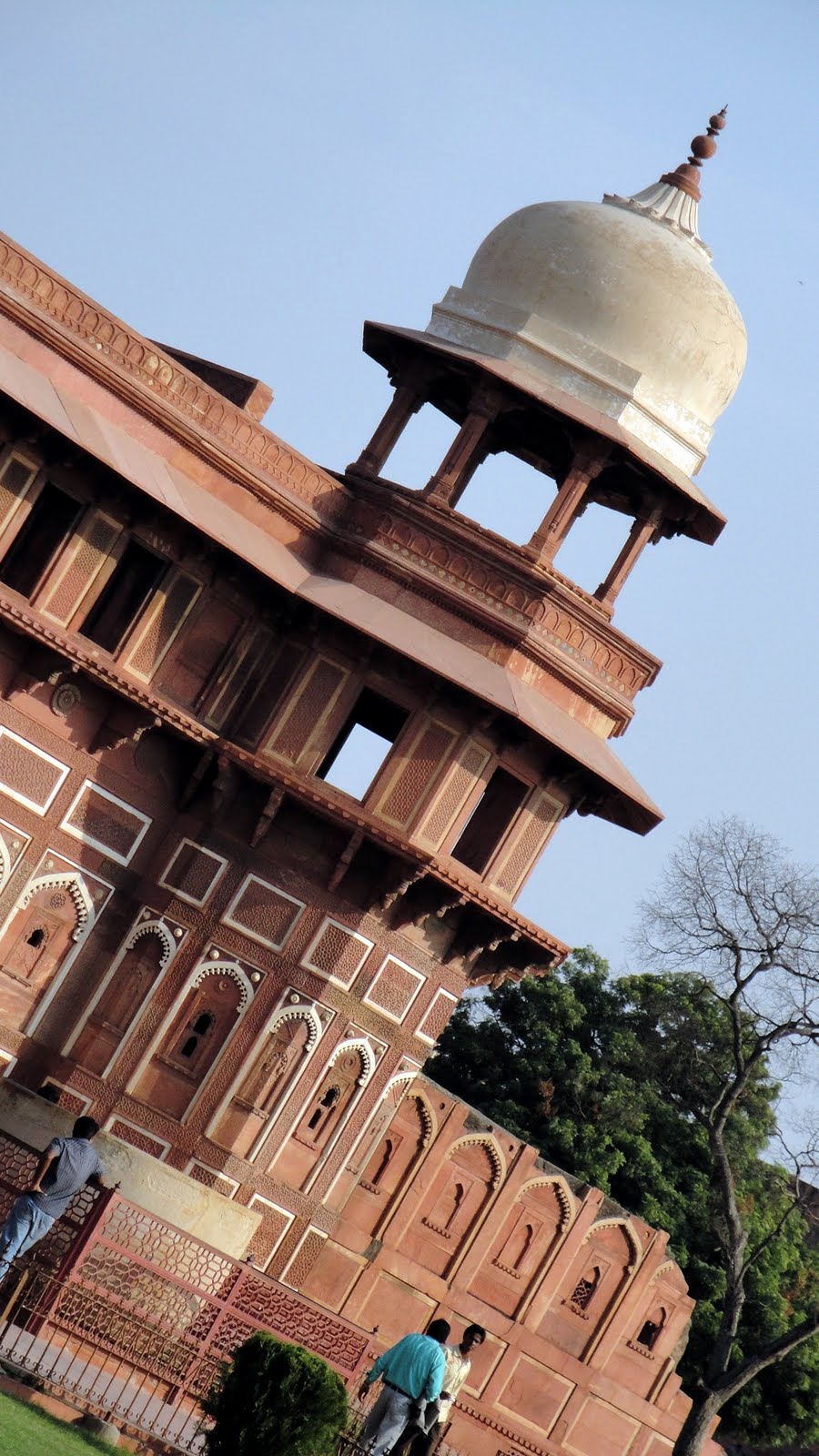
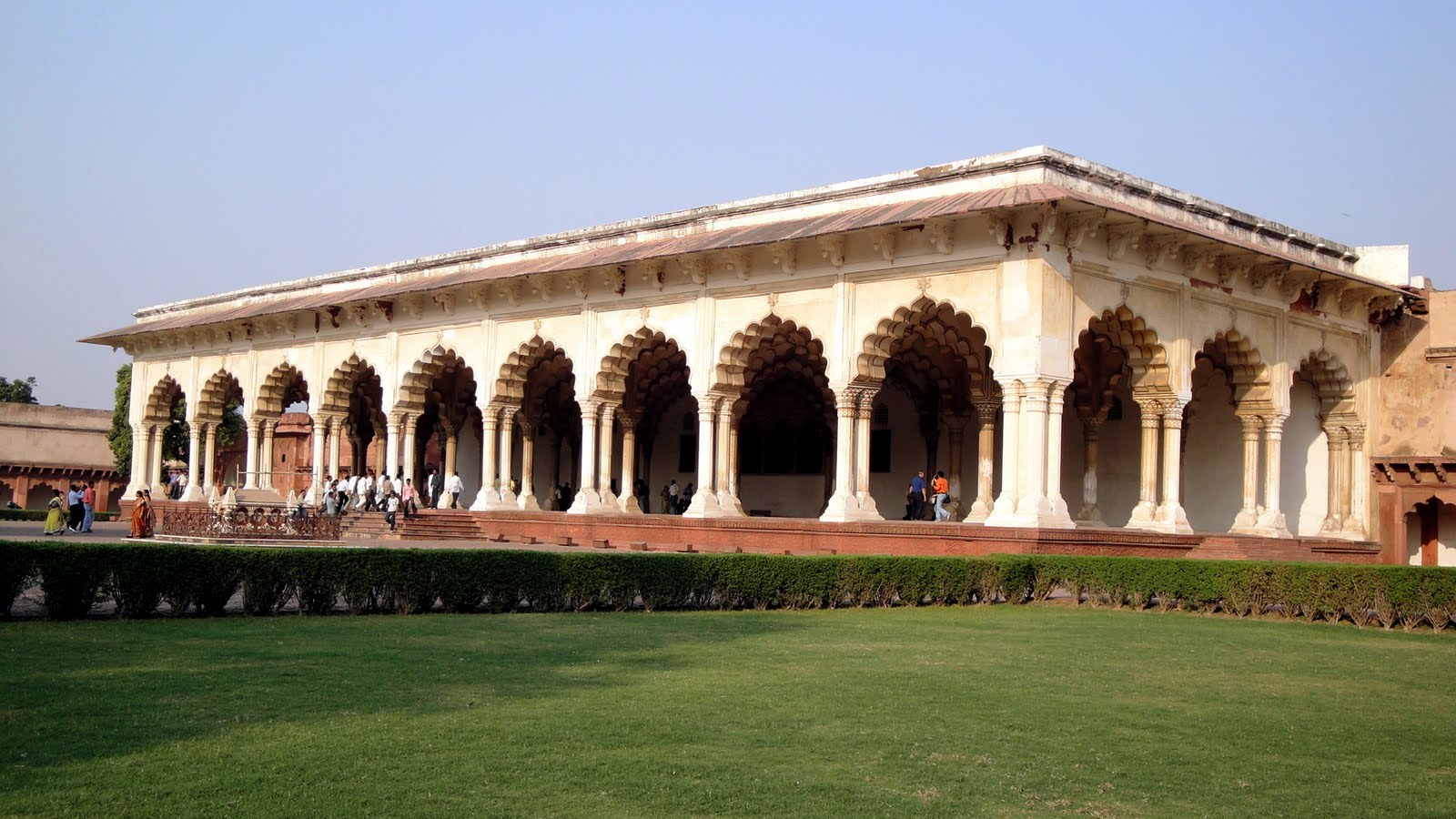
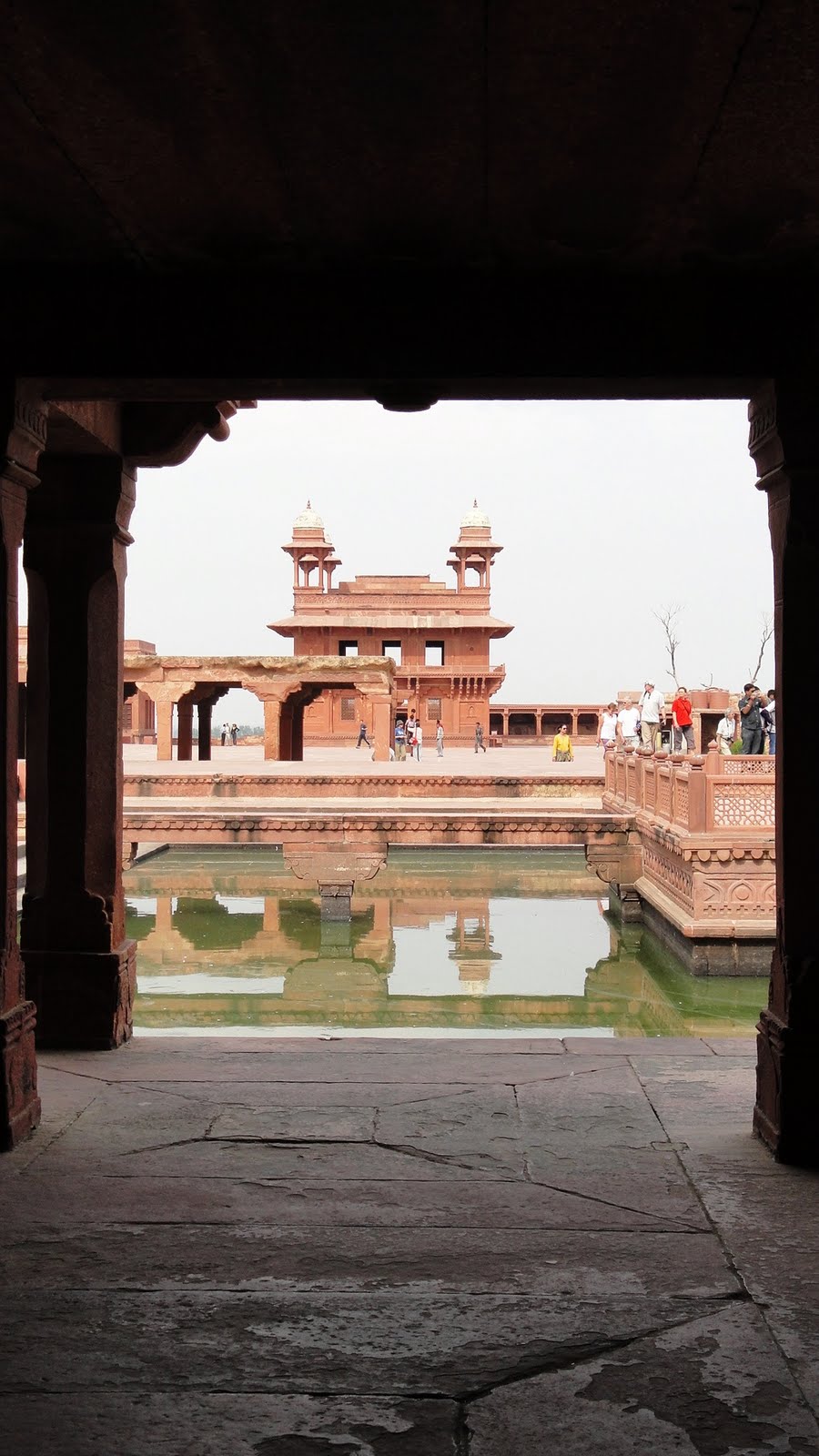 Just above & below are shots of Fatehpur Sikri, which served for a short time as capital during Akbar’s long reign. Not much is known any more about what purpose all the buildings served, nor even necessarily why the capital was abandoned — though shortage of water seems the strongest hypothesis.
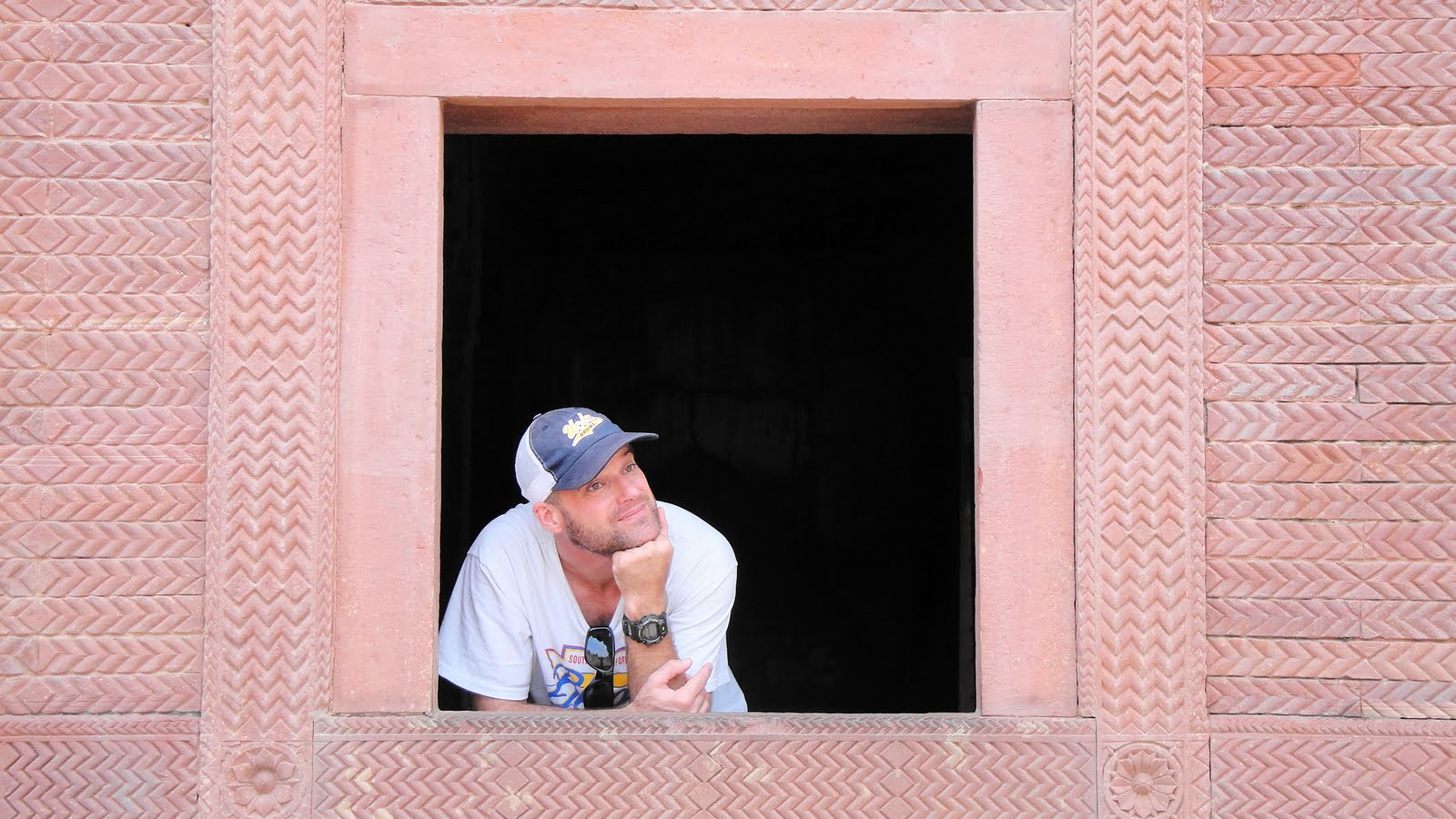
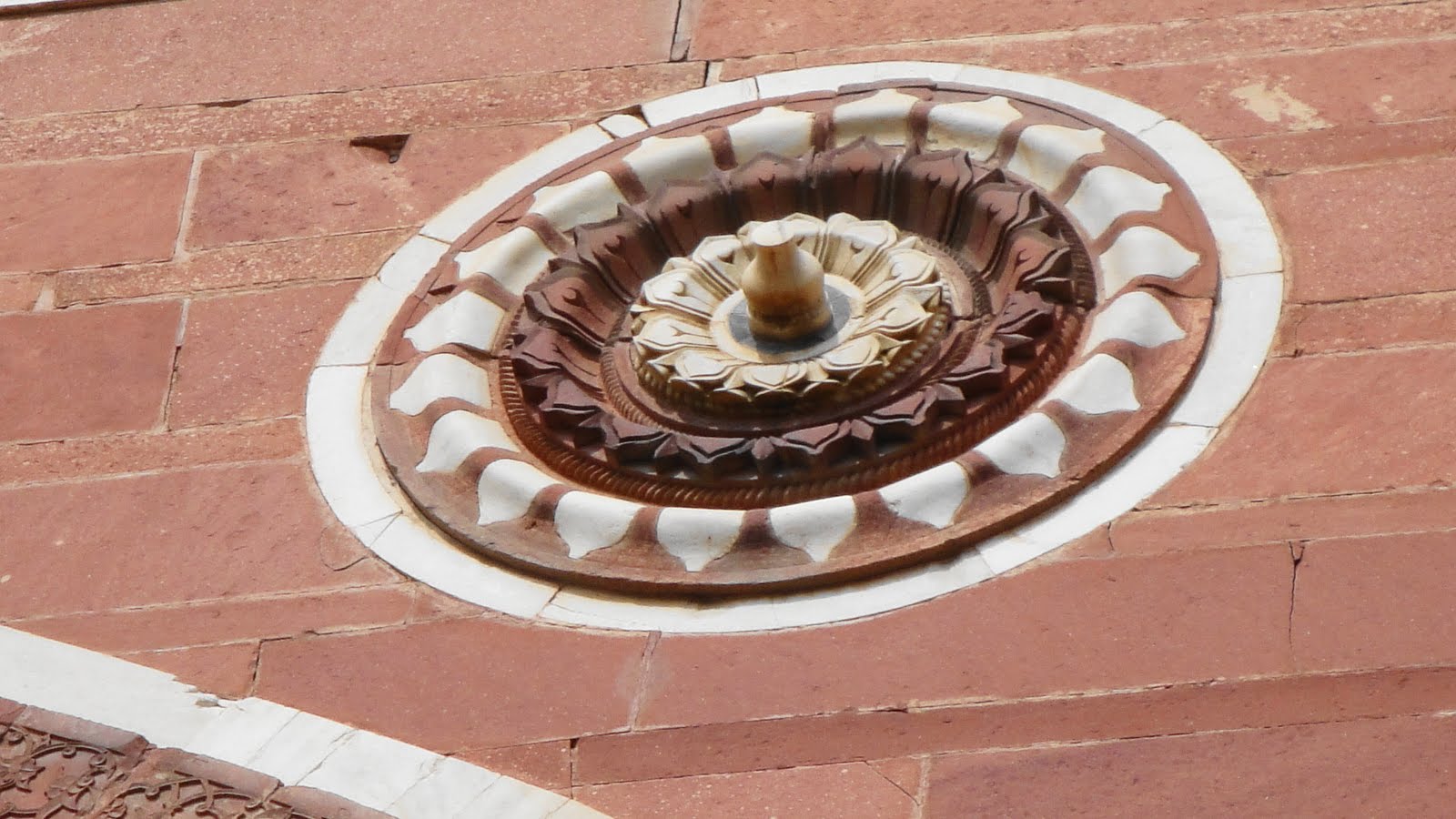

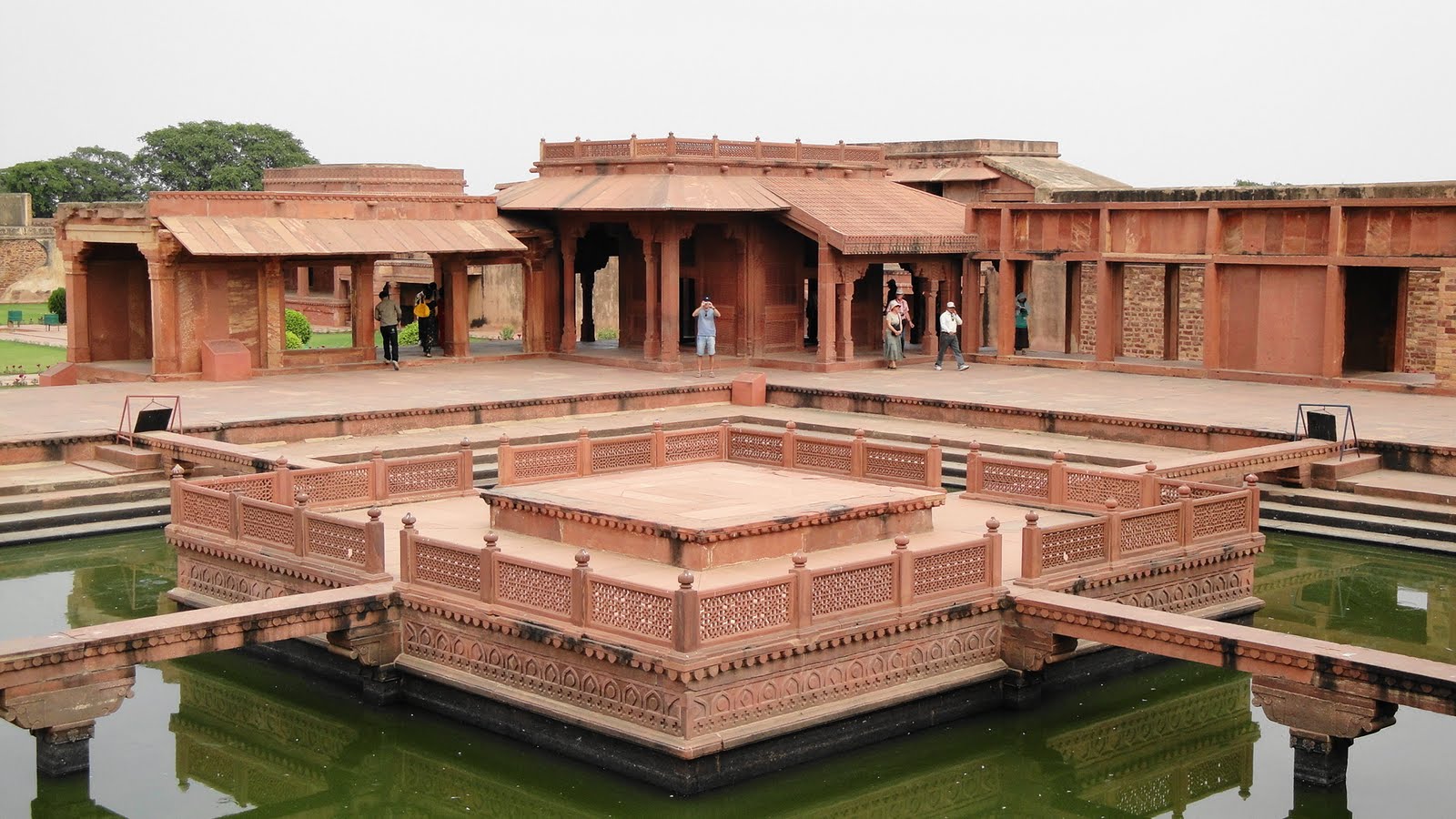
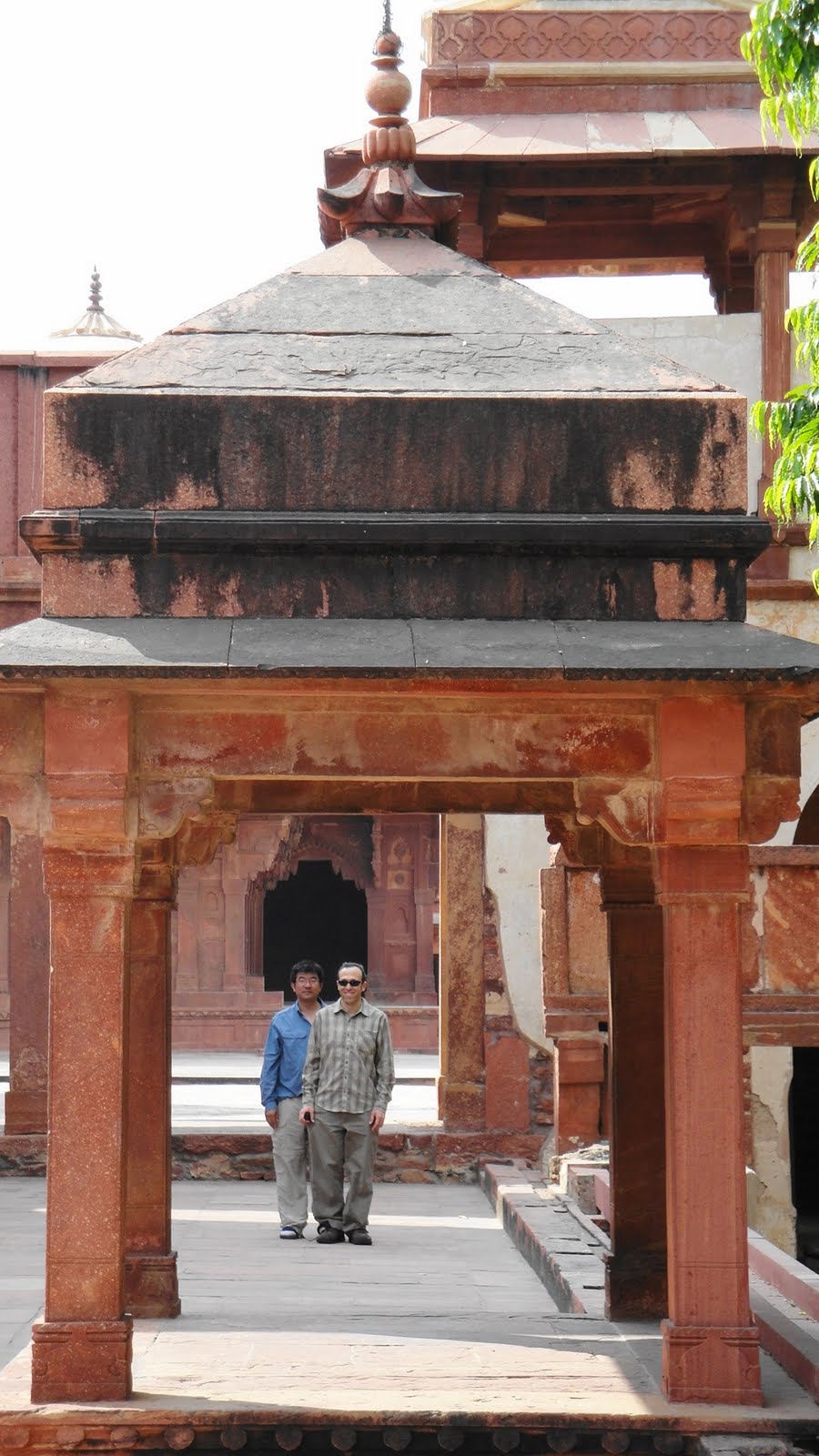

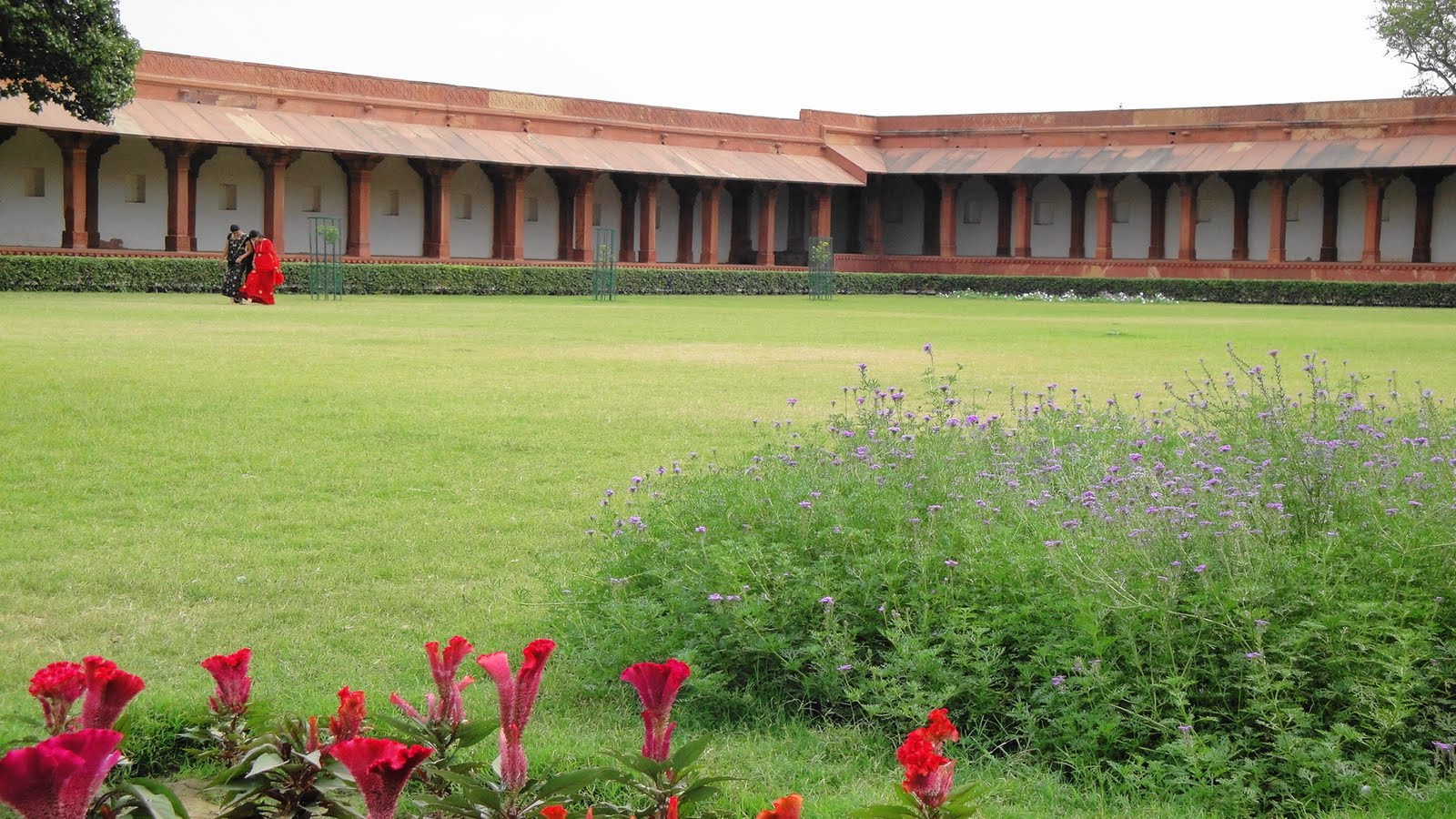
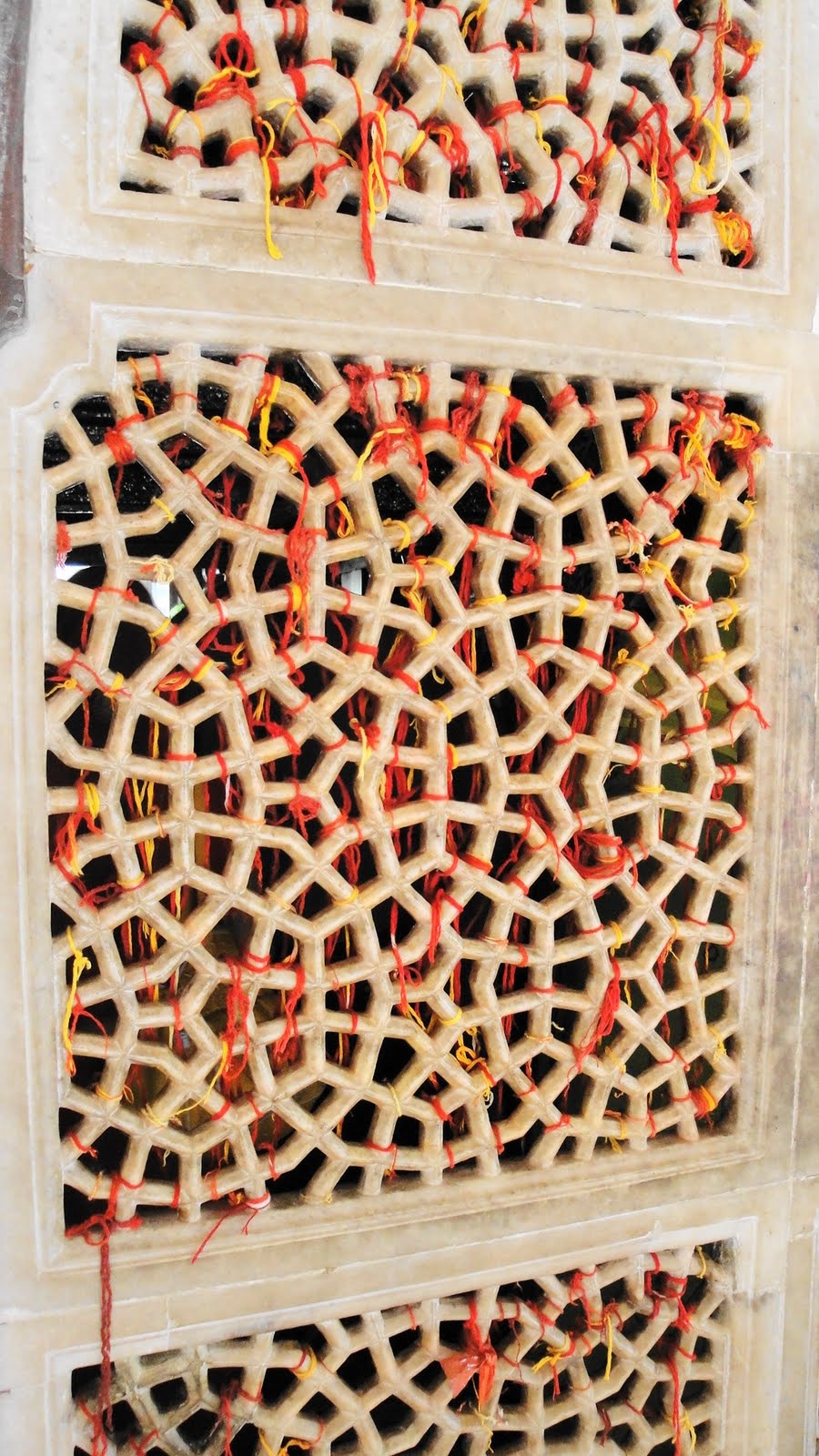
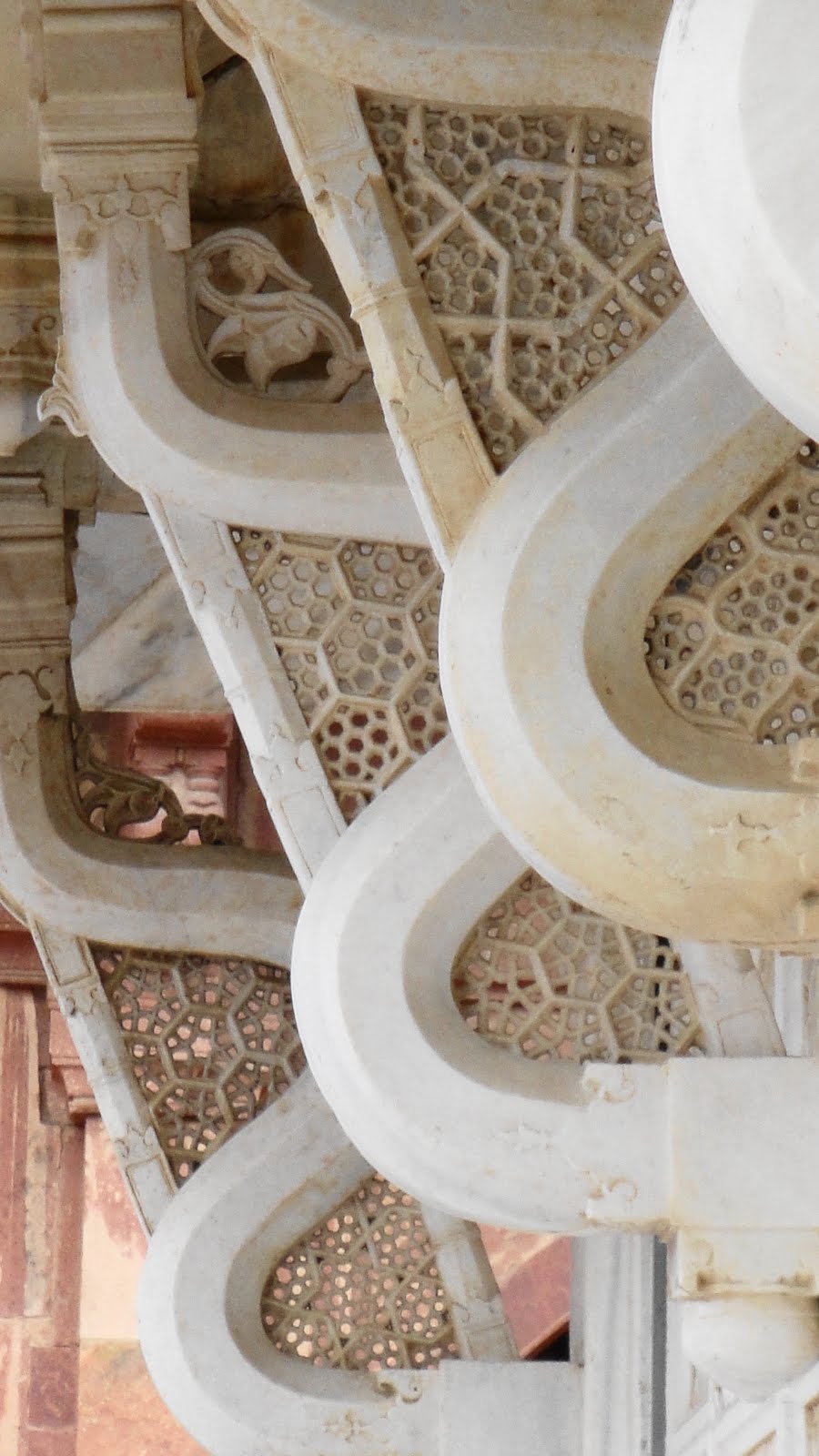
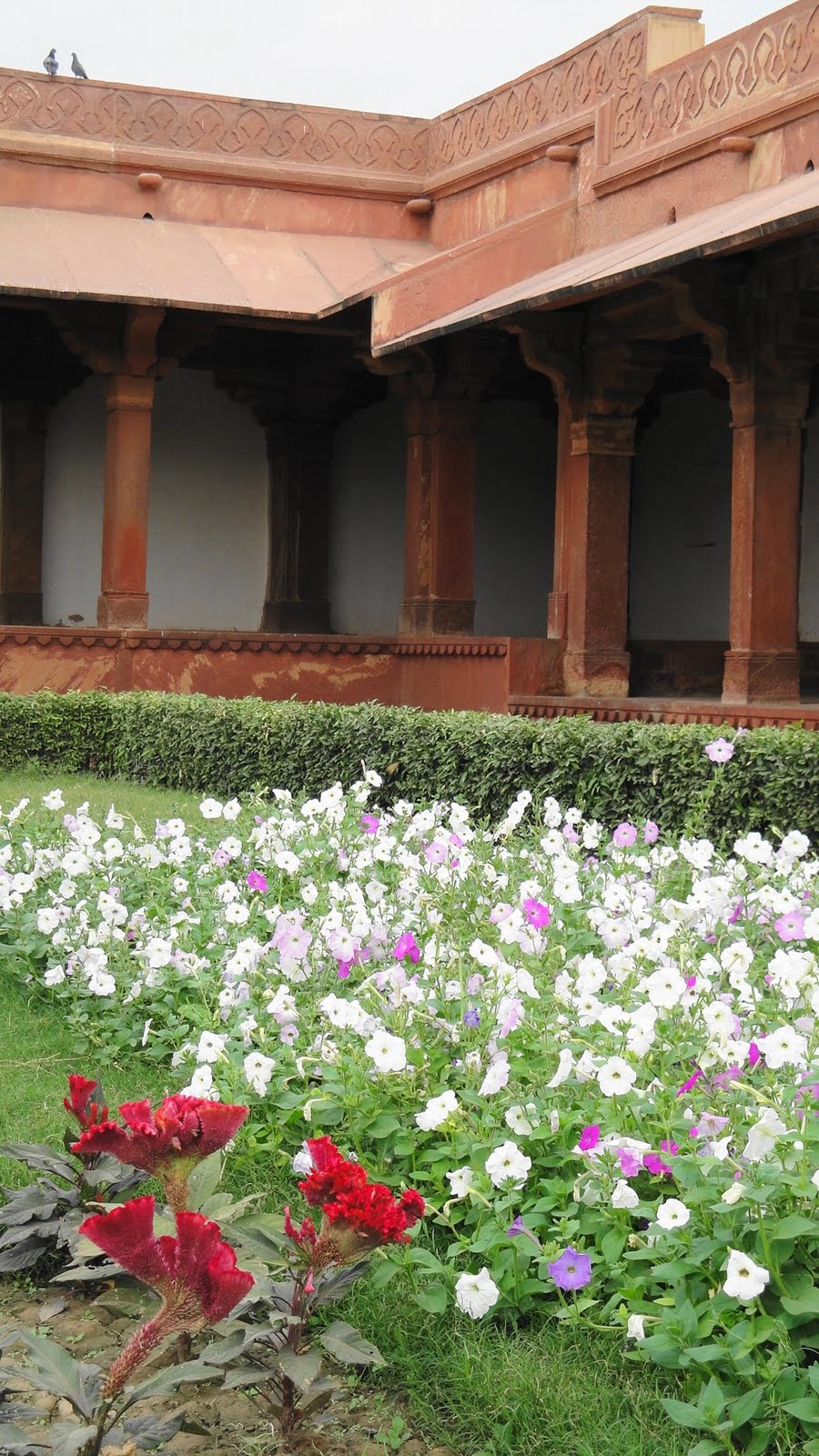
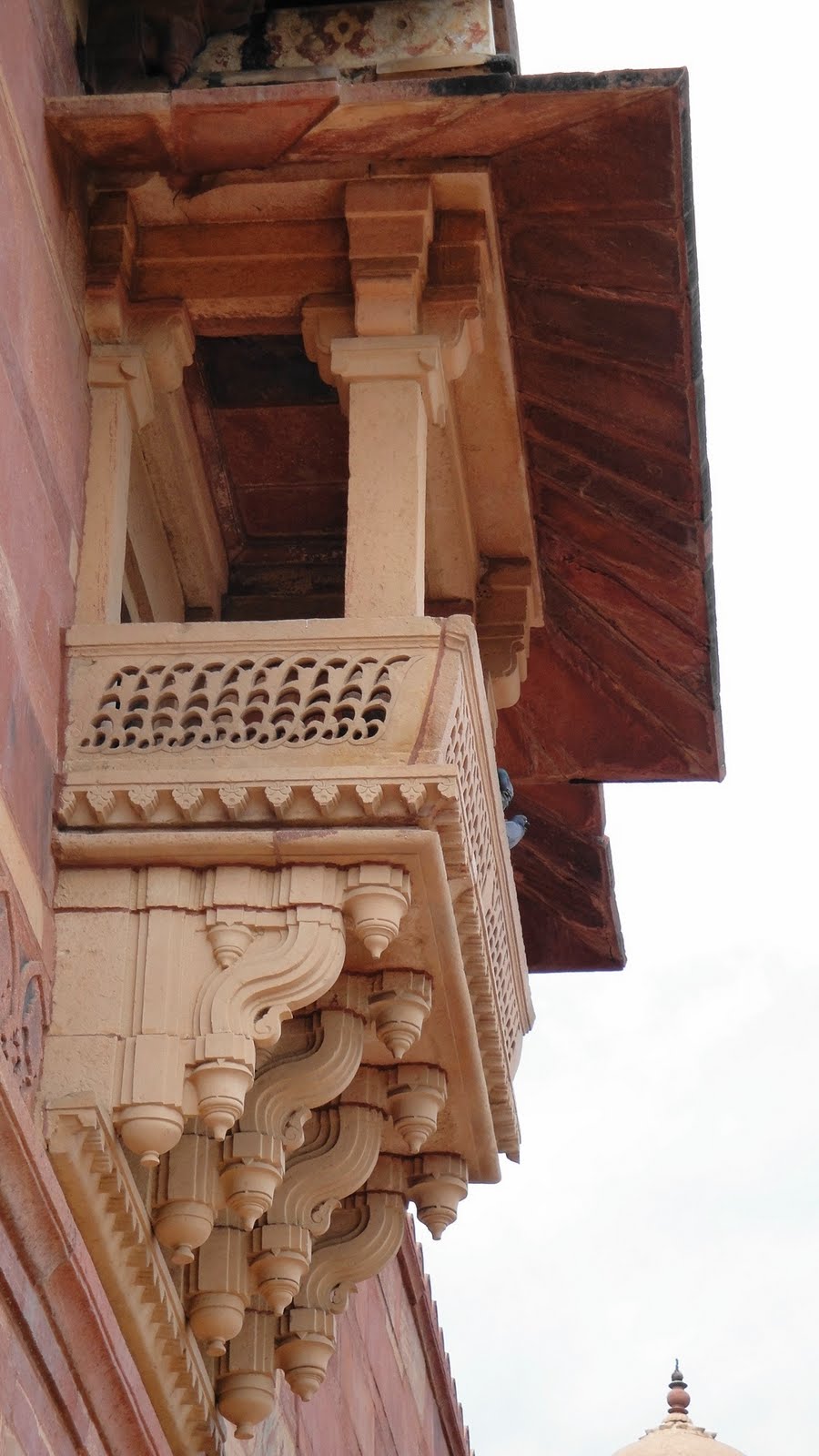
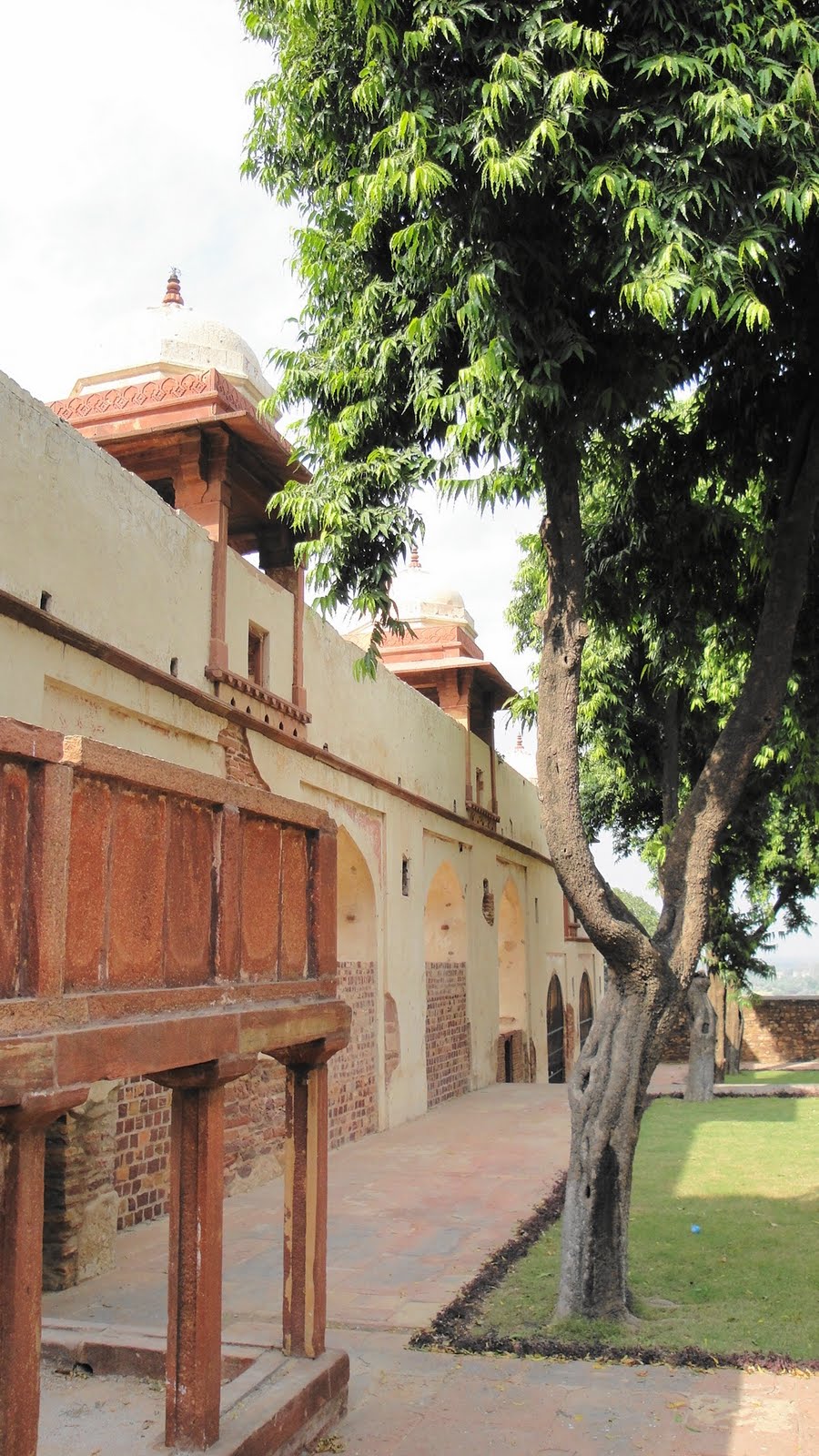
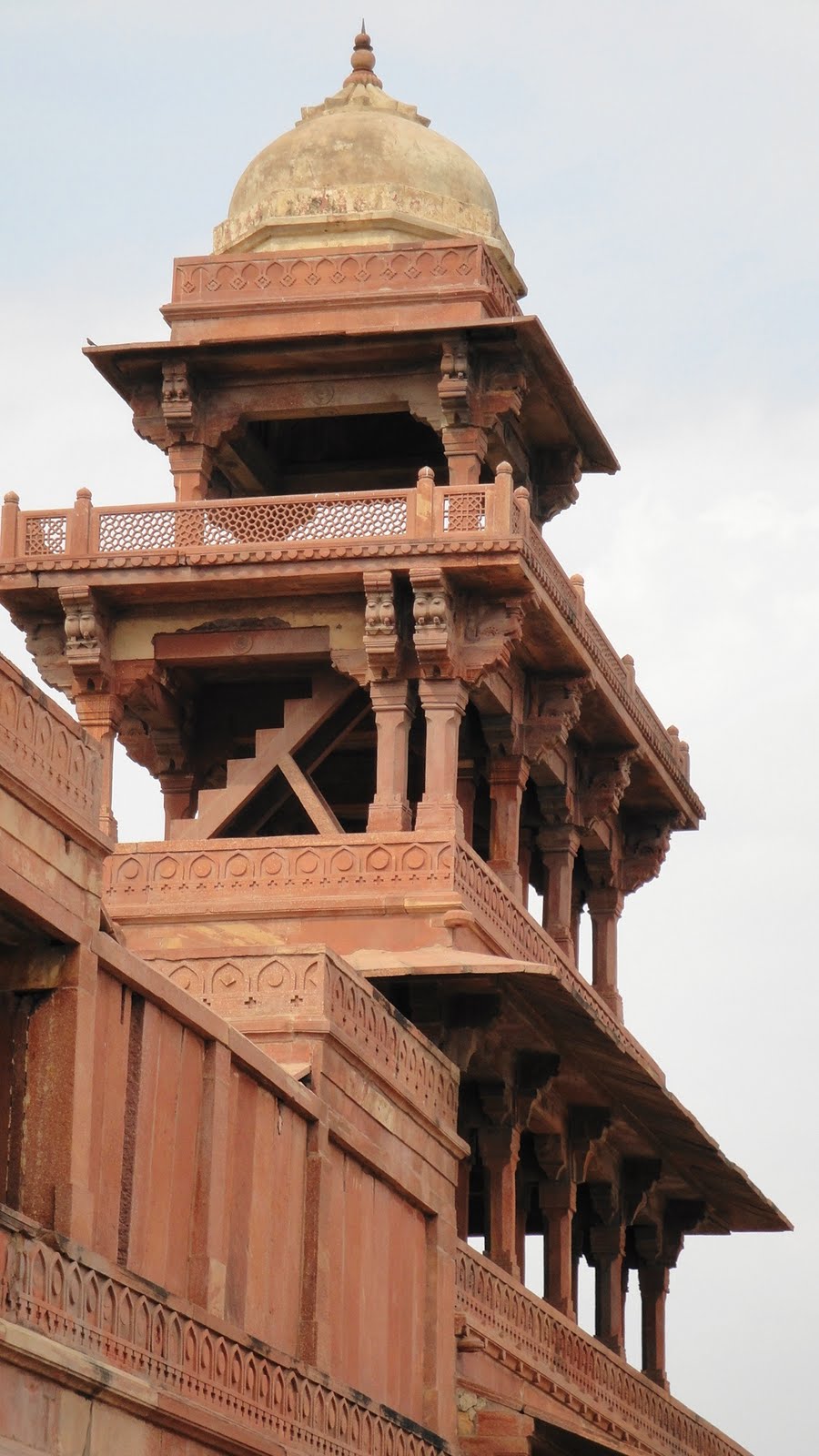
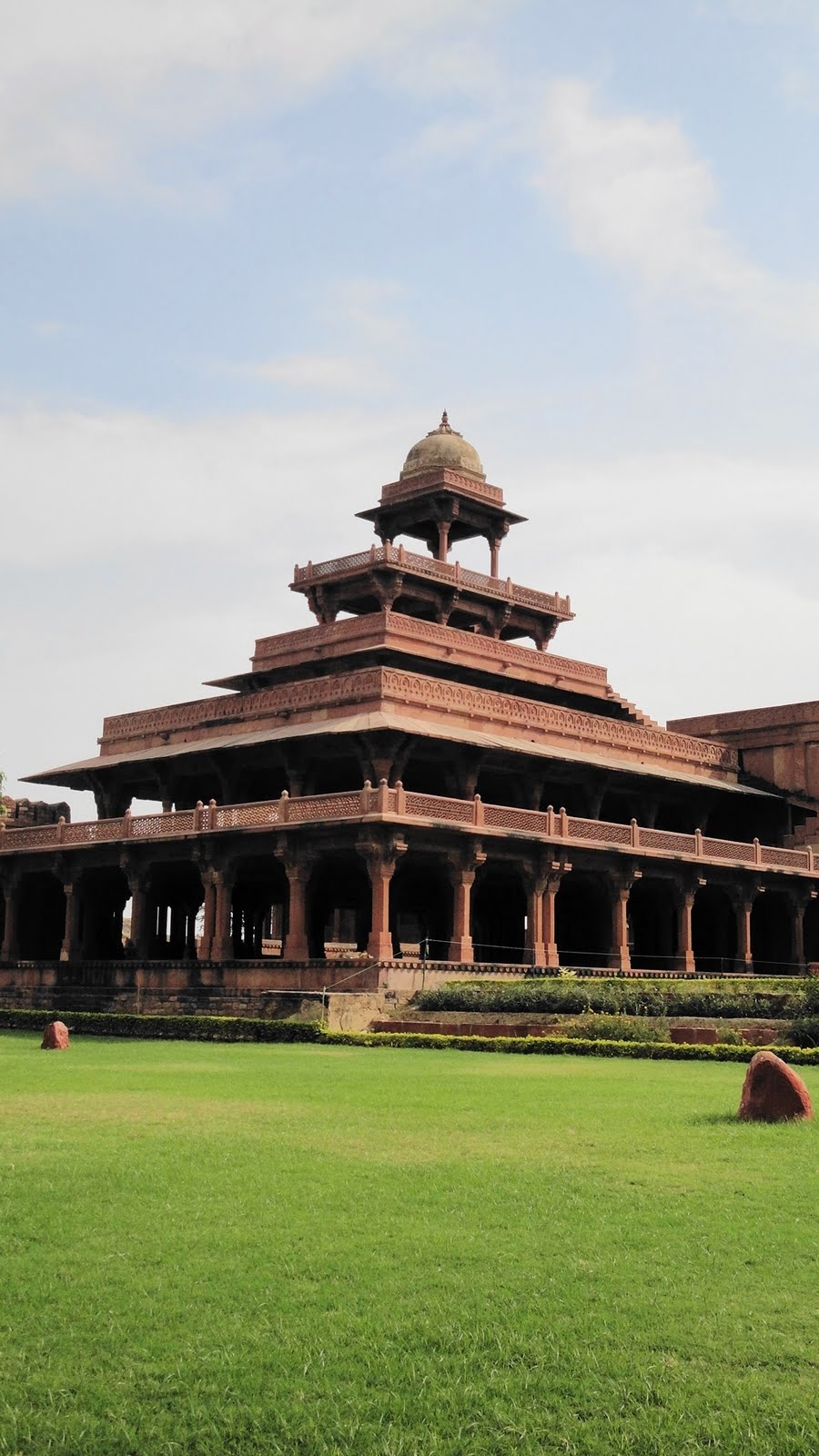

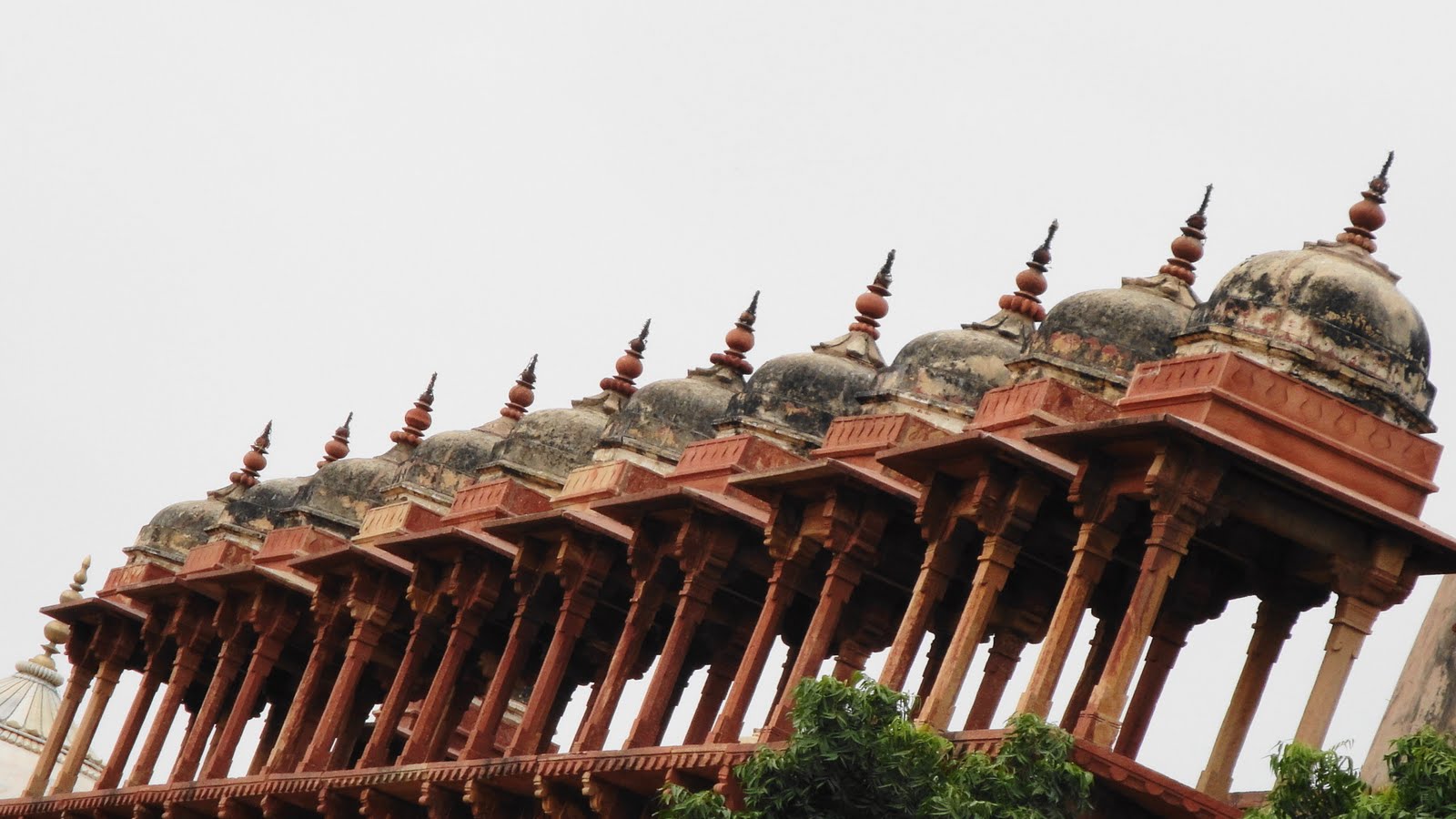
I know I went a bit shutter-happy in these places, but the symmetry and beauty of the stonework and the buildings really never ceased to amaze me…regardless of how many such remarkable buildings I saw!
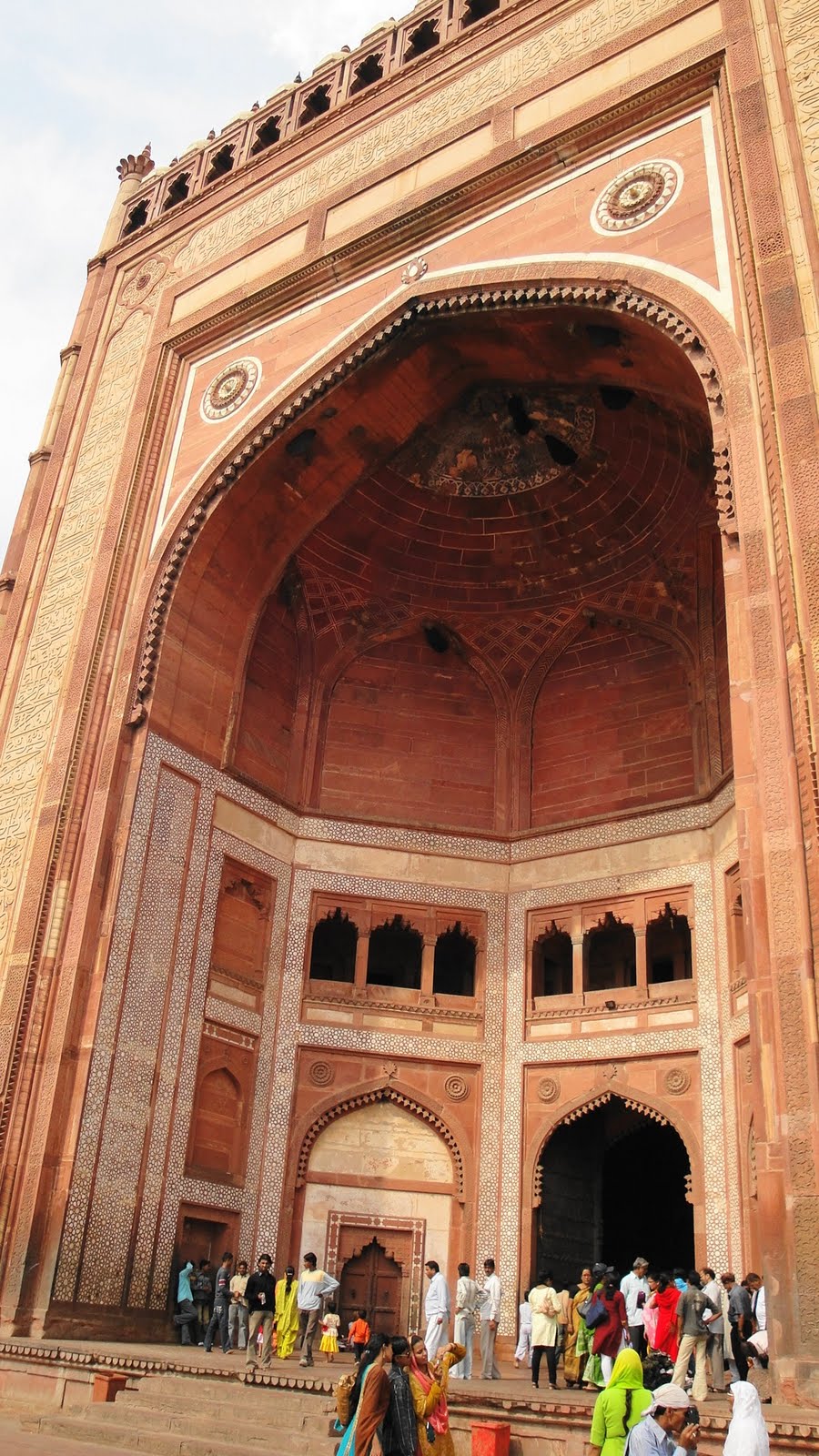
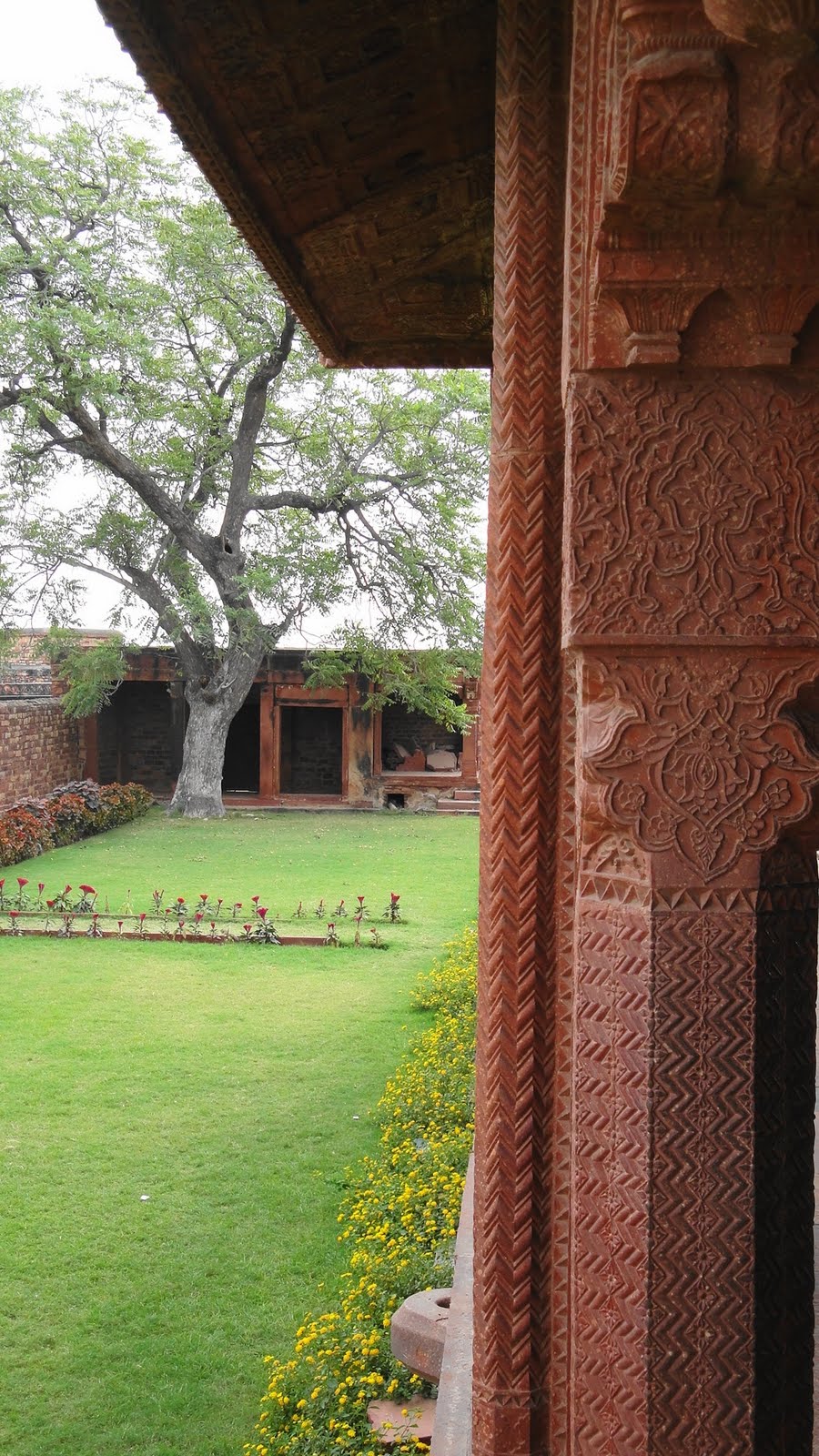
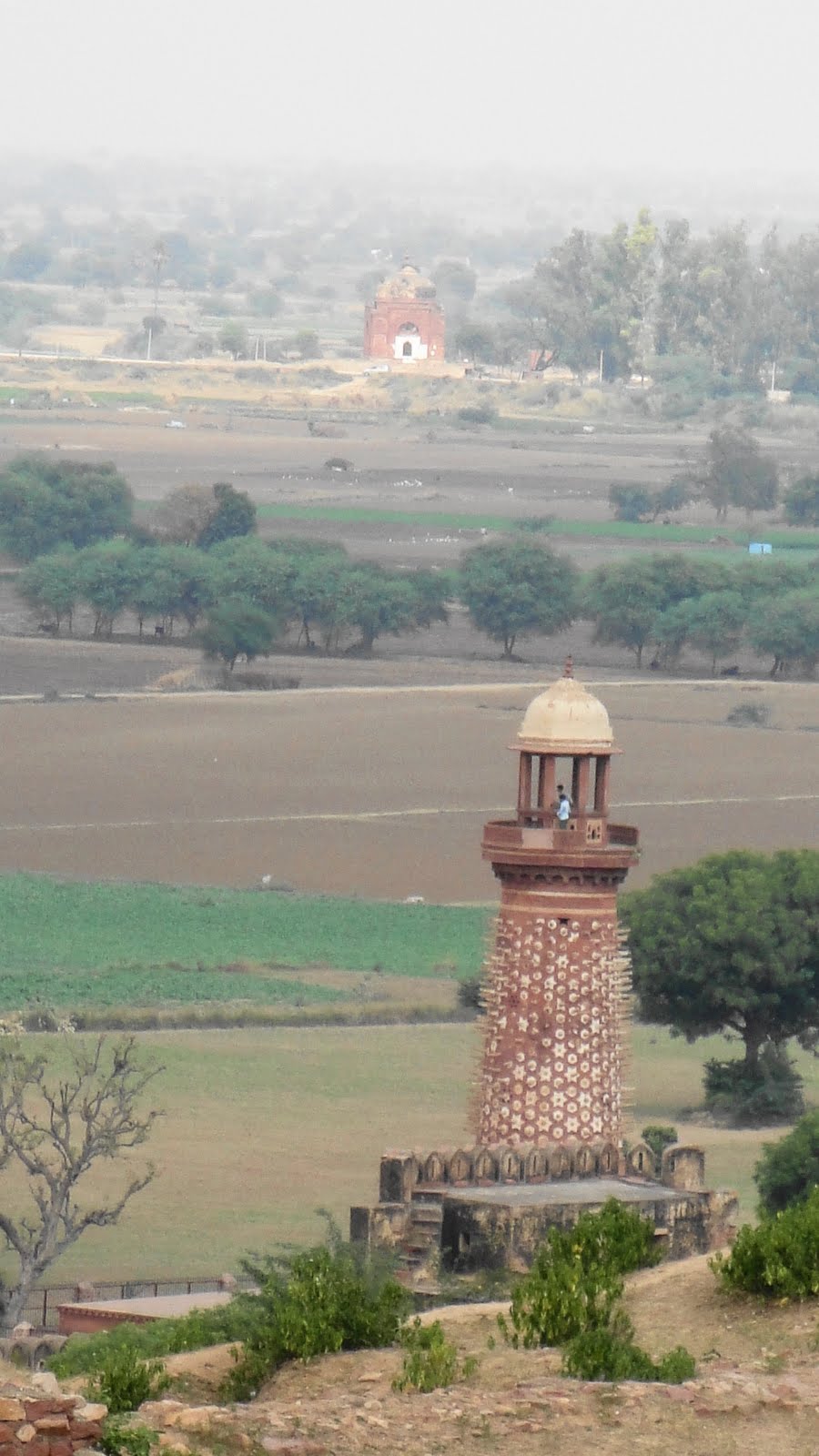


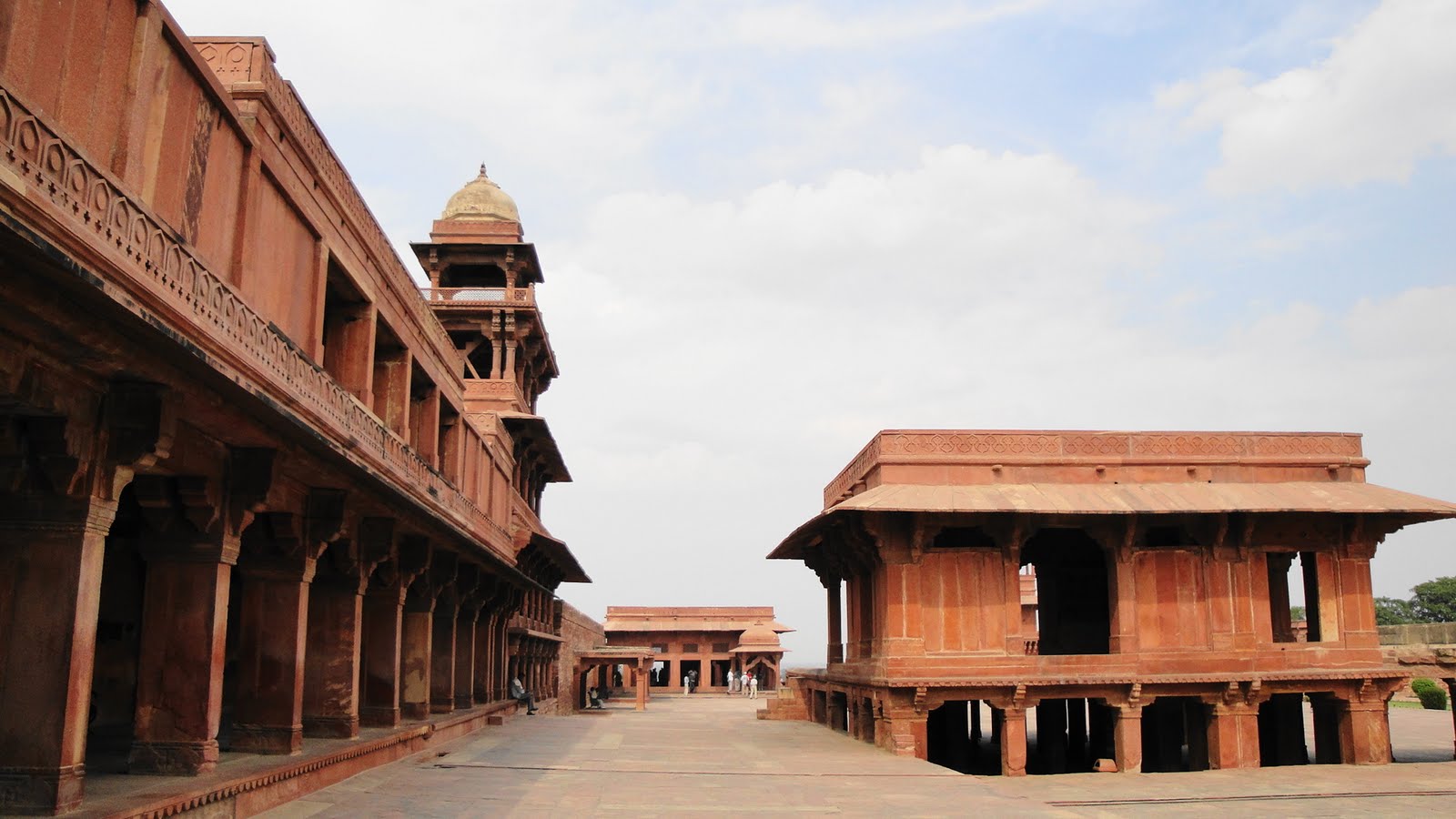
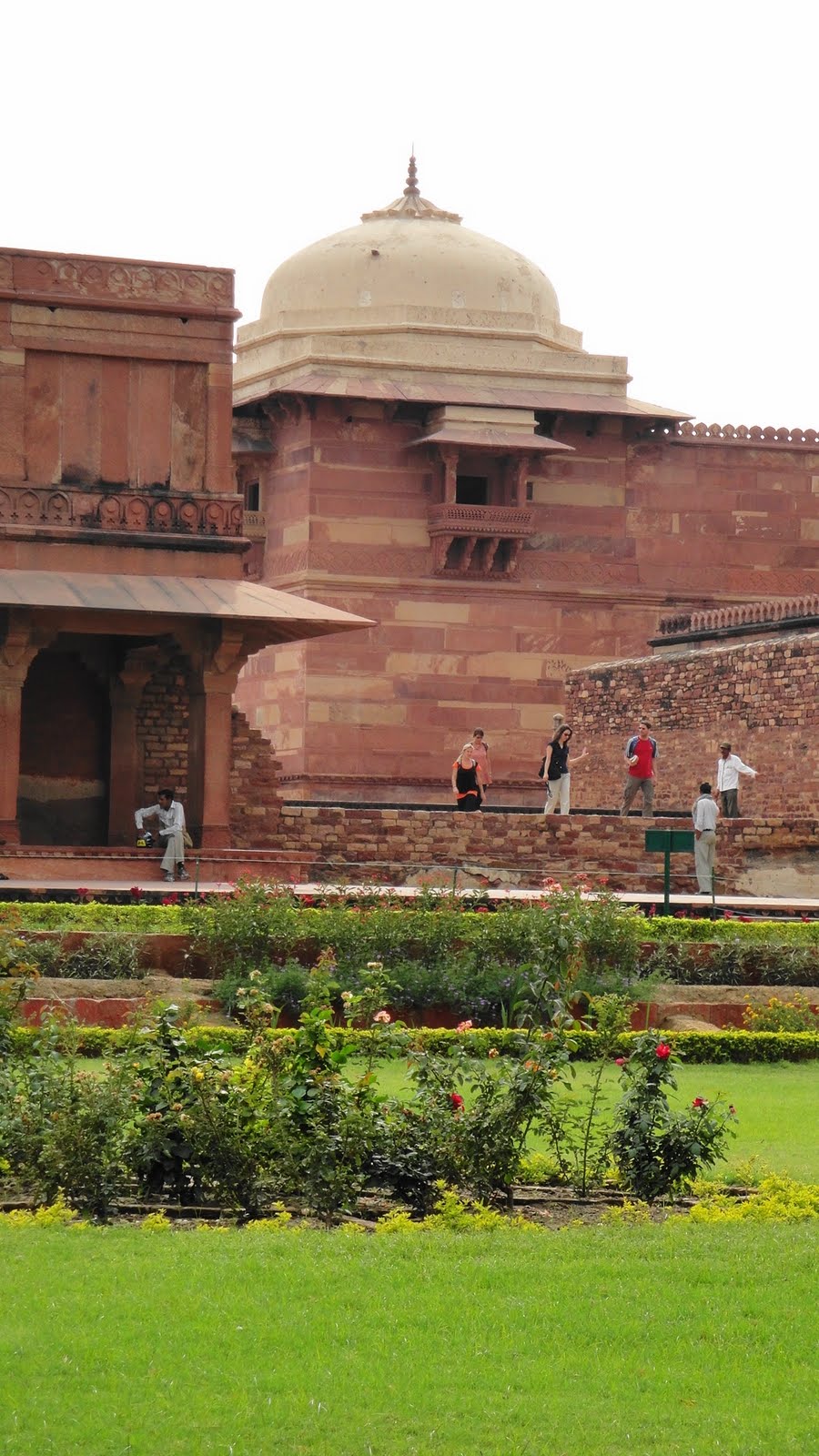
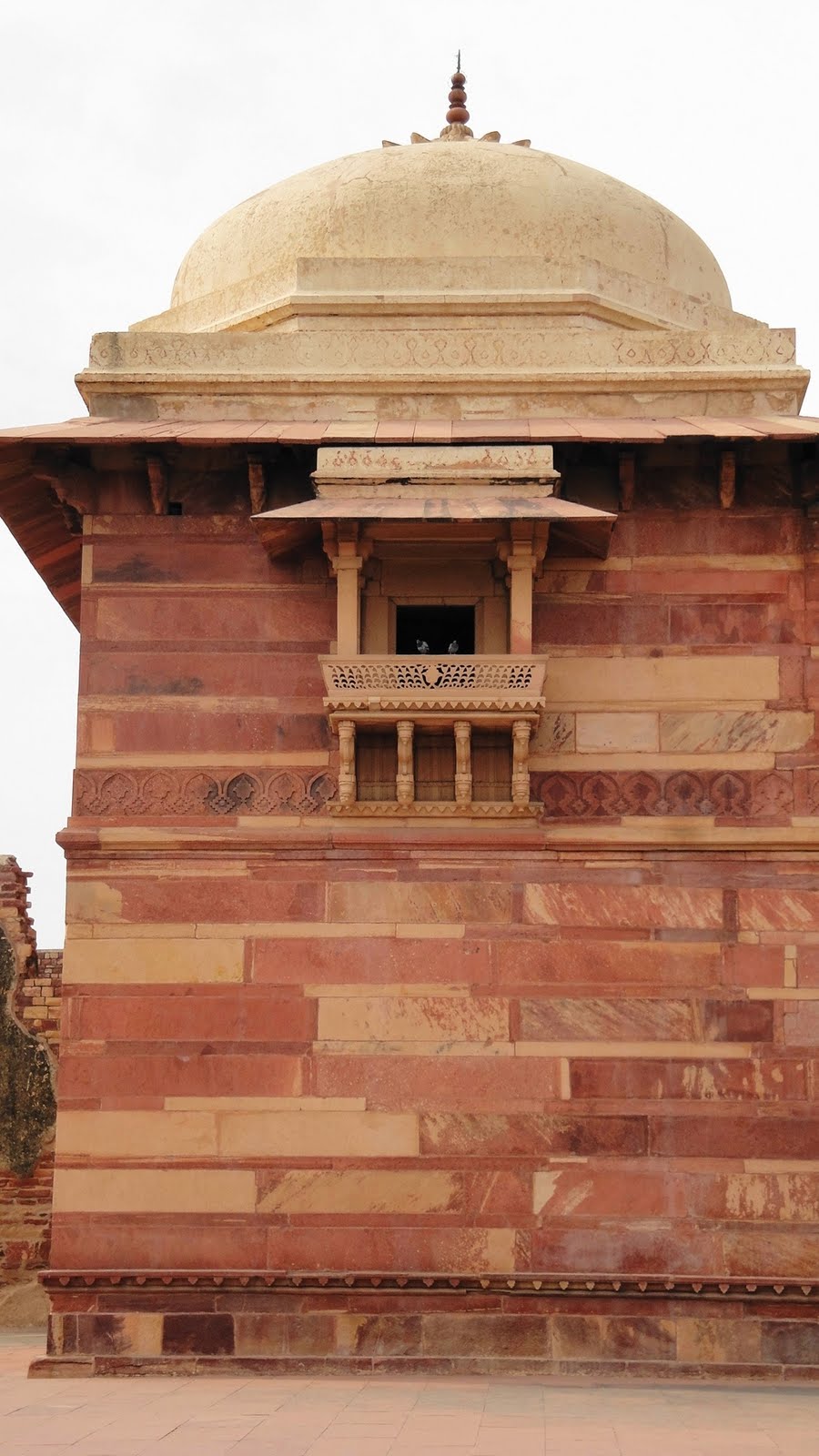
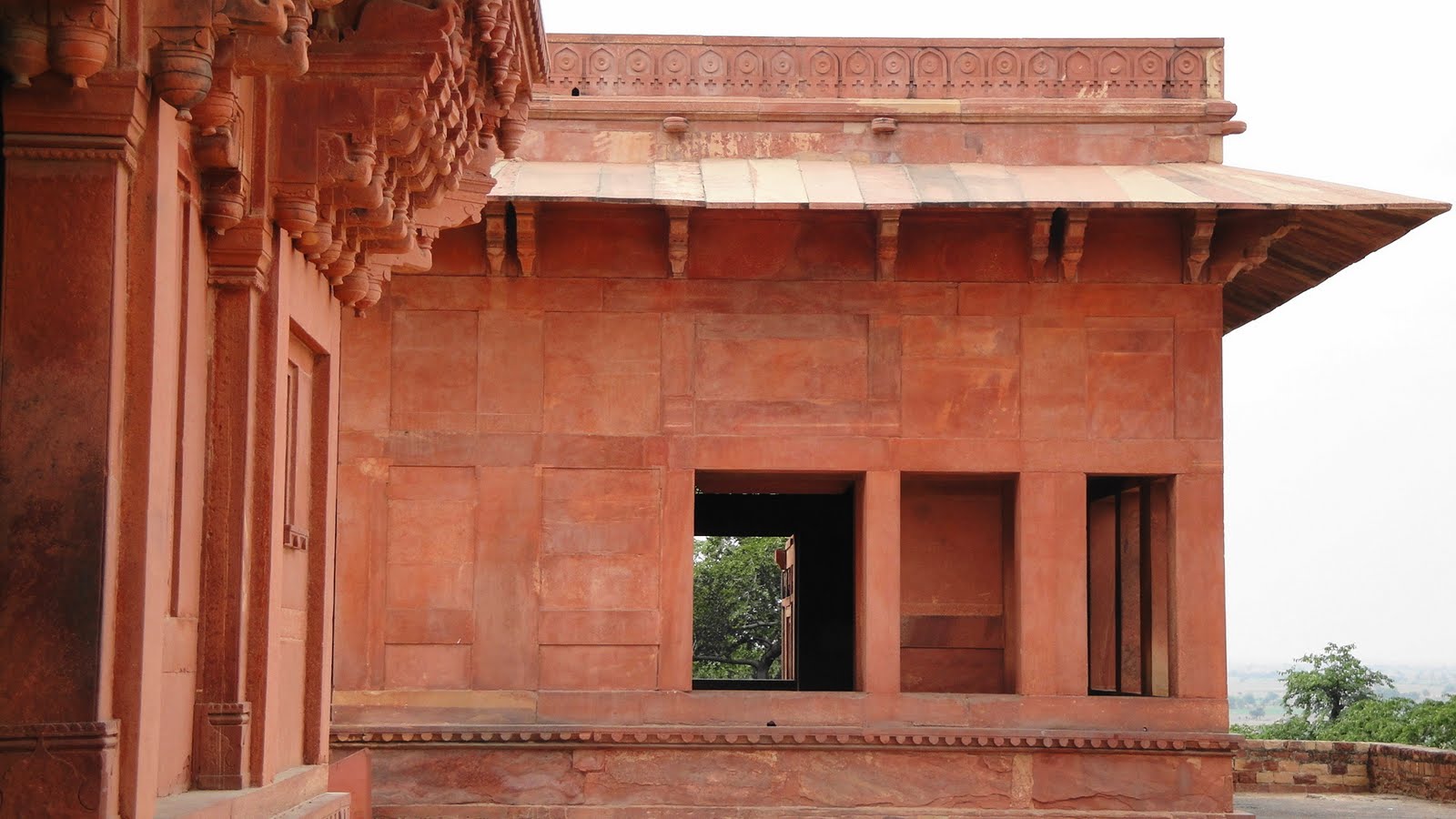
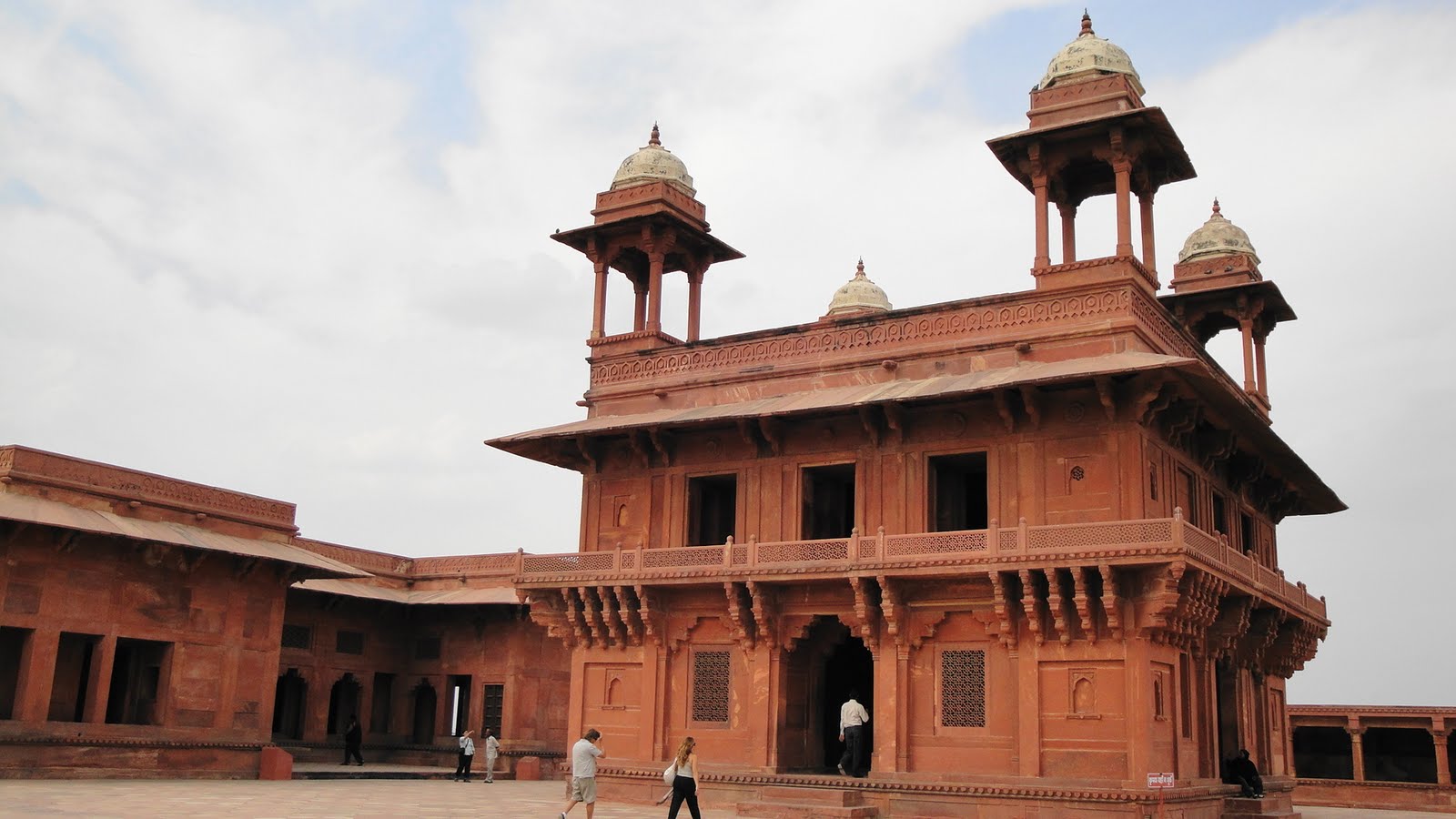
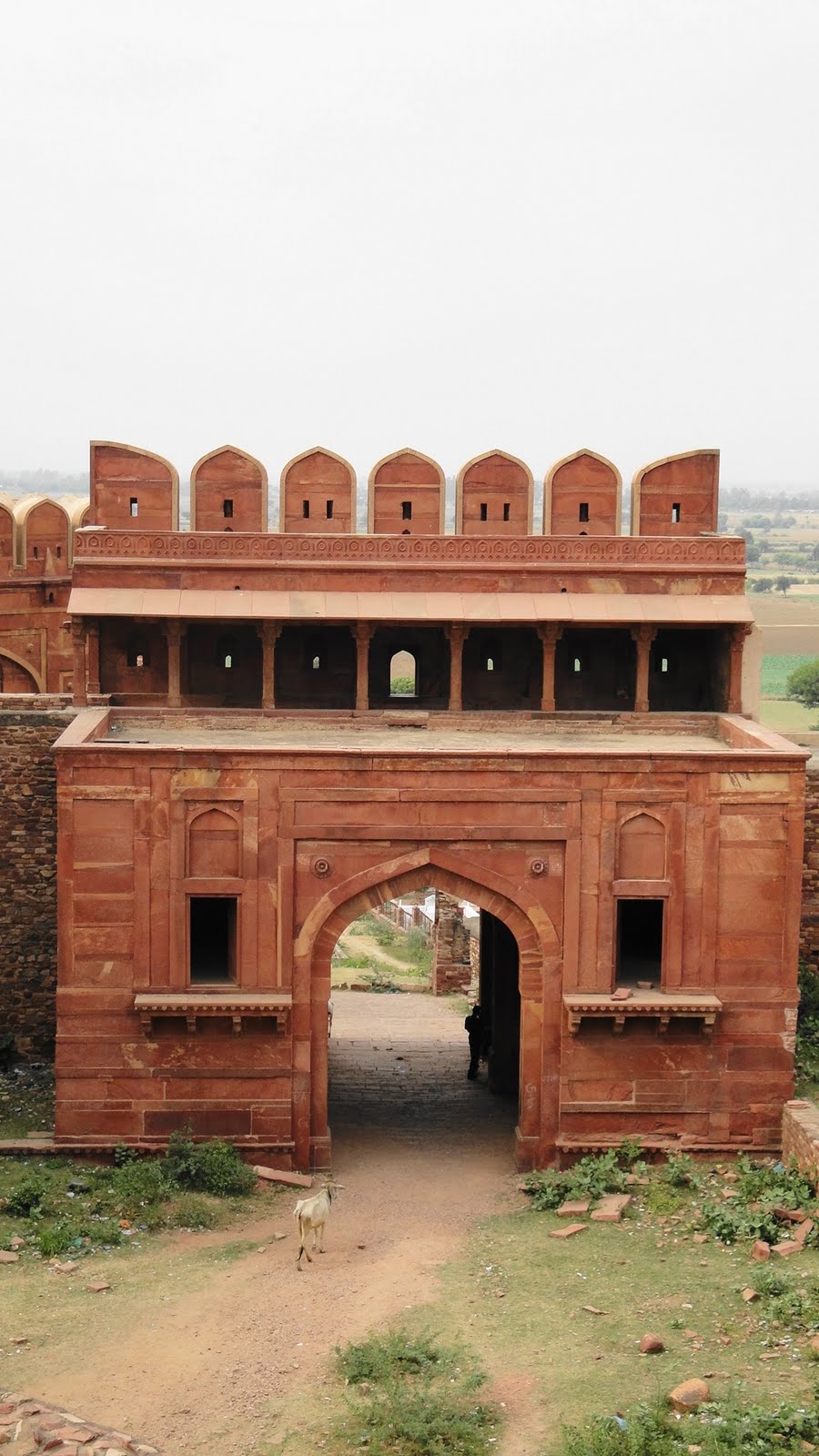
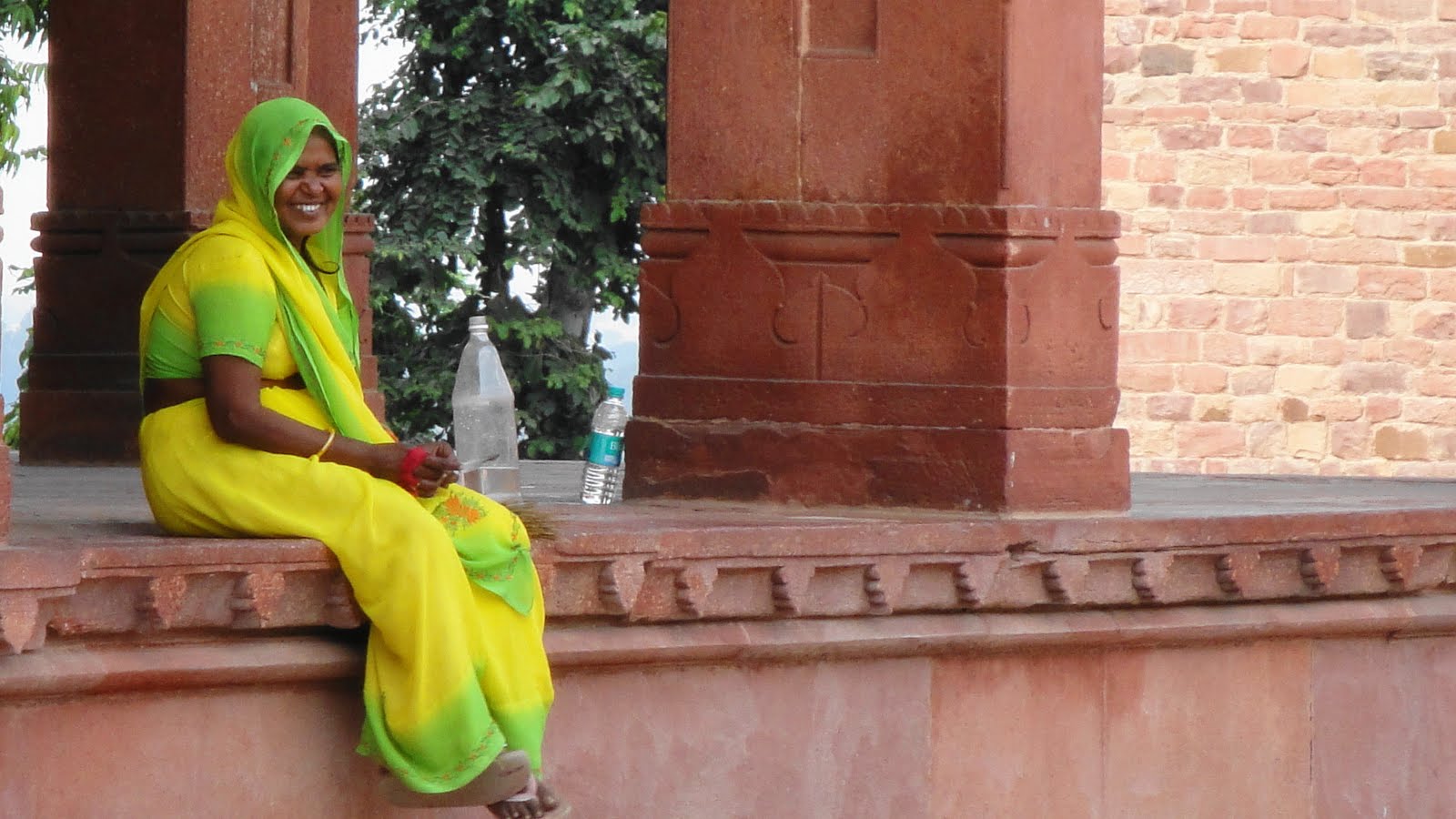
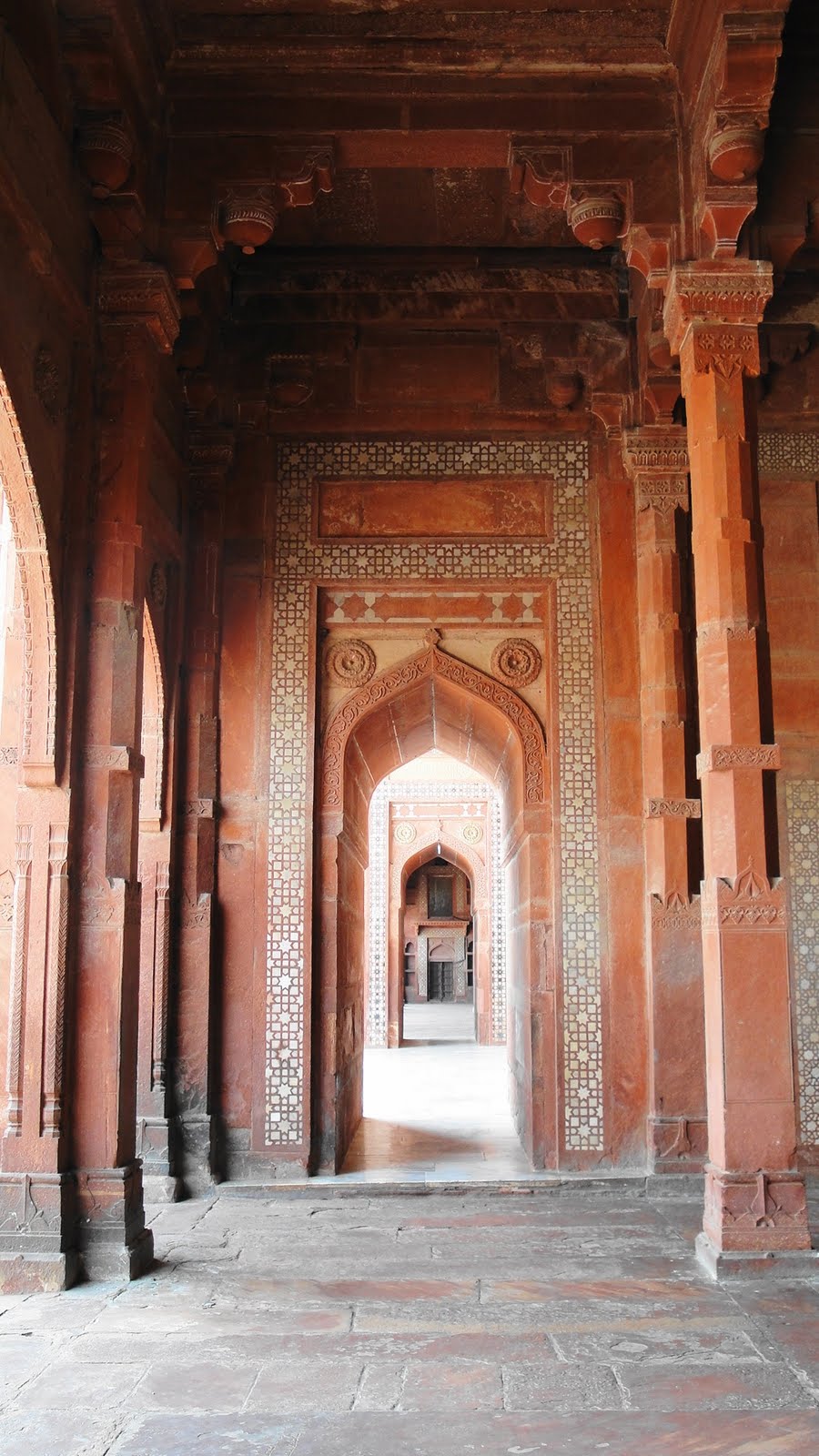
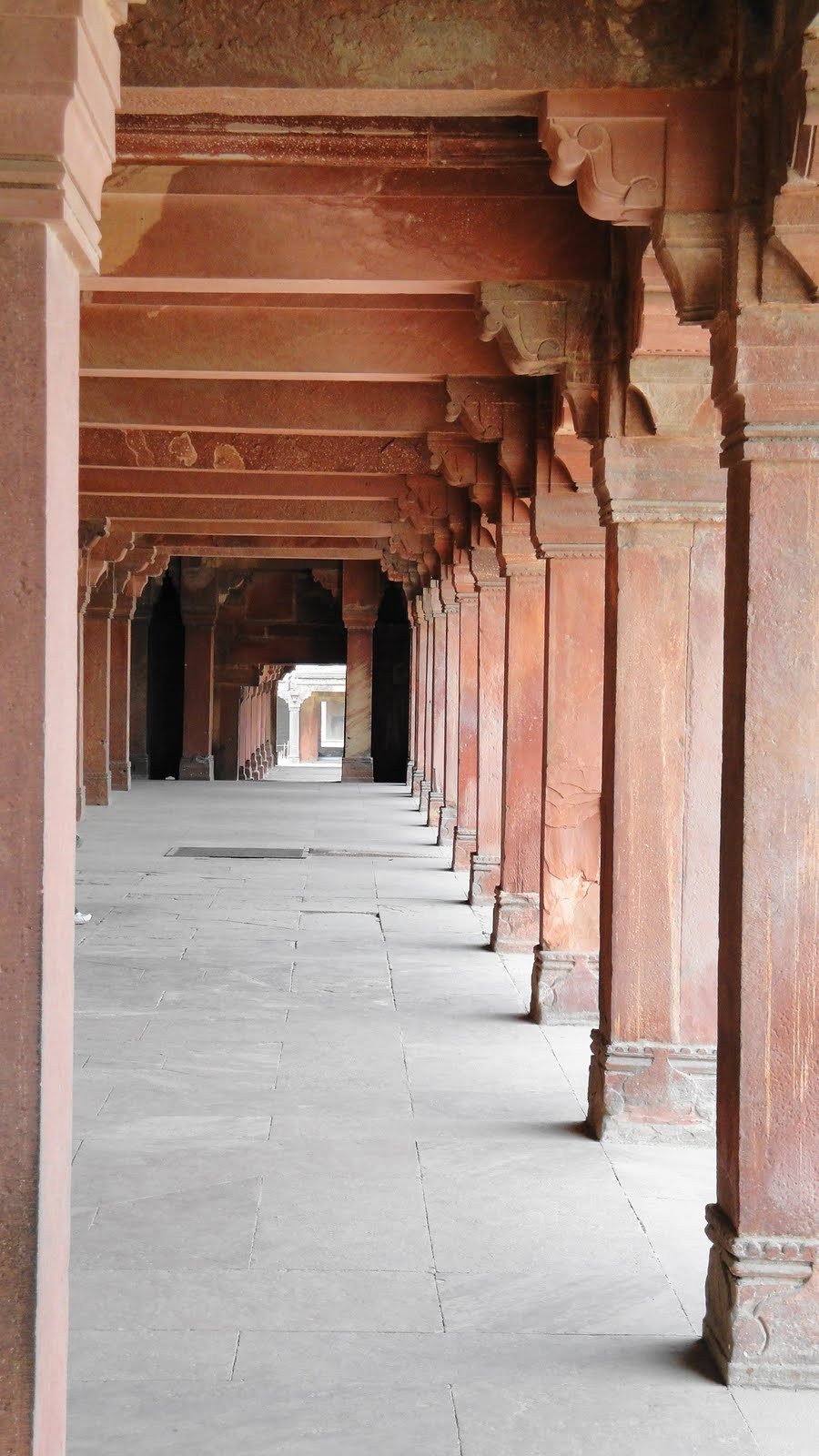
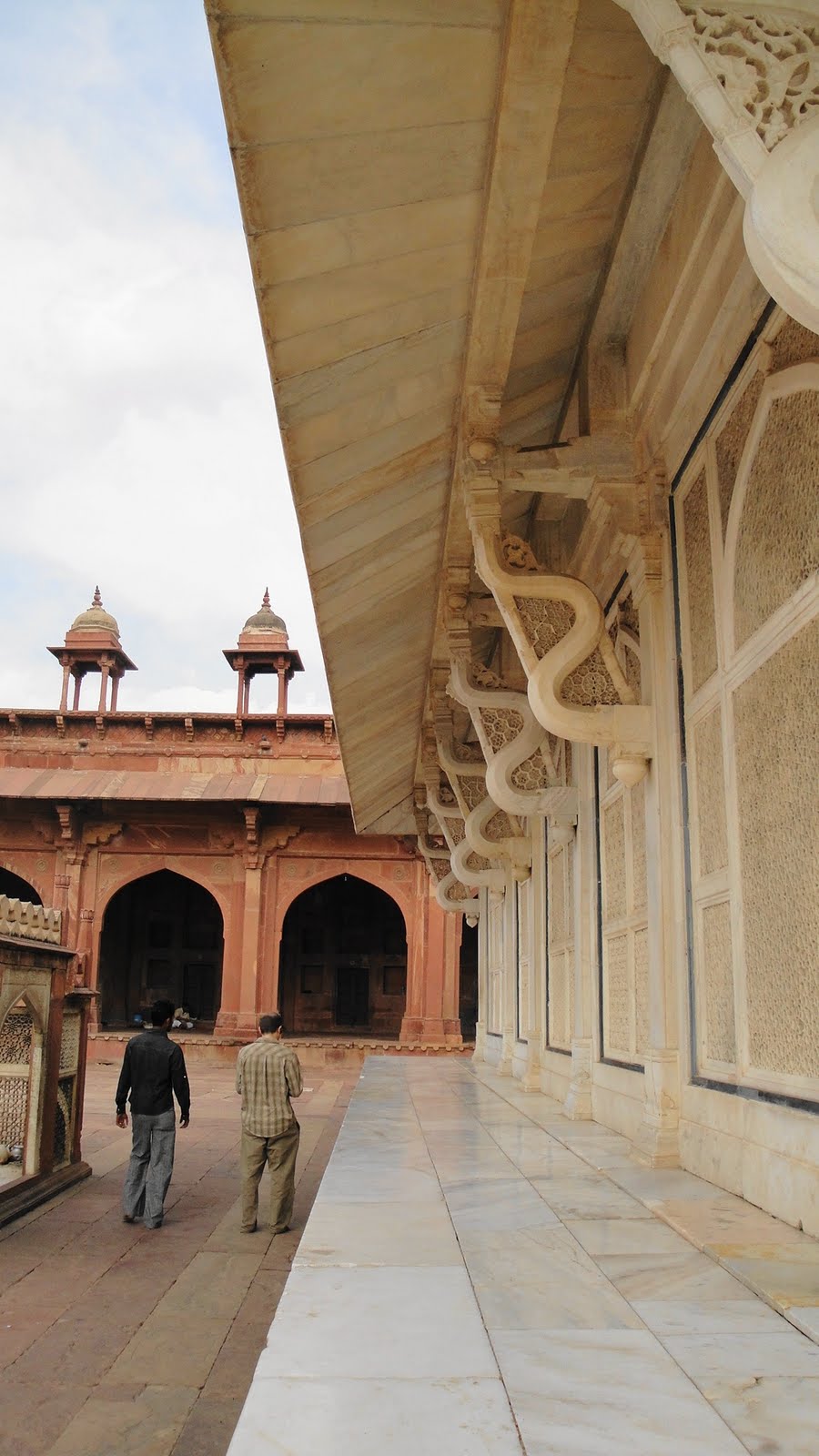
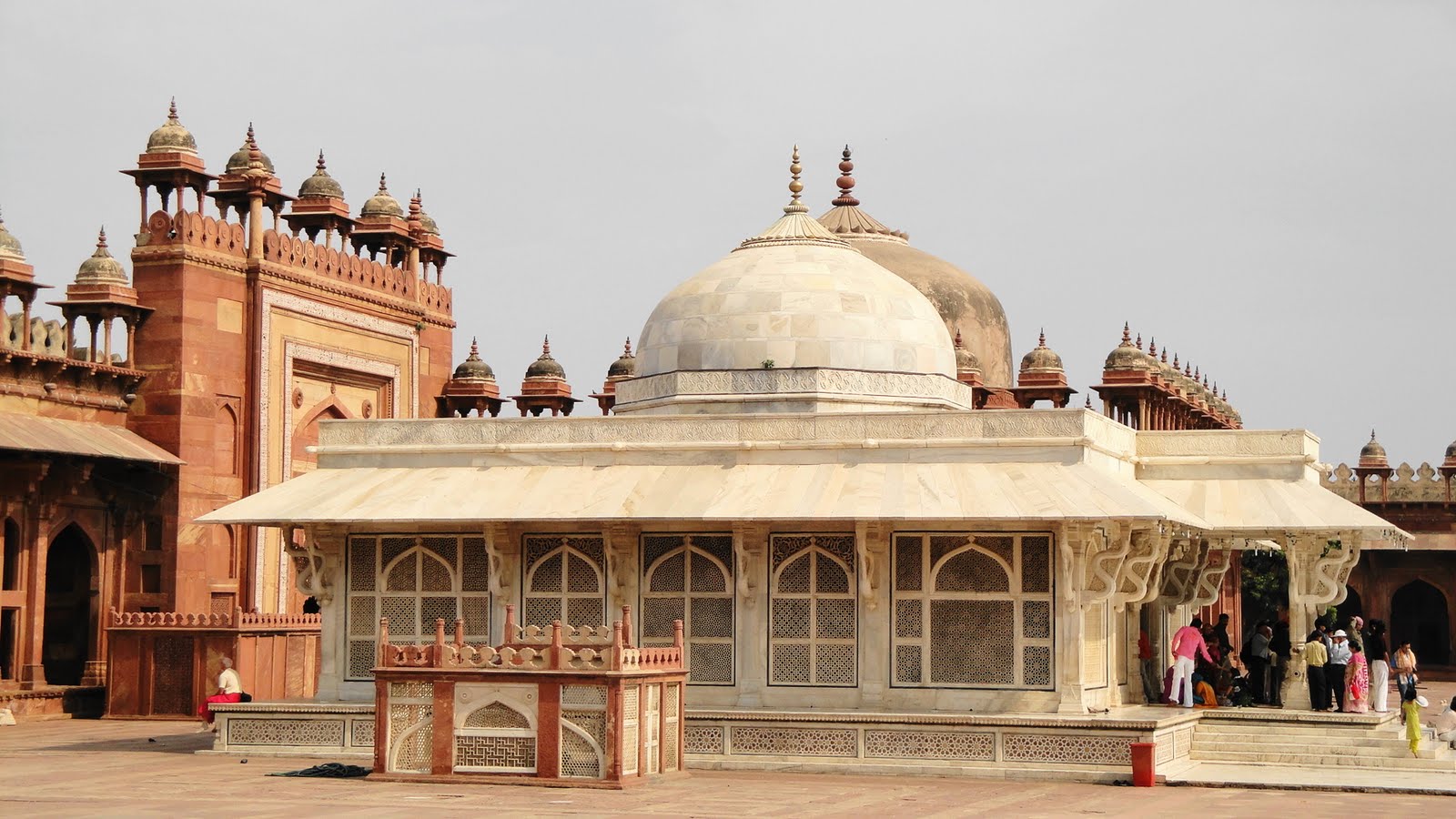
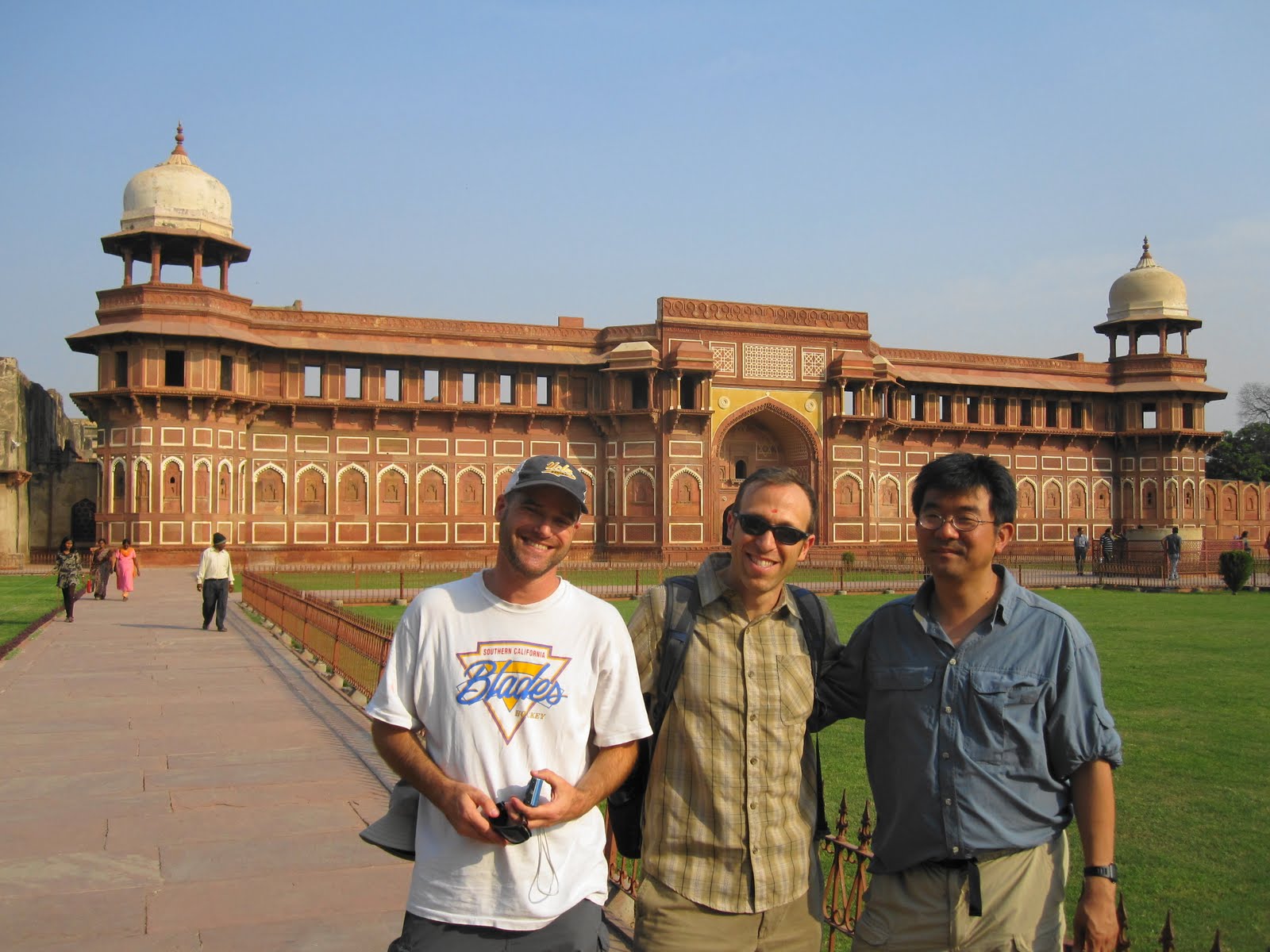
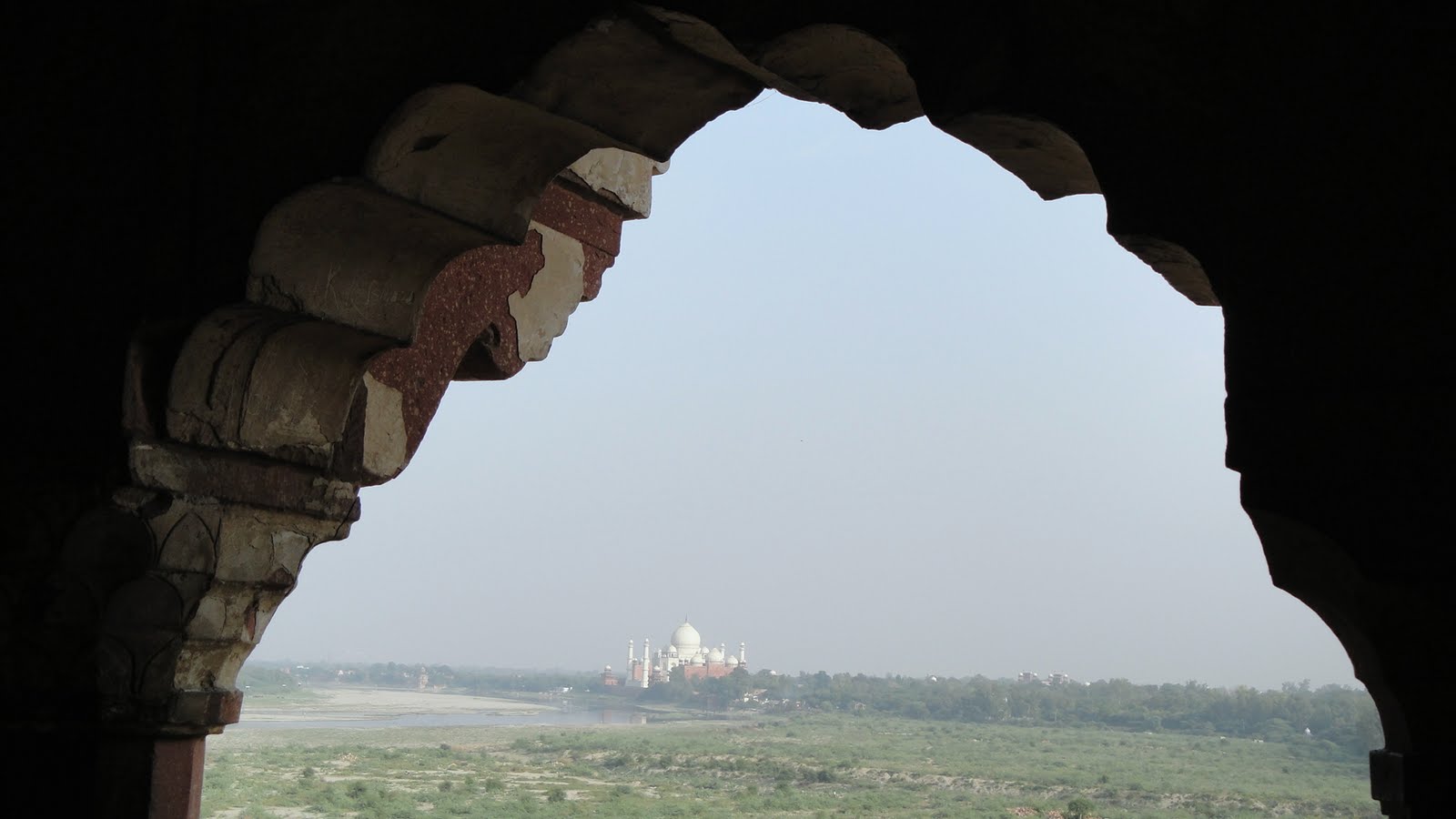
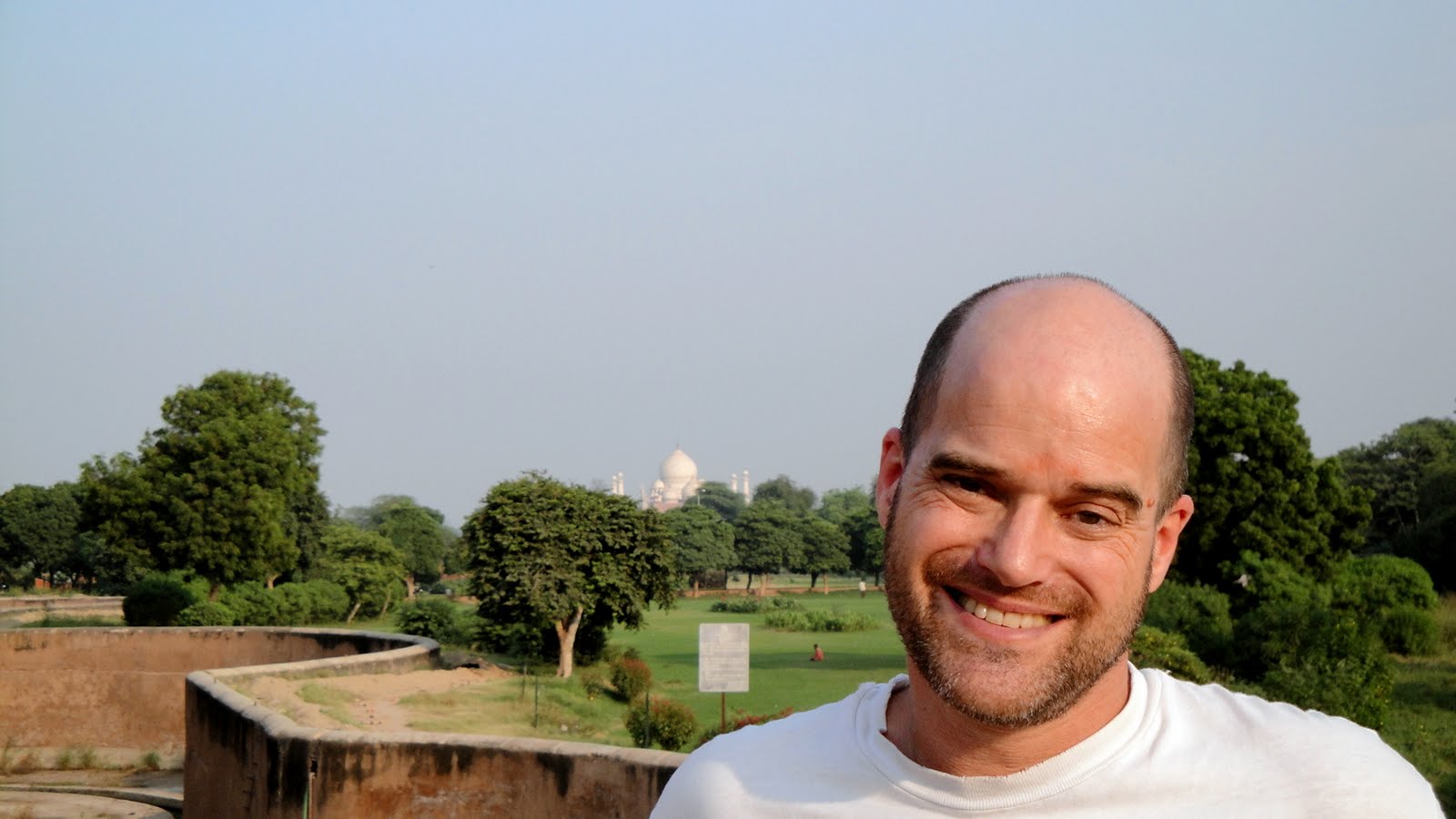
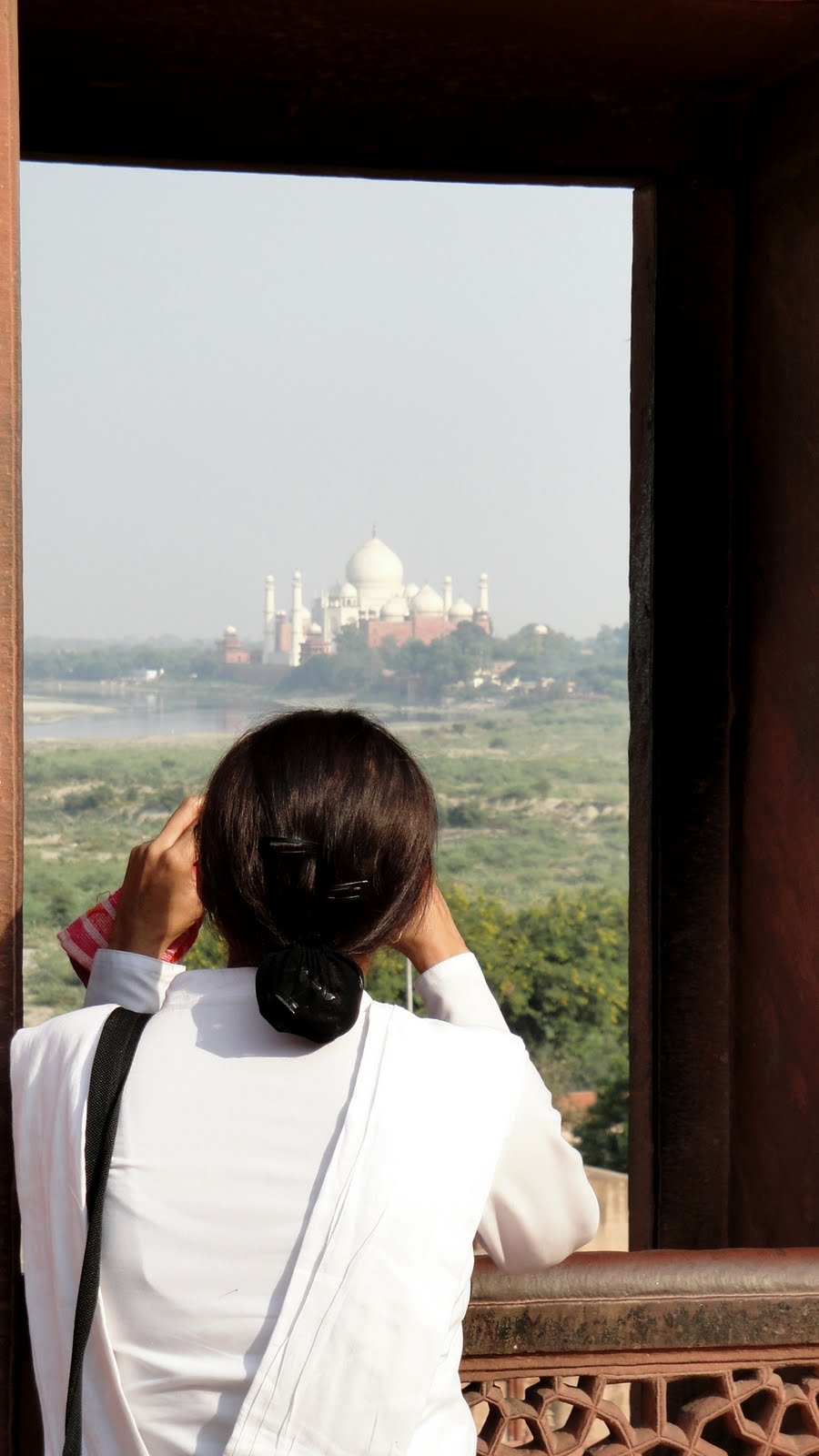
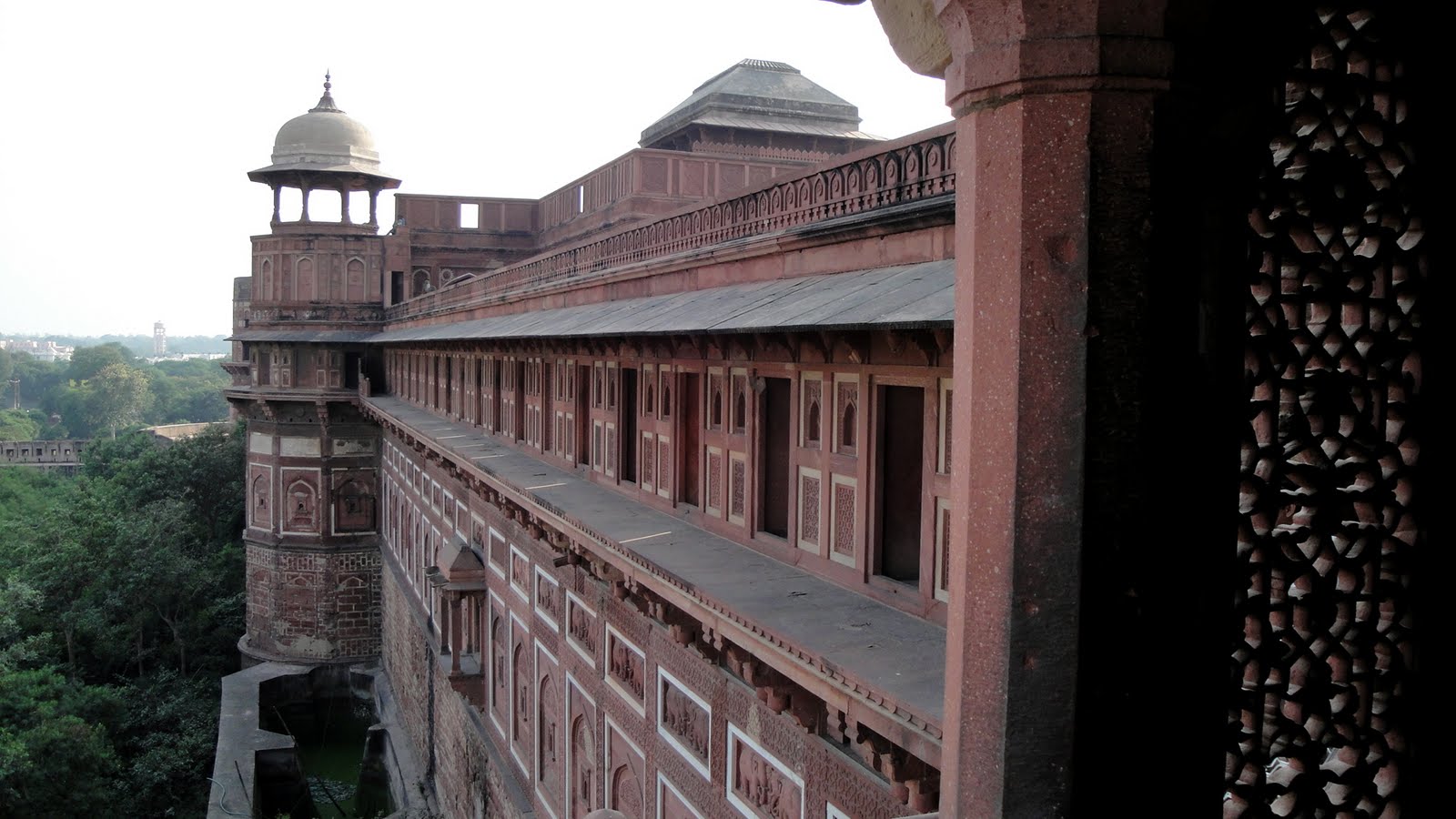
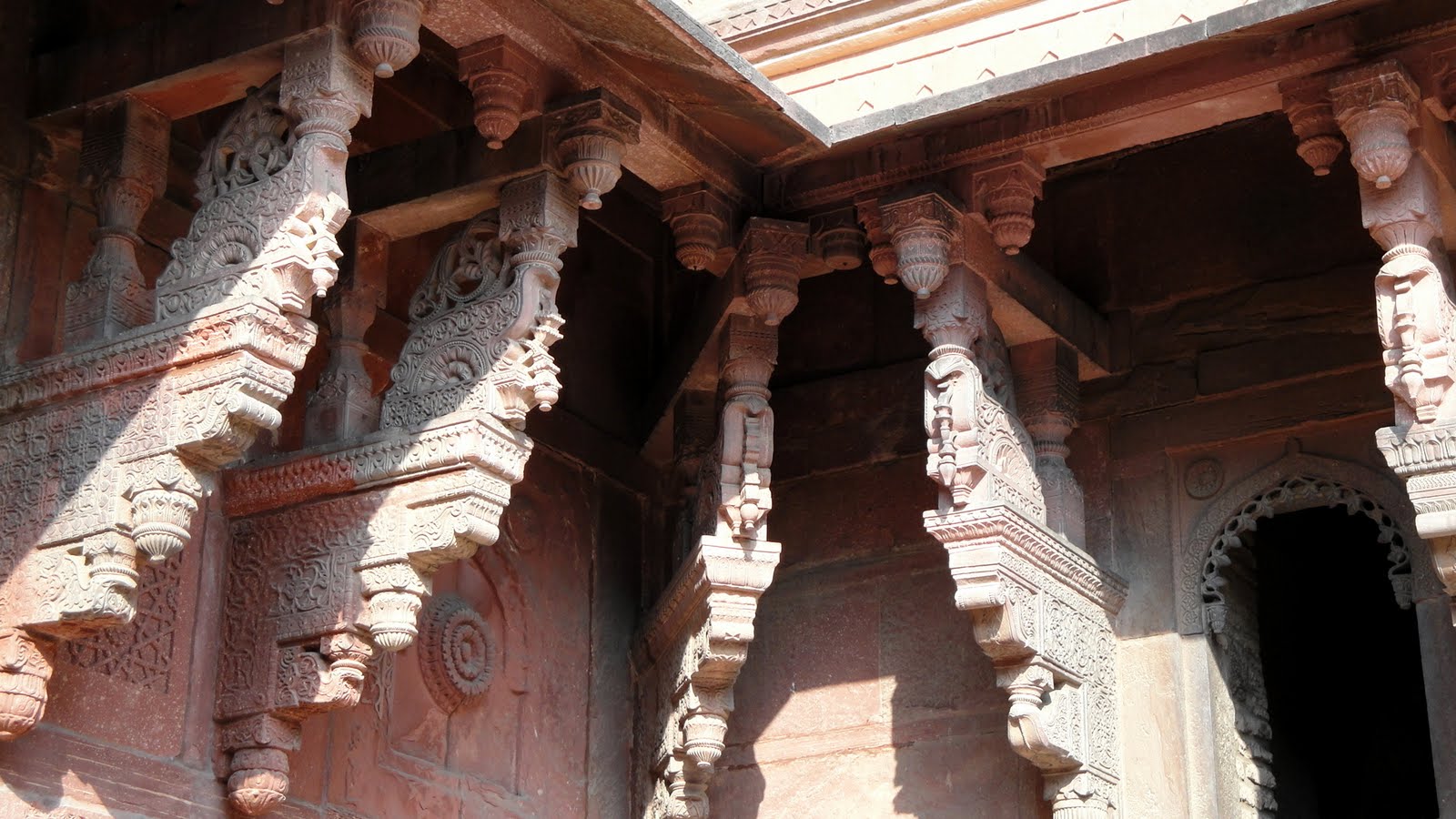
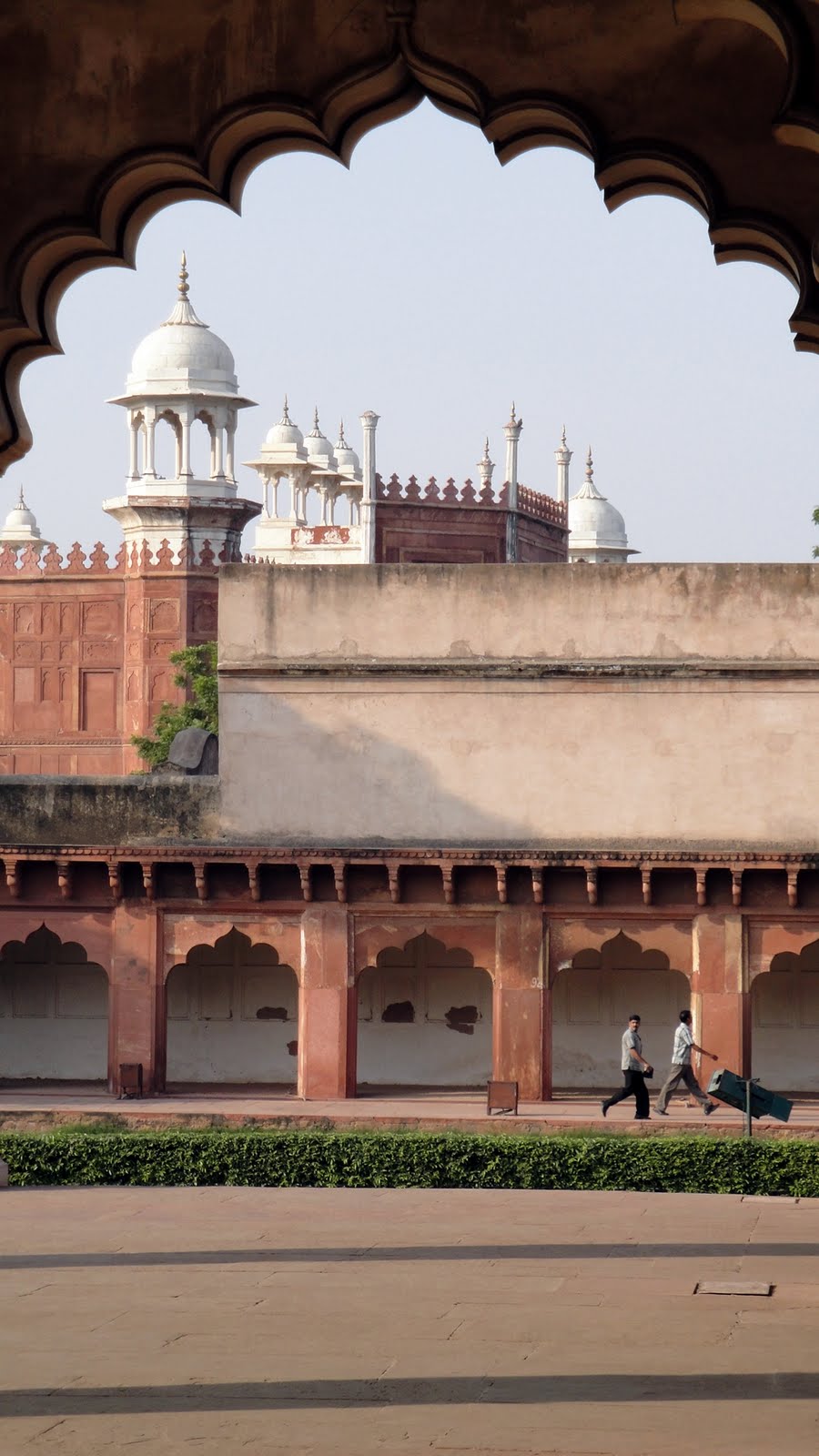
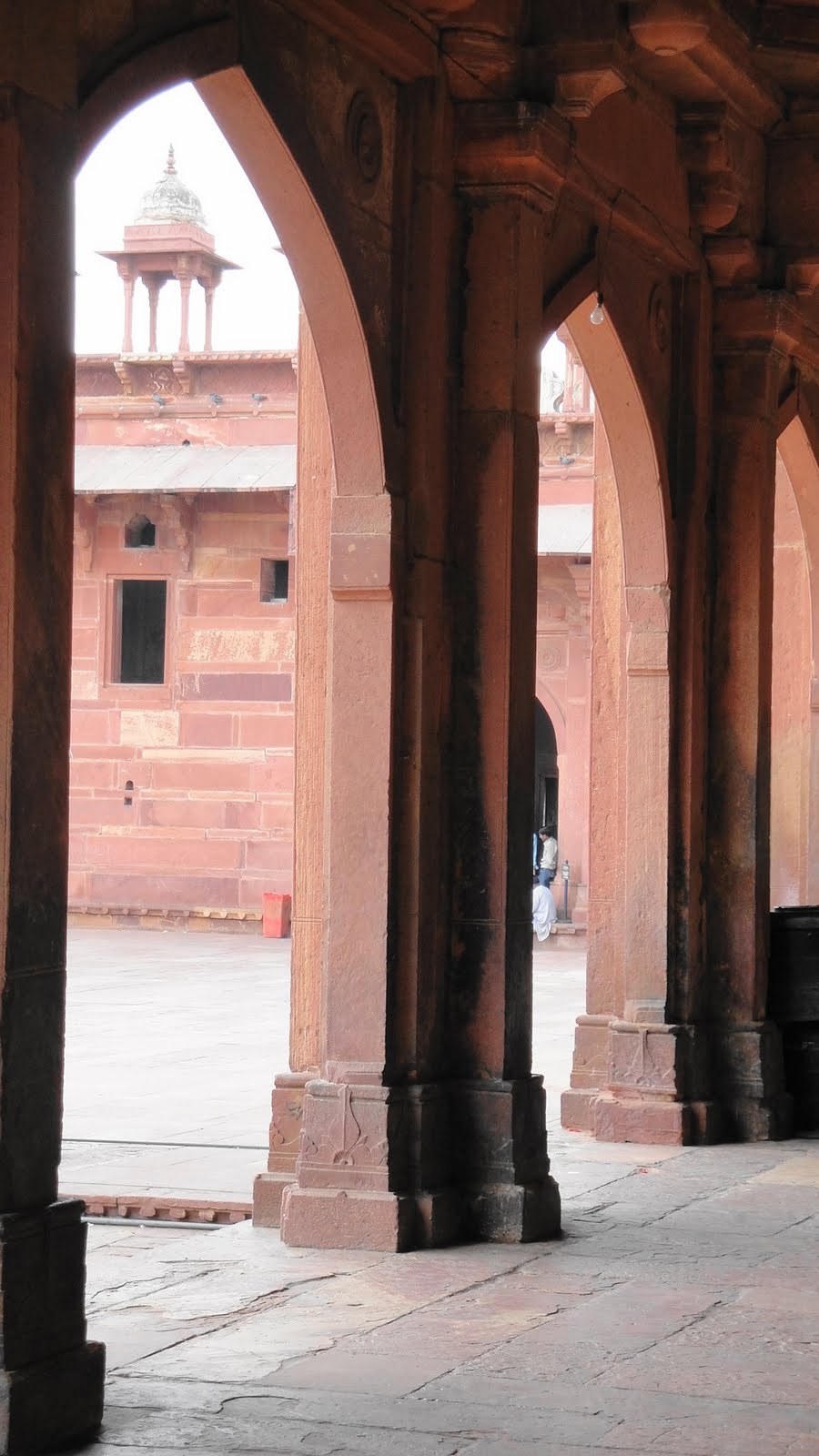 …and below, we have the Redfort at Agra, seat of government while the capital was in Delhi; it’s an impressive building, but as you’ll see it was the views of the Taj which most capitvated me. The government buildings at Fatehpur Sikri the following day (shown above) impressed me more. But one thing you’ve noticed: Itimad & Taj were made of white marble; most of the other stuff is red sandstone. It was with Itimad’s tomb that white marble with such gorgeous inlays and carving detail were first introduced. Before that most buildings were made of local red sandstone. The white marble for Taj and Itimad’s tombs came from the areas of Southern Rajasthan (Udaipur, etc.) that we visited later in our trip. Driving into Udaipur I sas firsthand lots of the marble being cut down and trucked around.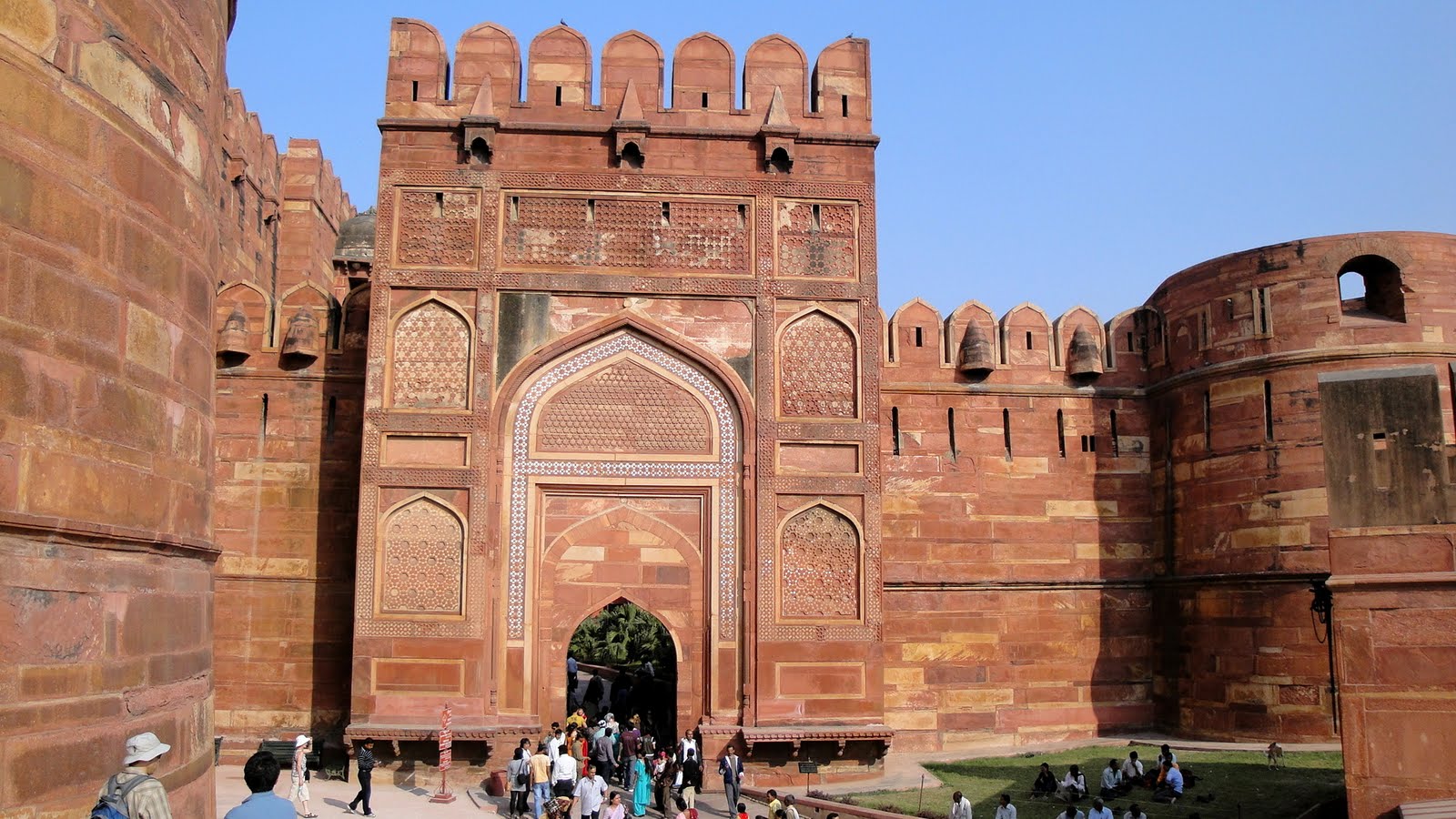


The Green Hills of Manipur
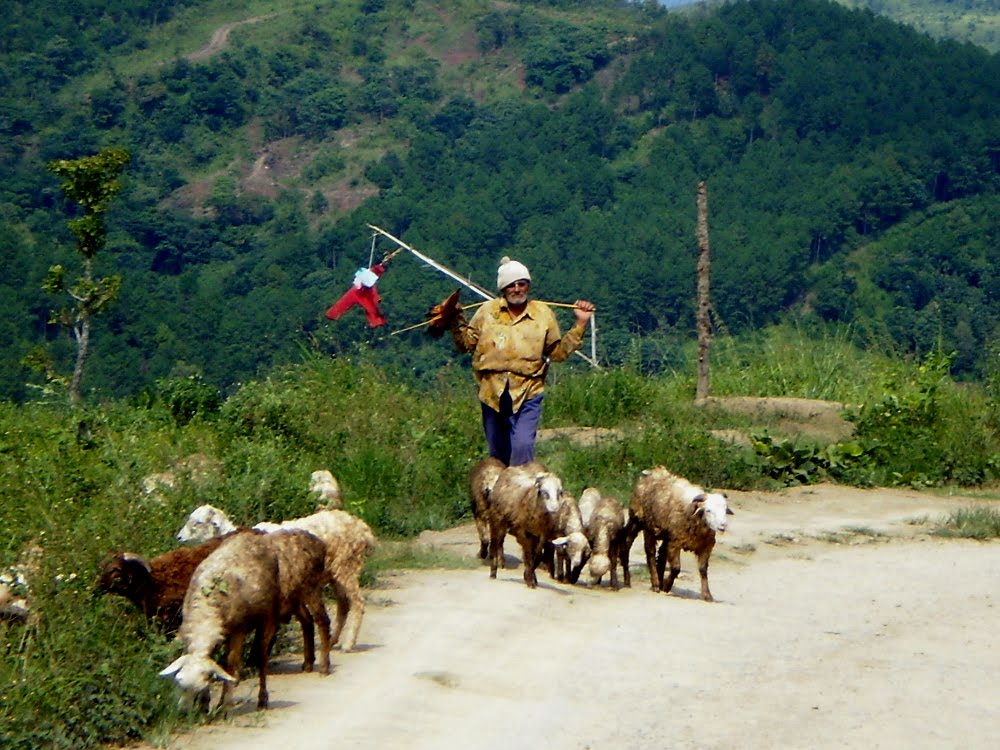
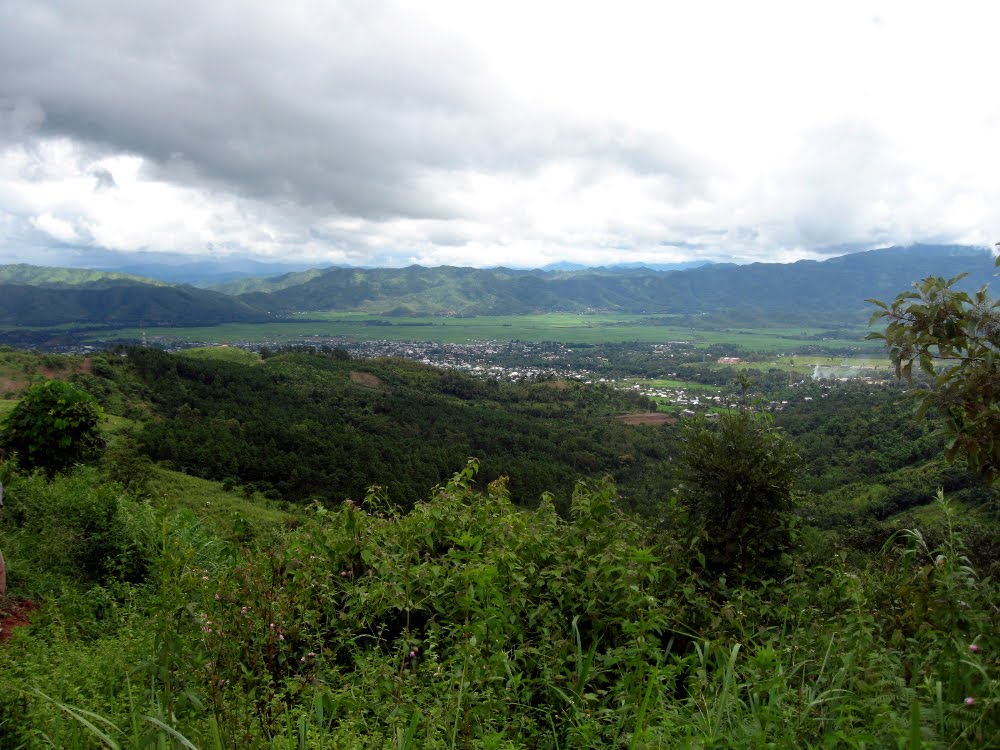
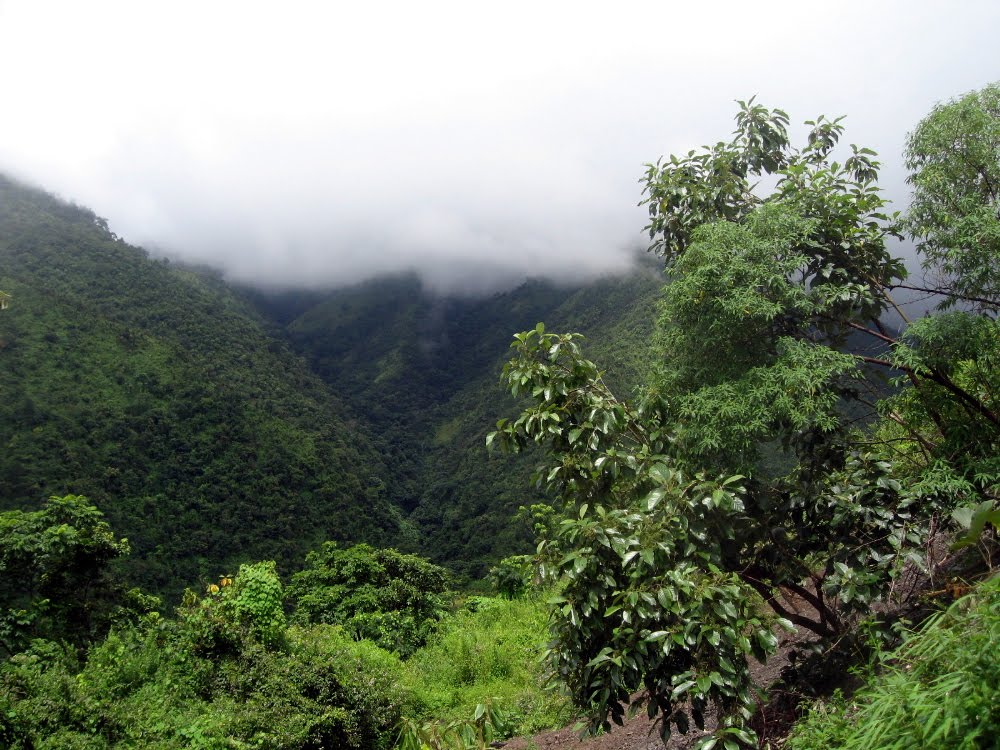
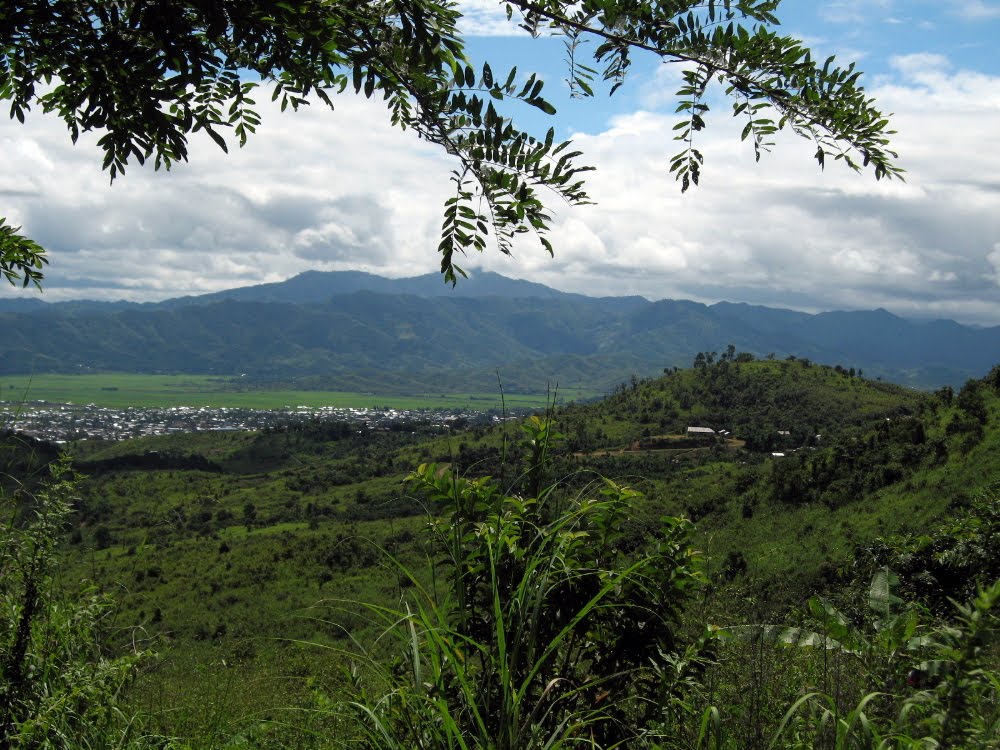 smw, slt is proud to present your first views of where we’re now based. Just about all of the photos above and below were taken on the several long Sunday rambles I and my colleagues here at MSF-Manipur have taken in recent weeks. You’ll notice that we’ve once or twice experienced the monsoons first-hand; you’ll also notice that we’ve been befriended by some local youth at a waterfall and even a shepherd in the hills. Well…the shepherd tolerated it when my colleague Fiona asked if he’d pose for a photo, then had to scramble after his sheep to get them back in line. Fiona and I felt pretty guilty about that little bit of touristic enthusiasm. I’ll throw in the occasional caption, but mostly I’m gonna let the photos speak for themselves. Above, what you see is Lamka Town, aka Churachandpur Town, sitting in its little bowl of a valley as seen from the hills that we’ve been hiking most Sundays, and doing brief runs through on many a morning. It’s truly a lovely place, and so far so good with the work: keep those fingers crossed that all continues well, please. Thanks.
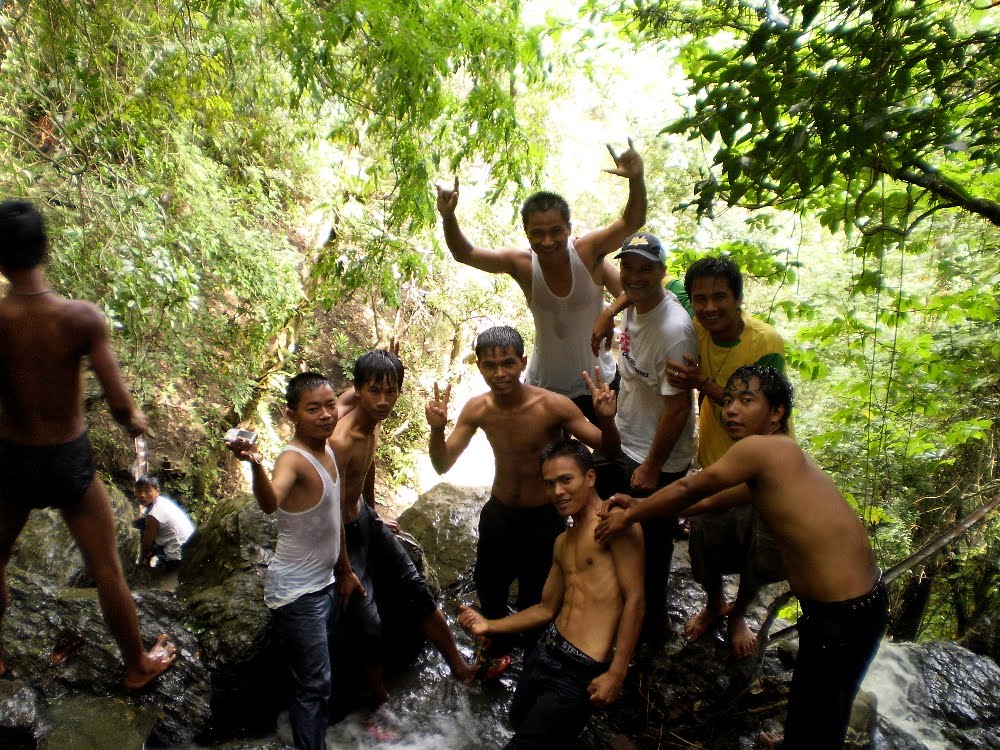 …that’s me in the ball cap, on the right. They all wanted the pic – it wasn’t my idea, honest! And oh by the way, immeiately behind us is about a 15-meter waterfall.

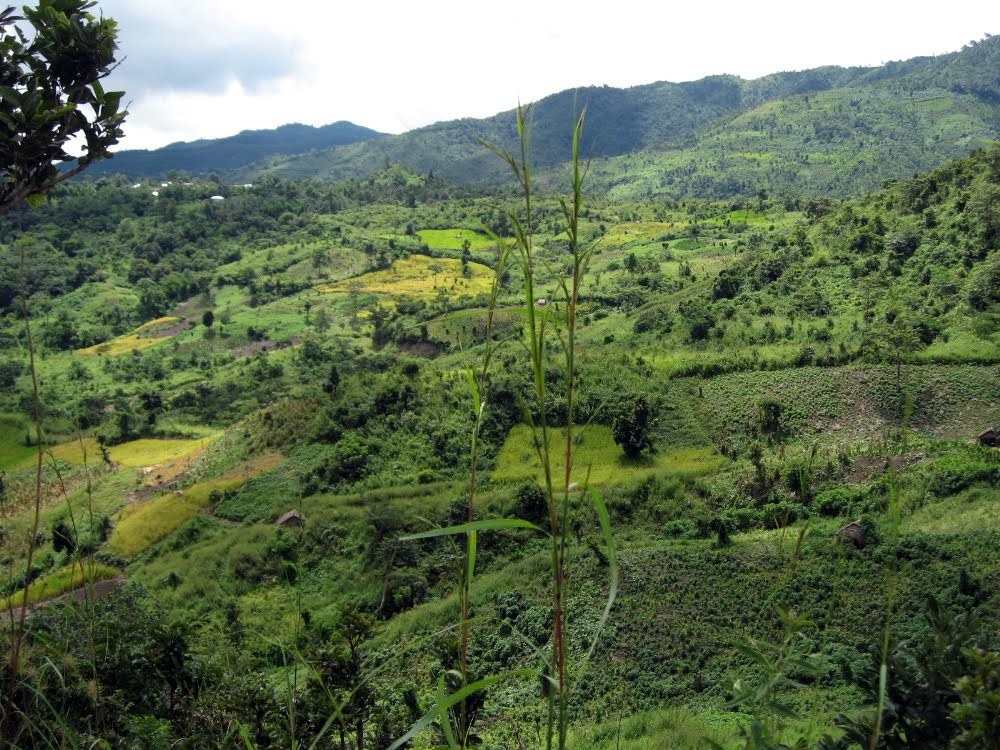


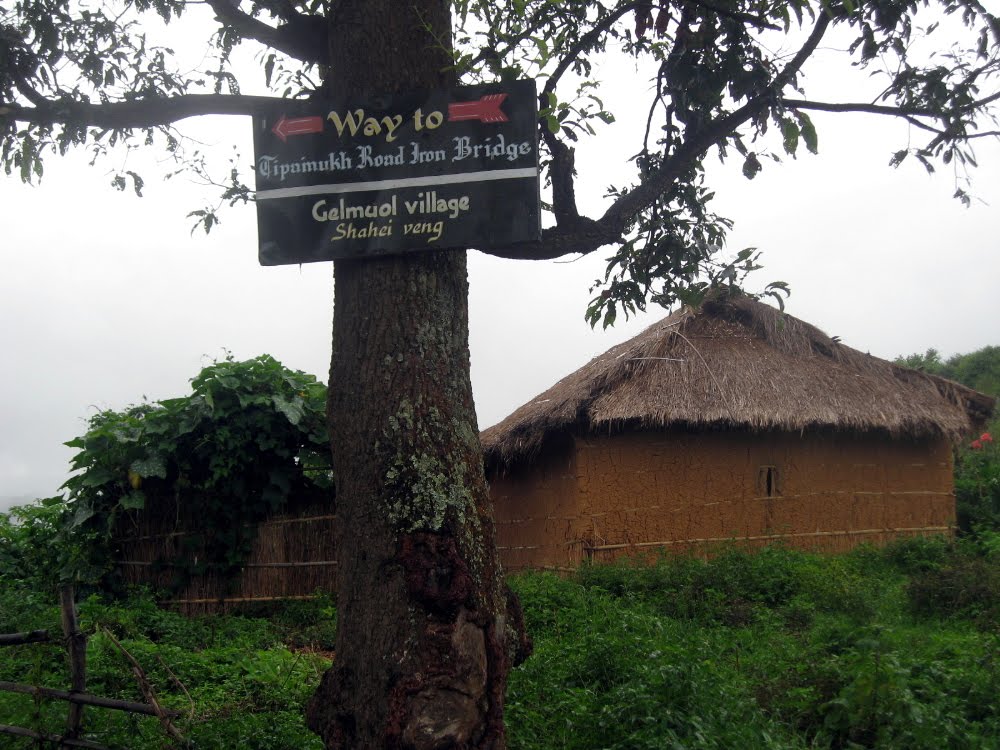
 Everywhere you walk in these hills, you chance across these little villages — this one was at the back side of the ridge we climbed in taking many of the views of Lamka that you’ve been seeing above. When Fiona, Phil and I reached the ridge and looked down, she said ‘How do the kids get to school?’ Good question.


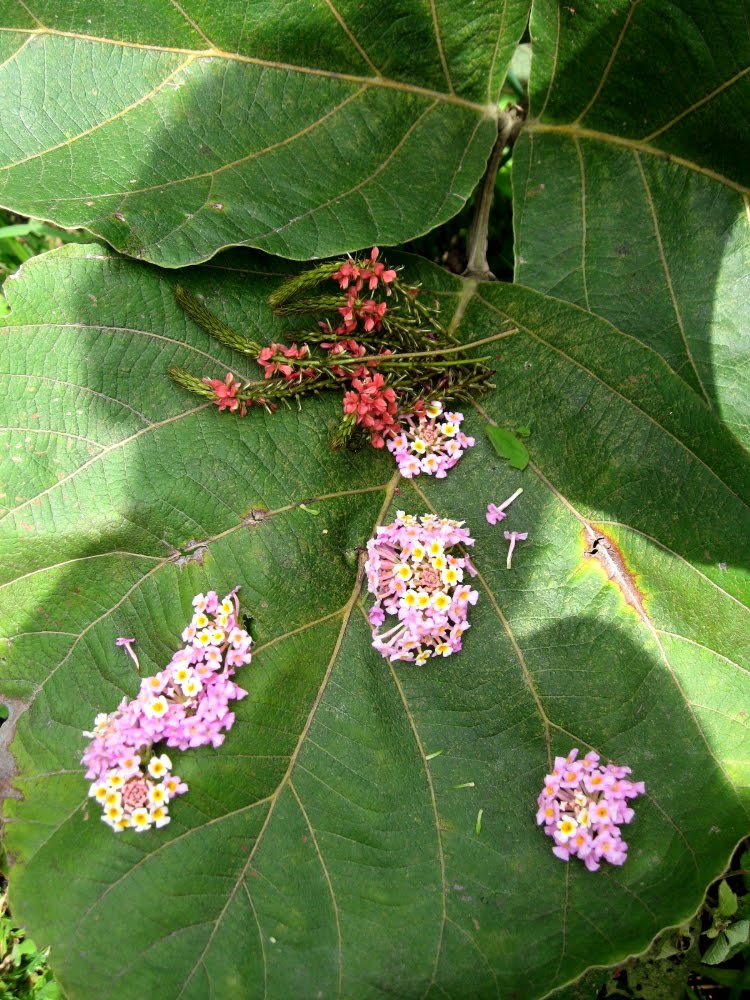
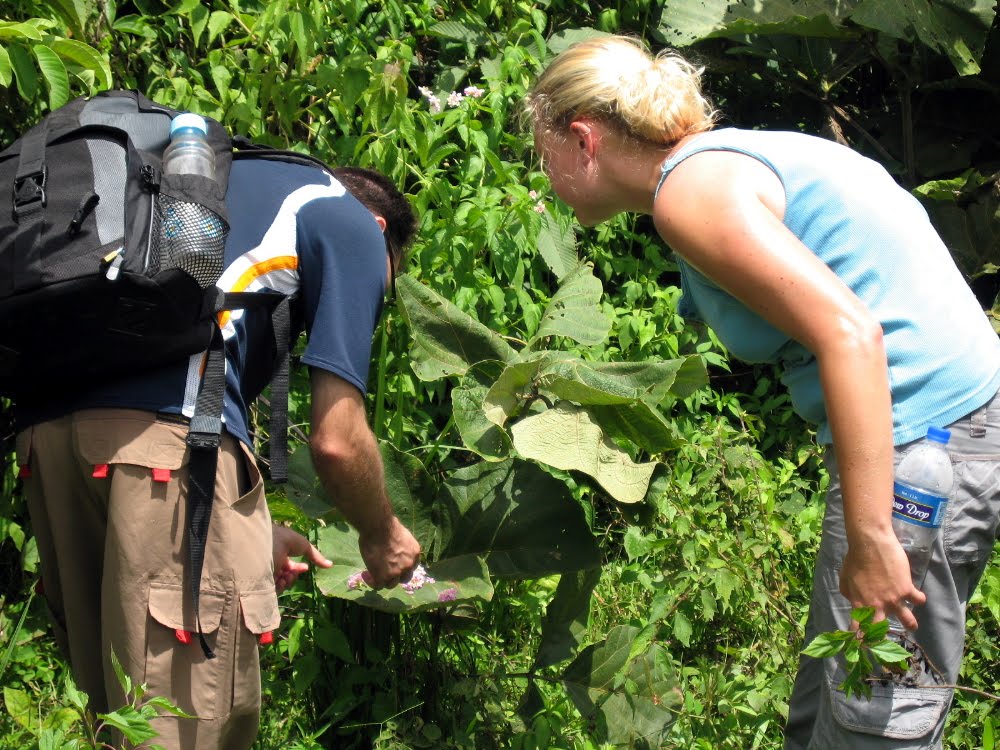 That’s Phil and Fiona making art: in honor of Phil’s and my great fondness for environmental art (he’s a longtime fan of Richard Long, I of Andy Goldsworthy), we turned one hike into an ongoing art experiment: see walking banana peels below, and flower art, further down…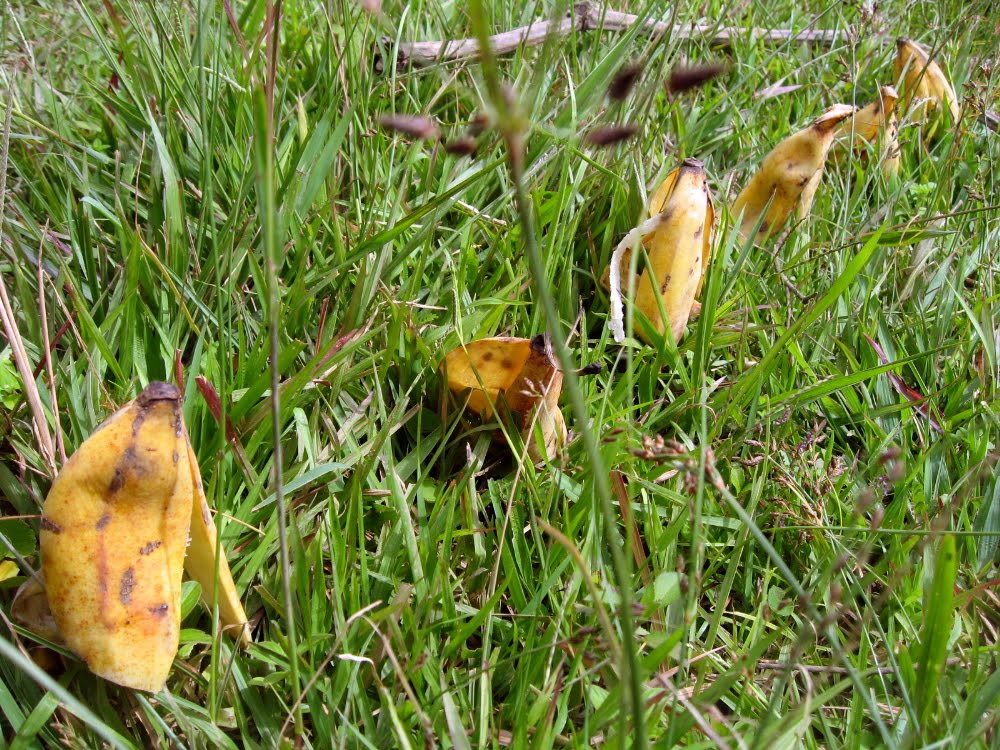


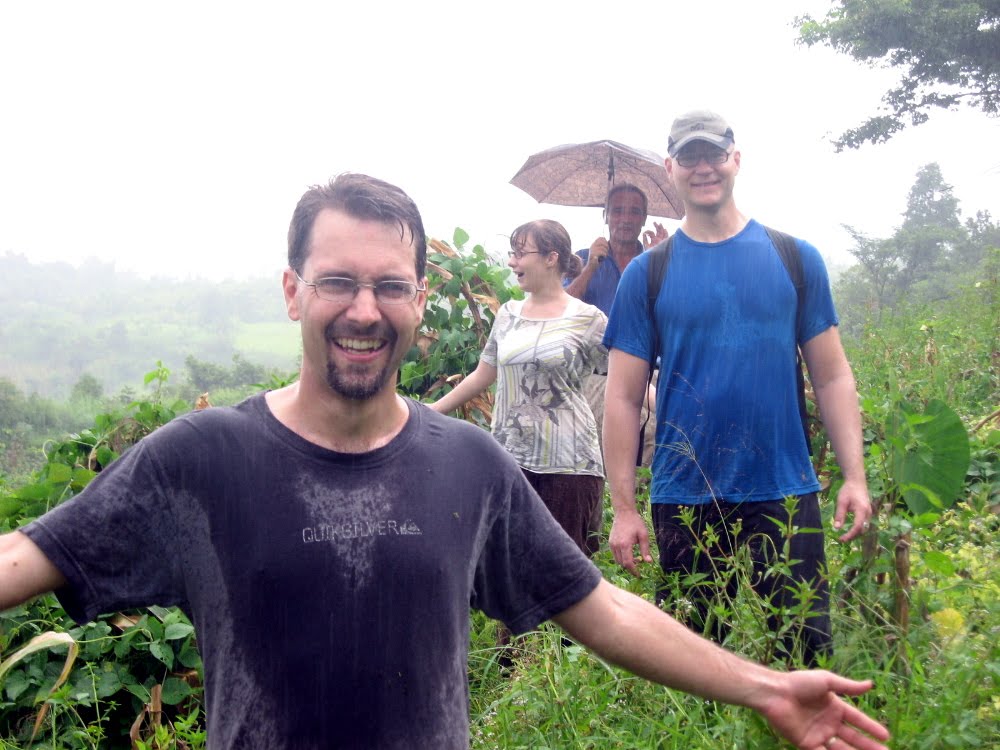
 …that’s Michelle. It was raining pretty darn hard but for some crazy reason we were all having a ton of fun.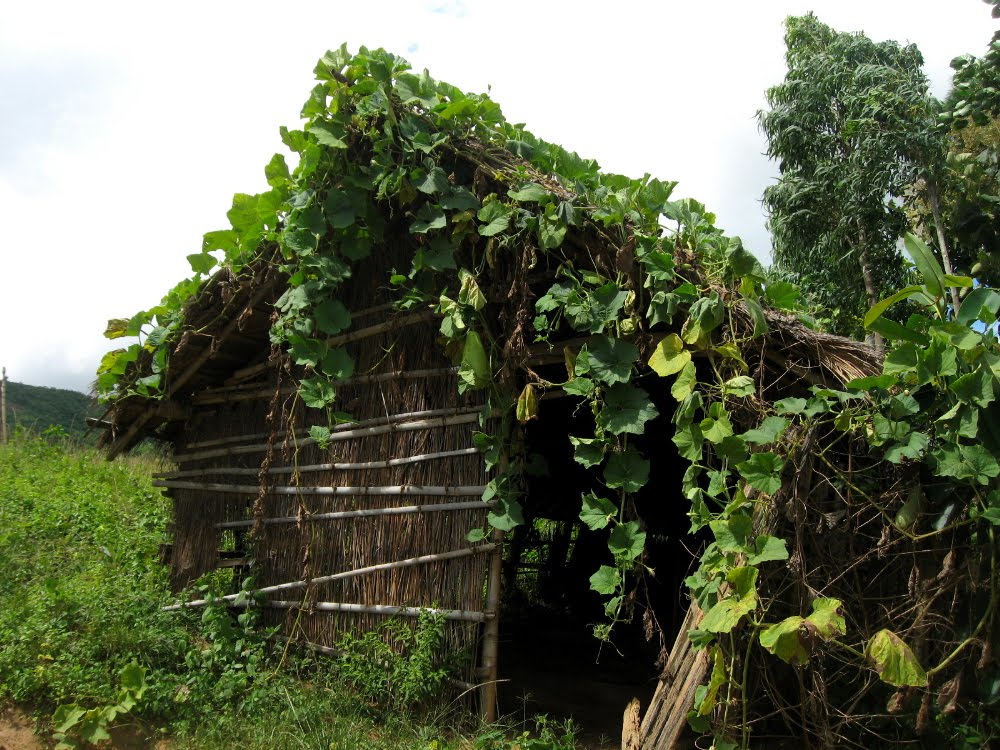
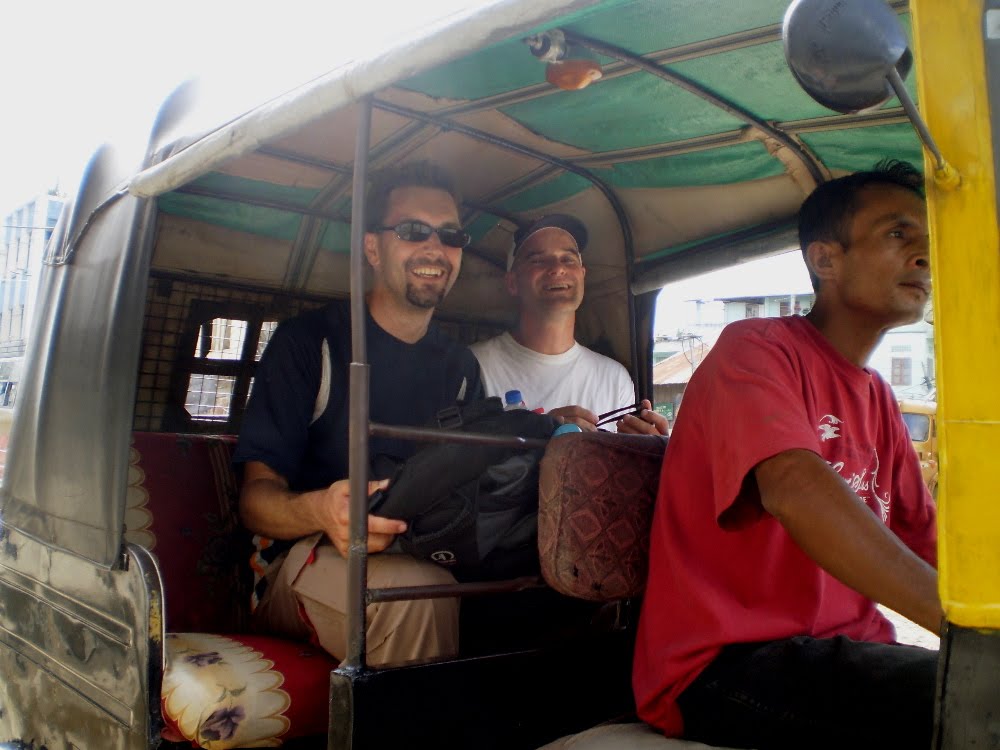 …Phil & Paul take a load off en route to our usual post-hike restaurant outing.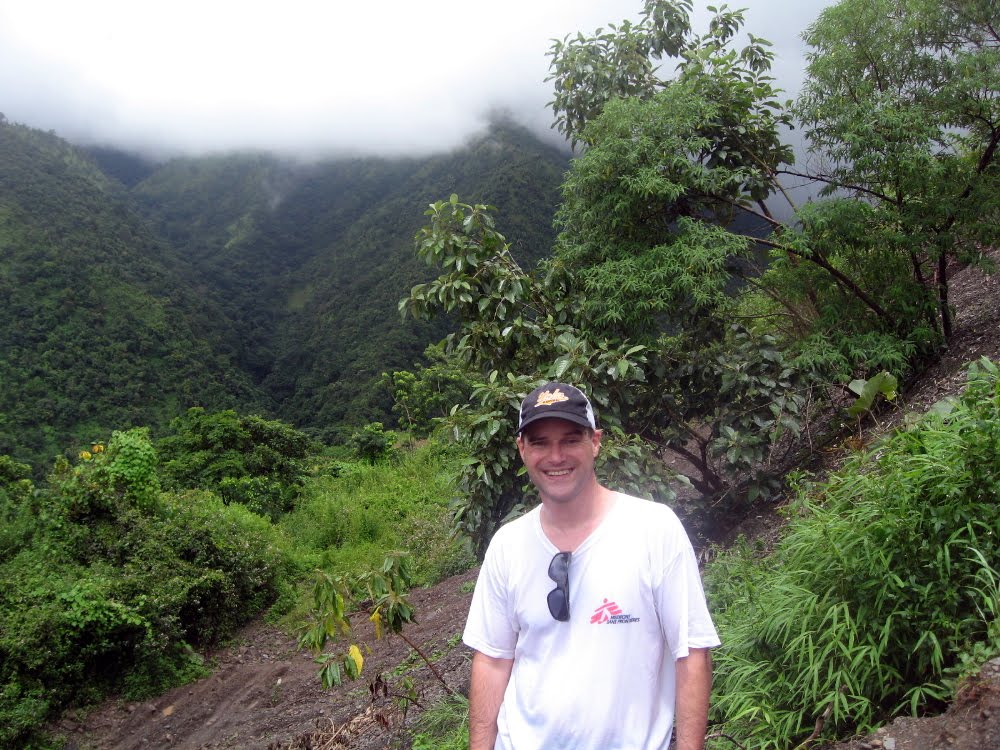
 …what there is to do on a day off in CCpur.
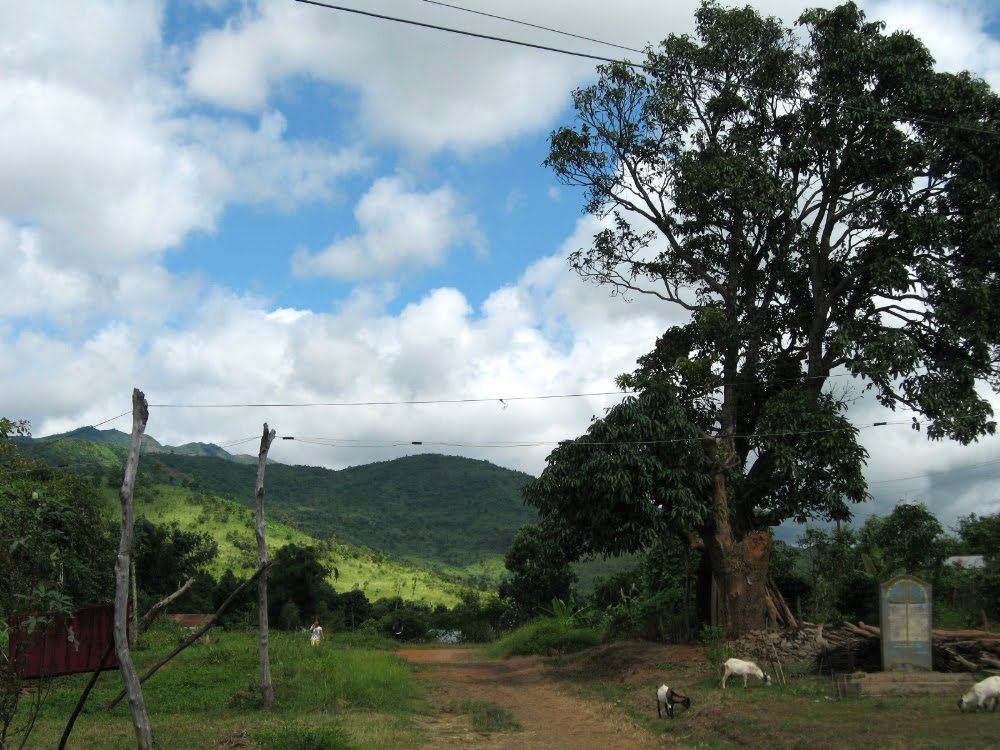 This is a little village on the outskirts of town that’s both on one of our favorite morning run routes, and figures in the early km’s of several of our favorite walking routes. Sorry I don’t have much more to show you yet: I’ve been working long days, but as you see, at least I get out every now and then. Cheers.
Aging Gracefully (One Hopes) in Mussoorie
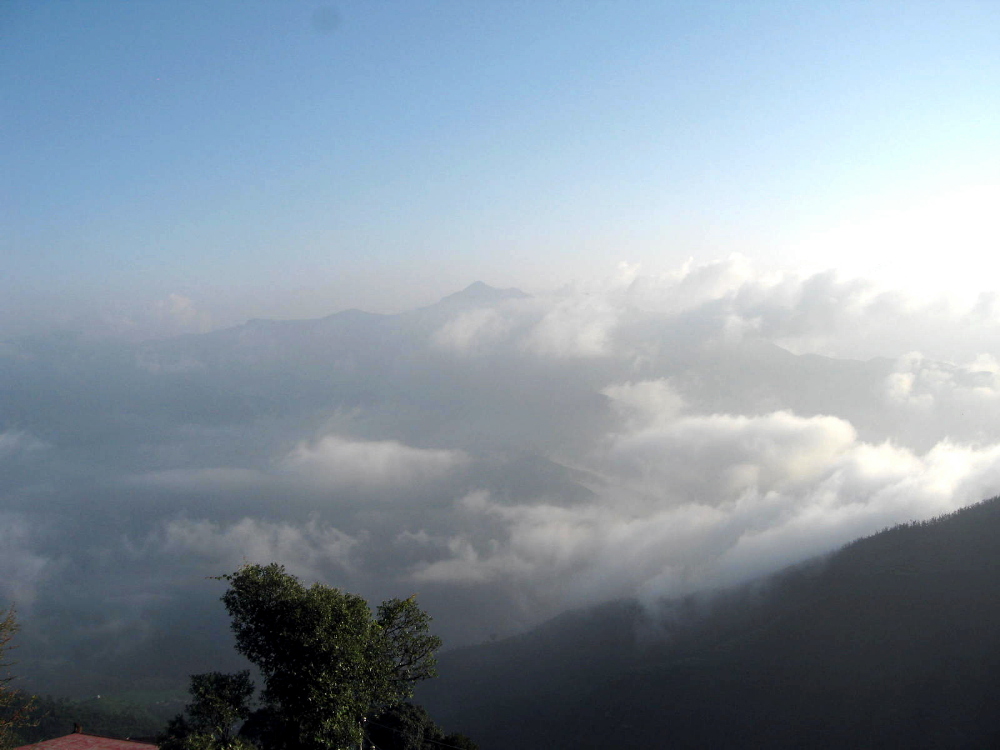
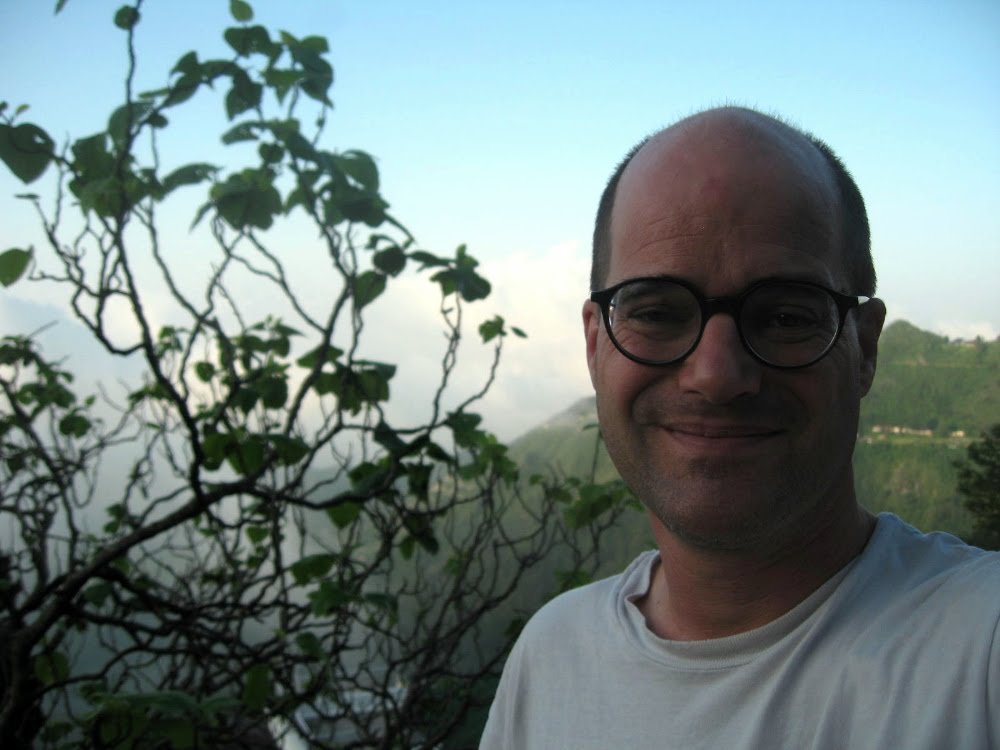
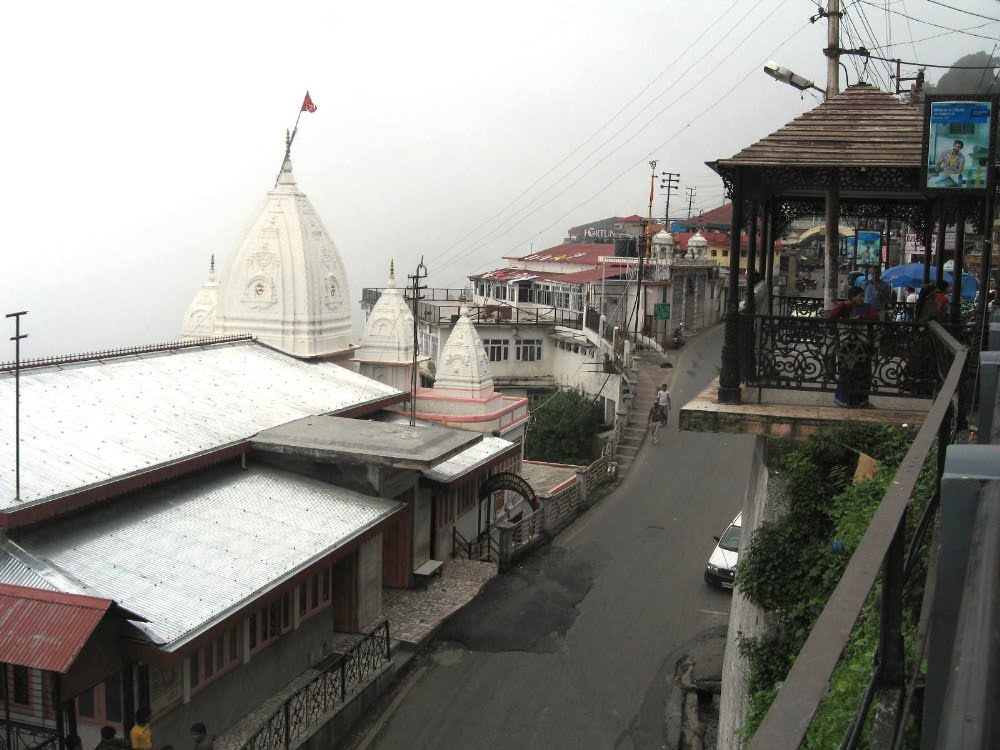
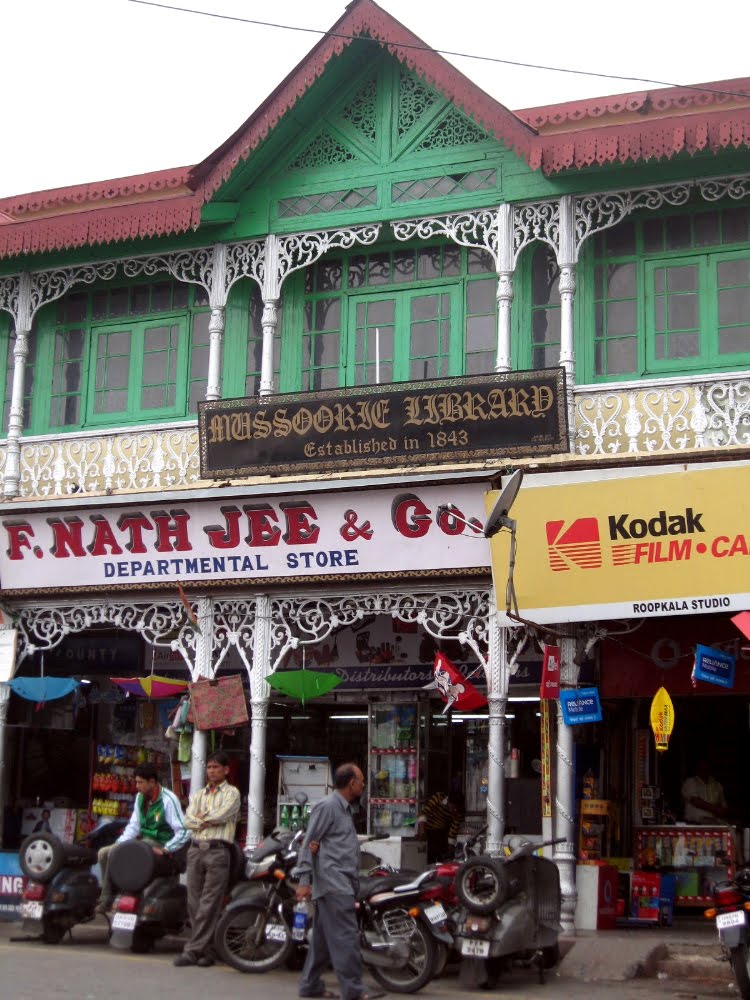
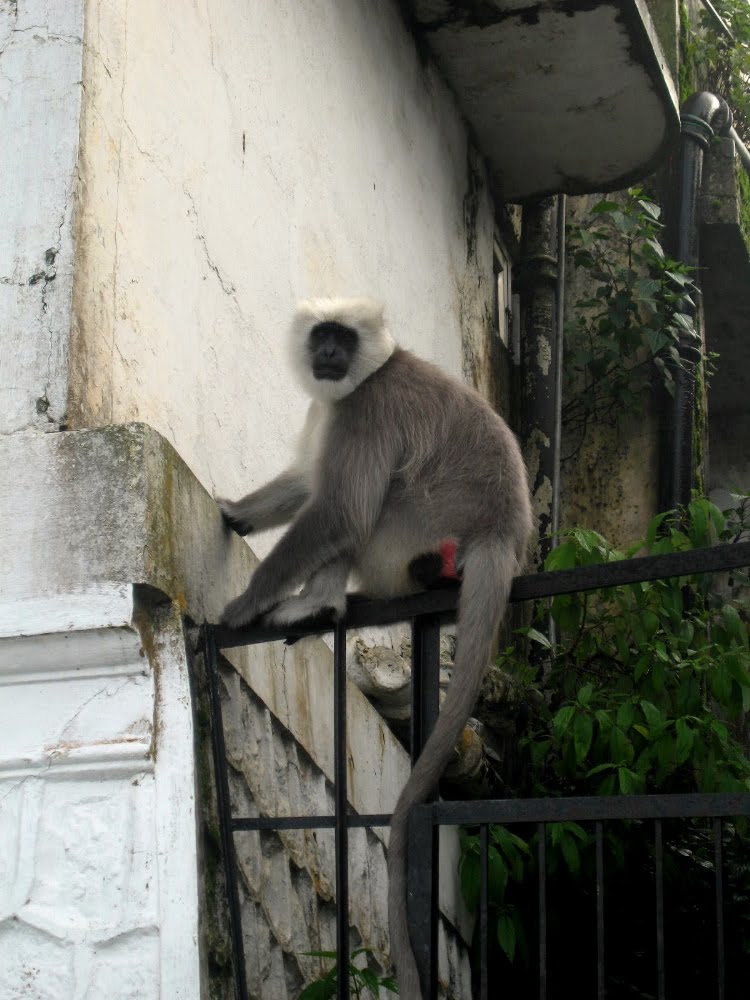
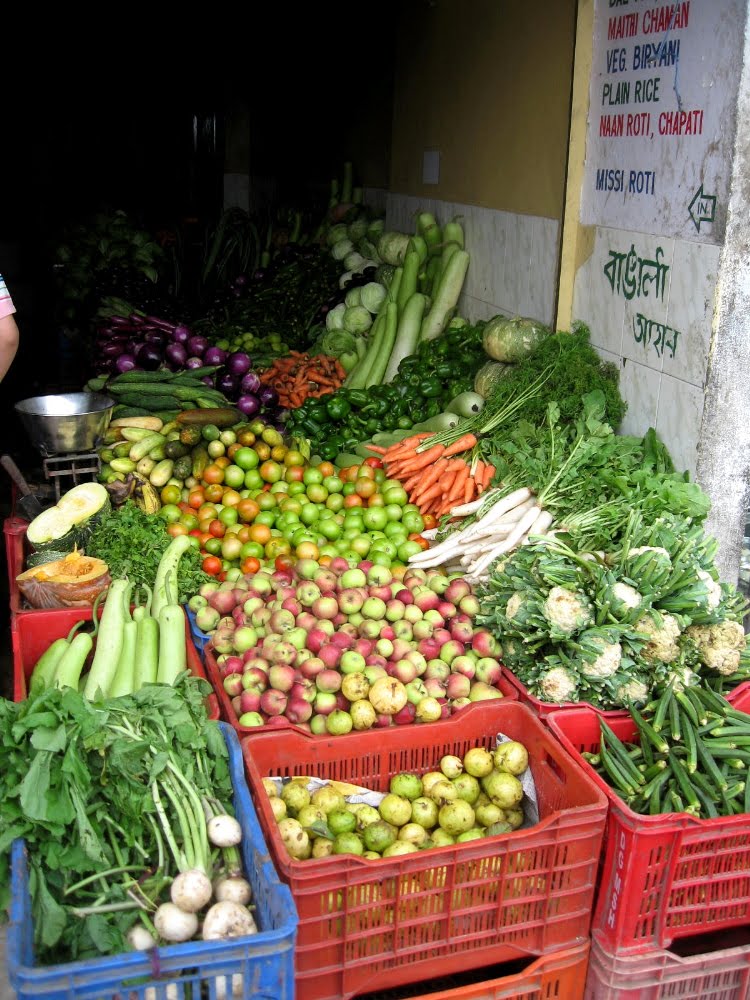
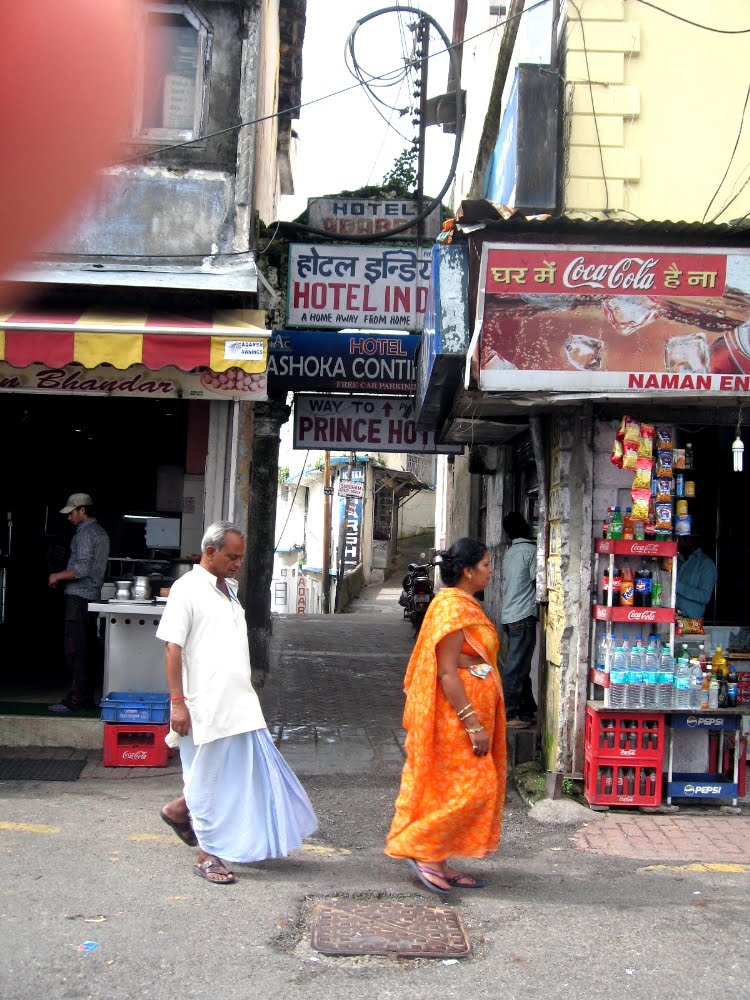
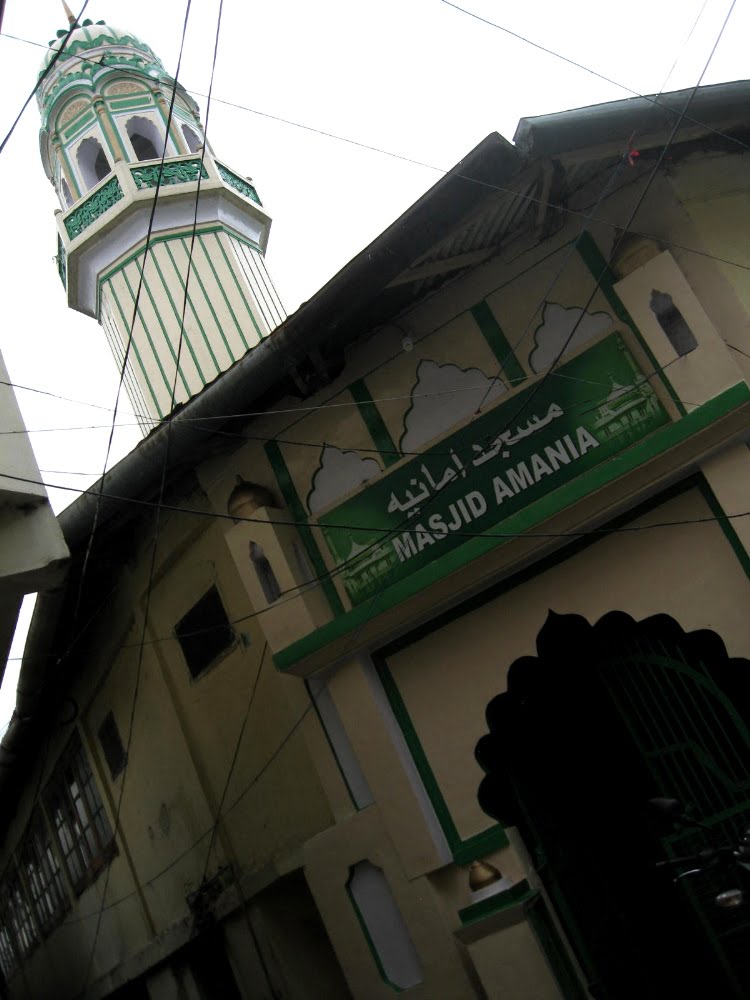
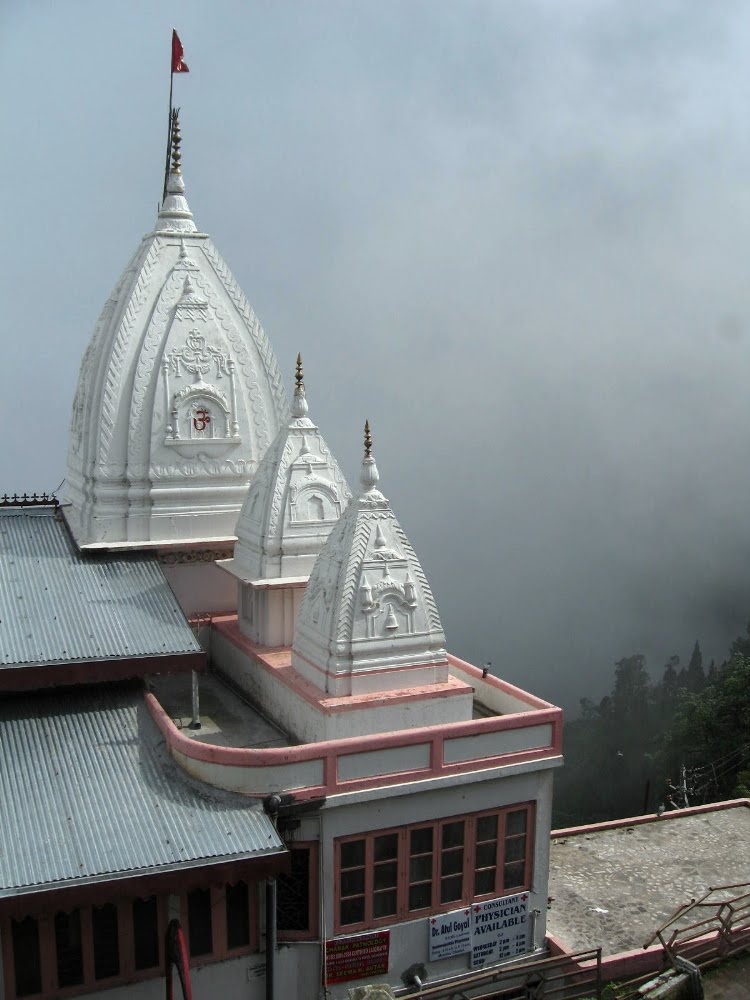 OK, peeps, it’s been a month or so since last I put up a bit of what I’ve seen or done since arriving in India five weeks ago. As some of you may know or recall, I had about a ten-day wait in Delhi while the paperwork was finalized to allow me to come over and work here in truly lovely (but really not yet tourist-ready, trust me) Manipur. The second weekend of my Delhi sojourn was … well … the weekend on which this boy from Ohio finished his 47th complete cycle around the sun, to borrow a concept from my friend Gary. Unable to tolerate the idea of smoggy, hot and loud Delhi that weekend, I and two colleagues who were also waiting for the green light to head east all decided to hire a car and drive the six or so hours up to the foothills of the Himalayas to Mussoorie: described by at least one gentlemen as THE hill station to see and be seen in during the British Raj. It’s certainly lovely. We were there during the rainy season, not the high (and dry) season, so sadly you won’t see images of the snow-capped Himalayas, but perhaps you can imagine them and still get a sense of the grandeur of this truly lovely and remarkable town.
smw, slt is not able to publish with regularity these days — I’m experiencing a lot, and working hard, but have limited internet access and even more limited free time and energy. Bear with me; it’ll unfold over time. Enjoy these images in the meantime.
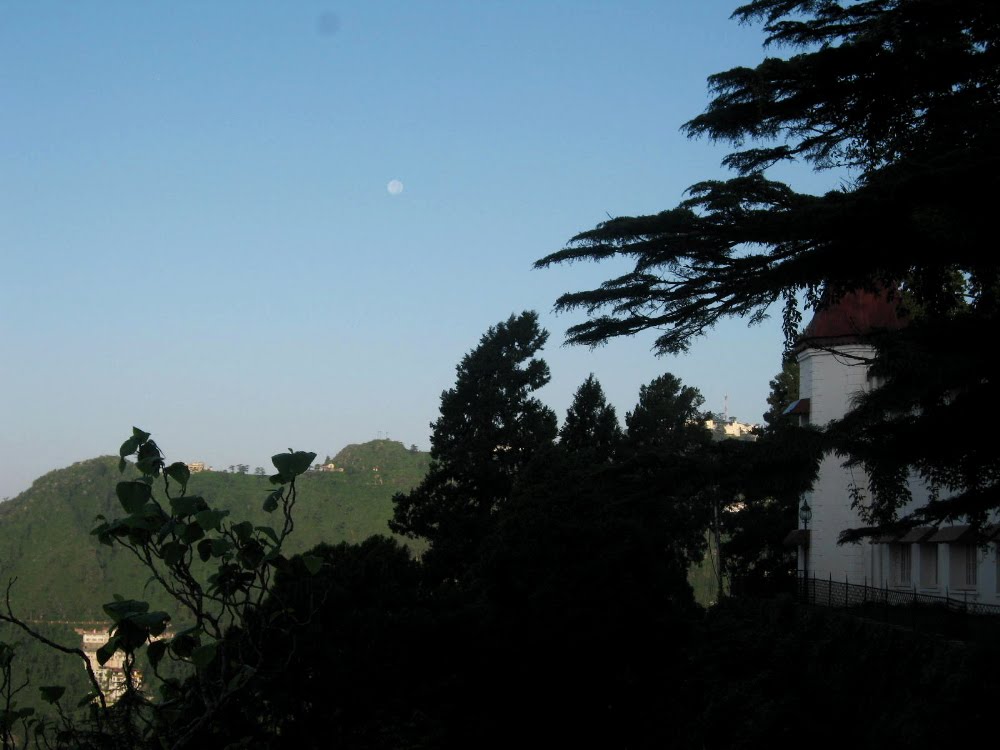
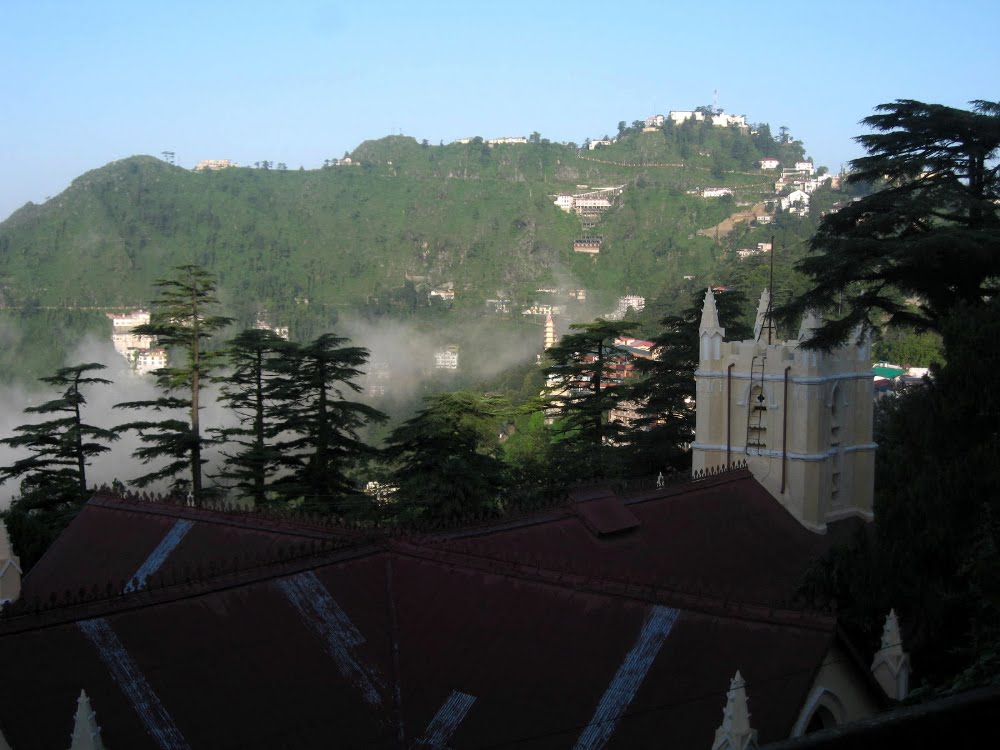
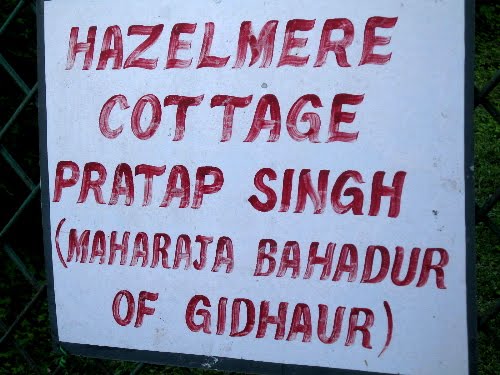
 …ummm….that’s our hotel. We kinda broke the bank and splurged in honor of my bday on a gorgeous legacy hotel. It was worth it. A tad musty, a tad shabby perhaps in that elegant old-school way but the food at the restaurant was excellent and the people working there were delightful.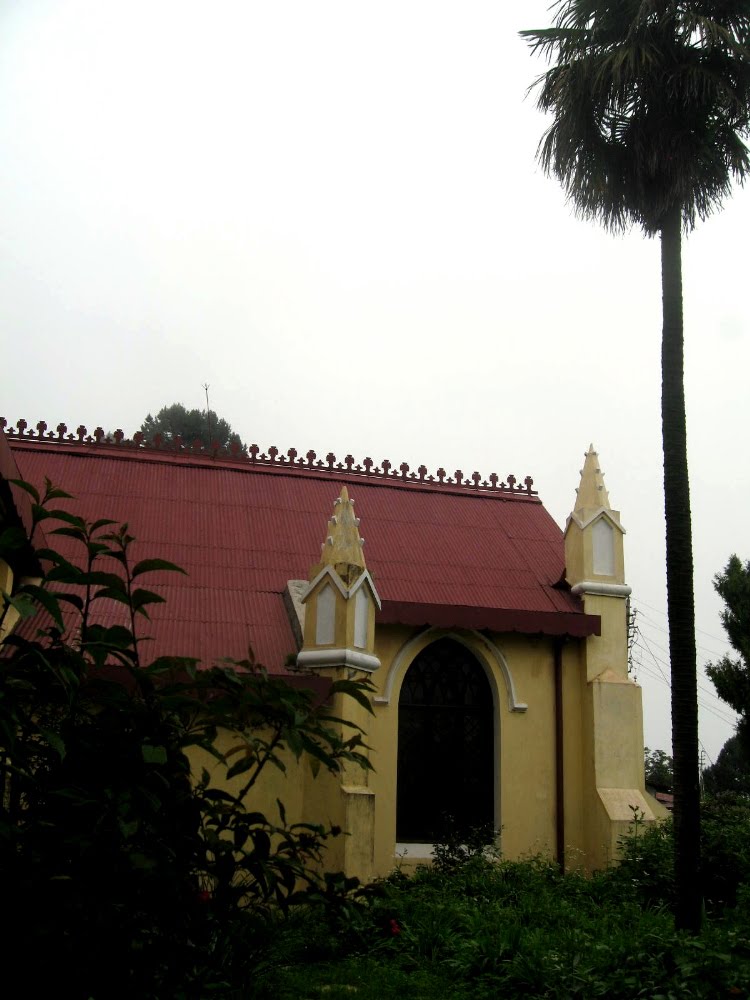
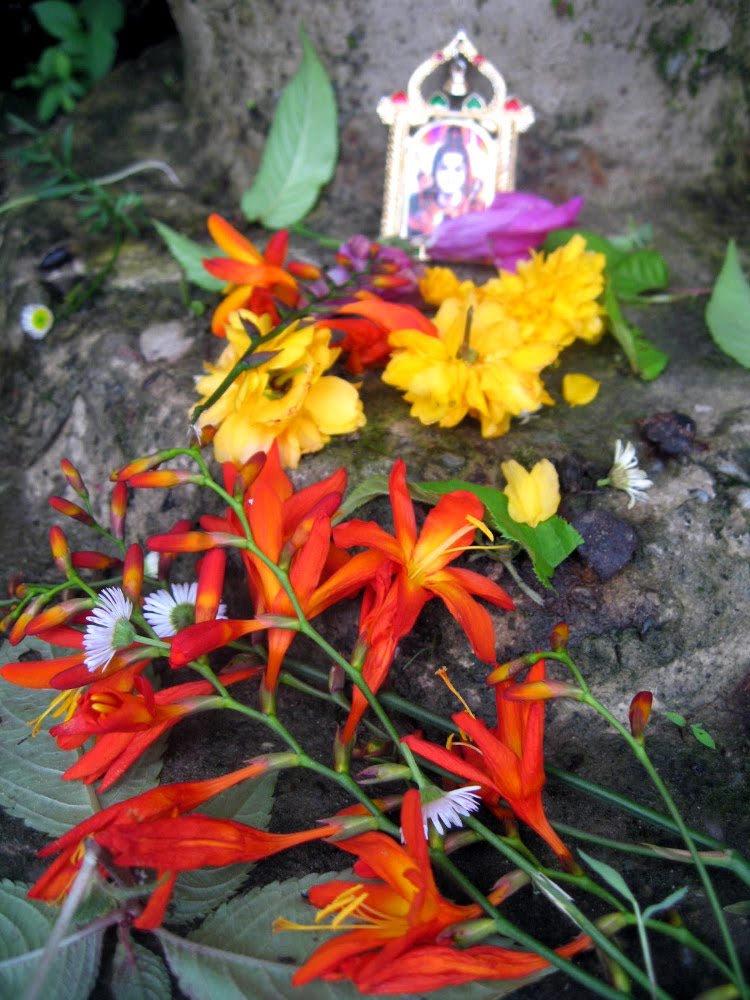
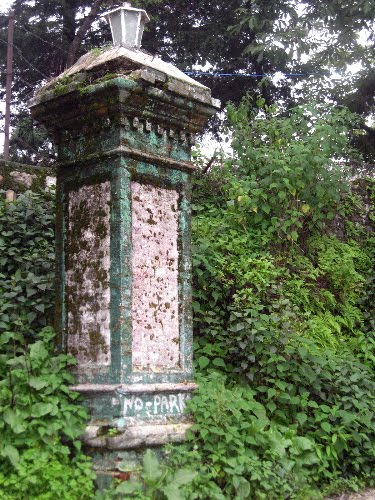

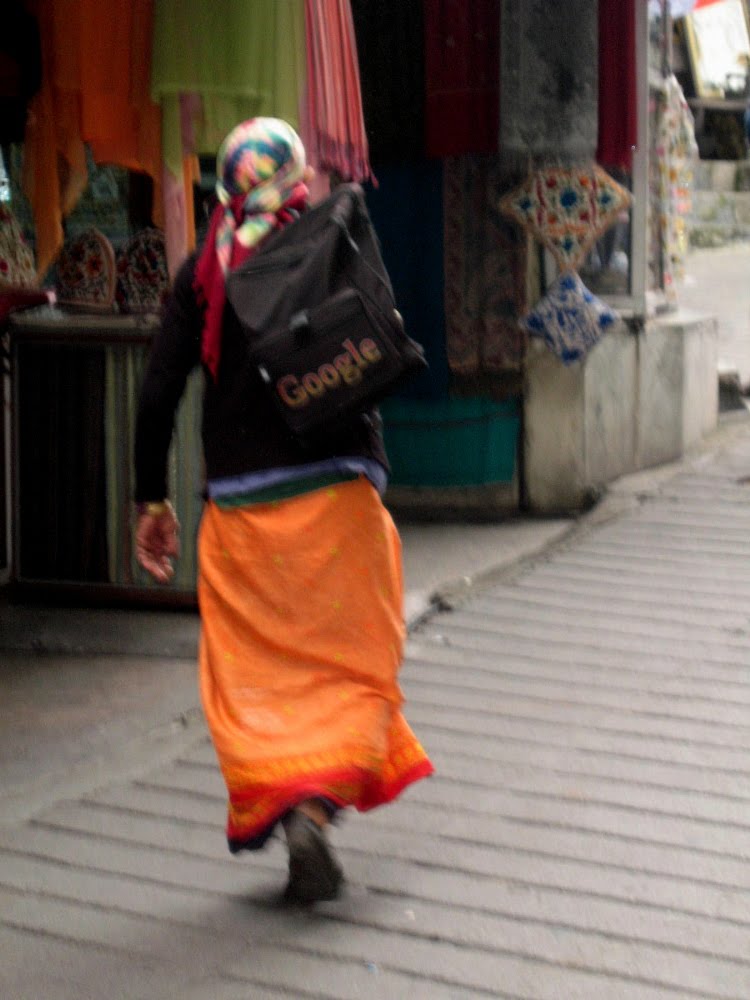

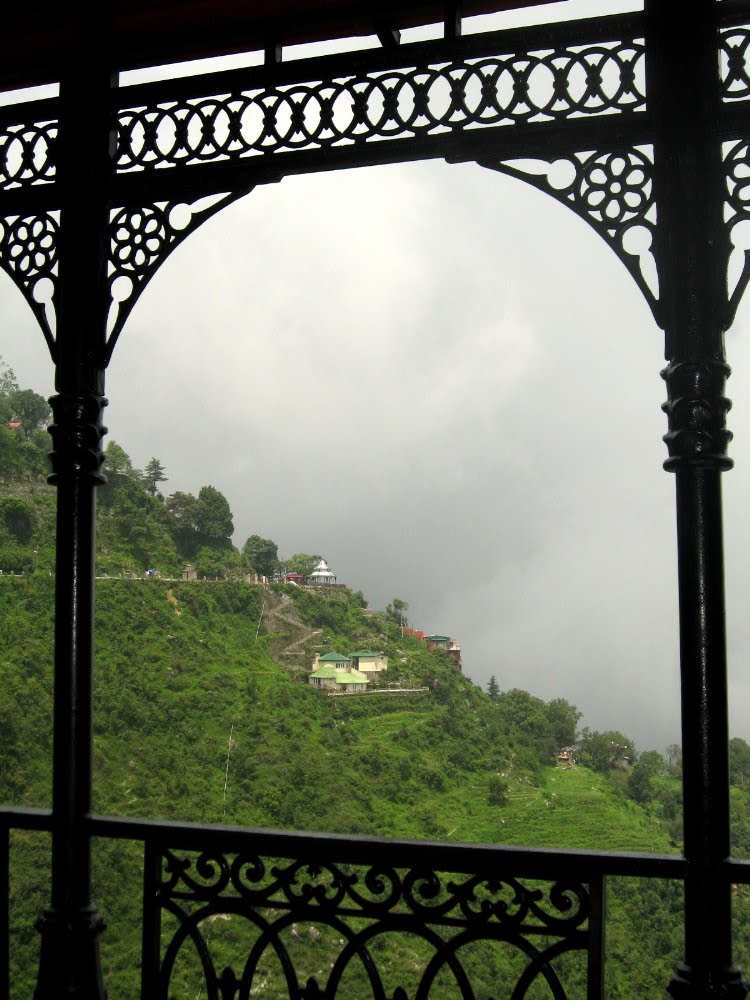
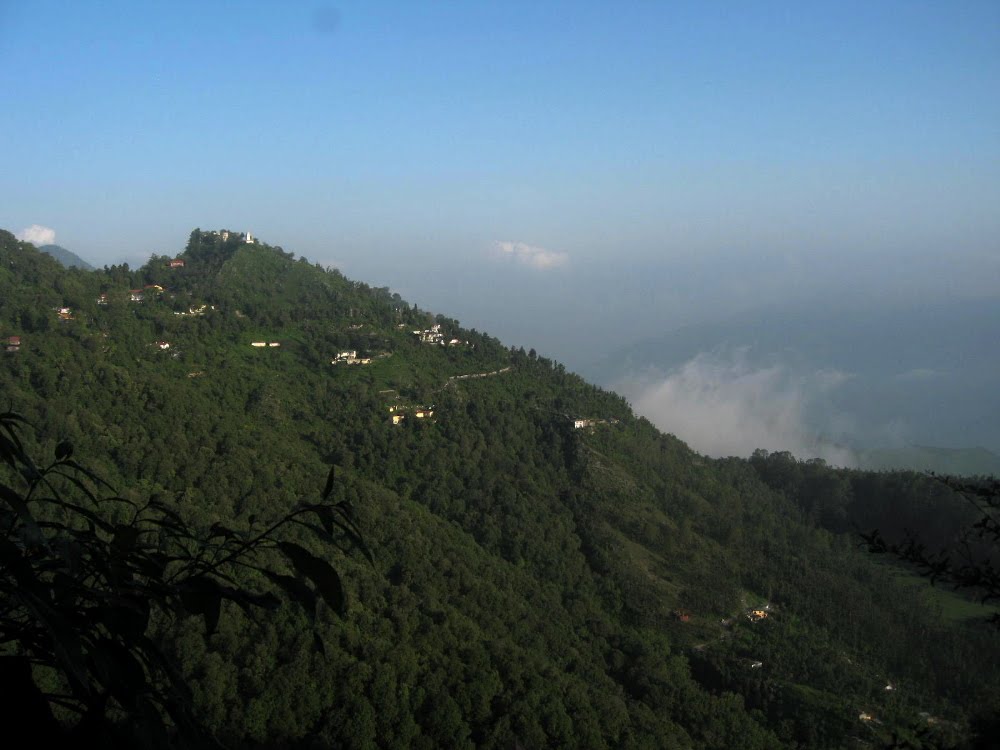

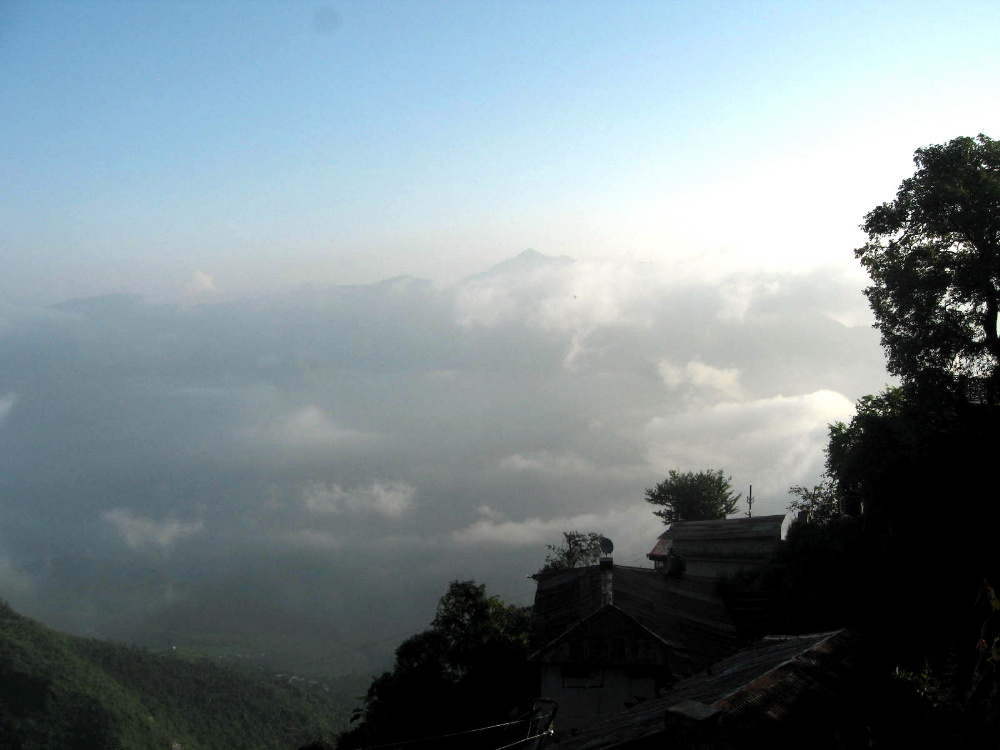
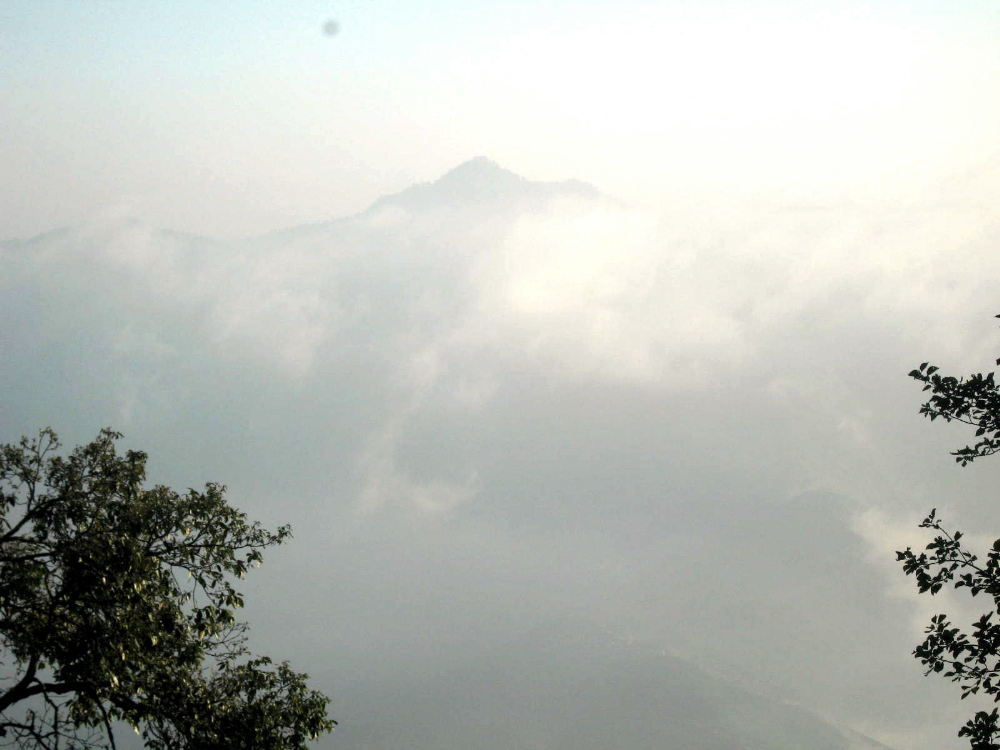
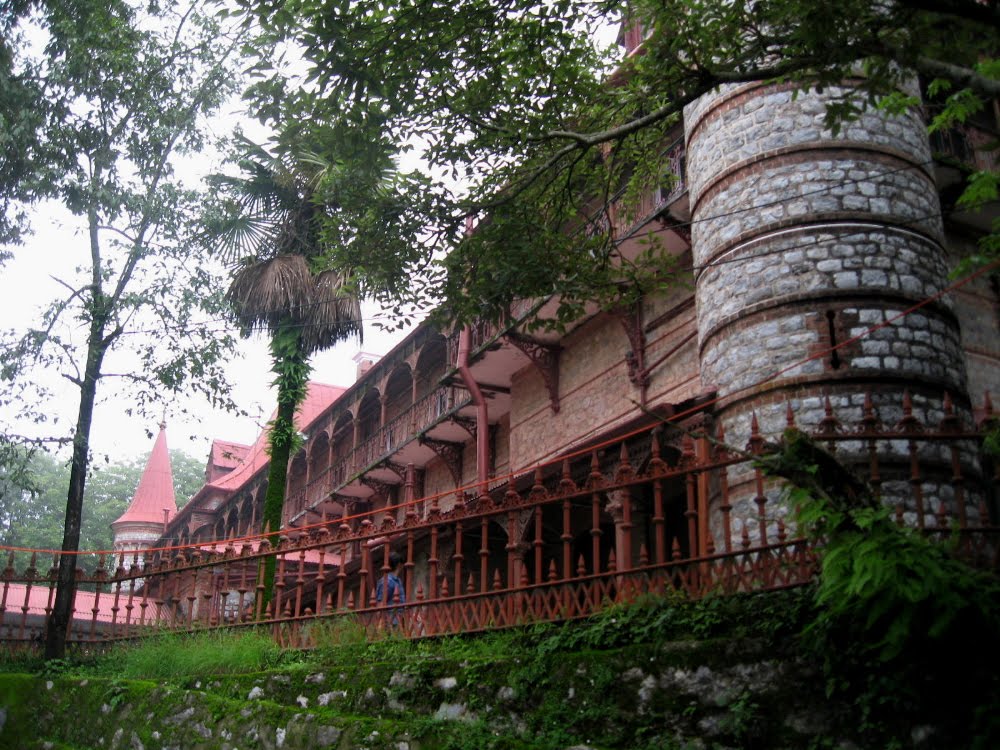
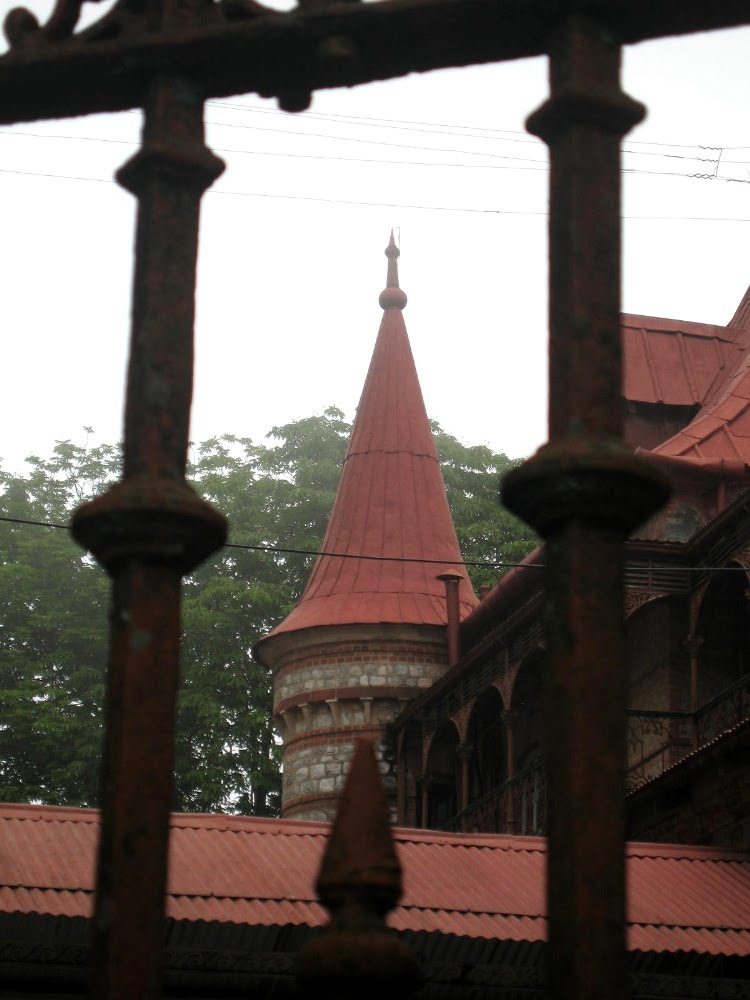
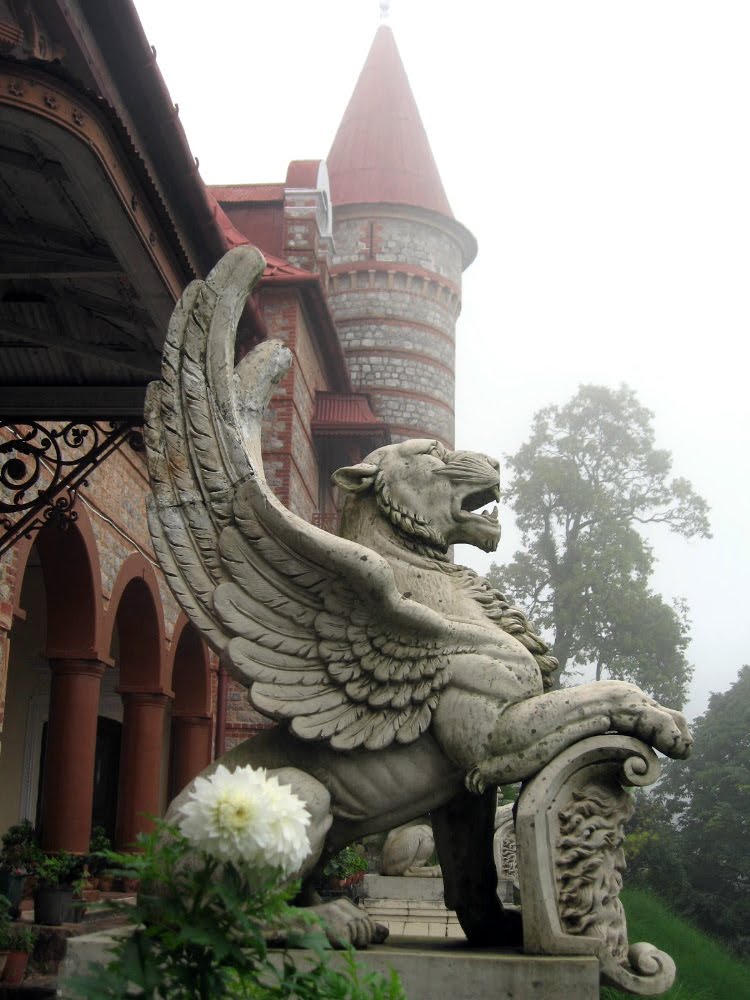
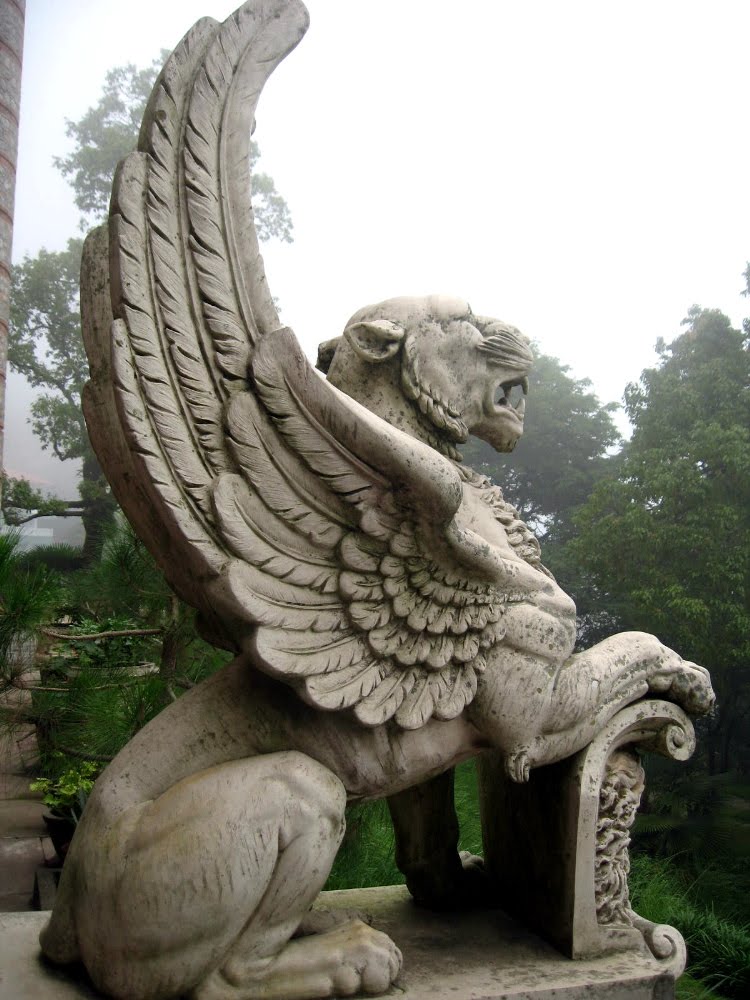
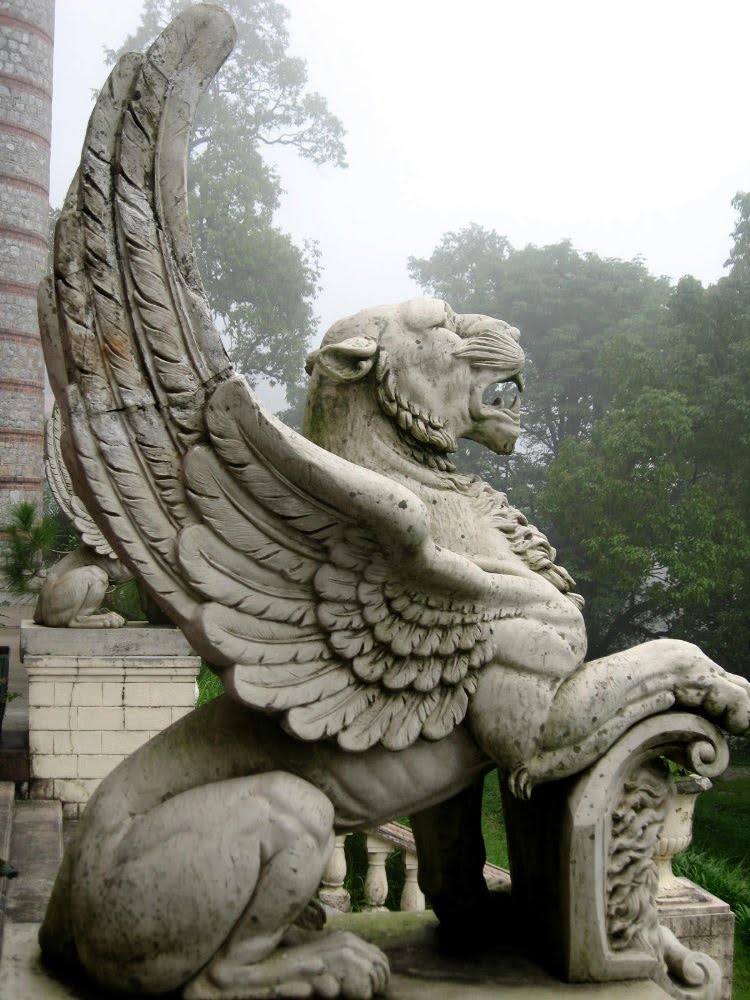
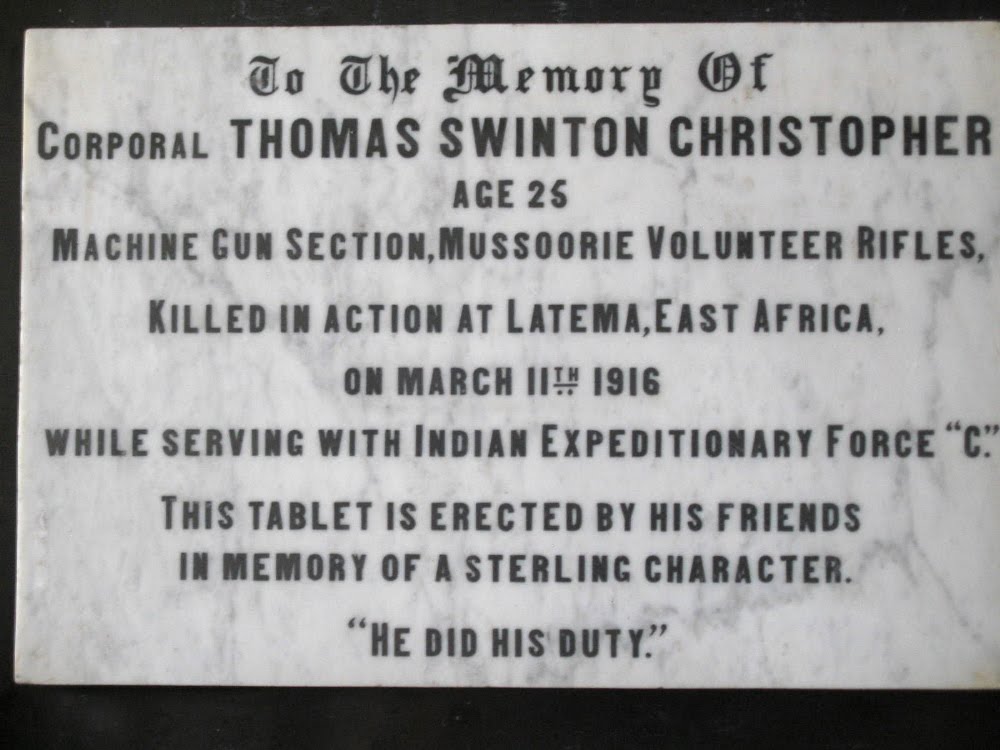
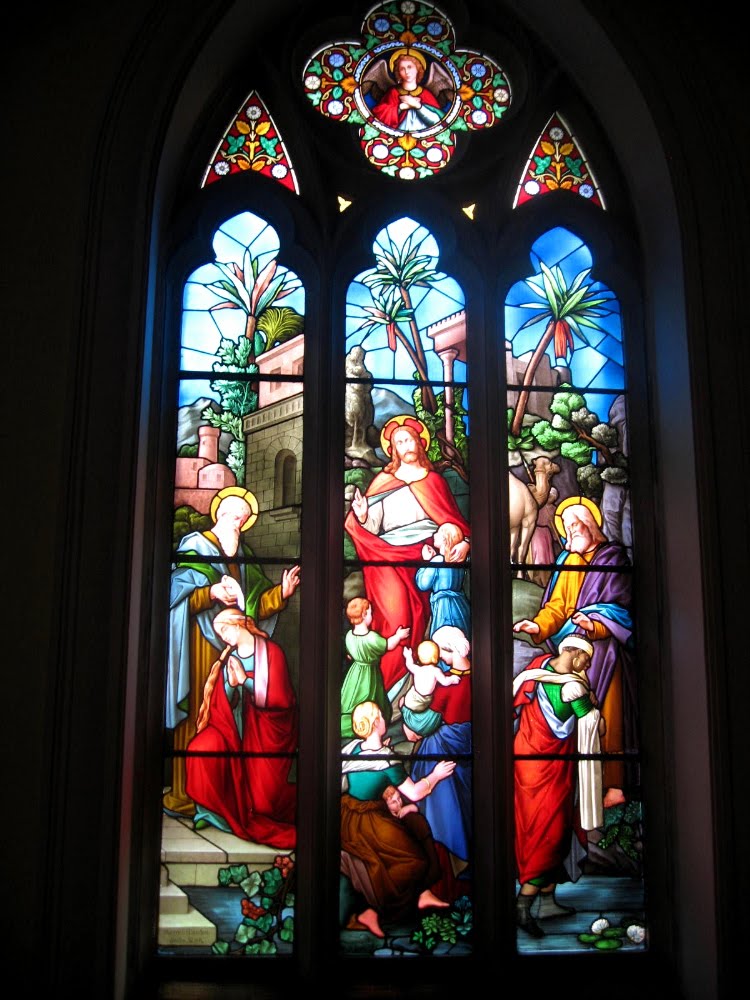
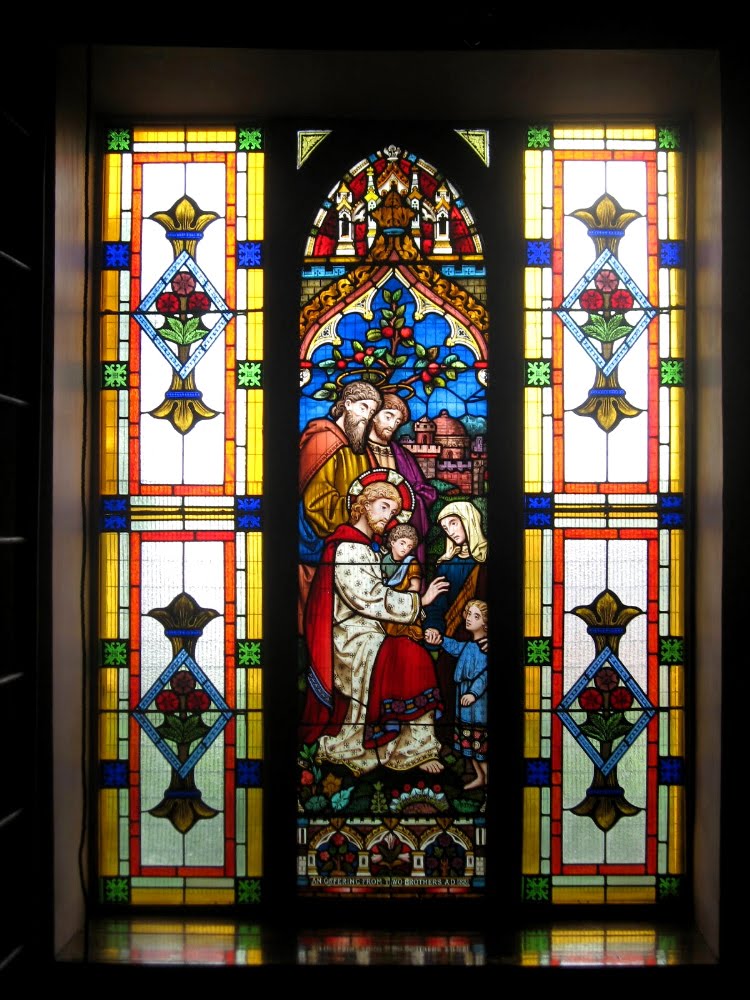

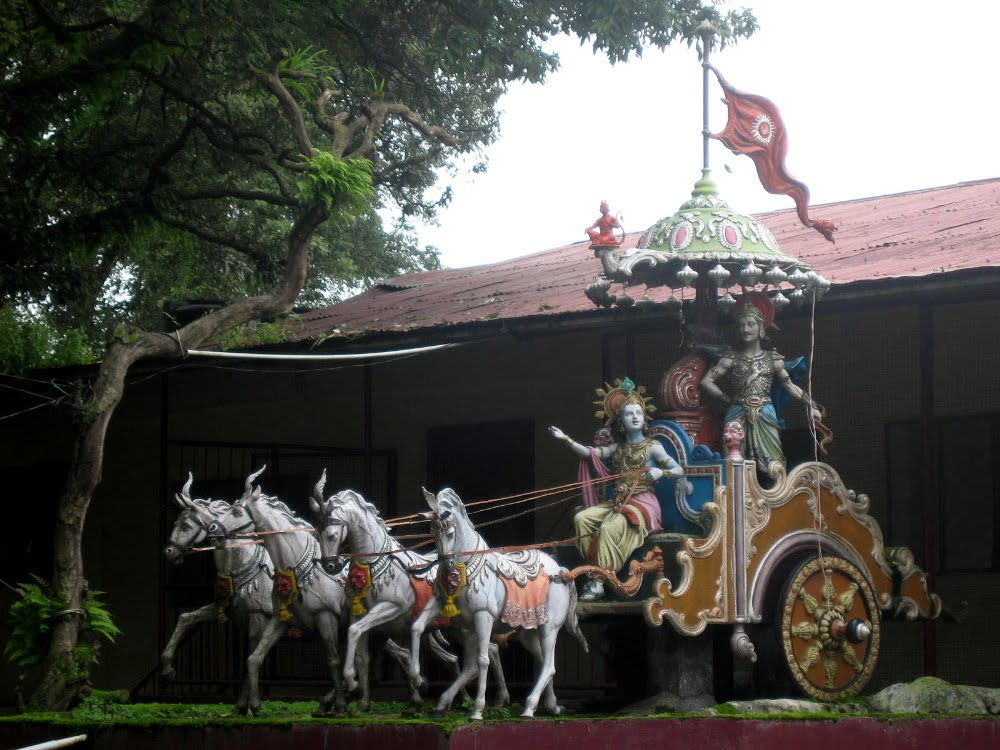 …I believe that’s a scene from the Ramayana, but I’m often wrong when it comes the density and complexity of Hindu iconography etc. Still, pretty cool statue at the temple entrance, no?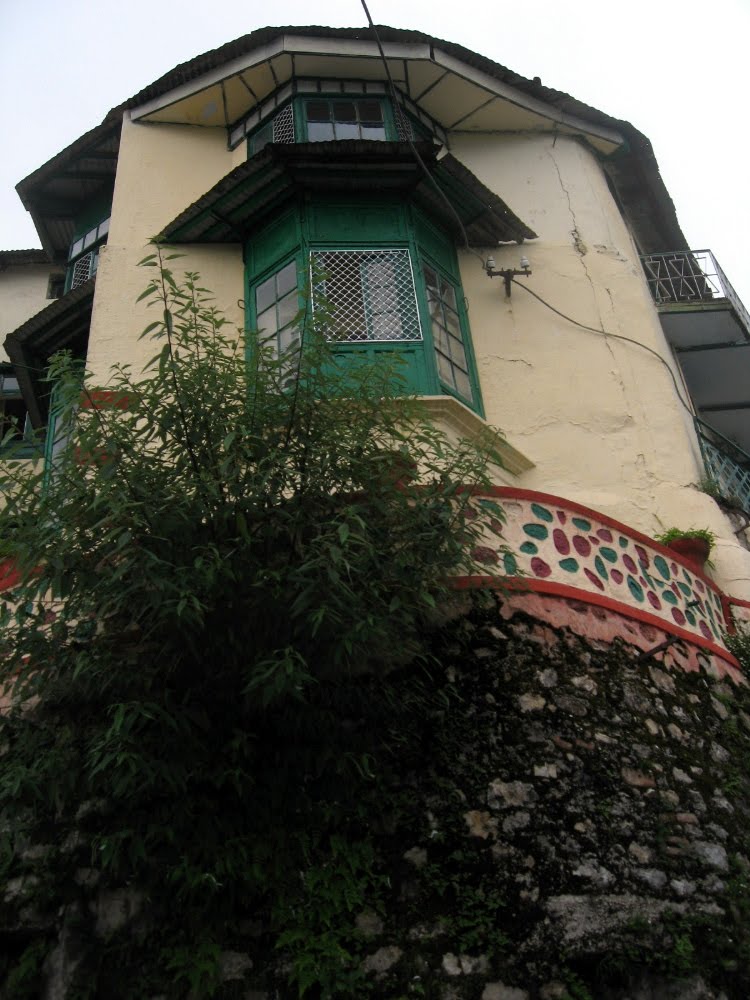
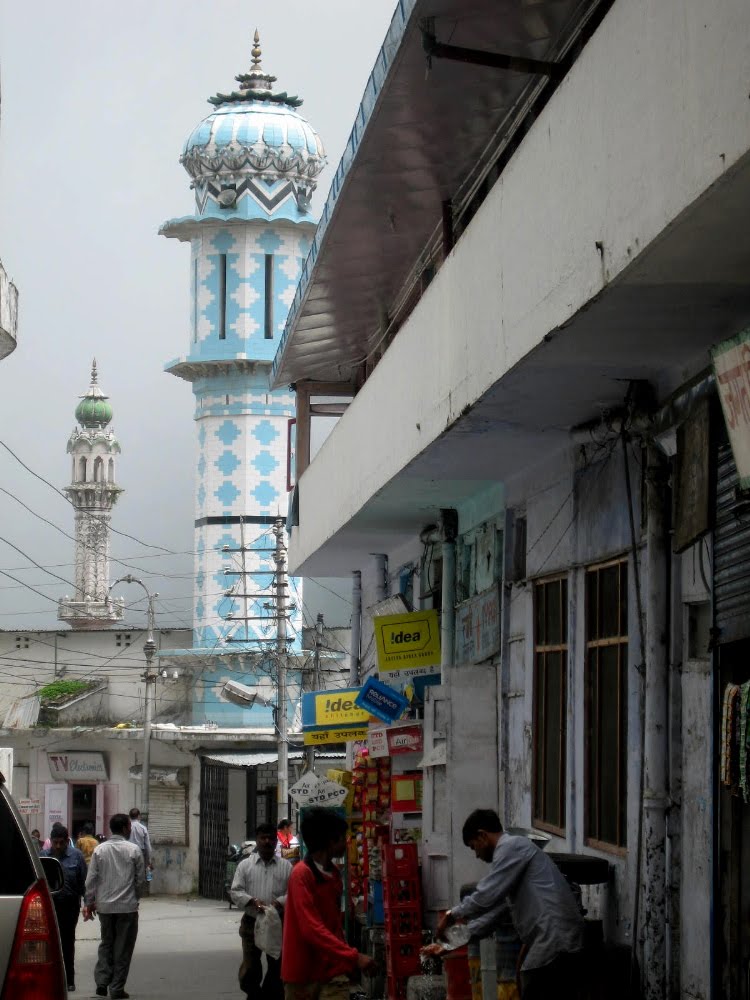

Dallying in Delhi
 After a lifetime of reading about India, admiring its history and art and culture and food, wondering how I’d like it if I actually ever physically visited, and generally allowing my imagination to linger long and often on this corner of the world which has been birthplace to many great religions, cradle of many important cultures and historical developments, and so on…well, smw, slt is simply delighted to announce we’ve made it to India and shall be showing you some of our impressions of this subcontinent in the coming months, if all goes as hoped & planned. At the moment we happen to be hanging out in Delhi waiting for the right moment to travel onward to Manipur, where we expect to be working for the next period of time; were you to chance a quick search through Reuters or BBC News online with “Manipur” as your search word, you might get some idea of events that might be extending my chance to tour Delhi a bit. We shall see. In the meantime, I have tried to make something of time in Delhi, as the photos below (classically touristic i.e. without too many real people, for which I apologize; but I’ve not yet had time to get a sense of do’s and dont’s for photographers in India) will attest. Enjoy. And be well, and enjoy the last of northern summer, or the waning southern winter, as may be the case.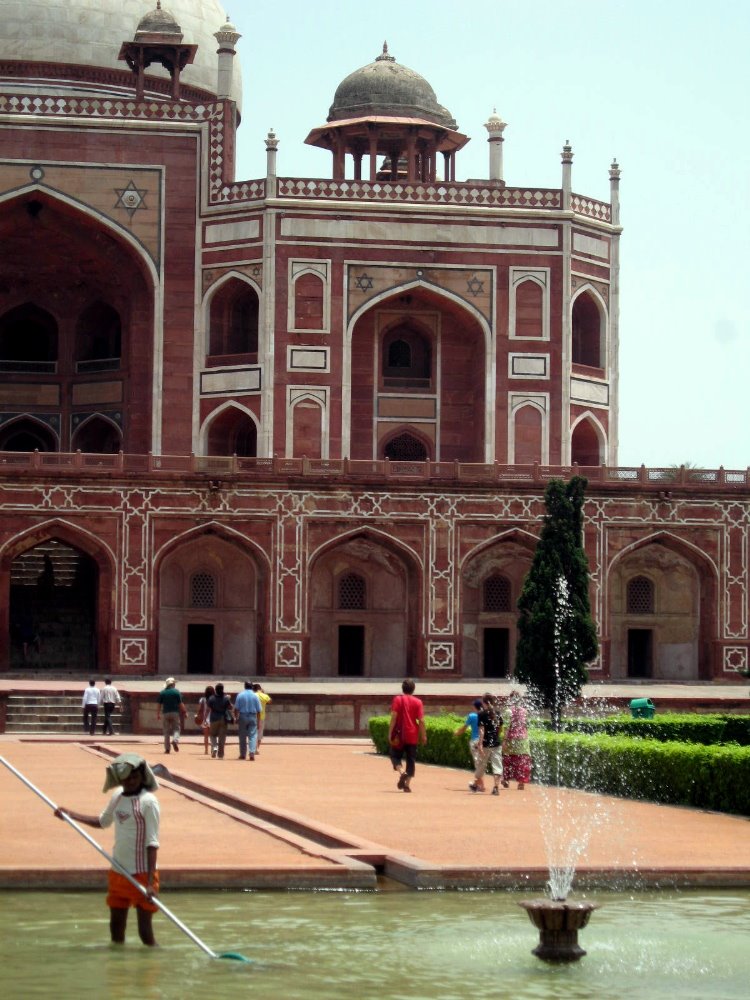
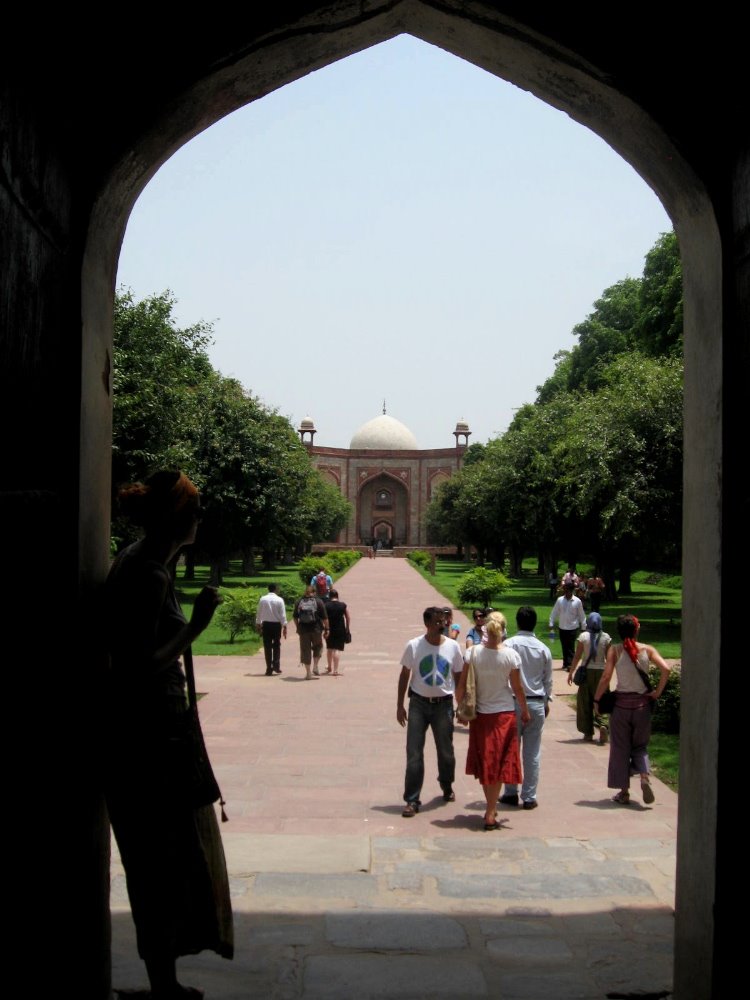
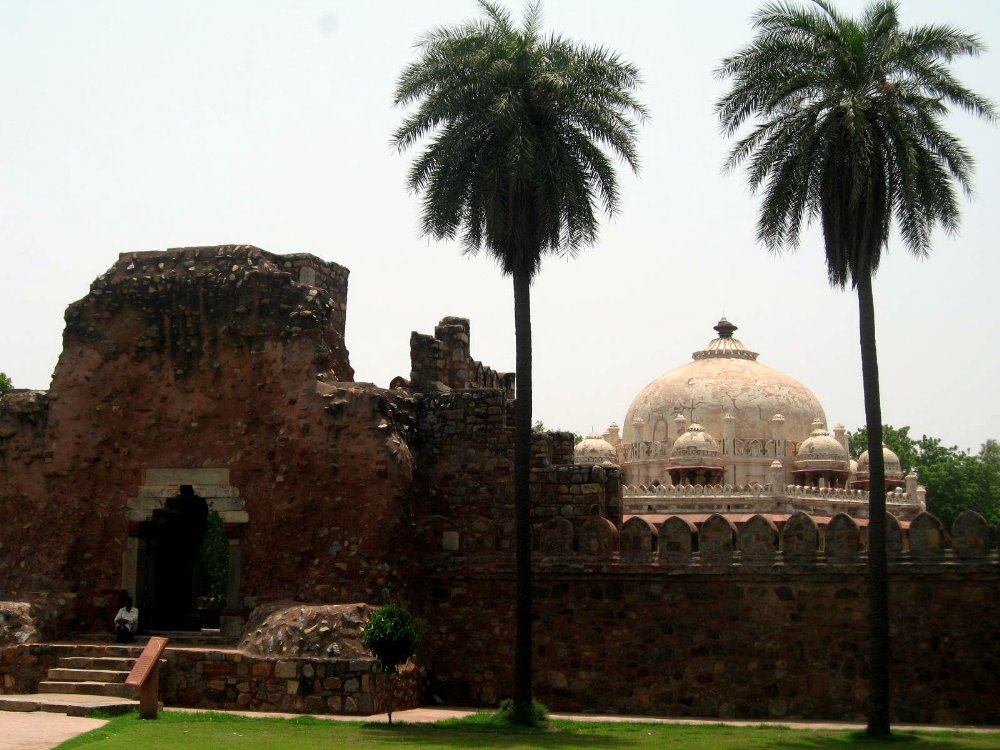
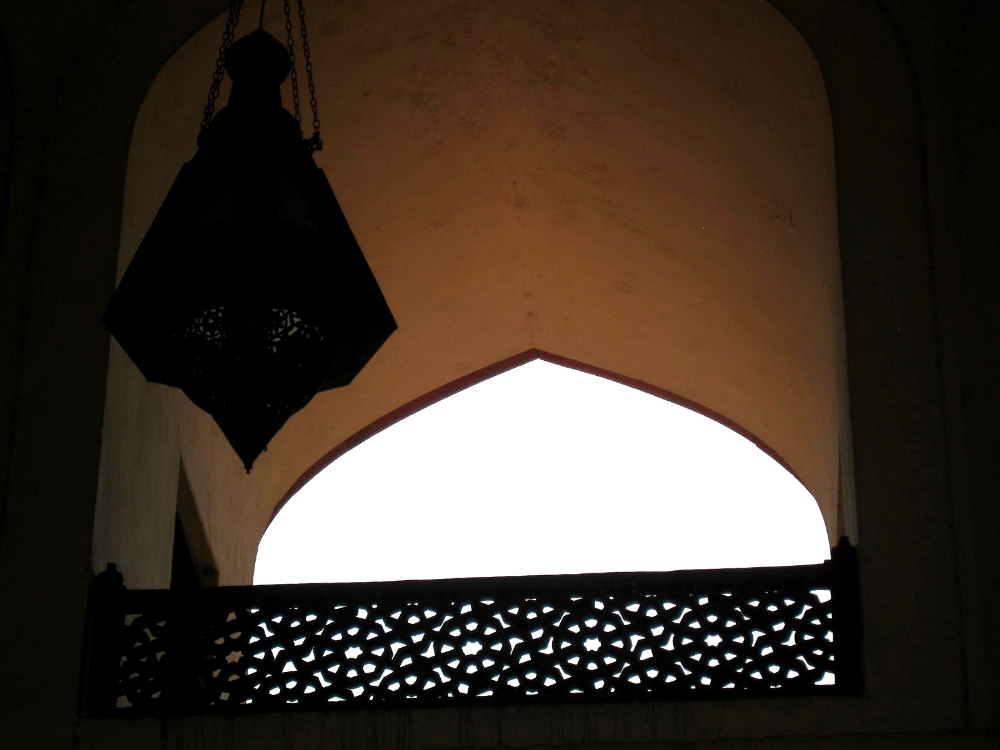

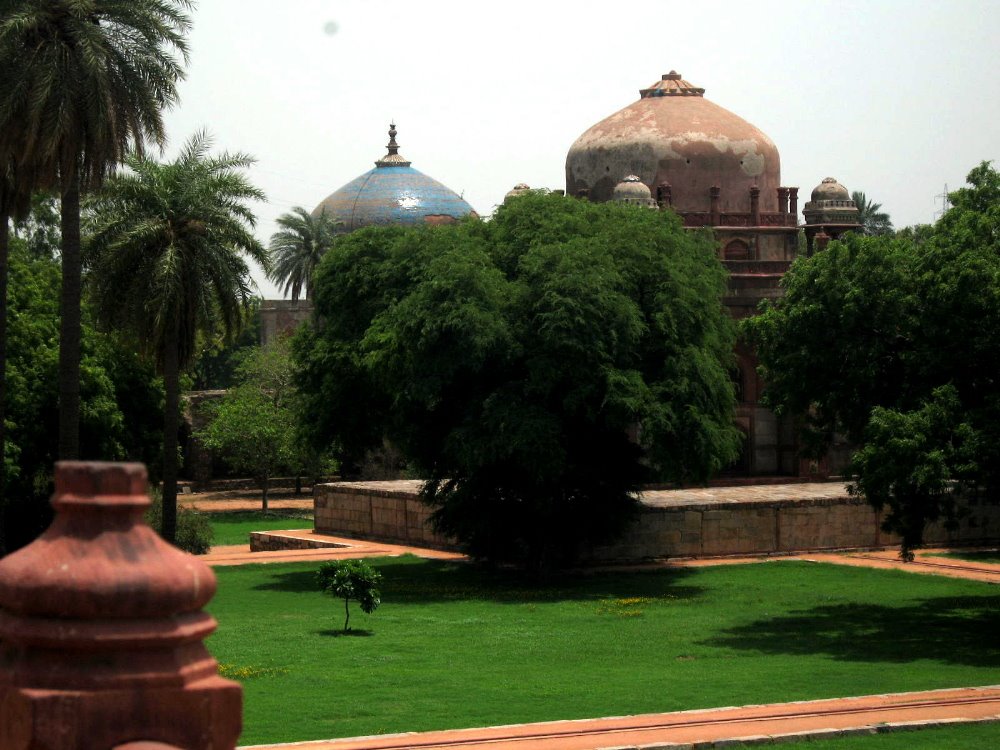

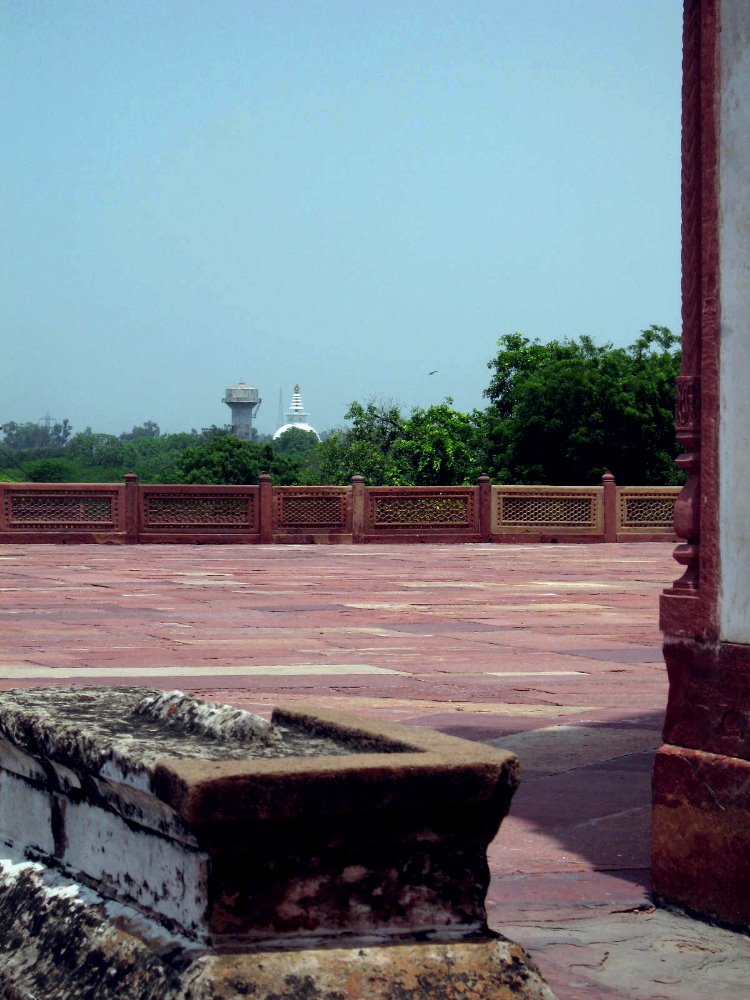
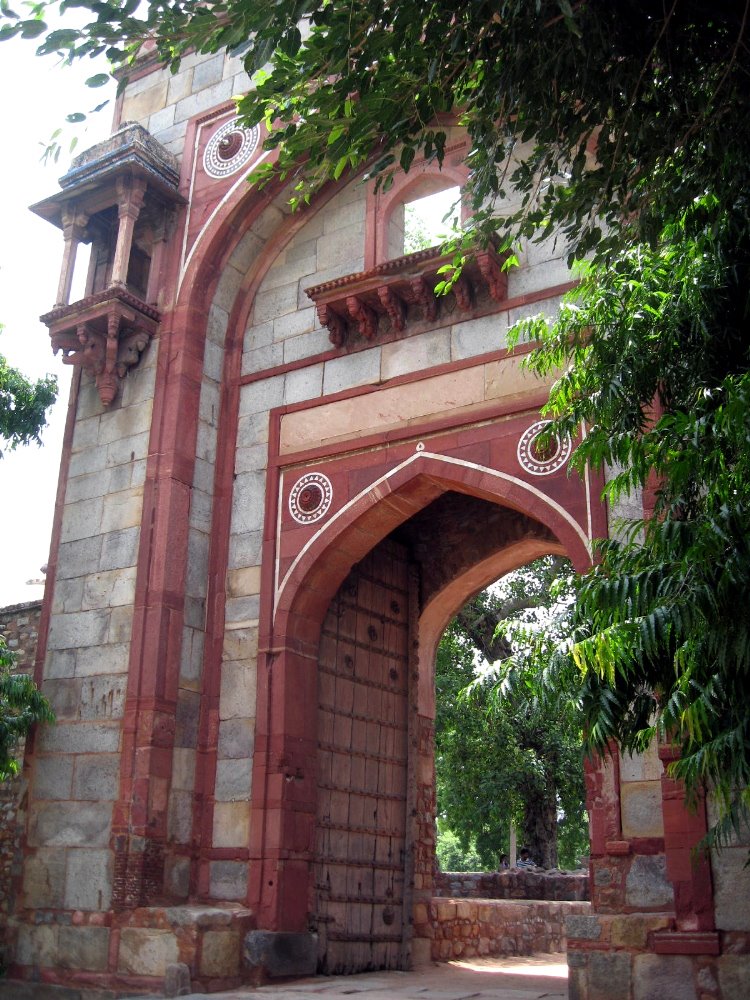
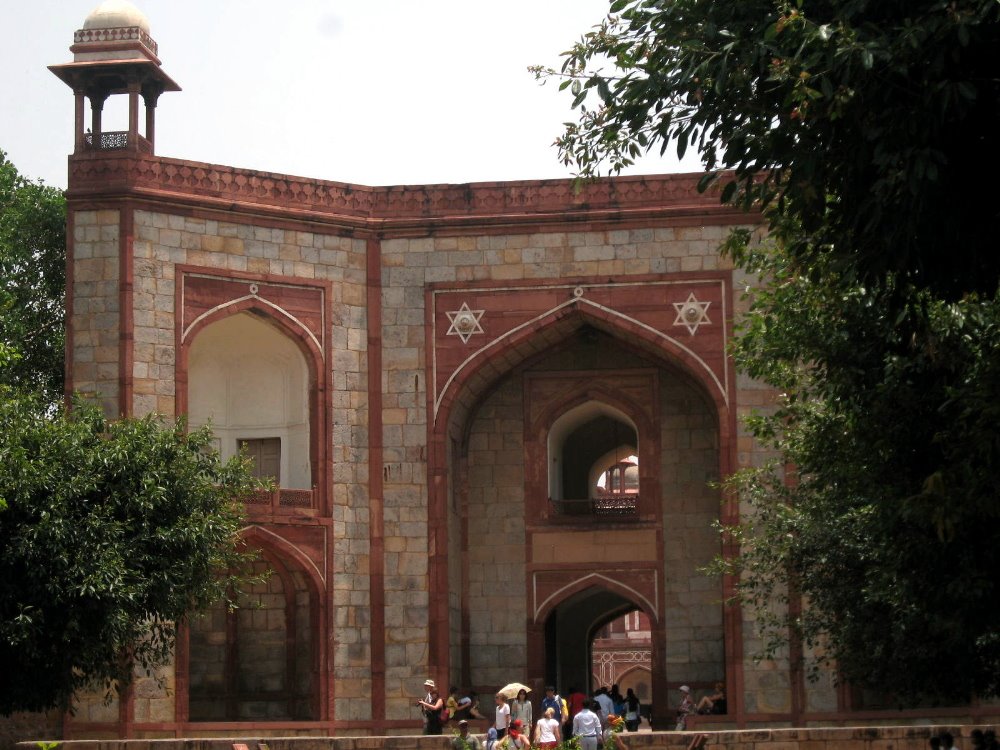
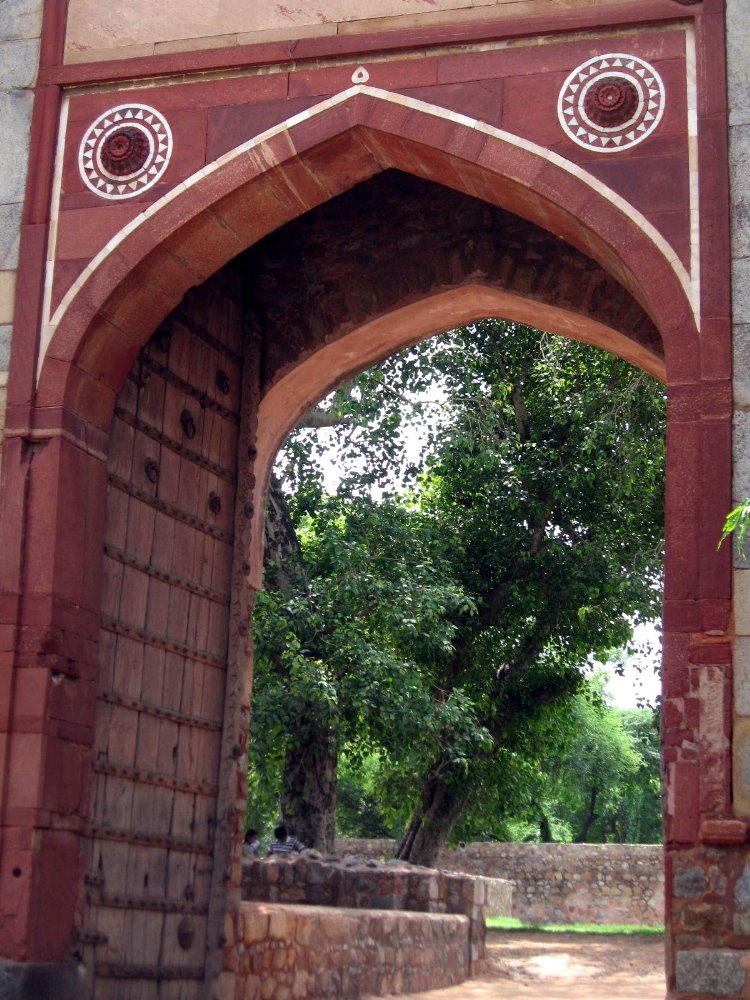
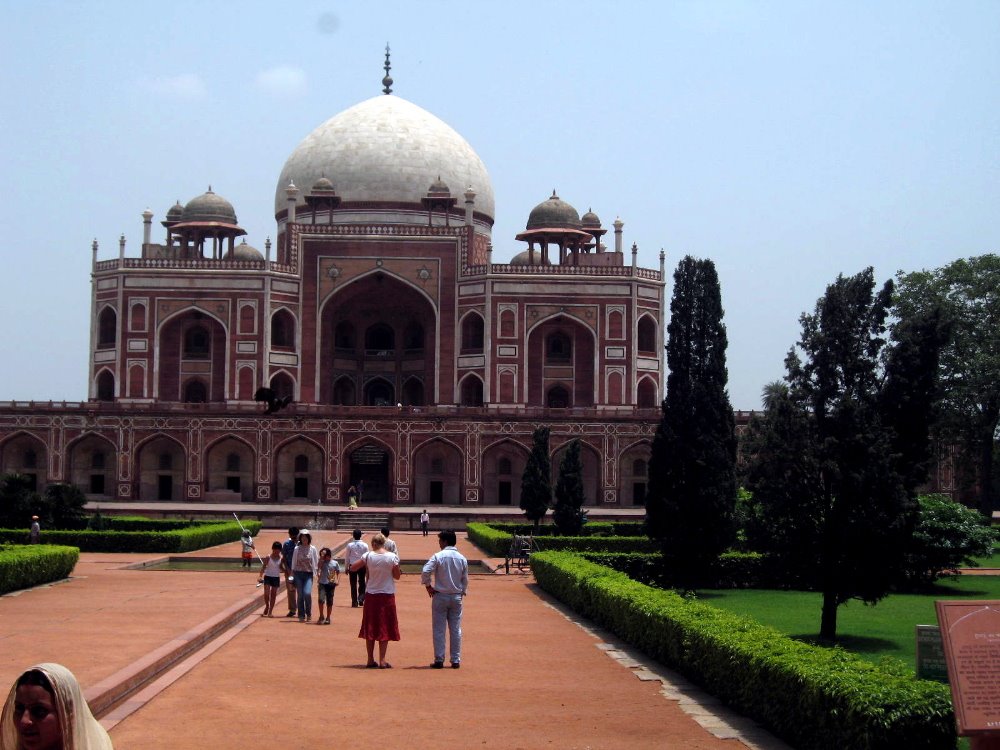
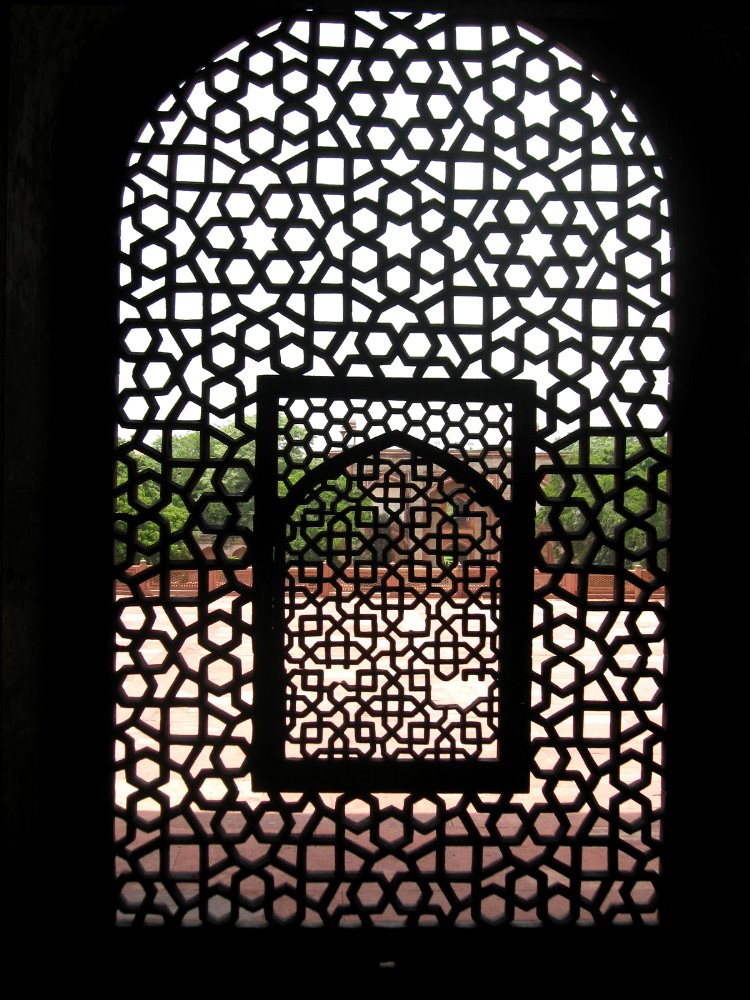
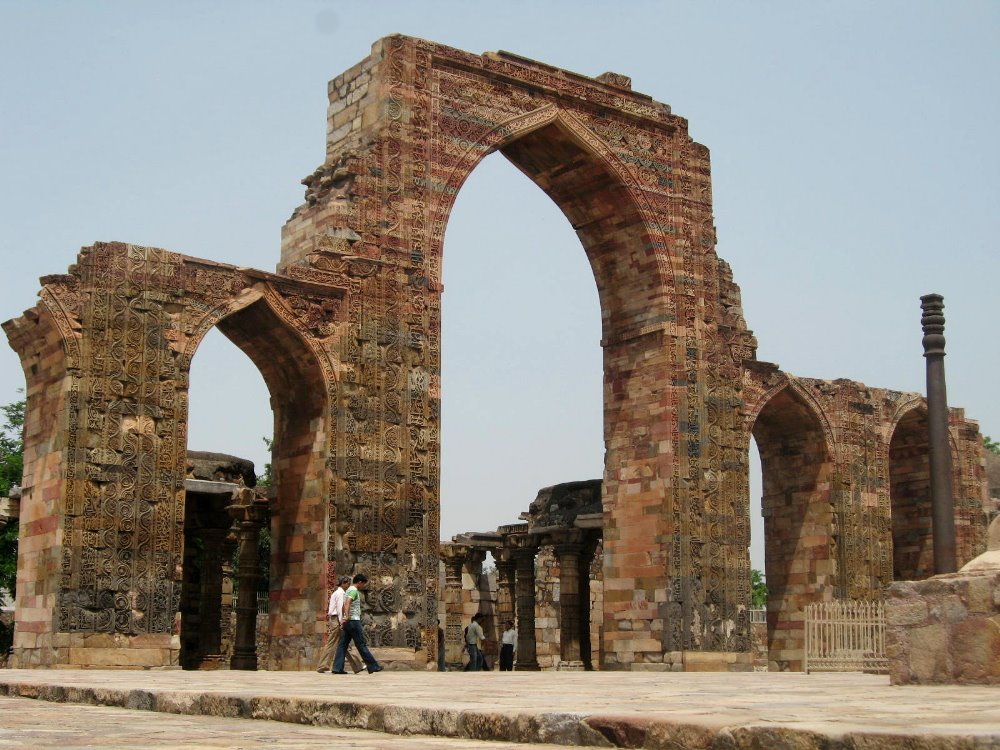
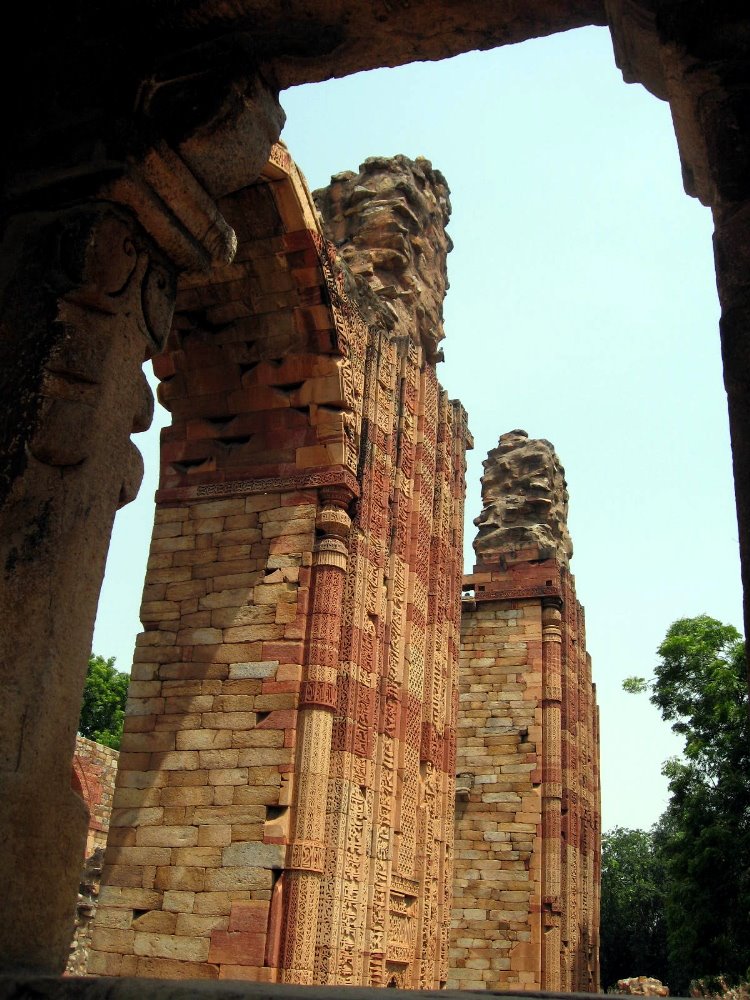
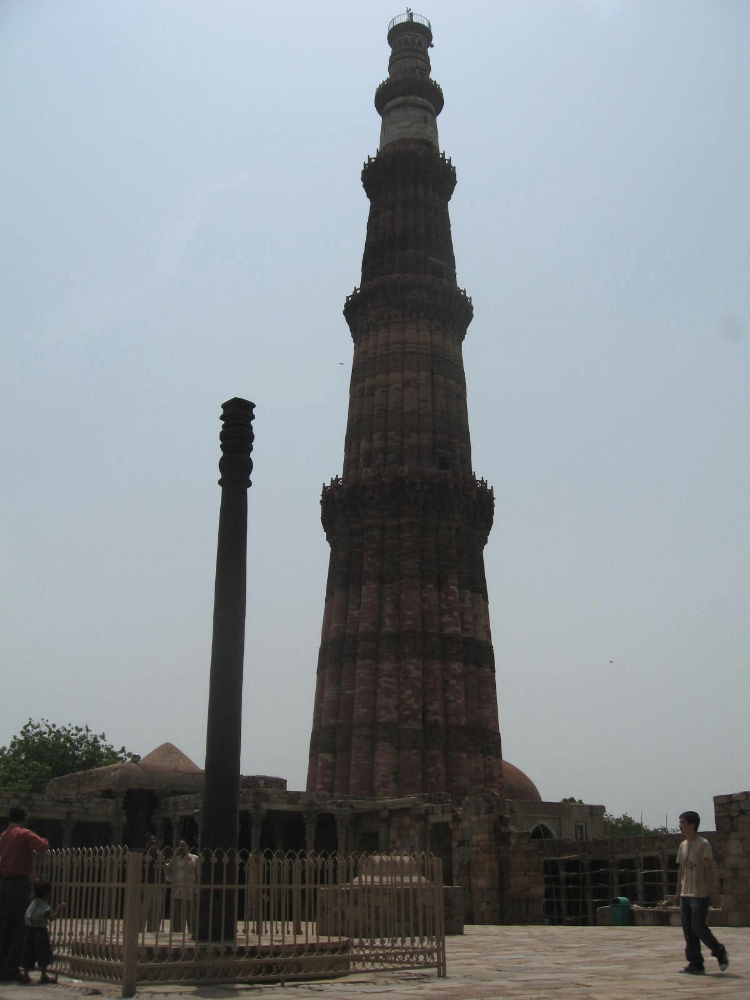
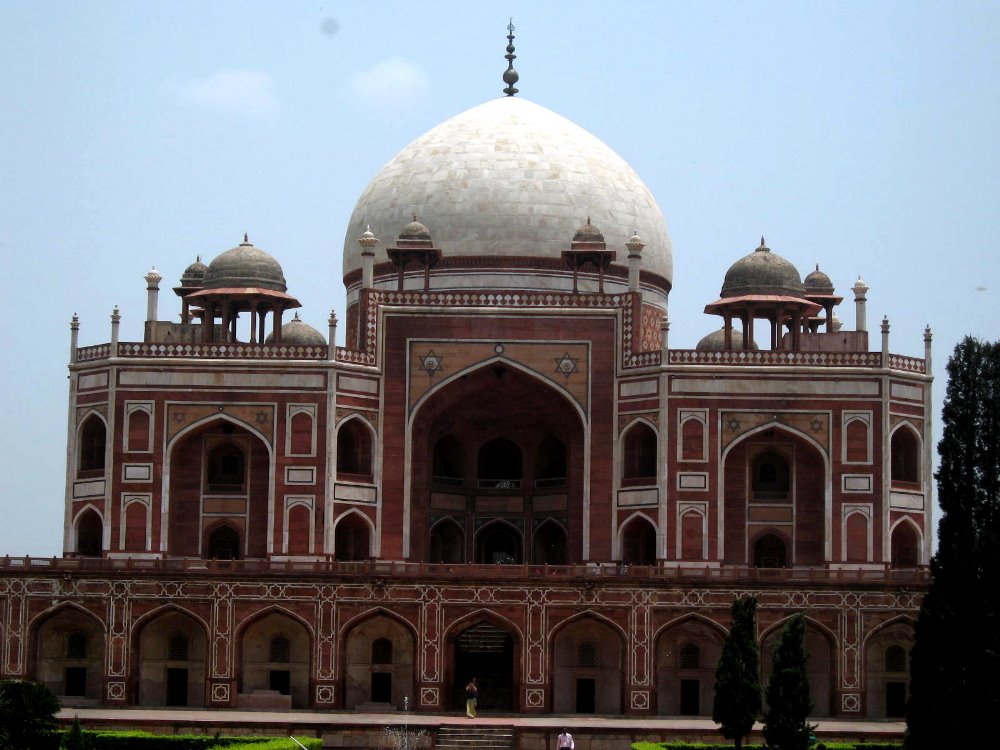 …yes, we complain about how much text you write, Paul…but still, what’s with the minimalism? Will you tell us what we’re seeing, I hear you asking. Very well, I will tell you: above and below, (too many, no doubt) shots in and around the complex of Humayun’s Tomb. Humayun, I think, was the father of the guy who built Taj Mahal; several other folks (including, apparently, his favorite barber) are buried with him in the complex, the impetus for building which came, one understands, from his main wife. I admit up front that I’ve been too lazy to really read up on the history, but you can search Wikipedia on your own for more info; pretty much all the stuff I’m showing you here is Mughal-era and colonial-era, i.e. not at all the oldest of stuff, but from some of the cultural and historical golden ages here. As you scan further down, a section introduced by an angular photo of a tall and lovely column shows you many views of Qutb Minar and the complex around it, which also includes a tall iron column which is much older and a good example of the heights to which pre-Mughal metalwork has climbed in India. It was once topped by an image of Garuda, Vishnu’s carrier, and faced a temple to Vishnu. In this part of the world, they often re-purpose art and architecture from earlier eras, rather than painting over, melting down, or otherwise destroying it. (For more examples, refer my 2007 entries from Cambodia and Sri Lanka.)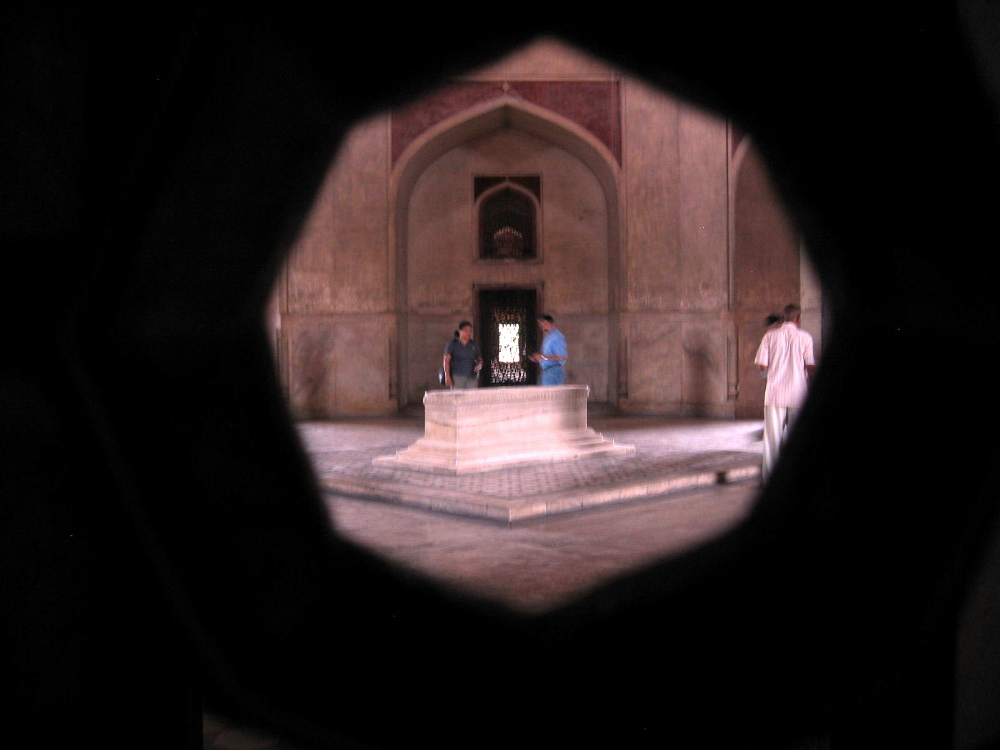

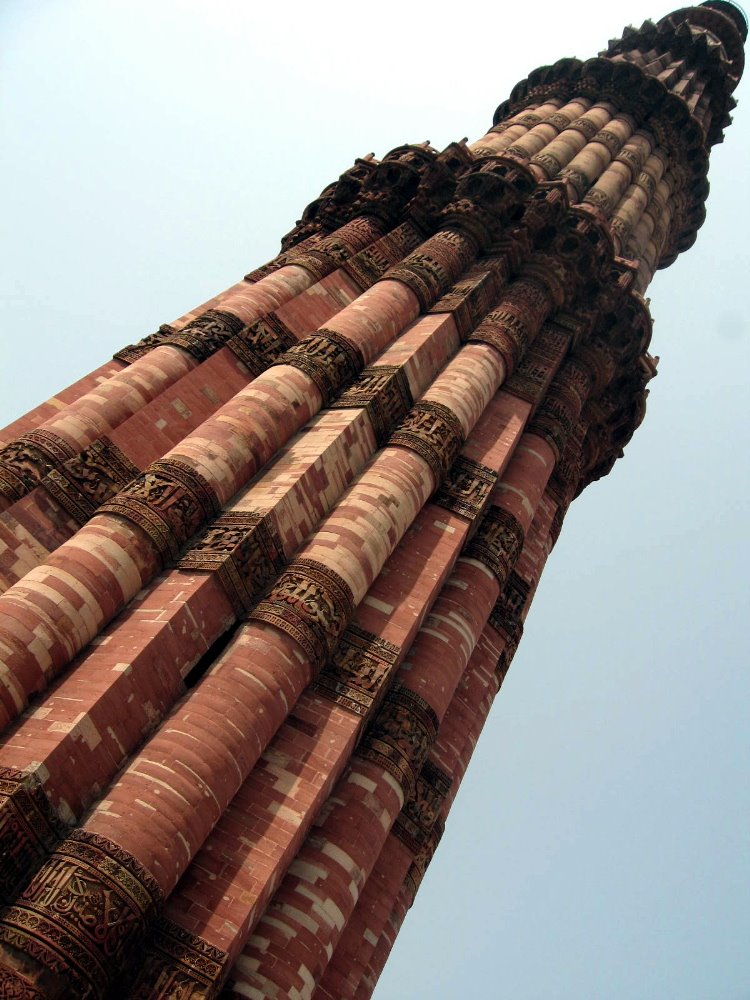
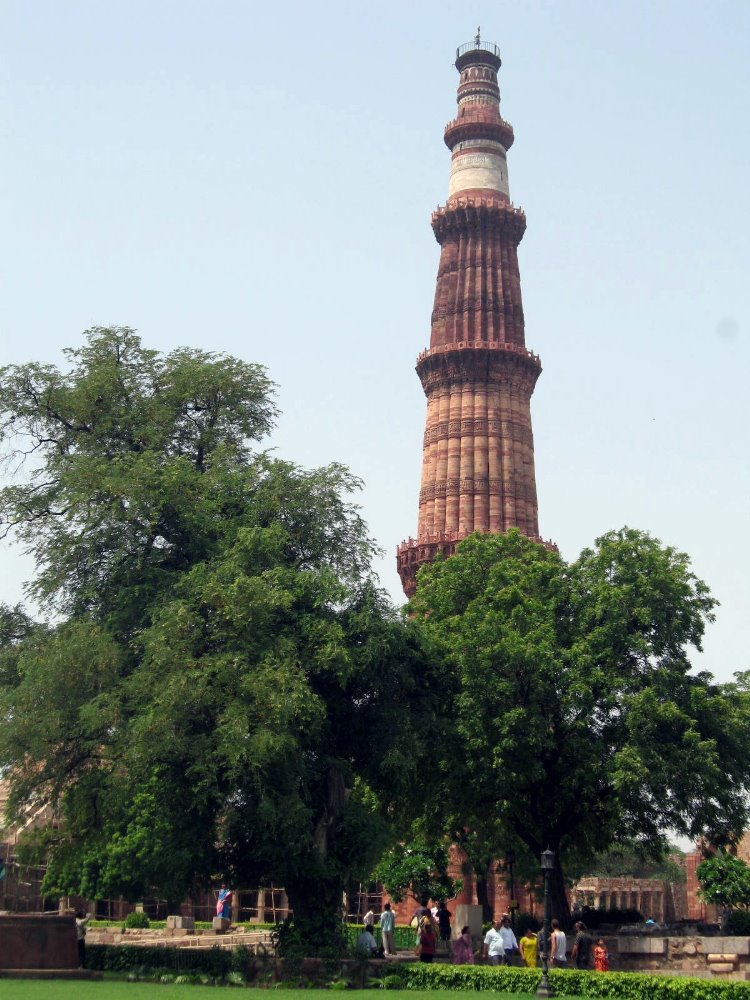
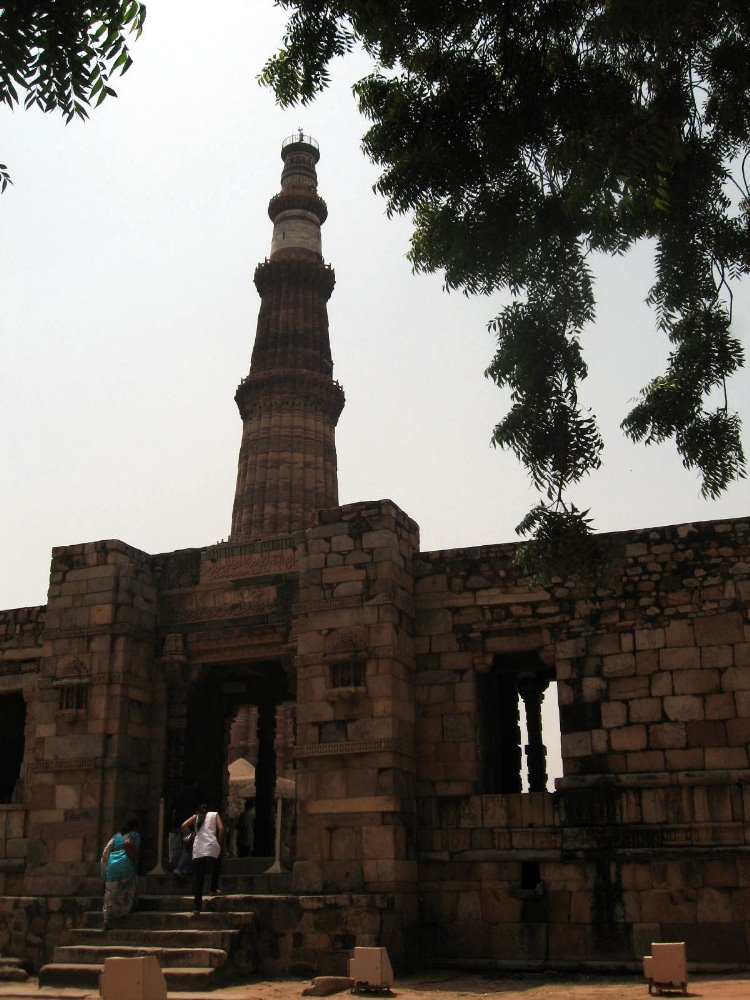
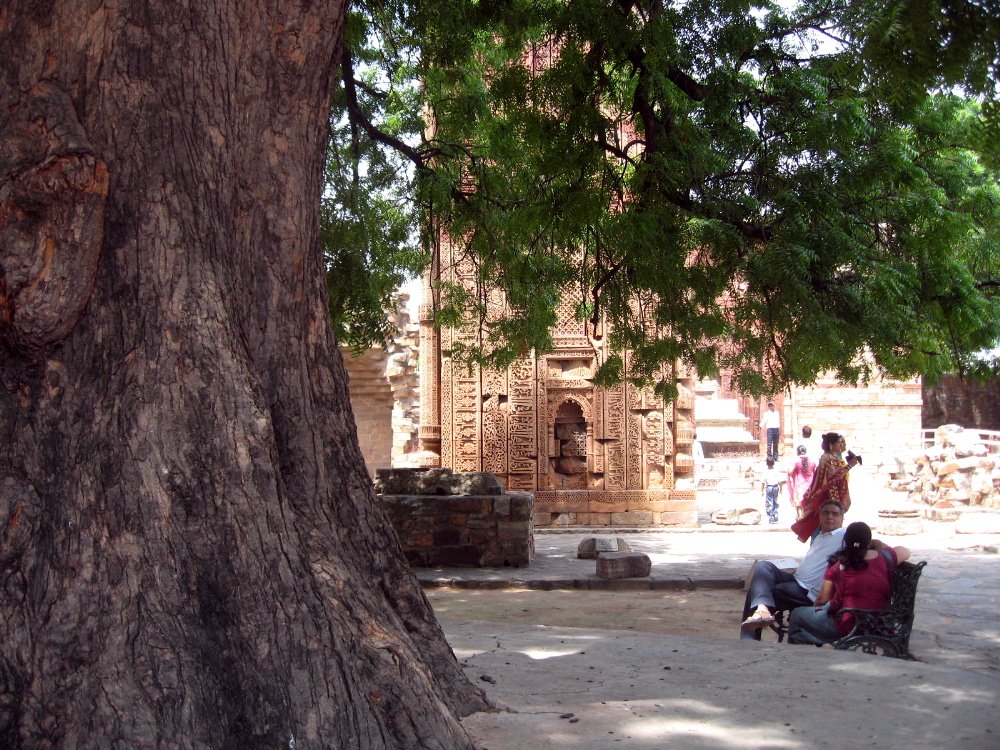

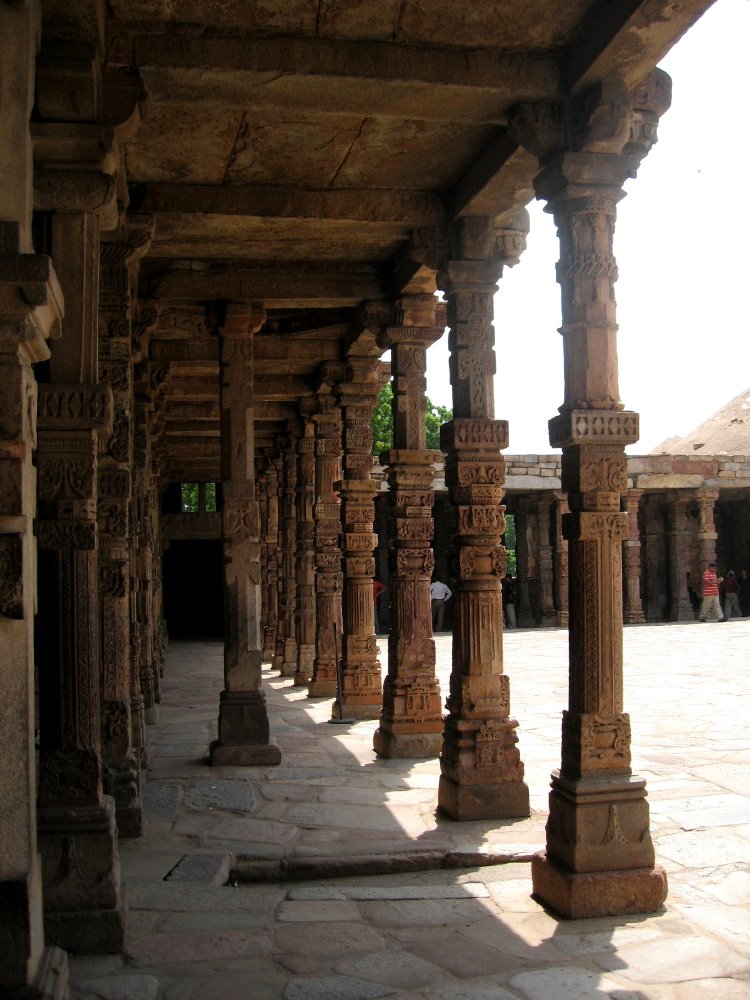
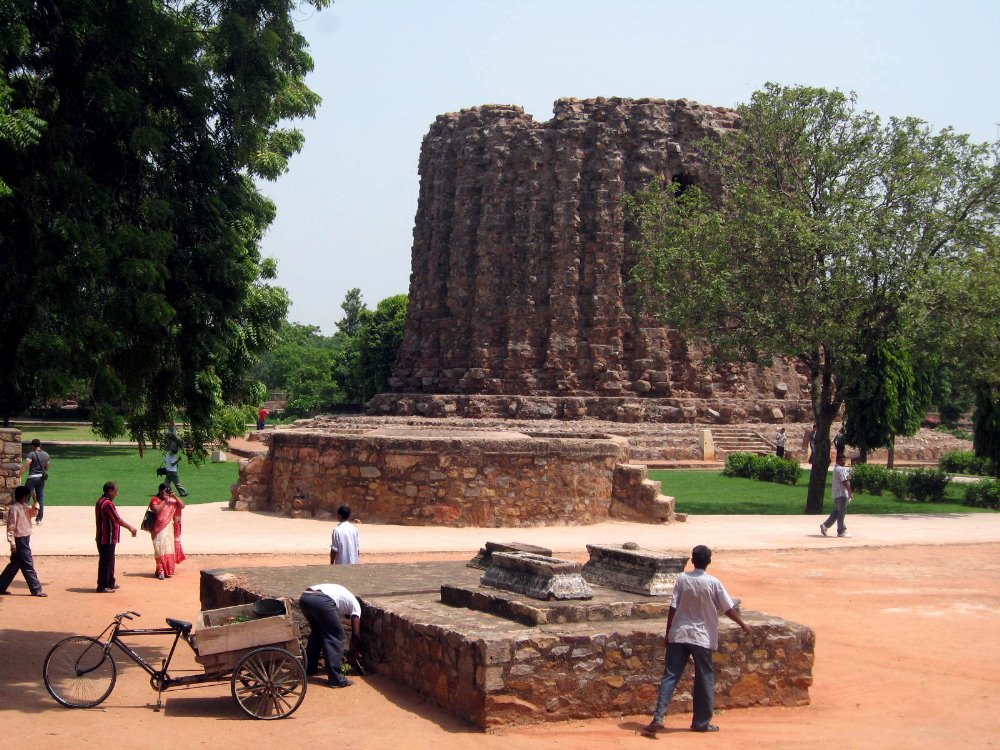
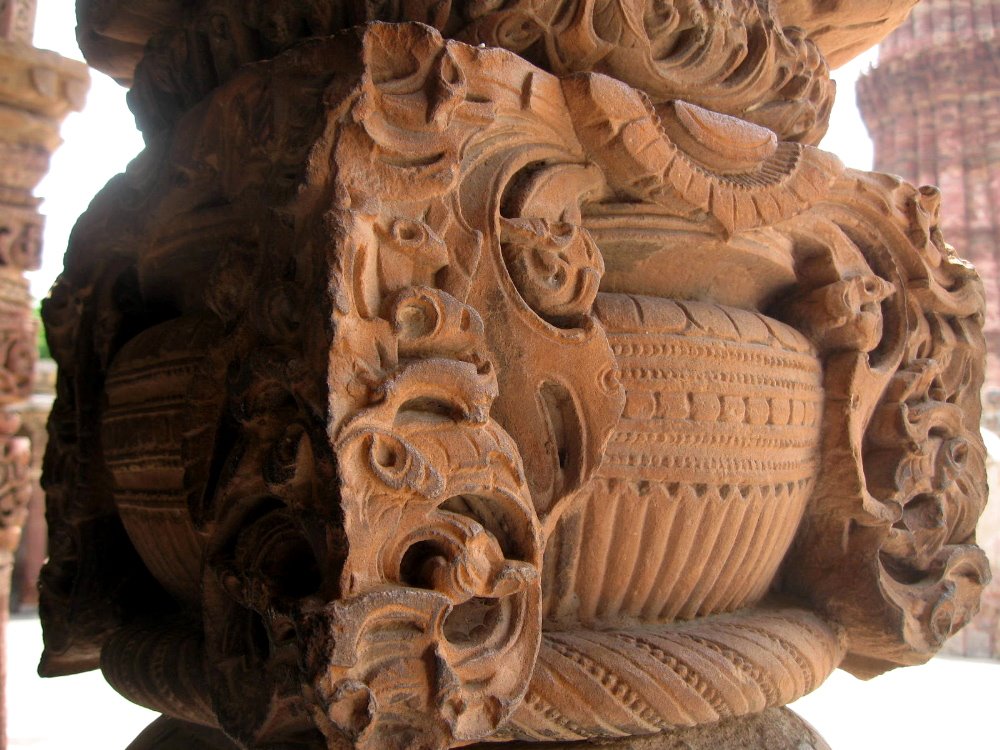
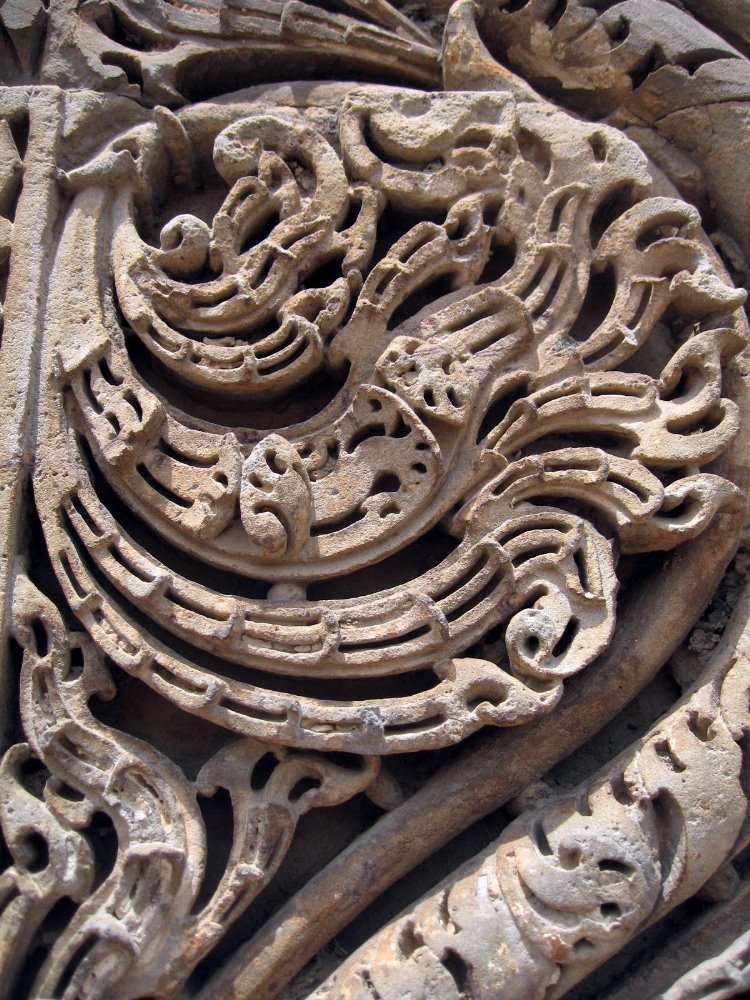
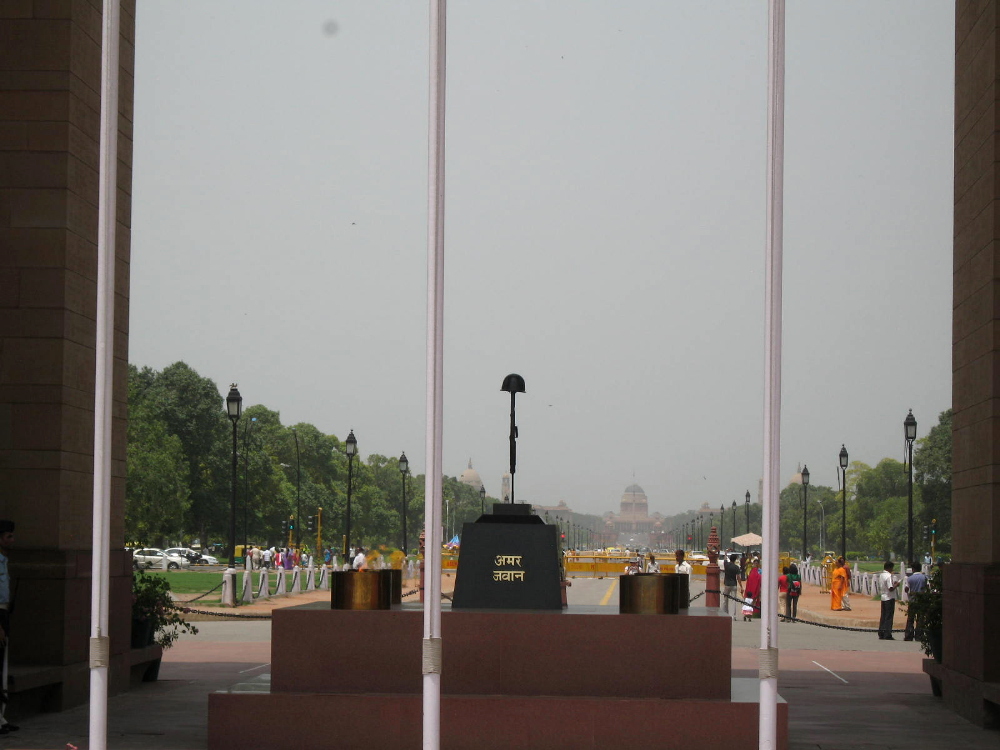
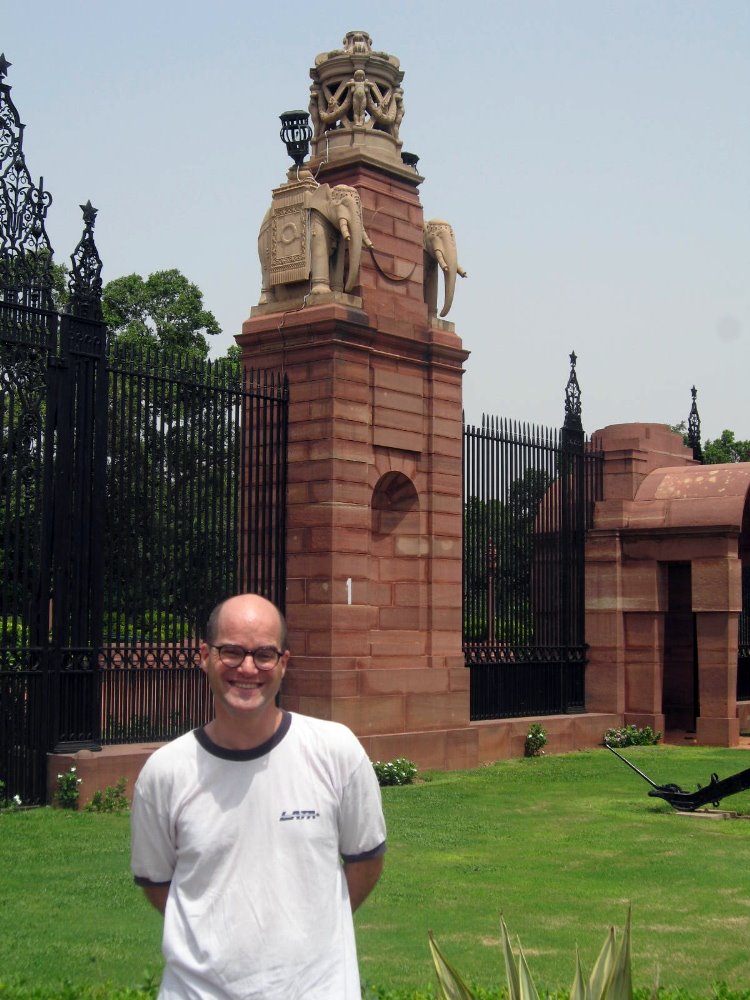
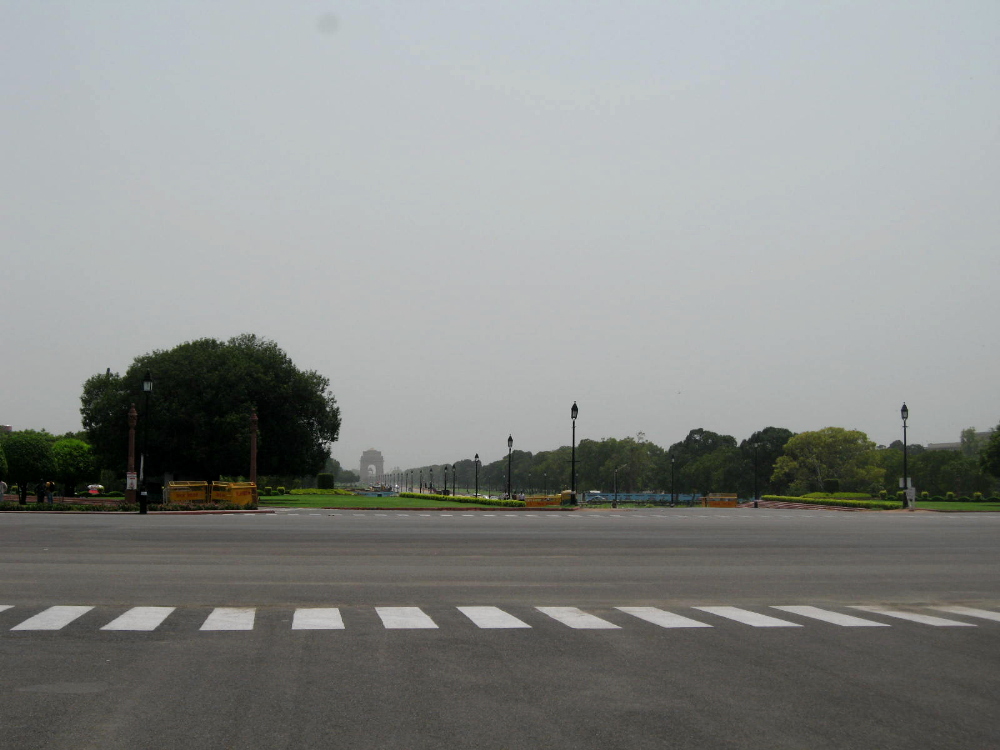
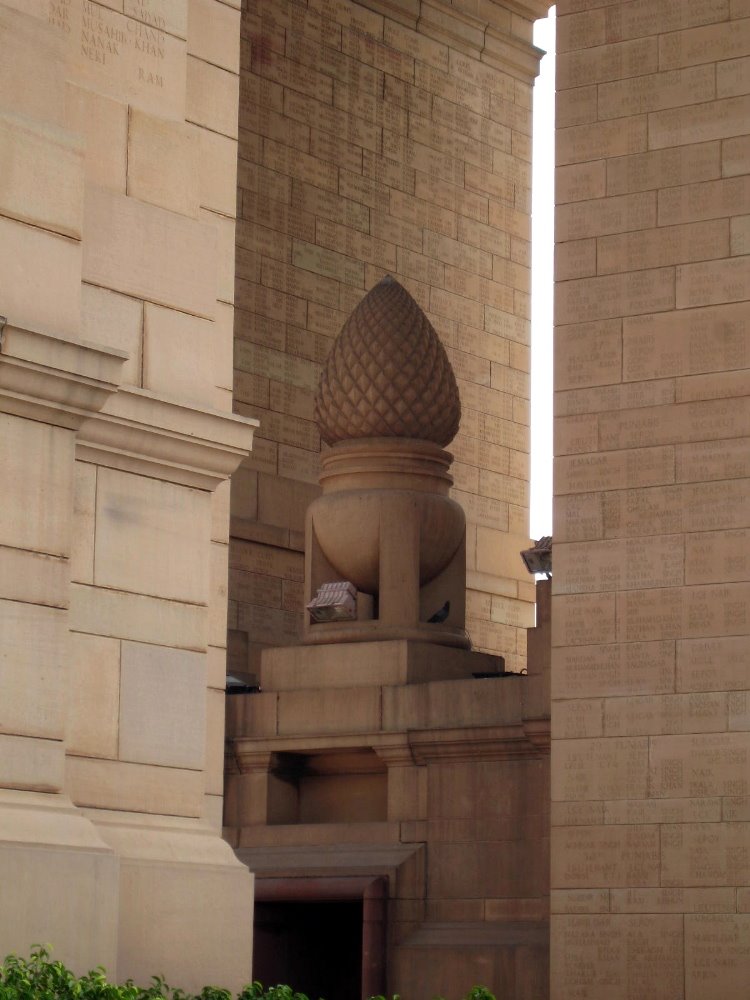
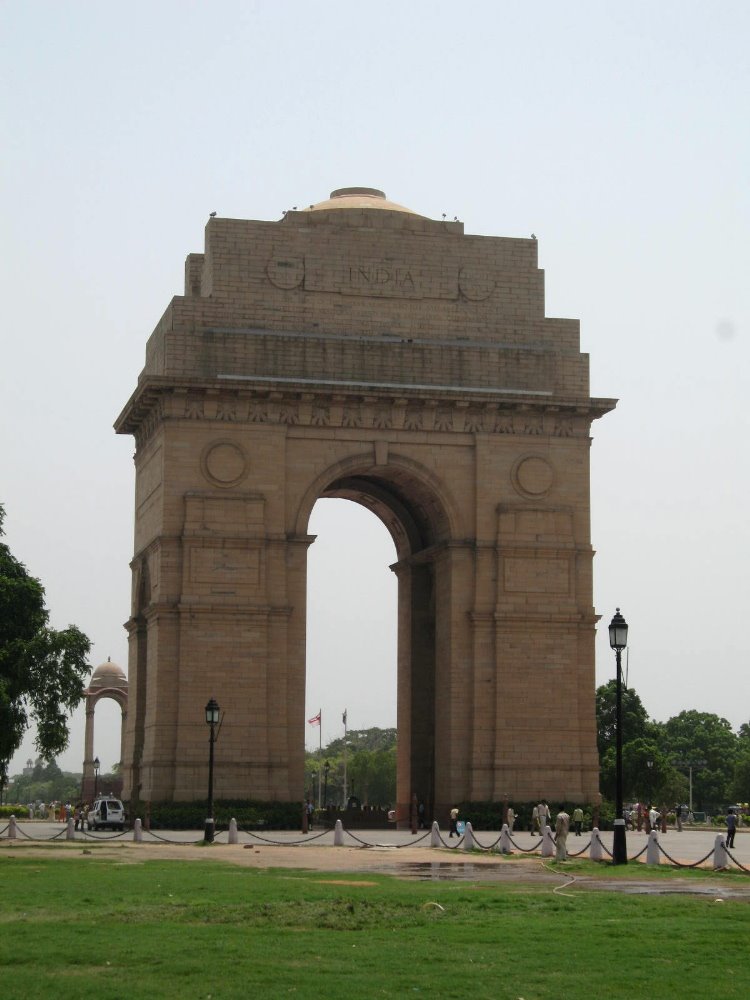
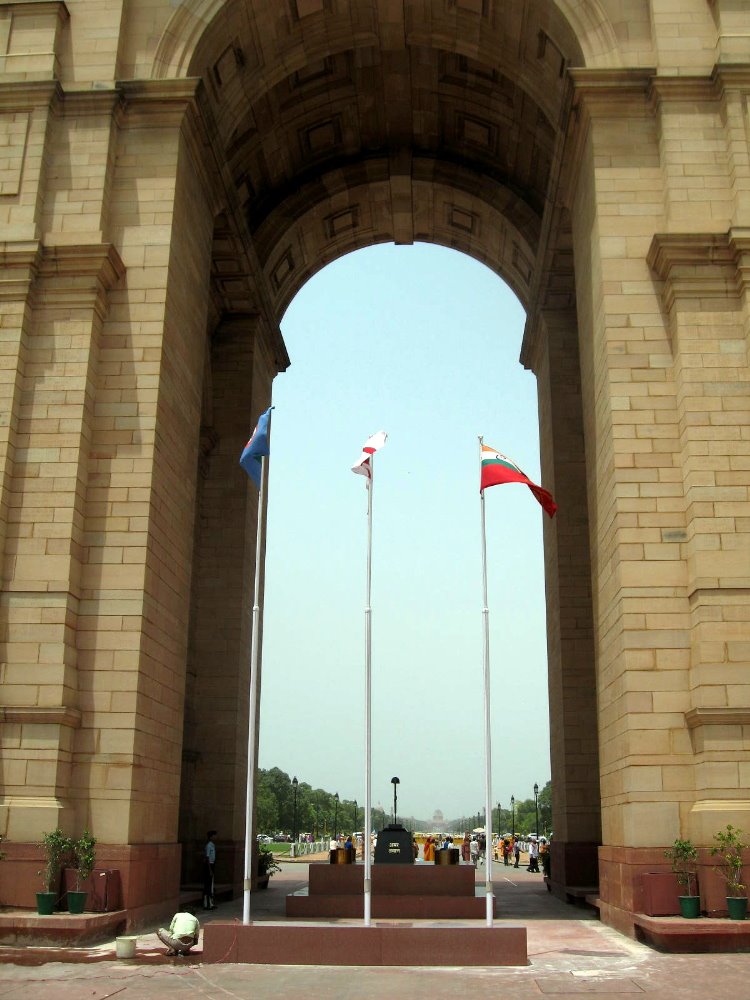
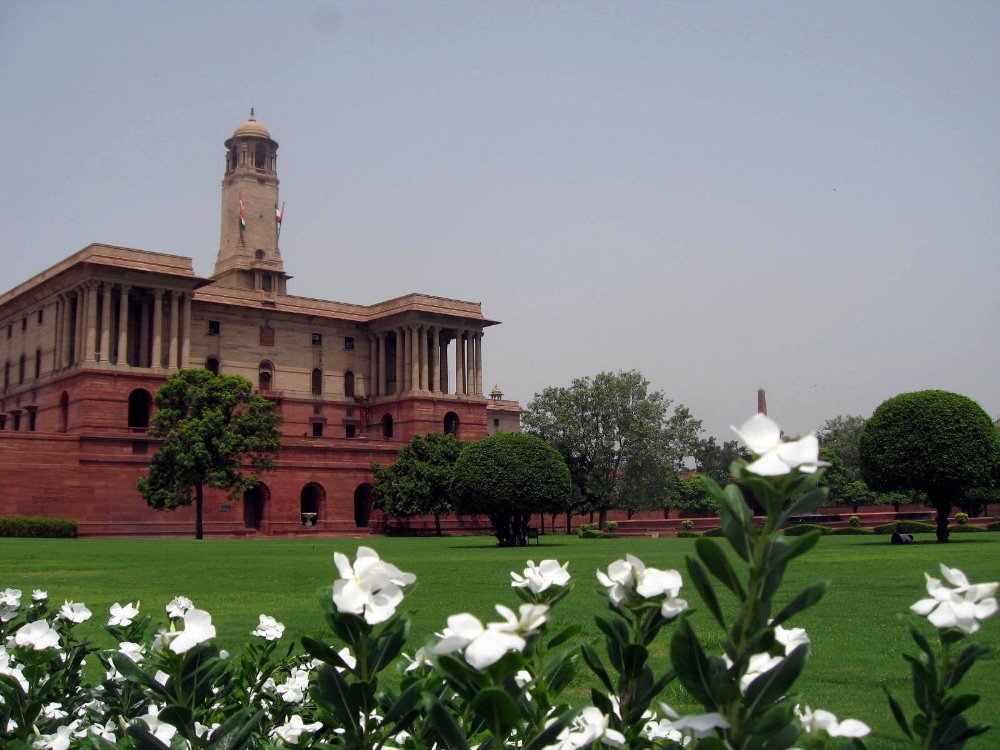
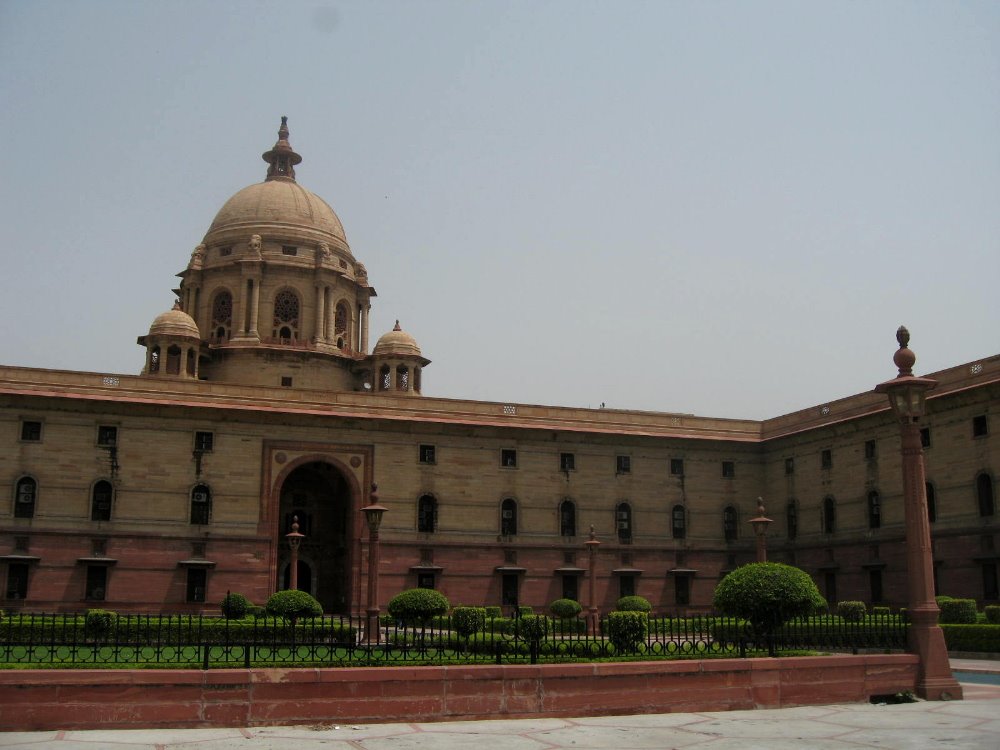
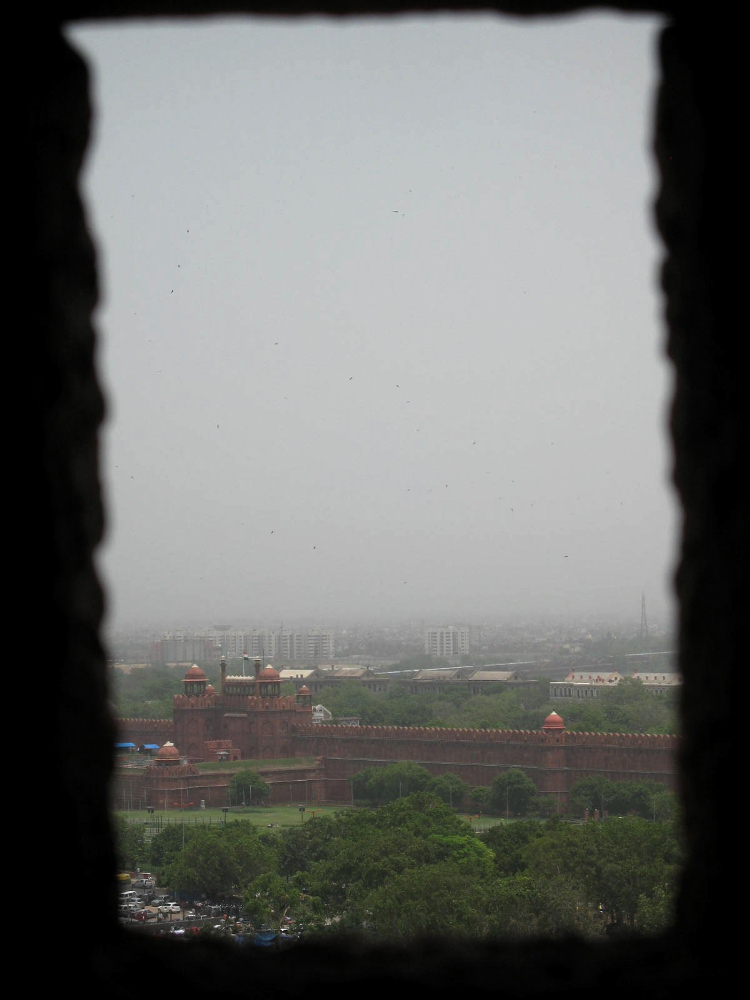
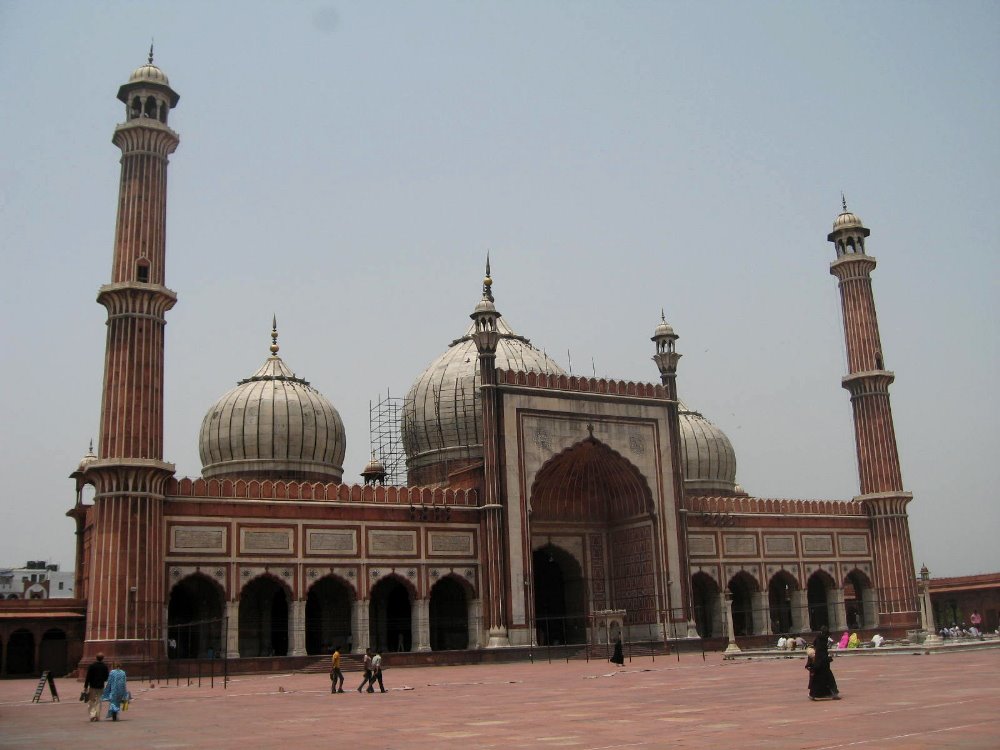
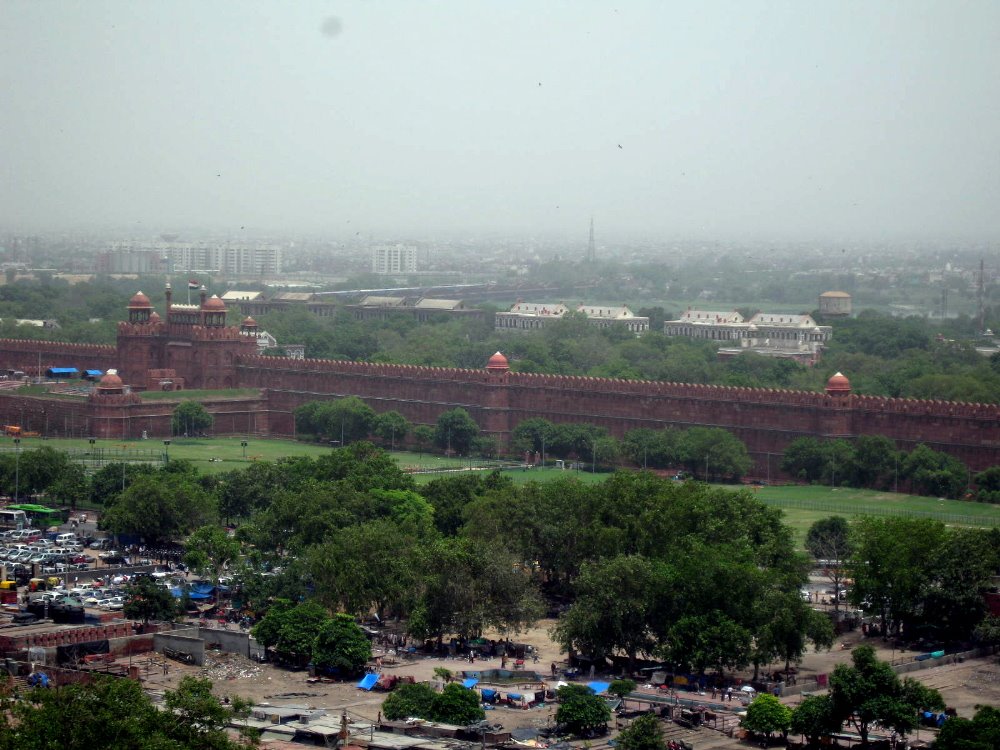
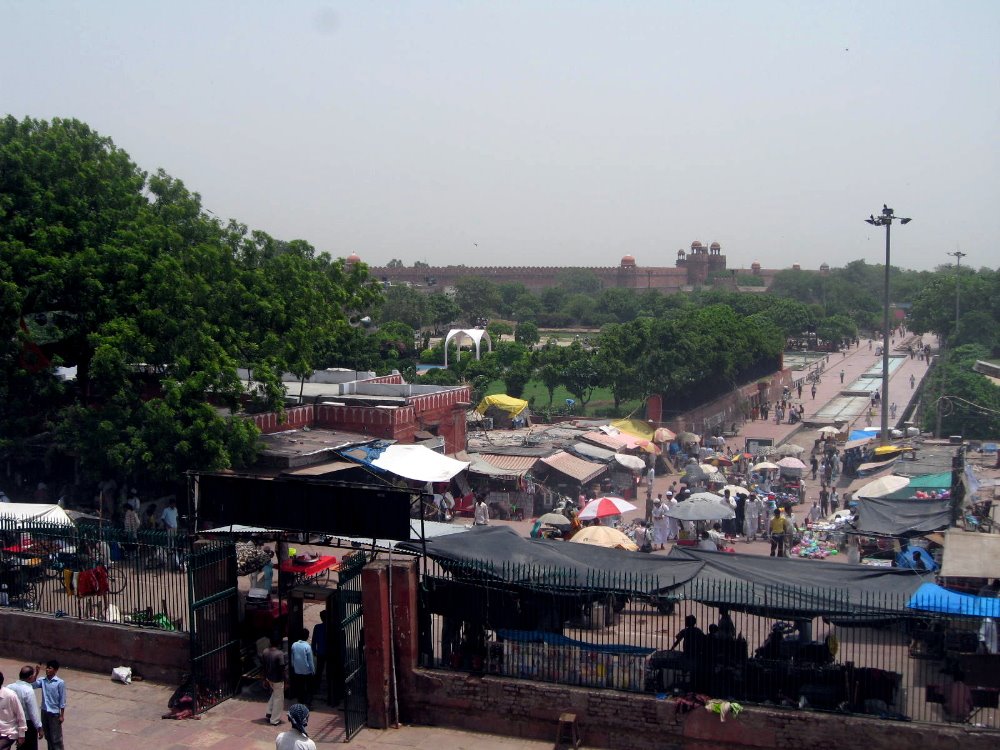
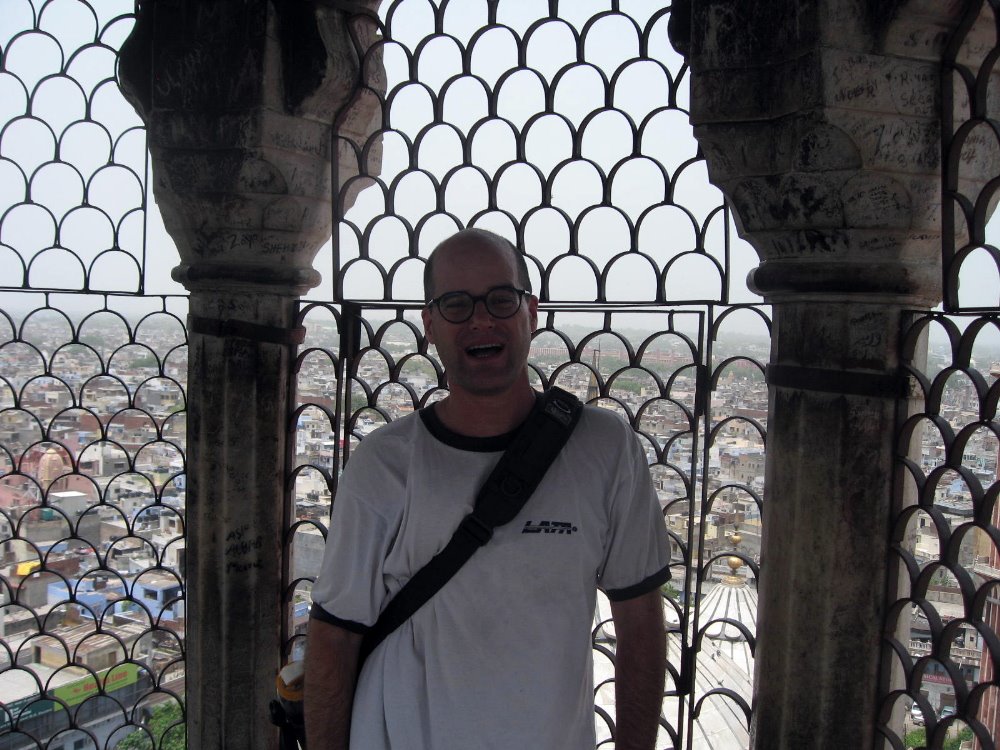
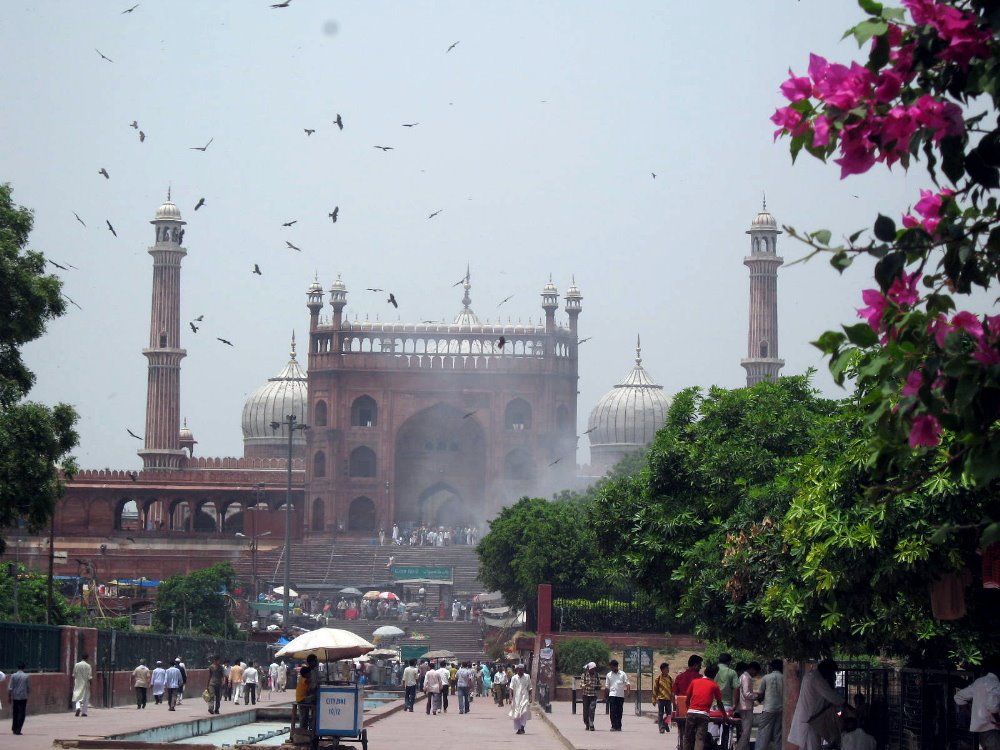
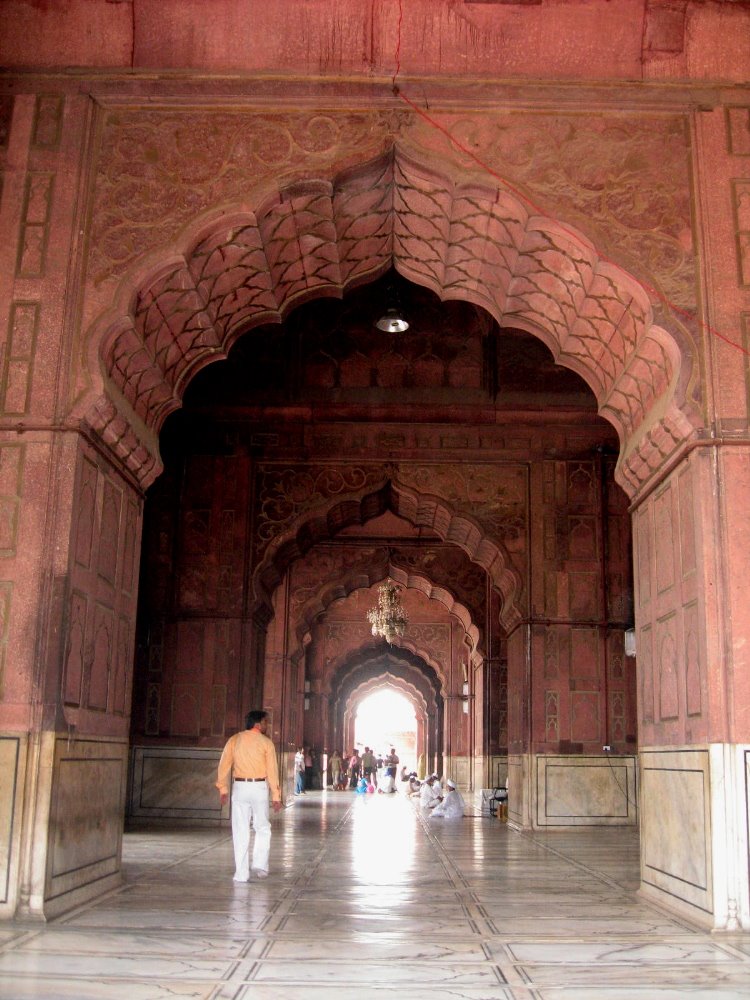
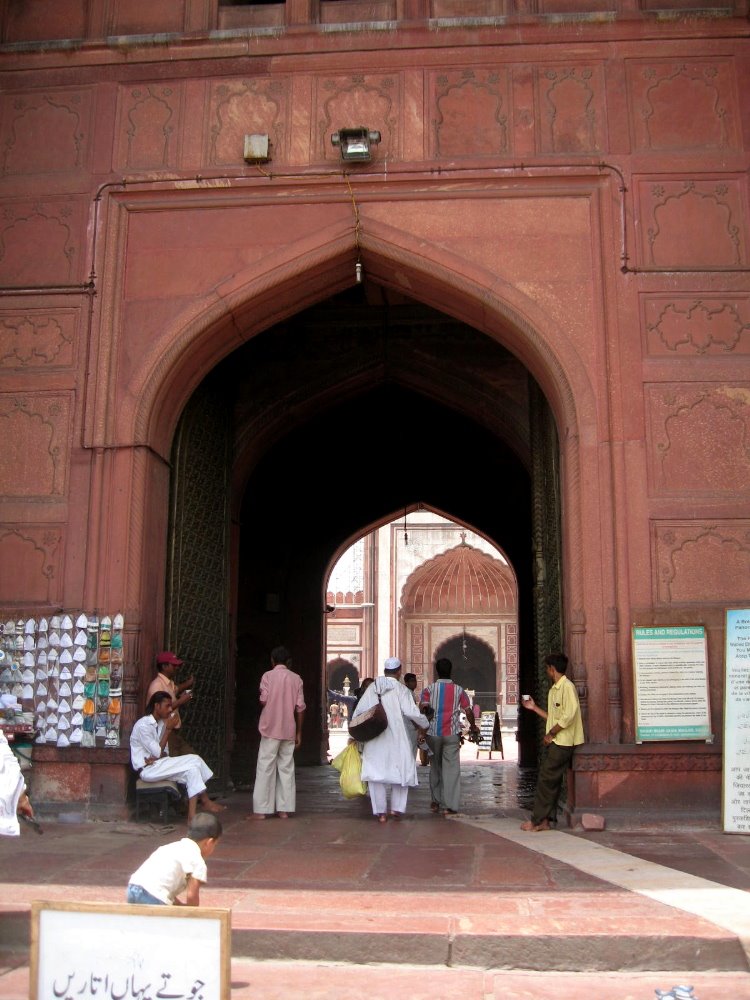
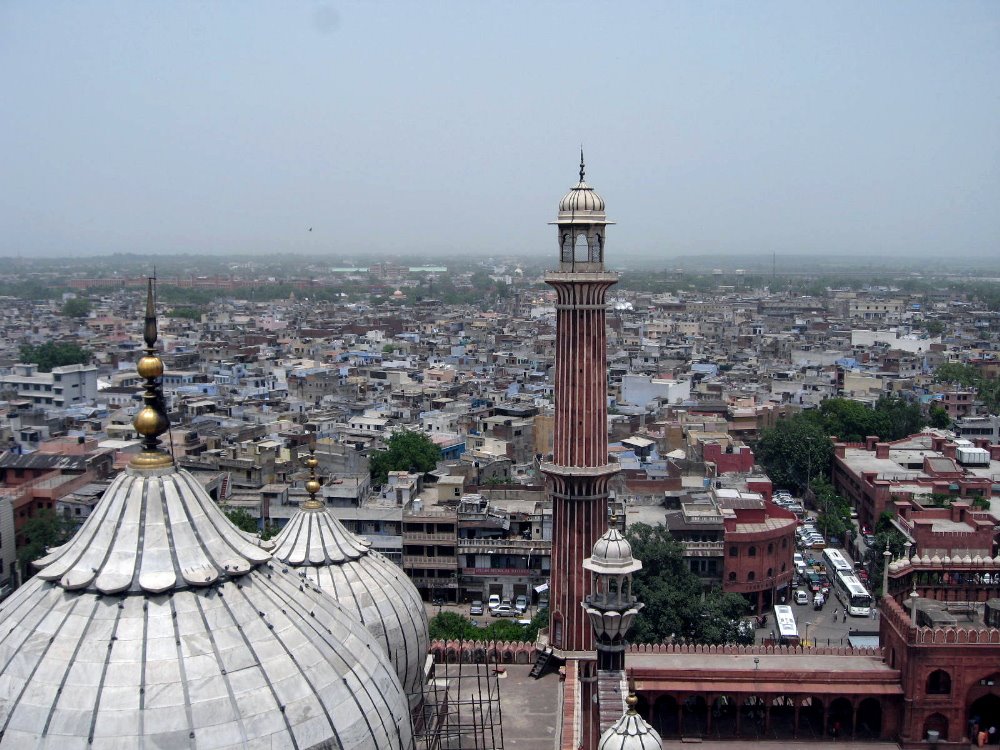
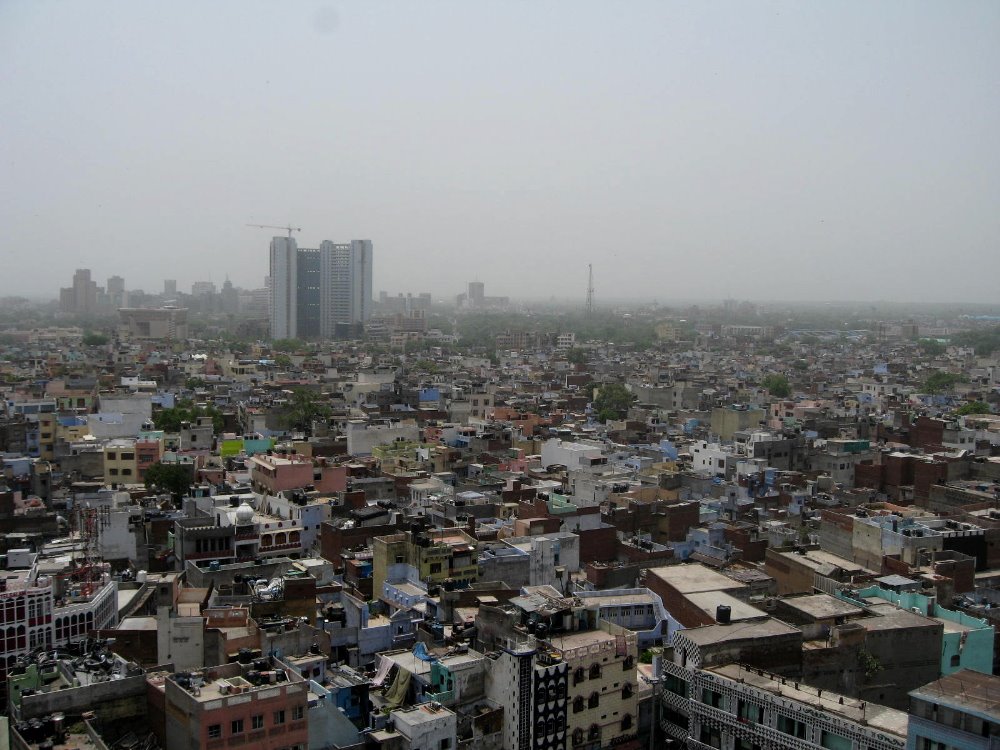
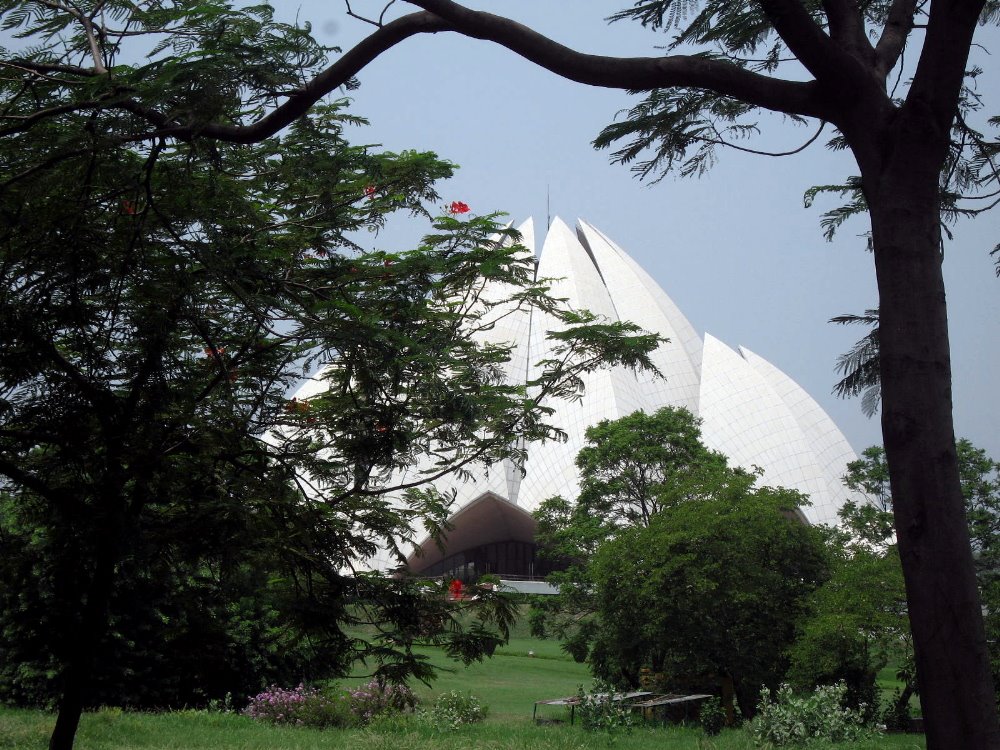
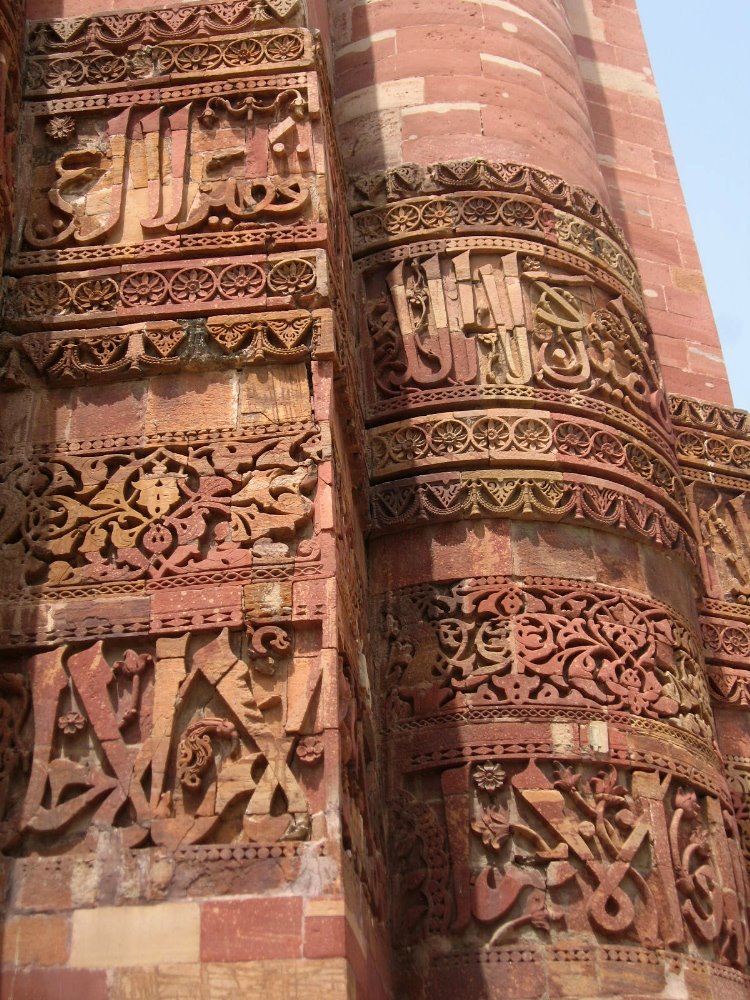 These are all shots from Qutb Minar and the complex around it. Next down, after one final shot of the two tall columns (Qutb Minar and the tall iron column together in one shot), is a small array of photos taken around India Gate (built as a monument to Indians killed in WWI but now, I believe, representing those lost in later wars as well; like the American tomb of the unknowns, India Gate includes an eternal flame which is present but hard to make out in these photos), and around the government secretariats – ministry buildings and the President’s palace, all built between WWI and WWII and designed by Luttyens, who was trying to merge best elements of British and Indian architecture. After that, shots taken in, around and from the top of Jama Masjid, the largest mosque in India and the last great architectural gem built by Shah Jahan (one of the Mughal greats, and perhaps [?] the man behind Taj Mahal — I’ve only been here five days and busy with other things, give me some time!), as well as the Red Fort, another imposing and impressive historic building that dominates old-town Delhi. Finally, two shots from the modern Lotus Temple, a 1980-81 Bahai’i construction that is certainly impressive.








 (so much world, so little time....)