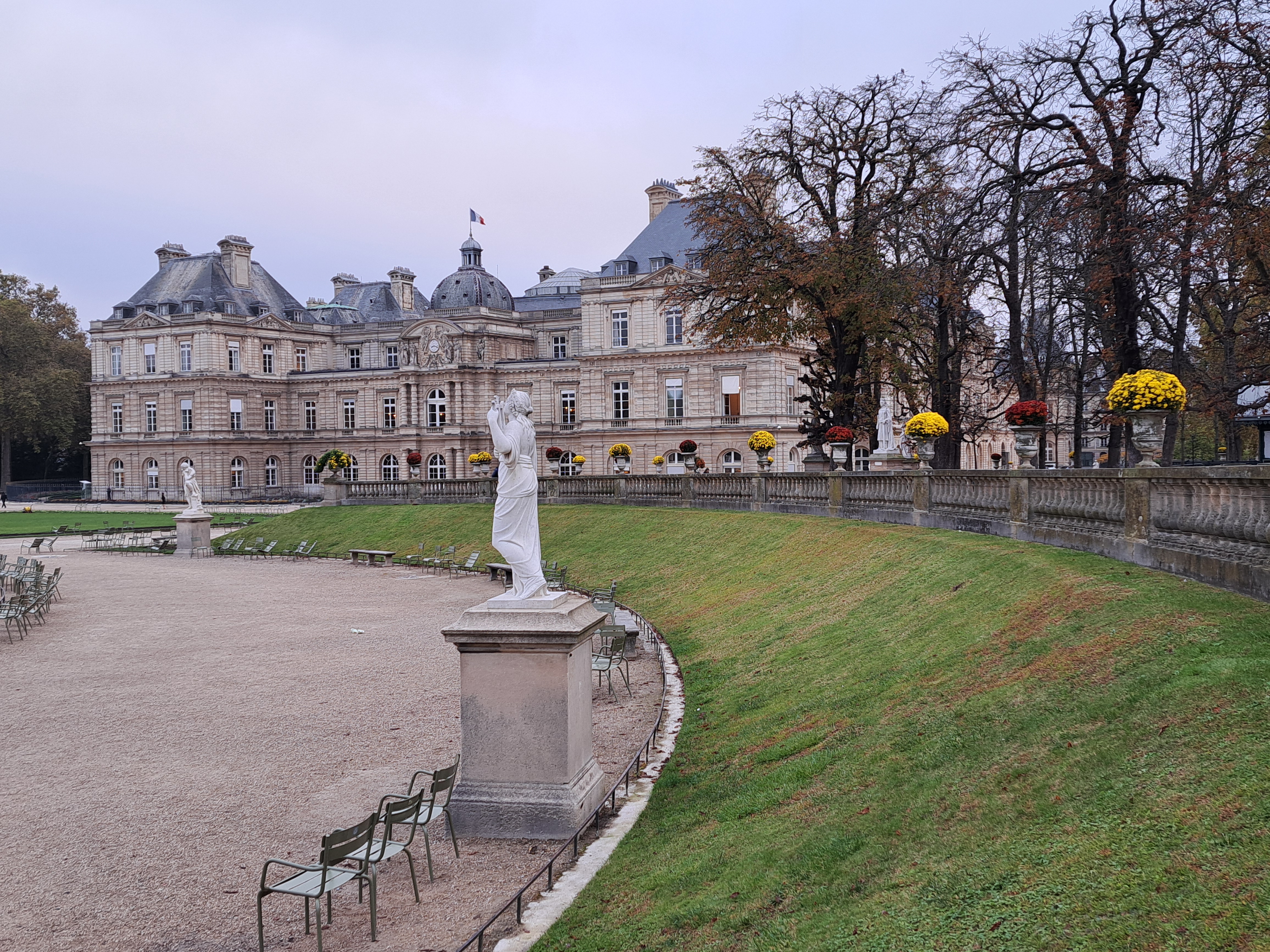
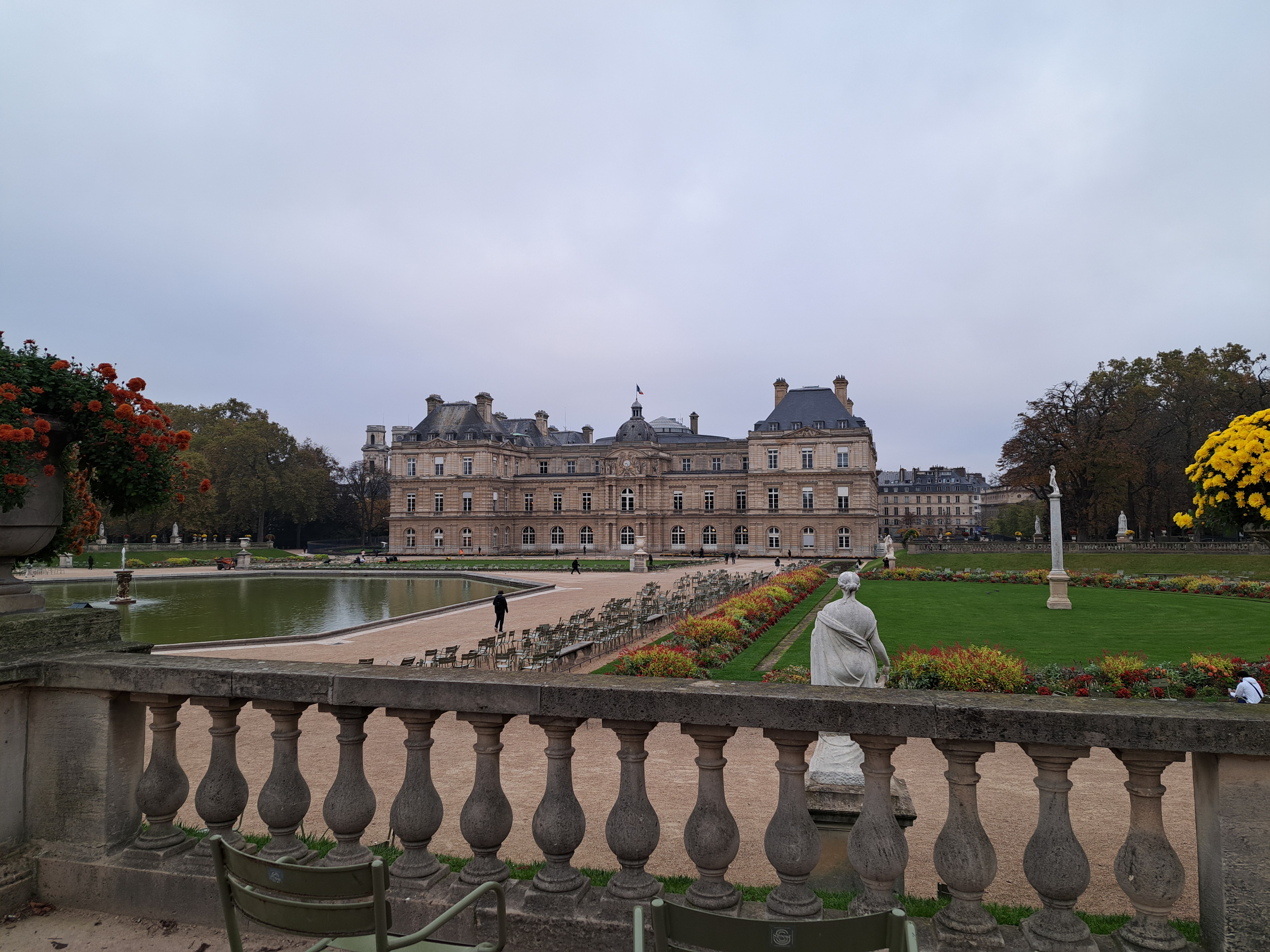
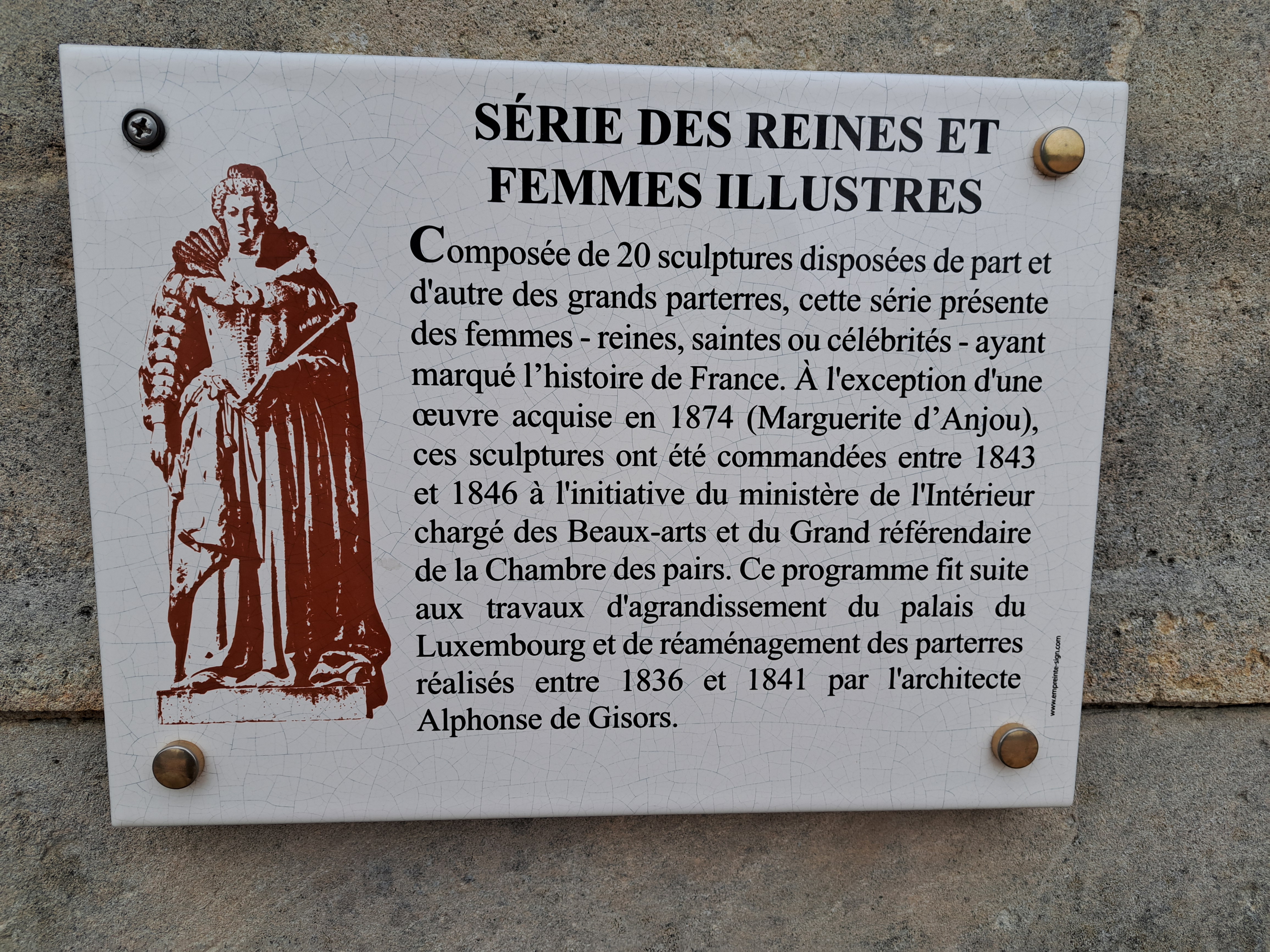
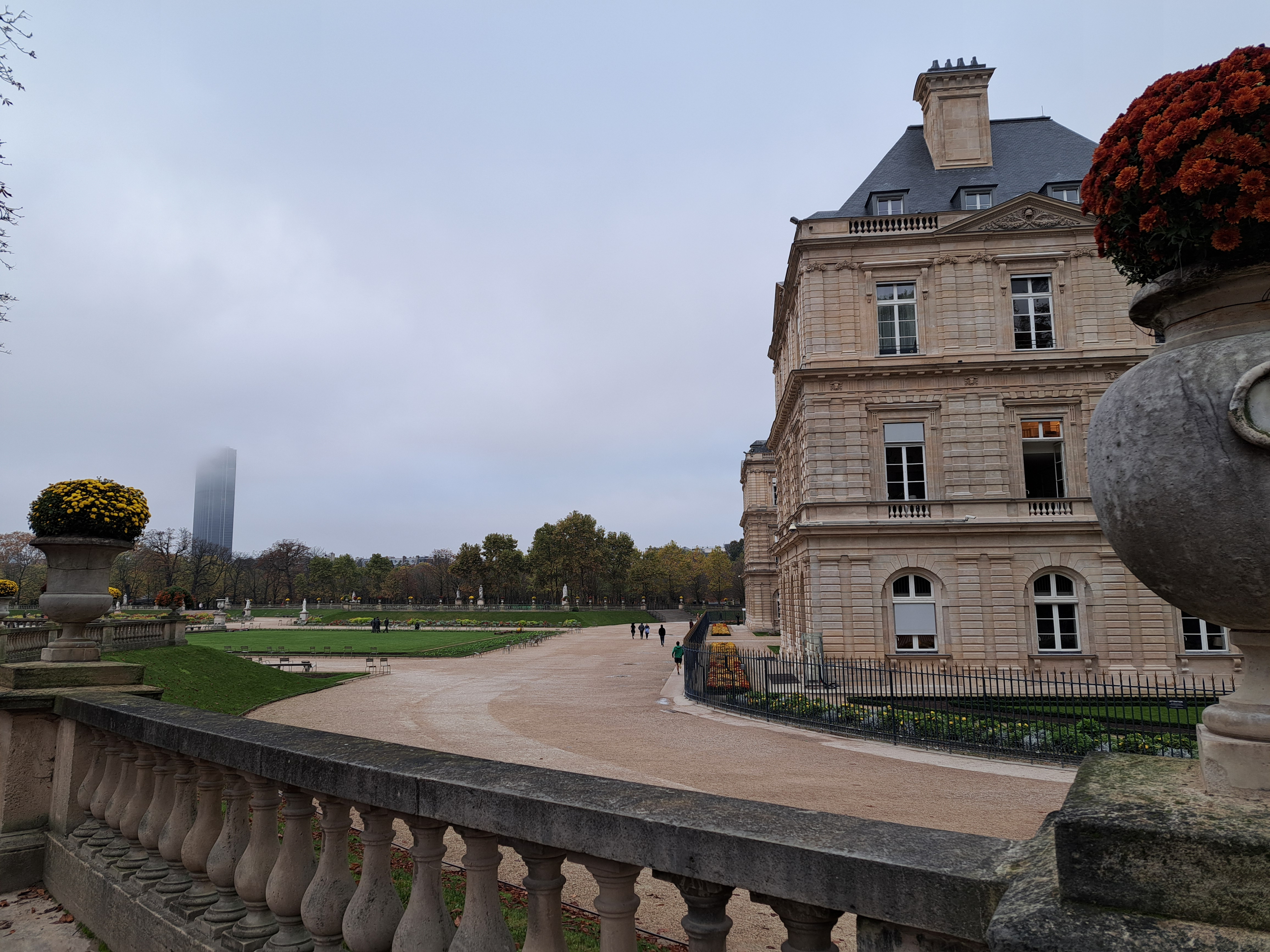
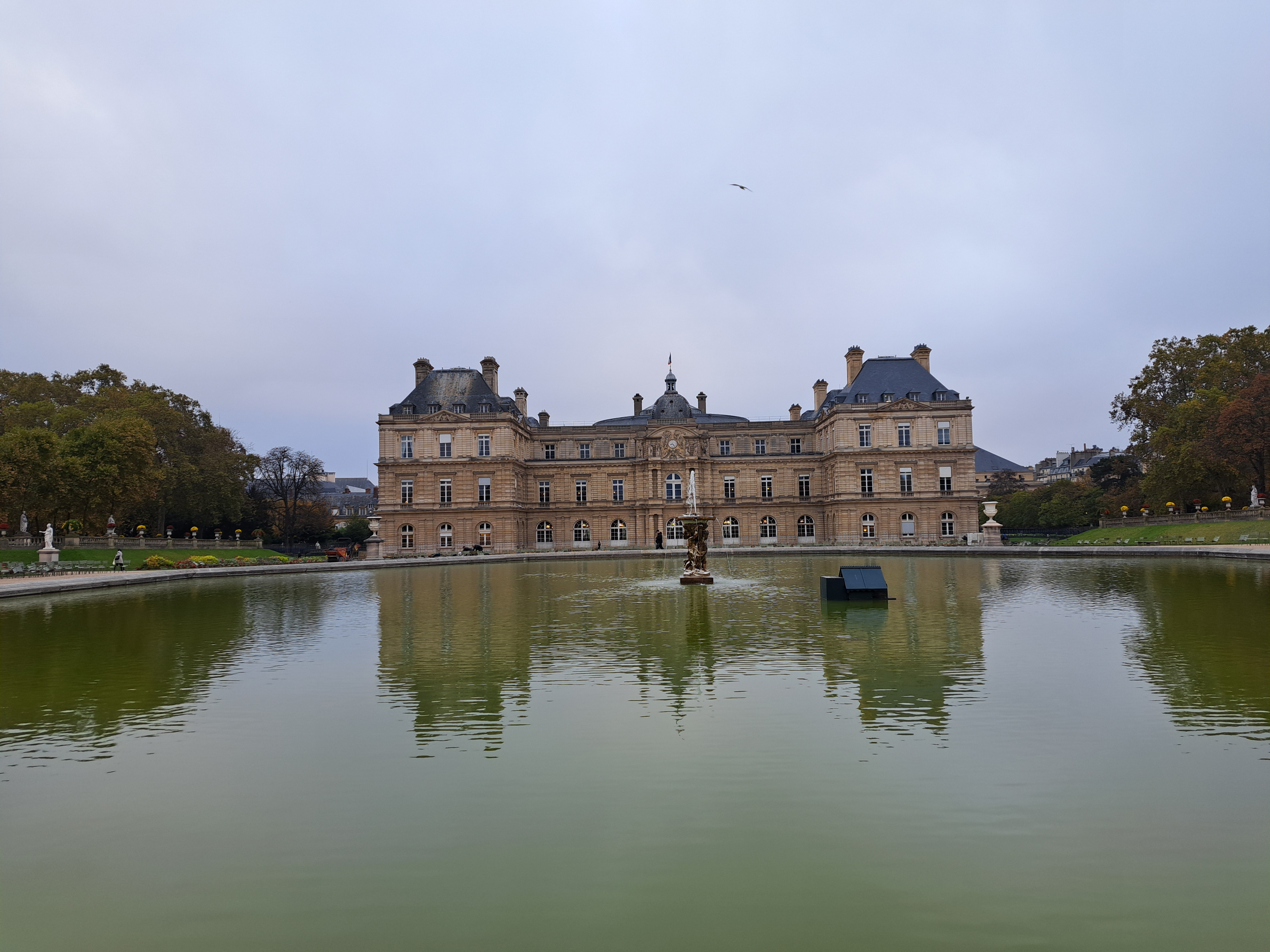
Above, Queen Matilda of Flanders, who is of an older generation and different from the Empress Maud of the Anarchy so well chronicled in the Cadfael series. Interesting, the succession challenges that even a royal system can bring. Human ego, I guess, eh? Last shots from my stroll around the Jardins du Luxembourg, final morning in Paris before heading off to Zermatt last October.
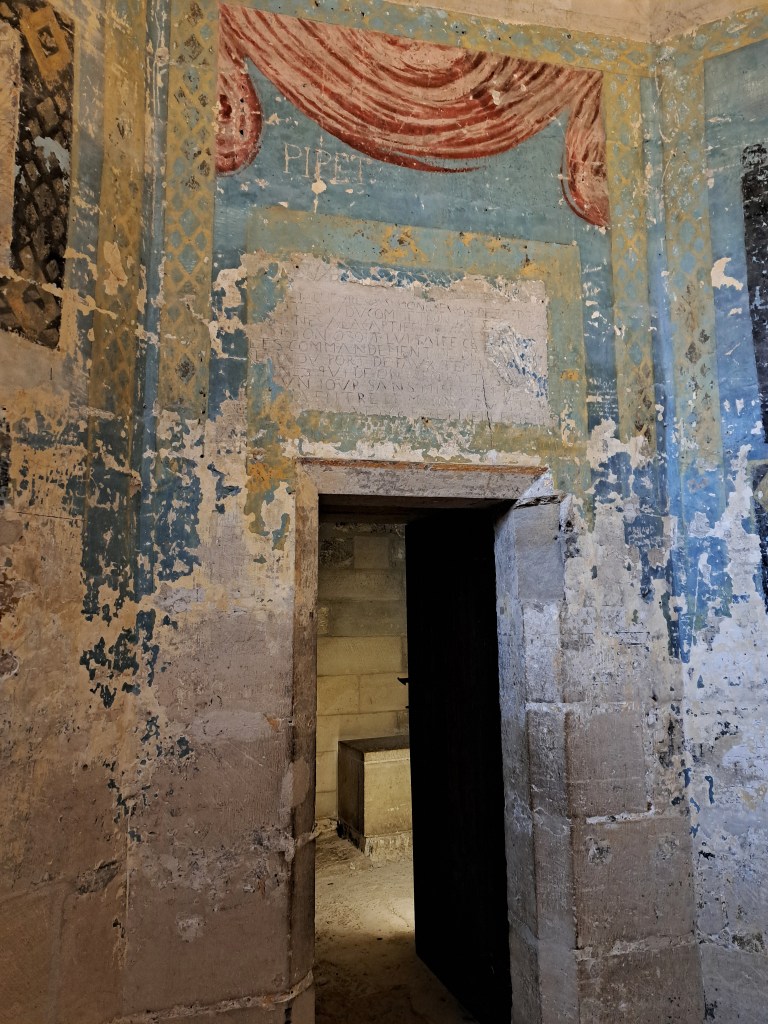
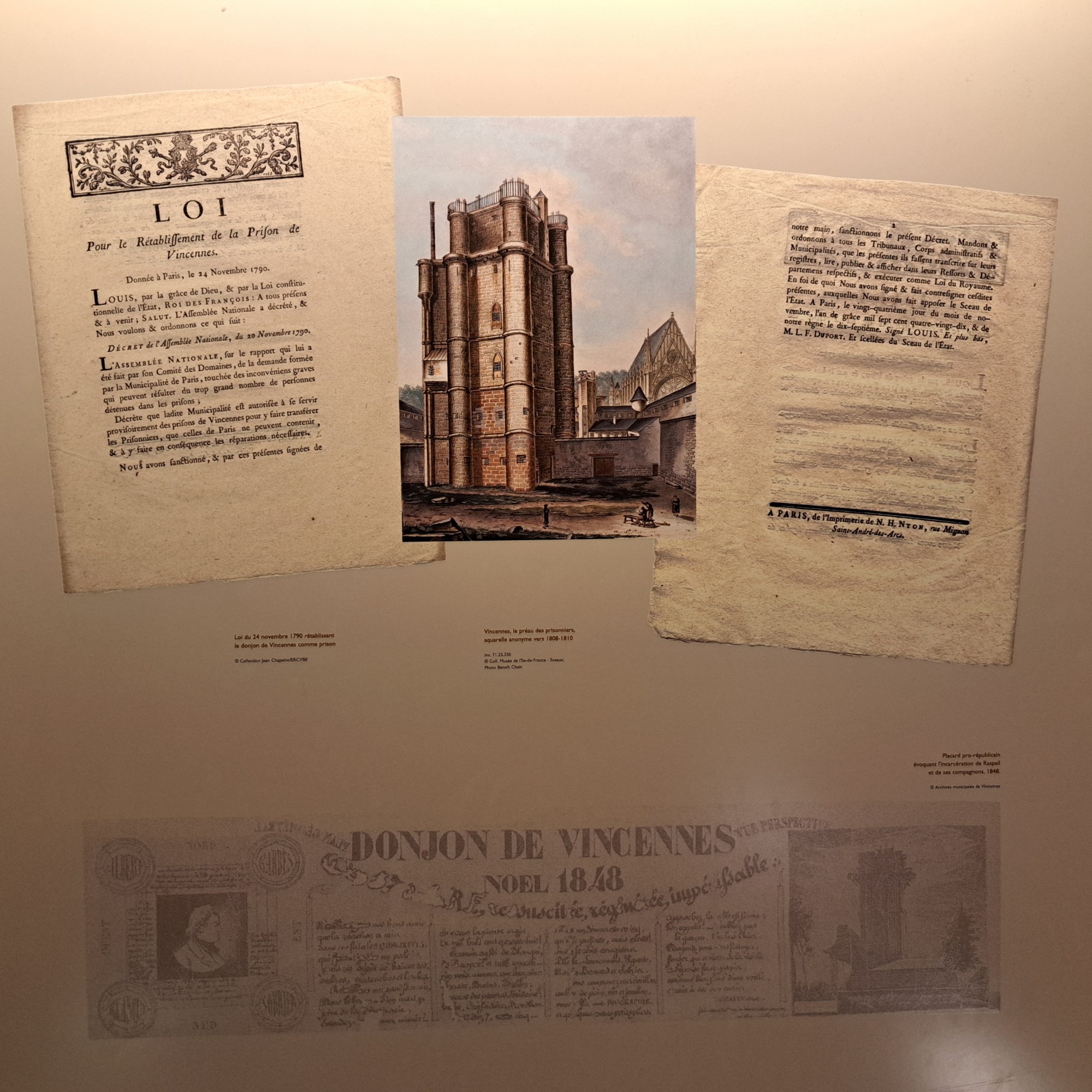
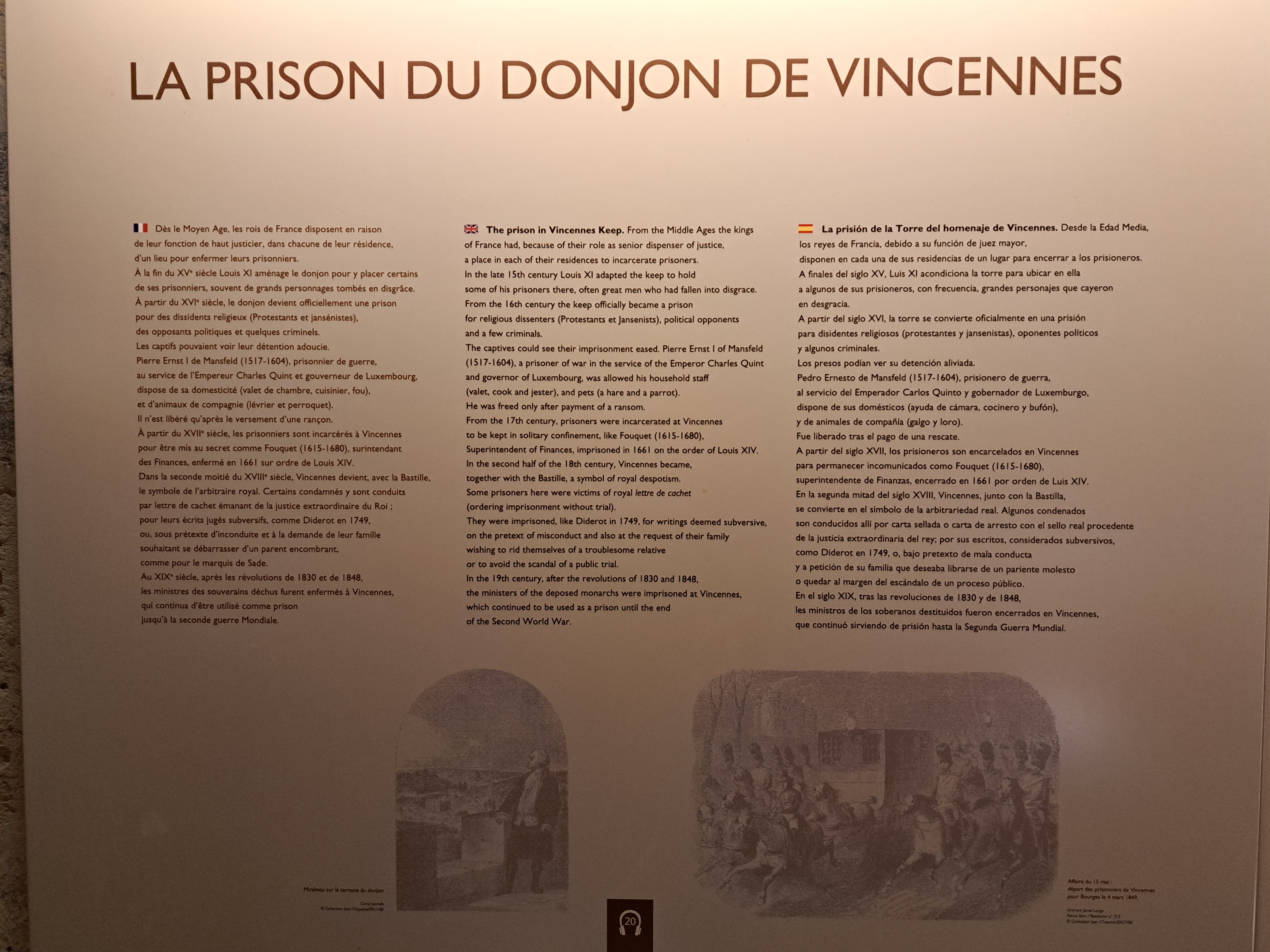
In this entry, royal dungeons from the oldest portion of the keep at the Chateau de Vincennes — since, as the tour notes below indicate, when one has a hereditary absolute ruler who is thus also the final arbiter of justice, that hereditary absolute ruler must have a dungeon in which to lock up those whom he deems out of line with the laws that he created. This particular dungeon saw some famous prisoners such as the Marquis de Sade during that highly unstable first French revolution, when France went in the course of about 15 years from absolute monarchy to various phases of pretty vindictive and murderous republic, back to empire once Napoleon decided he like the absolute-monarchy idea after all, then finally after Waterloo (nope, not just an Abba song) back to the house of Bourbon with the “Bourbon Restoration,” for its own last hereditary-royalty hurrah prior to the various other revolutions, empires and republics that tried to govern France over the course of the 1800’s. France is a repository of so many lessons on how to do or not do governance, should once choose to study it or even, crazy notion, learn from it and apply lessons :-).
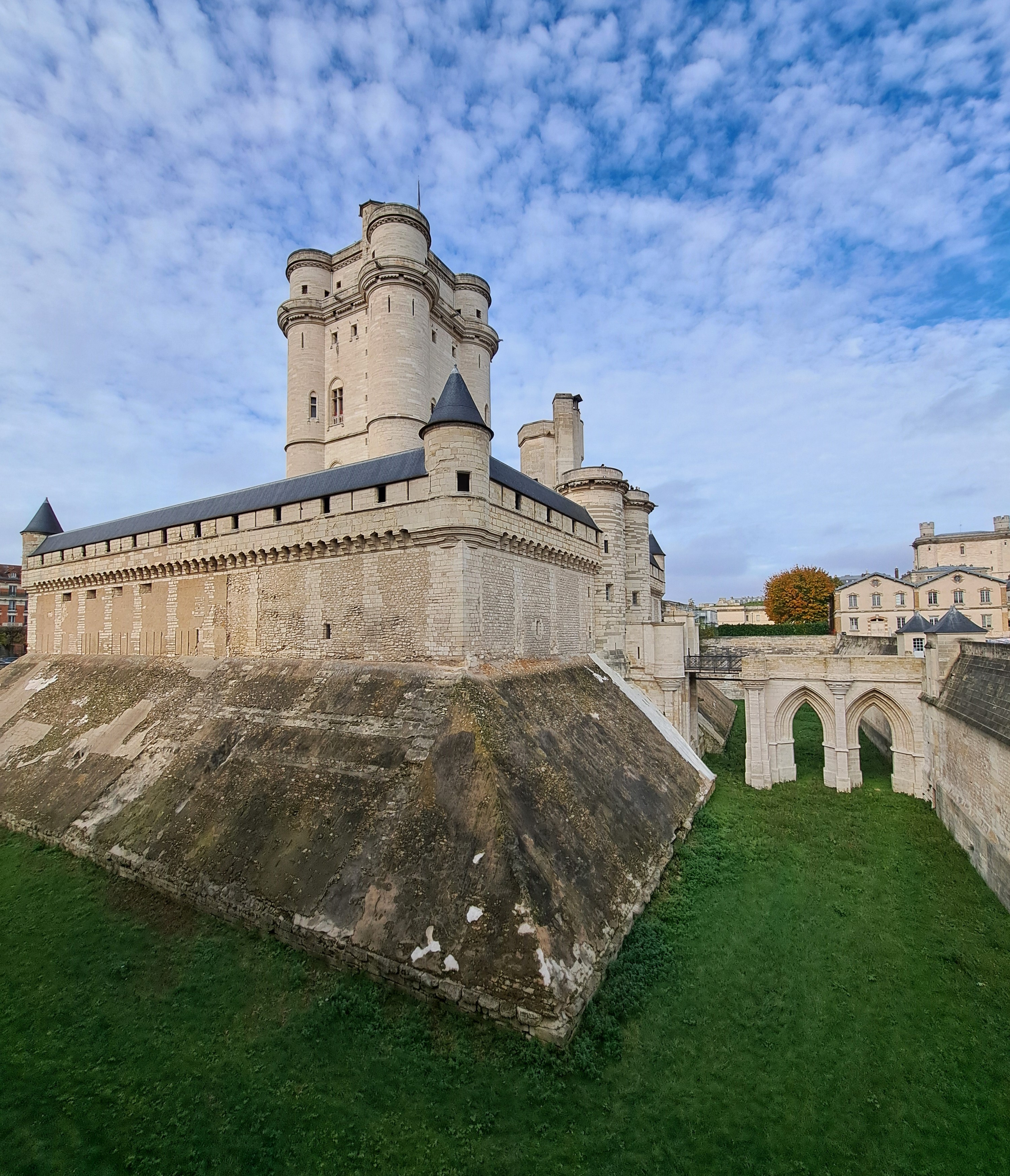
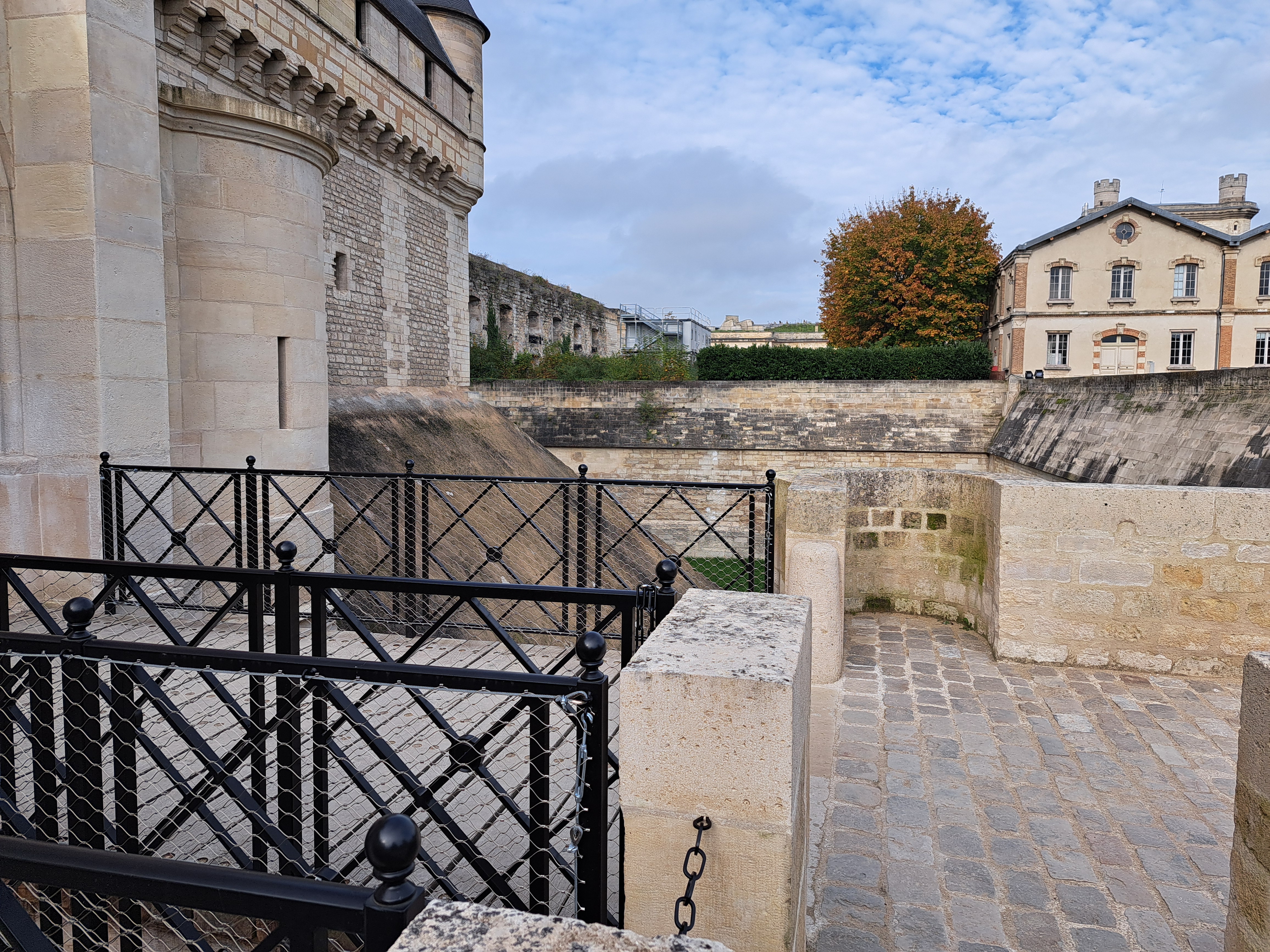
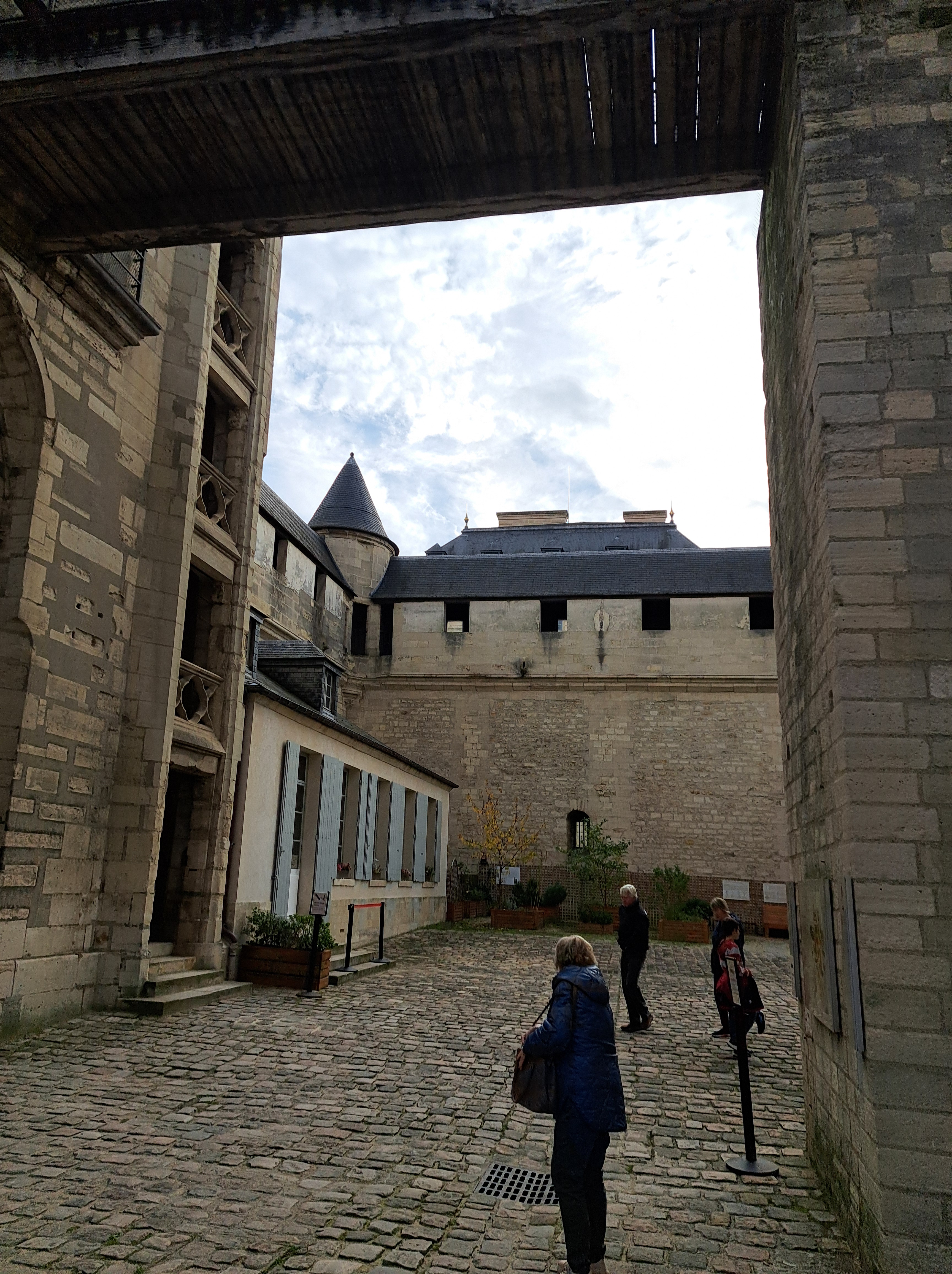
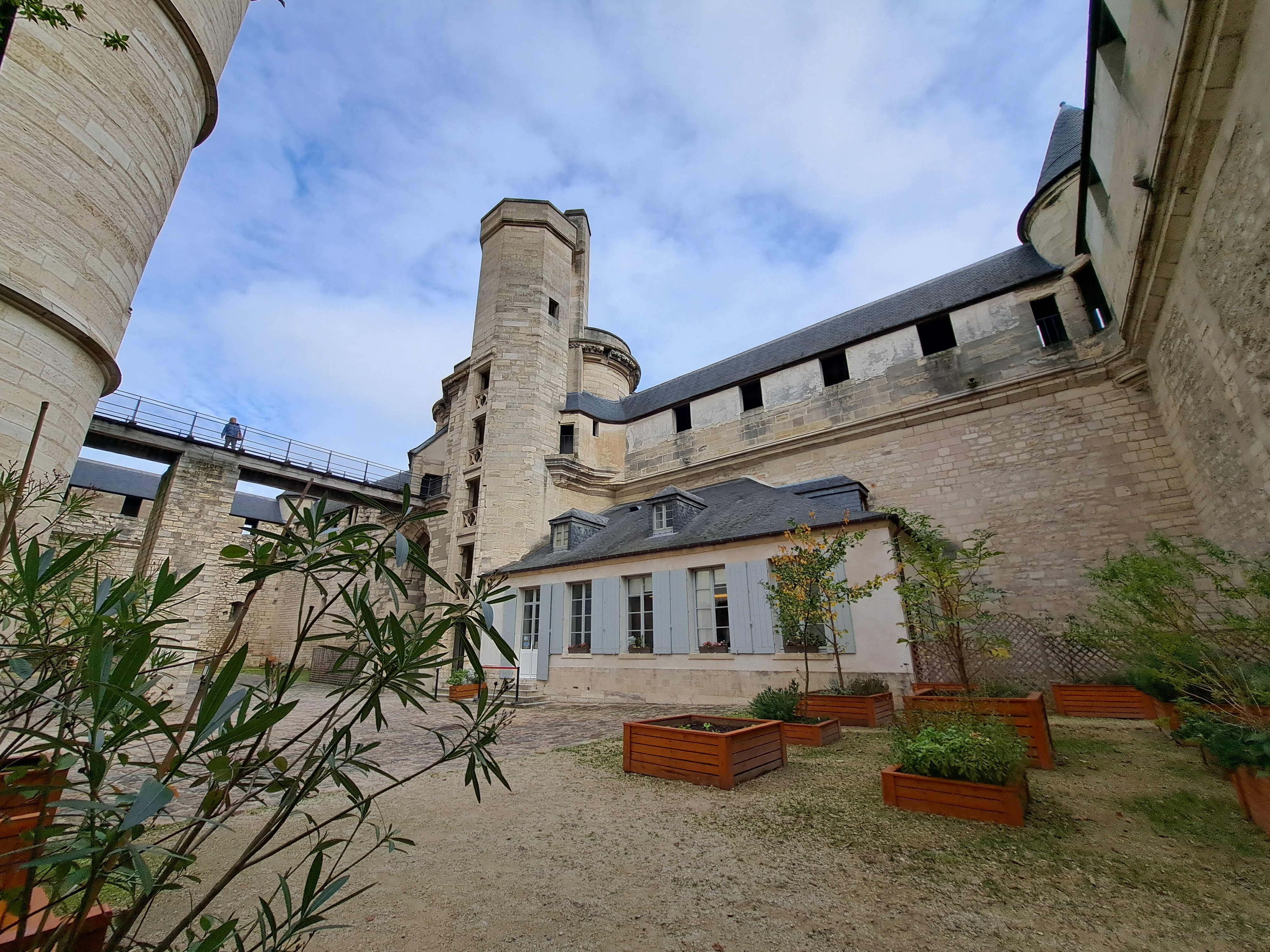
And we’ll wrap up this week of bridges with two posts from Paris, where we began it all. This one’s all from Chateau de Vincennes. Its 700-year-old keep (above, with protective drawbridge) was built here well outside the city limits, at a time when France’s kings were feeling a bit vulnerable after a capture by the English and some demonstrations by angry peasants – most likely about the tendency of France’s wealthy dictatorial hereditary rulers’ tendency to underestimate the difficulty average people faced in feeding their families – near their city palaces.
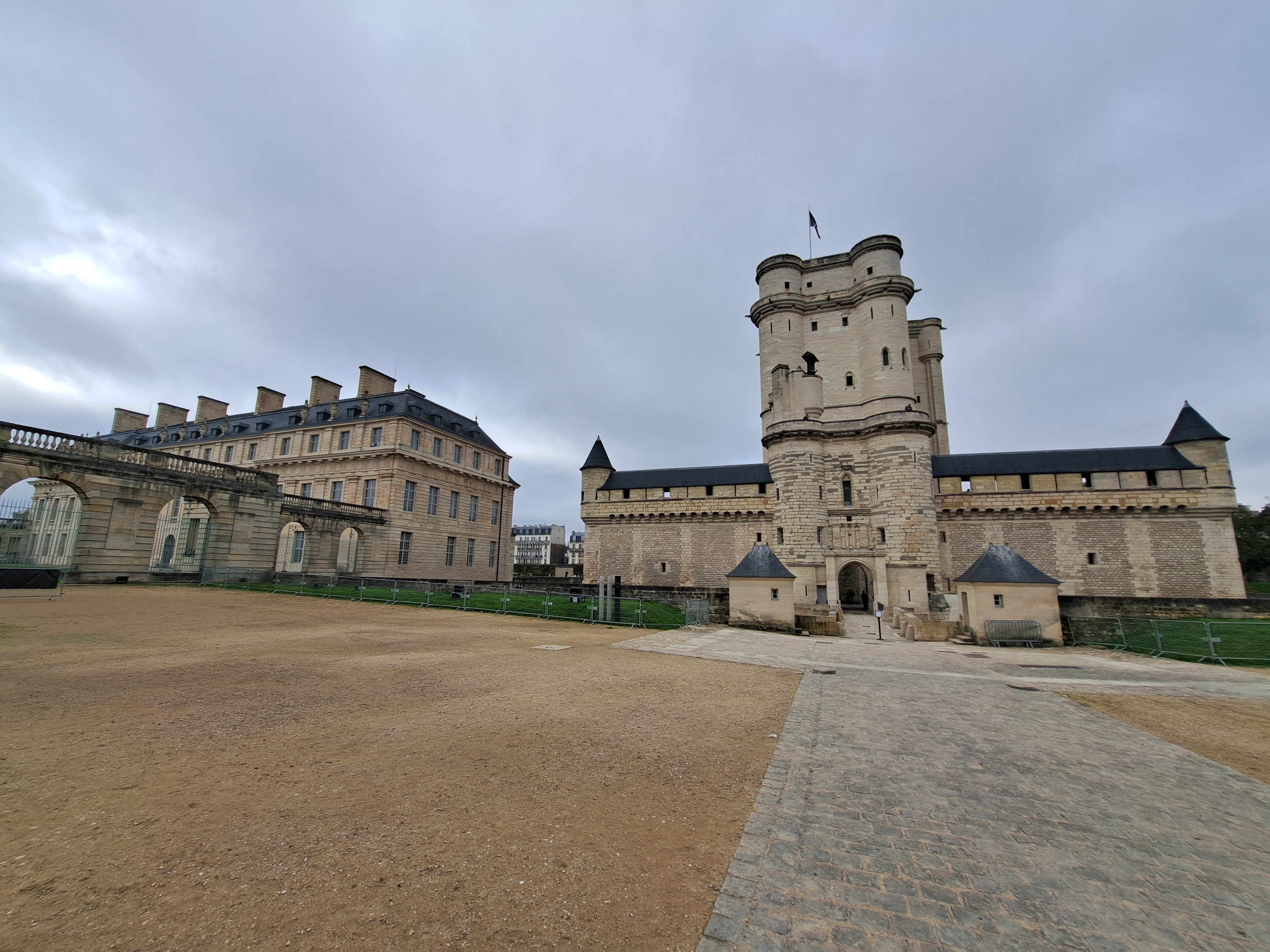
First of several posts we’ll share from the Chateau de Vincennes, abutting Bois de Vincennes to the east of Paris. What you see here is the keep in the foreground – completed in the 1300s under Charles V, when French kings were feeling vulnerable after one of them had been captured by the English, and others made uncomfortable by public demonstrations and protests too close for comfort to their palace in the heart of the city. In the background you see parts of the Sainte-Chapelle de Vincennes, completed in the 1500s under Henri II but begun under Charles V in the 1300s. Lots of interruptions due to wars, money troubles and even a brief occupation by the English Henry V after his troops won the battle of Agincourt – and in fact it seems he died here at Vincennes, another “who knew” moment. Below you see some of the classical palaces built later: more on that later :-).
Place de la République gained its current name in 1879, nine years into the third French republic. The 3rd republic, in case you want to keep track, replaced the Second Empire, which had been founded by a descendant of Napoleon. Boney had himself launched the first empire when he decided he was emperor after all and all this “republic” business was too much of an impediment to his ambitions. But back to the square you see above: It gained its current form as a lovely pedestrian zone after a promise made during the mayoral campaign of 2008. Indeed, Paris has become far more bike and pedestrian friendly than it was when I spent more time there between 2005 and 2008.
Hence my walk noted in the previous post: all the photos I’m showing you in this post are from that walk. The column you see in the gallery below is on the Place de la Bastille. The place (square) is named after that infamous prison whose storming began the real (first) French revolution. But the column actually commemorates the July (second) Revolution in 1830. That revolution’s outcome was that an unpopular Bourbon King was removed from office with head still on neck, and sent over to England for a merry golden parachute retirement. He was then replaced by a cousin from the non-patrilineal Orleans rather than Bourbon branch. Said cousin and his branch of royals seemed more popular at the time. They ruled in this second iteration of “constitutional monarchy” – often called the July Monarchy, it seems – until they grew unpopular enough to spark the 1848 (third) revolution, which ushered in the second republic. (The first republic was most of the 15 years from the storming of the Bastille and arrest + beheading of the King & Queen and very, very many more, until Boney declared himself emperor in 1804.)
Keeping up with it all, so far? (They’re currently on the fifth, just to be clear. Governance has never been easy, anywhere, let’s be realistic about this fact even if politicians often aren’t…)










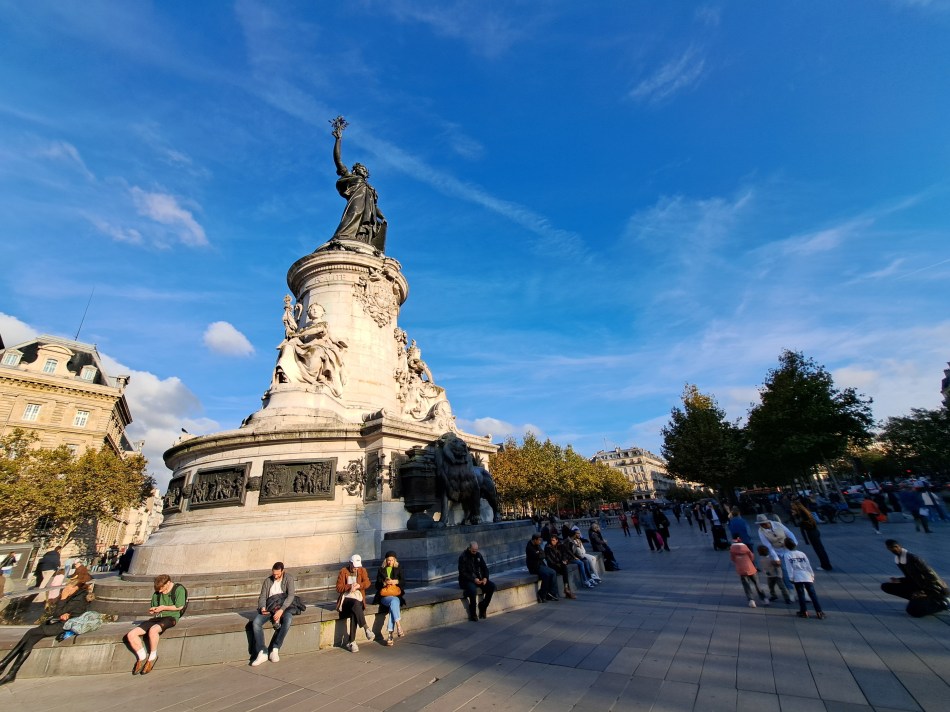 Place de la République gained its current name in 1879, nine years into the third French republic. The 3rd republic, in case you want to keep track, replaced the Second Empire, which had been founded by a descendant of Napoleon. Boney had himself launched the first empire when he decided he was emperor after all and all this “republic” business was too much of an impediment to his ambitions. But back to the square you see above: It gained its current form as a lovely pedestrian zone after a promise made during the mayoral campaign of 2008. Indeed, Paris has become far more bike and pedestrian friendly than it was when I spent more time there between 2005 and 2008.


 (so much world, so little time....)