Marvelous Memories of Manipur

 so much world, so little time has finally managed to sort the hundreds of photos that accumulated during my last months in Manipur and my weeks of travel in northern Europe after I left India. You’ll note that we’ve also settled on a new blog site – something we’ve felt needed doing since our last posts from India, showing the sights and scenes of my lovely vacation in Kerala. Why, you ask? My old site, paulbrockmann.blogspot.com, had introduced a new photo editor which made it impossible for more than one or two photo-heavy posts like mine to appear on the main page. They didn’t even offer me any choices, as the current host does, about paying for upgrades to allow a heavier front page…they just changed it and – shazam – many of you were suddenly unable to understand, for example, that I posted four different ‘stories’ or entries about Kerala. In the 5-1/2 years I posted at blogspot, I’d developed a certain style and many of you had gotten used to it. I know who most of my readers are because you’re mostly my friends, family & colleagues from around the world. I hope you’ll feel the current site allows you a better overview of what I’ve been doing than the old site under its new posting rules. All of the old posts, from February 2005 on, have been imported here – but honestly, they show up better there if you can take the time to click on the individual link for each one, because the wordpress importer shrank all the photos. I’m also going to have to figure out a way to show an ‘archive’ column on the left or right of my main page, so it’s easier to navigate to the past entries. But for now, I wanted to show you some of these lovely memories of my nine months in Manipur, along with – lower down – some visual highlights from my weeks exploring new parts of northern Europe.
My style has necessarily changed with this new blog: many of the photos appear far larger than they ever did before; to balance that, many of the other images will appear in gallery format so it doesn’t take so much time to load and scan through the pages. In all cases, you can click on a photo to see a full-size version, or its name. Some of the names will tell you something, many are more for my information than the general public’s. Please give me feedback: what you do and don’t like about the posts, the text, the new host, the photos, the design, my current hair style, you name it. Write on my own address, if you want, or leave a comment here – which is pretty easy to do, I think. (Guess I’ll find out, huh?) Above all, I hope you enjoy these peeks of where I’ve been and what I’ve been doing since January.

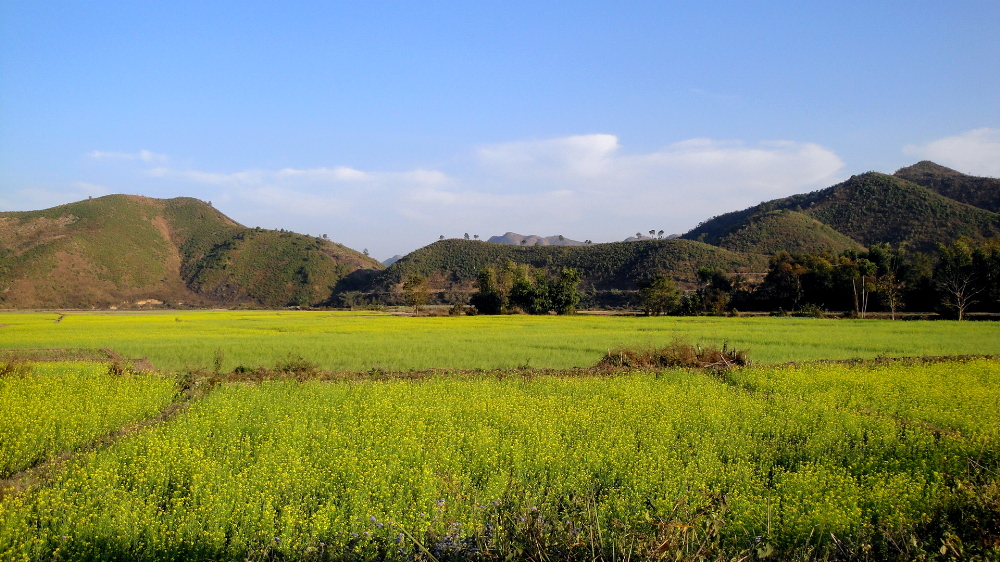

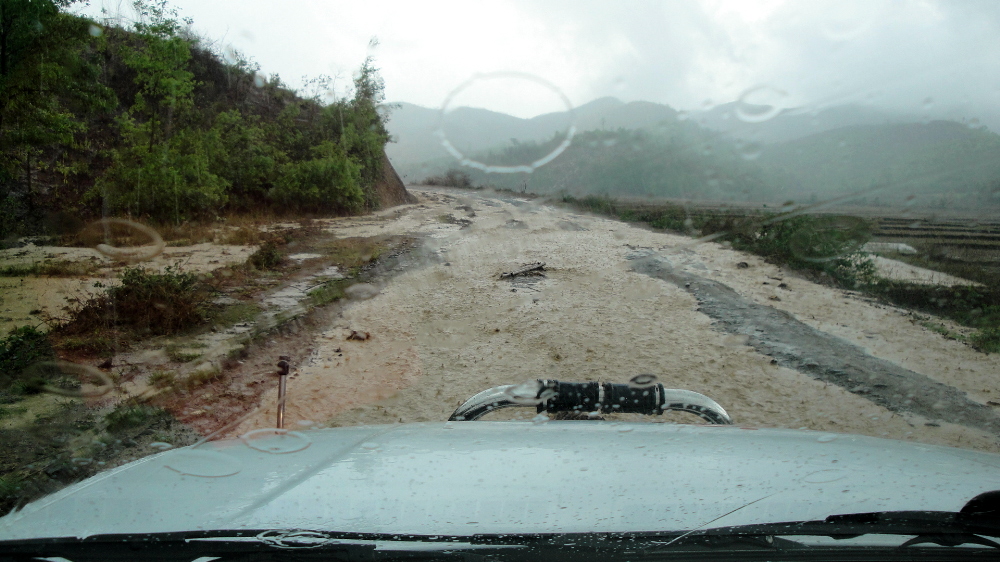
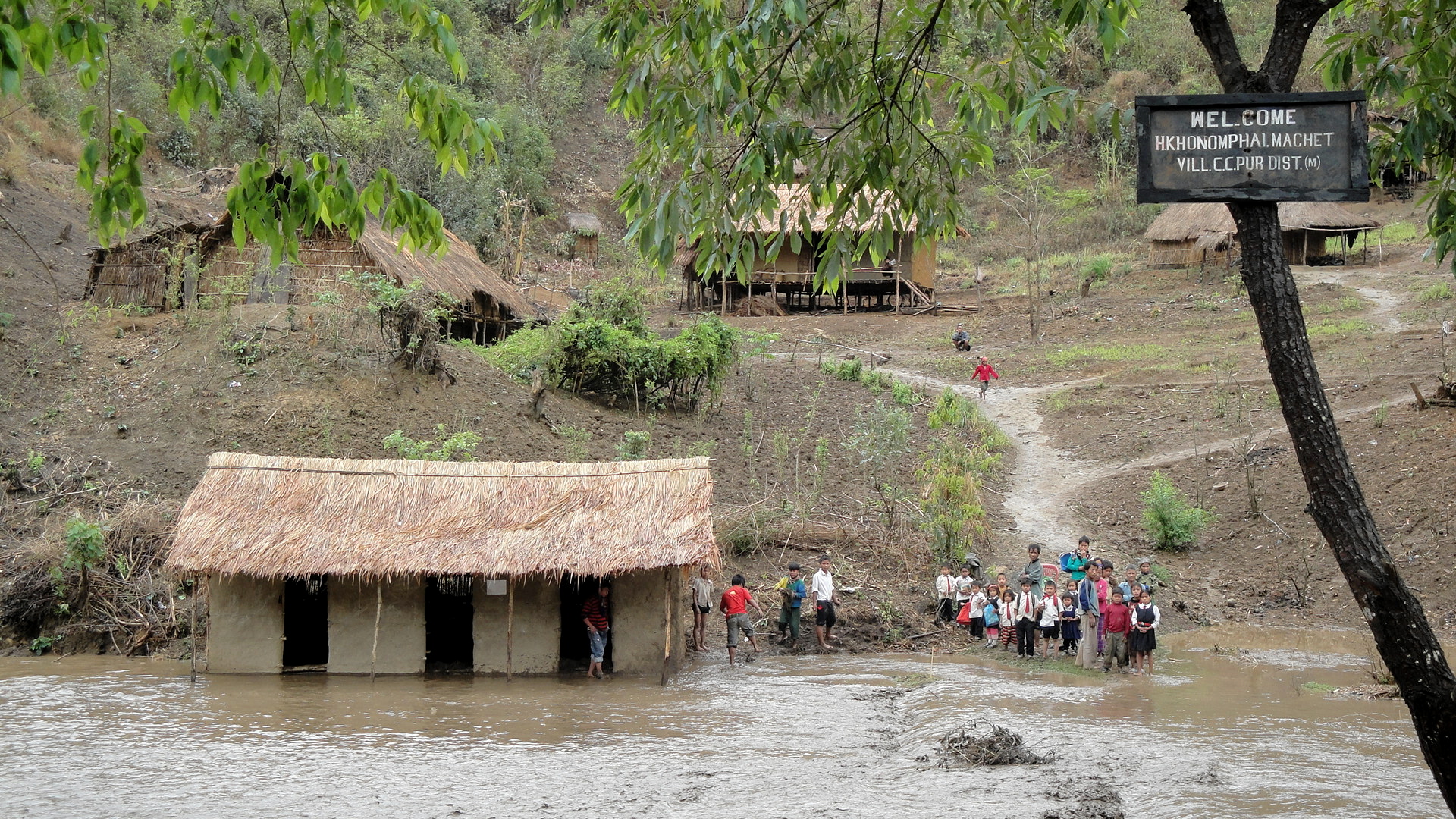
Coming back one day on the road between Sugnu and Tuining, the skies just opened up – hail, massive rain, rivers in the roads. Below is a school being evacuated after the creek by which it sits got a bit too big for its banks from the same storm – the shot below was taken about 10km and 30 minutes down the road after the shot above.
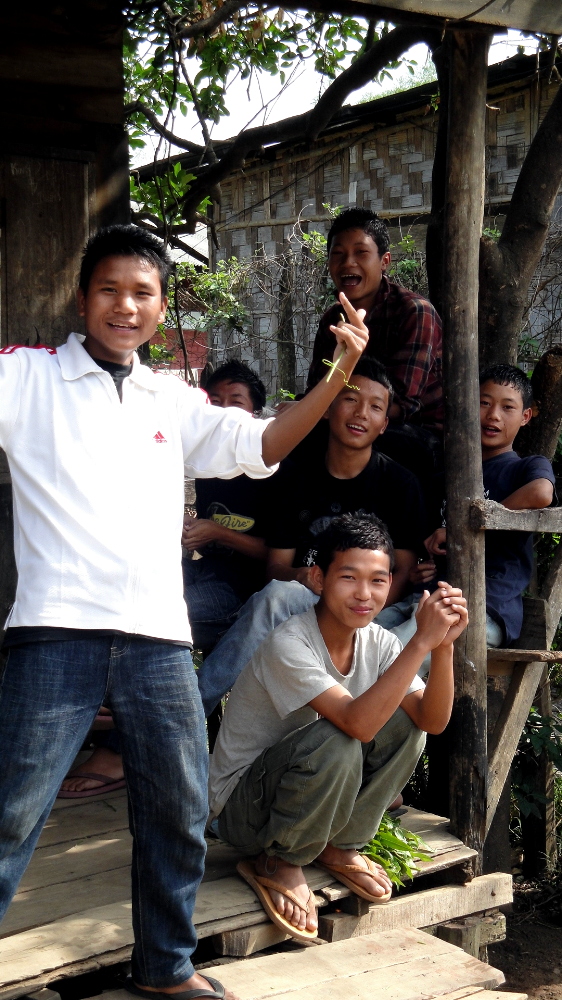
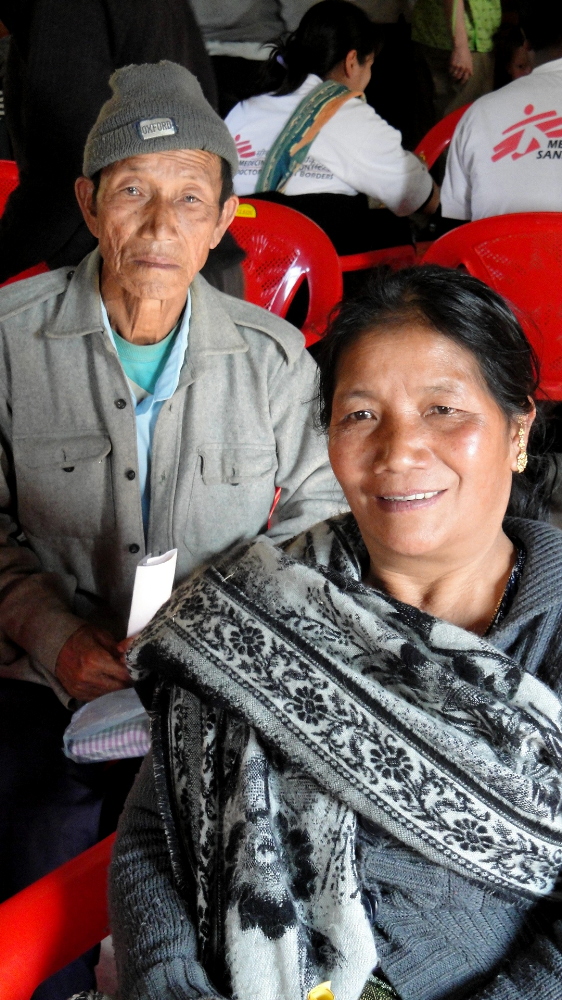
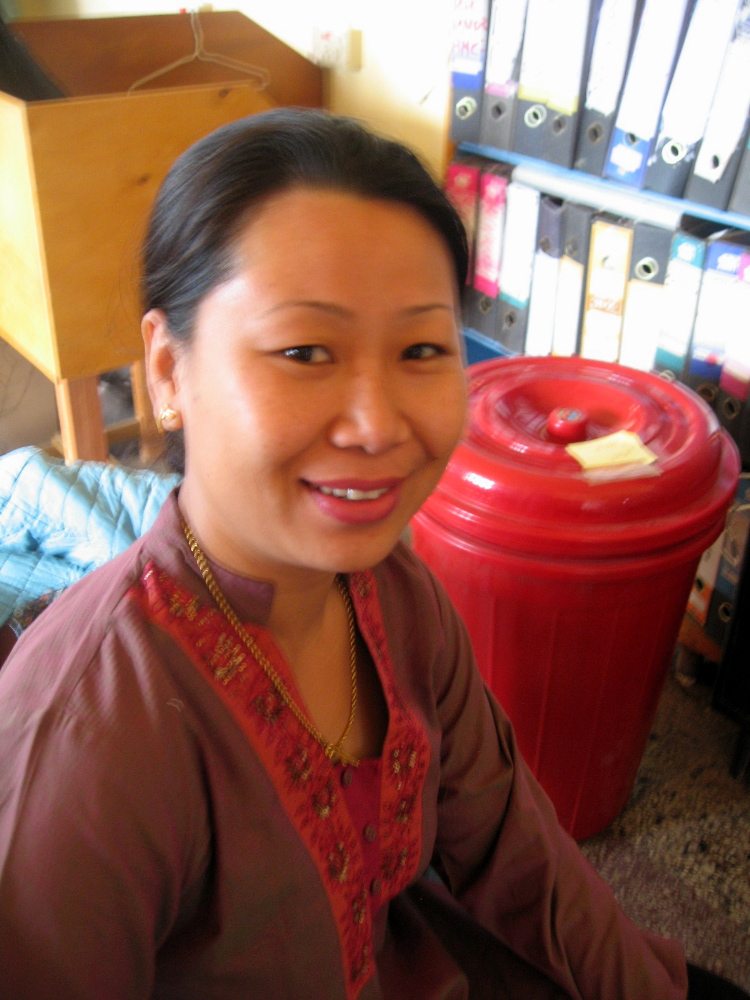
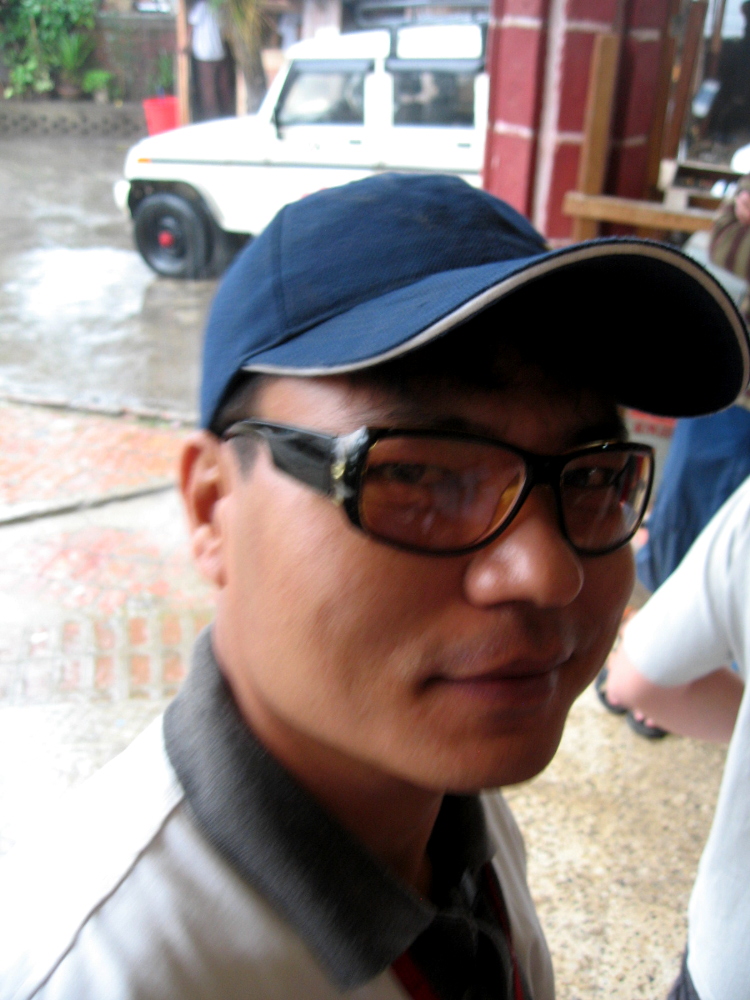
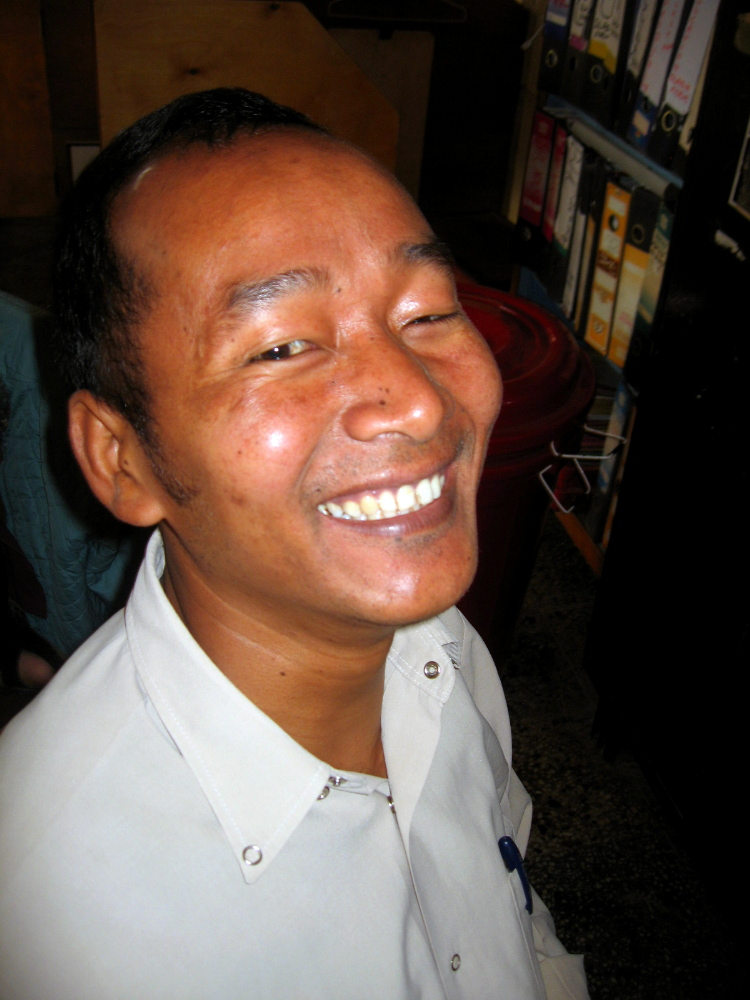
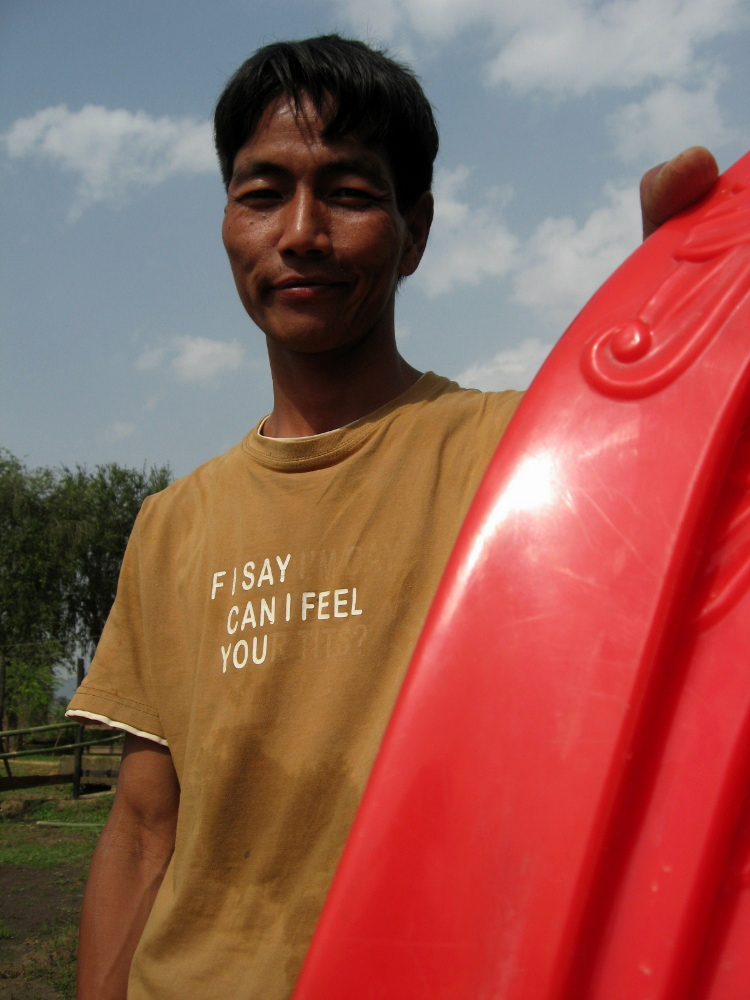
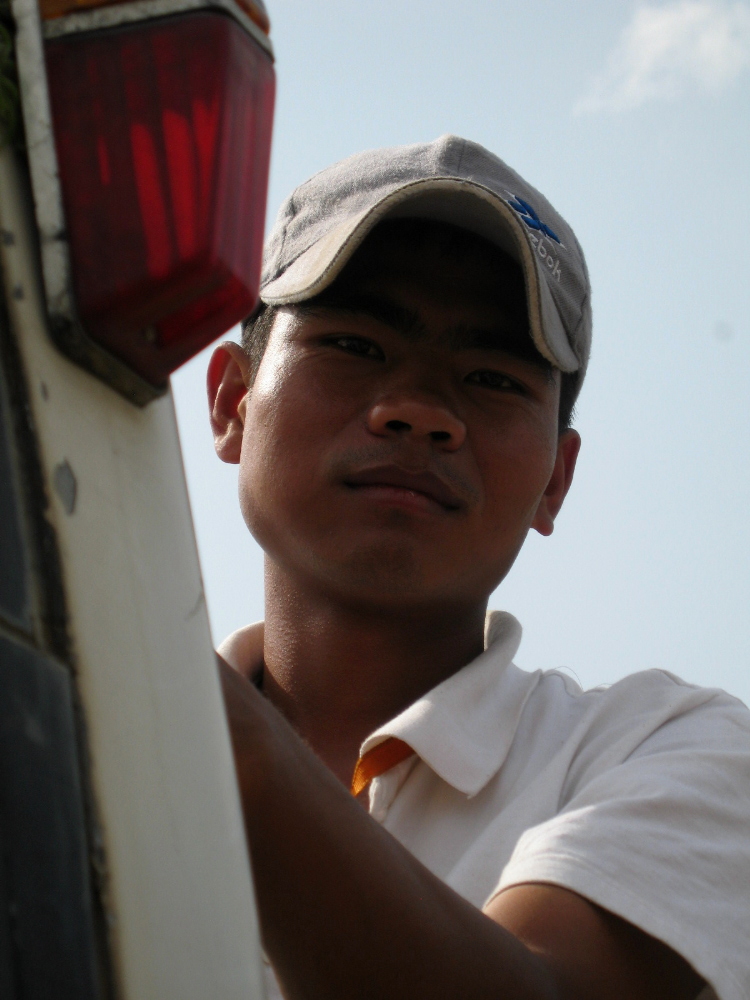
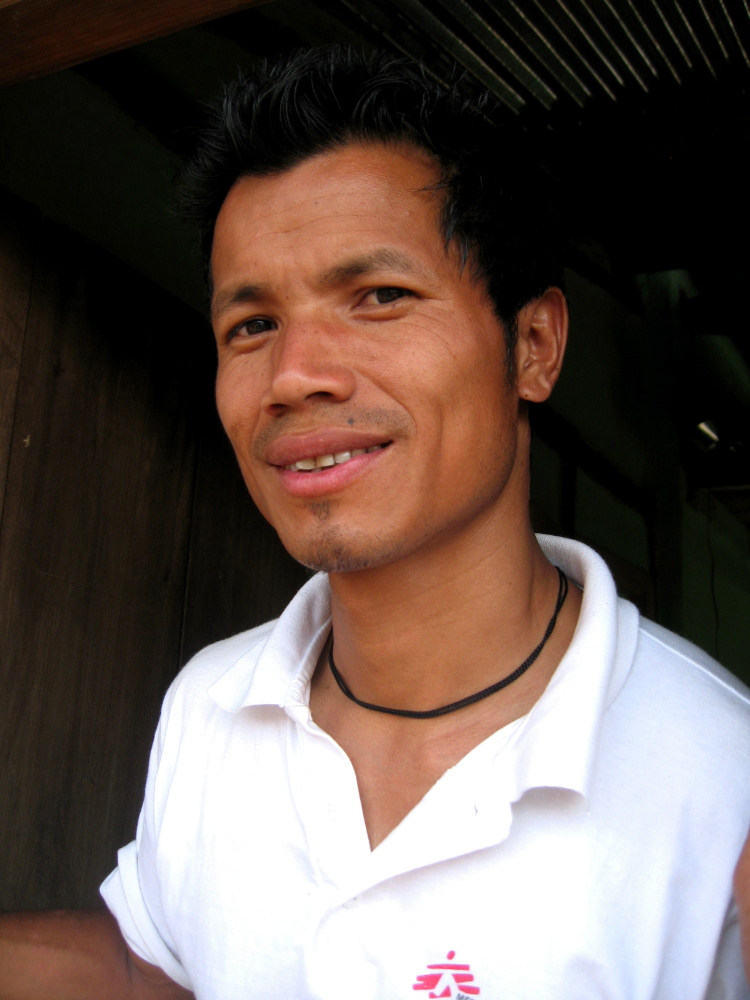
 Though I left Manipur nearly three months ago (!!) and have been back in the US nearly two months, somehow I simply haven’t gotten to sorting these photos, settling on a new blog host, and deciding what and how to show you all. Believe it or not, I’ve eliminated well over half the photos from posting. I’m afraid that I’m still asking you to look at a LOT of photos, but I find Manipur, its people and places, so endlessly photogenic and interesting. If you’ve followed so much world, so little time for while, then you know I have a basic rule that this blog is about my experiences as a person and not really about the work I do in the places I go with MSF. However, in the case of these photos I’ve decided to include more photos taken on the job, or taken of me at the job, than I normally would. I’m also including, farther down, a whole gallery of faces of colleagues, friends and patients from Manipur. I hope these people don’t mind appearing here, and I hope they and readers all understand that I do this as tribute and thanks to the people, places and communities that have left strong impressions and lasting memories with me. Spending a year in Manipur, I hope, helped me learn more humility: the face of MSF that donor countries normally see is the ‘expatriate,’ best known in the US from characters on the TV shows Will & Grace or ER that do similar work. But in Manipur, perhaps even more than in most MSF projects, it’s really our locally-hired national staff who make possible the work we do. In a region with so many different languages and histories, none of us international staff would get much of anywhere in terms of productive work without relying very heavily on the local ‘national’ staff who are really the backbone of most MSF projects. I’ll have, further down, some shots that are fairly obviously work related; but throughout this section I hope you’ll enjoy the people and scenes of Manipur where I think MSF is doing such good work.
As I write this I’m in a lovely vacation rental in Provincetown, at the tip of Cape Cod. Even here, various folks I’ve chatted with talk with pride of how they support MSF. And well they should be proud — it’s the small donors who make it possible for us to work in places like Manipur. Ask yourself if you’d ever heard of Manipur before I went to work there; and ask yourself how Manipur ranks in the donor-awareness of most citizens of the world compared to, say, Haiti. Haiti certainly has great needs – and indeed MSF has been and remains heavily engaged there both pre- and post-January 2010. But it’s the millions of private donors around the world who allow MSF to look at a small isolated place like Manipur, and decide to try to respond to some unmet medical needs there in a way that both preserves life and restores dignity, and hopefully also helps support the government’s own provision of longer-term solutions than we alone can provide. It’s my strong belief that MSF and all our colleagues and donors should be proud of the work we do in Manipur. I’m off my high-horse – enjoy the pics.

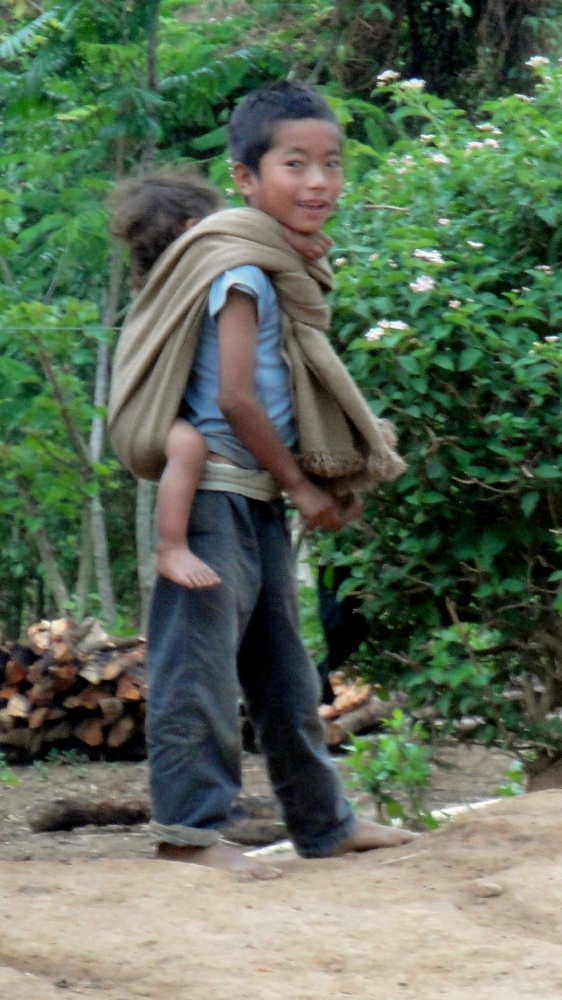
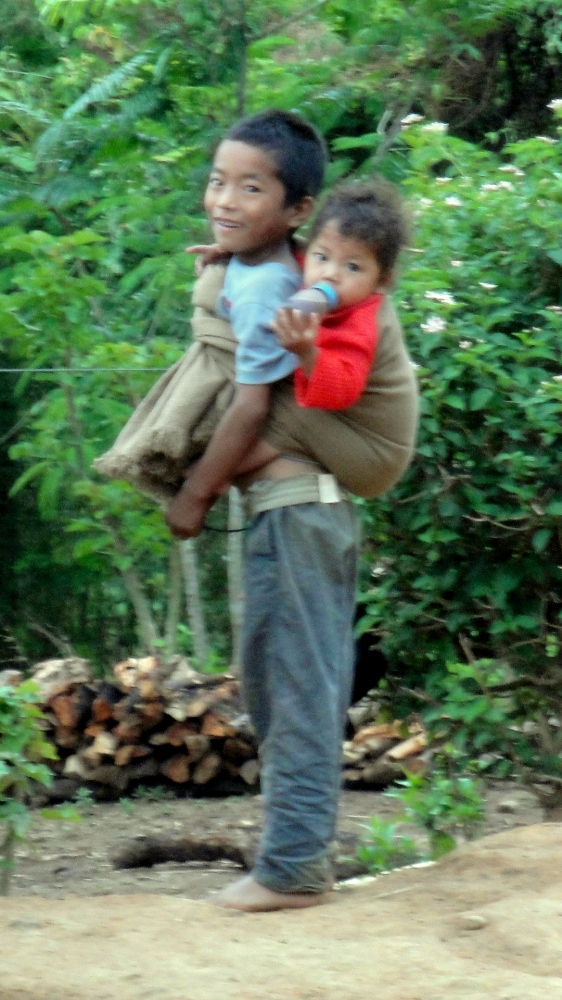
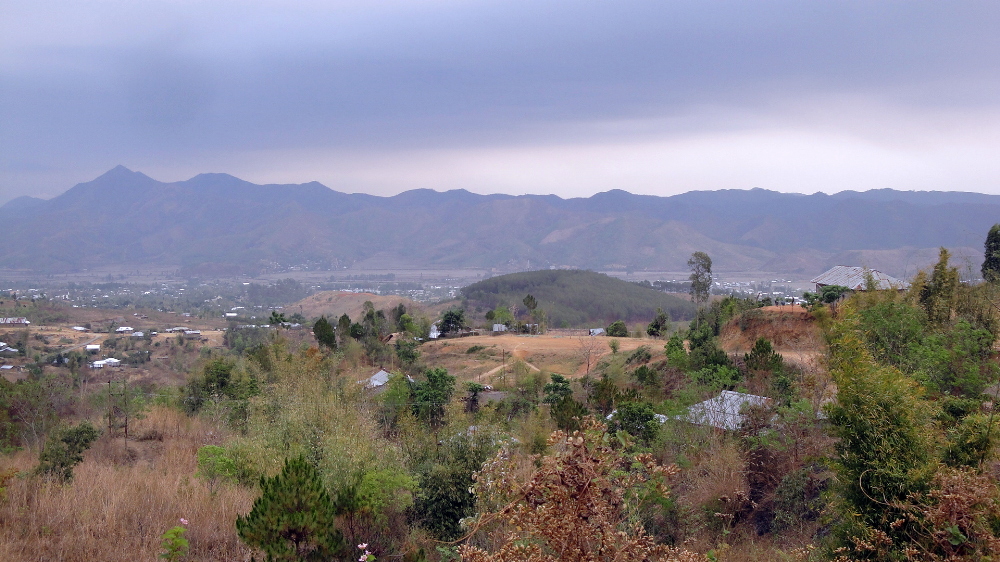
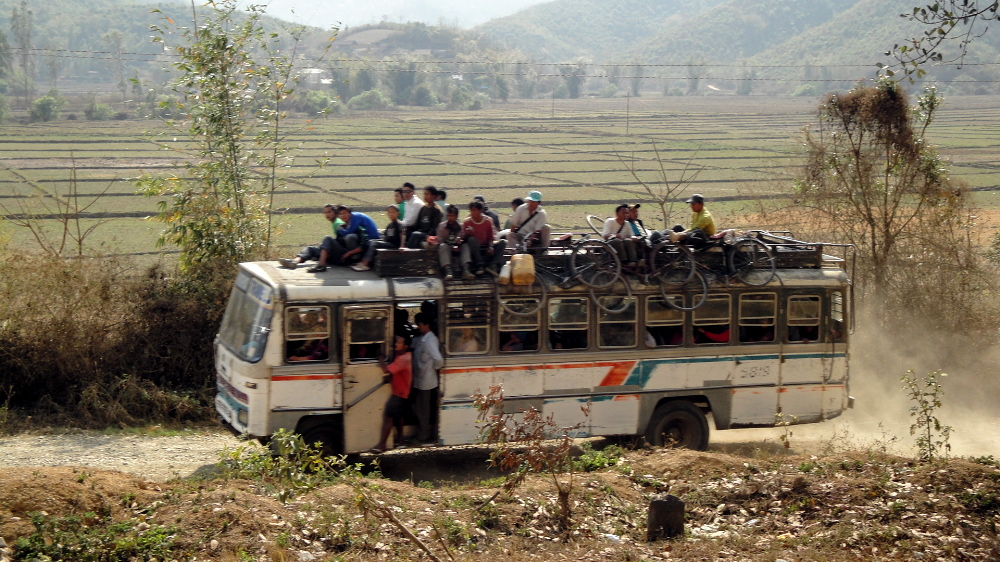


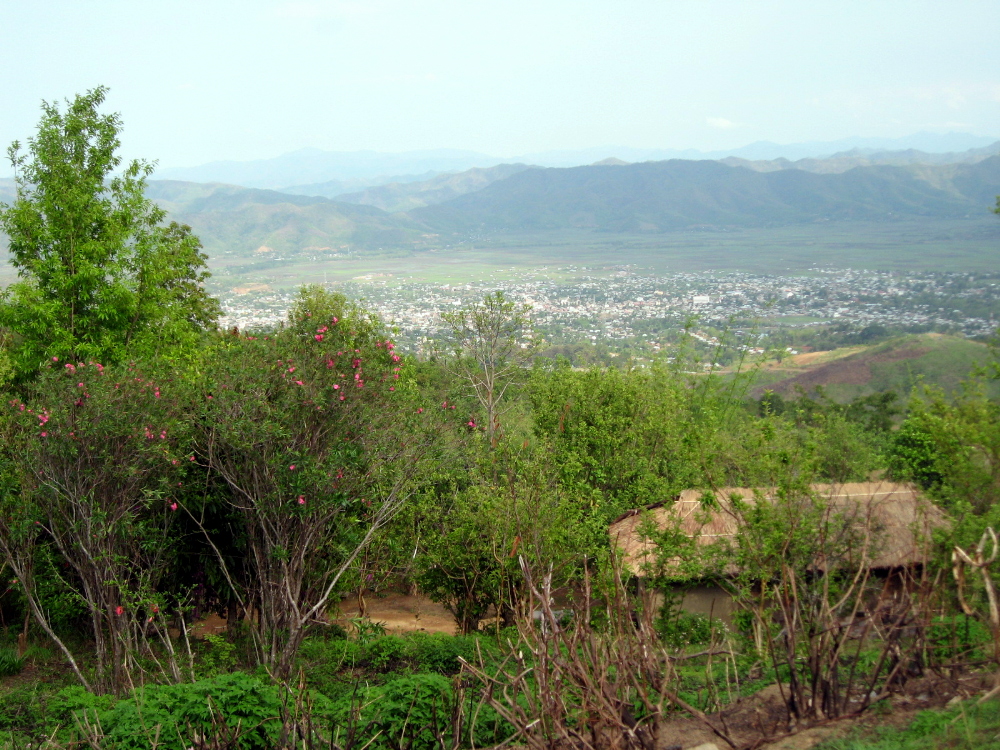
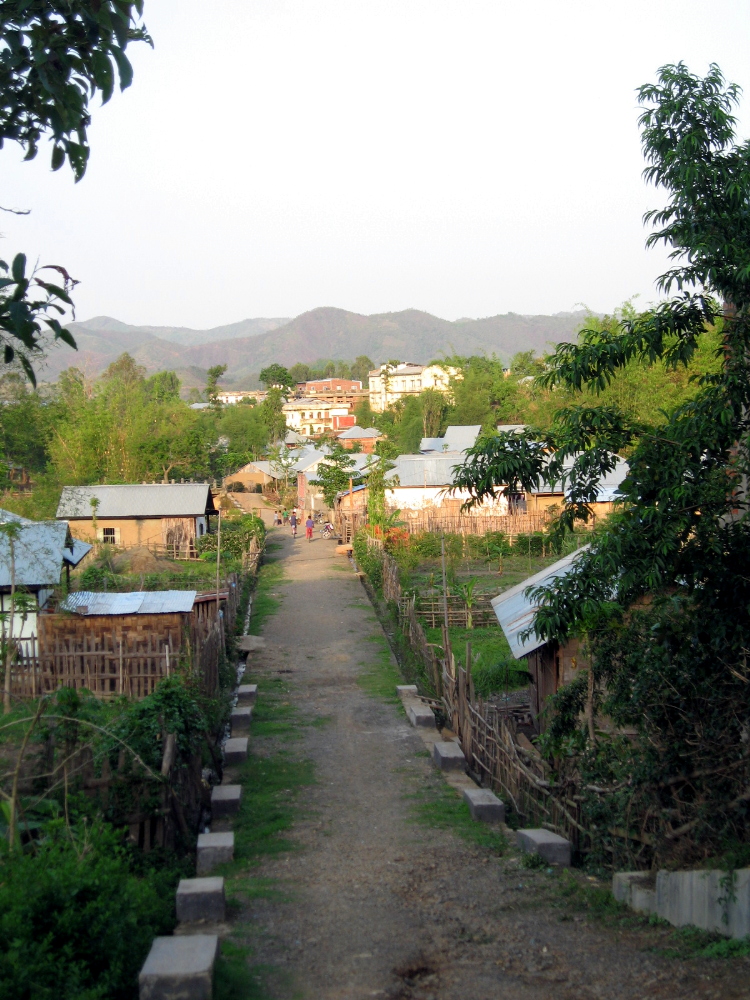
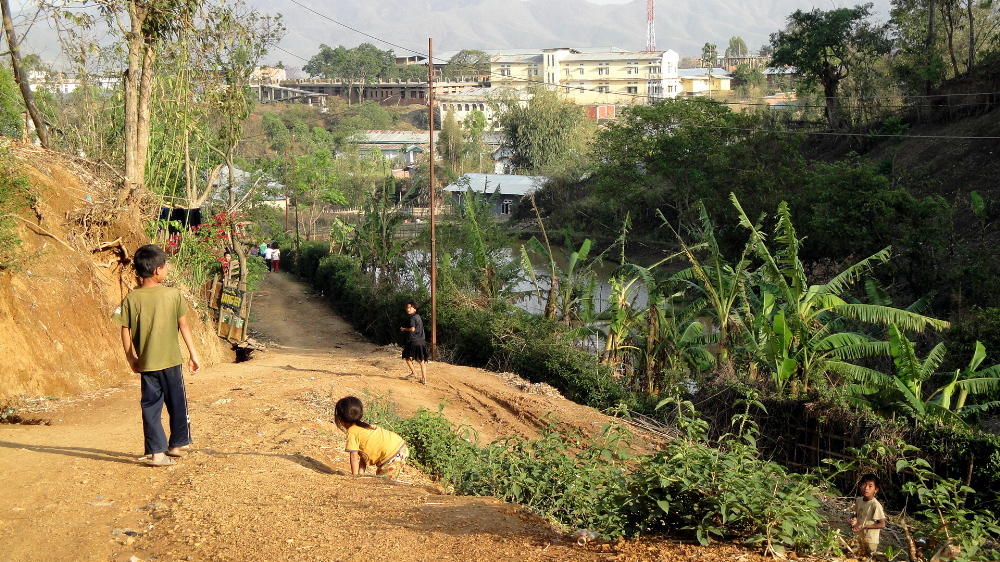
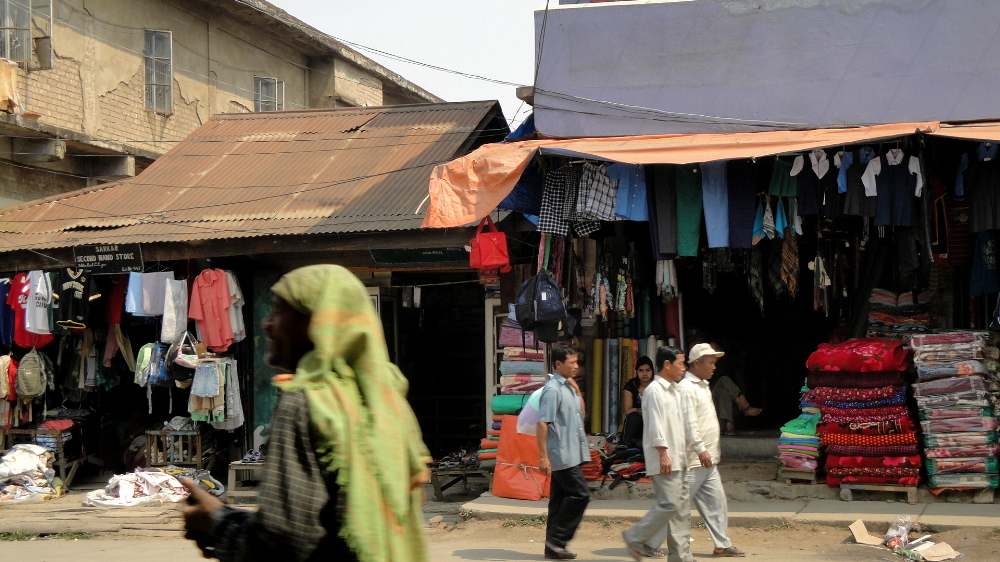 …immediately above, and for a while below, are scenes from the main town parts of Churachandpur; yes, including the pig trying to get out of his sty, which was more in a neighborhood just behind where our main house and office were located.
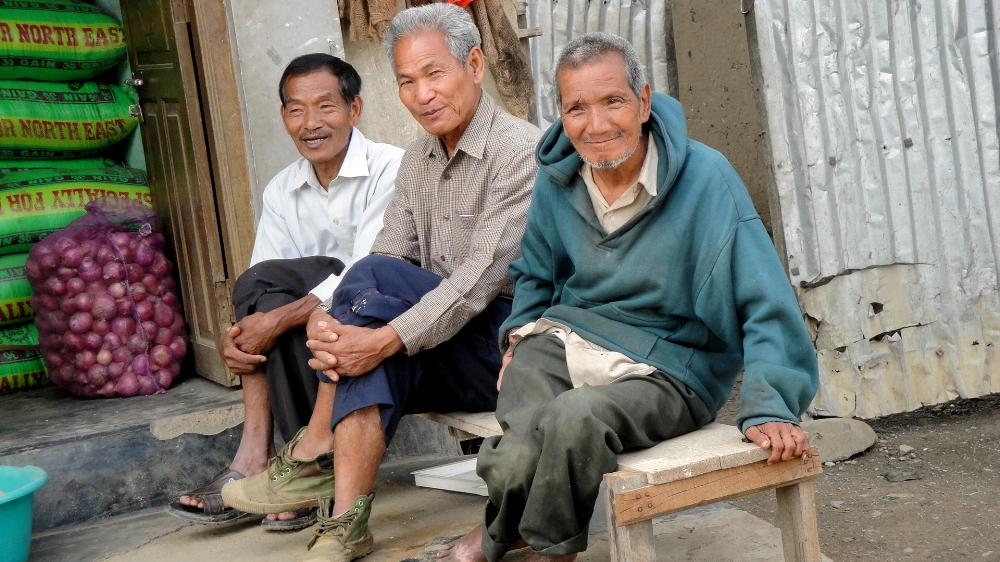

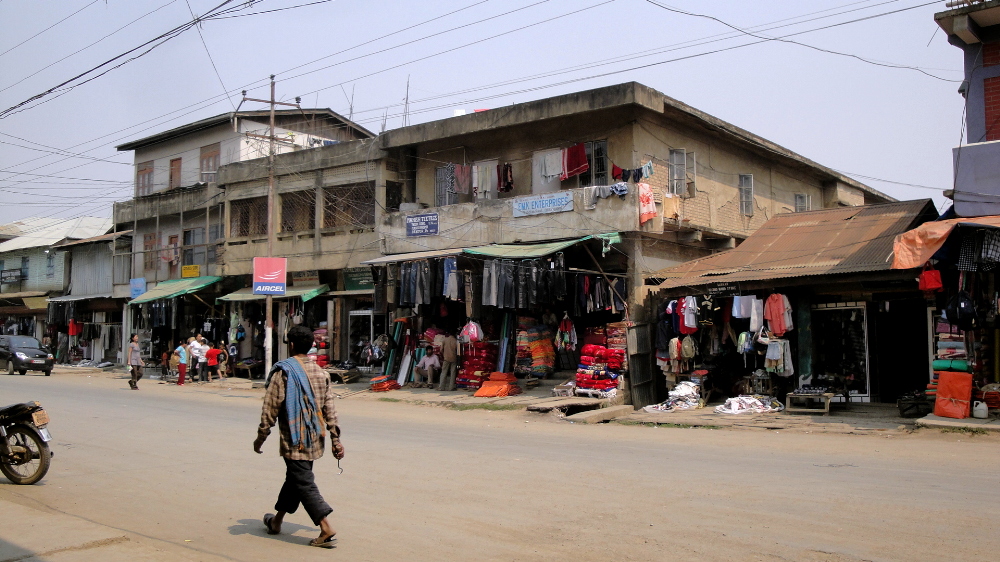

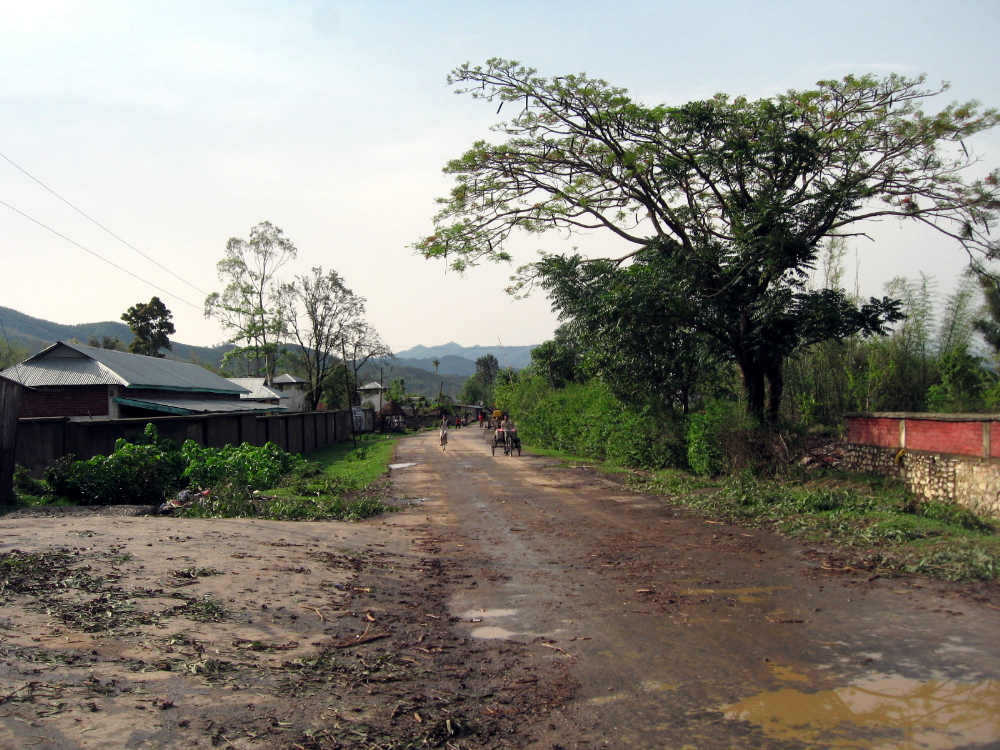
…from fairly fancy houses and shops, to streetfront shops and pigstys, CCpur’s got it all…

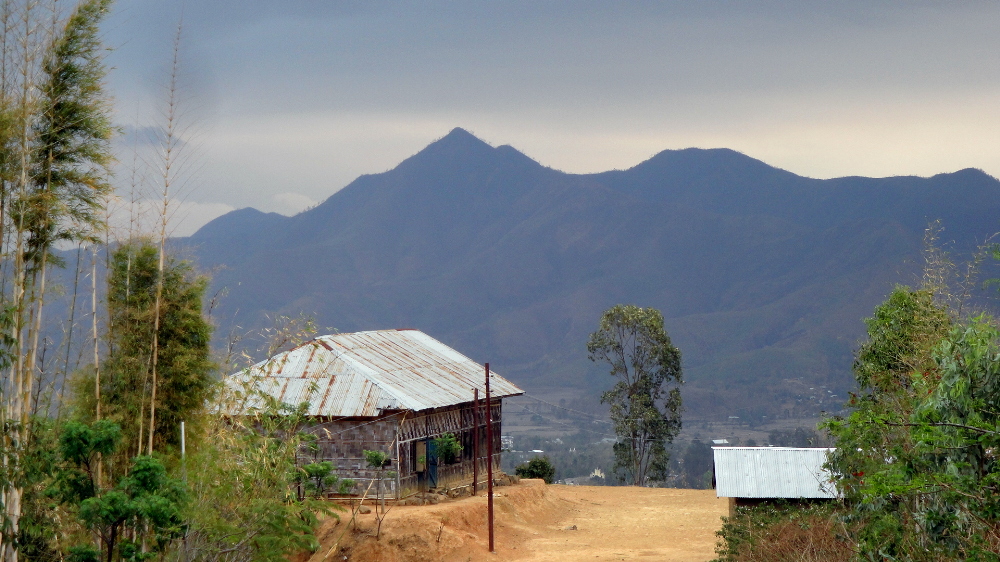
Below is the view from our house, more precisely the view from the bathroom I used most days to shower and brush my teeth and so on. Not a bad view, huh? Quick review & explanation for those who don’t know: maybe 1/3 of Manipur’s total population is made up of people belonging to various hill tribes such as Gangte, Kuki, Miso, Naga, Paite, Vaiphei, Zou etc. (More than 40 recognized minorities make up the 2-1/2 million residents of Manipur.) Nearly all of the hill tribal folks were converted to Christianity by missionaries from the US and UK in the early 20th century – indeed, below you’ll see a festive arch commemorating the ‘gospel centenary,’ i.e. 100 years since those first missionaries introduced Christianity to that part of Manipur. Since we lived, and primarily worked, in Churachandpur and other hill tribal areas, we saw a lot of churches — and they make an interesting visual against the lovely mountains. The majority population in Manipur are the mainly valley-dwelling Meitei or Manipuris, who’ve been living in this little valley for something like 2000 years and have a long history of art and culture of which they are quite proud. The Meitei are about 80% (so I’ve been told) Hindu these days, having largely converted when a king led them to do so in the 18th century (I think); the remaining 20% or so mostly adhere to the Meitei or Manipuri indigenous religion, which existed before the conversion to Hinduism. There are some churches in the valley, but I don’t think many Meitei are Christian.

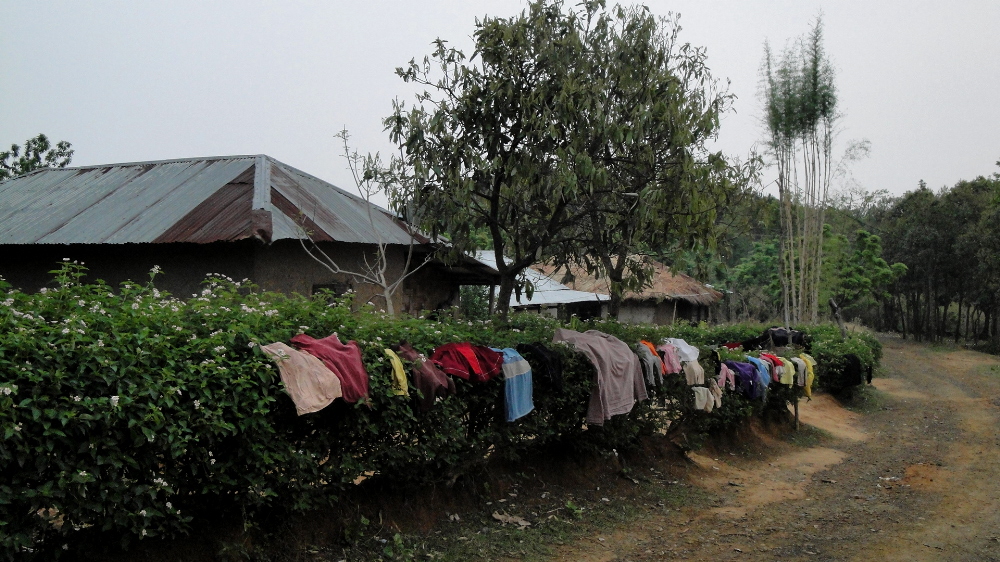
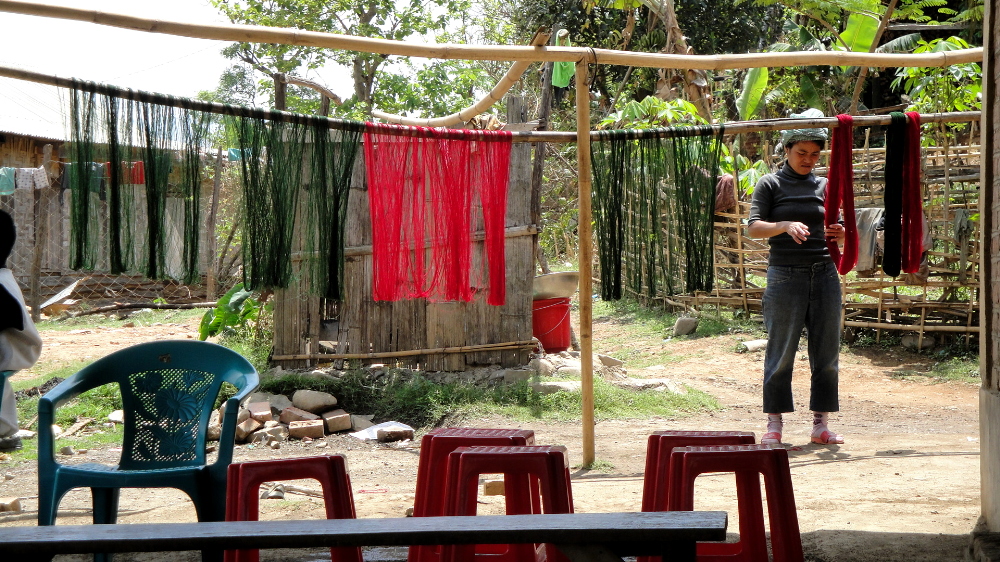
 I seem inevitably to end up with many shots of clothes hung out to dry. Mostly it’s because there are always clothes hung out to dry somewhere; it’s also because clothes are colorful and interesting in a photo. It also helps me remind me of what we Americans should remember more: our problems with resources and oil in the gulf are of our own making. And the wars we fight are of our own making, because we greedily overconsume the world’s resources and then find we must fight wars to defend our access to those resources, and place our troops in places where they’re not welcome, just to defend our access to as many cars and clothes dryers as each of us feels we need. Yes, our decisions do have consequences, and yes, it’s very possible to live a happy and rich life without all the SUV’s and clothes dryers. Or oil in the gulf – for which don’t blame BP, look at your own consumption and wonder why companies do what they do and why congress gives companies so many free passes…
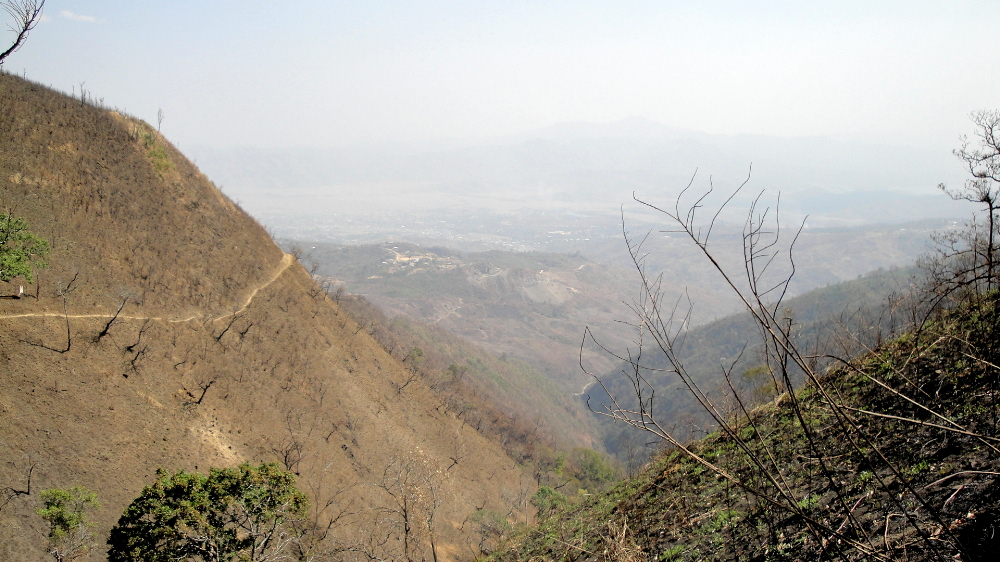
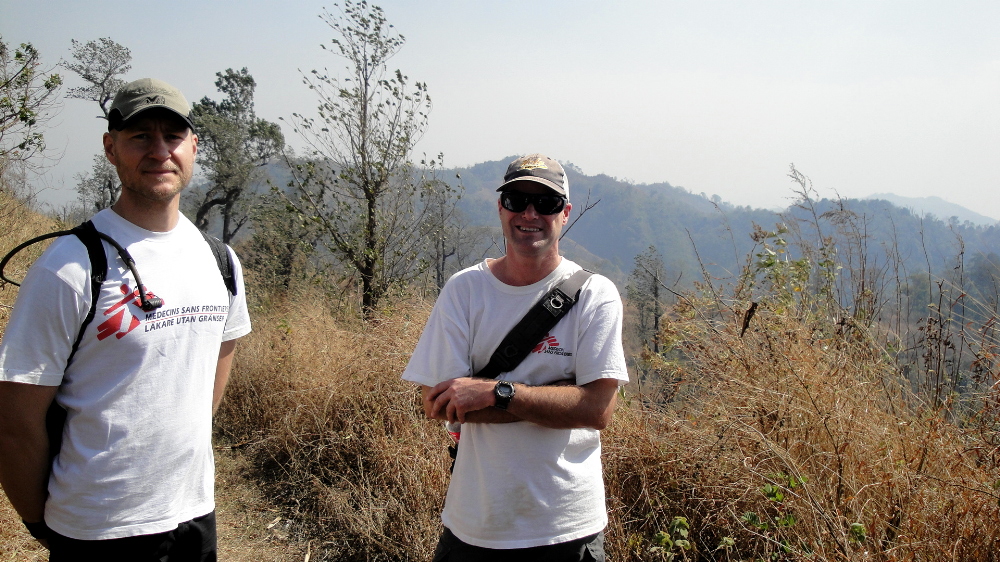
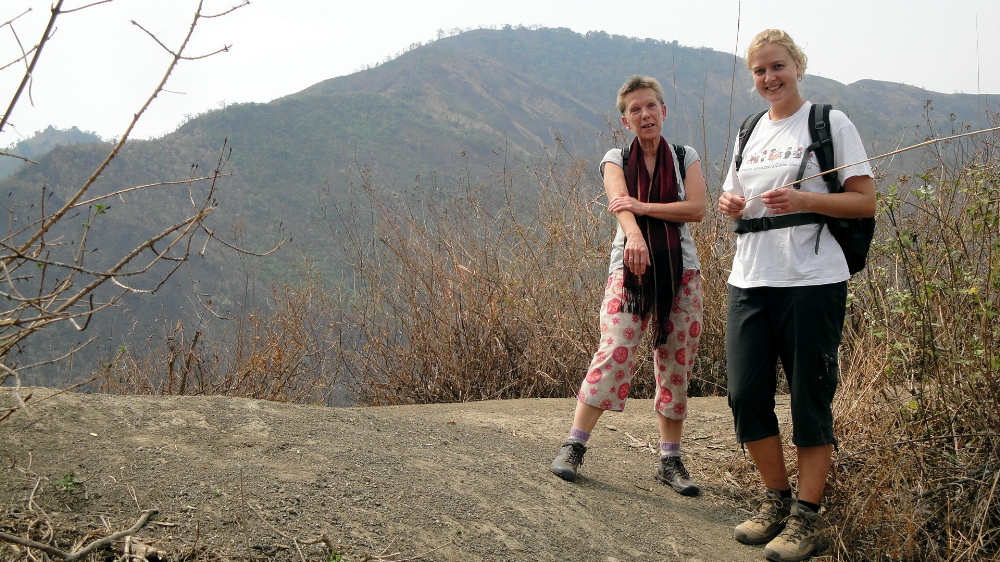
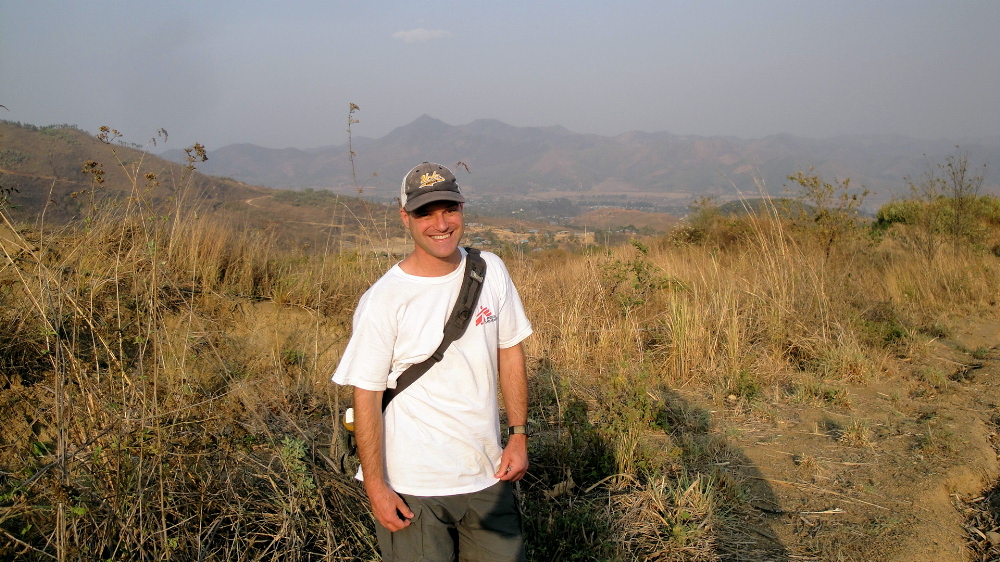
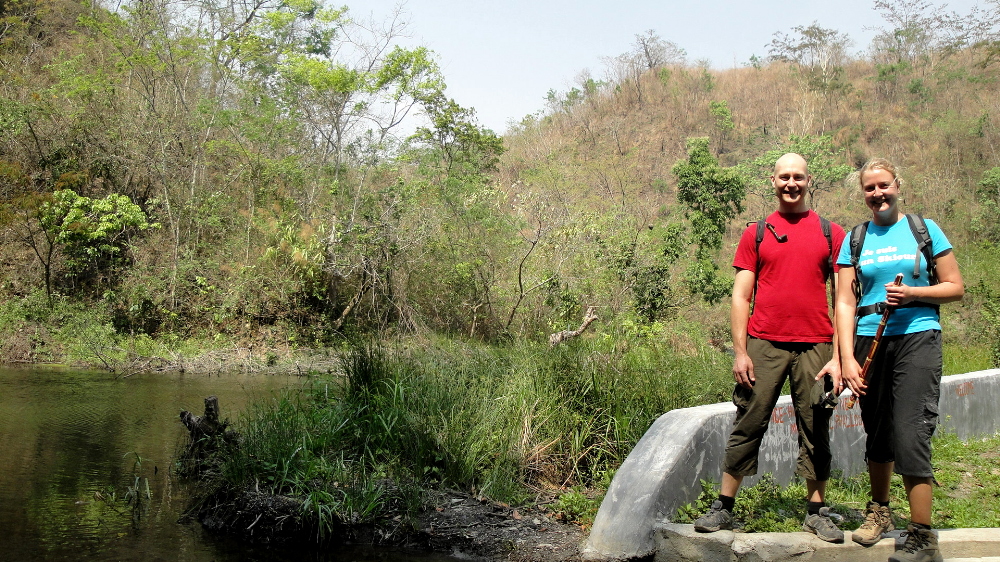
On a lighter note: below are some shots from the longest weekend hike that Par, Fiona and I did during my time: up and over a few large hills and around the trail you can see below. Also a shot of Par and me on the walk. This was, obviously, late in the dry season. Quite different from the verdant look during the rains, huh? BTW, in case clarification is necessary: we weird foreigners used these trails for recreation; for locals they’re how to get your produce to market and do your shopping trips.
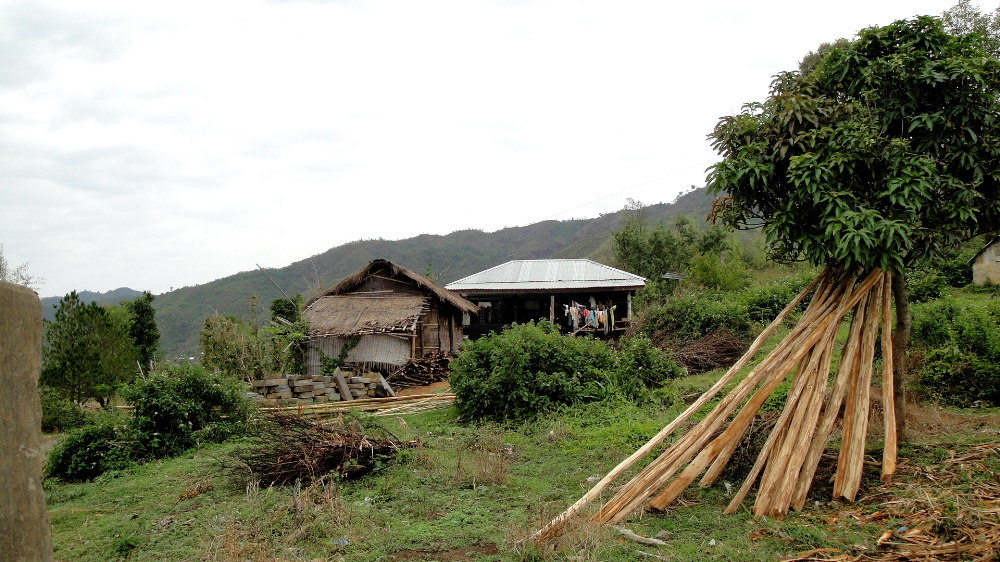
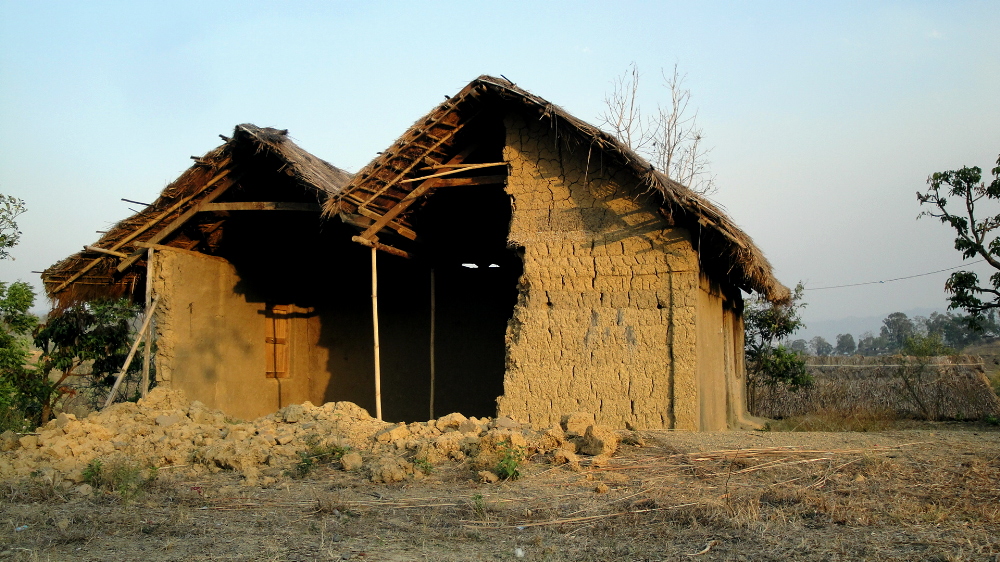
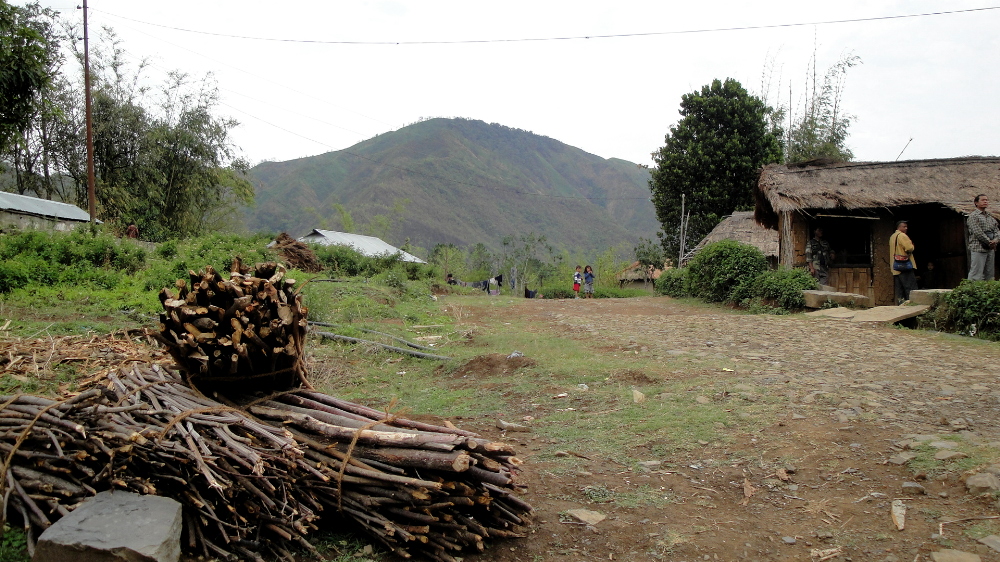
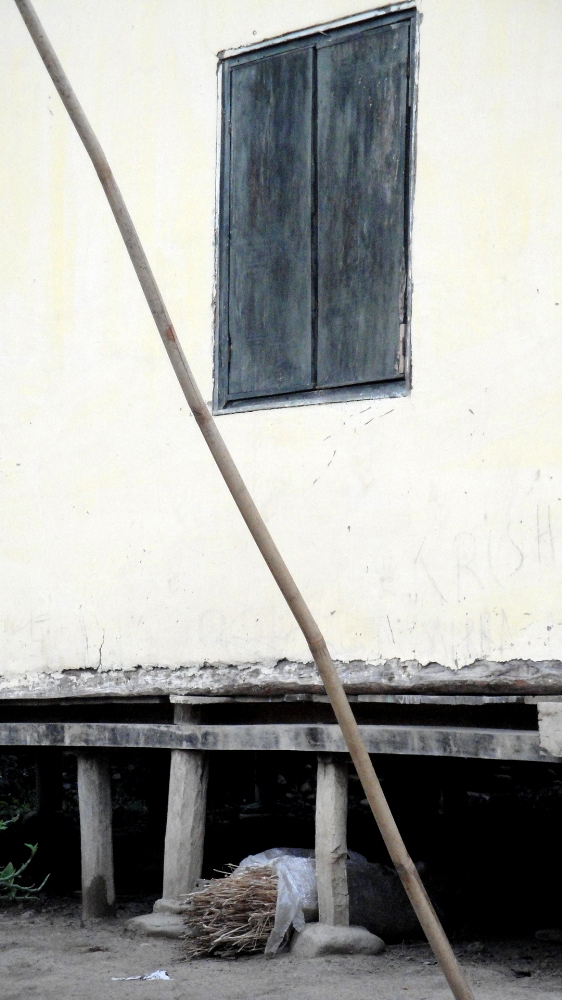
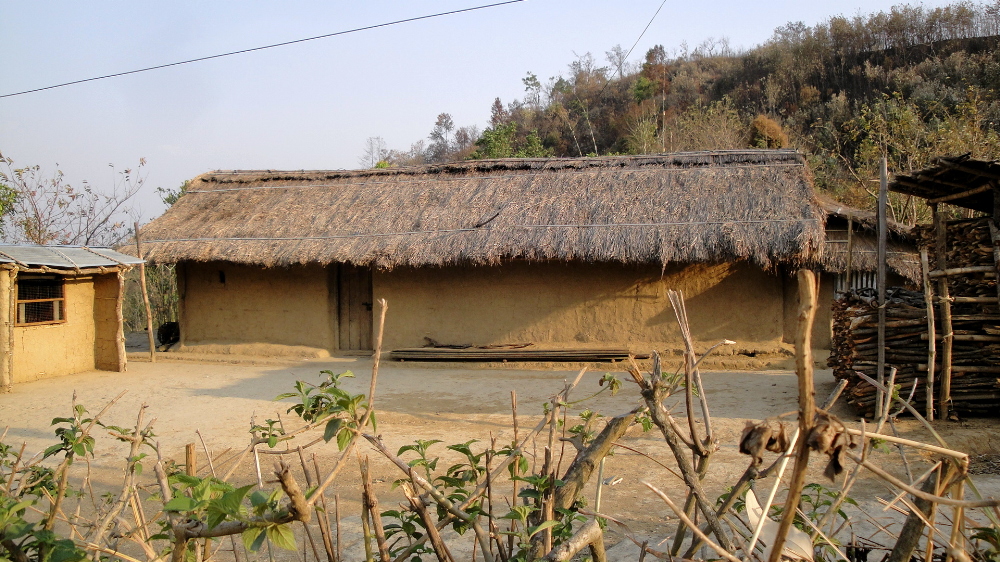 Several friends commented on photos of the architecture in Manipur. Above is an excellent example of a good-looking completely traditional hill compound — thatched-reed or rush roof, construction of planks and mud and reeds. This compound shows great civic pride and good upkeep – it’s swept, the wood is neatly stacked, the roof rushes are new and fresh-looking — it’s all really lovely, isn’t it? Our new house in Sugnu, which I was fortunate to spend a few nights in before leaving, is of similar construction but painted a bright blue and with a (bloody loud in rain, but longer-lasting) tin roof; you’ll see it below. I can attest that these houses, while picturesque, are not so comfortable or weather-sound as brick or stone structures; it’s maybe like a midpoint between camping and a solid house with a basement. In any case: below are some examples of houses that haven’t been quite so well maintained, or that finally succumbed to the elements.
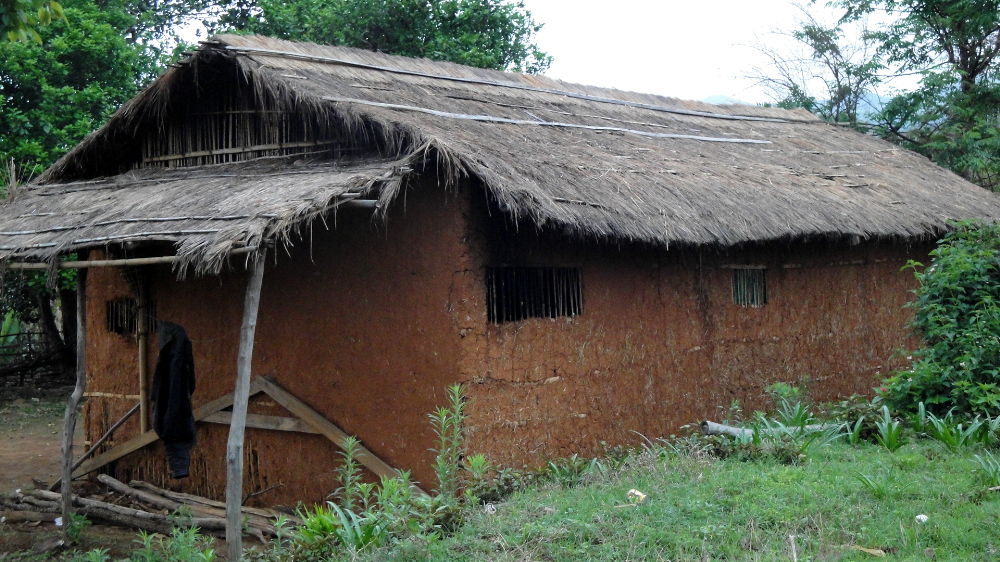
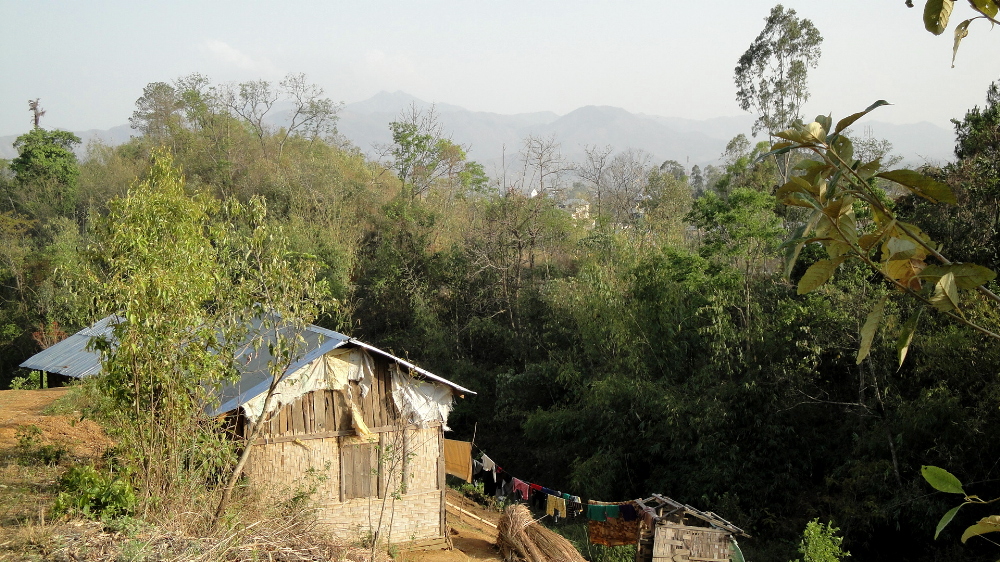
 This one is woven bamboo with a tin roof. I think it’s got a gorgeous location and is a very atmospheric house.

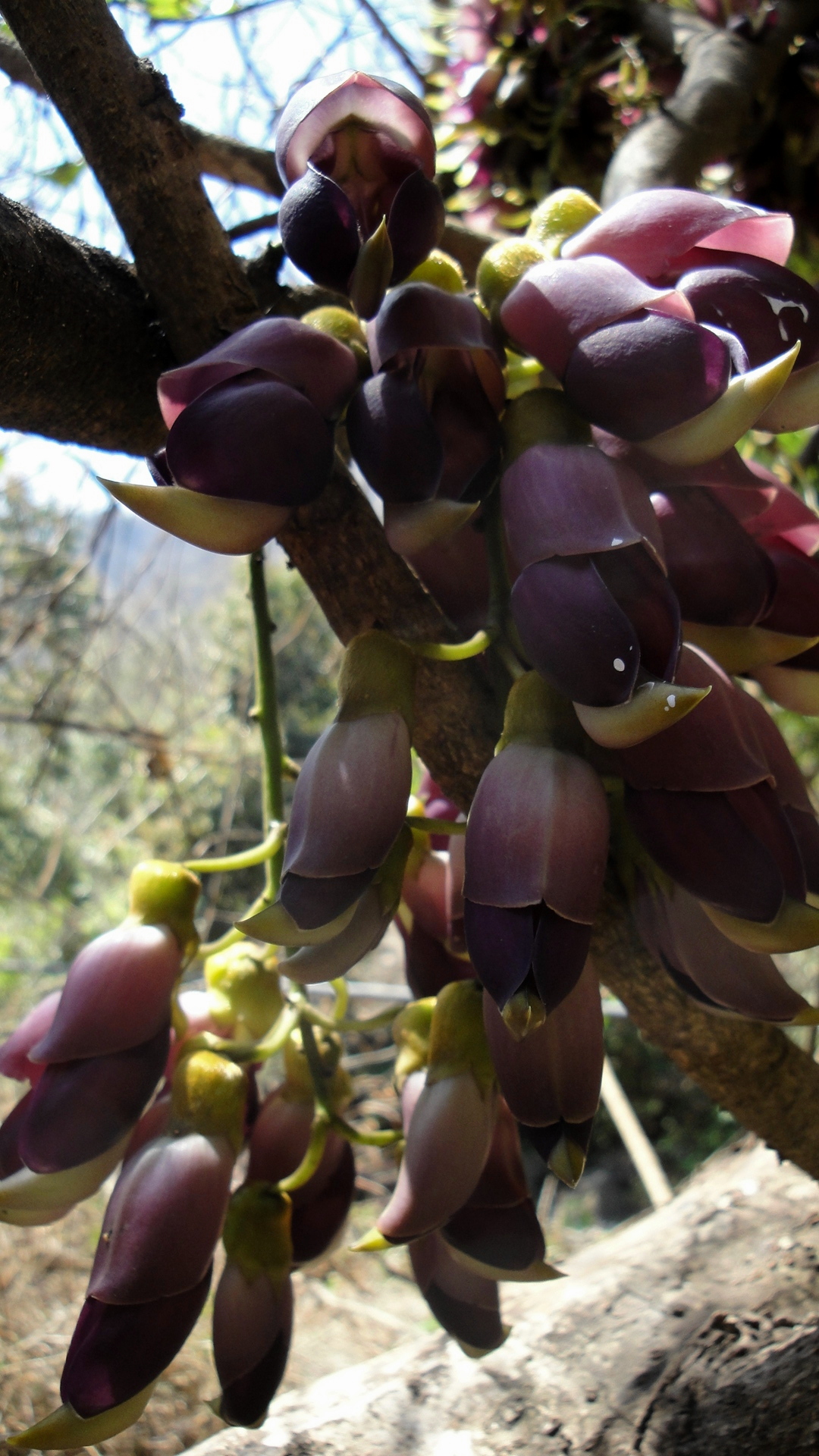
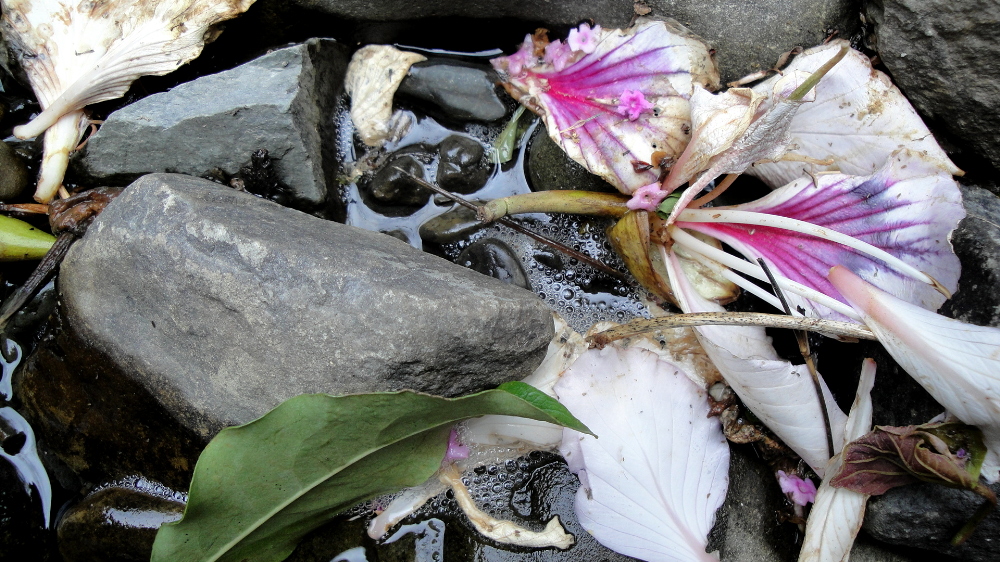
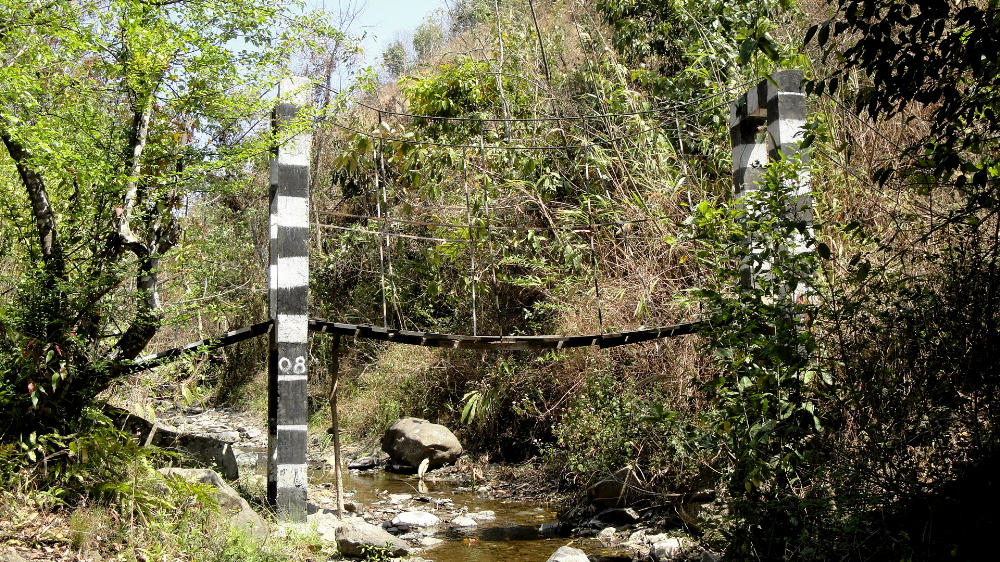 The foot bridge and the deep-purple orchids are both from one of our favorite hike resting spots, by a little creek in a valley between two ridges that are both lovely and dramatic. The orchids are standing in for any number of other stunning orchids and other flowers I saw but didn’t photograph during my time…especially these bluey-lilac orchids that were hanging enchantingly from a number of trees sometime around October, but I never happened to have a camera handy any time I saw them.




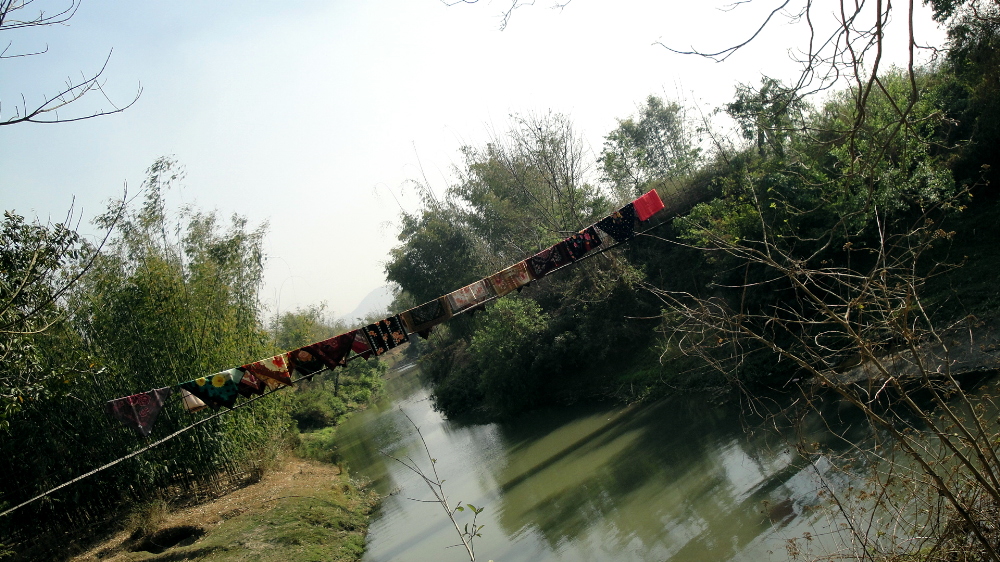
Blankets, hung out to air and dry on a footbridge at the edge of CCpur town.
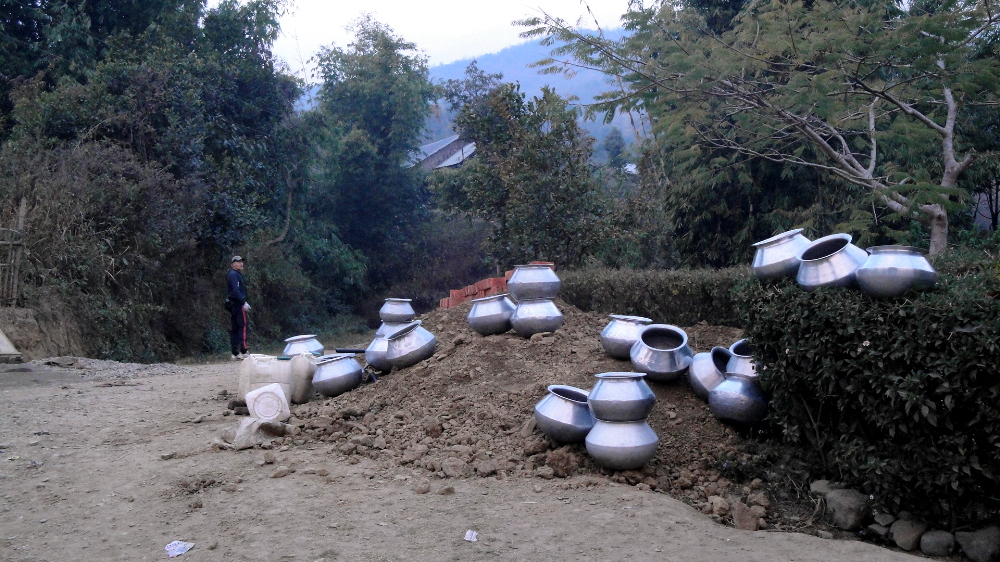
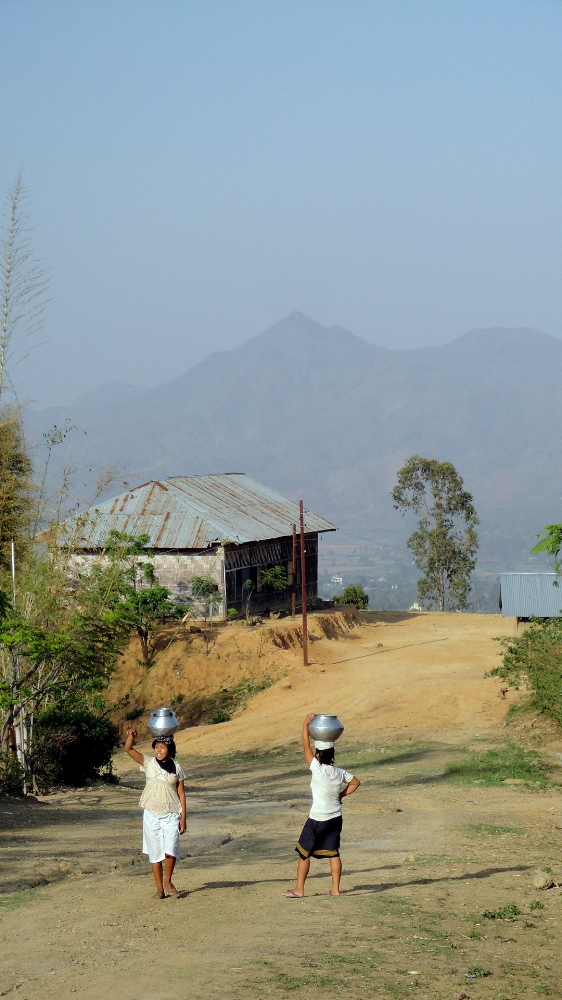
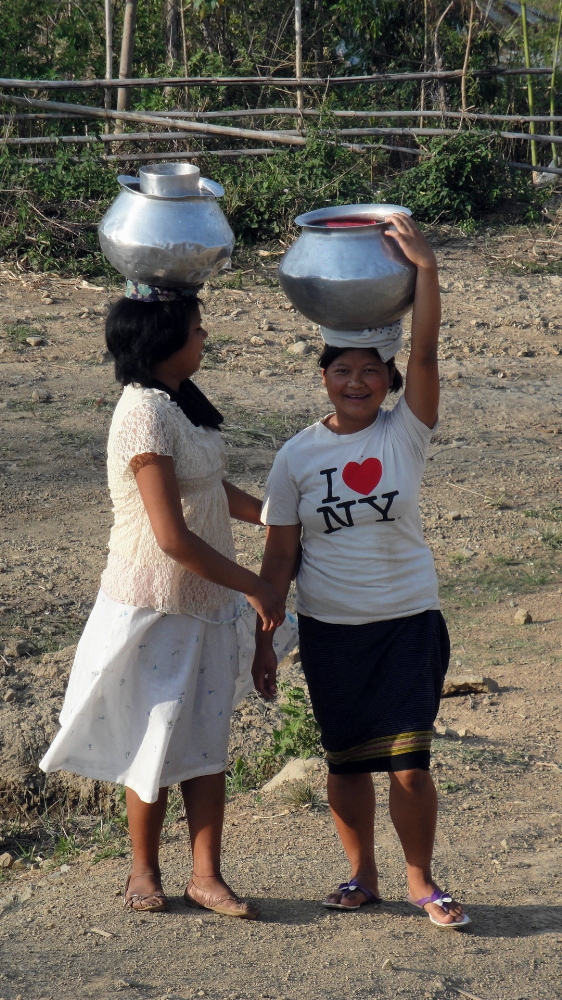
Above: while Par waits for me to catch up on one of our morning ‘hill and valley’ (our favorite route, really) runs, I took this photo of all the water ewers piled up by the village’s water spigot, waiting for the morning water run by all the locals fetching their washing and cooking water. Below, two locals doing just that…both likely wearing second-hand clothing that’s come from the US, but one more obviously so.
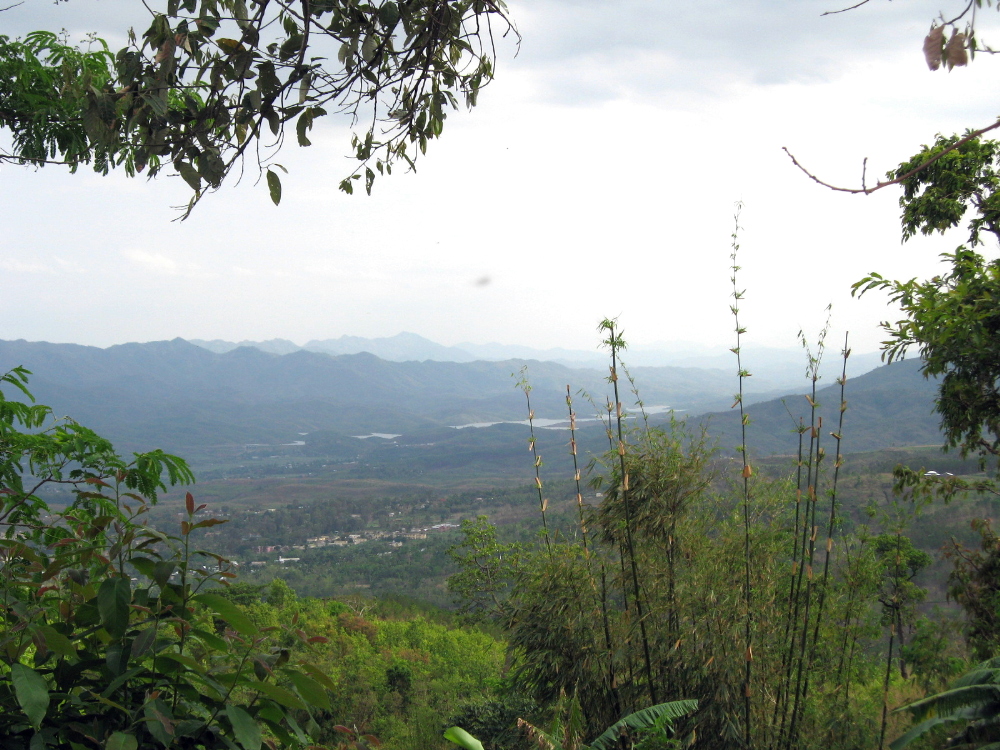
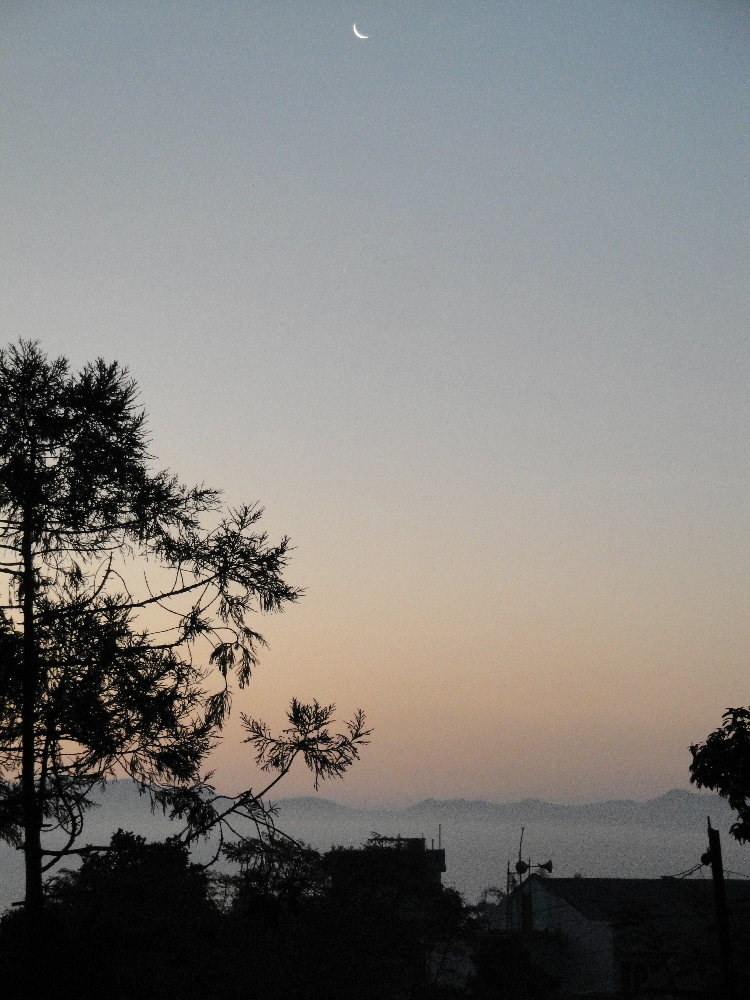
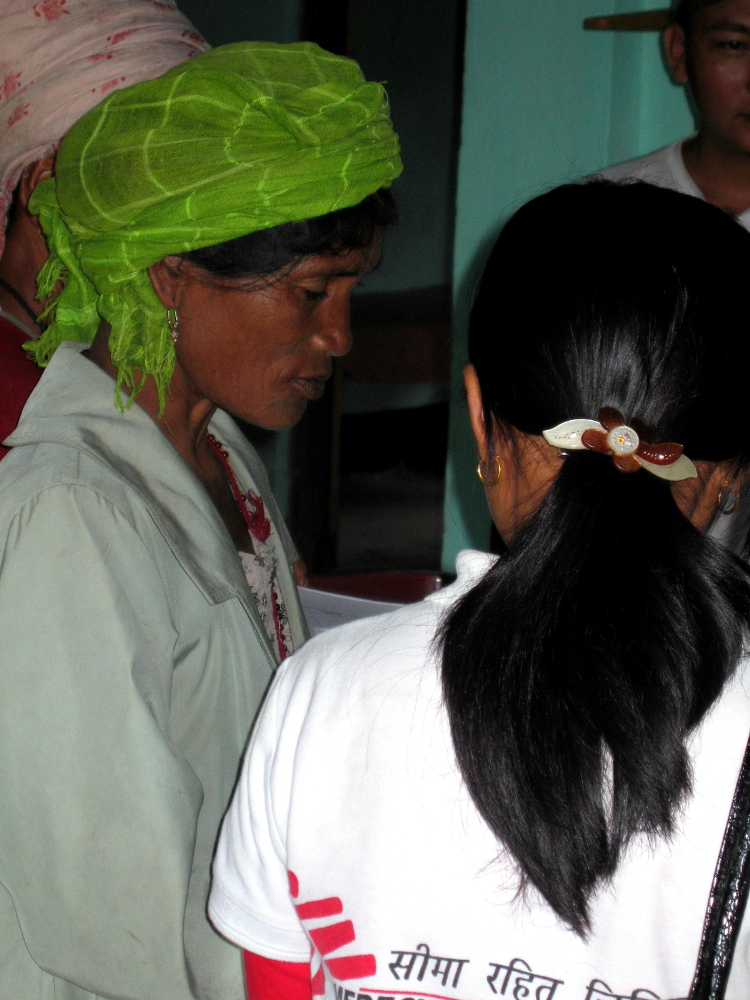
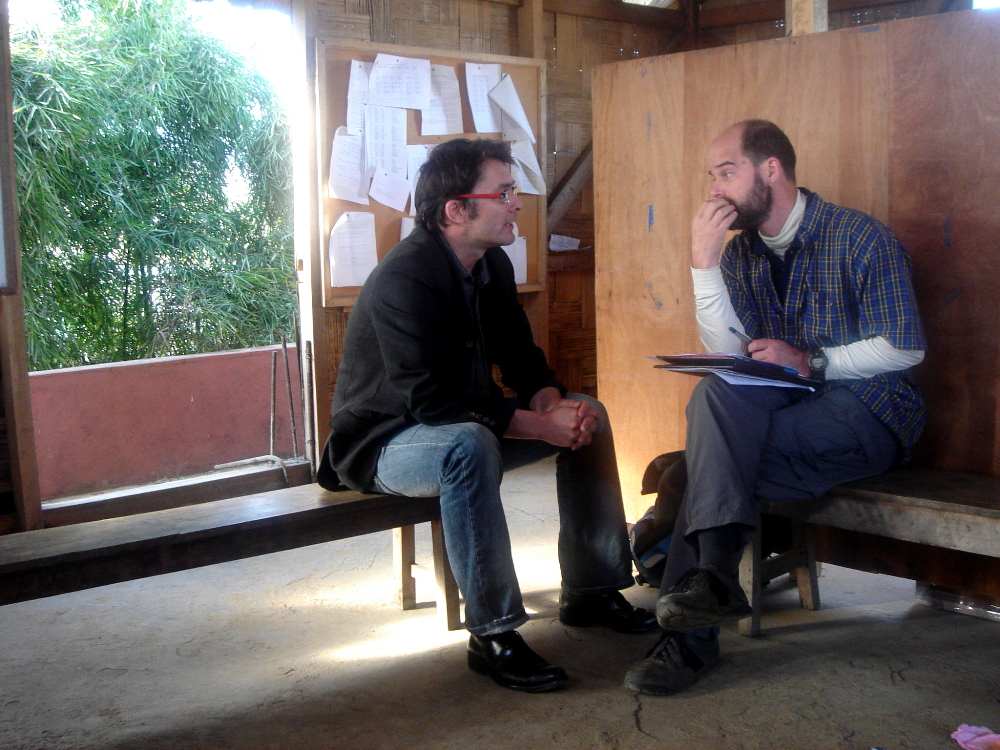

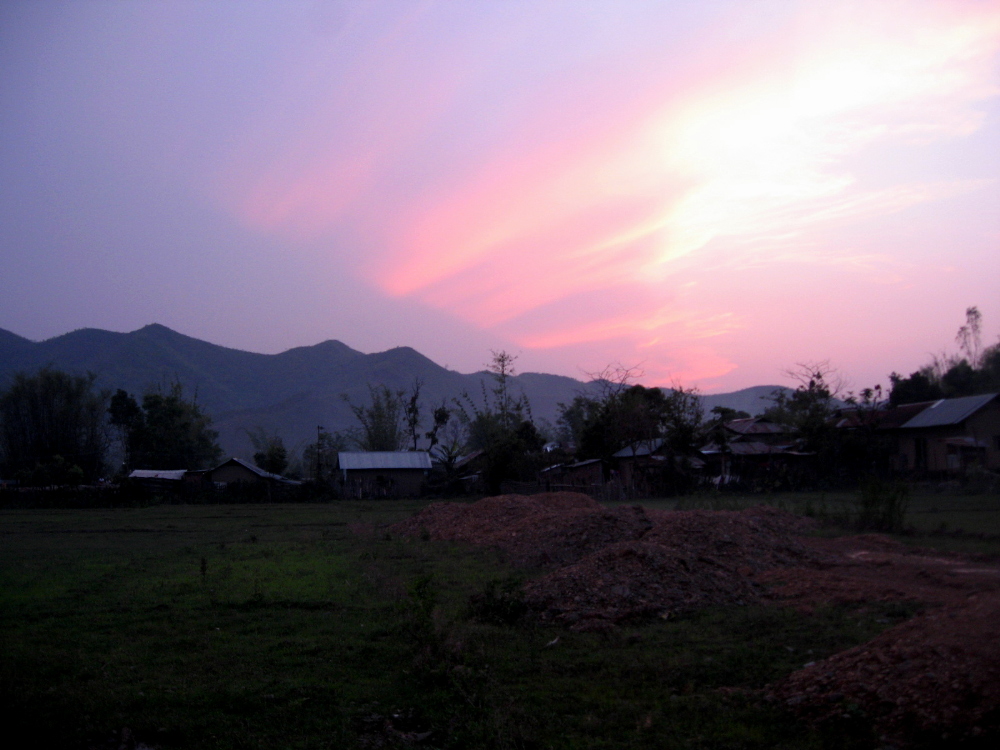
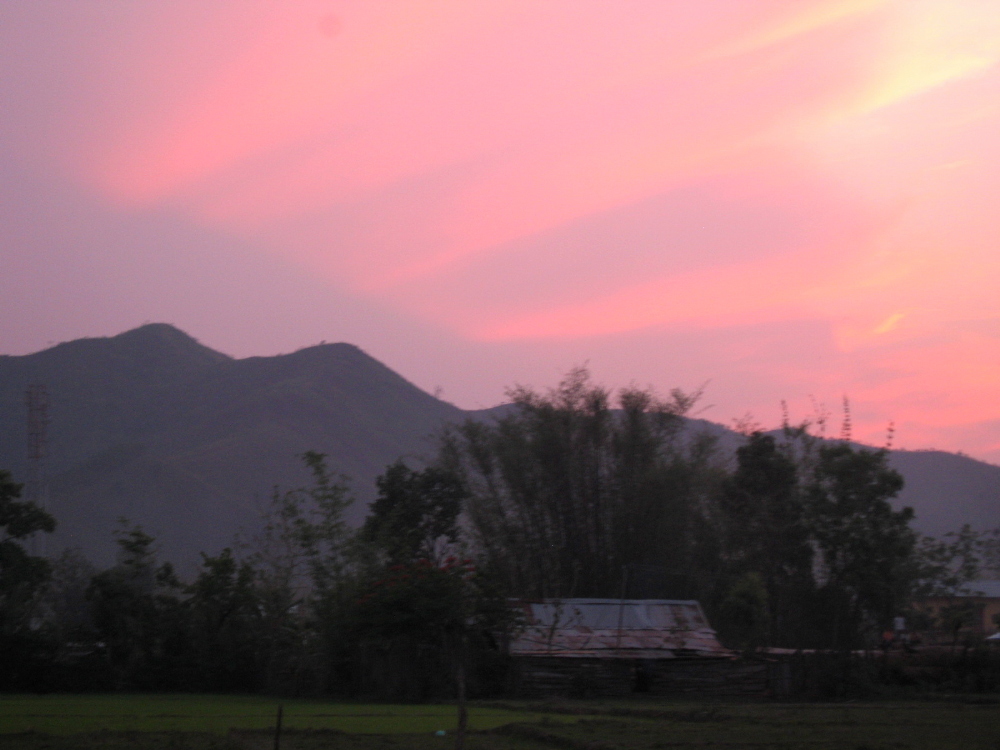
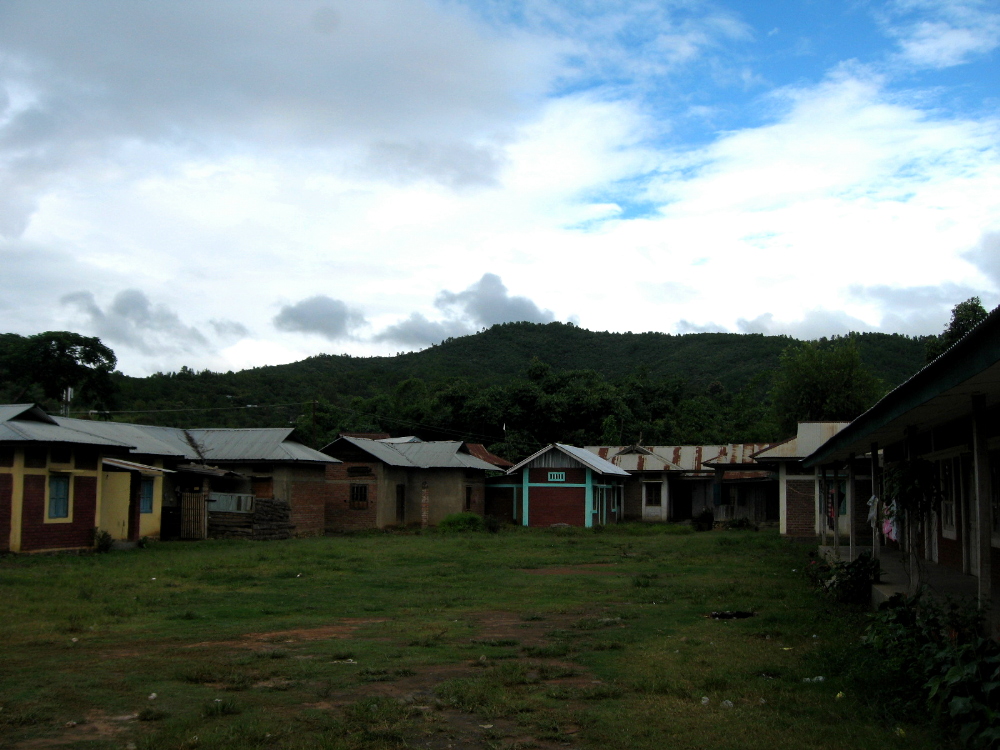
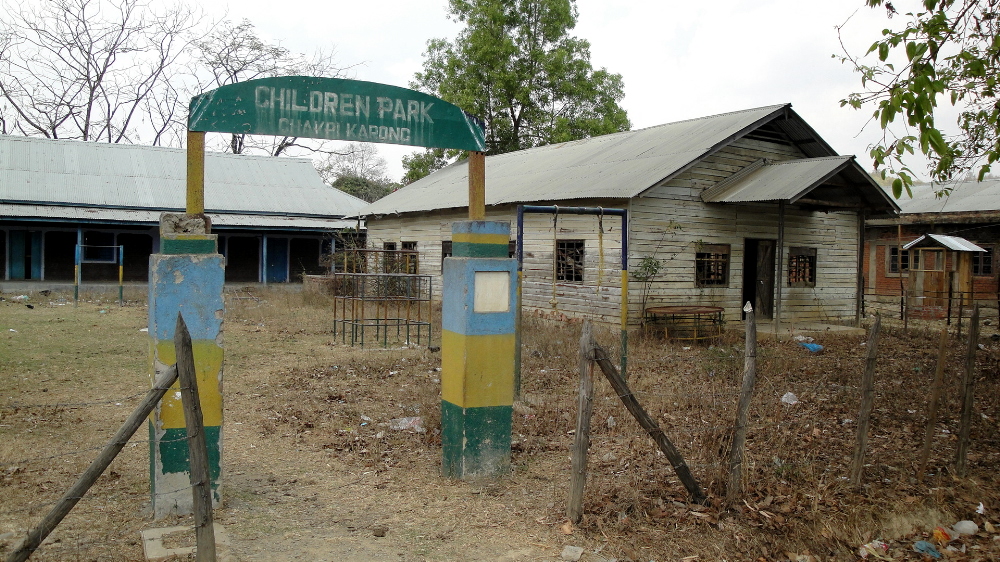
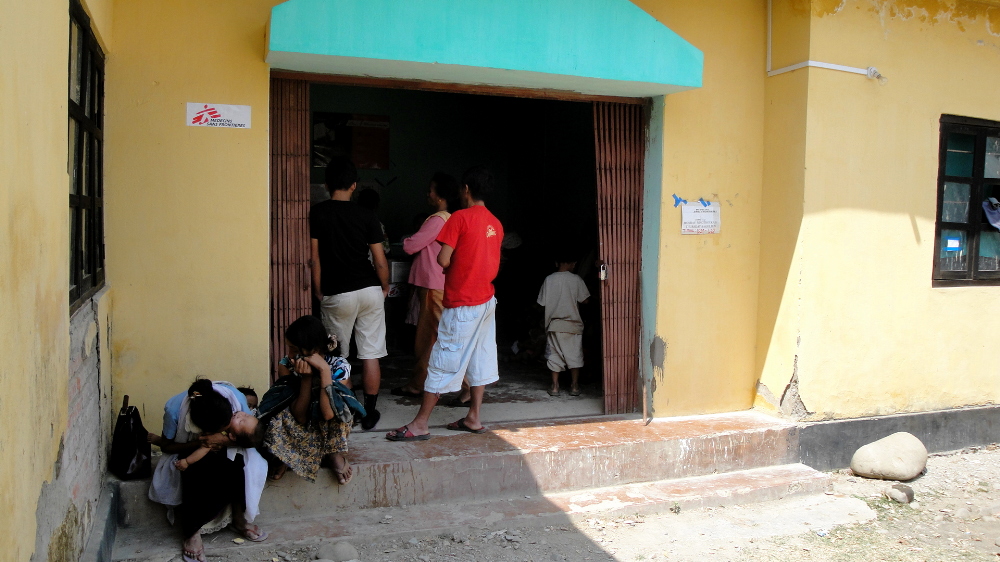
Up above is a photo I like because it shows how steep some of the terrain where folks do their farming is. Immediately above is another shot of the almost-scary sunset on the last night I spent in Sugnu, the new town where we were starting to work just as I was leaving. And below are a few shots more directly related to work. Just below is the clinic compound at Chakpikarong, a more remote town than CCpur where we started work shortly after I arrived; it, like many other health structures in the area, was not open and fully staffed with any regularity, and part of what we try to do is provide a regular schedule so that residents of remote villages (people were walking sometimes many hours to get to us) would know they could come to us reliably and get care. We also try to work in collaboration with staff (medical, lab, etc.) assigned by the health department in order to support overall greater provision of care. Below this next shot, you’ll see a ‘Children’s Park’ in also in Chakpikarong, which I put in just by way of saying that it’s not only health structures that have been a bit abandoned and unmaintained during the years when various conflicts have so strongly affected life in Manipur. But as I said above, I think this is an area of which most of the world remains unaware; it’s certainly an area where no other INGO’s, so far s I know, have any regular on the ground presence. Another reason I’m proud of the work we do there. 🙂


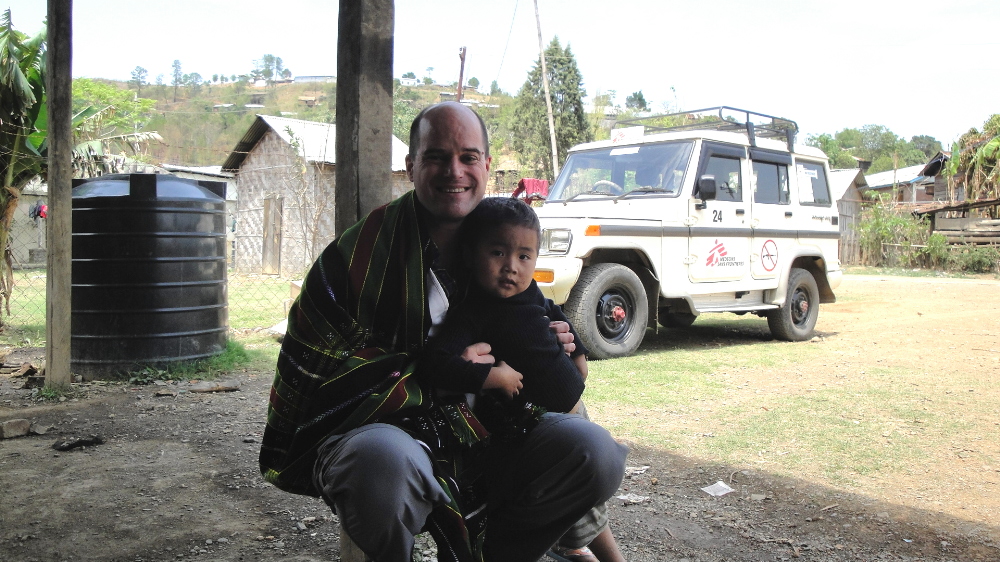

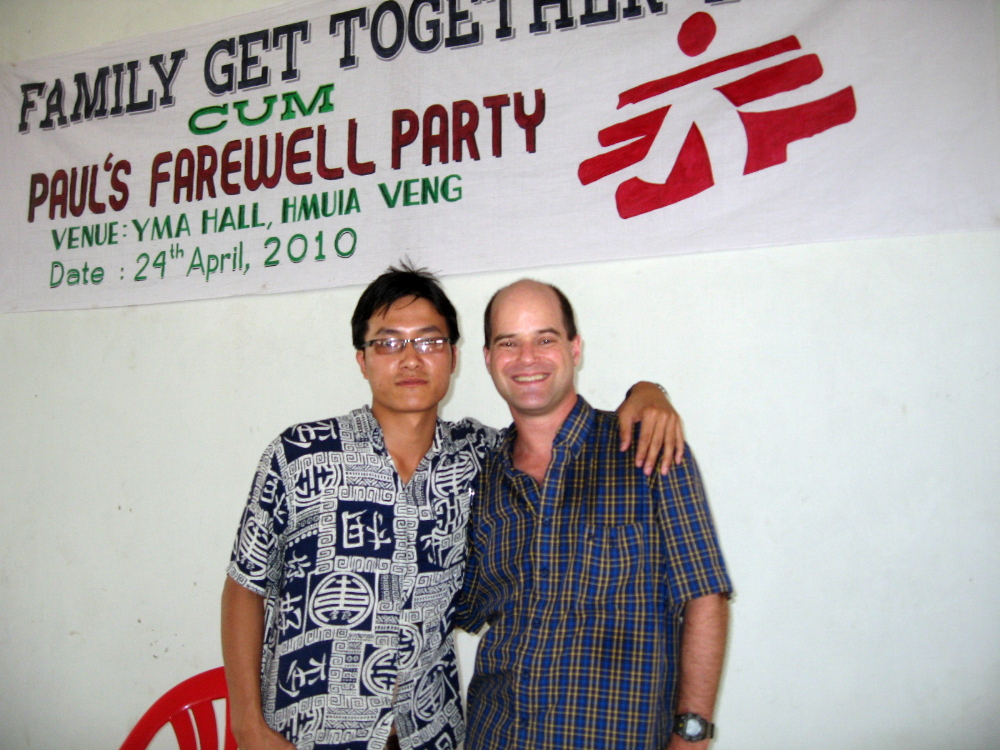
Immediately above: first day we occupied our new house/office in Sugnu (it rained, heavily) and hired staff to watch the compound, clean/cook, and help us get acquainted with our new neighborhood and its various communities. A lot of people showed up, as you see, and it was quite a full day! Below, appropriately as the last shot in this set, me eating with some of our local colleagues at my farewell party.

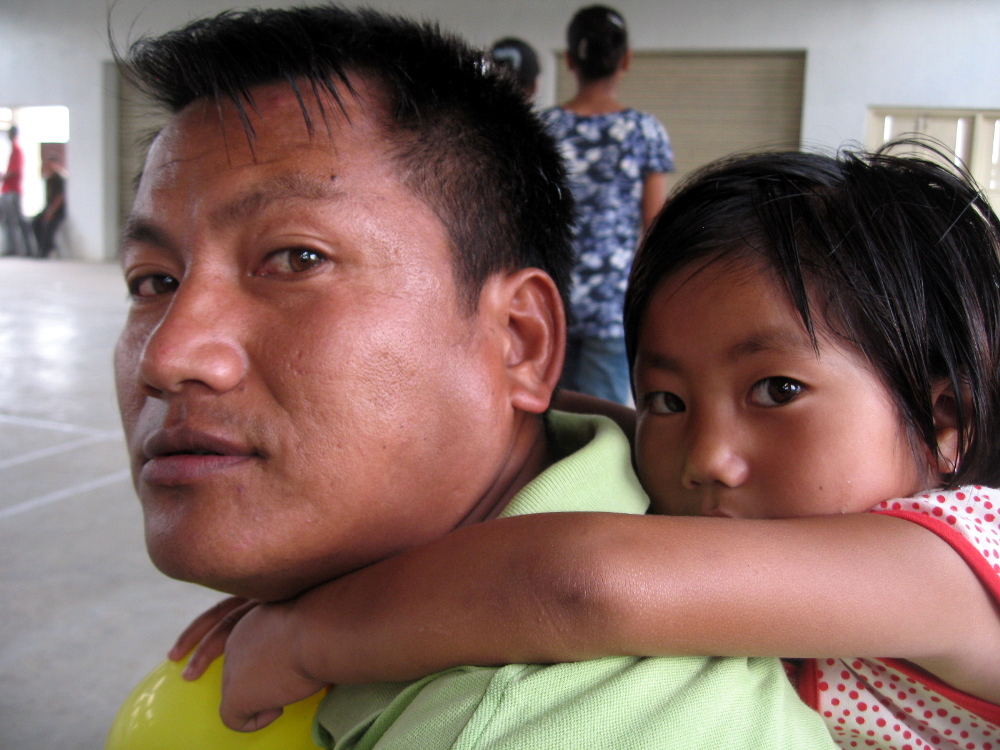
Colleagues, Patients & Friends in Manipur
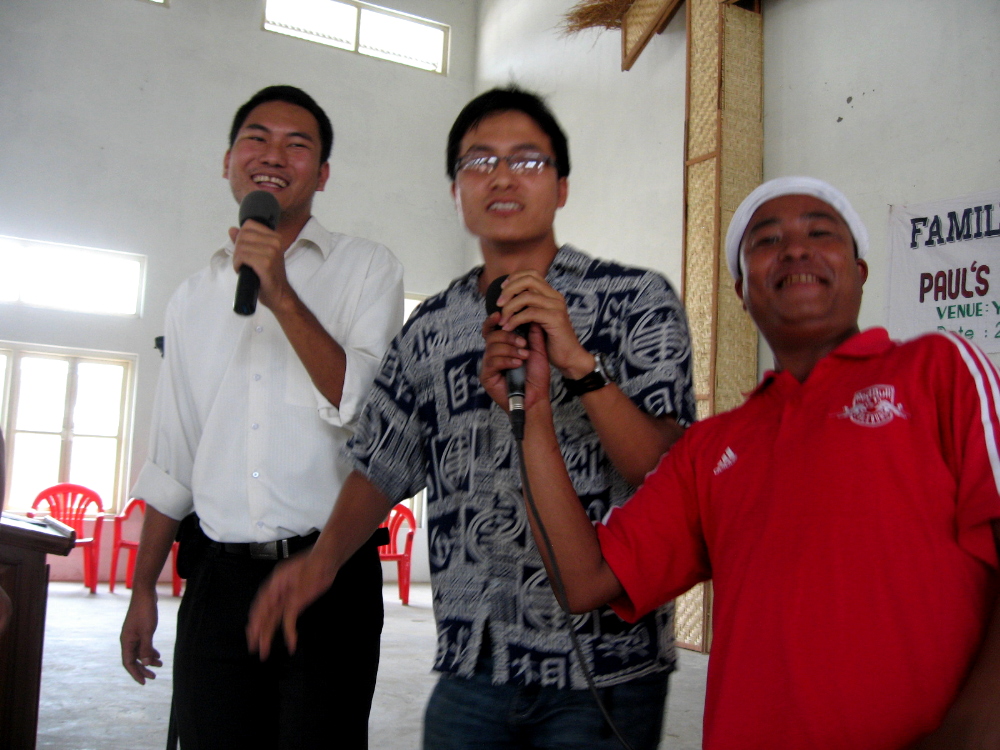
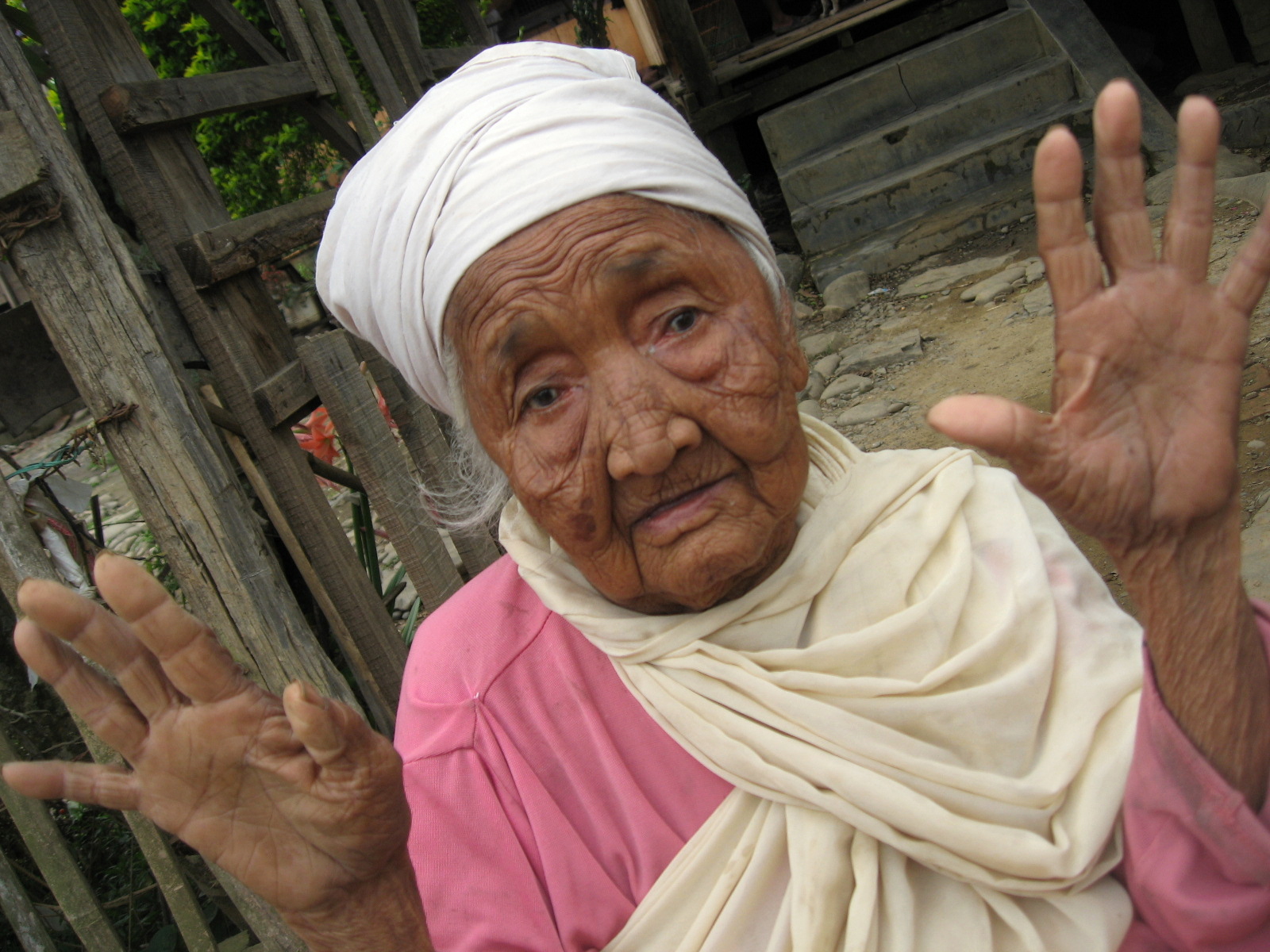
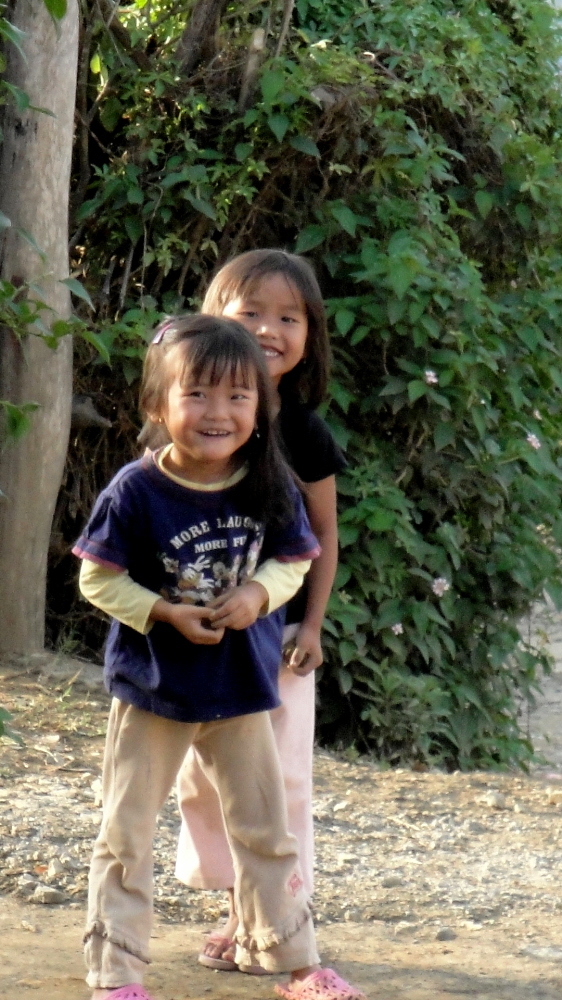
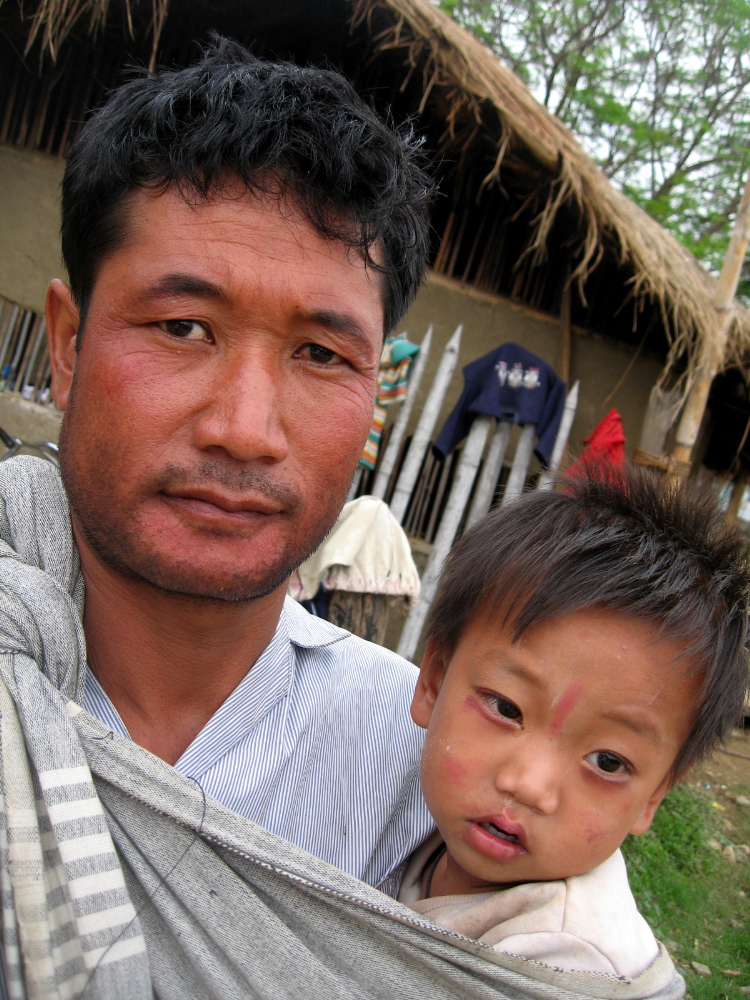
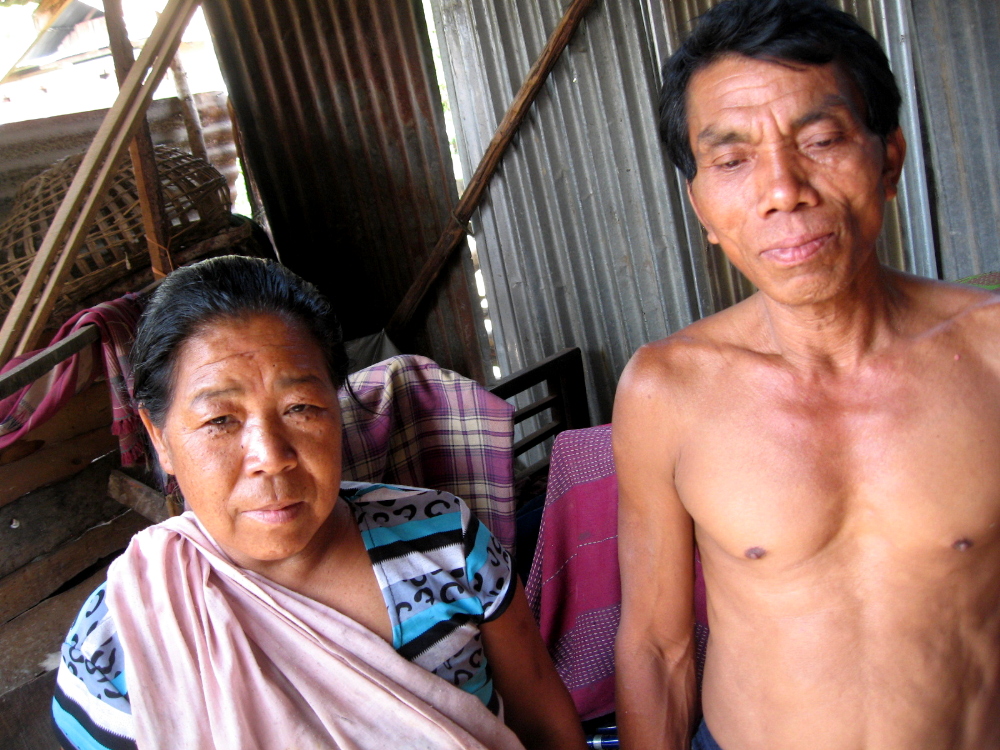
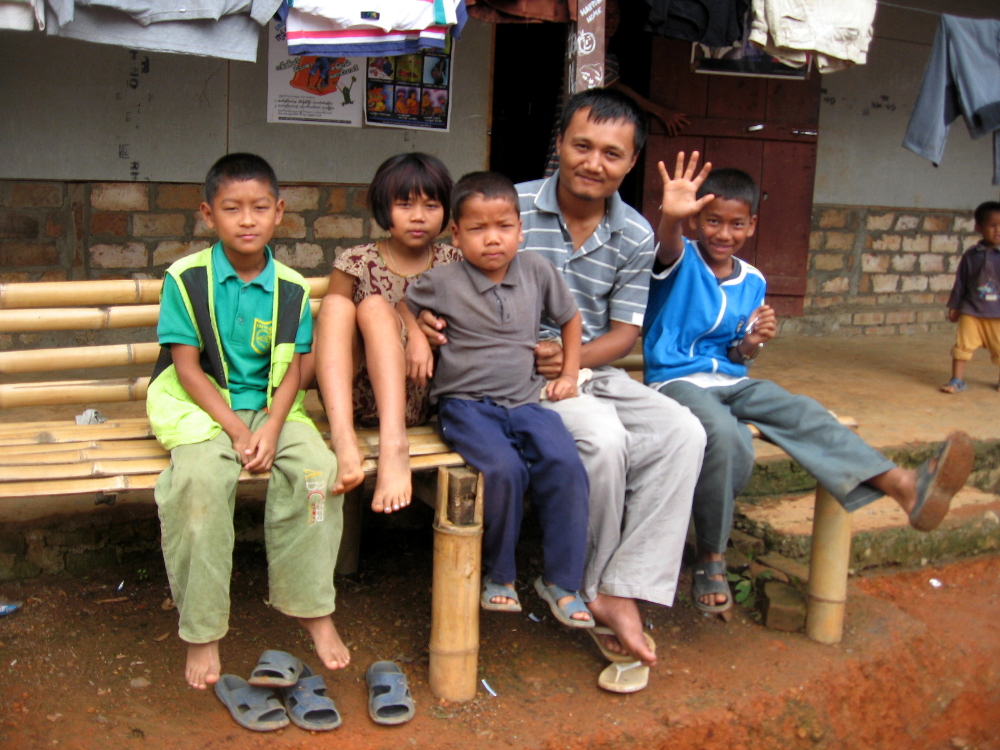
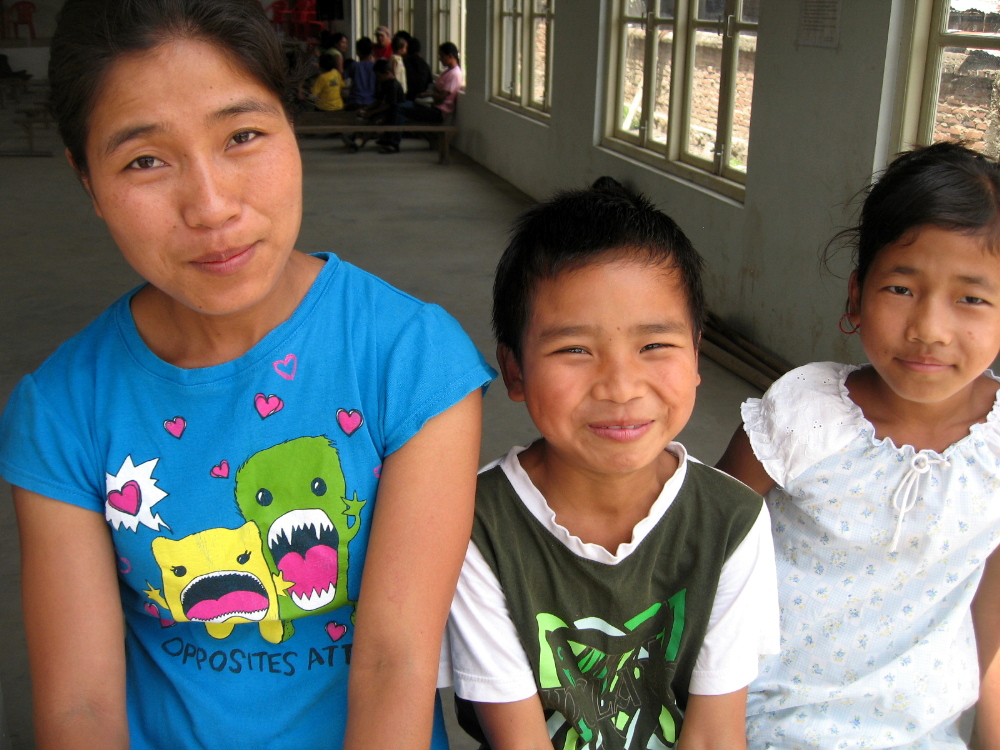
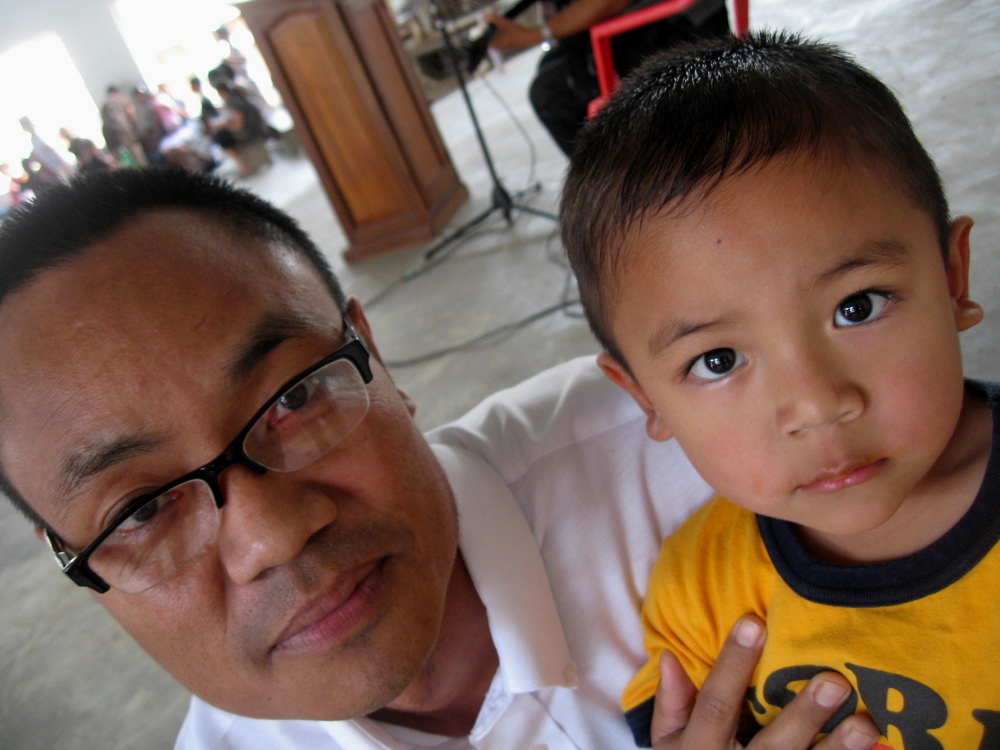
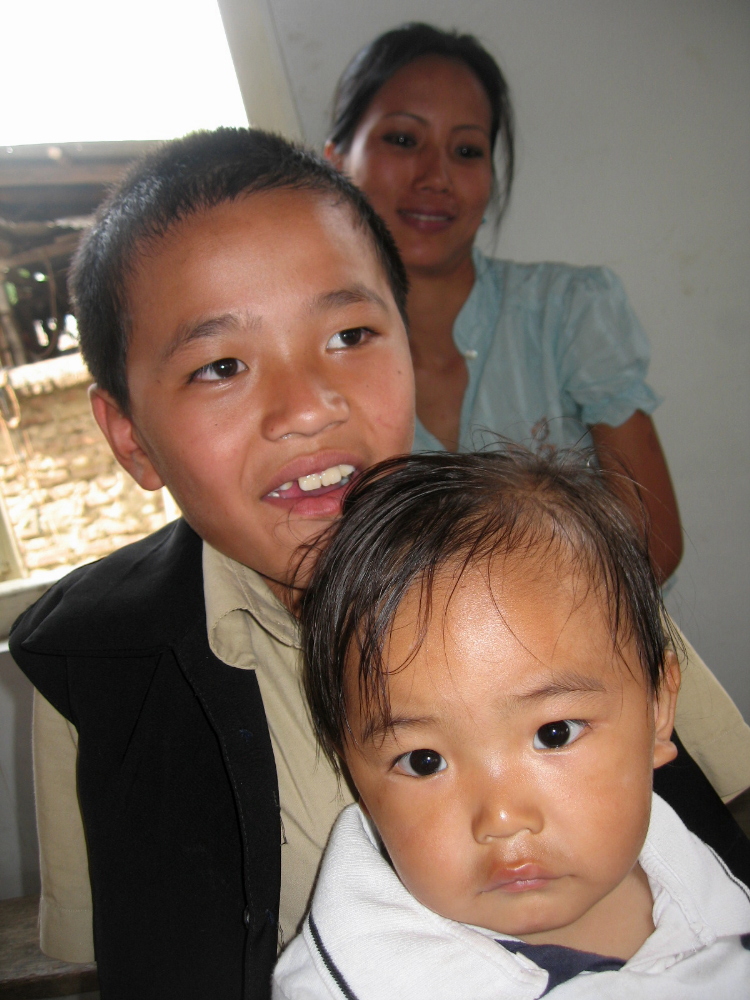
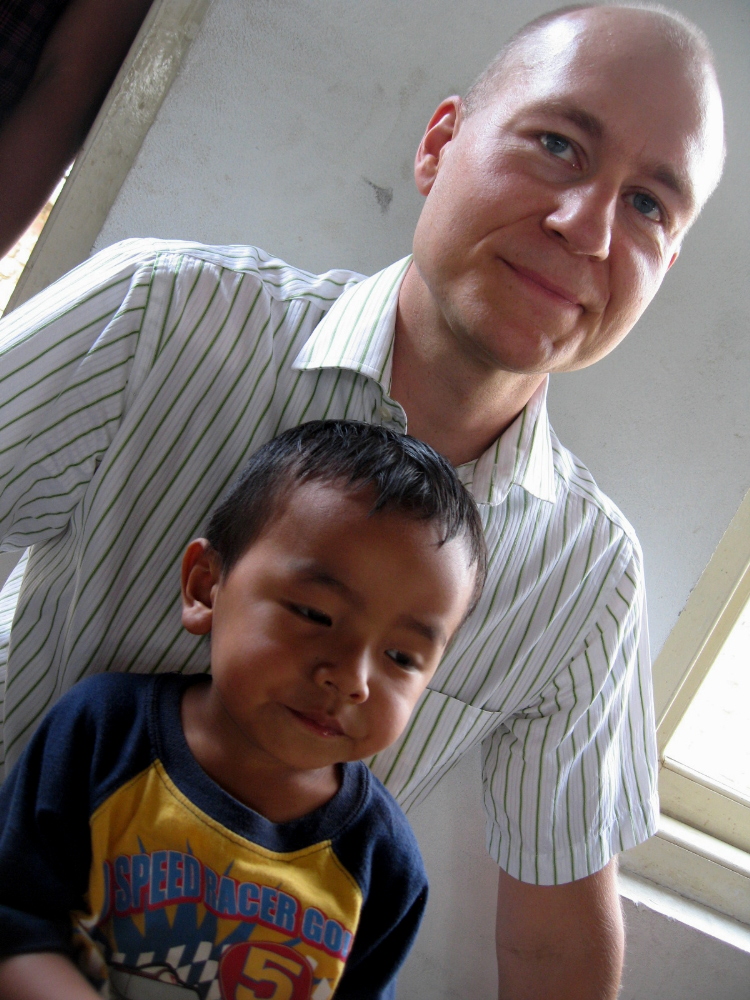
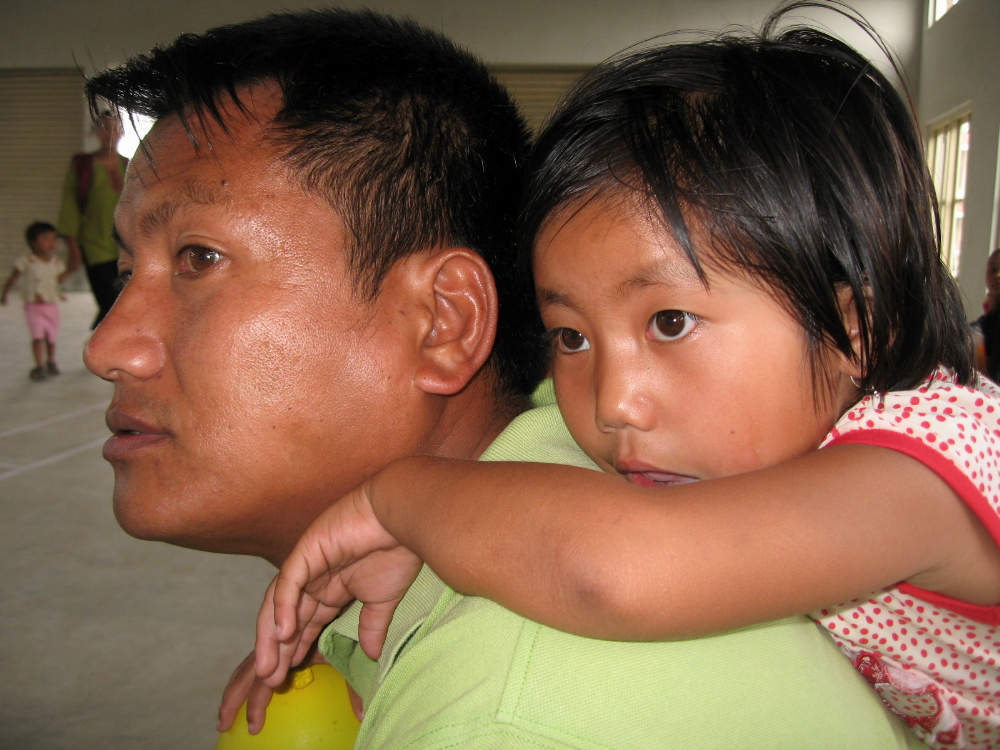
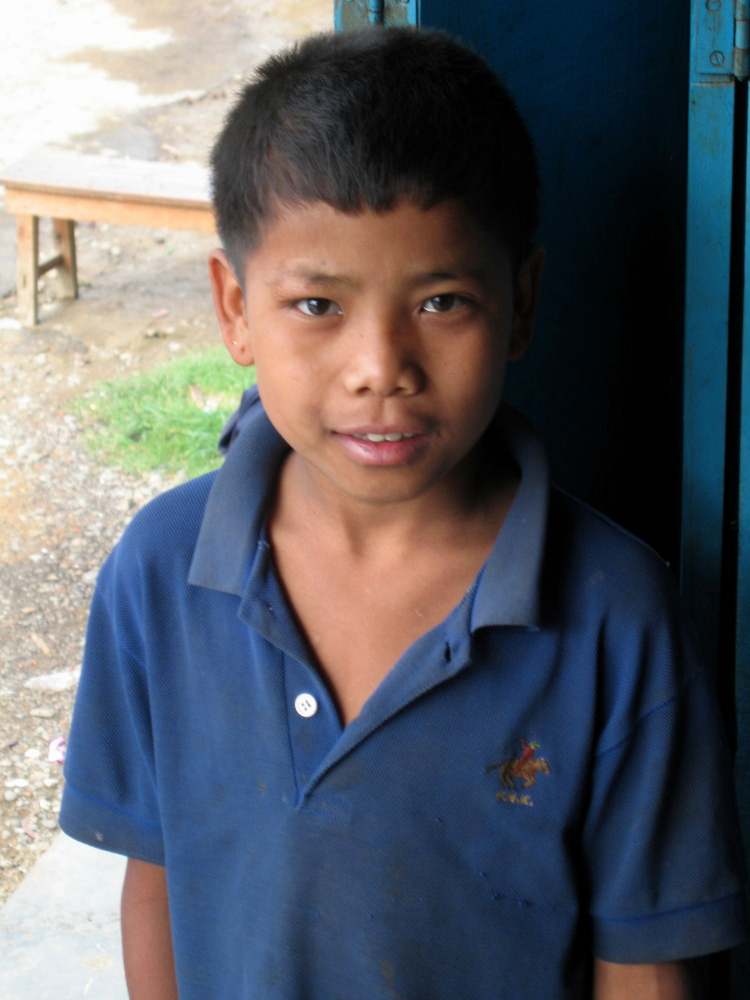
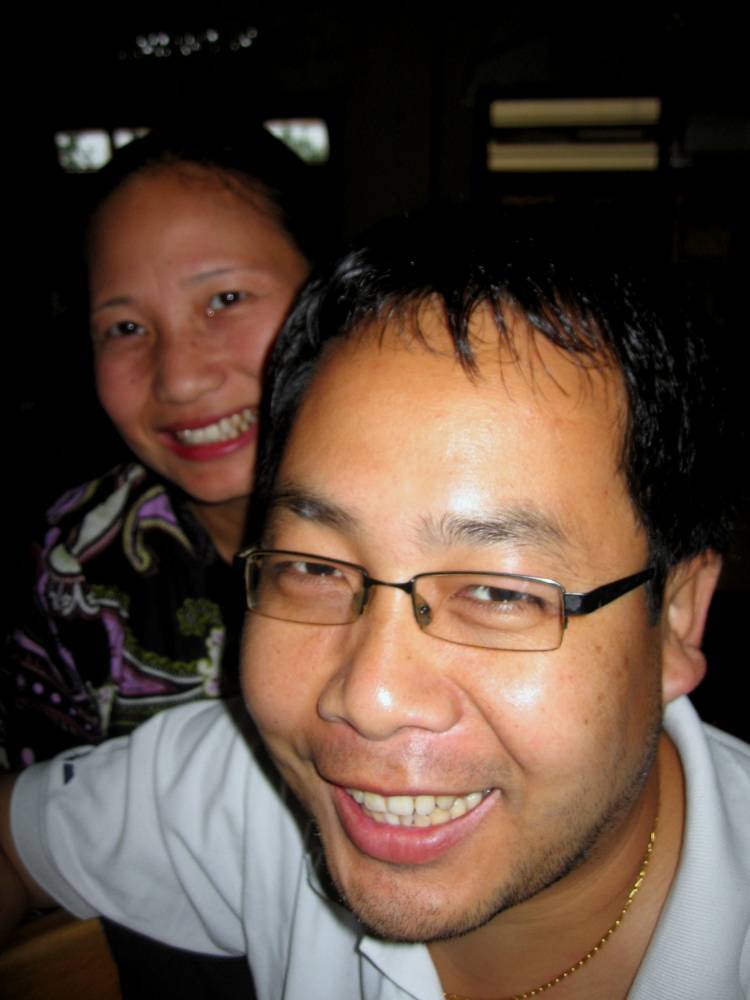
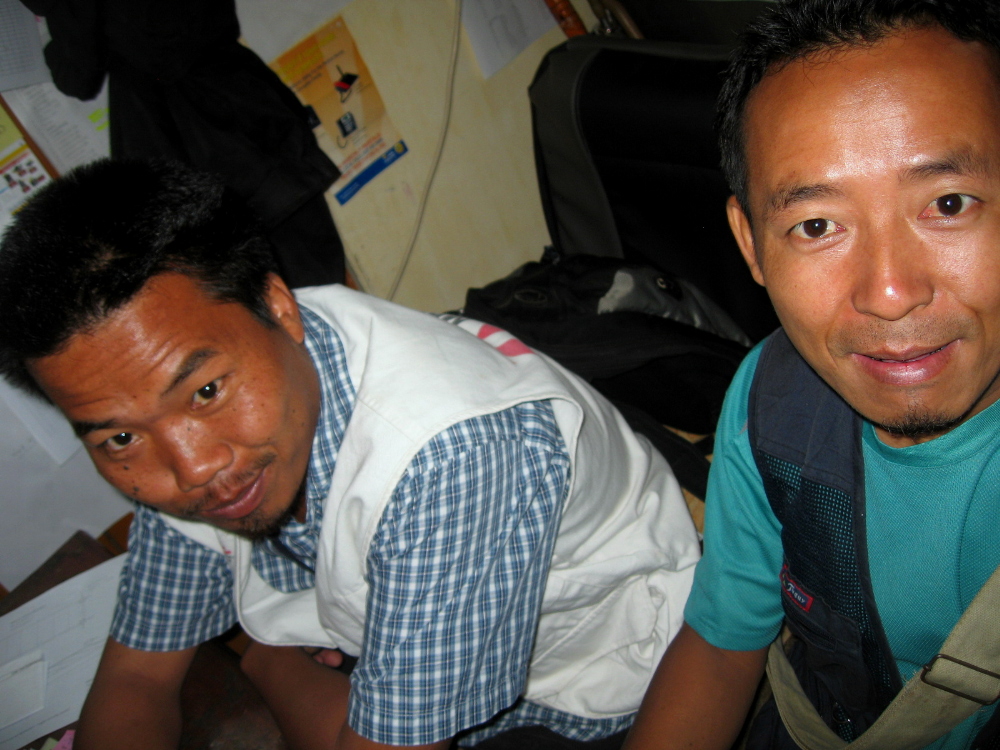
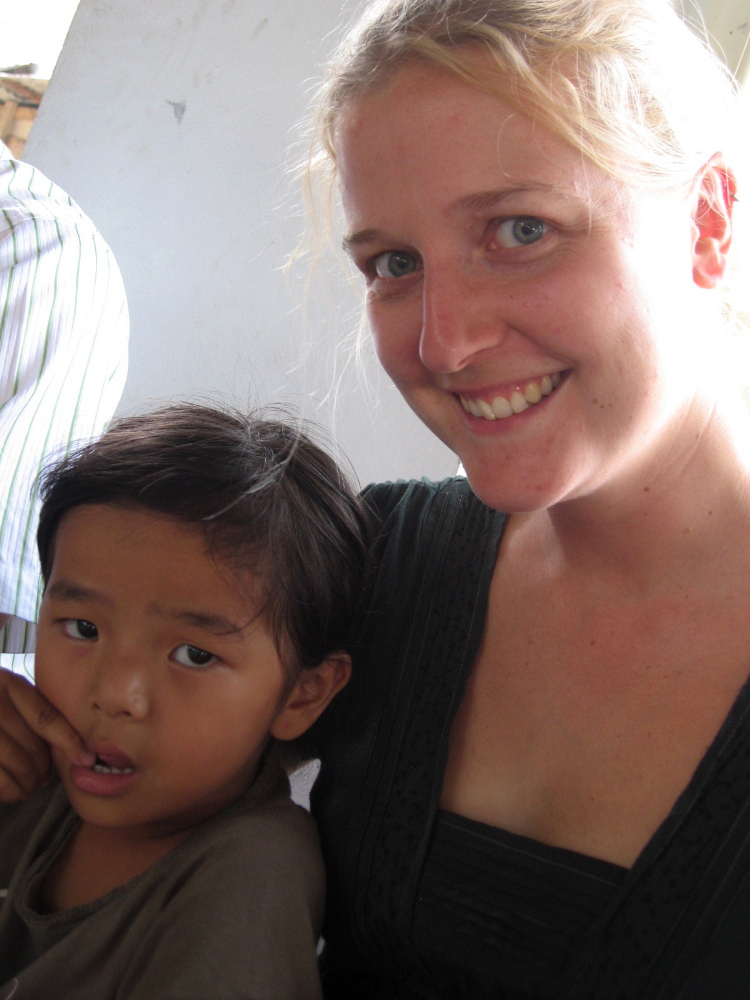
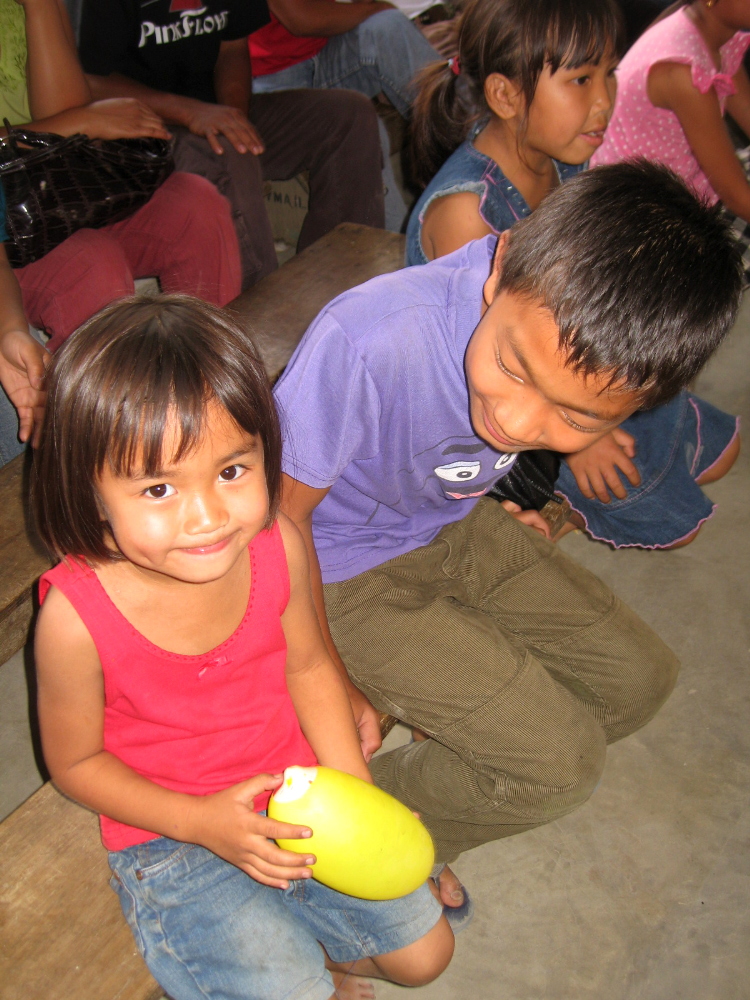
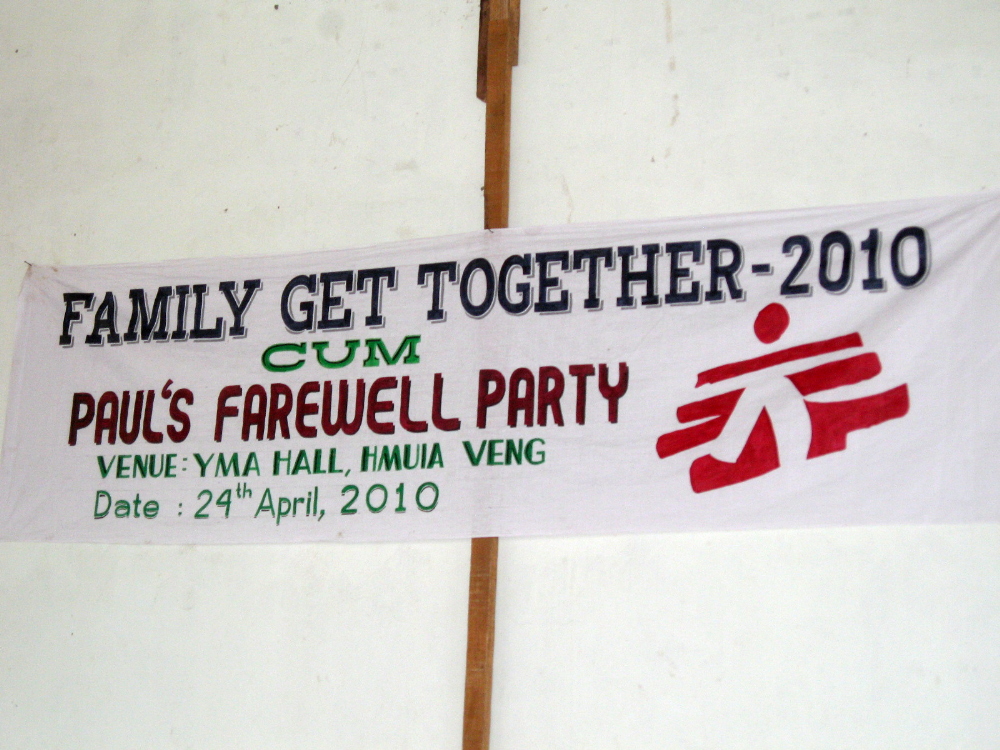
In the posts above, you’ve already seen many of the people who made my life in Manipur so rewarding — colleagues both national and international, patients and their families, neighbors and residents of the town we lived in and the town we worked in, and so on. For me the most humbling part of working with MSF in an area like Manipur is the welcome that MSF and our staff (both national and international) receive in the small towns and villages where we work. Most of the photos in this section were taken during the final couple weeks of my time in Manipur – in final visits to the clinics where we worked, during the handover with my replacement, and during my farewell party (that’s some colleagues singing at the farewell party which was also a family get-together, above). These big photos, and the gallery of images below, are a final thank you and ode to some of the many people I worked with and around during my months in Manipur.

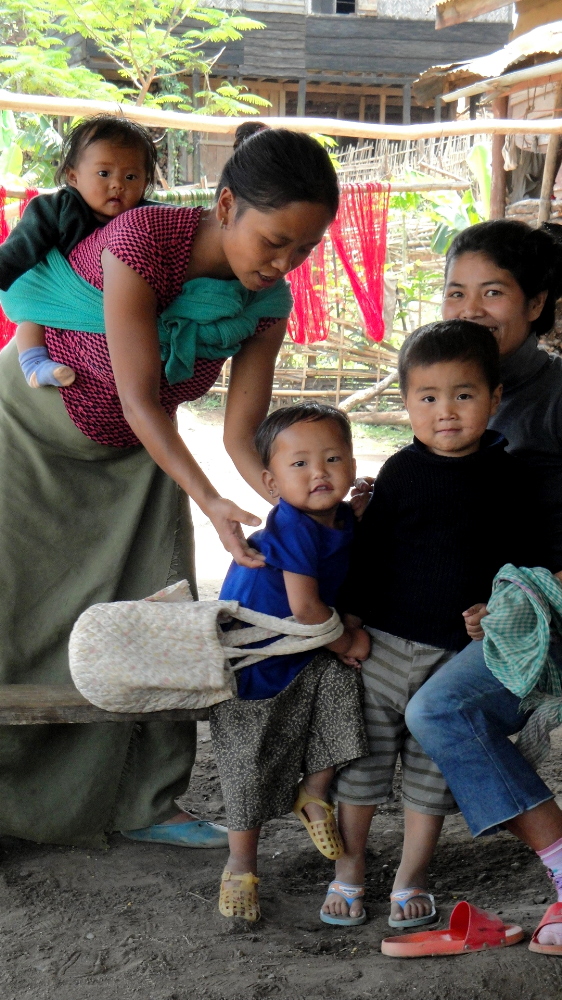
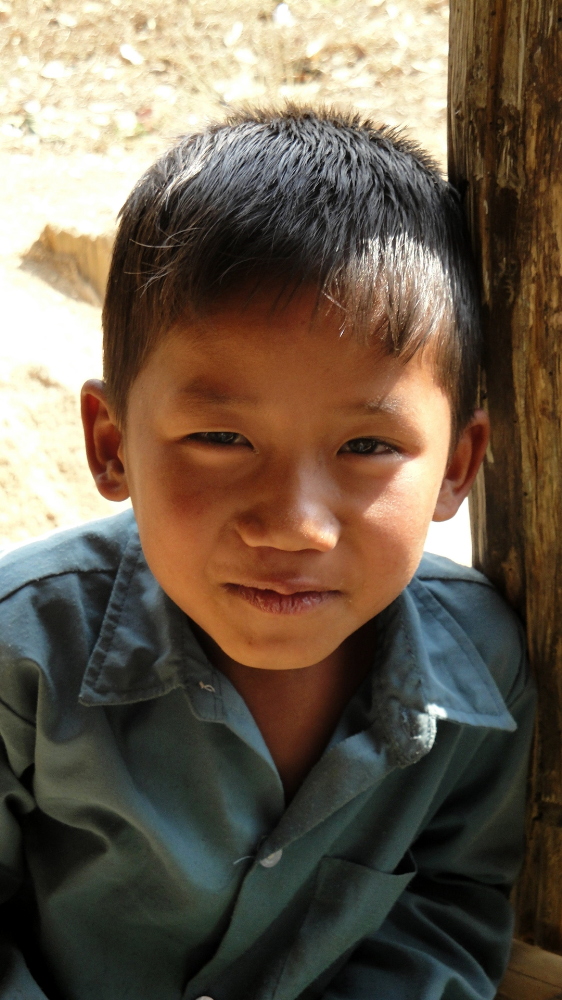
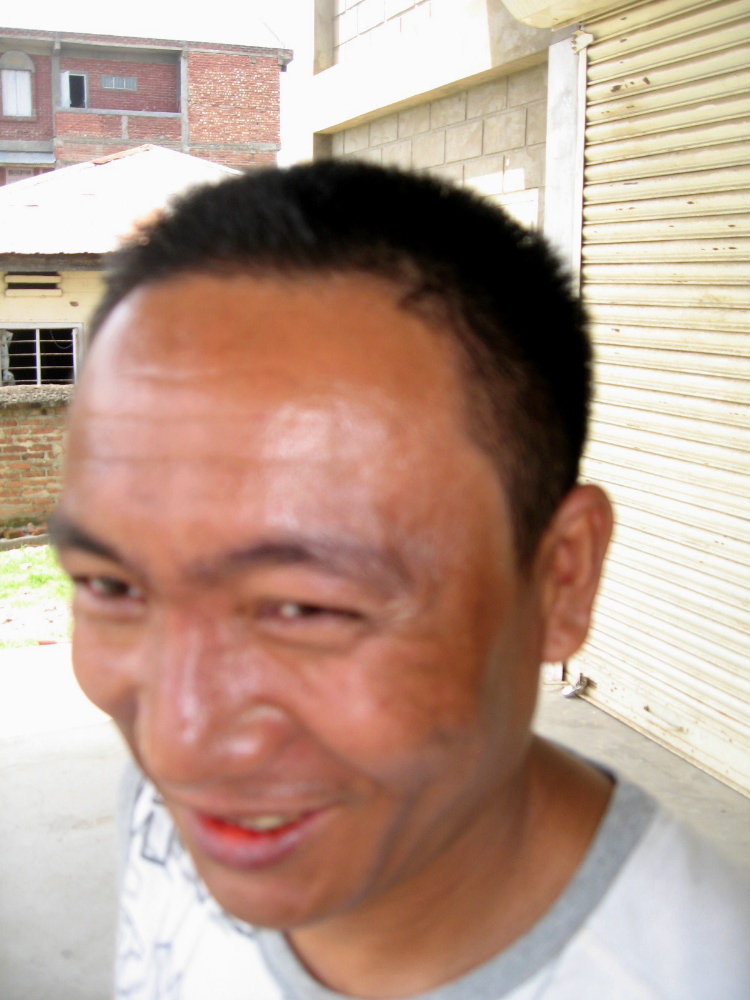
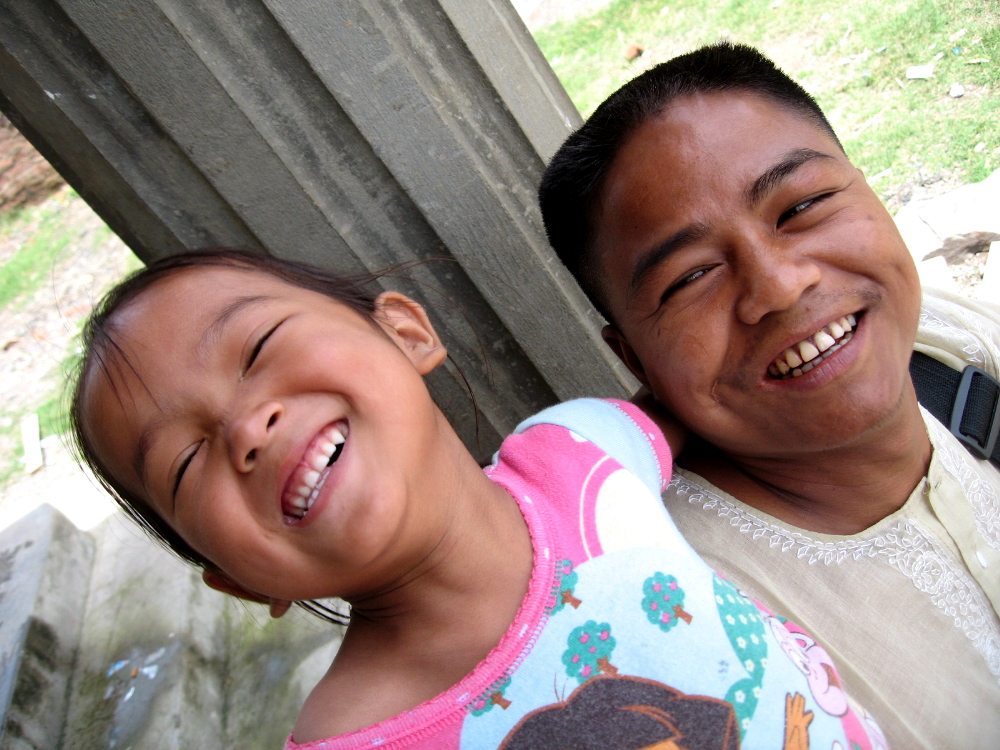
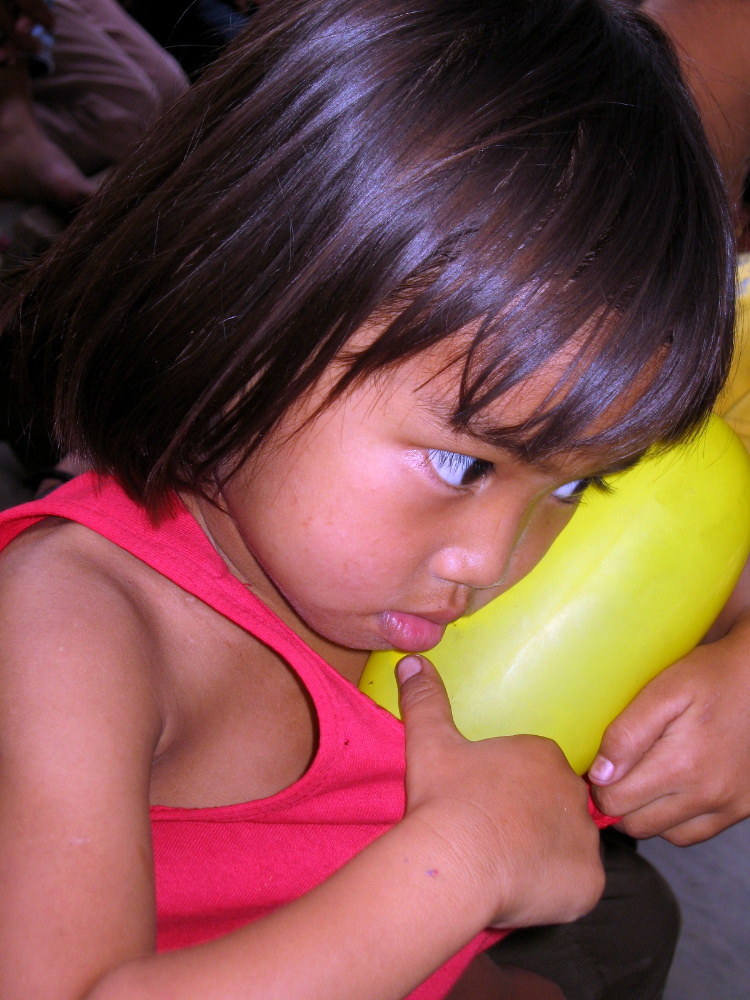
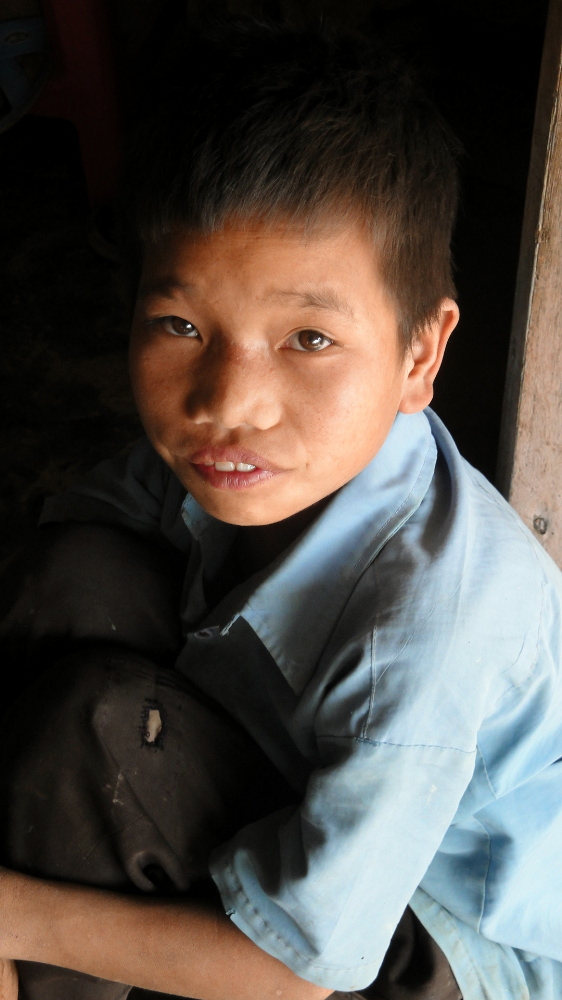
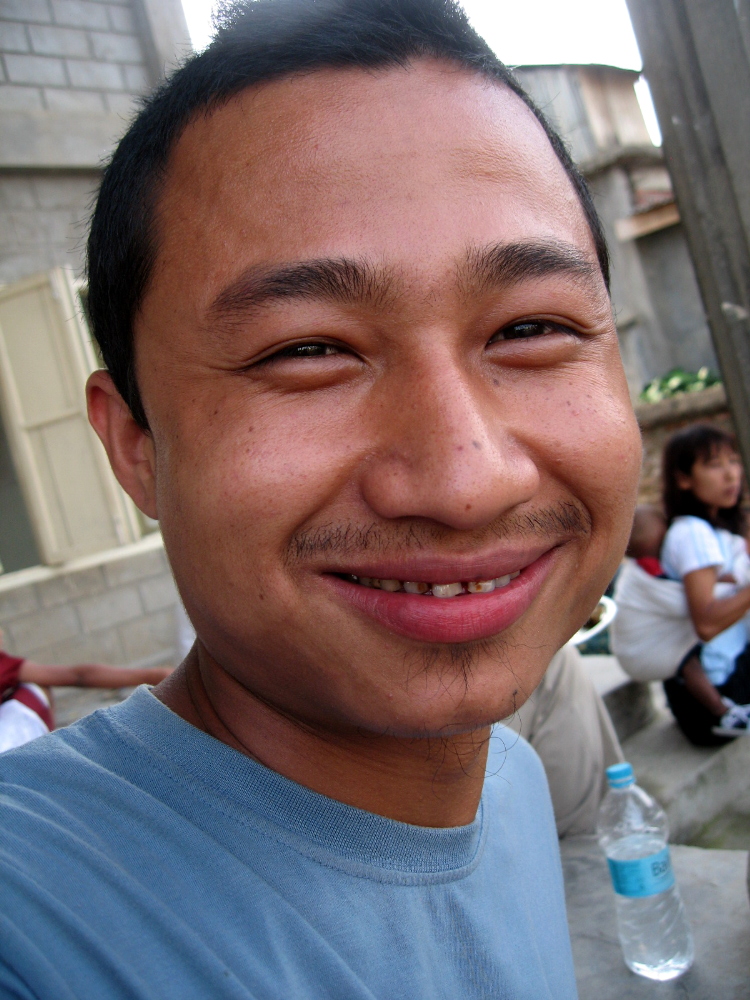
This young patient at one of our clinics started out dubious about this weird balding guy who wanted to take his picture…
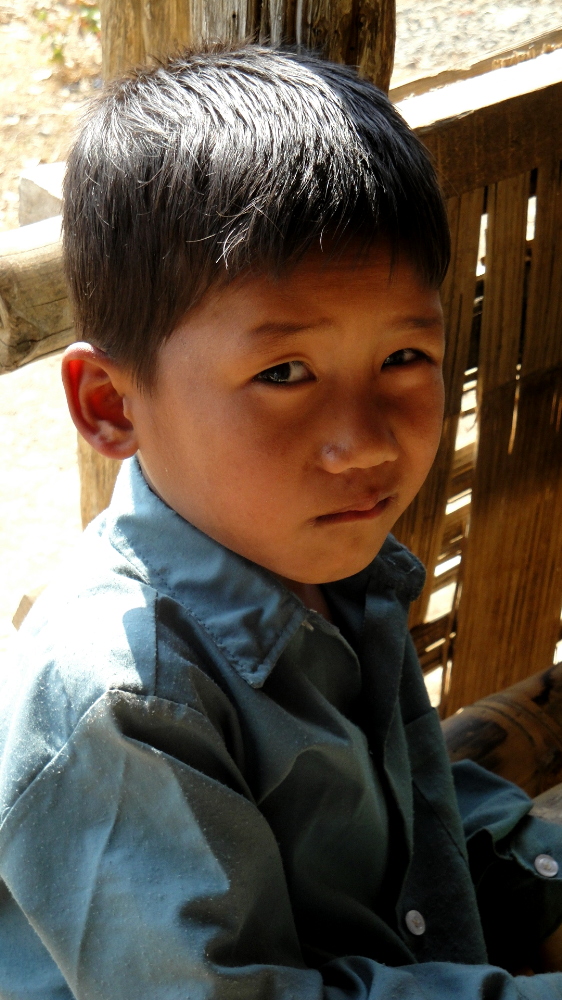
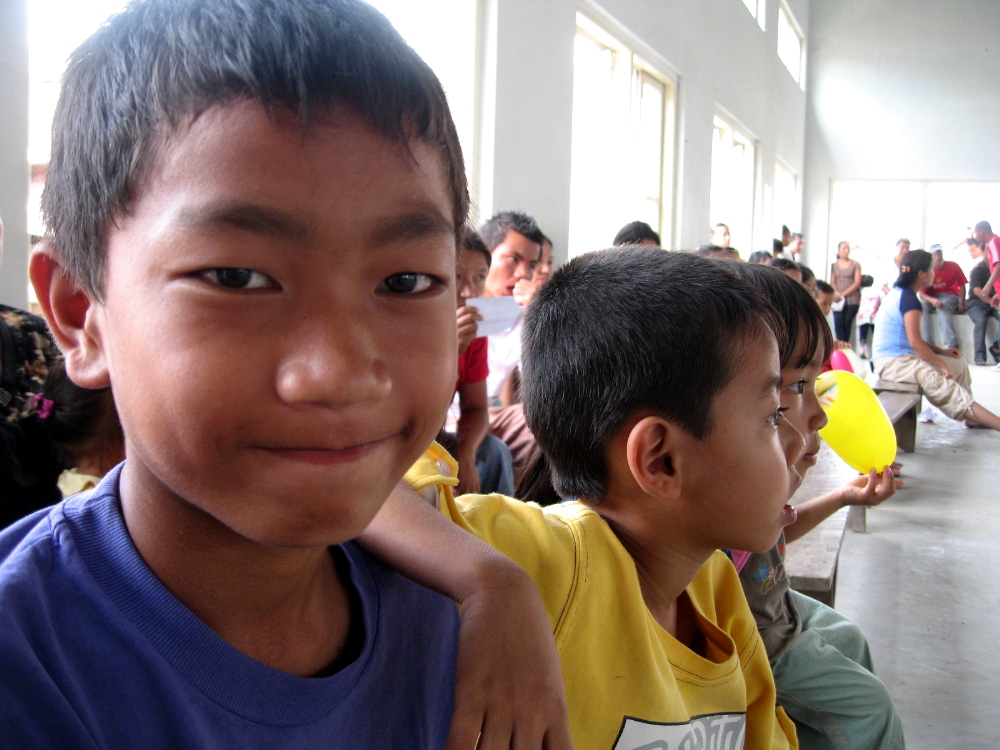
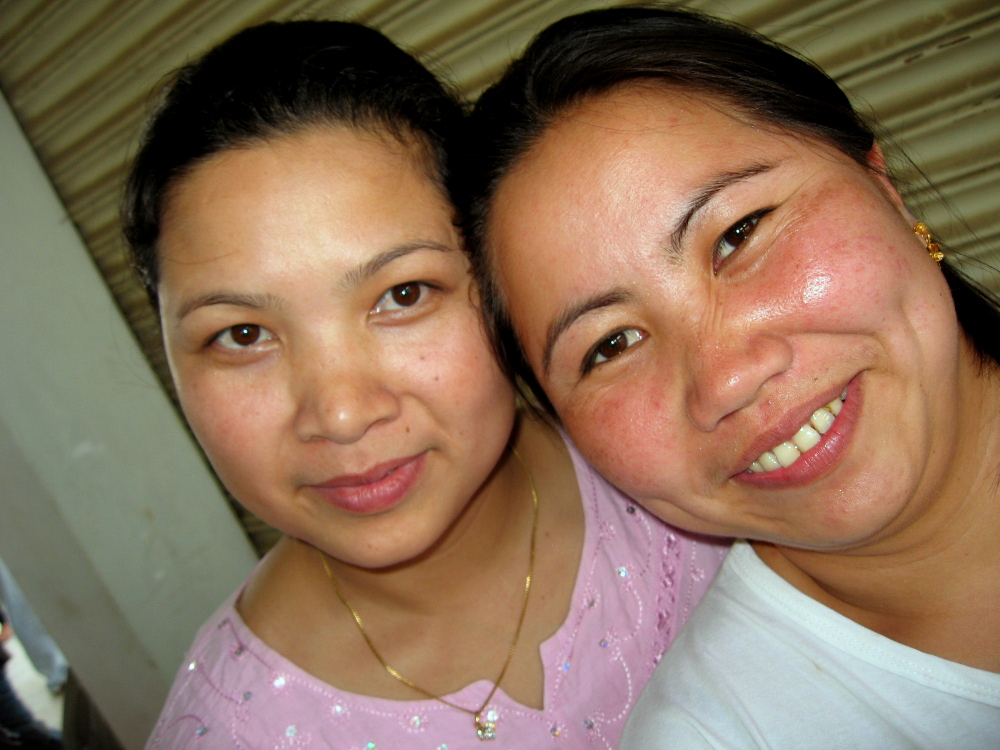
…but with encouragement from me and some of the mom’s sitting around (their shown below), he started to warm up…
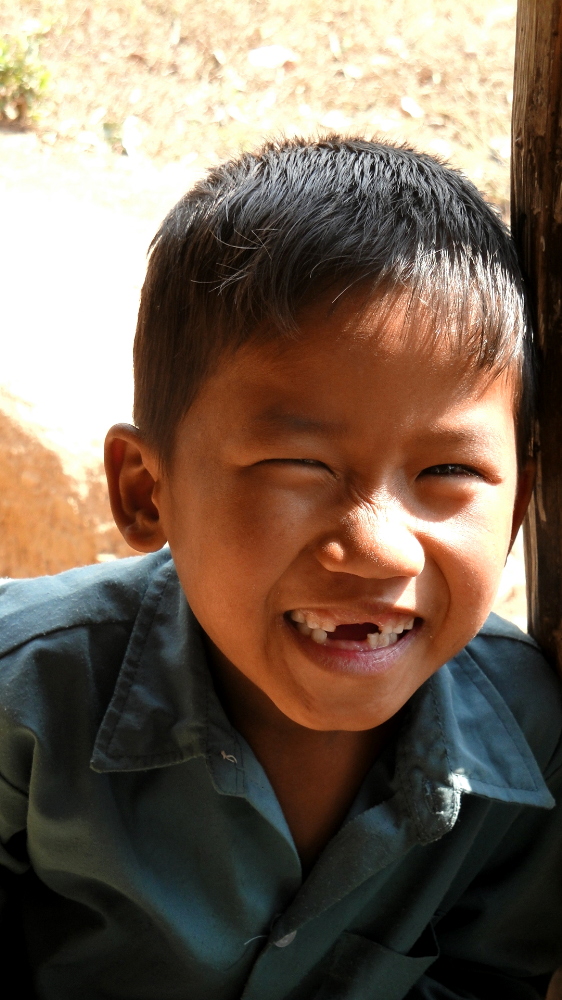
…and finally let loose. 🙂
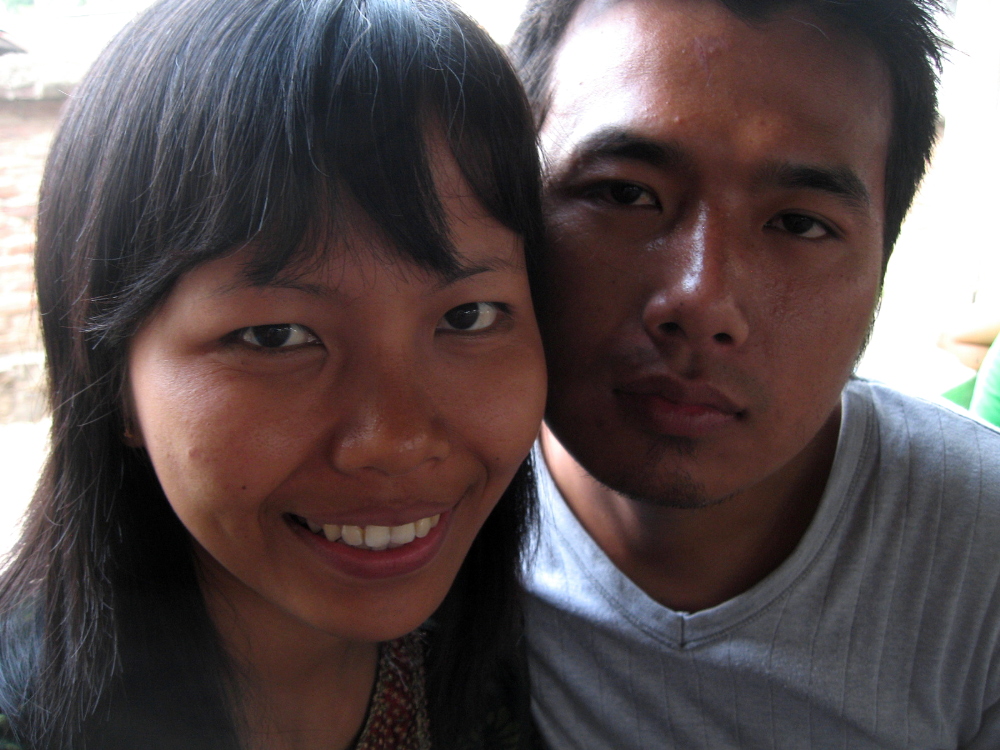
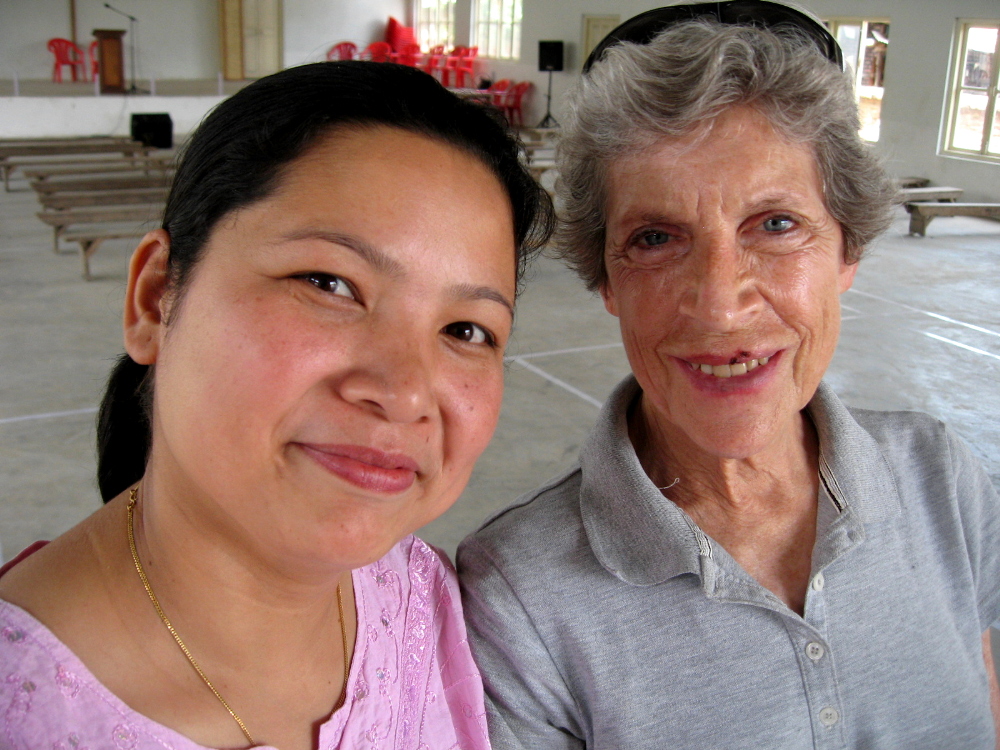
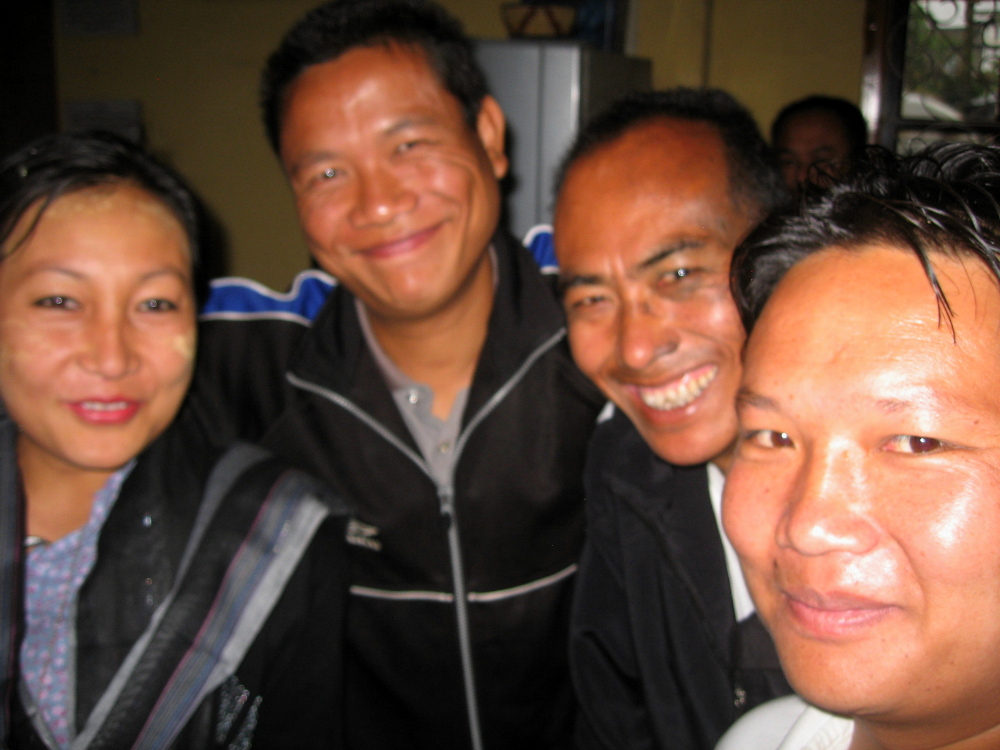
 Below are the smiling adults who encouraged him. One of them might be his Mom but I’m not sure.

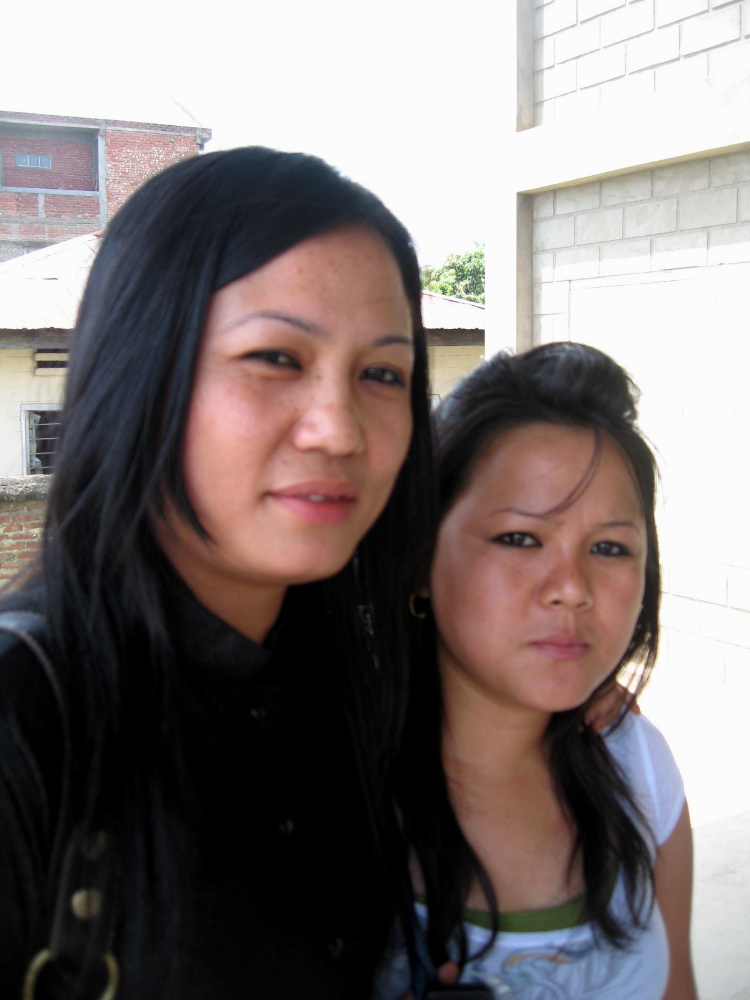
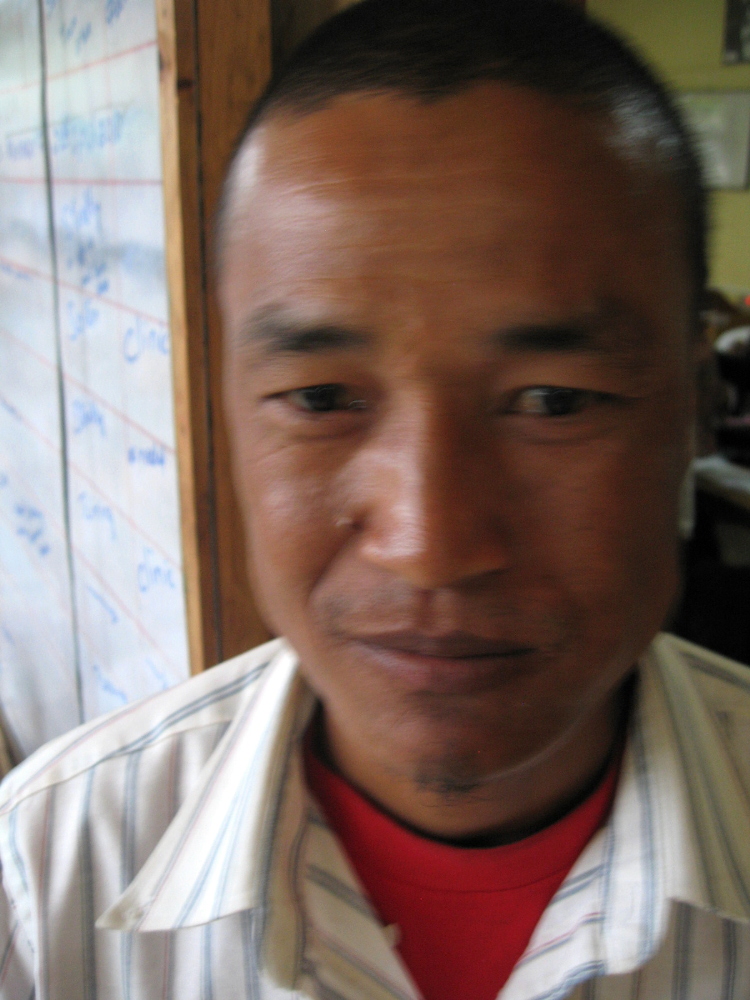

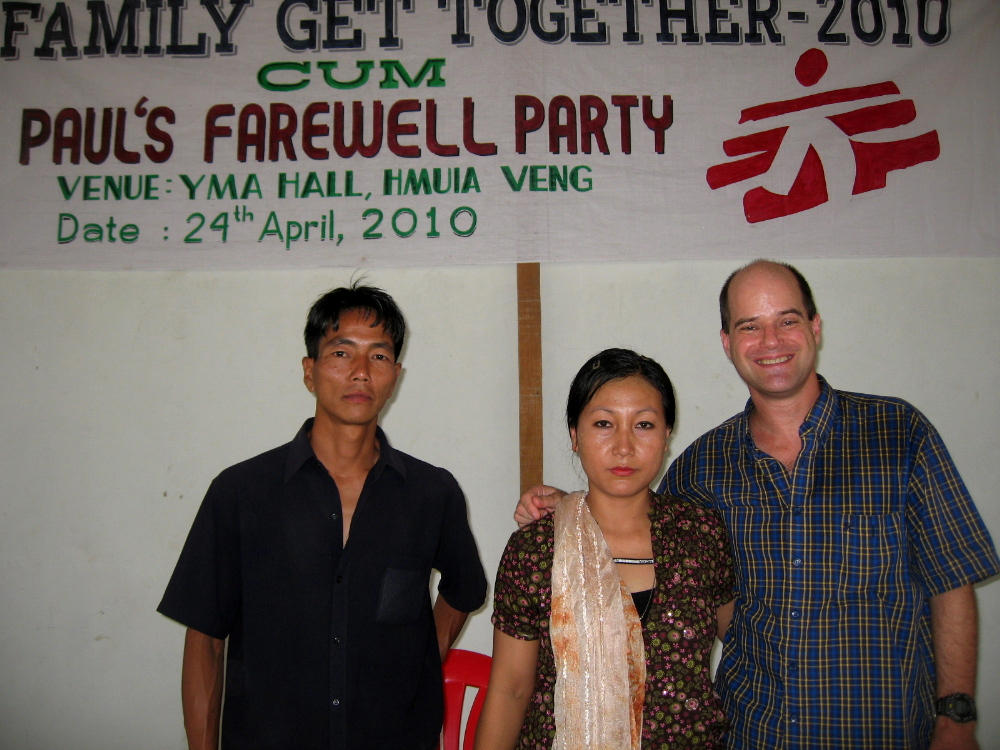
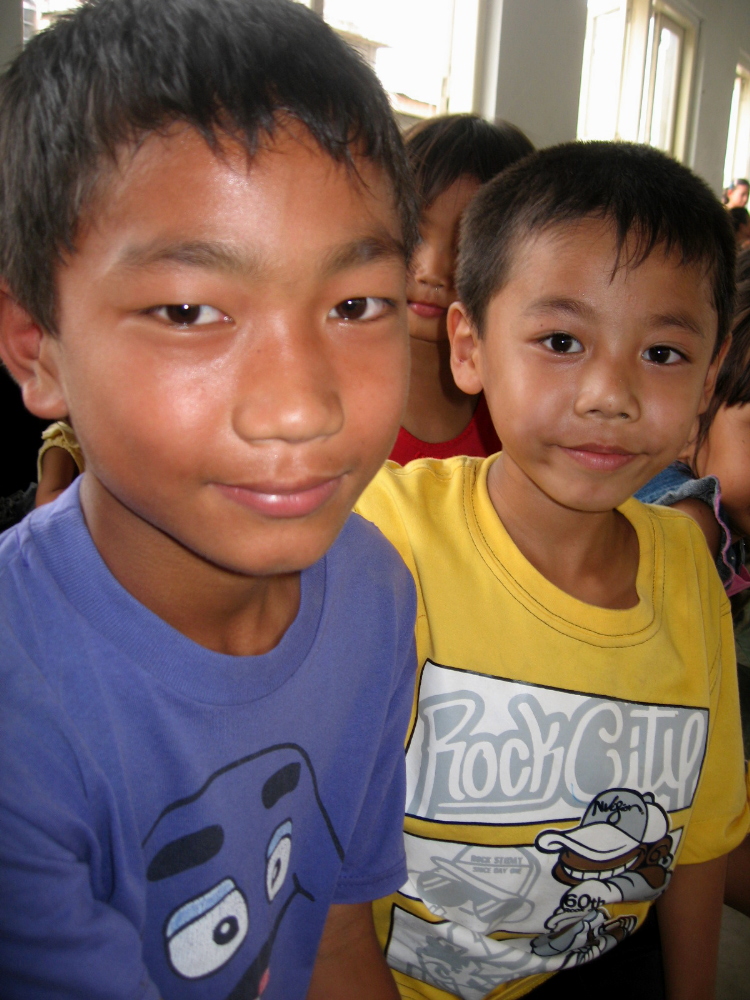
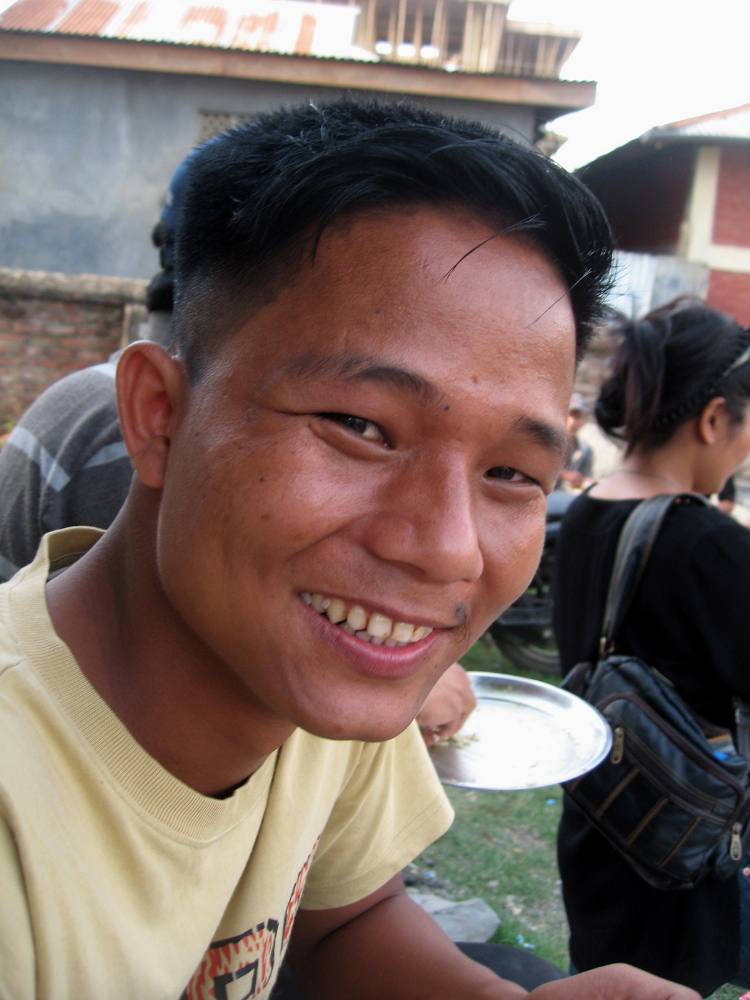
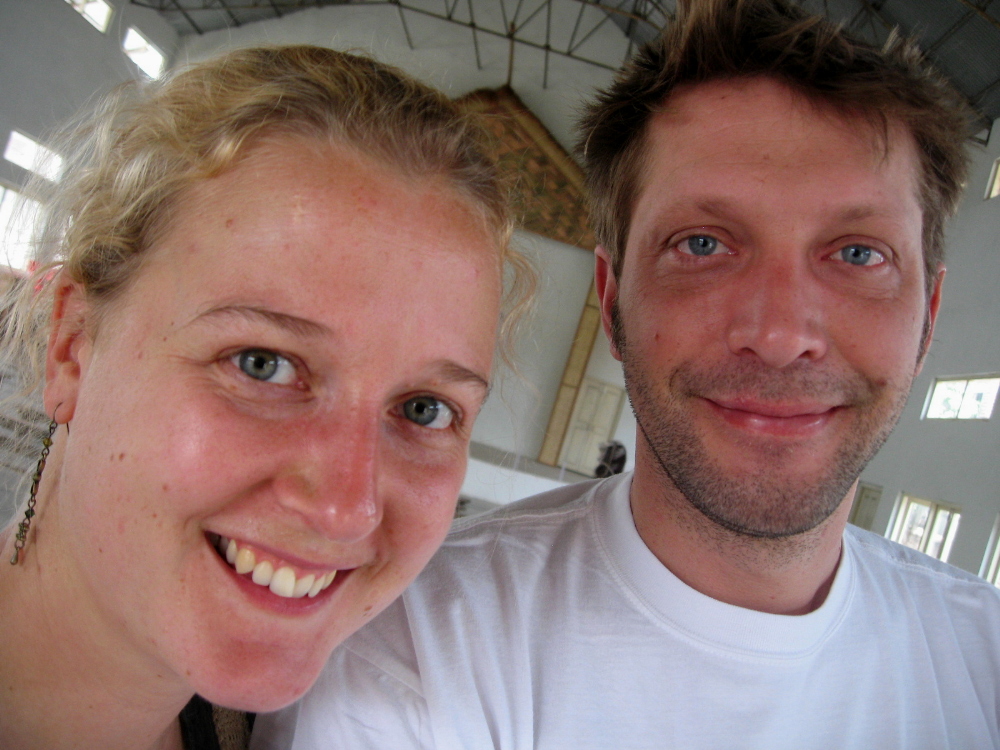
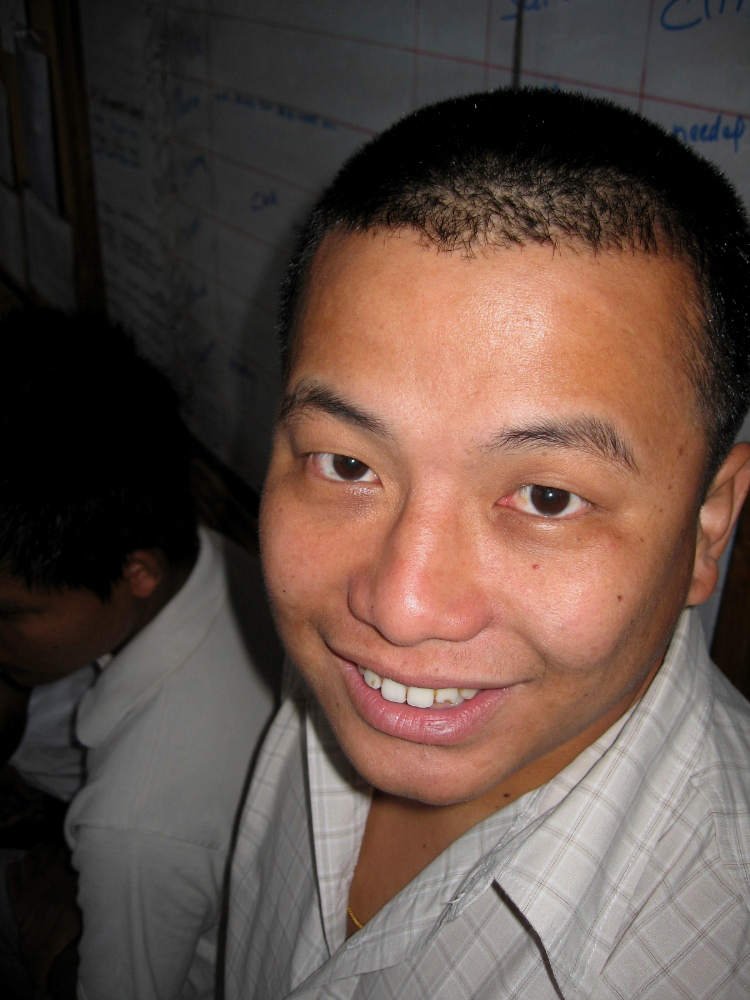
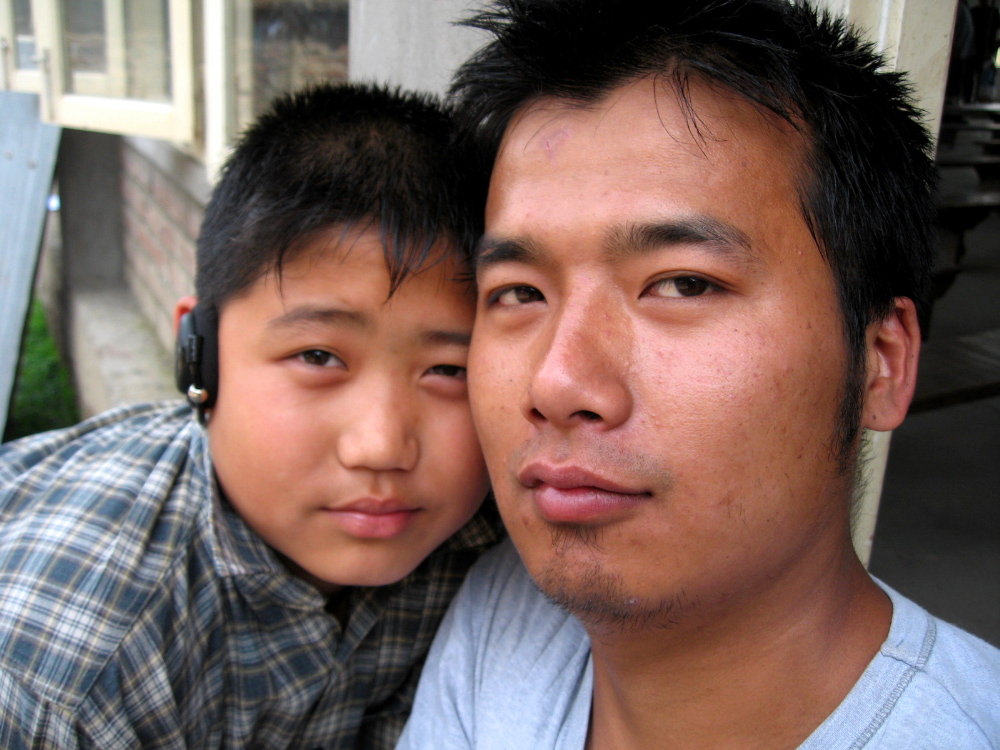









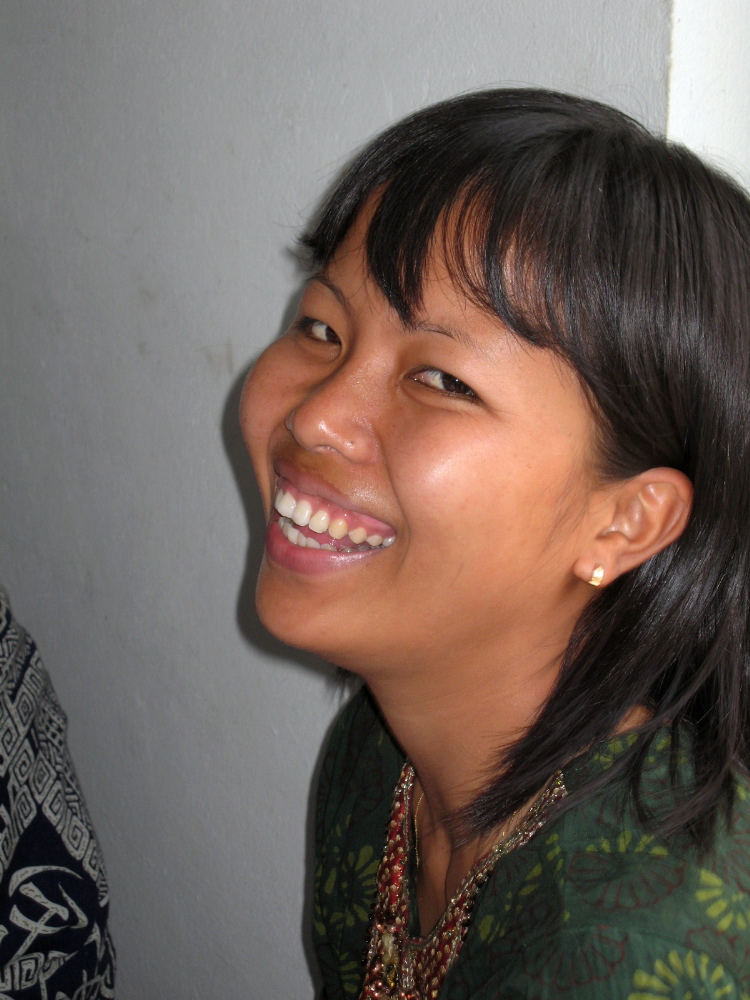

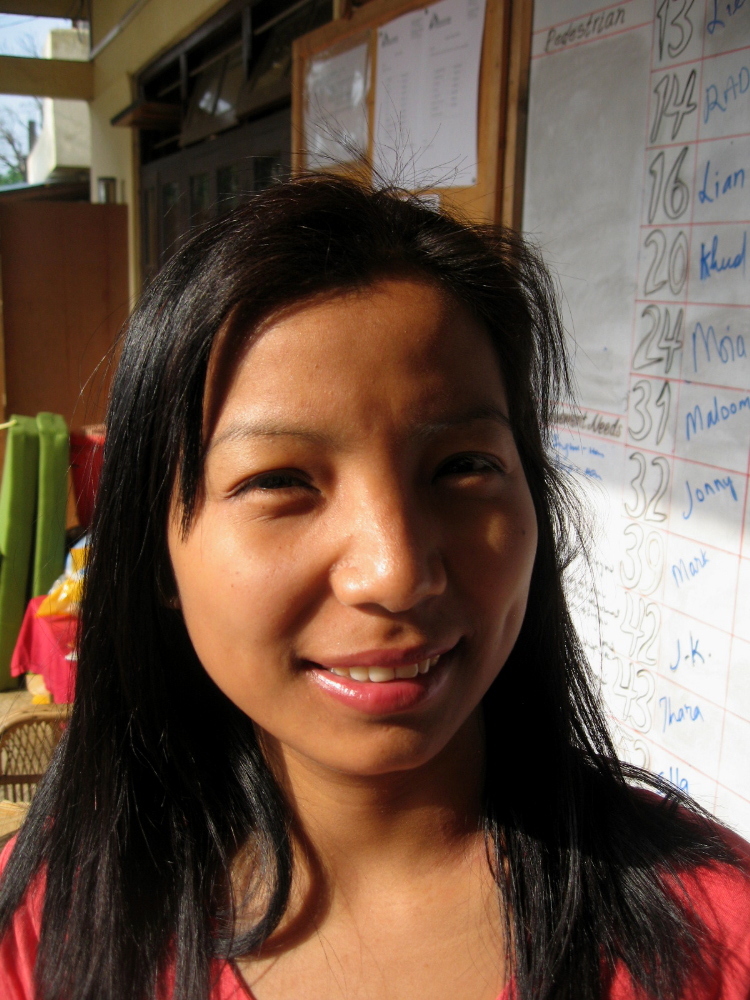
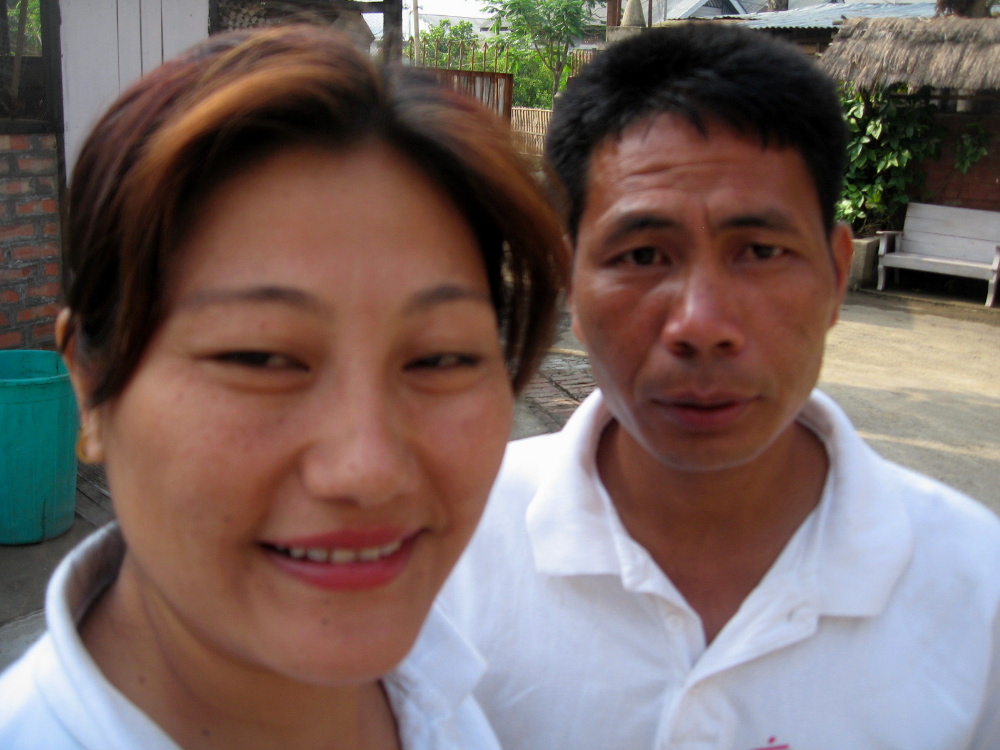
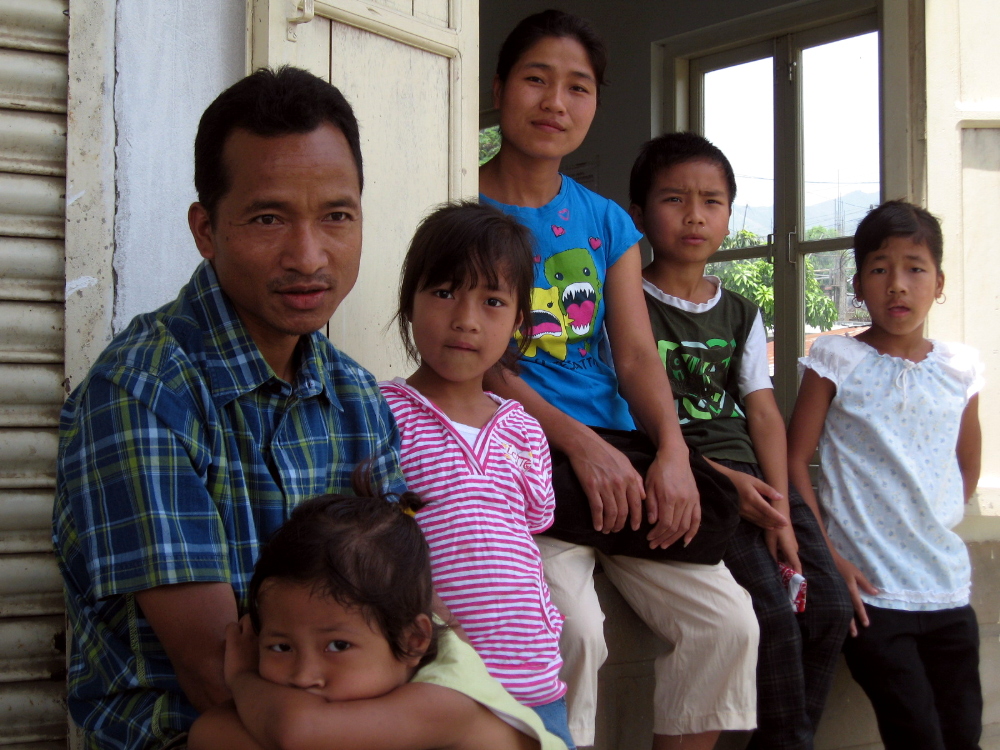

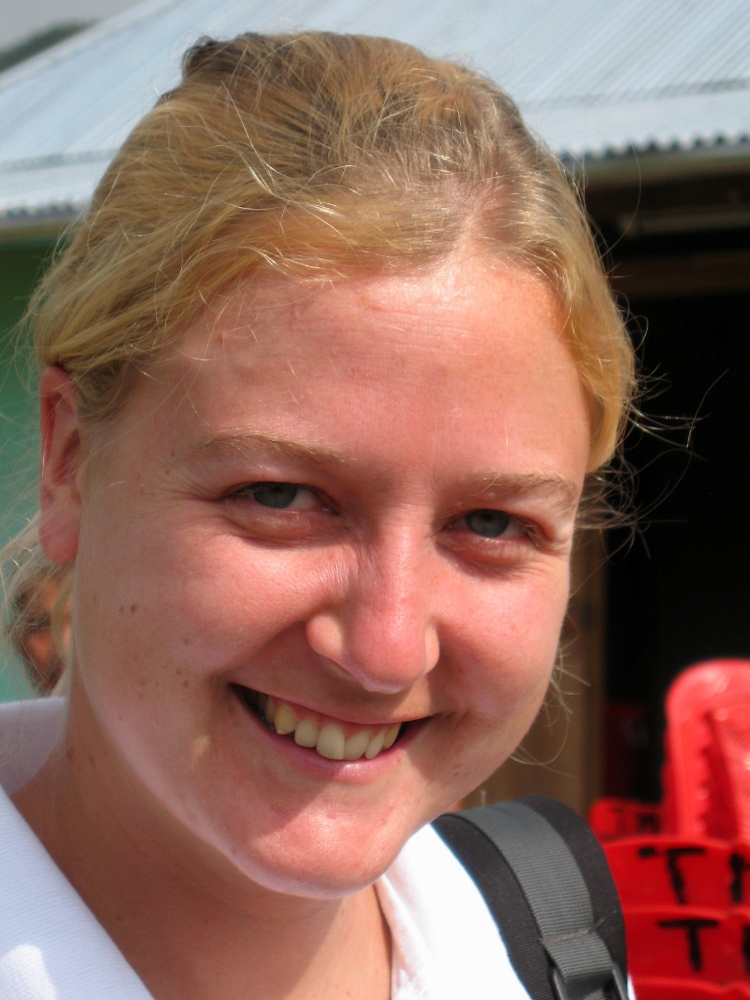
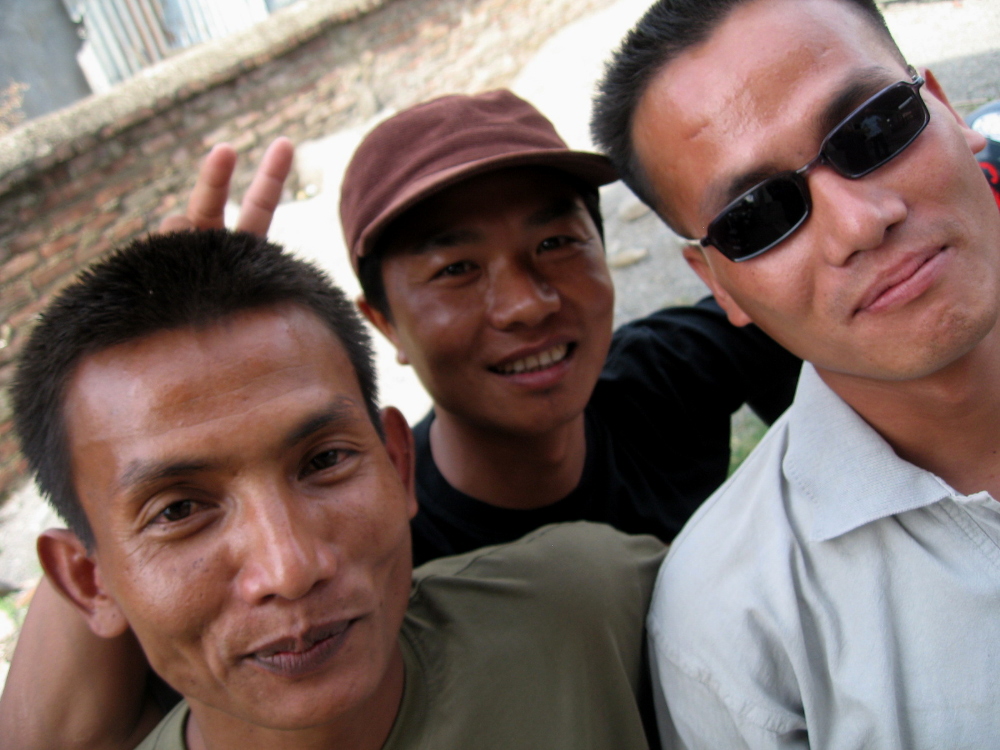
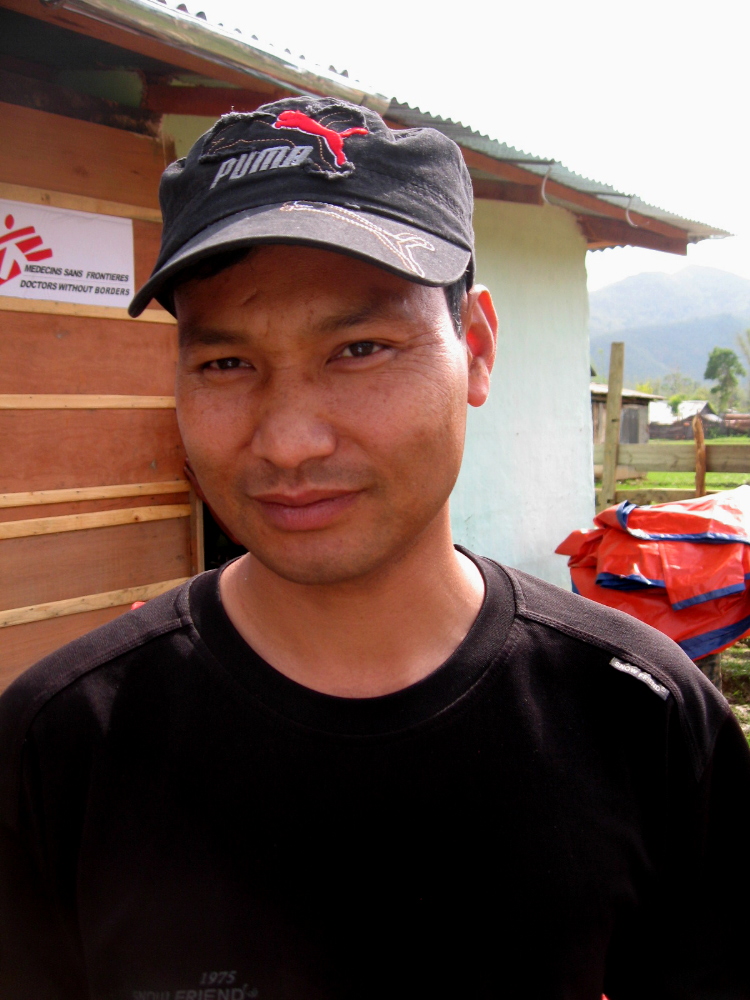
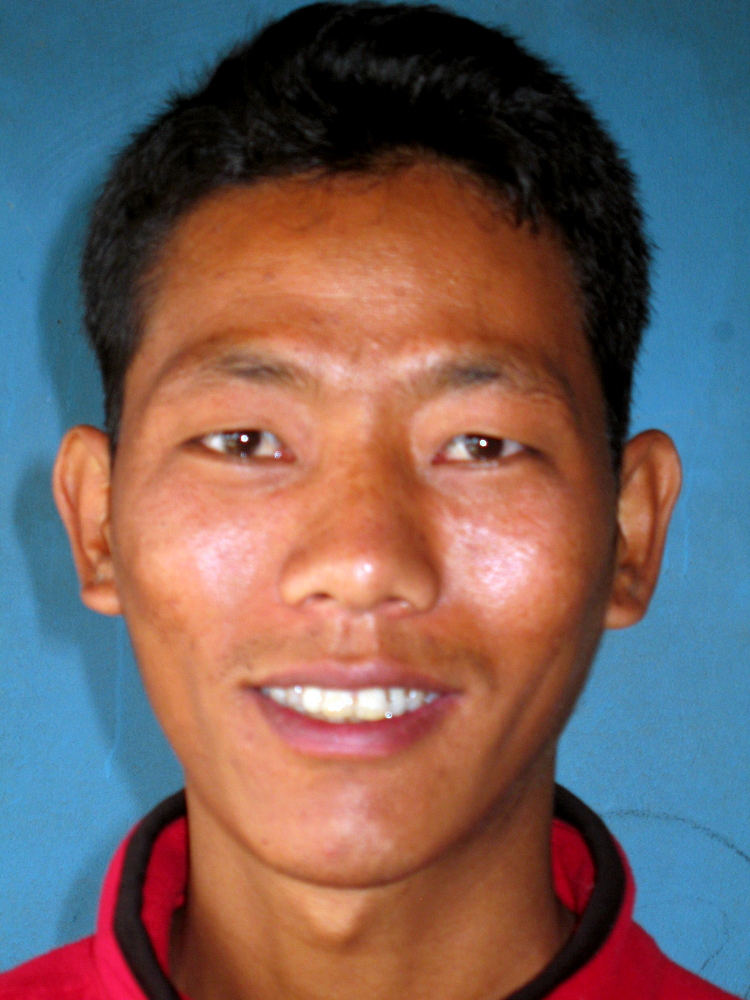



Magna Cum Confusion & Humor

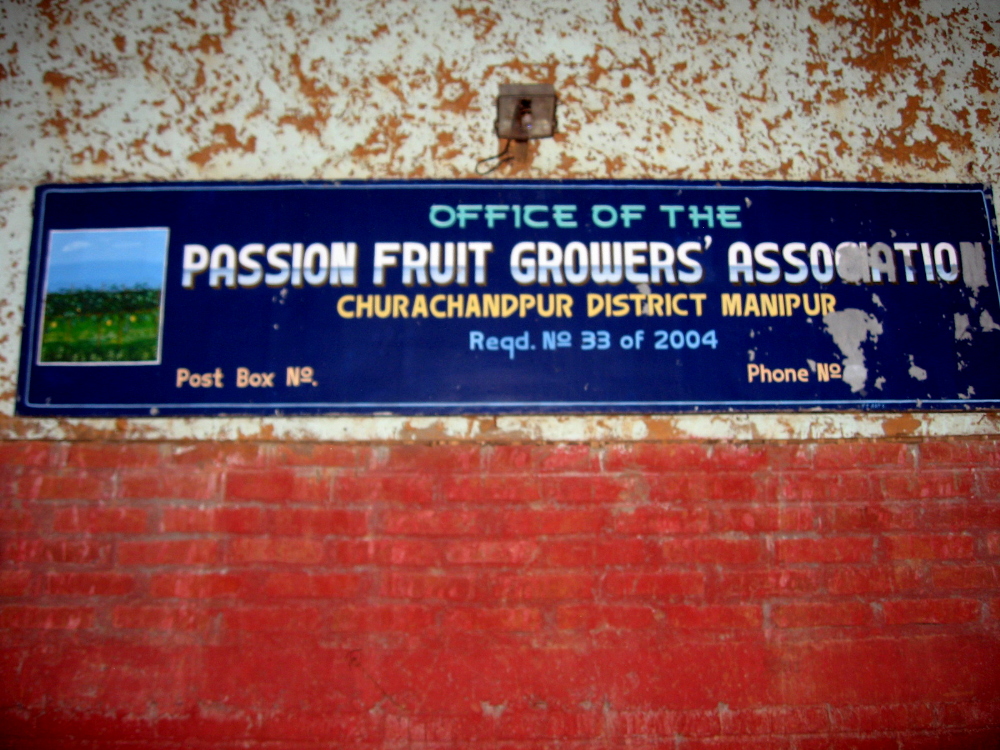
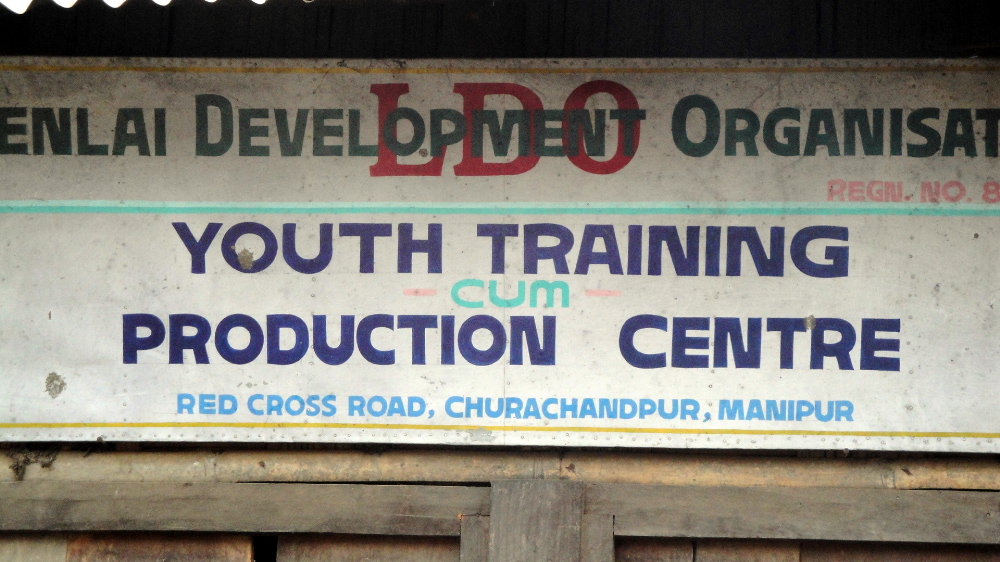
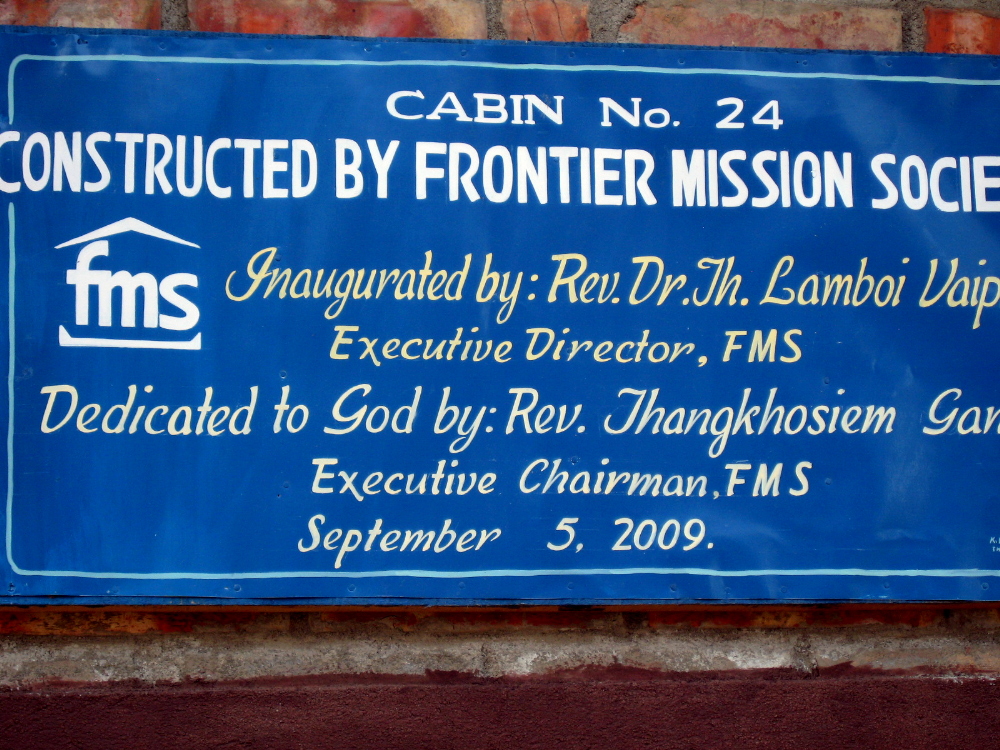
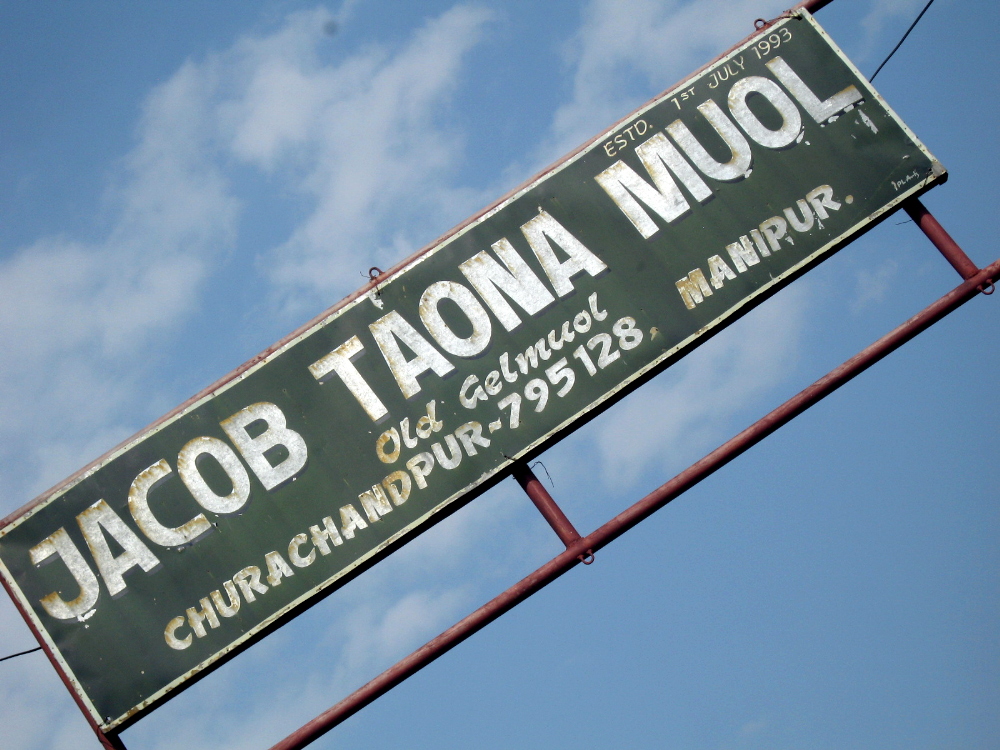
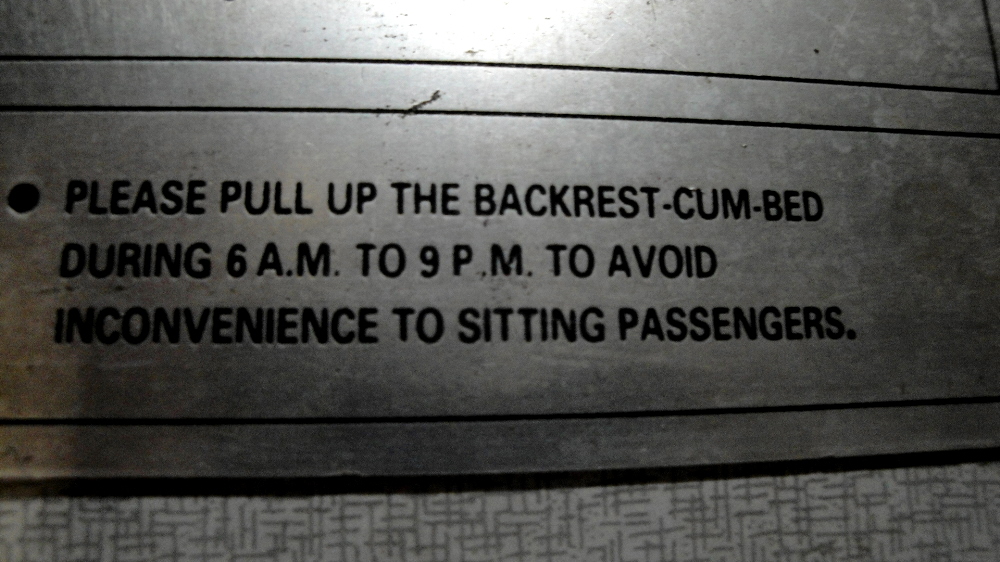
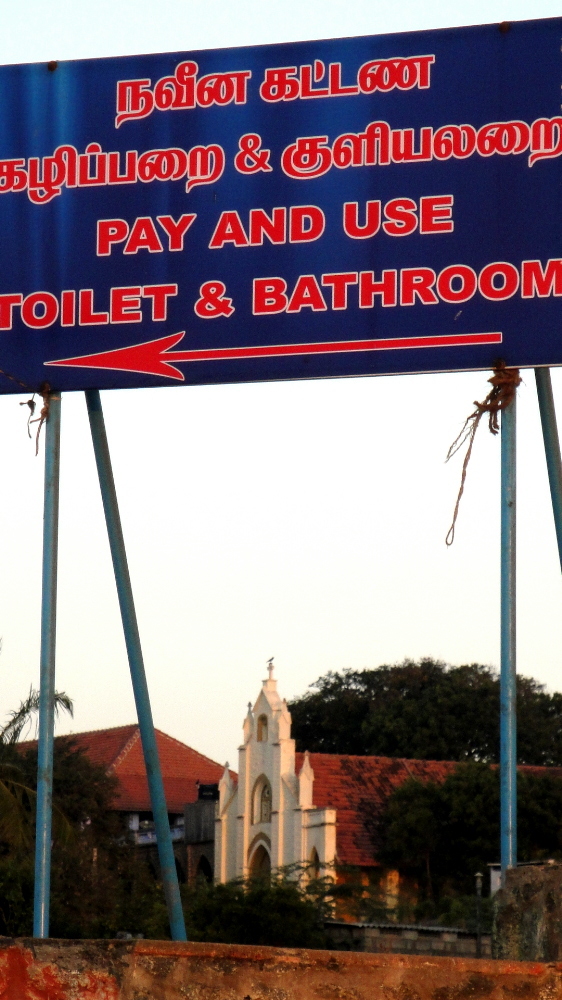
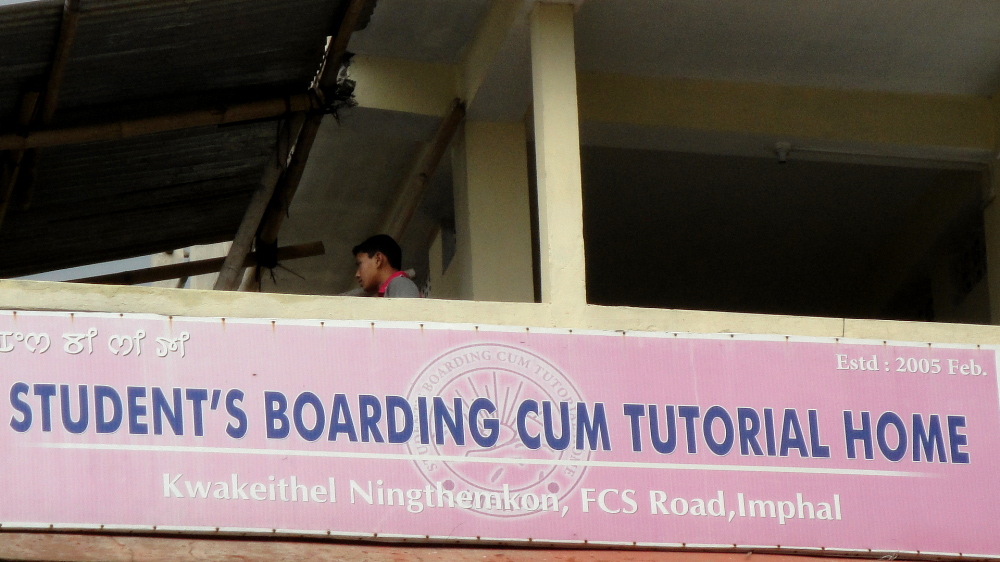
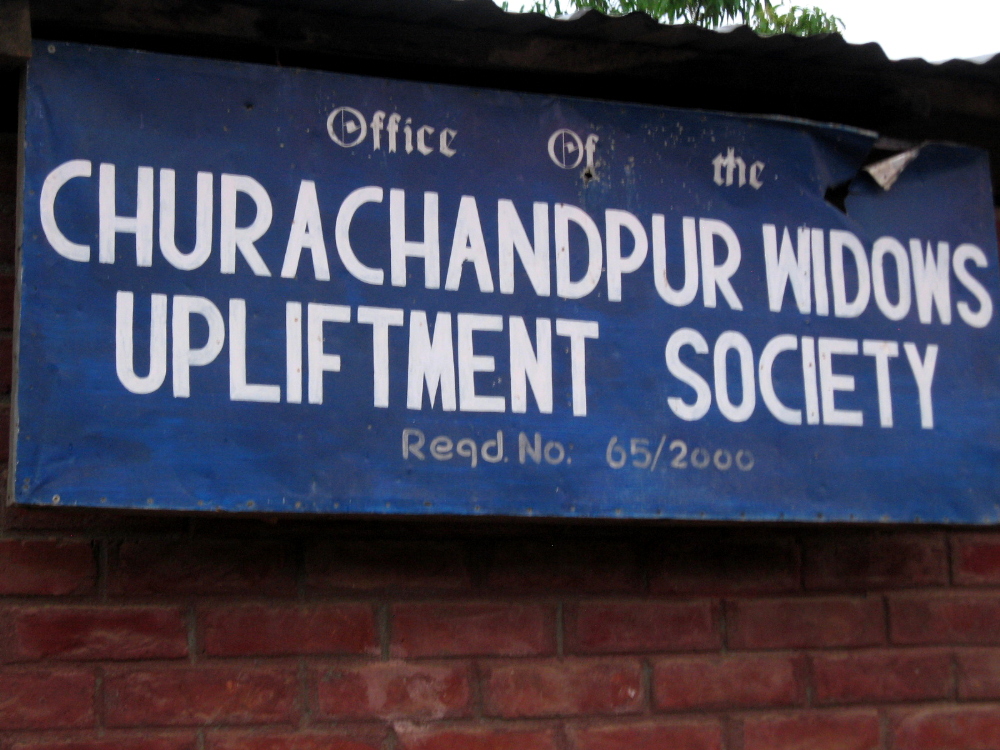
Since beginning this MSF phase of my life, I’ve lived & worked in three regions which the British ruled as colonies for some period of time. Along with that British colonial history comes a greater familiarity with English among at least more educated people. English is a good lingua franca in Nigeria, whose people speak hundreds of tribal languages in their homes and families. I think English is actually a bit less widespread in India because there are superpower regional languages like Hindi, Tamil, Bengali, etc. which are spoken by very large numbers of people. But India certainly has a group of highly-educated citizens whose English is often far more refined than mine. Then there are the unique forms English takes as it adapts to local needs and usages – I recall an article in Nigeria’s Punch newspaper about how unusual Nigerian English was becoming; so unusual that the editorial writer feared it was moving out of the mainstream of global English and becoming nearly incomprehensible to other English speakers. I don’t think Indian English runs that risk…but I did find some things to enjoy and to have a chuckle about. Or simply some very nice uses of the language. Herewith are some of my favorite signs and monuments, with a strong emphasis on the Indian penchant for using the latinate cum as a junction between two different parts of one whole. I and my colleagues sometimes found these signs rather humorous.
…and, directly across the street in the the center of Churachandpur Town:

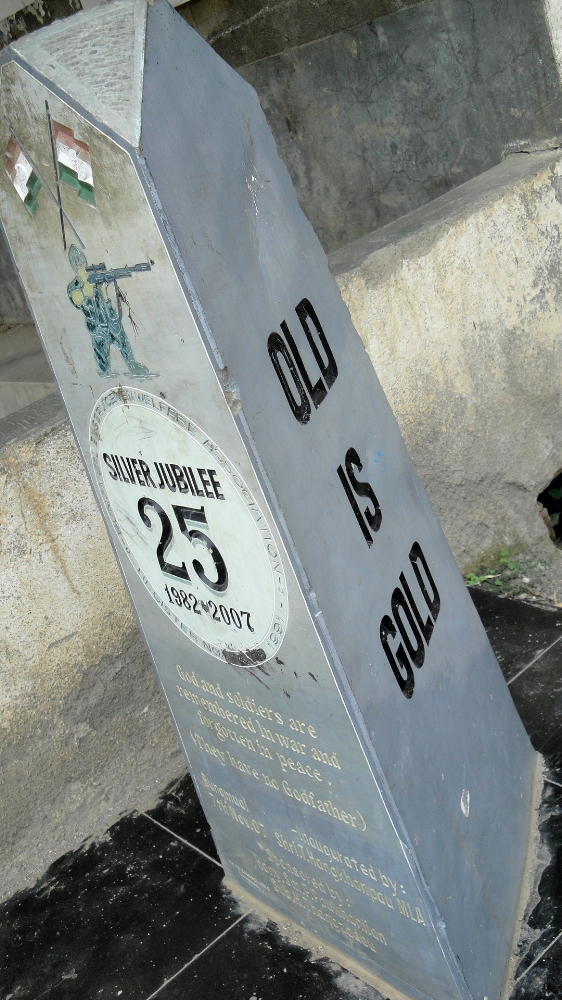
I don’t want this post to disintegrate into a bad joke – though indeed Fiona & Marja & I got some great laughs out of the signs just above, and some others that you’ll see. The parts of Manipur that I frequented were big on commemorations and memorials, many of which were nicely made. At left and right are two stone memorials commemorating important anniveraries in local history. I’m hoping that these will all lay out, when finally up on screen, more or less as I’d been hoping. We’ll see – learning a new blog host is hard!

Seeing Sweden – The Old Country

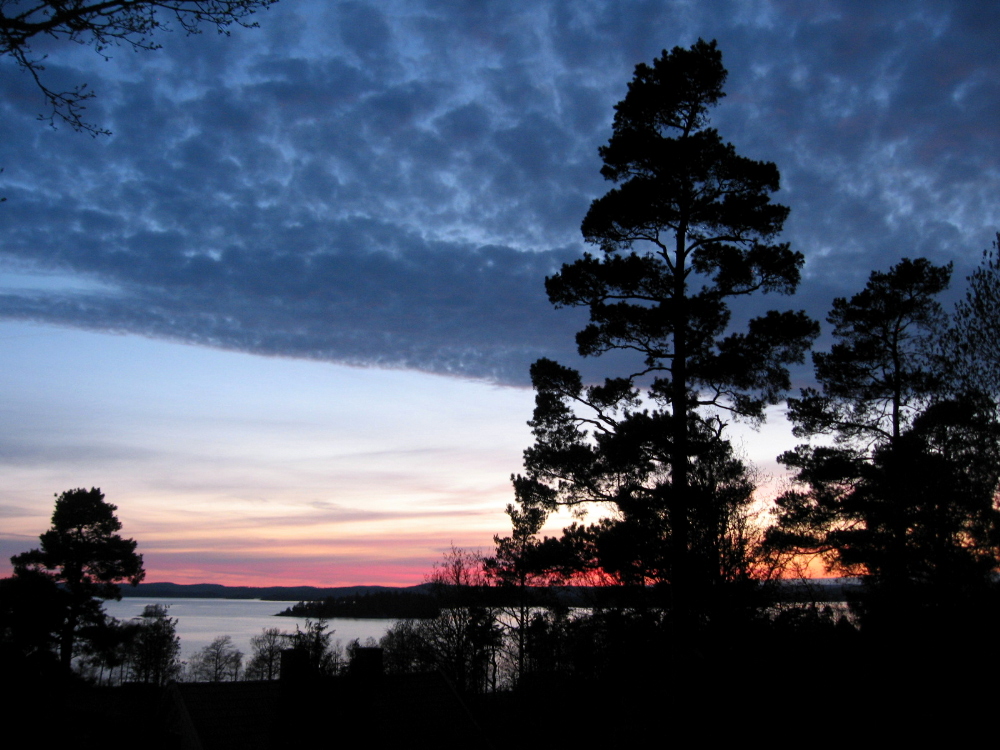
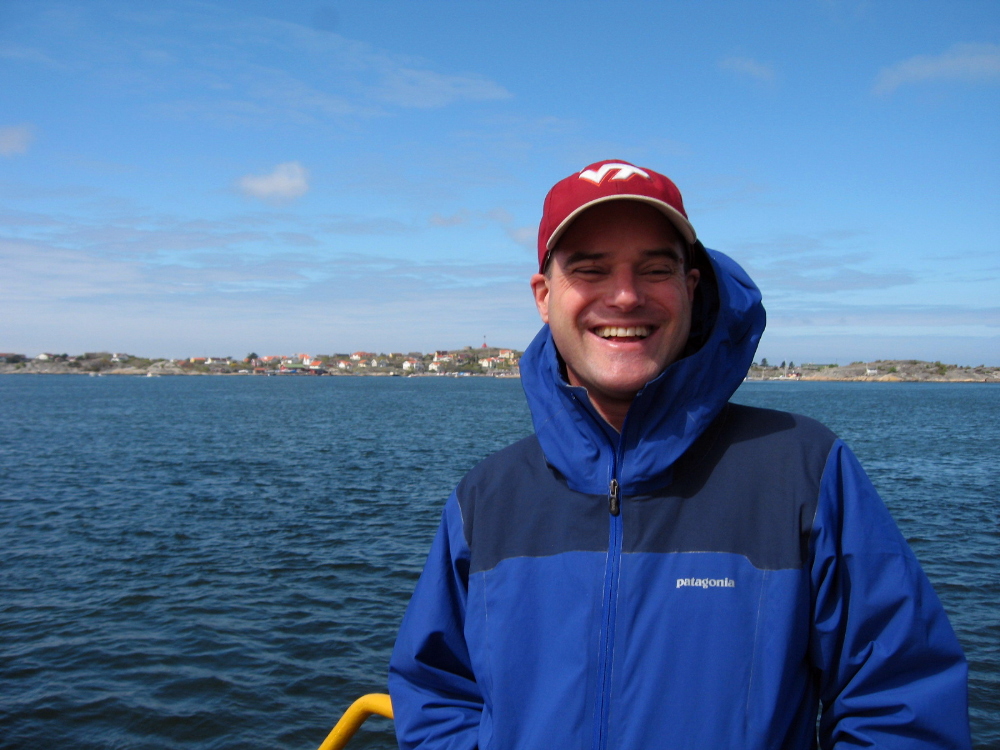
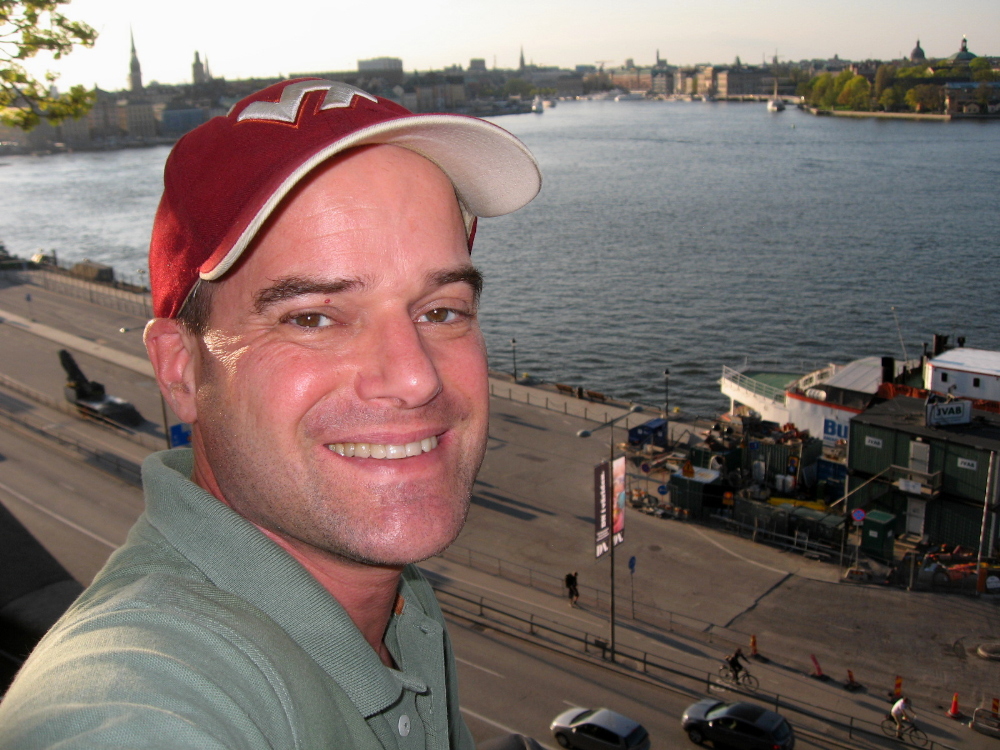
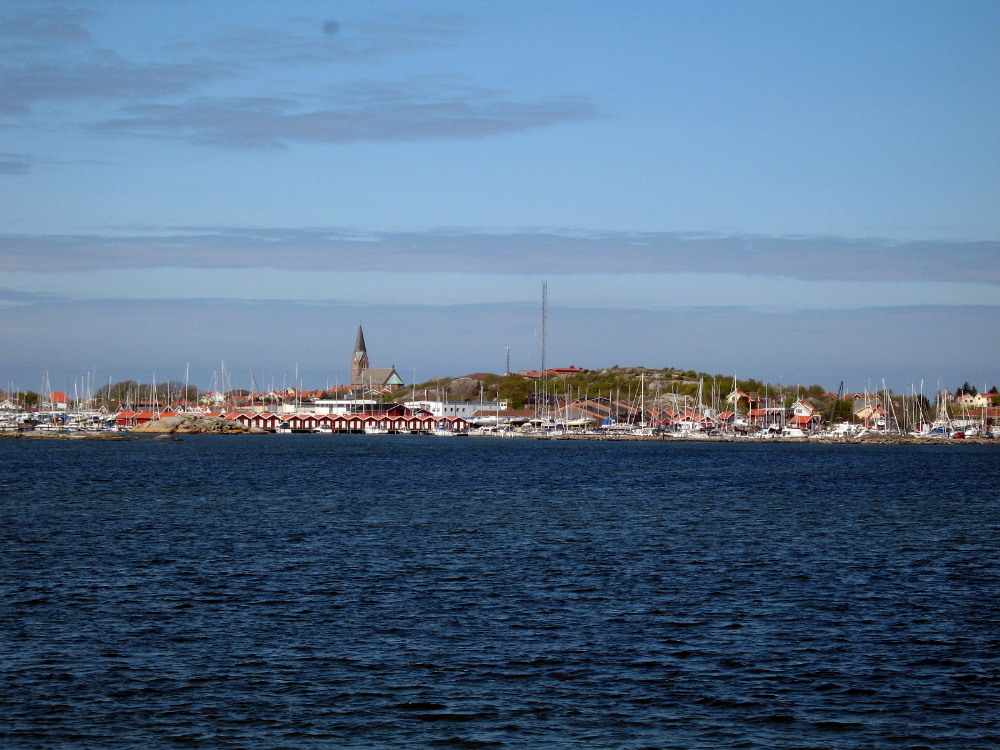
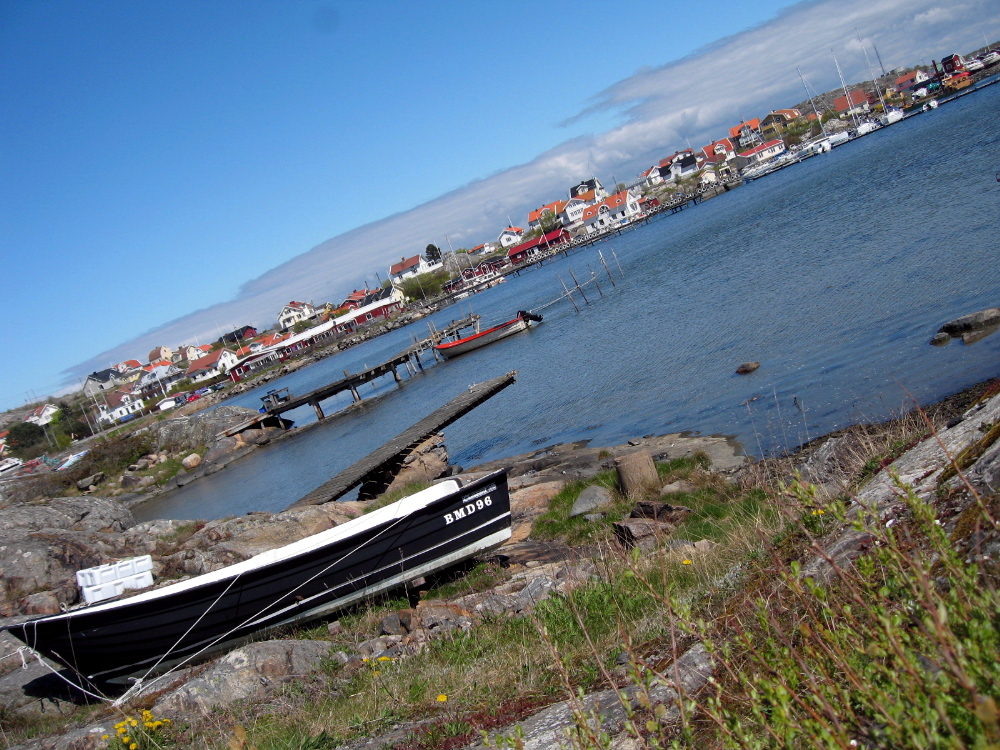
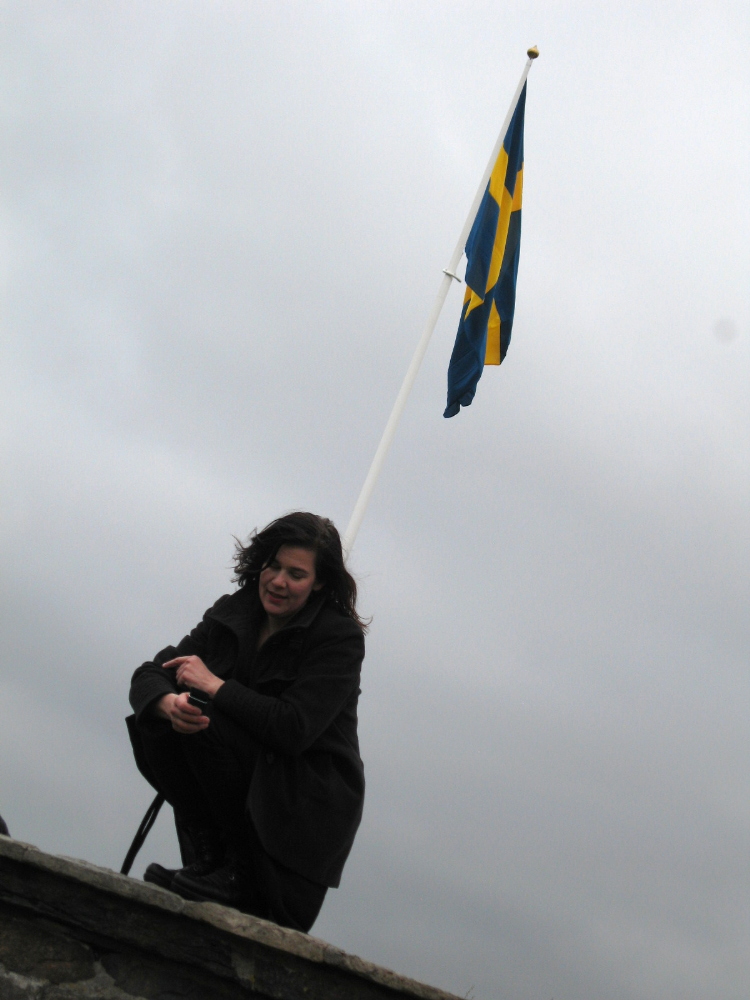
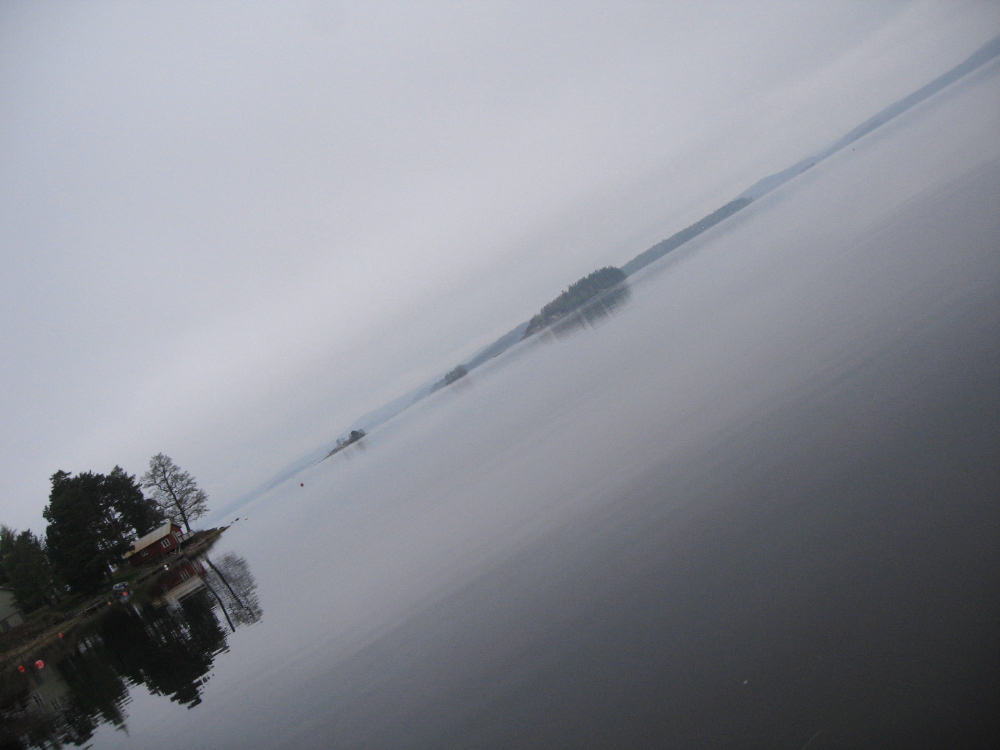
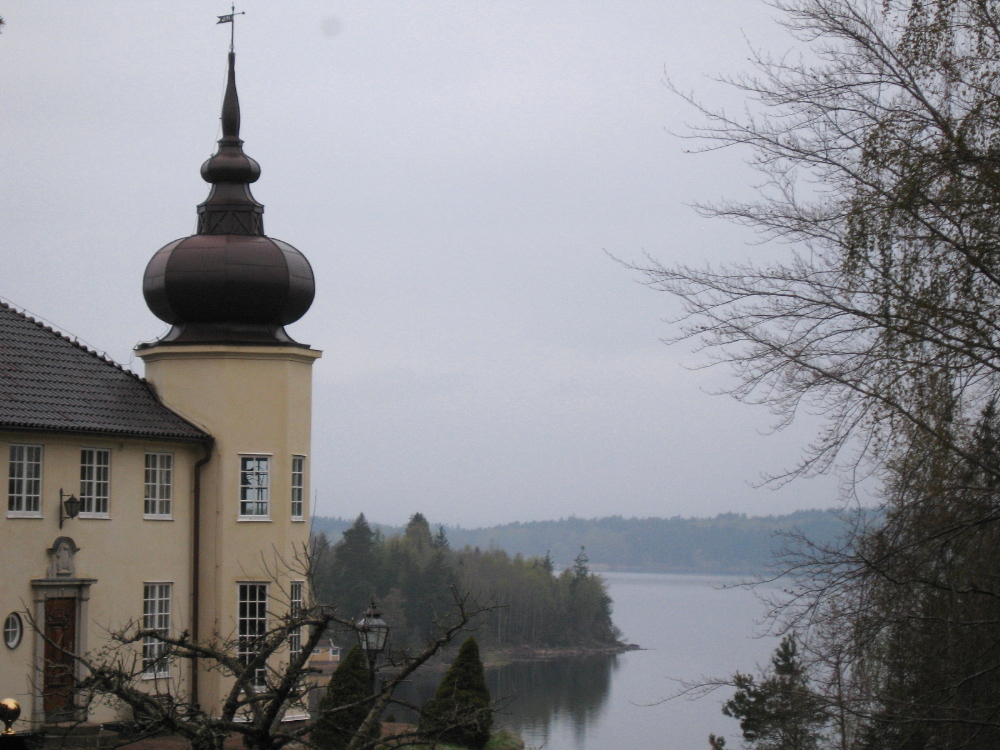
I left India in early May, and spent most of the month exploring and visiting friends and family in Germany, Sweden & Denmark. Above & below are some of my very favorite images from the wonderful week I spent in Stockholm & Gothenburg. Despite having actual relatives in Sweden, I’d never yet been there. I began with several lovely days en famille with one of my cousins and her kids & husband at their cottage on a hillside overlooking a truly gorgeous lake in the country outside Gothenburg. I also met/saw other cousins and toured Gothenburg a bit, as well as seeing some of the lovely archipelago of islands off the coast of Gothenburg, on one of which my cousin’s daughter goes to school. After that I spent a few days on my own exploring stunning Stockholm. Above & below, the country-looking shots above are all from around Gothenburg, and the city-looking ones are all around Stockholm. More explanations as we move along…and as I as I learn what I can and can’t do with this new blog host…
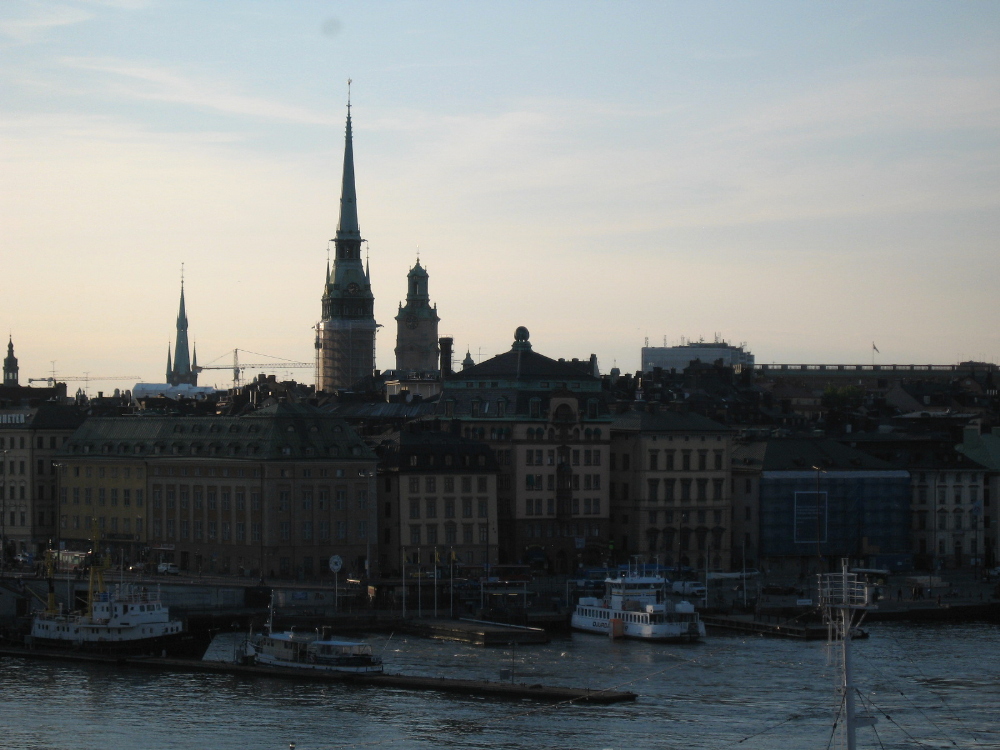



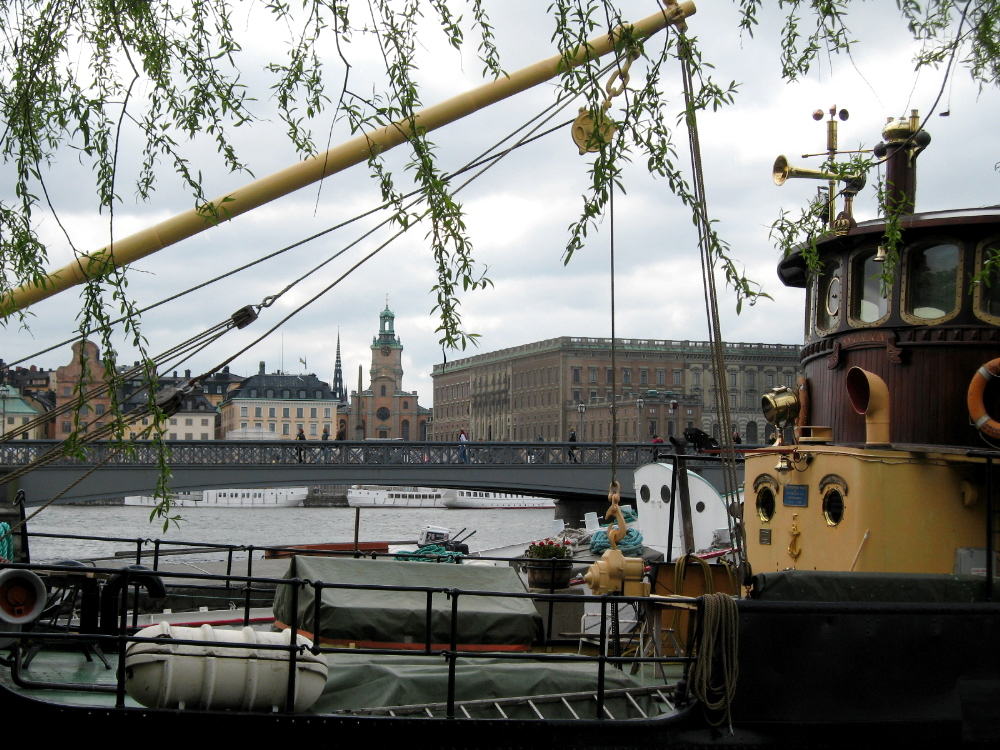
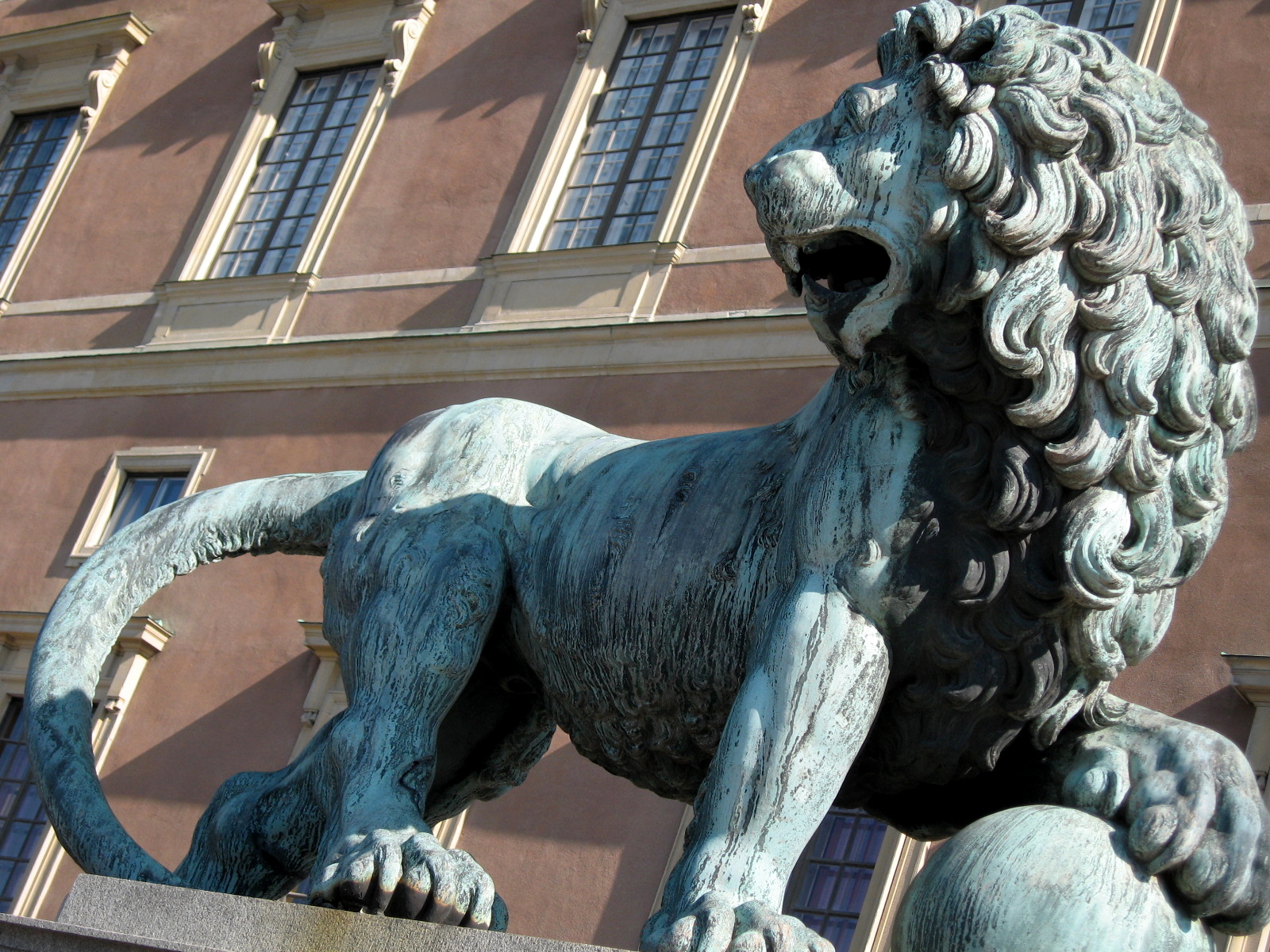

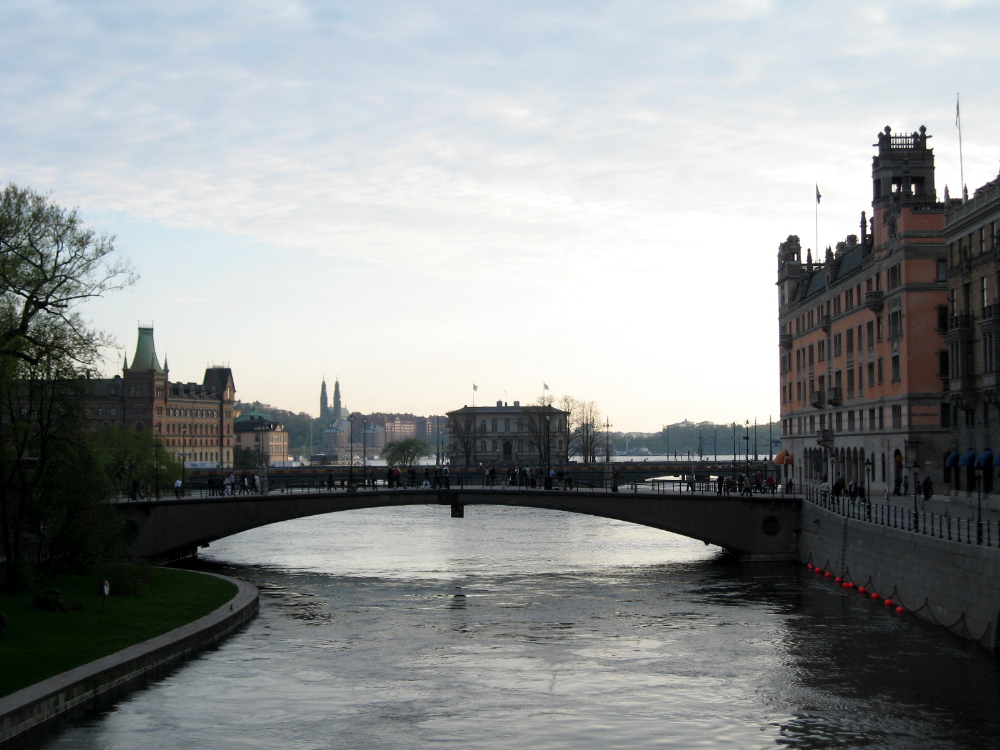

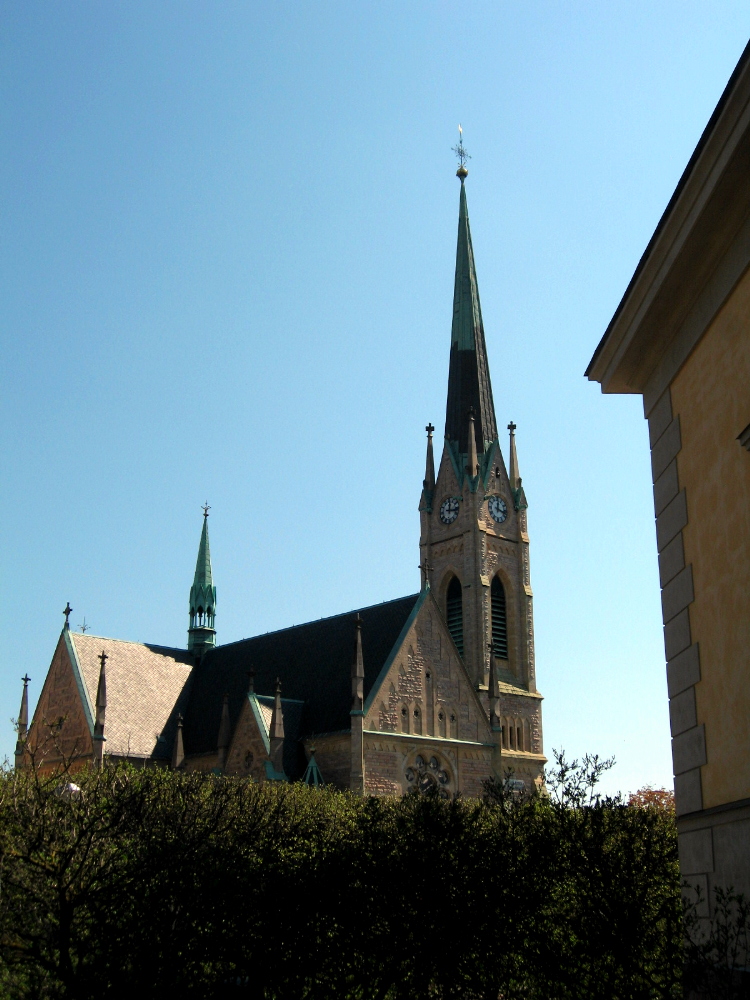

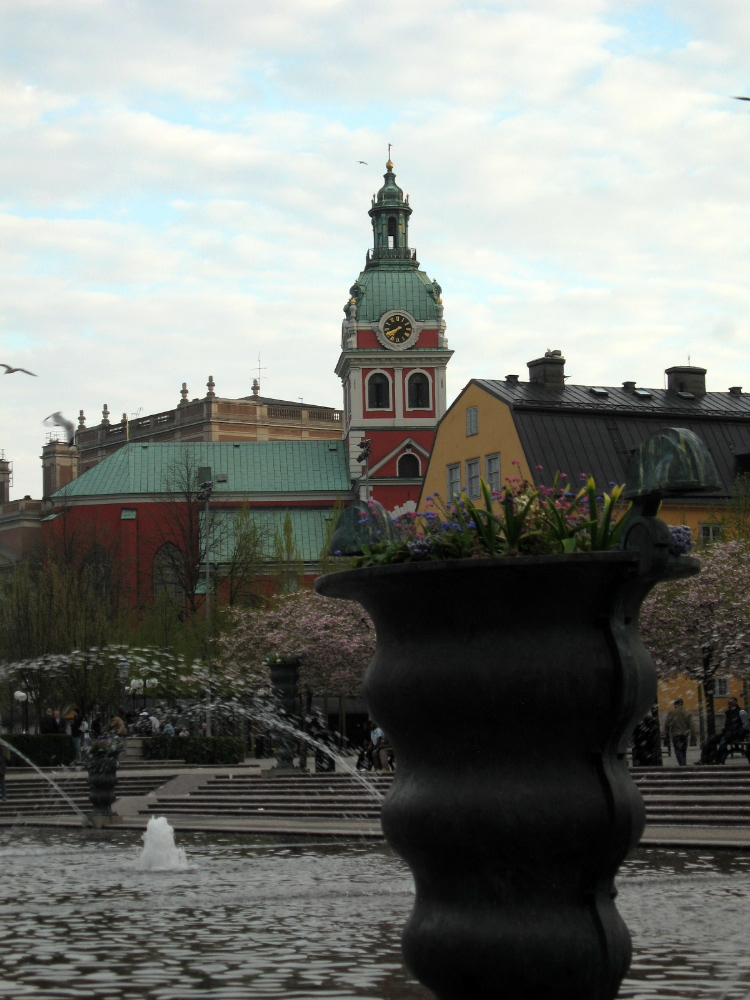
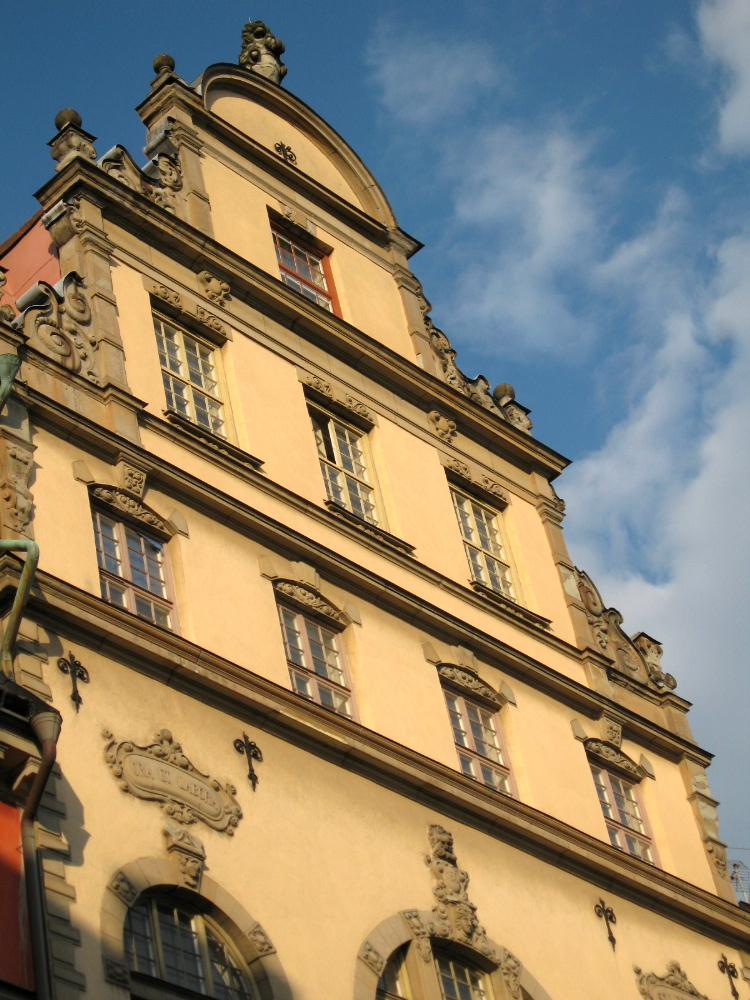


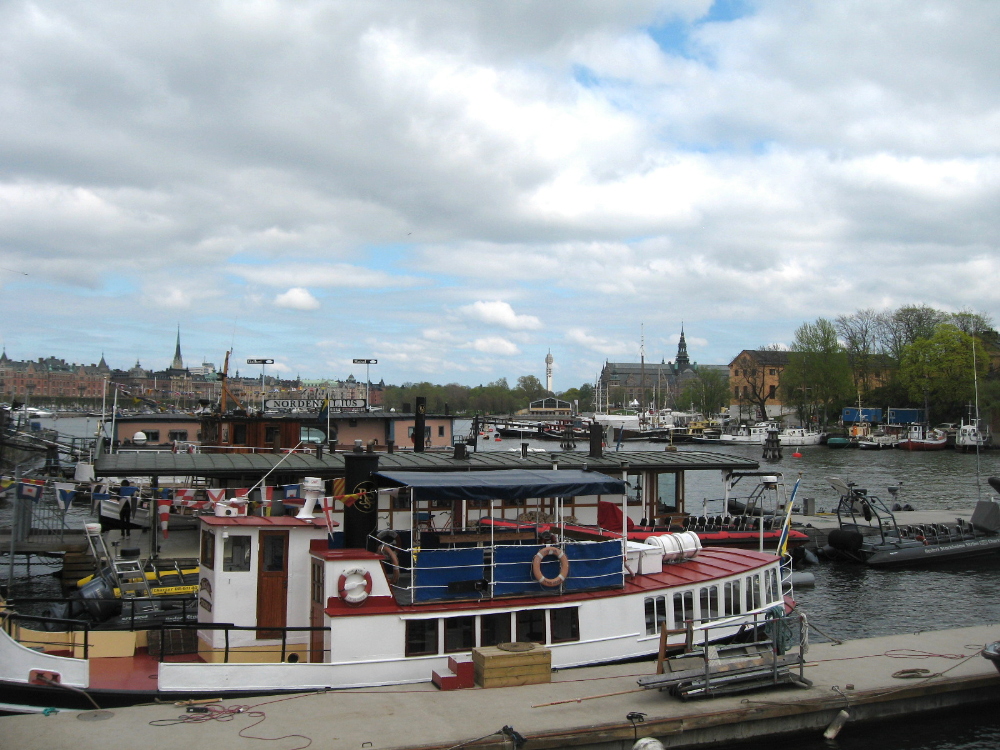
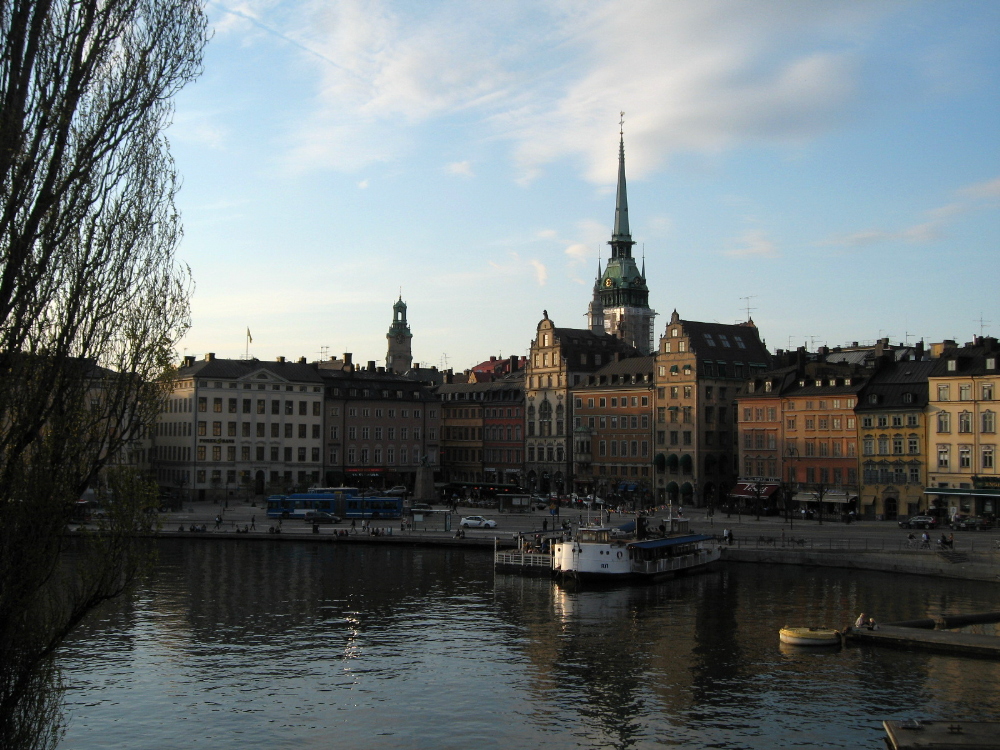
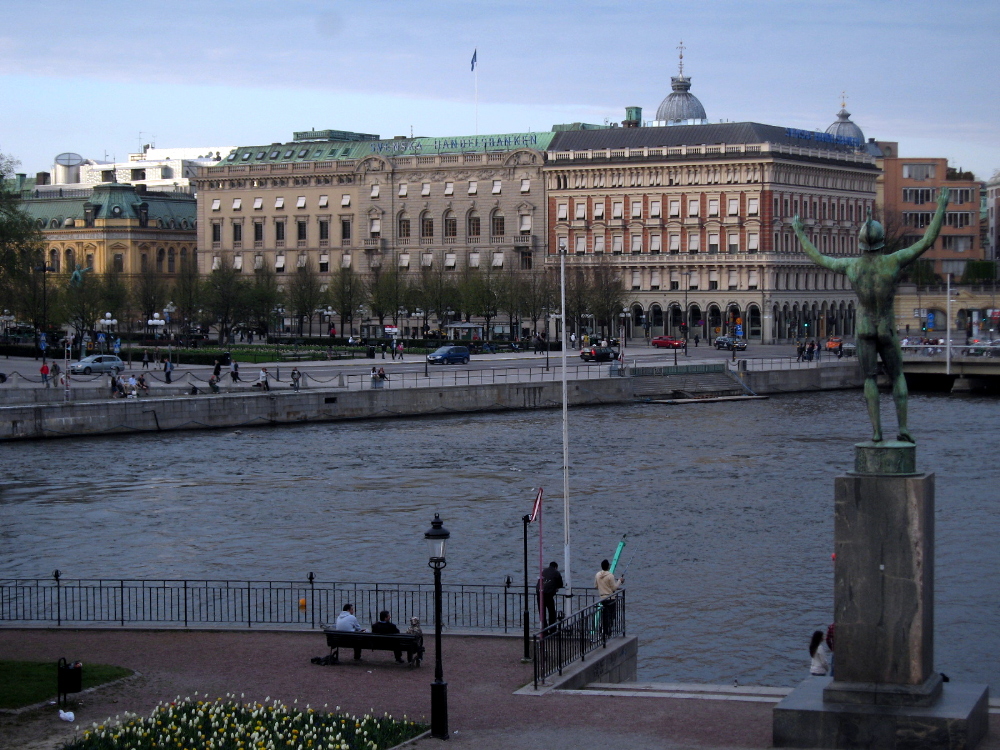
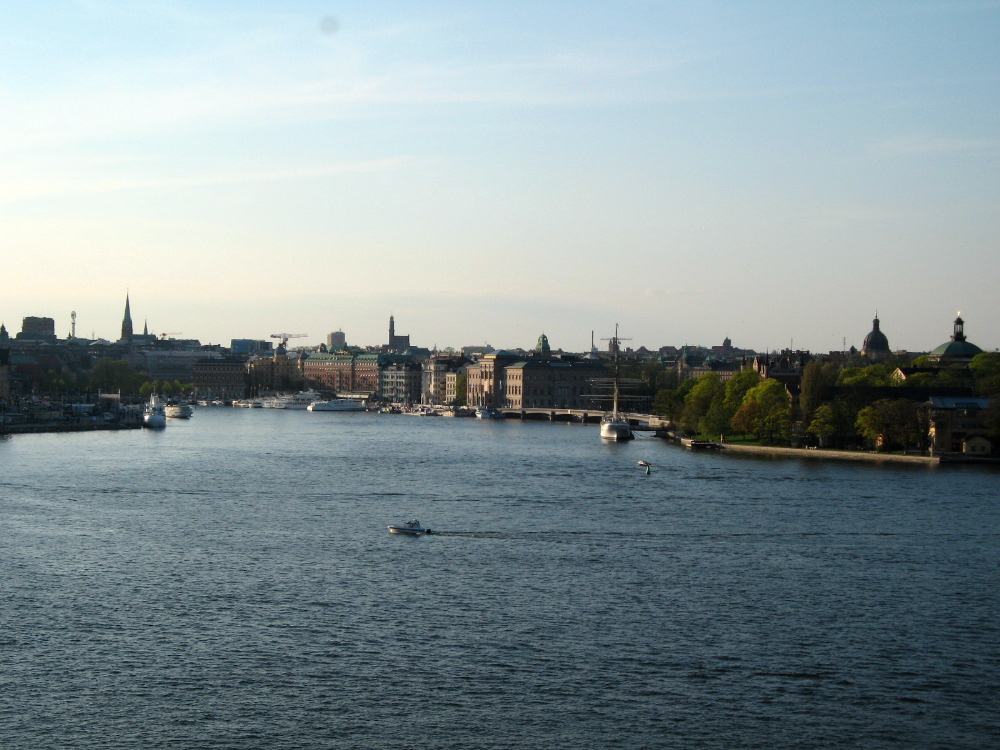
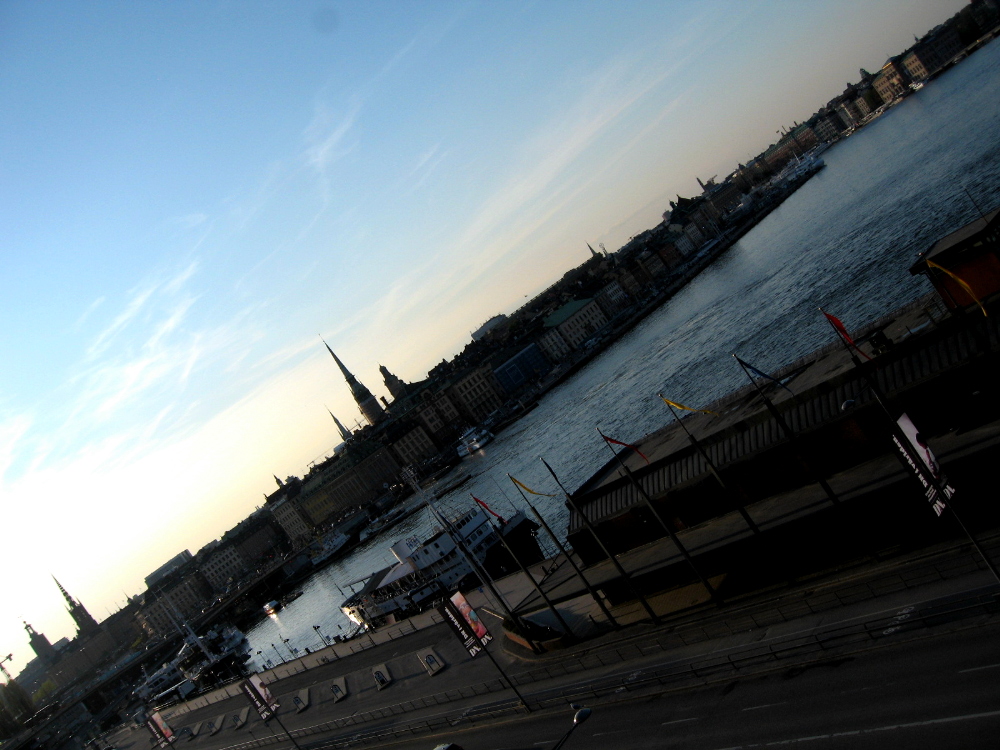

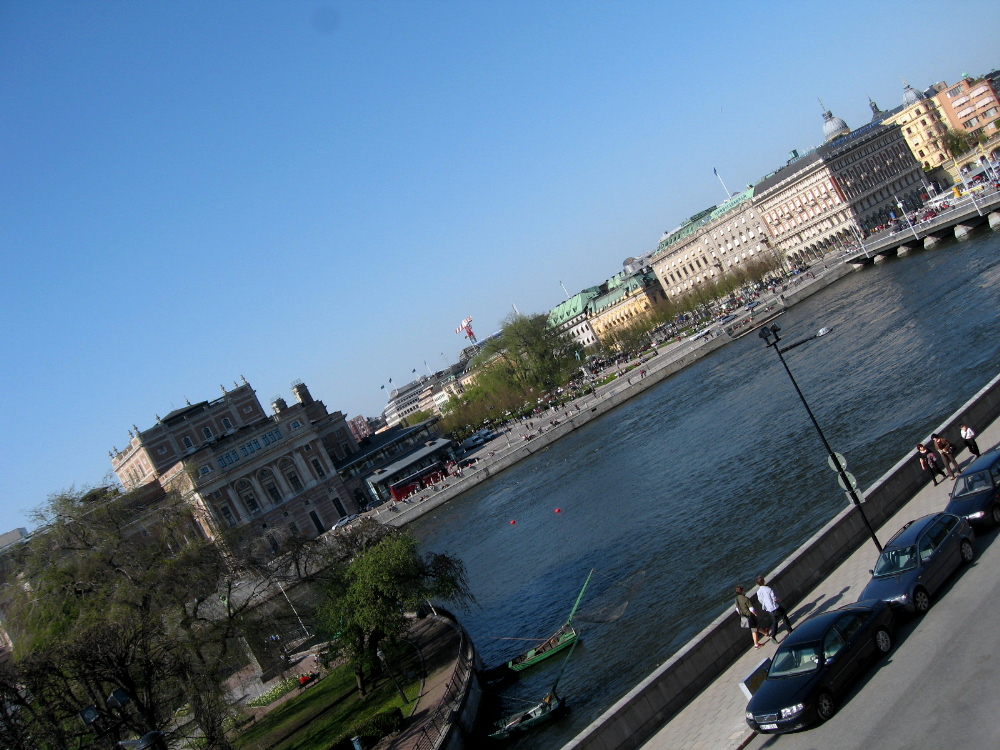

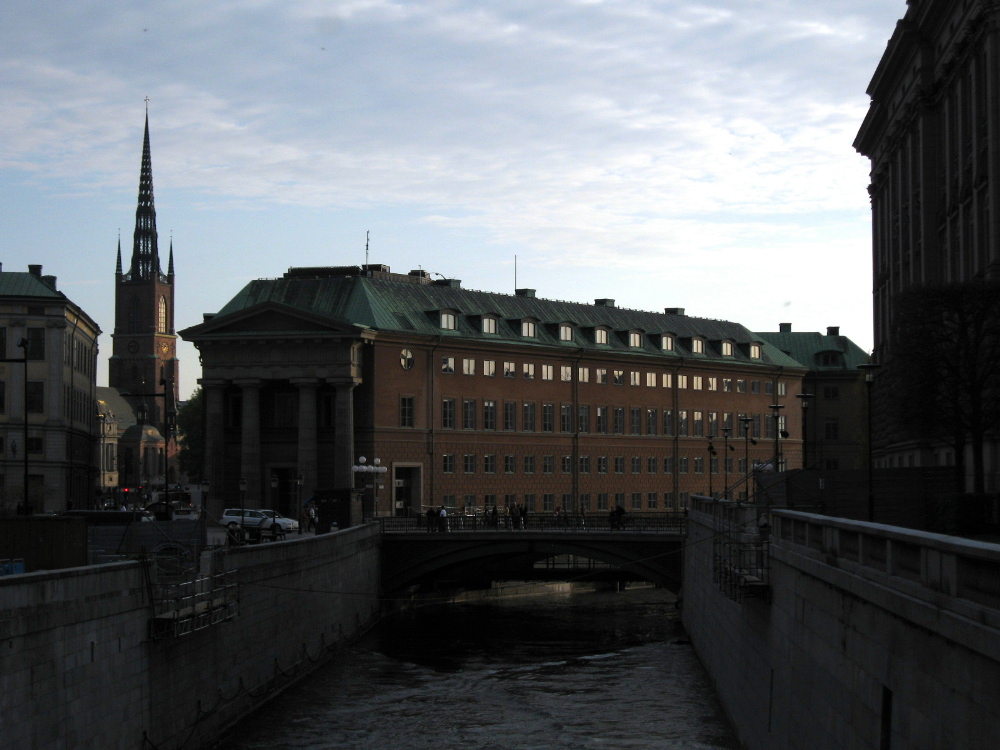
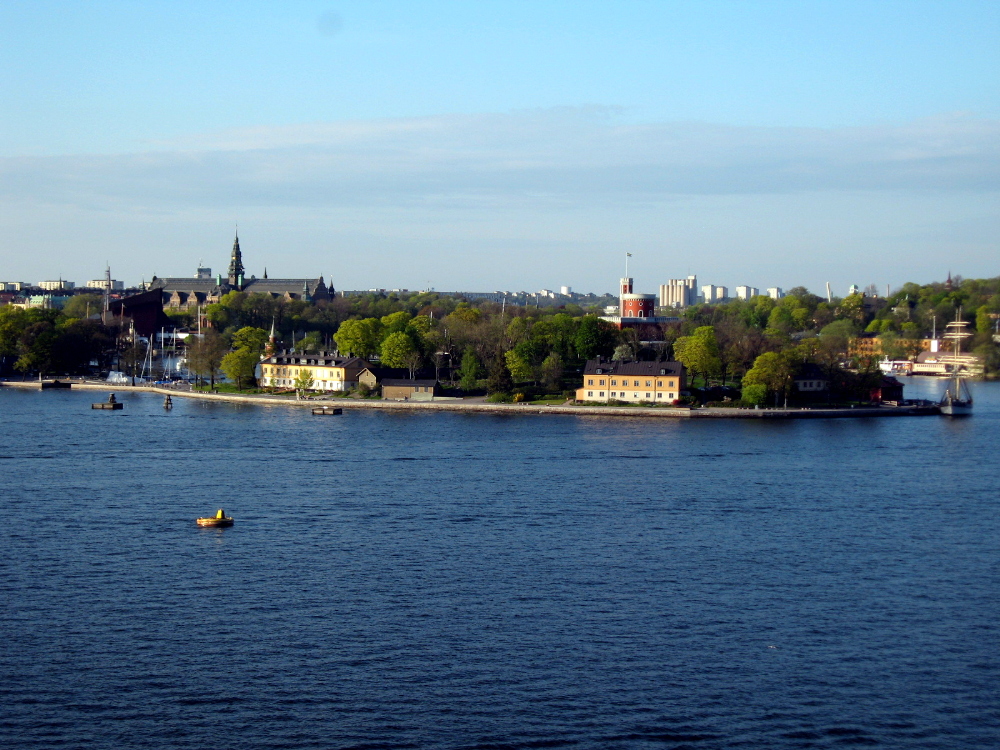

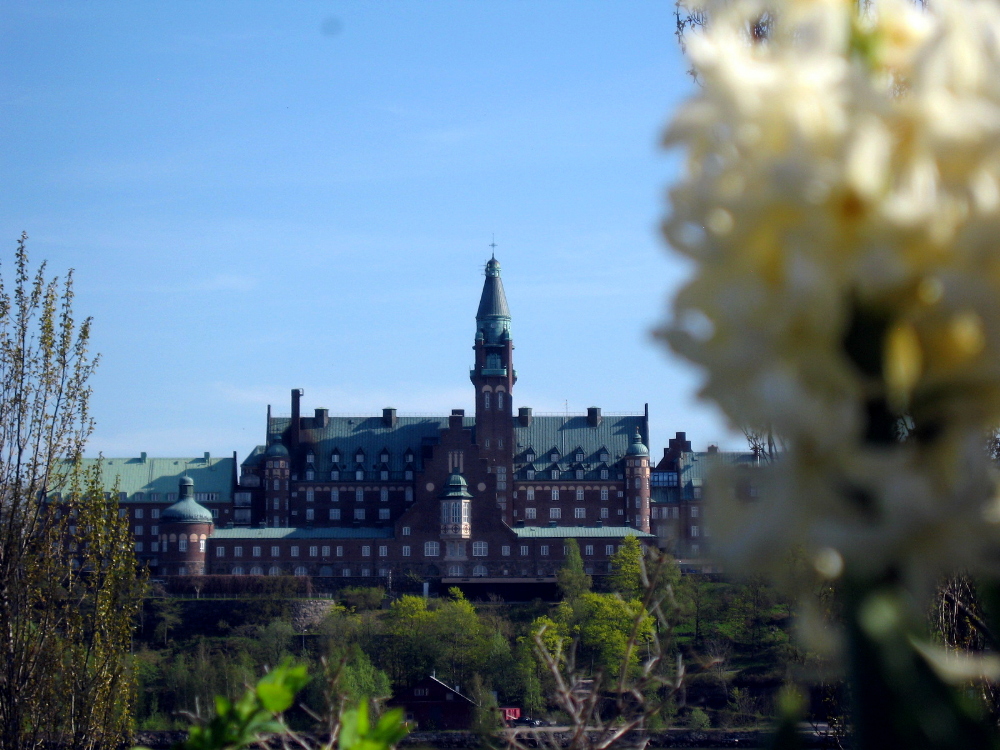
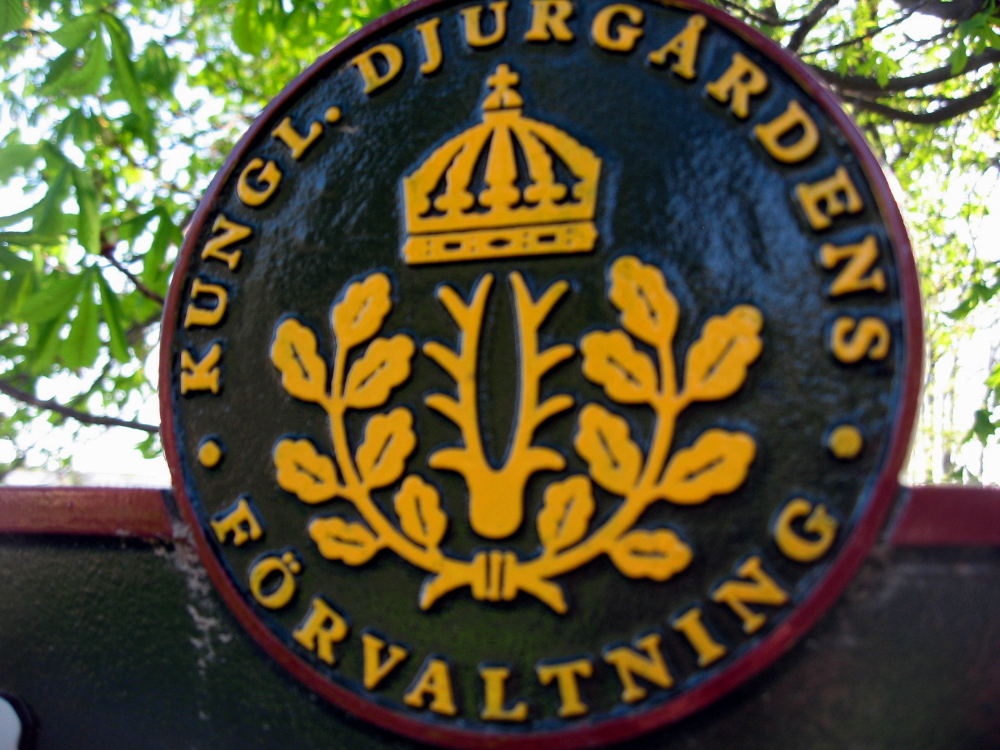
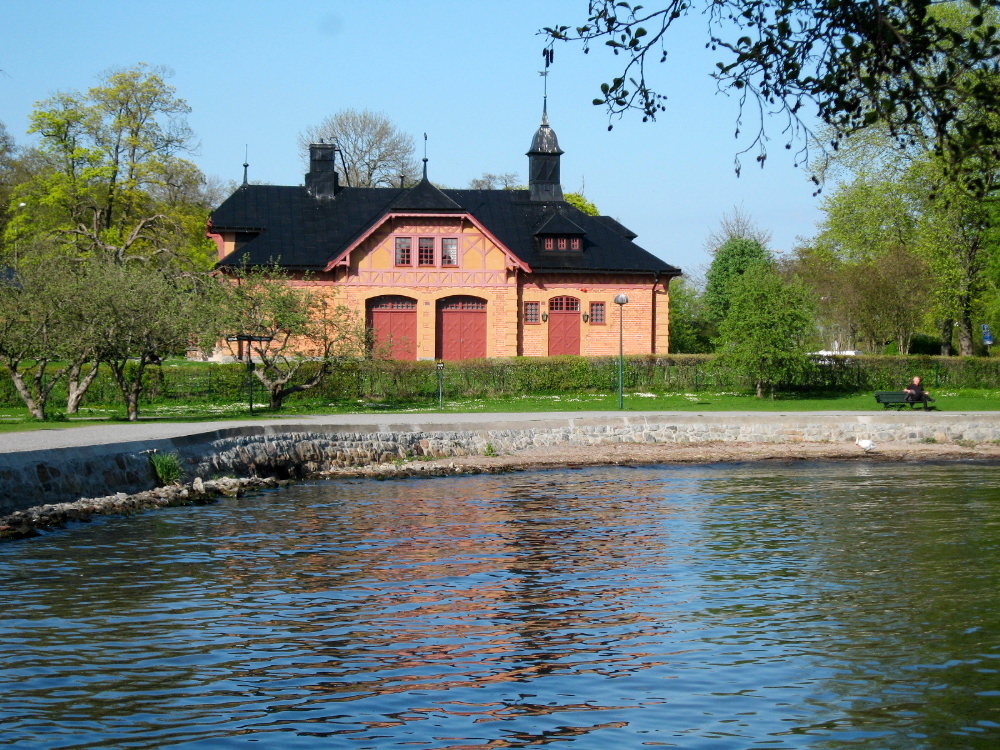
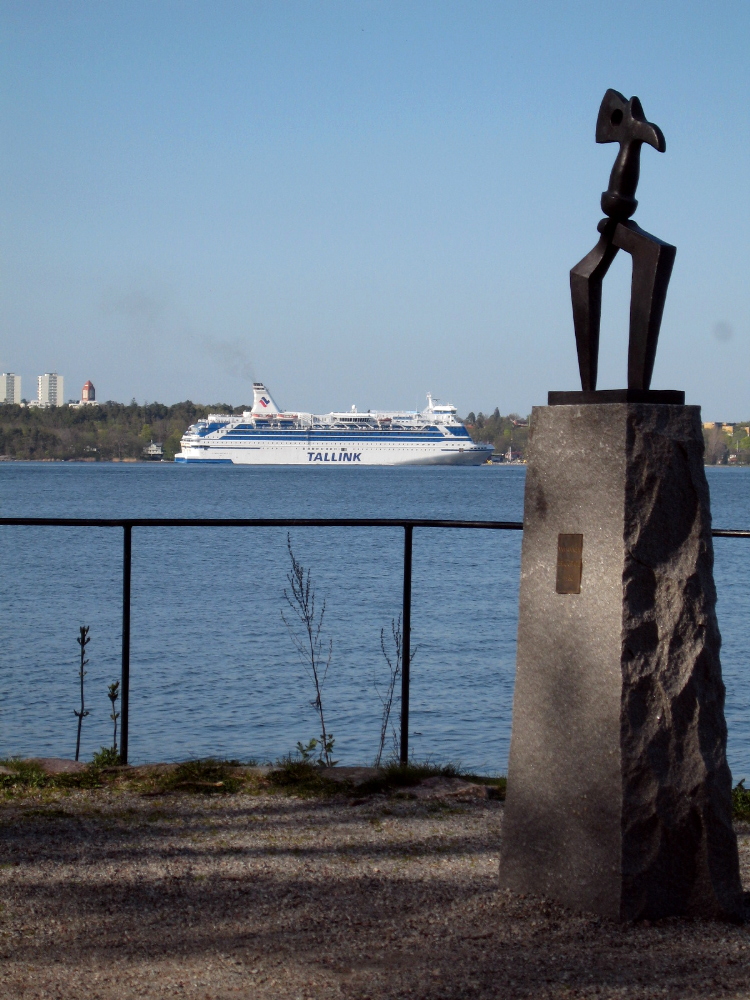
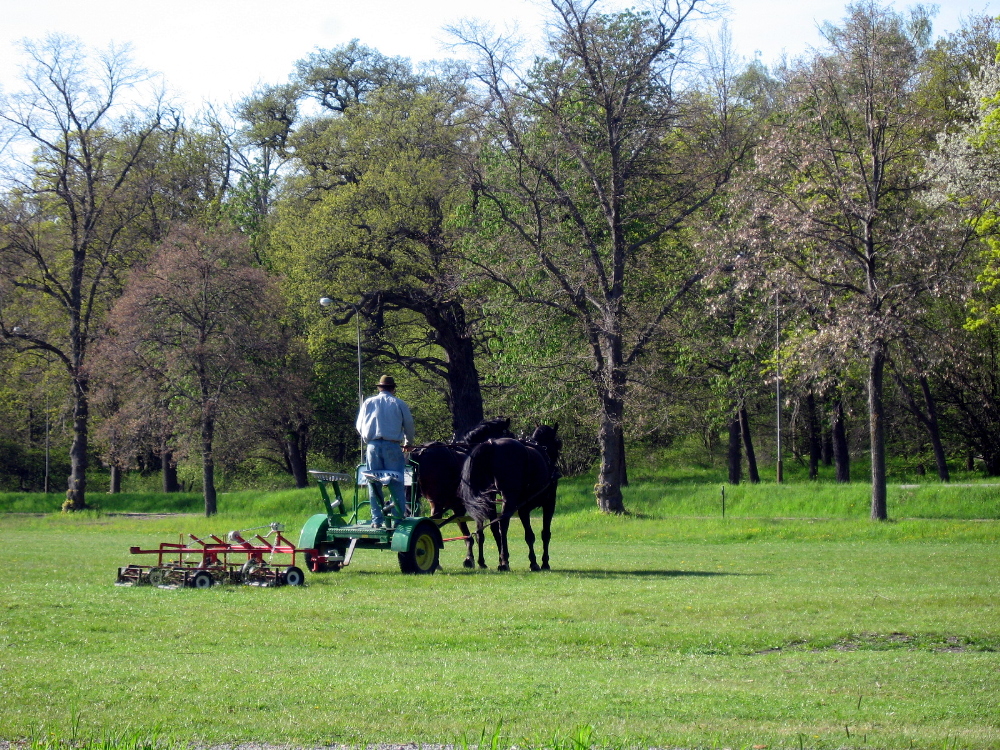
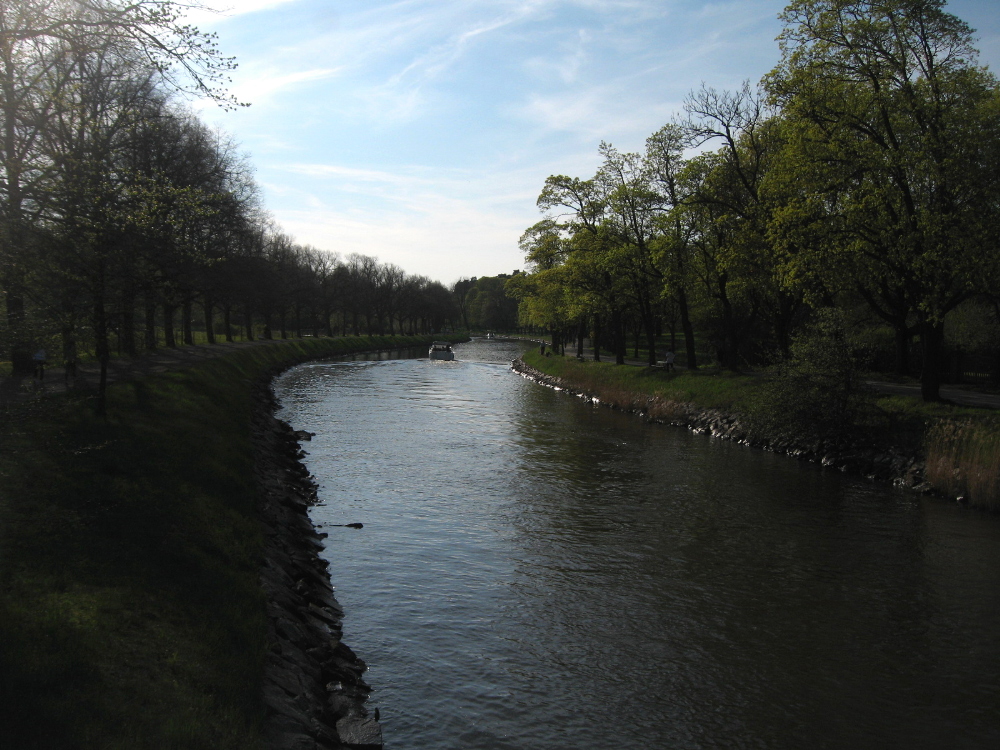
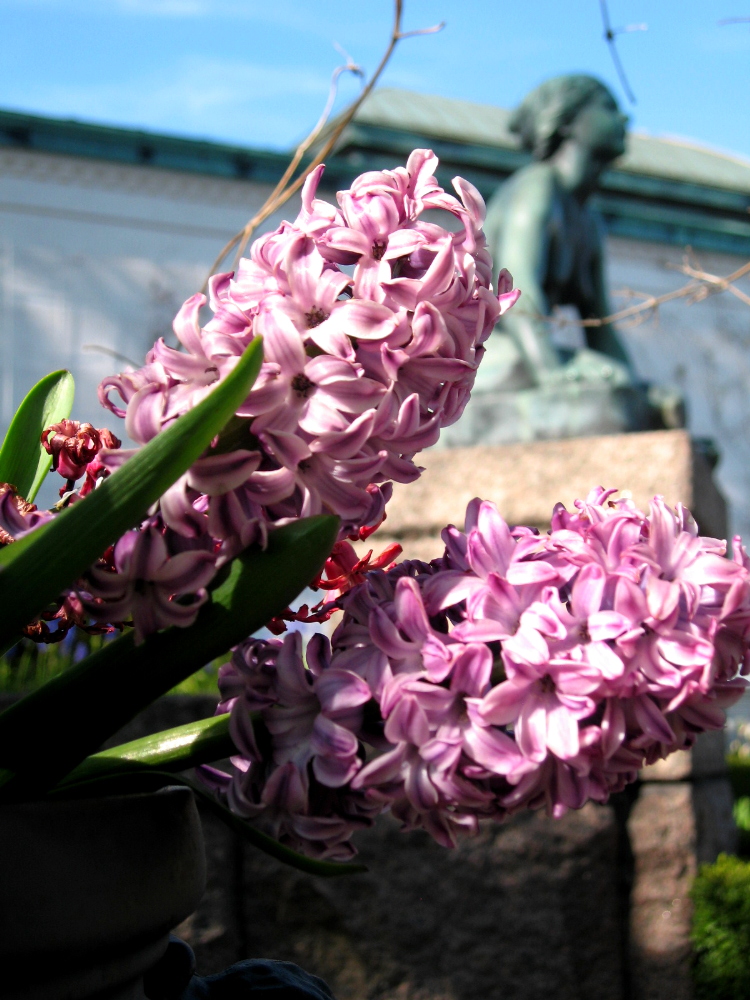
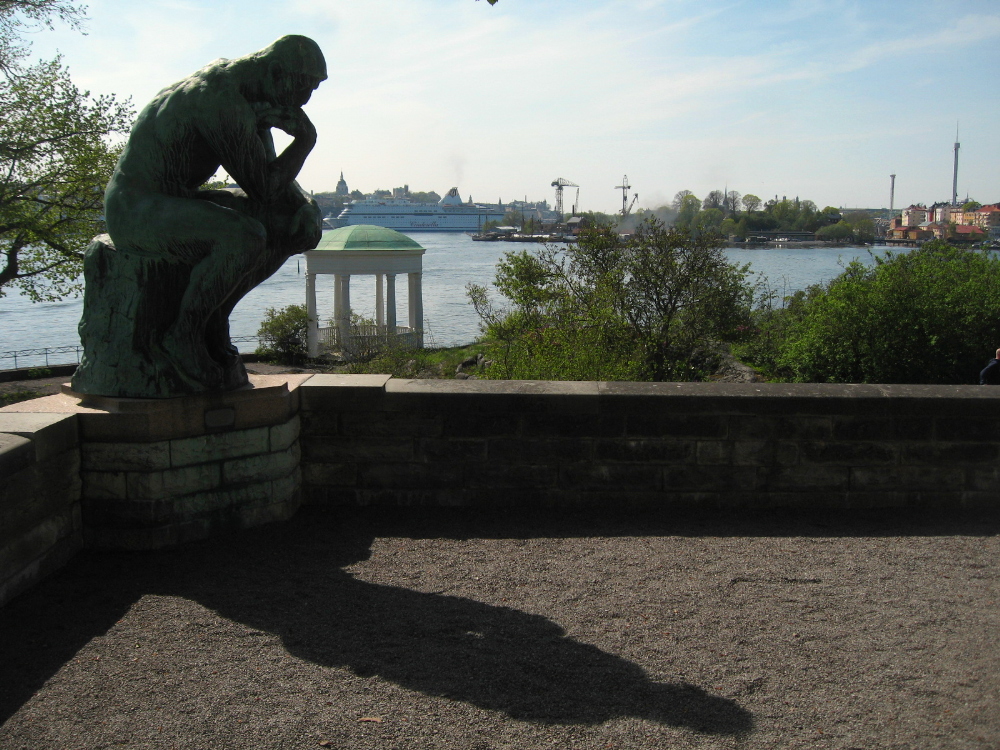
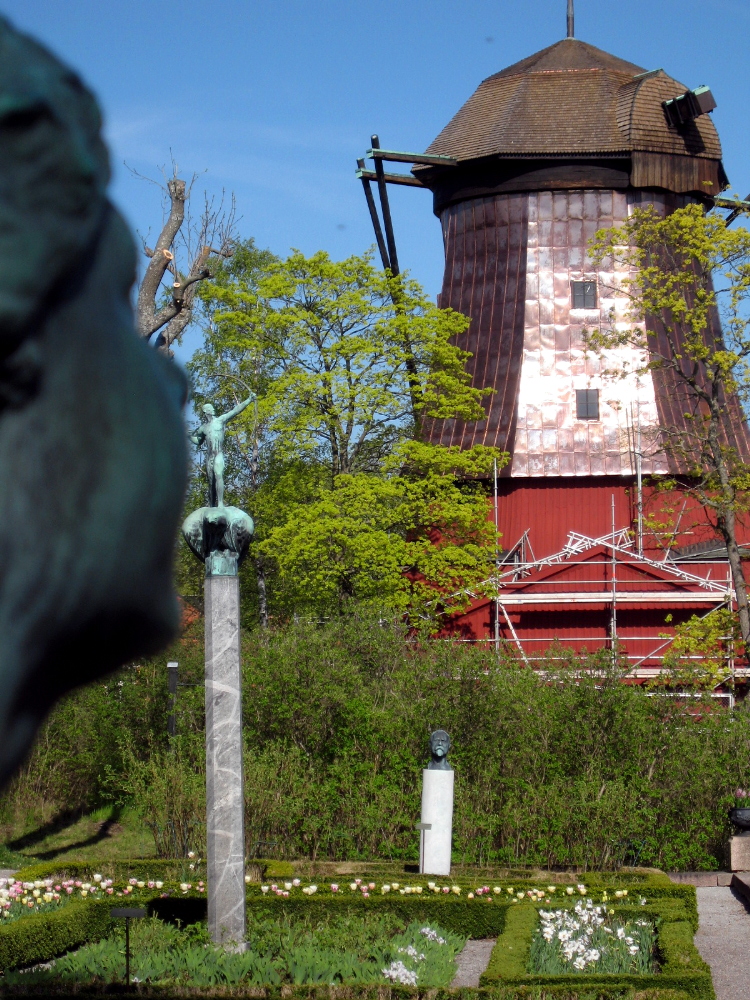
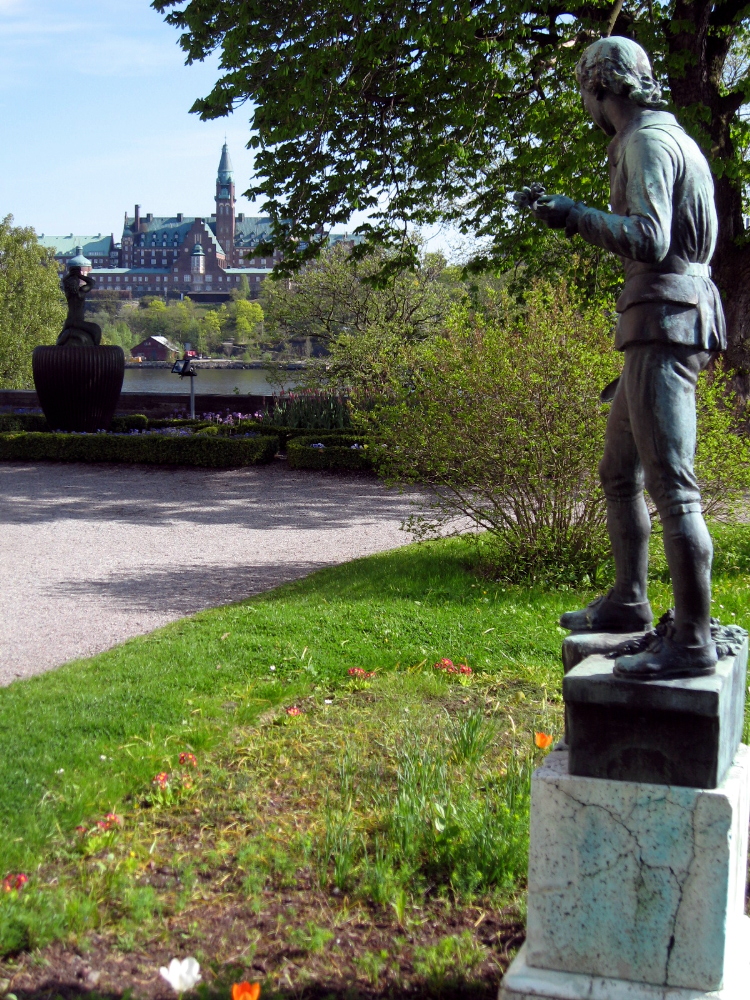
Stockholm is an impressive and gorgeous city laid out on islands, a few isthmuses, and various peninsulas surrounded by lakes and rivers and harbors which all connect up at some point through twisty channels with the northern Baltic sea – witness my photos with a few of the cruise ships that ply the various northern & eastern Baltic routes. There’s an island old town complete with large royal palace (whence the impressive bronze lion you saw above) and cobblestone streets, a really lovely harbor dotted with islands and a well-organized city with parks on hills and lovely streets in all directions. When I was there in mid-May, the days were long and most were spectactularly sunny — even this early in the year, the sky was not dark until after 23:00 and already getting light again at 03:00. Wow! My most memorable day was a wander around Djurgarden, a long and green royal hunting park on an island in Stockholm’s extensive harbor. Aside from being a hunting park, it seems to also have several private homes and I found myself envying the folks lucky enough to live on this gorgeous green oasis surrounded by the city. This next set of shots are all from Djurgarden, including outdoor sculpture both at the actual museum situated on the island, and dotted around the island in many other locations…just because they could, I guess. 🙂




…I’m not sure what these guys are, but they were wandering around the Djurgarden and I found them both interesting and somewhat intimidating.
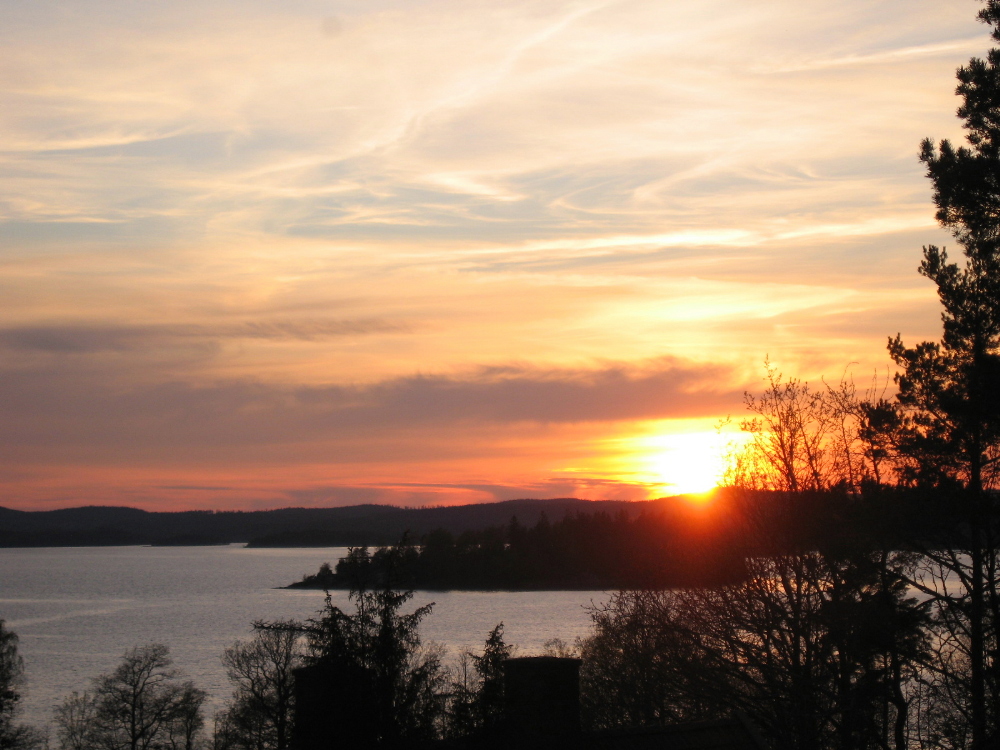
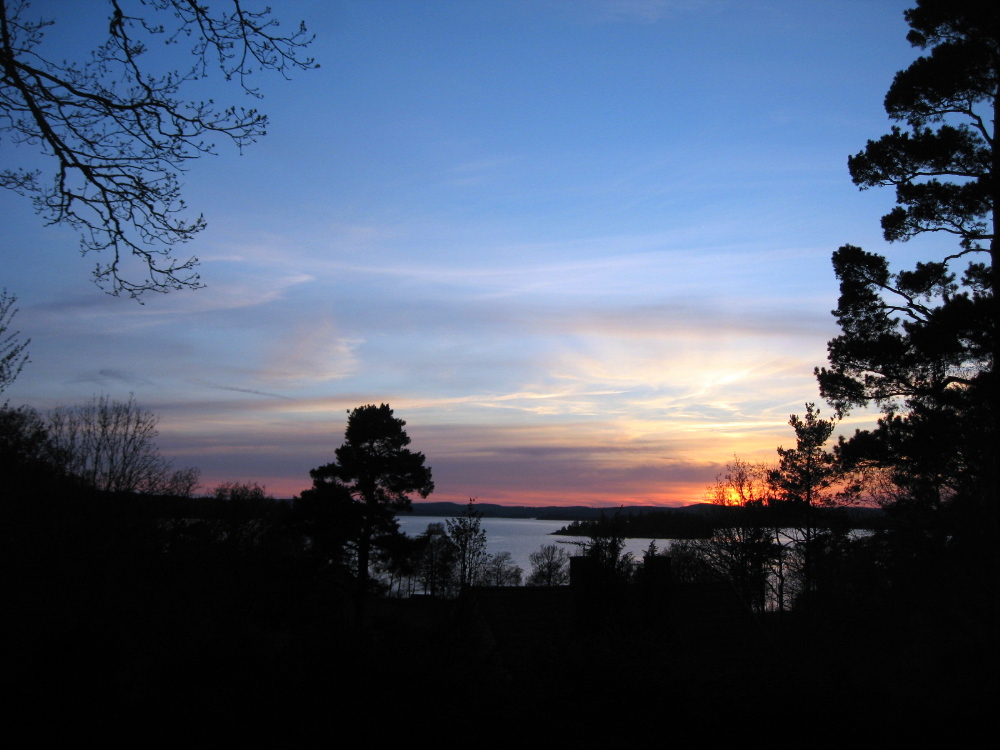
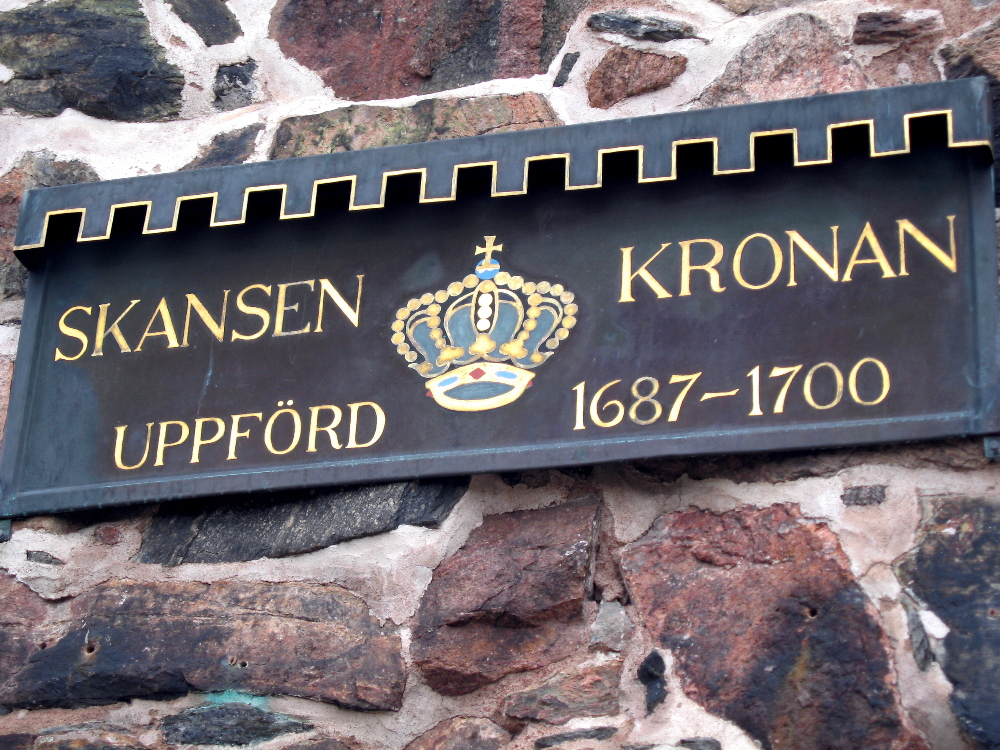
Next up, more shots from Gothenburg and the archipelago — islands with names like Ockero, which when spelled correctly has umlauts over both O’s, but my keyboard doesn’t allow that. I’m belatedly thanking Cecilia, Lars, Sara & Alexander for being such great hosts, and Johanna & Charles & Erika for coming out to spend time with me also. While the city of Gothenburg isn’t quite so spectacular as the city of Stockholm, it’s got a great feel to it, the surrounding countryside is gorgeous, and the archipelago sits like a string of jewels in the clean blue seas of the Kattegat — which is the name of that stetch of water between Jutland and Sweden which connects the Baltic Sea with the North Sea (who knew?).




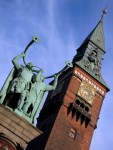
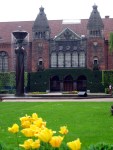
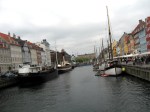
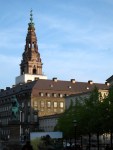
In Denmark’s Capital
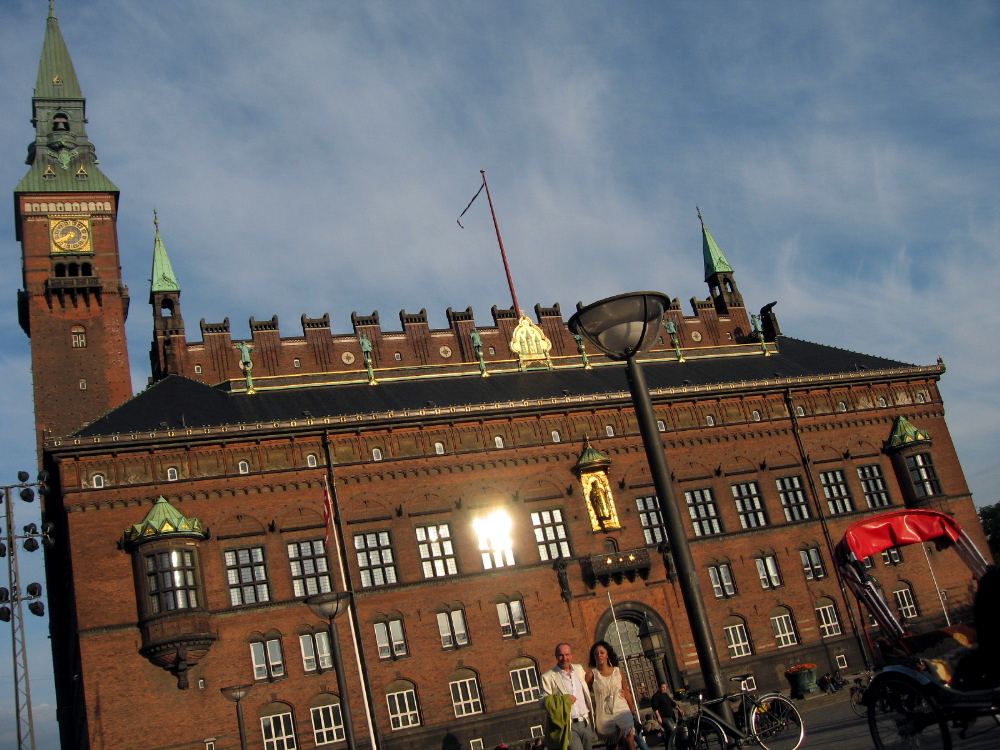
ok, everyone – so much world, so little time has moved. consider this the change of address notice. the changes blogger had made affected my last posts from kerala so extremely that i simply decided i had to try something new, and a few friends have told me wordpress is well worth a try.
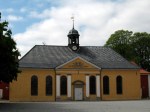
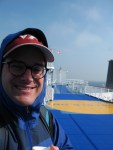
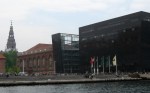
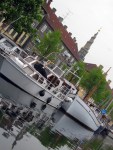
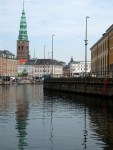
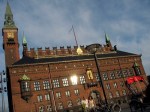
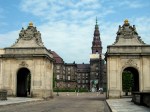
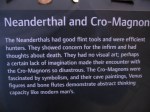
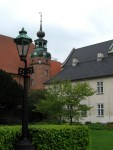
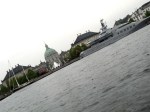
this post is both a test of some new ways of displaying photos on my blog, and a record of what i consider the least visually interesting set of photos from my post-manipur travels. once i get caught up, there will be posts with far more photos from the final months in manipur, plus some lovely shots of my time in sweden after i returned to europe. but for now, enjoy this gallery of thumbnails from copenhagen, and know that you can click on any individual photo to learn what it is, and to see it in full size. feedback is very welcome. thanks!










 (so much world, so little time....)