
Midnight Light in Oslo
 Each time I return from an assignment to the kind of country where such things as paved roads, existence of & respect for traffic lights, and public water supply that’s free from unwelcome microbes are taken for granted, it’s an interesting shift in my own perceptions and expectations. The question friends most often ask about each new assignment is “what’s the food like there?” I remember asking a similar question, before I started working in resource-poor settings, of a friend who’d gone with Peace Corps to Togo a few decades ago. He answered with a basic truth I’ve come to understand viscerally – that food in the sense of a cuisine that you’d want to talk about, write home about, or visit a country for, is the preserve of nations with a history of sufficient social stratification & wealth concentration to allow at least some people to consider food as pleasure, not simply hard-won necessity for survival. Two hundred years ago (heck, probably one hundred), most residents of Europe and the US very rarely had the chance to take pleasure in food, more than just ensuring enough to survive. Although extreme hunger is globally reduced, still hundreds of millions of humans devote a lot of their days to just finding enough food for their kids and themselves – many concentrated in places where we work. (Here’s a quote from the WHO’s page covering malnutrition: Around 45% of deaths among children under 5 years of age are linked to undernutrition. These mostly occur in low- and middle-income countries. At the same time, in these same countries, rates of childhood overweight and obesity are rising.)
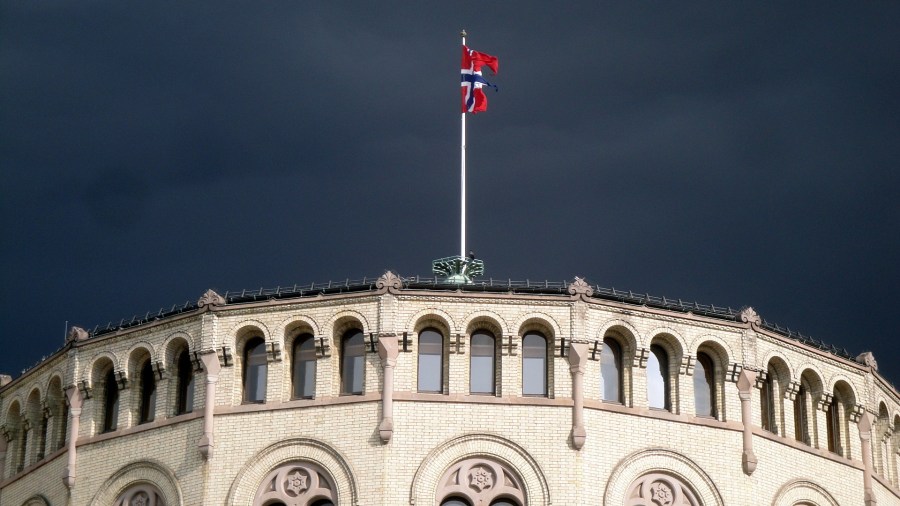
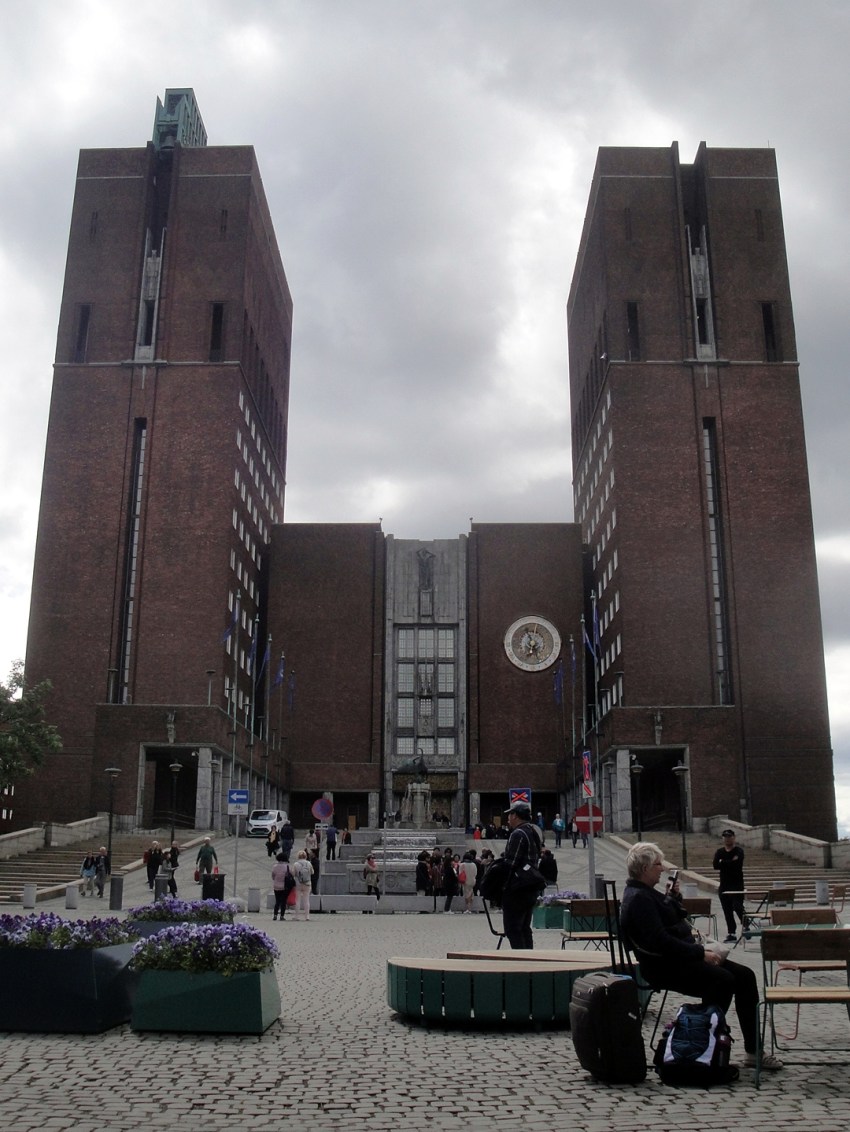
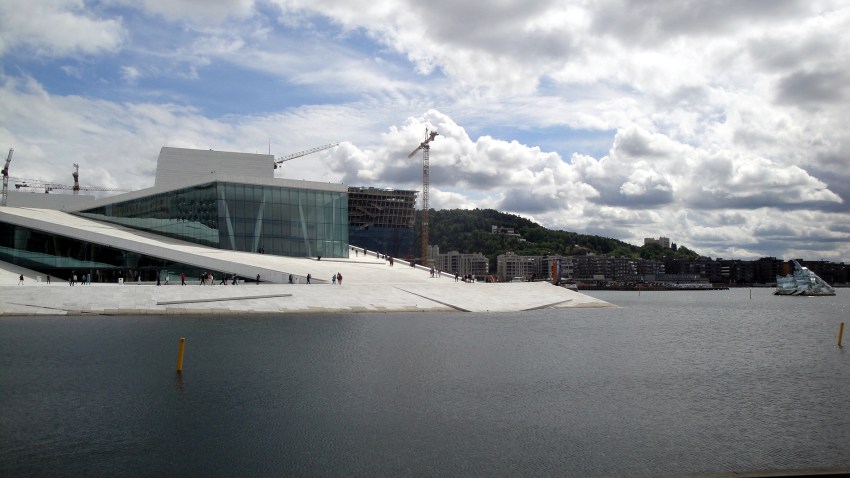
The same applies at national scale to investment in public architecture and parks, bridges that are beautiful as well as functional, streets which are clean and free of potholes or, in the case of many countries I’ve visited, even paved at all.So my senses greatly enjoyed a training visit I was able to make to Norway shortly after the end of my assignment in Central African Republic. Oslo is a gem of a city situated among gentle hills at the top of a long fiord, with abundant public sculpture and lovely architecture such as the parliament building (above) and the opera house as centerpiece of an ambitious waterfront urban-redesign effort (below). Since I enjoy art and architecture, I appreciate when governments and societies are able to invest in making them available to the public, not just hidden away in private residences and collections. The training was only three days – but since daylight was very nearly 24 hours each day, there was lots of evening time to explore along with some travel-day time before and after. Photos of specific buildings and such will usually have a title that says what it is. Enjoy these photos!




The city not only has abundant public sculpture and art but also some great museums. I think I’m allowed to post the photos above with I took at the National Gallery — Norway’smost famous artist’s most famous painting, though I’ll admit I actually found the other paintings I photographed more emotionally and visually engaging, if less dramatic. And I learned about a new artist, Gerhard Munthe, through the special exhibit of his work. Despite being a fairly populous capital city with a long history as port and harbor, Oslo still has a lovely little river that cascades down through the heart of it, and many public fountains as well. I walked along the river or enjoyed the fountains on the long evenings as much as I could :-).



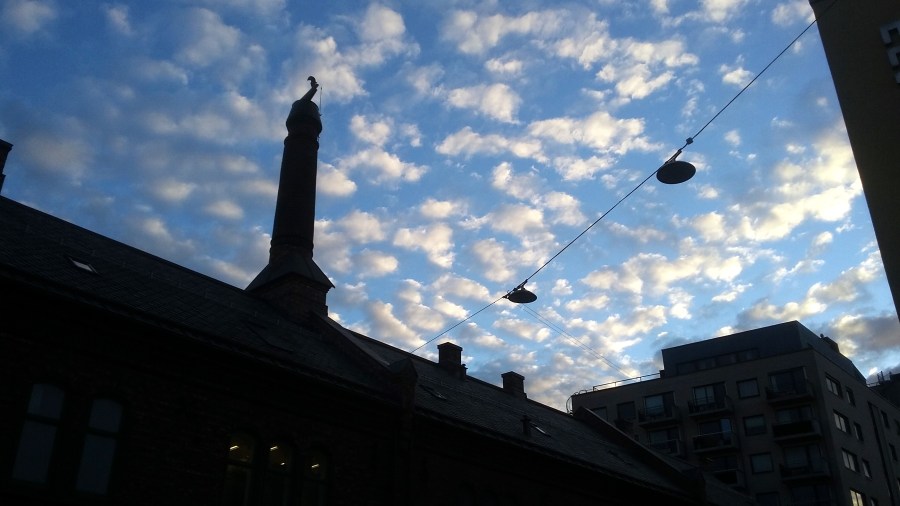
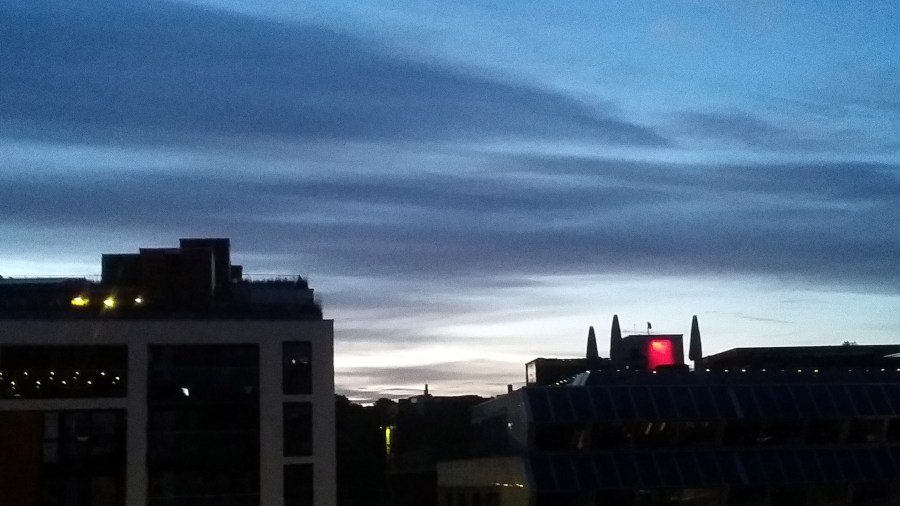
This photo of clouds against a darkening blue sky was taken just after 21:00 (9pm) on June 20th, while the next shot of a dark-ish sky over buildings was taken just past midnight. Fun 🙂


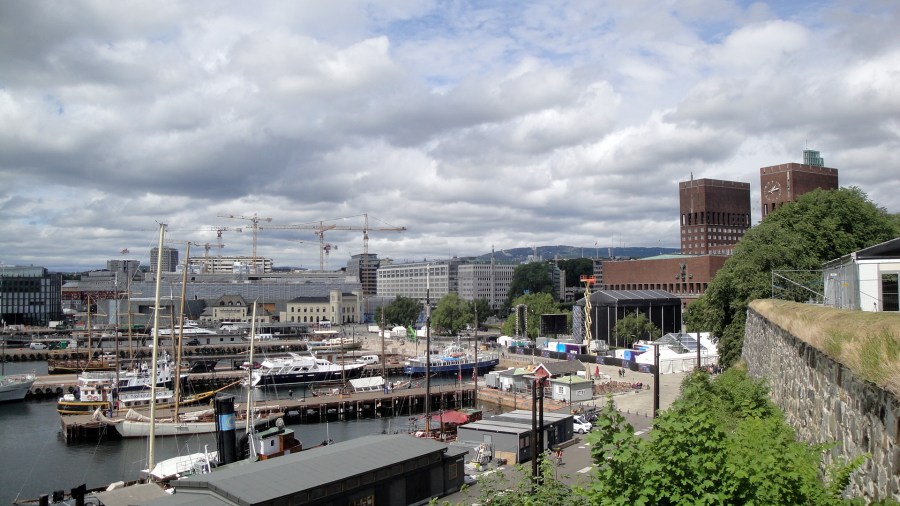
Rivers & Forests in Central African Republic
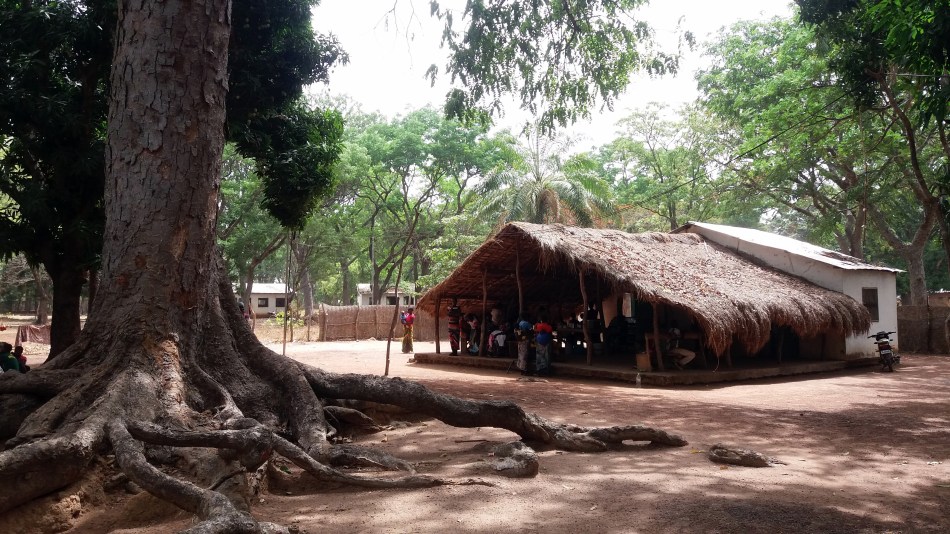
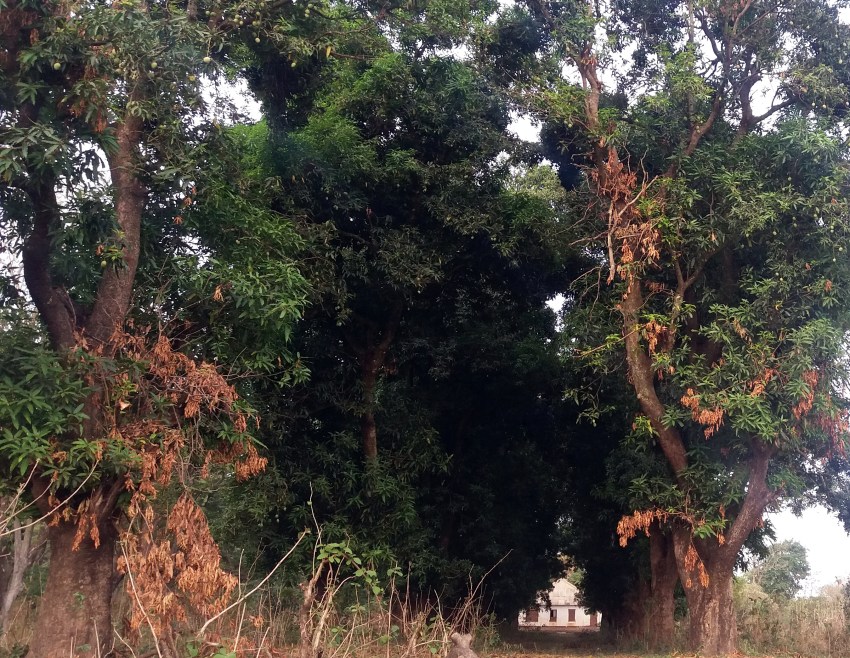
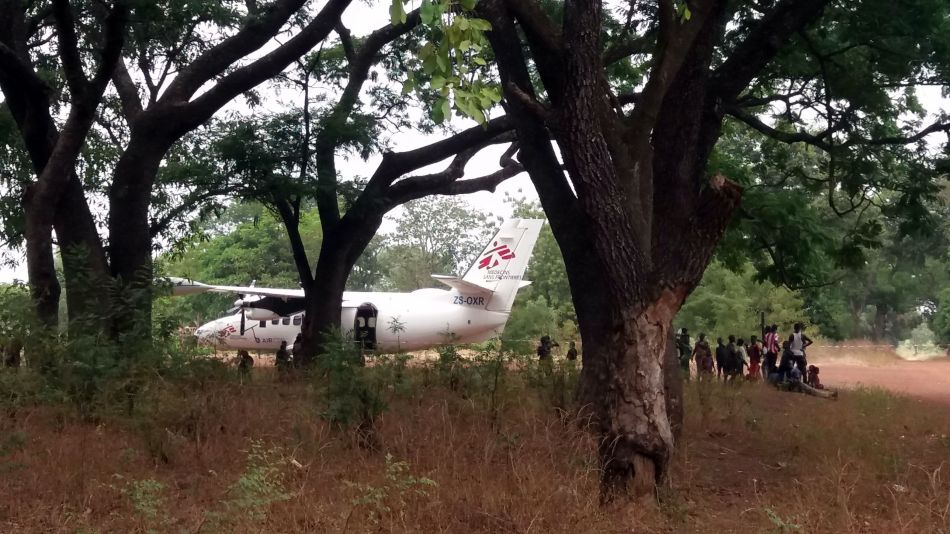
Between February and June, I worked in Central African Republic. I rarely had an opportunity to pull out the camera – combination of very busy, respect for people’s privacy, and some security questions, mostly. Nonetheless, a thing I feel increasingly in today’s global social environment is that, despite social media which claim to connect us all, so very many people especially in the wealthy countries like my own home just simply lack interest or ability to imagine or respect human life as it plays out daily in vastly varied communities spanning this beautiful world. CAR has many challenges – a quick web search will find reports on those challenges easily. But it’s an amazing, enormous, lovely country defined by rivers, forests, and hills which sits quite literally in the heart of Africa, at the meeting of desert-dry north and tropically-moist south, on trade and herding routes which humans have plied no doubt since long before the first Europeans thought of coming to North America. It also has some of the most engaging and resilient citizens I’ve met, many of them colleagues with whom it was a daily pleasure to work.
 Something I love about my current work is that restoring human dignity (even in the most trying moments like conflicts, natural disasters and epidemics) is at its heart. I dearly wish more of us humans found time to deepen our own heartfelt respect and fellow human feeling for everyone – whether in different places or of different convictions. I love how my work connects me to a broader fabric of humanity than most Americans ever have a chance to imagine. This feels so much more meaningful and rich than the “purchase this gadget or app to give your life meaning” approach which seems so to dominate social culture and politics here.
For the first time I am trying some videos here. Friends or viewers from low-bandwidth contexts, tell me if this impedes loading the entire entry or just the videos themselves. I can put them into a separate entry if needed, but as you’ll see, I tried to place them where they inform the photos around them. And if any colleagues don’t agree with me posting any of the party or other photos, just write and I’ll take it down. It’s a fine line, making lives in other parts of the world real vs respecting individual privacy 😊. Peace, out.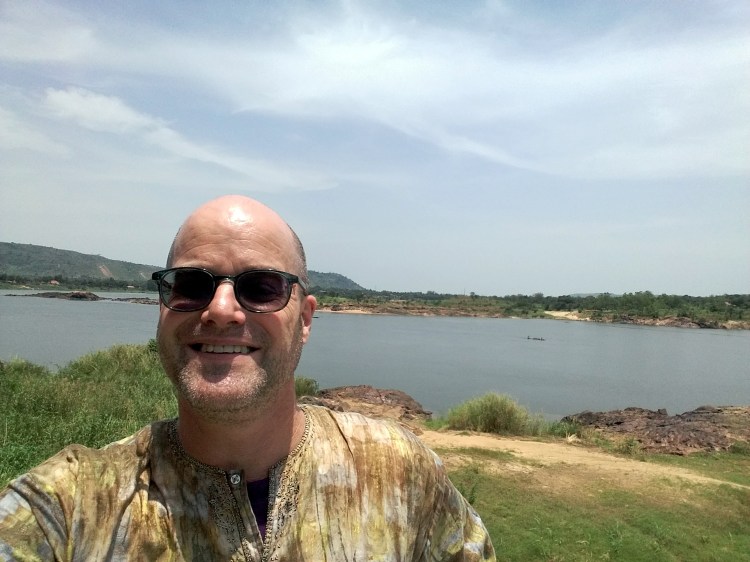


Notice, in the photos above, how the bush rules everywhere, and you can clearly see where human settlement has cut itself a home out of the bush. Where you see a much larger number of houses, we’re close to landing at the Bangui airport.


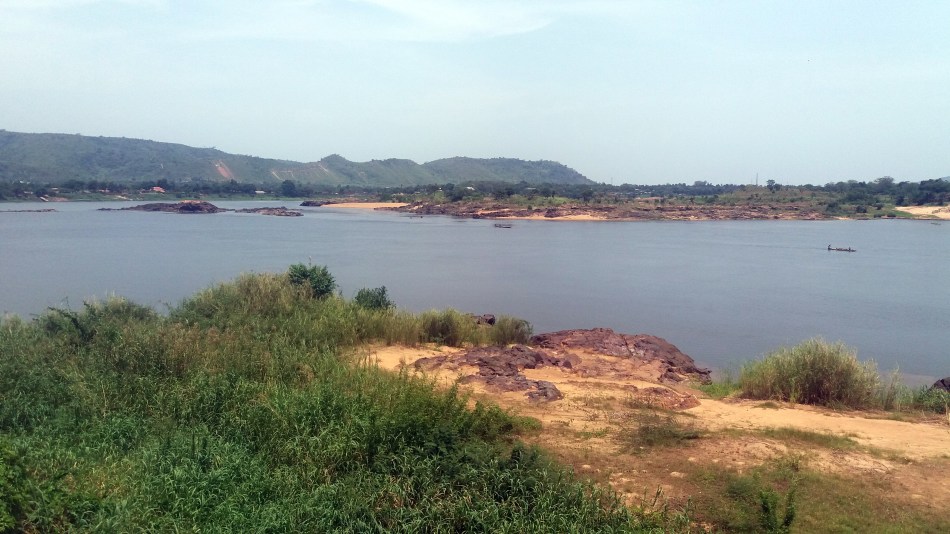
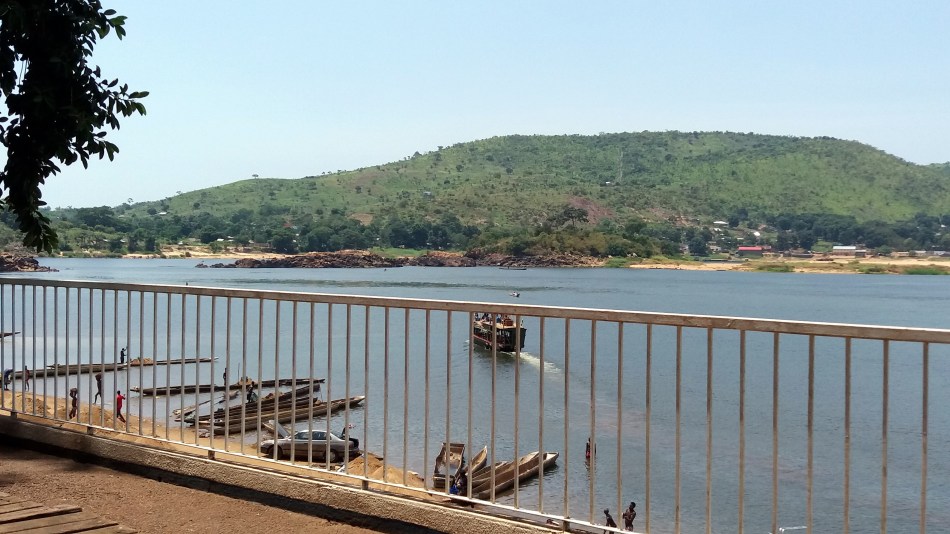
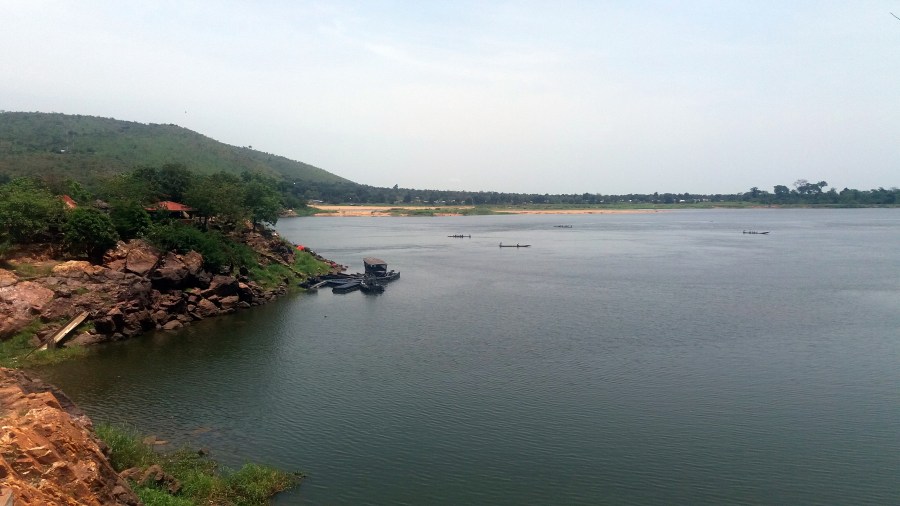
These photos of a broad river with hills on the other side are all from downtown Bangui (the capital of CAR). Across the river is the Democratic Republic of Congo, and the river is the Oubangui, which when it flows into the Congo River a few hundred kilometers downstream of Bangui is the largest tributary to the Congo. Here’s a video, below, which I made just before taking the photo above:


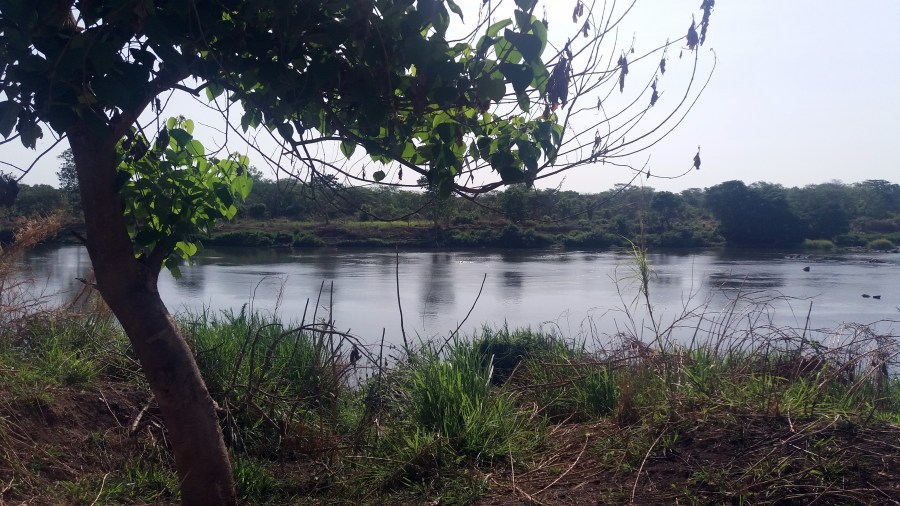
The selfie of me by a river, and the shot of a sunrise over the river, are all the Ouham River near Bossangoa. I sent some friends a photo or two — still photos — and told them there were hippos in the photos. But since the hippos look like rocks until they move (often), people expressed some doubts. Here are the videos, narrated by me and the colleague I did that morning run with:


 (so much world, so little time....)