
Contrasts & Contradictions
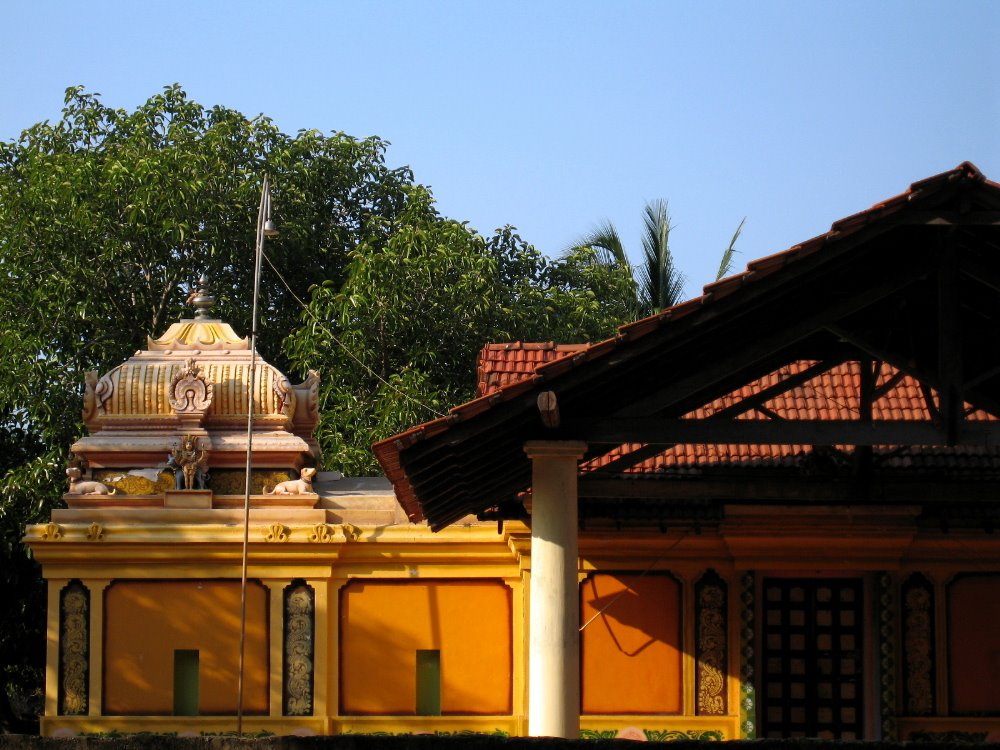
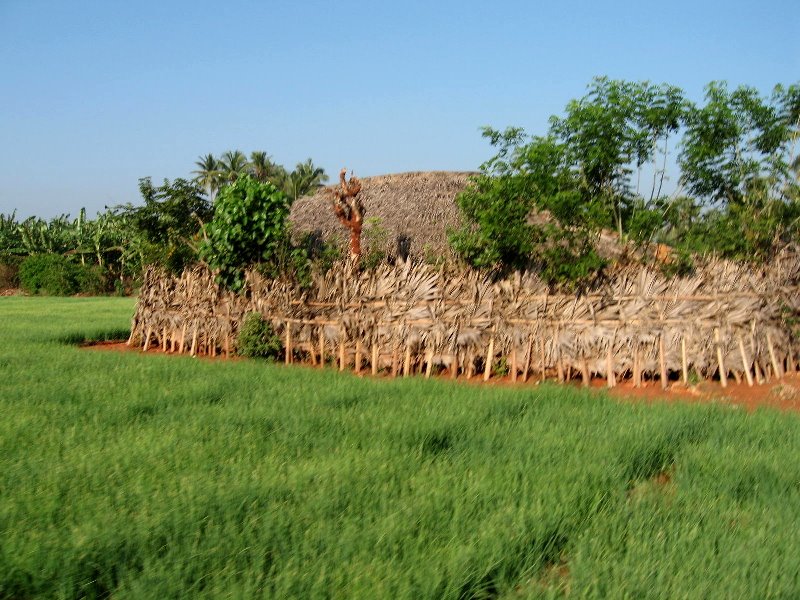
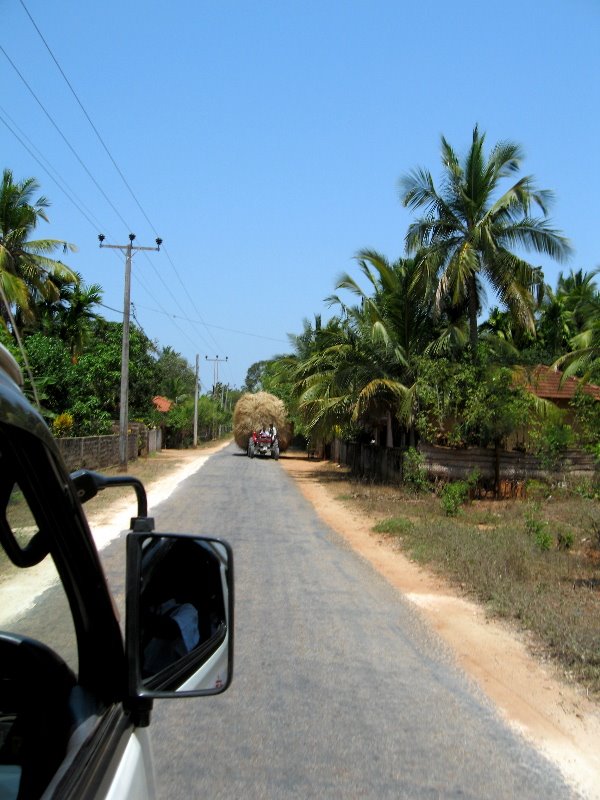 The largest hay-bale I think I’ve ever seen.
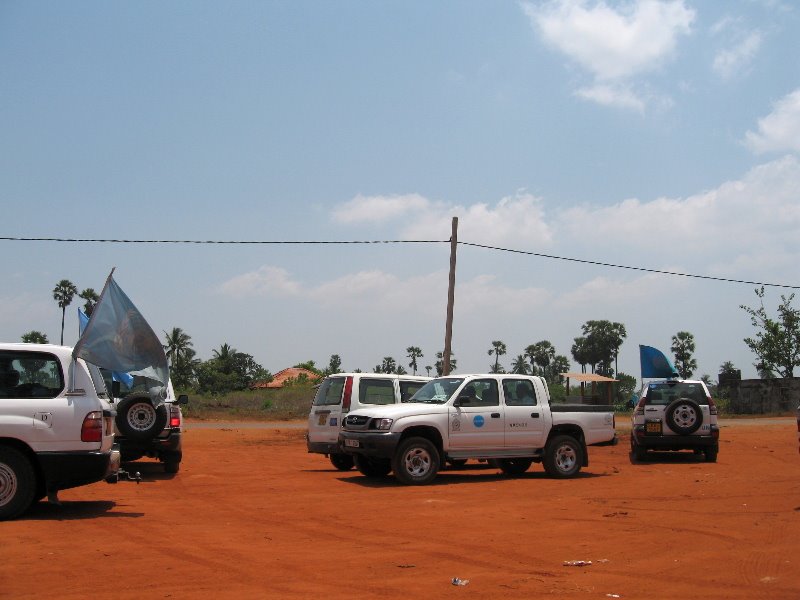 The dusty NGO and UN-truck-filled parking lot where the flights up from Colombo disgorge their passengers.
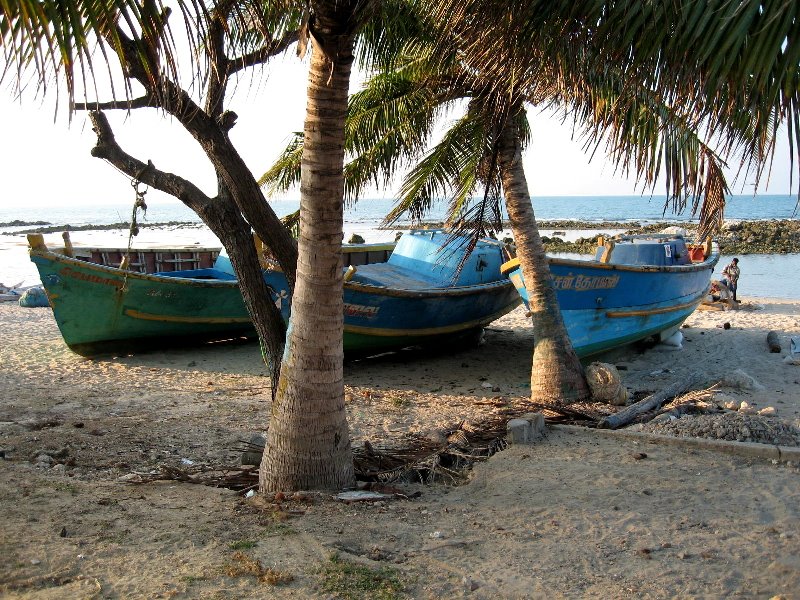
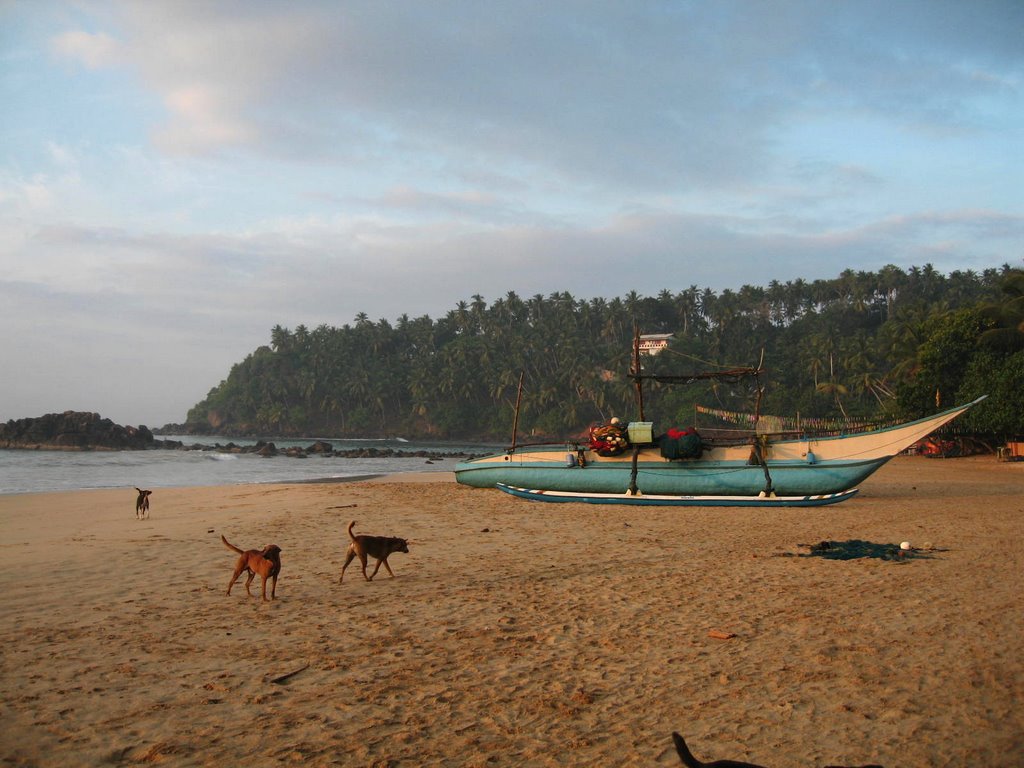
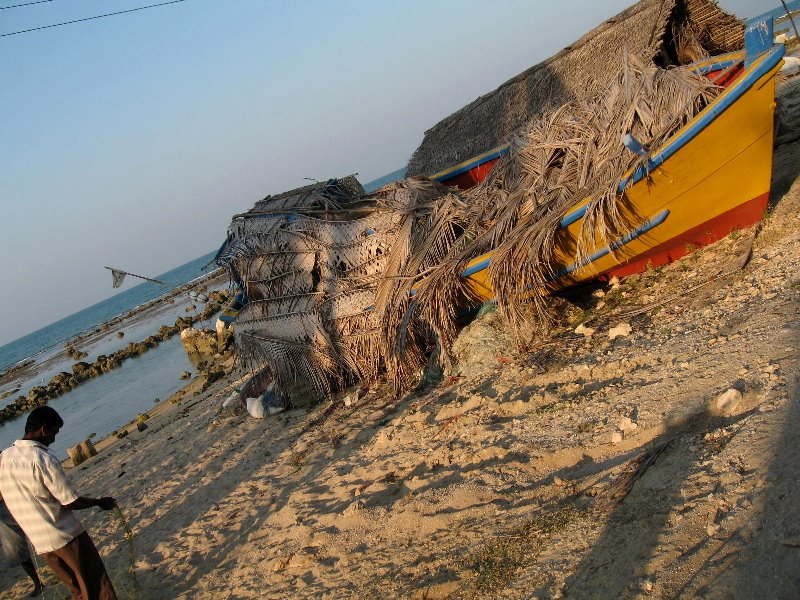 The unusued, full-hulled, normal fishing boats get put to some interesting uses.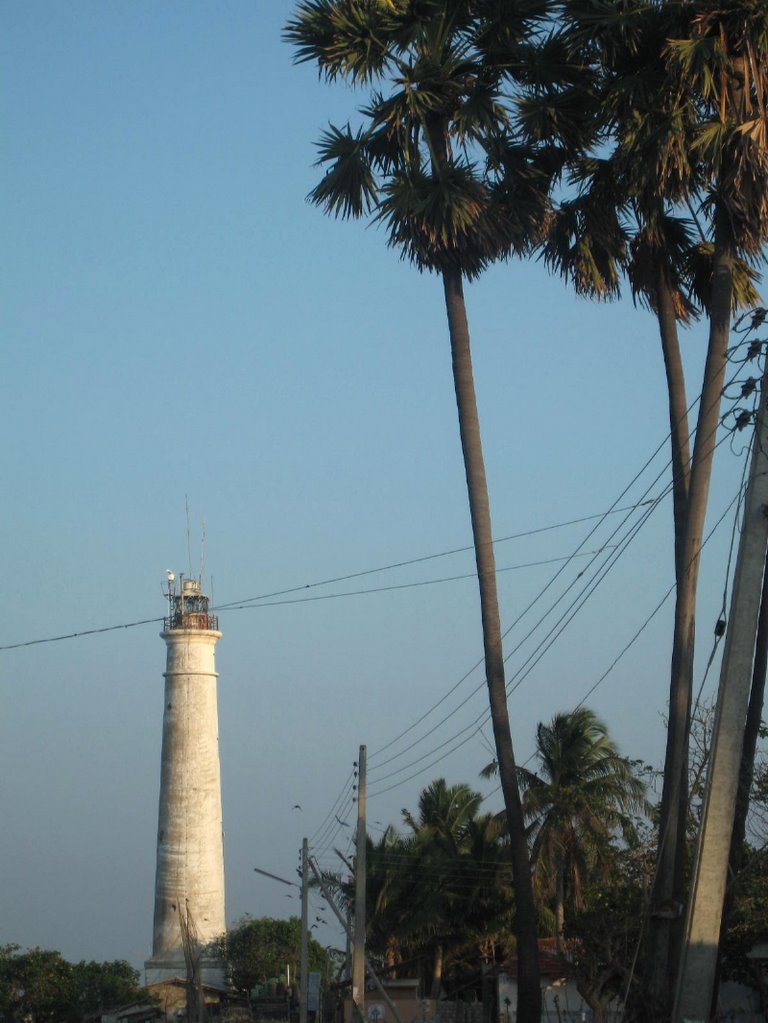

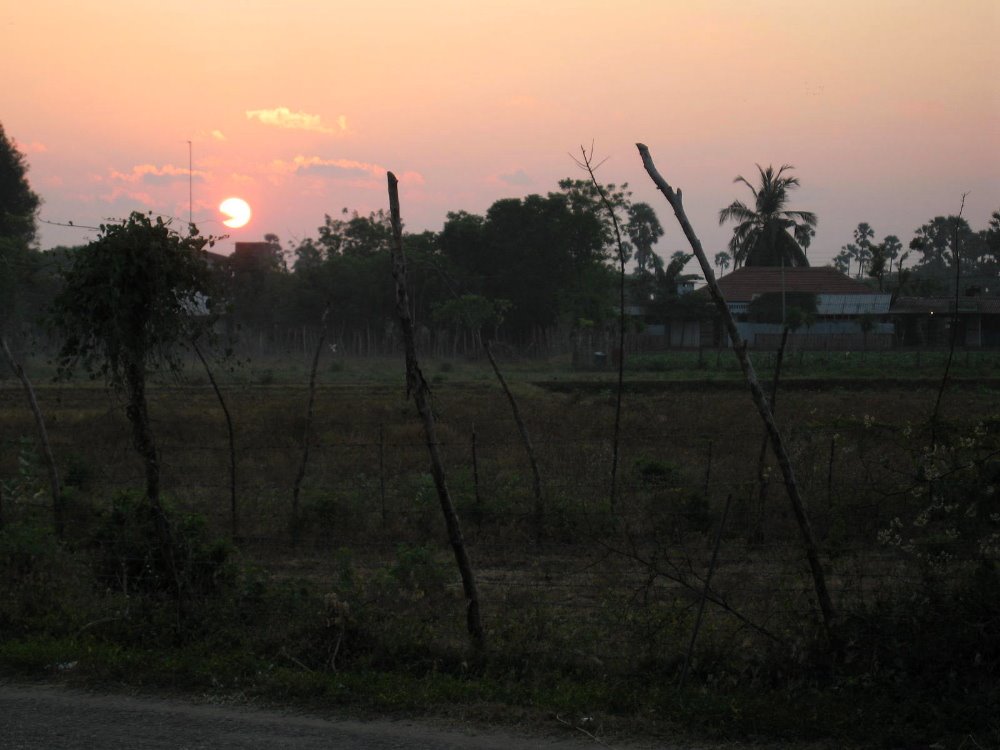
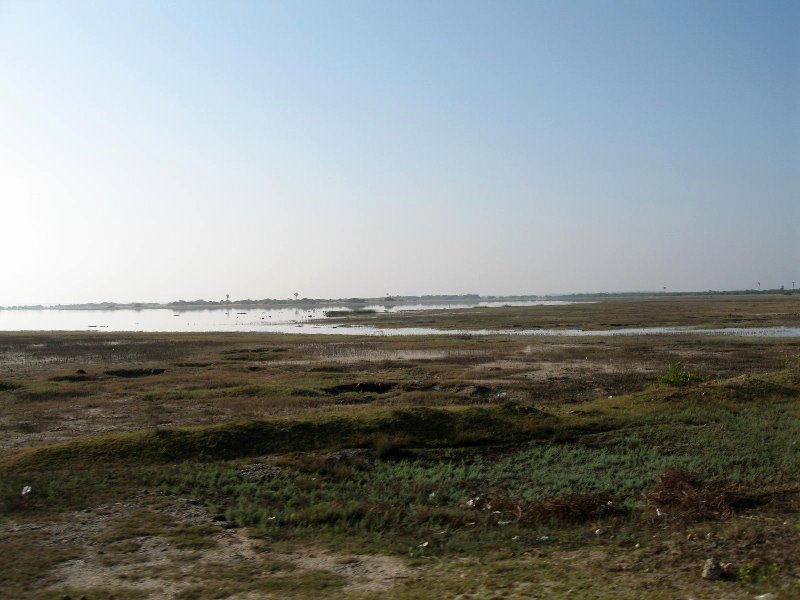
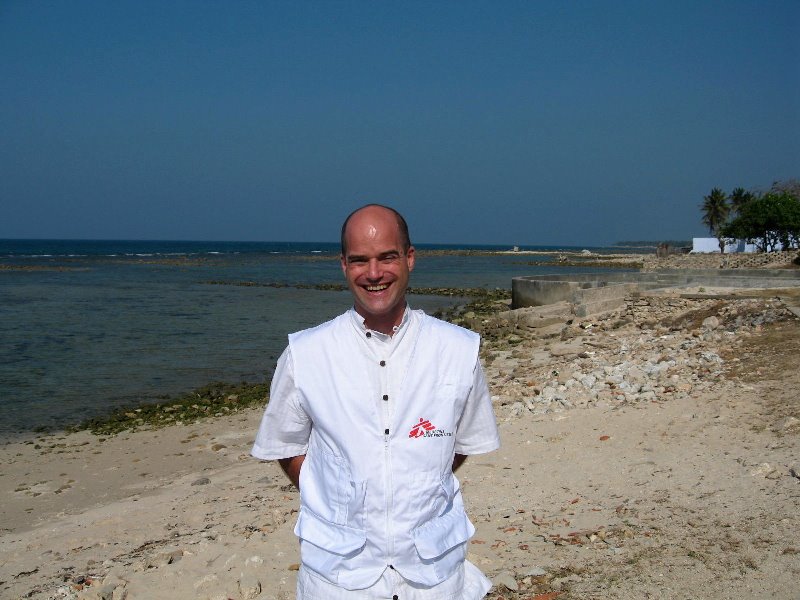 I’ve been saying since I arrived in Sri Lanka that the country calls forth a wide range of highly varied emotional and intellectual responses in me. As my farewell (at least for now) to Sri Lanka, I present a portfolio of shots from all over the island. I’ll let the captions tell most of the story, with this small introduction up front. In early February – shortly after finishing that last mammoth posting about Cambodia and Thailand, which I hope you’ve all taken some time to digest! – I finally had the opportunity to visit our field project in Point Pedro, up at the northern tip of the Jaffna peninsula. Never visiting a project, never seeing the patients and populations we’re here to serve, has been perhaps the single most difficult aspect of this assignment for me.

Members of the capital team never see our patients or the daily life in our projects anywhere near as much as the field teams – but at least in China I was able to get to one or the other of the projects usually at least once a month, and some months I went to both projects. Here, circumstances have conspired to limit me to one field visit over the course of a 7-1/2 month assignment. After that, there were two more lovely weekend trips out of Colombo so I could see a bit more of the island before leaving it: 24 hours at Mirisa on the south coast (with my good friends and colleagues Ulises and Violet, counterpars from the other MSF sections whom you saw pics from Violet’s and my farewell) and 48 hours in mountainous Ella all on my own to catch my breath and clear my lungs in the mountain air before focusing on the handover to my replacement.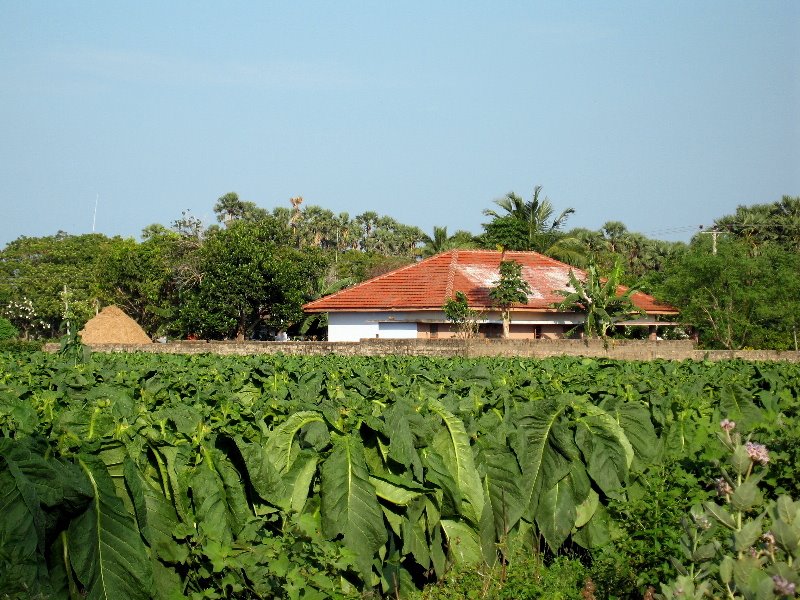
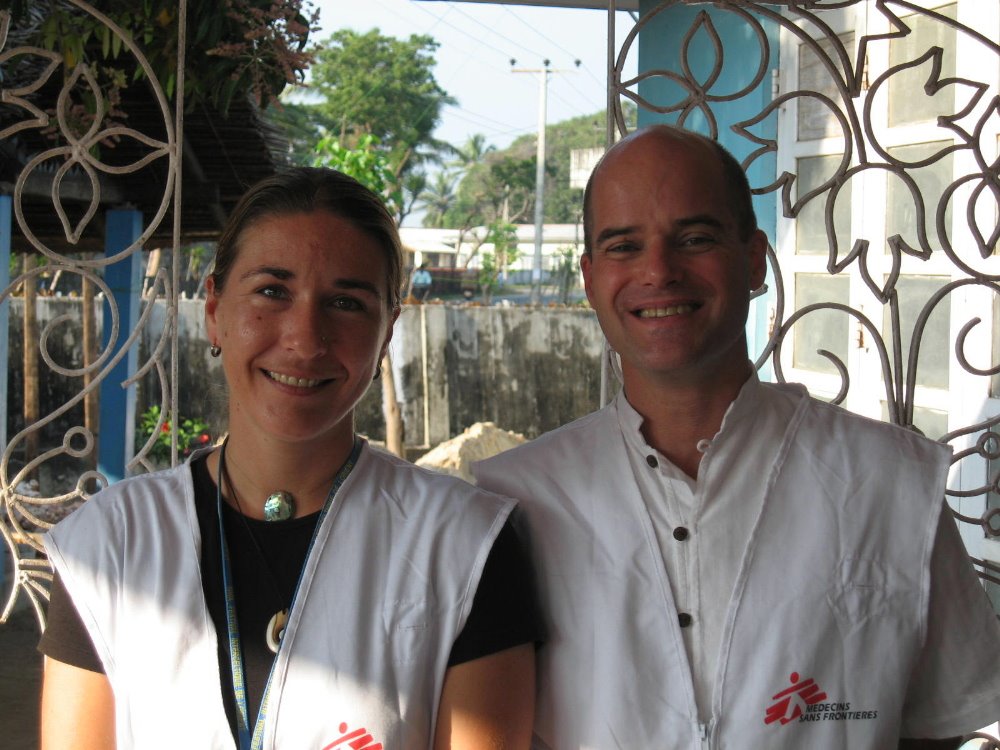


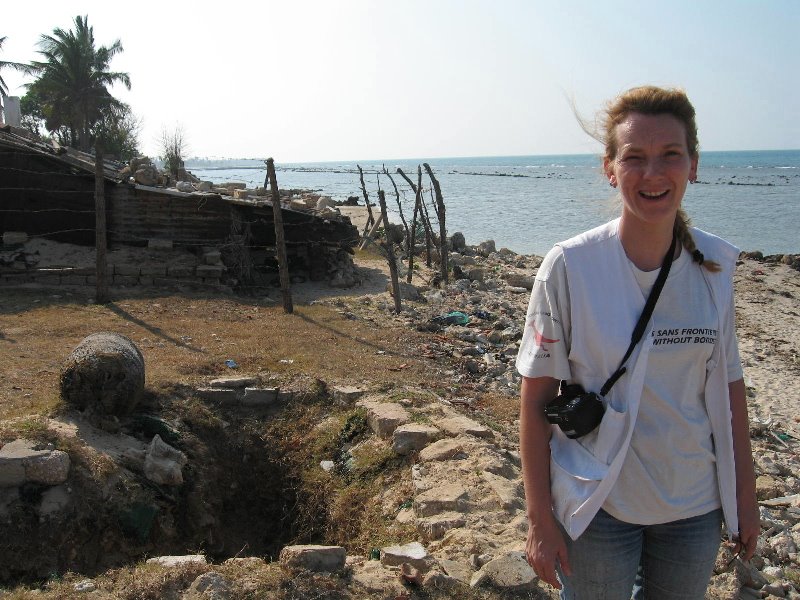
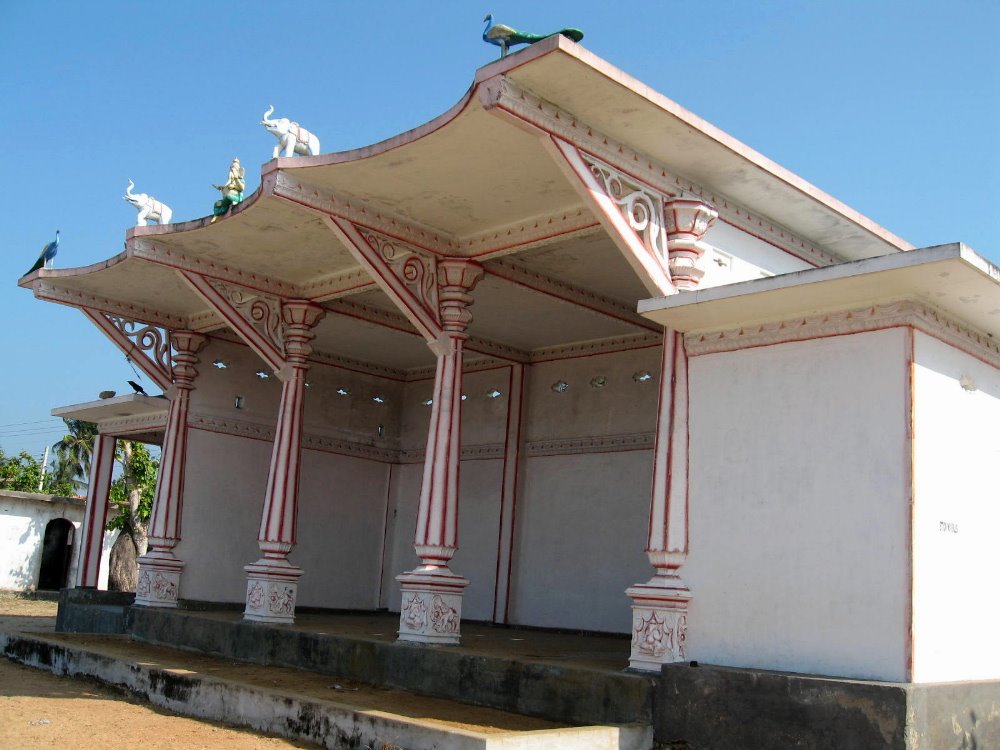
As expected, I learned a very great deal from my field visit, in addition to enjoying it. The peninsula is generally drier than Colombo, and that makes it feel a bit cooler even if the air temp is not any cooler. Moreover, the air anywhere on this island is likely cleaner and less cough-inducing than the smog-ridden soup of Colombo. But the visit yielded more than just personal comfort and enjoyment. I’ve heard many say that the Jaffna Peninsula is effectively under a military occupation – an idea I appreciated abstractly, but which took concrete meaning for me when I visited. The security in Colombo is tighter than any place I’ve ever lived before: presence of soldiers at street corners, sandbagged bunkers in many strategic locations, pat-down searches and metal detectors to get into many public buildings and almost all government offices, etc. Jaffna takes it to new levels: every 250 meters or so on the road, you hit a new roadblock and checkpoint. Every 100 meters along the coastline, there’s another bunker with soldiers looking out in four directions.


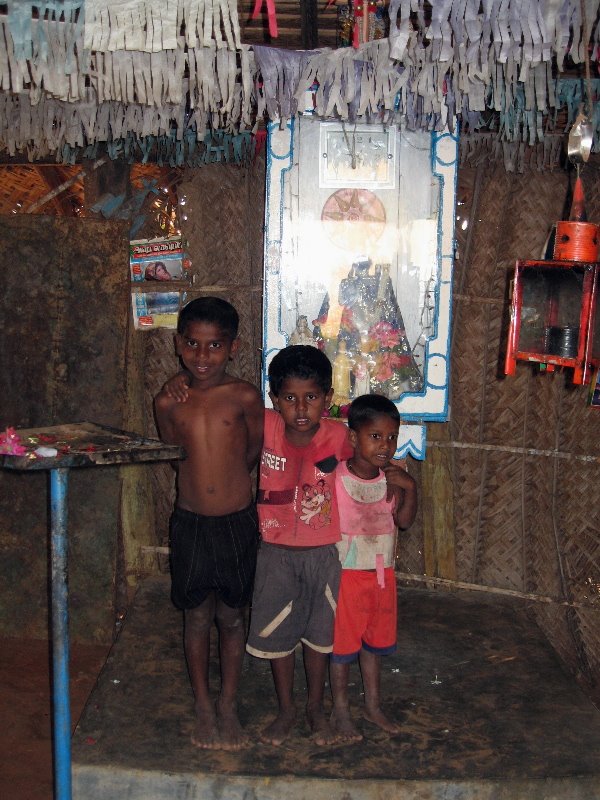
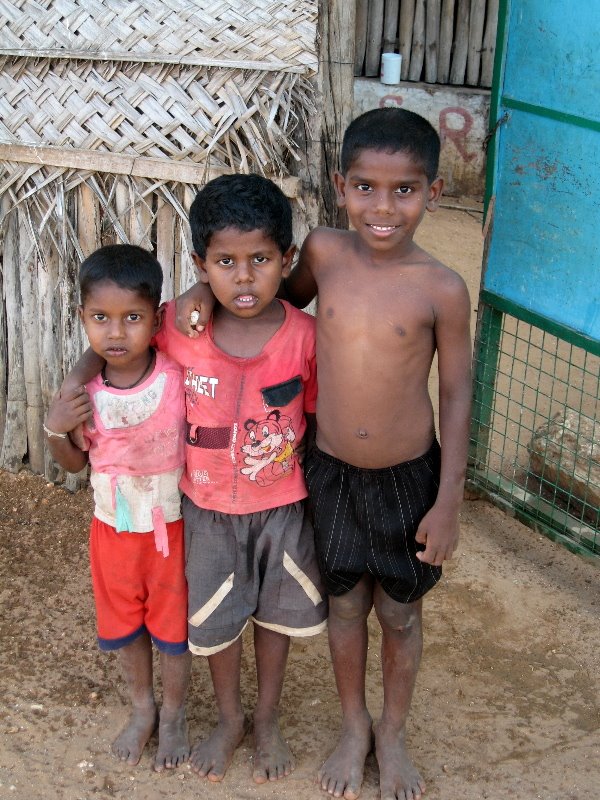
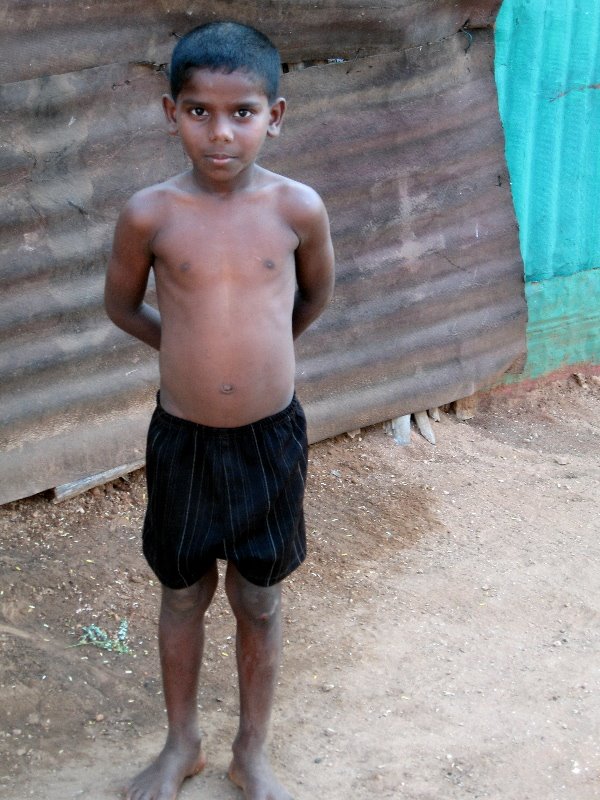
I’d heard that there are more than 40,000 soldiers up on the peninsula; having been there, I have some sense of what many of them are doing: guarding and watching just about every square kilometer of the entire peninsula. The soldiers are all (or very nearly all) Sinhalese – though there are some Tamil soldiers, they very rarely if ever get posted to the peninsula. (This is possibly as much for their security as for other reasons: seems to me a Tamil soldier on the peninsula runs an above-average risk of becoming a target of LTTE hit squads.) Without having studied the issue, I’m guessing that the SLA (Sri Lankan Army) draws its enlisted recruits mostly from the ranks of the poor and opportunity-deprived, so here you’ve got a bunch of nice kids from the poorer neighborhoods in the Sinhala-majority south, just trying to find a way to pay the bills and make a living in a land where opportunities don’t grow on trees, squared off in uncomfortable proximity to an entirely-Tamil civilian population, most of whom no doubt resent the feeling of occupation and constant infringement on their daily lives. To us expats, everyone seems very nice and neutrality, for me, means we smile and wave at everyone – so a trip through the peninsula becomes a long smile-and-wave-fest. But in the back of your mind, you just know that some of the soldiers and civilians (or hidden LTTE cadres) that you’re seeing will end up killing each other, or simply being blown up in landimes or shellings. And it’s all very sad.
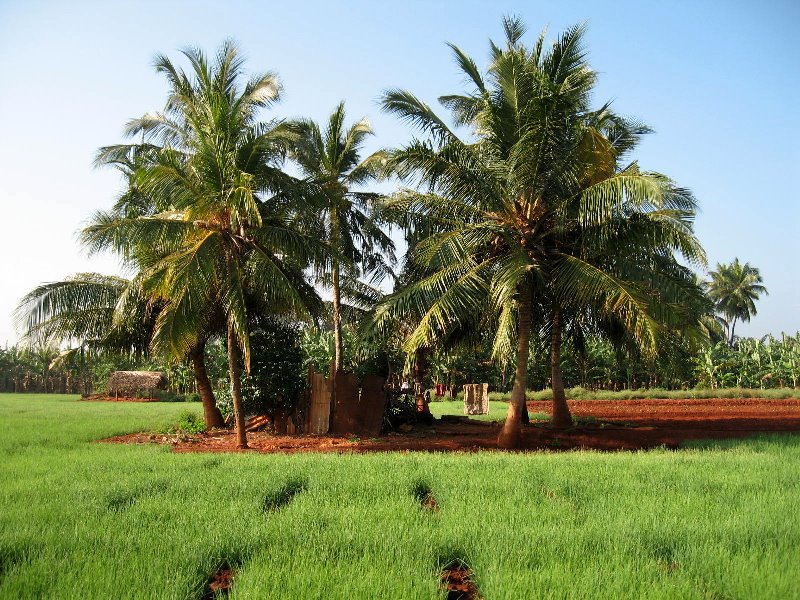
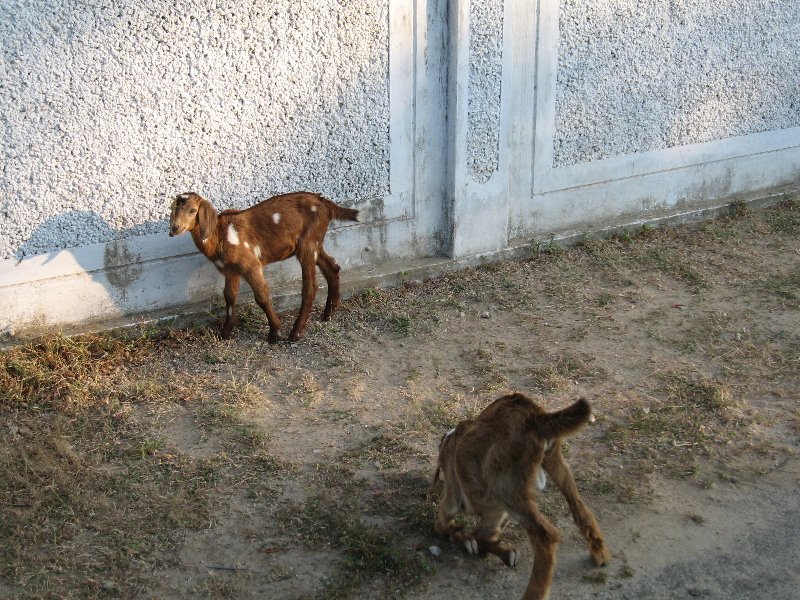 When I first went to the Peninsula in February, I saw tons of goats but not a lot of cattle. More recently, I saw lots of both. It’s a very agrarian area, and quite lovely.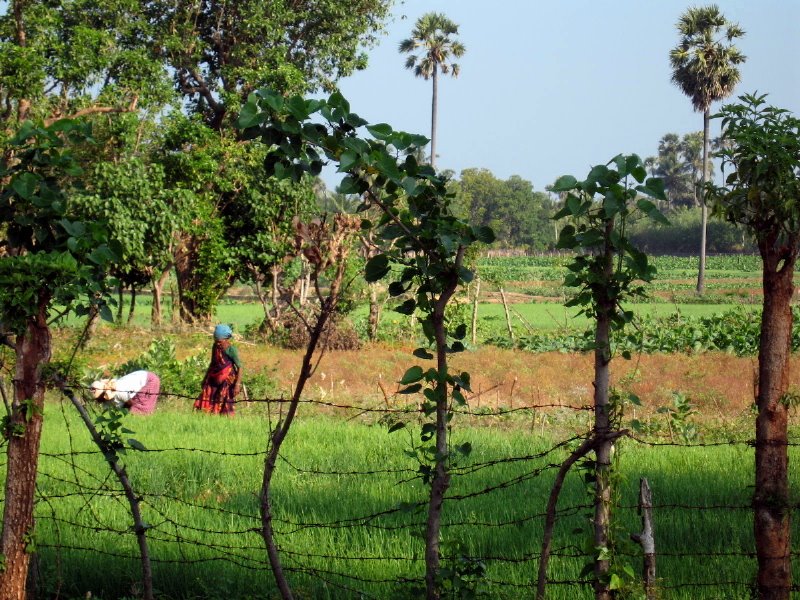
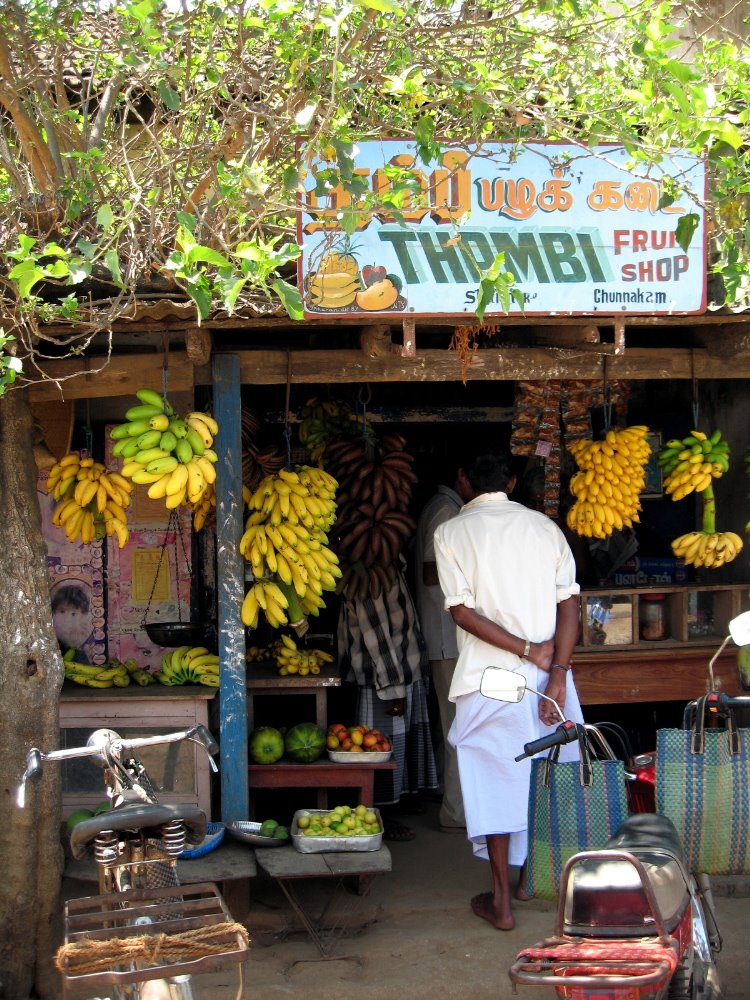
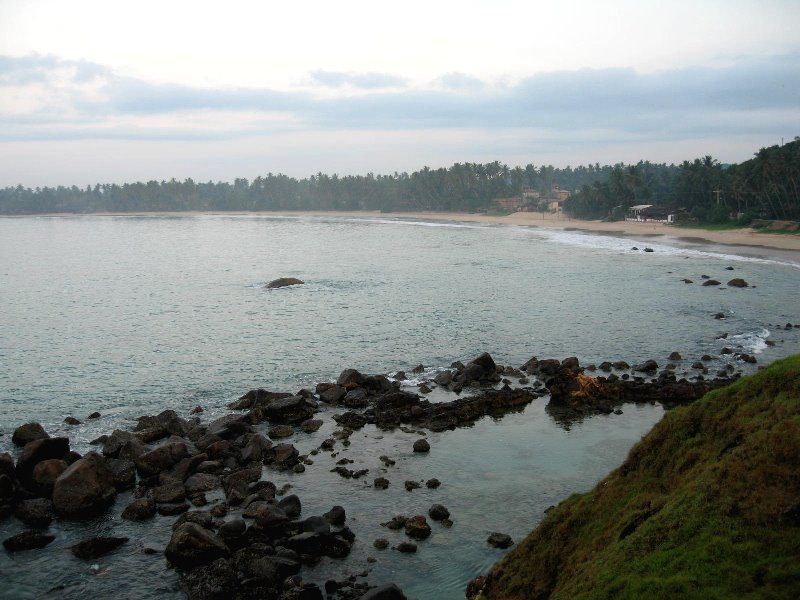
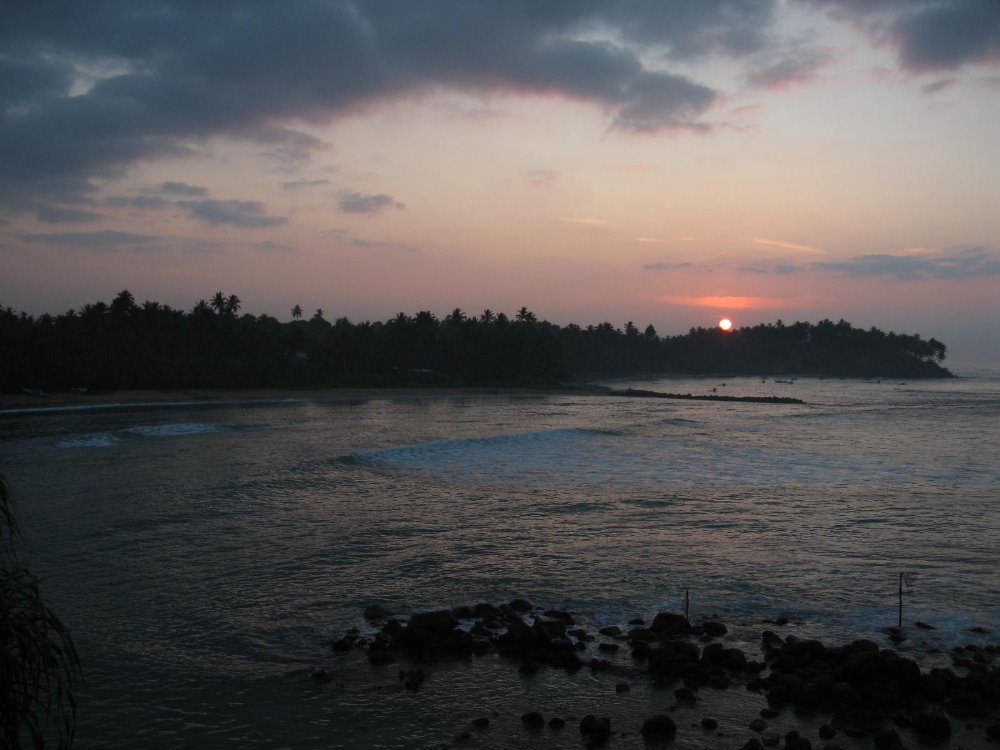
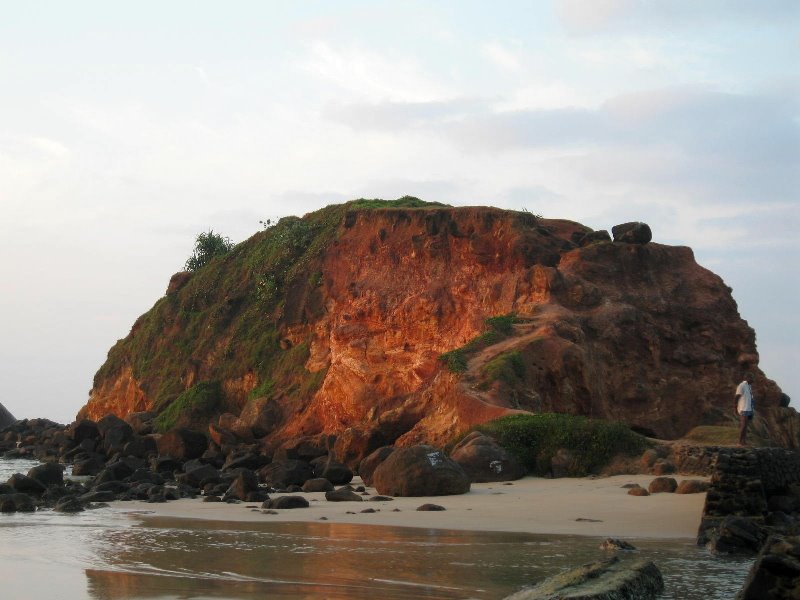
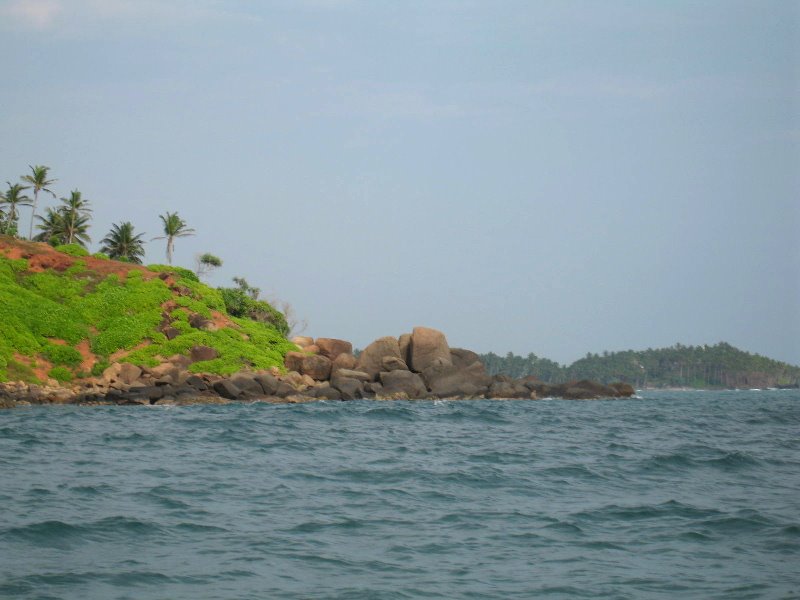
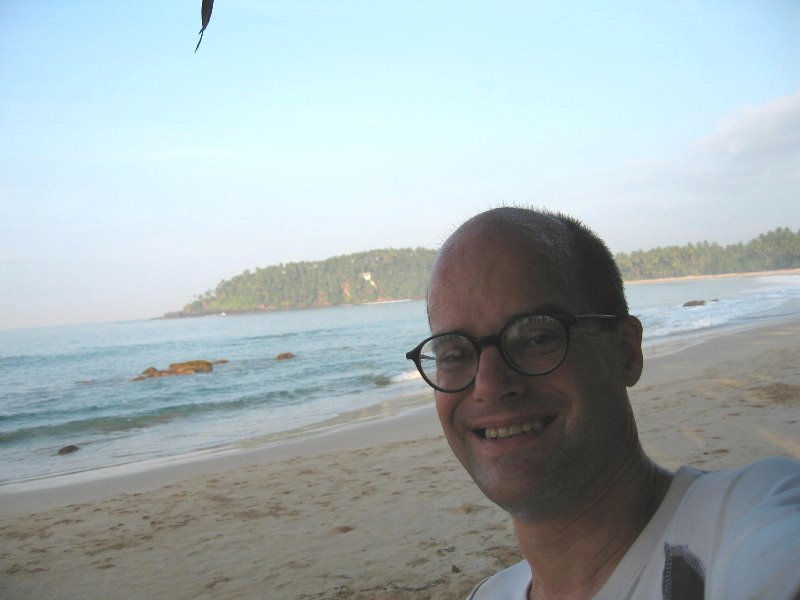
Contrast that to my experience, one weekend in late February, when I escaped from Colombo for 24 hours to enjoy the beautiful southern beach town of Mirisa. There, for a glorious afternoon, evening and morning, I saw: no guns, no soldiers, no roadblocks, no military patrols…nothing, in fact, to remind me this is a country in some state of conflict or civil war or whatever you want to call it. I suddenly understood that for a tourist, who never really goes anywhere near the conflict zones and maybe even bypasses Colombo after landing at the airport outside town (a fine idea, if you’re a tourist), Sri Lanka can really be an island paradise, as long as you’re never in the wrong place at the wrong time or put yourself in the places where the conflict shoves itself up in your face. Add to that the differences in lifestyle: fisherfolk (well, I suspect here they really are all fishermen) in Mirisa get to use motors on their boats. They get to use boats with full hulls and enough hold space to actually store fish…not to mention that they get to go out to sea and really do some deep-sea fishing. Everywhere I went along the peninsula’s coastline, I saw little wooden oddities that resembled a cross between a surfboard and a dugout canoe: no hull, no hold, no place to hide weapons if you’re an LTTE cadre (or sympathizer) smuggling in weapons. Moreover, the fishers on the peninsula often aren’t allowed out at all; or when they are, they must almost always stay within a very narrow strip close to the coast and within binocular sight of the soldier-filled bunkers stationed every 100 meters along the coastline of the entire peninsula.
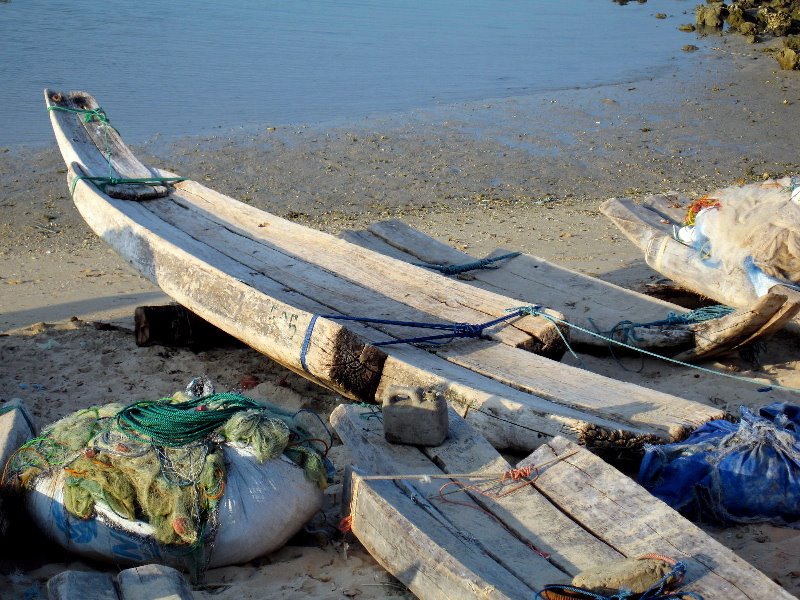 Yup, that’s what the Jaffna Peninsula fishermen fish from.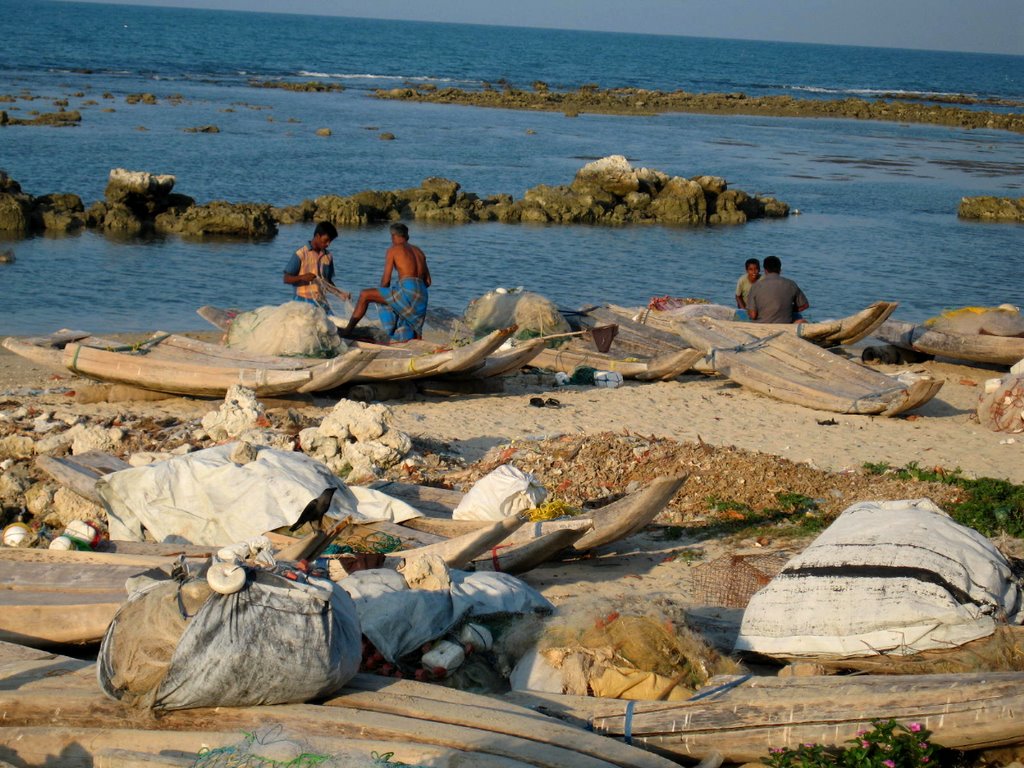
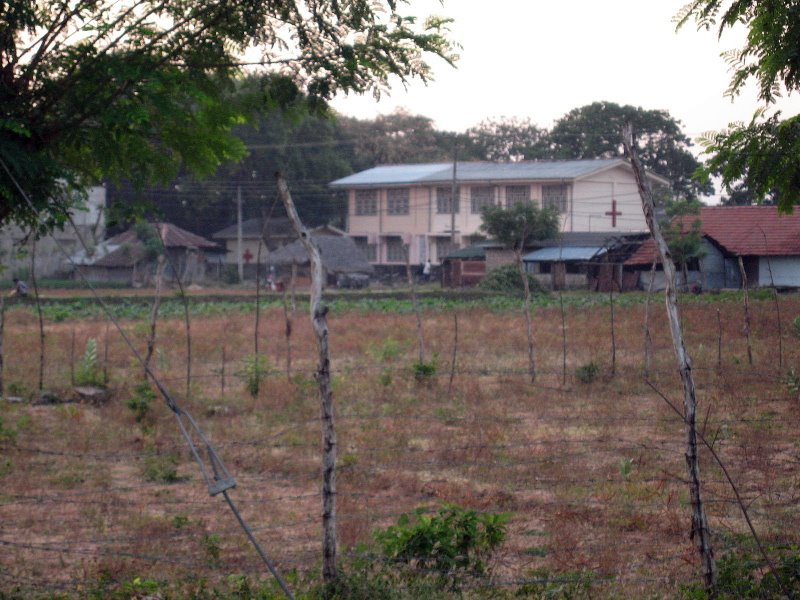 This is the Manthikai Base Hospital, site of our surgical & emergency medical work on the peninsula. The shot is taken from the office/house where people live, and work when not at the hospital or elsewhere on business.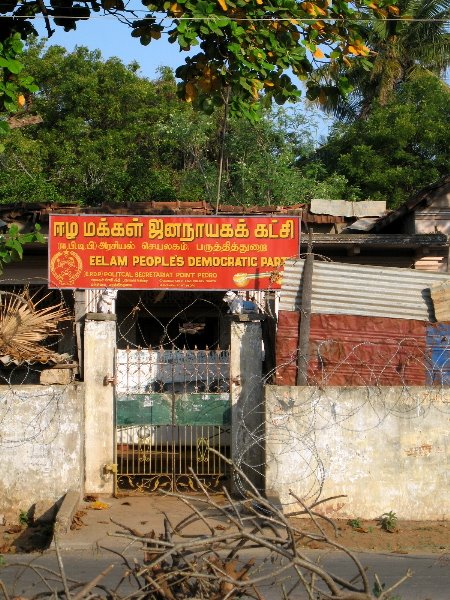
I don’t mean to judge. Not my place. I try to observe and learn. This is truly a tragic situation in which many people I’ve come to care about are trapped. But it’s certainly easy to see how the civilians on the peninsula, deprived (for security reasons which I understand even if I might wish the forces and government could somehow be more creative and less restrictive in guarding security while trying to allow folks to pursue life, liberty and happiness) of most aspects of a “normal” life, could long for something, maybe even anything, that might change all that. One of the most common – often the most common patient presentations in our clinic is suicide attempts. This has been the case throughout the long years of MSF’s work here in Sri Lanka. I find it easy to understand why, and I’m deeply saddened and occasionally outraged that none of the (quite simple, compared to what will be needed now to resolve this conflict) things that could have been done between 1956 and about 1983 to prevent this ethnic conflict from escalating to where it is now were done. I could go on and on and on, but I’m going to let the pix speak for themselves and share my thoughts with you individually if you want. Bookshelves can be filled with writings on the origin and nature of this conflict, yet it remains one to which much of the world is blind. And I guess that makes me sad as well – that so many good people, trying to live normal lives, trying to pursue the goals we all pursue everywhere, die every day from abductions, suicide attacks, claymore mines, and standard-issue ground and air warfare…and most of the world barely bats an eye.
Political Street Art in Colombo
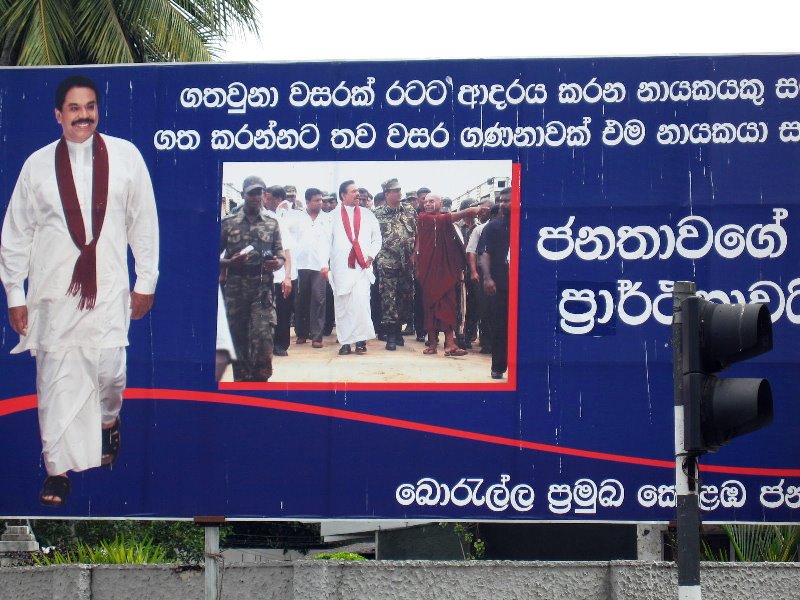
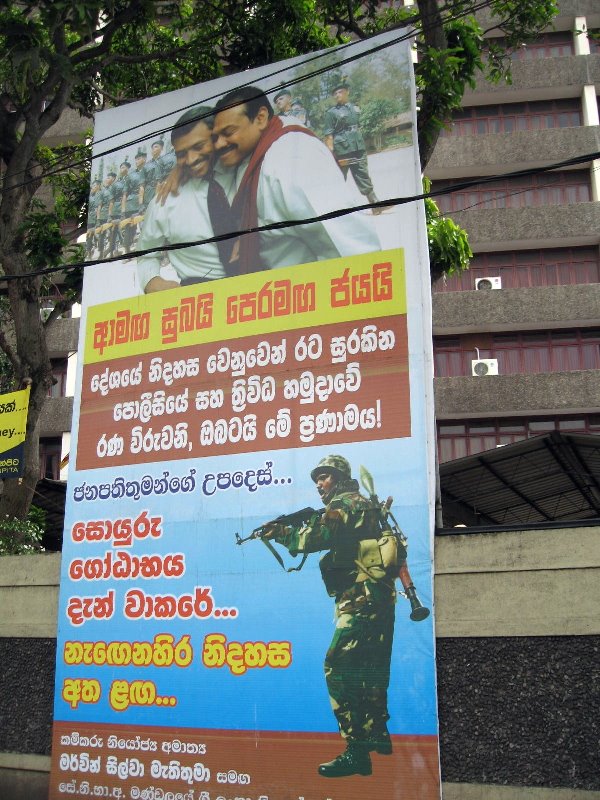
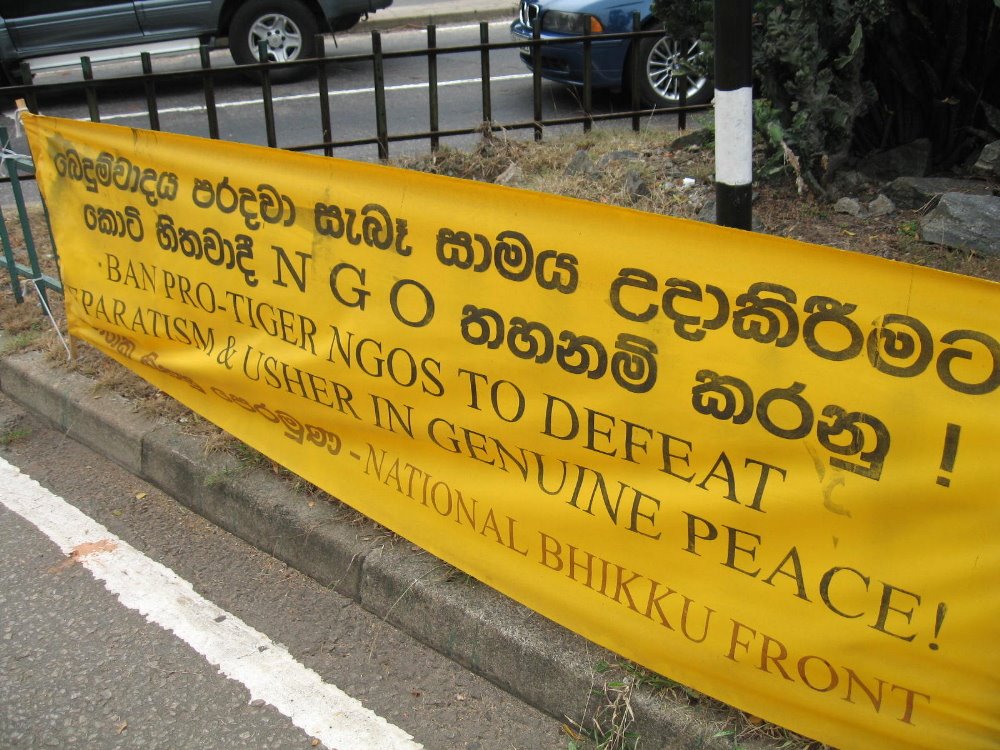 My friend Neal told me, in response to one of the private letters I sent out with updates on our status in the country last fall, that I was learning how it felt to be a political pawn. Understandably, the conflict is the predominant political issue here in Sri Lanka, though there are plenty of others large and small as well. There have been tons and tons of interesting political posters around Colombo while I’ve been here, pretty much always from the Sinhalese nationalist perspective (not so pro-peace process, let’s say). When I saw this lovely item on a street near City Hall, a place I’ve usually passed at least a few times each week, I decided the time had come to record some of the political expressions around town. Enjoy.
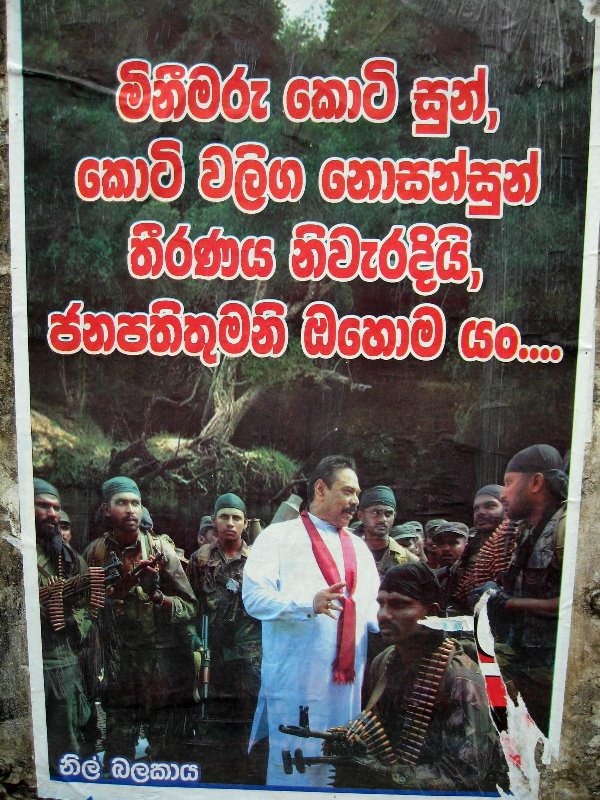 Above, a closeup of the president surrounded by soldiers; below, the same poster in its streetside context…complete with Lara Croft, tomb raider!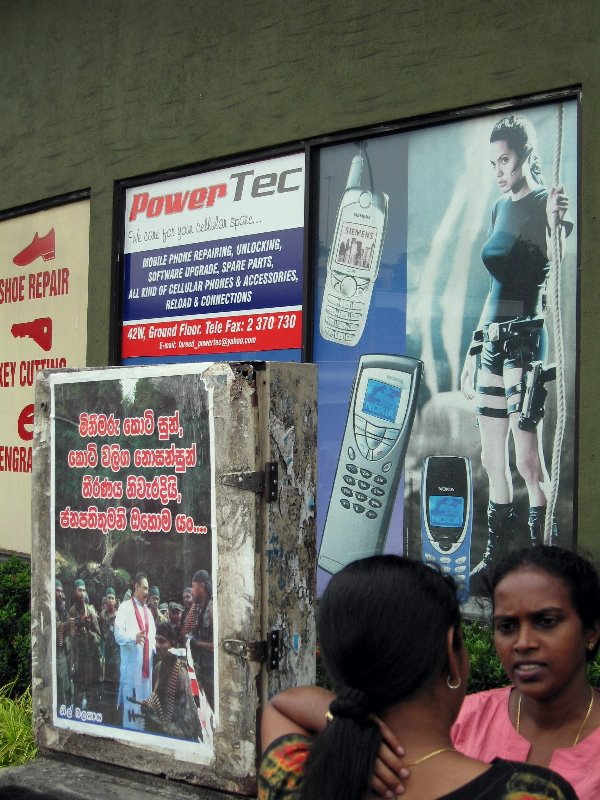
My work in Sri Lanka is now done – well, as I draft this in mid-March, I have 1-1/2 weeks of handover left with my replacement, before I hop on the plane to take me back to Paris for debriefing and what comes next. In any case, this being the day my replacement has arrived, I’m already feeling an absolutely glorious sense of release, even though I clearly still have responsibilities for the next 10 days or so: but each day, that load will lighten as my replacement settles into his post and takes on more and more. This is a new and delightful feeling for me, since I’ve never had the chance to hand over before: in China, I wrote a handover report, and left…then, several weeks later, my replacement arrived.
 World cup of cricket…and politics. Very, very Sri Lanka.
  Such would not be possible here. It seems my Head of Mission, for whom I have great respect as well as affection, thinks I’m a bit weak on stamina. Though I know he appreciates my work and wishes I could stay a bit longer, he thinks the work tires me out more than it should, and I’m not capable of the 12-hour seven-day weeks that are common in many missions. I have to agree that the work does wear me out. I’m realizing, now, that one reason for that is that there are always people pulling on me – problems that only I can really resolve, issues that no one other than me will take responsibility for. We’ve reached a stage where a strong team of national staff here have started being able to take on more and more responsibility, and I hope this bodes well for my replacement. The bottom line remains that I’ve been far more in demand here in SL than I ever was in China; and coming here after 17 months there meant I didn’t arrive as rested as I might have been. I hope this means Wolfgang is wrong, and I will be able to succeed in the 24/7 on-call adrenaline rush of the real emergency missions – in fact, I think he’s wrong, but only time will tell. Here, now, in this moment I have the blessed feeling that each of the next ten days, my load will lighten.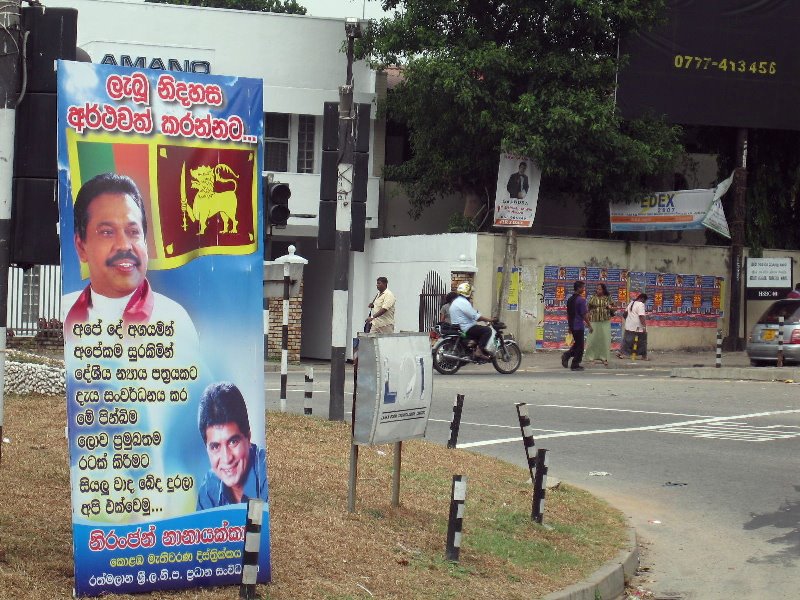
A Day in Mirissa




48 Hours in Ella

 There are vertiginous drops all over the hill country. The pic below is on road downhill, south out of the hill country from Haputale. The one above is taken from Ella Rock, looking at the road down in the steep valley which leads to the southeastern coastal plain. It’s gorgeous, and you feel quite alive knowing the land has been sliding recently!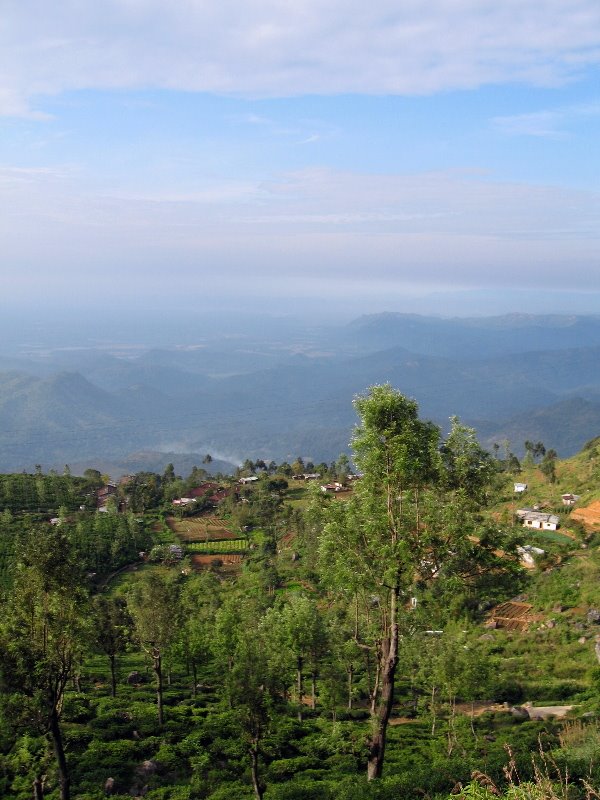


 (so much world, so little time....)