


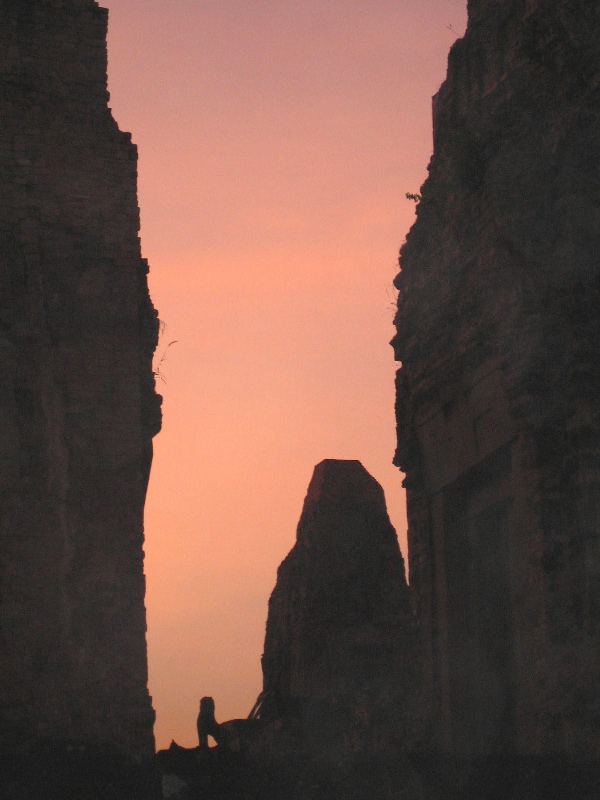
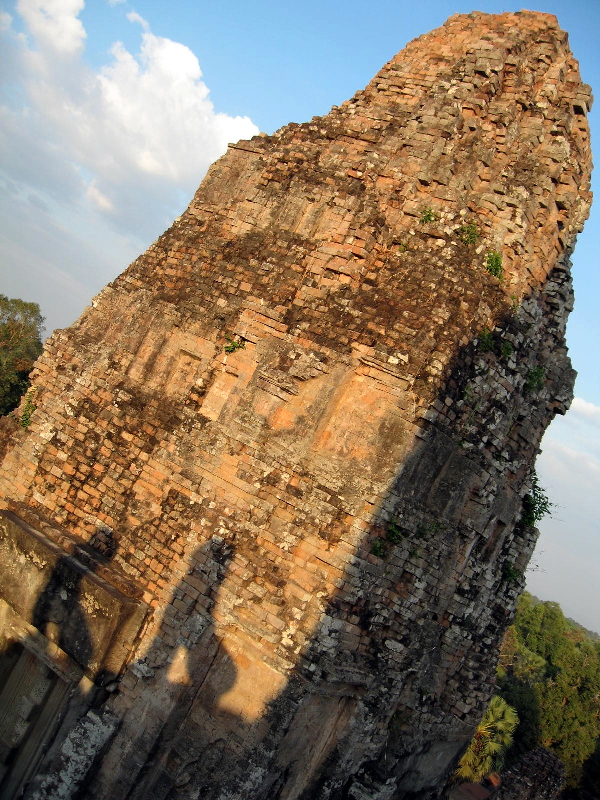
Farewell to Angkor Wat & Siem Reap

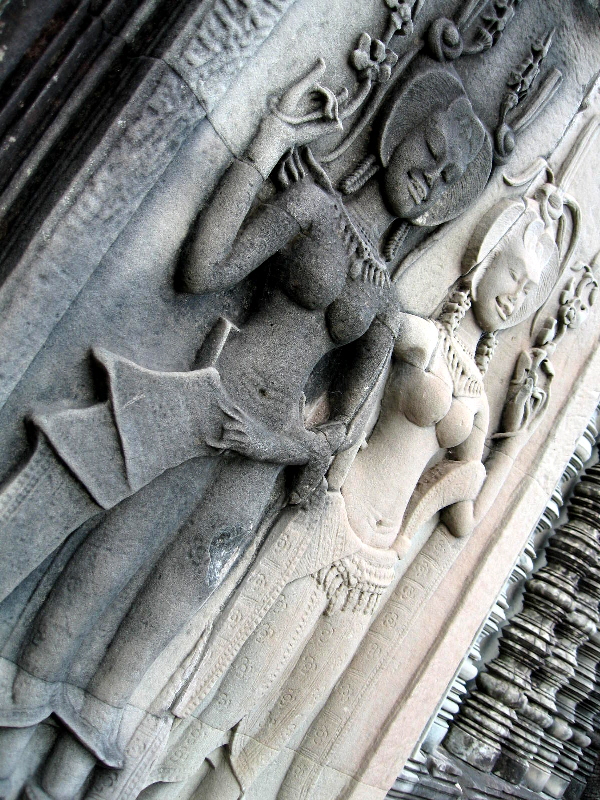
I thought it would be nice before moving on with other themes to leave you with some parting images of Angkor Wat, which along with Banteay Srei topped my personal list of favorite places in the Siem Reap area.
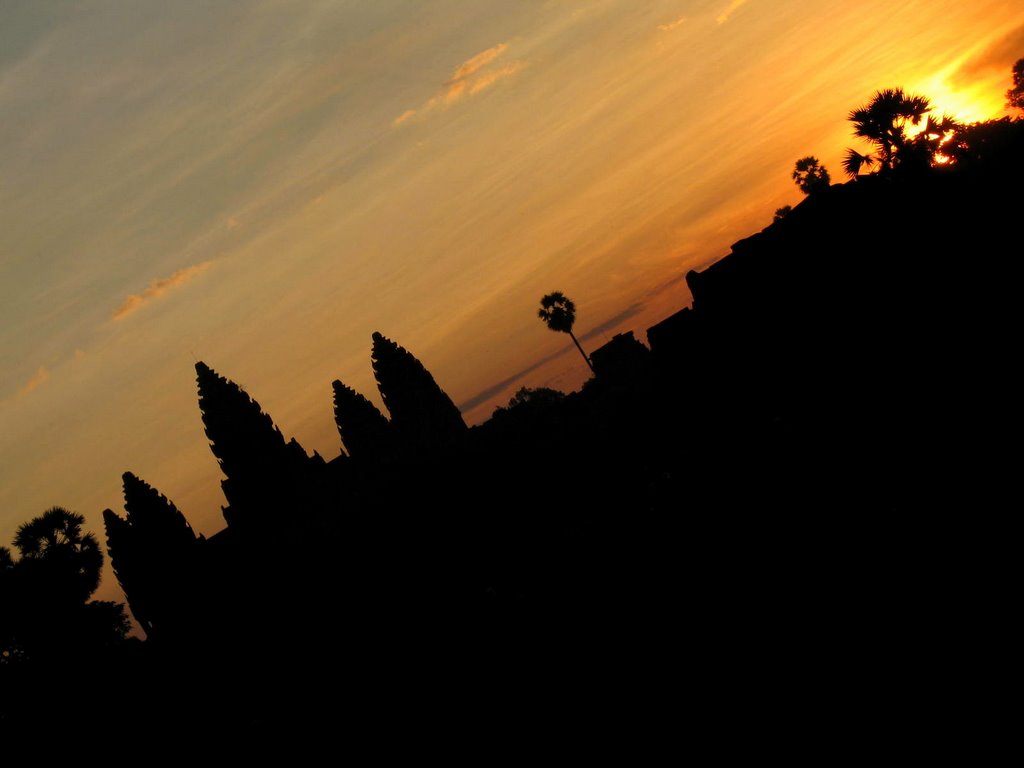
Floating Village – Tonle Sap
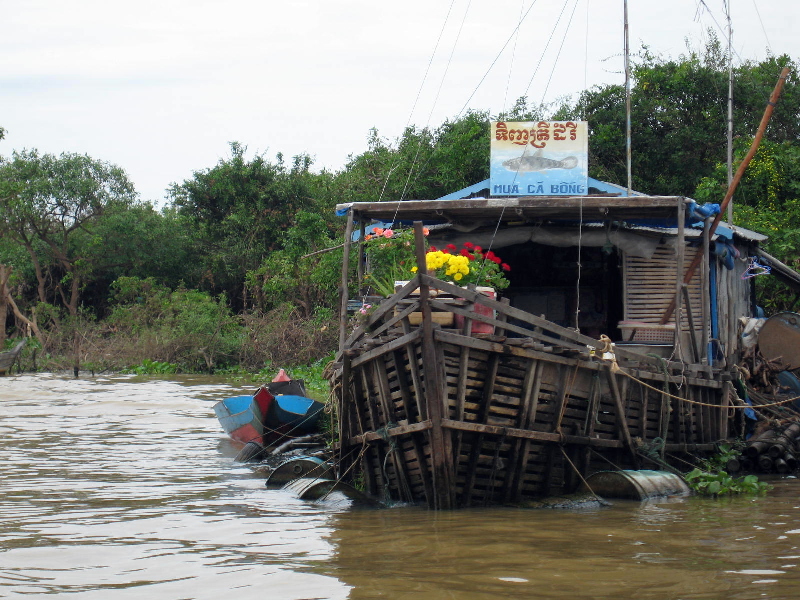
After four days being overwhelmed by the sites and sounds of Angkor Wat, Angkor Thom, Banteay Srei et. al., we opted for a quieter day: it was mostly spent by the pool and taking a veerry leisurely lunch, but in the morning we motivated ourselves to check out the “floating village” at the edge of Tonle Sap lake. Since the lake level rises and falls so often, those who live closest to it basically have no choice but to live in floating villages; those who live just a bit further way, as you’ve seen, raise their houses on stilts whenever they can in order to avoid the seasonal floods.
In the areas closest to what’s now dry land, we could tell the water was pretty heavily used and that the village seemingly has no sewer system. Our noses told us this. None of us was too happy when we were splashed by water from this part of the river, and reached for our hand disinfectant with images of typhoid and other water-borne nasties racing in our heads.
Overall the trip – though quite touristic and only partly “real” seeming – opened our eyes to the life on the water, and how hard it must be for some people. There are lots of Vietnamese in the village – witness the Vietnamese on the restaurant sign above. Interesting to think of these people navigating all the way up the Mekong from the Delta, past Phnom Penh, and up to the northeast corner of Tonle Sap lake – but I guess that’s what they had to do, unless the trekked overland and bought their boats once they arrived.


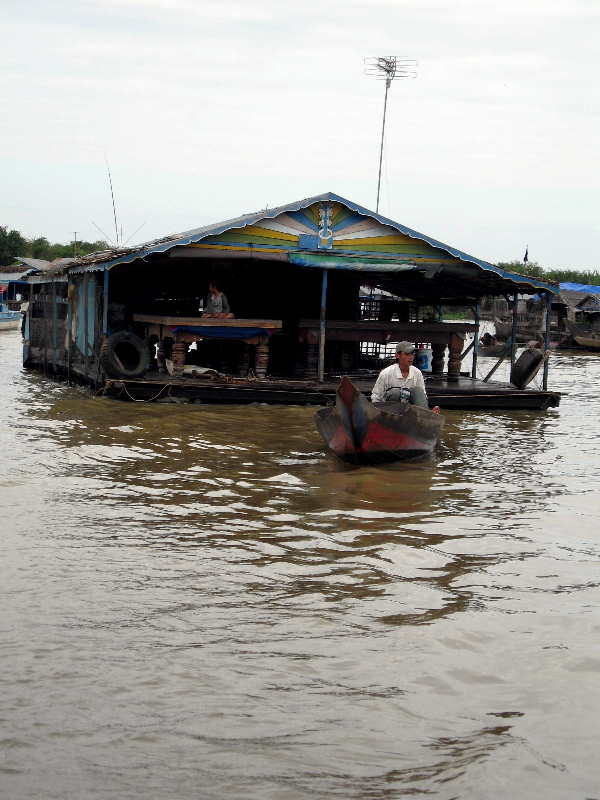

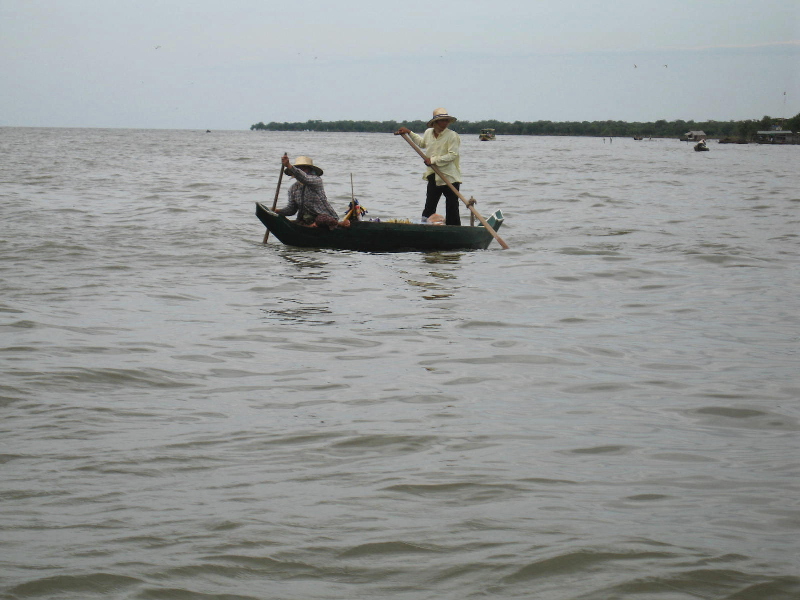


The floating village, though in many ways a tourist trap, still has all you need in a village: paddling peddlers pursuing tourist boats while holding up bottles of water and coke, schoolkids drawing on the planks outside their classroom, shops, churches…even the occasional floating pigsty!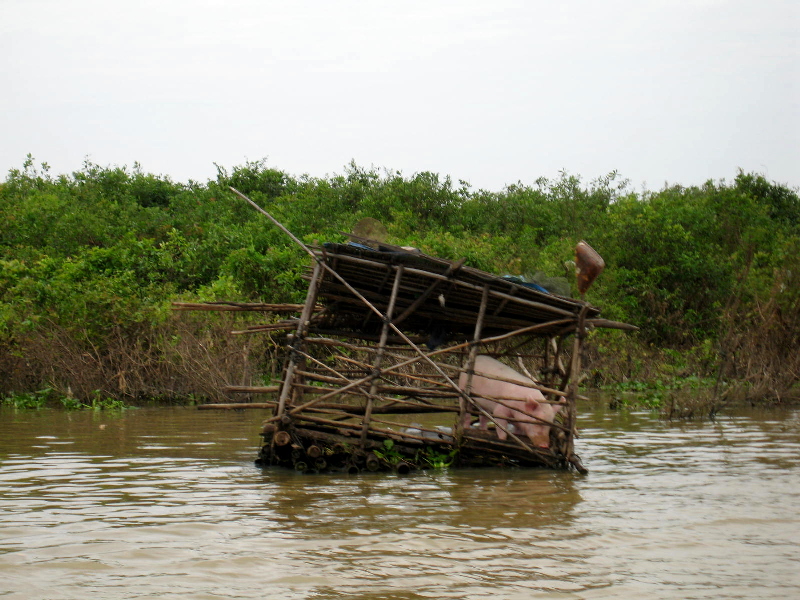
Rollin’ on the River


 We traveled from Siem Reap down to Phnom Penh by boat: the full length of the Tonle Sap Lake from northeast corner down to the point where it narrows to a river, then more or less the full lengh of the river, though our
 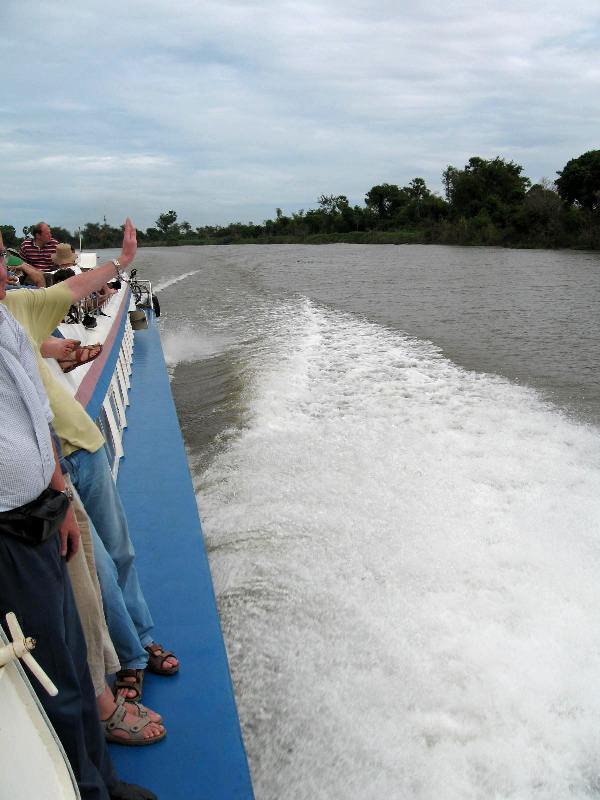 boat docked a km or two short of the point where it runs into the Mekong. This was another time I learned how differently Steve and I experience things: later that day, from the comfy ambiance of our lovely PP guesthouse, he commented that the boat ride had been “extremely stressful” for him. For me, it was one of the highlights of my time in Cambodia! There we were on a fast boat with a great view of this massive lake and river system I’ve been seeing on maps since I was a wee bairn, heading steadily toward a city whose name conjures a myriad of images for me – and I was with my dear family members the whole time! I truly don’t understand what stressed him out – sorry, Steve.
These shots: the fairly narrow walkway on our low-riding boat, on which I stood a lot of the time to take in the view; lots of people chose to ride on the top, but by the time I decided I wasn’t too scared to climb up there (and noticed a cute guy or two up there as well), it was too crowded. Plus I’ve always liked being at the front of a moving boat. In another, if you look closely, you can see a much less touristic floating village that’s down near the narrows where Tonle Sap becomes a river.
Royal Palace & Riverfront Scenes, Phnom Penh
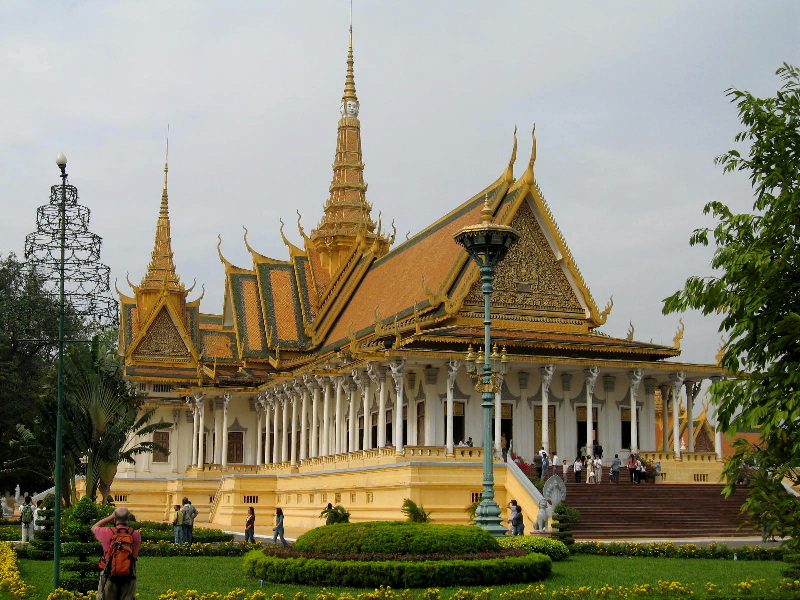 The Royal Palace on the riverfront in central Phnom Penh is impressive and quite beautiful, and a monument to greed, profligate spending and waste of a poor country’s resources. It felt to me not unlike my disgust as a teenager looking at the opulence and wealth of the Vatican in Rome. One appreciates the art, but wonders whether the resources might be better spent educating and immunizing children, and building roads and infrastructure.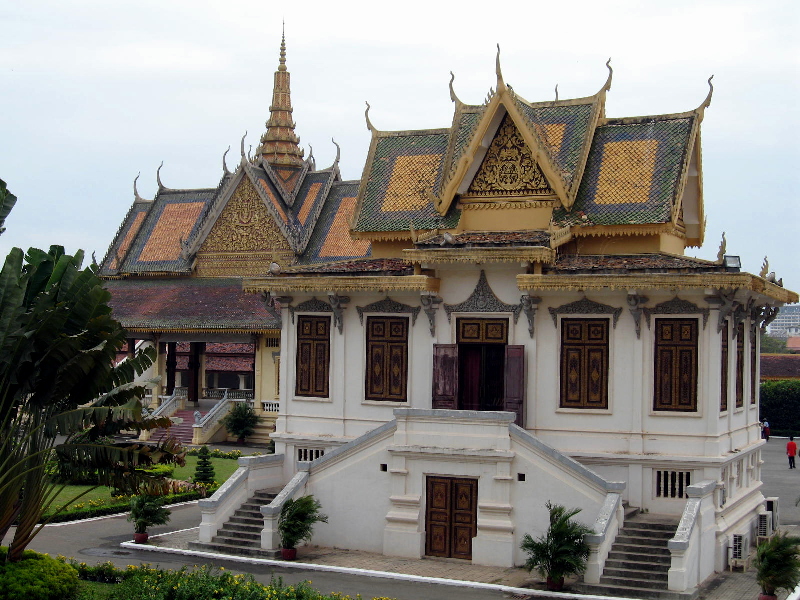
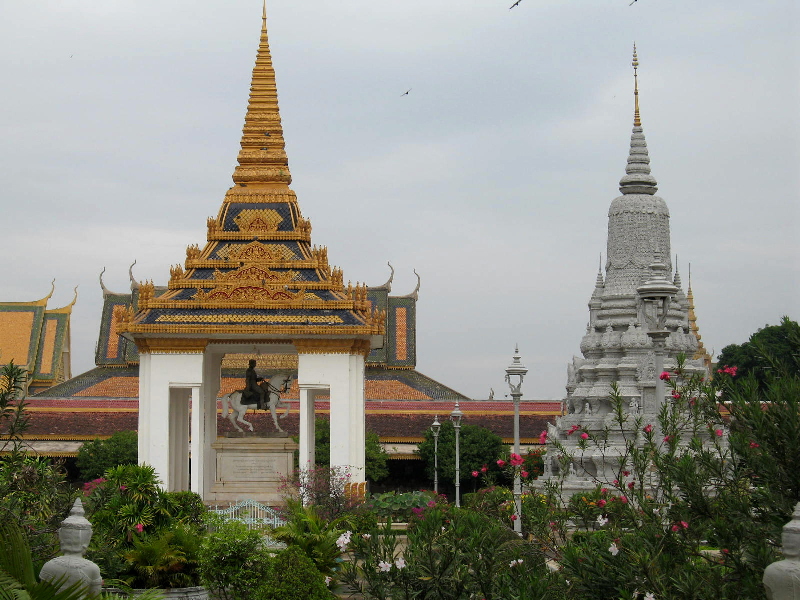
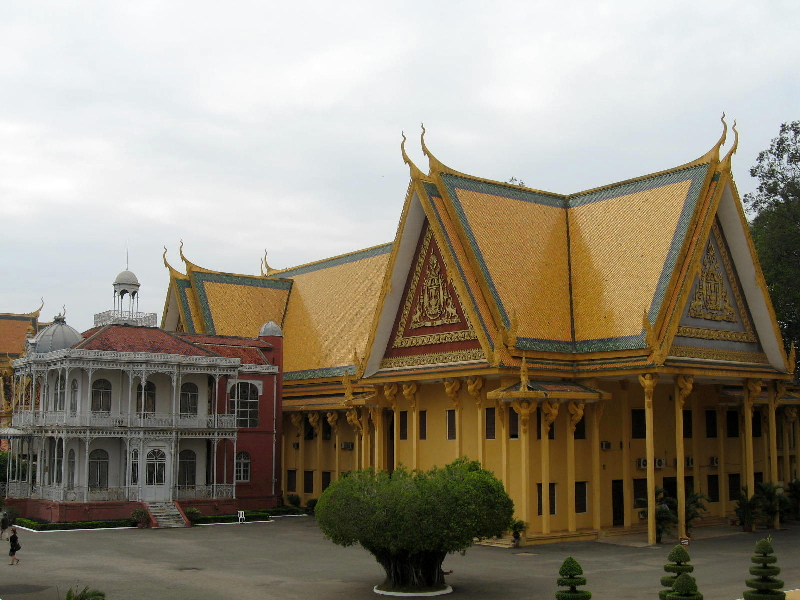
Look closely at the house on the left in this picture. This is what happens when you’re a French colony: Napoleon the 3rd “gives” you a used building, after he’s finished with it at the world exposition in Paris or wherever. Love the dynamism of classical Cambodian and French architecture blending so seemlessly, huh?


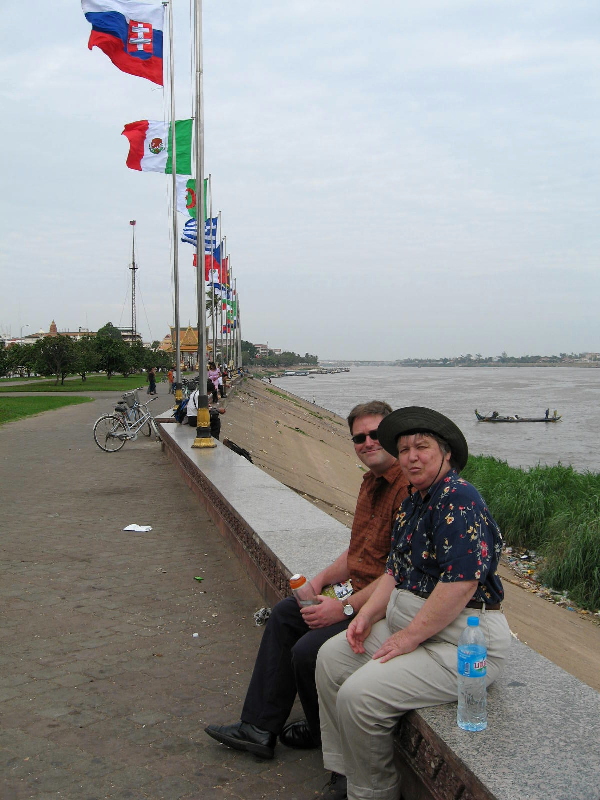
We really enjoyed the Phnom Penh waterfront: trying to figure out which flags represented which flags, trying to figure out how the decided which flags to include, and the general vibe. The Royal Palace and the National Museum are both right down by the waterfront, and our hotel wasn’t far away, so we spent a lot of time down there.
In the shot at the bottom, you see where the 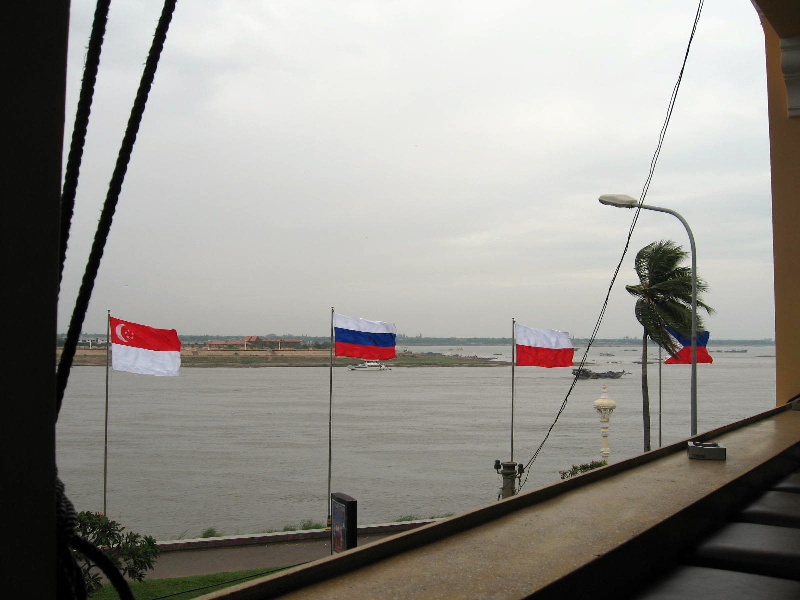 Tonle Sap River (closer to the flags) joins the Mekong (beyond the point, and at the far right). This shot, by the way, was taken from the lovely Foreign Correspondents’ Club Phnom Penh, which welcomes non-initiates of the fourth estate.
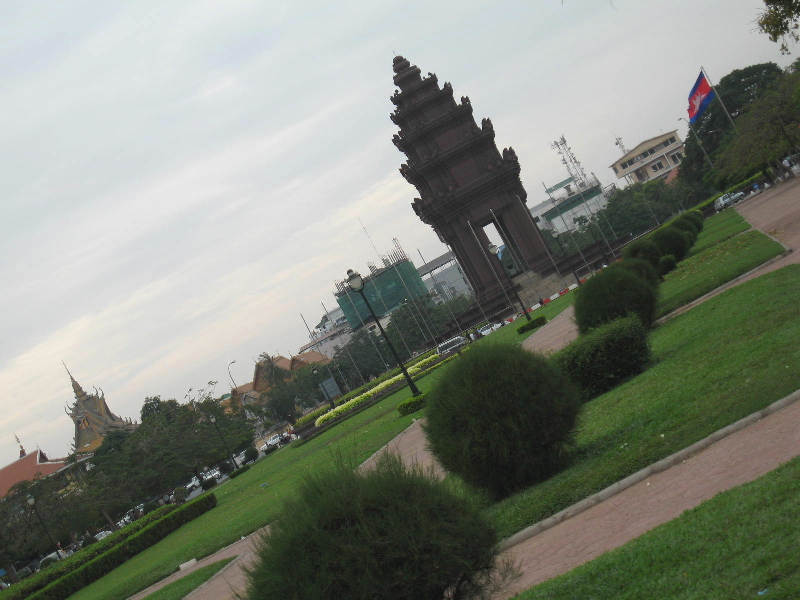
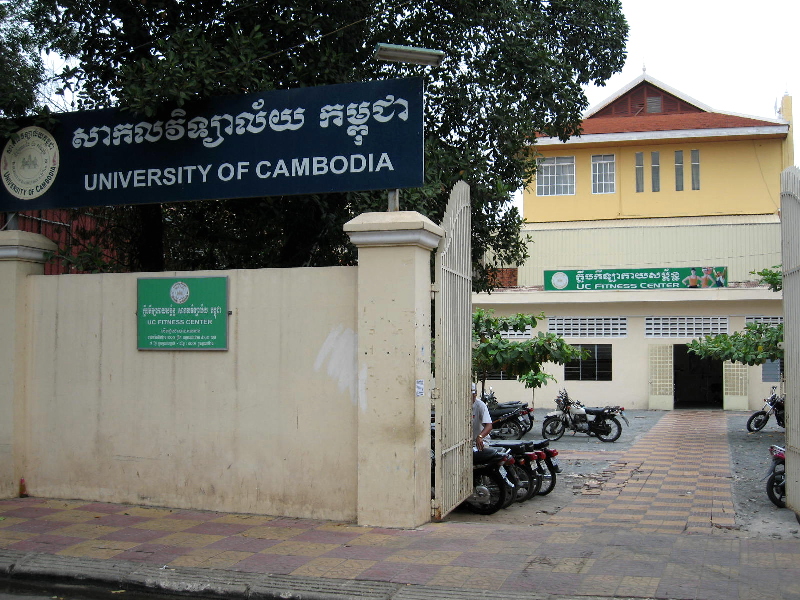 To the left: University of Cambodia Fitness Center; I enjoyed the contrast to, say the UC (Berkeley) Fitness Center. Yet another reminder, that – for all its grandeur, e.g. the Independence Monument no the right – Cambodia’s really a rather small country.
Phang Nga Bay, Thailand
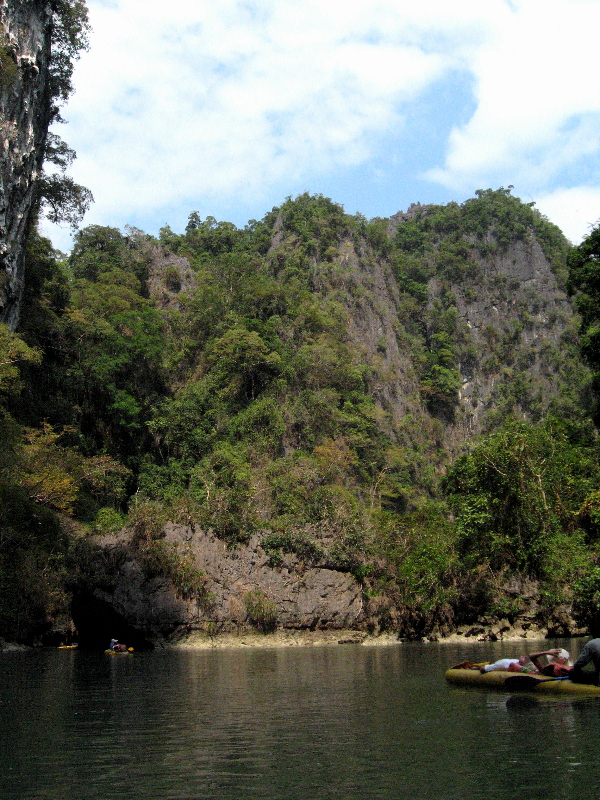
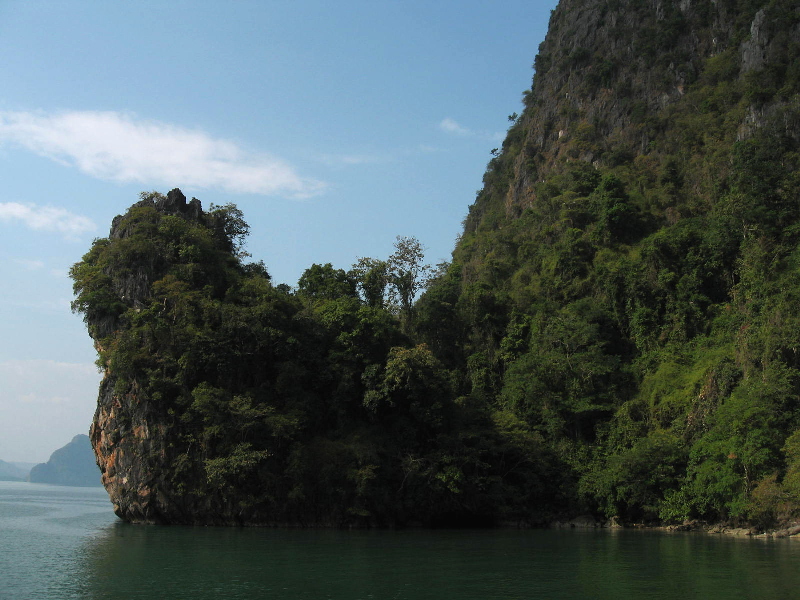
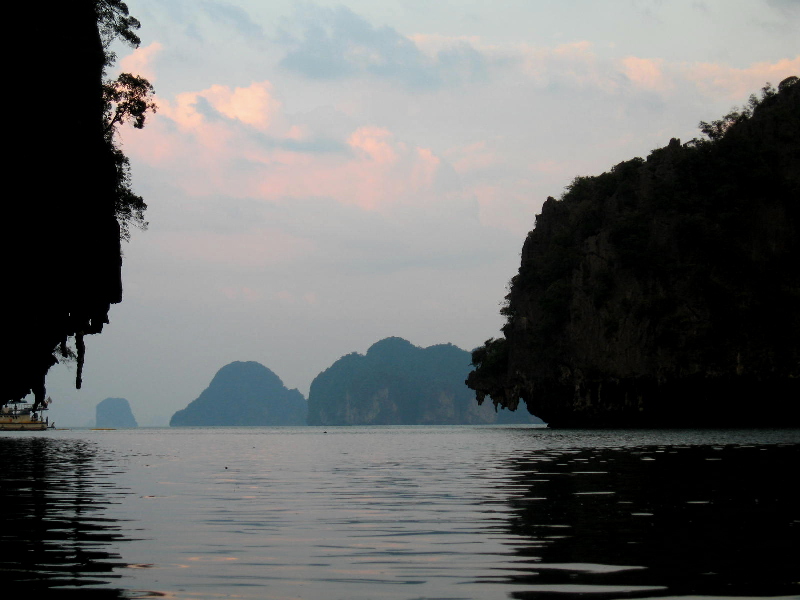
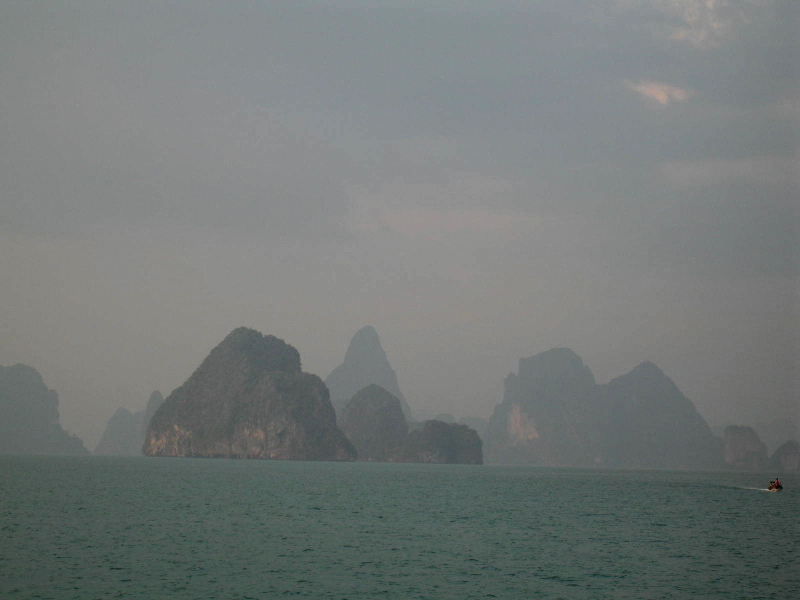
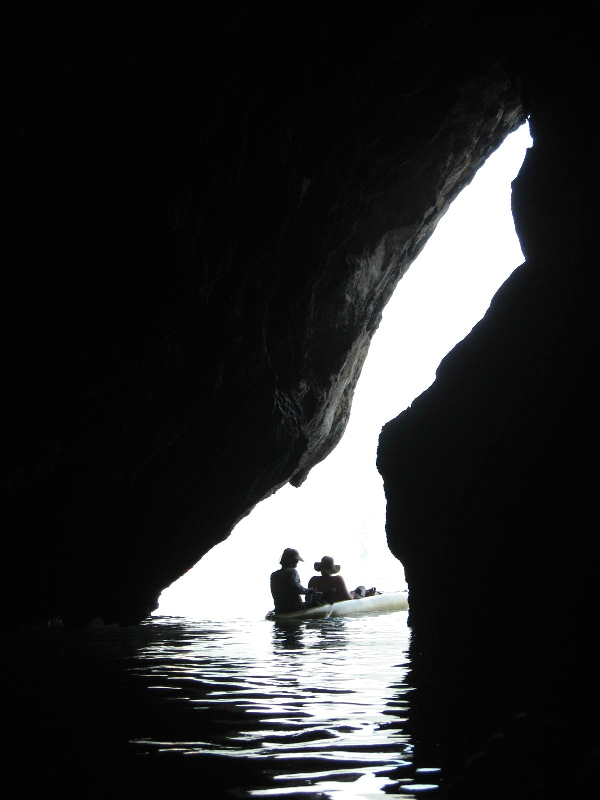
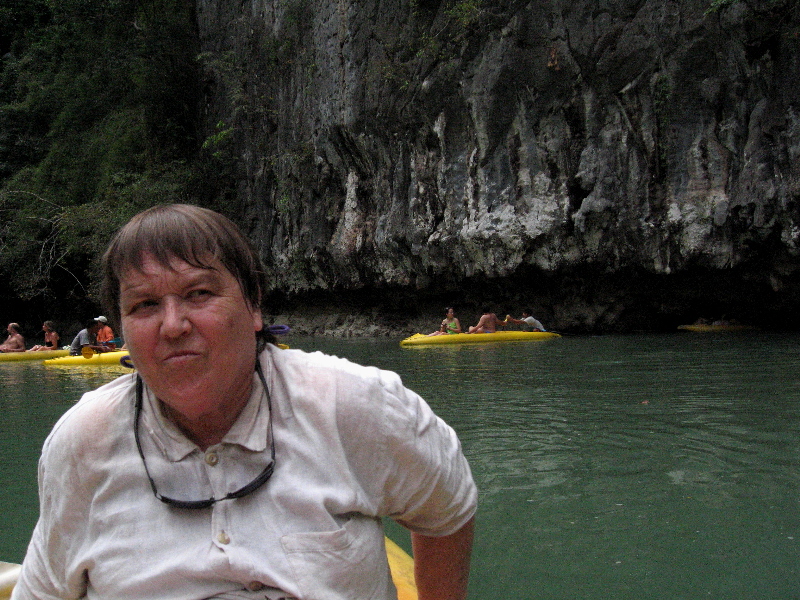
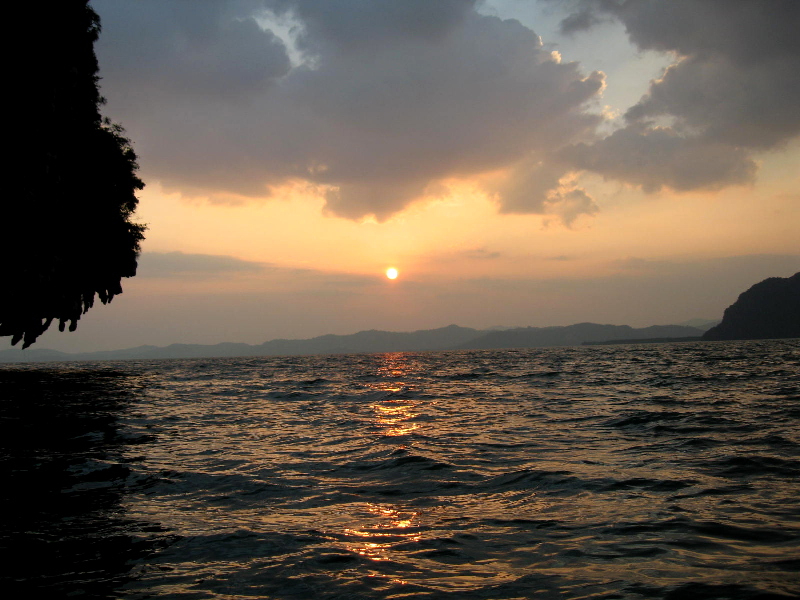
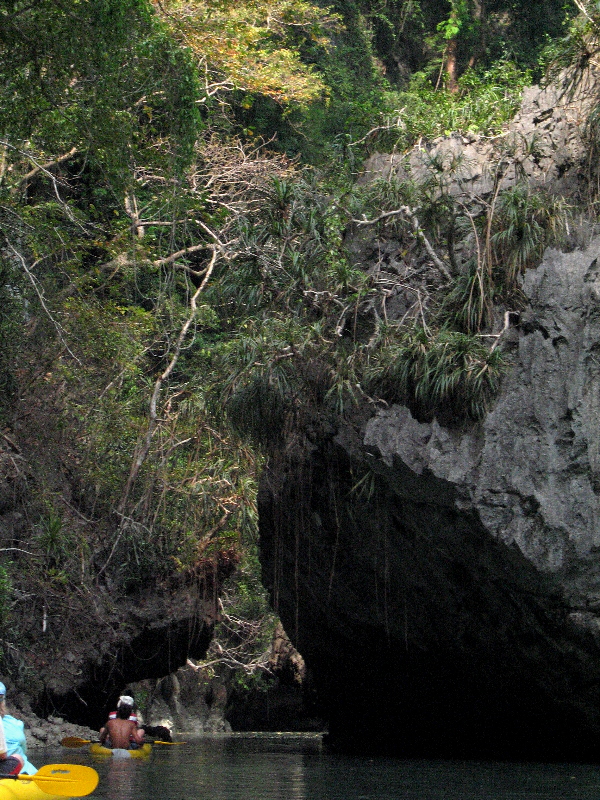
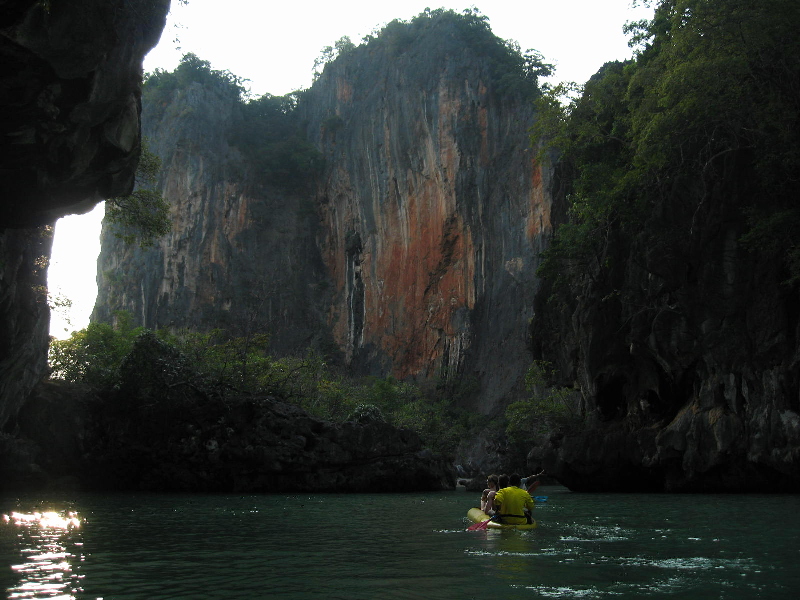
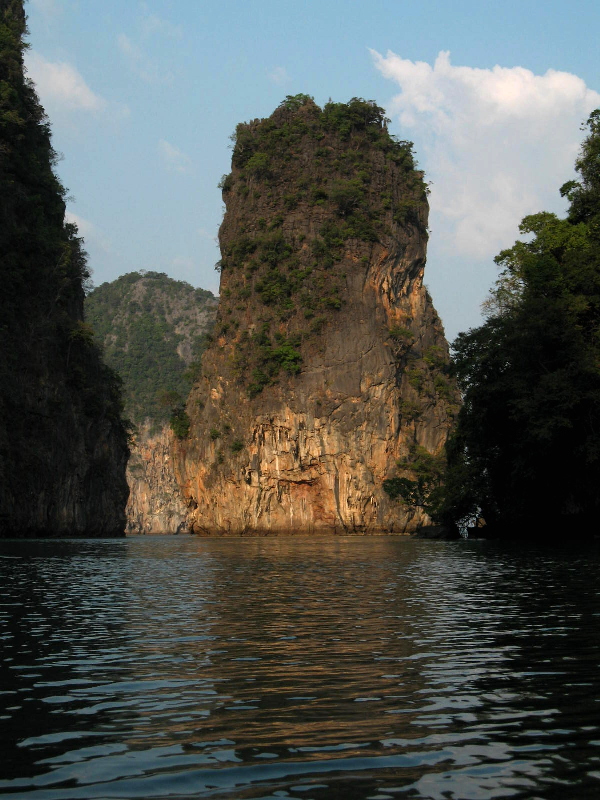 We all welcomed a chance to relax a bit in the sun, by the pool or at one of the more secluded beaches, when we got the Phuket Island. Nonetheless, I felt we just had to explore Phang Nga Bay, to the north of Phuket. On the very last day we were all together, we splurged on a magnificent full-day boat and kayak trip to the bay: lunch and dinner on board a bigger, comfy boat that took us from karst island to karst island, where we then hopped into guided, paddled kayaks (2 people per kayak, though Steve got one to himself) for tours through the limestone caves and cliff-bordered lagoons in the interior of the islands. It was a spectacular day, as you can see from the pictures.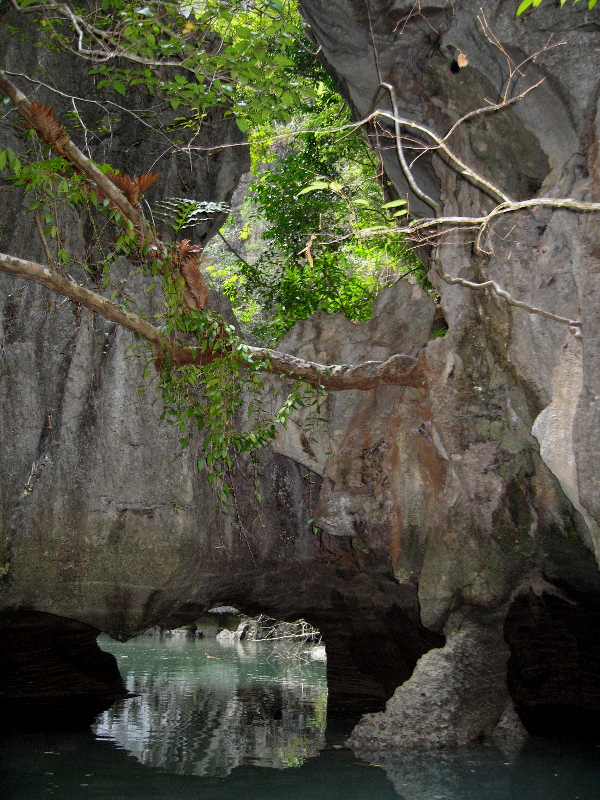







 (so much world, so little time....)