Kaikoura Coast Track

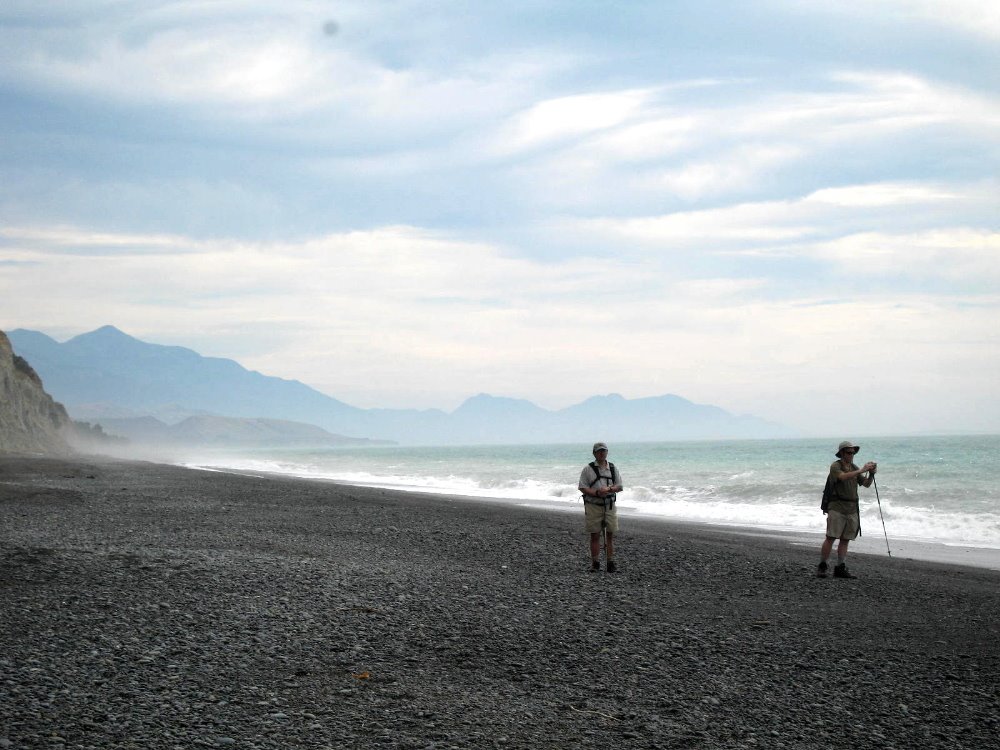
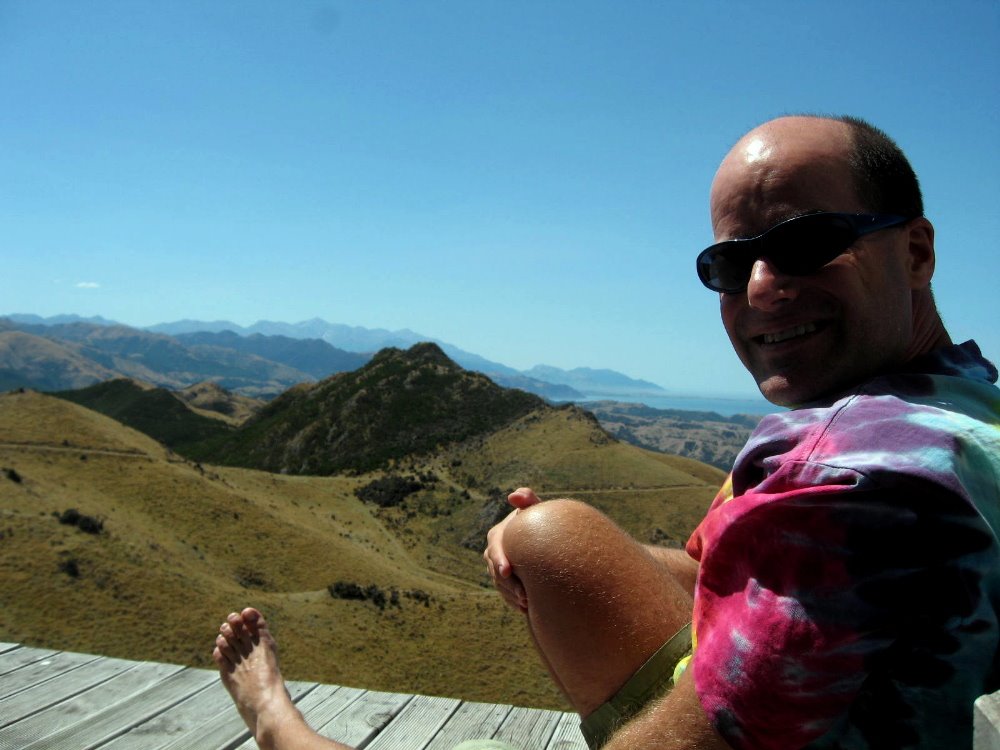
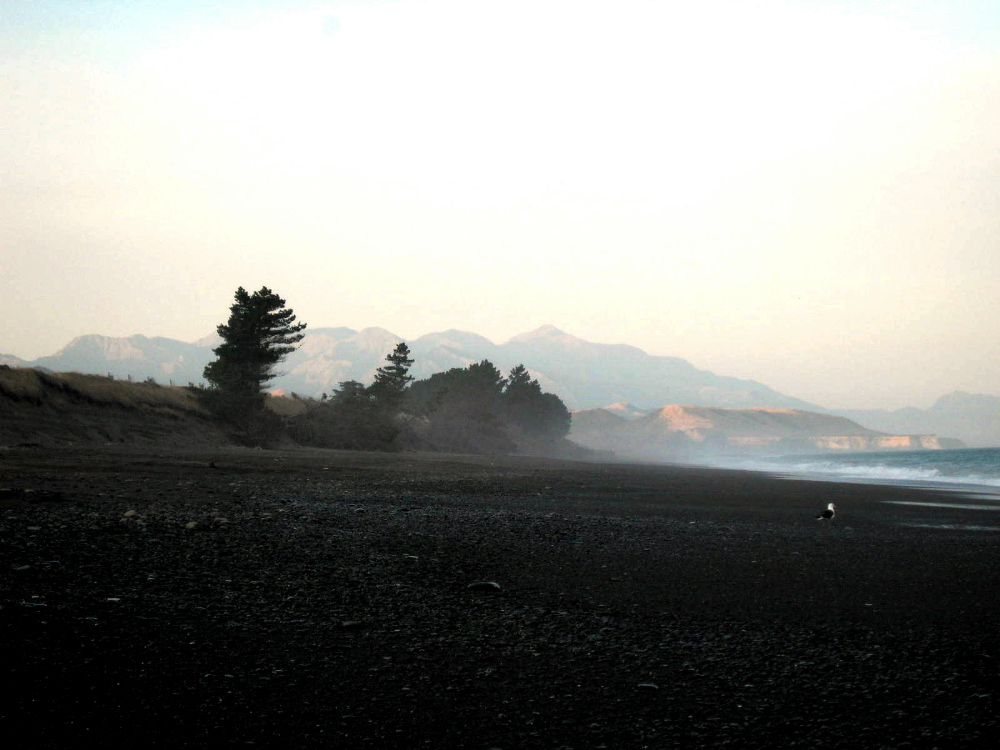
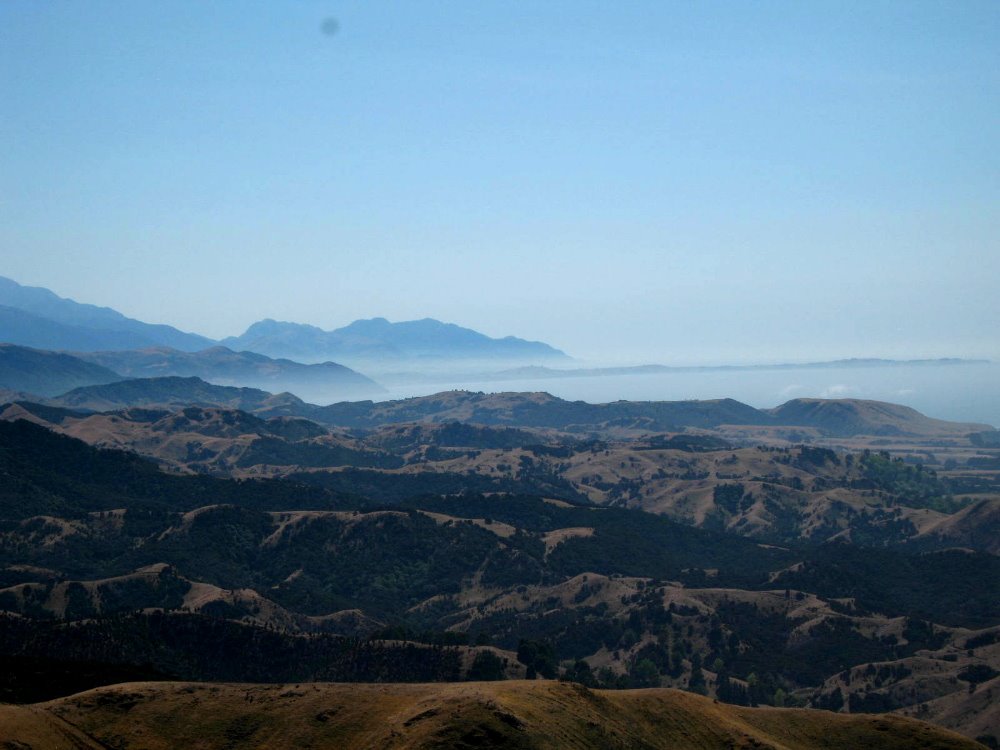
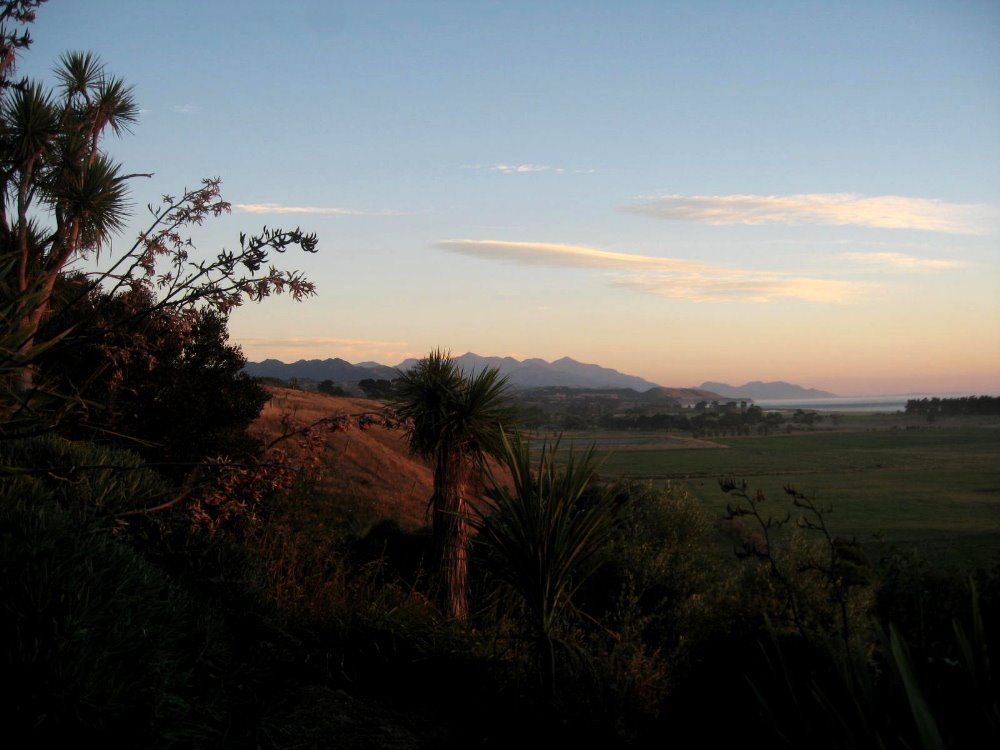 The first big hike Gene, Howard & I did was the Kaikoura Coast Track, a three-day walk through gorgeous coastal forests, hills and beaches just south of the Kaikoura Peninsula and Kaikoura Coastal Range (the highest of the mountains, just above, to the right of which extends a little finger into the ocean, the peninsula). When asked, later on, what our best experiences so far in NZ had been, all of us agreed that our break in the rest-stop house on the first day’s hike (which included a stunning range of settings from deep forest, to steep hills and coastal fields), with some of these amazing and clear views of the moutains, coast, and peninsula, was one of the abslute peaks. We spent three hours drinking tea, reading, and napping with these views before continuing on to our evening’s lodging.
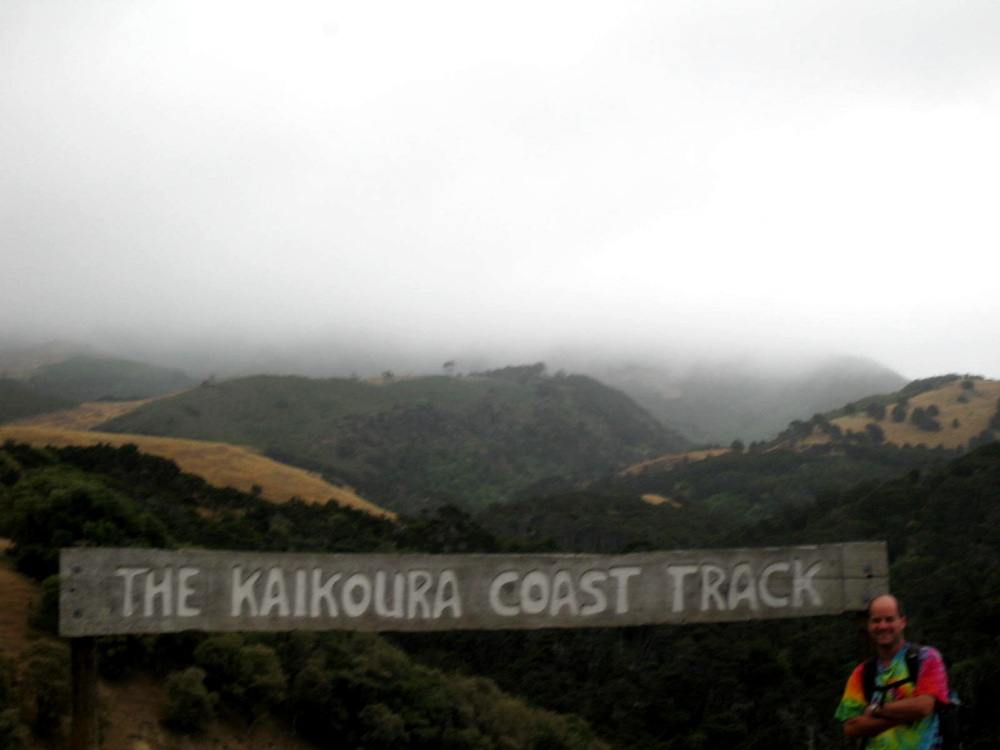
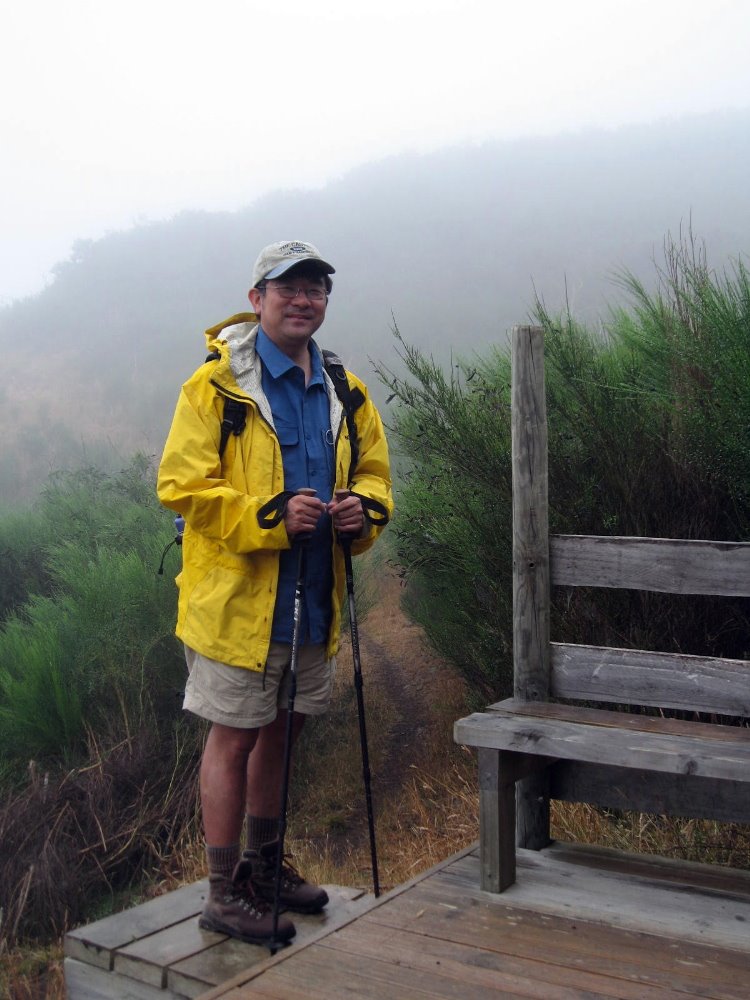 Our final day was foggy and misty. This is Gene, ready after a cuppa for the final stretch on day three.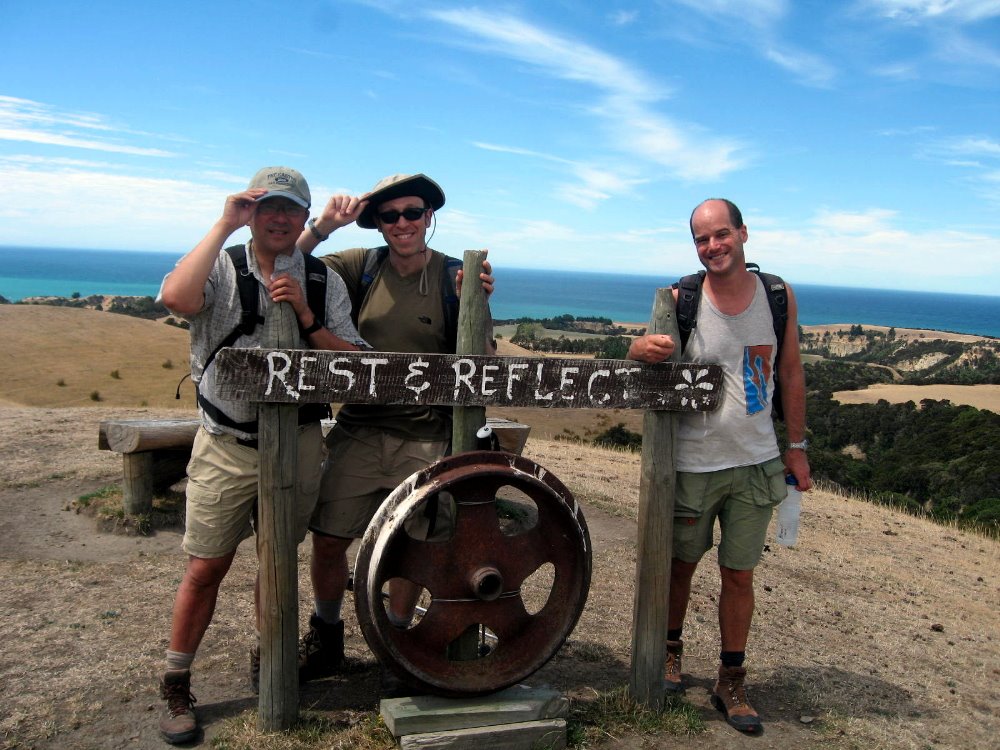
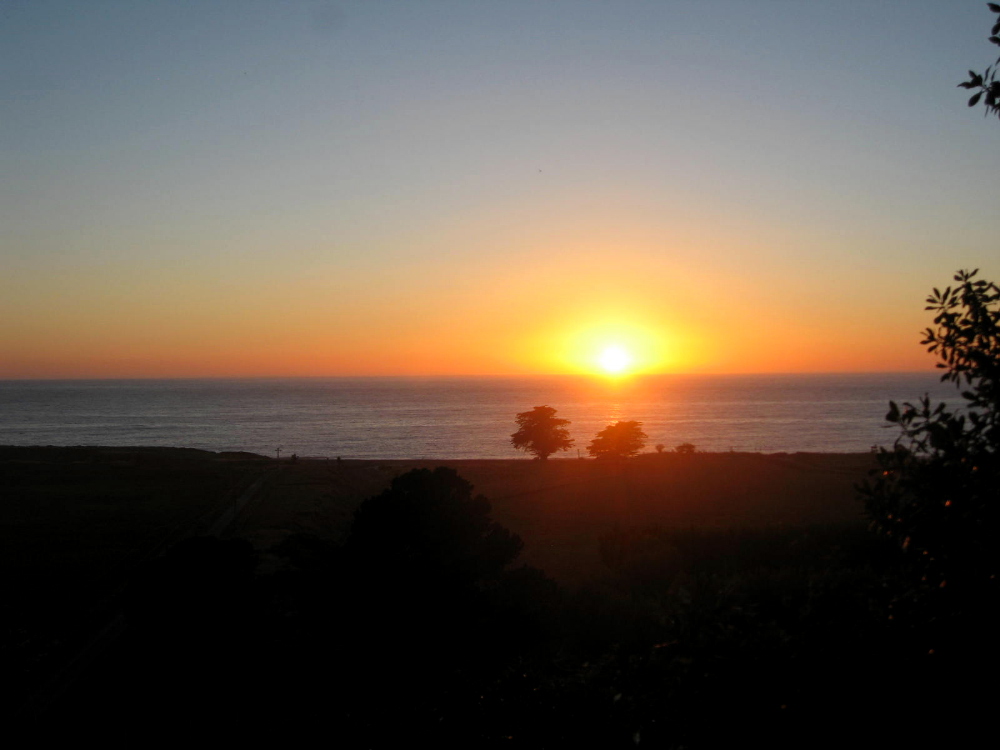
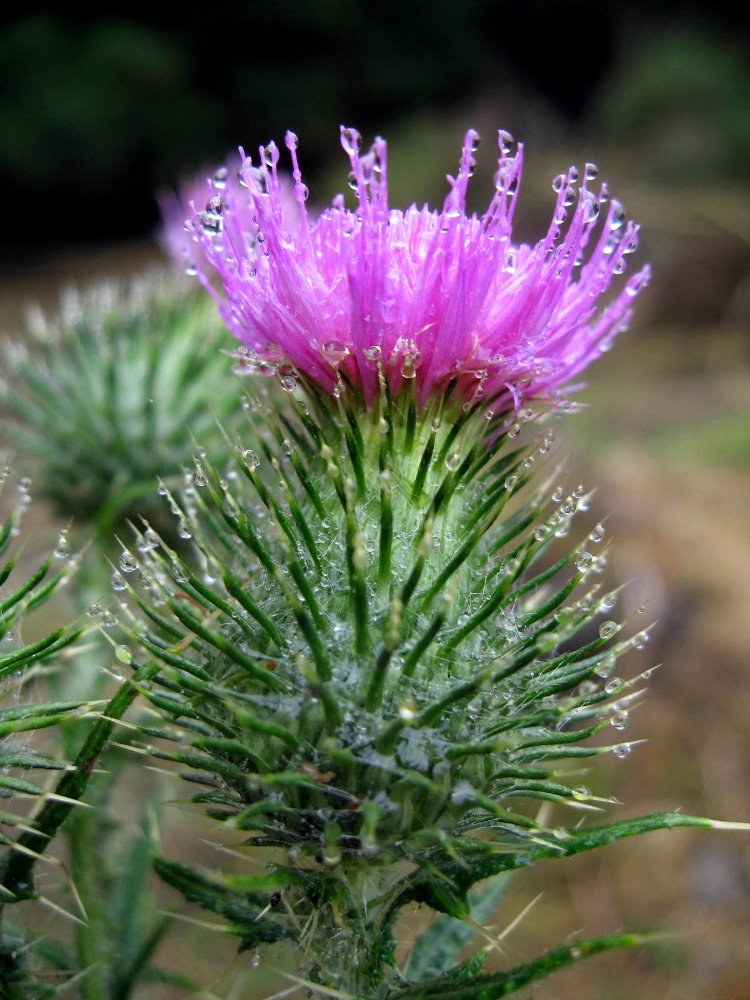
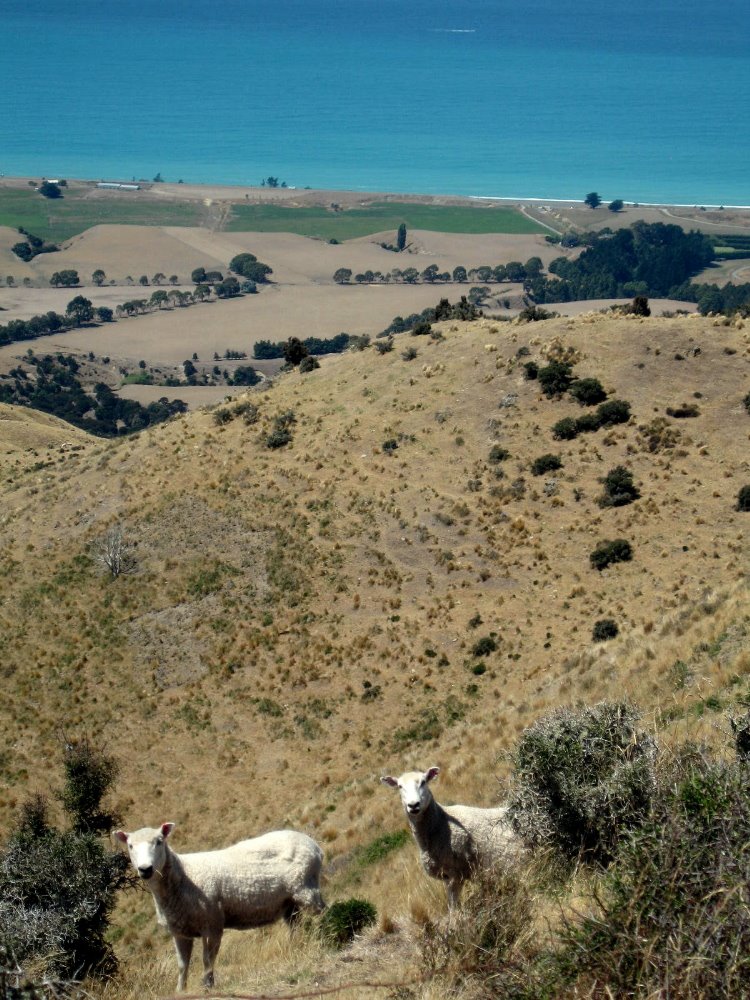
What trip through New Zealand farming country is complete without curious sheep poking their heads out? Although thistles aren’t, I think, native to New Zealand, I couldn’t help appreciating how the dew clung to their many spines and petals on the wettest of our mornings on the track.
Stewart Island – Rakiura

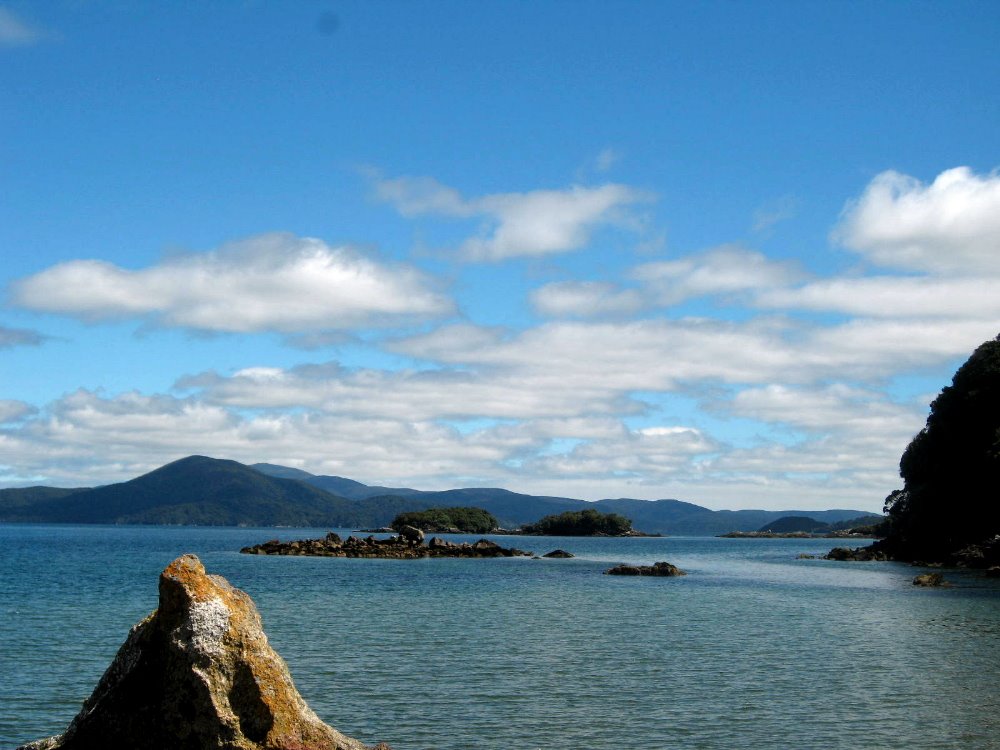
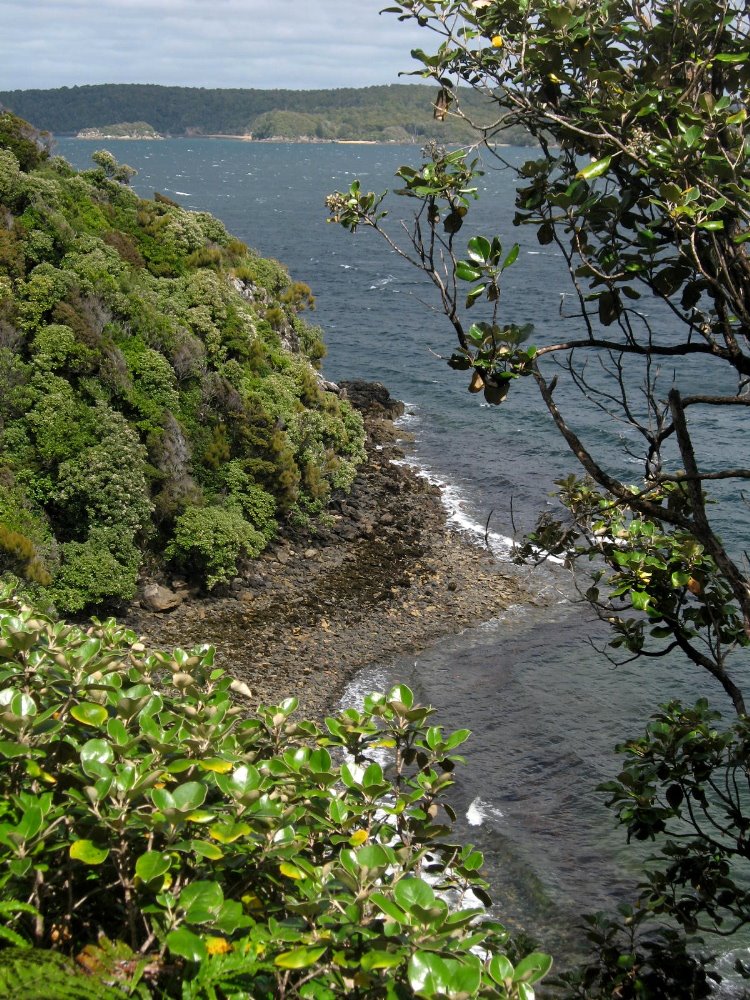
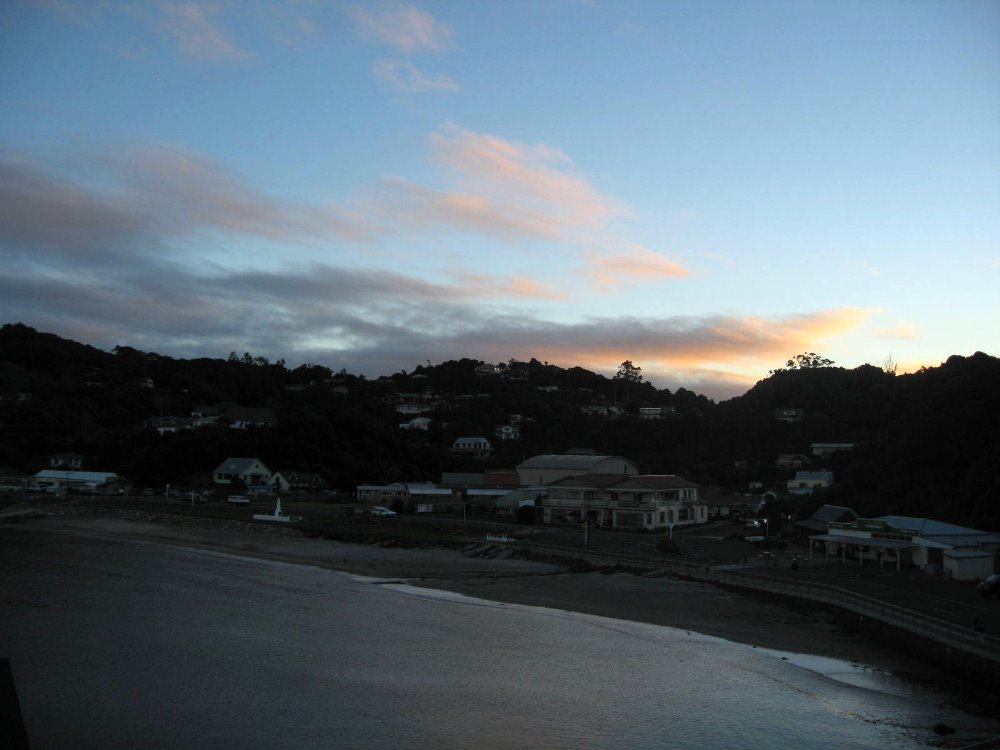
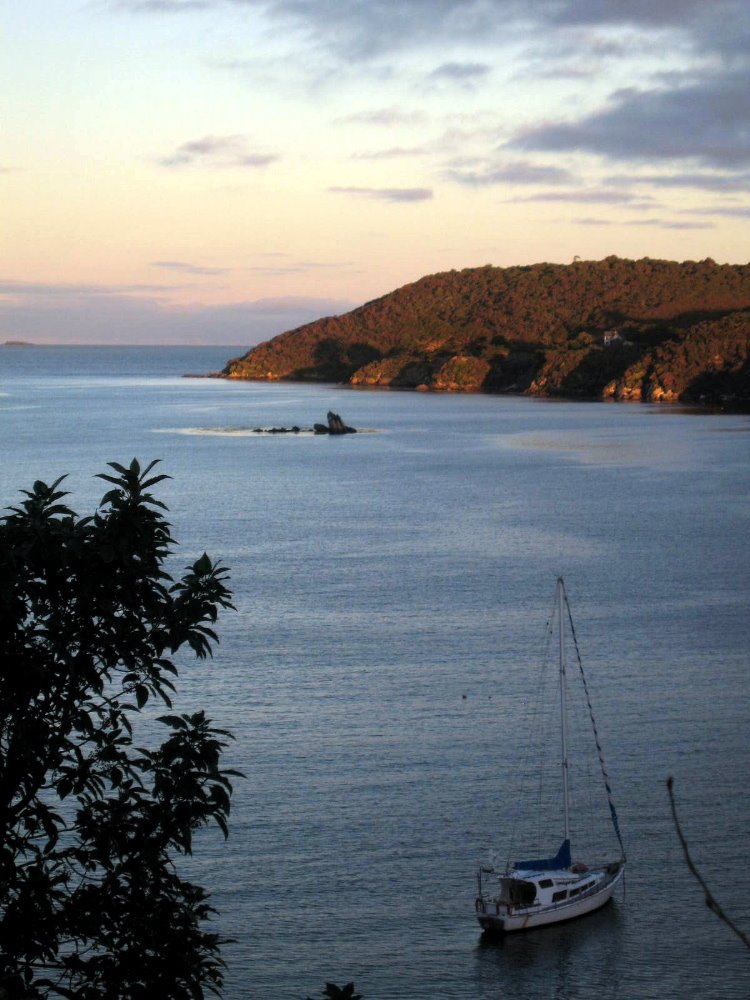
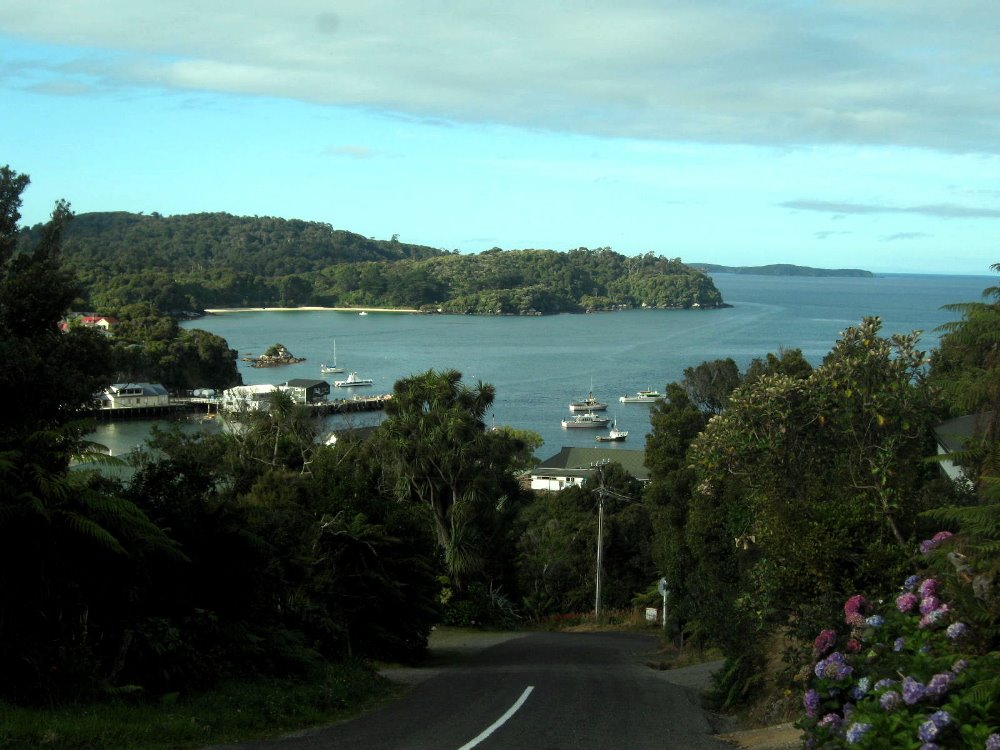
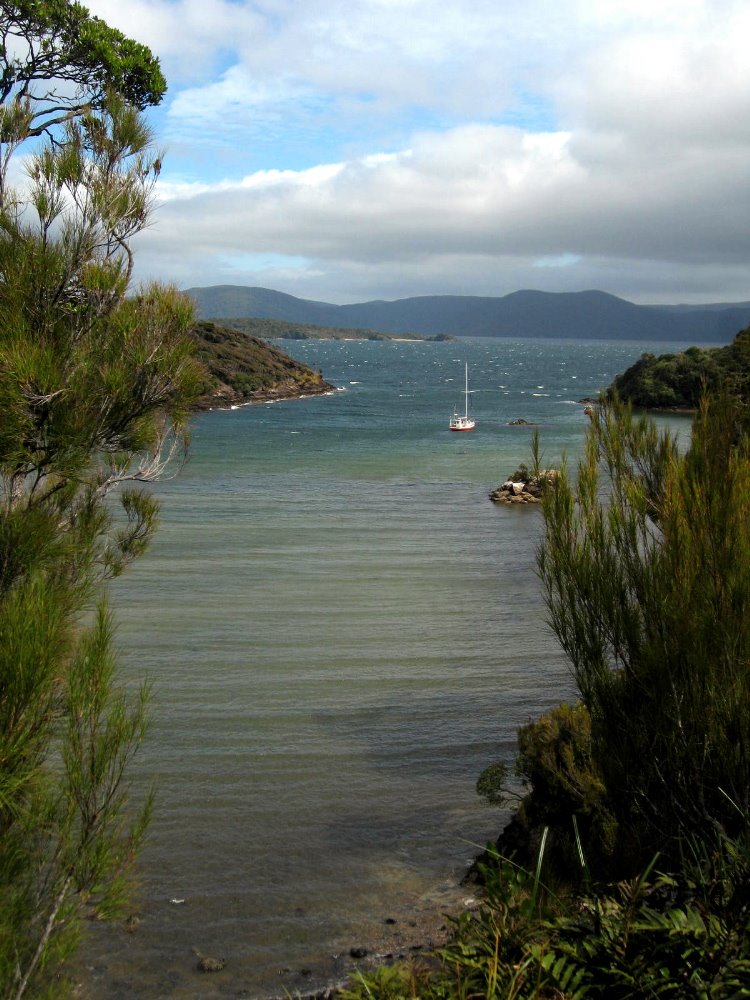
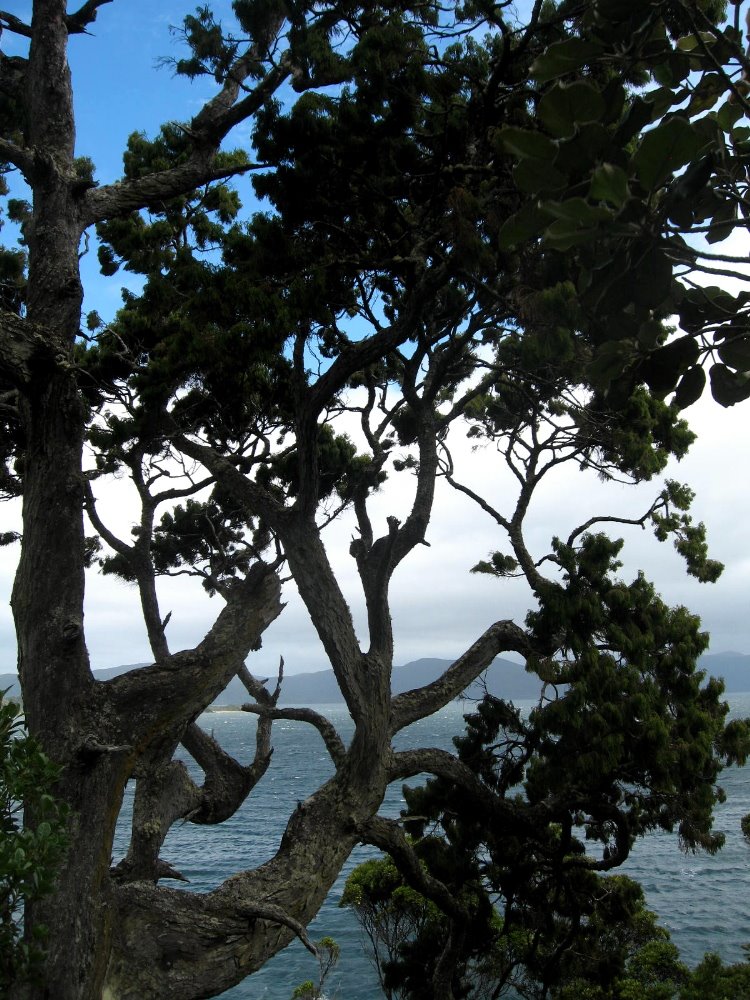
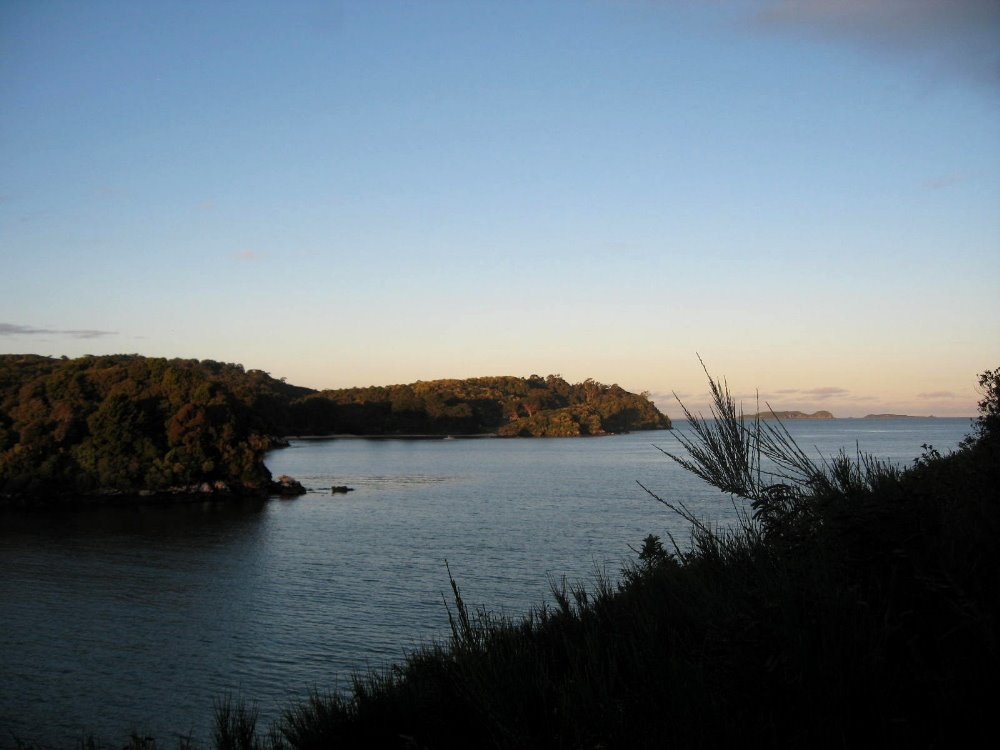
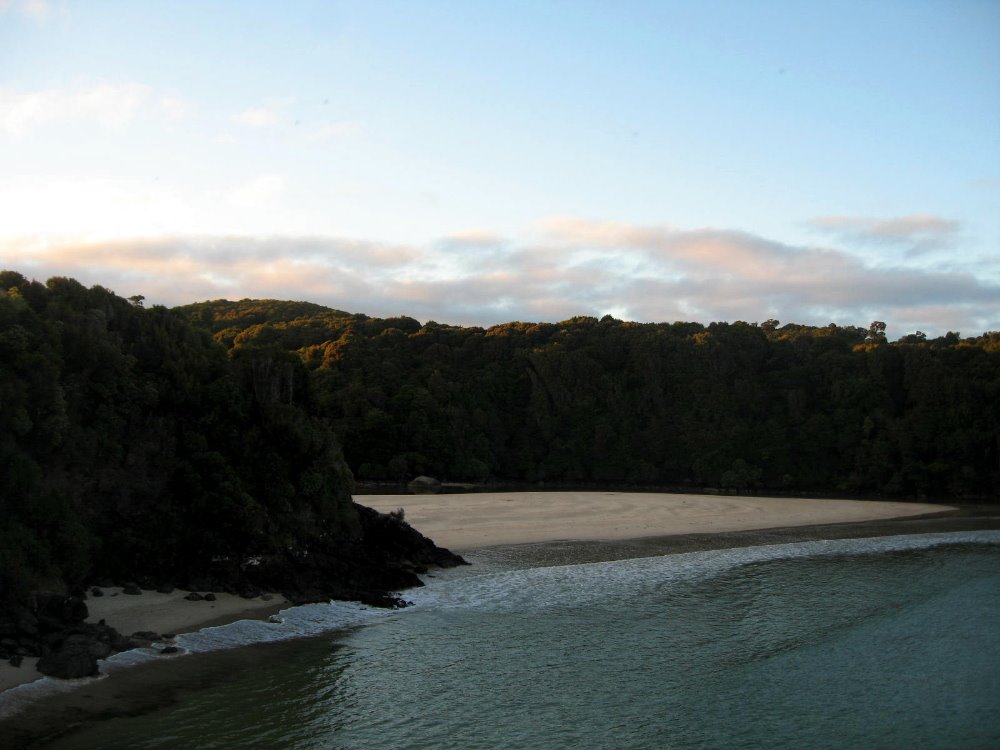
 Rakiura, or Stewart Island, is the third-largest of NZ’s islands, and it is (while still of significant heft) a very great deal smaller than either North or South Island. (Get this: the South Islanders like to call South Island ‘The Mainland’ since it’s bigger than North Island. Umm, guys, you’re both islands. No mainland here. Deal.) Anyhoo — Rakiura is now mostly national park, aside from a bit around Oban, the only town with all of 380 inhabitants at last census (there are maybe 15,000 kiwis on the island — the birds, that is) and some chunks that are Maori tribal lands. In Maori legend, there was a mythical man who, from his canoe (South Island) fished North Island out of the water; Rakiura, in this telling, was the anchor he threw over to anchor his big canoe when he realized how big a fish he’d hooked. Hence the chain, below; there’s also a chain on the South Island, near the town of Bluff. Rakiura is known above all for being more free than the rest of NZ of the scourge of mammal predators that have destroyed many of NZ’s native bird species. Therefore one can see, here, abundant native parrots, parakeets, little hens and other such birds which are decimated on the two larger islands. I had a lovely quiet two days at the South Sea Hotel in Oban, and walking the streets and trails of town and Ulva Island.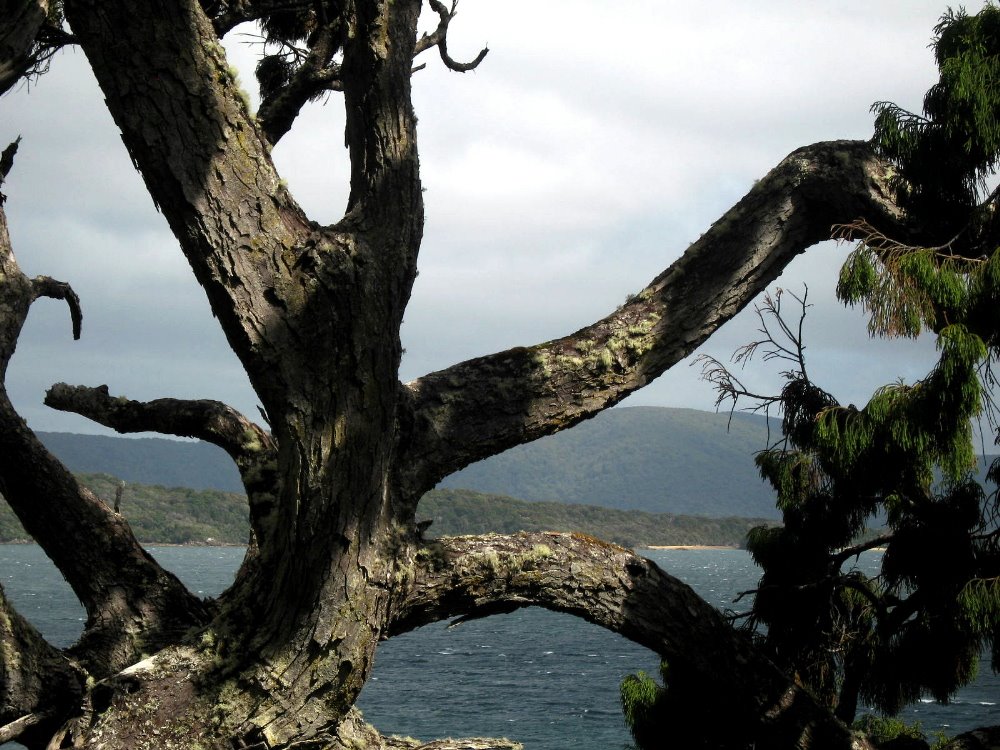
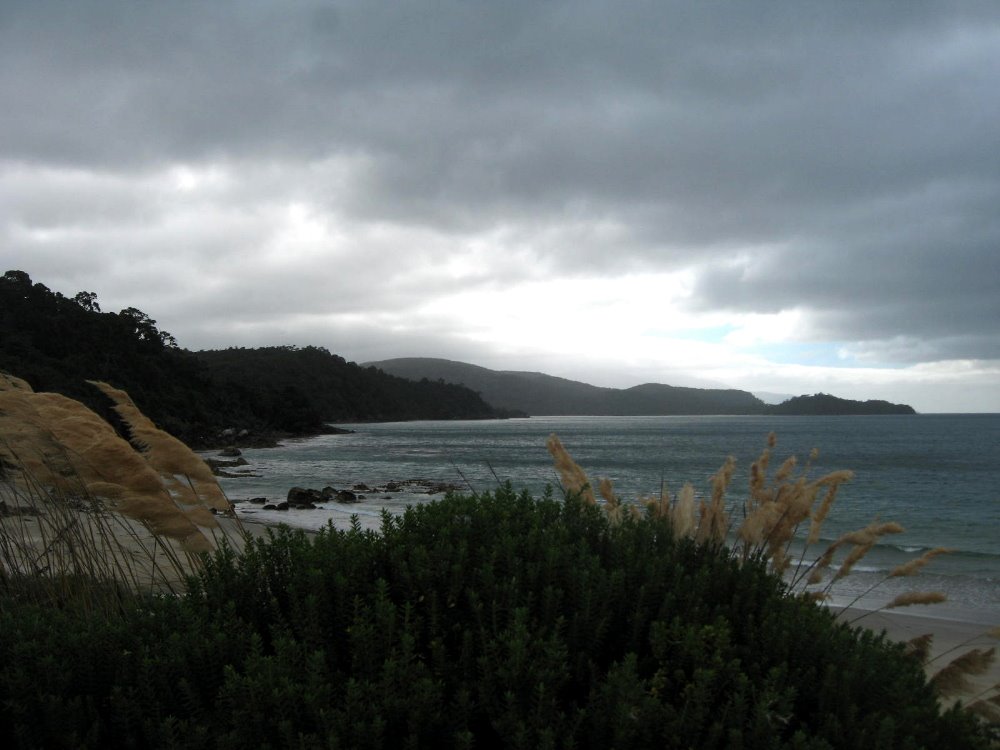
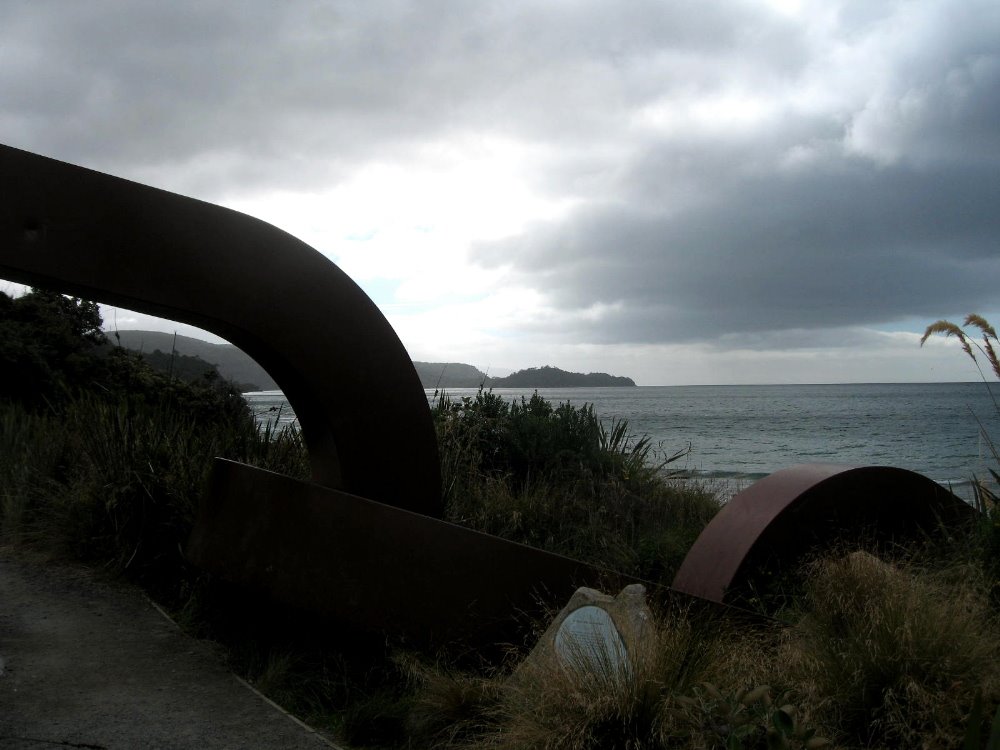
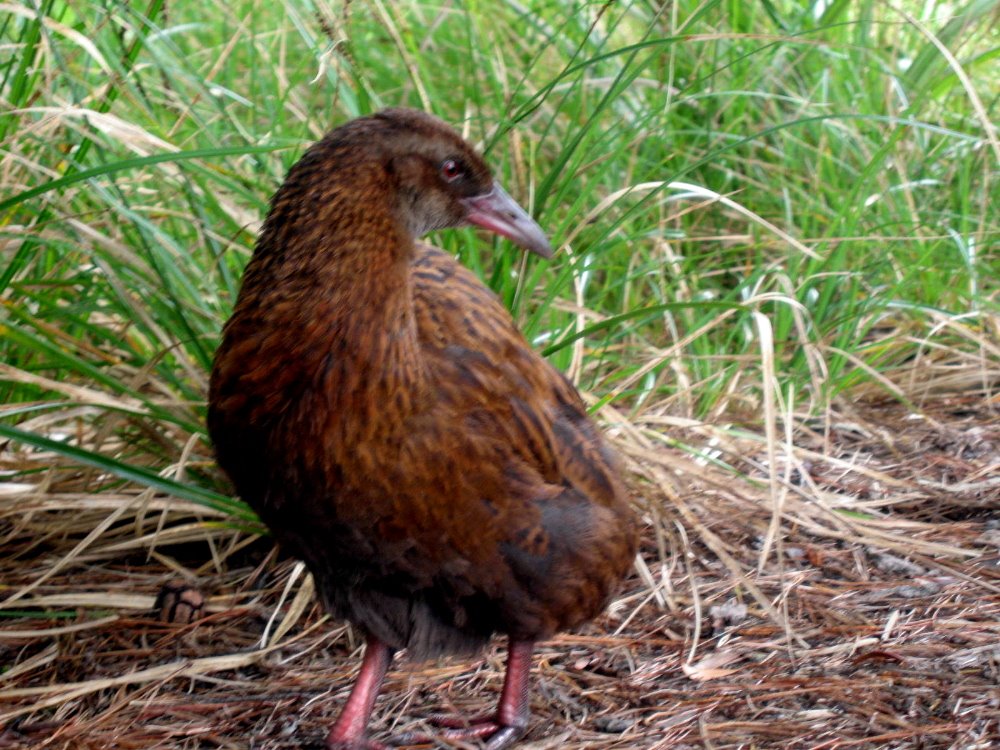
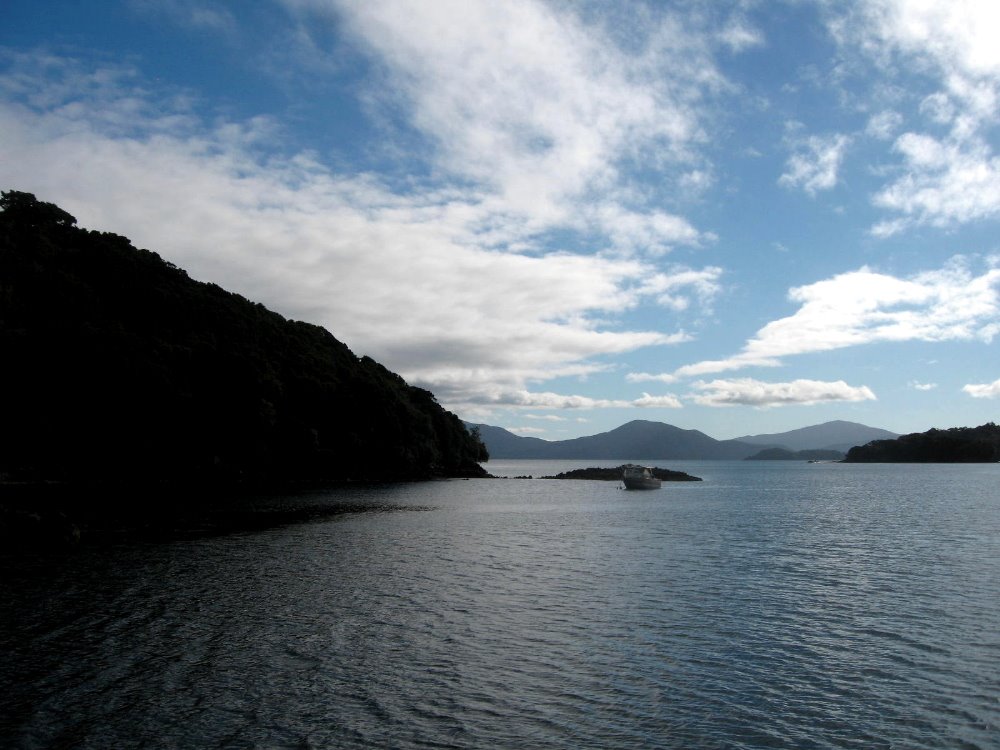

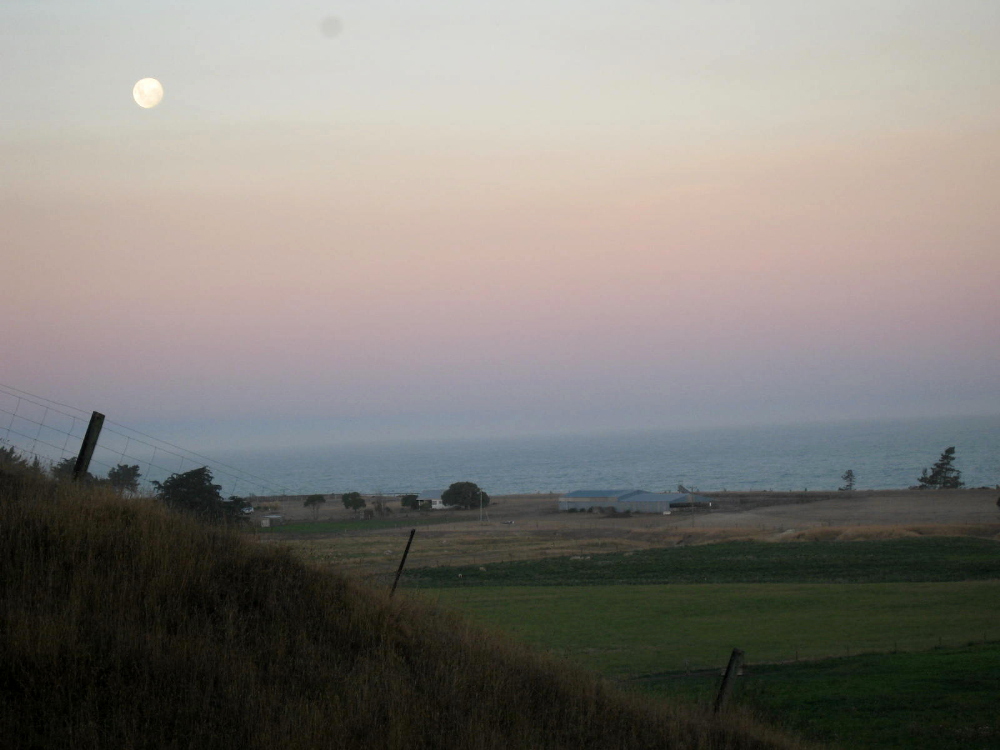
 That bump on the horizon, to the right of center, is the South Island. I think.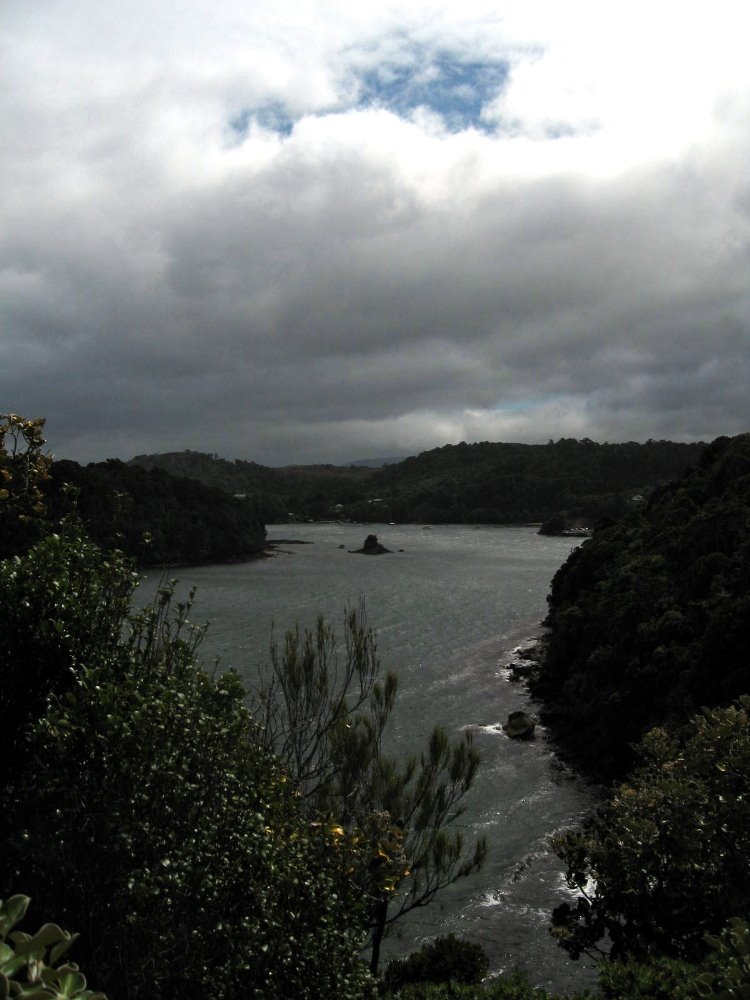

Dunedin & Otago Peninsula Wildlife
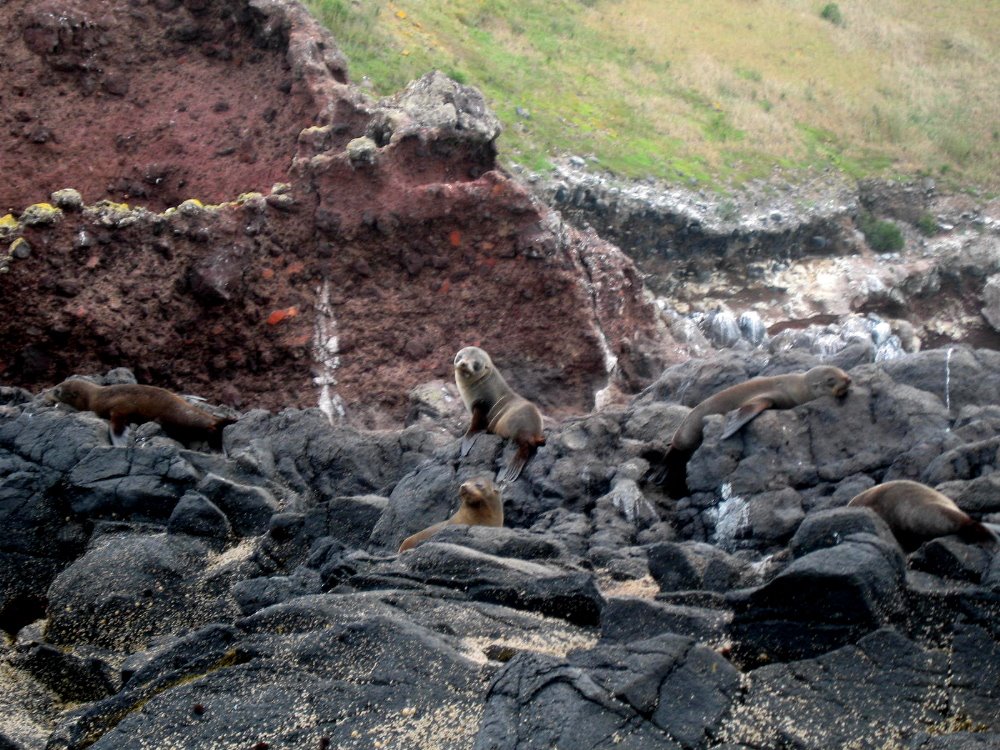
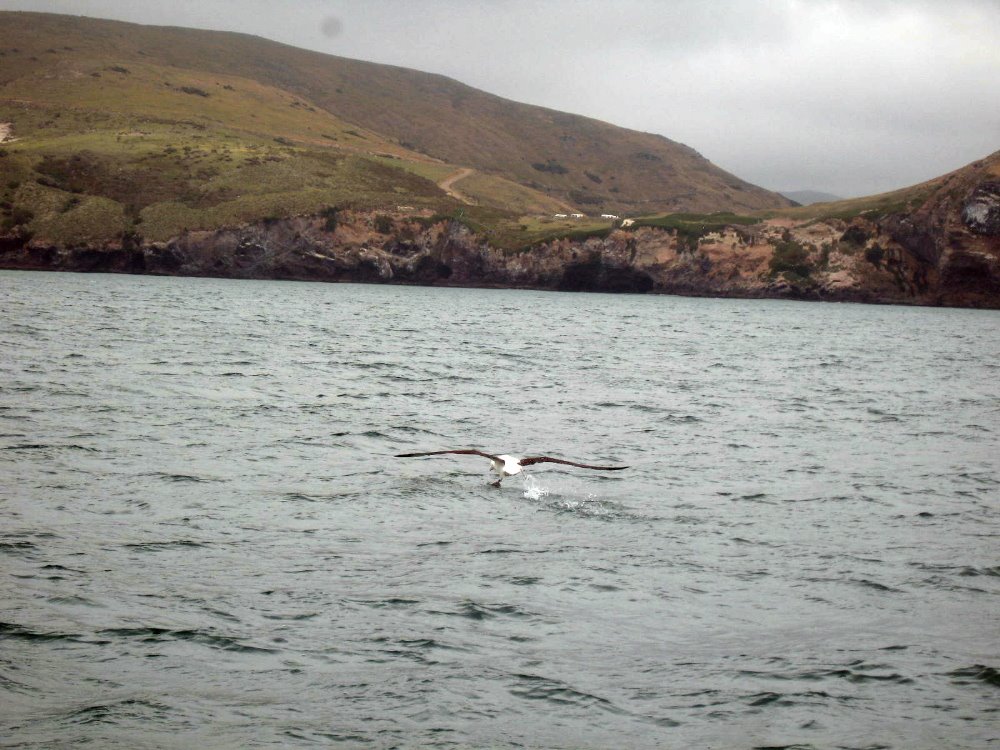
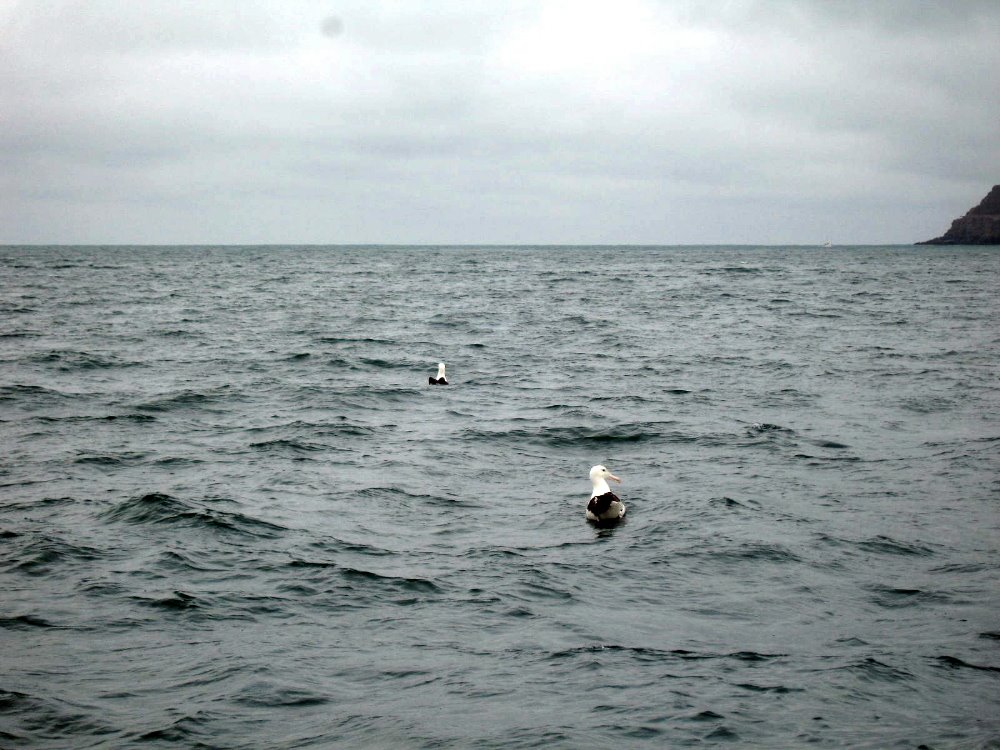
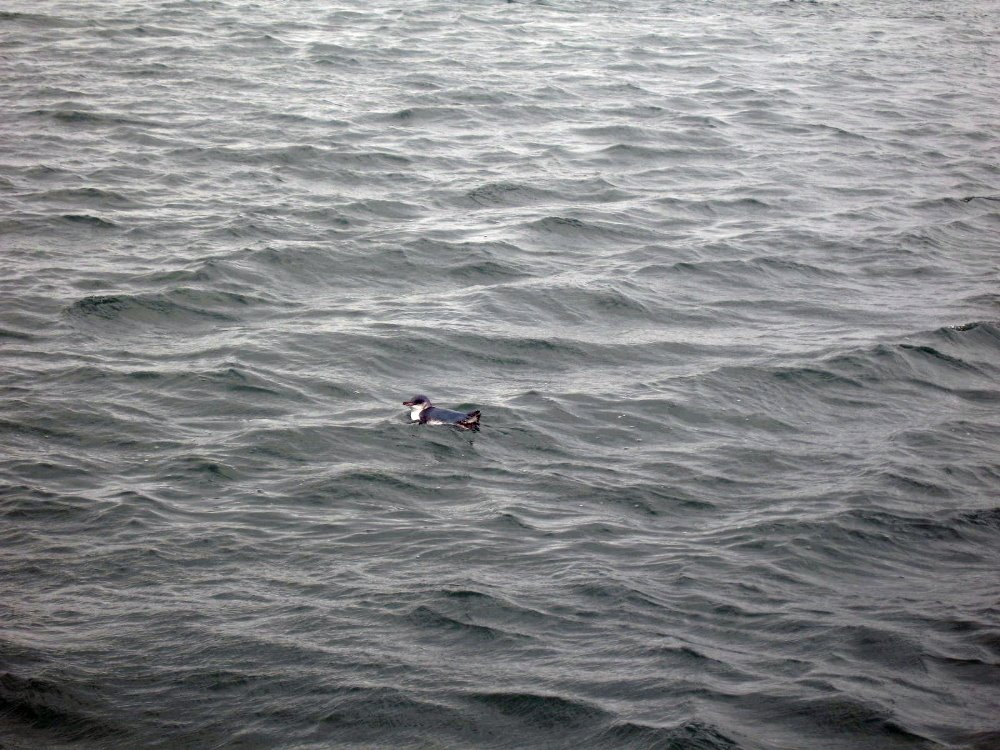 Seals, little blue penguins, and above all the impressive northern royal albatross are indeed what Dunedin and it’s adjacent Otago Peninsula are best known for. That and University of Otago, NZ’s oldest and (by acclamation, it seems) best University. Dun is to Gaelic as Borough is to English, so Dunedin is on some level an ode to Edinborough. The center of the city itself is a pretty little octagon of streets and parkland called, surprisingly enough, The Octagon. This formation at the city’s heart leads to some strange street patterns, but once one gets over that the city’s really quite manageable and very pleasant. Around 1900 it had about as many inhabitants as Auckland…but Auckland’s increased by a factor of 10+, while Dunedin — well, maybe it figured out it had nothing to gain by outgrowing itself. It’ll upset many Kiwis, but in many ways I found Dunedin the most interesting and unique of the cities I visited in New Zealand — I’m sure, and I was told by more than one native, that it’s dull to grow up in, but I can more easily imagine retiring there – sucky weather and all – than Auckland, which I found more gangly and awkward in its growth. Oh well, there you have it. Penguins and seals are as cute out in the wild as they are in museums. And royal northern albatrosses, in flight or on takeoff, have a grandeur these photos can never capture. Sorry.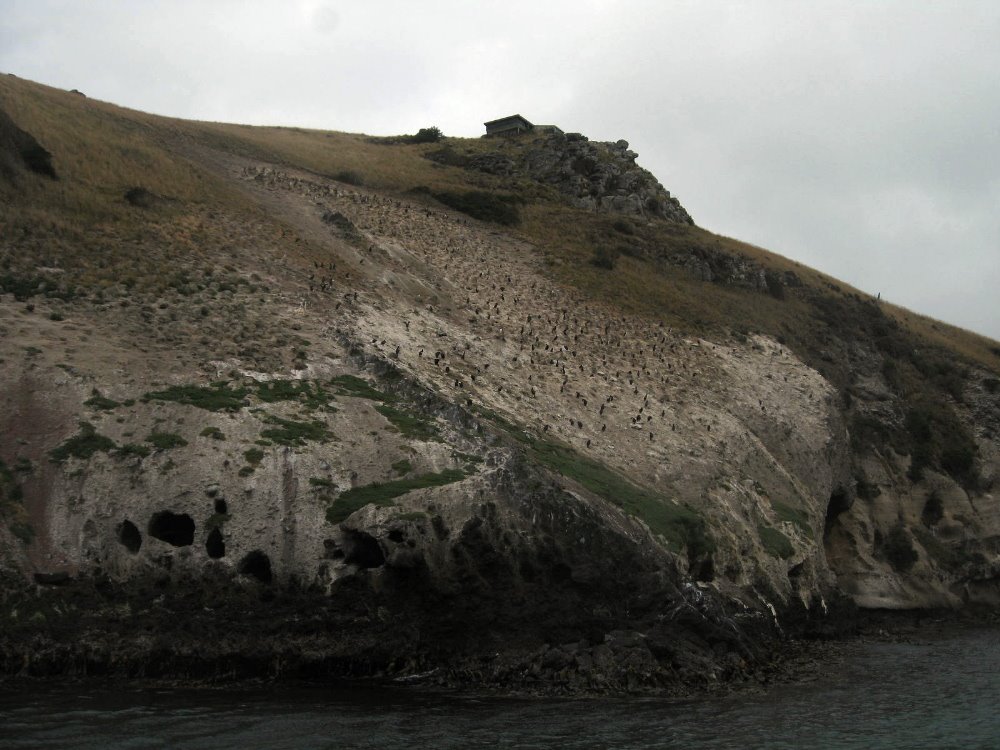
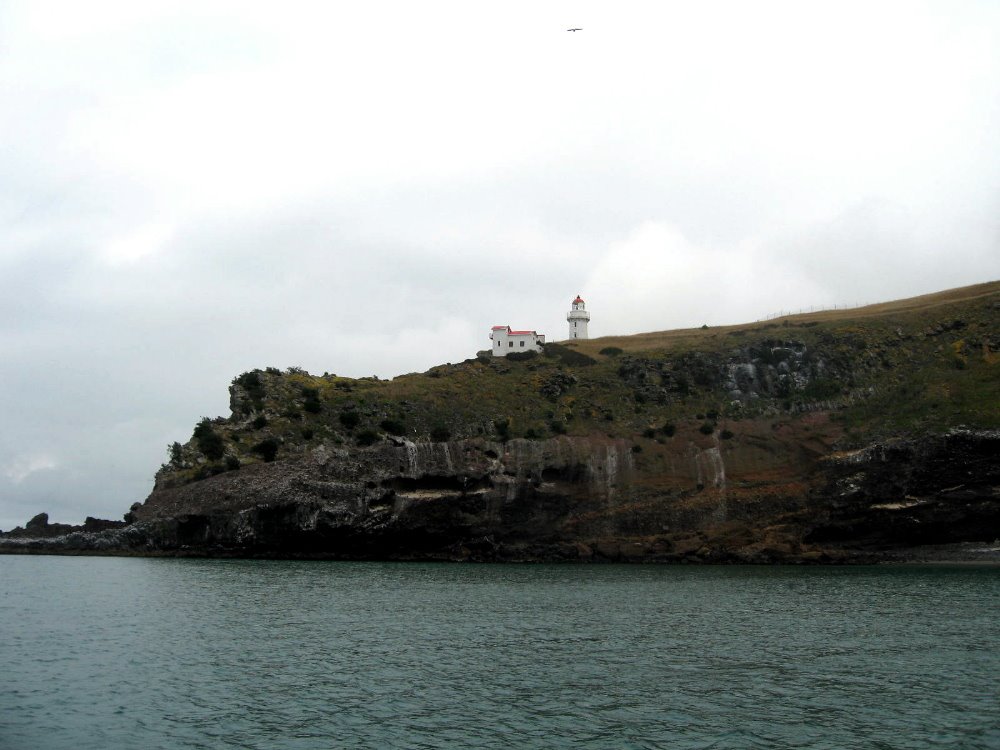
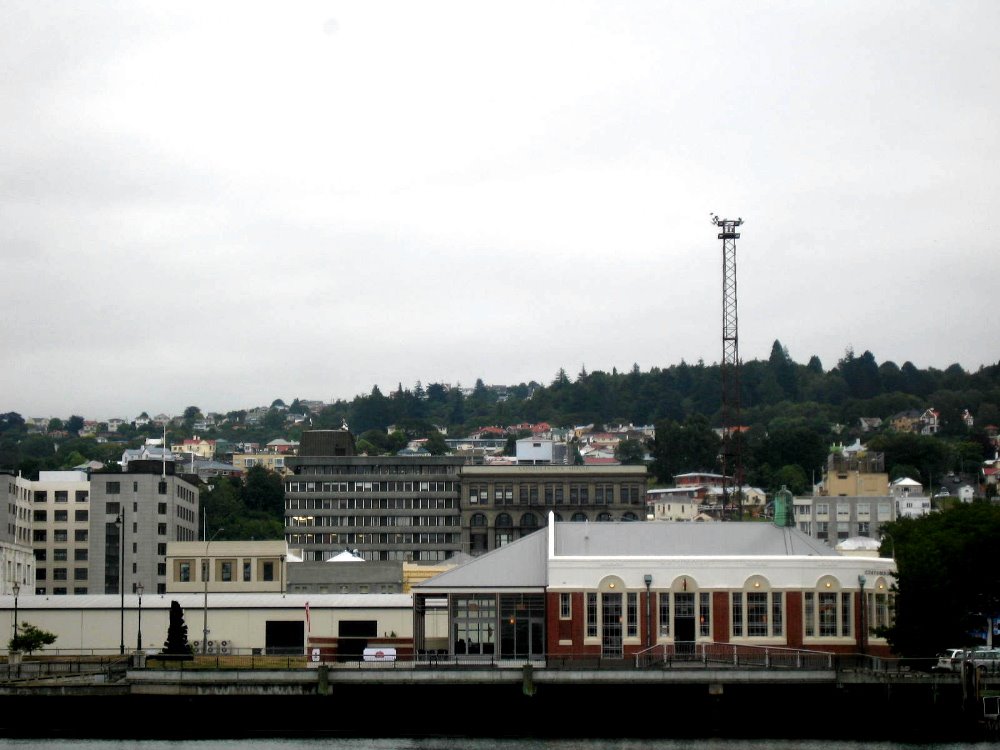
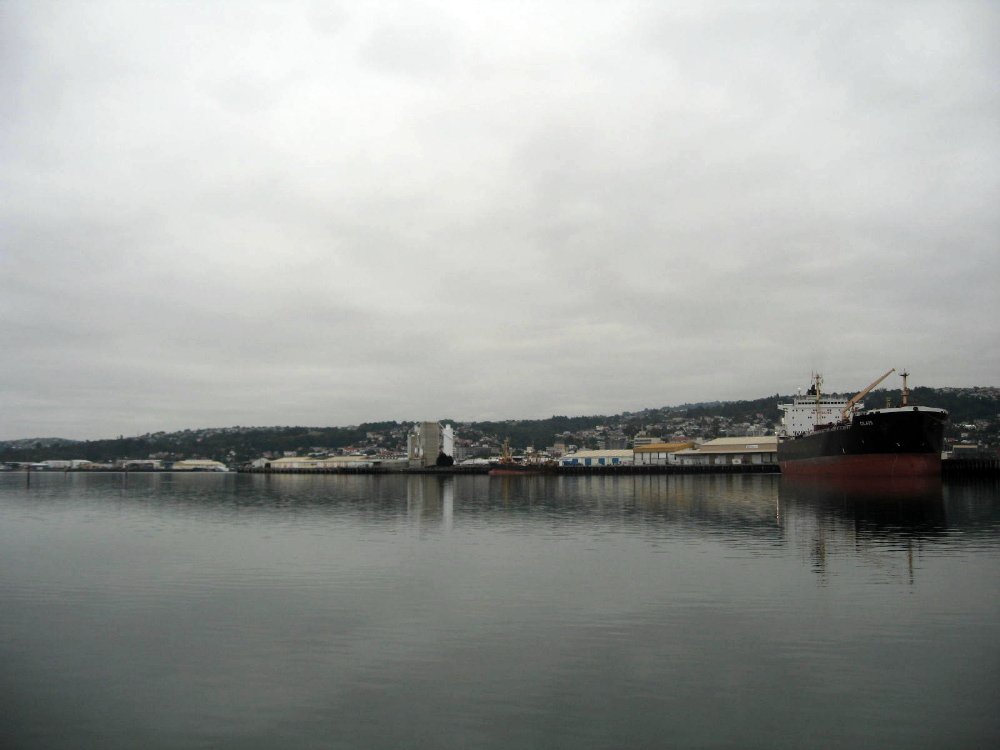 The harbor runs between the peninsula and the mainland on the other side, and the inner harbor is very shallow so admits only fairly small boats; the outer harbor is very active shipping out powdered milk and lumber to China and the rest of Asia. It was foggy when I was out there, in case you hadn’t guessed.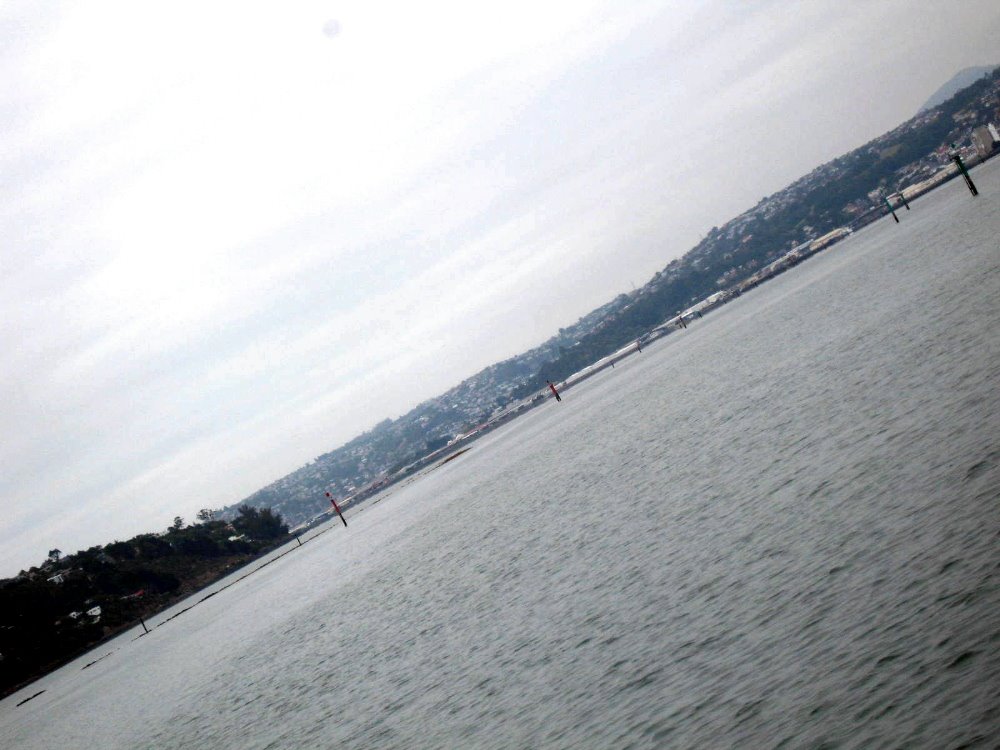



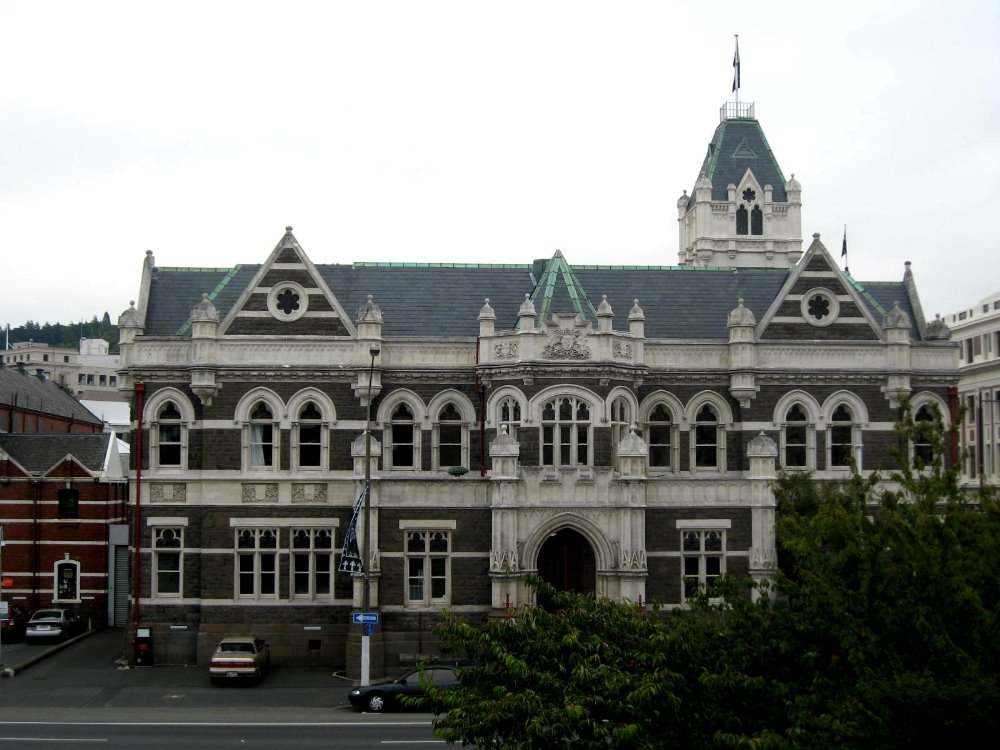
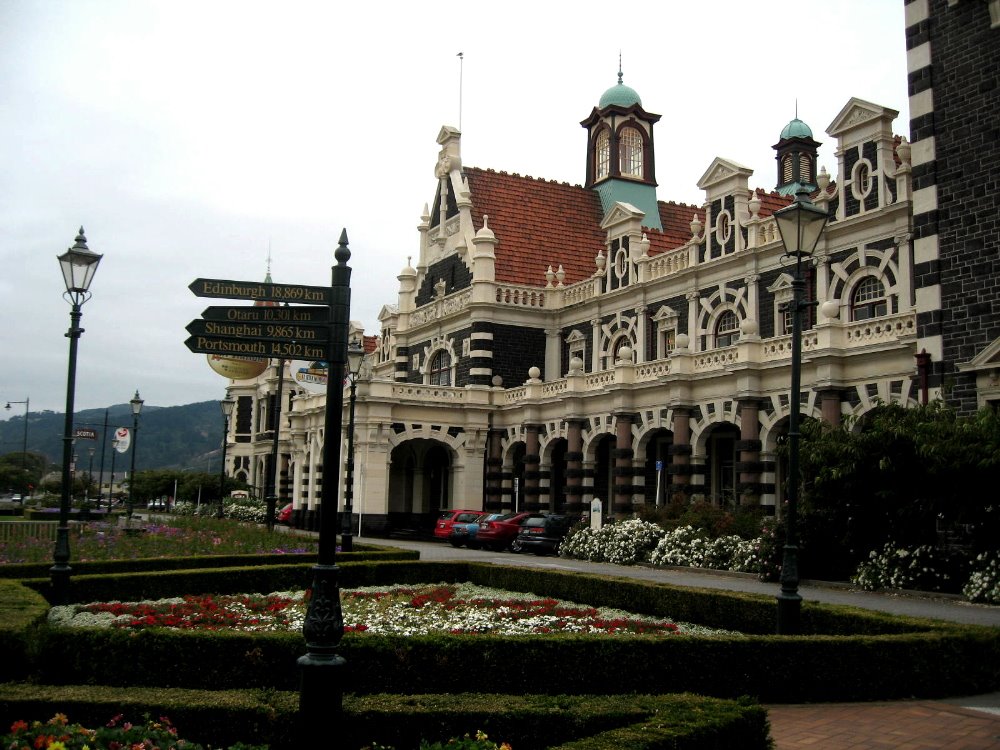
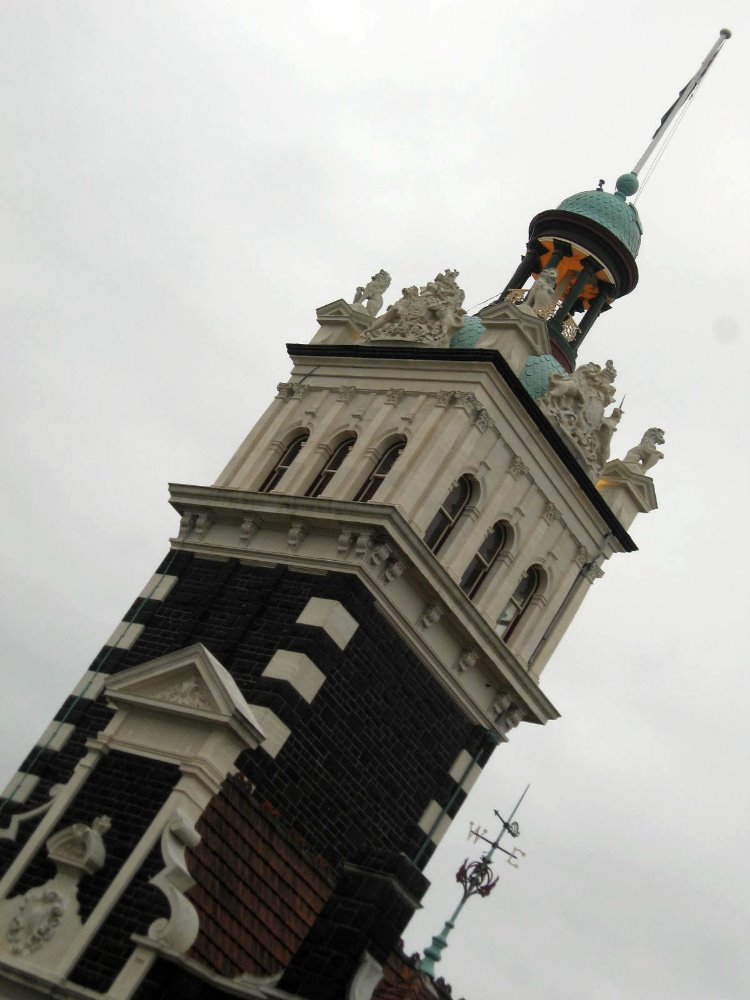
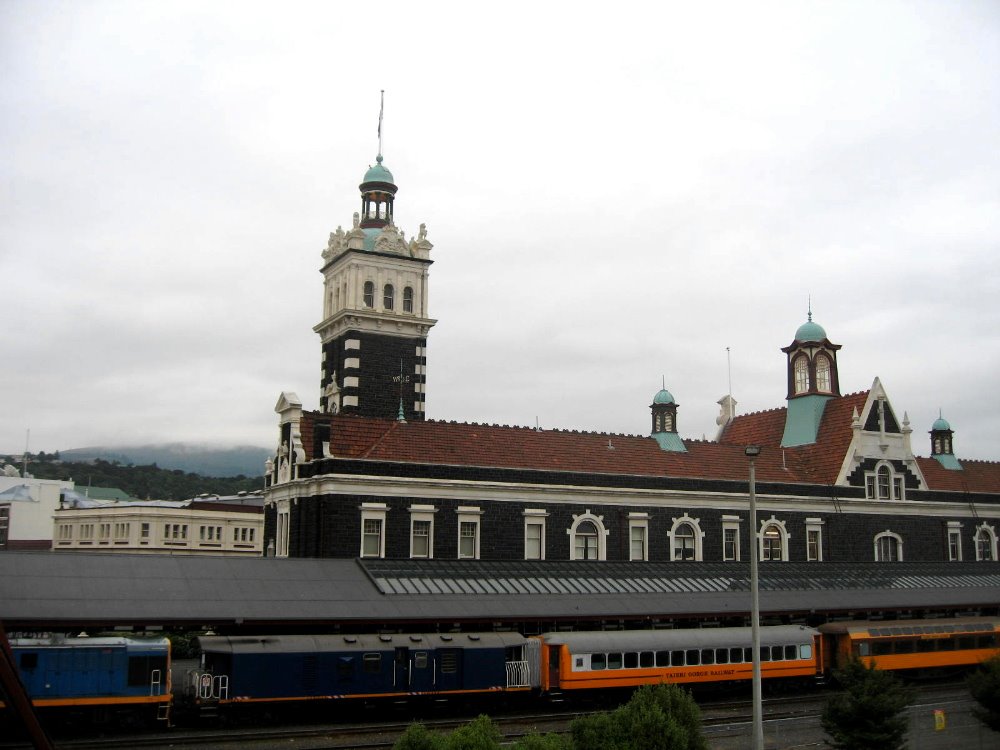
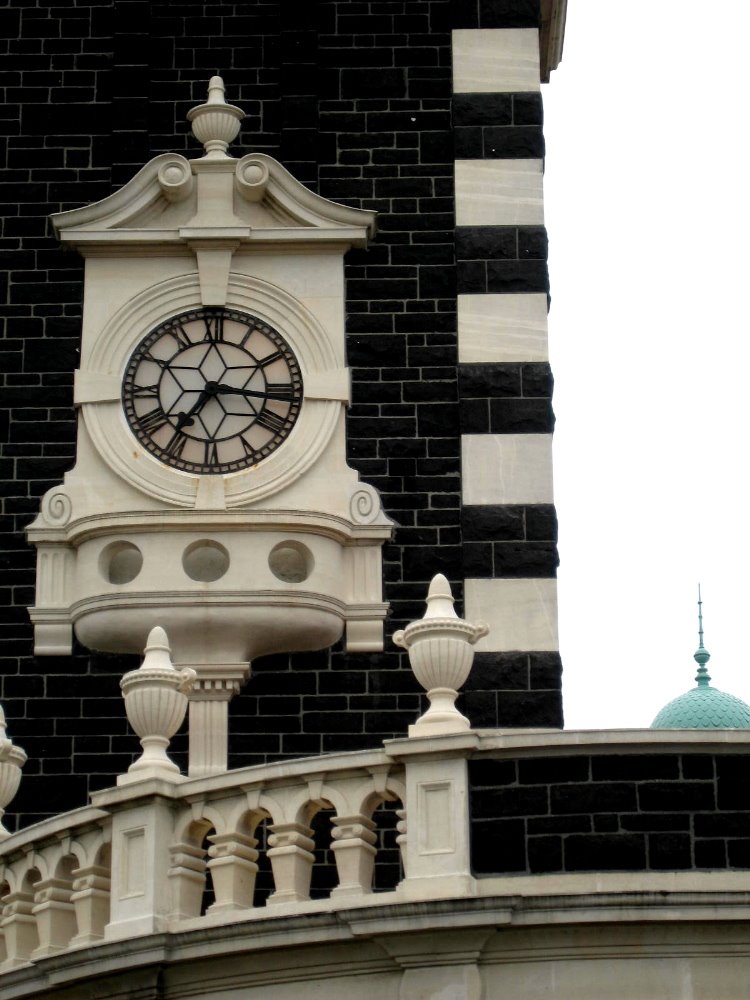 Above and also below: Dunedin’s famous train station. I don’t know where those train cars go: they’re not connected to the national network, which stops at Christchurch a good piece north of Dunedin. I think it’s some kind of regional tourist train. Or maybe they’re just there for show. Nice building, though, huh? Below: one side of The Octagon, with city hall opposite.
Marvelous Marlborough
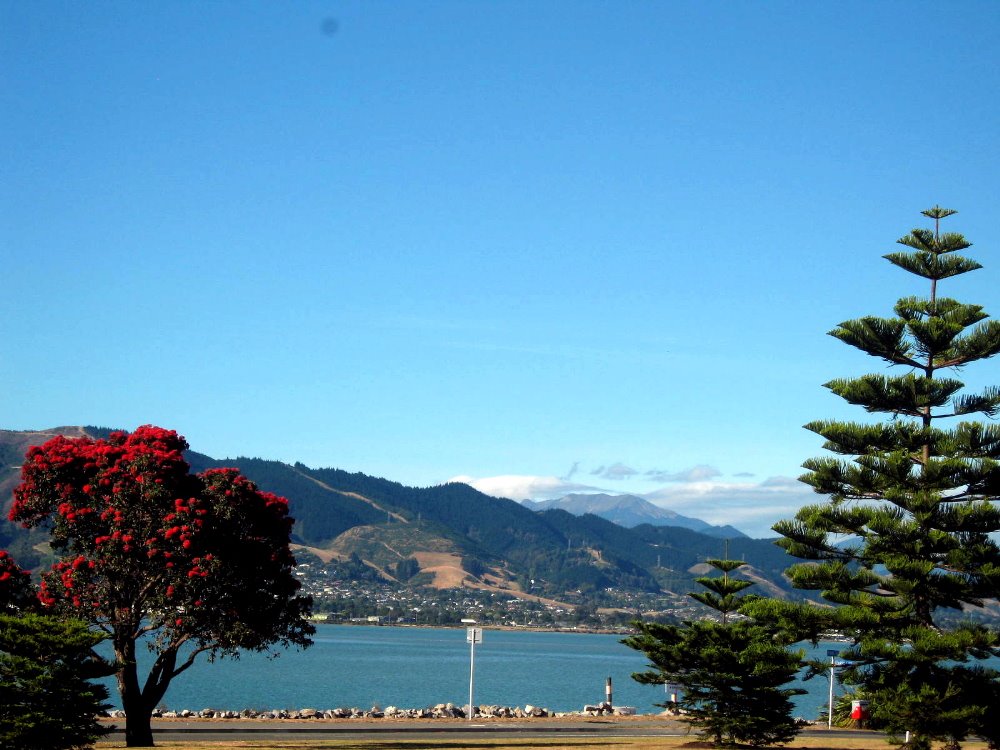
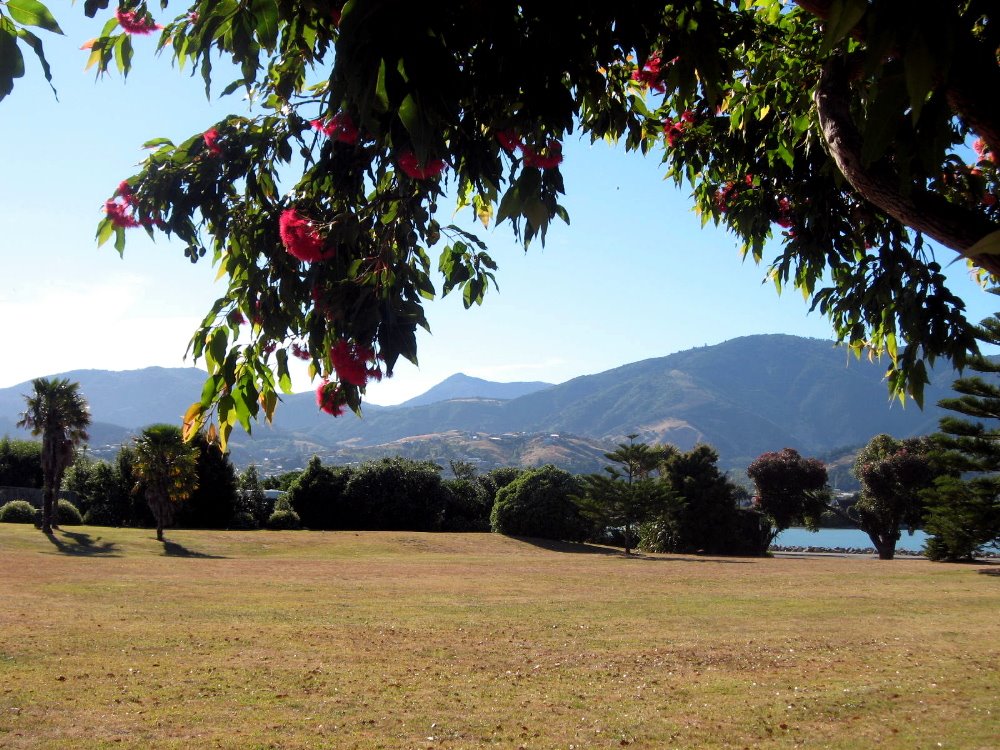
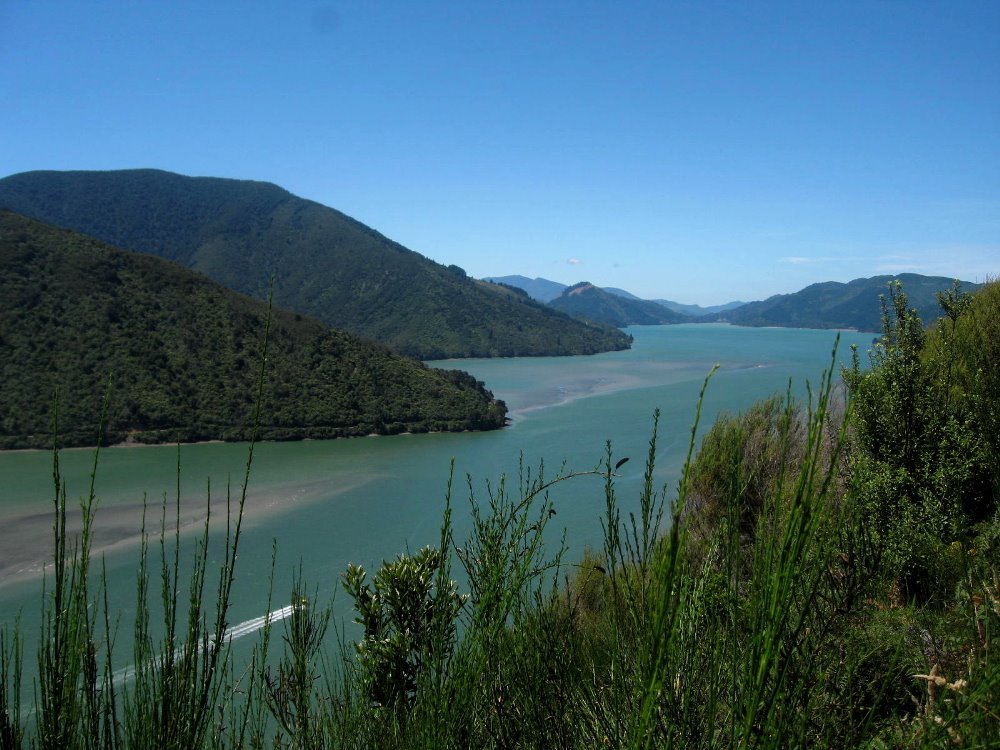
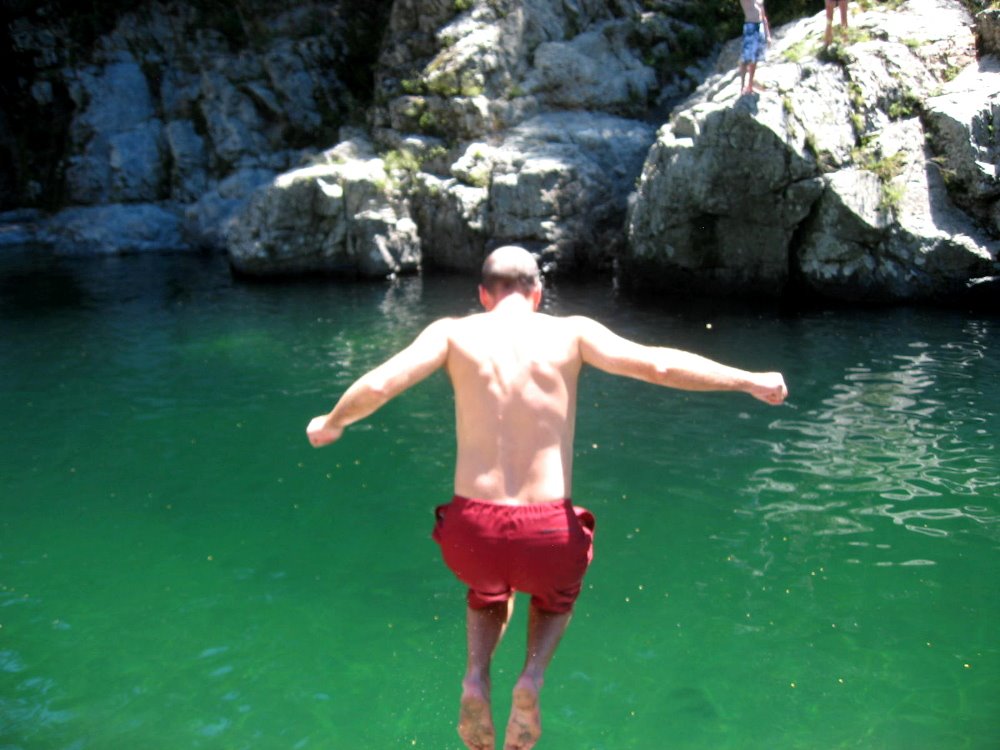
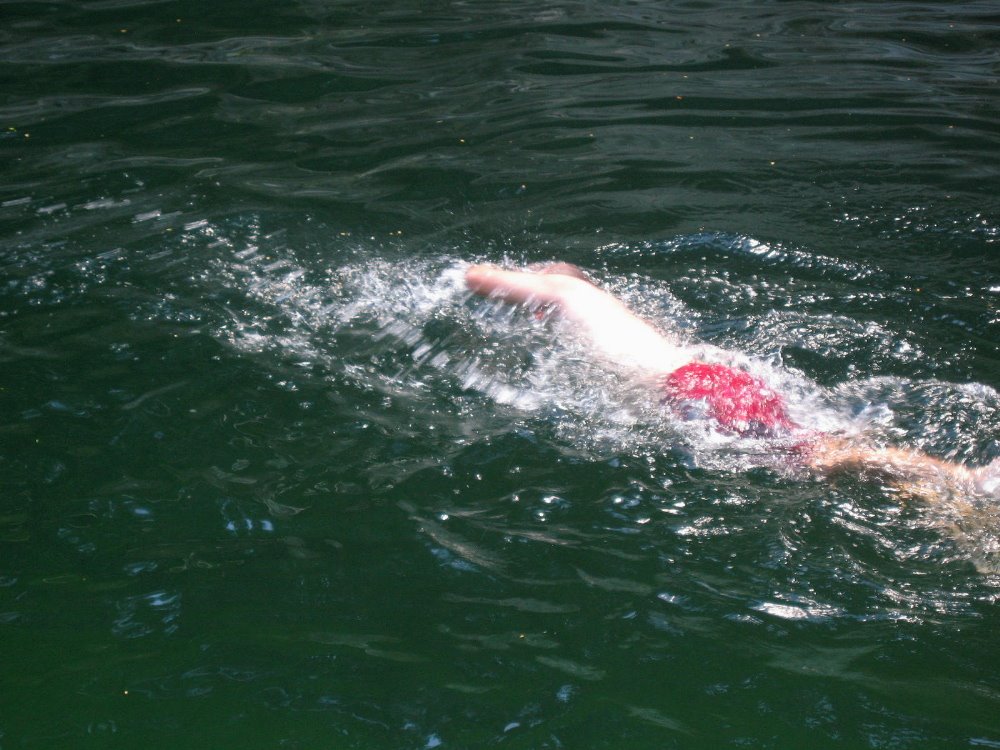
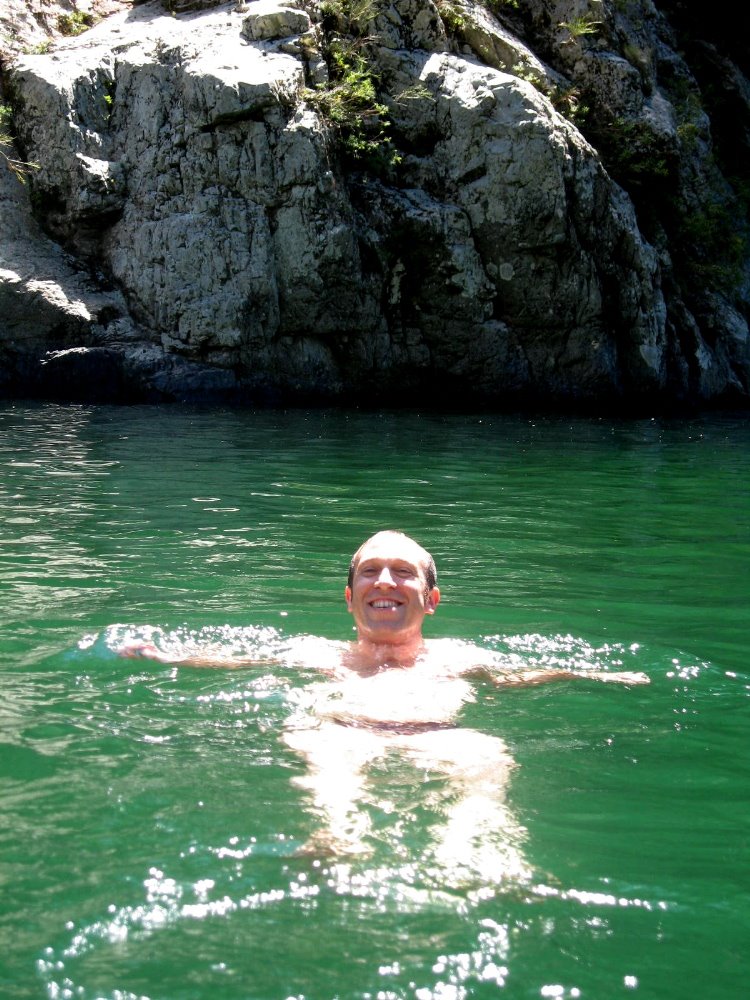
 At the north end of South Island is a region called Marlborough. It’s New Zealand’s main (of several, for such a small country) wine-growing region, and home to Picton (a little town where the ferries from North Island arrive), and Nelson — to which Howard, Gene & I flew after regaining our bearings with a day or two in Auckland and a walk on Rangitoto Island (below — I’m messing with your minds if you’re trying to follow my itinerary here; I’m putting up regional segments based entirely on how visually appealing they are and how important they were to my experience in NZ…deal…). Nelson is just south and east of Abel Tasman National Park, for which we sadly did not have time; I’ve included, below, a few shots of what I think are the mountains from that beautiful area, as seen from our overnight hub of Monaco, on the Western edge of Nelson. I have included some of the nicest shots of vineyards around Nelson and Blenheim, a swimming spot along the Pelorus River (which, Wikipedia tells me, is known for its ‘magnificent’ river swimming – but we didn’t know that when we crossed the bridge in our rental car and decided we just HAD to join the folks at that swimming hole), as well as some shots of both the Pelorus and the Queen Charlotte Sound, which are among the Marlborough Sounds — yet another amazingly beautiful region on the northeastern corner of South Island, near Picton where those ferries from Wellington dock.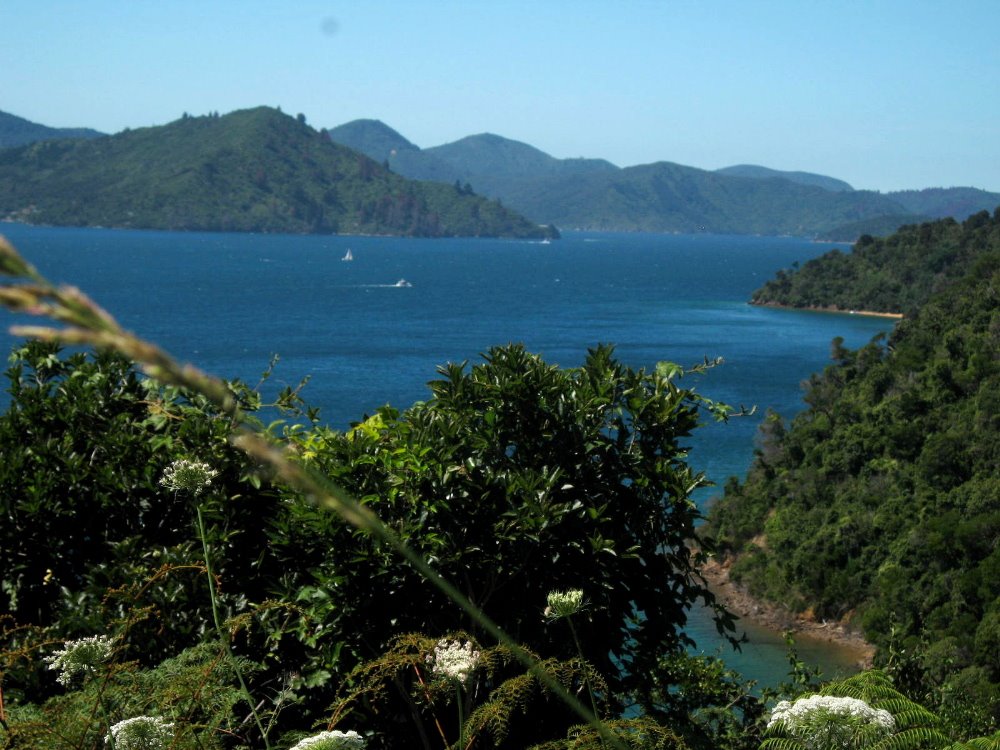
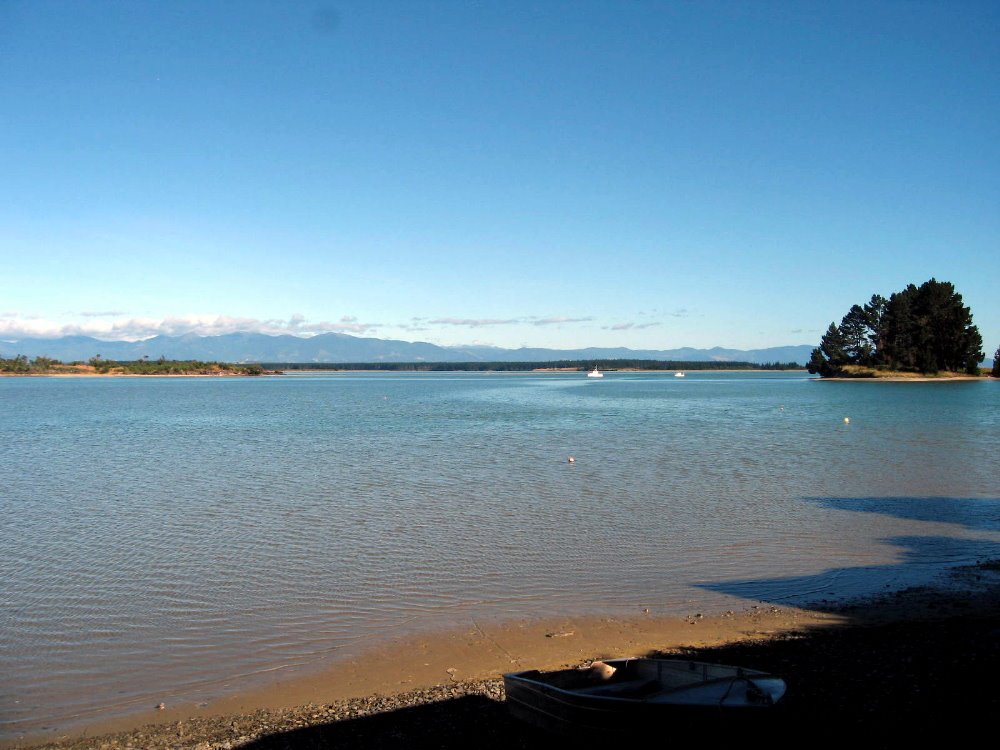 I think those mountains in the distance are in Abel Tasman National Park. Oh well, next trip…
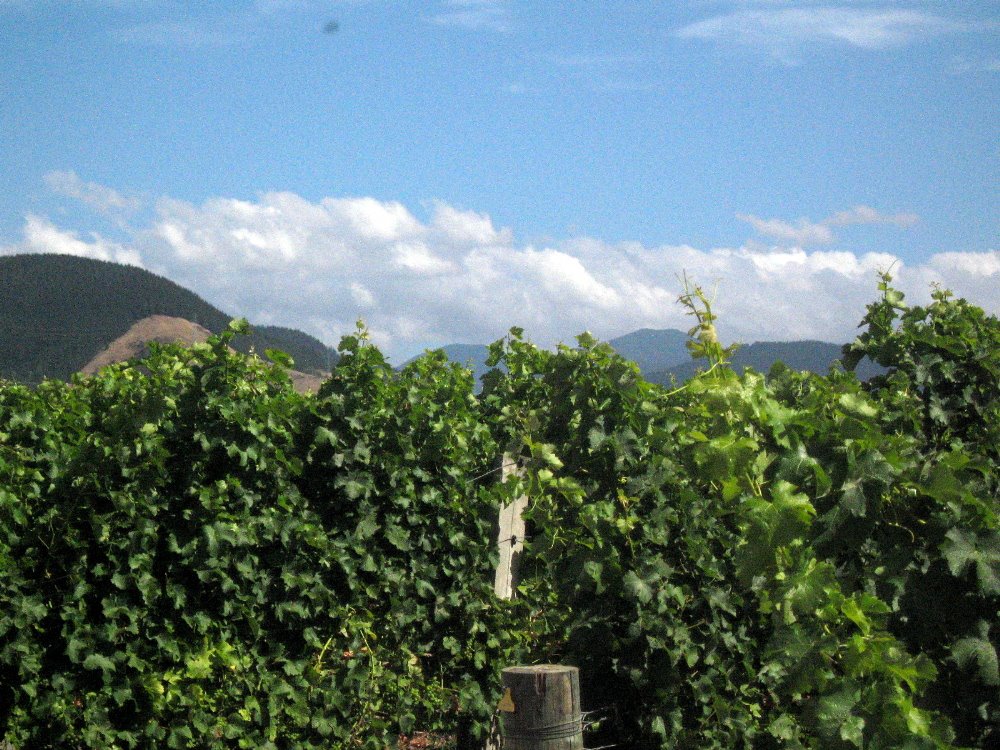
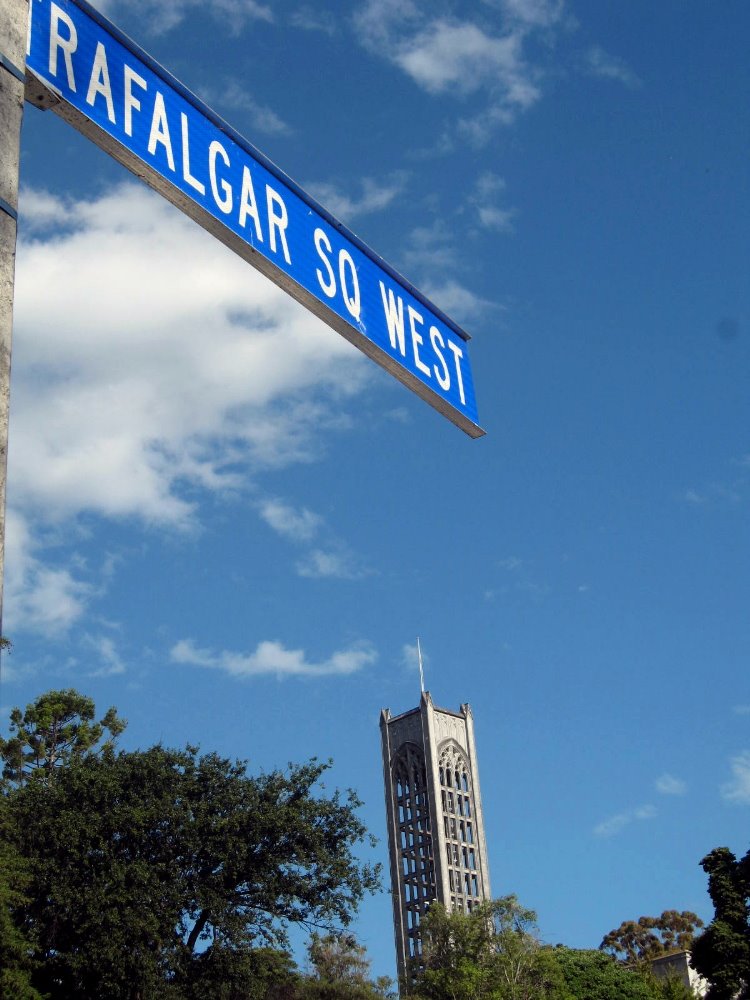
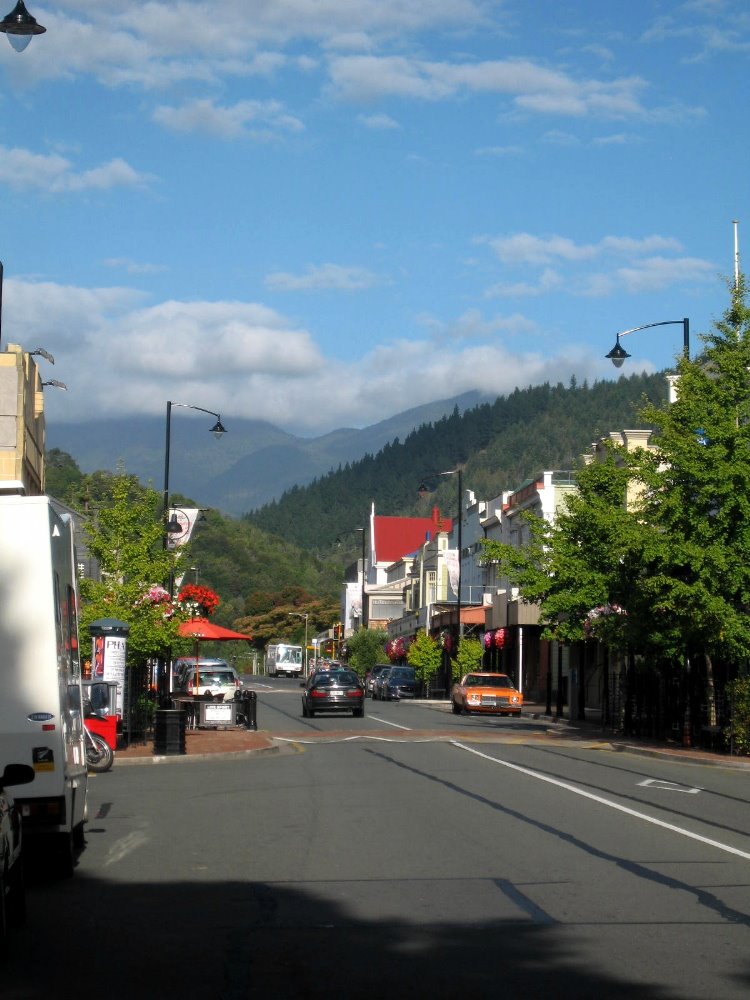 This is the cute little town of Nelson (sidewalk rolls up, even on a holiday Friday, by about 22:00), above and below. Nelson gets more days of sun that most other parts of NZ. Which…well, isn’t necessarily saying all that much. 🙂


Weekend in Wellington
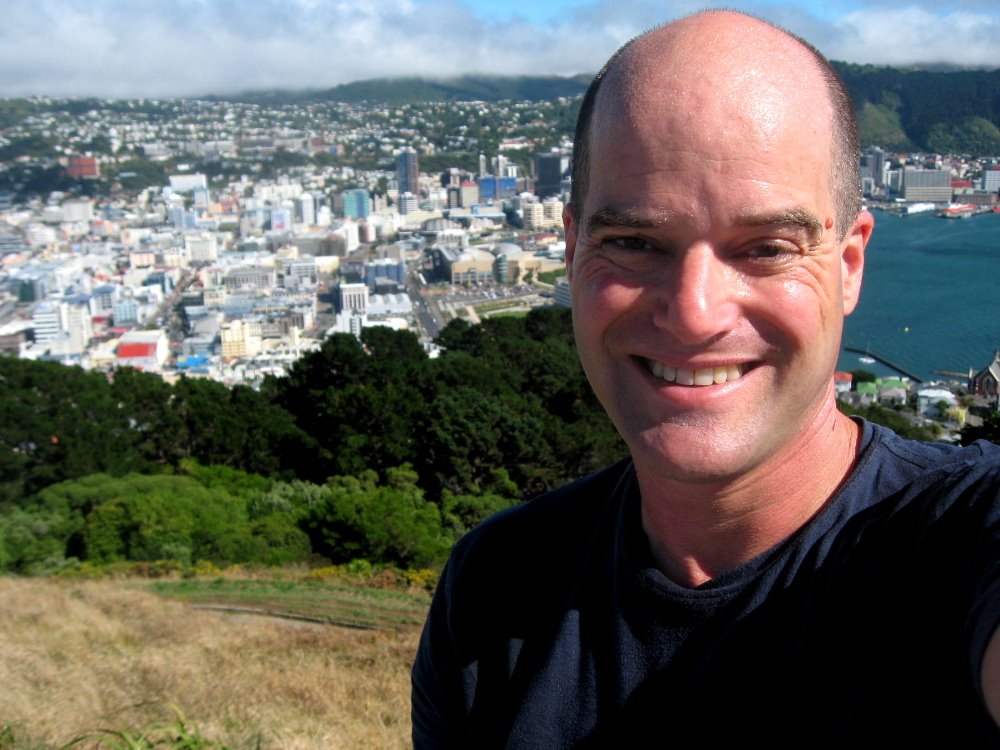
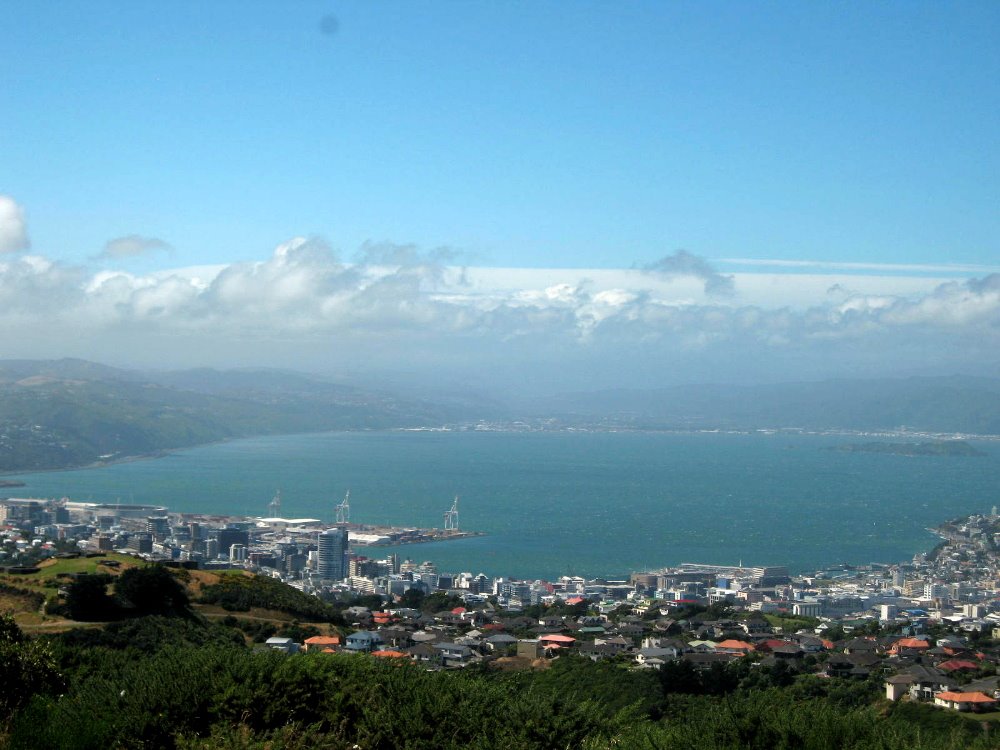
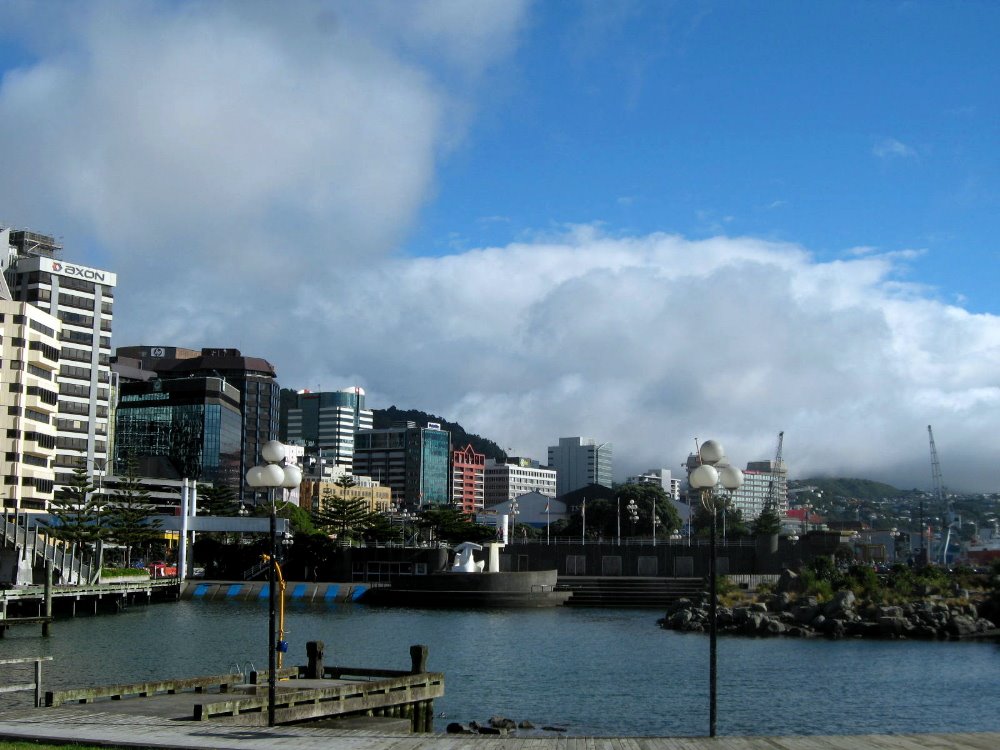
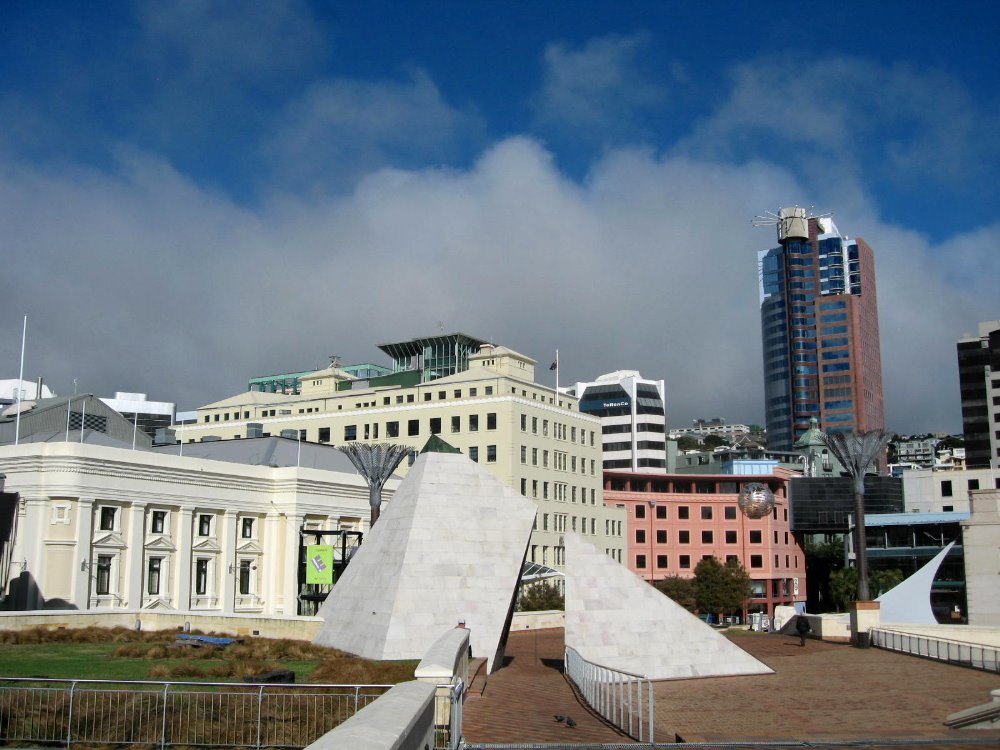
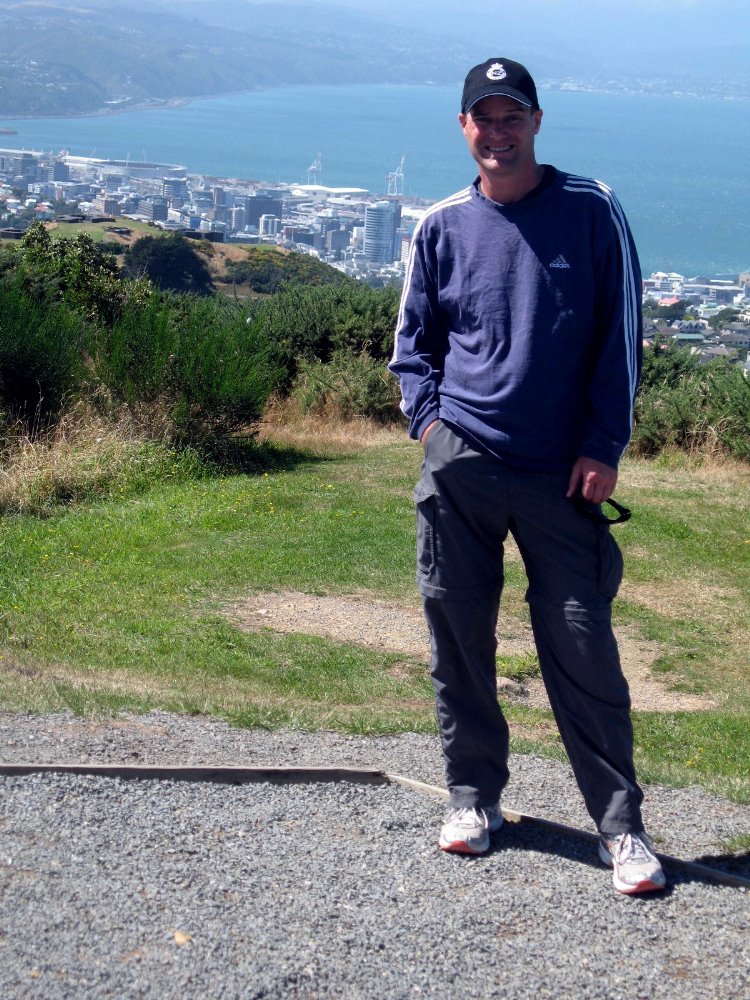
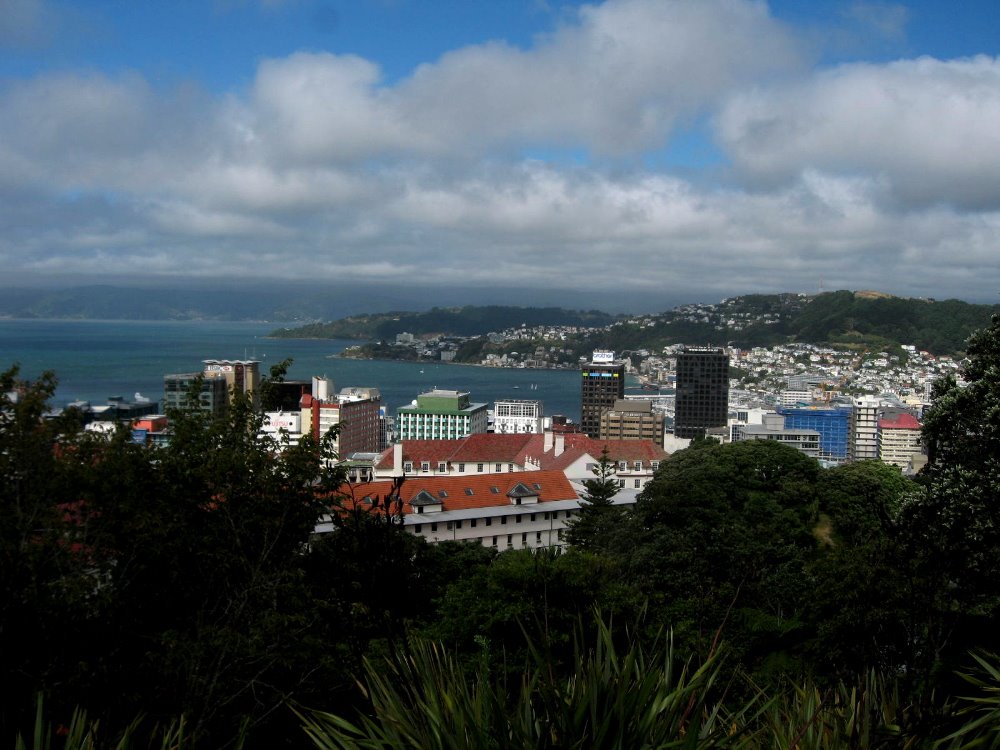
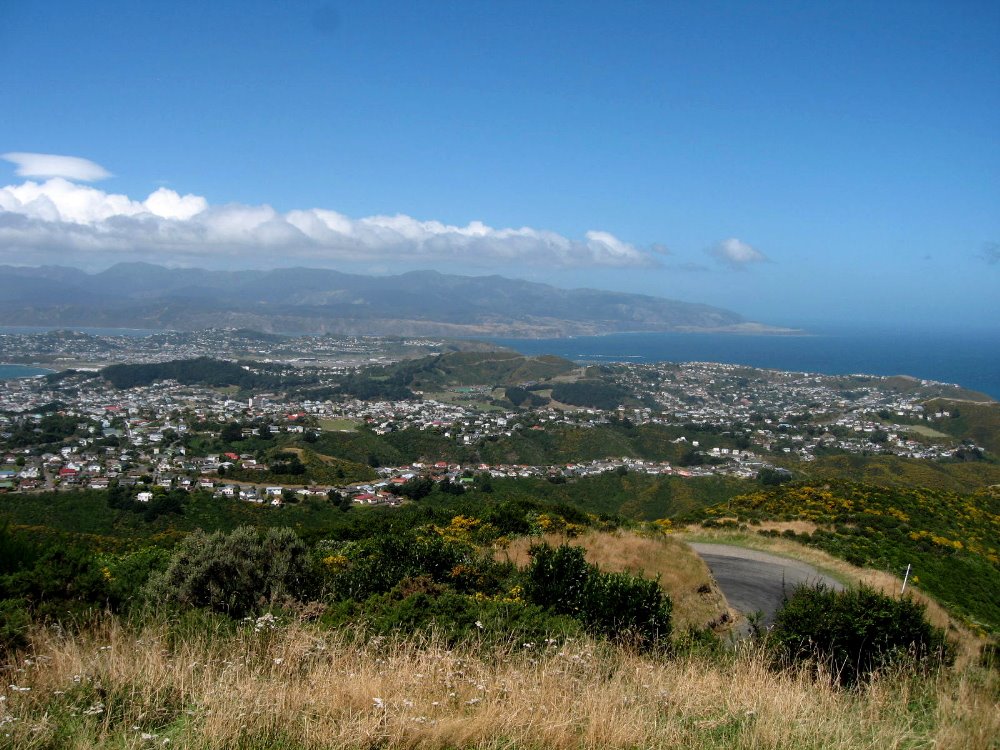
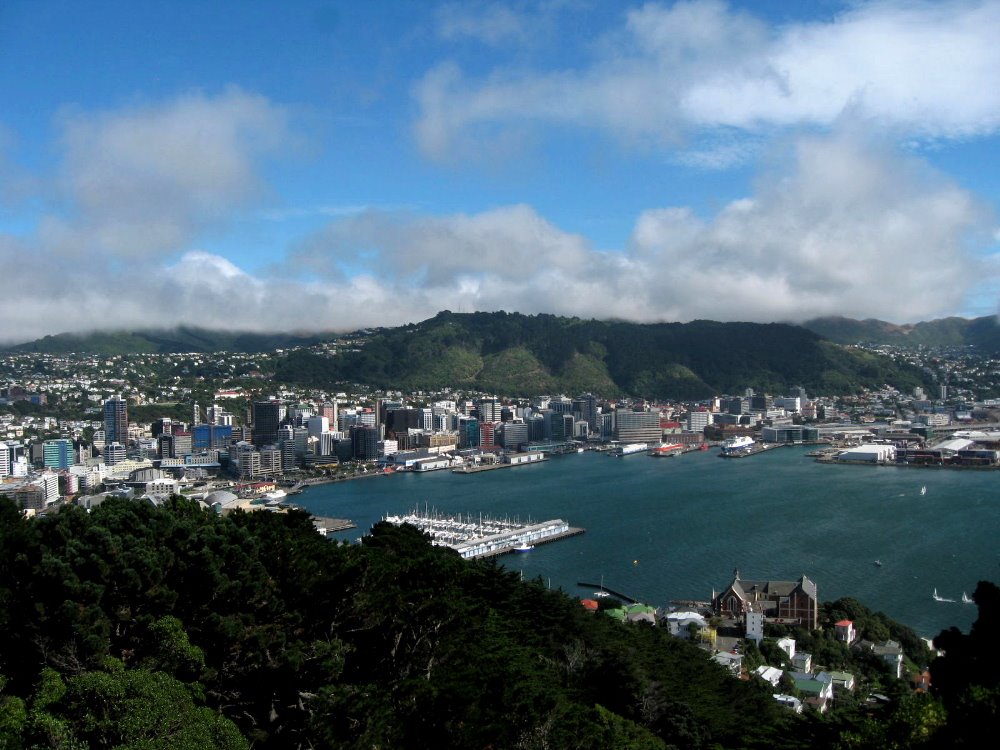 It’s the national capital, at the bottom of North Island with easy access (several ferries a day plus lots of flights) to the South Island. Being on the Cook Straight which separates North from South, it’s mighty windy much of the time. It’s on a very large and nearly circular bay; if you imagine the exit from the circle as being roughly opposite downtown Wellington and about – oh, 15km away? – you’d be sort of right, and then imagine lovely beaches and various suburbs circling out along the bay’s coastline like arms around the main downtown area. (On the backside of some of these arms is open ocean, since after all the whole thing is an island and this is the narrow southern end.) It has a really excellent national museum, newly conceived and built in the late 1990s or early 2000s and called Te Papa (short for something a bit longer; I’m fairly sure Te Papa basically means The Museum). It has the three-building parliamentary complex, very friendly with free daily tours of its lovely restored and earthquake-proofed buildings, seen below: on left, ‘The Beehive’ which houses executive offices; middle, the older parliament building where the SINGLE house of NZ’s parliament meets: no senate here to block progress with filibusters; and, no, that’s not a church on the right: it’s a gorgeous gothic (?yes? any archtiectural history folks among my handful of readers?) parliamentary library. NZ’s answer to the Library of Congress, as it were. Cheers to Denis & Steven for very graciously hosting me during my Wellington stay, and showing me great hiking and coastline along that above-mentioned big bay.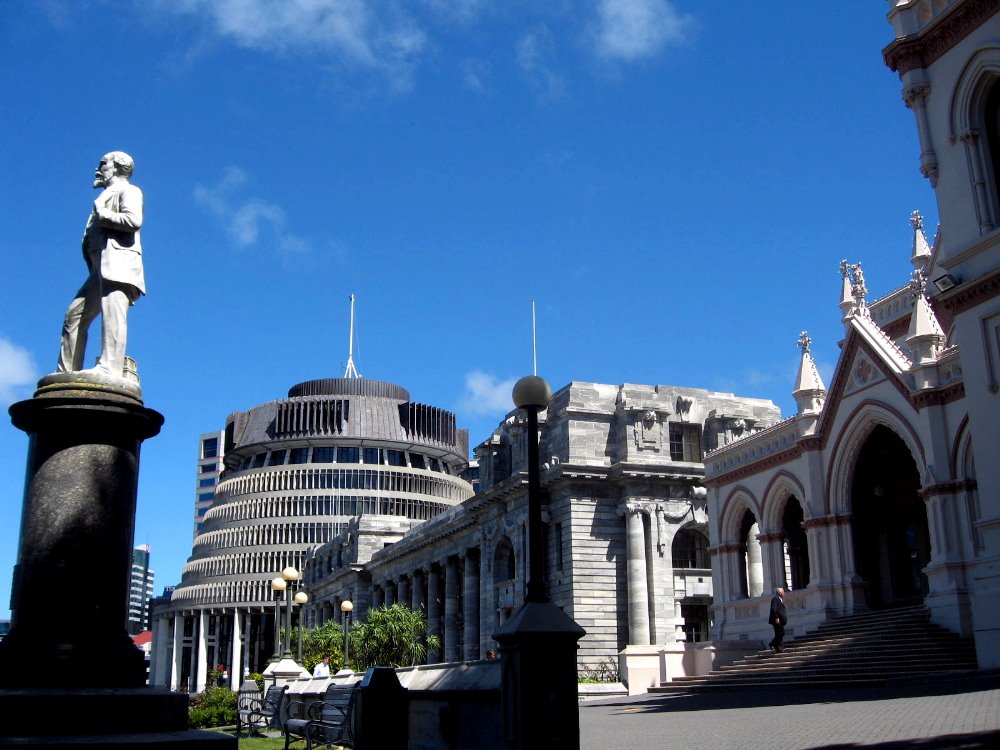
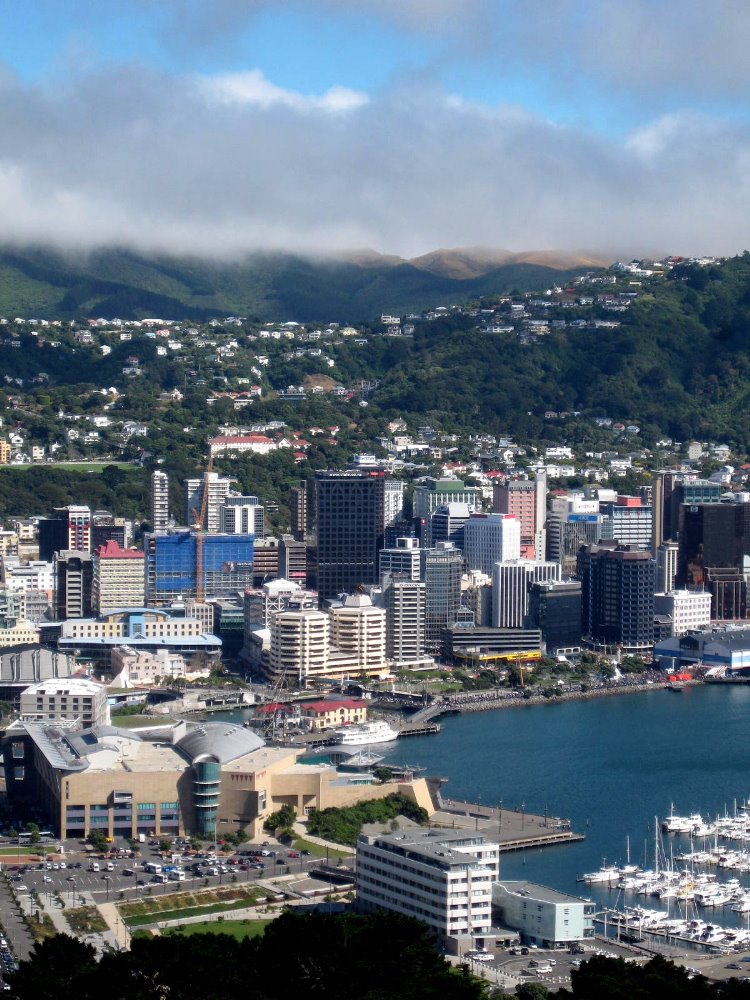 That big building next to the parking lot? That’s Te Papa Tongarewa, Museum of New Zealand, opened at this site in 1998. Auckland, I’m told, is jealous that the museum was built in Wellington, which is…um, the capital? And more, like, in the middle of the country? Auckland’s got a very nice museum of their own, but their parks are either hard to access and surrounded by too many big roads, or sort of afterthoughts. Unlike the parks I visited in Wellington. So there, Auckland. Get over yourself. 🙂 (I mean, is NYC jealous that the Smithsonian is in DC? No, NYC just made its own great museums. That’s what real cities do. Duh.)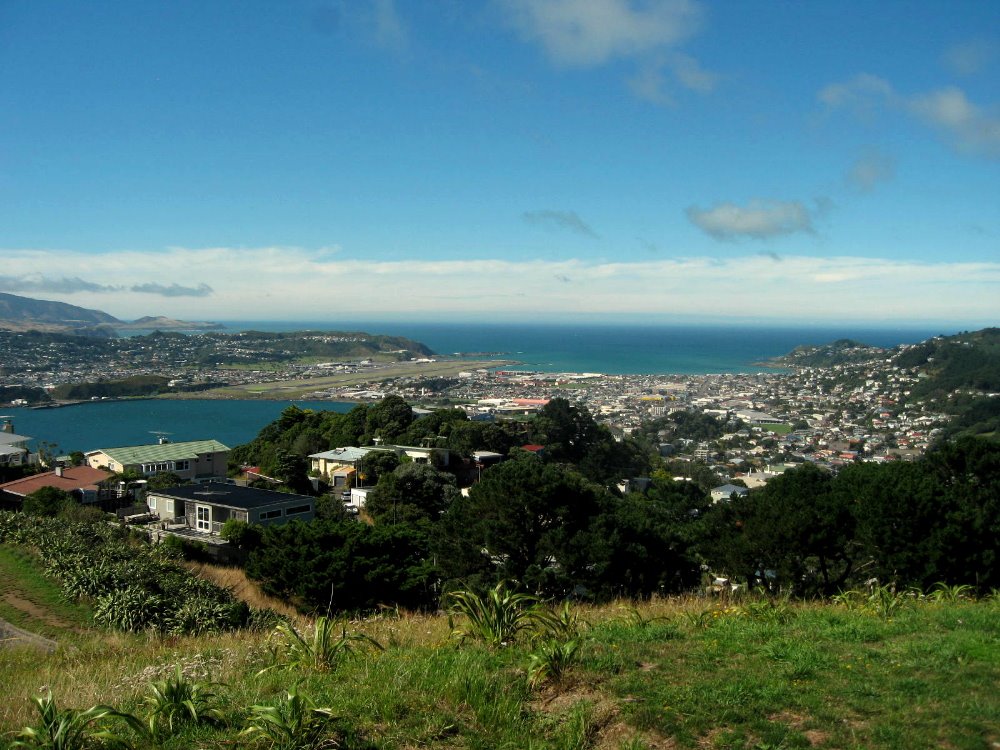


Takin’ the Train
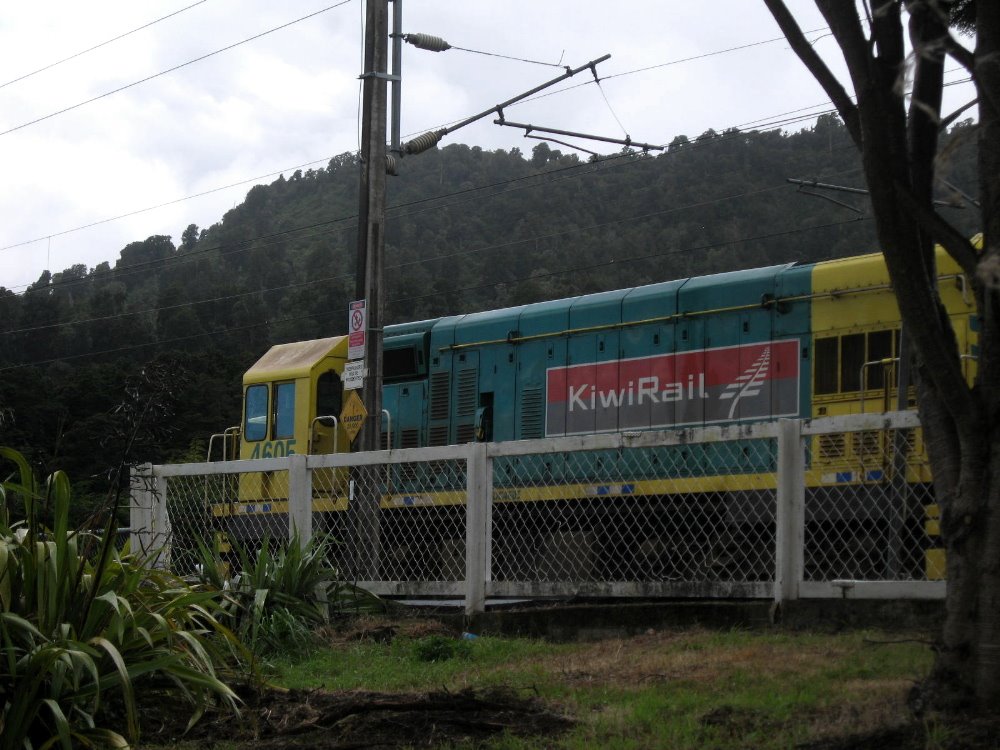
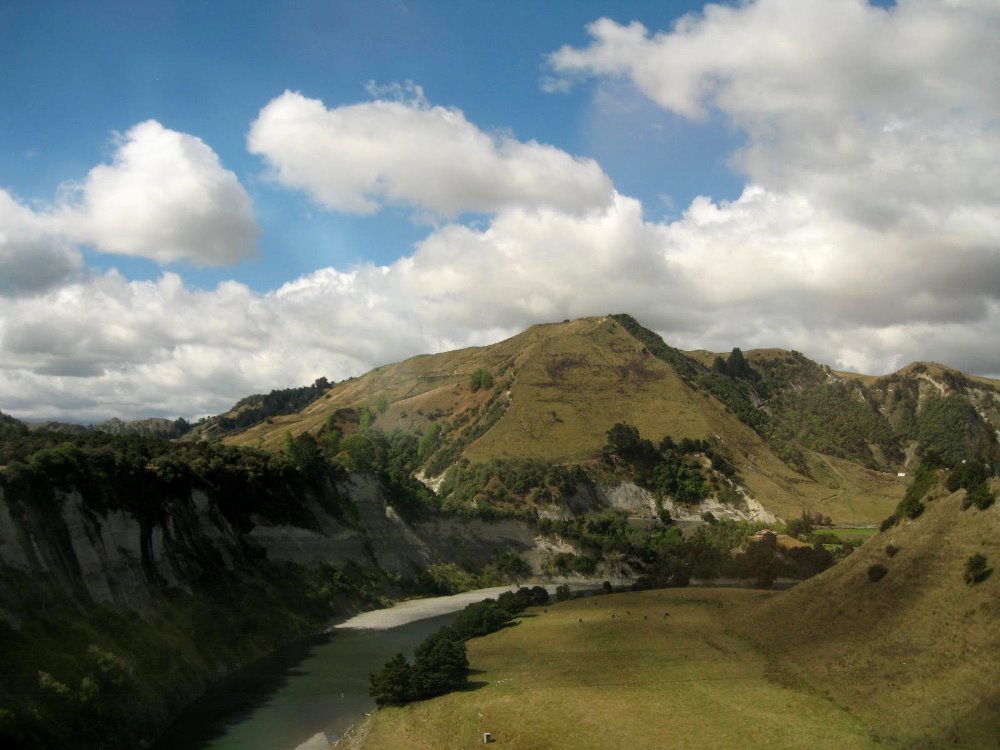
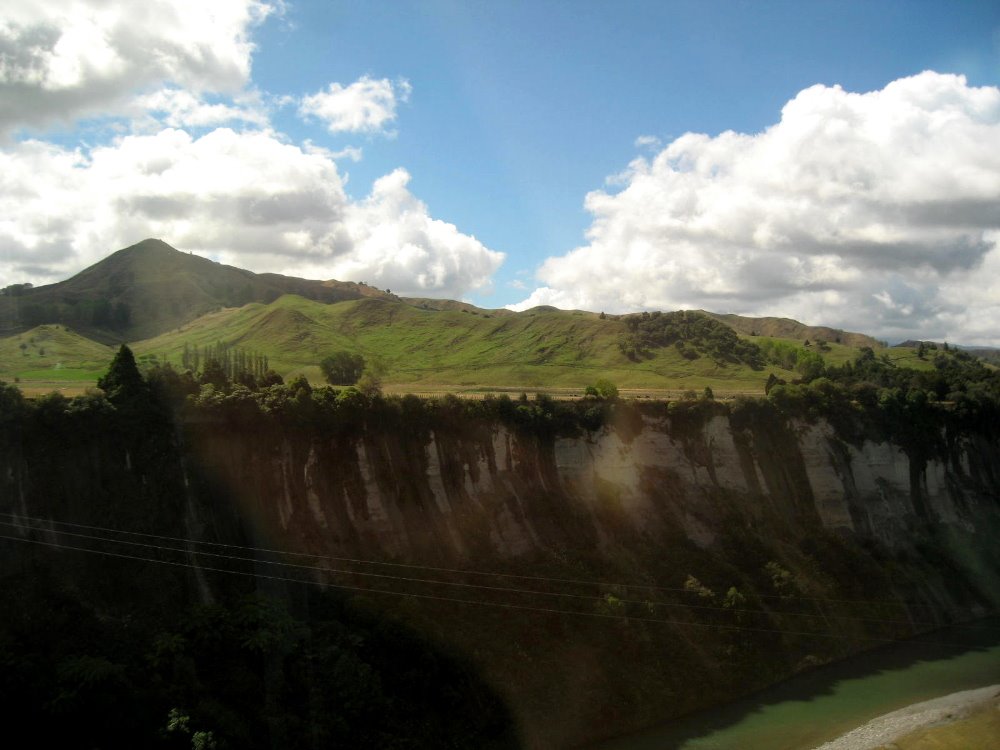
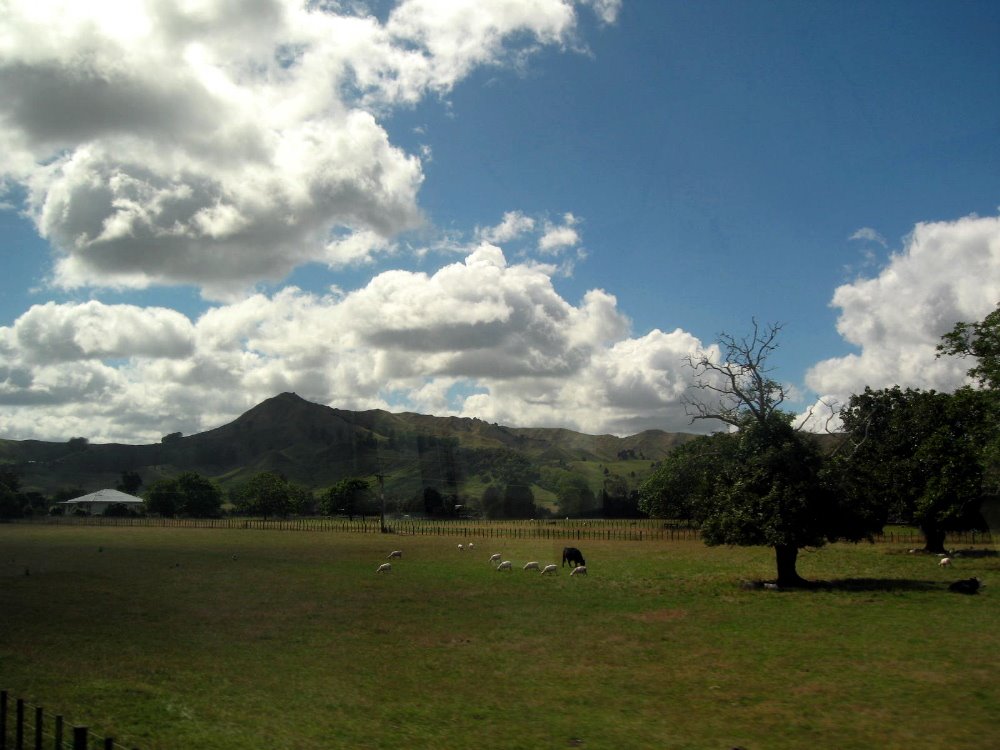
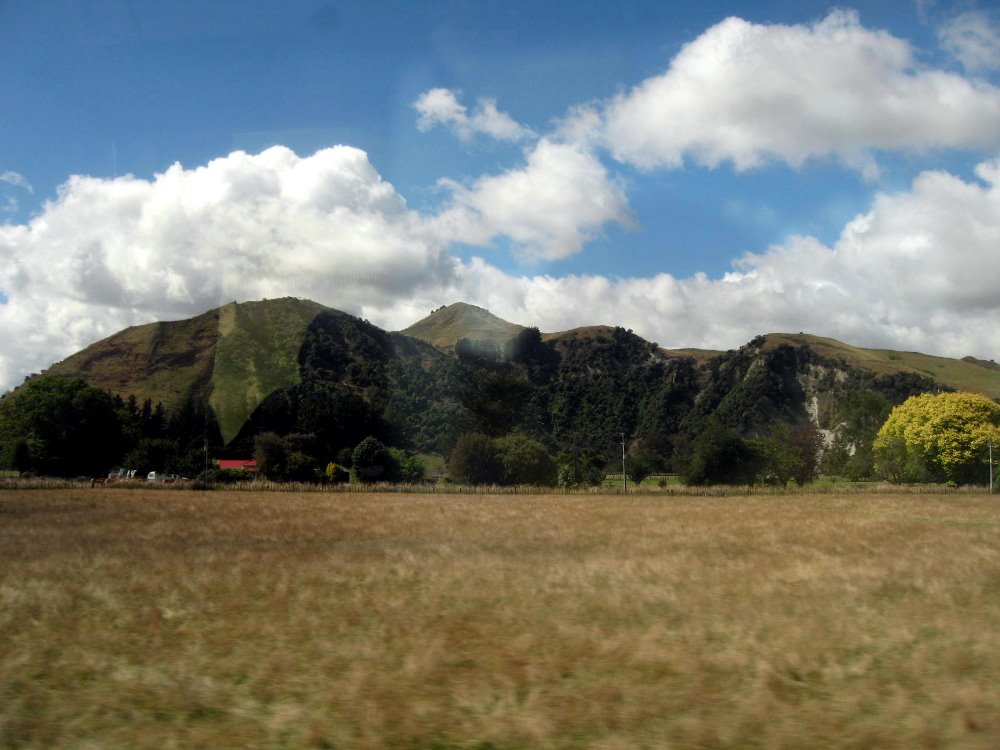
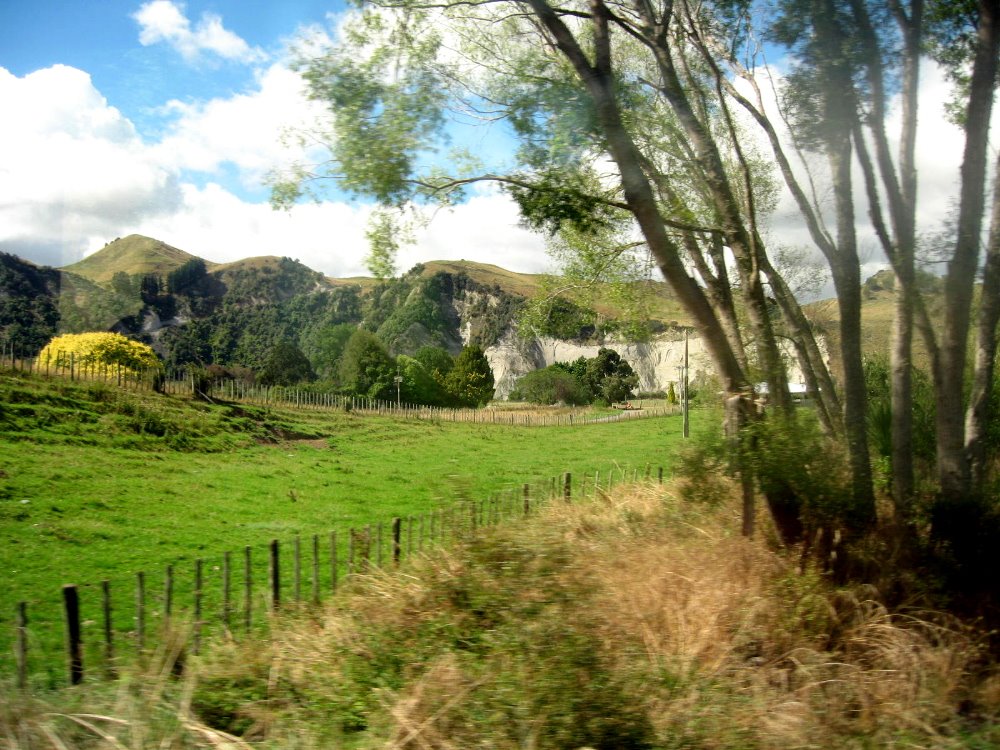
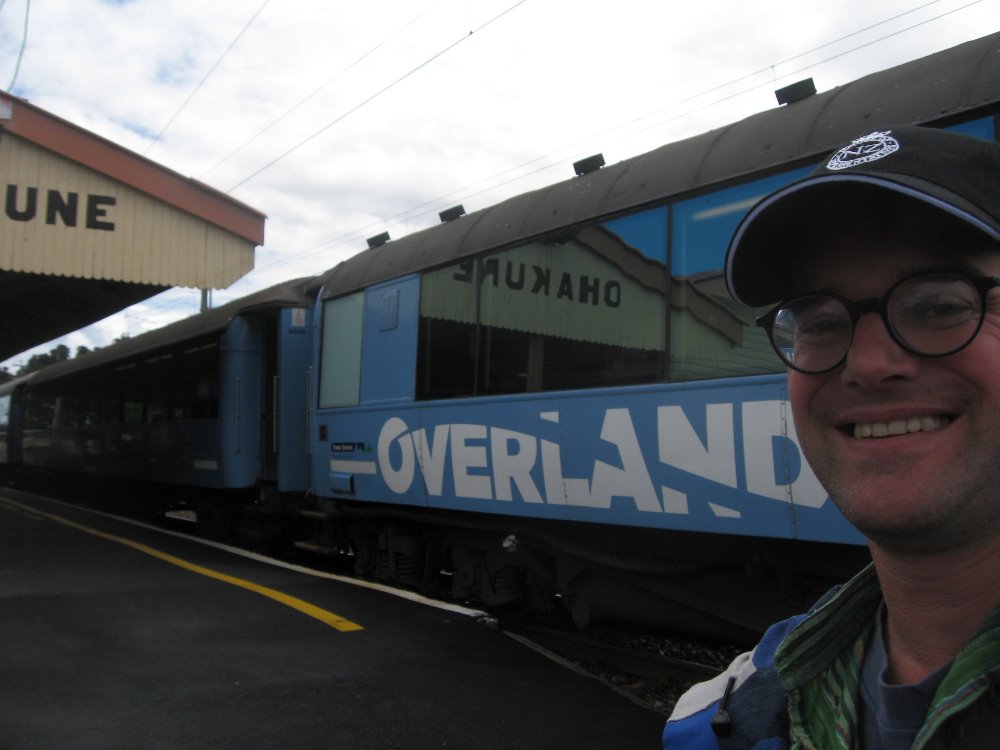 From Wellington I headed north to Tongariro National Park…pics of which you’ve already seen because, well, it’s just more interesting, now isn’t it? 🙂 This was the first time I got to take the train here in NZ and I was charmed: the rail is all narrow-gauge, so the trains are a bit narrower to begin with than in Europe or other places I’ve gone by train. But one must also remember it’s NZ: and this often means many things, among them small, well-done, friendly, generally adorable and wonderful, and without a lot of choice often. There are, by my count, six long-distance passenger trains per day in NZ: one northbound and one southbound between Wellington & Auckland (The Overlander, pictured above in Ohakune Station on the southern edge of Tongariro Nat Park) — this one has four passenger cars, one of which includes the cafe/bar car, as well as an engine and a baggage car. The northbound and southbound crews switch trains at the midpoint, usually at or near National Park (a town that exists for the train, and where I stayed during my lovely Tongariro journey), which allows them to be home for the end of the day. How adorable is that!? Other long-distance trains: between Picton & Christchurch, covering the northern half of east coast of South Island; and between Christchurch & Greymouth, diagonally across some of the mountains on South Island. I assume those, also, go once each day, but I don’t know. I recommend train travel in NZ: it’s friendly and though it covers only a small part of the country, it’s comfy and gives great views. Some of these are below…please pardon the occasional window glare.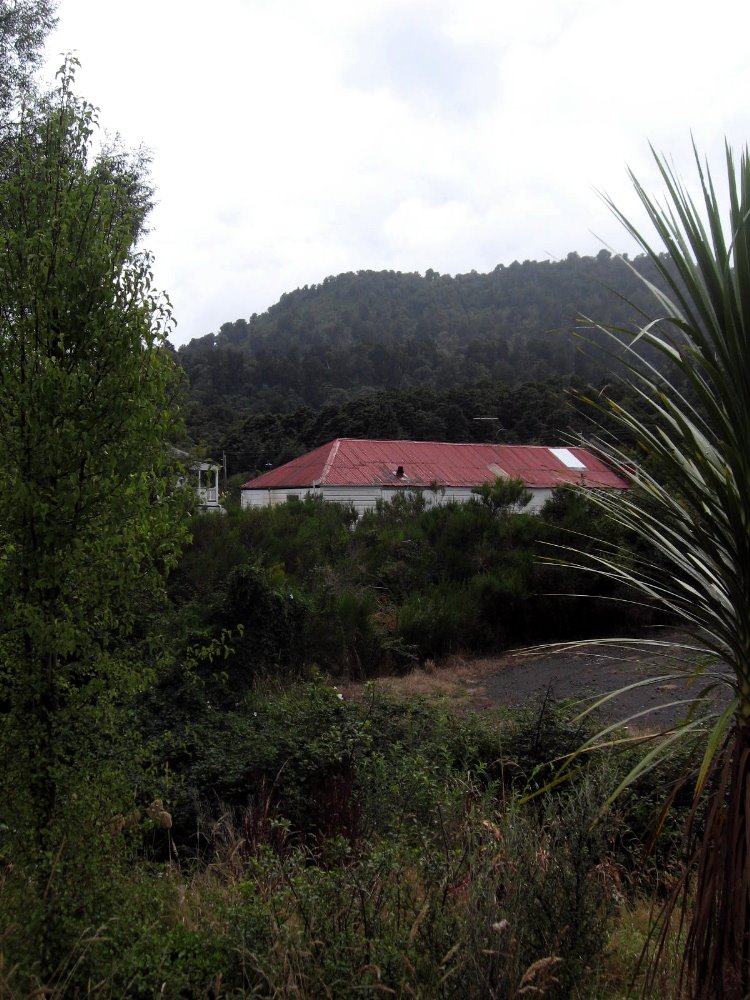

In & Around Auckland
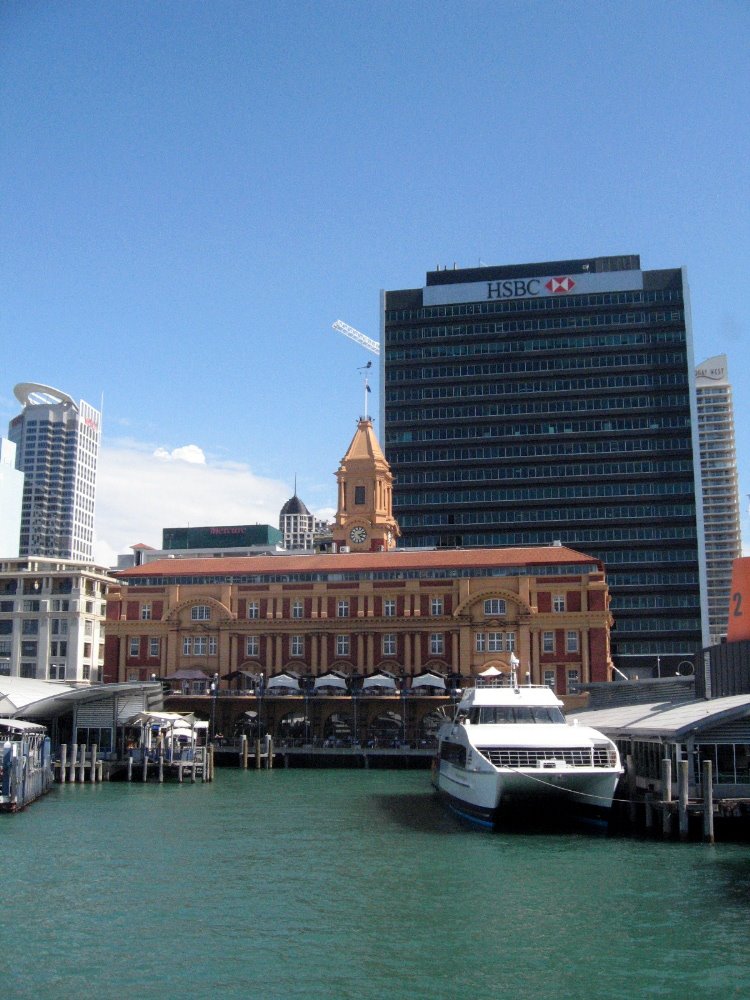 Greater Auckland, whose emblematic ferry building is above and whose favorite beach (Piha and Lion Rock) are below, holds about 1/3 of all the 4.2 million inhabitants of New Zealand. Yup, New Zealand is a bit larger than the United Kingdom and has about 1/15 as many inhabitants. Auckland itself — fairly interesting city but one doesn’t come to NZ for its cities, really. 🙂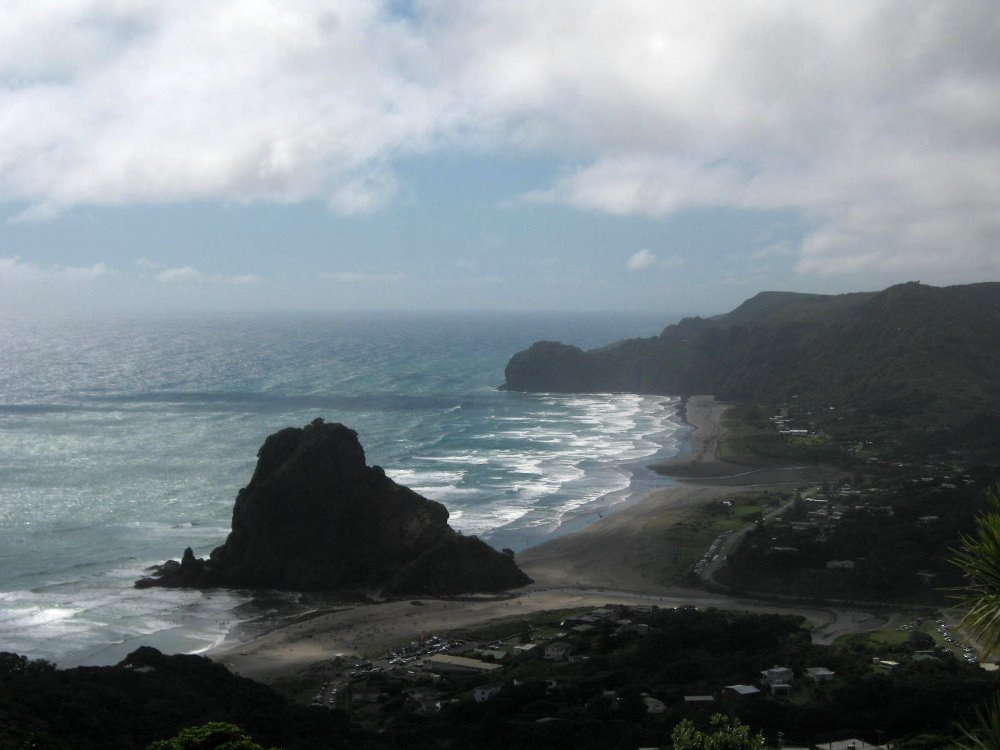
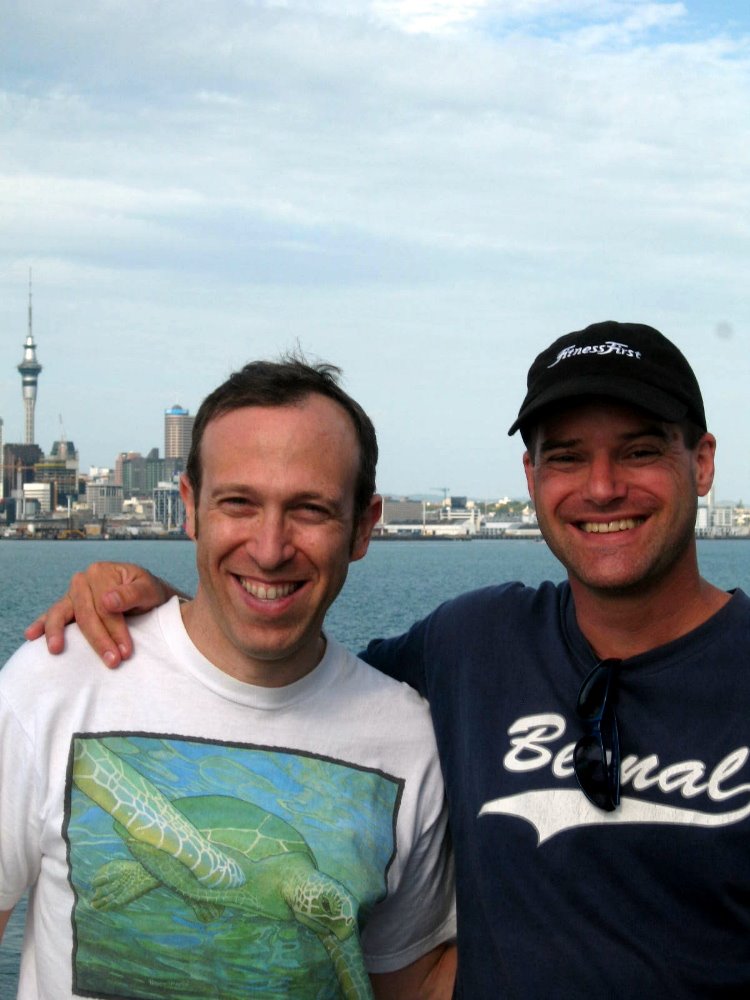
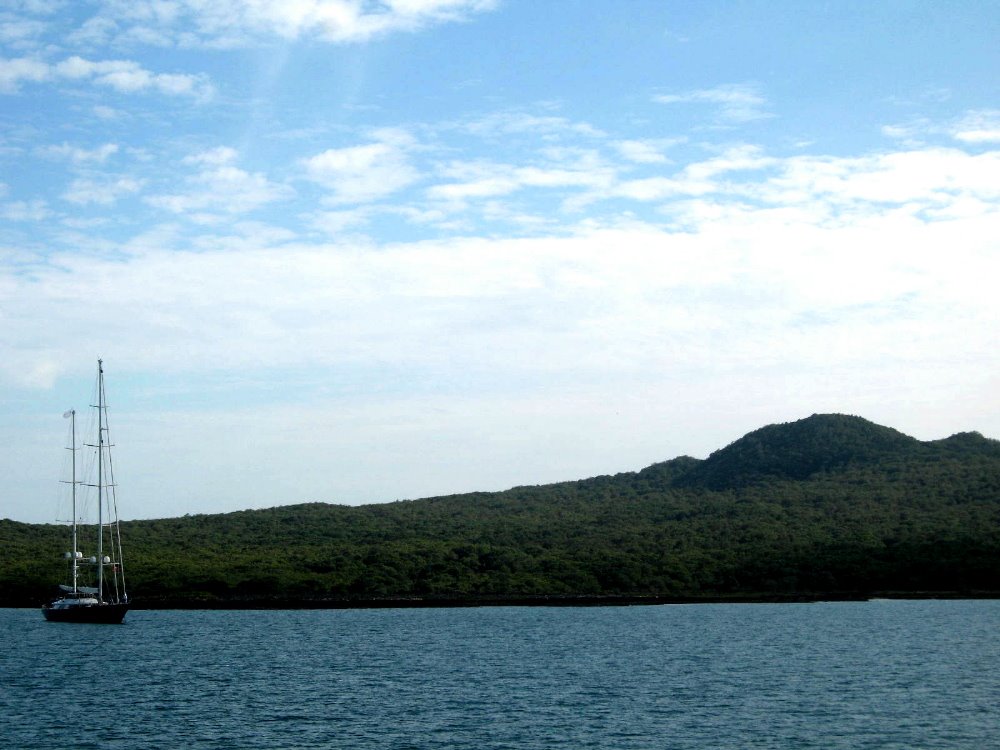 Rangitoto is a recent volcanic island very visible a short way out in Auckland’s harbor. Maori inhabitants first arrived in Aotearoa/New Zealand between about 900 and about 1200 CE, and it’s within Maori memory that Rangitoto came into being, if I’ve understood correctly. It’s all open space reserve now with no shops or water or anything, but a few good walking trails over hot volcanic rock — and very cool lava tubes (below) you can walk through if you crouch low enough and have carried something to light you way.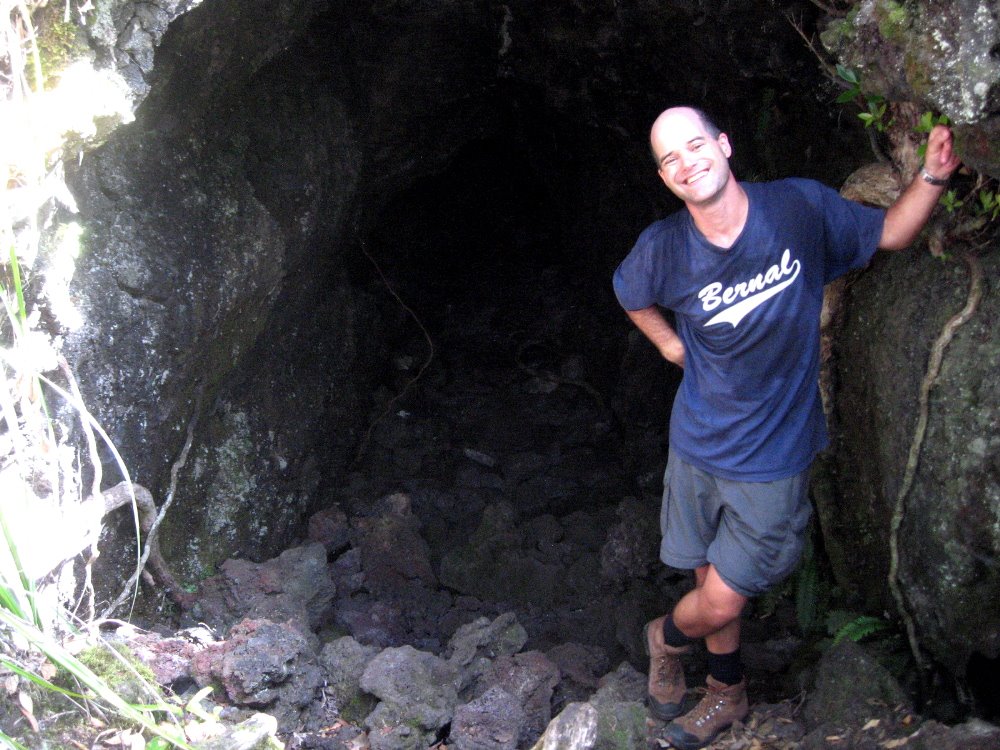
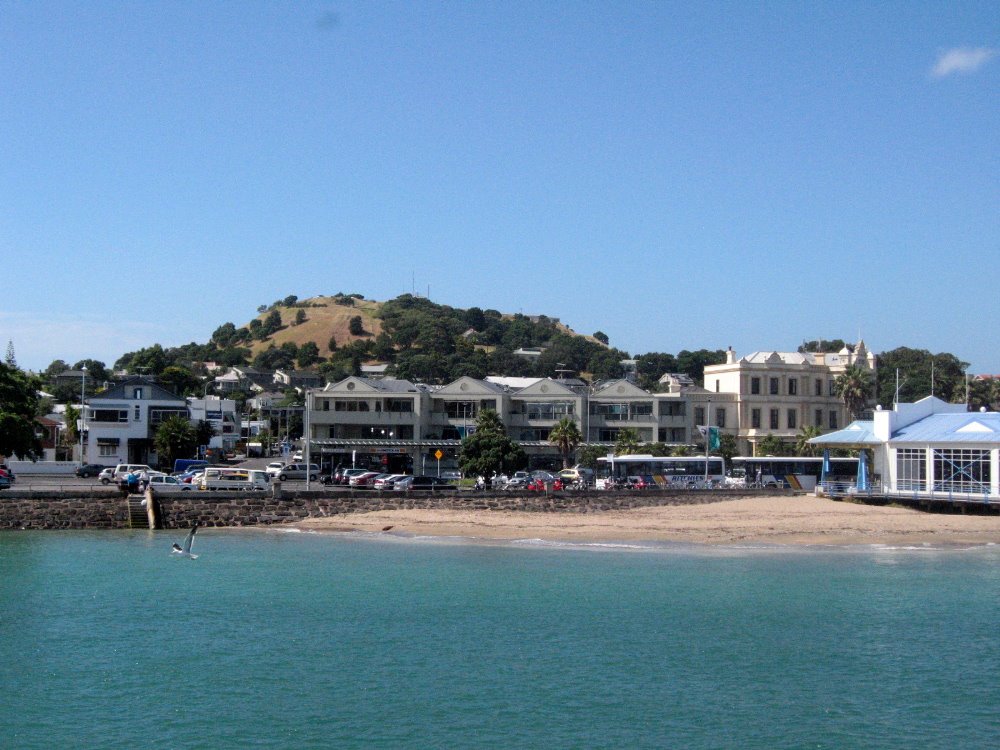
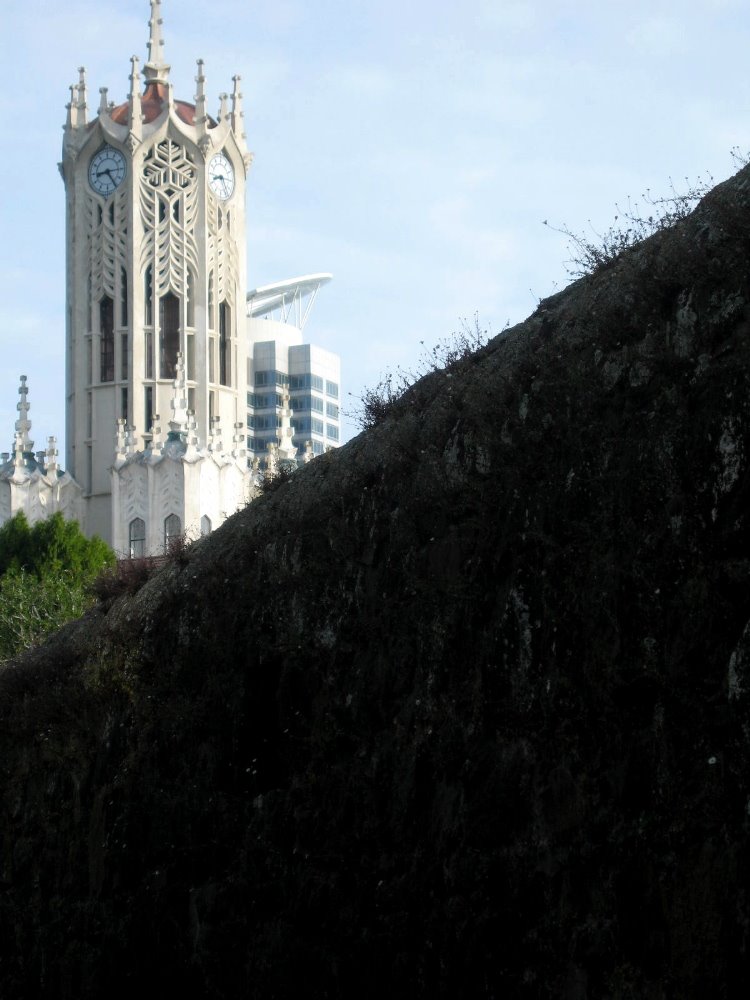
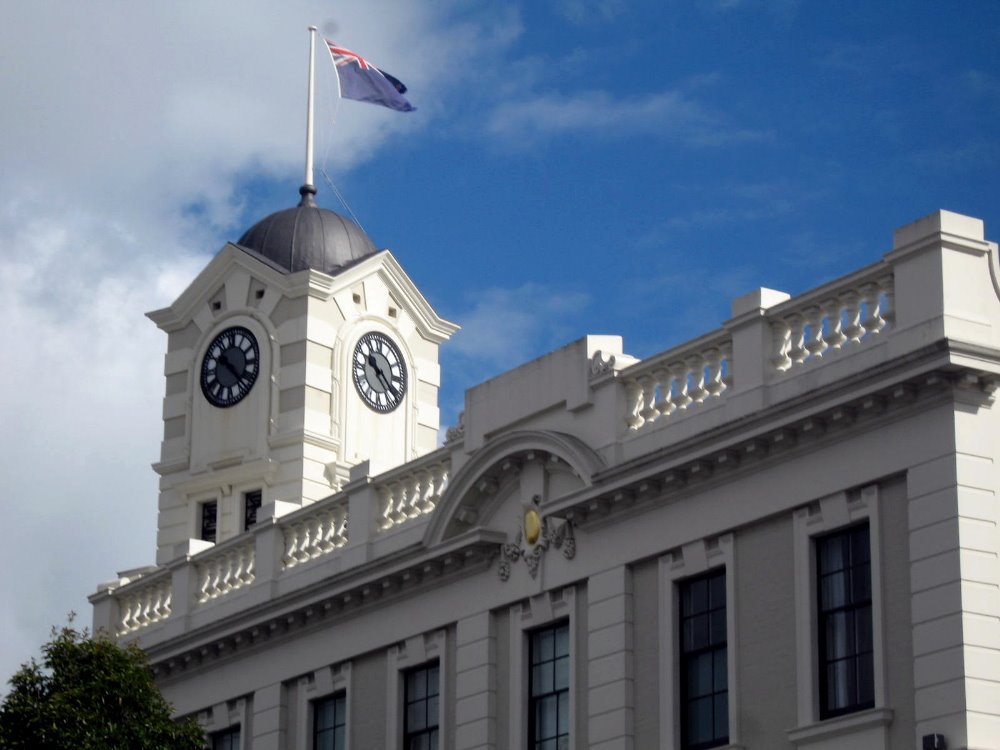
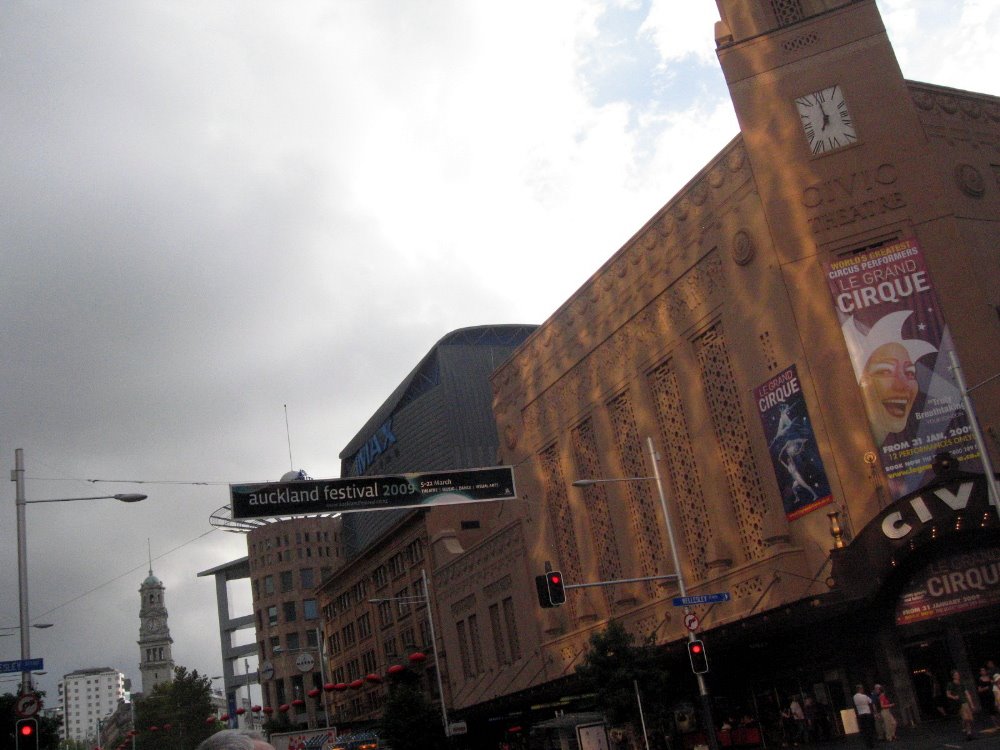
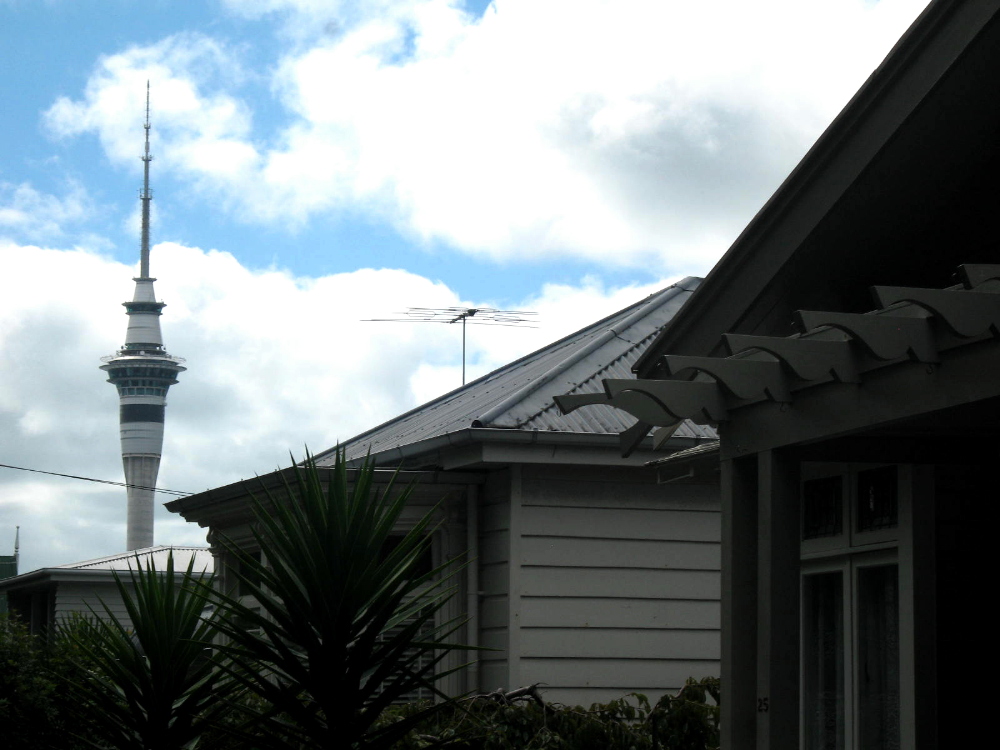
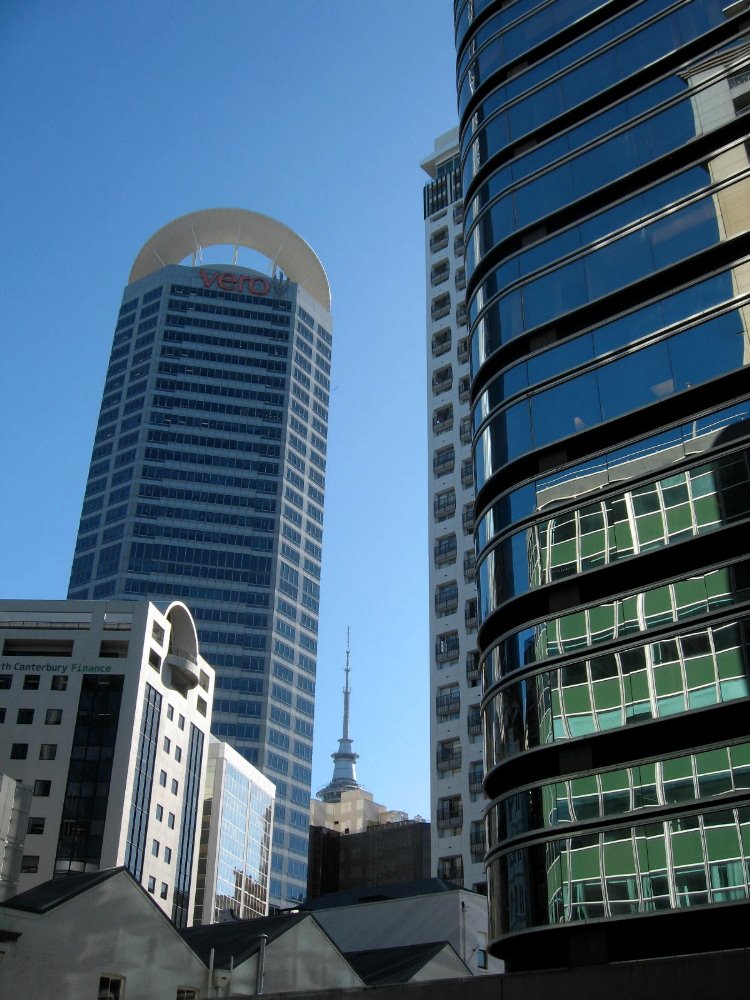
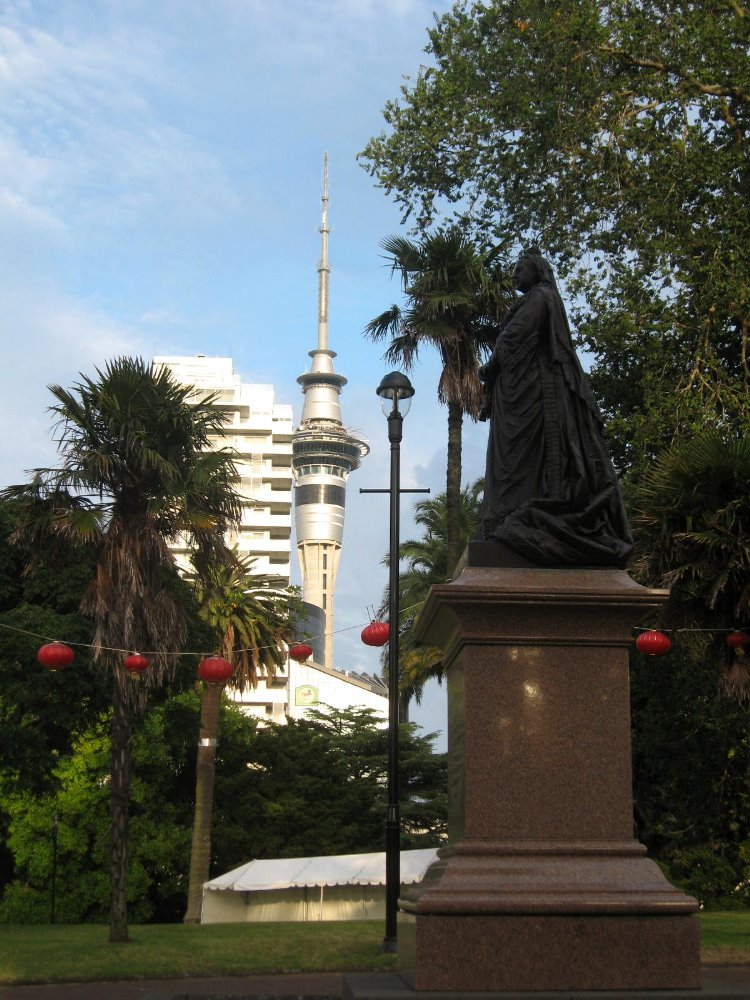
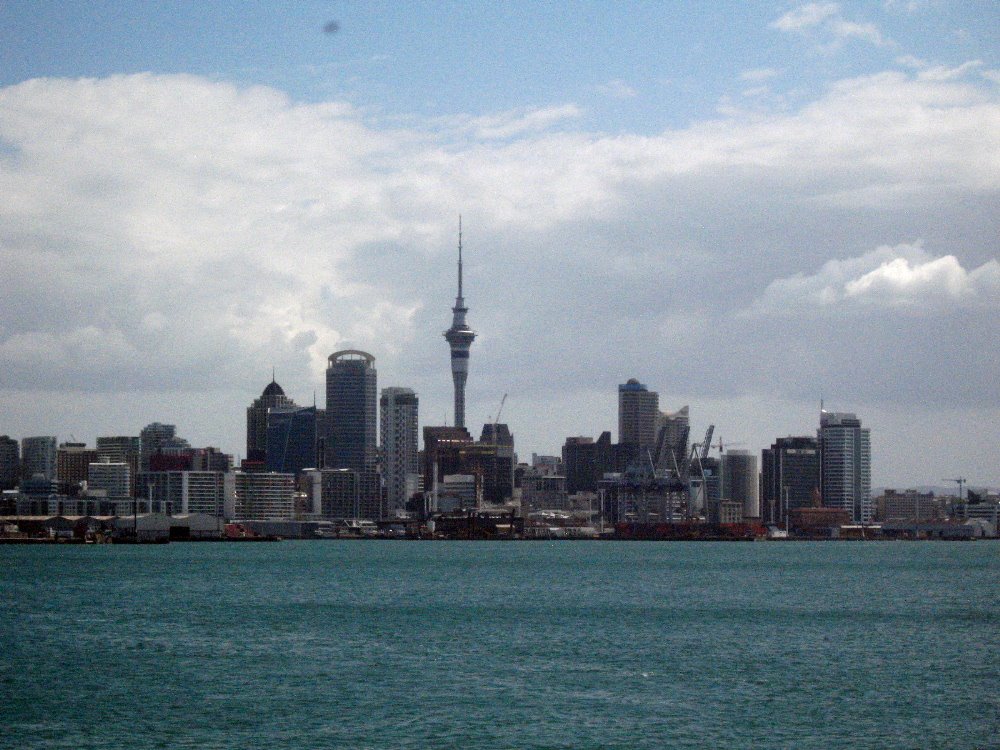 The TV tower is really the most emblematic building in the city, seen above and below and various other shots here, since it’s mighty visible and graceful from many parts of the region. It’s some kind of southern-hemisphere tallest thingy, but there are various category of tallest and I’m not sure which it is.
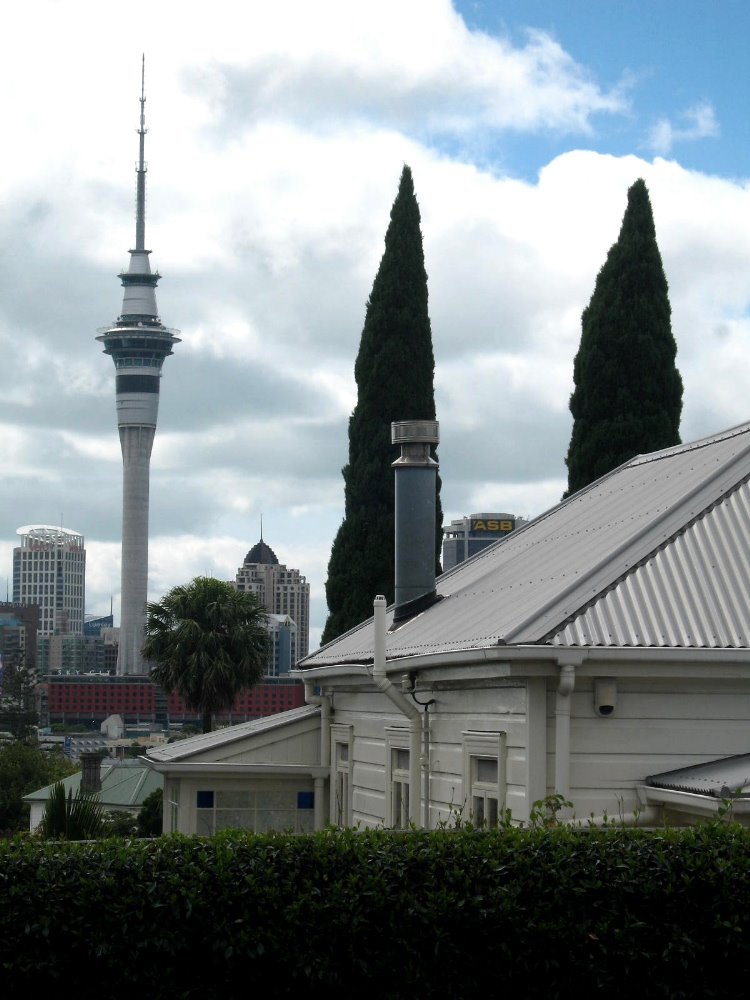
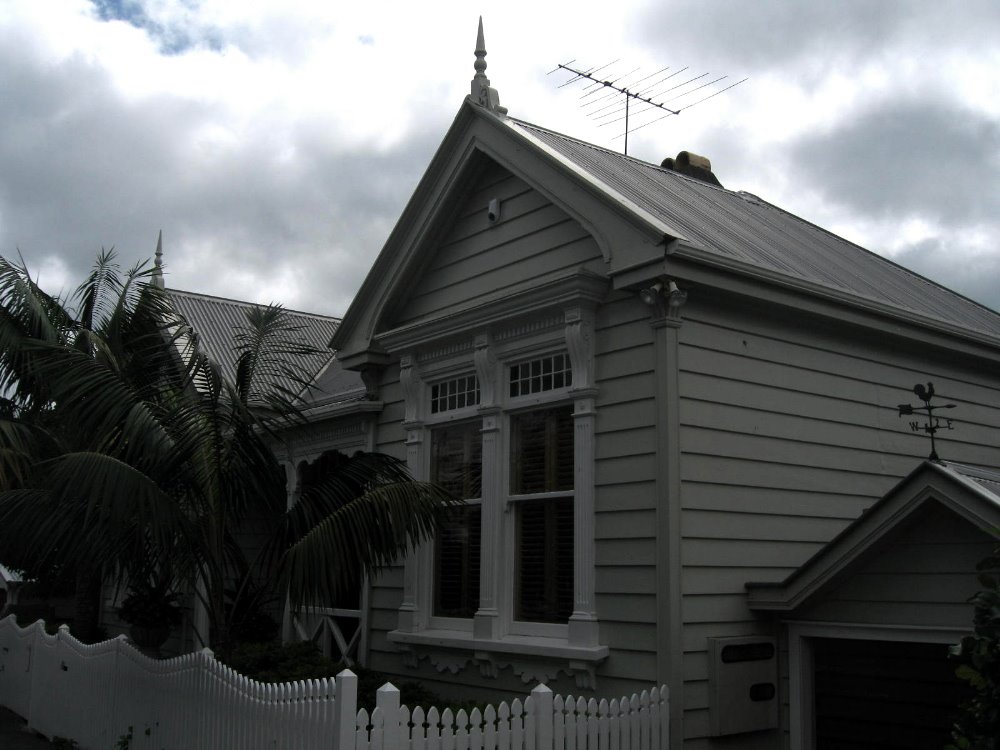
 Auckland (and Wellington, though there the weather wasn’t as good for photography that day) has some lovely wooden houses and bungalows in various neighborhoods, dating most likely to the late 1800s and early 1900s. It’s important, with New Zealand, to remember serious European settlement didn’t really begin until mid-1800s.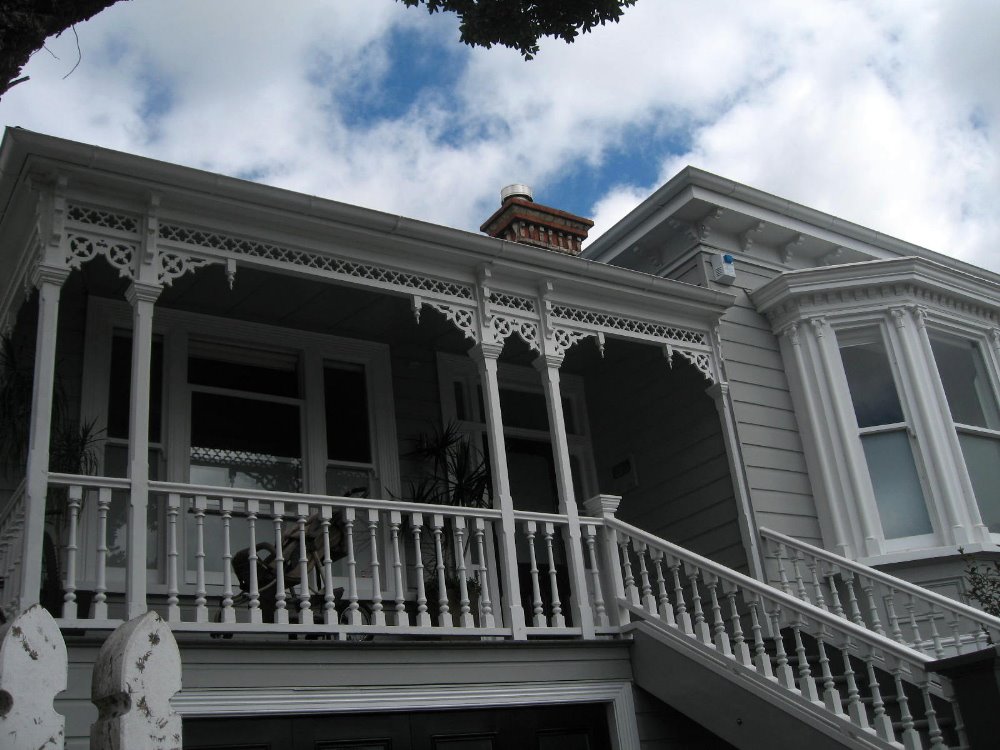
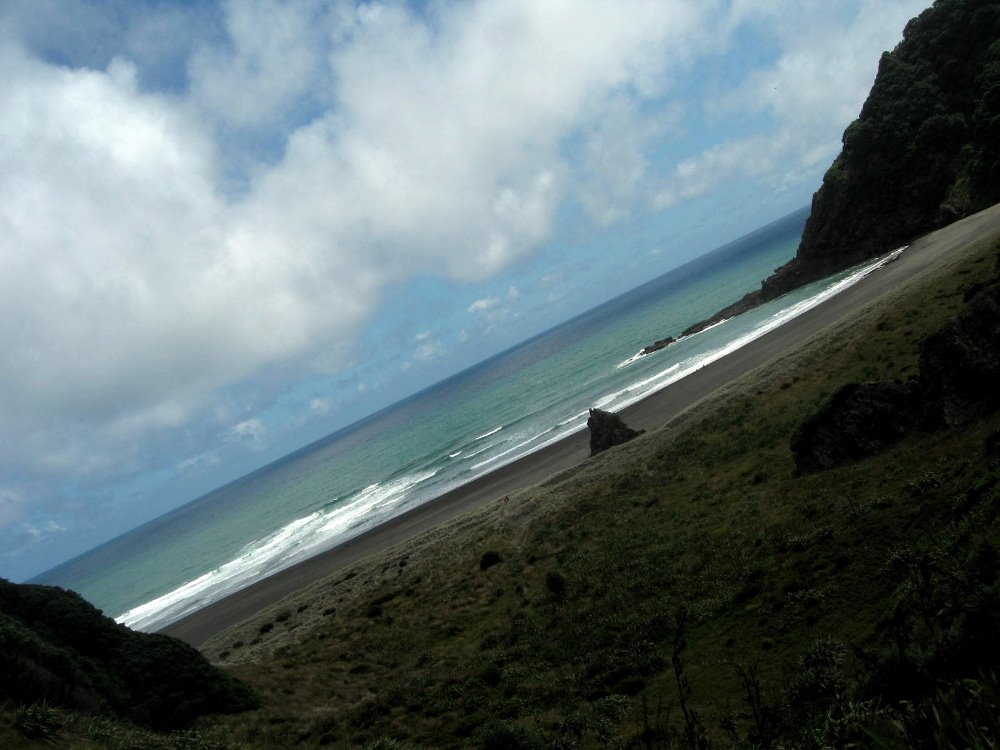
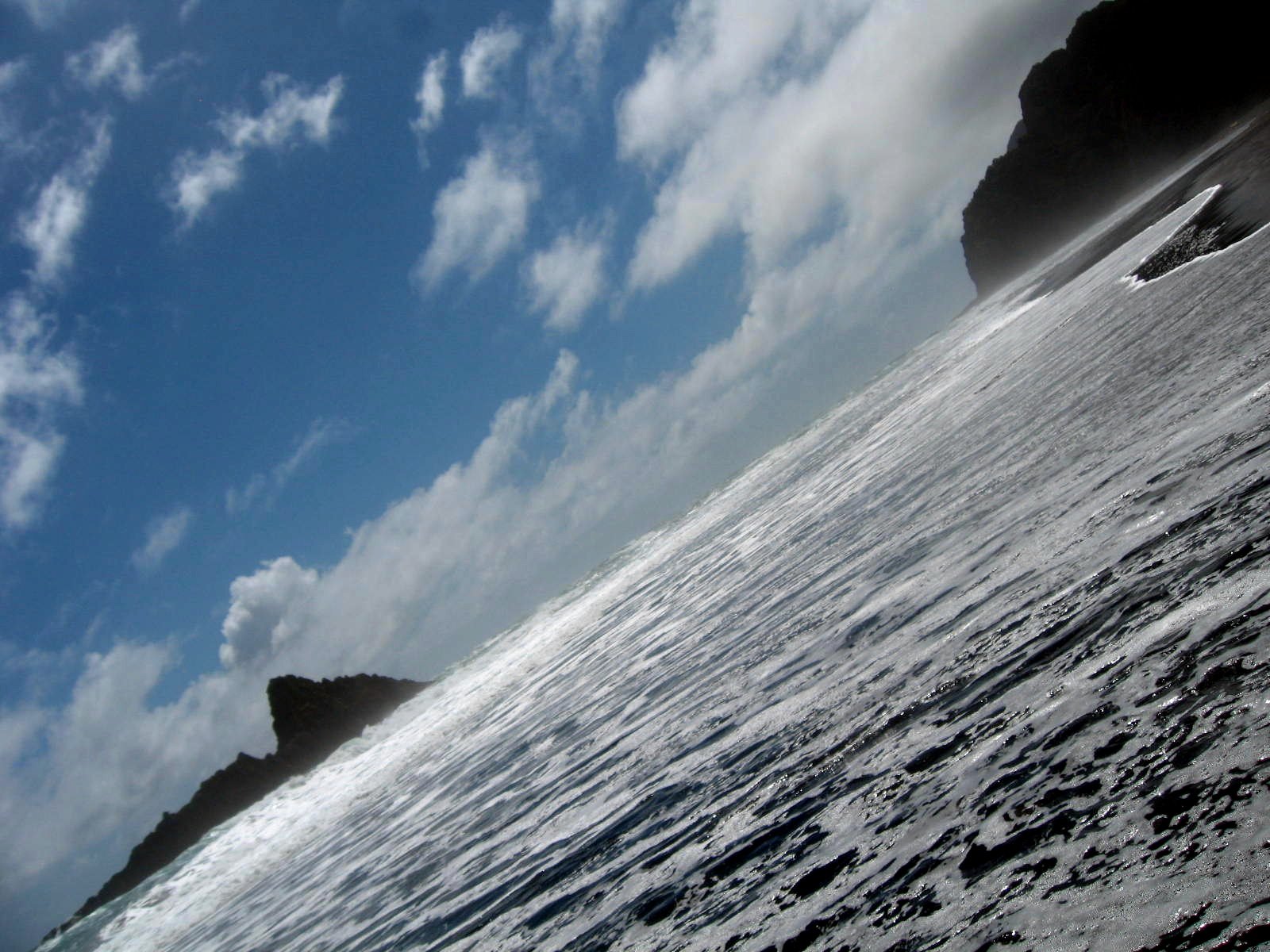 Remember The Piano, that great movie from the early 1990s? Karekare — above and below — is the beach on which the piano was deposited, and from which many of the famou marketing shots from that movie were taken. I’ve taken different angles, of course… NZ movie trivia: it was for The Piano that the very first Kiwi won an Oscar — Jane Campion for the screenplay (she also directed); she was followed a bit later that same evening by the second Kiwi, Anna Paquin as supporting actress.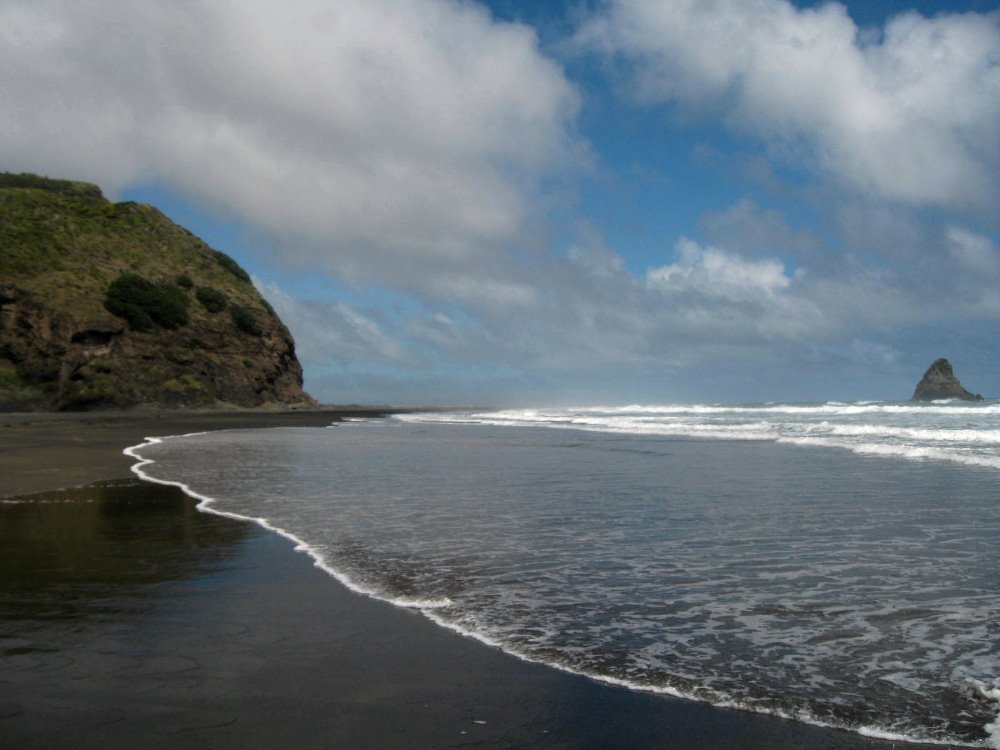


 (so much world, so little time....)