Coastal Flows & Highland Fields … from the Air


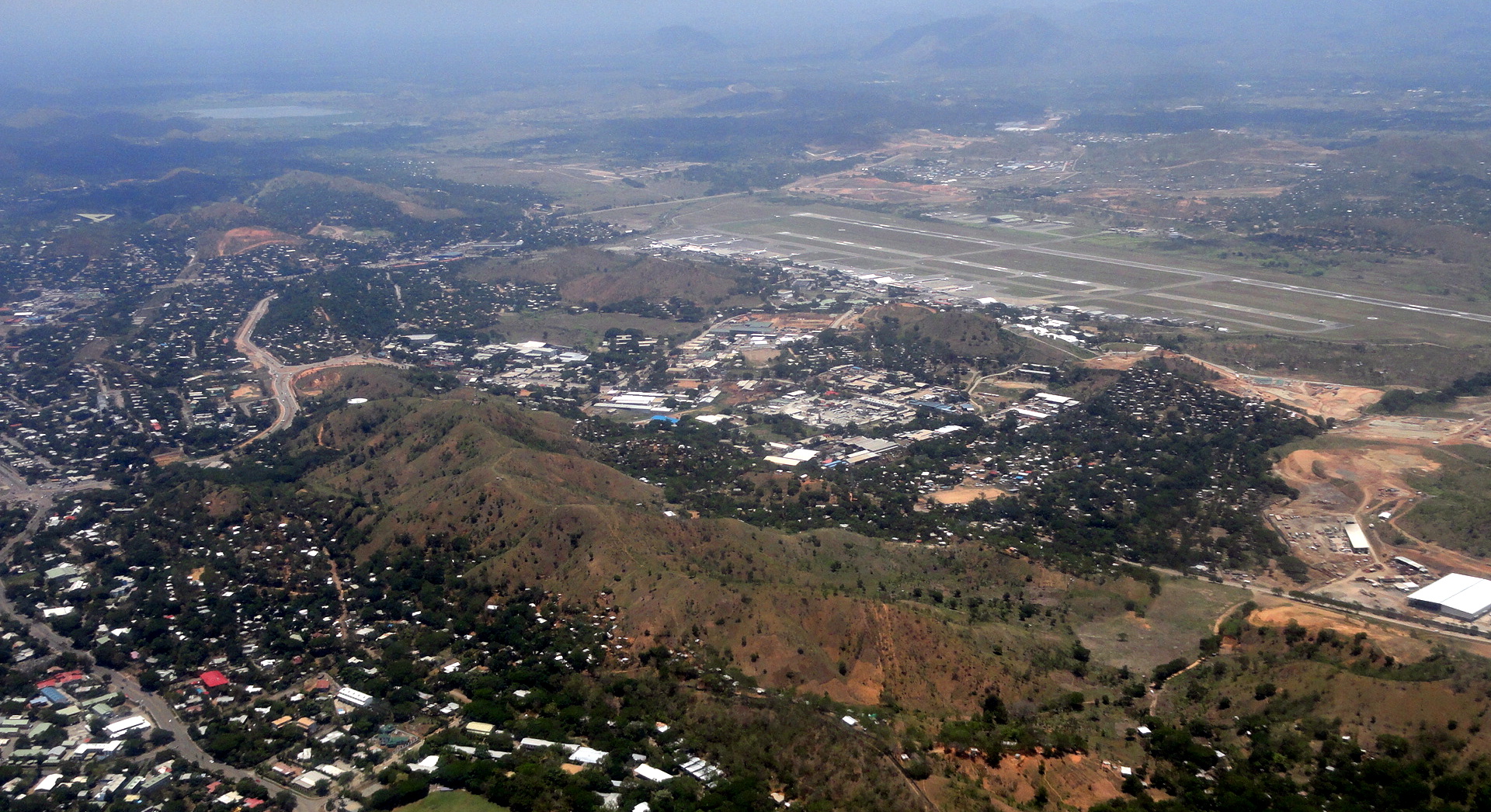



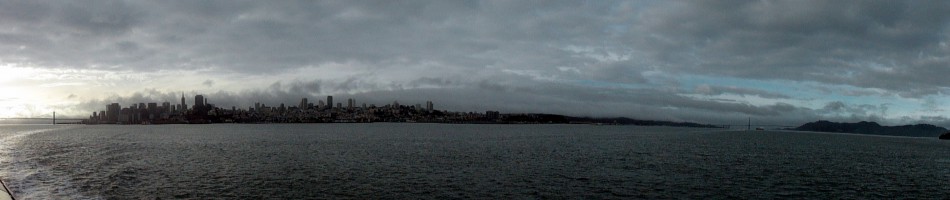
Flying from Port Moresby Jackson’s International Airport (the airstrip you see above) to Tari Airstrip in Hela Province (formerly part of Southern Highlands Province), in most seasons one takes off toward the water (into the wind; during dry season when the wind has turned to an offshore flow, one flies inland and that’s when I get to take aerial shots of the House of Parliament). This puts one over Bootless Bay, from whose surface I took the shots in this post: https://somuchworldsolittletime.wordpress.com/2013/09/26/cycles-seasons/ …just in case you’re curious enough about the geography and topography of the region to want to picture it all and how it fits together a bit better.
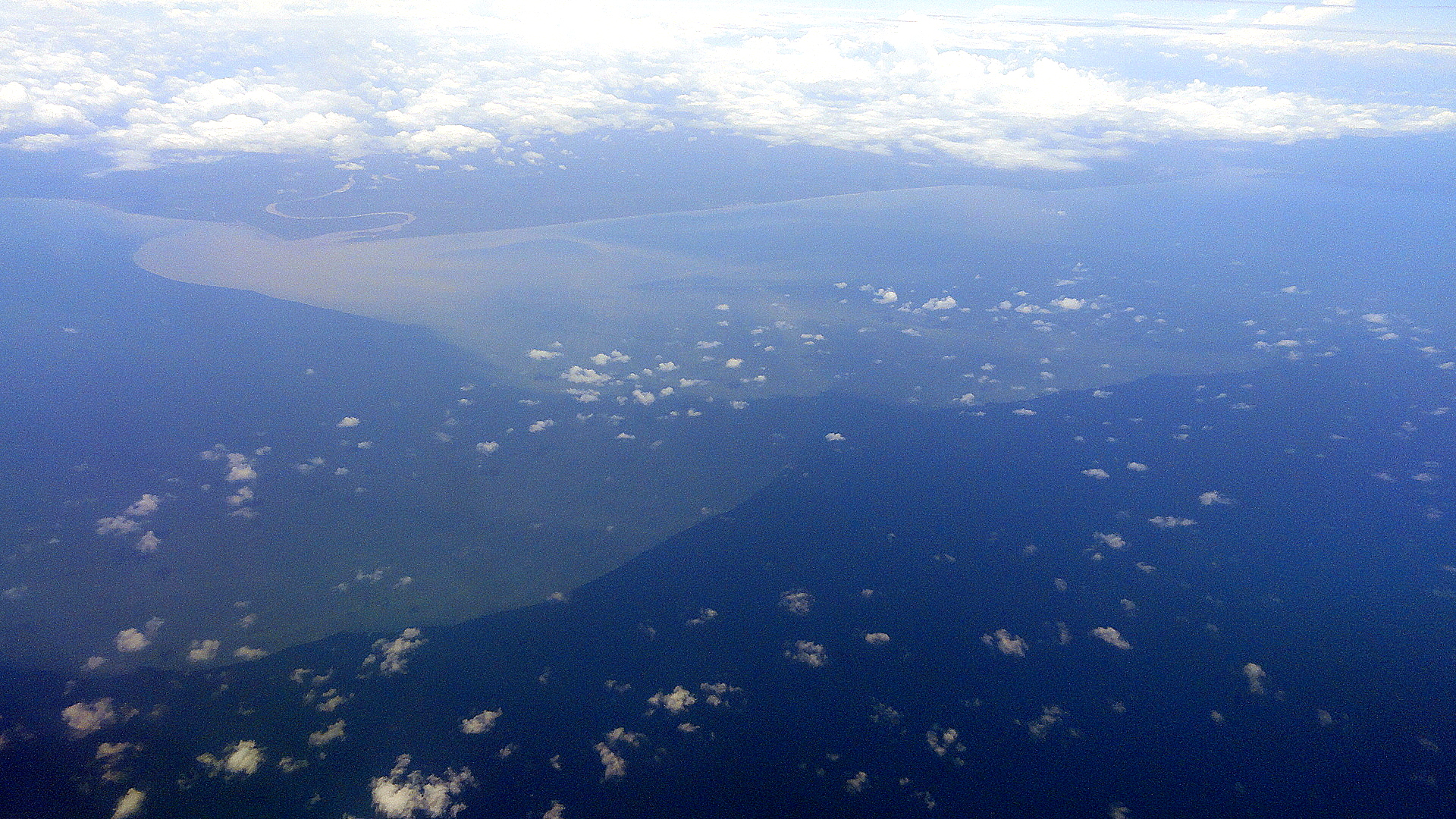
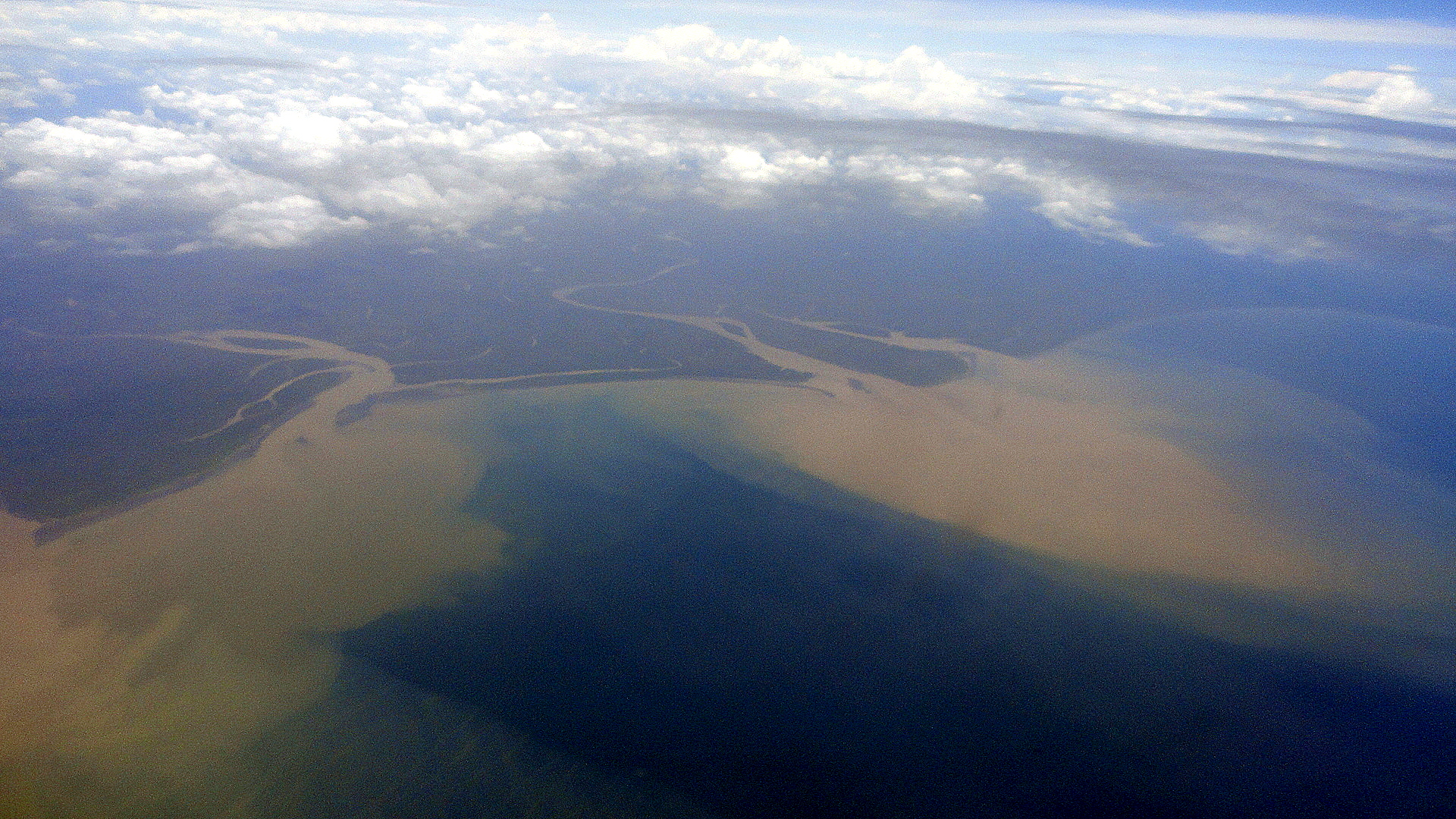
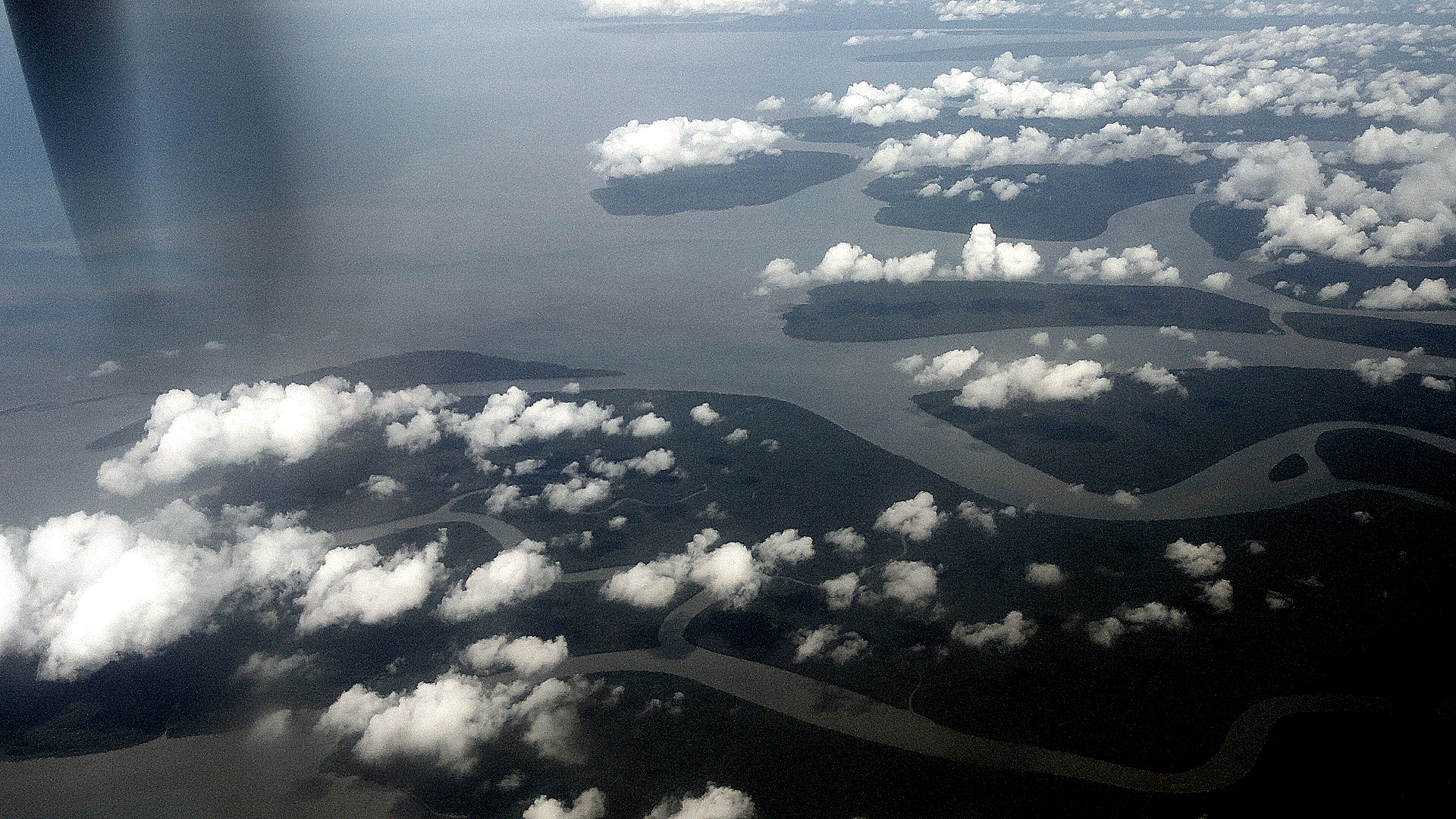
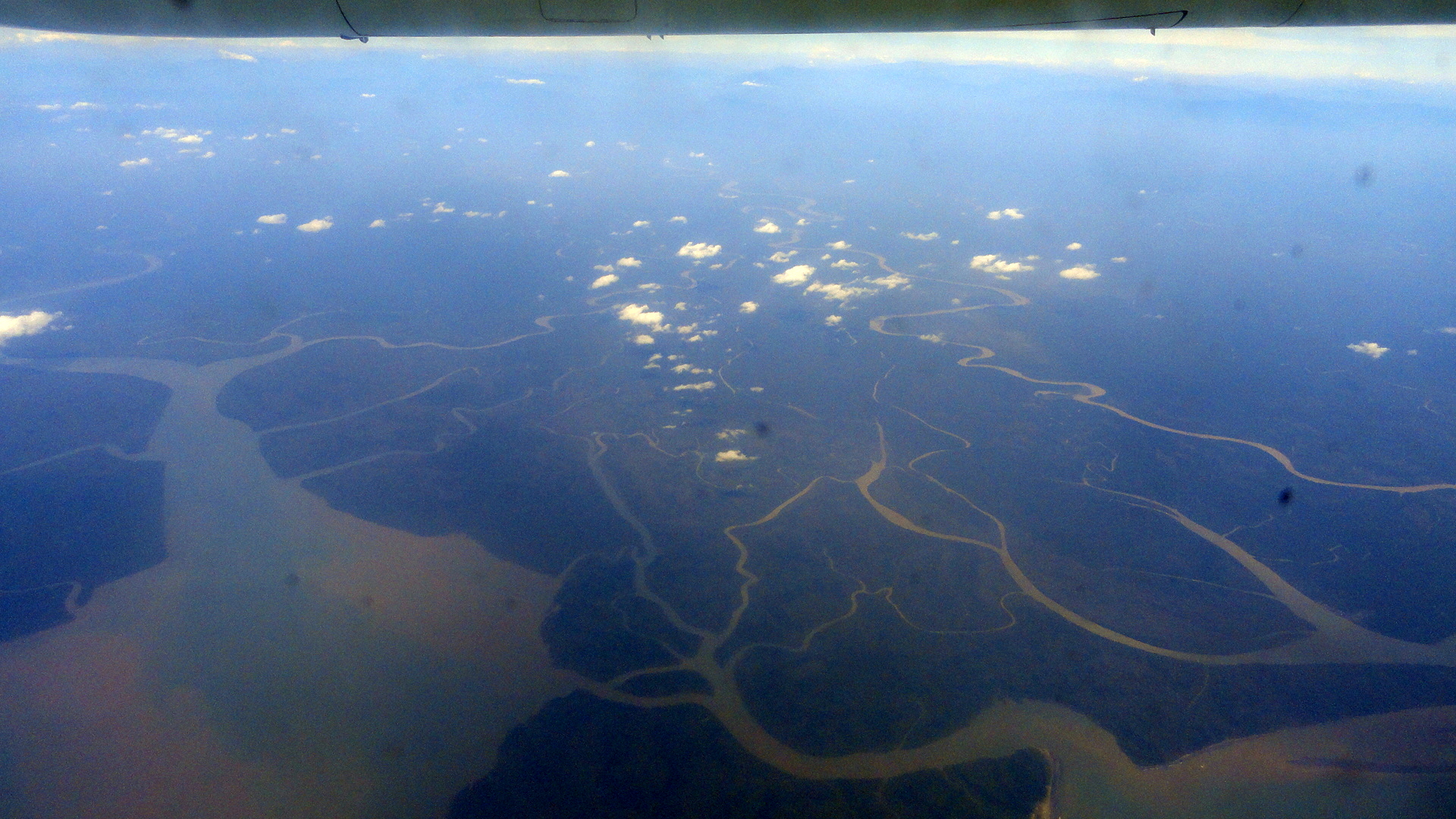
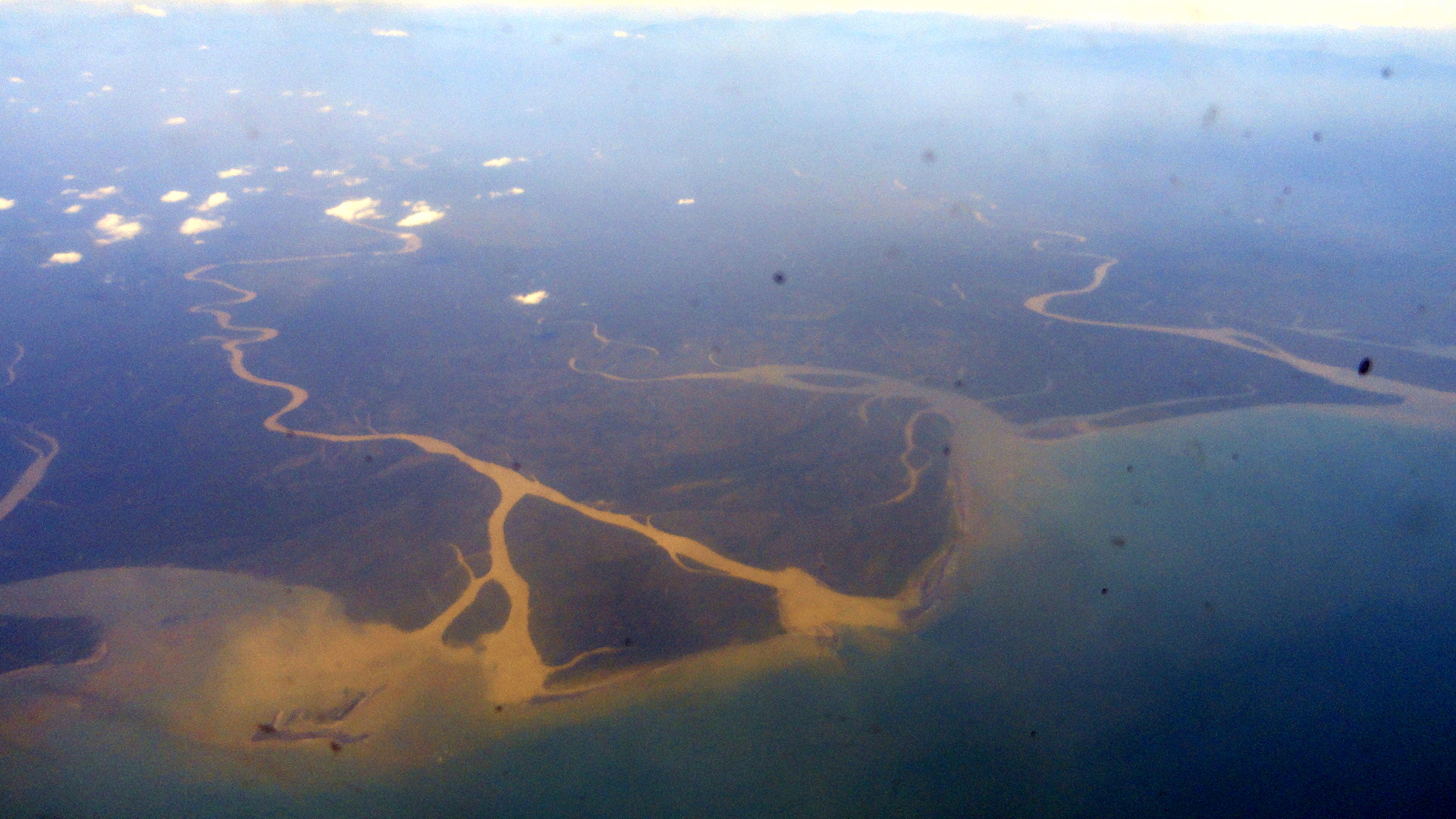
Thence, one turns right – sometimes offering excellent views of downtown POM if you’re seated on the right-hand side of the plane, though of late they’ve tended to cut directly over it which provides poor angles for good aerial shots (how rude, huh?…) – and heads along the coast of Central and Gulf Provinces until one cuts sharply inland to fly up into the Highlands and Tari Airstrip. Though Western Province — with the mighty Fly River — or East Sepik Province (with the mighty Sepik, previously showcased for you here: https://somuchworldsolittletime.wordpress.com/2012/08/06/along-the-sepik-river/) contain the estuaries of PNG’s mightiest and best-loved rivers, still I find the coastal estuaries of Central & Gulf fascinating to view from above. I find myself thinking about sedimentation, rising sea levels, the fertile highlands and all that soil slowly washing out to sea, and all the little fishies which I so loved viewing (you know the link…Neutrally Buoyant is what I called it…) being buried in waterborne mud.
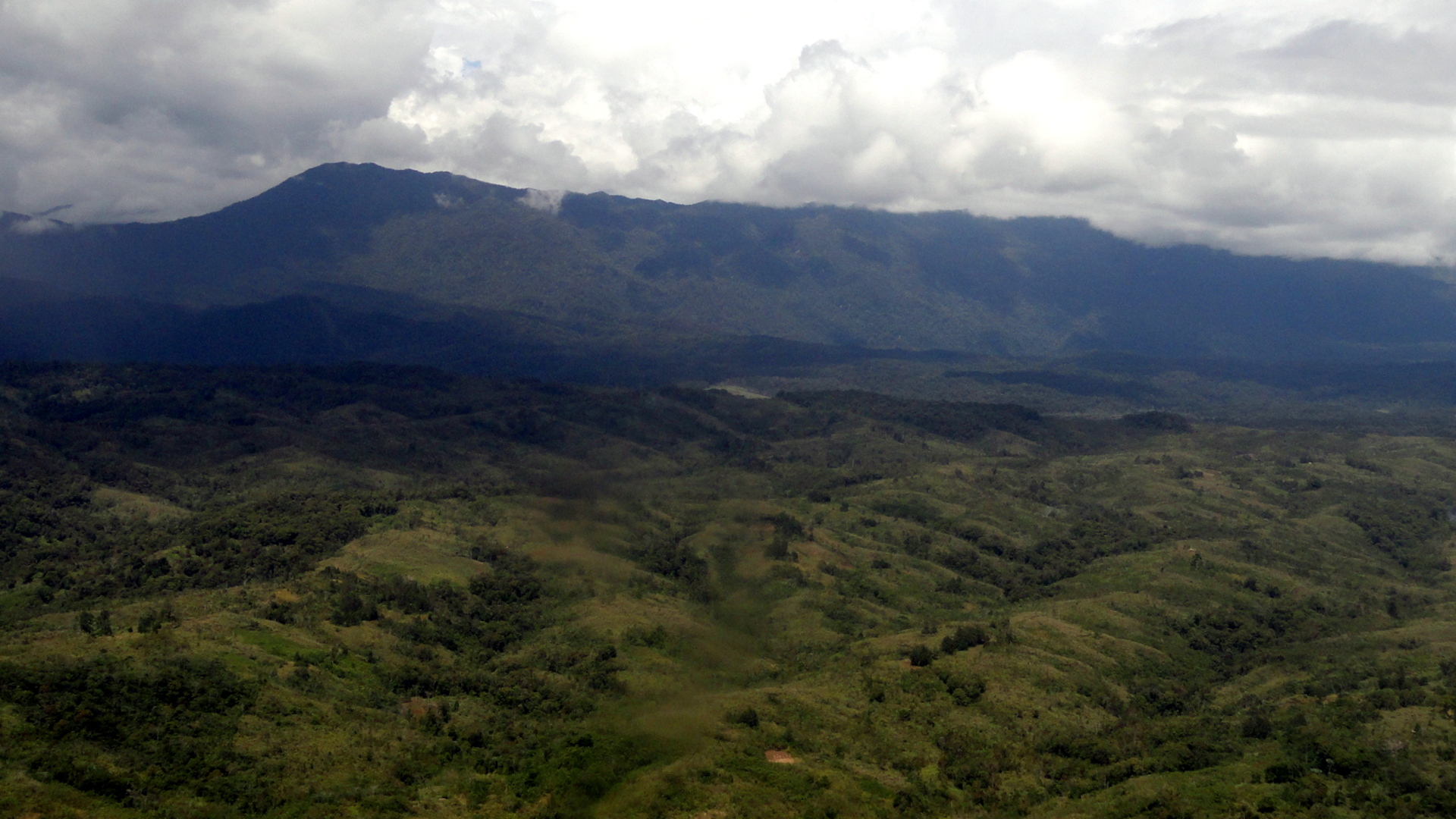
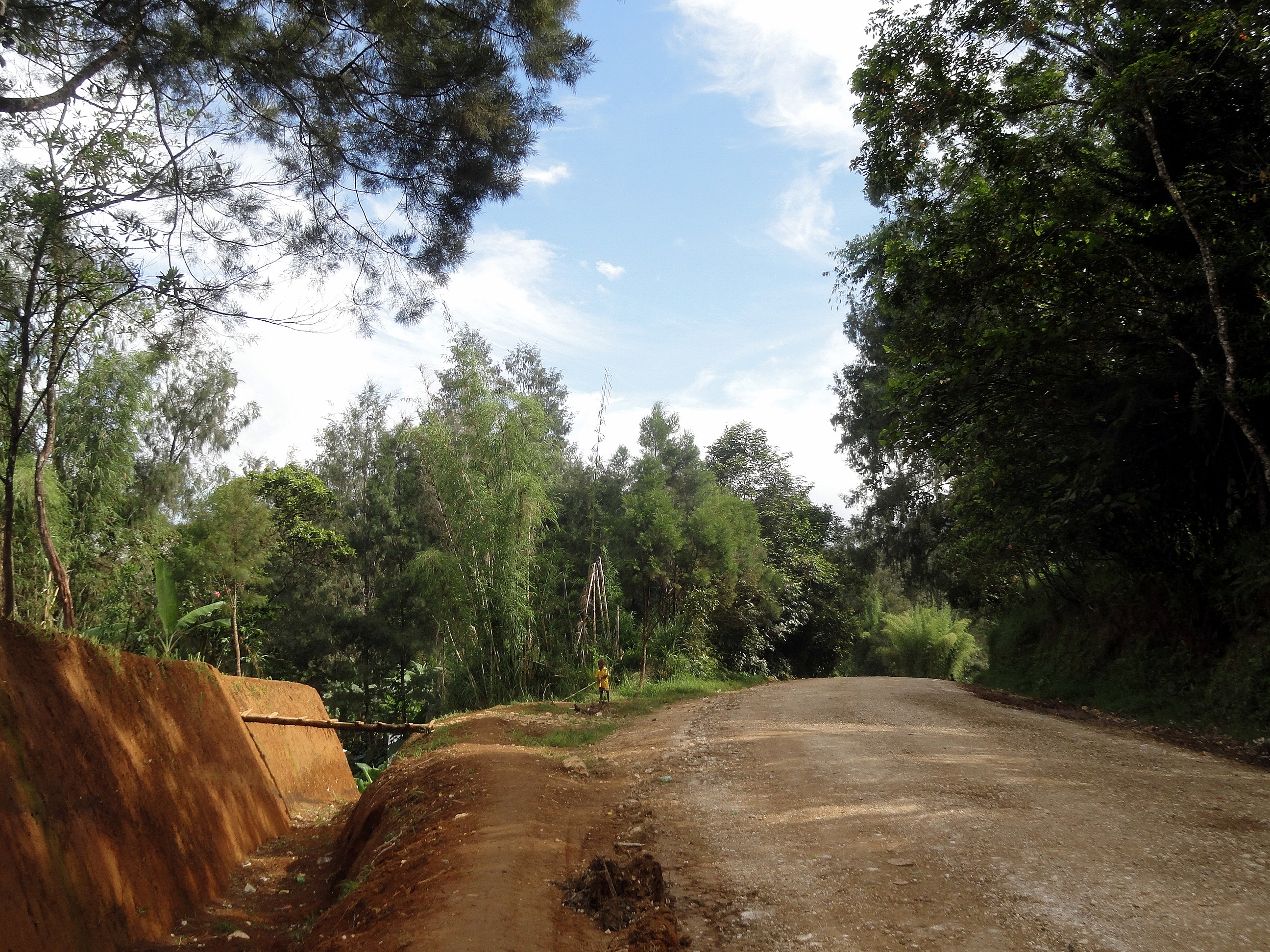
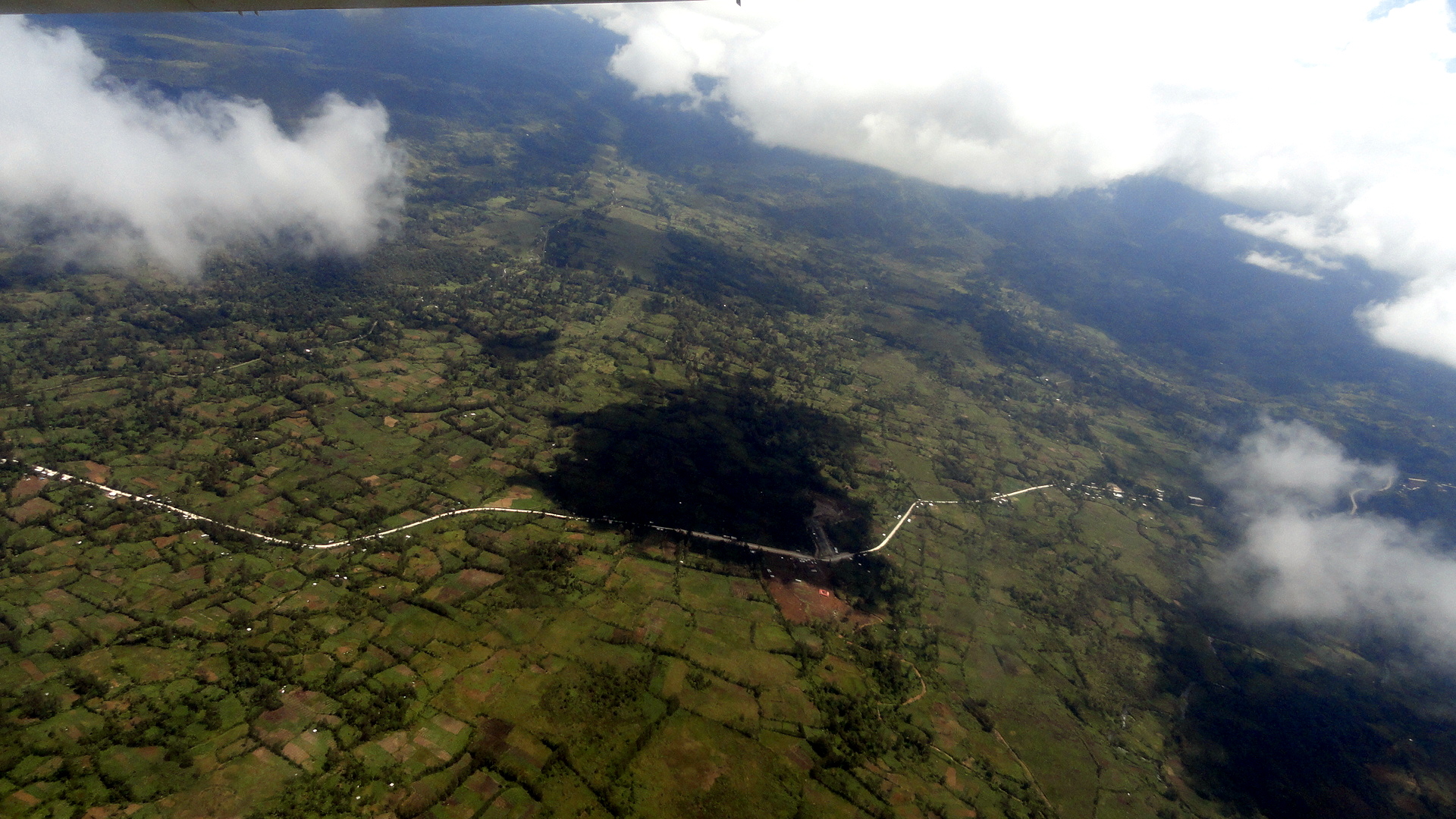
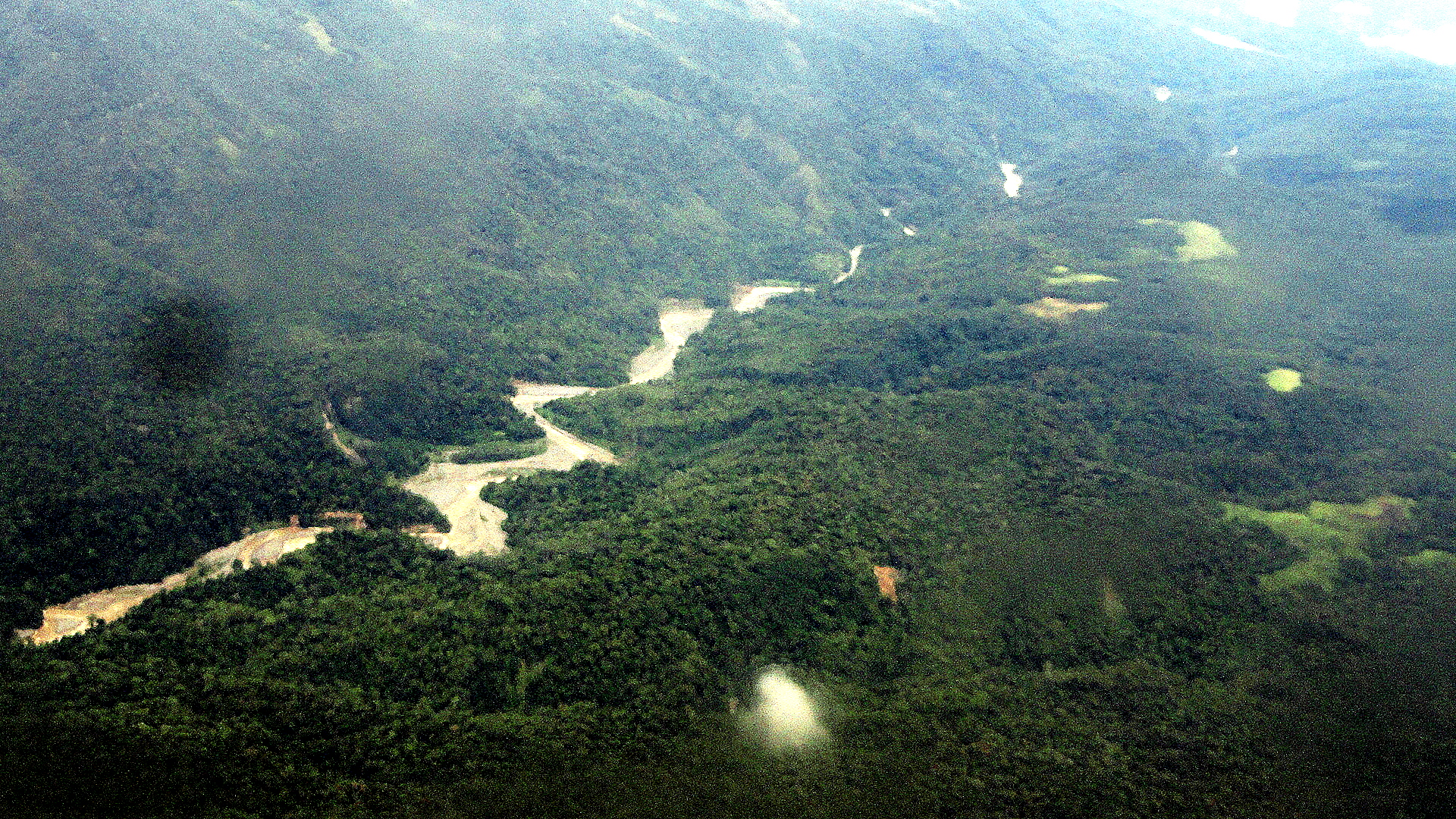
So anyway, in this post I take you on that journey as I myself went a few weeks ago – pretty much in order, from POM to the highlands. In the shots below, look for the little bumpy nubs in the landscape. Though Hela is the only Highlands region I’ve visited, I gather it is not unlike other highlands regions in that it’s both rural-agricultural by nature, and quite densely populated. As you’ll see, there are few roads but it’s in by no means wilderness. It’s highly worked landscape which has been shaped and tended by humans for 50,000 years or more. (Cultivation of taro many thousand years ago made PNG one of those places in the world where humans independently shifted from fully hunter-gatherer to at least partially agrarian.) Sweet potato, which came here via sea routes from South America several hundred years ago, is the primary crop — and I’ve tried to catch a few shots where you can readily see the nubs and bumps of a sweet-potato crop being cultivated. They are the dietary staple for most residents of the Highlands, so far as I can tell, and if you look closely in some of the shots below you will realize how omnipresent they are. Keep in mind these are nearly all Huli familial compounds, tucked away behind the lovely, well-maintained earthen ditches and walls which characterize the Huli landscape…and which, I’m told, are not so common in other Highlands regions. (If you’re not sure what I’m talking about, look at many of my past Tari posts, such as: https://somuchworldsolittletime.com/wp-content/uploads/2012/08/huli-walled-compounds-on-highlands-hwy.jpg
I figure that’s enough text, and enough of a mix of topography, ethnography and photography for one weekend. We’ve just finished a major conference here, and I’m entering the last phase of my assignment here – which brings on feelings of anticipatory nostalgia since my experiences and interactions with colleagues and communities have been so very rich here. If anyone’s curious, I’ll provide two links to coverage of the conference, the first audio (yours truly) and the other textual (the Guardian):
http://www.theguardian.com/society/2013/nov/26/papua-new-guinea-takes-steps-against-abuse
Enjoy the photos and any of the other links you choose to view. Peace, out. 🙂
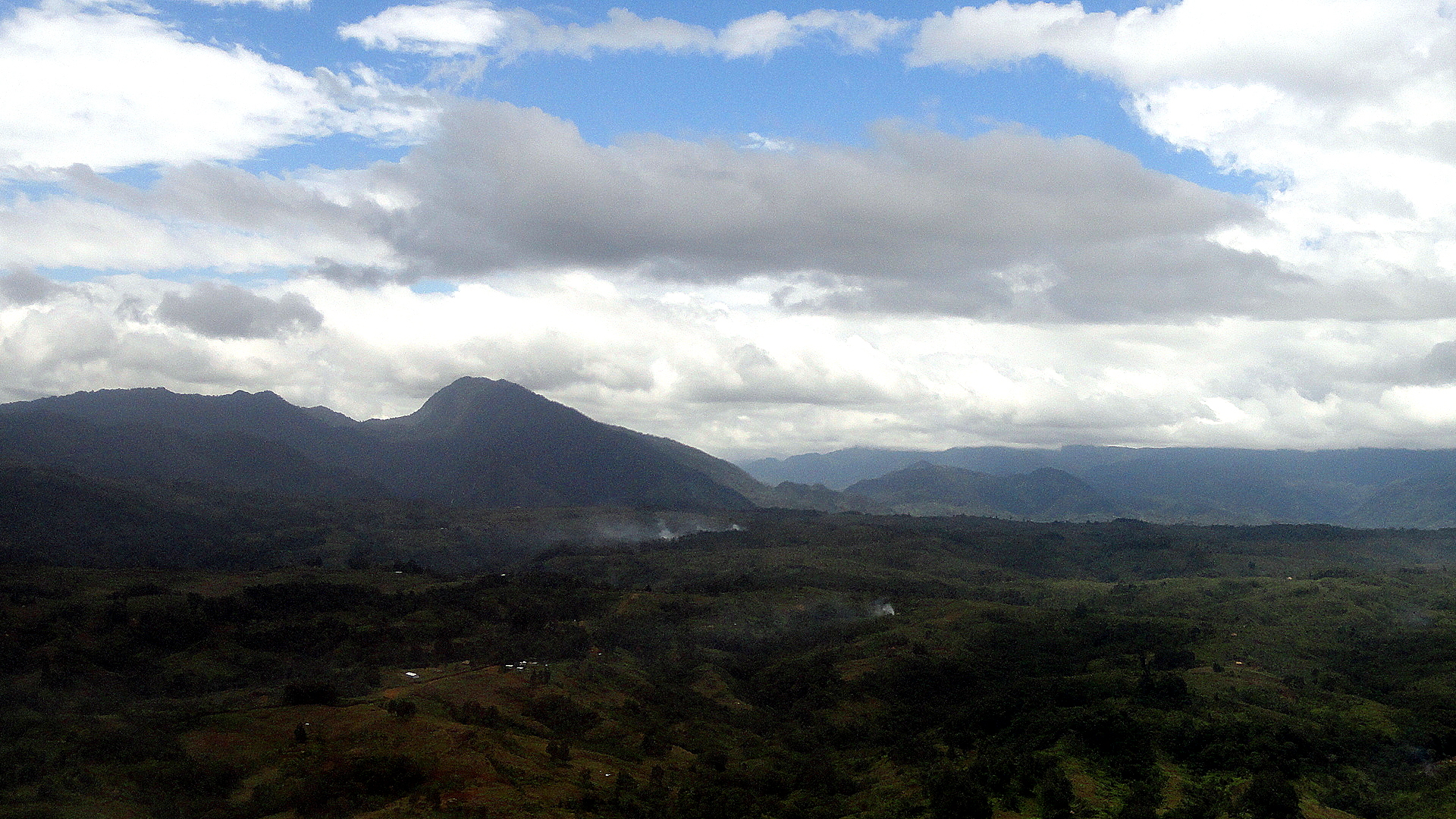
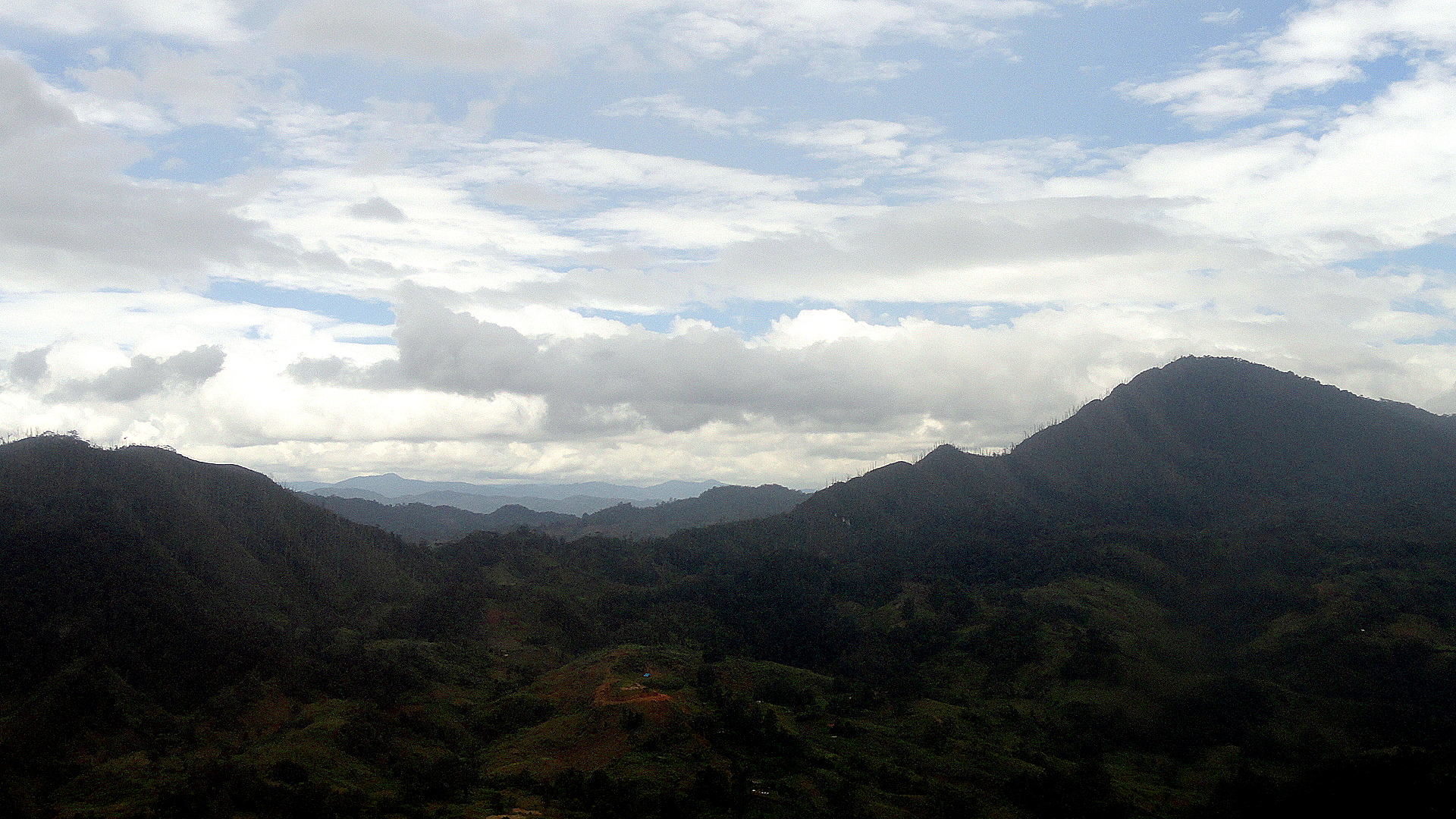

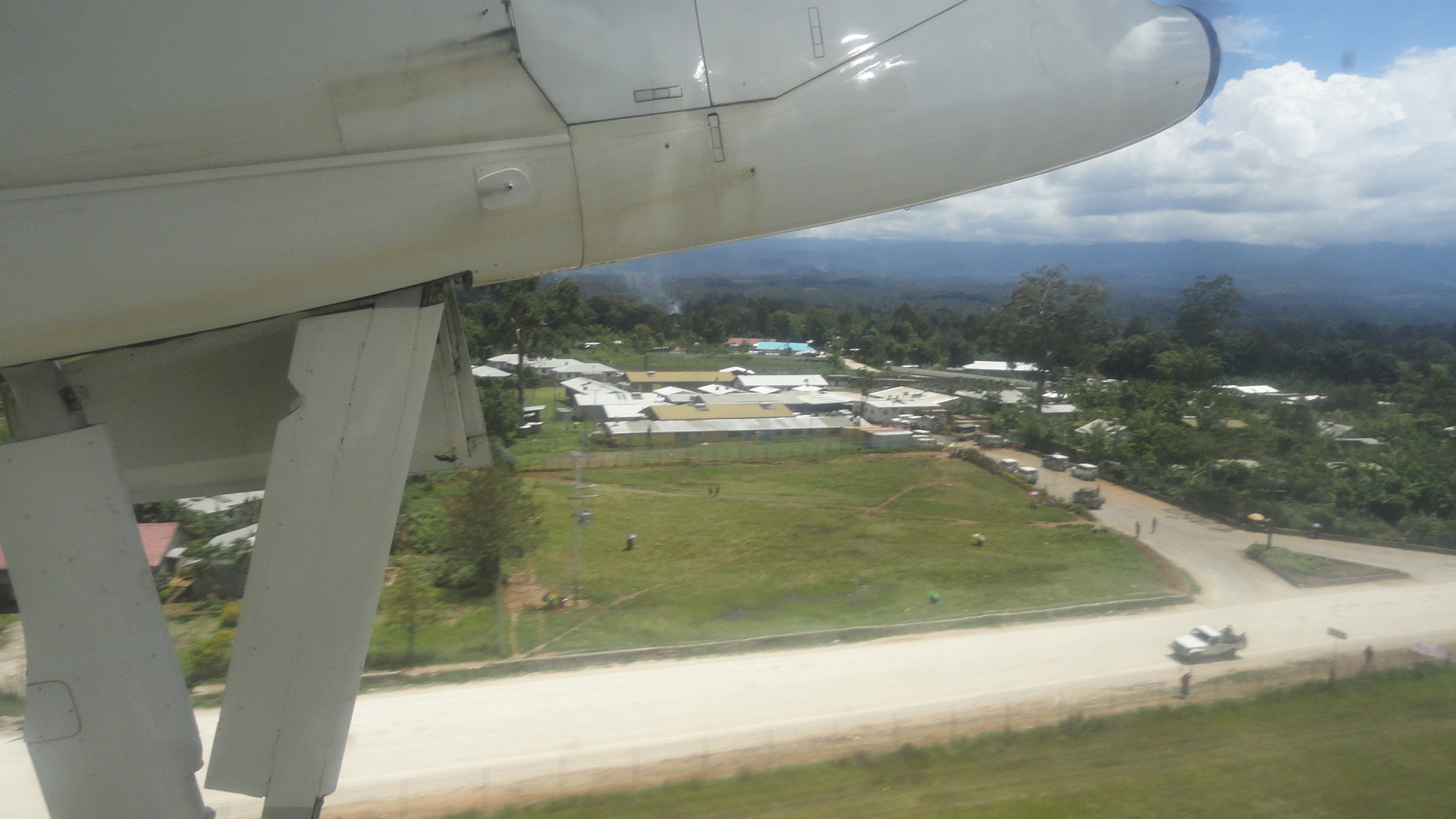
…btw, that’s sort of the entrance to the hospital as seen from a plane taking off (most of the hospital is to left of the frame).

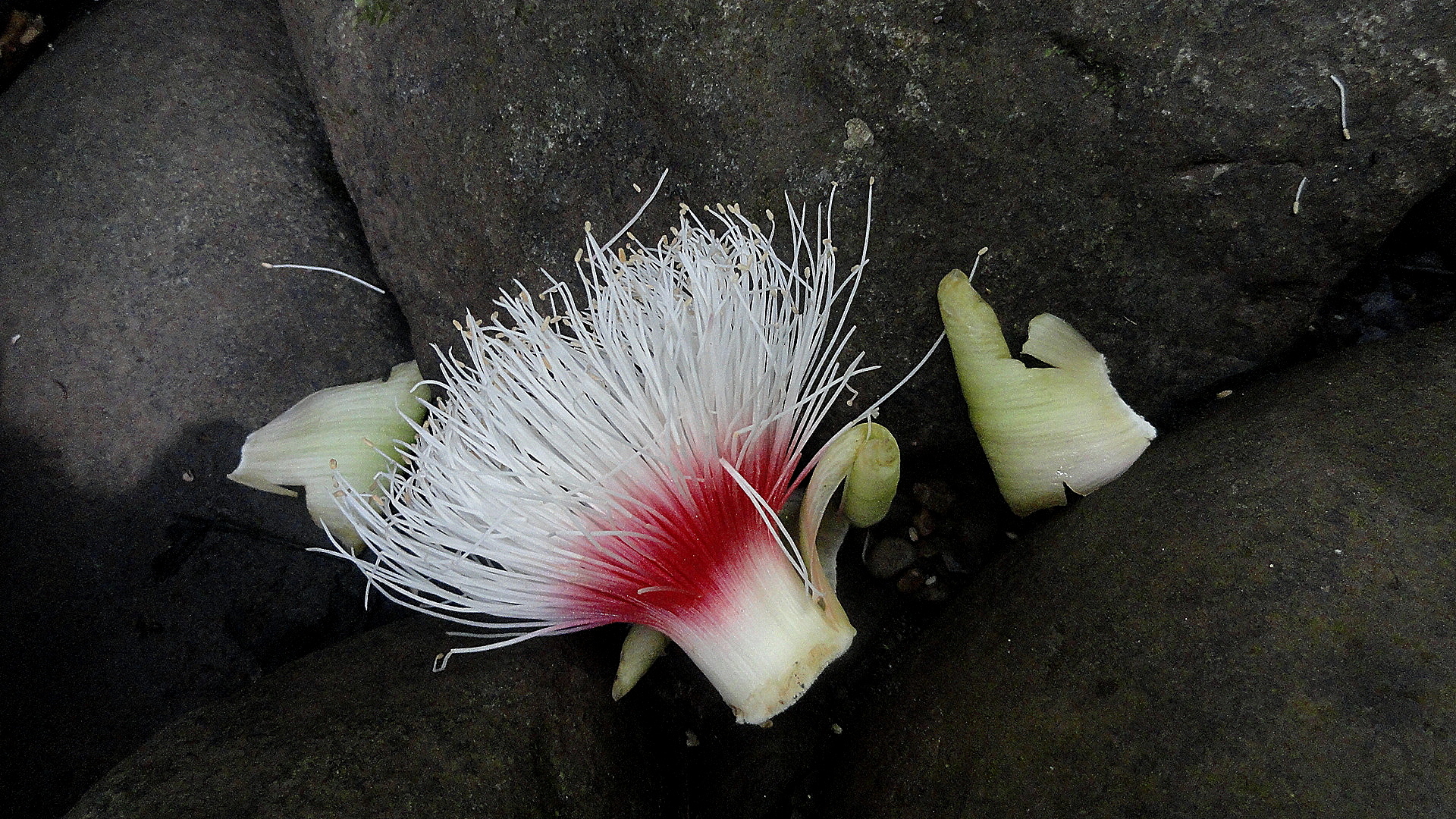
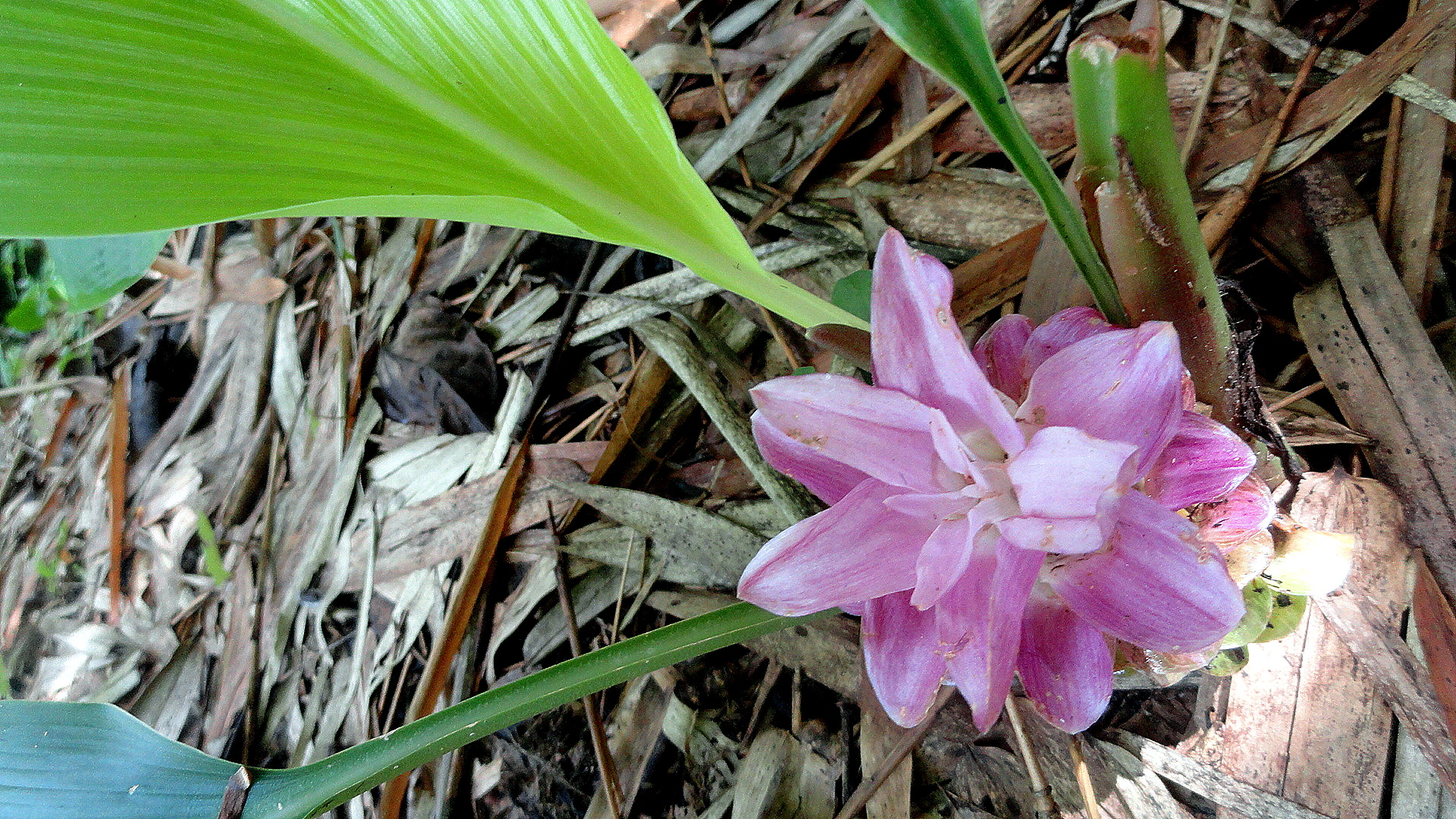
Beauty, Big and Small



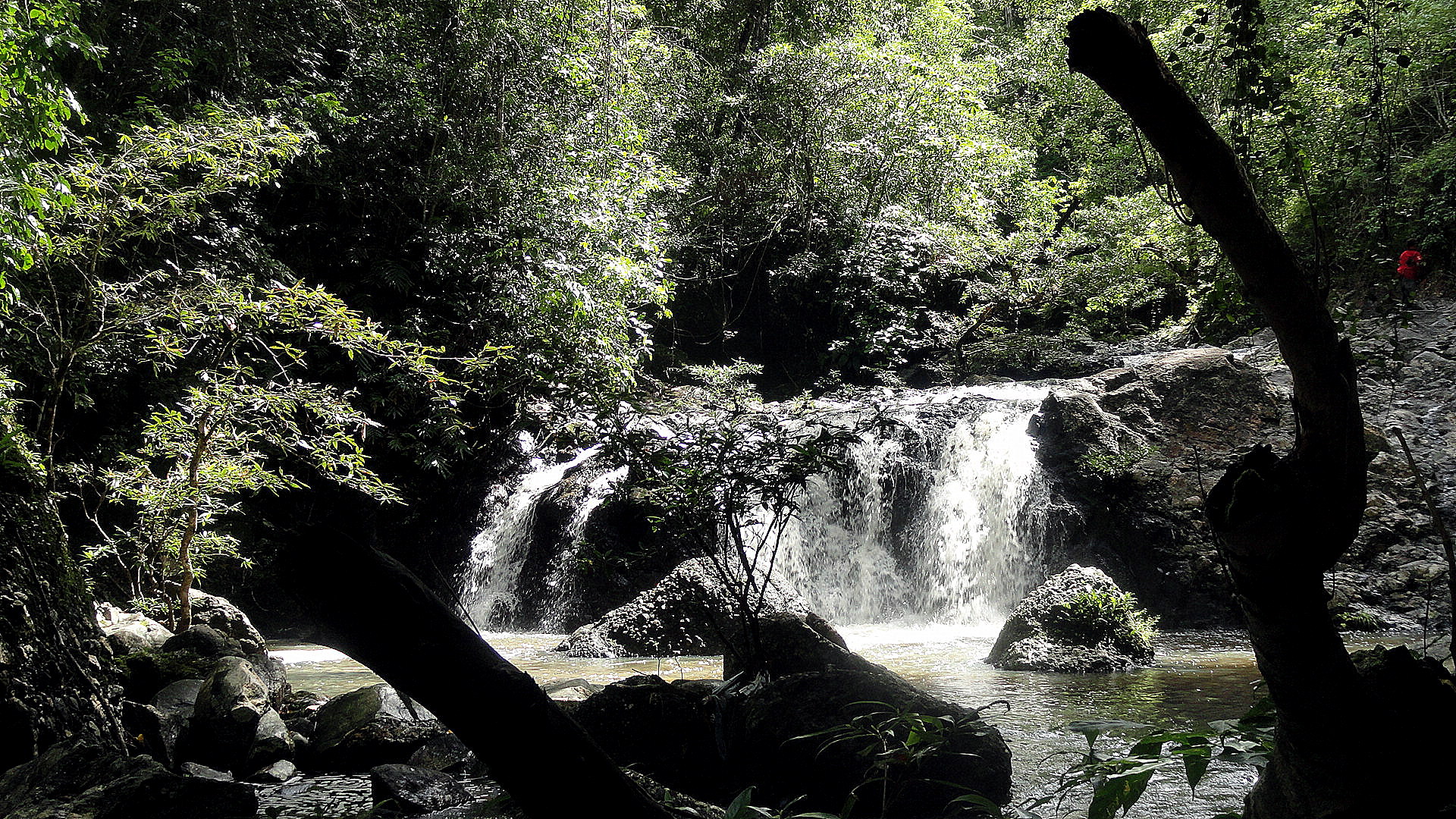
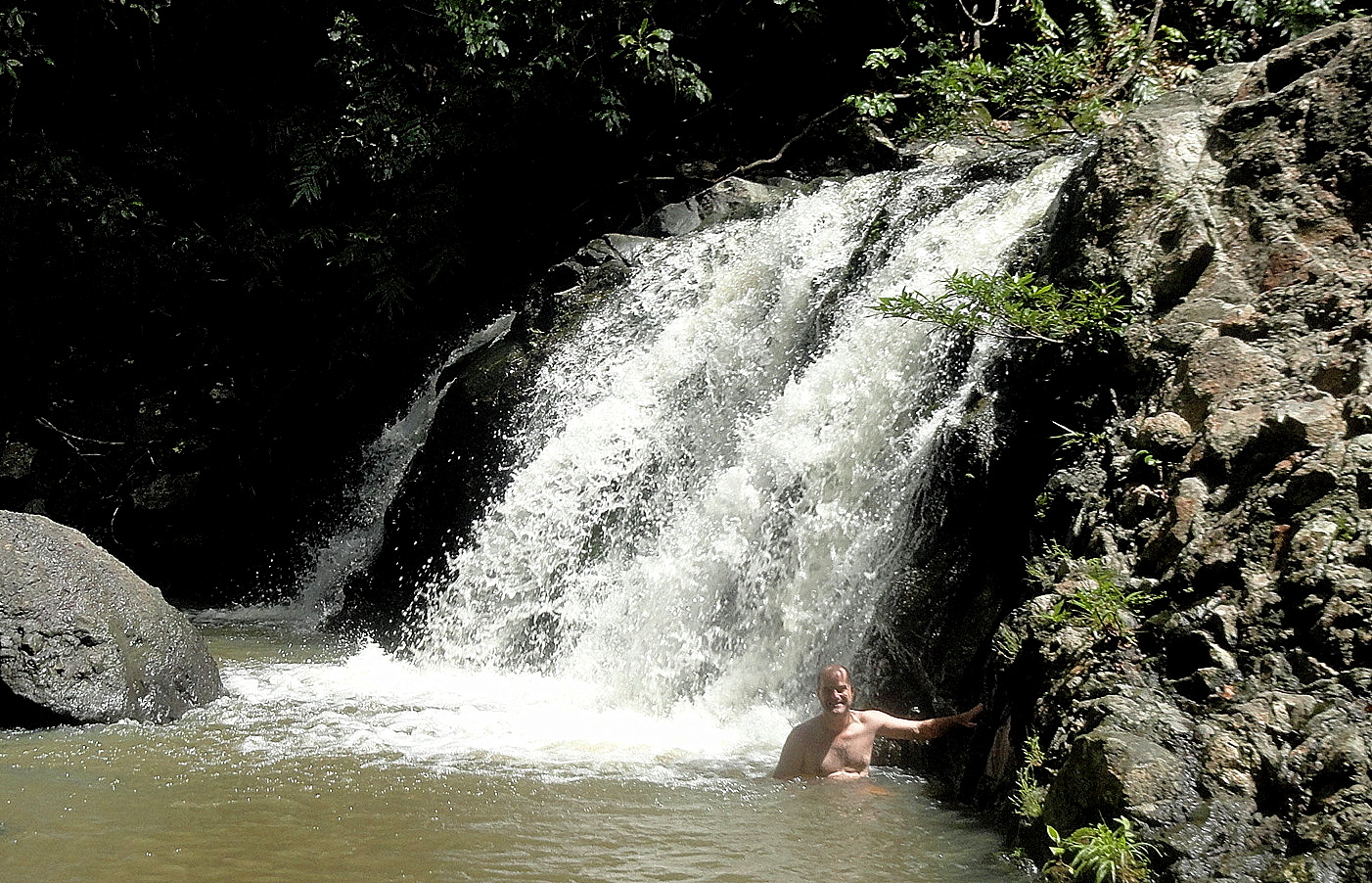
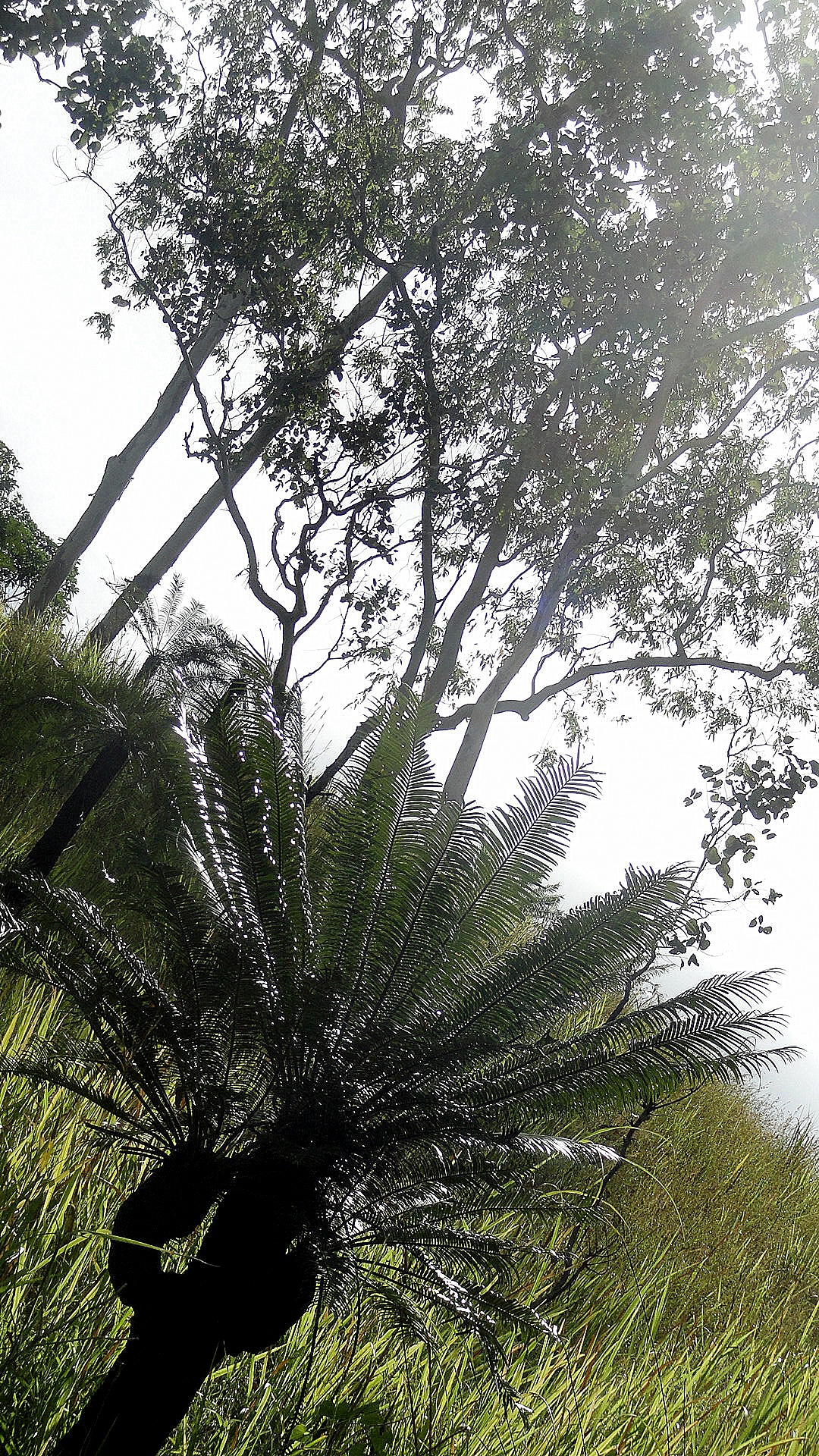
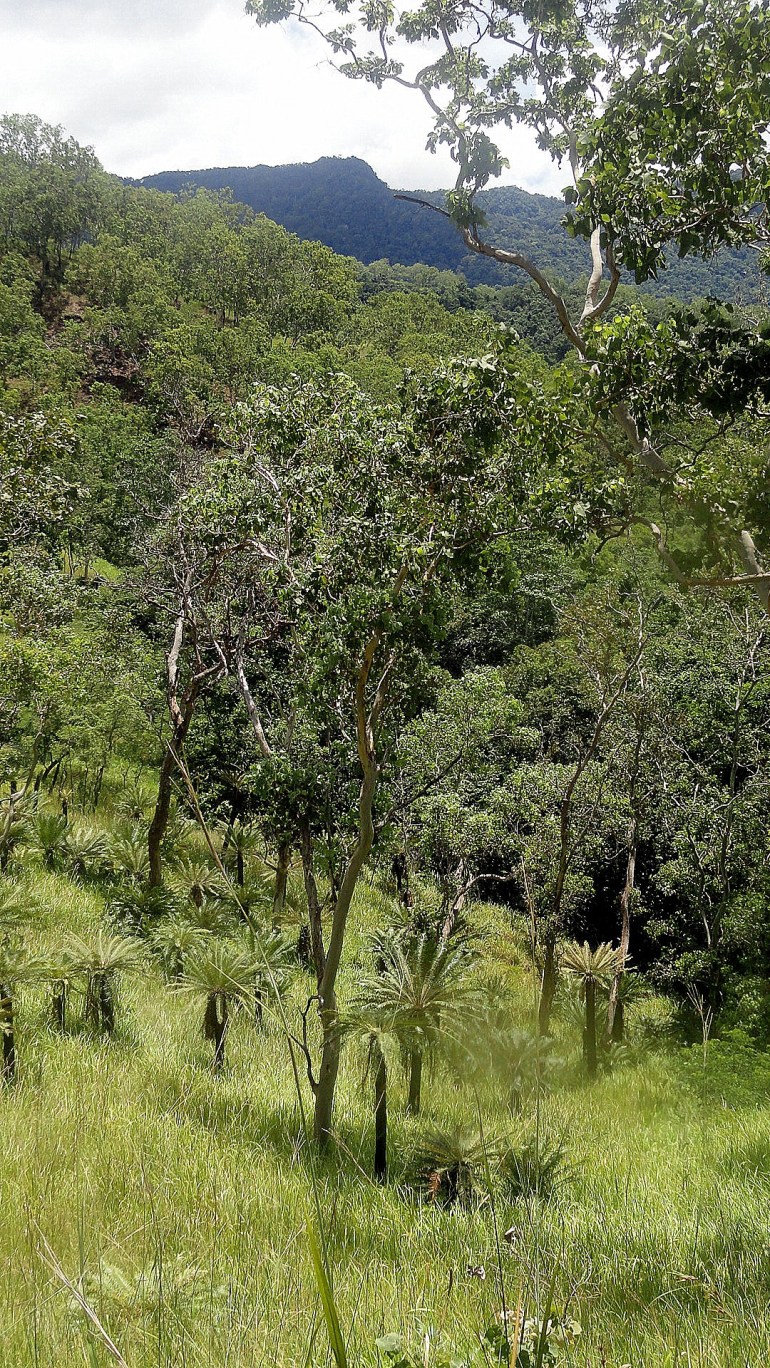
so smw, slt has been back in pom for precisely six weeks now, since the end of the vacation from which those lovely last photos of coastal fnq originated. thanks to all who liked and commented on that post – i seem to be picking up some readers who didn’t know me back when: i’m delighted that my pics and ramblings appeal to you. in this post – mostly photos from a wonderful hike just today, up a mountain to a swimmable many-tiered waterfall, past a mini-copper mine (we’re talking a watery mosquito-breeding hole in the side of a hill: don’t get excited), and back through grassy fields and hillsides. you’ll notice that rainy season has returned to pom, borne on the change of wind direction: which made possible the aerial photos of downtown and suburban-sprawly port moresby, including the majestic and rather dramatic house of parliament (a short walk, actually, from where i sit as i post this…), since the planes now land and take off in the opposite direction, northbound rather than southbound. honestly: i’ve never carried my camera aboard so many flights as i do in png, nor been as glad so often that i have it with me. i will write nothing more – you may have heard some distressing things in the news about png lately; those exist, as they do for the US and any other place where humans gather; but so do very many people, places and things of beauty. i’m choosing to focus on those, at the moment. enjoy.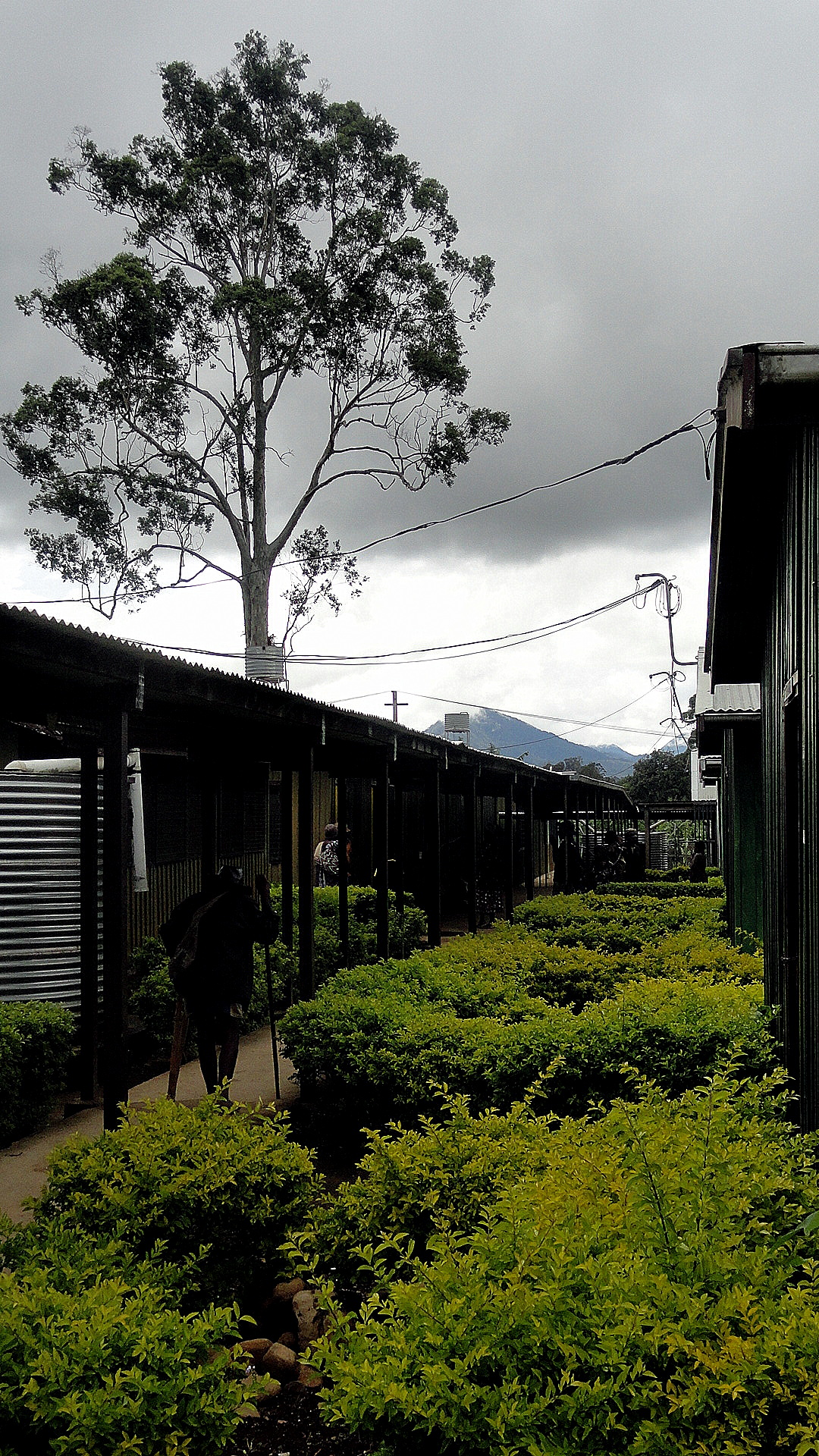
…i was also in tari this week on a visit; the head decoration you see up above in the fourth photo is one of our colleagues there: many huli men routinely adorn their heads or their hats with leaves and other such accessories, which when you first arrive from the streets of LA or Paris seems unusual, but it really grows on you. the other shots above and below are from tari hospital and surroundings.





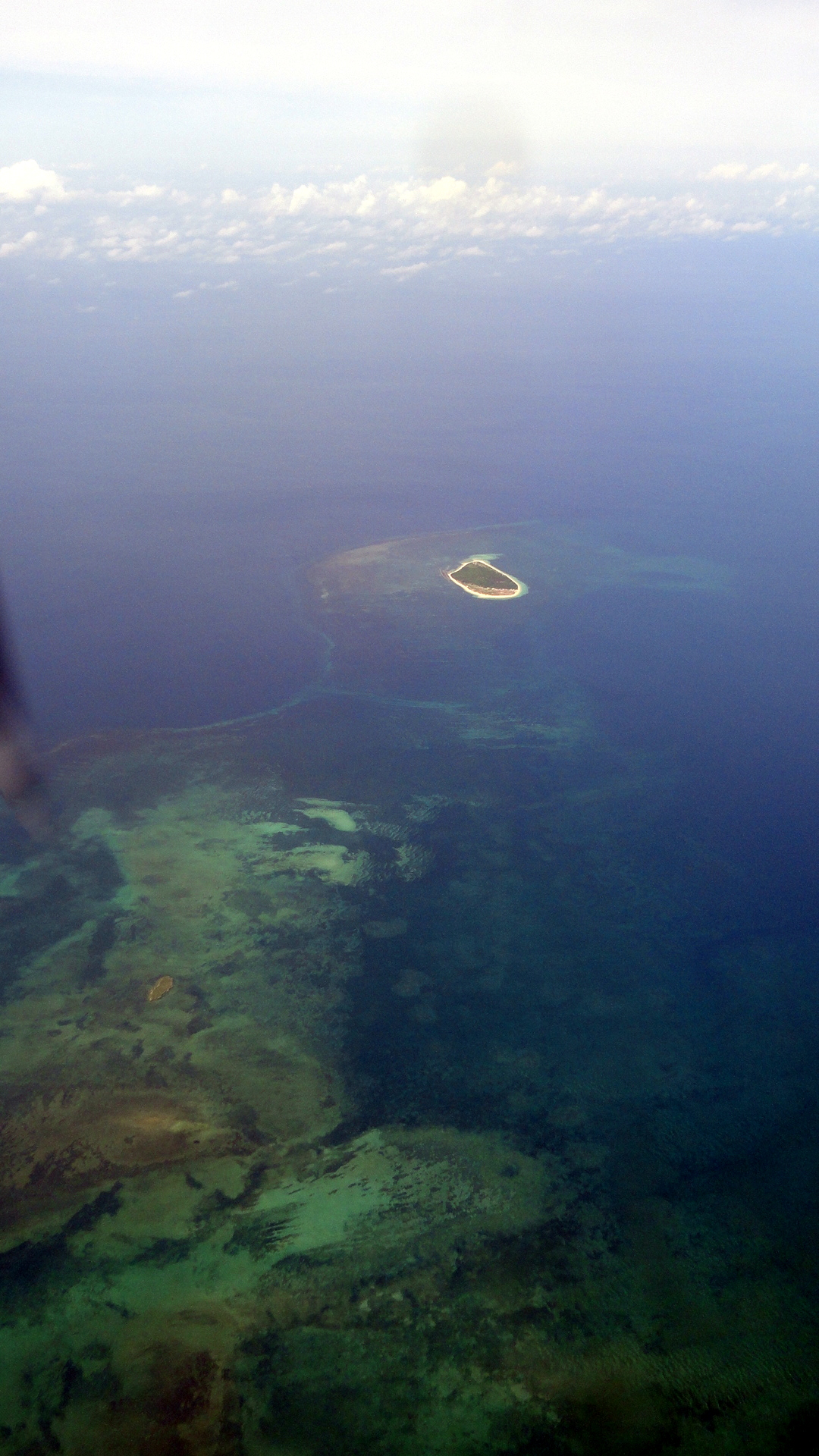
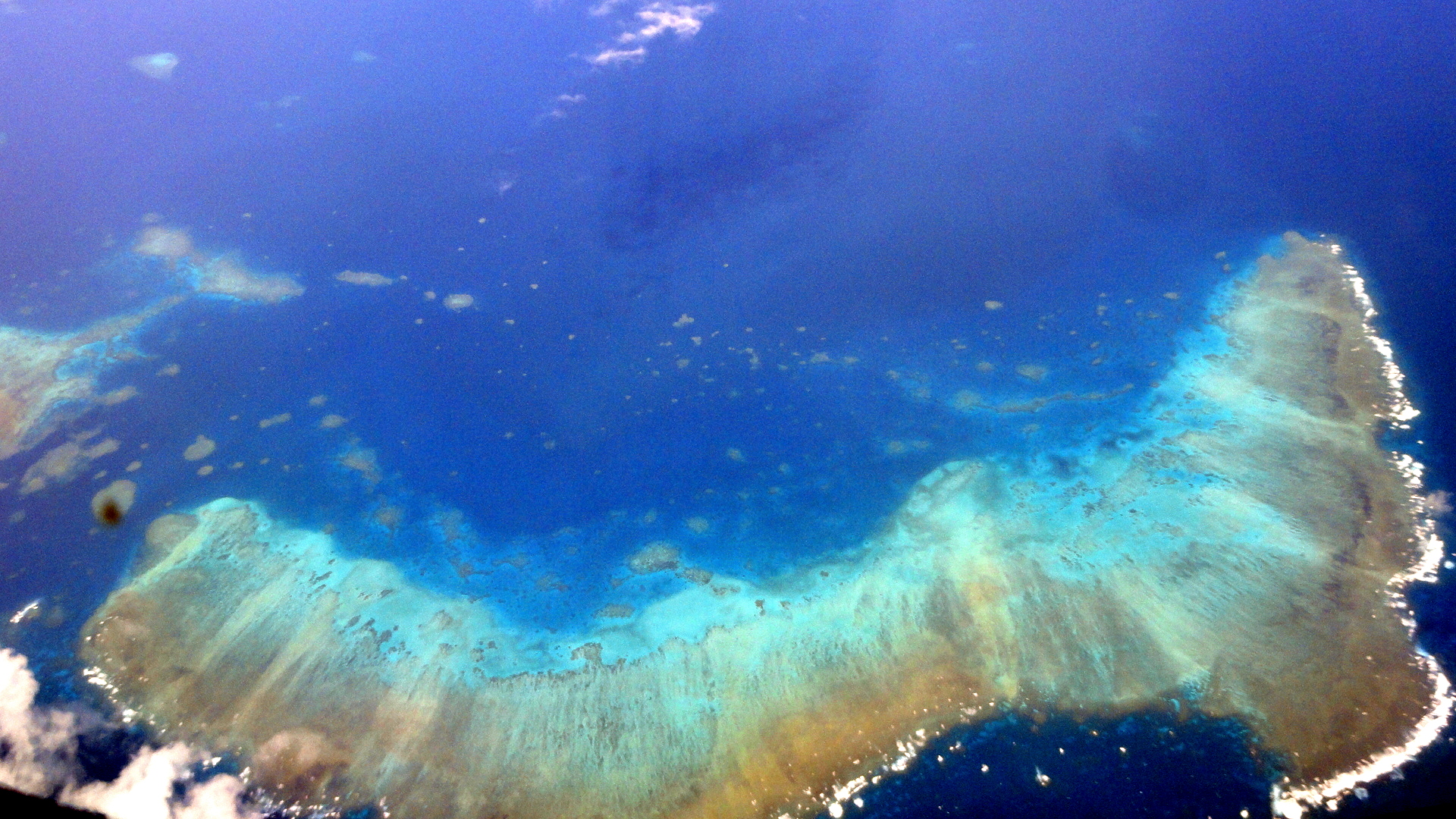
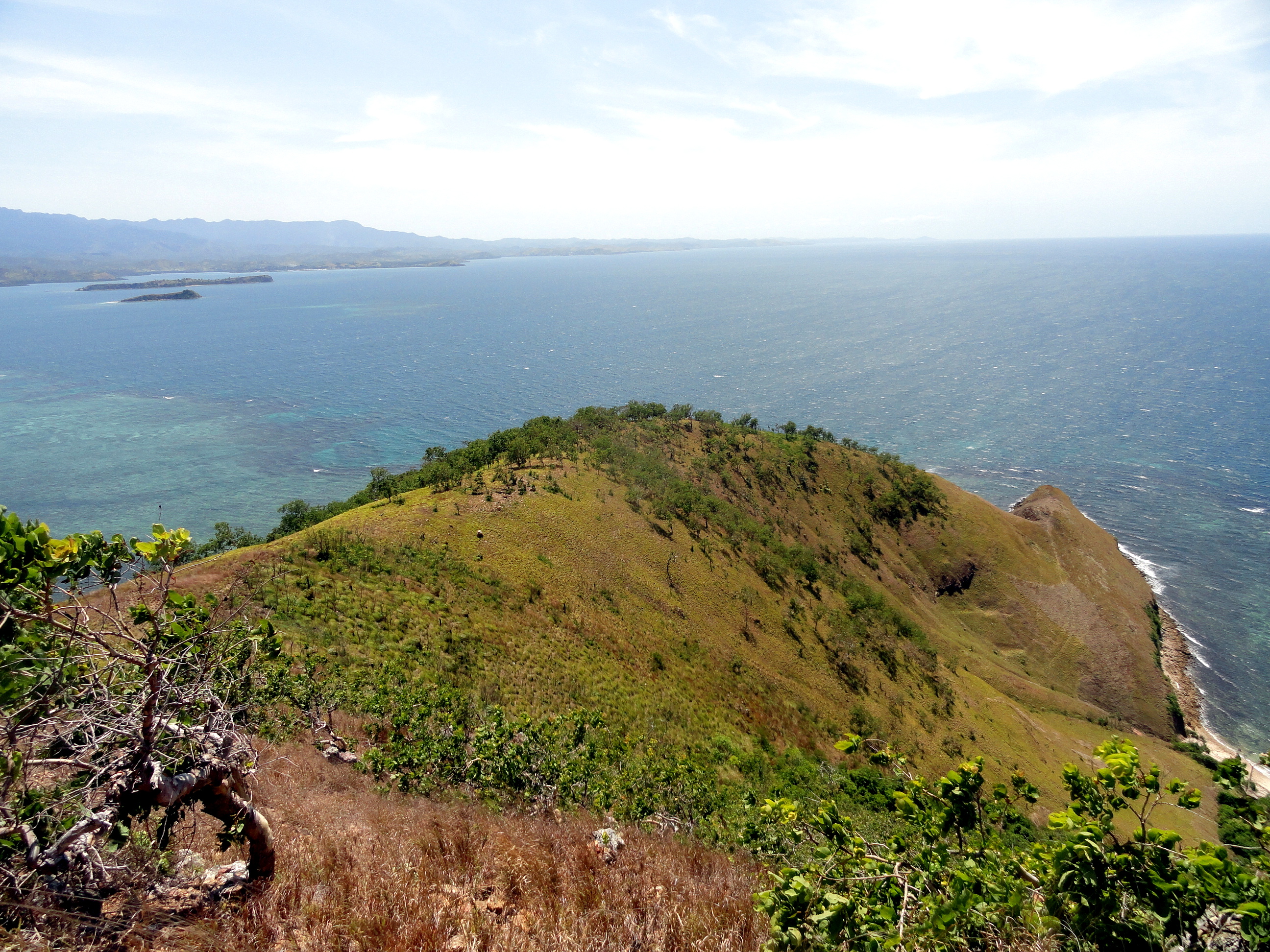
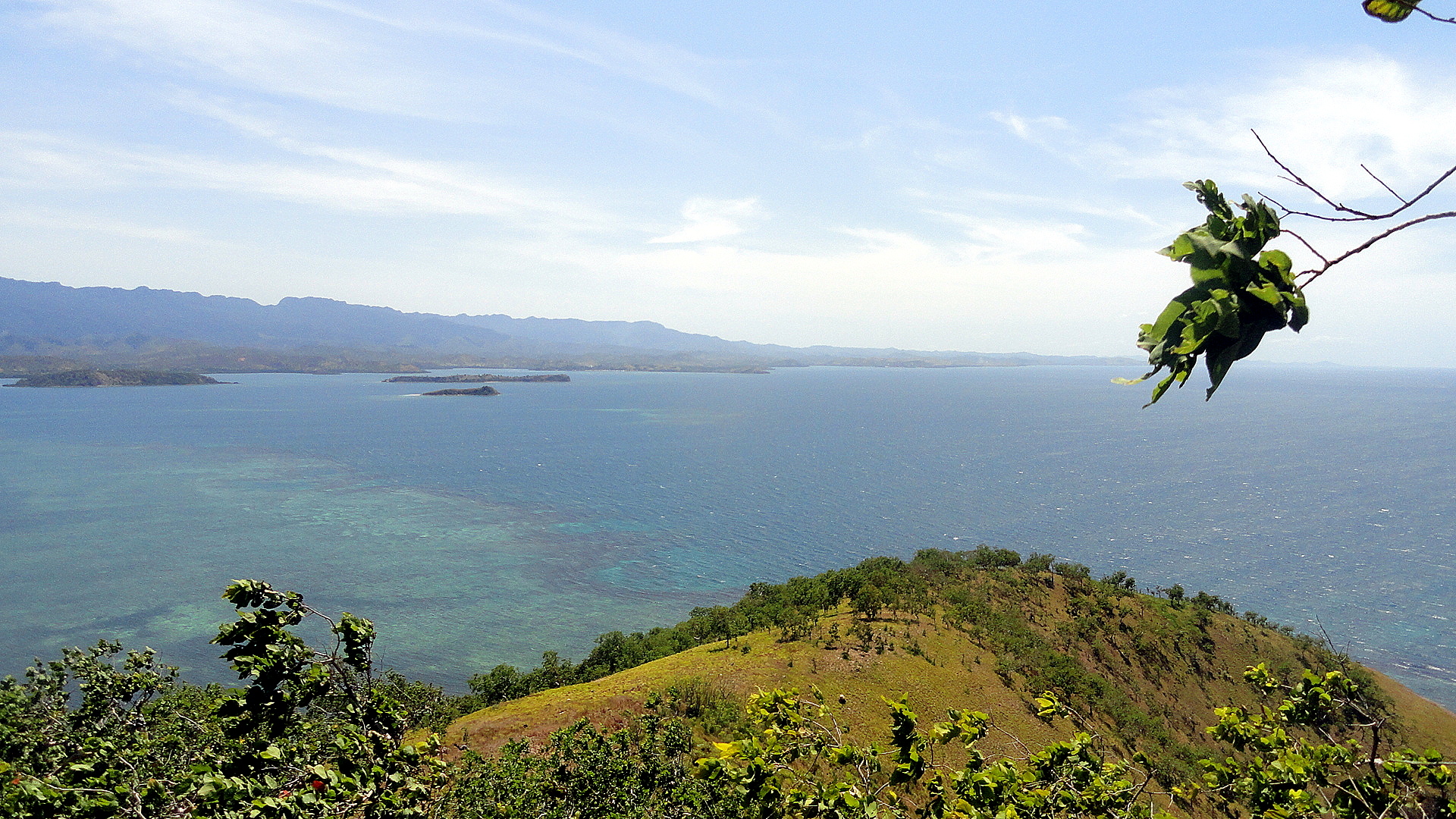
Here you really see how the coral reefs grow up closer to the water and how they differ from the sandy bottom or whatever else there is. At the top is a real island with sand around it; but below that there is only one area which barely was breaching the surface. This is off the coast of Gulf Province, west of POM, on the trip up to Tari earlier this week.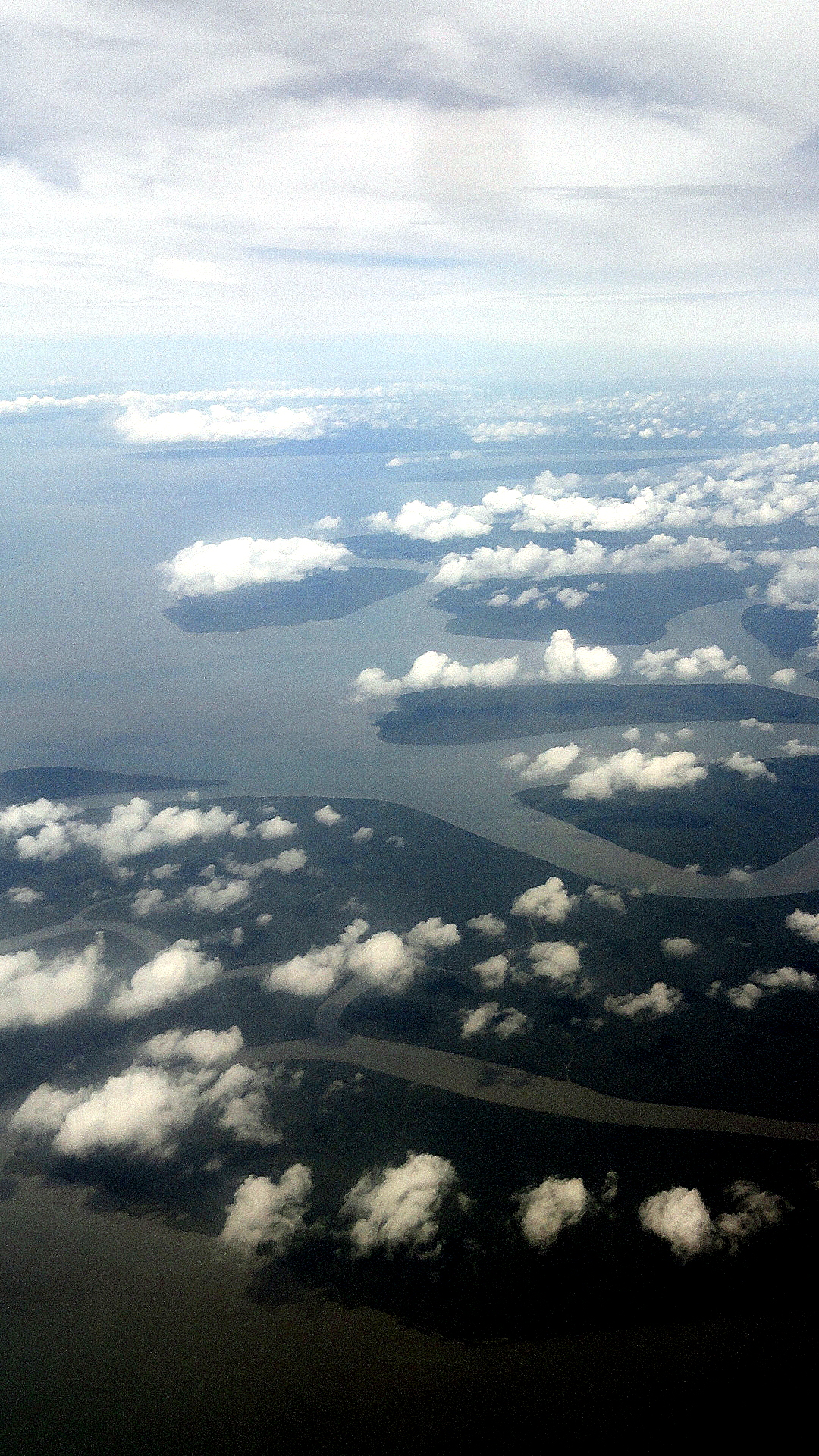
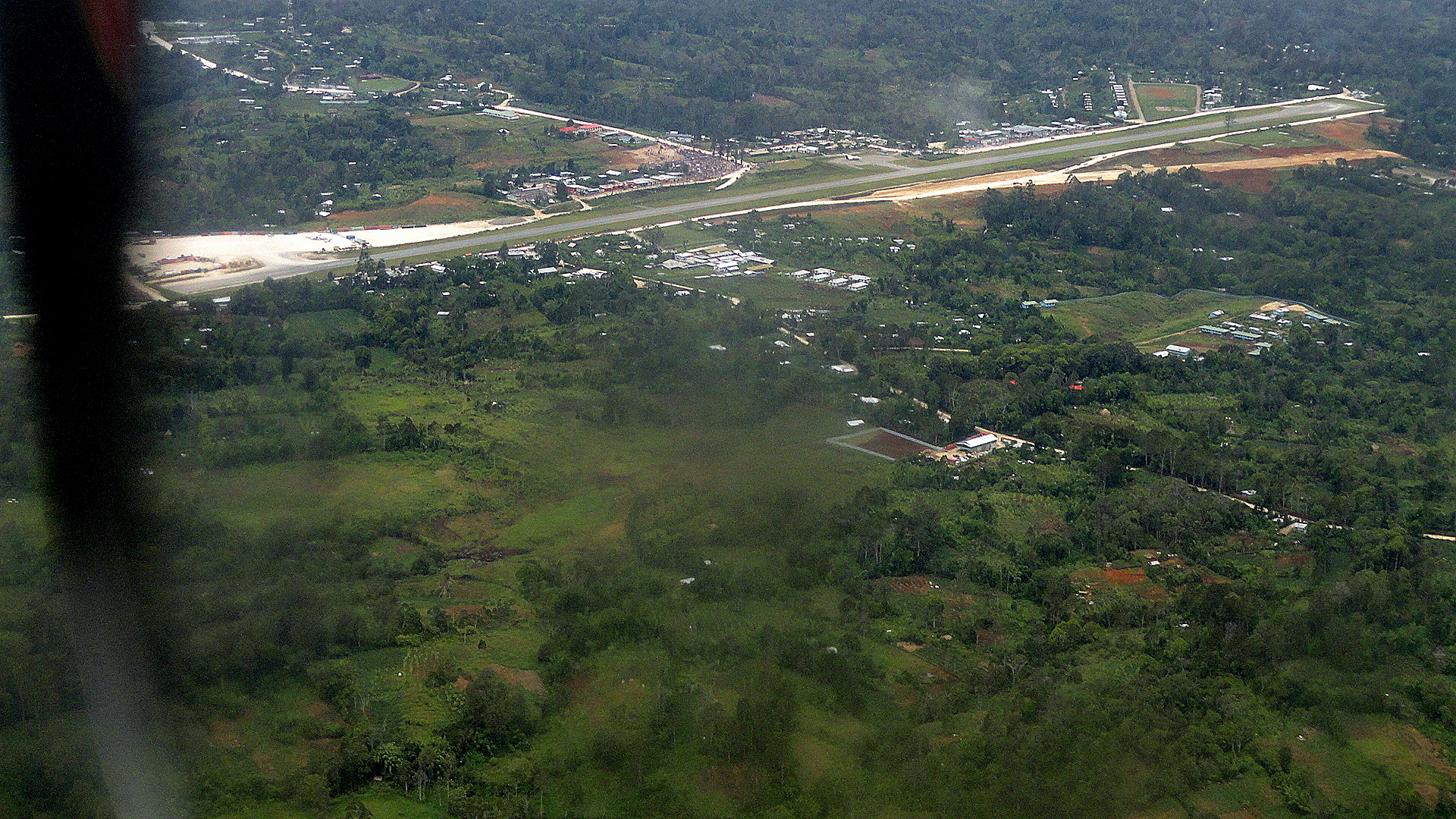
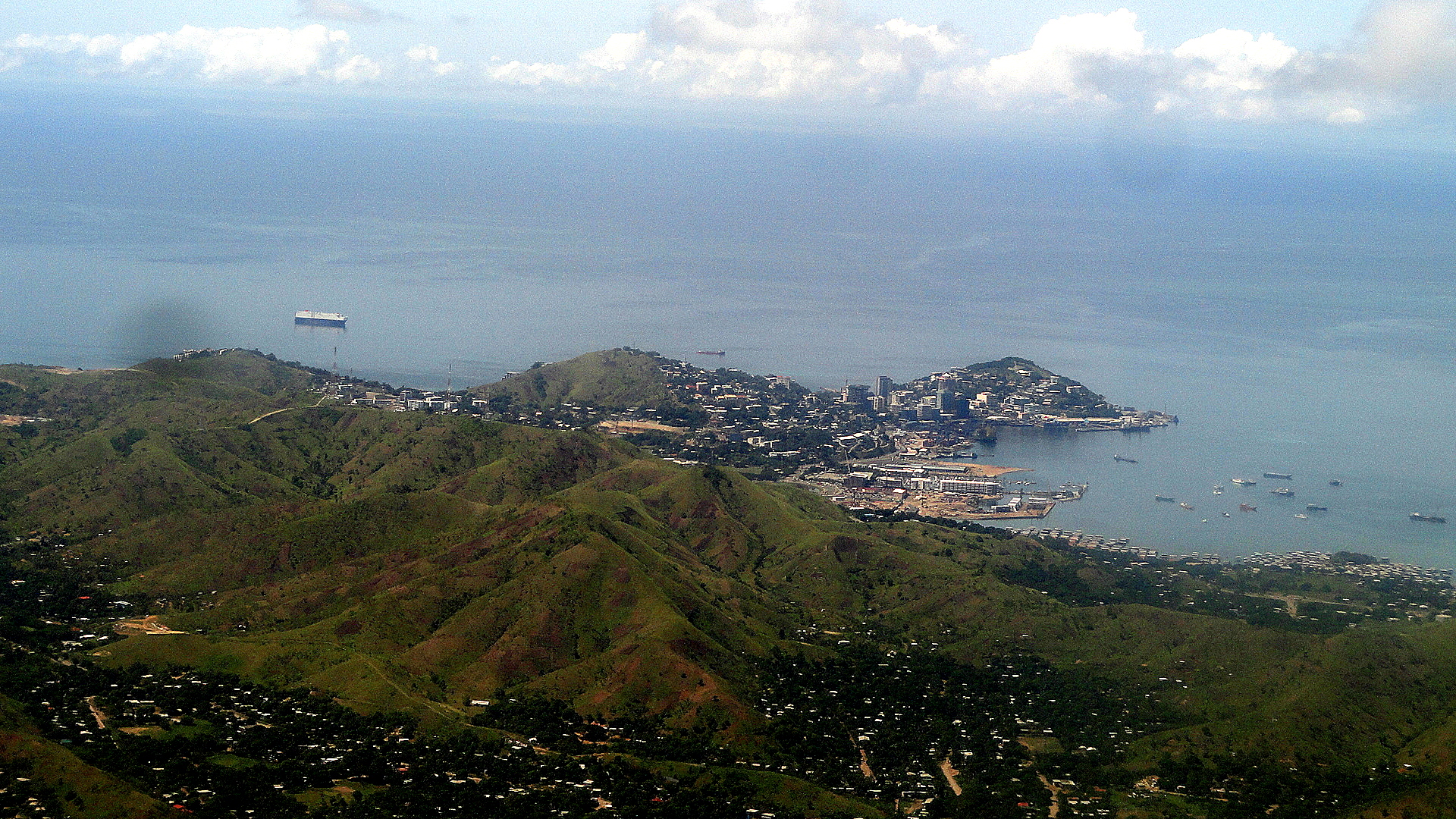
Below, depending on your browser and how it reads the layout: the airstrip at Tari; furhter below, you can see the old-town part of downtown at the top, and the sprawl of the suburban areas where I’m living and working, and where the House of Parliament is, all strewn around these lovely green hills. Well, now they’re green — a few weeks ago when I landed from Cairns they were getting mighty brown…
Coast, Highlands, Coral Sea…by Land and by Air
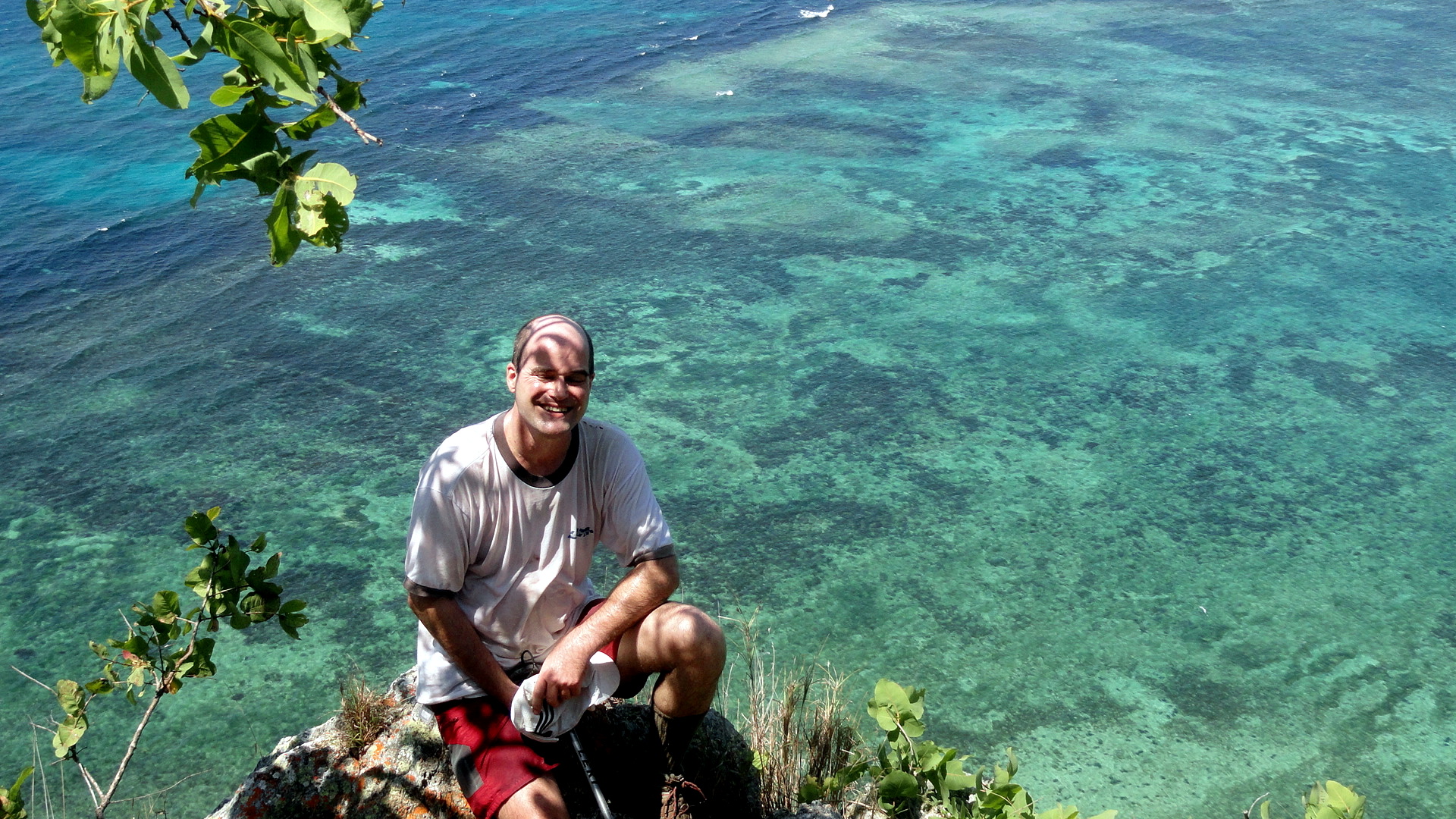


Those are not islands: that is coral just below the surface of the aptly-named Coral Sea, as I flew from POM to Cairns again yesterday – second time I’ve done that flight in this direction. God it’s a great view.
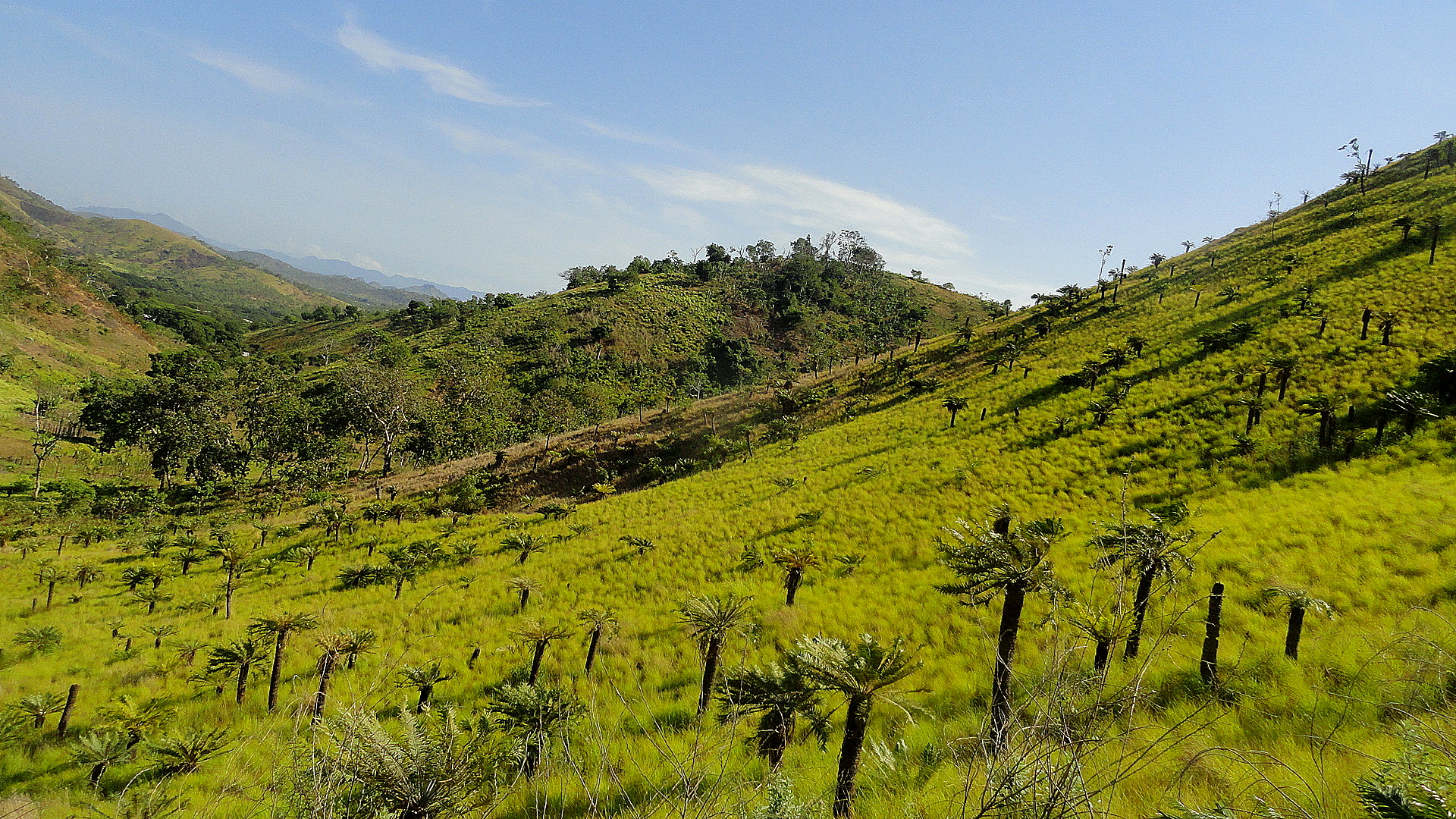
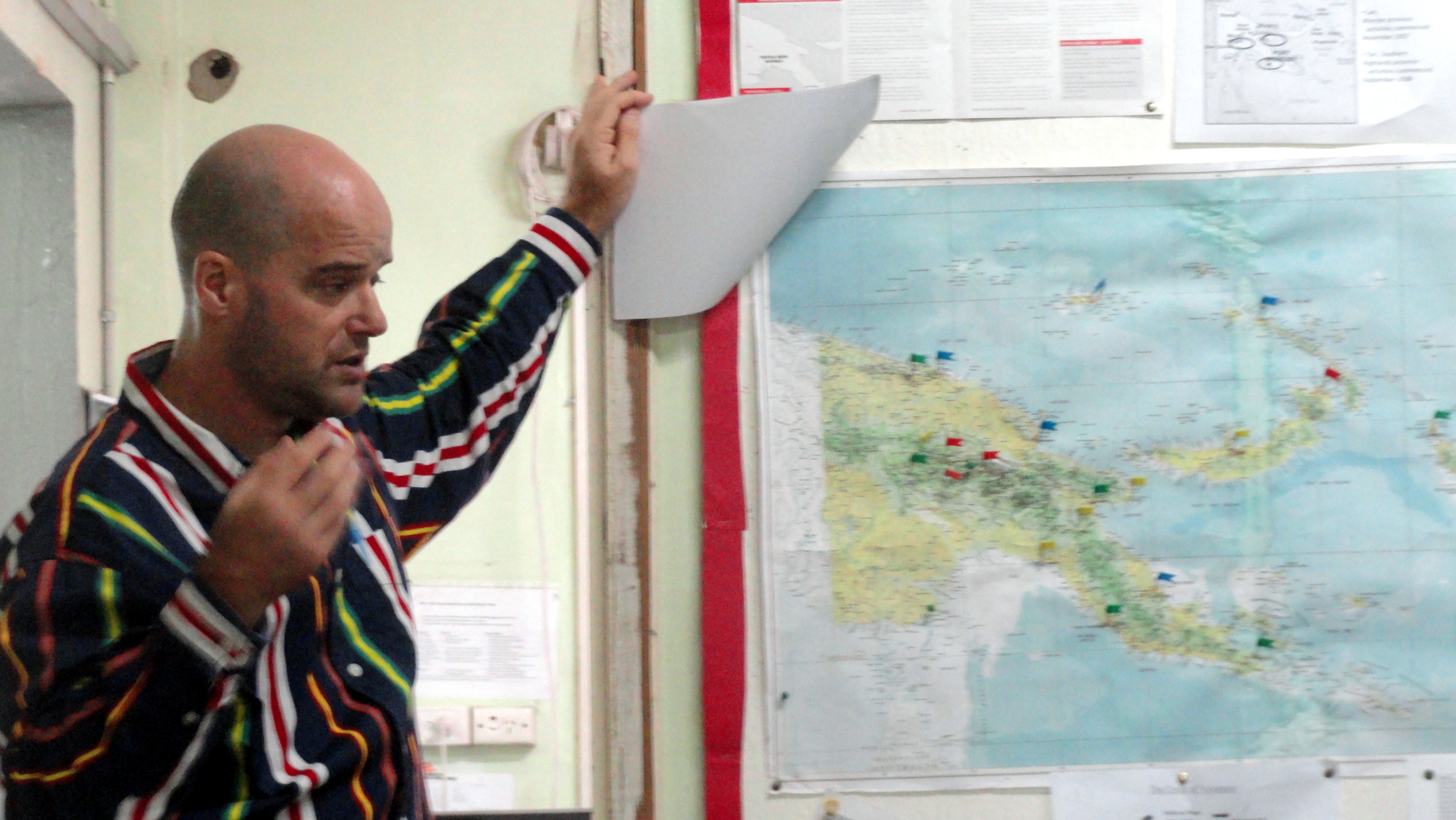
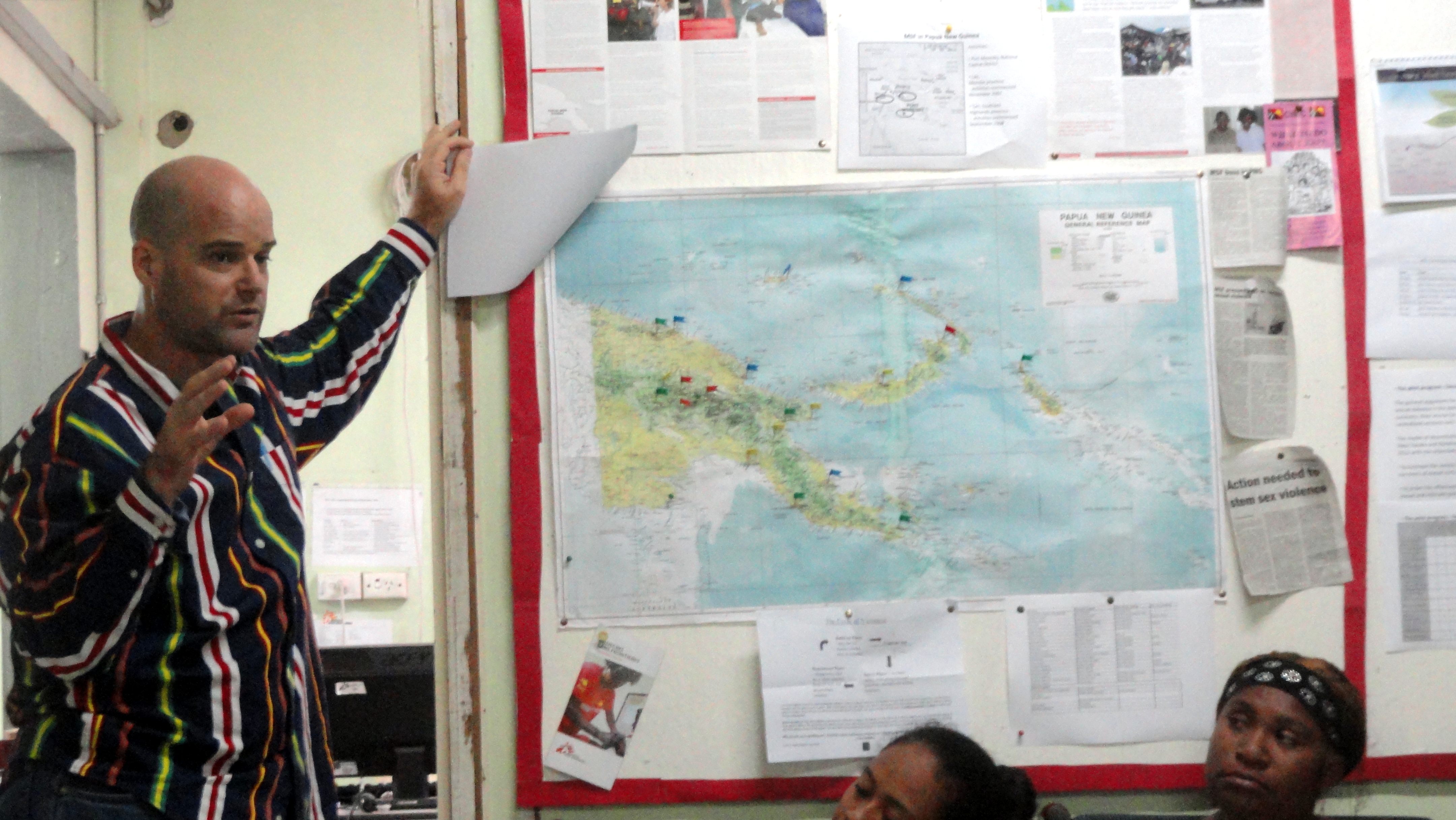
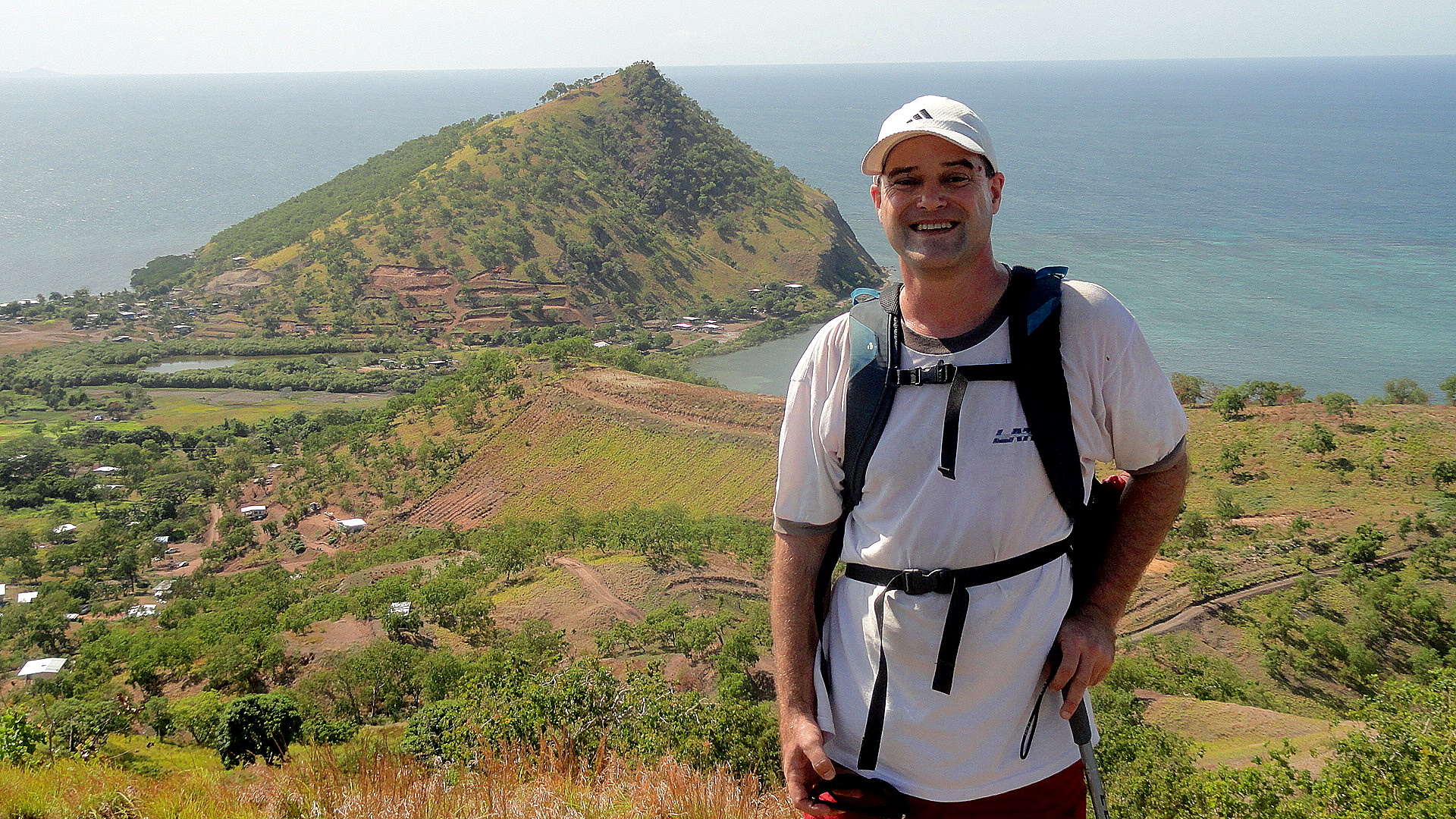
So if this text appears where I hope (this is never guaranteed, and can vary from browser to browser…so fingers crossed), then to the right & below is me at an office meeting; I put that there for the map! See the flag on the south coast, to the right side – that’s POM. The Coral sea is below it — all the stuff between Cairns — due south by southwest of POM, and where I sit watching the bright sun reflect on the ocean (that’d the Coral Sea ocean of course) as I write this — and all the pics in this entry were taken in and around POM, or in the air between Tari (left-most flag in the center of the island, of an appreciably different color) and POM in December, also from the air. Some of those shots are obviously rivers and river deltas of Gulf Province (to the left of POM, as you look at the map, and stretching inland a fair piece to abut Hela Provicne where Tari is located), but the one up above is, I think, the Highlands Highway as it stretches from Lae to Tari. (Lae is one of the flags on the map sorta due north of POM through a thick part of the island, and the HH starts there – not in POM. No roads to Highlands from POM, only planes.) Further up, you will note a photo of something I found truly stunning when I did the hike: a hillside of yellow grasses with short palms popping up out of the grasses, all sort of backlit by the sun which was just popping over the brim of the hill. It really was a stunning and unusual view.
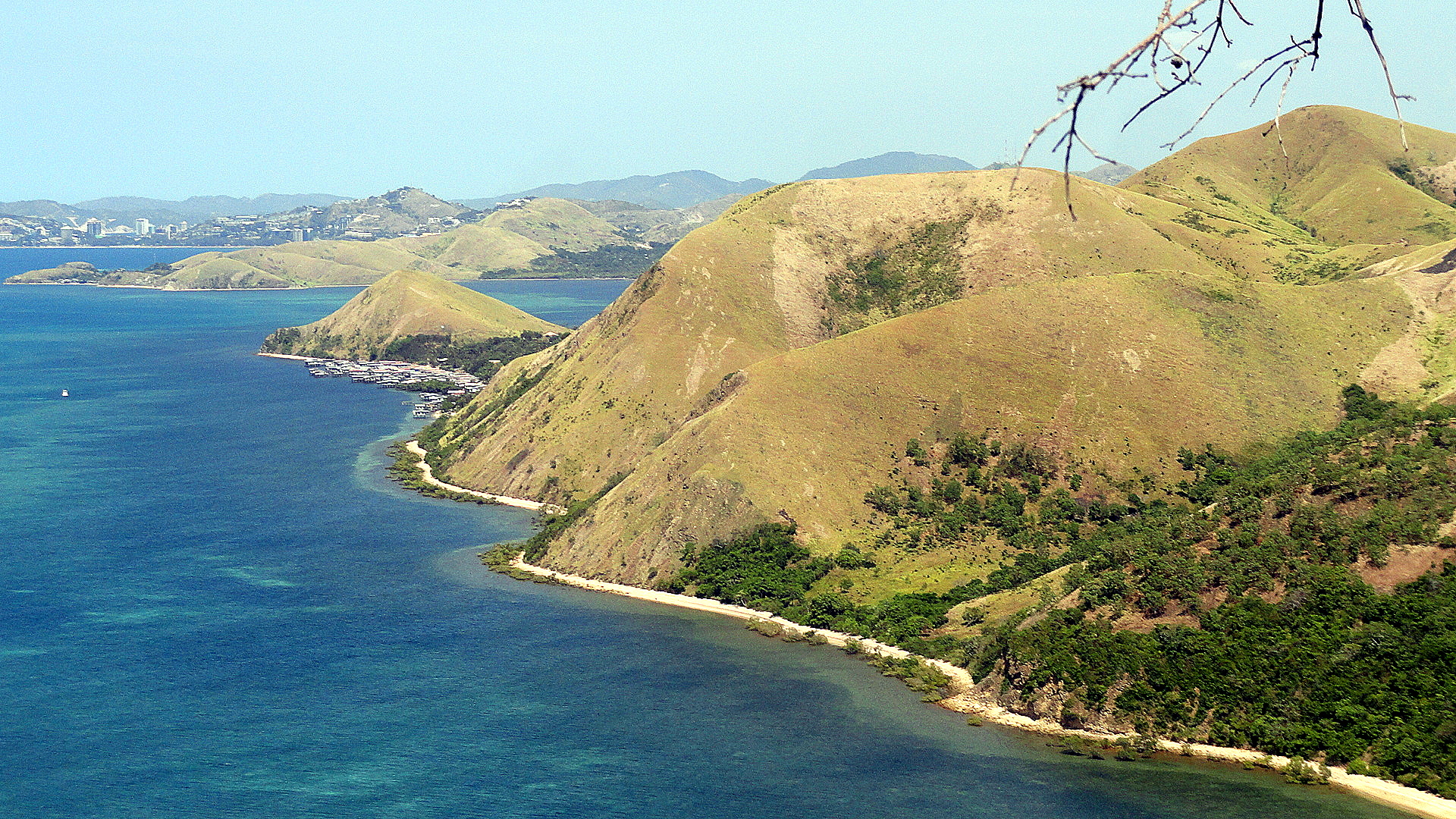
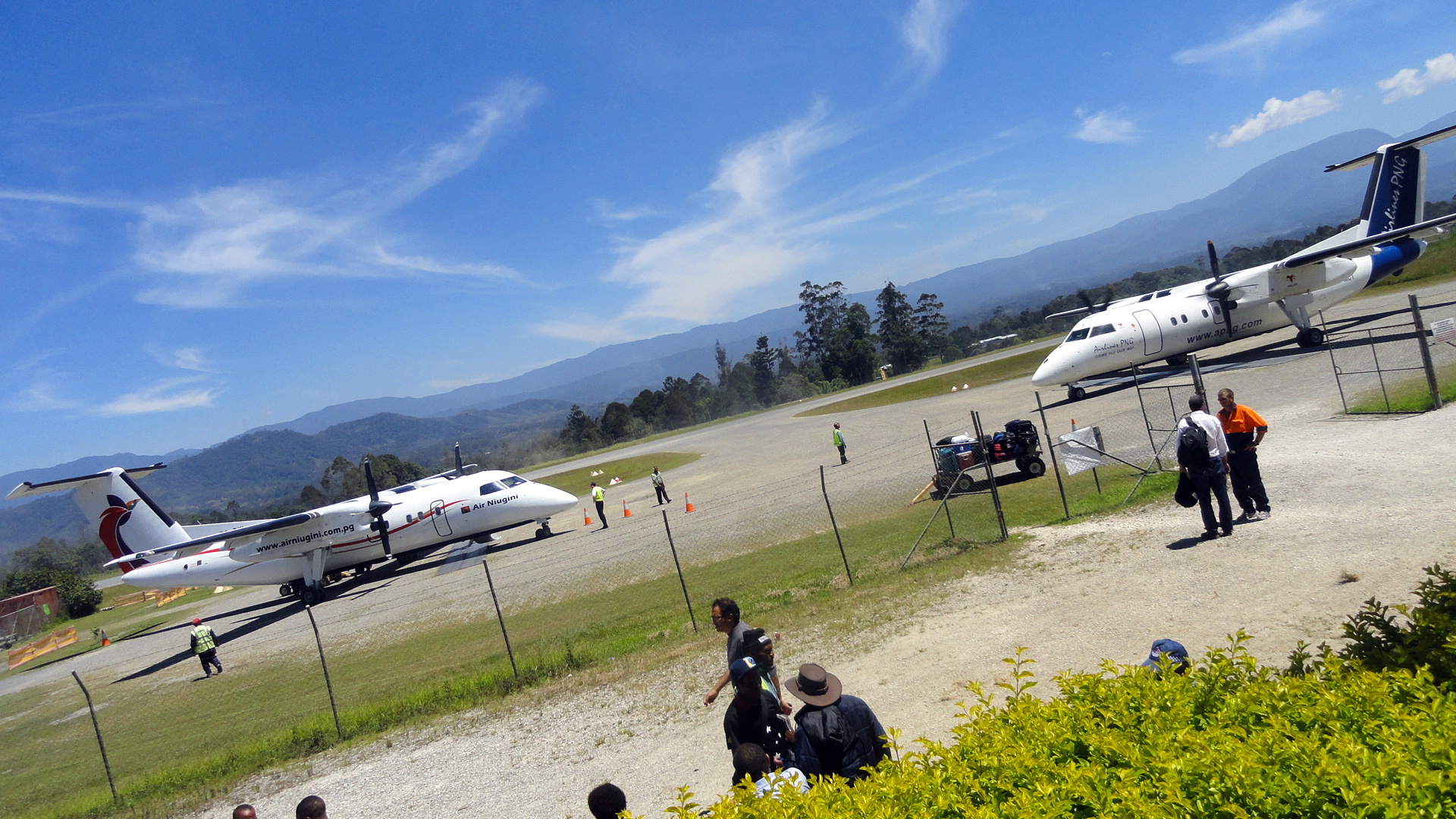
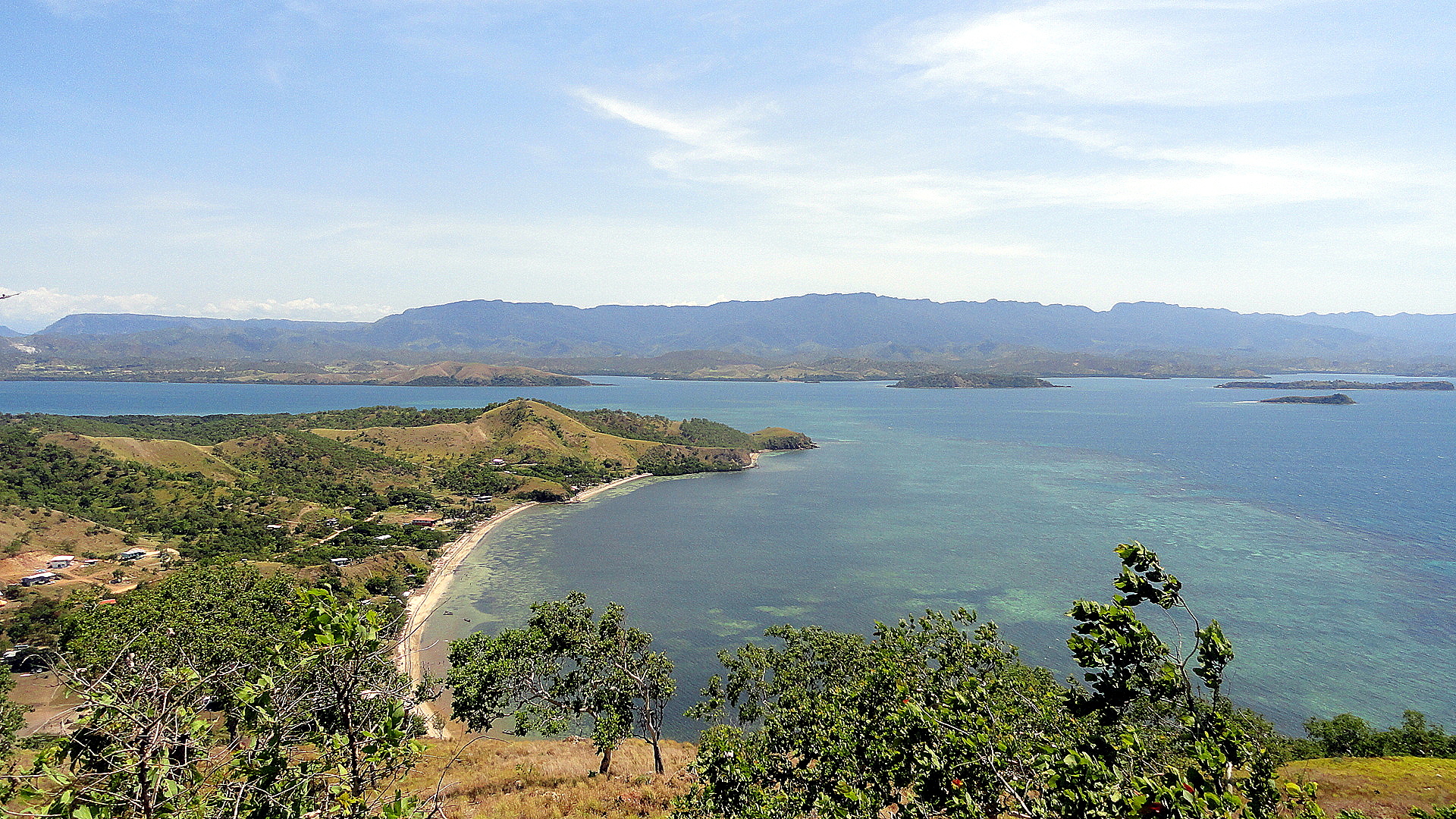
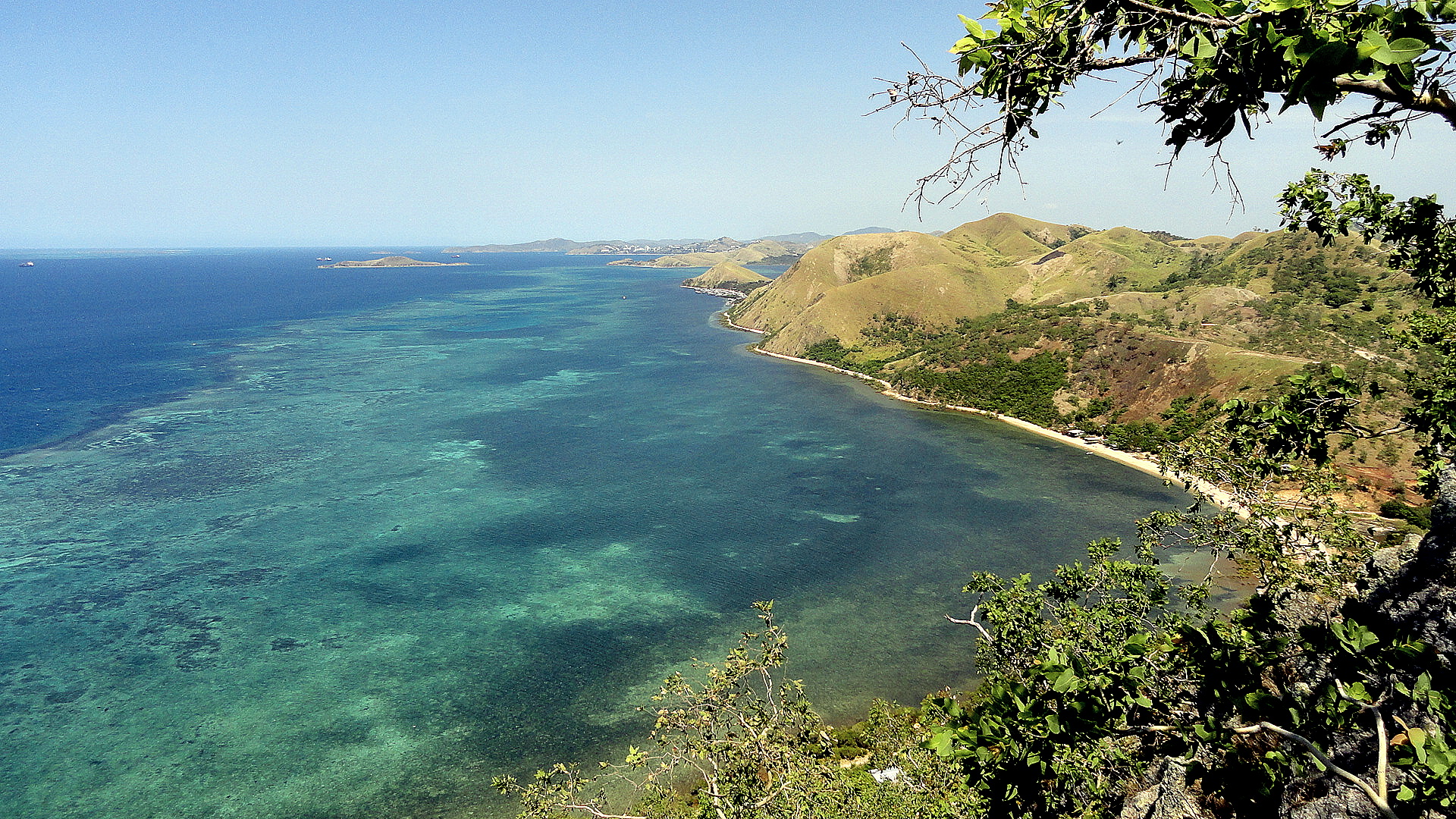
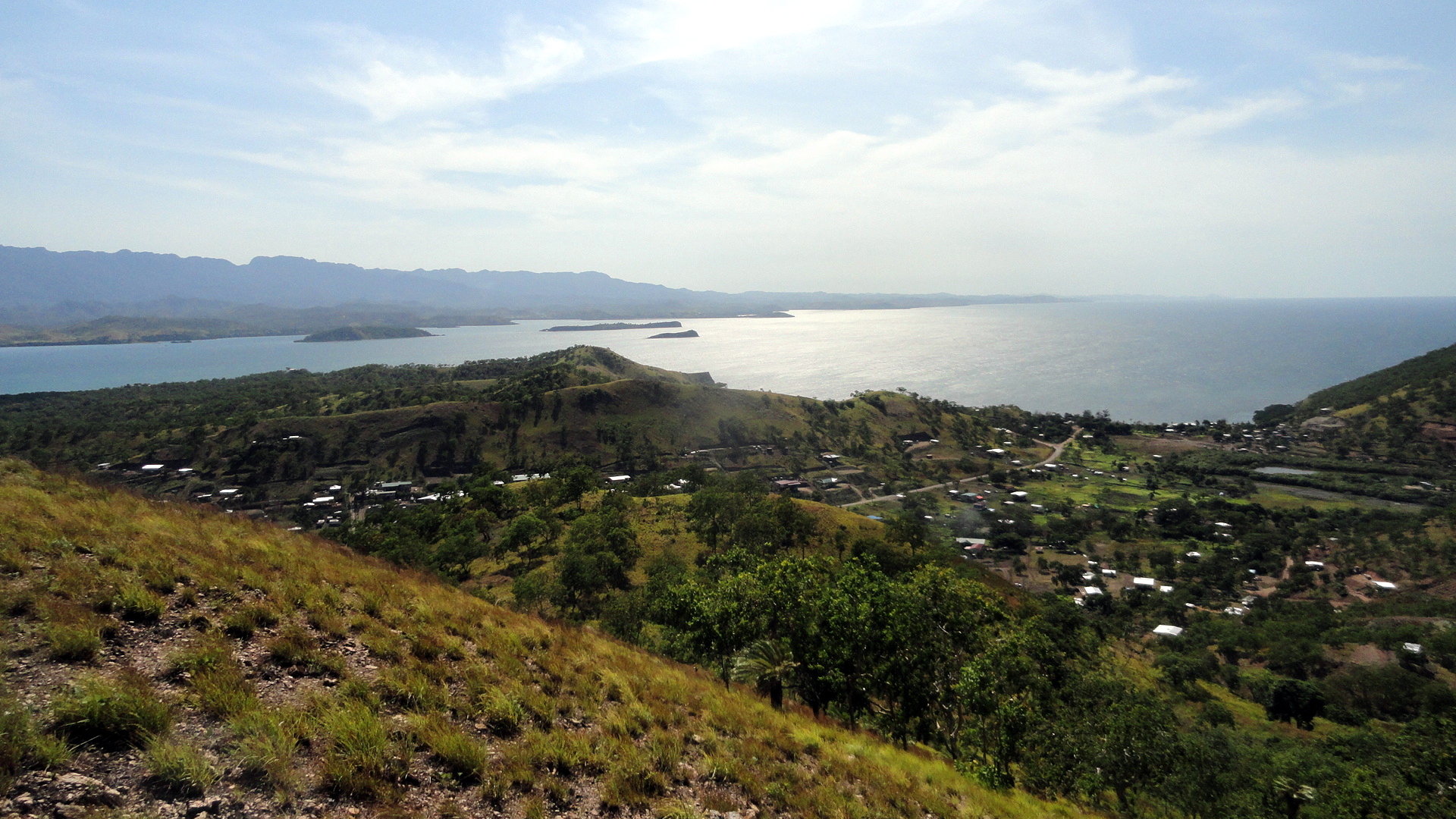
Now, again if this appears as planned: above is a coastal shot in which, if you look closely, you can see the (few) towers of downtown POM in the distance – from the same hike as the gorgeous yellow-grass hillside – and to the left you see both docking bays at the Tari airstrip. That Air Niugini plane is the one from which those other airborne shorts were taken.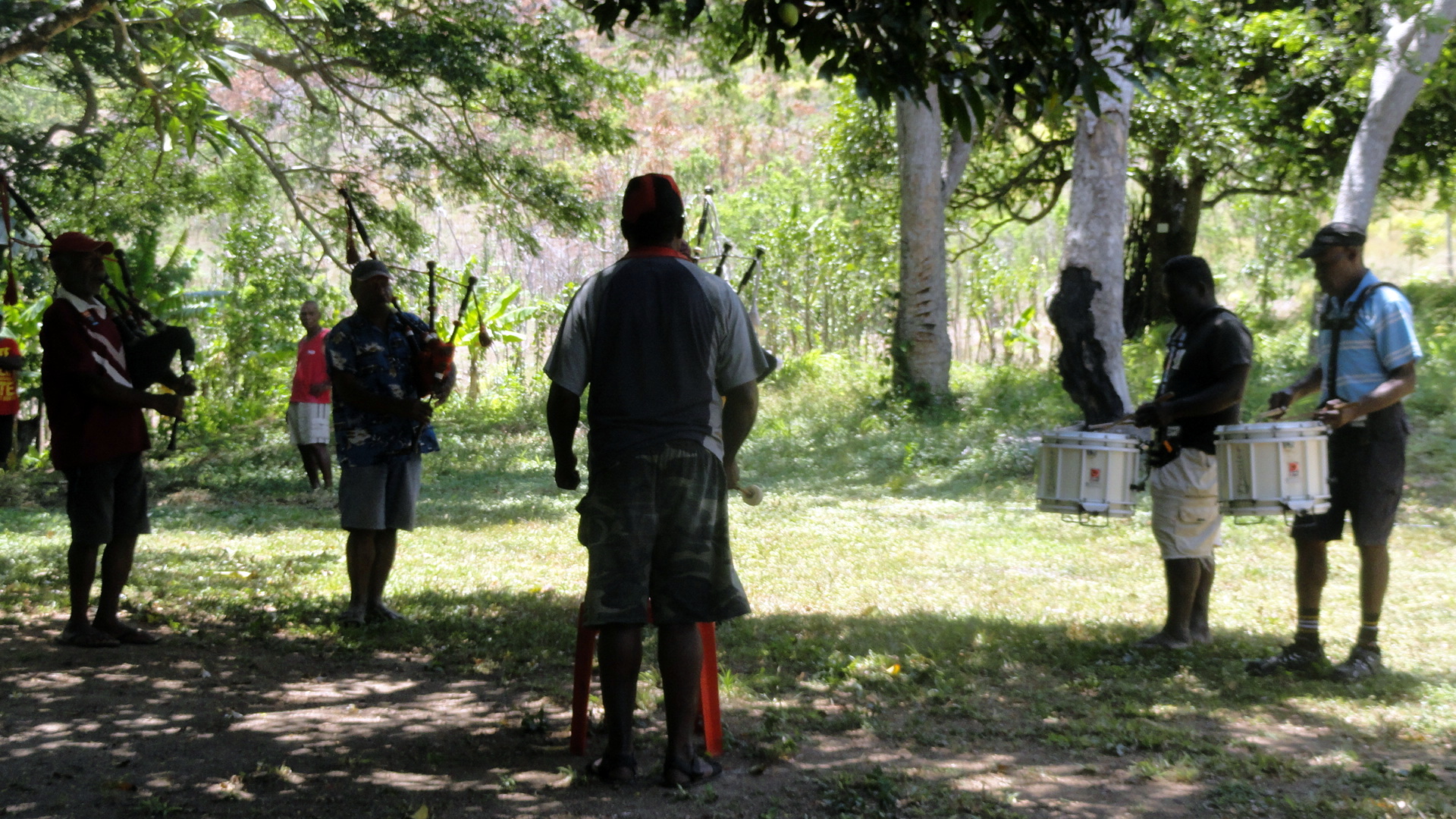

And yes, the drum-and-pipe band is part of the military barracks at Taurama, the start and finish point of our lovely coastal hike from which many of these shots come. After a hot hike in the blazing sun of tropical PNG, it was a classically where-am-I experience to sit and guzzle water while listening to militarily-precise drum-and-bagpipe music. Remember: the southern part of what’s now PNG was actually a direct British colony for a while, while the northern part became an Australian League-of-Nations mandate after it was taken away from Germany post-WWI.



This seems as good a place as any for me to put some general text. So here it is a new year- how did that happen? it feels like just last month I was baking croissants for Christmas breakfast with Mom and Steve! – and here’s Paul being a lazy so-and-so in a spacious apartment full of the mod cons in Cairns for a week of much needed sleep and disconnection before I return to start thinking about how to make 2013’s plans come to fruition as we’ve … well, as we’ve planned them, to the extent that’s ever possible in life let alone this particular line o’ work. I haven’t much of a general nature to say: these are a collection of photos taken either on the last bushwalk group hike that I joined in 2012, plus some aerial shots from the plane taken between Tari and POM in December, and between POM and Cairns (the entire flight path, all one hour of it, is over the Coral Sea aka Great Barrier Reef, more or less) just yesterday.
As always when I leave POM and come to Australia, I find myself going philosophical about human development, the development of nation states, cultural expectations of what makes for a good life or a good community. The driver who took me from airport to condo was a friendly and professional guy who would have been born just after WWII, and whose attitudes towards those of quite different skin pigments and cultural assumptions were likely more mainstream at that time than now, though I suspect I do live in a bubble and such attitudes are more common even among “my sort” than I know. Having lived as a pigmental minority in various parts of Africa and Asia, I realize it’s unavoidably universally human to single out those different from us for extra attention. I worry about the tacit assumption among those of my own pigmental type and general late-capitalist developmental background that our own ways of life, belief, eating, etc. are inherently superior. Seems to me we’ve made a fair hash of things on a number of fronts, while having real successes on others, so rigorous self-righteousness is hardly in order. On the other hand, I am reminded that when westerners first showed up in Japan we were found quite smelly (butter-smellers, I think?) and barbaric…heck, this dismissal of those who look, smell and act differently from us may e the most universal cultural trait defining humans. So I held my peace and took my driver’s attitudes as a lesson in humanity, rather than a depressing view of cultural realities in contemporary Australia.
For those on my email list, there’ll be another bit coming out shortly with random thoughts, hopefully not too terribly long. I’ve chosen to stay on for a second year in PNG. I find the place endlessly fascinating and confounding, and the work we’re doing well worth another year of my trying to get better at helping it happen. May we all be as tolerant as our hearts and heads can permit, and may the world – oy, please! – find a bit more peace and reason in 2013, especially in places close to my heart like DRC and the US Capitol building.



 (so much world, so little time....)