Latest

Hills, Butterflies & Waterfalls @ Kbal Spean

cu

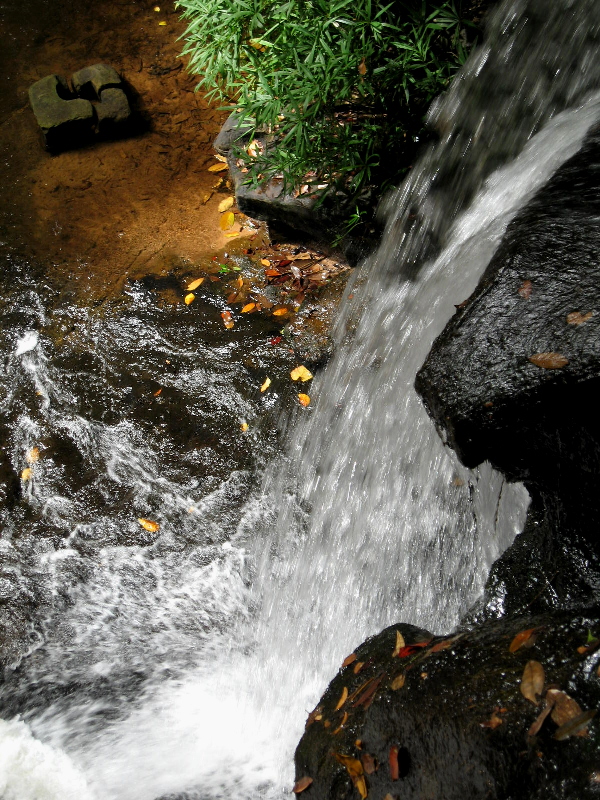
If you look closely in the image at right, you’ll see – down there at the bottom of the 10-meter-high waterfall – yet another fertility sculpture of some sort that seems almost to have fallen down the wtaerfall. This is about 200 or 300 meters downstream from the main river sculptures I’ve been showing you – these are not a mere sculpture or two, but a pretty impressive collection of art.

Banteay Srei


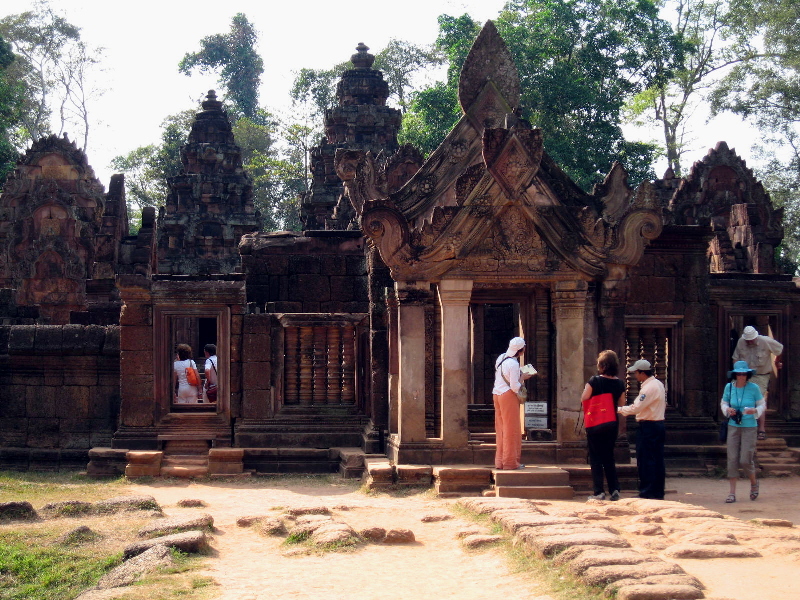
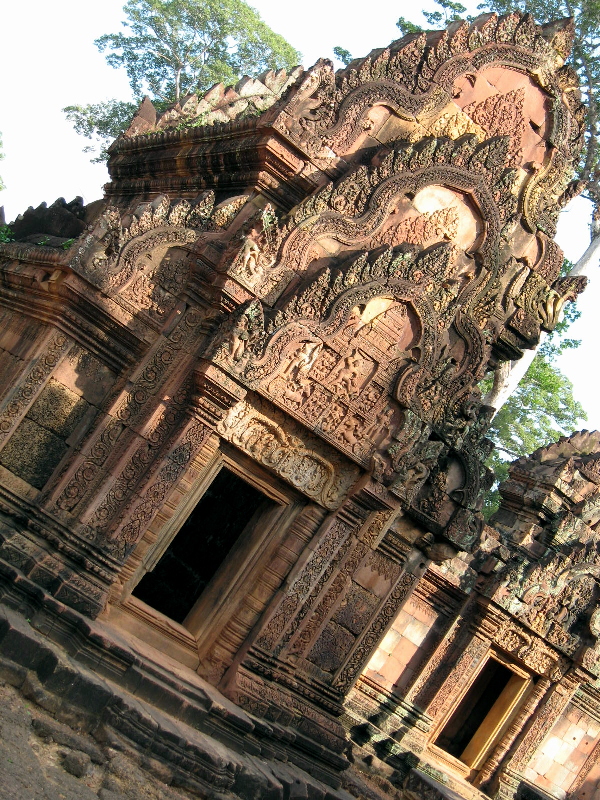
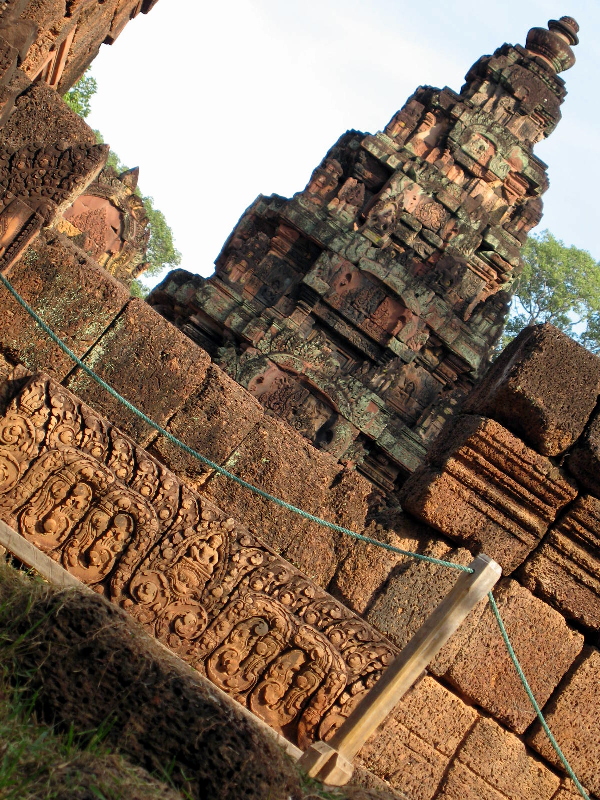
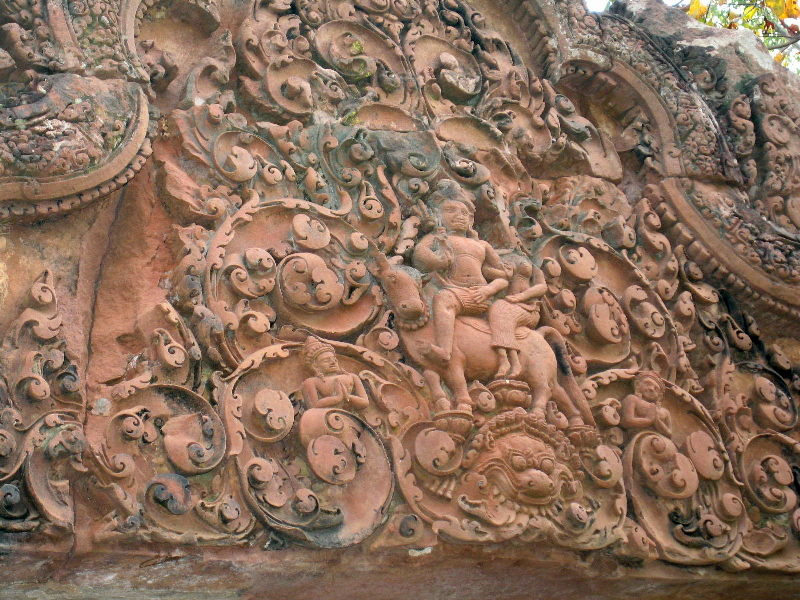
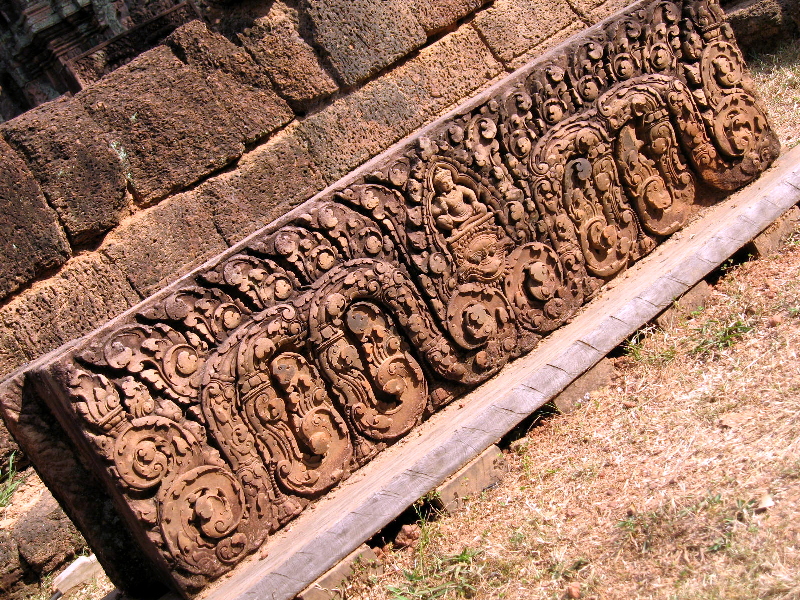
Banteay Srei’s pinkish stone is rather unusual among the many temples around Siem Reap, and looks especially beautiful at sunset, when we saw it after a full morning hiking up to and back from Kbal Spean. The lavish detail and decorations on this temple, the ornate and flowing lines of the architecture truly captivated me even after the magnificence of Angkor Wat.


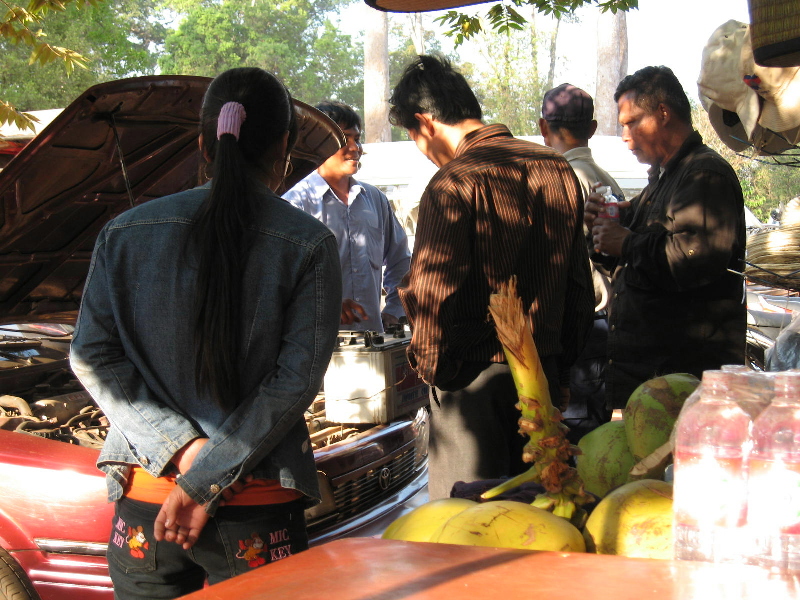
A reminder to be humble and prepared for the unexpected at all times: though we had reservations for a dinner theater shadow puppetry performance (to support a local street children support organization – shows the progressive leanings of Siem Reap’s tourist crowd), we had to wait a bit for the lcoal motorbike cop to bring by a recharger battery, after our car’s battery dropped out.


Daily Life In & Around Siem Reap

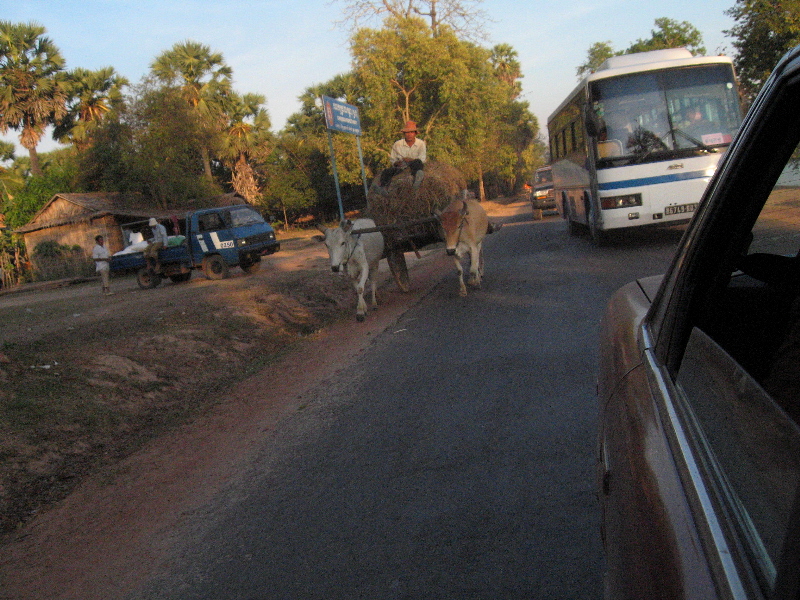
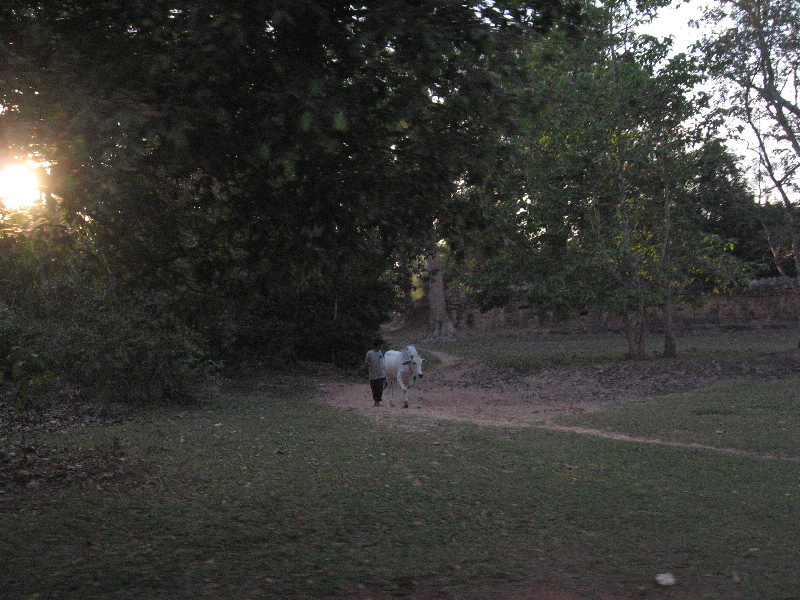
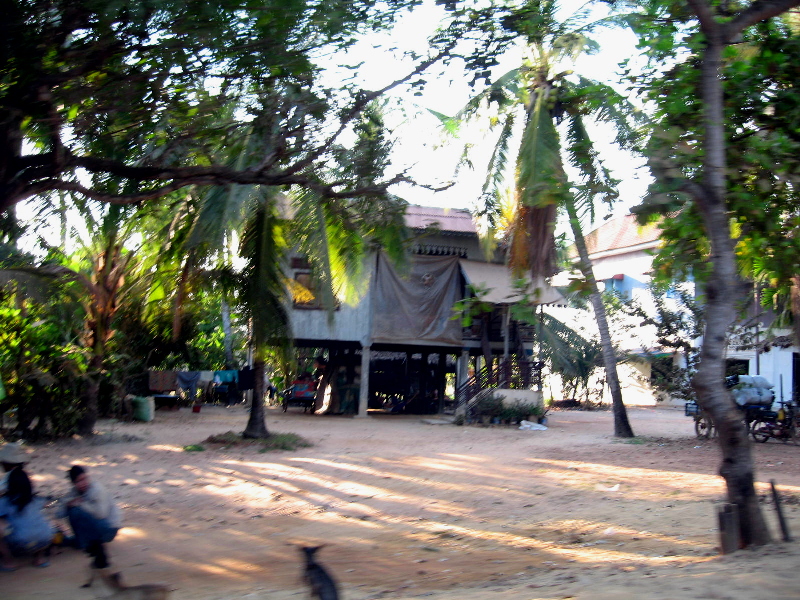
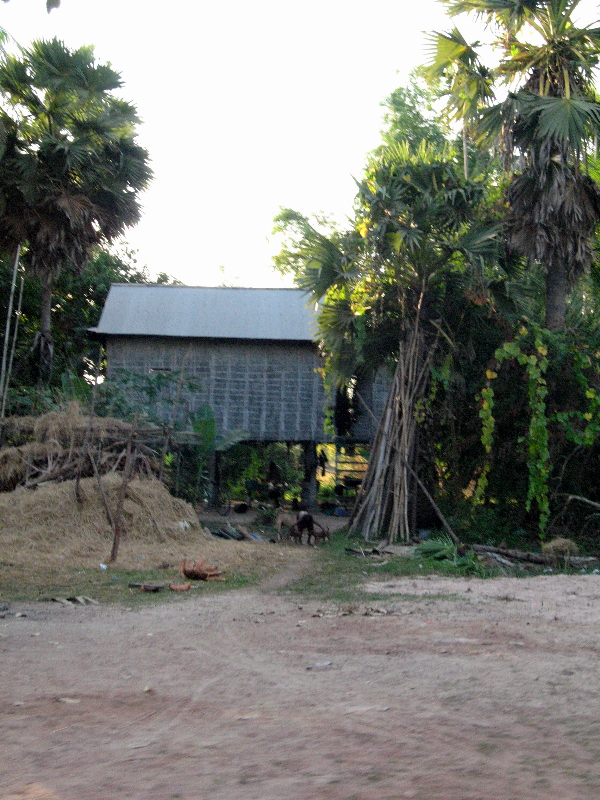
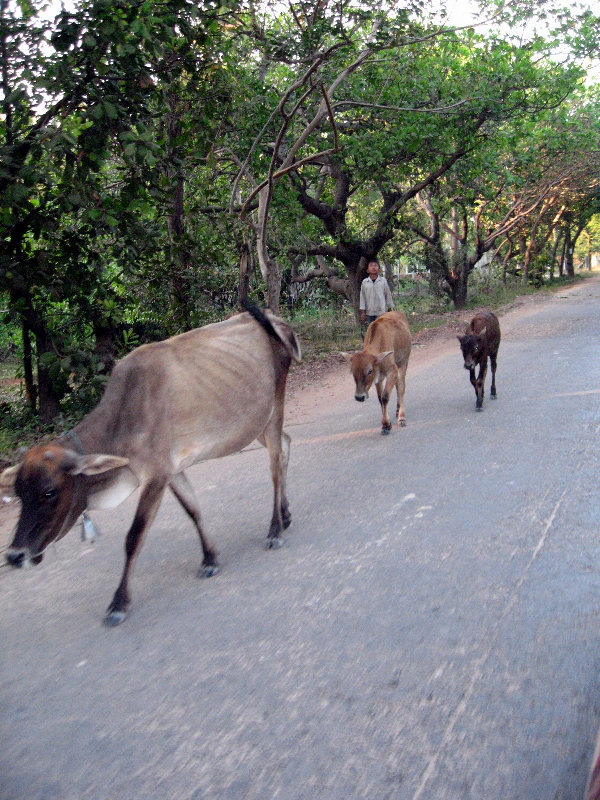
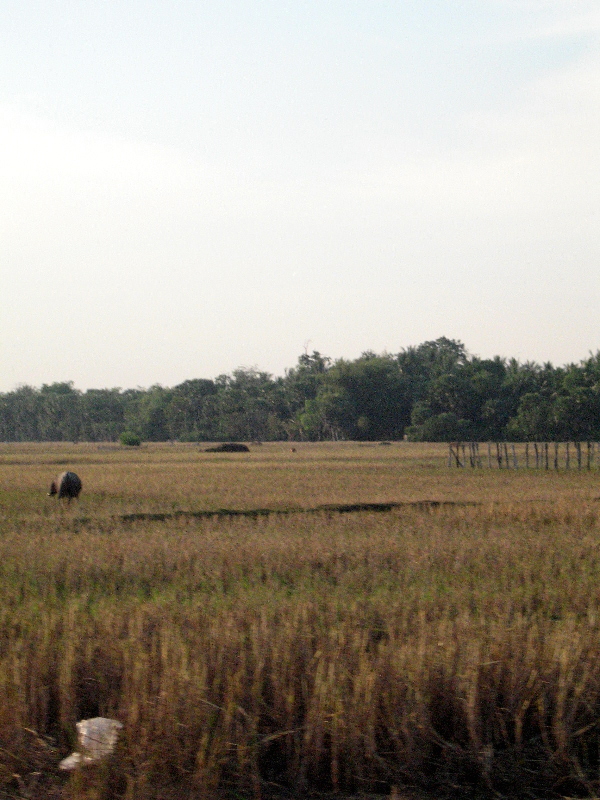
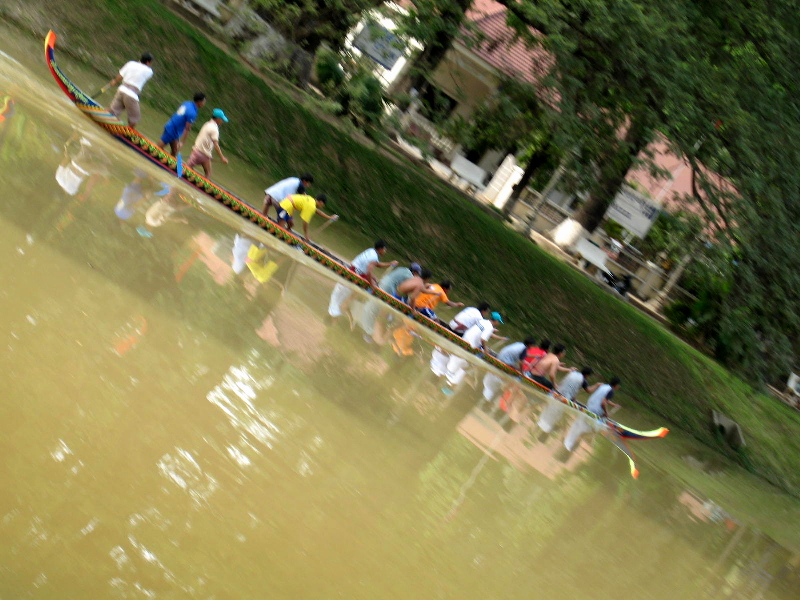
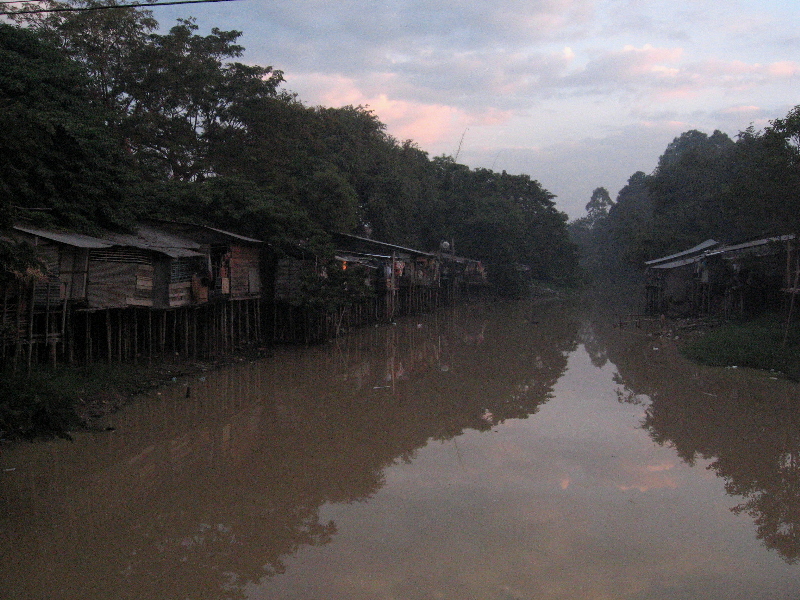
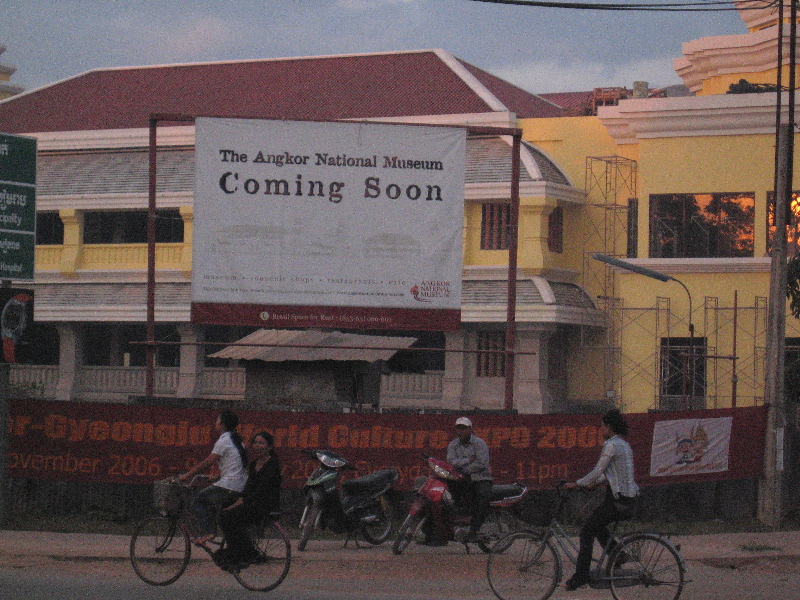
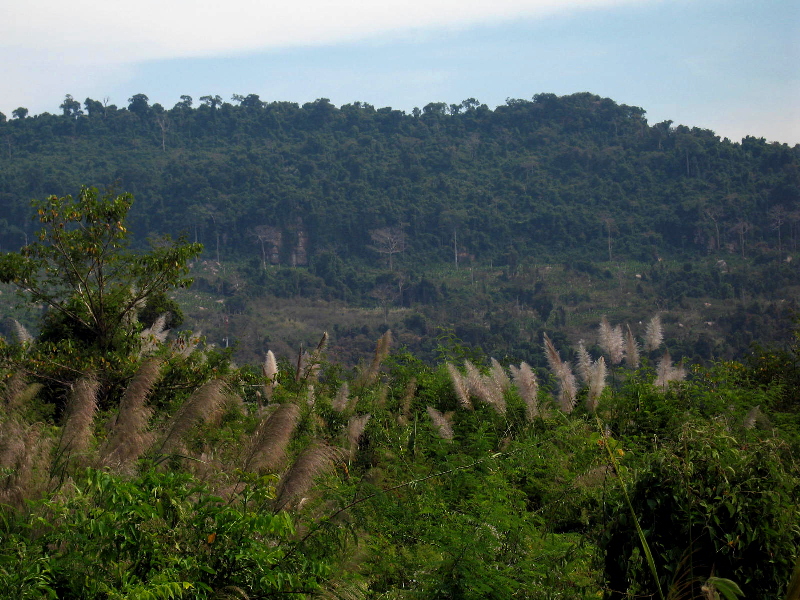
Like a break after a long day trekking up and down the steps and along the hot dusty paths of the temple complexes, I thought your eyes might delight in some scenes of everyday life in and around Angkor Wat. Some of these are from my morning run in Siem Reap town (about 5 km south of the entrance to the temple complex, itself about 2 km south of the moat around Angkor Wat), while others were shot from the car coming back down from our day trip to Kbal Spean and Banteay Srei.

People who were there only four years ago tell me Siem Reap was a sleepy and underdeveloped little town; Steve’s guidebook still had him worried about pirates on the river and/or bandits on the road if we took the bus from Siem Reap to Phnom Penh. Summary: things are developing rapidly in Cambodia, especially Siem Reap, which probably funds something like half of the country’s economy. I enjoyed my run and the road trips, since I’m used to living closer to the real economy in countries like this – being a pure tourist and traveling past villages in a hired car, without a chance to interact more directly and get a sense of the people and economy was an odd feeling for me at this point.




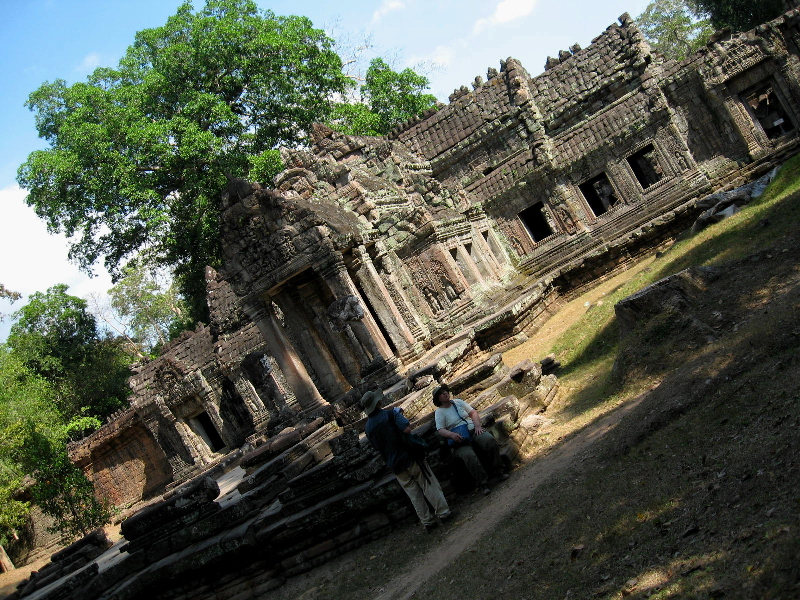
Yup, one of these images doesn’t fit: the first of two Preah Khan temple images you’ll see scattered about, mainly because it didn’t fit too well anywhere else. Ah well.


Bayon

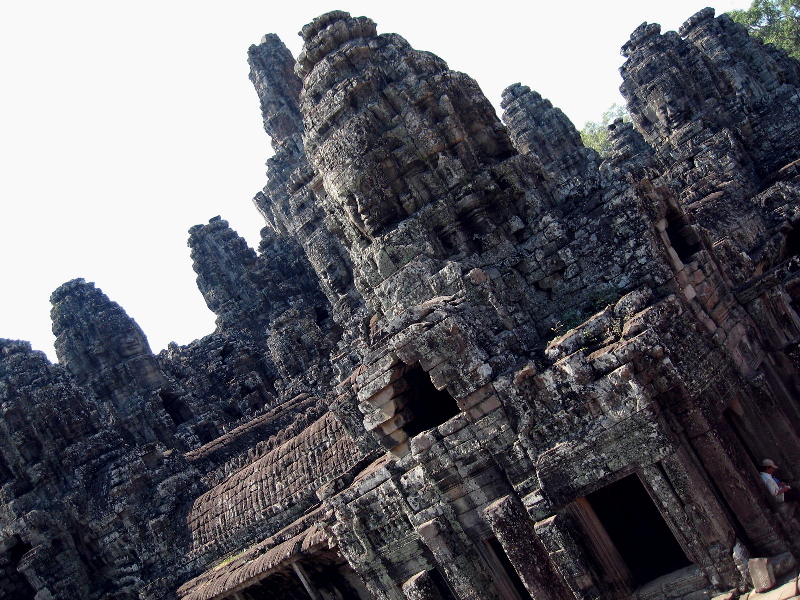
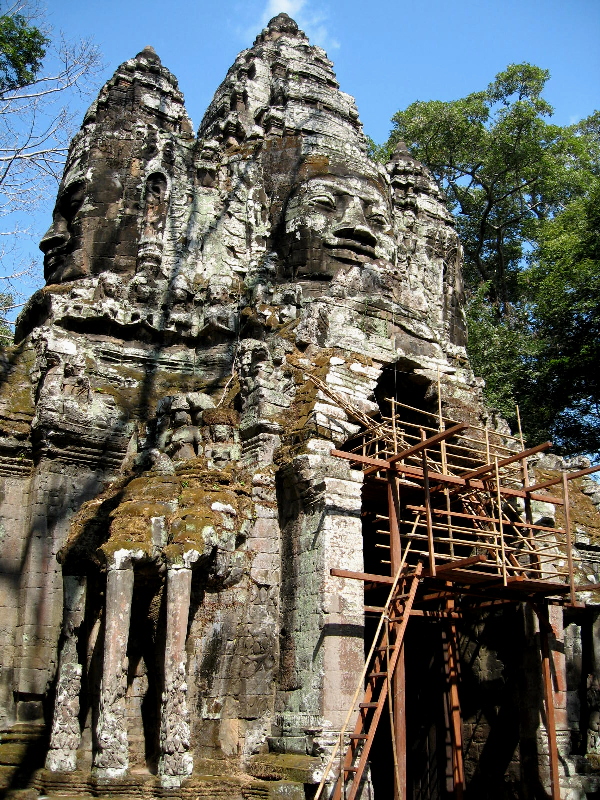
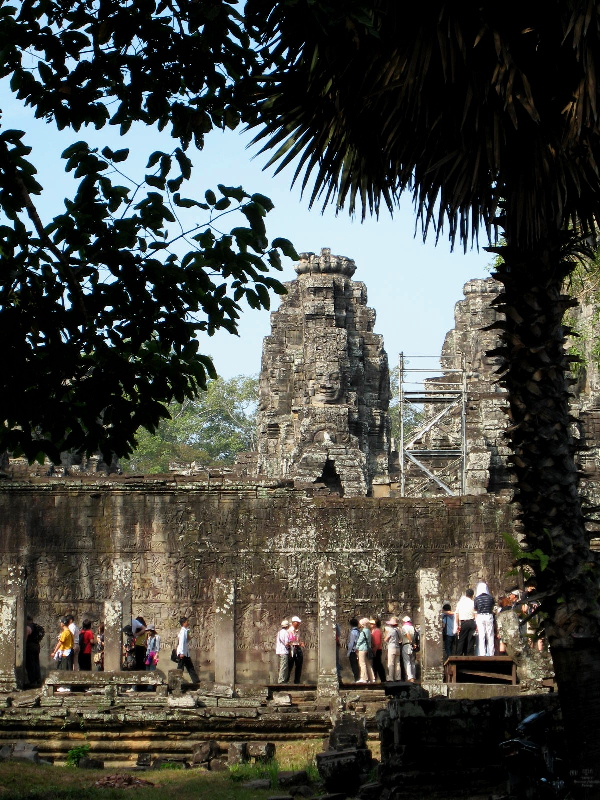
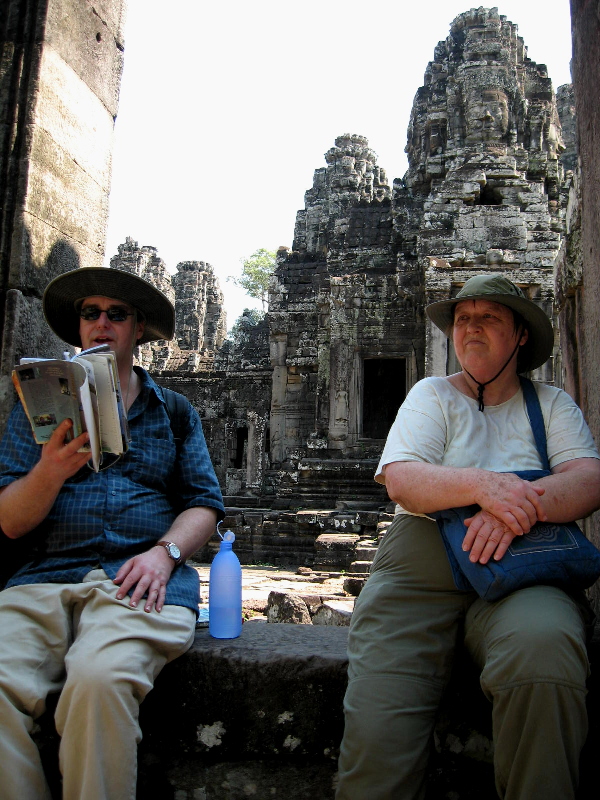
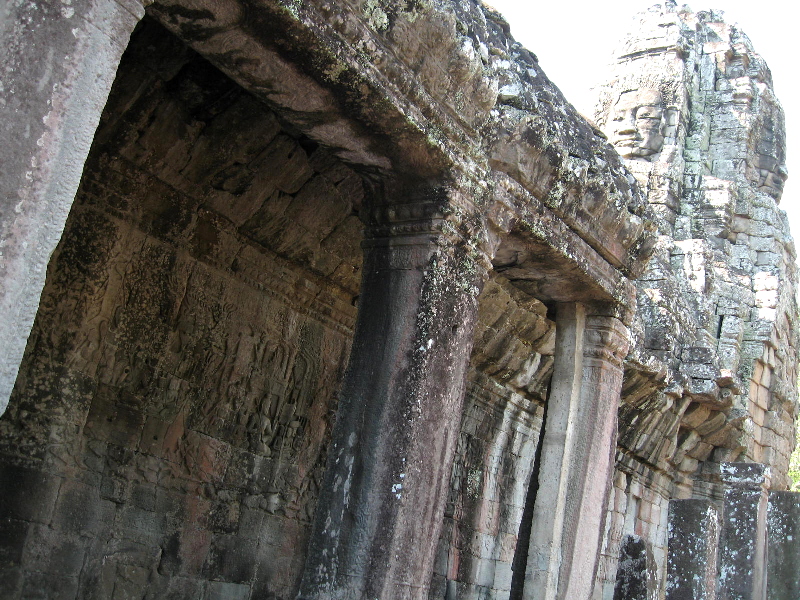
If Angkor Wat is the principal emblem of the sites here, the brooding faces of the Bayon are a close second. The French explorer who first re-“discovered” this temple described hacking his way through dense jungle and coming upon a pile of rock from which he saw a face peering down at him…and then another…and then he reeled back in near-horror as he realized how many faces there were looking down at him. As Lonely Planet puts it, talk about Big Brother: one theory is the face is modeled on the ruler of the time.


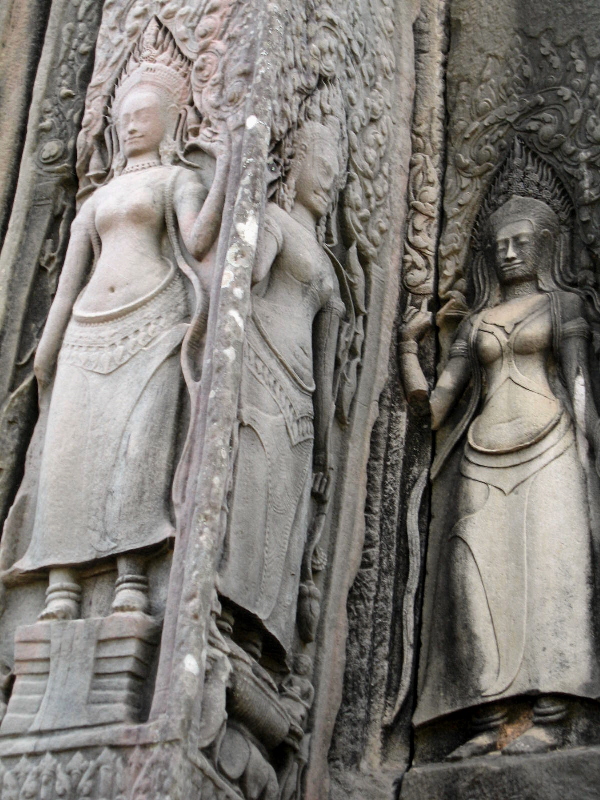
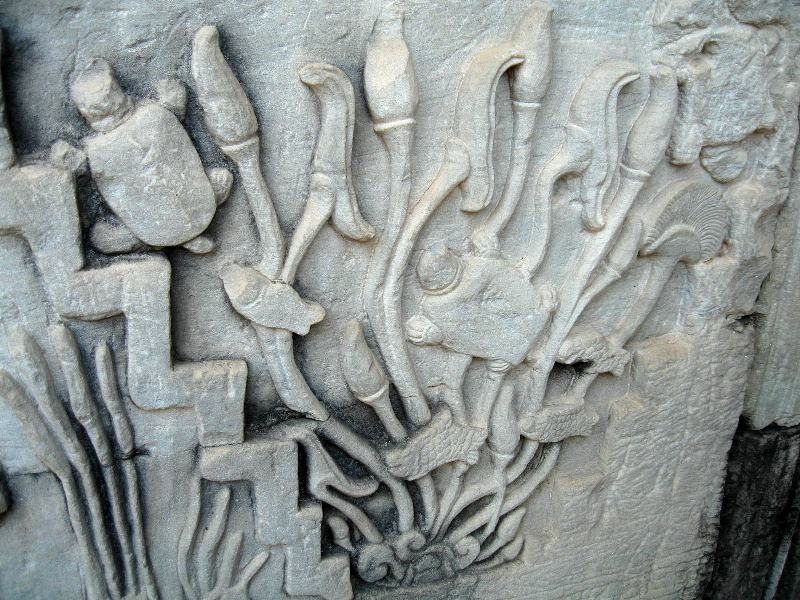
While it’s best known for the towering faces, Bayon has tons and tons of bas-relief sculptures that recount both stories from the classic myths, and tales of governance and daily life – quite like Angkor Wat in fact. These are very deeply carved and thus to me quite impressive and life-like, but the tour books agree Angkor Wat’s are of higher artistic quality. Still, I think you’ll agree these are quite impressive!


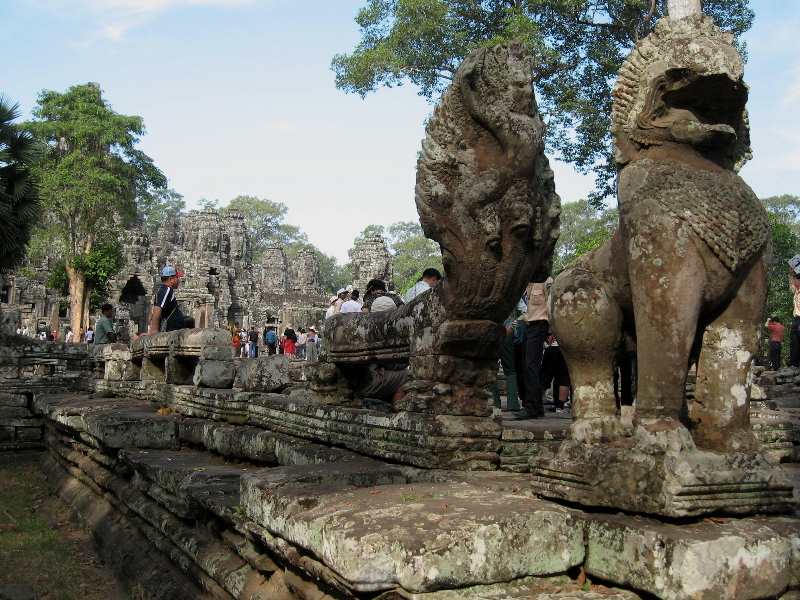
Do notice the costumed Cambodians posing with tourists here on the east entranceway to the Bayon.