Longest Beach.31
 After a 46-hour saga involving five different airports in three different countries, plus an airport shuttle bus at this end and a very welcome pickup by a dear friend at the park-and-ride on this end, I did manage to spend the night in my own bed last night, and awoke to a 36-degree (fahrenheit; about 2-degrees celsius) cloudy morning here. I’ve ascertain that the second, auxiliary, stage of my apartment heating seems to have either gone on the blink or decided go on strike for under-use these past months (or perhaps someone visiting tweaked the wrong button and set it to cool instead of heat, which my manual tells me would do bad things to that unit if the temperature is below 60…)…so that thus far I’ve been able to get the apartment warmer than 60. Ah the joys of homecoming in winter after many months away :-). Be that as it may: one can dream lof long sandy beaches and warmer sun, but still be glad to have access to one’s own teapot, eh? I’ll post another one or two of these from the photos already prepped, tomorrow and this week, the at some point do a bigger post with all the photos remaining unsorted from my three months in Bangladesh, from which chapter I’ve now moved on. Peace.
Longest Beach.30
 So I had a few more photos ready, and as I sit waiting for the fourth and last flight in this 44-hour travel sequence from the longest beach to…well, home…I’m pulling them together to help me stay awake until I’m on board.
Longest Beach.29
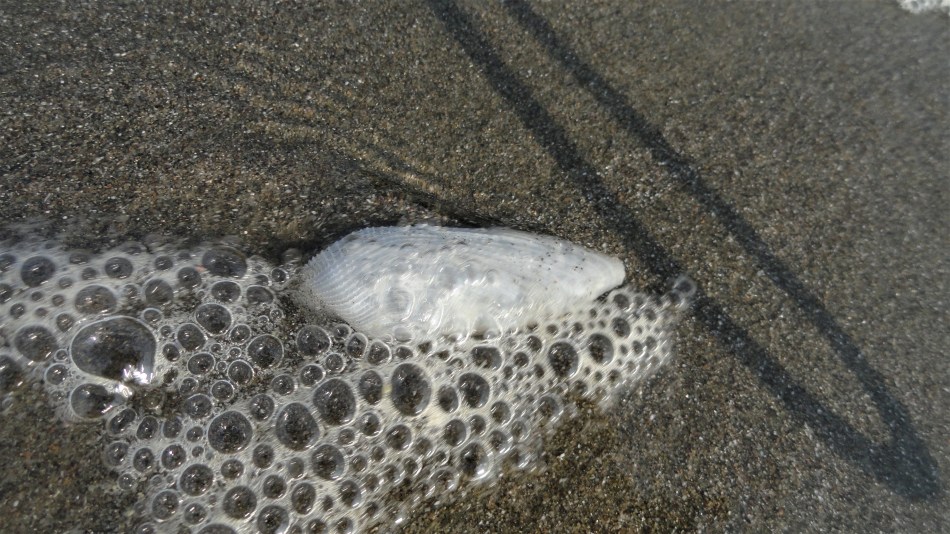 So I guess I missed a day again yesterday. Sorry. I’m having to depart a bit more rapidly than planned, due to some family health situations back home. Yesterday I was trying to tidy things up and I think I didn’t manage to post anything. I’ve taken a bunch more photos as one part of my sad farewell to this lovely beach and busy part of the world where I’ve worked with so many remarkable colleagues, partners and interlocutors…and I’m sure I’ll be popping them up on here either from airports on my long trip home, or from there once I arrive. Thanks for reading and keeping up with me. Peace 🙂
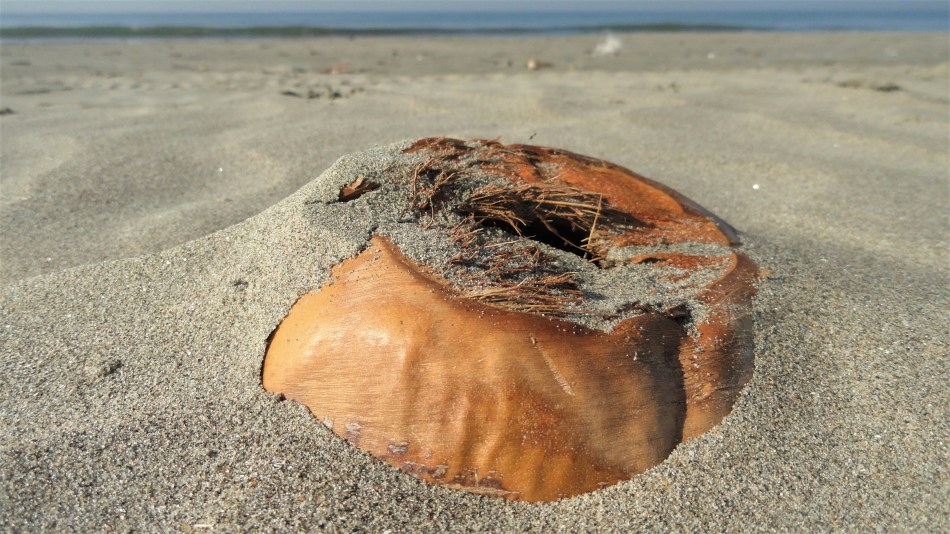


Longest Beach.26
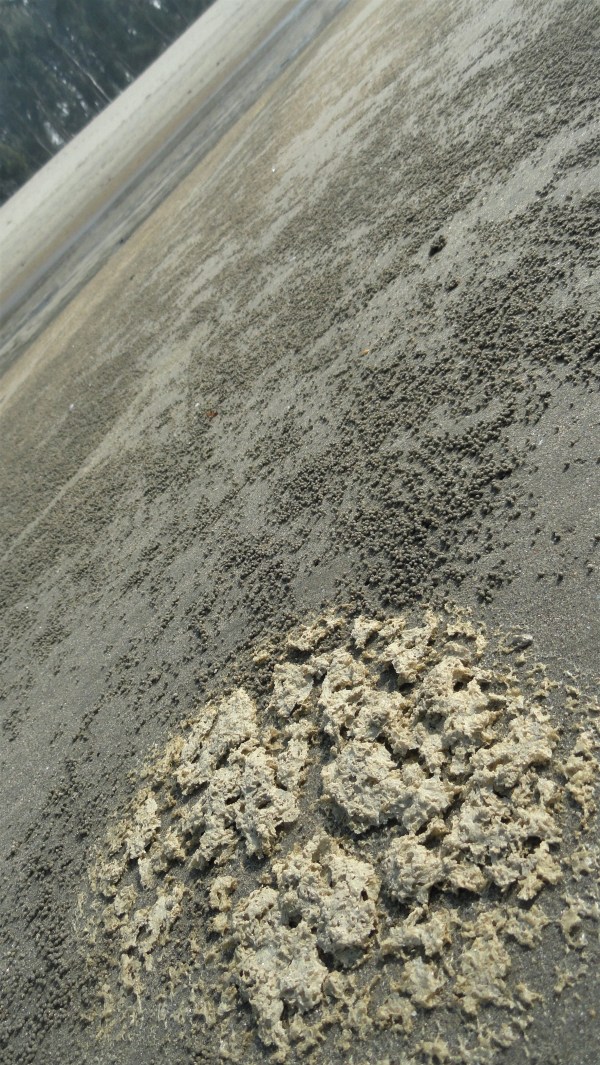 I do not know what makes the small clusters of sand-balls that you see here. They are tiny and they must get swept away with each tide…and then rebuilt quickly by some kind of mini-crab and burrowing sand-pooping tiny animal that works very hard. The foam-scum is fairly self-evident, to those who know tidal zones and beaches. The thing that cuts diagonally across the top part of the photo, below the tree line, is the channel of a sort of tidal river that cuts along the beach in this area, usually with a little water trickling toward the ocean at low tide, and a great deal more water in it at high tide. Interesting things appear along the shores of this tidal inlet, sometimes more interesting than along the main shoreline…
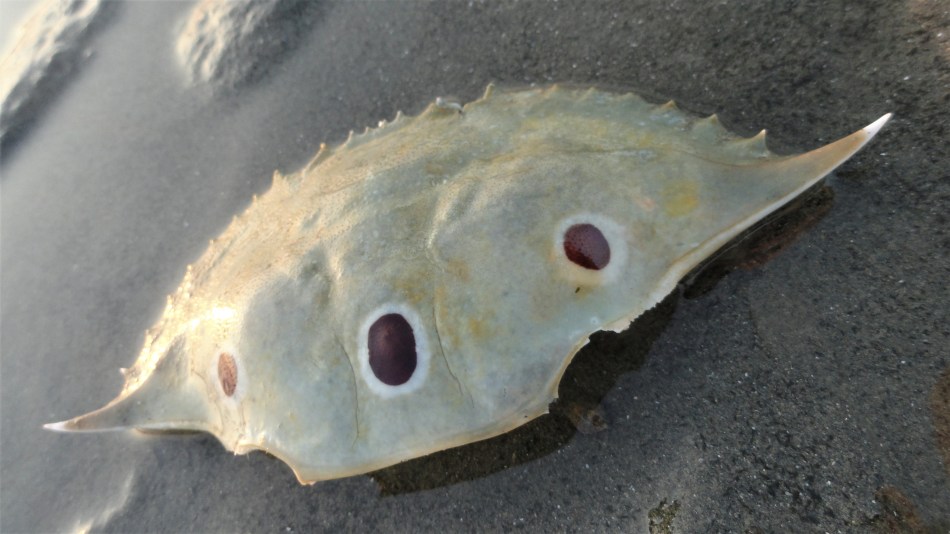
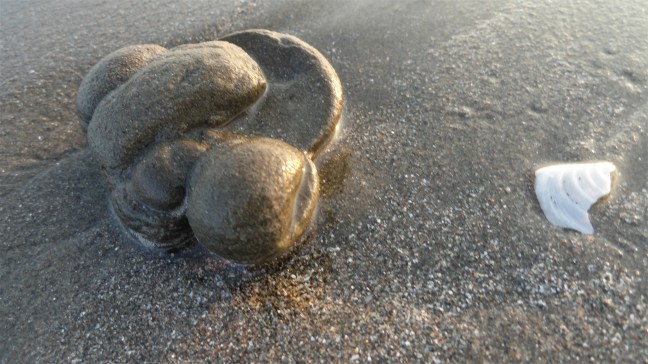
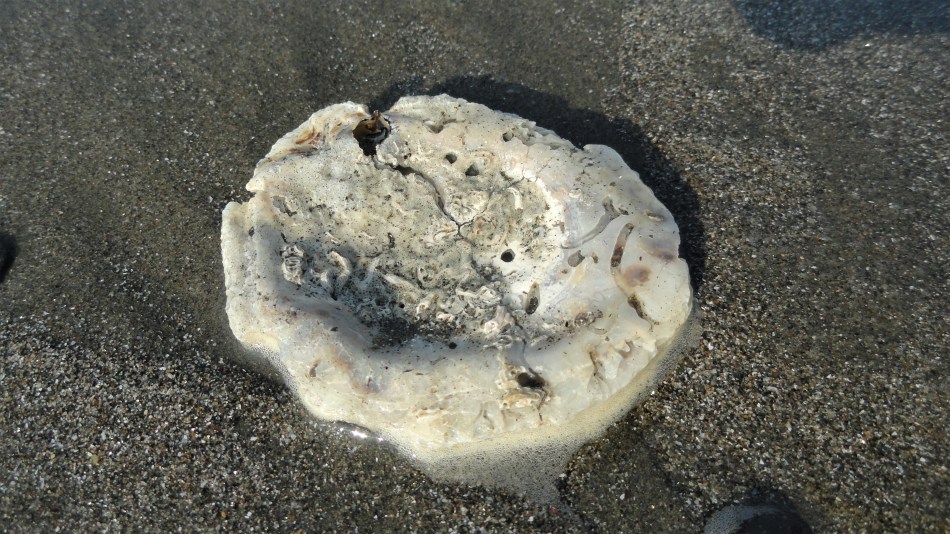
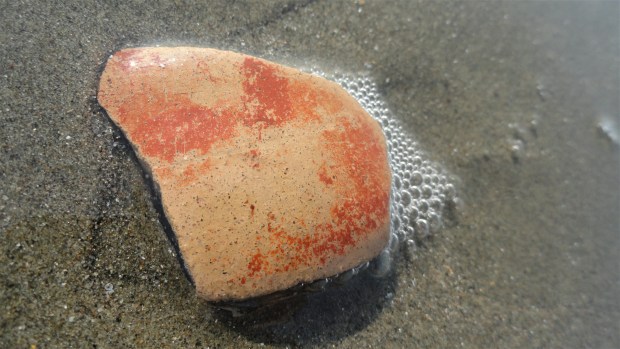
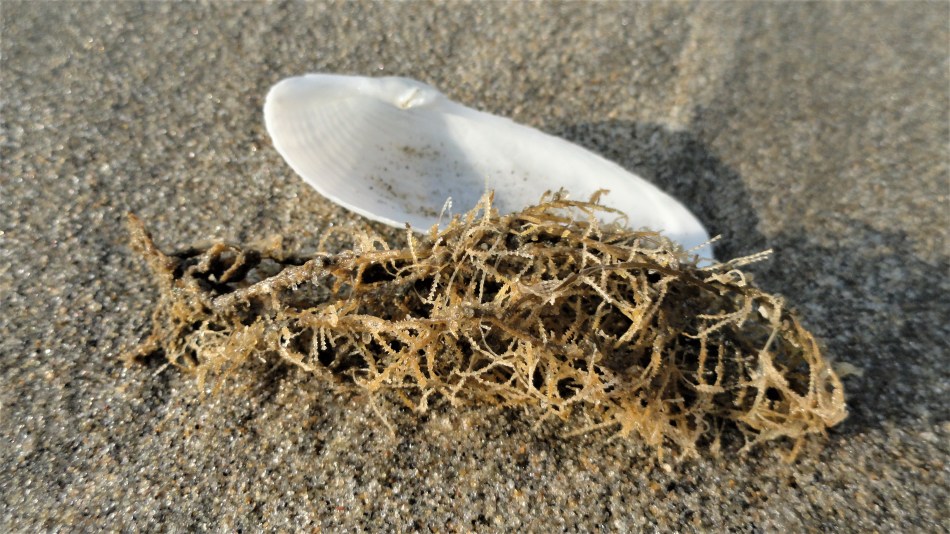
Longest Beach.20
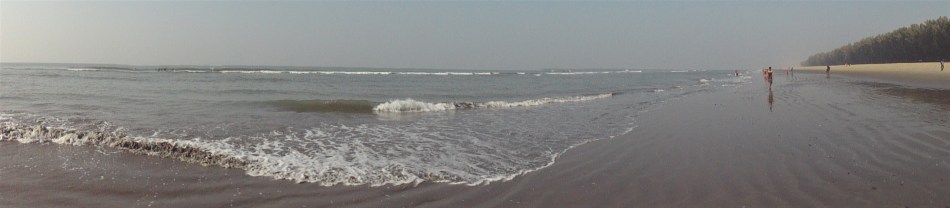 I can’t say that I *know* this, but my instinct strongly tells me that the pine trees planted along much of the coastline in Cox’s Bazar district are the result of a program to resist coastal erosion. They do not seem at all haphazard, but instead regularly spaced in the manner of trees I’ve seen on tree farms around the world. On a recent beach walk I chatted with a colleague, who at first said he didn’t much like the trees – after all they’re not the most beautiful of trees and they do shield the beach view from a distance. I pointed out what I thought it meant about mature, evidence-based government policy to use what is likely a well-chosen type of tree (I’m betting these trees tolerate sandy, salty and windy growing conditions quite well) used as a bulwark against rising seas in a nation that’s really quite at risk. One could compare that favorably to the mature, evidence-based policy-development skills of certain other nations or national leaders, could one not? 🙂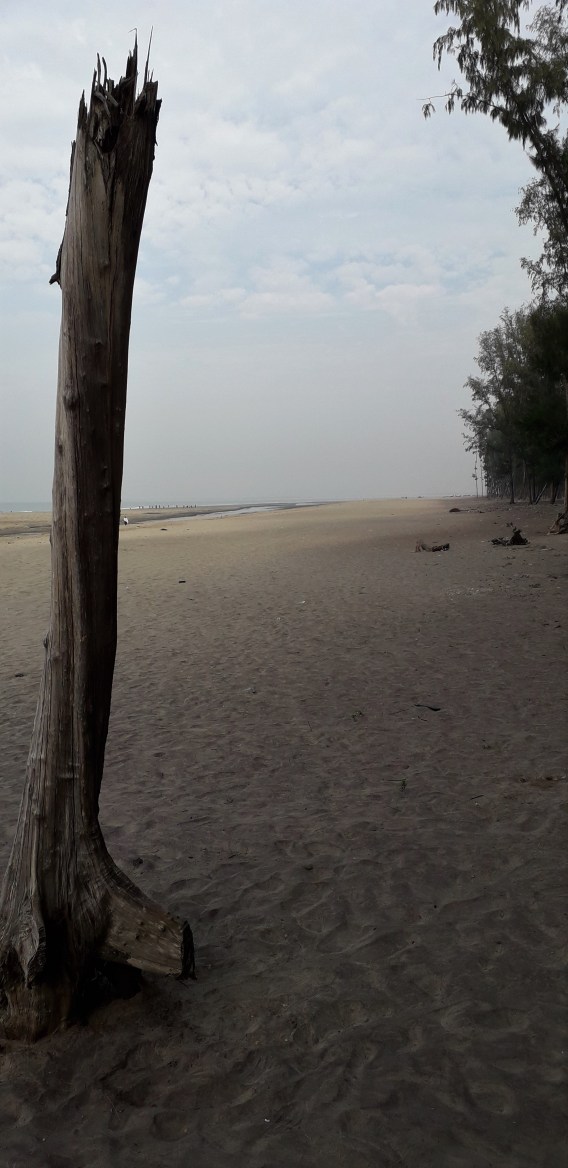


 (so much world, so little time....)