The Quadrangle


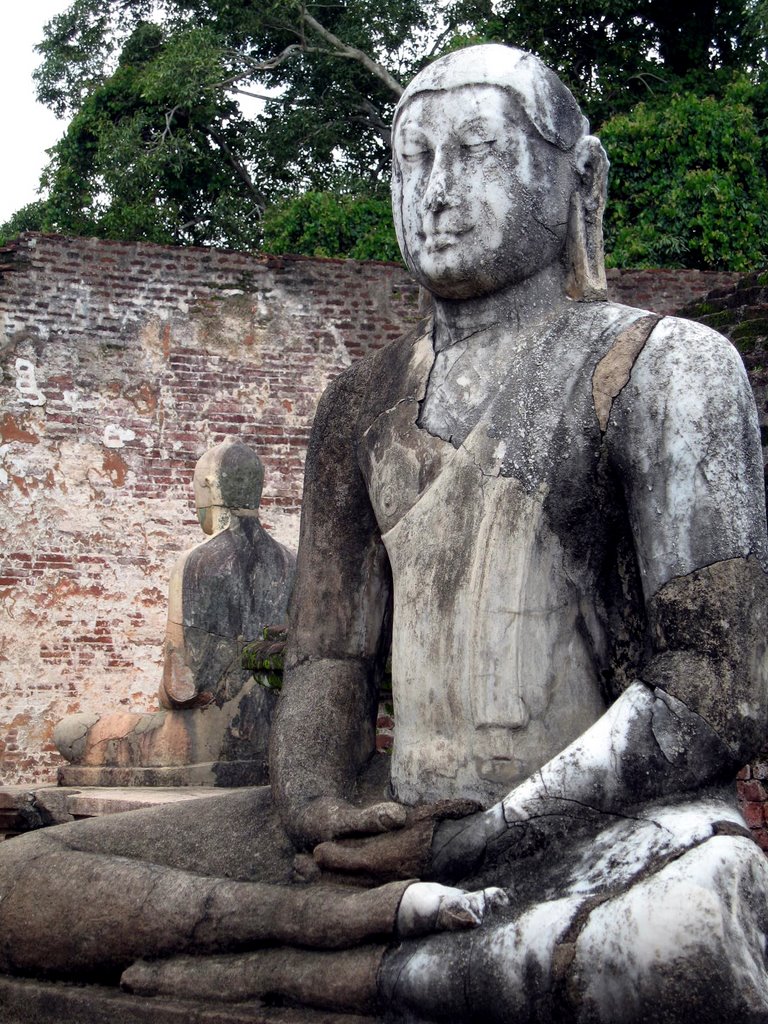
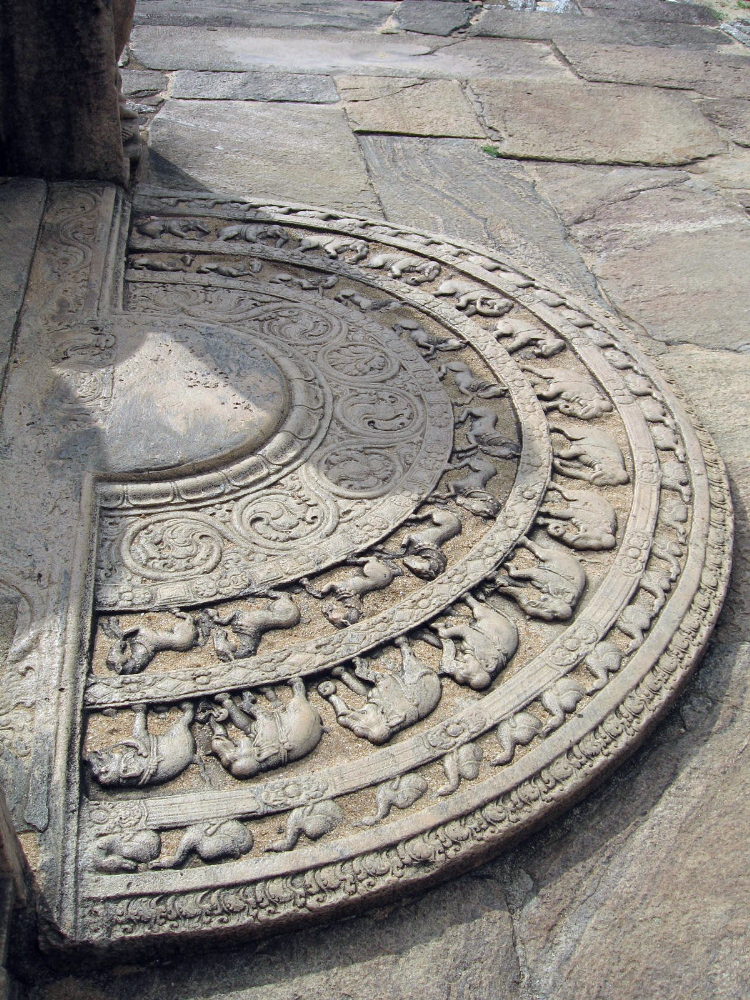
The quadrangle, LP tells me, is the densest concentration of historical buildings in a small area in Sri Lanka. It’s quite compact and feels very much like a…well, like a quadrangle on a college campus I guess.
Rankot Vihara Dagoba
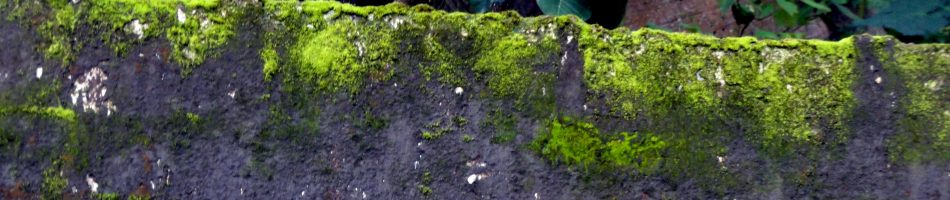
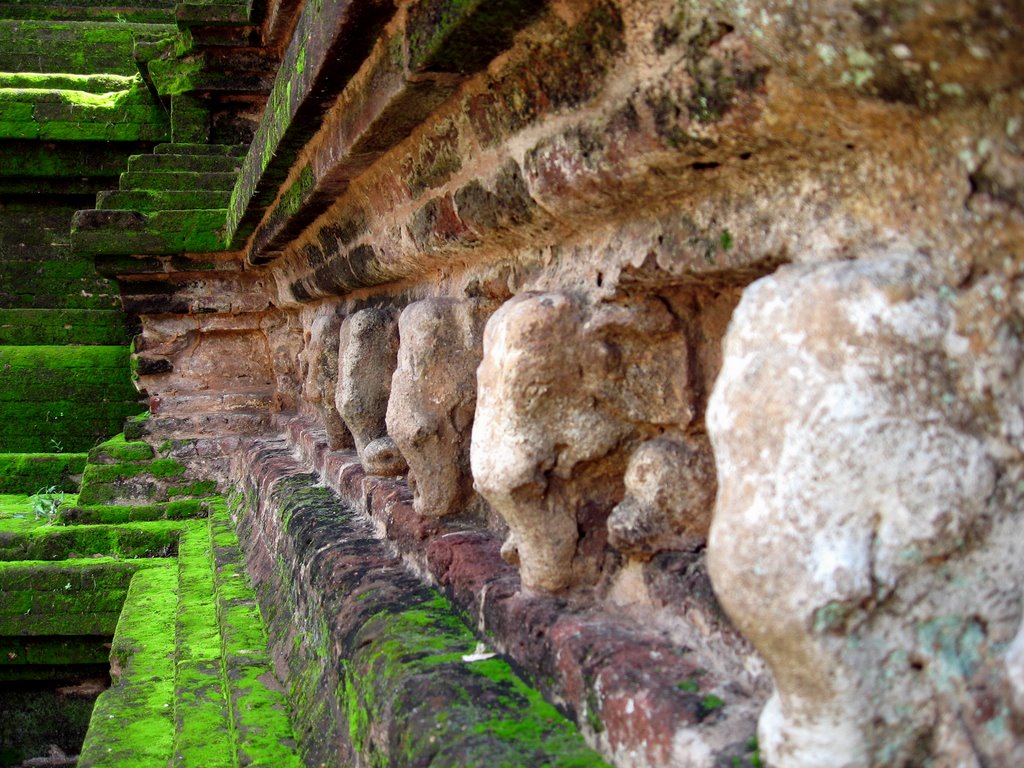 Though not the most obvious thing about the Rankot Vihara, this elephant frieze gets pride of place because I simply loved the decorative elephants and how the moisture has leached some fine coatings onto them, contrasted with that rich green of the moss. Ain’t it purrty?
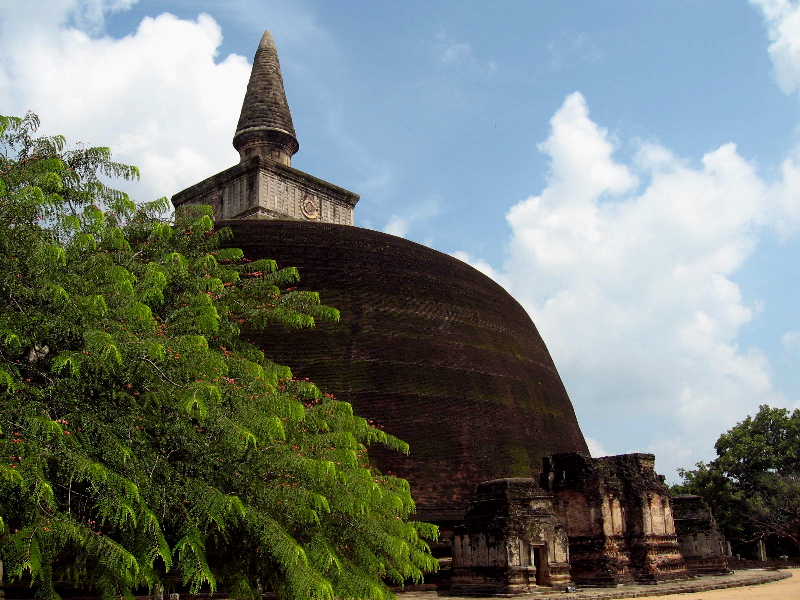
At 54 meters high, this is the largest dagoba at Polonnaruwa and the 4th-largest on the island (of the bigger, I suspect at least one or two are quite modern and not, frankly, terribly interesting, given some things I’ve seen…there’s the occasional element of tack to contemporary Buddhist architecture in SL as I see it, e.g. that glimmer of gold from the enormous golden Buddha that I subjected you to only from the distance, next to the gorgeous and historically important Dambulla caves). It was the first building and compound at Polonnaruwa at which my jaw really started dropping – all the things you’ve already seen caused my jaw to drop even more, but sequentially I saw this first, and despite the heat I was a bit awestruck.
 At intervals along the rounded outside of the dagoba, there are “image houses” for sculptures of Buddha and Boddhisatvas. This is one inside, with offerings of flowers. One enters these sacred precincts in bare feet (the rocks were hot!!!!) with hats doffed.
Shiva Devales
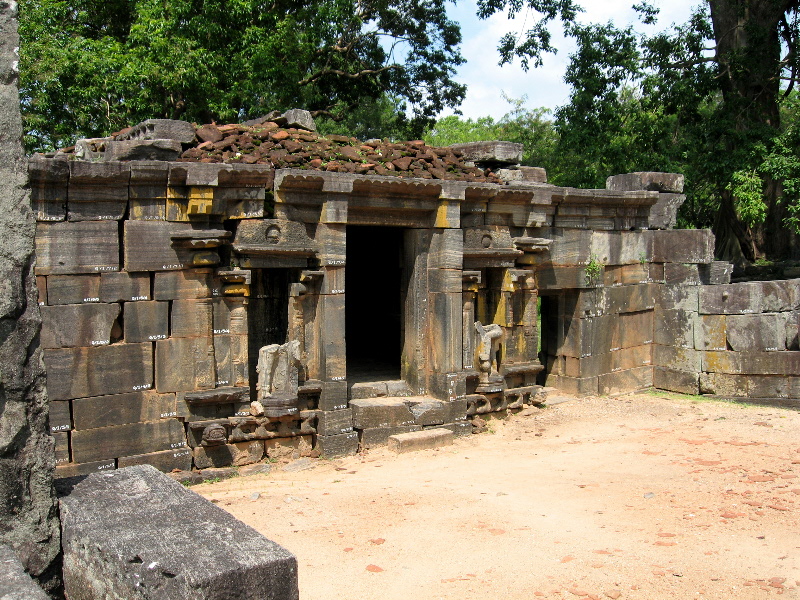
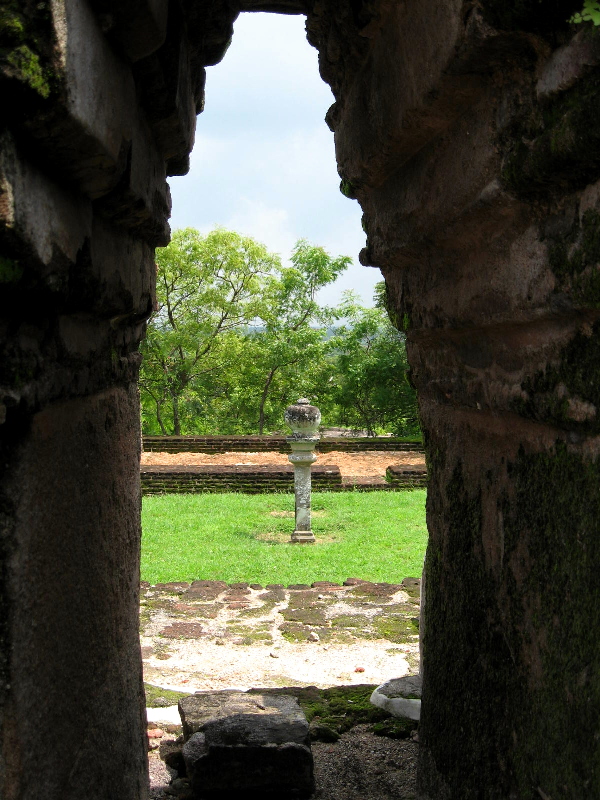
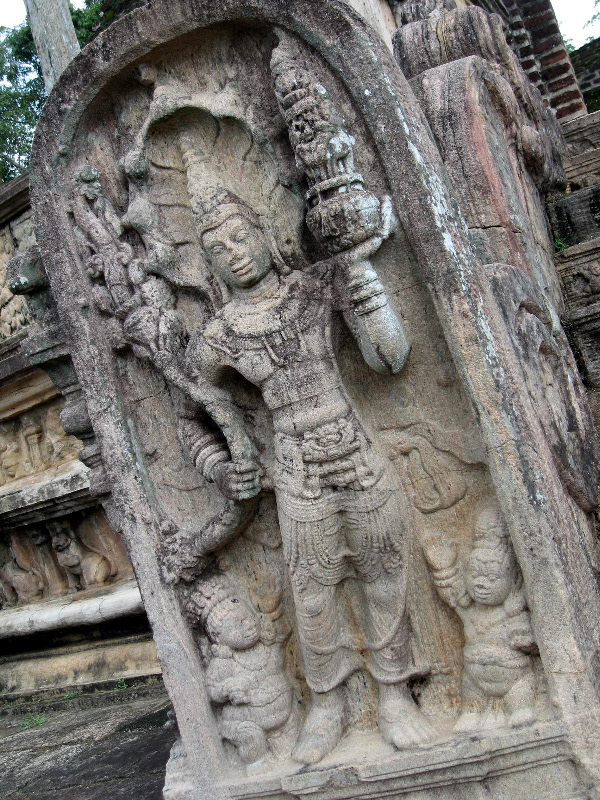
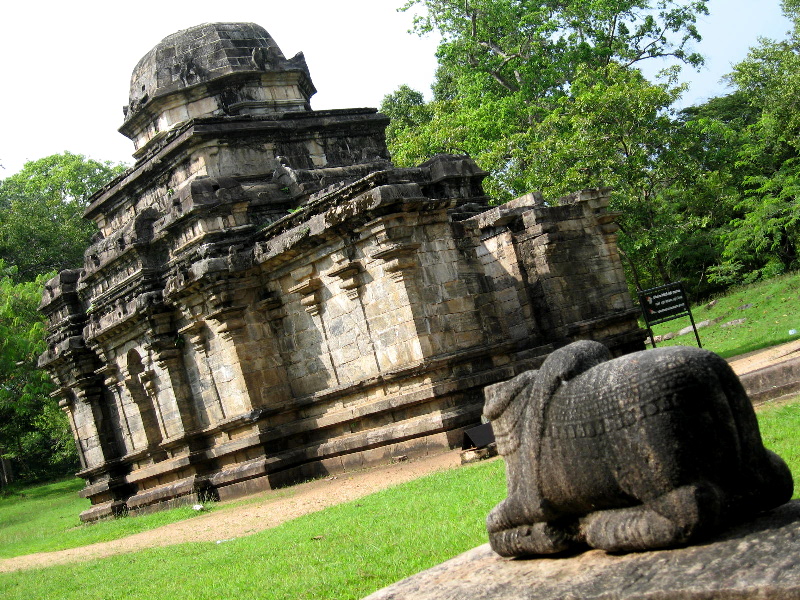 All of these images reflect Hindu influence that was strong at Polonnaruwa both before and after it was a Sinhalese Buddhist capital. The first two, with the still-intact rounded stone roof, are of the oldest building still standing – a Shiva Devale (I think Devale must mean some kind of temple) dating from the pre-Sinhalese Chola era. The third and fourth are another Shiva Devale dating from the 13th Century, when Hindu influence crept back in after what Lonely Planet calls “Polonnaruwa’s Sinhalese florescence.”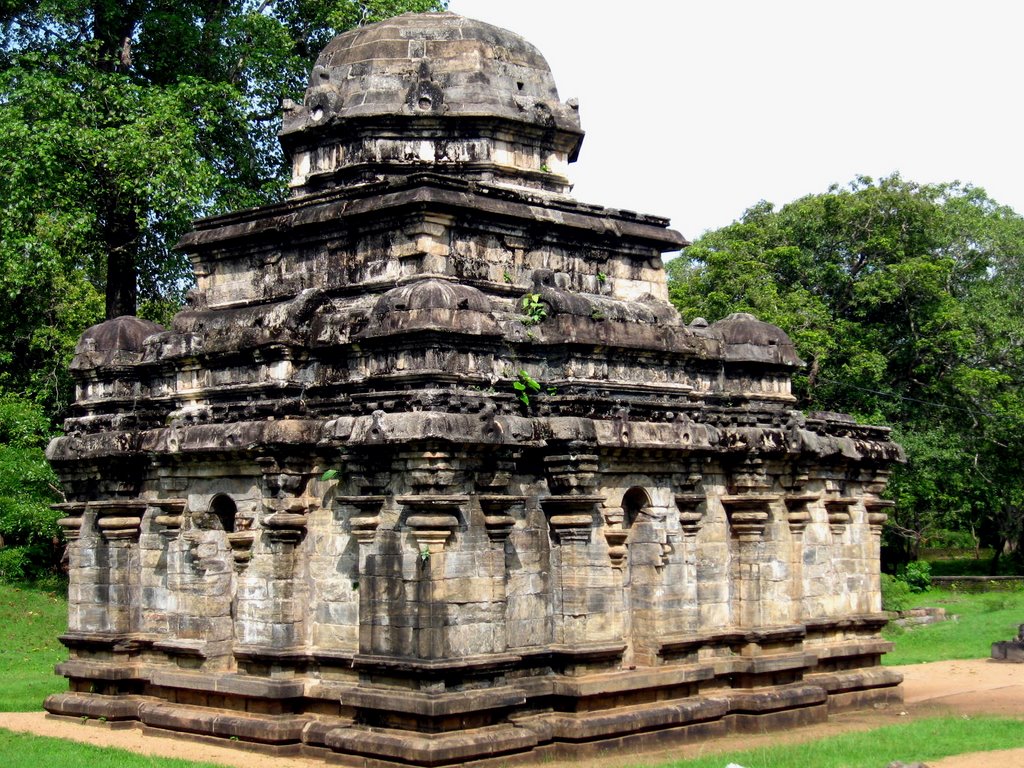


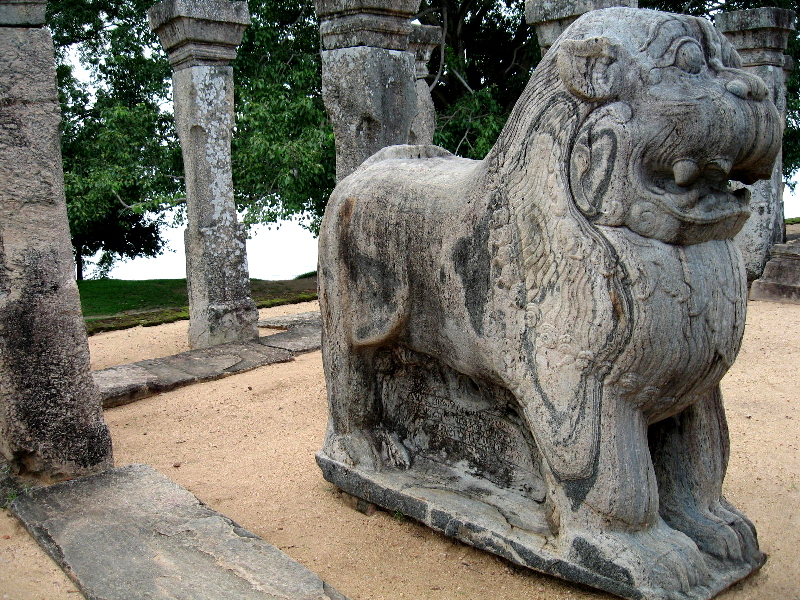
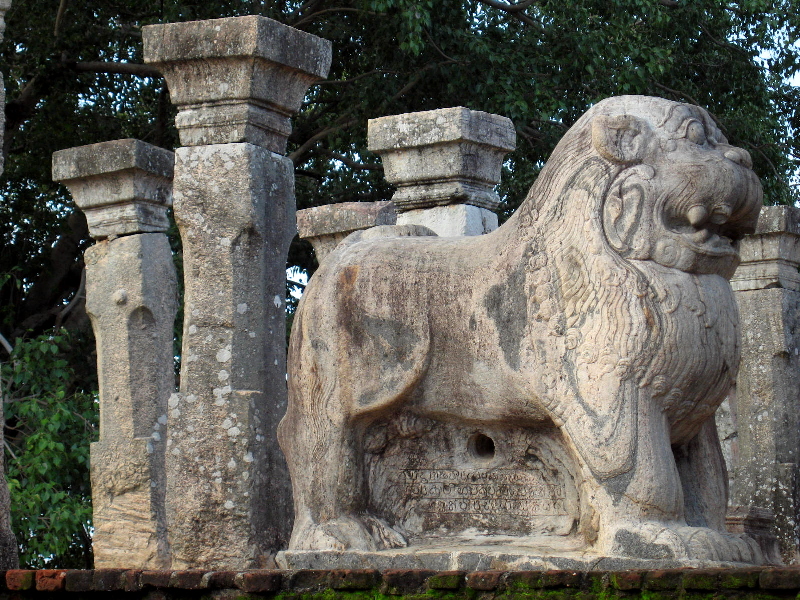
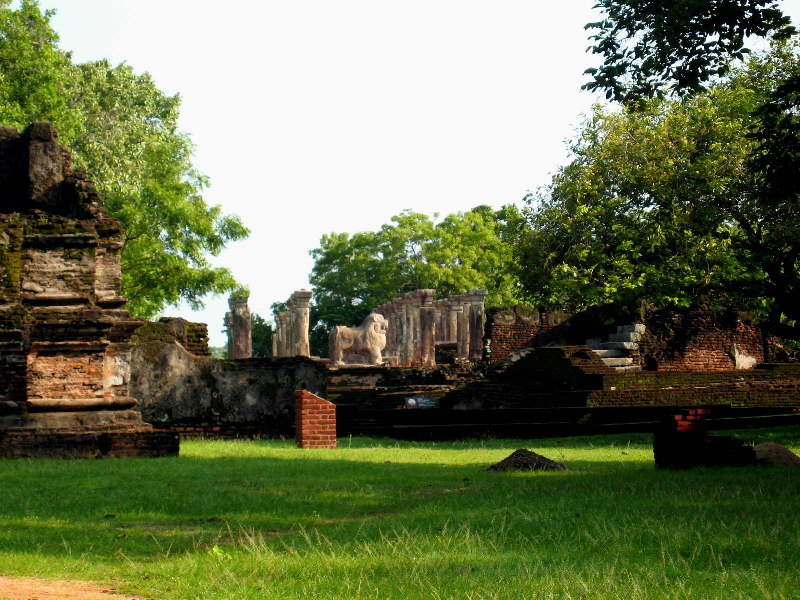 These are all views of Nissanka Malla’s council chamber. Remember the two meanings I know of about the lion: Buddha was the Shakya- Simha, or lion of the Shakya clan; and the Sinhalese origin tale says that the exiled north Indian prince who with his followers found refuge in Sri Lanka was the Sinha (lion) prince. I just thought this lion carving, situated as it was surrounded by green grass, the lake and other ruins; at the head of the council chamber (on each pillar is written the name of the minister who sat by it), was particularly attractive.
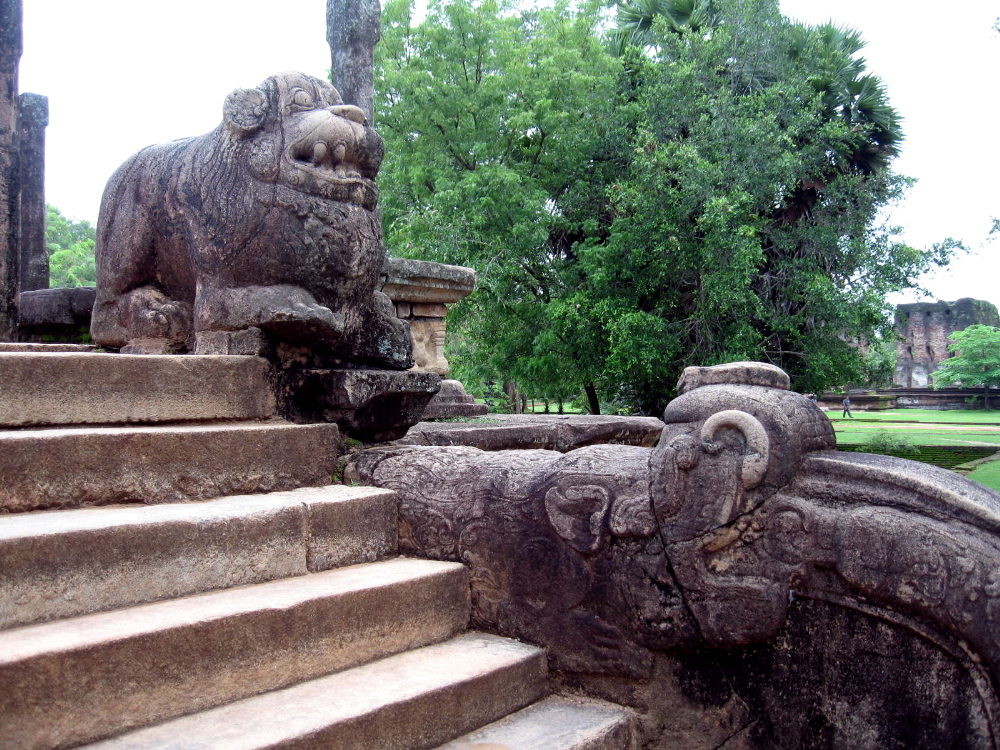 The steps to Parakramabahu I’s audience chamber.
 The frieze (three-tiered: elephants, lions, and dwarves – a sign of good luck, where I believe the other two are more signs of power) and platform of Parakramabahu I’s audience chamber.
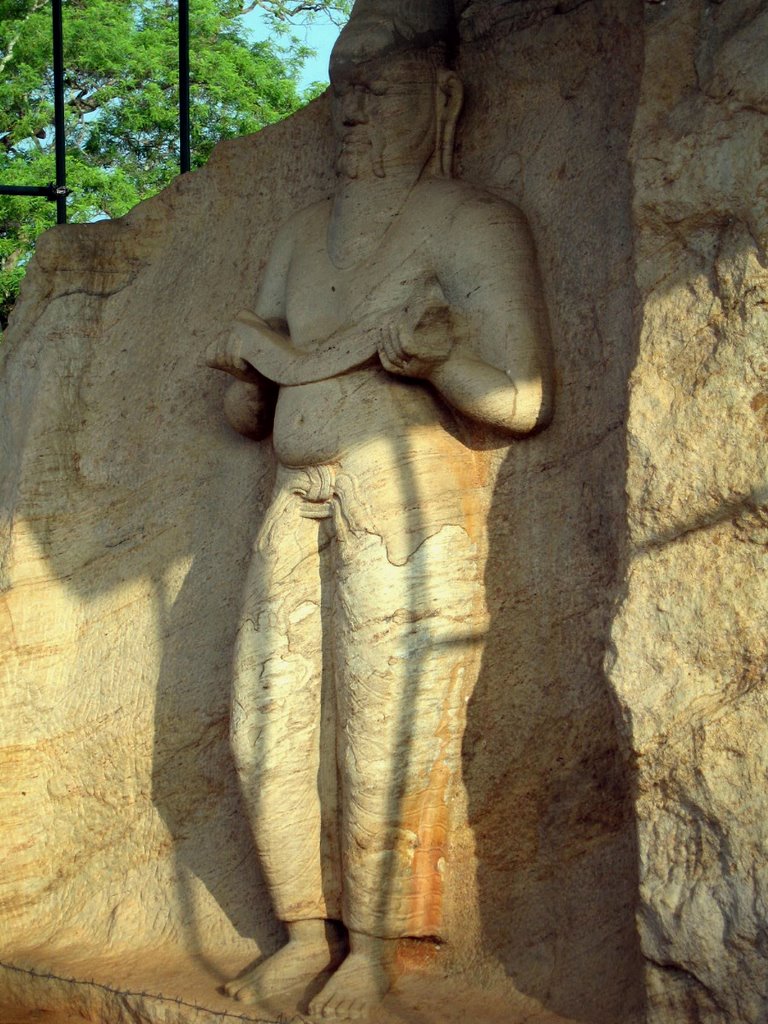 From another section of the ruins altogether, but a section dated from the era of Parakramabahu I; there are two interpretations of this. One says it’s a Buddhist scholar reading a sacred text; the other says it’s Parakramabahu holding the yoke of kingship. According to the ever-helpful Lonely Planet, the joke is that it’s just the king holding a piece of papaya and about to chow down.
 Parakramabahu’s bathing pool. The spouts are supposed to be shaped like crocodiles, but I didn’t see it…
Images of Topa Wewa
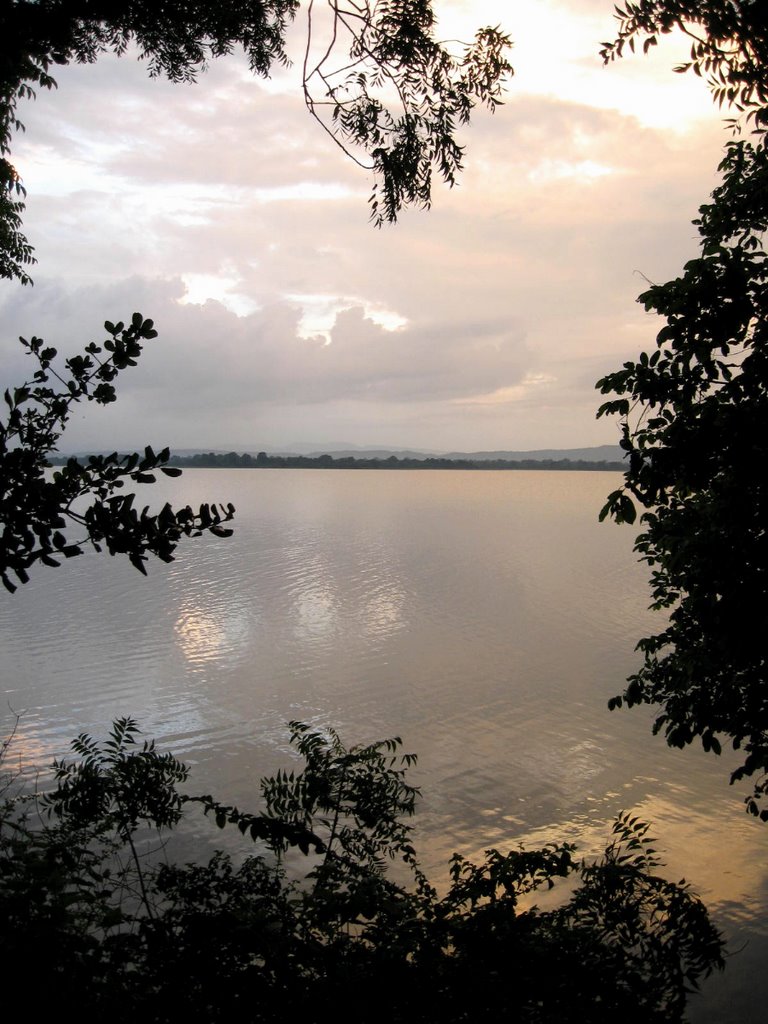
Irrigation, and reservoirs, achieved apparently very impressive levels in ancient Sri Lanka. There are reservoirs, called “tanks” almost everywhere; the one estabablished by Parakramabahu I in Polonnaruwa was so large it was called a sea. Today it’s simply called Topa Wewa, which means something or other. Topa Wewa basically draws up the western border of Polonnaruwa, and two of the ancient ruins sites are close to it; one is right on its shores. It’s quite lovely to sit by it looking west toward the low hills and mountains.
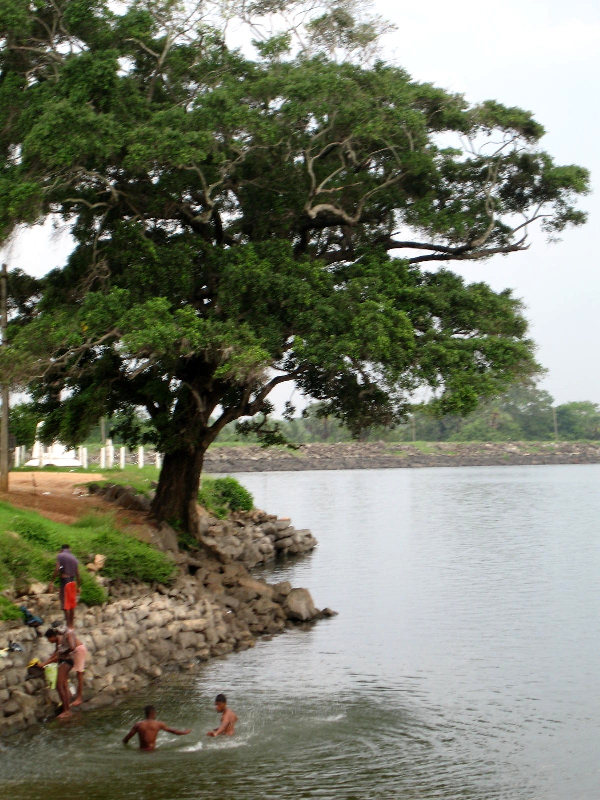

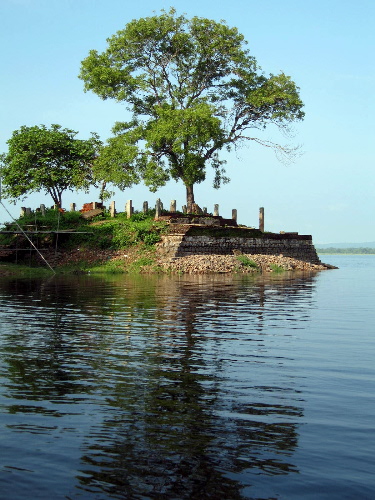 From top: you know I’m a sucker for framed sunsets, or anything framed for that matter; this trip’s also taught me that most Sri Lankans still use any available water for clothes washing, bathing and just generally having fun; a view from my morning run; and the ruins of Nissanka Malla’s summer gazebo on a little island in the Wewa.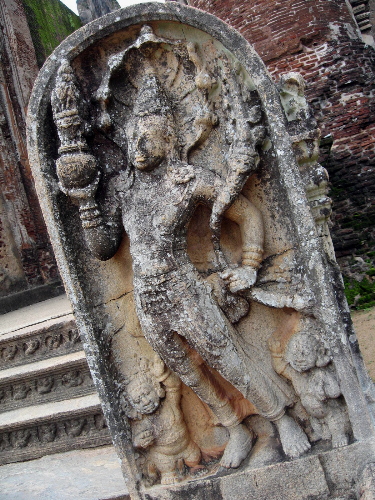
Stopping in Kandy


Monday evening I had the serendipitous (root: Serendib, an earlier name given this island) notion that it would be nice to see Kandy, a hill town I’ve been hearing about since I first heard of Sri Lanka, back when most world-travelers now crowding buses and trains were still in bunny slippers. So first thing Tuesday I trundled over to the bus station, sadly discovered there were no “intercity express air conditioned” buses (don’t get carried away…this merely means you’re more likely to get a seat and not sweat too much, while listening to extremely loud music blasted for the whole bus, rather than being jammed in more tightly than you could imagine, without AC, in a bus whose shock absorbers died when JFK was president), so hopped on the first regular bus I could find. (And was thoroughly shaken and stirred during the four-hour hop to Kandy.) But by late afternoon, there I was relaxing on the absolutely gorgeous terrace of a house high in the hills outside town that’s currently occupied by a friend of my dear friend the ex-fieldco of our former street c hildren project in Baoji, China. (Thanks, Marg; double thanks, Paula!) I spent Wednesday morning and early afternoon reading trashy fiction, listening to the absolutely glorious election results coming out of the US, and watching the wonderful vistas you see here. Not a bad way to end a short vacation, is it?!

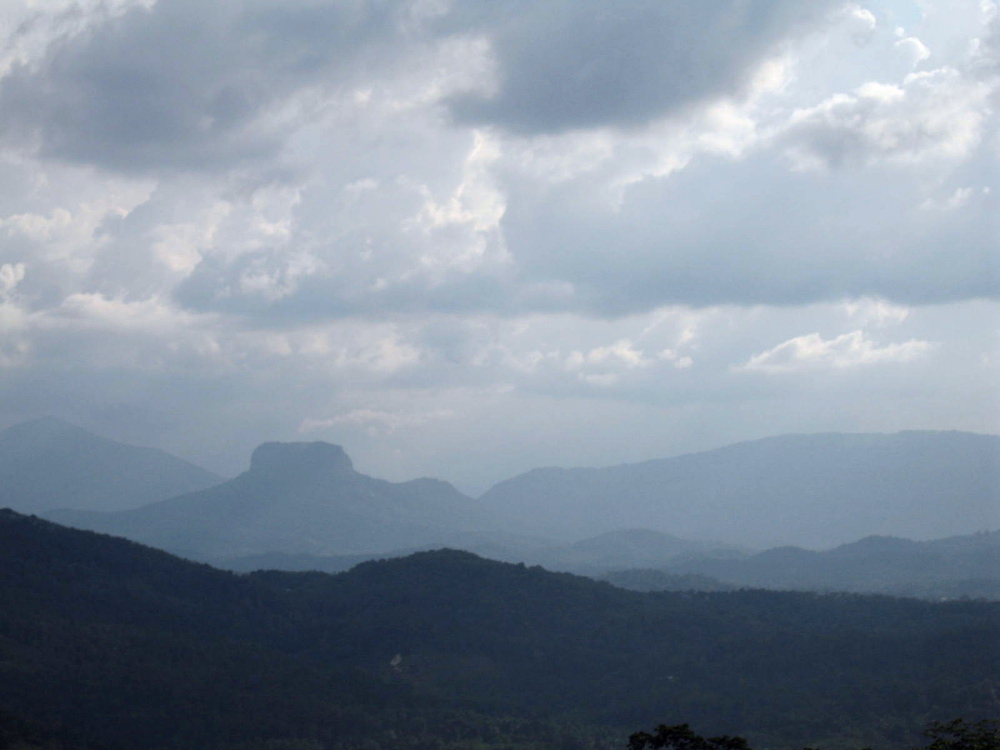
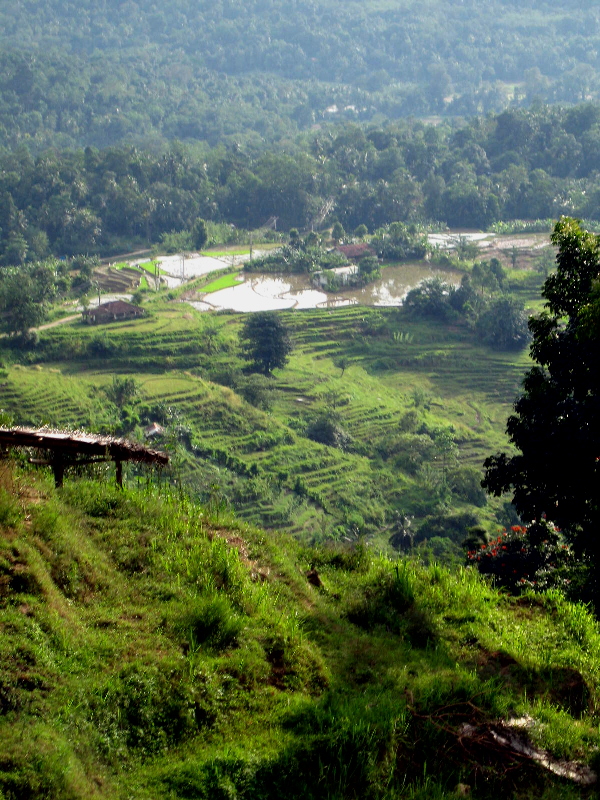
Coming down from Kandy, I finally got off the insane roads (they make Chinese roads seem modern, huge and tame: there are no divided highways in this country, so far as I can tell: NONE…in fact, the biggest roads you’ll find aren’t up the standards of a halfway decent two-lane county highway in any part of the US, but then what am I doing, trying to encourage more folks to take the roads and start using up more gas!) and into a train down from the hill country back to Colombo. Here are some views from this truly wonderful 3-hour train ride: terraced rice fields that made me feel I was back in Guangxi, beautiful hills hidden behind the clouds, and guys cleaning up by the side of the tracks from whatever track or field work they’d been doing. 
Wildlife in Sigiriya & Polonnaruwa
Naturally I enjoyed the wildlife on my travels. I intended to visit one of the national parks and see herds of elephants (apparently one can often see lots of babies in some of the herds), but the timing and pricing just wasn’t working for me…so I cut out of Polonnaruwa a day early and ended up delighted with those views of Kandy you’ve been enjoying.
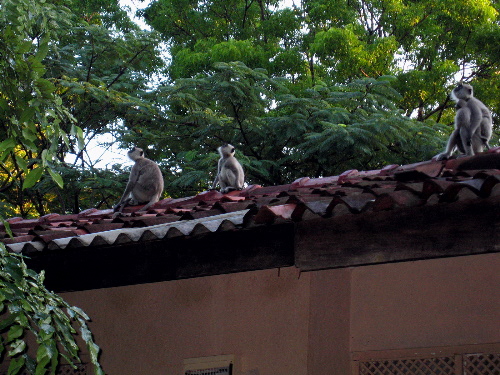
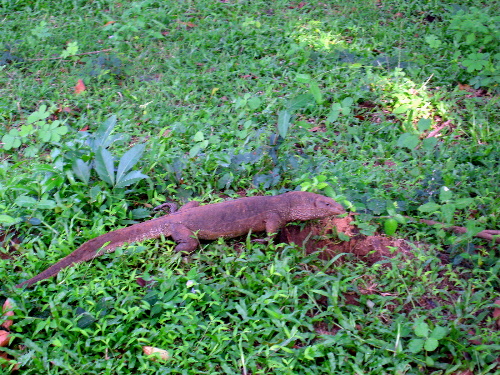
An interesting aspect to my travels was my unusually dire concern about snakes. You who know me will agree, I think, that I’m not so much the paranoid type. But let me just tell you that every stick, every shadow that moved in the grass where I walked, became a cobra or some form of krait in my mind. Perhaps this has to do with the fact that, in those parts of the US where I’ve come across rattlers and such like, I’m usually wearing long pants and stiff boots…while I go virtually everywhere in Sri Lanka in sandals and light pants. Perhaps more to do with the fact that I’m more aware of the more widespread and common nature of poisonous snakes here than in my usual USA haunts. Or perhaps it’s just my general jumpiness. Be that as it may, the only slithering things I saw – if they could be called that – are the lizards, geckos and iguanas (???) of which you can see two examples below. The monkeys, of course, are fun – but at the same time, reflecting on Steve’s joy at the troops in Wulingyuan last year, I realize I’ve become a bit jaded…and as likely to see monkeys as a potential nuisance that might try burrowing into my backpack for my snacks as something to ooh and ahh over. Still and all, they are fun – and the ones hanging out on the roof of my (one-storey) hotel room made me think I had troops of toddlers running around upstairs.
 This guy, and the ones on the roof of my Sigiriya hotel room, are all Hanuman Langurs, one of the three types of primate here. Note the grey fur and darker faces; yes, the name relates to Hanuman, the Hindu Monkey God.
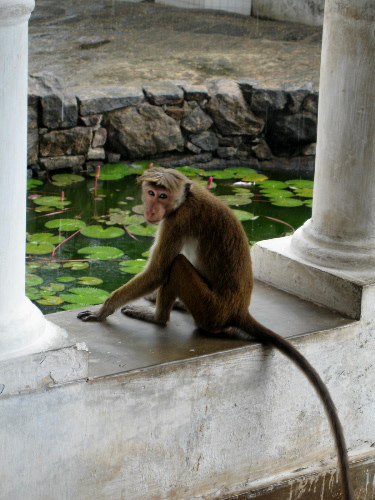 Where this guy, checking out the lily pond at the Dambulla Royal Rock Caves, is a Toque Macaque, which are more numerous and occur just absolutely everywhere on the island.
A Weekend on the Coast – As Paul’s Head Spins
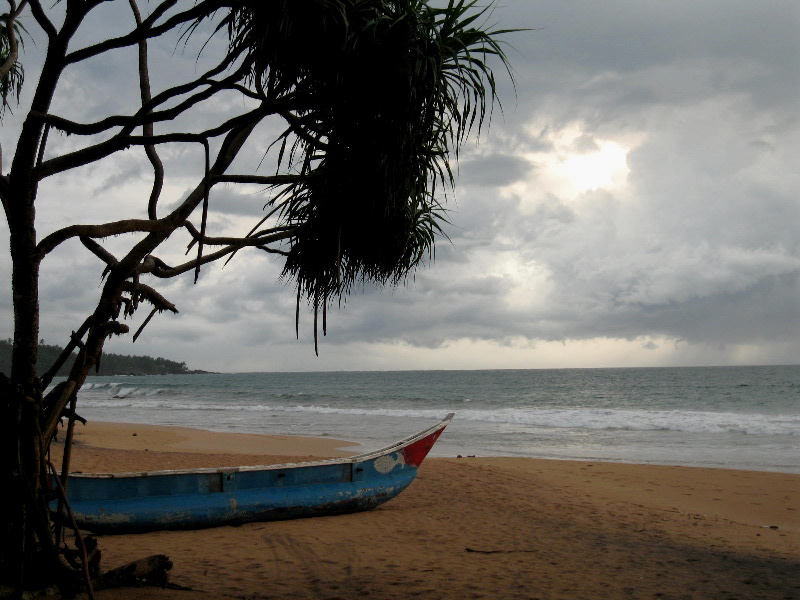
It’s been one helluva month since I last wrote. I’ll stick with what’s been the pattern since my little booty landed here in Sri Lanka: run the text of my (totally As The World Turns) personal experiences and life of the past five weeks all around these photos from a glorious, truly glorious, weekend I’ve just had down the coast a piece (65km or so) in a little town called Induruwa. You will note, perhaps, that the text is heavy and worrisome, while the photos are beautiful and light and fluffy. Pictures paint a thousand words, but comparing my pictures with my words illustrates for you this confusing life So Much World, So Little Time is now leading. I don’t know whether I’m going or coming – none of us does, right now, in fact.
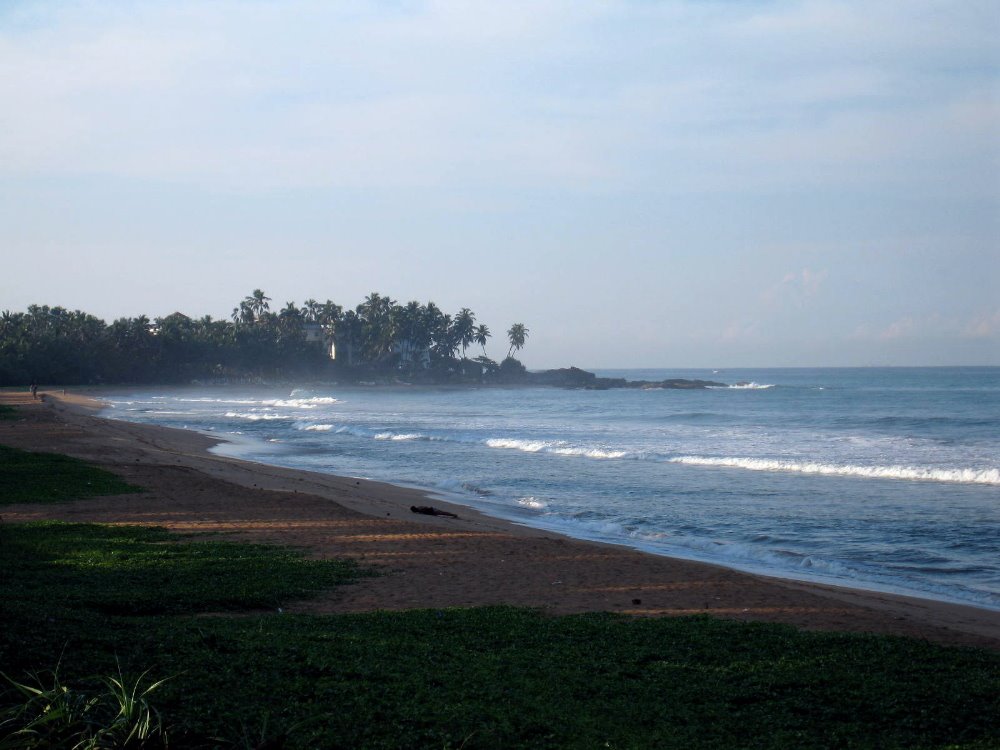 The beach in front of my guesthouse, looking south…
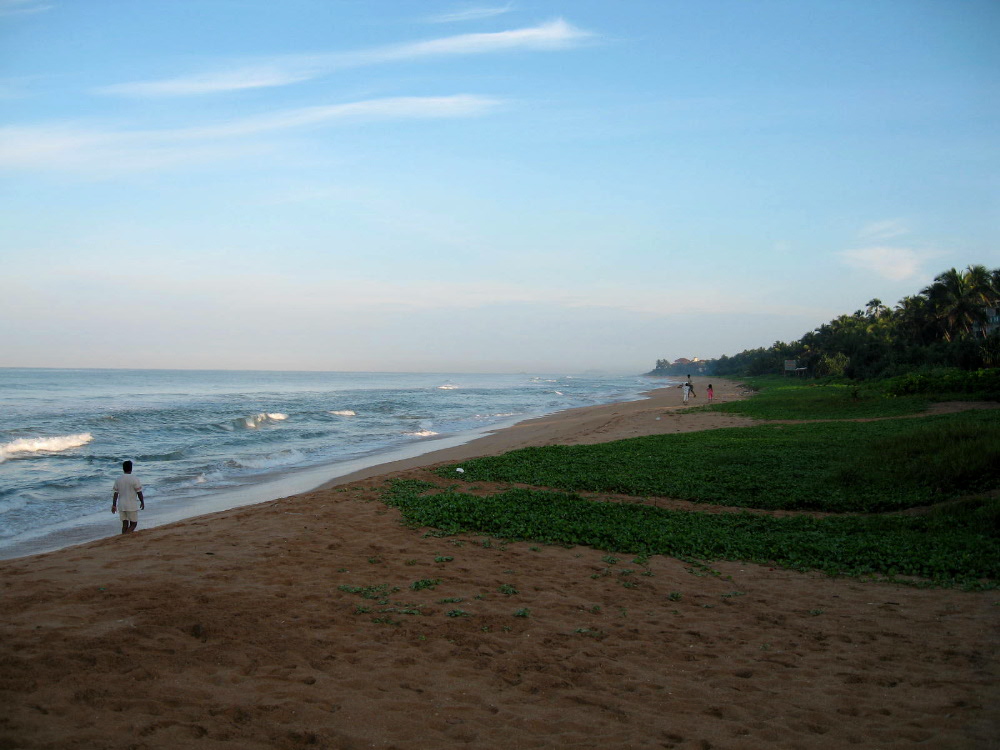 …and north.
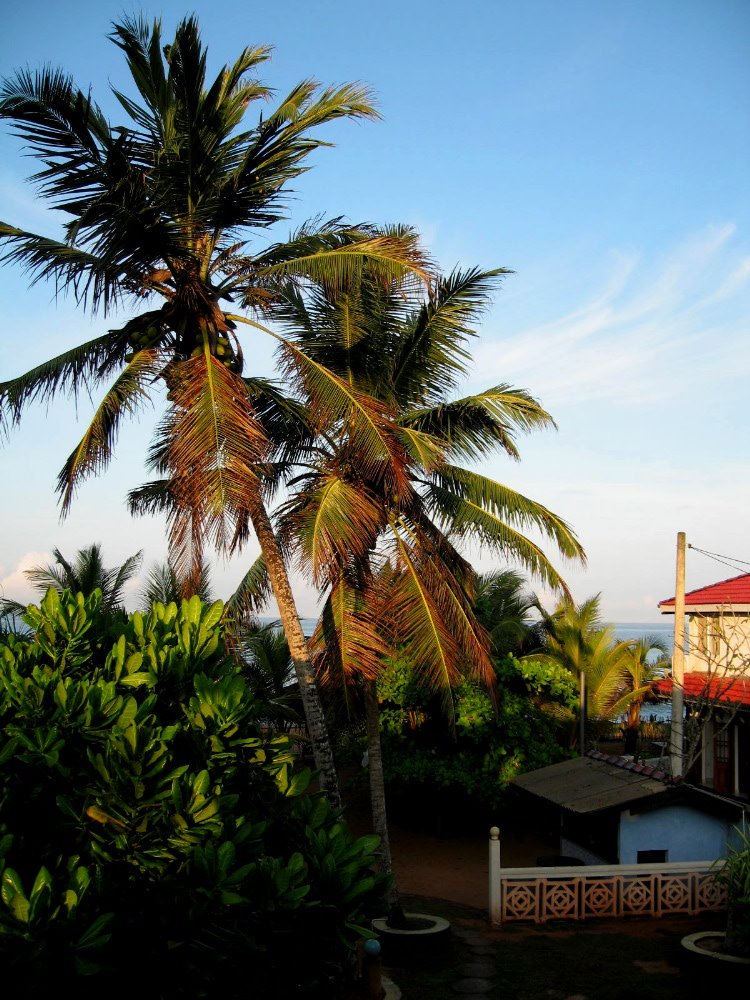 The view from my guesthouse window on Saturday morning. Yummy! (Big, big ta out to Stephano – our PPD anesthesiologist now back in Italy, who with Judith and Essam spent a night down here while he was awaiting a chance to get up to the peninsula to do his work – for giving me the card for this great guesthouse!)
 Since most of it’s on official websites (MSF sites, heck even the Sri Lankan government’s peace secretariat had a little piece that mentioned us – go ahead, google it!) now, has been reported on Radio BBC Sri Lanka and many newspapers here in the country, my personal stories will, in fact, refer to the MSF situation here a bit.
But if you want more facts, more details, I strongly recommend you copy the following link and paste all of it into your browser window (Mom, the people in the library can help you with this: and you WANT to do this), which will be active for some period of time after the date this is posted: http://www.doctorswithoutborders.org/news/2006/10-19-2006.cfm. It’s an interview with MSF France’s director of operations about the healthcare needs we’re here to address, and the immediate obstacles we are facing in our quest to address those needs. Other good sites for current updates on Sri Lanka are usually ICRC and various UN sites, such as UNHCR (high commission for refugees) and World Food Program. A good search engine will take you there, and they know much more than I do. And I urge you to find out: I’m told last week’s suicide attacks in Habarana and Galle got front page coverage in parts of the US; but the tragedy (not an overstatement) of Sri Lanka is deeper and has lasted much longer than those two events. I sort of think Americans, as citizens of the world’s most powerful nation (and one that has now arrogated to itself the right to act as the world’s policeman) owe it to the world they dominate to at least have some idea of the lives people live elsewhere. So go ahead – surf the web for ten minutes and find out a bit! [grin] [i have to do that because when i do a smiley face, it shows up on the blog as junk]
Induruwa Village Temples & Marshlands
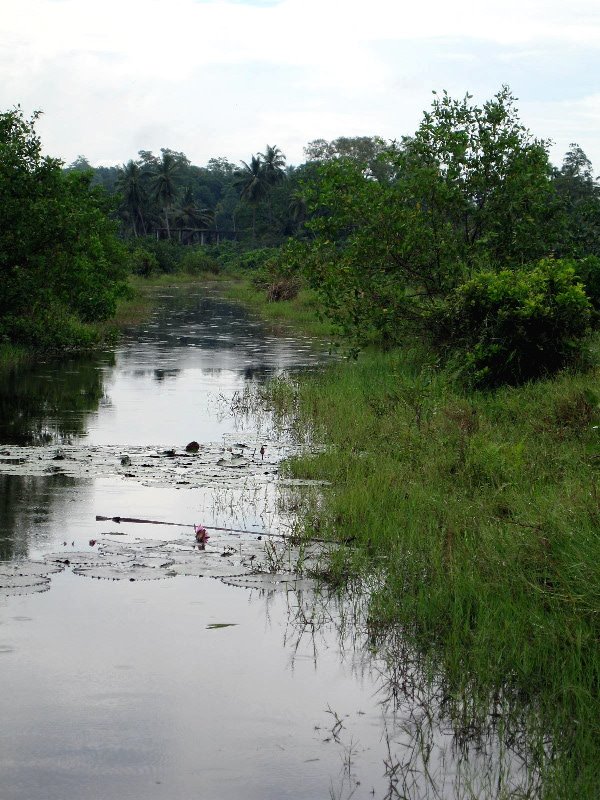
Monet might have liked it in Induruwa, too, huh?
So. What’s Paul’s life been like since last he wrote. I mentioned that – after five weeks here – I’d suddenly become the longest-standing member of the coordination team. And then, on the quiet Saturday morning of September 30, I was my usual early-bird self and first to grab the newspaper, to see the following cheery lead-story headline on one of the major English-language dailies here: “Four INGOs to be booted out over links with Tigers: Carry Tiger emblem on vehicles, stationery.” Though they got our name wrong (MSS instead of MSF) to me it seemed pretty clear we were one of the four being discussed – especially since we had been hearing for more than a week from the Department of Immigration (to which my rounds take me fairly often) that some form of “black list” existed and that we would soon be kicked out of the country. Then, during our morning meeting – we work half days most Saturdays – in walks the postman with the official, registered letter from the Department of Immigration telling us we have to leave the country by October 7.
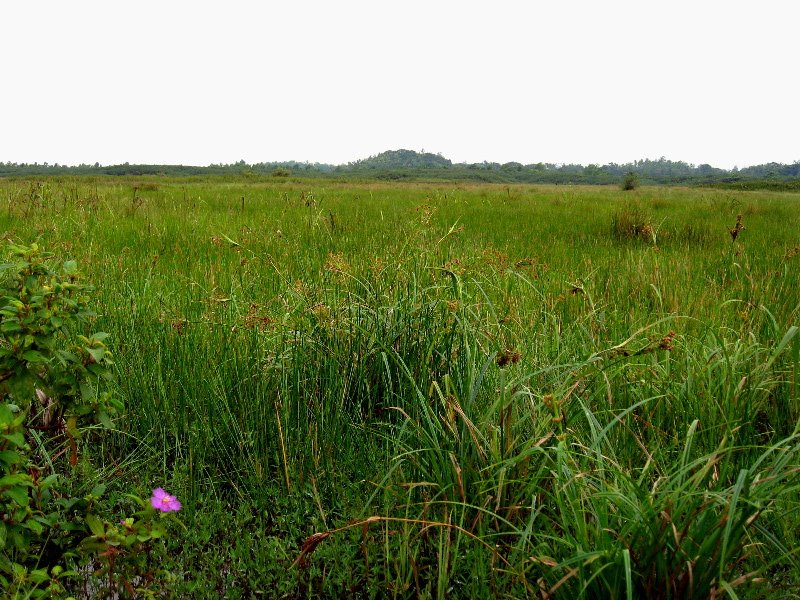

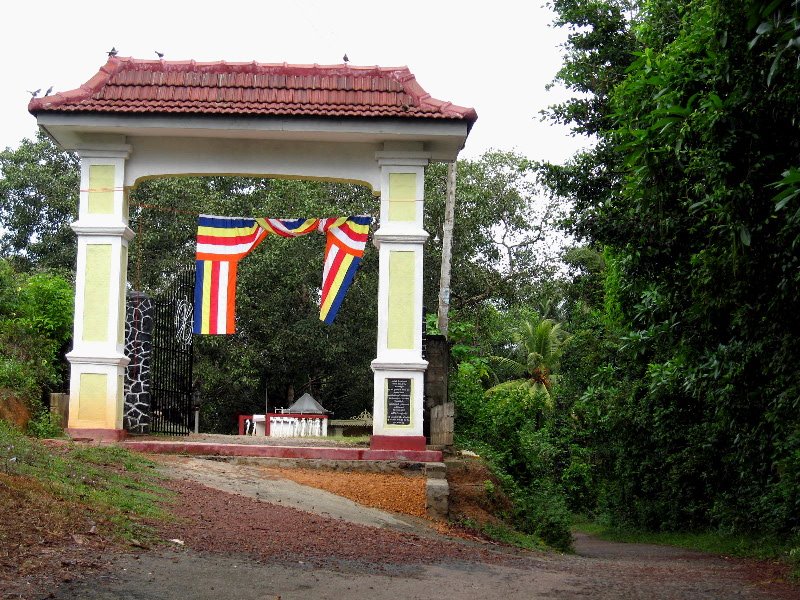 The stupa looks old, but I’ve no idea if it is. The temple entrance, stupa, and marsh shots from above are all in Induruwa village, inland from the coast and my guesthouse where the real people live, basically. It was GREAT to be able to run without being nearly killed by a million cars and tuktuks or asphyxiated by exhaust fumes. I don’t run in Colombo anymore – just swim at my fabulous local swim club, and now I’ve started playing some tennis there as well. Yippee!
 Induruwa Village Sights
There followed – as you’ll see in the website article I’ve pointed you to – a period in which various higher-ups from within MSF visited us here in Colombo, and we sought as many meetings as we could have with government officials and others who might be in a position to help us clarify the things being said about us and the government’s objections. Naturally the allegations are ludicrous and MSF didn’t, wouldn’t, couldn’t do any of the things referred to. I’ll leave the official information to that website article I keep referring you to. (Did I mention you should check it out?) This is my personal blog so I’ll stick to what it’s all meant for me. I mean, enough about the suffering and deaths of thousands in Sri Lanka so far this year…how’s it affecting my tanlines, darnit! (that’s self-mocking humor, friends…just in case anyone out there wants to get into a snit and say INGO workers aren’t taking the situation seriously)
 One friend spoke of the air of tropical decay that hangs around so much in Sri Lanka. But it’s sure pretty in its decay, isn’t it?
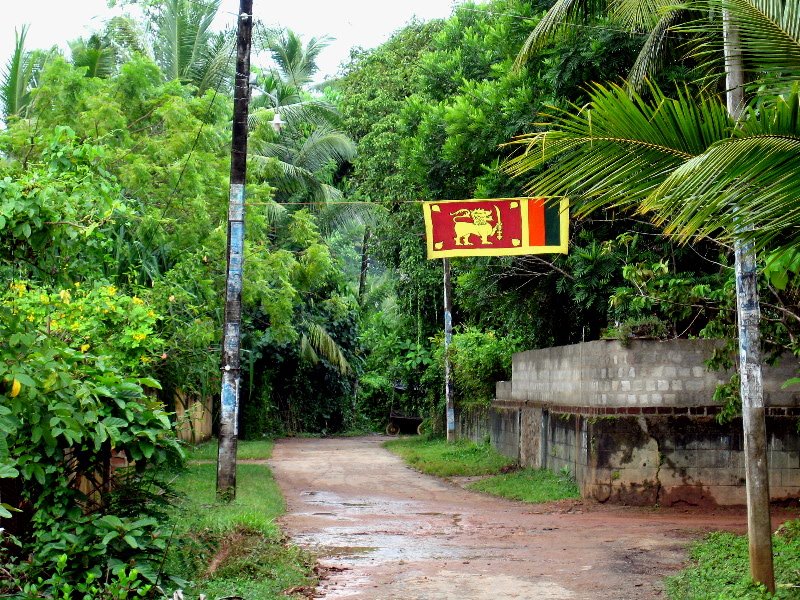 That colorful SL flag over a village trail on my Saturday morning run.
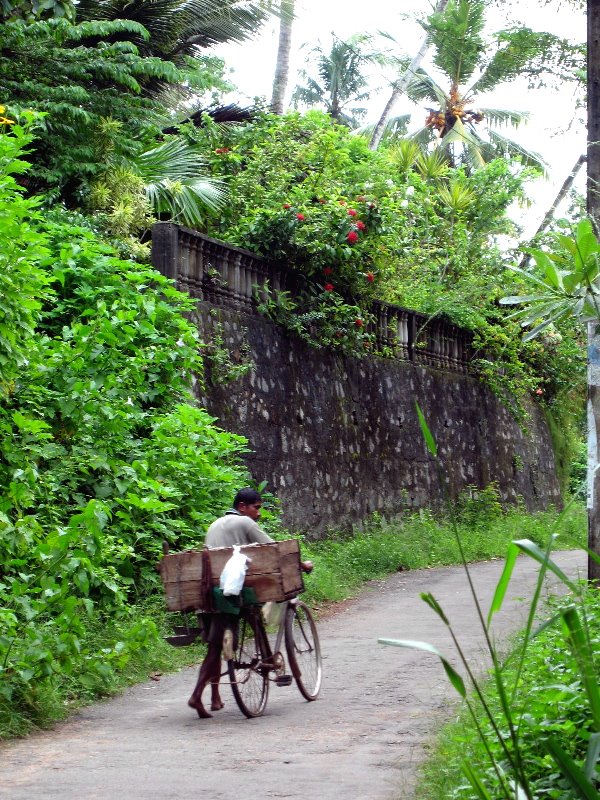 After missing a chance to capture two other fish-sellers peddling from their bikes with manual scales hanging off the back (aural image: the calls they make to let people know they’re coming by with fish for sale), I decided I really had to try for you folks on your barka loungers back home. It ain’t Peoria, is it? (Chuck?)
 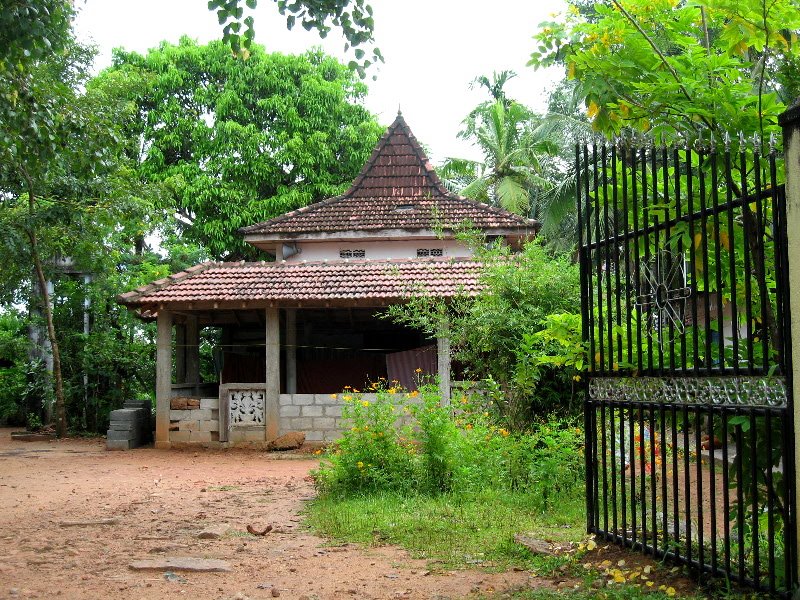 It’s been a roller coaster. We pulled our team out of the hospital in Point Pedro on the Jaffna Peninsula, which was very hard for all of us – we exist to be operational, to bring care to people in need…pulling our team out means since October 1, we’ve had no medical activities in the country. This ain’t easy. Right now we’re down to just me, a head of mission, and a small national staff team here in Colombo – that’s it for MSF France. The other two sections working here in SL have even smaller teams – and we’re all waiting for the day it’ll be safe (enough for us, which in a context where extra-judicial killings happen all the time means no false accusations still standing, and “only” the danger MSF expects in a context of conflict and civial war) and feasible to have surgeons, emergency medical doctors and other specialists back in hospitals and mobile clinics taking care of people who need them.


 (so much world, so little time....)