Ah, Royalty.22
Country Canals.60
Country Canals.59


Ah, Royalty.17
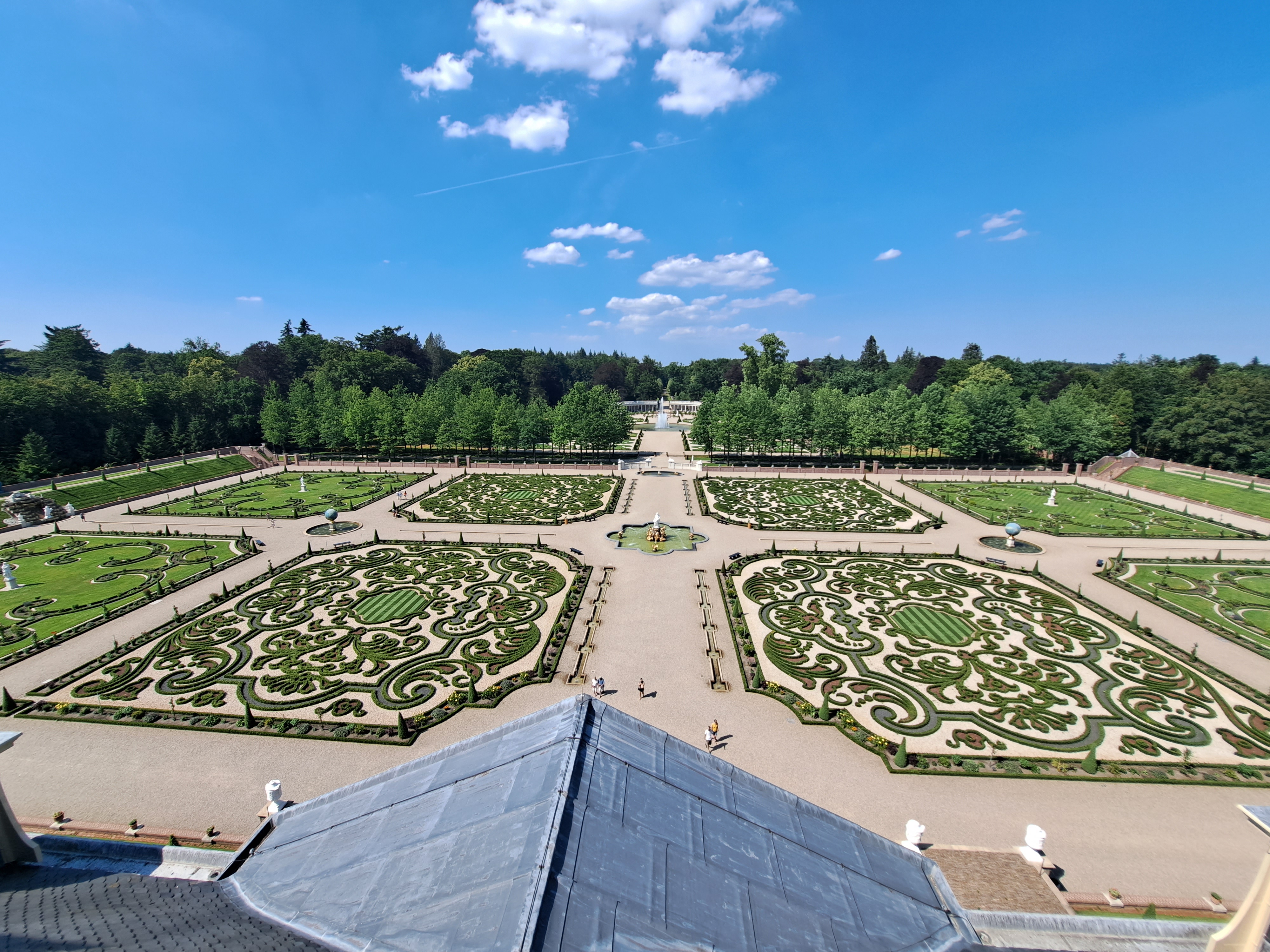
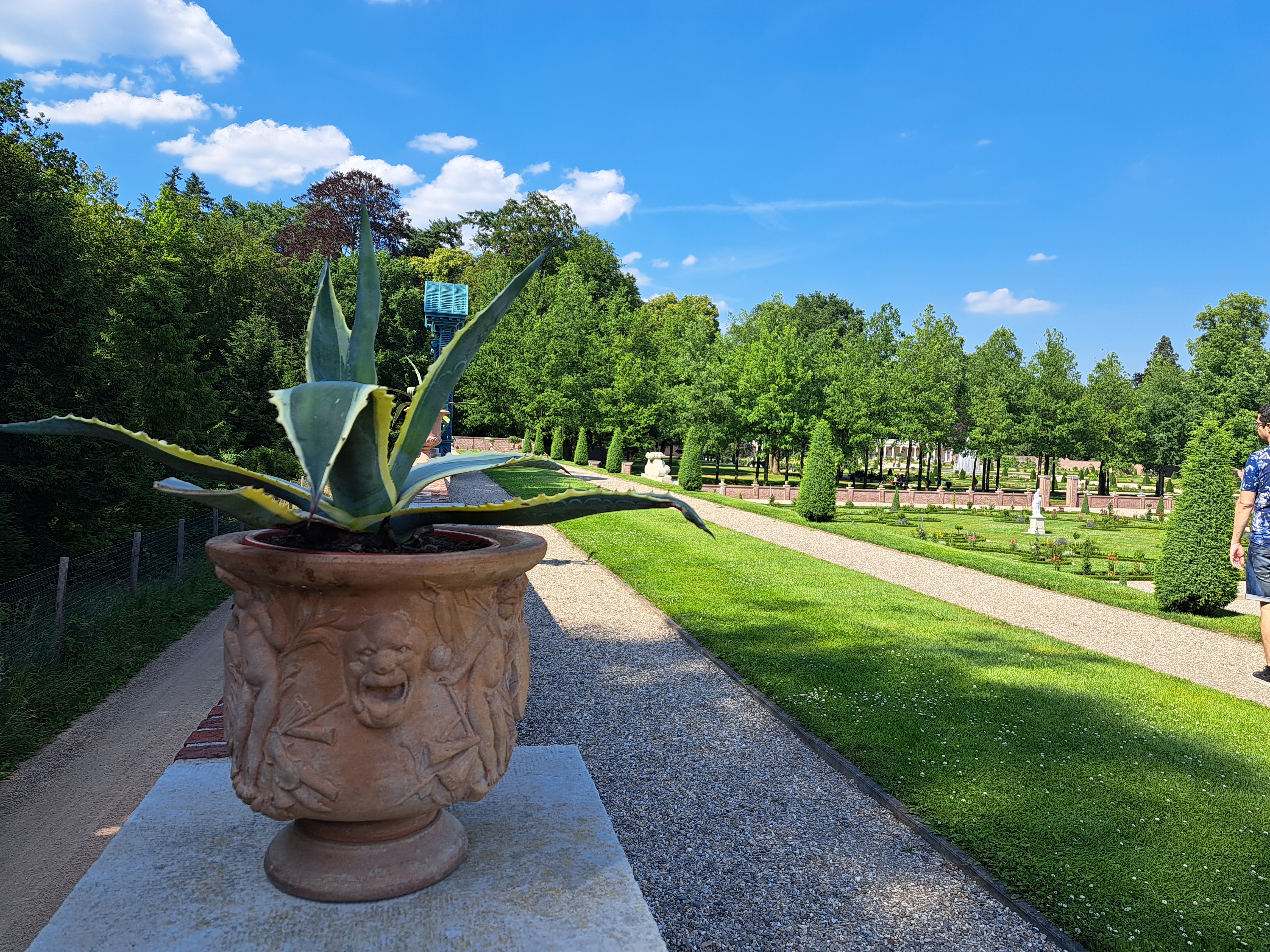
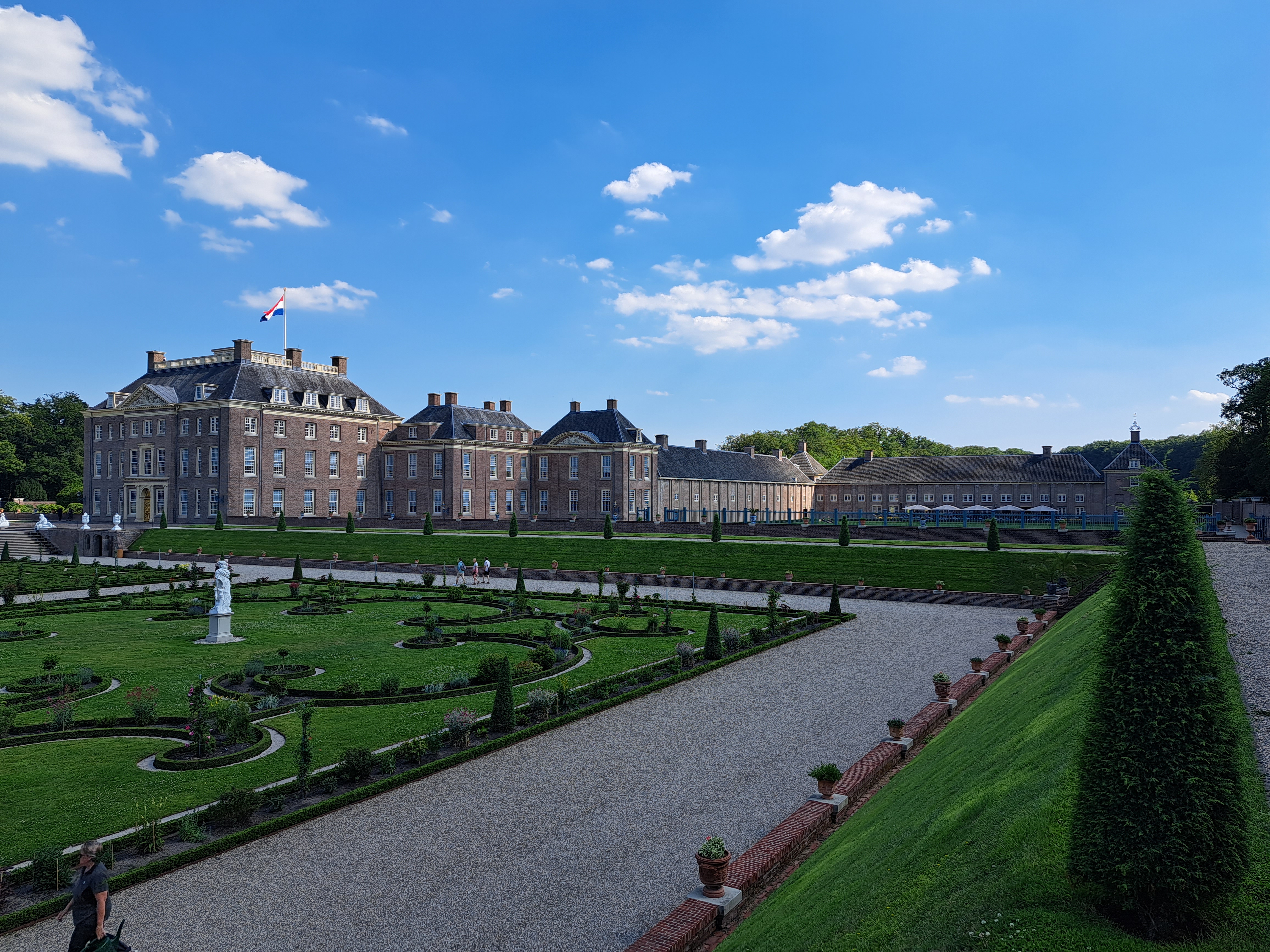
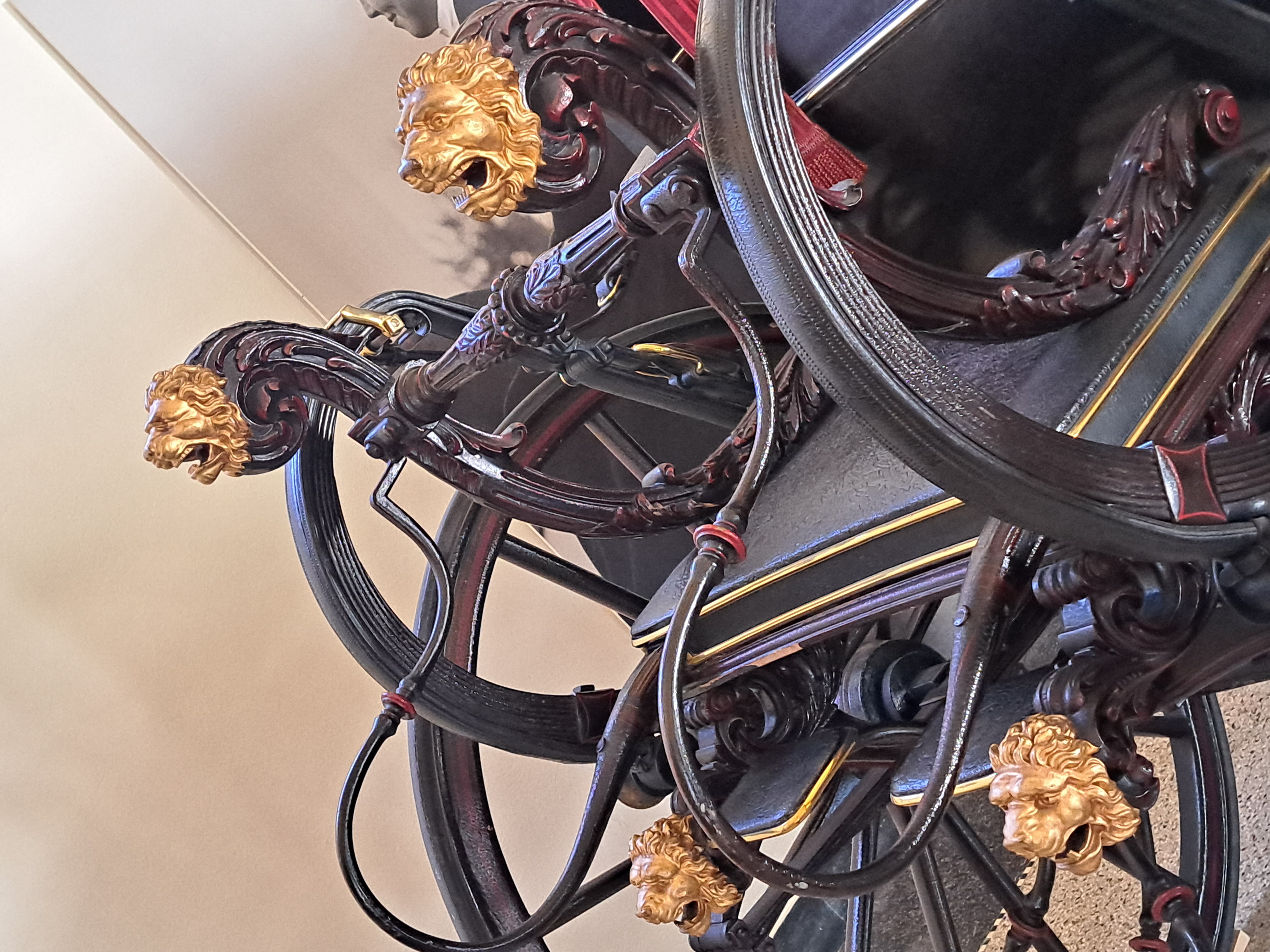
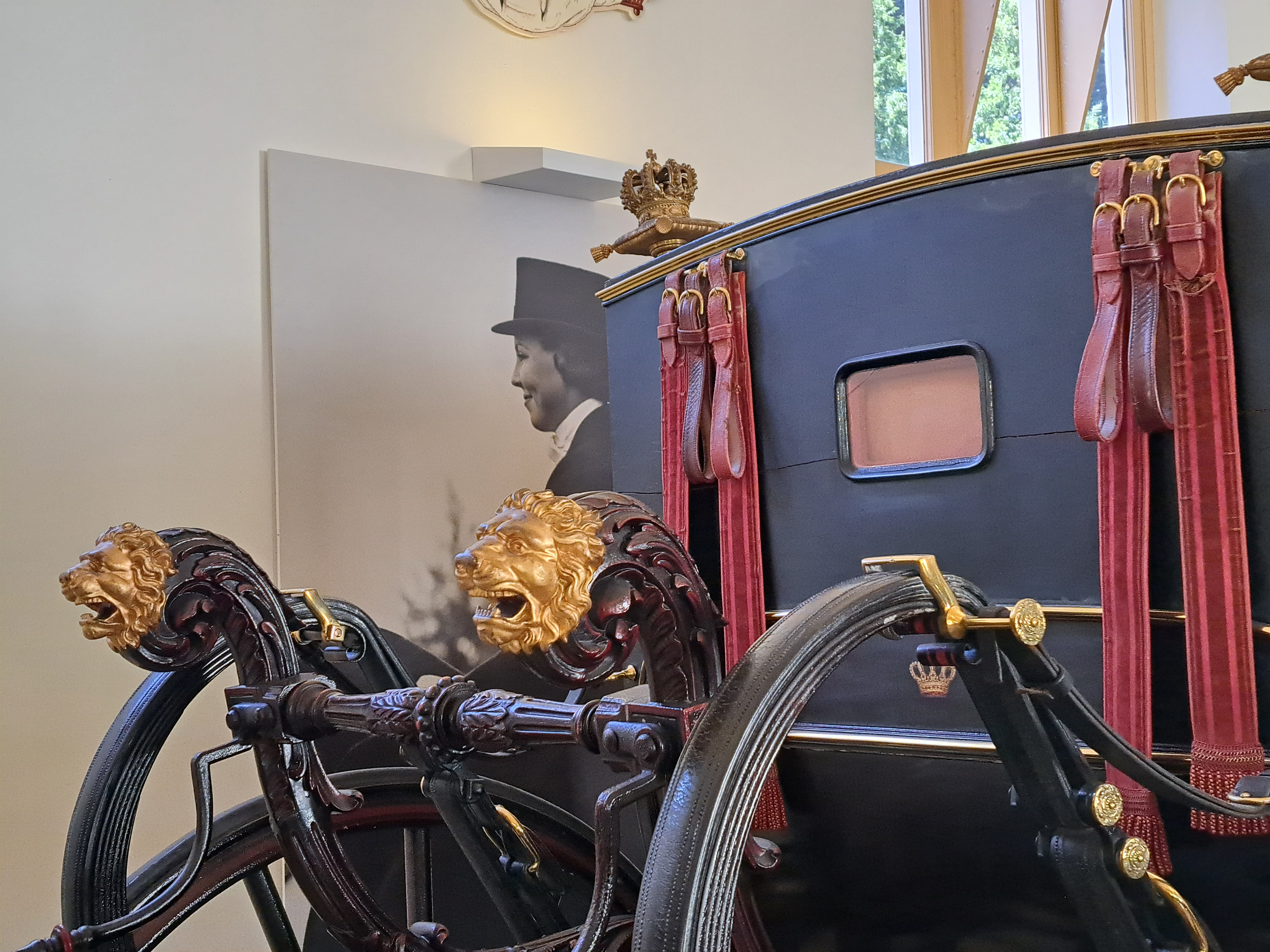
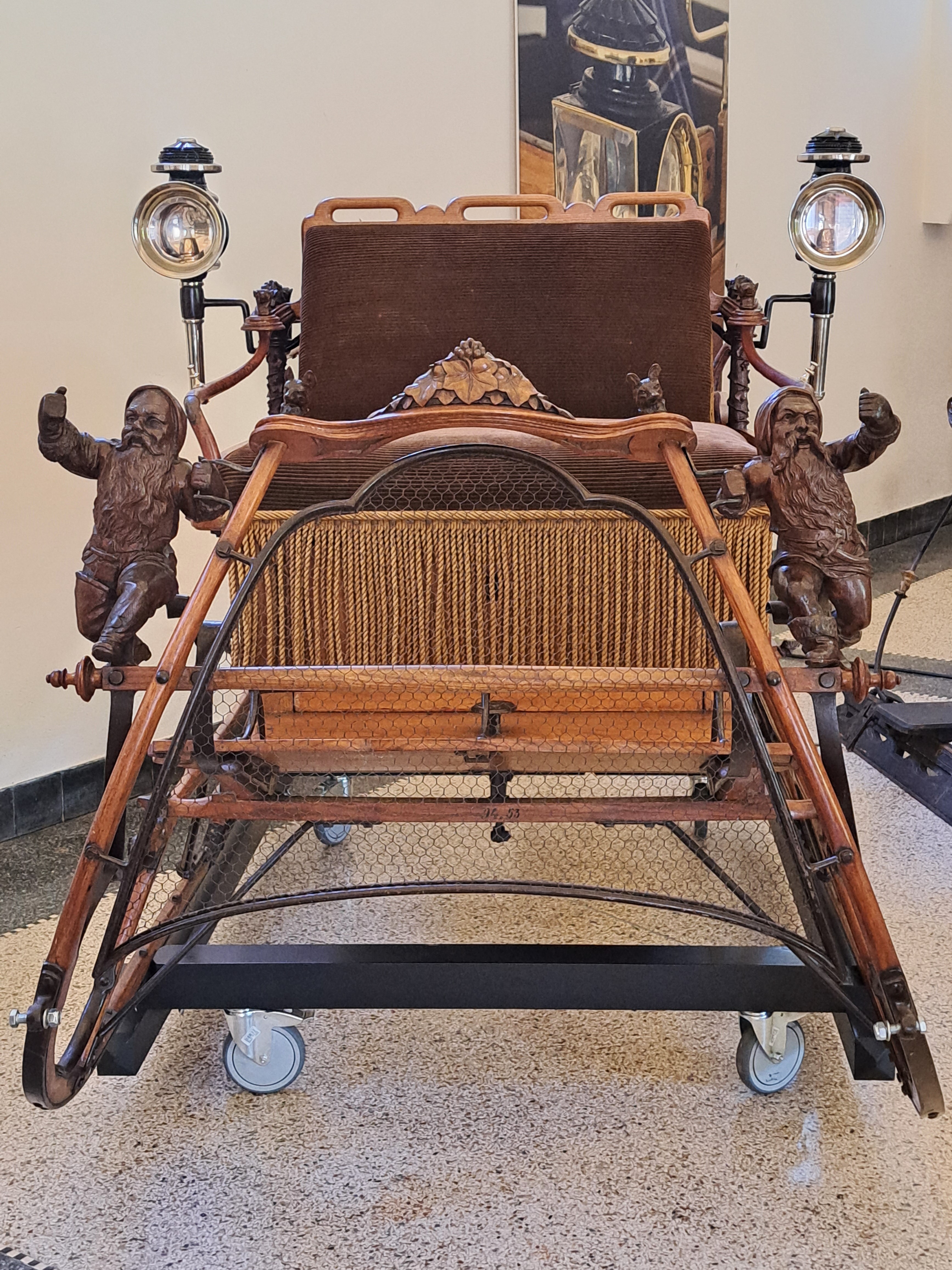
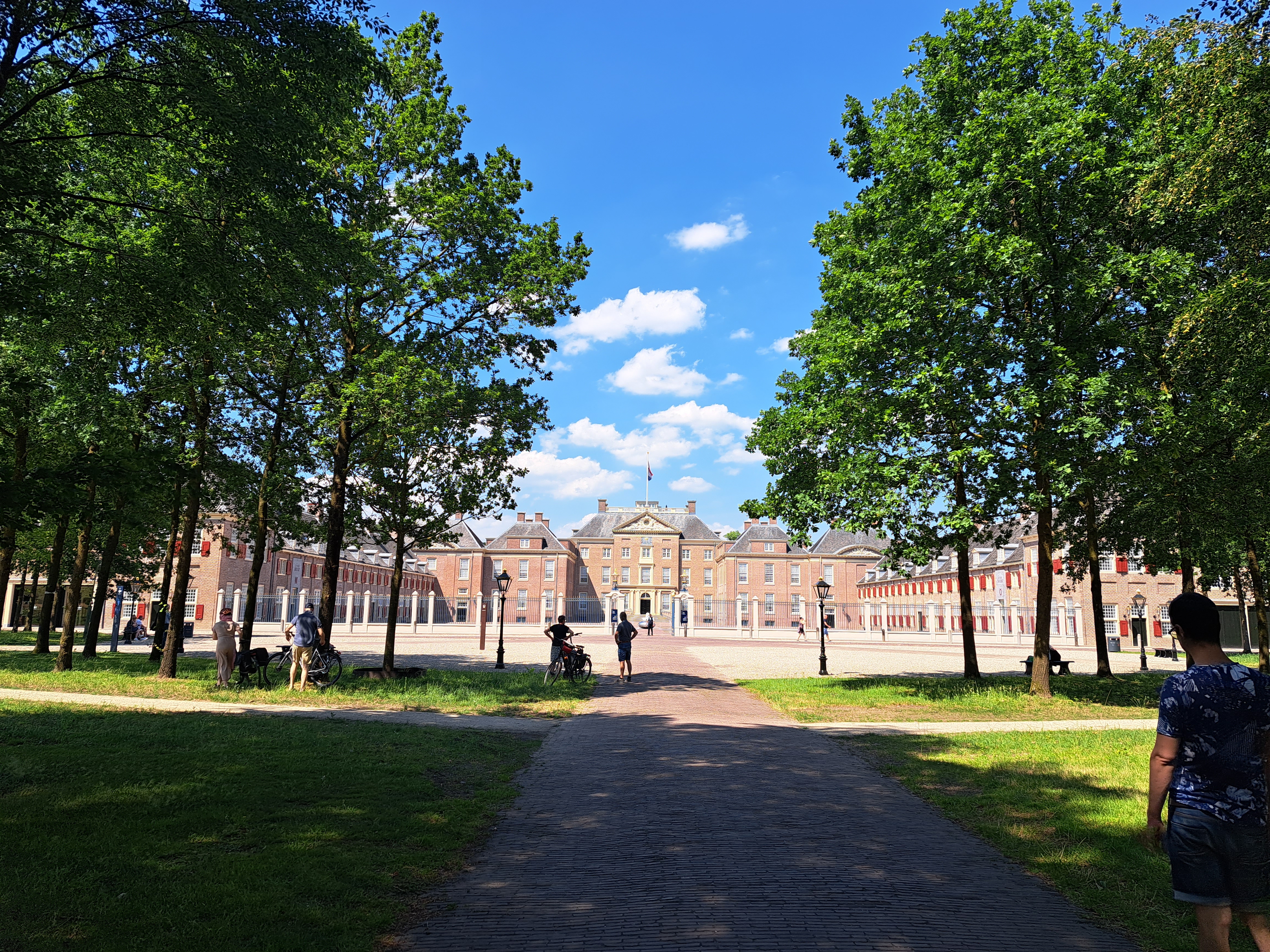
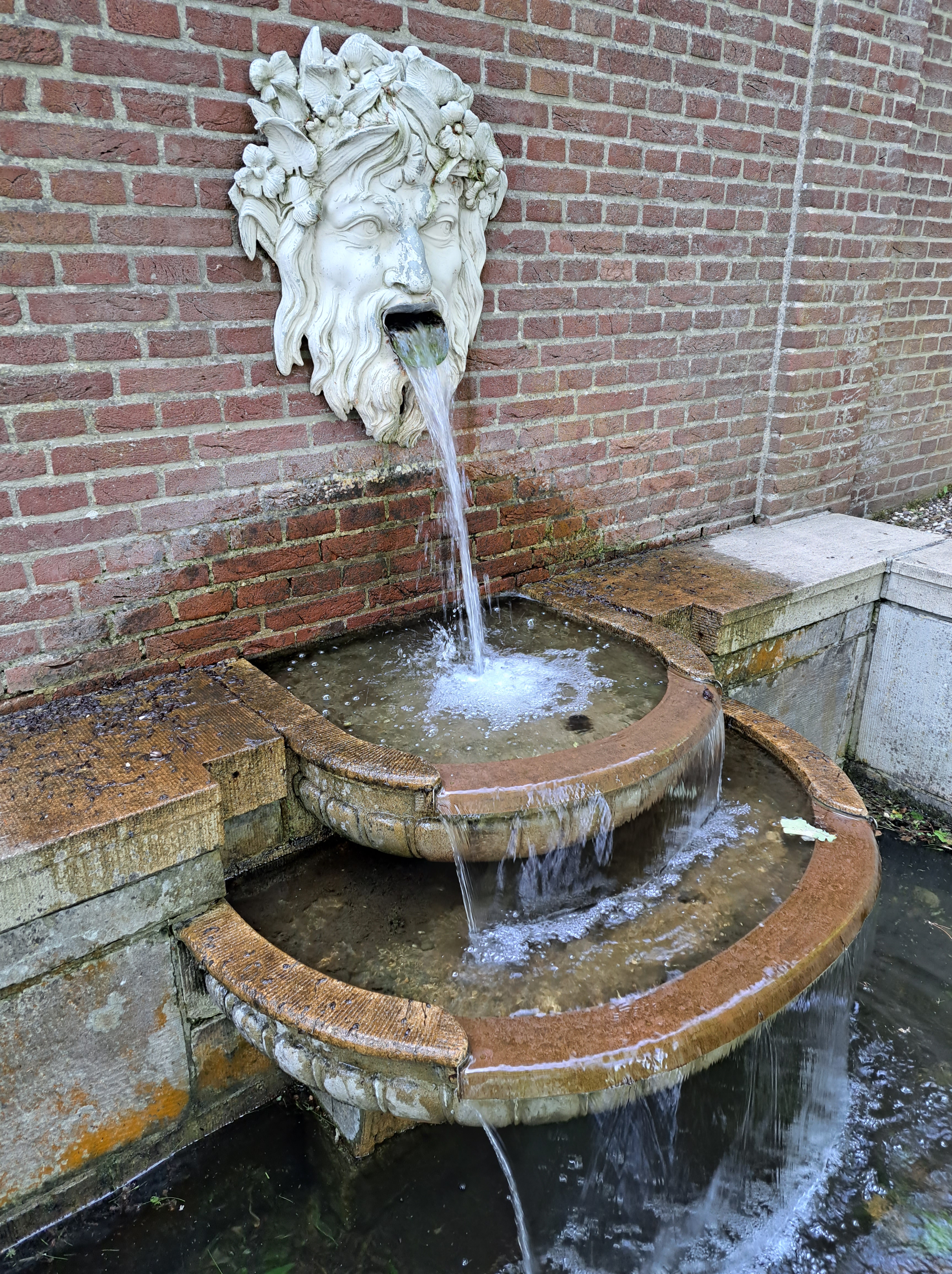
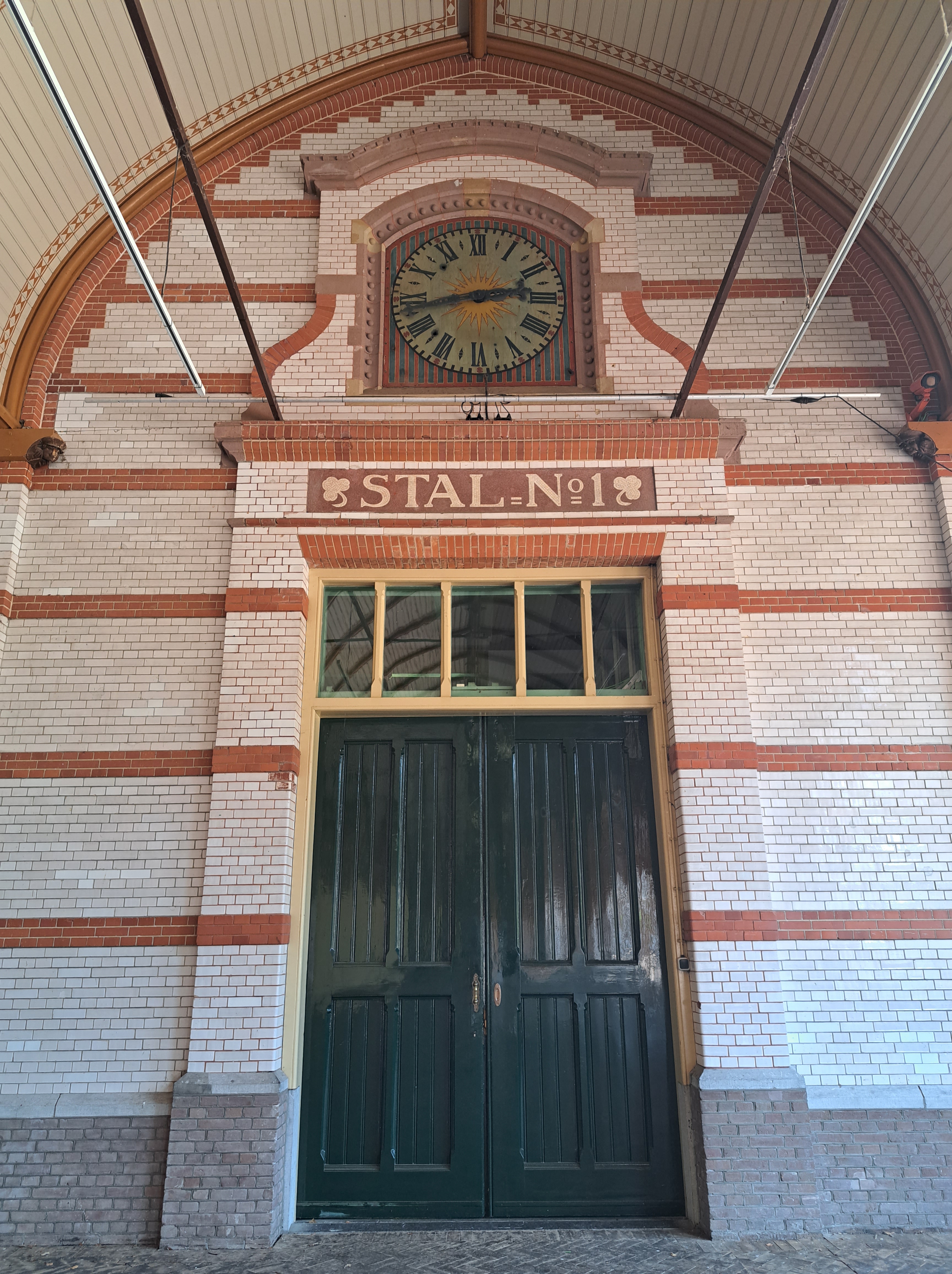
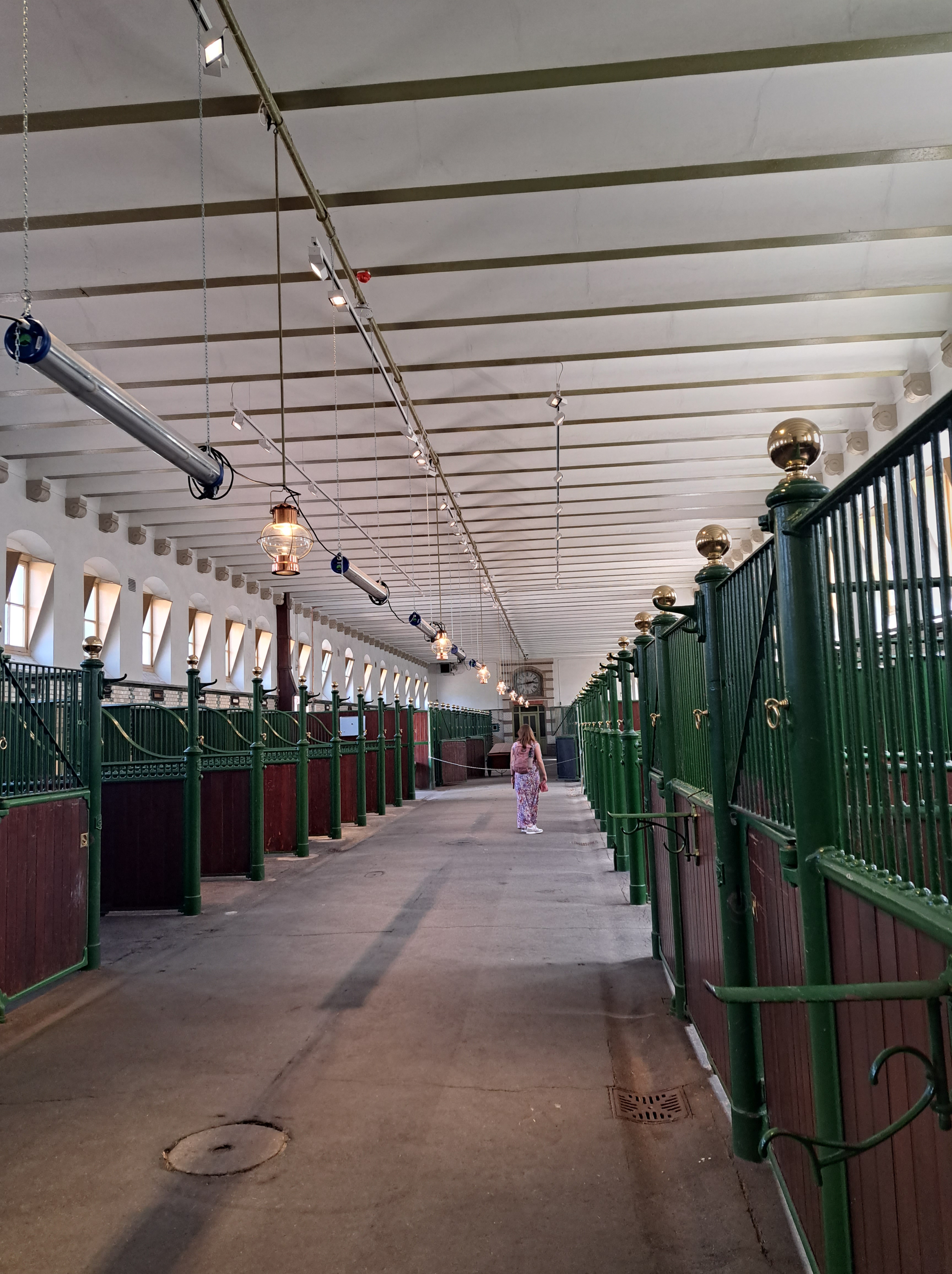
 I’ve decided it’s time to stop clinging to my remaining photos from that lovely high-summer visit to Paleis Het Loo, now that we’re more than six months later and emerging from the year’s shortest day here in the north. Above: Amsterdam’s Royal Palace from the same morning as the last couple posts. This building is used as the capital’s royal reception hall for guests some of the time, and as a museum the rest of the time. (In NL, the seat of both government and state, i.e. where the PM, King and parliament all ply their respective roles is The Hague…but everyone agrees Amsterdam is the capital nonetheless.) Apparently this building began life as a Town Hall in 1655, and was made over into a residence for royals in the 19th century. Now that my bike ride to work takes me past it both coming and going, I do expect and hope to get in for a visit. Below: all those remaining mid-summer photos left from that lovely afternoon which led to the first post in this series.




Small Wonders.207