Latest

Tongariro Crossing – The Summit of Mt Doom :-)

So that’s it, folks. Two months in Australia and New Zealand (plus the bonus couple nights on Tahiti) over and done with, back to the life I was leading last year in NYC and environs. Here are all the pics I’m gonna give you from New Zealand. (There were more, but you’re glad I’ve pared it down even this far, aren’t you?) I was gonna wax political, about carbon footprints and how even comparatively well-off Aussies and Kiwis hang their clothes to dry and don’t even own a dryer; about how it seems the whole world gets what too many Americans still don’t, that Obama is our best hope and we as a people really need to rise above the narrow commercialism and blind xenophobia (masquerading as patriotism) that’s come to dominate our culture and society, and rediscover some social and cultural values like caring for our world, community, and honesty and quality of life that don’t have to do with someone’s quarterly bottom line. But that’s boring. Or I was gonna explain what I’ve given up in order to save the money to do this kind of trip, rather than working a regular corporate job and doing the daily commute. But that’s even more boring. These pics are interesting, so I’ll leave you to them. May this year and many to come be full of more hope than we’ve had recently. I will, just by way of grandstanding, leave you with two quotes, below…they say it all better than I could. Peace, out.
“…FlexPetz…rents out well-trained dogs to busy professionals in several California cities. [One] customer…feels like an uncle to the dog he borrows for $39.95 a day… Meanwhile, dog and cat owners who travel frequently now have another option for their pets… Posh digs for pets are available in airports… Amenities for dropped-off animals include piped-in music, individual suites, gourmet treats and Web cams so distant owners can check in on their pampered pets.” (High Country News)“Smallpox ravaged us quick, tuberculosis killed us slow, liquor made us stupid, religion meddled with our souls, but the bureaucracy did the worst and finally bored us to death… Along with rules, there came another affliction. Acquisition, the priests called it. Greed. There was no word in our language to describe this urge to own things we didn’t need. Where before we always had a reason for each object we kept, now the sole reason was wanting it. People traded away their land for pianos they couldn’t play and bought clothing too fancy for their own everyday use. They bought spoons made of silver when there wasn’t food…Where before we gave our things away and were admired for our generosity, now we grew stingy and admired ourselves for what we grabbed and held.” (Louise Erdrich, Four Souls)

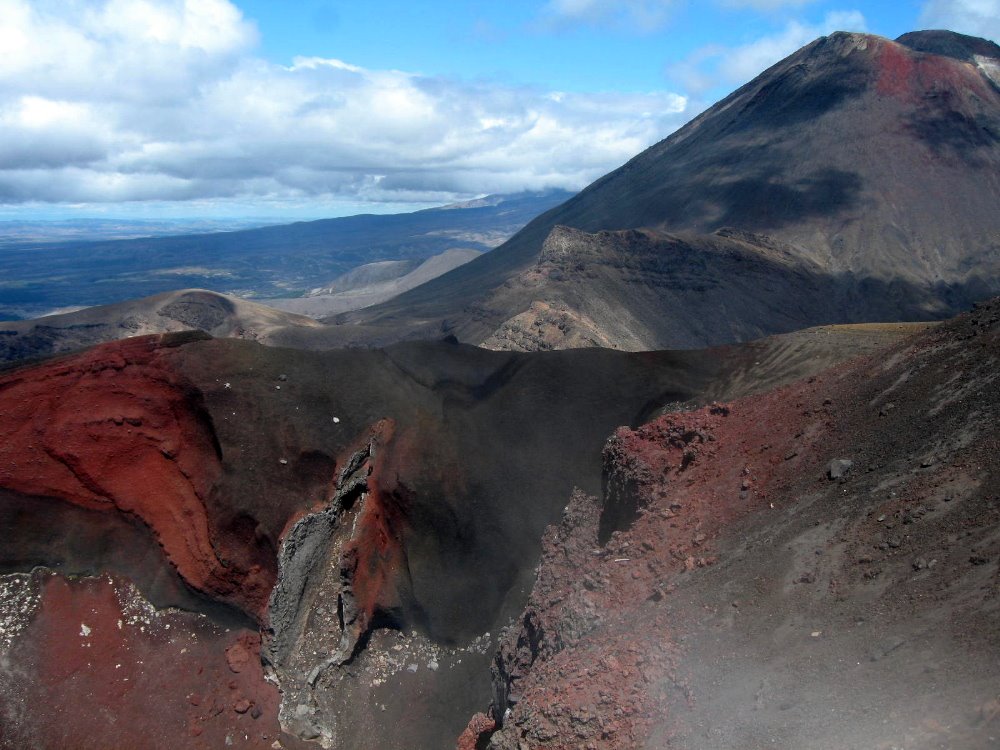
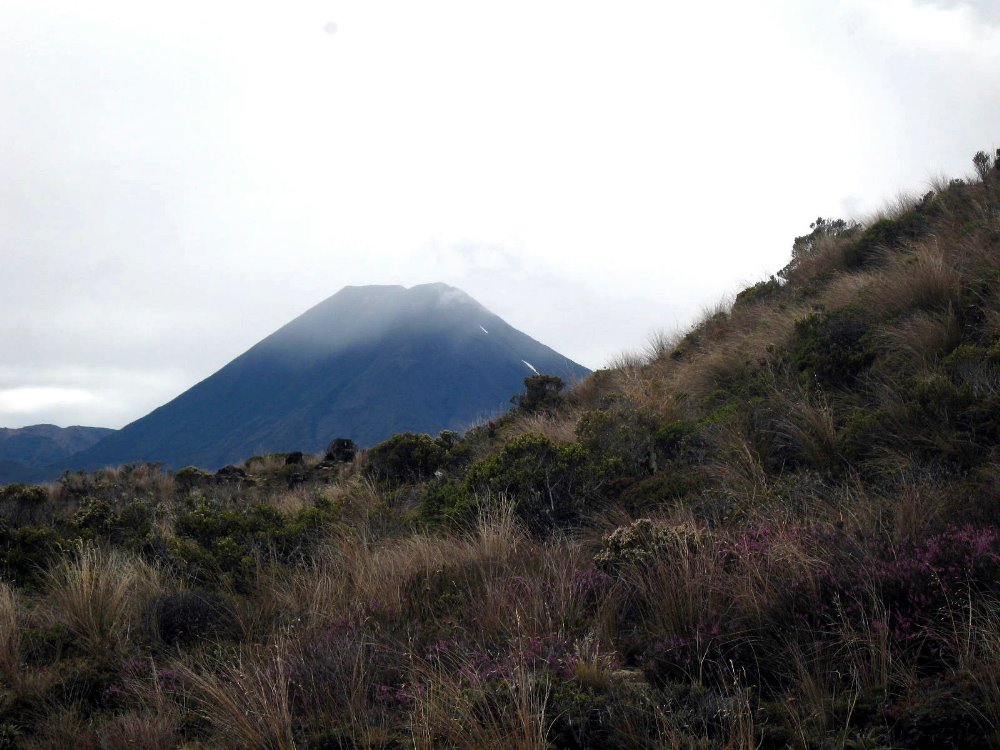
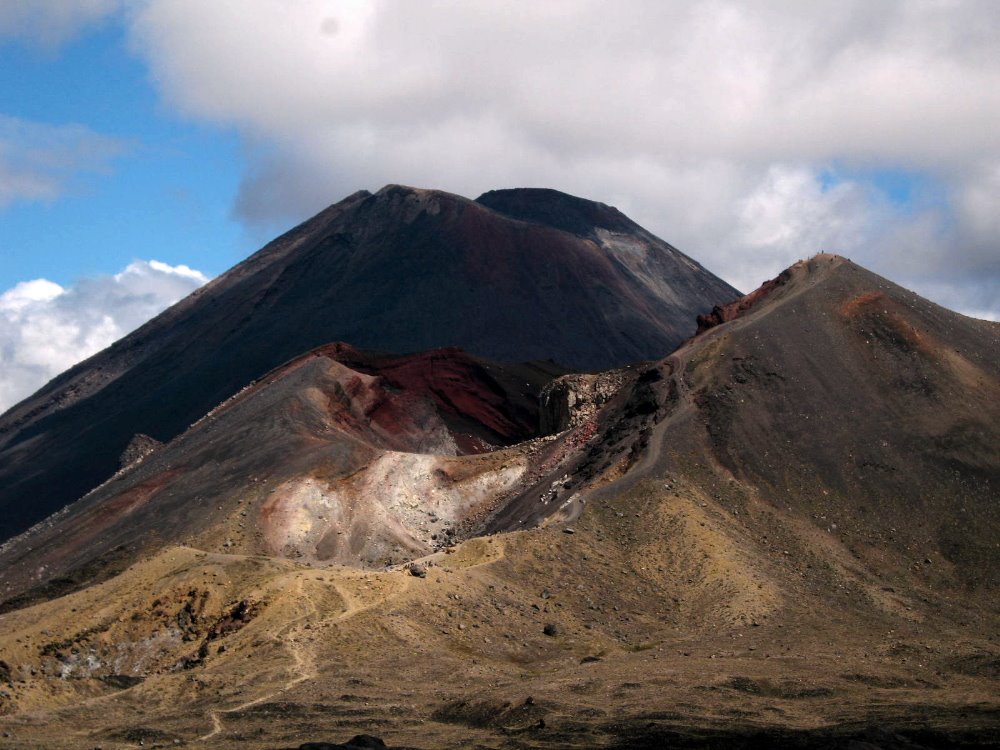
Of the three active volcanoes in Tongariro National Park, Ngauruhoe is the second highest but by far the most classically-proportioned. It’s a pretty imposing sight, isn’t it? Imagine seeing it as I did: Climbing up a ridgeline from a bright-yellow stream (made yellow by all the minerals in the water, like at Yellowstone), suddenly at the top of the ridgeline I can look across a sparse scrubland of alpine plants to the towering even cone of Ngauruhoe, whose summit and cone are shrouded in cloud. Hearing the rotors of a helicopter clack-clacking away to my right, seemingly on the snowy slopes of tallest Mt Ruapehu, I look over and see that the helicopter is trailing some kind of long flat payload from a cable hanging below it. Has someone been evacuated after a fall while climbing to the 2800-meter summit of Ruapehu? Or is it something more mundane, like logs being dropped somewhere for trail maintenance? Then I look again ahead of me at the summit of Mt. Doom, no Orodruin, no Ngauruhoe (yes: a digitally-altered image of Ngauruhoe was indeed the image of Mt Doom/Orodruin the Lord of the Rings movies – small wonder, huh, seeing it in real life here!), and…wait a minute, the cloud has cleared a bit, but isn’t that a small trail of steam rising directly up out of the cone? Is that helicopter, perhaps, part of some general evacuation? Is all hell about to break loose with flowing lava and an explosion on the summit of one or all of these volcanoes? 🙂


In point of fact the ‘volcanic activity danger index’ was zero that day. But yes, it’s quite possible I really did see some steam rising from the cone. When I climbed it, the following day, I noticed there’s a vent on one side which regularly emits plumes of steam.
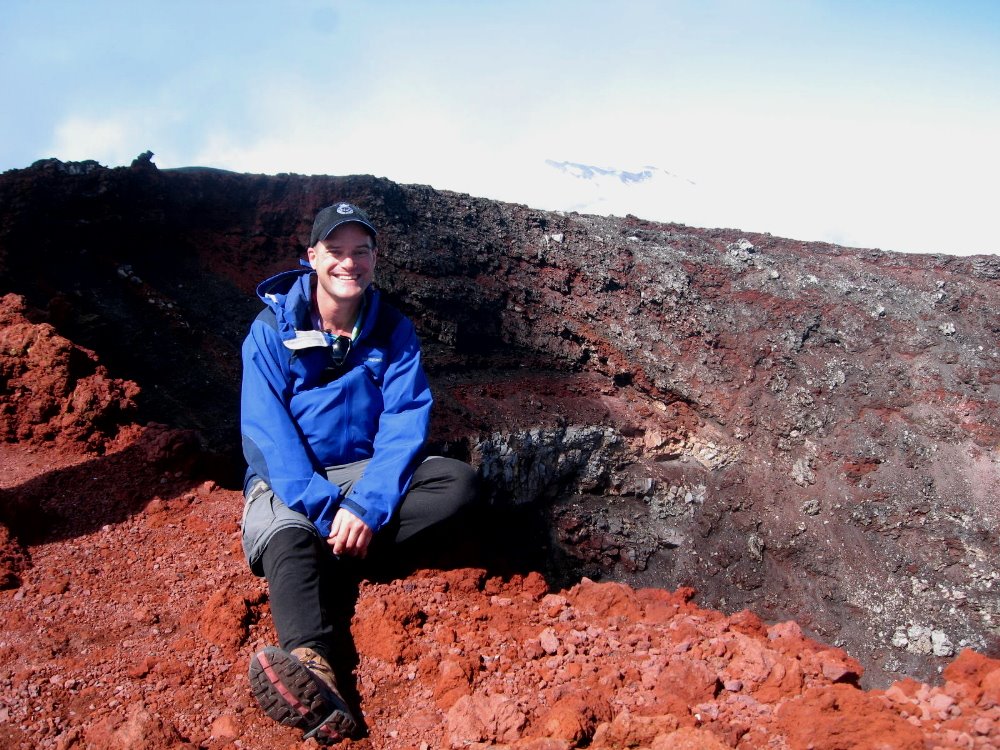
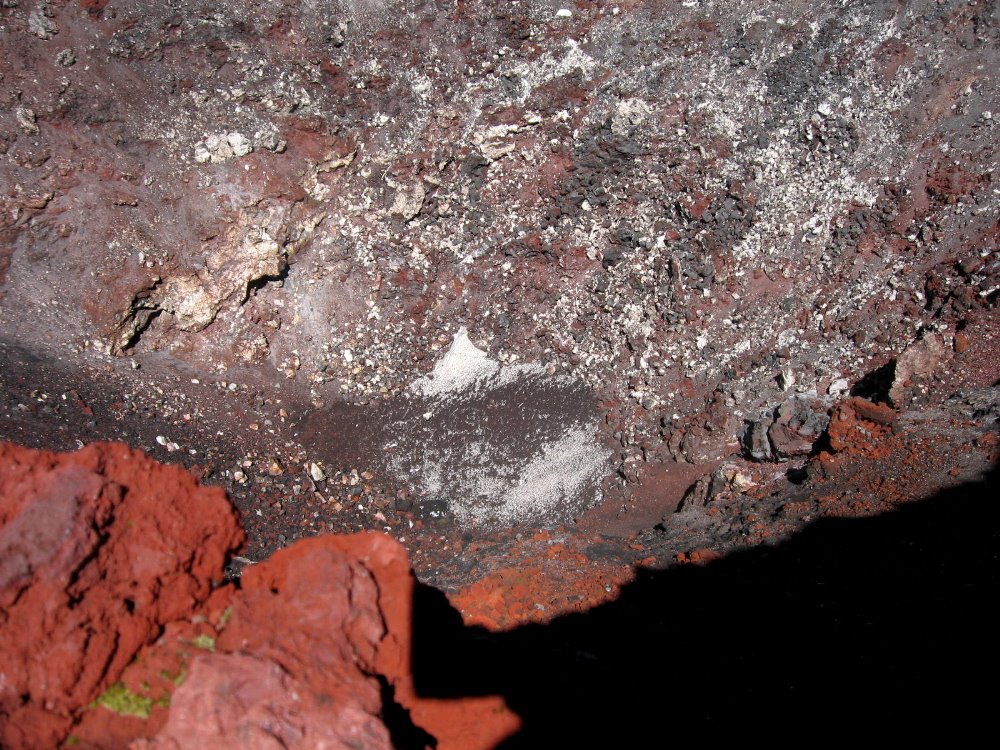
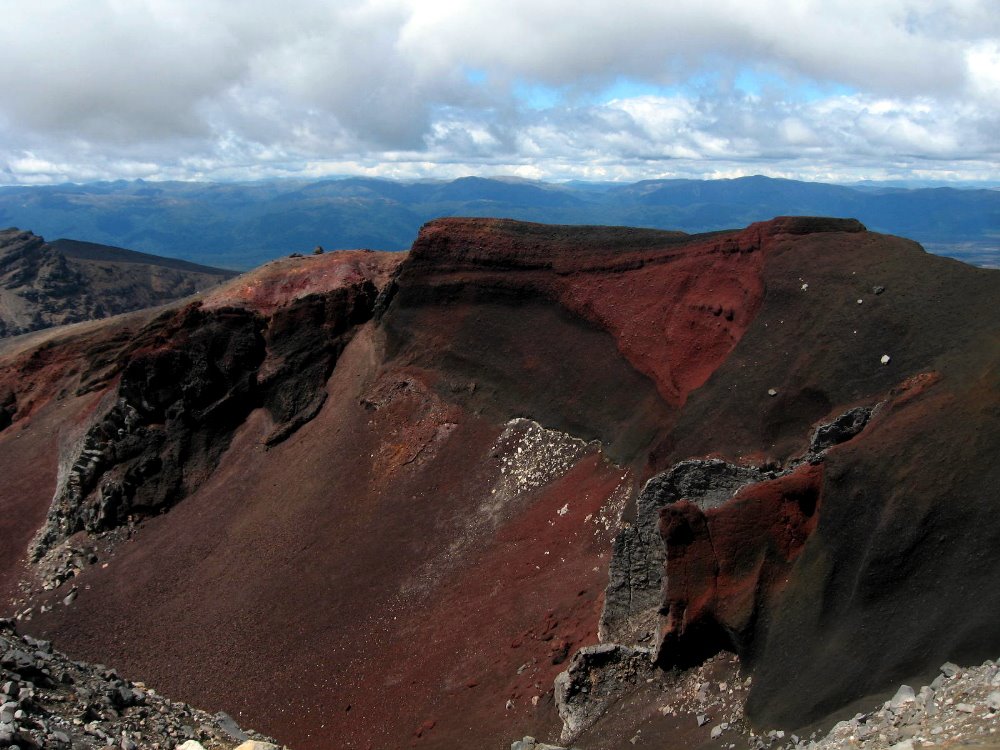
That there is looking down into the actual crater, from the summit. The text I wrote above is really about what I did on the rainy day before I did the official “Tongariro Crossing,” which is an almost 20km day hike almost all above tree line that goes from the west side of Mt Ngauruhoe up and over to the north side of Mt Tongariro; to clarify: Ruapehu, at about 2800m, is the southernmost, most active, and most snow-covered of the mountains; Ngauruhoe, at about 2200m, is in the middle and the most obviously volcanic, seen from a distance; and Tongariro, after which the whole park is named, is at about 1800m the shortest of the three but very large with several active craters over and around which we walked, and is the northernmost of the three.
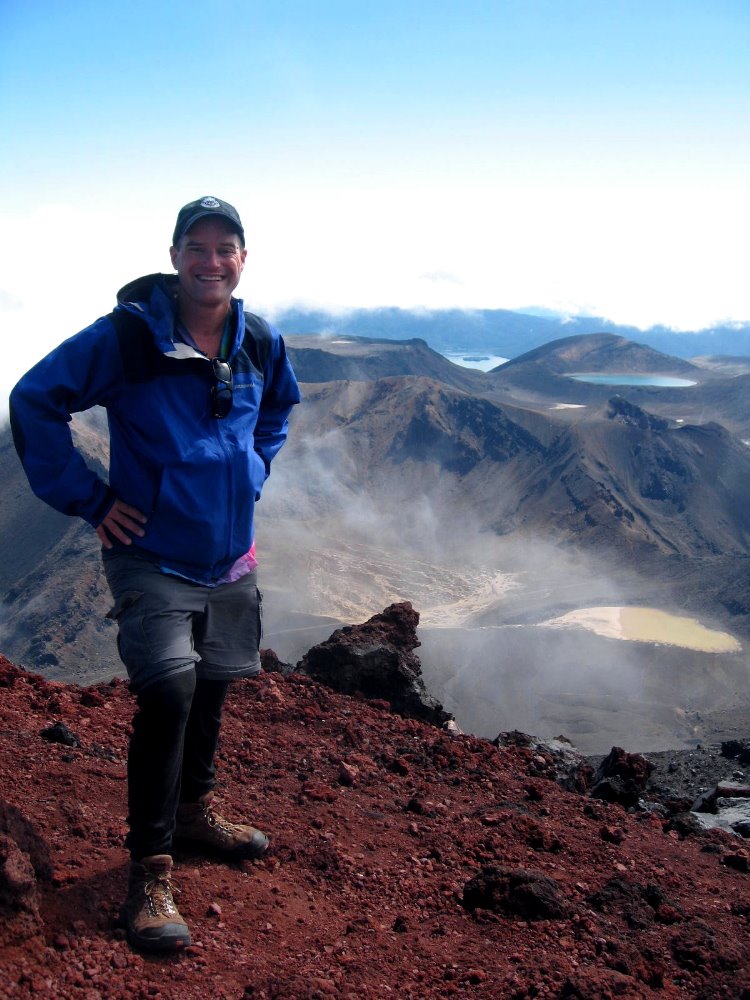
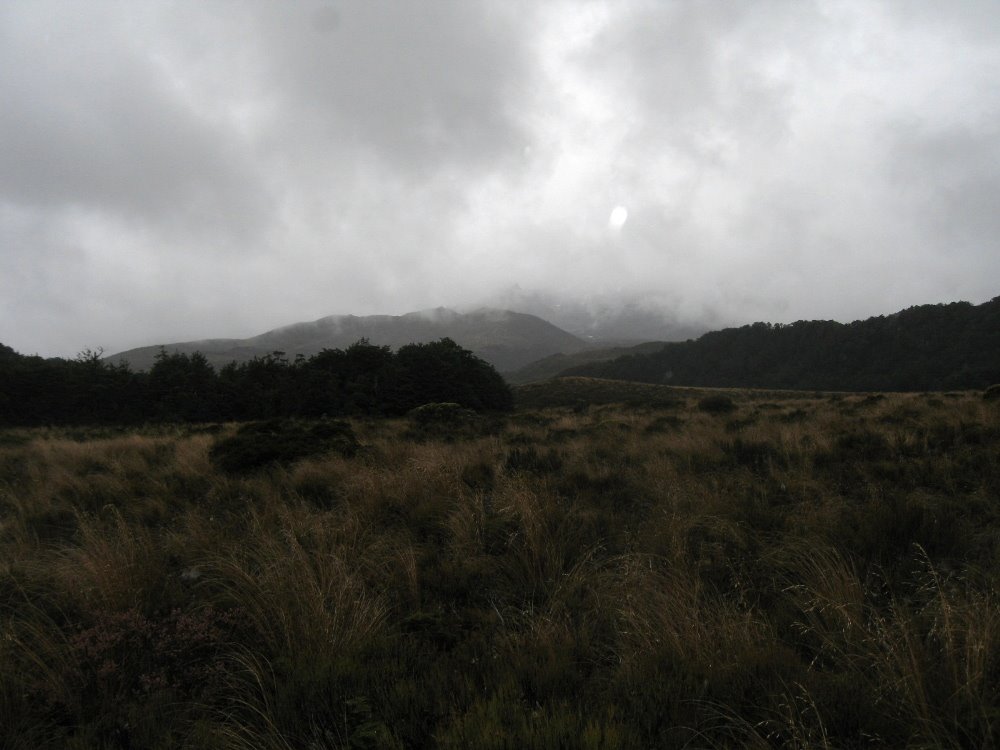
Indubitably the best decision I made in one month here was, upon arriving in National Park by train (lower down for that story) and learning that weather was forecast rainy the next day, to extend my stay by a day and do the hike on the following day, forecast mostly clear and sunny. Having done the alpine sections of the Kepler Track (next section down…) in snow and fog, I just wanted some clear views from these highest sections of North Island.
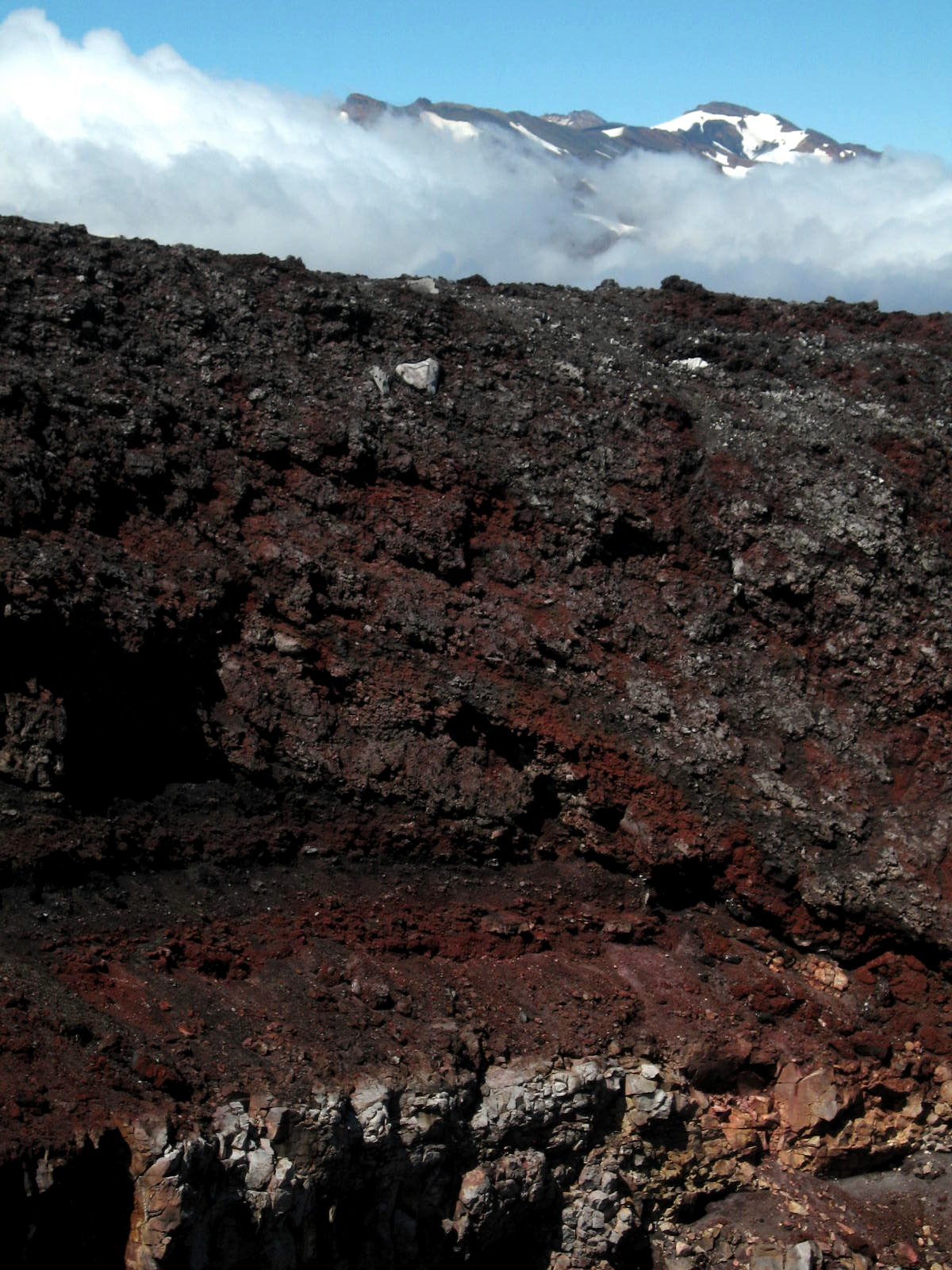
That’s snowy Ruapehu, highest peak on North Island, behind the crater of Ngauruhoe; and two shots down, look to the left of the crater, and you’ll see a plume of steam coming off. Atmospheric, no?
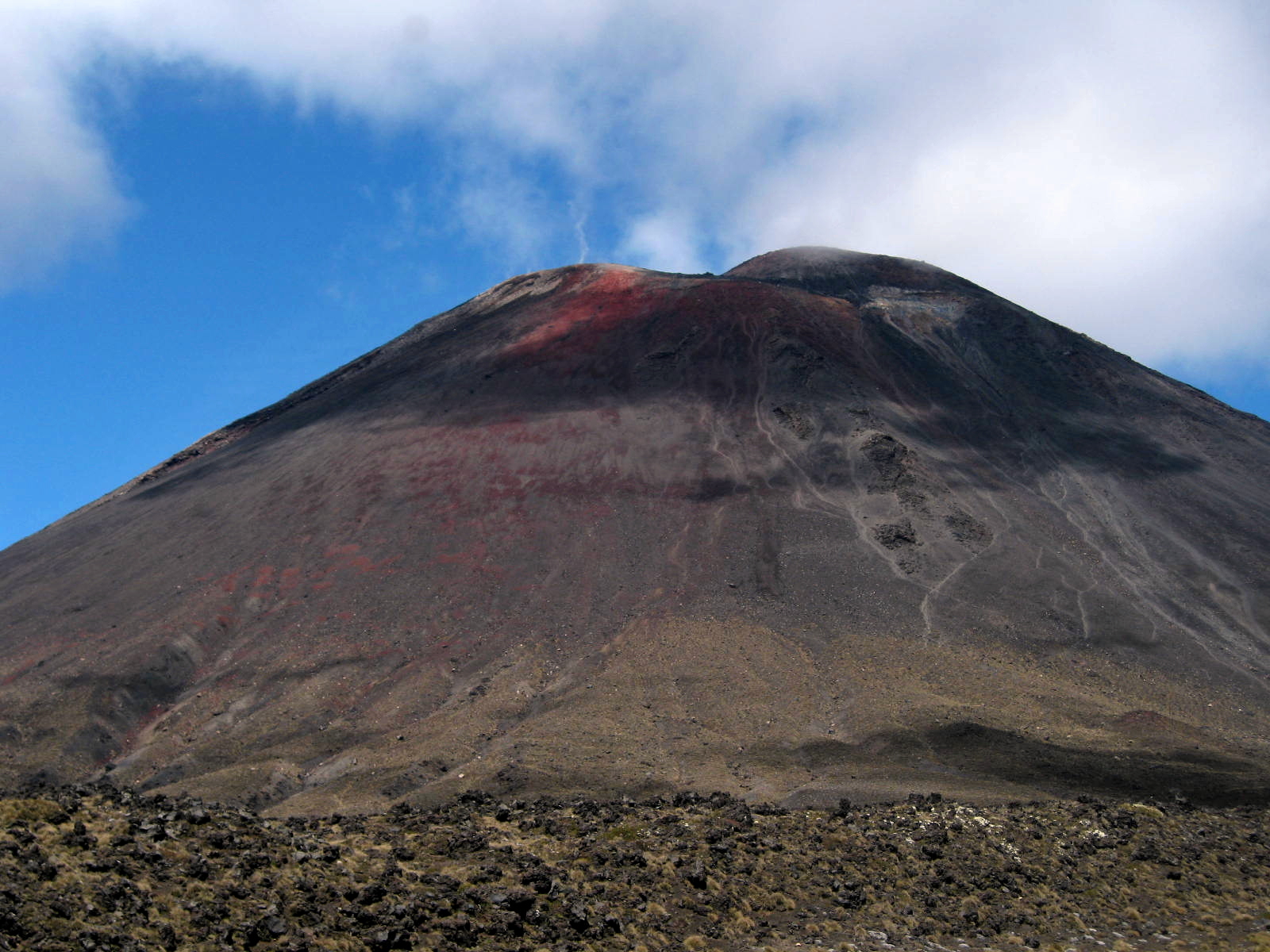
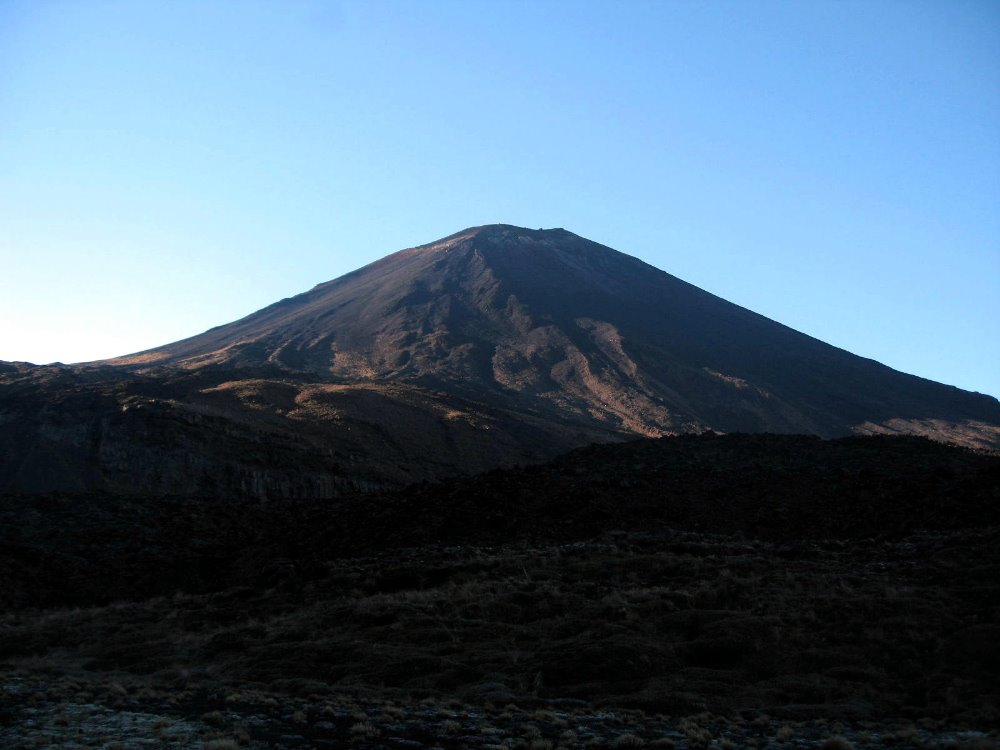
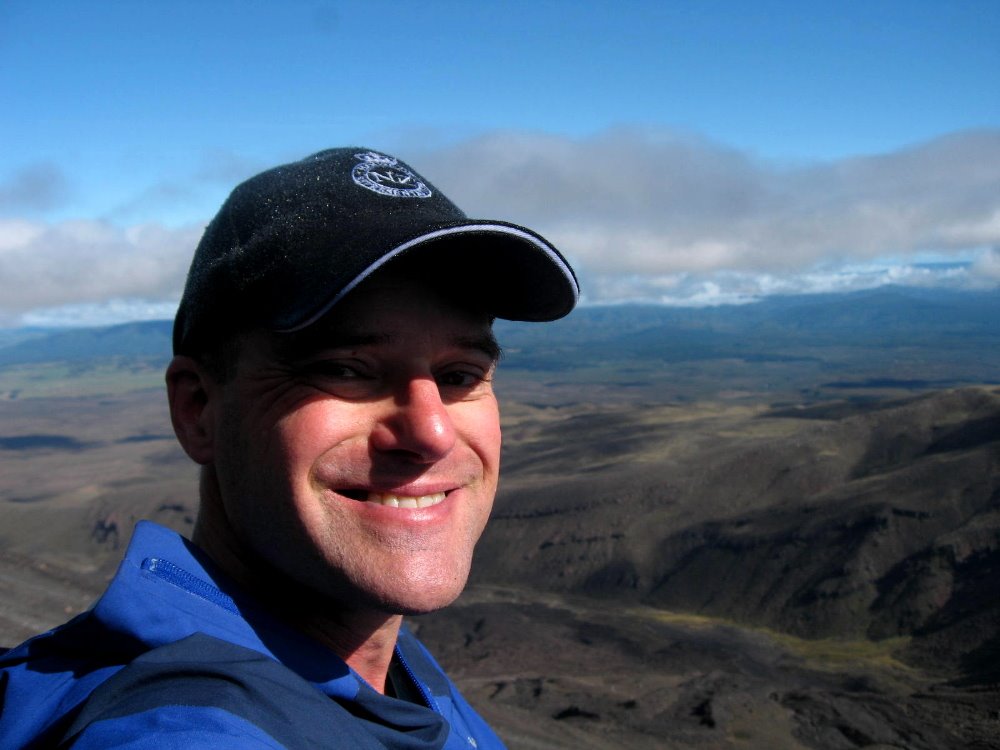
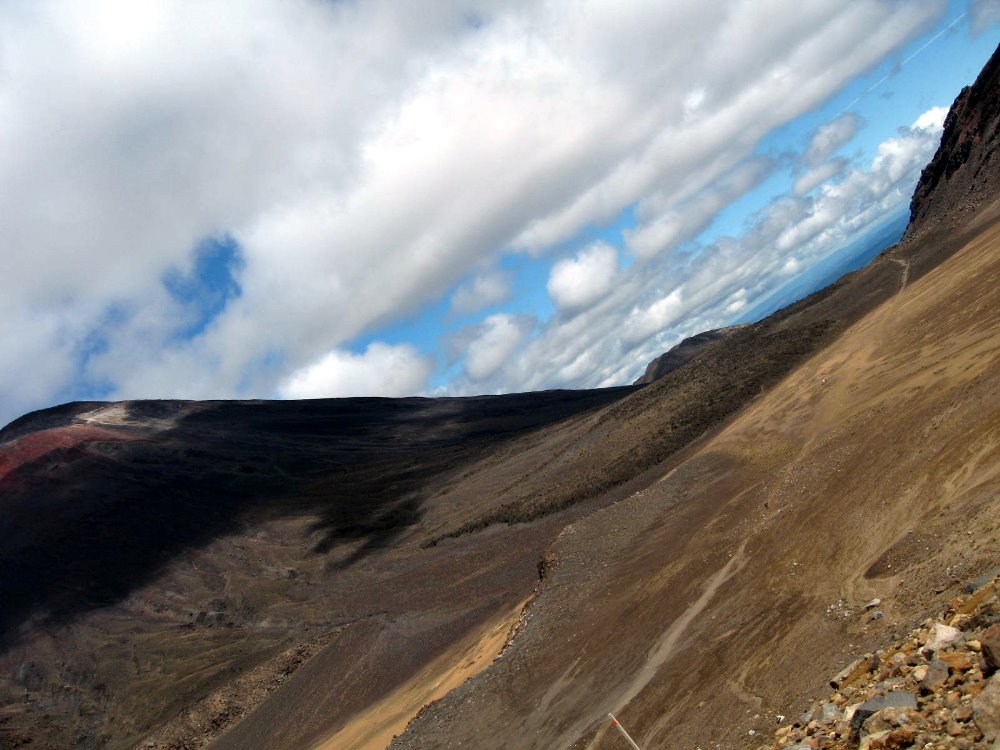
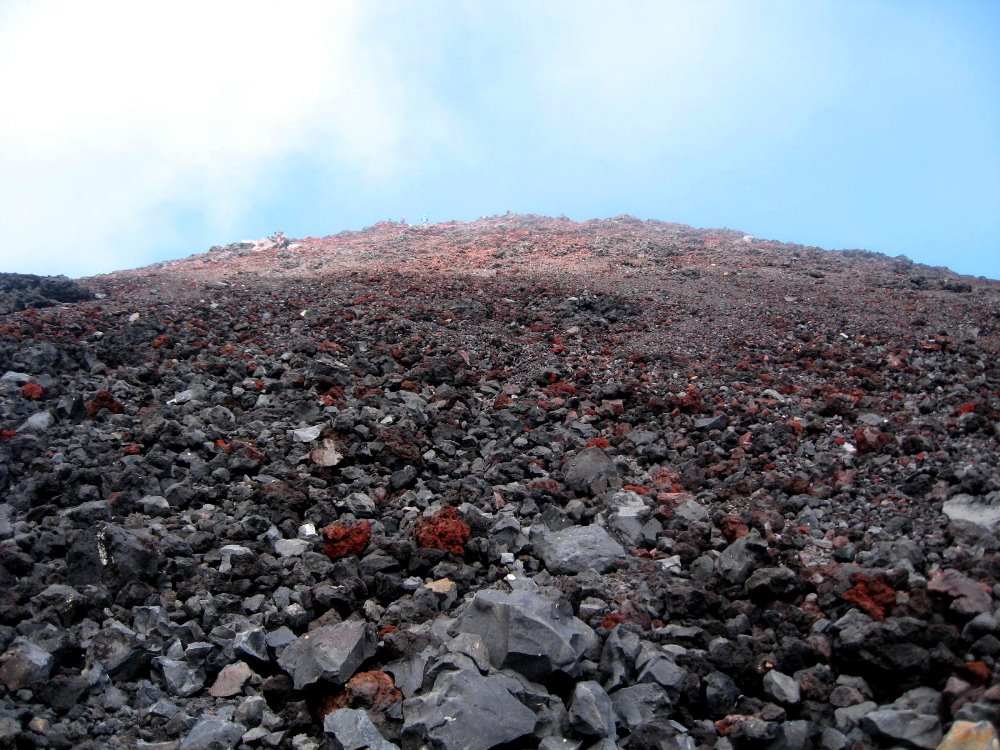
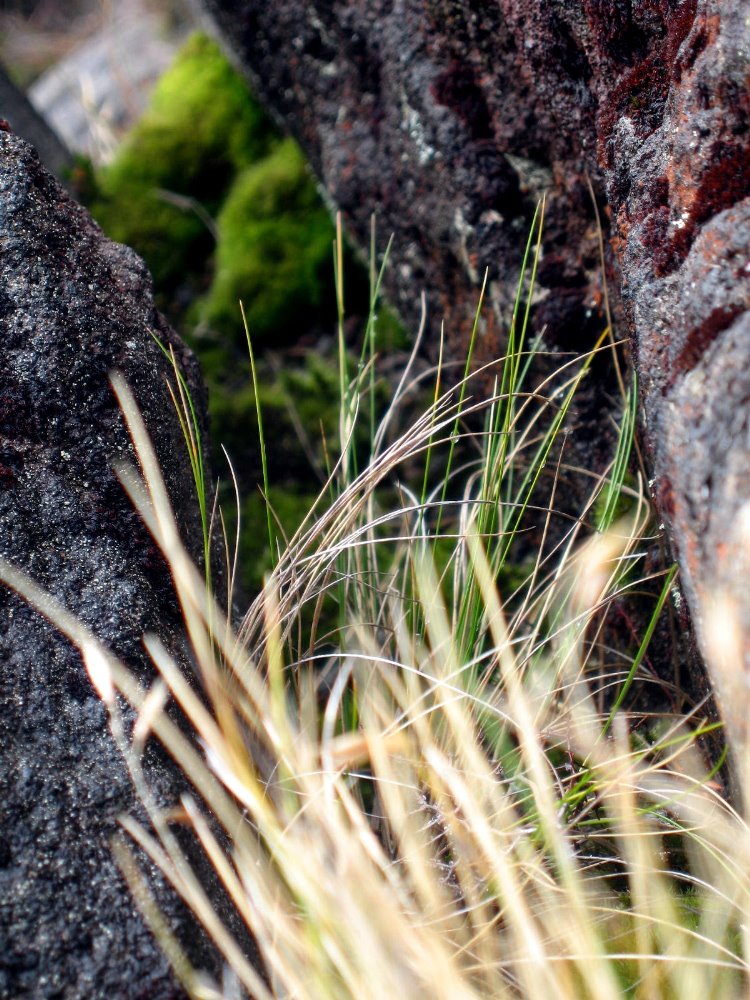
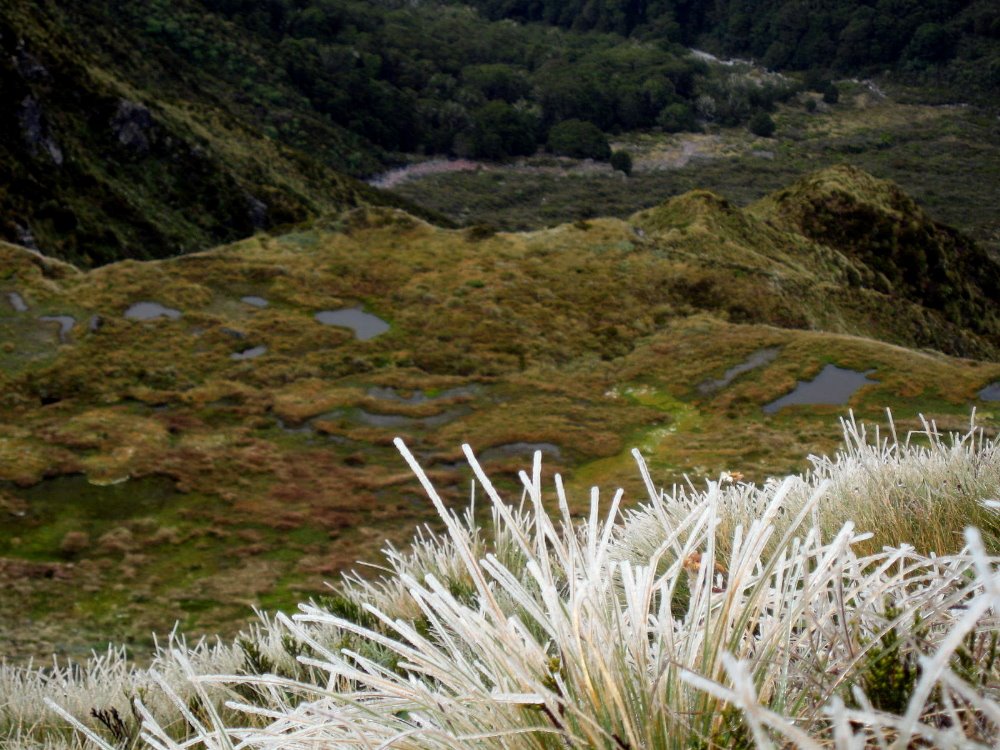
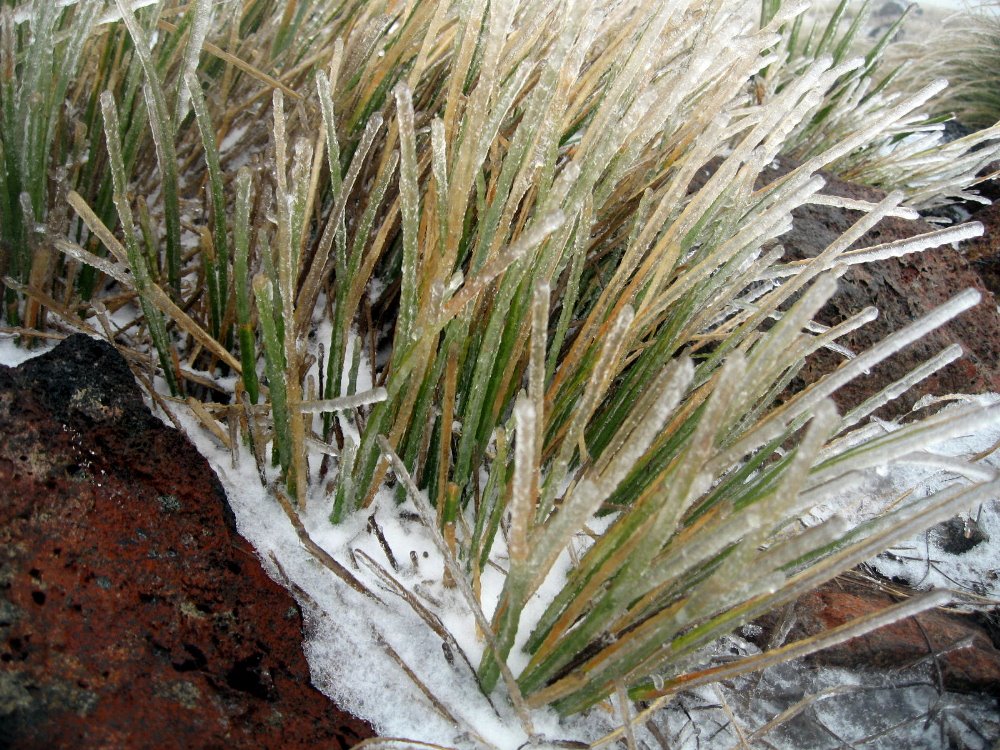
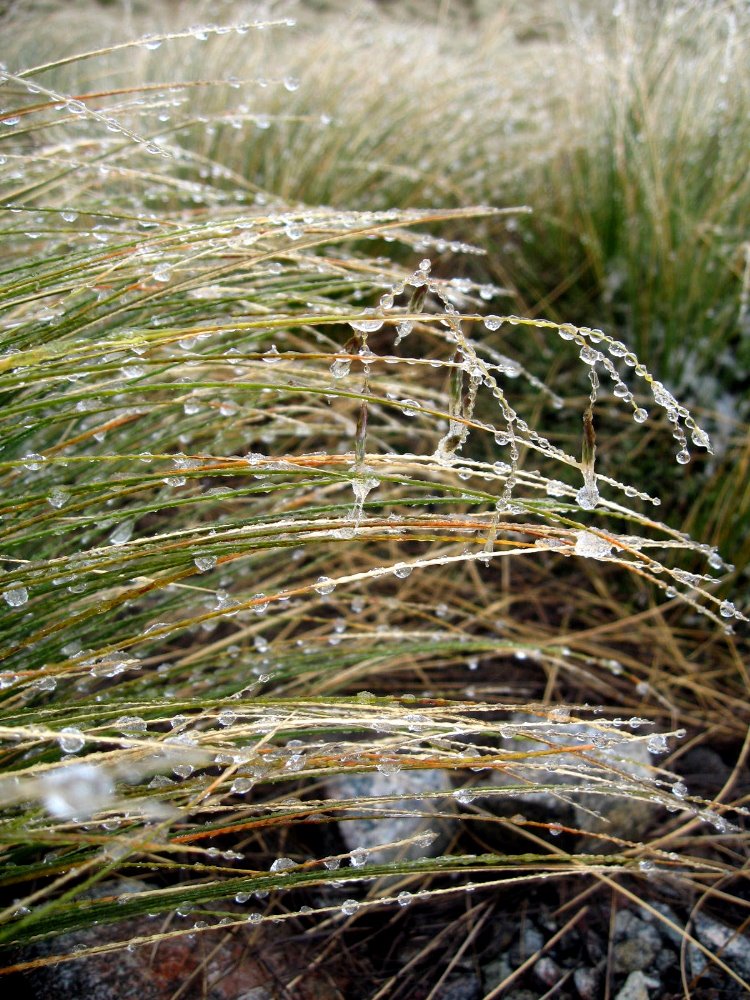
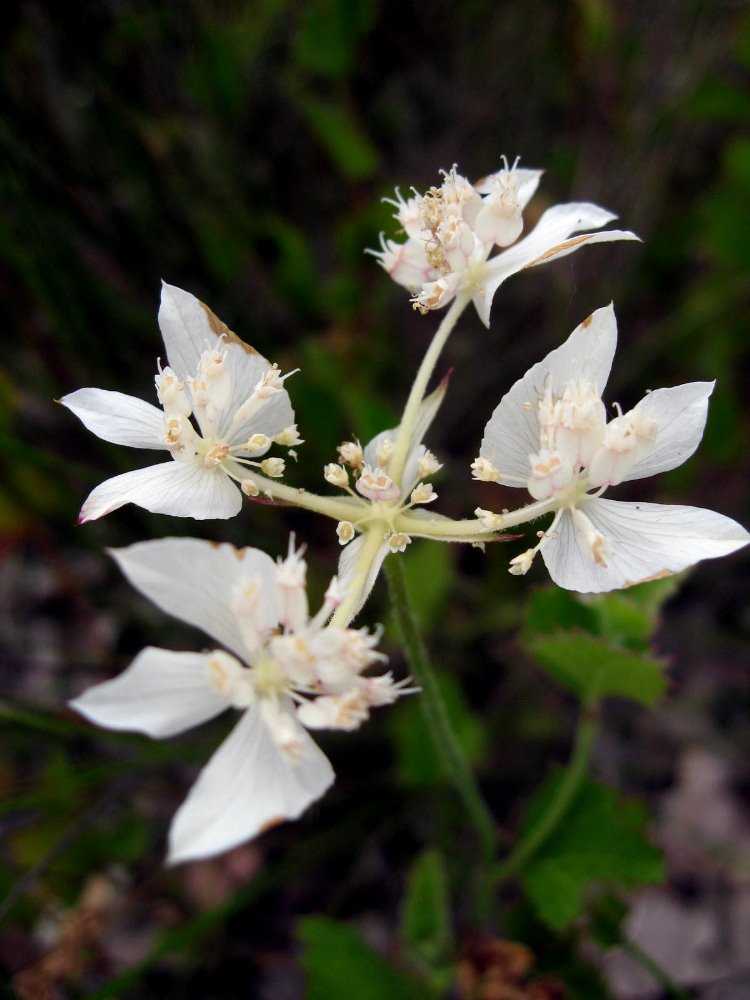
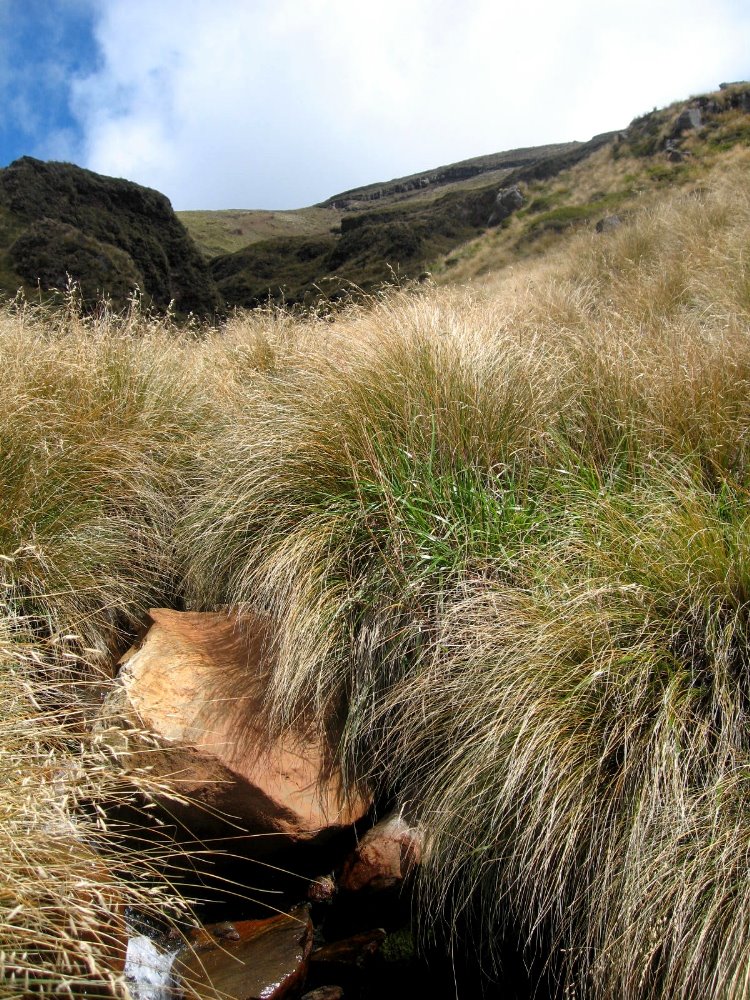
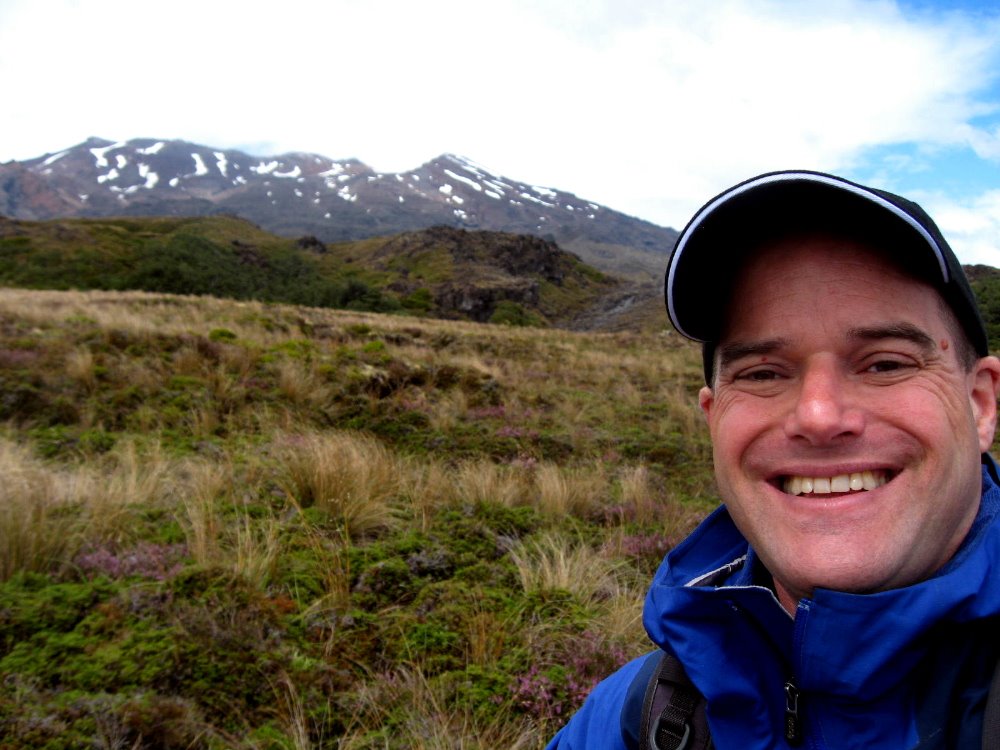
The main Crossing track doesn’t include ascending to the summit of Ngauruhoe — up which, in fact, there is no marked trail. All those little rocks with blue sky at the top of the photo, above? You wonder why they’re there? They’re the summit of Ngauruhoe. That’s the trail. It’s 1000m up, and then 1000m back down to the main trail – which itself includes some serious ups and downs for the recreational walker – and a lot of it is this slippery slidy stuff. The rest is sharp volcanic boulders — thank goodness I had my gloves to shred, or I’d have needed skin grafts afterwards. But, given the chance to ascent Mt Doom, could I really have said no? 🙂 Most of these plant shots are from the summit ascent on Ngauruhoe. The greenest one is from near Silica Rapids, lower on the slopes of Ruapehu and thus a bit greener.
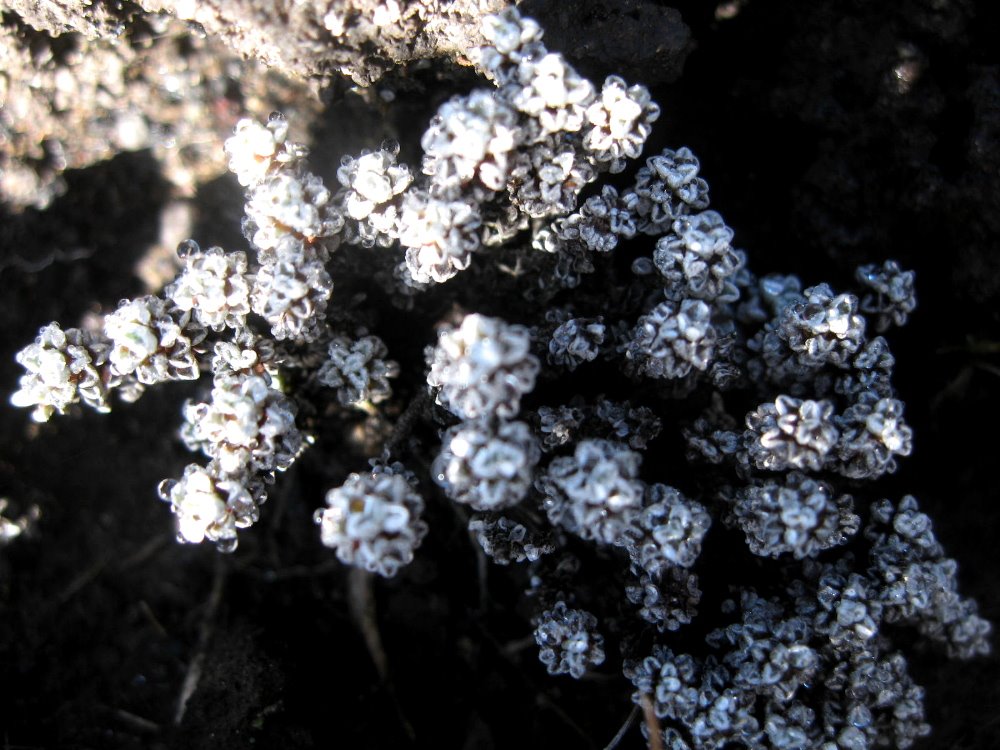
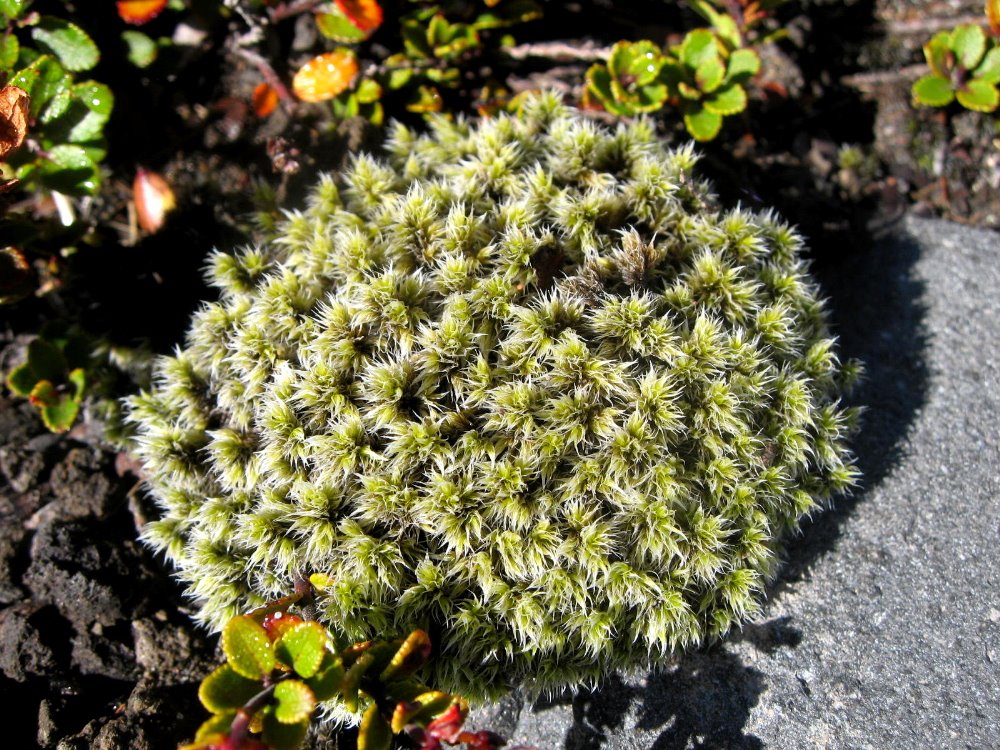
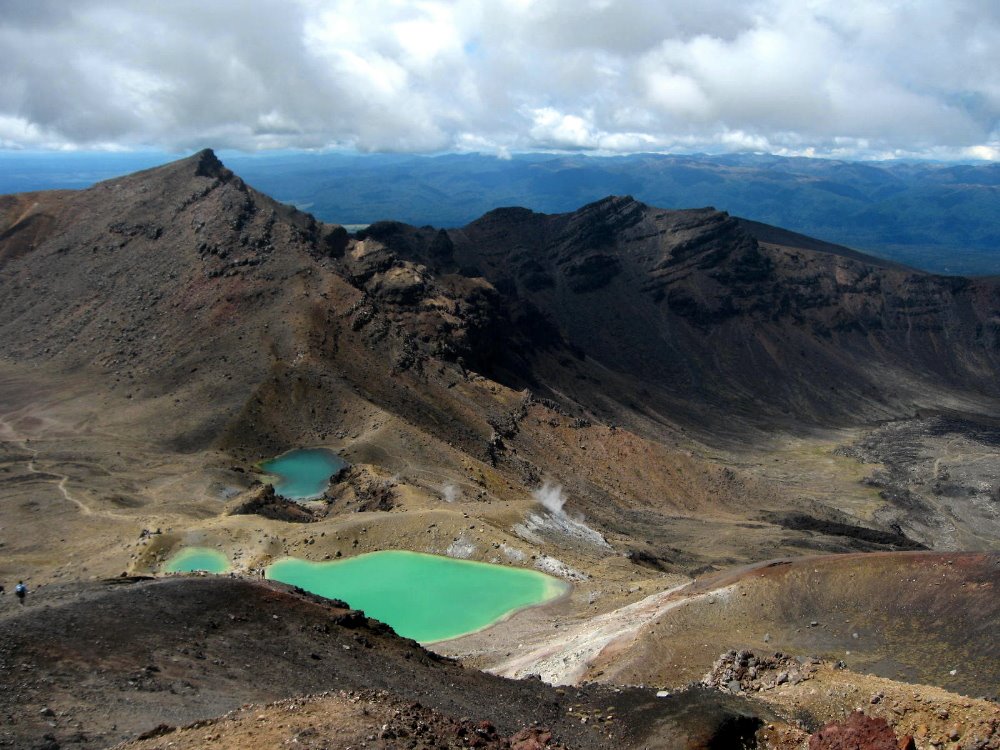
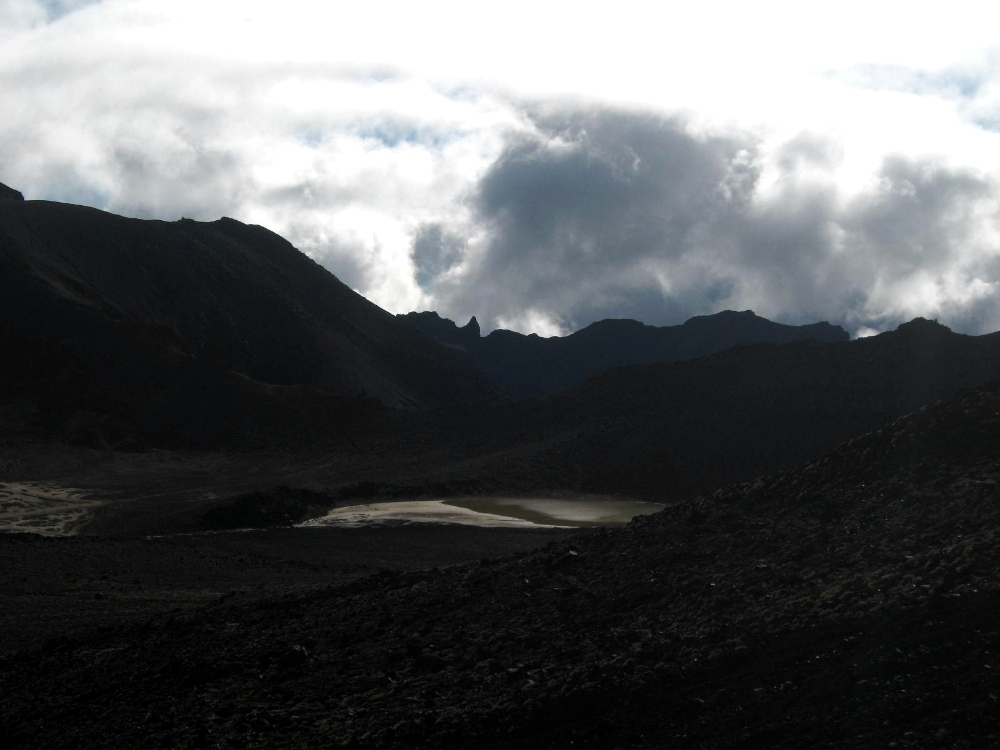
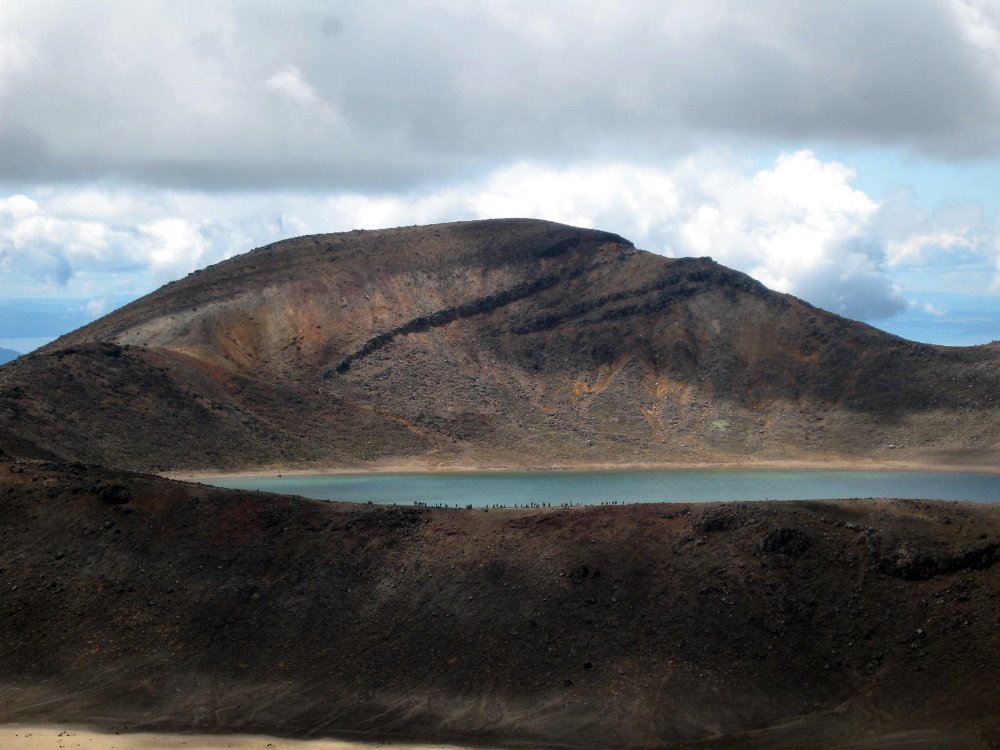
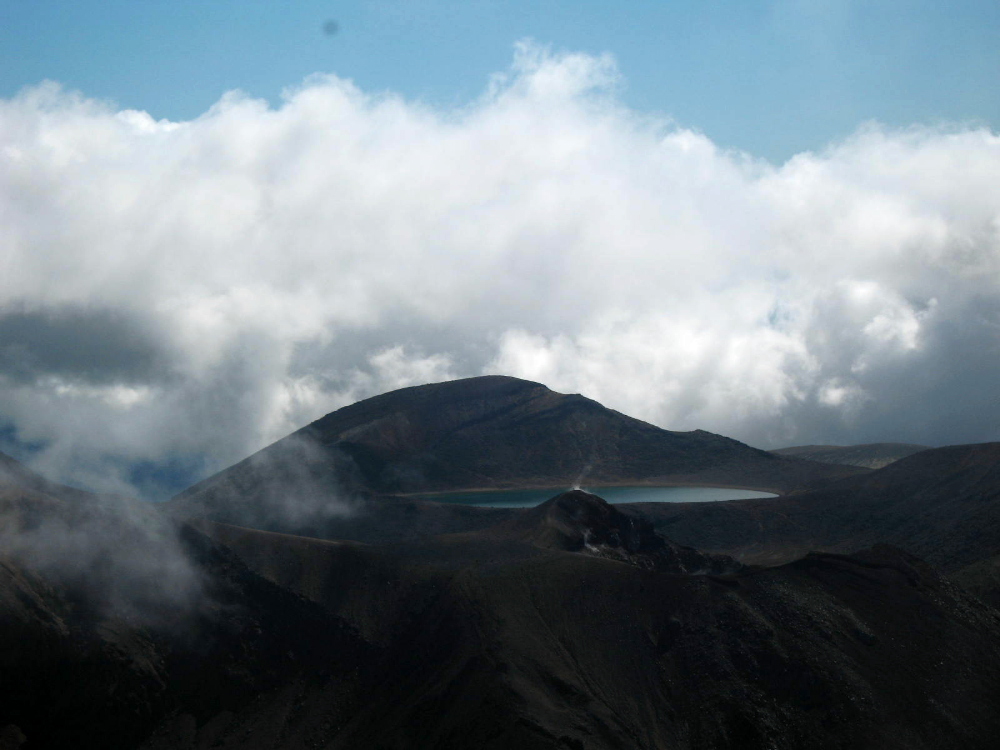
Emerald Lakes. Guess how they got their name? They smell as you might guess.
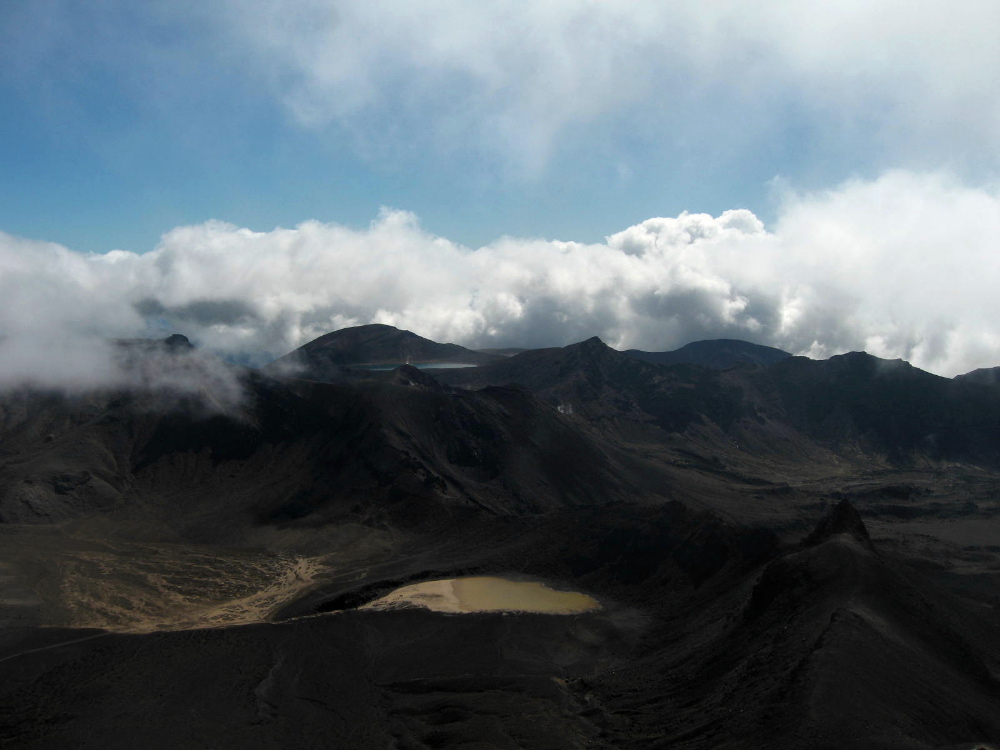


Look closely and you’ll see a lot of little figures along the trail silhouetted against the lake there: a large group of school kids on start-of-school-year camp, who spent days hiking, mountain biking, rock climbing and rafting around the area. Kids in NZ have a great life, it seems…
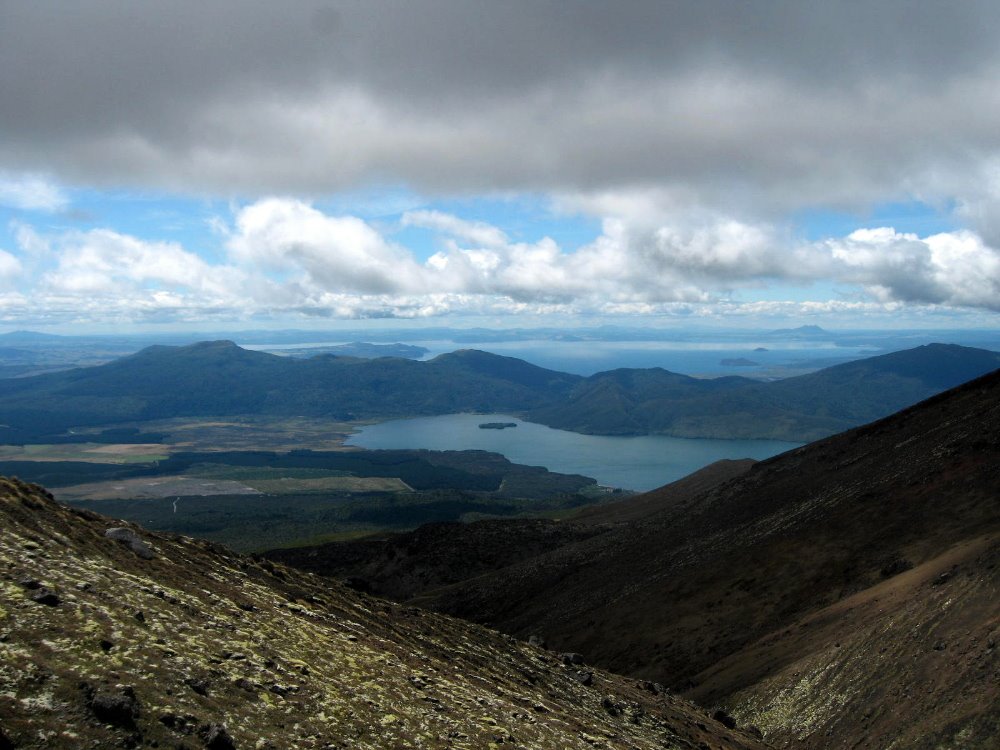
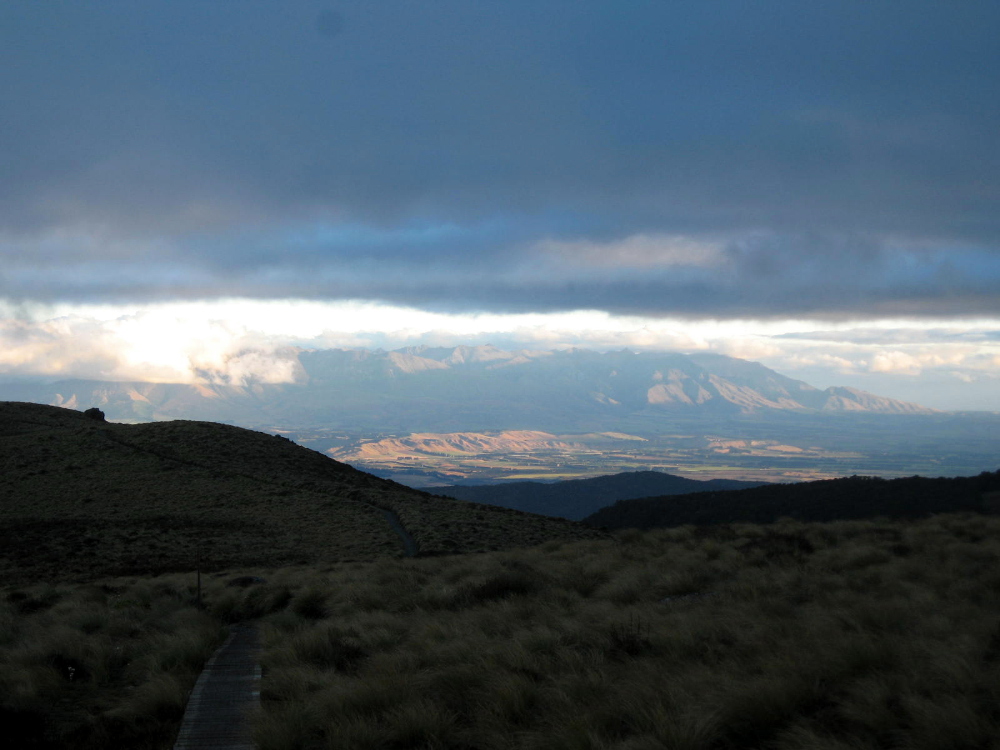
That’s Lake Taupo in the distance, the largest in New Zealand, apparently. No Lake Superior, that; but then NZ is two moderate-sized islands with spectacular variety and scenery, when you get right down to it.
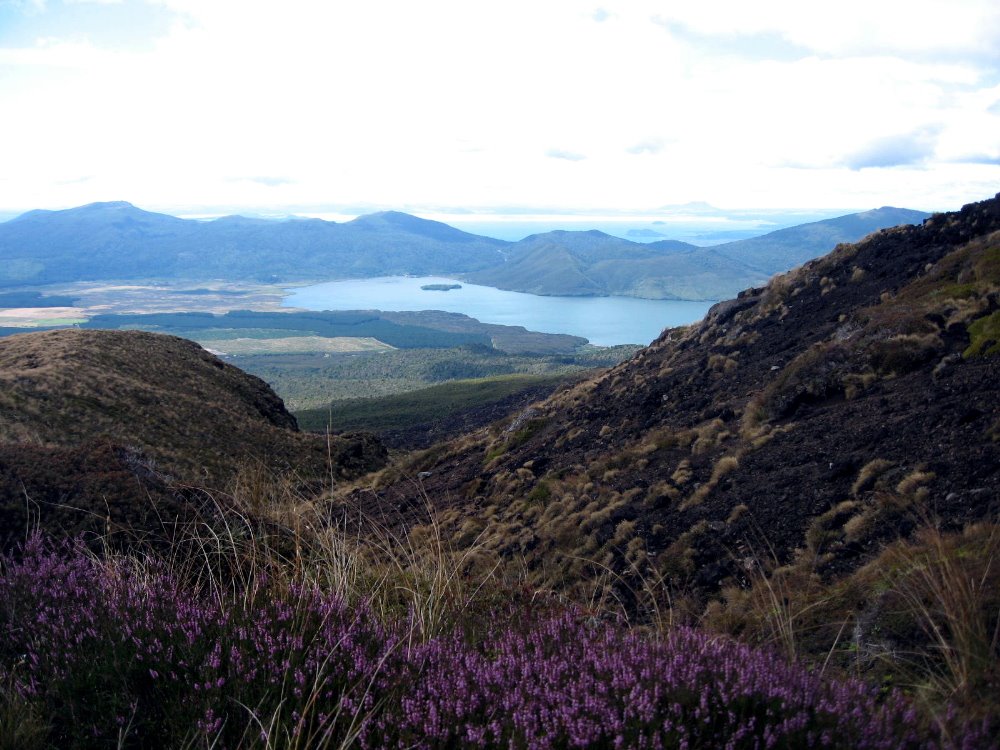

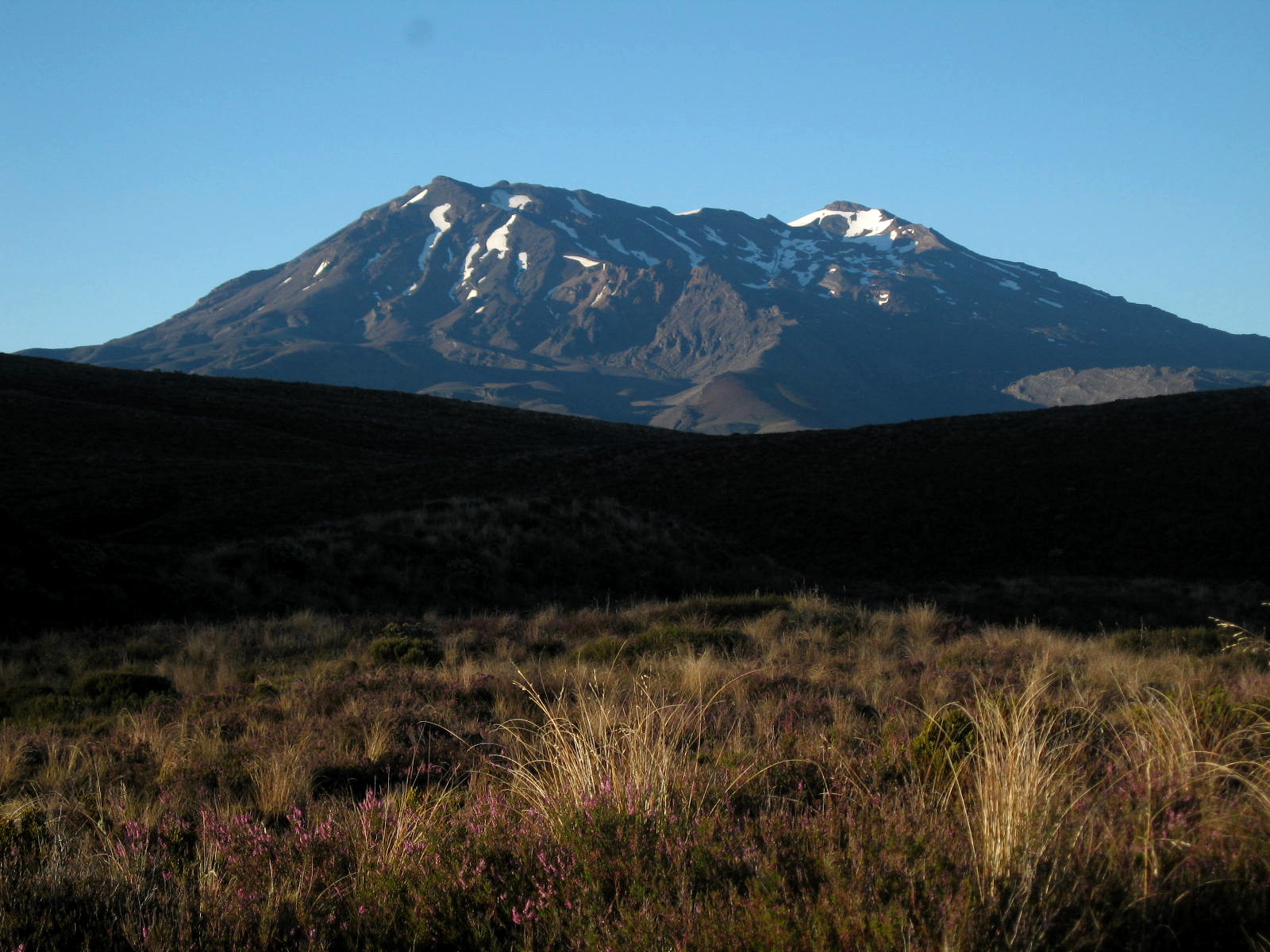
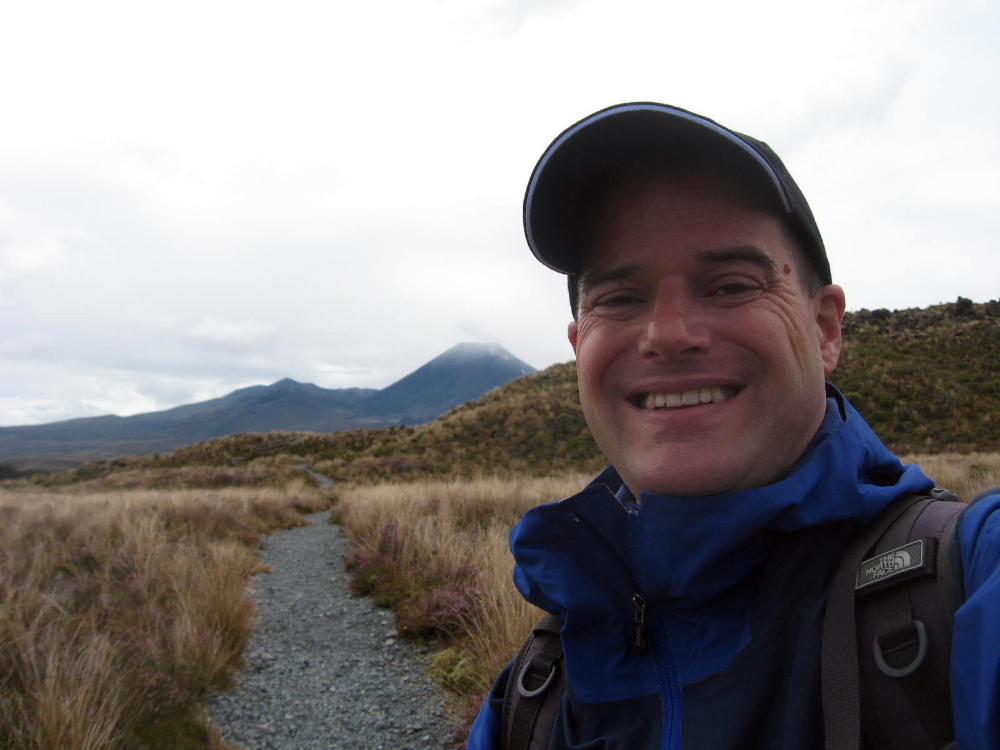
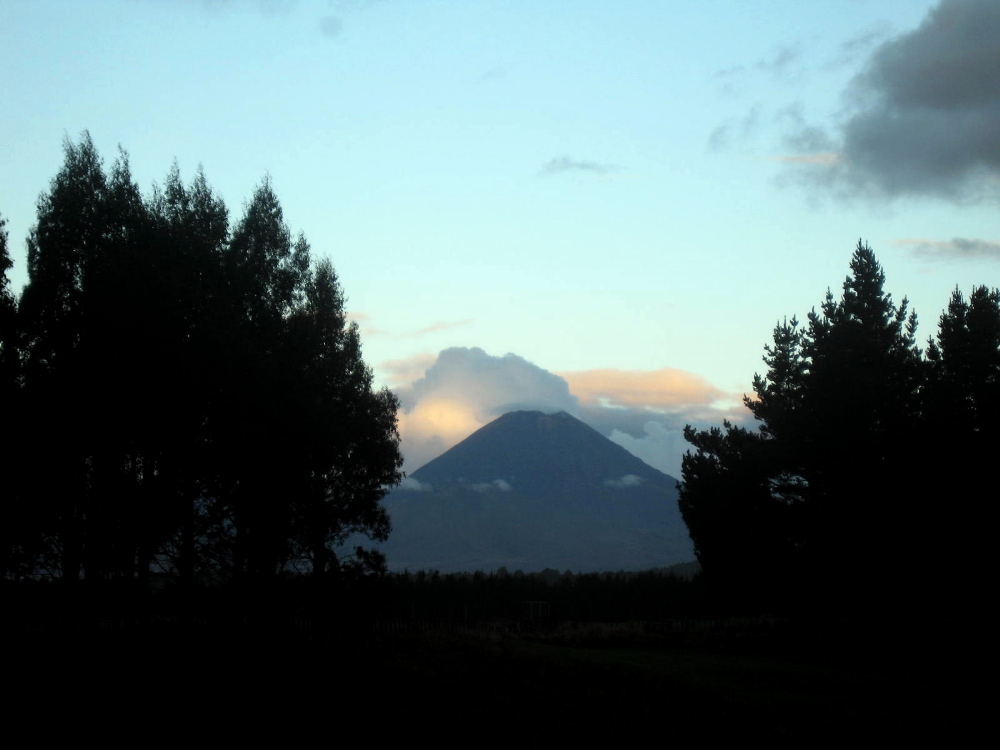
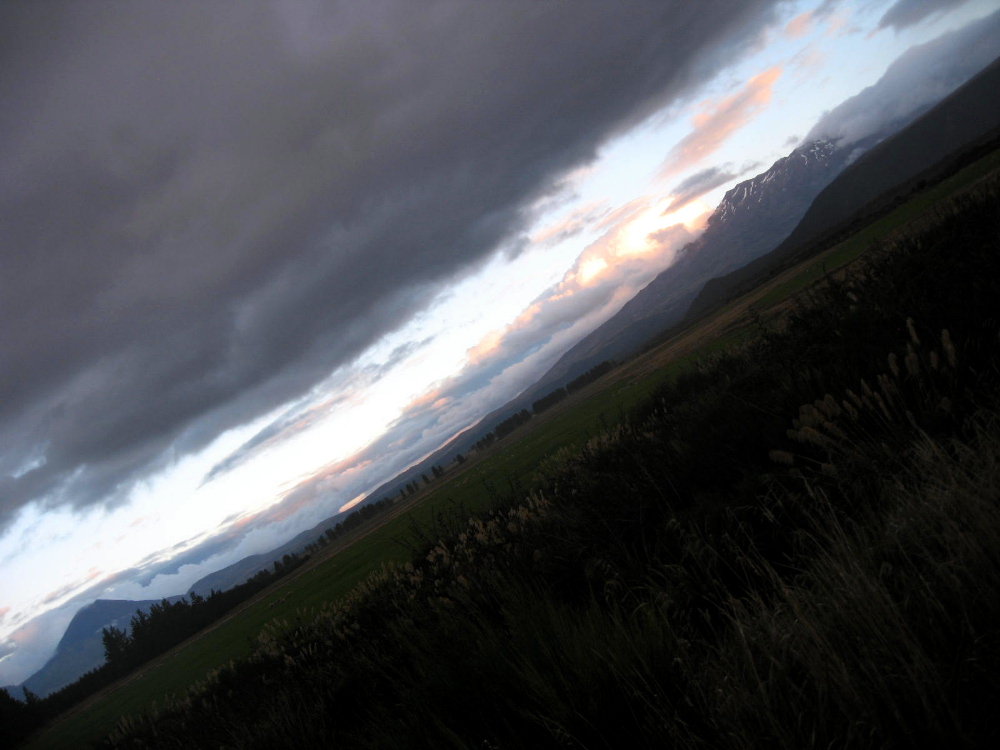
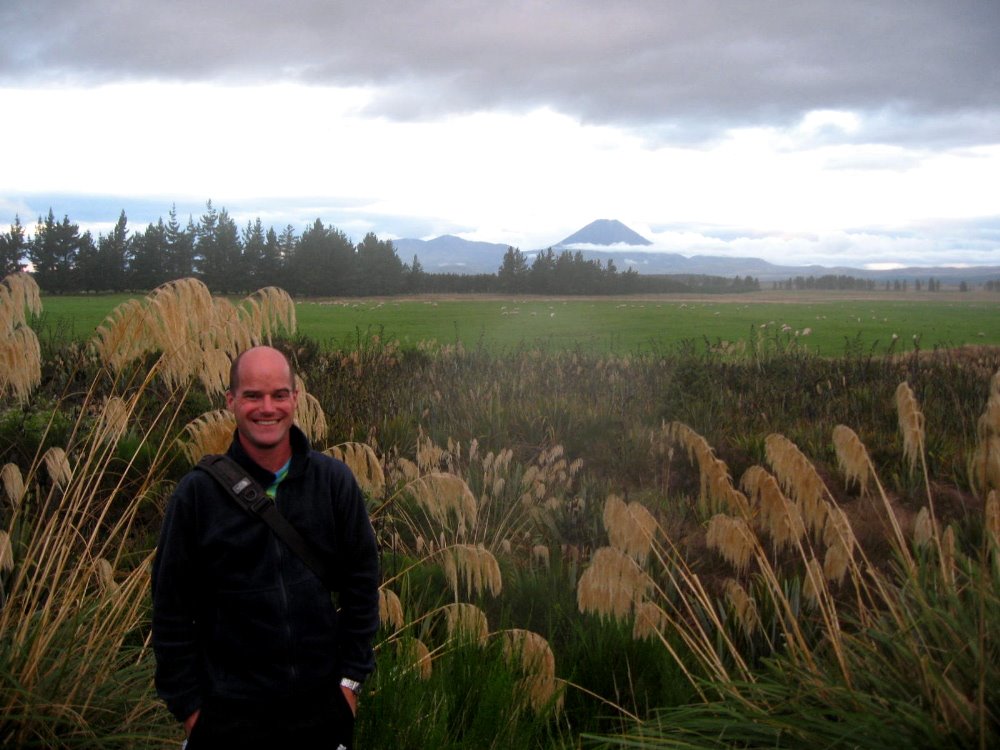
…have you noticed how captivated I was by Ngaurhoe’s cone? It’s my own xx Views of Mt Ngauruhoe ode to Hokusai. But seriously — I found Ngauruhoe as captivating as I find Half Dome — though not the tallest of the three, it ruled my imagination when I was in its range.
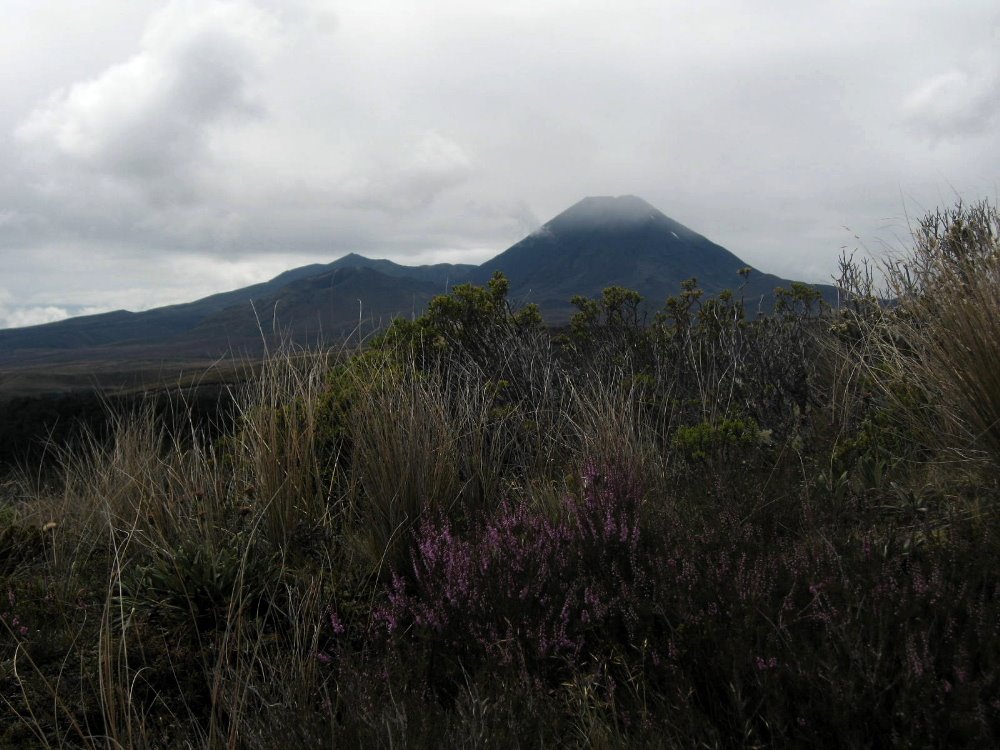
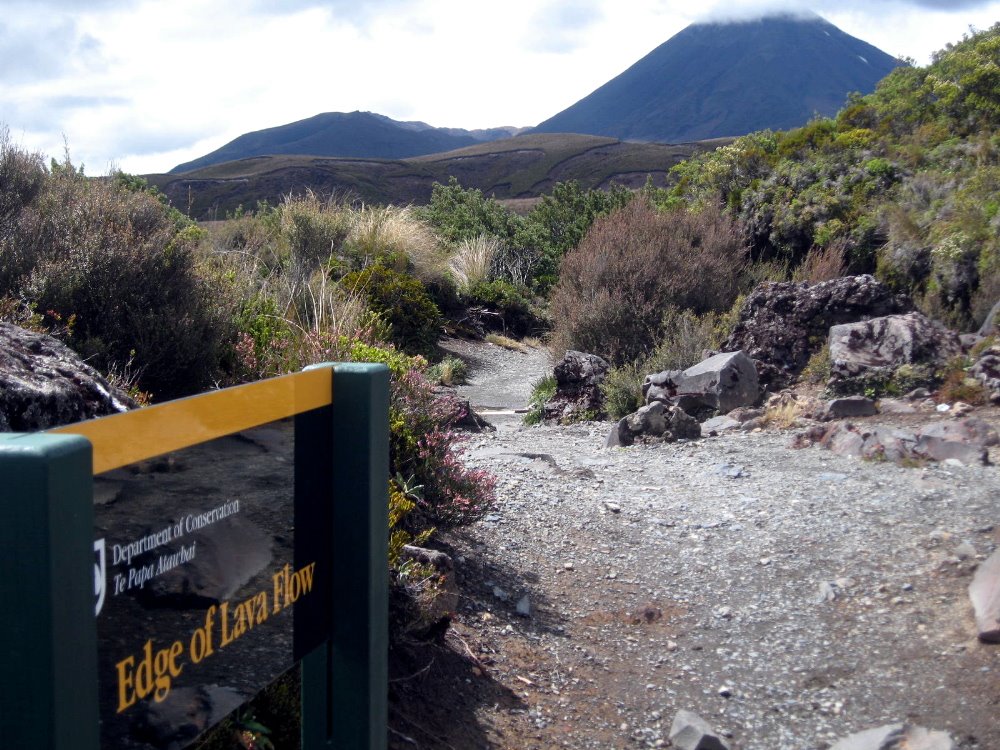

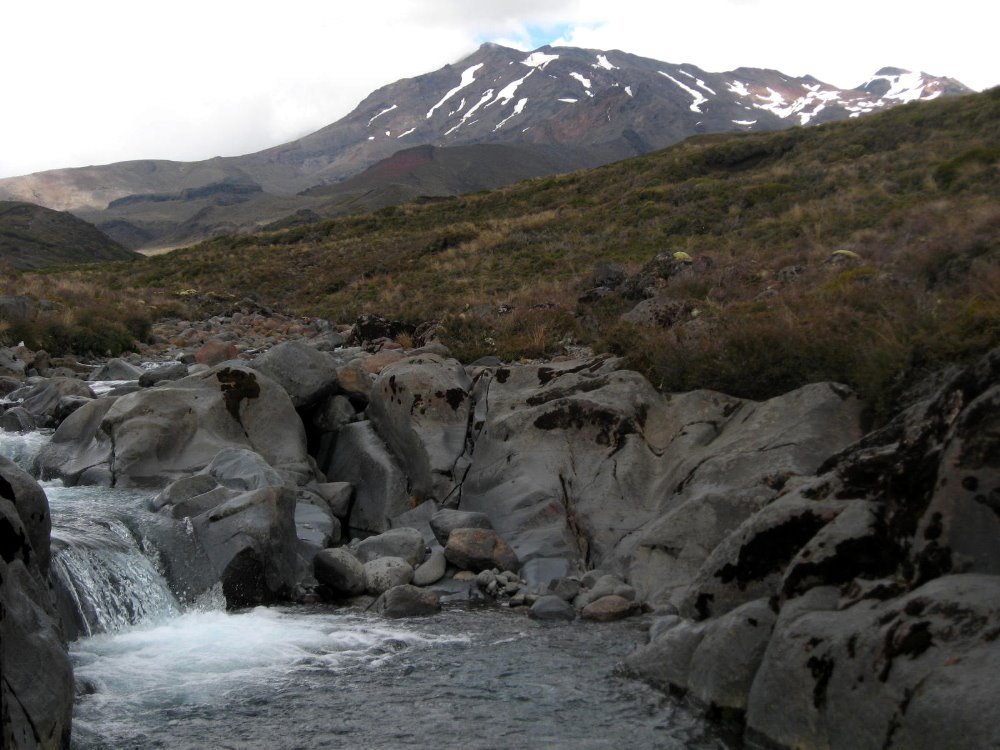

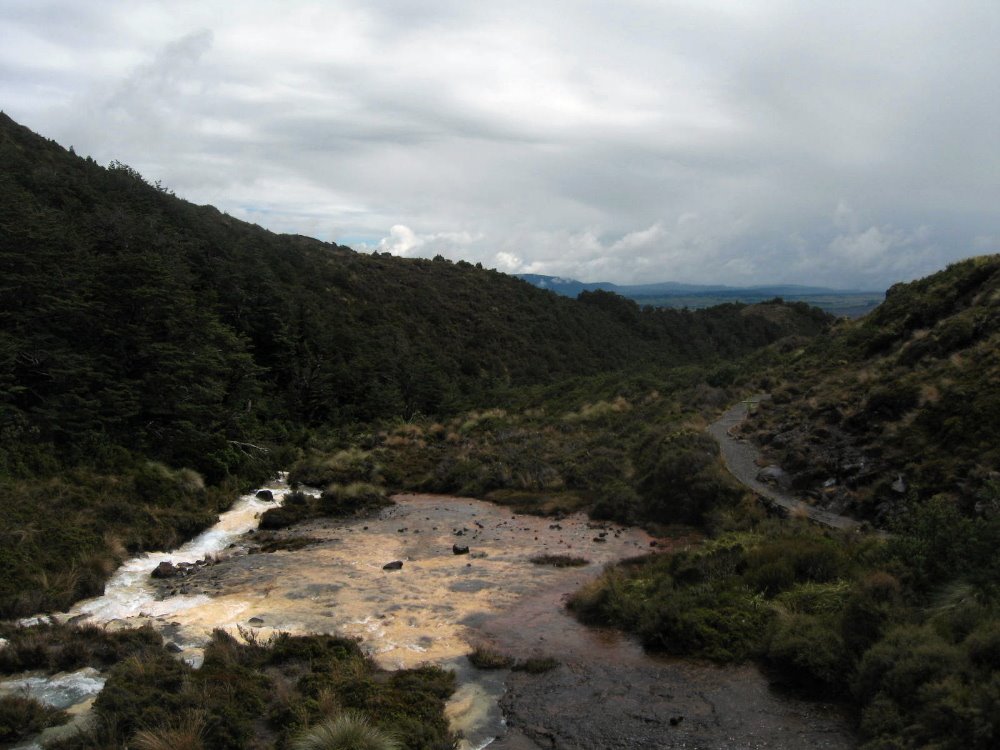
And that would be silica rapids, full of colorful minerals washed out of the stones solidified from the magma belched by Ruapehu, on whose slopes this was shot.
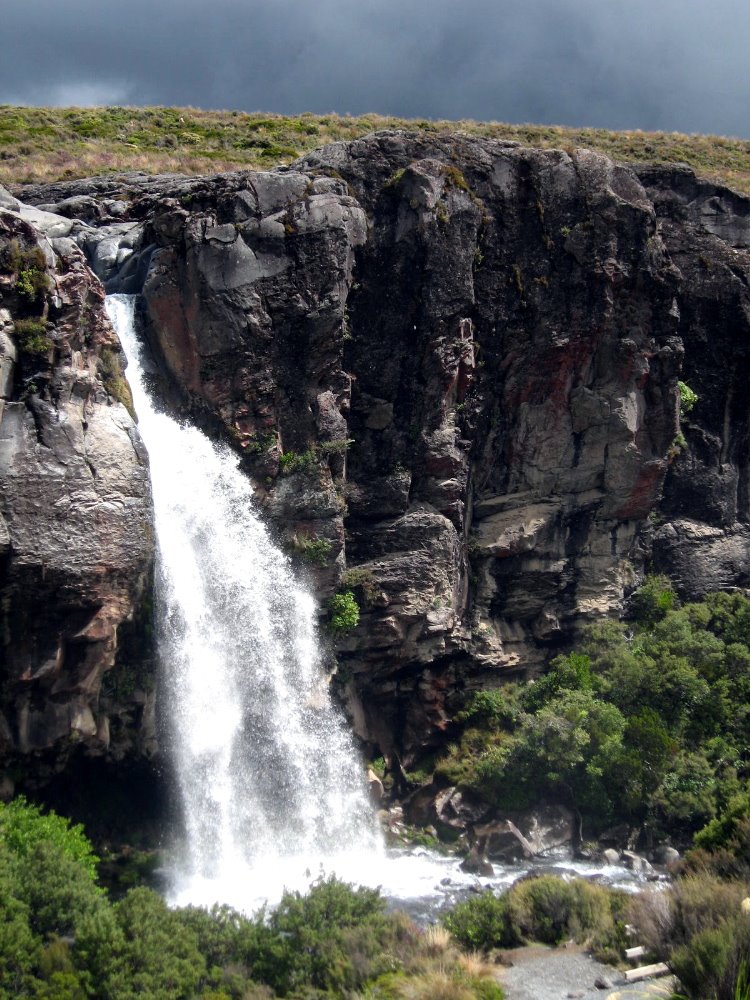

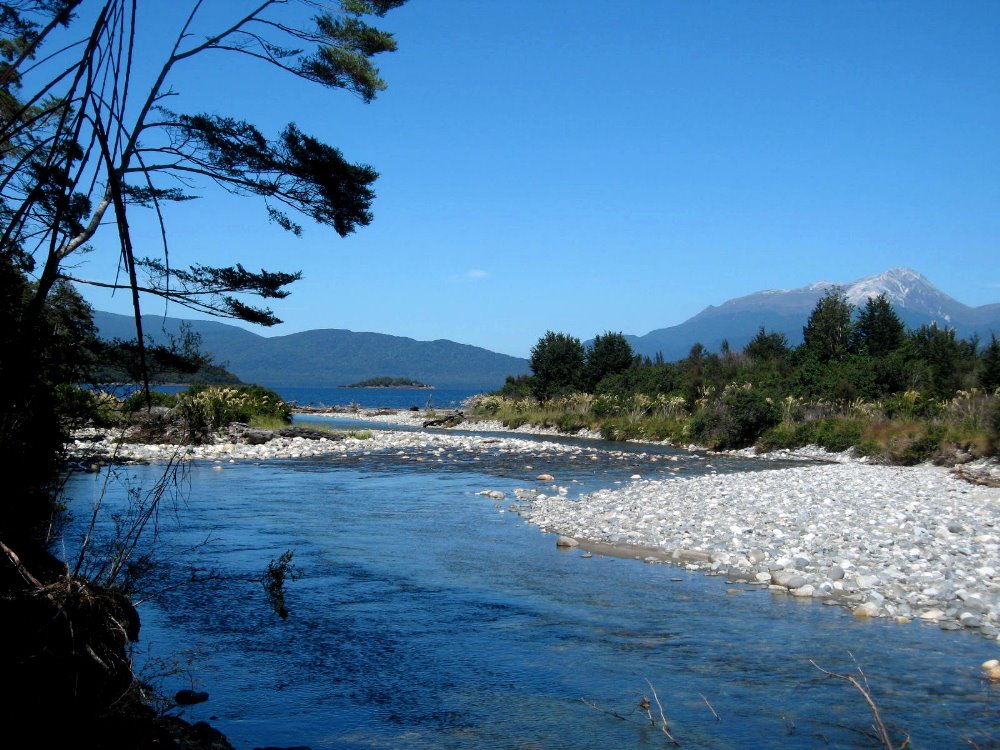
Kepler Track & Fiordland National Park


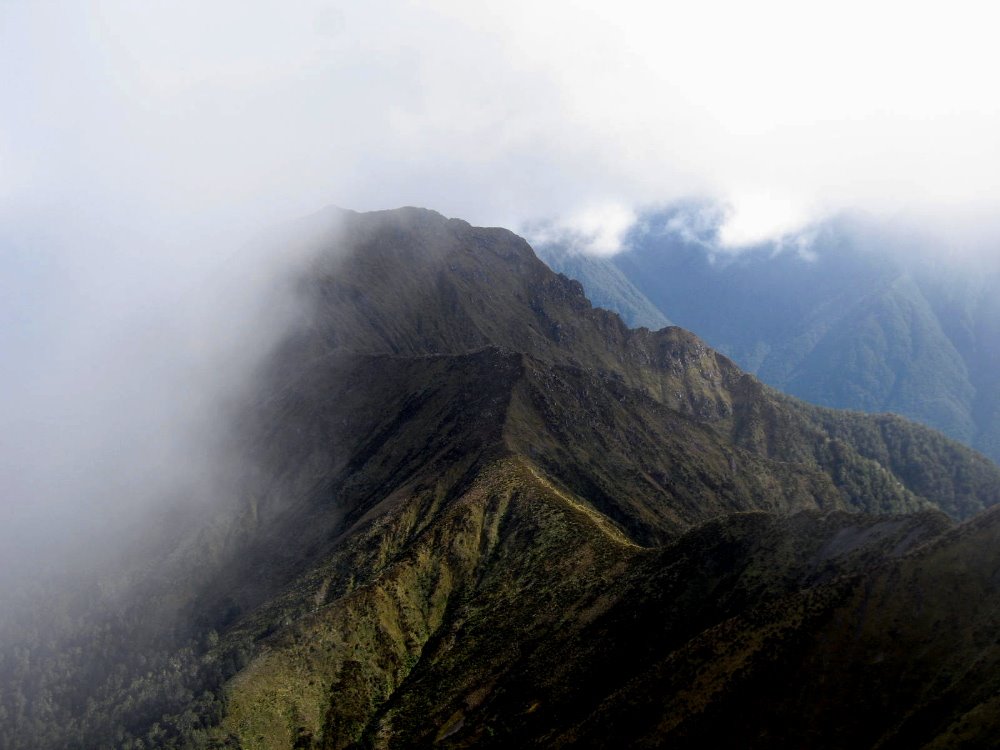
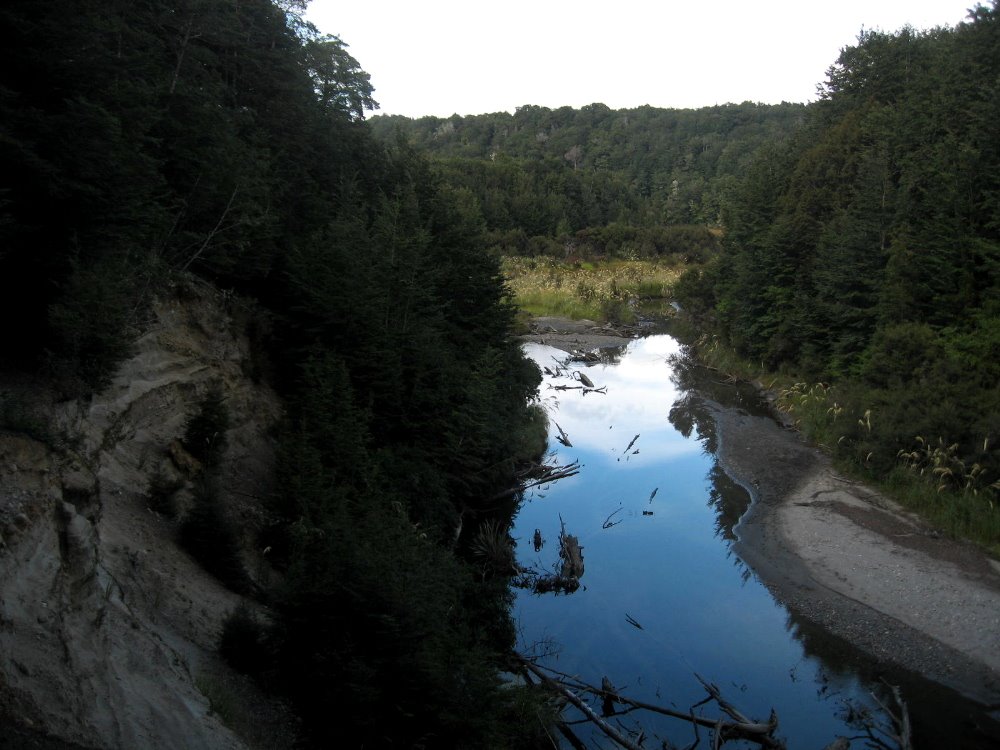
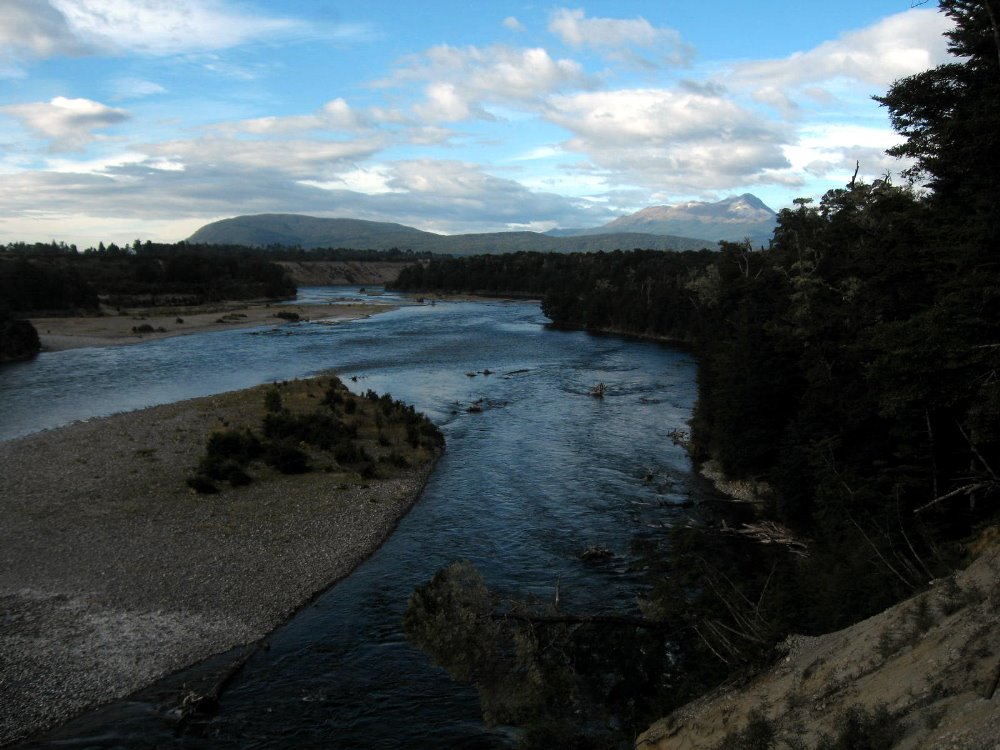
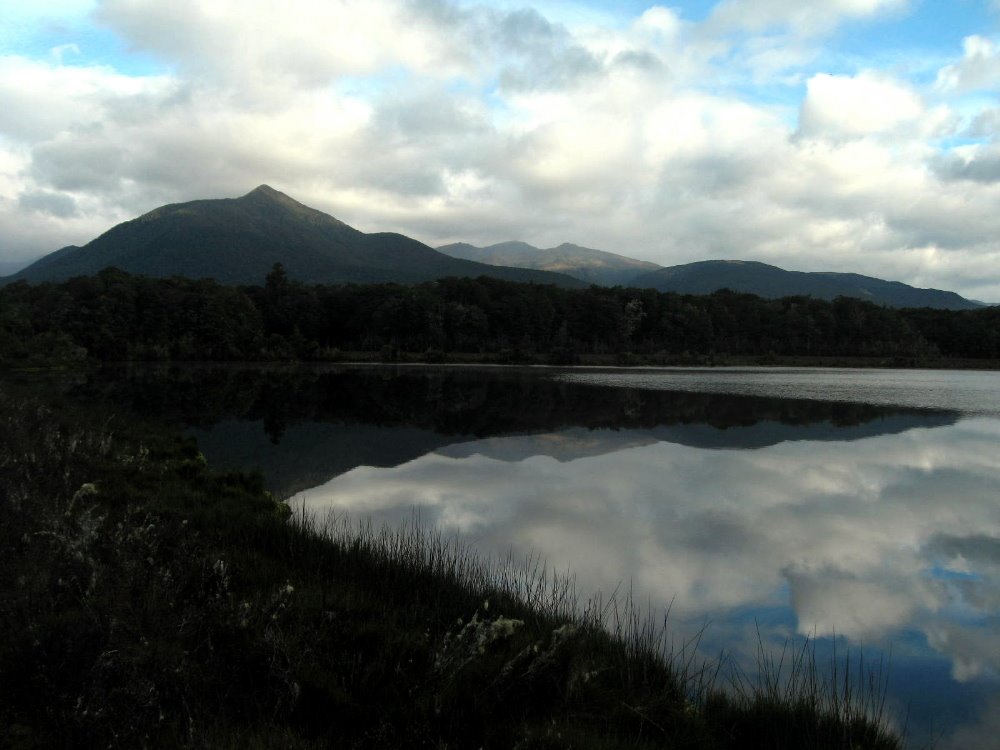
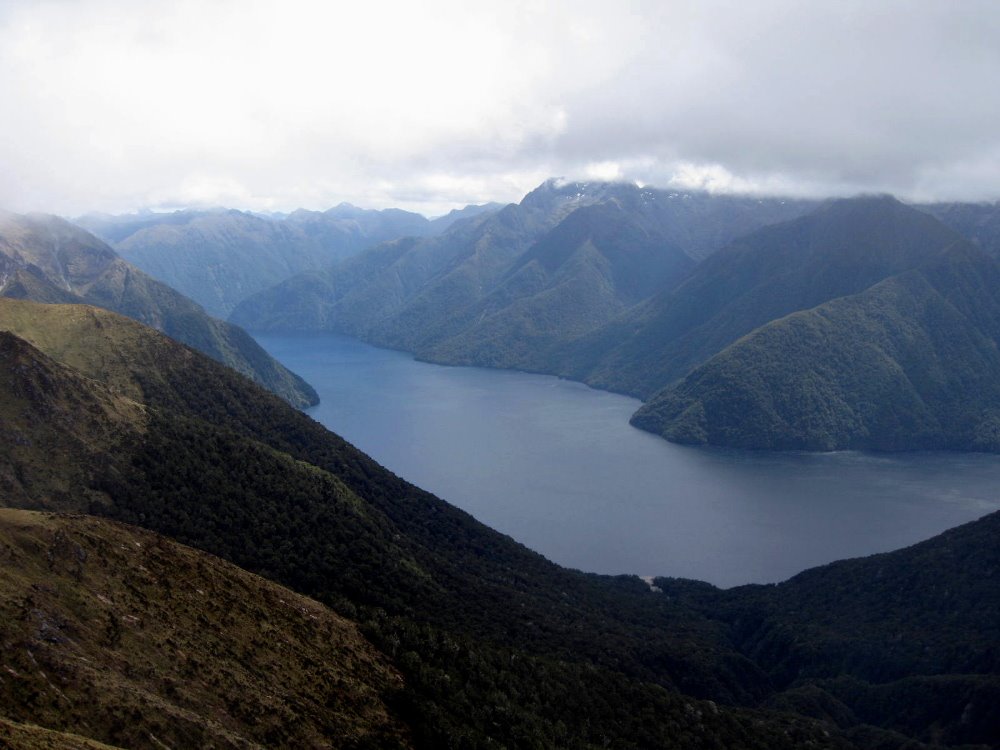
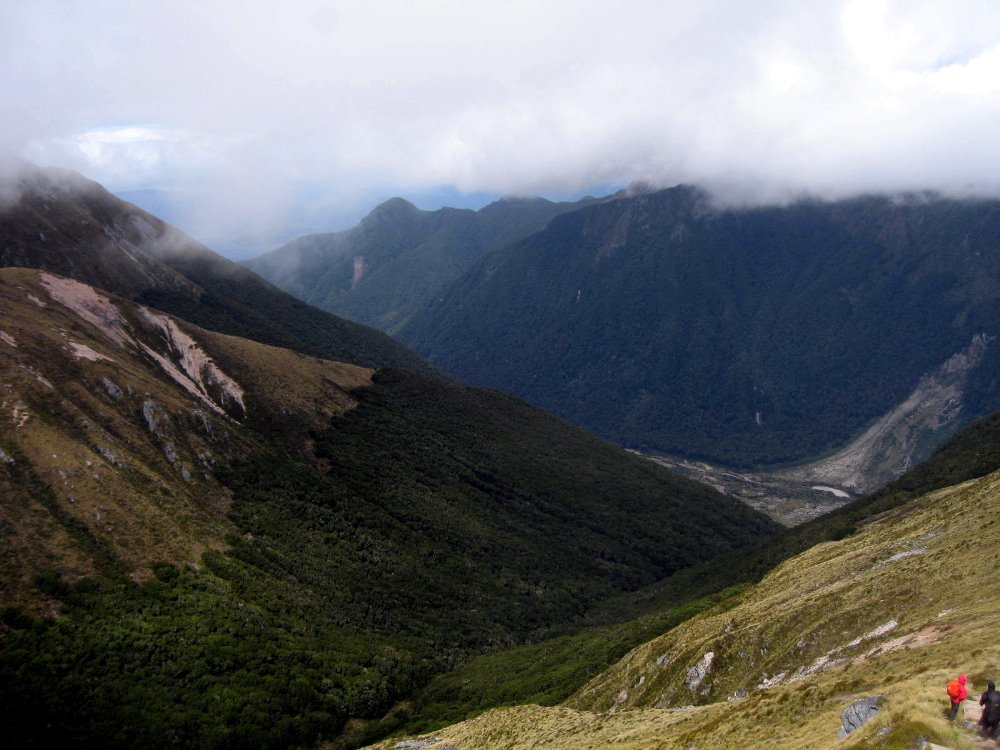
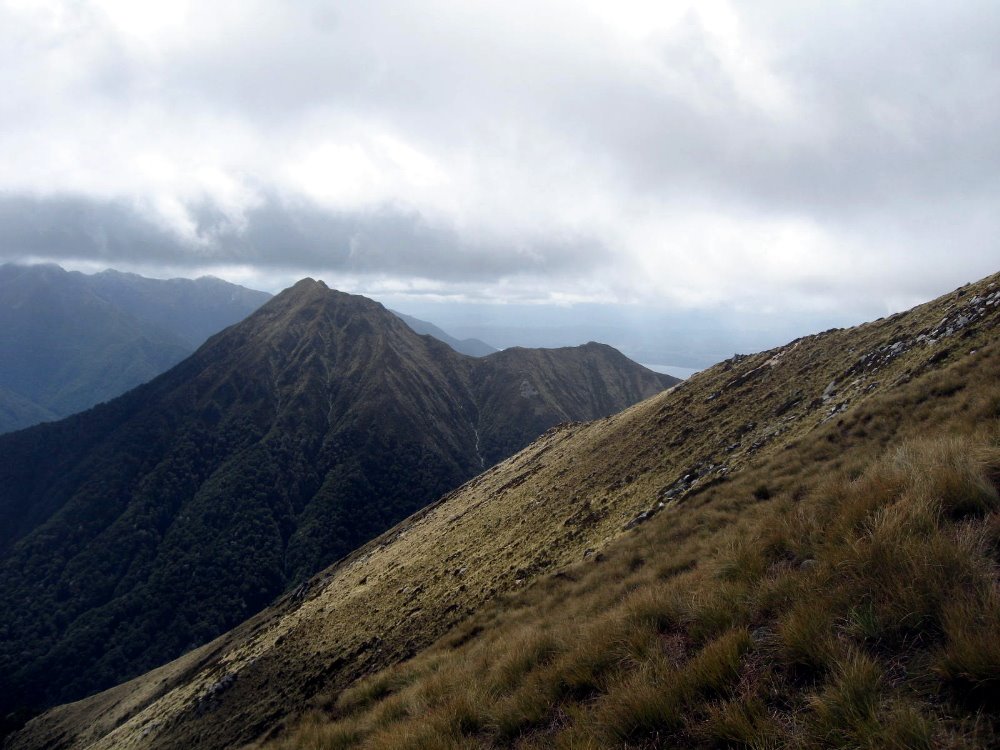
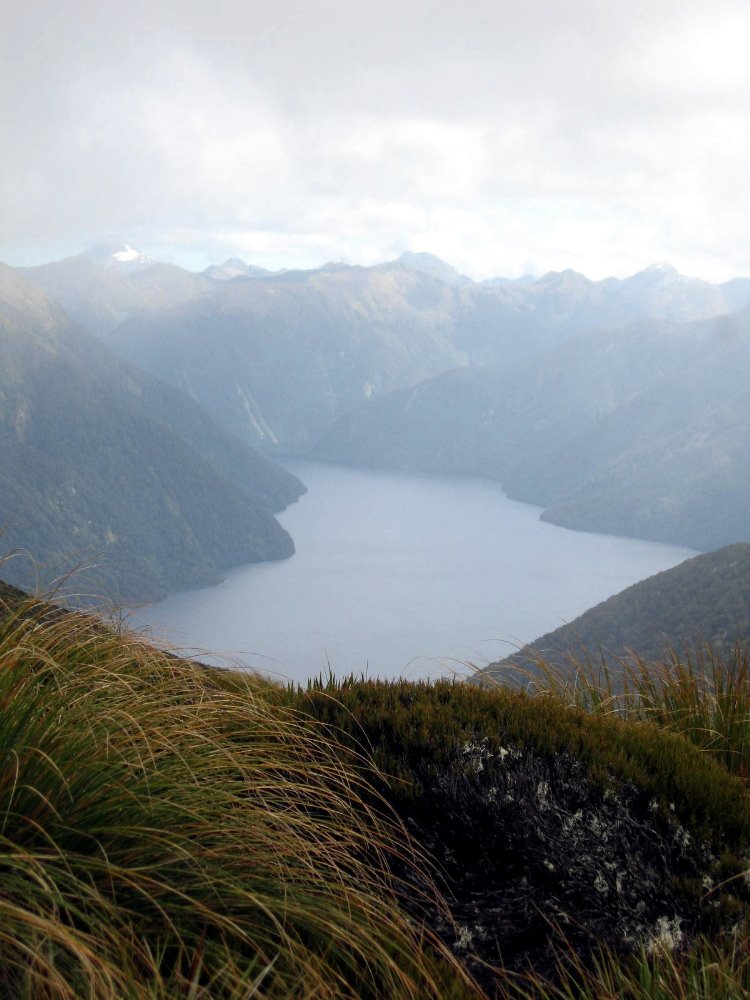
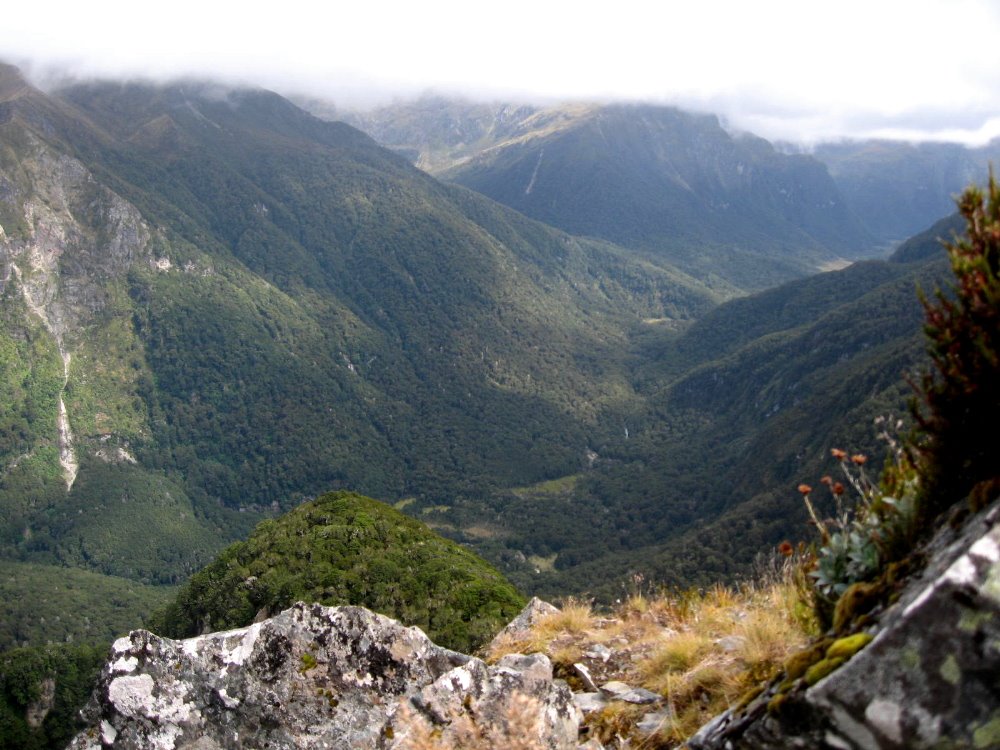
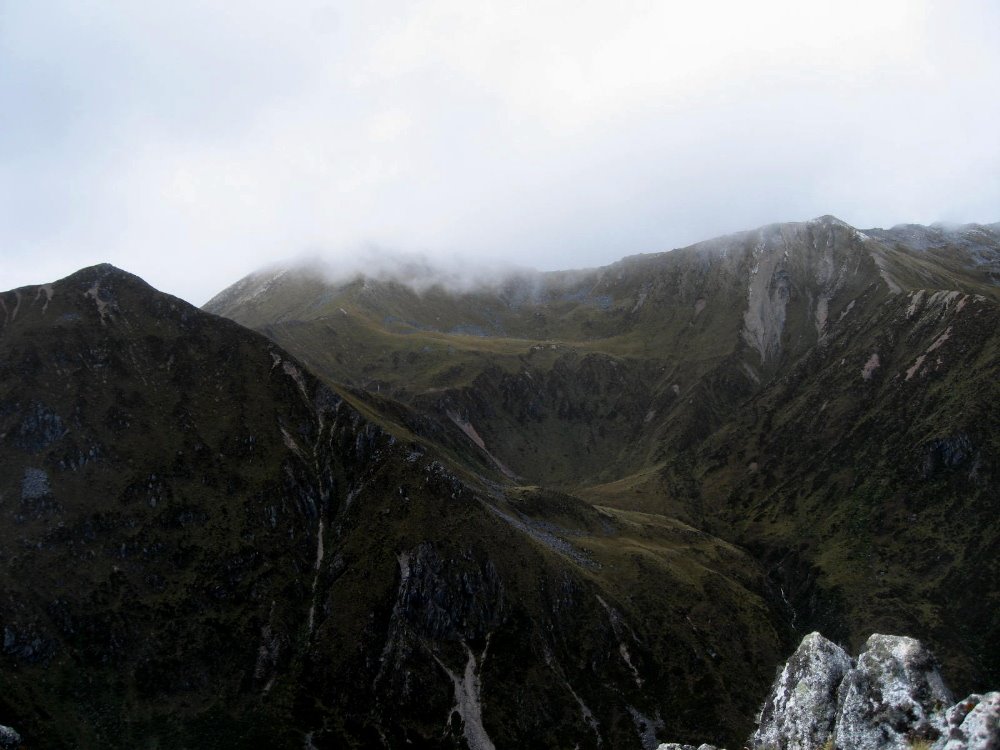
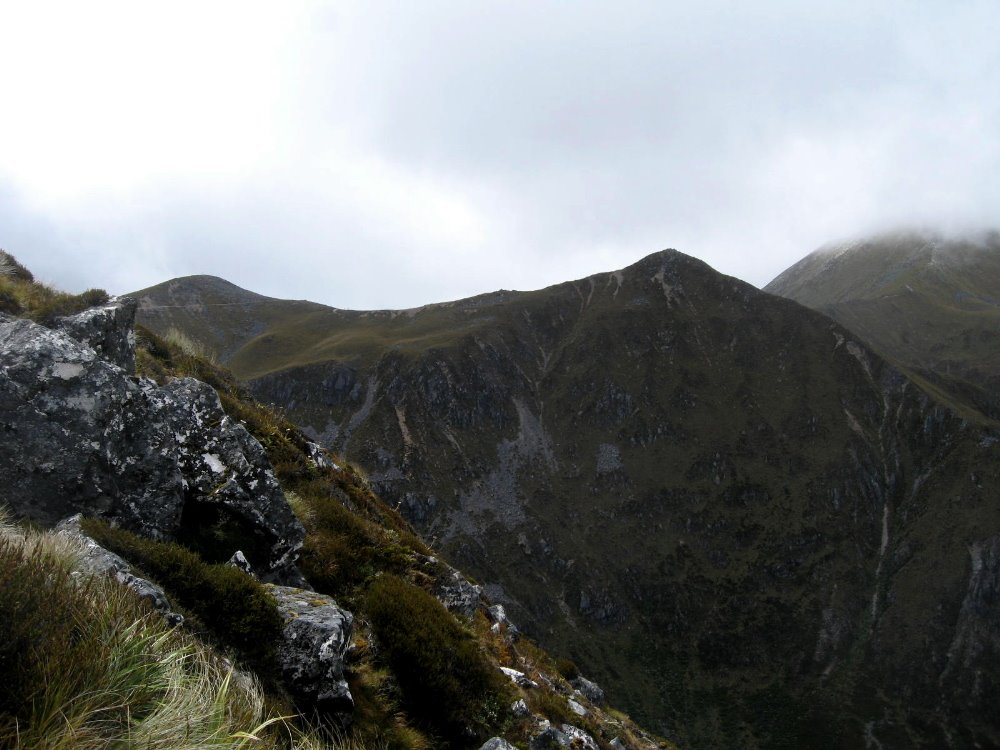
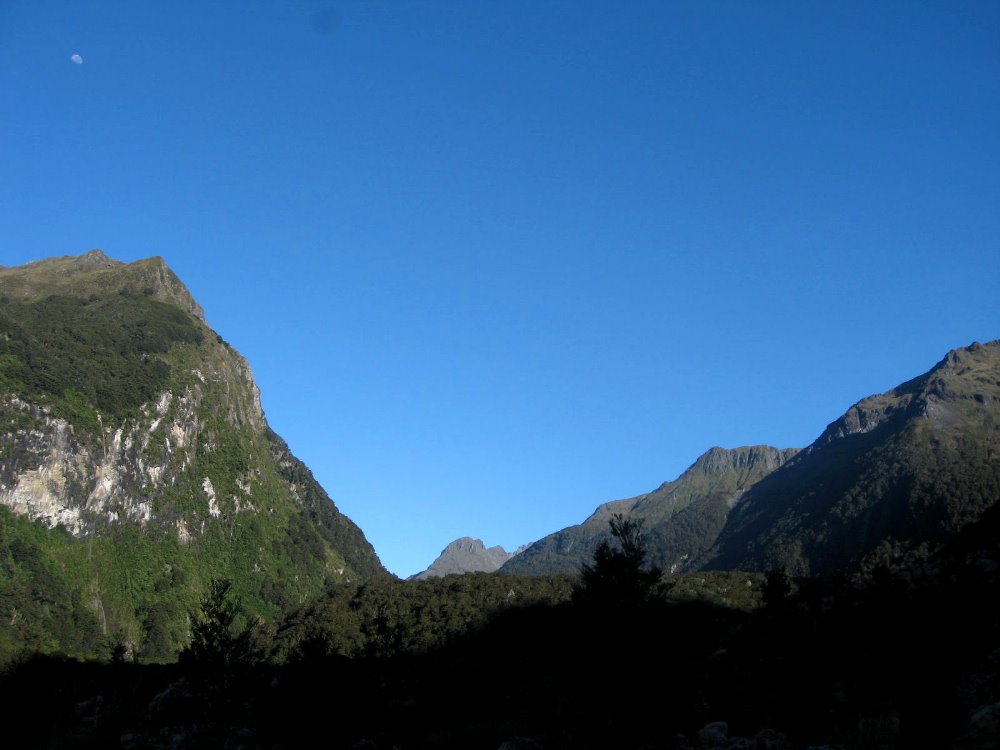
As Tongariro Crossing – and the summit of Ngauruhoe – was the literal and figurative peak of my personal experience in New Zealand, the Kepler Track was the climax of my first two weeks, which were spent with my dearest bestest friends Howard & Gene. This is a four-day, three night trek from hut to hut; in high season the huts have gas burners so you don’t have to carry your stove, just your cooking eqiupment; they have bunks so you just bring your sleeping bag and no tent; and they have – oh luxury – flush toilets! Day two, as we hiked it, is almost all above the tree line, while day one is hiking from the western shore of Lake Te Anau (a long and many-armed mountain lake of classical proportions) up a steady and well-made trail to the higher reaches of Mt Luxmore. Day three is along a verdant river valley, into which one looks at the very end of the alpine section before a steep and many-zigzagged descent; and day four is peaceful and pleasant stroll along the river which connects Lakes Manapouri and Te Anau. Even in clear weather, the alpine section would be otherworldly — much of it is along steep ridgelines with sharp drops on both sides, and if some of this looks like Middle Earth, it’s because various scenes from the LOTR films were shot in this area. For good reason, obviously. It was an extraordinary hike, and the fact that much of our alpine crossing was made in snow and ice, in high summer, made it even more extraordinary.


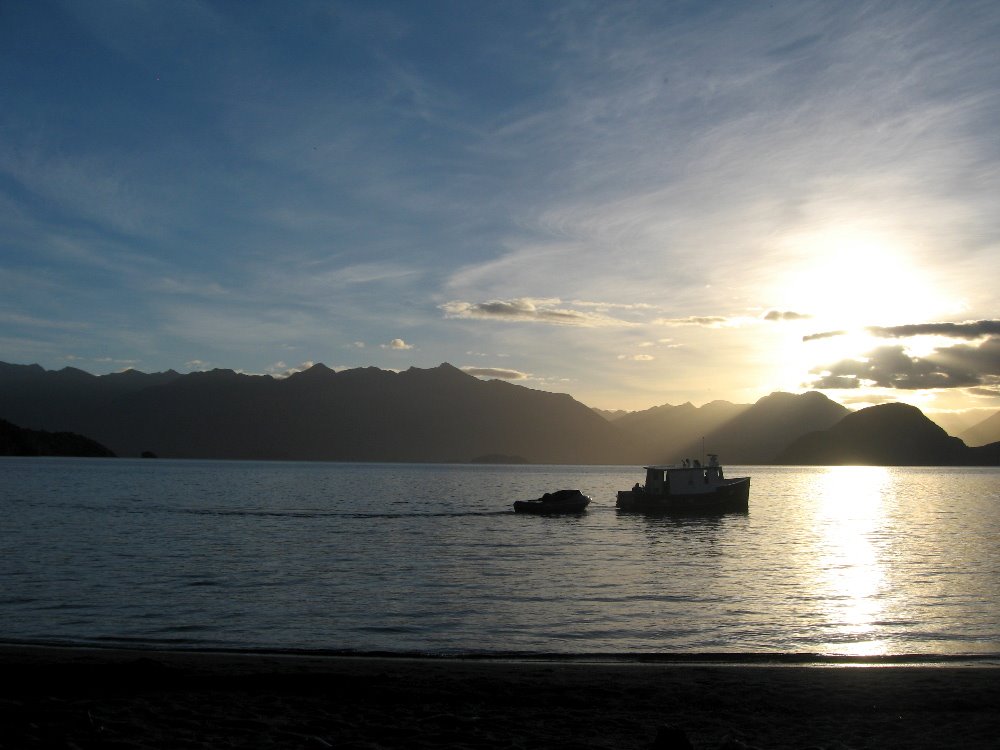
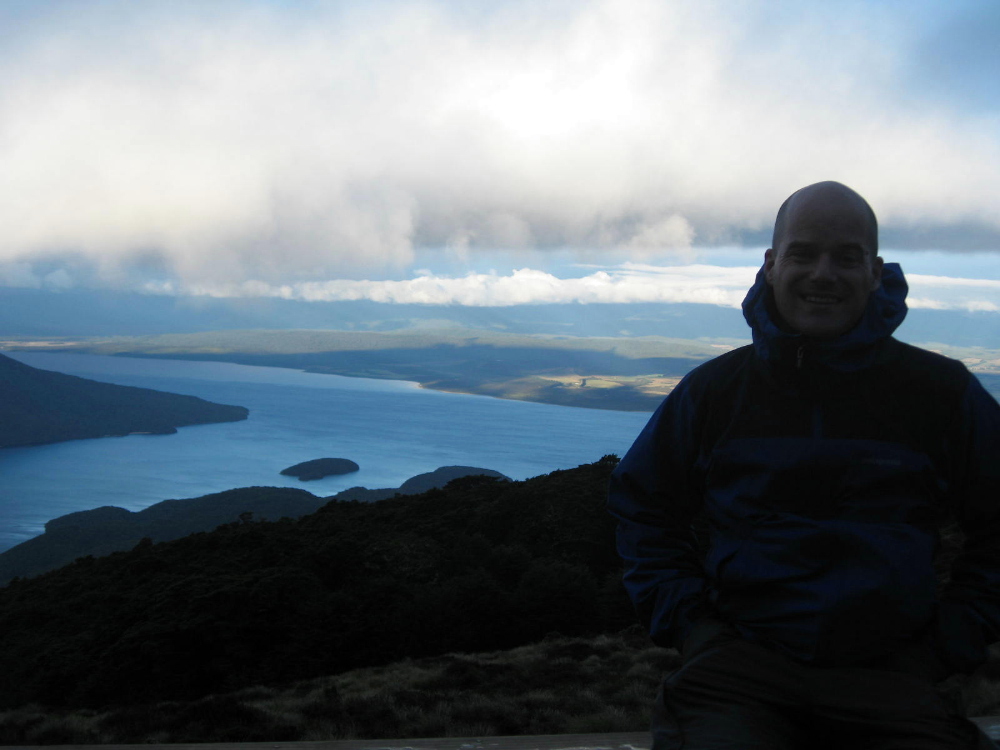
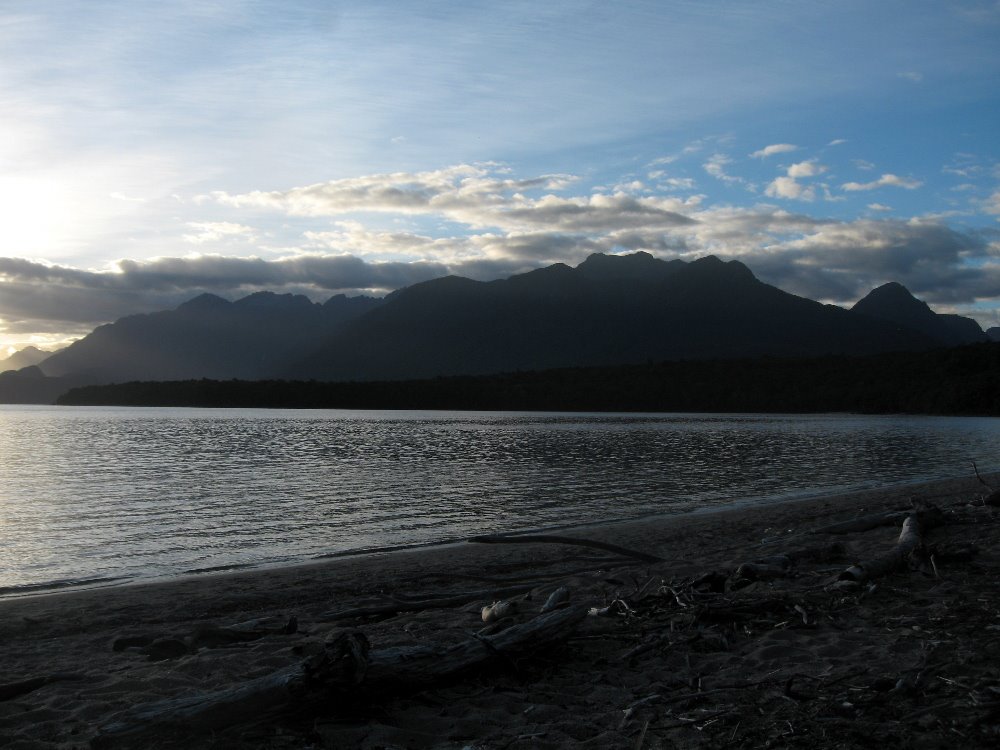
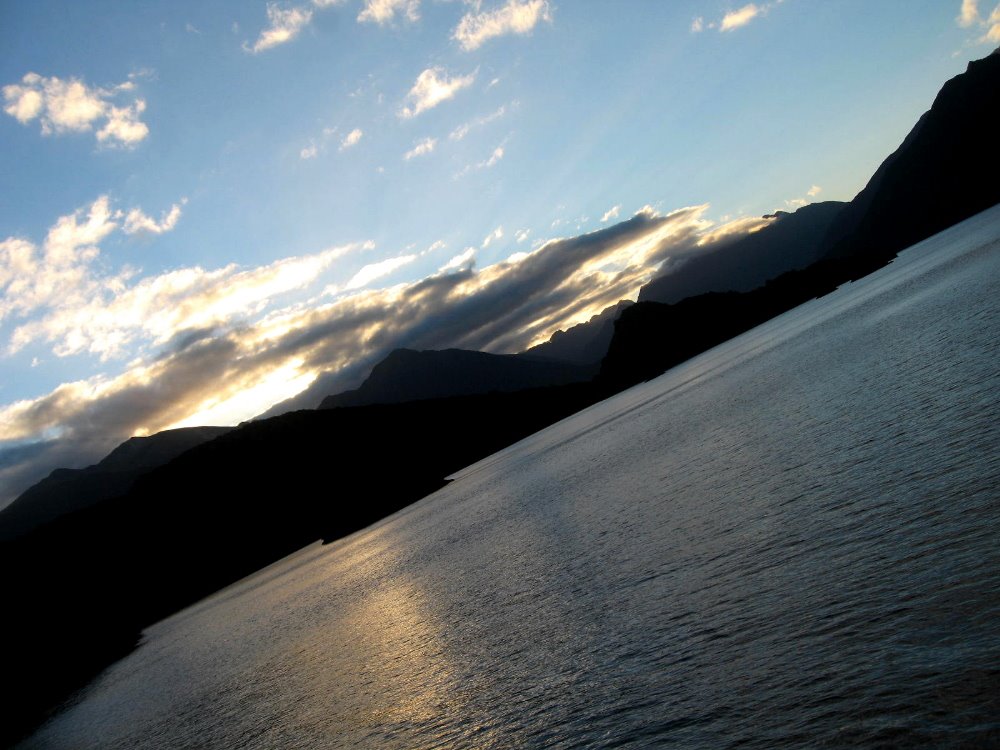
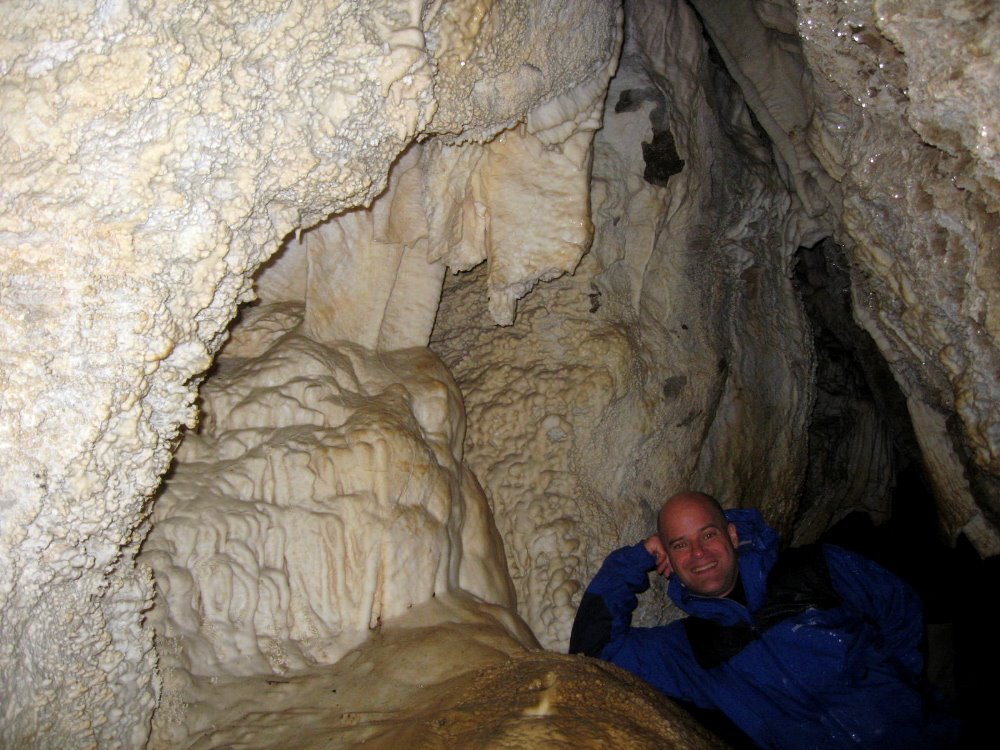
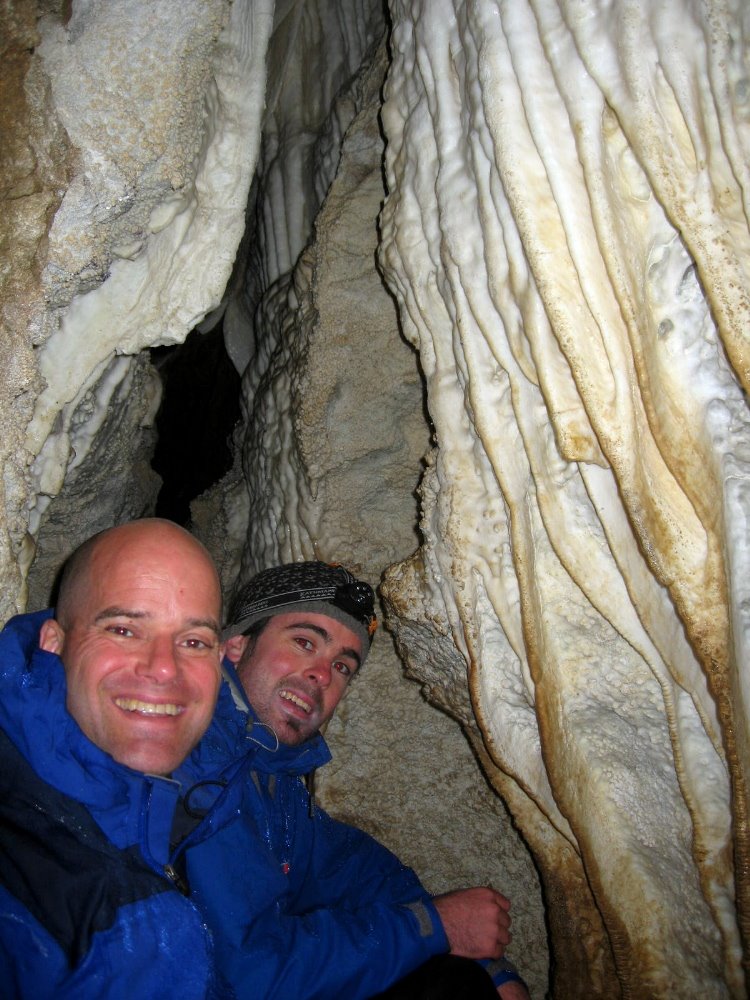
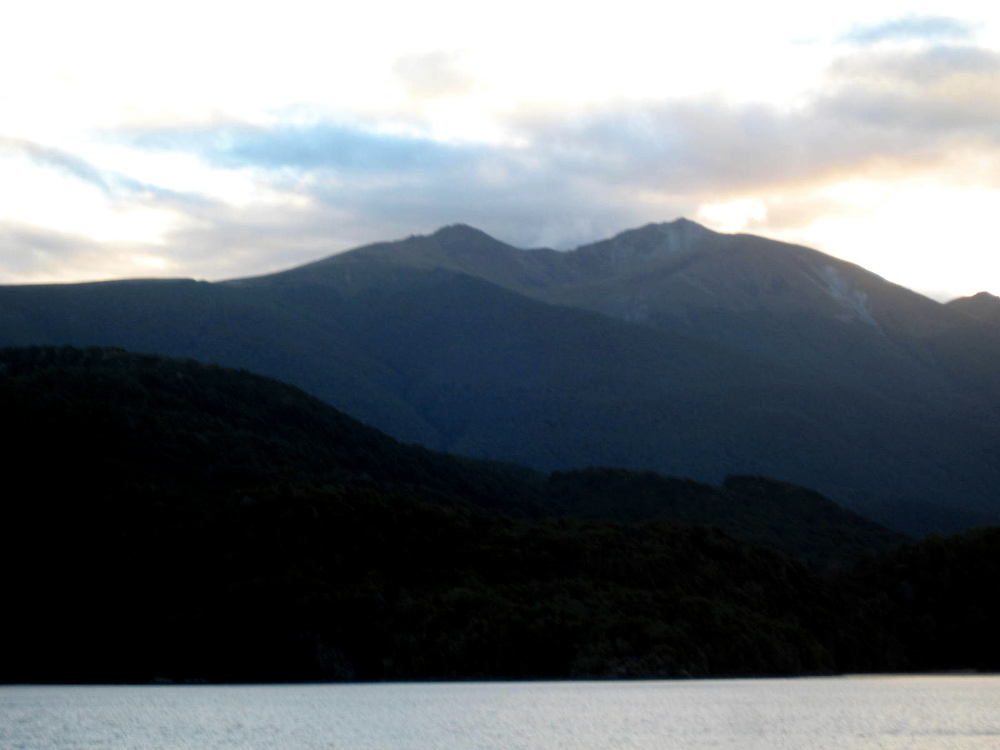
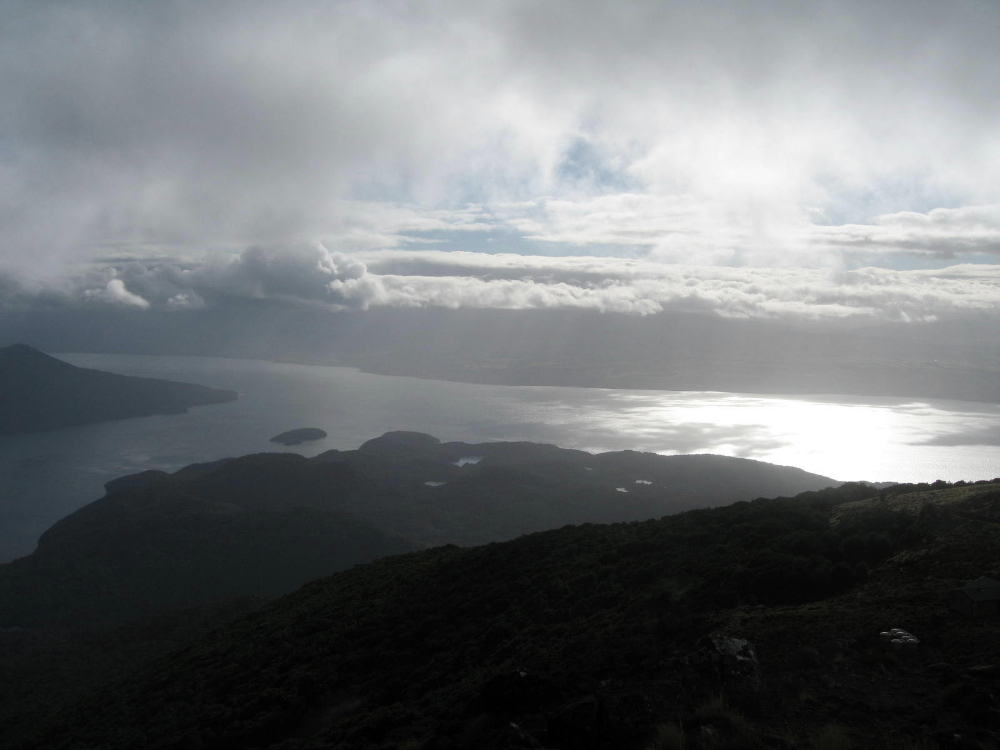
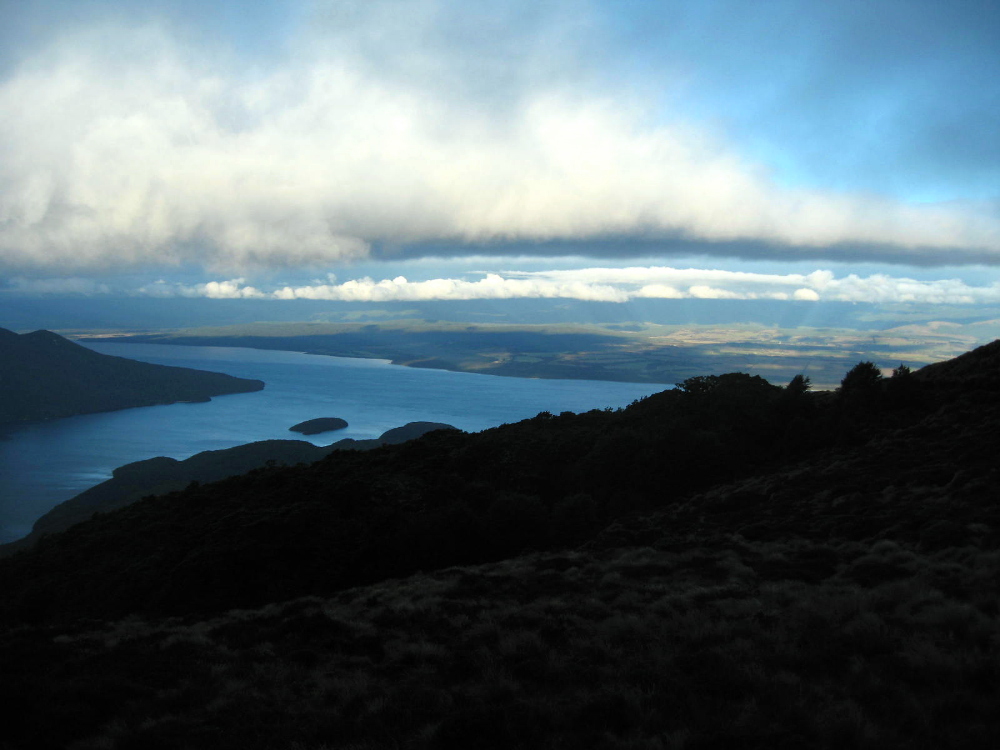
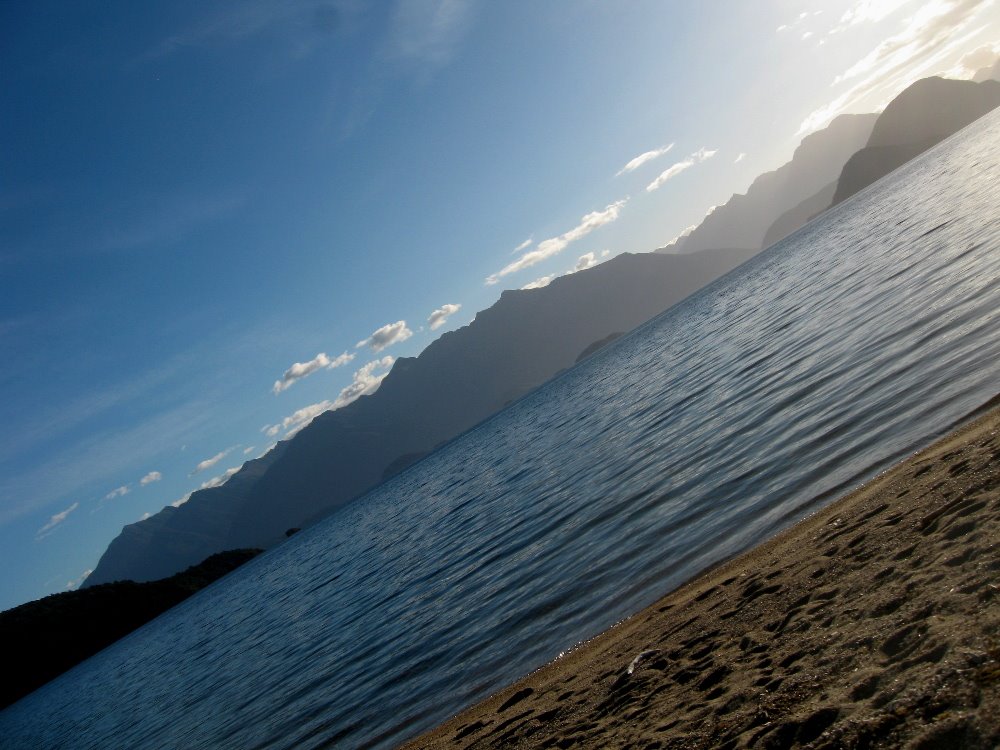
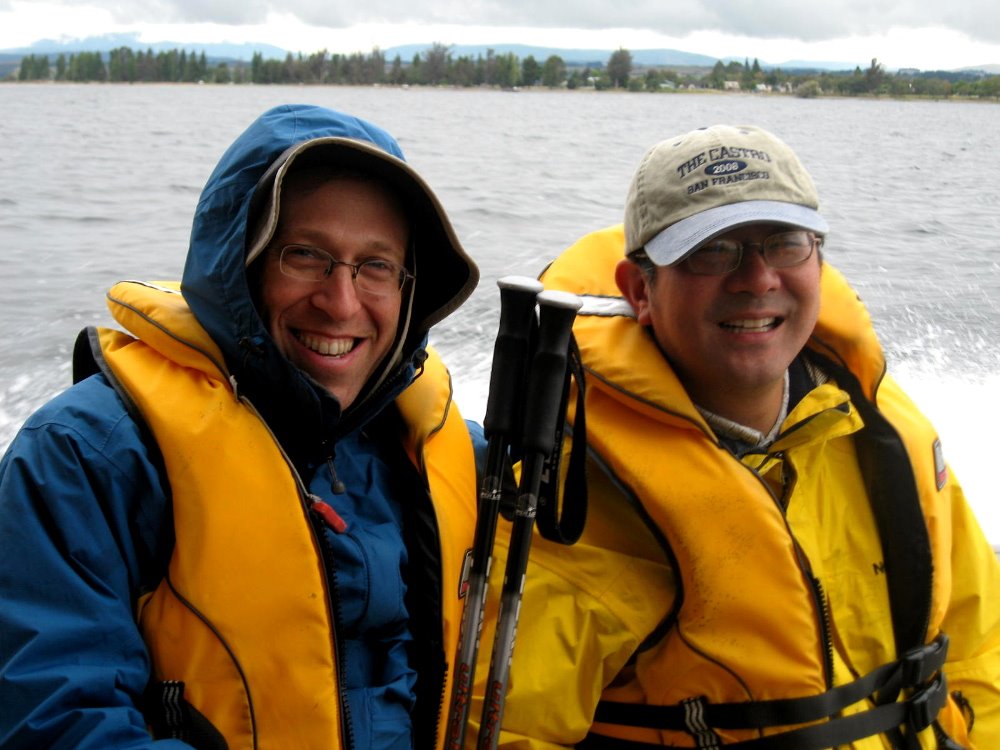
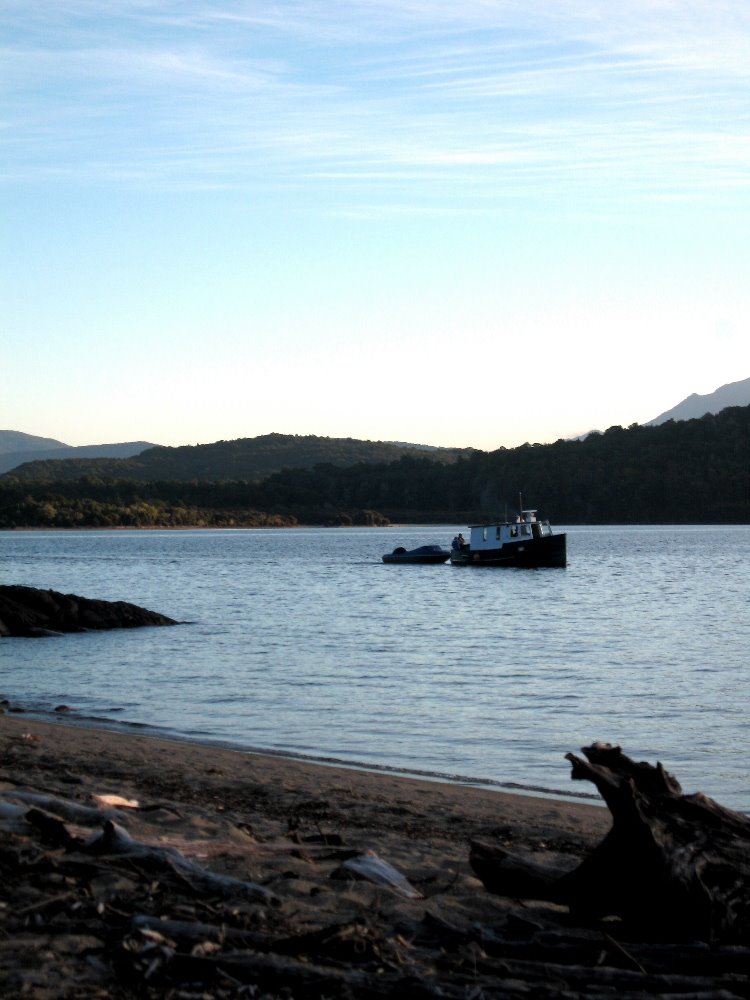
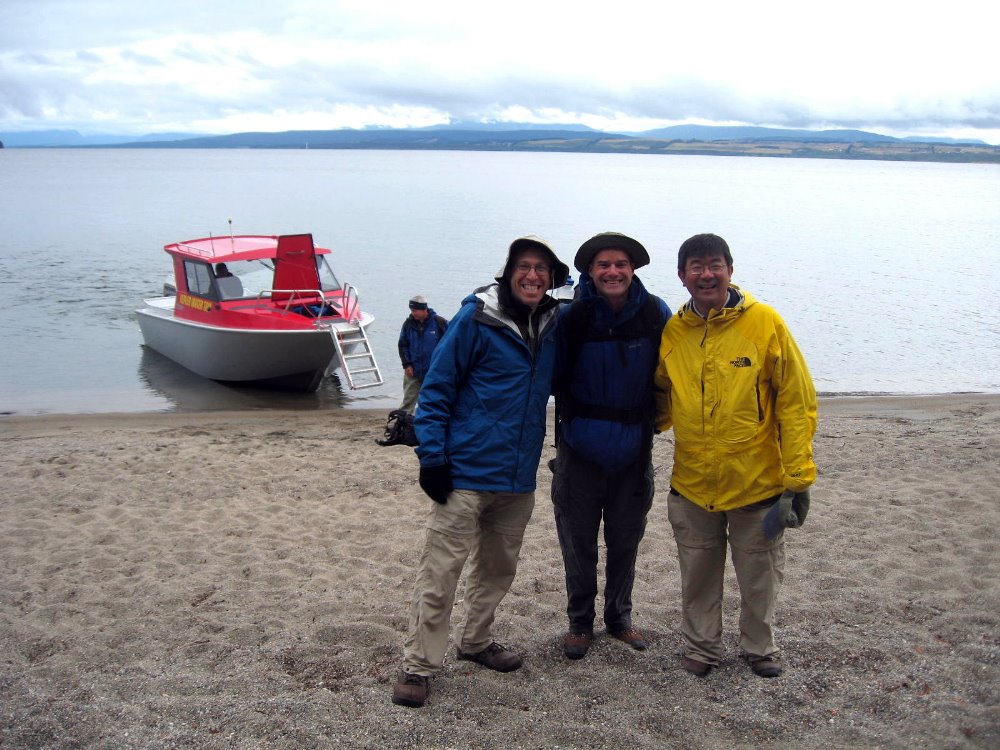
A ridge or two down from the summit of Mt Luxmore — which is only at about 1500m or so, not really that high, but it’s well above the tree line at this southern latitude — is a large system of caves which we explored along with two nice guys we met in the hut, Jamie (aka Luther, with me above, a mighty fine bass player also I might add) and Bob. The Luxmore Hut is situated on a ridge above the tree line, surrounded by small alpine ponds and stunning views over the lake and the Murchison Range to the north. I’m nearly certain this shot below captures the ridge on which Luxmore Hut sits, if you look at the tallest notch (that being summit of Mt Luxmore, where I’m photographed in snowy fog a few shots down) and just come down a bit. I took it from a boat on the lake the night after I finshed the track.

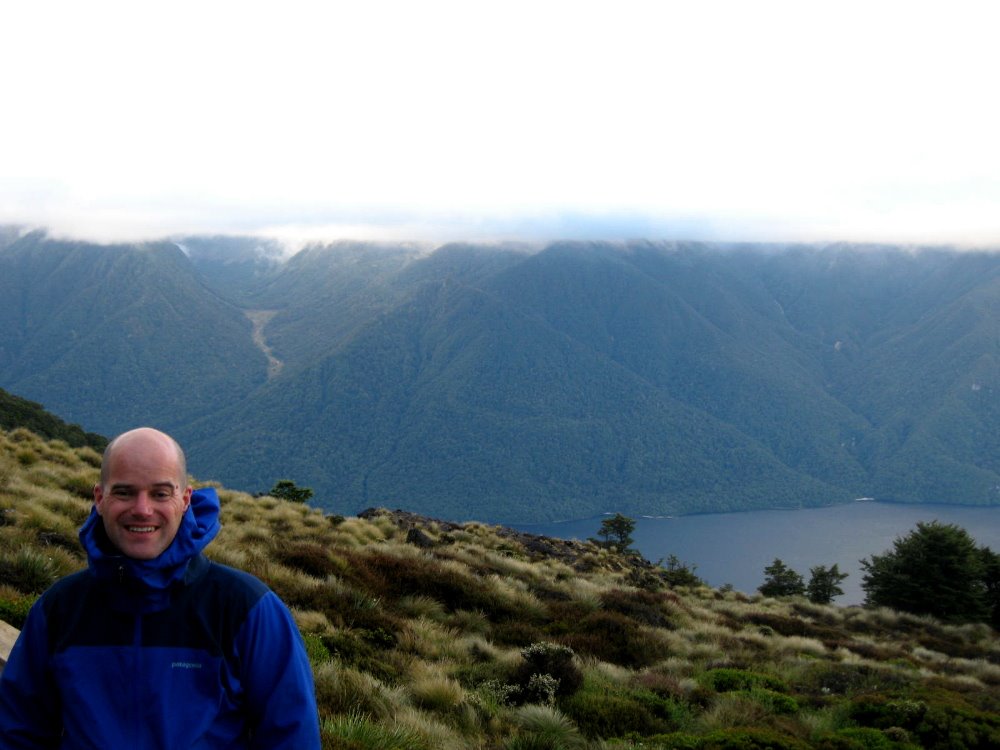
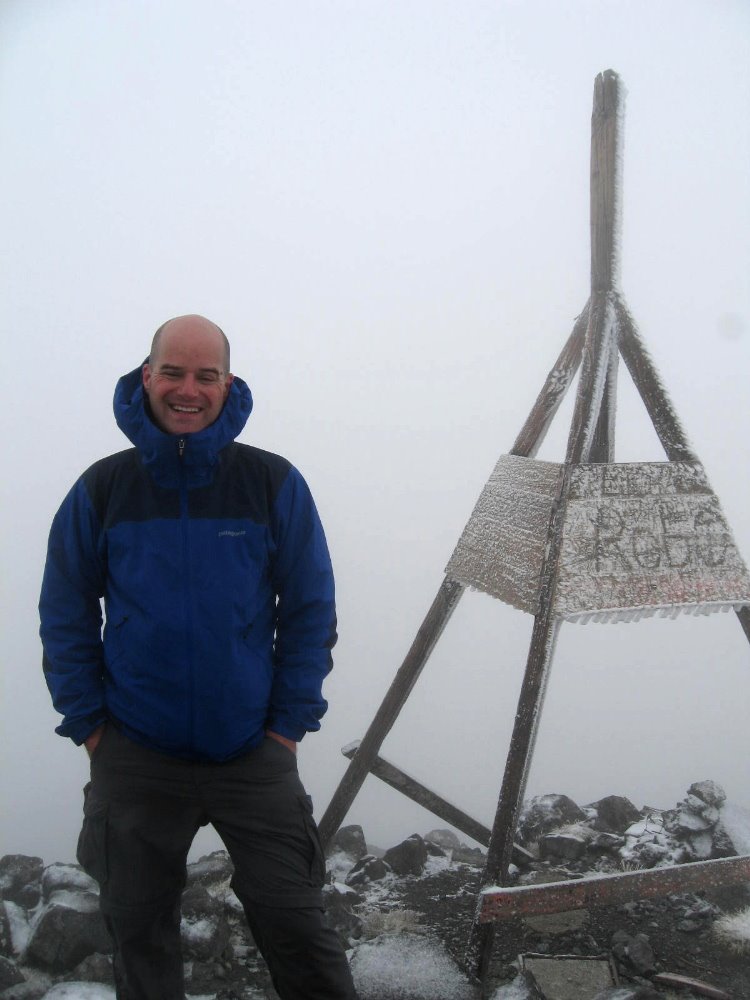
Above and below, clearly the same view (south arm meets main body of Lake Te Anau, looking across from Mt Luxmore toward the Te Anau town side) and shot almost the same time but with very different fog or cloud cover, when Howard & I took a break from our card game with some of the folks at the hut to check out the apparent break in the clouds and nice sunset views. Throughout the day and a half or so of alpine (above tree line) crossing on this track, we’d have periods where dense clouds and fogs or snows would suddenly part to allow a glorious glimpse of just amazingly beautiful vistas on all sides…and we’d all rush our cameras out, knowing that soon it would be fogged over like the shot of me at the summit of Mt Luxmore, a few down from here.


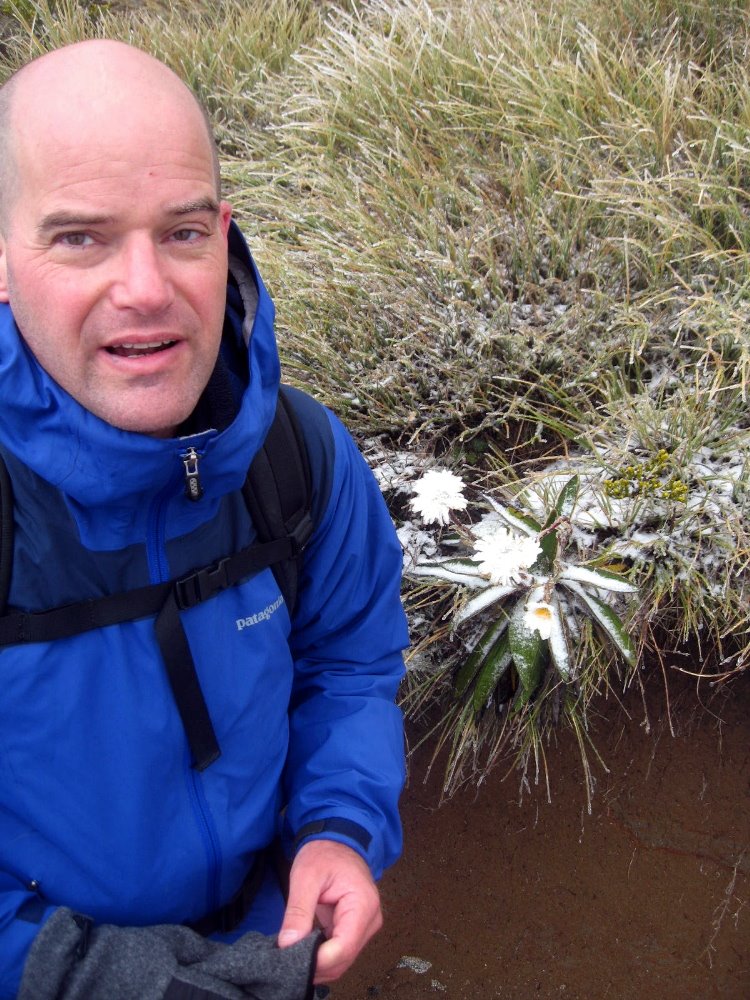
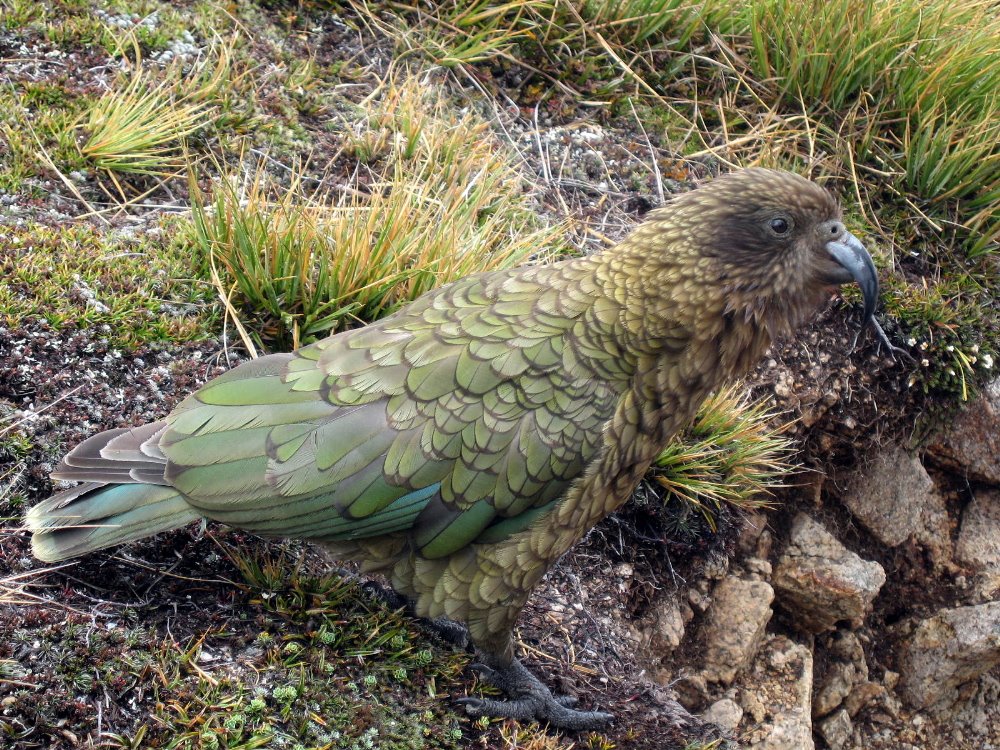
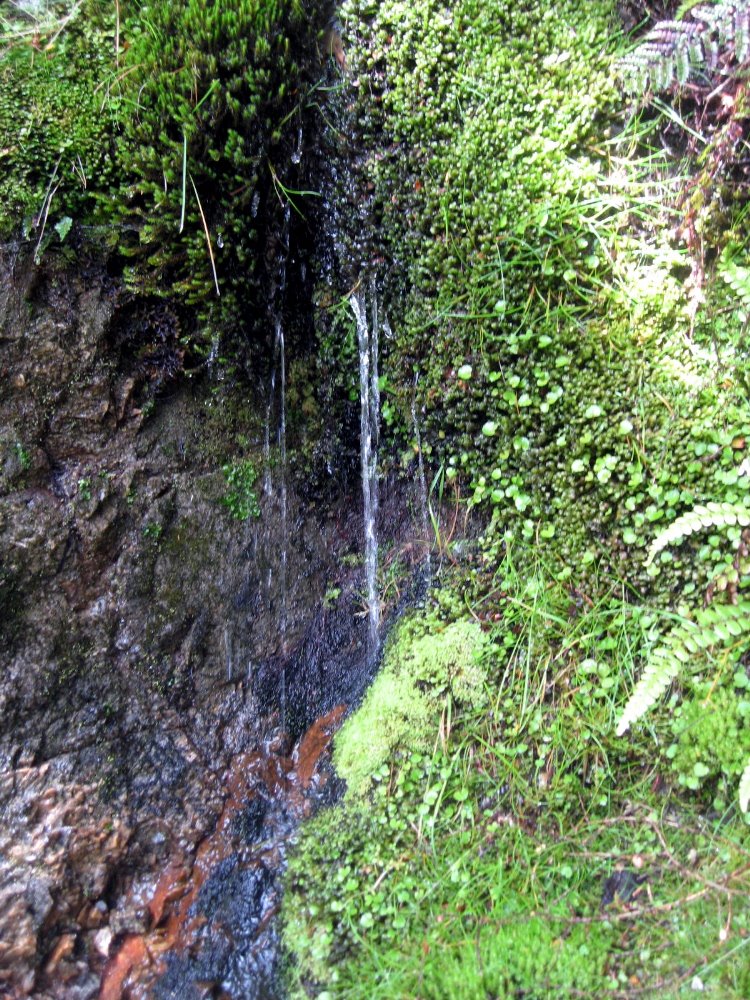
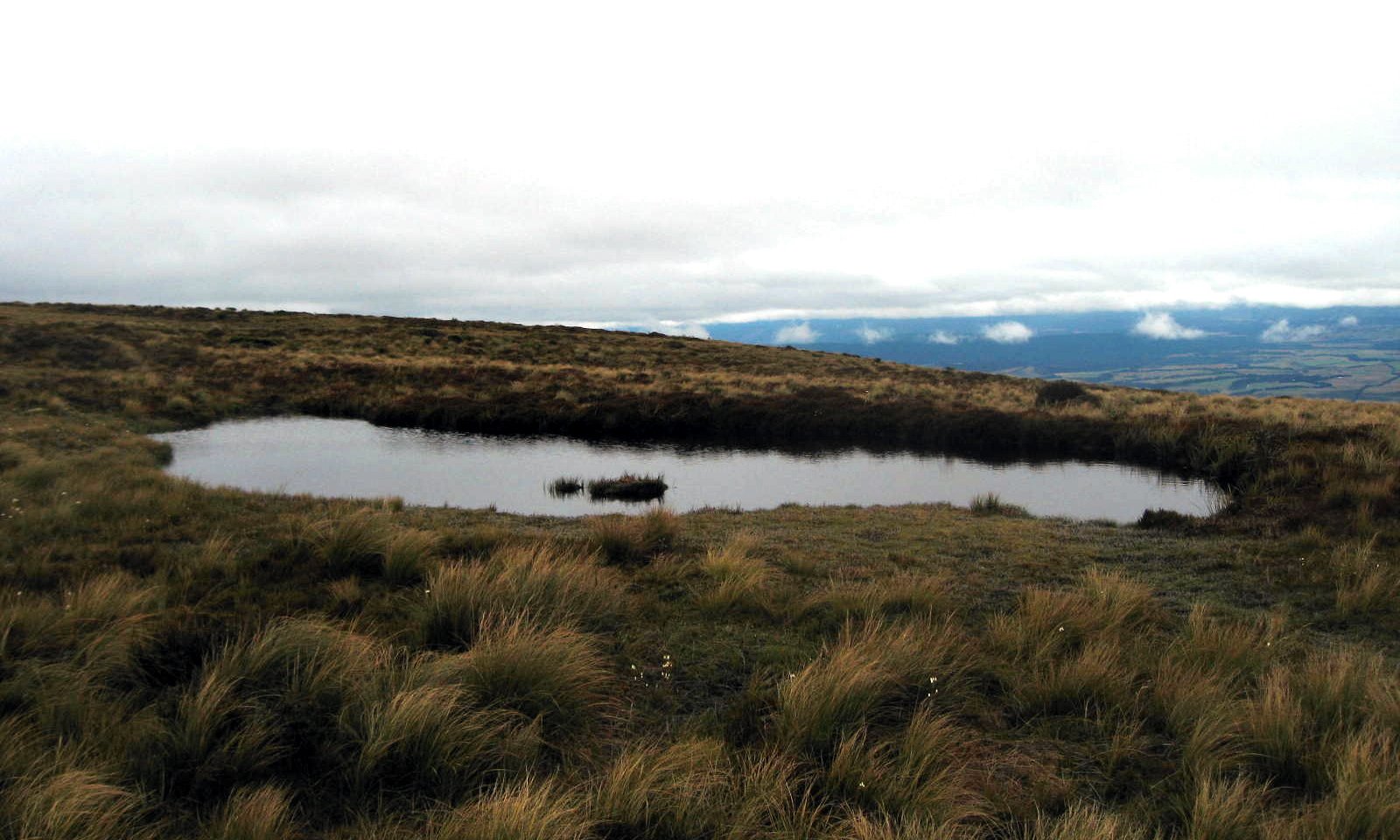
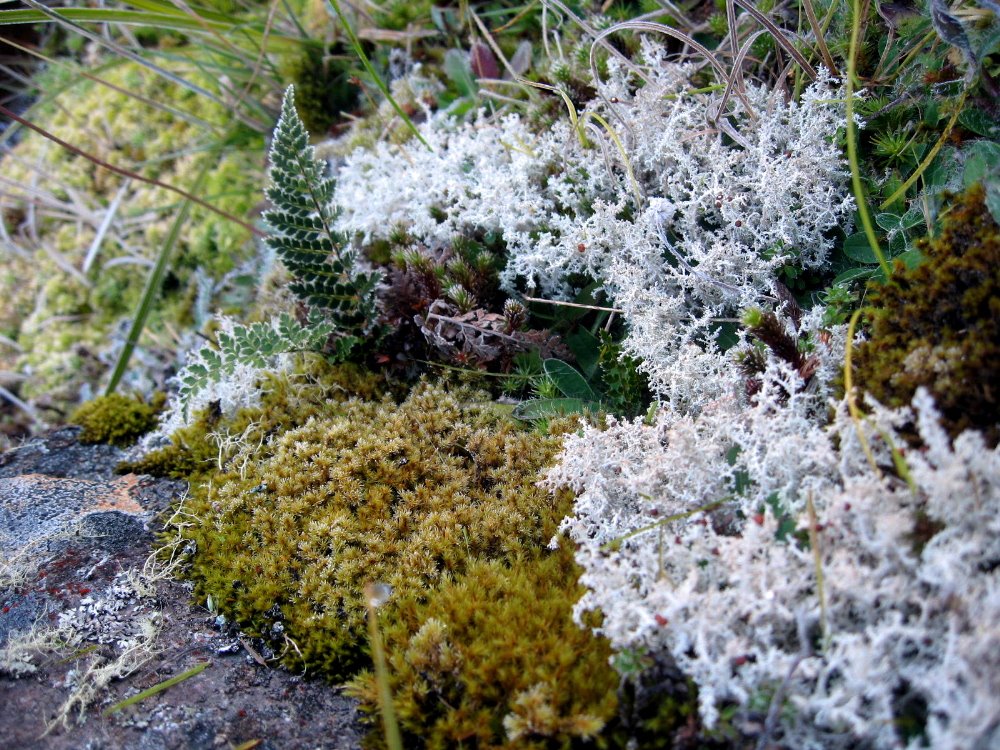
As you’ve seen, this track includes strolls through lovely verdant valleys and clambers along dramatic alpine ridgelines with sharp, breathtaking drops on either side. Since it’s quite far south and in an area of rapidly changing weather, small changes in exposure (the south face is the colder, darker side down here) or elevation can lead to radical changes in vegetation and micro-climate. Below, a small green mossy trickle on a hillside barely a hundred meters below the treeless alpine zone that, when I crossed it, was characterized by icy plants — and yes, these shots were taken within less than an hour of each other but at different elevations. That bird up there is one of the world’s few alpine parrots, the Kea: NOT people-shy and rather mischief-prone if one’s careless enough to leave a backpack lying around; and as you can imagine that beak is sharp. Mercifully I only heard stories and didn’t directly experience a Kea raid on my own pack.


…the number of different mosses found in fiordland staggers the imagination. I heard the number — was it many dozen, or many hundred, I just can’t remember; but I do know they’re all mighty beautiful to look at and enjoy, and I’m sure they’re very enviornmentally beneficial.


Definitely Doubtful Sound

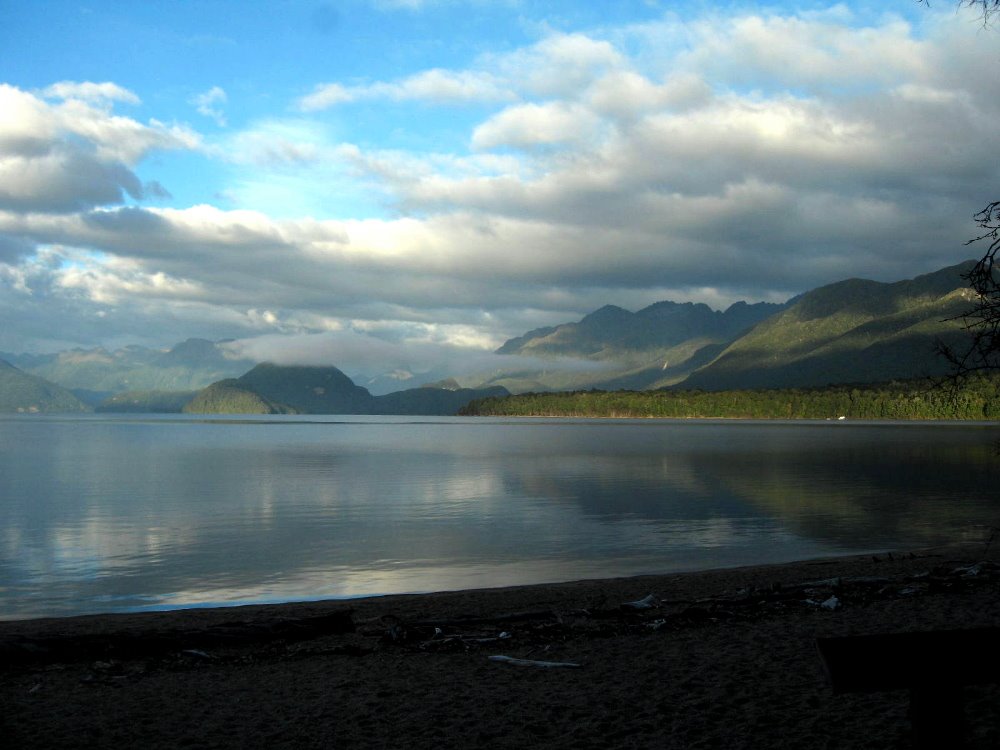
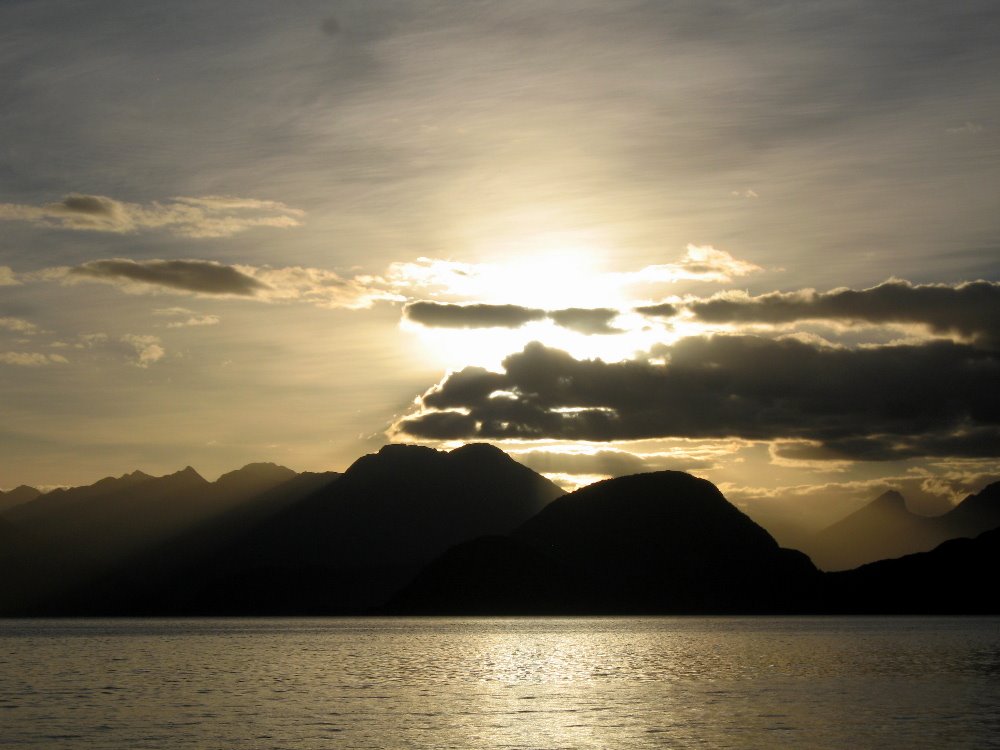
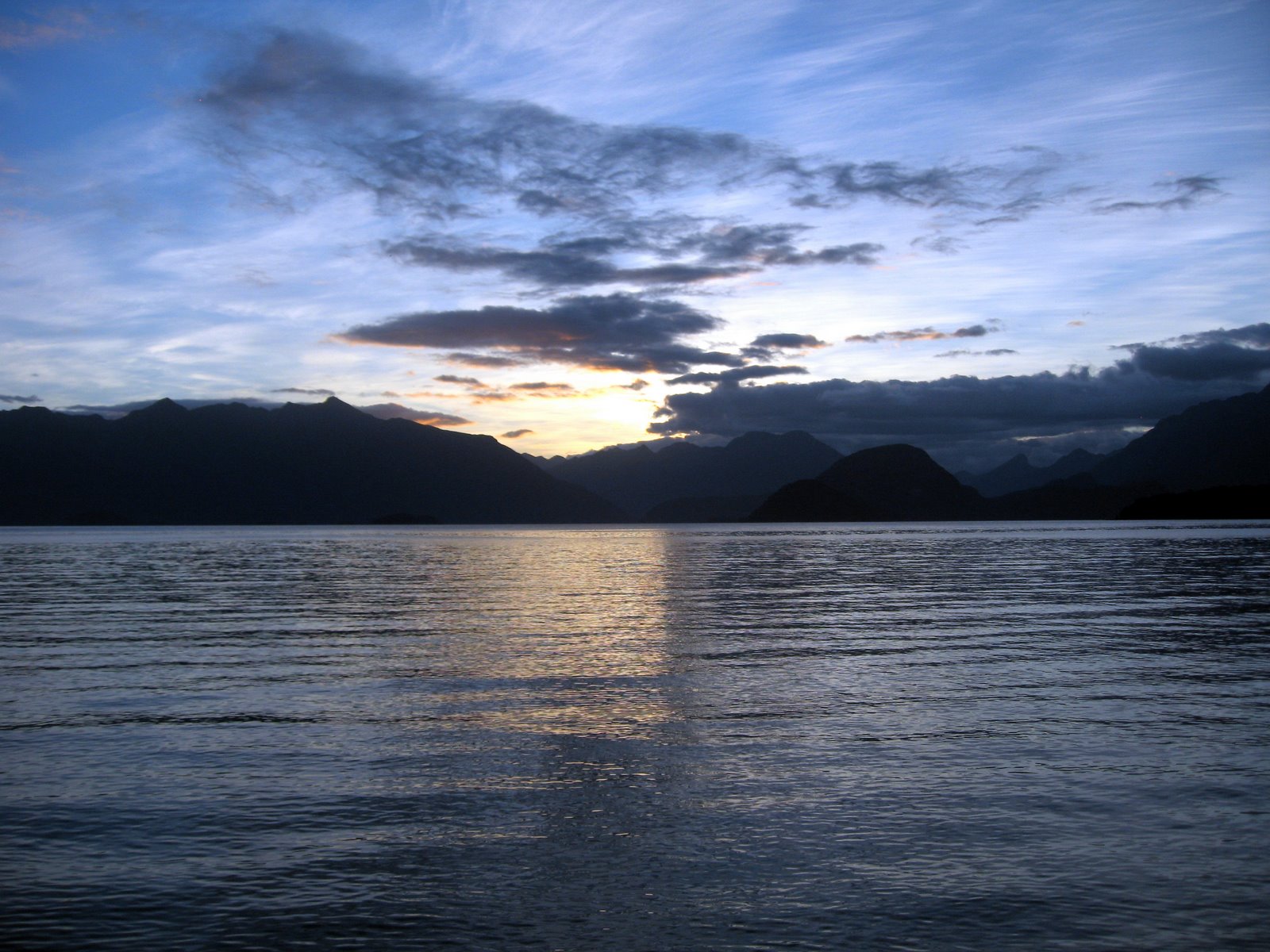
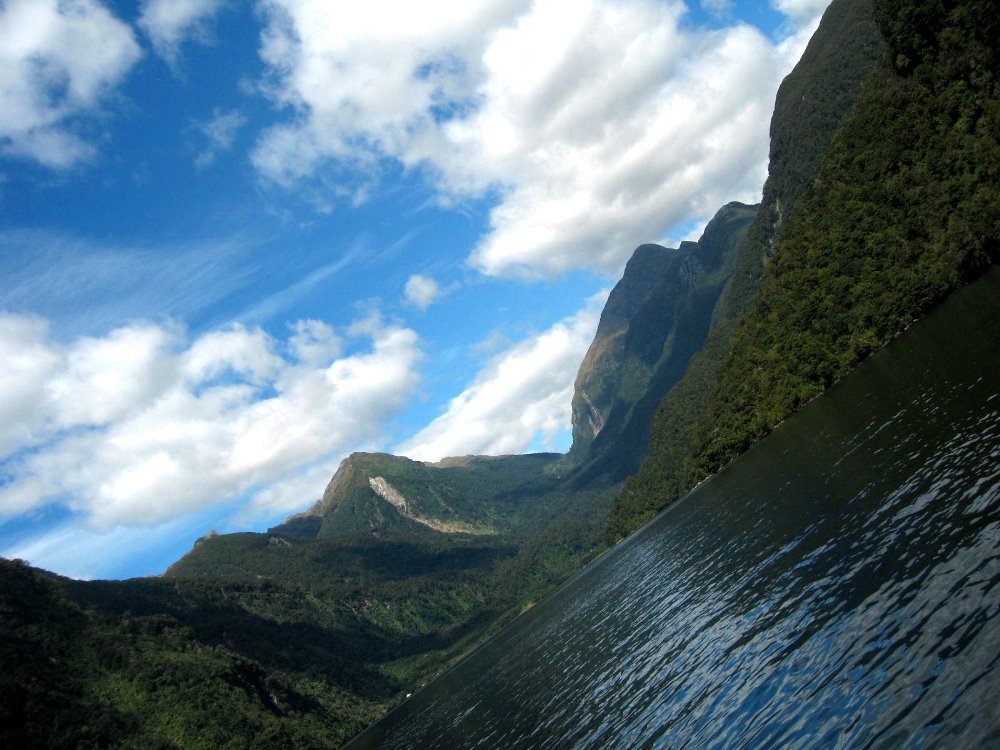
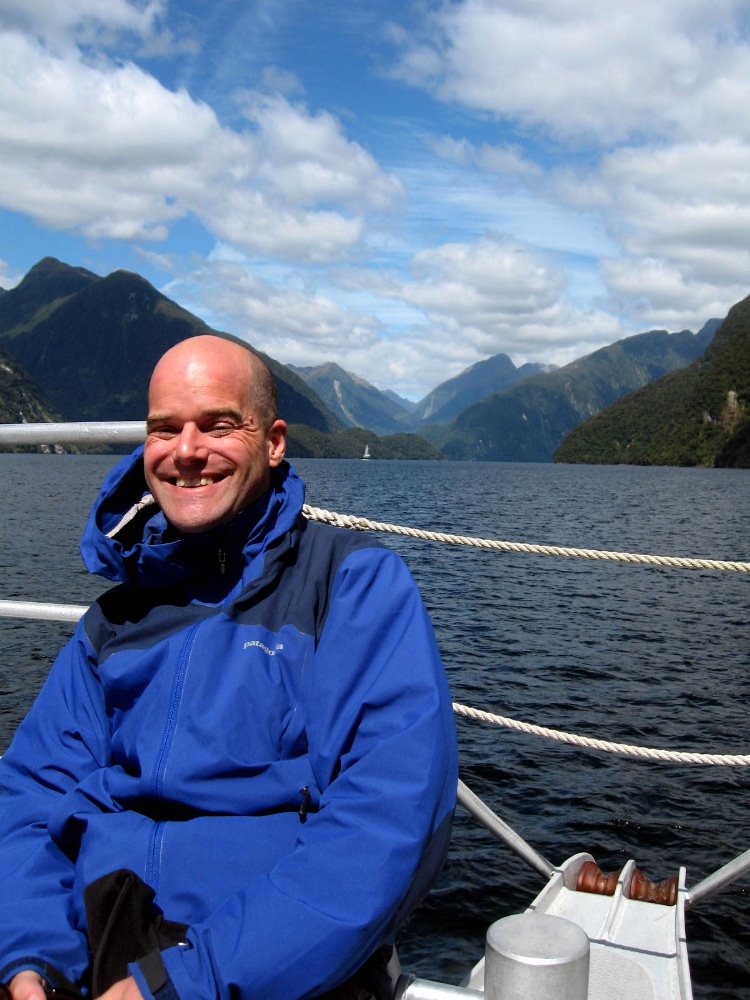
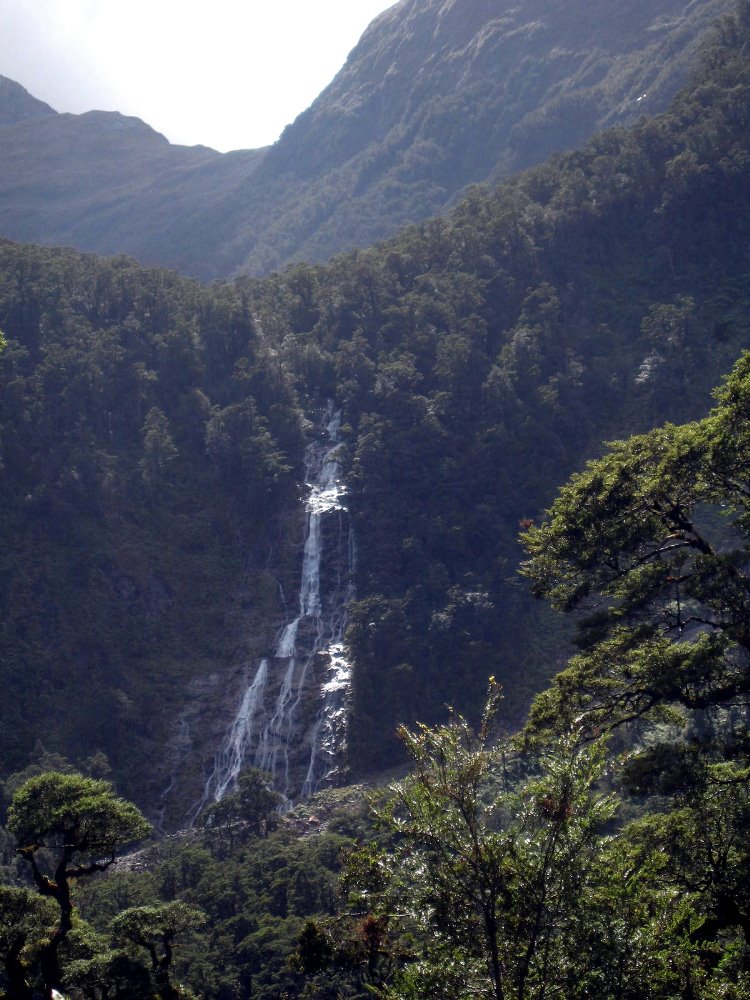
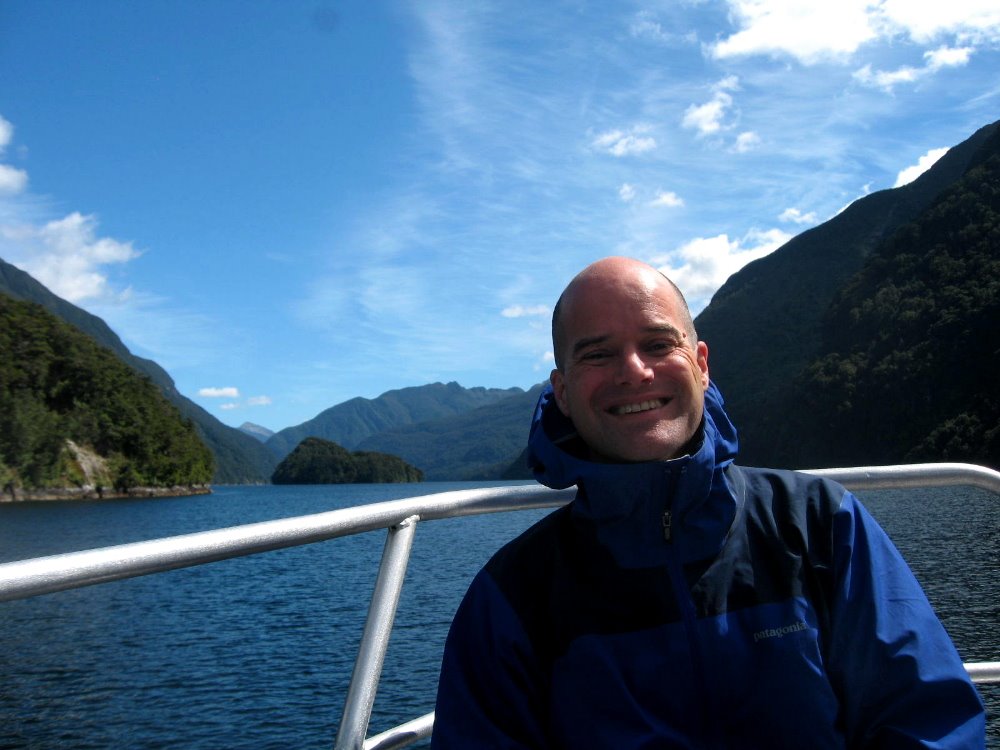
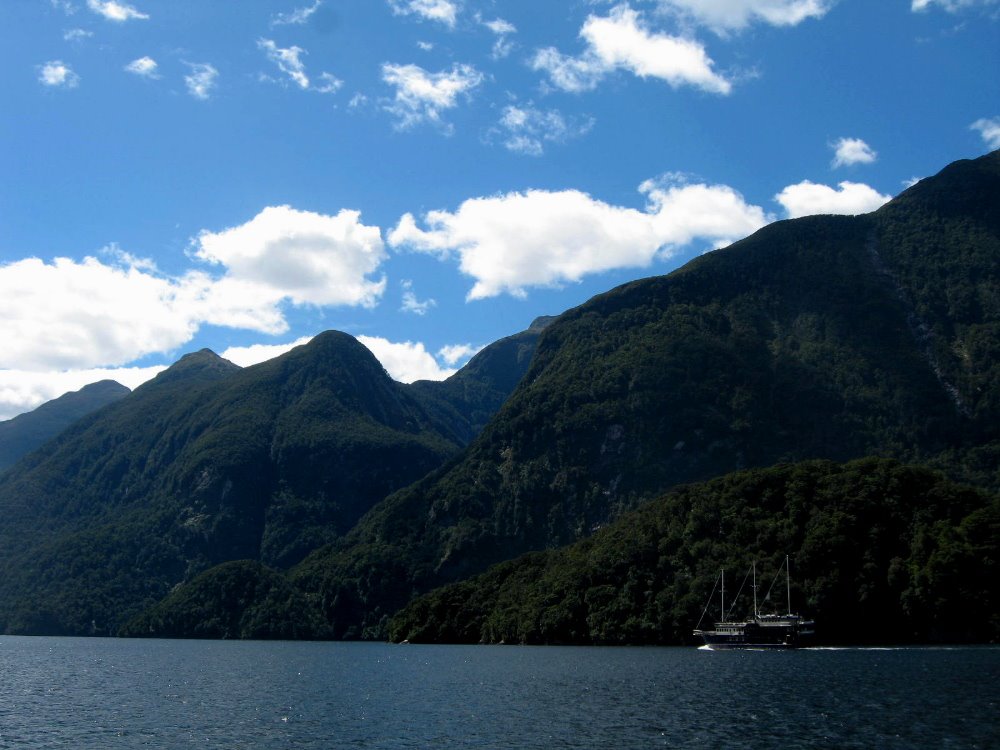
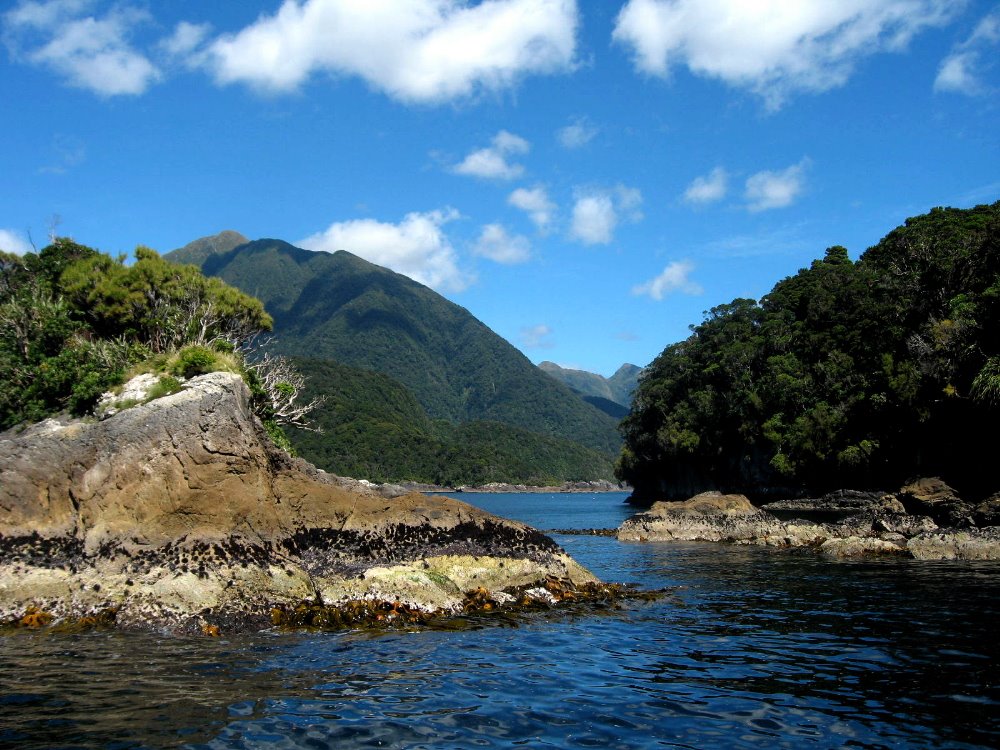
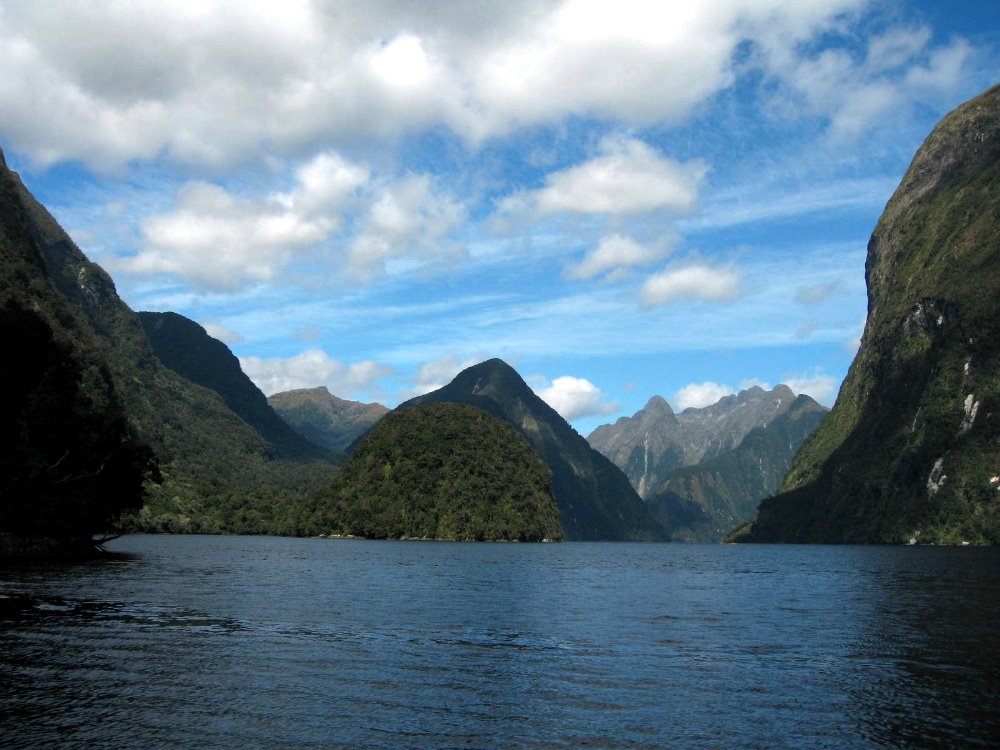
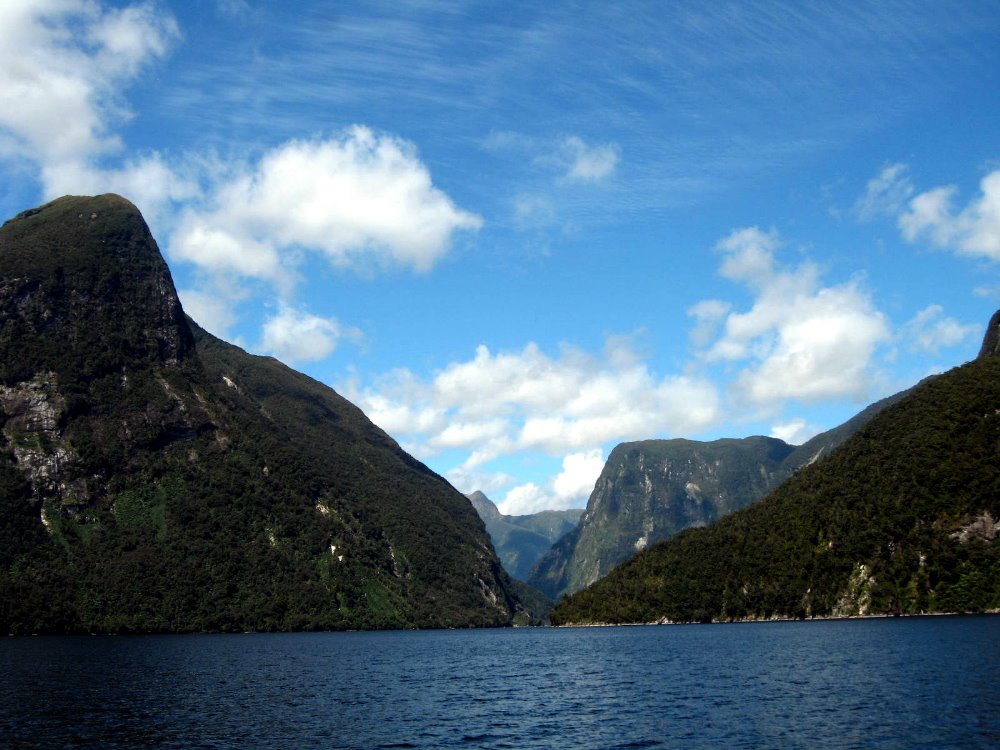
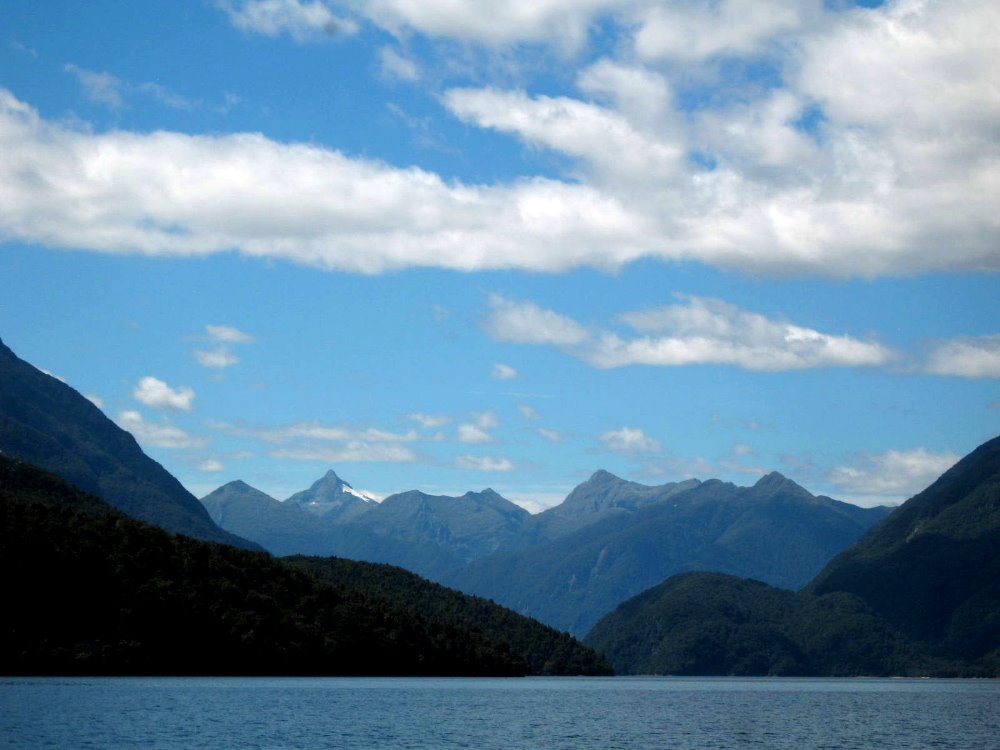
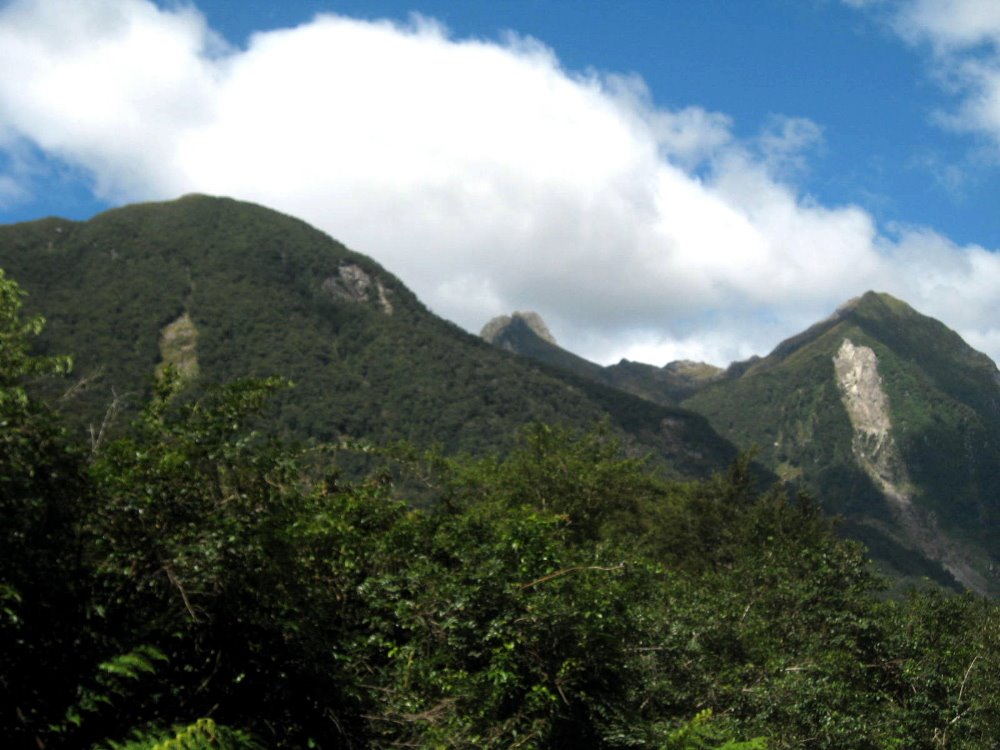
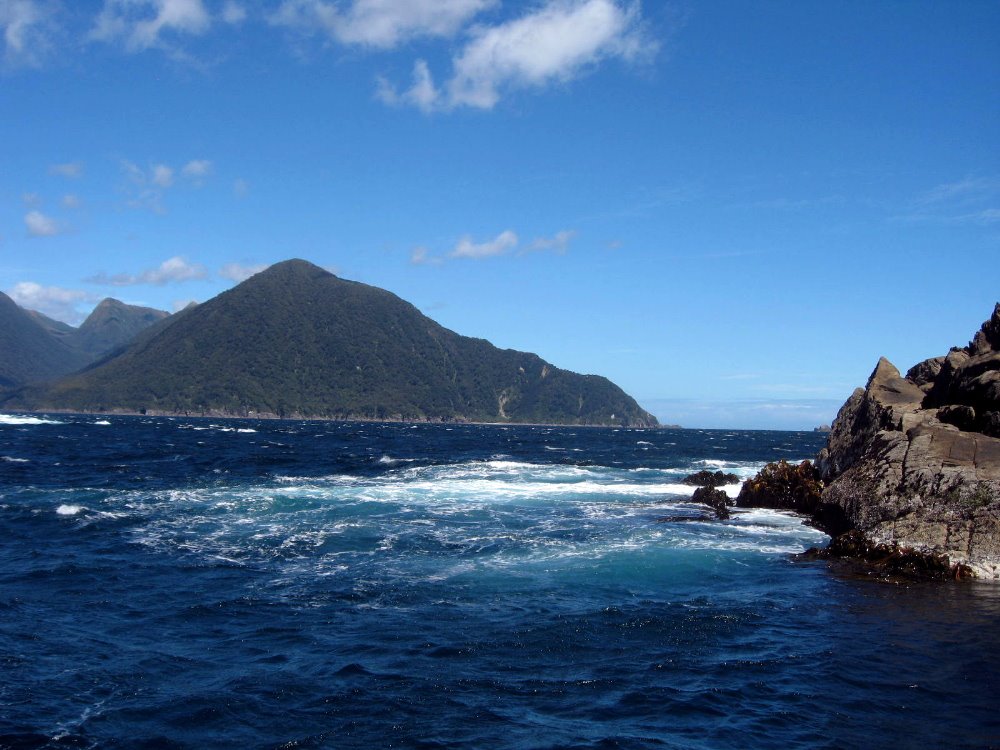
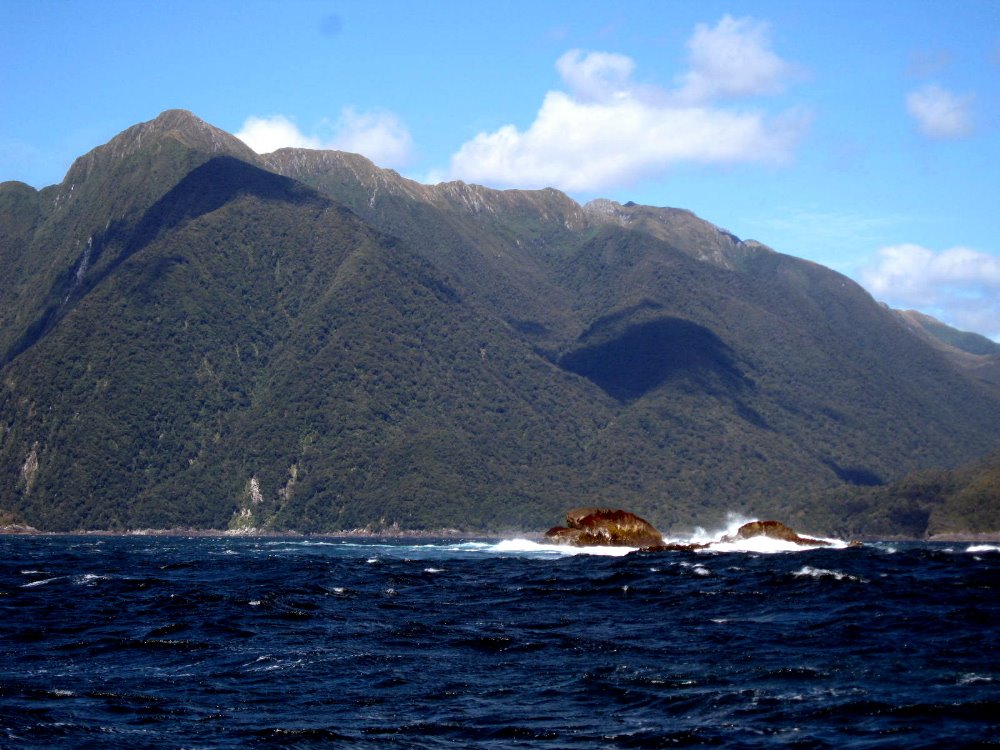
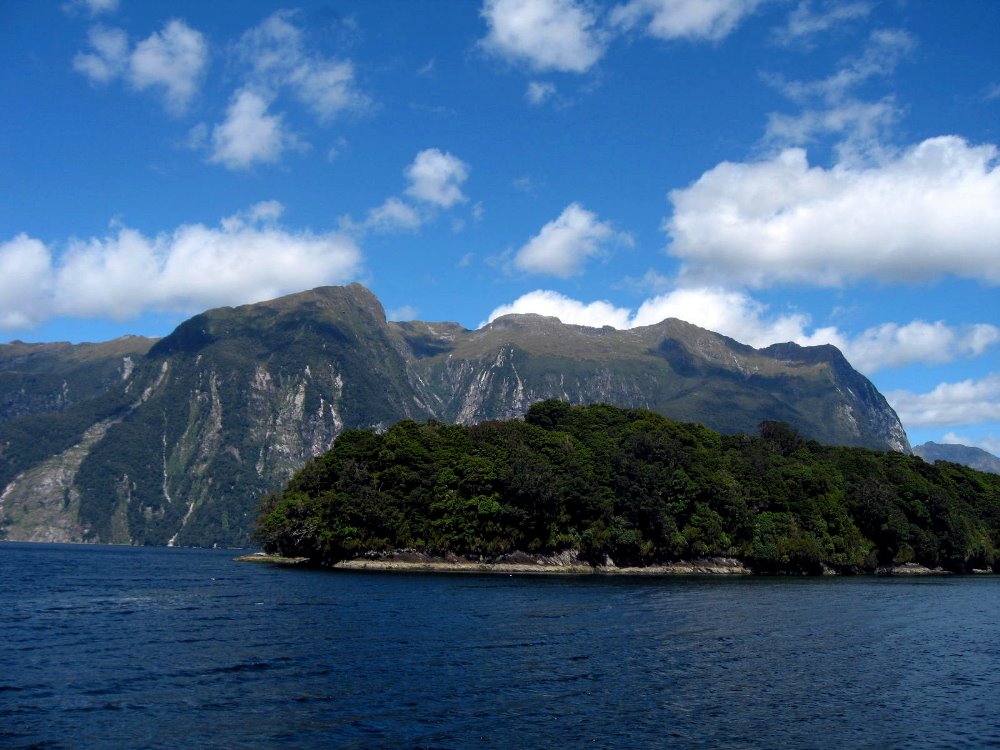
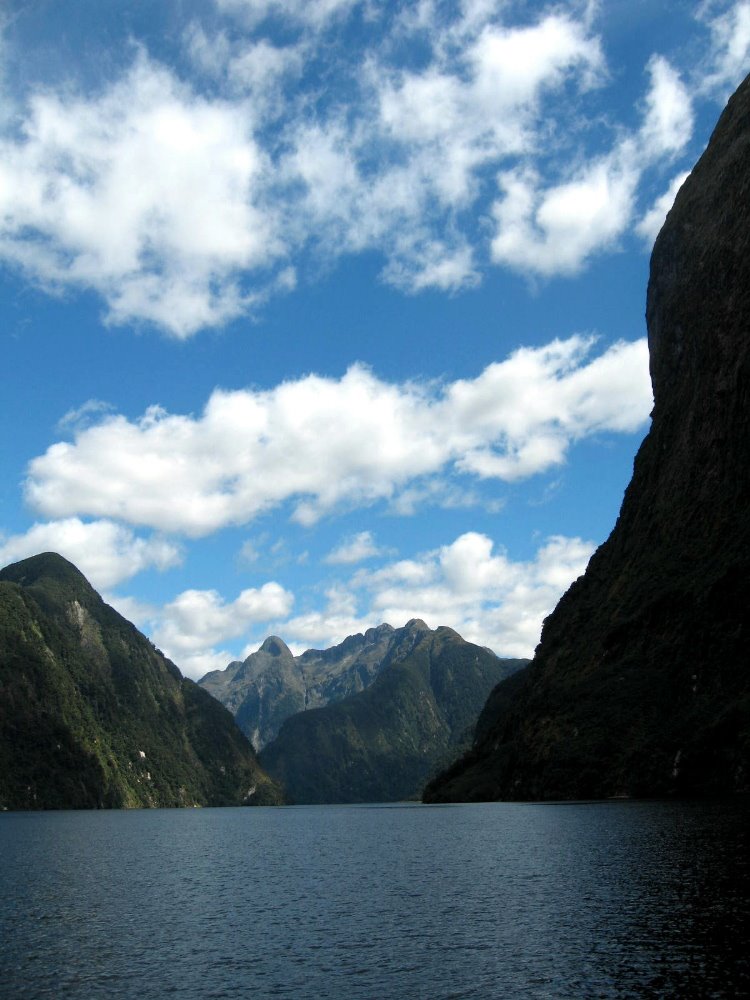
Doubtful Sound is so named because James Cook, when he first encountered it, doubted he could navigate his ship both in and out safely, past the swells and rocks at the ocean entrance to this very long and stunning fiord. (Our guide said that technically a sound is one thing, but this is a fiord, which is another thing, only when they named it the English language hadn’t yet adopted the term fiord.) Above, you see the inland-most end of the Sound, called Deep Cove, from Wilmot Pass; and you see Wilmot Pass from the Sound. East of Wimot pass is the west arm of Lake Manapouri, which you’ve already seen in my shots taken on the easternmost bay of Lake Manapouri, where the last night’s hut of the Kepler Track was located. I thought that was remote — and it was. But Doubtful Sound is across that lake, up and over a 4WD-0nly, unsealed (that means dirt, to Americans) road and back down to this awfully beatiful and very remote corner of the world. There is so much rain in this area (the figures boggled my mind: Te Anau sees something like 2, 3 or 4 meters a year [yes, they measure in meters! not centimeters], while this west side of the mountains can easily see NINE meters in a year!), running off all these incredibly steep mountains and down to the sound; and the sound, though definitely tidal and connected to the Tasman Sea, is protected enough by its narrow entrance from the churning tides of the open ocean, that the entire sound is covered, full time, by a deep layer of actually FRESH water — a meter or more, which – being lighter than salt water – floats above the surface of the sea water below it. The Sound is very deep so there’s tons of salt water there, but the surface is all fresh, it seems, and ocean animals often come in here to clean off since apparently fresh water is cleaner than saltwater, and helps kill things like barnacles. But I’m no marine biologist, I’m just reporting what I heard, and it all stuck me as new and fascinating.
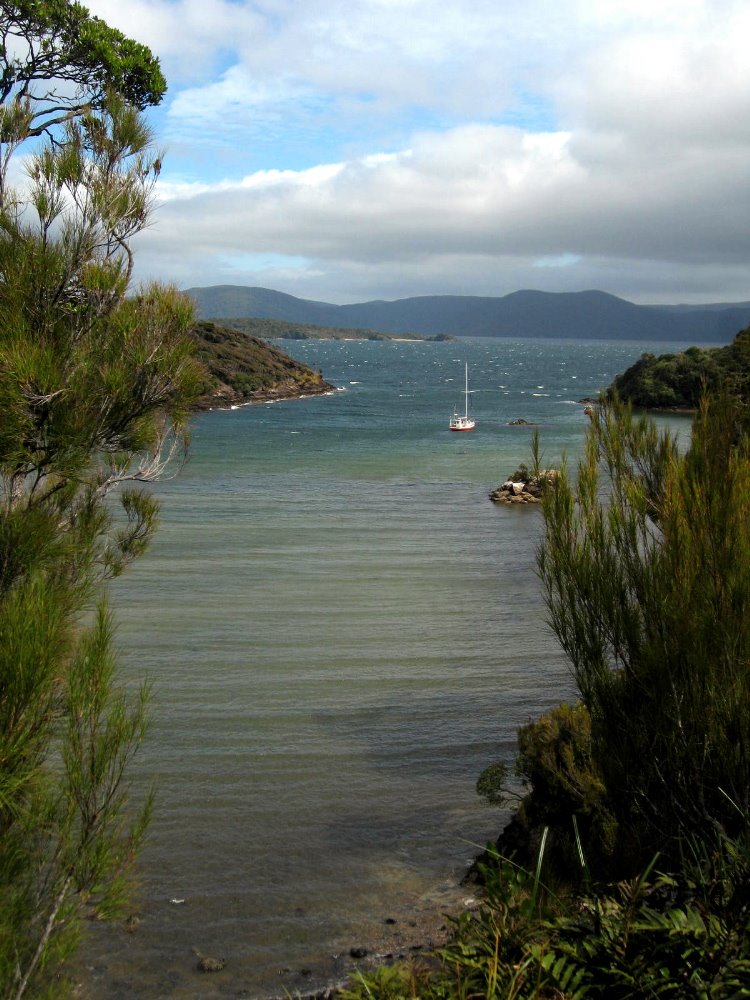
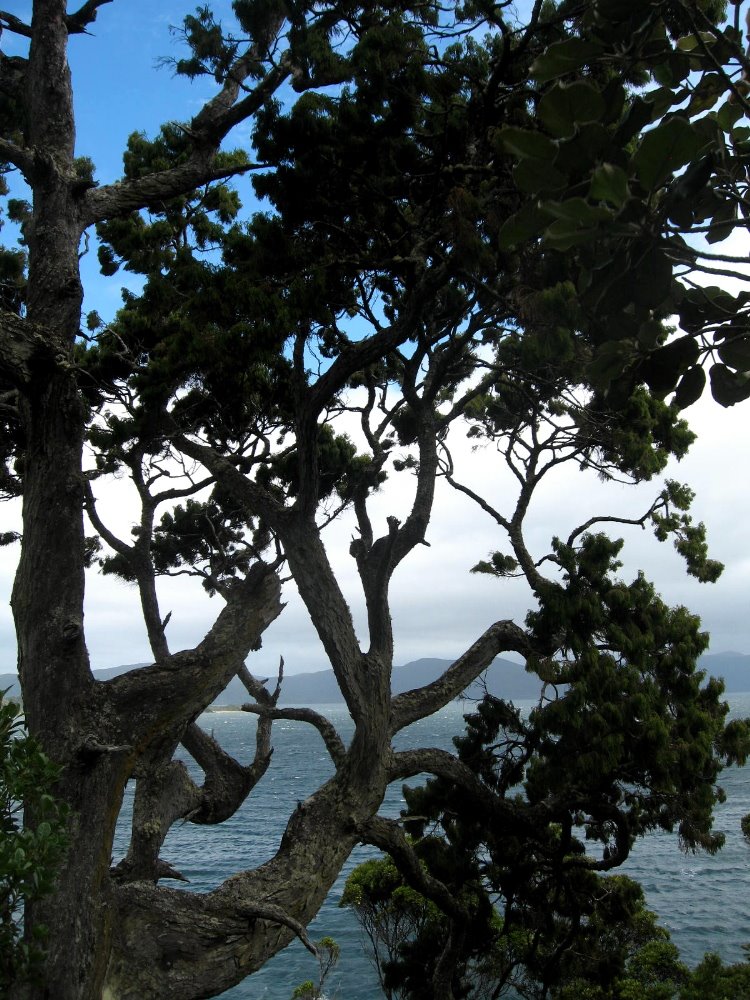


In the fiordland area, with all that rain, one has occasional tree-slides: when the thin ground cover gets so wet it just all slides down those steep slopes, leaving the solid rock face exposed, as above.
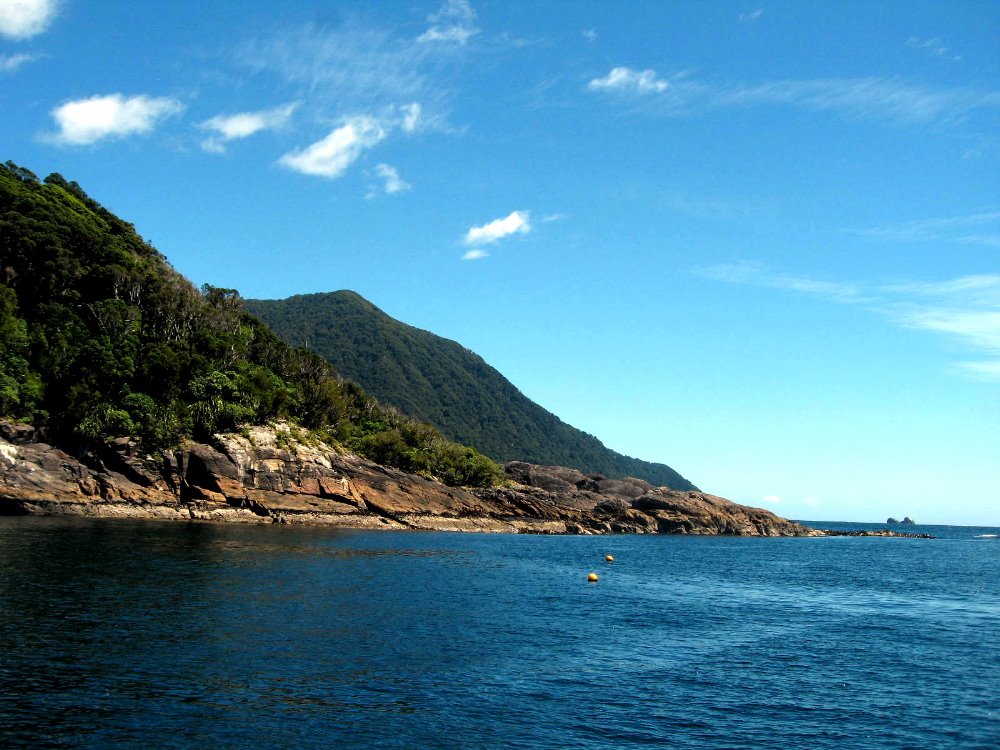
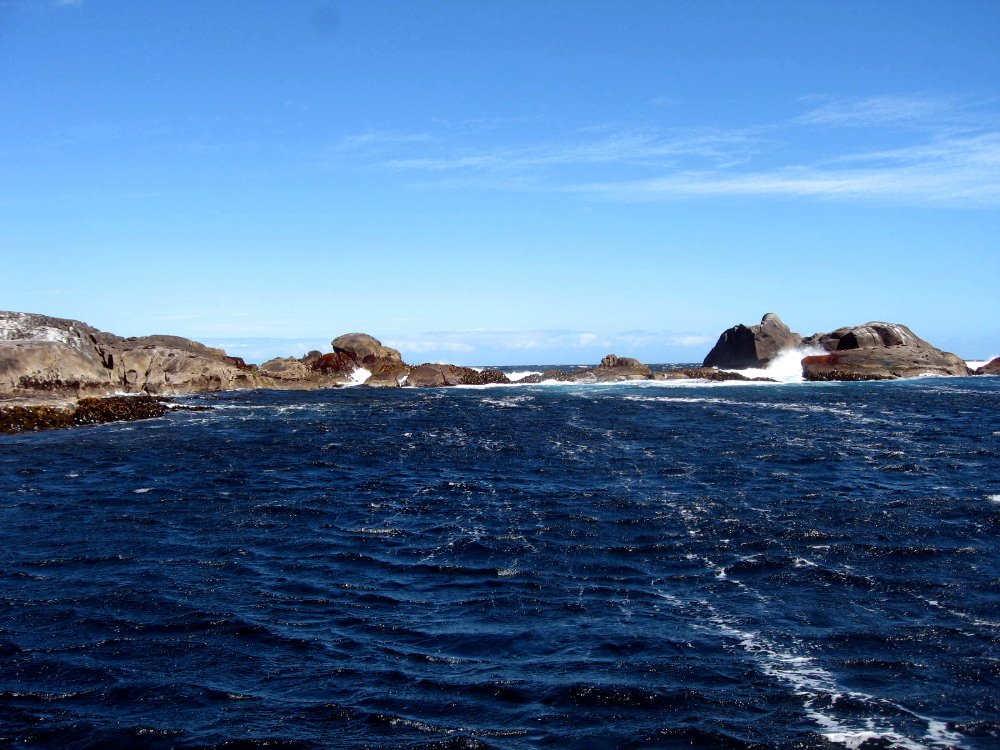
For many kilometers our cruise was very calm – until we got very close to the sea opening from the sound. There, the waves were pretty dramatic and reminded us how protected most of the fiord is.


Kaikoura Coast Track

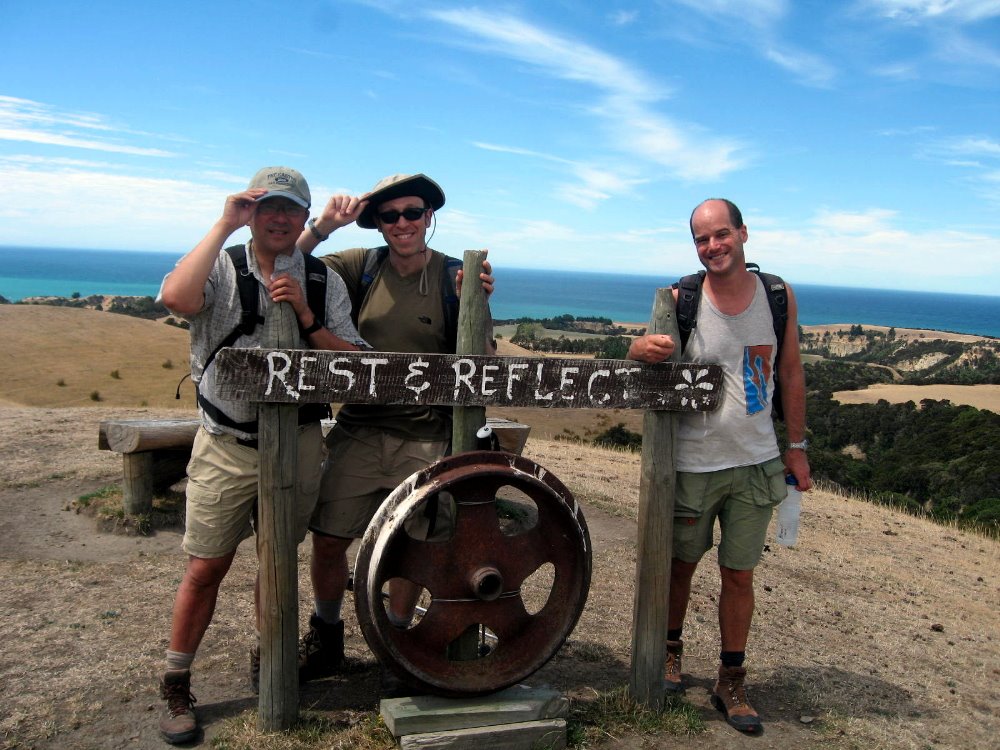
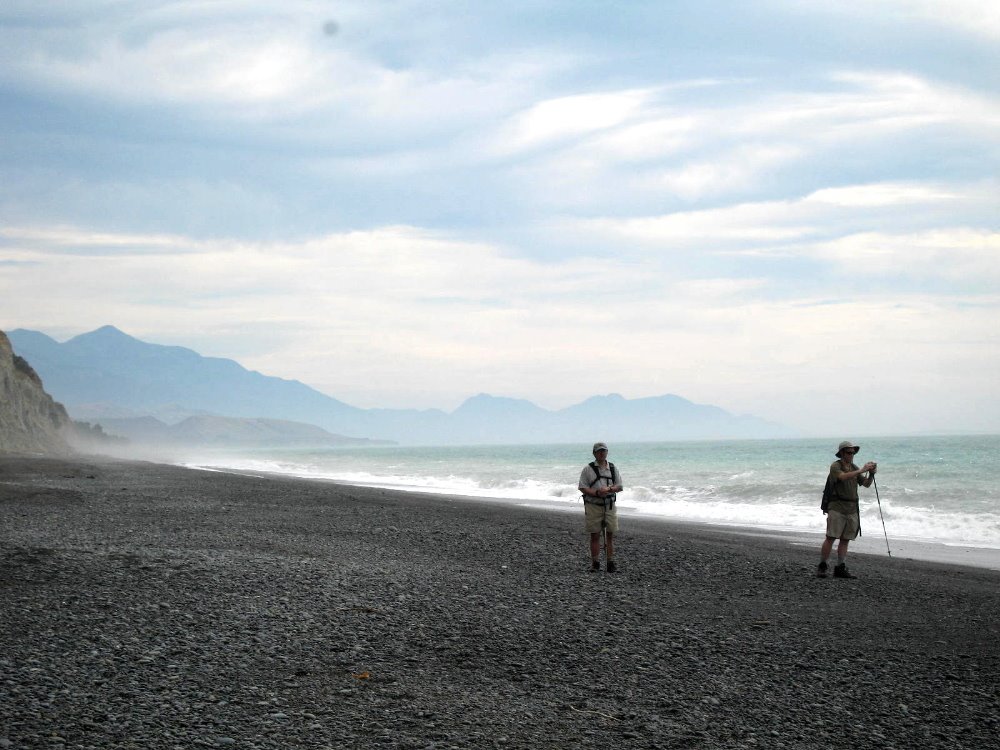
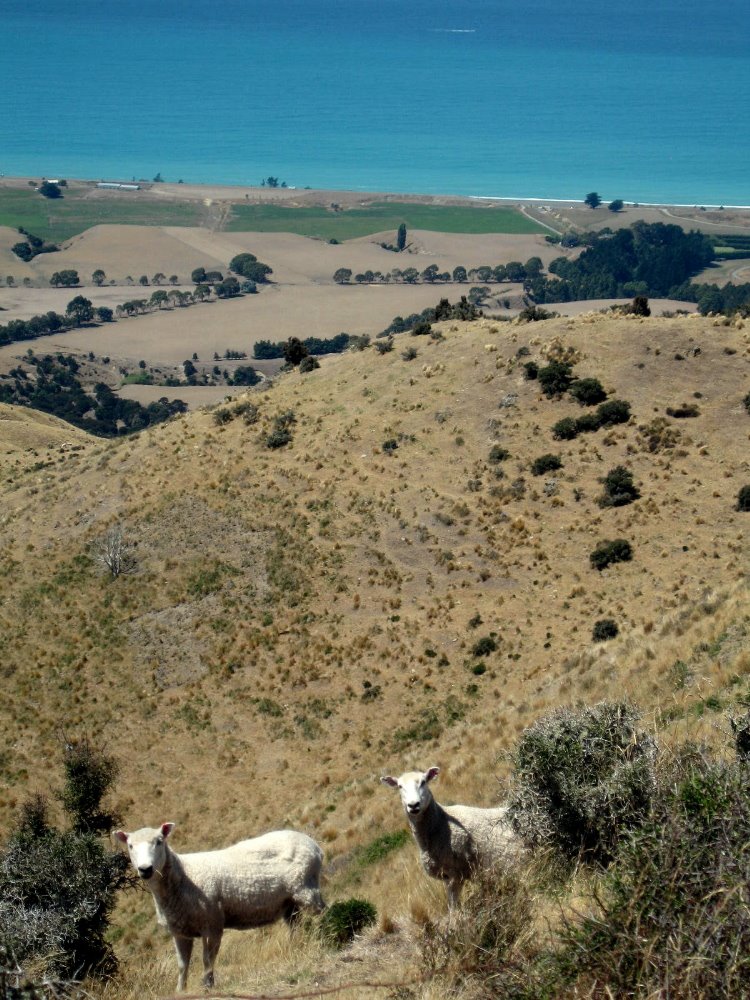
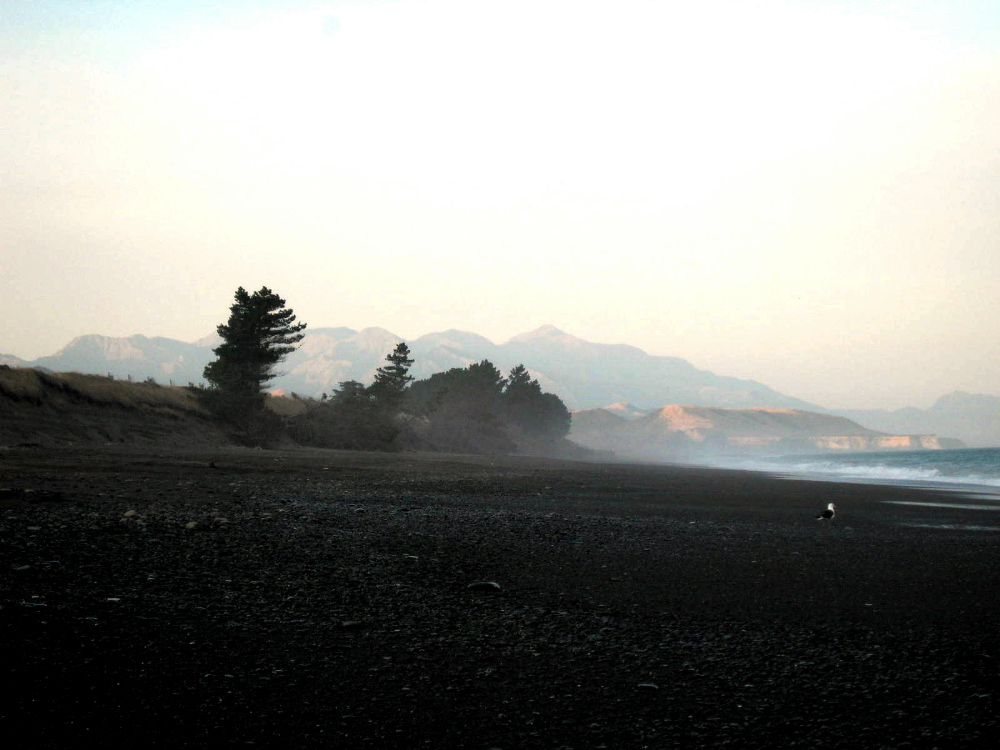
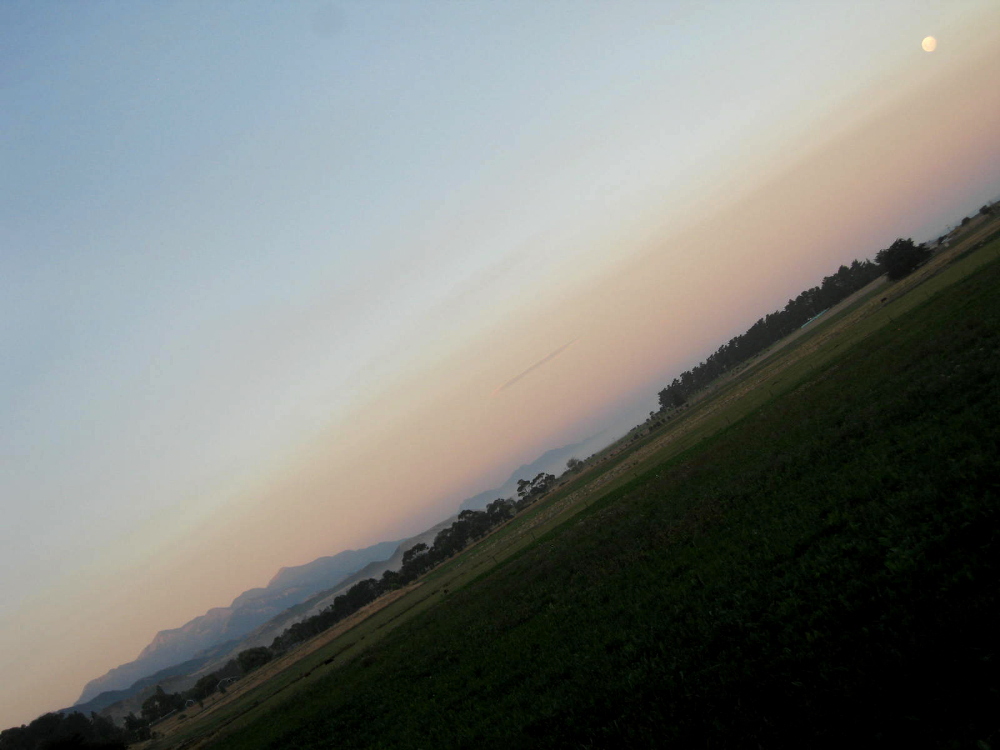
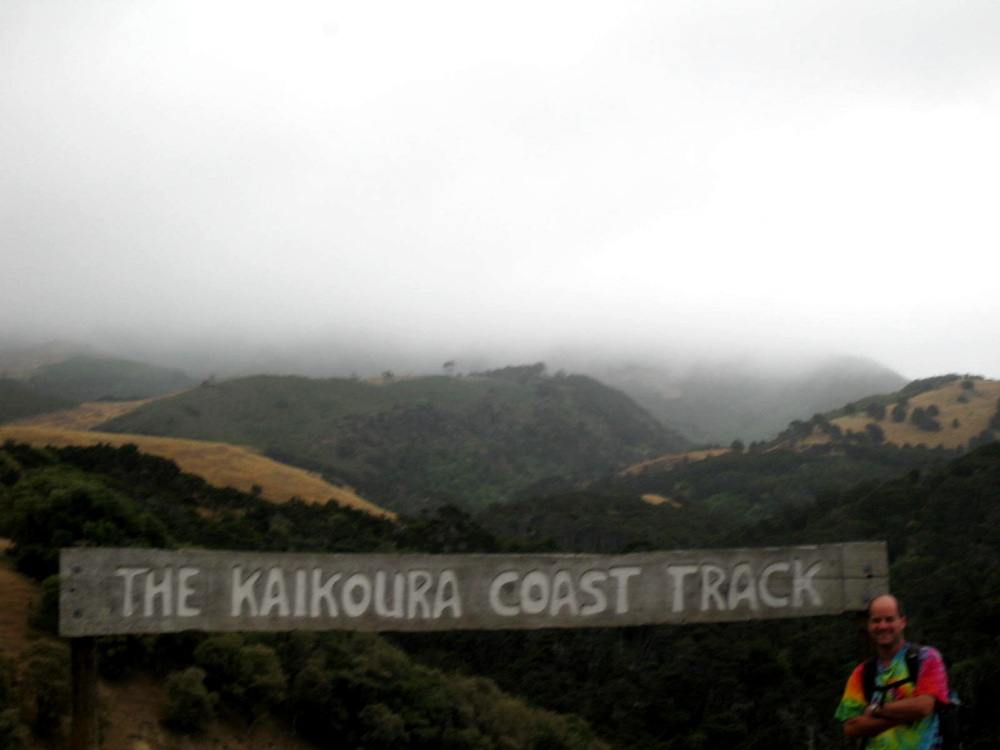
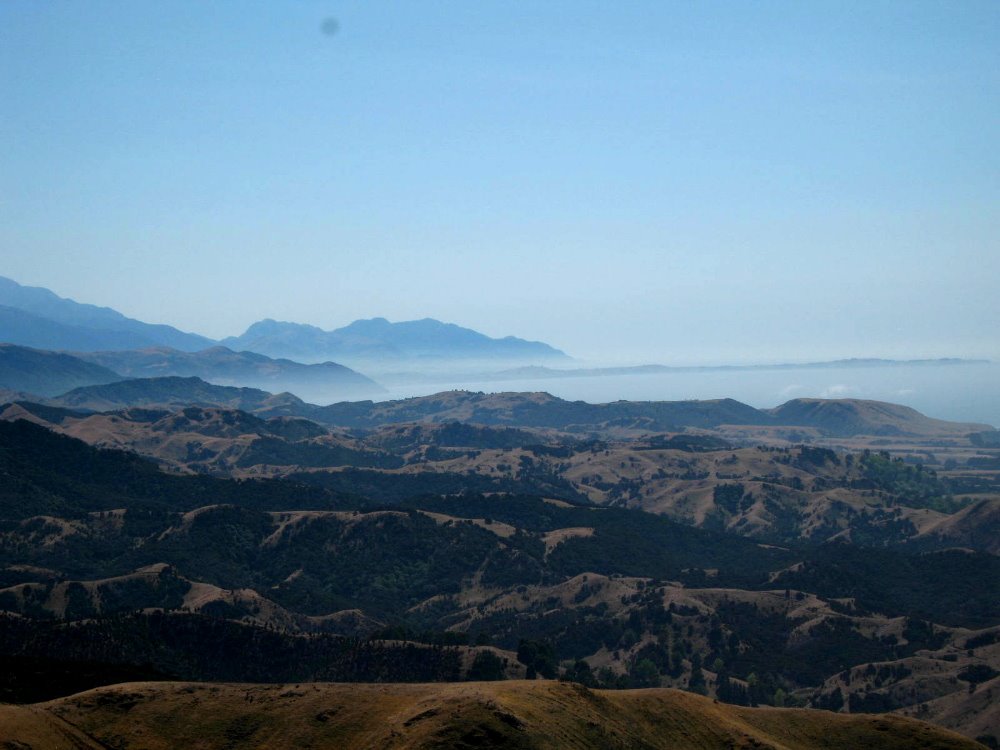
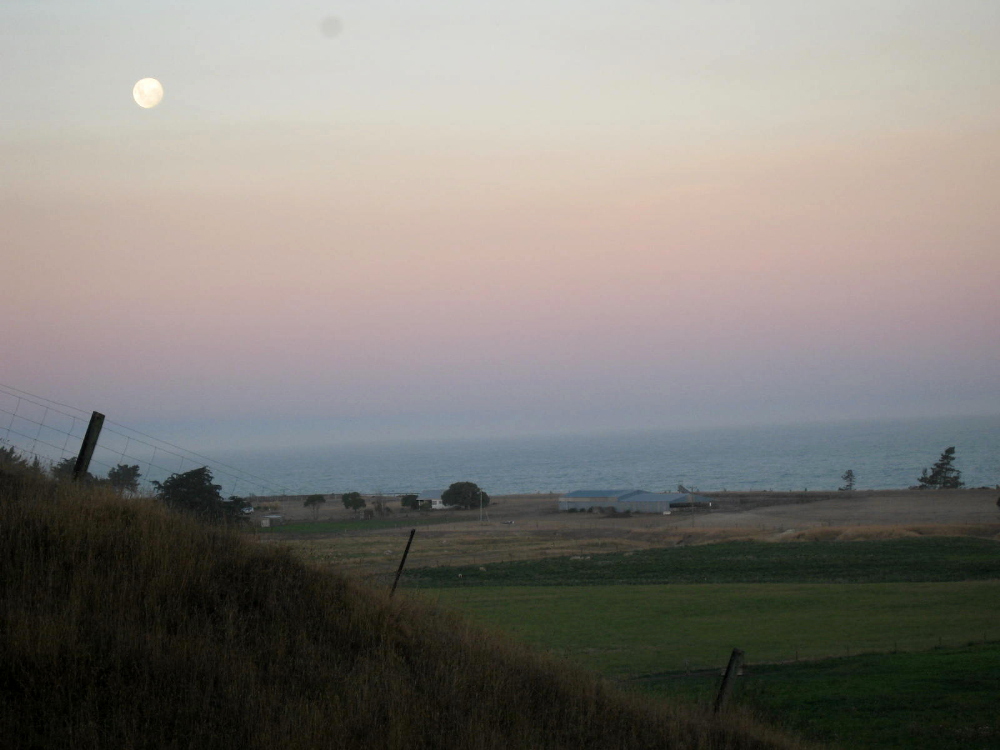
The first big hike Gene, Howard & I did was the Kaikoura Coast Track, a three-day walk through gorgeous coastal forests, hills and beaches just south of the Kaikoura Peninsula and Kaikoura Coastal Range (the highest of the mountains, just above, to the right of which extends a little finger into the ocean, the peninsula). When asked, later on, what our best experiences so far in NZ had been, all of us agreed that our break in the rest-stop house on the first day’s hike (which included a stunning range of settings from deep forest, to steep hills and coastal fields), with some of these amazing and clear views of the moutains, coast, and peninsula, was one of the abslute peaks. We spent three hours drinking tea, reading, and napping with these views before continuing on to our evening’s lodging.
Our final day was foggy and misty. This is Gene, ready after a cuppa for the final stretch on day three.


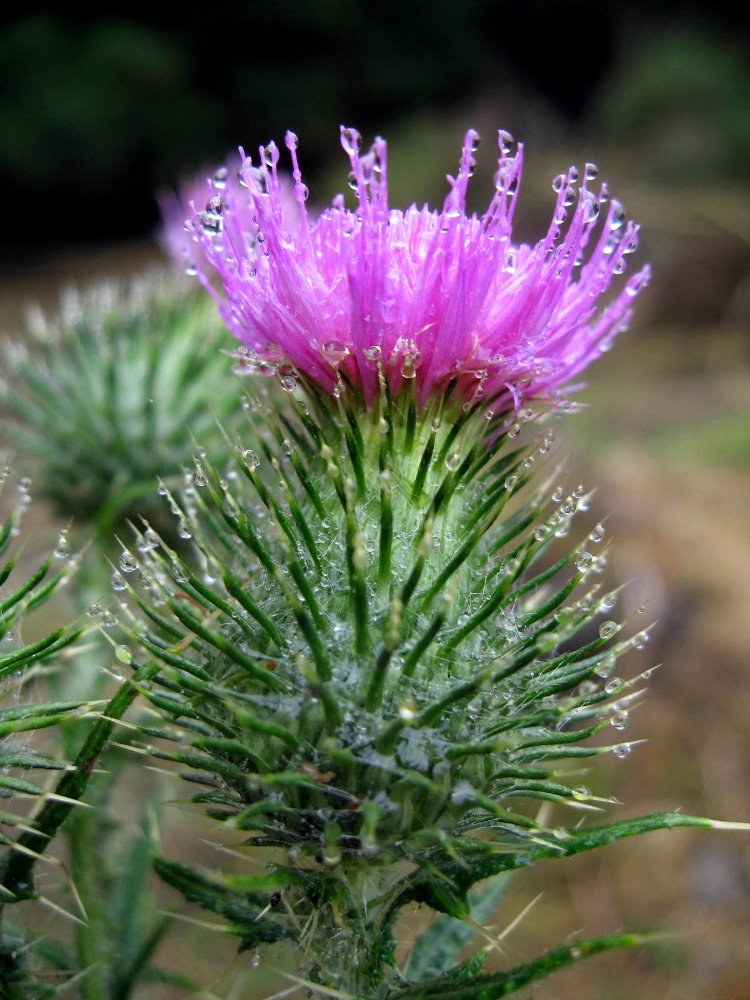
What trip through New Zealand farming country is complete without curious sheep poking their heads out? Although thistles aren’t, I think, native to New Zealand, I couldn’t help appreciating how the dew clung to their many spines and petals on the wettest of our mornings on the track.


Stewart Island – Rakiura

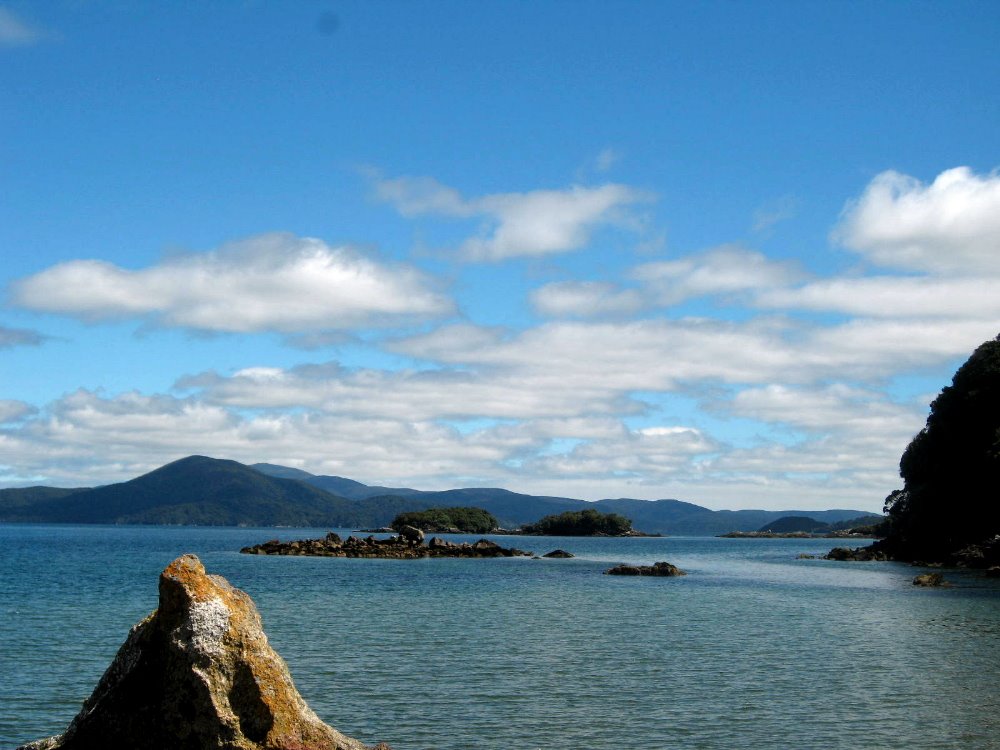
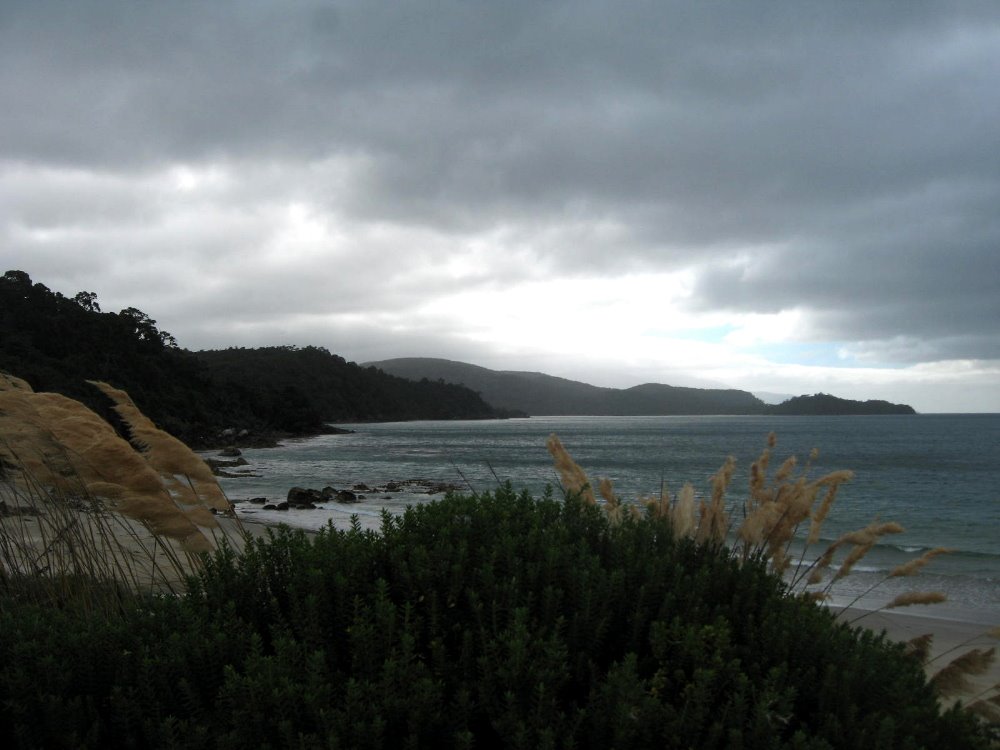
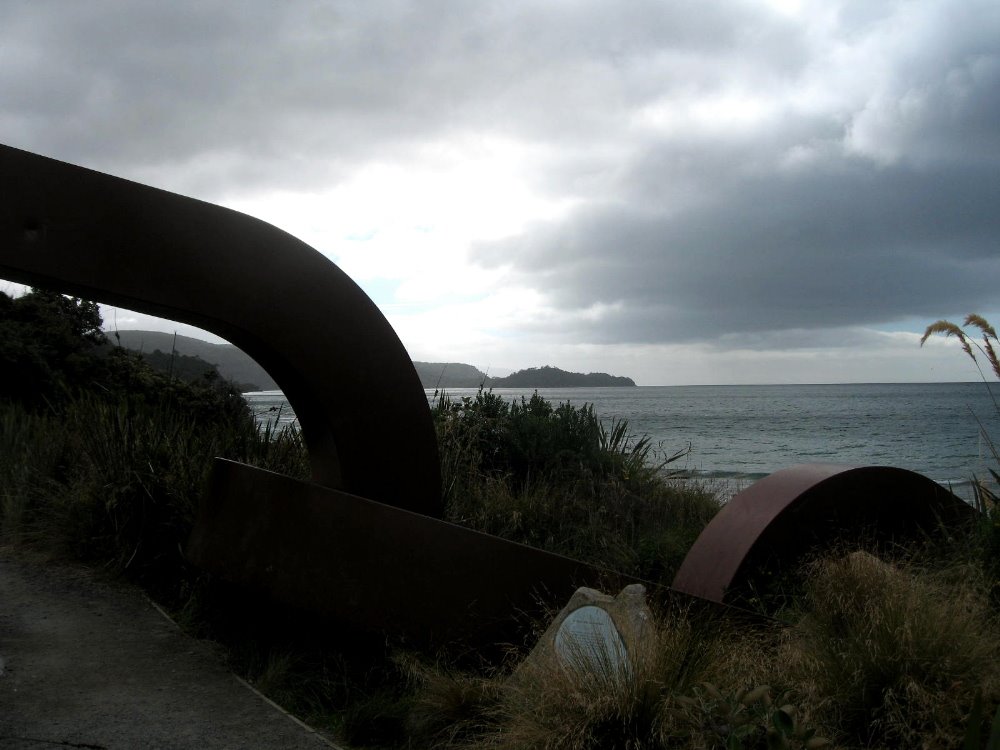
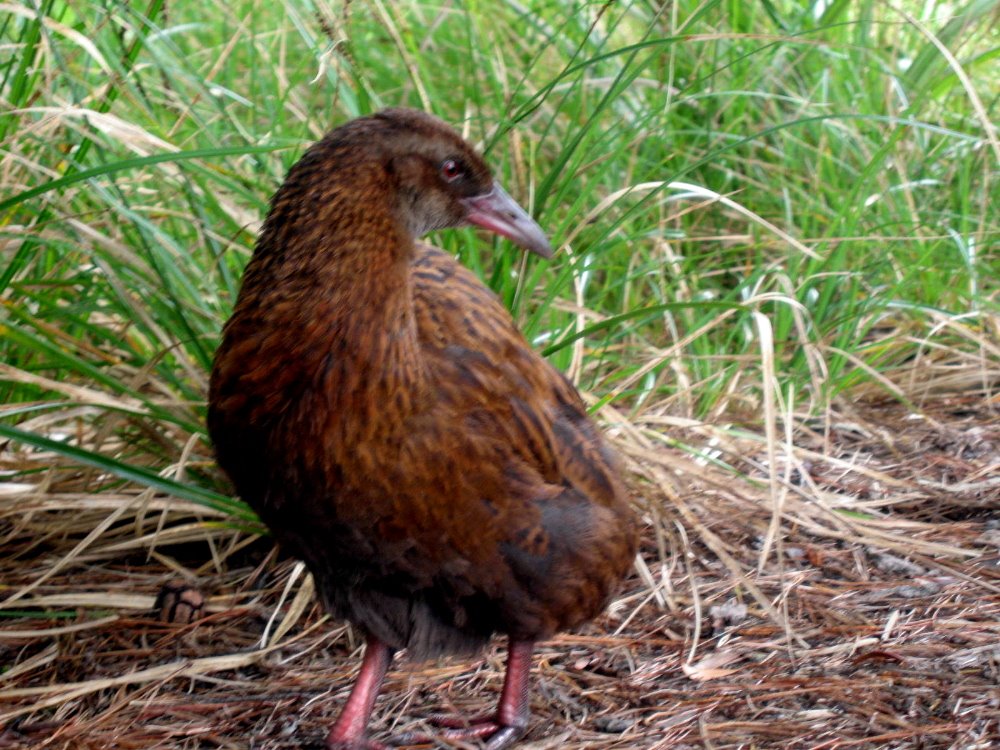
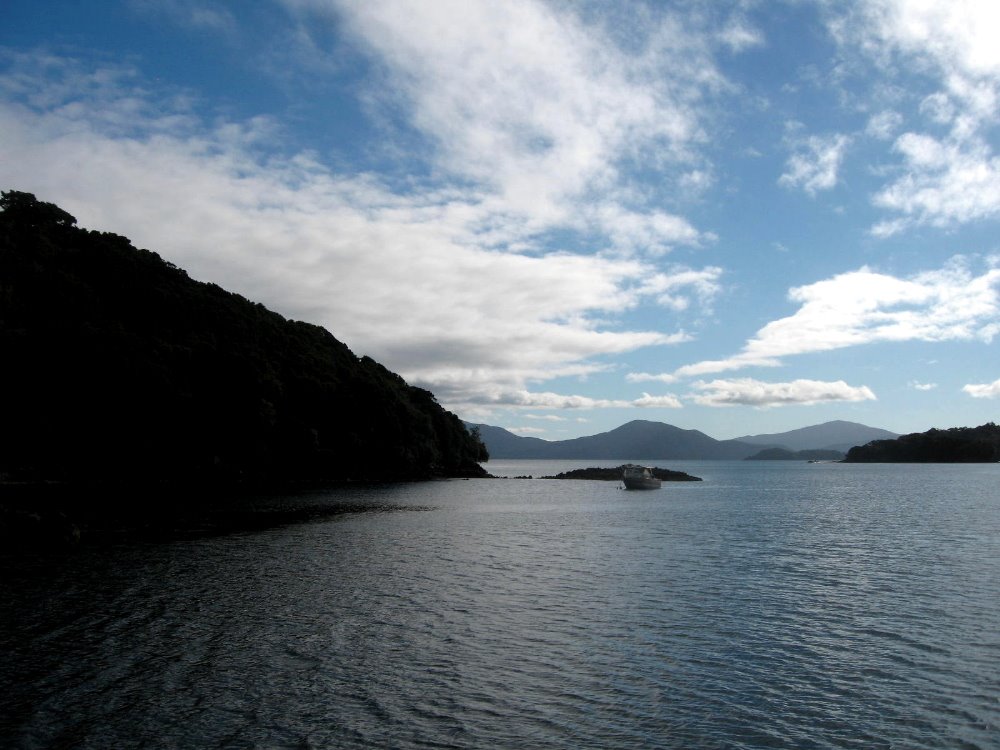
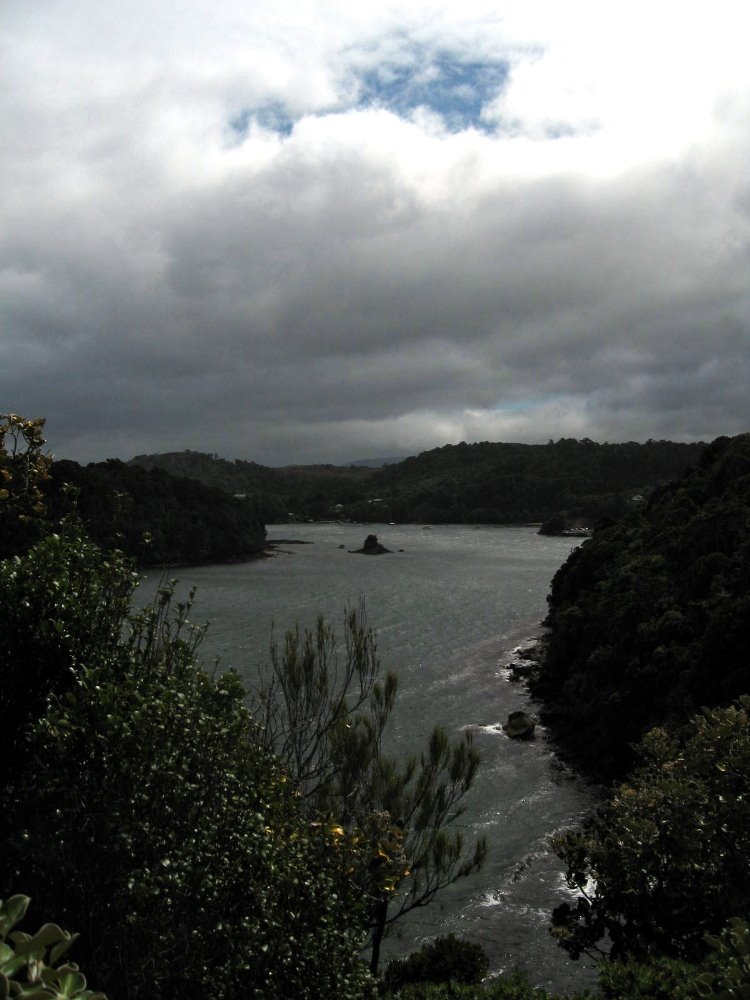
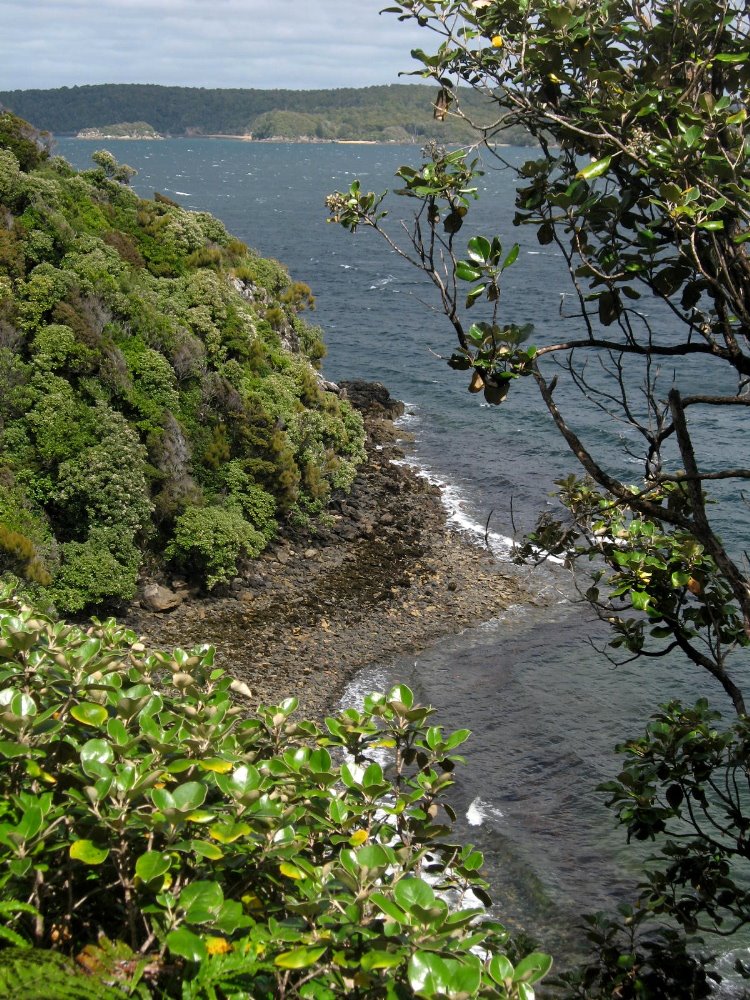
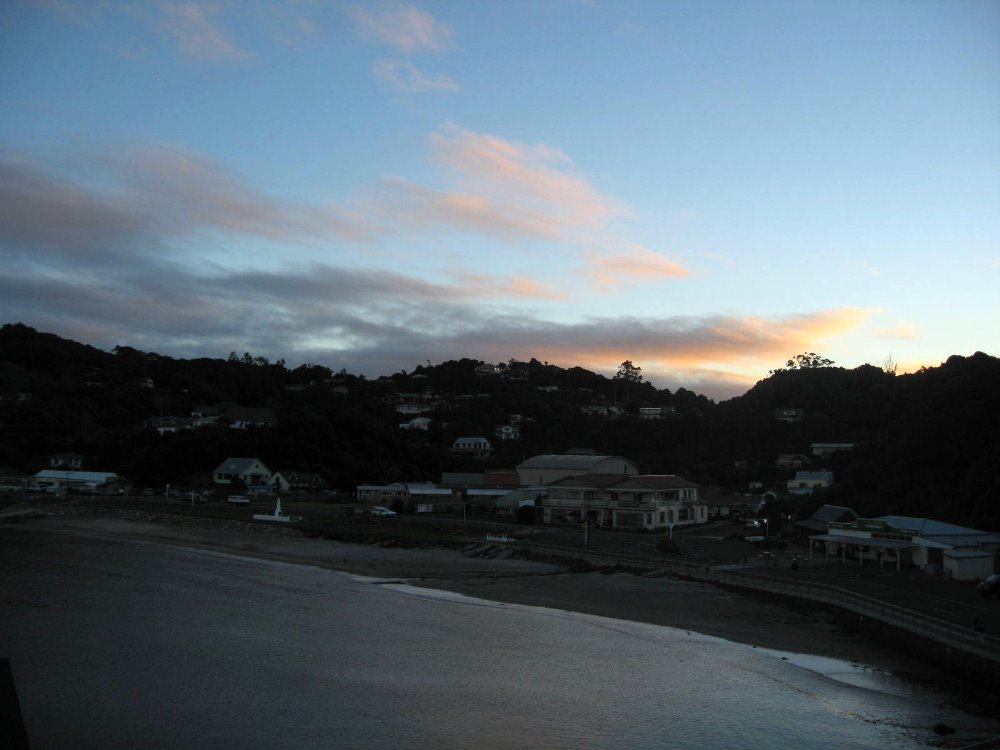
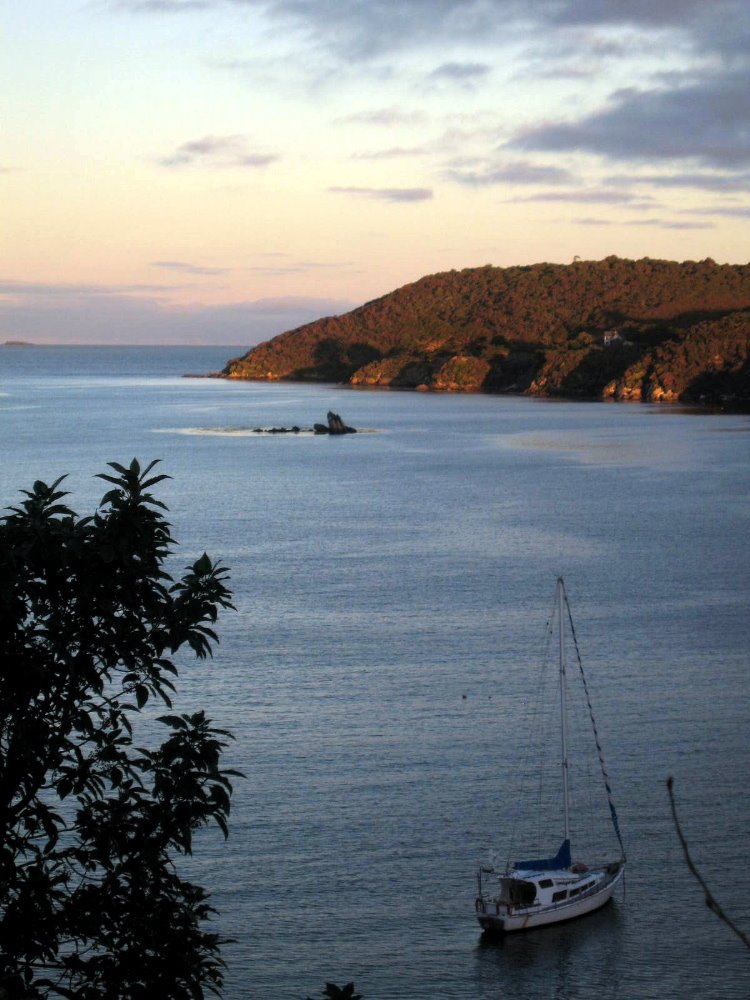
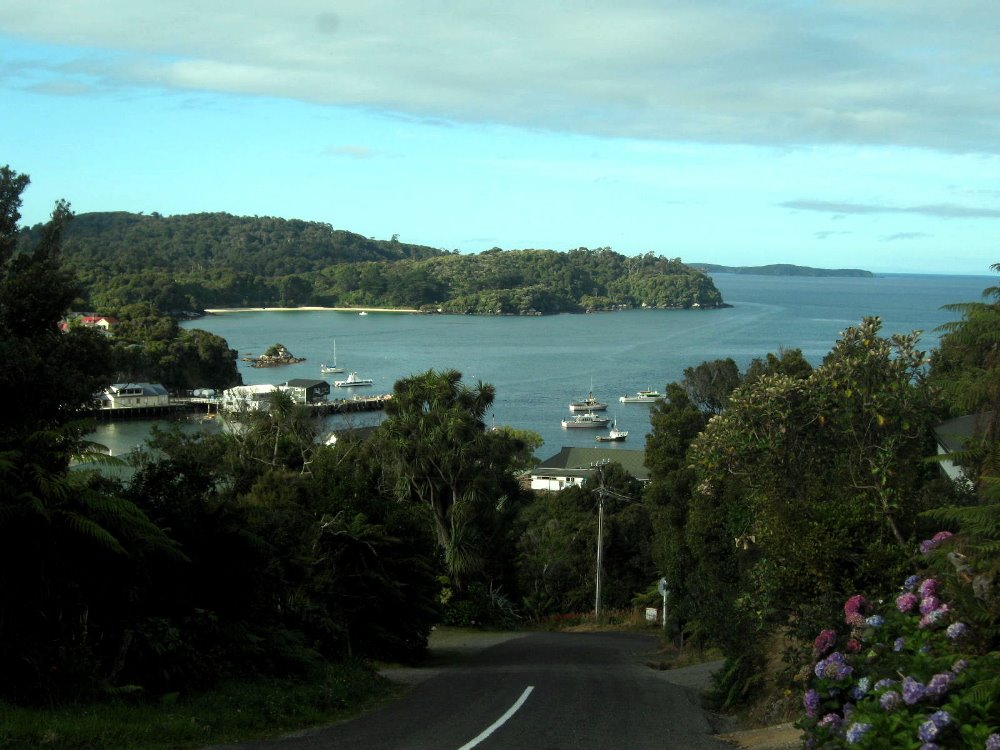
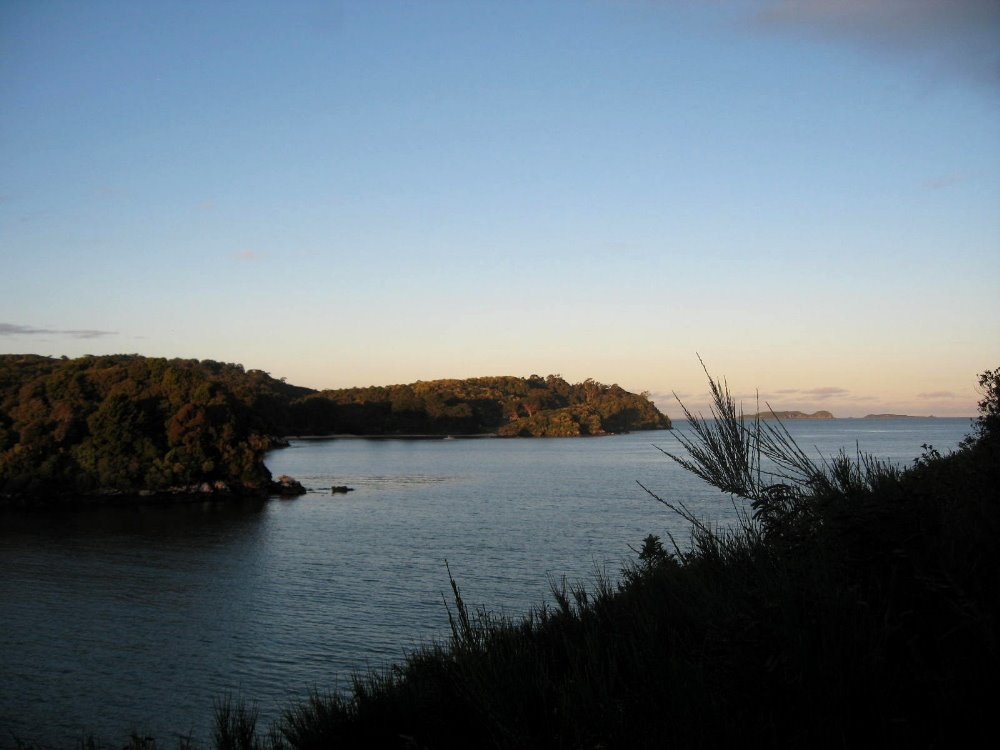
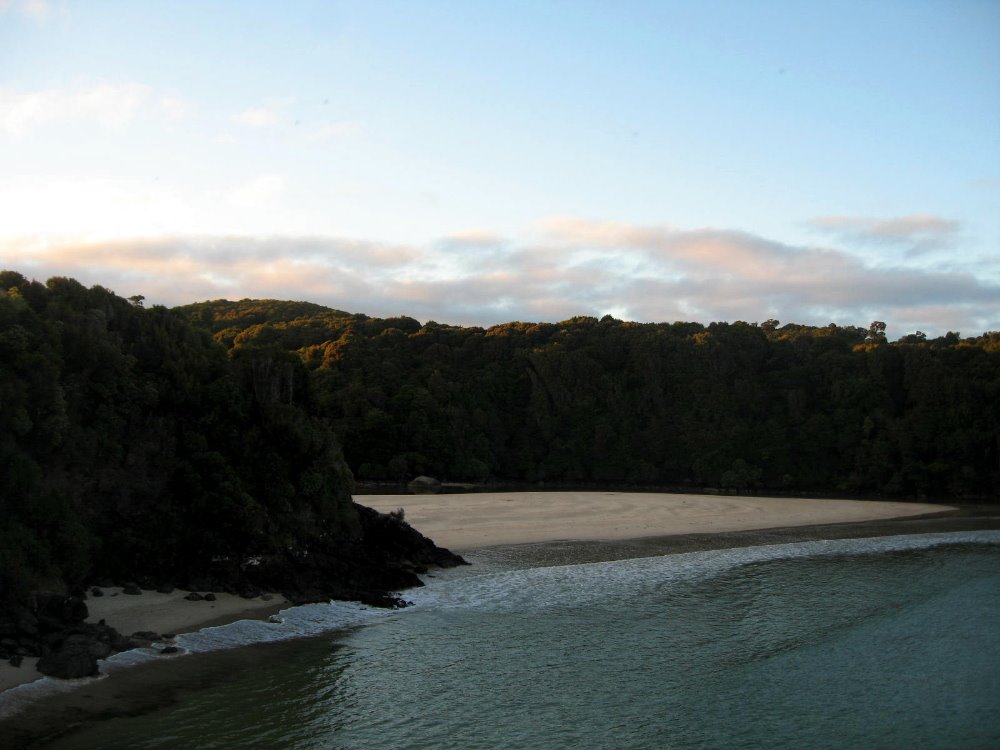
Rakiura, or Stewart Island, is the third-largest of NZ’s islands, and it is (while still of significant heft) a very great deal smaller than either North or South Island. (Get this: the South Islanders like to call South Island ‘The Mainland’ since it’s bigger than North Island. Umm, guys, you’re both islands. No mainland here. Deal.) Anyhoo — Rakiura is now mostly national park, aside from a bit around Oban, the only town with all of 380 inhabitants at last census (there are maybe 15,000 kiwis on the island — the birds, that is) and some chunks that are Maori tribal lands. In Maori legend, there was a mythical man who, from his canoe (South Island) fished North Island out of the water; Rakiura, in this telling, was the anchor he threw over to anchor his big canoe when he realized how big a fish he’d hooked. Hence the chain, below; there’s also a chain on the South Island, near the town of Bluff. Rakiura is known above all for being more free than the rest of NZ of the scourge of mammal predators that have destroyed many of NZ’s native bird species. Therefore one can see, here, abundant native parrots, parakeets, little hens and other such birds which are decimated on the two larger islands. I had a lovely quiet two days at the South Sea Hotel in Oban, and walking the streets and trails of town and Ulva Island.


That bump on the horizon, to the right of center, is the South Island. I think.


Dunedin & Otago Peninsula Wildlife


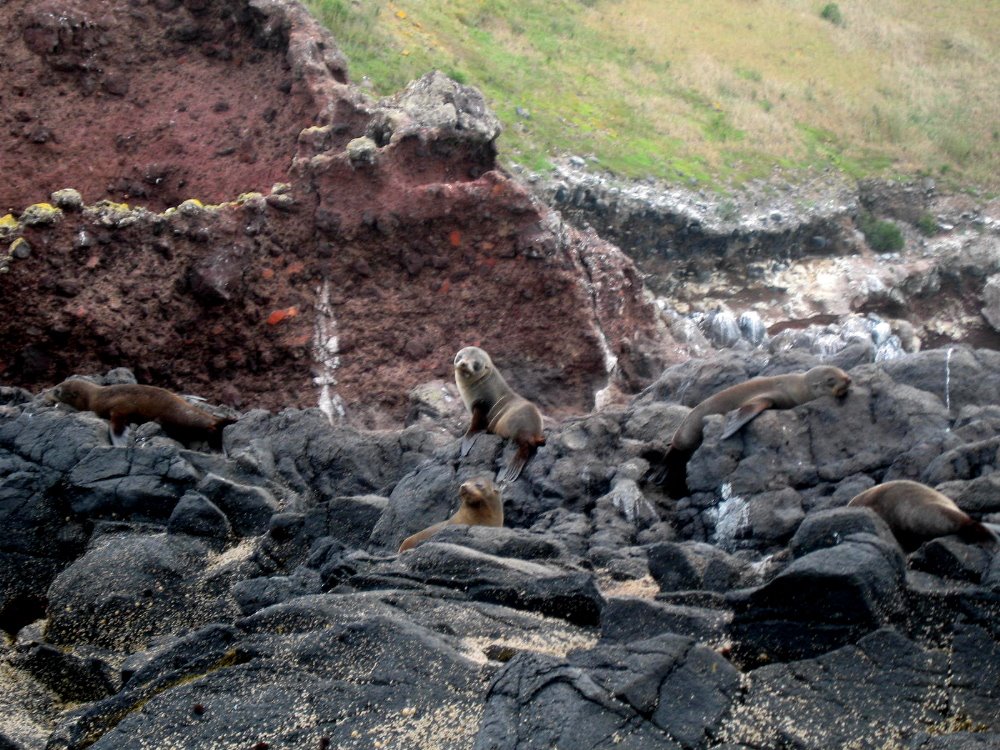
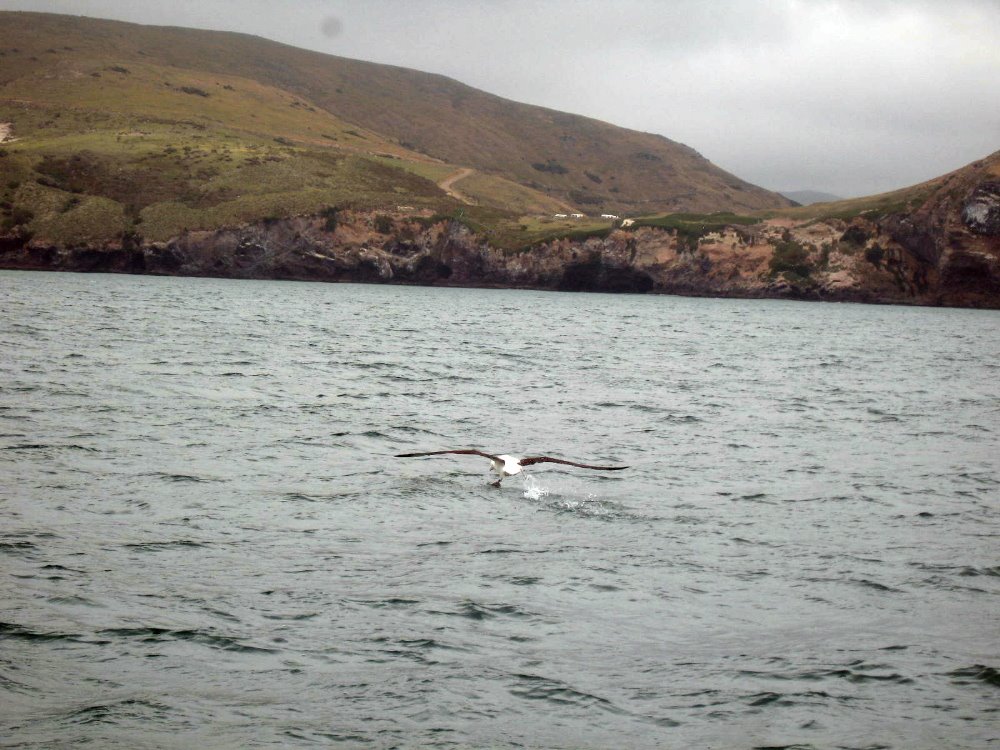
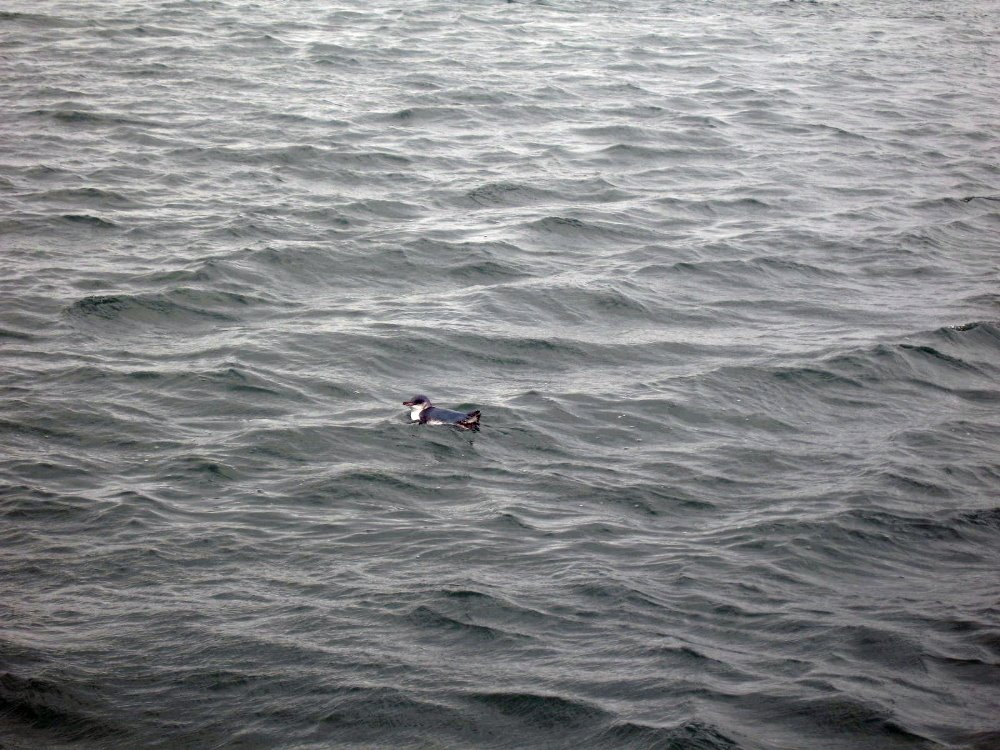
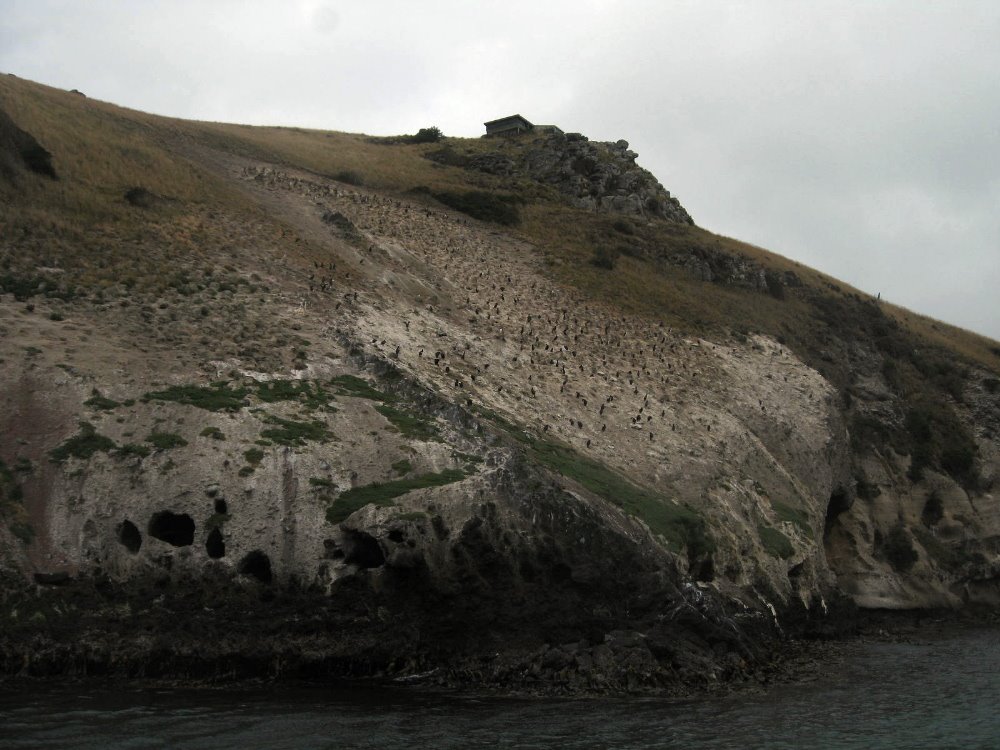
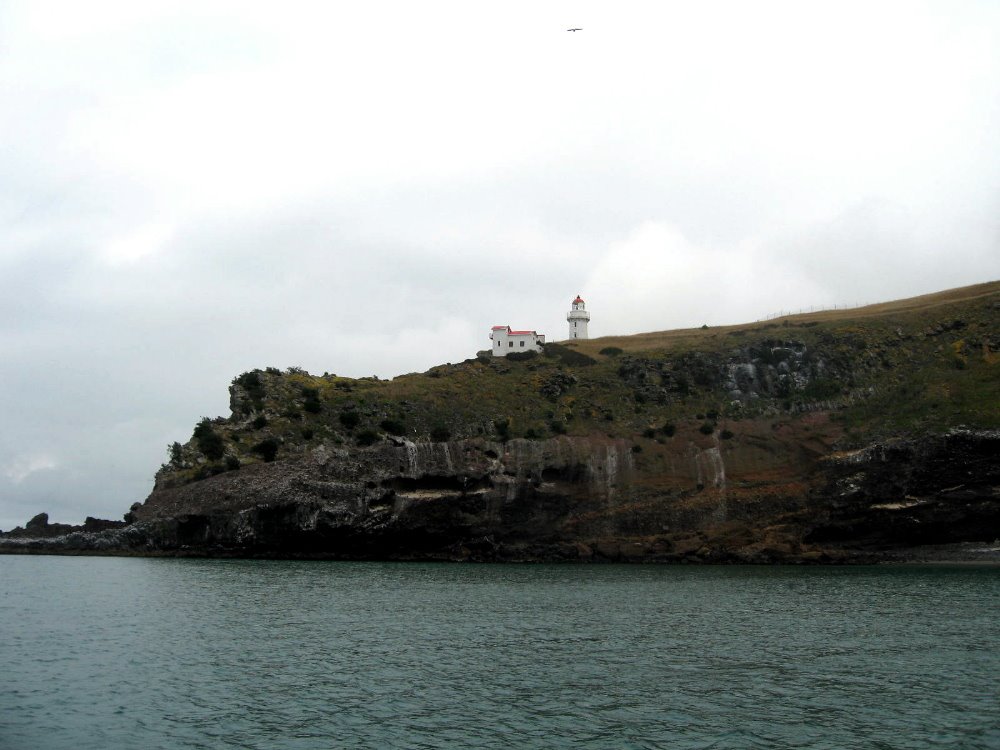
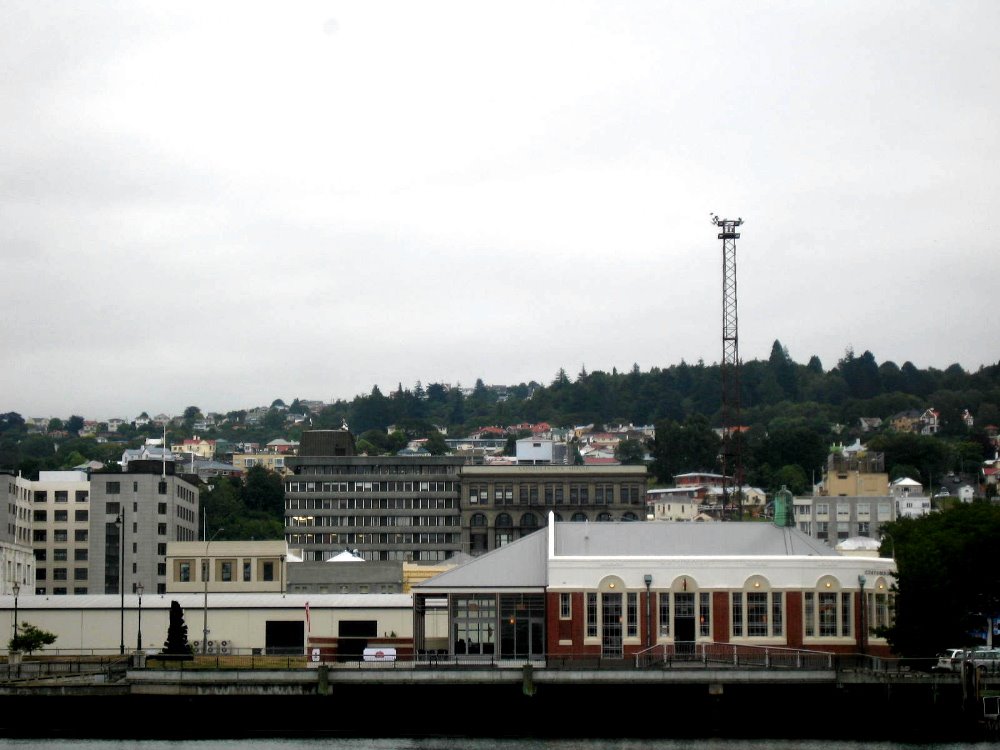
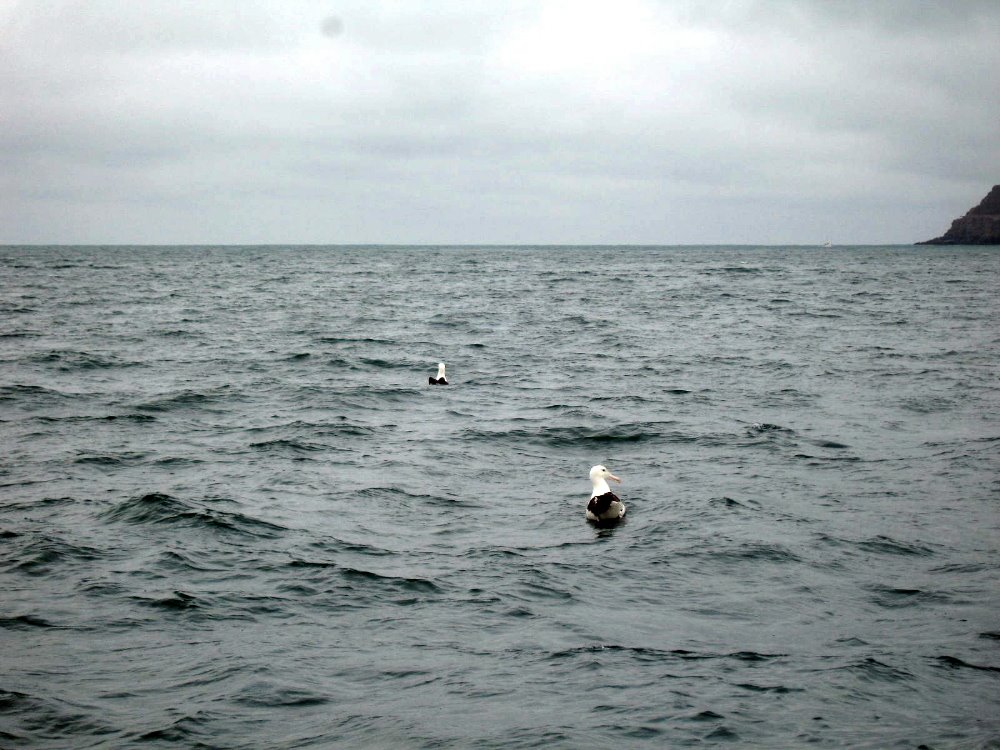
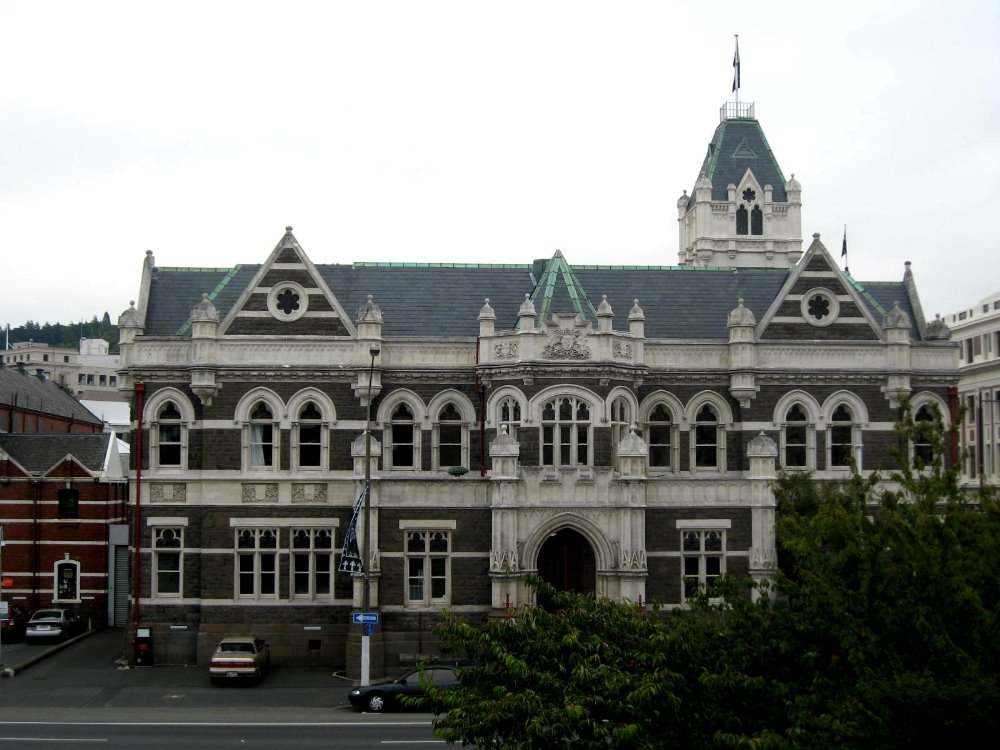
Seals, little blue penguins, and above all the impressive northern royal albatross are indeed what Dunedin and it’s adjacent Otago Peninsula are best known for. That and University of Otago, NZ’s oldest and (by acclamation, it seems) best University. Dun is to Gaelic as Borough is to English, so Dunedin is on some level an ode to Edinborough. The center of the city itself is a pretty little octagon of streets and parkland called, surprisingly enough, The Octagon. This formation at the city’s heart leads to some strange street patterns, but once one gets over that the city’s really quite manageable and very pleasant. Around 1900 it had about as many inhabitants as Auckland…but Auckland’s increased by a factor of 10+, while Dunedin — well, maybe it figured out it had nothing to gain by outgrowing itself. It’ll upset many Kiwis, but in many ways I found Dunedin the most interesting and unique of the cities I visited in New Zealand — I’m sure, and I was told by more than one native, that it’s dull to grow up in, but I can more easily imagine retiring there – sucky weather and all – than Auckland, which I found more gangly and awkward in its growth. Oh well, there you have it. Penguins and seals are as cute out in the wild as they are in museums. And royal northern albatrosses, in flight or on takeoff, have a grandeur these photos can never capture. Sorry.


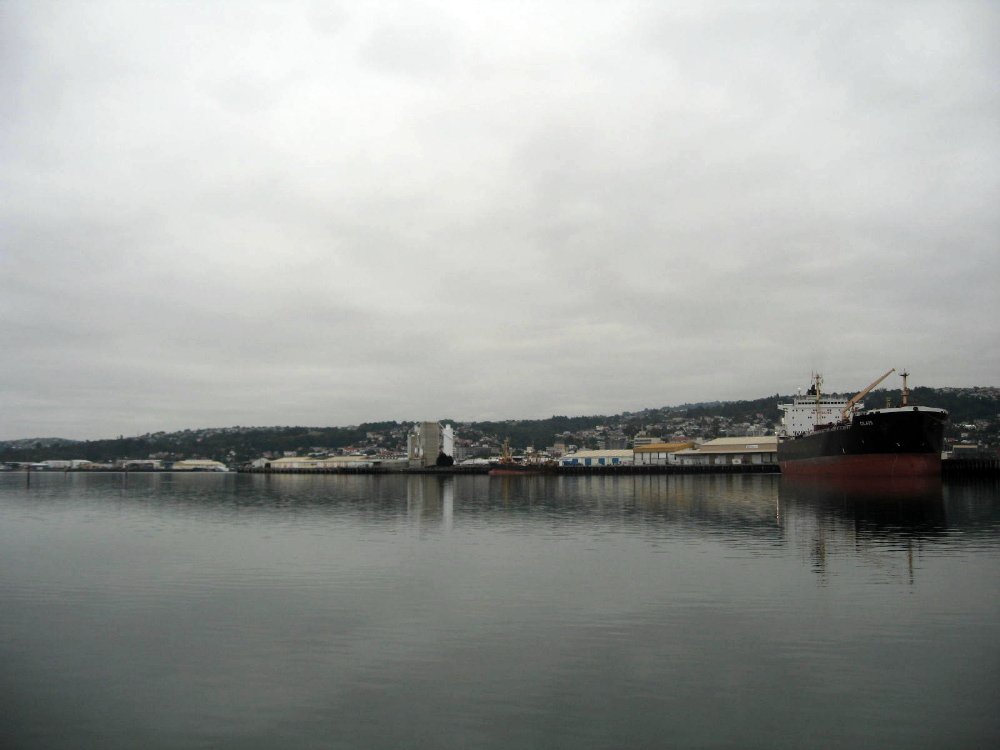
The harbor runs between the peninsula and the mainland on the other side, and the inner harbor is very shallow so admits only fairly small boats; the outer harbor is very active shipping out powdered milk and lumber to China and the rest of Asia. It was foggy when I was out there, in case you hadn’t guessed.


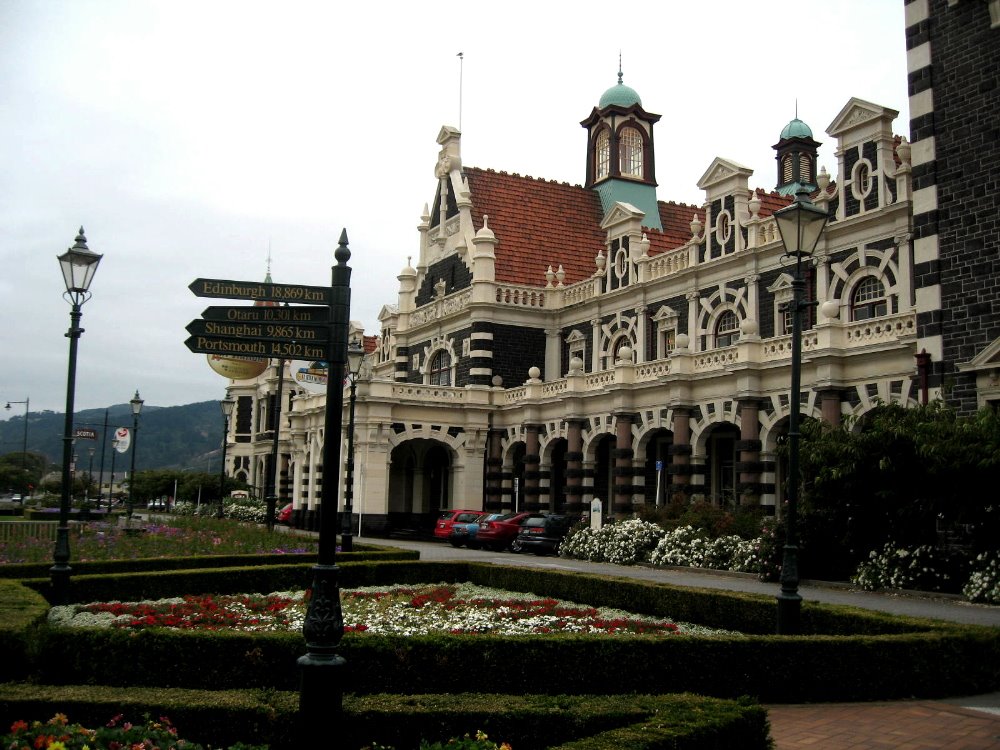
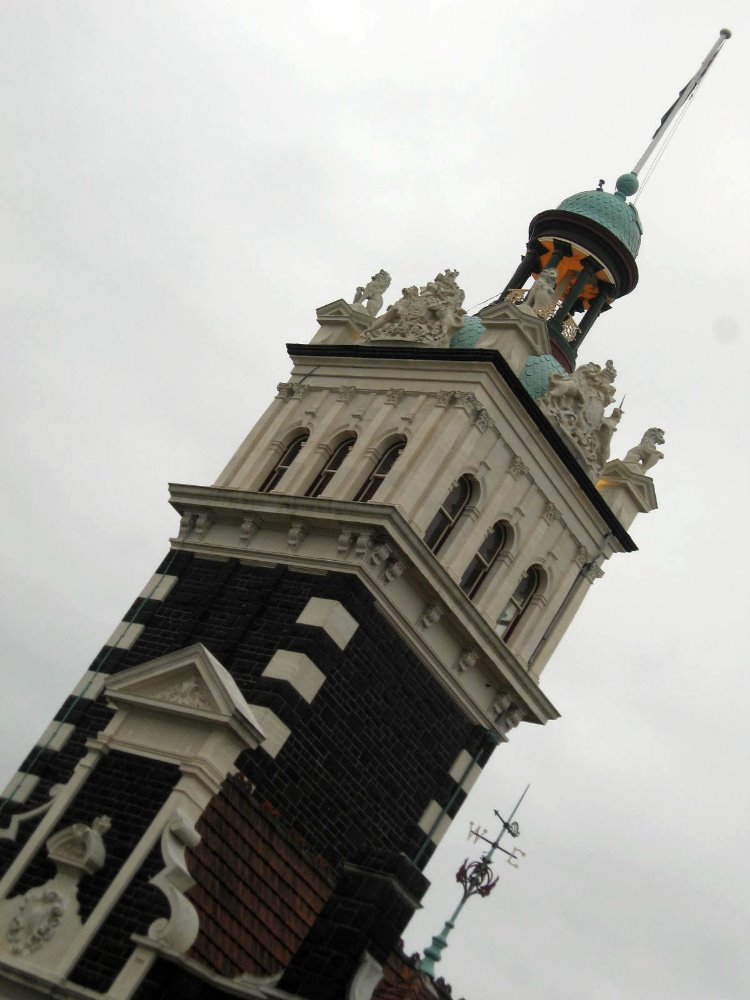
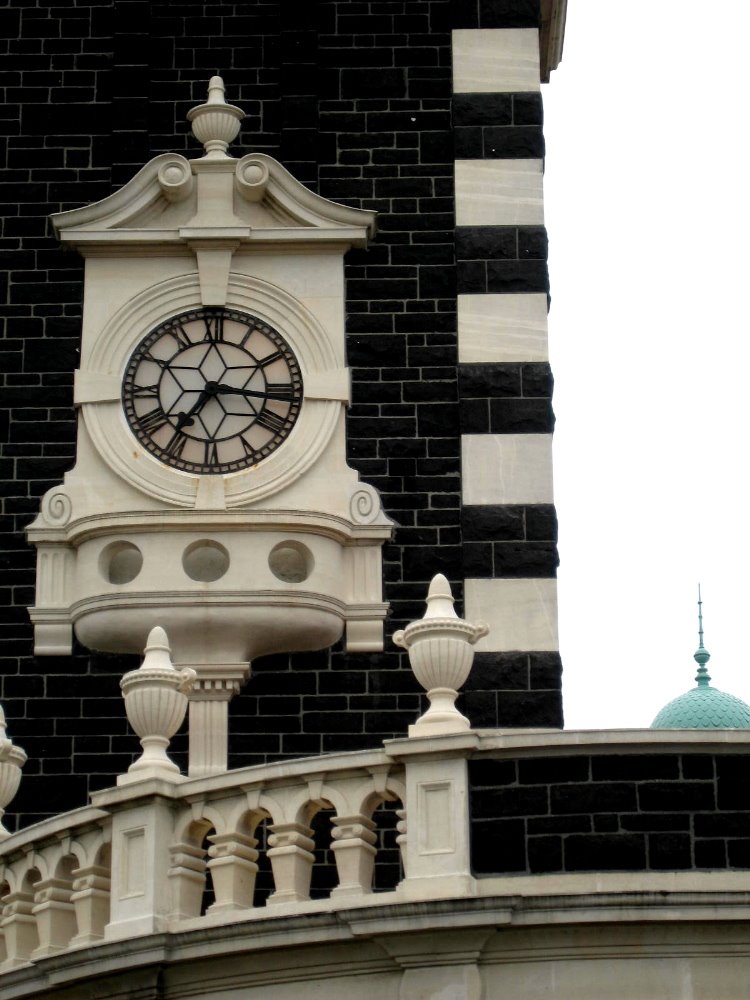
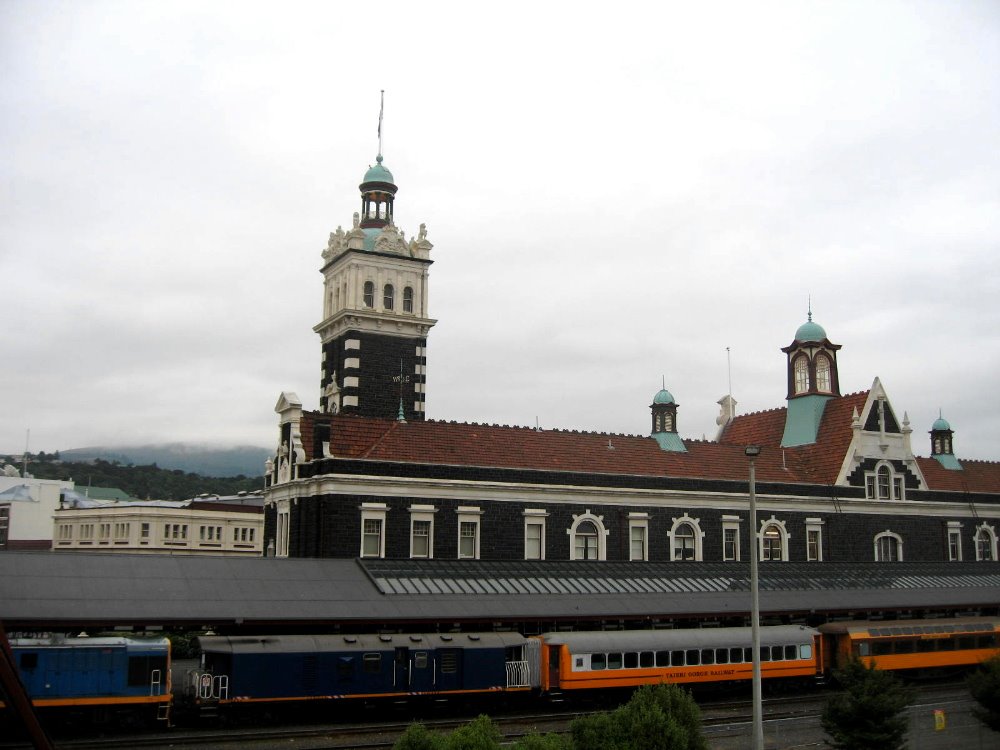
Above and also below: Dunedin’s famous train station. I don’t know where those train cars go: they’re not connected to the national network, which stops at Christchurch a good piece north of Dunedin. I think it’s some kind of regional tourist train. Or maybe they’re just there for show. Nice building, though, huh? Below: one side of The Octagon, with city hall opposite.


Marvelous Marlborough

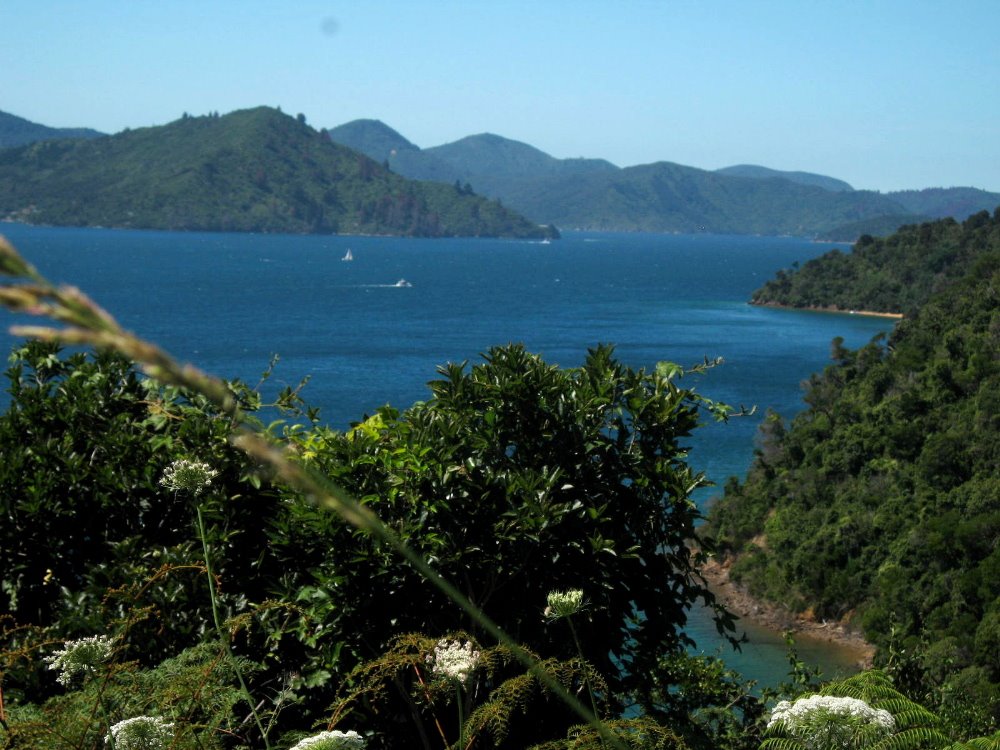
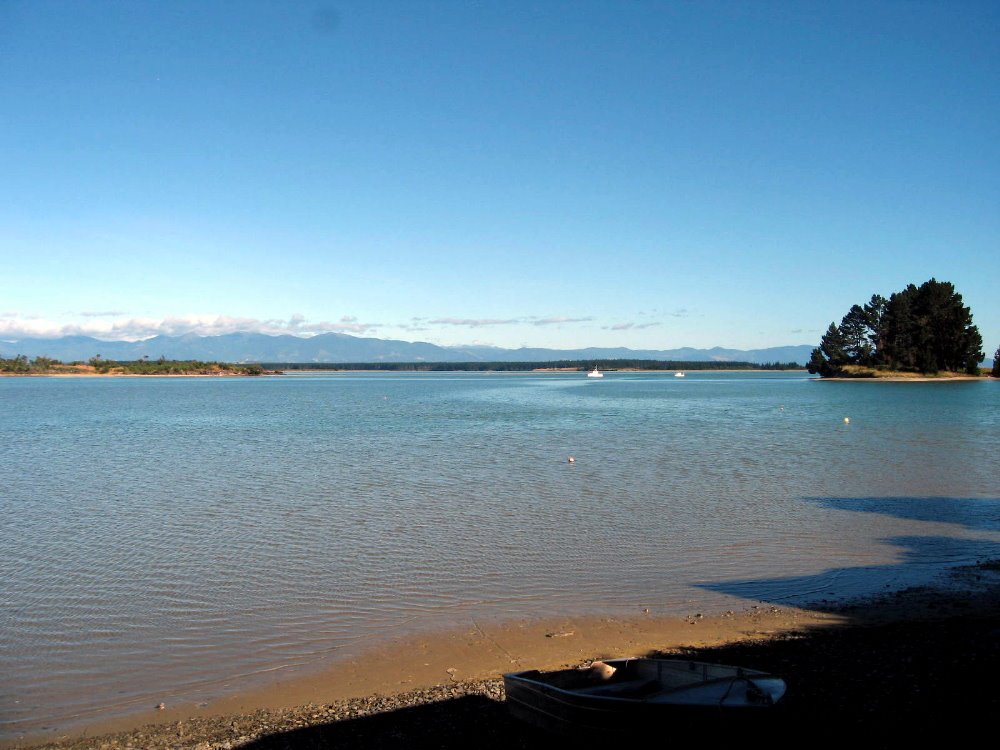
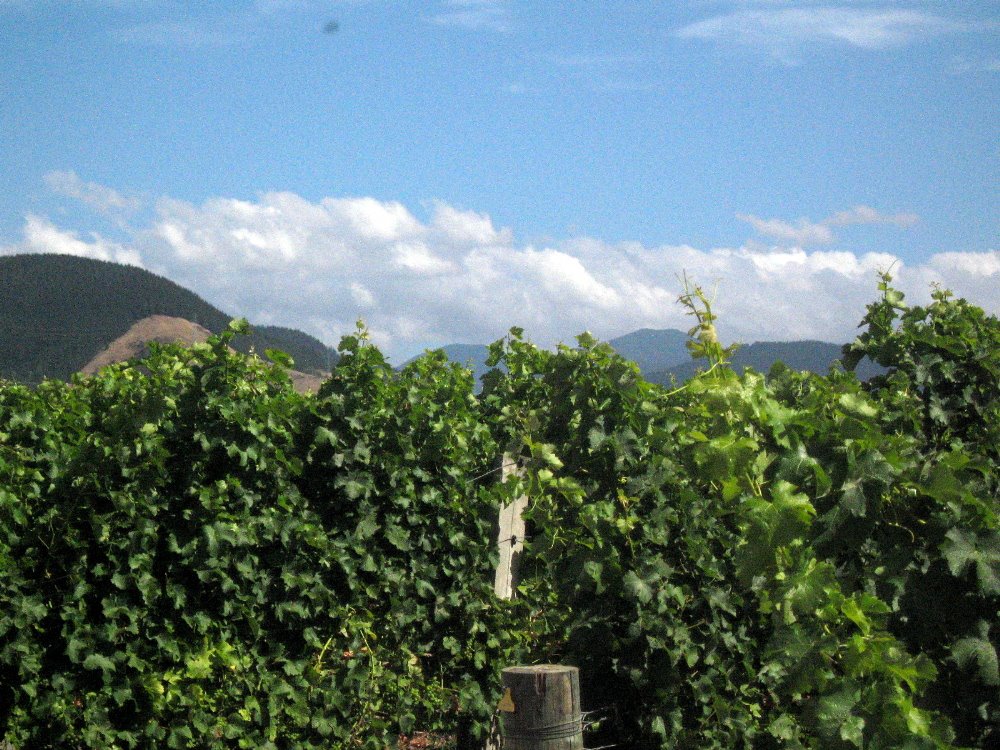
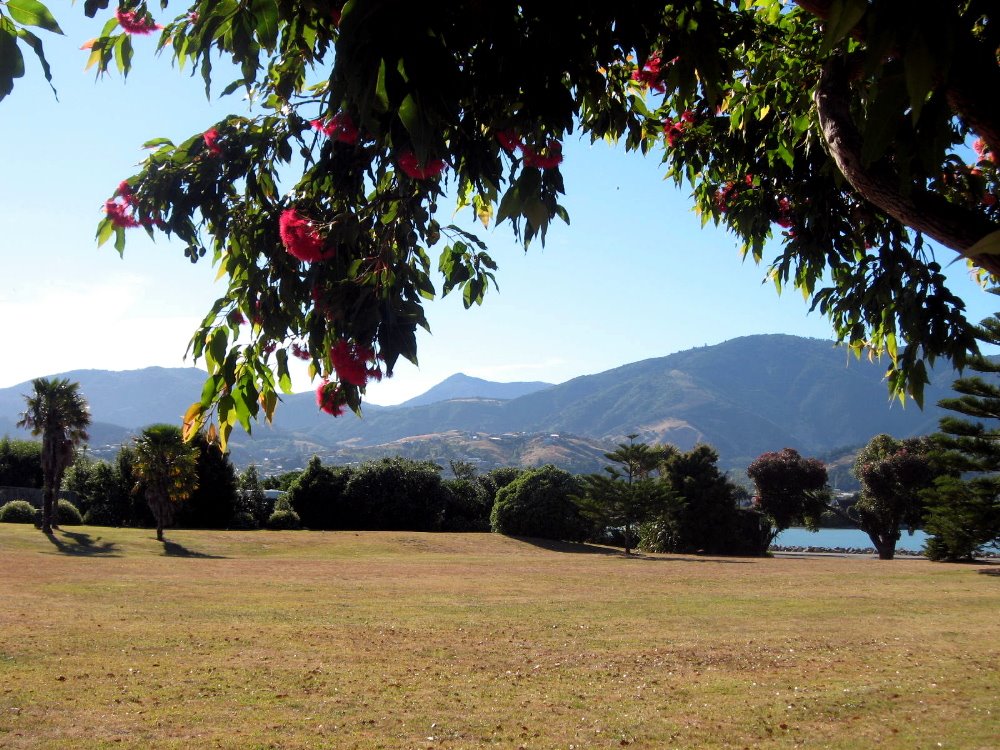
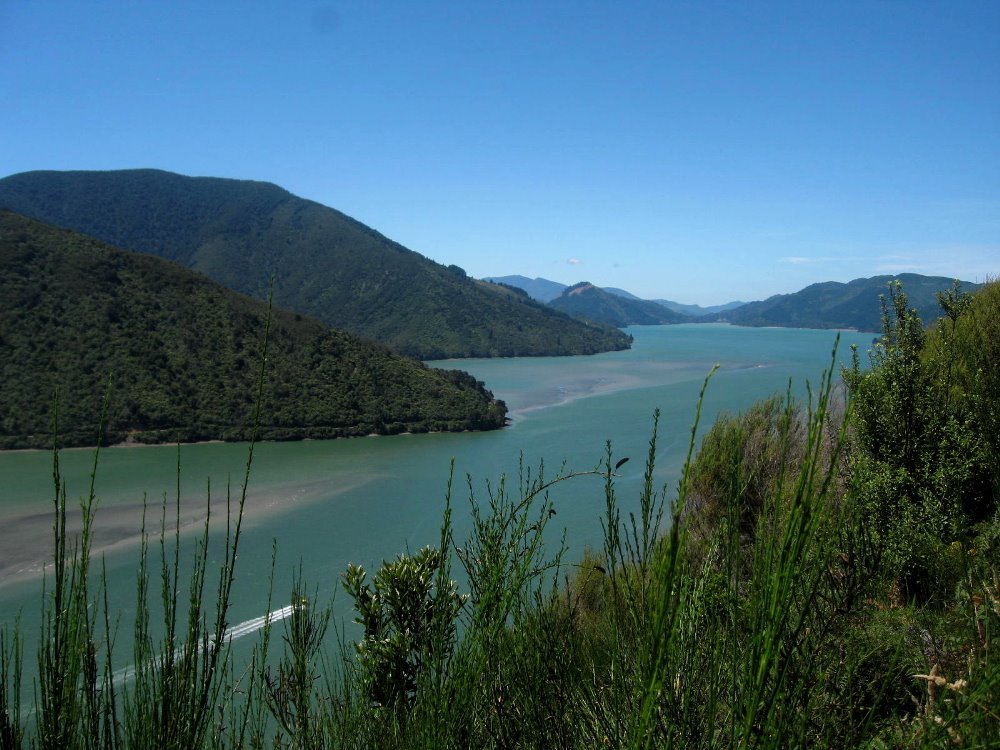
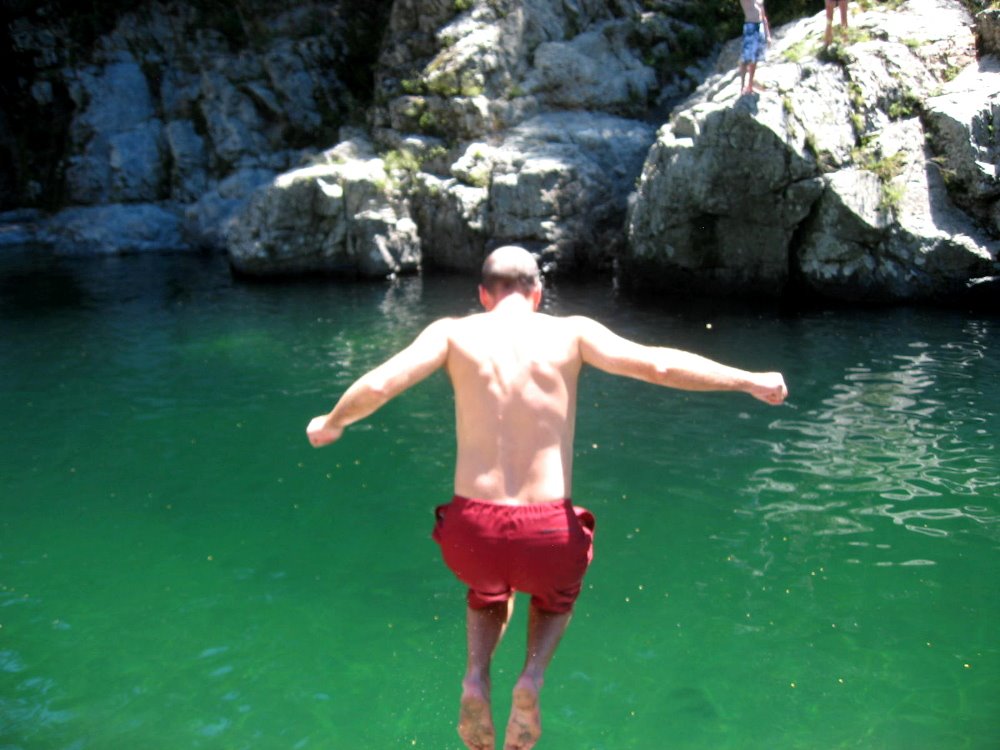
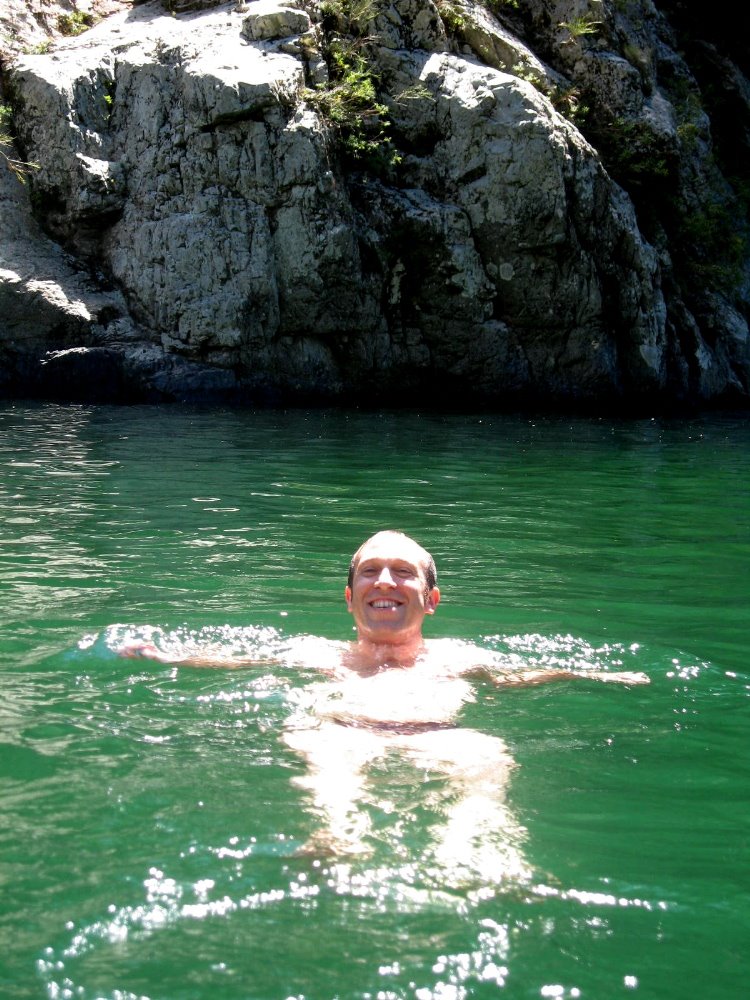
At the north end of South Island is a region called Marlborough. It’s New Zealand’s main (of several, for such a small country) wine-growing region, and home to Picton (a little town where the ferries from North Island arrive), and Nelson — to which Howard, Gene & I flew after regaining our bearings with a day or two in Auckland and a walk on Rangitoto Island (below — I’m messing with your minds if you’re trying to follow my itinerary here; I’m putting up regional segments based entirely on how visually appealing they are and how important they were to my experience in NZ…deal…). Nelson is just south and east of Abel Tasman National Park, for which we sadly did not have time; I’ve included, below, a few shots of what I think are the mountains from that beautiful area, as seen from our overnight hub of Monaco, on the Western edge of Nelson. I have included some of the nicest shots of vineyards around Nelson and Blenheim, a swimming spot along the Pelorus River (which, Wikipedia tells me, is known for its ‘magnificent’ river swimming – but we didn’t know that when we crossed the bridge in our rental car and decided we just HAD to join the folks at that swimming hole), as well as some shots of both the Pelorus and the Queen Charlotte Sound, which are among the Marlborough Sounds — yet another amazingly beautiful region on the northeastern corner of South Island, near Picton where those ferries from Wellington dock.

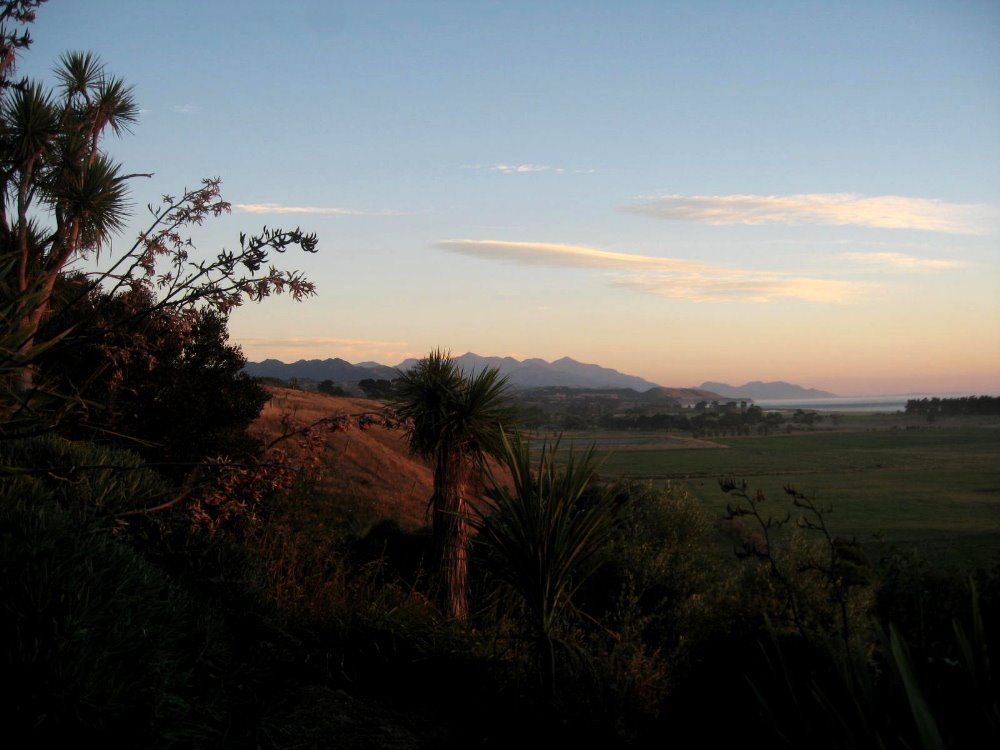
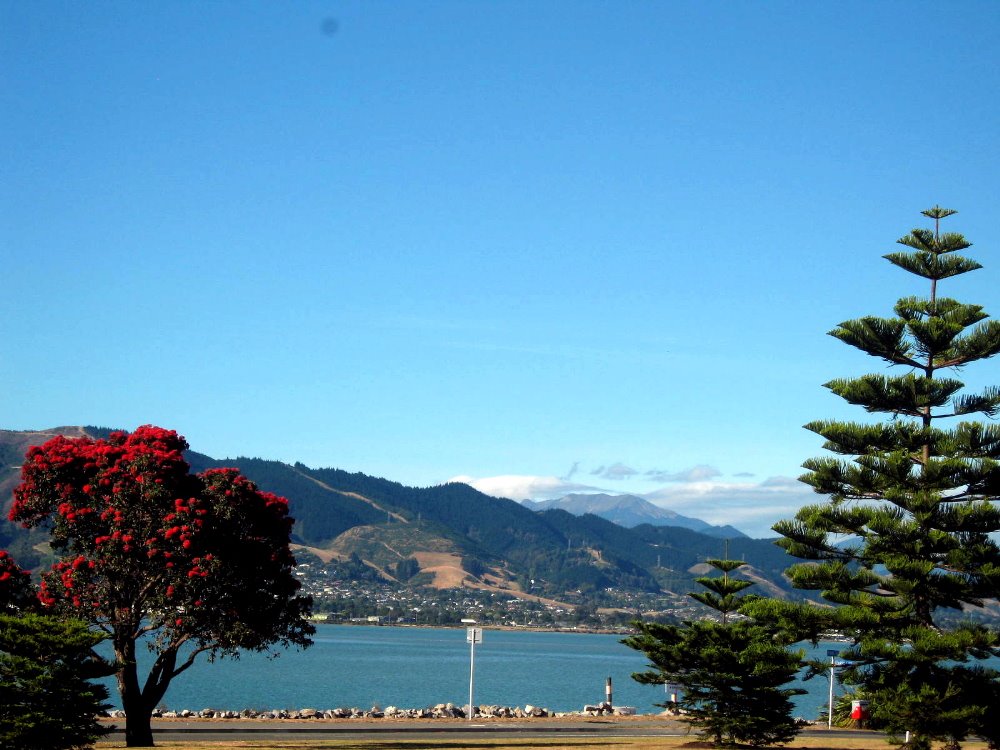
I think those mountains in the distance are in Abel Tasman National Park. Oh well, next trip…


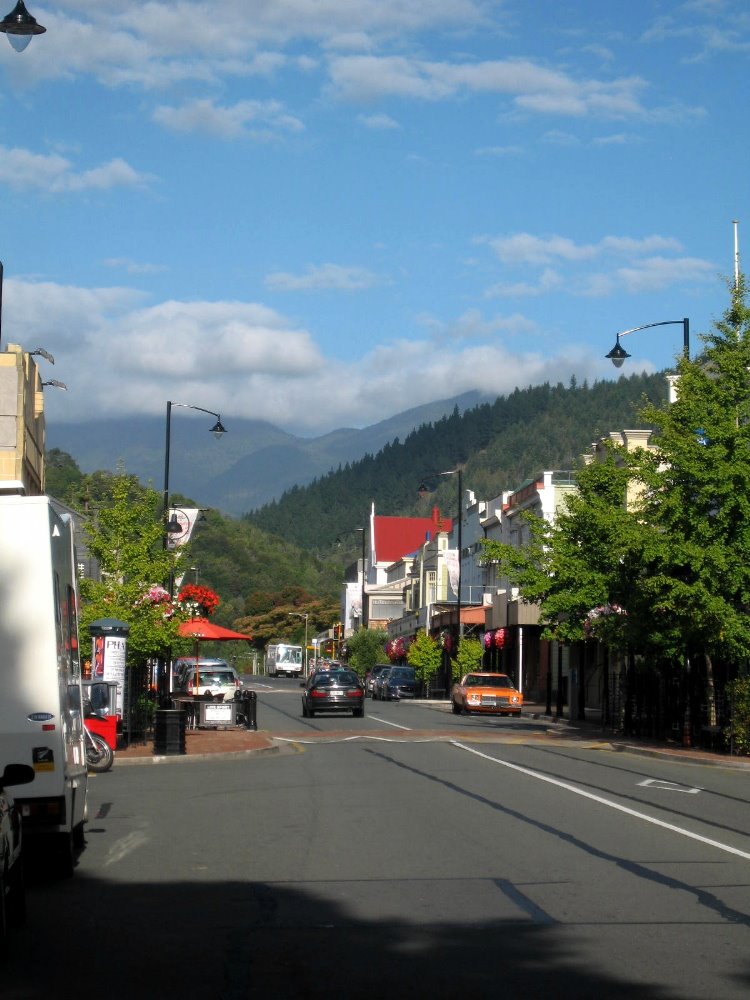
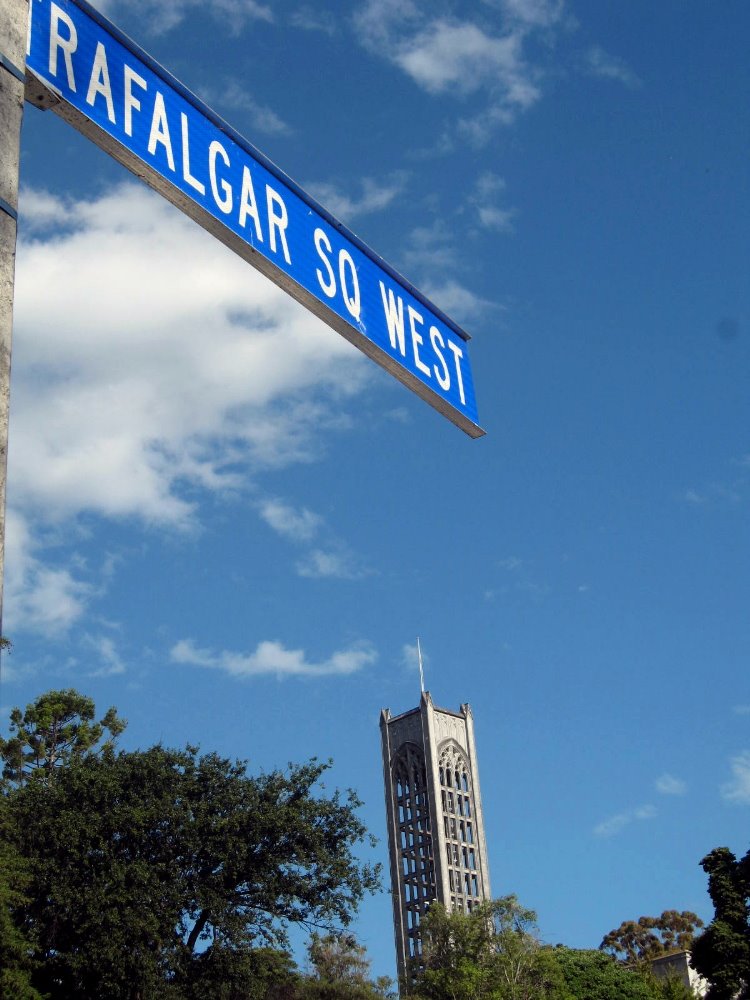
This is the cute little town of Nelson (sidewalk rolls up, even on a holiday Friday, by about 22:00), above and below. Nelson gets more days of sun that most other parts of NZ. Which…well, isn’t necessarily saying all that much. 🙂


Weekend in Wellington

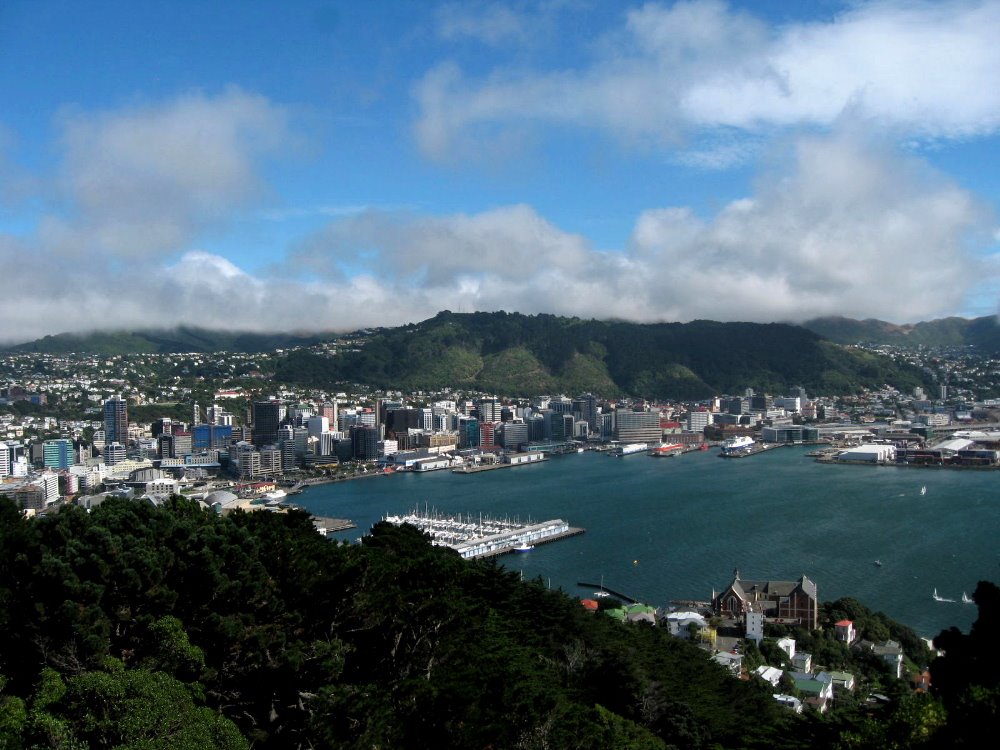
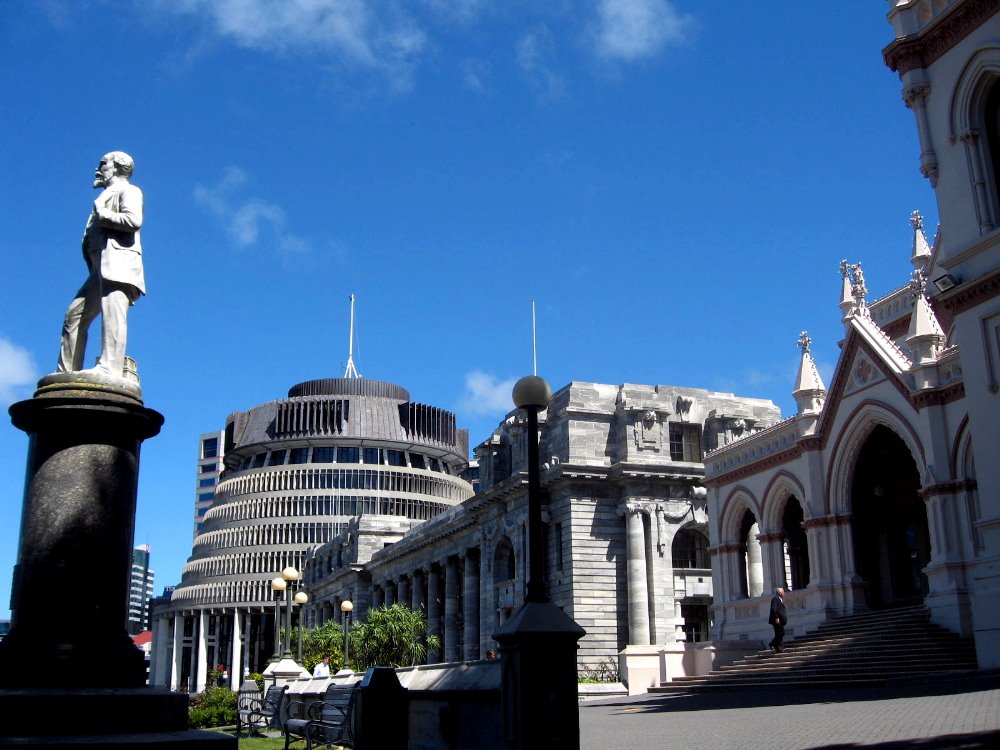
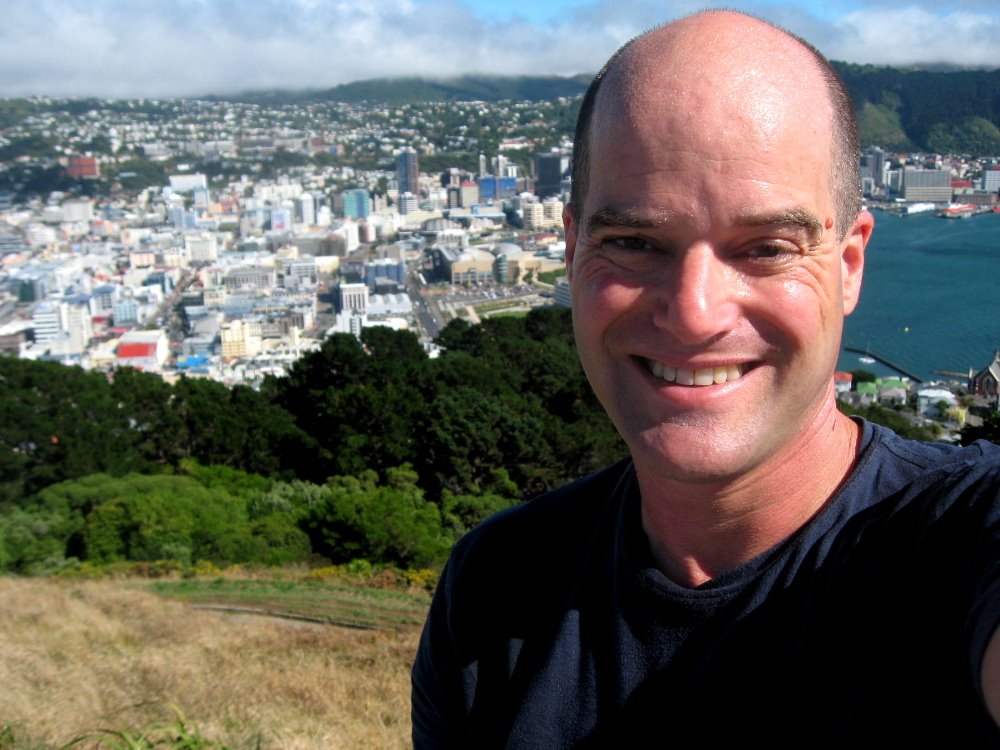
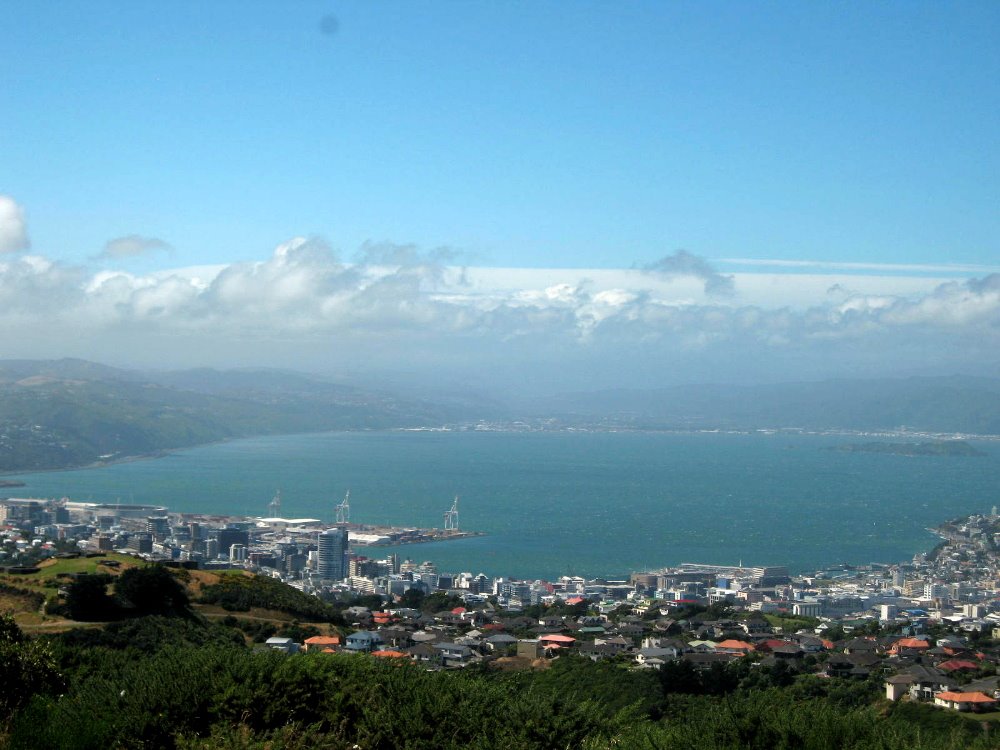
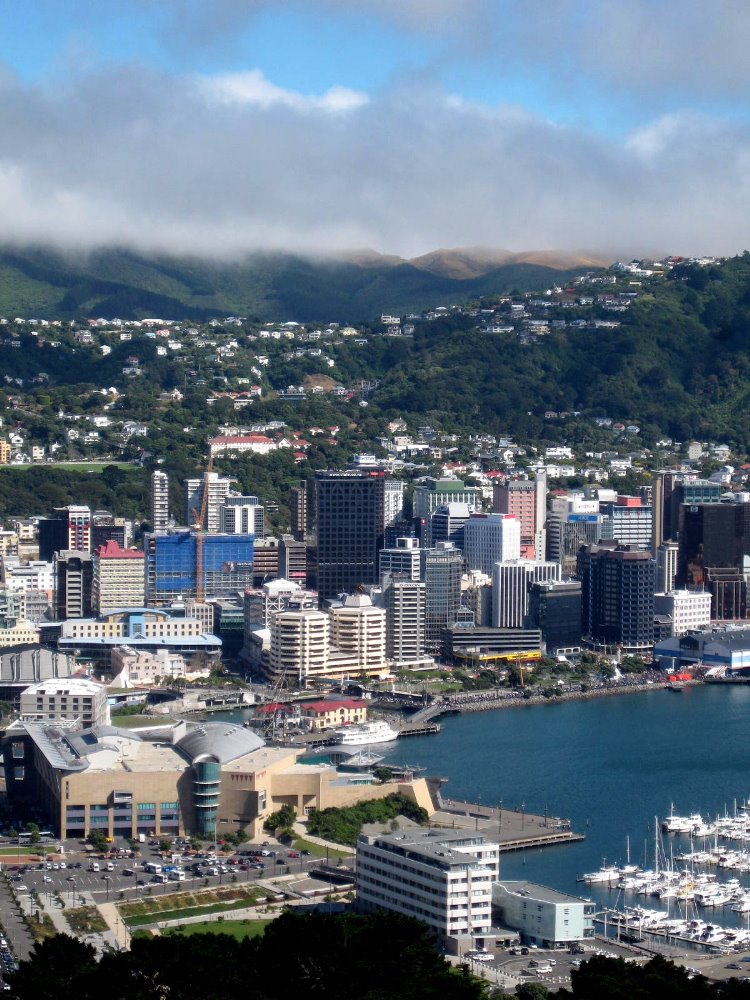
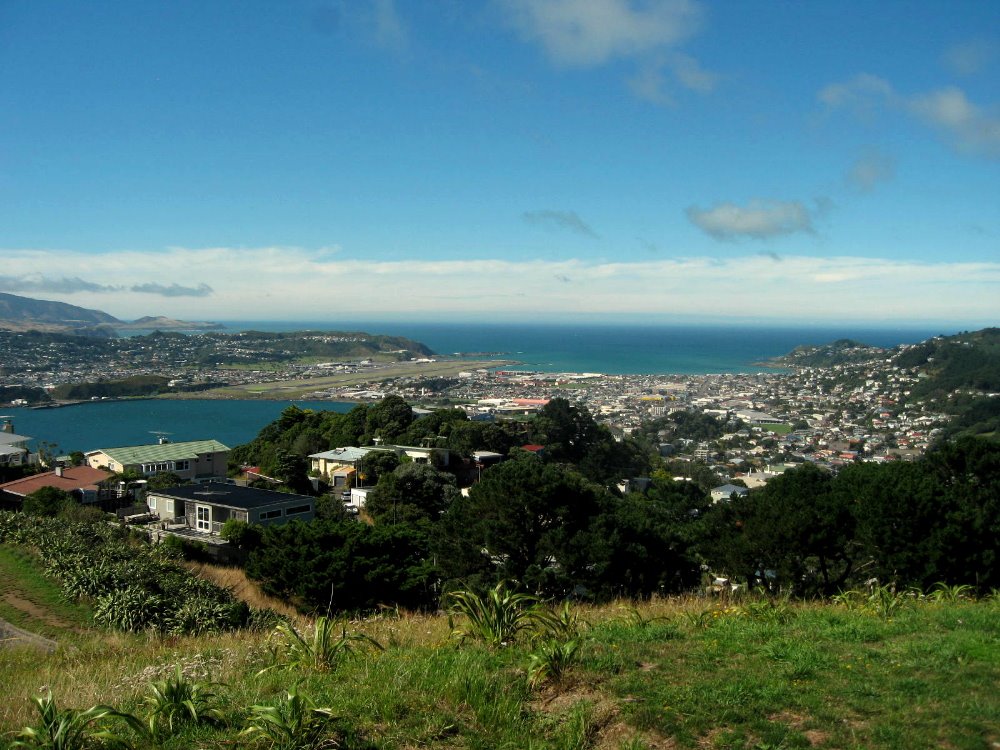
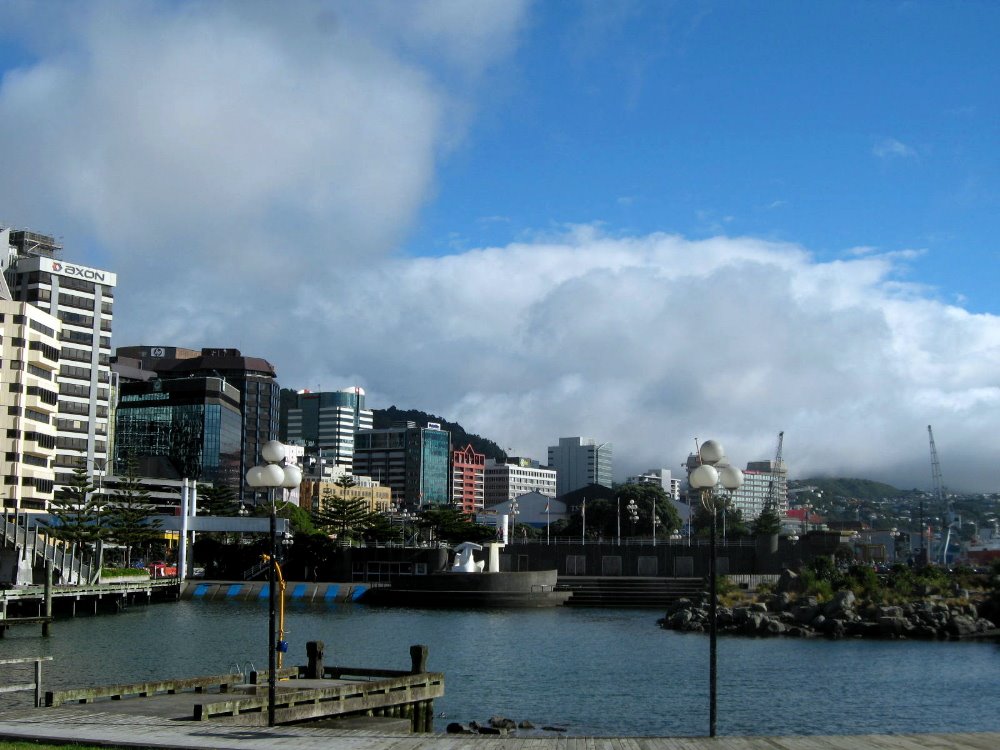
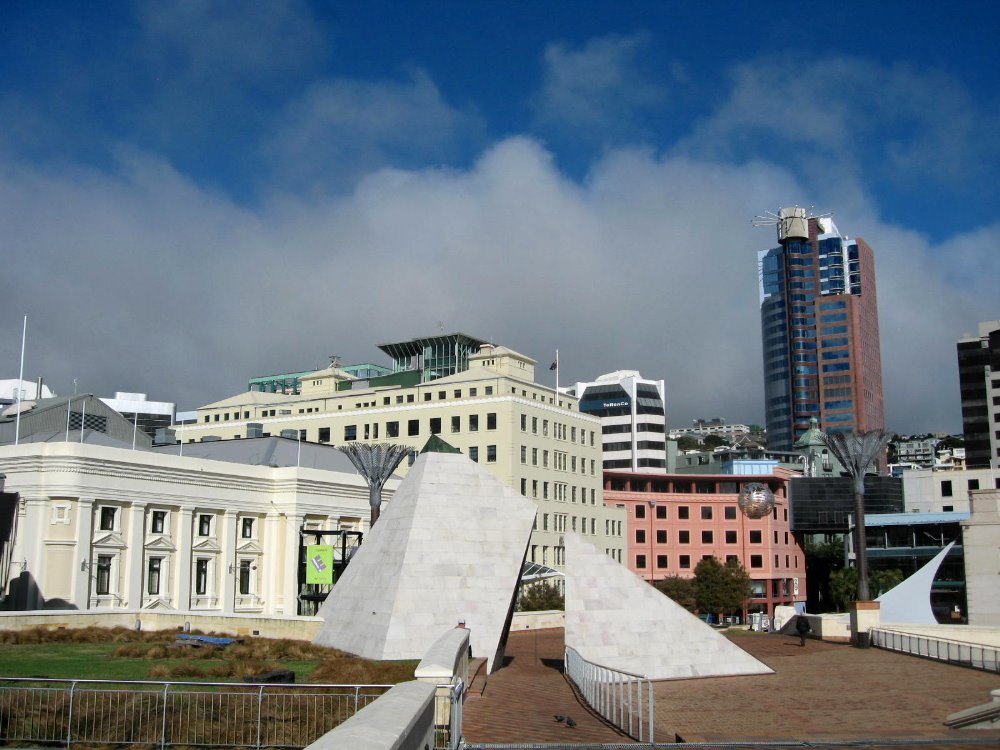
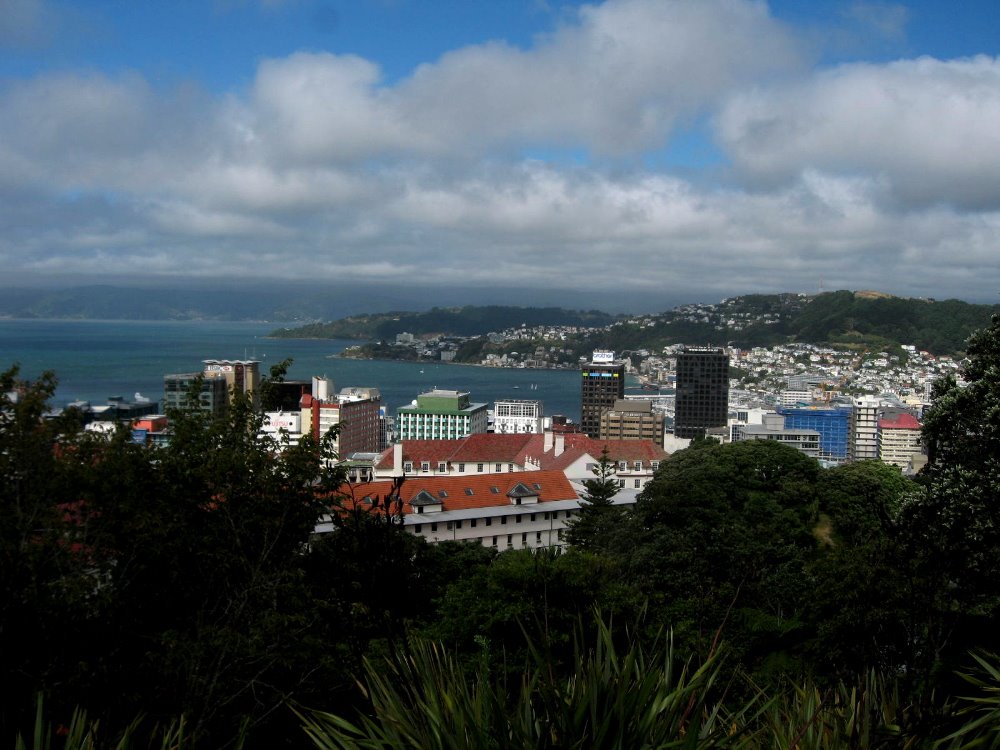
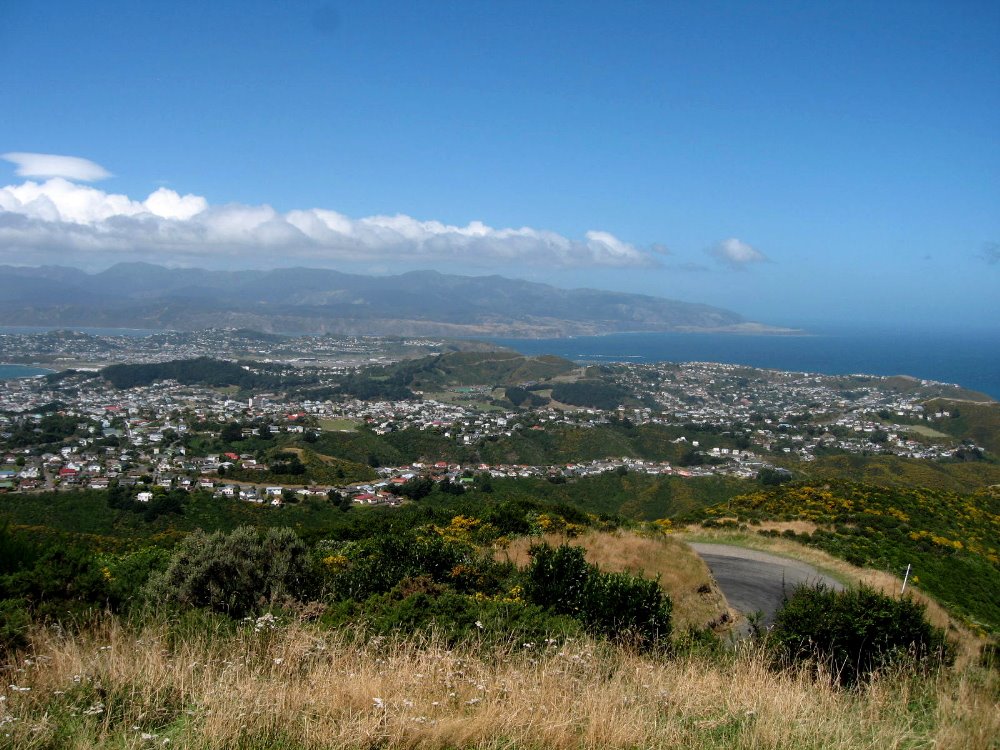
It’s the national capital, at the bottom of North Island with easy access (several ferries a day plus lots of flights) to the South Island. Being on the Cook Straight which separates North from South, it’s mighty windy much of the time. It’s on a very large and nearly circular bay; if you imagine the exit from the circle as being roughly opposite downtown Wellington and about – oh, 15km away? – you’d be sort of right, and then imagine lovely beaches and various suburbs circling out along the bay’s coastline like arms around the main downtown area. (On the backside of some of these arms is open ocean, since after all the whole thing is an island and this is the narrow southern end.) It has a really excellent national museum, newly conceived and built in the late 1990s or early 2000s and called Te Papa (short for something a bit longer; I’m fairly sure Te Papa basically means The Museum). It has the three-building parliamentary complex, very friendly with free daily tours of its lovely restored and earthquake-proofed buildings, seen below: on left, ‘The Beehive’ which houses executive offices; middle, the older parliament building where the SINGLE house of NZ’s parliament meets: no senate here to block progress with filibusters; and, no, that’s not a church on the right: it’s a gorgeous gothic (?yes? any archtiectural history folks among my handful of readers?) parliamentary library. NZ’s answer to the Library of Congress, as it were. Cheers to Denis & Steven for very graciously hosting me during my Wellington stay, and showing me great hiking and coastline along that above-mentioned big bay.


That big building next to the parking lot? That’s Te Papa Tongarewa, Museum of New Zealand, opened at this site in 1998. Auckland, I’m told, is jealous that the museum was built in Wellington, which is…um, the capital? And more, like, in the middle of the country? Auckland’s got a very nice museum of their own, but their parks are either hard to access and surrounded by too many big roads, or sort of afterthoughts. Unlike the parks I visited in Wellington. So there, Auckland. Get over yourself. 🙂 (I mean, is NYC jealous that the Smithsonian is in DC? No, NYC just made its own great museums. That’s what real cities do. Duh.)


Takin’ the Train

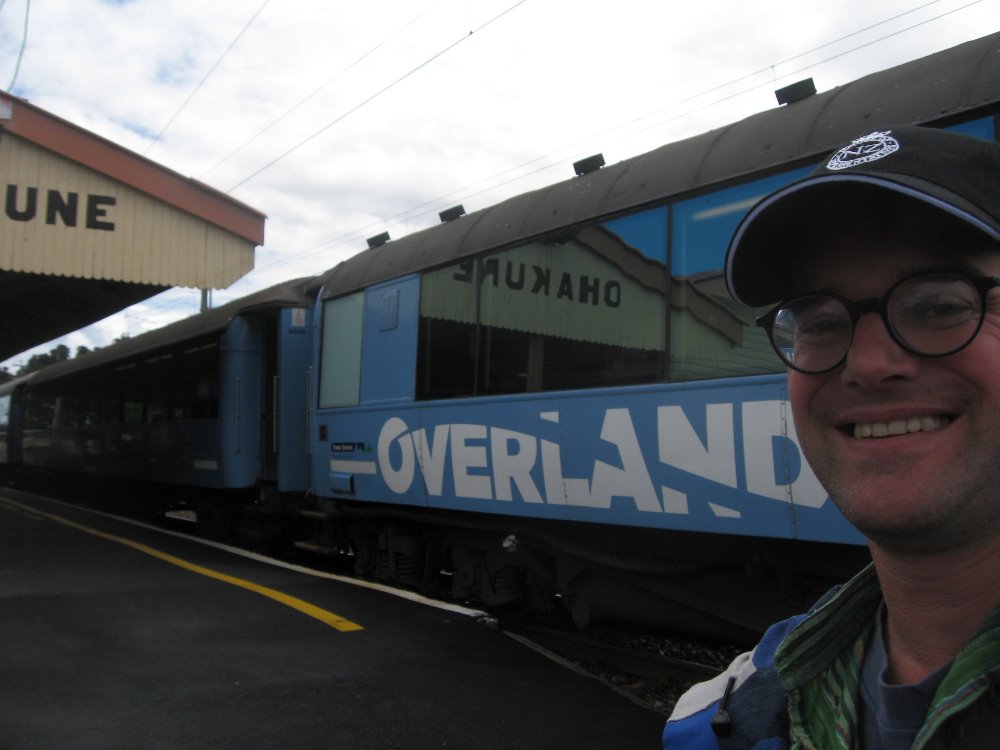
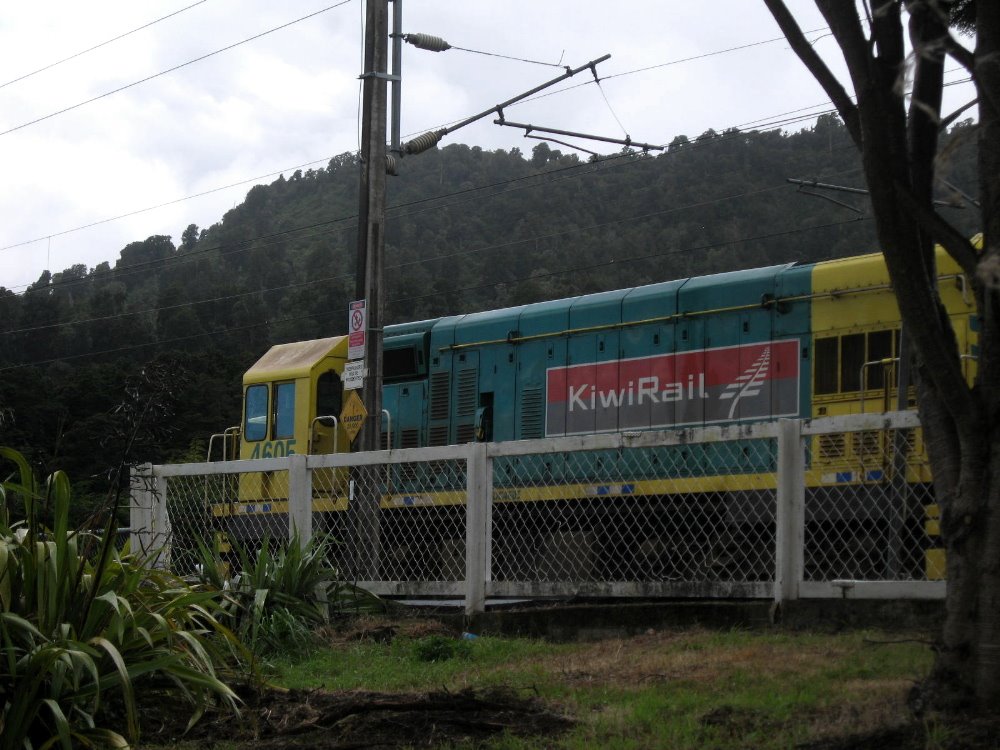
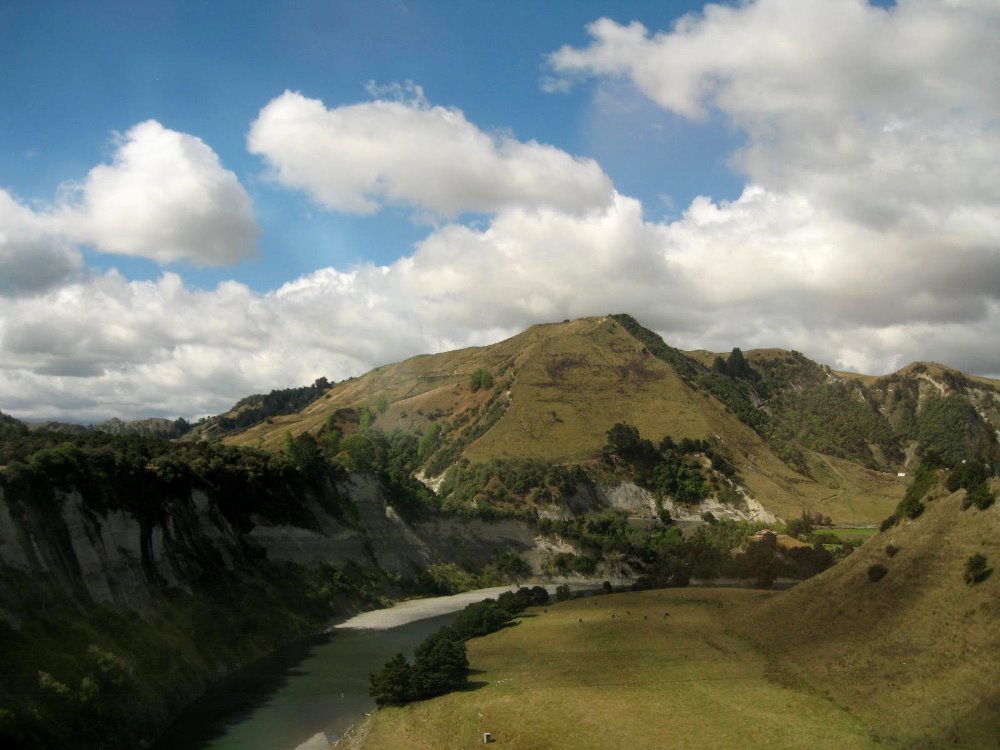
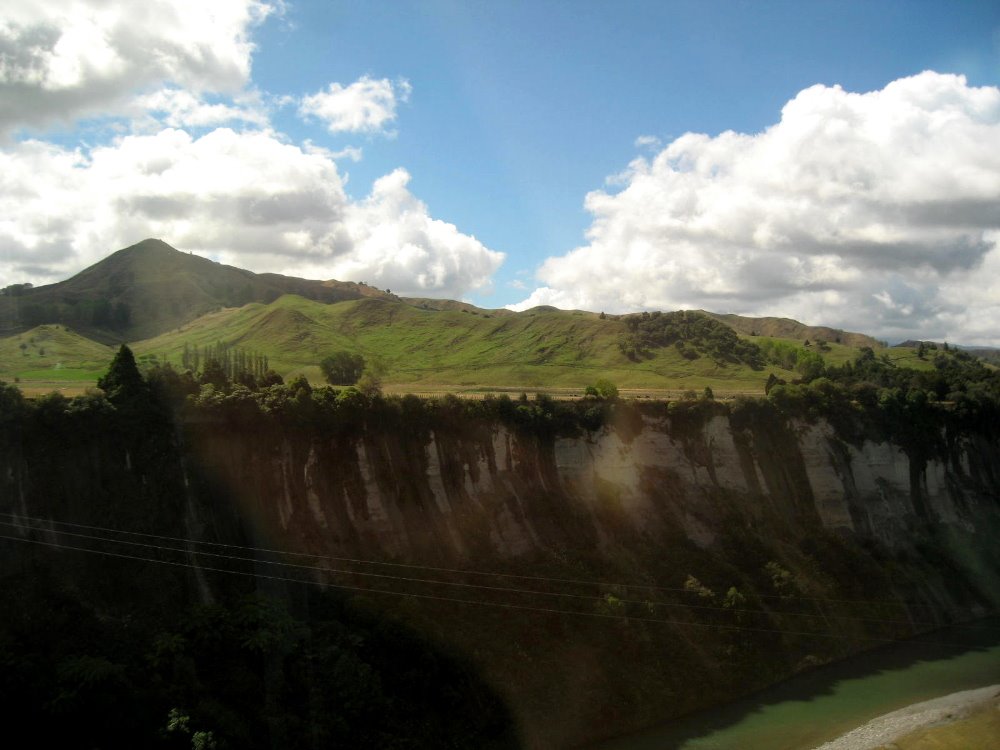
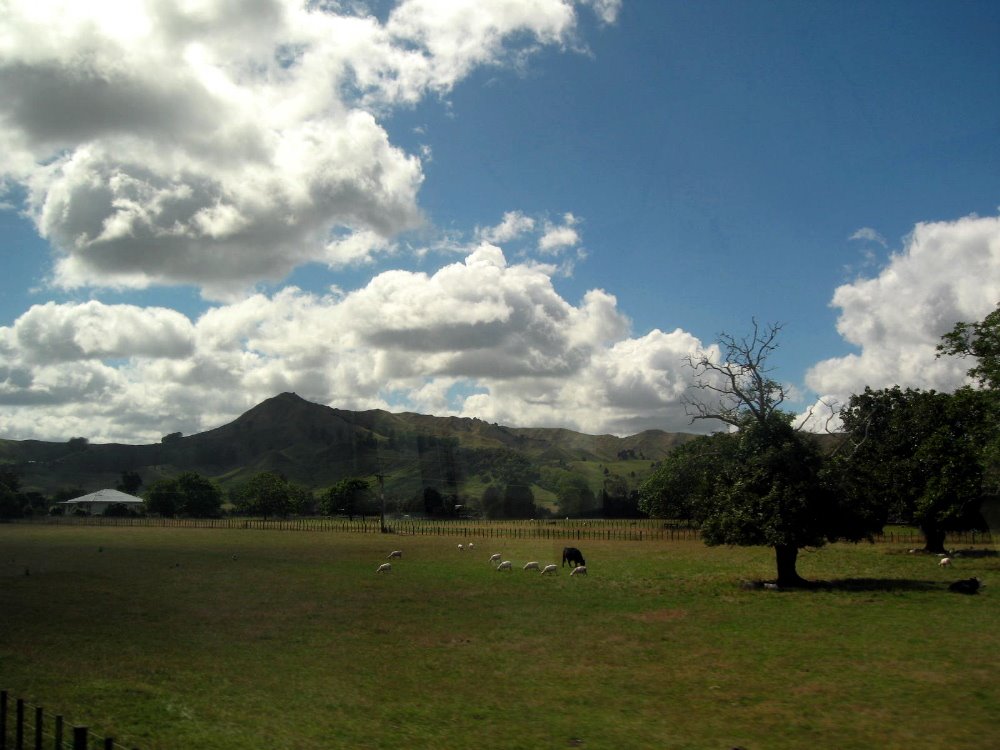
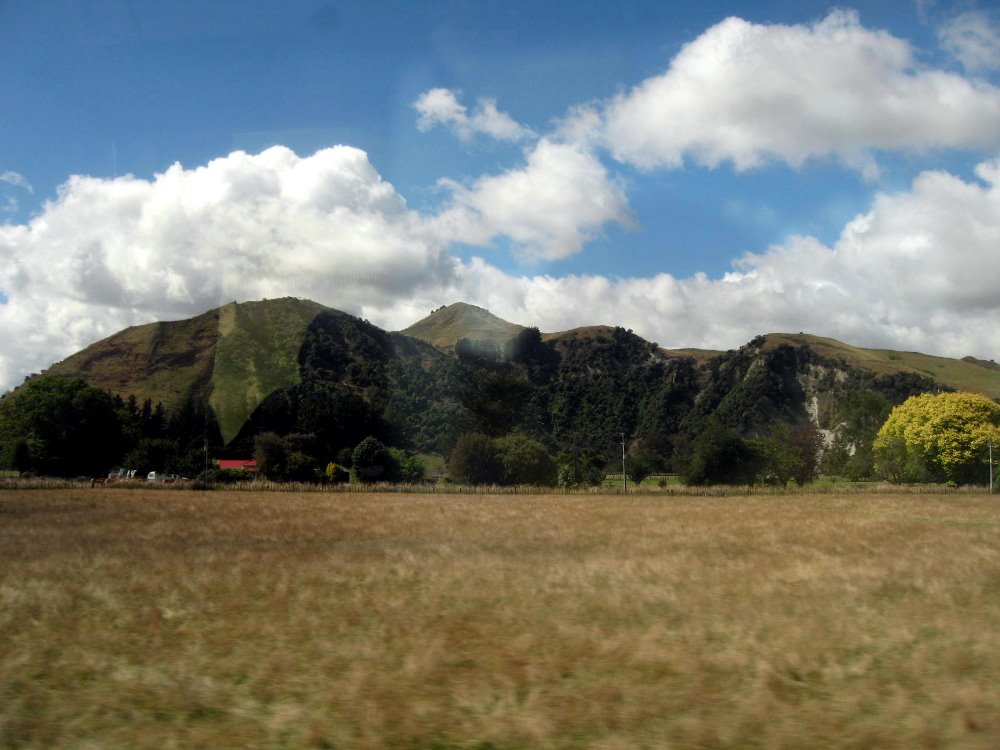
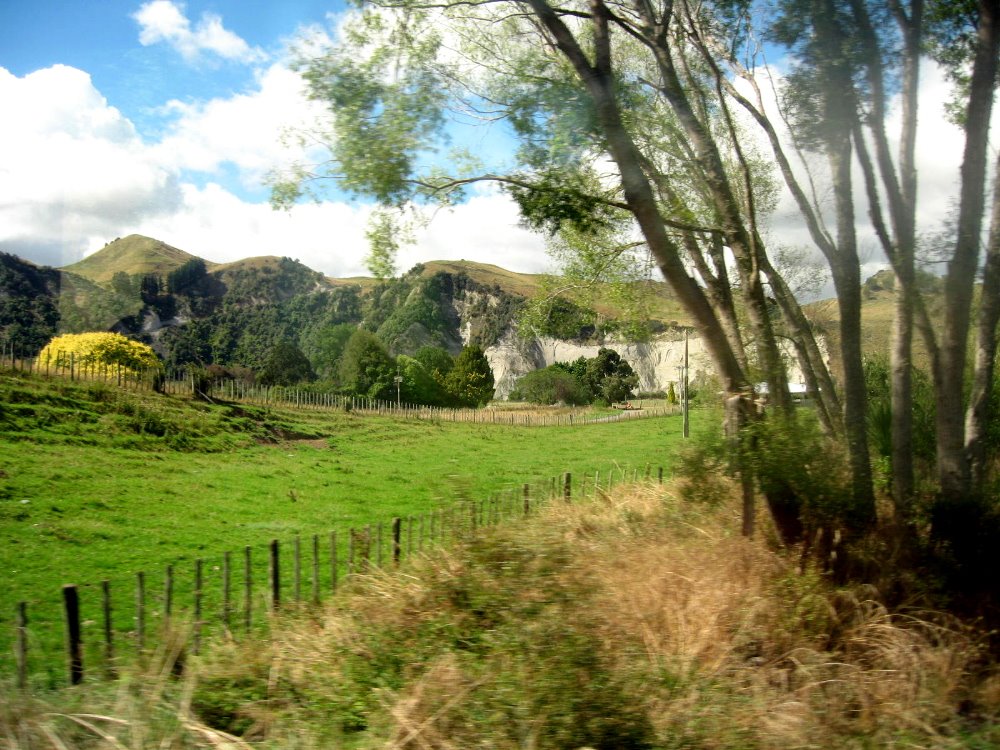
From Wellington I headed north to Tongariro National Park…pics of which you’ve already seen because, well, it’s just more interesting, now isn’t it? 🙂 This was the first time I got to take the train here in NZ and I was charmed: the rail is all narrow-gauge, so the trains are a bit narrower to begin with than in Europe or other places I’ve gone by train. But one must also remember it’s NZ: and this often means many things, among them small, well-done, friendly, generally adorable and wonderful, and without a lot of choice often. There are, by my count, six long-distance passenger trains per day in NZ: one northbound and one southbound between Wellington & Auckland (The Overlander, pictured above in Ohakune Station on the southern edge of Tongariro Nat Park) — this one has four passenger cars, one of which includes the cafe/bar car, as well as an engine and a baggage car. The northbound and southbound crews switch trains at the midpoint, usually at or near National Park (a town that exists for the train, and where I stayed during my lovely Tongariro journey), which allows them to be home for the end of the day. How adorable is that!? Other long-distance trains: between Picton & Christchurch, covering the northern half of east coast of South Island; and between Christchurch & Greymouth, diagonally across some of the mountains on South Island. I assume those, also, go once each day, but I don’t know. I recommend train travel in NZ: it’s friendly and though it covers only a small part of the country, it’s comfy and gives great views. Some of these are below…please pardon the occasional window glare.


In & Around Auckland

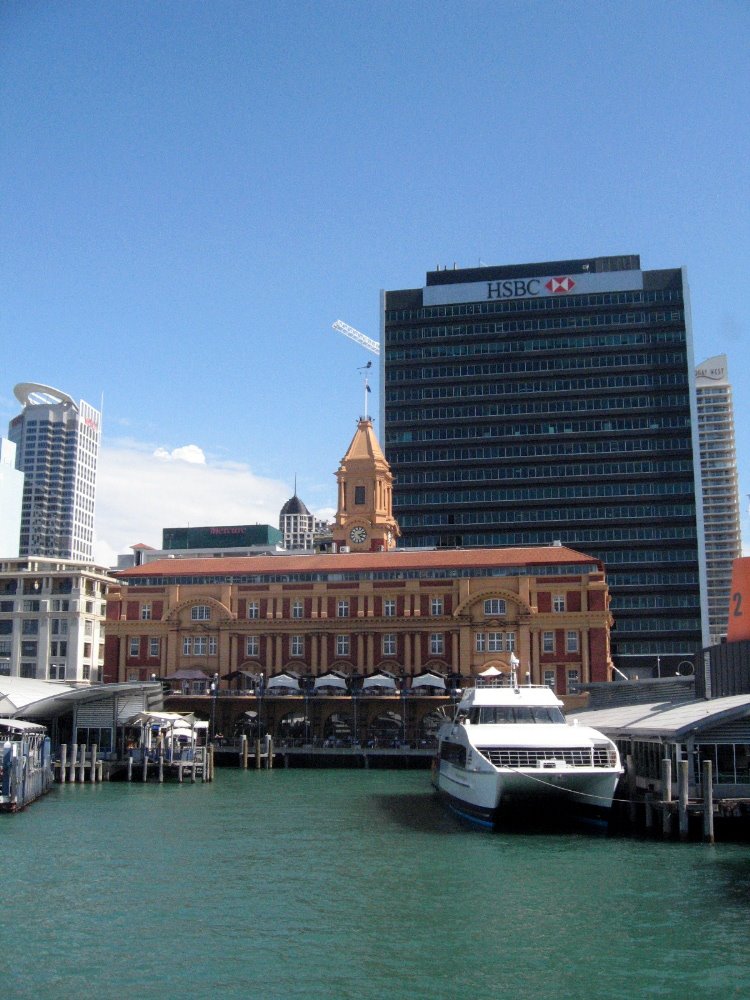
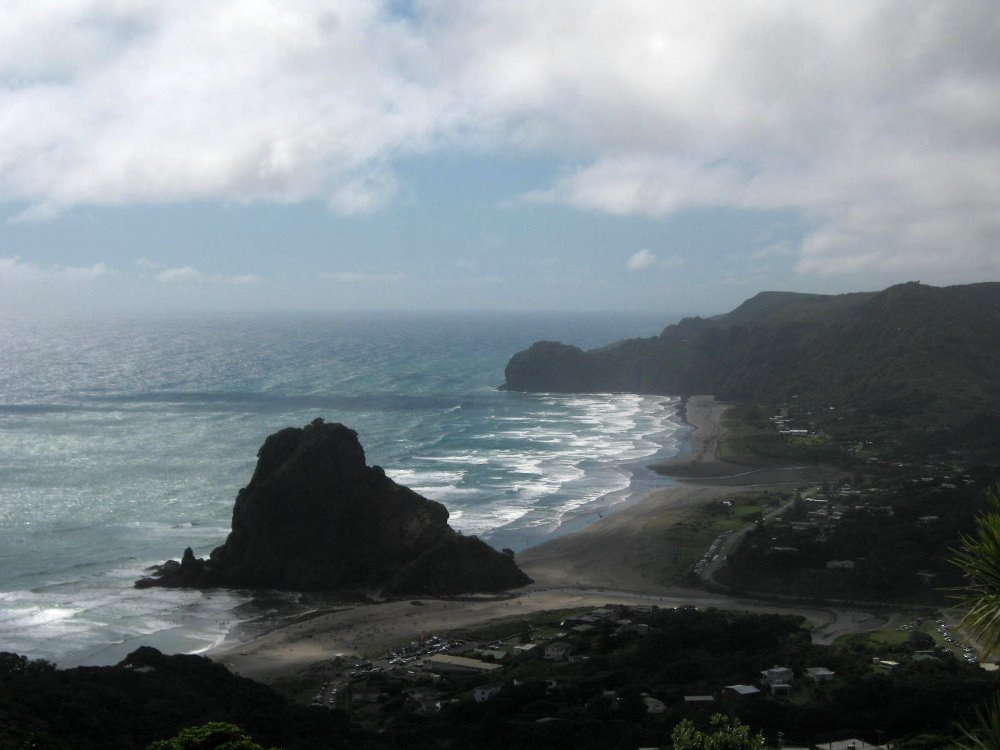
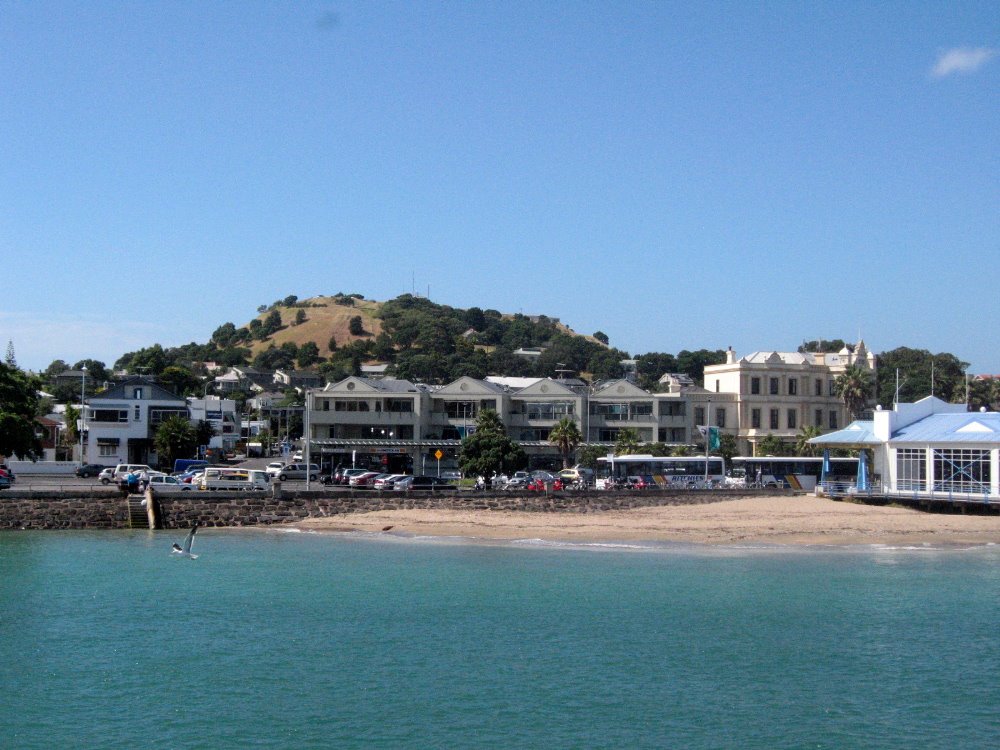
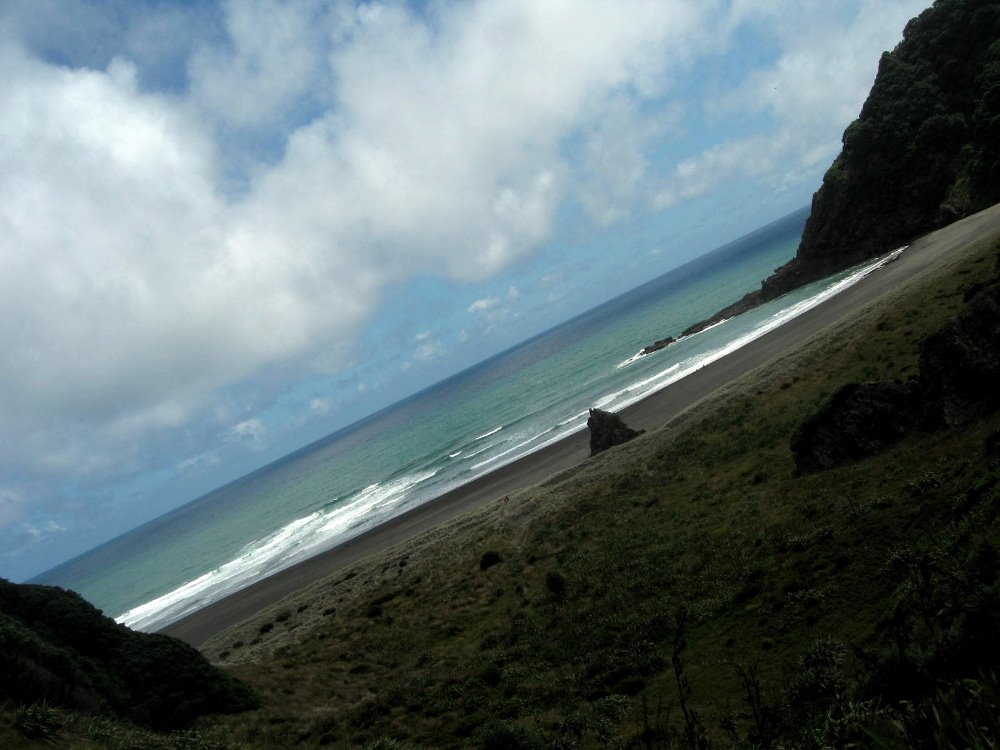
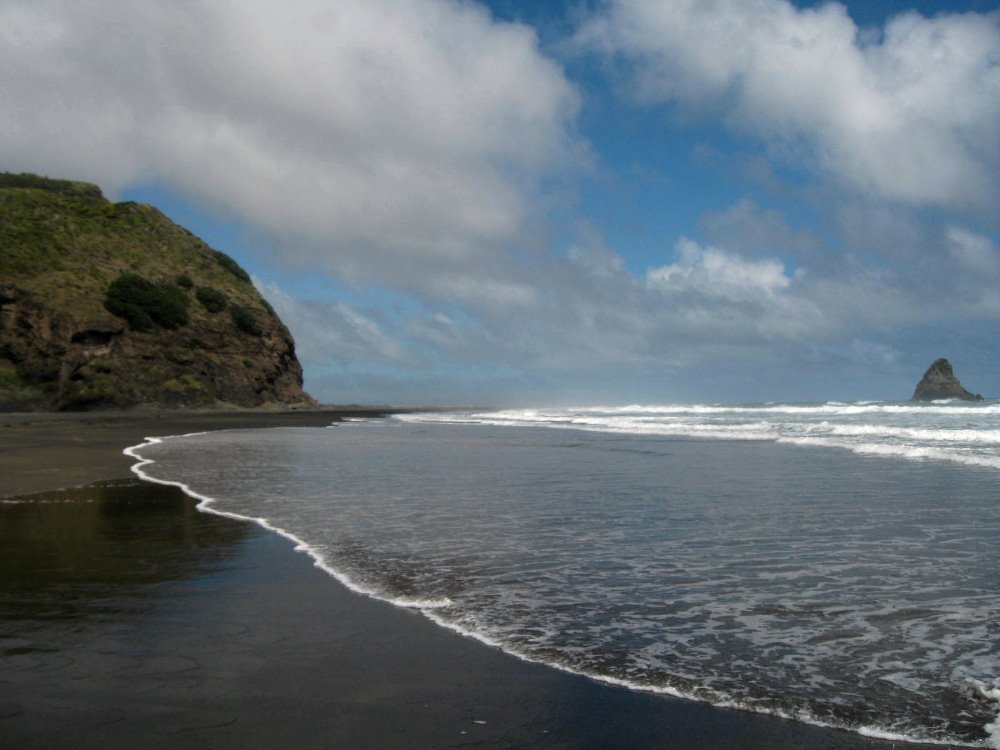
Greater Auckland, whose emblematic ferry building is above and whose favorite beach (Piha and Lion Rock) are below, holds about 1/3 of all the 4.2 million inhabitants of New Zealand. Yup, New Zealand is a bit larger than the United Kingdom and has about 1/15 as many inhabitants. Auckland itself — fairly interesting city but one doesn’t come to NZ for its cities, really. 🙂


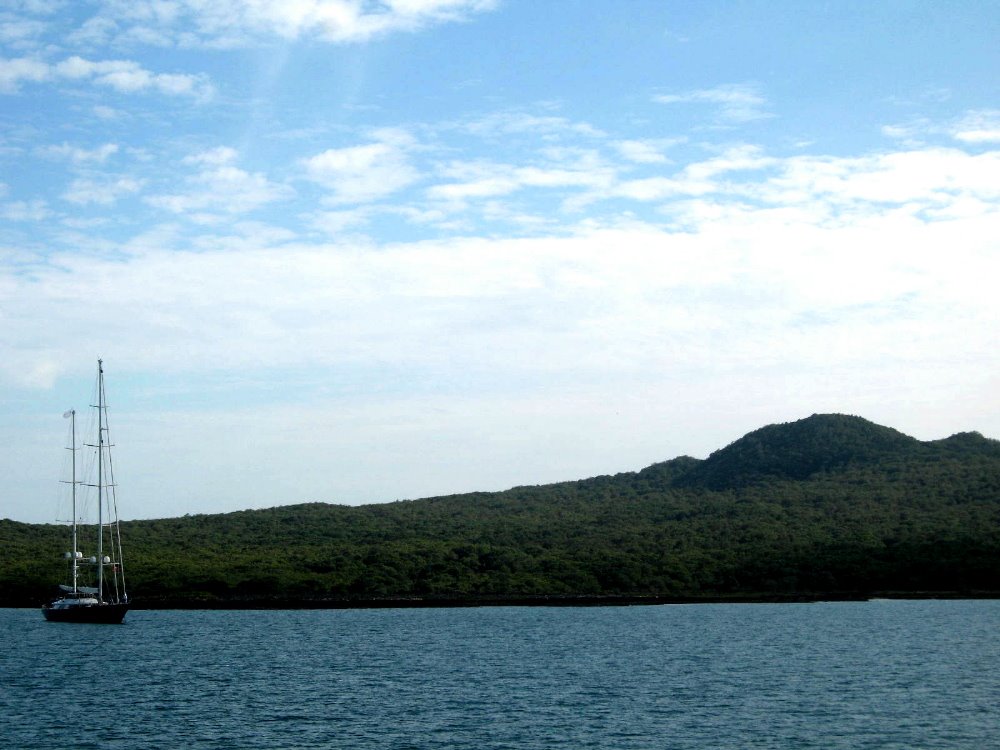
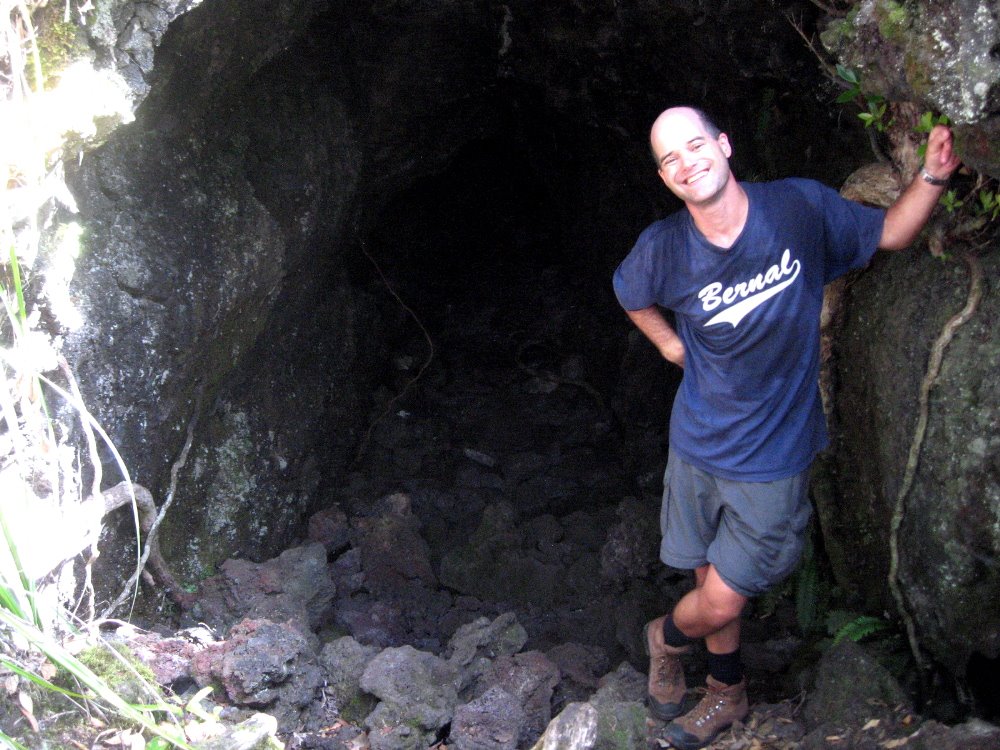
Rangitoto is a recent volcanic island very visible a short way out in Auckland’s harbor. Maori inhabitants first arrived in Aotearoa/New Zealand between about 900 and about 1200 CE, and it’s within Maori memory that Rangitoto came into being, if I’ve understood correctly. It’s all open space reserve now with no shops or water or anything, but a few good walking trails over hot volcanic rock — and very cool lava tubes (below) you can walk through if you crouch low enough and have carried something to light you way.


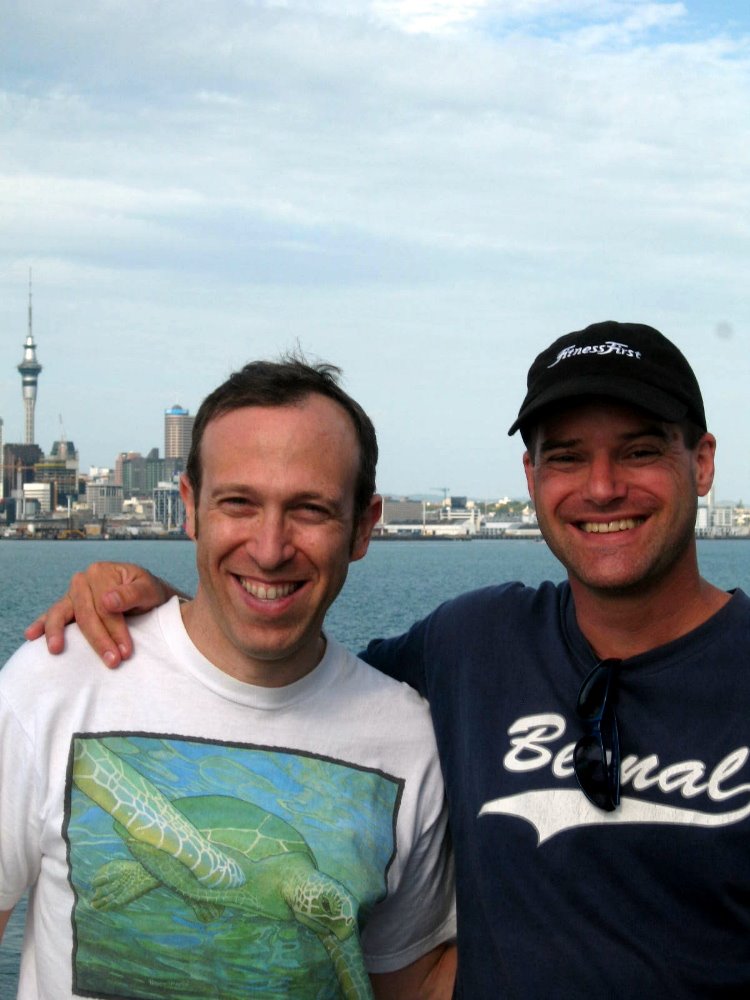
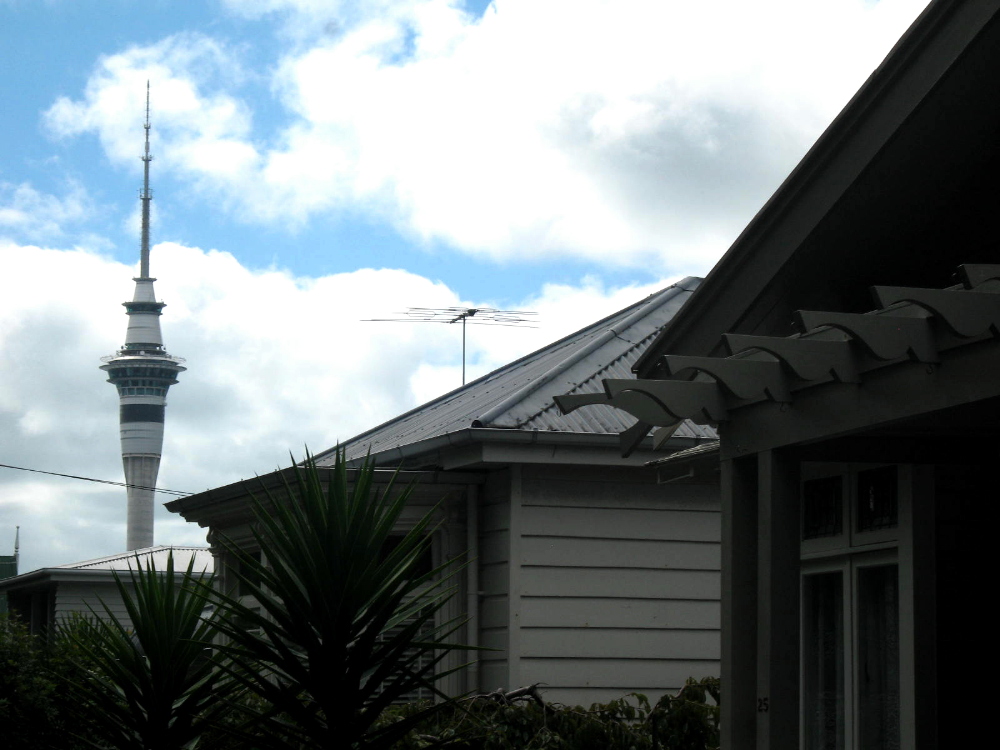
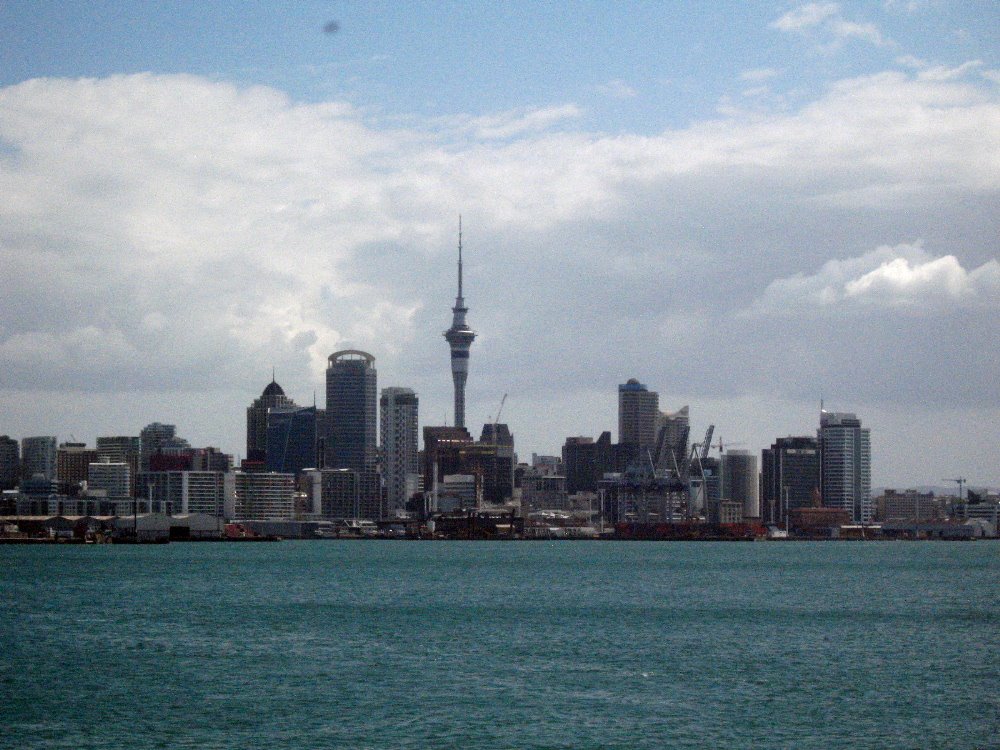
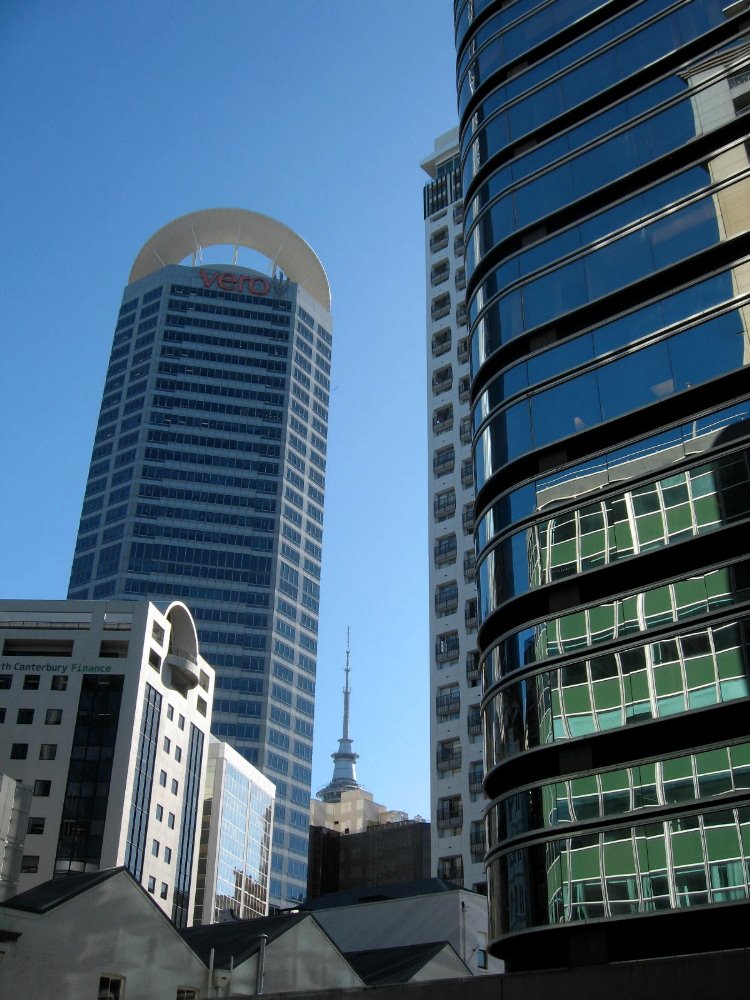
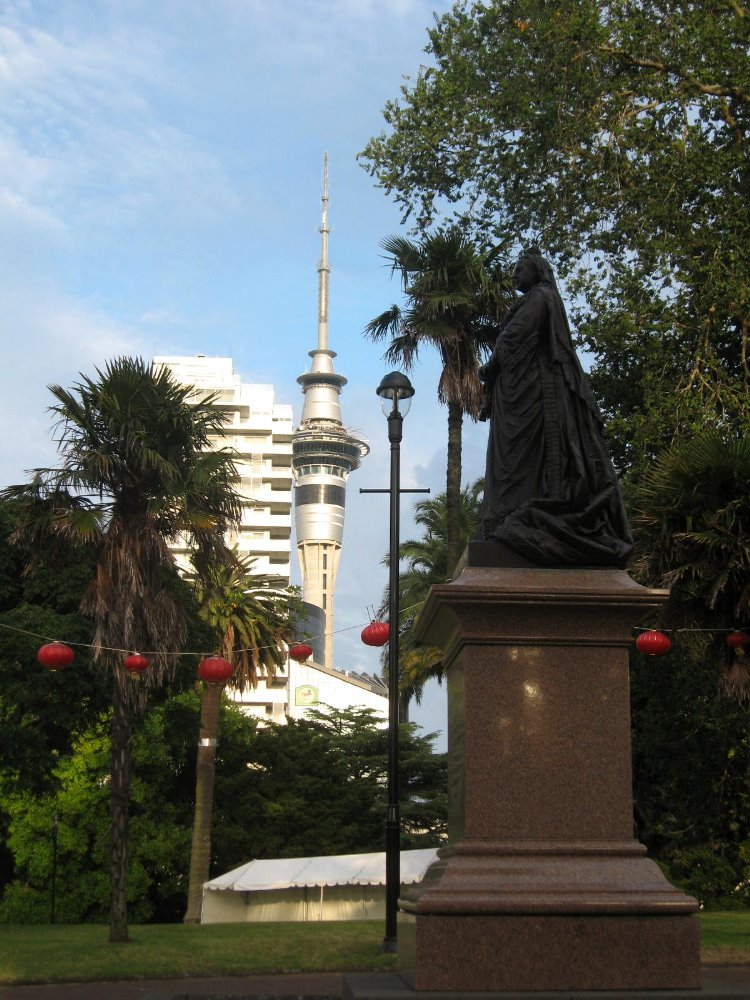
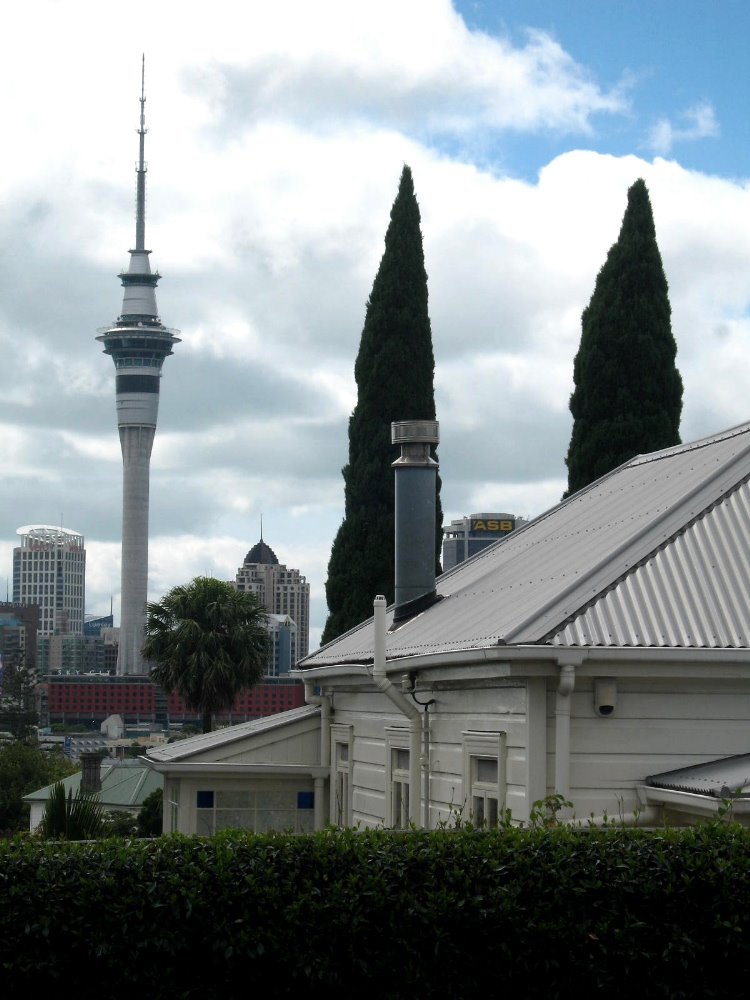
The TV tower is really the most emblematic building in the city, seen above and below and various other shots here, since it’s mighty visible and graceful from many parts of the region. It’s some kind of southern-hemisphere tallest thingy, but there are various category of tallest and I’m not sure which it is.


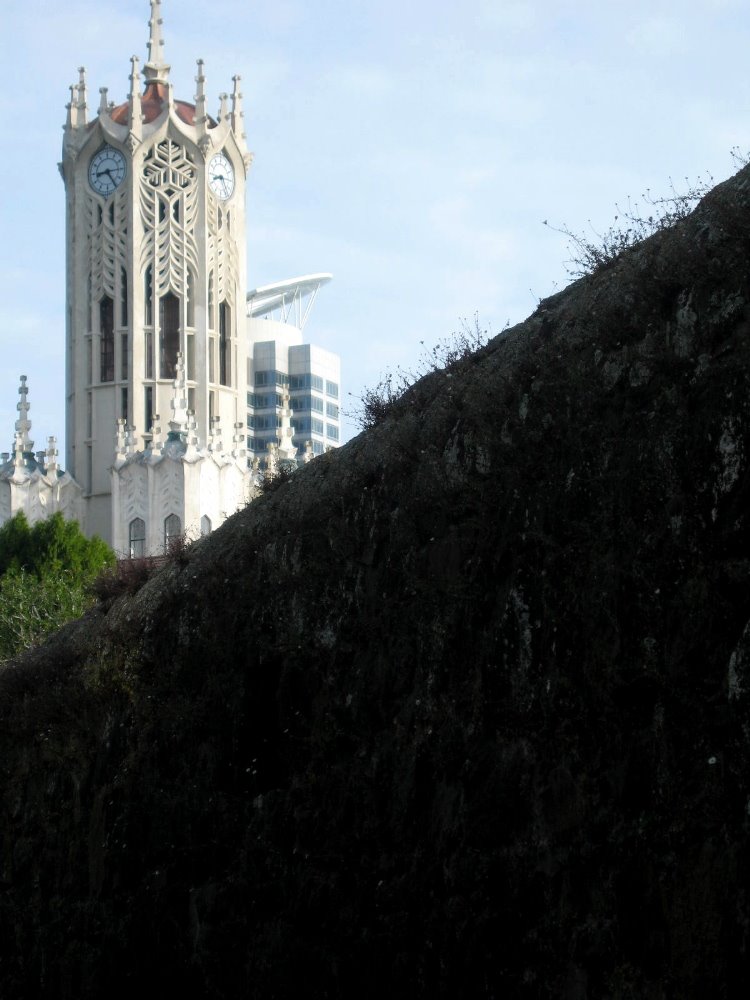
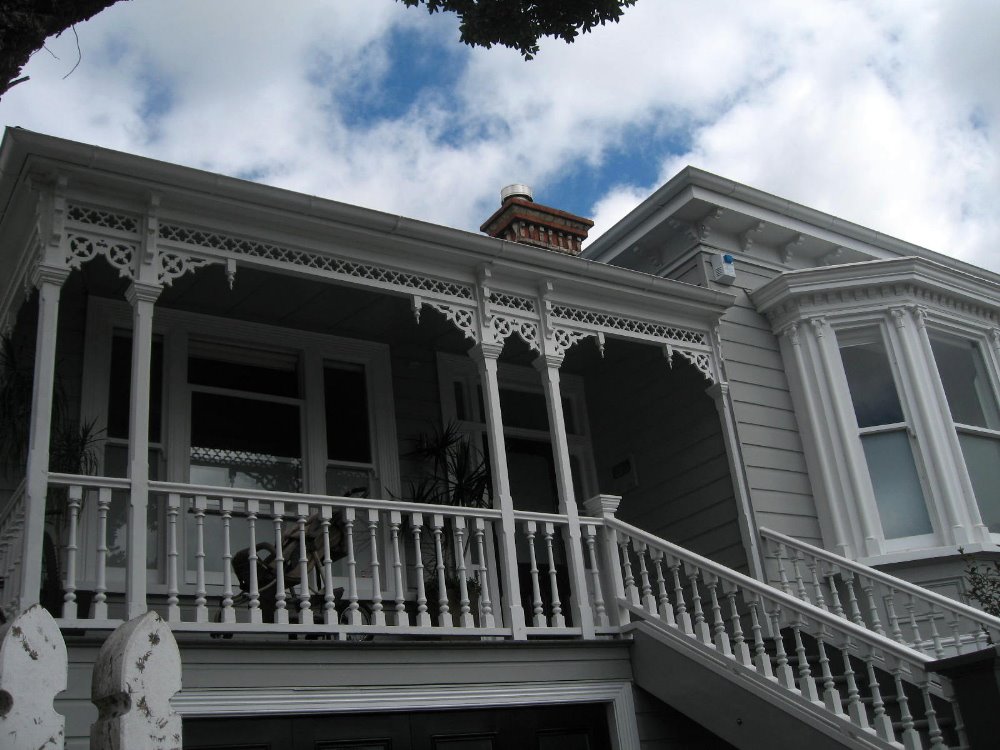
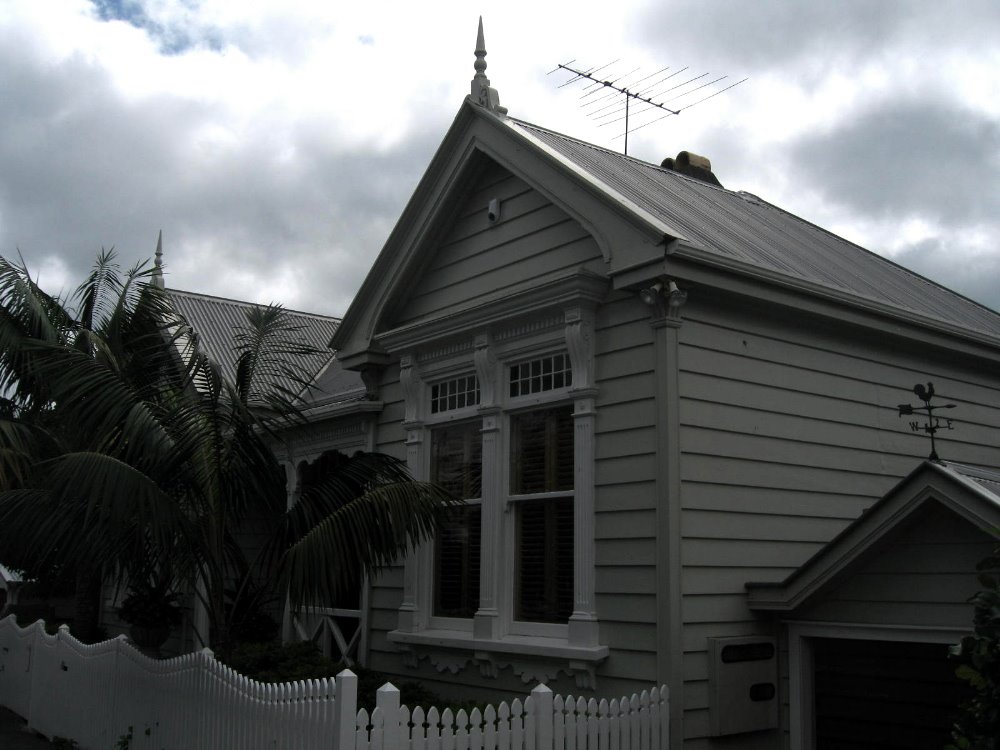
Auckland (and Wellington, though there the weather wasn’t as good for photography that day) has some lovely wooden houses and bungalows in various neighborhoods, dating most likely to the late 1800s and early 1900s. It’s important, with New Zealand, to remember serious European settlement didn’t really begin until mid-1800s.


Remember The Piano, that great movie from the early 1990s? Karekare — above and below — is the beach on which the piano was deposited, and from which many of the famou marketing shots from that movie were taken. I’ve taken different angles, of course… NZ movie trivia: it was for The Piano that the very first Kiwi won an Oscar — Jane Campion for the screenplay (she also directed); she was followed a bit later that same evening by the second Kiwi, Anna Paquin as supporting actress.


100 (or 42) Degrees in Denmark: Wonderful SW Western Australia

smw, slt is about to finish a glorious month in Australia and fly on to New Zealand. NZ will be wonderfully beautiful and exciting as well, I’m sure…but I’m feeling sad about the end of this fantastic first book of my excellent adventure. I’ve put great effort these past 48 hours or so to getting all my Australia photos sorted and quality-controlled so I can put them up here before I go take a few jillion more in New Zealand. For those who’ve been wondering what I’ve been doing with my time, perhaps these next several entries will provide you with some answers — primarily visual, but also some textual information as well. For this first Australia entry you will see, of my several days exploring SW Western Australia, text will be minimal and the pix will do the talking. THANKS are due, though, before we move on, to the real stars of this entire month: Ondrej, without whom so much would have been less clear or simply impossible and whose support and friendship remain an honor; Trudi, who’s even funnier and more wonderful to spend time with on her own home turf than in wild and wacky Port Harcourt; and of course Beth, John, Edwina and above all Sir Mikey, who gave me a good excuse to take advantage of their hospitality even longer than anyone foresaw! 🙂 Please, everyone, allow me to repay your generous hospitality in the US or somewhere else whenever I can!


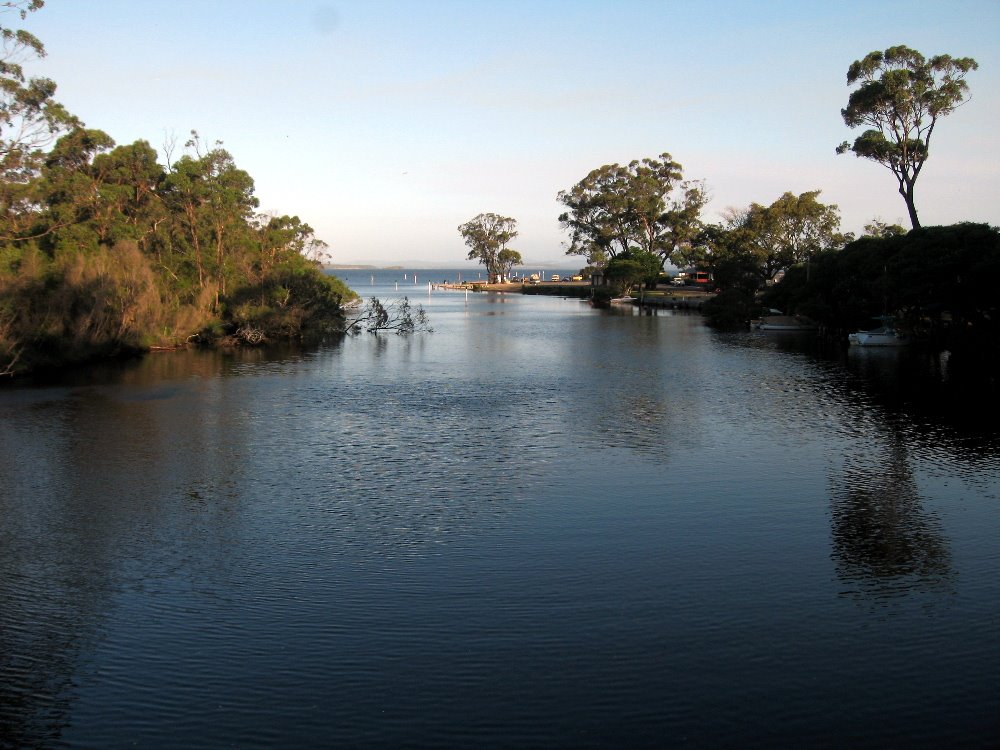
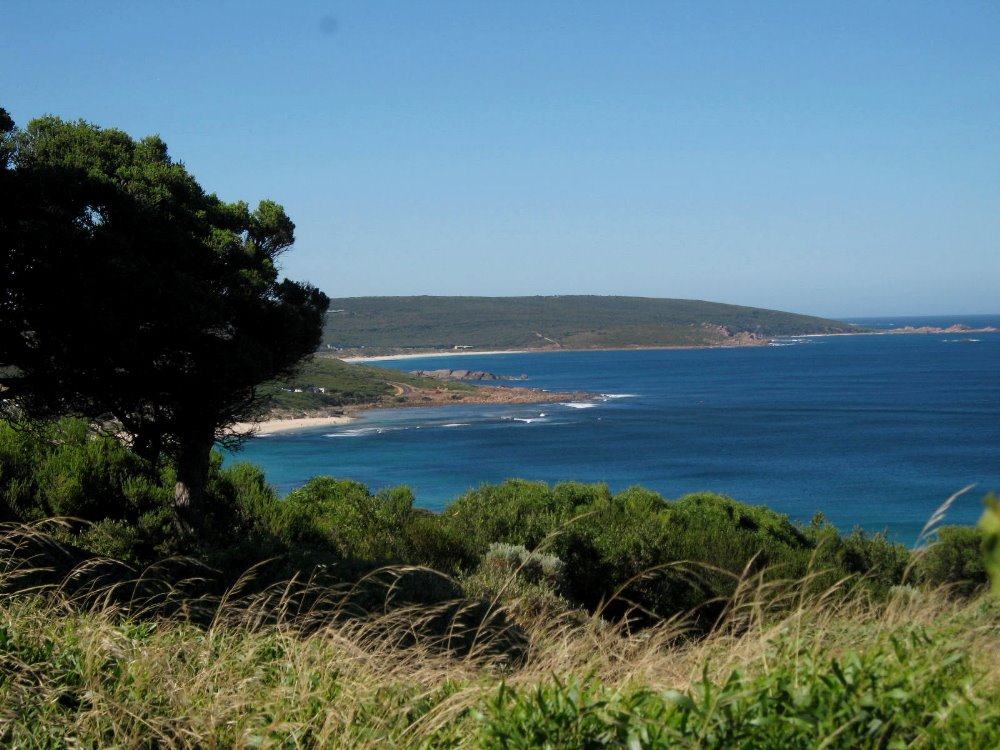
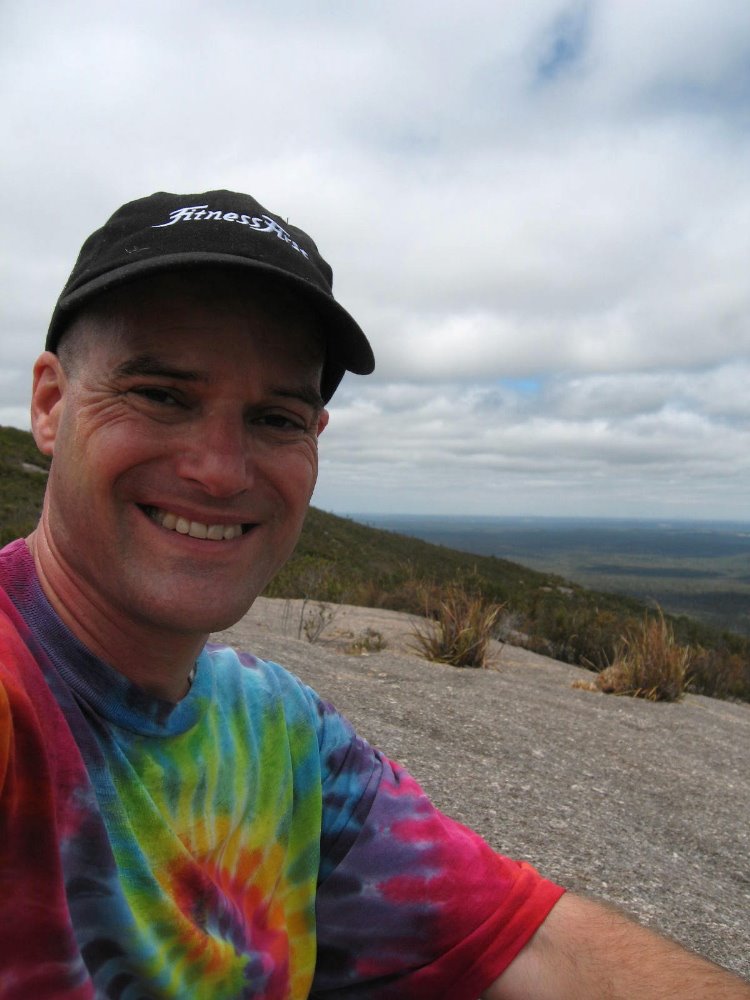
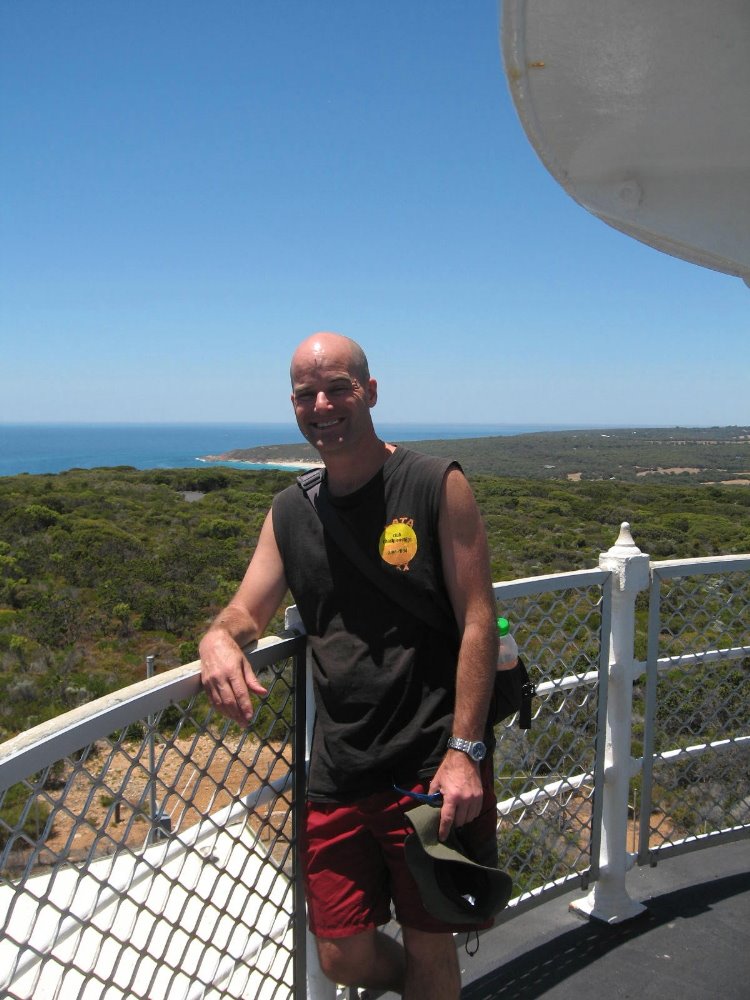
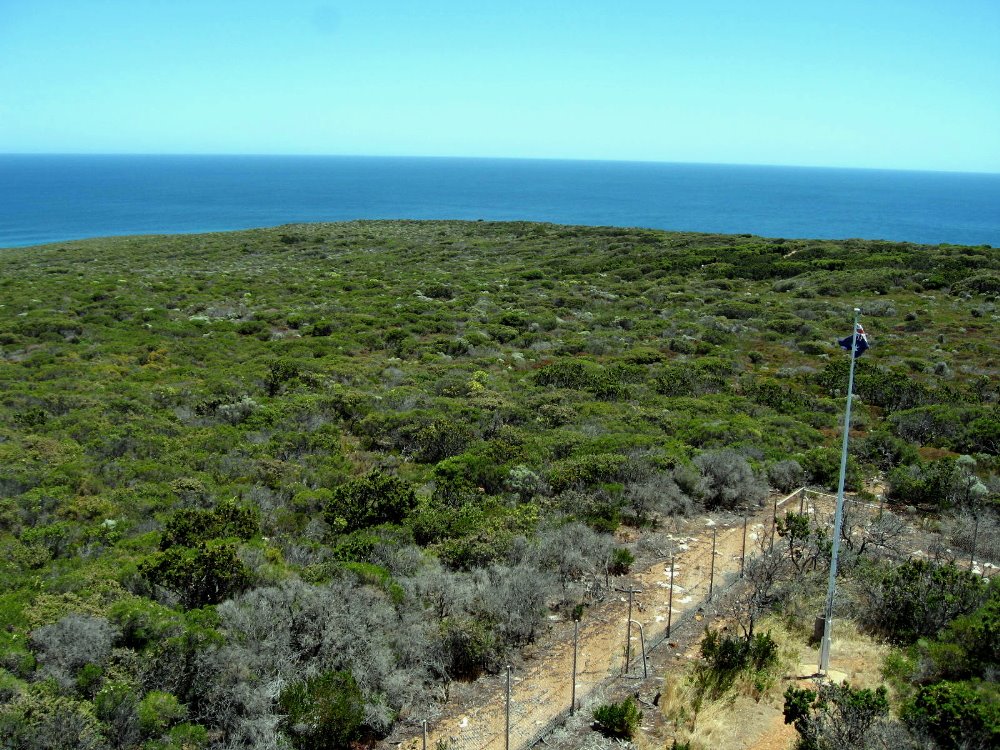
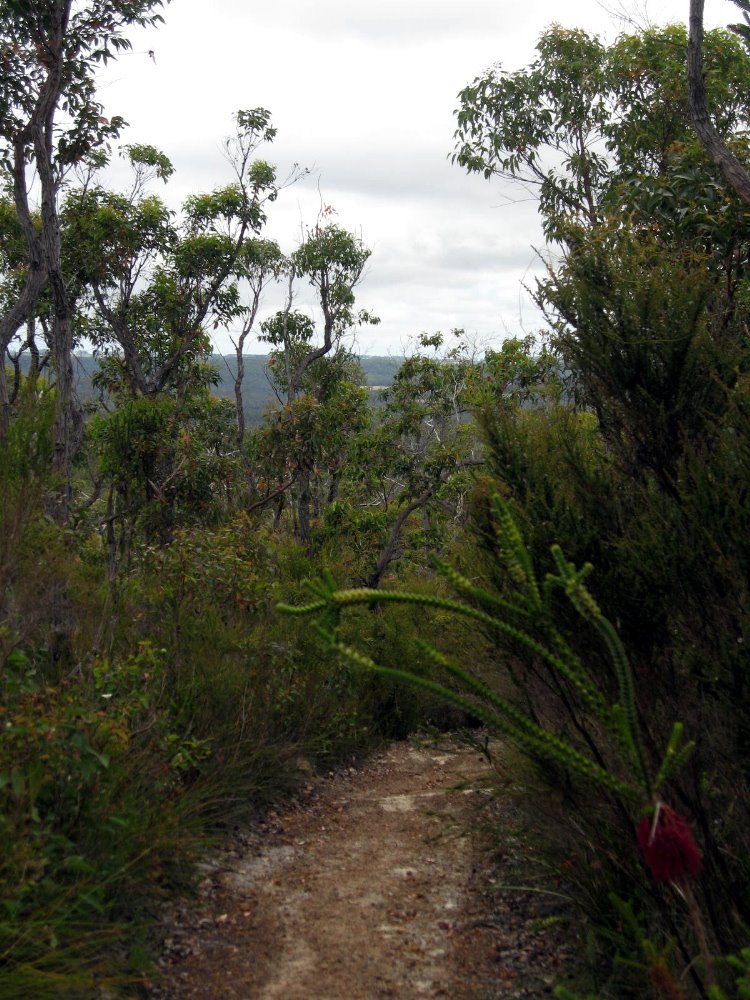
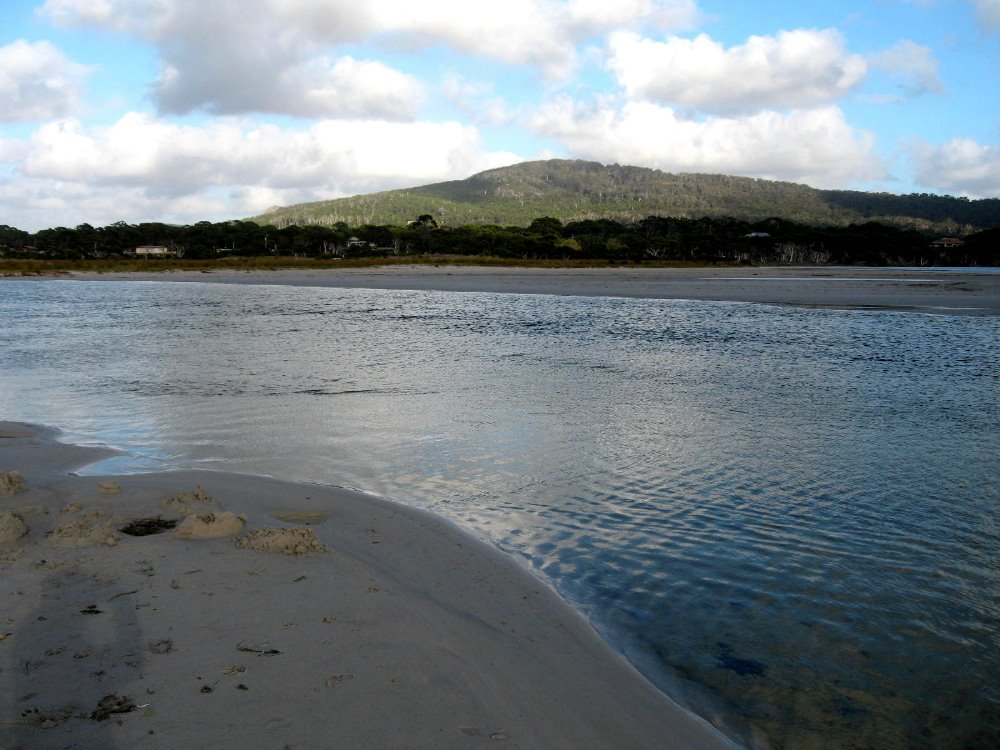
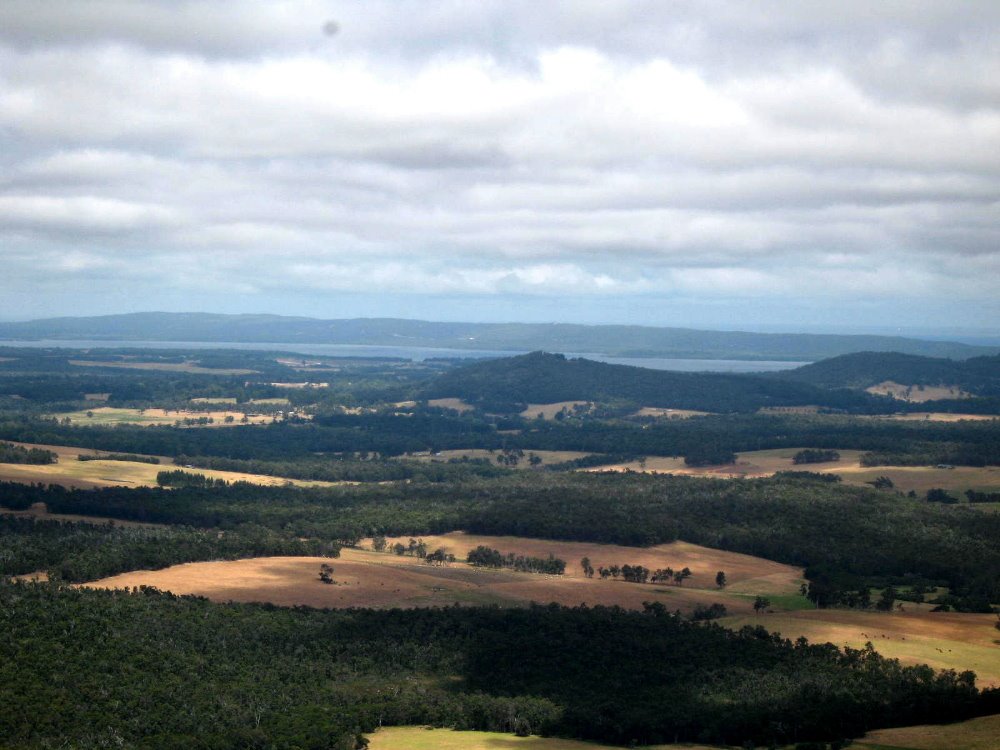
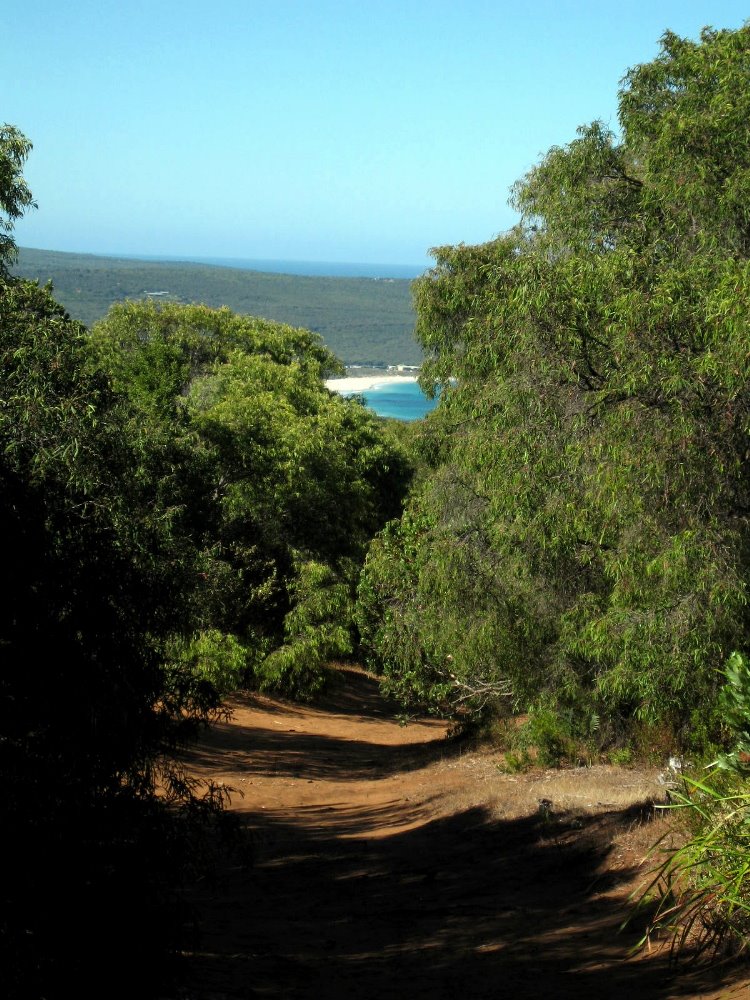
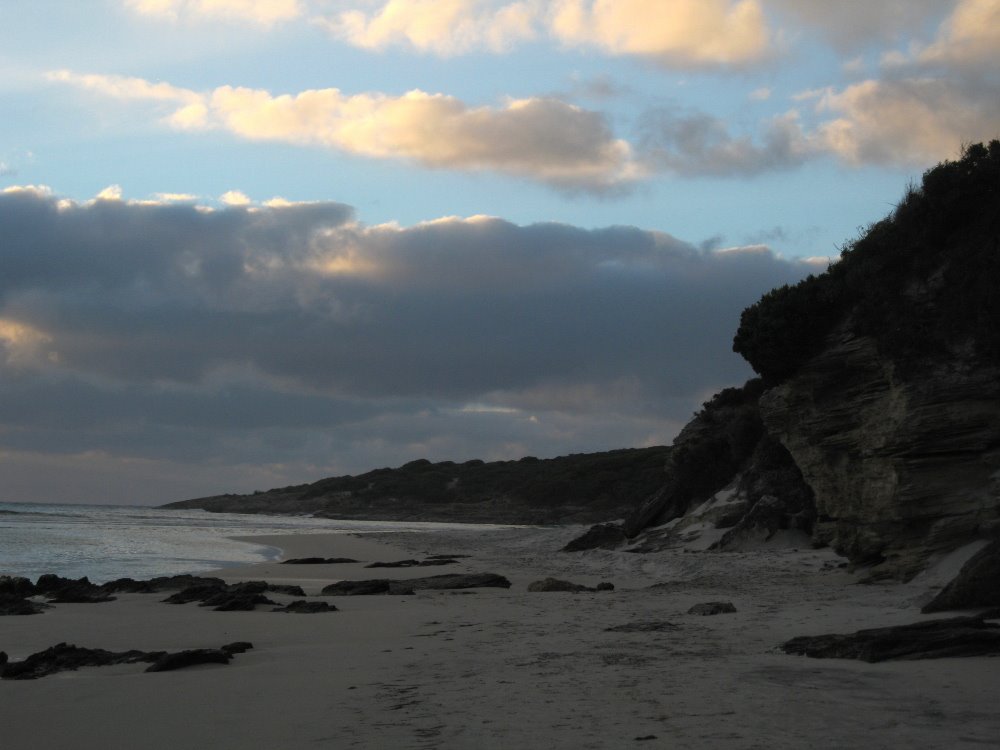
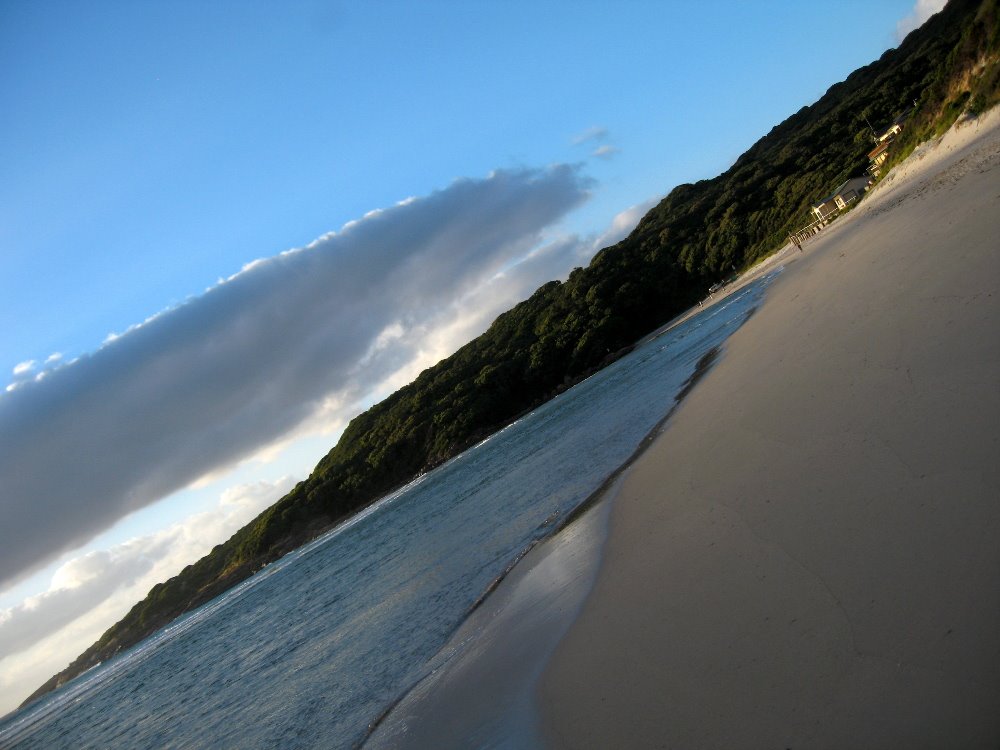
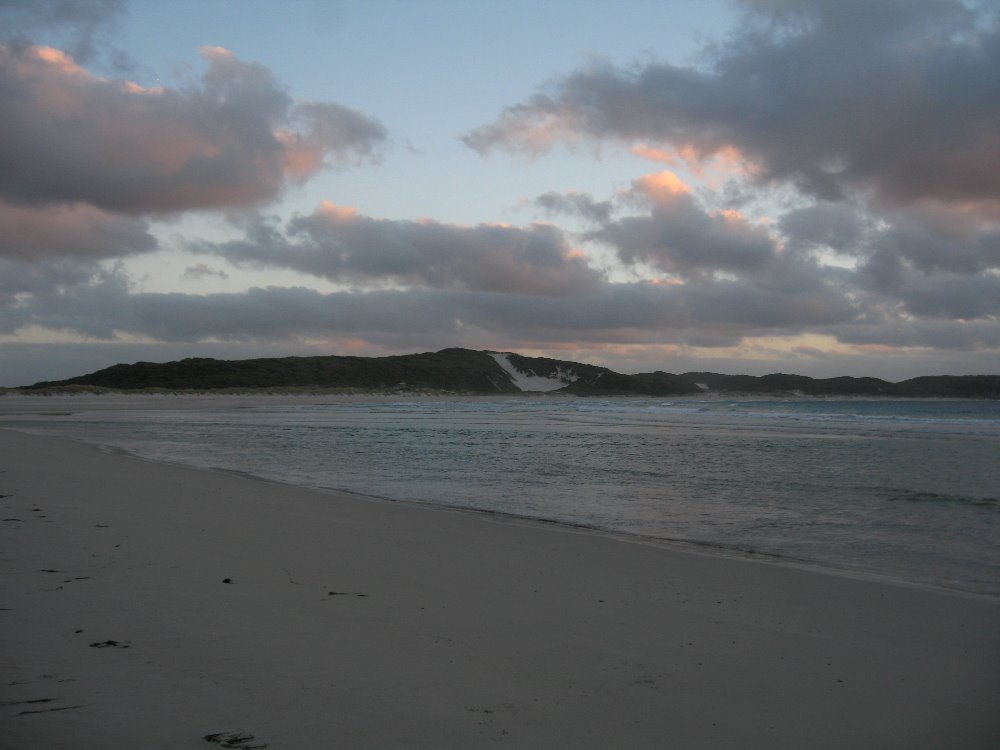
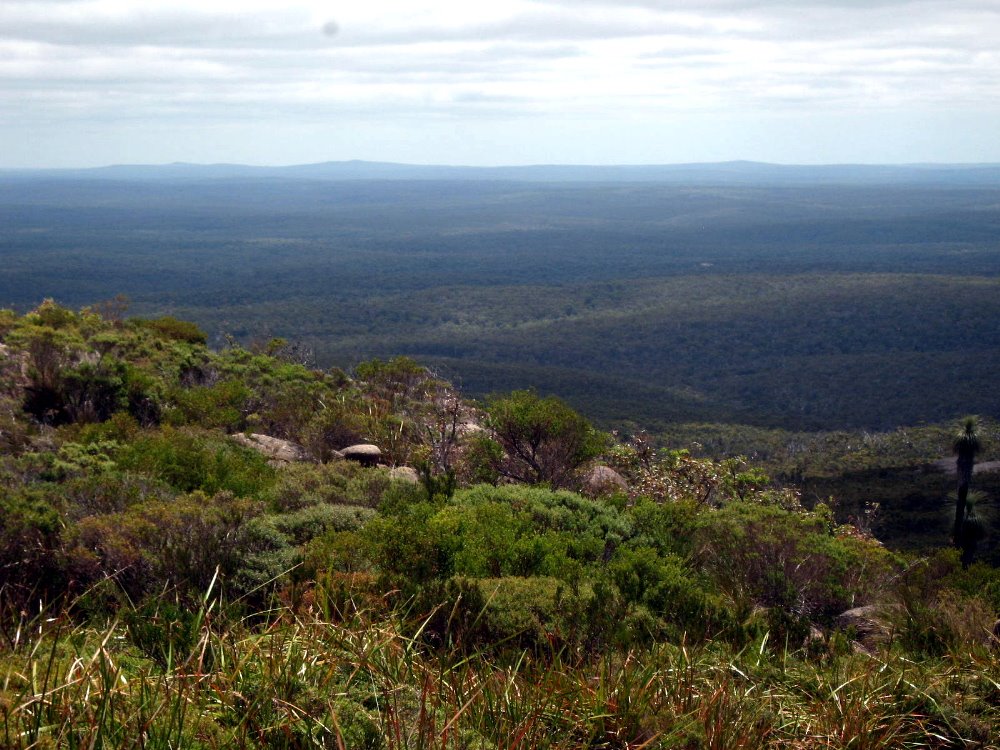
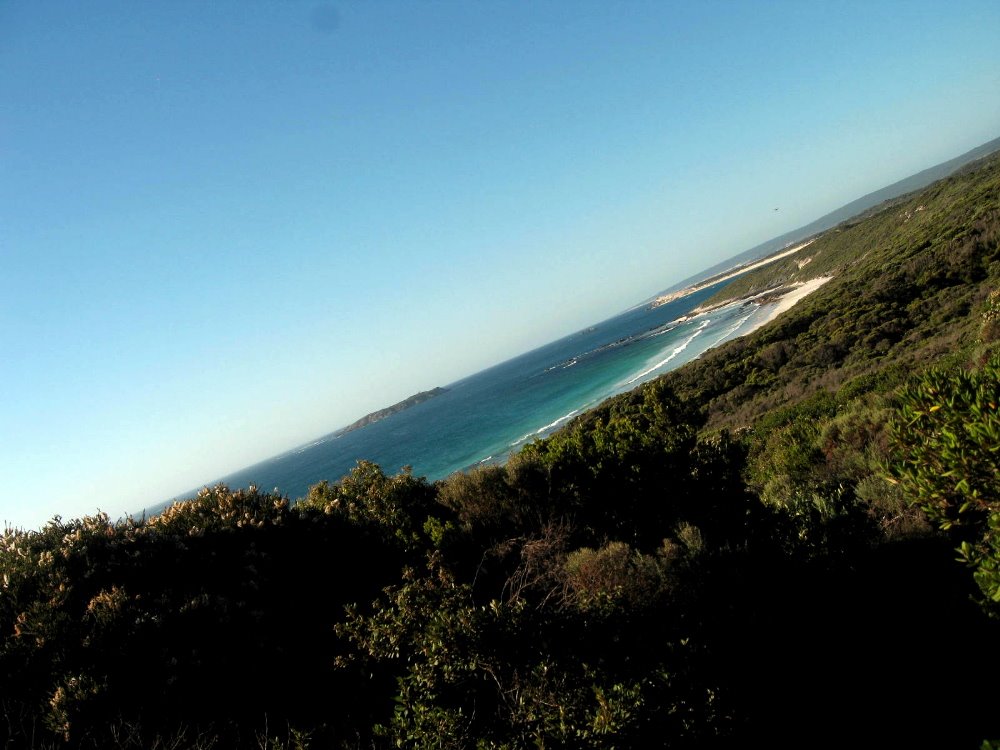
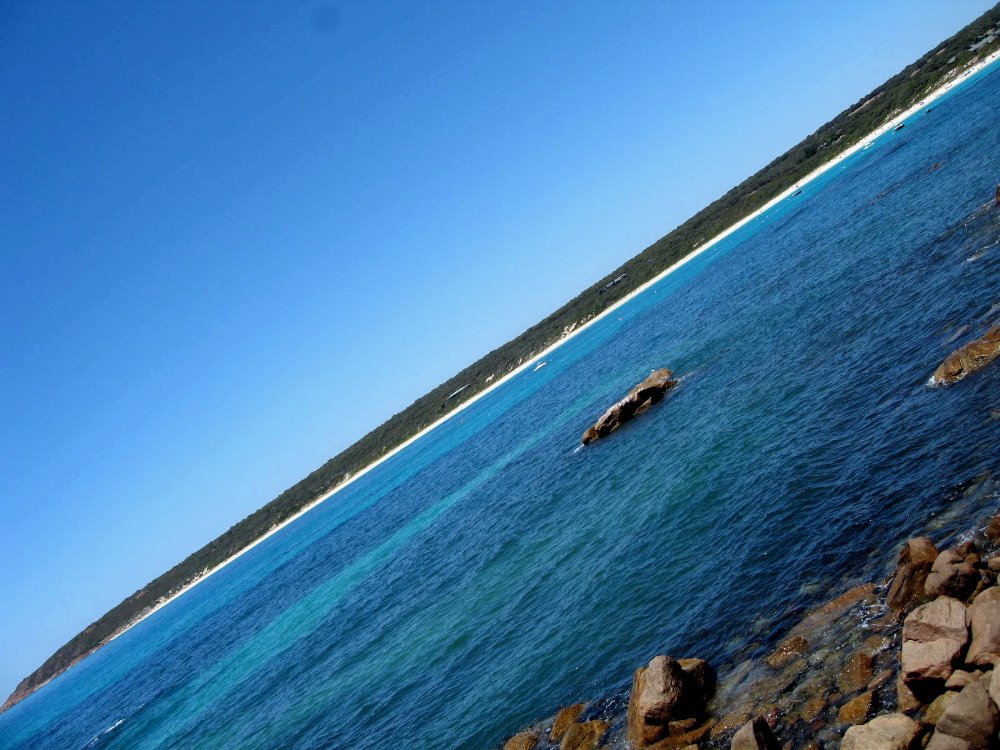
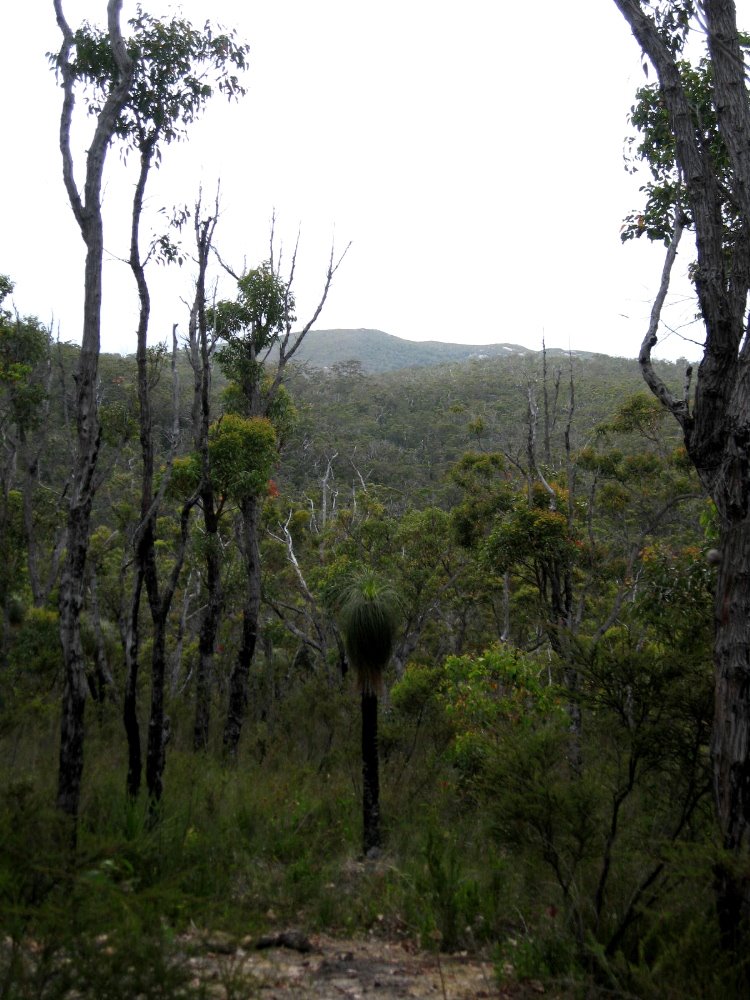
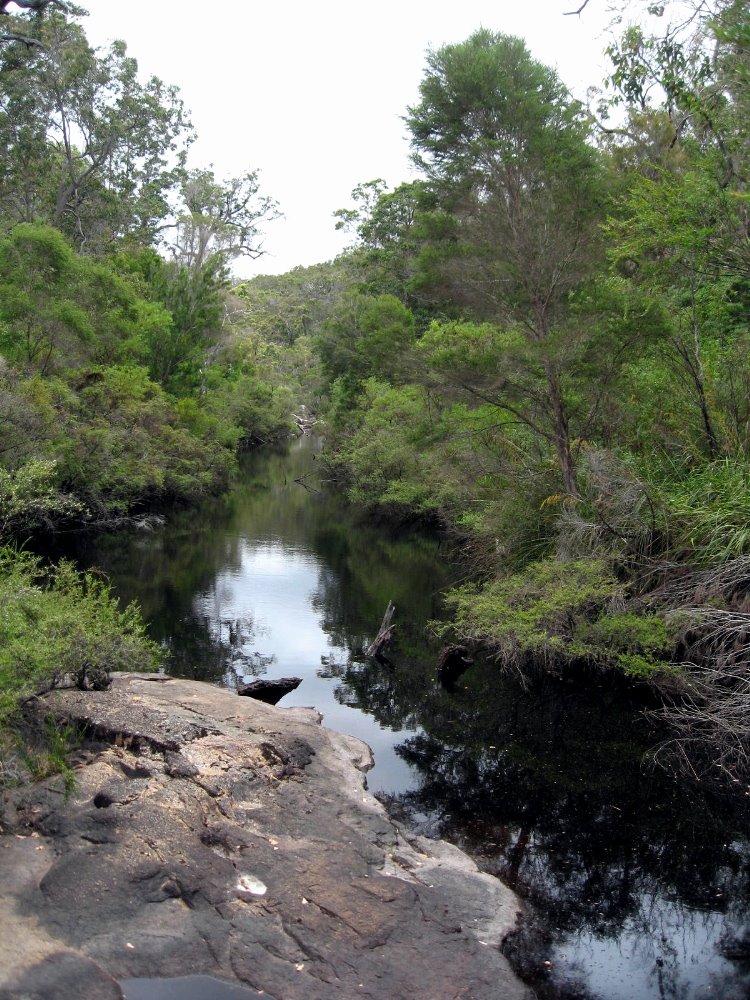
Western Australia is twice the size of Texas, according to the guidebook. I saw only a tiny corner of it, though it’s reputed to be one of the prettiest corners of a varied and wonderful state. Herewith pictures of the Margaret River region, and the area between there and Denmark, and around Denmark and Mt. Lindesay. The day I arrived in Denmark it was, indeed, 42 celsius (over 100 fahrenheit) in the shade.


Pleasant Perth

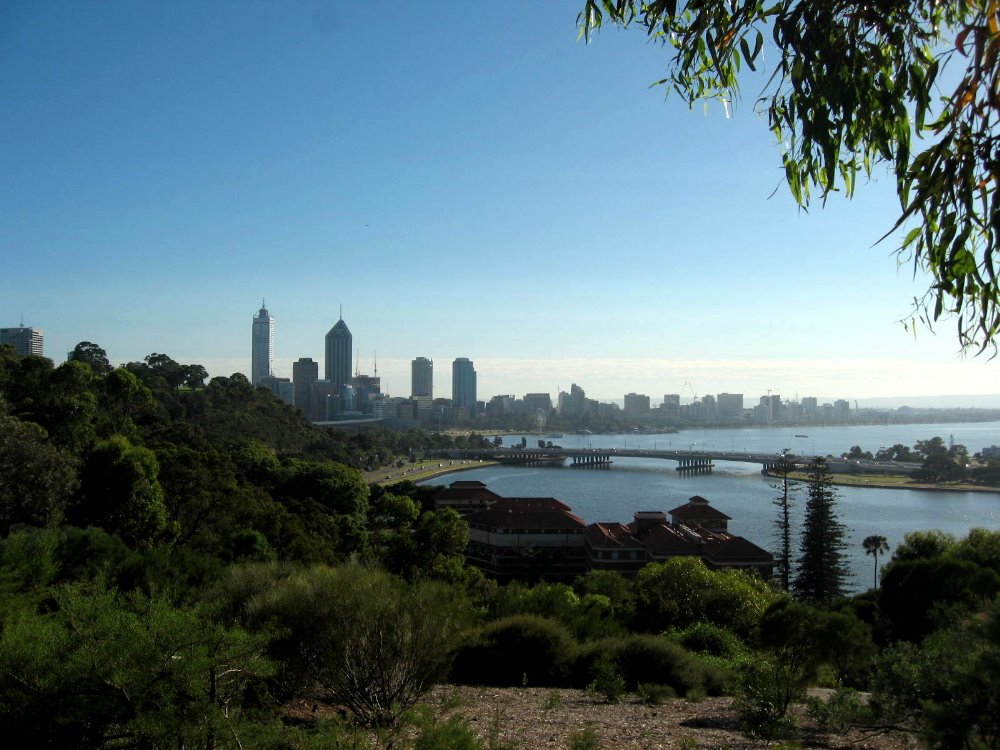
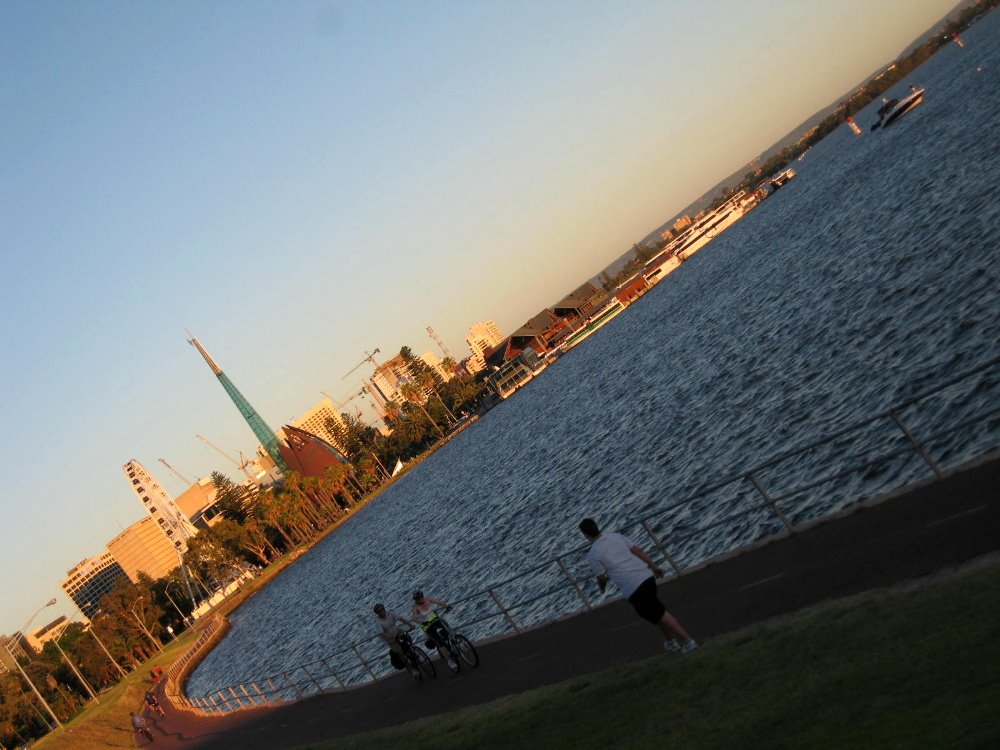
Perth, the capital of Western Australia, sits on the Indian Ocean rather closer to Indonesia than to the large eastern cities of Australia. It’s really quite far from just about anywhere else. And quite lovely, as you see!


…I loved that in the botanic gardens in Perth, plants from the rest of Australia — everything east of Western Australia, which is shown yellow here — are covered in one fairly small area, while all the different areas of Western Australia (admittedly highly varied from tropics to desert to coastal forests and so on) have individual areas.


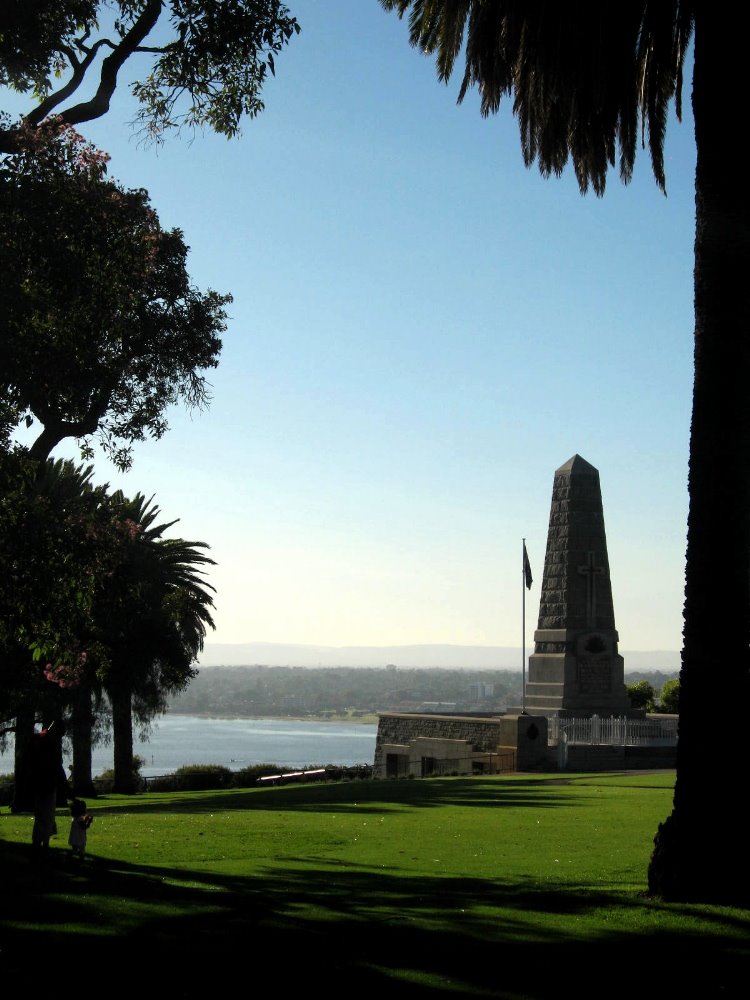
…the war memorial in Kings Park, on a high bluff above the river-bay overlooking downtown Perth. The botanic gardens are also in Kings Park.


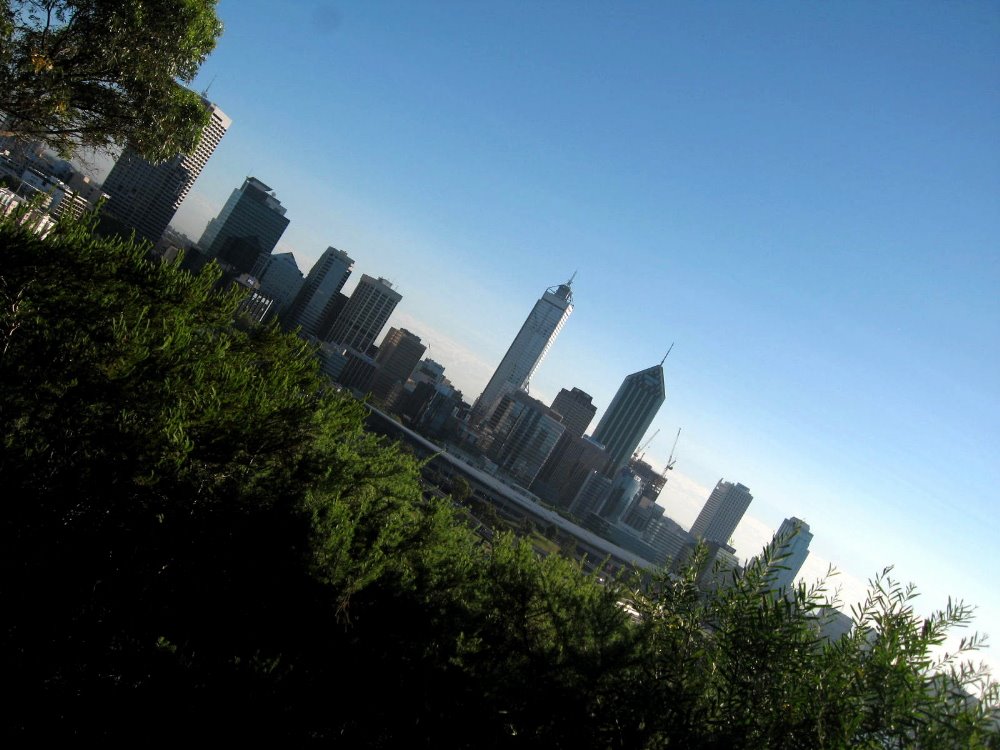
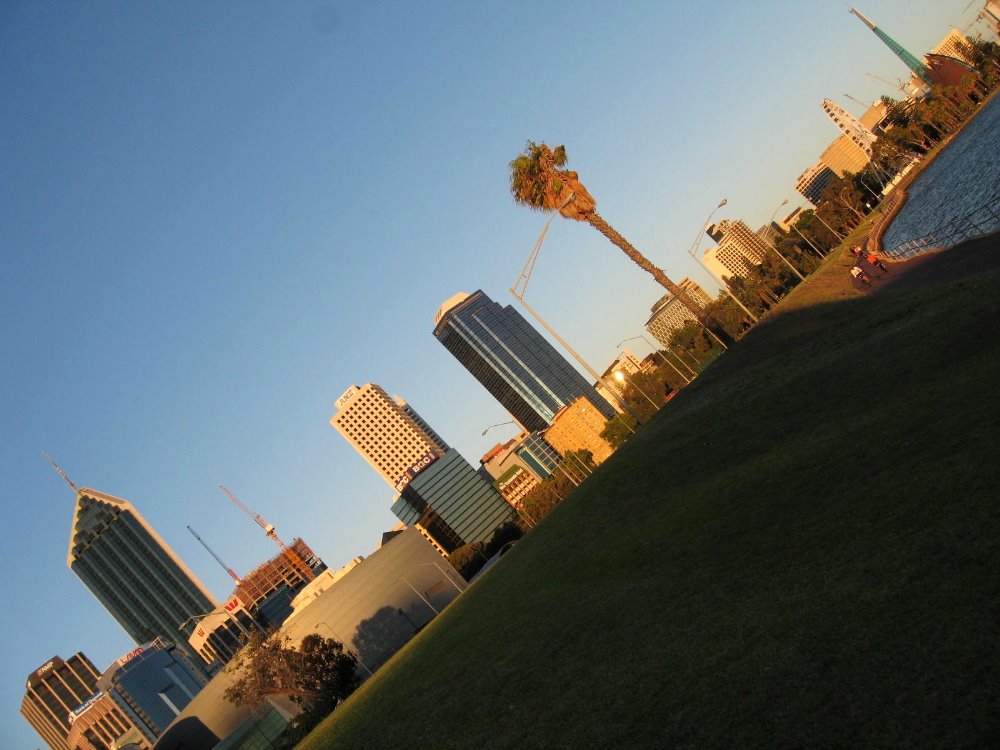
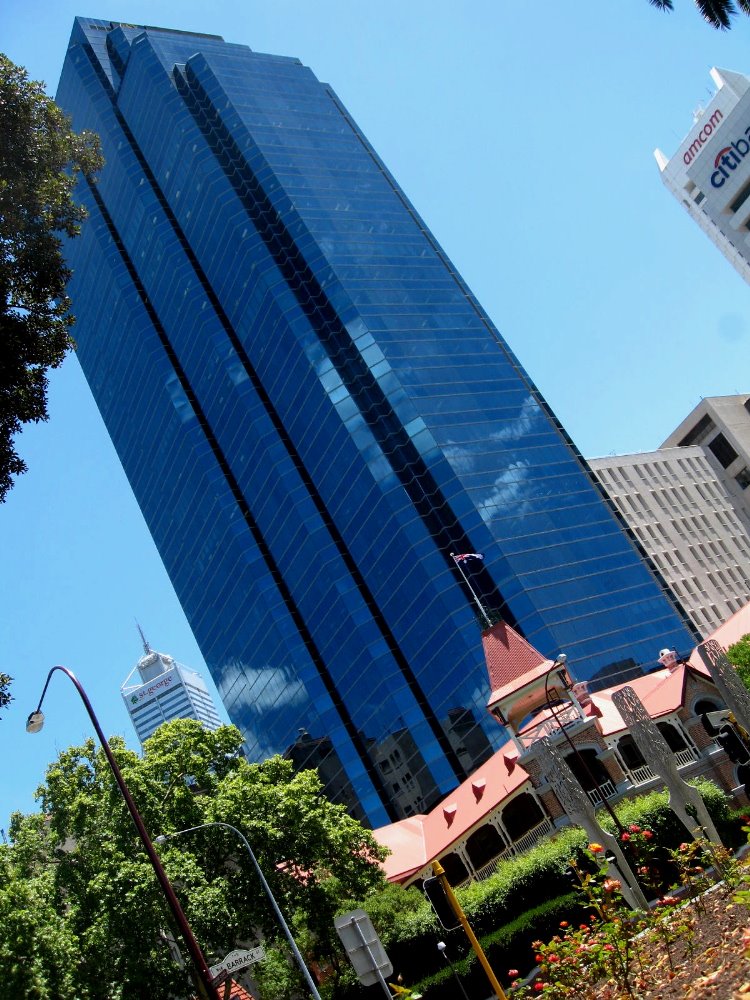
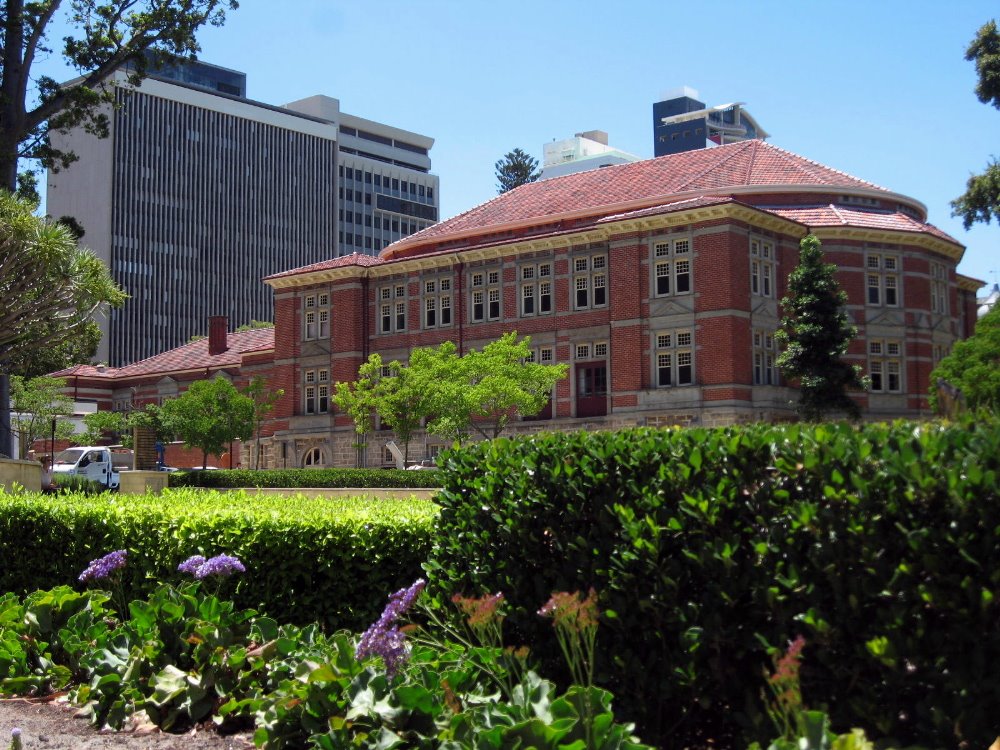
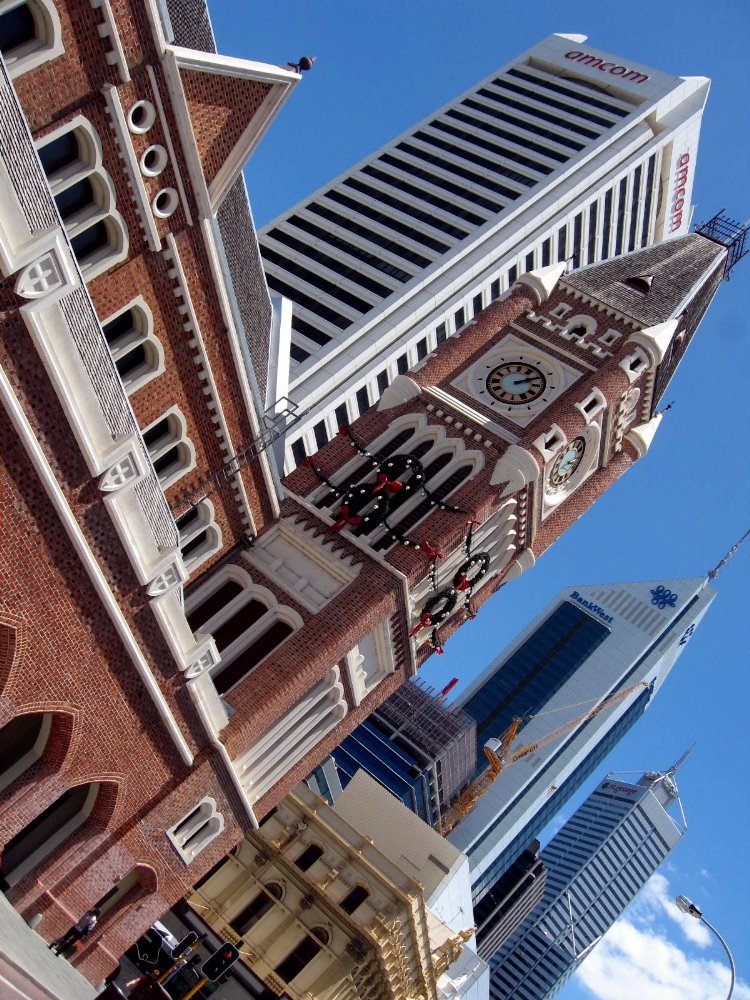
…as you can tell from this and other pictures, I really enjoy the immediate and frequent juxtaposition of fairly traditional brick colonial-style buildings with modern glass and steel skyscrapers. This is a fairly common juxtaposition in Sydney and Melbourne as well, but Perth is a bit more condenses and easy to see it all in than those two cities.

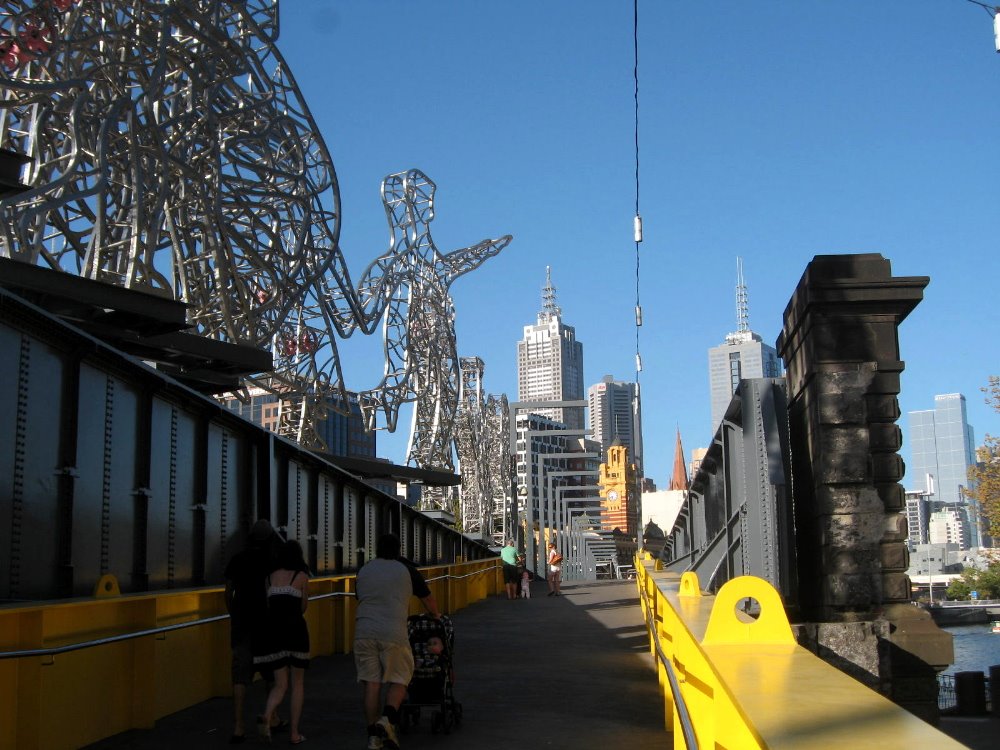
Australia Day on Federation Square

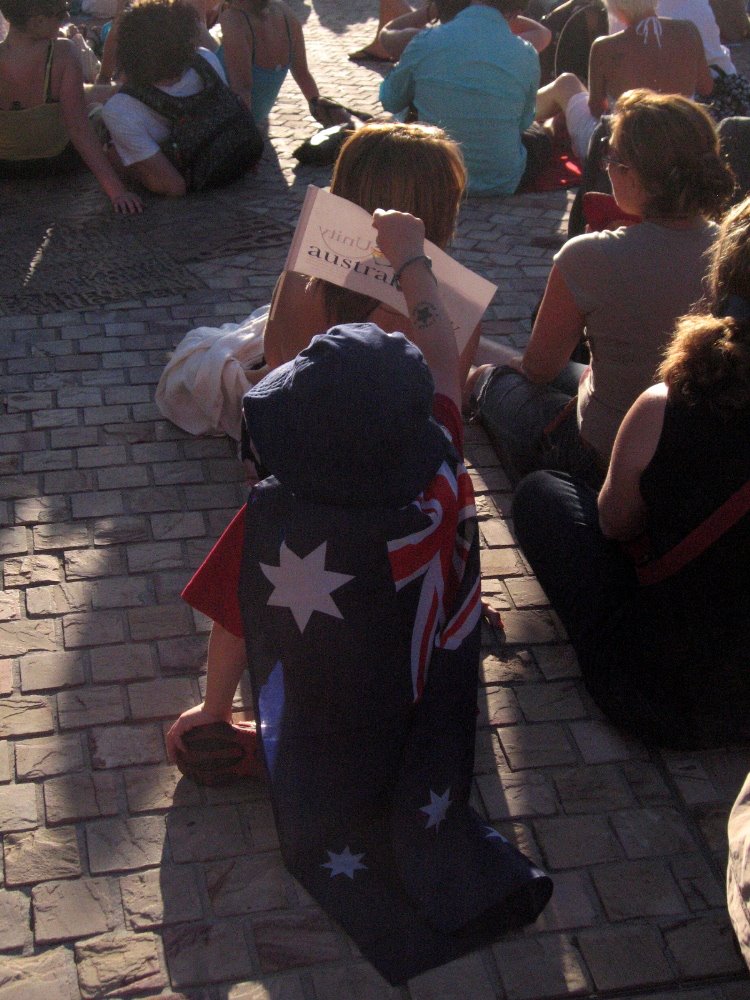
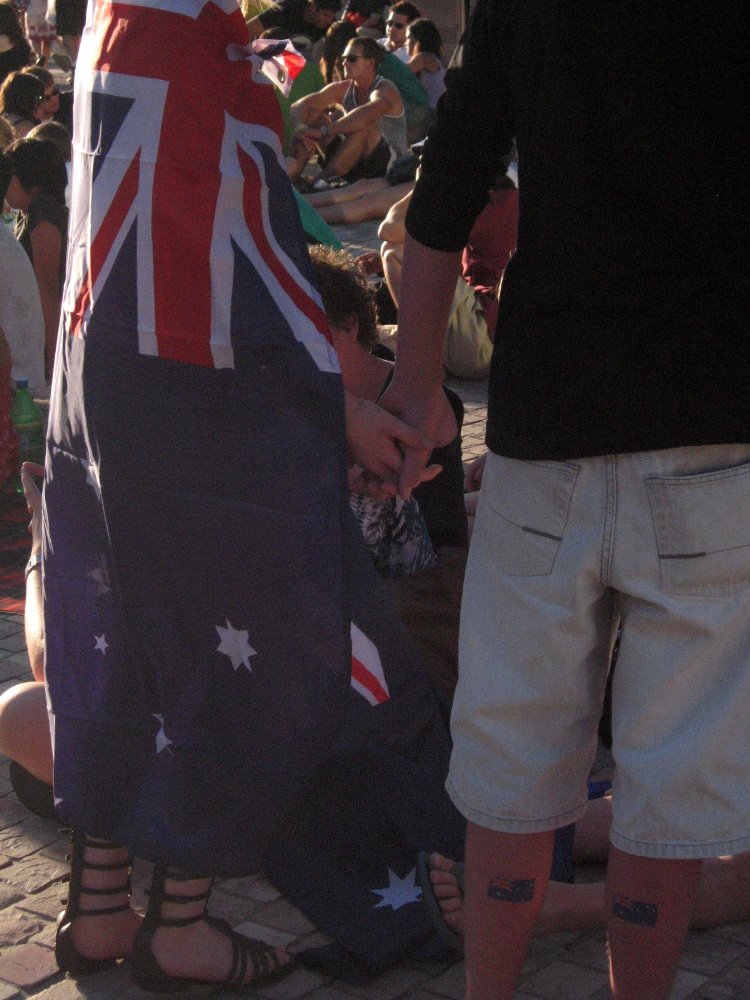
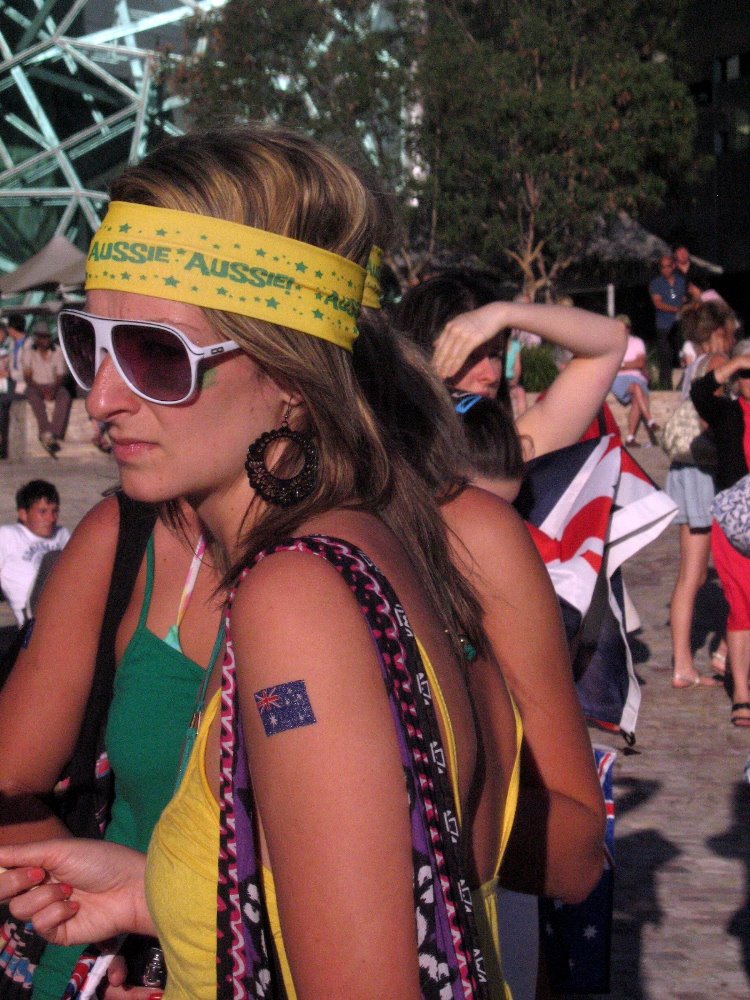
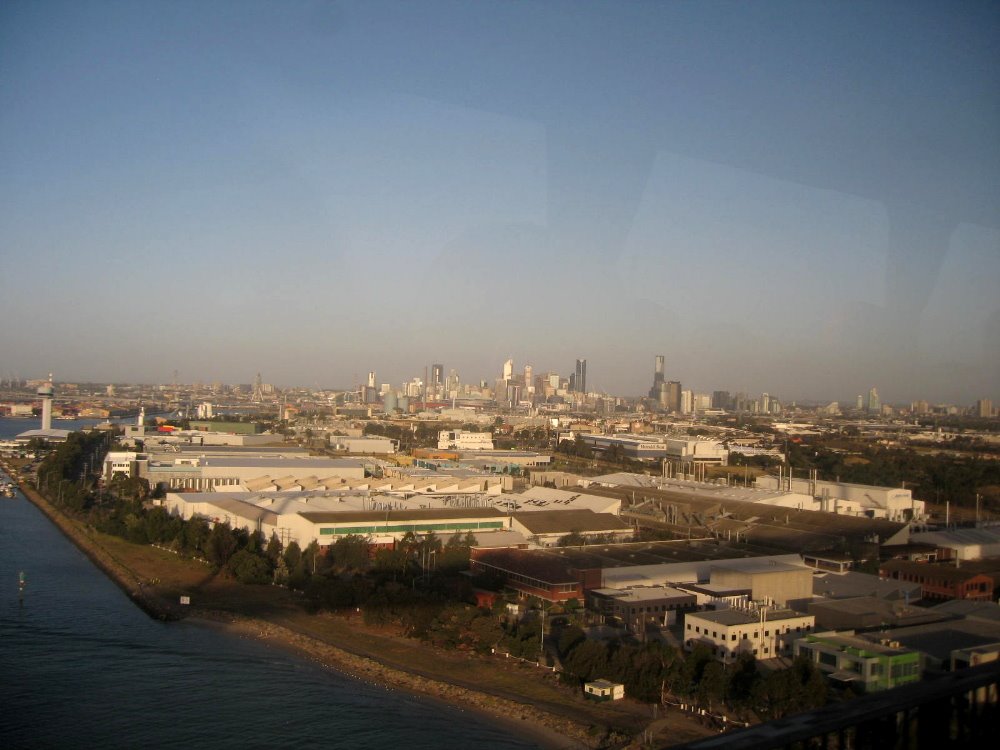
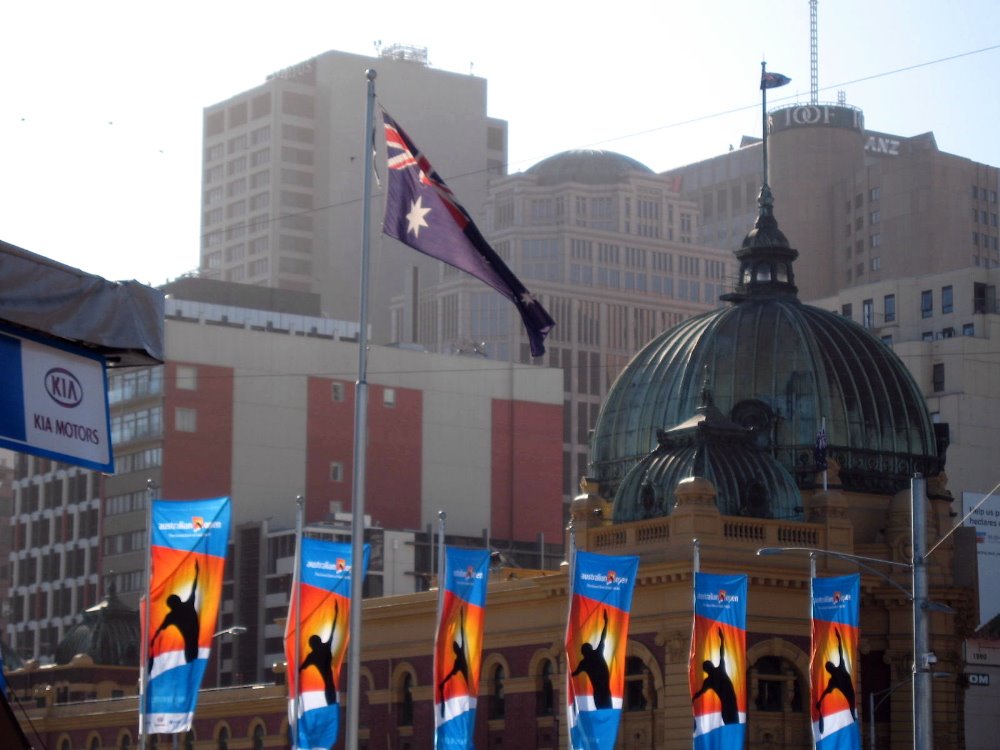
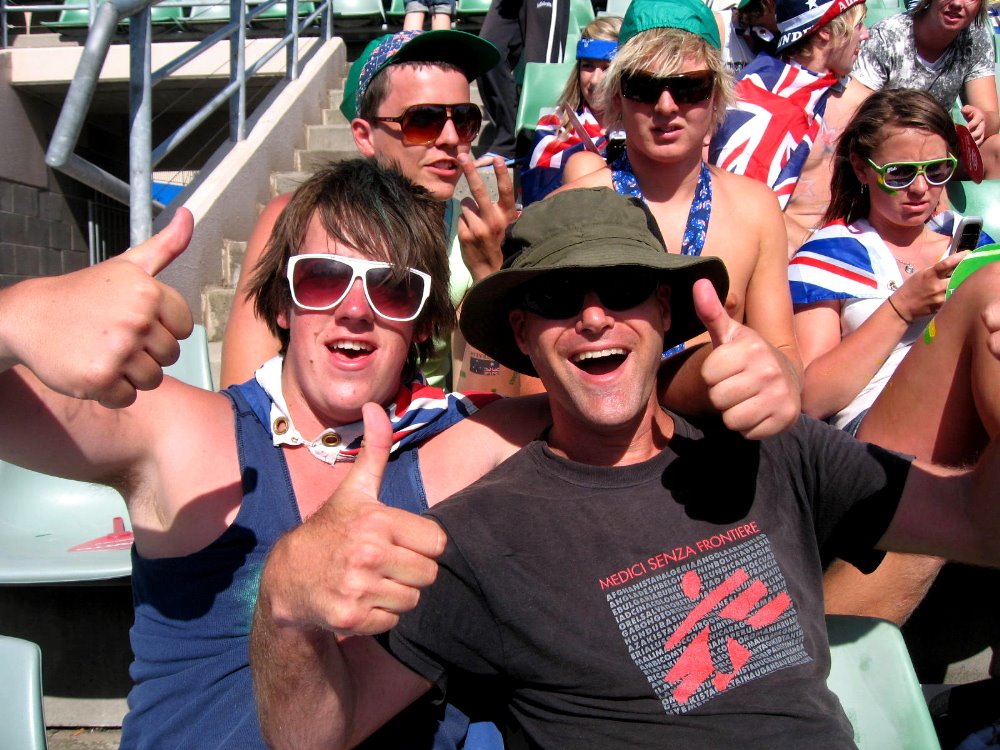
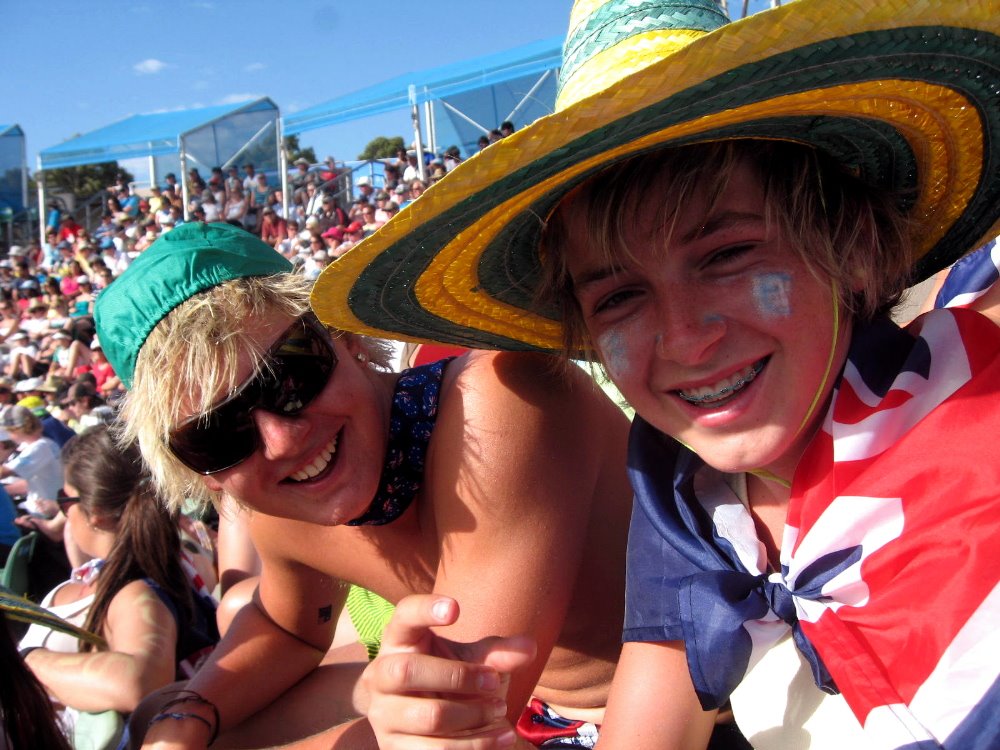
Federation Square is the recently-created center of Melbourne, home to the Ian Potter Center which houses the Australian portion of the National Gallery of Victoria — Aboriginal and European-tradition art by artists from or tied to this continent. There’s an enormous public space there where crowds hang out to watch live concerts, cultural events, and so on. During the Austrlian Open, matches were displayed live on a big screen during the afternoon hours to anyone who wanted to enjoy the crowd and the square despite the hot sun, and then in the evenings a live concert came on. The square was packed on Austrtalia Day with folks there both for the Australia Day fireworks over the Yarra River and the concerts on the public stage, and for the tennis matches broadcast before hand. Herewith some shots of the town, the stands, and some of the proud Aussies who took it all in. (The adorable and friendly guy below moved here recently from Margaret River – see above — to play rugby with the melbourne Storm rugby team. As I see it, he alone is more than sufficient reason to start watching the Melbourne Storm!)

In honor of my long Australia-Day weekend in Melbourne, the nation’s first capital (albeit provisional and temporary since Canberra was already planned, and delicately situated in between Sydney and Melbourne, both then and now rivals for top-dog status among Australia’s cities), I give you sights of the riverfront of this cultured, lovely and very enjoyable city which hosts more leading sports venues than one would imagine, and more adorably Aussie-proud sports fans per capita than even Boston can boast, most likely.

…I couldn’t help feeling it would be tacky if lots of Americans paraded our flag quite so boldly on July 4, but then we’re about 10-1/2 times the population of Australia and cast a bigger shadow economically and militarily, though ever since Vietnam they’ve shown a remarkable willingness to go along with out crazy foreign-intervention and regime-change fantasies. Somehow, it being Australia, it seems rather quaint and sweet to me. I doubt the Papuans and Indonesians would feel quite that way, but what do I know…

Melbourne started in a rather Manhattan-esque attempted land swindle around 1800, not long after the first fleet sailed into Port Jackson on January 26, 1788. (Yes, I celebrated Australia Day precisely 220 years after those first convict settlers landed on the shores of what is now Sydney to try eking out an existence under a different sun and different stars, with an ecosystem more radically different than that of the Europe they knew than they even began to understand until the late 20th Century.) Anyhoo, this guy named Batman (I’m not kidding) gave a few trinkets to some Aboriginals whose ancestors had done a great job of living with and on this land for many milennia, and figured that meant he’d somehow ‘bought’ the land from them — just like that old Chestnut about Manhattan island. And like that, Mr Batman was deluded because under English law, only royal agents could negotiate for land, and the Aboriginal inhabitants, rather understandably, didn’t see how a human could claim to ‘own’ a piece of land which would still be around long after we’ve returned to dust… Still and all, it’s from those roots that today’s gleaming skyscrapers of the modern Melbourne with its Batman Avenue sprang. Like California and Alaska, Melbourne and the newly-organized independent colony of Victoria (it was all New South Wales, at the start, but Melbournians quickly realized they were cooler and more cultured than those Sydney-siders, I guess) grew by leaps and bounds after gold was discovered nearby, and for the latter half o the 19th Century Melbourne was much bigger in population and, I deduce, relative weight within the colonies, than Sydney. Today they’re rather comparable, with Sydney a bit bigger in population and housing the more business, while Melbourne is undisputed sport and culture capital, so I understand.


Despite many similarities between the European arrival in North America and the one in Australia, one is constantly reminded here that one is very definitely NOT in Kansas, or even California, any more. Reasonably educated, cultured and even multilingual Americans (such as yours truly) often need decoders to get by in the land of Oz. To whit, from my excellent Western Australia road atlas and guidebook: “One of the most photogenic of the all the region’s mammals, the chuditch was once persecuted as a raider of chook pens.” This sentence clearly reads as English, but if I didn’t know better I might think it came from the creative mind of a fantasy or sci-fi writer, so little sense does it make to any non-Australian, perhaps even to many Australians. the chuditch is just an indigenous species here, unique to this continent which departed the super-continental mothership much earlier than most of the other continents…except, of course Antartica, which ain’t so known for its land-based flora and fauna. ‘Chook,’ on the other hand, fits into that lovely category ‘Australian Shorthand’ into which also fit such items as Brekky (you can buy, I kid you not, a carton of Brekky Juice aka Orange Juice, in the supermarket here) and Arva (tea in the arvo may not be the Queen’s English, but one does meet up on Sunday Arvo here for tea). Chook? Chicken. But how am I to know that? Is it in the OED? And to think they have the nerve, here in tiny little (population-wise) Oz, to make fun of American English! True, they SOUND more couth than we…but I don’t expect I’ll bind brekky, arvo or chook in the OED when next I check.

Consider, further, my predicament three weeks ago at a local winery on lovely Cape Naturaliste (Geographe Bay and adjacent Cape Naturaliste, for the curious, were named after the two ships in the French fleet that first mapped the region): I want to order the salad with rocket, shaved parmesan and evoo. The menu also offers delicacies like kanagroo salad and other items I can’t identify — and my culinary vocabulary is not small by most definitions. When I first saw rocket on a menu in London, around the time of the US Supreme Court’s judicial coup in favor of GW Bush (thanks so much), I wondered how my teeth would handle all that metal. Then I figured out that we were not talking about the Mars lander, but about a classically English bastardization of the French ‘Roquette,’ better known to Americans as Arugula. But evoo? In a country where common animals include the quokka and the echidna, and the emu is regularly seen sharing grazing space with the cow — both destined for the barbecue grill, I think — one simply can’t know whether evoo is a small woodland creature (I imagined those fuzzy things in ‘Return of the Jedi,’ honestly I did!), or simply … extra virgin olive oil?

Such is often my situation here in Australia: we’re speaking the same language, but things often seem a bit reversed or off-kilter. I don’t suppose this should surprise me; my situation is not unlike that of the early British colonists to arrive here, who were surprised to find trees that didn’t shed leaves, but DID shed their bark, summer in January and winter in July. One sadness in my trip south of the equator, thus far, is that all the drains – toilets, bathtubs, sinks, you name it – are too damn good: they just suck that water right out in one big whoosh, leaving no time for a whirlpool to form. This means that I cannot yet confirm or deny rumors that, when whirlpools form here south of the equator, they run counter to the direction of northern whirlpools. Can any scientists in the audience (is there an audience?) confirm whether, somehow, the laws of physics are such that down here, whirlpools run counter-clockwise (that’s anti-clockwise to the very few Aussies in the audience) rather than clockwise, as they do in the 0ld countries?

Having driven, now, roughly 800km on the roads, I can confirm that it is possible to adjust to left-side driving. My parallel parking leaves much to be desired (at home I’m so proud of being able to park well on both sides of the street; but here, the trouble is more understanding how the whole car relates to me when I’m behind the steering wheel on the right-hand side of the car. I find that ultimately, this difference is far weightier than which side of the road I’m driving on — it’s just that everything is reversed: after three days of driving, I’m now proud to say I only turn on the wind shield wipers 50% of the time, rather than 95% of the time, when I go for the turn signal. (Different side of the steering column, of course.) And when Howard and Gene – with whom I eagerly anticipate spending two glorious weeks in New Zealand next month – told me I had to rent an automatic, rather than manual, car, I inwardly sniffed; if it were up to me, my inner devil suggested, I’d save the extra cost of automatic and put it to more bottles of Canterbury Sauvignon Blanc. Thank goodness their wiser heads prevailed, and I did the same when I hired (that’s Australian for ‘rent’)this car in Perth. Even with the automatic, I am still pretty well all thumbs: my left hand and arm simply are not used to being quite that responsible. Heck, they can’t even brush me teeth, and now I’m entrusting them with my life? Possible avenue for scientific inquiry: do right-handed people growing up in left-side drive countries develop a greater level of ambidexterity than most of their counterparts in right-side drive countries? I do find it interesting how very clumsy I feel behind the wheel, though by now I’m generally confident and not so terrified of simply ending up on the wrong side of the road, flat out, as I was to begin with.

Victoria’s Great Ocean Road

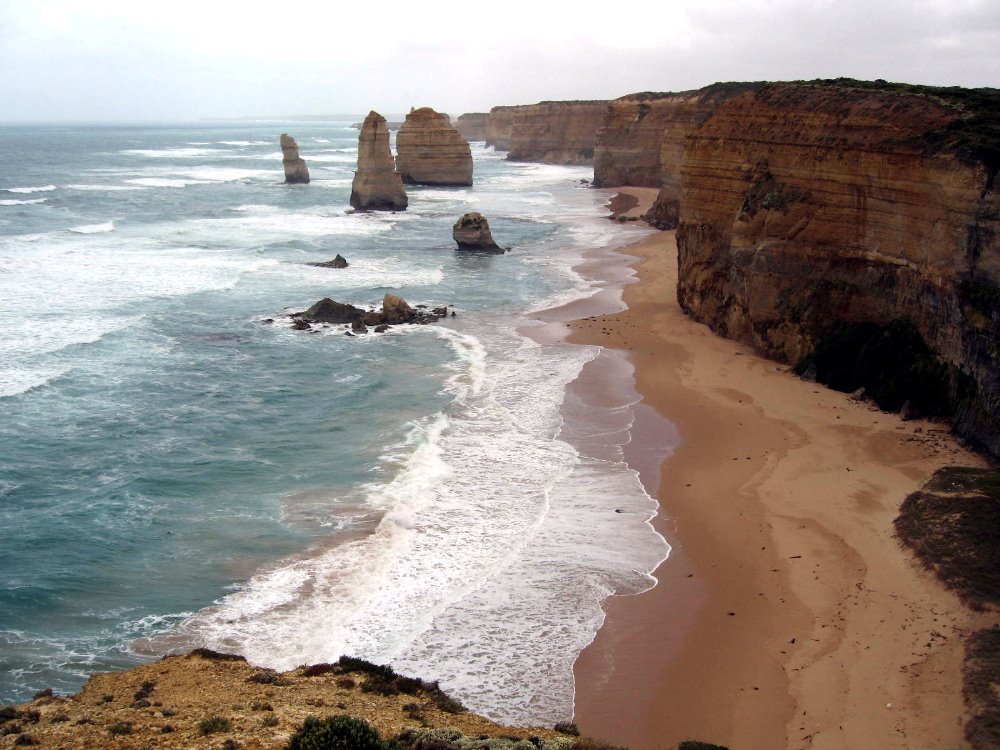
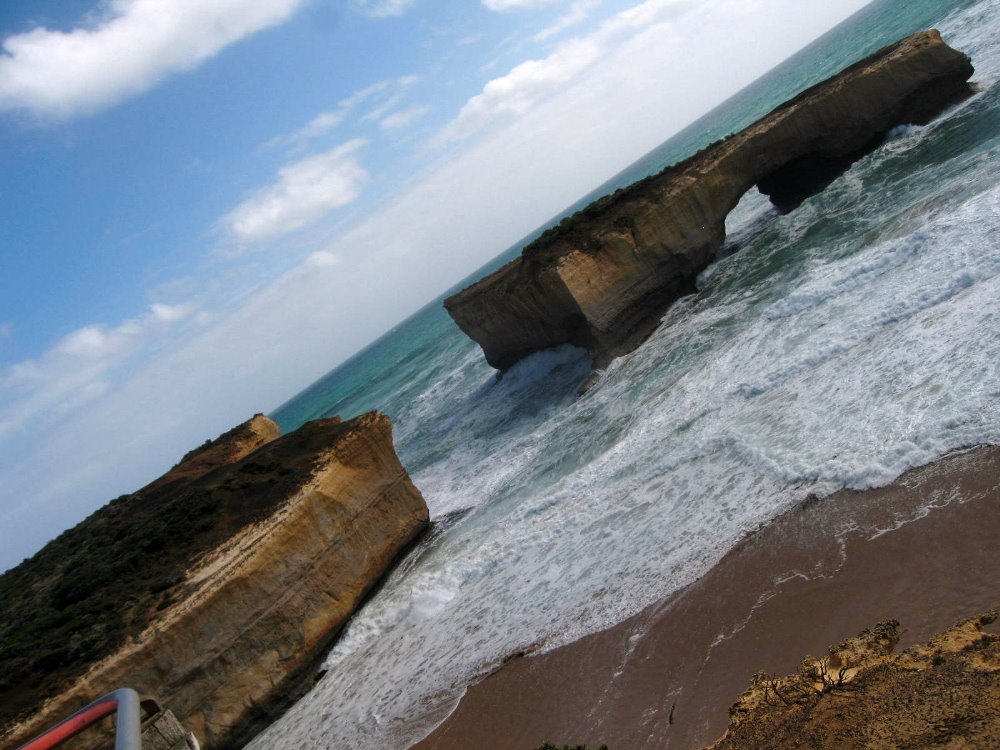
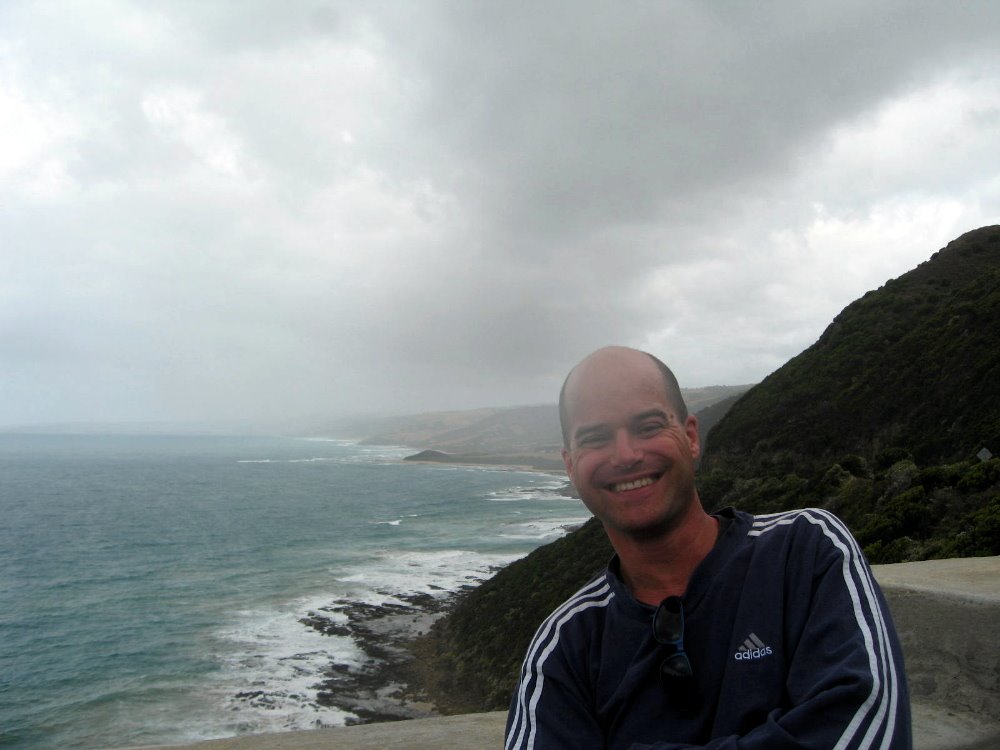
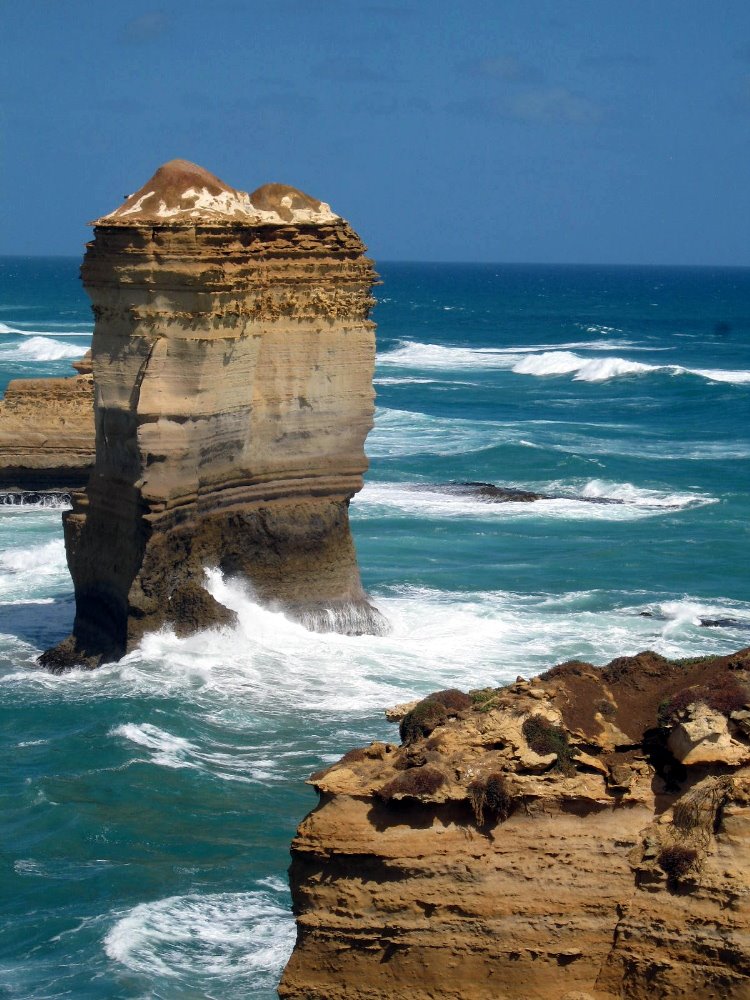
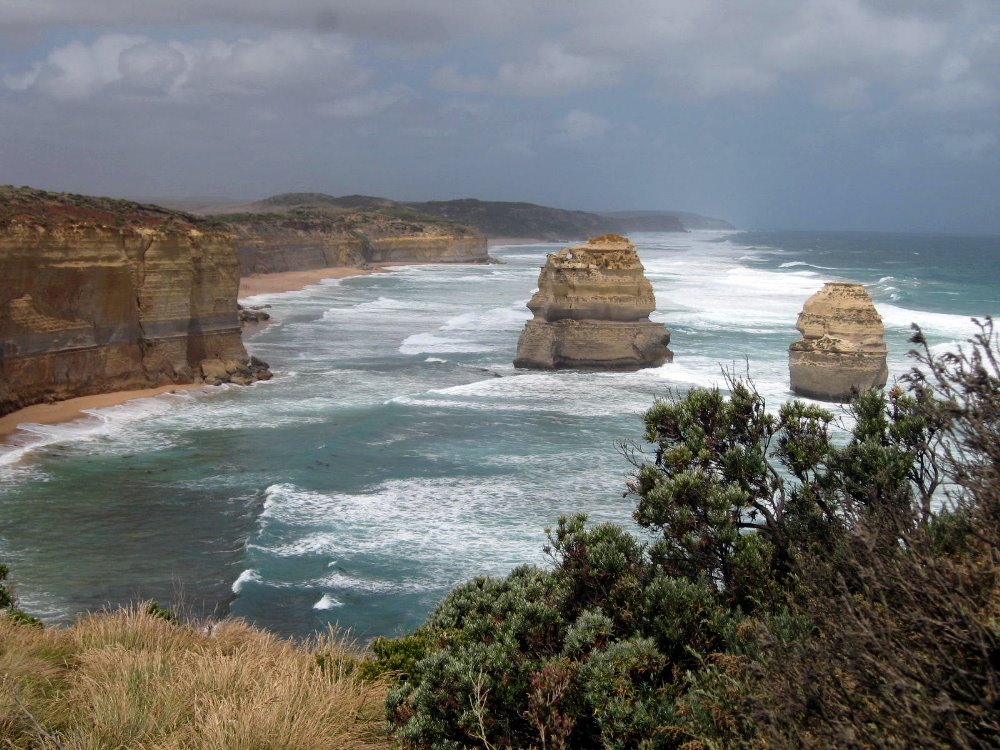
Coastal Victoria, south and west of Melbourne, was home in the late 1800s and early 1900s to many isolated farmsteads, all more or less cut off from each other and from Melbourne or regional hubs like Geelong by the ruggedness of the coastline and the lack of any good connecting road along the coast. Farmers near the coast rode north/inland, then along the main road, then back down to the coast to visit their neighbors. In the wake of World War I, in many of whose most brutal battles young men from Australia and New Zealand suffered extremely heavy losses on the front lines struggling to defend British-controlled positions (non-Aussie/Kiwis who haven’t seen the great movie Gallipoli should absolutely rent it to learn more of this aspect of history), there were strong feelings that the returning soldiers deserved both honor and jobs in a newly down global economy (we’re talking about the 1920s, not 2009), and that a good coastal road in Victoria would stimulate the local economy by increasing regional tourism and developing more interconnection between coastal farms. A private initiative was formed to provide the jobs only to returning veterans and build the Great Ocean Road both in honor and in support of those veterans of what was then still simply The Great War. In the 1930s the road was acquired by the government and stopped being a private toll road, and now it’s one of the key tourist attractions in Victoria, with views and drive-feel rather similar to California Highway 1 through the Big Sur coastline. On my day’s bus trip along this route, I saw koalas in the trees, a koala running by the side of the road at high noon (no joke — poor thing must have been very freaked out), and a lot of gorgeous coastal views.

Ahhhh the Australian Open

Which brings us to tennis. The original idea of this extended vacation in Australia started with a fantasy of watching the Australian Open in person, which idea sprang from comments heard over the years from players and commentators that the Australian is the most relaxed, friendly, and open (and easy-to-get-good-tickets) of the Grand Slam tournaments. (As the common stereotypes go, Wimbledon is the most grand and traditional; Roland Garros is also grand and full of tradition, with the added element of being highly unpredictable and unusually hard-fought due to the red-clay surface, and highly emotional because, well, it’s in France; the US Open is loud, brash and very New York.) The fantasy took on more potential for reality when my current life with MSF made it possible for me to take extended breaks between assignments, without some corporate bigwig thinking I’d lost my mind and will to work — after all, it’s hard to lose a career when you no longer have one! 🙂 What pushed the idea over the line into true reality was realizing how many friends I’d met in recent years who live here, and who might welcome a visit – which made it both more appealing, and more feasible since I’ve taken shameless and very enjoyable advantage of the hospitality of three wonderful hosts/host families here in Australia.


…Aussie fans are so much fun, especially in the first week when there are still Aussies in the draws for whom they can get drunk, paint themselves in the national colors (officially the flag, but yellow and green for sport), and shout out “Aussie Aussie Aussie, Oi Oi Oi” endlessly during changeovers.
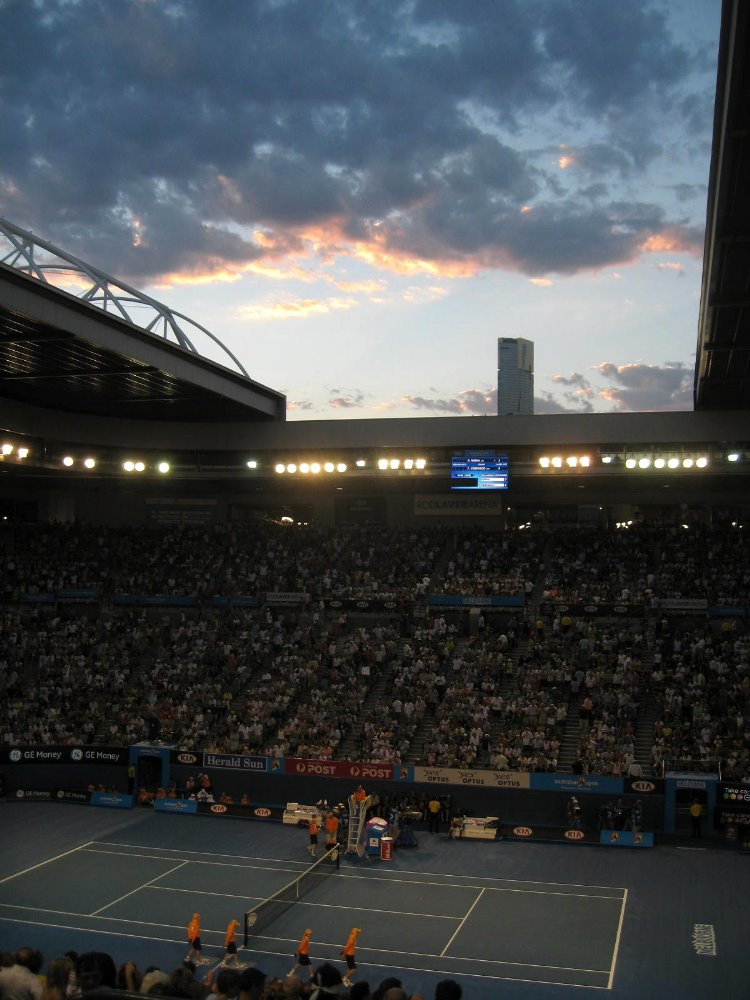
But getting back to tennis. It’s now Monday AM in Melbourne, I’ve only a few more days in Australia before moving on, last night I sat in row JJ to watchRafael Nadal beat Roger Federer in the first five-set men’s final here for more than 20 years, and I feel like posting some of the tennis pictures I’ve taken over the past two weeks and indulging myself in some of the thoughts I’ve had while watching all this tennis. I was treated, two nights ago, to the best match I’ve ever watched in person and one of the best I’ve seen even on TV — Nadal/Verdasco in the second men’s semi-final; a five-set match that will likely live long in history and is already the longest match in Australian Open history (last night’s final was excellent, but since Roger was clearly not playing his very best, it didn’t feel quite so satisfying to me). I’ve never seen two players so consistently come up one extraordinary shot after another, and one extraordinary return after another. The entire stadium was in awe as the match unfolded, wondering if Verdasco would ever have a Cinderella moment of realizing how out of this world he was playing, against one of the true all time greats, and fold…but indeed, it was literally not until Nadal had actually won the match in the fifth set that one knew that would be the result.

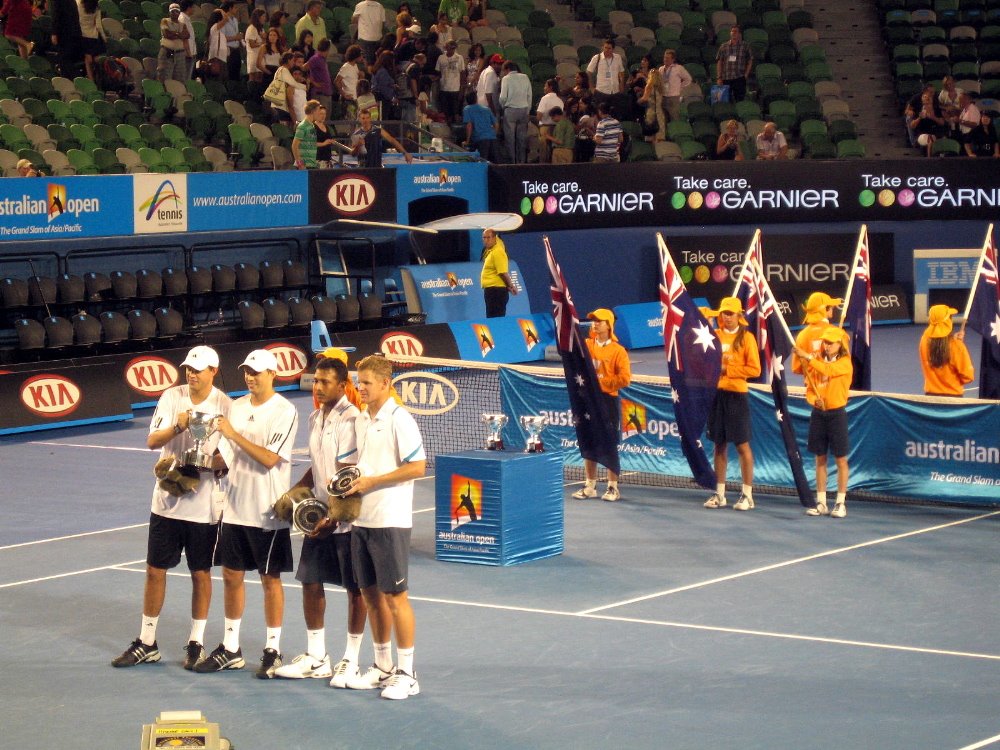
An advantage to being in the stadium is you get to see all the matches, including doubles which TV usually short-changes, because the audience usually short-changes it. We moved down to excellent courtside seats for most of the men’s doubles final which followed Serena’s demolition of Dinara, which the Bryans Brothers from Southern California won in three sets. I was close enough to get Bob’s left shoe, when he threw it into the crowd! Now if only I could figure out what to do with it…

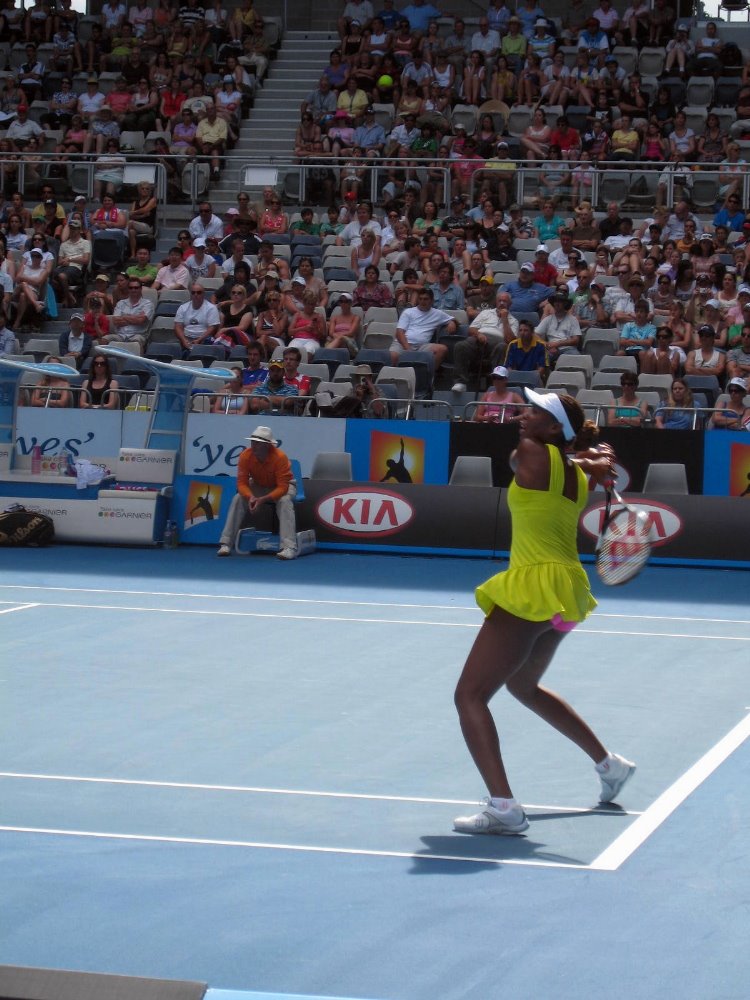
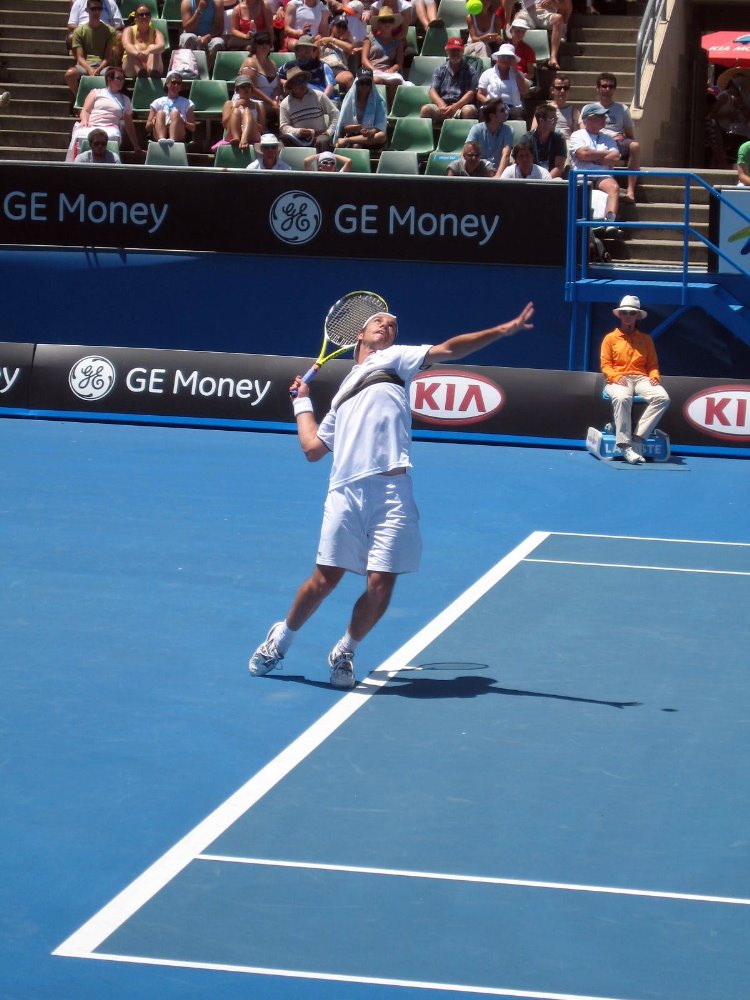
…Venus serving to Dinara, above and below, during the women’s final.
I was quite chagrined, Saturday night, to see Dinara Safina live down to the worst fears of her possible underperformance in the underwhelming women’s final, rather than living up to the clearly tremendous game she is capable of. Trudi, in the stands with me before the match, asked why there were so many empty seats; I told her a) that it would fill up more by match start and b) that frankly the women’s matches at this year’s AO have usually been either lopsided, or see-saw matches where first one player then the other goes off her game — not battles of will with two players consistently producing their best tennis over multiple sets. (E.g. Verdasco-Nadal.) And anyone who loves tennis has to be asking themselves some hard questions about competition in the women’s game. When we demand money for women’s matches and so on, fans have the right to expect more of the women’s tour than we’ve seen in this tournament. Men’s matches are best of five sets to begin with, so they’re frankly working harder throughout the tournament; but what lover of good tennis would prefer to watch Serena wipe the floor with Dinara in less than one hour, rather than the 4-1/2 hour epic which confirmed Rafa in his place at the top of the game, and told us we’re likely to have another year of tremendous rivalry as Roger tweaks his game to show Nadal he can still be #1?

…I saw several of Venus & Serena’s doubles matches, including this quarter-final trouncing of a Chinese team on an outer court where I had the pleasure of sitting in the very front row.

Serena gamely tried to make it sound like she ‘had’ to go for broke becuase Dinara hit the ball so hard, but let’s be real — Serena worked far less hard in the final of this year’s first grand slam, than she would in a casual practice during one of her off days this week. Like most fans, I was charmed by Ana Ivanova’s ready smile and great game at last year’s French Open final — and I wonder what the heck has happened to her since then?! What the DEVIL is wrong with the women’s game? Why is women’s tennis beset by women who can’t come up with the goods when the pressure is on? Where are the long hard-fought matches between Graf and Seles, or Navratilova and Graf or Evert? The game is crying out for some great new players to emerge and really claim their place — to challenge Serena in a meaninful way. Dinara can do it, but she’s gonna have to believe she can and develop some consistency; and until she and a few others raise the bar and contend consistently for the top spot, I for one am going to find women’s tennis boring and very secondary to the current excitement on the men’s side.

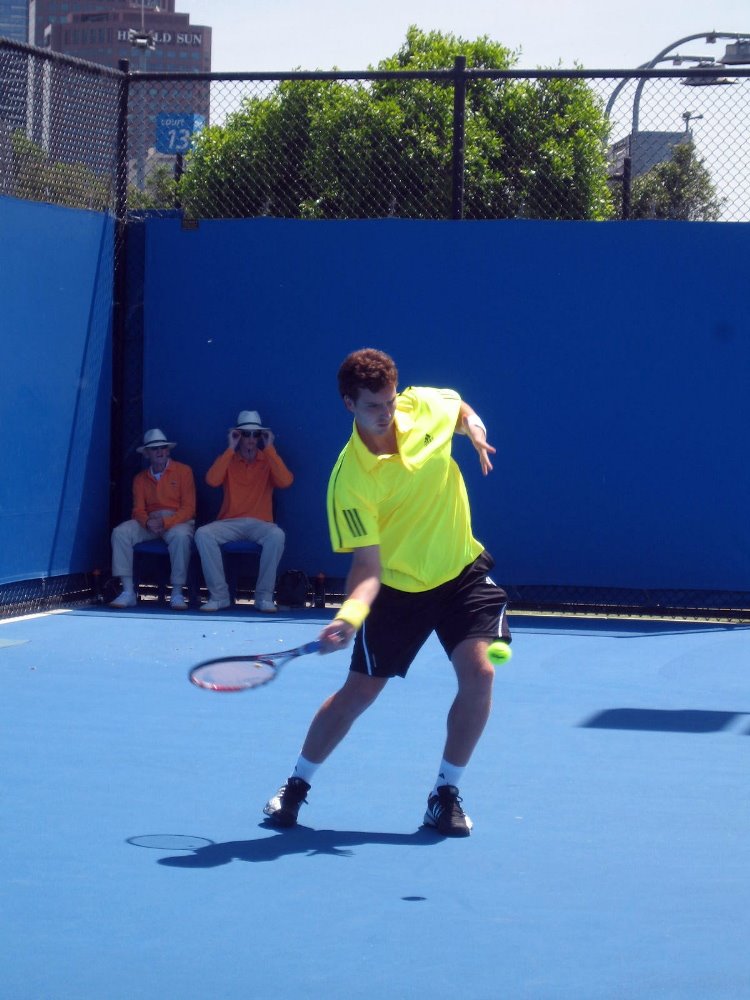
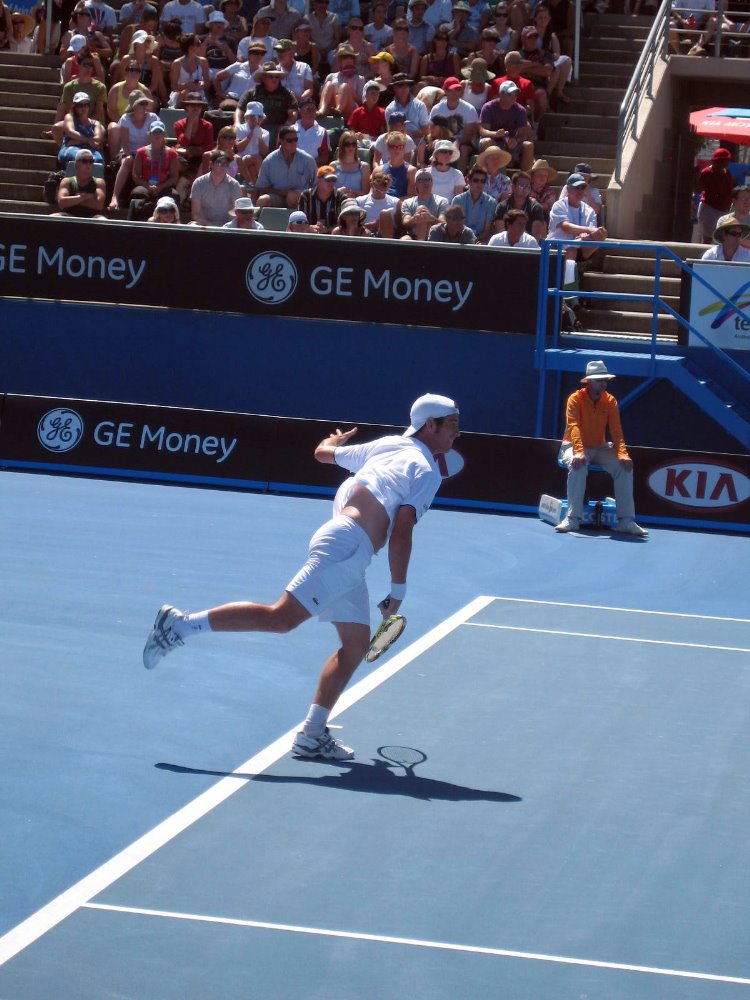
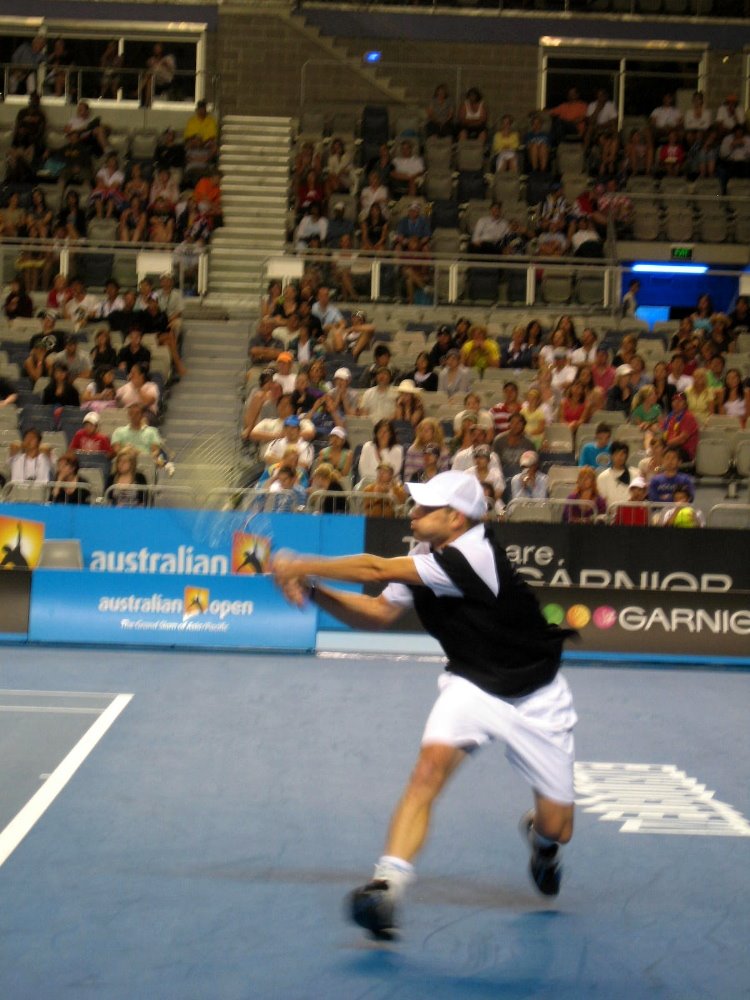
…the first week, I had literally courtside seats on Hisense Arena, the second-largest arena, as well as being able to see any match I wanted on the rest of the courts. That’s where I got these really close up shots of Venus – good thing I saw her in singles action during the first round, which she won; and of Andy, below.

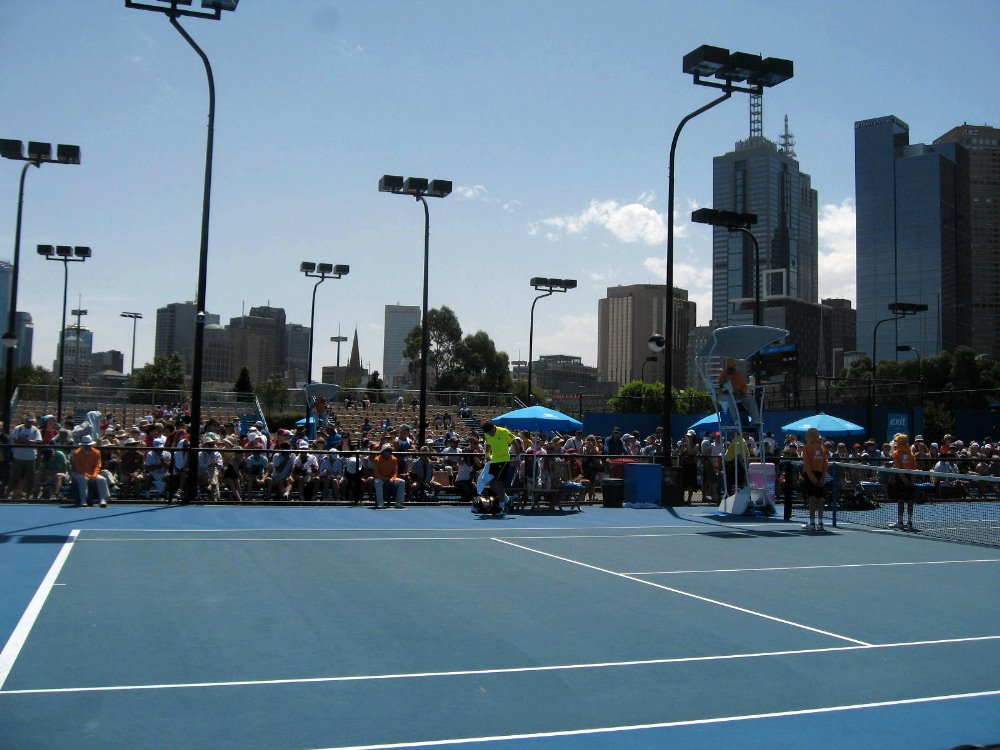
…this being one of those smaller, outer courts, on which I watched Ernests Gulbis in the first round. One of many lovely things about the AO is that Melbourne Park is literally in the heart of the city, so sitting in the stands you’re seeing the skyscrapers of downtown right there, plus of course it’s easier to get to.

By far the most interesting women’s matches I watched were doubles matches featuring Ai Sugiyama and Daniela Hantuchova. Ai Sugiyama has to be the most polite player ever to grace a tennis court. Not only does she play her big heart out on the court, which is always great to watch, but she literally holds out her hand in semi-apology every time she hits a winning volley at the feet an opponent or between two opponents at the net. The message, it seems, is ‘I’m so sorry that in order to win I have to beat you.’ Probably the best women’s match for me was Hantuchova/Sugiyama’s three-set thriller over Black/Huber, a match whose final outcome wasn’t evident until the last point had gone down in the third-set tie-break.

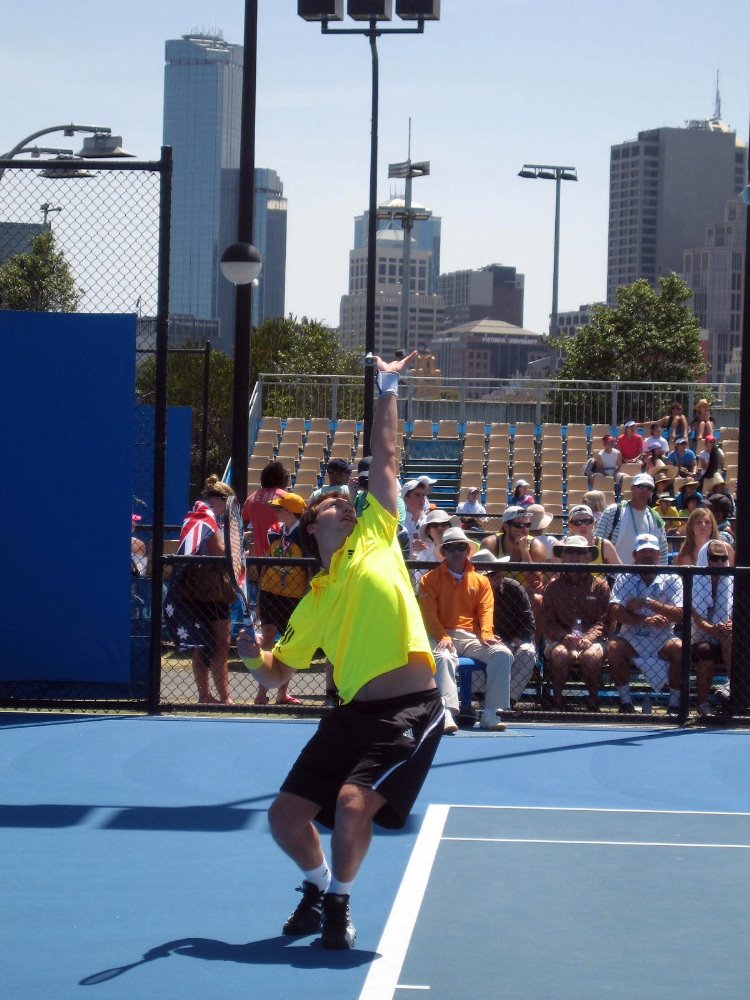
Gulbis (a Latvian) is a supremely talented quite young player, and wonderful to look at for both his shots and his looks; I’m not alone, I think, in hoping that his mental game can mature to match his skill level.

Close runner-up to Sugiyama in the Outstanding On-Court Demeanor awards is Elena Dementieva. This player, who can smack the crap out of the ball from the baseline with the best of them (her semi-final against Serena was far better than the final with Dinara, though she too choked on key points), took balls from the ballkid to hit over the net during serve warmup, so Serena wouldn’t have to wait to keep warming up her serve (when all the balls had ended up at her end of the court, because Serena was booming so many practice serves). She waited with great concern to make sure Serena was really OK after Serena fell in returning one of Elena’s great shots. During her service games, when every other player man or woman would take a few balls, and then just toss the unwanted ones backwards behind them as they head to the service line, for the ballkids to more or less scramble after, what does Elena do? She looks at the ballkid, asks for a ball; once the ballkid has tossed out the new ball, Elena throws the old one directly back to the ballkid, so it looks rather like some child’s game with both of them tossing balls through the air — but what it really is is Elena taking the ball kids seriously and making it easier for them to do their job, rather than harder…

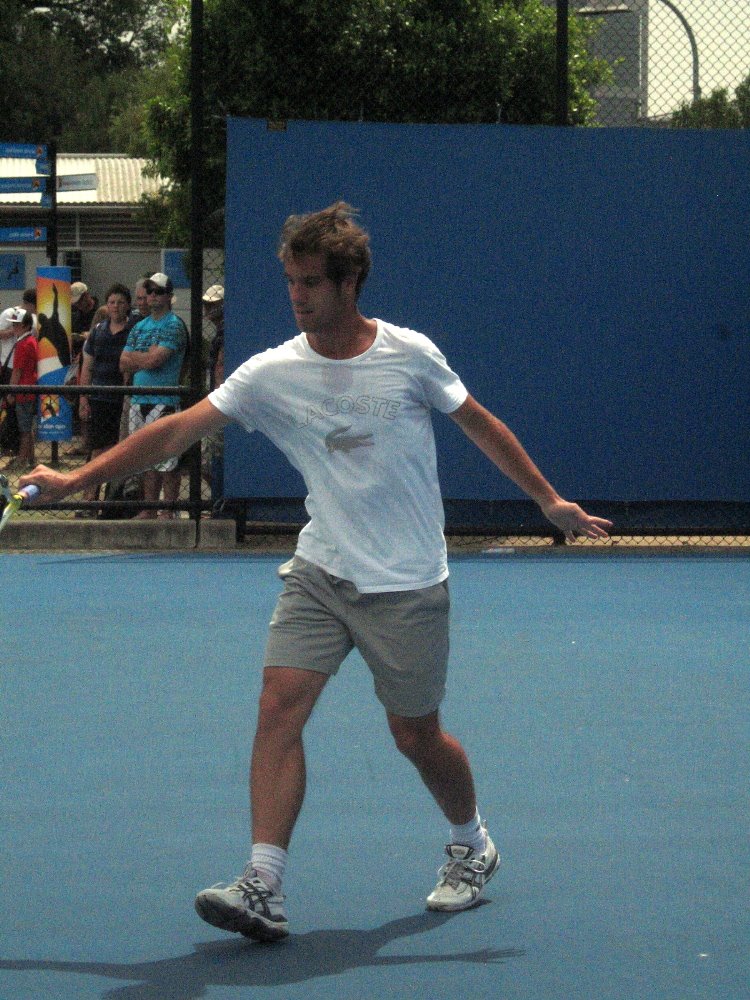
…since I love his backhand and his game in general, and never mind looking at him, I caught all Richard Gasquet’s early matches and cheered loudly in French for all the good points. Even enjoyed seeing him hatless – which never happens in a match – at a practice session.

…Which brings up a contemplation of politeness vs winning toughness and confidence, selfishness and boorishness vs focus and determination. Most fans would agree, I think, that among the many things that make Federer, Nadal, and Serena unique and special among great players of the game is that they not only bring absolute commitment and determination – utter lack of doubt or fear, essentially – to every point along with their great skill. They are single-mindedly focused on their games, yet they also never act up or behave rudely or nastily – I’ve seen them all wait patiently while an opponent threw a tantrum or the fans behaved badly; I’ve seen them all give gracious post-match interviews whether they won or lost. Roger, of course, is the unequaled leader in being both tremendous gentlemen and deadly predator on court (last night’s loss notwithstanding…though Rafa really is getting ever closer to Roger’s greatness, and is also truly a well-behaved and well-spoken player). It’s that combination that, to me, makes these players among the true greats of all time. So do Elena and Dinara need to just get more selfish – perhaps even more boorish? During the women’s dubs final between Venus/Serena and Hantuchova/Sugiyama, Venus and Serena were never rude on court, but they also generally didn’t seem to take account of their opponents except when a ball was coming off one of their rackets — their opponents existed only as obstacles en route to another trophy. As a player myself, I long for that focus and know I’ve almost never brought it to the court — I like my opponents usually, sometimes I don’t, but for me the social aspect of tennis is usually as enjoyable as the competition, and I appreciate their great shots as much as mine. But I’m a duffer, and no one’s ever paying to watch me play. Dinara, much as I love her – and however adorable her apology to Australians for having to beat their lone remaining singles player – owes us a better match than she gave us last night – especially when we all know she can deliver if she just gets over her mental block.
It is, indeed, their humanity that allows us to welcome these players into our hearts the way many of us do. But ultimately, what we want from them is great tennis – not charm or apologies or good manners on court. Even I, who loathed John McEnroe’s on-court behavior, would far rather watch McEnroe play any day, even at his racket-throwing ballboy-and-umpire-abusing worst, than see another set of Dinara double-faulting away games. (I also think McEnroe was often right on the points he wanted to argue – he had and has among the best eyes in the game and is now one of the very best and trenchant commentators on TV.) So: give us more Federer from here to eternity: grace and lyricism on court, killer instinct with gentlemanly behavior and never a moment’s doubt of his ability to win. And let more of the women emulate him, Serena and Nadal — yes, sometimes Nadal’s intensity can be scary, but the boy leaves his heart out there, and always behaves well on court and toward his opponents. Onward and upward, dear game of tennis.