With my 400-day goal (of daily posts) set to be reached in slightly more than a week, I’ve decided it’s time to splurge all my remaining Seine-bridge images from last October’s short stay in Paris.
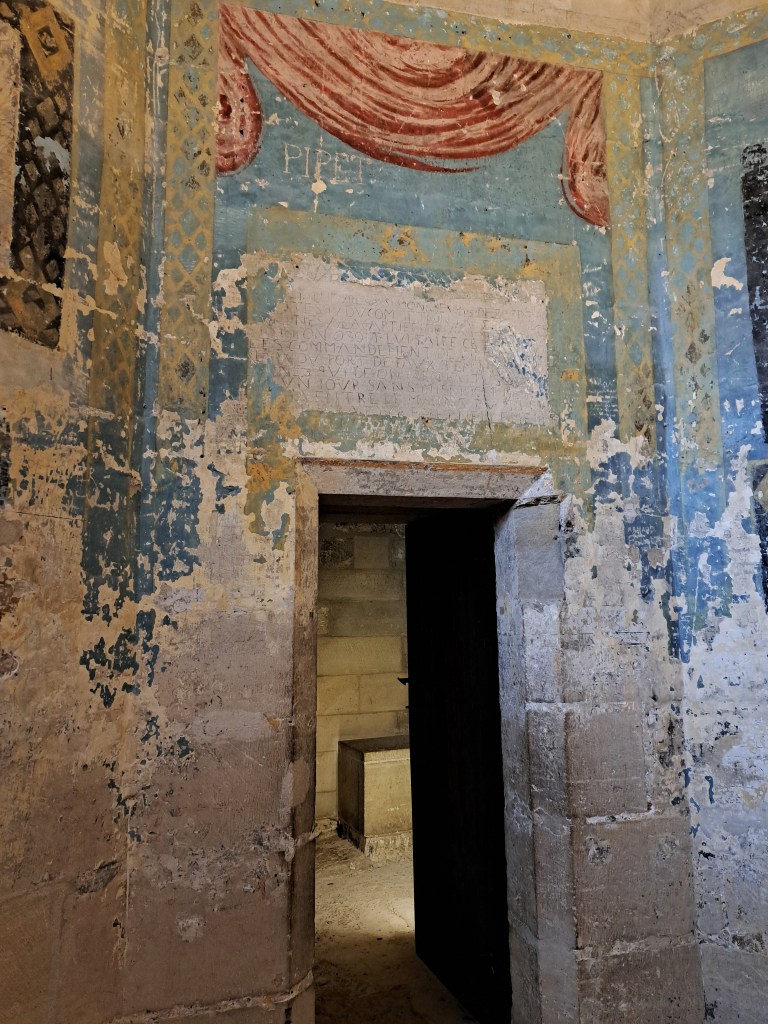
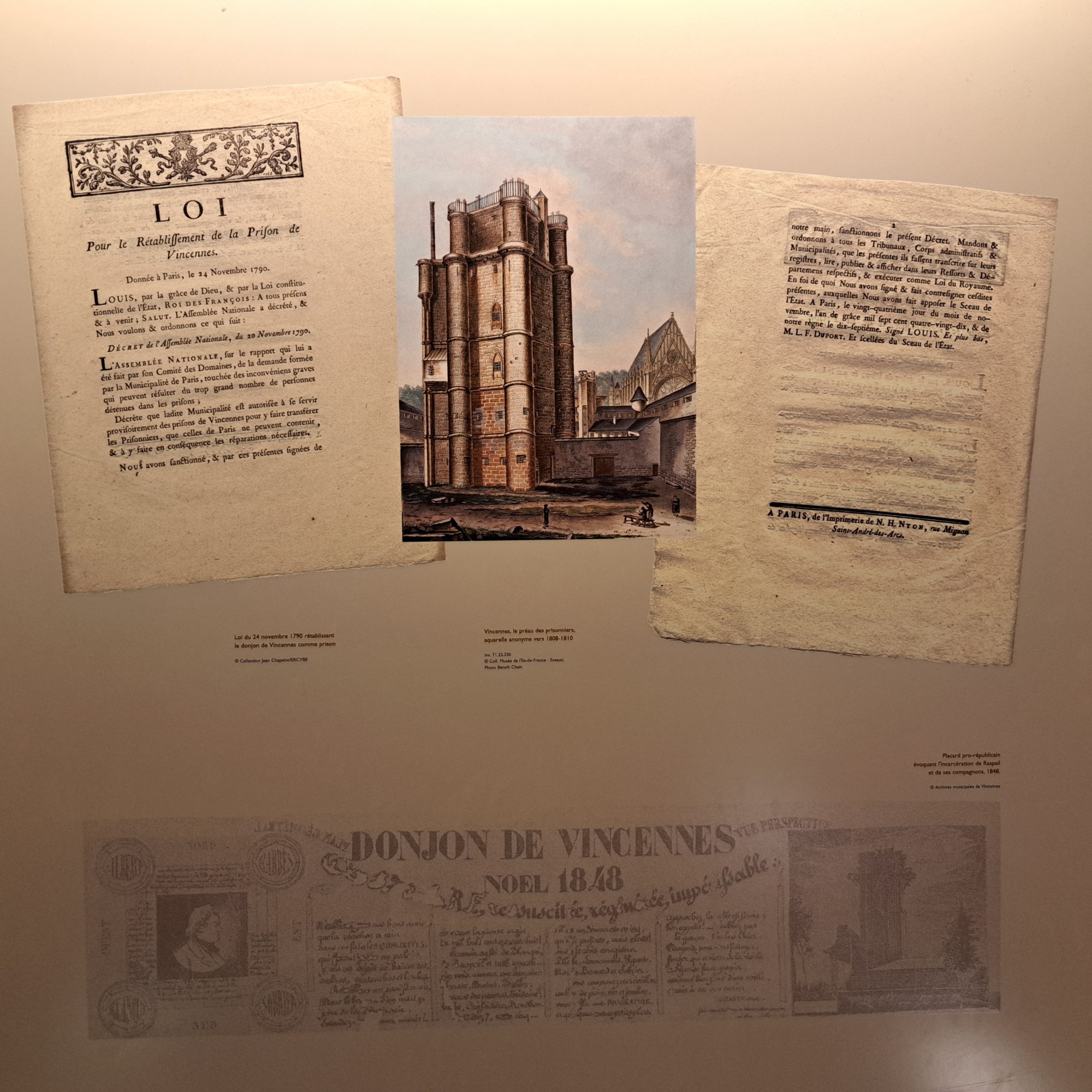
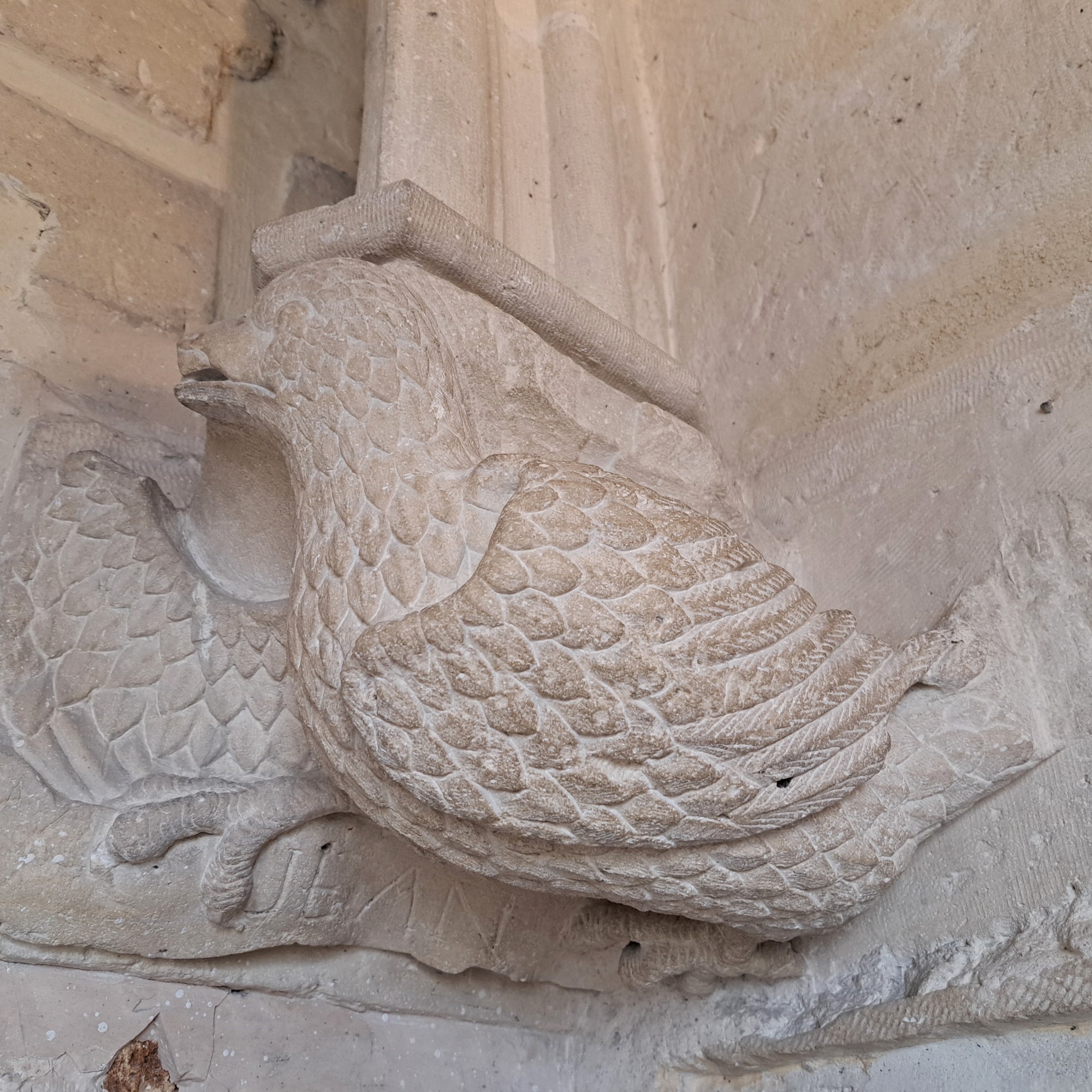
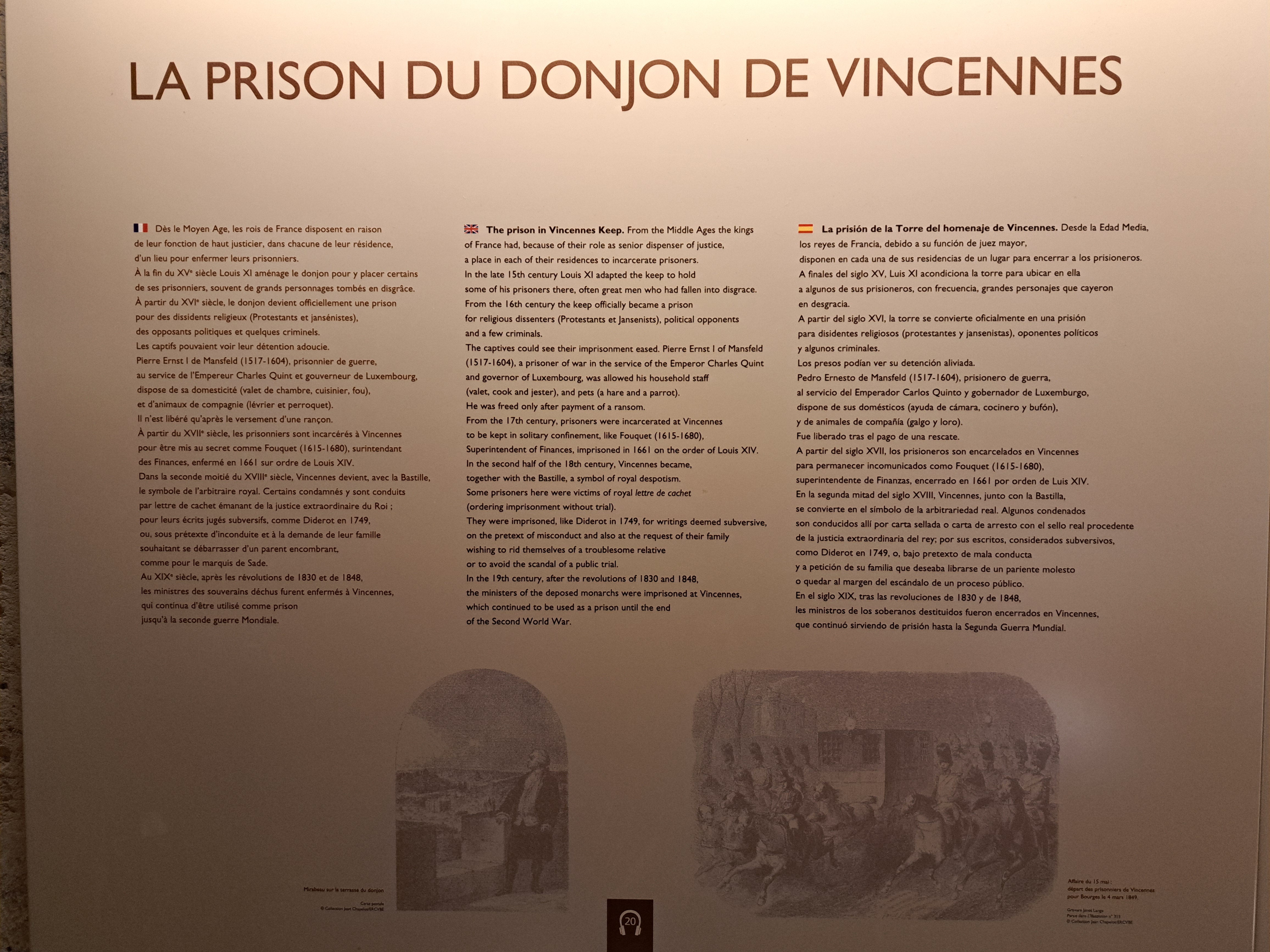
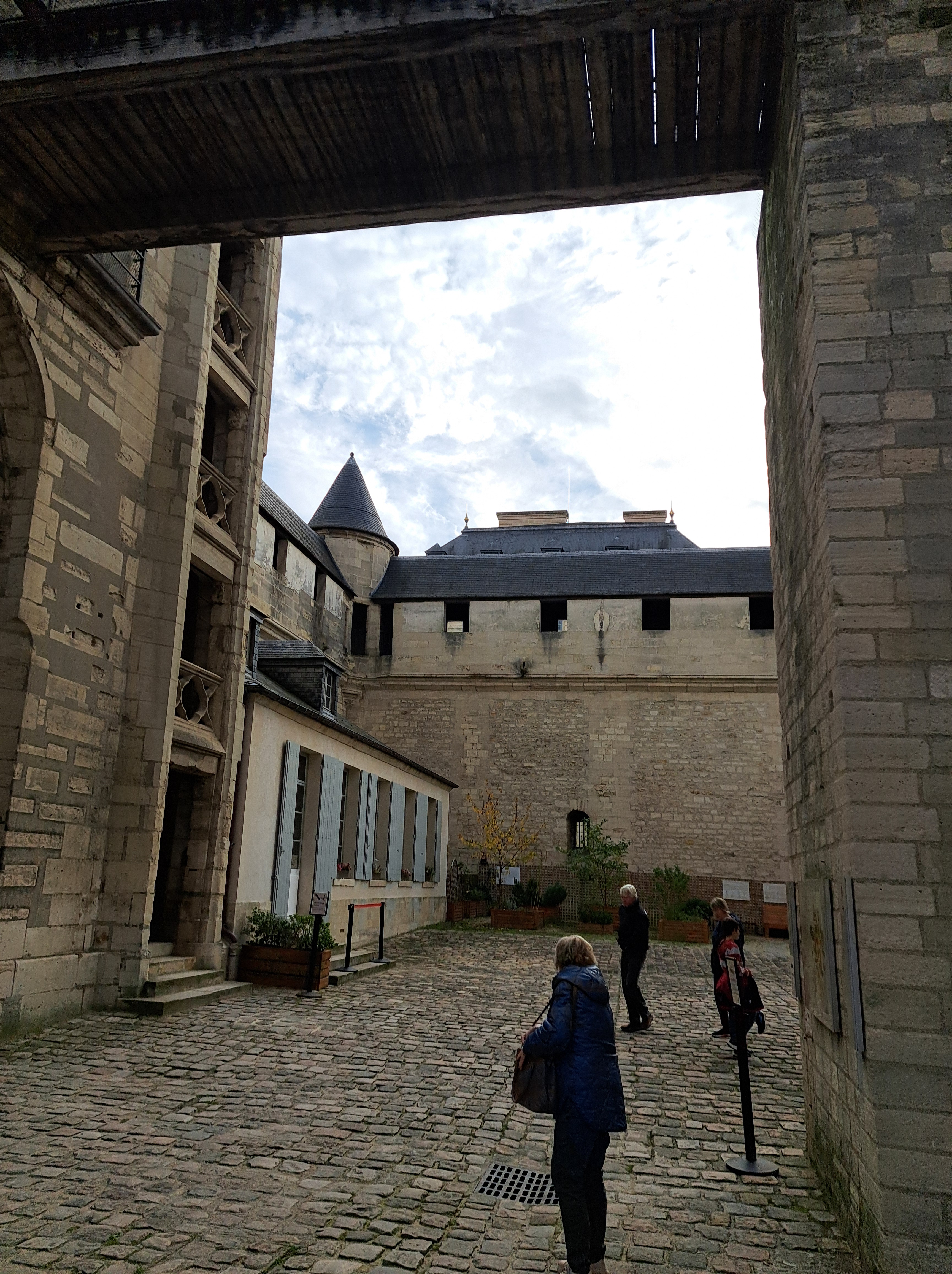
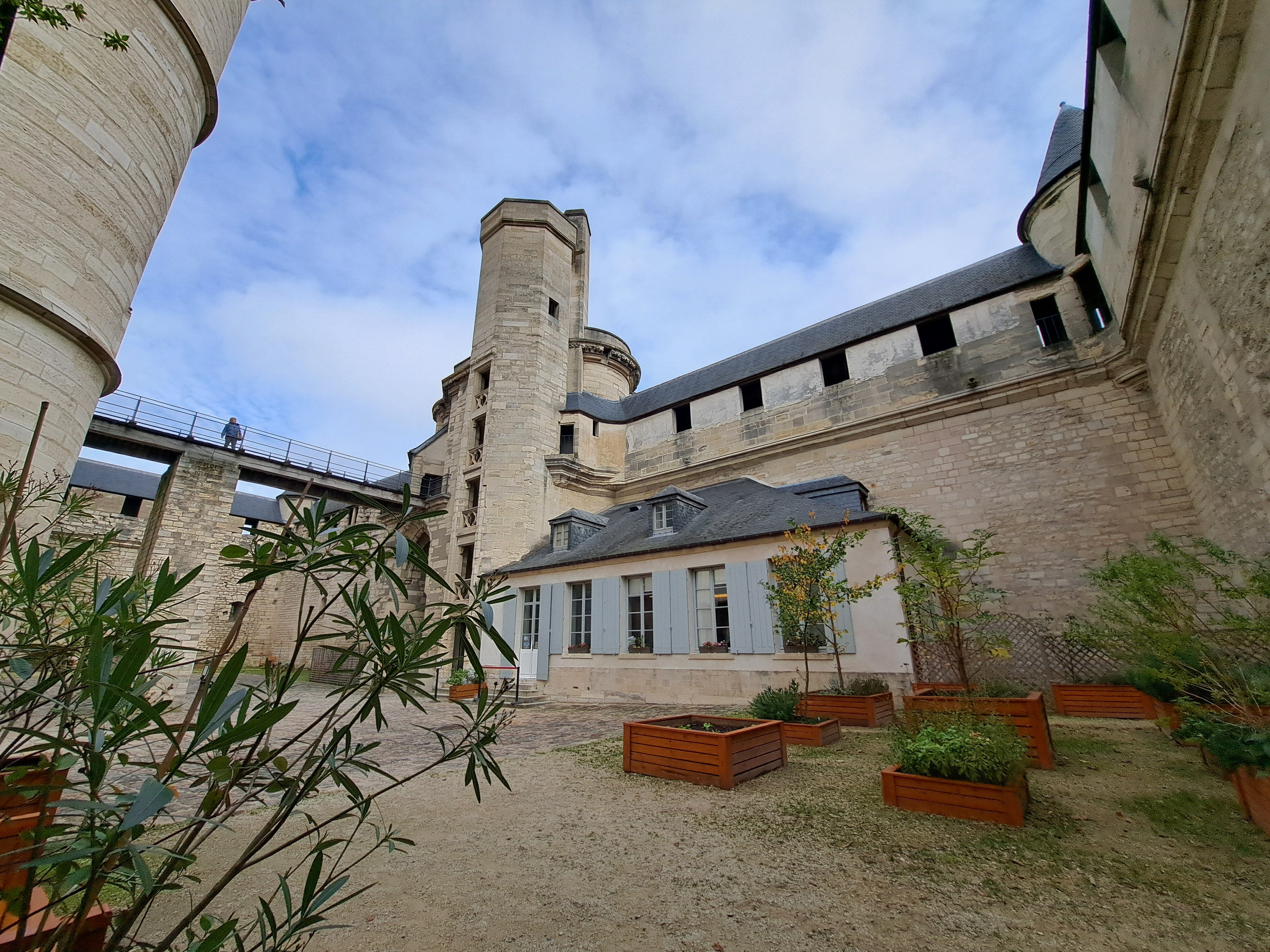
In this entry, royal dungeons from the oldest portion of the keep at the Chateau de Vincennes — since, as the tour notes below indicate, when one has a hereditary absolute ruler who is thus also the final arbiter of justice, that hereditary absolute ruler must have a dungeon in which to lock up those whom he deems out of line with the laws that he created. This particular dungeon saw some famous prisoners such as the Marquis de Sade during that highly unstable first French revolution, when France went in the course of about 15 years from absolute monarchy to various phases of pretty vindictive and murderous republic, back to empire once Napoleon decided he like the absolute-monarchy idea after all, then finally after Waterloo (nope, not just an Abba song) back to the house of Bourbon with the “Bourbon Restoration,” for its own last hereditary-royalty hurrah prior to the various other revolutions, empires and republics that tried to govern France over the course of the 1800’s. France is a repository of so many lessons on how to do or not do governance, should once choose to study it or even, crazy notion, learn from it and apply lessons :-).
Last views from Paris’s (I’m pronouncing Paris as the French do, Maria – with a silent s) lovely Domaine Nationale du Palais Royale…til my next visit, at least :-). It feels odd that most of my royalty photos are coming still from France, whose last period of being formally constituted as an empire / kingdom ended in 1870. Particularly when you consider I spent nearly a full week in the formally-constituted Kingdom of Norway more recently than my last visit to France during this, its Fifth Republic…and that I spend most of my days and nights here in the Kingdom of the Netherlands. But somehow royalty is much less visible, more discrete, here – unless one goes looking for it. Which I must remember to do!
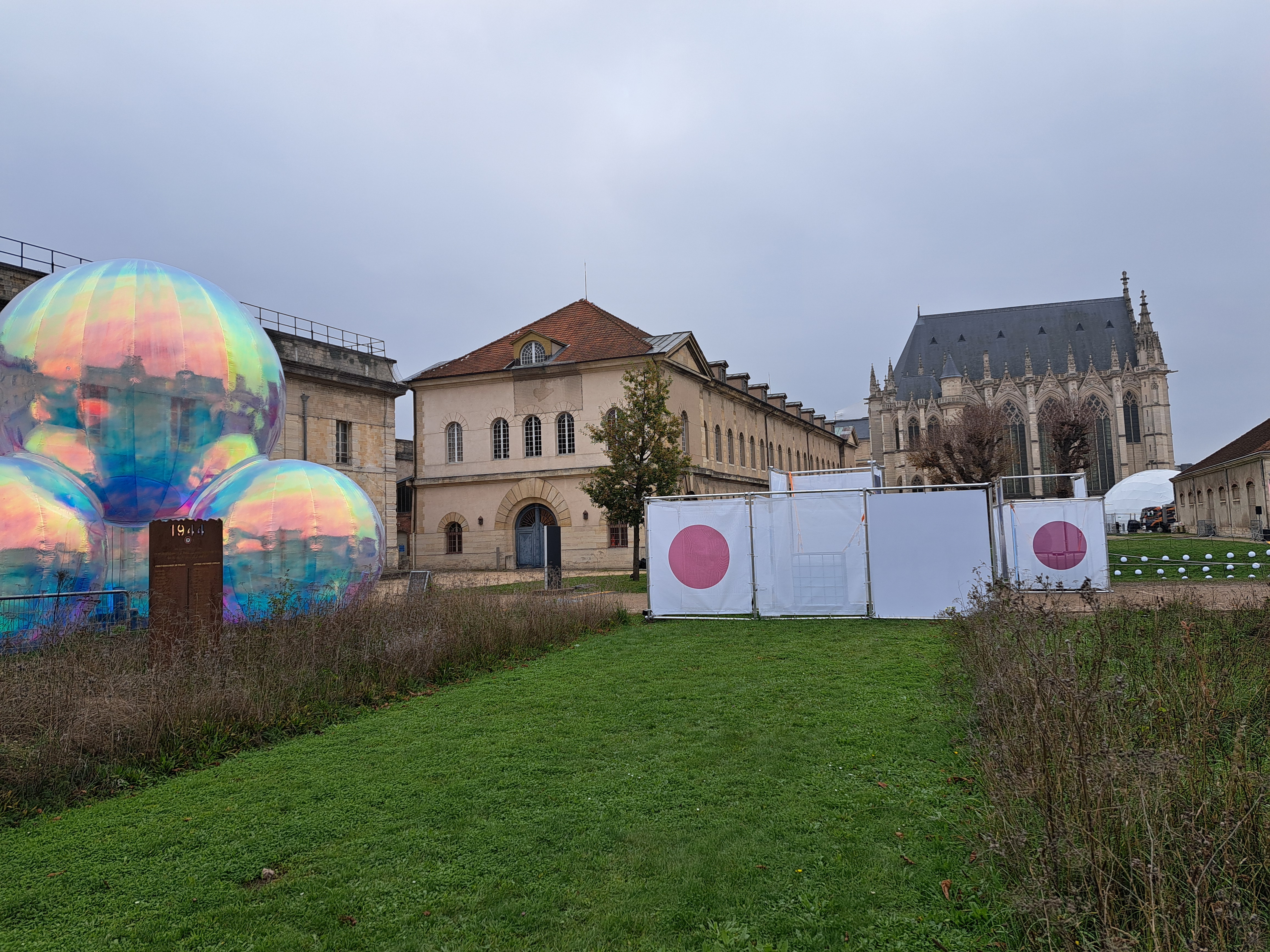
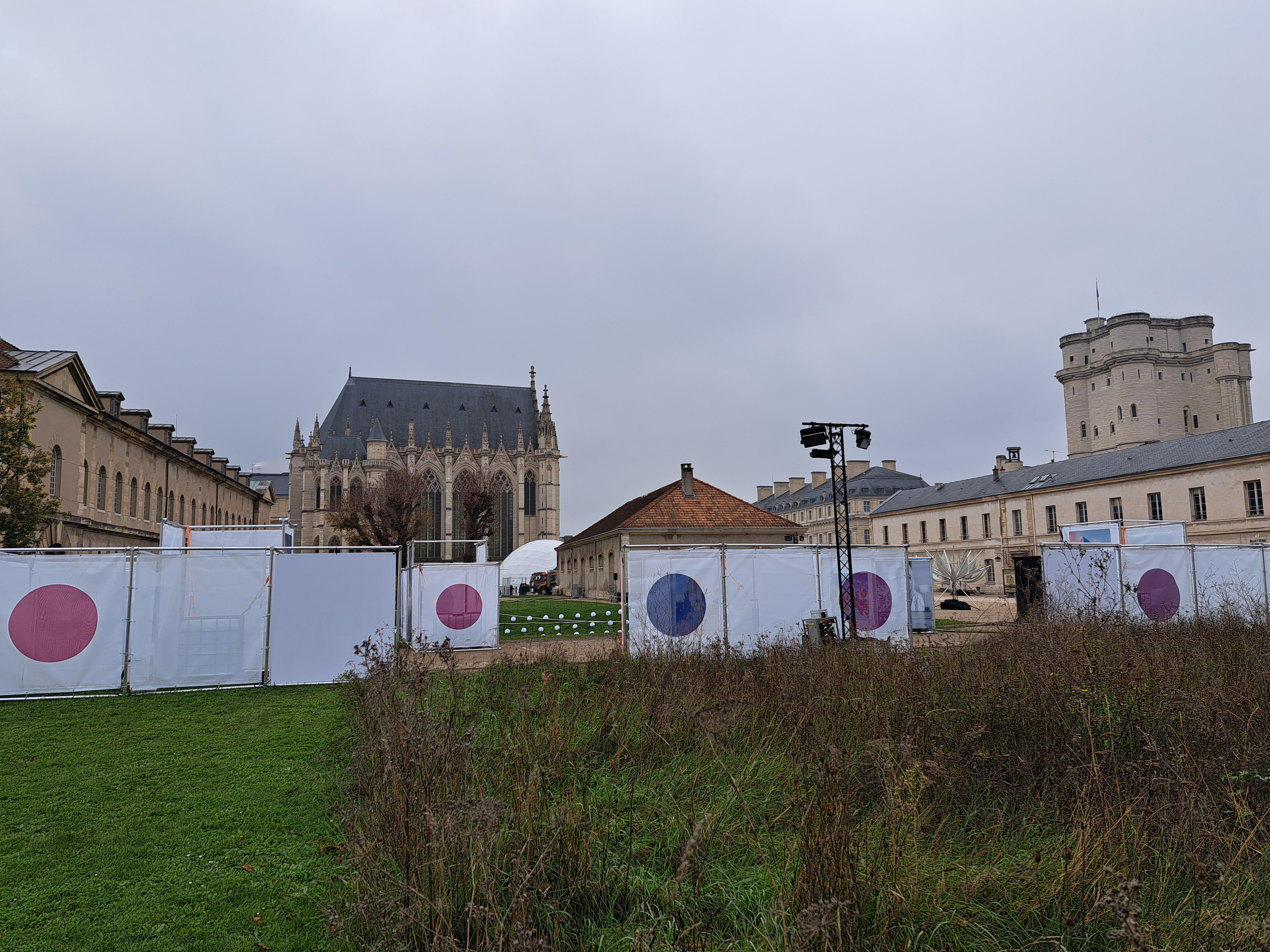
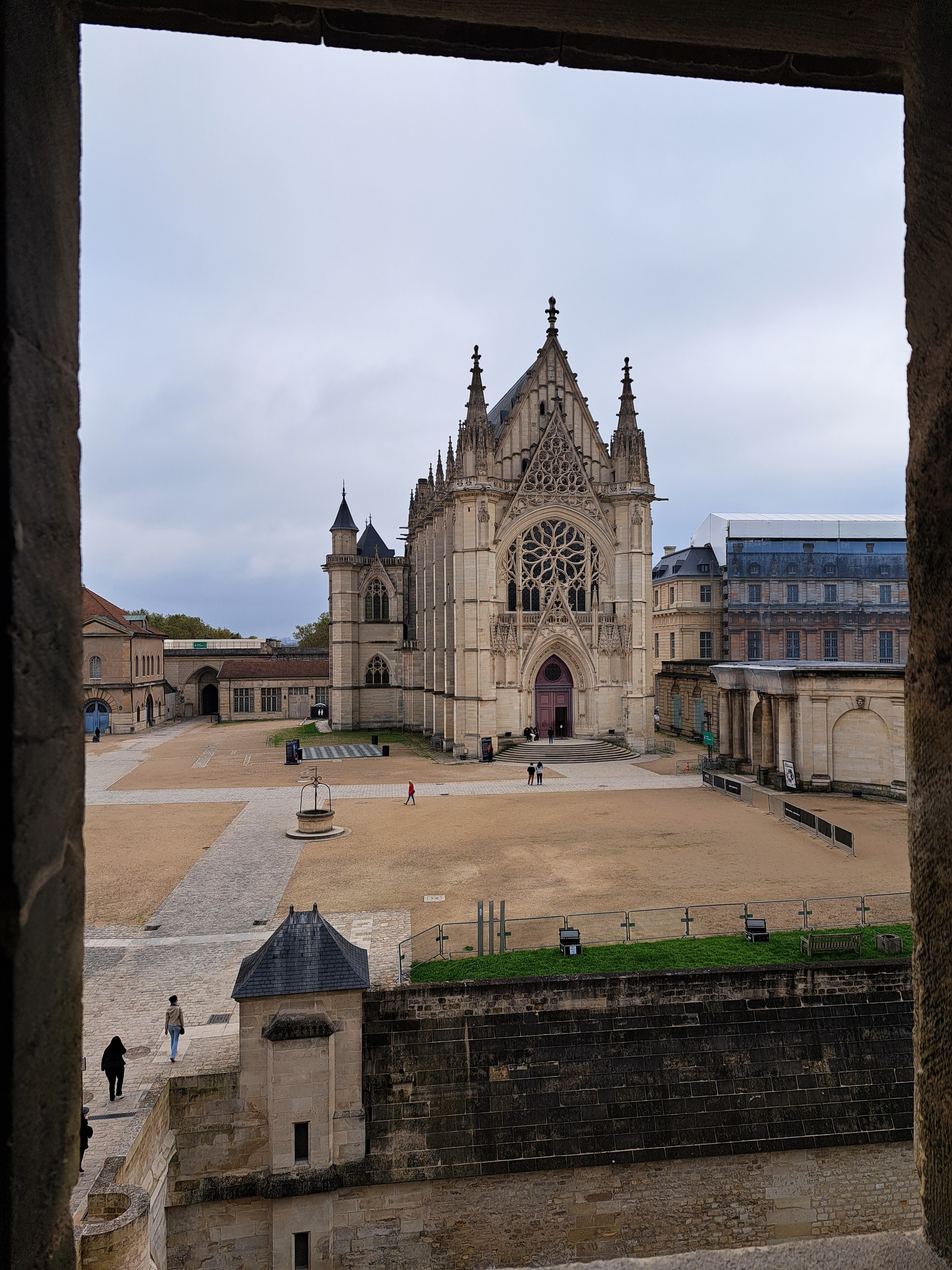
The first time we’ve shown you the outside of Chateau de Vincenne’s lovely cathedral, though in this series we’ve shown you its inside a few times already. 🙂
Another ode to lovely mornings by the Seine to begin…and then to business lol. A few days ago we promised to reveal how many bridges are in that photo from right next to my home in Amsterdam. There are three bridges within the frame of the photo, though in fairness only one of them is easy to discern in the bottom foreground of that photo, given its vantage point. I’ve photographed all three bridges in photos below, now from the perspective of my windows 15 storeys up. For reference, the photo I shared before was taken from the far right side of the first image below, looking towards Sloterplas and the third bridge which you can see below right, i.e. a bit below and left of anything you can see in the first image below. The second bridge is easily visible below left, and the first bridge is on the far right-center of the left-hand photo below, though what you see easily here is just the road surface as it crosses the mini canal en route to that street and construction site to my north. 🙂
Tap or click the individual images below to see them full size, if you want to make more sense of it. And since I’m linking Paris & Amsterdam in one post here and it’s the 750th anniversary of Amsterdam, we’ll do a wee historical ‘did you know?’ By and large NL (and trade-wealthy Amsterdam) managed to remain free of French dominion for hundreds of years, once in fact by purposely flooding fields to keep the ‘Sun King’ out. Only once did they succumb, to iced-over fields and Bonaparte. Who was himself beaten three times later on, first by the self-liberating humans formerly called slaves in Haiti, and then twice a decade and more later, by the English-Austrian-Dutch etc. coalition. Ah, the wheels of history.
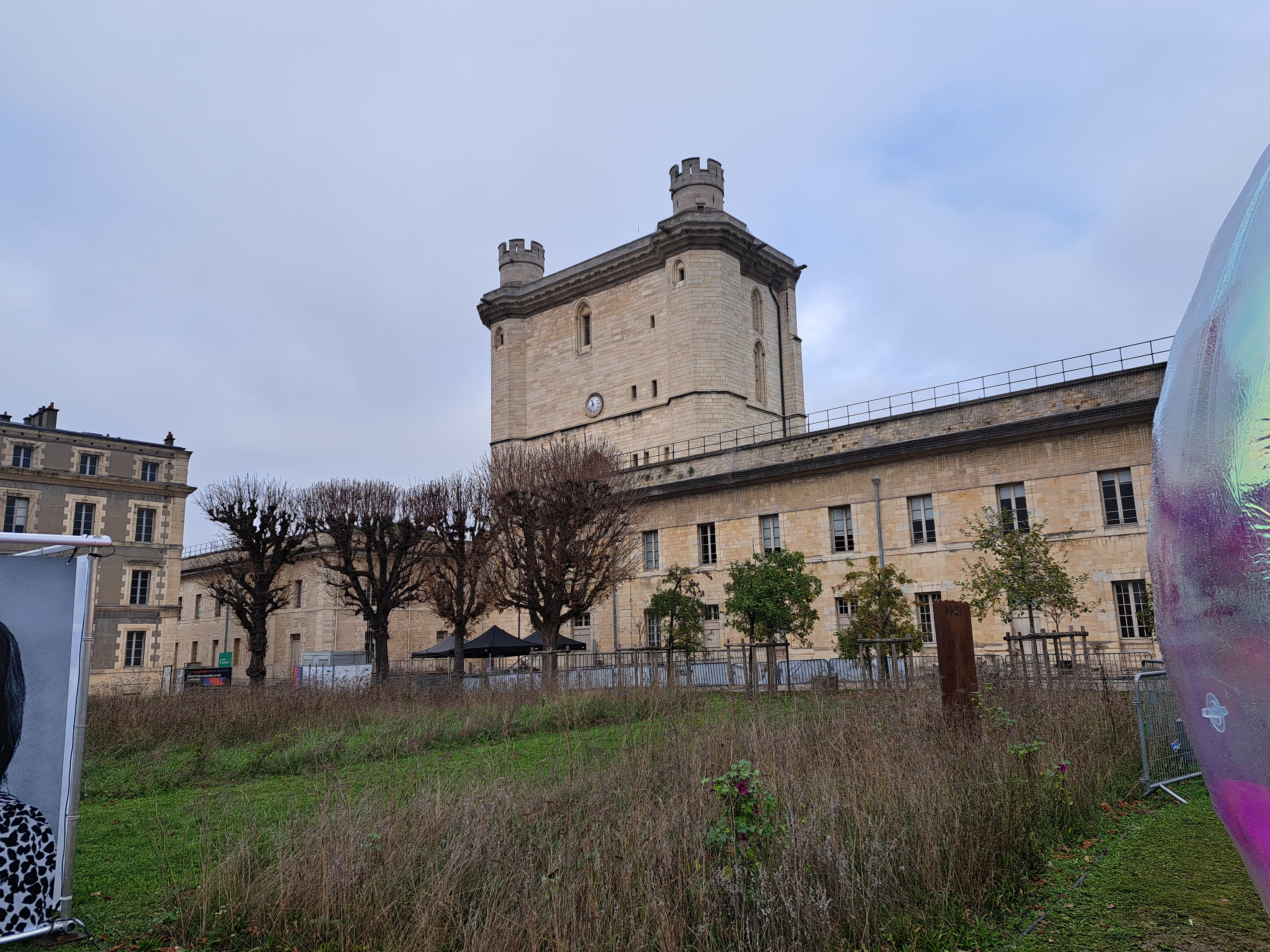
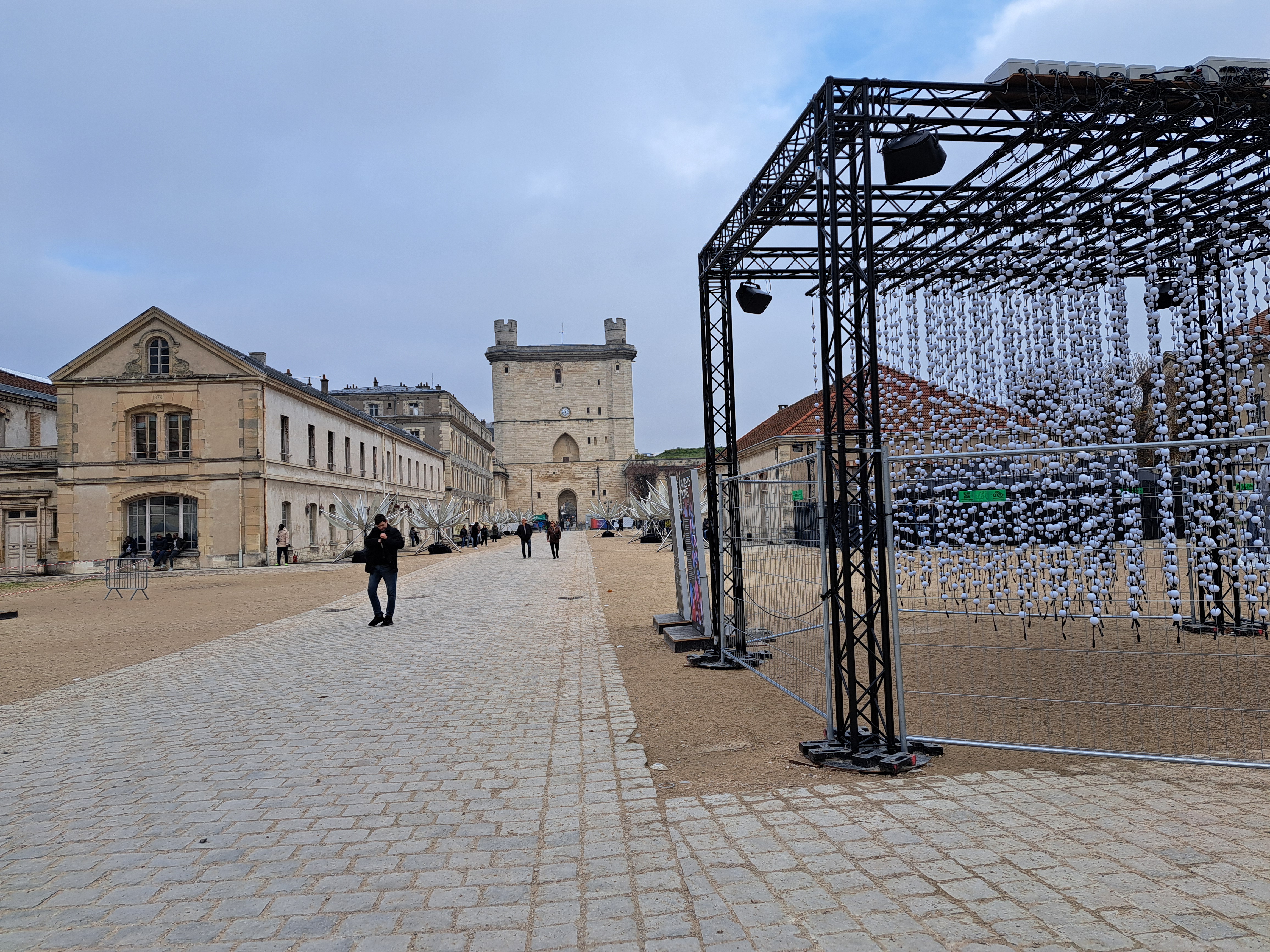
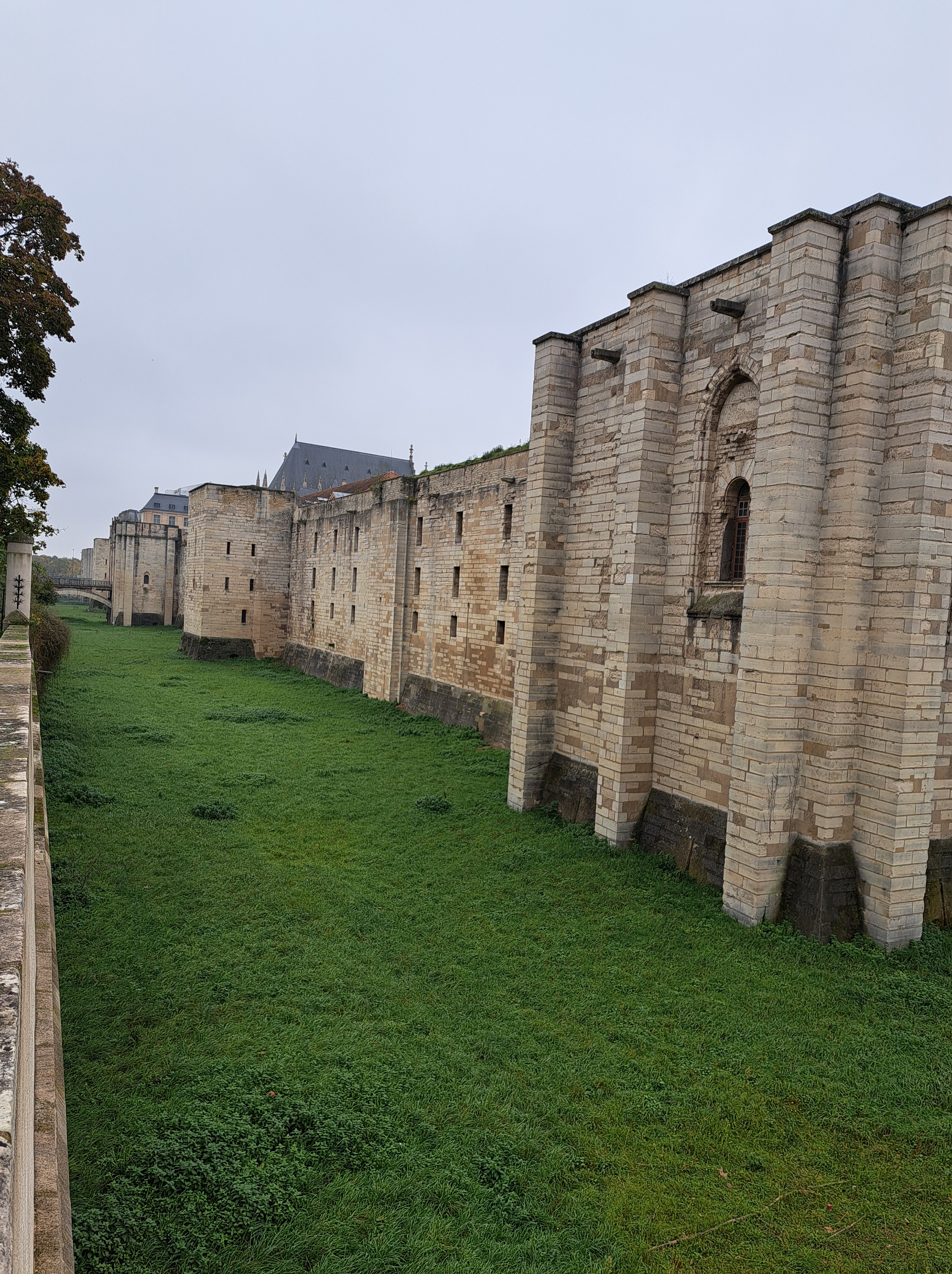
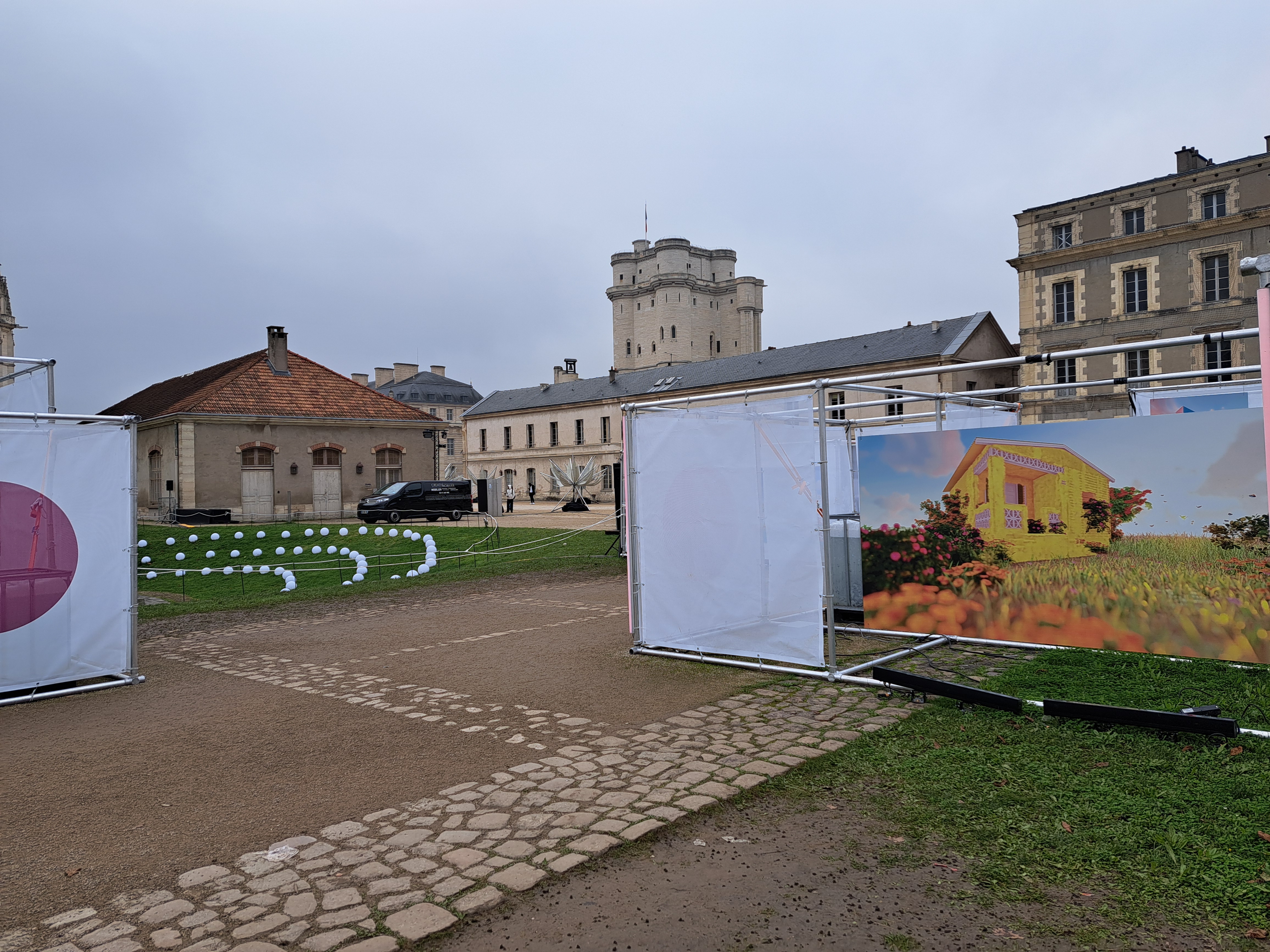
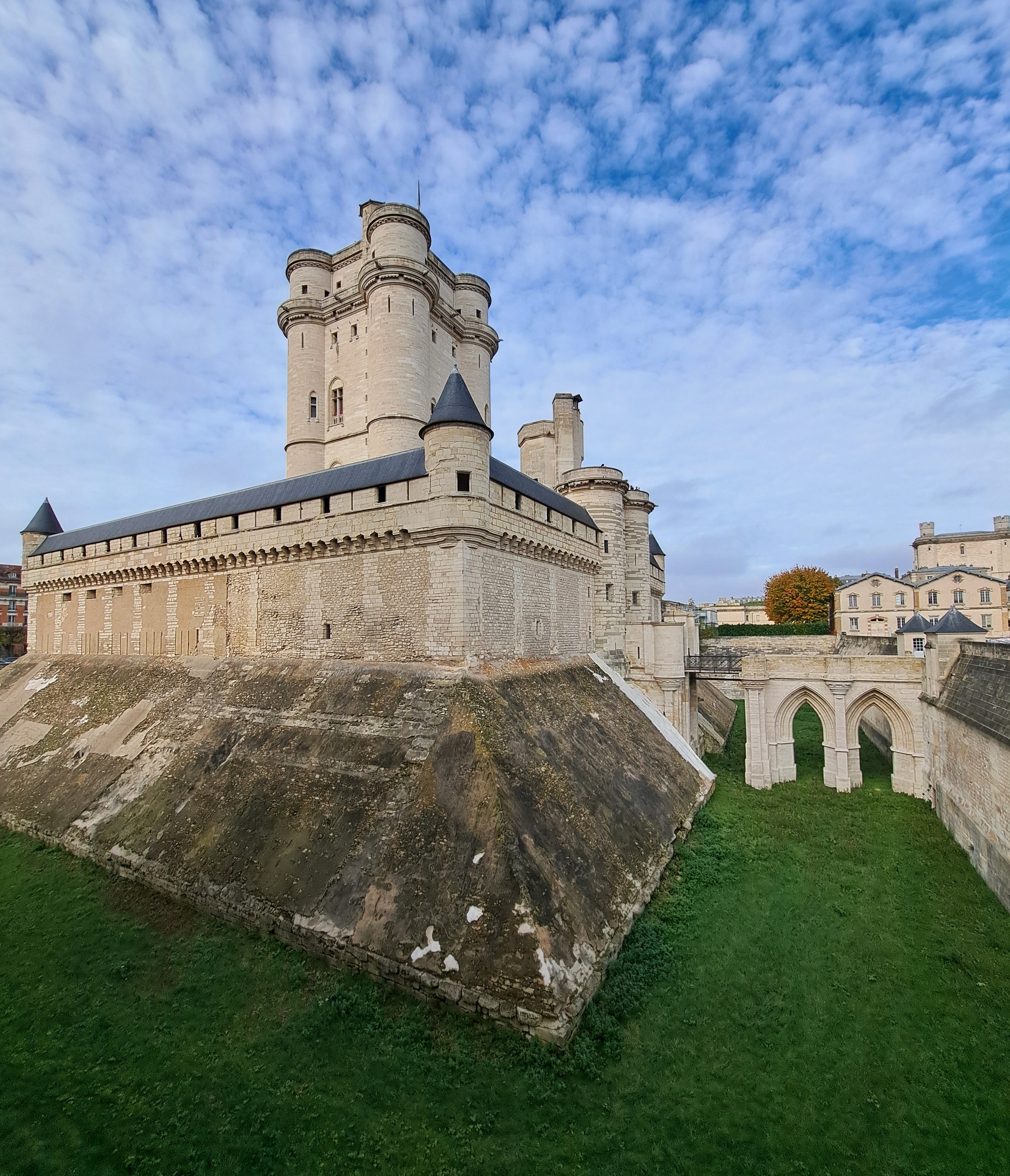
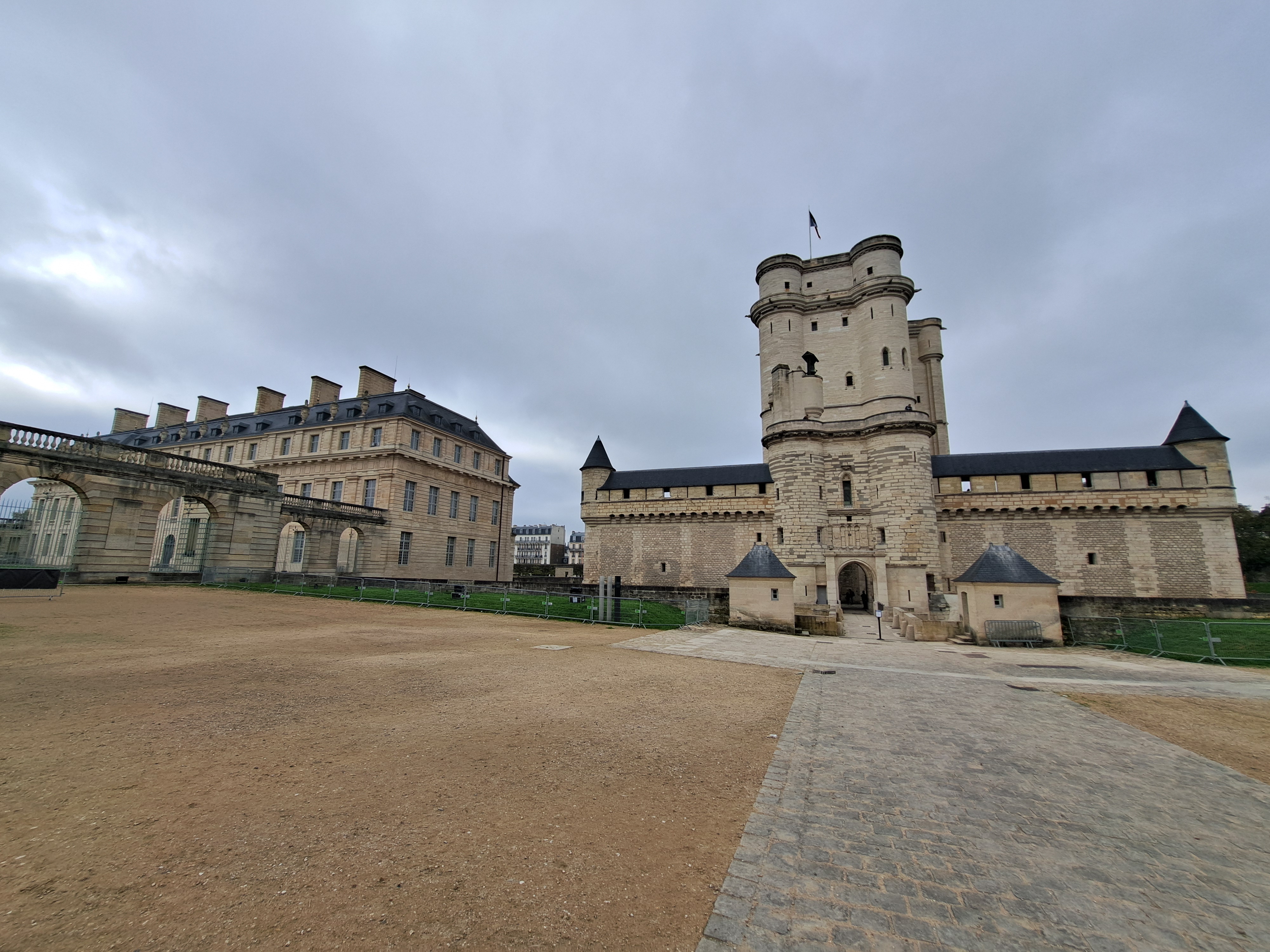
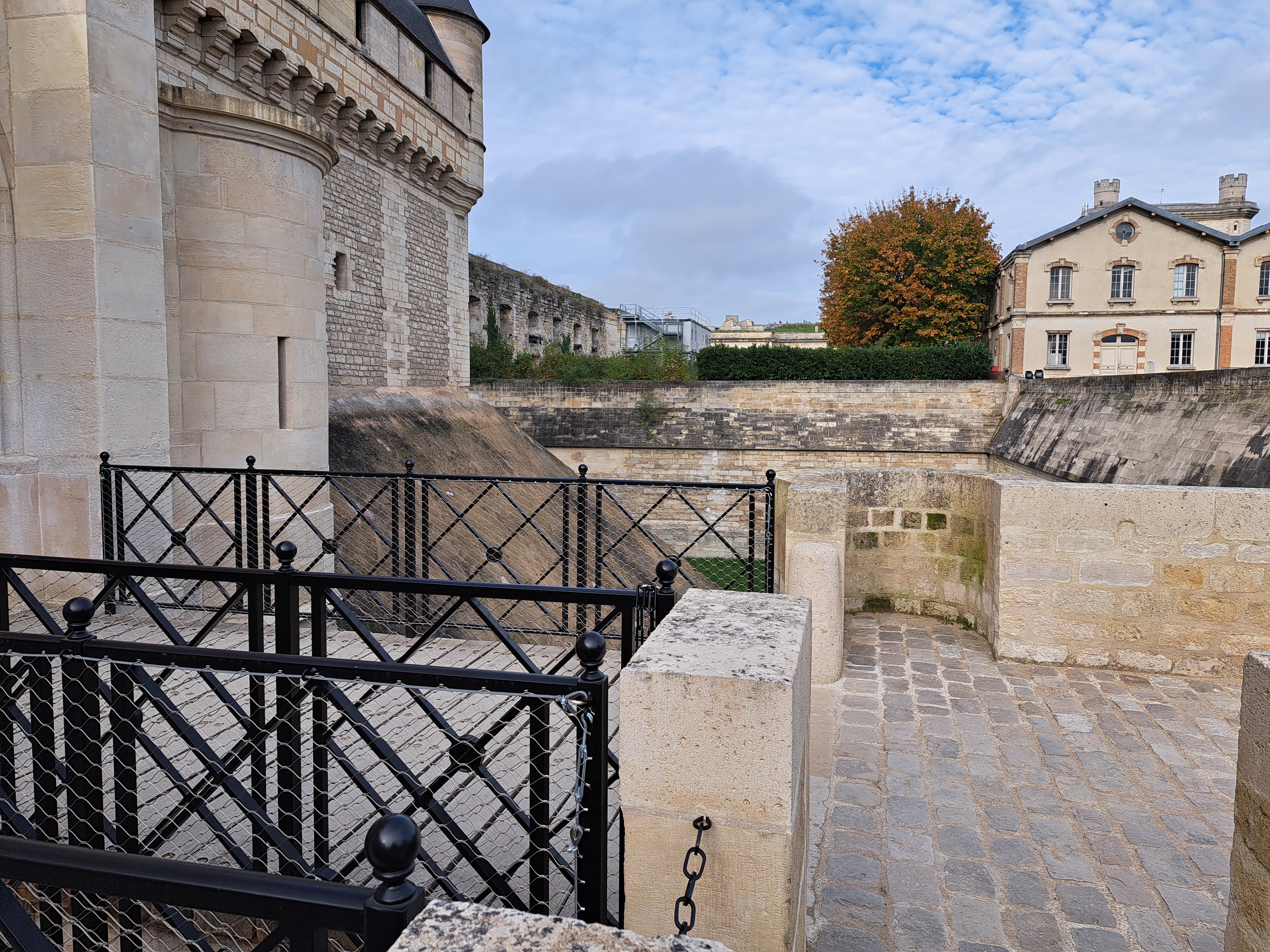
And we’ll wrap up this week of bridges with two posts from Paris, where we began it all. This one’s all from Chateau de Vincennes. Its 700-year-old keep (above, with protective drawbridge) was built here well outside the city limits, at a time when France’s kings were feeling a bit vulnerable after a capture by the English and some demonstrations by angry peasants – most likely about the tendency of France’s wealthy dictatorial hereditary rulers’ tendency to underestimate the difficulty average people faced in feeding their families – near their city palaces.