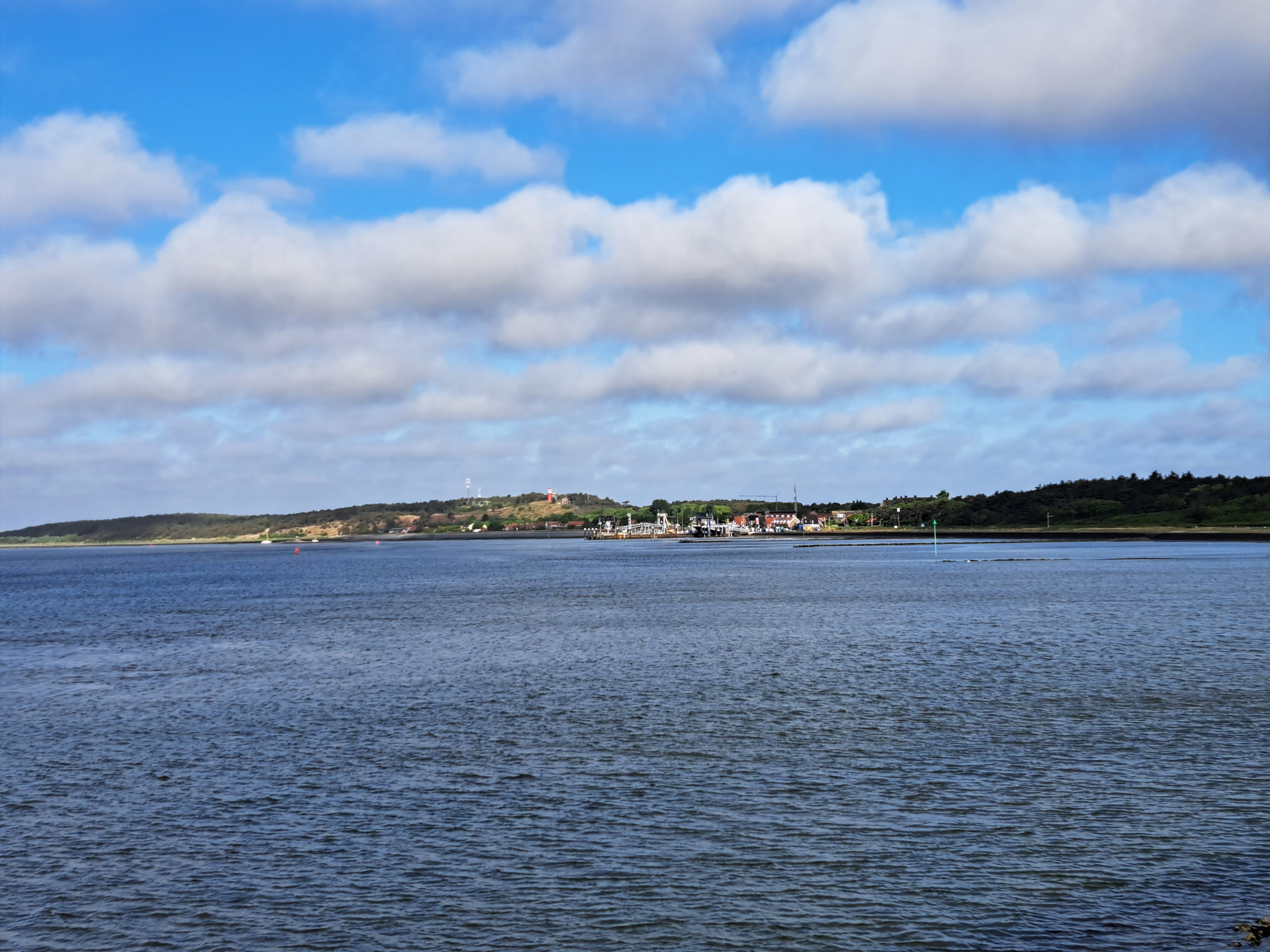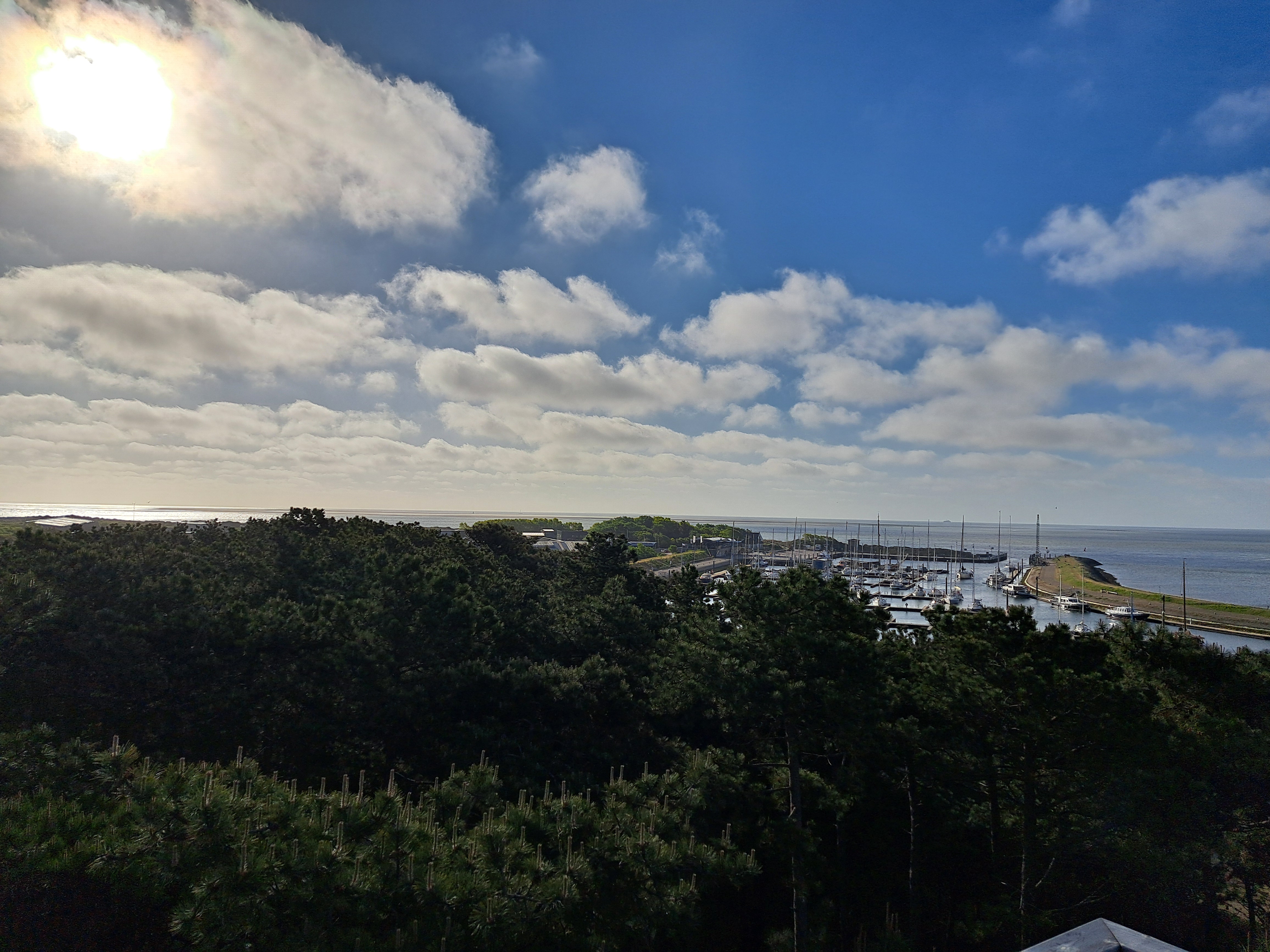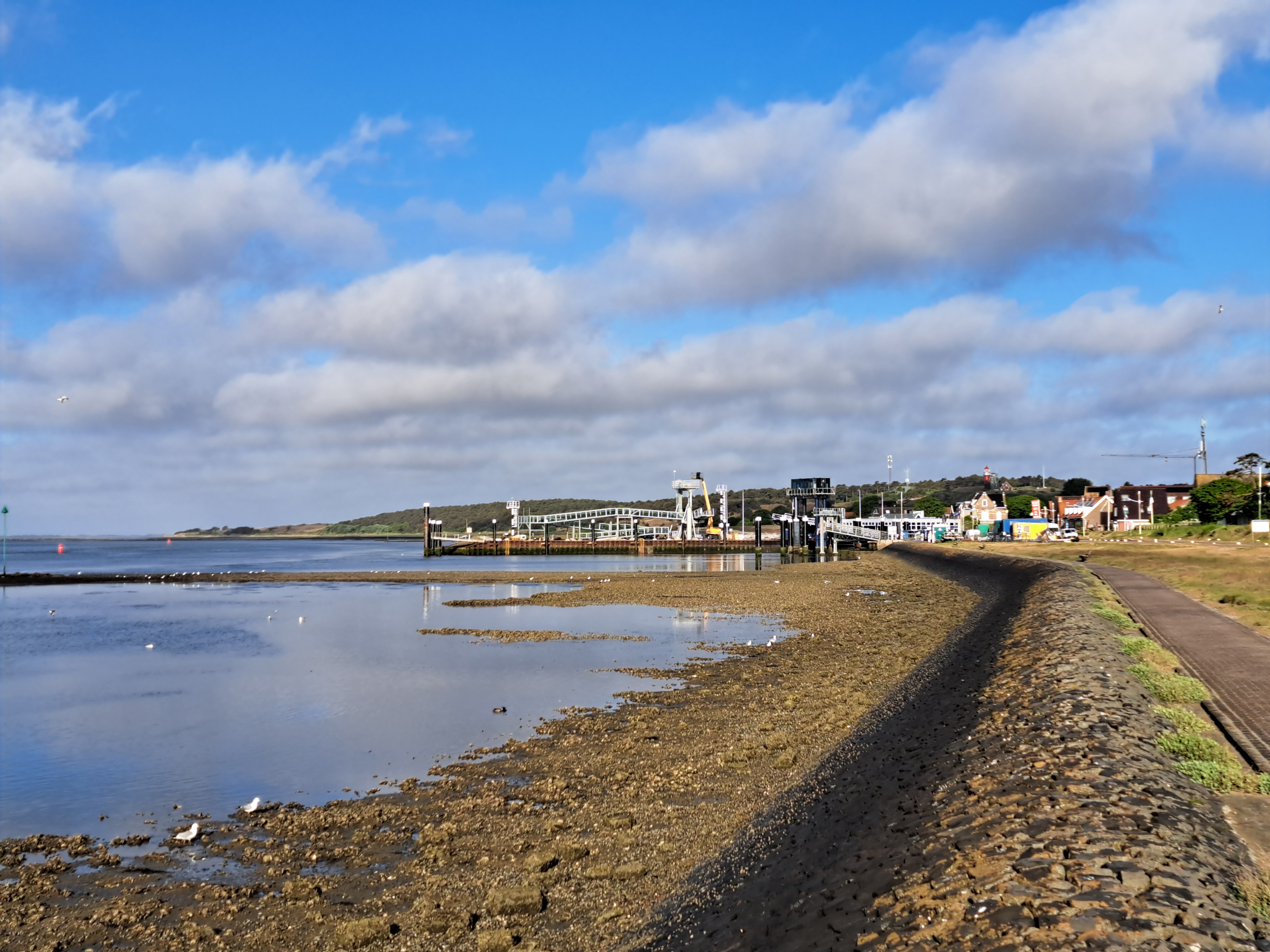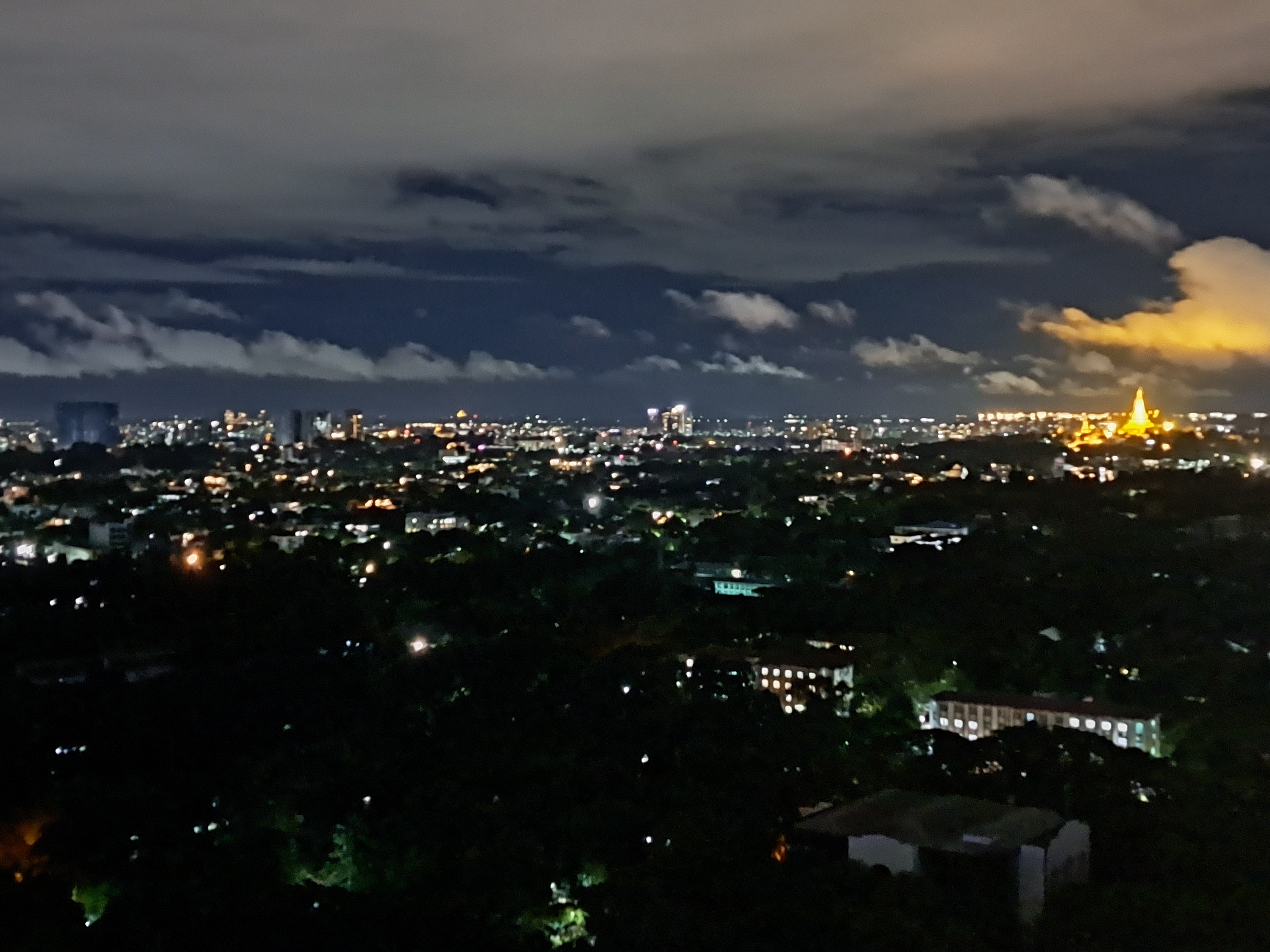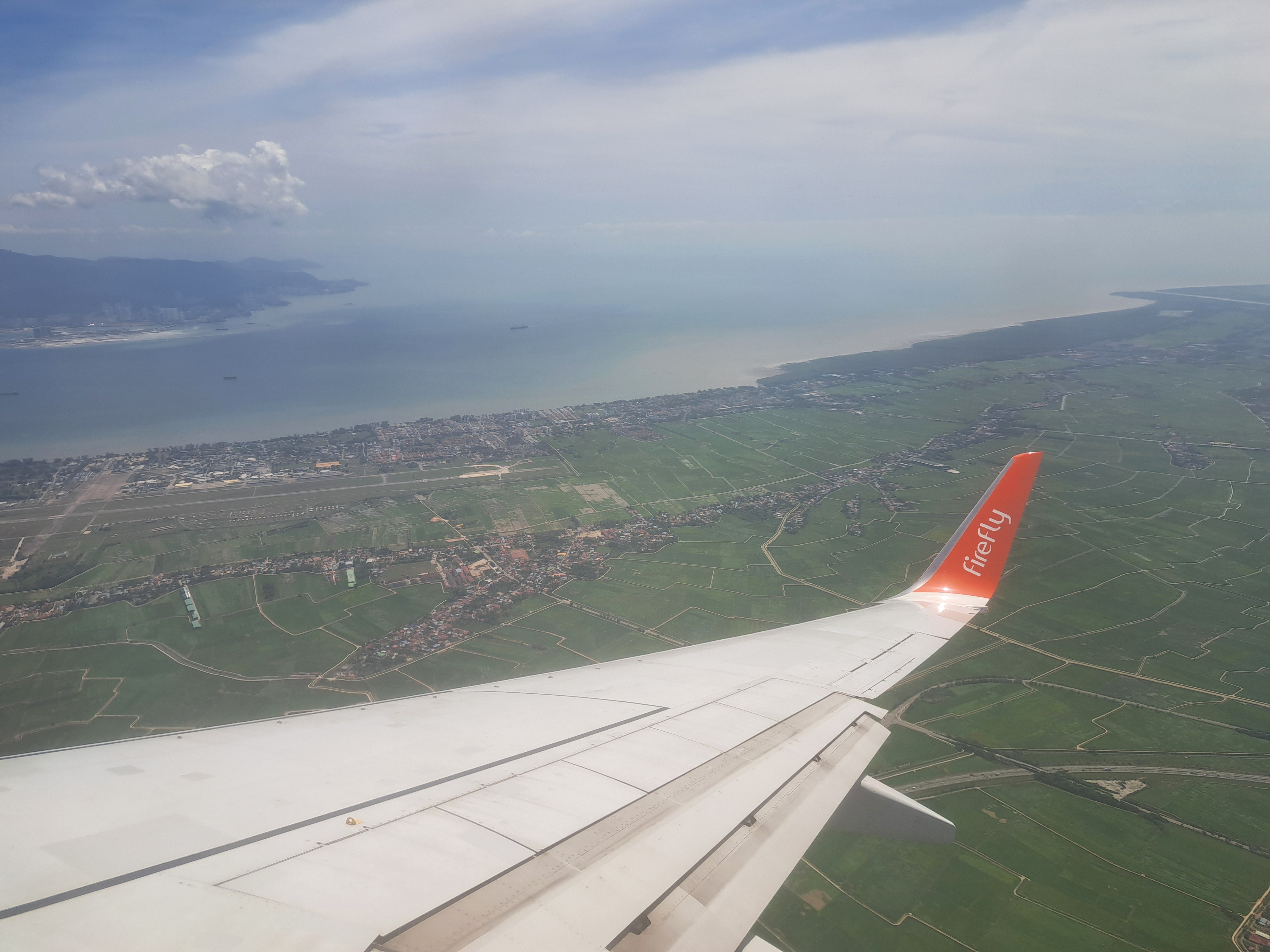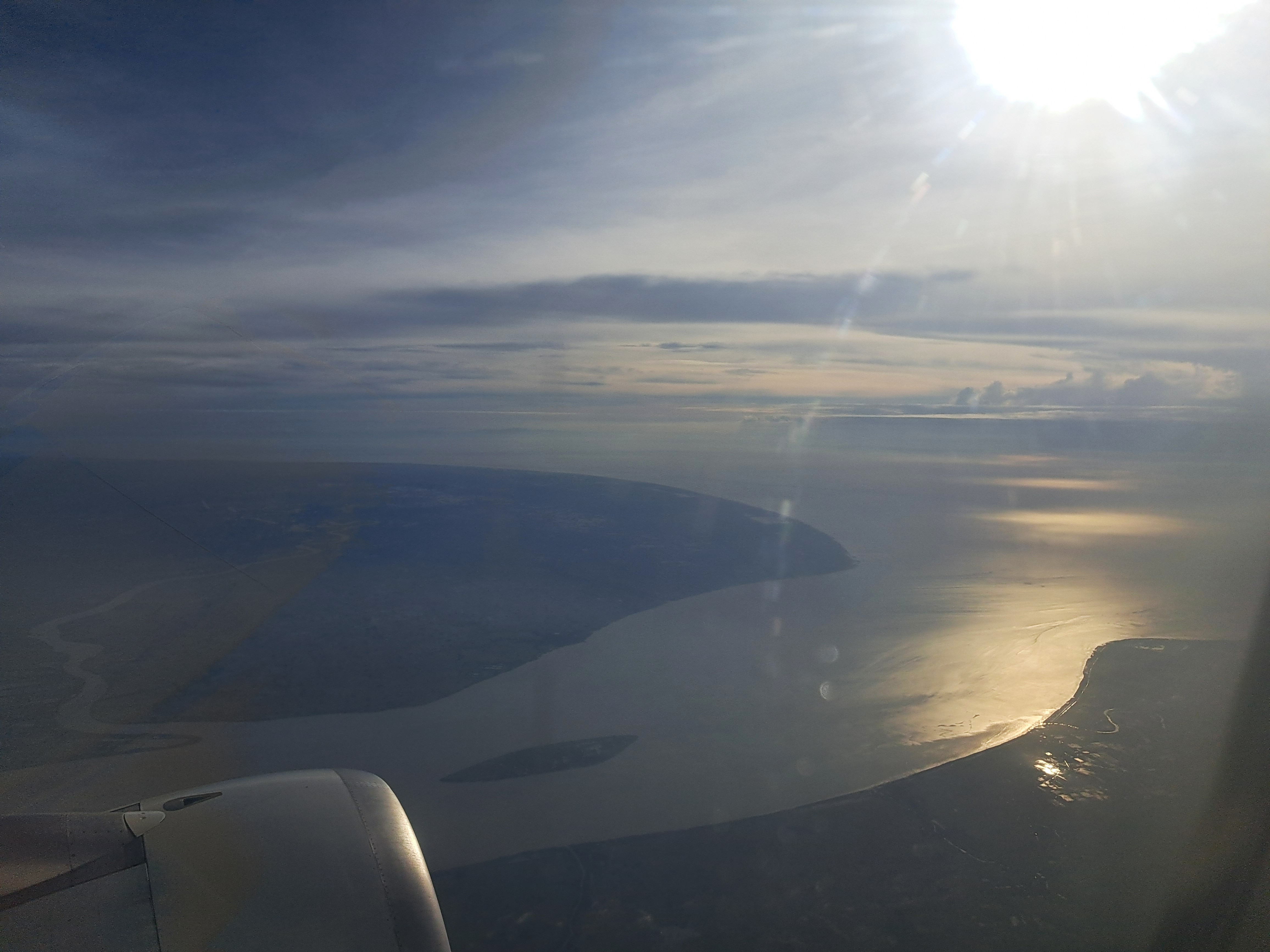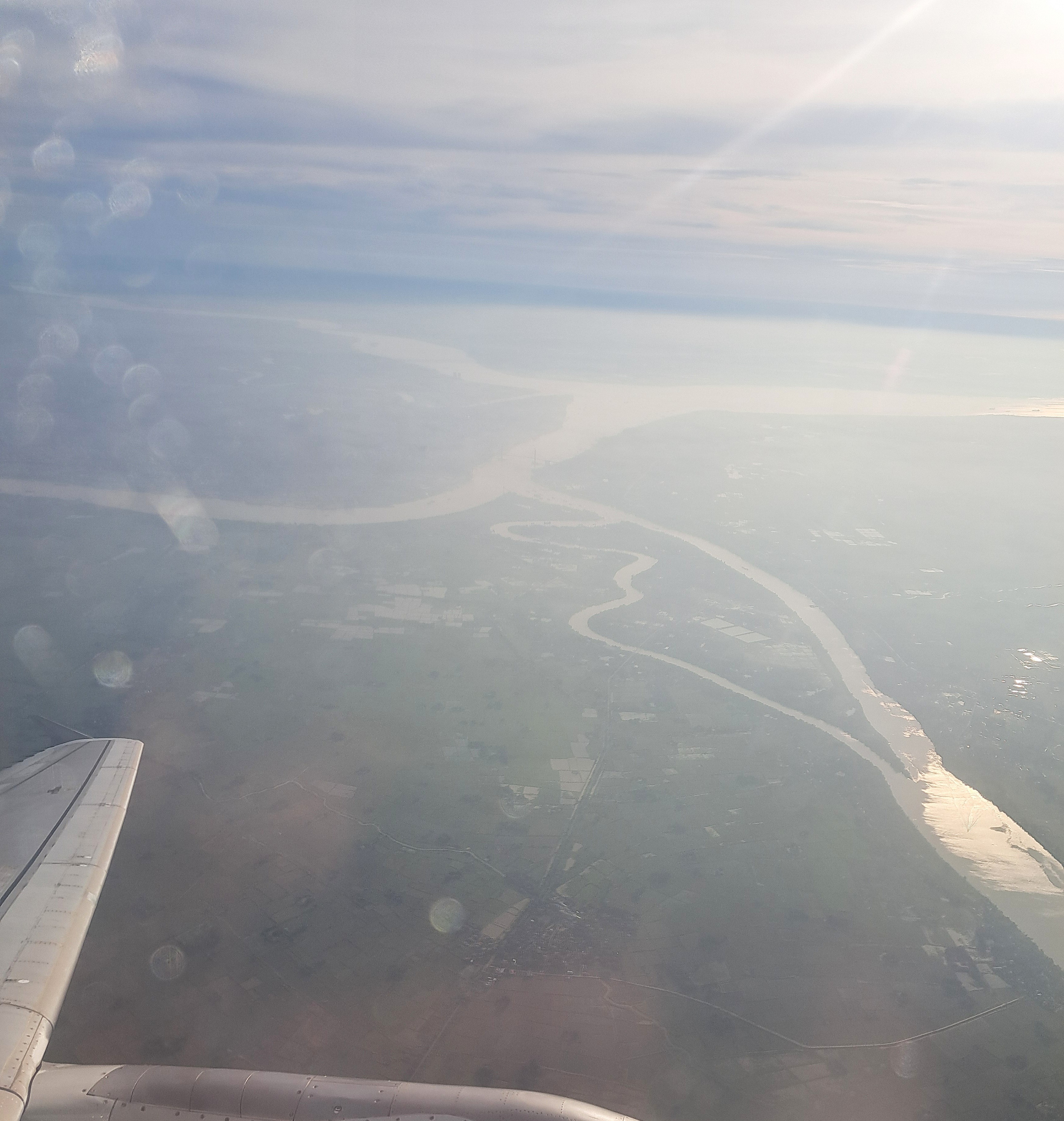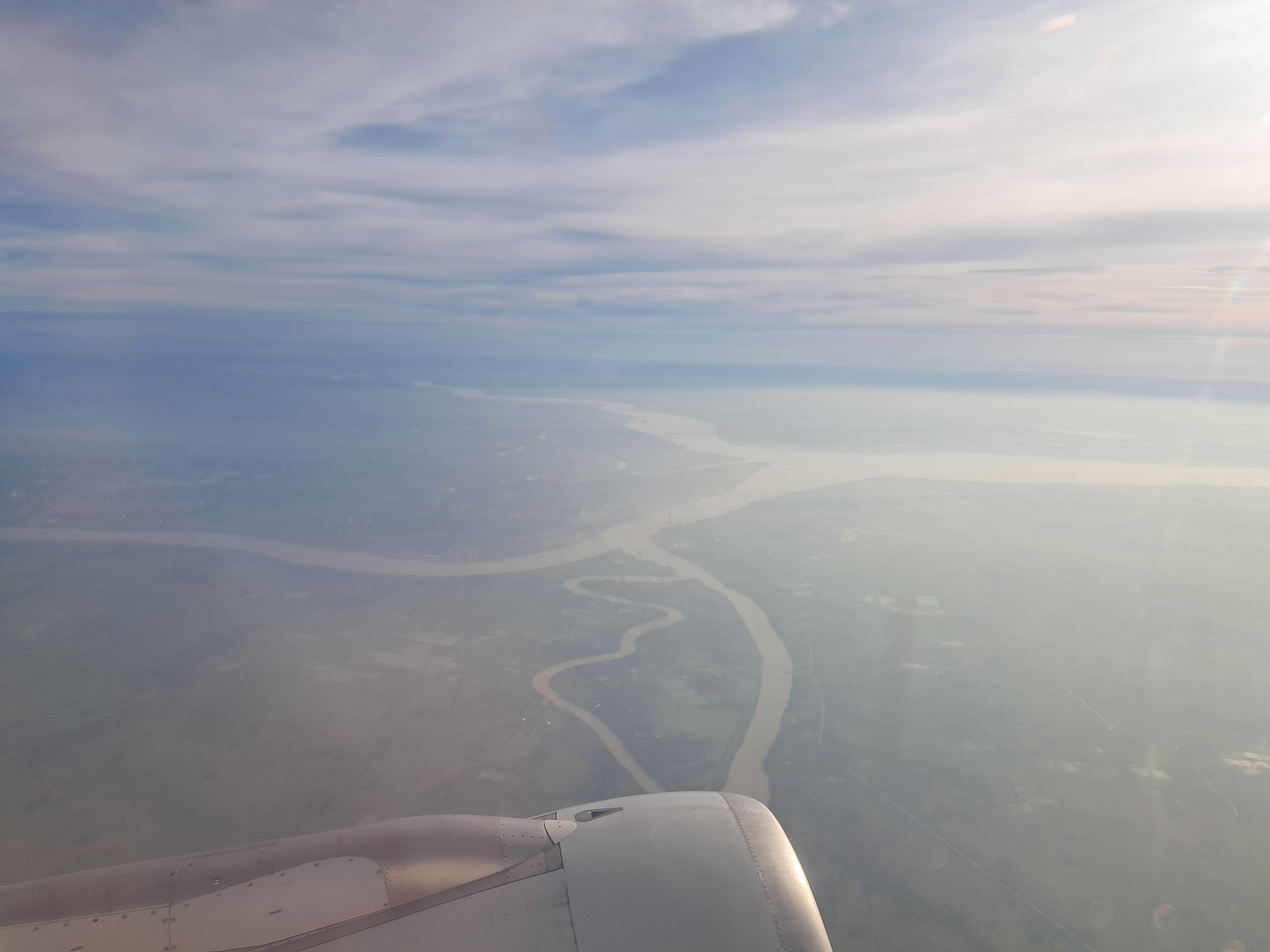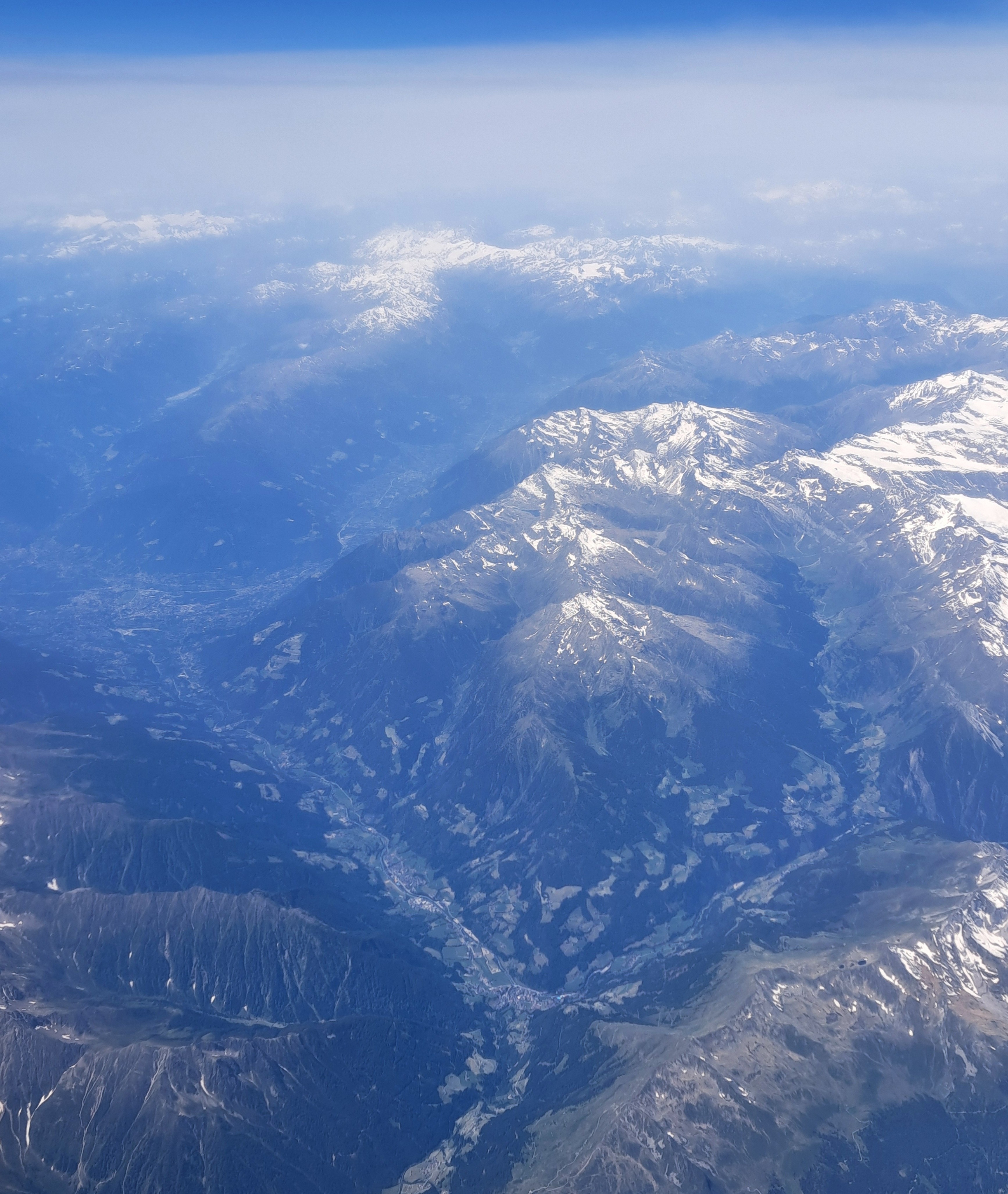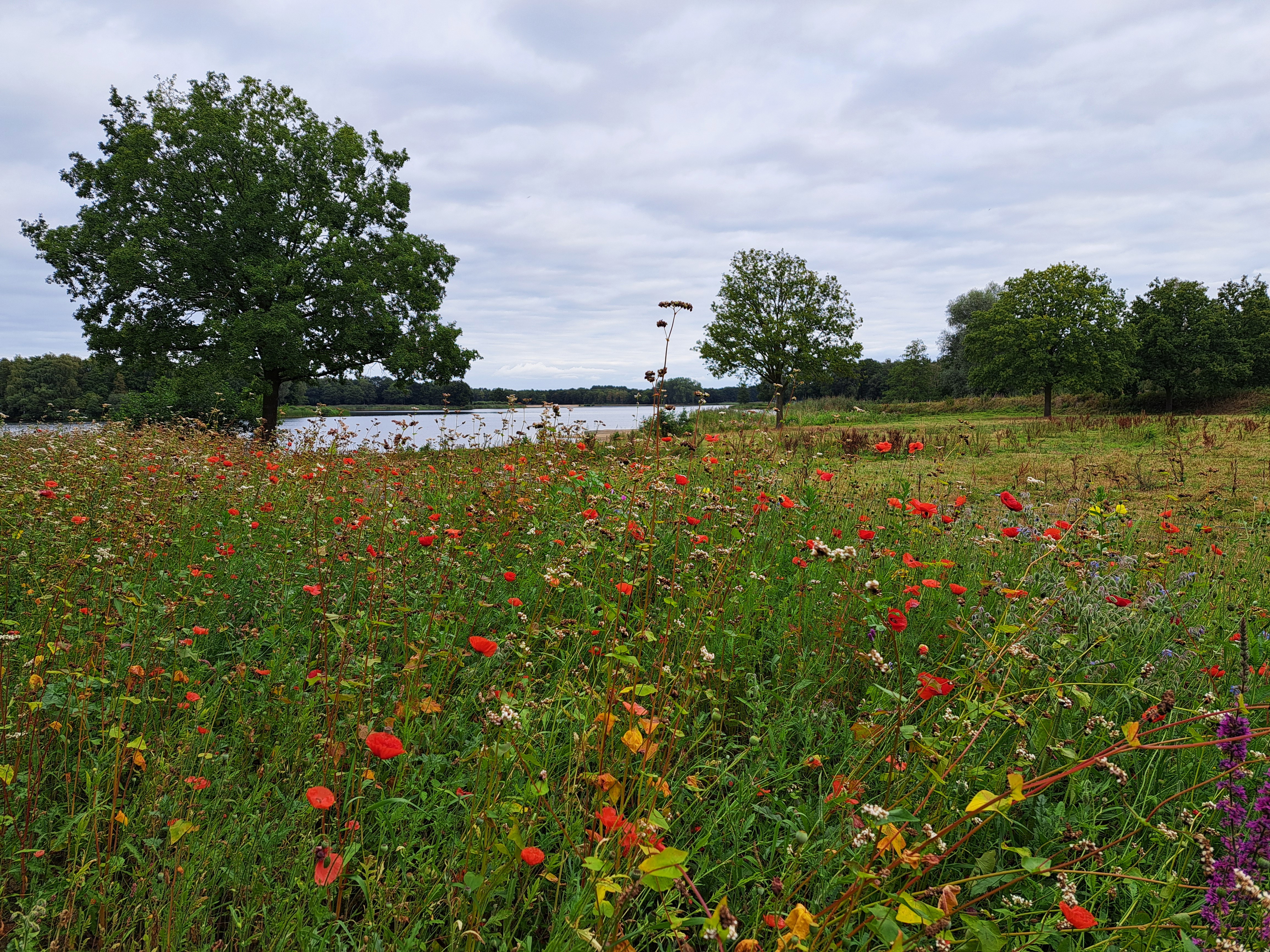
This is the Norwegian coastline a bit north, I think, of Ulsteinvik. Our boat left Bergen yesterday, and should dock at Kirkenes Sunday morning. Take a guess what we hope to see, and what I hope to share with you from this journey :-). First, we’ll catch up on this series, which had to take a short pause while awaiting this cruise.
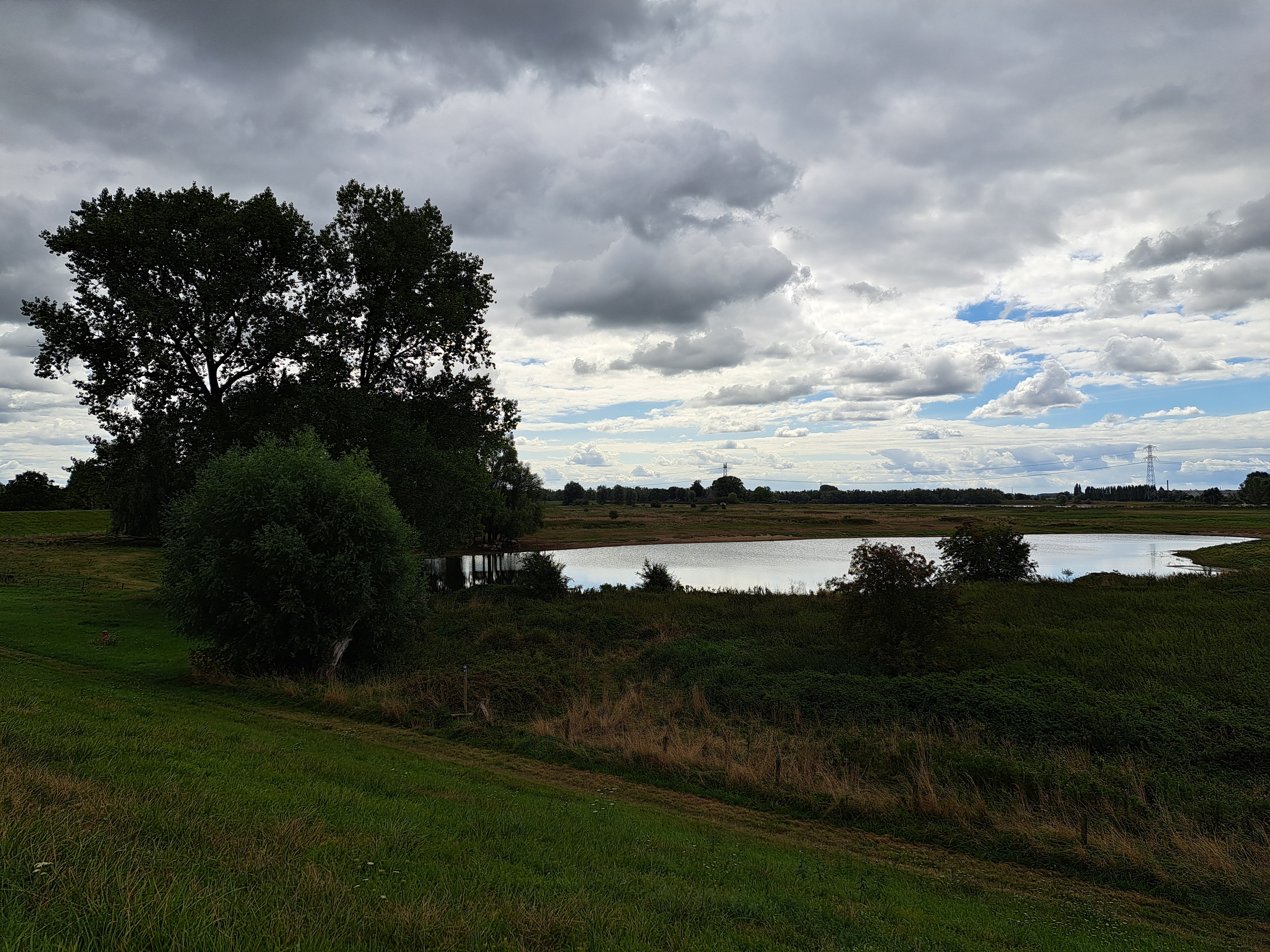
At the top of the above photo is a bit of a hidden little island that’s tucked on the edge of my local park, Sloterpark. Curious about it, I walked over to see that it’s some kind of youth club recreation area, and though I wasn’t able to photograph them well, I’d like you to imagine a dozen or so teenagers zipping through the breaks in the trees on mountain bikes. I think they’ve turned it into a mini mountain bike race course or something. Below are the usual-suspect islands along the edges of the main Sloterplas flood-control & canal-navigation lake next to which I’ve lived since August 2023.
So after all that talk of Swiss history I thought I’d finally show you the few salvageable images I took while the train was heading north from Bellinzona to the Gotthard base tunnel en route to Zurich, the day after all those castle shots. I expect that highway bridge you see below is carrying traffic up to the car part of the same pass we were heading for, but can’t be certain. Sorry for any of the train-motion and window-blur effects that linger after my cropping and retouching.
Et voila, that Tibetan hanging bridge across a gorge in the hills northwest of Bellinzona (en route to Locarno) that I’ve been promising to show you for more than two months. There’ll be one or two more of this location, likely in a different series you can guess.
First of several posts we’ll share from the Chateau de Vincennes, abutting Bois de Vincennes to the east of Paris. What you see here is the keep in the foreground – completed in the 1300s under Charles V, when French kings were feeling vulnerable after one of them had been captured by the English, and others made uncomfortable by public demonstrations and protests too close for comfort to their palace in the heart of the city. In the background you see parts of the Sainte-Chapelle de Vincennes, completed in the 1500s under Henri II but begun under Charles V in the 1300s. Lots of interruptions due to wars, money troubles and even a brief occupation by the English Henry V after his troops won the battle of Agincourt – and in fact it seems he died here at Vincennes, another “who knew” moment. Below you see some of the classical palaces built later: more on that later :-).
Welcome to Bellinzona, which is the capital of Ticino, Switzerland’s southernmost and only predominantly Italian-speaking canton. Its importance derives from its pivotal role in ensuring the Swiss Confederation took all this land south of the alps away from various Italian ducal cities which had claimed it.
Yes, it’s not coincidence that Switzerland has this large canton almost entirely south of the alps whose sole official language is Italian: three key central-Swiss cantons and founders of the Old Swiss Confederacy back in the 14-1500’s each built a castle strategically positioned to both protect the Gotthard pass – it’s north and east of the mountains on the far side just above and has since history began been the main pass through the alps – and to secure claim to the lands that are now Ticino. Turns out at one point they’d conquered land all the way down to Domodossola, which was the one place they were required to give back in the Peace of 1516. Who know the Swiss were once so expansionist?
This photo immediately above shows you Castello di Sasso Corbaro at the top, seen through the crenelations on a turret of Castello di Montebello. We shared a glimpse of Sasso Corbaro in an earlier post, taken as I hiked up the other (western) side earlier this day, before walking and bushwhacking back down the east side to get to Montebello. (All of this was necessary because construction was blocking access to the main foot path from town up to this one.) The top picture shows you Castelgrande, the only one I didn’t get to, because after the bushwhacking etc. between these two castles, I chose the Tibetan hanging bridge at sunset instead, as noted in a prior post more than two months ago … in which I promised both to show & tell you more about Bellinzona (promise now fulfilled), and show you the Tibetan hanging bridge (promise still outstanding). The first photo in the gallery below should be showing you both Montebello (closer) and Castelgrande (farther) as seen from Sasso Corbaro. Enjoy these views of the most historically important of Ticino’s lovely cities.
We’re in the hills above Bellinzona, walking toward Castello di Sasso Corbaro, which you can see at the top. It’s one of the three castles guarding three key passes into this valley which gives access to Lake Lugano, into which this stream above and below will flow. (More about all that, quite soon.) Below, you’re looking pretty much west to where you can just make out Lago Maggiore’s northeasternmost arm.