Back in June, shortly after returning home from the task of clearing my mother’s house and depositing some of her things at my brother Steve’s house, I flew down for a couple days in LA. The main purpose was to visit dear friends and pick up a car from them, with which I then drove back home to the bay area and renewed my acquaintance with that quintessentially American experience, the long road trip in a big car on good roads with music blasting and the miles going by rapidly out the window. It was lovely. Even more lovely were the the (too) few days I enjoyed in LA with a few friends. Several hours one day were spent with a visit to the Getty Center, perched on its hilltop in the Cahuenga pass – the first time I’d been up there since a wonderful trip with Mom in early 2013, during which we watched an outdoor dance performance taking place all across the sprawling grounds and gardens. (See photos of that performance, and of Mom enjoying the grounds with our cousin Pat, here: https://somuchworldsolittletime.com/2013/04/15/creeks-peaks-streets-malingering-in-la/ Since then, they’ve added more outdoor sculpture around the gardens which I (and Mom) always loved…meaning she’d have loved it all even more now, so I made sure to enjoy it extra much in her memory :-). It was also pride month, and Santa Monica marked the occasion with seasonal lighting on the Third Street Promenade. Capitalism at its best, eh?
smw, slt is now back at work in Bangladesh. But I’ve not yet brought out my camera, or figured out what rules of courtesy (or law) apply to taking photos on the crowded streets of Dhaka, which will be my home and place of work for what should be an extended period of time now. It’s been actually quite lovely to reconnect with colleagues I worked with when I was last in Dhaka or in Cox’x Bazar. This past week I actually squeezed in a short visit to Cox’s, from which I so enjoyed posting those daily “longest-beach” updates in January. Didn’t make it to the beach on that 24-hour visit, but hopefully again in future visits. In the meantime, I’ve used some free time this weekend to sort through photos that have sat in folders on my computer during the eventful, and sad, nine months between my last departure from BD and my return here two weeks ago.
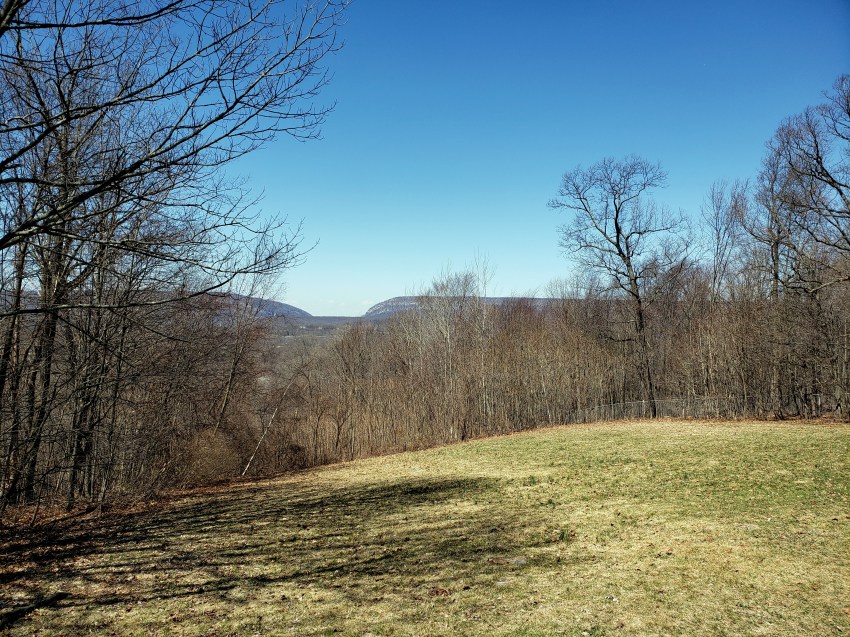
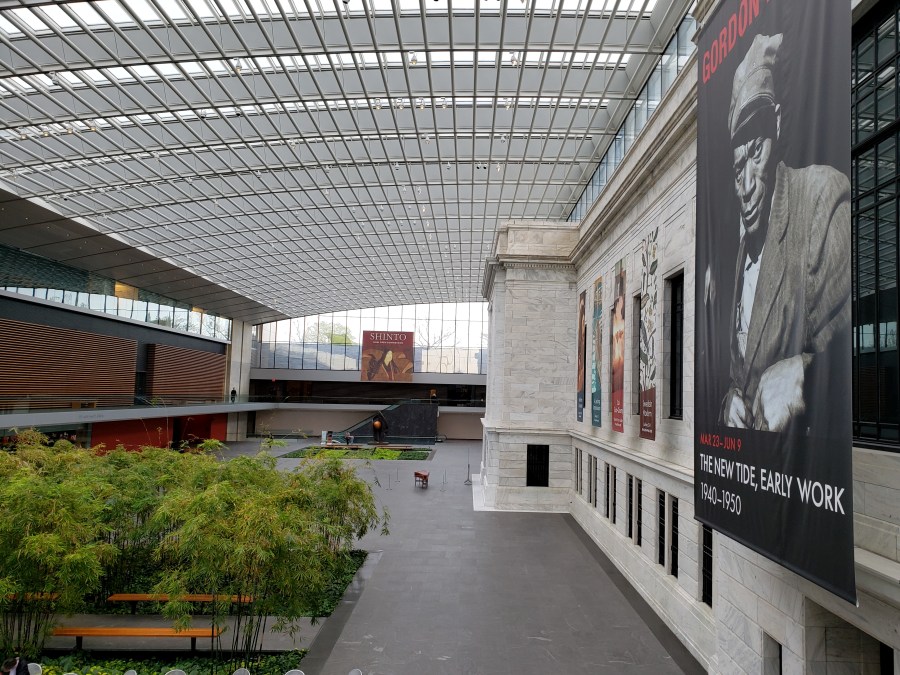
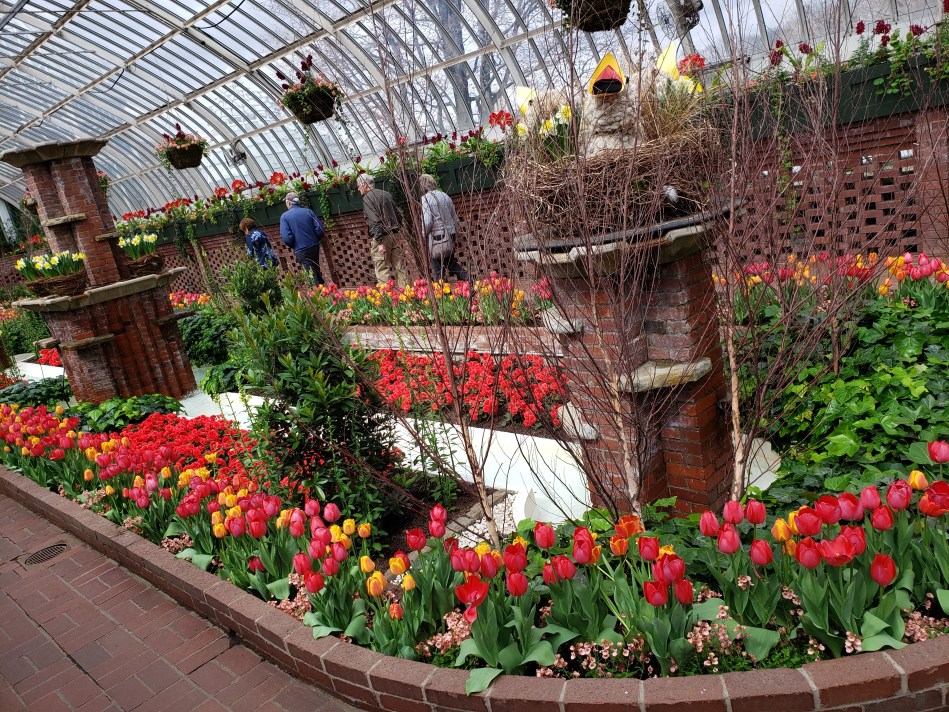
In this post, I’m sharing photos of locations reached by car along Interstate-80 from what used to be my mother’s home in NJ — places she, I, and my brothers visited more than once over the years. Above, the Delaware Water Gap seen from a rest stop while I was driving out for a few early-April days visiting my brother in Pittsburgh, and actually giving a talk about our work here in BD at Carnegie Mellon University. (Ah, well-maintained, wide highways with publicly-maintained rest stops featuring picnic tables and usually some form of flushable or water-free toilet, and often even drinkable water coming from publicly maintained drinking fountains! The luxuries Americans don’t even realize they have…) In the gallery and other photos above & below, images from the lovely Phipps Conservatory in Pittsburgh, and from the Cleveland Museum of Art, taken during a visit with cousins and my middle brother, Steve, in early May. (Ah, local cultural institutions open to the public for enjoyment and education…the pleasures and privileges of living in an essentially stable, wealthy society with tax laws that encourage the ultra-rich to set up such institutions to benefit future generations…)
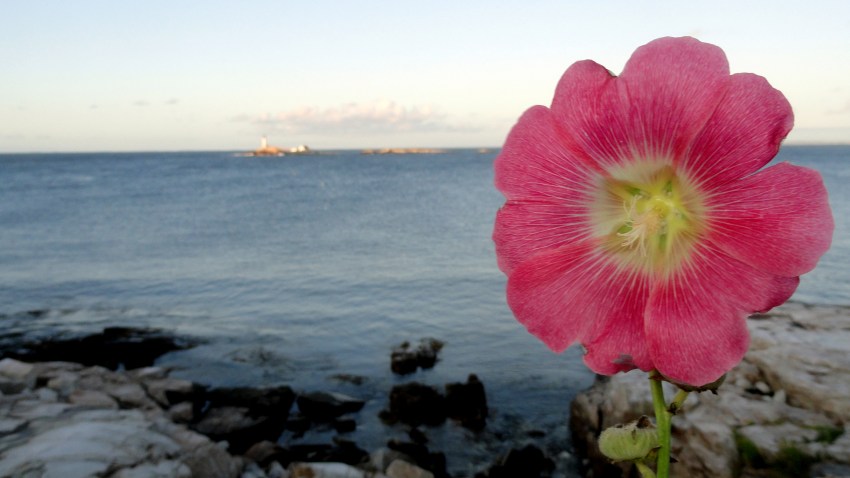
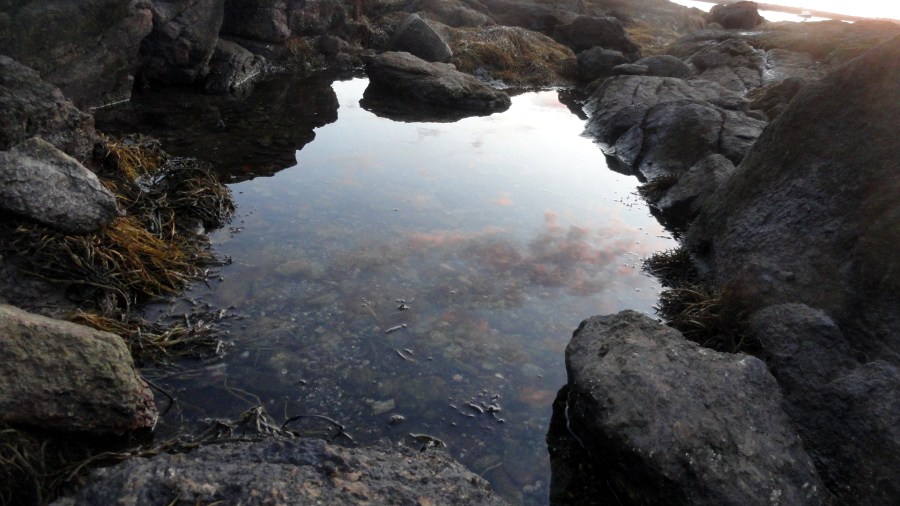
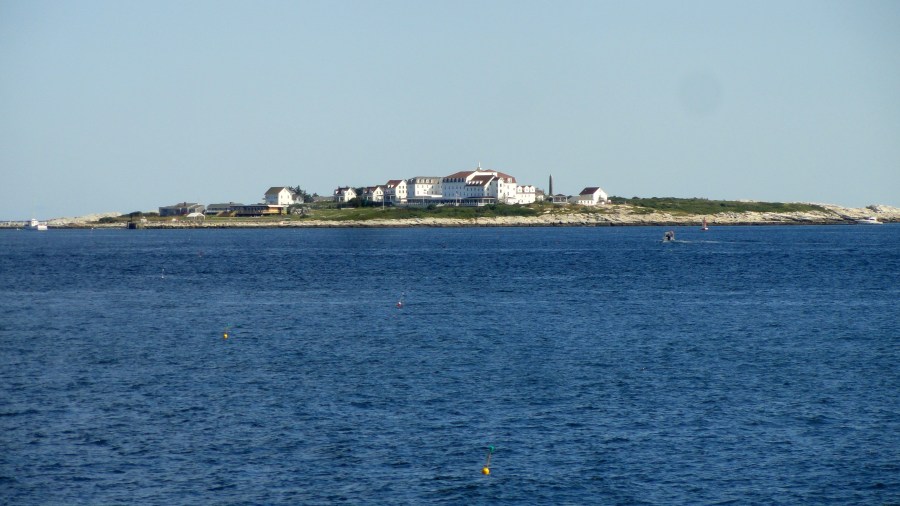
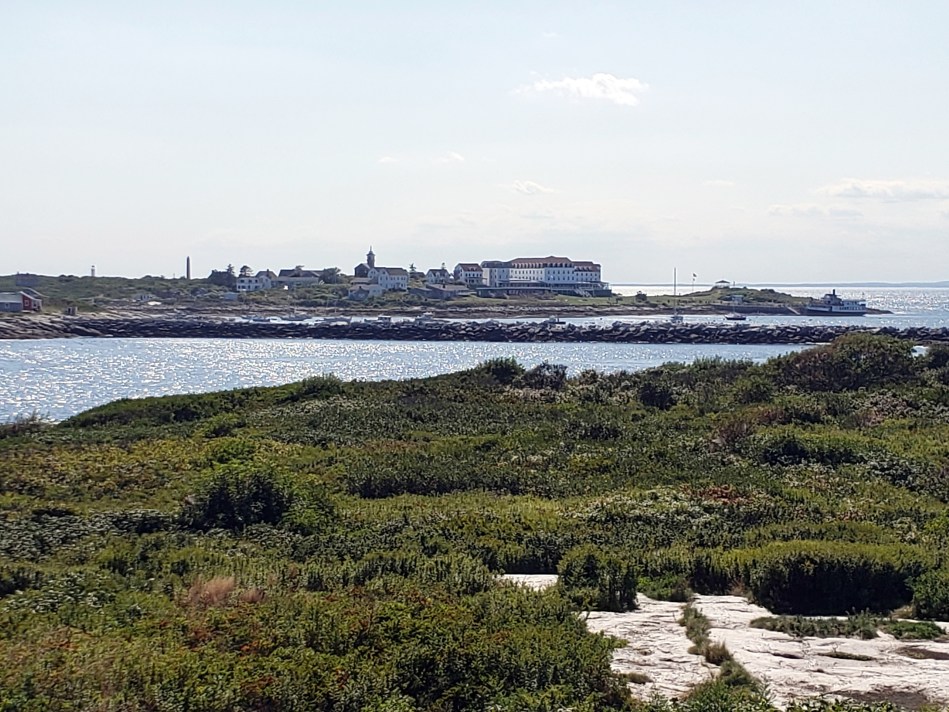
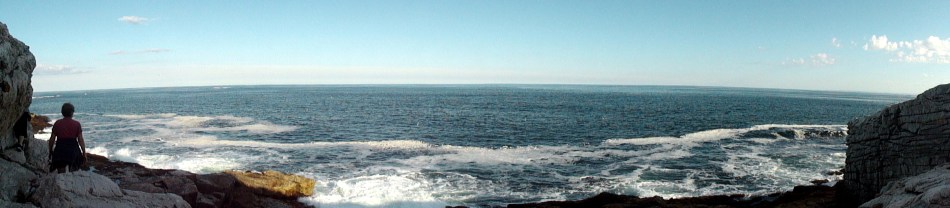
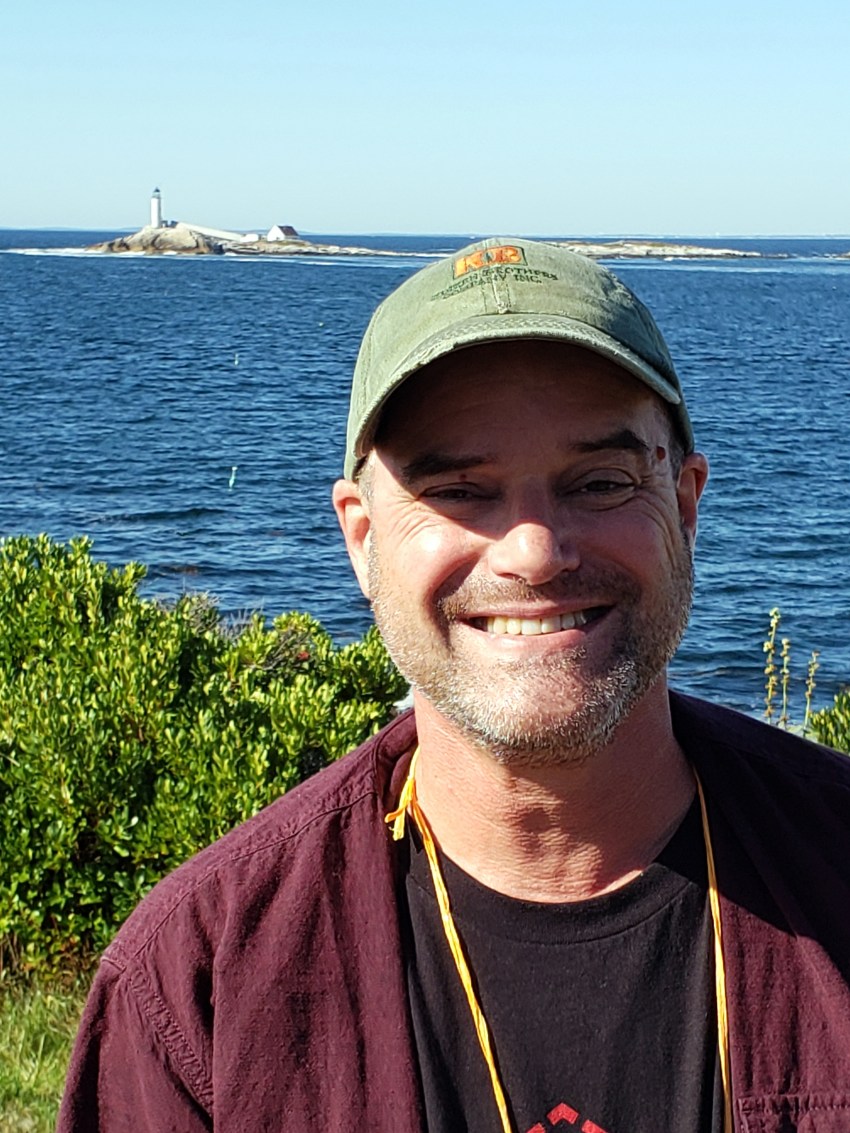
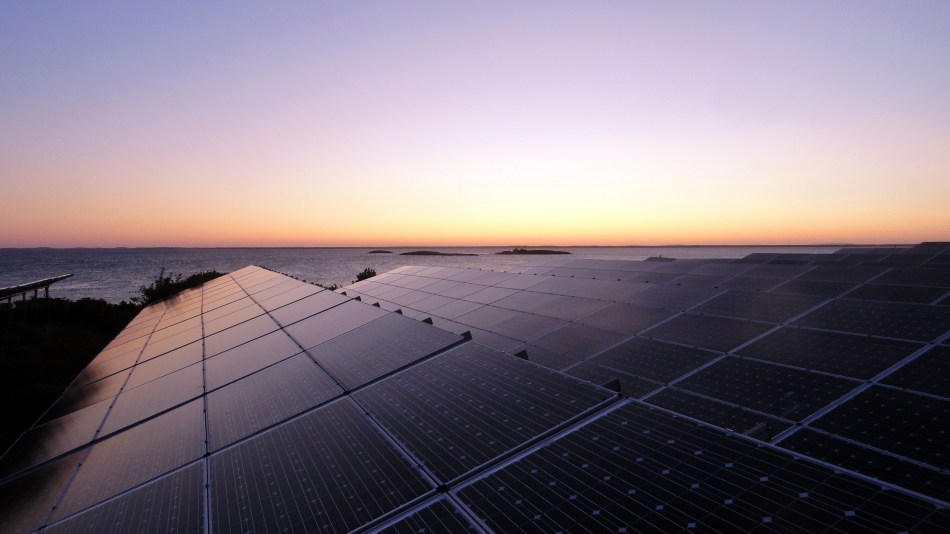
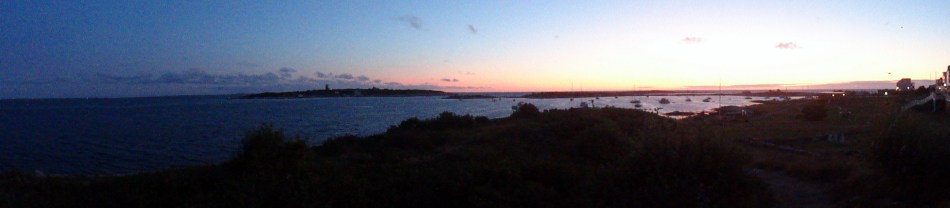
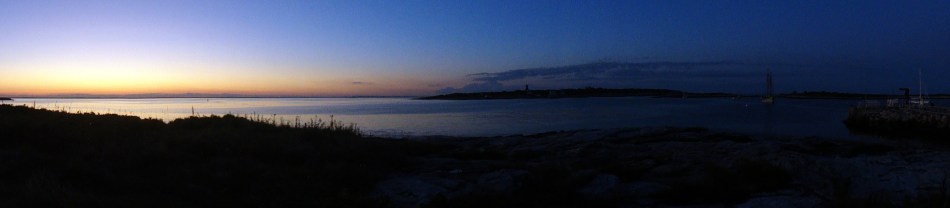
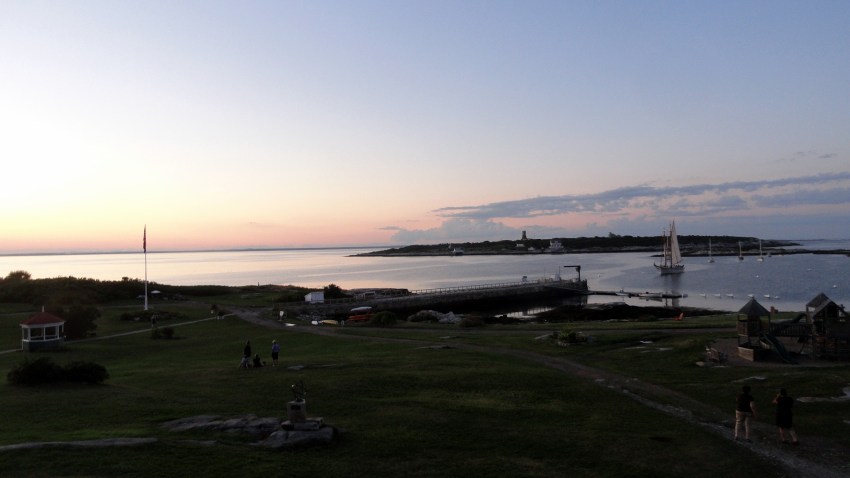
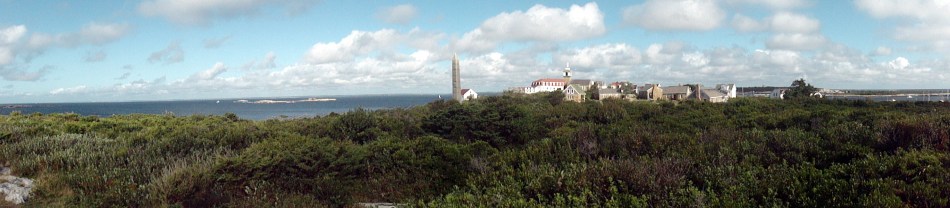
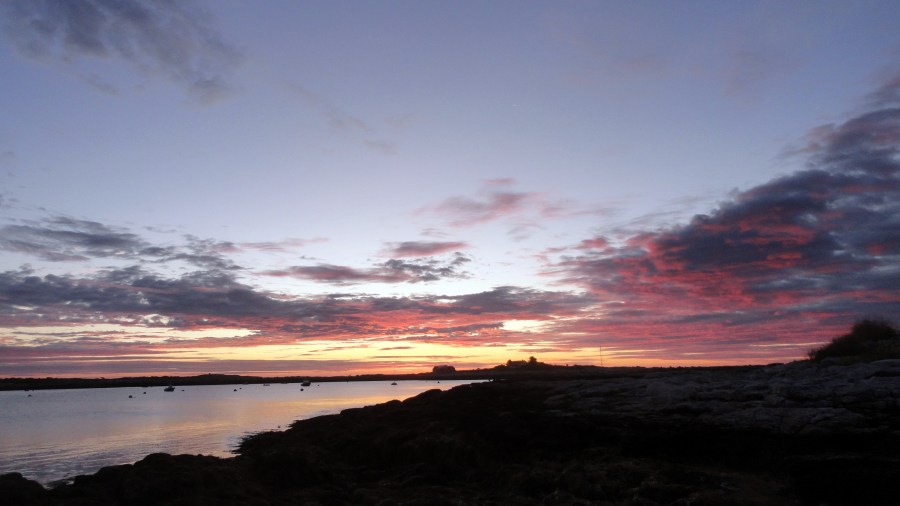
This year I finally made it back to Star Island, a speck of rock amidst other specks of rock off the coast of New Hampshire in the northeastern corner of the US. Past entries with photos from weeks of meditation on this island have explained its place amongst earliest permanent European settlements in North America, and its importance at one point in setting the commodity price of cod internationally. This time, I think I’ll let the photos speak for themselves. I got out by kayak and rowboat a few more times than in past years, and our meditation week was later in the season than past years. These two facts meant that 1) was able to explore the Star Island rocks more than usual, because the seagulls were not in nesting season, and therefore were NOT dive-bombing all mammals that came close anywhere near the rocks; and 2) I explored Smuttynose Island more, finding that spiders can ingeniously spin webs anywhere even on apparently barren rock. (See a photo in the gallery just below, for an example.) The minute I started stumbling over spiderwebs in all corners of the rocks, I realized it made perfect logical sense: where birds poop there will be bugs. Where bugs congregate, there will be spiders to feed on them. Where there are spiders, there will be webs upon which to tangle one’s legs in unpleasant messes. Yuck.
But such is life, and such was my week of reflection and gathering myself again after the important family milestones which immediately preceded my week on Star – as documented a bit in the last post. I hope before too much longer to post from other outings and trips in recent months, both here in California and in Europe. Then, at some point, I’ll start posting again from a field assignment for which I am leaving shortly. Thanks, as always, by expressing your support by reading (and often commenting on) this long-lasting little blog project o’ mine 😊. Peace.
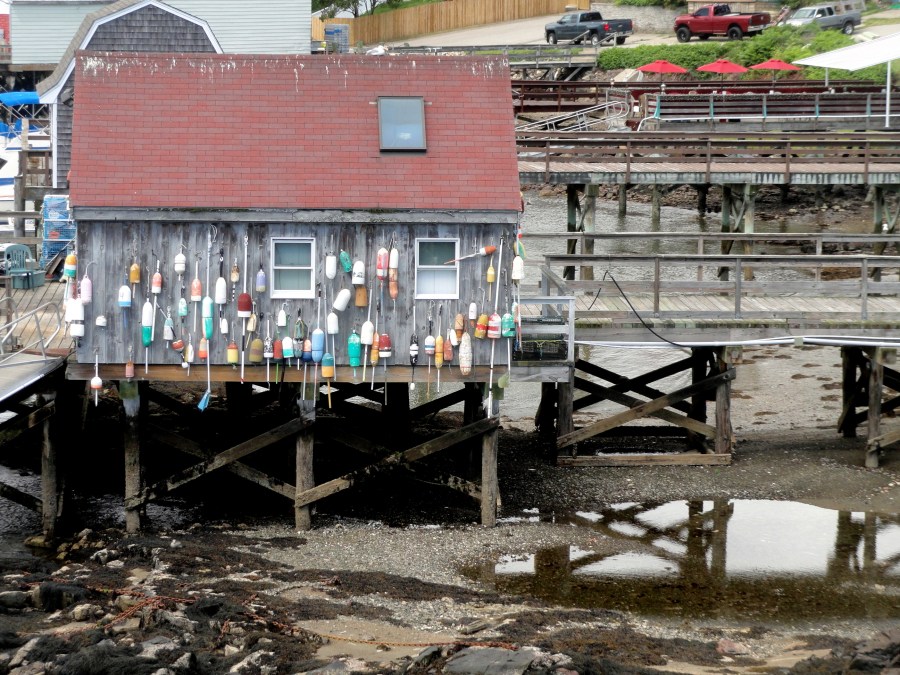
An explanation: the bridge passes over Badger Island (home of the houses with the floats hanging from them) then on to Kittery, a town in Maine. Which is famous for blueberries, and has a lovely Mexican restaurant which serves, as you see, colorful blueberry margaritas where I passed time until my boat – yes, that very same boat seen waiting to pass under the bridge – left for the island. I just loved the colors! And the taste was fine, too…)
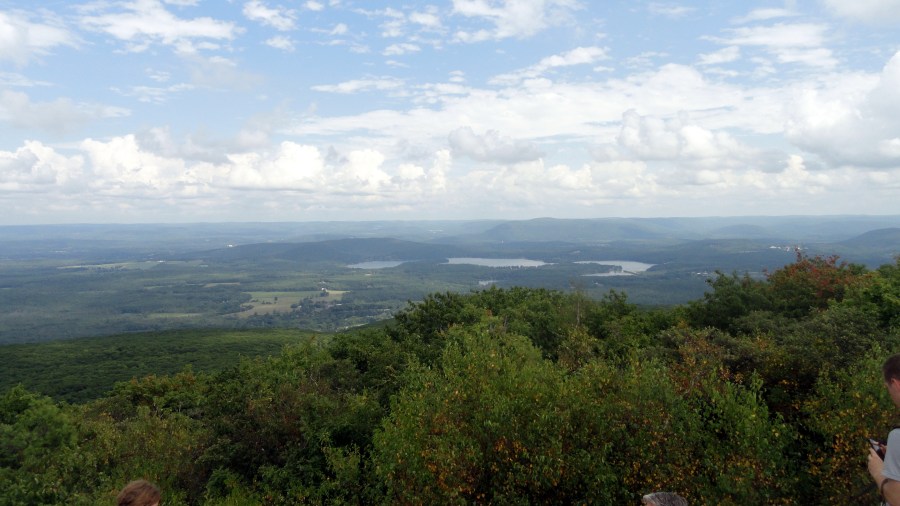
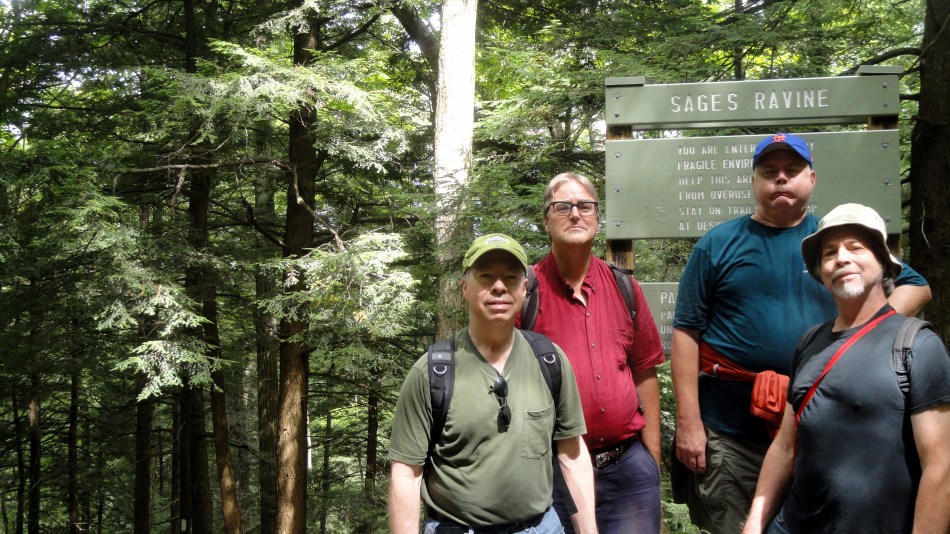
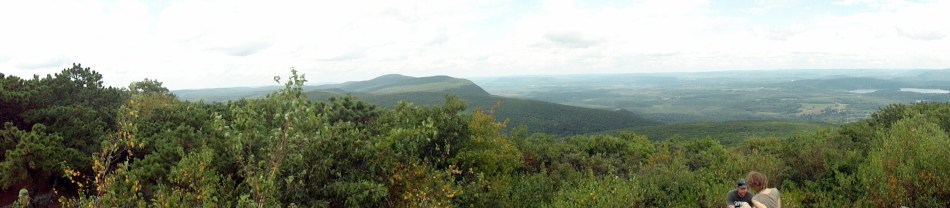
In the northwesternmost corner of Connecticut lies Bear Mountain, the tallest peak in that state. (Note that I don’t say “highest point,” because in fact there’s a higher point in CT but it’s on a mountain whose actual summit is in Massachusetts.) Over the summit of this mountain runs, of course, a section of the Appalachian Trail – which, for those of you perhaps unfamiliar with it, is a magnificent mountainous trail that runs along the spine of the rocky mountains in the coastal eastern states of the US, all the way from Georgia to Maine.
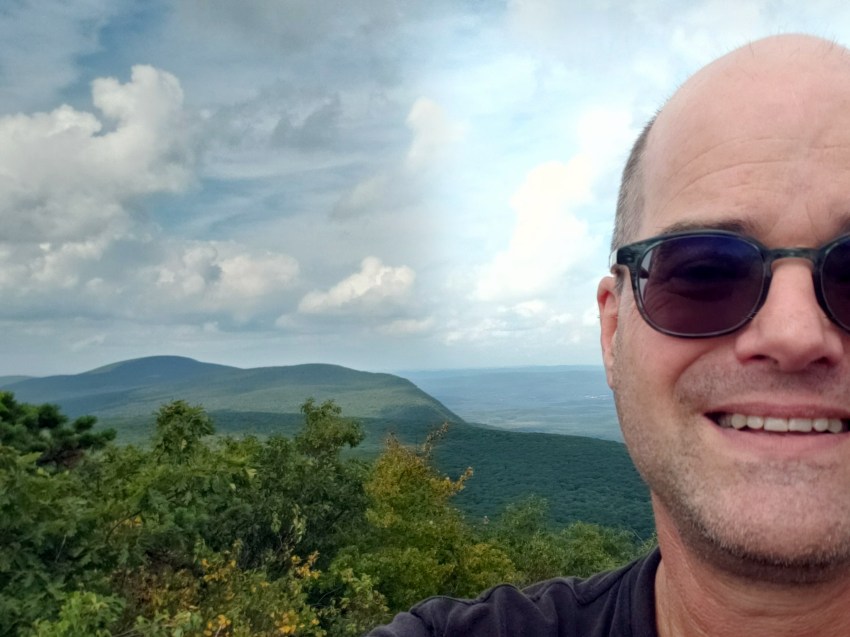
In the 1970s my mother and one of her dearest friends, also a single mother, took us all out on segments of the AT together several weekends a year. On this segment of the AT, called the Sages Ravine segment because of the river at the bottom which forms a natural border of sorts between the CT and MA portions of the trail (and at times, it seems, the actual border between the two states), our two families had a memorable spring hike influenced by late snowmelt and high water. We all survived that hike and went on to many more in the decades to follow. This August we returned in honor of our two mothers, now both sadly gone. Having hiked this before during spring flood season, we found it with our now-more-aged bodies much more enjoyable to hike it when the ravine was NOT flooded and when there was NOT snow on the north side of the mountain. And we did enjoy sharing memories of ourselves and our mothers, then and since.
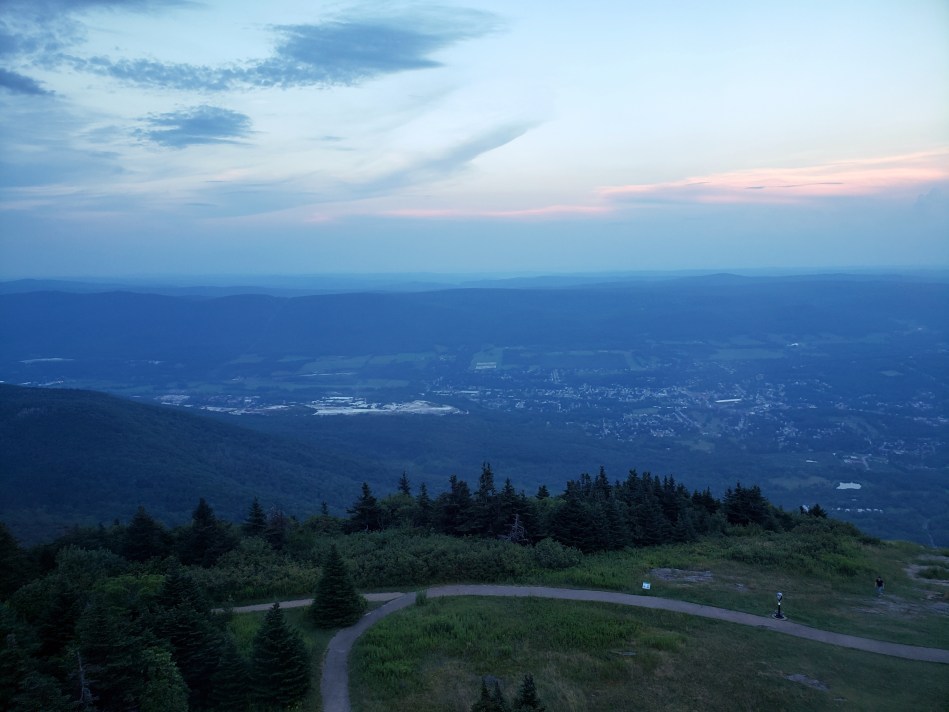
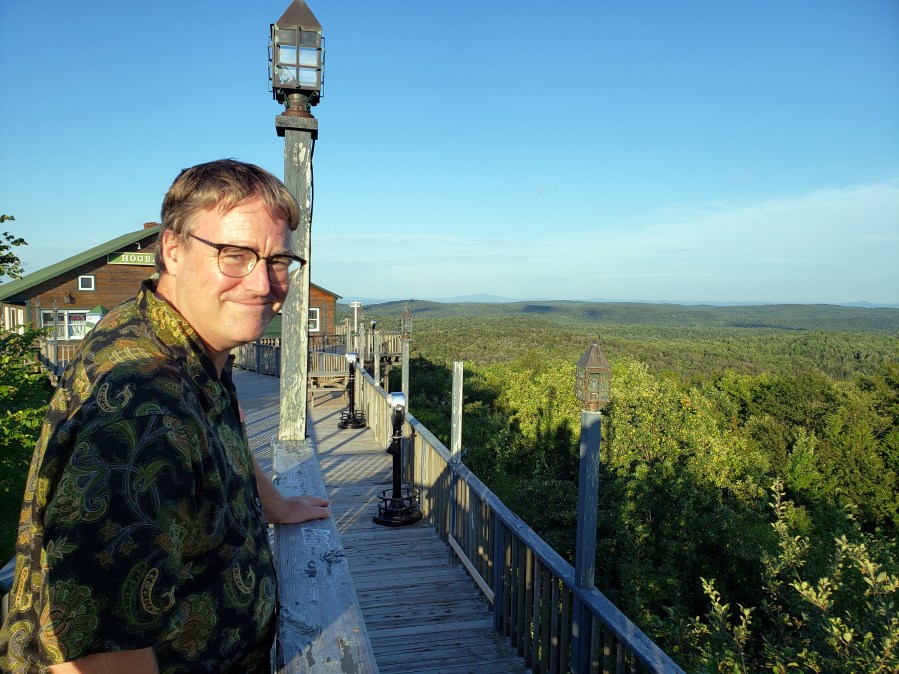
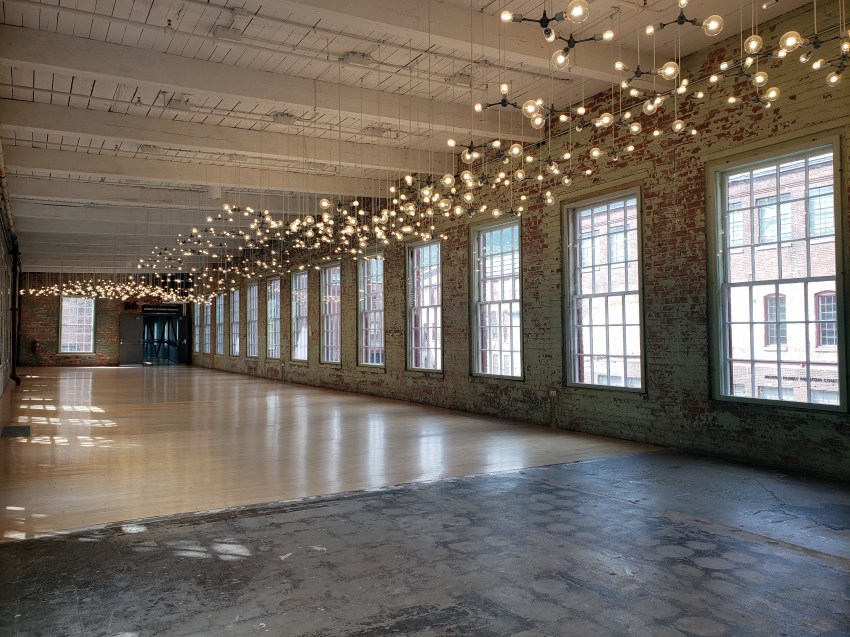
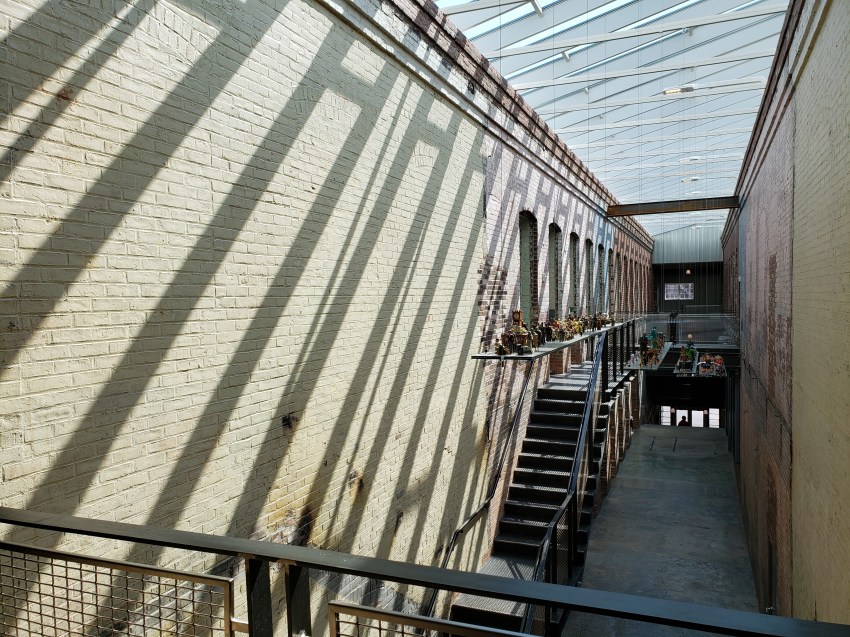
My brother Steve and I then went on to North Adams and Williamstown, Massachusetts. There, we fondly remembered and walked, at least metaphorically, in our mother’s footsteps by visiting the absolutely fantastic Massachusetts Museum of Contemporary Art – which tells us it’s the largest museum of contemporary art in the US. (Many of the most amazing parts weren’t possible to photograph either by rule or because of what they are, like virtual-reality or experiential installations that just can’t be photographed…so what I show is the barest sample.) We also visited Mt Greylock, the highest summit in Massachusetts, at late sunset.
Despite my adopted California snobbery (higher mountains and all, out here, don’t you know…), I was really happy to be reminded how beautiful these green, rocky east coast mountains can be…and how difficult a rocky scrabble up a steep slope can be, even when the summit of that slope may not be all that high in feet above sea level 😊. Though the loss of parents is sad, I found it nourishing to share this time with family and friends who share these memories, as I find it nourishing to go on doing things I know my Mom would enjoy, and to send my thoughts to her when I do so. Hope you enjoy these photos; if you knew my Mom, hope it helps you remember all the great things you shared with her; and if not, that it helps motivate you to share other great things right now with those you care about the most 😊.
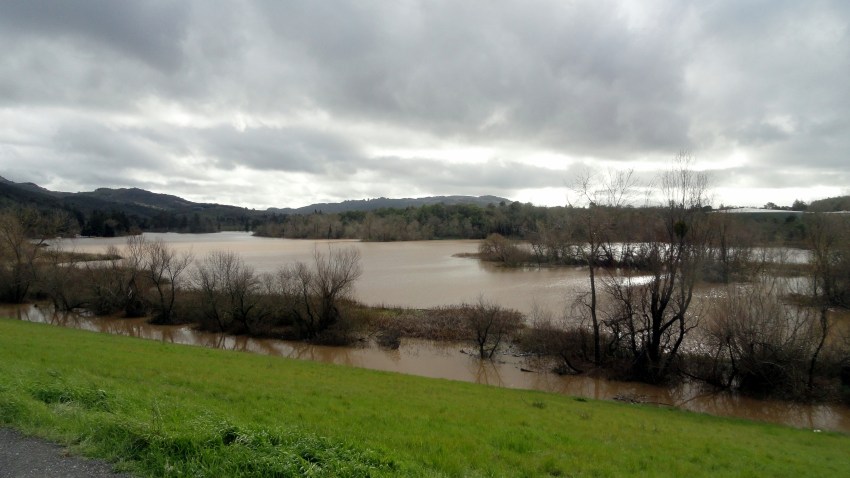
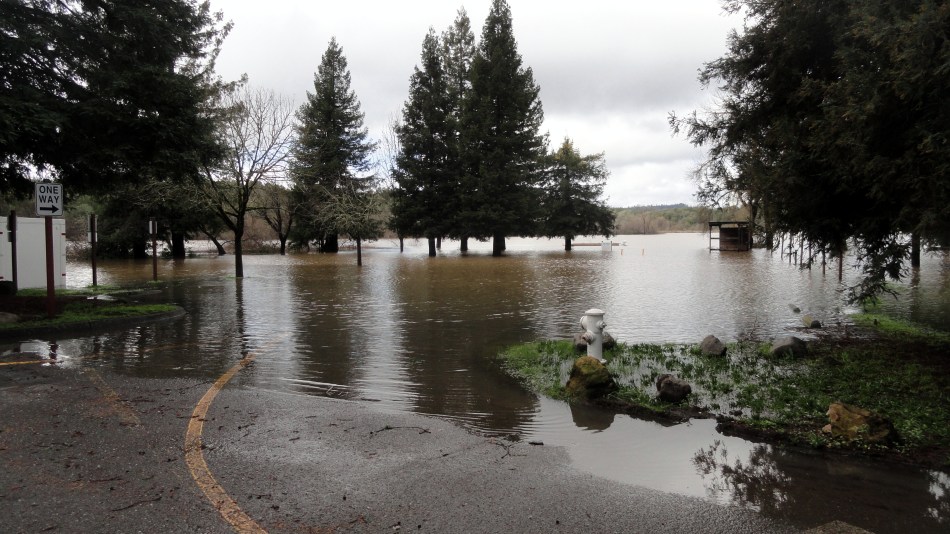
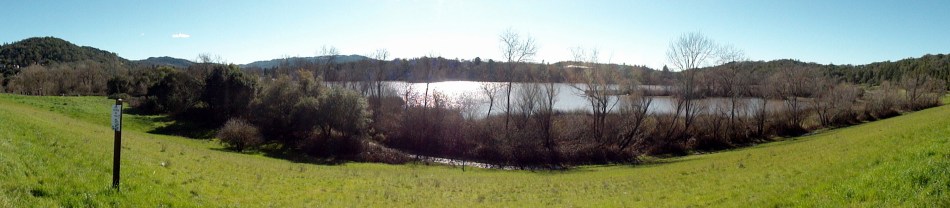
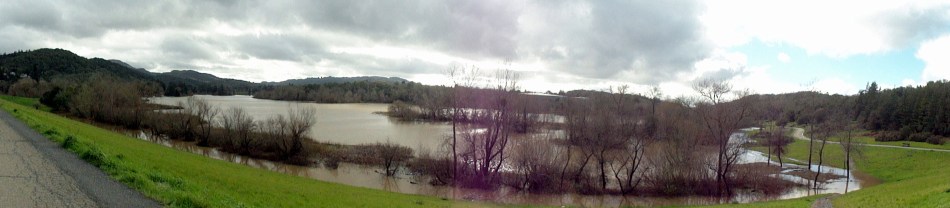
If you know anything about California today, it’s that we’ve had a lot of incredibly devastating wildfires recently. You’re perhaps less aware that we’ve also had floods and the kinds of landslide that result when the forests which stabilize slopes during heavy rain have been destroyed by fire. I could wax lyrical about the need for an evidence-based public policy, but we all know how far that’s going to get us in the current faith-based voter climate of battleground states like the state of my birth, so let’s just do a slide show instead, ok? 😊 When I flew home from Bangladesh suddenly in February, in order to be with Mom and (I thought) help nurse her back to strength through that clinical trial, I was trying to give myself enough time here at home in CA to steady my own nerves through my usual recourse to bike trails and tennis courts, while still spending most of my time in NJ with Mom. Thus, between February and April, I was back and forth a few times.
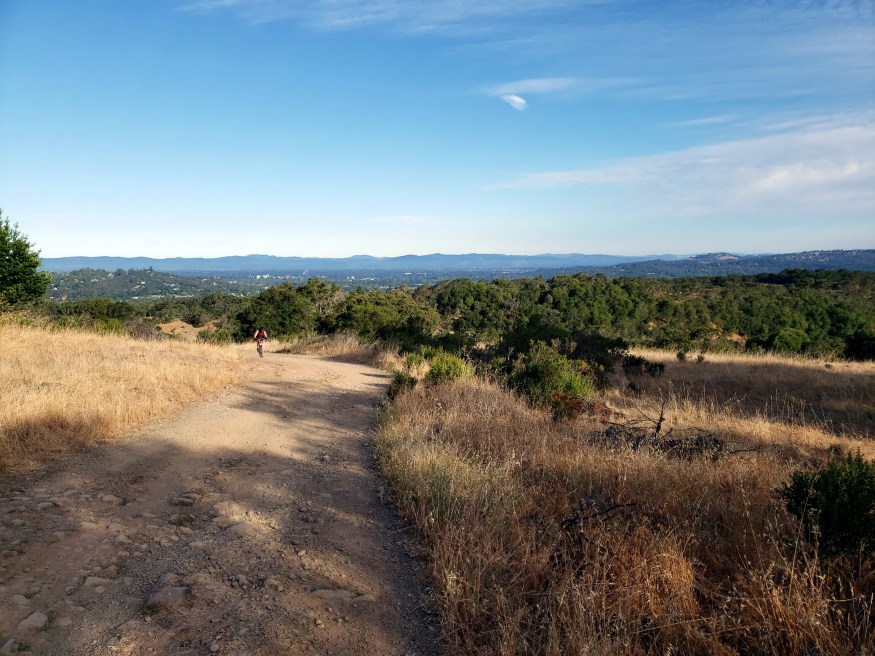
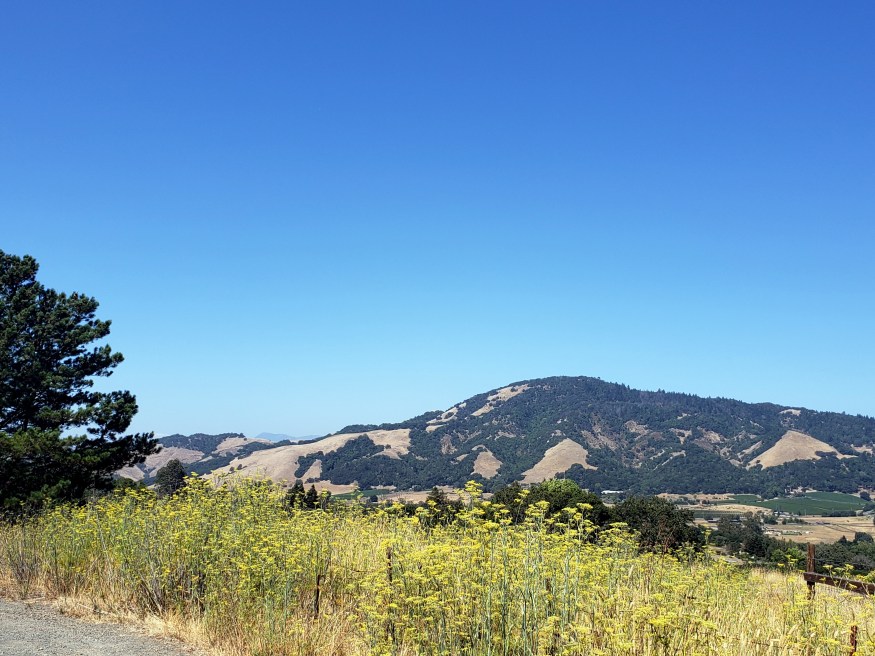
Two years ago I first learned of the big Santa Rosa-area fires when a friend from my local UU congregation called – as I sat in a doctor’s office with Mom – to ask if they could house displaced people in my apartment, since she knew I was away. During my times at home over the intervening two years I’ve tried when possible to keep photos of the natural and human environments I encounter. I’ve watched rains come, trees recover or give up the ghost, rocks recover their envelopes of moss, and I’ve been grateful that the heavy rains haven’t (so far) caused any bad landslides that I know of in my own area.This time, while I was out east, it was more about floods that I learned: one town in my county was reachable only by boat for a couple of days, since the flooded Russian River had risen above all the roads leading to it. And any time there was a long-enough break in the rain for me to hop on the bike and head out, I grabbed camera and/or phone and headed out. Here are the results, below…and after that, some post-fire regrowth and rebuild images as well, which I’ll likely caption and explain when we get to them. Sorry this is a long post…but it’s been a while. Hope you find it interesting.
And moving on the aspect of more obvious post-fire recovery, I’ve been really amazed at how rapidly the scars on the natural landscape have become less visible. A friend said I should find a specific location to watch, so I found my little “fire-line rock” to follow. I posted a gallery last year, showing photos taken over the first twelve months, as the visible burn line on its moss vanished; I also watched the trail uphill from where this rock grows, as the meadows lost their cover of charcoal and trees either regrew or gave up and died. After this text, you will see first a video taken after one of the rainy days earlier, about 2km or 1.5 miles downhill from the fire line rock. After that I’ve copied the same gallery from last October, with the addition of some new photos taken two weeks ago, so 21 months or so after the rock sat on the burning fire line. I can’t even tell which rock it is, any more – did the winters incredibly heavy rains move the rocks or have they just all gone back to their natural dry-season similarity? Not sure…and didn’t get up there when it was wetter, precisely because it was so wet and muddy :-). After that are some other post-fire shots both close up and farther away. Right now, in dry season especially, I have to look closely to see the charring on tree trunks that have already begun to regrow…
In the photo just above we are looking west on the Canyon Trail, which was the fireline when the Nuns fire was stopped before it had a chance to merge with the Tubbs fire, in November 2017. The meadow to the left of the trail burned; to the right, it didn’t. If curious, you can look at photos taken on a hike shortly after this part of the park was reopened, and compare things then and now, in this post from that time: https://somuchworldsolittletime.com/2017/11/13/walking-the-fire-line-in-annadel/
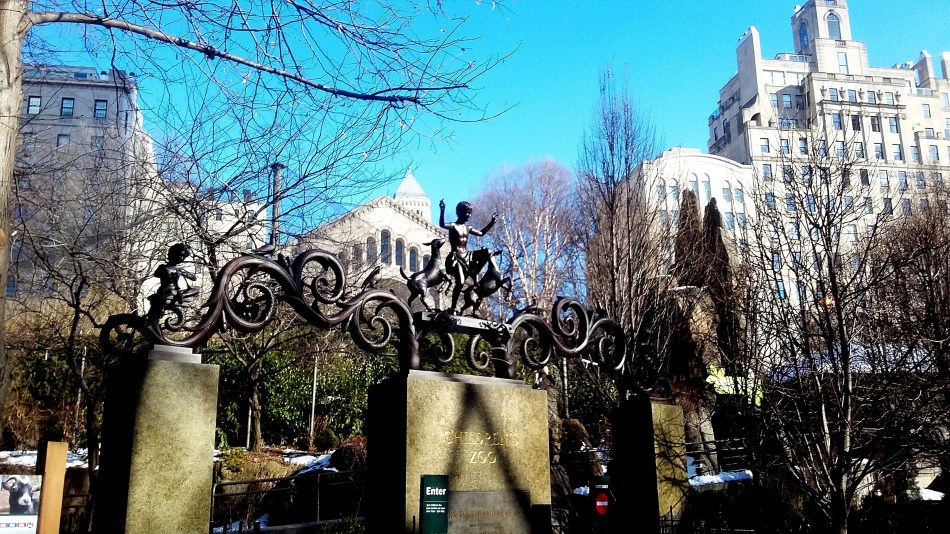
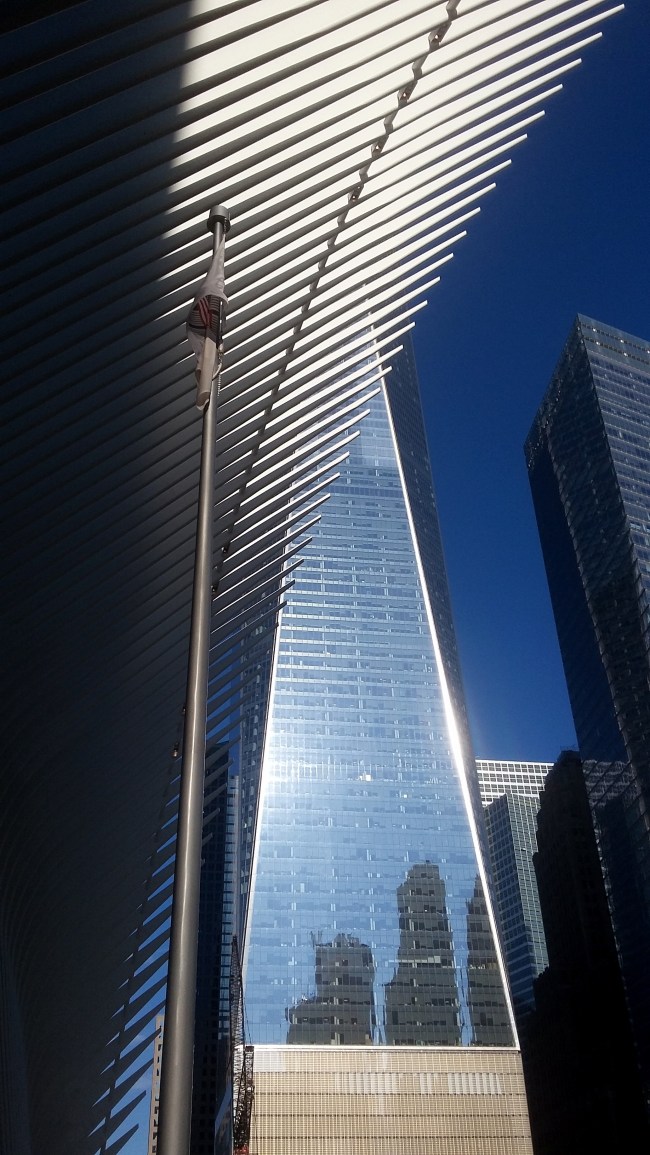
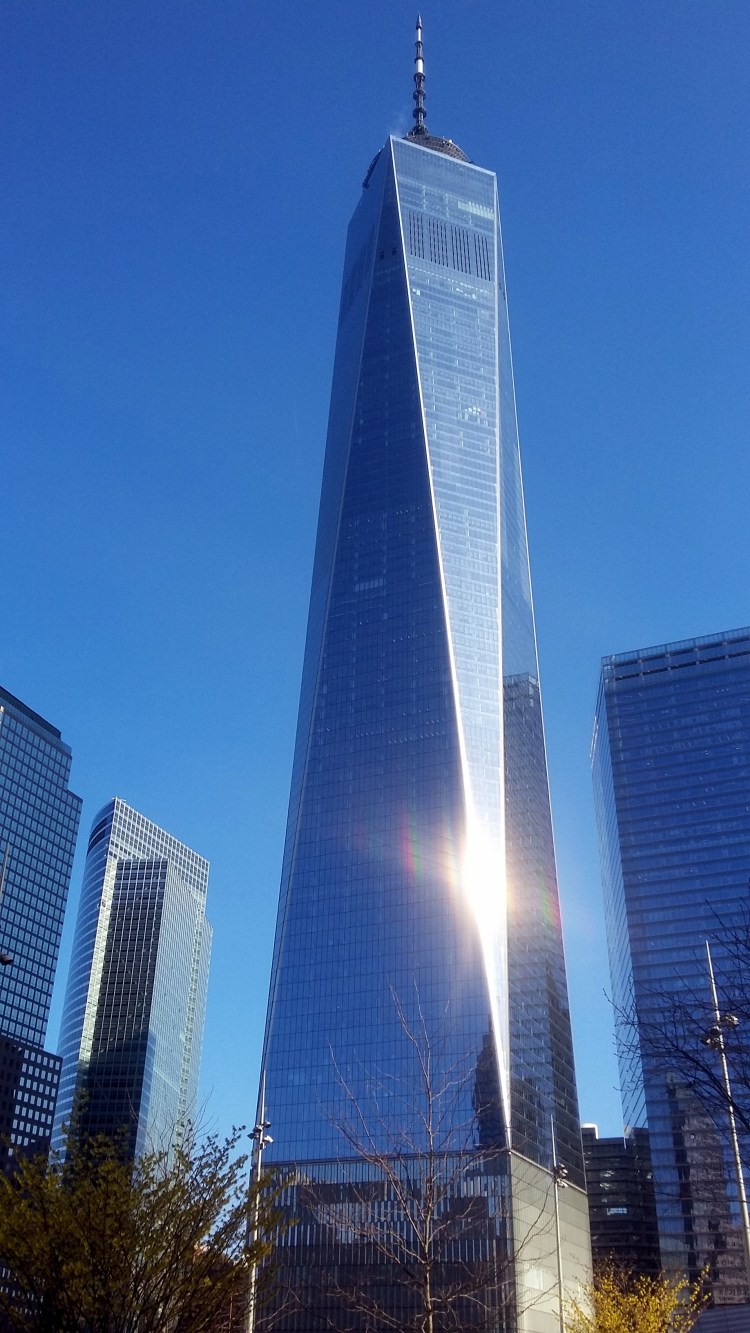
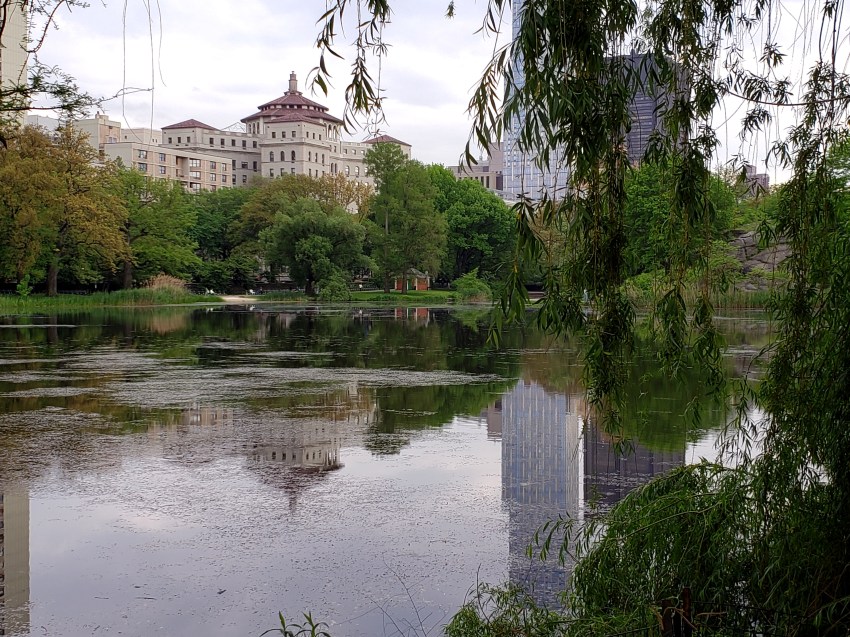
Every photo in this post was taken between March and May, in NYC or the area in northern New Jersey which my mother called home for the last forty-five years. Having returned early from my work in Bangladesh in order to be with Mom, I’ve now seen this part of the US through a cold, snowy late winter and into a wet, green spring. Between trips around various parts of the city for medical appointments with Mom or meetings with friends and colleagues, I’ve been around much of Manhattan and northern NJ when the trees were bare and snow was on the ground, through the first blooming of snow-bells and forsythia, to this past week of alternating thunderstorms and clear skies with brilliantly green trees and now the irises starting to pop out. Before leaving this area for more or less the last time after clearing out Mom’s house, it seemed fitting to do a final ode to the sights and seasons of a region that I myself have also called either first or second home since Mom brought us here during the Ford administration…
So last week I flew home to the bay area after a month with family in the NY/NJ region. I always love flying into SF from NYC: the route very frequently goes more or less directly over my home town of Santa Rosa, then cuts down along the beautiful coastline in Sonoma & Marin counties, more or less directly over the Golden Gate Bridge and then in some manner or other executes a circle in order to line up for landing at SFO. These photos were all taken in the space of one day when I’d returned from my assignment to Central African Republic last year. I landed late at night at JFK, woke up near the NYC office for my debrief meetings and a bit of a presentation to the office team, then hopped directly on trains to the plane for the flight. Since it was a clear day on both coasts, I got morning photos from a walk along the shore at Battery Park & views of the Statue of Liberty; then took photos of Santa Rosa from above, Point Reyes, San Jose & silicon valley at dusk, and the coast south of SF as the plane began its circle toward San Jose then back up to land. Air travel remains a gift which I enjoy on days when the view out the window is so spectacular, even if the in-airport experience long since stopped having any pleasant elements whatsoever :-). Enjoy!
And so we come to the final entry with photos I took on the beaches of Cox’s Bazar town while I was living and working there between October and early February. In this entry are other photos I’d taken on my frequent walks during the weeks of my “Longest Beach” commitment. There’s natural beauty, there’s human trash, there are the enormous early-morning crowds on Friday, and there are many fond memories. Now that we’ve celebrated my mother’s amazing life at an event yesterday, I’m coming back to wrap up my own memories of Bangaldesh and remind myself that while I and my family and friends have been grieving, the rest of the world has gone on with its business, including shells washing up on the shores of the Bay of Bengal, and crowds laughing and joking and playing soccer on Friday mornings. Though now it’s no longer peak season, the crowds won’t be as large. Enjoy. Thanks.
(Update late April: yes, I am adding photos as I scan them, so this gallery will continue to evolve and change. Friends and family who’d like to can add your own images by writing me and sending a scan or photo. Great memories, sad loss. One day at a time…)
My mother always told me never to miss an opportunity to thank someone or be kind to someone. She passed away yesterday morning, less than two weeks shy of her 83rd birthday. My mother has been the rock and foundation, the inspiration and moral compass for me, my brothers, and I suspect many others whose lives she touched as relative, colleague, teacher, neighbor and friend throughout her vibrant, warm, inquisitive and exemplary life. I will not go into greater detail about the remarkable human being whom we’ve lost; instead I have chosen to find every single photo readily available from past blog postings and put them into a collage which will change each time I (or you) come to look at this page. In part I have done this to remind myself of the quality time I have been able to spend with her during the adult phase of my own life, and partly to reassure myself that she felt thanked by me. I’m sure I was never as kind as I could have been, and I will try to learn as she would expect. So far as I can tell, these photos cover nearly 50 years of Mom’s life, since some of the earliest photos are ones I scanned a few years ago. Please join me in honoring the mothers and models in our lives…by being kind and thankful, as I am for my mother, and the support of my family and friends.
So between late October and early February I lived in the city of Cox’s Bazar, and posted mostly lots of photos from my lovely walks along the beach, which is the most distinguishing feature of Cox’s Bazar district. Which is probably the tourism capital of Bangladesh, although the Sundarbans may give it a run for its money. In this post, one of the last to feature photos from BD (at least for the moment), I’m posting photos mostly taken in and around the town of Cox’s, plus a few from Ukhiya and even a couple from the mega-camp. In general I took very few photos while in the camp b/c I figure enough people have already wandered through with cameras rolling, and I was mostly focusing on interactions with my colleagues and the community we were working with. Hope you enjoy these!
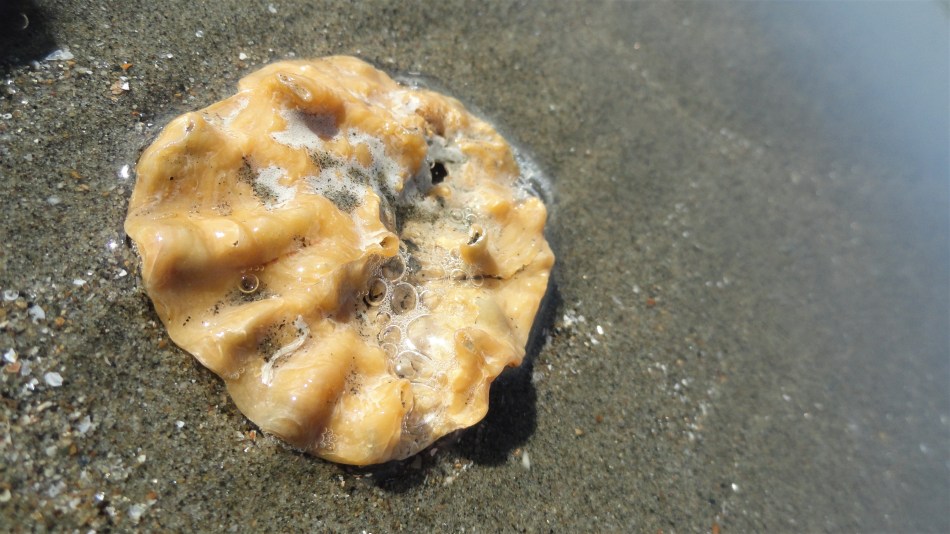
So back on January 26 as part of my daily ode to the lovely beach at Cox’s Bazar, I posted some photos of this dead sand crab and this dead jellyfish. Bandwidth then and there was insufficient to give you these videos, which make the jellyfish look almost alive and show the flies already at work on the sand crab. Ah, the circle of life… 🙂
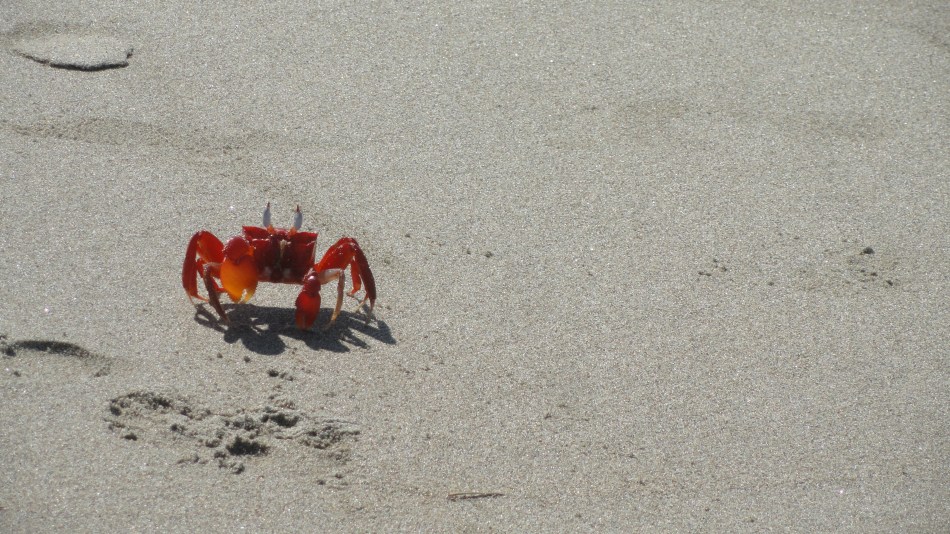
Look closely in the photo with boats in the background: see all those red dots? People used to deciduous trees whose leaves turn red and fall to the ground each autumn many instinctively think: fallen leaves! But no: these are sand crabs, bright red and with protruberant eyes which I’ve never yet succeeded in photographing. I’d need a far better telescopic lens than comes with the pocket digi-cam I carry with me on these beach walks. They evade large moving objects rapidly, by disappearing down holes which dot the beach, like the one you see above to, right. Top left, and below: we think this guy was sick and lost: he was still able to scuttle, but slower than usual, and seemed to have become separated from his burrow. I suspect he ended up like one of these other ex-crabs I’m showing you above. As the Lion King’s song says: Circle of Life, eh?
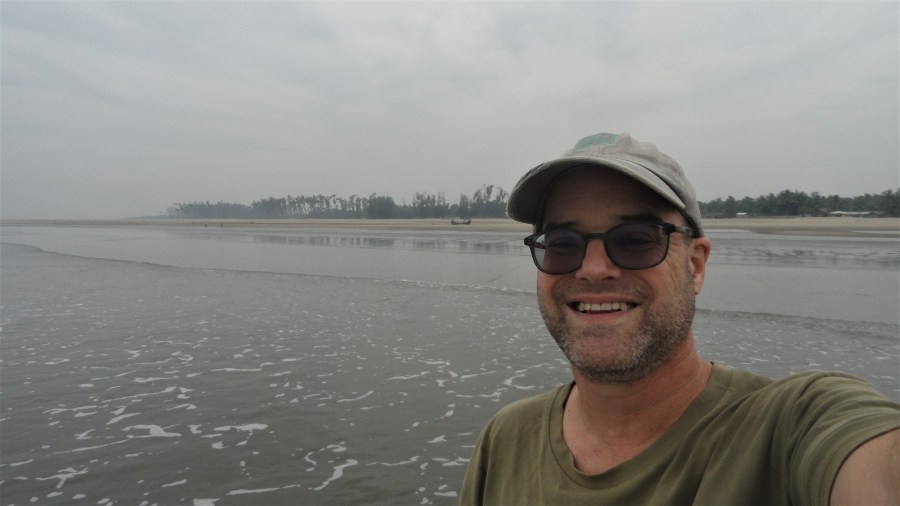
After a 46-hour saga involving five different airports in three different countries, plus an airport shuttle bus at this end and a very welcome pickup by a dear friend at the park-and-ride on this end, I did manage to spend the night in my own bed last night, and awoke to a 36-degree (fahrenheit; about 2-degrees celsius) cloudy morning here. I’ve ascertain that the second, auxiliary, stage of my apartment heating seems to have either gone on the blink or decided go on strike for under-use these past months (or perhaps someone visiting tweaked the wrong button and set it to cool instead of heat, which my manual tells me would do bad things to that unit if the temperature is below 60…)…so that thus far I’ve been able to get the apartment warmer than 60. Ah the joys of homecoming in winter after many months away :-). Be that as it may: one can dream lof long sandy beaches and warmer sun, but still be glad to have access to one’s own teapot, eh? I’ll post another one or two of these from the photos already prepped, tomorrow and this week, the at some point do a bigger post with all the photos remaining unsorted from my three months in Bangladesh, from which chapter I’ve now moved on. Peace.
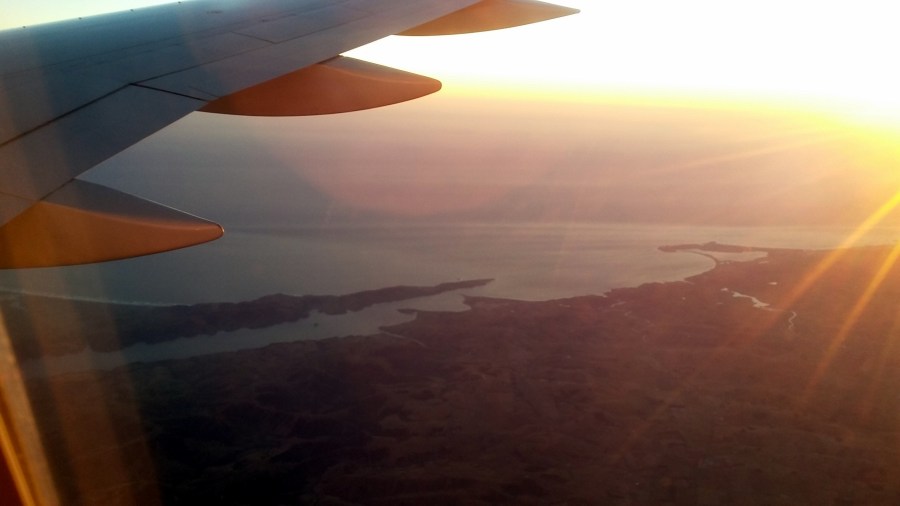
So I had a few more photos ready, and as I sit waiting for the fourth and last flight in this 44-hour travel sequence from the longest beach to…well, home…I’m pulling them together to help me stay awake until I’m on board.

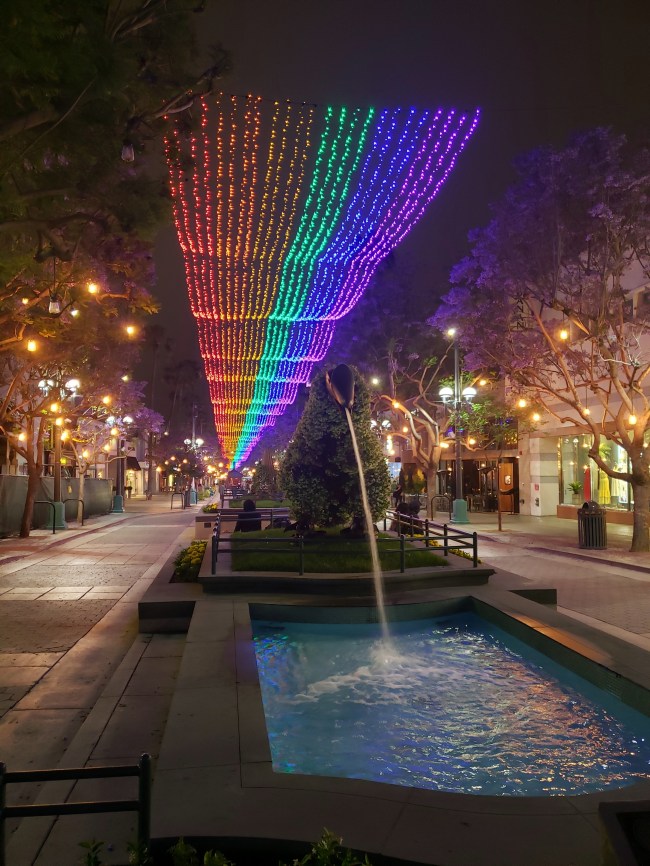 was to visit dear friends and pick up a car from them, with which I then drove back home to the bay area and renewed my acquaintance with that quintessentially American experience, the long road trip in a big car on good roads with music blasting and the miles going by rapidly out the window. It was lovely. Even more lovely were the the (too) few days I enjoyed in LA with a few friends. Several hours one day were spent with a visit to the Getty Center, perched on its hilltop in the Cahuenga pass – the first time I’d been up there since a wonderful trip with Mom in early 2013, during which we watched an outdoor dance performance taking place all across the sprawling grounds and gardens. (See photos of that performance, and of Mom enjoying the grounds with our cousin Pat, here: https://somuchworldsolittletime.com/2013/04/15/creeks-peaks-streets-malingering-in-la/ Since then, they’ve added more outdoor sculpture around the gardens which I (and Mom) always loved…meaning she’d have loved it all even more now, so I made sure to enjoy it extra much in her memory :-). It was also pride month, and Santa Monica marked the occasion with seasonal lighting on the Third Street Promenade. Capitalism at its best, eh?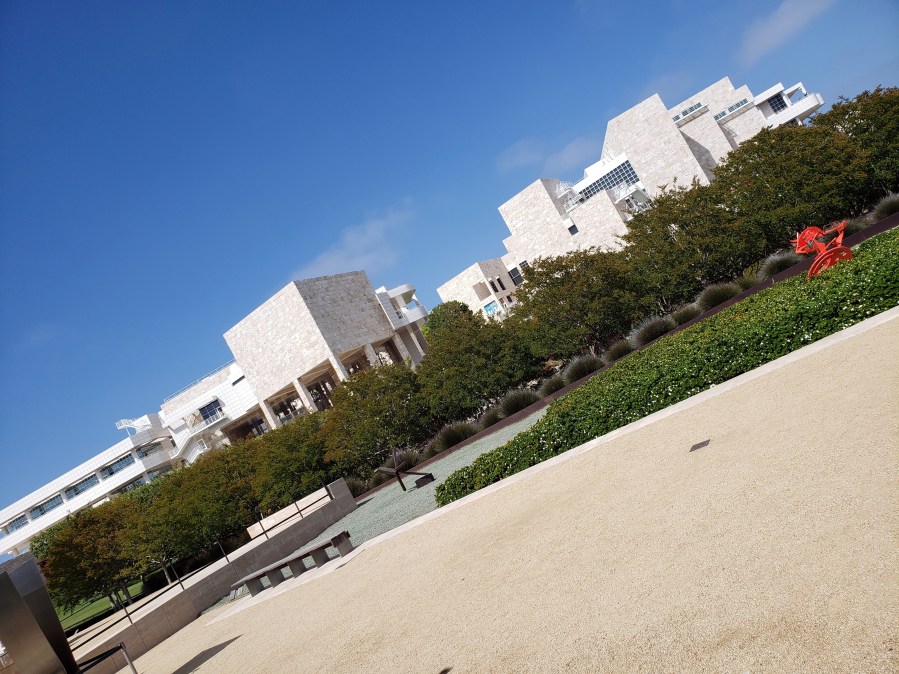









































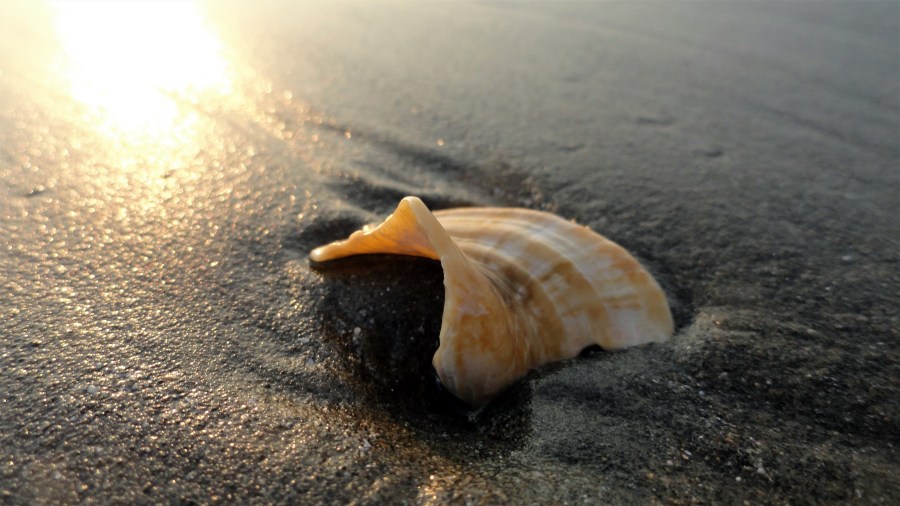
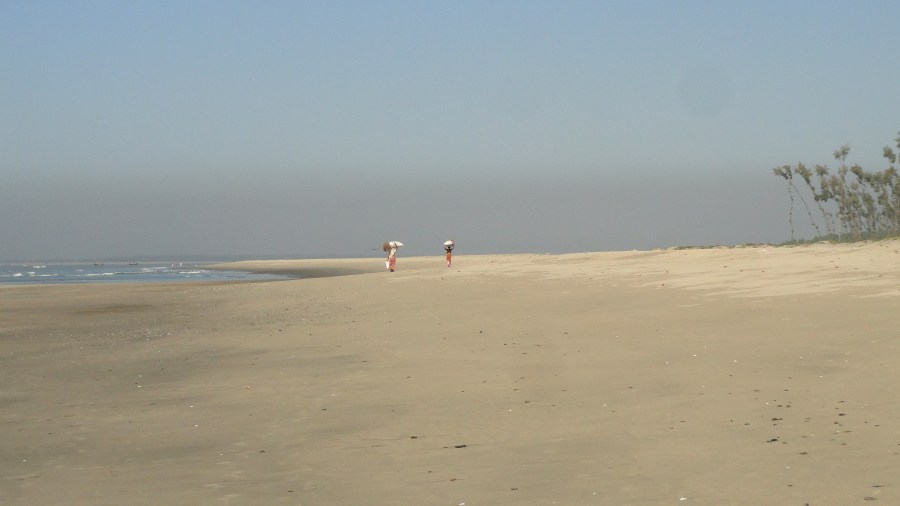

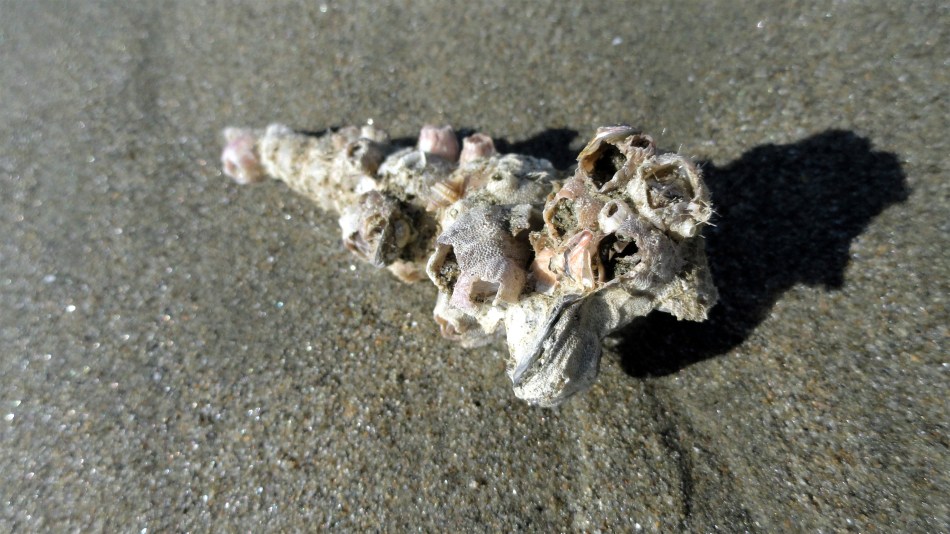


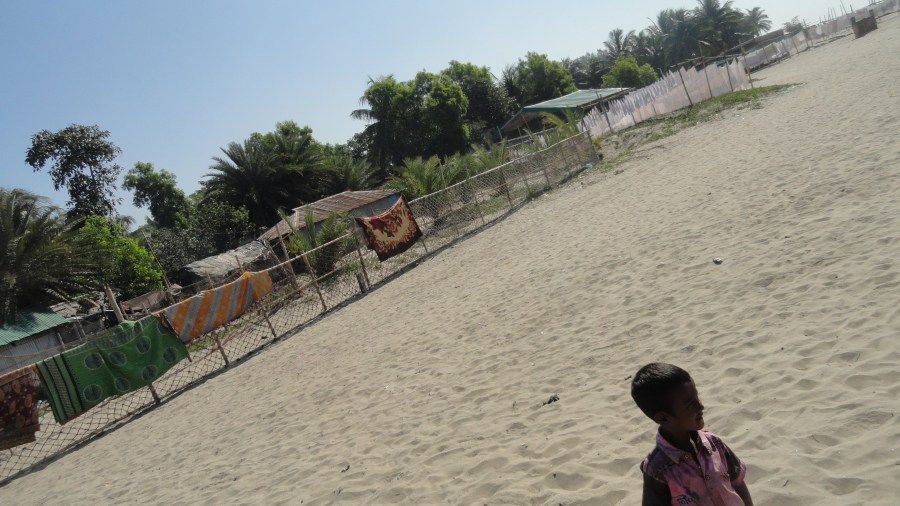
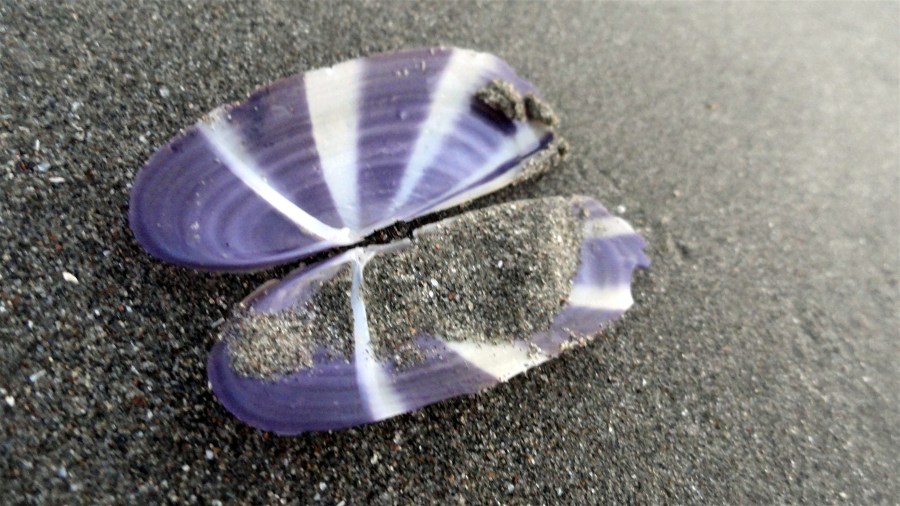
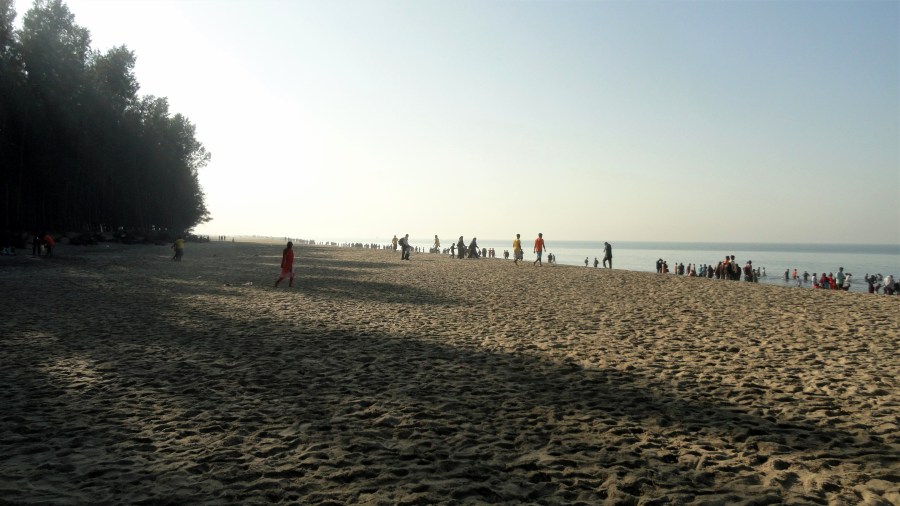
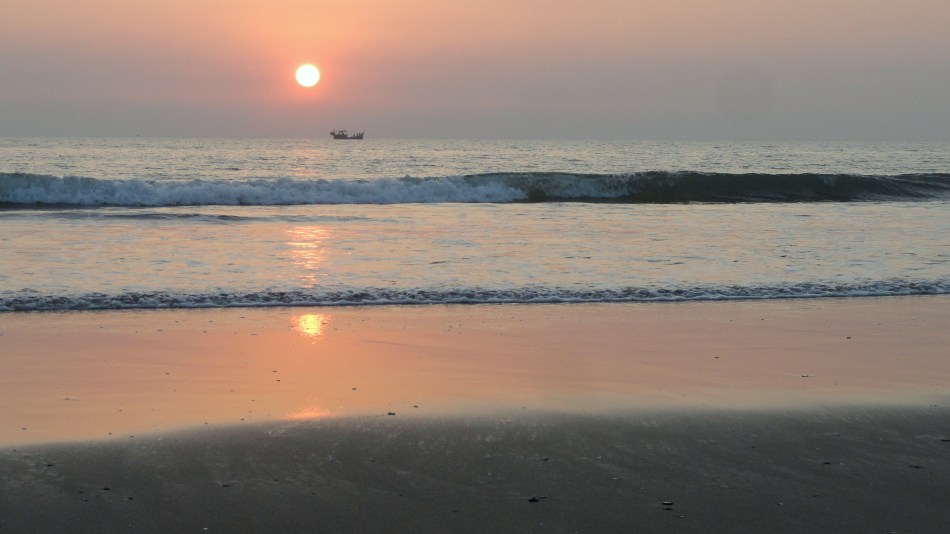

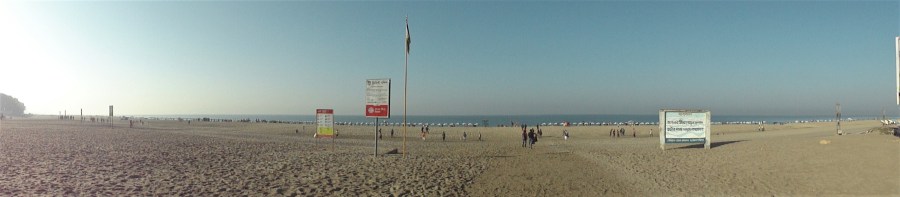


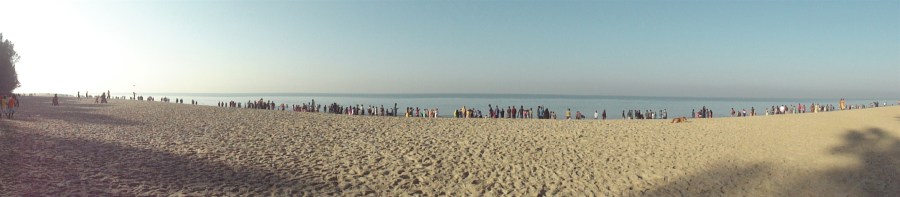
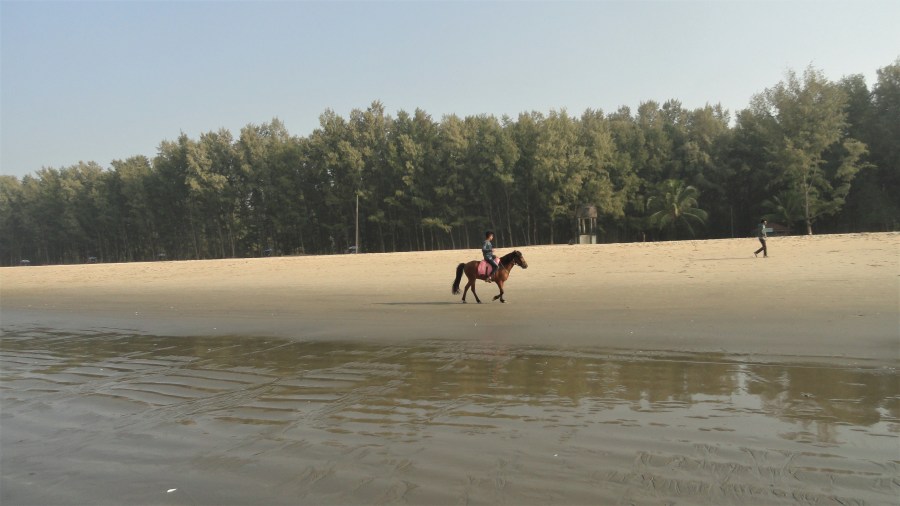

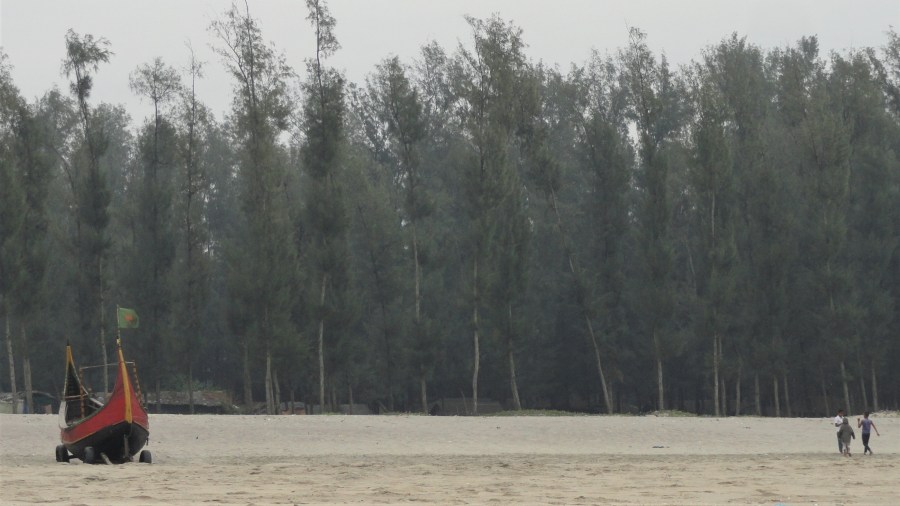
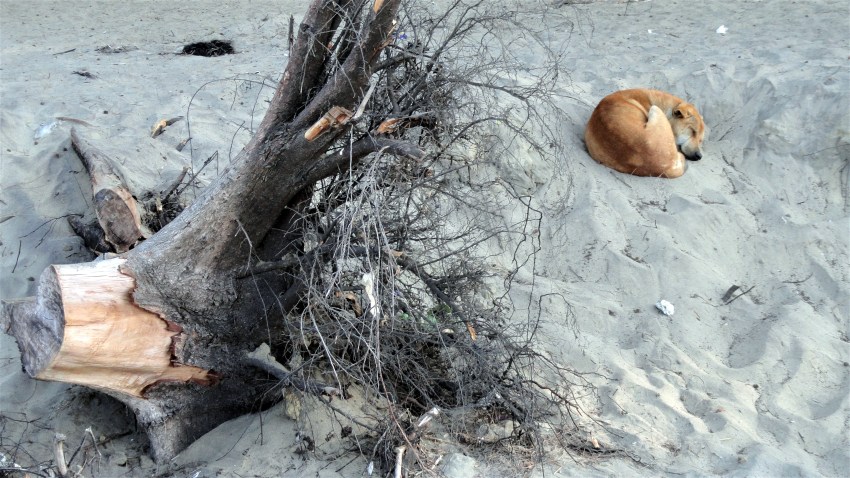

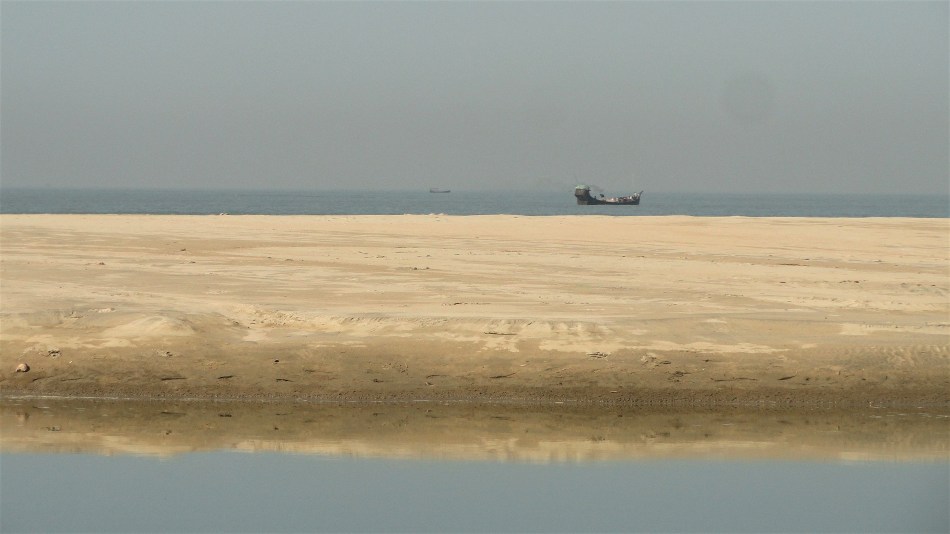


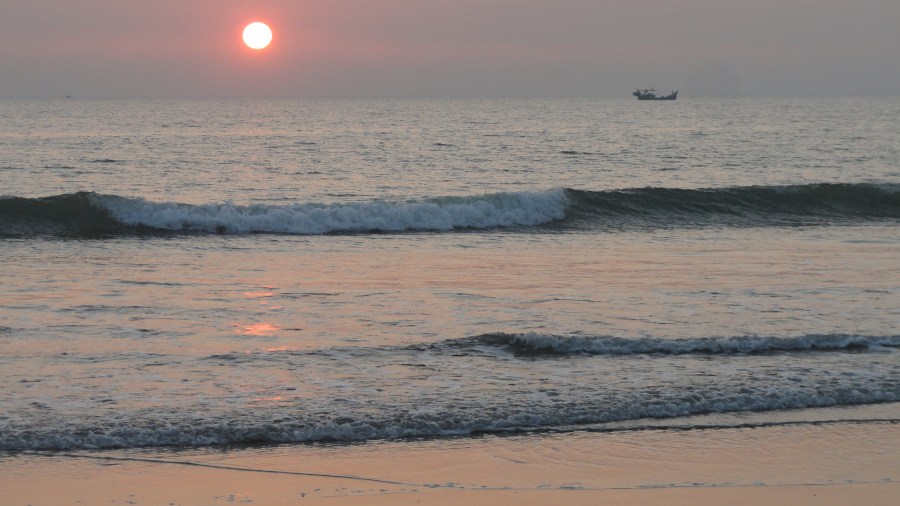
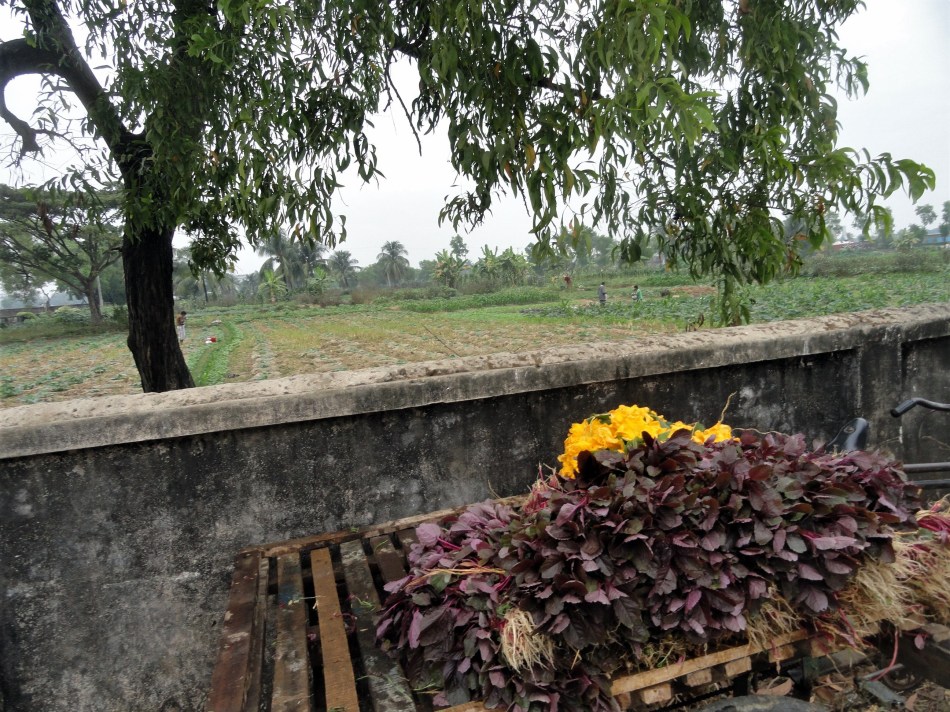


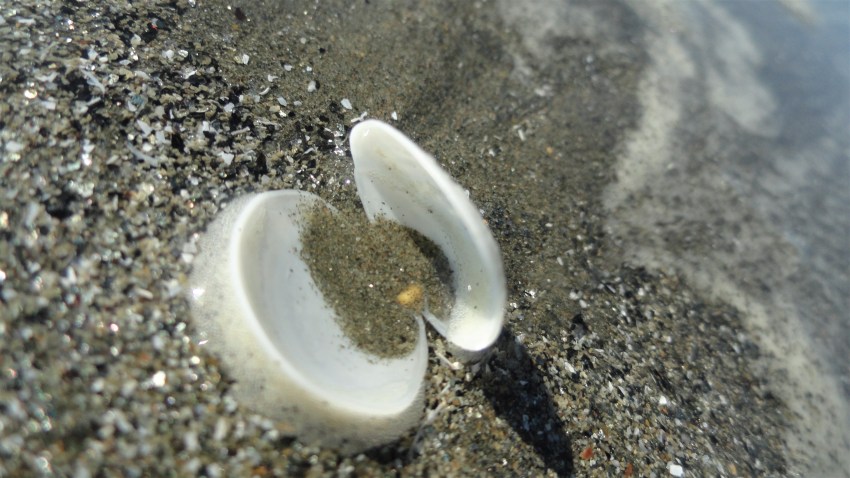 After a 46-hour saga involving five different airports in three different countries, plus an airport shuttle bus at this end and a very welcome pickup by a dear friend at the park-and-ride on this end, I did manage to spend the night in my own bed last night, and awoke to a 36-degree (fahrenheit; about 2-degrees celsius) cloudy morning here. I’ve ascertain that the second, auxiliary, stage of my apartment heating seems to have either gone on the blink or decided go on strike for under-use these past months (or perhaps someone visiting tweaked the wrong button and set it to cool instead of heat, which my manual tells me would do bad things to that unit if the temperature is below 60…)…so that thus far I’ve been able to get the apartment warmer than 60. Ah the joys of homecoming in winter after many months away :-). Be that as it may: one can dream lof long sandy beaches and warmer sun, but still be glad to have access to one’s own teapot, eh? I’ll post another one or two of these from the photos already prepped, tomorrow and this week, the at some point do a bigger post with all the photos remaining unsorted from my three months in Bangladesh, from which chapter I’ve now moved on. Peace.
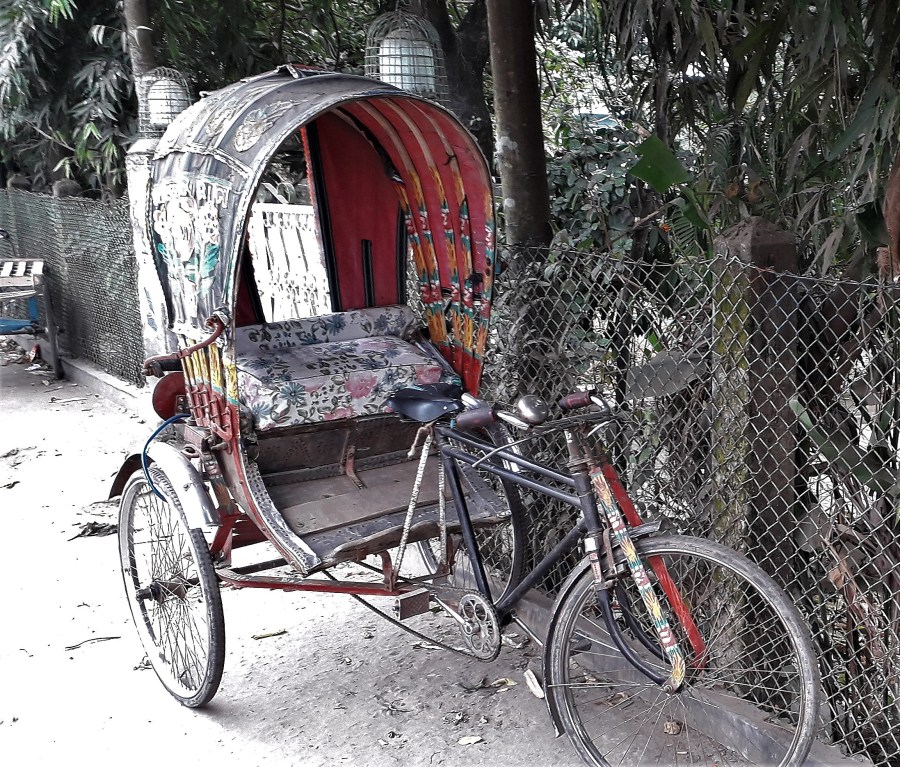
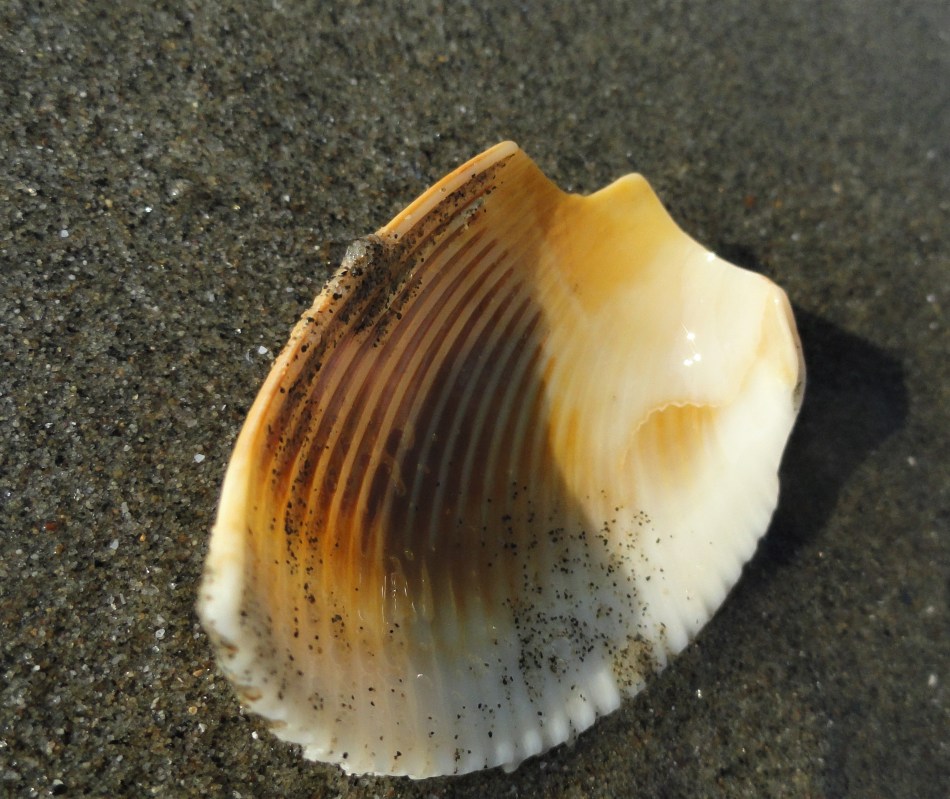 So I had a few more photos ready, and as I sit waiting for the fourth and last flight in this 44-hour travel sequence from the longest beach to…well, home…I’m pulling them together to help me stay awake until I’m on board.


 (so much world, so little time....)