Latest
Sculpture & Summer Gardens Around NYC
Pride & Prejudice
The day after our national election on 4th November, I flew to LA. The main purpose, honestly, was to retrieve winter clothes from storage: and the trip came not a moment too soon; these last weeks I’ve worn little other than the sweaters, jackets, mittens, scarves and other annoyingly bulky items I dug out of the hidden corners of my storage space. It’s been quite horrifyingly cold lately in NYC, even more so to one whose nerves and body had become accustomed to gentler equatorial climes these recent years. But I digress.
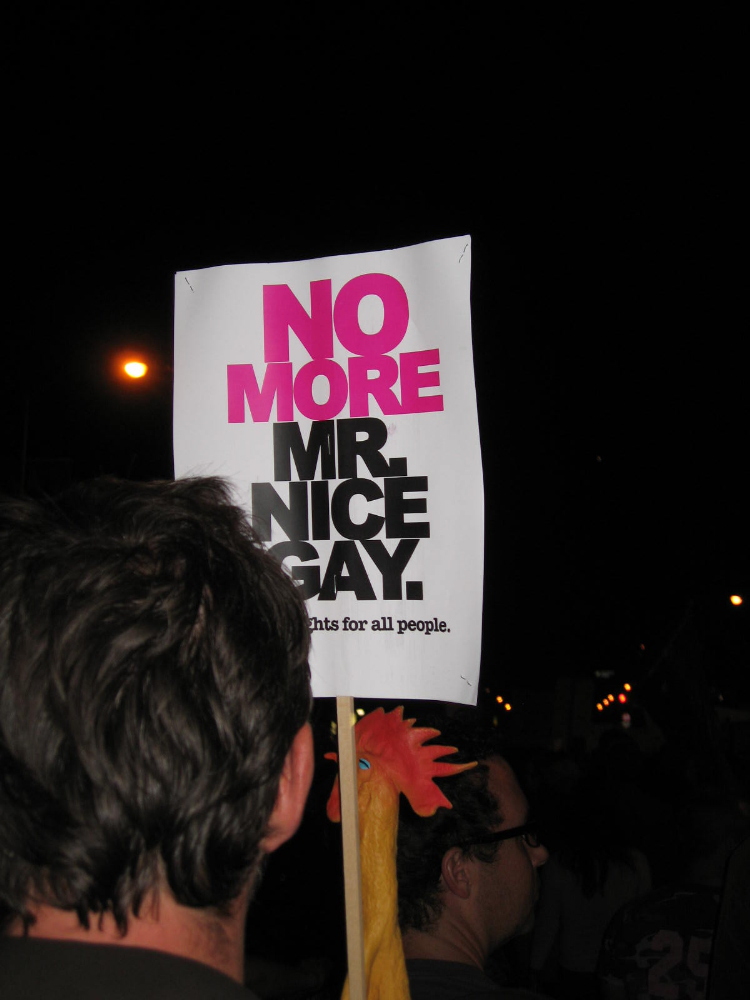
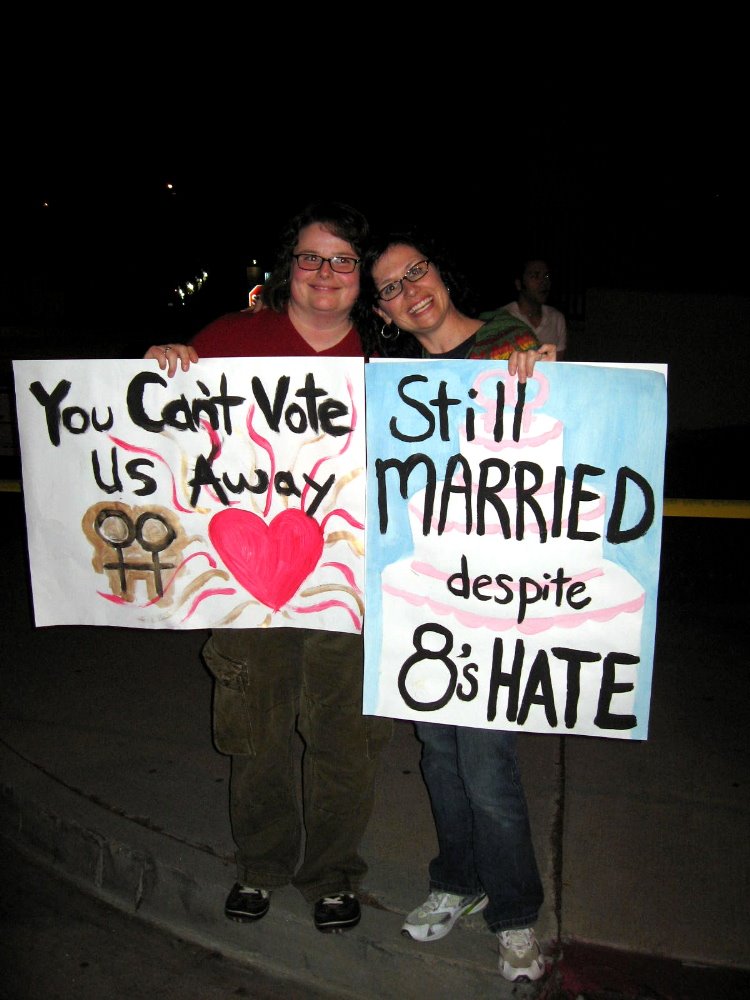
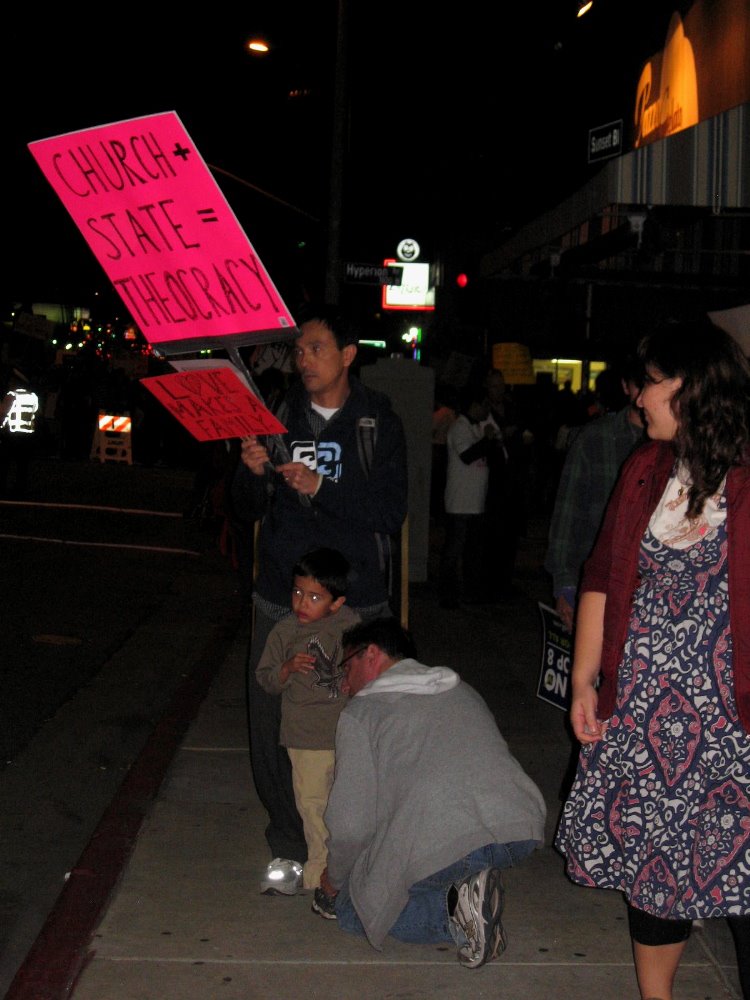
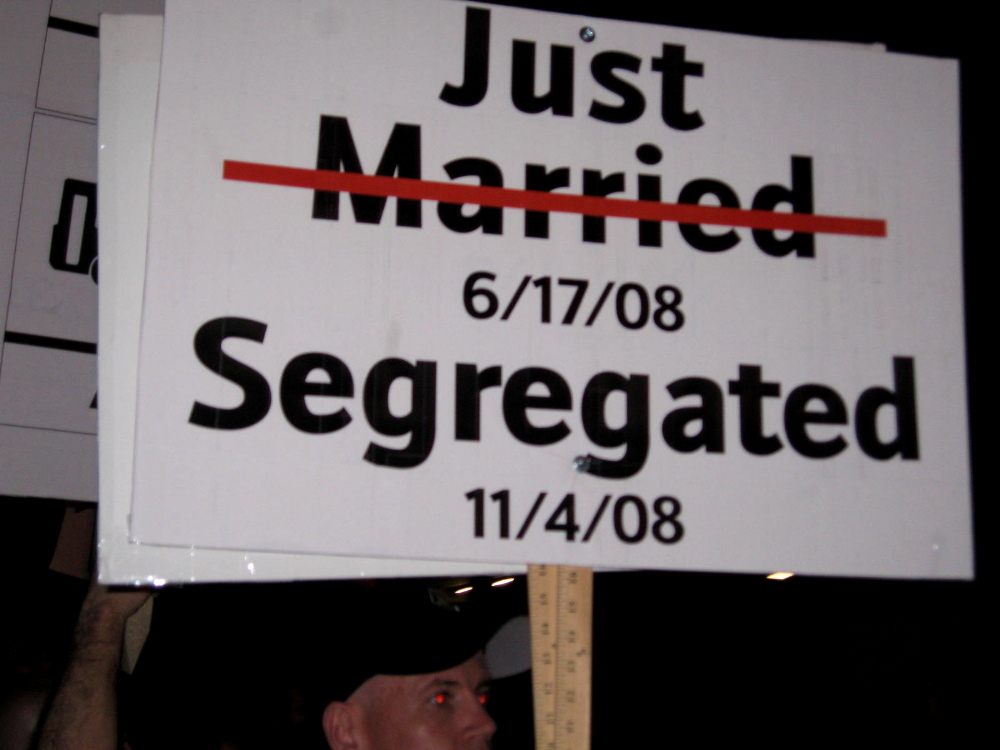
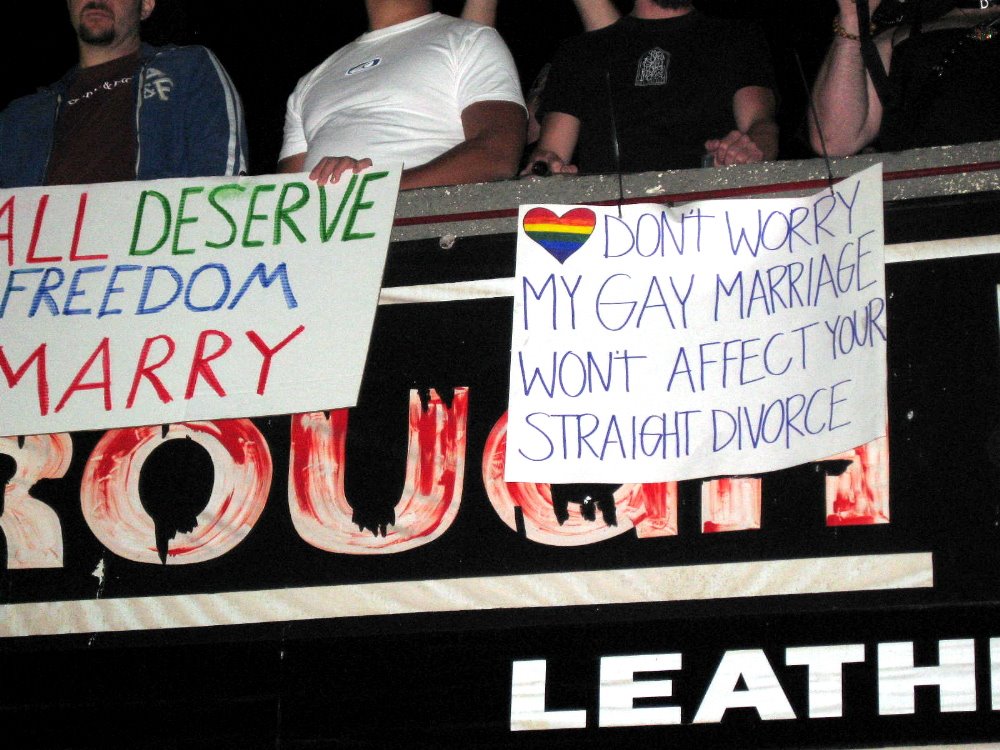
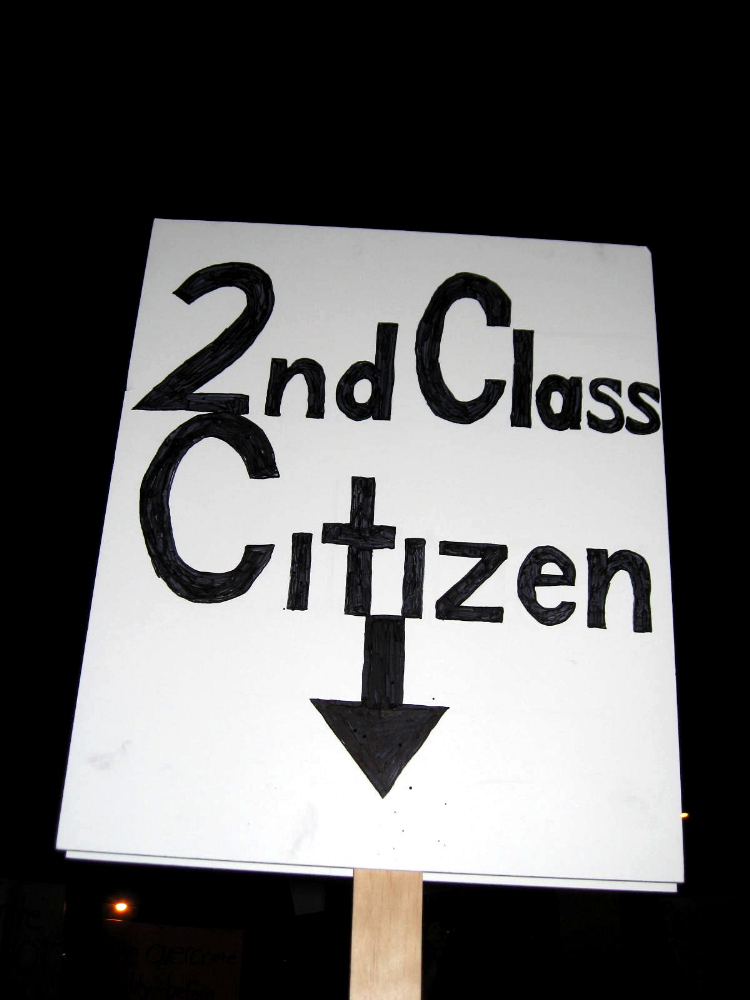
California, as many even outside the US are now aware, was the scene of perhaps the most disappointing electoral loss for the equality-minded on that night of otherwise glorious and liberating news for us all: by a simple majority on a ballot measure, the California state constitution was amended to eliminate equal access to marriage for lesbian and gay people — thereby relegating us to second-class status, even within California which has a good civil-union law for us 2nd-classers, let alone in other states whose laws are far more restrictive and discrimatory — not to mention federal laws which take no account of our families and relationships, whether for taxes or immigration or any other civil matter . Fired up by our disappointing loss, progressive spirits of all stripes (not just the LGBT community by any means) have begun to organize and try to reach out to those who voted in favor of restricting equal rights. There are many reasons we lost on this ballot measure and thus lost our equal rights — we didn’t reach out enough to religious and other communities who feared that our equal rights might infringe on their free practice of religion (whereas the campaign in favor of restricting our rights played actively on that fear among religious communities, and was very strongly funded by members of both the Catholic and Mormon churches), those of us who might have devoted more attention to education and outreach about the issue were focused on work, our economic and career fortunes, or trying to get a responsible and honorable president elected for the first time in this millennium. Be that as it may, we have some catching up to do.
I’ve always been afraid to reach out as a gay person to my non-gay/lesbianfriends about my need for equal access to rights like life, liberty and the pursuit of happiness. (I’m not joking — Matthew Shepherd was killed not all that long ago for the crime of wanting to love the wrong person, a fear of which has certainly affected my ability to reach out to those I find attractive and interesting.) Some inner voice has always said my equal rights matter less than those of others, because it’s always been this way and after all, I could fake it if I wanted to. (About as well as one of my uncles and all those others who leave behind broken families and shattered dreams when they finally give up on trying to be what they, quite simply, cannot be.) But these voices rest on misbegotten notions that we queer folks can, or should, change who we are. I don’t necessarily plan to marry any time soon or think it’s right for everyone of whatever love interest, but I don’t see that my right to do so should be different from that of my brother, cousins and best friends who’ve been married for years – in some cases more than once.
If the churches don’t want to sanctify my relationship, that’s fully a matter for them and their adherents to debate and hash out — as is happening, globally and visibly, within the anglican and other churches. But just as any church can deny religious marriage rites to non-adherents of its religion, so too it OF COURSE can decline to sanctify my marriage or my existence. But for a civil society based, finally, on equality for all — for a nation that 90 years ago finally allowed full ballot access to women, that 30 years ago legally overturned bans in many states against interracial marriage, that has struggled for all of its existence to overcome the inherent barriers to full participation in citizenship and society for all the many ethnic, cultural and religious groups who find their homes here and especially to all the Americans of African ancestry — how can such a nation, let alone one of its most progressive and leading-indicator states, still actively relegate me and my community to second-class status in a clear matter of equal access to civil rights and full particpation in civil society?
In the heat of the moment, I penned an angry letter to the head of Park City’s chamber of commerce – a lovely city where I had a great ski vacation once. Encouraged by a friend, I posted the letter on the blog and called on friends to join the boycott. I still feel this way, but I’m less fired up now and perhaps almost embarrassed at the youthful energy and righteousness of that letter. I understand there are those whose religions say I’m abomination. Personally, I find their religions abominable but I’ll fight to the death for their right to practice them, so long as they leave me alone to live my life without causing harm to others. And that’s what it’s about, for me in this. But I do think we need to find ways to communicate constructively with those who aren’t comfortable with us and our demand for equal rights. Just as other minorities over the years have overcome ‘scientific’ or religious explanations of their natural inferiority (heck, it wasn’t until the late 1970s that the mormon church noticed that black skin pigmentation was, in fact, not punishment from god), we too shall ultimately overcome the prejudice that still says we’re somehow different or unequal. But to do so, we’ll need help and we’ll need to reach out. Now’s a good time to start.
Sojourn in Sequoia
Being in California usually makes me feel better and more whole: more of my friends are there, it’s easier to do the things I most love to do (hiking, tennis, outdoor swimming all year long, etc.), and though I’m slowly rebuilding a social network in and around NYC, in general it’s just easier for me to find things to do and people to do them with in SF or LA than here in NYC. To my long-planned visit to the SF Bay Area for the Cabrillo Festival (see below), I added a leg to Los Angeles in order to attend the wedding of my friends Joezen and Steve. What a wonderful experience to be there with good friends for a wedding that, in the state of California, finally has legal weight! And such a generous, connected and concerned wedding it was — all about equality and conserving our planet’s limited resources, all about friendship and family. I’m glad I was able to be there.
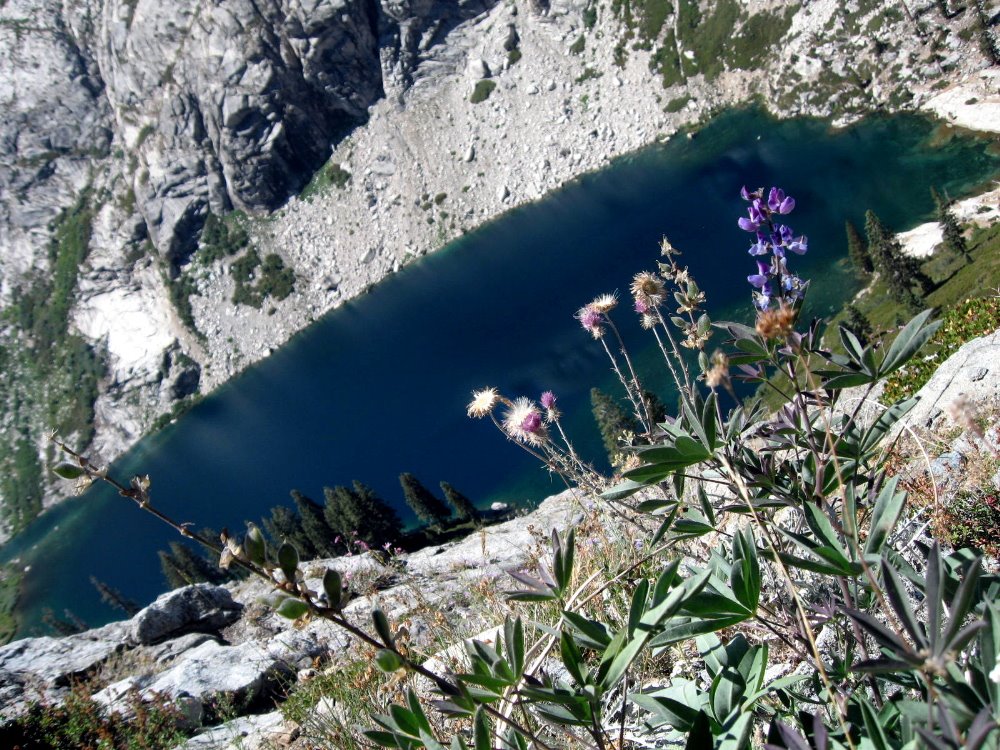
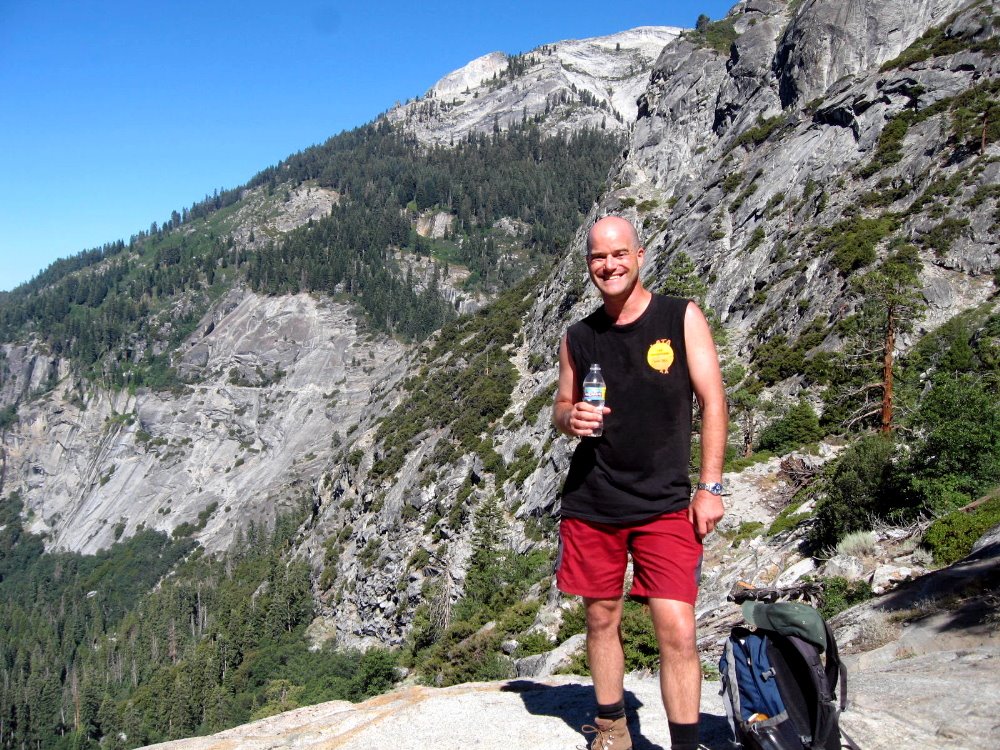
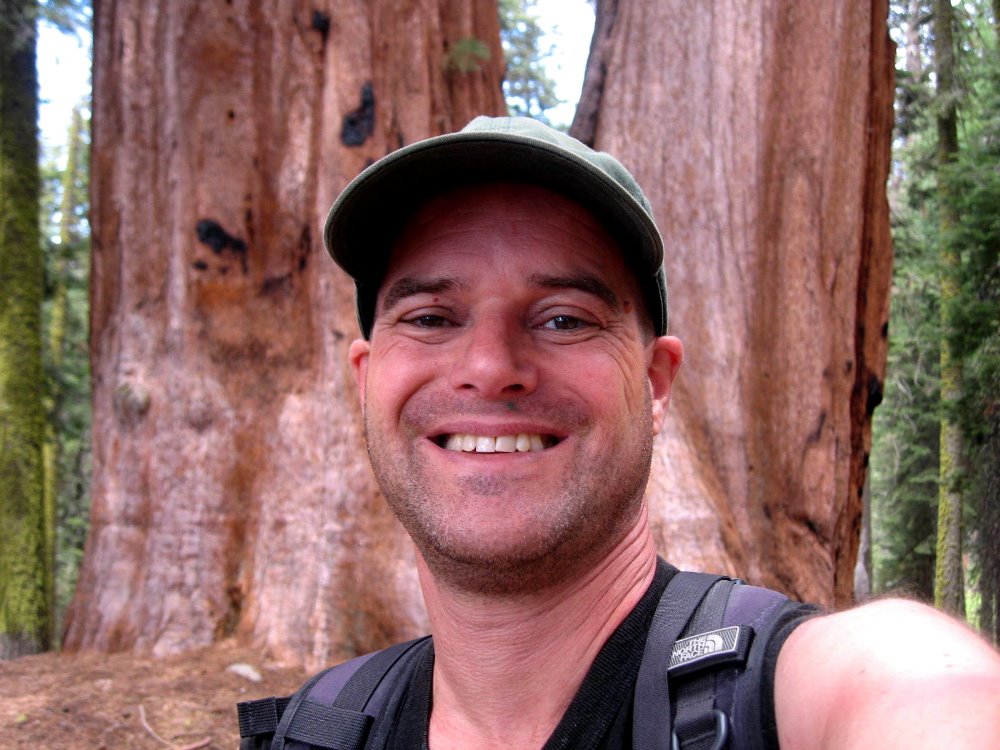
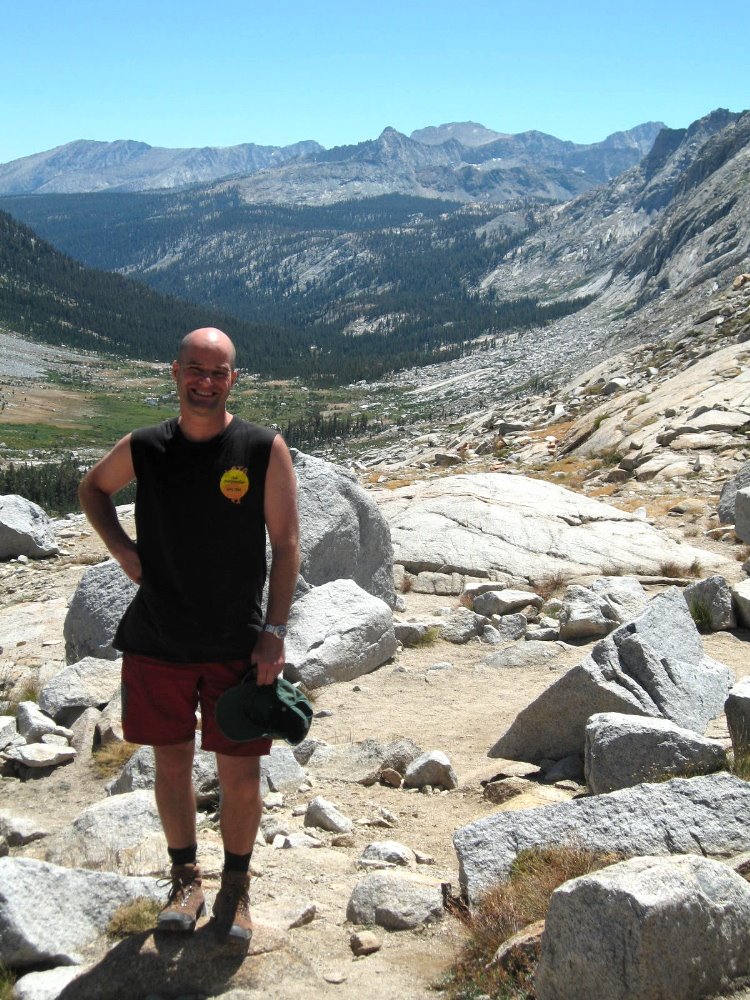
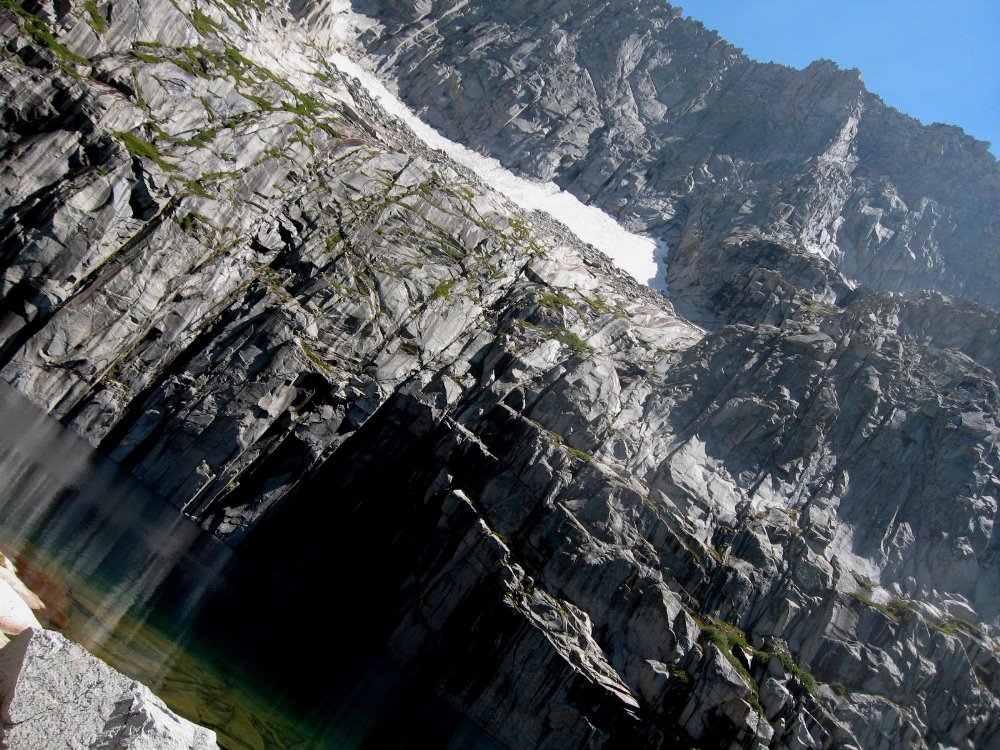
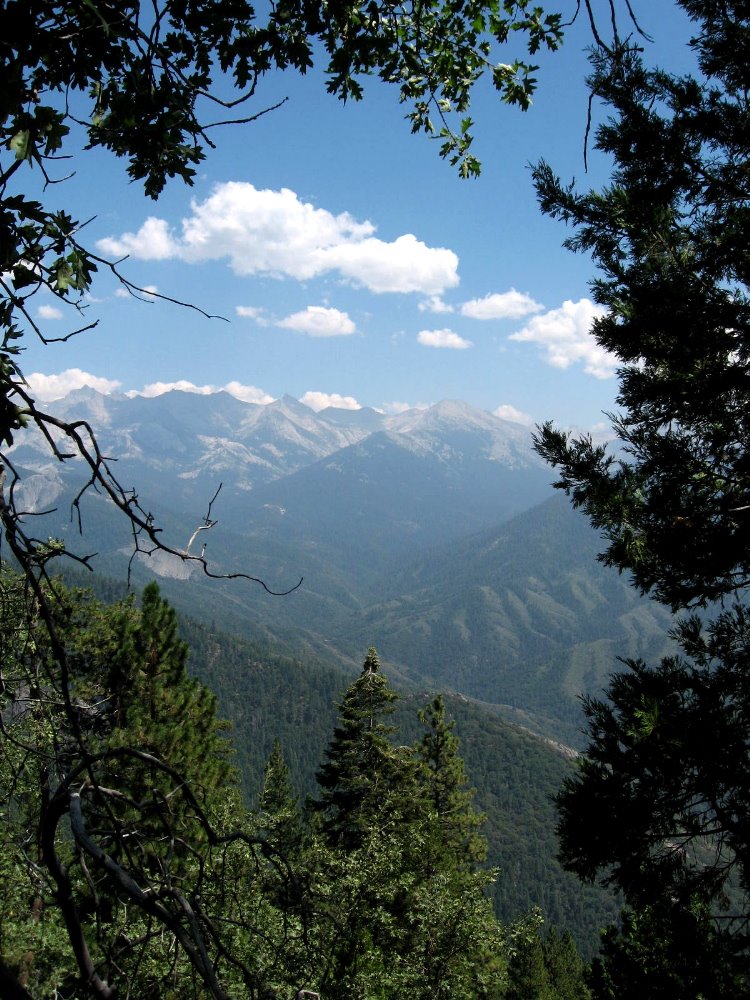
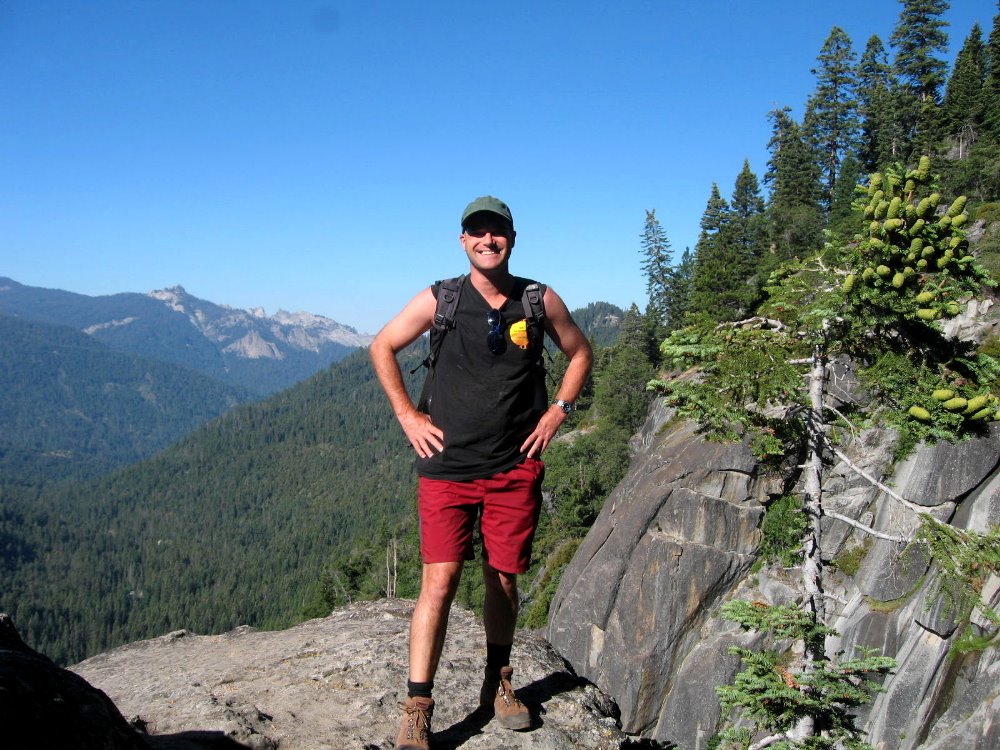
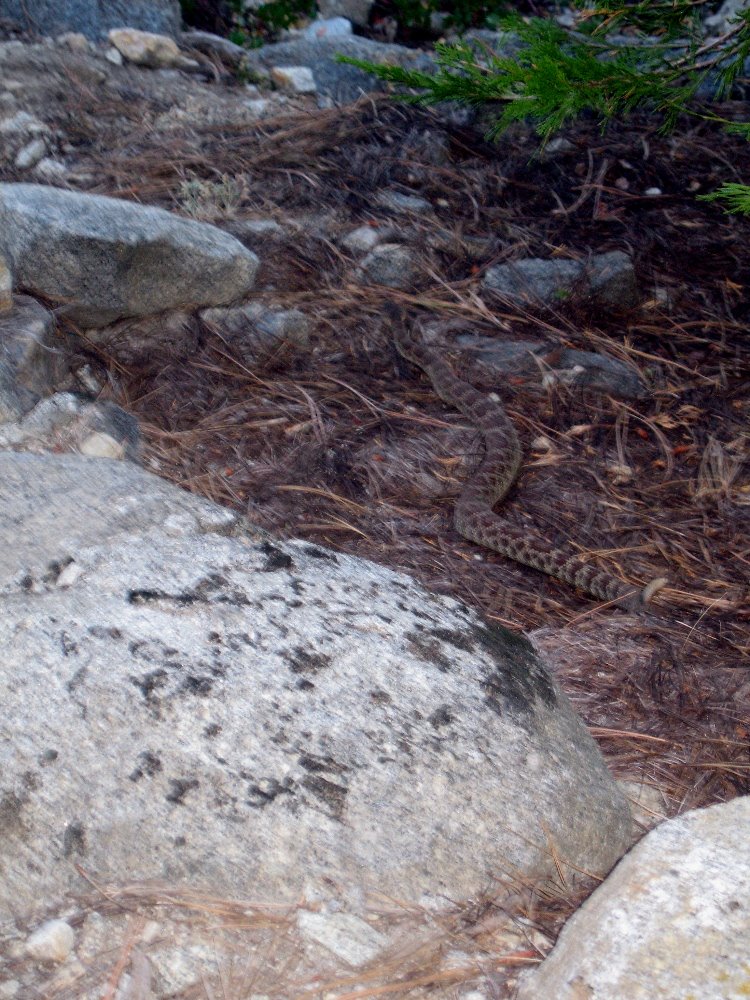
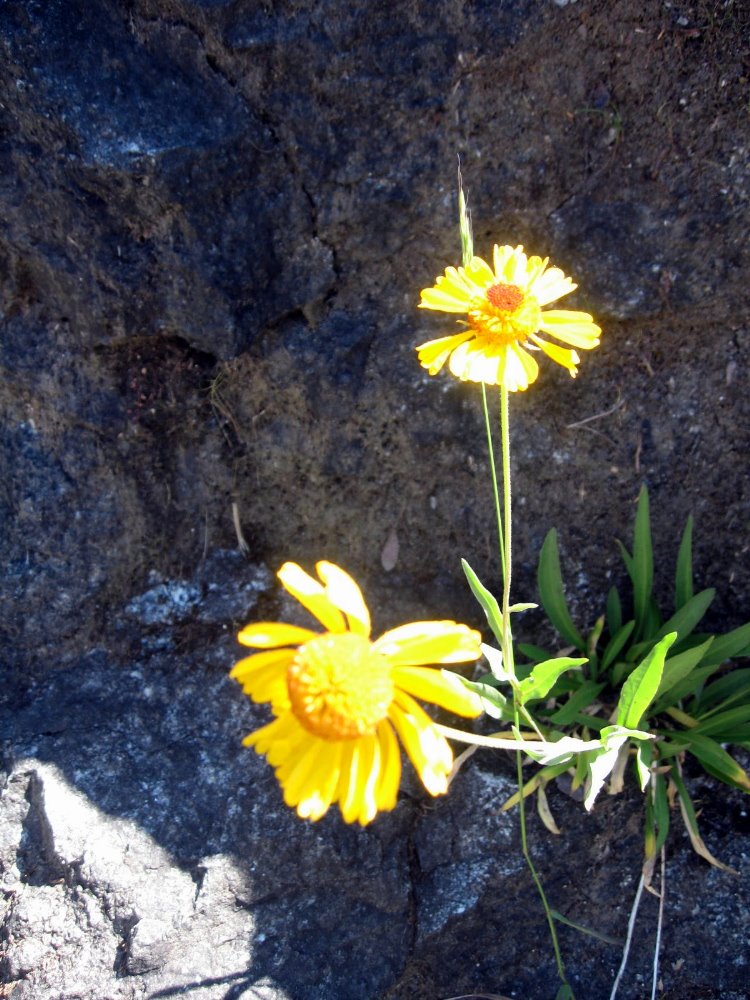
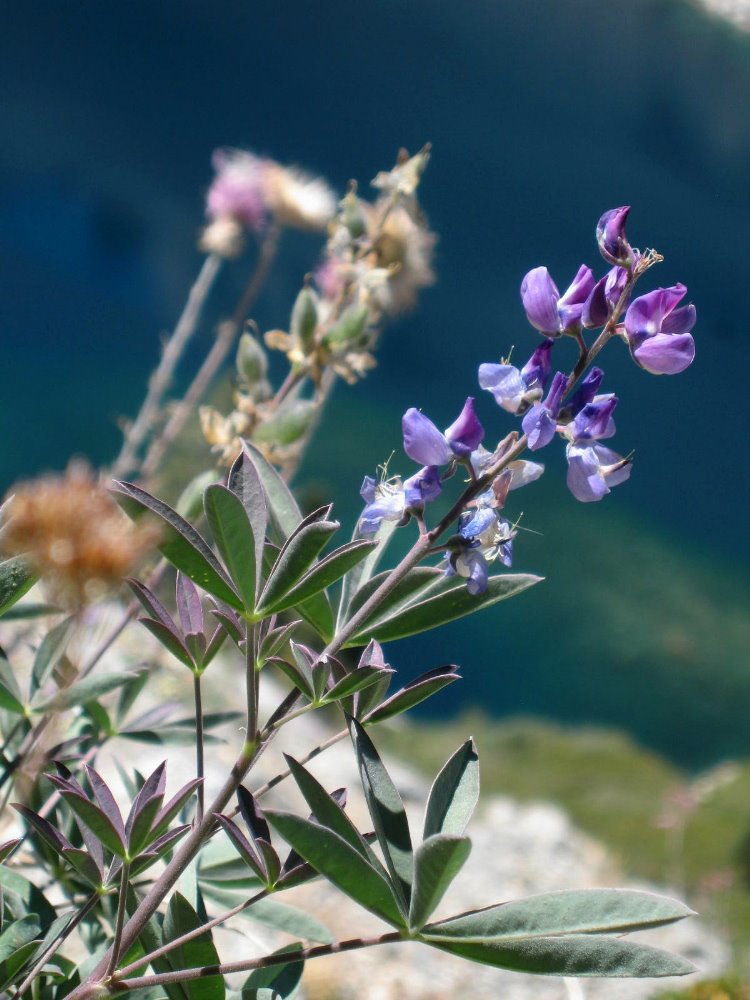
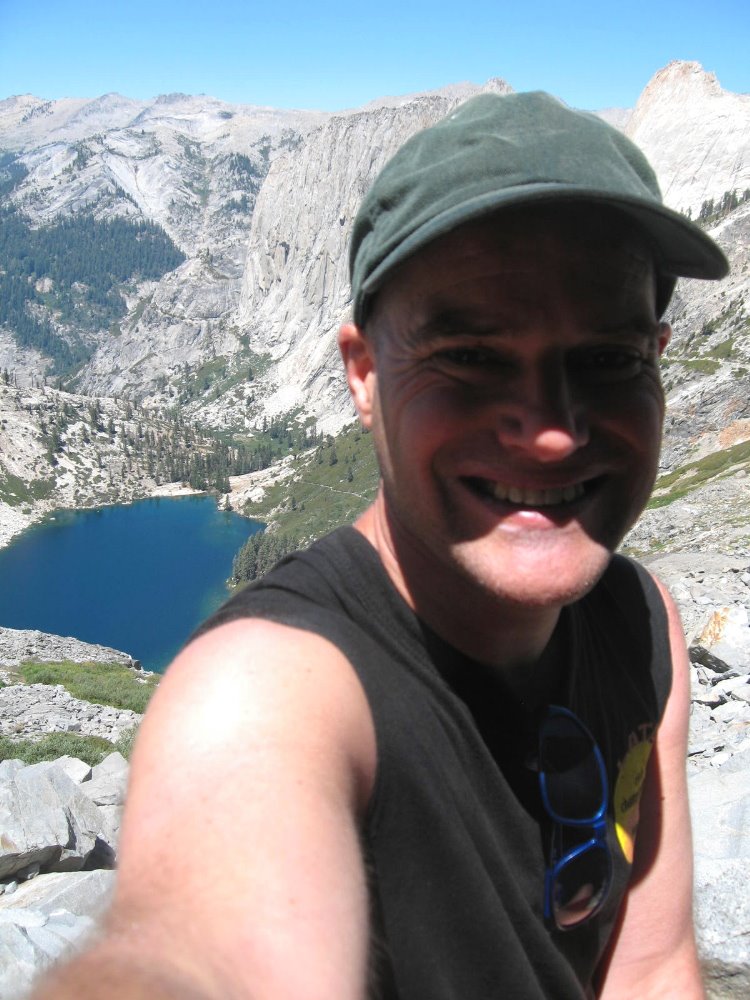
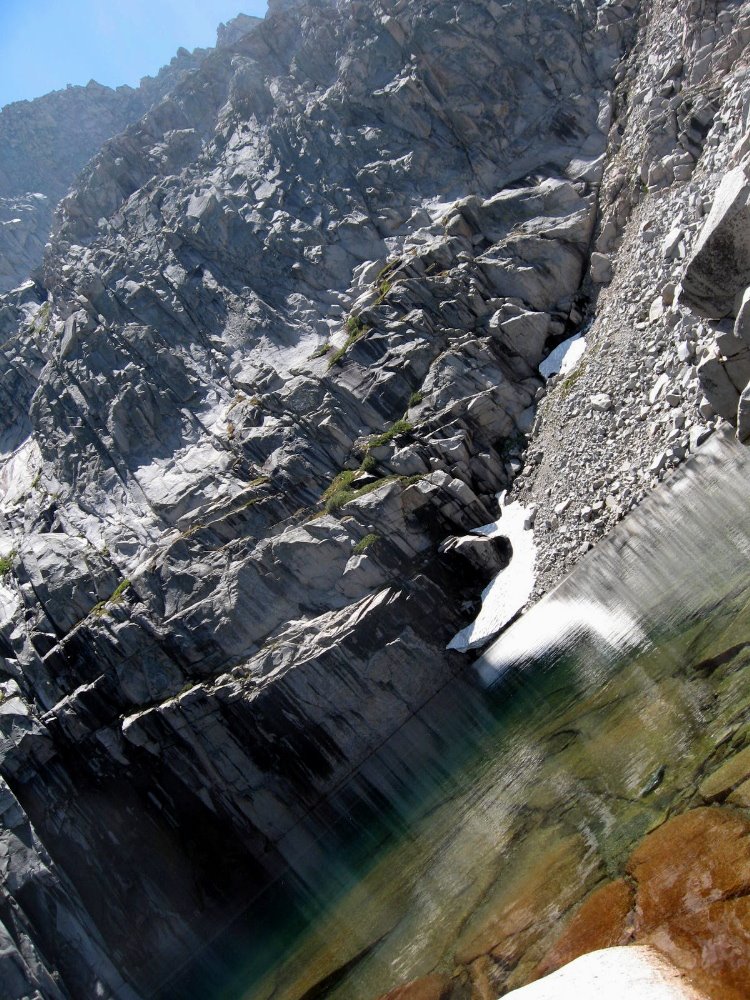
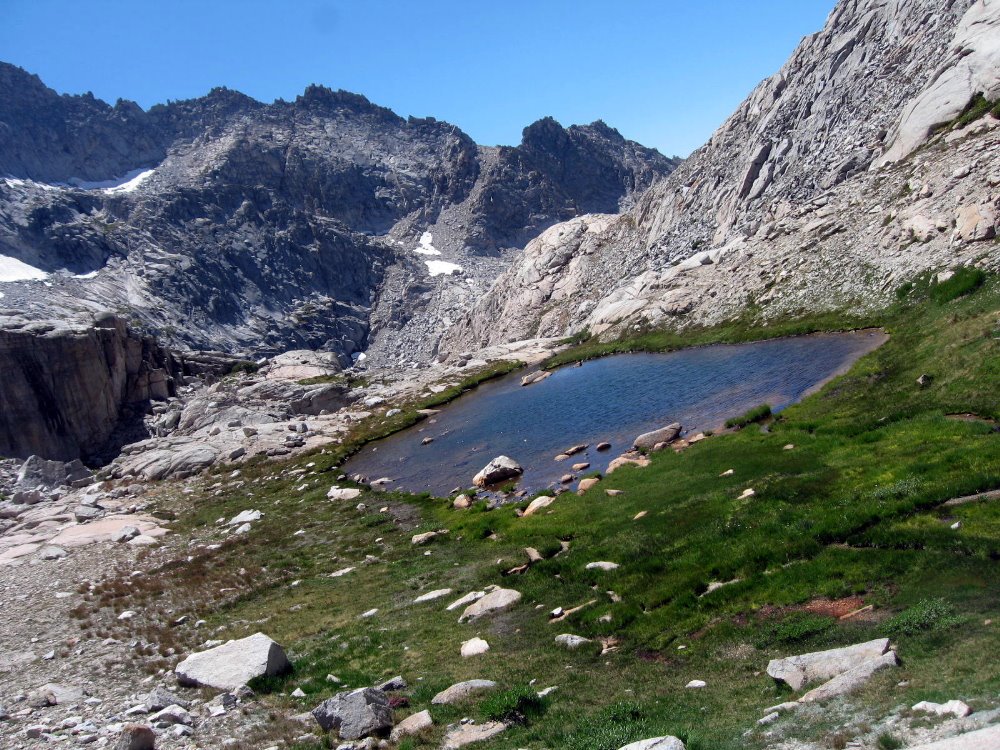
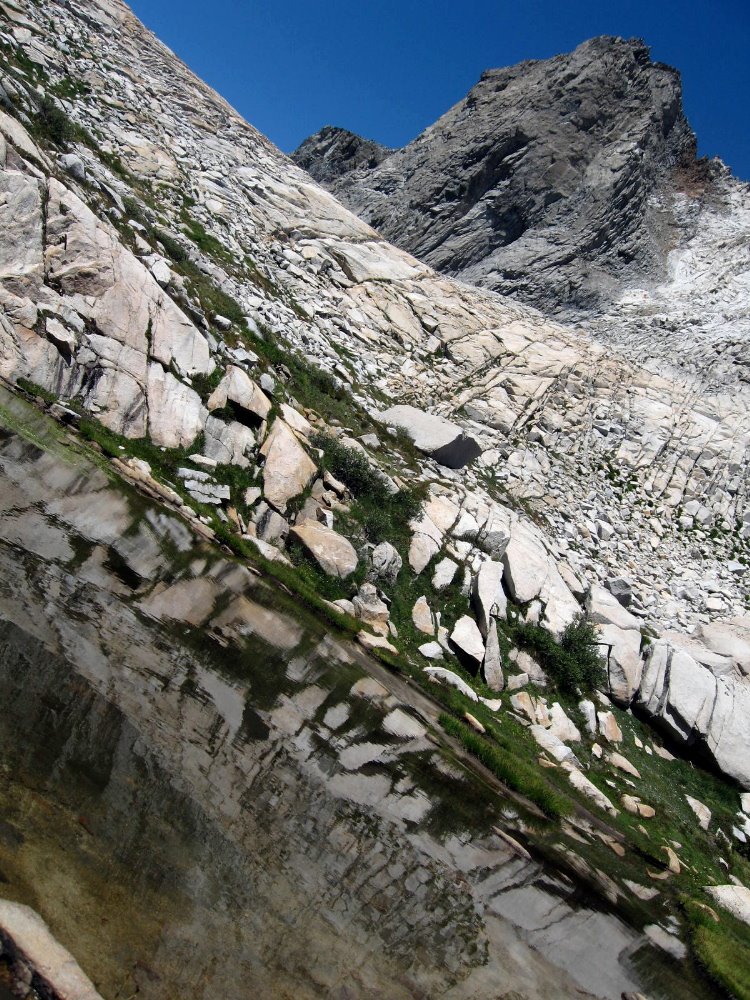
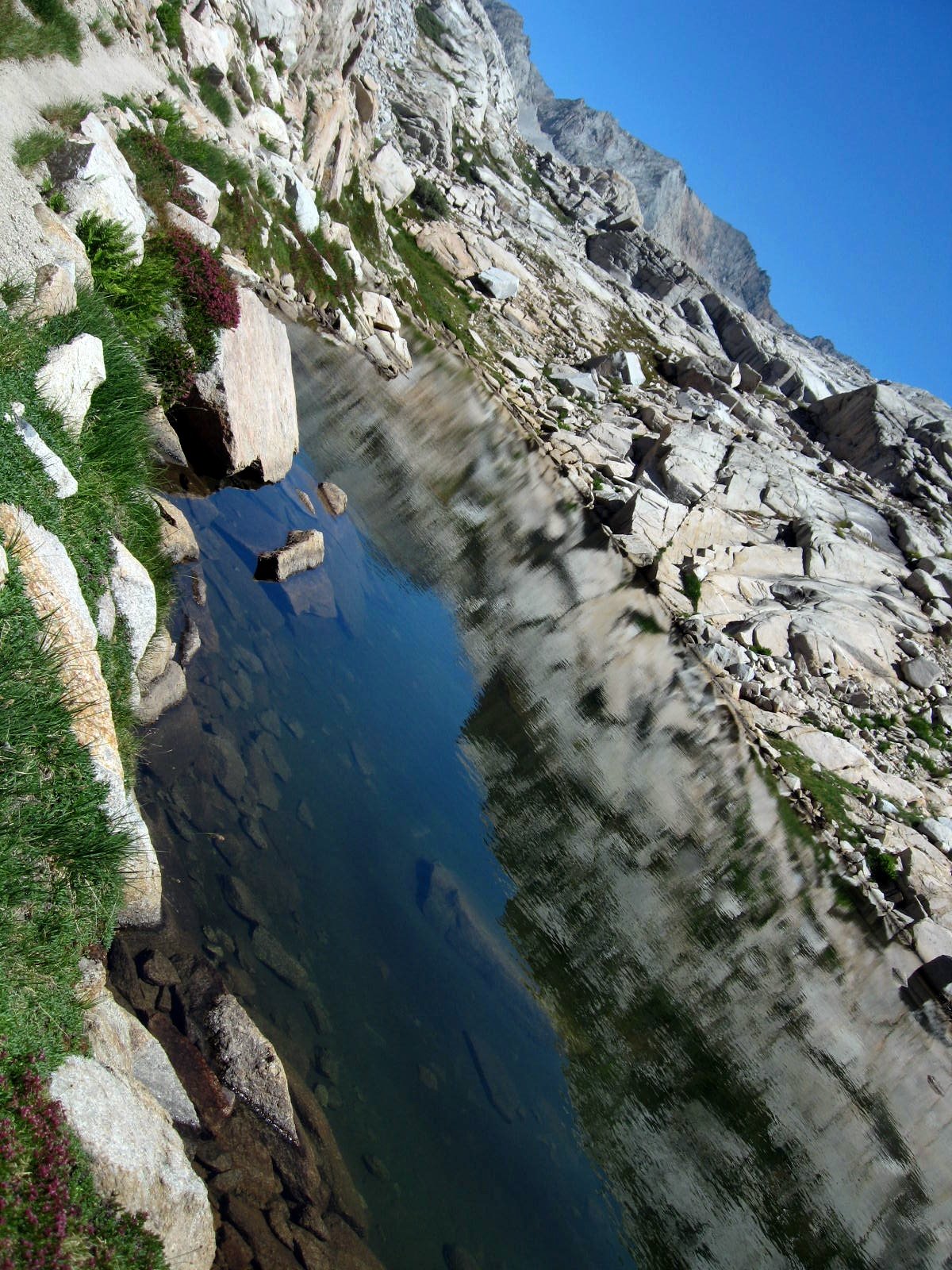
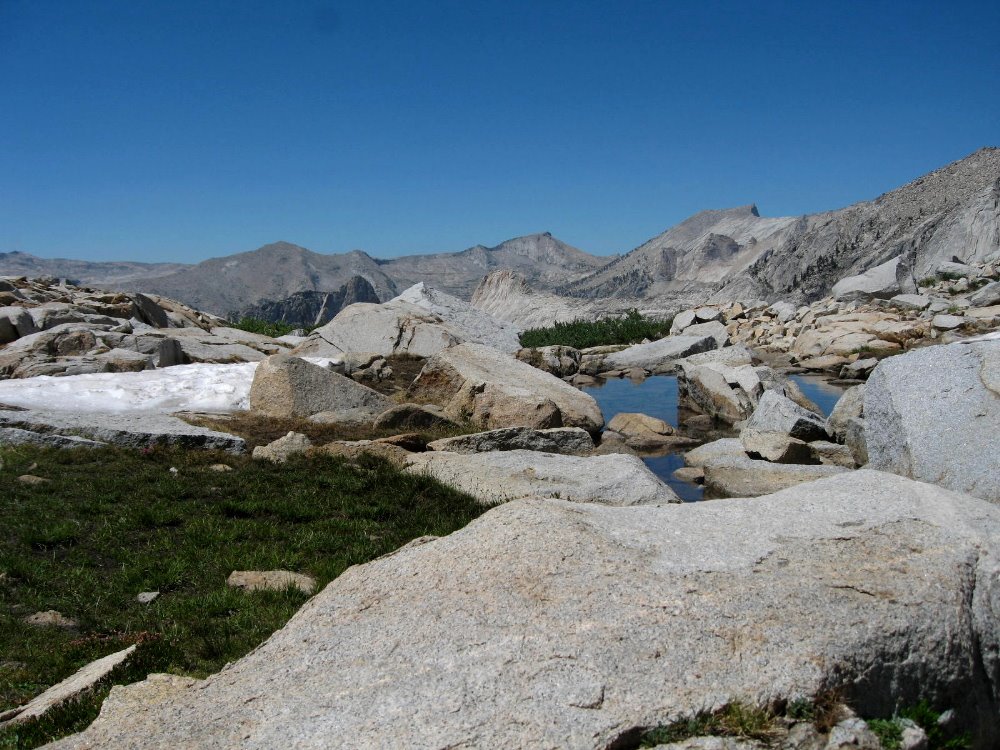
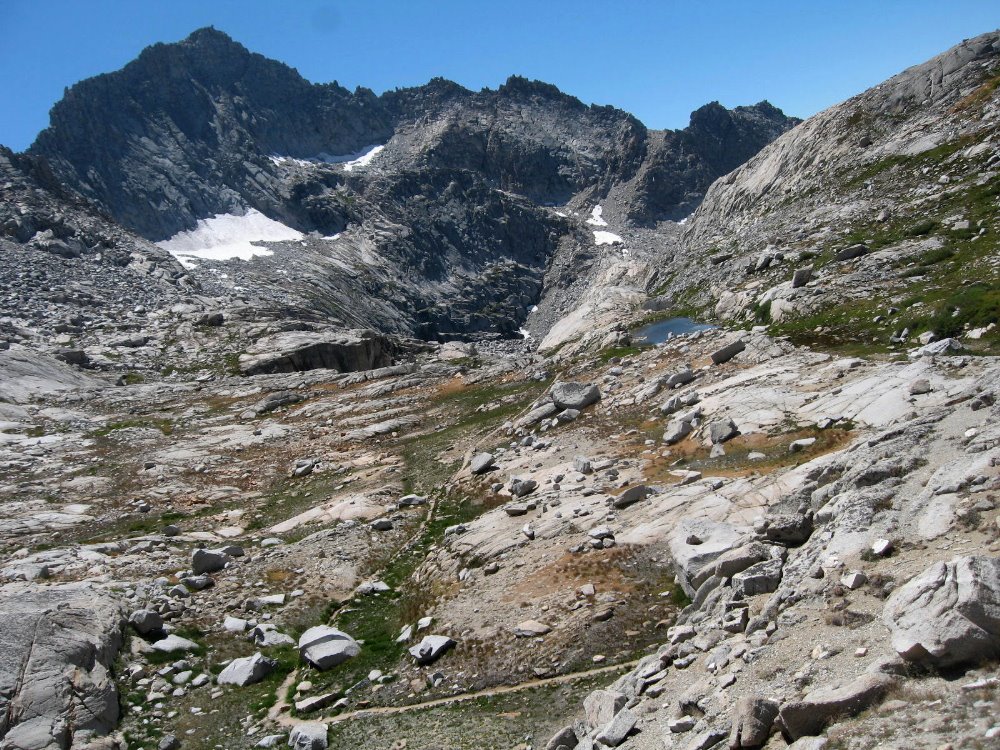
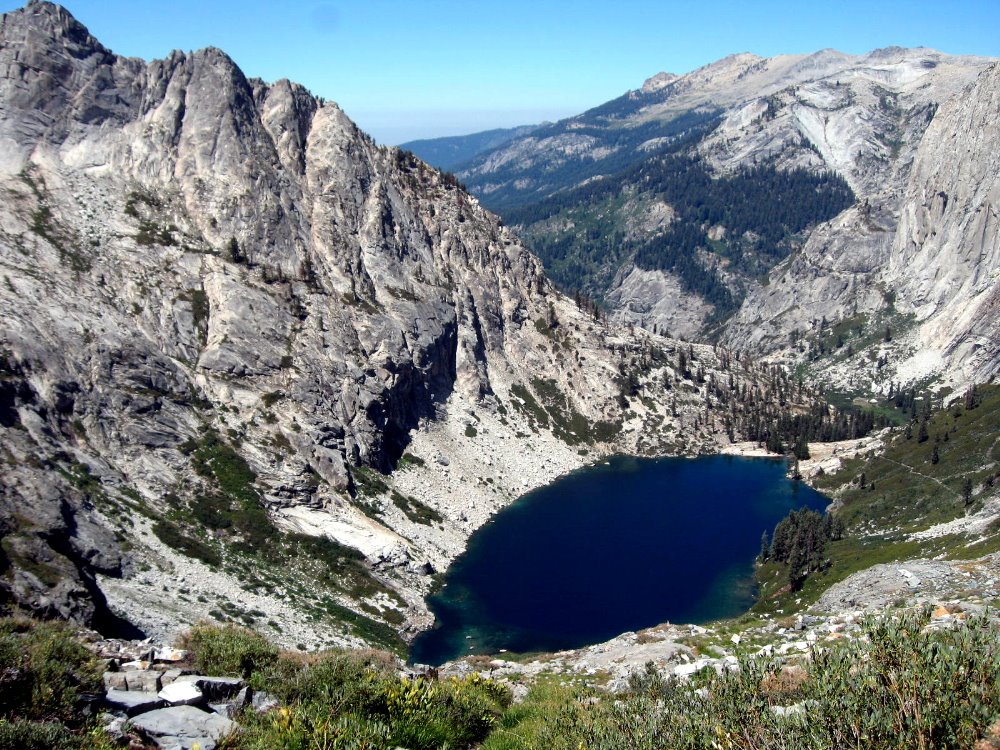
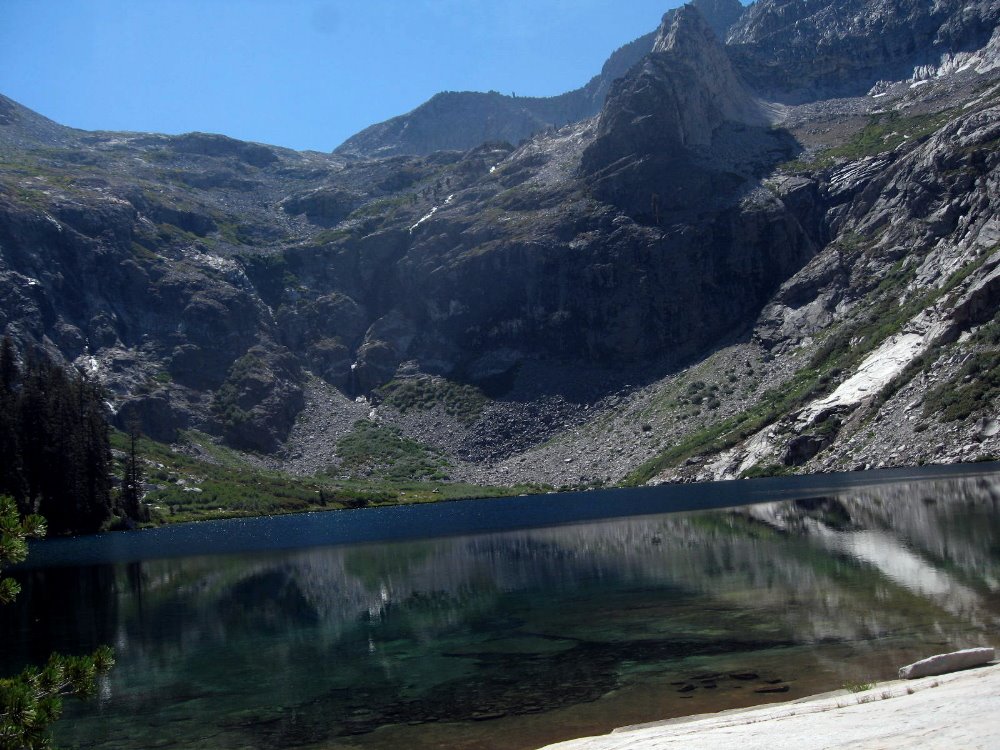
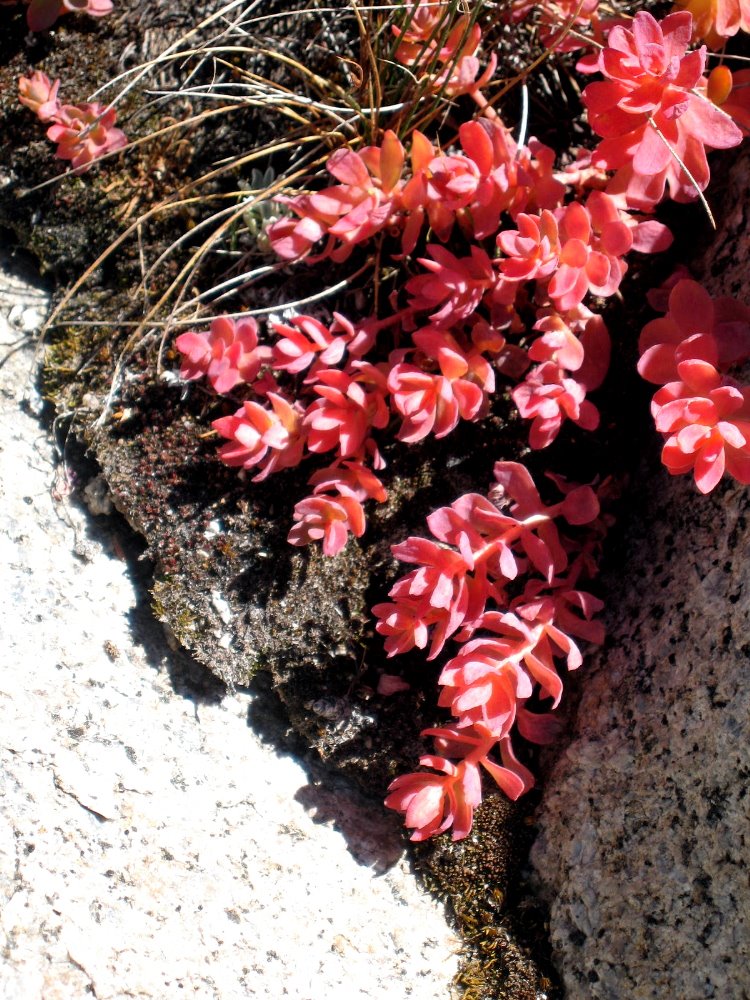
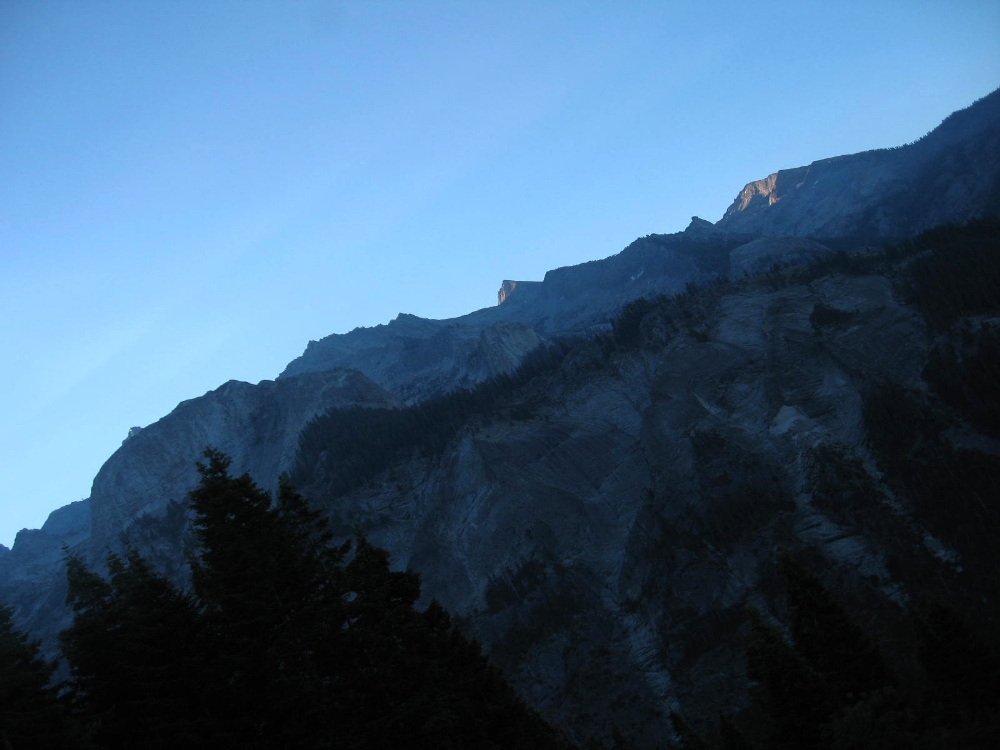
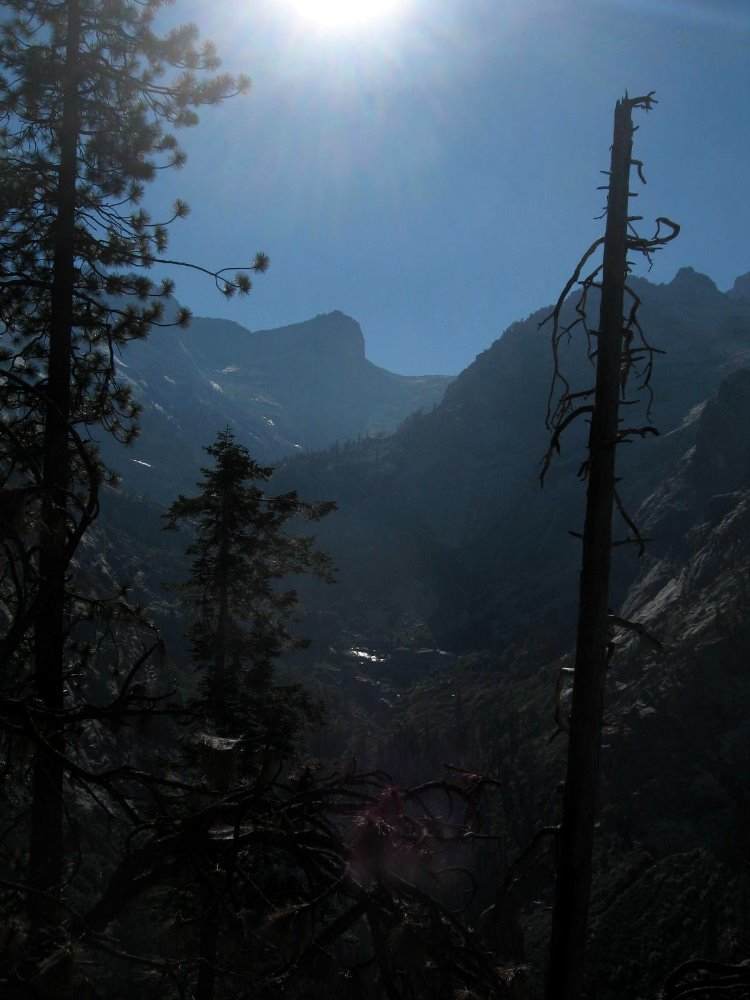
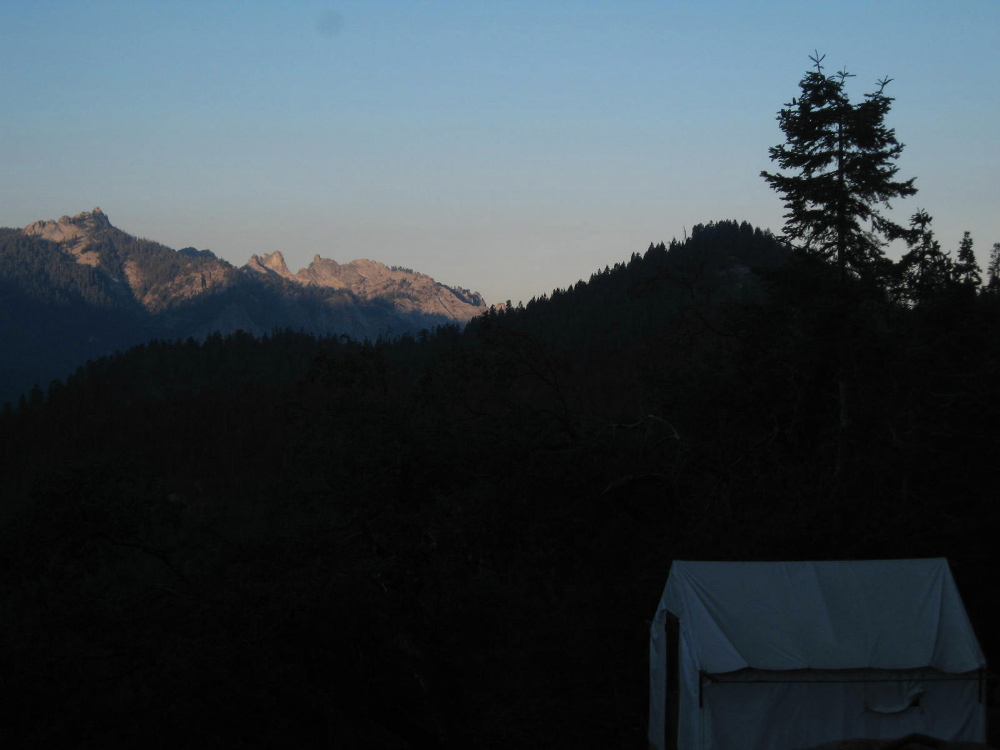
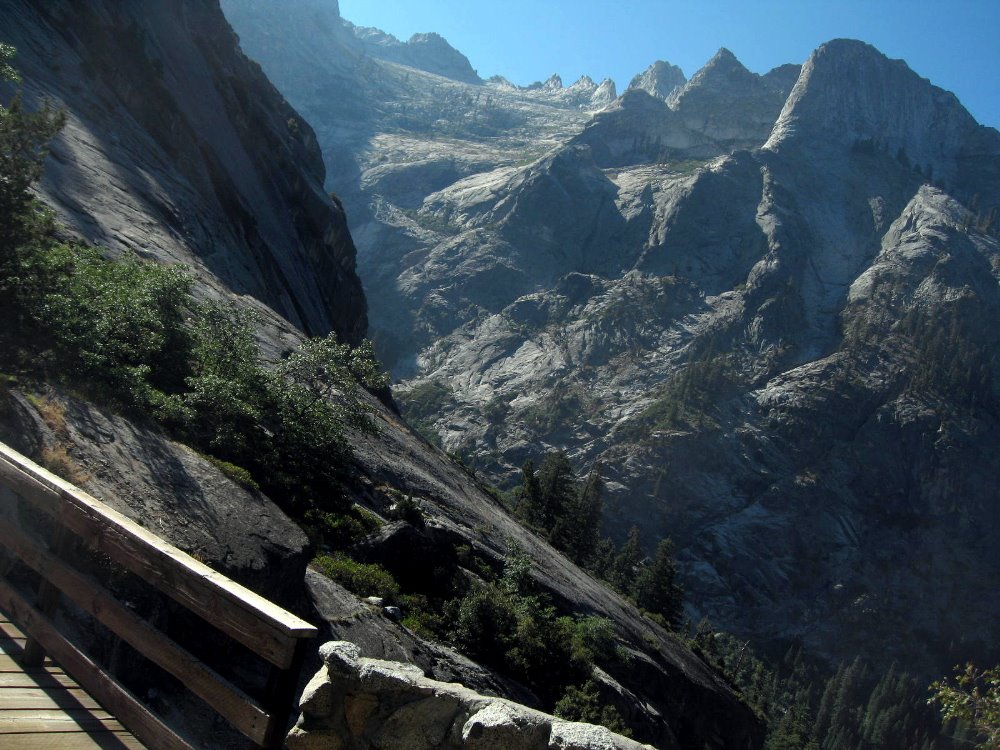
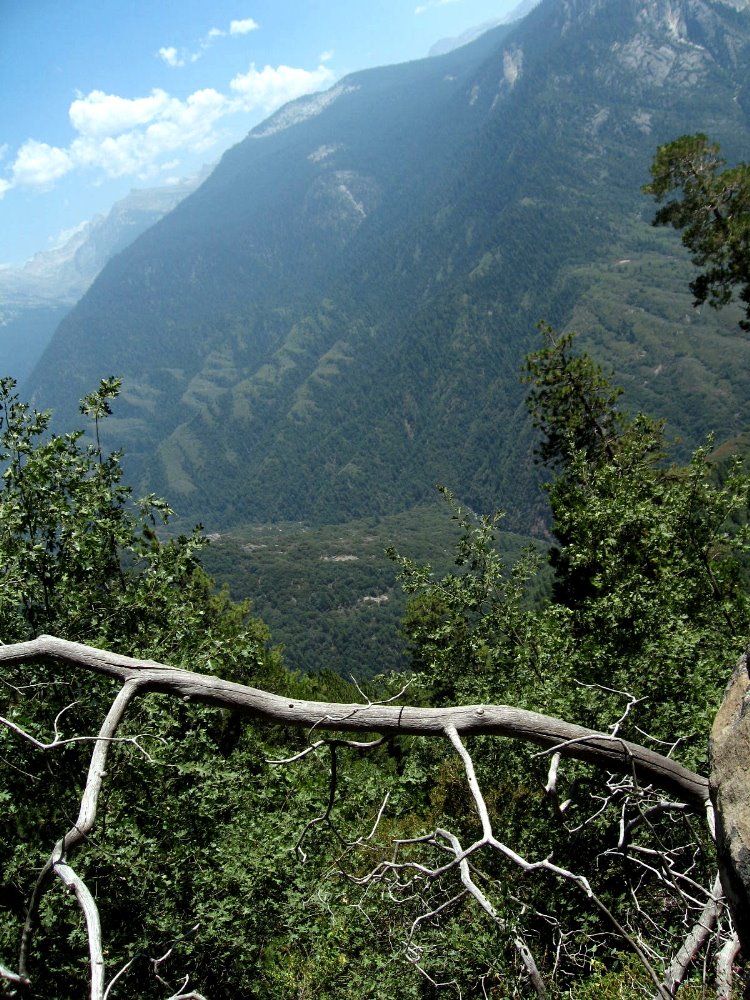
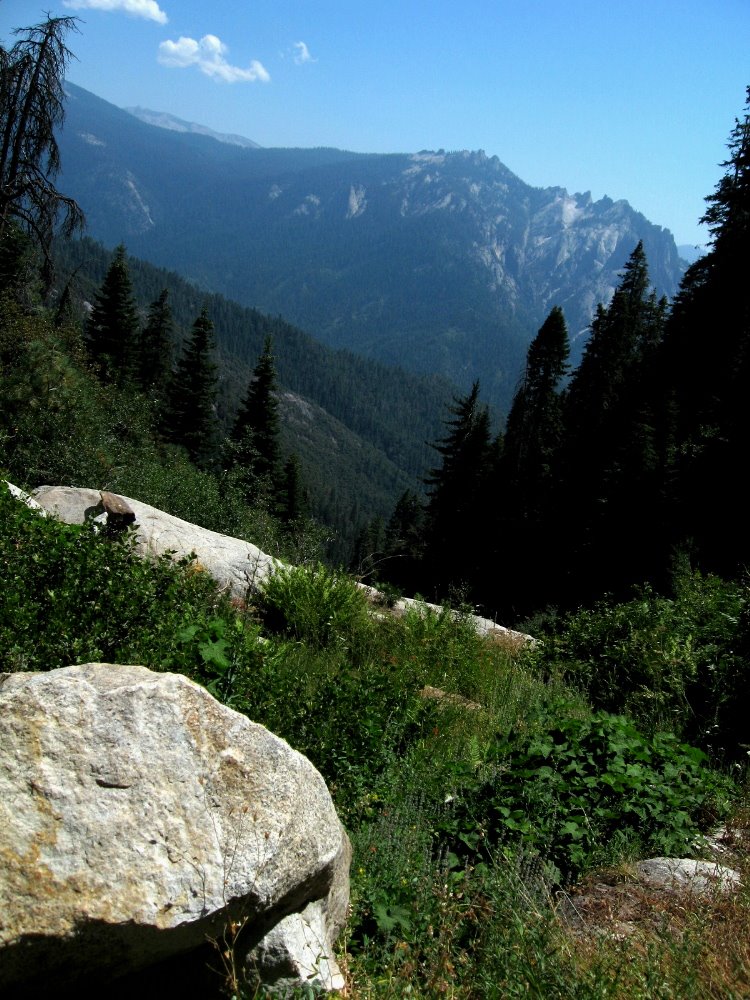
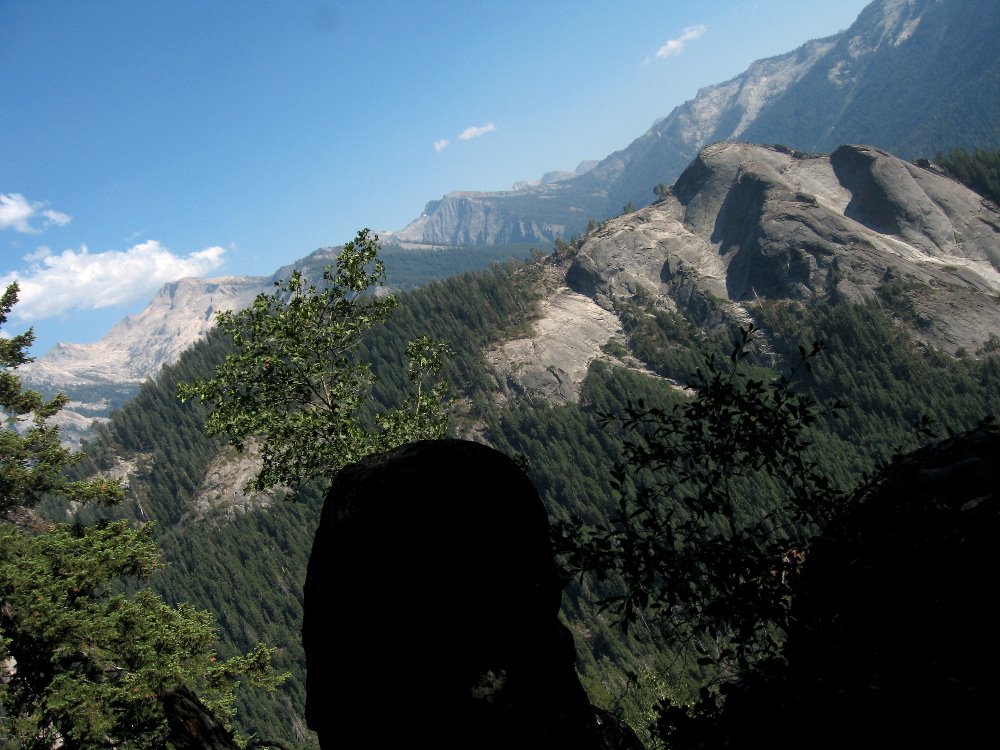
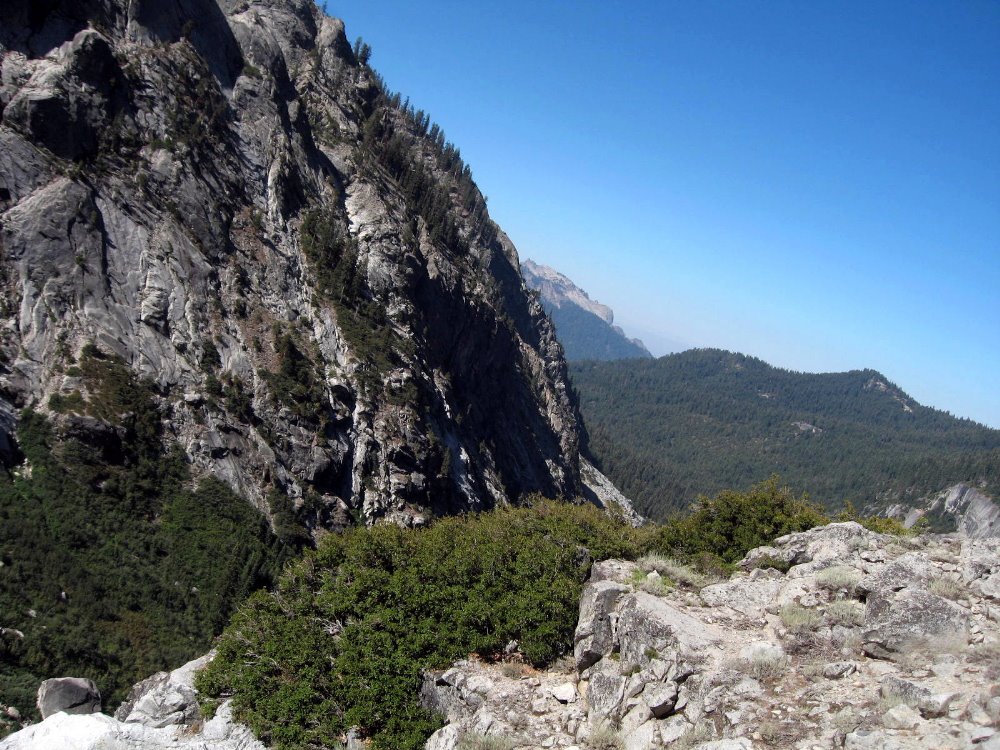
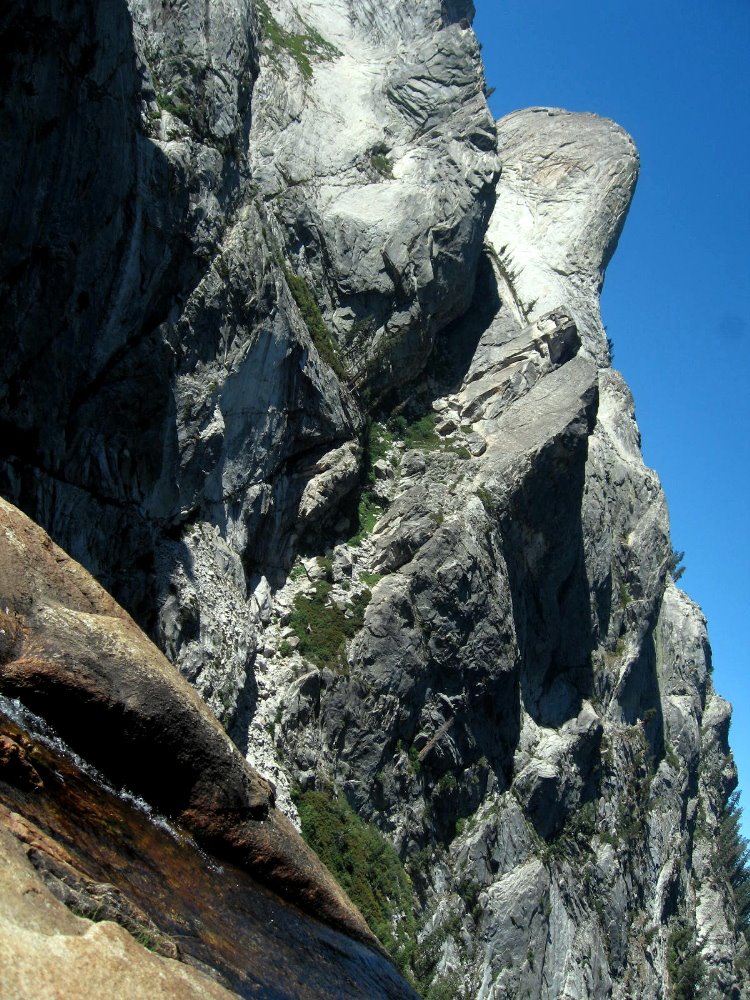
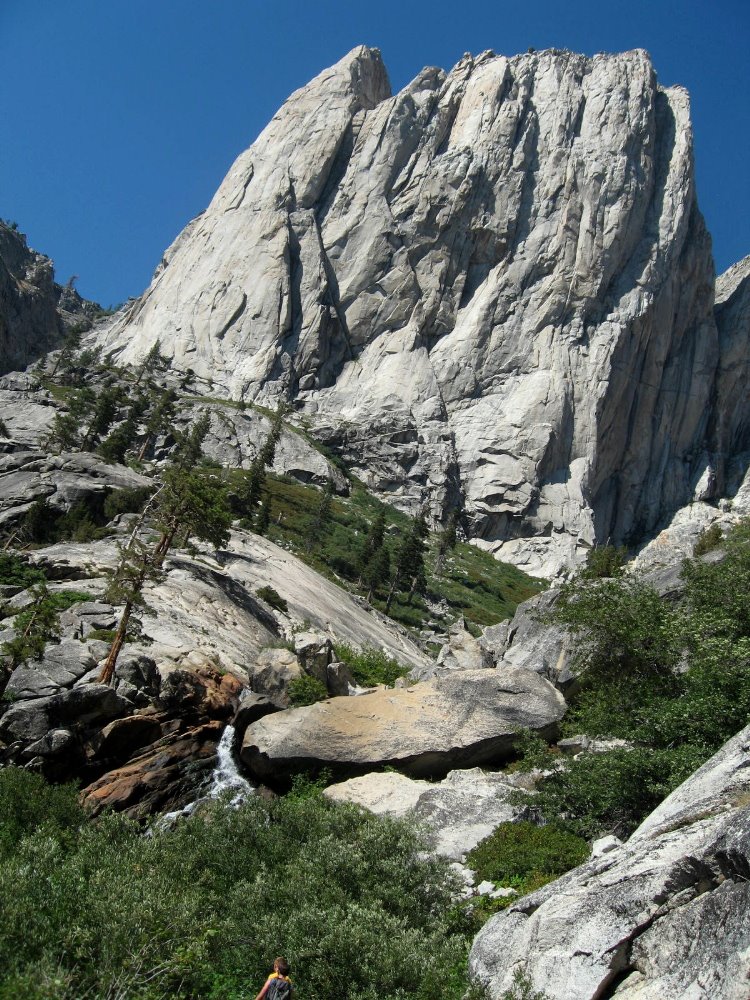
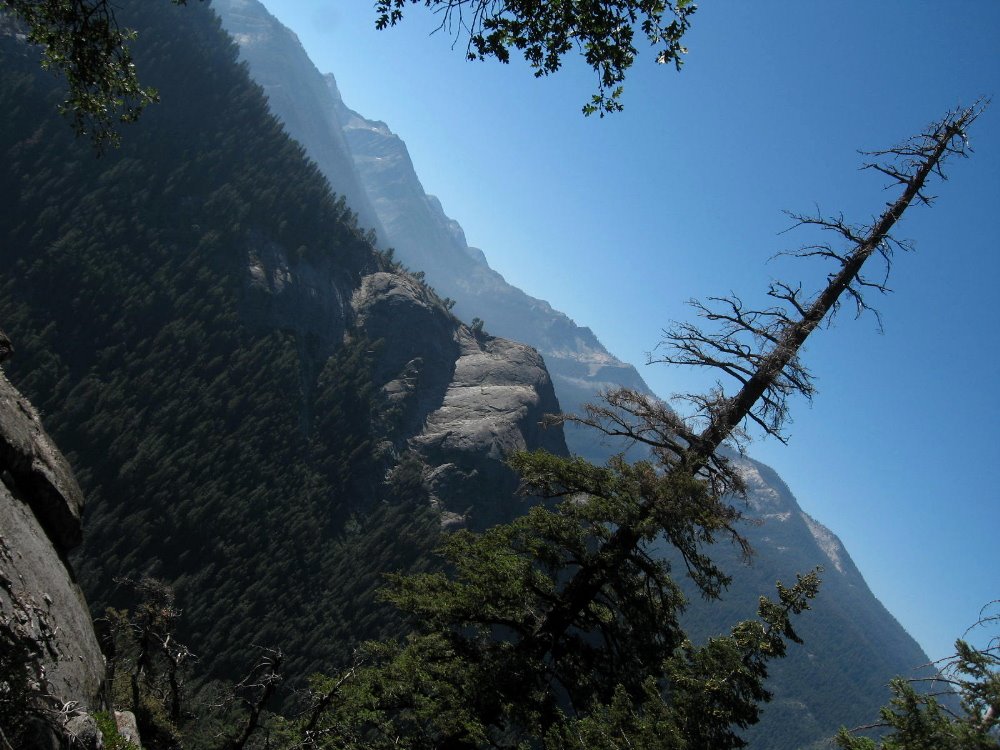
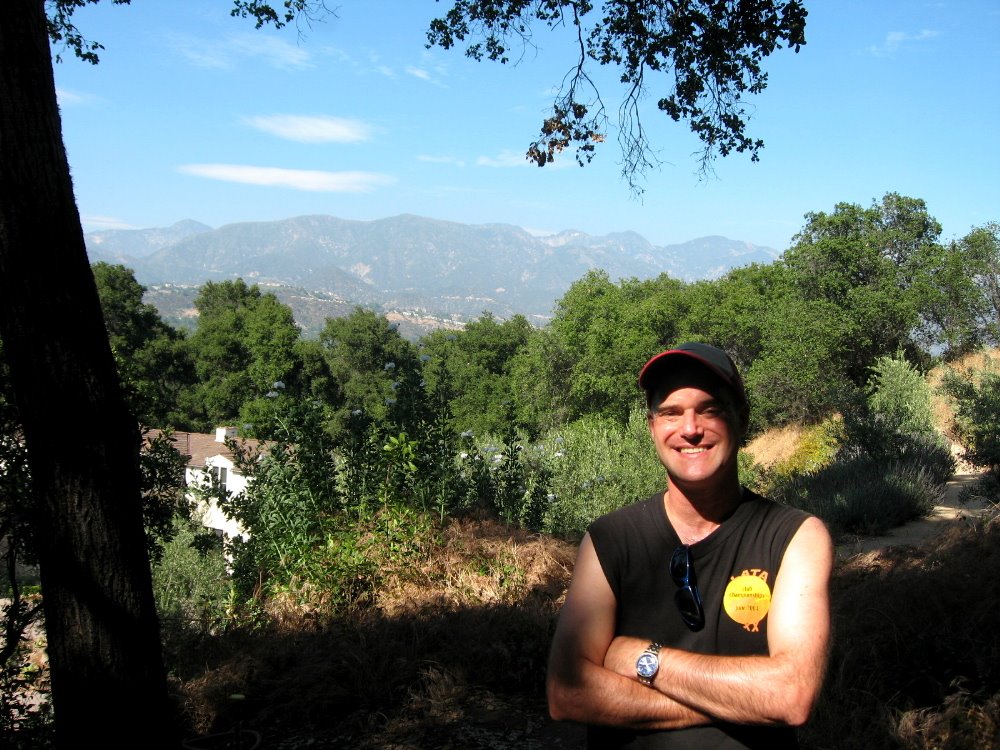
Having added that LA leg, I then signed on for a sojourn in Sequoia National Park, the less-visited and somewhat less-known southern neighbor to California’s blockbuster Yosemite National Park. My friends Howard and Gene, along with others whom I enjoyed meeting in the park, had arranged three out of six tent cabins at Bear Paw high sierra camp for a few nights, which dovetailed rather nicely with the wedding: I got myself up to Sequoia with help from Gene, we hiked the eleven miles up to Bear Paw, and spent two nights there before hiking the eleven miles back down. In between, I did an absolutely amazing 16-mile hike with 4500-foot elevation gain going up and then back down, up to Mt. Steward on the Great Western Divide (the crest of the Sierras). The higher alpine-tundra looking shots below and above are from that day’s hike, with high alpine lakes and so forth. The rest are generally shots of the Sierras in Sequoia, including a shot of me in front of one of the big, wide redwoods that give Sequoia its name. Believe it or not, I’ve actually sorted through these shots and excluded many from this entry — still and all, there are a lot of shots, but I hope you’ll agree they’re worth enjoying. 🙂
California has two varieties of redwoods still growing: mountain redwoods, or sequoias, which grow much much larger in girth but generally not quite so tall as the coastal redwoods, which can be seen just north of SF in Muir Woods, or in other spots along CA’s northern coast.
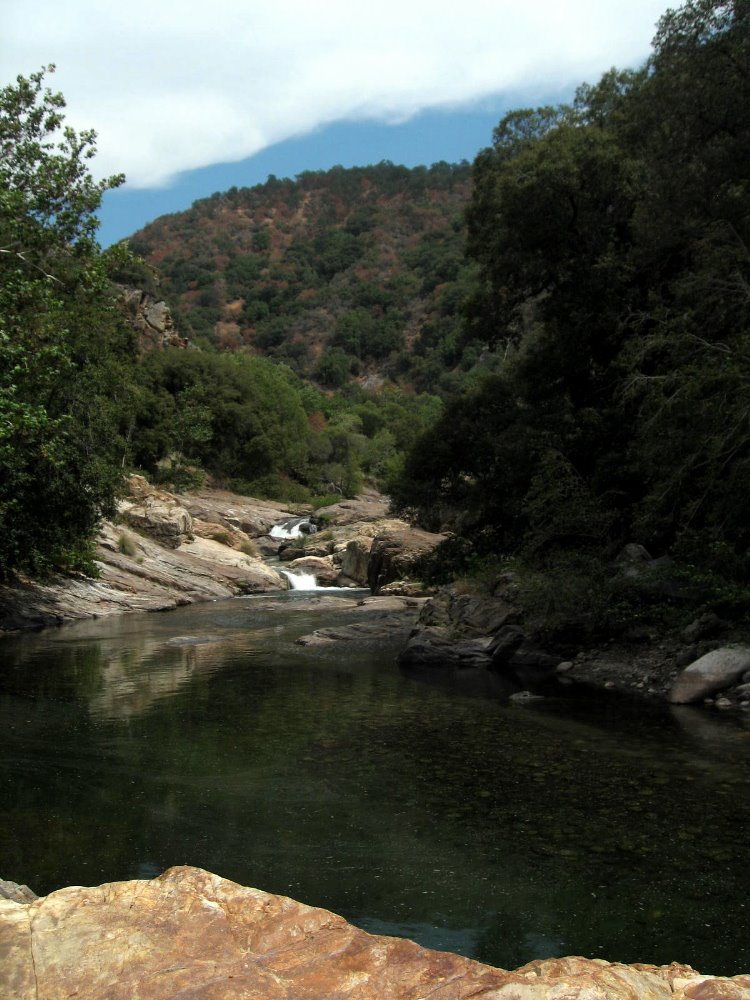
John, David & I took a few short swims in this glacial (almost literally — there are snow packs that are still melting, just next to it) lake.
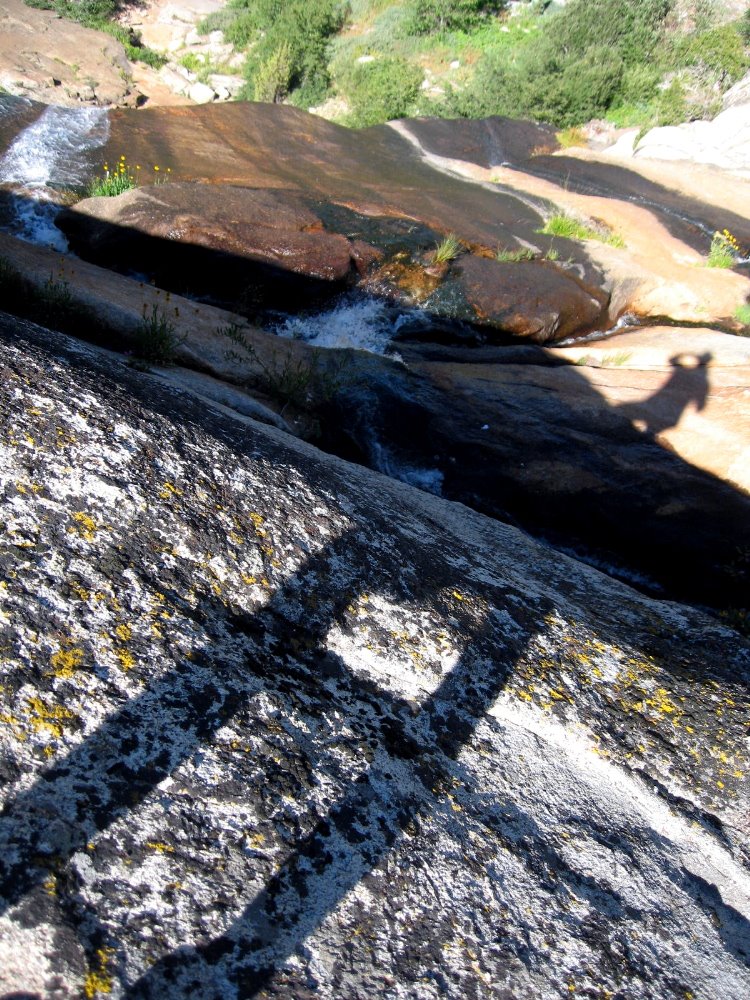
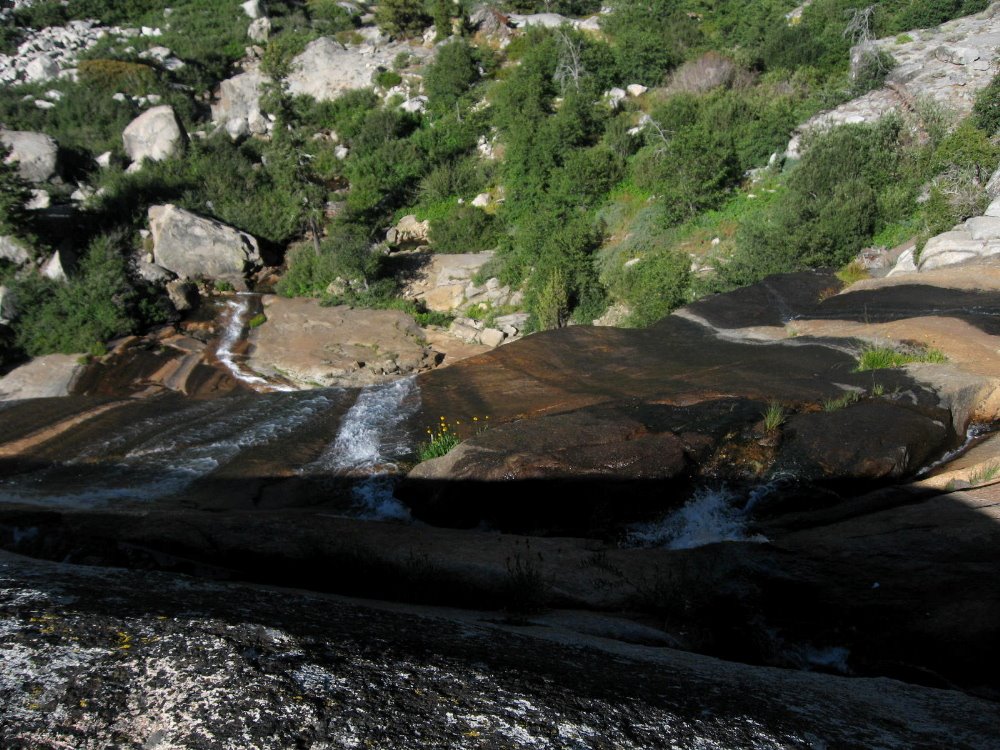
Above, I’m trying to convey the steepness of the rocks over which this water is falling. That’s basically a self-portrait of shadow, with the lower upper body much farther away because it’s a few hundred feet down a vertiginous drop.Music, Missions & Mountains Around the Bay


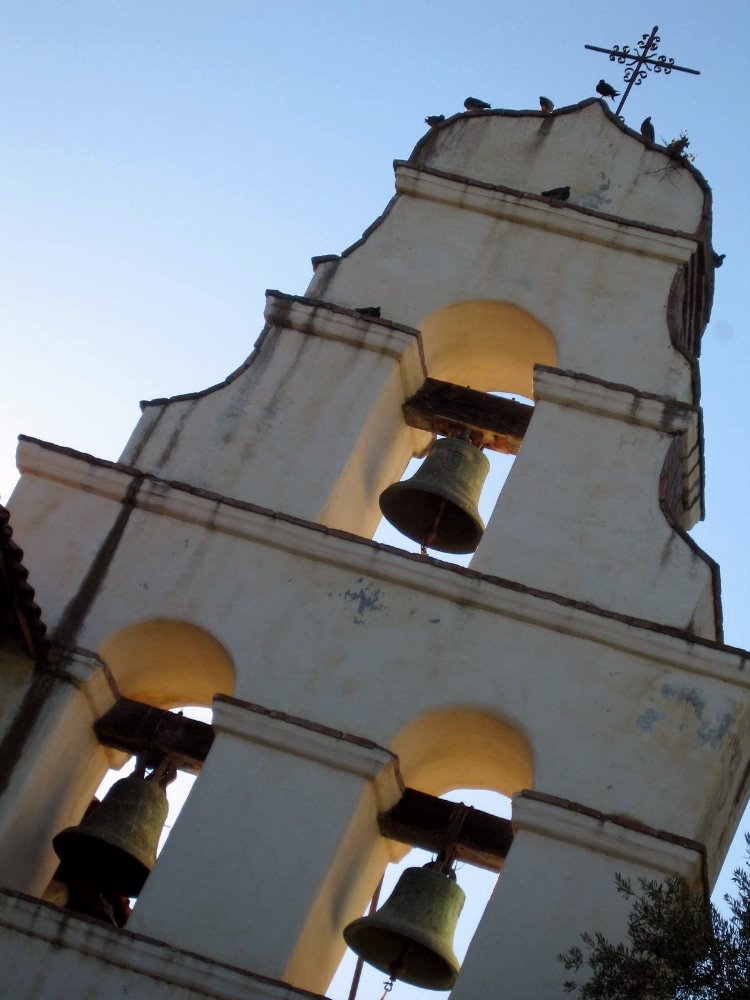
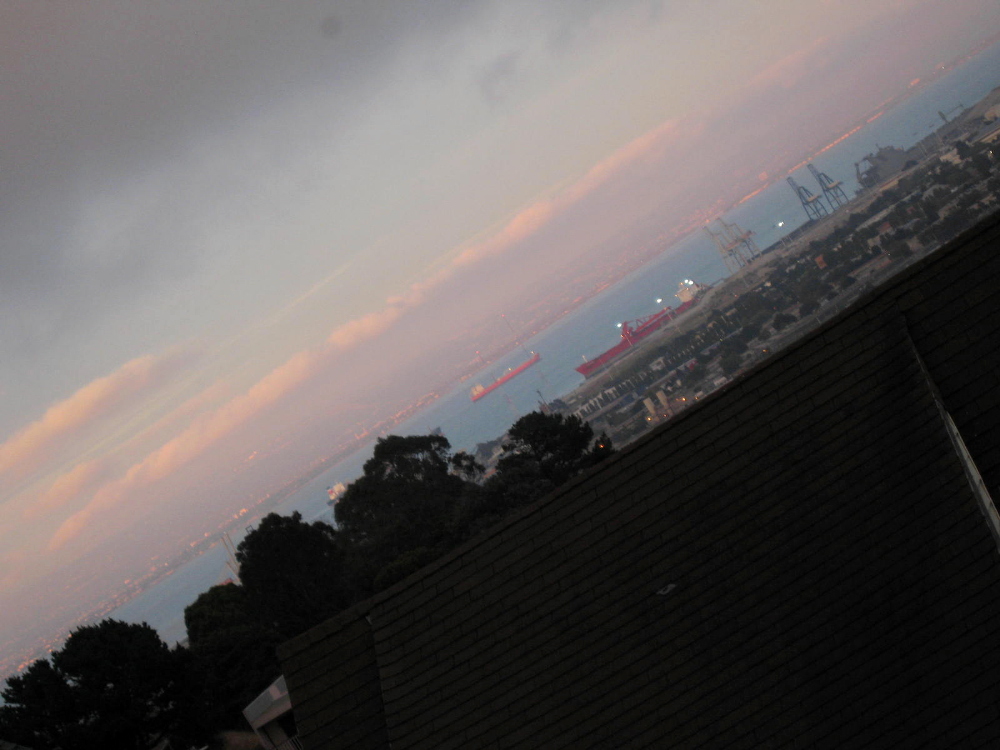
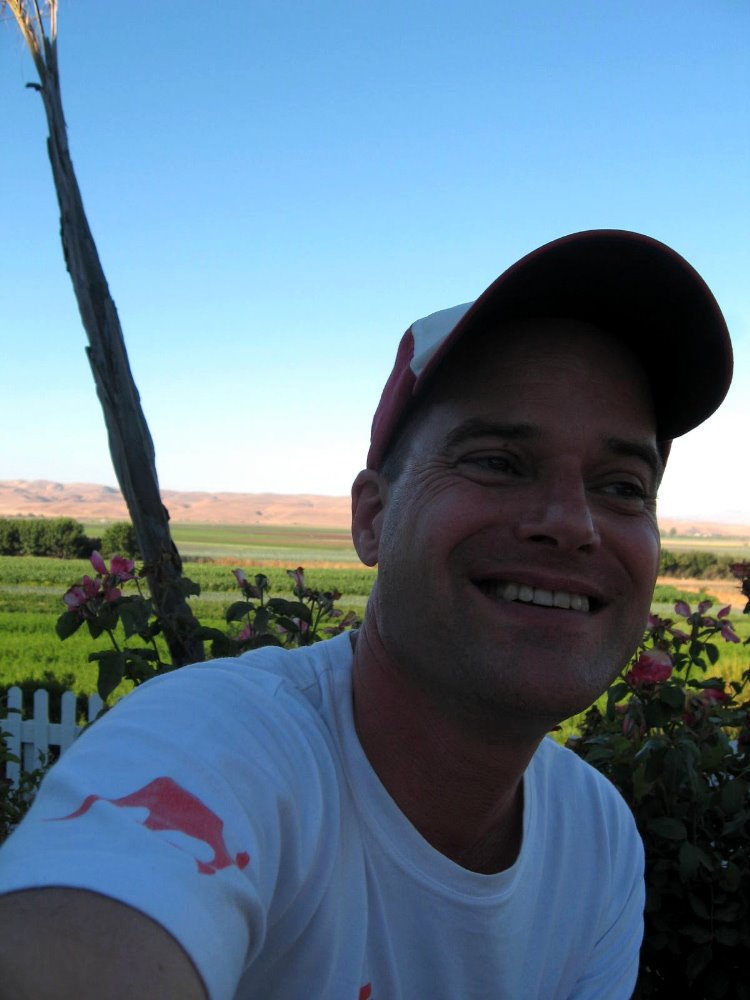
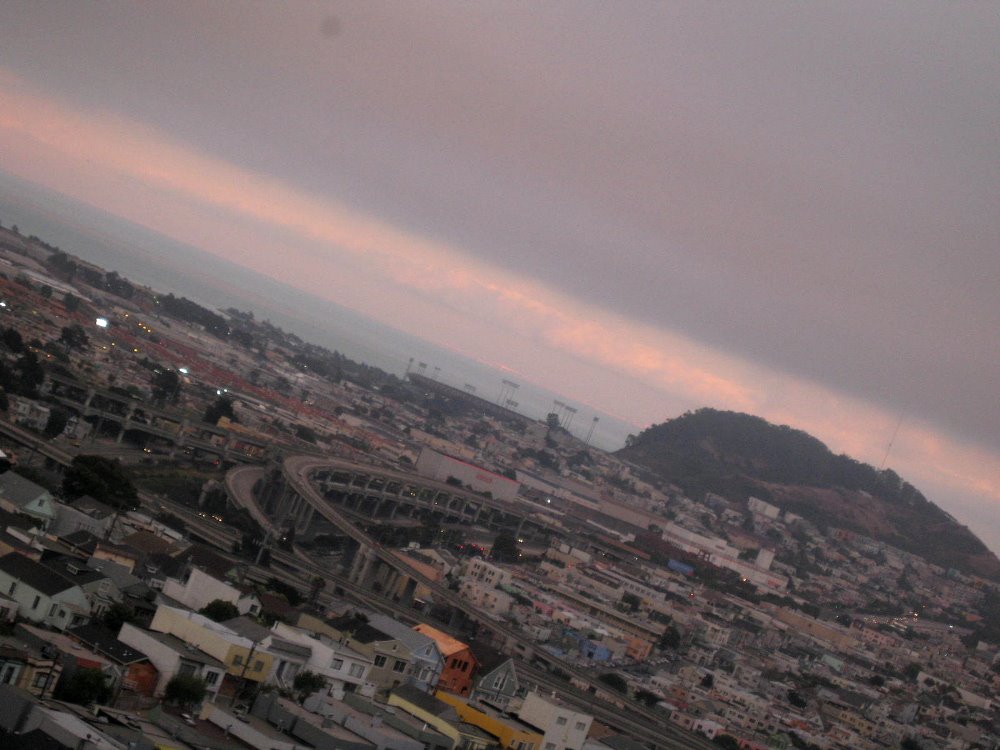
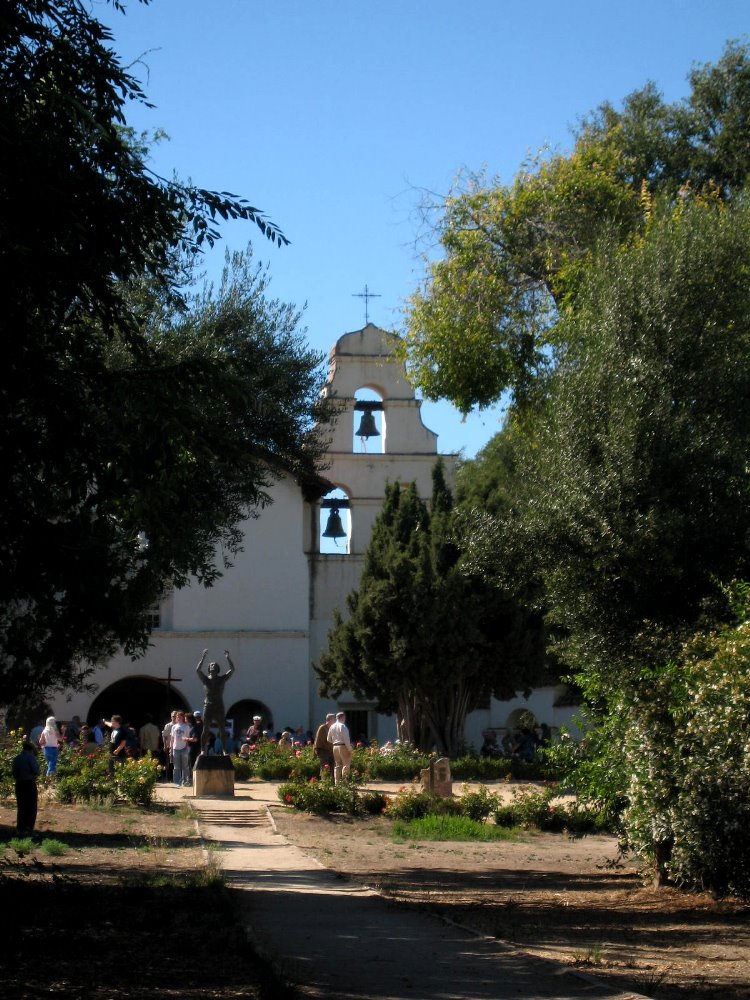
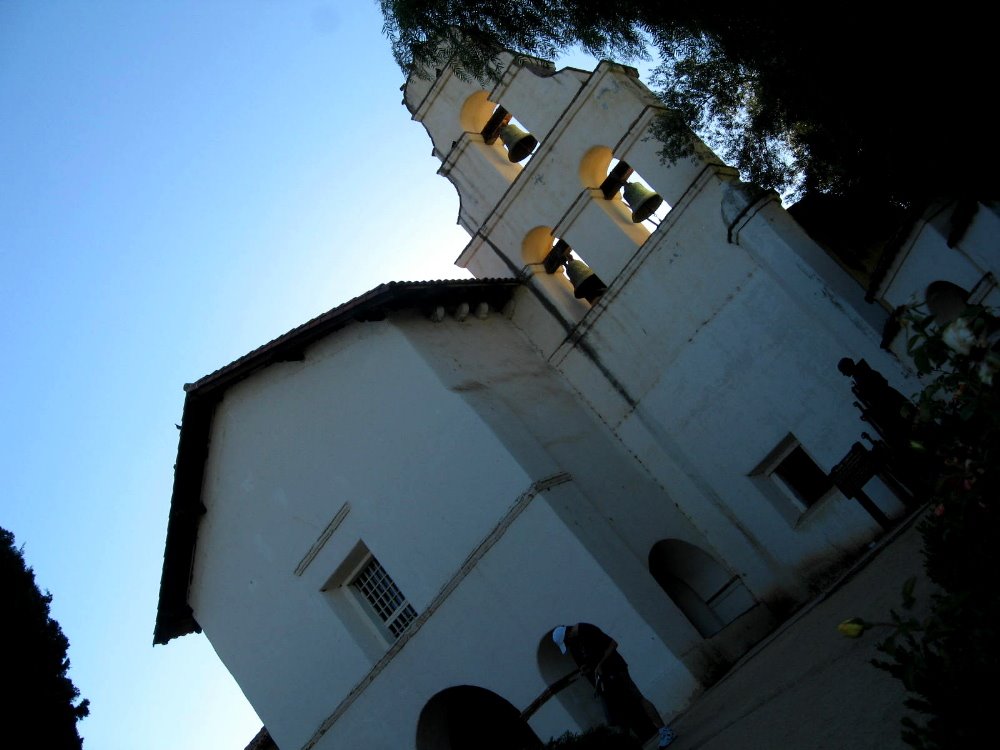
If it’s early August, the Cabrillo Music festival is happening in Santa Cruz and other areas in and around Santa Cruz, just south of the SF Bay Area. My friends Howard & Gene go most years, and I join them whenever I’m close enough to make it feasible. The final concert each year takes place at the old Spanish mission at San Juan Bautista, a small town south of San Jose — hence the bell tower, above. I take advantage of the week in between the two main festival weekends to enjoy SF and see my friends Amy, Nancy & Kip — from whose lovely hilltop neighborhood of Bernal Heights these sunset shots of the bay and city, above and below, were taken.


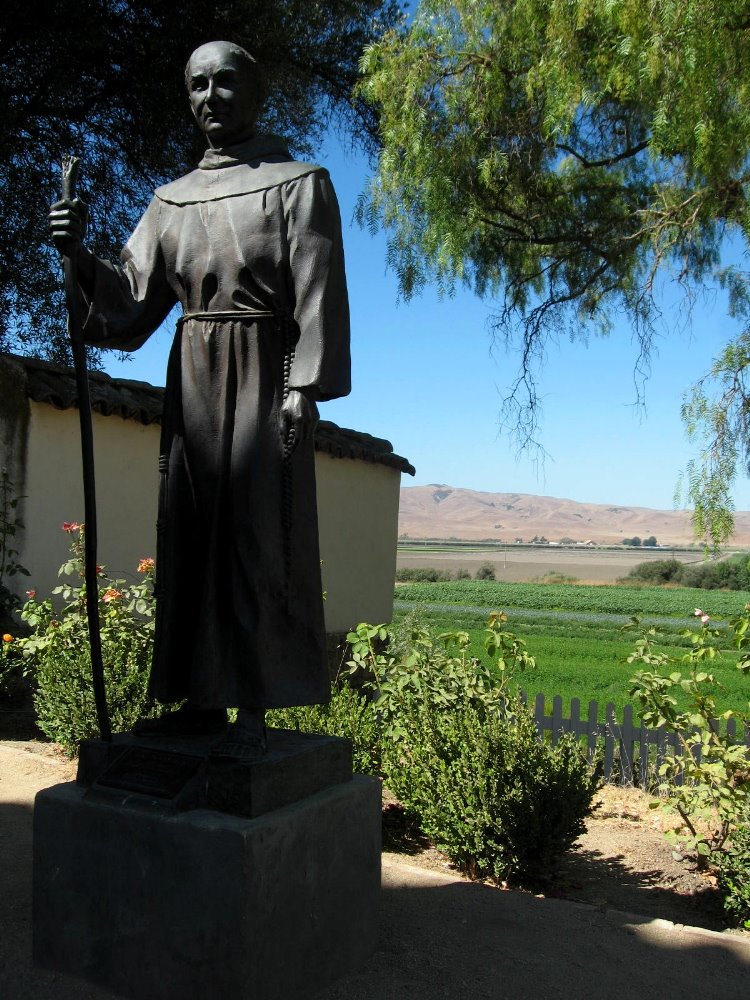
Junipero Serra was the Catholic priest who decided to set up missions a day’s ride from each other all up the coastline of what was then Alta California, part of the Spanish colony of Mexico. These days the missions serve as parish churches in many places, and historical points of interest from San Diego in the south all the way to Sonoma in the north. Considering the history of near-utter extermination of the native inhabitants of California (surely an earthly garden of eden in the pre-European-invasion era, I’d think) in very short order after their exposure to Europeans and their diseases and culture, I personally think Junipero Serra’s legacy is as freighted with death and destruction as that of the rest of the church. But that’s just me. He’s certainly an important historical figure, and the missions certainly add interest and history to California. OK, soapbox time, with apologies to those who’ve heard it before: what is it about American liberals that allows them to feel comfortable driving around in cars with “free Tibet” stickers while living in big houses in the hills of California, on land that’s far more stained with blood and cultural genocide than Tibet? I know, we can’t roll back history here in the US – or can we? is there some creative we could retroactively create a little more justice and space for the first nations that remain and whose land, culture, languages and resources we have shamelessly stolen since our ancestors first landed on these shores? – but could we at least be a bit more humble, a bit more nuanced in our approach to the complex histories of territorial expansion and conflict occurring on the other side of the world, in regions with millennia of history that make our own expunging of native Americans from most of their former homes and zones seem like a highly-efficient blitzkrieg?
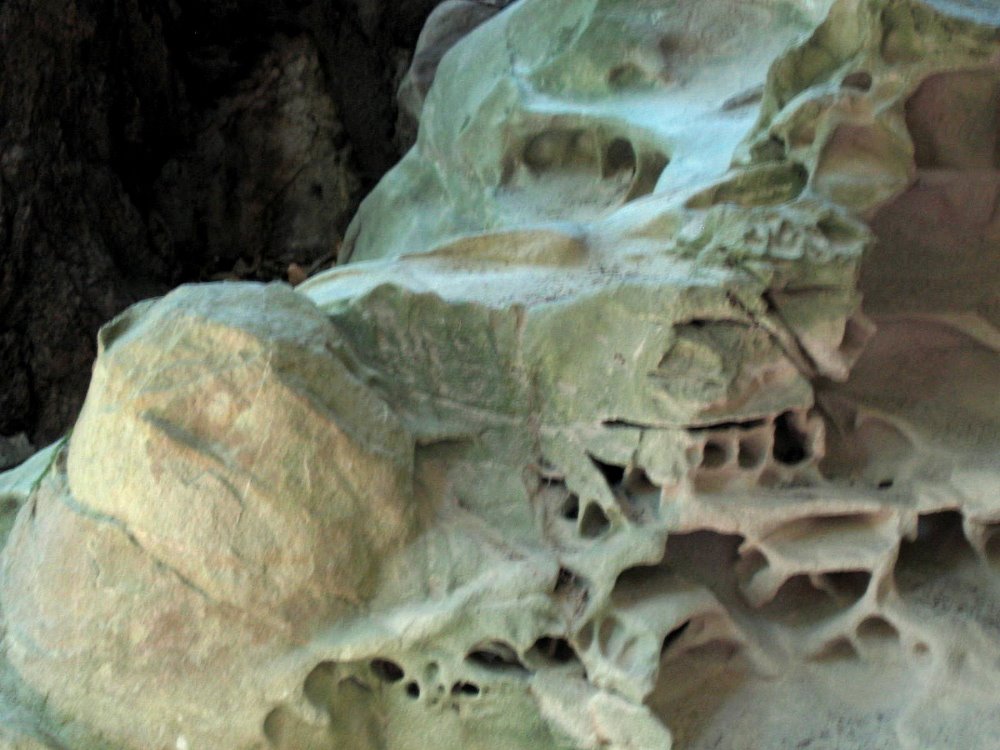
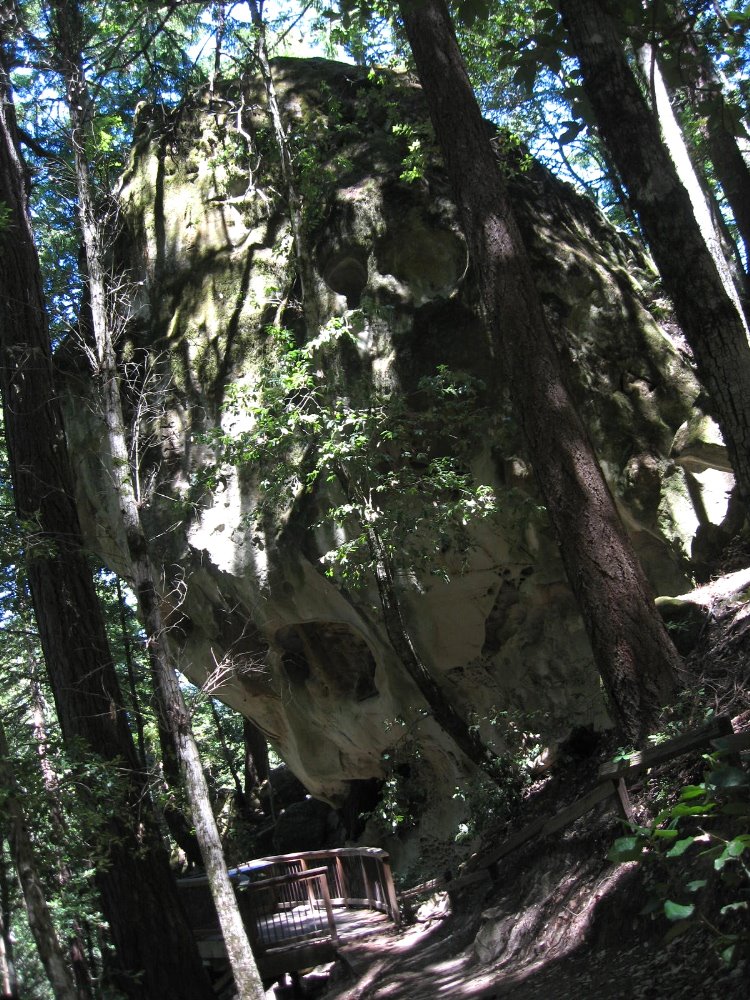
No, these are not Anasazi dwellings in the US southwest. They’re formations in a big limestone rock that’s been eroded by rain and water to form these fascinating images. I forget the name of the this particular type of rock formation: help me out, someone.
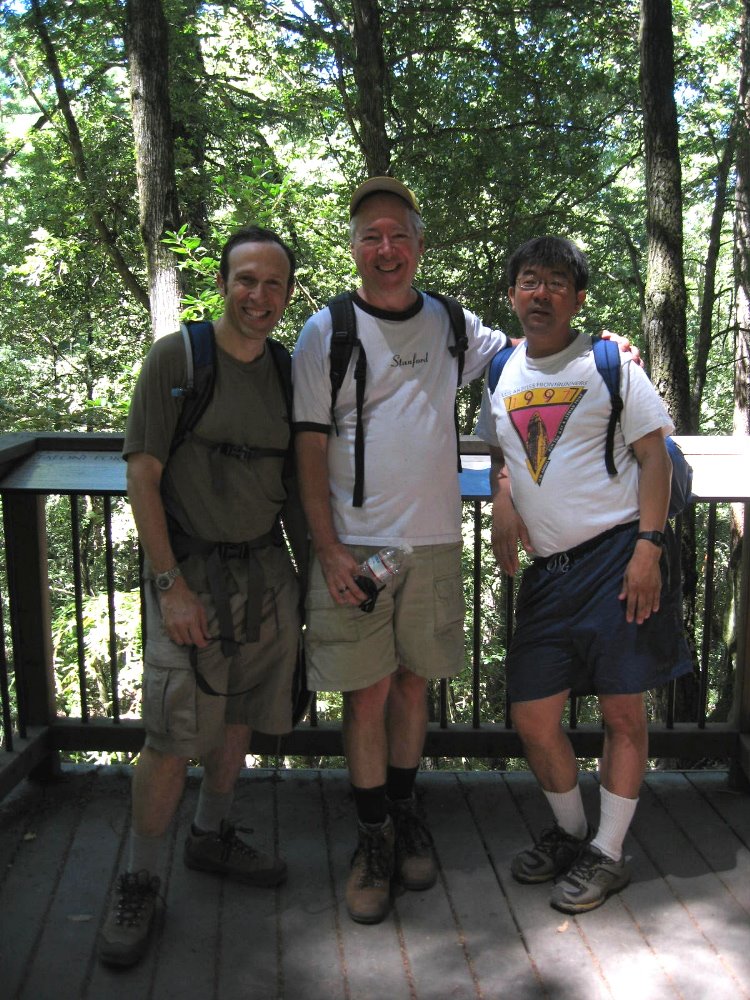
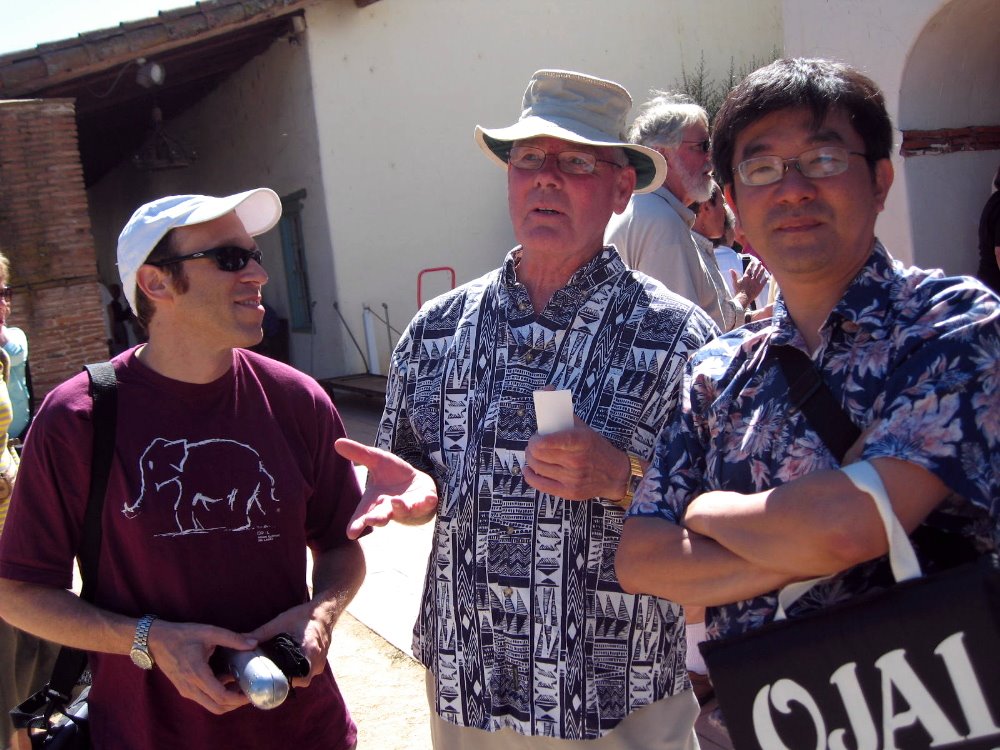
Above & below, me & Russ at the mission concert; Howard, John and Gene on the hike; Howard, Russ and Gene at the mission.Hills & Mountains of LA
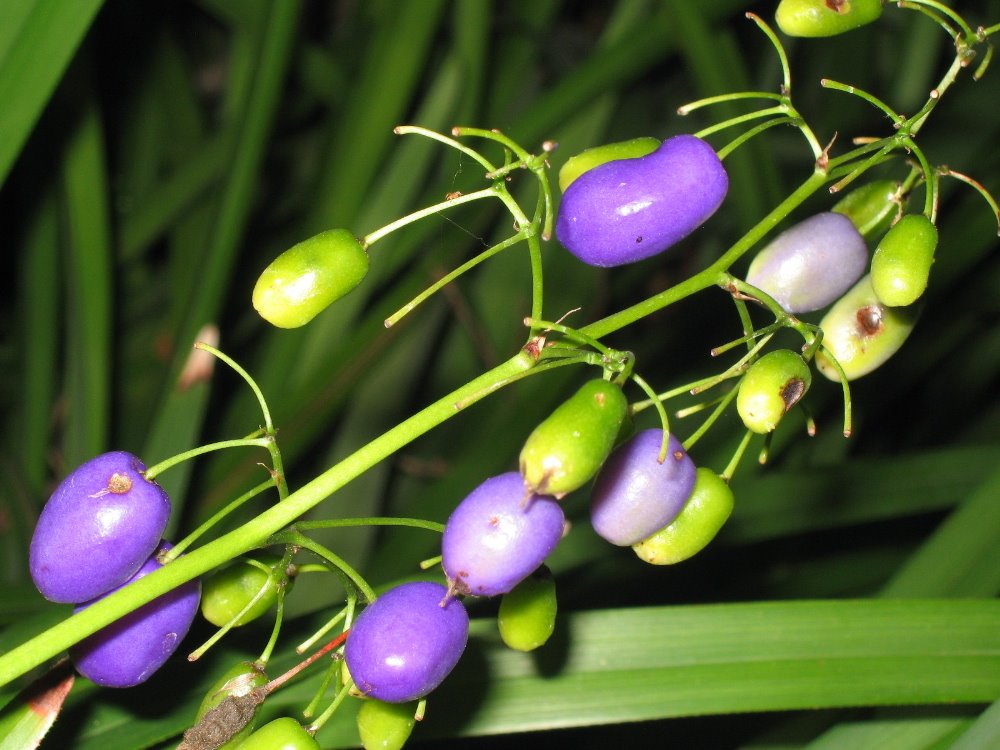
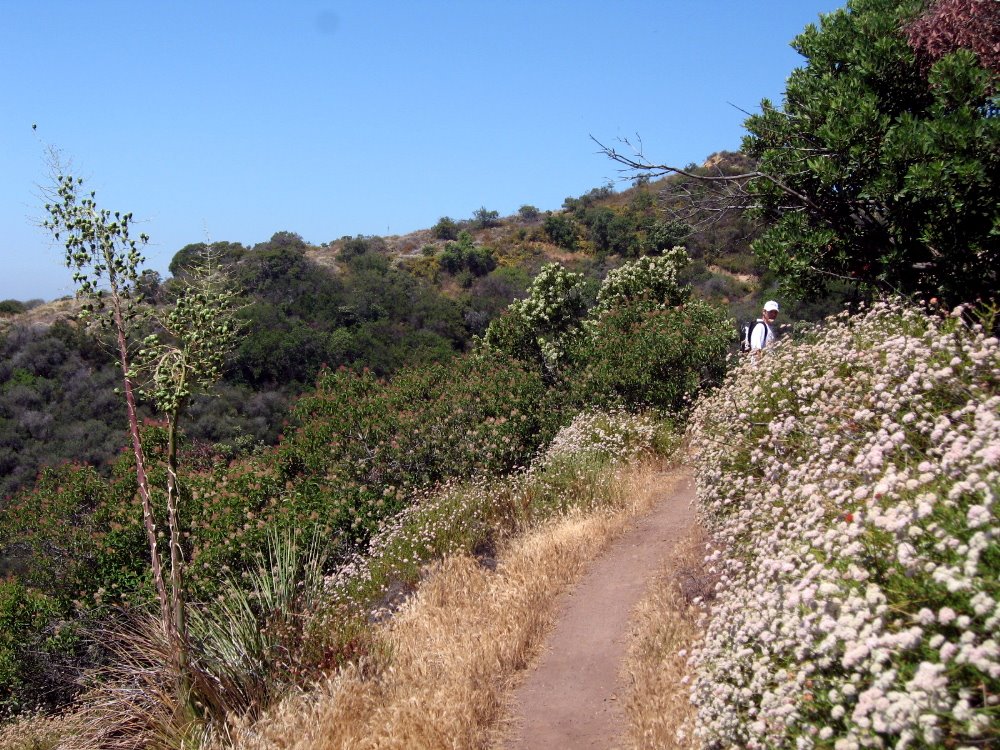
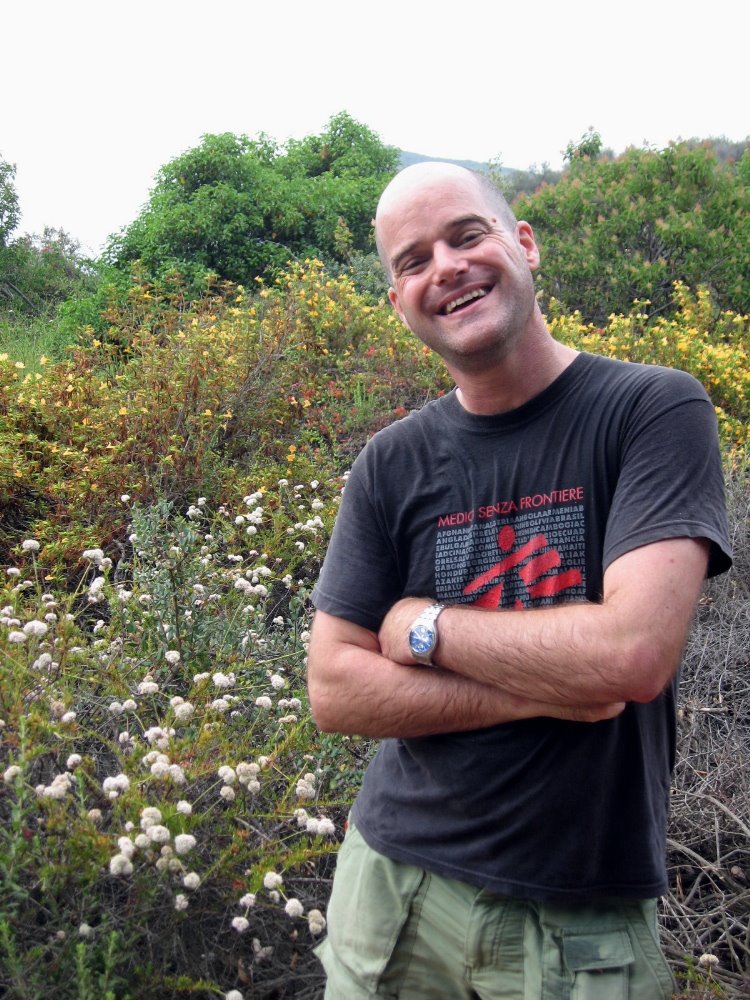
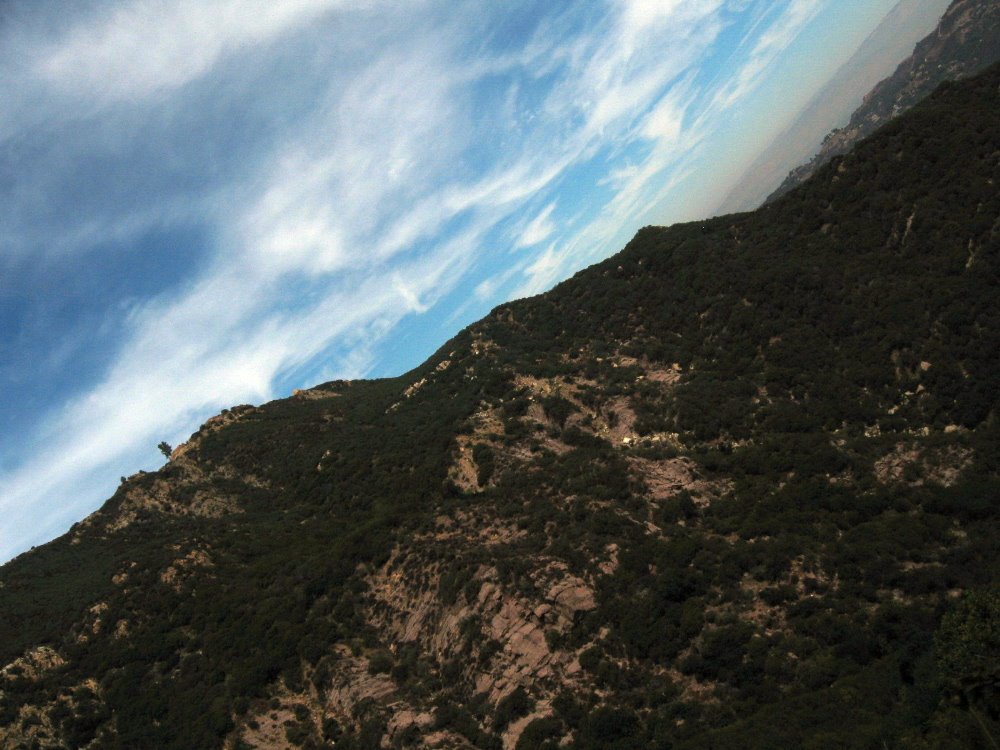
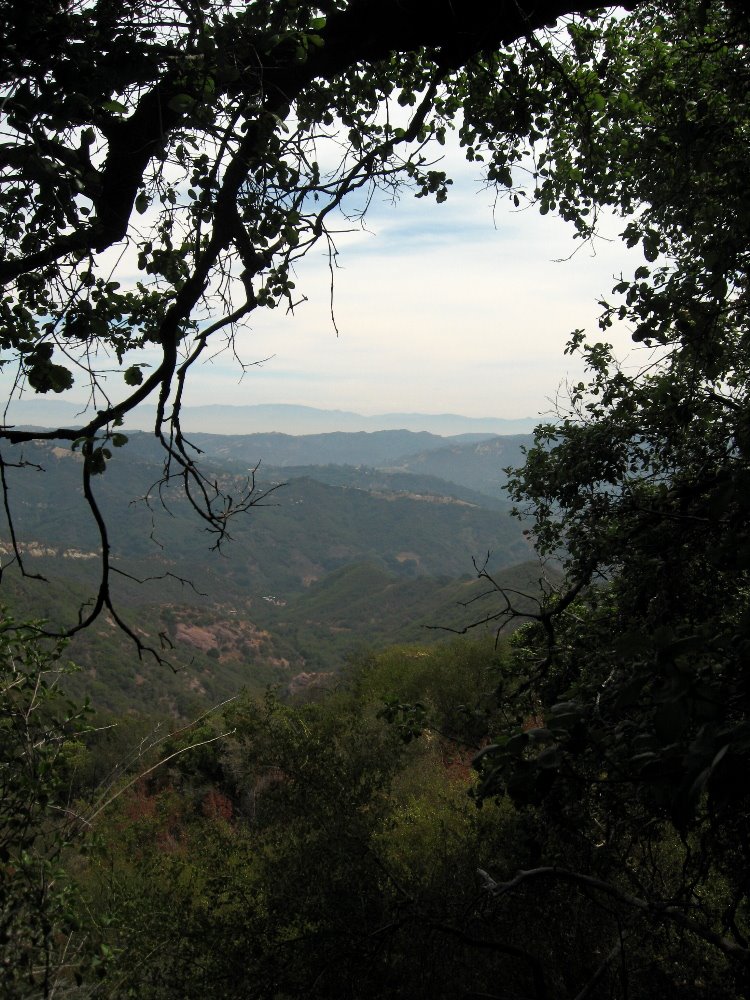
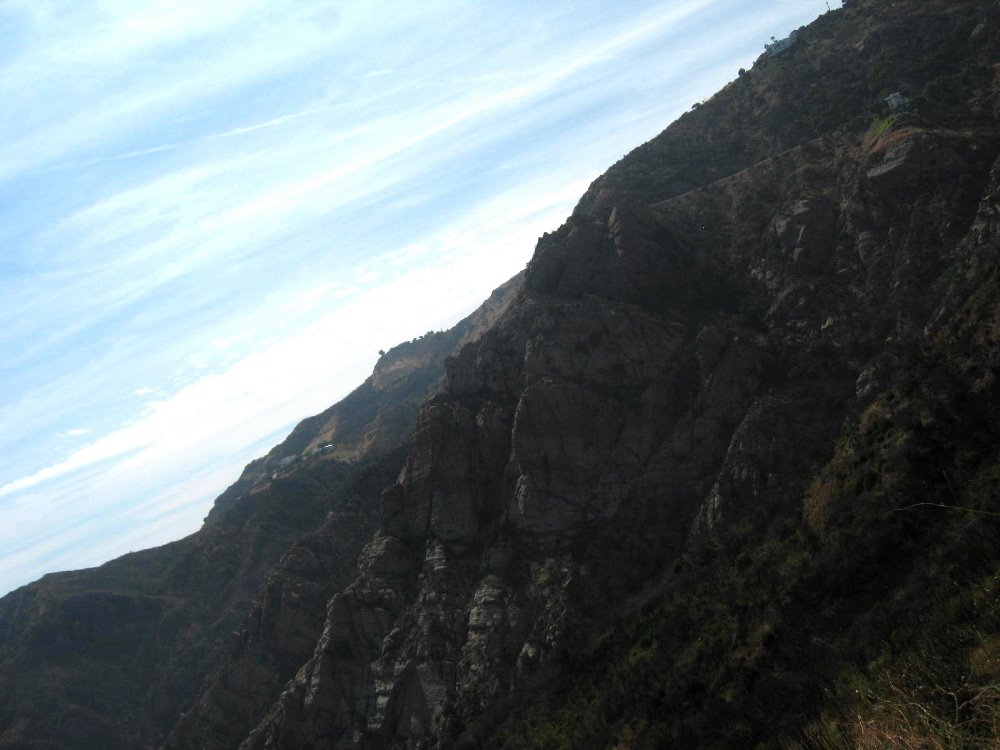
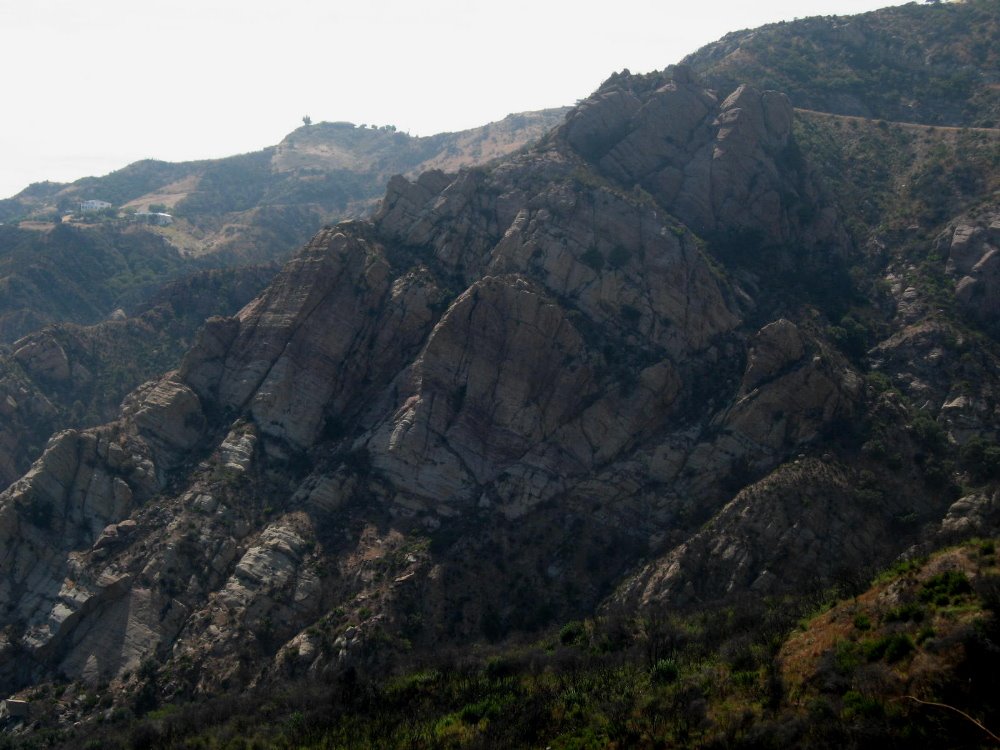
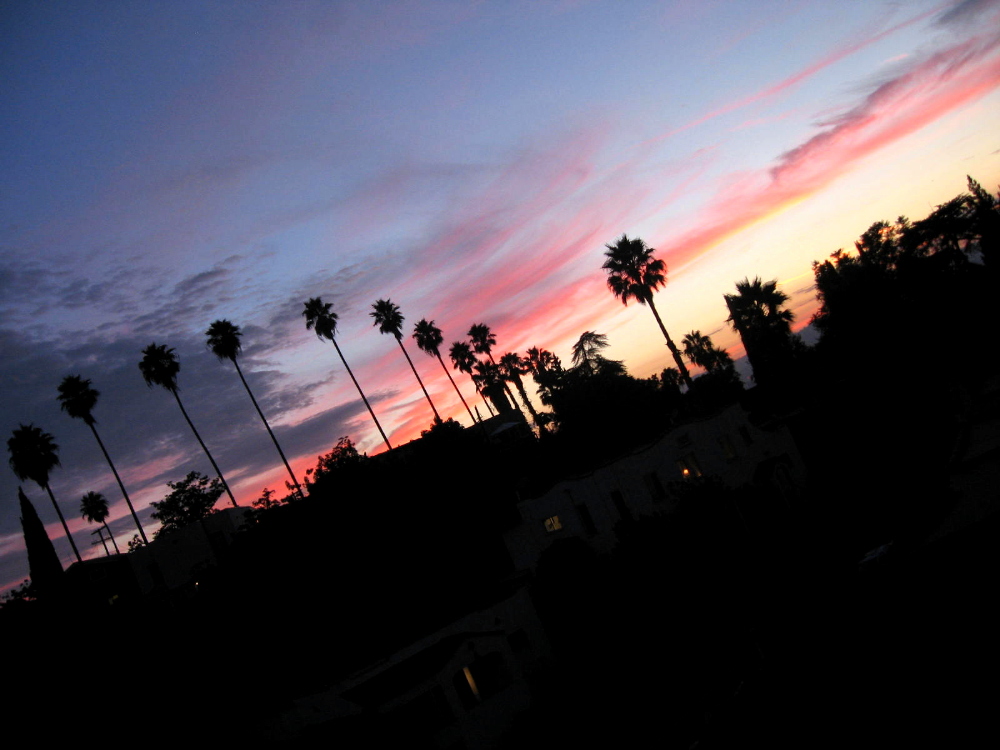
In June, and again in August, I spent some time in LA – a city many outsiders love to imagine as little more than a smog-ridden, traffic-overwhelmed sprawl. While it does have plenty of smog, traffic and sprawl, those of us who’ve lived there and learned to love the city know its many hidden jewels in the mountains and along the coastlines of California. With my friends George, Pierre and Ed I had the chance to enjoy two hikes along segments of the Backbone Trail, which follows the Santa Monica mountains to connect the uphill, inland portion of Will Rogers State Park (better known for the beach portion) to Point Mugu up the coast past Malibu. The hilly portions that are flowery and greener are from the June hike, and the drier ones are from the August hike. I’m also including some shots of a visit with my friend Gary to Descanso Gardens in La Canada Flintridge, at the base of the San Gabriel Mountains — the closeup of lavender berries, plus the shots above and below looking at big tall mountains in the background are from that visit. The sunset shot of a hilly arc of palm trees was taken in Gary and Rick’s lovely central LA neighborhood of Silver Lake. See how smoggy and ugly LA is!?
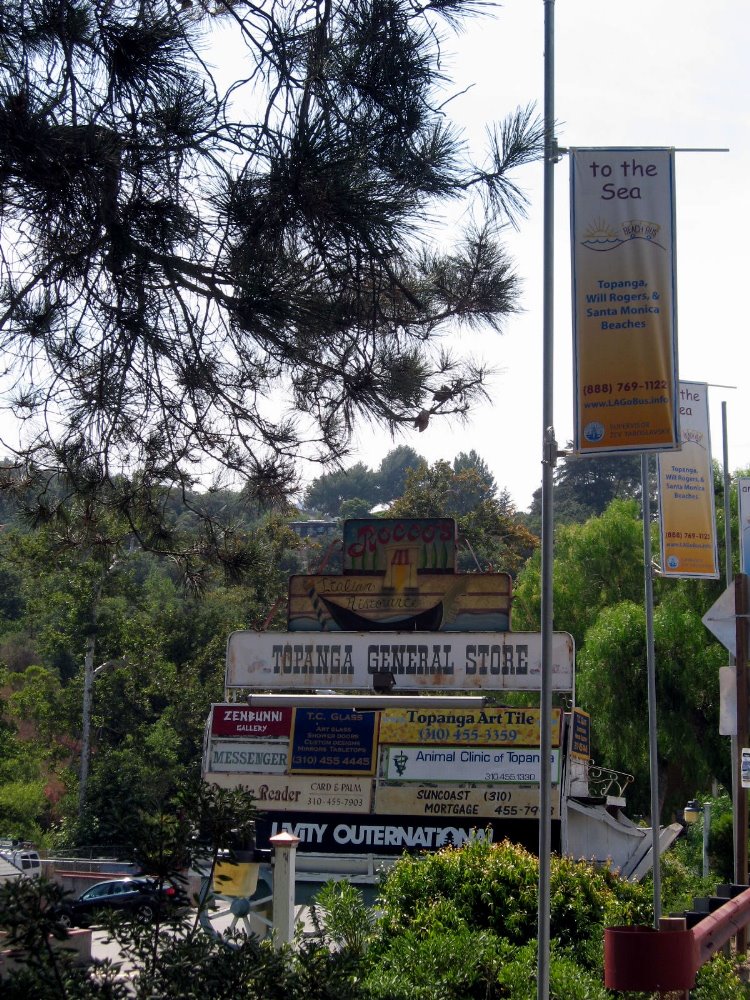
The backbone segments began or ended in Topanga Canyon, probably my favorite part of LA’s canyon country — home also to the Will Geer Theatricum Botanicum. Yes, if you visit LA, you should use this entry to help guide you to some of the more interesting and less-touristed sections than, say, Hollywood Boulevard. 🙂Take That, Carmen Miranda! Out & Proud in NYC
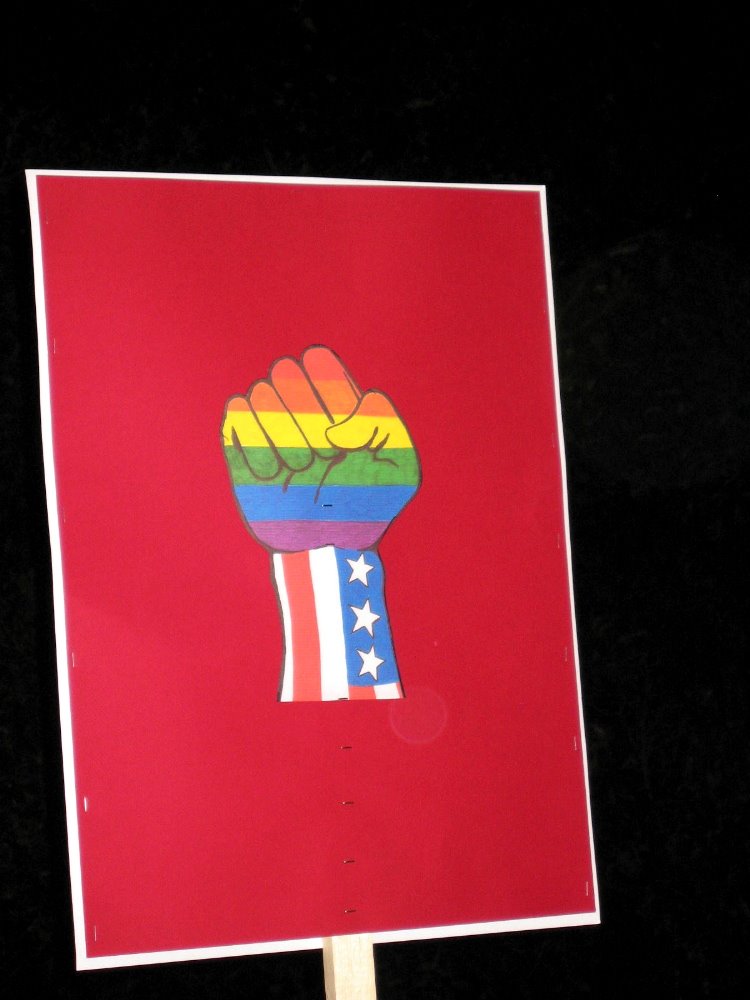
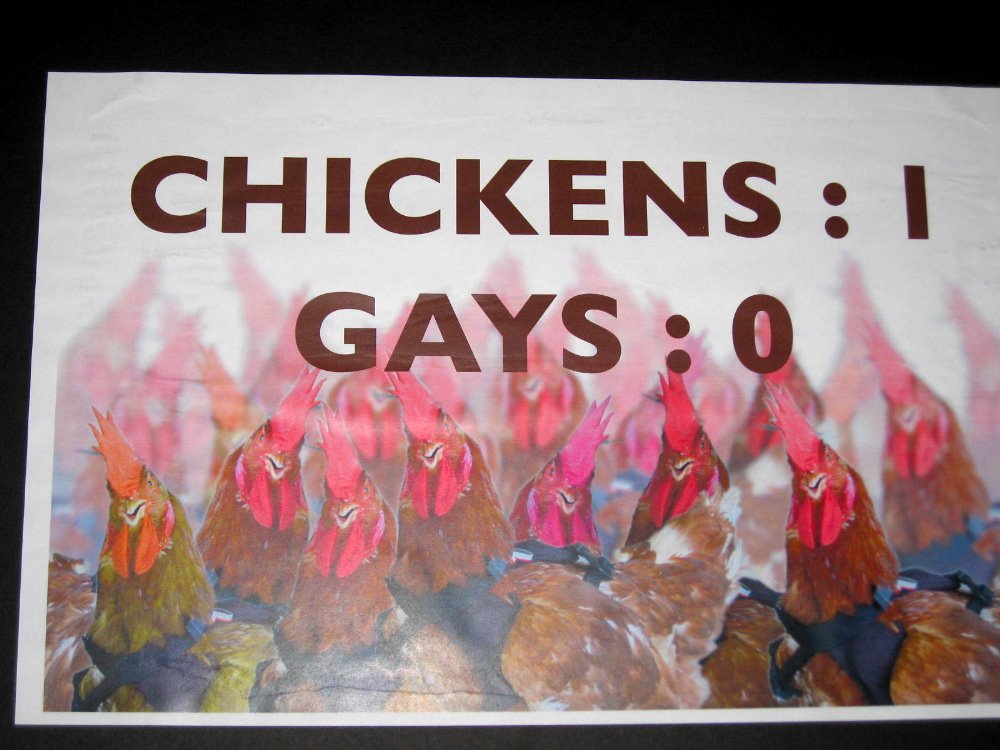
My first-ever pride parade came when I was 23, and since I had learned that week that my roommate had been diagnosed with AIDS, I remember crying as I watched the march. Before ARV’s, of course, this meant his prognosis was very poor indeed. In the late 80s and 90s, the parades were still fairly militant because of our anger and grief about all the friends we were losing to AIDS – I still have a picture taken at the parade in 1990 or 91 of my friend Kevin, on whom I’d had a big crush when I first met him. He had finally starting getting thin from AIDS wasting, and this was the last time I saw him; a year later a friend showed me his obituary, which contained a photo I’d taken of him on a trip to Storm King sculpture park. Things have changed during the decade or more that I’ve been away from the pride events: the fact that AIDS has become more of a chronic disease managed with ARVs has really breathed both literal and figurative life into our community. Pride seems now really to be a parade, a strutting of our confidence, variety, sexiness — and, above ALL ELSE (this is the US, after all) our purchasing power, or at least our credit cards’ purchasing power.
But this year, too, I found myself crying. I’m not sure why — maybe for Kevin or the other people we’ve all lost. Or the fact that there are still people out there who think the way we love is wrong. Or maybe in relief, inside, that I was finally among my own people. As this blog attests, I deeply loved my time in Nigeria and the people I met there. But, though my expat colleagues in general knew I date guys (or at least hope to, again, some day!), I took care not to be out to my colleagues there, since I’m pretty sure it would have had a negative impact on how I was viewed. I’m used to doing this when in the field, even though here in the US I’m pretty comfy with who I am. So I think I cried, to some extent, in relief at being able to be all the parts of me again, rather than just the hard worker and boss who has no personal feelings or desires, much. Now that I’ve been here longer, I feel my field self going deeper under ground, and I’m sort of mourning that even as I try to establish some pattern of life/work, social life, and – hey, maybe even a dating life again. And this makes me wonder who I am when I’m not a field worker with MSF – even though I firmly expect I’ll be back in the field again, doing work that challenges and enlivens me, whenever this looooooong house project is over. (Hey, maybe I’ll even find time while here to meet some fascinating smart guy who not only wants to date me, but to join me in field work — hehe, we can all dream, right?) Oh well, it’s all about balance and we’re all seeking it all the time. Enjoy the pics: an unusual set, for this blog, I know. Never fear: there’ll be shots from the mountains and hills of coastal and inland California soon enough.
Farewell to Nigeria
Well, my friends, here you have it. So Much World, So Little Time has landed back in the US of A. If I can do some early-morning lounging in a comfy bed in my good friends’ George & Pierre’s beachside bungalow in Venice, enjoying streaming KRNN on the headphones and uploading photos to the blog via WiFi, then it seems to suggest I’m no longer in one of the developing-world towns I’ve lately been calling home. You’ll note, in the non-italic text below, that I wrote it about three weeks ago while sitting in Hong Kong en route to China; as you can guess, all this travelling I’ve done in the month (wow! yes – it was EXACTLY one month ago that I left PH, the 9th of May…) has left me quite exhausted and rather mentally whiplashed, coming as it did after a fulfilling and hard-working eight+ months in Port Harcourt. (I hit four continents in less than four weeks and averaged about two hours per day airborne – not counting terminal time and gate-but-not-yet-airborne time — over that period…) I know the sequence of these shots may seem off to some people – after all, I went to China after I left PH. But it simply does not seem right to let these wonderful shots that bring the PH & Nigeria era of this blog to an end, come after the photos of China, which though impressive and important represent only a couple weeks of my life, rather than the investment of time and mental energy I made, and was well rewarded for in experience and enjoyment, in Nigeria. So…herewith, SMW, SLT presents some final shots and thoughts from Nigeria…and Paris….and China. J Don’t expect to see much more on here for quite some time to come. I’ll be helping Mom with this house-reconstruction project, so am unlikely to have many experiences that merit the SMW, SLT treatment. (Though life often surprises me.) Take care…and though I’ve said it before I shall say it again: you all – and you KNOW who you are – are the most wonderful group of friends and family and supporters that anyone doing what I do could ever dream of having, in fact far more wonderful than I or anyone has any right to even dream of.
It feels well-nigh trite to say of Nigeria that it’s the people that make it great, and a wonderful place to spend some time working. Photos of African children looking happy are standard fare in tour books and tourists’ photo albums the world over, so it’s truly with some trepidation that I present these portraits for your enjoyment. But it’s all altogether too true. Relaxing (what the Nigerians would call vacating, cognate of ‘vacation’) at my desk in Los Angeles last summer, I read with some trepidation the stories of violence, crime and near-anarchy in Port Harcourt, Lagos and other parts of Nigeria. While excellent books like This House Has Fallen present very good portraits of Nigeria, they are by nature geared toward the dramatic. And if I’ve learned anything, it’s that most of the time life somehow manages to go on in most places, in usually rather undramatic and mundane ways.
In point of fact, Nigeria rocks and its people rock even more. Sure, it’s messed up and full of corruption, and no Nigerian will deny it. Heck, even the politicians admit it; they’ll just say it’s all the other politicians who’re corrupt and not them! 🙂 I find this in many ways more palatable than the US, where so far as I can see everything about our foreign and domestic policy since the ascension of Shrub George II has been all about how best to enrich the companies in whose shares his friends have invested…while the folks in Kansas and Texas still seem to think he’s trying to keep Americans safe. Yeah, whatever. And this has involved the deaths of hundreds of thousands in Iraq and around the world, while all Nigeria’s troubles have done so far is mess up Nigeria…oh yeah, and raise the price of oil even higher, which is the only time the developed world (and especially Americans) ever seems to notice Nigeria. But don’t misunderstand me to be suggesting that you head off on vacation to Nigeria any time soon – one colleague says, of Senegal (one of the more tourist-friendly countries in West Africa, one is given to understand), that ‘it’ll be a while before tourism here is really enjoyable for the tourists.’ This is even more true of Nigeria: if you get to work there, it’s great. I wouldn’t go there as a tourist any time soon.
Still and all, I’d certainly be delighted to work again in Nigeria, with Nigerians. A colleague – pardon me if I’ve mentioned this before in these pages, but I do love the quote – says he describes his experience in Nigeria as ‘a minimum security prison with a work release program.’ He adds that he loved it – one of the most enjoyable and engaging jobs he’s had, at least with MSF. I fully concur. Yet another said that Port Harcourt presented in many ways the most unattractive surroundings in which he’d worked – but that the work and hospital presented the most enjoyable and engaging work he’d done; another statement with which I quite concur. And that’s always it with MSF – it takes me to these crazy places, far from potential dates or even potential bean & cheese burritos, where I run a bit more daily risk than when I’m walking down the streets of San Francisco or London…but where the things I get to learn, the work I get to do and the people I get to meet just hands-down beat anything else I’m likely to have a chance to do at this point in my life.
When I was sent to China more than three years ago on my first MSF assignment, I remembered with some worry all those things I hadn’t loved about China, Taiwan and the Chinese in the 1980s – noisy, nosy, brash, often olfactorily dense (that’s a politically-correct way of saying things and even people often have very strong odors in China, something to which we Americans tend to react very adversely), etc. But I’d forgotten all the things I love about China and the Chinese – fascinating, culturally rich, often open and very friendly, full of surprises. MSF seems to keep sending me to these superlative countries – most populous in the world, most populous in Africa, etc. And of course I grew up in another superlative — biggest economy, most populous outside Asia, most fucked-up of the major economies, etc. Whether from these roots or from some other aspect of my personality, this seems to work for me: I end up loving these big, loud countries. I dream of vacations and retirement in Iceland , Ireland and New Zealand (places I picture as quiet, peaceful, clean, unpolluted, green…), but I seem to thrive when my work takes me their diametric opposite.
Better late than never may be a good motto in the case of these photos. It’s a gray and somewhat drizzly Wednesday afternoon in Hong Kong as I write this, and Nigeria and my dense and rich experiences there during more than eight months seem a world or maybe a lifetime away already. Two weeks ago I was still in the swing of handing over to my replacement in Port Harcourt; a week ago I innocently expected to be back in NYC the following night after a few days of helpful debriefing in Paris. Right now I was supposed to be in Oberlin, getting ready for the weekend’s 100th anniversary festivities for Shansi (www.oberlin.edu/shansi for the uninitiated) and enjoying a slight break before taking up the home-reconstruction project for my mother. But – well, the earthquake in China happened and it seemed a good idea for someone with my experience of China and knowledge of the language to be available to help the team that’s ascertaining how and whether MSF can do more than we already have (www.msf.org for those stories) to support populations affected by the earthquake in Sichuan. It strikes me that the contrast between China‘s official response to the earthquake – massive, swift, and generally quite thorough – and that of the junta in Myanmar to the destruction in the Iriwaddy Delta could hardly be more stark. Perhaps this means I’ll get to be home sooner rather than later, after all. But I’ve learned, again, that the future is unpredictable and often surprising. May we all experience surprises more pleasant than unpleasant in the coming months.
Creeks & Towns of the Niger Delta
Below and above are a number of shots from trips into some of the creek or riverine towns I visited. The shots are mostly of Krakrama, a small town just off the roads and accessible only by boat; Abonnema, the largest town in the Kalabari Kingdom area, including a few shots of me and colleagues with the Amayanabo or King of Akuku-Toru/Abonnema; and Buguma, the traditional seat of the Kalabari Kingdom and its Amayanabo (different from the Amayanabo of Abonnema, though both are Kalabari town; Nigeria is a country rich in traditional rulers, chiefs, and kings – rather un-English, one might say…). In one shot you’ll see a large bridge crossing the river; this bridge links Abonnema, on one side of the river, with the road that leads to Buguma and other towns like Port Harcourt, as seen from Krakrama, which will need one or two more bridges built before it’s reachable by road. Even Abonnema and Buguma were only linked by road to the rest of the state when a new bridge went in about a decade ago.
This is a fairly typical example of the type of evangelical protestant church that has sprung up, apparently, throughout West Africa. I found the Christianity of my Nigerian colleagues quite interesting — in the US, all the born-again evangelical types would never dance as fantastically as my Nigerian colleagues do; most certainly not to tunes with such lyrics as “I like that booty, I like that booty…” So our parties were sometimes a bit confounding to me: truly excellent dancing to songs whose lyrics were really quite forward; yet I had to remind myself that a very high percentage of those doing the dancing were very strongly Christian. I also noted that a lot of it is about power and success and winning — winners chapel is a typical name.
Port Harcourt Miscellany
Social Life in Port Harcourt
A Paris Interlude
Leaving Port Harcourt and Nigeria, I headed to Paris for what should have been some debriefing and a chance to catch up with my friends Howard & Gene, who’d kindly rearranged their schedule so we could spend a little time together after not seeing each other for nine months. As always, they rather overhwelmed me with their generosity and kindness — it was such a treat, after eight months of performing-arts deprivation, to see on my very first afternoon back from Nigeria, a truly fantastic dance performance at the beautiful (is it rococco? I think so) opera house (Palais Garnier) with H&G – as their treat, no less. Thanks, guys!
An Earthquake in Sichuan
So , as it happens, I was in Paris debriefing from my eight+ months in Port Harcourt, when the earthquake in China happened. Having studied Chinese language and history in college; having lived in China for more than two years if you add up my time there with MSF and my student days in Taiwan, and being readily to hand in Paris for the emergency desk to ask if I’d be willing or able to help out with any relief effort we decided to try to launch…well, let’s just say that rather than returning as planned to the US and enjoying Oberlin’s graduation weekend and the celebration of Shansi’s successful fundraising campaign, in which I played an enjoyable and not insignificant role for the past four or five years, I headed off to Asia less than a week after returning to Paris from Africa. Everyone’s read the news reports, I’m sure, and knows that the government’s response has been impressive and thorough. I won’t get on the soapbox for long, but let’s just say the citizens of New Orleans would have fared far better under this regime, which so many in the US delight in criticizing endlessly, than under the band of thieving incompetents we’ve allowed to run our country for the past eight years. I’ll let the pictures speak for themselves here.
…Above, you can see the mountains in the hazy background — they’re really quite close, as this town butts more or less up against them, but there was always a lot of haze (or was it pollution?) in the air. Below: I do, always have and always will, love the countryside of China. I just love rice fields and wheat fields and the small low-tech way they’re still run in China, by contrast to the superfarms that have driven American small farmers out of business…while allowing us all to pay nearly nothing in cash for our food and put off the real environmental and social costs of such factory farming for future generations to sort out. (Ooh…sorry, I’m really in a soapbox mood today, aren’t I? Sorry!)
And Then There Were the Pandas :-)
During my brief time in Chengdu it was pretty much long work days and no down time really. On the very last day, though, I managed to slip out with my delightful colleague Sarah for a visit to the famous Panda Research & Breeding facility on the outskirts of Chengdu city. There’s a larger, more forested and wild place a good deal farther outside the city, but that one was out of the question. This one was possible, only taking up a couple hours on my last morning there. I’m not at all sure this layout will work: further down there’s a sequence of shots of some young pandas playing, which I tried to lay out in sort of a filmstrip fashion from top left to bottom right…if they overlap on your browser, try launching another one: I find that strangely enough explorer often interacts better with blogspot than firefox, much as I usually prefer firefox…
By explanation: adult pandas do what many of us have seen the adult pandas do in zoos in our home countries: lie around snoozing, or if you’re early in the morning (as we were) chomping on bamboo. (Yum! I’d like mine with the spicy salsa, please!) The young pandas are another matter altogether: they’re like the young of many other mammals, overloaded with energy and playfulness, and they were a total treat to watch endlessly playing with each other like a litter of puppies.
Anyway, it was nice to be able to enjoy Chengdu even a little bit. Otherwise it seems a very nice city and I was happy with how at home I felt there, and how well my spoken Chinese came back after nearly two years away from China; the city itself was very little affected by the earthquake or the aftershocks, though of course everyone felt them all and was quite jittery, understandably.
An Equatorial Interlude
I managed, rather at the last minute, to get away from PH for a week’s relaxation before returning for the finish-line sprint. I decided that Ghana and Senegal (two common vacation destinations for my colleagues), though indubitably more culturally interesting and classically West-African, simply did not sound anywhere near as haven-like and utterly relaxing as the equatorial island nation of Sao Tome e Principe, two large islands and a few smaller ones clustered in the Gulf of Guinea. After all, if what I want is history of the slave trade and old slave forts – in which Ghana excels – I can get a taste in Calabar; if I want markets full of energy and excitement and people…well, we have those here in Port Harcourt. And so on.
All in all, for a change of pace, Sao Tome sounded like the place for me, and boy was I ever right. After my Calabar entry (scroll down a bit), Mom sent an email praising the beauty of my photos. Indeed, I did enjoy Calabar and it is lovely. However, before reaching Sao Tome I certainly hoped and expected it to be a great deal more lovely and green than Calabar. And, as these photos attest, I was far from disappointed. I spent a full week doing little more than relax, walk, read and do yoga in and around my small resort located on a little island off the southern tip of Sao Tome. I returned to PH brimming with good vibes and energy with which to finish my assignment here – which will come to an in May, after which it looks like I’ll be spending a good deal of time back in the US, helping Mom with some major projects around the house, before moving on to whatever comes next. This is likely my sign-off until I’m out of Nigeria – so enjoy the pics, keep in touch, and thanks for your support and interest during my time here. Do support MSF, and do pay attention to Nigeria: it’s a great country with many problems but fantastically wonderful people, and really rather important for stability and future prosperity in West Africa.