Latest

Daytripping with Friends from Baoji

Remember the Baoji Children’s Center? MSF ended our management of the project March 31, and it was reborn as Baoji Xinxing Aid for Street Kids, to our knowledge the first domestic NGO serving the needs of street children to be registered and recognized in China. As you can imagine, I’m rather proud of this and of my role in encouraging and supporting the staff to push for this outcome to MSF’s exit from the project.

Managing Xinxing now are our former national staff colleagues, advised by the former FieldCo for MSF, who’s chosen to stay on for some time to help the new NGO get up and running, establish a stable funding stream, and hopefully find ways to make this model viable for other regions of China, by reducing costs while maintaining appropriate quality and so on – essentially making it a development project, away from its roots in a humanitarian aid organization. In any case: I remain in touch with the center, and last week I hosted a visit from Margaret, the now-consultant. At the same time my Baoji friend Davey – who showed me around Xi’an last December – took up my invitation to visit Beijing. He’s just graduated from technical school in Xi’an, and is spending the summer volunteering at the center before continuing his studies in a related field in Xi’an.

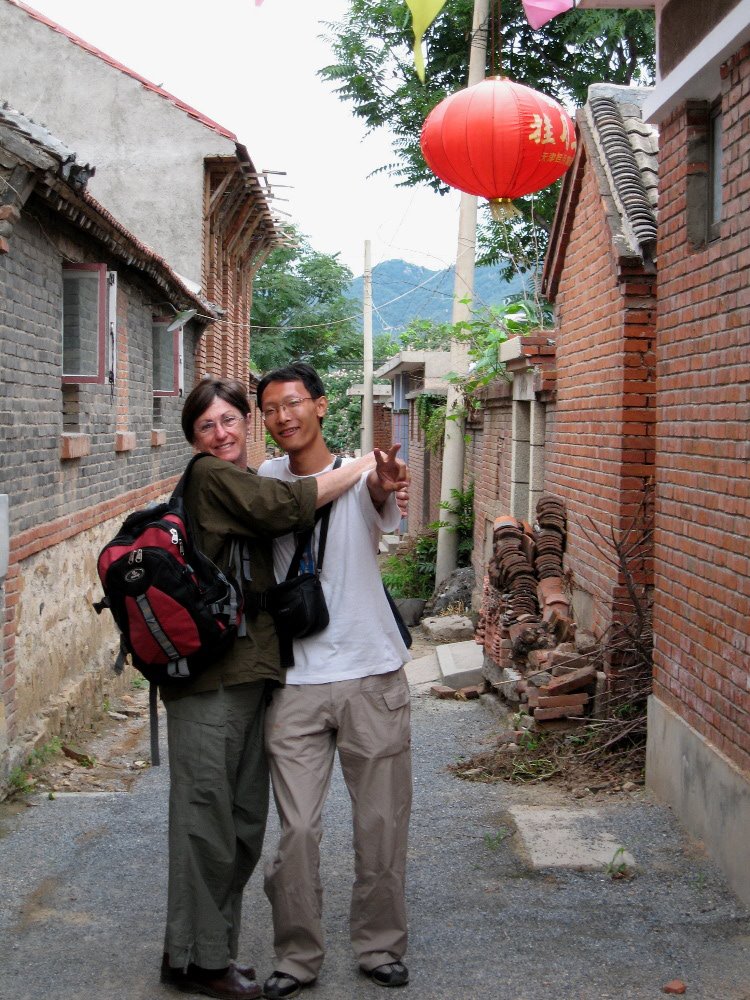
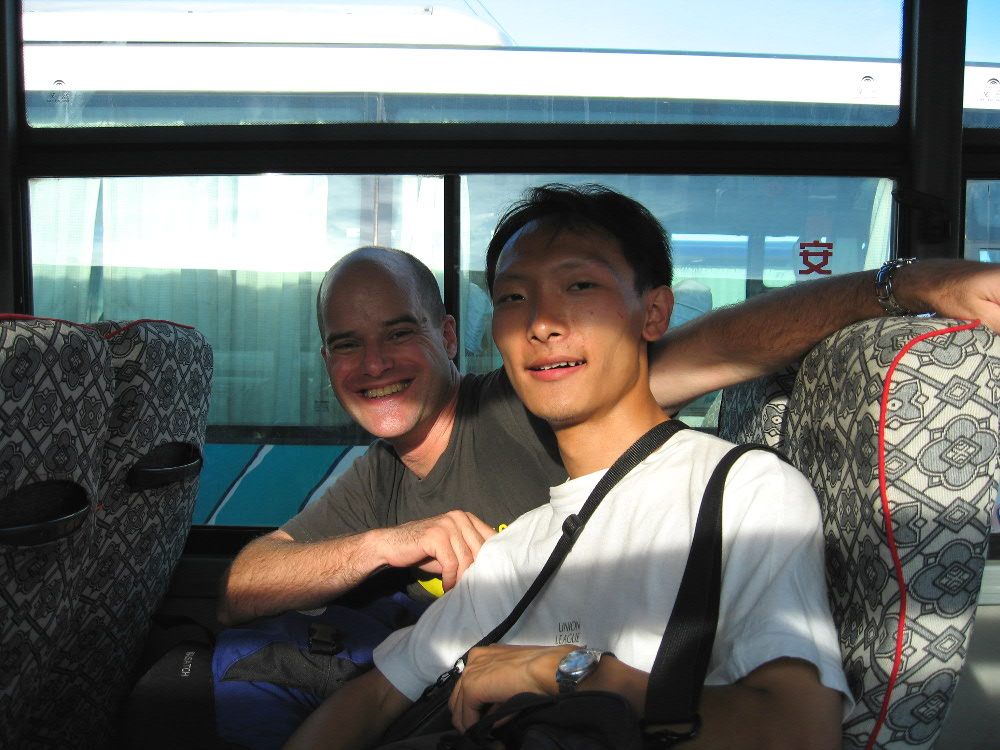
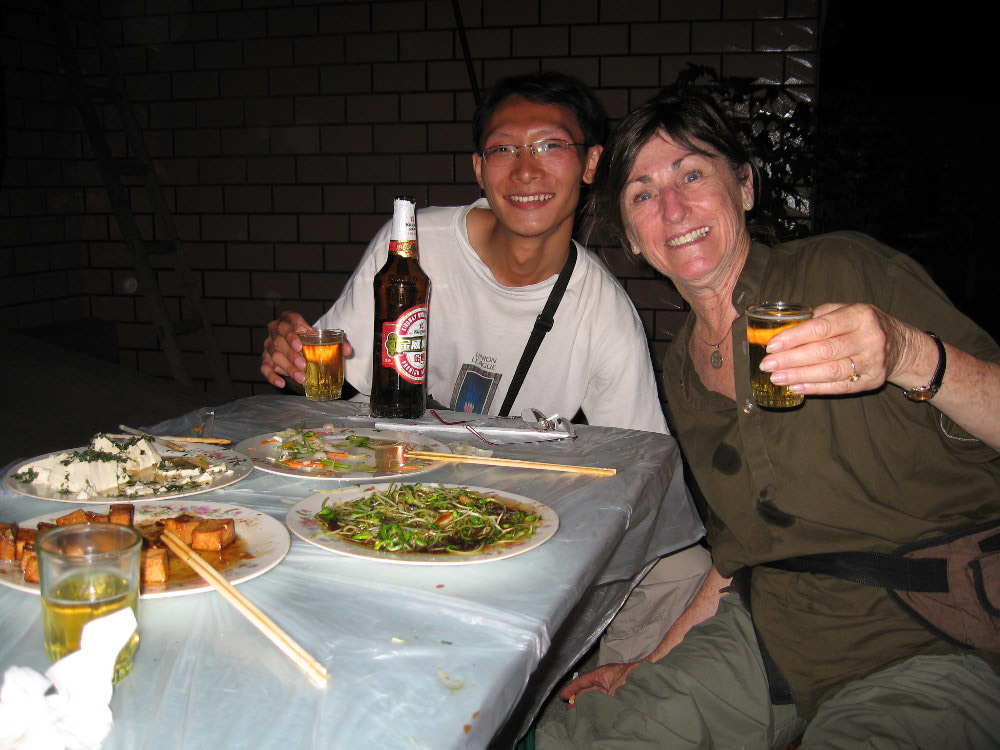
I used their visit as an excuse for an overnight excursion, which ended with the Qing tombs you’ve been seeing, but which began with a bus ride to Jixian, the nearest town to the tombs (50km) and an overnight in a lovely courtyard building there. Here we are enjoying our bus ride and a beery dinner after the late bus arrival in Jixian.


It often seems every fifth hill in China is a sacred mountain or tourist destination in some sense. After the bus ride and the late night of food and beer, we were up at 6 to begin our 4WD assault on the bumpy roads of Panshan. This is an overpriced tourist trap, compared to any other mountain or temple I’ve been to in China. I don’t recommend it – there are far nicer places, even within Beijing proper, that cost less and are way easier to reach. This may be why it appears in none of my many tourist books: but I gotta admit, I did get a kick out of FINALLY getting off the foreign tourist routes, 16 months after I arrived here. Let me stress: the foreign tourist route: as we descended, the stream of 4WDs bumping their way up the rutted and muddy track was quite astounding, given the frankly mediocre quality of the attractions on offer. Still and all, the surrounding mountains made a lovely backdrop and we enjoyed the views and the air.

Jixian County, Tianjin


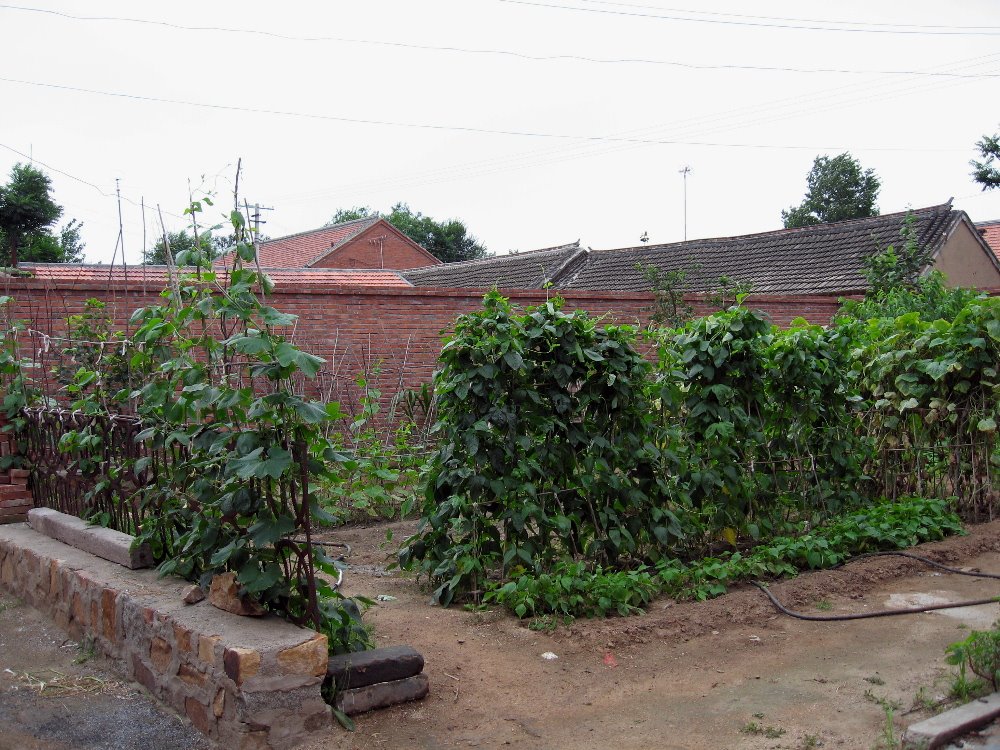
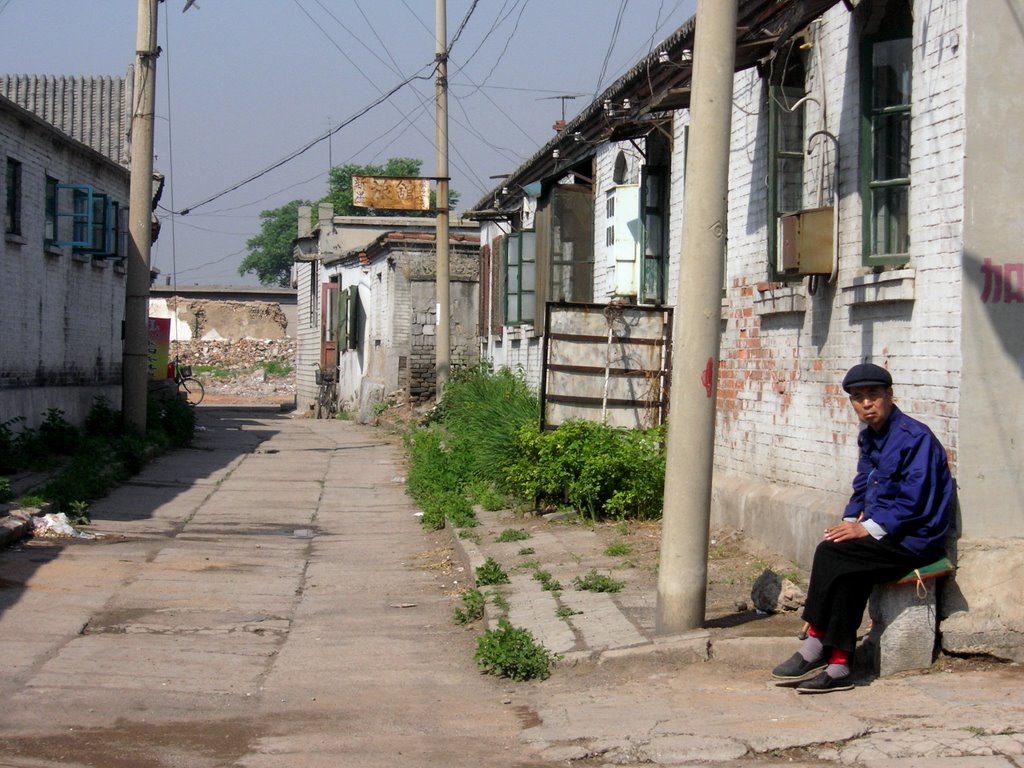
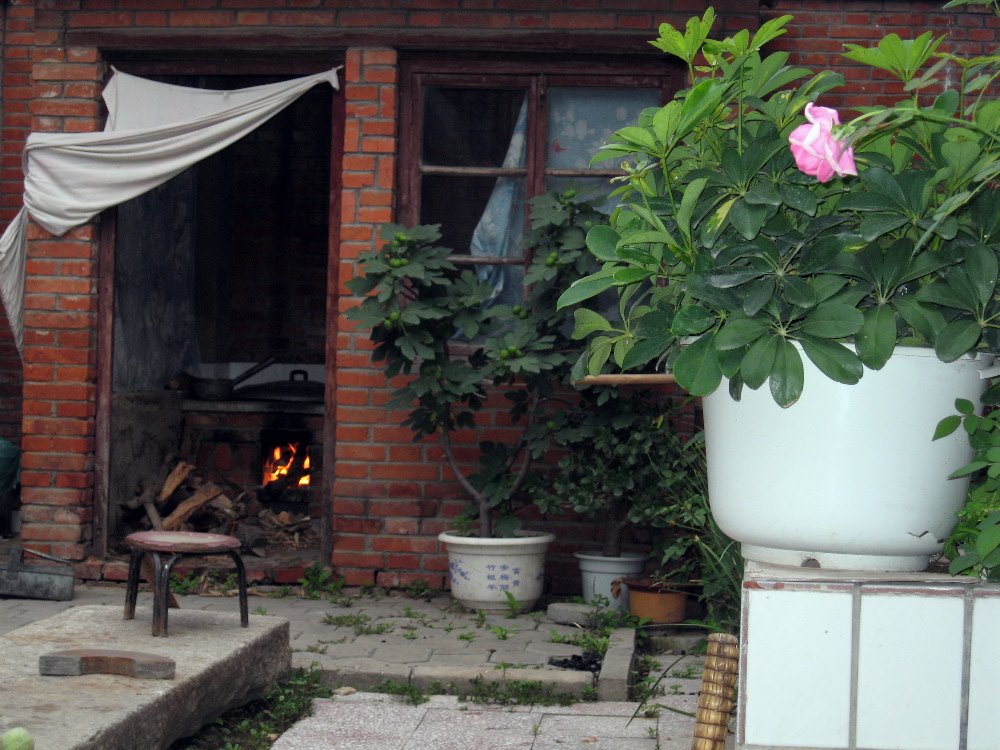
Though we had to argue more than I’d have liked about prices, it was still great to get out of town, to a little town surrounded green mountains and relatively clean air. Here are a few more images from Jixian.
Shanhaiguan: Eastern Terminus of the Wall

The Great Wall of China runs from the Yellow Sea at Shanhaiguan (two+ hours northeast of Beijing by train) inland and west to Jiayuguan in Gansu, at the edge of the Tarim Basin and the deserts of Central Asia, 2700 kilometers away. I’ve previously shown plenty of views of unrestored sections of the Wall in the hills around Beijing, but so far I’ve never been to any of the highly-touristed and rightly famous restored sections, such as Badaling, Jinshanling or Mutianyu. No doubt at some point I’ll go to these when someone visits me (Mom, are you ever really going to come?) – but for now I’ve enjoyed hiking on the unrestored and more remote sections of the Wall.

In June, though, my friend Catherine asked me to join her and some classmates on a weekend excursion to Shanhaiguan and Beidaihe, the beach resort 30 km or so south of Shanhaiguan. I couldn’t say no to such an offer, and we had a wonderful weekend – despite rain in Beidaihe.
Shanhaiguan is also known as “the first pass under heaven,” meaning the first place where people can pass the wall, working inland from the ocean. In fact, for quite a long stretch, it’s the only place where the wall passes through flatland, in the several kilometers in from the ocean. This, of course, was the point – to protect the fertile and productive Han Chinese heartland from the nomadic tribes that from earliest history had occasionally raided Chinese communities and headed off with livestock and other valuables.
And it was at Shanhaiguan, in 1644, that the Qing Manchu leader Dorgon, who had already consolidated his control over the northeastern areas outside the Great Wall and imposed vassal status on the Korean peninsula, led his armies through the Great Wall and into the Han heartland. From there it was a short march to Beijing, where the last Ming emperor had already hanged himself – an inglorious death for the man supposed to be the son of heaven. I hope you enjoy these shots. With any luck, my next weeklong R&R will be out to Kashgar in far western Xinjiang – on the western edge of the Takla Makan: so perhaps a post in the near future will contain some shots of that region!

Laolongtou: The Wall Meets the Sea


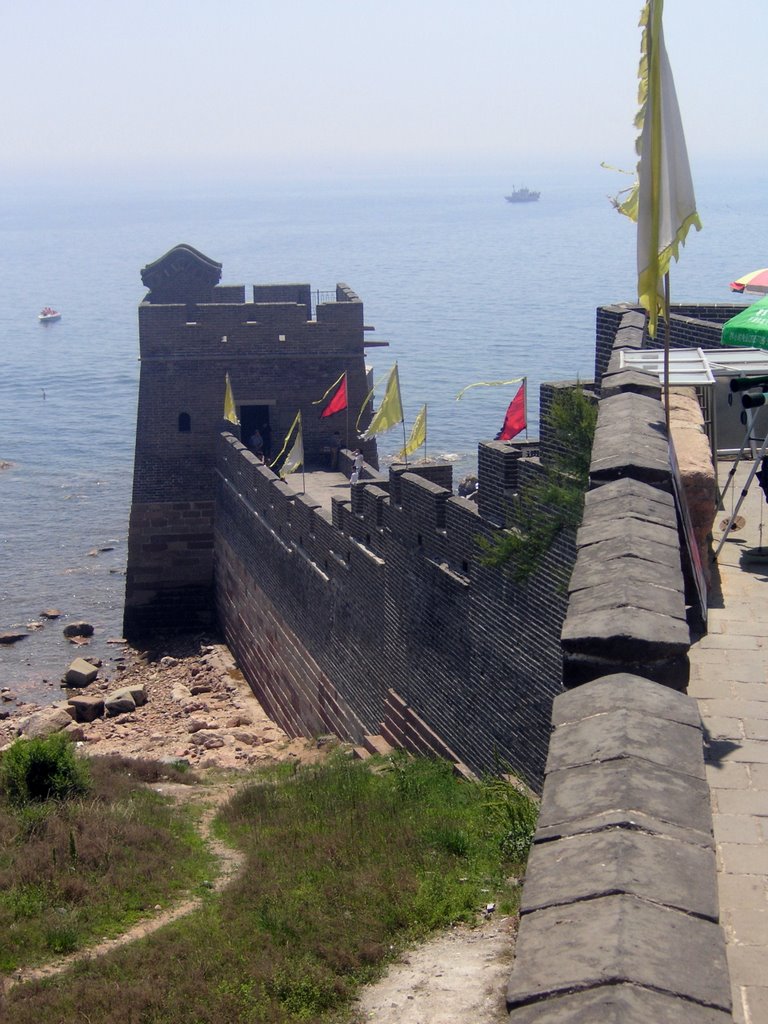
The section right next to the sea is called Laolongtou, or old dragon’s head. Don’t ask me why. The Chinese love to say that various geologic formations look like various animals. I almost never see it. But it’s certainly lovely, and an interesting feeling to think that you’re at the end of a wall that stretched uninterrupted and well-guarded, at various points in history, right up to the edge of the Takla Makan desert.

We were interested to note lots of Russian being spoken here. Seems this area is a popular warmer-water resort area for people from the Russian far east – Vladivostok in particular, I guess. Indeed, the water was quite nice when we did some rock-skipping and wading! 🙂

The Great Wall at Shanhaiguan


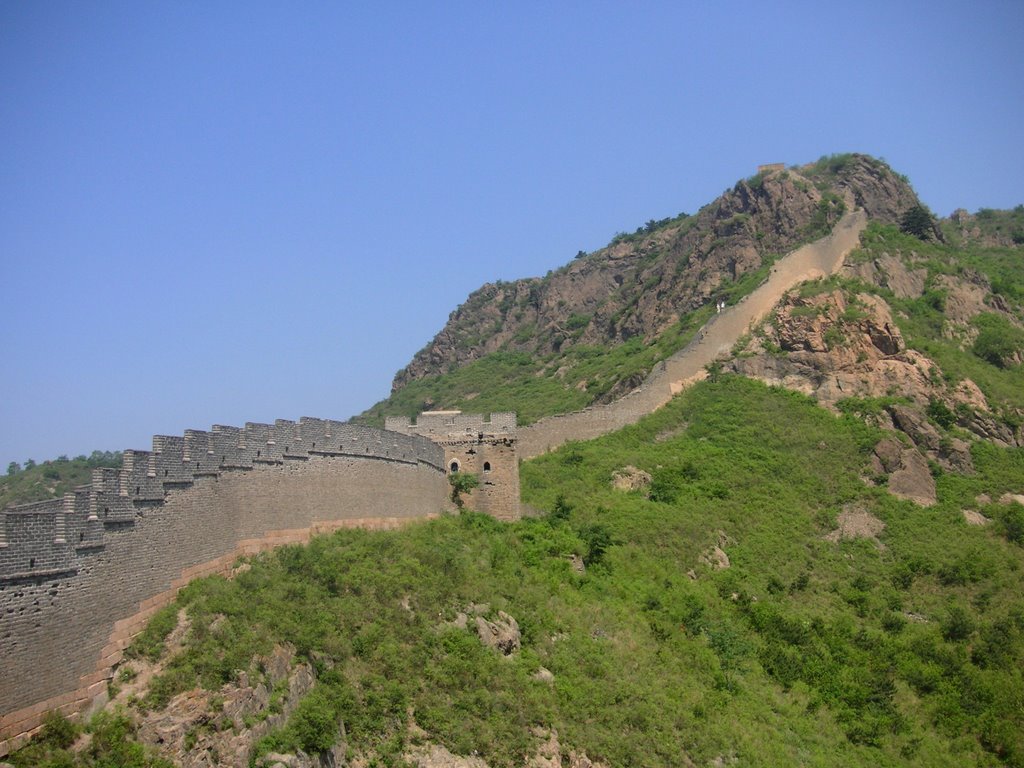
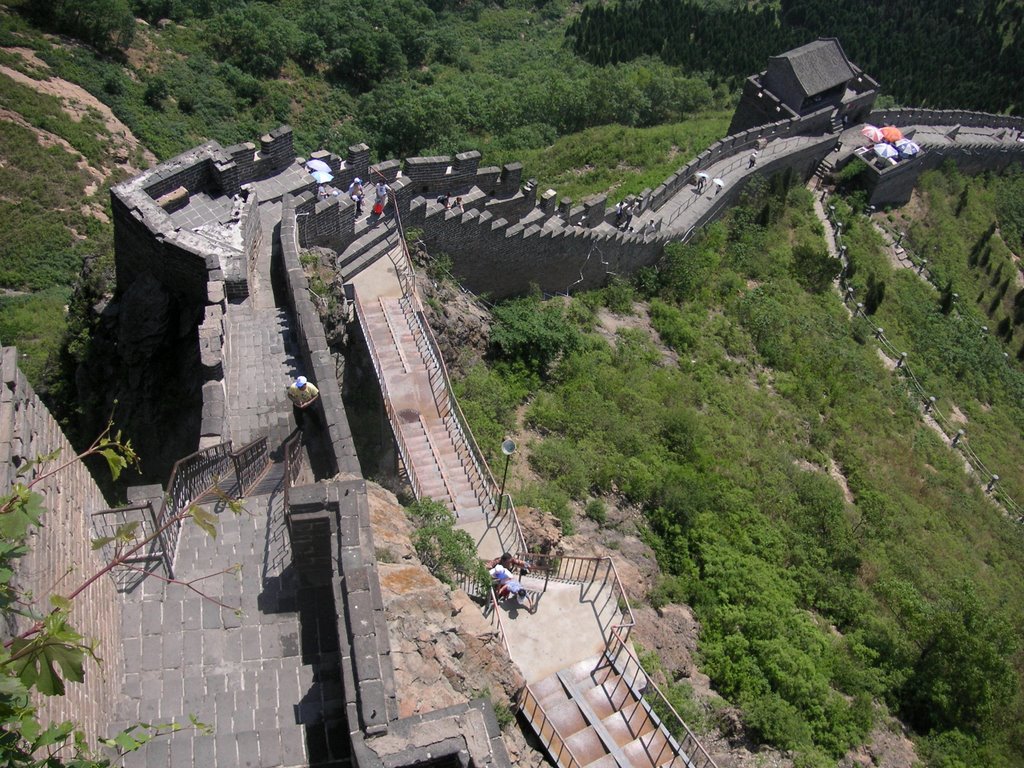
Between the ocean and the hills lies a flat coastal plain that’s perhaps 10 kilometers wide. At the end of the plain, the wall again climbs steeply into the hills that separate the north China plain from inner Mongolia, and Manchuria. These shots are various views of the first stretch of Wall climbing into the hills. As you can see, it’s pretty darn steep!

Paul and Catherine at the Wall


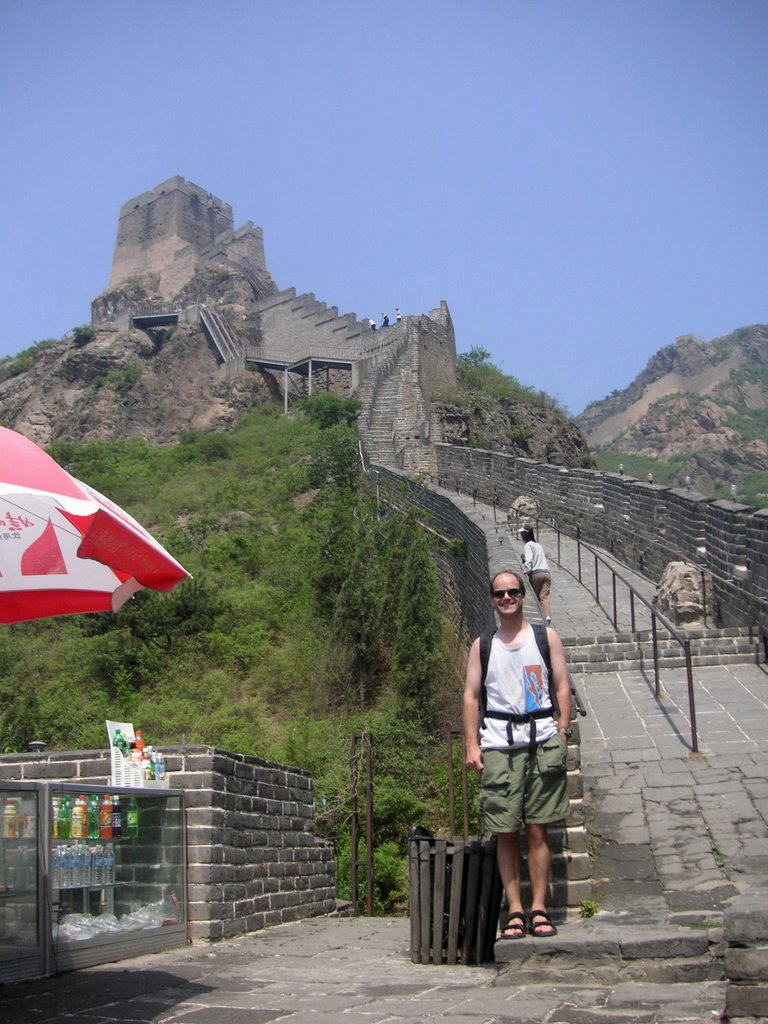
Here are two shots of me at the section of the wall on the inland side of Shanhaiguan town, where it climbs the first set of mountains in from the sea. In the first, I’ve got the wall running downhill toward the plain by the ocean; in the second, I’ve got the wall climbing uphill and inland behind me. Then there’s a shot of Catherine coming out of the ladder used to climb the high tower. It’s same high tower you see behind me in the second shot. Quite the aerobic workout, to climb this – or just about any – section of the wall! And not necessarily for those who don’t love heights!

Quiet Corners of Shanhaiguan Old Town


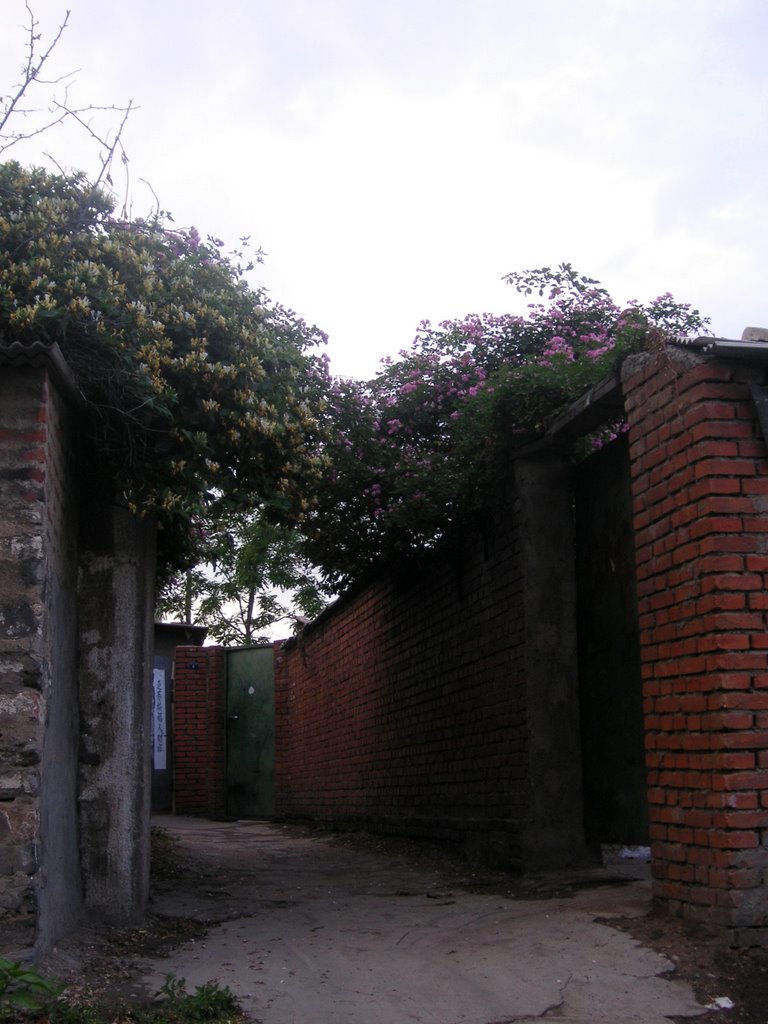
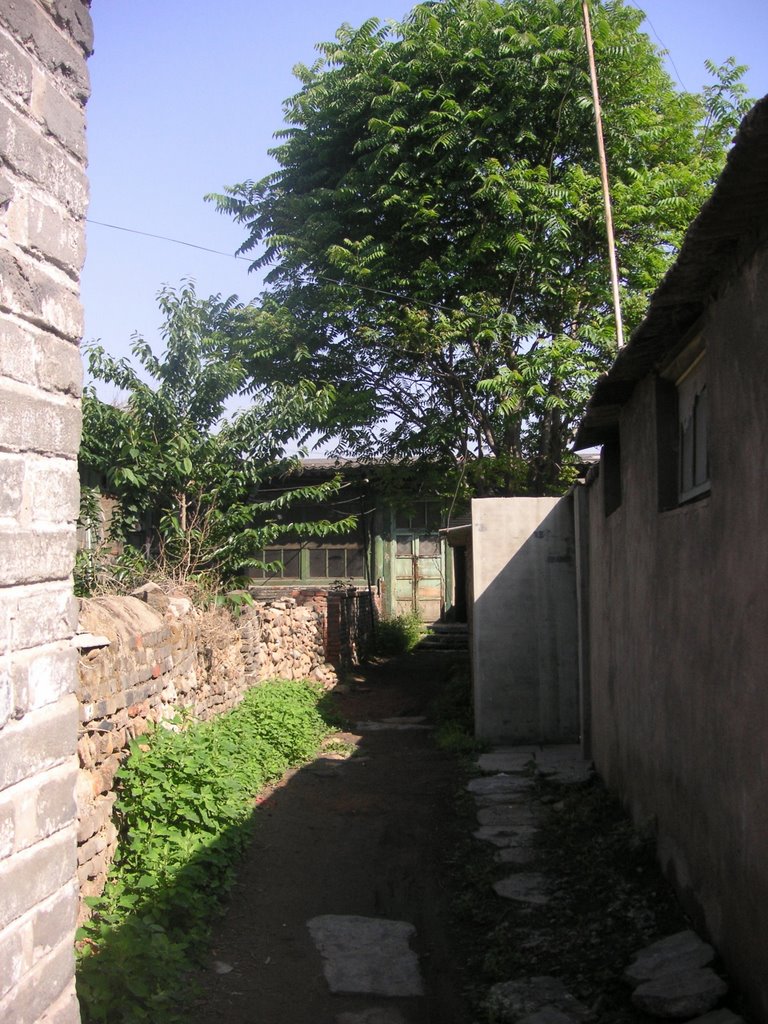
Exploring the lanes and alleys of old town Shanhaiguan – where I can easily imagine becoming very lost, though it’s not really all that big a town – revealed many lovely courtyard buildings with gardens, bougainvillea and other flowers overhanging gateways and walls, and other lovely sights.

Elegant Architecture in Shan haiguan


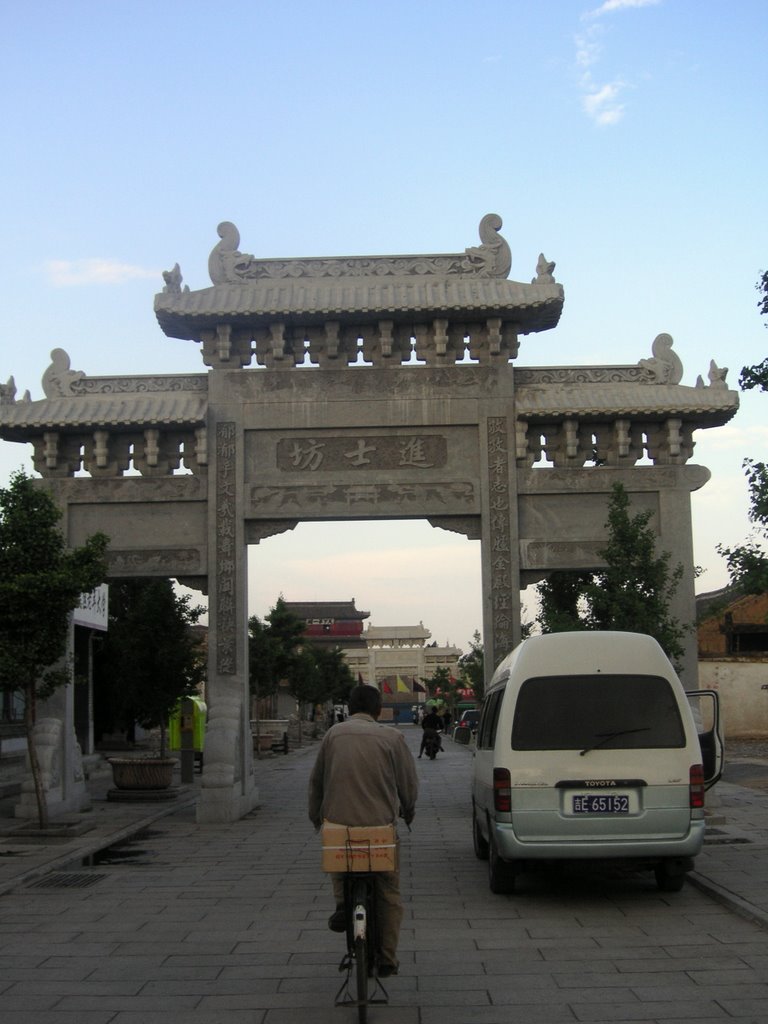
We headed to Shanhaiguan on Saturday, after getting rained out on the beach at Beidaihe (further down, you can see some wet shots of the rainy beach! 🙂 ). So we arrived a bit late in the day, and enjoyed a stroll around the old part of town – within the old town walls, which still stand for most or all of the town, it seemed – before finding dinner. As you can tell from all the picutres of courtyards and little lanes I’ve been showing you, I was quite taken with this town. I found it retains a small-town charm, with little lanes and corners to discover, while also holding the excitement and elegance of being the first station on the Great Wall right at the ocean, and a very important town strategically.

Graffiti and Rubble in Shan haiguan Old Town


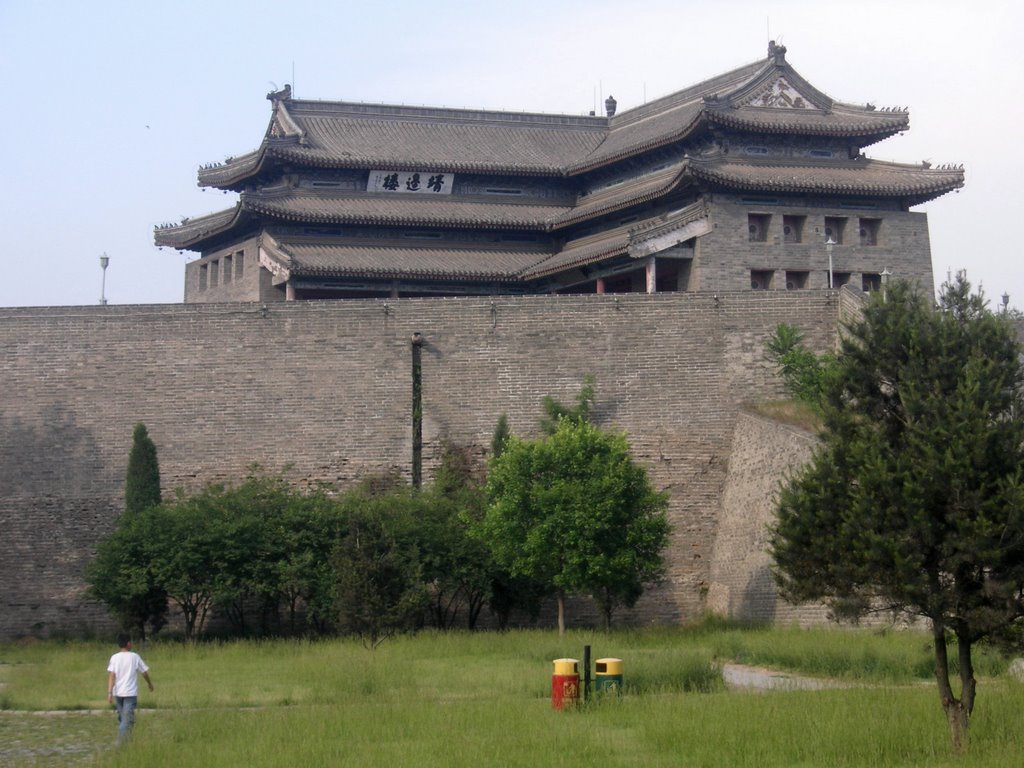
The town of Shanhaiguan was a very major garrison town during the dynastic era, and you can still see signs of that throughout the old town. The towers and other old architecture you’ve been seeing show that this was a very important town at one time.
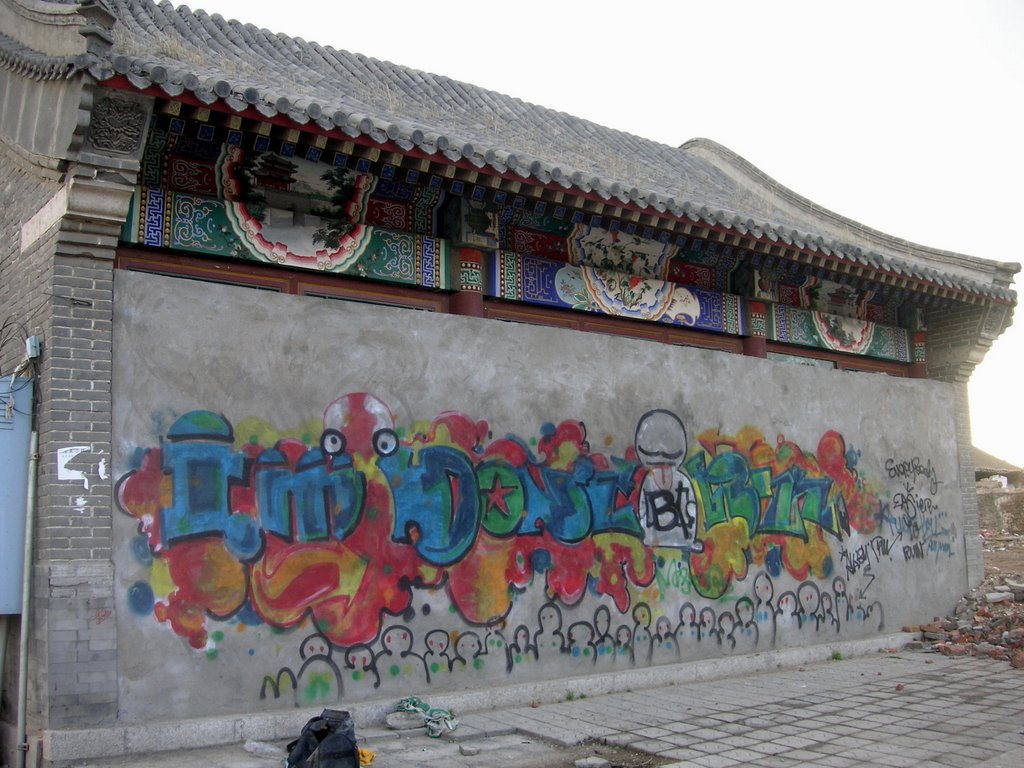
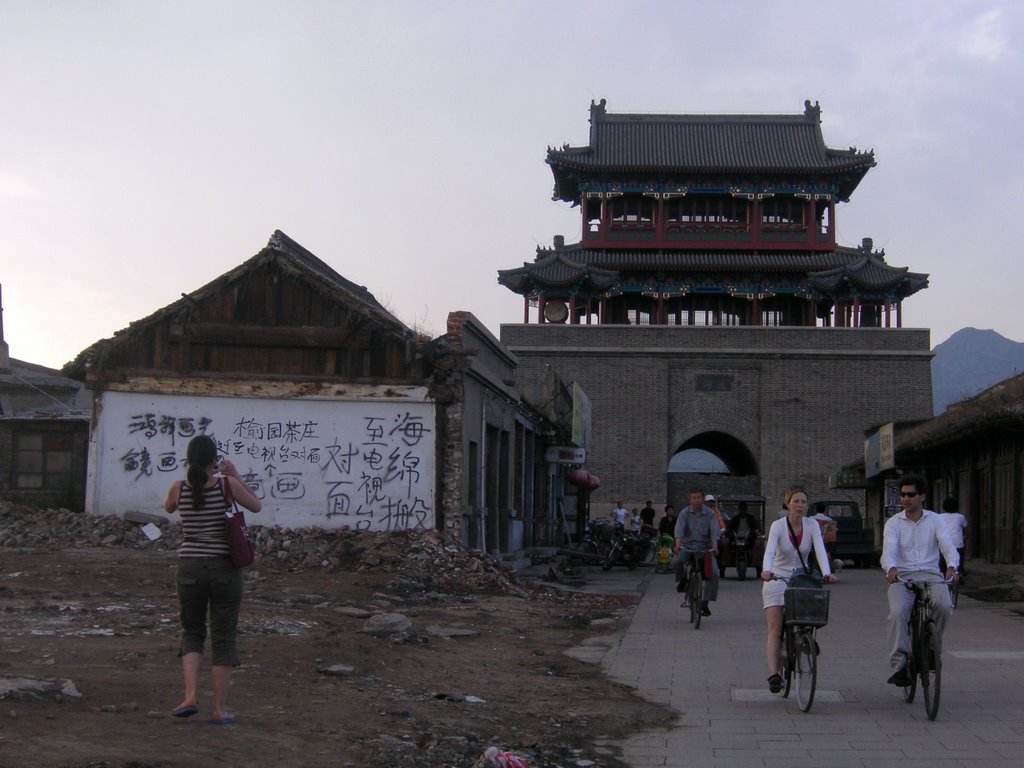
However, like much of China, it’s undergoing a makeover now. Clearly there’s a major redevelopment effort being planned, since we saw large tracts of land with rubble from torn-down buildings. I’m giving you here only one shot of this rubble-strewn landscape.

I also saw my first real graffiti – at least that I can recall – in China. I was quite interested to see it, and I wonder what it bodes for other cities in China. One part of me is happy to see people expressing themselves (I’ve actually not bothered to translate what’s being said, sorry), but another part of me never much likes the defacement of public or private property.

I’m also including an evening view of the mountains behind the town, in which you can make out the line of the Wall snaking its way up the rise to run the ridgelines all the way out to the deserts of Central Asia.

People in Shanhaiguan


I always try to do a bit of people-watching, and touring new cities provides special opportunities. Here a few people shots I snuck while wandering the streets of Shanhaiguan with my friends. Catherine helped me with the old guy, who was sitting outside the little hotel we stayed in; she fake-posed for me, then I just turned the camera to catch him watching us. The wedding cars were in a little alley we explored that morning. In the last shot, I sort of enjoy the contrast of the elegant green watch tower in the background, with the guys fixing whatever they are fixing in the foreground.

Rain at Beidaihe


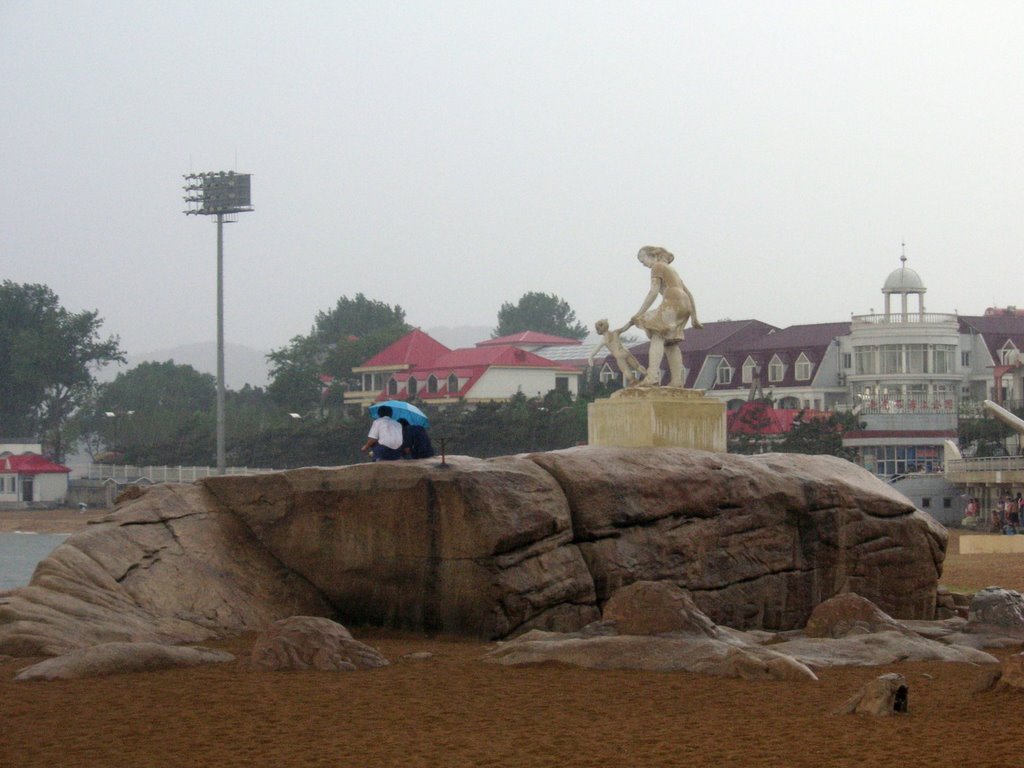
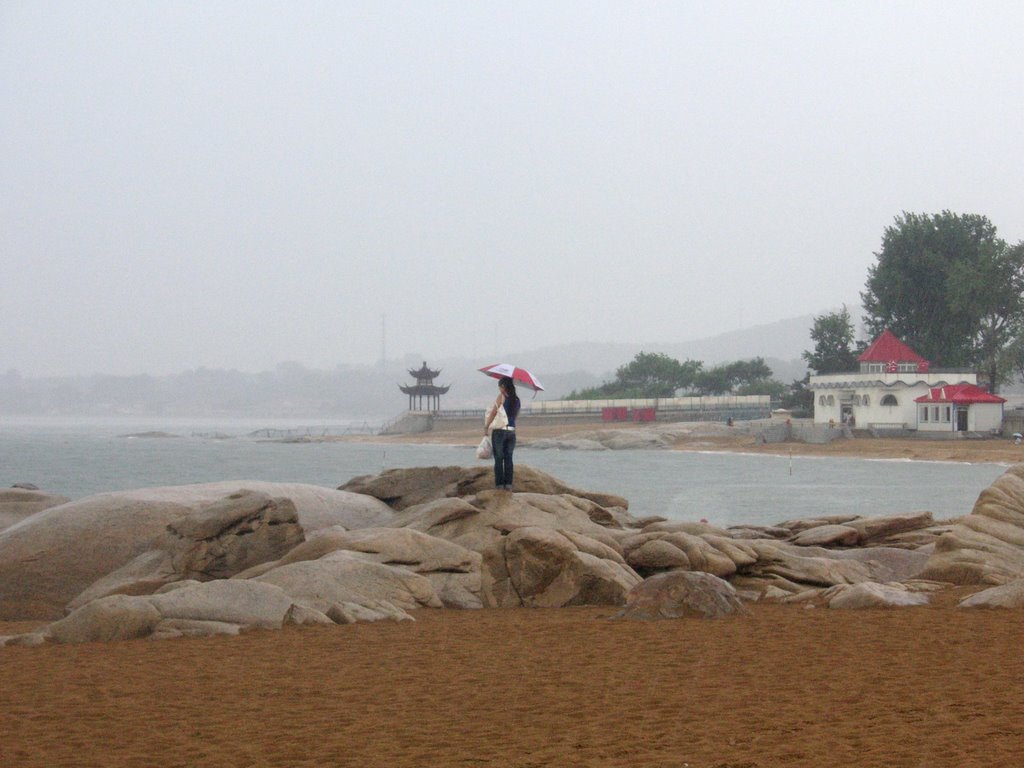
Just down the road a piece from Shanhaiguan is the seaside resort of Beidaihe, the closest beach town to Beijing – maybe 2 or 3 hours away, depending on how the trains run and/or how the roads are. We managed about an hour on the beach with some sun before the skies opened up. Naturally: in Beijing, where I spent my first seven months complaining about how dry it is, the first time I try to dedicate a day to the beach – the heavens open up. Note the name of the hotel & restaurant behind the curtains of rain. 🙂

Unrecycling at the Great Wall


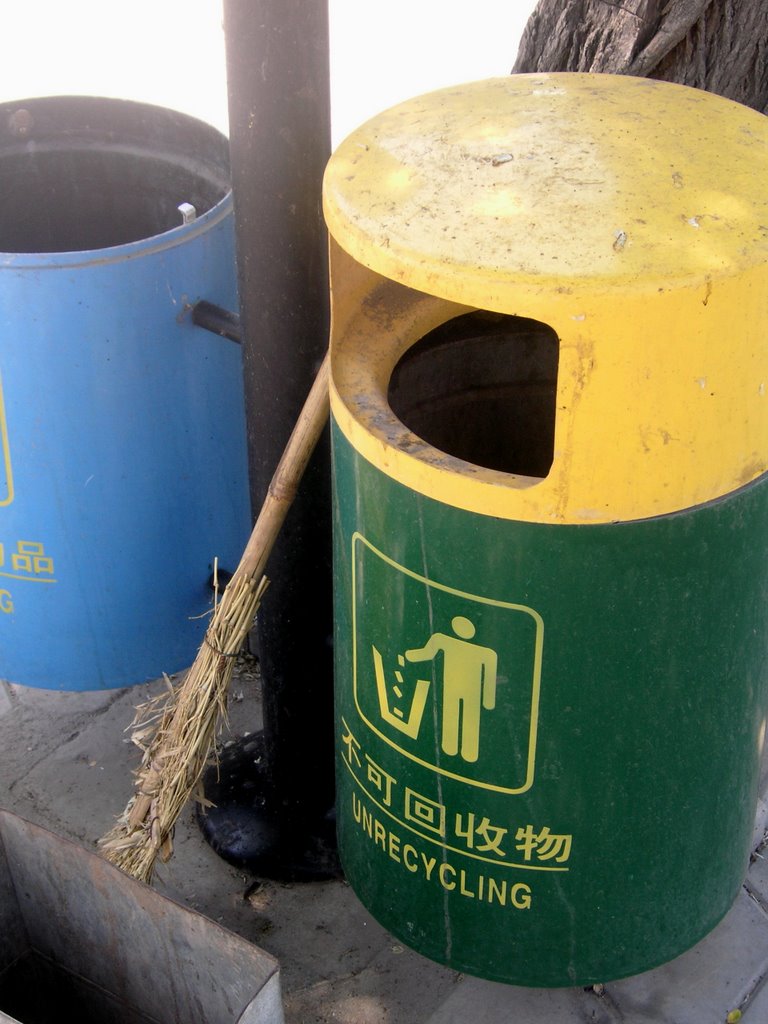
I just HAD to get this picture. Most places in China have two trash cans, one for recylcling and one for…unrecycling. I’ve just never seen it called exactly this before, and I found it funny.