
City Views.140
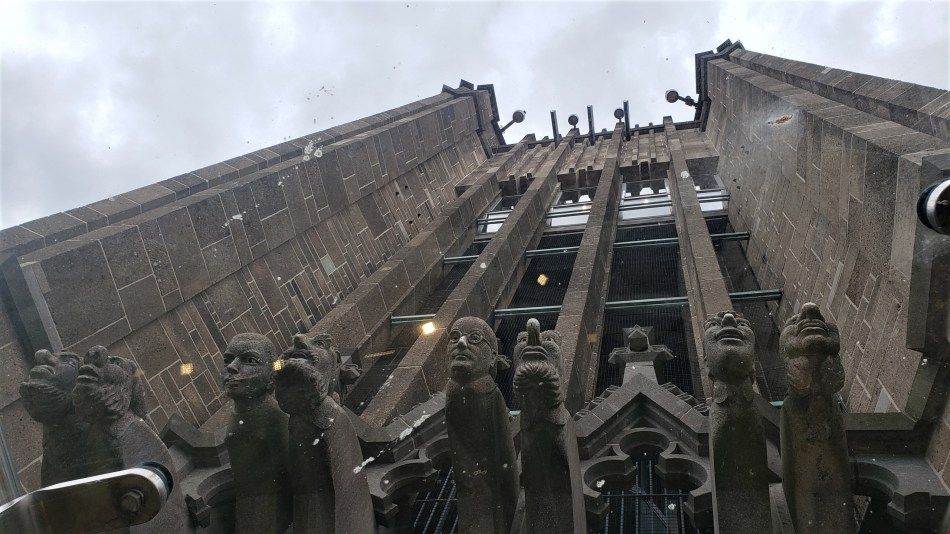
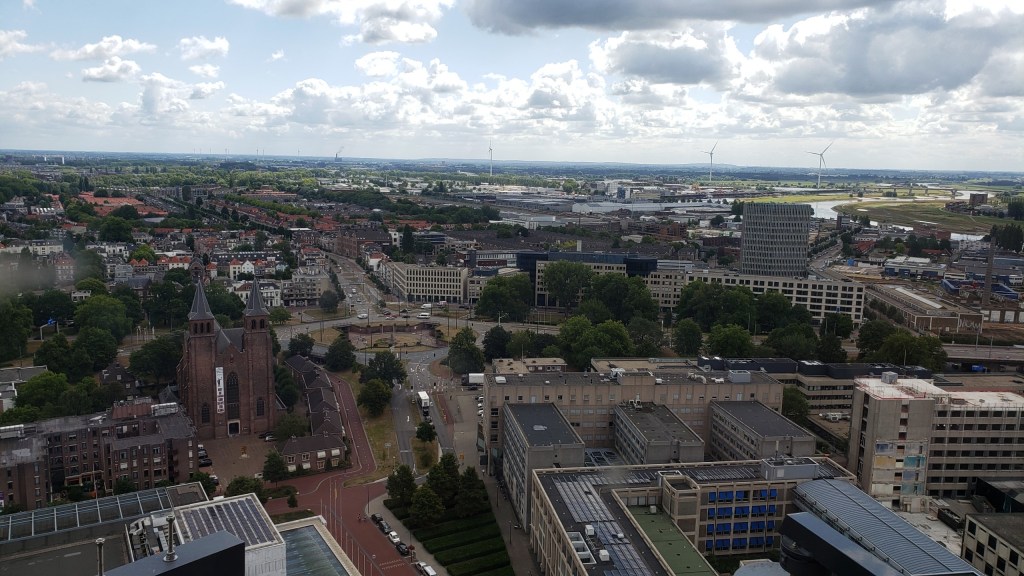
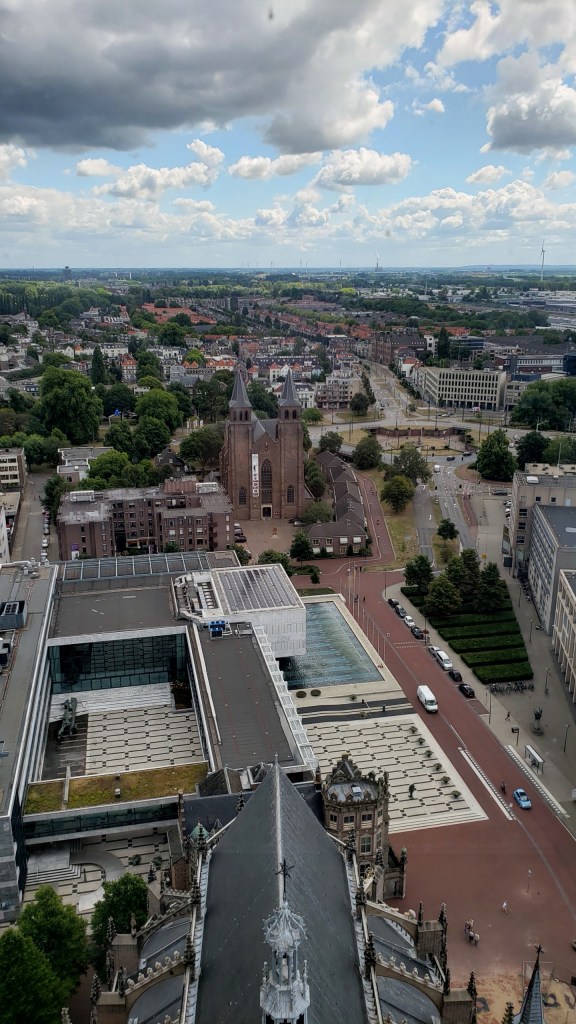
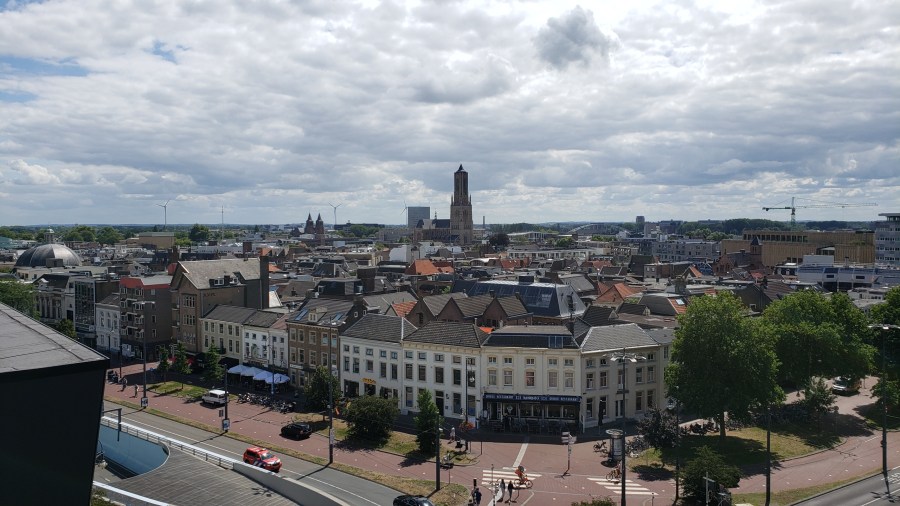 Our penultimate suite of photos from the lovely city of Arnhem, capital of the (by Dutch standards) very large province of Gelderland. My cousin Sam commented the first time I posted a photo of this historic cathedral that he loves the cathedral – simply because it’s a lovely and impressive structure and stands out in the cityscape, as you see. Add the history, to which I referred in an earlier post, and it gets even more interesting. But then, ask yourself how I got close enough to photograph the interesting sculptures of individuals you see in the photo above? And then look closely just above the left-hand clock in the photo below. Yes, that is one of two “glass balconies” built into this structure, and yes, I walked out onto both of them, and yes, even I who am really not afraid of heights found it a wee – bit – freaky. I do very highly recommend the experience and have already told Sam that we need to go when he visits. We’ll see if he can fit into his itinerary or not :-). In the gallery below, more photos from Arnhem as taken either from the church tower & glass balconies, or from my walks around town.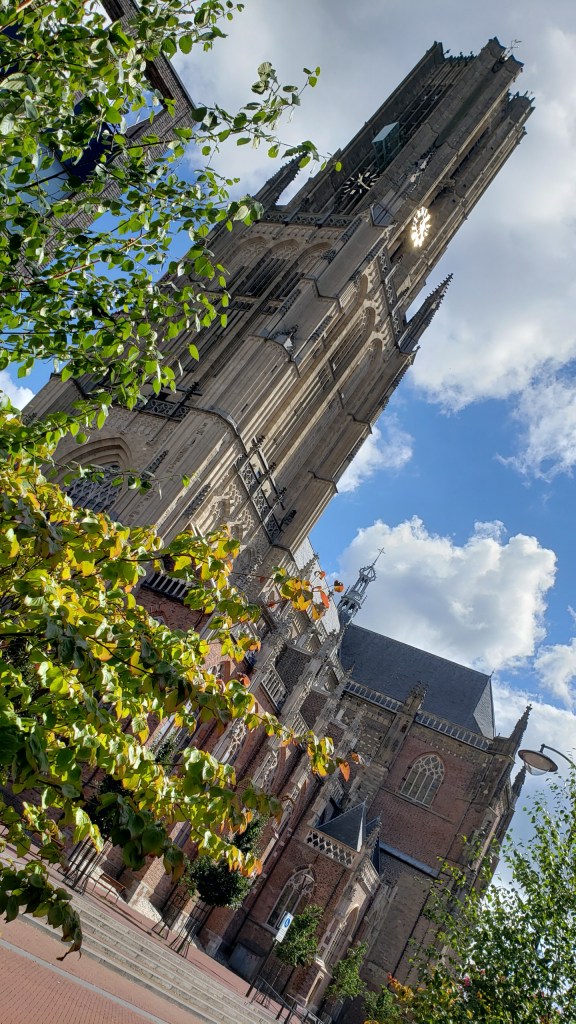





Urban Garden.105

City Views.135

Urban Garden.104

Urban Garden.104
Urban Canals.94

Compare the river traffic in yesterday’s post and today’s. This is the Nederrijn (“lower Rhine”) at Arnhem, just some 15km north of Nijmegen. My working hypothesis is the Dutch generally channel passenger boats and river cruises into this branch of the Rhine, versus commercial freight traffic onto the much larger Waal.
Fun-sad fact: in late 1944, the allies held (most of?) Belgium and areas of NL to the south of the Waal, at least this far east. Meaning allies held Nijmegen; Germans still held Arnhem, with no-one’s-land between. The rounded building with windows on the left is a fine museum commemorating and documenting a (individually) valiant but (tactically) disastrous effort in September 1944 to liberate Arnhem and free the road for an earlier advance on Berlin. One outcome of this failed operation was the premature exposure of many Dutch resistance fighters. Another was the (German-)forced mass evacuation of Arnhem – in winter – and the destruction of the bridge here, which is now named in commemoration of the British commander who tried valiantly but without success to hold the bridge for the allies.
Urban Canals.93
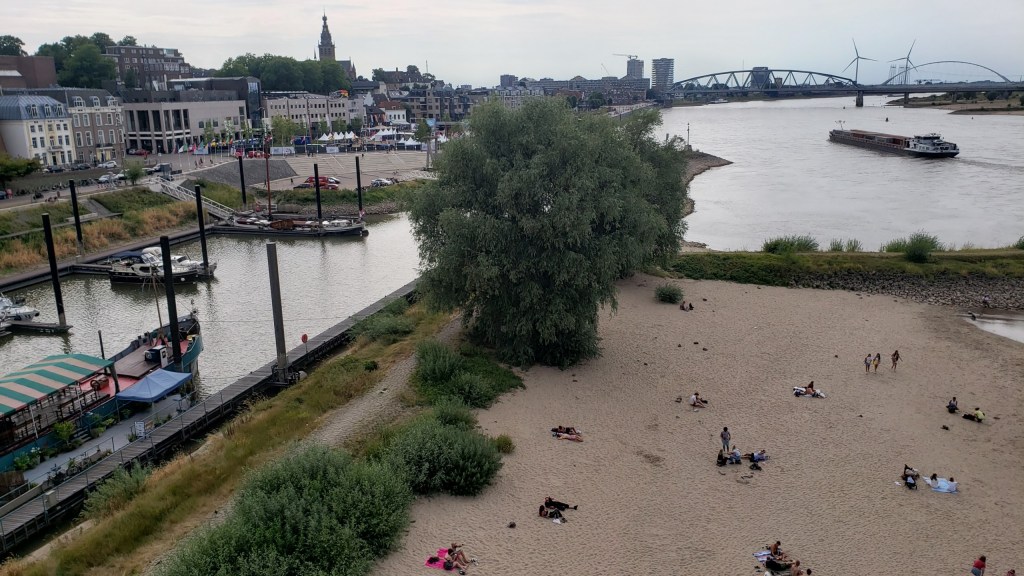
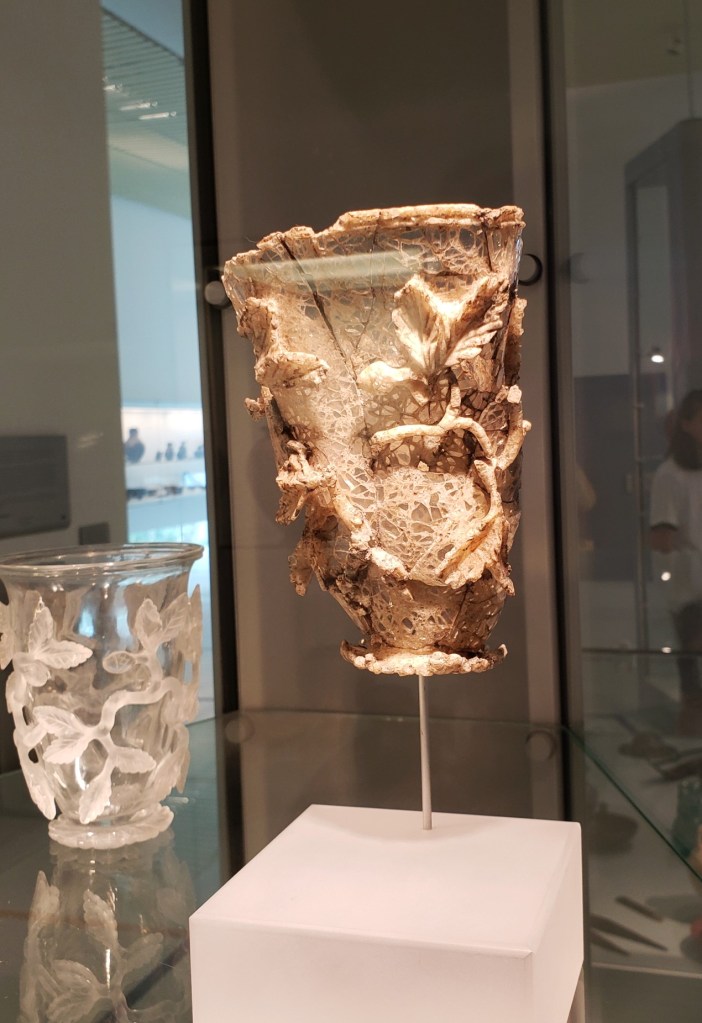
Fun fact: what you see right here was the northernmost edge of the Roman empire for some few hundred years, after they gave up trying to take even more territory away from the Germanic tribes still resisting on the other side of the Rhine.
Small Wonders.133

Urban Canals.91

City Views.131

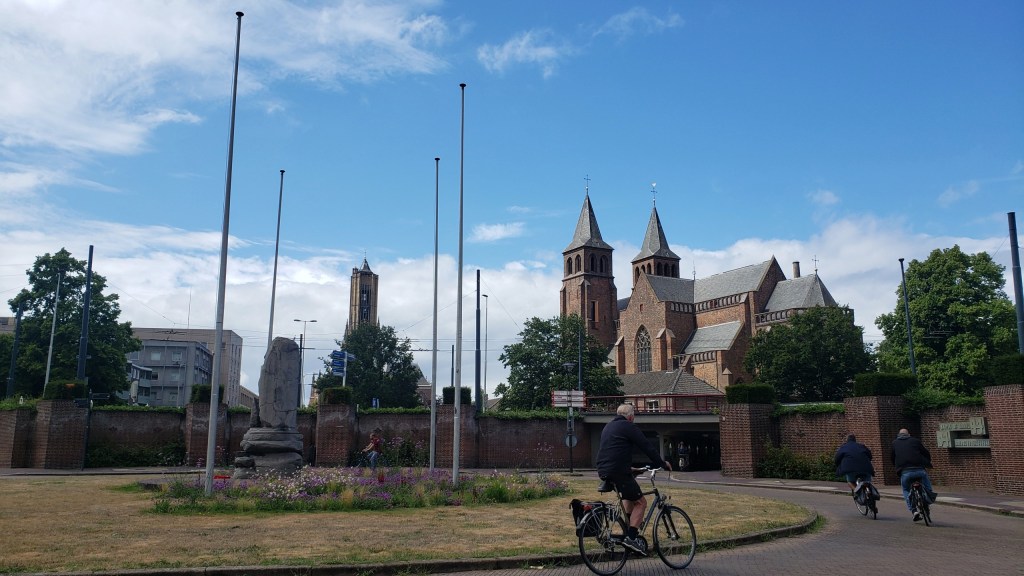
This is Eusebiuskerk (St Eusebius Church) in Arnhem, capital of Gelderland. I’ve just returned from spending five nights in Arnhem, while playing in the tennis competition portion of the EuroGames in nearby Nijmegen. Had a lot of fun exploring both cities and am trying to get some photos ready for posting while I’m on planned travels to a quite different location for most of the month ahead. Nijmegen is rich in Roman history, while Arnhem has a quite sad WWII history, for which many visit it. This church had to be rebuilt after the war, along with much of the rest of the city. Well worth a read, and friends who love classical history might add Nijmegen to the visit list; a day trip is perfectly feasible, though it might be a long day.
City Views.130


 (so much world, so little time....)