Cassowaries, Crested Pigeons & Wallabies…Birds & Beasts of PNG

So the plan was I’d go back to the nature park, on a sunny and clearer day, with a bit more time than my last visit, and I’d try to complete my detailed study of the three types of cassowary on display there, and capture some better shots of the elusive birds of paradise as well as all the other fascinating fauna of PNG who reside there – such as tree kangaroos which on the last visit were looking rather depressed and hiding off in a hard-to-photograph corner of their enclosure. (Interested viewers can, though, see a bit of tree kangarooness here if you’d like: https://somuchworldsolittletime.wordpress.com/2012/09/16/png-37-years-of-independence/
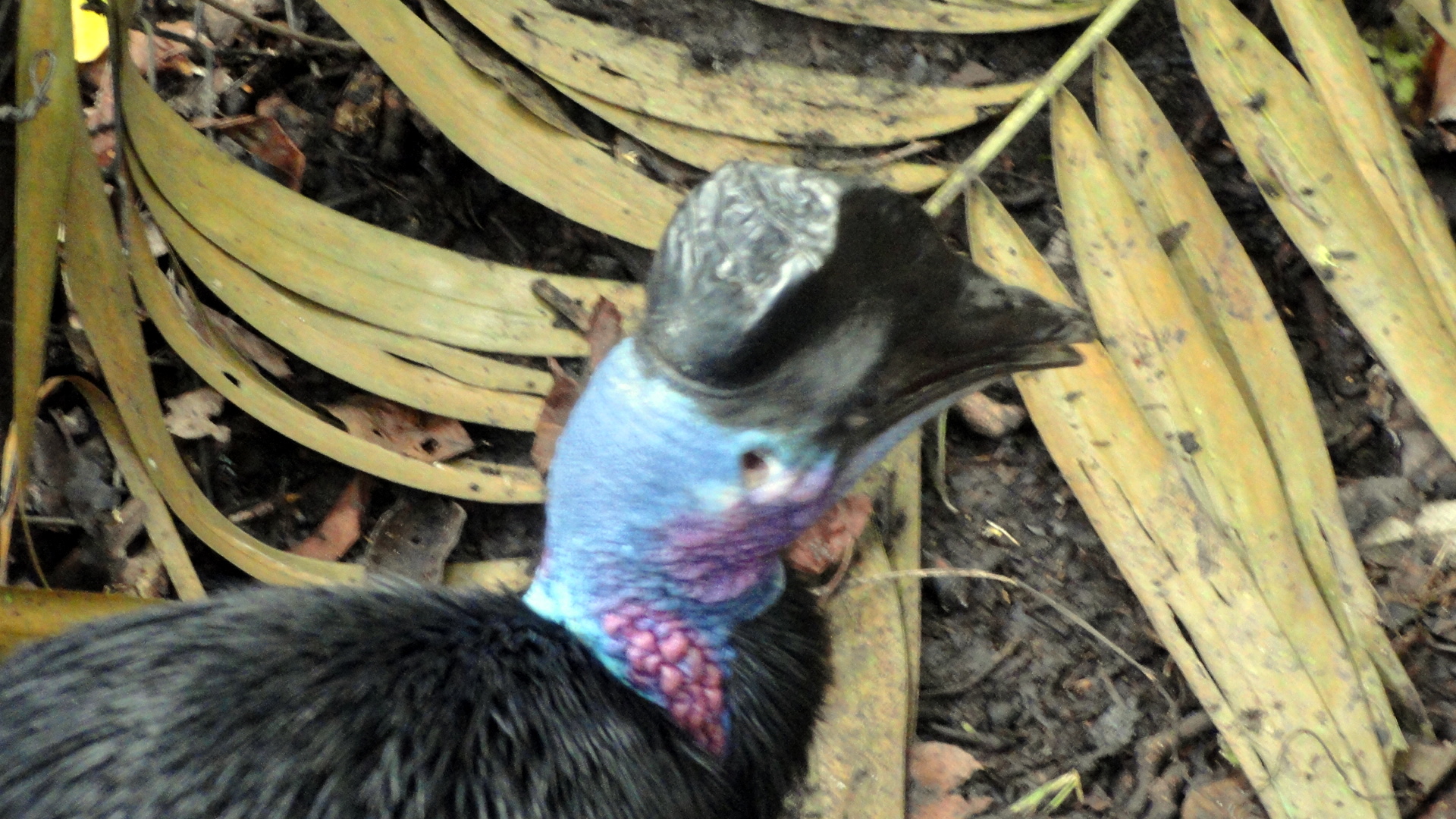
However, that sunny weekend day has not happened, and though I hope I’ll have a chance in the few weekends that remain to me here in Port Moresby, I thought it best to put the rest of the shots up for now in case such an opportunity does not reappear. So herewith my attempt to get a few good shots, on a rather gloomy day (it started pouring down rain as we exited the park, and the clouds had been building up, which is why some of the shots are really rather grainy and gloomy…sorry), of the ever-moving and highly unusual cassowary and a few of the other unique birds and beasts of PNG. Enjoy.

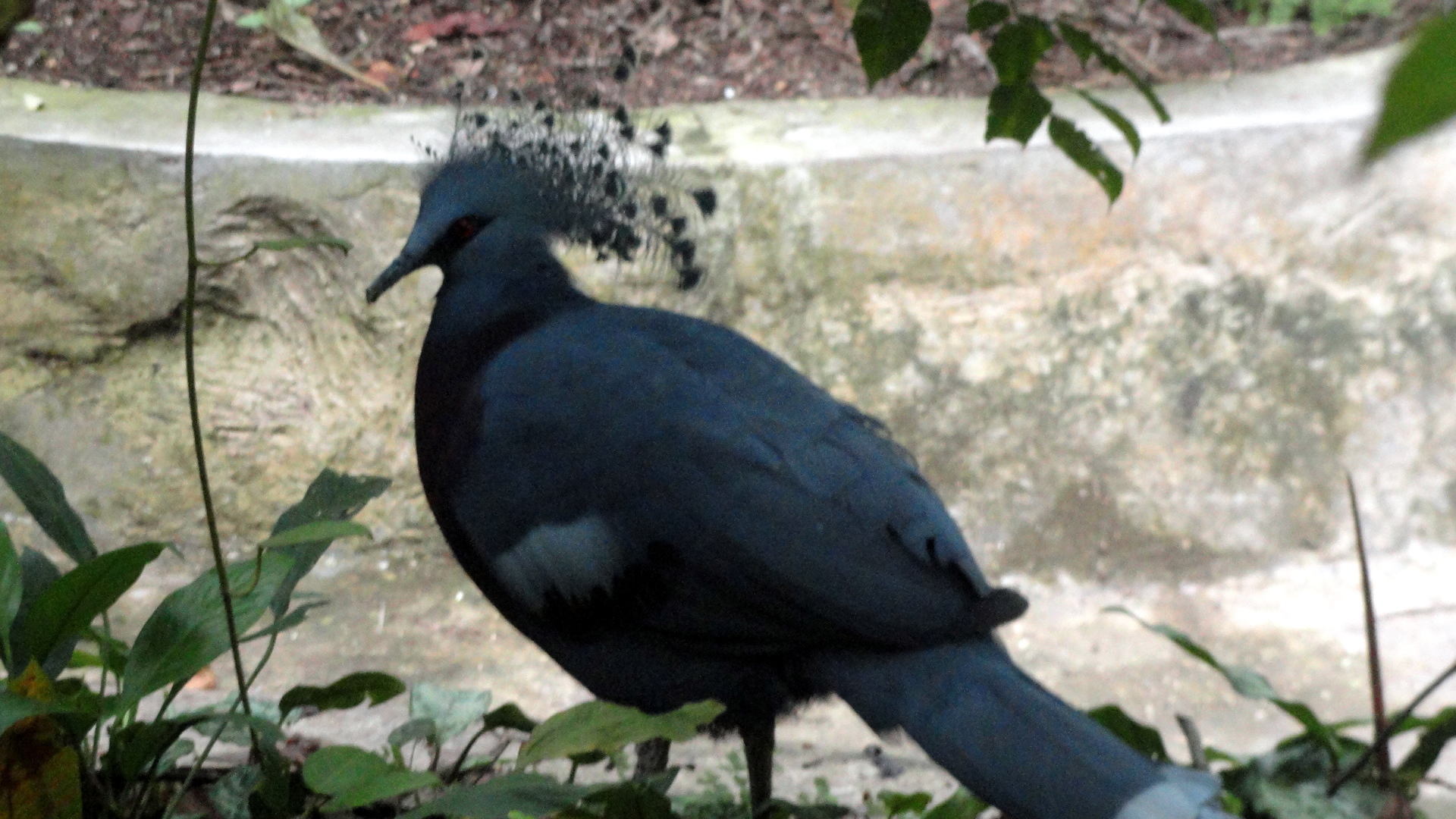
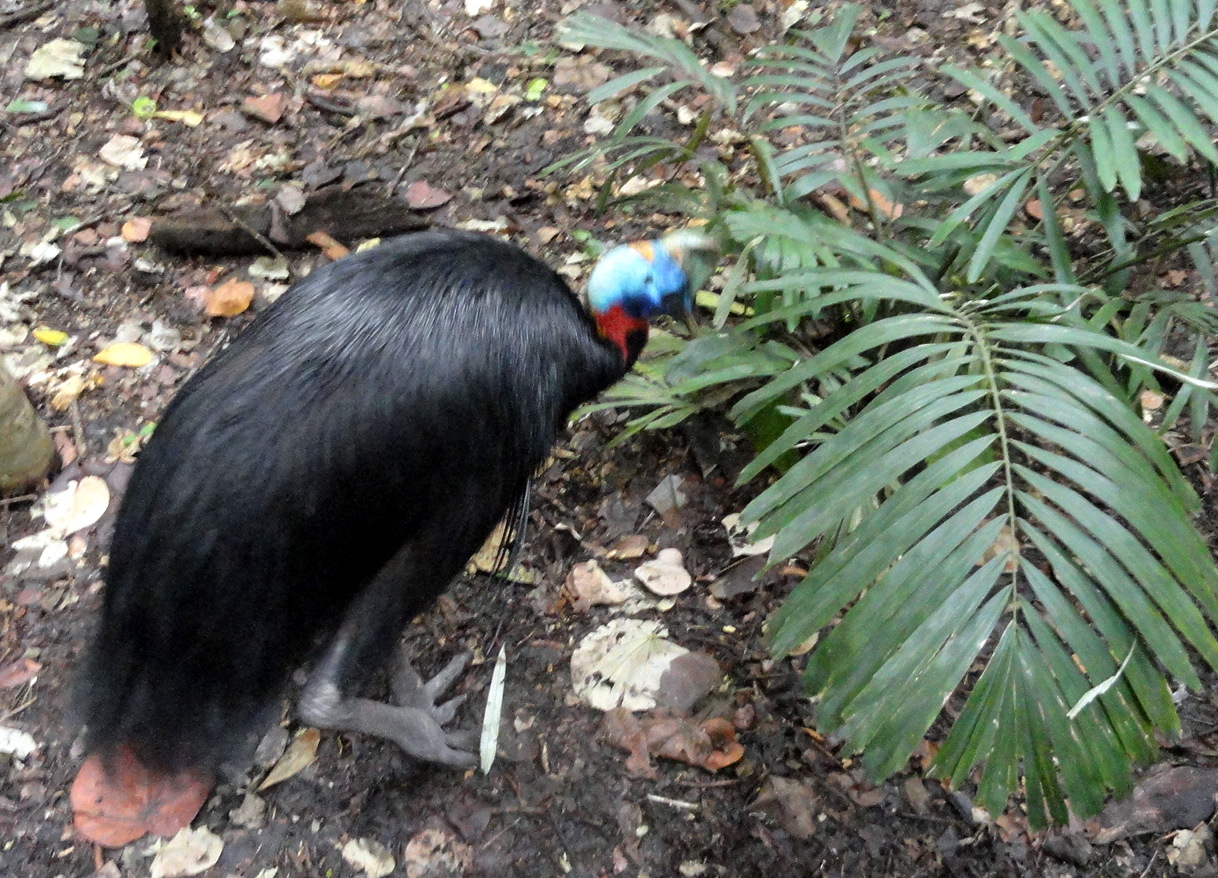
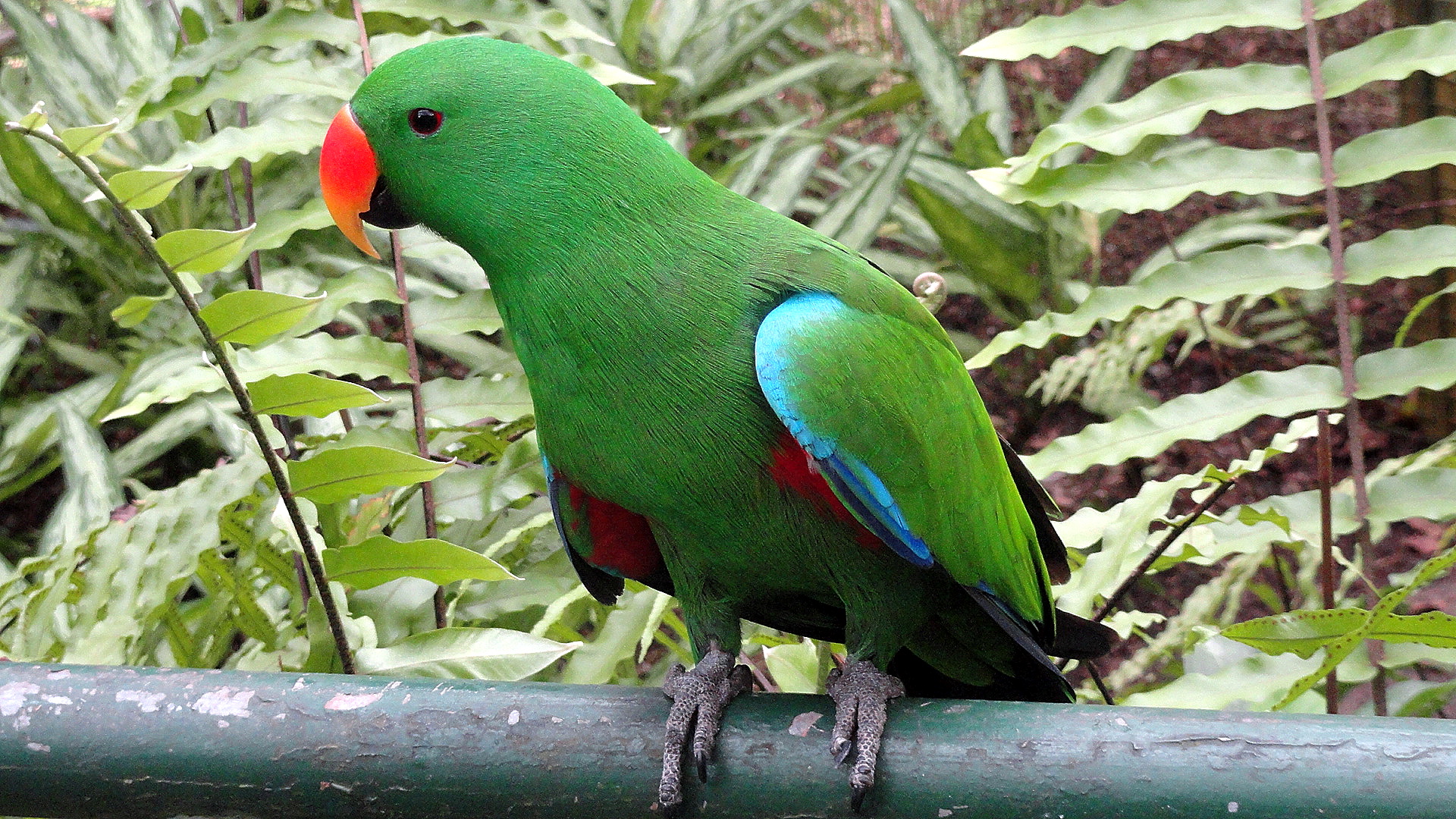
From the top, you’ve seen what I think is a northern cassowary (there are the northern, the southern, and the dwarf), what I think is a victoria crowned pigeon, and some kind of wallaby. I did, once, see wallabies hopping through the bush on one of the bushwalks – otherwise I mostly see this stuff at the nature park here in POM.



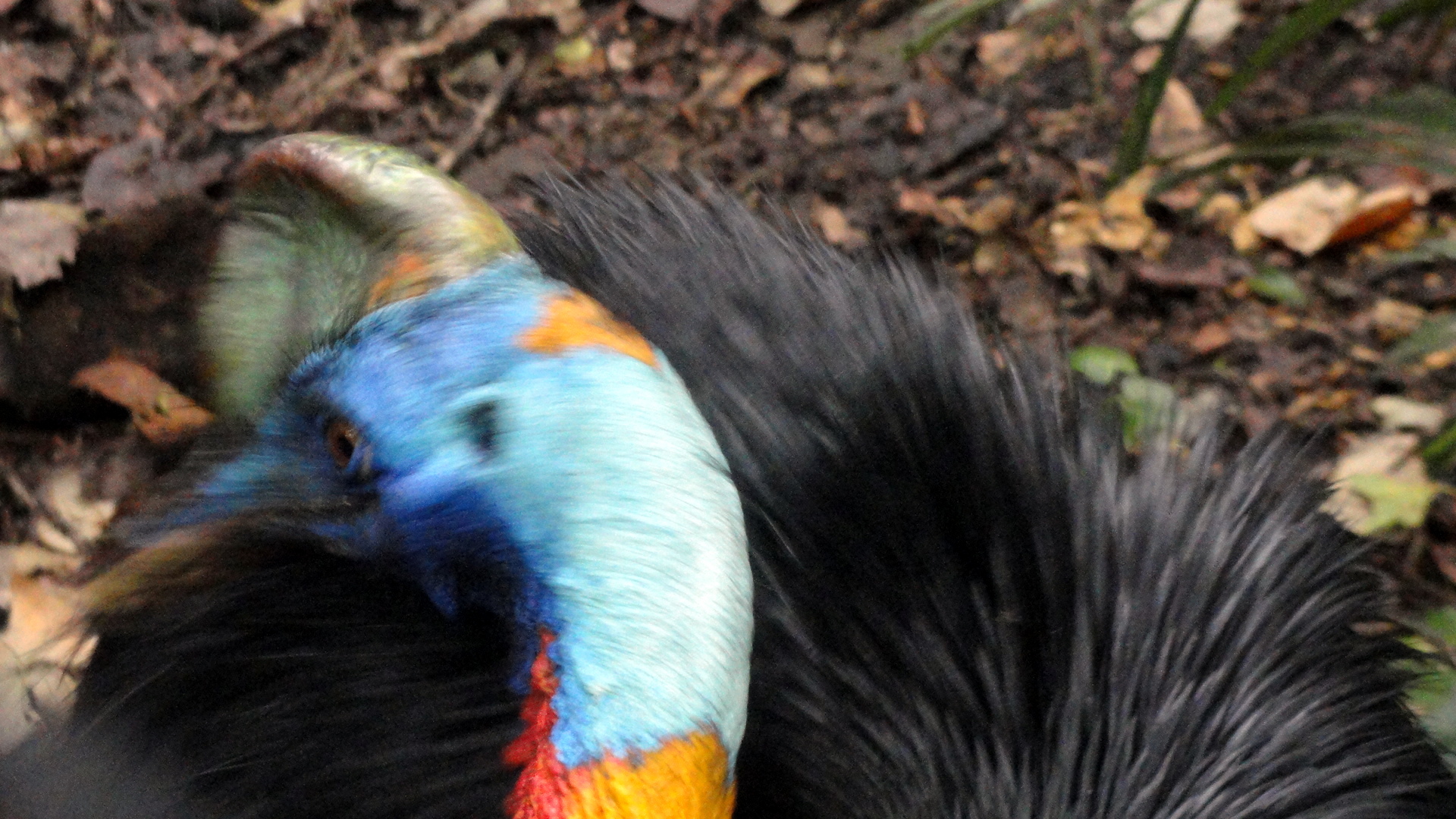
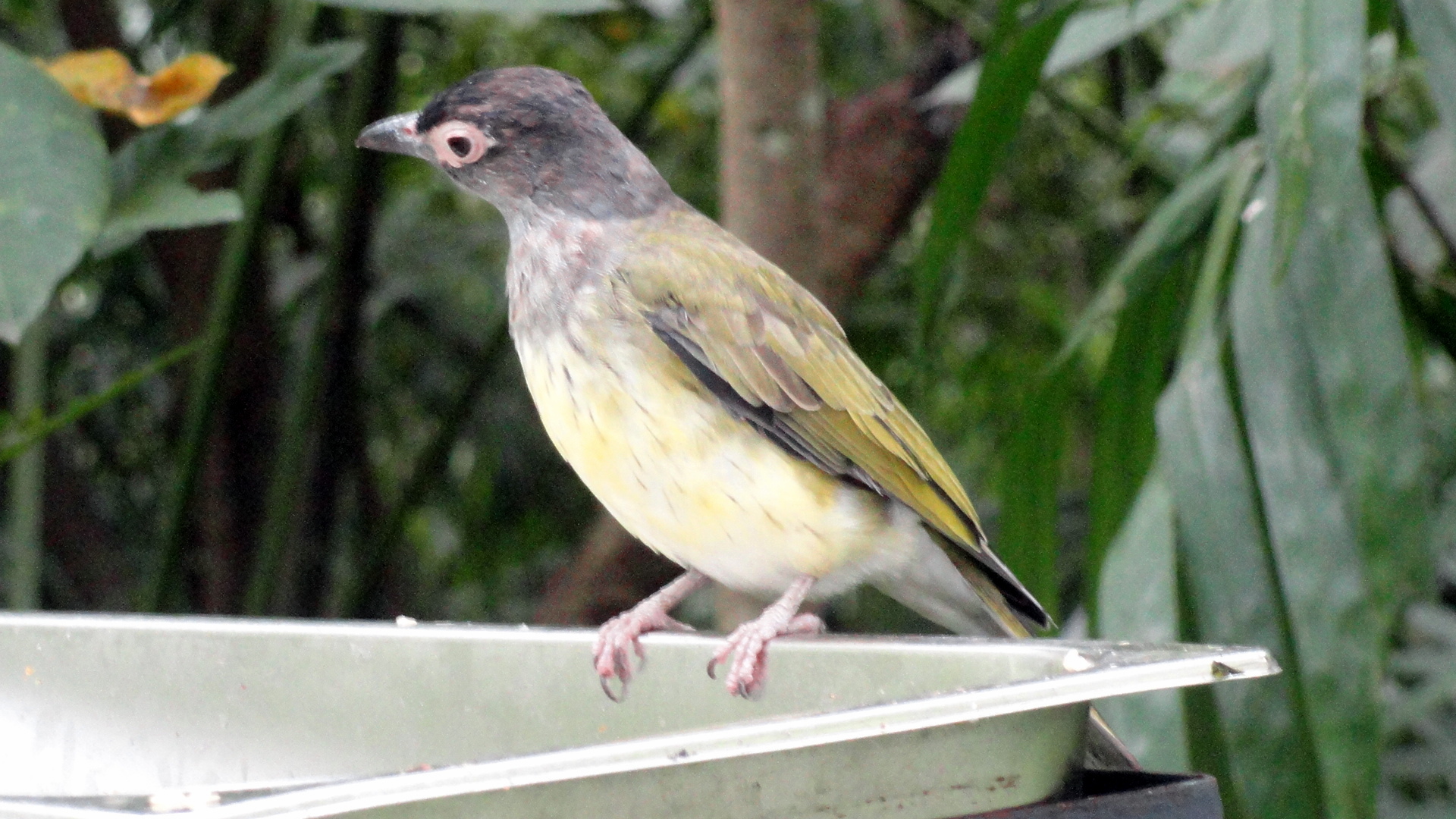
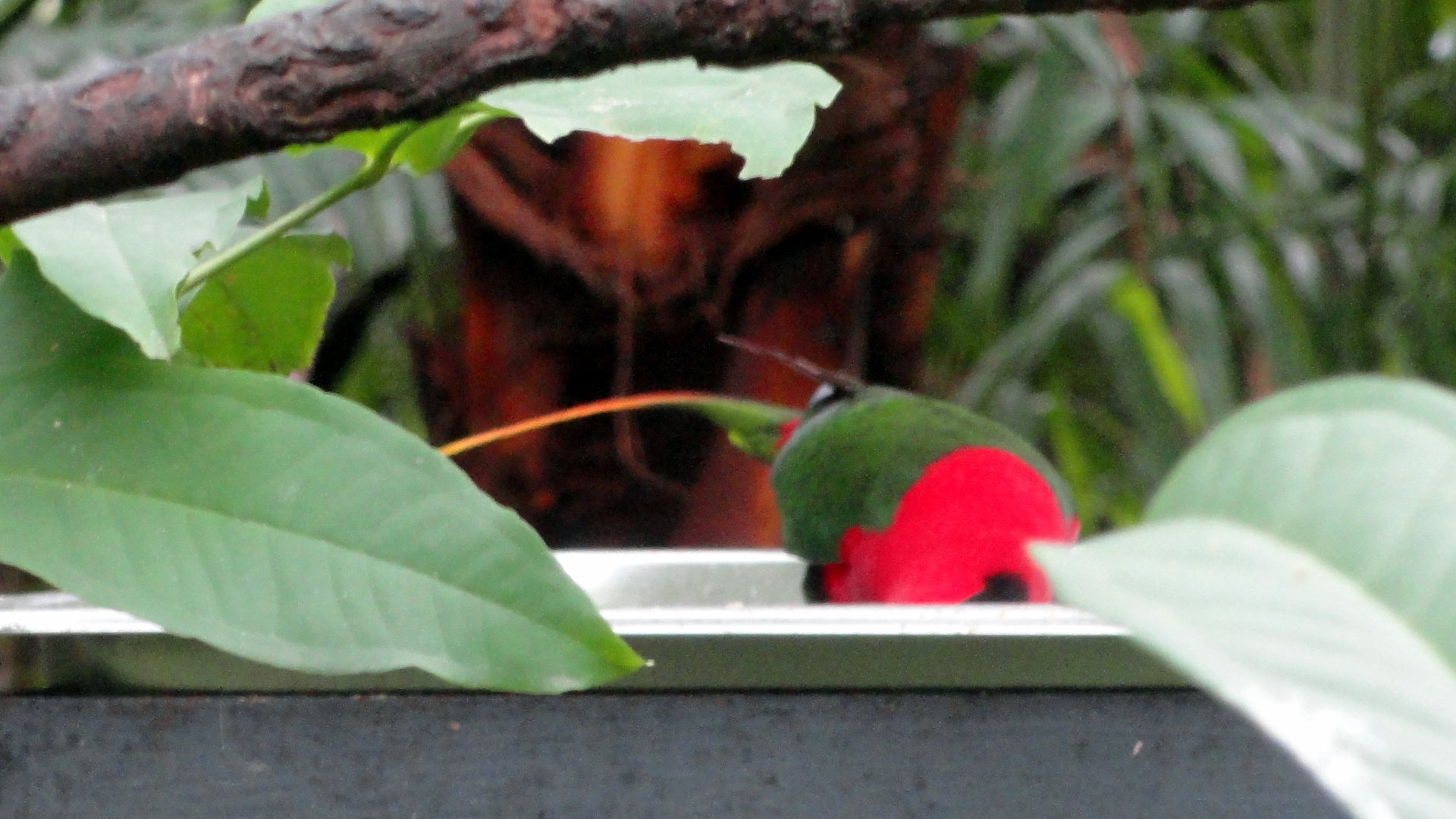
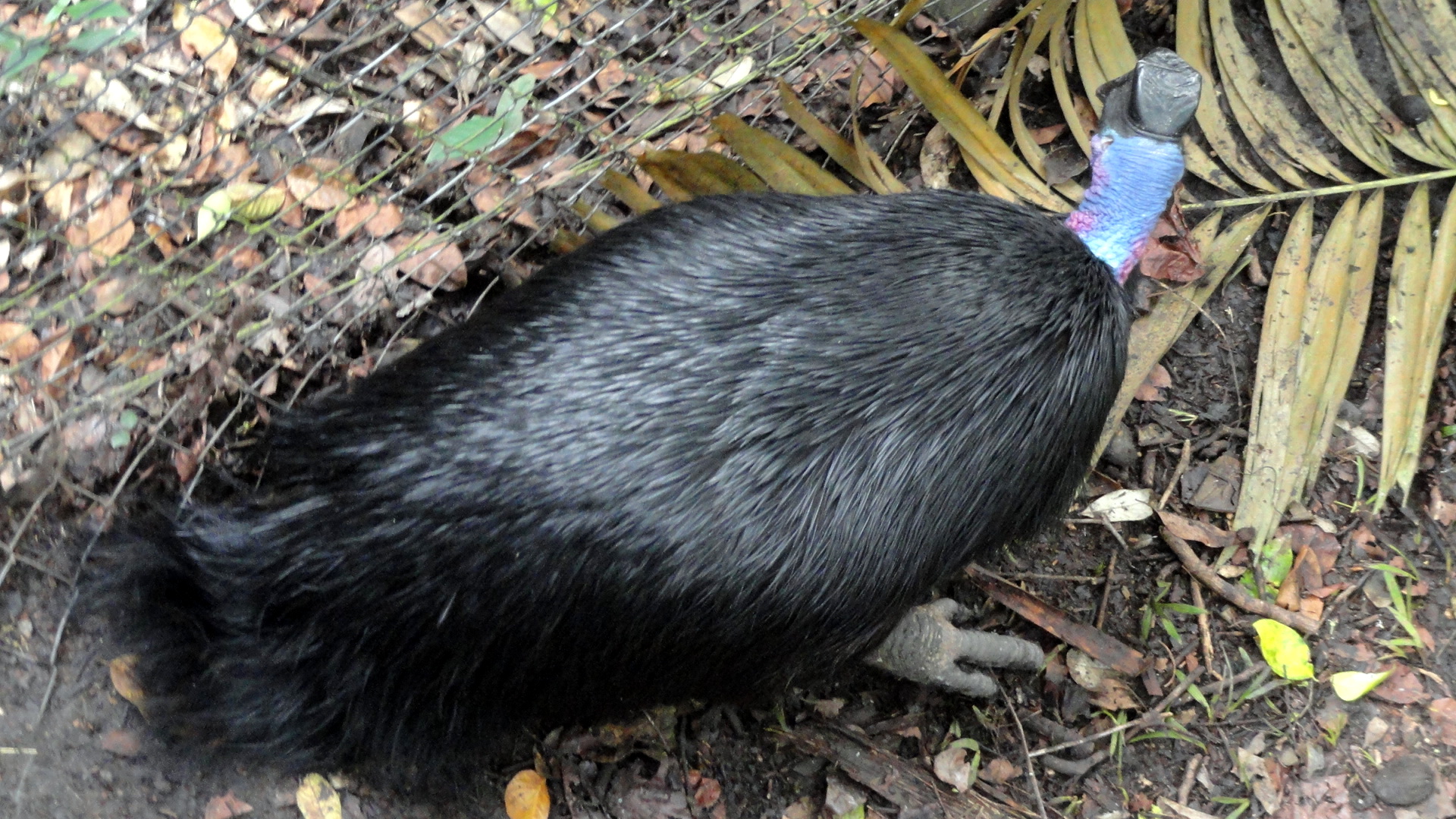
Sunny Moresby Harbor, Hills & Islands
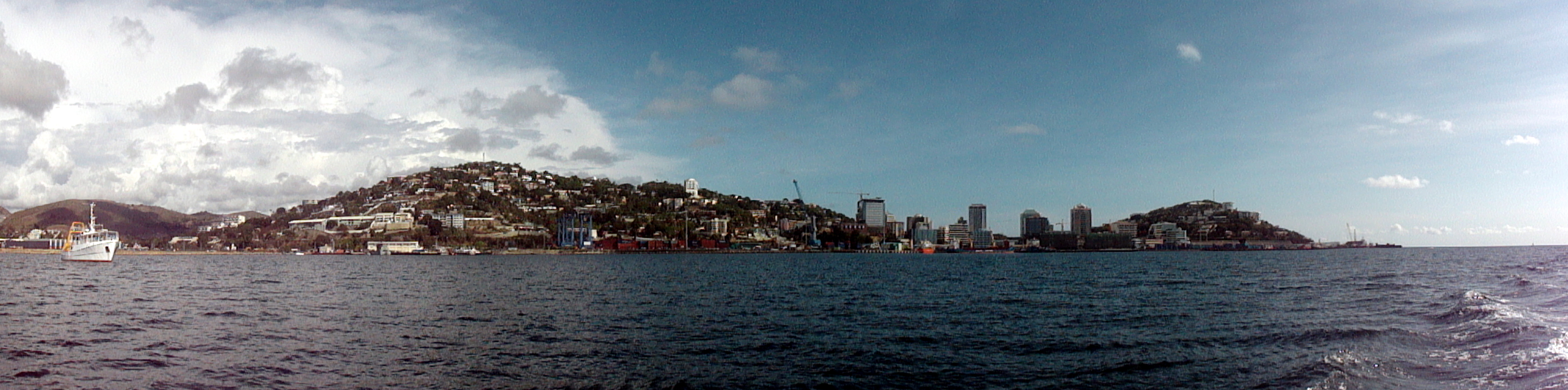
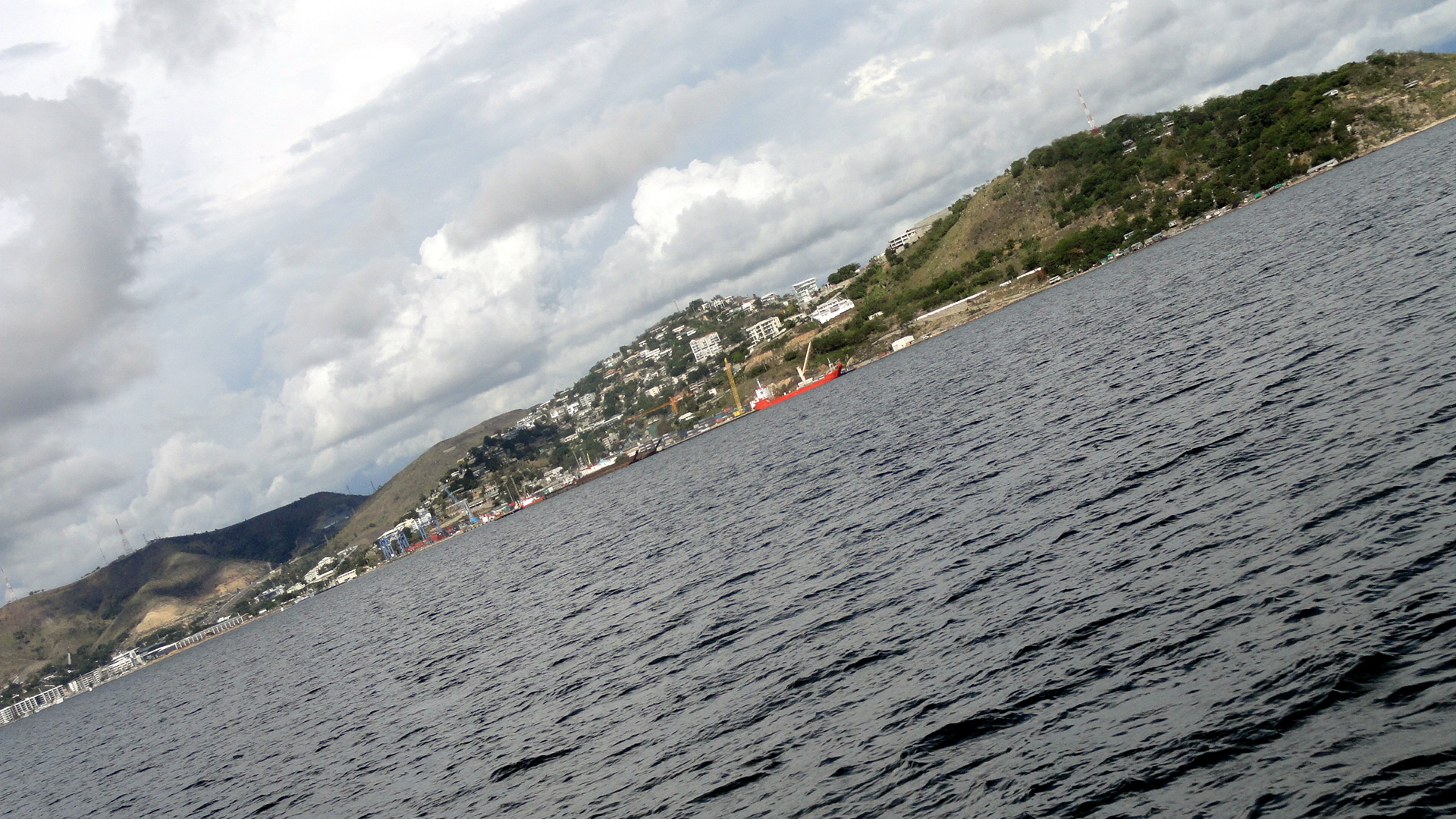
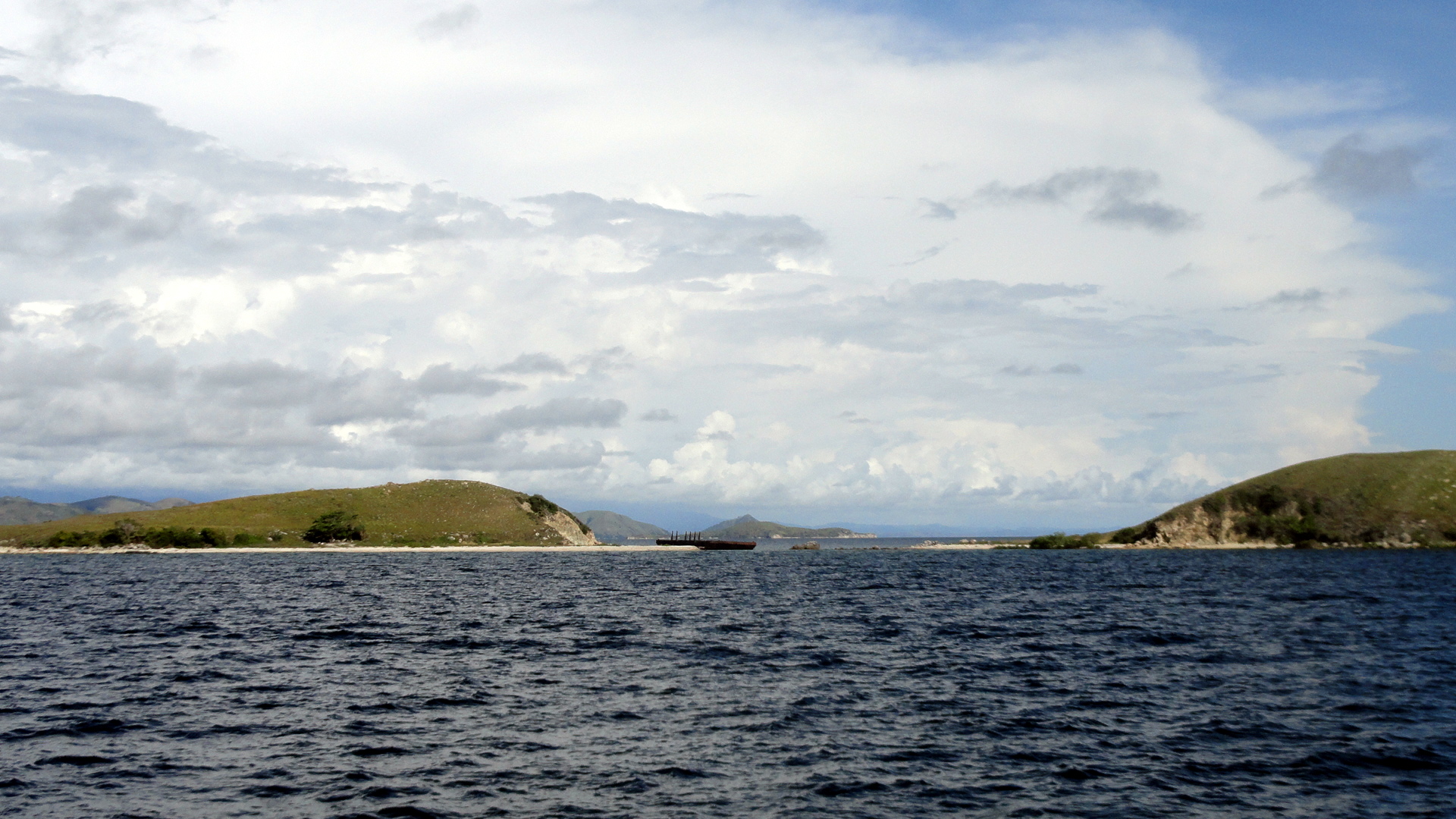
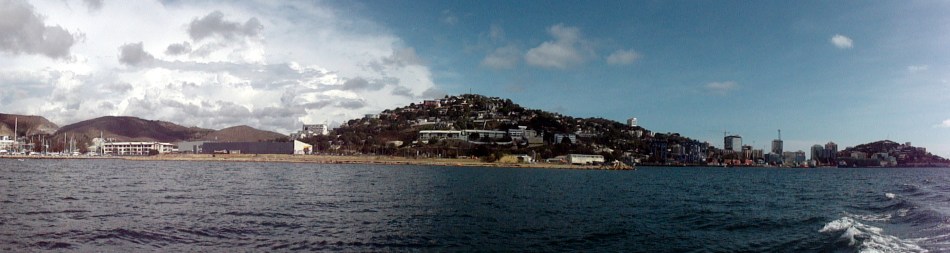
Back in November, just after that wonderful ambitious conference we were part of, one of my friends had his farewell boat party. We motored out to an island just outside the harbor and swam, sunned, snorkeled and (in my case) got burned pretty solidly despite regular applications of high-factor sunscreen. As I wait for a sunny day to take me to the nature park so I can try to get some clearer pictures of those birds of paradise and cassowaries, I thought maybe I’d share a little view of where I am – though at the moment, it’s raining a great deal so the sky isn’t as blue as you see. Still, it’s warmer than my friends in North America are facing now – fear not, spring will arrive at some point. 🙂



Birds Beautiful, Birds Colorful, Birds Unusual

This post, I admit, is a shameless attempt to raise my monthly views above a certain ne’er before reached threshold. Not a major threshold by the standards of serious bloggers of the world, but a significant milestone in the humdrum blogging life of yours truly. And since I know many of my regular viewers have found the birds of Papua New Guinea – especially the noble and let’s face it remarkably odd-looking Cassowary – to be fascinating viewing, I figured these few appetizers of a future, longer posting, might draw enough eyes and enough views to raise me to a new level…which I shall then spend the rest of 2014 hopelessly attempting to not far tooooooo far below. Enjoy! 🙂 This next one, I am fairly sure, is some version of the bird of paradise — of which there are many versions. I plan to go back to this nature park one afternoon in the few weeks that remain to me here, and try to get the whole darn bird, but birds of paradise are like the cats of the bird world: they go their own way, unlike that grabby green lorikeet (?) that began the entry, who eyed my fingers in a way that suggested they could be nibbled like a baby carrot. I moved on rapidly, after taking that shot and another which shall grace these pages once I get the rest of the shots sorted and color corrected. For now, over and out – ciao and thanks!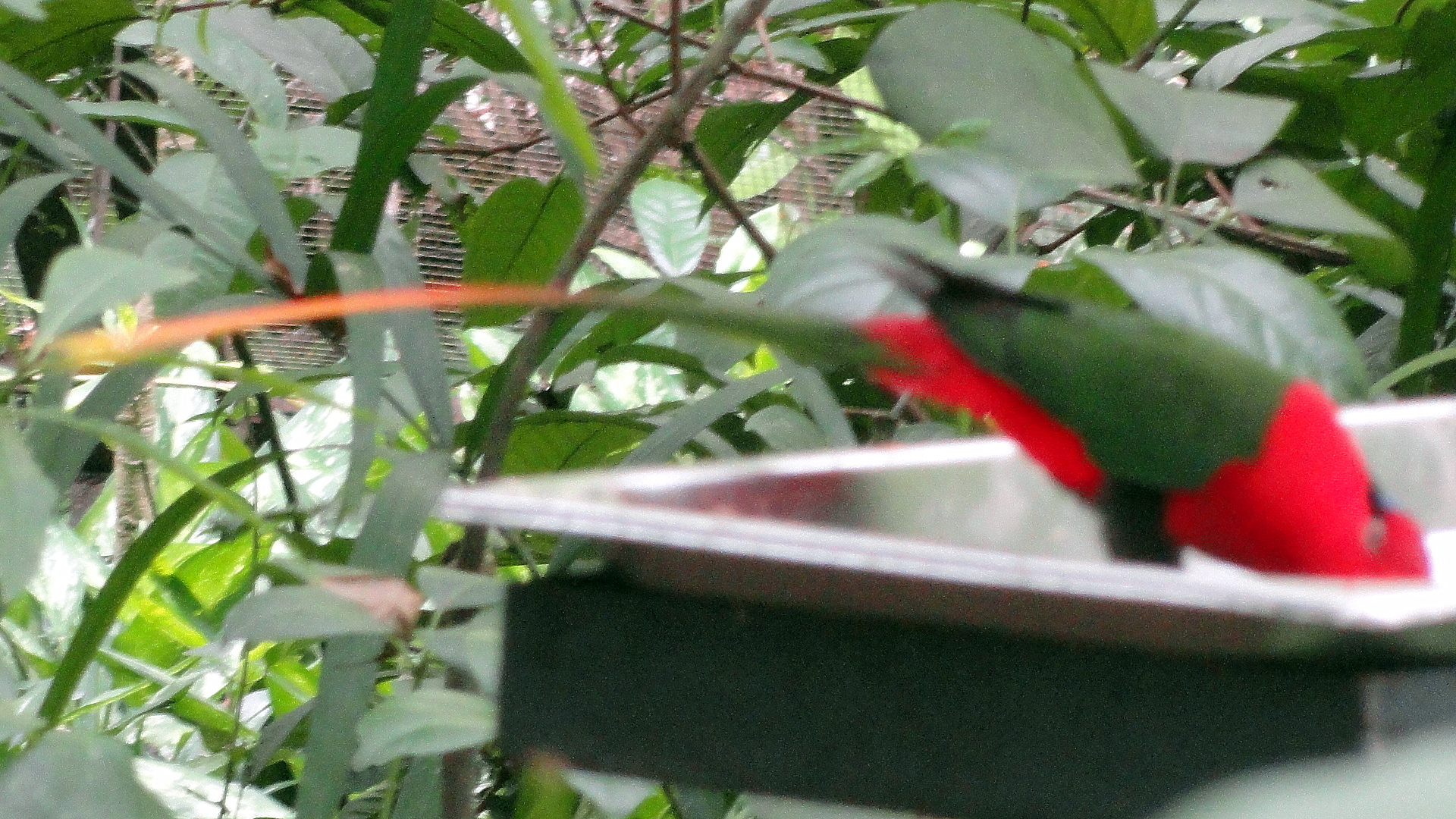
Mountains, Rivers, Sounds, Rainbows…and Vineyards
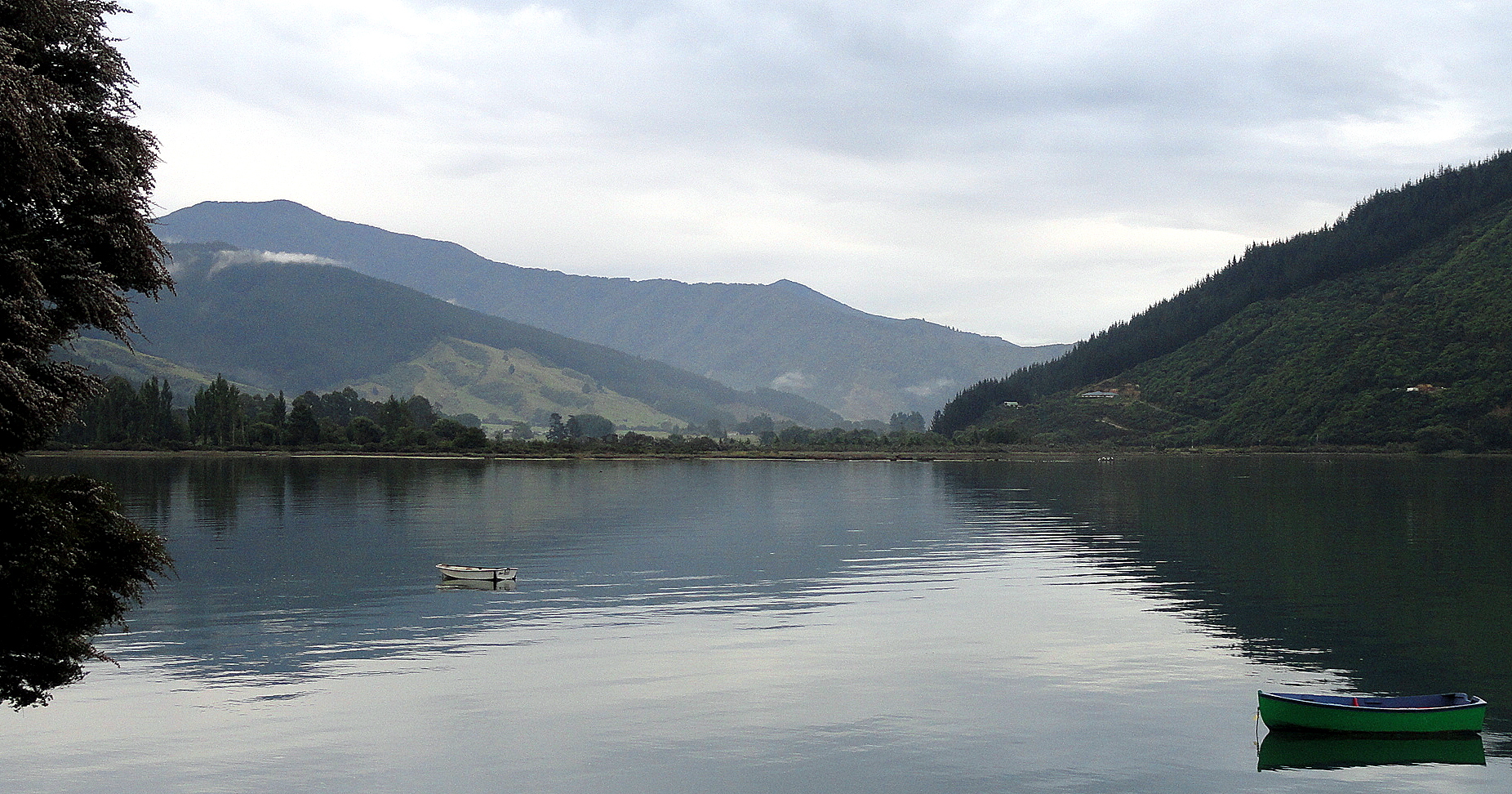
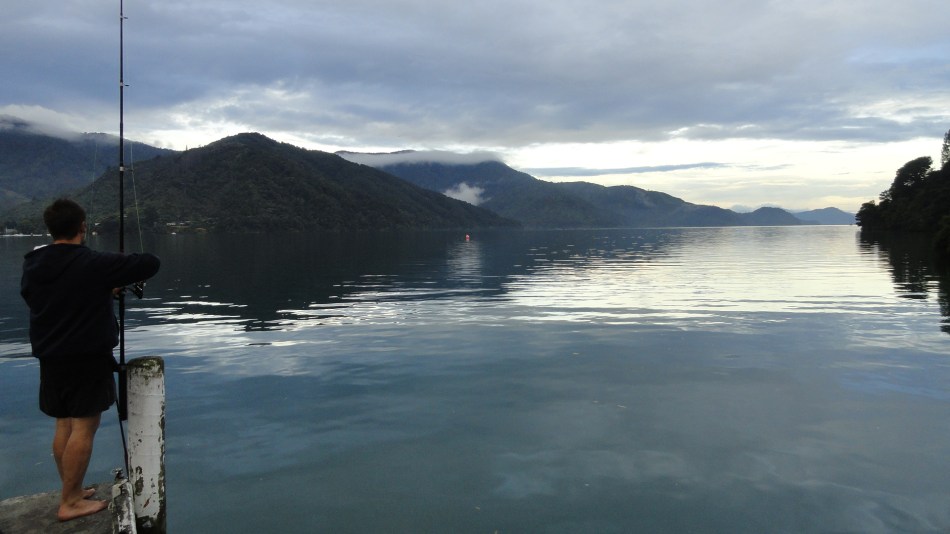
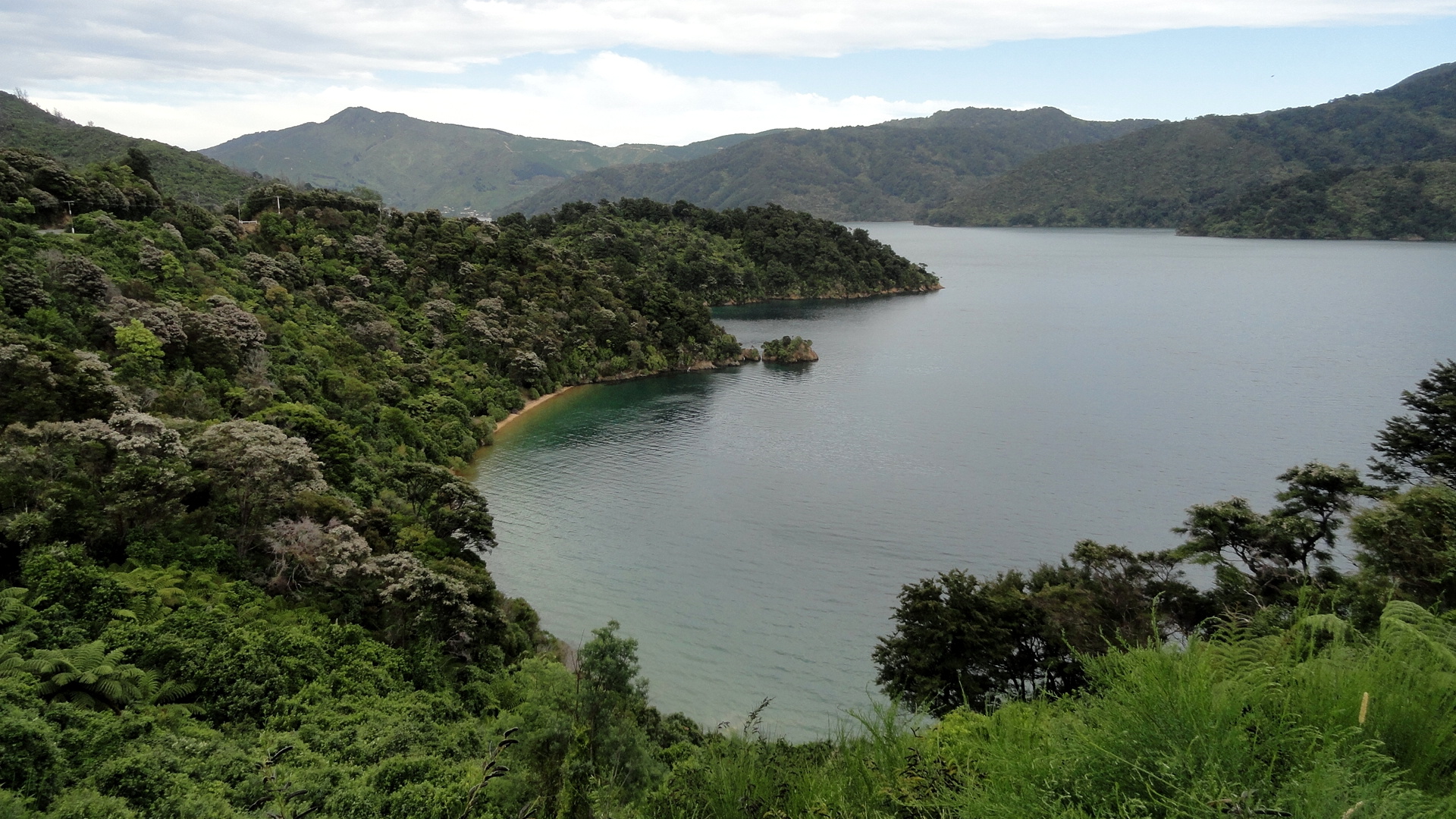
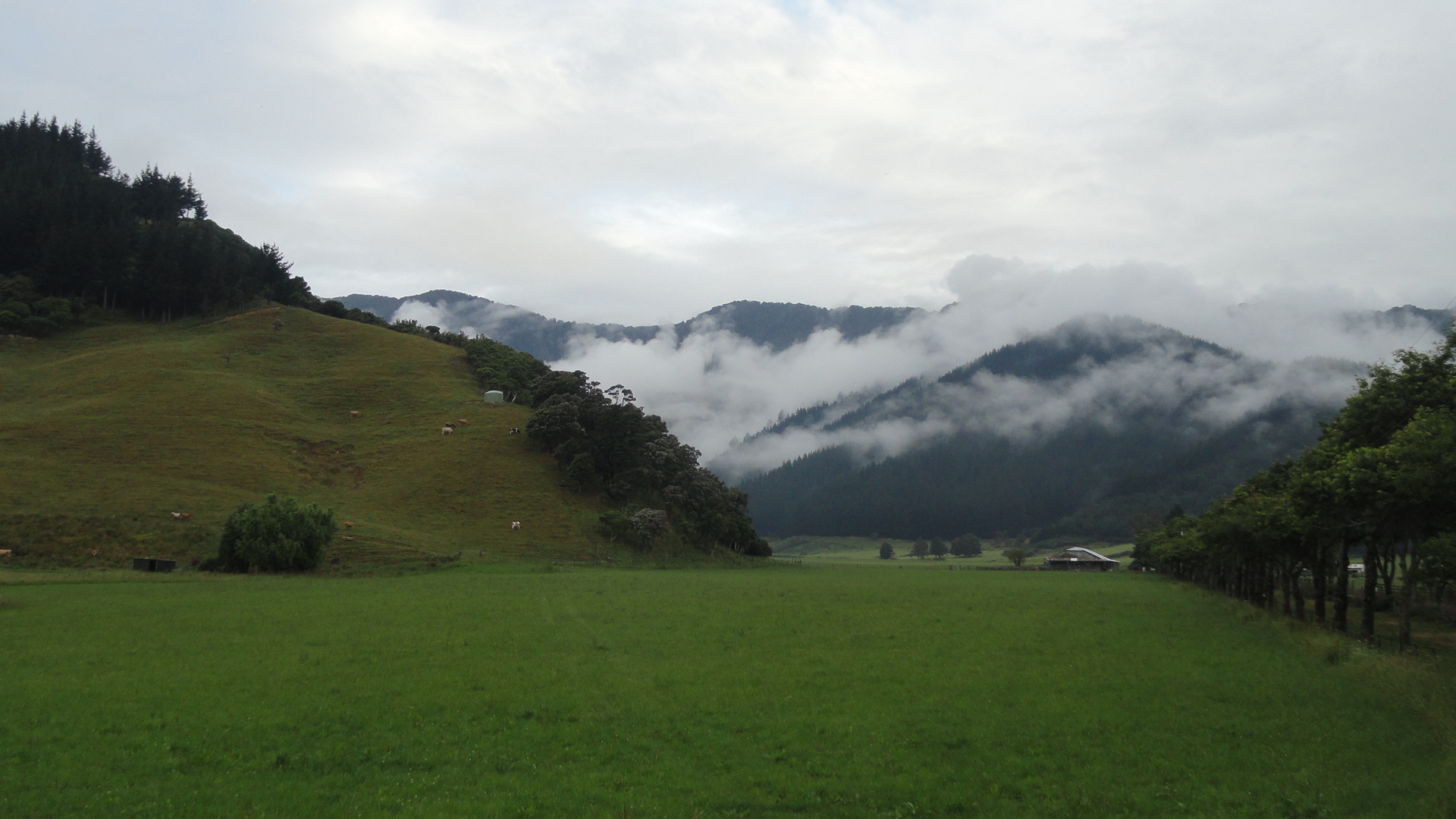
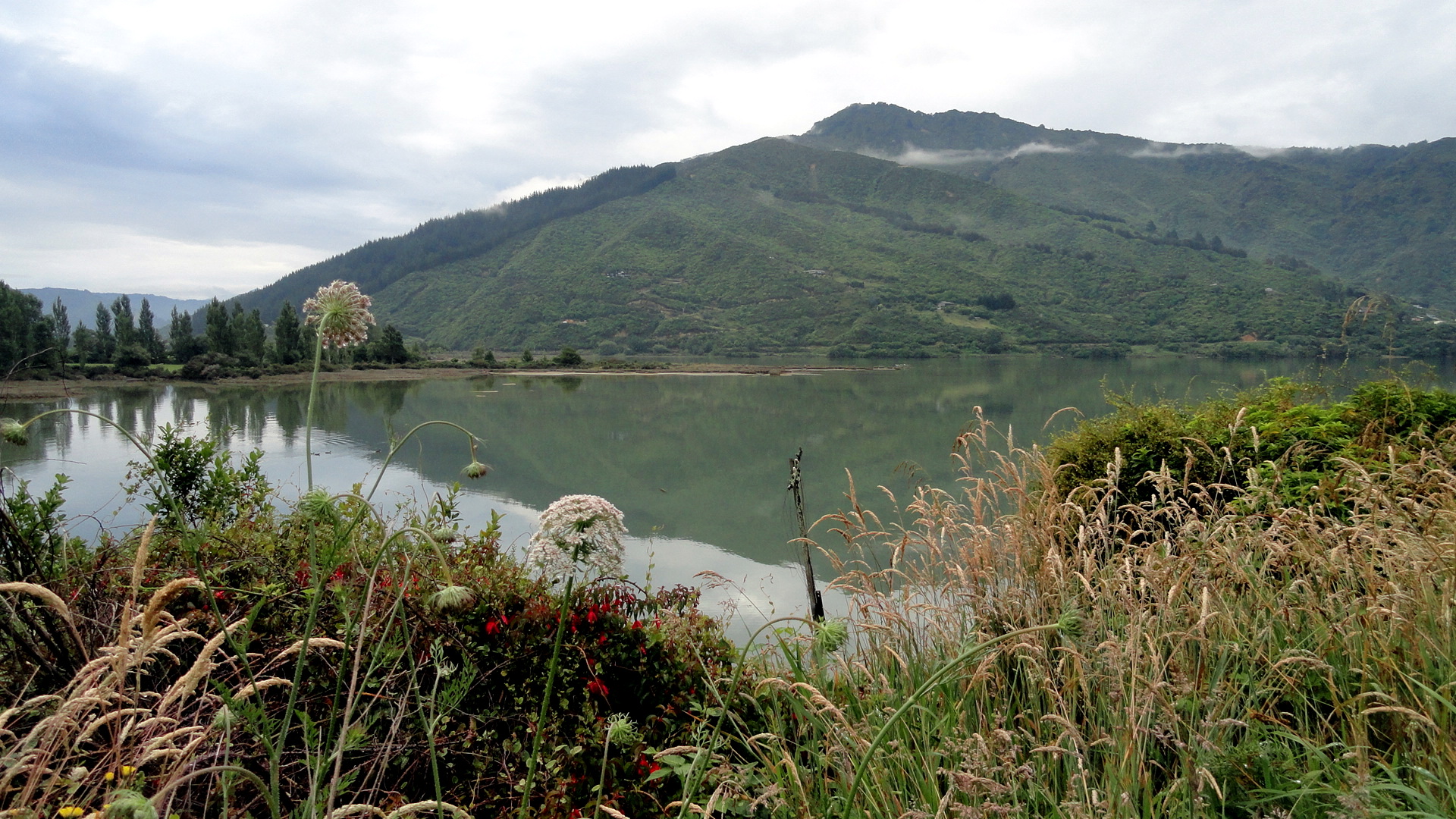
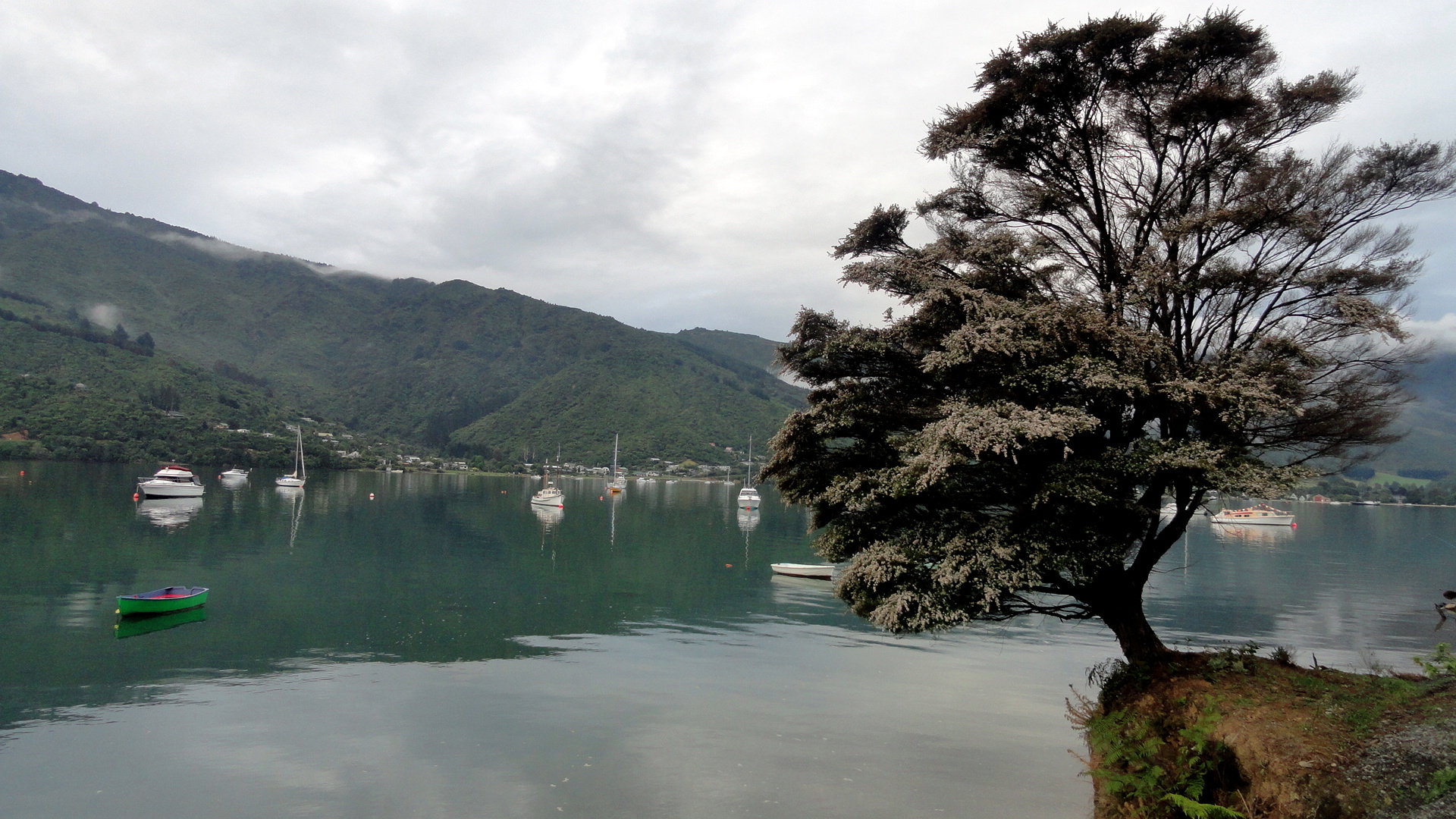
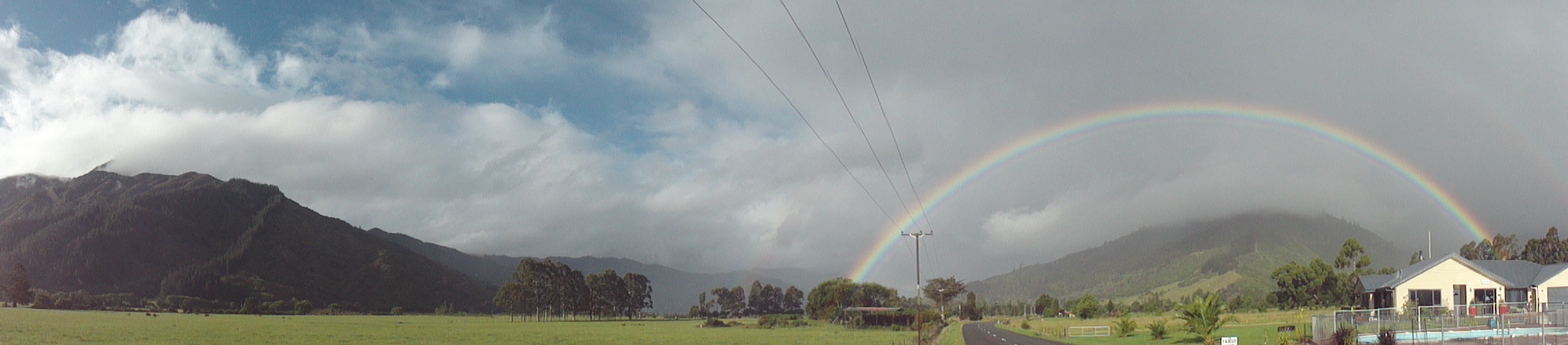
This is where we spent the last few quiet, peaceful, absolutely blessed nights on South Island, there at the tail end of 2013 with my mother and brother. These are the Marlborough Sounds; if you’re so inclined, google ‘linkwater marlborough’ and you will see exactly where on the map of the world the shots above were taken: at the base of the Grove Arm. With Howard and Gene, five years ago, we drove fairly rapidly through this area en route from Nelson to our Kaikoura Coast Trek, but I remembered it as a lovely spot well worth revisiting. Now I’ll remember it as one of those places on earth I could very happily live, or retire, if I could ever afford it. 🙂 A lovely mix of pastoral, agricultural, maritime, small-town, outdoor-adventure…you name it, you got it there from milk cows to fantastic kayaking and world class wines. (Wonder if NZ tourism will give me a cut for the referrals here…) Btw below are the panoramas giving you about a 280-degree view from the pier on which the above photo was shot.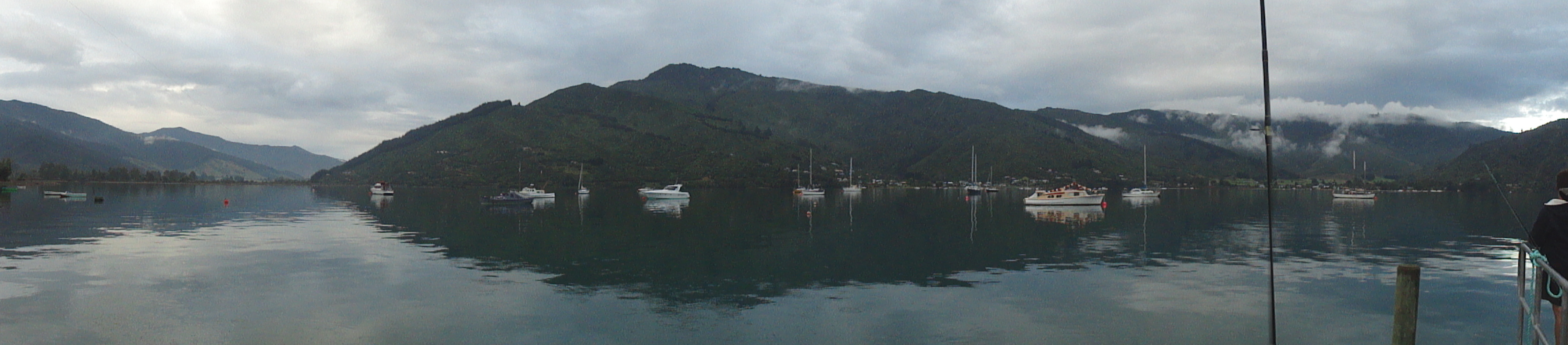

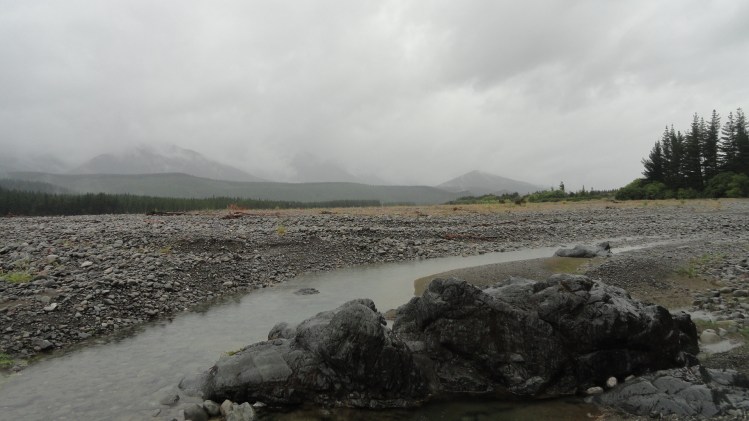
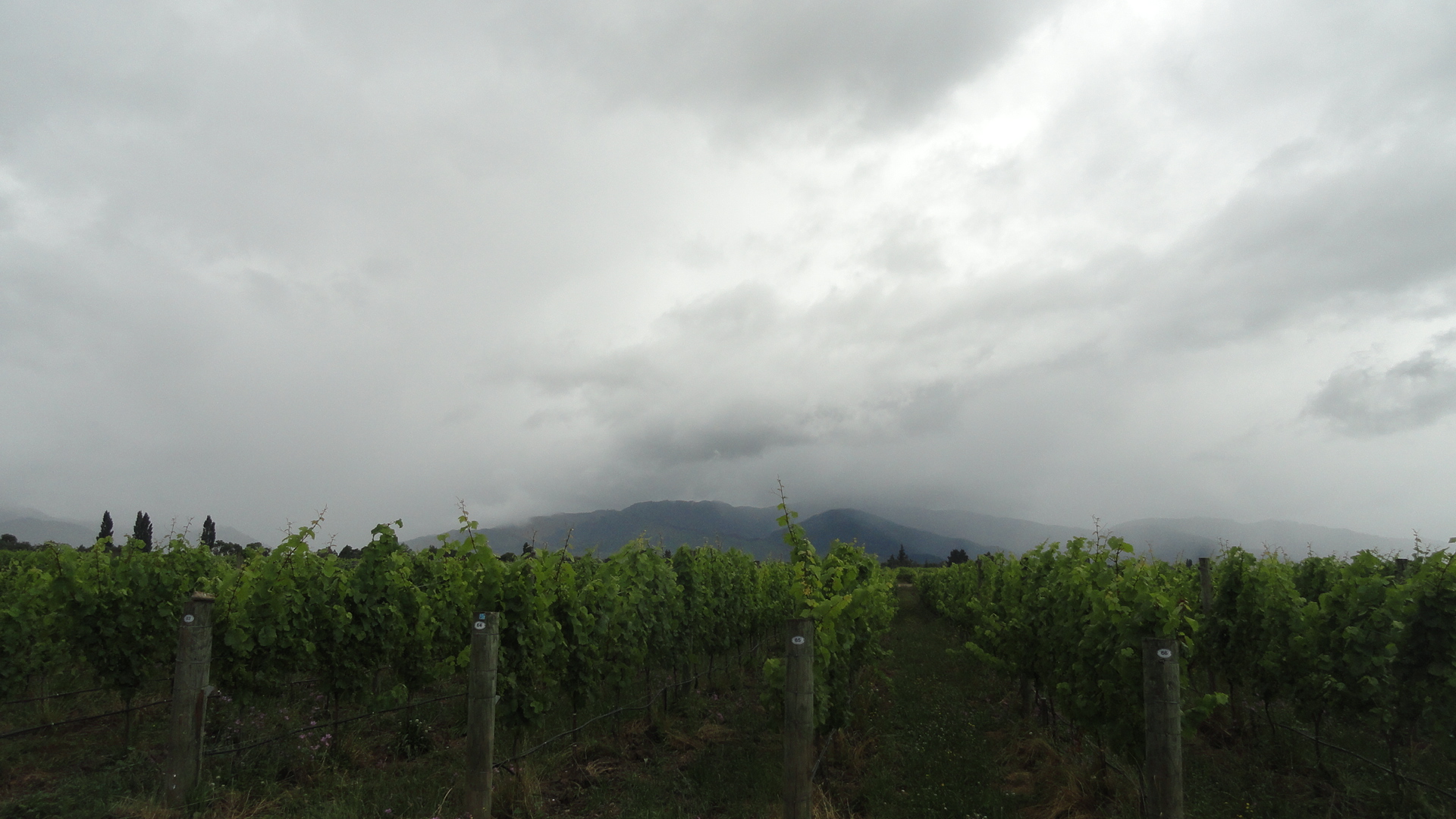
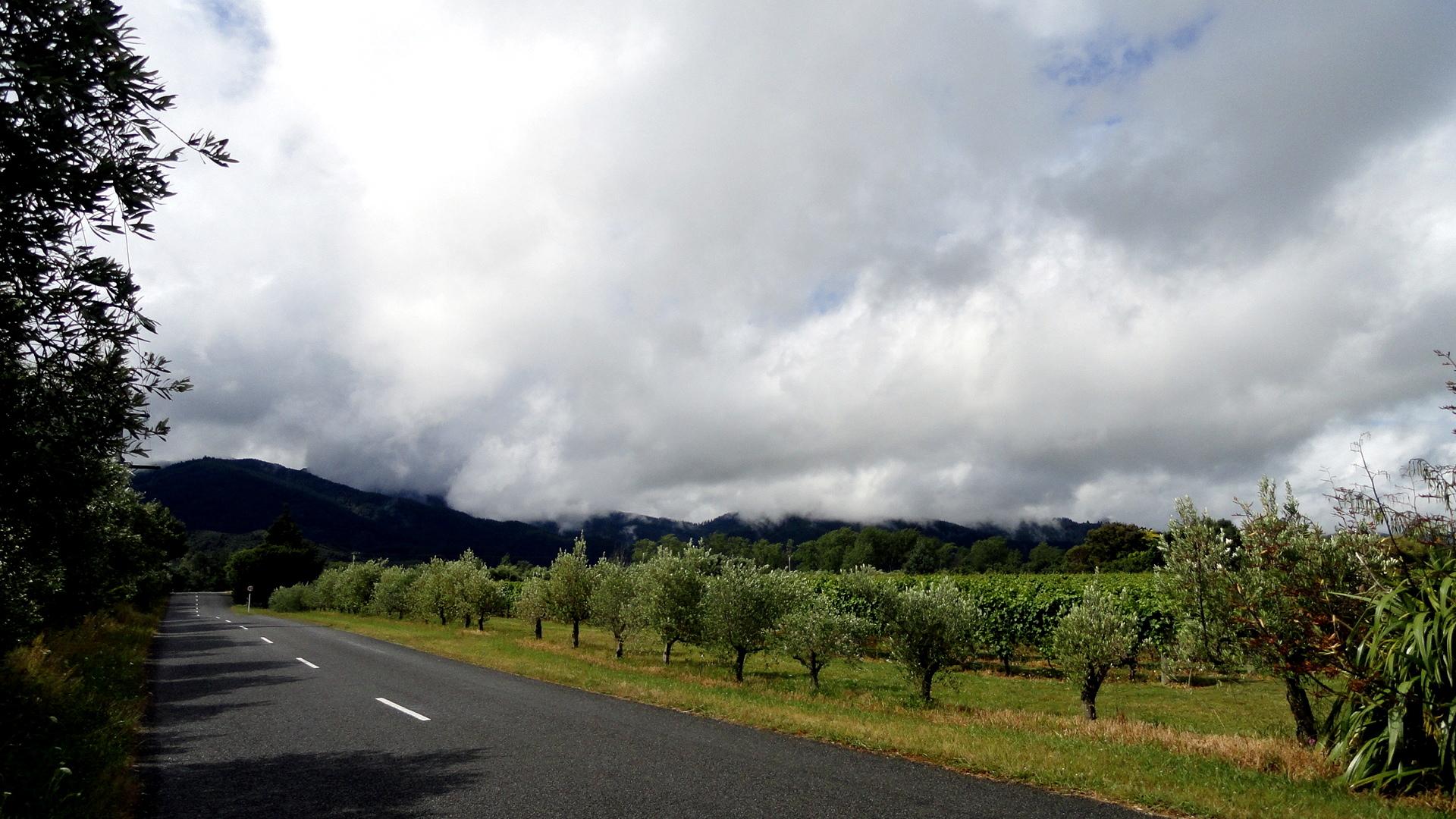
At the moment, a soft rain is falling on a Port Moresby Sunday morning, and I expect only to wake up in Port Moresby (or PNG more generally) on only seven more Sunday mornings. After having done precisely that for most of the past 104 Sundays, this comes not as a shock, but as awareness of imminent change. Friends on the email list have already started hearing from me about the plans, and in the months after March this space will feature more of North America and Europe than the South Pacific. And I’ll hopefully spend a lot of time on my bike and in the yoga studio. For now, my goal is stay focused and keep things on a steady course as we head into the home stretch. That’s all I shall say now: enjoy these shots of the Marlborough Sounds and Marlborough wine region, and some of the west coast and central South Island mountainy areas we drove through getting from Christchurch up to Linkwater. Peace, out, more at some point…
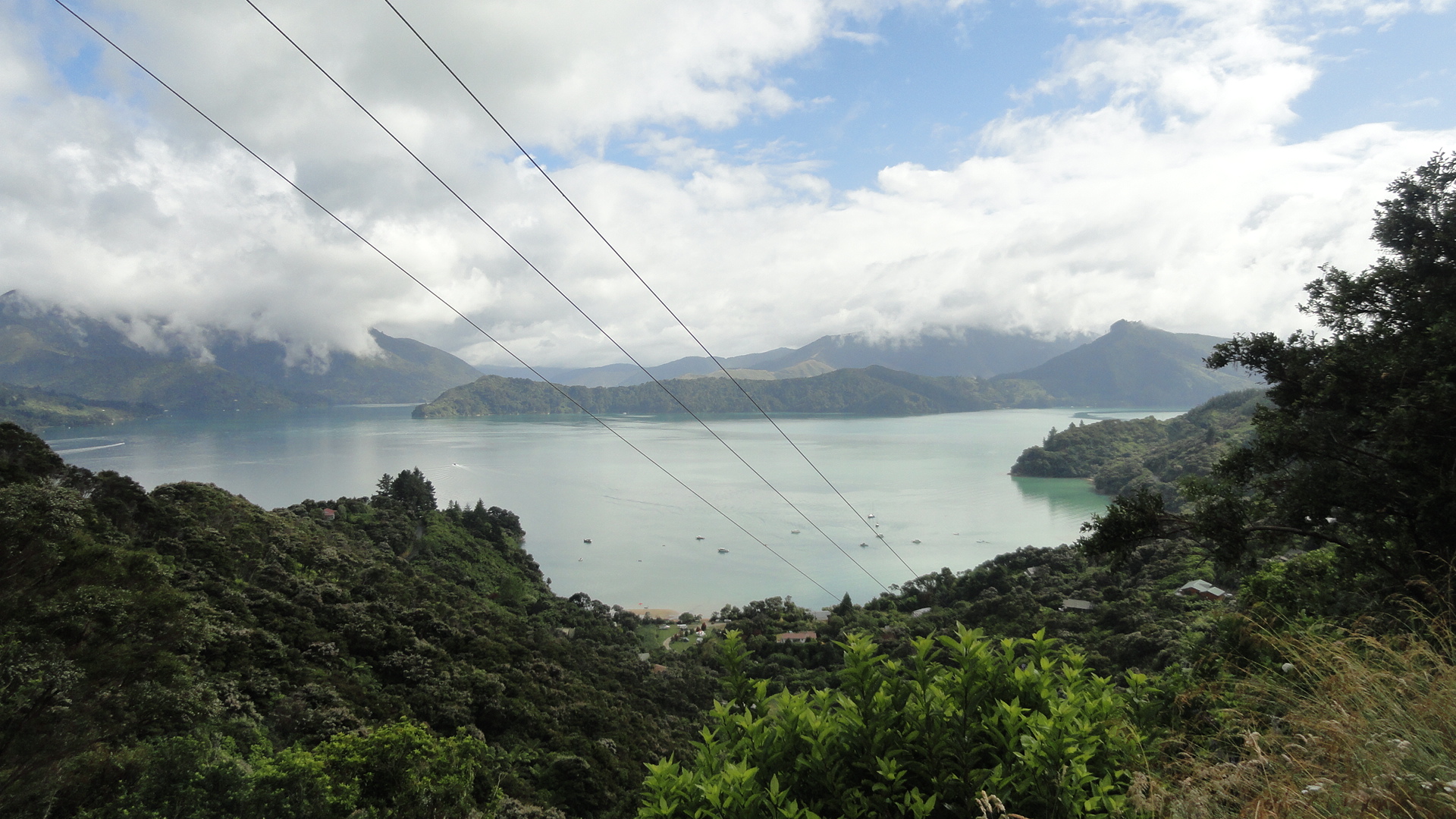
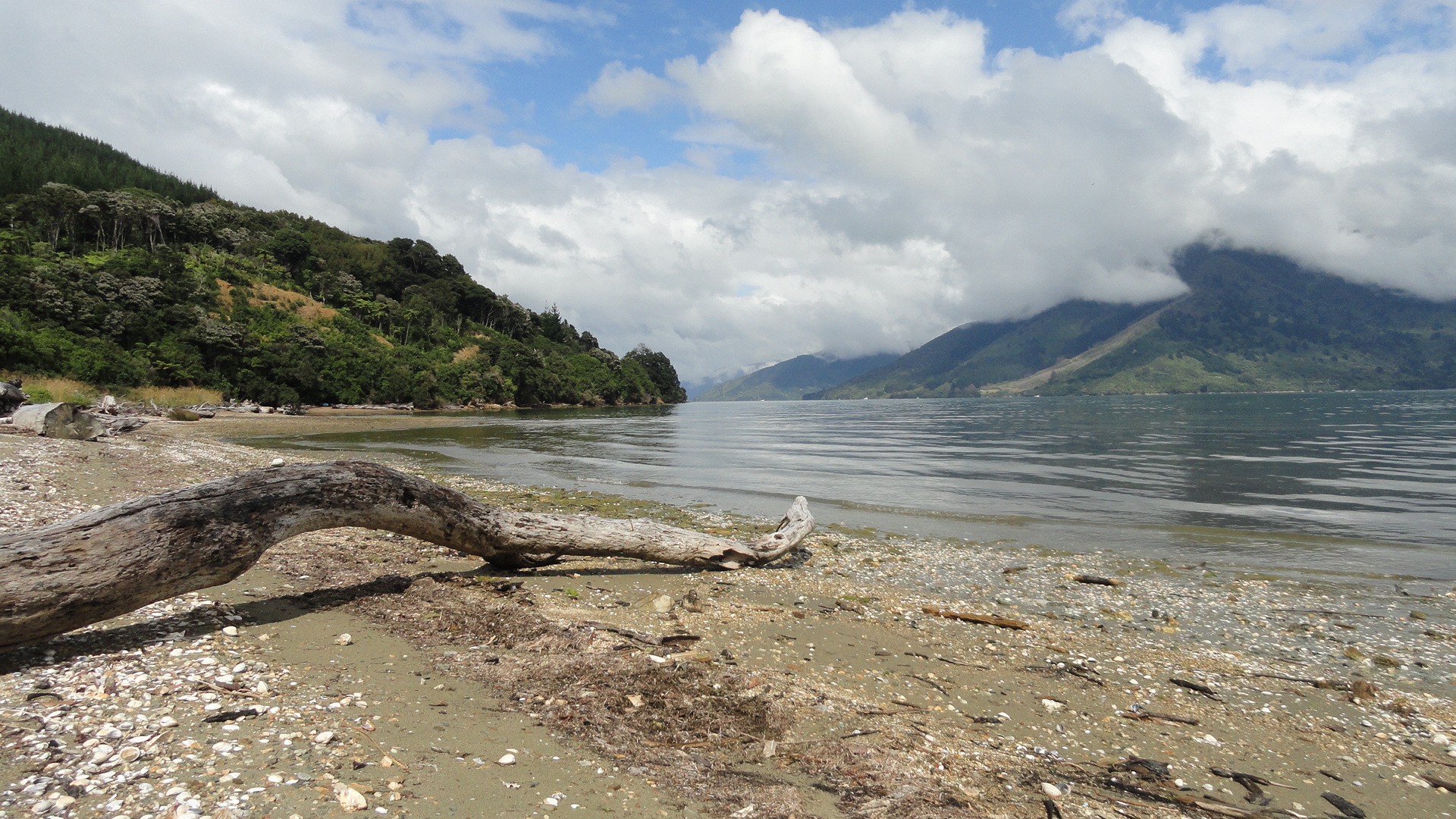
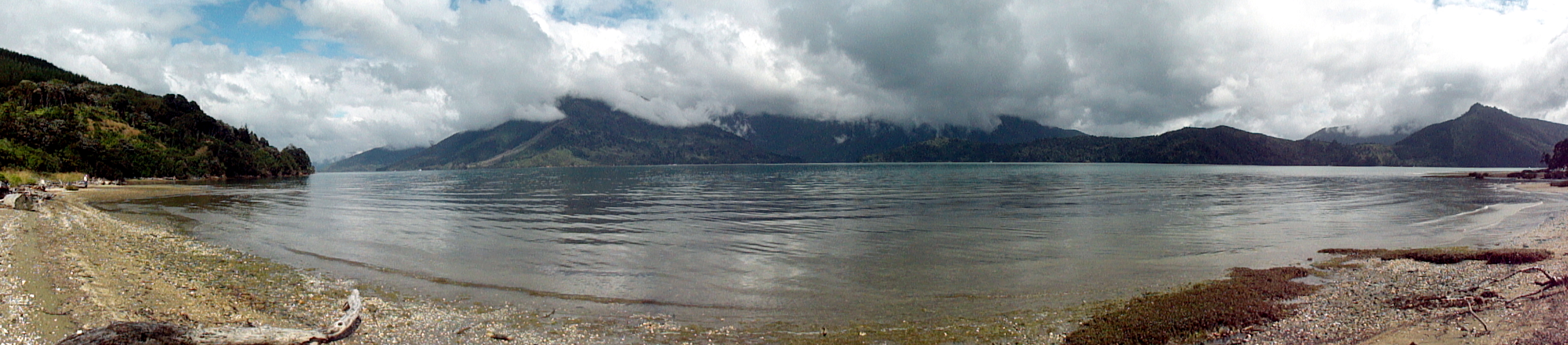
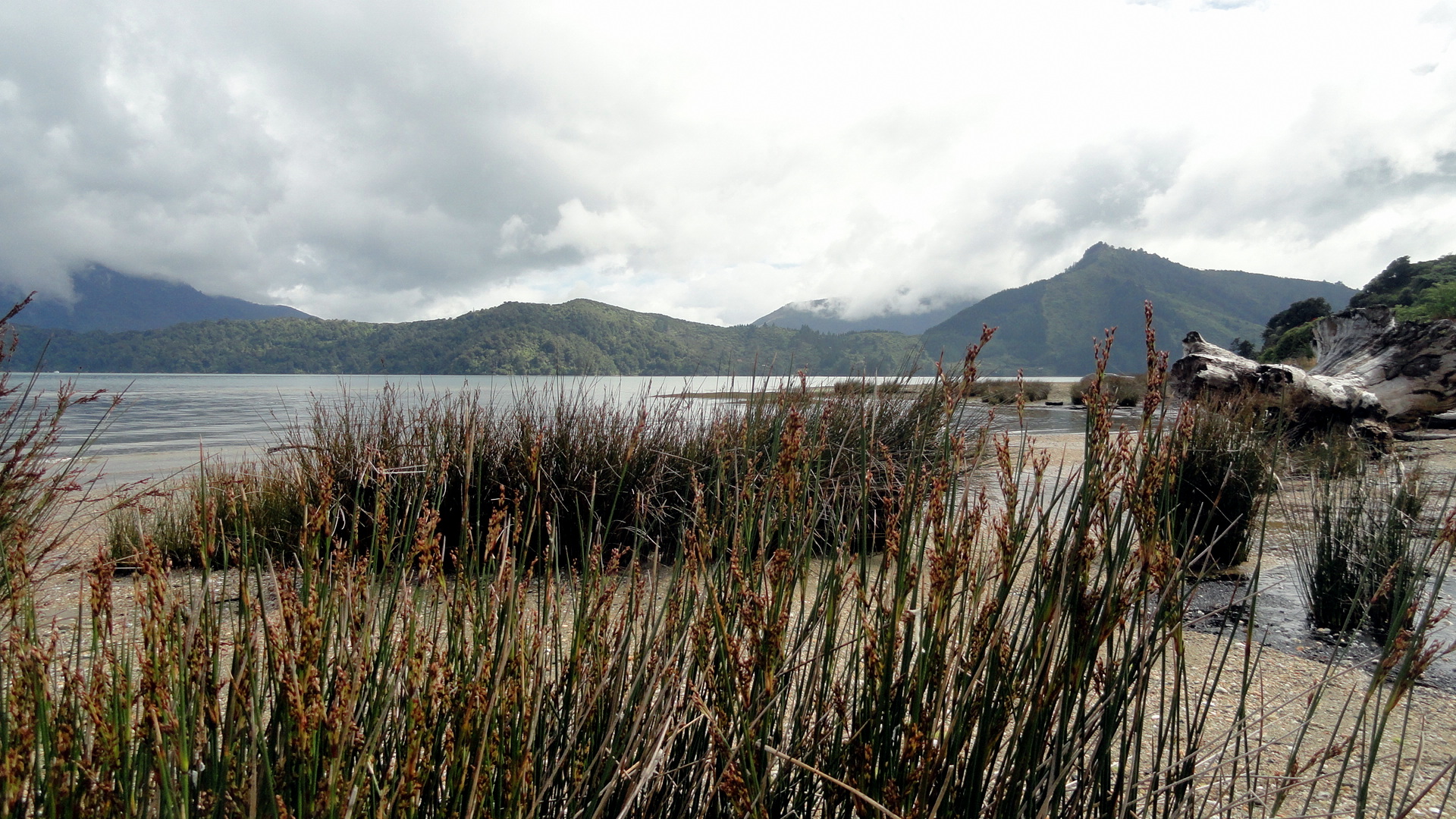
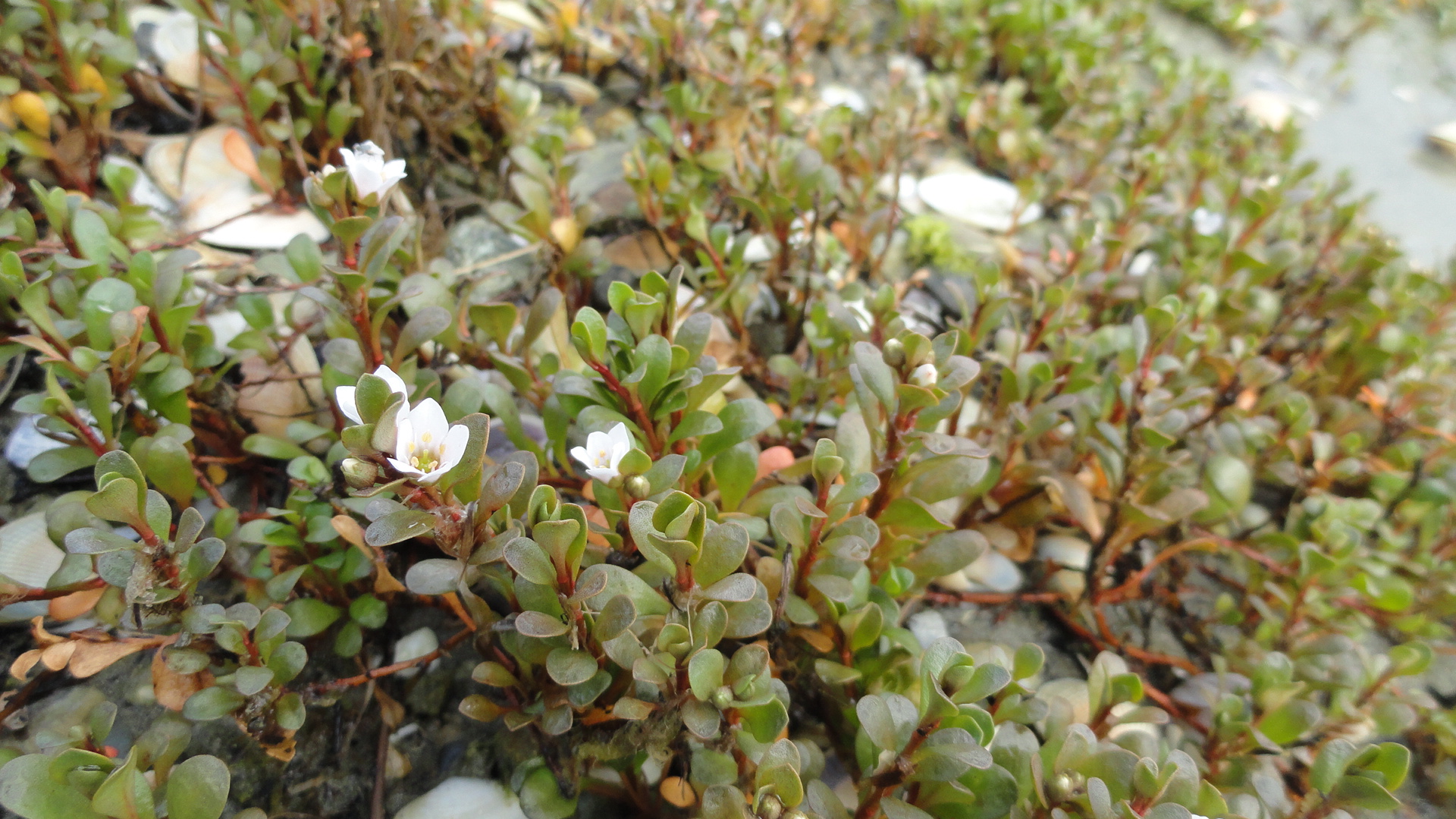 All of these initial shots, up until the last photo of the bay with the green boat and the tree, which comes just after the display of mailbox pride in the Marlborough Sounds, are from the basic Linkwater area. If this appears correctly, below you see a rainbow and if you look closely you’ll note that it’s actually double rainbow. It was, in fact, the fullest, clearest and sharpest full double rainbow either Steve or I had ever seen. (Mom was napping.) After the mailboxes, you’ll see various photos taken of the mountains, rivers, and vineyards that extend around the middle of the island south of the Grove Arm and north-northwest of Christchurch, through which we drove on…the rainy 29th of December, to be quite accurate. Enjoy! Happy new year!



-

- Cutout Bird Mailbox
-

- Fish & Seaweed Mailbox
-
- Songbird Mailbox
-

- Udderly Moolbox

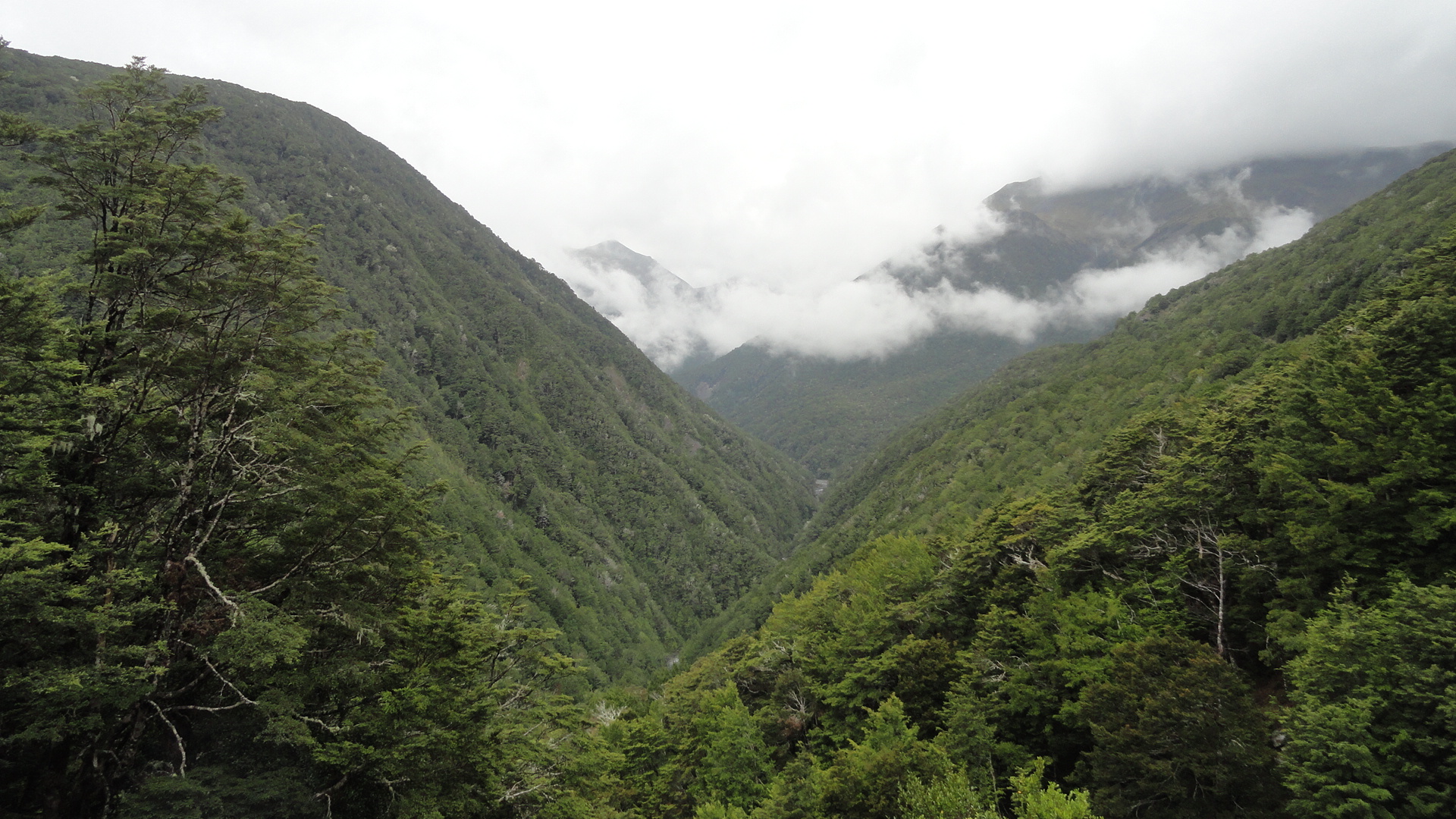
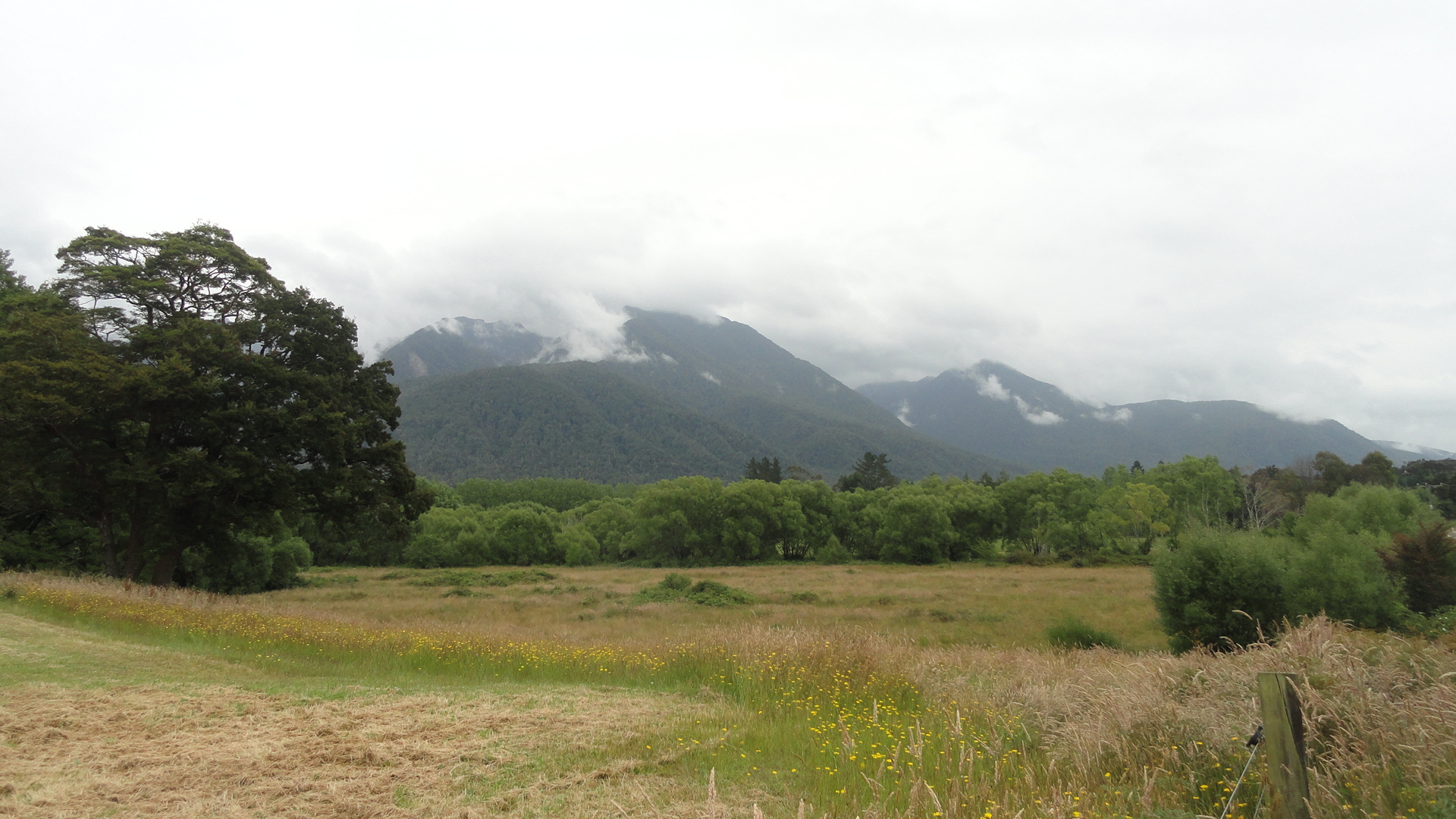
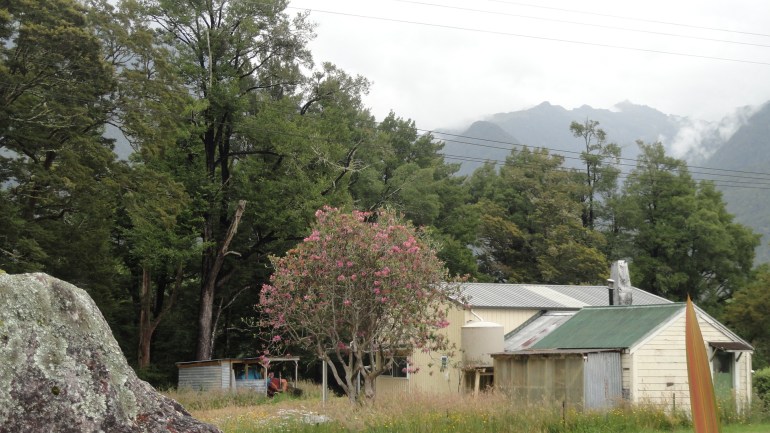
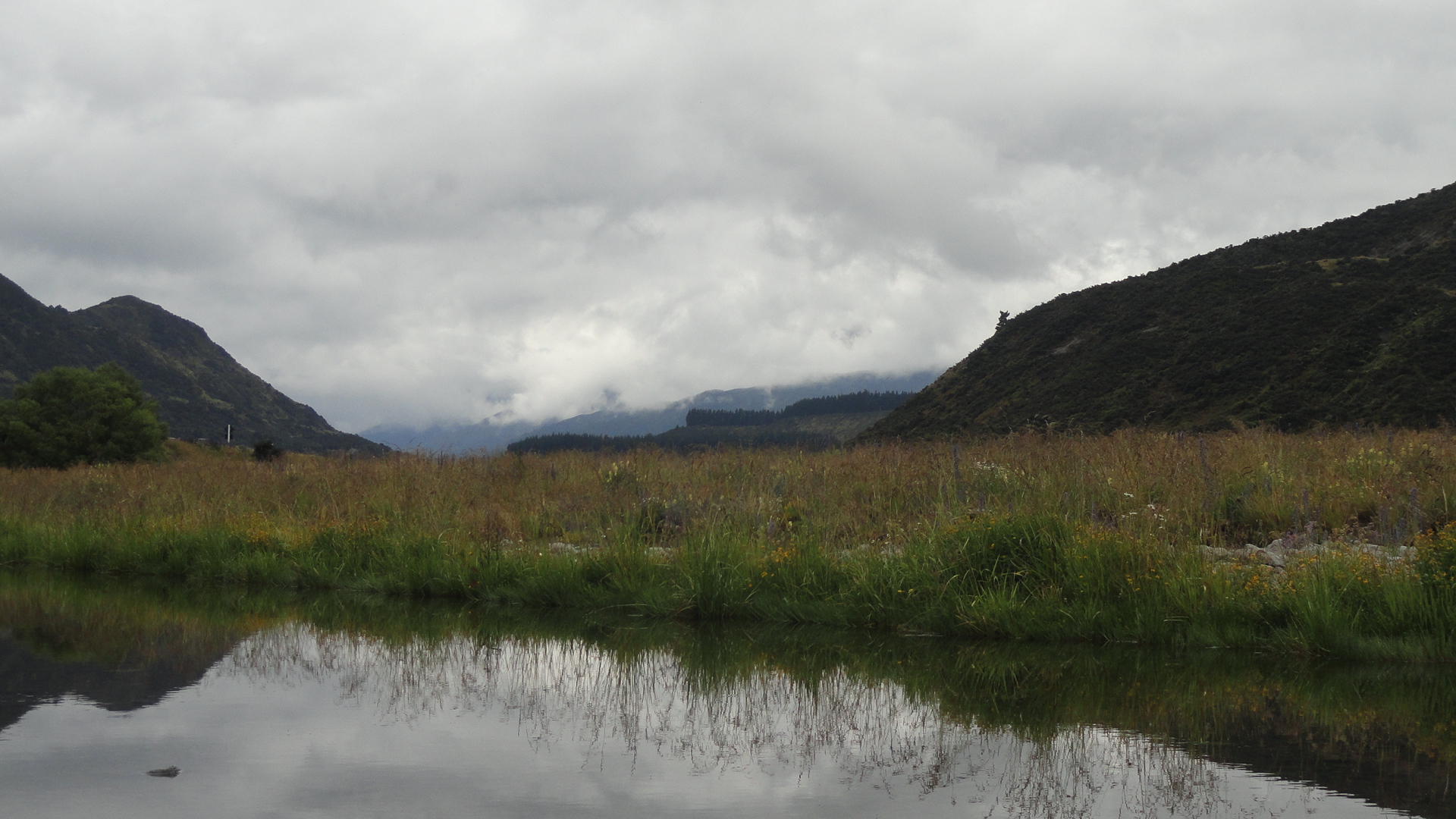
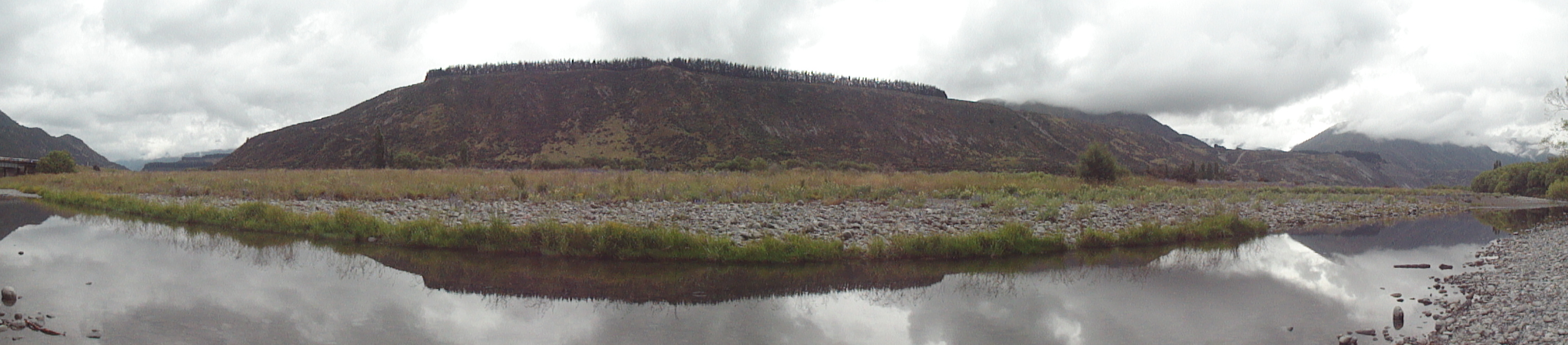
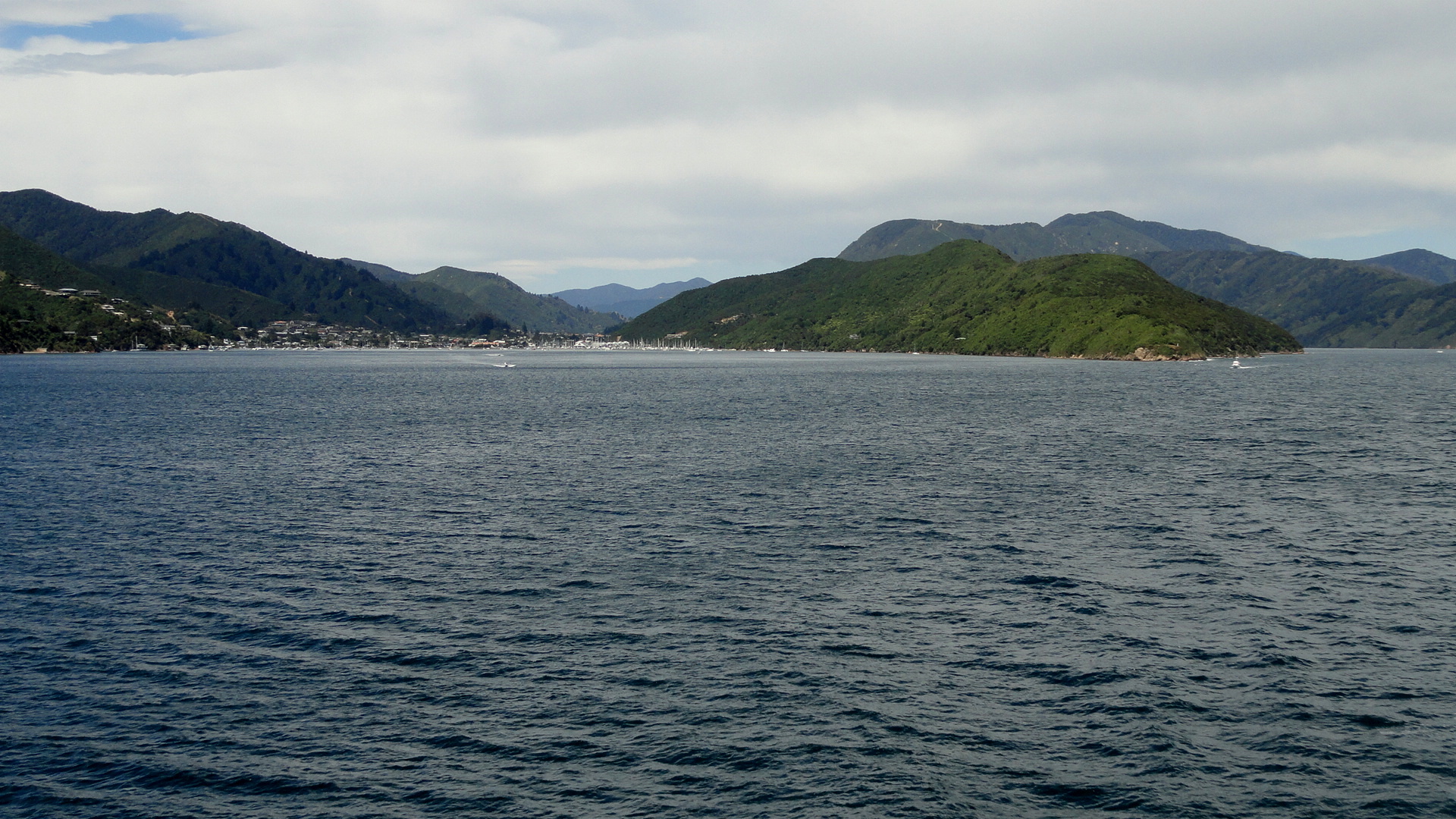
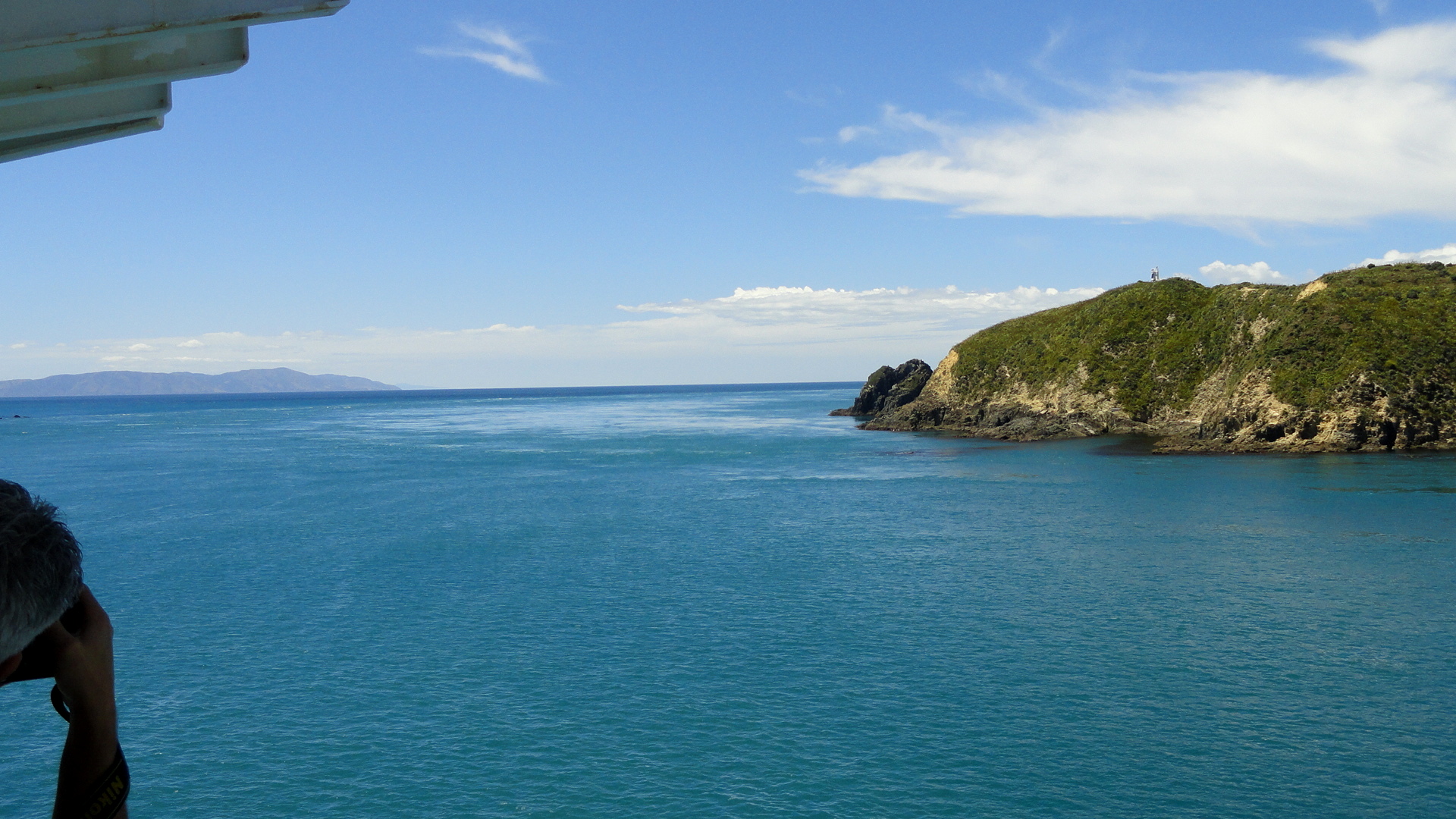
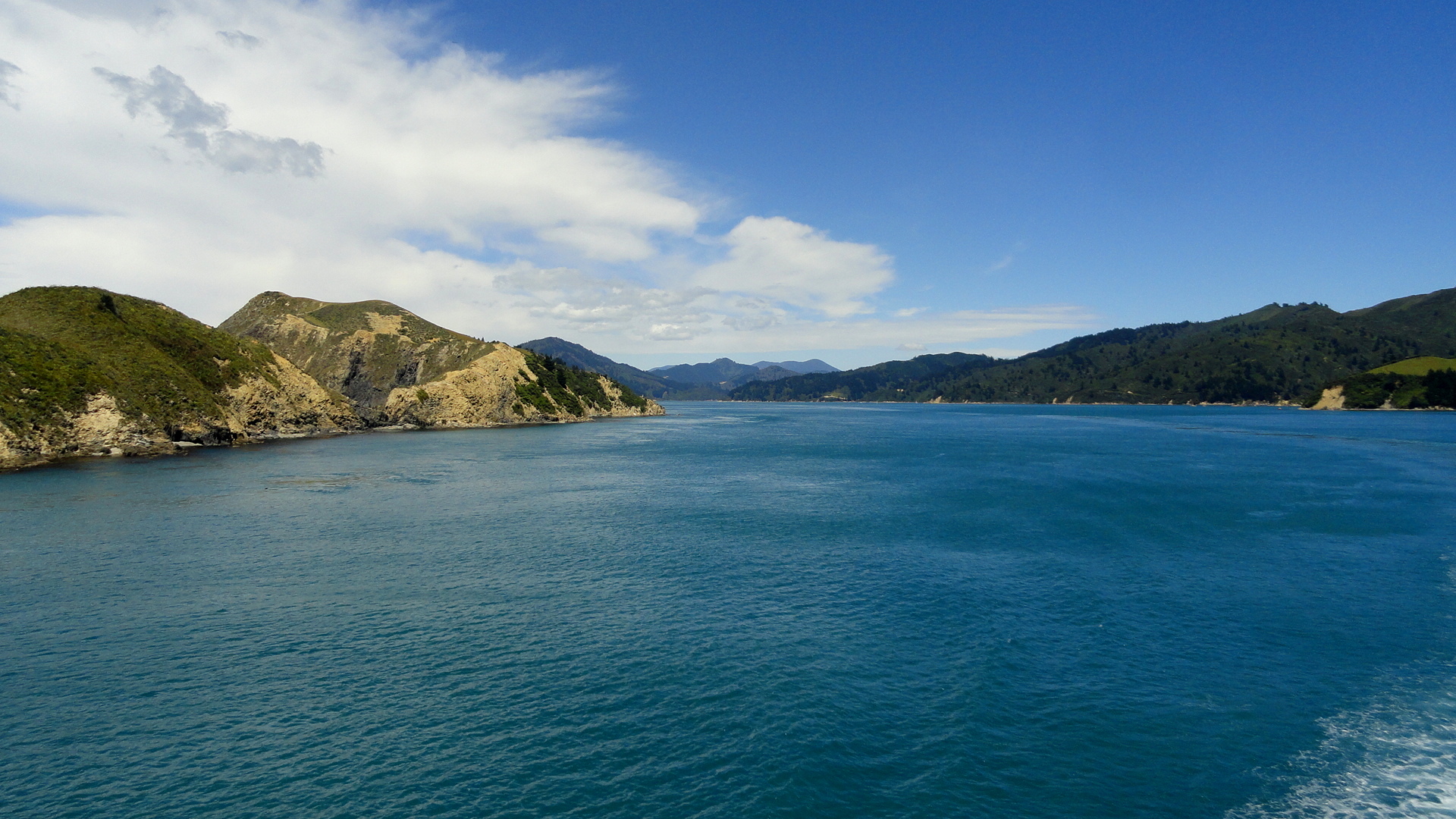
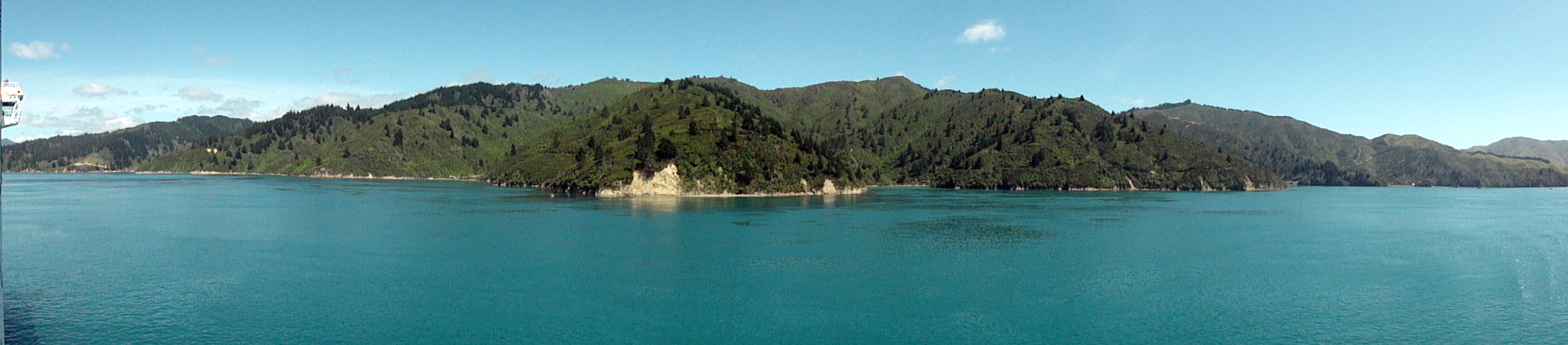
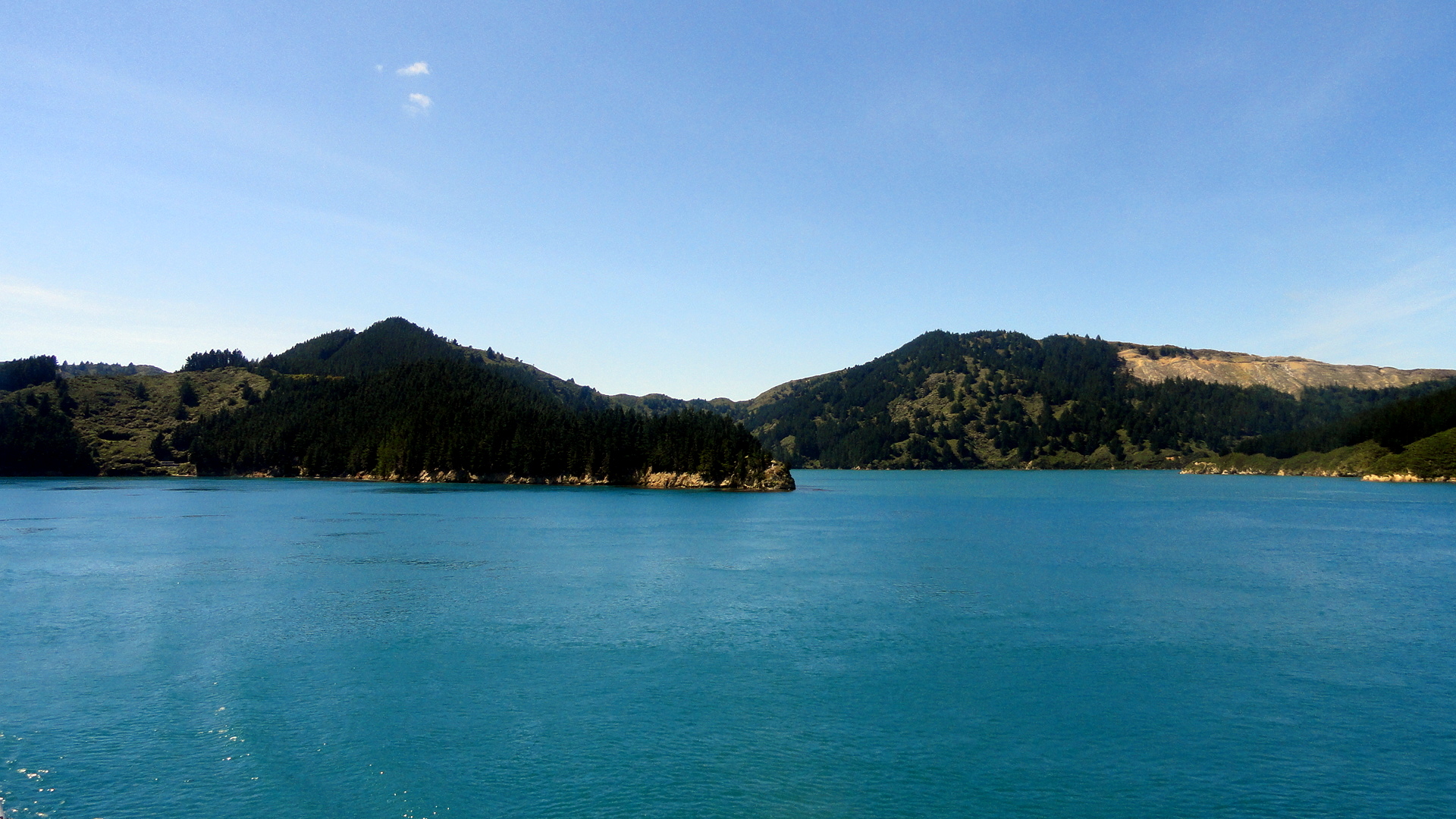
 And here some shots again of the Cook Strait as we departed South Island and headed back to North Island: below, Picton Harbor from on board; and a few shots below the exit from Tory Channel into Cook Strait with North Island in the distance; and further down a panorama shot in which you see both North and South Islands from the boat in Cook Strait.

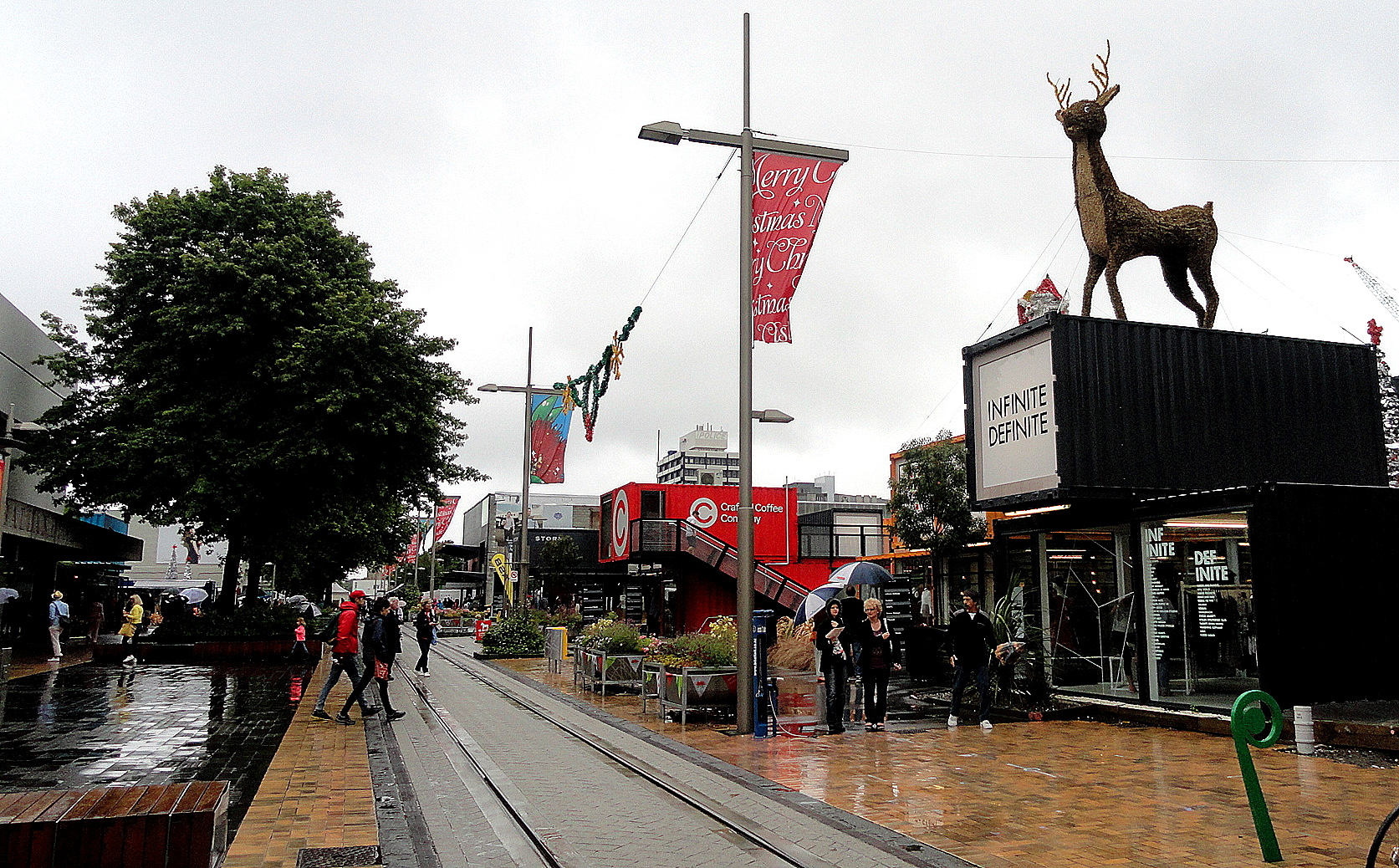
Central Christchurch, Climbing Back
It’s a gray and wet Sunday morning up in the highlands, at Tari, where I sit as I load up these photos and think about what to write. Two weeks ago – shocking, that fact – I was driving with Mom and Steve from Christchurch up to the Marlborough Sounds area, via the longer & very scenic inland route through the mountains and along the rivers, rather than straight up the east coast. Having now been back at work for (only) ten days, that long and lovely drives feels ages ago, but reviewing these shots taken during a few rainy, sombre and emotionally-rich walks around Christchurch brings a lot of it back.
After celebrating Christmas in Queenstown, we headed up to Christchurch which I’d chosen to visit for two main reason: 1) because I felt Mom would really love the wildlife of the Banks Peninsula (and indeed, as attested by comments from Steve on one of the other posts, they did have a remarkable boating day out there), and 2) We needed to break up the drive back to the north somewhere, and this seemed a reasonable stopping point which I’d not previously visited — well, other than one afternoon in town when a plane from Dunedin–>Wellington got rerouted due to weather. I knew Christchurch had been hammered by one major earthquake and many substantial but less damaging ones in recent years. The major destructive earthquake happened in February, 2011 — so nearly three years ago.

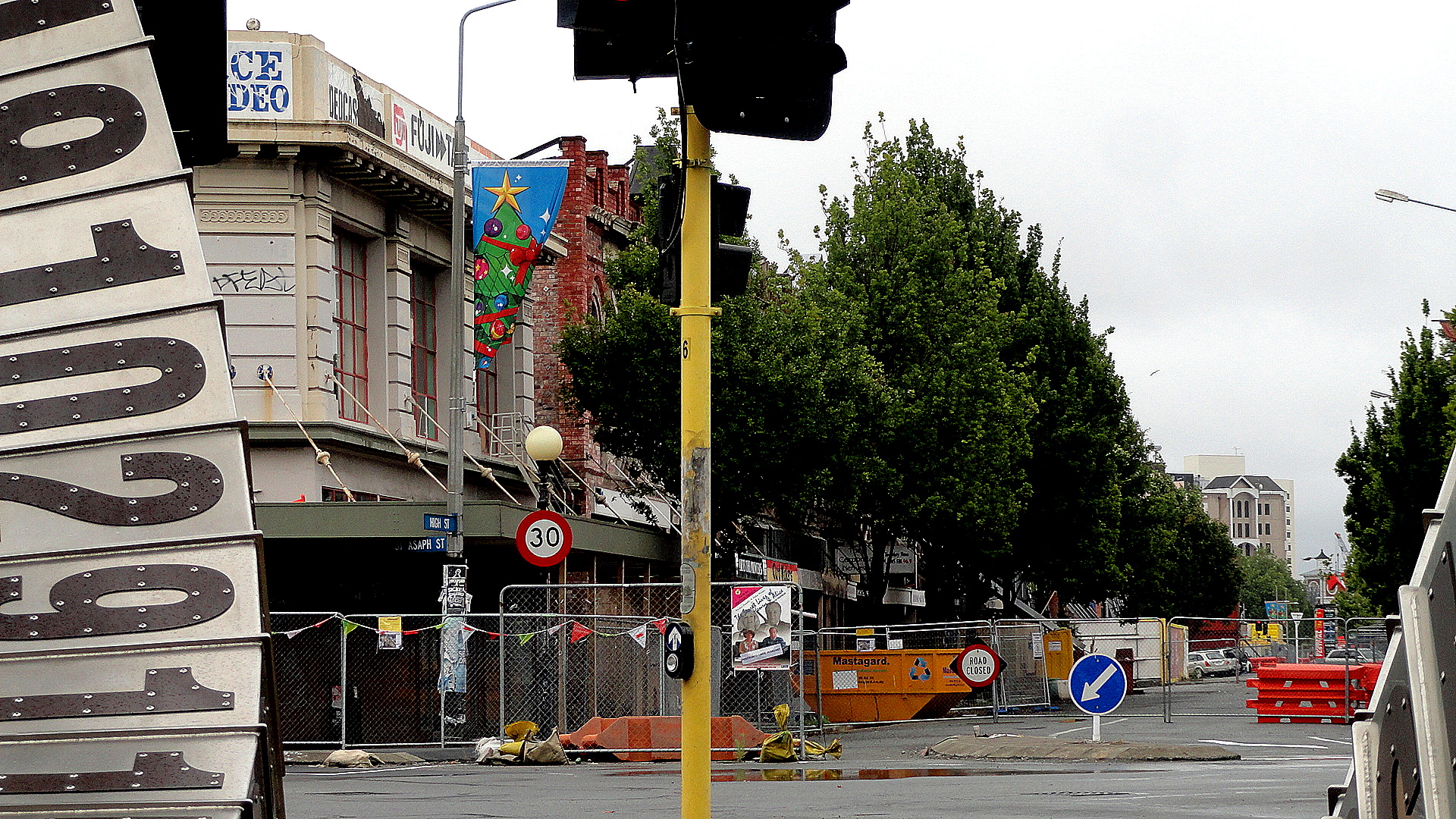
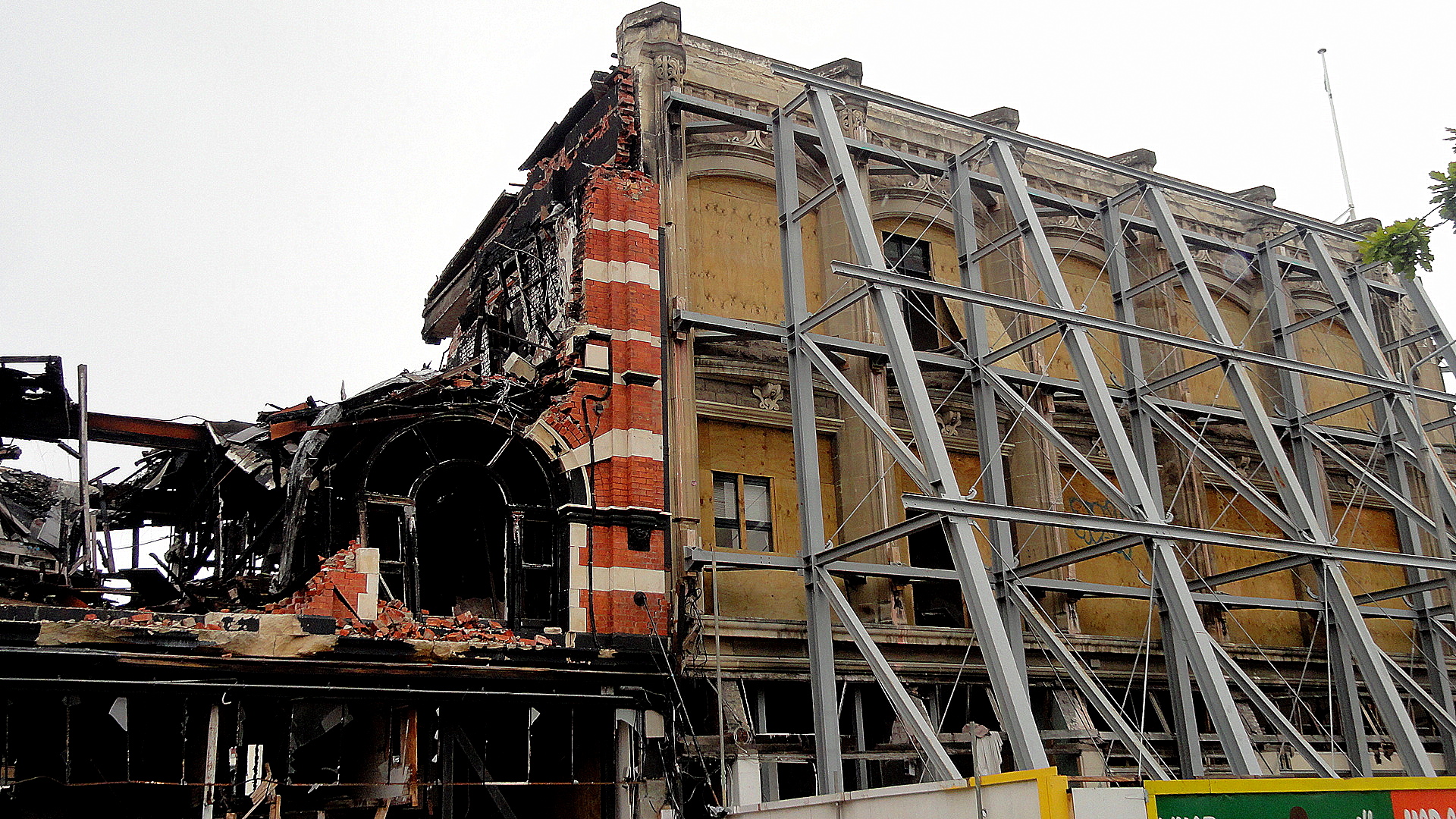
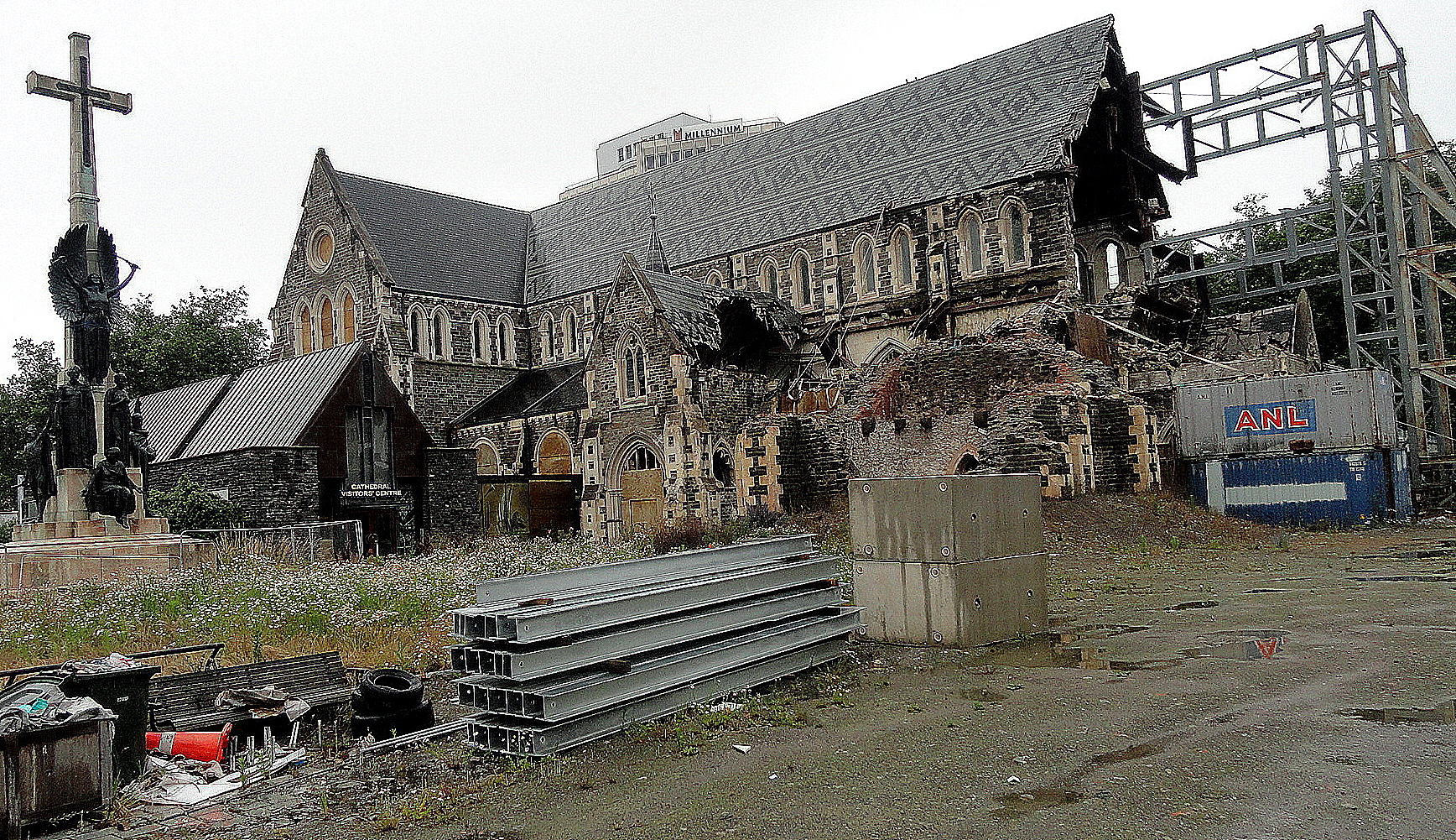
Being tired from the drives, needing respite from responsibility so that I could recharge a bit prior to returning to work here, I convinced Mom and Steve to tour on their own for our two days in Christchurch, which left me free to wander aimlessly about the city…which happens, when left to my own devices, to be one of my very favorite pastimes nearly anywhere I can get away with it in reasonable safety, especially when I’ve just left a field location where it’s not especially encouraged. Although the days were gray and mostly rainy, I hope & think I’ve still managed to show you a bit of what’s going on in the city now. It’s coming slowly back together – but it seems as though the city and its inhabitants – and its government – were in fairly major denial about the fact that they’re situated in an earthquake zone. There weren’t very strict building codes, lots of high buildings were allowed to be constructed on swampy ground which we’ve all known for years can basically liquefy in certain types of earthquakes…and generally, everyone seemed to have lived, until that fateful day, in blissful oblivion to the fact that they’re … well, in the Pacific Ring of Fire with all that entails.
This fact caused me to consider, again, governance and its value and importance in societies. Lunatics who periodically hijack the government in my home country (they name themselves after an excellent hot beverage of Asian origin) like to delude themselves that government, as a concept, is by and large bad. I would so love those pampered and spoiled folks to live in some of the places I’ve worked over the years, places where government really and truly does not work, by and large does not functionally exist for citizens. In NZ, it does – and I’ve always thought of NZanders and practical, egalitarian, pragmatic and above all fairly realistic. Thus it came as rather a surprise to me that the society and government hadn’t determined, prior to this disastrous event, that strong building codes and earthquake retrofits were in order. Still and all, they didn’t – and now the city and the sense of shattered elegance, of confidence lost, brought some tears to my eyes. It’s a very sad and shocking city now, but it’s also an inspiring city in the ways in which people are getting on with business, building codes and zoning are now being strengthened, and slowly but surely Christchurch and its inhabitants are determining what sort of city they will be in the future. I’m glad I visited and I wish them well with their efforts.

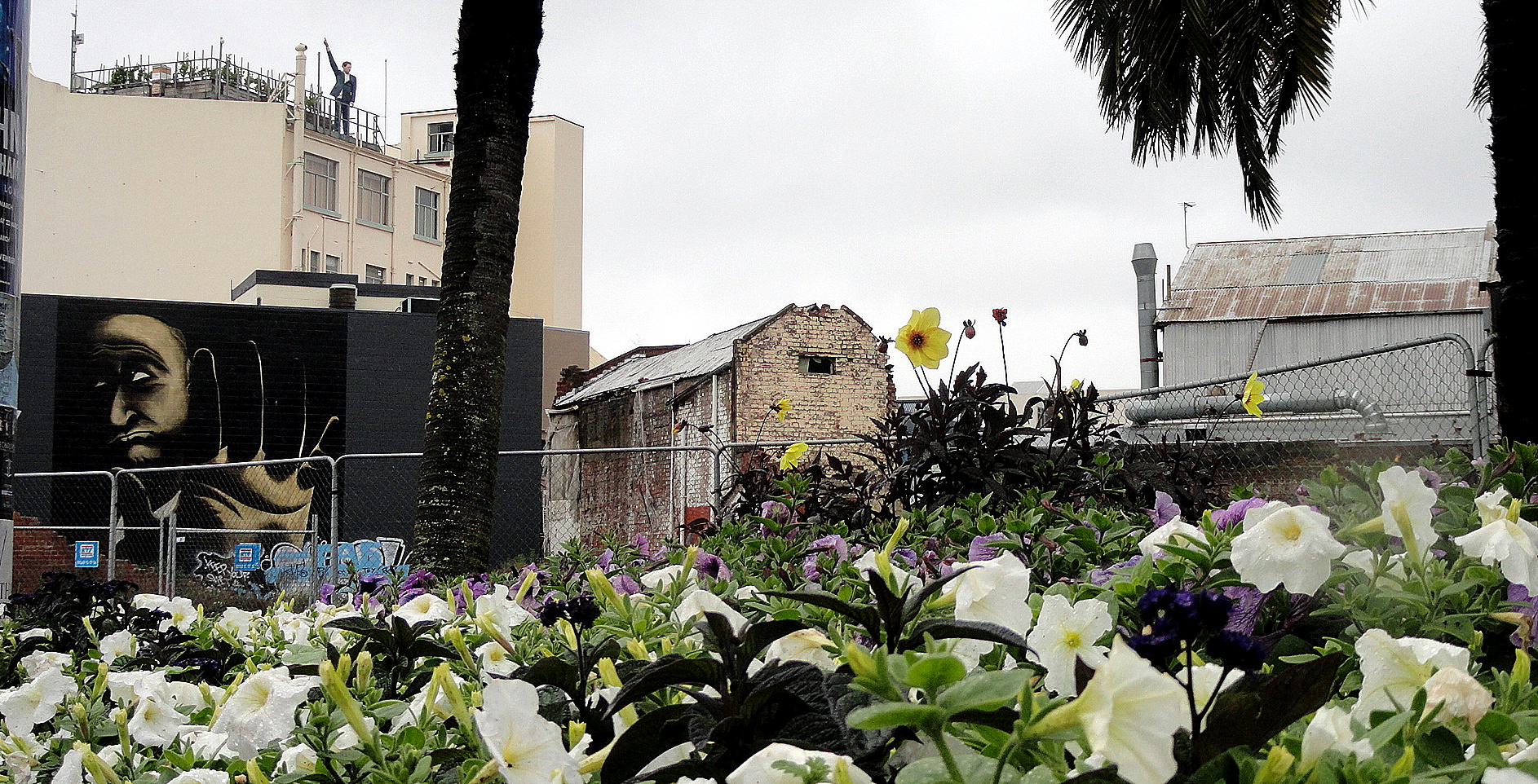
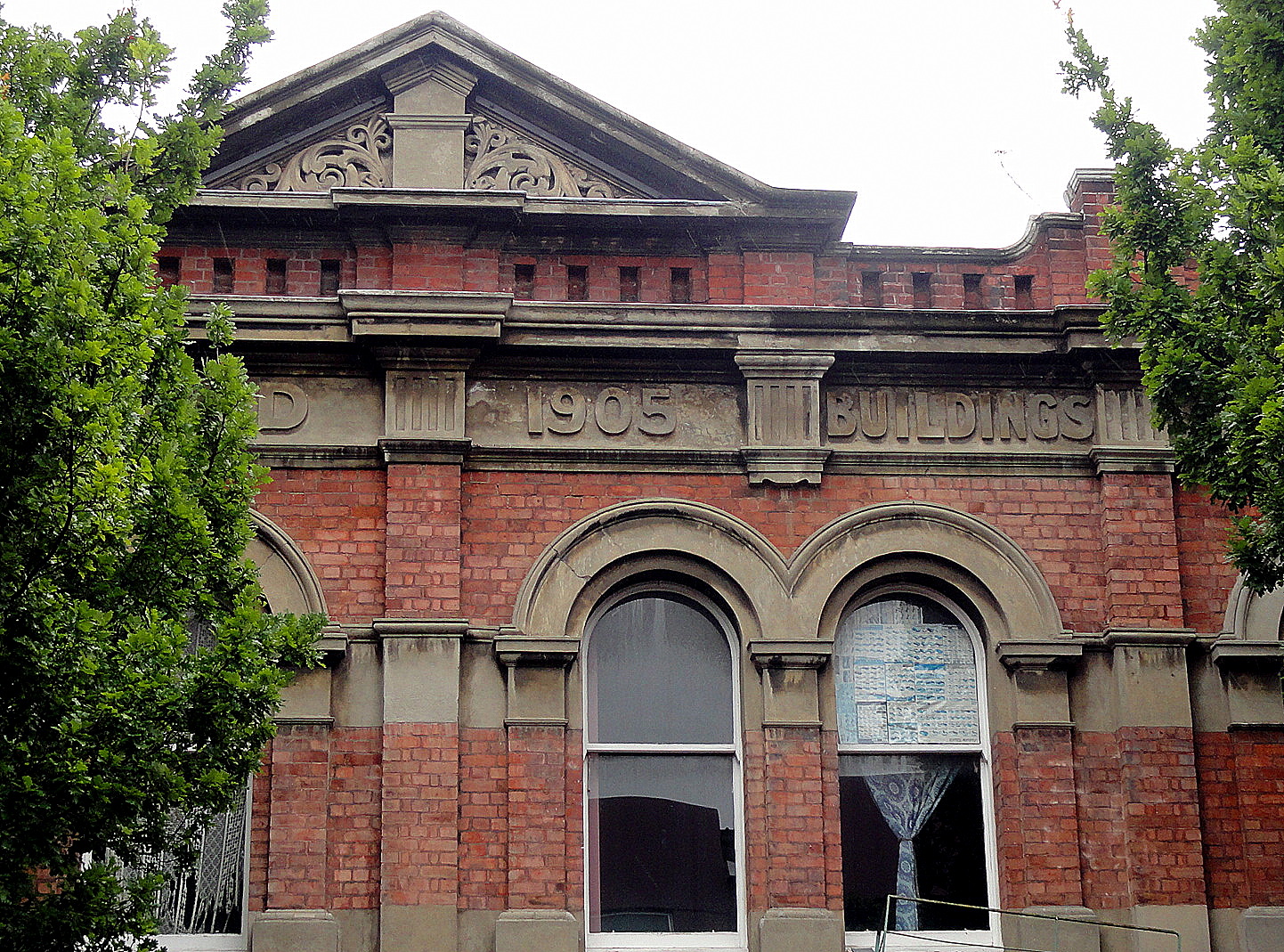
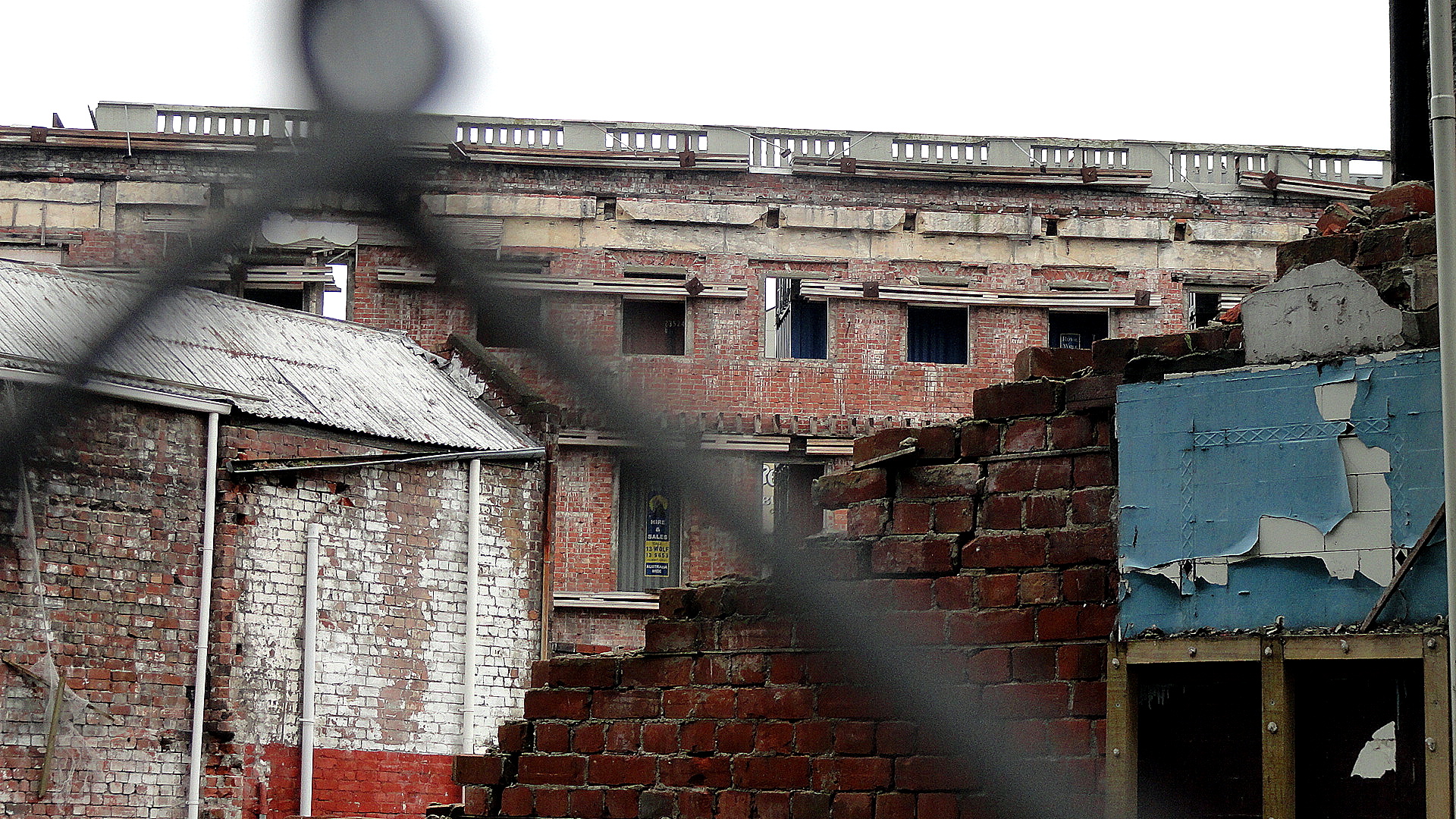
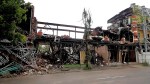
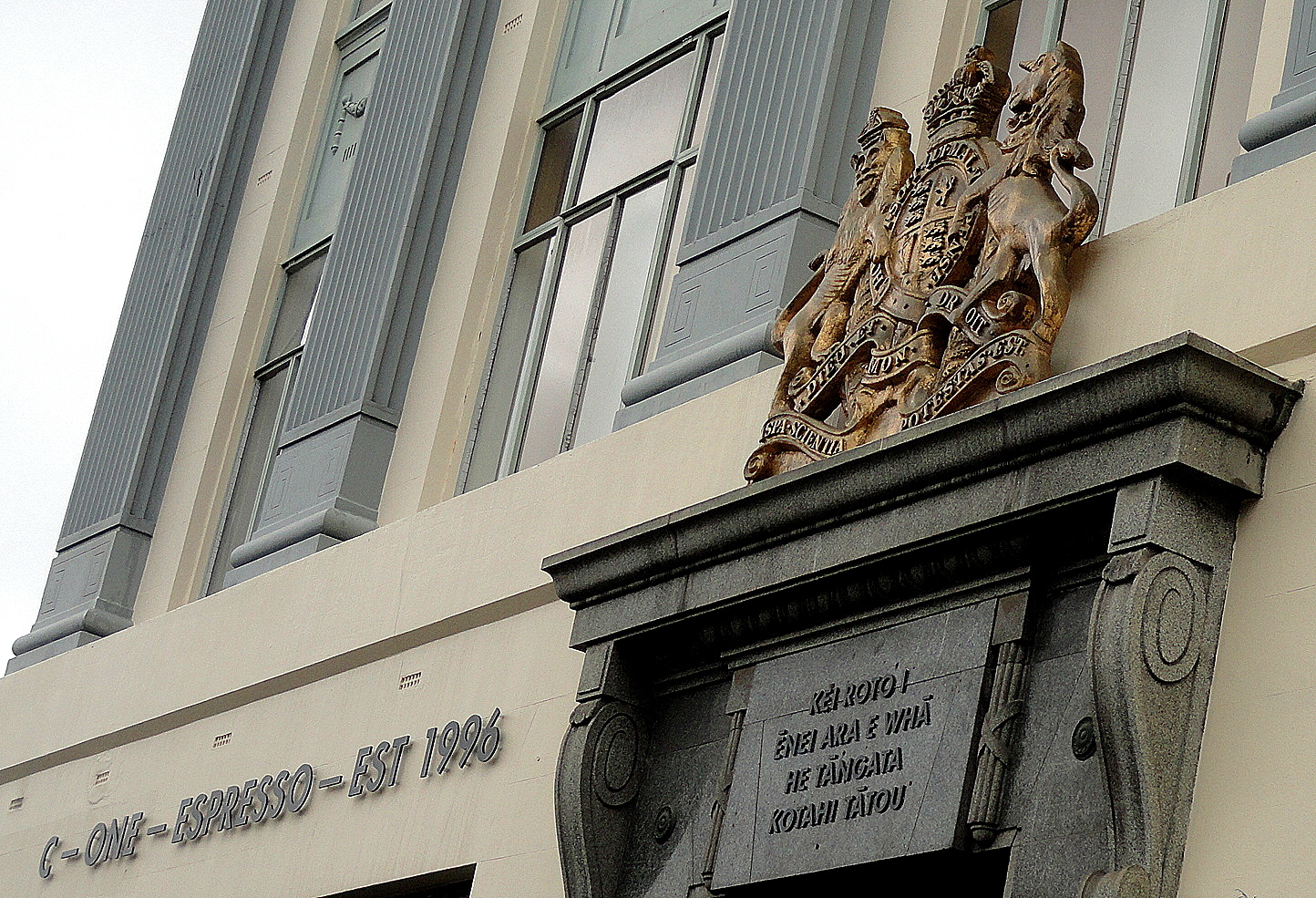 …every shot so far has been taken in the same small area along High Street near our hotel. Immediately above, with flowers at the bottom and wrecked buildings behind, you’re seeing the back side of the buildings whose fronts are lined up along the (now closed to vehicular traffic, as are many streets all over central Chch) along High Streeet — which make up the shot below and many others; and the start of which is framed by sculpture in the two shots from slightly different angles up above. High Street runs from the southeast edge of central Chch right up to Cathedral Square, the heart of the city as it has been until at least now. (With new building codes there are areas where, I am told, they have determined no longer to build: doubt this is one for emotional-pride reasons, but don’t know.) The coffee shop whose lintel I show here is literally the one building standing tall amidst these ruins, and it was jam-packed with customers coming from and going to the gym when I visited; the Man in the Sky (my name for him – no idea what he is other than interesting art) whom you’ll see a few times is on top of that very building: all of these shots are from really a quite condensed area in the heart of downtown Chch, which was the area most dramatically affected.
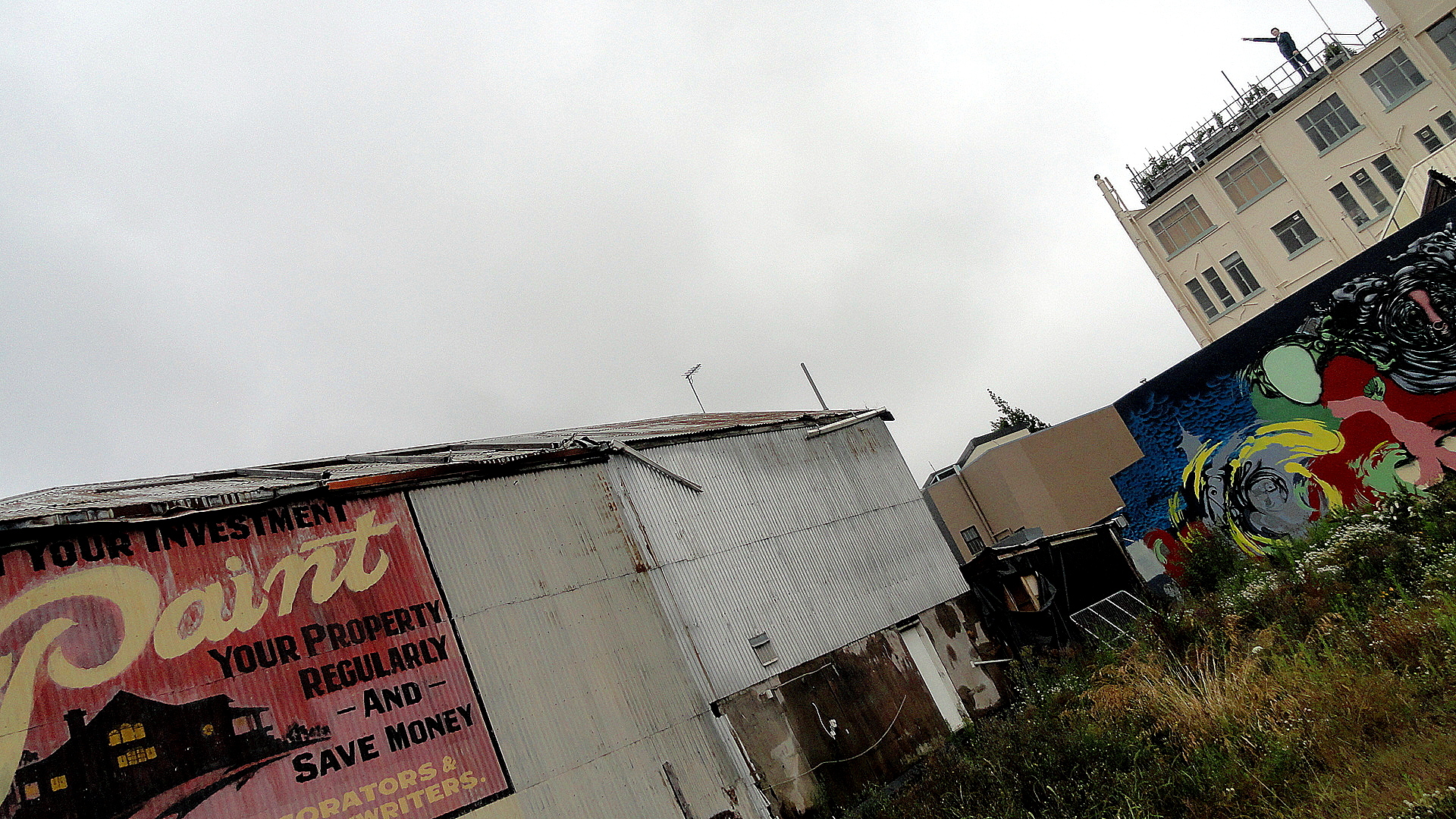 “Protect Your Investment” — looks old enough that it may mean this lot next to it was vacant even before the earthquake, but it’s also possible it was just an old ad protected by the building next to it for years and exposed when the building next to it came down. Said one guide: central Chch used to have a serious shortage of parking; not any more. In that, I was reminded of SF after the Loma Prieta quake. You can see a less artsy view of this ad, the graffiti next to it, and the building housing the cafe and supporting the Man in the Sky in the gallery of smaller images, down below.
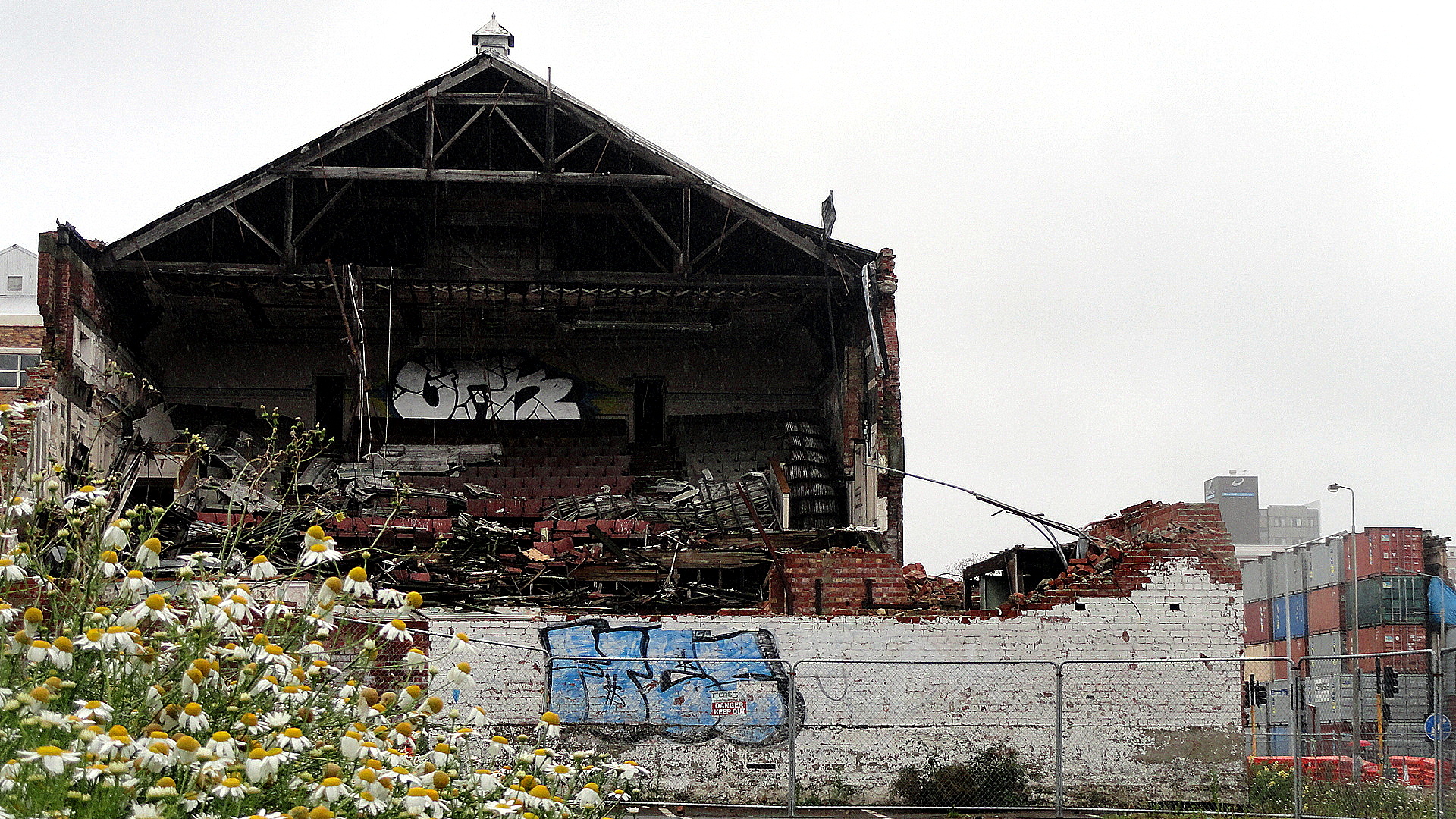
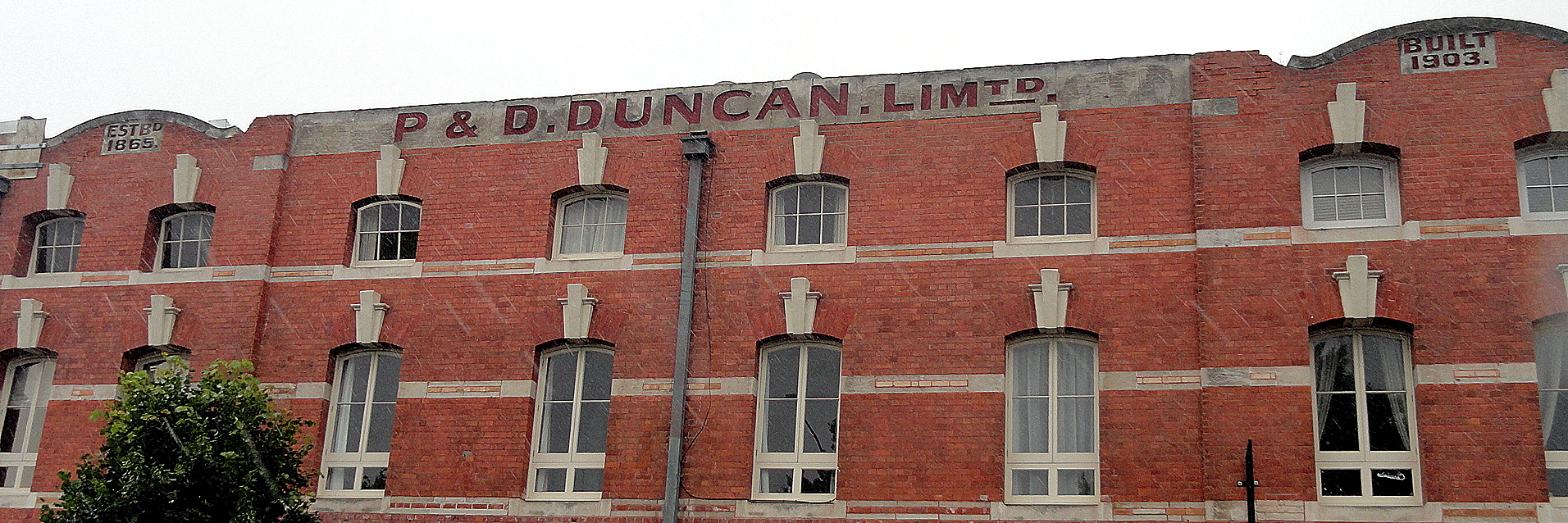
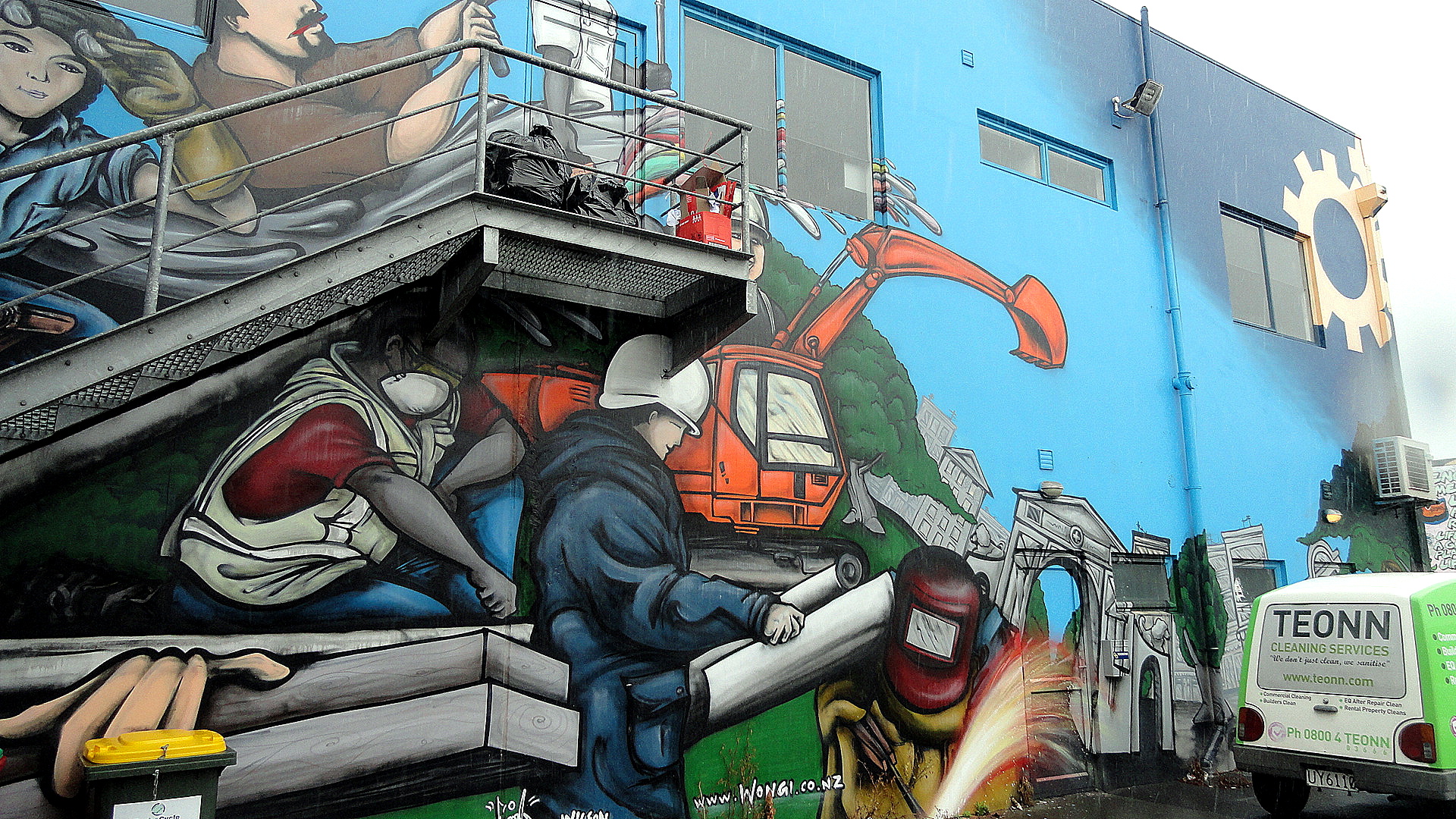
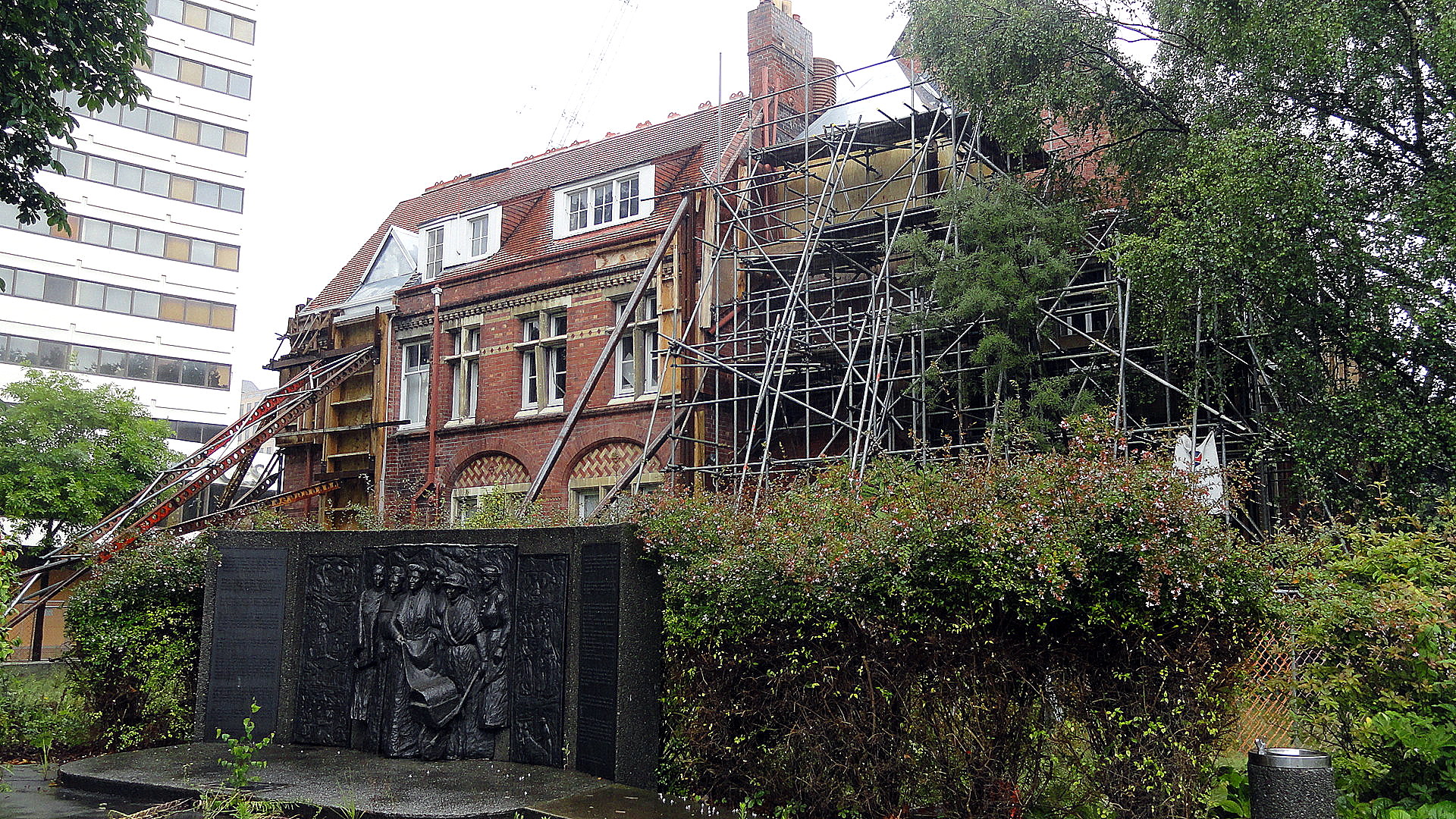
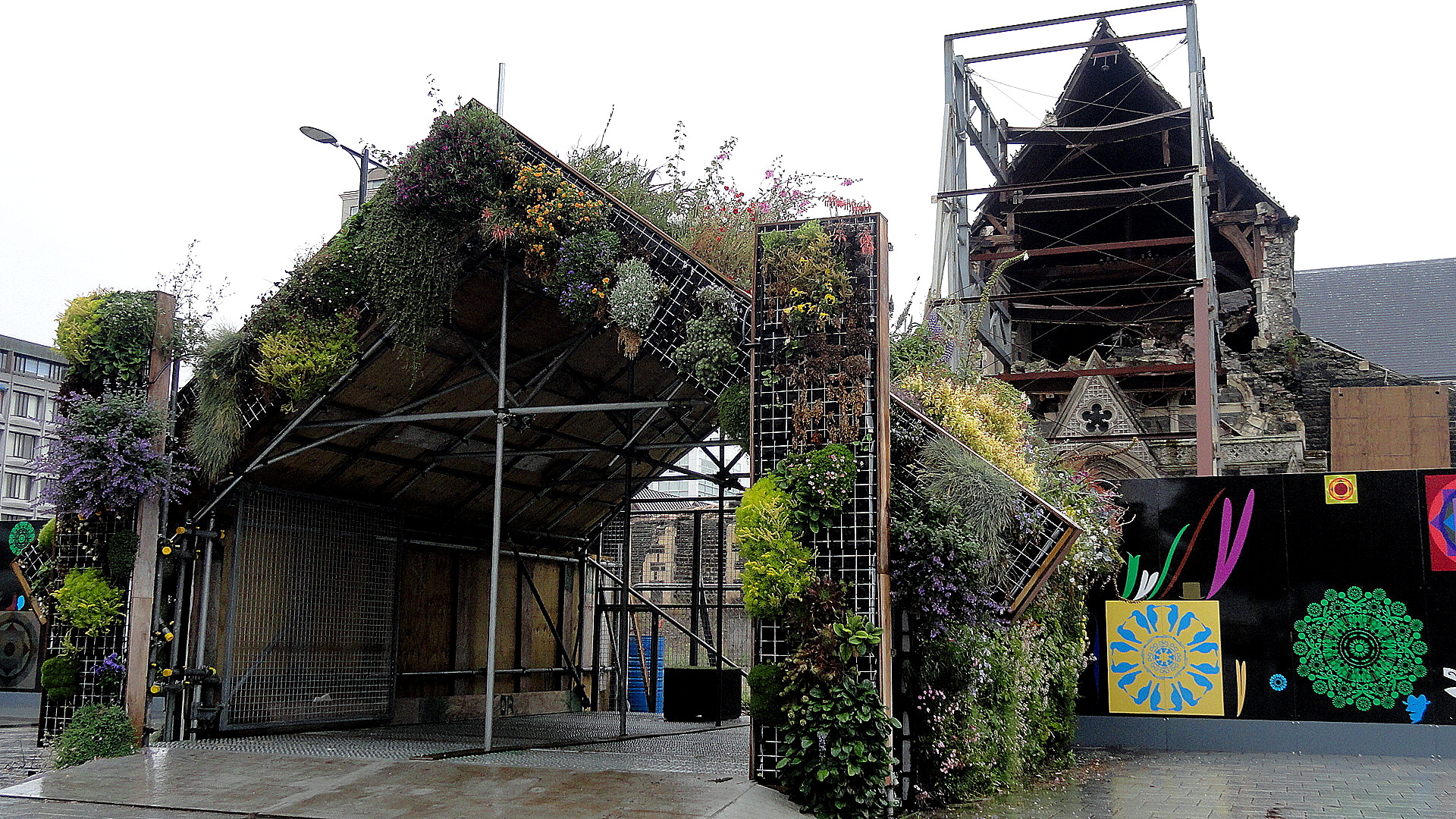
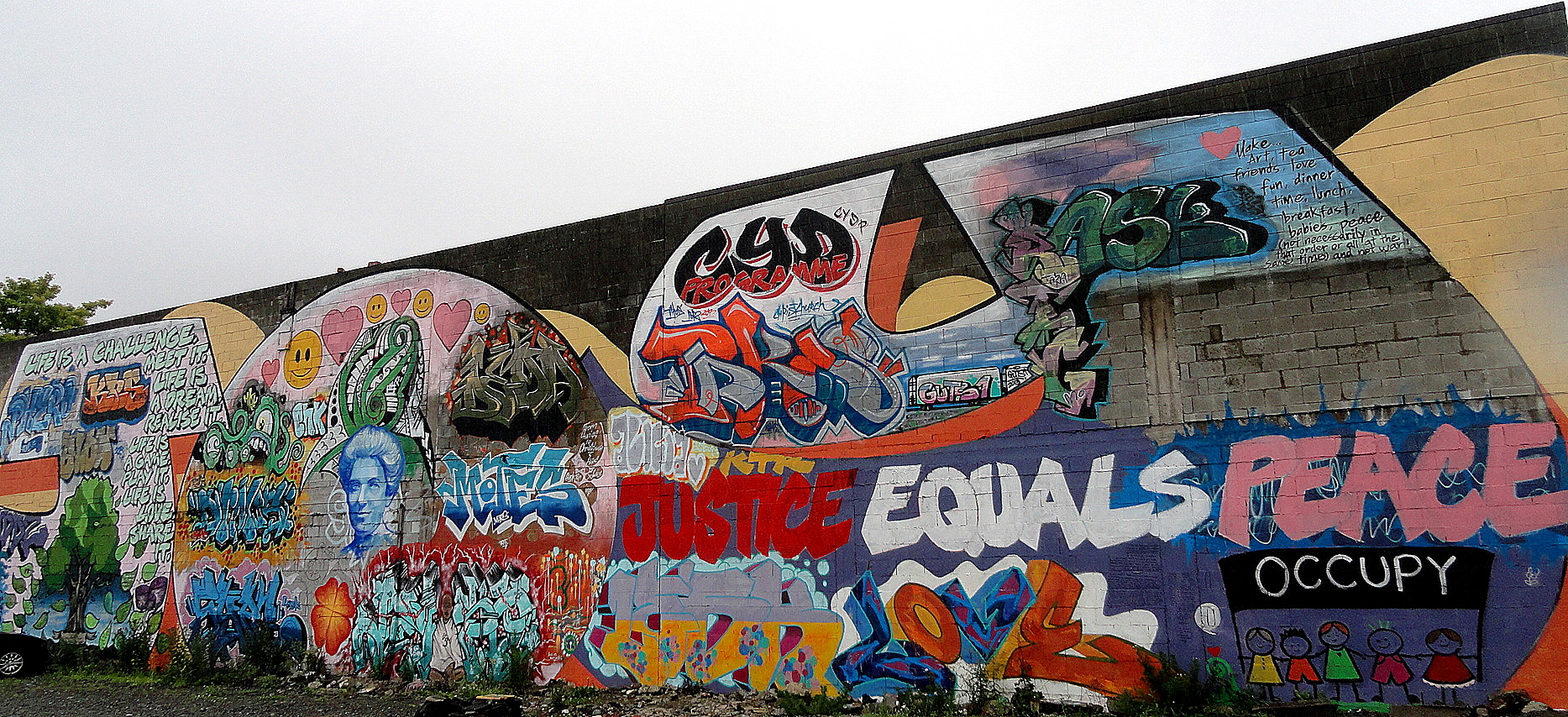 The more upbeat street art, above, is painted on a city-government rebuild or jobs office of some sort. Immediately next door is the more political occupy-movement street art: sort of dueling street art, eh? One thing that vacant lots present is many such opportunities for artists. Just below I’m showing you how they’ve used rock-filled containers to form retaining protective walls in front of structurally-unsound buildings whose fate has not yet been determined or carried out, so that passing pedestrians or vehicles won’t be harmed if they crumble further in a subsequent earthquake etc. Btw, this building below is the theatre you saw with wildflowers, above. And it’s catty-corner across from the “Protect Your Investment” lot.

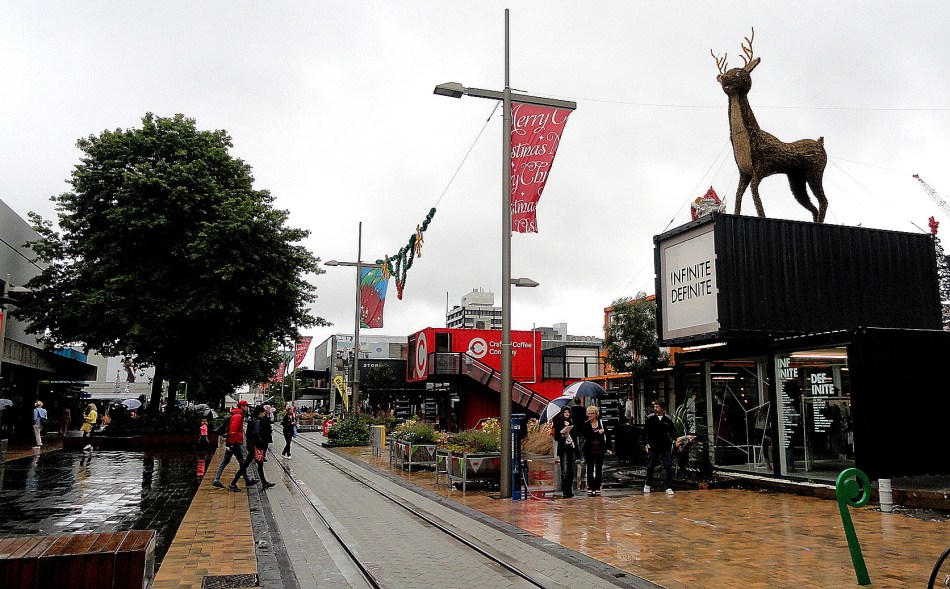
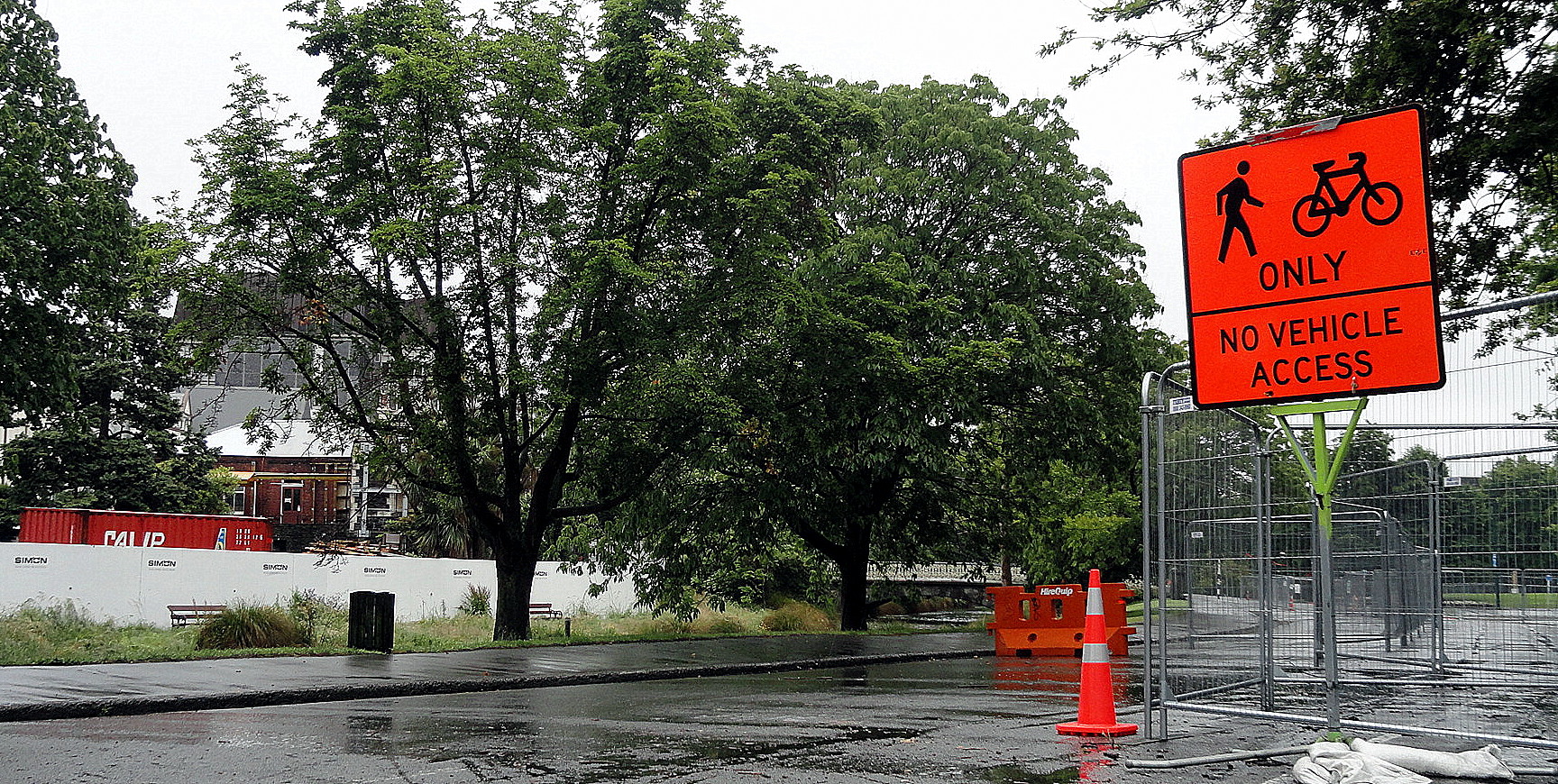
Above: the Re: START mall, on one of the most destroyed blocks of commercial central Christchurch they’ve established shops and cafes in containers. Immediately below: three photos all taken from the same spot, just turning my head to look in a different direction (well, the one with the monument I had to reach the camera up to shoot over a fence…)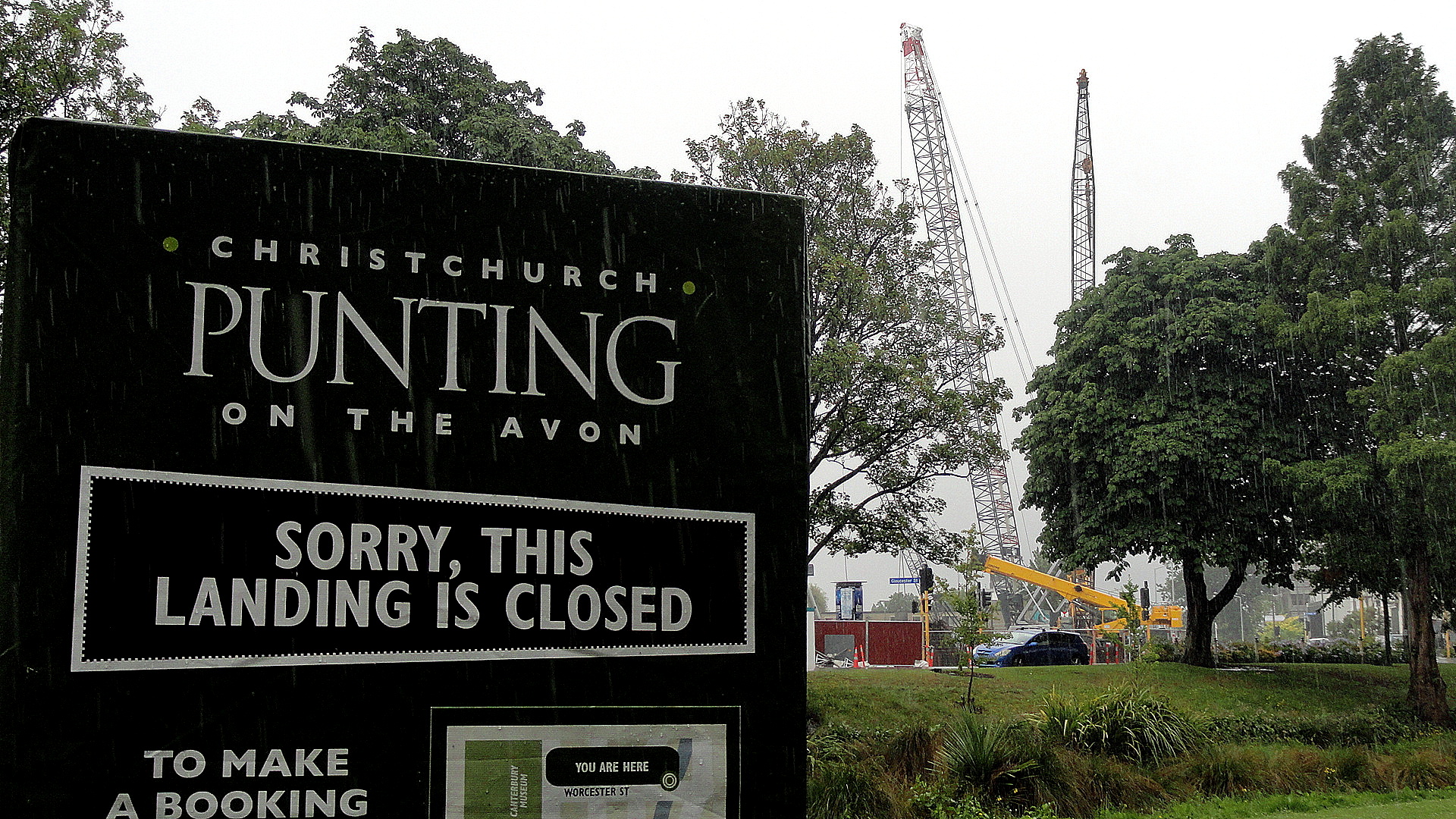







Of Christmas Dinners & Misty Mountains

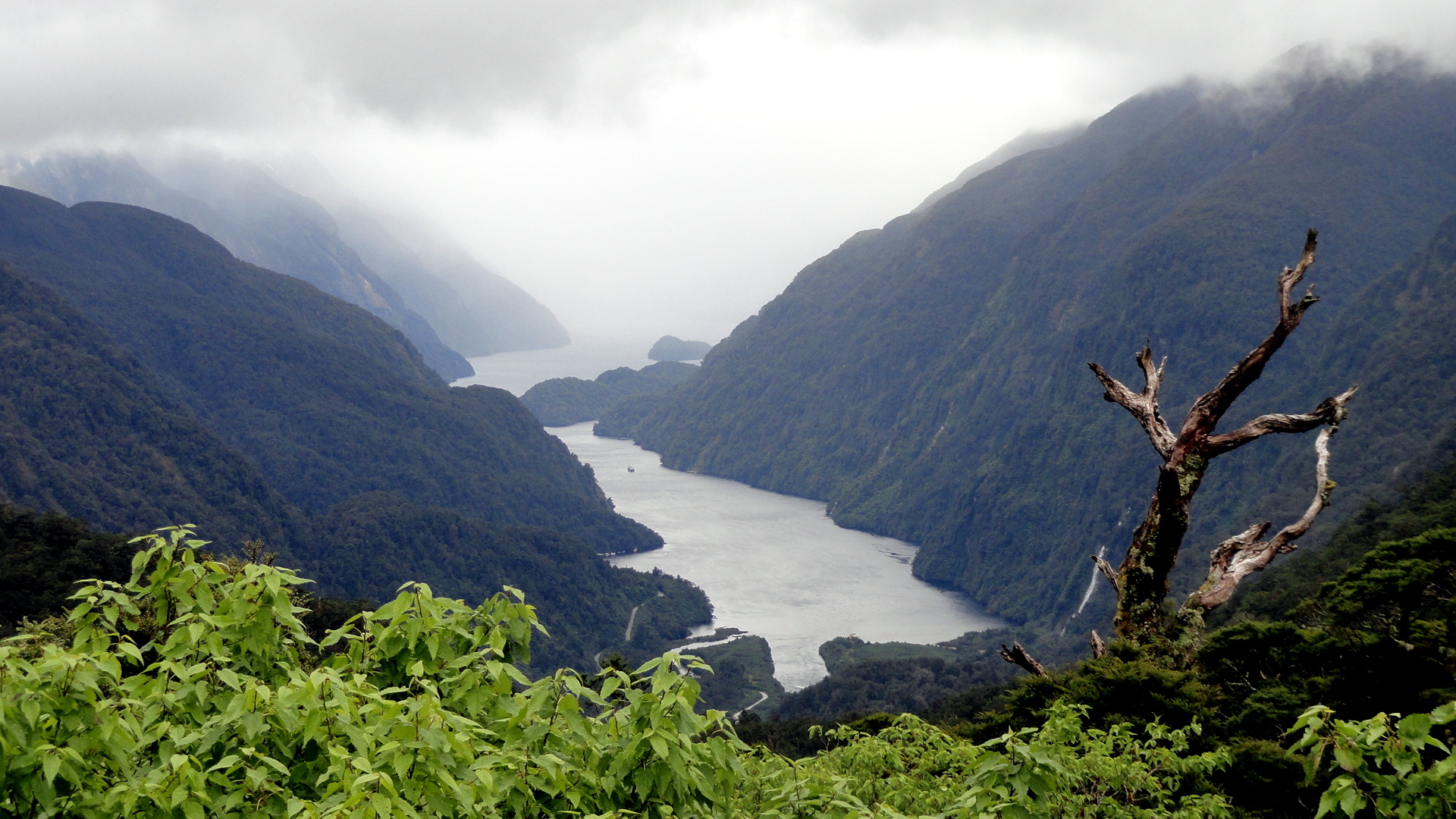

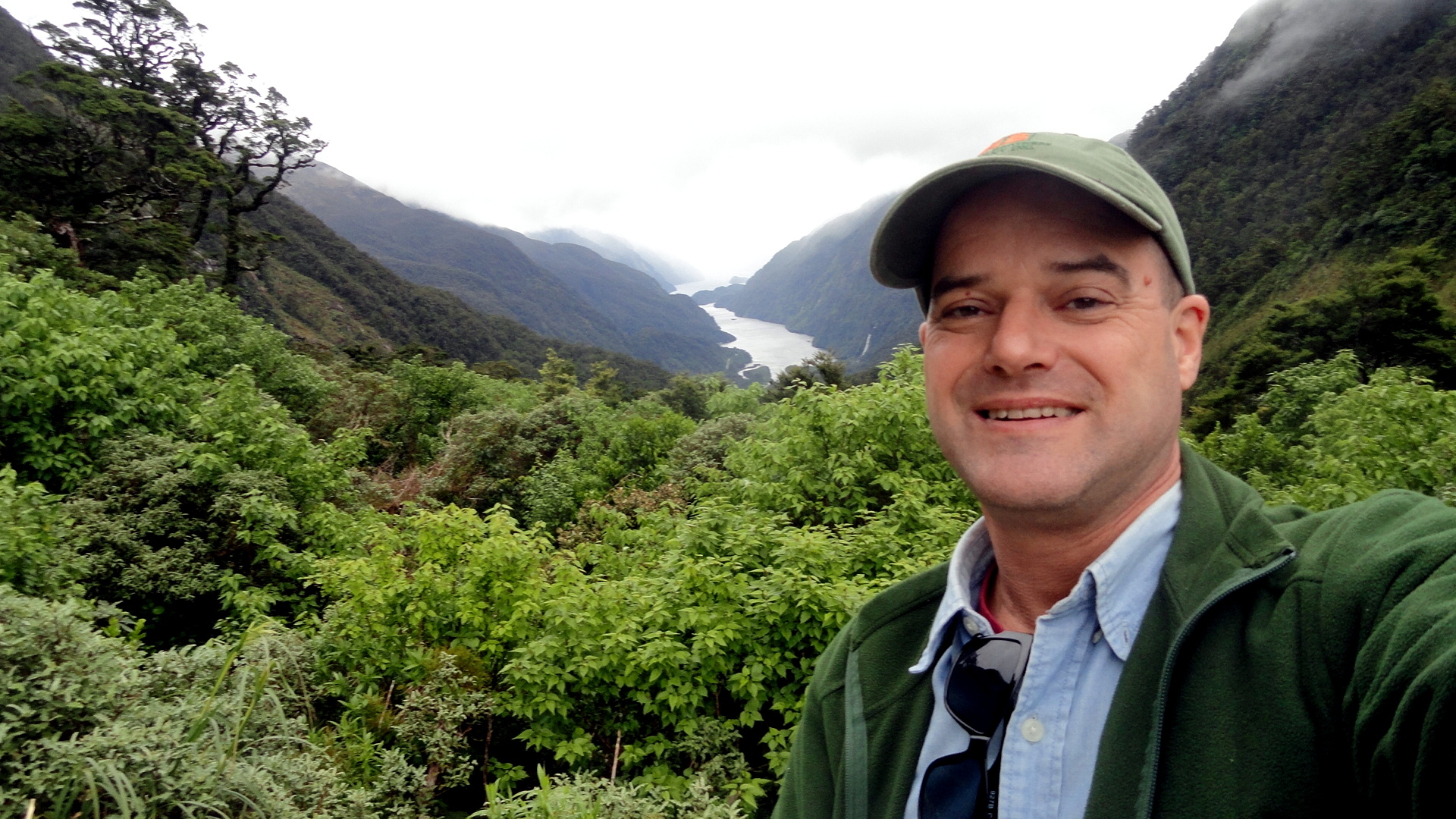
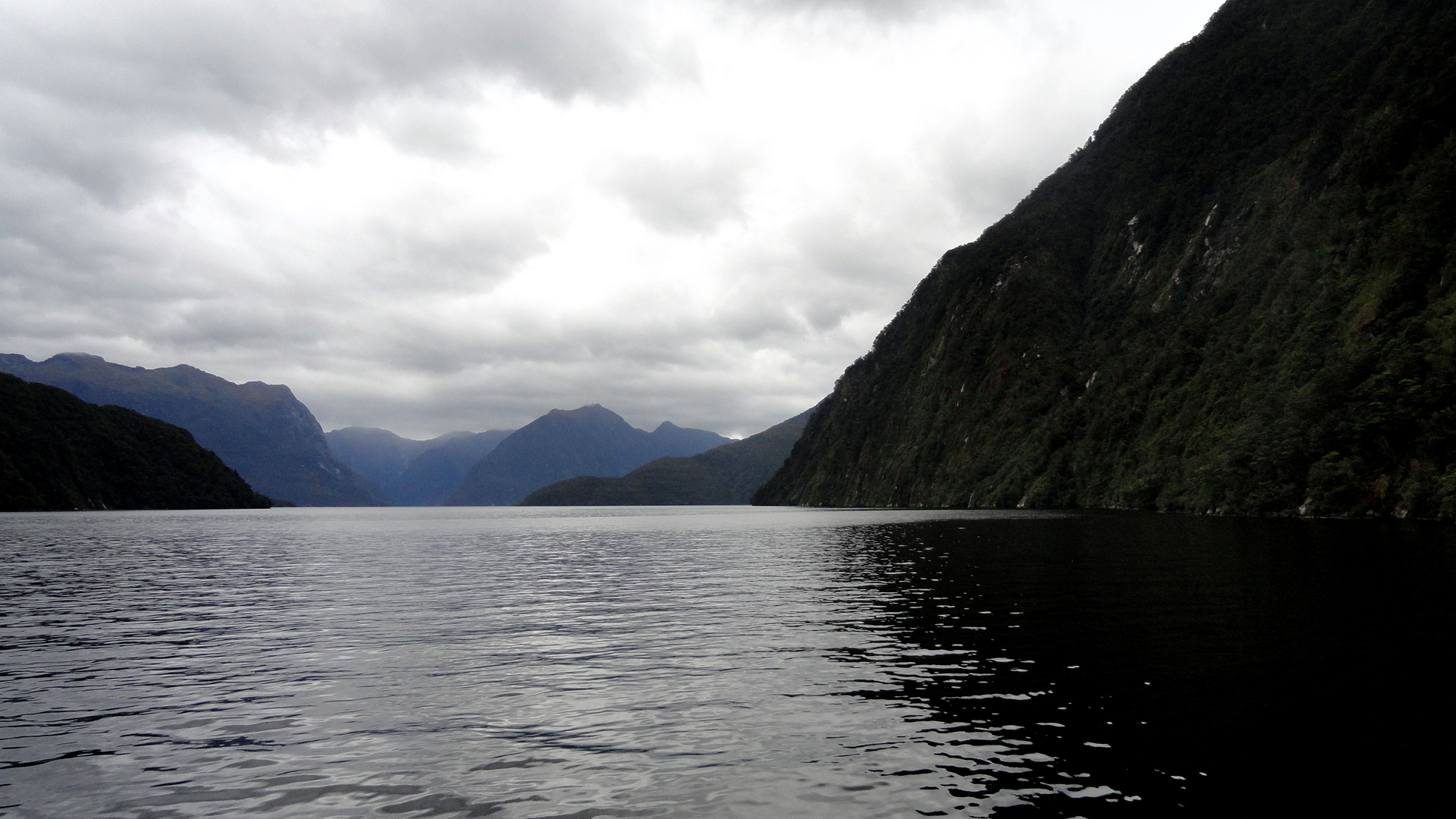
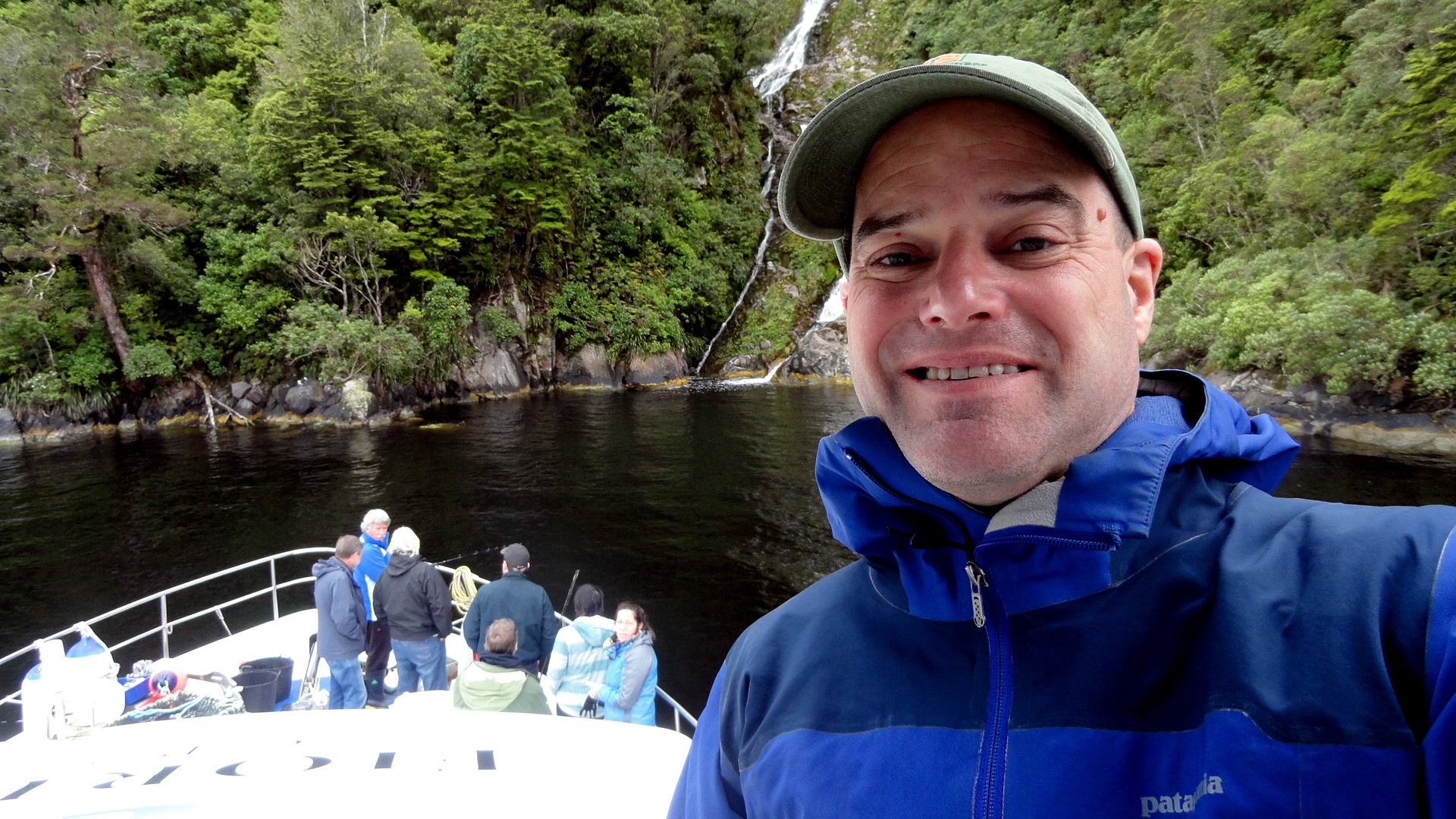
When last I myself visited the wild, entirely rug, very wet & green & remote & spectacular southwestern expanse of South Island that’s known as Fiordland National Park, I managed to squeeze in a day trip on Doubtful Sound. (Which is so named because, in the days of sailing ships, captains usually doubted they’d find the offshore wind which would allow them ever to escape from the narrow, deep sound.) This time around, knowing a multi-day hike such as we undertook last time was out of the question, I thought I could still get Mom and my brother out for an overnight – and so we spent the night of 23rd December snugged into a little anchorage in the midst of, probably, the most remote and wild place any of us had ever spent a night…and we’ve been a few places, so that’s saying a bit of something. Our little boat had eleven passengers and three wonderful crew, and despite omnipresent rain and mist, it was simply an extraordinary experience which left us all feeling quite privileged.
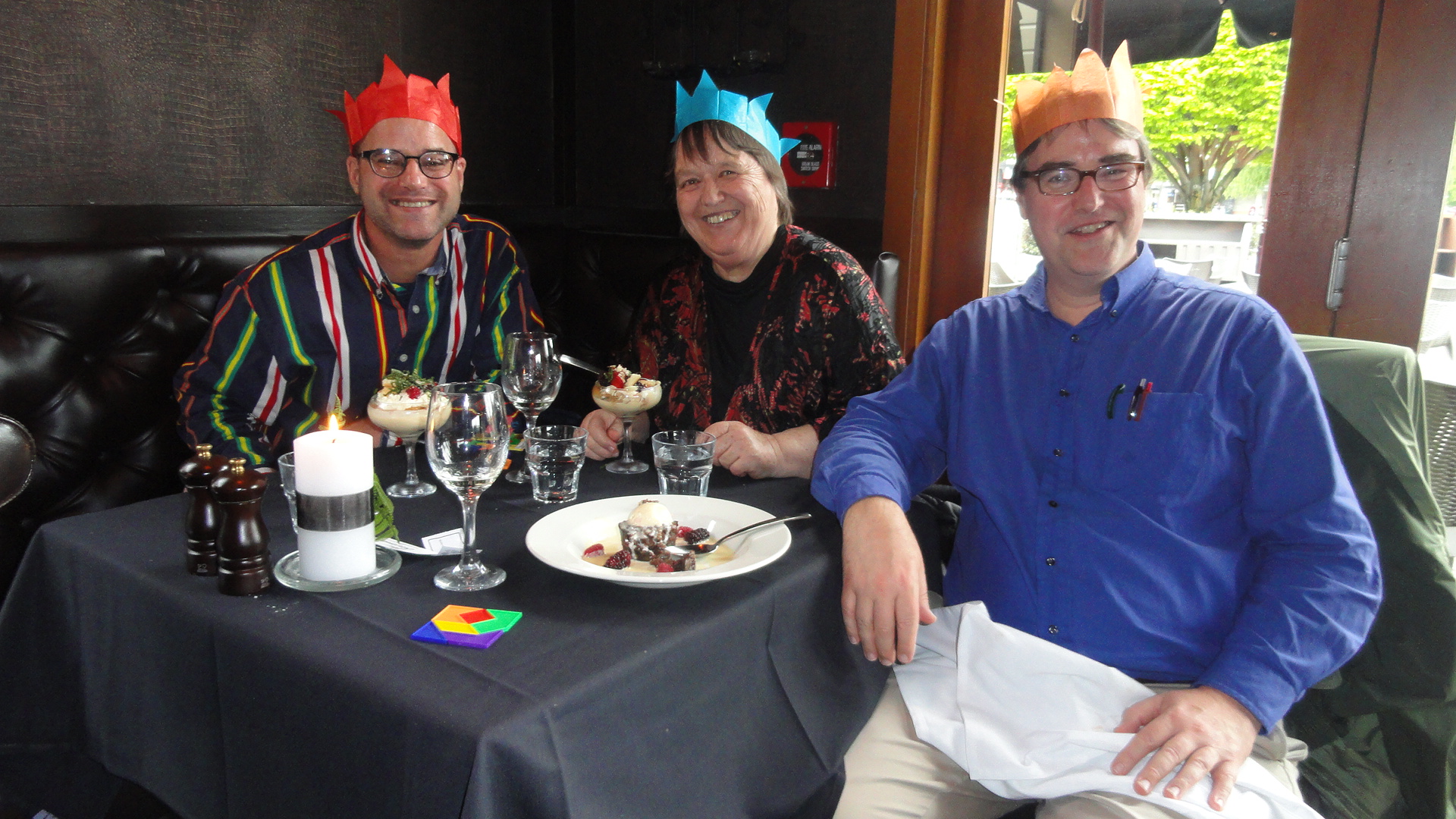
Thence we drove on up to Queenstown, on Christmas Eve, where we had the lovely dinner whose dessert course you see having its five minutes of fame above. I’m popping these photos up on the blog at the start of New Year’s Eve, here, knowing that tomorrow we all fly back to our current home countries – me to PNG, they back to North America – and that the first weeks of 2014 will be full and hectic for me. Happy new year & lots of love to all my readers, known and unknown.
And for anyone interested in other, often sunnier, photos of the Fiordland region, check out these entries:
https://somuchworldsolittletime.wordpress.com/2009/03/05/kepler-track-fiordland-national-park/
or
https://somuchworldsolittletime.wordpress.com/2009/03/05/definitely-doubtful-sound/ in which you can see how Doubtful looks when the sun’s shining a bit, and another shot remarkably like the top photo here…and with blue sky. Ah well, don’t tell my family. Cheers.



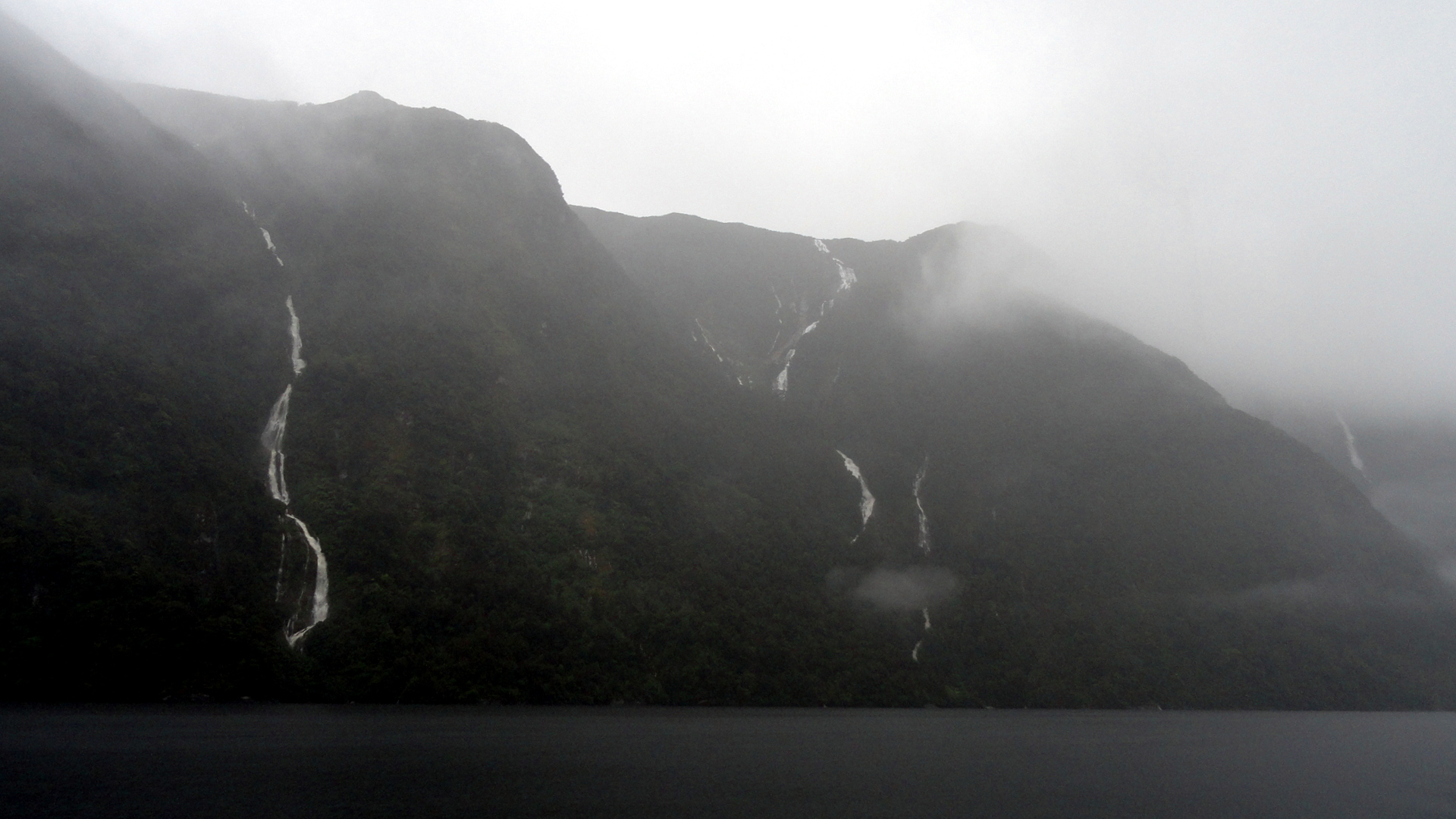
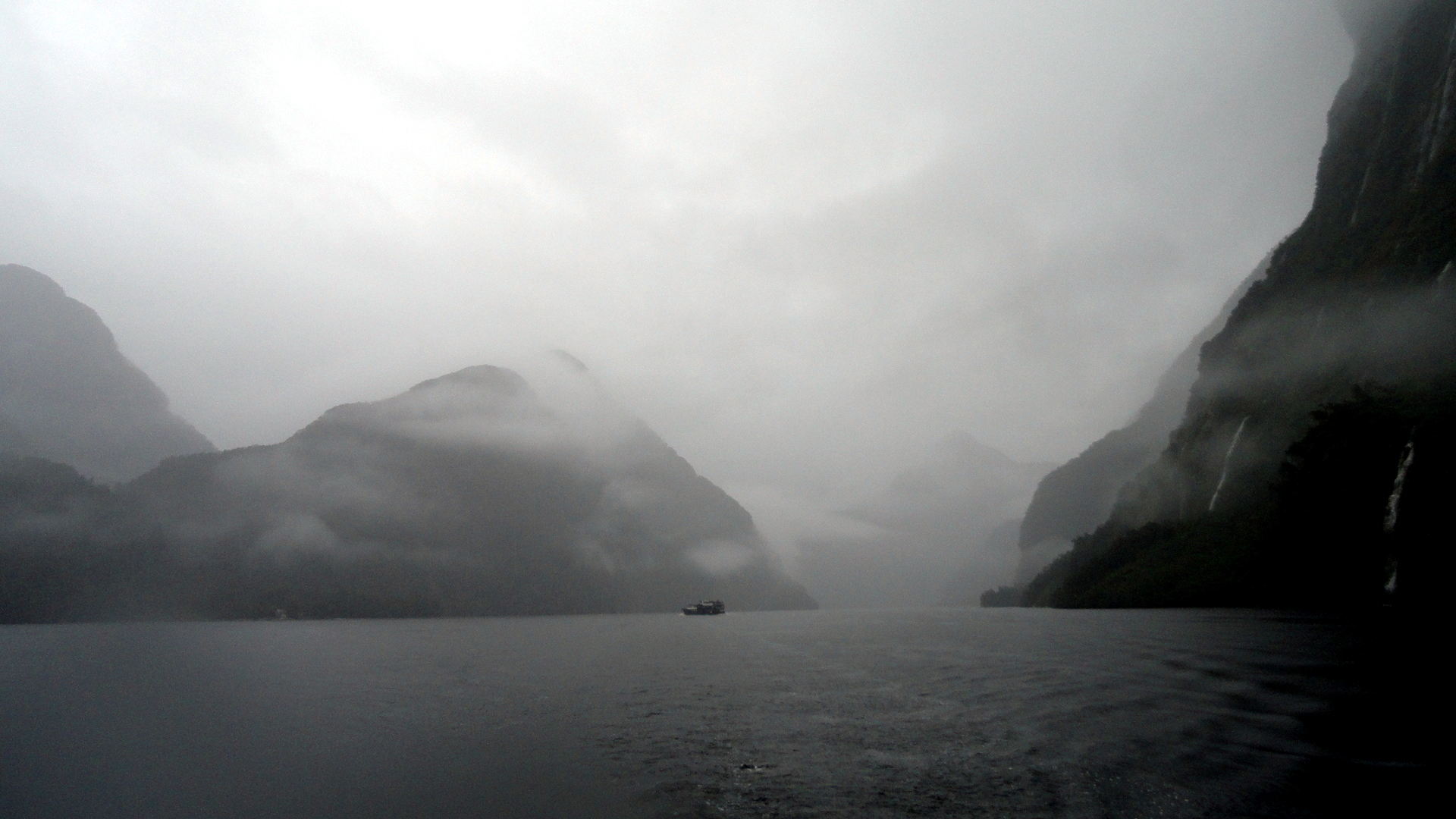
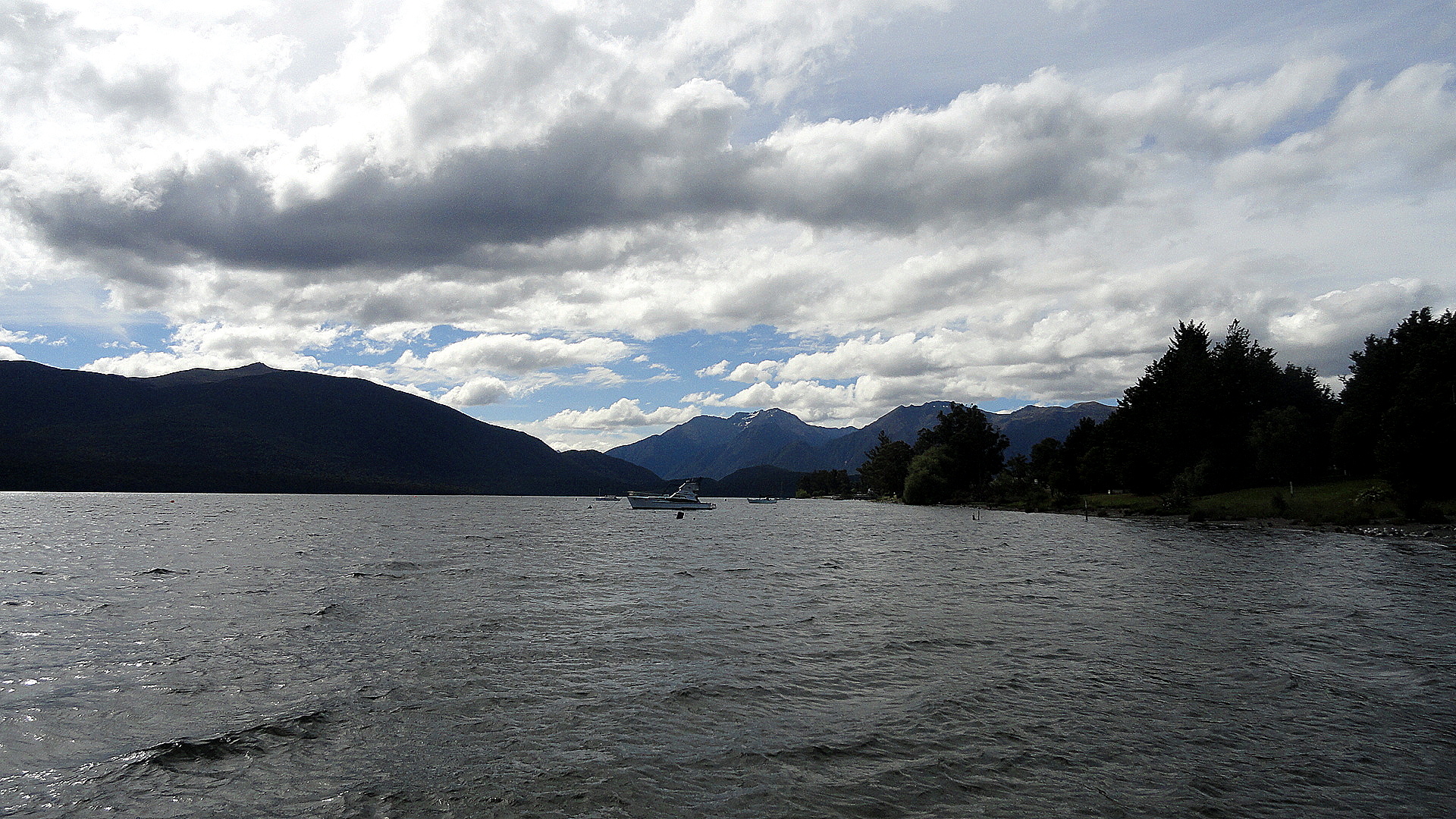
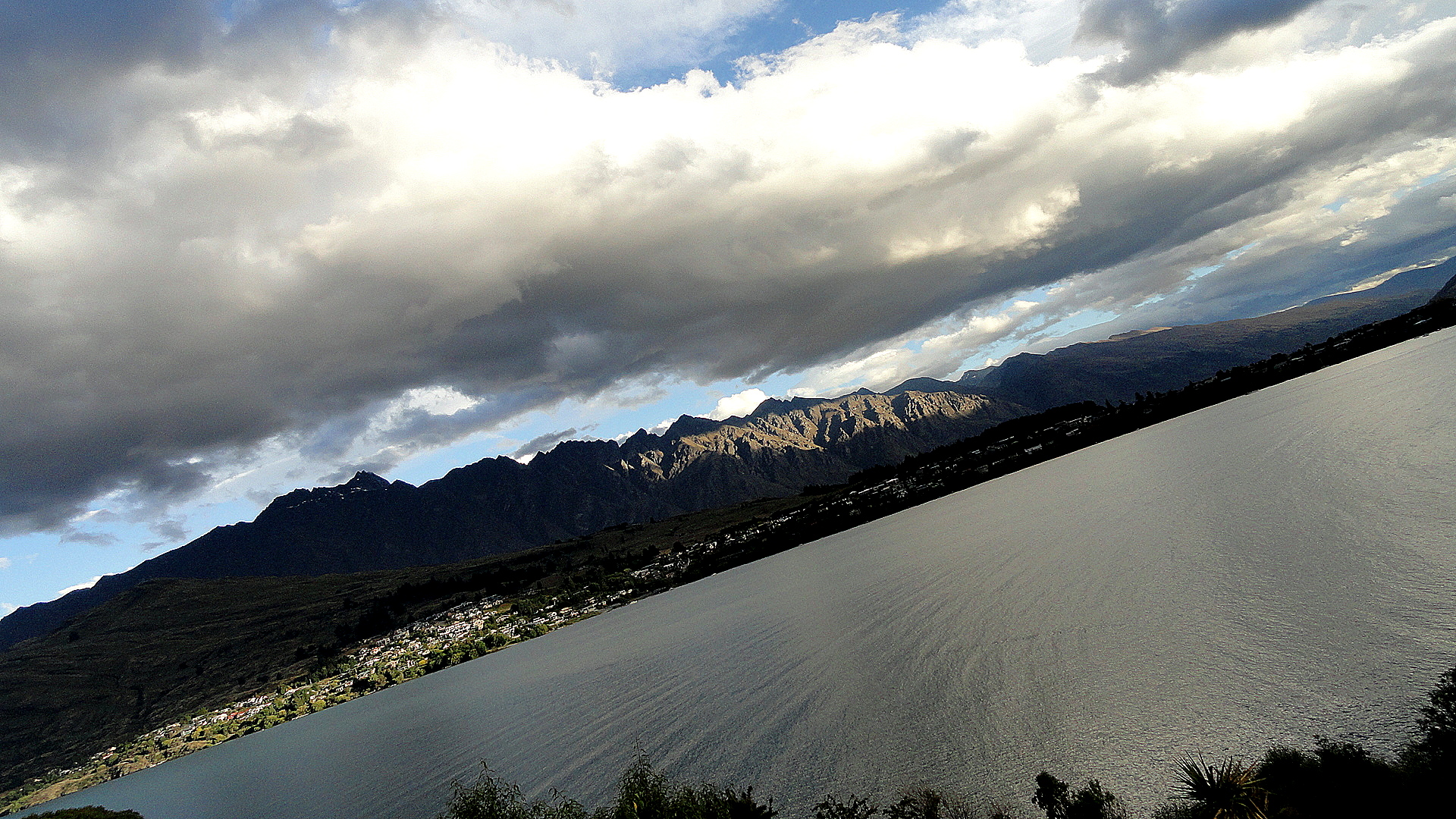
Since I figure many of you will only be interested in a few of the atmospheric, misty-foggy-rainy waterfall shots, I’ve plugged several of them into a gallery, below, where you can either skip over the thumbnails or click to see the full-sized shot if you’d like. Below the gallery are a few more full-sized foggy-misty shots for the atmosphere and then a shot of Lake Te Anau from the southern shore, and then a few from Queenstown and the shores of Lake Wakatipu.





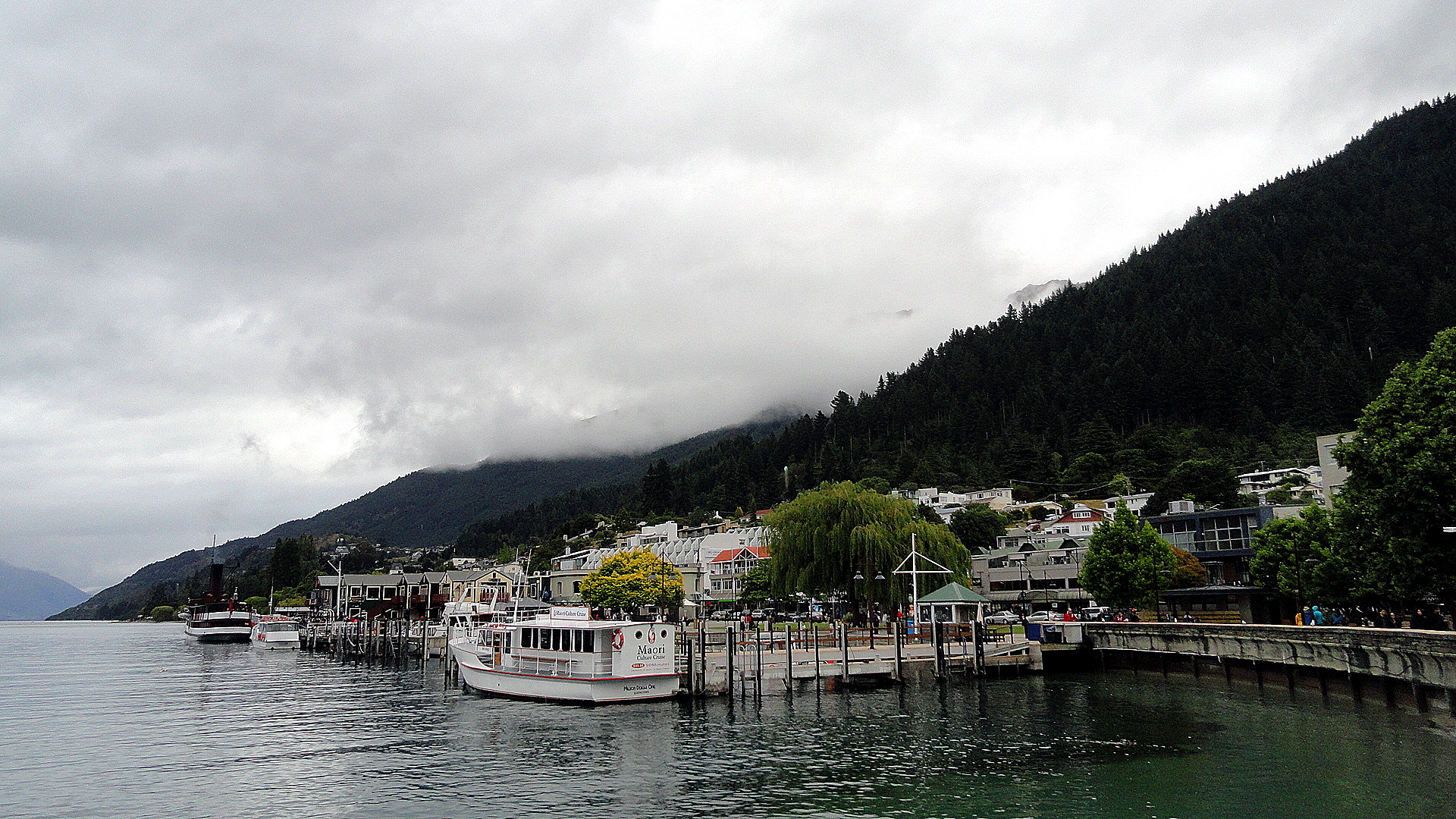
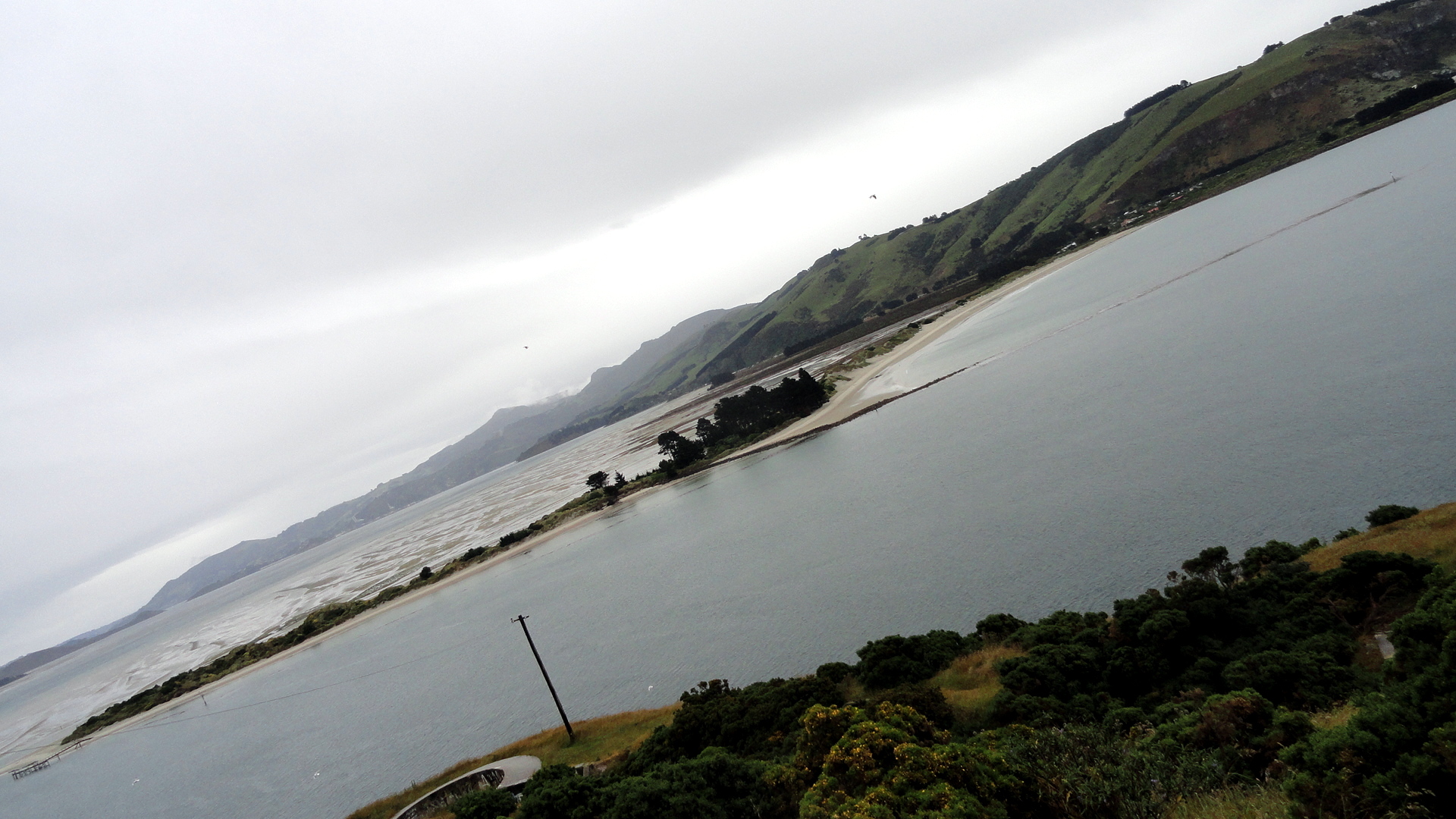
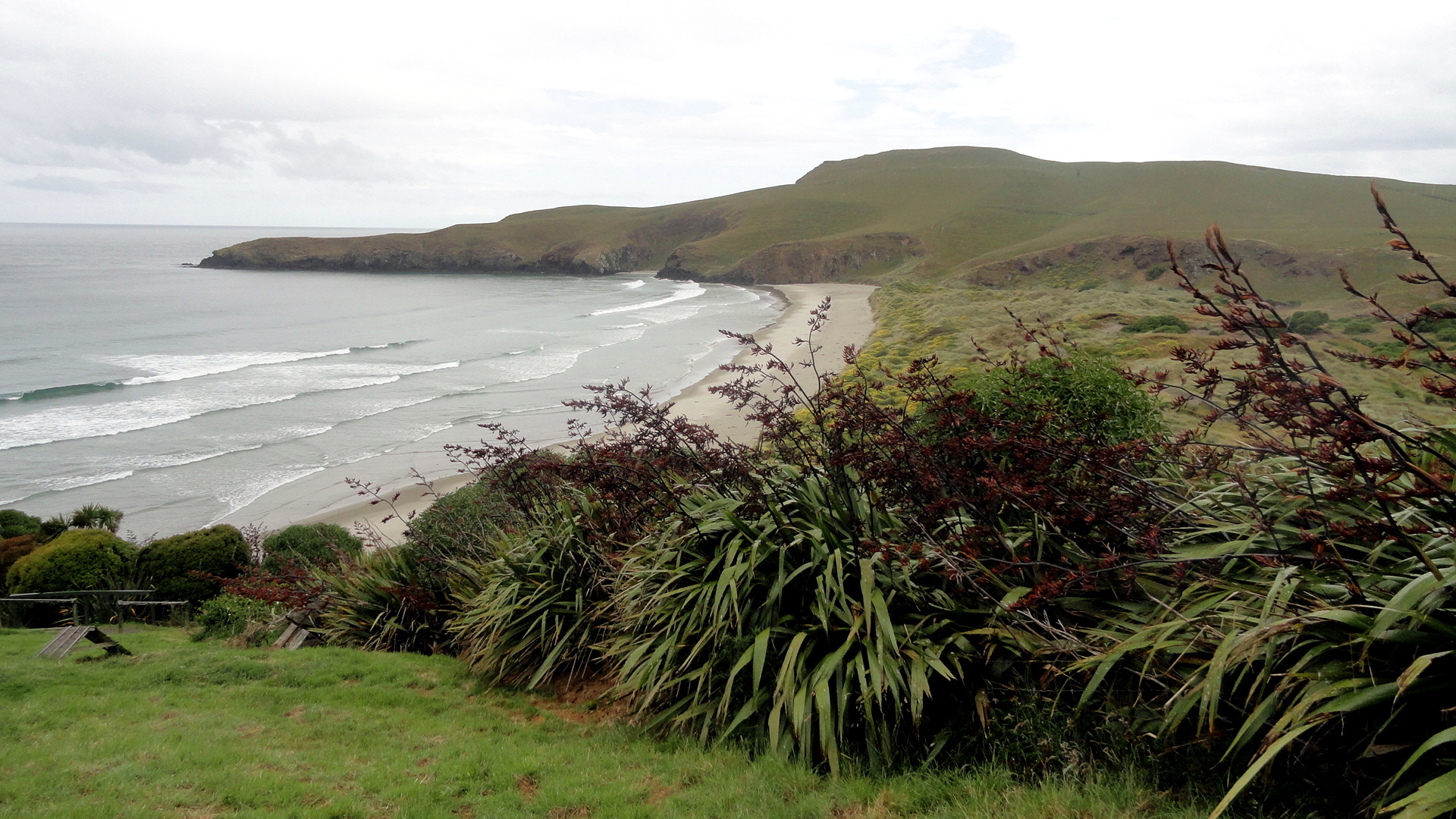
Many Penguins Nesting & Other Dunedin Scenes

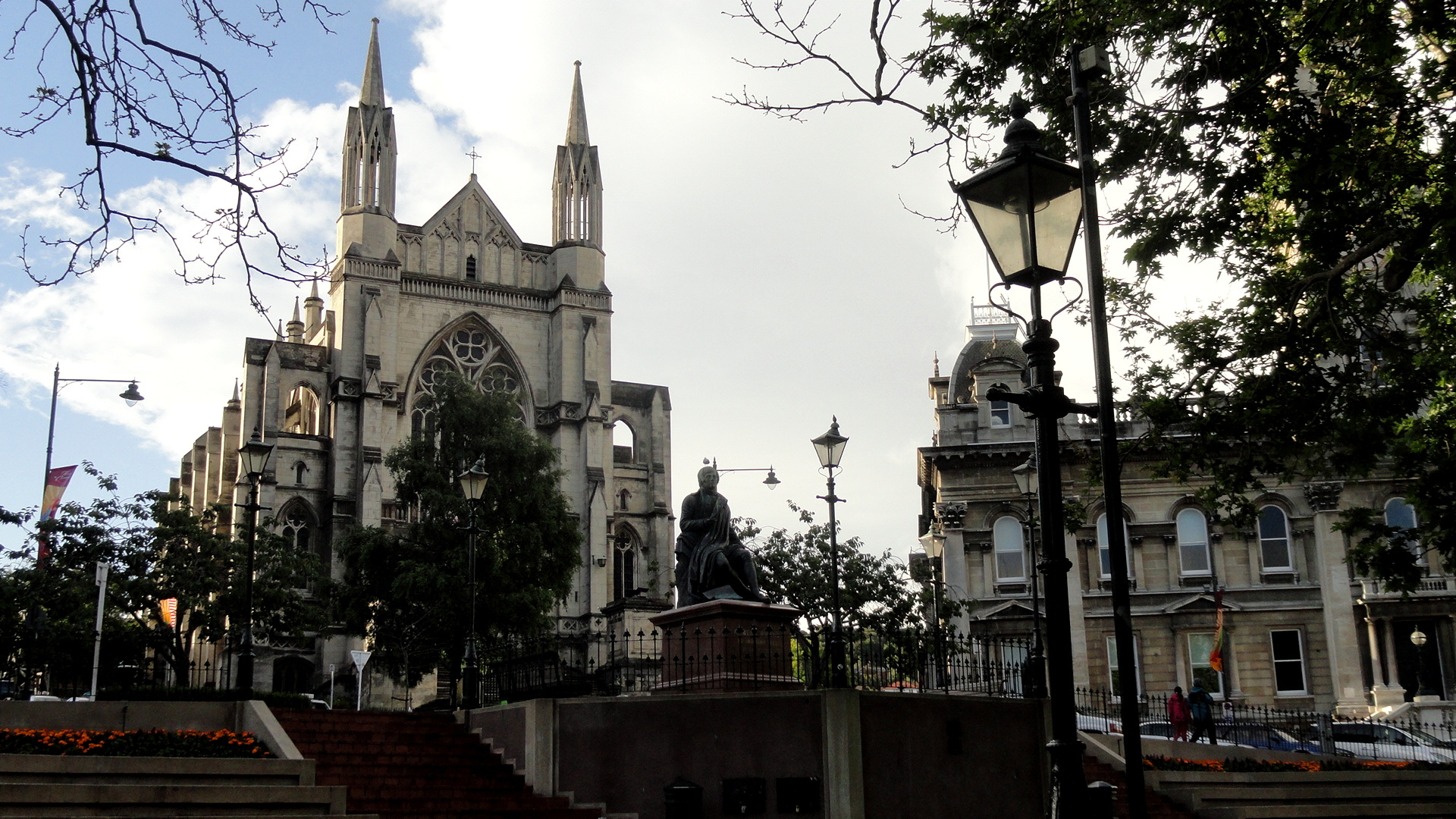
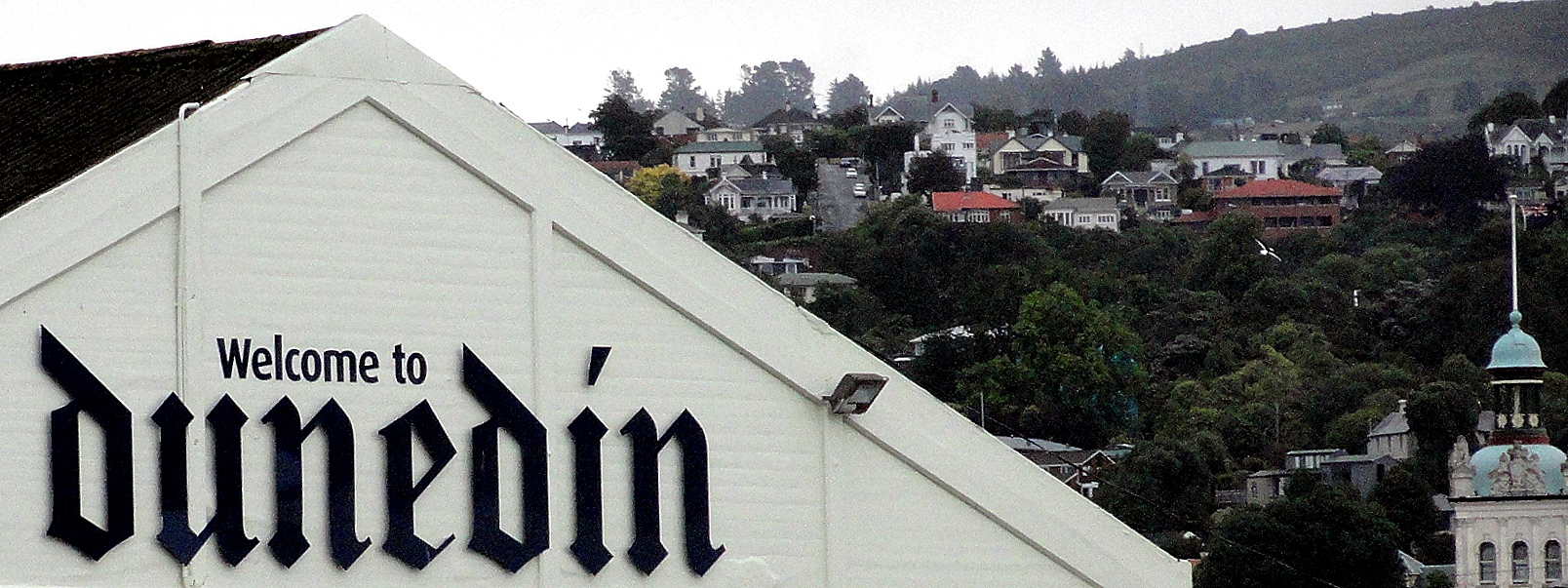
Looking at the opening shot from Dunedin’s lovely town center, called The Octagon for clear reasons, I am reminded how lovely blue skies can be. As you will see in subsequent posts from Doubtful Sound and here in Christchurch where we’ve been now for two days, this semi-clear day in Dunedin earlier this week was, roughly, the last bit of blue sky and sunshine we’ve had. Ah, for the sunny blue skies of our Cook Strait crossing!
That said, the Northern Royal Albatross, perhaps the most iconic fauna of Dunedin’s gorgeous if wet Otago Peninsula, only flies when it’s windy and seems to prefer the wet to the dry. Thus we were able to really enjoy seeing quite a few of the adolescents on the wing during out time around Taiaroa Head at the tip of said peninsula. Below is one shot of such a bird in flight, but no still image, not even something on film, could really capture the remarkable grace and perfection – for their evolved purpose of circumnavigating Antarctica in the roaring 40’s 80% of their time – of these creatures of the air. Their wings are multiply hinged, so that they unfold in sequence to reach a much greater length than you might think, if you saw one nesting on the ground as we did from the hilltop perch whence we first viewed them.
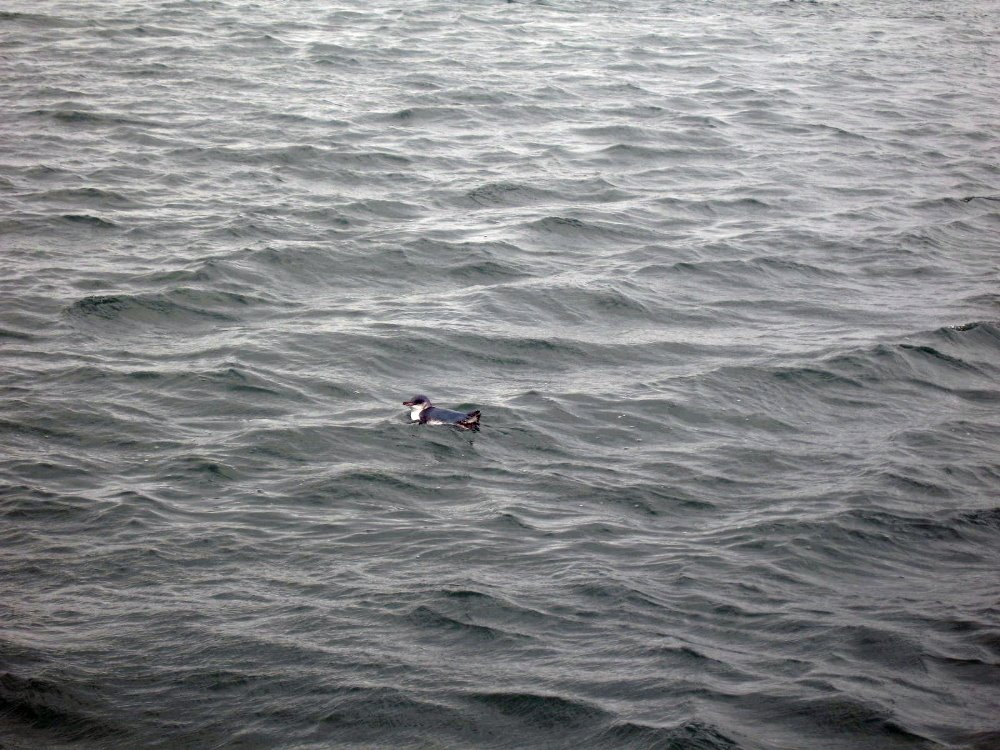
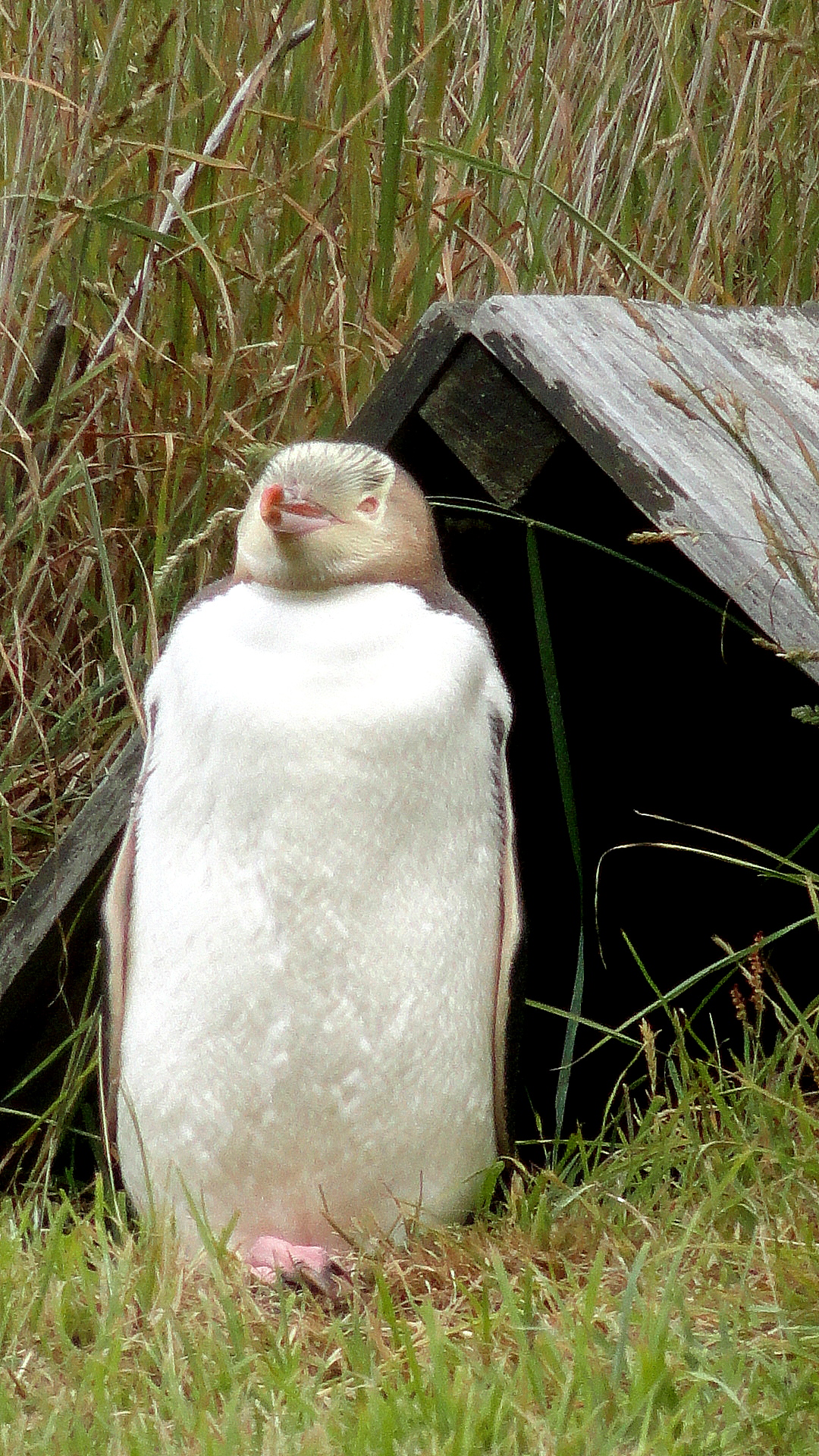
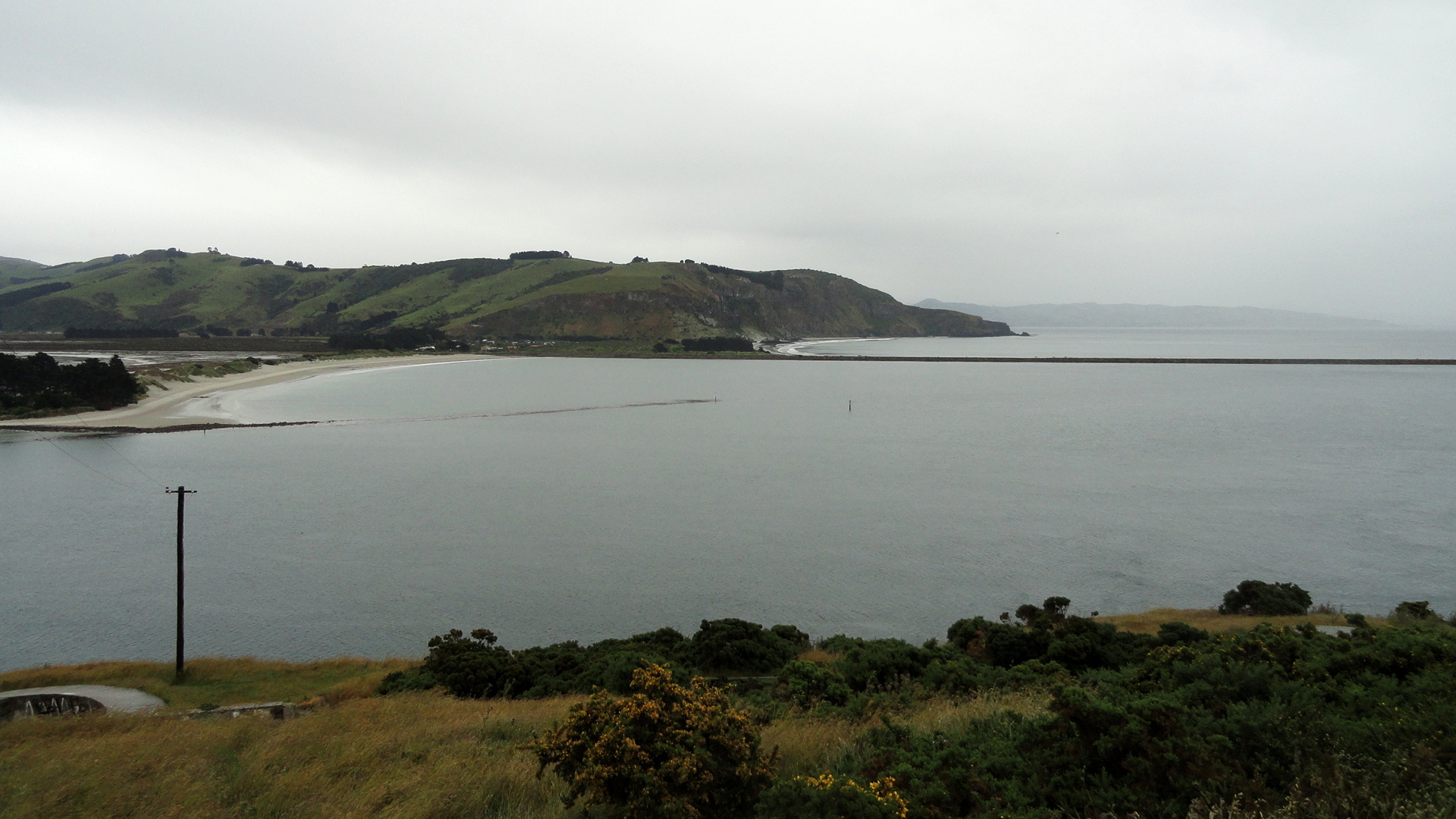
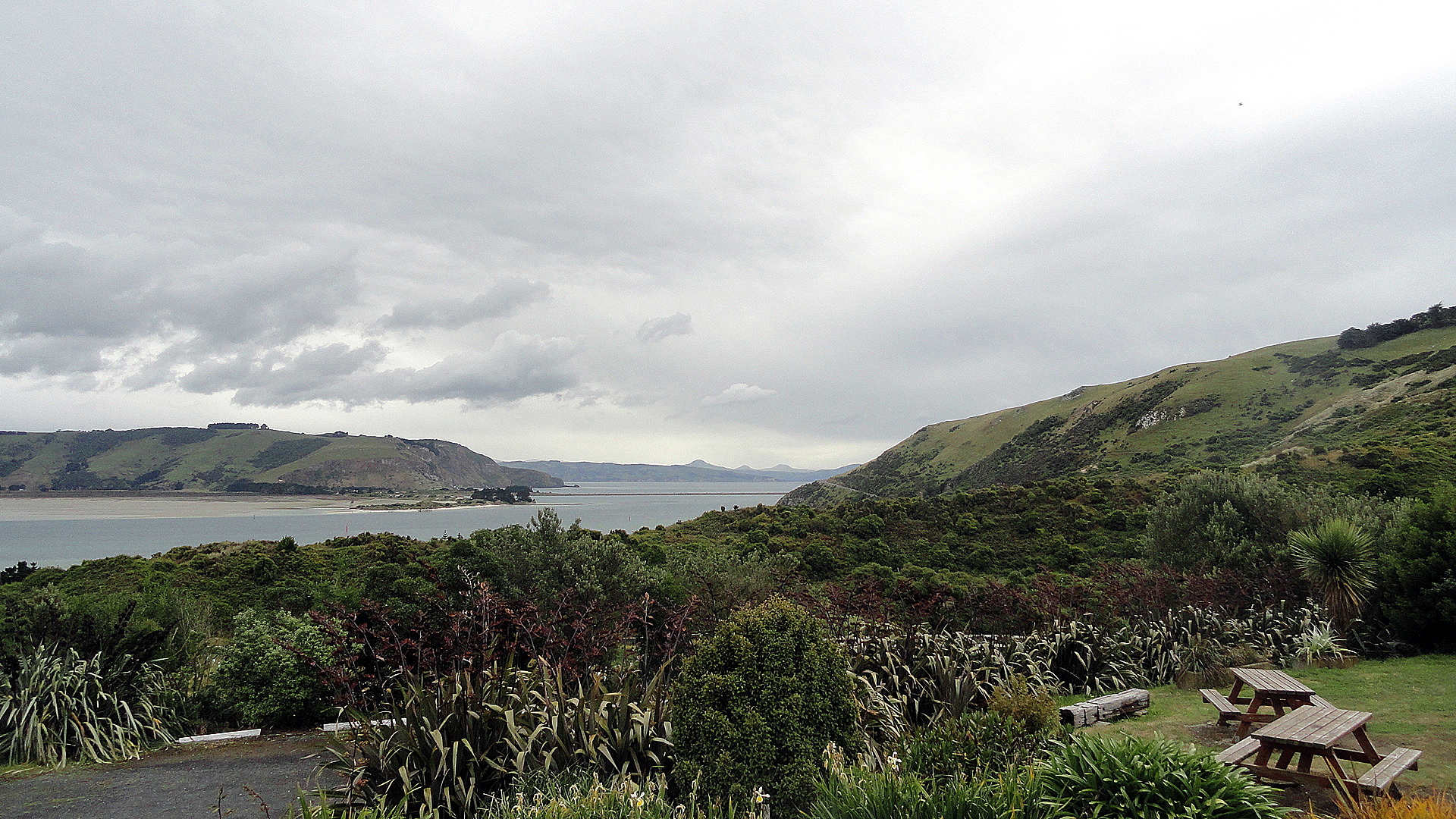
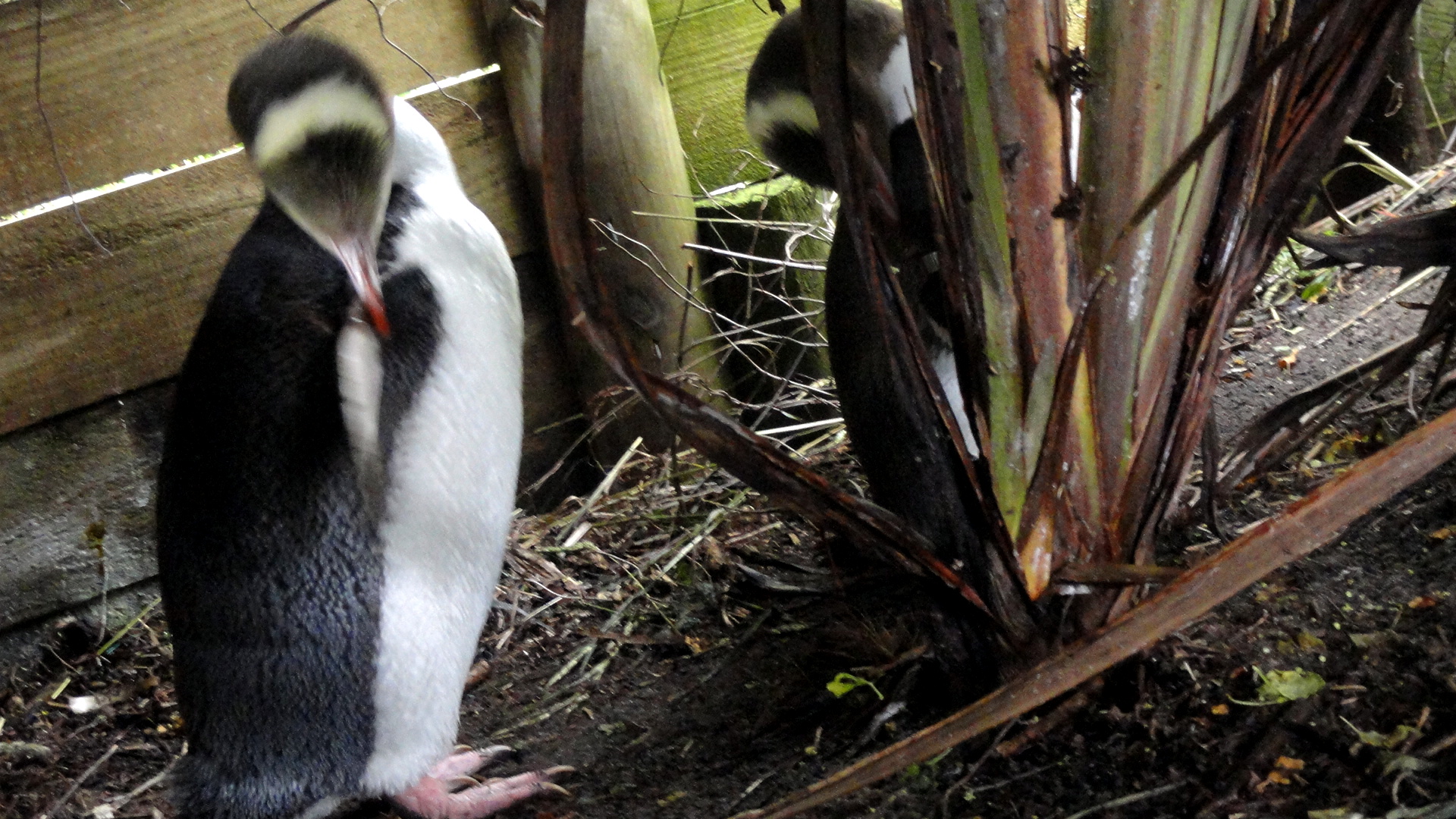
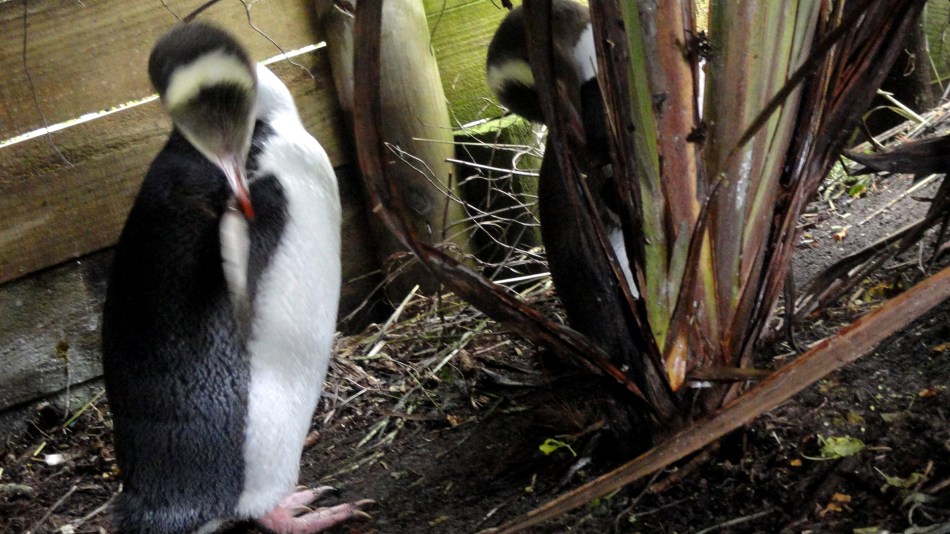
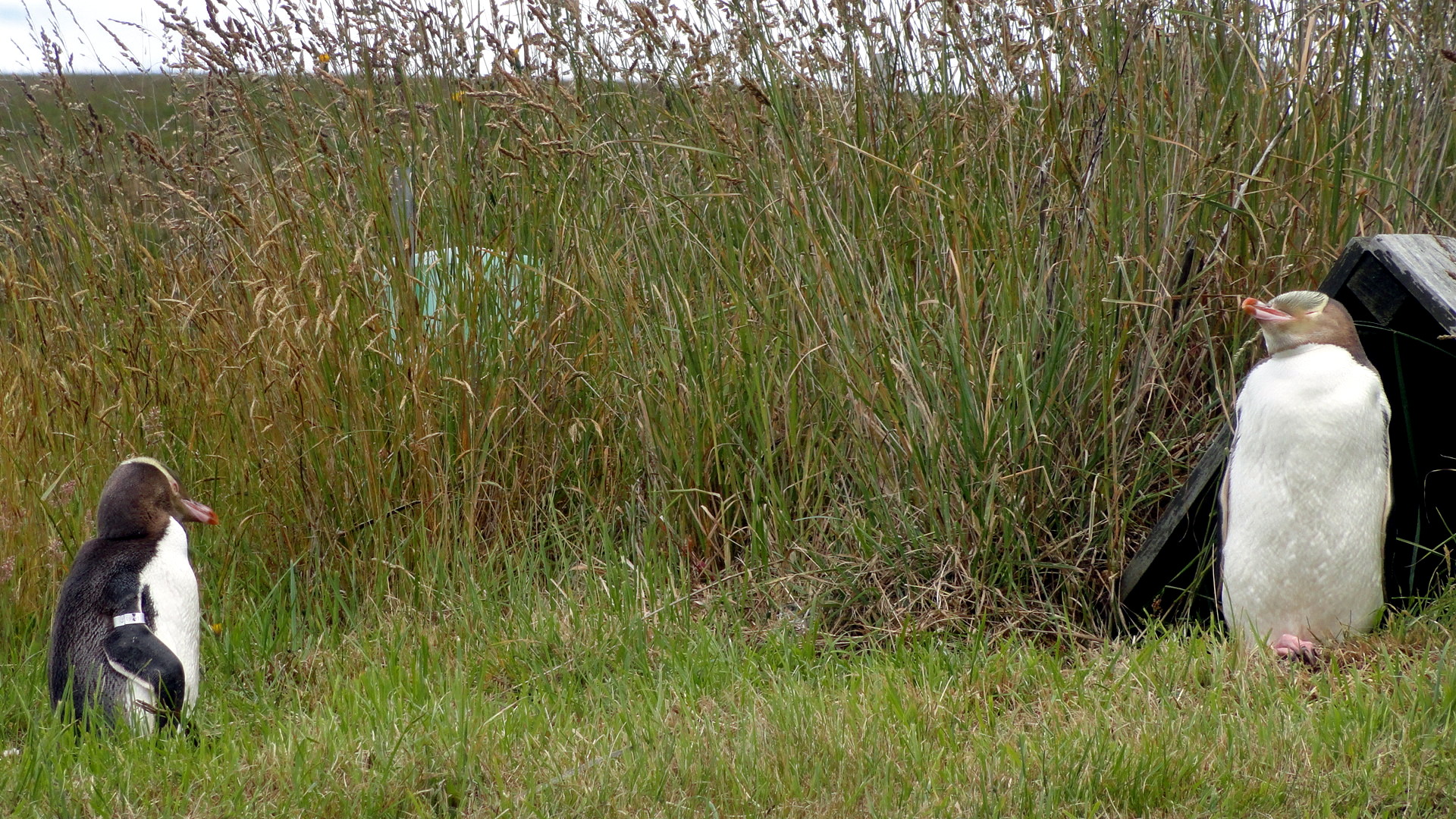
On the same remarkable day we saw all the yellow-eyed penguins, some of them up rather close and personal. They’re (one of?) the most endangered penguin species in the world. And, a correction to those whose imaginations have been over-stimulated by Happy Feet etc., most of the 18 extant penguin species are NOT ice-dwellers, but nest on beaches and, yes as seen here, in coastal-adjacent grasslands. What makes the yellow-eyed ones so rare? They’re the only anti-social penguin species. They won’t nest in sight of other penguins! So when Euros showed up here and started cutting down the coastal trees and scrub, these guys’ nesting habitat was greatly reduced. They also won’t nest if they see humans around – they’re very habit-driven creatures and do not like the size of humans. So on this working sheep farm, the owner a few decades ago decided to start tunneling down under camouflage nets that he’d erected to hide himself. These underground paths lead to what are now basically viewing blinds scattered over the acres of headland where the yellows come back now every year to nest and lay their one egg and hope it hatches and rears well. If you look closely in in the shot that should be more or less at the end of this block of text, you’ll see gray ball of fluff which is a several-week-old chick, the only one who’s hatched on this patch this year of about a dozen or so nesting pairs. Yellows are something like the third-tallest species of penguin. We also saw some little blues, aka fairy penguins (yay!), in the water, but they’re too small to capture well. (If you’re curious, there’s this from my last visit in Dunedin: https://somuchworldsolittletime.com/wp-content/uploads/2009/03/littlebluepenguin.jpg) — these guys are more numerous but they’re truly a bite-sized morsel for many an airborne or seaborne predator, so they try to camouflage well from both below and above and thus are hard to capture well on film. Because we so rarely get to see truly wild and natural penguins in their own habitat, I went a bit shutter-crazy, but to spare those of you without so much interest, I’ve tucked most of the penguin shots into a small thumbnail gallery below; the penguin-lovers among you can click on the individual shots to see them in fuller size; there’s another shot of the chick w/parent in there as well.
Anyhoo: I hope you enjoy these wildlife shots. Despite its Scottish weather, I find Dunedin – this time as last – a surprisingly appealing and magnetic town that I can somehow imagine living in. Who knows, maybe some day. Especially if I meet the right reason, as it were… Cheers and happy new year, one and all.


 …a northern royal albatross in flight, above; and a fur seal at rest below. There were tons of fur seals and even a few adorable, squeaky little pups hidden in the rocks and among their protective elders, but I didn’t get many good shots of the seals, either here or later in Fiordland where we again saw quite a few in the water and hauled out on land. They’re show-offs in the water, when a boat goes by, I can tell you that for sure. 🙂

 In the shot above, you’re looking down from the Octagon toward the train station in Dunedin, a grand building erected during Dunedin’s reign as wealthiest town in NZ (late 1800s or so, due to gold finds around inner Otago region) which they claim is now the most-photographed building in NZ. Having not photographed it last visit, I figured I’d do so in my usual off-angle way this time around :p)
Ferrying Across the Cook Strait
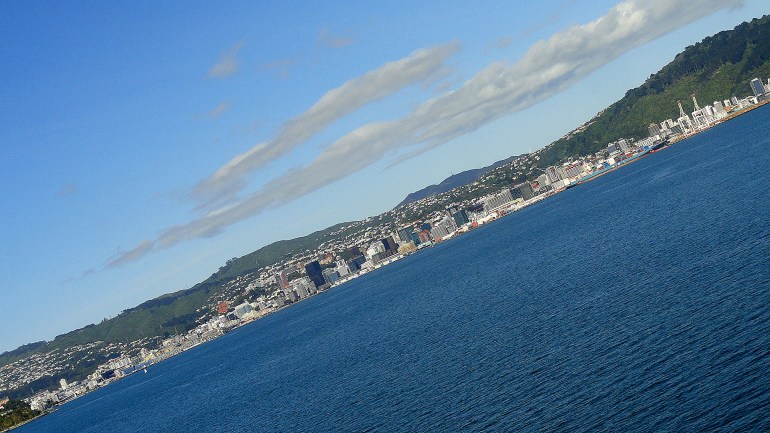
smw, slt is spending the end-of-year holidays (solstichristmakwanzakkah, you know) in the company of my mother and one of my brothers, along the shores of lovely lake Wakatipu here in Queenstown, south-central South Island in the lovely nation of New Zealand. NZ rocks: I first visited here four years ago and l o v e d it; I’d move here in a flash if I met the right reason and/or if nearly everyone else I know in the world didn’t live at least a 12-hour flight away. NZ is very nearly the same size as Colorado in land mass — one key difference, of course, being that NZ is composed of a handful of big islands and hundreds of littler ones floating in the South Pacific, where poor Colorado remains firmly landlocked until global warming truly does its worst to us all — and has roughly 20% fewer inhabitants than Colorado. It has mountains as high, but unlike CO it also has fiordlands and tons of interesting glacial lakes, volcanic cones, a sub-tropical north, world-class wine regions, two species of indigenous penguin and the only mainland-based colony of ablbatross in the world (mainland meaning a large island with a big human population), and a LOT of fur seals. All of this adds up to many choices of wonderful places to visit in a short two-week holiday, which is all we have time for now. We started out in Wellington, capital of the this kewl little country showcased above and below; thence we hopped the ferry across the Cook Strait to the northern end of South Island. It’s this journey which is documented in this first post from my end-of-year holiday.
I apologize that these NZ posts will, of necessity, be broken up over several entries. I’ve got tons of shots of penguins, a few of flying albatross; I’ve got photos of waterfalls and fiords still to be sorted and color-corrected, and I really do ditch more than 75% of the shots I start out with. So there’s much sorting to do before I come up with another post for everyone. With luck I can post those as a new-year card to everyone. At the moment, it’s Christmas morning here and it’s lovely to be with family again. The news break is just carrying the update on South Sudan, which had started to look worrying before I left PNG for holiday. Since I’ve many friends working there, and in Central African Republic where tens of thousands continue to be affected by insecurity and violence, I find myself as usual a bit conflicted this Christmas morning: grateful that I can sit in luxury and comfort, surrounded by family, by the lovely shores of Lake Wakatipu (say that, slowly, out loud, a few times to start your day: it’s great fun, and yes rather juvenile)…and at the same time rather heavy of heart at how the world is so sorely and sadly divided into zones of privilege and comfort whose inhabitants tend to be unaware and unappreciative of how very lucky they are, and too much of the rest of the world where families struggle to stay alive, secure, healthy and well fed. I wish for us all in this sadly fractured world, as always, a bit more peace, health, and security in the year to come. Hugs, one and all.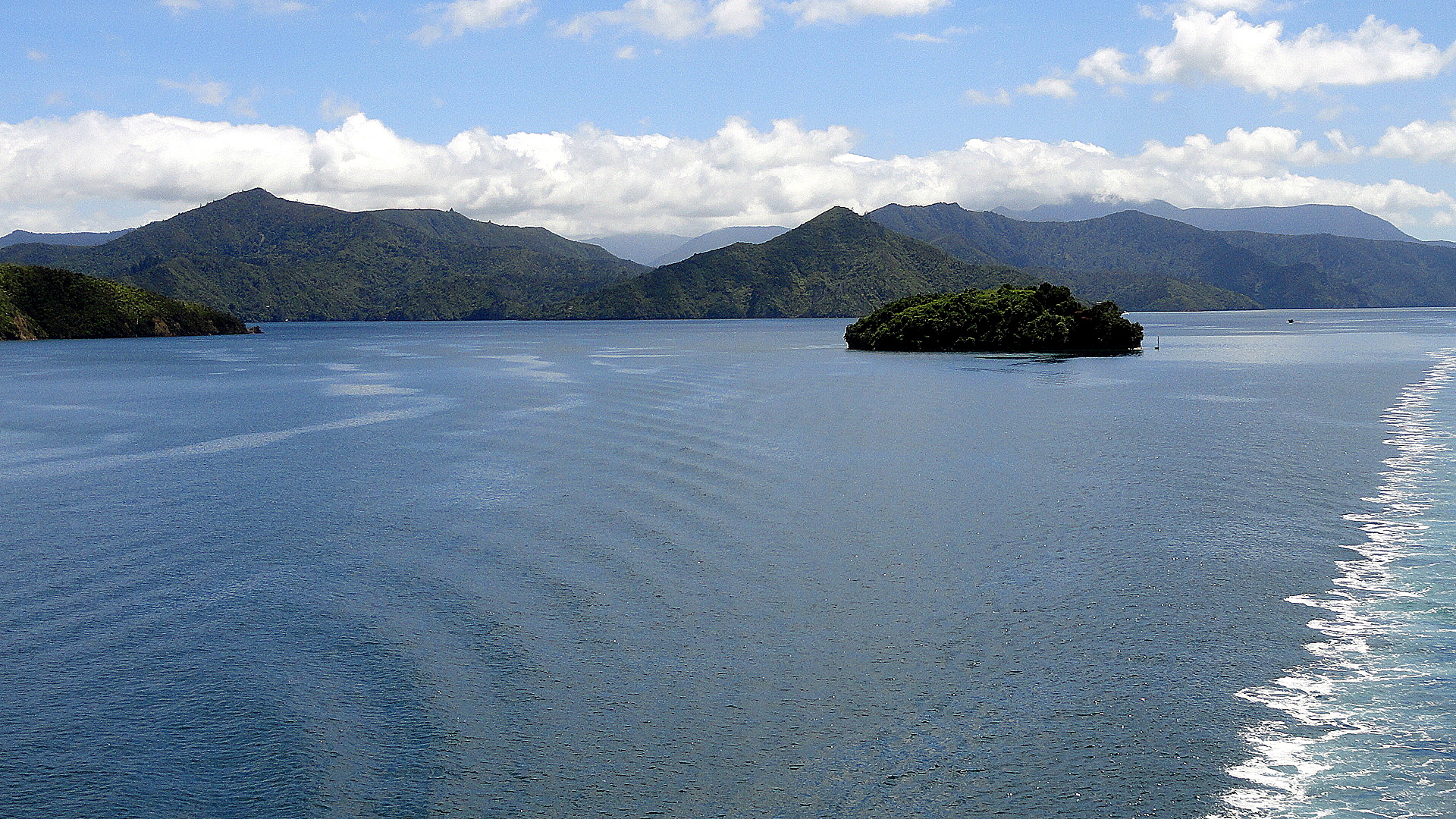
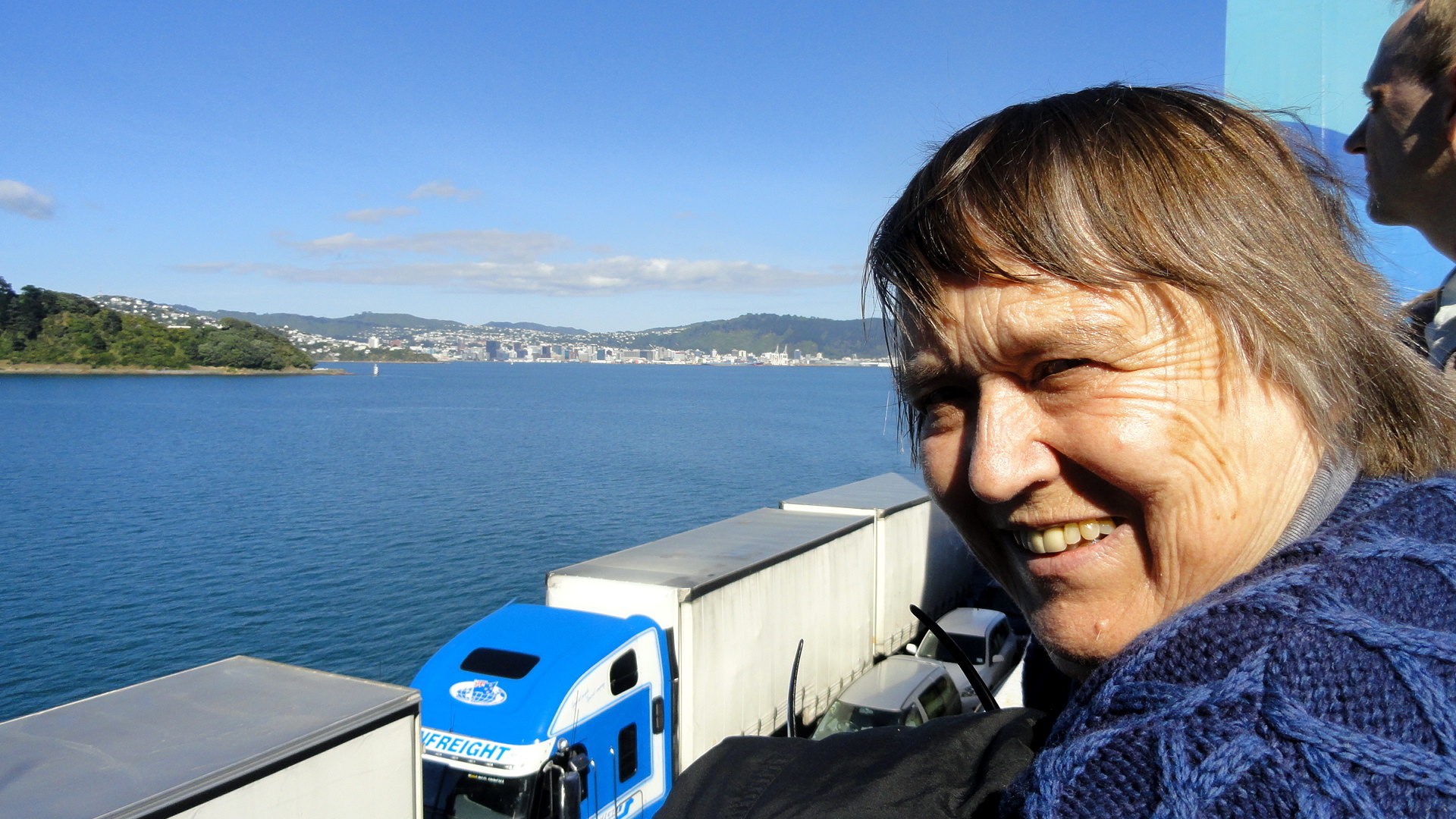
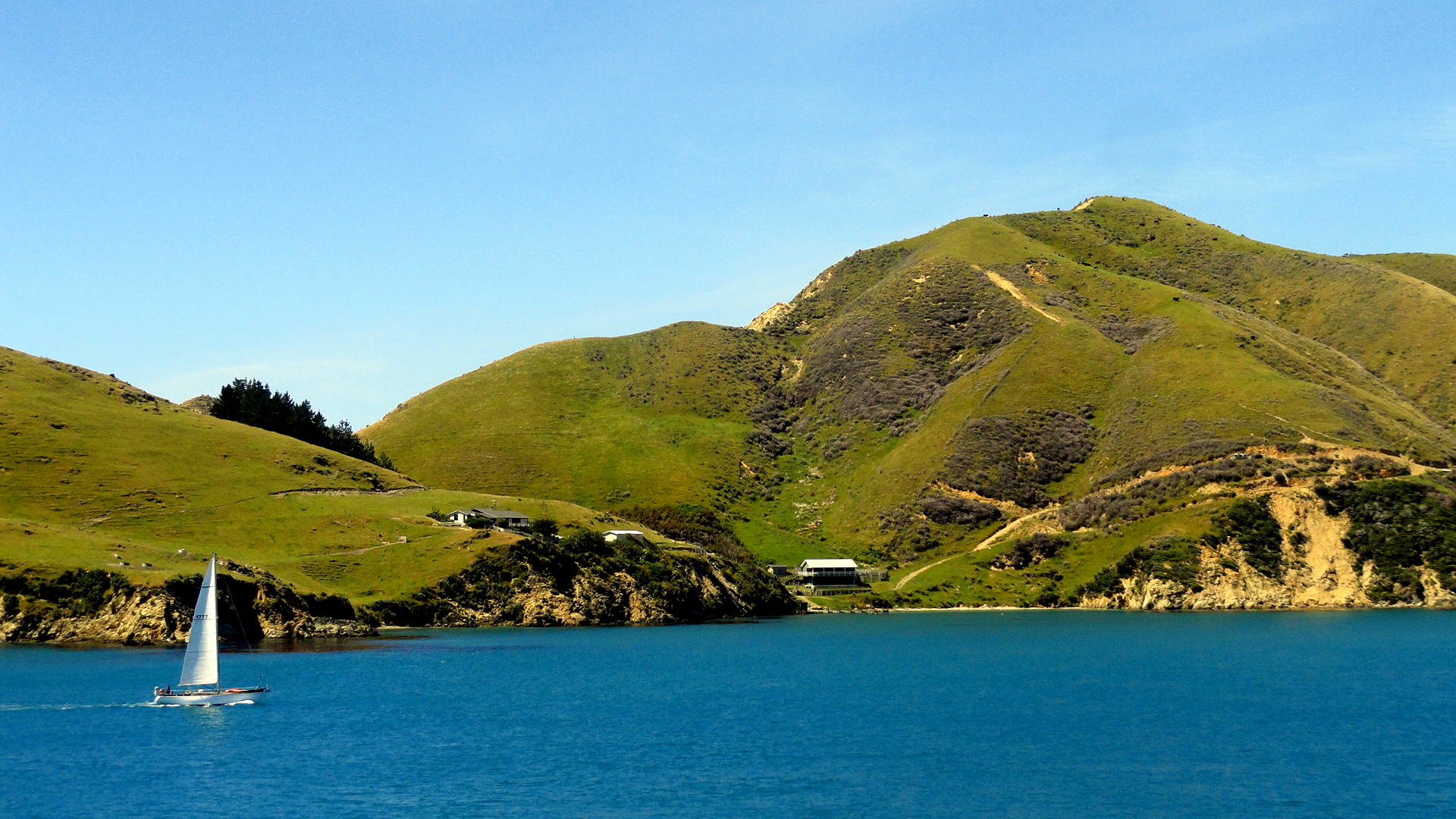
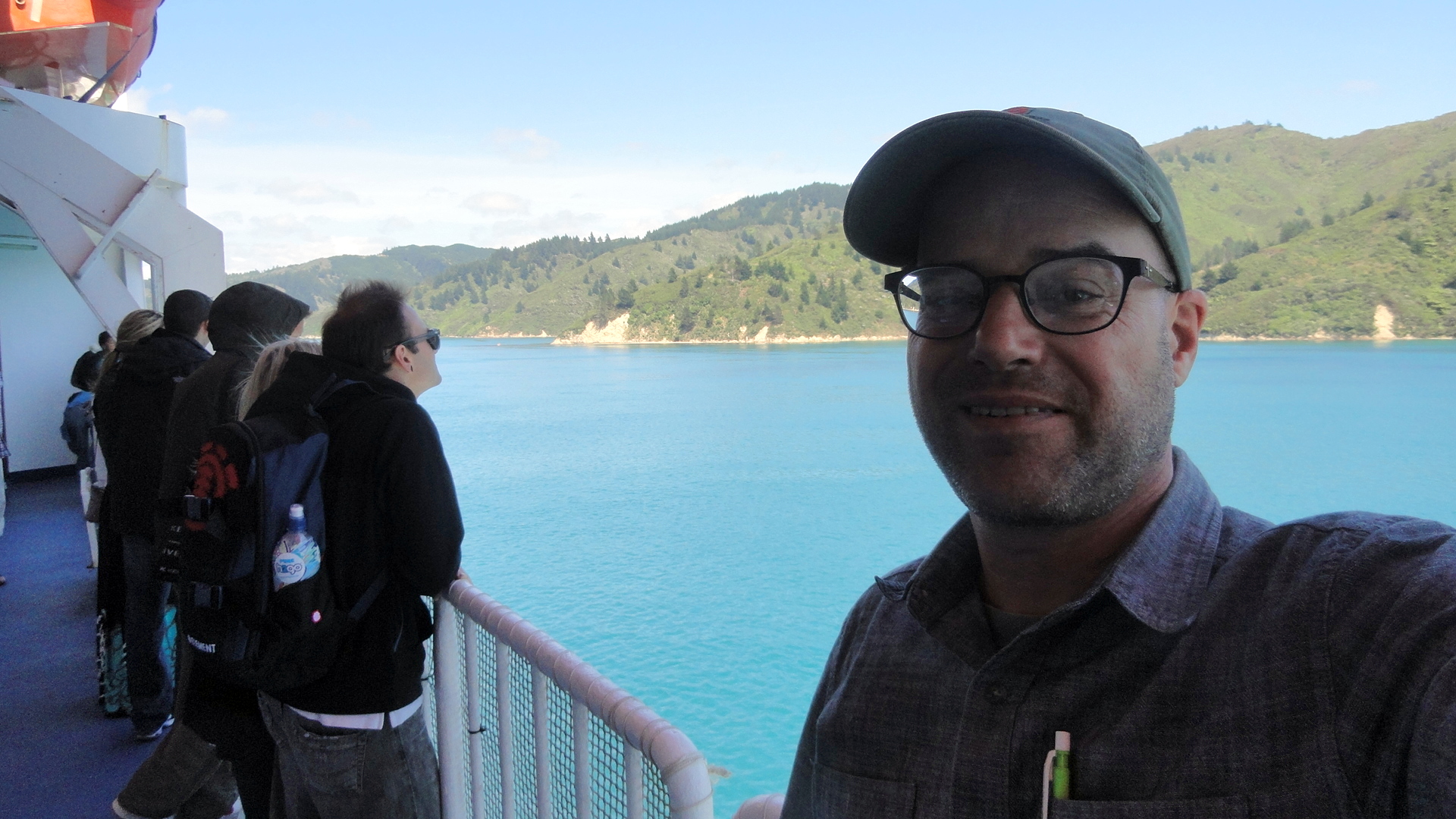
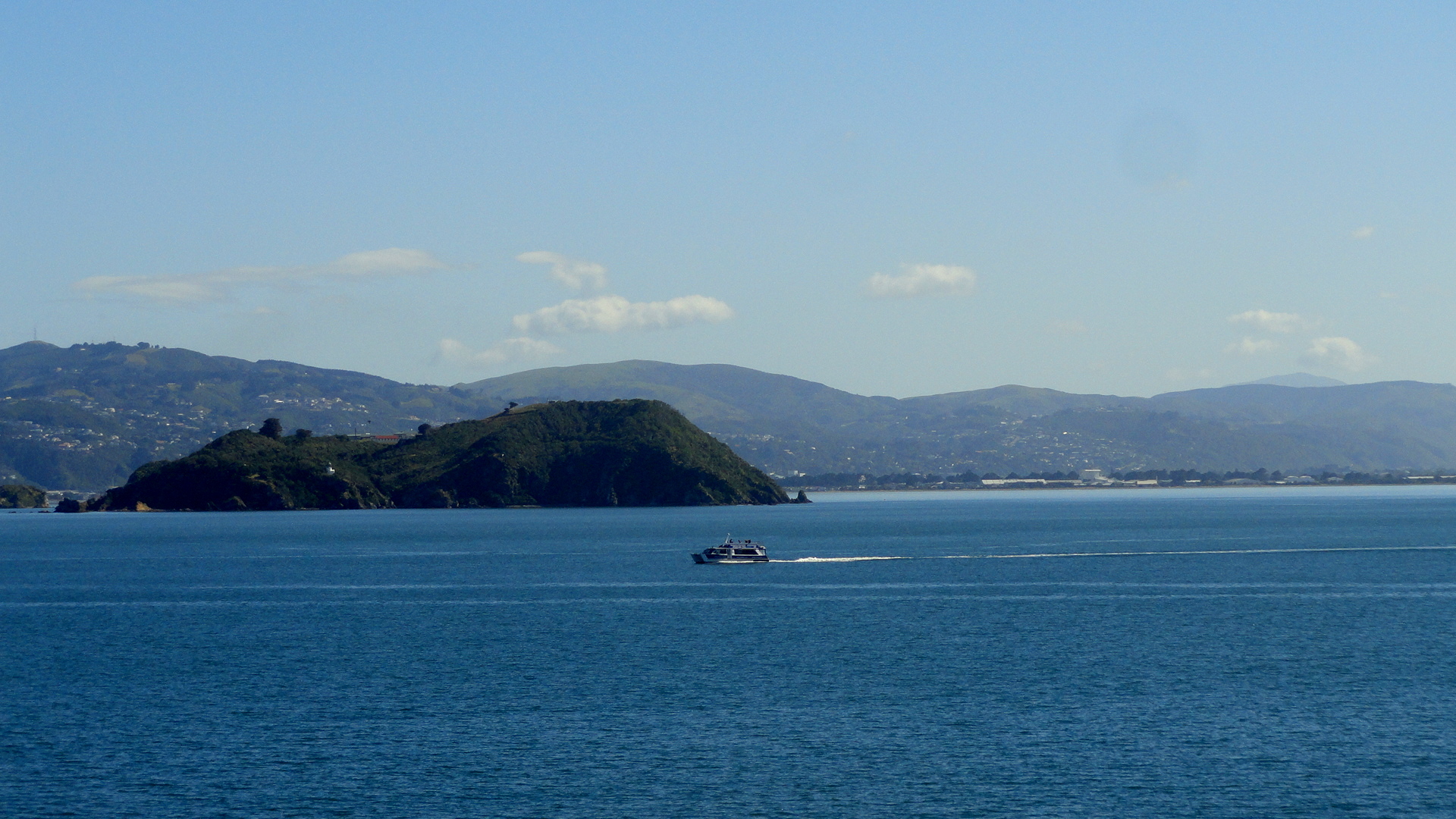 Above are some of the shots exiting the complicated harbor at Wellington, whence one crosses the Cook Strait and tucks into Tory Channel, one of the many inundated valleys that form the Marlborough Sounds region on the northeastern coast of South Island. If it lays out as hoped, below you’ll see a shot where we’ve entered the Marlborough Sounds and left the rough choppy waters of Cook Strait behind; and a few shots of the drier, pastoral hillsides along the sound. Then at the end you’ll see a bit of an opening where the ship turns sharply right to enter the main channel of Queen Charlotte Sound, then sharply left again to enter Picton harbor; I took a shot looking back at the curve of our wake as we bid adieu to Tory Channel. And then, at the end, the shot Steve & Mom got suckered into buying when they did their Glow-Worm Cave Tour at Te Anau in the Fiordlands — having done that tour a few years ago, I didn’t repeat it but instead cooked them dinner. Ah, such a tour host am I… 🙂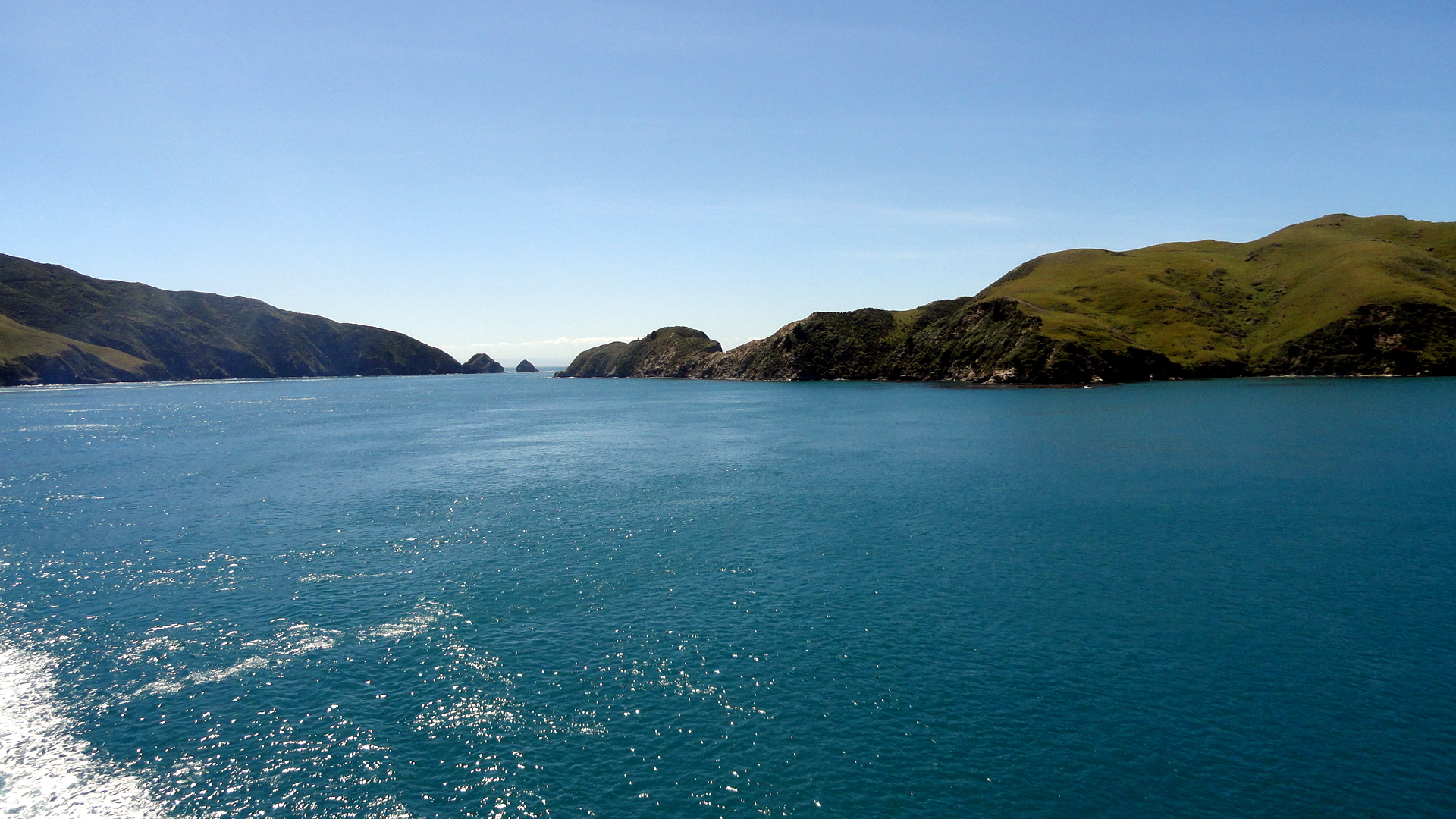


Hela in the Highlands
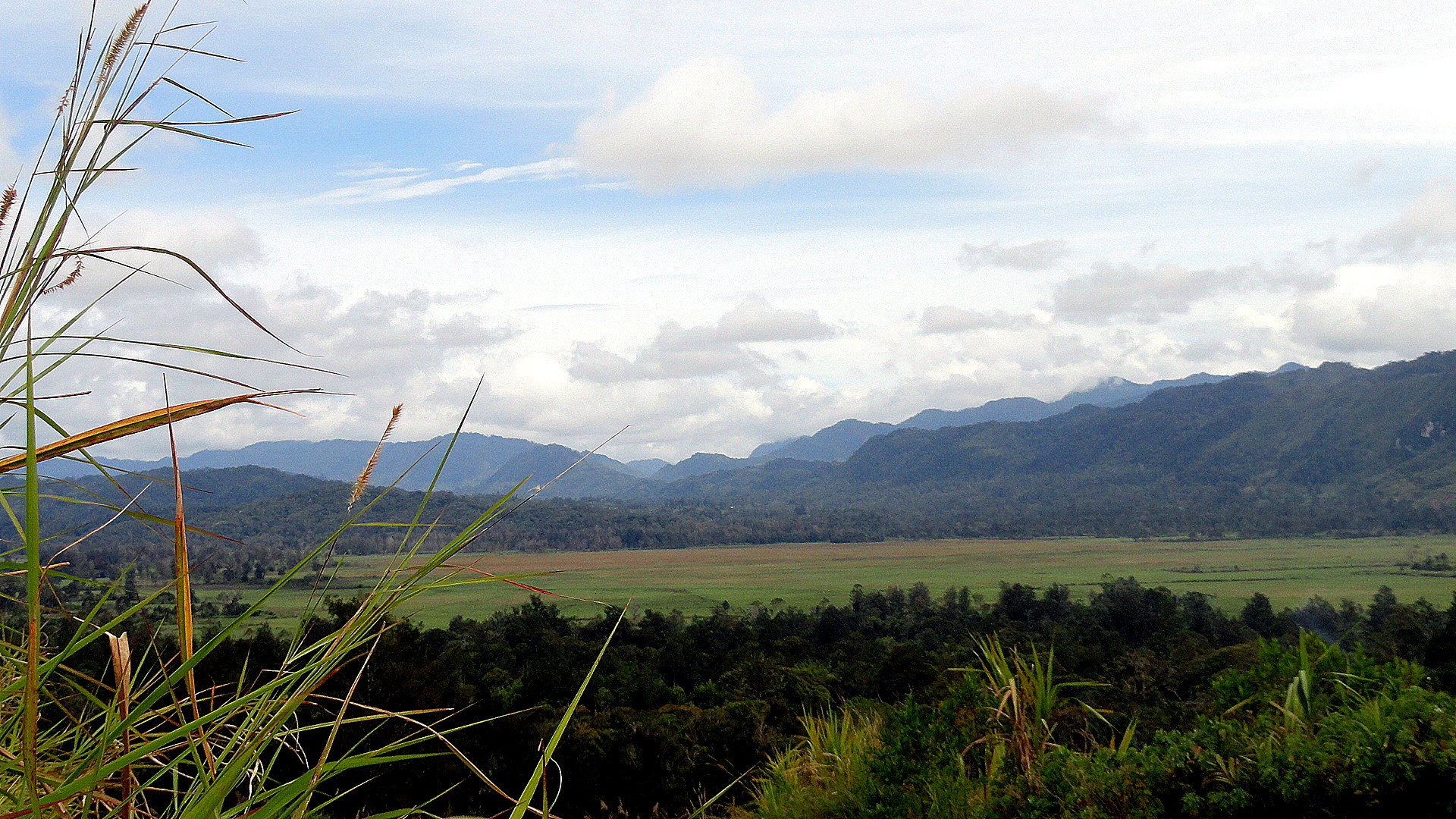
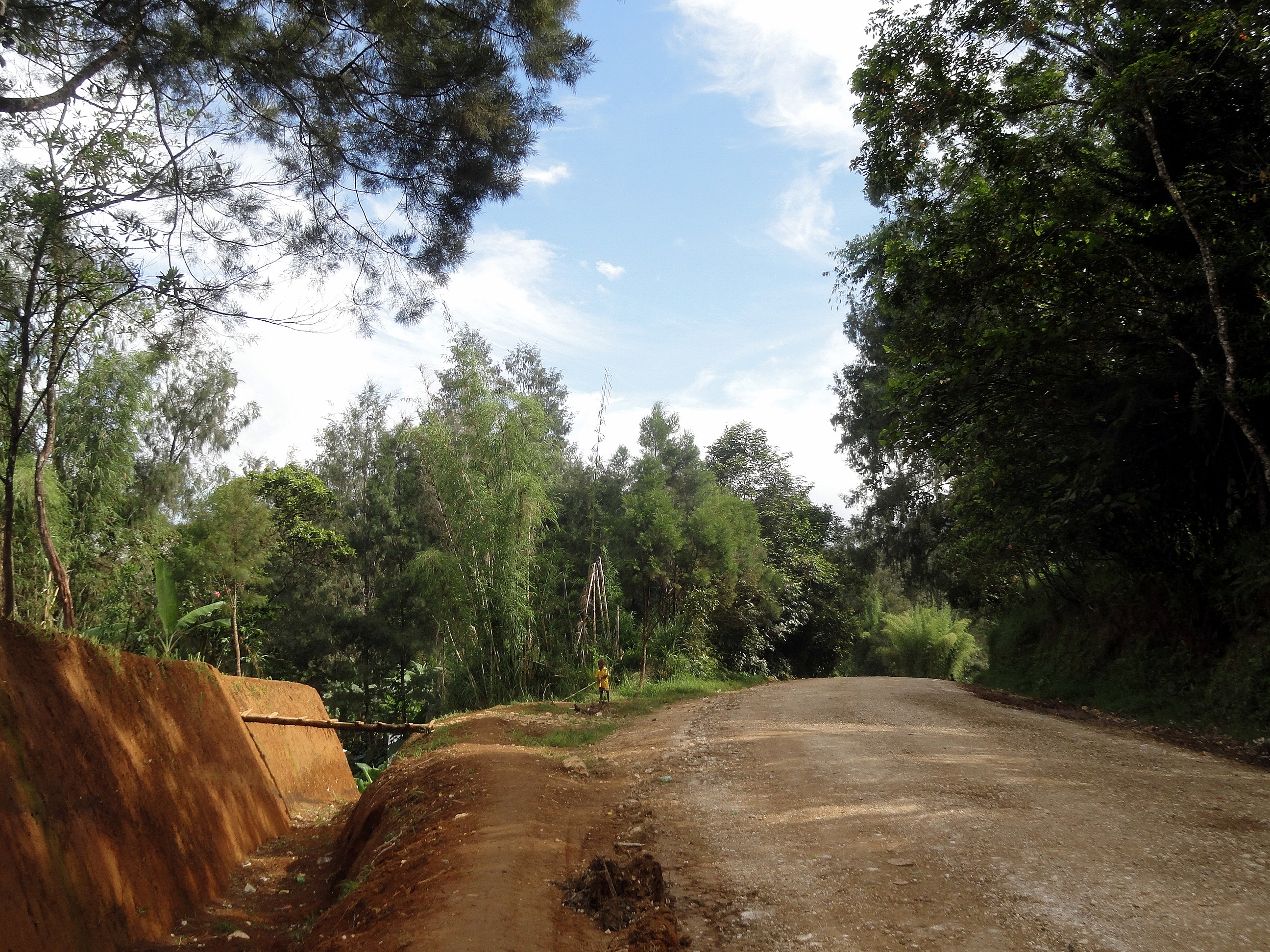
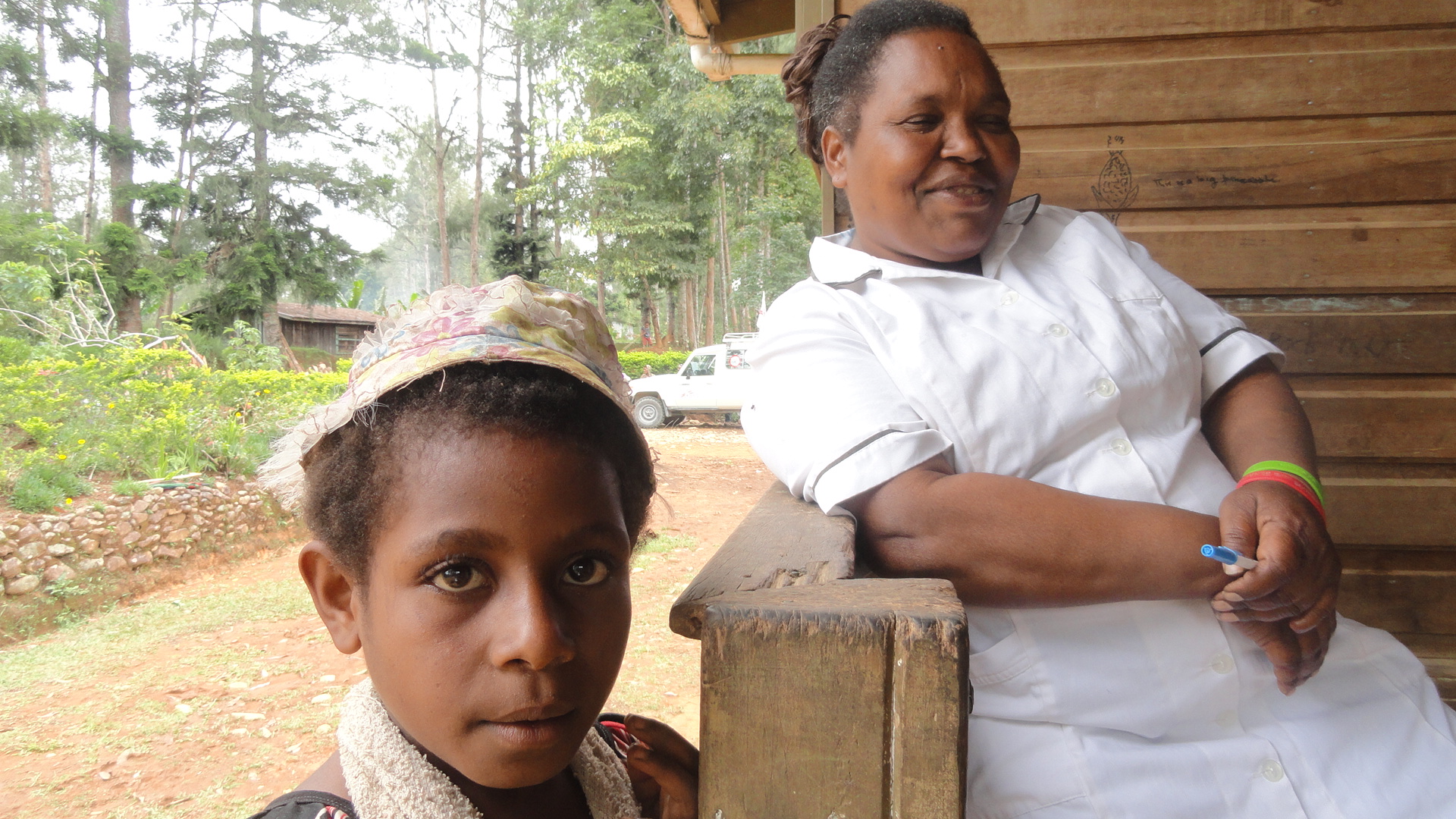
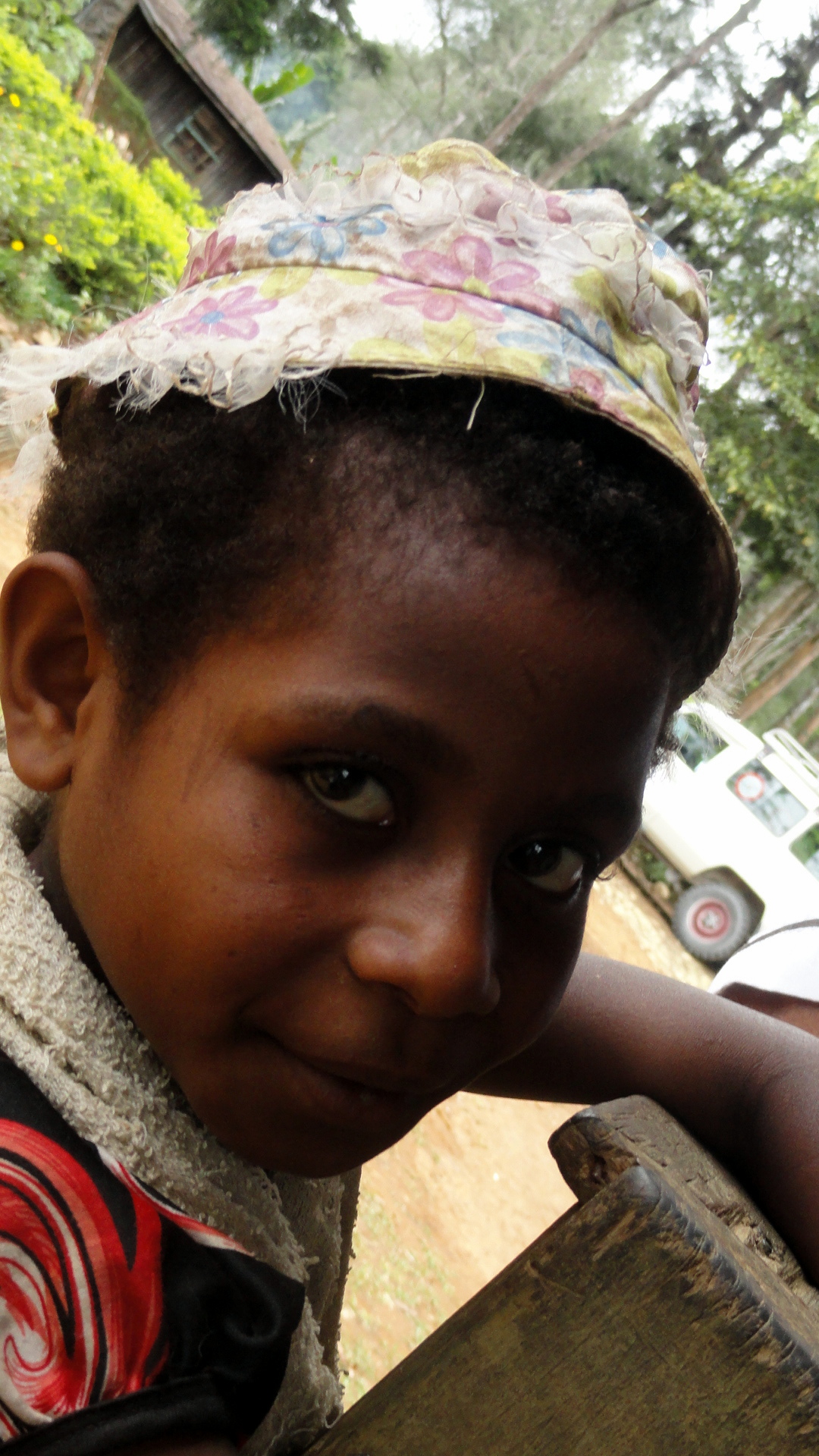
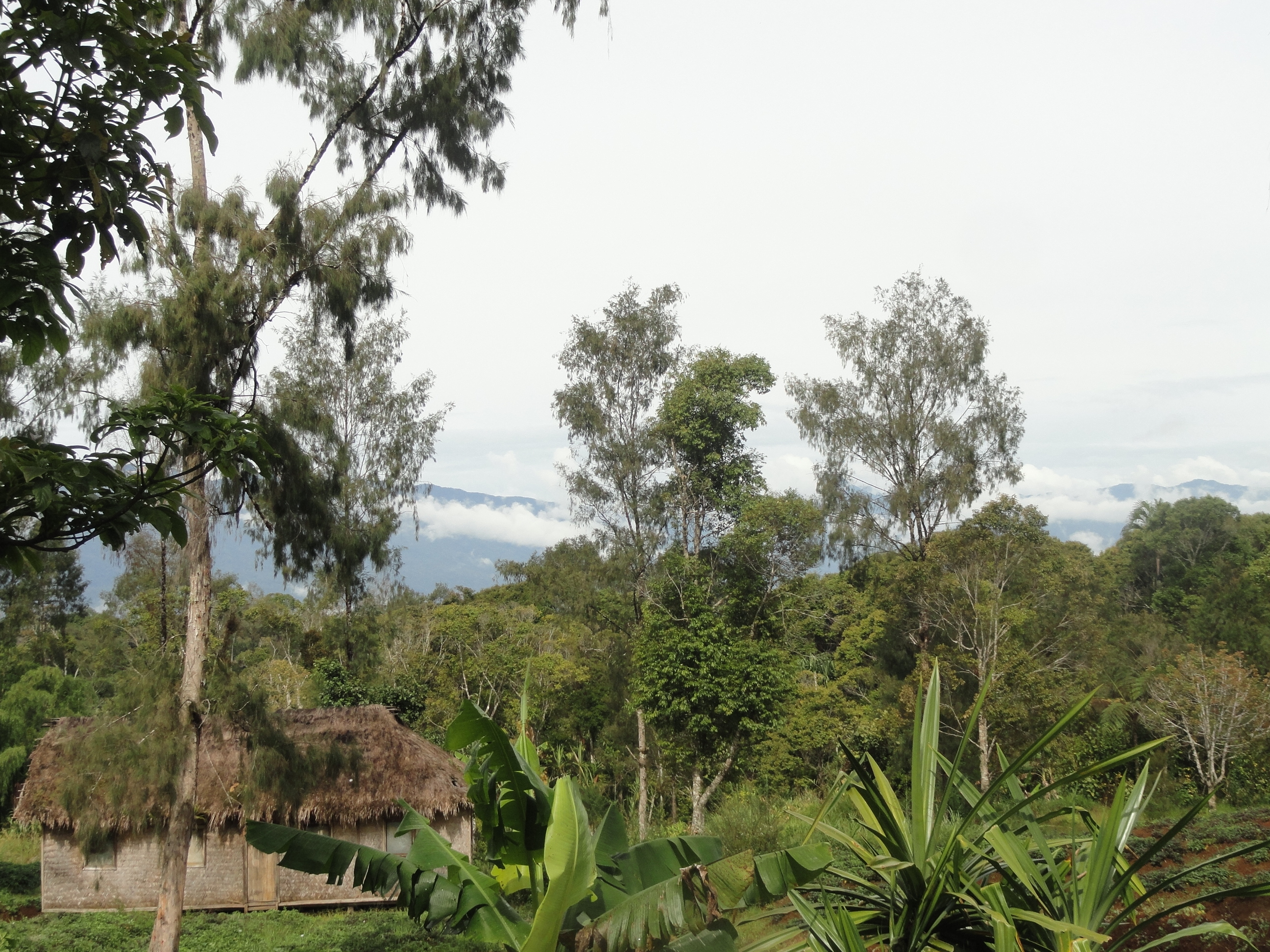
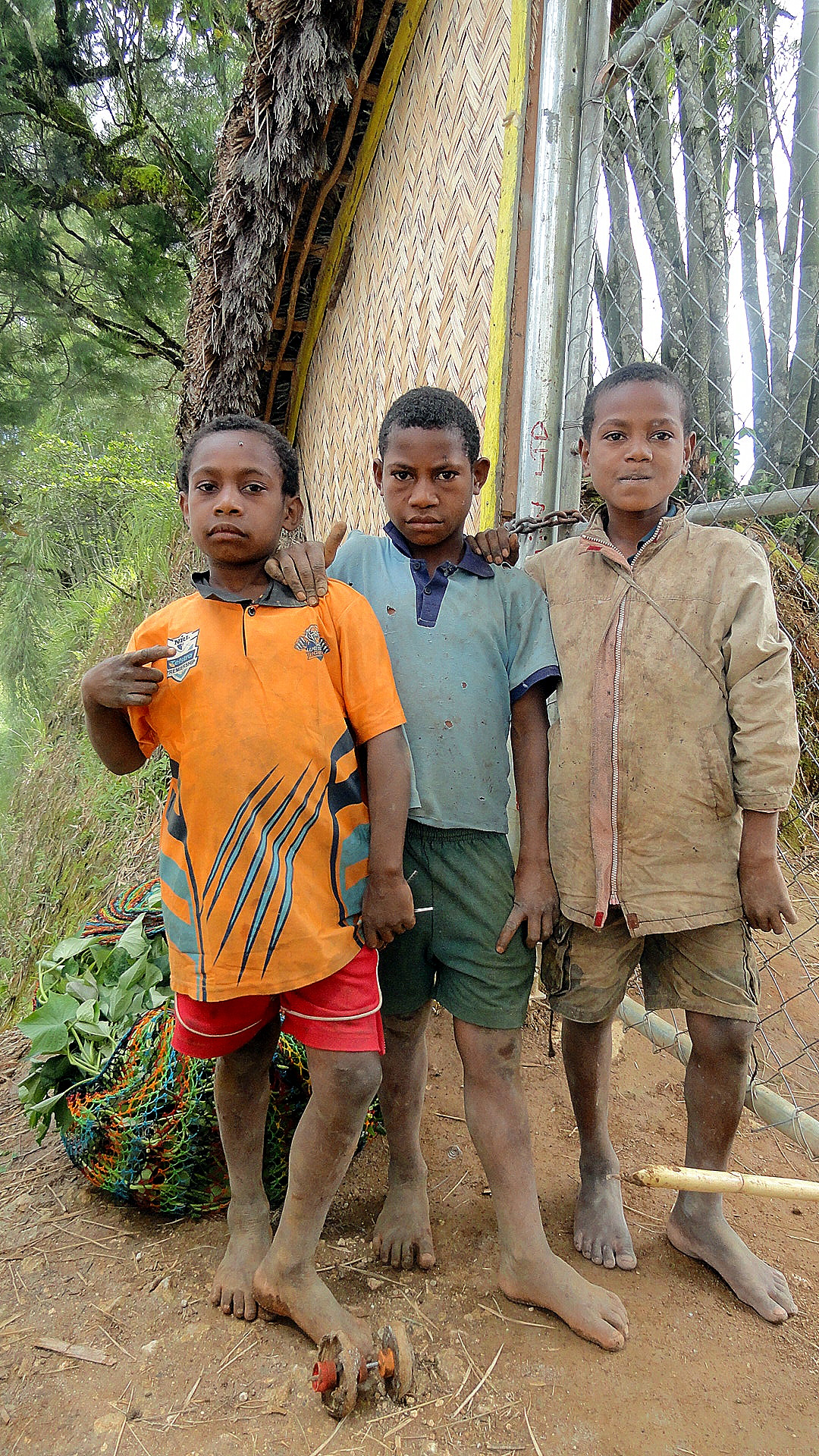
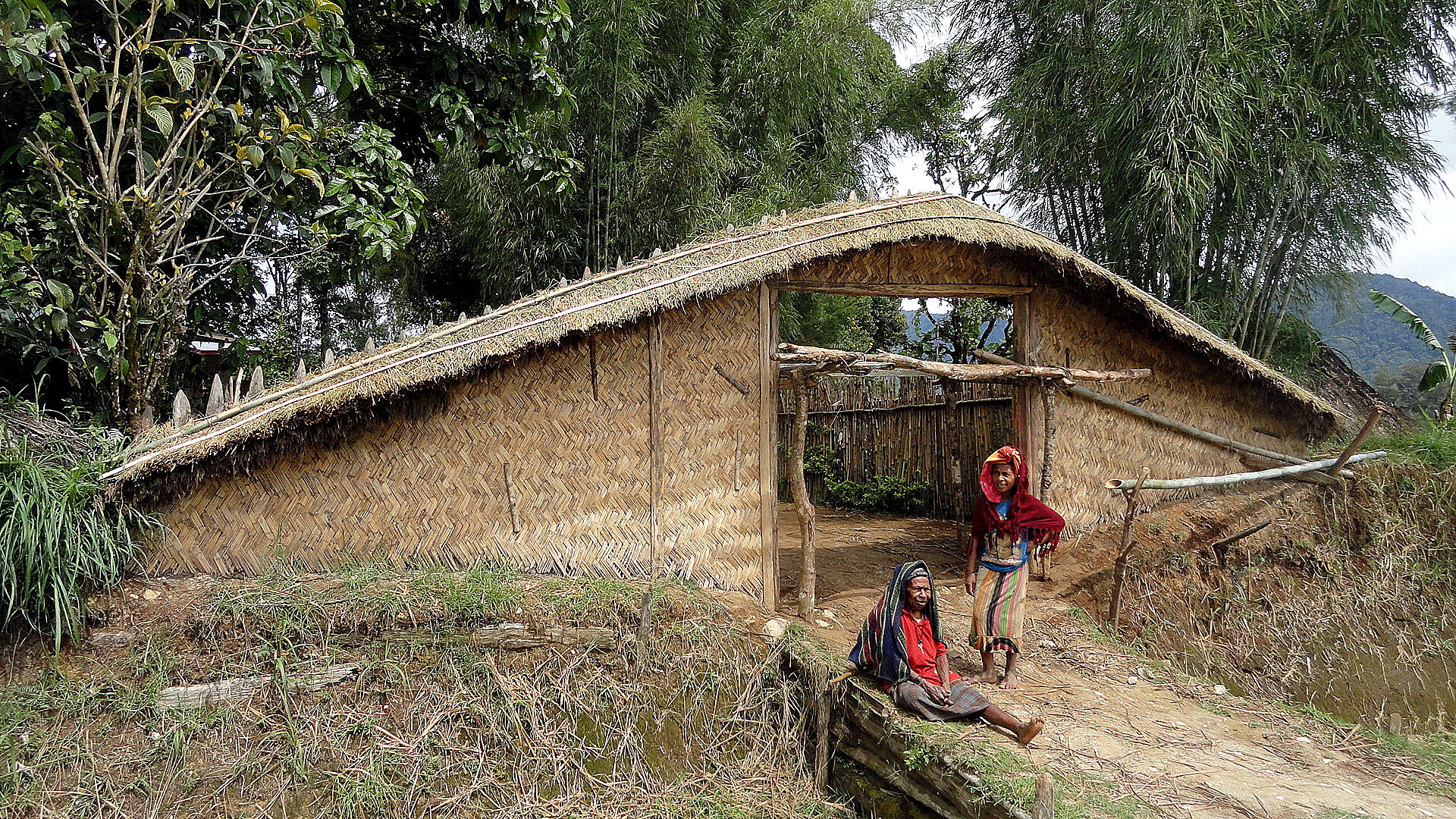
smw, slt is now in New Zealand, but we decided before we start popping new shots of NZ (check back in: they’ll be up as soon as I can start posting them…), we should post the shots from our last sojourn up in the Highlands at Tari. With my end of assignment approaching closer and closer, I am trying to take note, to track, to record some of the people and places I see. Herewith just some shots from a few days out and about in the highlands again – daily life on the roads of Hela, as it were. Enjoy. More later, from lovely NZ where I’ve joined my mother and brother for a while.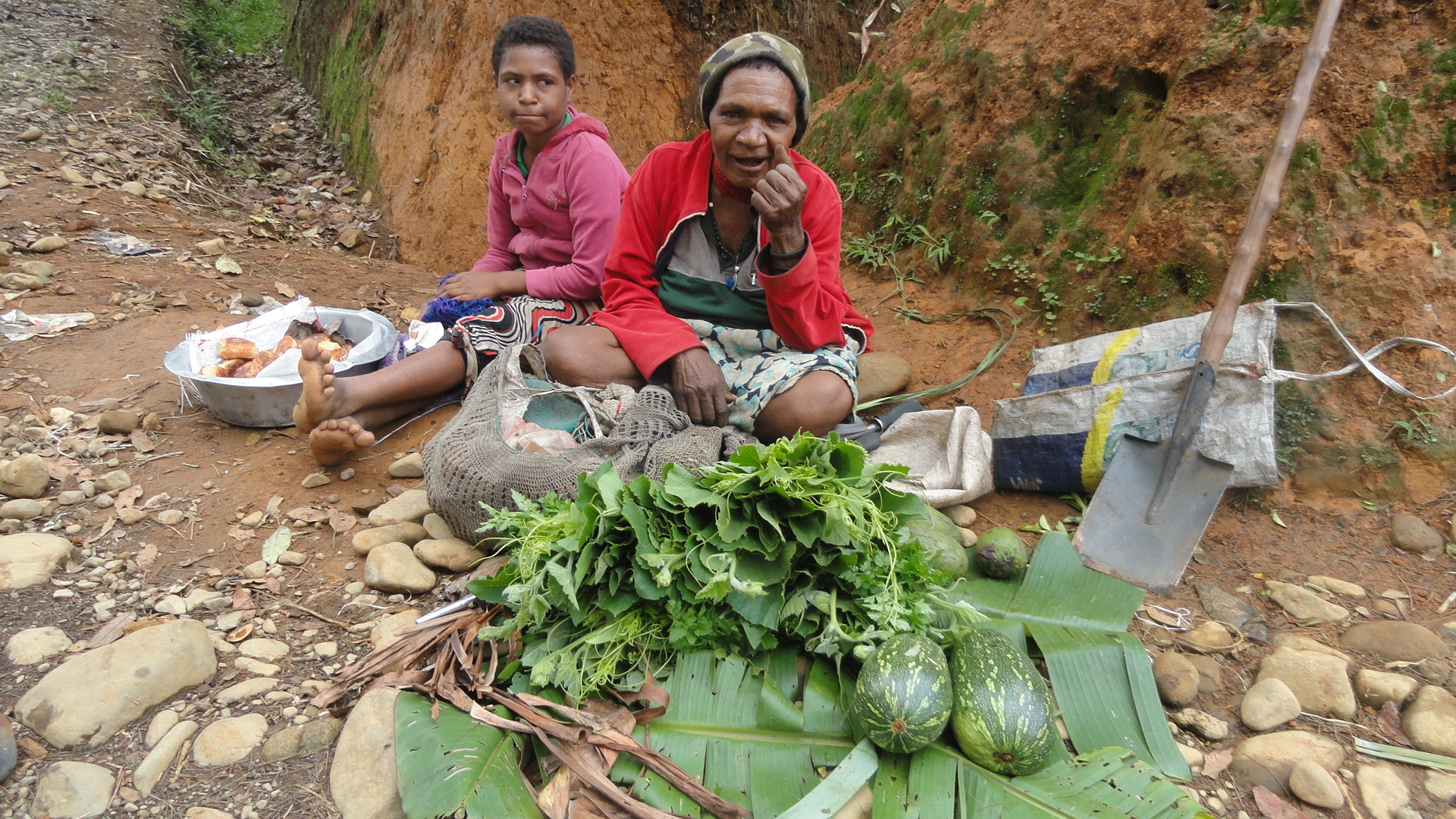
…above, some lovely local produce for sale; below, another in my occasional series of shots chronicling the decorative headgear of Huli men – regular readers will recall some other similar shots, new readers can scan under categories at the bottom other entries from Tari and Hela.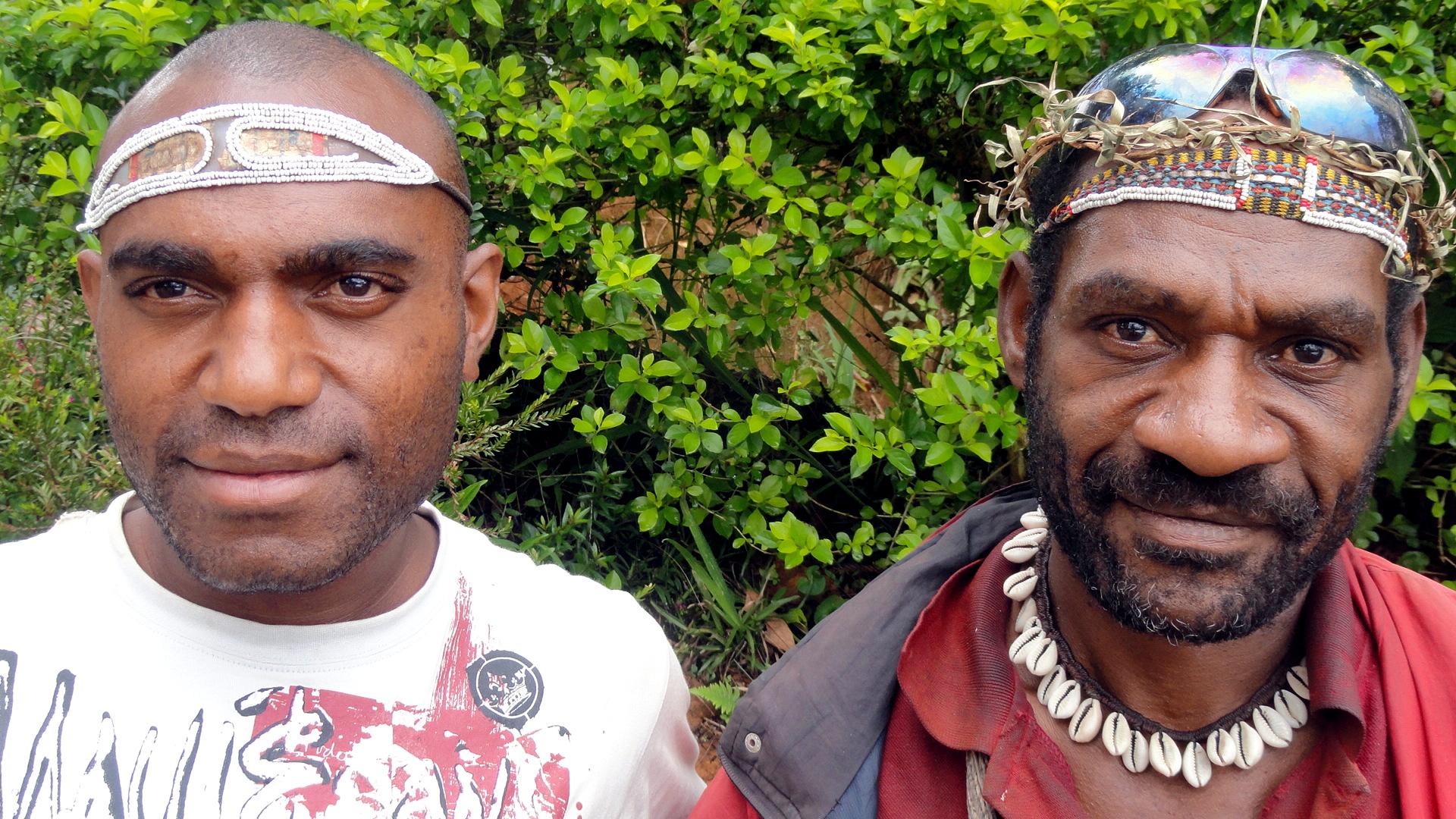


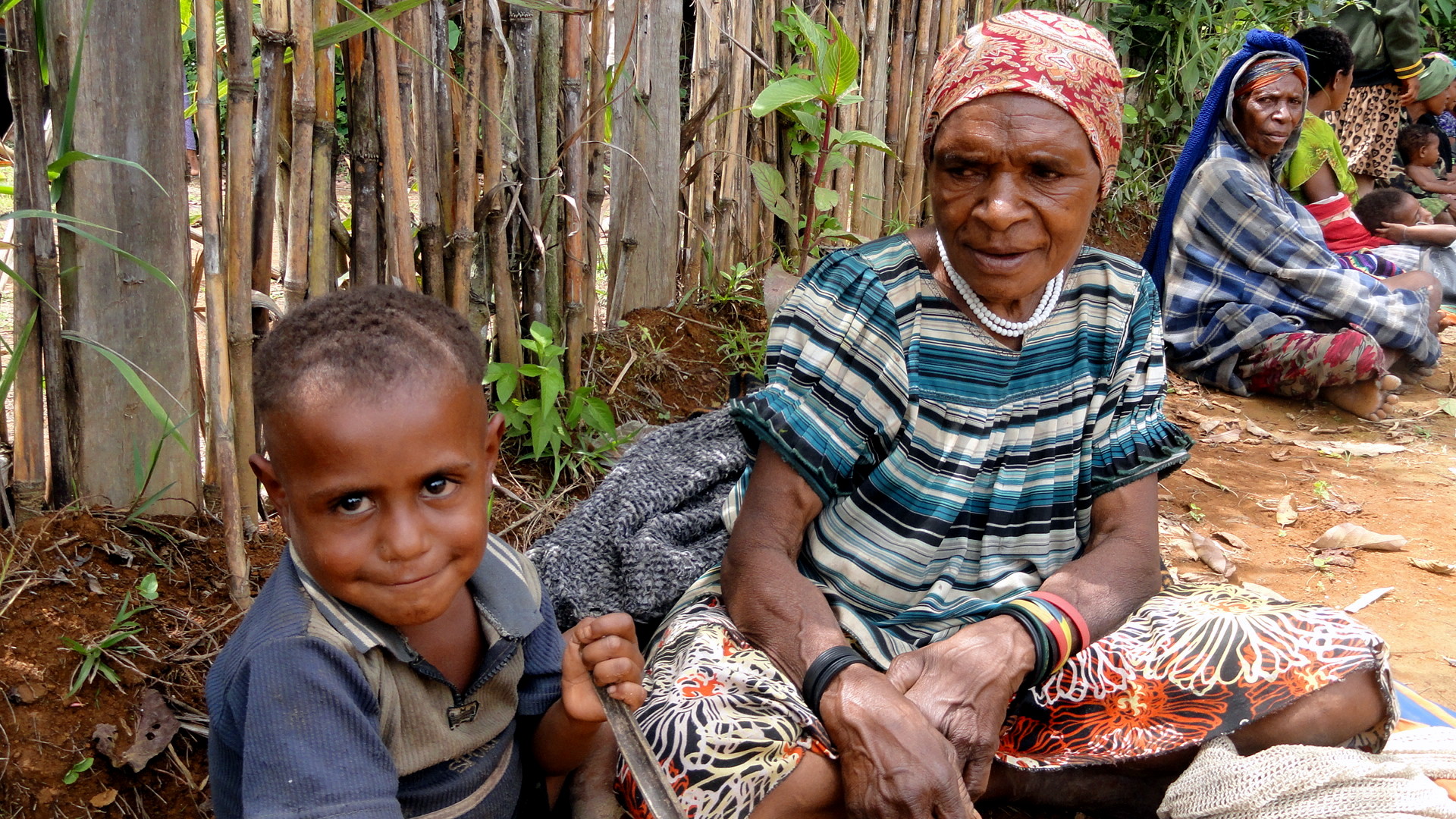
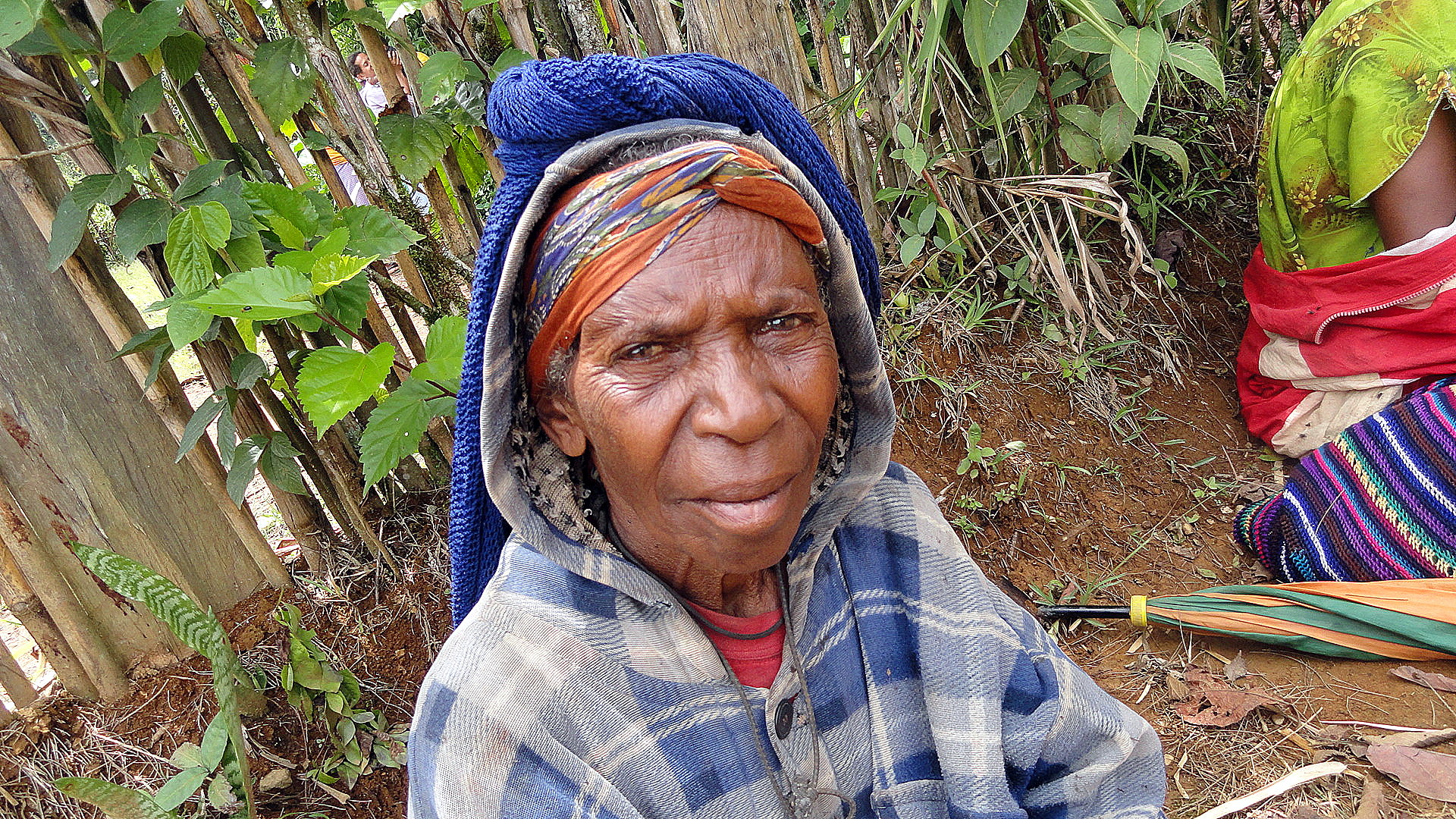
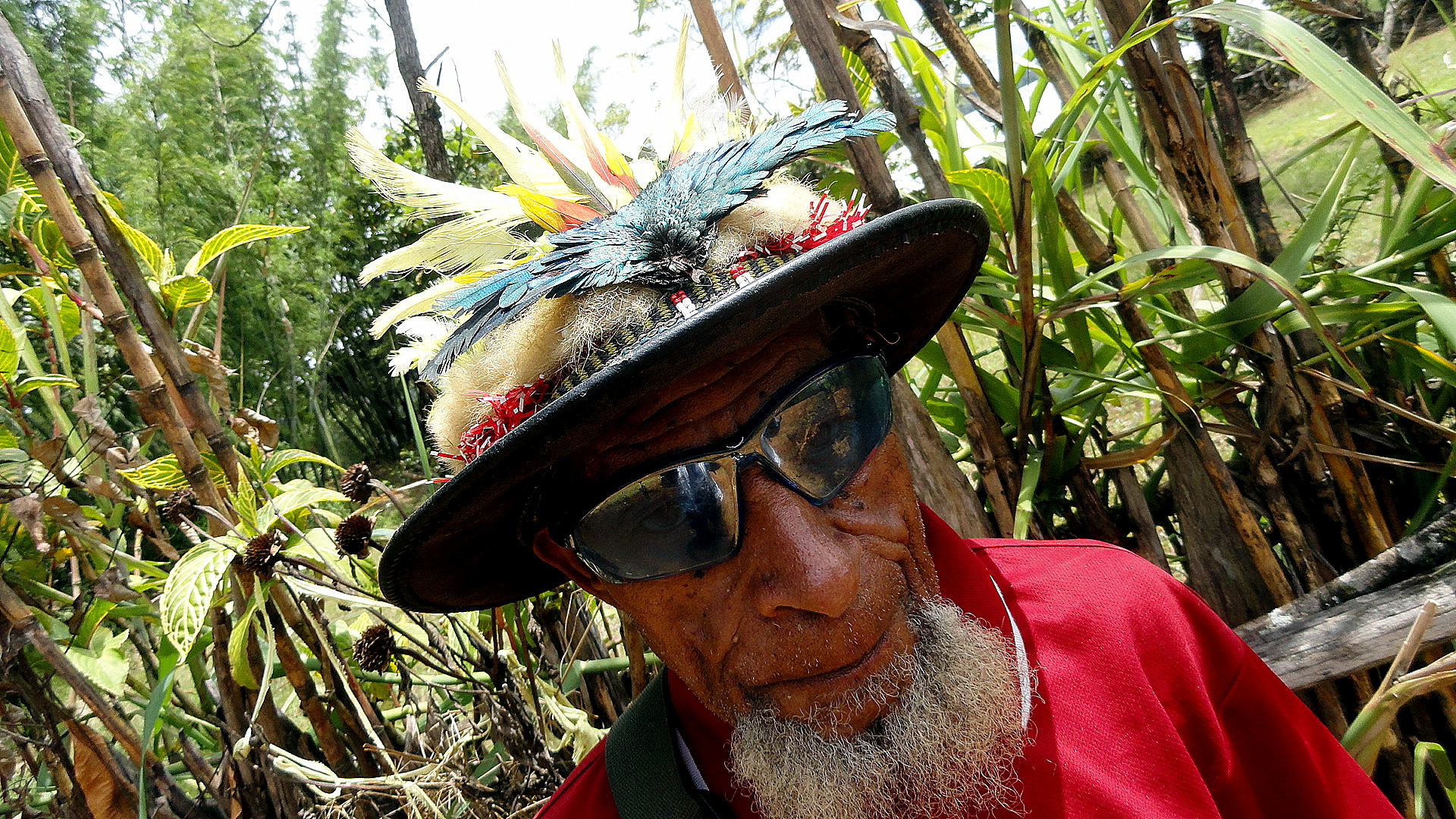
Coastal Flows & Highland Fields … from the Air


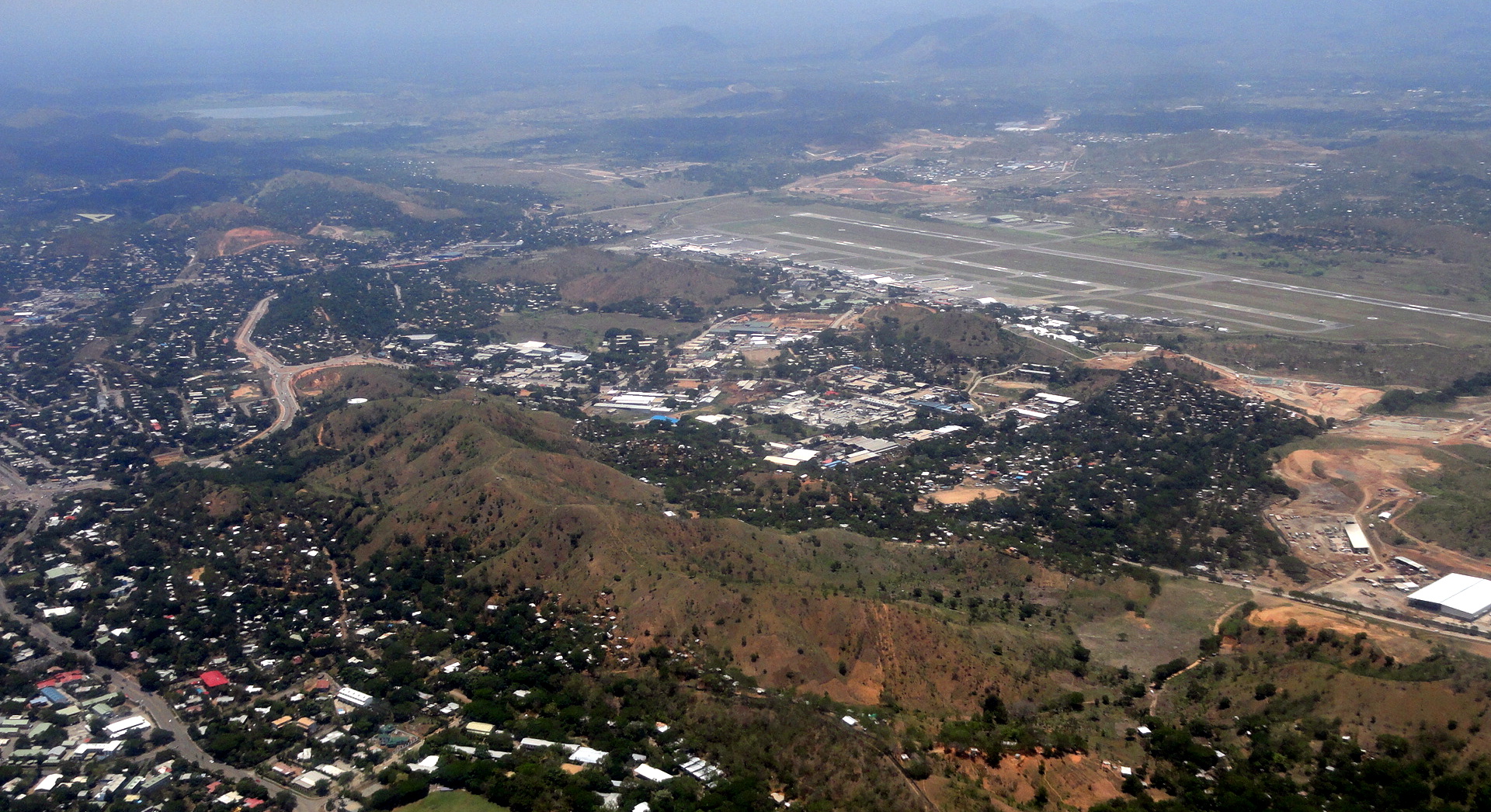


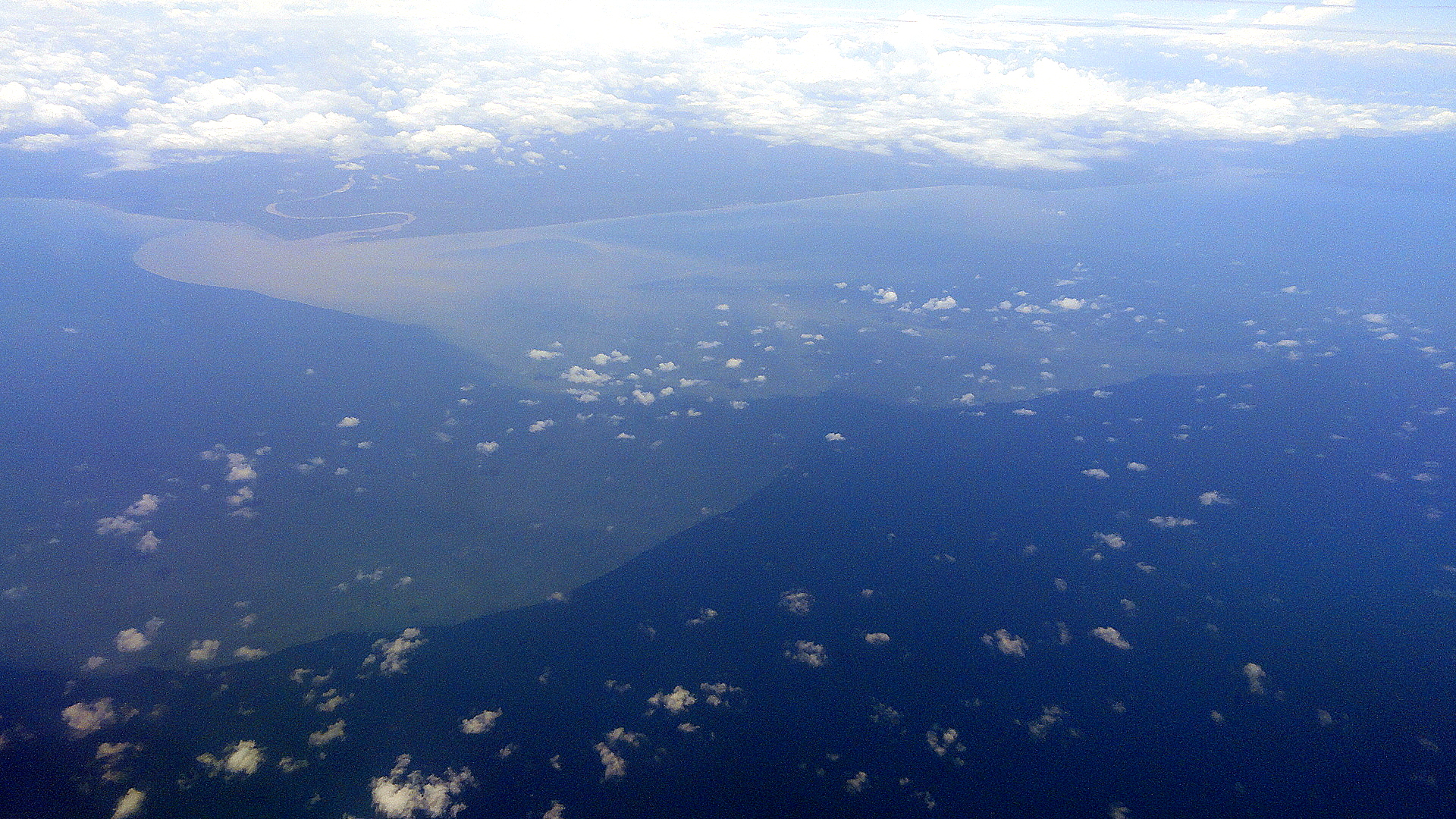

Flying from Port Moresby Jackson’s International Airport (the airstrip you see above) to Tari Airstrip in Hela Province (formerly part of Southern Highlands Province), in most seasons one takes off toward the water (into the wind; during dry season when the wind has turned to an offshore flow, one flies inland and that’s when I get to take aerial shots of the House of Parliament). This puts one over Bootless Bay, from whose surface I took the shots in this post: https://somuchworldsolittletime.wordpress.com/2013/09/26/cycles-seasons/ …just in case you’re curious enough about the geography and topography of the region to want to picture it all and how it fits together a bit better.
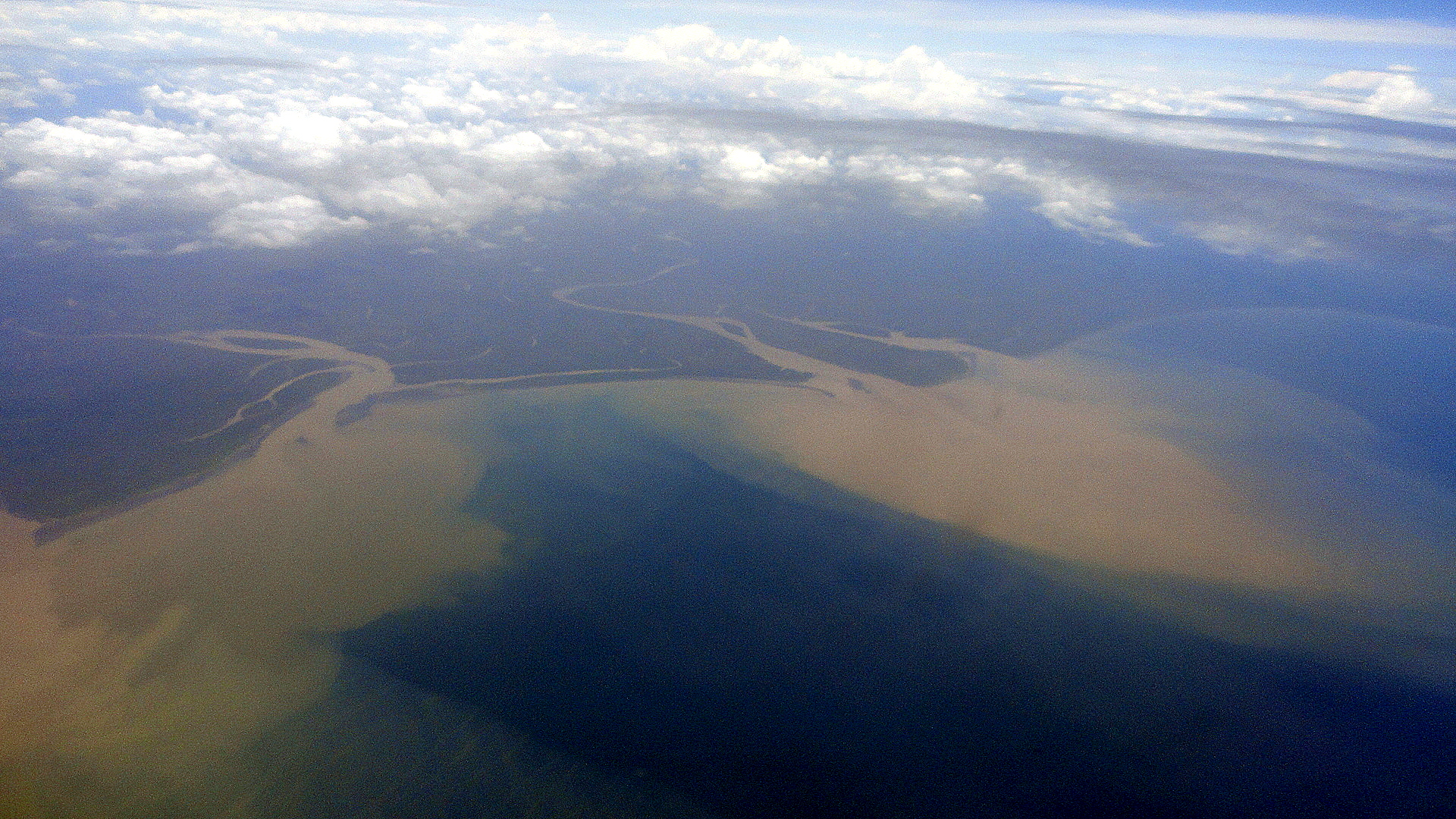
Thence, one turns right – sometimes offering excellent views of downtown POM if you’re seated on the right-hand side of the plane, though of late they’ve tended to cut directly over it which provides poor angles for good aerial shots (how rude, huh?…) – and heads along the coast of Central and Gulf Provinces until one cuts sharply inland to fly up into the Highlands and Tari Airstrip. Though Western Province — with the mighty Fly River — or East Sepik Province (with the mighty Sepik, previously showcased for you here: https://somuchworldsolittletime.wordpress.com/2012/08/06/along-the-sepik-river/) contain the estuaries of PNG’s mightiest and best-loved rivers, still I find the coastal estuaries of Central & Gulf fascinating to view from above. I find myself thinking about sedimentation, rising sea levels, the fertile highlands and all that soil slowly washing out to sea, and all the little fishies which I so loved viewing (you know the link…Neutrally Buoyant is what I called it…) being buried in waterborne mud.
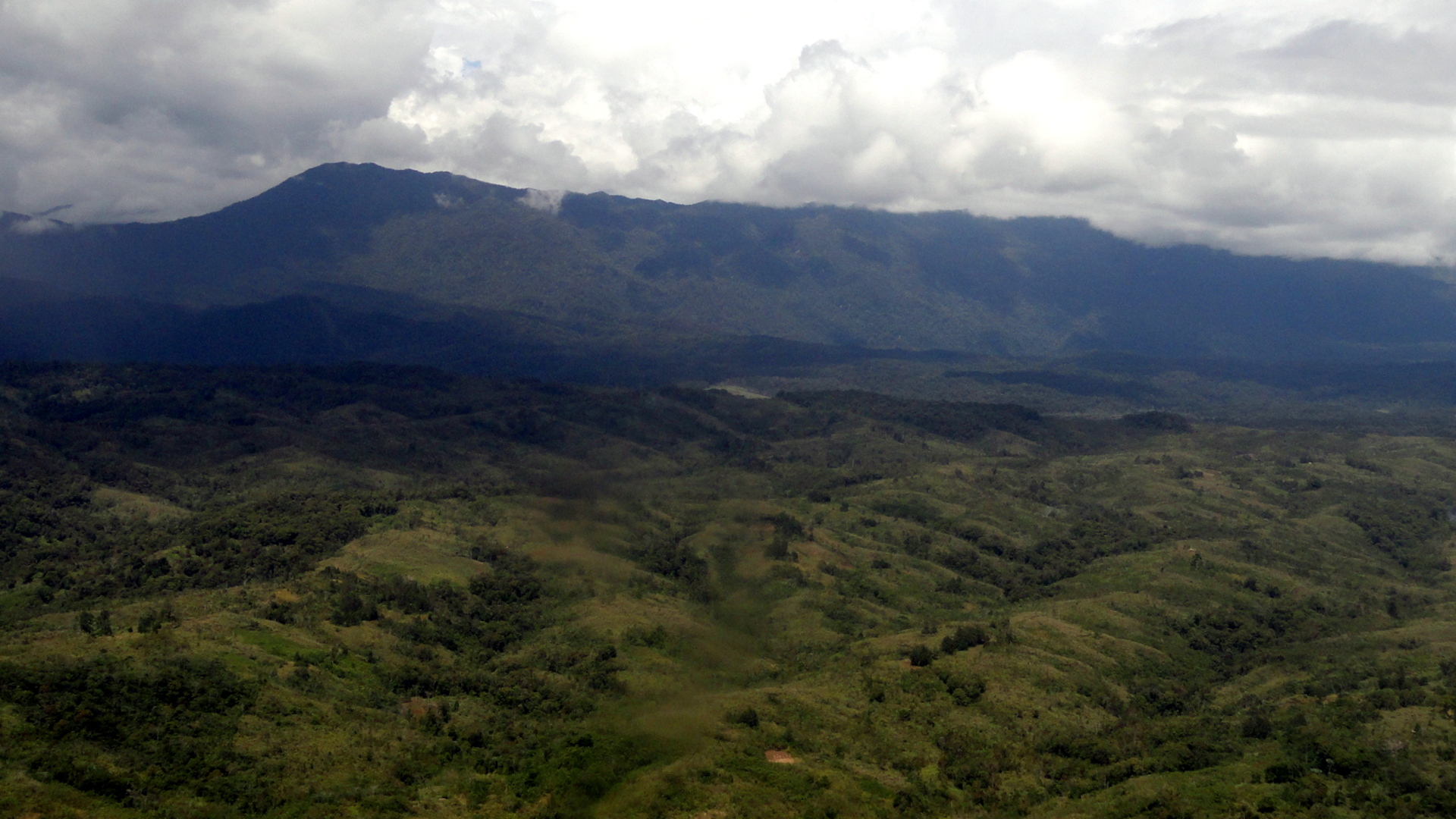
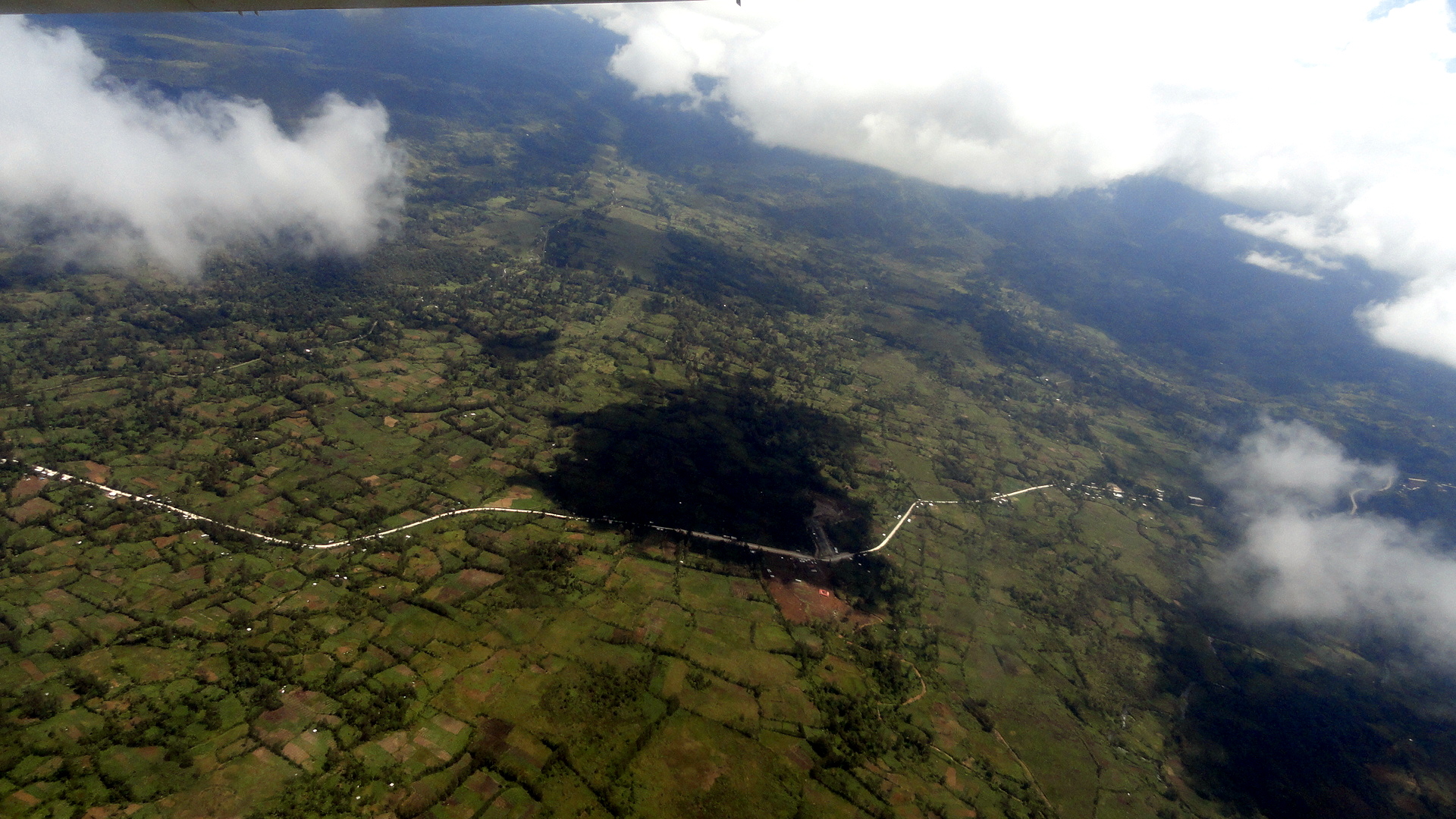
So anyway, in this post I take you on that journey as I myself went a few weeks ago – pretty much in order, from POM to the highlands. In the shots below, look for the little bumpy nubs in the landscape. Though Hela is the only Highlands region I’ve visited, I gather it is not unlike other highlands regions in that it’s both rural-agricultural by nature, and quite densely populated. As you’ll see, there are few roads but it’s in by no means wilderness. It’s highly worked landscape which has been shaped and tended by humans for 50,000 years or more. (Cultivation of taro many thousand years ago made PNG one of those places in the world where humans independently shifted from fully hunter-gatherer to at least partially agrarian.) Sweet potato, which came here via sea routes from South America several hundred years ago, is the primary crop — and I’ve tried to catch a few shots where you can readily see the nubs and bumps of a sweet-potato crop being cultivated. They are the dietary staple for most residents of the Highlands, so far as I can tell, and if you look closely in some of the shots below you will realize how omnipresent they are. Keep in mind these are nearly all Huli familial compounds, tucked away behind the lovely, well-maintained earthen ditches and walls which characterize the Huli landscape…and which, I’m told, are not so common in other Highlands regions. (If you’re not sure what I’m talking about, look at many of my past Tari posts, such as: https://somuchworldsolittletime.com/wp-content/uploads/2012/08/huli-walled-compounds-on-highlands-hwy.jpg
I figure that’s enough text, and enough of a mix of topography, ethnography and photography for one weekend. We’ve just finished a major conference here, and I’m entering the last phase of my assignment here – which brings on feelings of anticipatory nostalgia since my experiences and interactions with colleagues and communities have been so very rich here. If anyone’s curious, I’ll provide two links to coverage of the conference, the first audio (yours truly) and the other textual (the Guardian):
http://www.theguardian.com/society/2013/nov/26/papua-new-guinea-takes-steps-against-abuse
Enjoy the photos and any of the other links you choose to view. Peace, out. 🙂
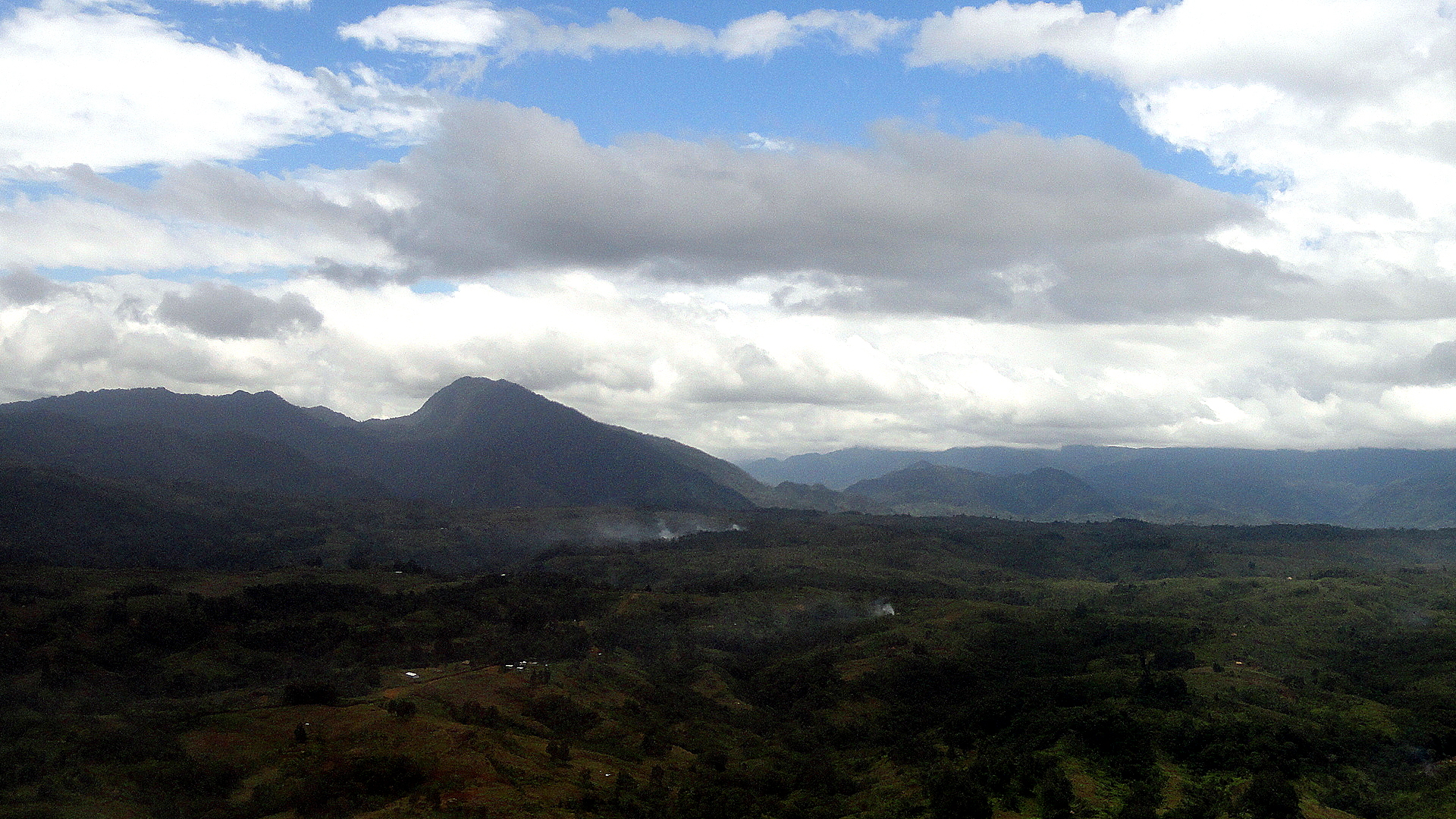
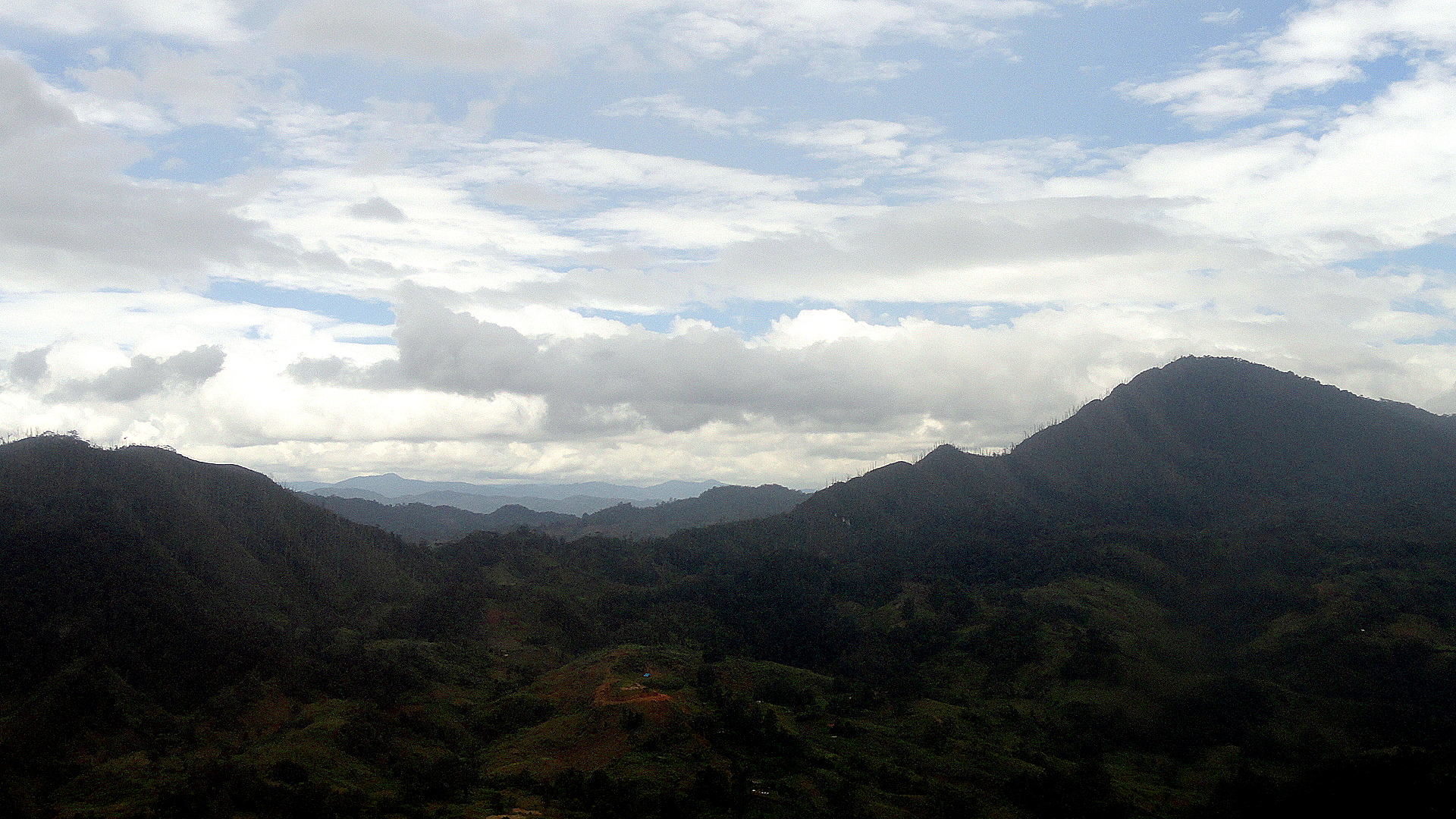

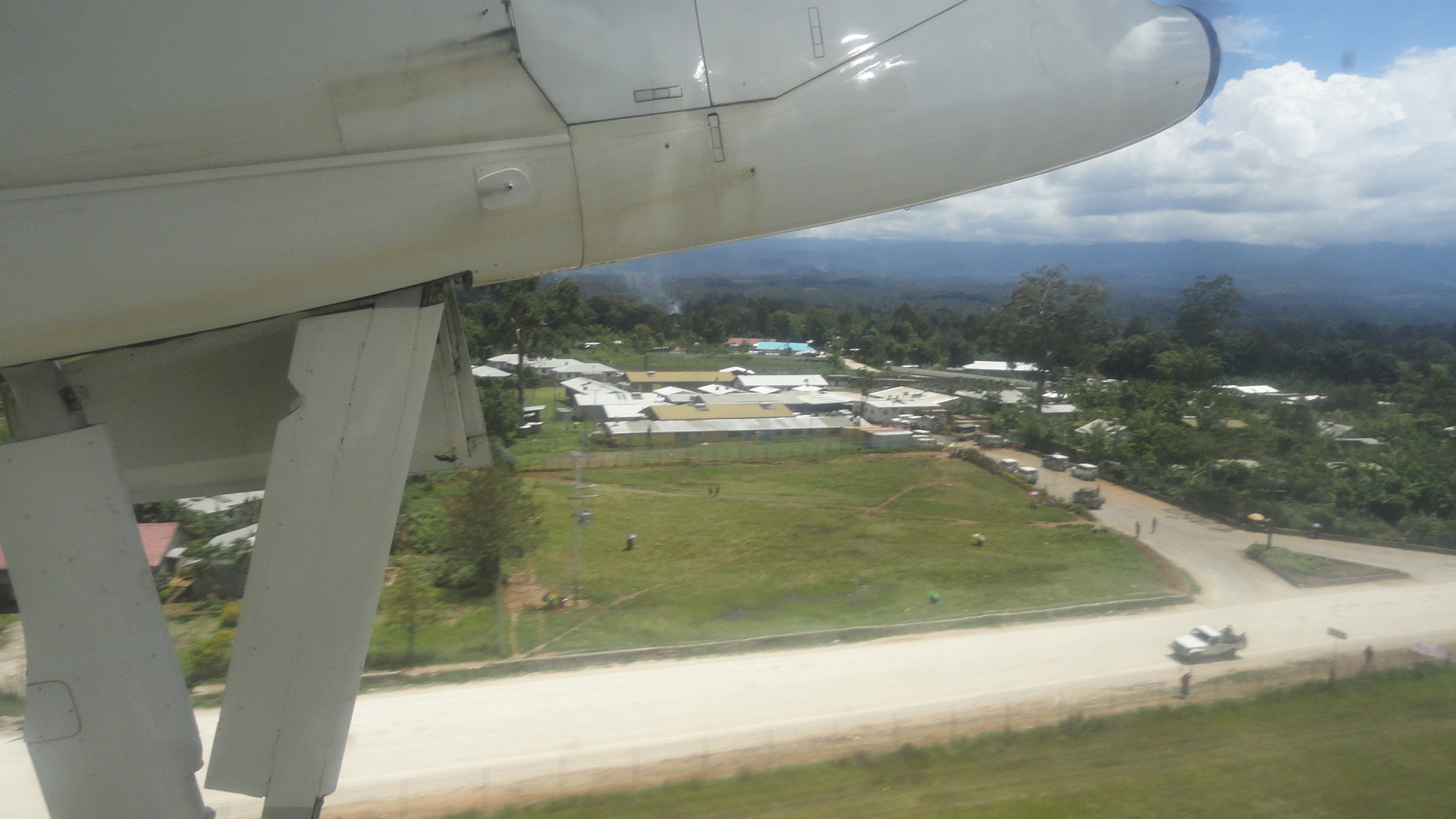
…btw, that’s sort of the entrance to the hospital as seen from a plane taking off (most of the hospital is to left of the frame).

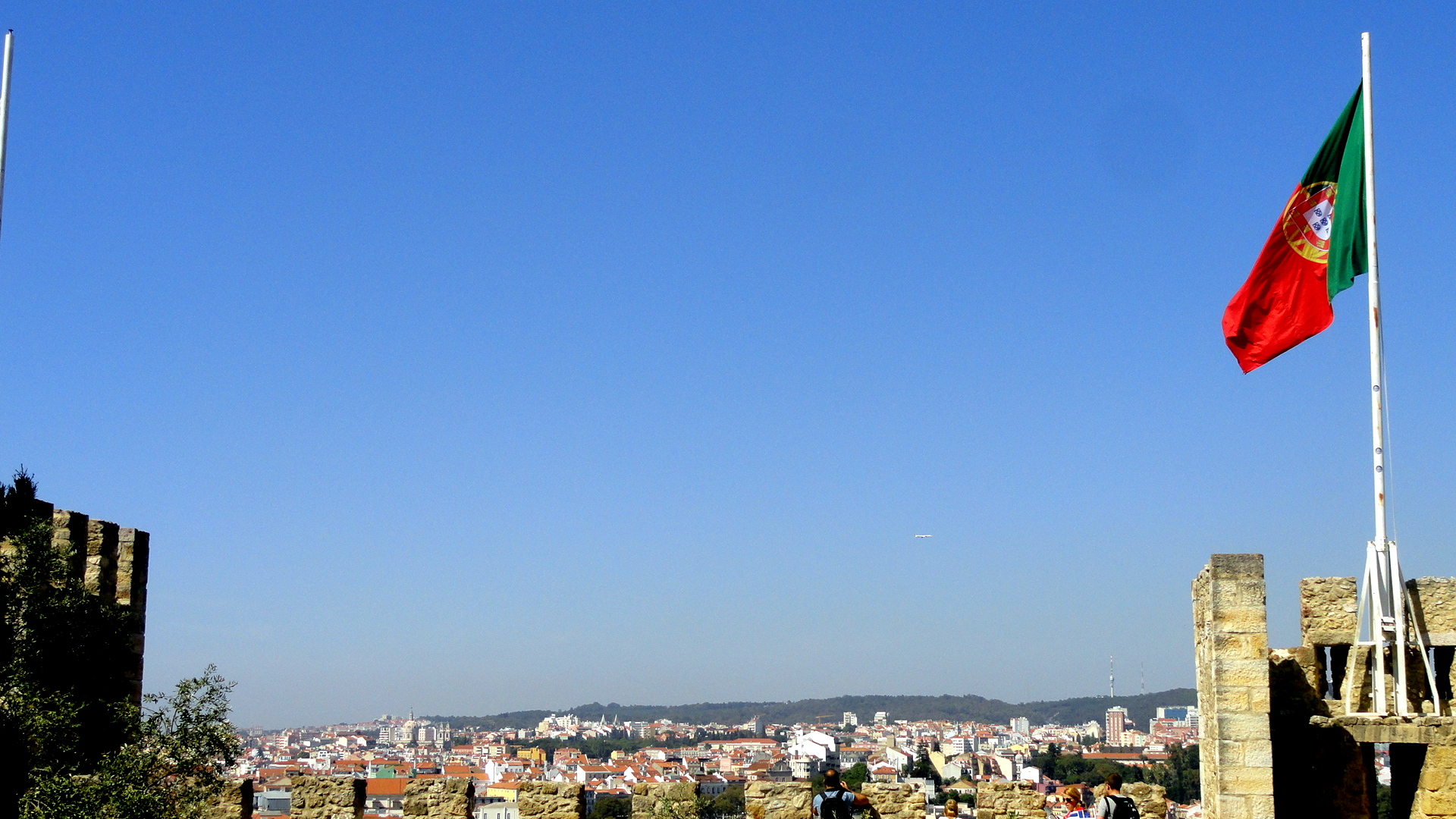
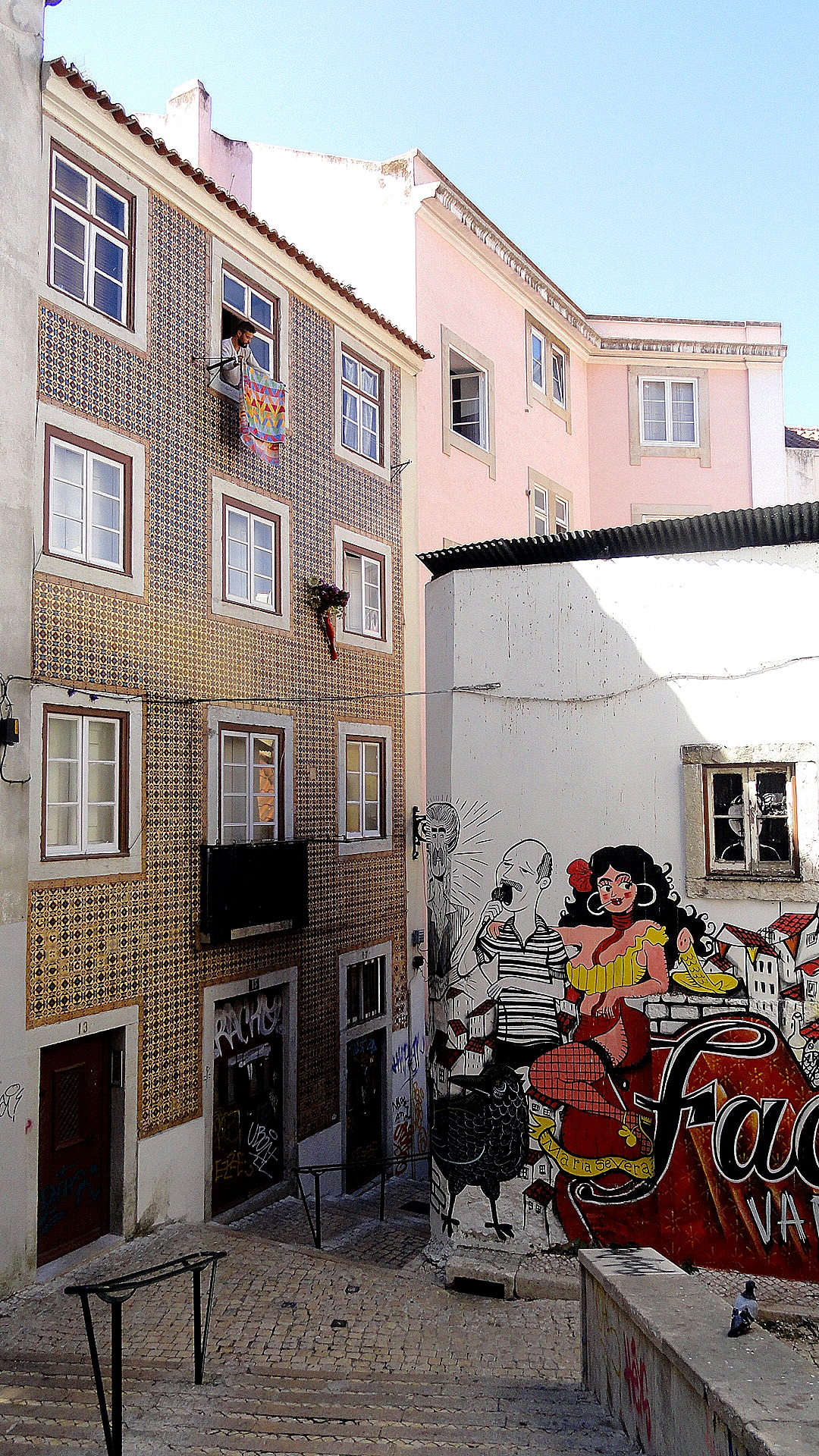
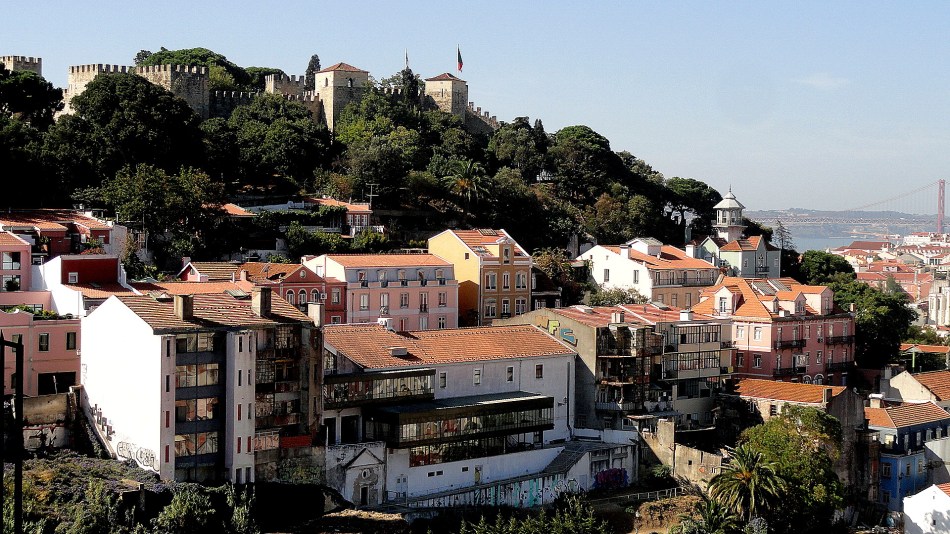
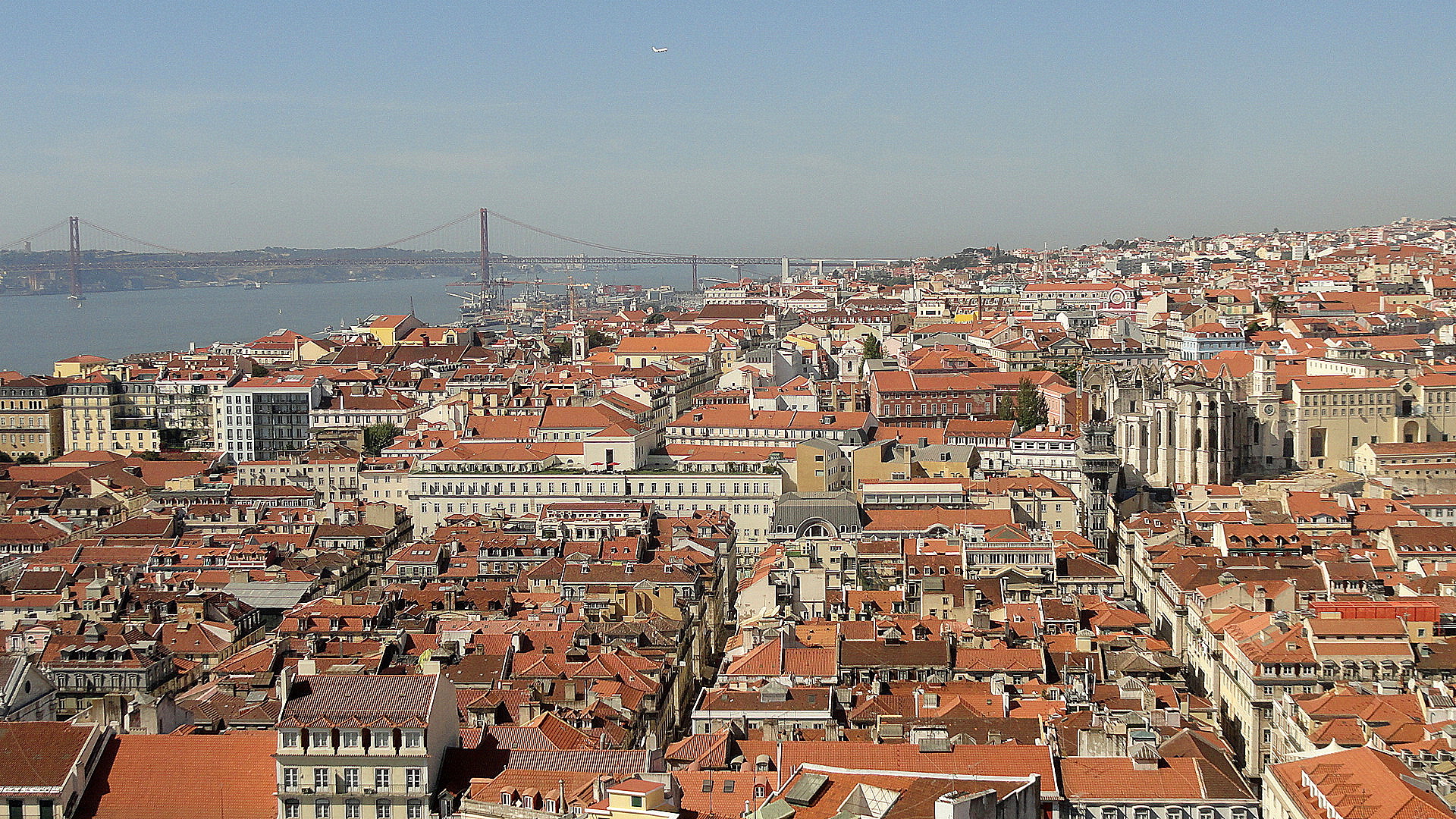
Longing For Lisbon

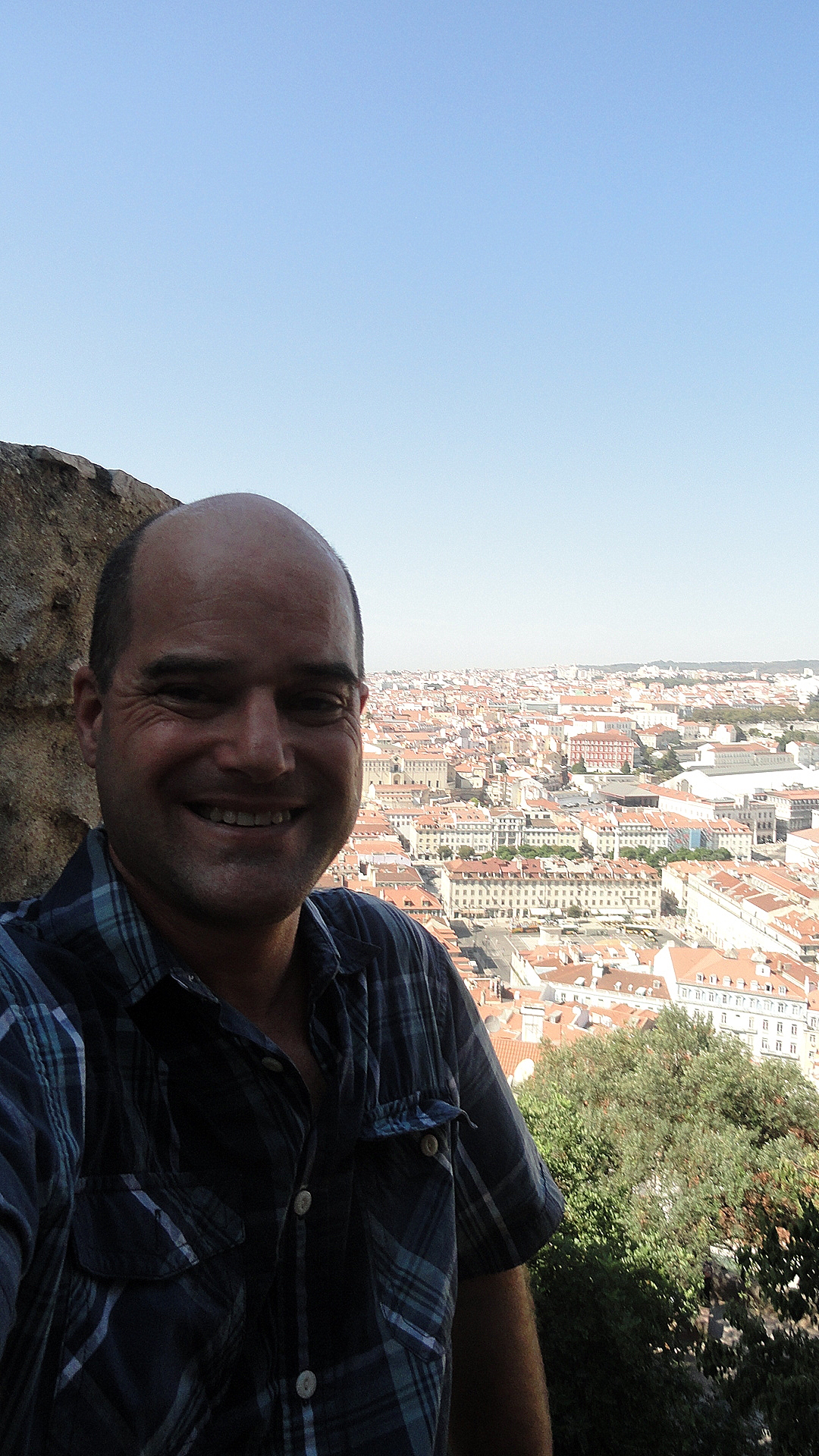
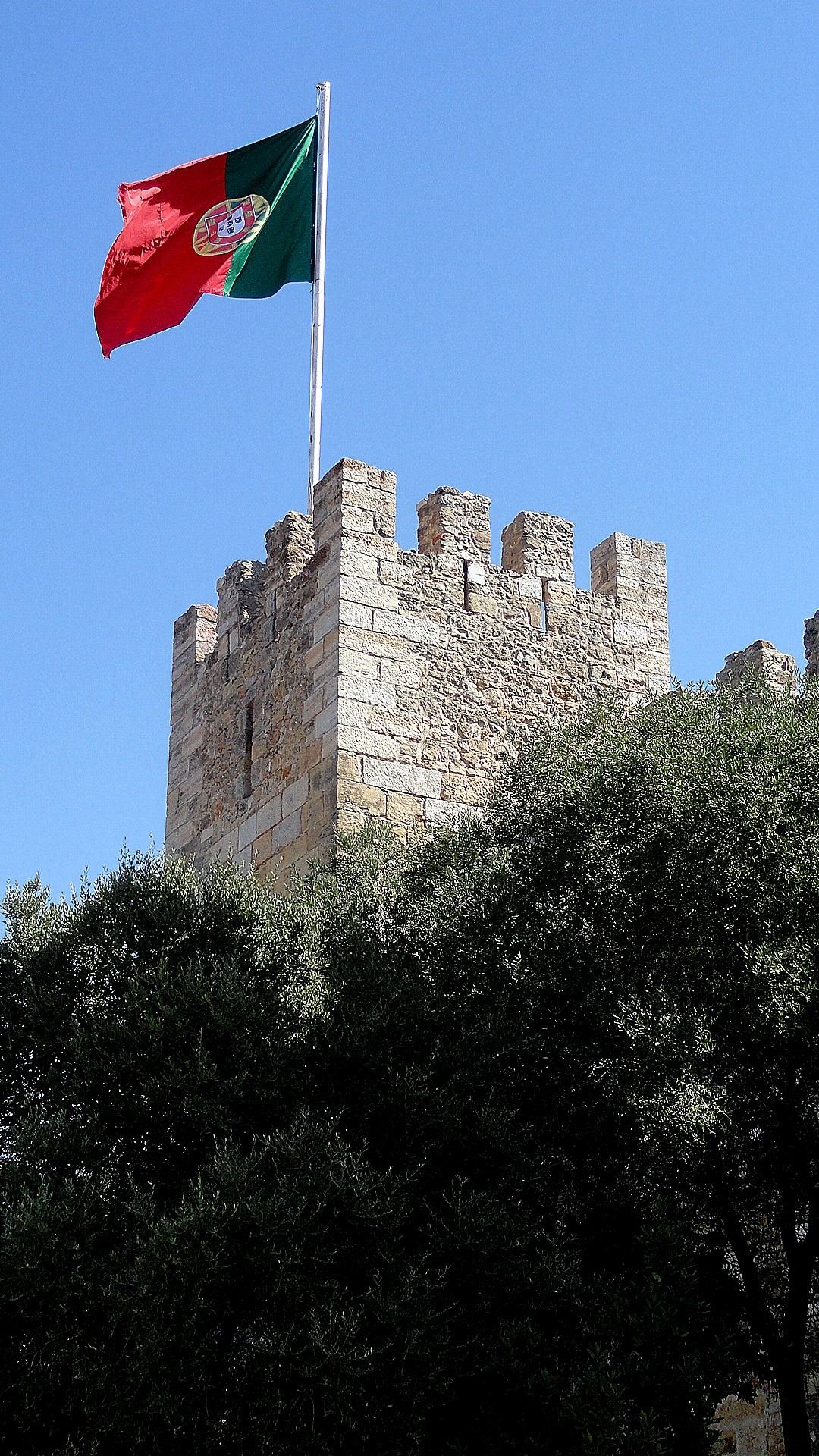
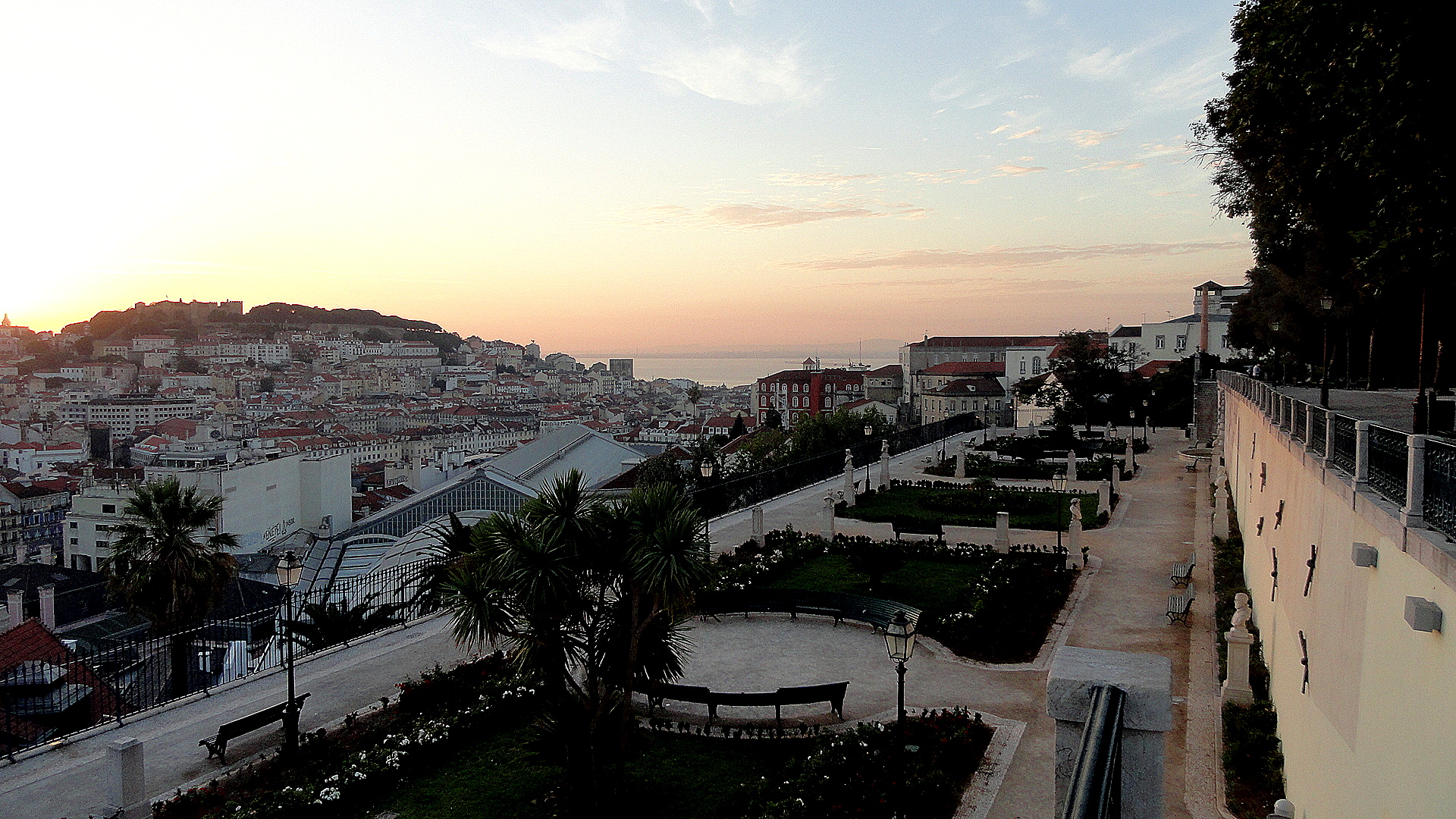
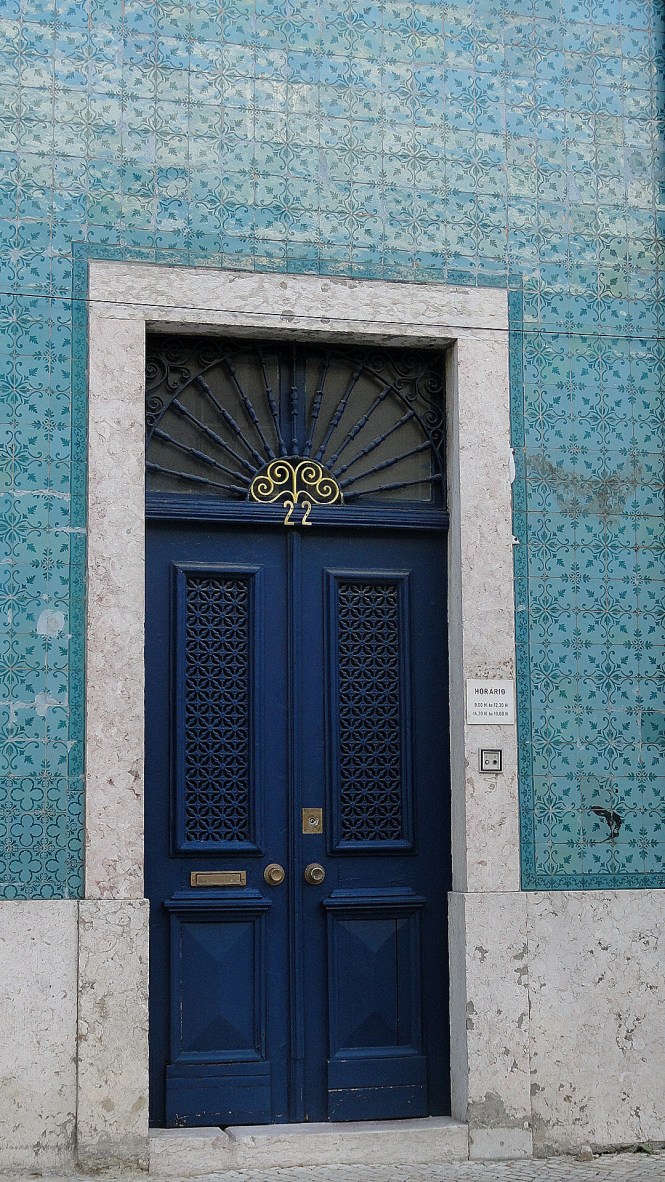
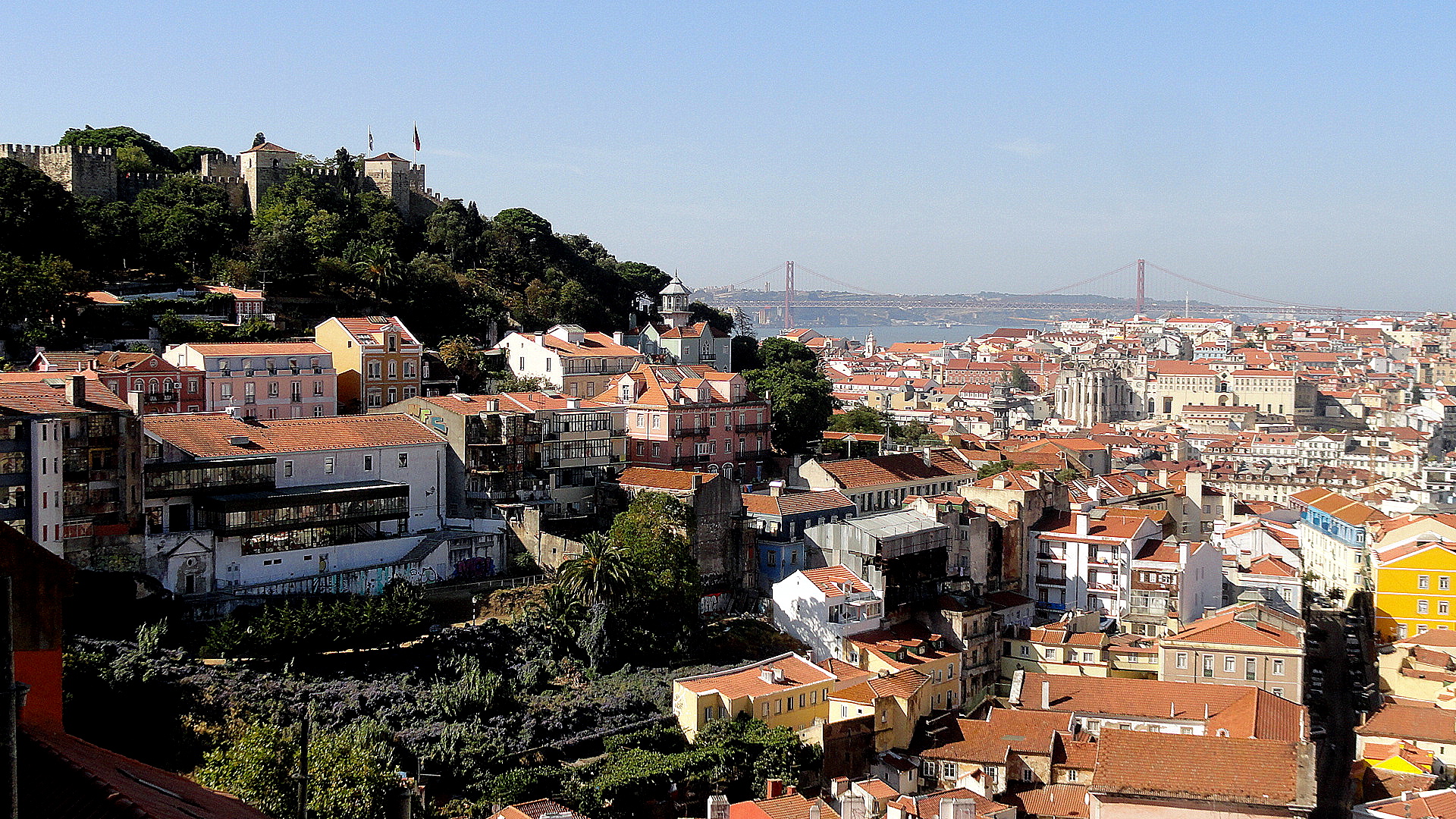 It’s hard to believe my lovely little weekend in Lisbon was already two months ago, but it was. And herewith some of my favorite shots from some of my favorite parts of that lovely town. I know I’ve already shown you a lot, but as you can tell I loved this city. I’ve just returned from the highlands, where I got some nice shots which I’ll post at some point. But I’m going into an intensely busy two weeks, so wish me luck and enjoy these for now. Thanks.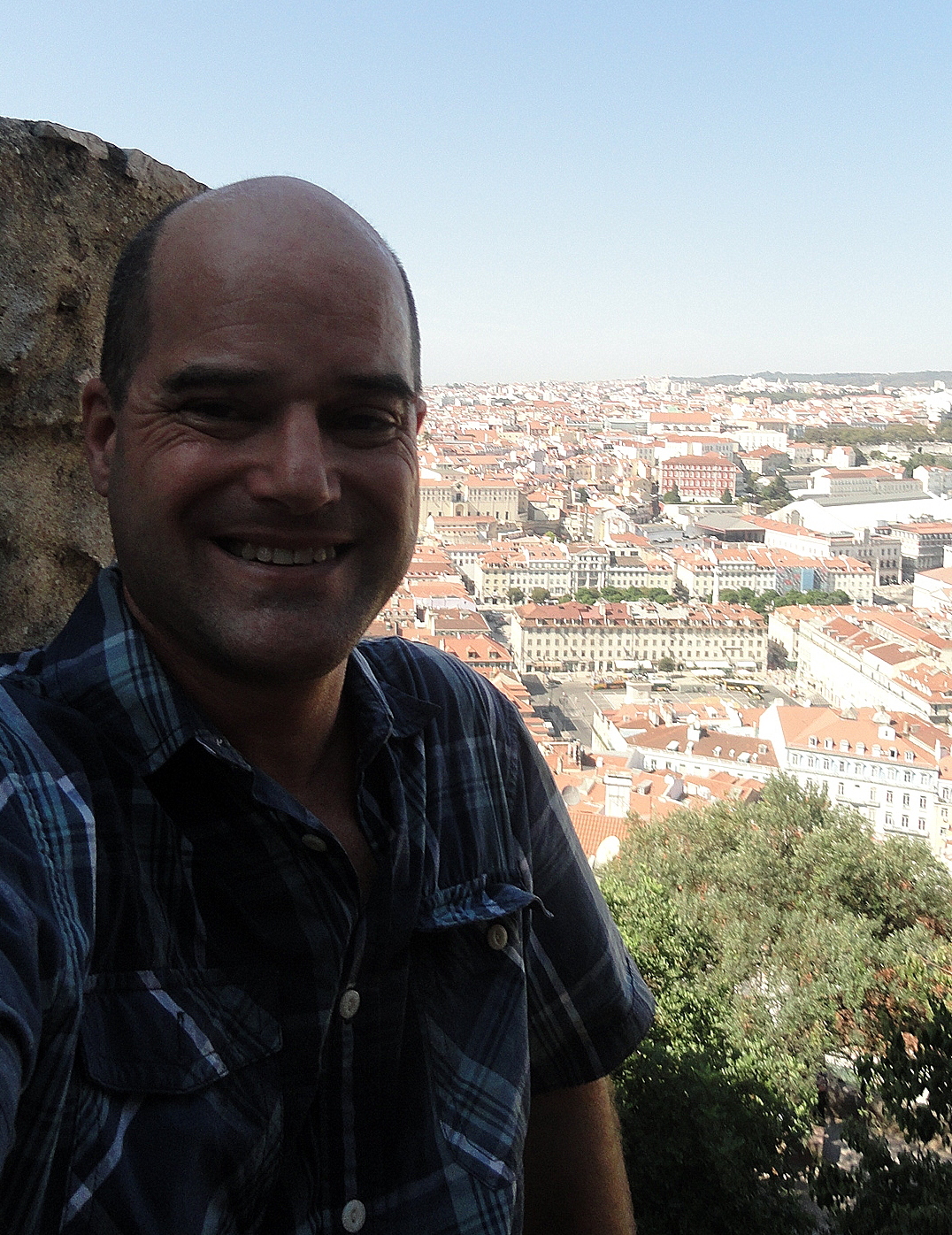


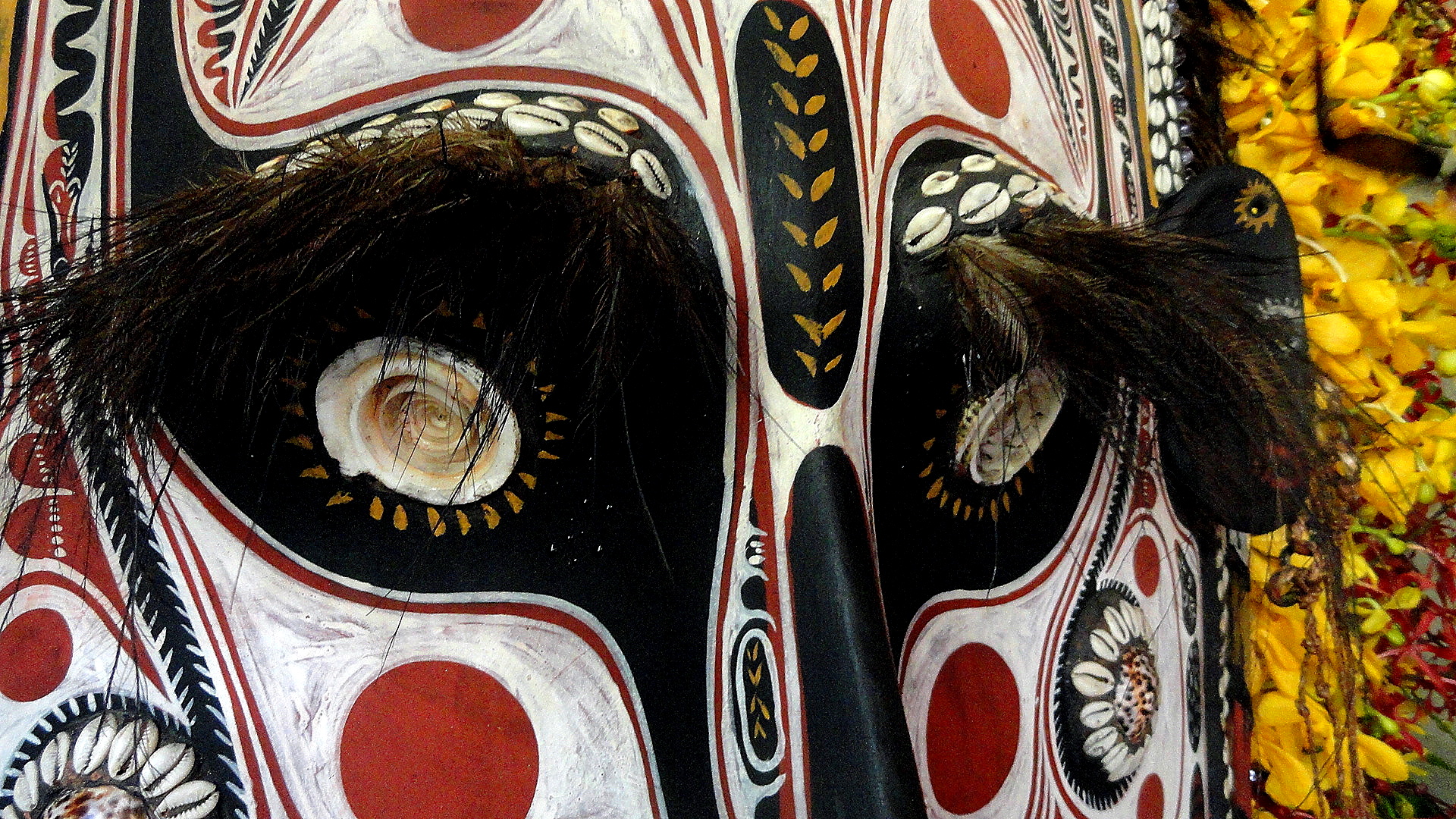
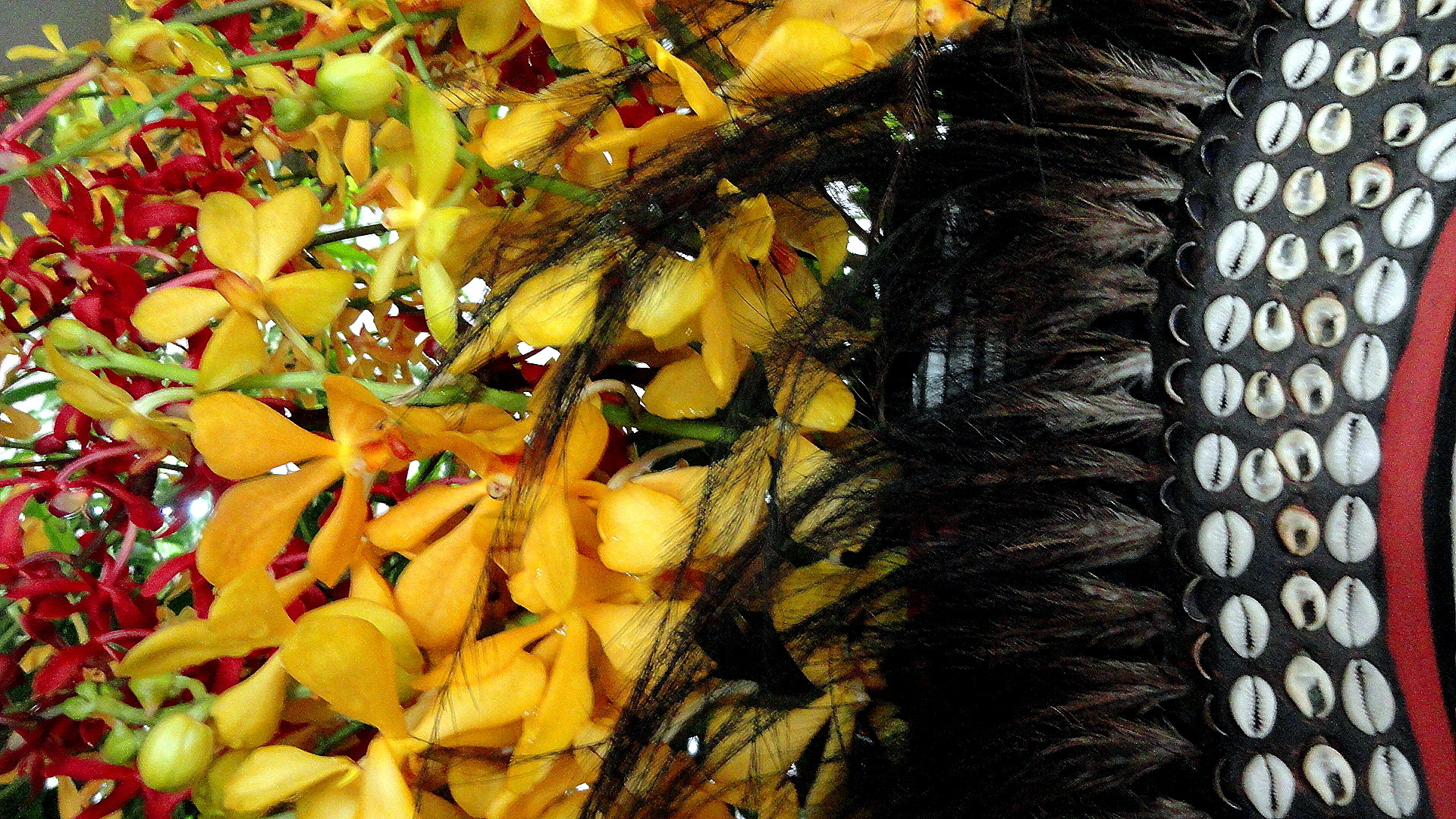
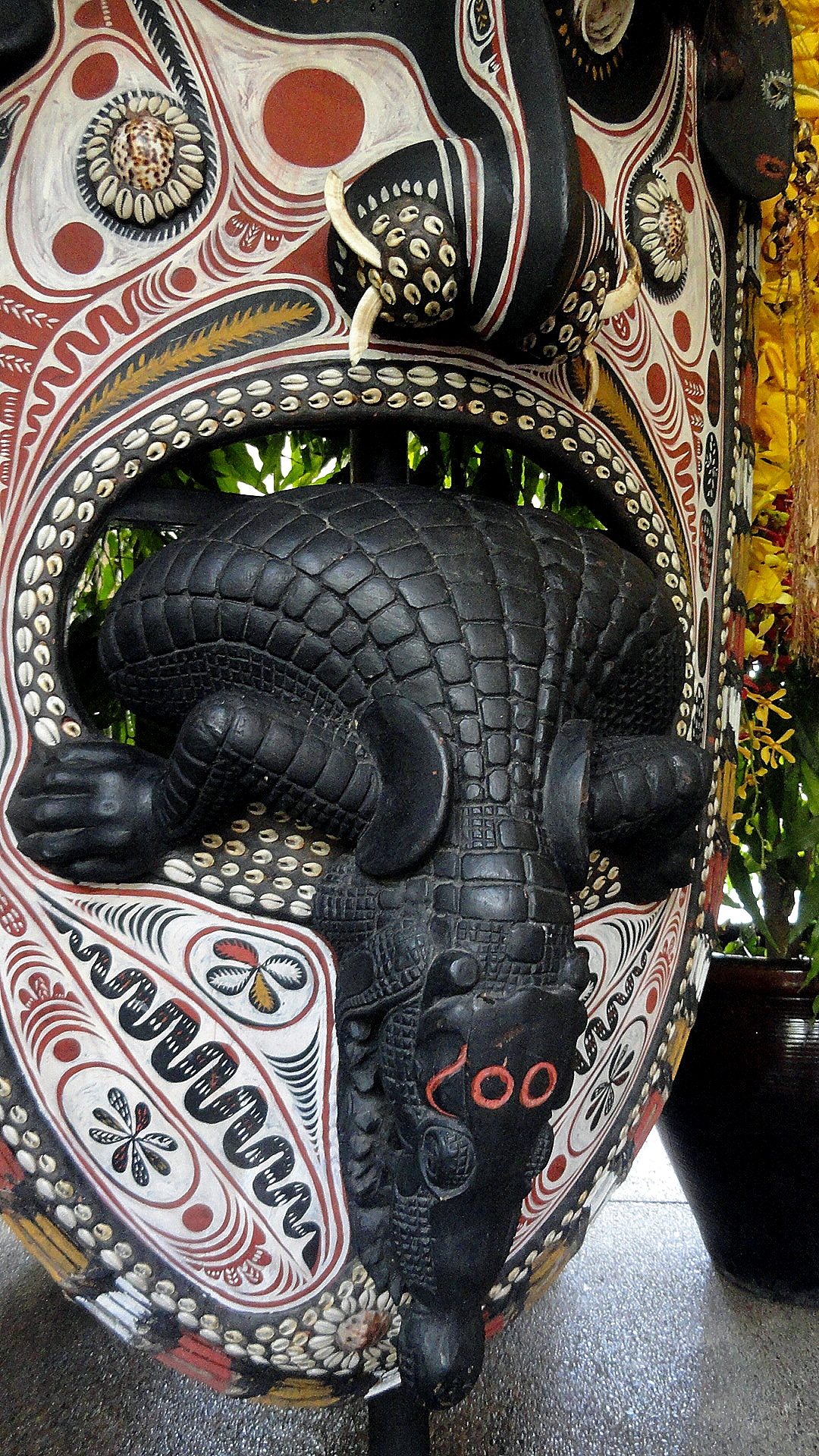
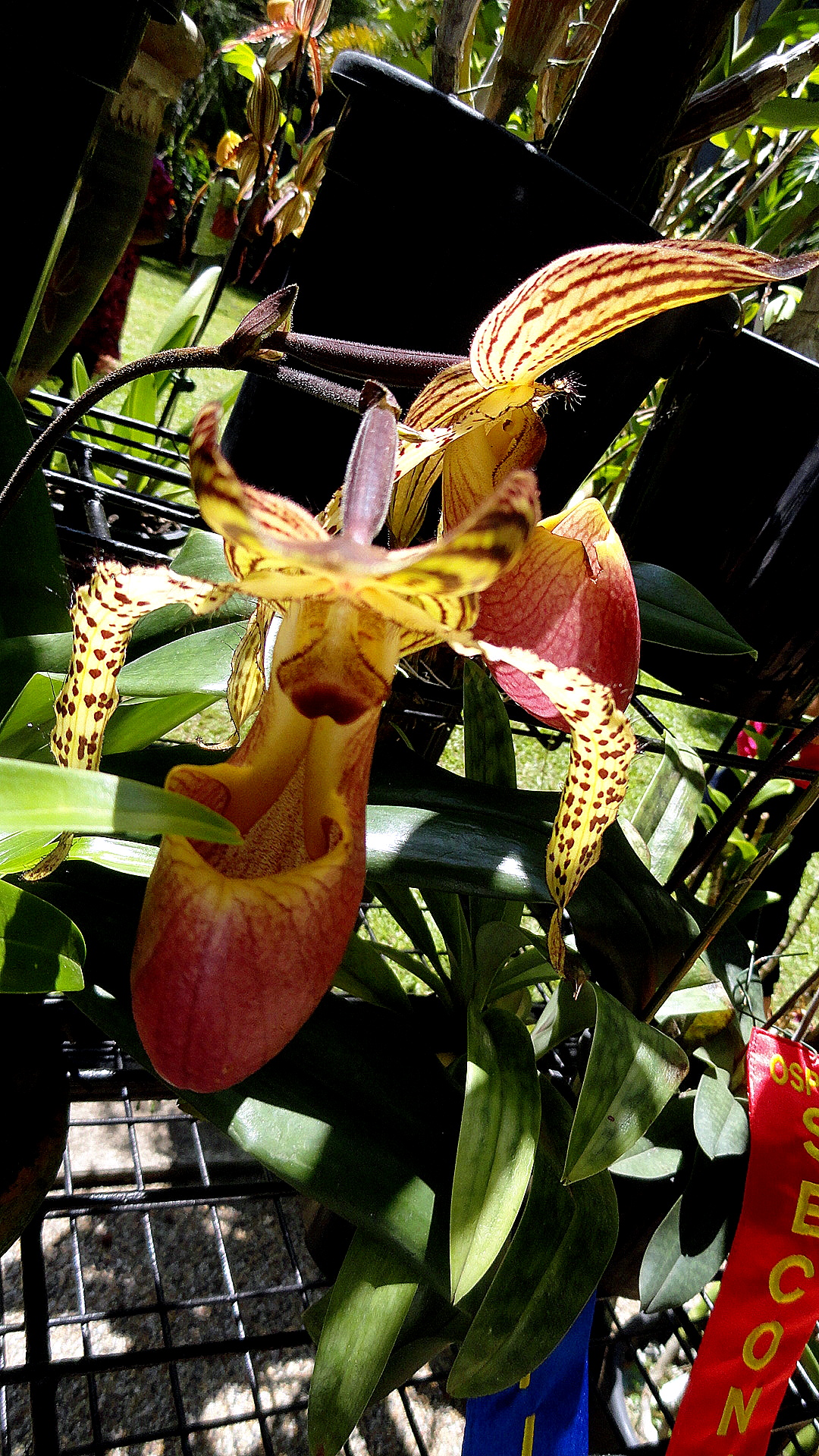
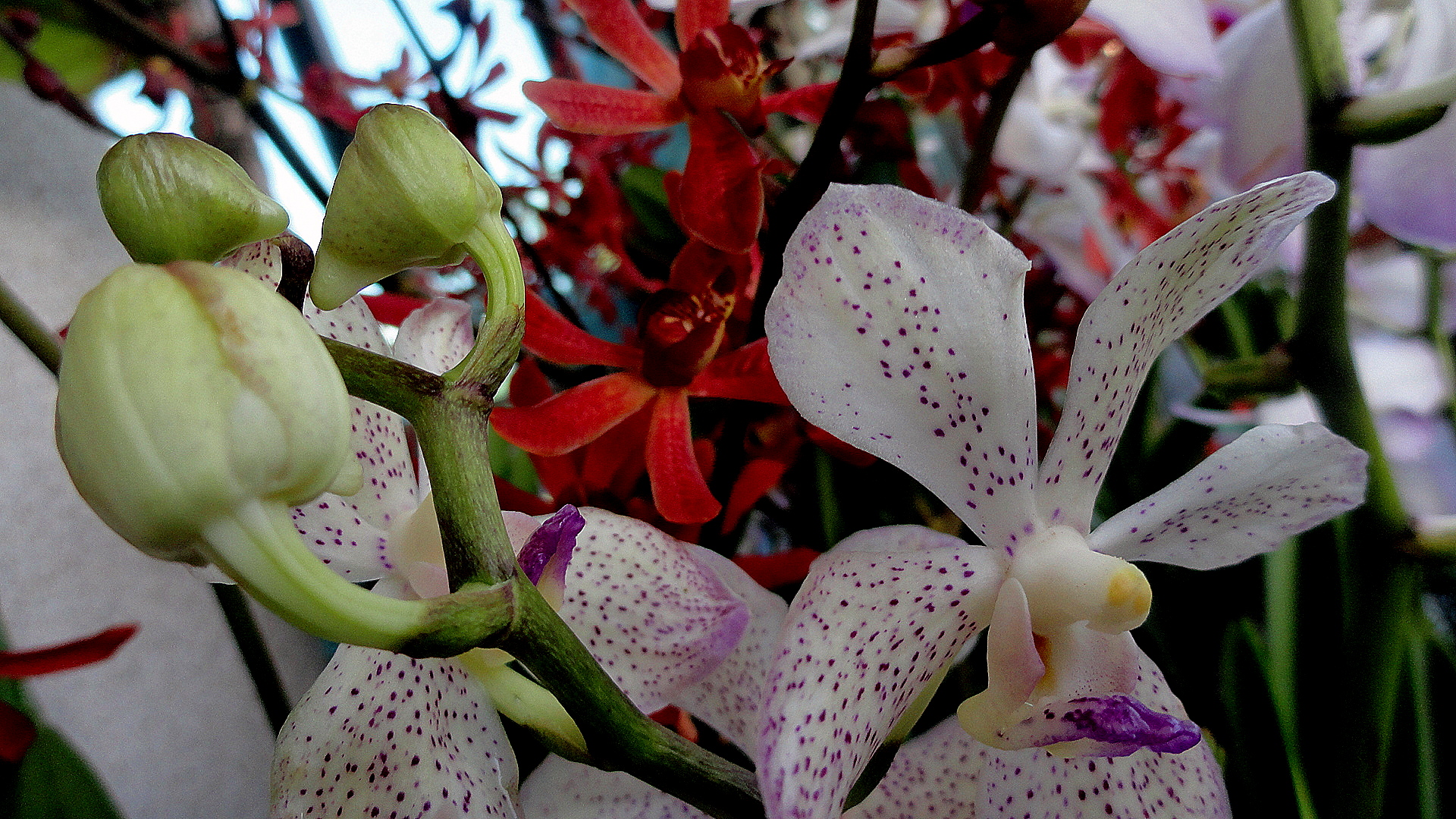
More Masks…and Many Magnificent Orchids

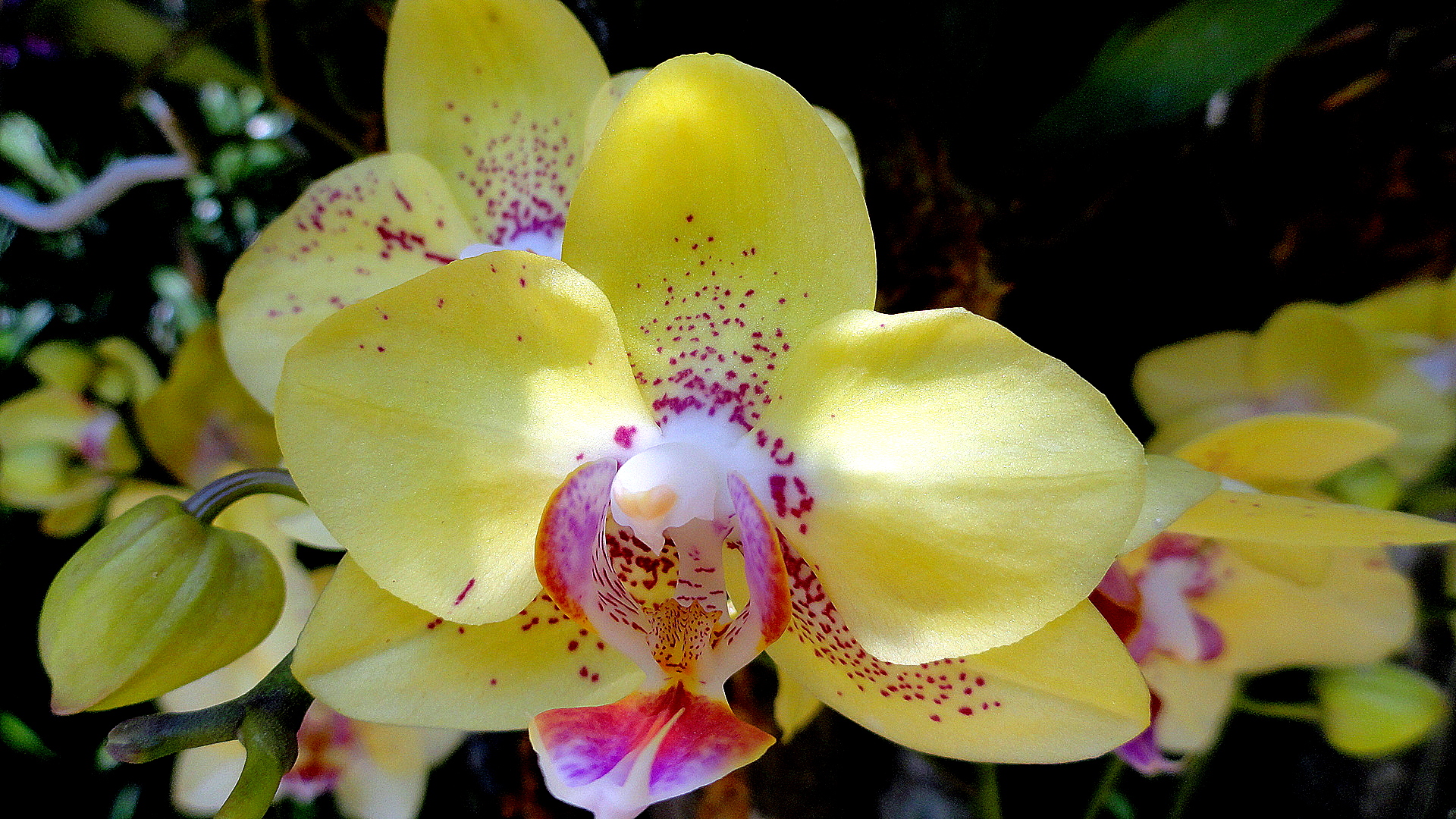
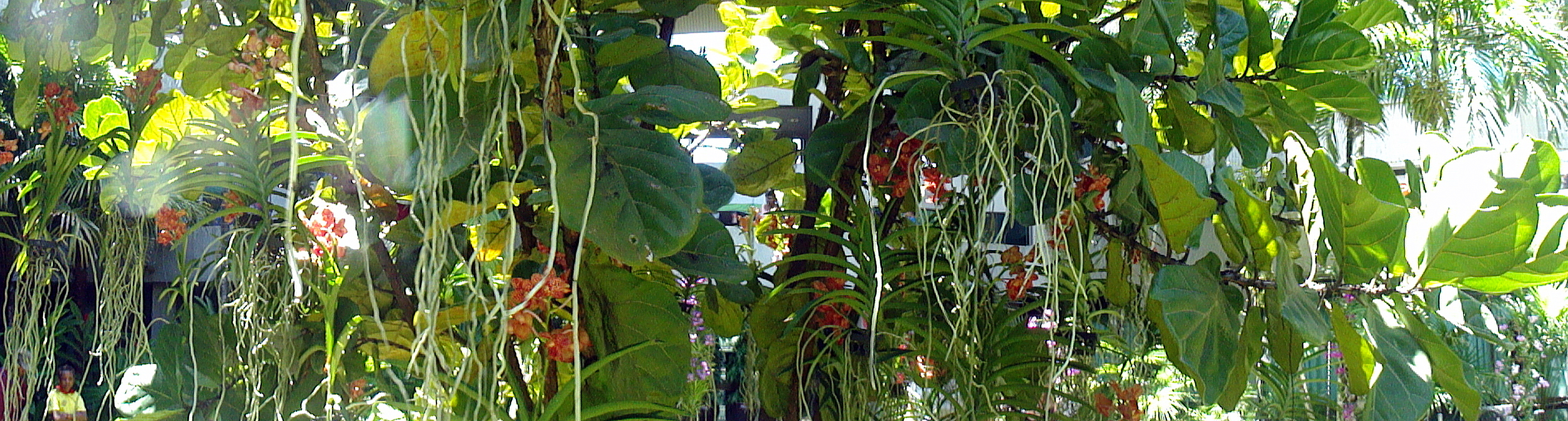
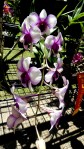
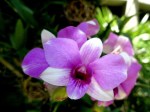
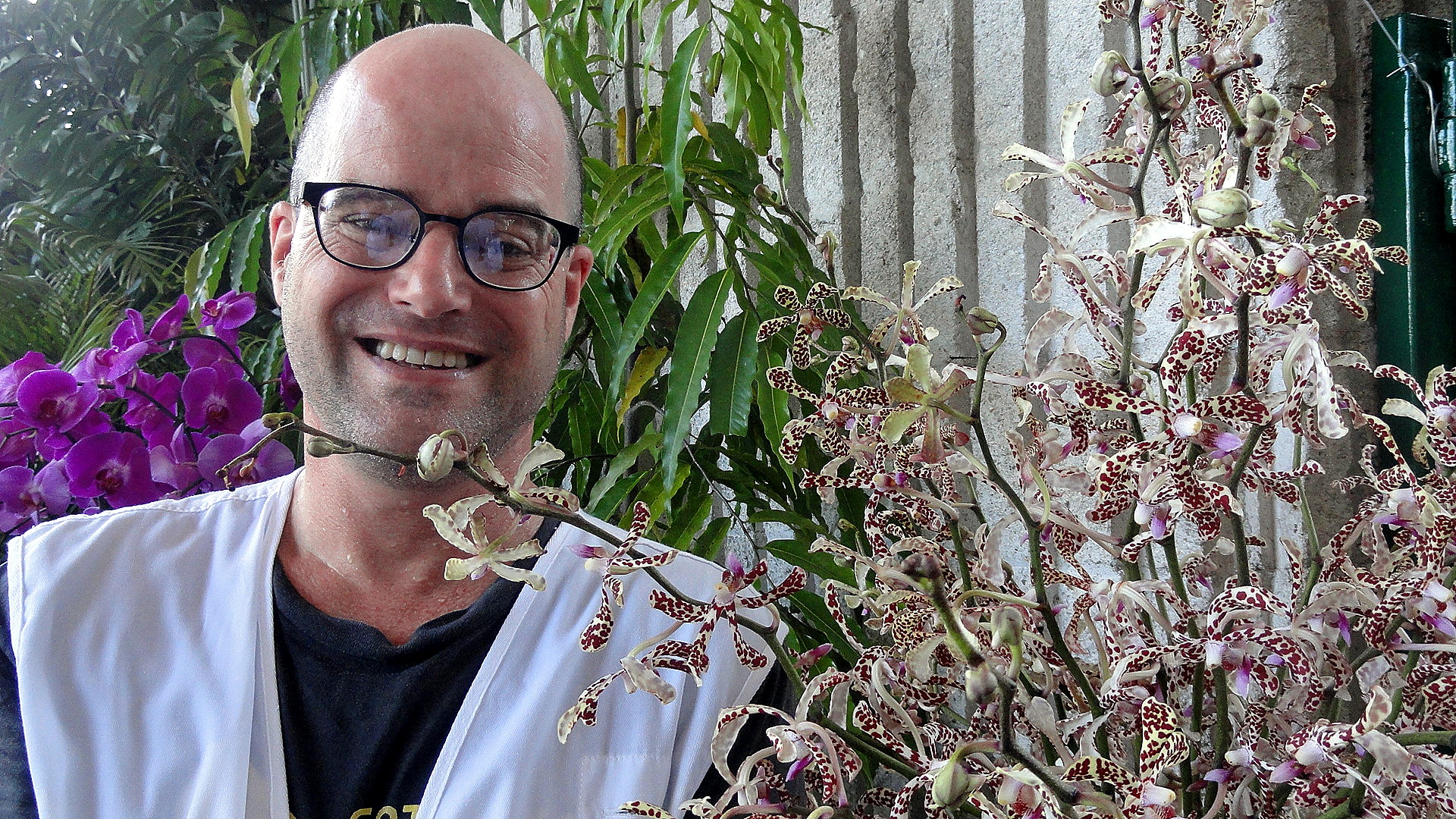
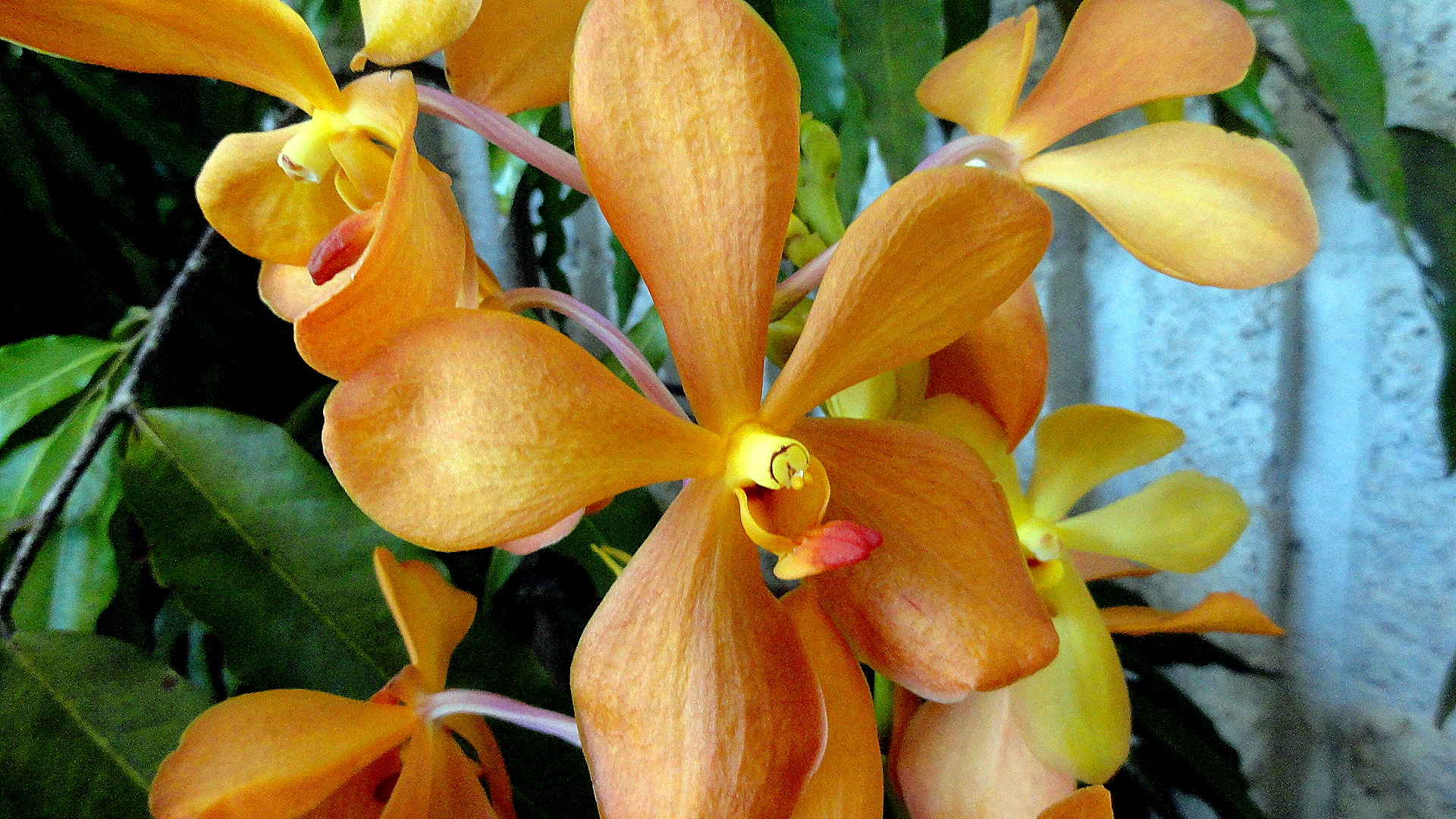
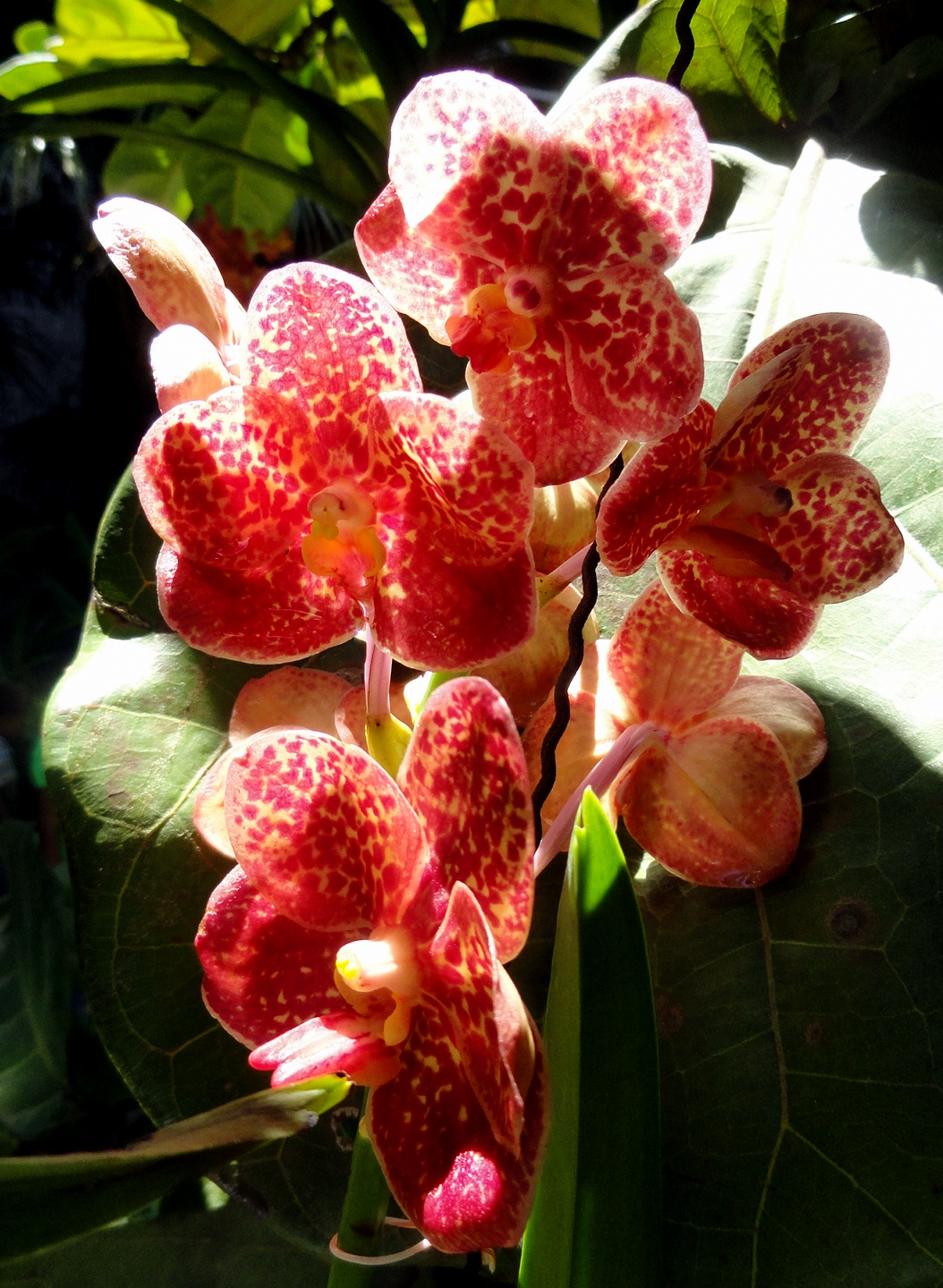
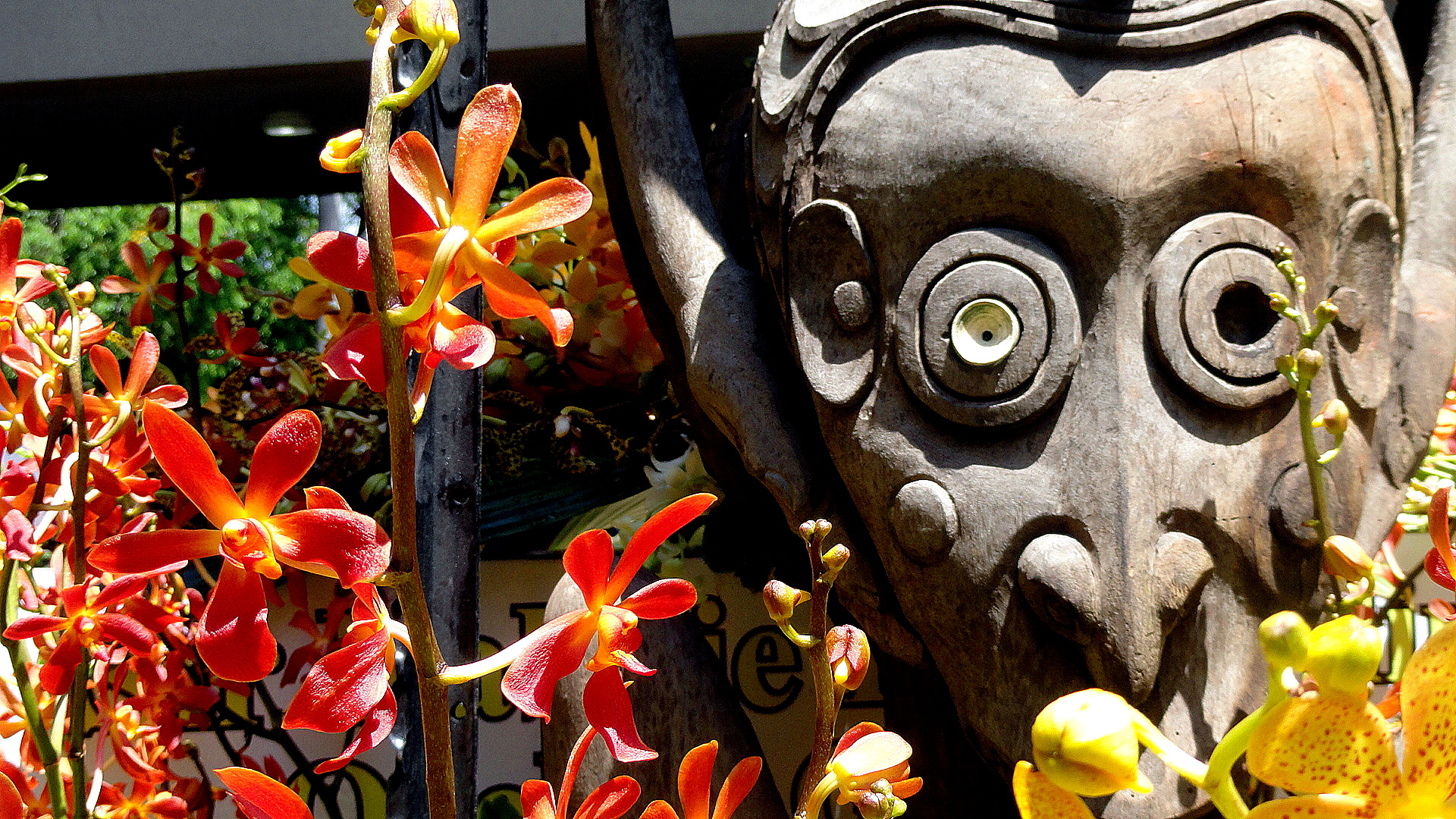
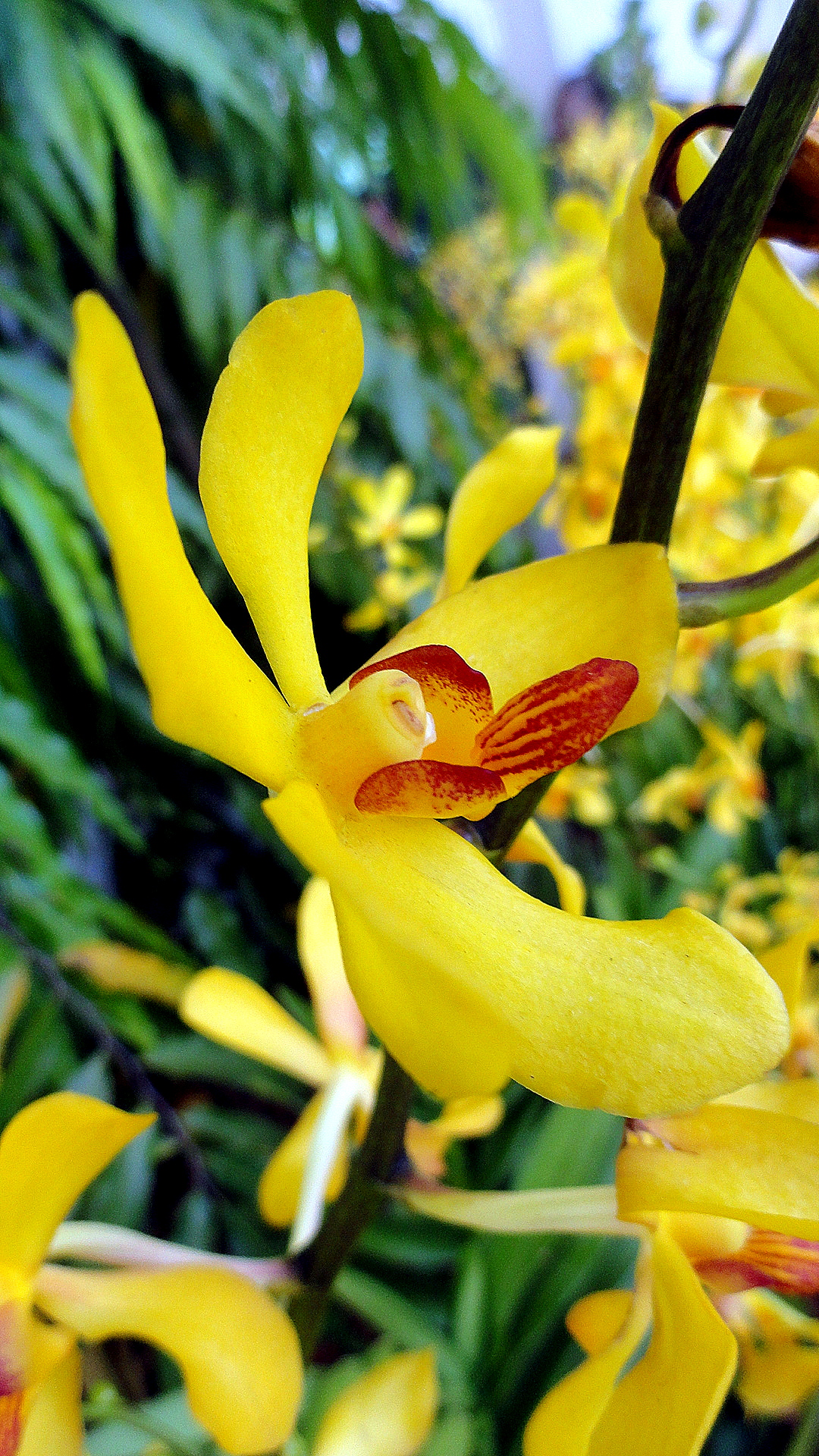
There are orchids purple or yellow, big or small; shaped like a lady’s slipper or like a corkscrew of pasta; they hang or grow in the boles of trees more often than not. To kids growing up as I did, they are a thing of mystery from lands far away (though, in fact, there are native orchid species in North America, just not quite so showy and flashy as some their tropical cousins), and though I’ve never been tempted to grow them I do love looking at them. As I noted in my last post, the annual PNG Orchid Show was held a few weeks ago down the street from us at the House of Parliament. Enjoy this stroll through the garden – after all, can one ever have too much of such beauty in one’s life or on one’s computer screen? 🙂 Peace, out…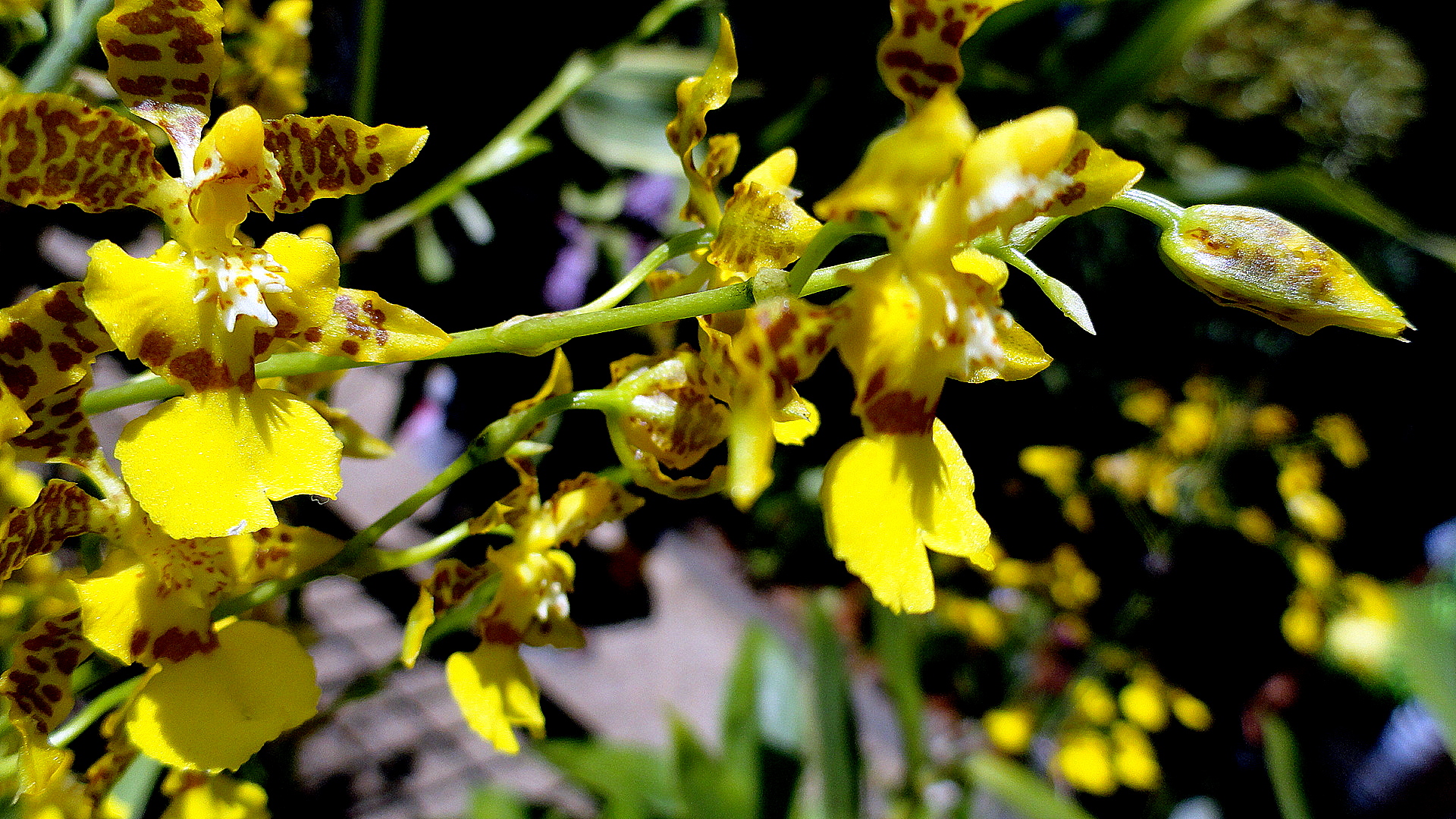
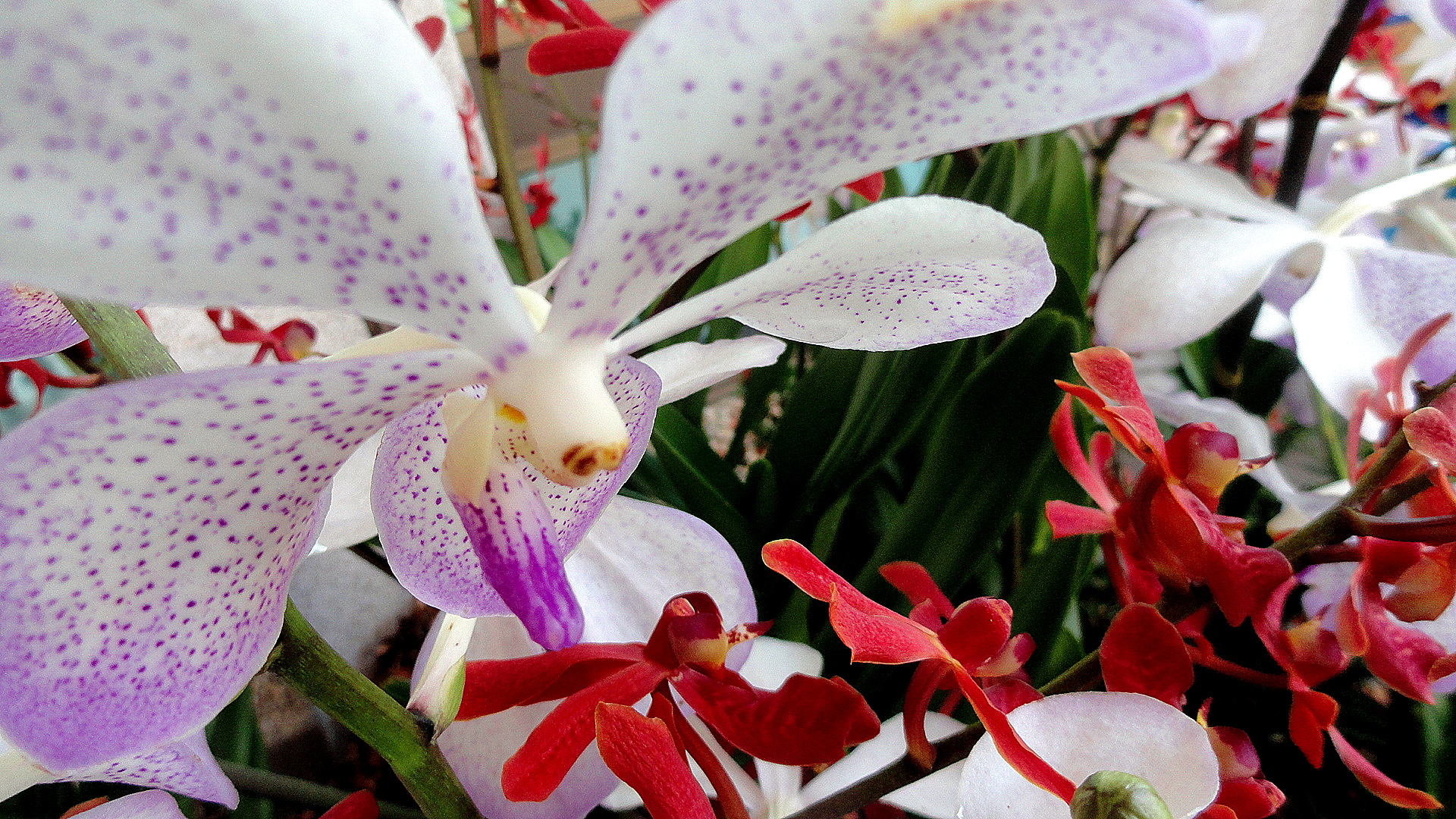
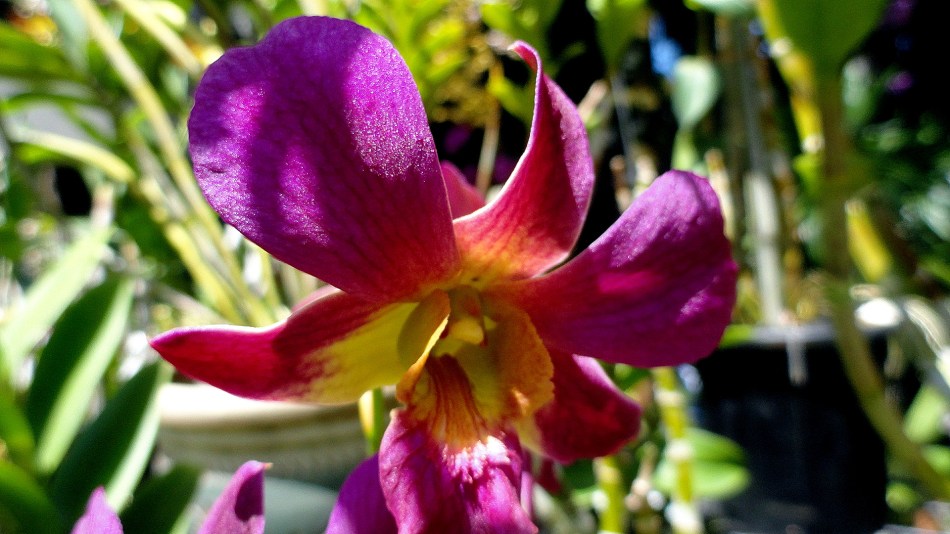

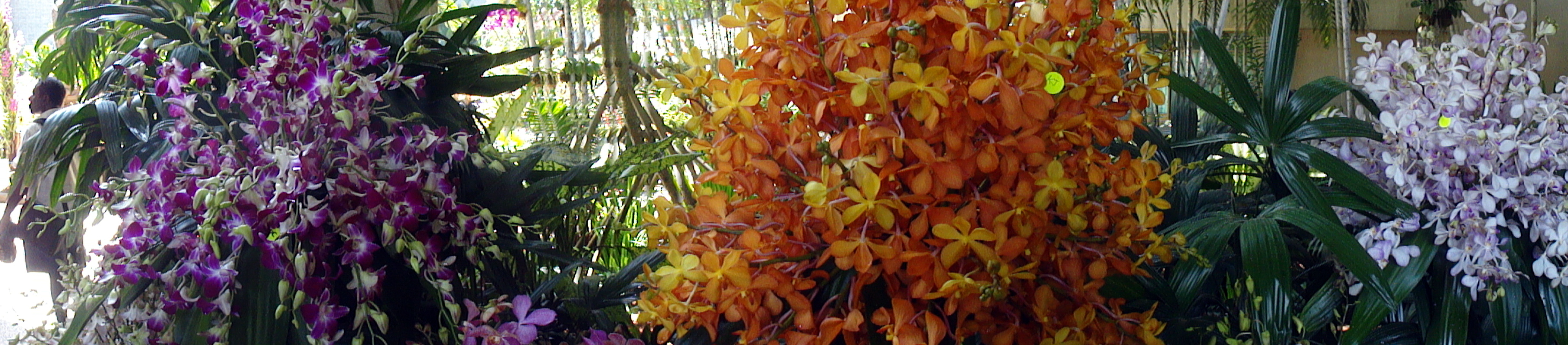

Click on an image in the gallery below to open a larger size, if you wish, which will also give you the name…and, to my chagrin, show you a few types and the fact that my fingers aren’t always confident about how to spell the adjective l a v e n d e r … but now I’ve got them posted and loaded, I am too lazy to unload them and change their names. Sorry. (Tip: to get back out of the gallery, ‘escape’ worked for me…)
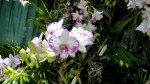
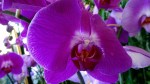


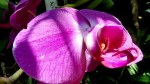
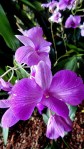



 …and yes, there has to be one that’s not an orchid, just to ssee if you’re paying attention. I think this guy lives in the garden at parliament full-time, while most of the orchids were short-term visitors. 🙂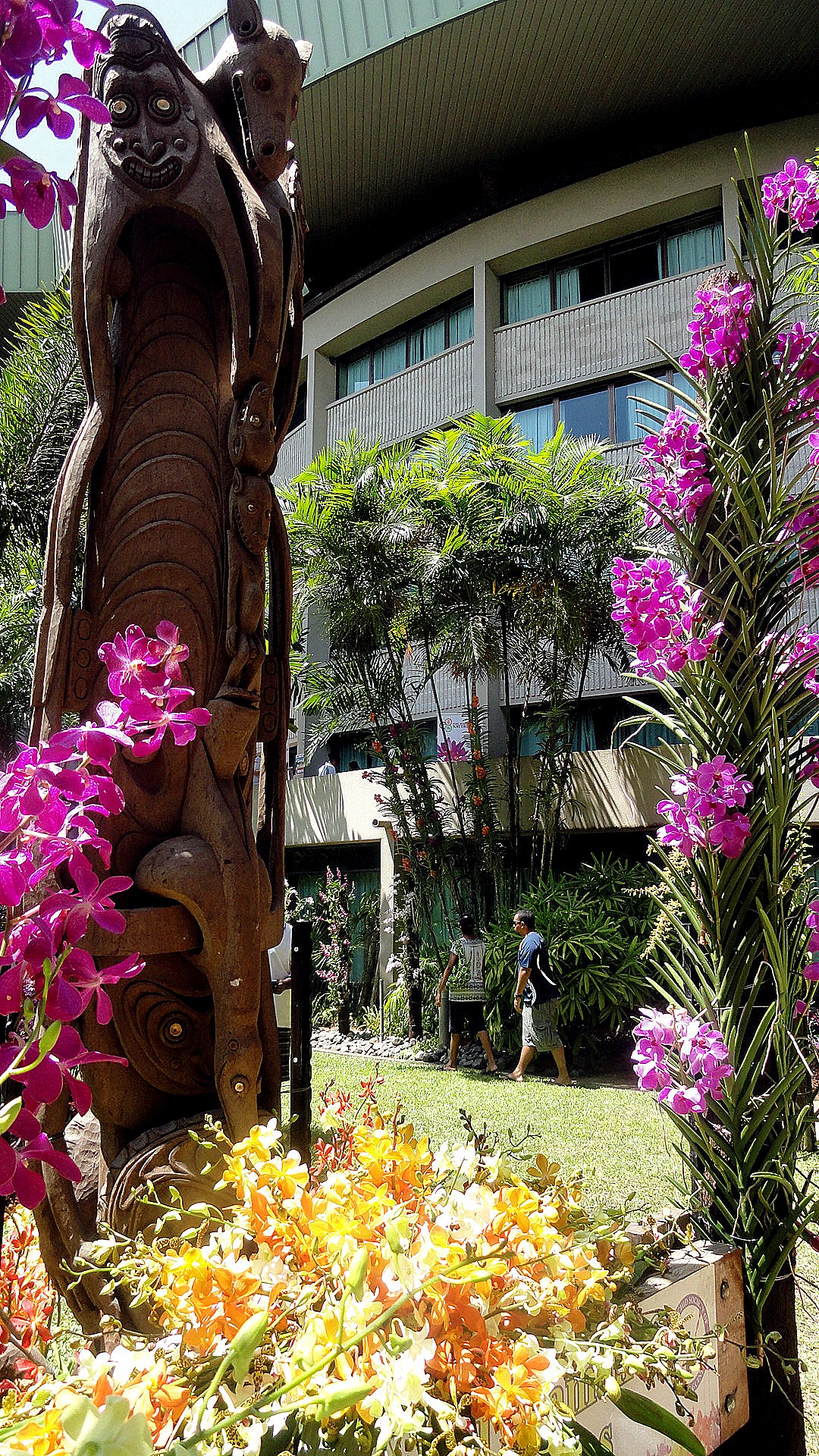
Arts of PNG @ Parliament House
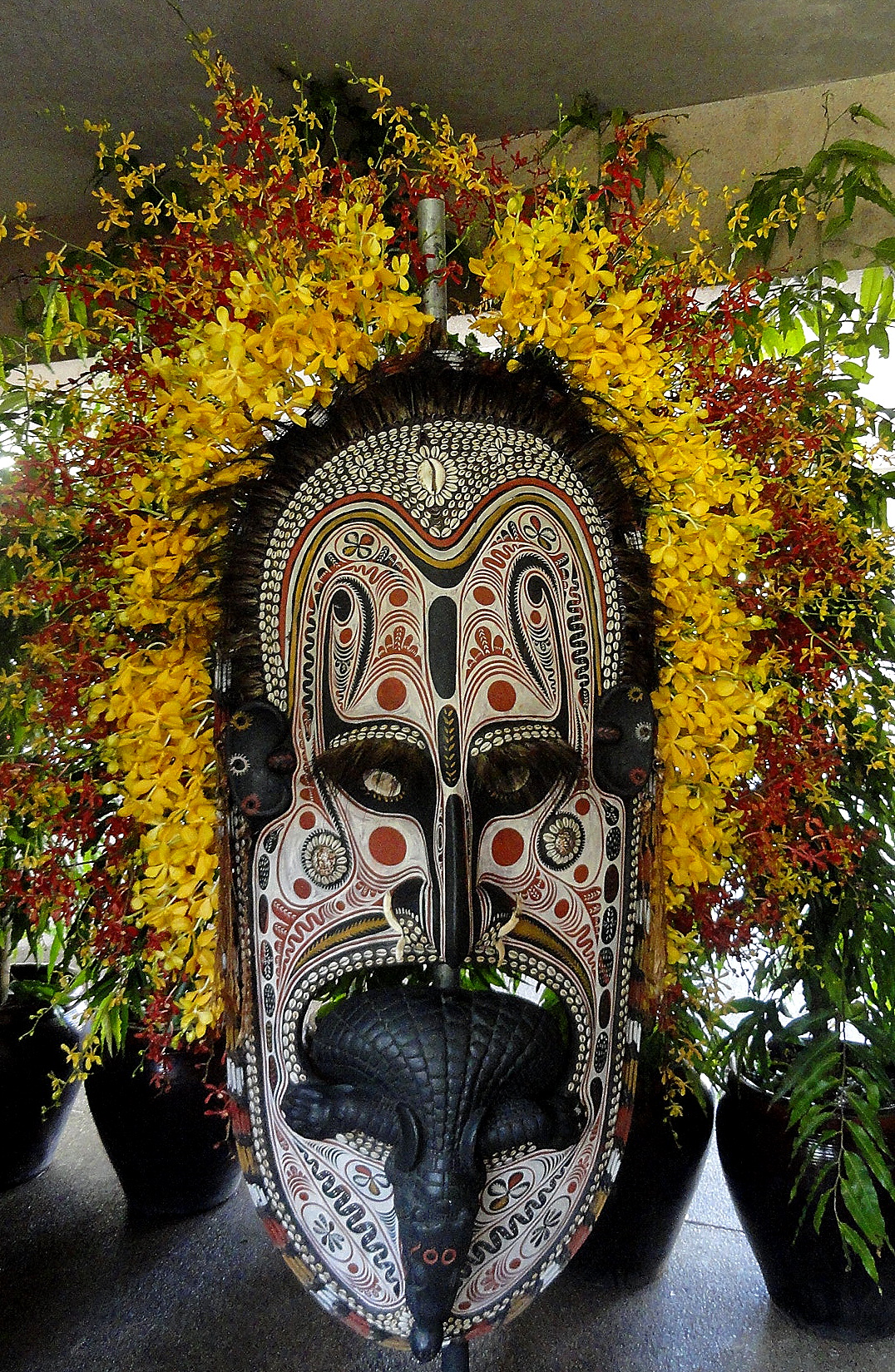
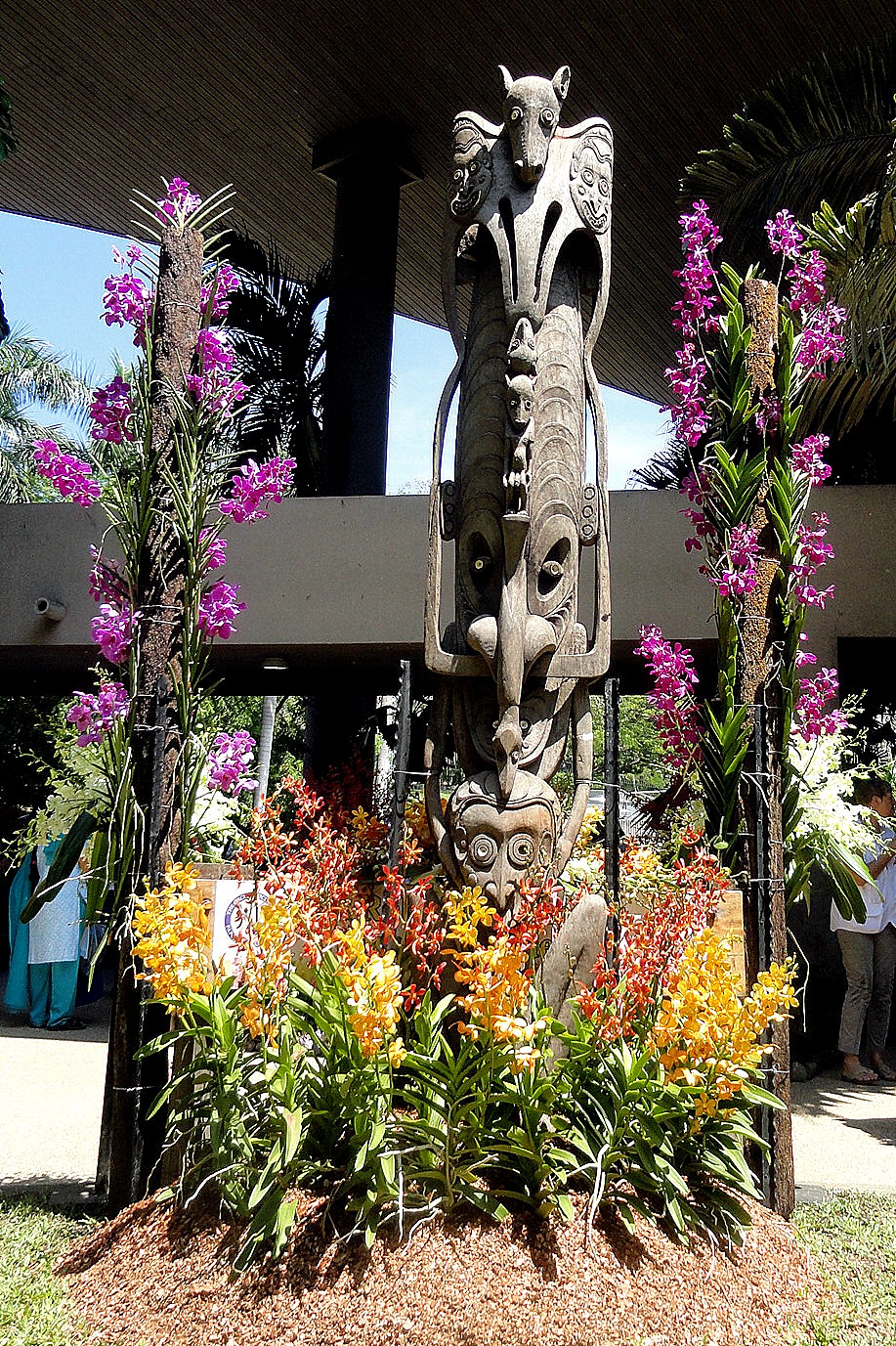
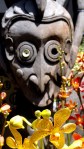
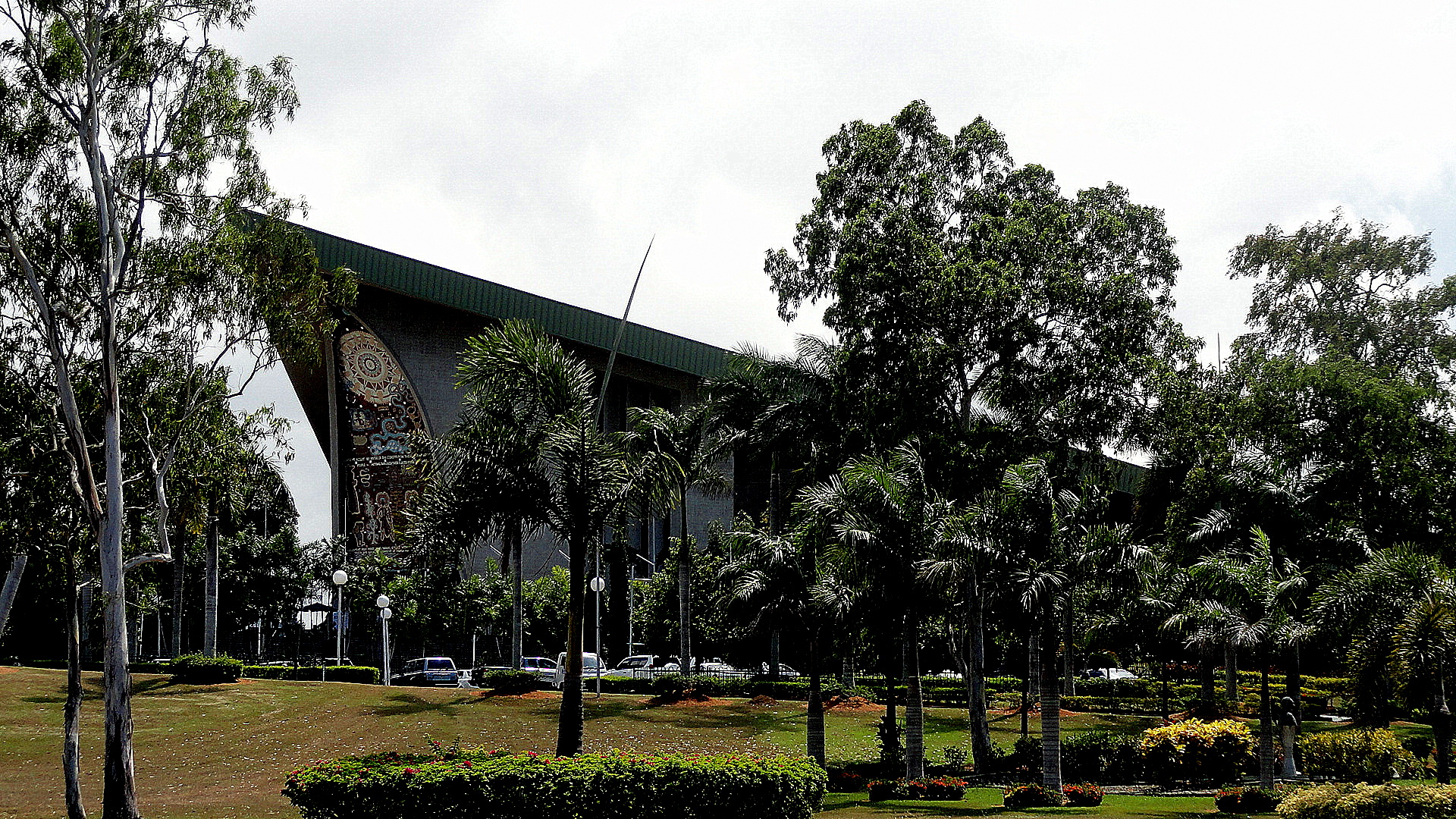
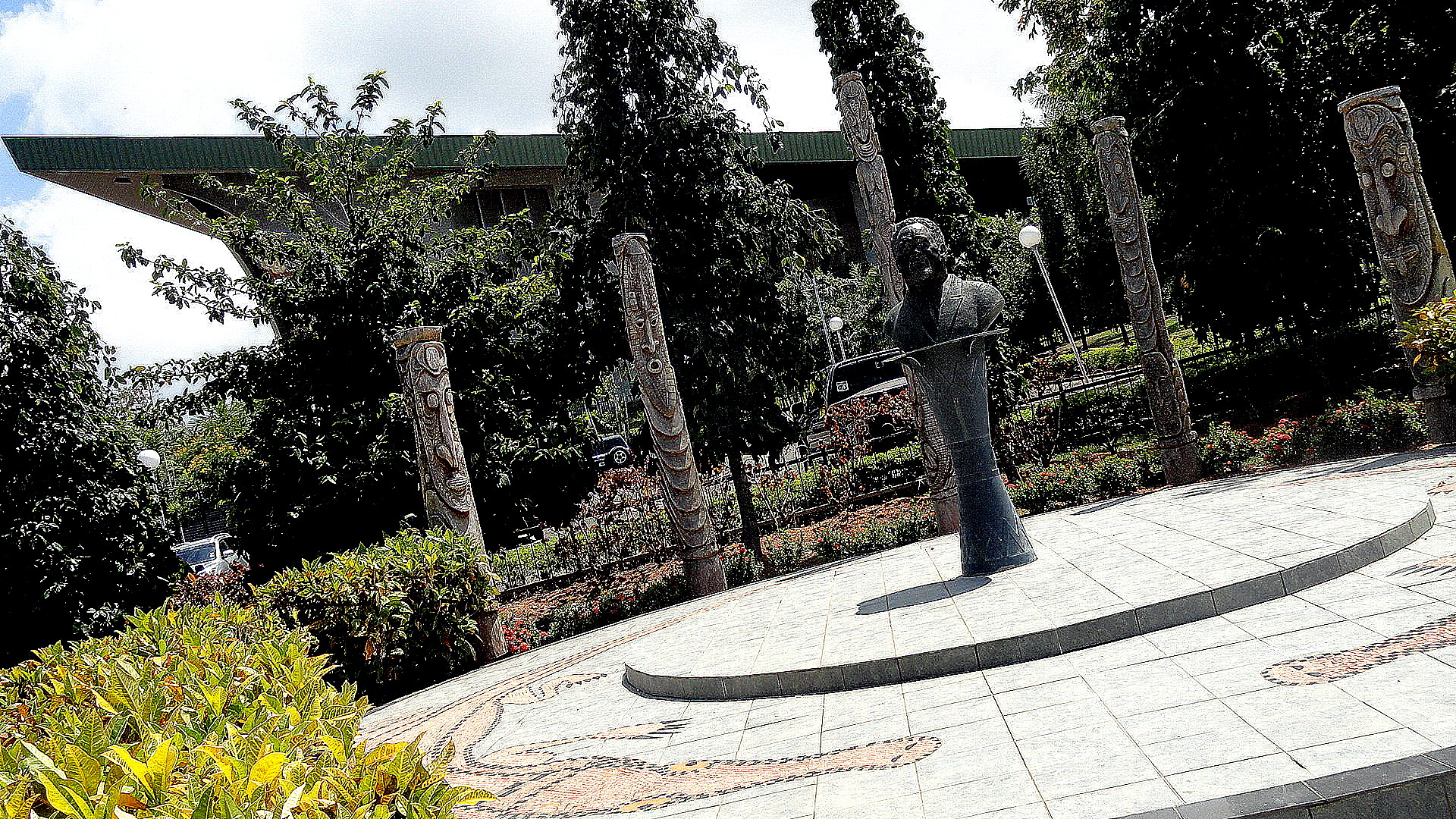
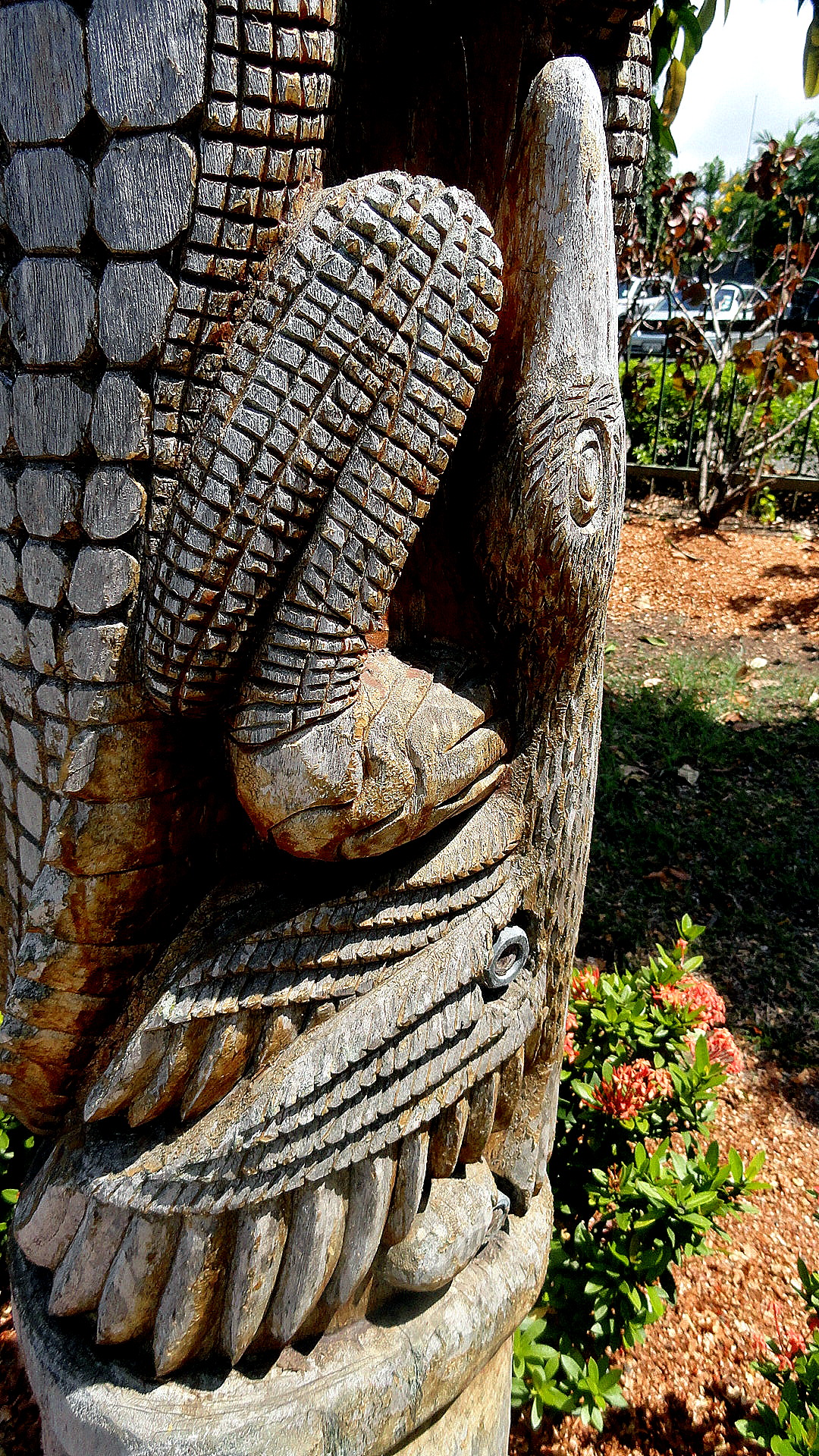
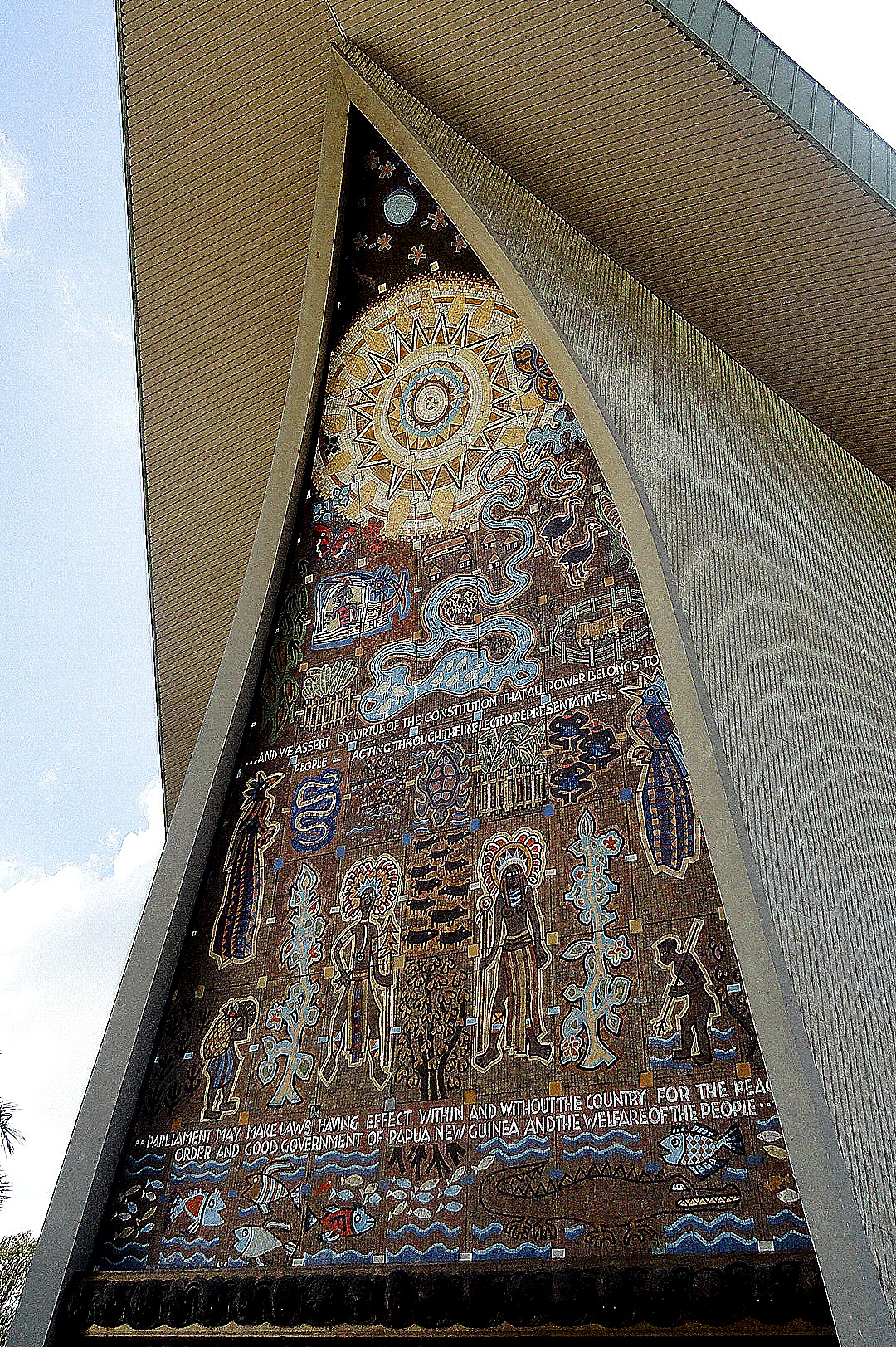
Two weekends ago, Parliament House here in Port Moresby played host to the 2013 Orchid Show — I want to say Orchid Spectacular but that may be how I felt about it, rather than its real name. As usual, I went wild, and sitting now in my camera are many photos of many more types of orchids than you, perhaps, imagined existed. The photo above is the only one with orchids for this post, because … well, a) I have to break them up so the entries are less imposing and b) I haven’t sorted all the orchid shots yet. So what you get here are a few more shots of Parliament House than I have been able to show you before. It’s virtually next door to where I’m living – where I sit as I type these words – but so far I’ve only shown you a few aerial shots of it (https://somuchworldsolittletime.wordpress.com/2013/02/24/beauty-big-and-small/, for example), or a far-away shot in last year’s independence-day entry, which also included the (so far) only views of the ever-popular funny-looking cassowary. (Here, if you’d like to see it again: https://somuchworldsolittletime.wordpress.com/2012/09/16/png-37-years-of-independence/ — and BTW: I have confirmed that the cassowary egg which formed part of a peace accord in the highland some months ago would have been for consumption, not for any other purpose.) Also for the record, I promise to do my very best, before my time here winds down, to get back to the national botanic gardens and try for more shots of cassowaries, birds of paradise, tree kangaroos, and other unique fauna you will not find elsewhere. For now: enjoy the arts of PNG as displayed at this proud national symbol on a festive weekend.



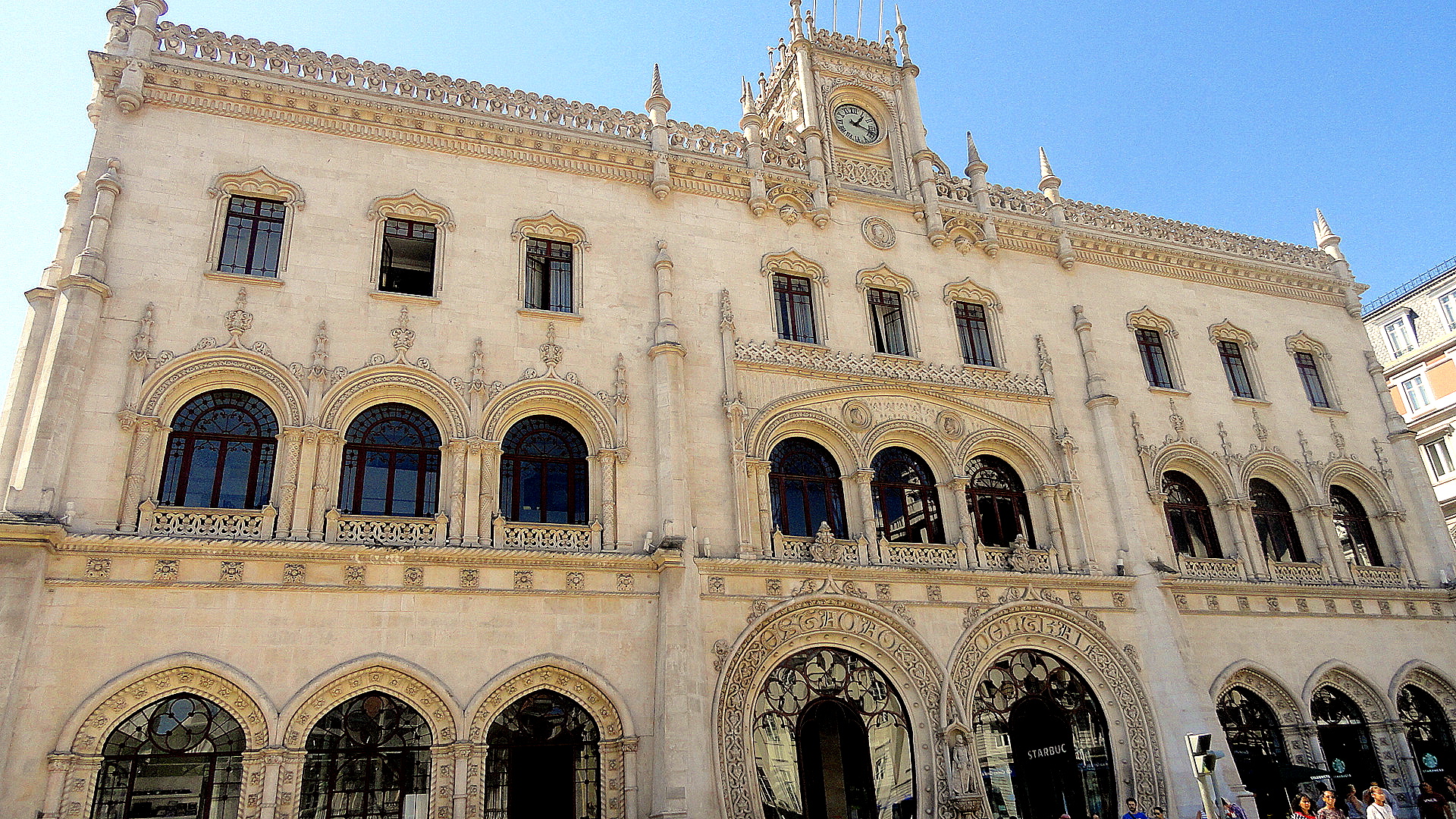
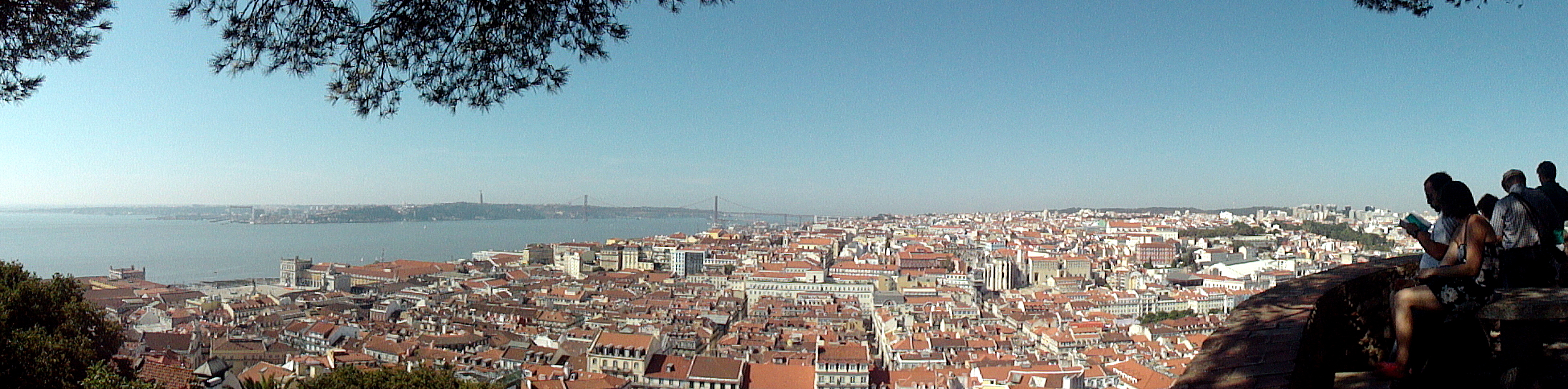
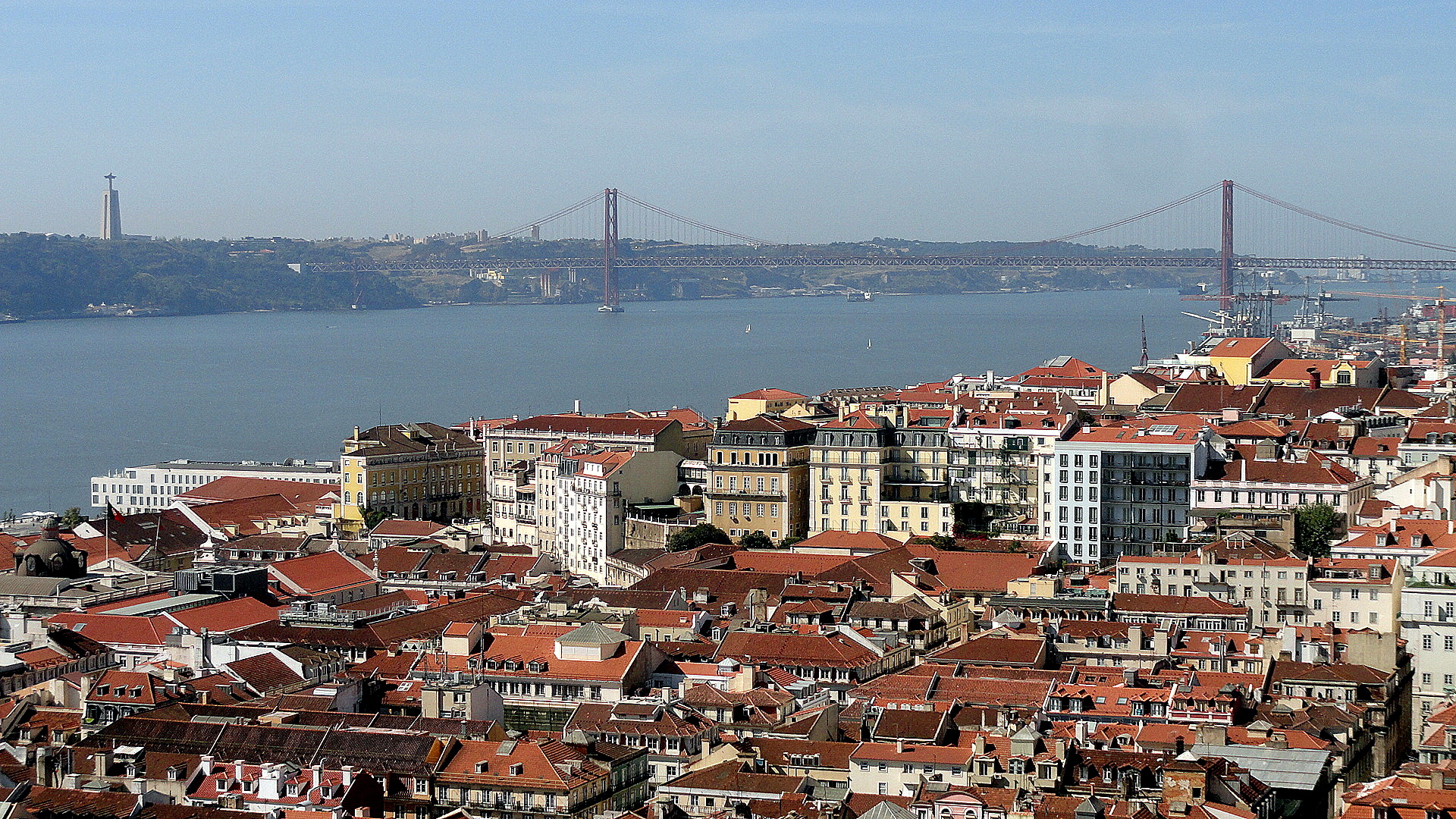
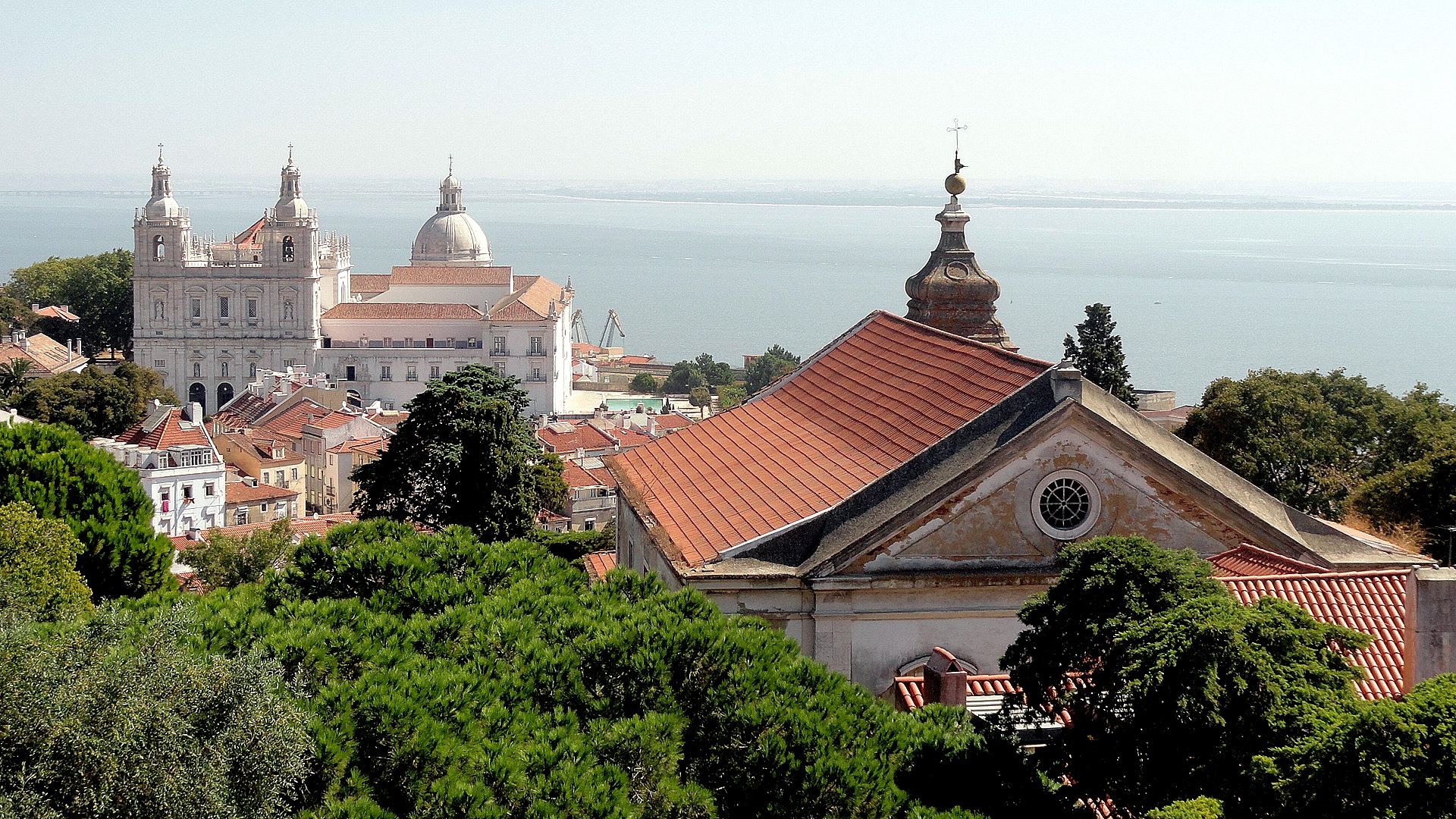
The Pairing Perspectives Experiment: Lisbon
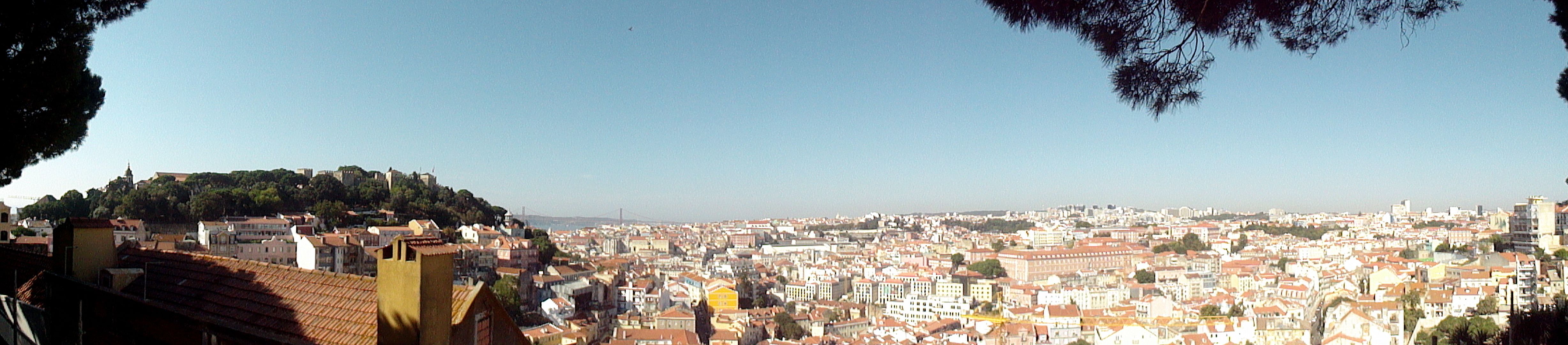
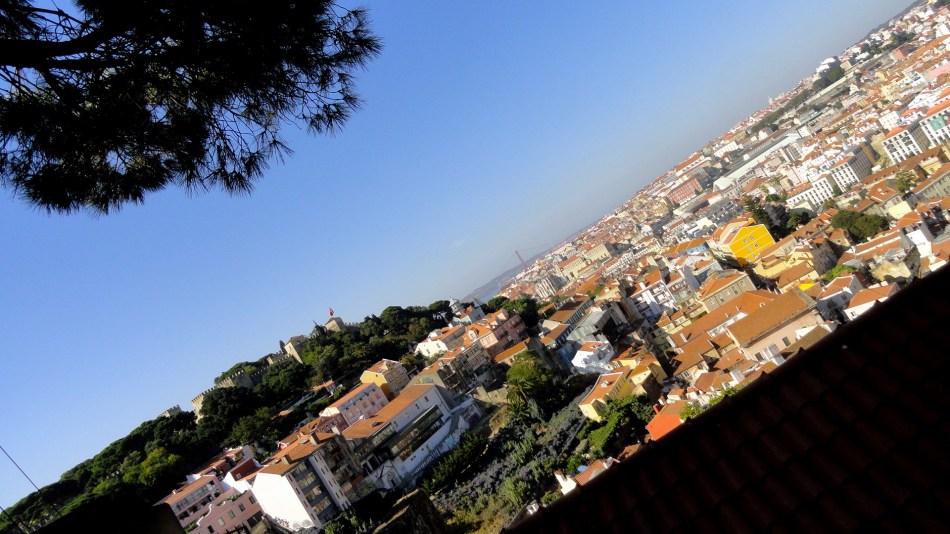
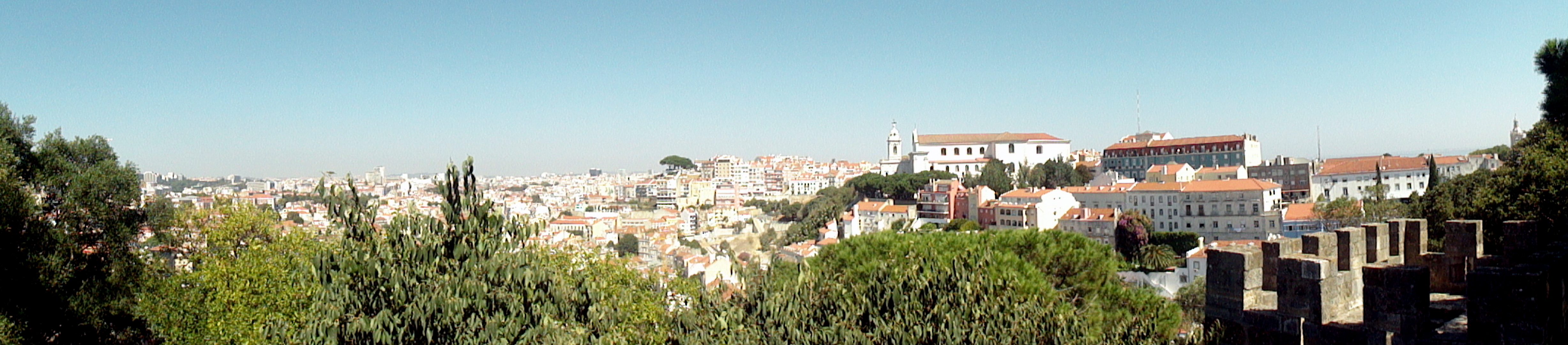
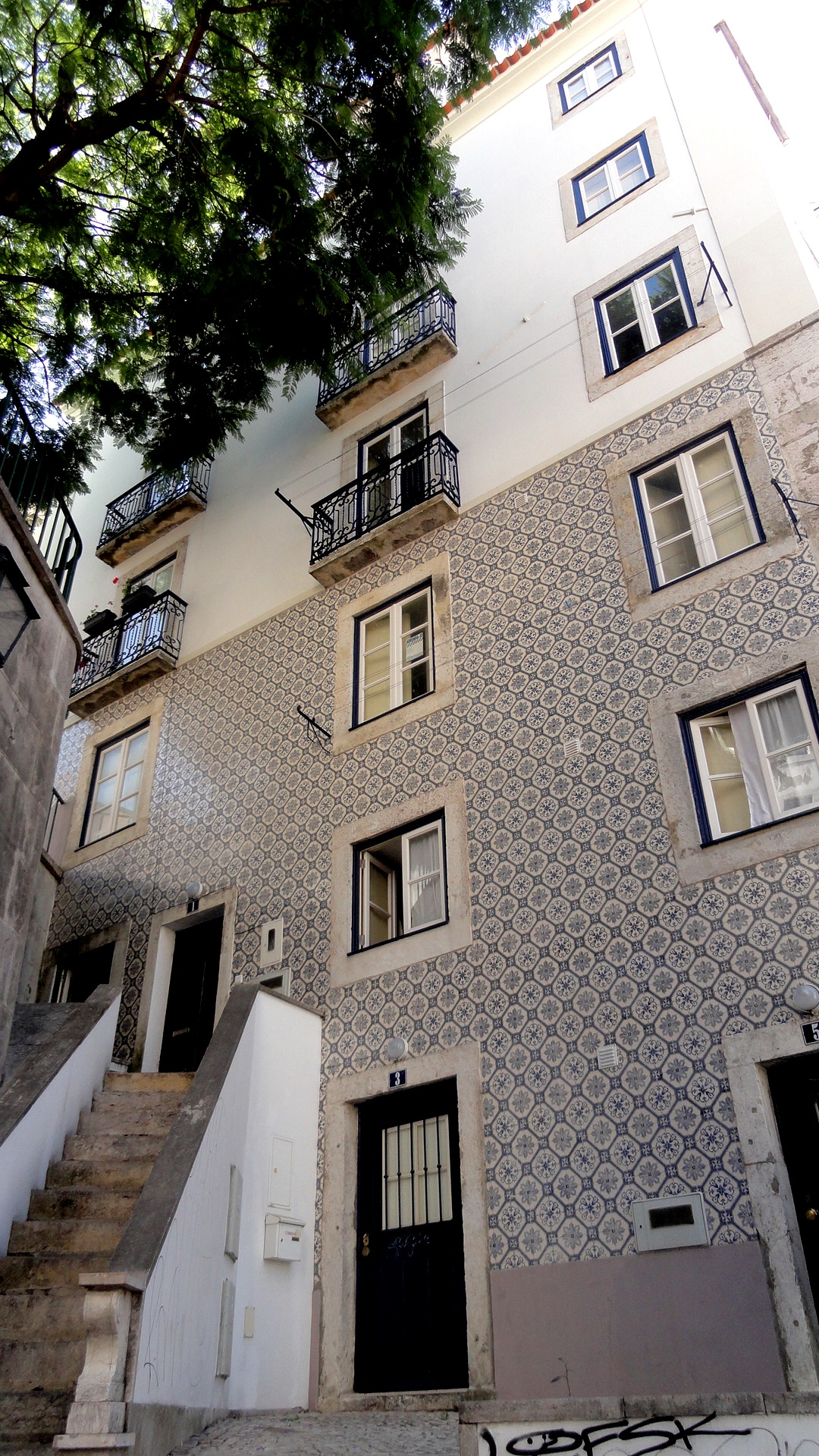
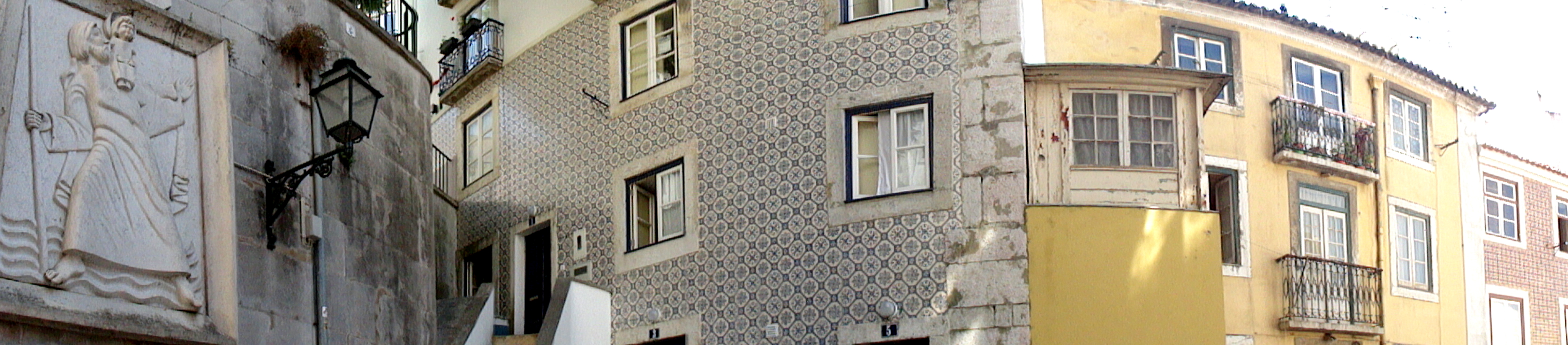
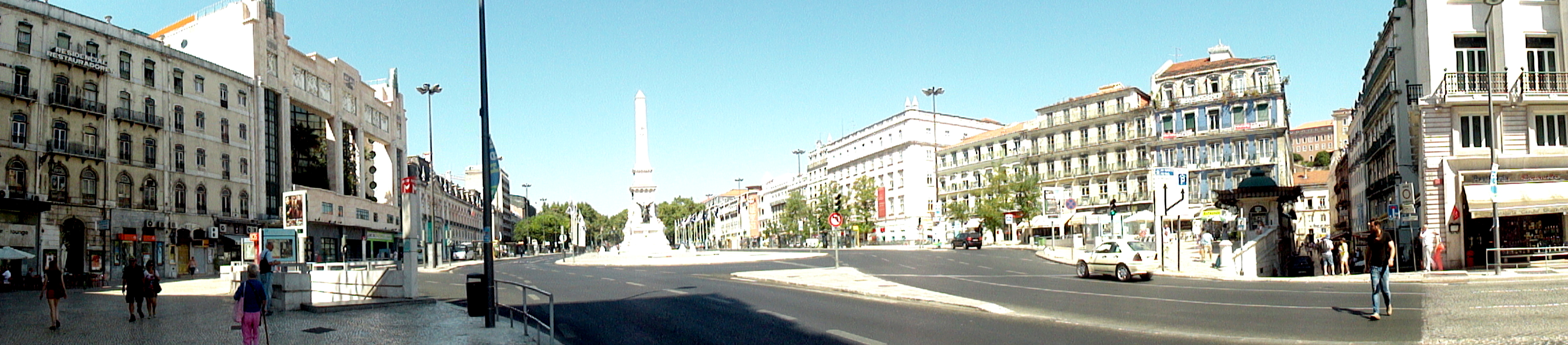
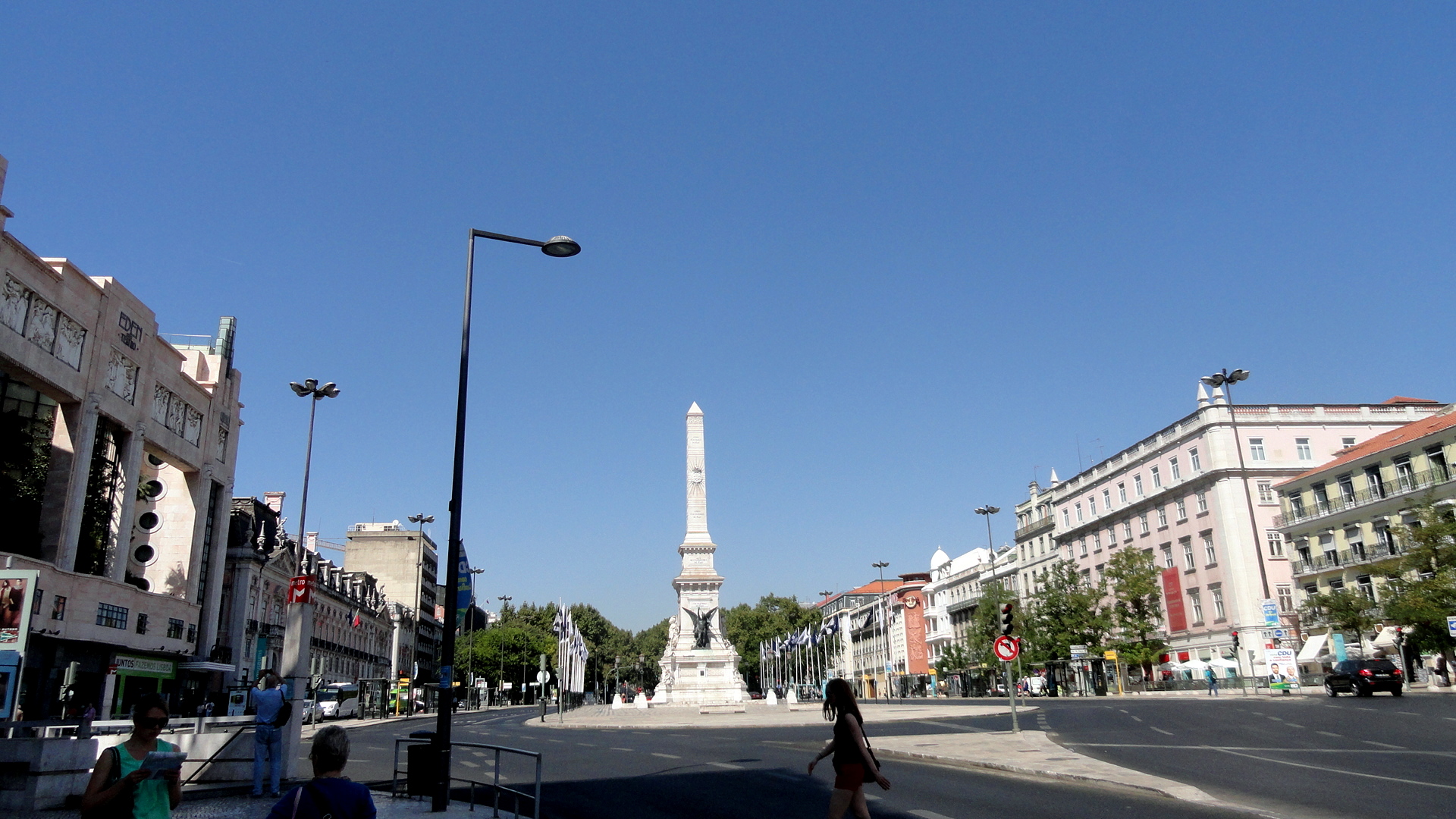
Forest or tree? Grain of sand, or stretch of beach? Since learning how to use the panorama function on my camera I’ve been quite captivated experimenting with when it’s a nice tool. Some of you have voted in favor of more panoramas, and I thought with this entry I’d expose you to some of the framing, editing, and selecting challenges I have in figuring out what to share with you each time I see things that grab my imagination. I recall a conversation once with my brother about the youth tendency to state their boredom on a regular basis – how this baffled us both, since the world is so endlessly full of fascination. If you’re not finding it, maybe it’s time to change your frame of reference, focal length, or angle. It nearly always works for me. This is an experiment: vote yea or nay to further such experiments, by viewing this entry more times (= more future such pairings from other locations) or fewer times. Of course, comments are also welcome. Cheers – enjoy.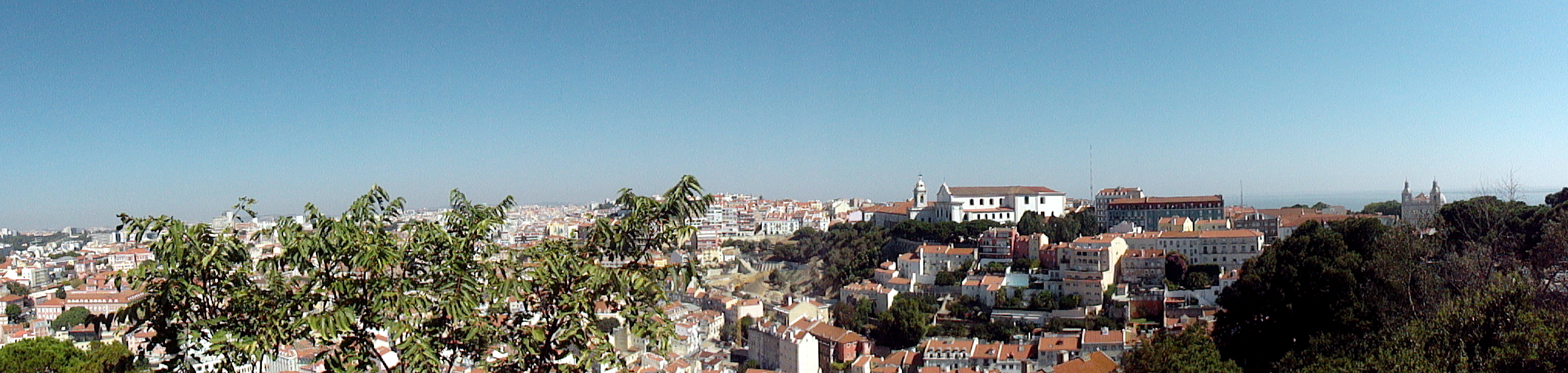


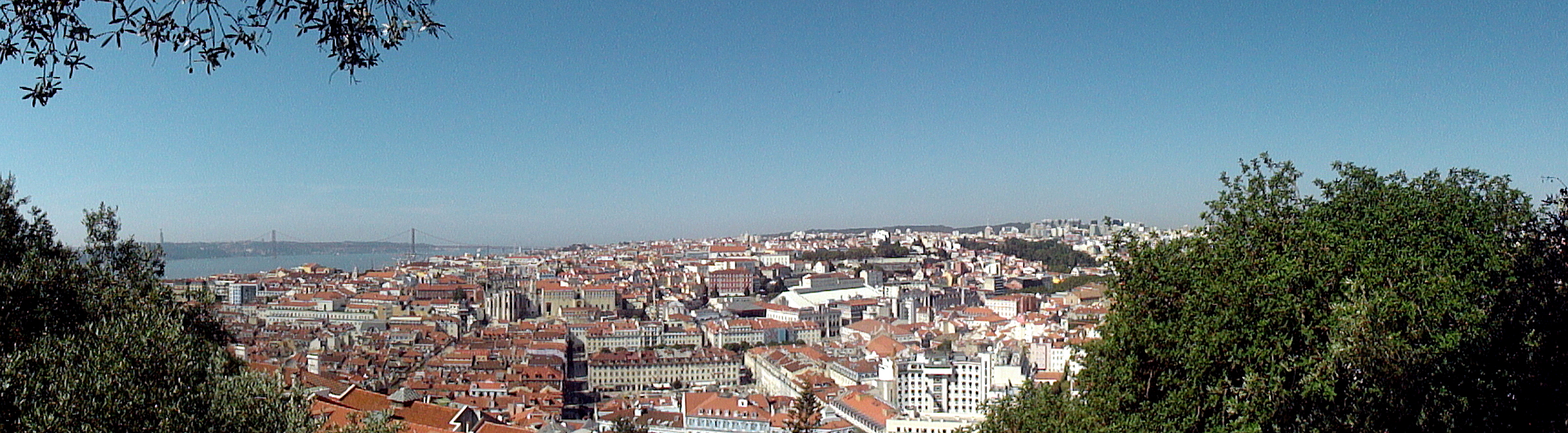
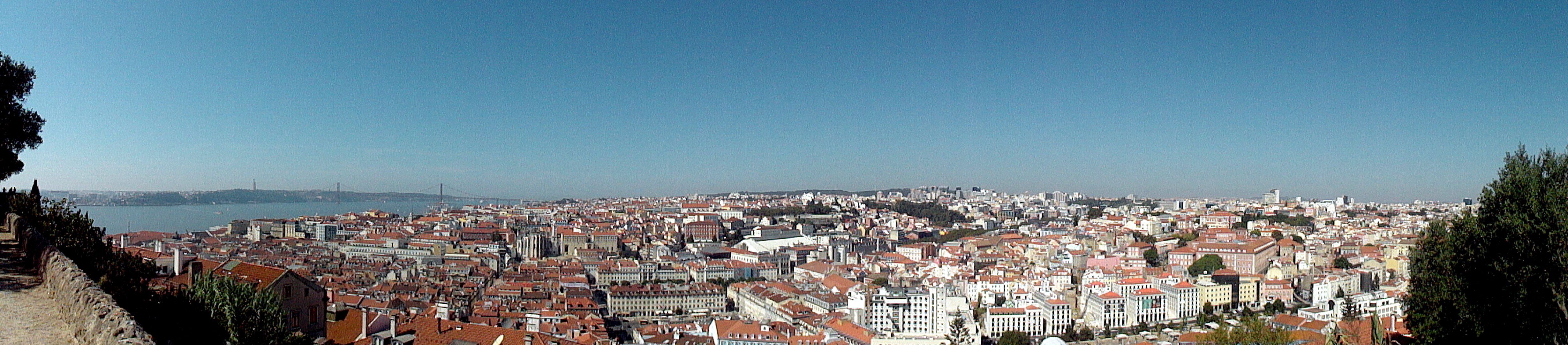
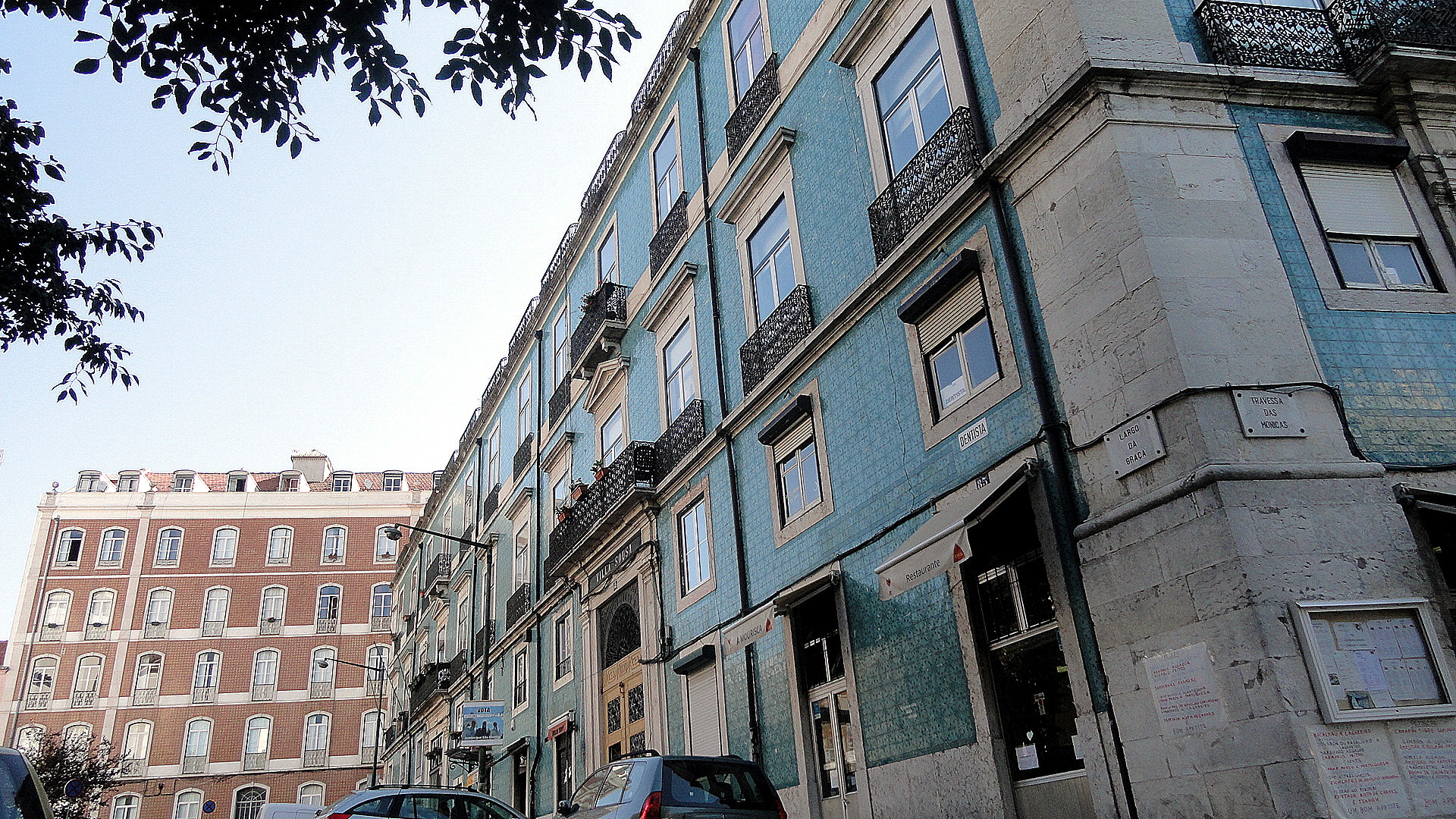
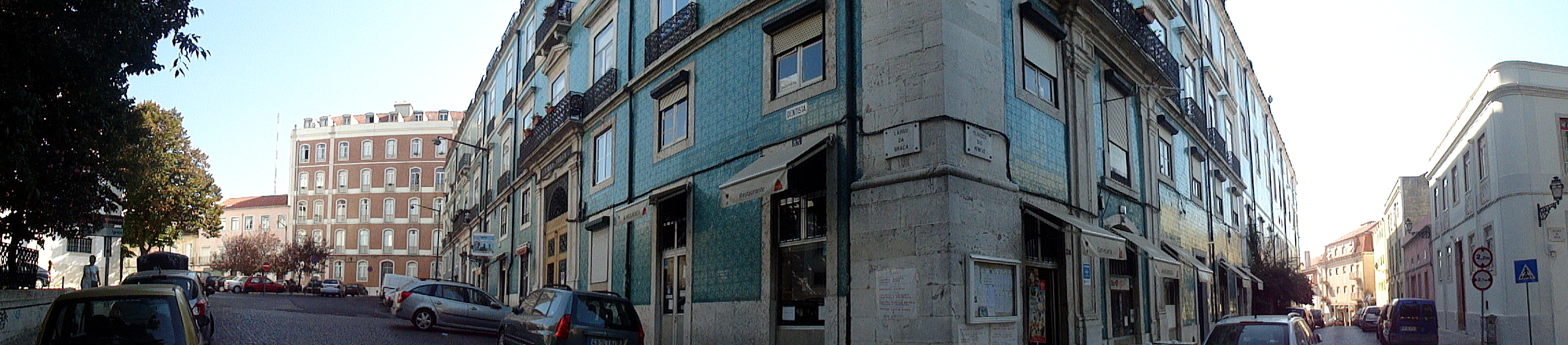
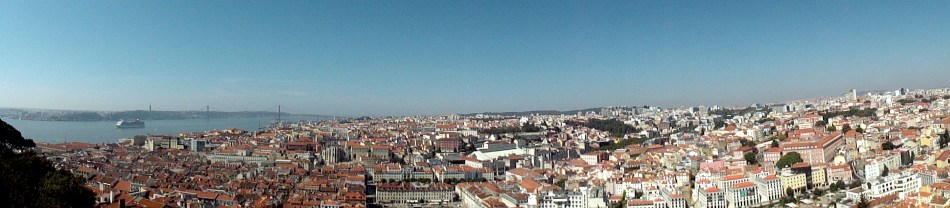
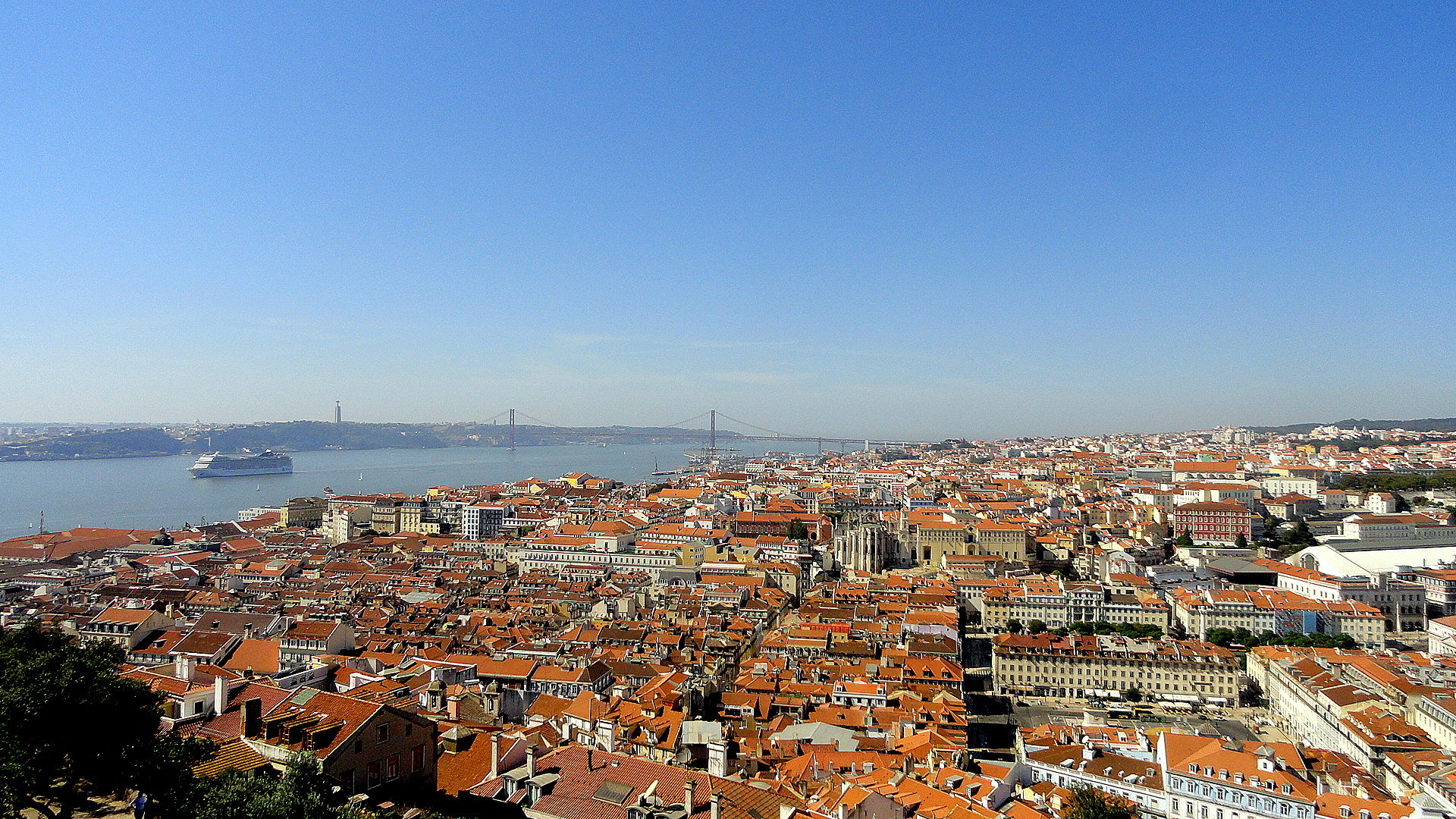
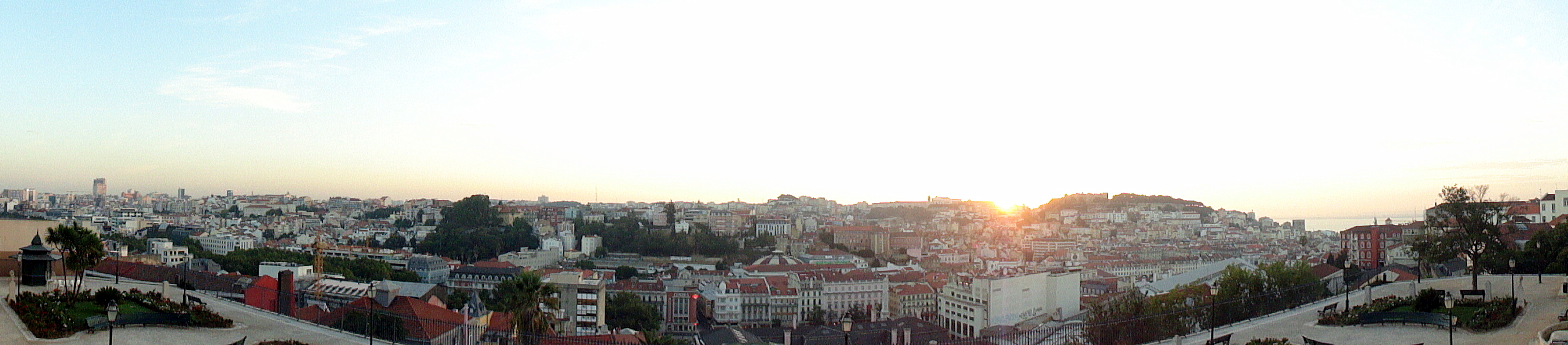
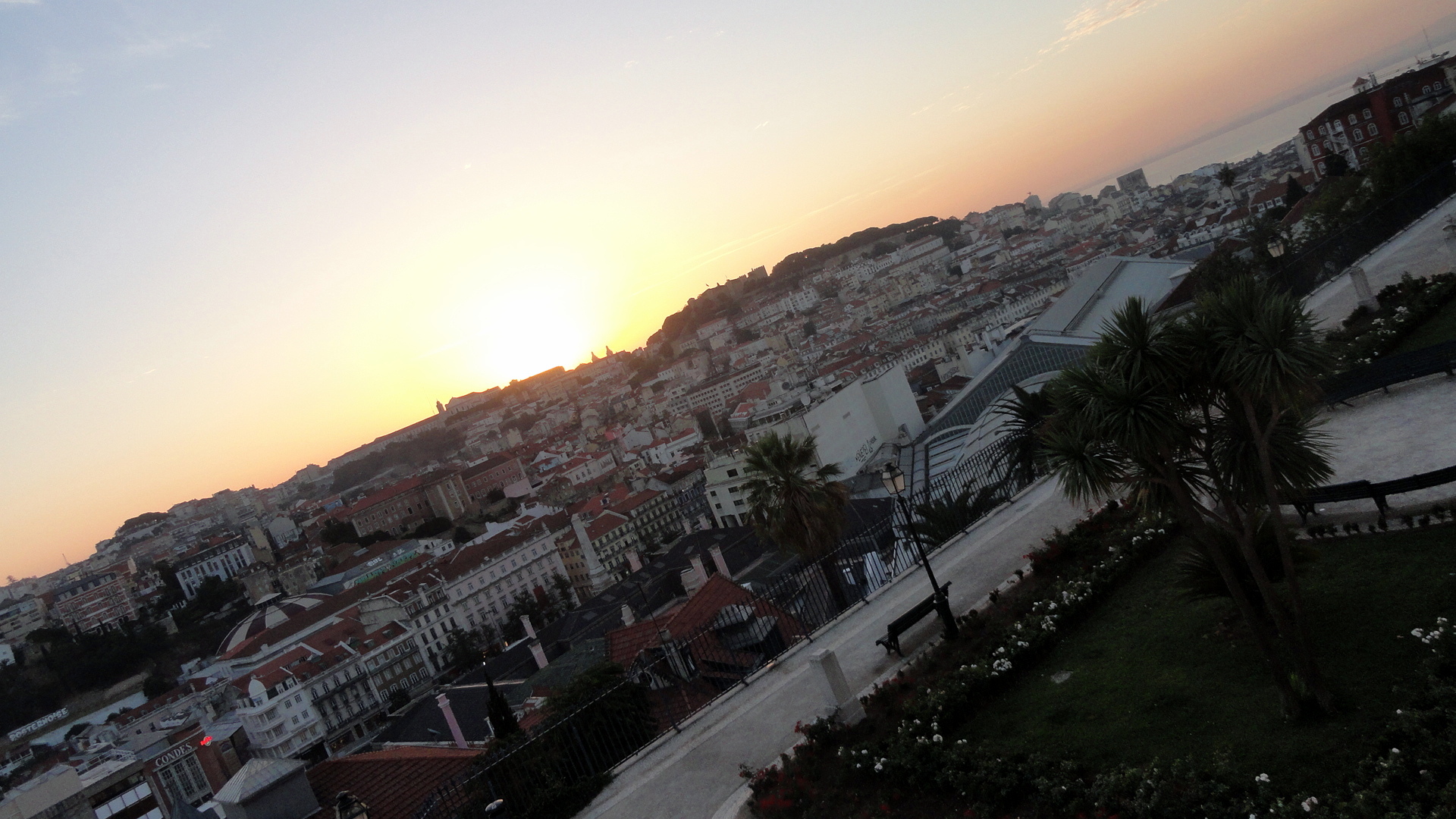


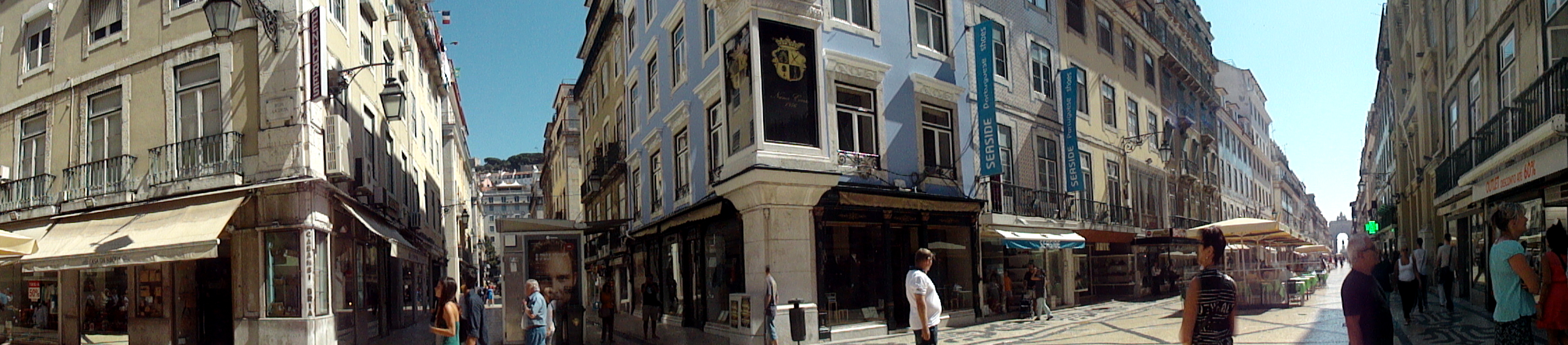
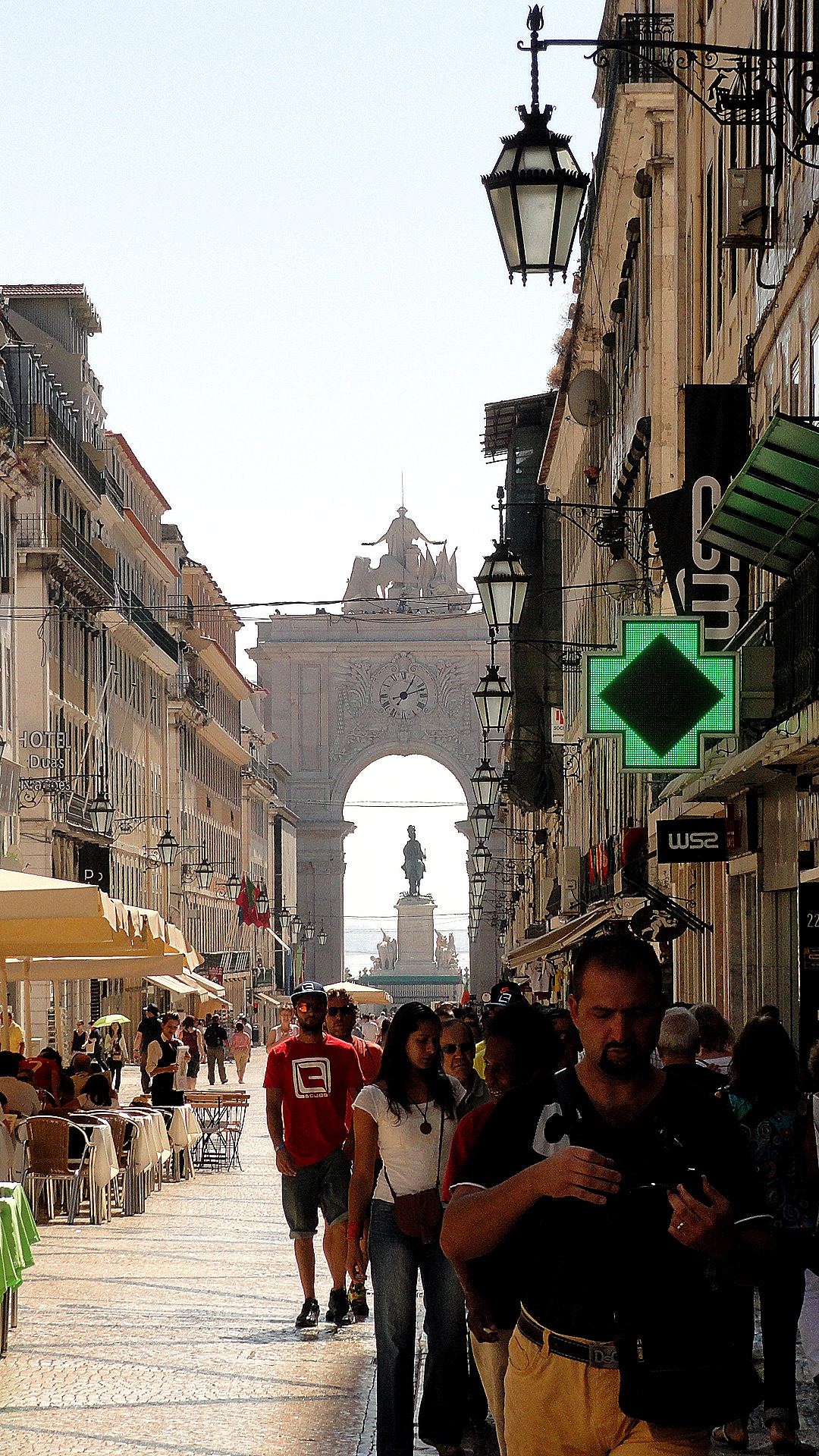

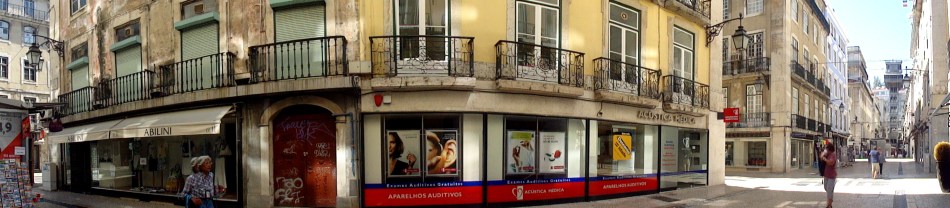

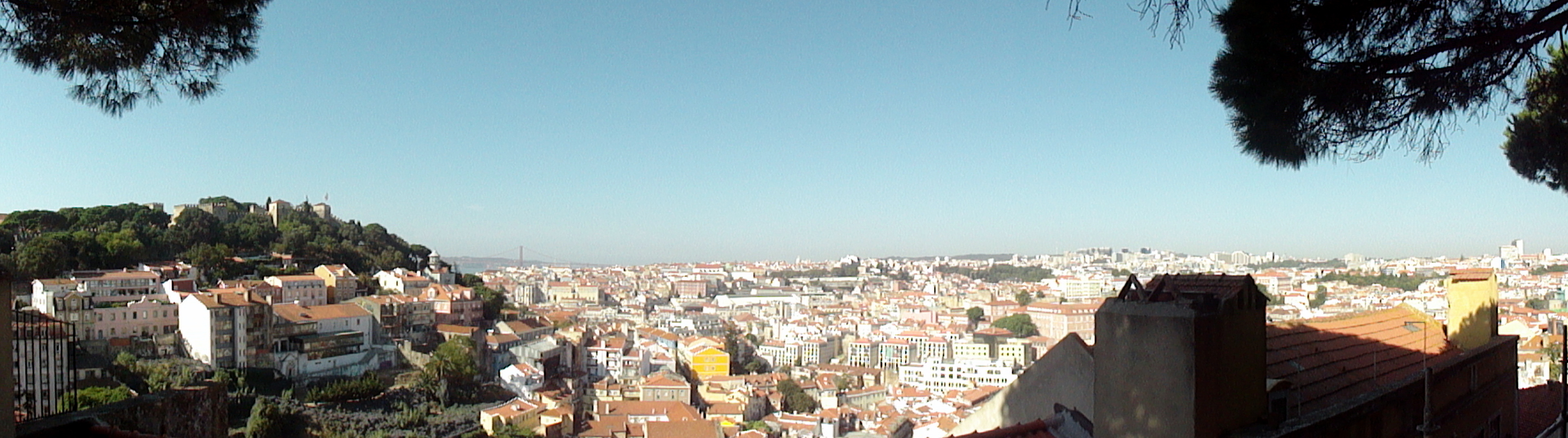
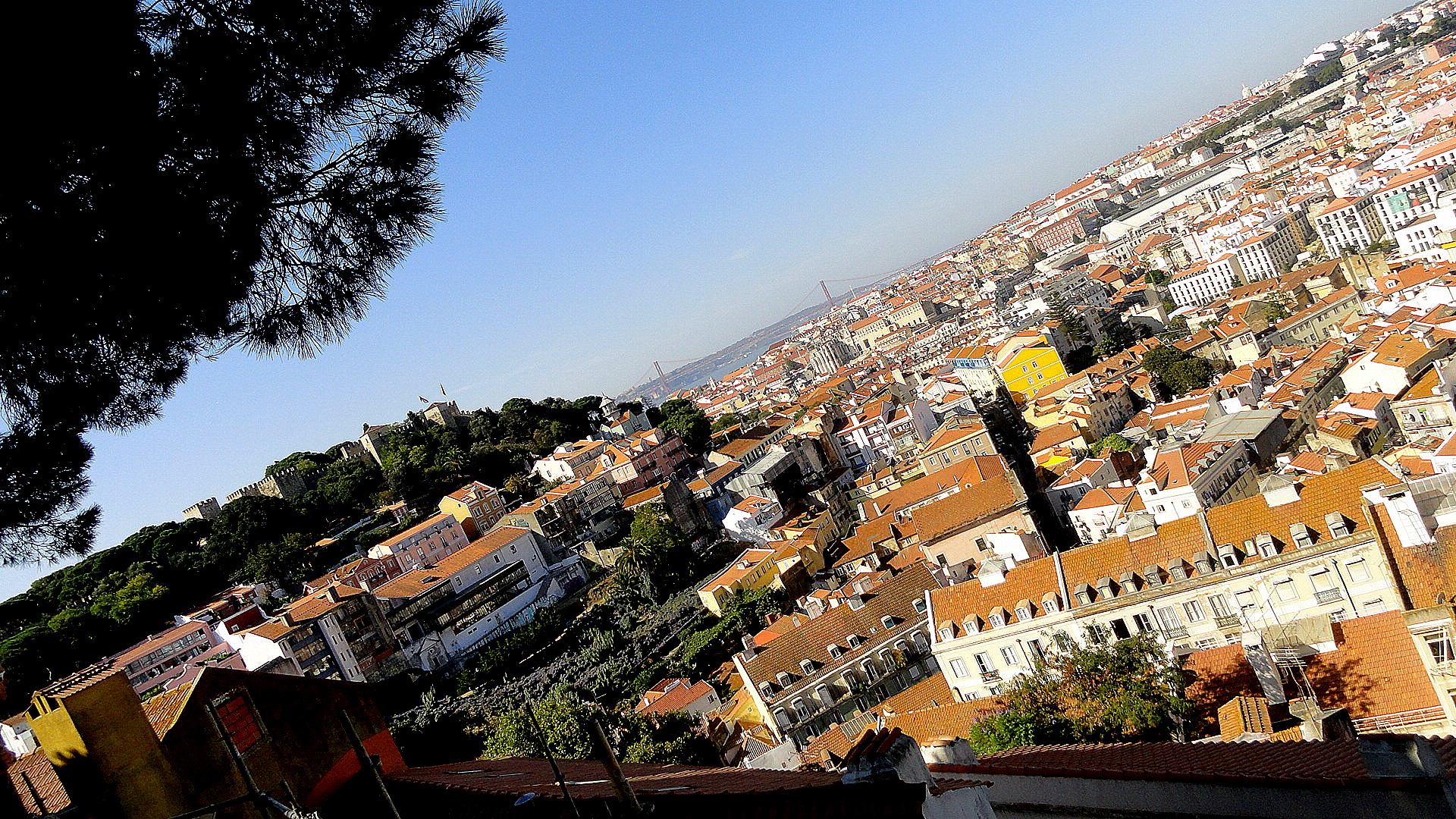
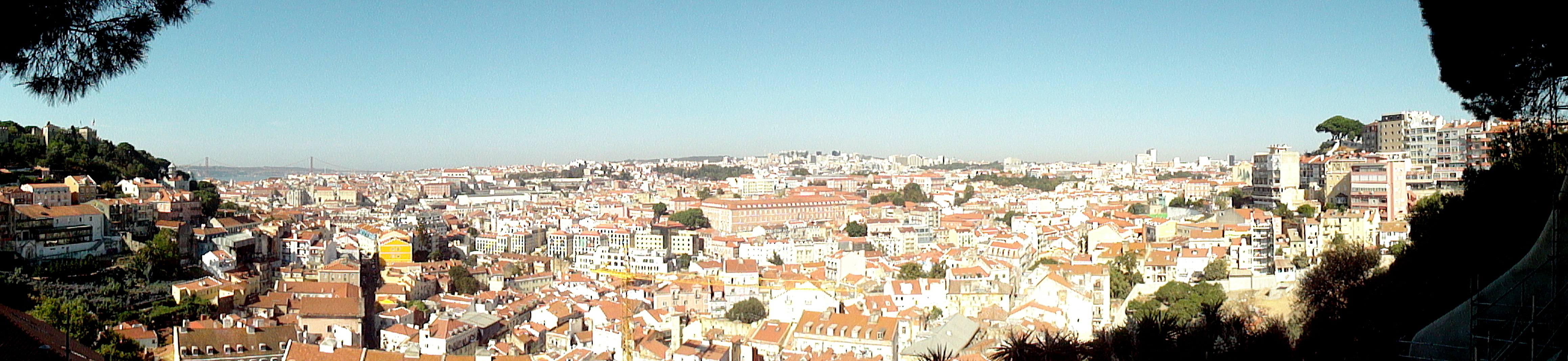
Big Snails Climbing the Wall…
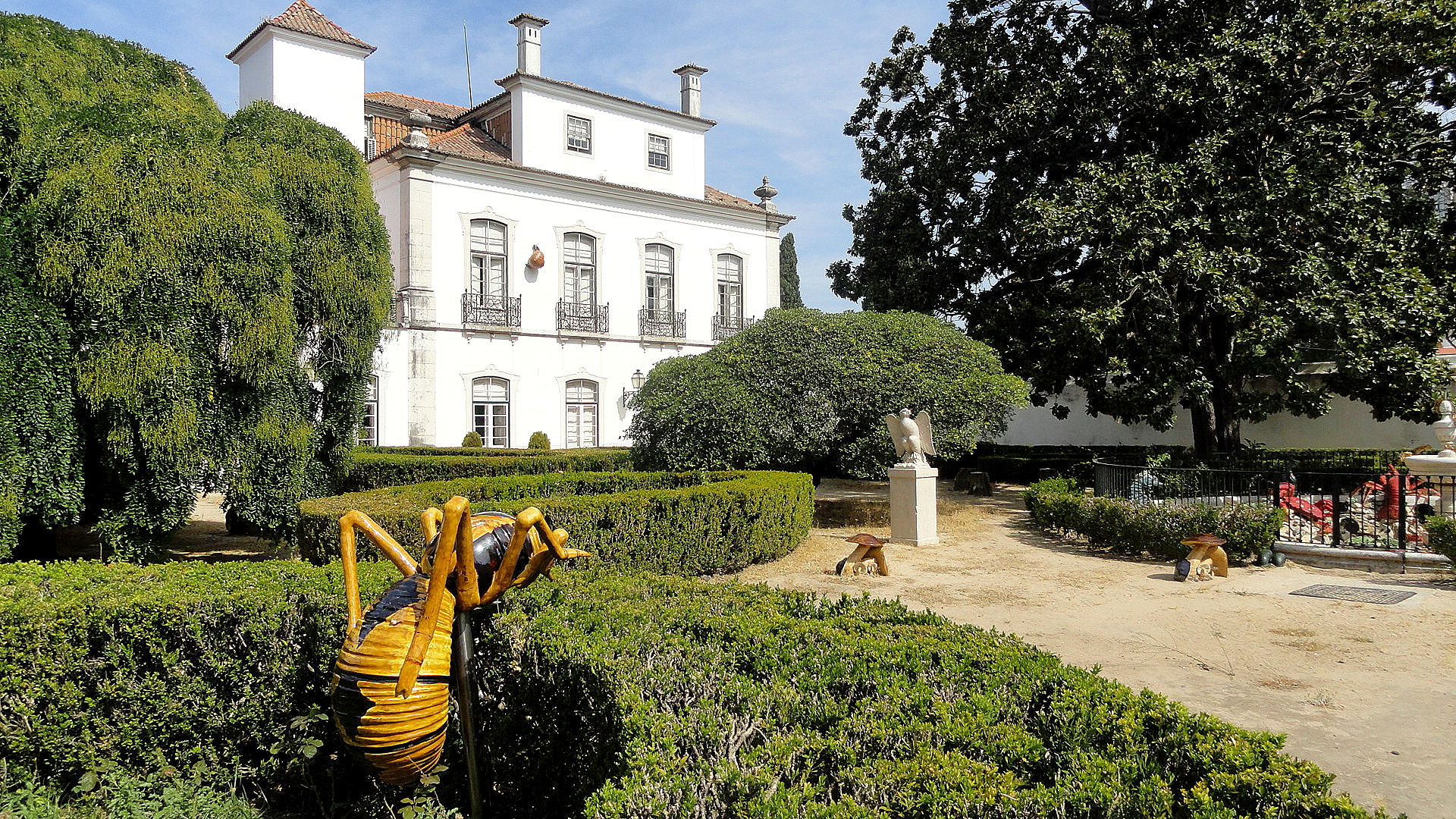
Prior to visiting Lisbon, I’d always knows the Iberian peninsula excelled at tile arts. I’d even had an idea that Portugal had a special concentration of tile and ceramic talent…but I hadn’t quite understood the extent to which Portugal focuses on the tile arts. In our last entry. Lingering in Lovely Lisbon, you saw quite a few shots of houses with tile facades. There are many of these, throughout Lisbon – I’d go so far as to say it was a rare city block in which I didn’t see at least one house that was fronted with tiles. Curious about all these tiles, I did some online research and learned that the city museum had both very interesting internal tiles, and a modern tile-art garden…from which garden, as you see above, very big (but mercifully not living) snails climb the walls of the museum itself. 🙂 The museum grounds also offered many a peacock and peahen (I thought of my young friend Cate who seems to appreciate new and unusual fauna in all forms), and one of the more unusual fungi I’ve seen. (Regular readers know how fascinated I am by all forms of fungi and other such jungle-undergrowth types of life…see for instance this unusual life form https://somuchworldsolittletime.com/wp-content/uploads/2013/07/rainforest-growth-of-some-sort.jpg or perhaps this one https://somuchworldsolittletime.com/wp-content/uploads/2013/05/ambua-fungi-on-tree.jpg
Seriously – isn’t fungus fascinating?! Enjoy.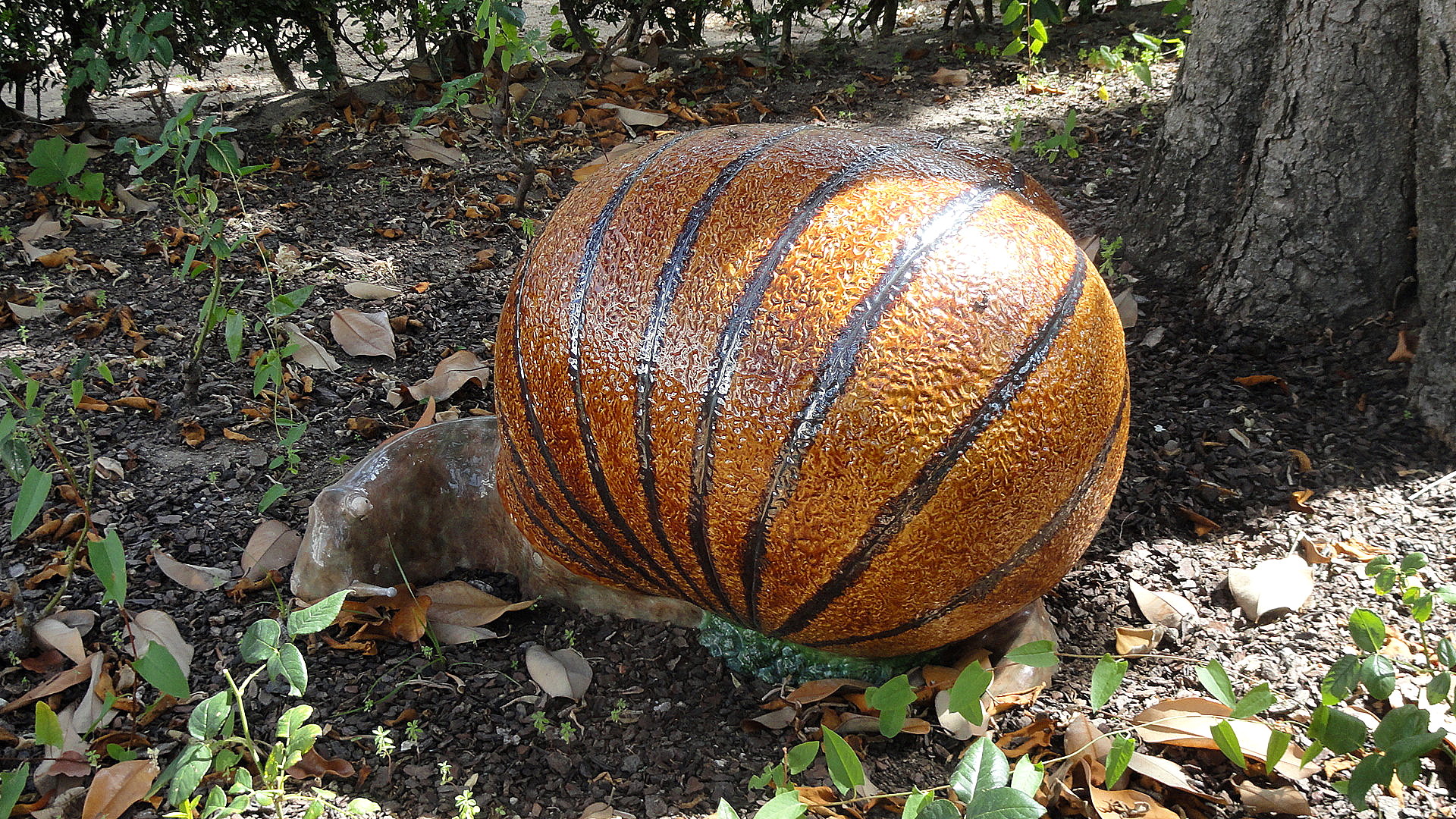
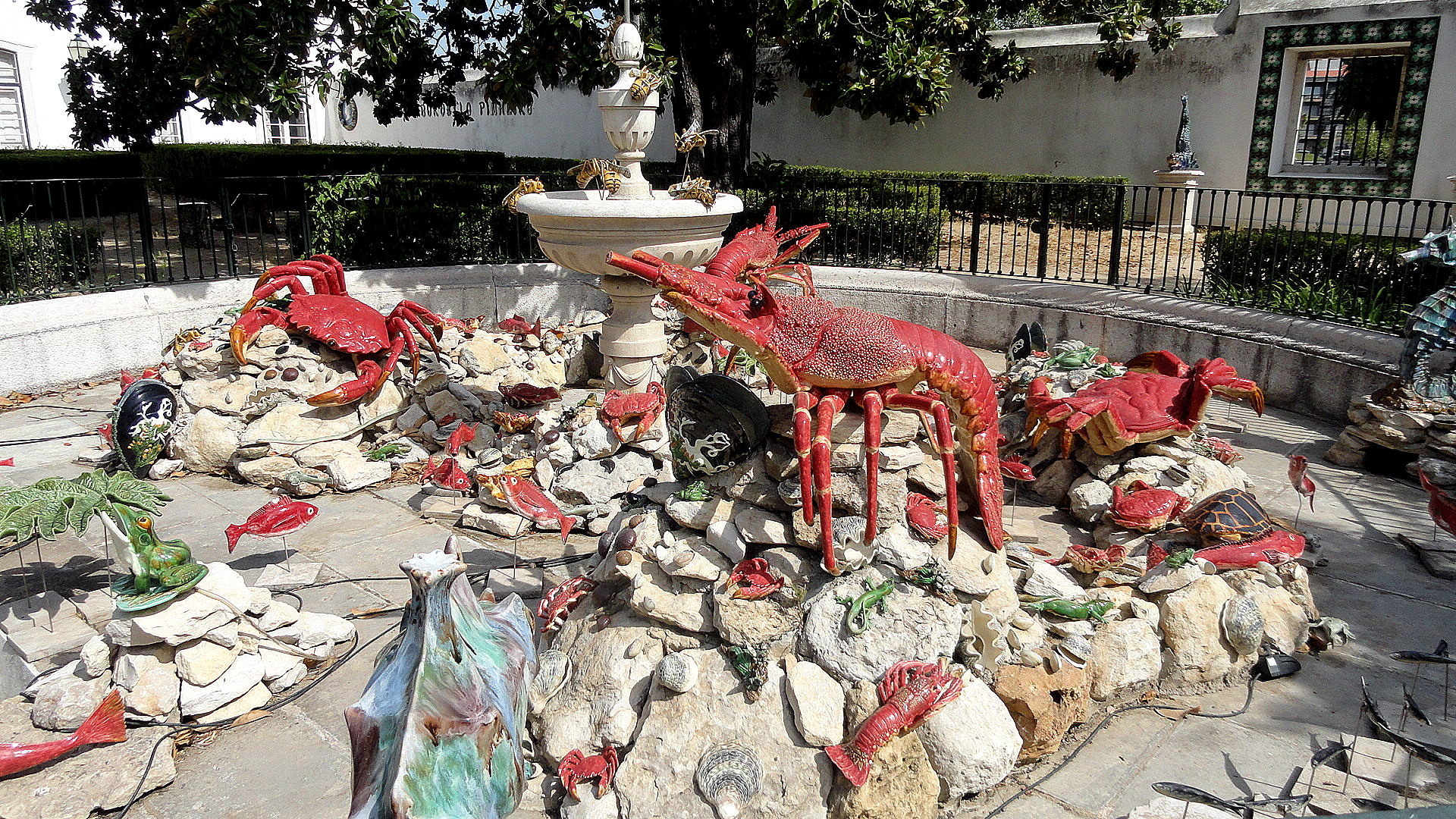
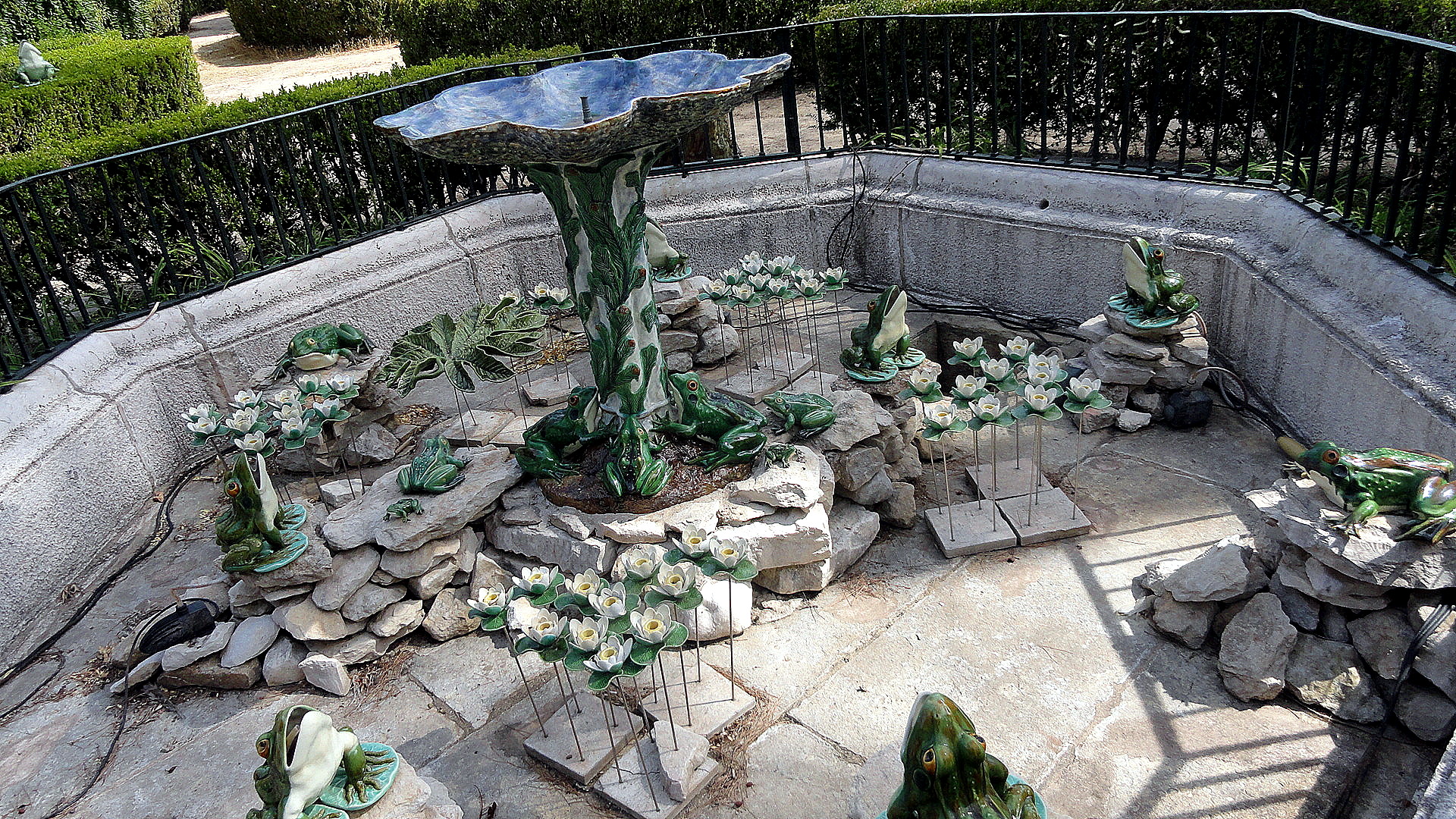
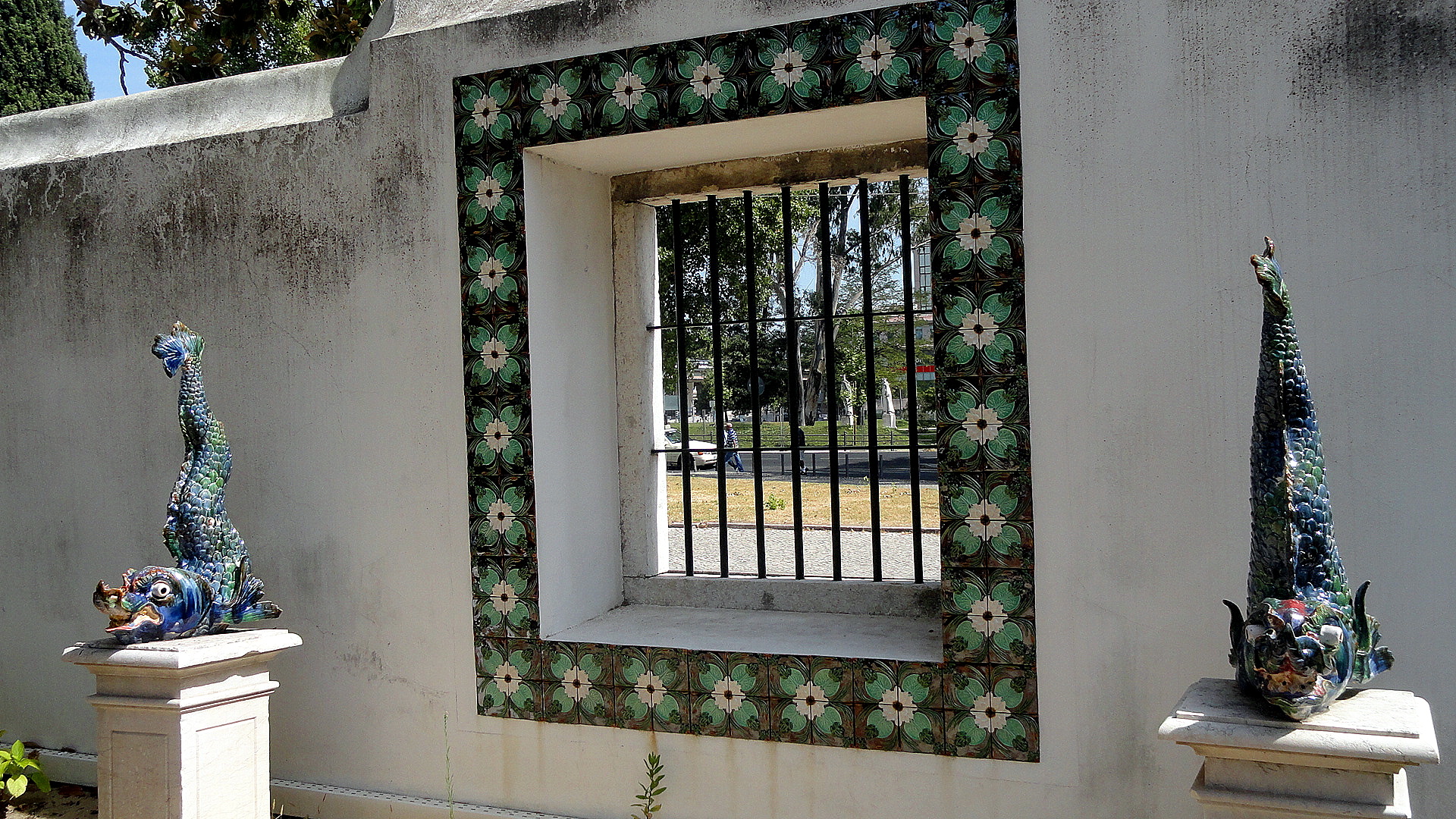

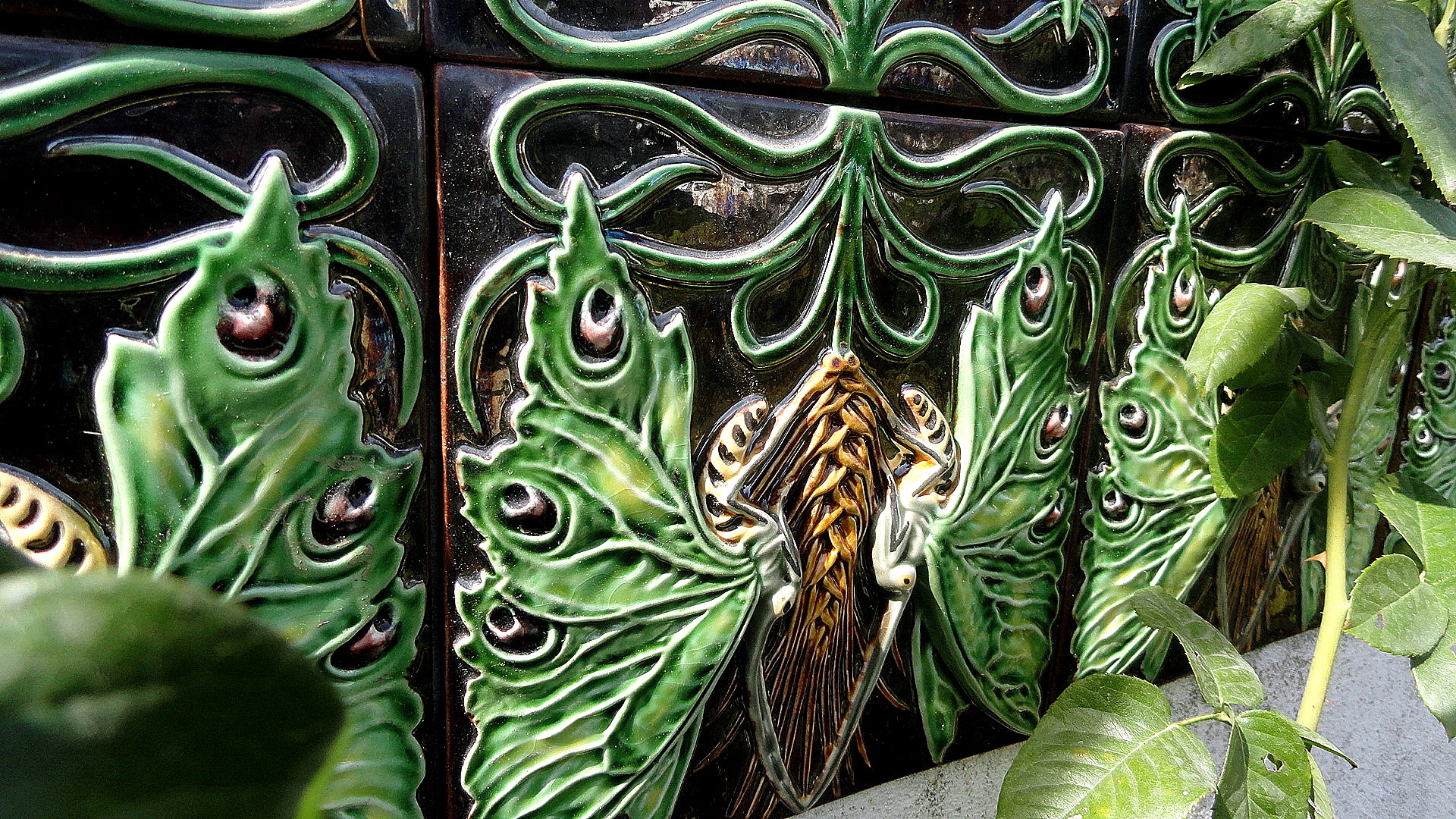
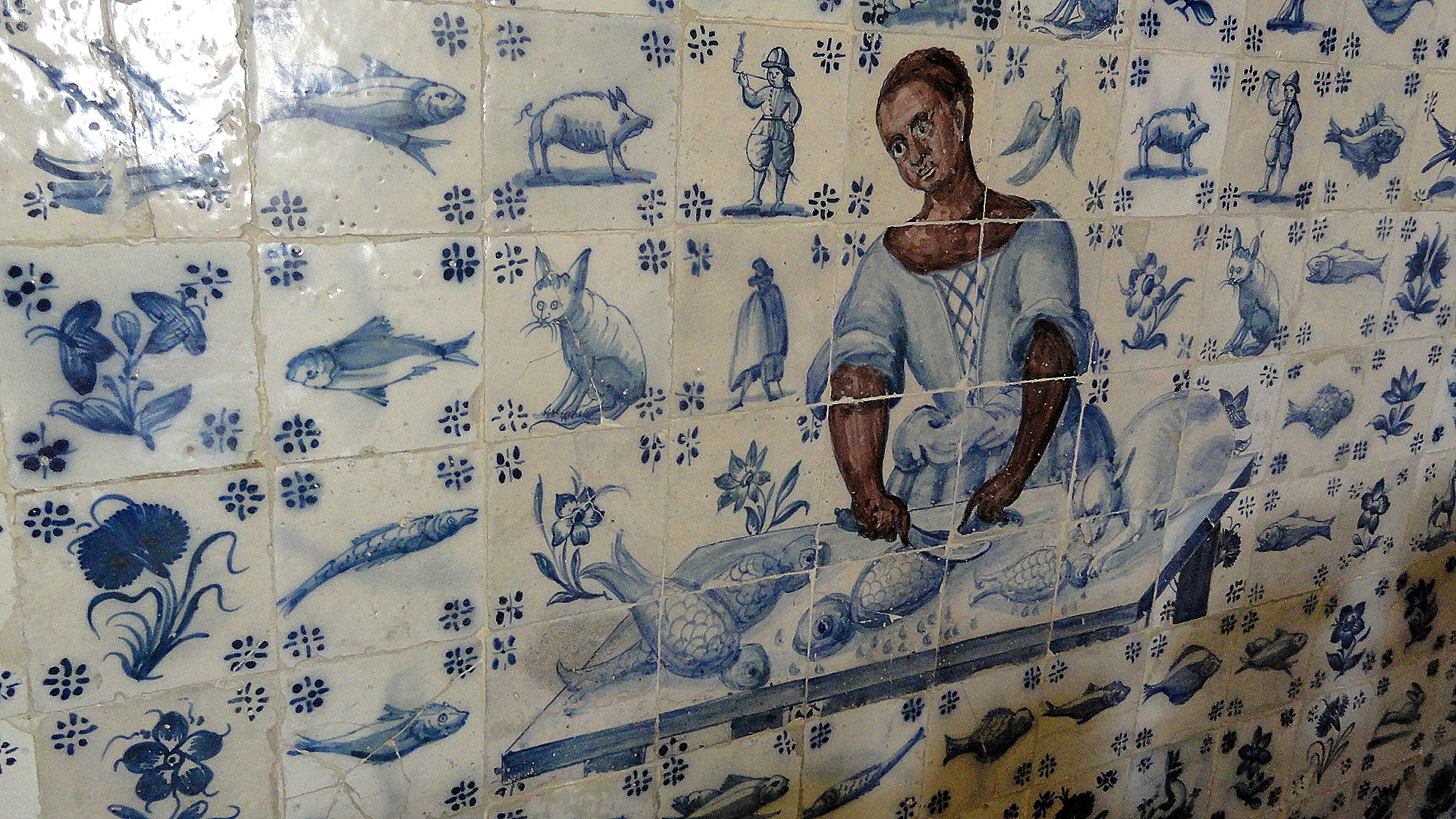 …the wall tiles of a kitchen scene (which should appear below, depending which browser you’re using & how well it interprets this layout) are from inside the museum. I recorded it by way of indicating a bit of the colonial history. Draw your own conclusions…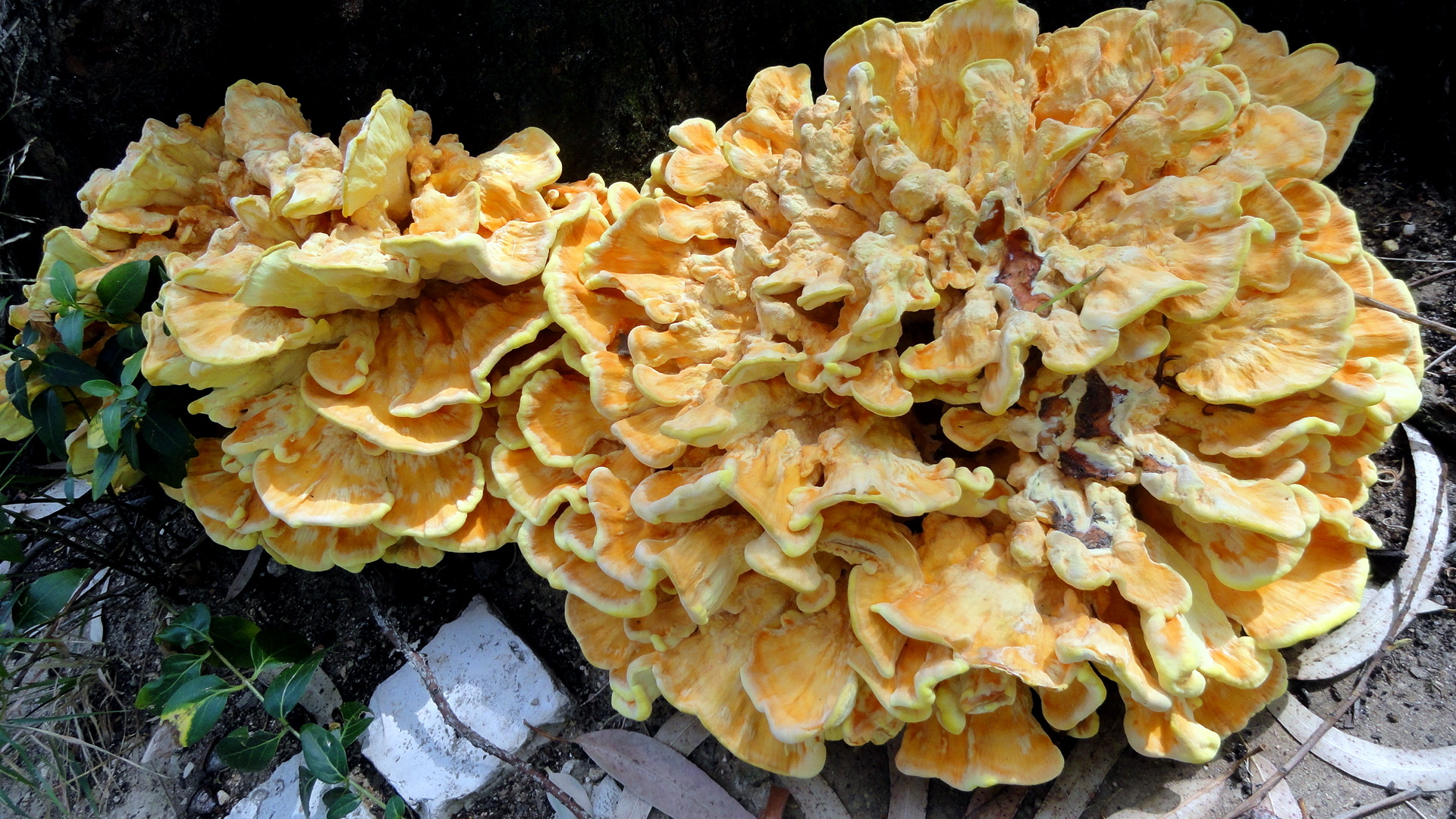


 (so much world, so little time....)