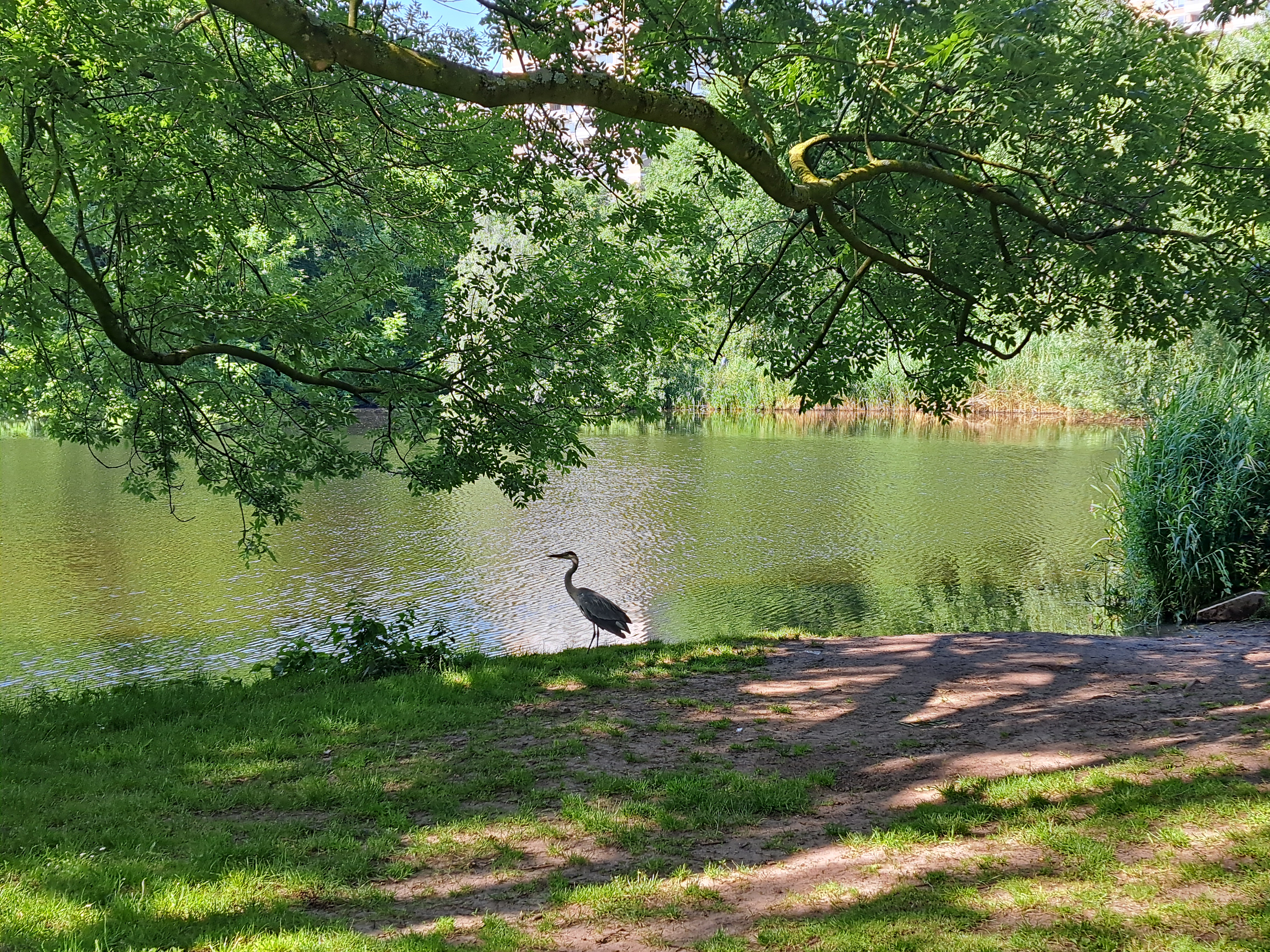
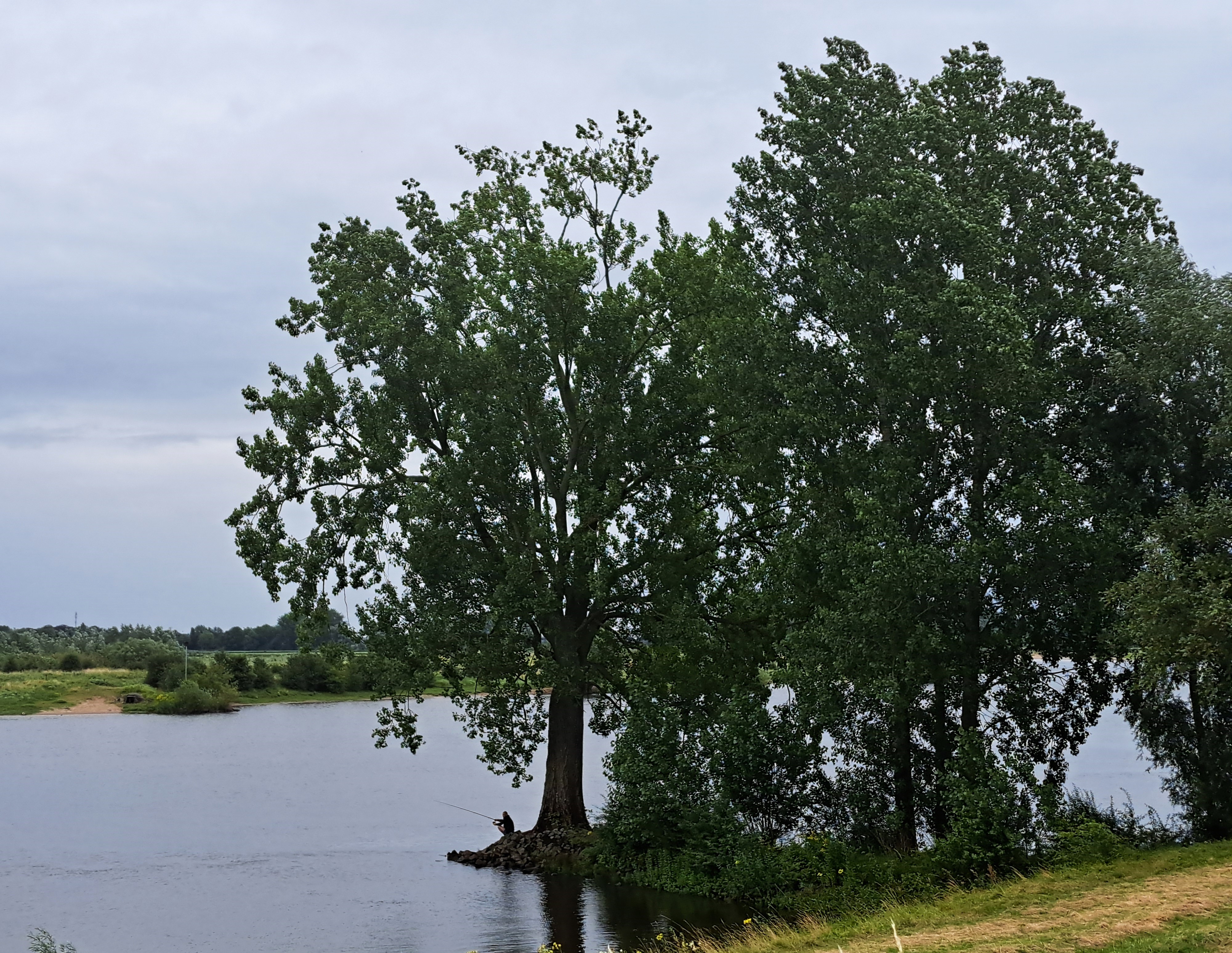
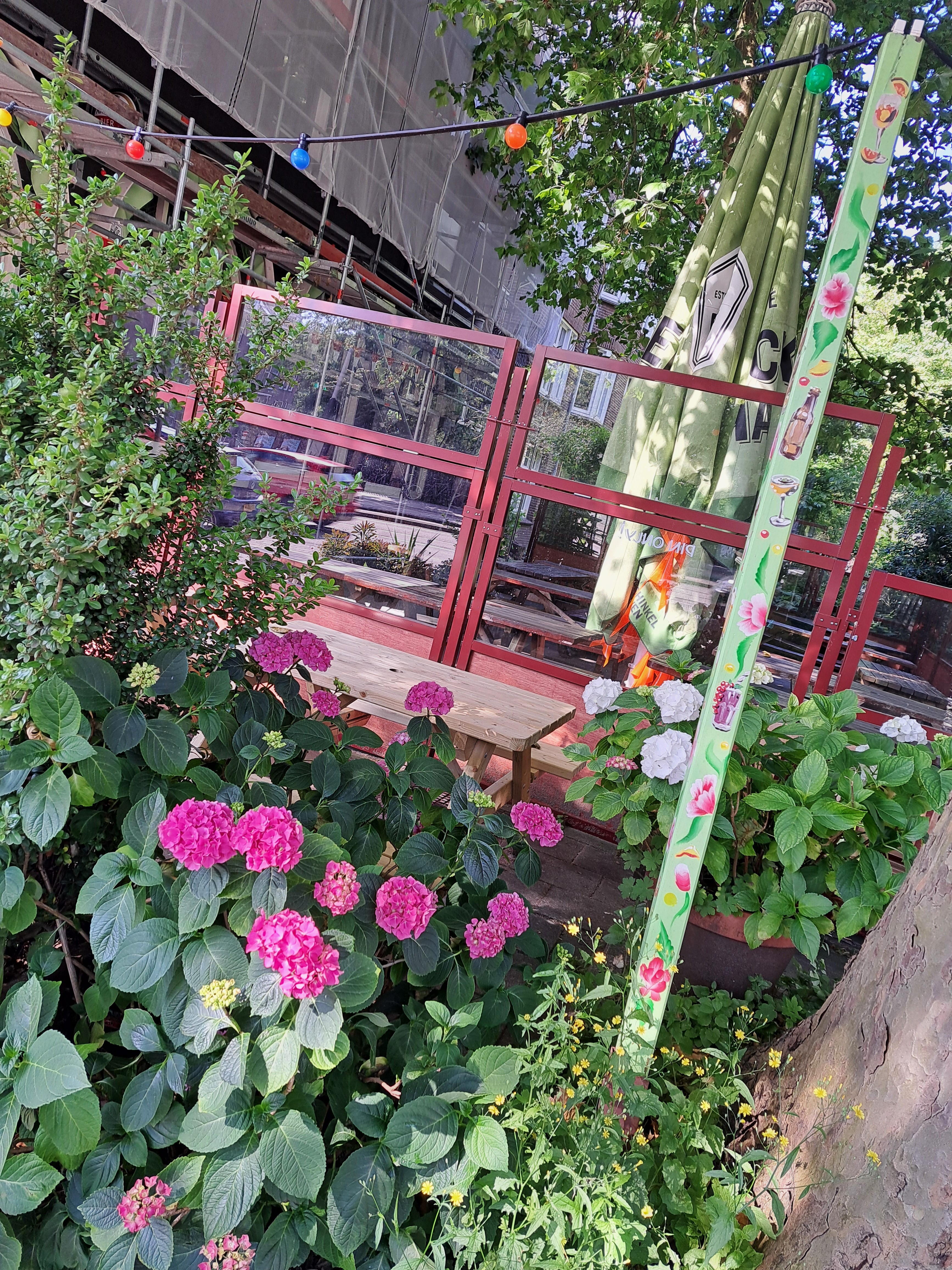
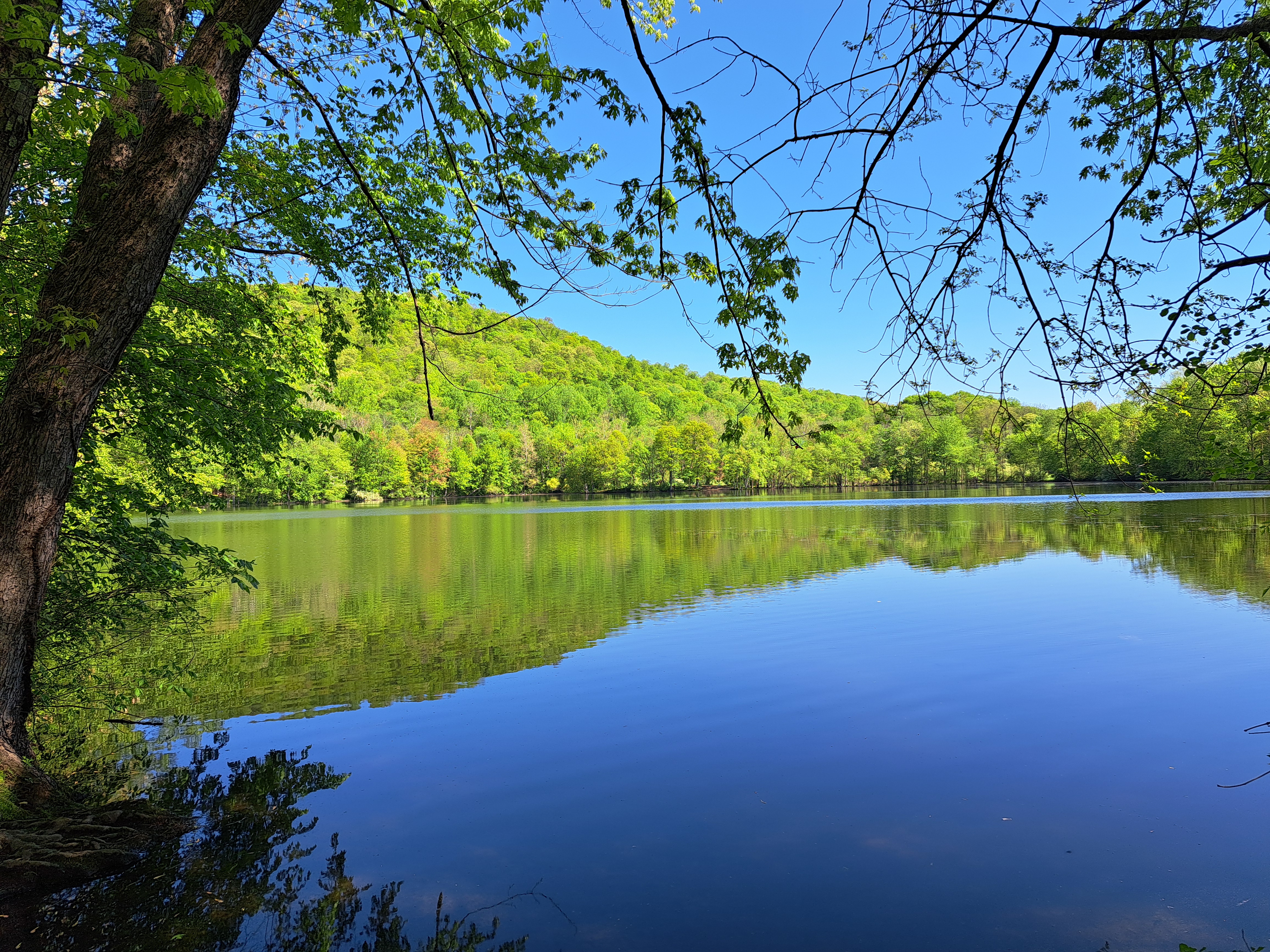
My dear cousin Sam, who’ll soon start featuring as an occasional guest photographer with us, asked what’s happened to my “Lake Living” series after viewing a recent post. As in, has it stopped being about lakes and started being about living on water. So herewith a few principles I’ve been working on for these “coasting” and “lake” categories. Because you might look at these photos and say “it’s not a coast, it’s a river.” Or you might look at the previous post that Sam questioned and say “that’s not a lake, it’s a bay!” But in our recent explorations here at smw, slt we’ve learned much more about water management & what what water connects to what other water, than we knew when first we got close enough to Zeeland to see the maeslantkering, which we featured in an earlier post.I’m proposing that a lake is a body of water that’s primarily fresh because it’s protected or cut off from the tidal flows that would come with extensive connection to an ocean. And that a “coast” is where a body of land that’s connected directly to a mainland-continent type landmass meets a body of water that’s close enough to the open ocean as to make nearly no difference. To whit,the city of Vlissingen, which is what you’re seeing here and which just happens to be the last stop for any train heading into the province of Zeeland from the rest of NL, is the only place south of the maeslantkering itself where the North Sea has free access to the interior of Zeeland. In other words, though Bergen Op Zoom – subject of that Lake Living post Sam queried may look on a map as though it connects by estuarial channels fairly directly to the North Sea, it in fact deliberately no longer does, due to all the massive water works NL did after the floods of the 1950s to build dams, dikes and the maeslantkering in order to protect as much of the interior as they could. If curious, please see a clear map in this link of all the many places where the North Sea’s access has been cut off by dikes and dams, which are now generally being upgraded to rise higher due to global warming and NL’s natural hope to remain an inhabited country despite American consumer’s addiction to gas-guzzling cars…and other carbon over-use issues. I’ll do one more explanation later on, when we get to the large body of water to the north and east of Amsterdam…which, until my visit two weeks ago to the castle so beautifully introduced in a recent post, I thought incorrectly was also salty & connected to the North Sea. But otherwise, assume these are my current working definitions of coast & lake…and ponder how global warming and Dutch ingenuity + determination give rise to interesting questions :-).
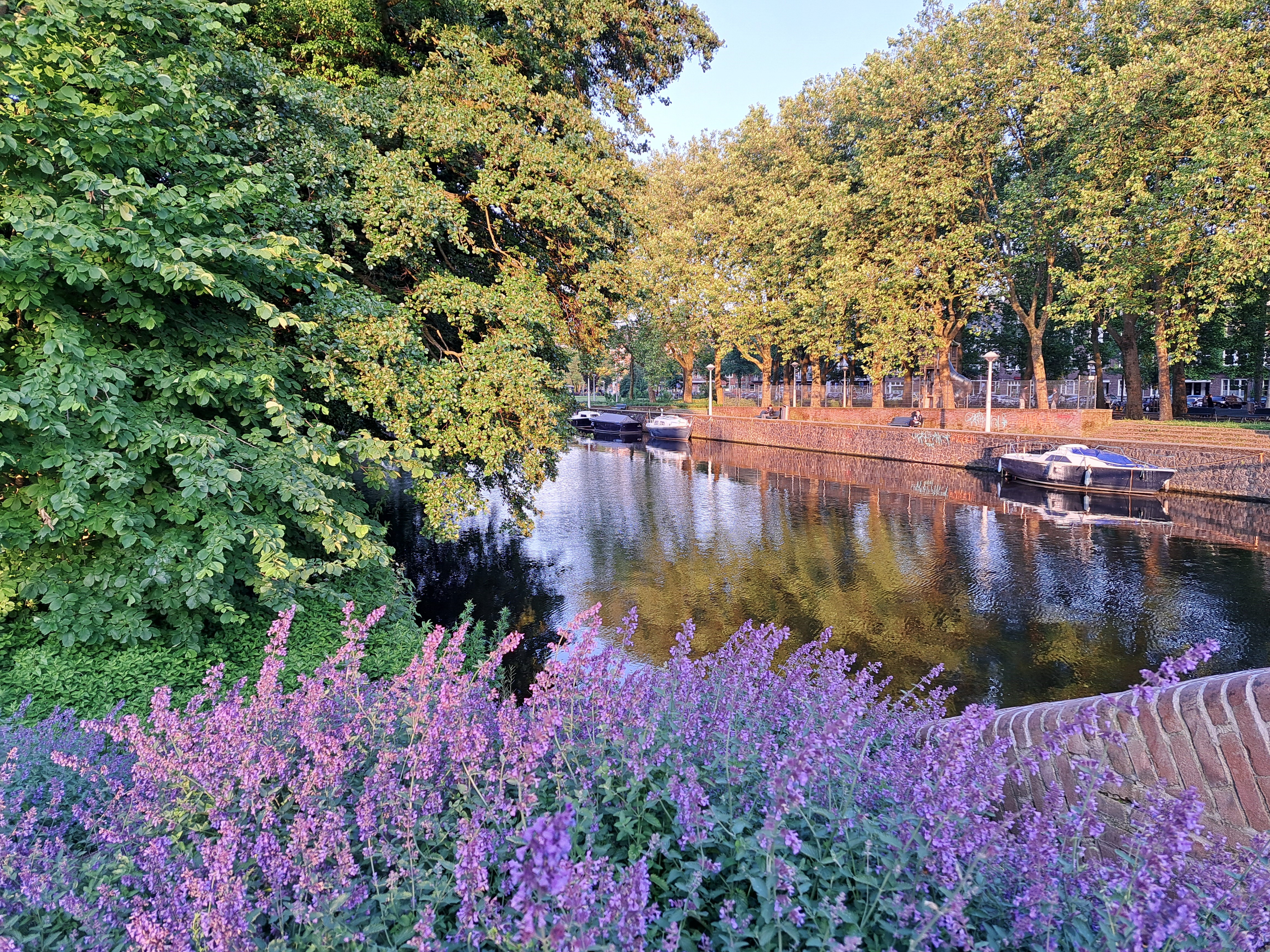
a) This canal’s actually well within the city of A’dam, so it’s urban even if it’s doesn’t look like it; b) Oops, I skipped this series on the last run of numbers :-/.
Memorial To The Murdered Jews of Europe, one of several monuments to humans killed during the WWII-era holocaust that have been established in Berlin since the last time I really had a chance to explore the city fully. More photos of this quite wonderful city where history indeed weighs very heavily in future posts.
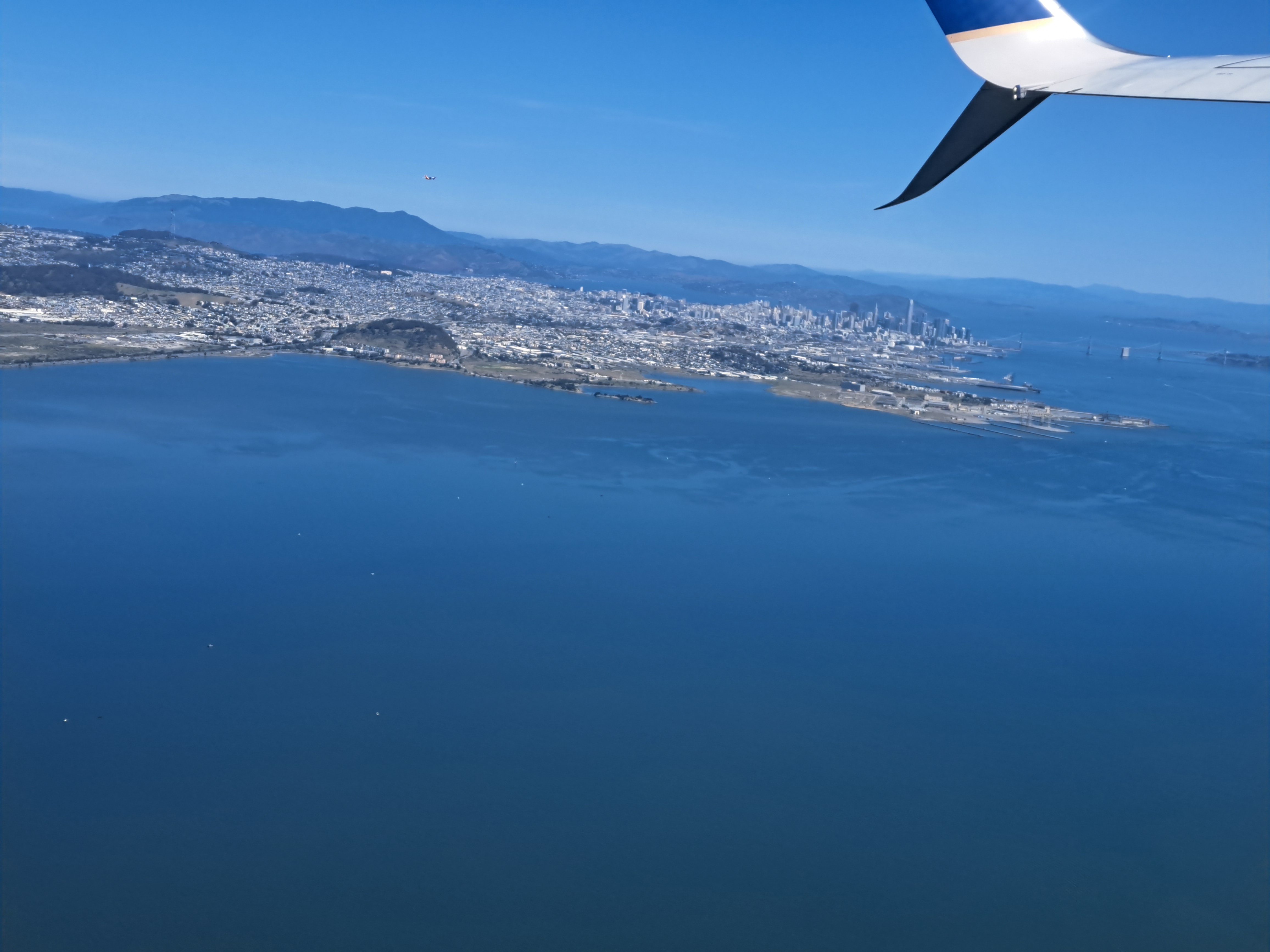
As our plane traveled east and inland after the photos I showed you yesterday, we saw first the west end of the Sacramento-San Joaquin river delta (below left), then these islands and more clearly delta-like elements (above), the the more open norther central valley stretching up north towards the city of Sacramento itself (below right).
Above: San Pablo Bay at top left, Oakland & Berkeley bottom left. Top right you are also seeing the end of the Sacramento-San Joaquin river delta, which empties into the bay. In the photo below, you see a bit more of this & the Carquinez Strait over which I-80 passes en route between SF & points east. I plan to show you more of the Delta (also called Suisun Bay at times) in our next entry, most likely :-).
In this case, really one mountain – Mt St Helena. This mountain of volcanic origin has several peaks, the highest of which reaches 4,342 ft (1,323 m) in Sonoma County – other peaks are in Napa and Lake Counties. It’s also the highest peak in the bay area, which includes all the counties bordering SF Bay. You’ve seen it often before when I was still based in Santa Rosa, but I devoted more time to contemplating it on this last trip and am sharing my favorite photos of it in various moods and lights here. It’s easily recognizable and always fun to contemplate at all times of day, from many perspectives.
The remaining photos from my lovely drive along Rte 1 through Marin County, mostly along Tomales Bay in this case though I think the one above was along Bolinas Lagoon…