Latest

Small Wonders.275

Islands.95

One thing I recall Sam and me both enjoying about Vlieland, on our short visit already four months ago, was how varied the terrain was for such a relatively small island. Above you see a fair amount of this variety, with forests and, yes, the hills created over ages of sand piling up and plants growing sufficiently to create enough soil for trees, and so on. In the distance I’m pretty sure you’re seeing Terschelling, the next island over. But it could possibly be the mainland instead. Below, more of the variety.
From The Air.85

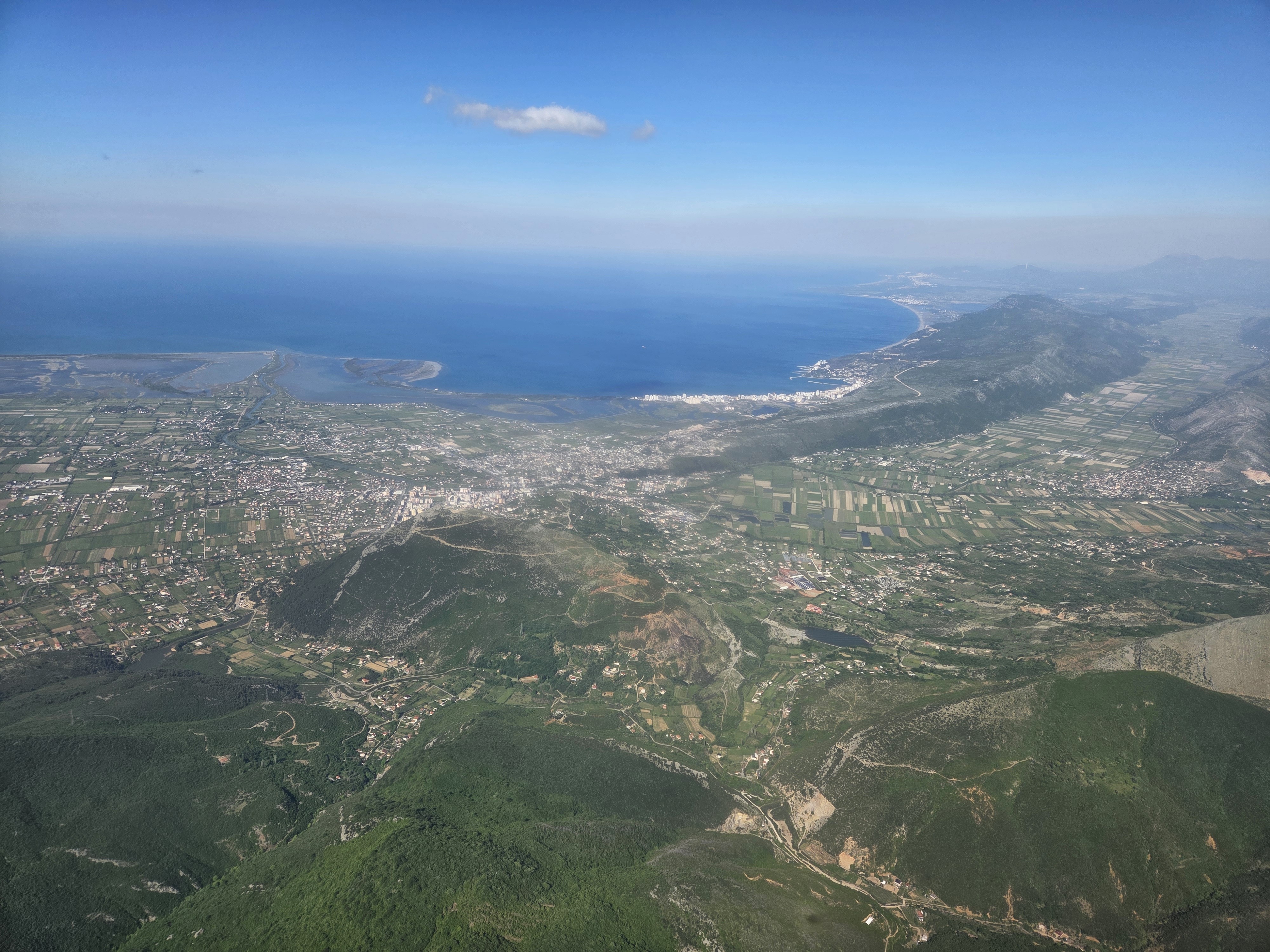
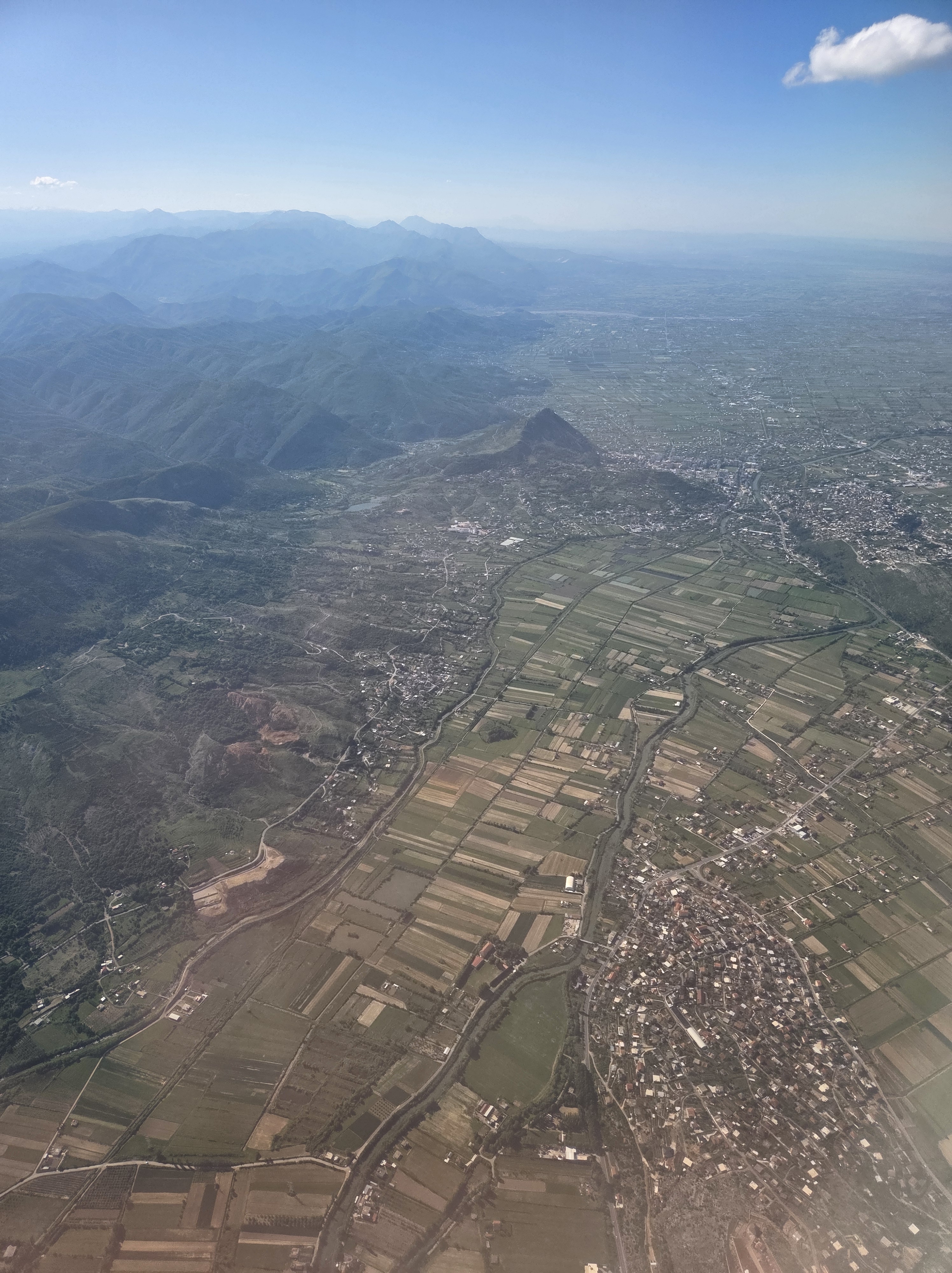
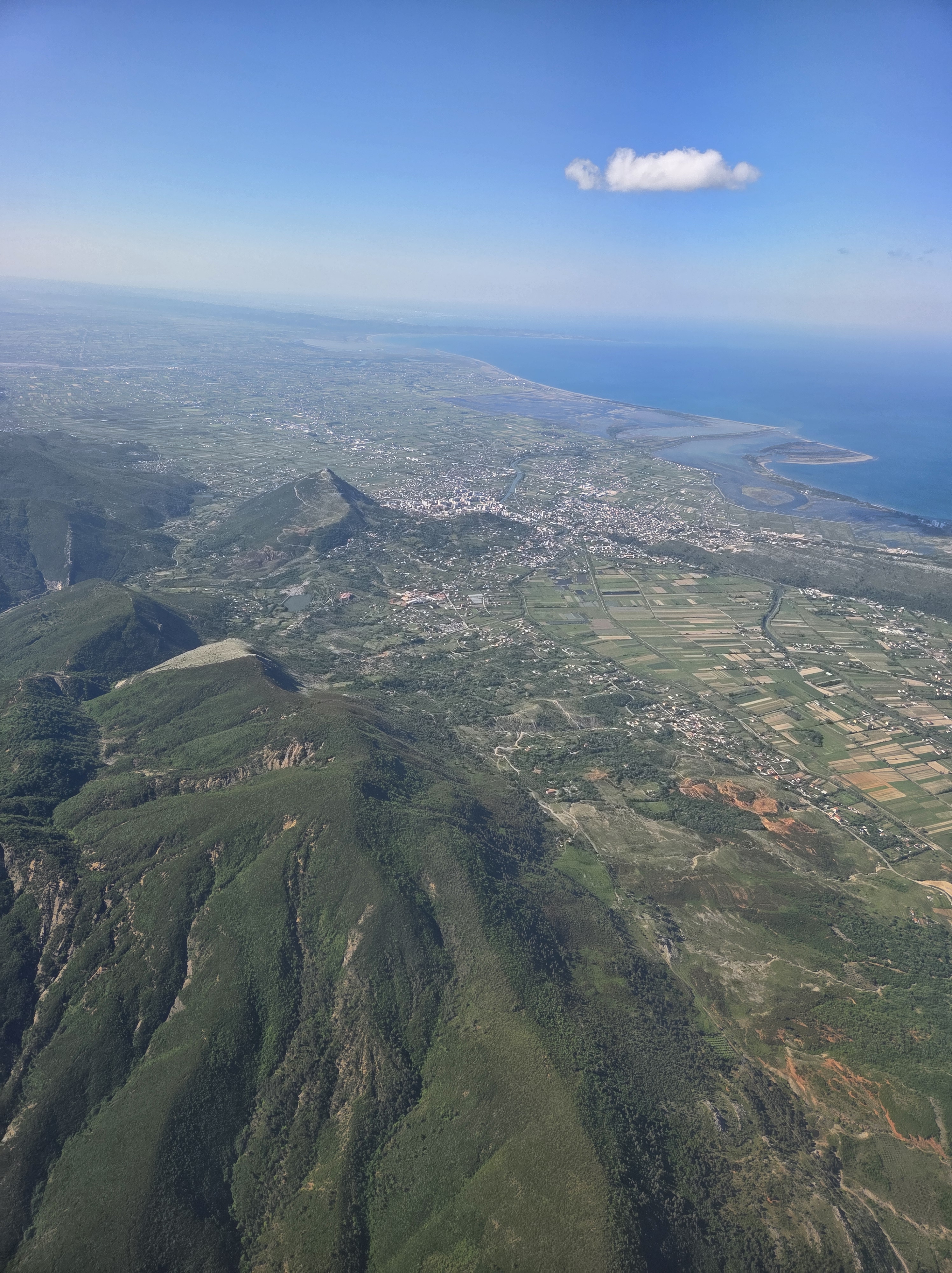
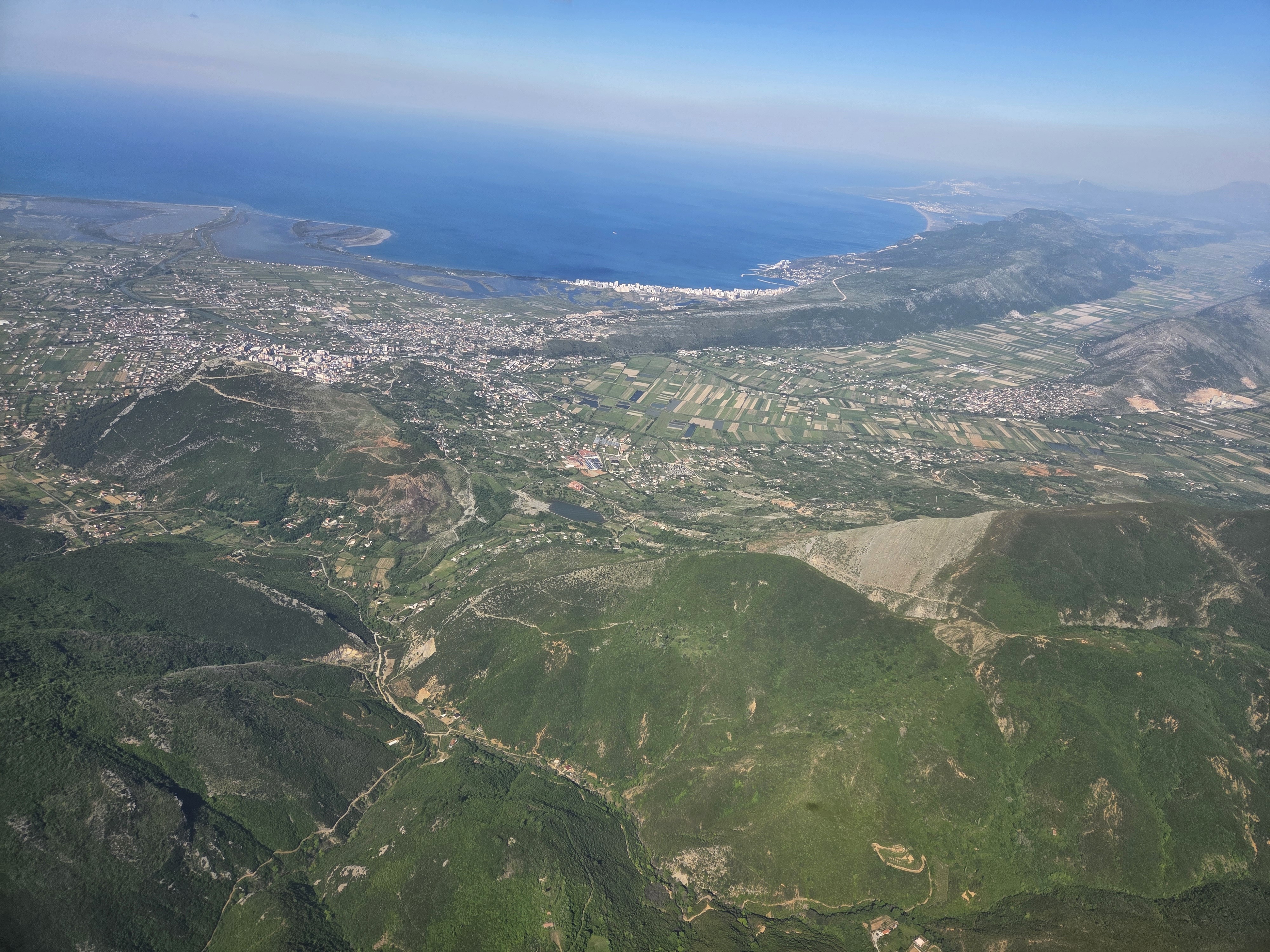
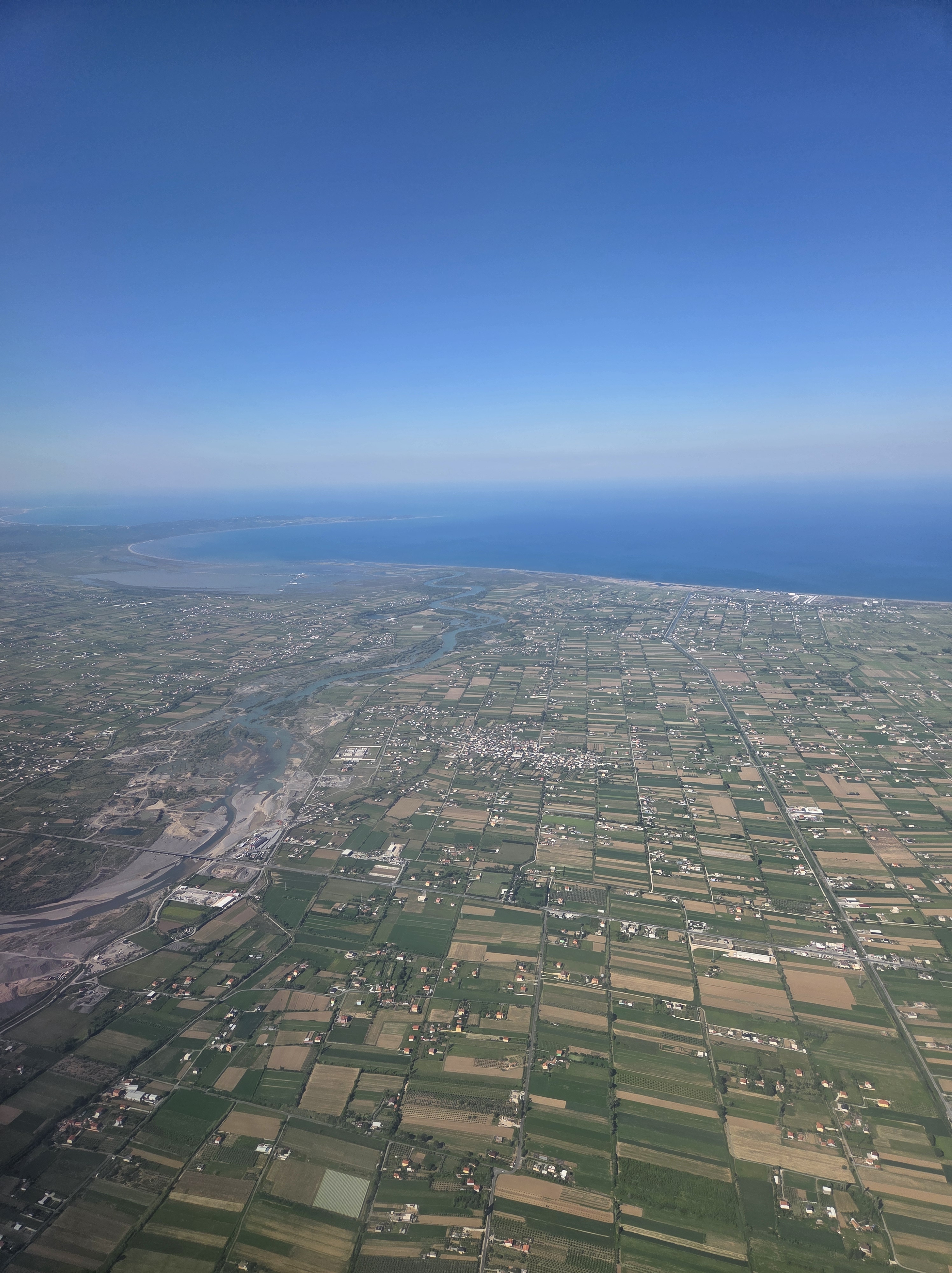
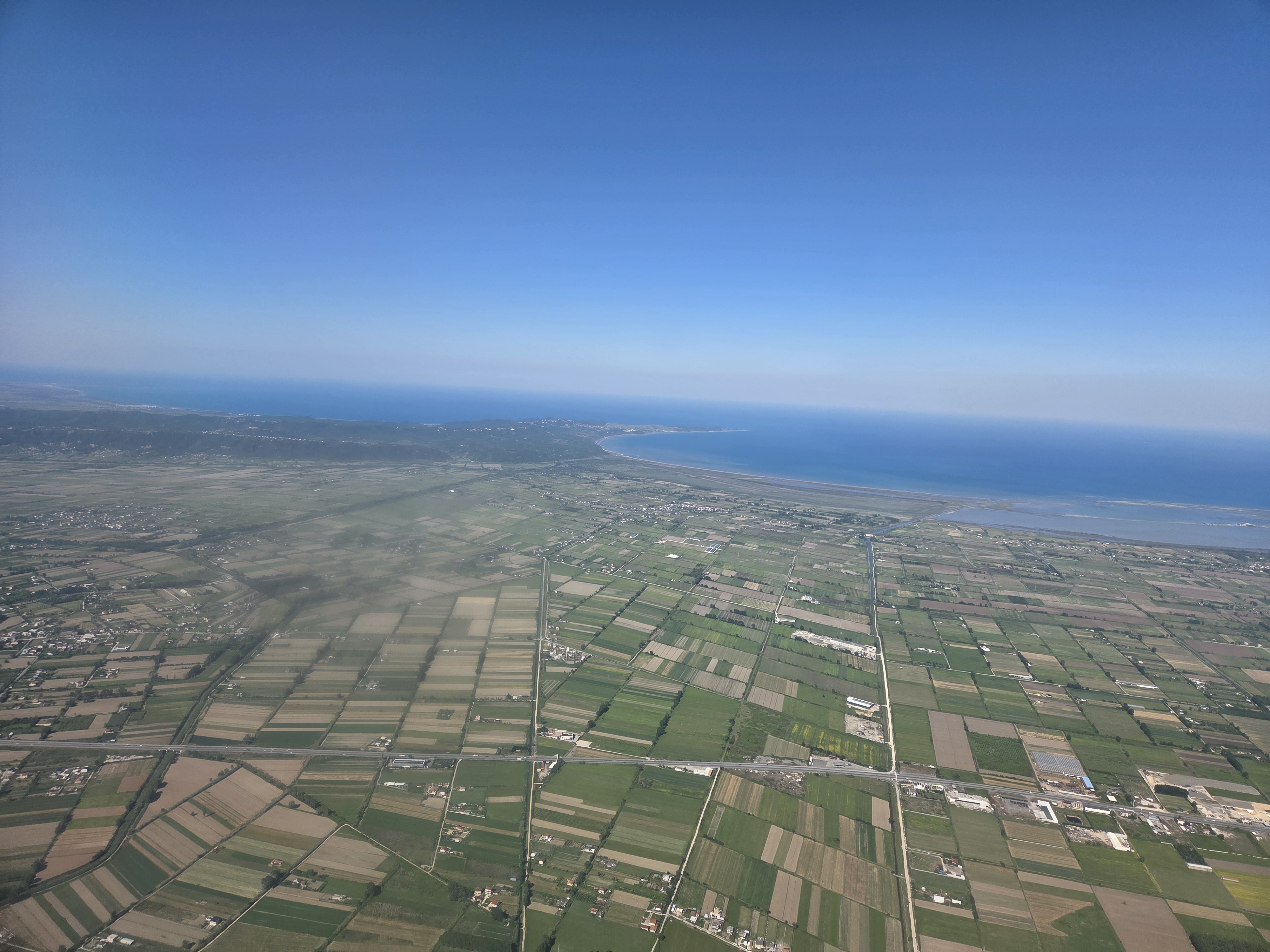
I know it doesn’t show anything recognizable but for some strange reason I like this photo enough that I want to share it. It’s somewhere in the air between Beijing and Amsterdam back in March, but given the time zone changes and that the entire 12+-hour flight was in daylight, I’m really not sure where this was :-). (Left Beijing at 11:30 or so, landed A’dam 17:30 or so.)
Image

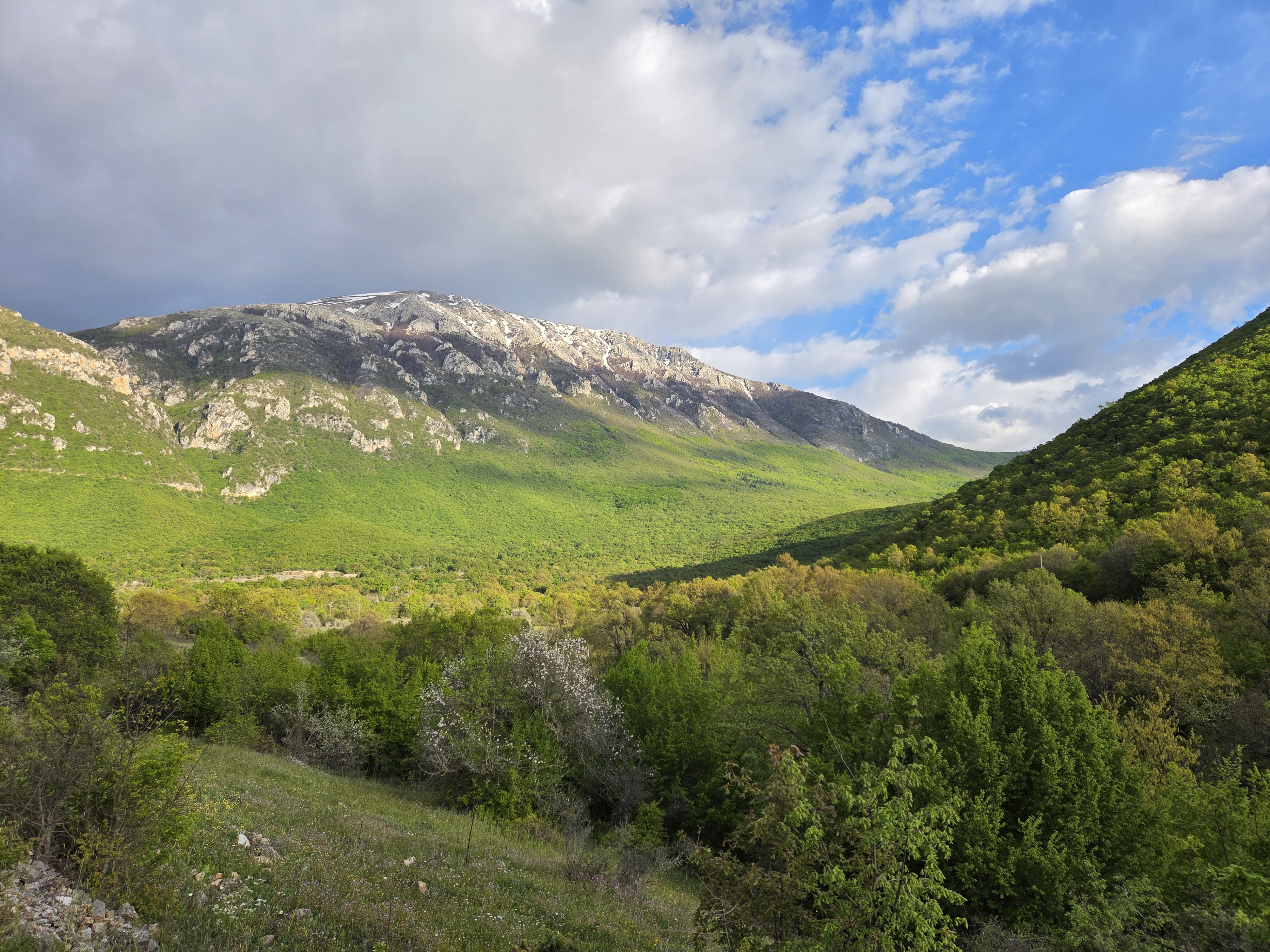
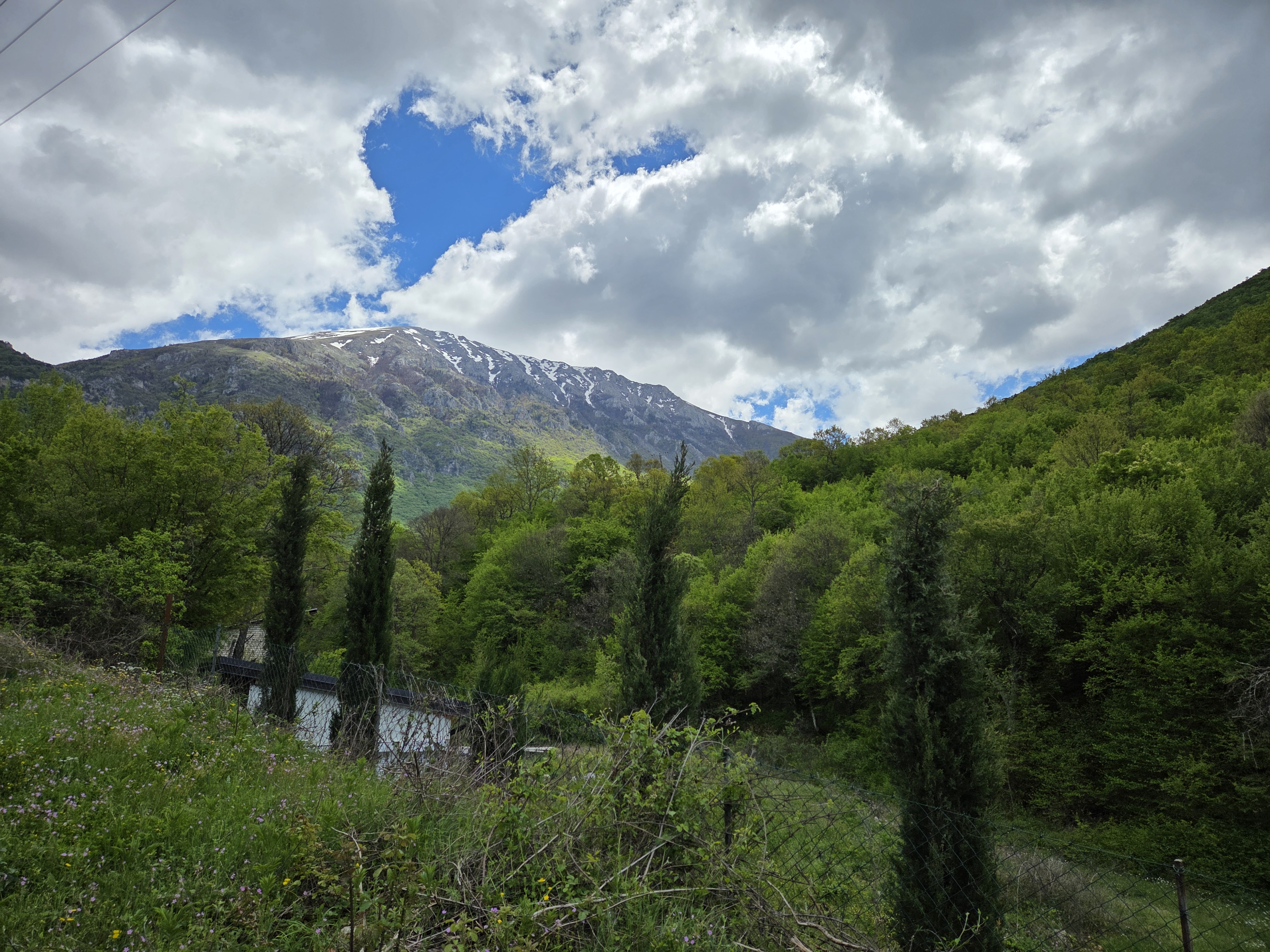
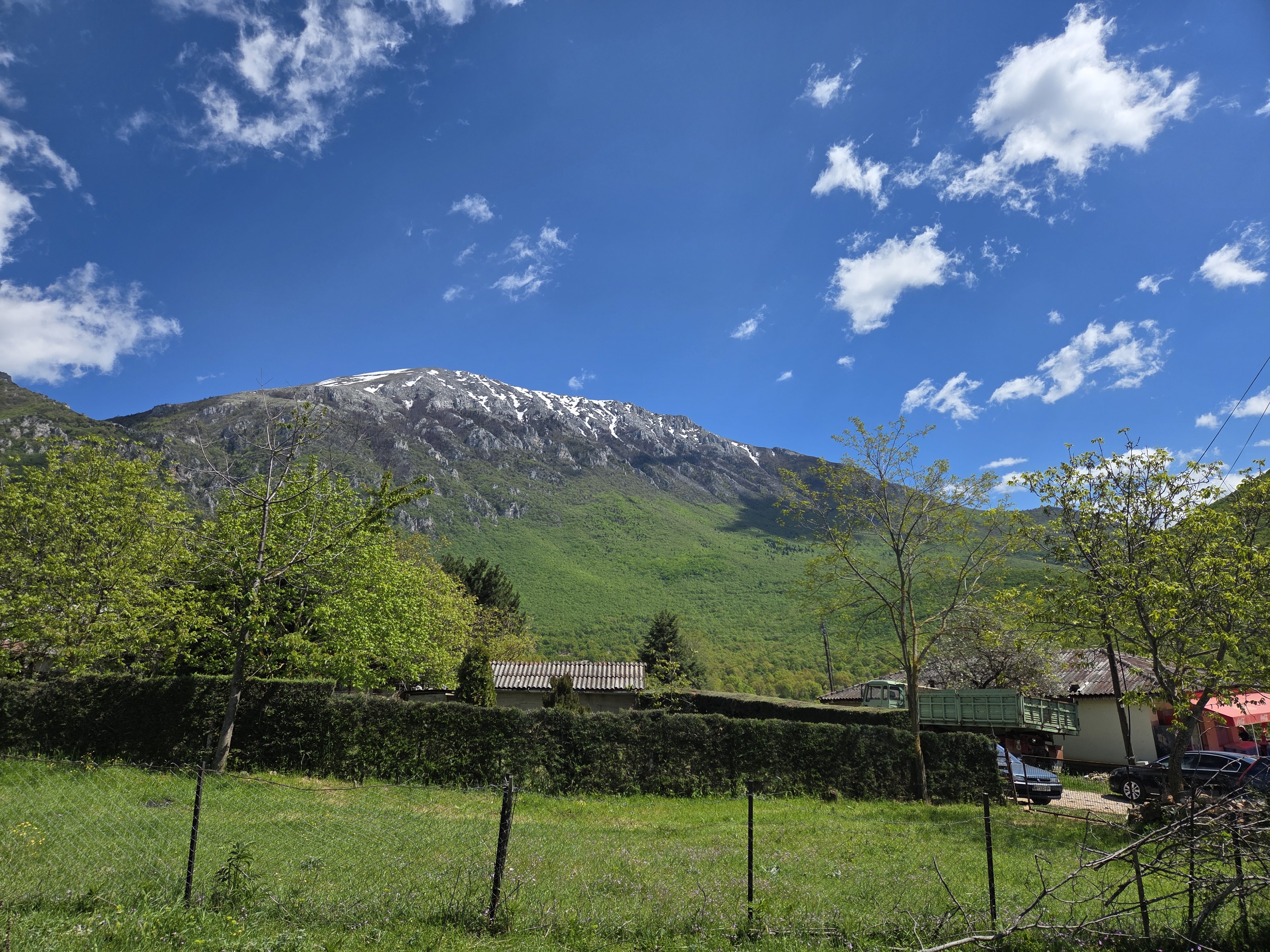
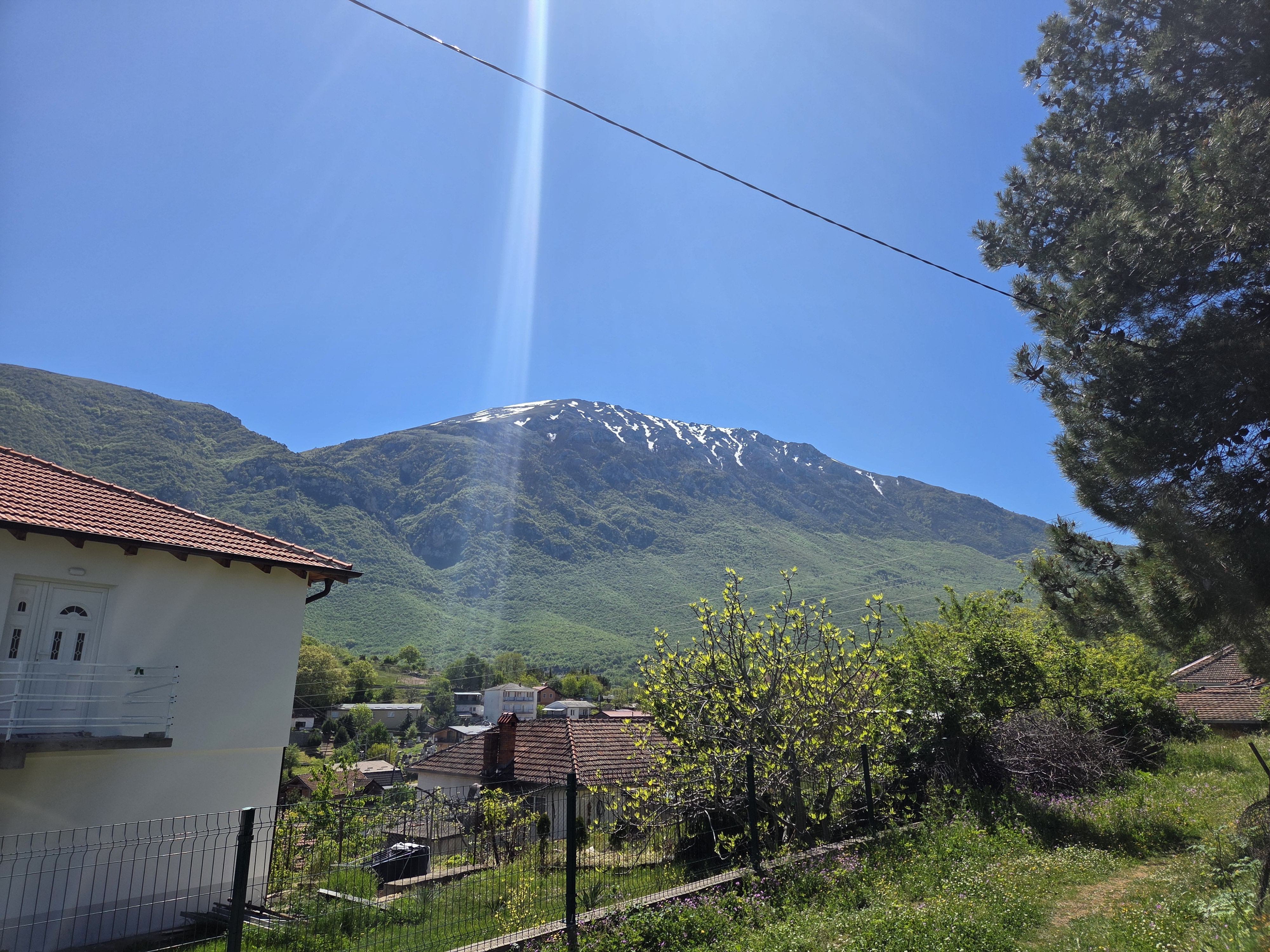
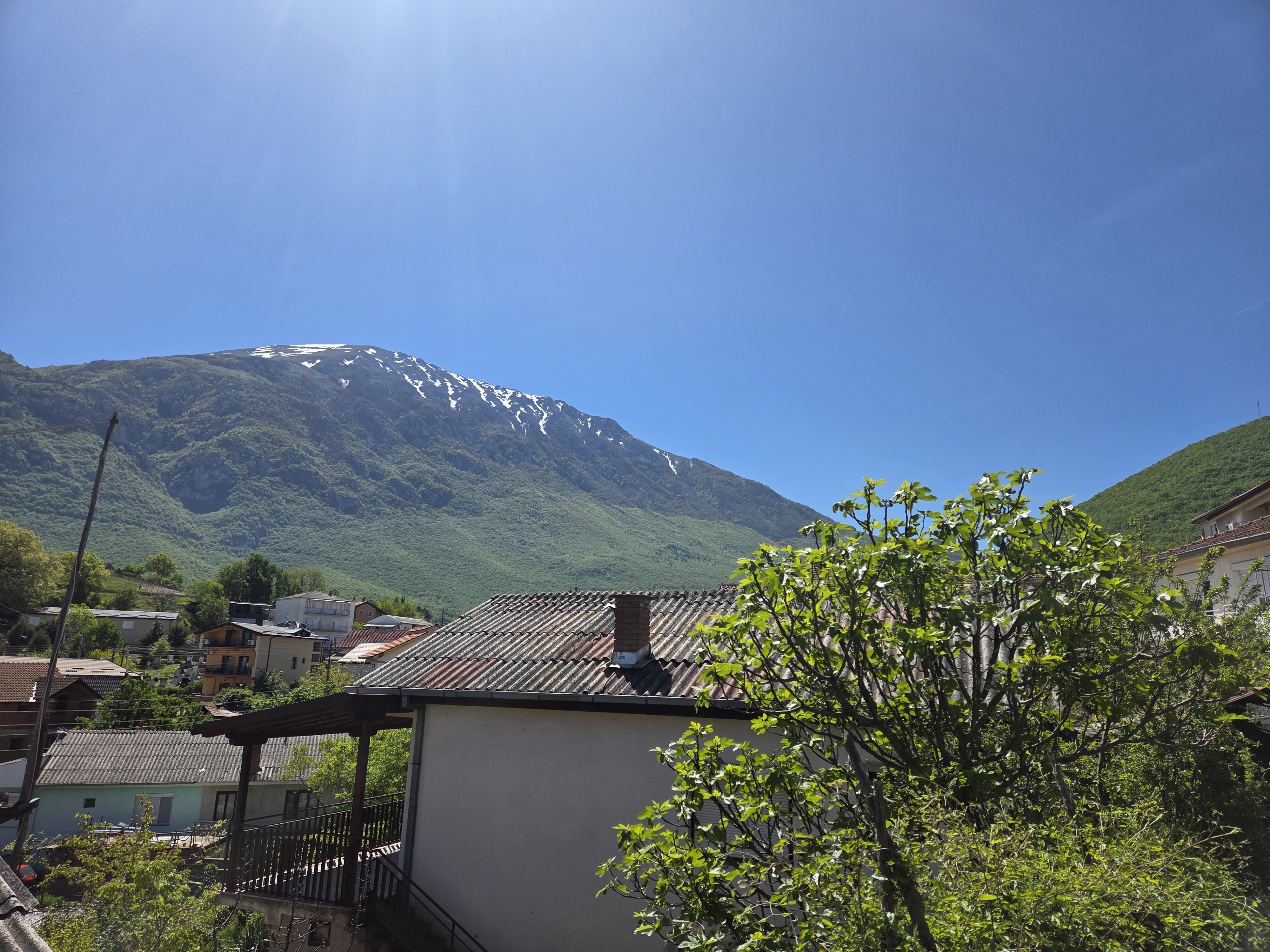
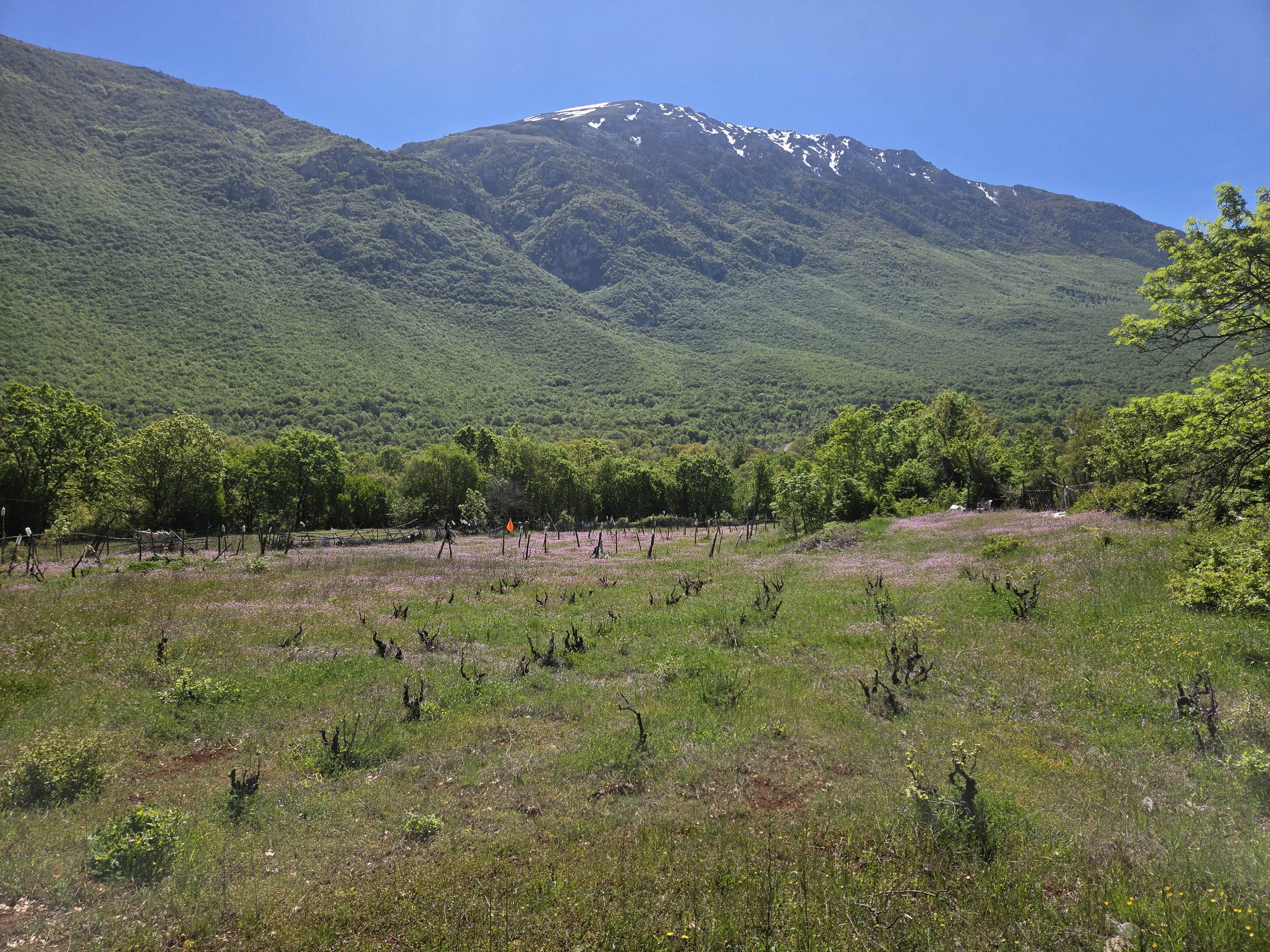
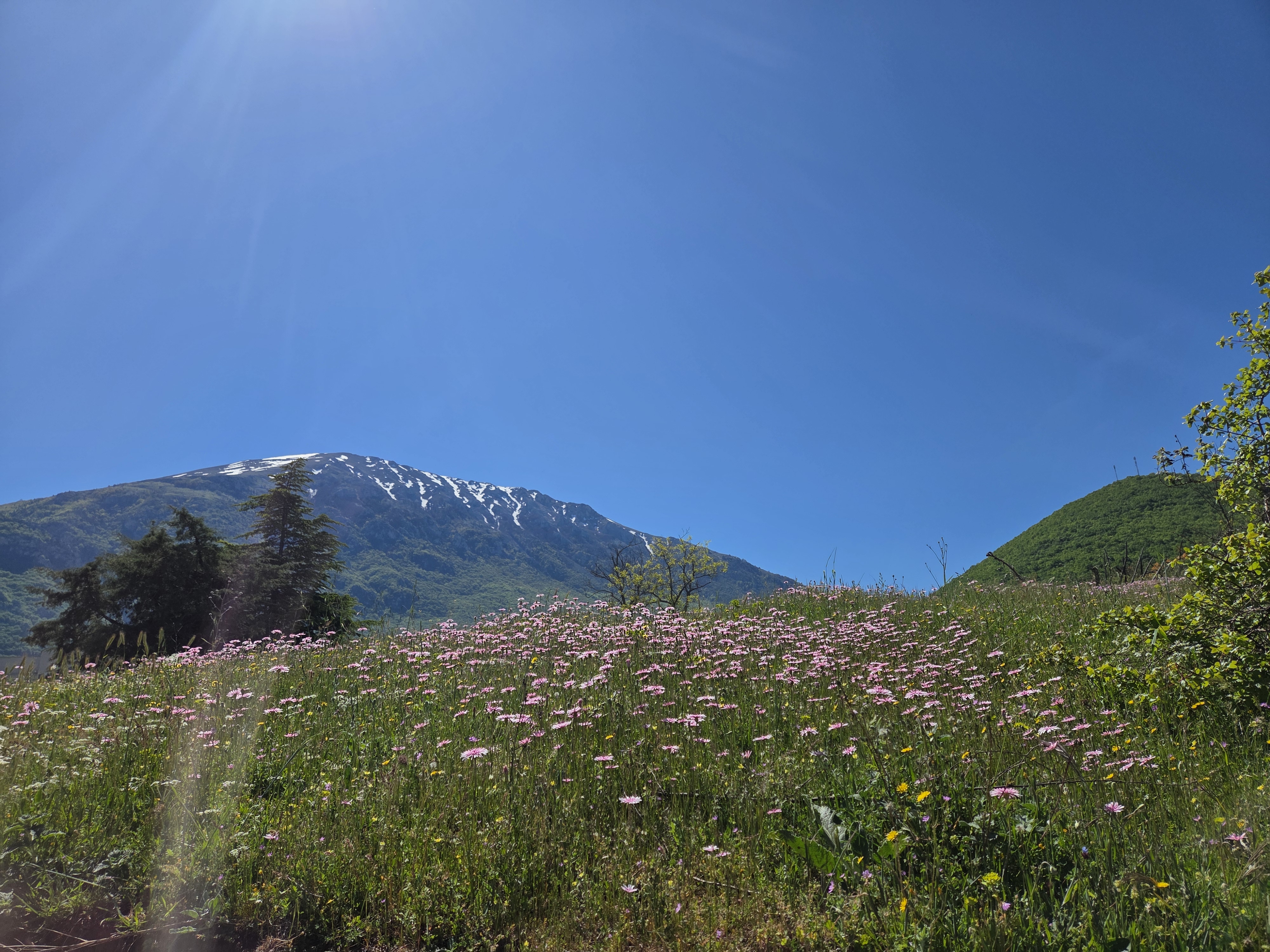
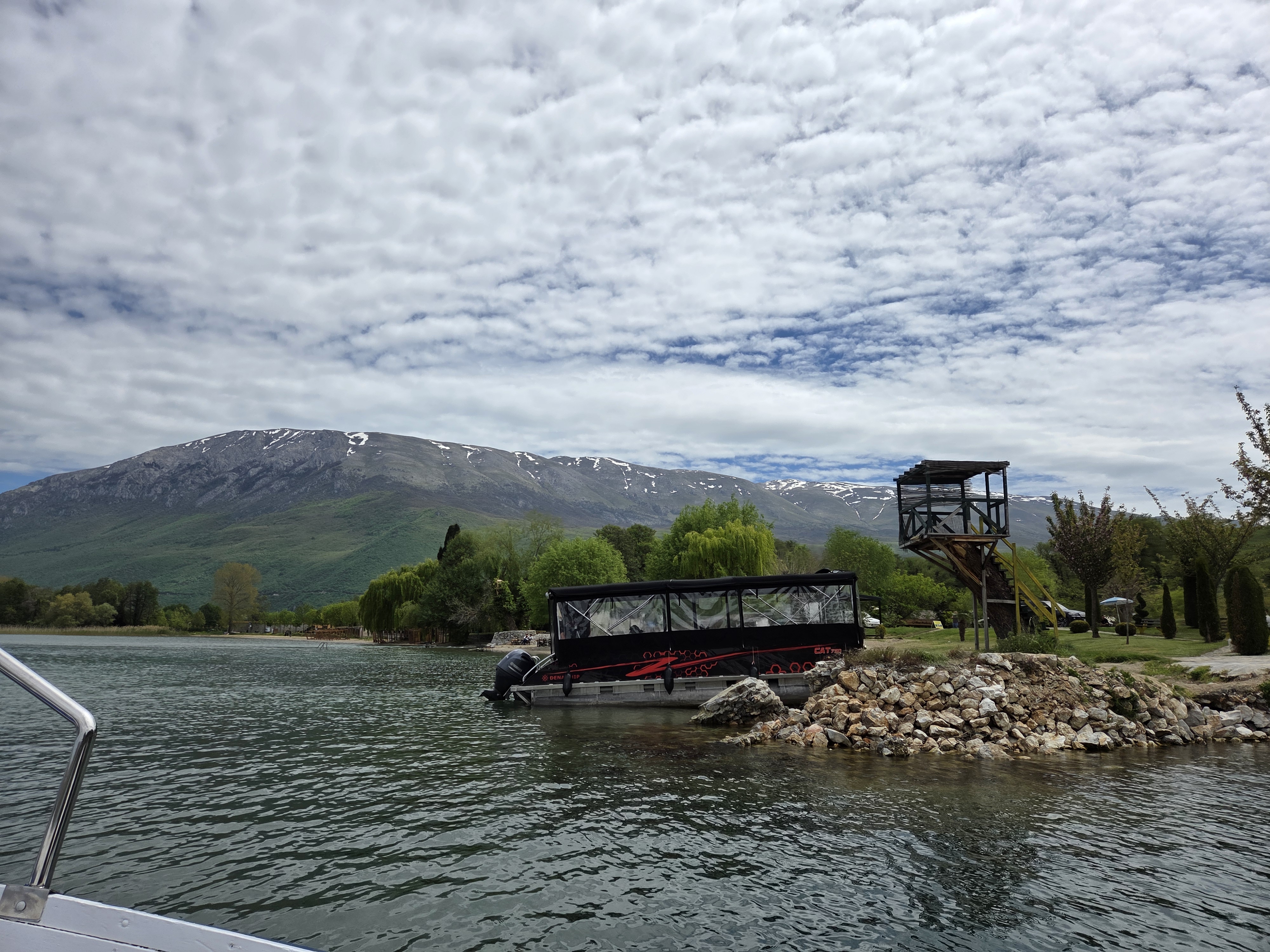
Mountains.85

Lake Living.75

I’ve shared a few teaser glimpses of this lakeside residence built in the early 1900s for the Kroller-Muller family in two past posts, awaiting the right moment to share more images of this beautifully-situated building that’s quite impressive itself, too.

Ah, Royalty.65

Although I bike past it several times a week, I guess I’ve not yet shown you the outside of Amsterdam’s Royal Palace, shown to the left here next to the 15th-century “Nieuwe Kerk,” so called b/c in the 1400s it was the new kid on the block after A’dam’s first 1306-built church, which as of this building’s opening became and has remained the “Oude Kerk.” The 1655 palace started life as a town hall – as noted in earlier posts about it. (And since their full time official residence is down in the Hague, this is really only where they do formal stuff that needs done in A’dam, I think.) I’ve sorta been waiting for the construction to finish before I took photos, but I liked how the setting sun lit this clouds on this evening, so here you go :-).

County Views.165

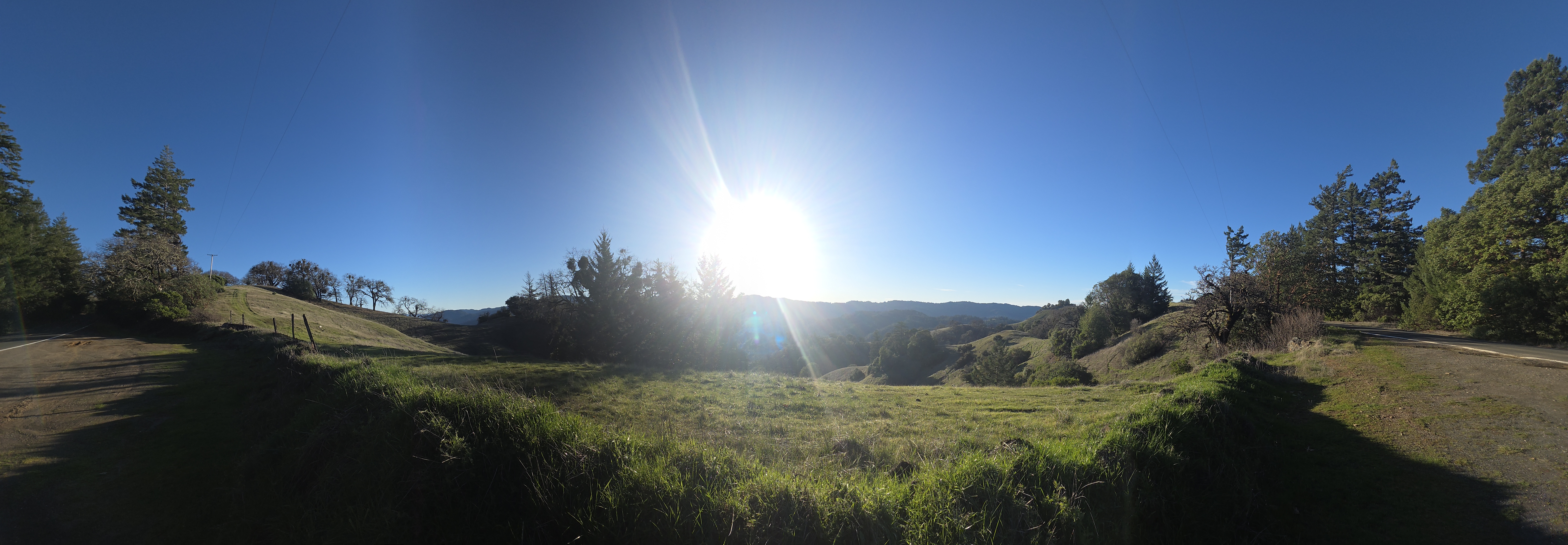
The Calfire site tells me that the Picket Fire started on August 21 and was 100% contained on the 7th of September. When my friend Howard sent me these photos of its smoke billowing near Mt Saint Helena on the 27th of August, he said residents in Santa Rosa could smell the smoke from it, but not in Sebastopol. I keep fingers crossed for a quiet rest of the fire season throughout North America, not only near my once and future home in SR ;-).

Urban Entrances.165

Another delightful discovery on an evening walk at the end of day-long meetings in Brussels last week was the gardens of the Abbaye de la Cambre, which from the late 12th Century until abolishment in 1796 (French revolution and all) was a Cistercian Abbey in the Maelbeek valley…which to most untutored visitors today looks like a hilly part of Brussels. Yes, unlike A’dam, Brussels has hills! 🙂 But then, it also has more uncleared dog poop on its sidewalks than A’dam does, just sayin’. Today the complex houses both some religious stuff and an arts institute, while the gardens are quite lovely and open to the public.

City Views.265

Country Canals.105

So even some of my Dutch friends aren’t quite aware of how much engineering has gone into the Rhine River over the years, once it enters NL out of Germany. So far as I know, from its origins in the Swiss Alps until both of its banks enter NL, it’s pretty much one river with occasionally a side channel so that they can make a lock on which boats can safely pass. (Think, for instance, of boats going past the Rheinfall which we’ve shown you in past posts.) Since NL is built on what would be the delta of this mighty river, it makes sense that it would branch out as it nears the north sea. In order to occupy and farm on this lowland, the Dutch over the centuries have adapted the natural channels into quite reliable shipping, boating, irrigation, and flood-control basins and channels. Above, you’re looking east to the point where the Rhine first divides up, with Germany definitely visible in the frame on the south side at least. The Waal – which carries most of the Rhine’s water over to the North Sea at the port of Rotterdam, with a name change or two en route — is to the right (south), and the Nederrijn (lower Rijn) is to the left (north)…although, for this particular stretch, it’s called the Pannerden Canal. It gets back to being called the Nederrijn a few miles upstream next to Westervoort & Velp, after the Ijssel branches off and carries more its water up to the North Sea via the various flood-control systems that have made the Ijsselmeer fresh rather than sea water, as explained in yet another past post. Anyhoo: while based in Velp I biked on down to see this spot of, for me, intense nerdly water-management interest. After all, the Rhine is a river I’ve known quite a long time and is certainly the most economically important river in Europe, being a primary reason Rotterdam remains one of the world’s largest ports. Just check out the barge traffic in the videos and photos below. And pardon my nerdlyness. Yeah, there’s also a museum in the old fort which I visited.

Art & Nature.5

Delft Technical University’s Botanic Garden had a nature-themed sculpture exhibit placed in strategic locations along the paths and beds, when I visited Delft during the first week of my lovely stay-in-NL vacation last month.

Countryside.5

As noted in an earlier post, I biked through the Veluwe Zoom national park as part of my lovely and, may I say, rather adventurous-feeling bike ride from Busloo down to Velp, which was the last of three places I spent the night during my lovely low-carbon week exploring the Veluwe region at long last. Above, the paved bike path on which I entered the park as we descended a lovely long hill from the Loenermark park just north of it. Below, pics of various other things I saw en route from Busloo to Velp, including one of the rougher-path places with my own luggage strapped into the basket in front of my bike. 🙂