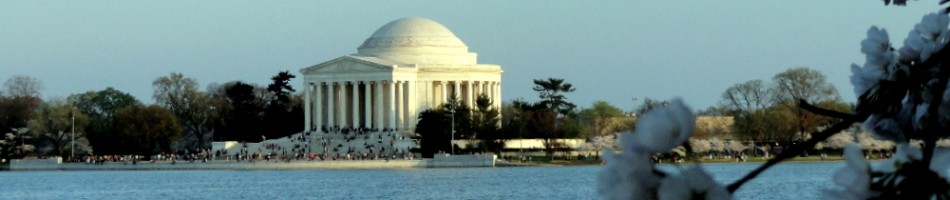
City Canals.1
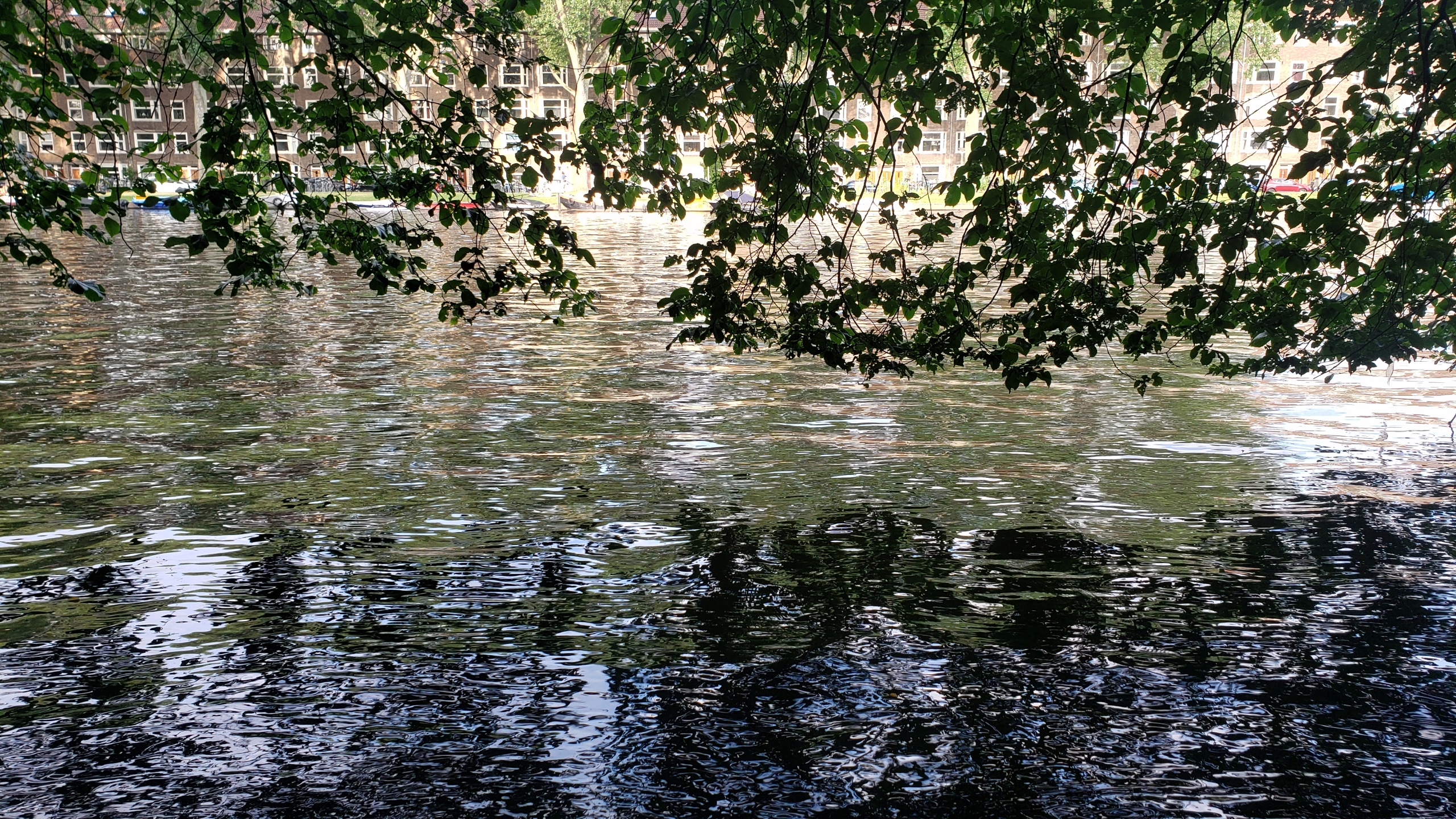

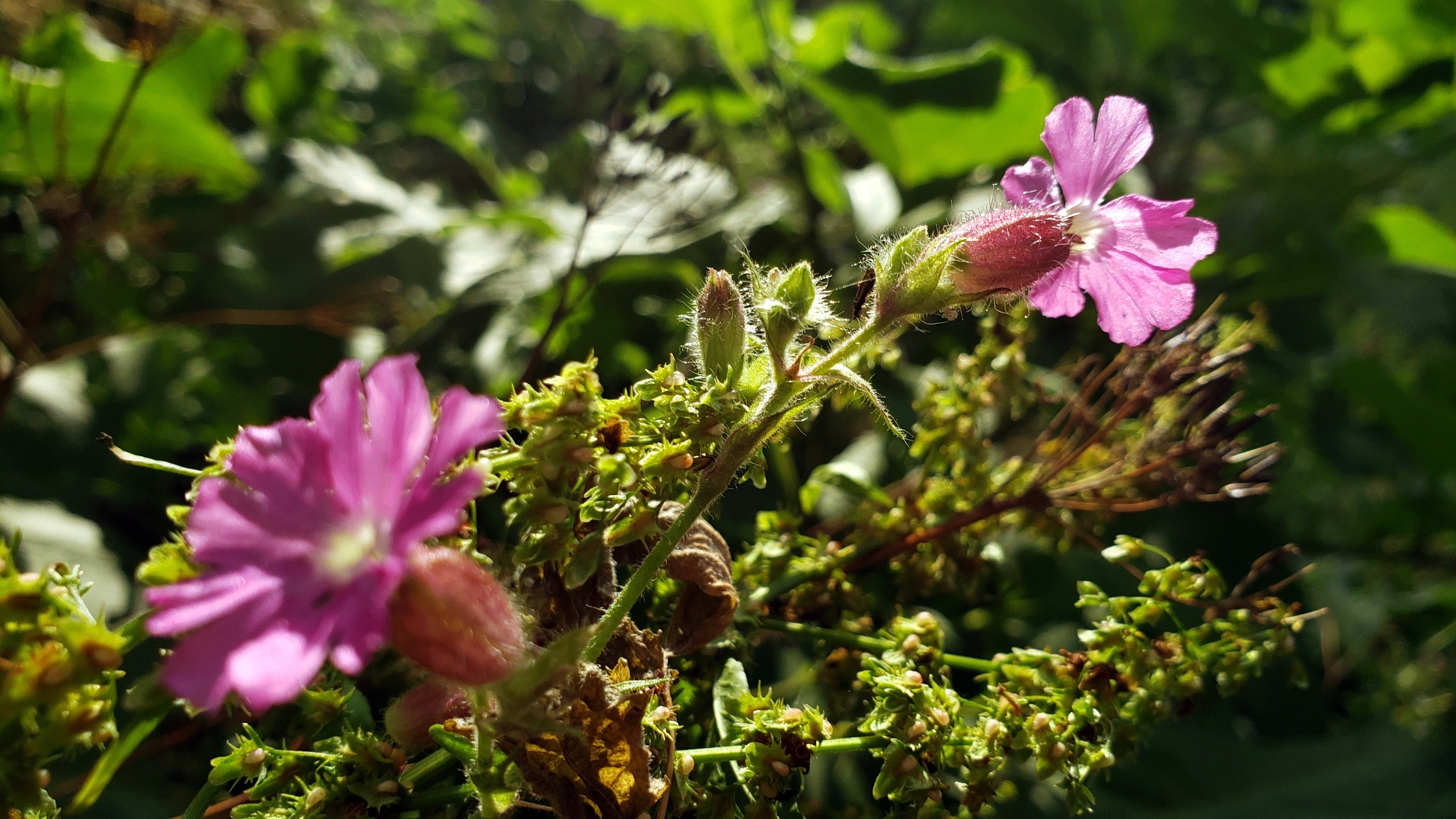

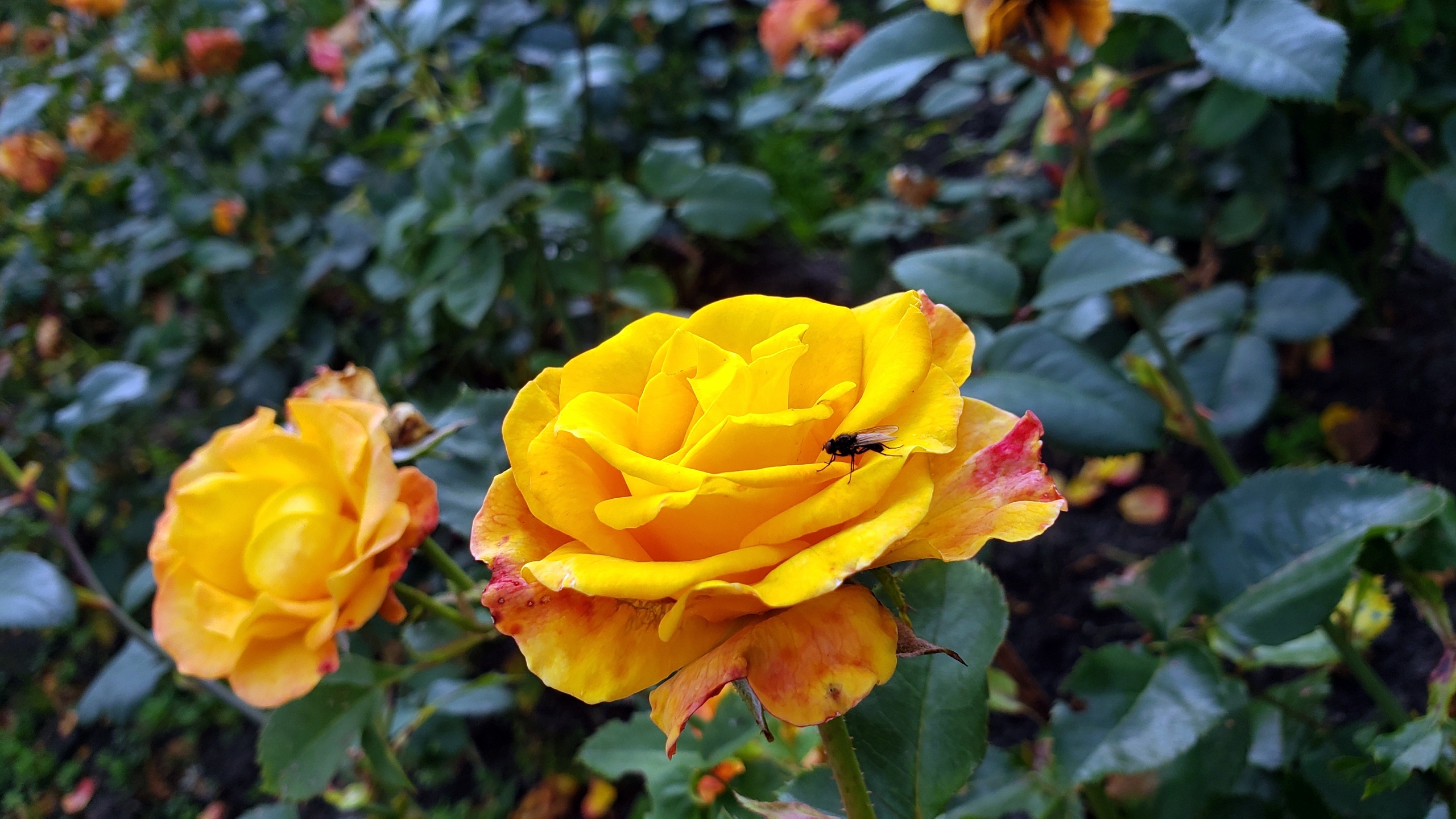

City Views.14
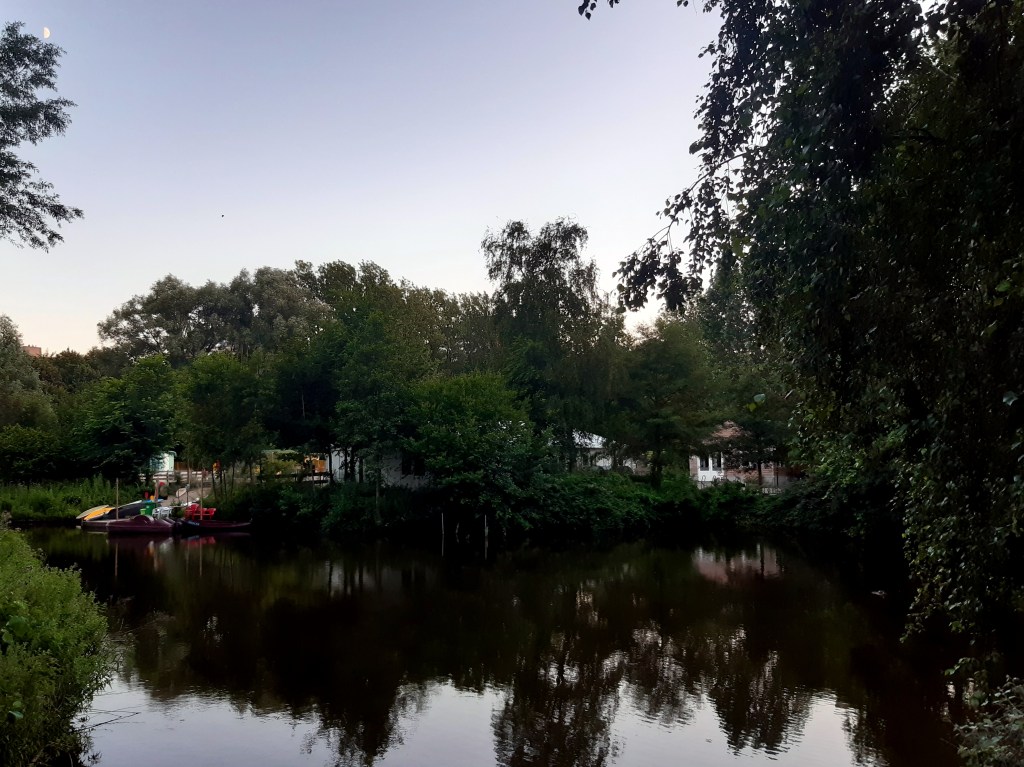
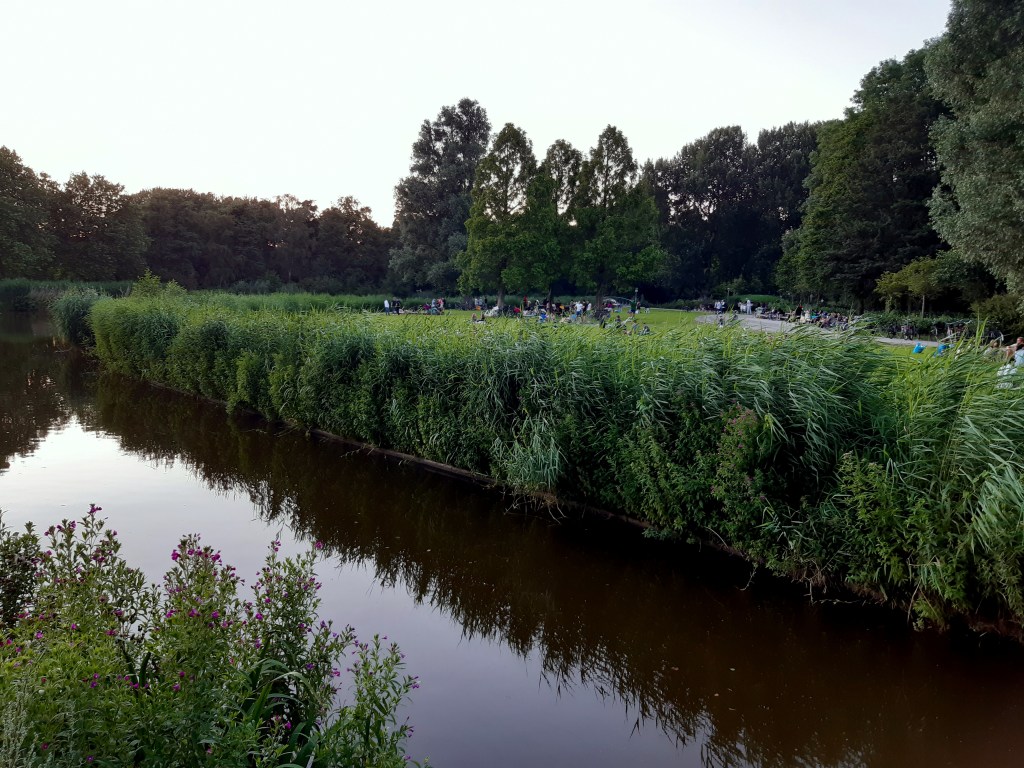
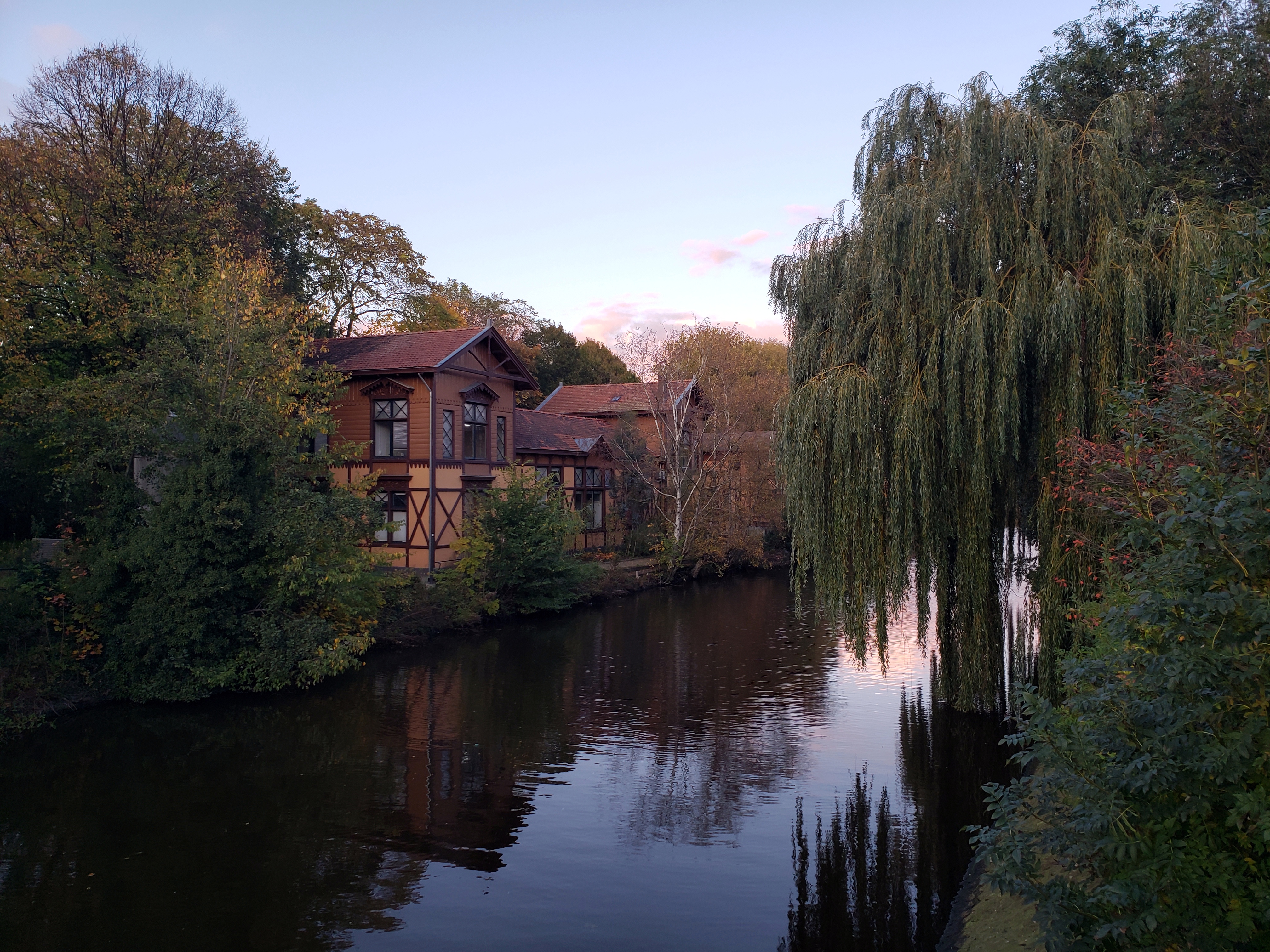
Scenes of Seasons in Amsterdam
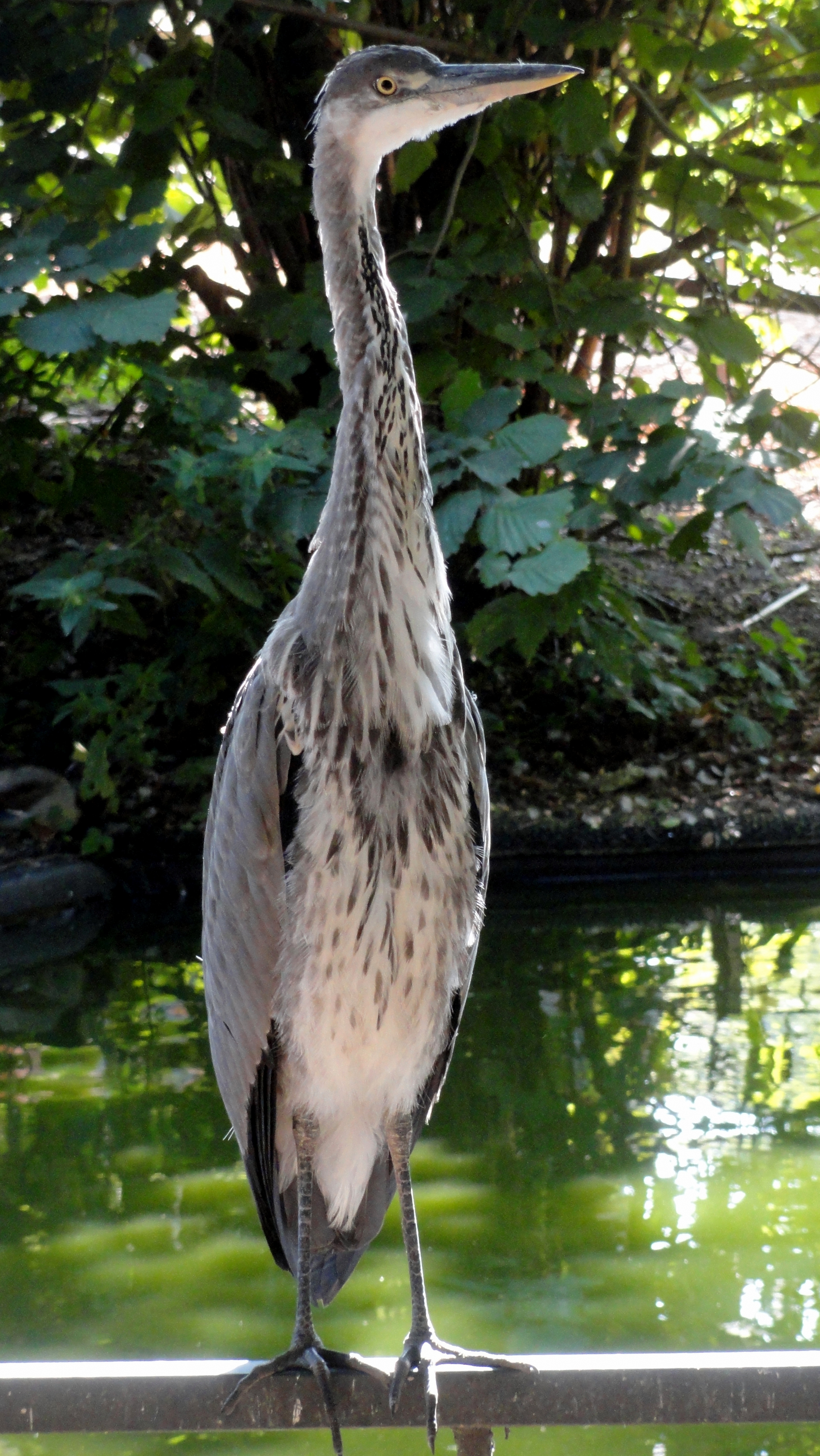
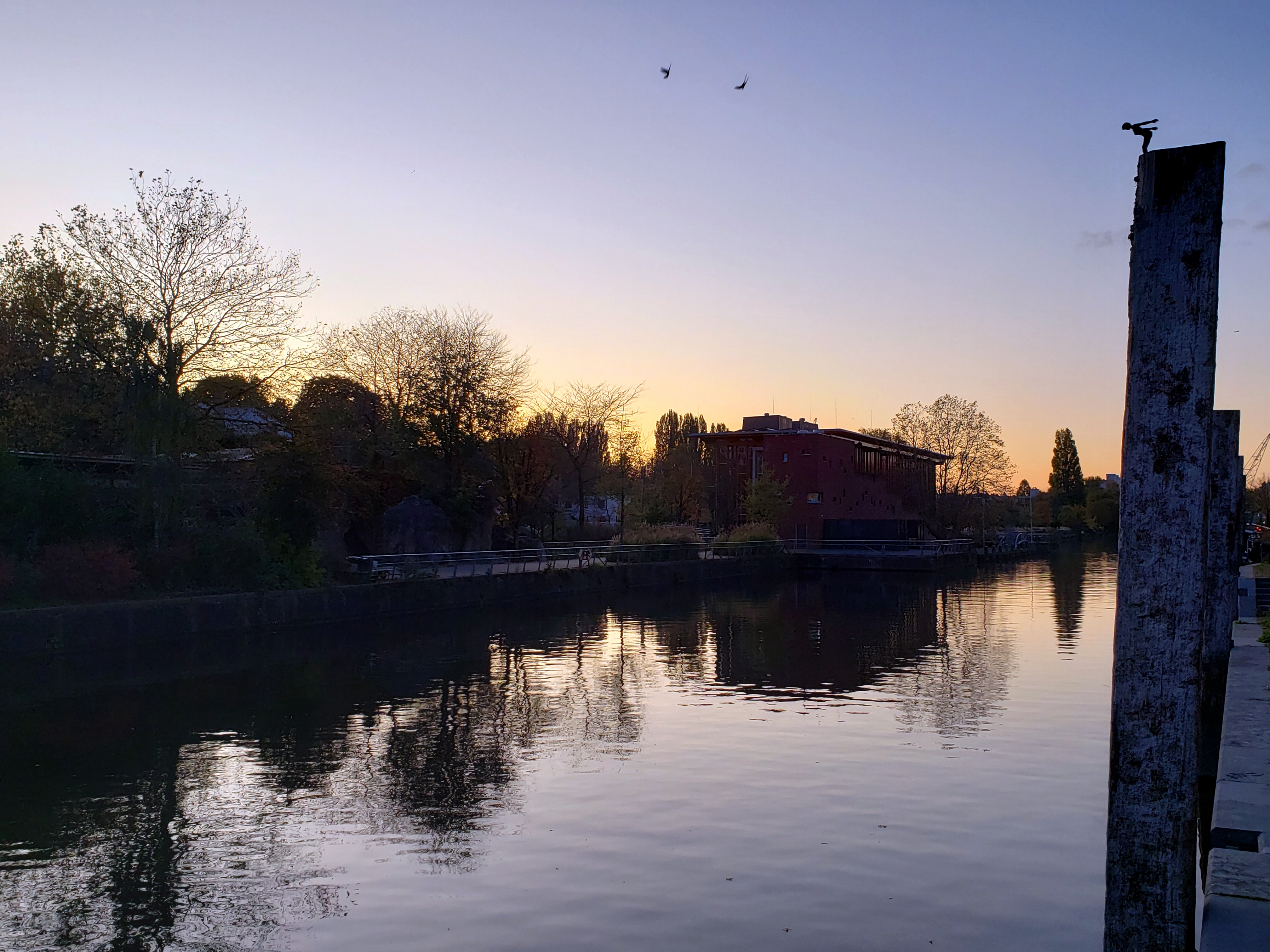 Work takes me to or through Amsterdam once or twice a year, and has for a decade now. This year it was the usual 10 days for annual meetings in early September — when the days were still just a bit longer than the nights — and then again for a few nights just before flying out here to Bangladesh. Here you see photos from both trips. You’ll notice two photos that I’ve named “sudden heron.” I’ve always loved (and photographed often) the waterbirds that show up on and in Amsterdam’s canals, lakes and parks. This time I was just walking from the meeting-venue back to the hotel along a canal in the heart of the city, quite an urban area really, minding my own business and watching the sunset…when suddenly I found myself next to this great blue heron!
 When I was growing up, in southern Ohio during the post-DDT days, I dreamed of seeing great blue herons and other big birds. So many had their numbers decimated by the effects of DDT on their eggs that it was really quite rare to see such large high-on-the-food-chain birds. I still am delighted when I get to see one stalking its prey, whatever the continent. Glad I’m not a fish or a frog, about to be skewered by that beak, though!
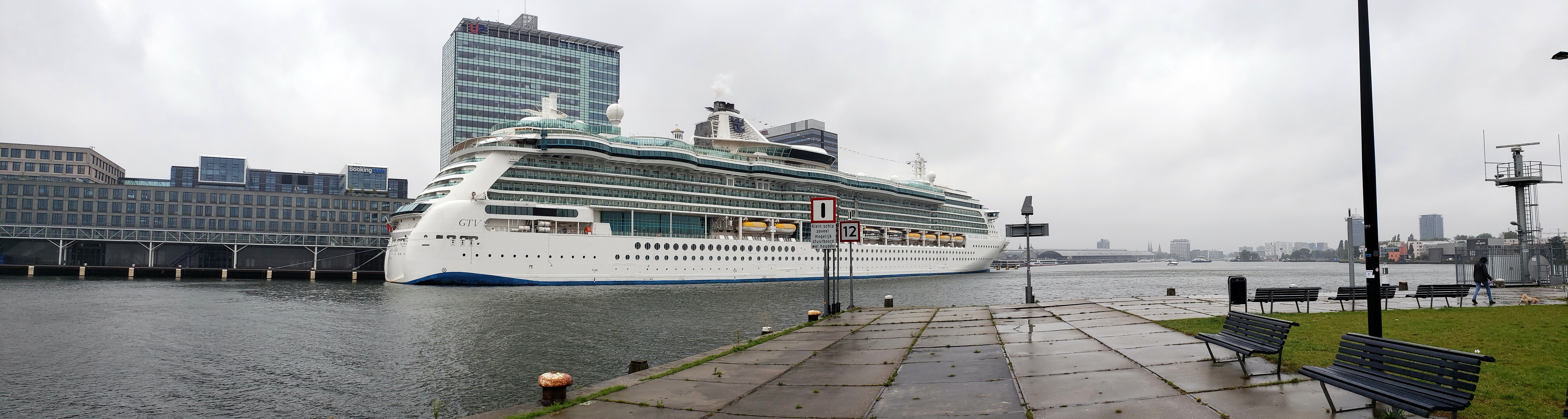
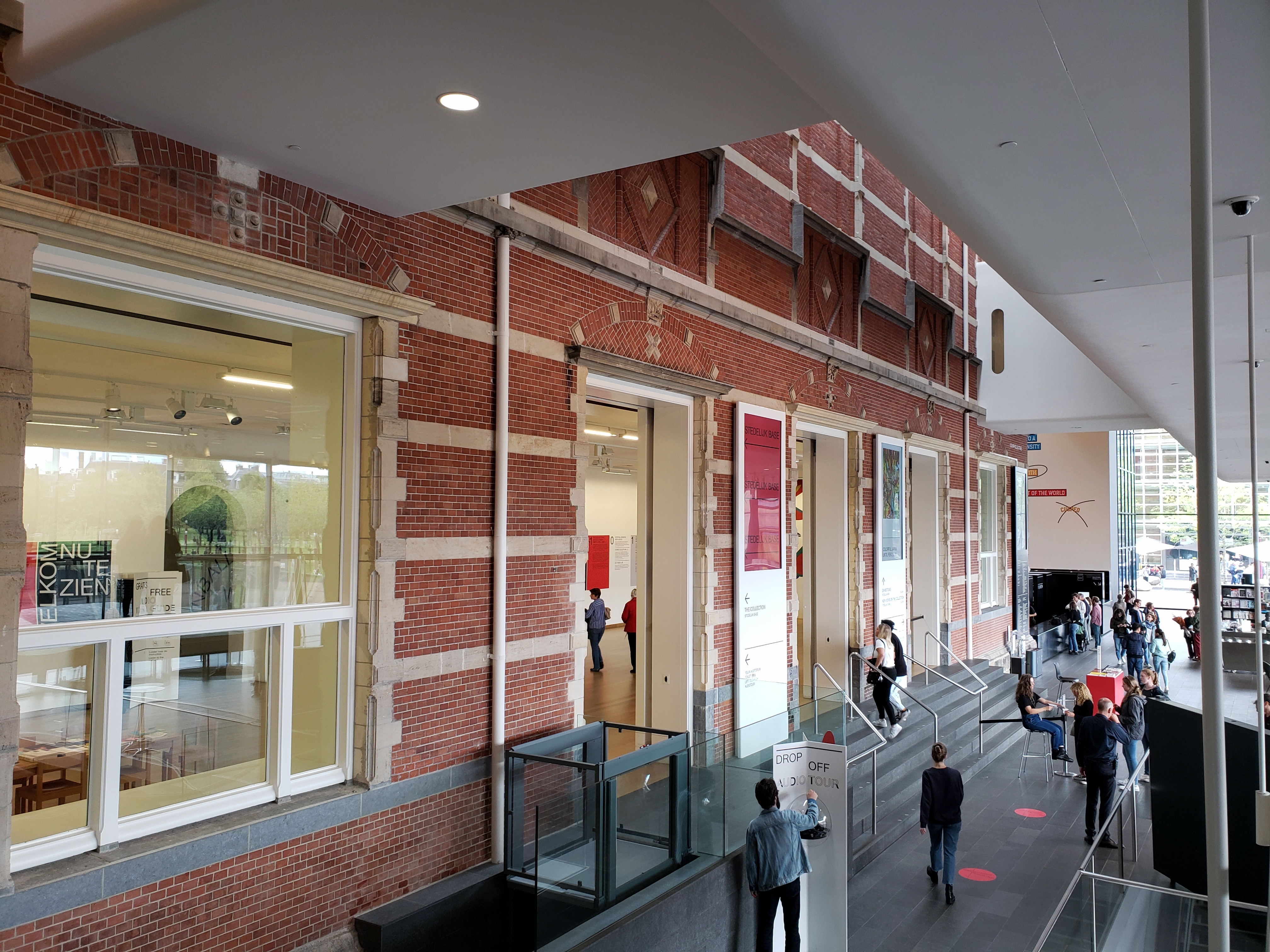
Just below is the excellent City Museum of Amsterdam, old and new buildings skillfully blended. Further down, the cruise ship at dock was flagged the Bahamas, and I took that photo in September while the Bahamas were being so battered by a hurricane: felt poignant, and I wasn’t sure if the ship was taking refuge or on a pre-planned trip in northern Europe. The beer was photographed while my laundry spun in the washer and drier at the laundromat next door: that September trip came immediately after the family & meditations outings I’ve already shown you in https://somuchworldsolittletime.com/2019/09/27/mountains-museums-memories/ & https://somuchworldsolittletime.com/2019/10/23/meditation-nature-coastal-new-england/ — so I desperately needed to get some clean clothes before sitting in a week of meetings with peers and colleagues… 🙂



Ij, Eye, Amsterdam
(I need to apologize that this isn’t laid out as I’d wish – the great minds at wordpress have forced us all into a new “improved” editor which makes it impossible, as far as I can tell, to set fixed widths for photos other than an automatic +/- size with very limited options. Stupid, but unavoidable for the moment until either they get smarter or I find a new host. Ideas welcome.)
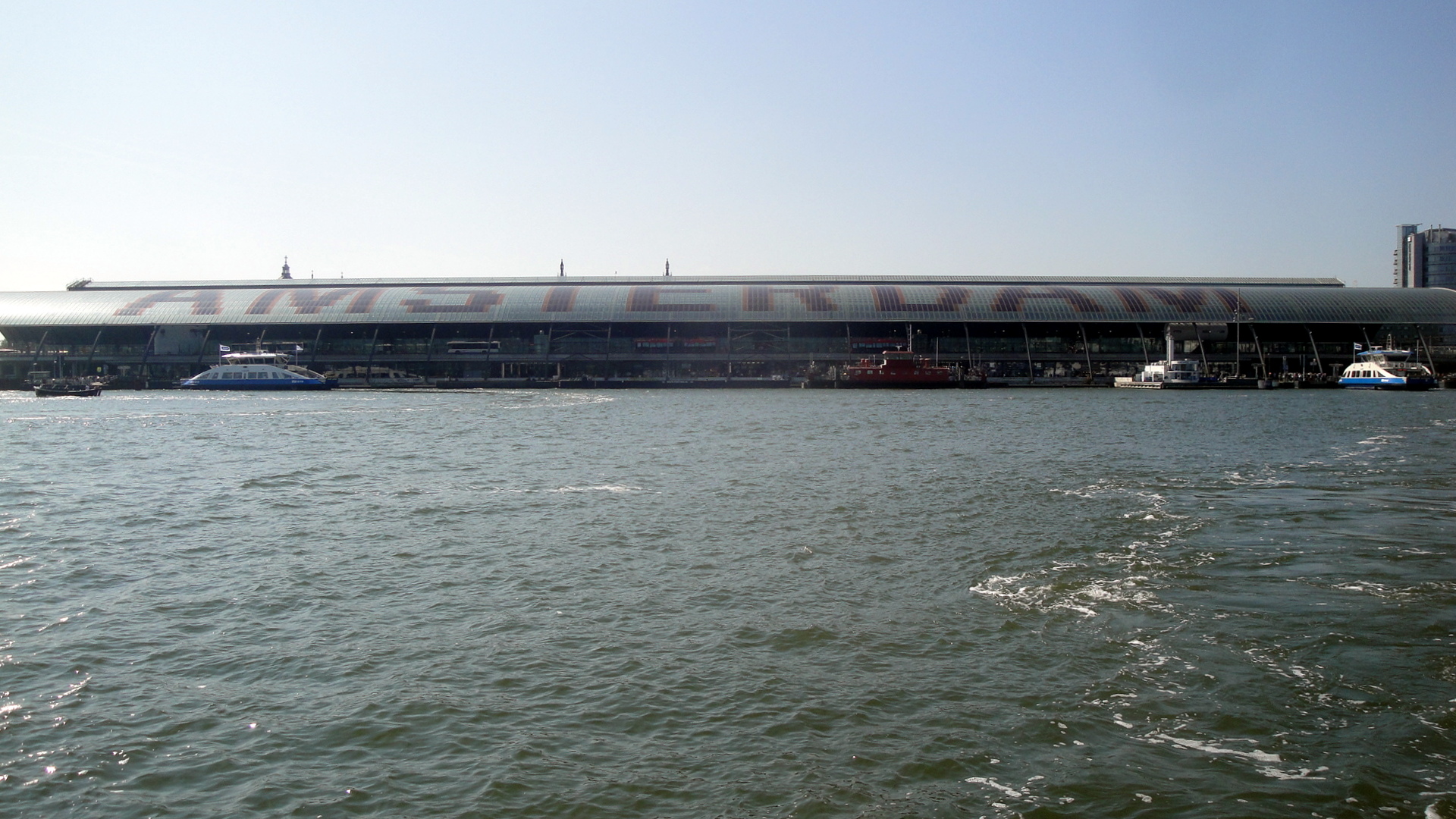
Clue for you non-Dutch-speakers out there: Ij & Eye are pronounced the same way. 🙂 Also: Ij is the name of a body of water that sits just north of the central train station in Amsterdam. It connects to Ijmeer (Ij bay?) to the east, and the town of Ijmuiden (mouths of the Ij?) to the west, and basically makes Noord-Holland (you guess, North-Holland) a peninsula. What I don’t know is what the natural state of these various bodies of water were before the industrious Dutch traders and engineers started managing the bodies of water within the territory we now know as the Kingdom of Netherlands, back whenever past generations of Dutch people decided they could makes canals and diversions, fill in land, and make it possible for one of the most densely-populated nations on earth to exist and be wealthy with about 1/3 of its territory actually sitting below sea level. (Netherlands tourism’s website tells me the lowest point is 22ft below sea level; highest a mere 1000 feet above.) My point: the Dutch have even engineered the Rhine River. I’m sure much of this was naturally-existing in the river-delta-region that links the Rhine, the Meuse and Scheldt rivers. (I mean, even the un-engineered Niger River becomes a highly complex delta without a clear main “Niger River” channel south of Port Harcourt – just check out some of past entries from the Niger Delta and you’ll see a bit of that.) But what I’m certain of, having now worked with a Dutch headquarters and many Dutch colleagues and bosses for the past decade or so, is that Dutch engineers very tidily and meticuloulsy did what they could to enhance these delta channels, acknowledging that water will flow, but doing their best to channel that flow for minimum disruption to towns, cities, trading canals, etc. The water carried by the Rhine divides not long after entering Netherlands territory, most of its water then flowing west to reach the ocean north of Rotterdam in a few different channels which — so Wikipedia tells me — can be called “distributaries.” The same source tells me that 1/9 of the water volume contained in the Rhine upon its entry into Netherlands territory ends up flowing via the IJssel branch of this distributary network into the above-mentioned IJsselmeer.
 My nerdly point is this: the water in the photo above is called the Ij. It sits between the Amsterdam you may know and love (to the left) and the Amsterdam you may not know exist, North Amsterdam (to the right). North Amsterdam is accessible via completely free ferries which run regularly just off the north side of Amsterdam Centraal station. It’s got a big lovely park. Amsterdam is a very cool city b/c they’ve done such an amazing job of packing it all in and allowing below-sea-level areas to absorb water, recharge aquifers, and hopefully protect the commercial and residential parts of the city from being flooded — all of which means you can see great blue herons and other fascinating birds bumping up against high-rises and train tracks. All very cool. Anyhoo: I did a day trip going out by ferry, back by bus, to this North-Amsterdam part of the city, which in more than nine years of being there before and after each assignment I hadn’t yet visited. The park in particular is well worth a trip. These are mostly from my September trip; some from my June trip, post-CAR. (Such as me in front of my favorite European concert hall.) Enjoy 🙂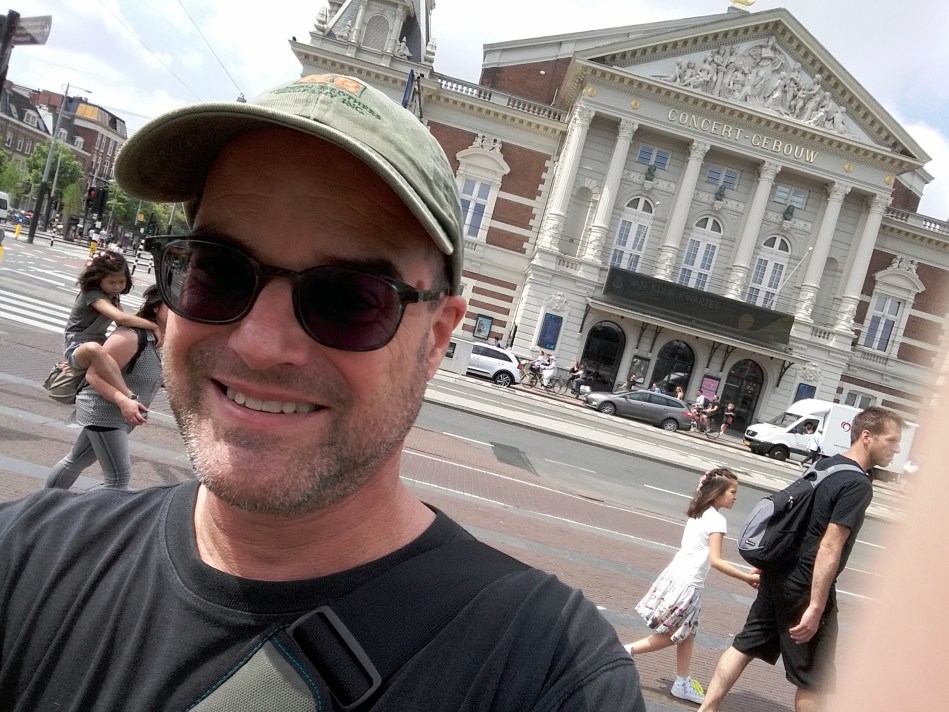


Tulips & Canals – Spring Jaunts in Amsterdam

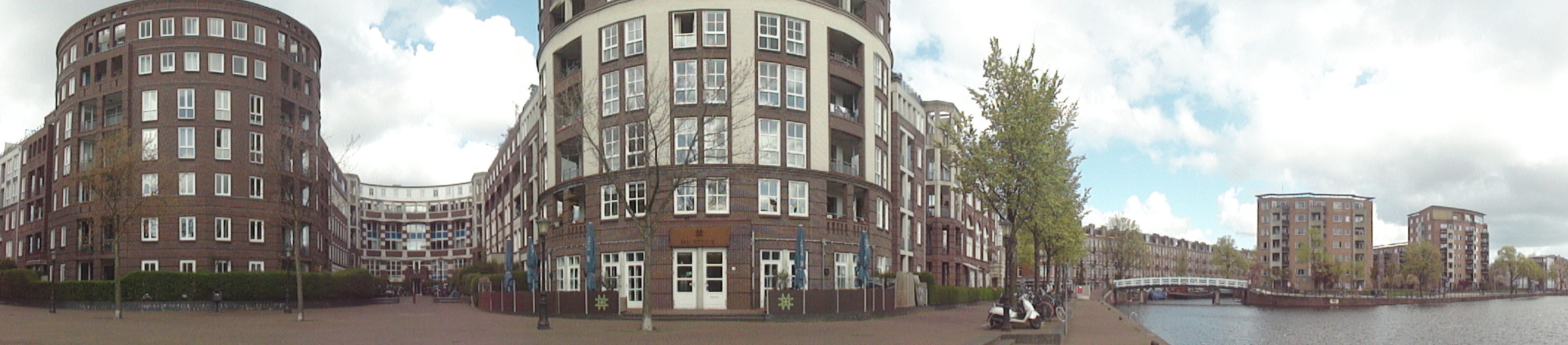
Sorry for the lag between posts, folks. I went offline for June and July, and hung out on the bike trails and tennis courts at home. I’m back on a short assignment again now (Sierra Leone until early September), and this means bike trails and tennis courts aren’t as readily available, so I’m using my evening & weekend free time to dig through all the photos I’ve taken since leaving Haiti & Canada (see my last posts)…and I’ll be slowly popping them up here for your enjoyment. This one’s Amsterdam: I’m usually there once or twice a year, before or after an assignment, for meetings and briefings and so on. I got lucky with an unusually sunny weekend in the middle of this particular stay, so I walked and took trams around new parts of town I’d not previously visited. The spring tulips, flowering magnolia trees, and other signs of the season were lovely and everywhere, and I found Amsterdam’s range of architectural styles and details from classic big brick churches to modern apartment complexes, university classroom buildings, and even small historical plaques embedded in walls around town quite enjoyable. It’s really a city that rewards rambling down side streets with your eyes open and curiosity alive. And I finally found a way to try to show you how small some of the restaurant and hotel sinks can be in Amsterdam – I think this was in a new (for me) and excellent restaurant, and I found it unusually small even by Amsterdam standards…




Central Amsterdam Architecture…and Canals
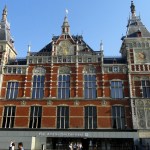
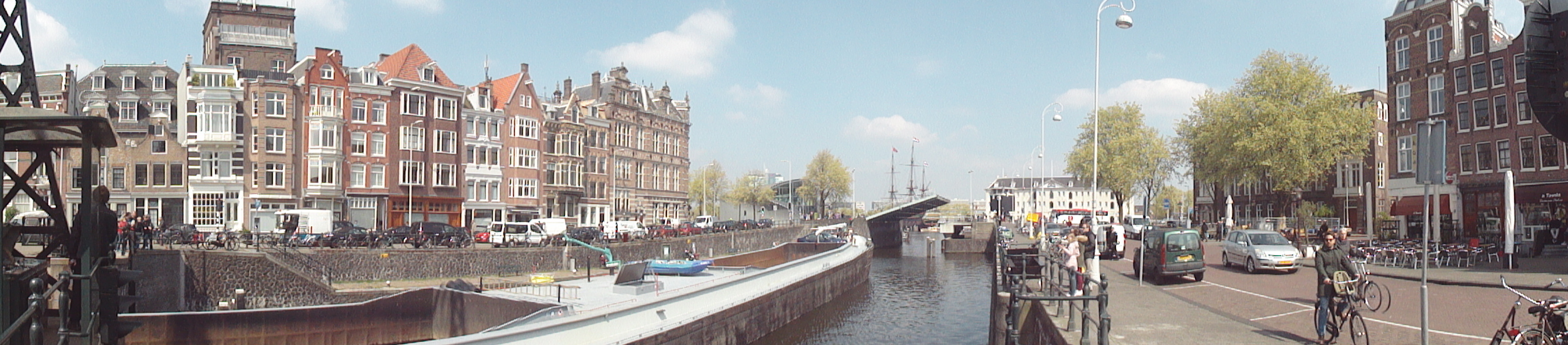
 Amsterdam Central train station is an ornate confection right in the heart of town. It’s so very in the heart of town that the fastest, modern trains can’t really navigate the curves and tracks to reach it, so the fastest trains connect through stations on the south side of town, and the airport, instead of coming into central station. Still, its proximity and lovliness make it my train station of choice even when I’m traveling to Belgium, Germany or France. Including on my most recent visit which, yes, was back in September. I’ve only got one more set of photos to post from that September Europe sojourn!
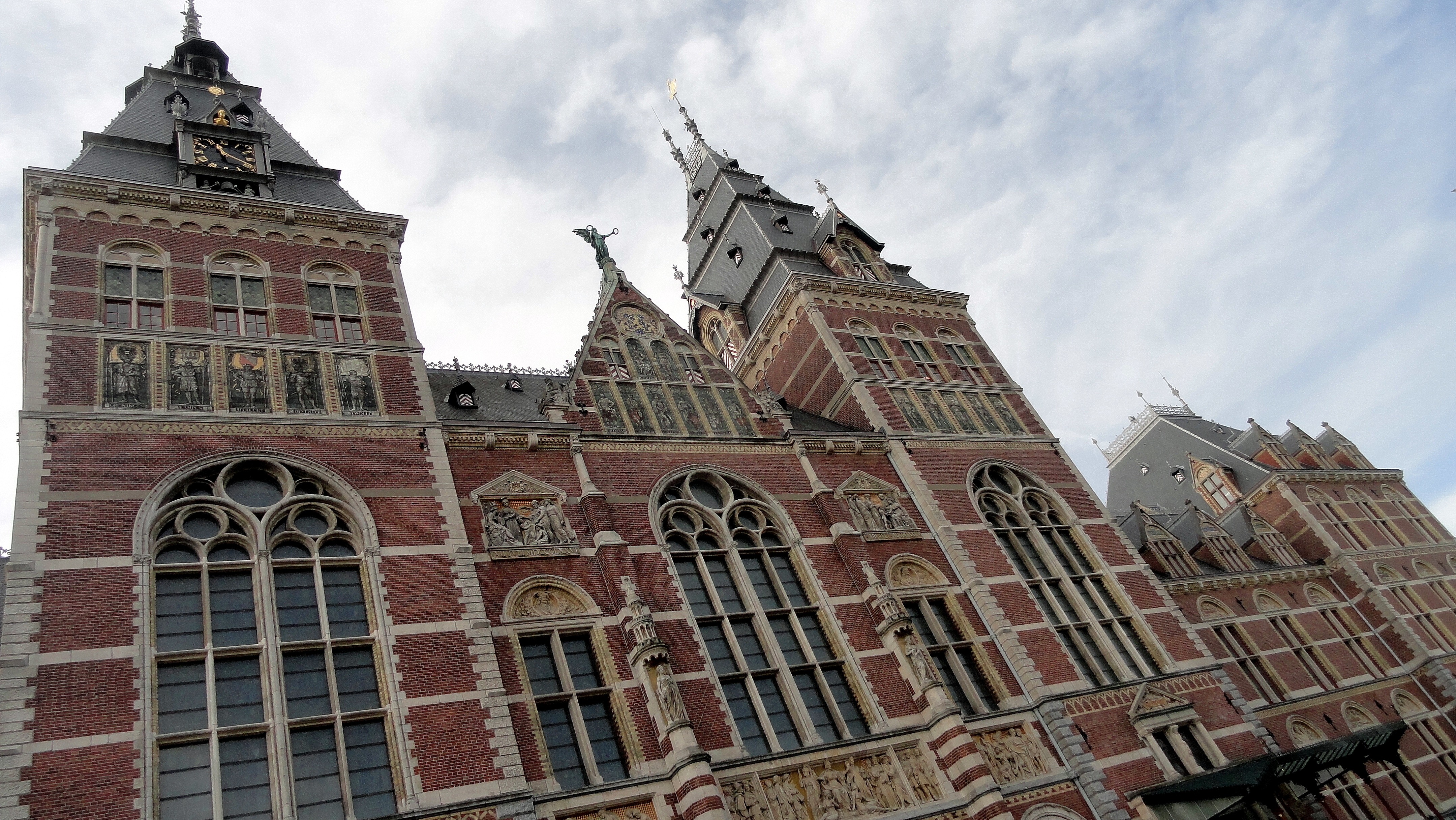
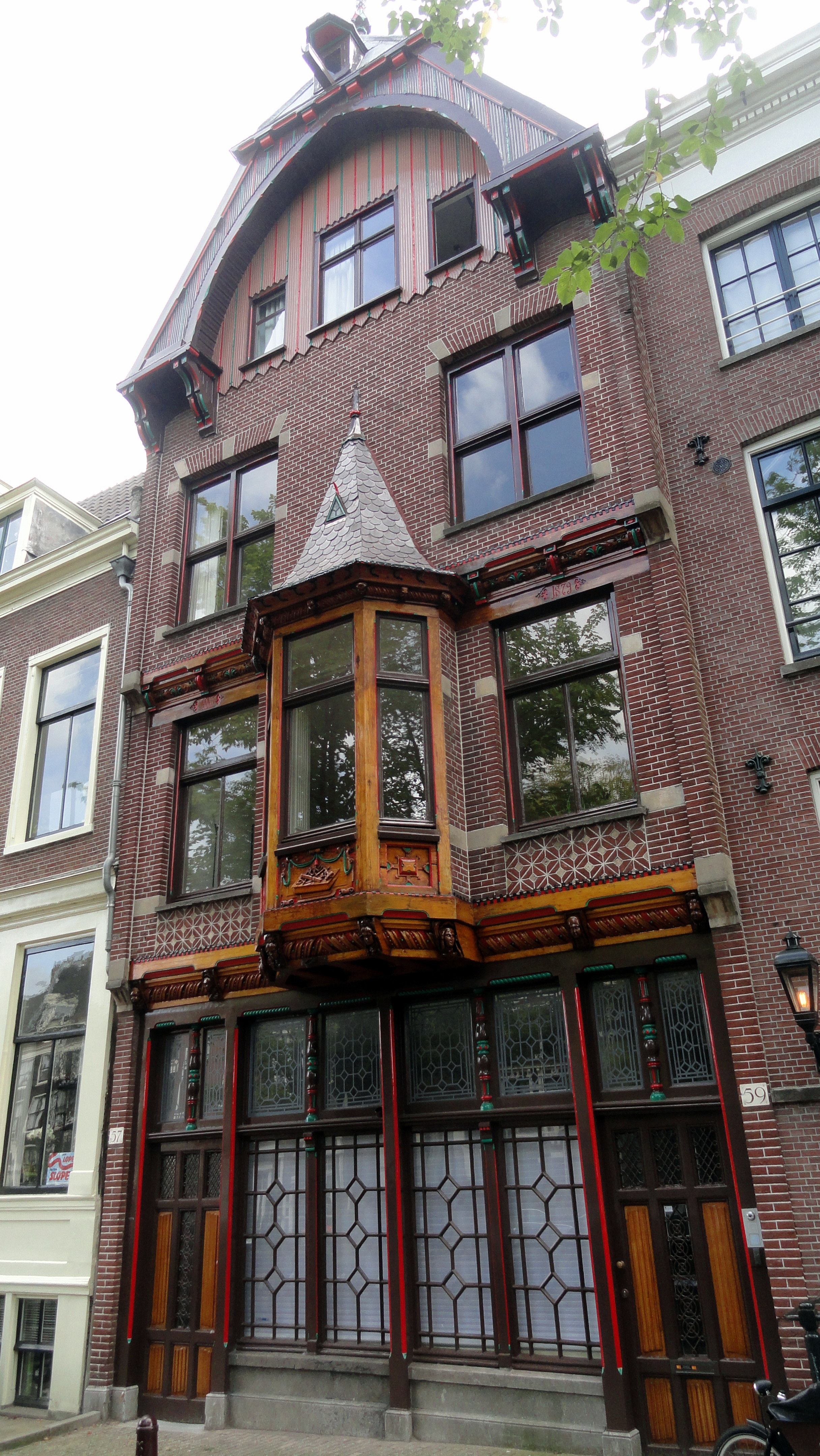
Since I’ve now posted many a time from Amsterdam over the years, I tried to focus this a bit more on specific architecture that I love…plus a few of the usual canal views which I simply can’t resist. All that brick, all those ornate ornamentations and well-maintained buildings…a pleasure to look at. Enjoy :-).


Love Songs of the Golden-Cheeked Gibbon
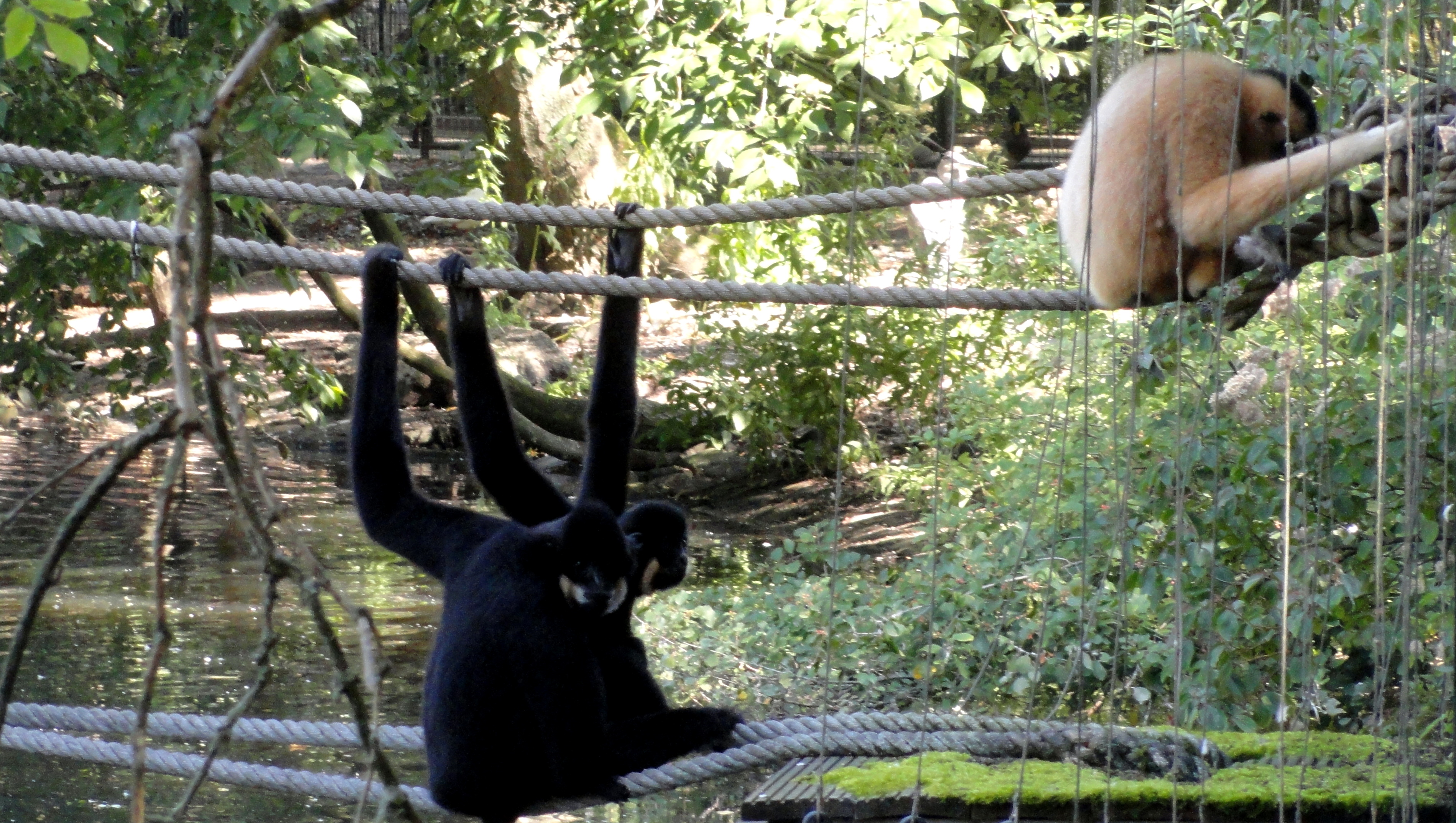
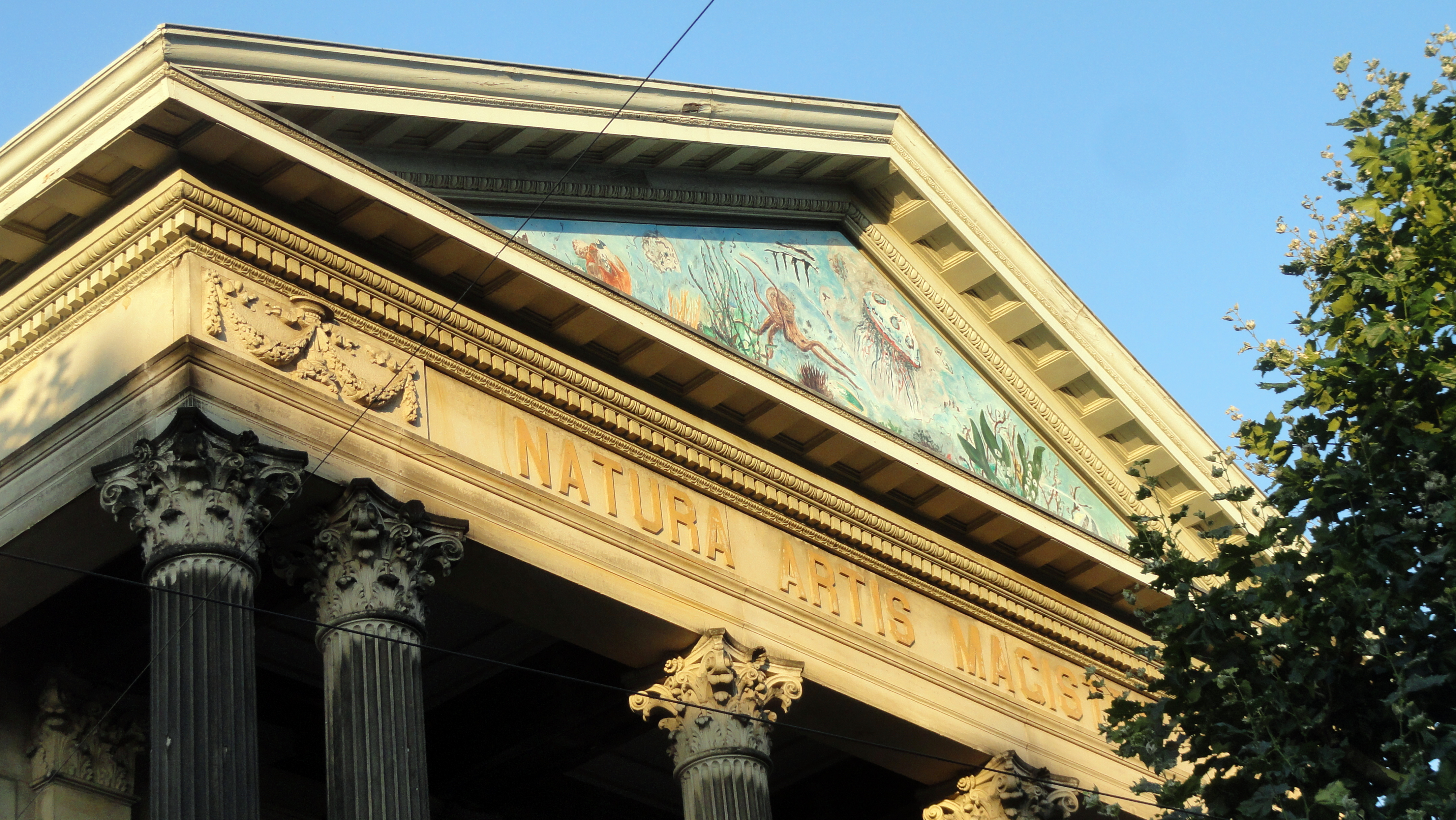 On quiet mornings in Amsterdam I sometimes go for a run or walk around the perimeter of Artis, the zoo. I’ve come to long for the morning serenade of an animal that sings in long, soaring, other-worldly tones that feel half-bird, half human. Indeed, I’ve wondered if they’re apes on some of my runs – but the only loud primates I’ve heard of (aside from monkeys of the classic ooh-ooh ahh-ahh style, and humans) are howler monkeys, and these calls are far more ethereal than any howl I can imagine. Until this last trip, I’d never found time to go inside the zoo and find out directly. I’ve never been sure, and always wondered.
 Last year and this, some of our sessions for the “coordination days” (in which heads of mission and medical coordinators debate and discuss issues of the day with our HQ management and support) have been held in beautifully renovated meeting rooms at the zoo, which is across the street from our hotel and down the block from our office. One afternoon during lunch, they offered a guided tour with the theme of “leadership and communication.” (Cute theme, for mission managers, eh?)
 It was thus that I learned of the golden-cheeked gibbon, from southeast Asia – born golden, turning black after a few years, with females returning golden at sexual maturity. When a gibbon pair develops a beautiful harmony, so the docent told us, it signifies to others in the troop that they’ve bonded. I found the story nearly as lovely as the morning serenades themselves.
So herewith, in honor of the gibbons which sing for their mates, the lions whose children remind me of human teenagers I’ve known (the older two sleeping are parents; the younger two looking bored are the lion equivalent of bored teenage daughters, I gather), and of the baby monkey daughter with her high-ranking mother from the matriarchal-led society, I offer you a few photos from Artis, Amsterdam’s surprisingly central, larger-than-expected, and quite lovely zoo. (I indeed saw older monkeys scamper out of the way of this baby – they treated her like a princess!) Though I still have problems with the whole zoo concept, it was certainly a learning experience for me. Enjoy!


Remembering in December
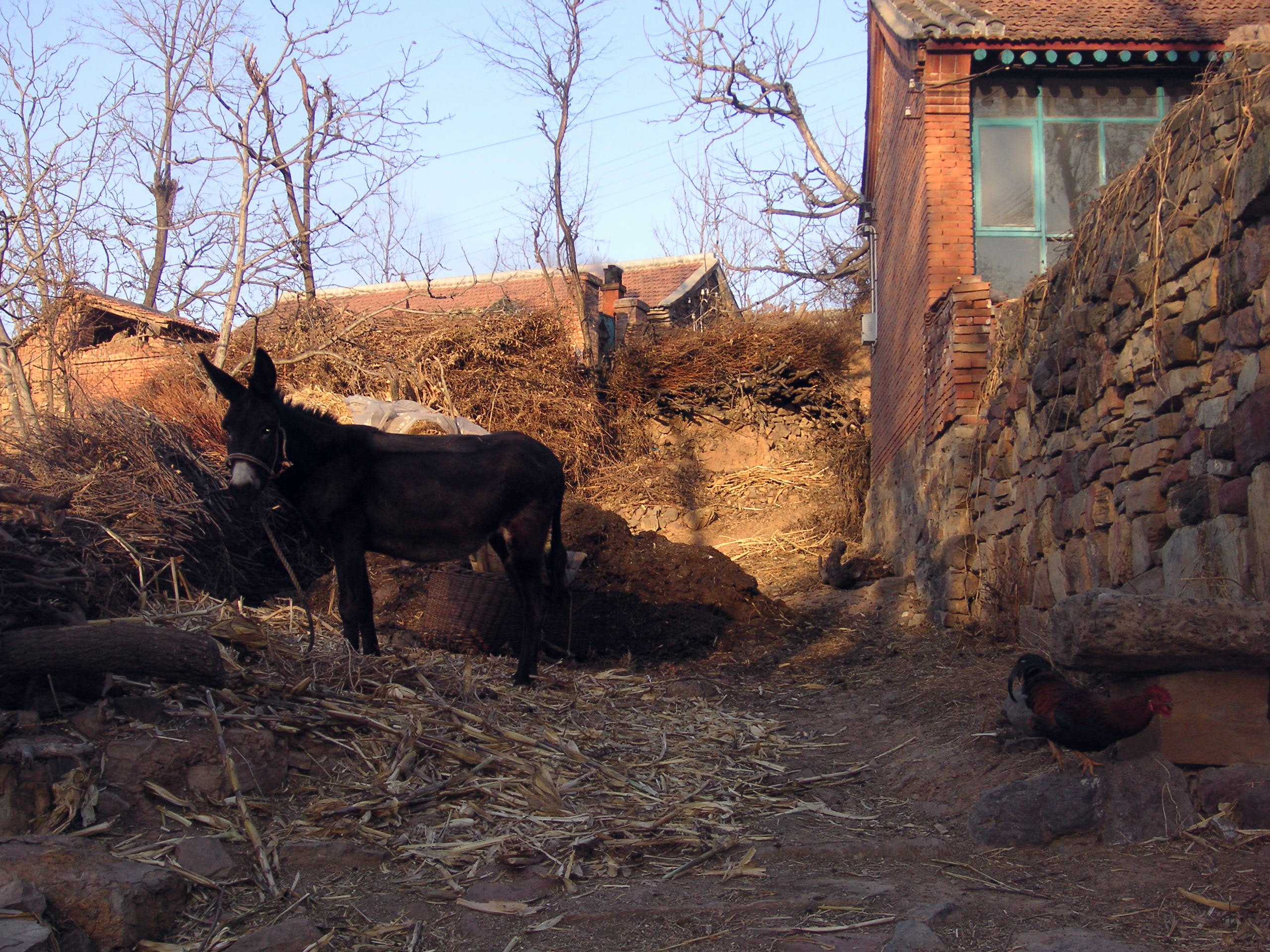 My wandering field life passed the ten-year mark earlier this year. That’s ten years of finding my way into a new work environment and getting to know new colleagues once a year or so. In a more mundane way, it’s ten years worth of photo files to keep up-to-date and to try to remember to share on my blog. A cousin (thanks, Juliette!) noticed that the entries from my earliest days had lost their photos: mine was a rather early blog, and the ways of uploading photos have changed since then. (Many of those earliest posts appear frankly so embarrassingly shallow to me now that I’m tempted to simply wave my editorial wand and have done with them…but thus far my sense for historical accuracy is controlling that temptation…) If my continued research succeeds, many of those photos will be directly restored onto the blog as I find their originals in backup hard drives and other obscure locations: ah, new year’s resolutions before the old year has even wrapped up!


In the meantime, I’m uncovering little treasures that never made it up here, while fondly remembering where I’ve been and what I’ve done. I was recently saddened to learn that Nancy Schrom Dye, former president of Oberlin College, had passed this year. During my years of active alumni-association work I greatly appreciated her contributions to my alma mater – so I was proud to join some other colleagues in taking her for an end-of-year meal which, the digital date stamp tells me, occurred in Beijing on December 31, in 2005. Up above are also a few rediscovered December 2005 Beijing-area shots which somehow didn’t get posted at the time. (Posting photos was more challenging in those early days…)
Just below are some previously-unposted 2015 shots: early-morning moonset at my home here in Haiti; me with my brother and a colleague when I gave a talk at Carnegie Mellon University earlier this year; and some shots from the lovely Frick House & museum in Pittsburgh, from the same visit. And since this put me in the mood, I’ve wandered through the many countries & continents, family meals & trips & assignments on four continents that have filled the years between these two sets of photos so very fully. Assembling them’s been fun for me so I hope viewing them is fun for you too :-).


This time last year? In December 2014, I returned from Sierra Leone & later went with great friends to enjoy the Ai WeiWei exhibit on Alcatraz Island (more photos from that one in the original post….though that particular set of great friends – you know who you are! – are remarkably camera-resistant):


Where’d I spend 2013? Living in PNG, participating in meetings in Amsterdam & dive trips in Australia, then celebrating the holidays with Steve & Mom in New Zealand:


I began 2012 in the US (where I visited Washington, DC in cherry-blossom season), turned 50 in the company of Howard & Gene at Kakadu National Park in Australia, and finished the year in PNG:
2011 was mostly Mweso, a little Lamu, a little London and a year-end back home seeing Frank Lloyd Wright homes of Pennsylvania with family:
2010…wow, what a year. Just seeing all the continents and countries where I spent time (actually meaningful time, with friends and family and work) makes my head spin even now. The photos evoked so much for me that I just couldn’t narrow it down to three or four…so I’m giving you a lot from 2010, a mix of Manipur (start of year) and Mweso (end of year), with a sprinkling of Sweden, Berlin, Paris & California in between:


I entered 2009 in Tahiti, yes it’s true: during the year I took off from work to help Mom with her house, I dedicated two months to exploring Australia (and watching the Australian Open!) and New Zealand, flying in via Tahiti with a few nights in Papeete, just because I could. The year ended, of course, in Manipur and included a great trip to see excellent sites of Rajasthan with Howard & Gene:


2008 started in Nigeria, and ended in Tahiti…with a lot of good work in Nigeria, a short assignment for the earthquake in China, visits in Germany with my exchange family friends there….and a good deal of time in and around NYC (Mom, aunt Judy & I enjoyed a harbor trip past Ellis Island where our own immigrant ancestors entered the country, and also a trip to our favorite sculpture park up th Husdon)…with a side trip for some hiking in Sequoia and other California adventures:


2007…I began the year based in Colombo but spend the new year’s period with Mom & Steve at Angkor Wat, returned to Colombo to finish out an assignment, headed on for training in Paris where I also got celebrate Mom’s 71st birthday…back to the US to reorganize my life after my first two years in the field, and then off for a new assignment in Nigeria. At the time it felt big. Now it’s all fond memories:


…which will bring us back to year two of this current phase of life’s great adventure, the lovely year 2006. From Beijing & Yunnan in China, to Polonnaruwa & Sigiriya in Sri Lanka (where I was based at year’s end), with family time on Cumberland Island (Mom’s 70th birthday dinner!) and in Germany in between. With a special souvenir from Seoul, where I had the opportunity to work a bit with the young ladies pictured with their daffodils. In a small-world twist, I had dinner with one of those two young ladies just a few nights ago in Port au Prince, which she visits sometimes in her current work with the CDC. So much small world, so little time for it all. Happy end of 2015, and many good hopes for a 2016 of more peace and health to everyone, everywhere.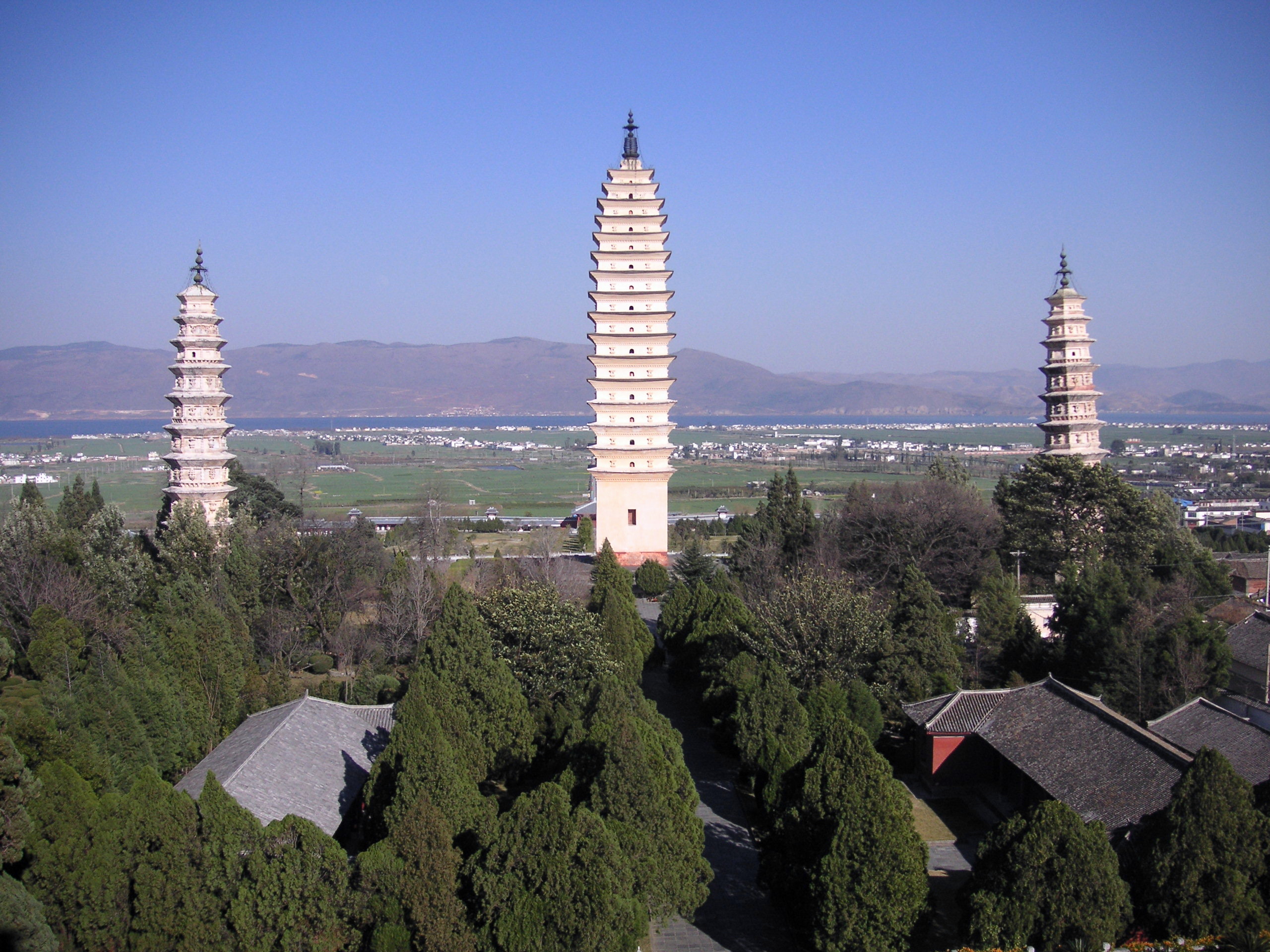


Angles on Amsterdam
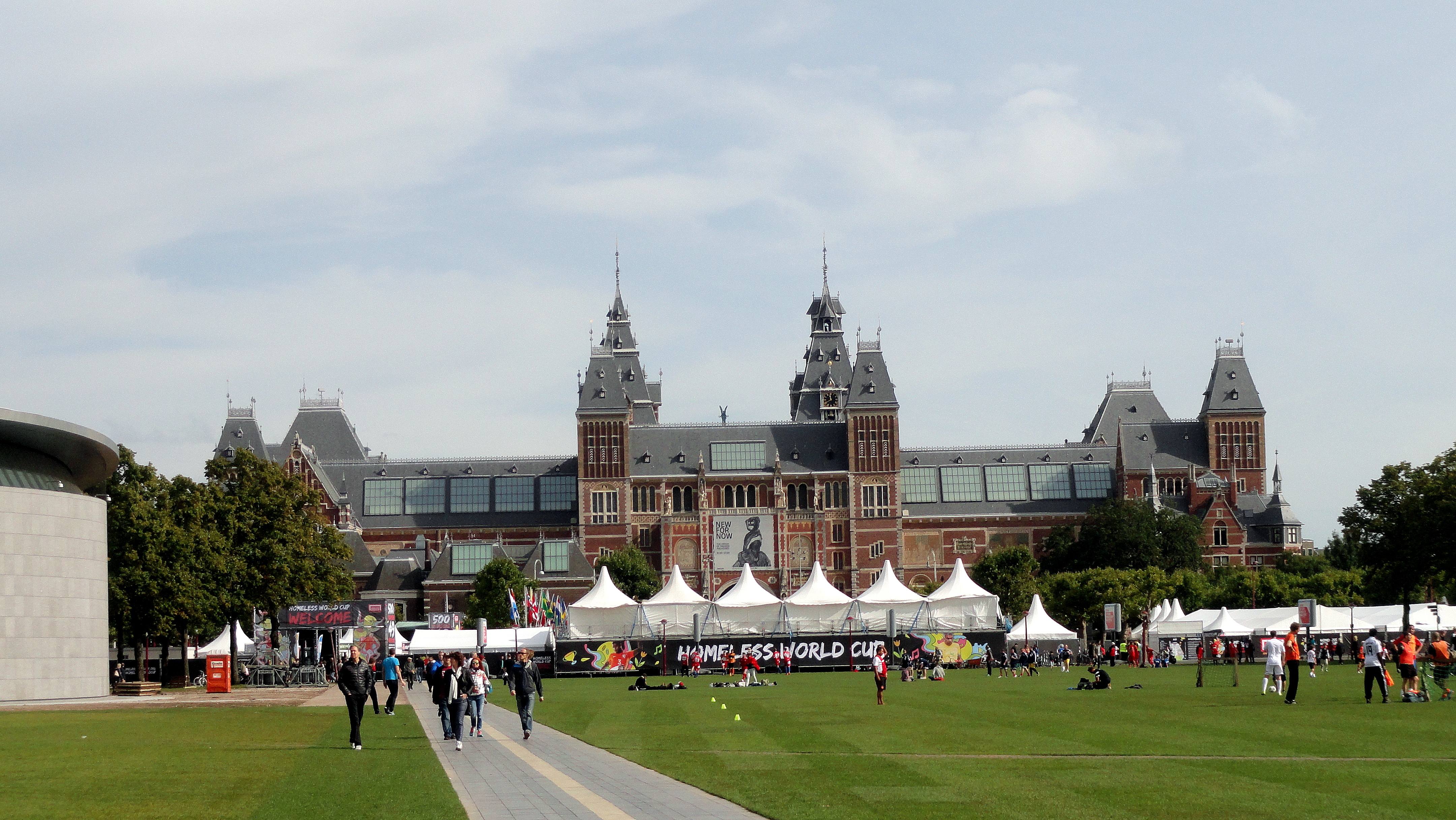
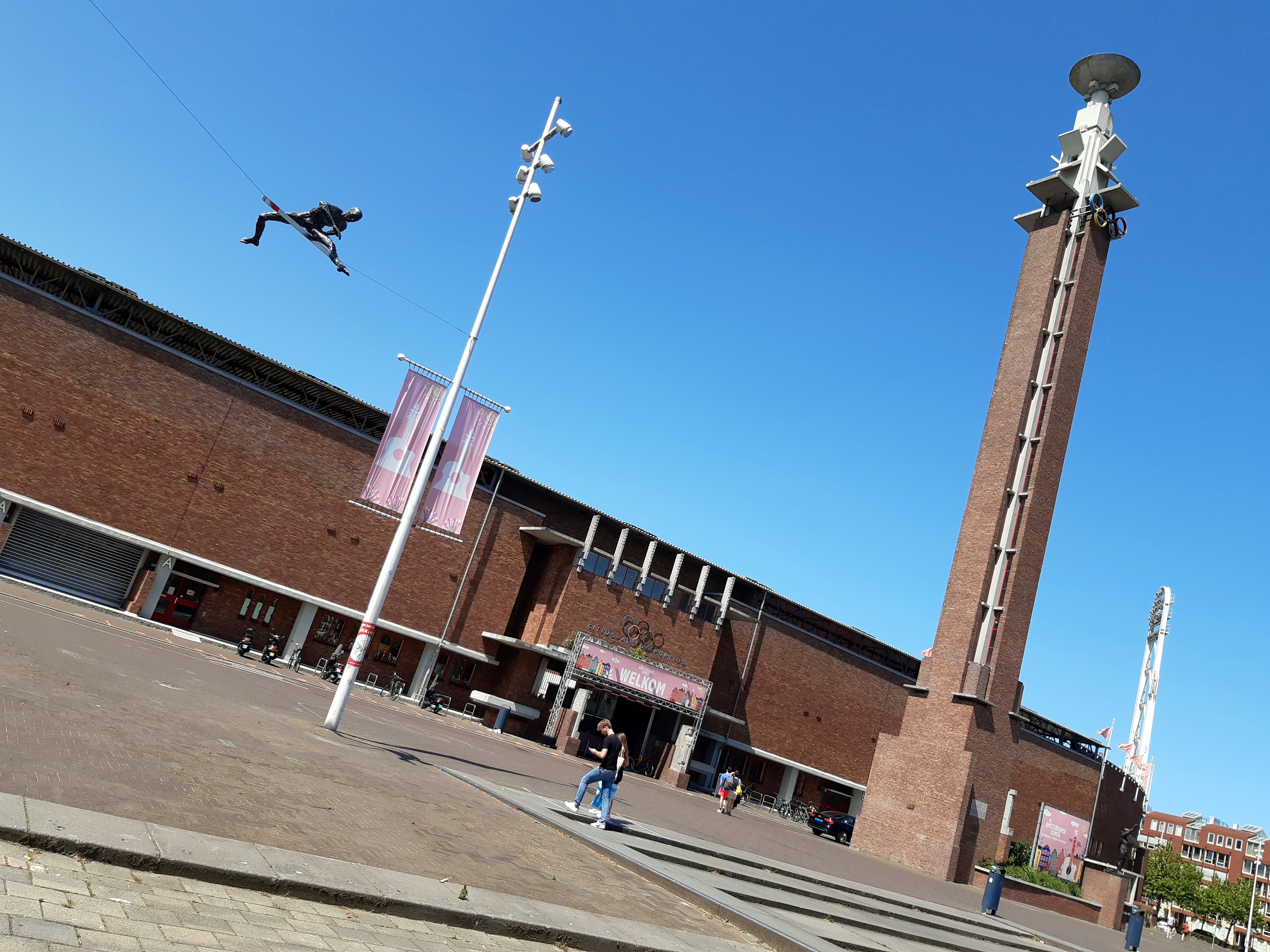
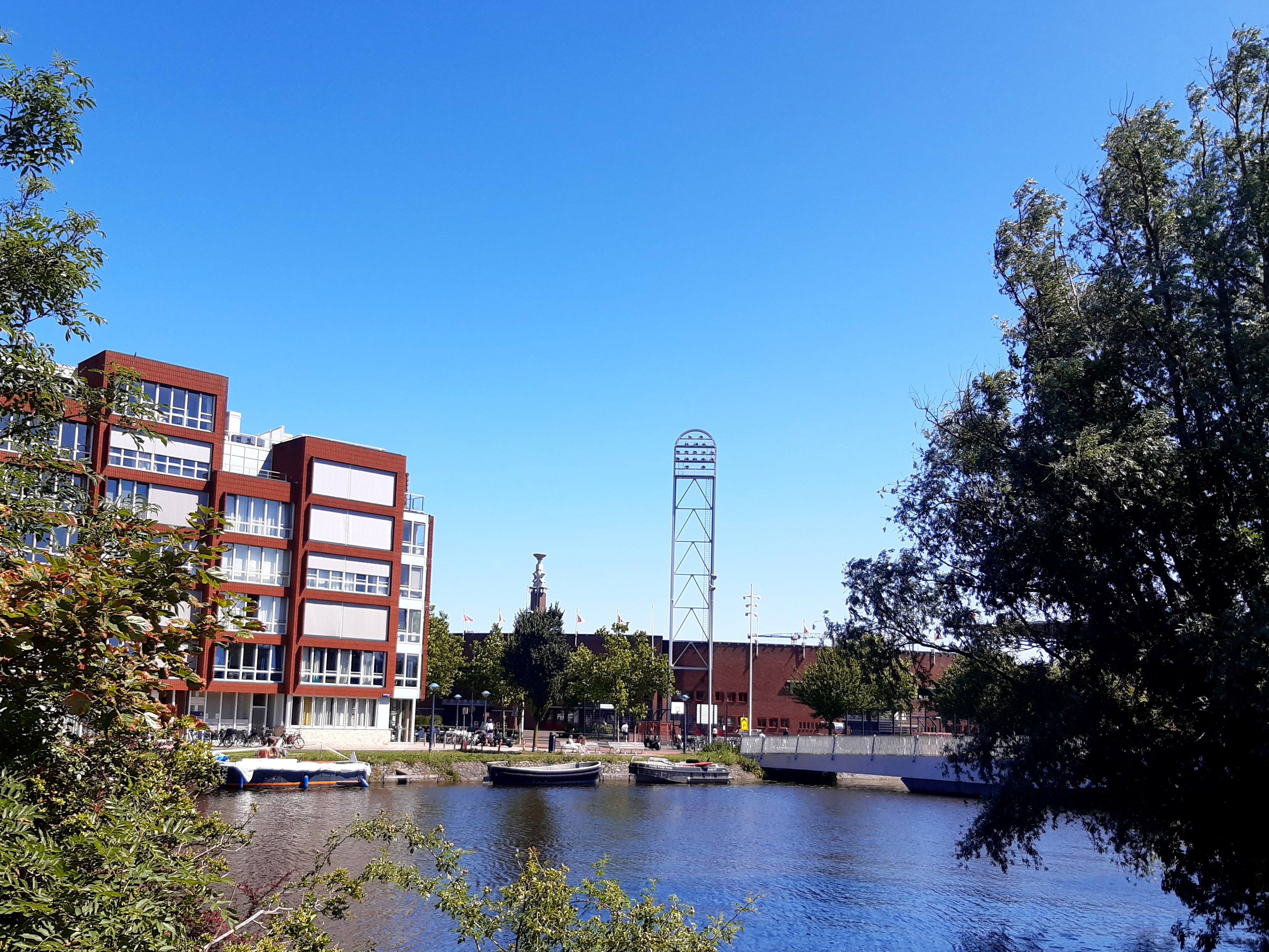
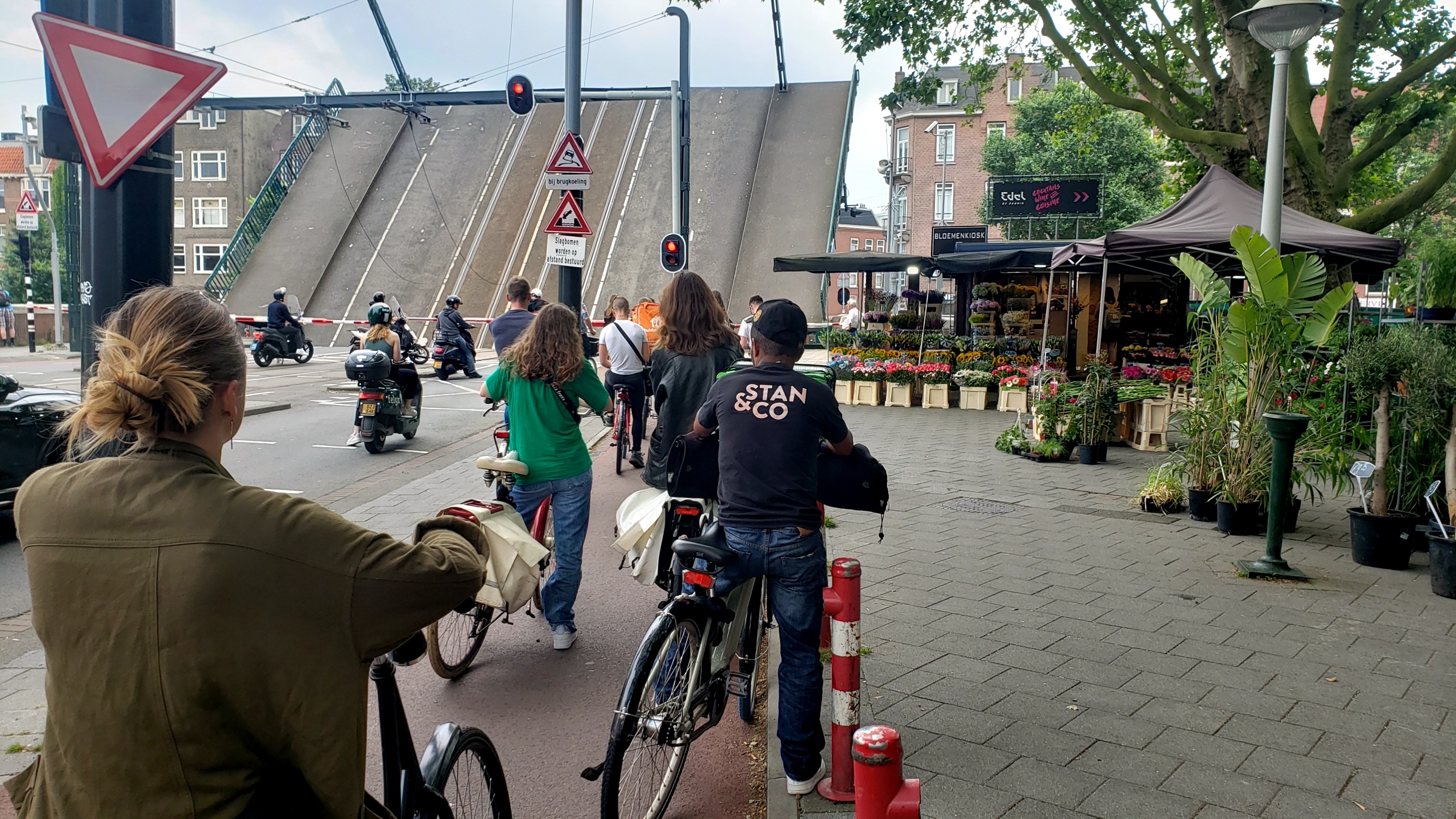
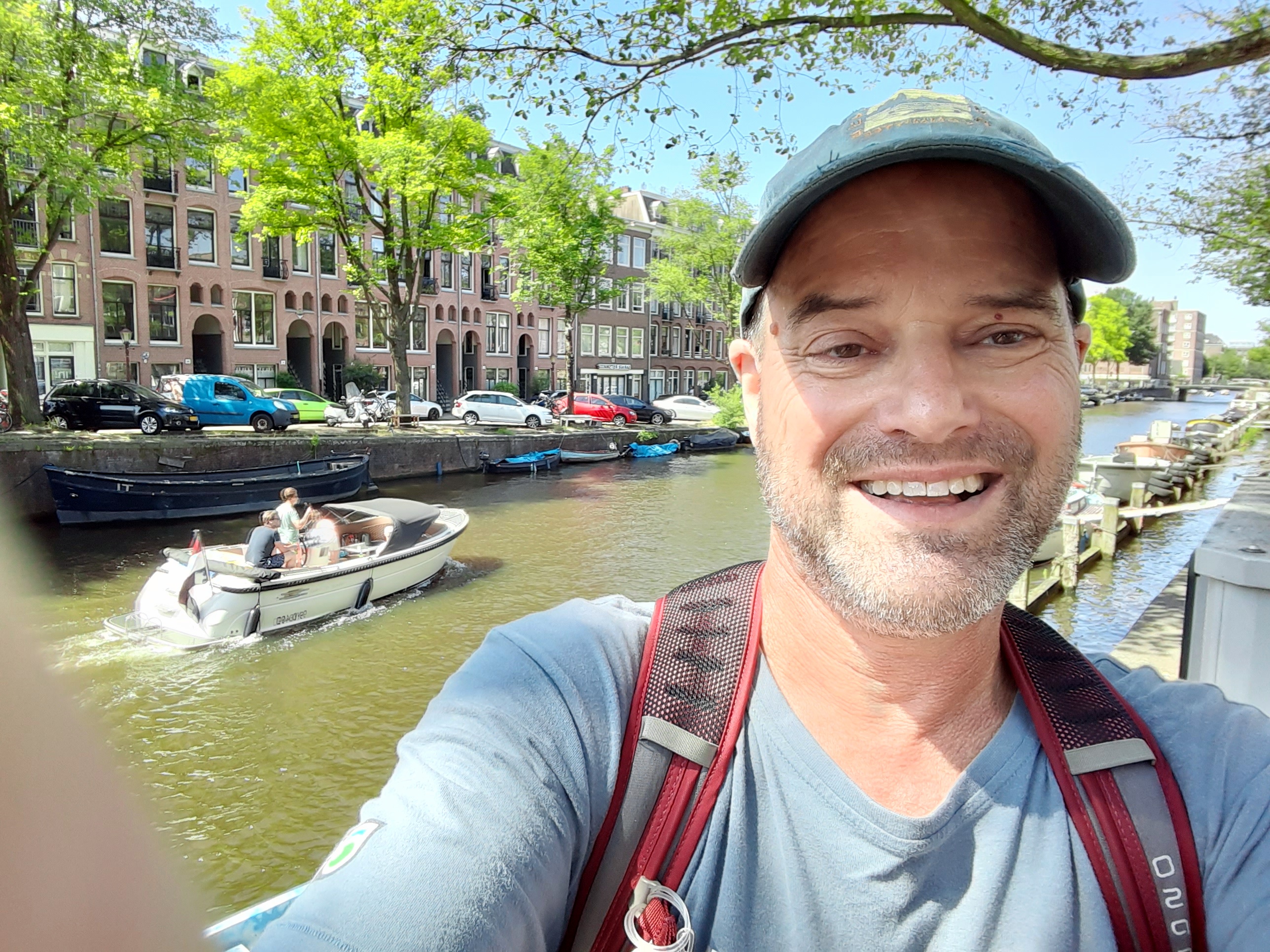
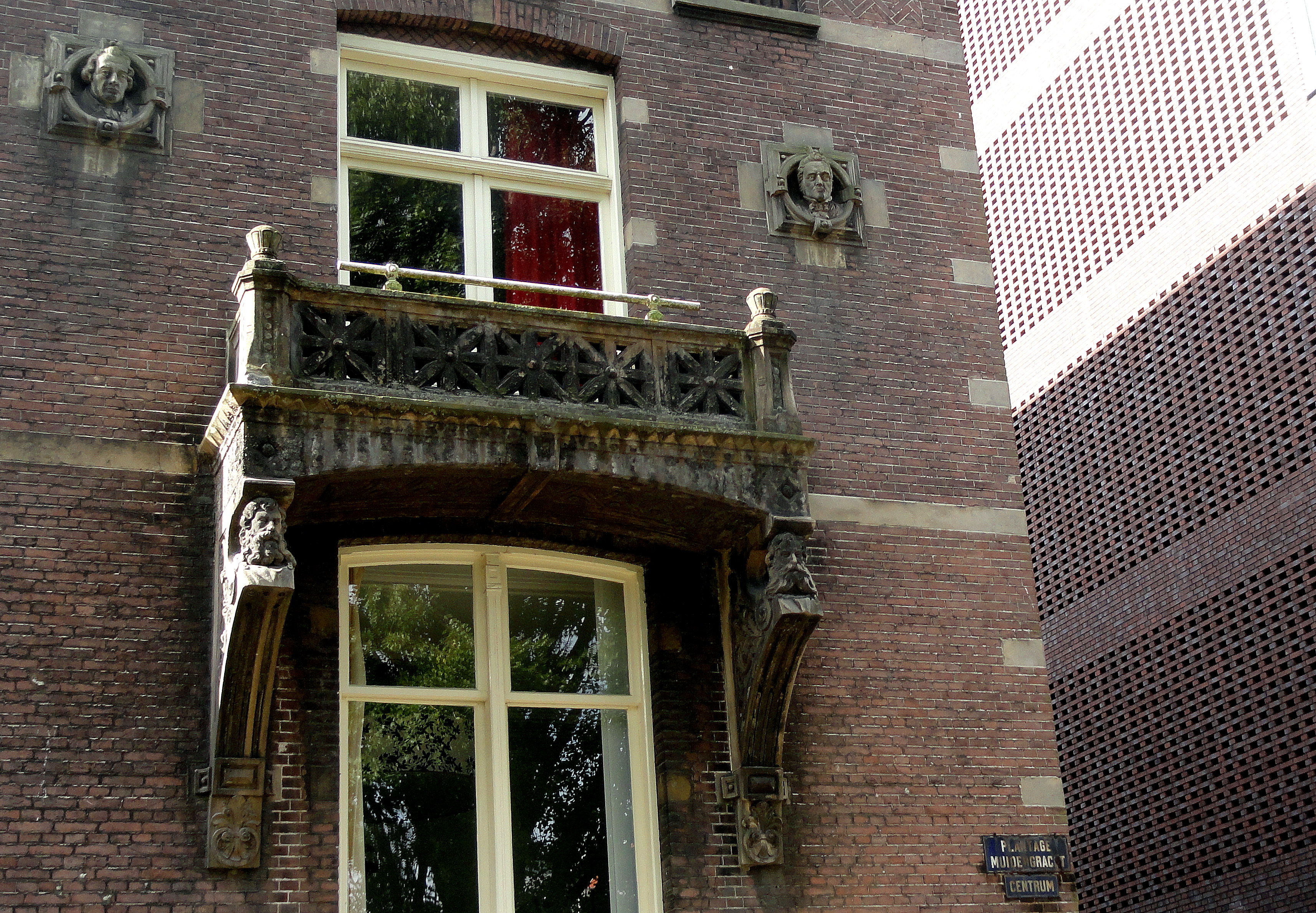
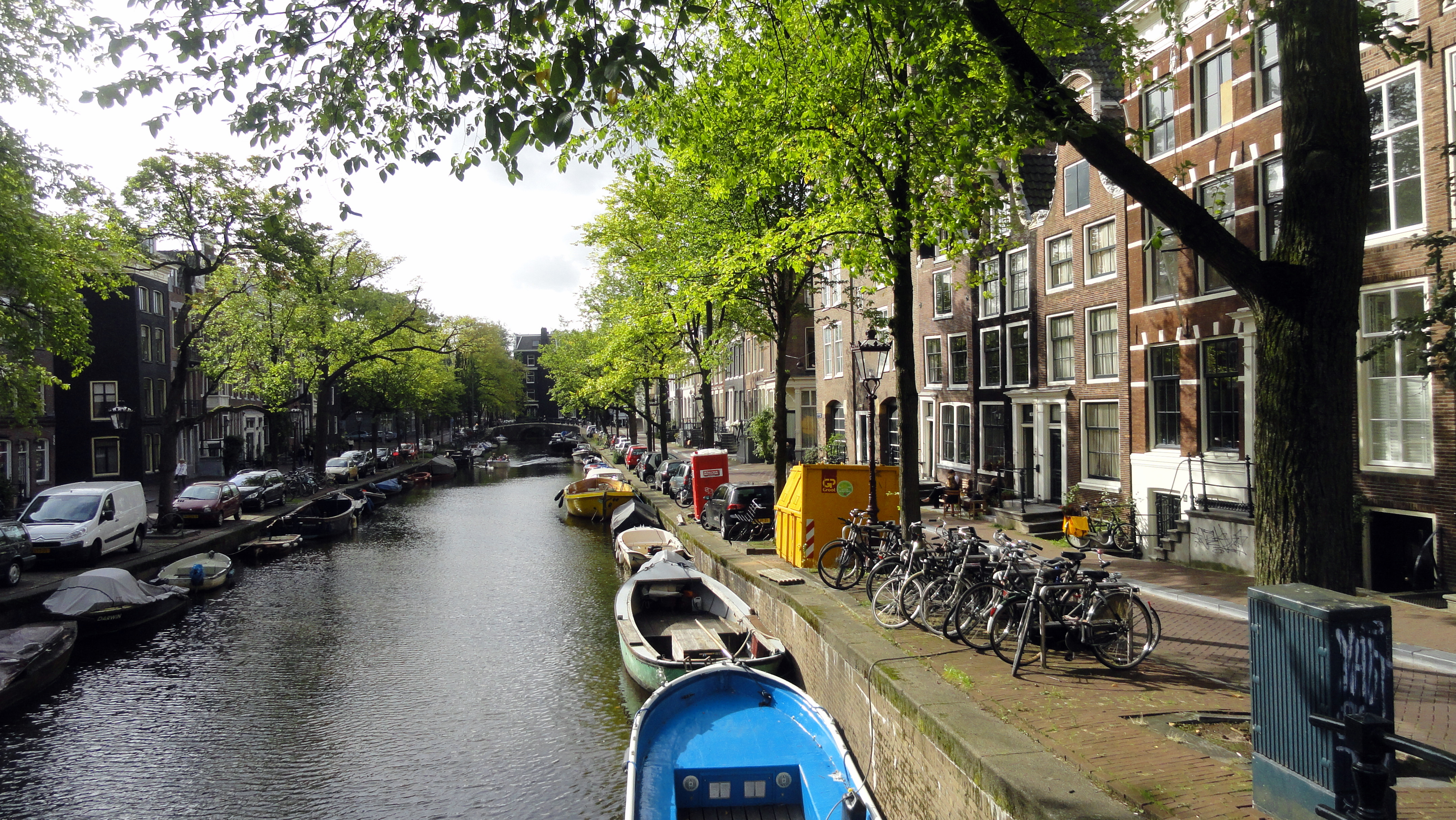
 One thing I’ve loved in my current work is the chance to pass through Amsterdam once or twice a year, depending on length of assignment and timing of planning meetings, etc. Seeing a city regularly over several years, for visits ranging from one or two days to longer than a week, gives a sense of familiarity that also causes me to dig down and try to find details and nuances in buildings, streets, canals, that I might not have noticed before. On my most recent visit, in mid September, I sadly didn’t take my camera out with me on the two or three sunniest days, and many of the others I was just too tired after a long working day to capture much. Still, I did get out and note a new element or two in obscure corners and famous landmarks that might interest my loyal friends and readers here at smw, slt… It’s an endlessly wonderful walking city when the weather’s at least reasonable, and rewards careful slow enjoyment in the quiet side streets and unusual corners.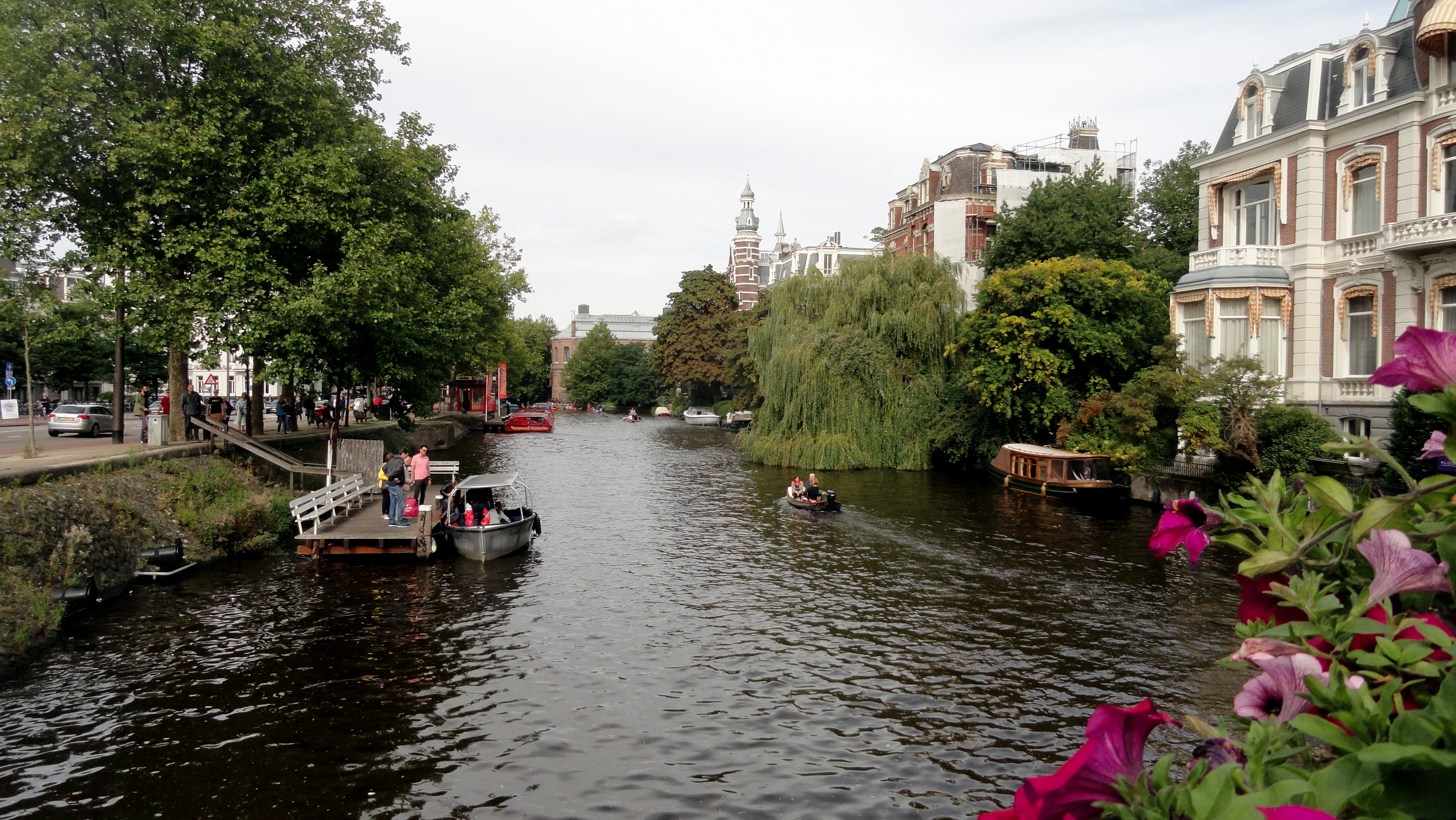


 (so much world, so little time....)