 With this third visit to New Zealand, I’ve grown more aware of how the country lives in the outside imagination. For many, it’s the middle earth of certain much-loved fantasy films. For me – and clearly many more – it’s probably the single best place on earth to get an amazing range of very well supported and managed backpacking options. Hut-to-hut hikes abound throughout North Island, South Island, and Rakiura/Stewart Island, meaning one can travel a bit lighter without a tent if one chooses, and – particularly important down in Fiordland – have a solid roof and walls around one when the rains fall and/or the temperatures plummet even in high summer. The best known and most popular of these hikes are managed as ‘Great Walks’ by the superb NZ Department of Conservation. When I first learned of them, while planning my very first trip to NZ more than six years ago, I think I read there were eight Great Walks at the time. Now it’s up to nine; and I’ve hiked three of them in their entirety, while touching on a fourth during both my first trip and the most recent one. Some friends have said they’re saving developed-world tourism for later, and focusing on less-developed cultural-adventure type travel now, while they’ve got the physical and mental energy and fitness to handle travel to relatively challenging locations without great tourist infrastructure or support. I fully understand that logic, and I’ve heard it applied also to the US by many European friends.
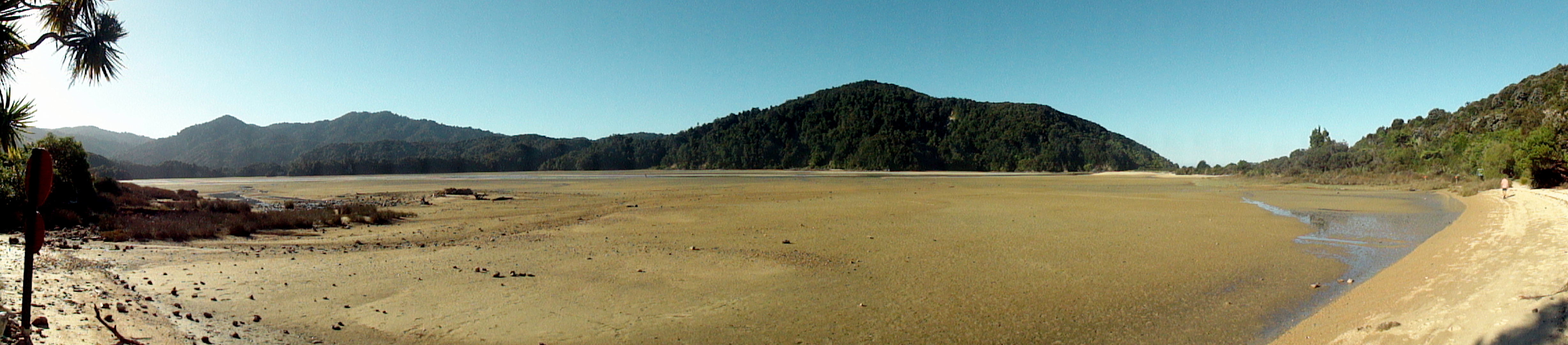
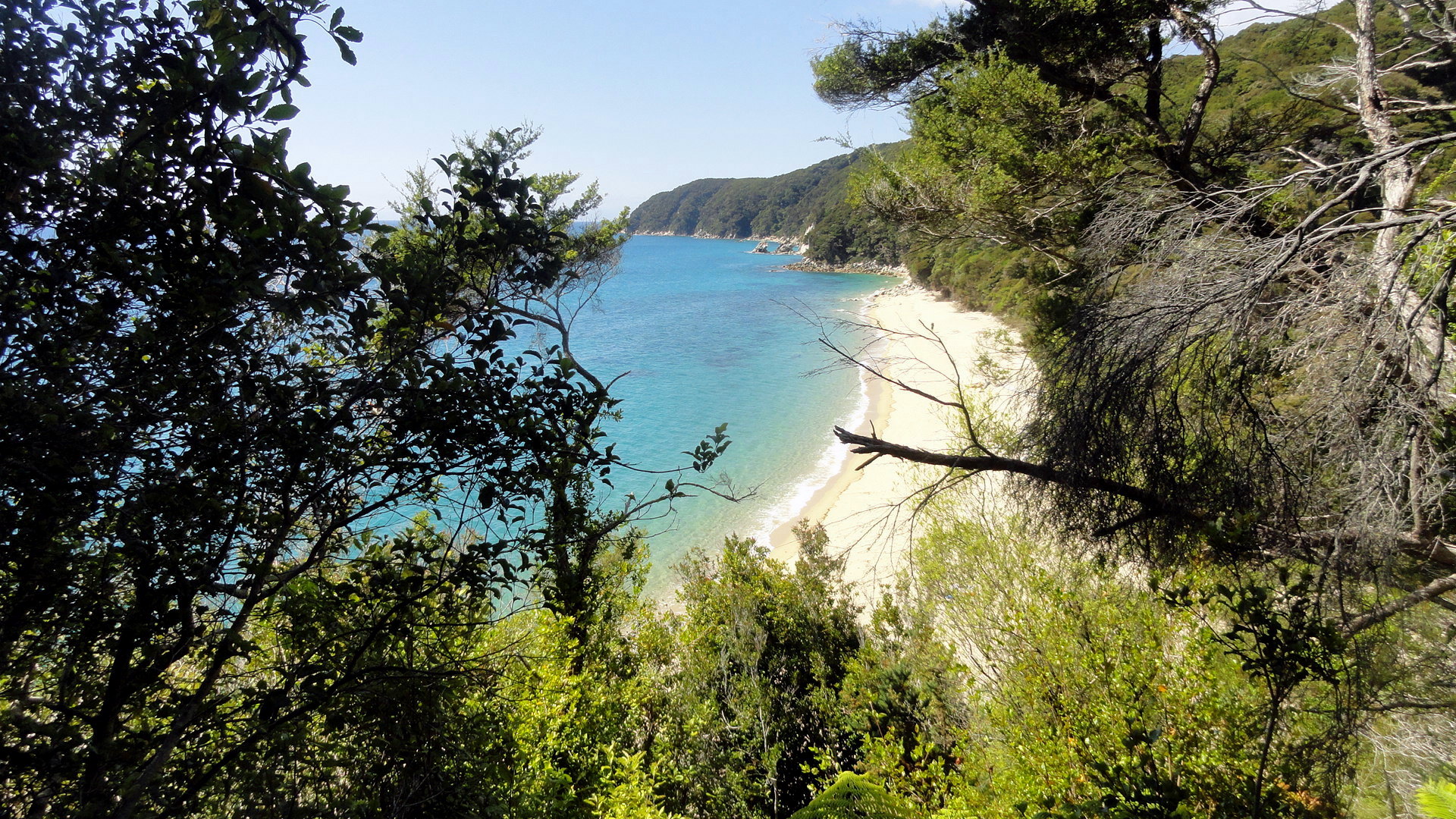
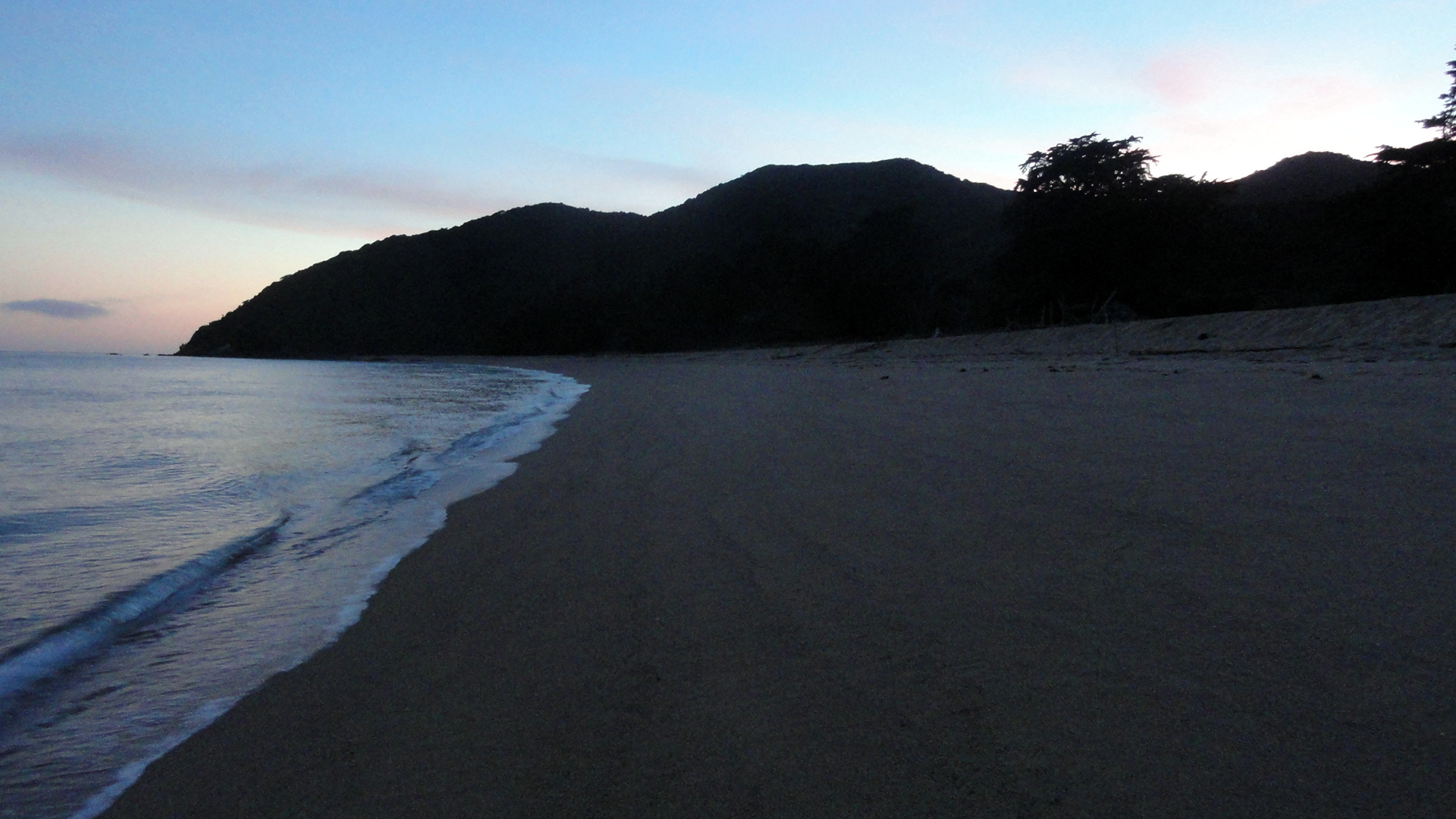
However, let me through some of these posts suggest that places like NZ, and the great national parks of the Western US, offer outdoor adventures which are more difficult when one’s body has lost the appetite for overnight camping and backpacking…and if you miss out on these places now, you might regret it when you visit them later and are limited to their cities and paved roads, unable to get off the highway and into the wilderness. Herewith a few too many shots of the Abel Tasman Coast Track, as support to my argument. This is an unbelievably beautiful place that I am incredibly happy to have hiked and would very gladly return to many times. By hiking it, and waking up early to cross certain estuaries at low tide with my shoes tied together and strung around my neck, I’ve had the unique opportunity to lay down the first set of footprints on the soft sand of those estuaries, to see the sun brighten the sky and rise above the horizon or the moon sink below it, to greet the sun with a mug of tea from my thermos while reveling in the absence of any sound other than waves or bird song…and generally to experience that mystical oneness with my universe that, sadly, I for one simply cannot quite achieve while behind my computer or the steering wheel of any motorized vehicle. Tasman is neither the most famous, nor the most over-subscribed of the Great Walks…but I’d definitely do this one again. Believe it or not, I really did cut out a TON of photos from this post but there are still a lot, for anyone interested in getting a more thorough feel for what it might mean if you were to lace up your boots, grab your walking stick, and step out onto this lovely trek. To reduce the length of the post, condensed two sets into galleries and one set into a slide show. (The gallery just below this focuses on tidal crossings and other cool visual and experiential effects of the tide’s action along this trail.) I hope you enjoy!
















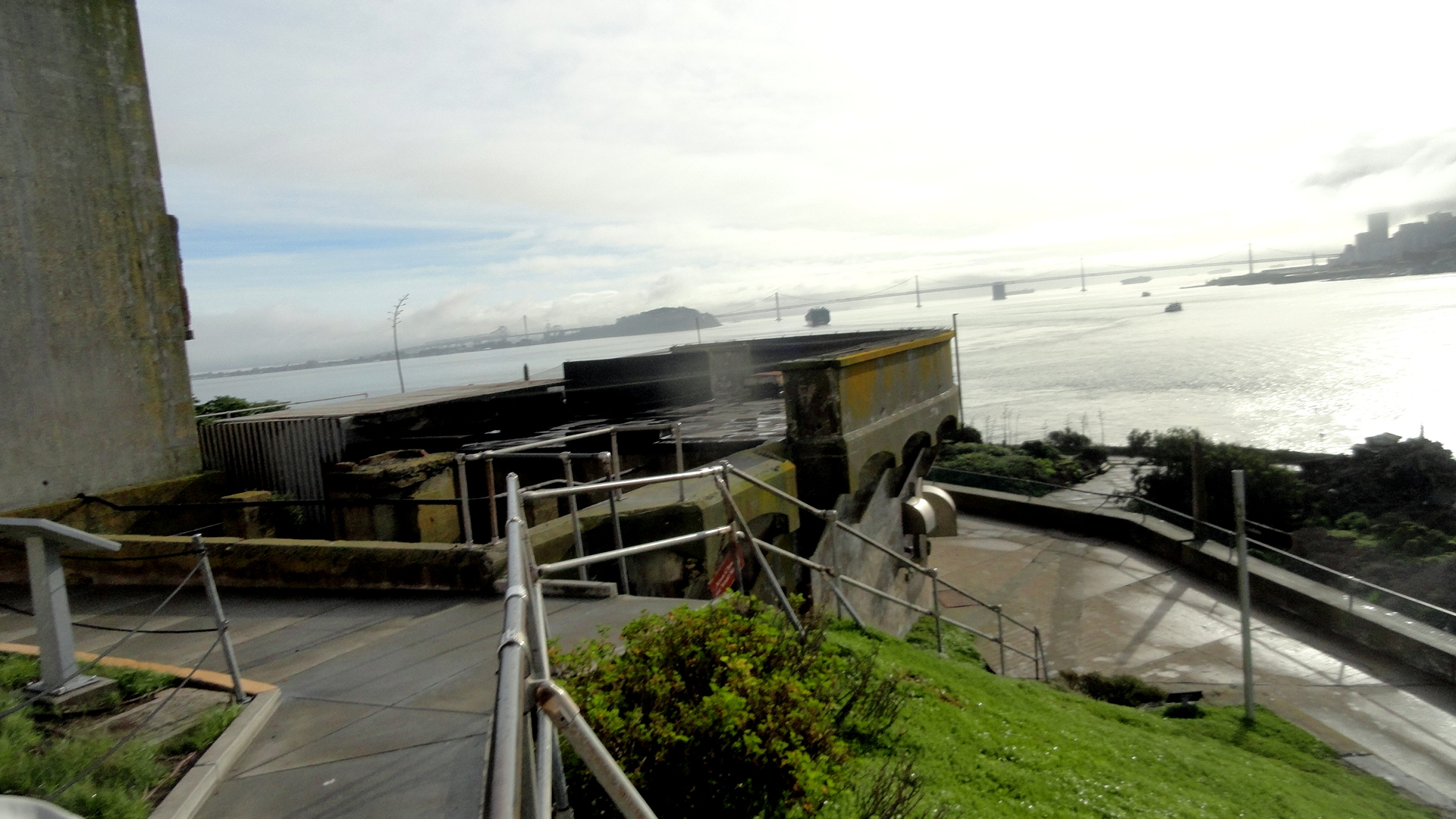
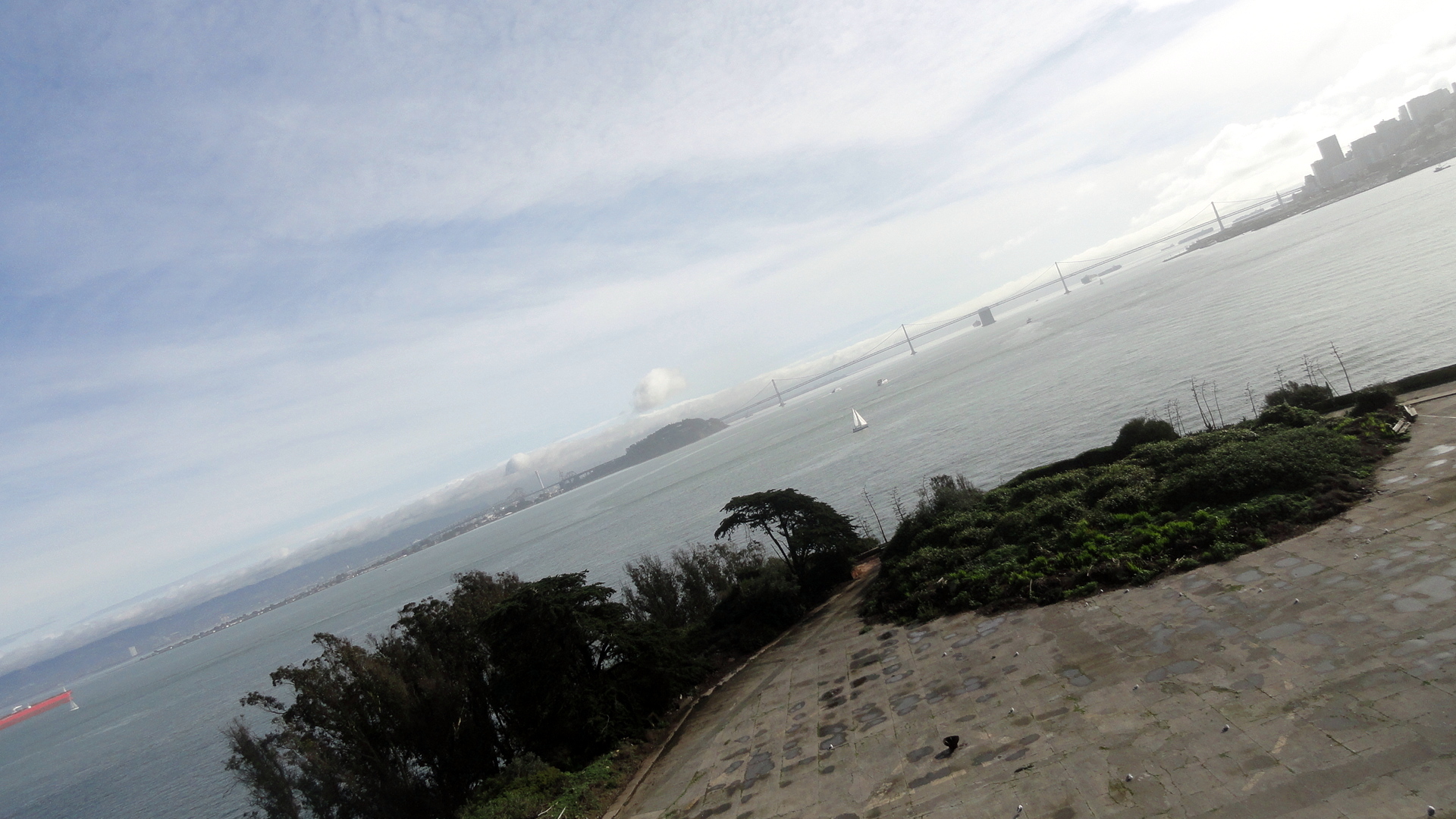
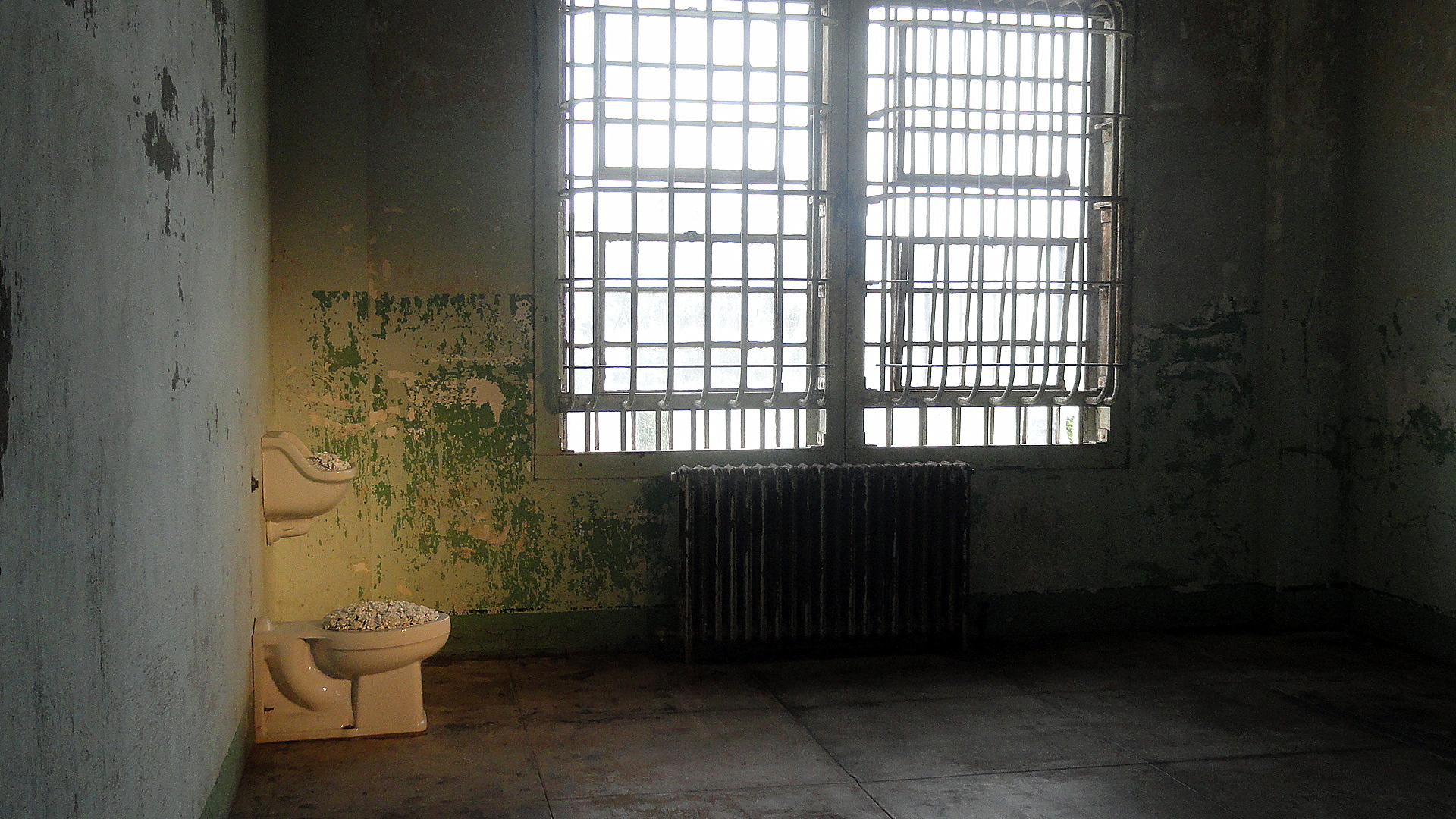
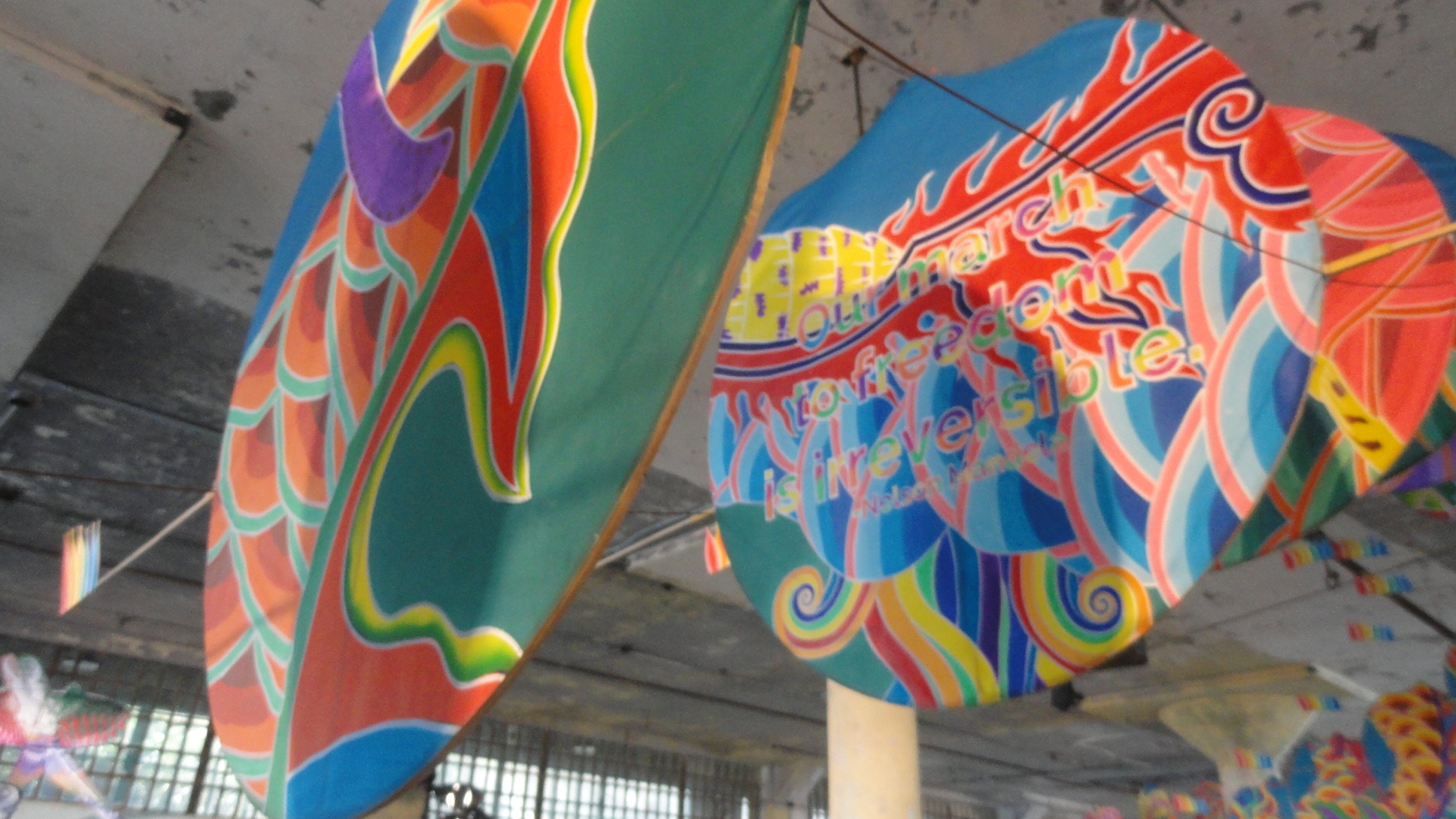
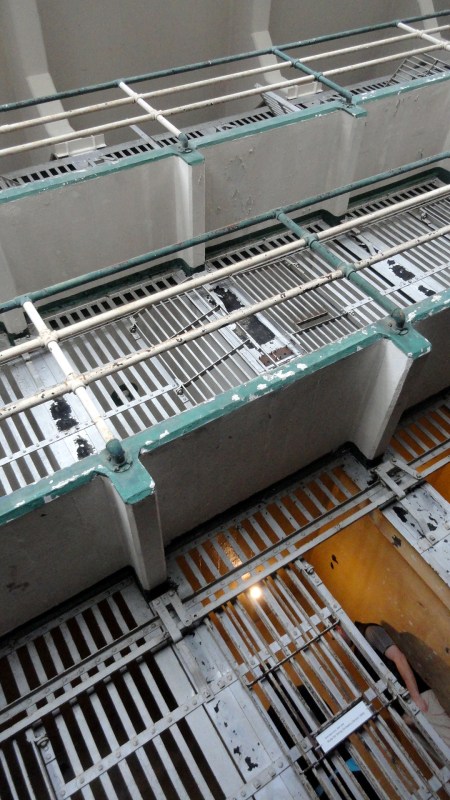 he exhibit-installation had many parts. The one called “blossom,” of which there’s an example above, was installed in the hospital ward. It made me think of the hundred-flowers campaign, and also of the buddhist tradition that the lotus flower derives some of its spiritual power from the fact that it represents beauty arising from the muck. In another part of the main prison ward were many audio segments, each playing inside an individual cell and each representing music or speeches from people and groups imprisoned for their ideas or art. That’s hard to capture in film – but the shot to (I hope) the right, showing the three tiers of cells, and the photo of text from one of Martin Luther King’s later speeches are both from that section. The dragon kite is from a segment called “With Wind,” and if you look at some of the photos closely you will see quotes from people imprisoned or threatened with prison for their ideas.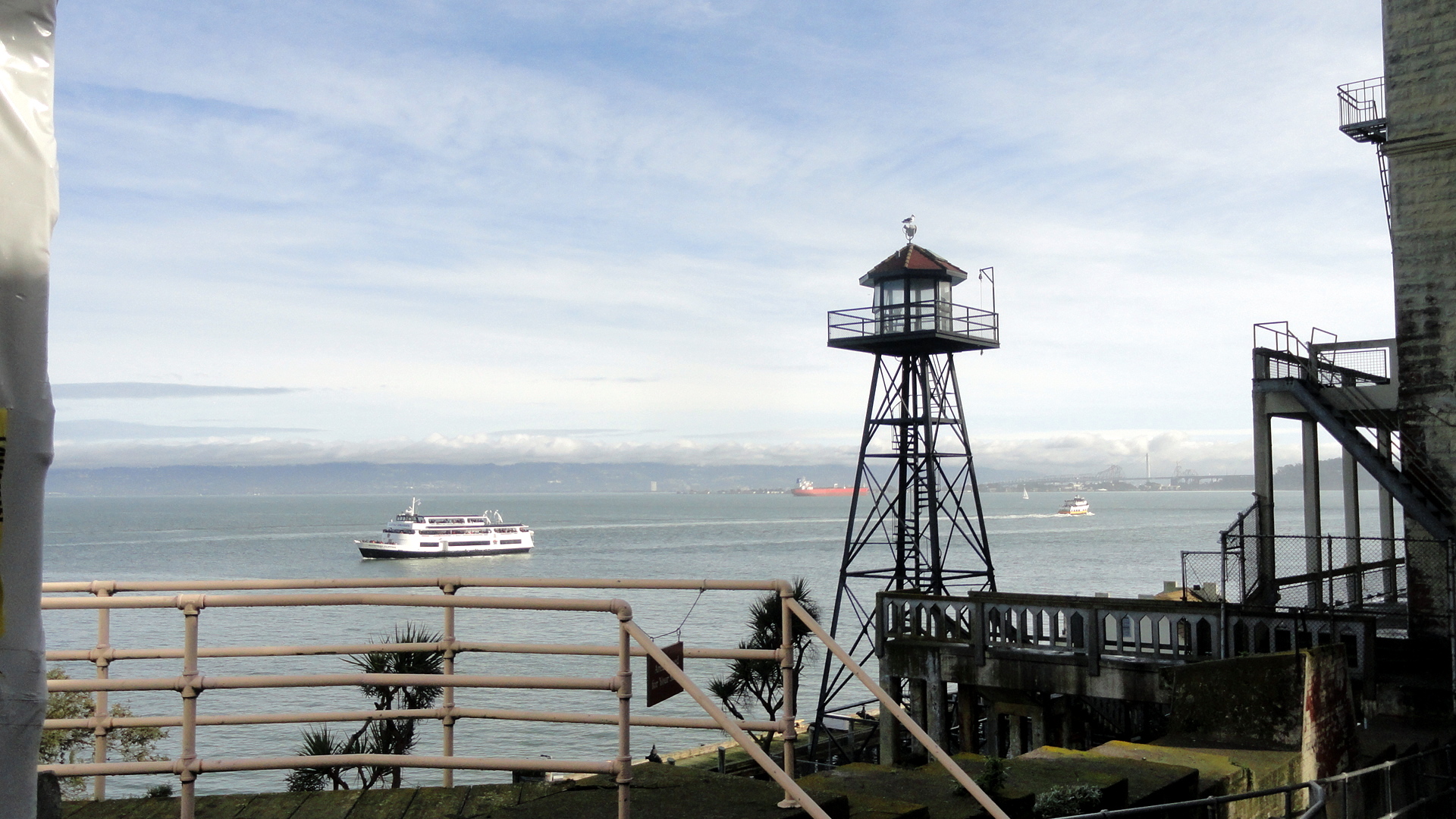







































































 (so much world, so little time....)