Latest

Loving London in the Springtime

As they are annoyingly prone to do, these days of concerts & plays, strolls in the park and vege Vietnamese food on Wardour Street have raced past as though determined to rub my nose in my own impermanence. Yeah, yeah, I get it – I want to say…but can’t I just slow time down a bit, pretty-please? I mean, what person that knows London – as I flatter myself I do, somewhat – would even dream of SEVEN days in a row where the sun shone either most or all of the day?? 🙂 It has been spectacular – and I feel as though I’ve grown to know every blossom and every blade of grass in certain corners of Hyde Park, so much time have I spent there relishing the freedom and peace to amble anonymously among the daffodils and cherry blossoms. Friends have been seen, concerts have been enjoyed, dance and opera have thrilled, and … well, I think I haven’t slept quite enough, which is rather a problem when you consider I’m supposed to be resting. Oh well – que sera sera, and it’ll start sera-ing once I complete the prolonged return journey to Mweso, which begins tomorrow. The good news, the silver lining to the cloud of KLM’s canceled overnight flight to Kigali: I get to spend Wednesday in Amsterdam, and I’ll get to stay & catch up with a friend there as well…then have the daytime view of all that desert in northern Africa as our plane races over southern Europe, the Mediterranean & just about all of Egypt & Sudan on its way to the green hills and mountains of Central Africa. Then, duffel stuffed with legumes (at Waitrose yesterday: Paul bought out the shelf full of Native American loose tobacco – for a colleague, not me; the lady behind the counter rightly guessed that I was going to, as she put it, ‘another country’  – and put a major dent in their yellow split peas, red and green lentils, and mixed-bean soup packets, as well as their vege bouillon cubes…can you tell I’m missing pulses/legumes in Mweso?) and toiletries, I’ll begin that beautiful but painful overland bump-fest back up to Mweso. Wish me well.

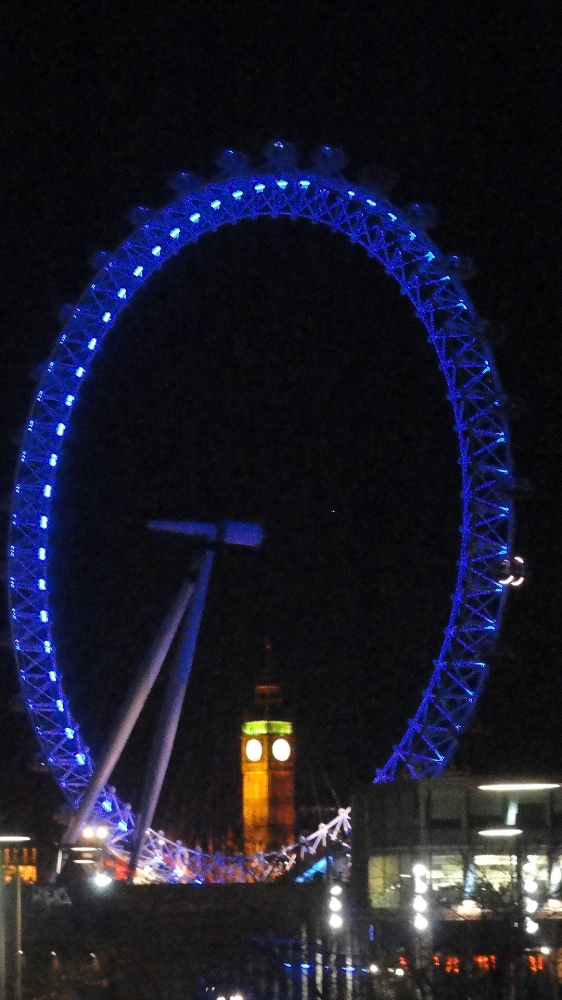
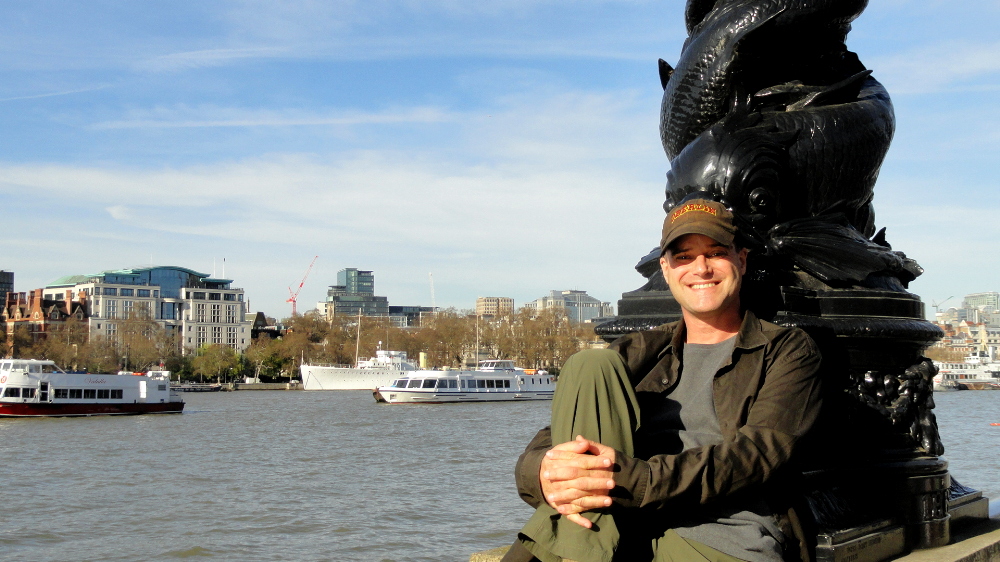
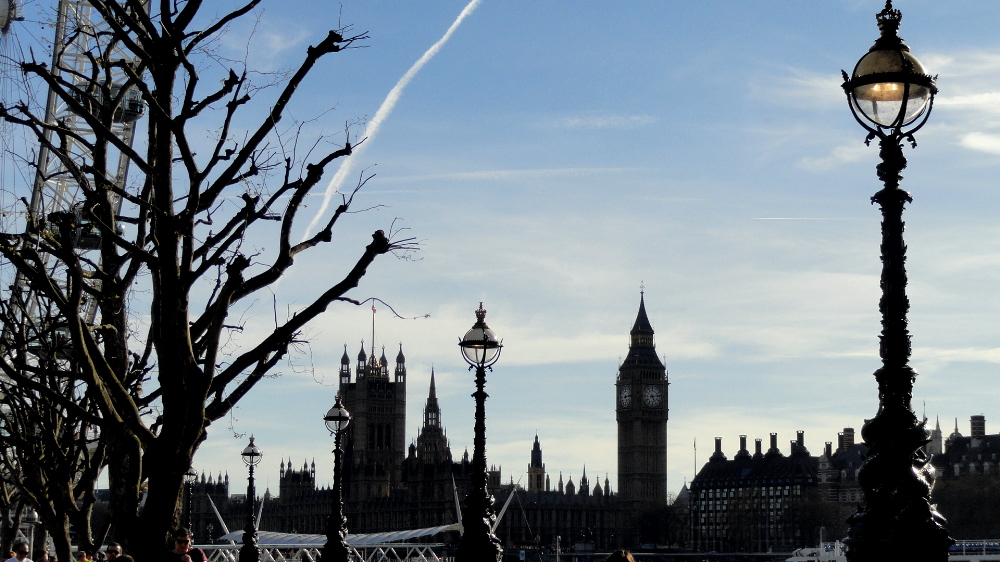
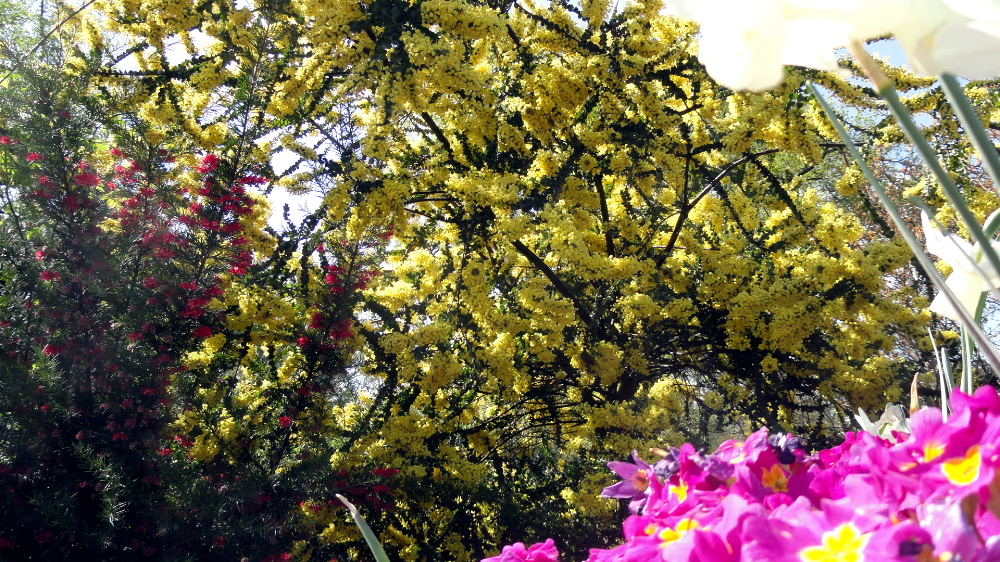
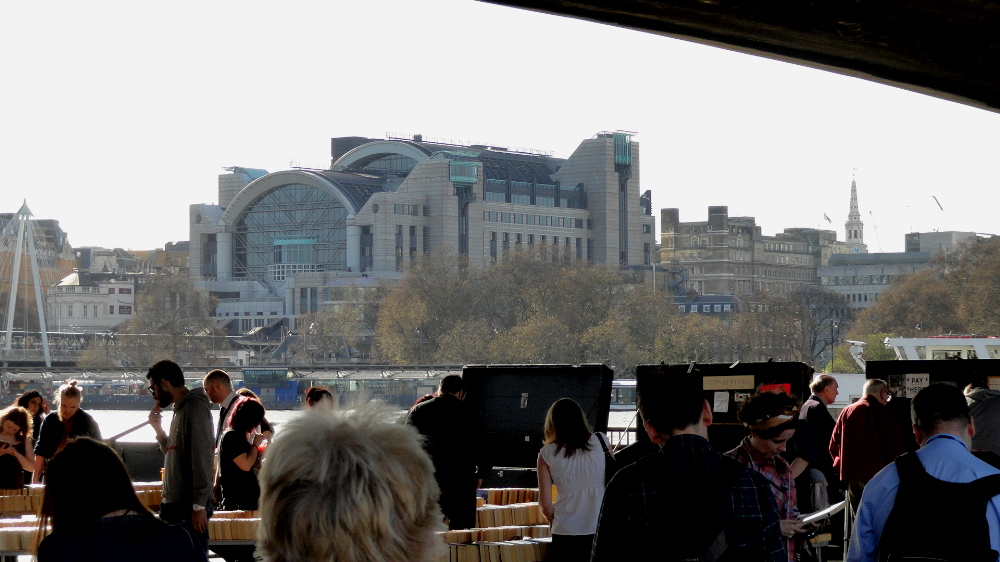
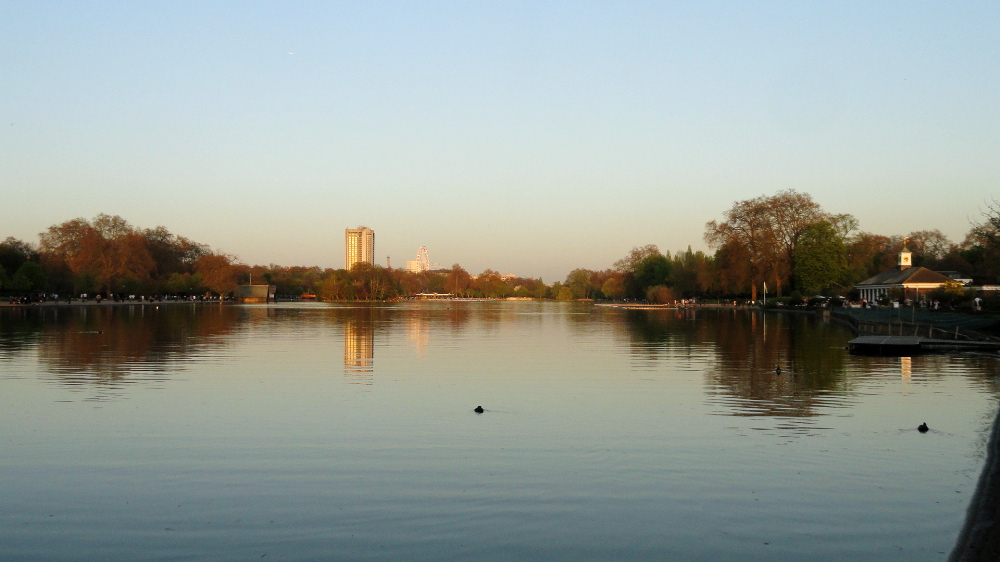
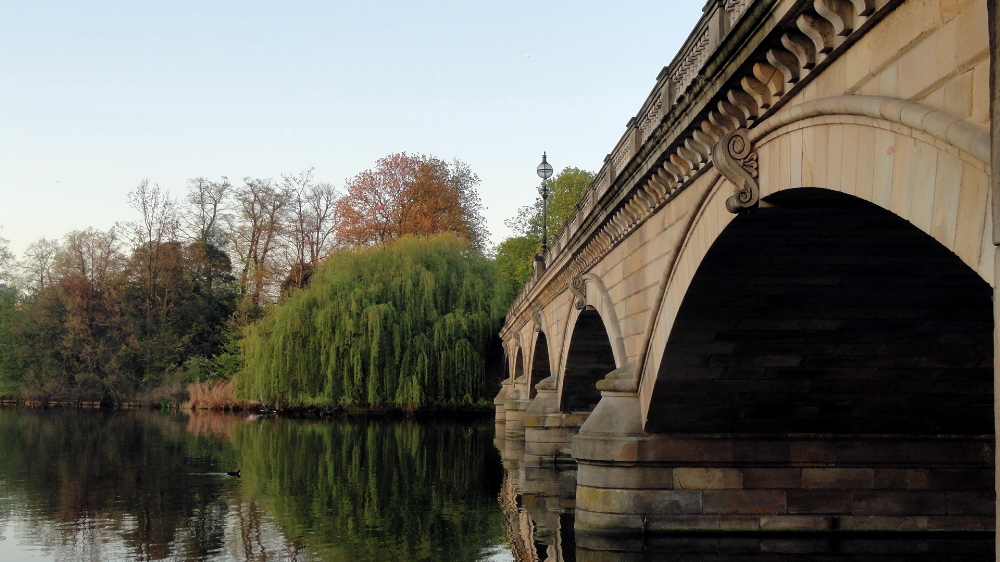
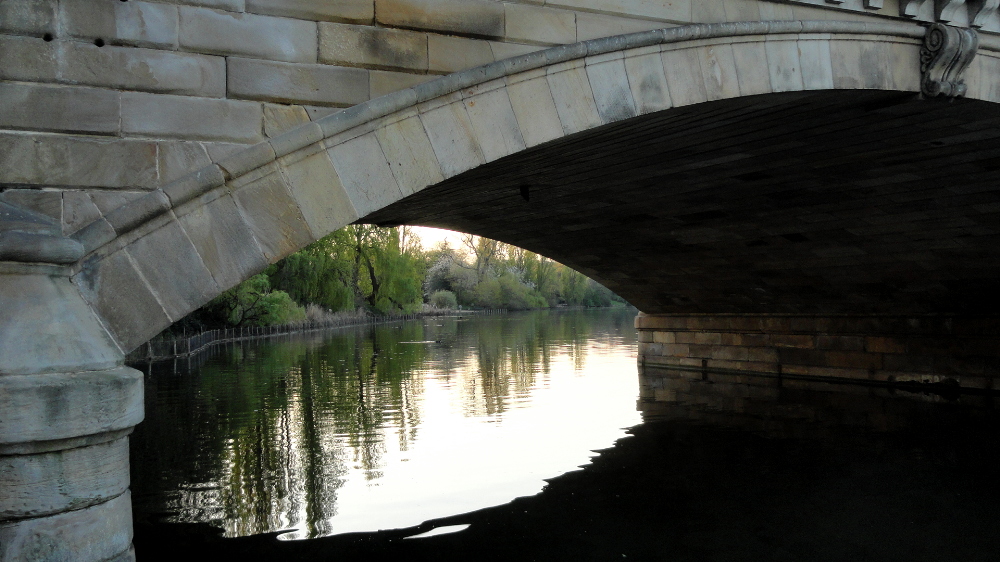
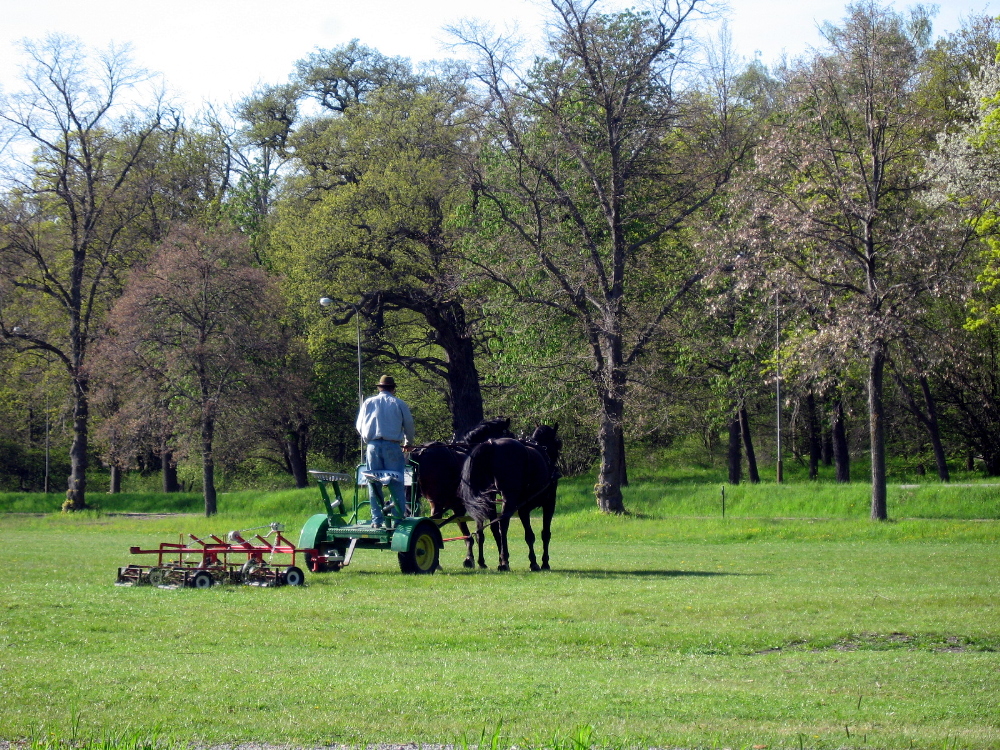
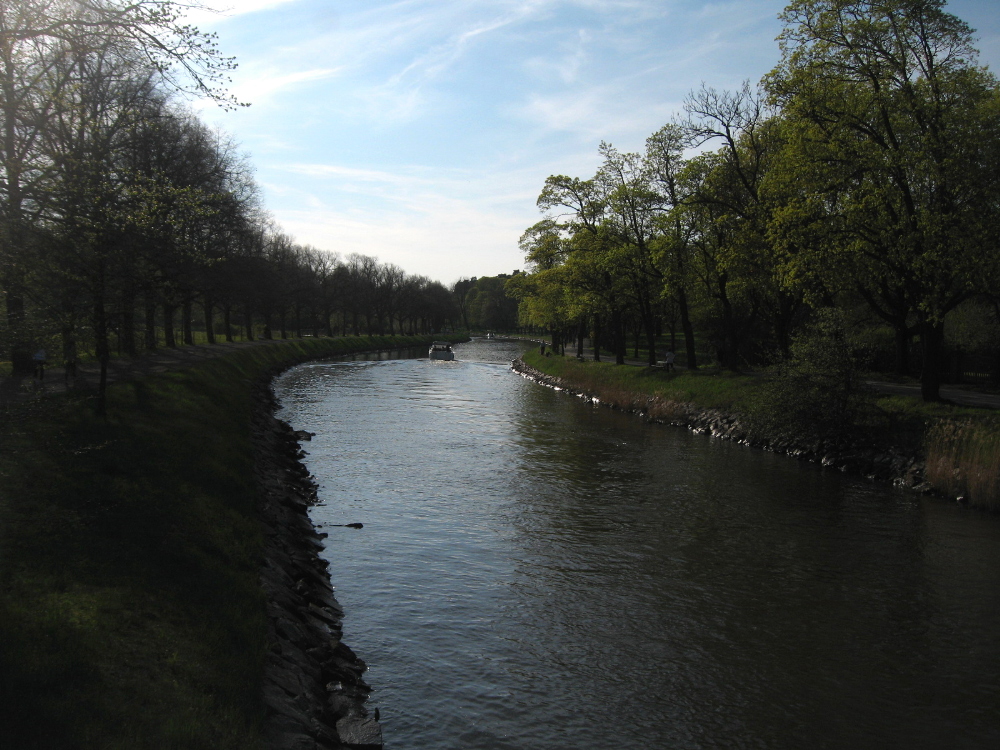
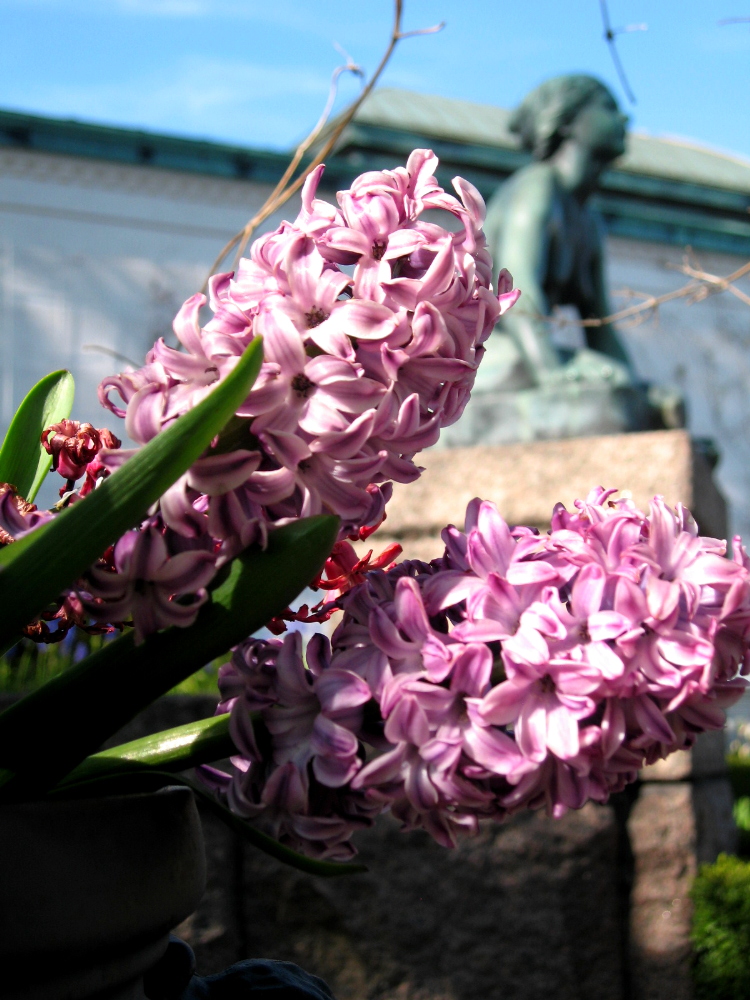
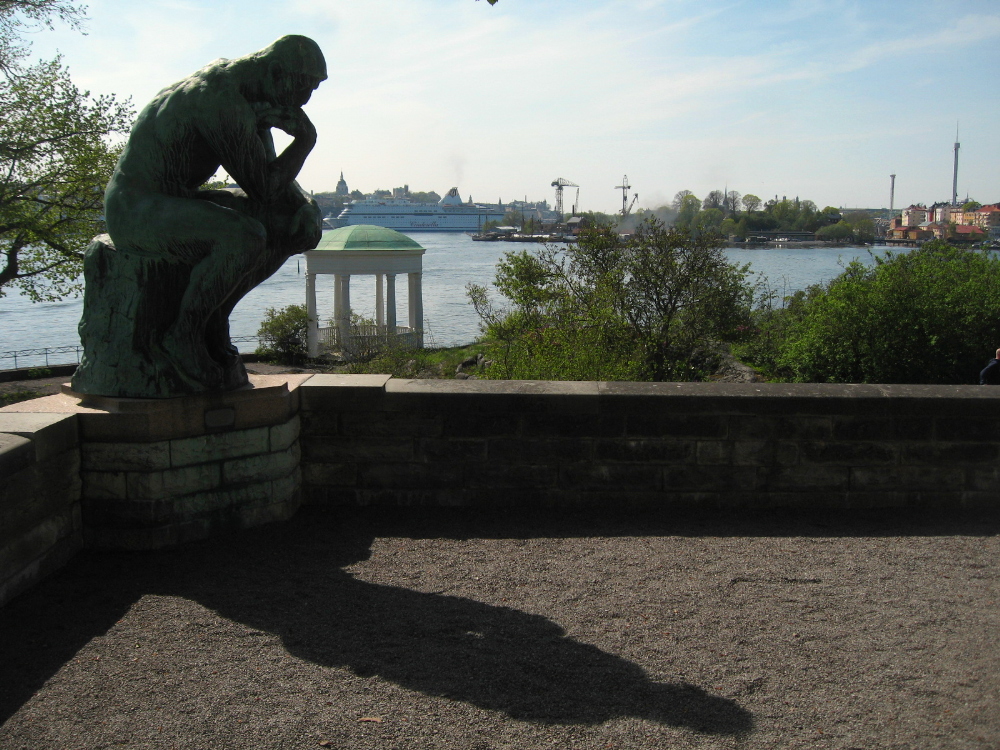
Oh, right, about the photos: mostly taken on the South Bank and some in Hyde Park; as you may know I pride myself on not taking the tourist-standard shots of the most famous landmarks (think how James Bond films always tell us we’re in London with a closeup on ol’ Big Ben; I attempt, feebly I know, to distinguish myself at times by my off-center approach), but felt that, after all these years of visiting London, perhaps it’s time for me to take my first photo of such classics as Big Ben and St Paul’s, or such new classics as the Eye. These are mostly South Bank shots, and my love affair with the fish-shape lamp poles on the South Bank, with a few views from Hyde Park. How unusual that I don’t have any flower photos. If you see any in this posting after all, it will mean one thing: that after drafting this and loading all the photos I had, i decided on one more pot of tea at the Serpentine Bar & Kitchen, and on the way finally got a few flower shots to add some color here…think of me, sipping my pot of tea and looking out at the lovely serprentine as shown in one of those lower photos here. That’s the image for this trip…that and, of course, many a concert and play…


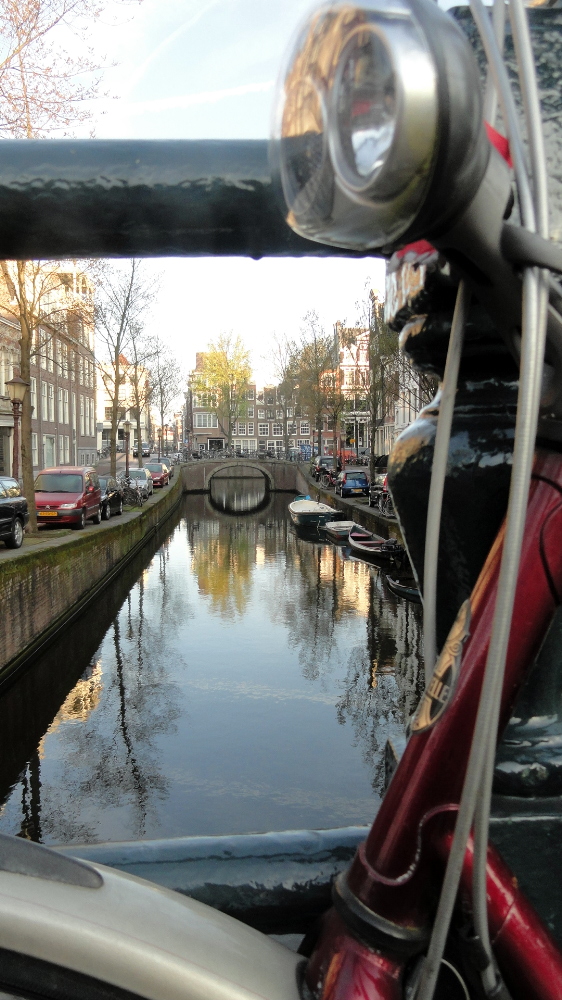
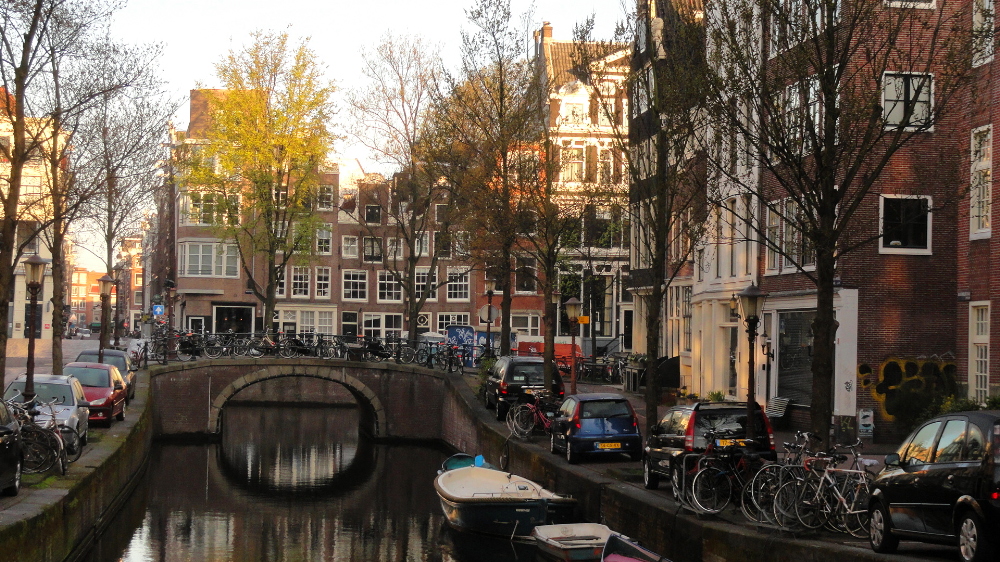
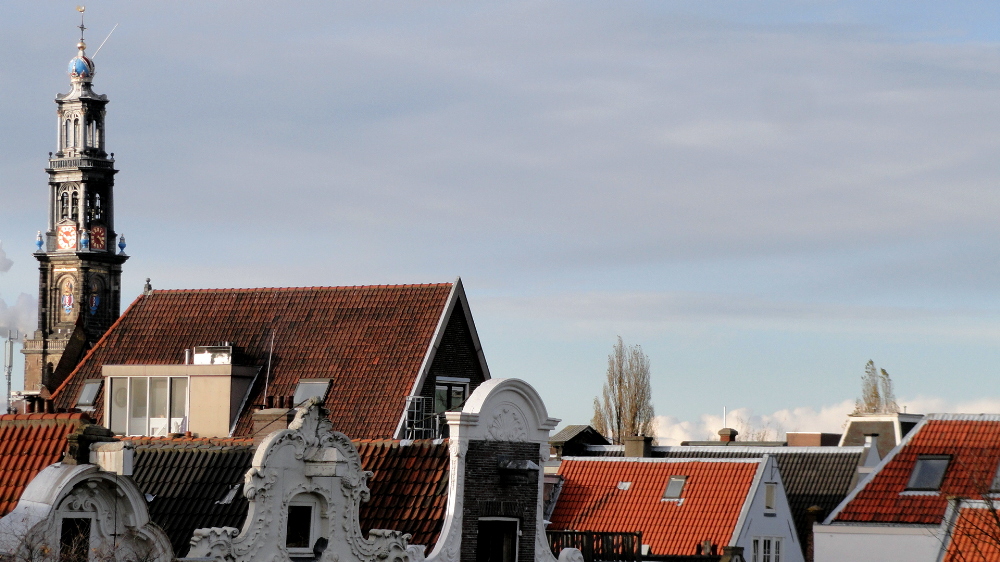
…and yes, just to confuse you all and see how much you’re paying attention, I decided to throw in a few of the shots I took while ambling through Amsterdam during the eight-hour layover there on the Saturday of my inbound flight. Hehe.

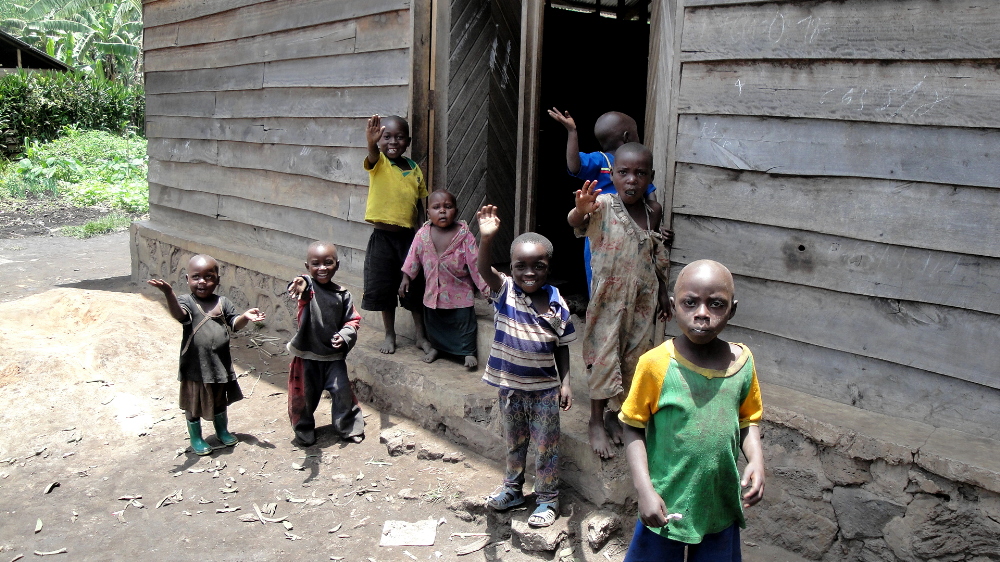
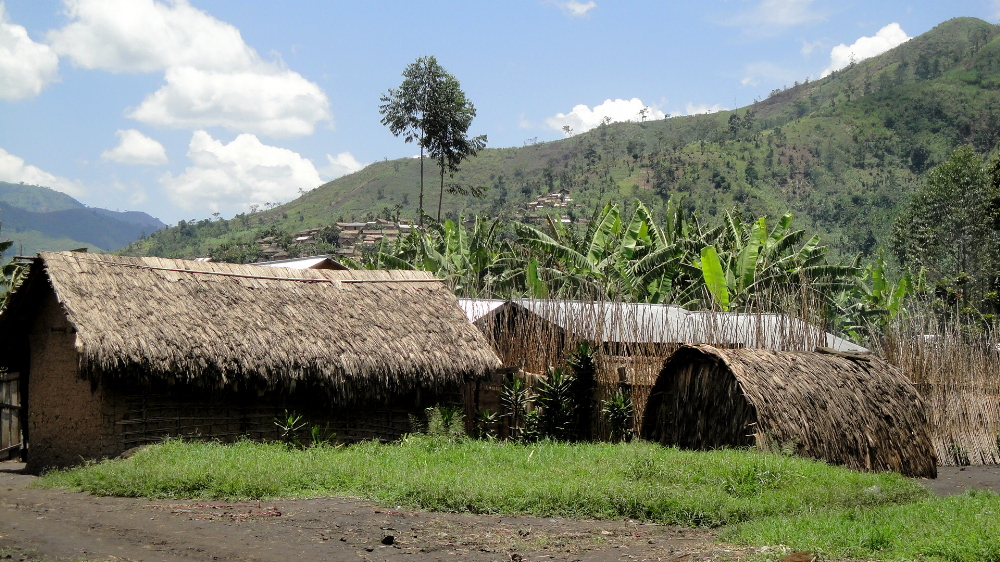
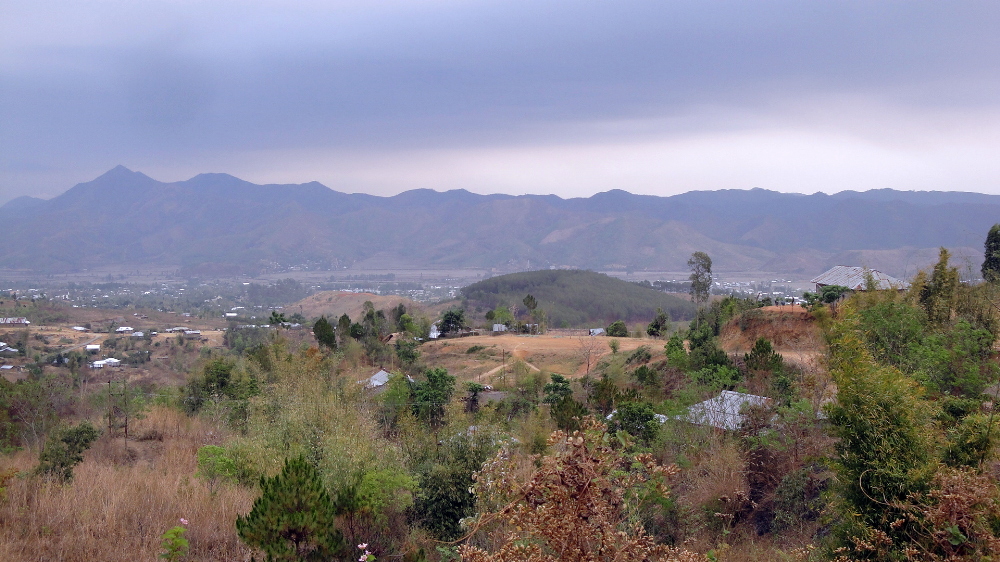
Hills & Villages of North Kivu

smw, slt has finally made it to a place where bandwidth is both sufficient and reliable enough to permit the posting of photos to the blog. Sadly smw, slt has also been more constantly and consistently busy than ever before in life, so not very many photos have been taken but herewith we share those that have. Last night I sat  with H&G in the stalls at Sadler’s Wells & watched the Russell Maliphant company perform an astonishingly beautiful piece called AfterLight. Earlier in the day while enjoying views of London from the upper deck of a bus I’d been reading a Harper’s article on the tendency in hyper-developed consumer democracies (my words, not theirs) to fight constantly against pain or discomfort or any general acceptance of (real) pain, impermanence or unpredictability. “There is a terrible blindness in happiness. Just as trash, in the consumerist universe, ends up invading every space and reminding us of it existence in countless nauseating ways, so suffering, unable to express itself, has begun to proliferate, increasing our awareness of our vulnerability. The West’s error, in the second half of the twentieth century, was to give its people the mad hope that an end would soon be put to all the calamities; famines, poverty, disease, and old age were supposed to disappear within a decade or two, and a humanity cleansed of its immemorial ailments would appear at the gateway to the third millennium having proudly eliminated the last traces of hell. Europe was supposed to become, as Susan Sontag put it, the sole place where tragedies would no longer occur.”

I think those last words are the give-away: Europe (and by extension the US, Japan, Canada – the G7 or G20 or however many hallowed nations were to be allowed into the new world order’s club of the blessed) were to become that lucky zone of infinite possibility. Literature and popular culture are rife with futurist stories in which the wealthy & powerful invent ever-new ways to protect their own wealth, power and comfort while maintaining their control over the legions of have-nots. And I guess that’s the thing – it feels to me on some level as though Americans, whom I know best, sit uneasily with our unfair access to and domination of the world’s resources, so we invest vast amounts of time into convincing ourselves that not having the latest i-phone app  is a legitimate tragedy. This way we can remain focused on ourselves and our own pains and woes, and ignore anything else in the world.

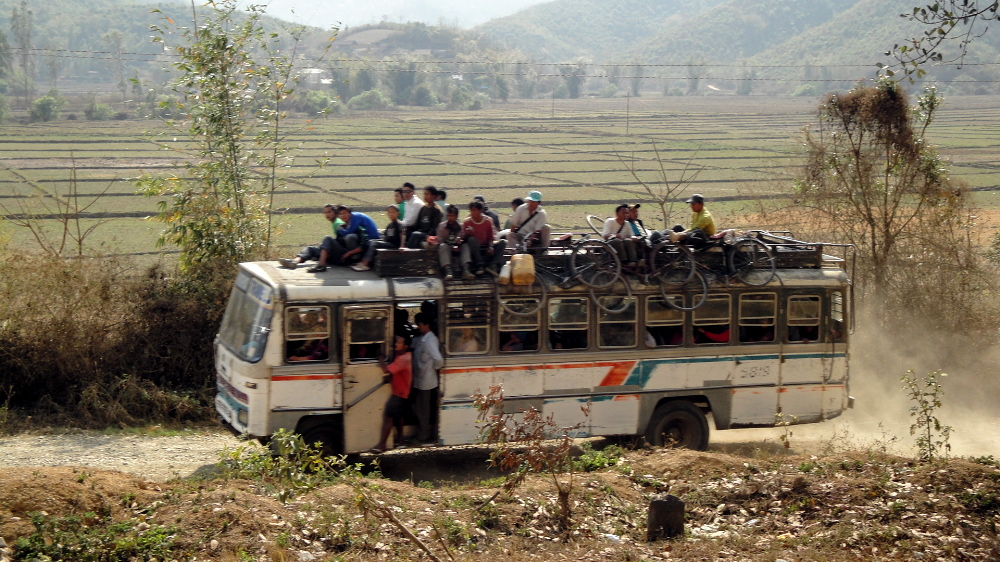
I remember when I was first introduced to the concept of existentialism, in ninth-grade French classes. 15-year-old Paul was singularly ill-equipped to ponder a philosophy of life’s bone-wearying essential emptiness. Ever the pragmatic optimist, such deeper questions as why am I here, and is there really any meaning anywhere  never grabbed much of my attention. (Young Paul’s answers: a) because Mom gave birth to me;  and b) does it matter, as long as we’re learning & getting good grades & having fun? ) However one side-effect of my current global-wanderer lifestyle in which I toggle back and forth between two worlds that often seem barely connected (even though both have lovely human beings in them and both occupy space on the same rock hurtling through space) is that I find myself pondering the deep imponderables much more often than young Paul did. When minor culture shock – or at least a deep sigh of relief – can be caused by the simple act of crossing from the DRC into Rwanda by walking around the little border-barrier – and then hopping in a nifty modern seat-belted little car to hurtle towards Kigali along the flat, even, paved roads of Rwanda after six jolting hours on the usual volcanic-rock strewn “roads” of North Kivu, you can imagine how other-worldly the view of Oxford Street in full swing from the top of London Transport bus can seem.

Where’s my point? There are two. I’m definitely in some culture shock, but the concerts and dance performances seem to be calming my mind and freeing it from the virtual lock-down its been in. (Did I mention that we’ve been working unusually hard of late? All good, and all important, but one does become a bit tired and work-obsessed.) More importantly, I find myself still troubled by how much we developed-world powerful folks, most especially my sadly blind American compatriates, remain wedded to the dream that we can divide this precious earth and this precious humanity into different worlds and treat some of its places, and some of its inhabitants, better than the others. It’s just not very sustainable, my friends. And if you think that your wealth and comfort have no connection to the lack of wealth and comfort in so many other parts of the world…ask yourself how realistic and logical that is. From what I hear and see when I’m back here in the developed world, it seems a lot of the folks here (developed = where I am now) would benefit – really, in a meaningful way, and I’m not being cynical – from spending a little more time with the other half. And there’s little doubt that a lot of the folks that I work with in my usual work life – whether the populations we serve or the specific people I work with day to day – would benefit from a bit more access to what we have here. It’s not about equal access to i-phone apps; developed-worlders seem constantly to complain about the lack of meaning and the lack of connection. These are not complaints one hears where I work – there the complaints tend more often to be about lack of food, lack of educational opportunity, or lack of treatment or testing for malaria.

It’s about, in the words of the sixth UU principle, “The goal of world community with peace, liberty, and justice for all.” I’m trying to live so as to put meaning to those words. This does not make me a hero (much as a few friends try to tell me it does every so often), it makes me someone who is trying to answer the existential question and greatly enrich my own life by choosing to live in constant awareness that there is, truly, a whole world out there and I am one very small piece in it. And my sense of life and worth and joy and sadness are all much greater when I connect myself with that flawed whole, rather than trying to live my life in some state of semi-perfect numbness, disconnected from contact to other people and other places.

OK, so much for the deepness. Can’t much help it when I’ve done the leap from one side of the global divide to the other, sorry. Readily admit, though, that dance at Sadler’s and vegetarian Vietnamese Pho on Wardour Street are lovely things to have access to. 🙂 Be well. Enjoy the pics. Keep in touch.

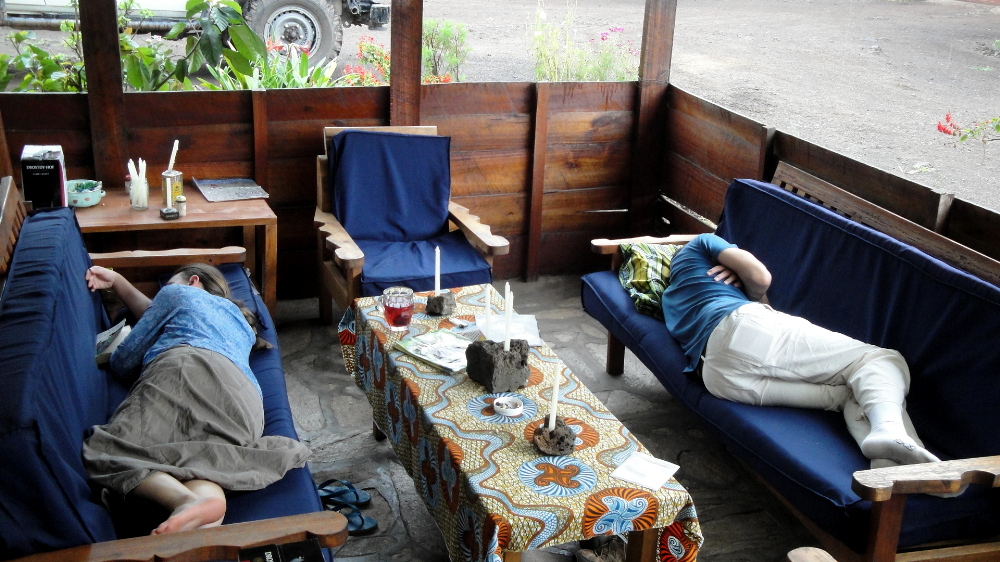
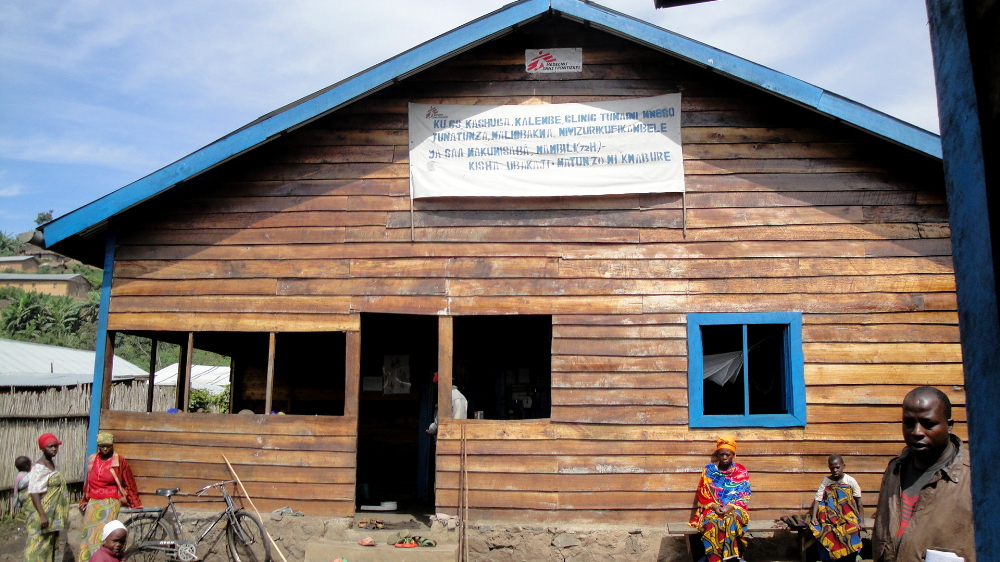
..and now for the captions: I don’t carry the camera around much on road trips – for security and other reasons, a good rule of thumb on the roads is to only take what you really need and don’t much mind losing – so most of these photos are from the town of Mweso; but some are from Kashuga and Kalembe, towns where we work with ministry-of-health health centers. I show quite a few of life around the compound in our office hours, including an example of how well we use our front porch for those lazy Sunday afternoons when it’s gotten a bit hot and everyone’s a bit tired. Tip: if you put your cursor over any of the photos, you’ll see the name of the file, which I’ve tried to keep informative.

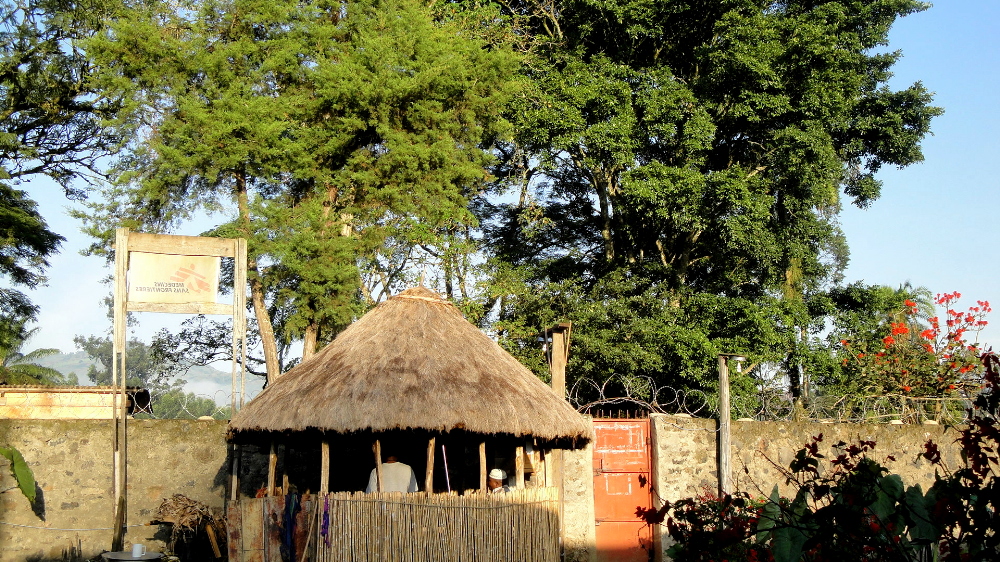
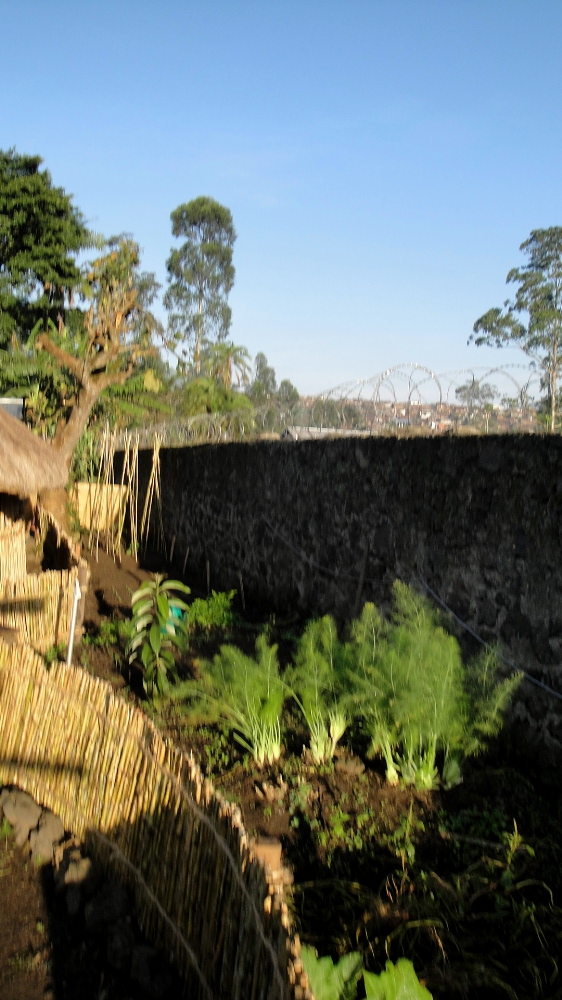
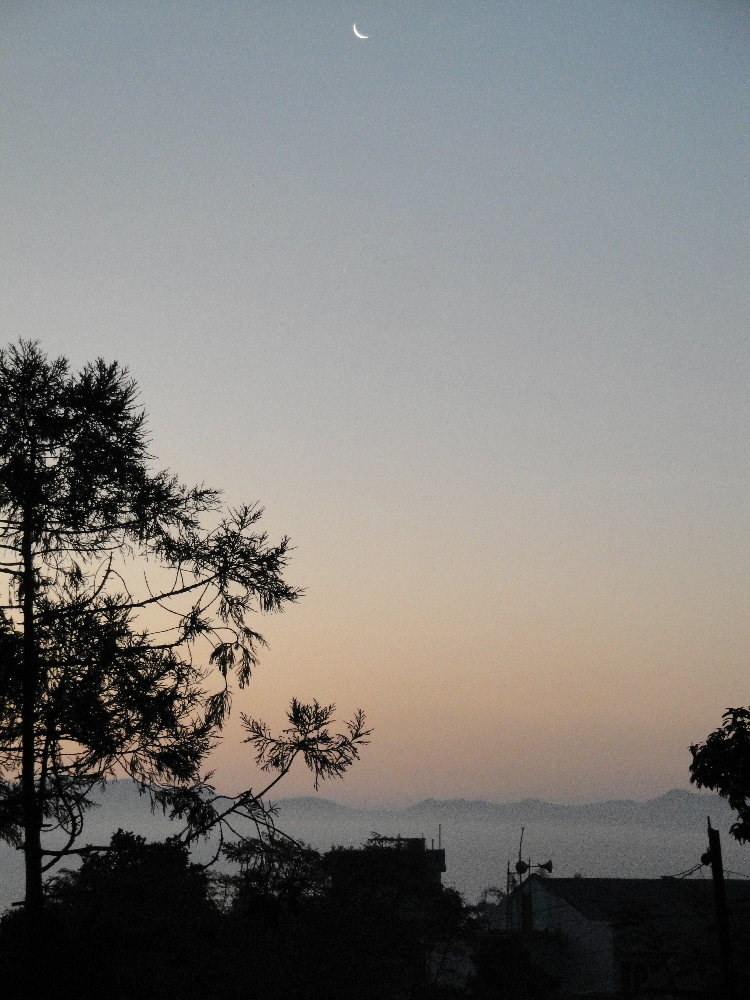
Above: a lovely sunrise view of the front door to our compound and the hills to the west; below, part of our garden (we grow lots of our own vegetables and of our newest expat arrivals brought kale and sugar-snap pea seeds!), and if you look through the fuzzy focus (sorry) you can see some hill in the background and might make out some of the huts from the IDP camp on the hill up there.


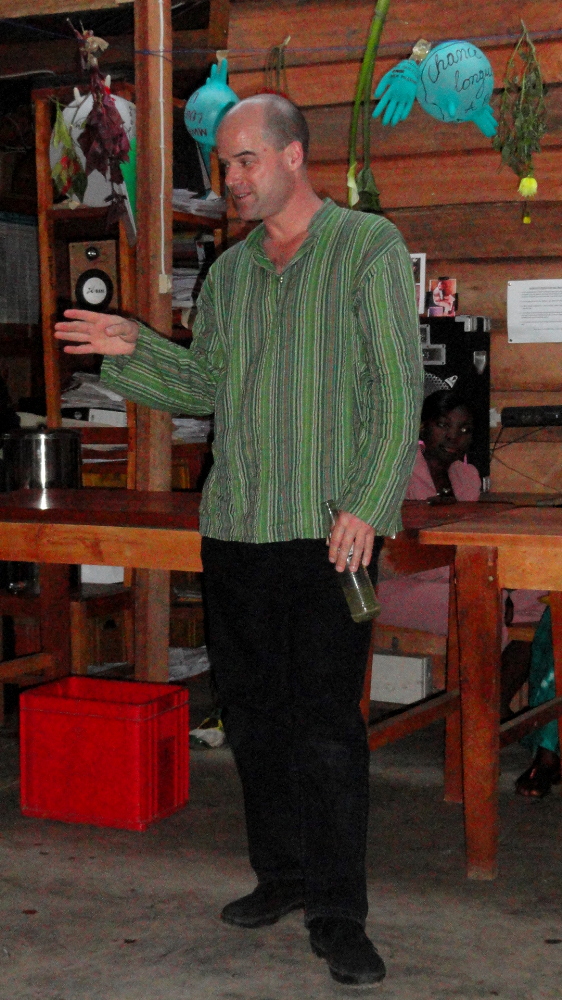
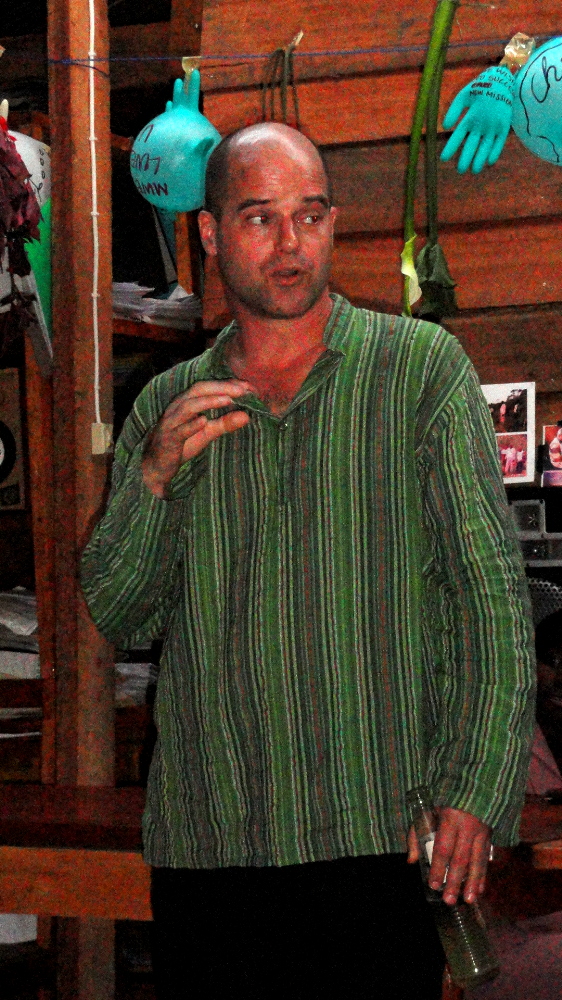
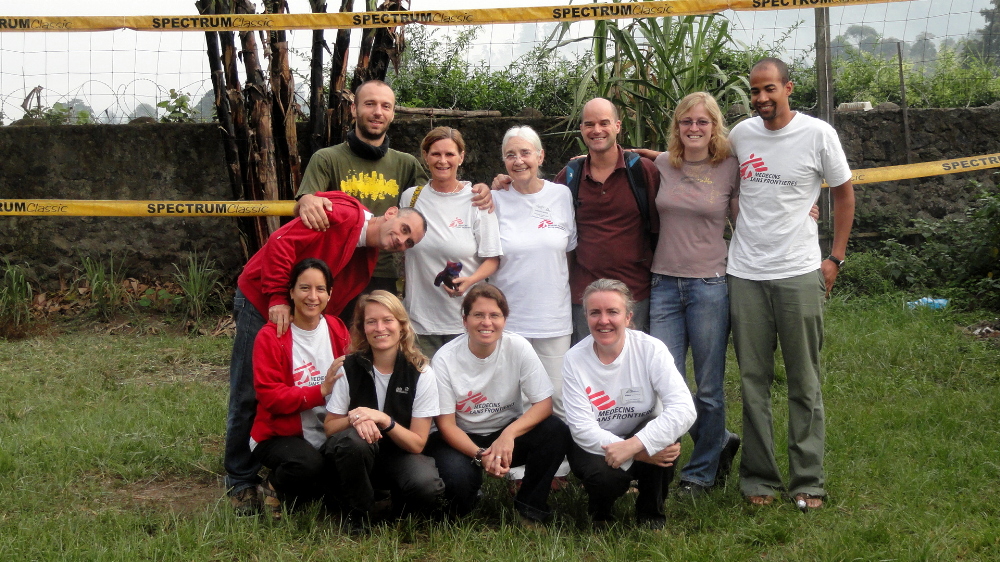
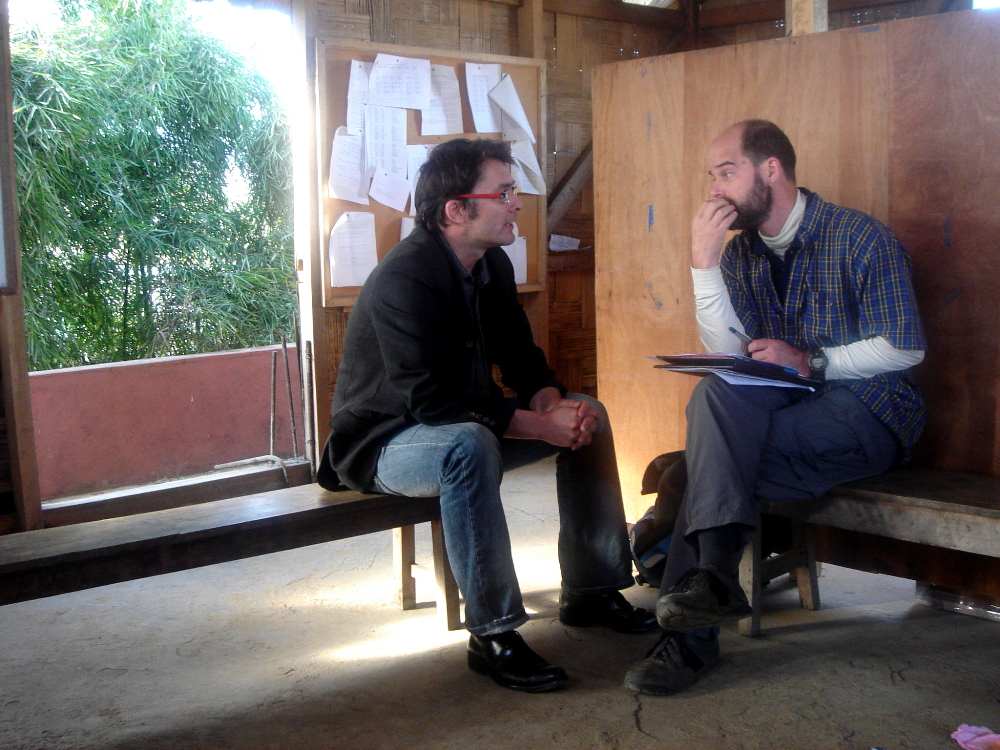
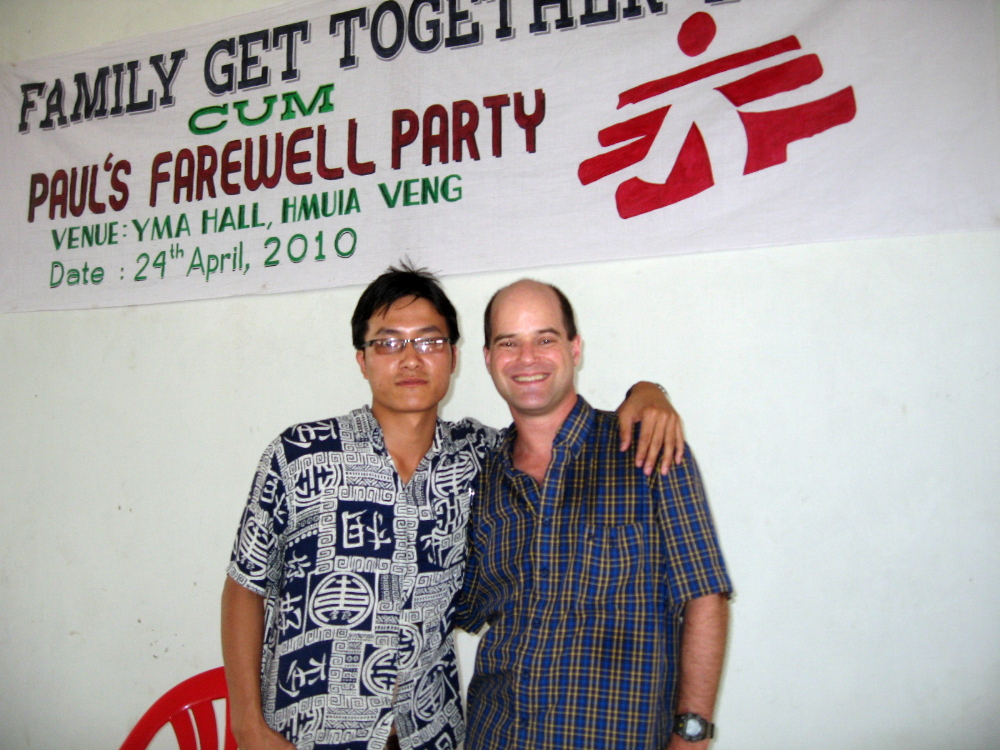
Ok, this may or may not work because the photos keep trying to overlap each other but I try to mix up the layout a bit…anyway if it works out you’ll see this caption in between two shots of me talking at the farewell party for my successor (back in December), then down below a shot of the whole team as of late January; of this team which I inherited only three still remain and one of those will be leaving the day I return. (Sob. Constant turnover, a fact of life with us…)


Below, a few other shots from that farewell party.

Rambling Through Berlin @ Christmastime

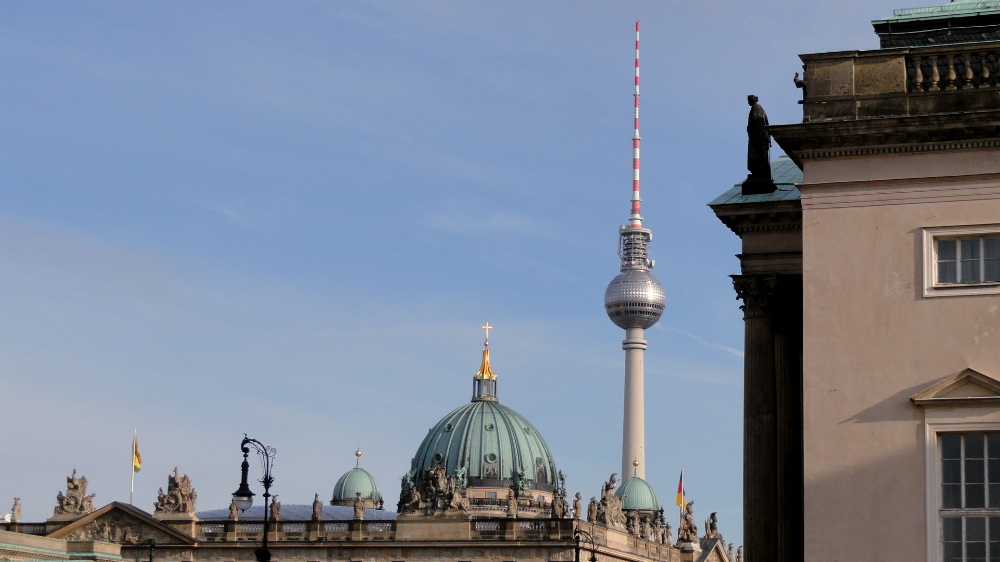
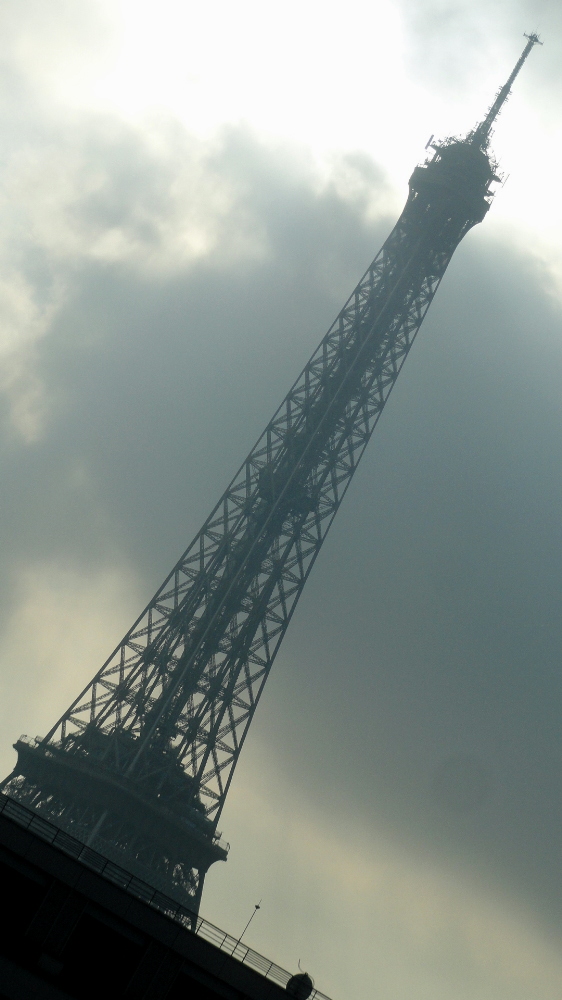
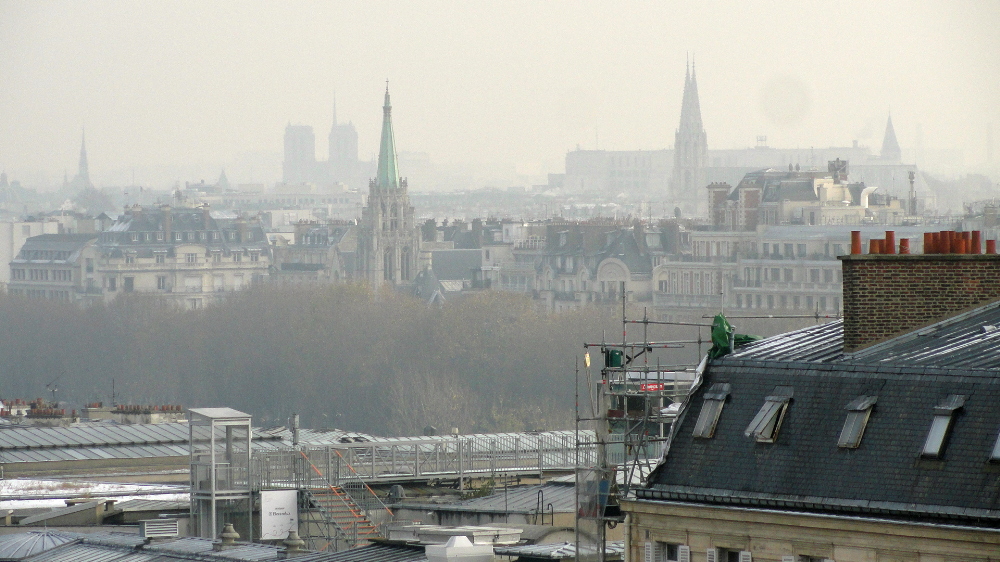
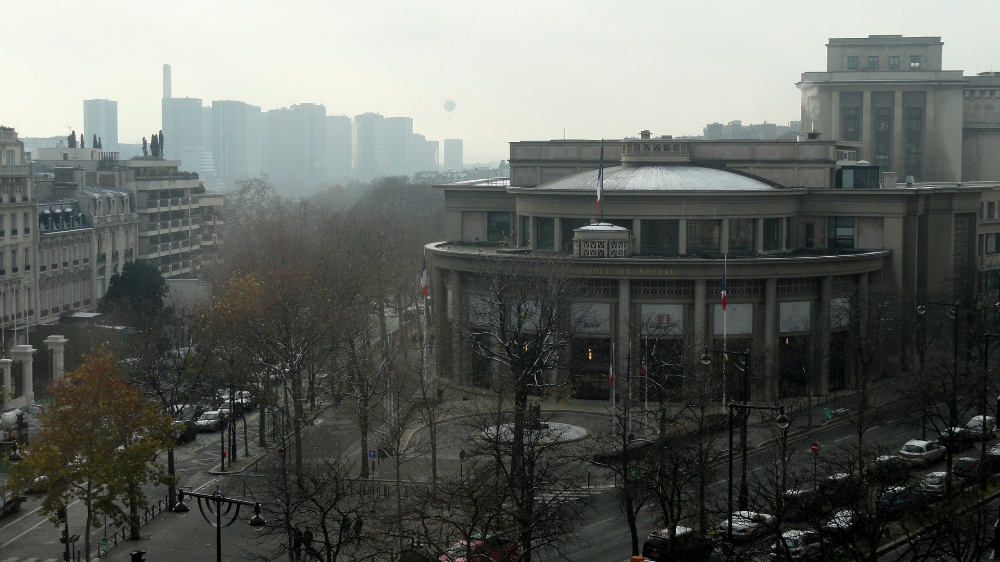
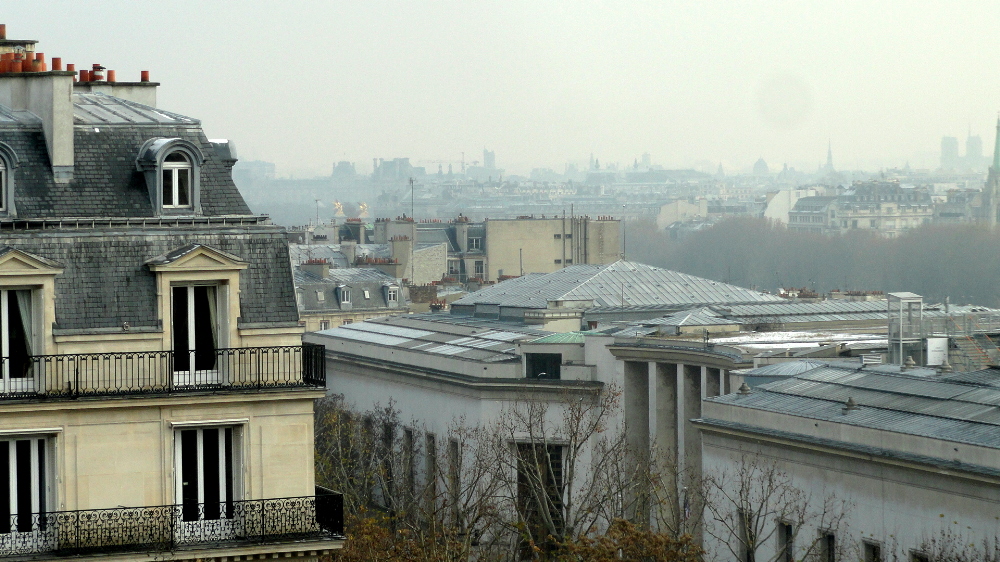
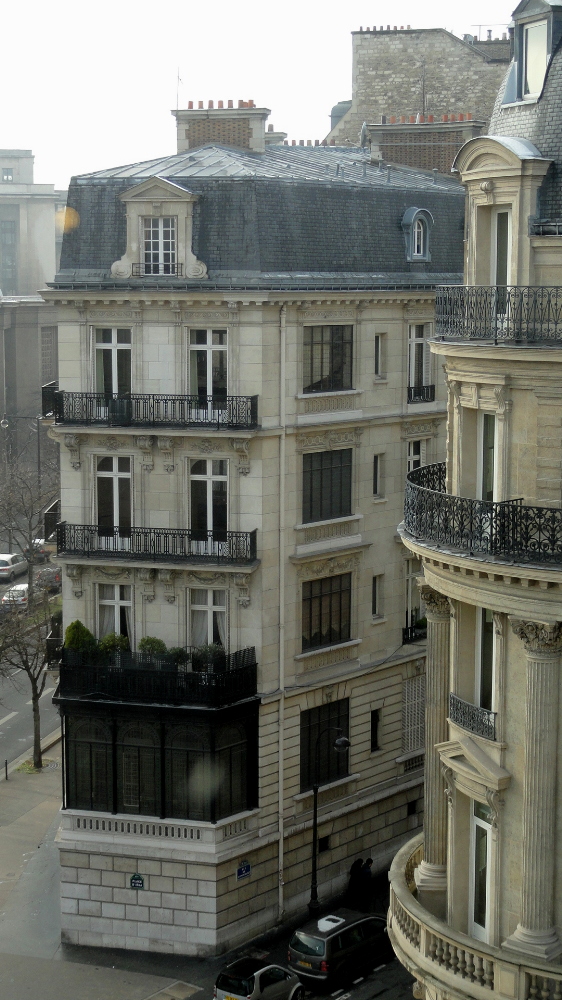
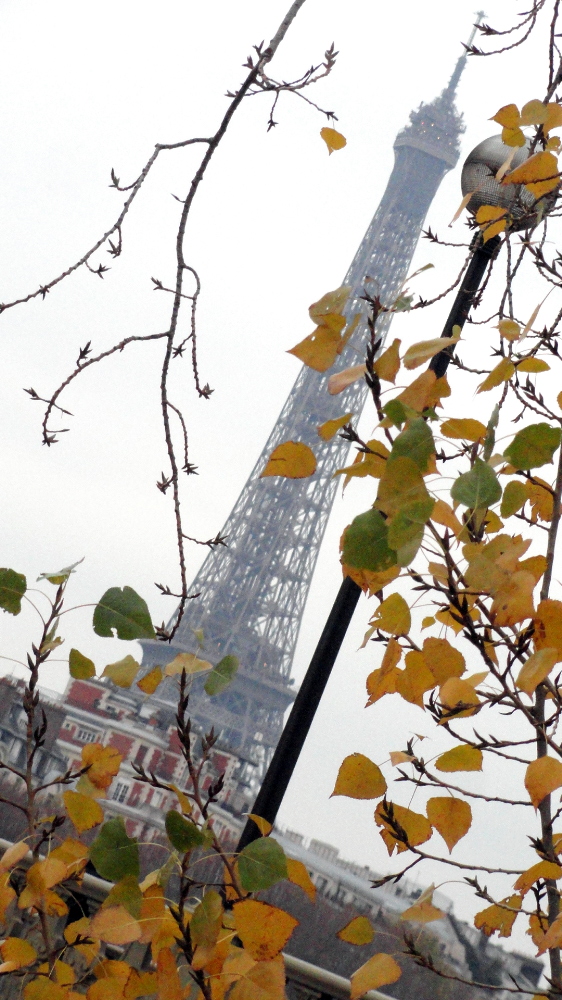
smw, slt has been in Europe for five weeks. First we did some training in Holland, then we visited some friends and family in parts of Germany (rather than burn extra carbon and money just to fly across the Atlantic two more times in a short time period), then we came to Paris where we’ve been trying to get our French up to full strength before working in it every day down by the equator. After a month of grey skies and f**king freezing temperatures – yikes! – I’m definitely ready for equatorial weather. As it turns out I’m cutting things a bit short and heading to work earlier than planned, which is just fine by me: I’m ready to work; I’m sad to miss my last week in Paris and my chance to see colleagues and friends again in Amsterdam, but I’m eager and excited to get to work again in what I’ve always heard is a beautiful, complex country that is, as the French like to say, très passionant.  My dictionary says that word translates as fascinating, gripping, enthralling, exciting…which misses the point that its root is passion, a word and a concept that the French, among all, take really quite seriously. I’ll be in touch, when I can, from DRC…wish me luck and much passionant-ness. In the meantime, enjoy some views of Berlin, Paris & Holland under mostly grey skies.

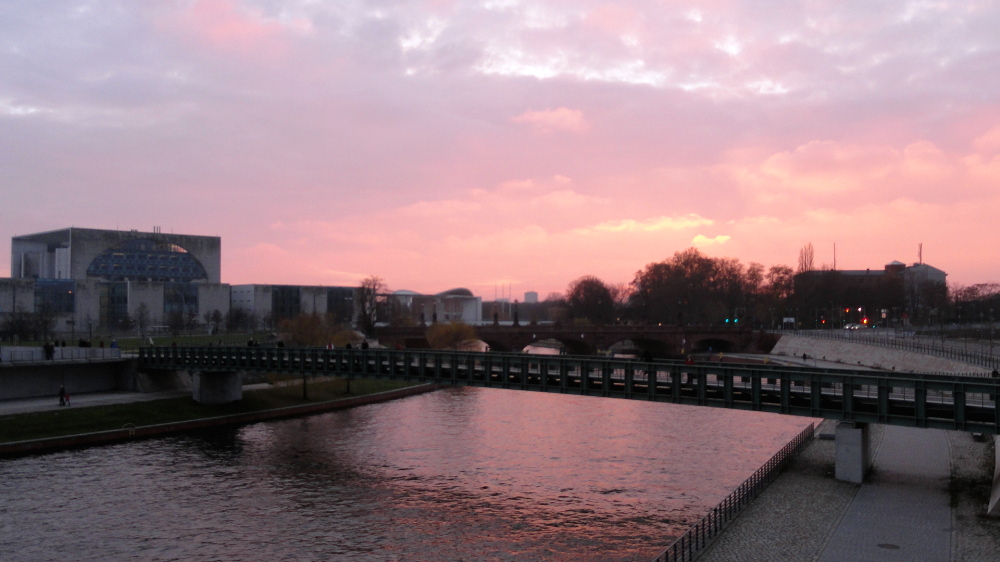
I visited in Berlin in 1980, 81 and 90. I lived in West Germany in 1980-81 and first experienced the old Soviet Bloc in August 1980, when I traveled with a class trip (from my German high school-for-a-year) to Poland, just weeks after the Solidarity movement began its strikes in Gdansk. I think historical consensus is that those strikes were the beginning of the (long) end of the Soviet bloc, indeed ultimately of the Soviet Union itself. I have dear and close friends, as good as family, scattered around northern West Germany who had relatives in East Germany throughout the GDR/DDR’s existence as a separate state. Those relatives never had the freedom to cross the border and visit their families west of the border, and West Germans faced various impedimentary rules and restrictions when visiting their own relatives in East Germany. I last visited this great world city in May 1990, when the wall and the GDR/DDR both still existed, physically and legally, but were both clearly in a caretaker, end-of-life state. That’s the only time I ever crossed the border through the “Palace of Tears,” aka Berlin Friedrichstrasse S-Bahn station, where GDR (West German) citizens were required to enter and exit East Berlin: other times I crossed that border I, like all American citizens, had to cross through Checkpoint Charlie. (It’s called Palace of Tears, of course, because of how many were shed over the years by families from east and west required to part company there until the next visit from west into east could happen.) Now I walked through Checkpoint Charlie unimpeded, along an un-walled & Christmas-decorated Frierichstrasse; and yes, with tears in my eyes thinking about how this great city and the people of this nation were cut in two for so many decades, and enjoying how very vibrant, alive, and whole both the city and the country now seem to be. Berlin’s a mighty fine city full of culture, museums, history, lovely streets and buildings both old and new, whose local and national governments have done a great job of reuniting, in a pleasant and functional way, what for so long were two halves of one whole, cut off in the middle. Enjoy the photos.

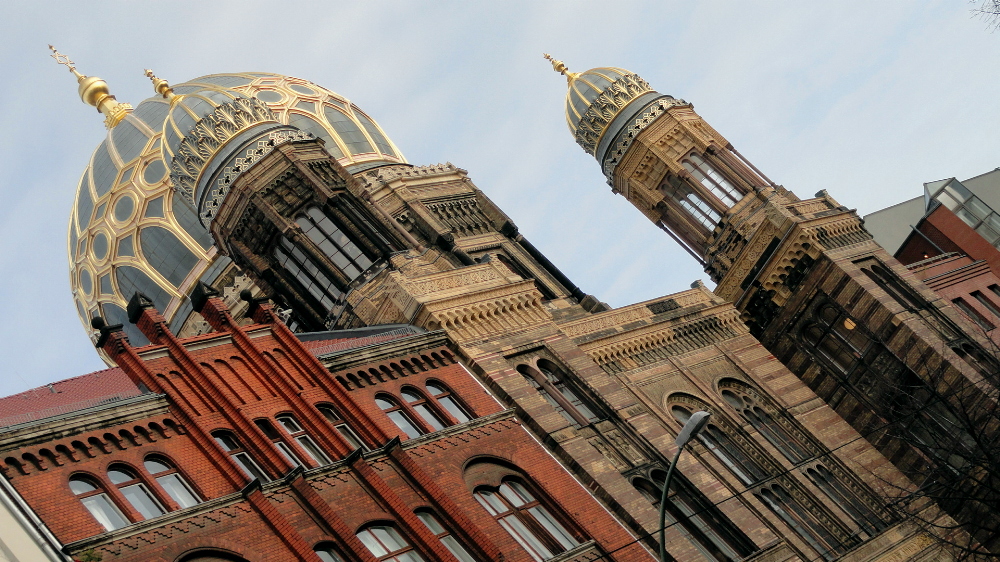
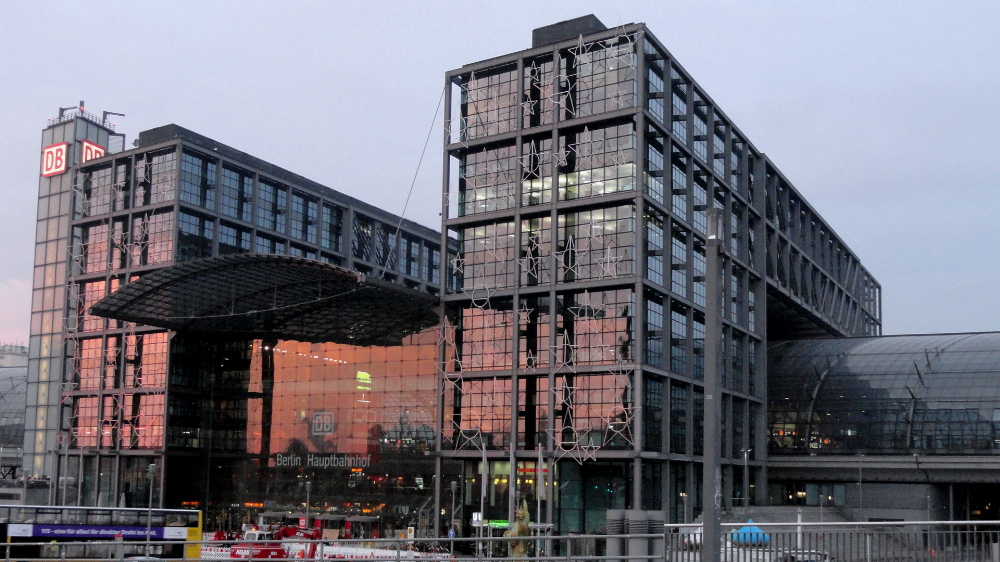
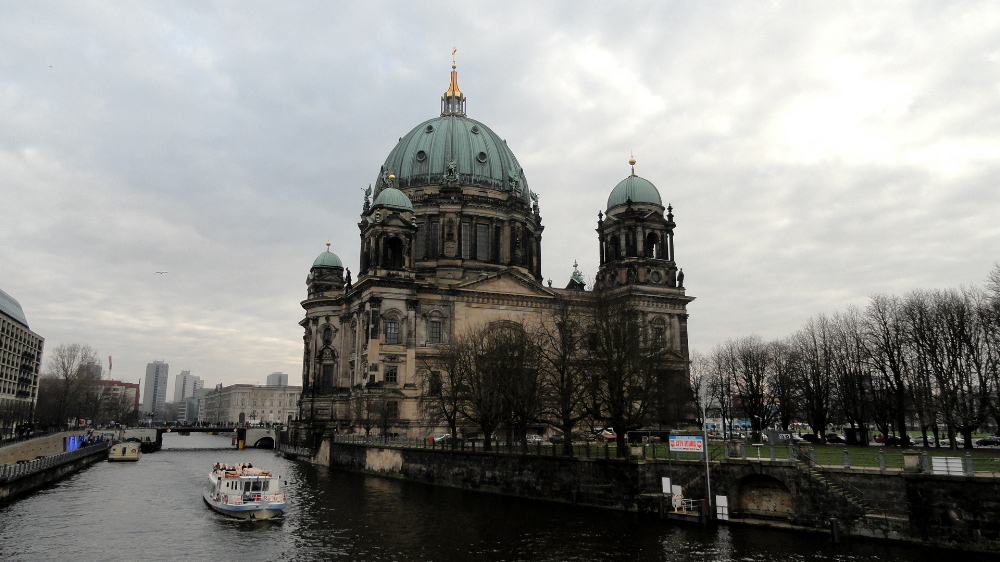
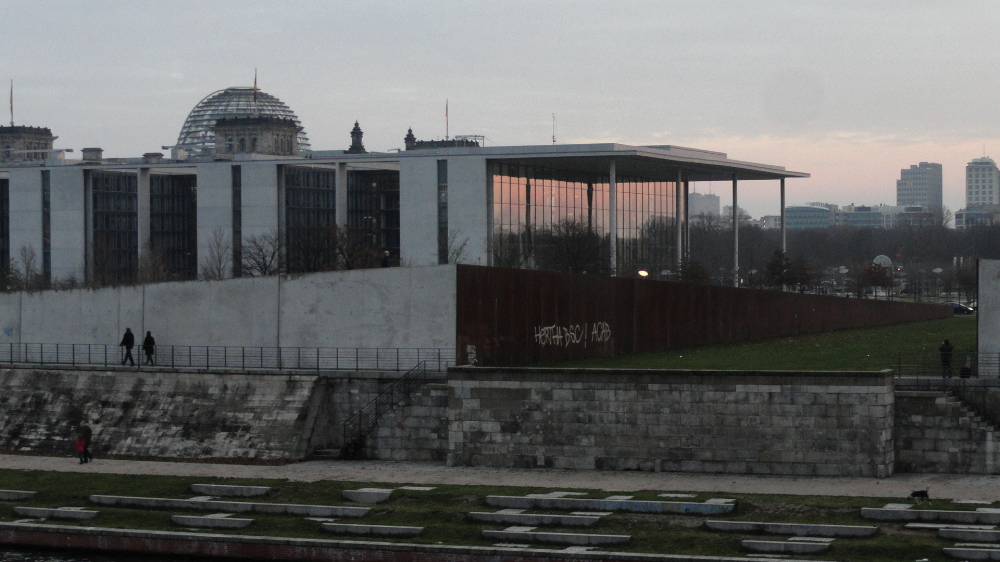
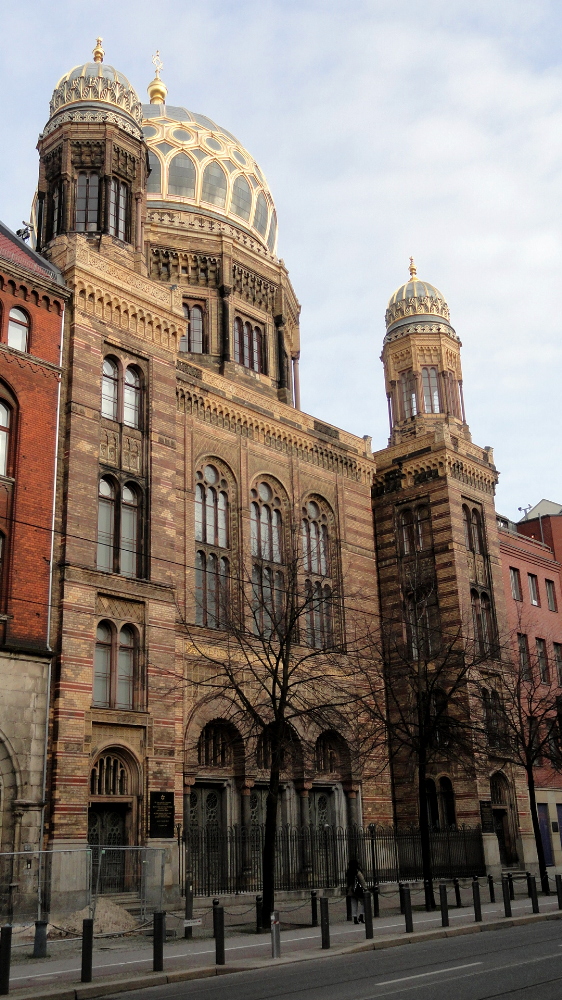
Immediately above: Synagogue on Oranienburgerstrasse, which I guess benefited from benign neglect through the GDR years as it was on the east side; below, the stunning and functional new main train station (don’t ask how trains were organized in the divided Berlin; it was messy and far from ideal), smack in the middle of what used to be the no-man’s zone; it, like most of the ultra-modern govenrment buildings you’re seeing in and around the banks of the Spree in the heart of the city, have all been put up in the past 20 years to make good use of the old barbed-wire & guard-tower death zone on the east side of the wall.

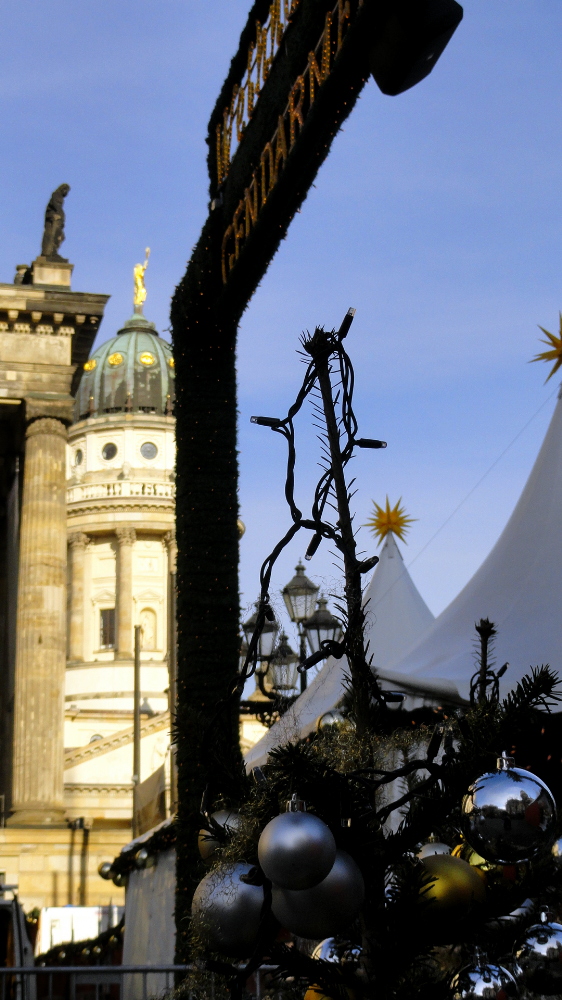
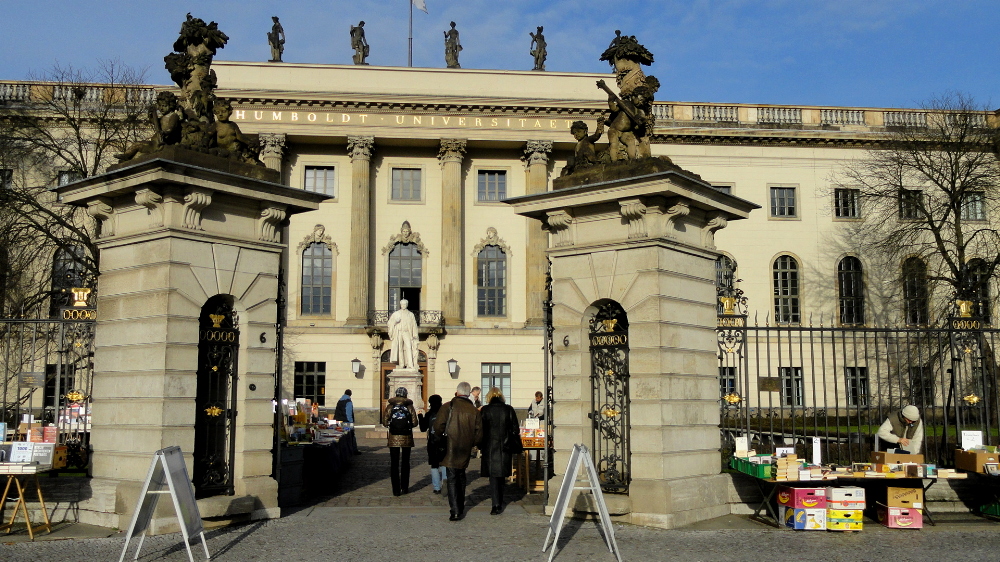
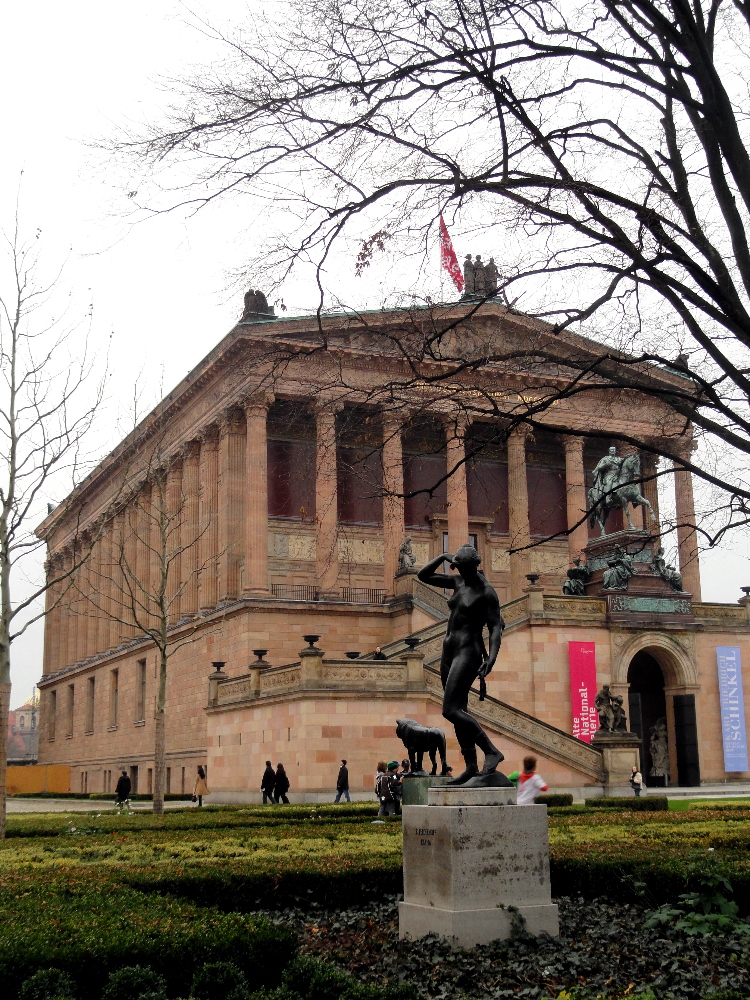
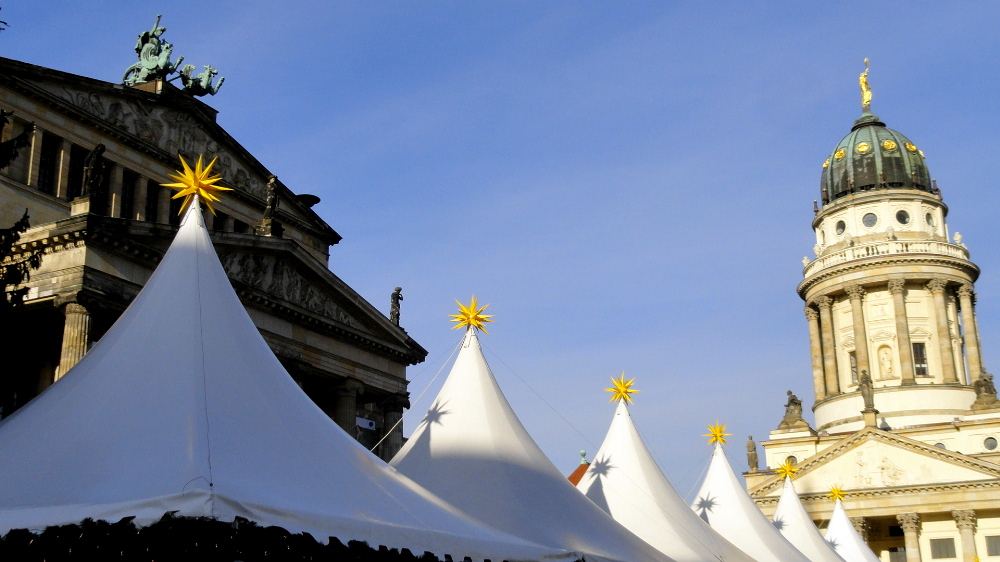
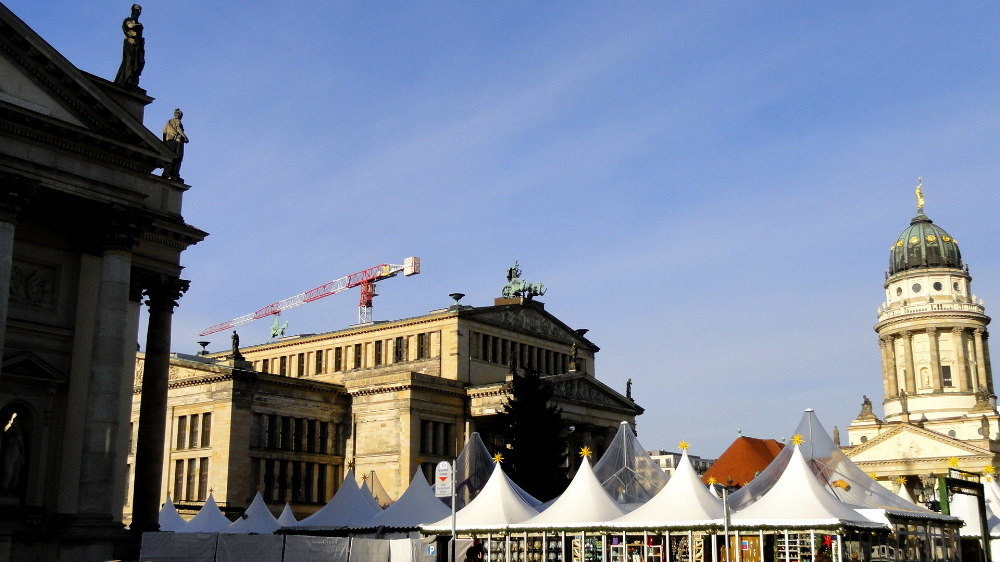
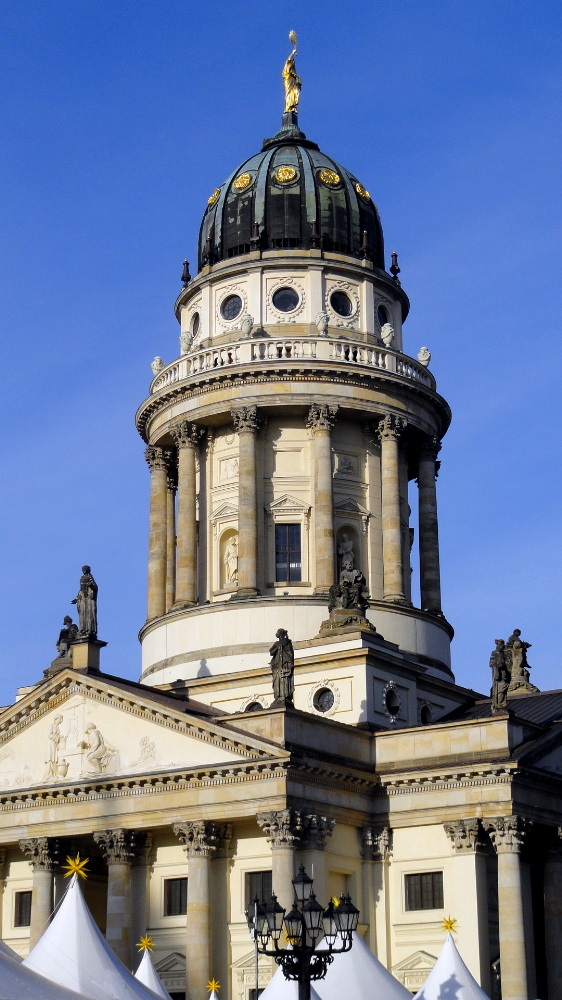
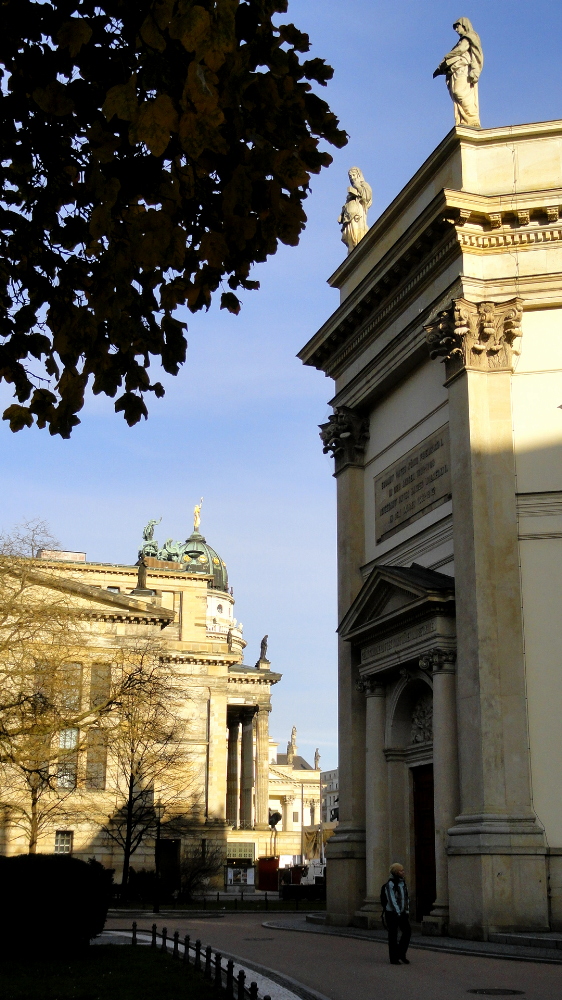
Have you noticed I took as many pics as possible when the sun managed to break through the clouds? Most of the blue-sky photos are from Gendarmenmarkt, a gorgeous public square a few blocks north of Checkpoint Charlie (and the Wall) in the former East Berlin, whose twin churches and concert houses are now lovingly restored and, these days, hosting a classic German Christmas Market. Below: one of my brother’s homes away from home, Berlin’s greatest university which has gotten a shot in the arm by being on a newly reunited Unter den Linden, also on the former east side… And below that, one of the grand old buildings on (formerly east side) Museum Island, which amply demonstrates why taking photos is more fun when the sun is shining.

By the Banks of the Seine


So the plan was to spend two weeks+ in Paris, taking in French-language movies and plays by the score, reading one or more novels each week, generally getting my French fully grooved and normal before starting to work in it as my day to day language for the first time ever. Oh well: with this early departure, most of that’ll be left undone and … I guess I’ll just have to come back on vacation some time! At least I remembered to take my camera out a few times, and despite steadily grey – and often very snowy – skies I did capture a few images I’m willing to share. And thanks to Howard and Gene, I’ve filled my head and soul with wonderful music performances most days I’ve been here, plus quite a few of the museums and sights of the city. Highlight: baroque ballet (Mozart and Gluck) at the Royal Opera within Versailles Palace: excellent production, extraordinary setting in the palace after dark with no regular tourists around, truly a feeling of privilege. As always and ever, thanks to G&H for generosity and scouting/research. 🙂

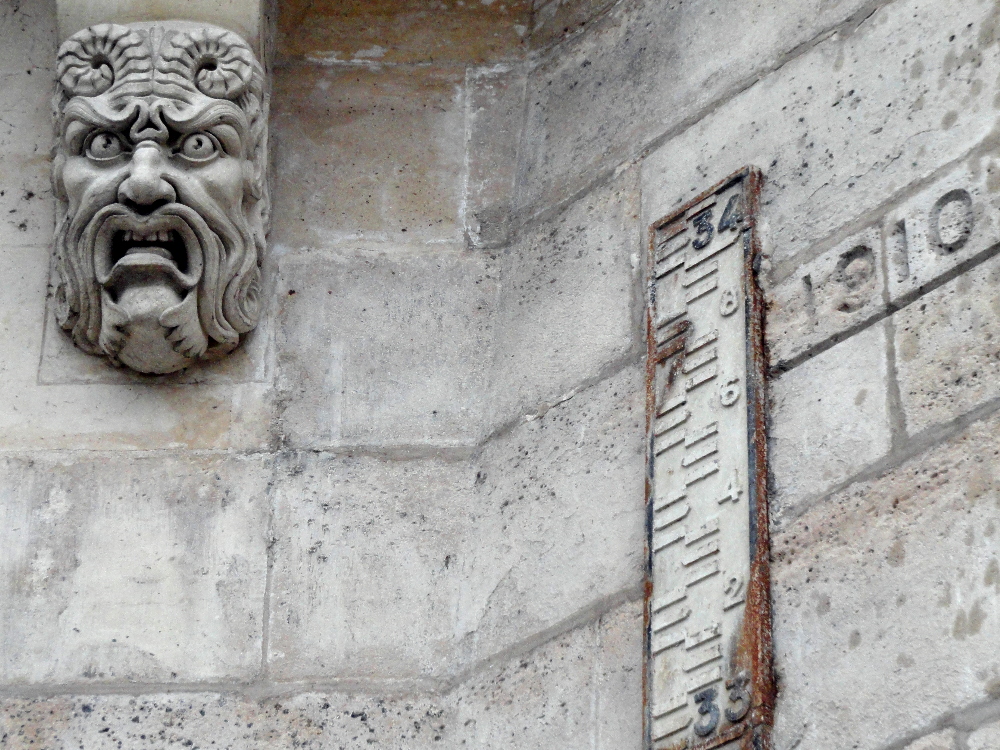
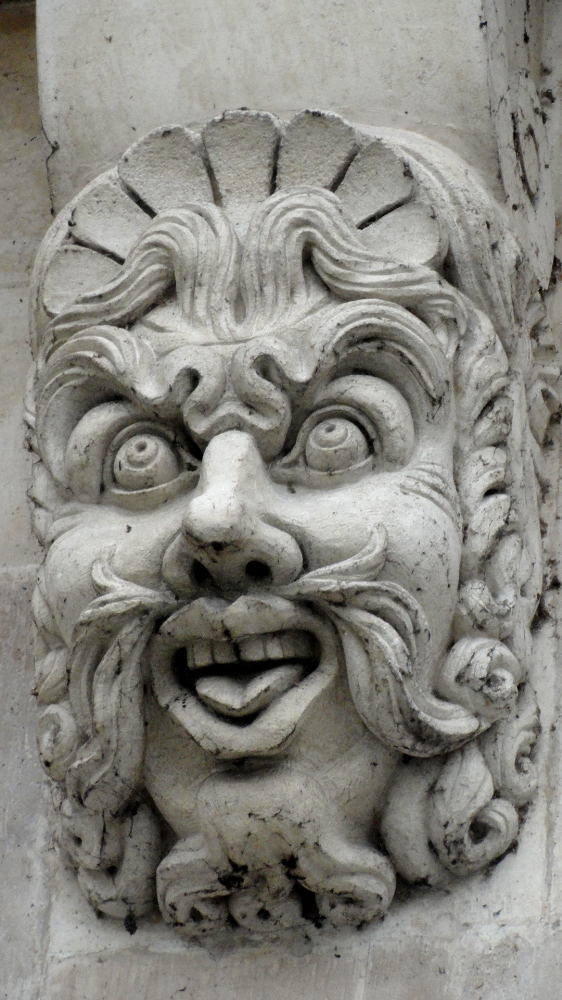
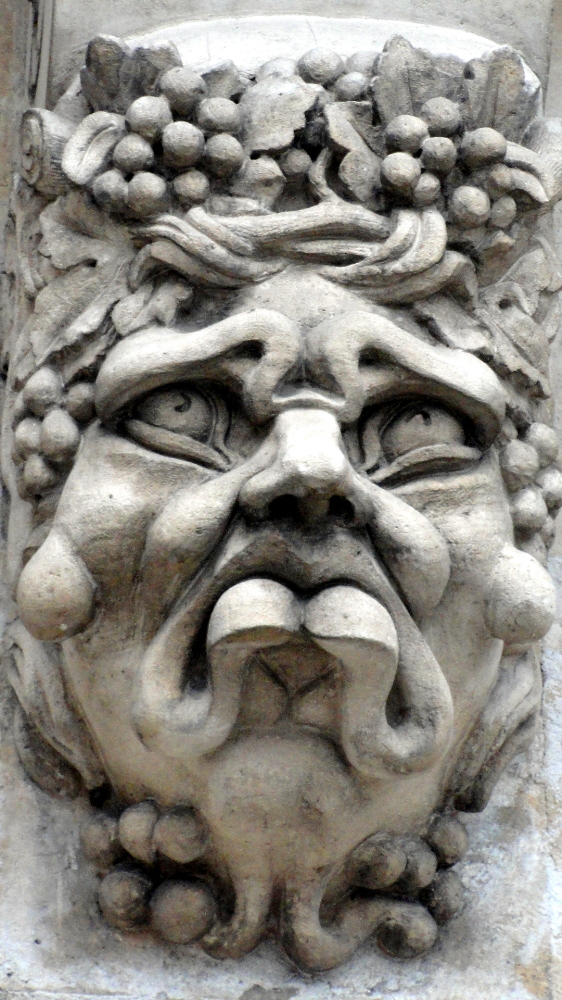
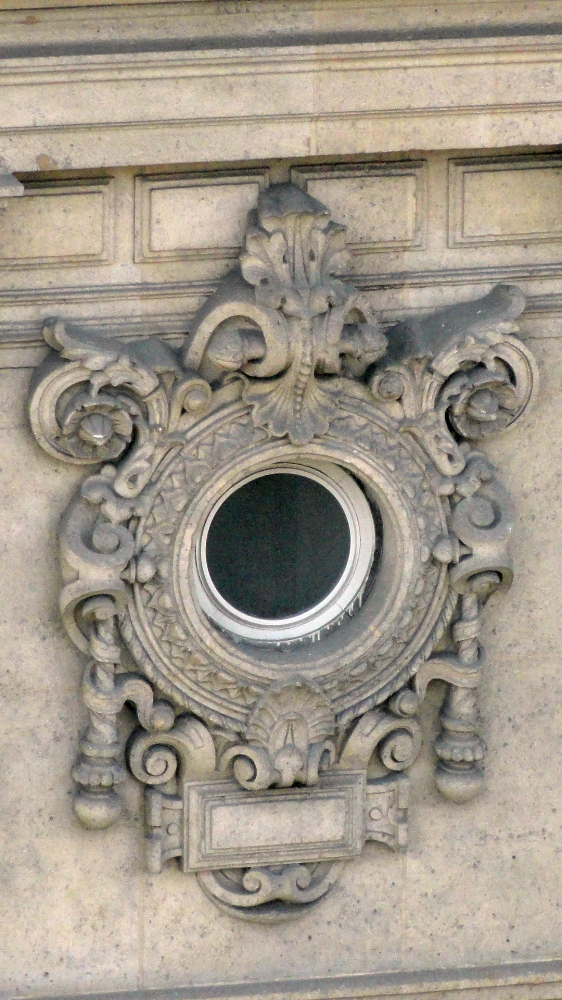
The Seine, naturally, is central to anyone’s experience of the city, and I’m especially fond of the many statues, gargoyles and other ornaments the adorn the various bridges over the Seine through the city. The above guy sits next to a marker showing the high-water mark of the 1910 floods, in which the river didn’t actually rise above the hastily-heightened levies, but seeped through gutters and sewers and flooded the city indirectly, leaving many streets (and the train tracks at Gare d’Orsay, now a lovely museum) under several feet of water. So many bits of the city’s long history are tucked into corners and side streets and odd places, which is part of the joy of a slow exploration of it, over time. 🙂 Below are more ornaments from bridges, one of two from buildings around Place d’Iena (as seen from the Asian Art Museum) and, for fun, of a Japanese statue mounted on a wall inside the Asian Art Museum.

Autumn in Amsterdam & Noord Holland

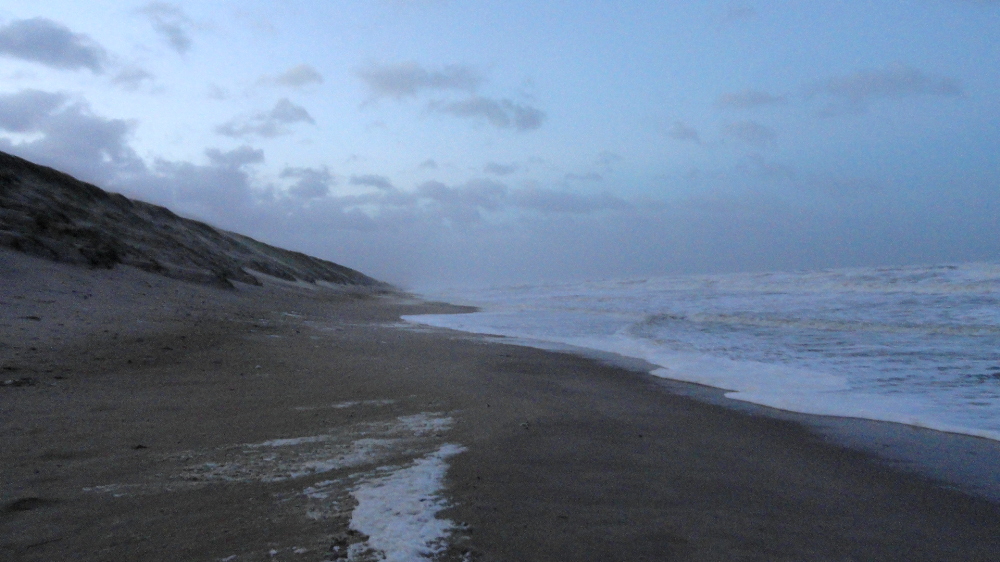
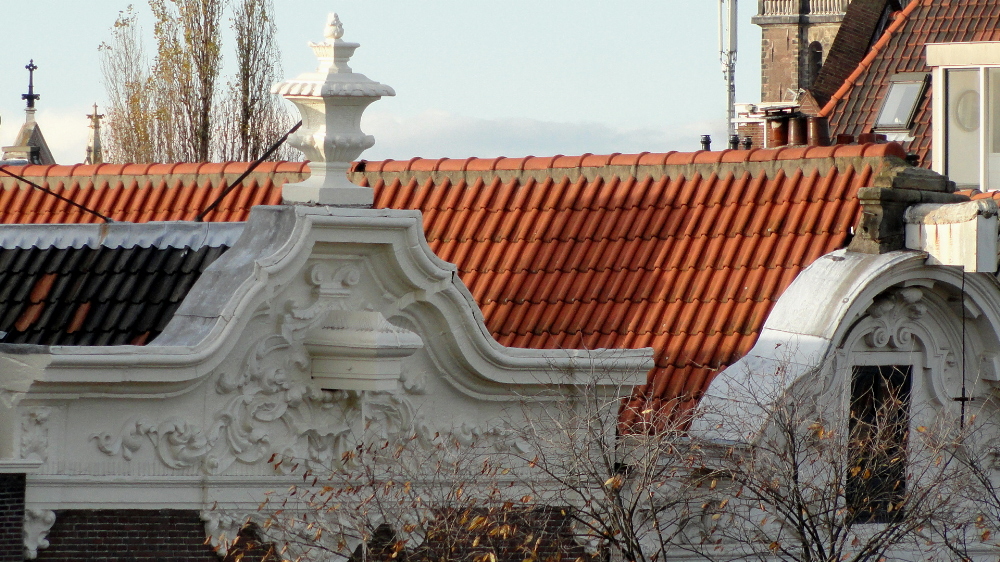
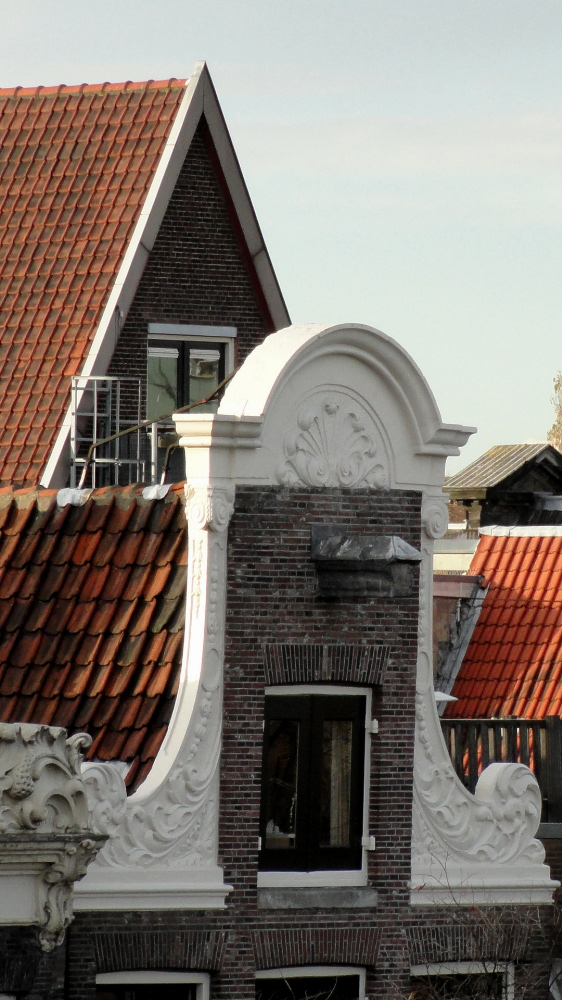
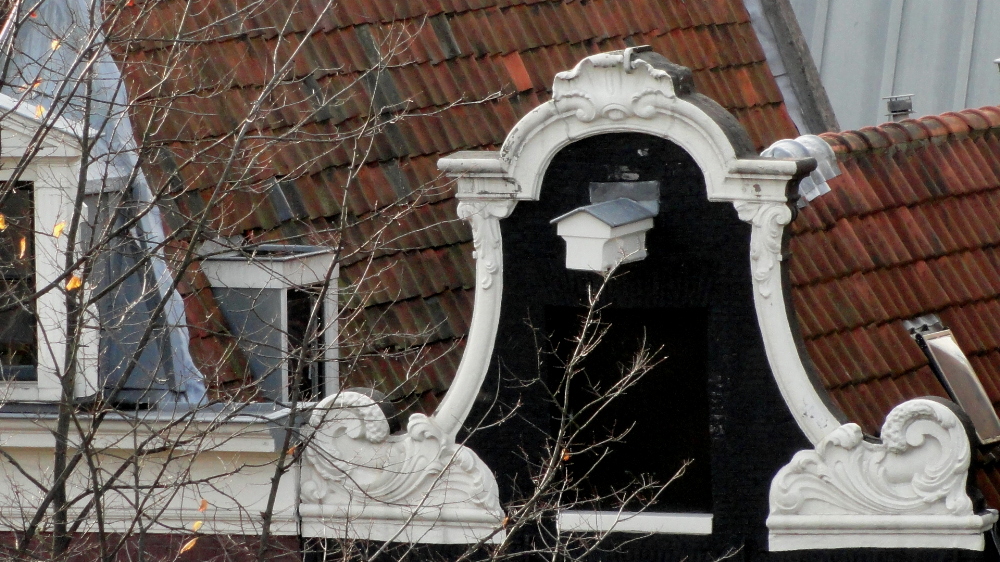
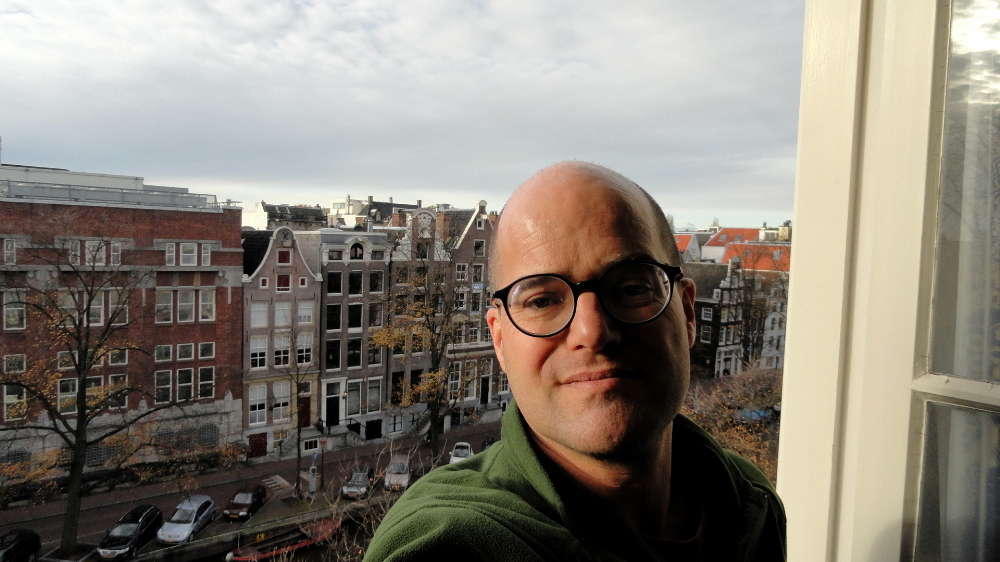
The first two weeks of November were spent mostly in a small town in Noord Holland – a little bump of land that juts up into the North Sea above Amsterdam – with an extraordinary (I don’t say that lightly) group of colleagues getting some more training for my ongoing career with this pretty darn amazing organzation. During the middle weekend, I escaped into the city so I could have lots of Chinese & Thai & Indonesian food and walk the streets & canals of this lovely city, grey rainy weather notwithstanding. These are mostly photos taken from the window seat of my room at the very top of a gorgeous little hotel right by a canal on the west of the city: the afternoon I checked in was one of the extremely (depressingly) few days of the entire past month where there were periods of blue sky and actual sun. The ocean shot is from the outrageously windy morning of 12 November, when most of us decided to bike over to the coast before starting the final day’s classes. Talk about sandstorms: I now know how dunes are really formed, firsthand. We were all sandblasted, but it was very worth it.

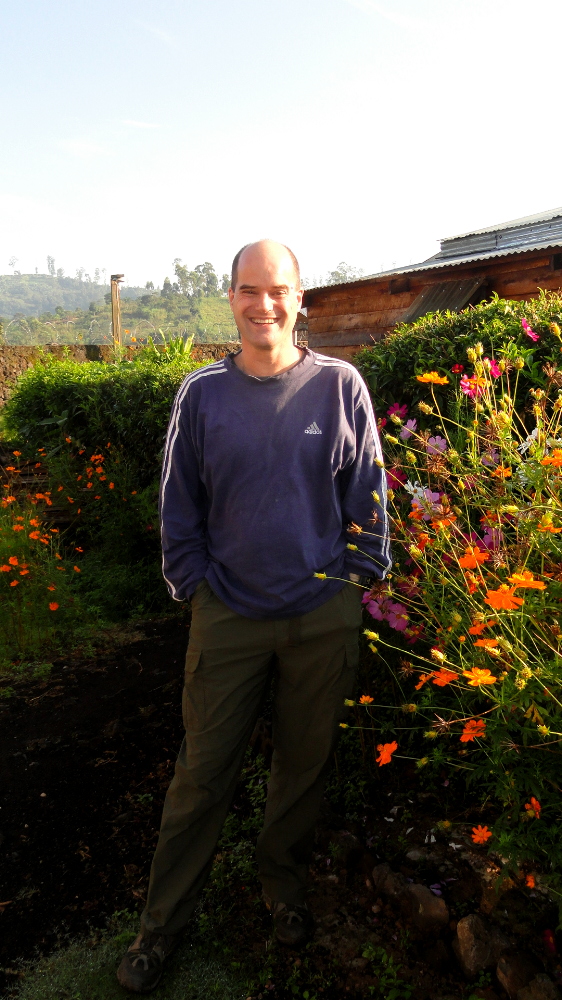
…this is the only photo of me during this visit in Europe. Oh well.

Ciao, Los Angeles

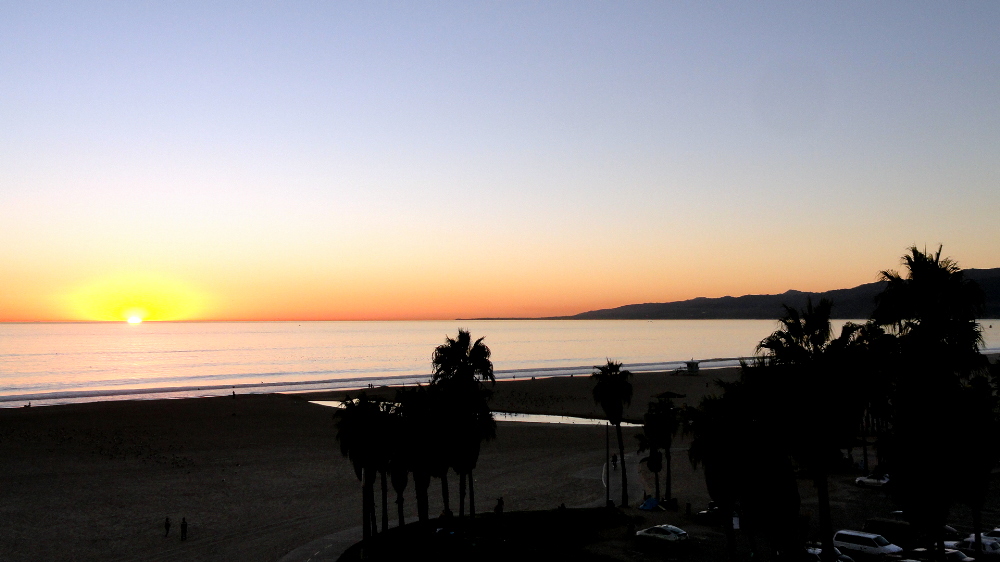
Early morning drizzle on the canal out my window in Amsterdam, first morning after the end of European Summer Time. How appropriate that my ‘summer vacation’ ends and my first night in Europe is the end of their summer time. During my month in LA I took essentially no photos – was far more interested in yoga, cultural & restaurant outings with friends, bike rides and general relaxation. Moreover, LA was hit with heavier and more frequent than usual October rains and cool temperatures, so there were rarely such views as those above and below from the lovely roof deck of the place I stayed in Venice.

For those curious who don’t already know, the plans are now fairly clear – I’m here in Holland for two weeks of training, then visit various friends and family types in northern Germany and Berlin, followed by time in Paris to get my French back to high proficiency before having to work in it full time, and finally back to Amsterdam to brief and fly to Democratic Republic of Congo. That’ll happen in mid-December, and thereafter I’ll be quite out of touch — both because I’ll be quite busy again and because my internet access will be much more limited.

That’s all I really have to say now – still a bit jetlagged, but knew if I didn’t get these photos up I never would, and felt I should do something to acknowledge leaving the home continent again. I’m trying not to worry too much about the US elections coming up shortly. I’m encouraging myself to be moved by generous and hopeful impulses more than anything else. Take care.

Northern Coastlines, Towns and Forests

…so it’s September 21 and smw, slt has been in SF for six weeks that have flown by in a blur. We’ve been back in the US nearly four months – again, time that’s flown past with family, friends, meditation weeks on Star Island and yoga classes in San Francisco. Amazingly, the last phase of my planned down-time will arrive next week when I head off to Los Angeles to create some final mental-vacuum space in my head, into which I’ll then start leveraging all the new information about wherever it is I’ll be working next. More on that when the time is right, for those interested – it’s slowly becoming clearer, but nothing is yet very definite.

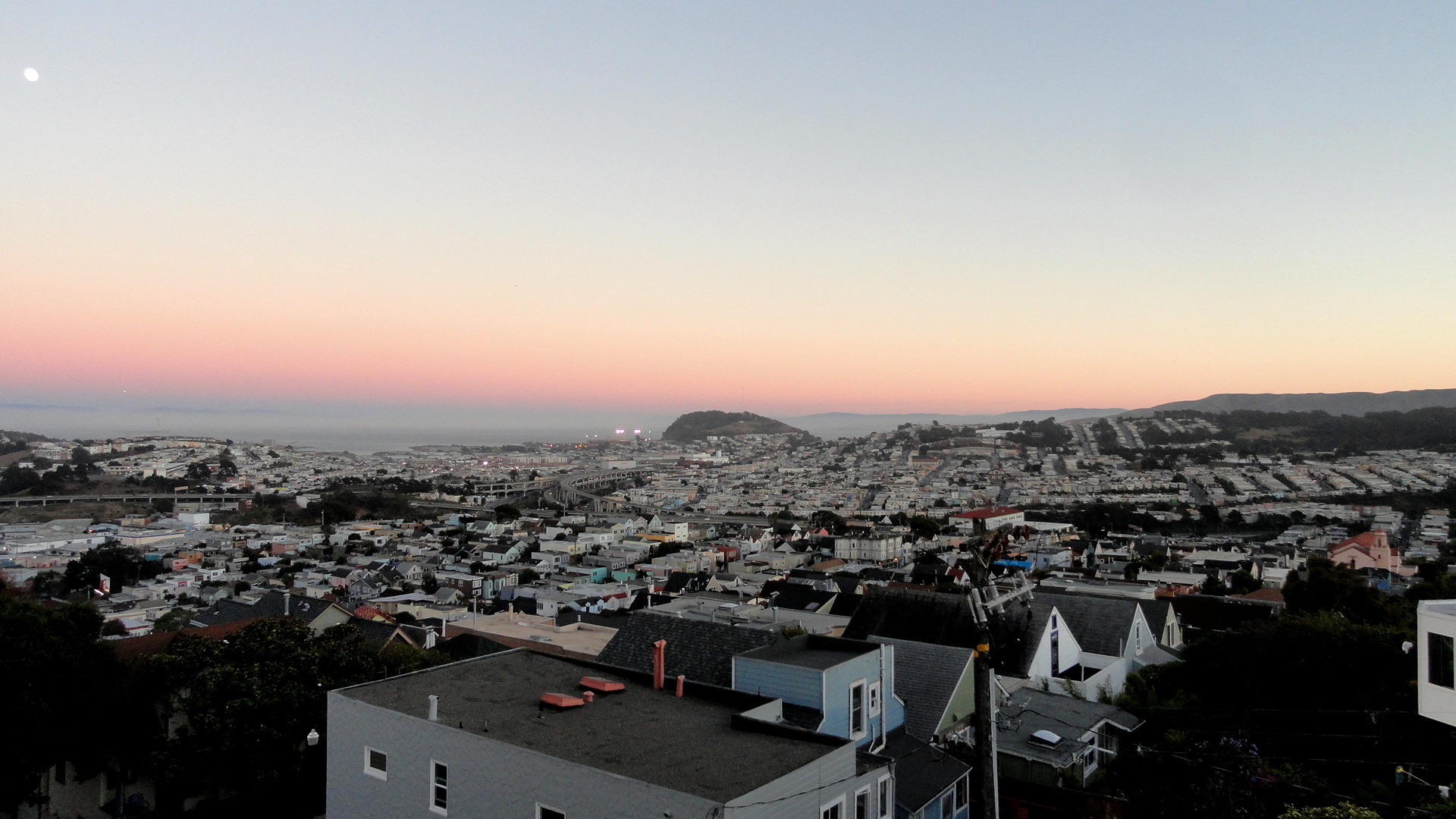
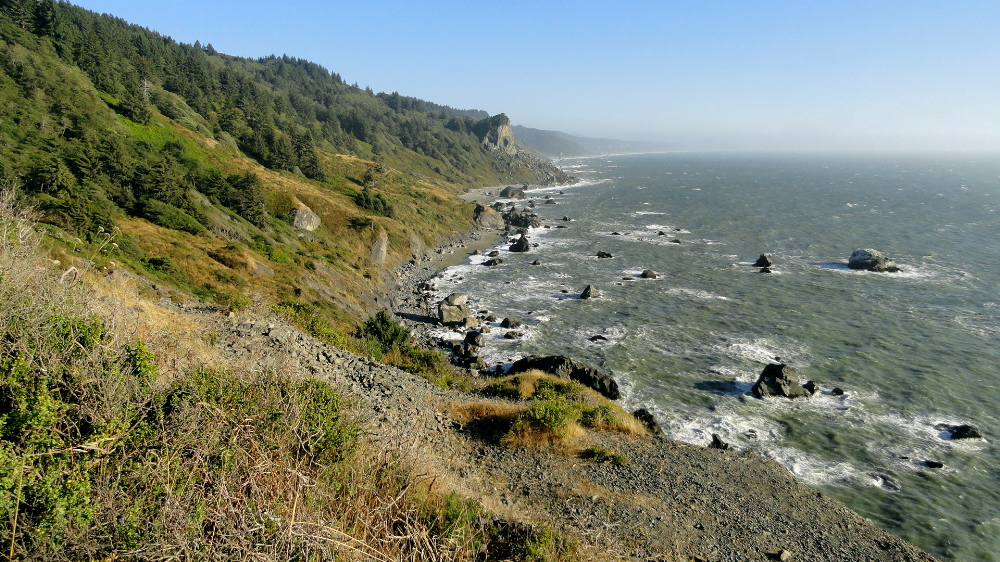
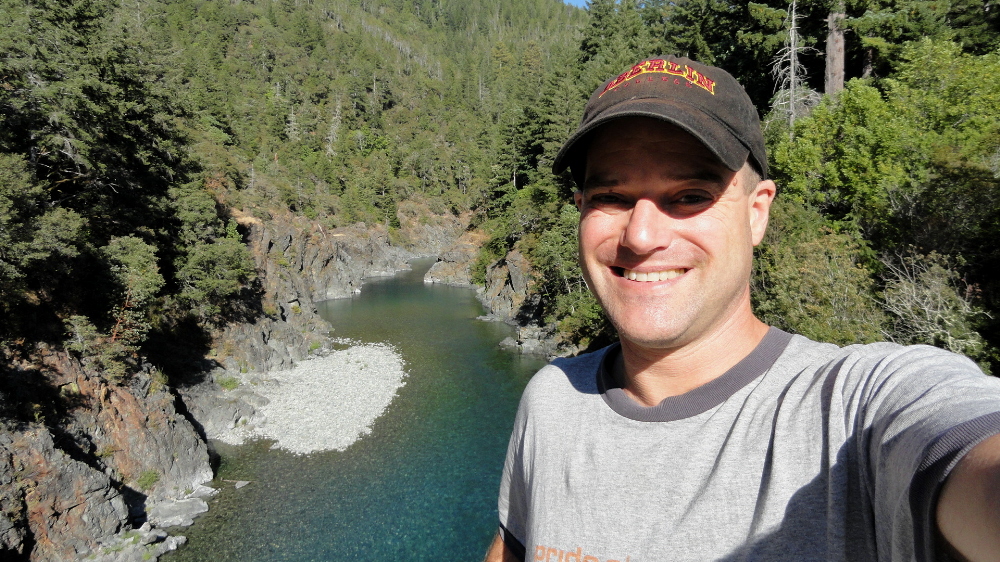
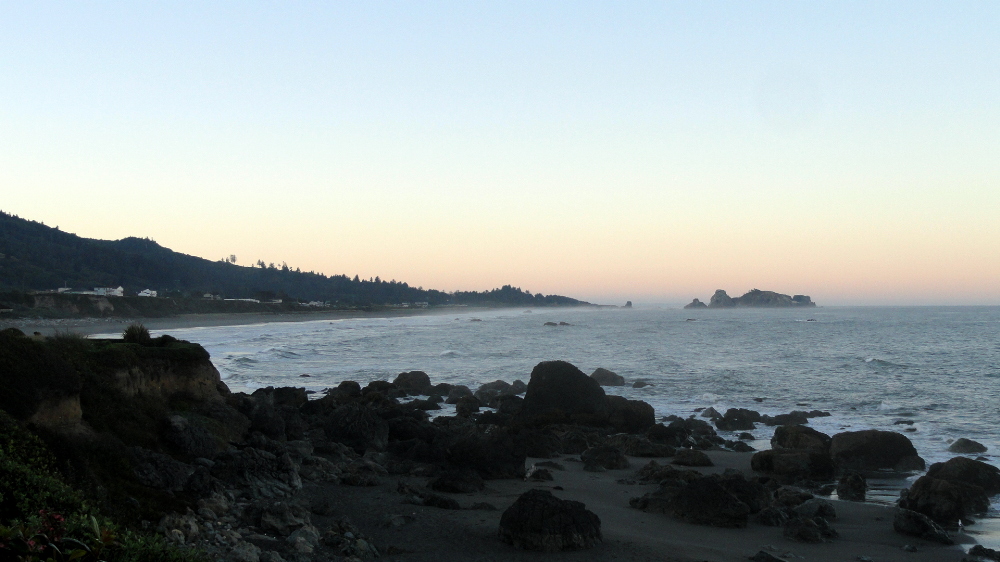
For now I wanted simply to share some photos of my beloved California, land to which my heart always wants to return. This blog has shown very little of my spiritual home in the US for a while, since I was tied down on the East Coast and out of the country most of the time between September 2007 and … well, last month. So herewith a bit of the northern coastline. True, the photo immediately above just shows you the sunset & moonrise view from the top of Bernal Hill, which I’m fortunate to be able to call my home in SF thanks to dear friends who make room for me in their lives & family when I’m here. But SF is only either the beginning of northern California, or the end of central California, depending on how you choose to view it. The real north begins when you cross the Golden Gate Bridge, or even when you get farther up into the coastal redwood forests of Humboldt and Del Norte counties. I did that, the first weekend in September, on a five-day road & hiking trip with a Howard & Jim & Shantanu that took us all the way up to the Oregon border, and did some great exploring of forests, coasts and towns along the way.

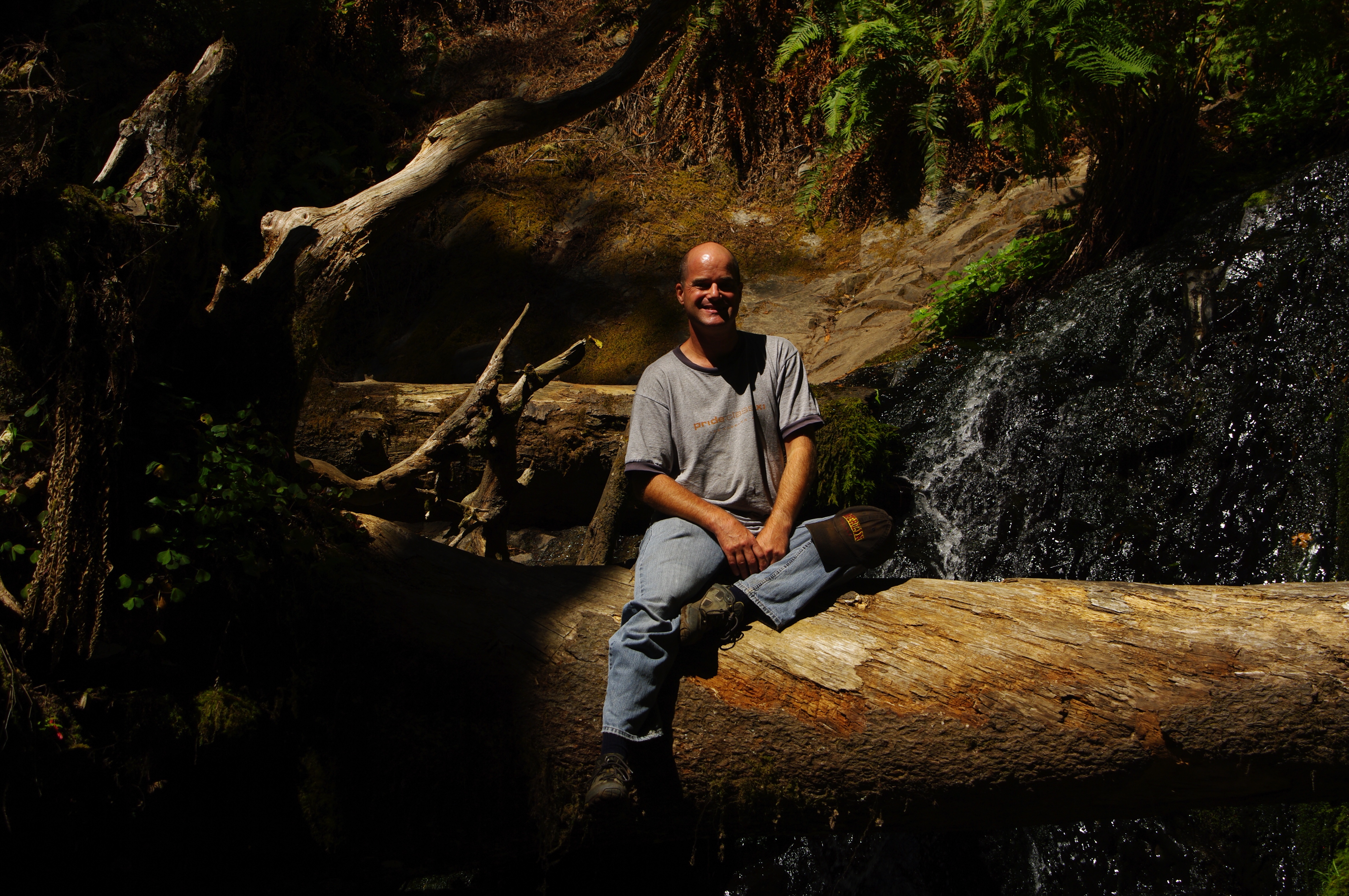
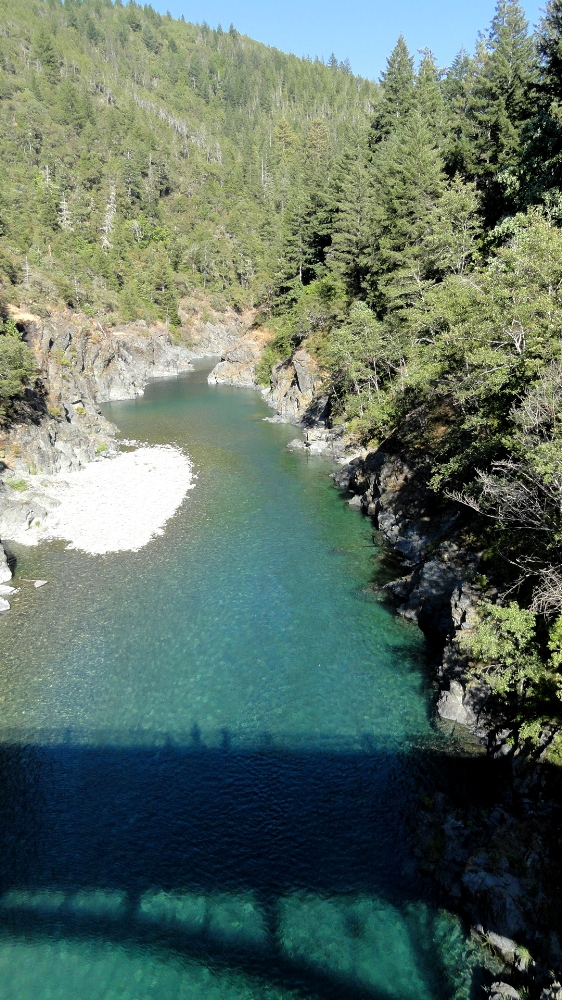
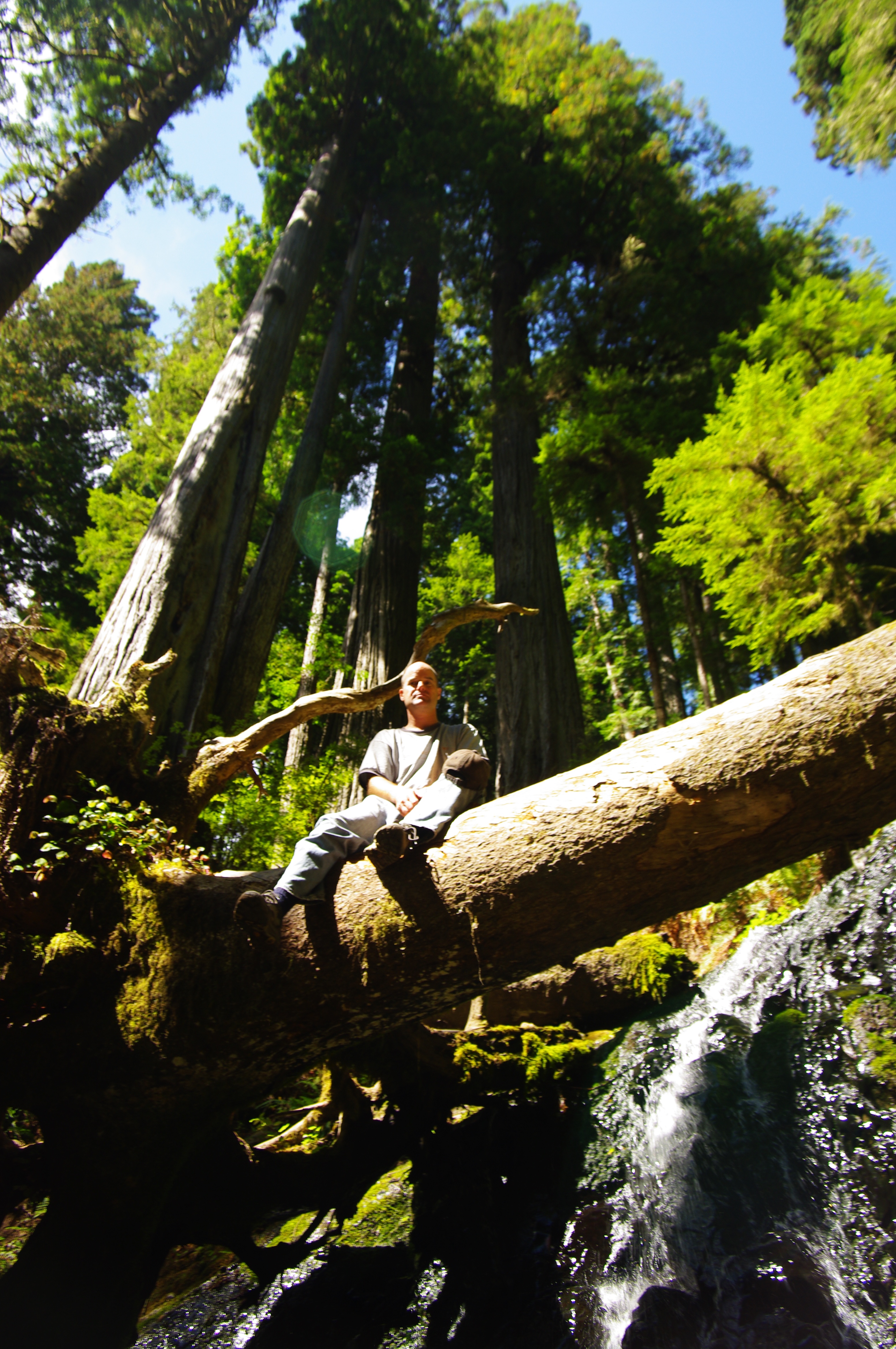
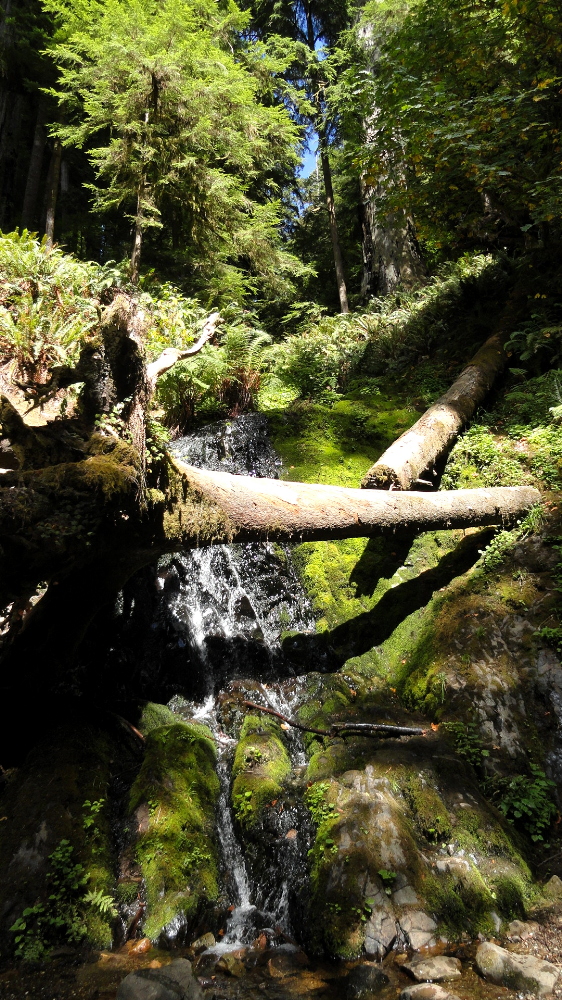
…that’s me on a log in a waterfall within Jedediah Smith Redwood State Park. And below, a view of the Smith River upstream from the Redwood Park near a watering hole where lots of folks were floating on inner tubes and sunning themselves on a sandy beach.

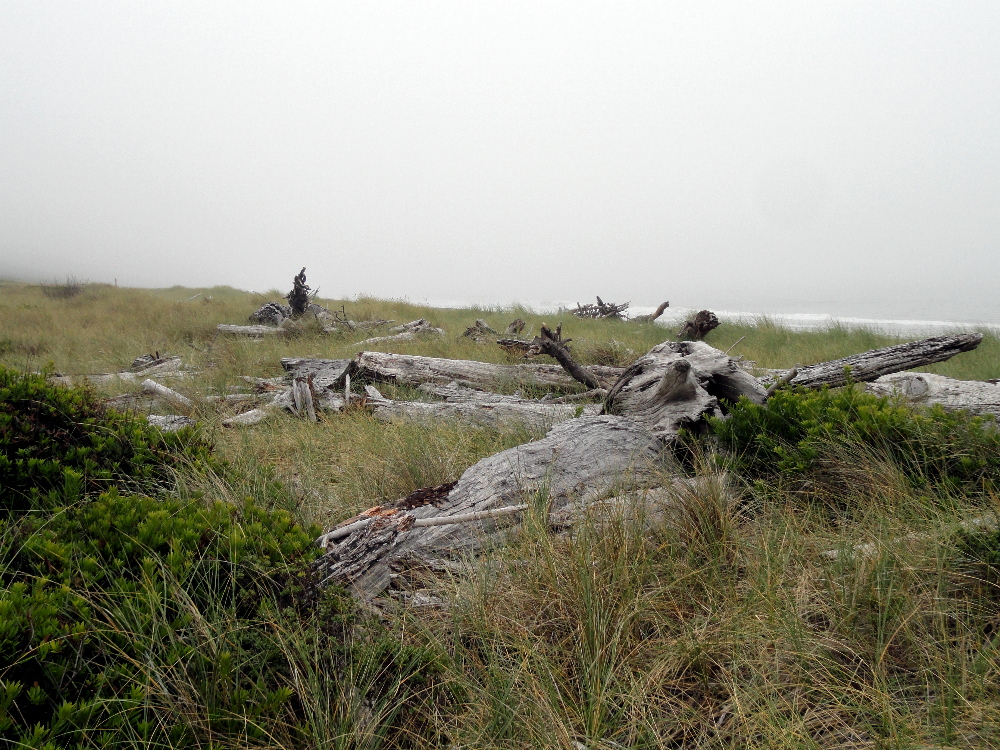
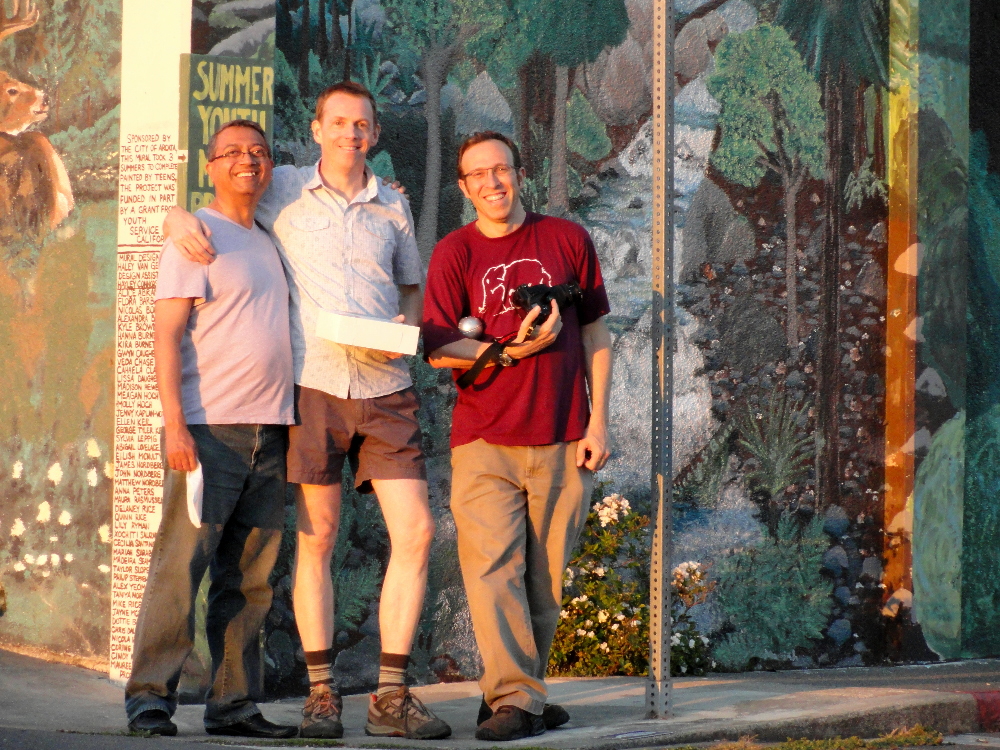
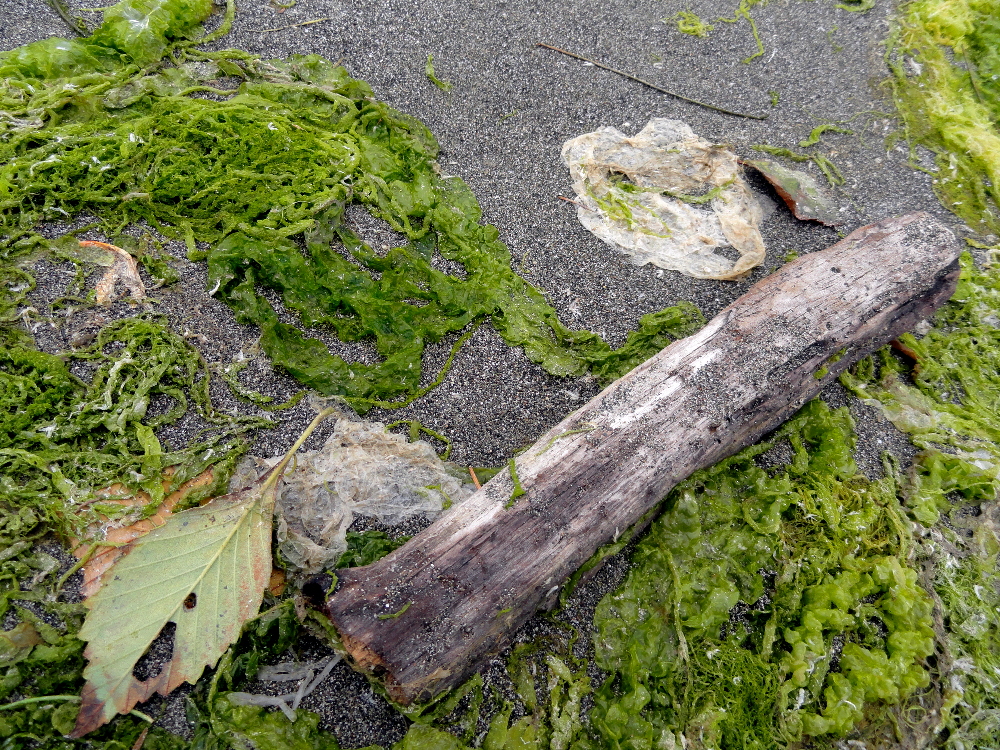
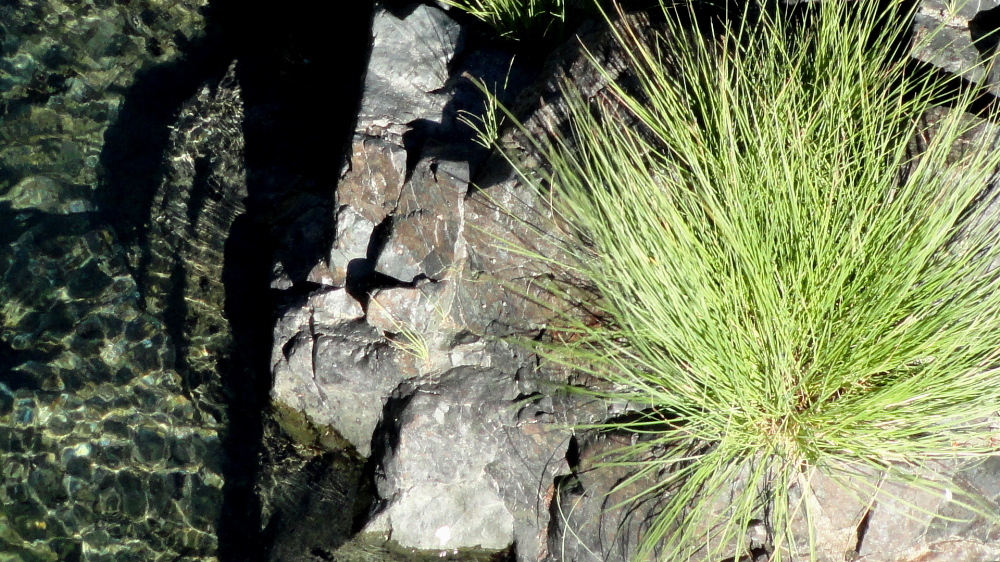
The photo above is actually Oregon, just over the border – where we stayed for a few nights was right on the border, so our beach walks easily took us over into Oregon; further down are some close-ups of beach flotsam and seaweed which are also Oregon seaweed, and Oregon flotsam. Below, my friends by a mural in the AWESOME haven of Arcata, one of the spiritual hubs of the Humboldt Nation and, I hope, a future US home base for yours truly.

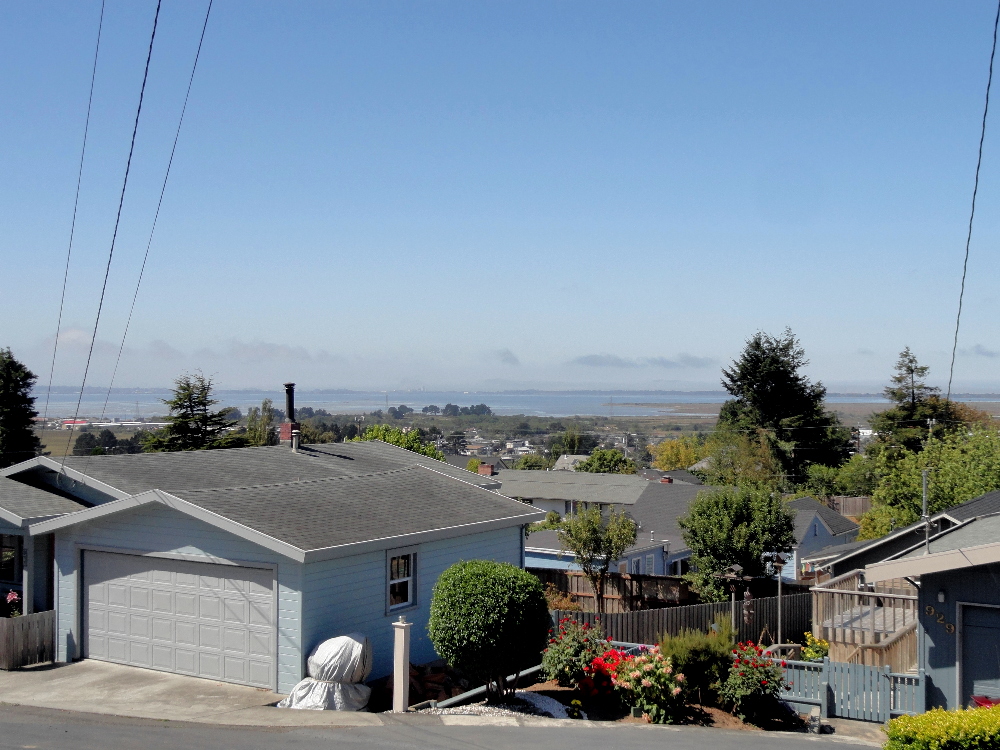
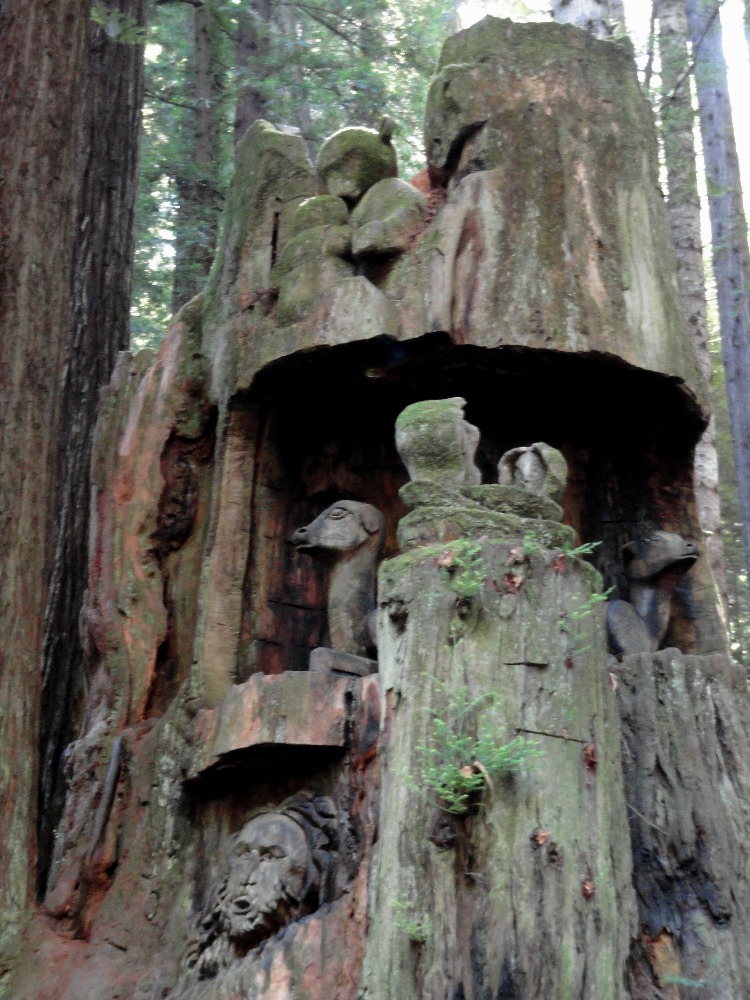
A view of Arcata Bay from the hill Arcata, above; and below, a carved deceased tree trunk in the Arcata community forest.  How many other towns in the world can you think of that have an enormous redwood community forest??

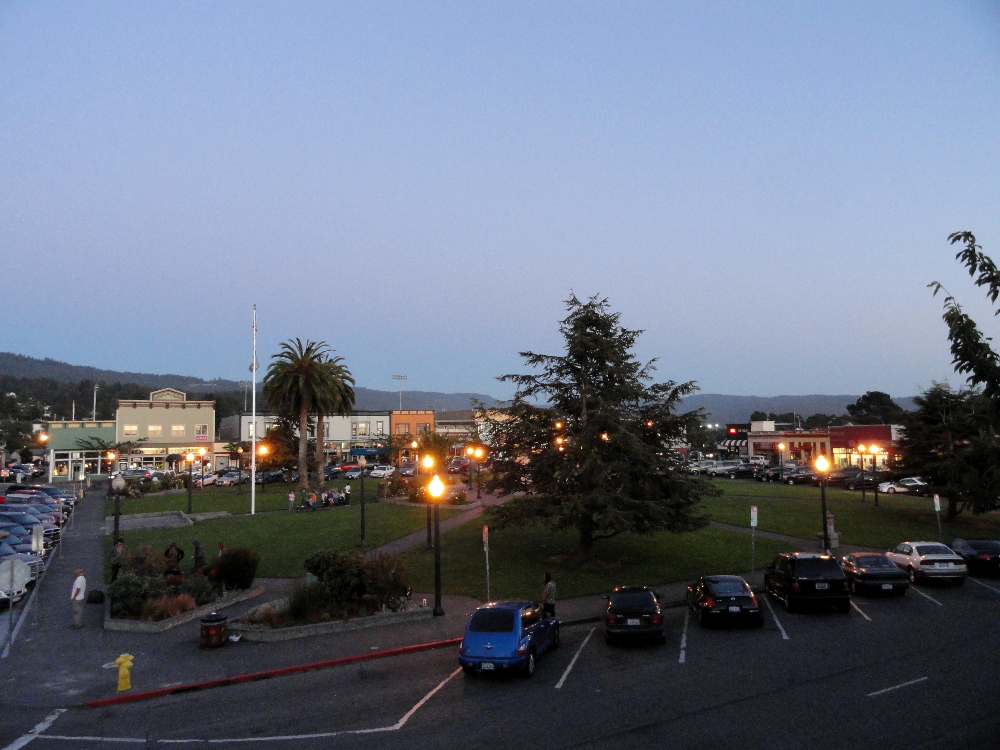
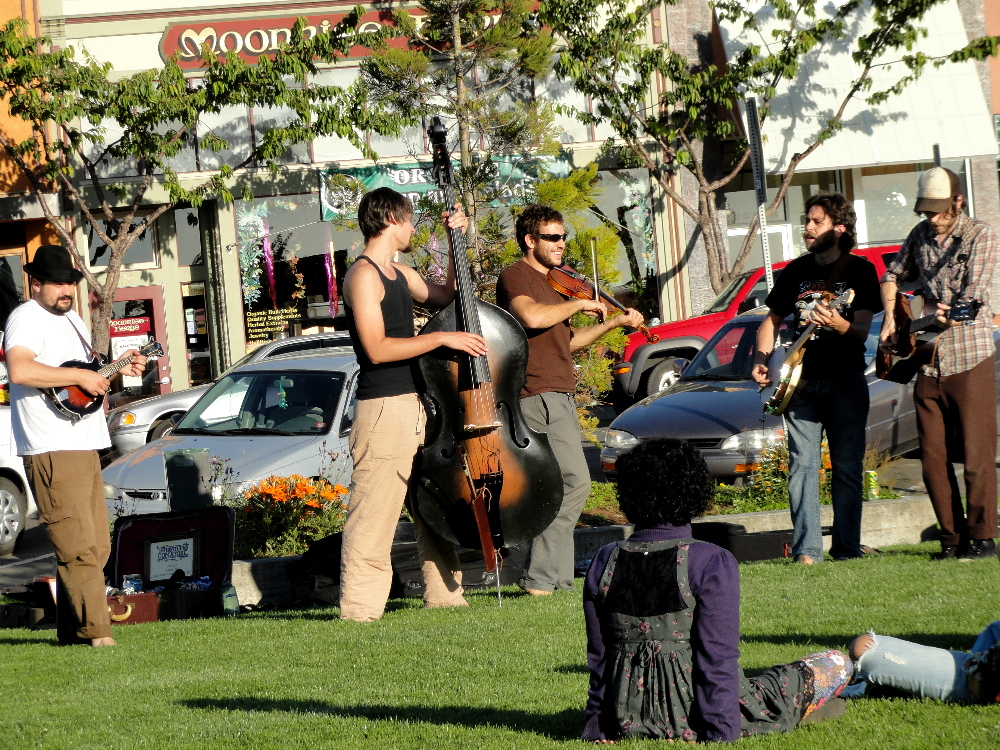
The evening we arrived in Arcata, there was a folk band playing some music right there on the plaza in the heart of town. Kids were dancing, bikers were stopping to listen, and the sun streamed down.

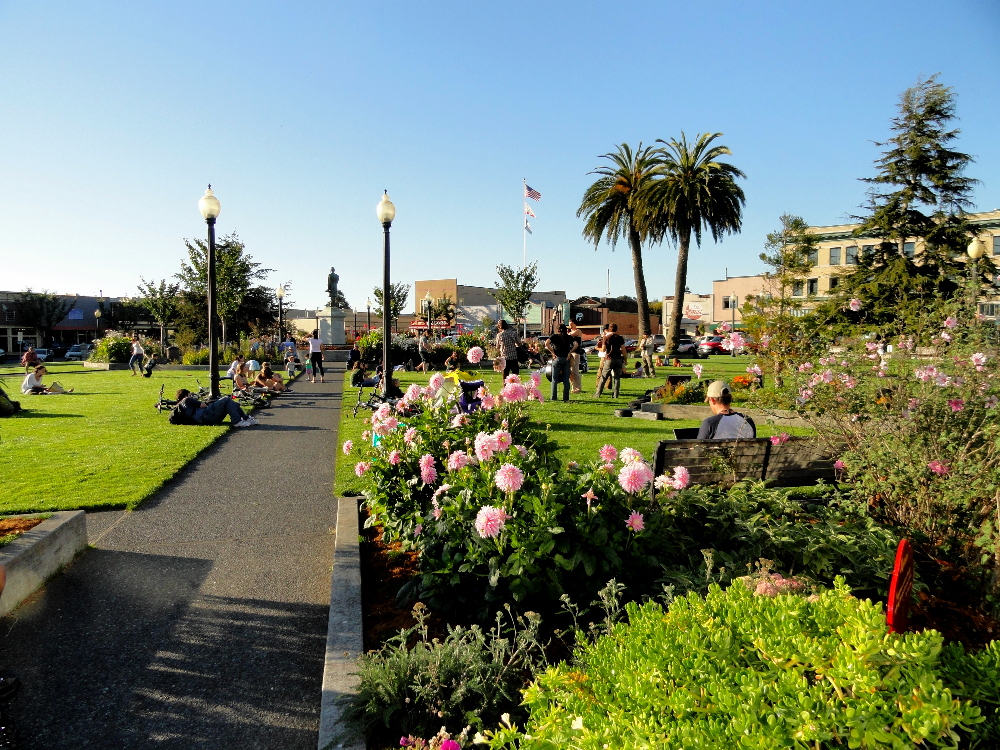
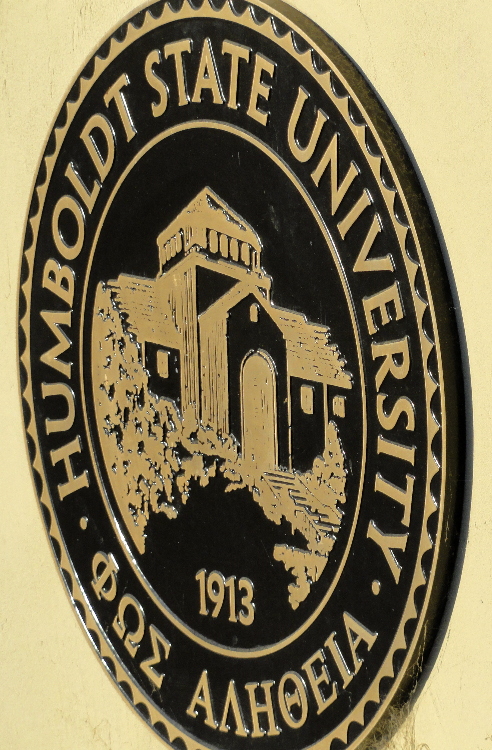
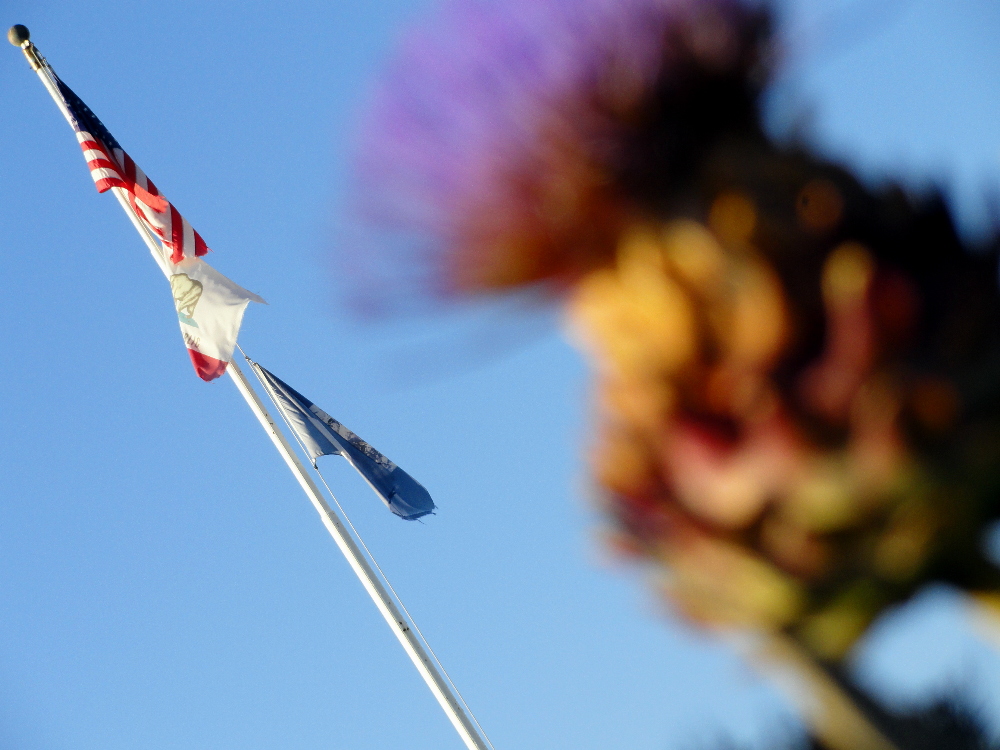
Arcata: a university town fronted by a lovely bay, backed by a community redwood forest, centered by a plaza that flies the US flag, the California flag, and the earth-as-seen-from-space flag. Oh, yeah, and a place that certainly stands to benefit if Californians decide to vote in favor of the ballot measure that would fully legalize – and fully tax – the marijuana trade, by way of compensating for all that federal money no longer coming to support basic needs in our state now that our national budgets have been so constrained by needless, endless wars that prior administrations launched so casually, and that we and the world are still saddled with… Thanks again, Geo W and all you republican hypocrites who like government deficit spending when it’s to kill people halfway across the world, but not when it’s to build schools and railways and other things that help keep real people alive and leading real lives.

Below: lighthouse at Crescent City, the northernmost town of any size (i.e. 8000 or so inhabitants) in California.

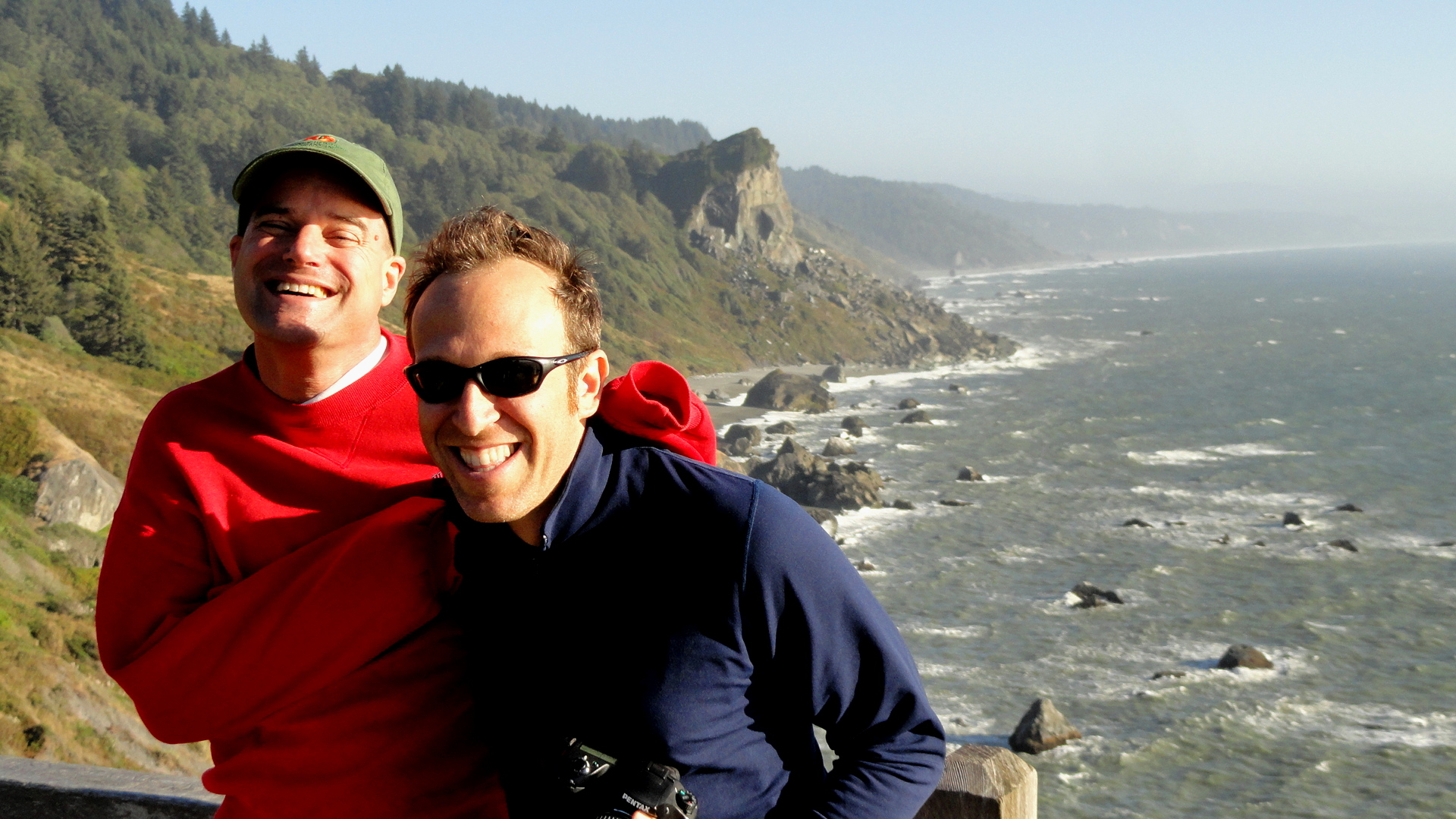
Above: Howard and me in California; below: pinecones, kelp, driftwood and seaweed in Oregon.

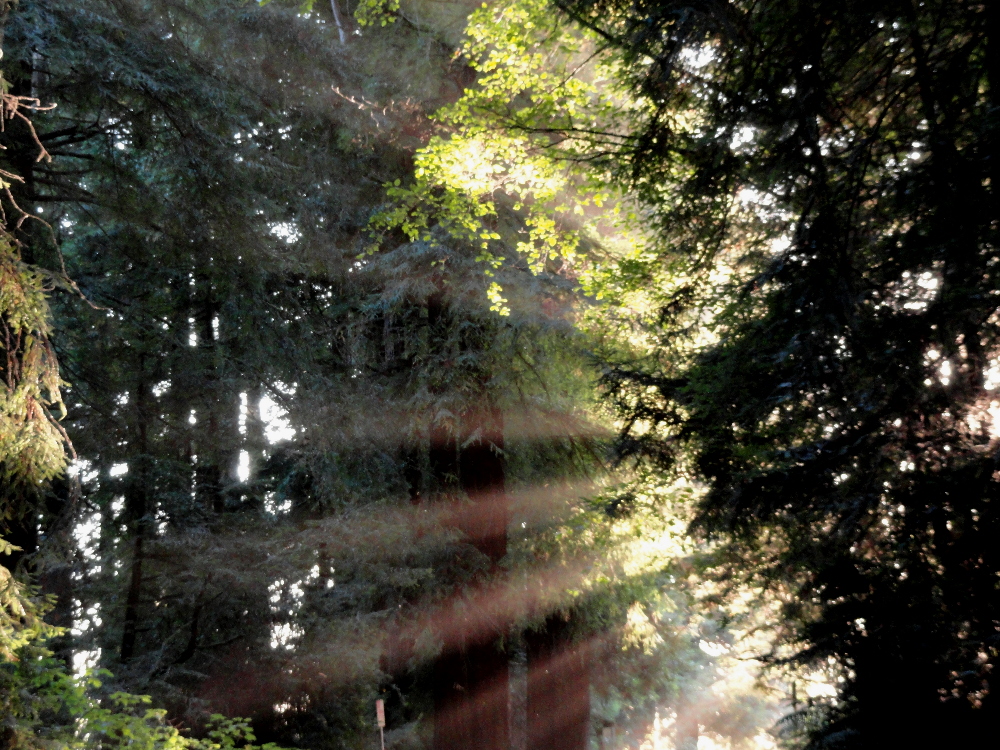
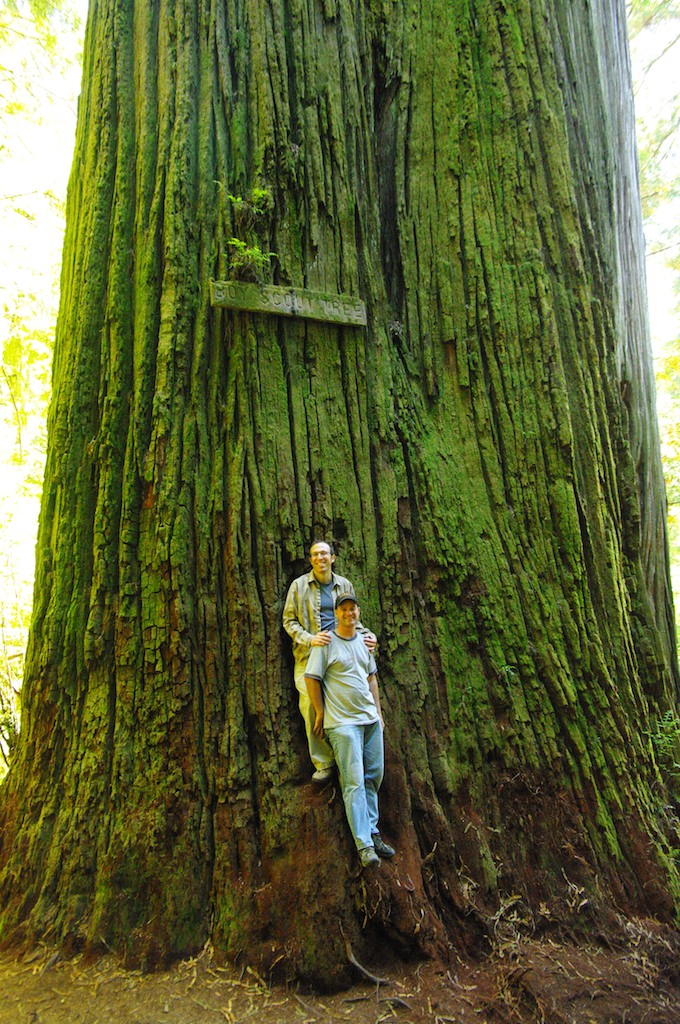
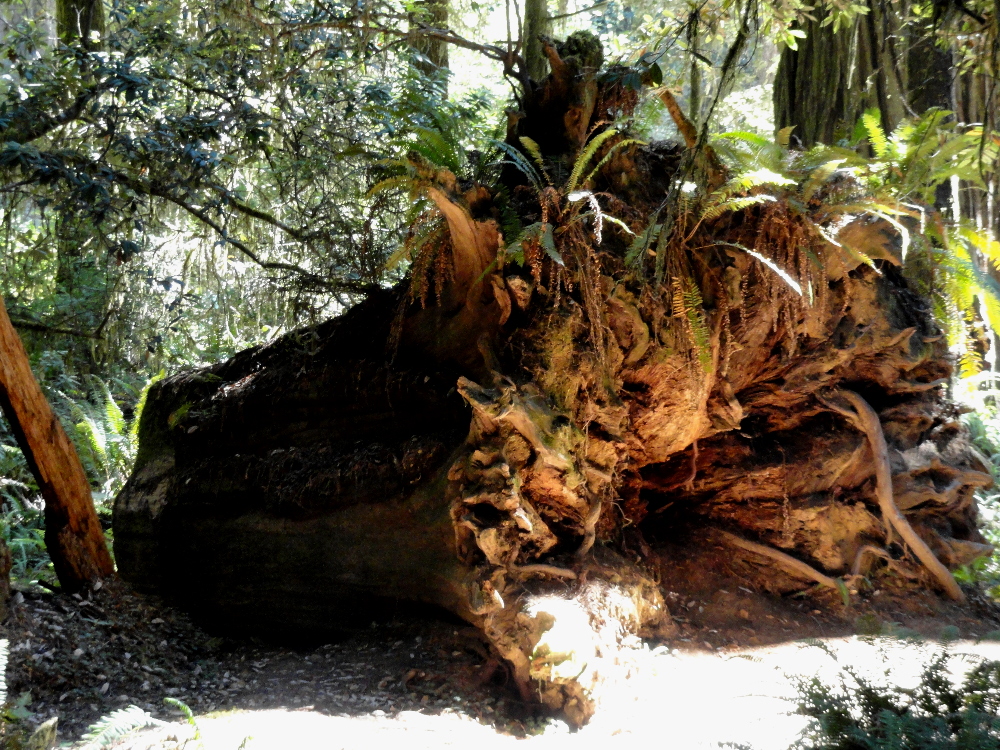
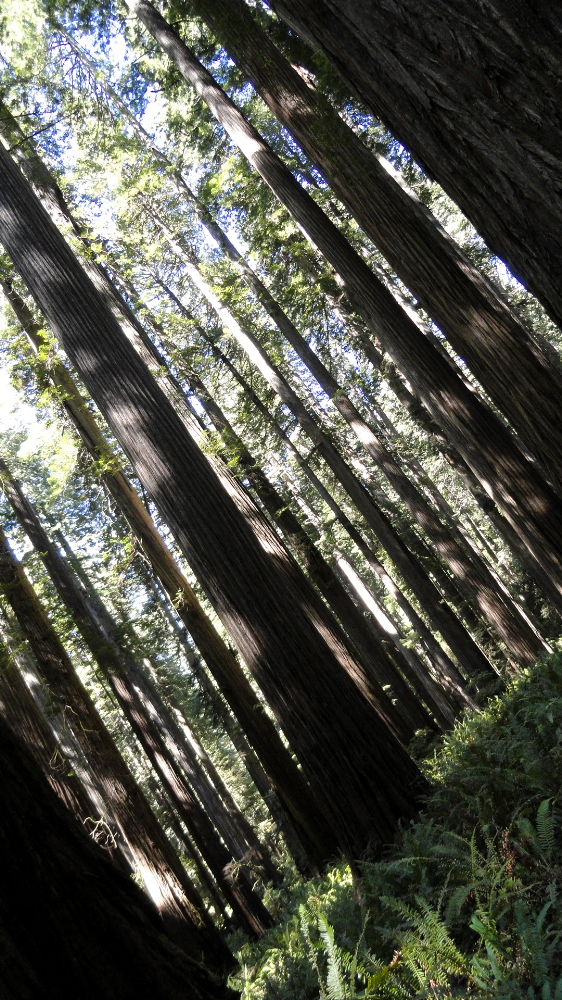
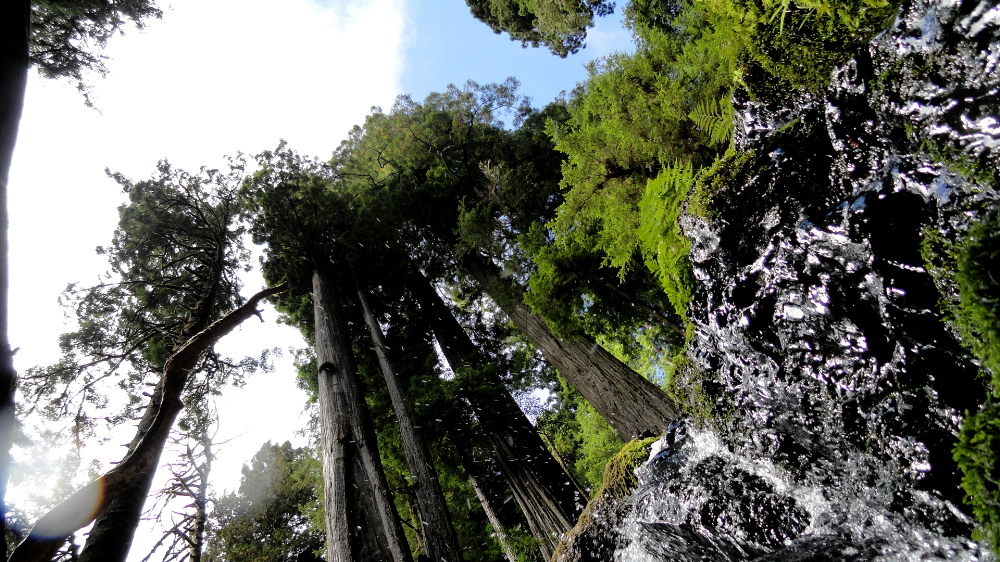
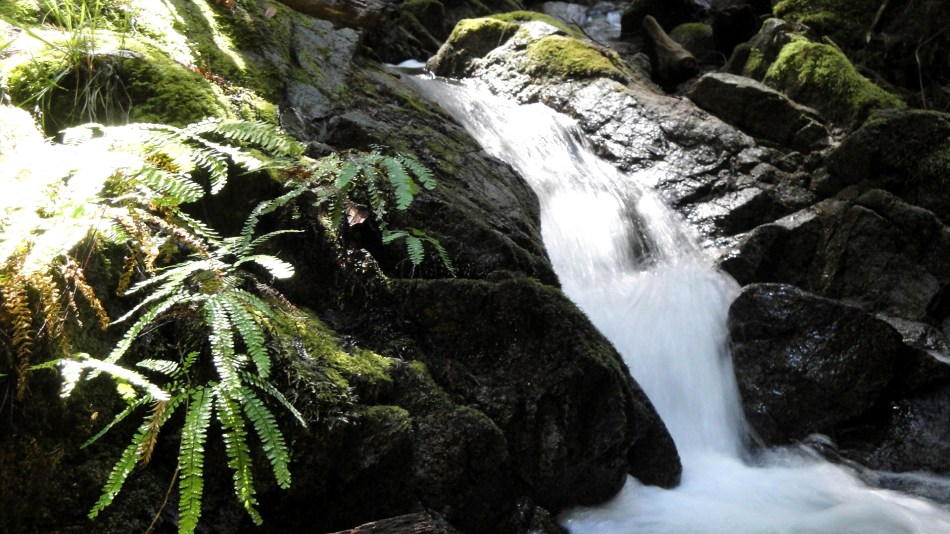
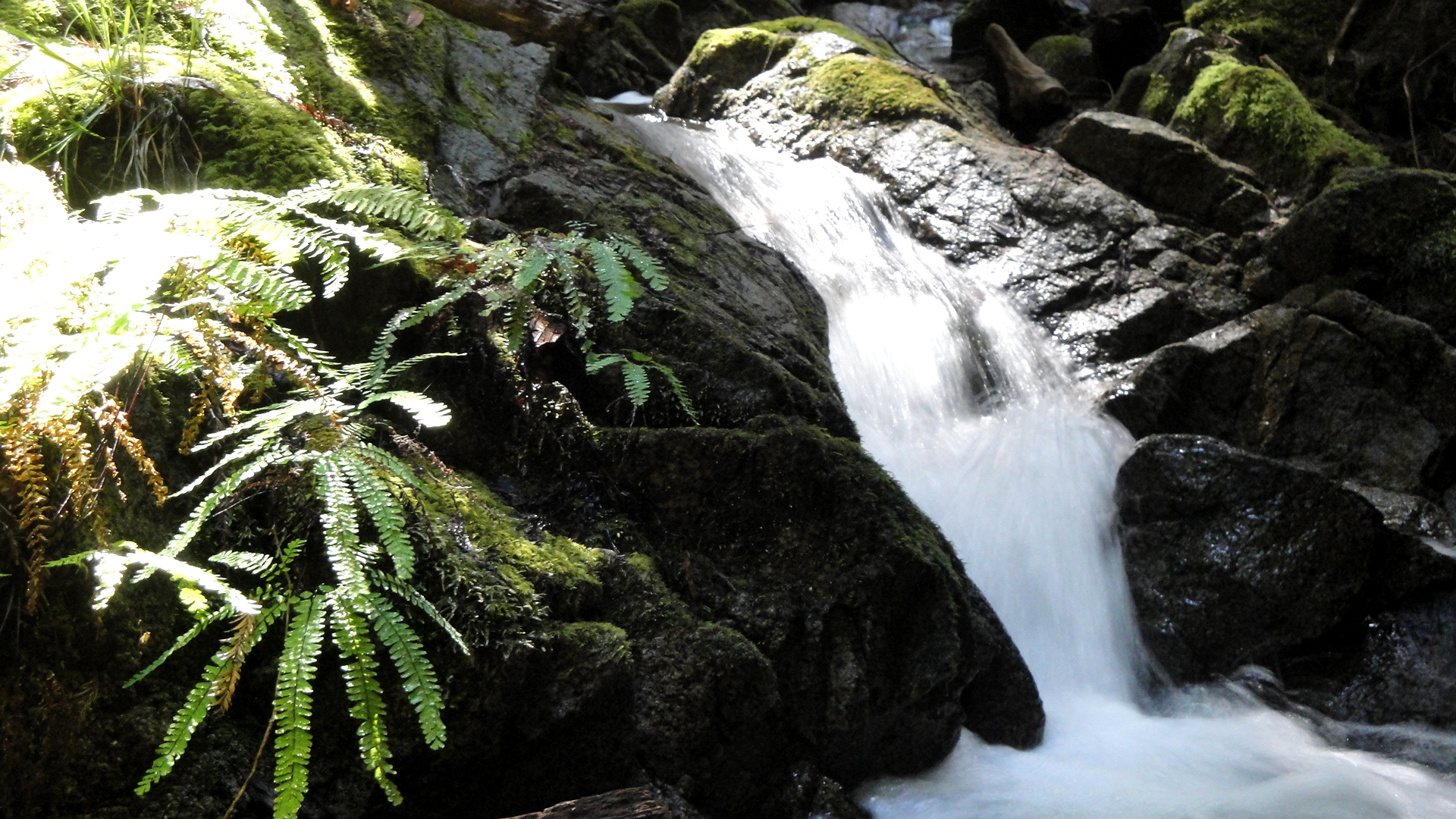
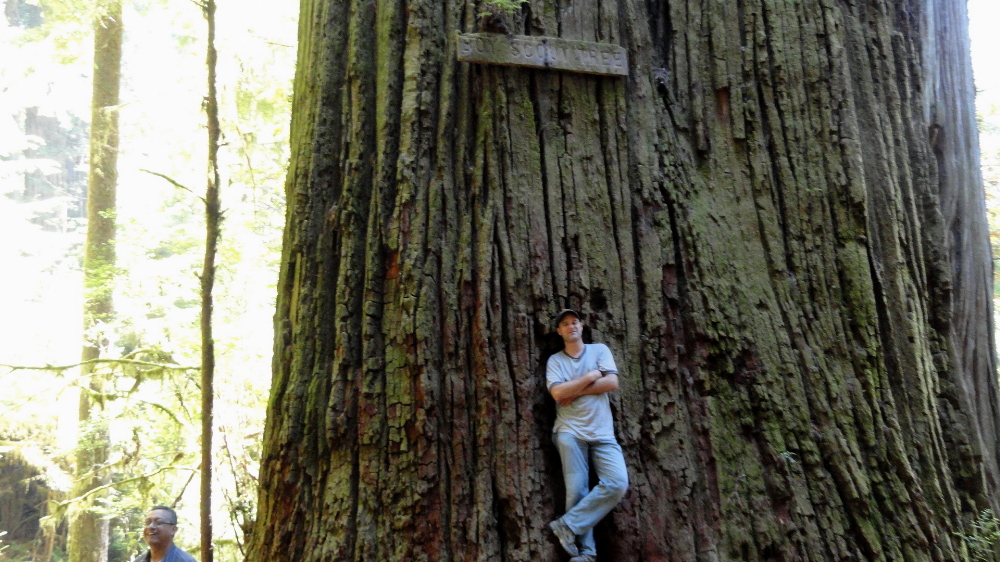
There is no good way to capture, on a still photo, the magnificence of a mature and large redwood forest – or even of a single massive redwood tree. Those who’ve been to Muir Woods just over the Golden Gate from SF, or to the groves of mountain redwoods tucked into pockets of Yosemite and Sequioa National Parks, have some idea. But these northern coastal redwood forests are enormous – hillsides and valley bottoms covered in ferns, with entire forests of towering redwoods rising majestically far into the sky from the quiet, mossy & ferny bottoms. Above is a particularly monumental tree that’s been named ‘Boy Scout Tree’ within the Jedediah Smith Redwoods State Park – you can get a sense of its enormity by how tiny Howard & I are against its trunk. Imagine entire hillsides and valleys full of trees not that much smaller than this one, without really very many people around since it’s all very far from anywhere else, and you get an idea how wonderful these parks are!

Gardens & Trails – Peninsula & Southbay

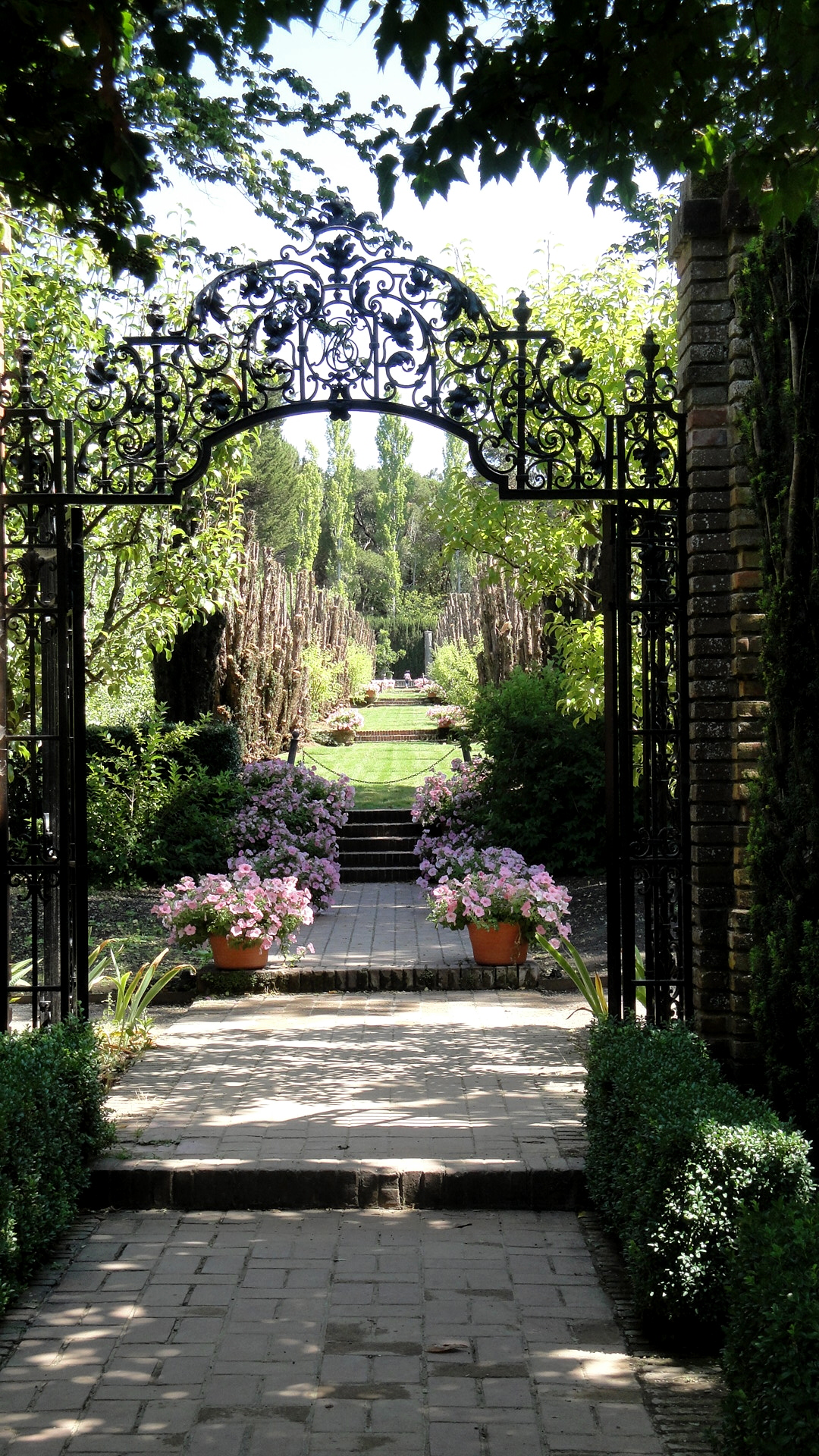
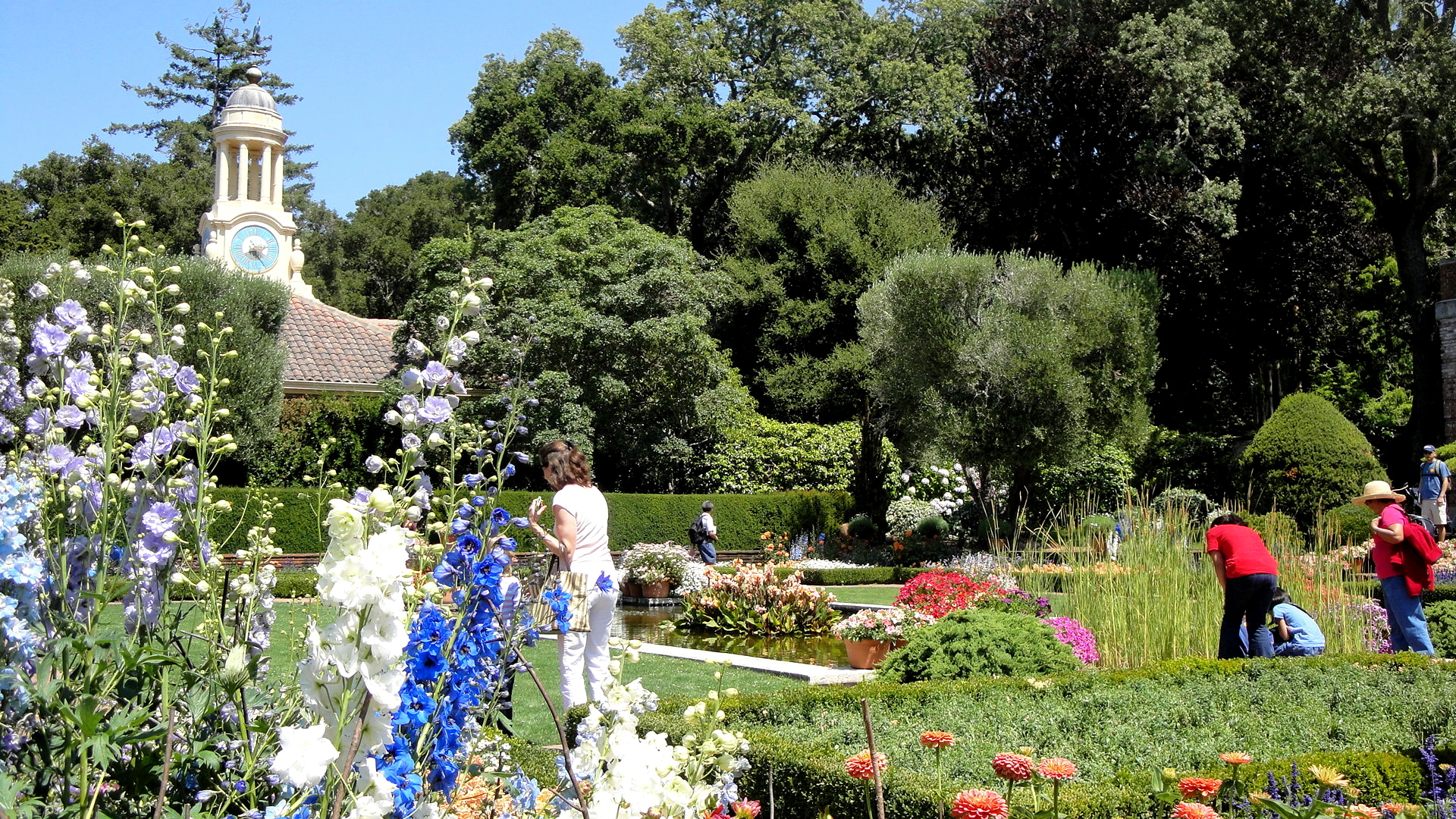
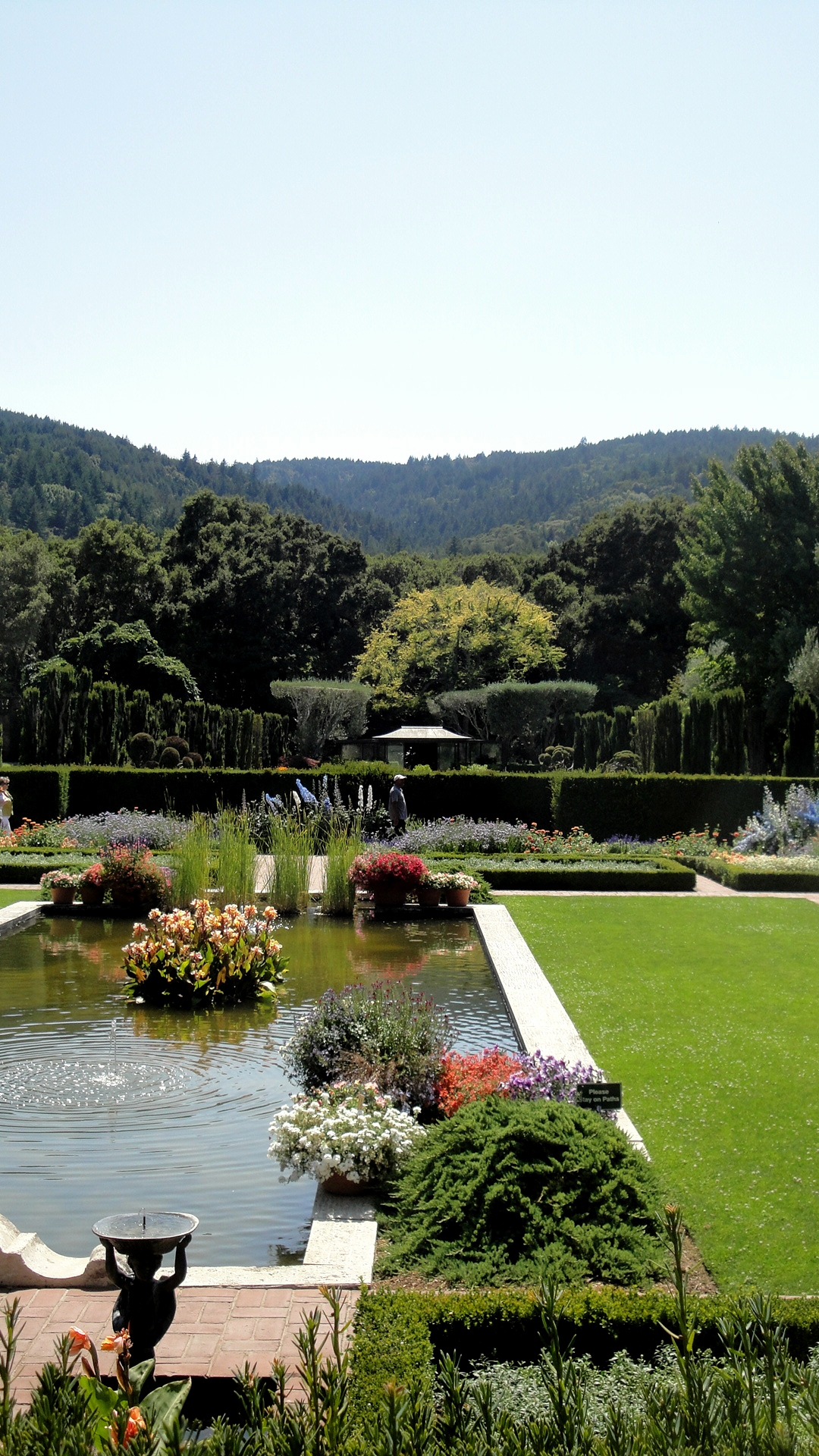
When it’s possible, I do all in my power to get to SF/Bay Area for the first two weekends in August – because on those two weekends, the wonderful Cabrillo Festival of Contemporary Music happens in & around Santa Cruz. Howard and Gene first introduced me to the festival in the late 90’s, and I’ve tried to go every chance I’ve had since I started working w/MSF since live music and live performing arts in general are something I miss when I’m in the field. All of these photos were taken on the weekends we spent on the peninsula and in the south bay areas – hikes in the afternoons before evening concerts, an exploration of Filoli Gardens which is a lovely house and garden in the hills north of Palo Alto. If anyone wonders why I try to get back here as often as I can, the photos above and below may give you some ideas. 🙂

Marvelous Memories of Manipur


so much world, so little time has finally managed to sort the hundreds of photos that accumulated during my last months in Manipur and my weeks of travel in northern Europe after I left India. You’ll note that we’ve also settled on a new blog site – something we’ve felt needed doing since our last posts from India, showing the sights and scenes of my lovely vacation in Kerala. Why, you ask? My old site, paulbrockmann.blogspot.com, had introduced a new photo editor which made it impossible for more than one or two photo-heavy posts like mine to appear on the main page. They didn’t even offer me any choices, as the current host does, about paying for upgrades to allow a heavier front page…they just changed it and – shazam – many of you were suddenly unable to understand, for example, that I posted four different ‘stories’ or entries about Kerala. In the 5-1/2 years I posted at blogspot, I’d developed a certain style and many of you had gotten used to it. I know who most of my readers are because you’re mostly my friends, family & colleagues from around the world. I hope you’ll feel the current site allows you a better overview of what I’ve been doing than the old site under its new posting rules. All of the old posts, from February 2005 on, have been imported here – but honestly, they show up better there if you can take the time to click on the individual link for each one, because the wordpress importer shrank all the photos. I’m also going to have to figure out a way to show an ‘archive’ column on the left or right of my main page, so it’s easier to navigate to the past entries. But for now, I wanted to show you some of these lovely memories of my nine months in Manipur, along with – lower down – some visual highlights from my weeks exploring new parts of northern Europe.

My style has necessarily changed with this new blog: many of the photos appear far larger than they ever did before; to balance that, many of the other images will appear in gallery format so it doesn’t take so much time to load and scan through the pages. In all cases, you can click on a photo to see a full-size version, or its name. Some of the names will tell you something, many are more for my information than the general public’s. Please give me feedback: what you do and don’t like about the posts, the text, the new host, the photos, the design, my current hair style, you name it. Write on my own address, if you want, or leave a comment here – which is pretty easy to do, I think.  (Guess I’ll find out, huh?) Above all, I hope you enjoy these peeks of where I’ve been and what I’ve been doing since January.
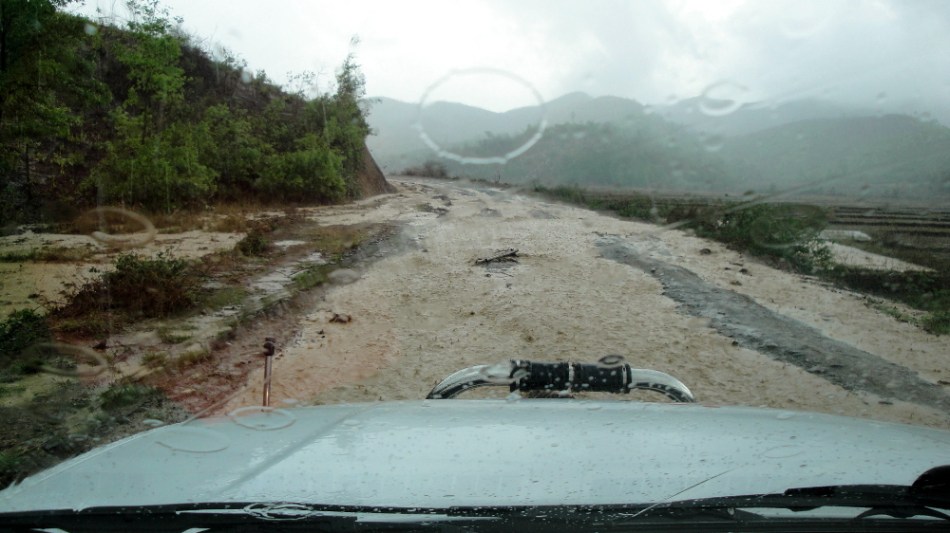
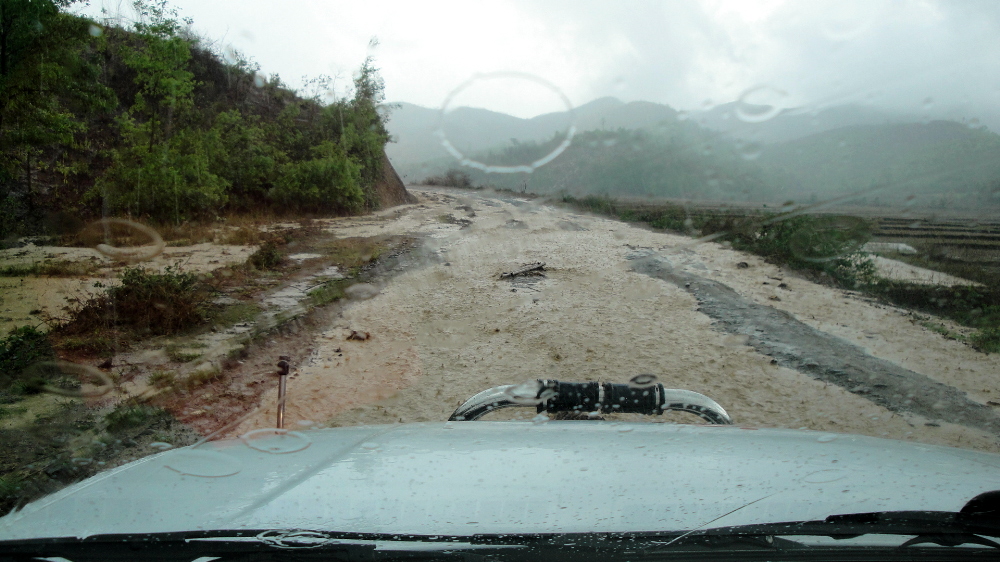
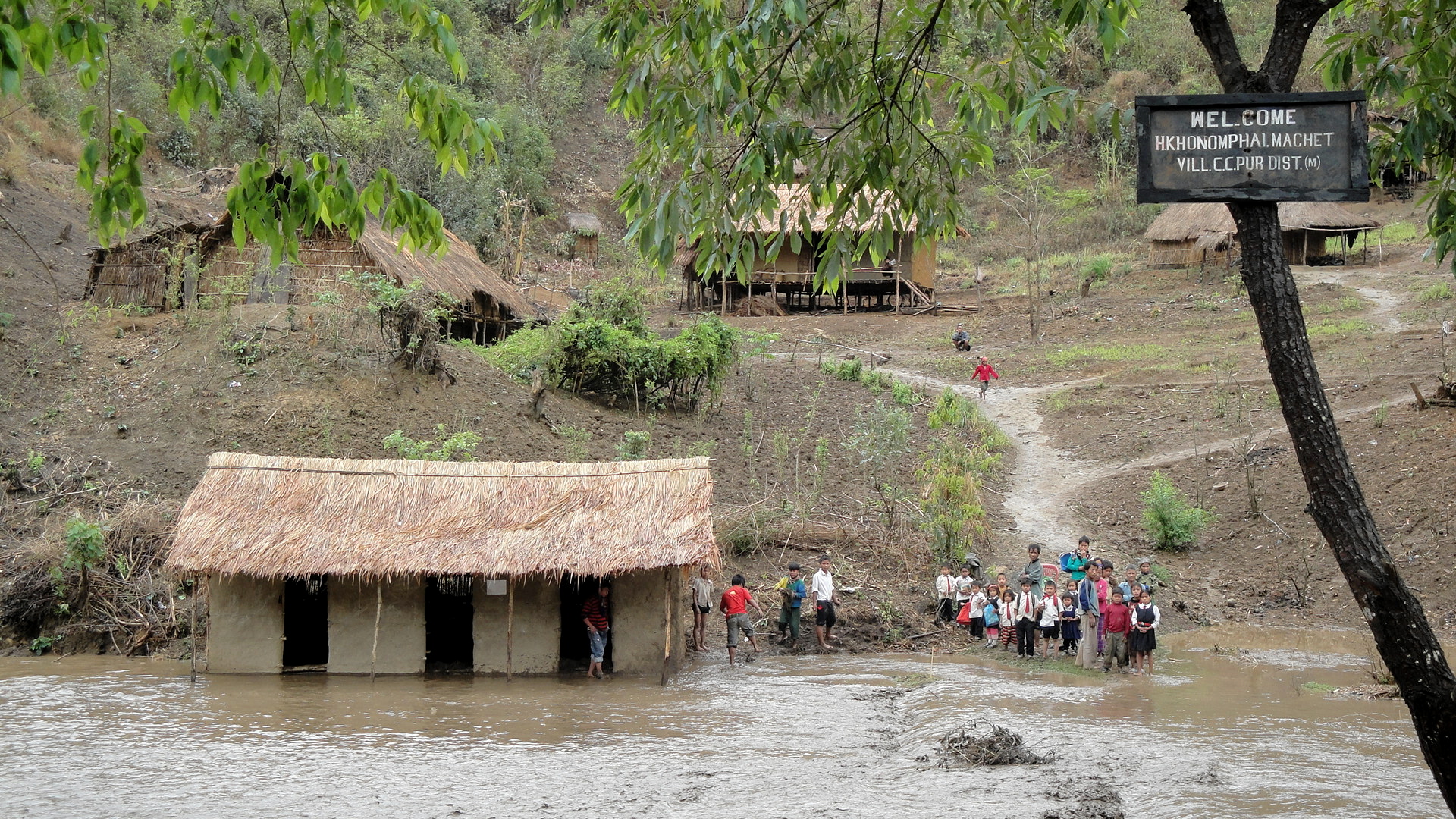
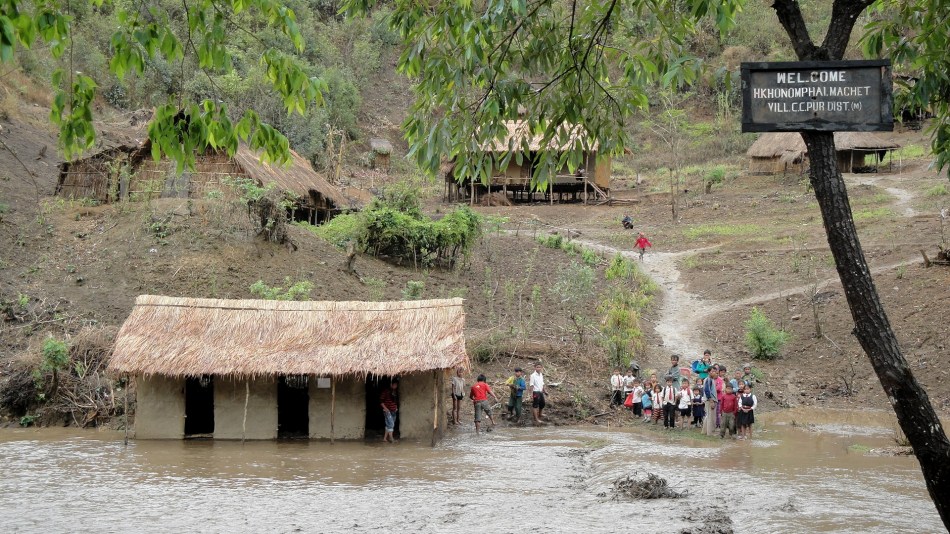
Coming back one day on the road between Sugnu and Tuining, the skies just opened up – hail, massive rain, rivers in the roads. Below is a school being evacuated after the creek by which it sits got a bit too big for its banks from the same storm – the shot below was taken about 10km and 30 minutes down the road after the shot above.
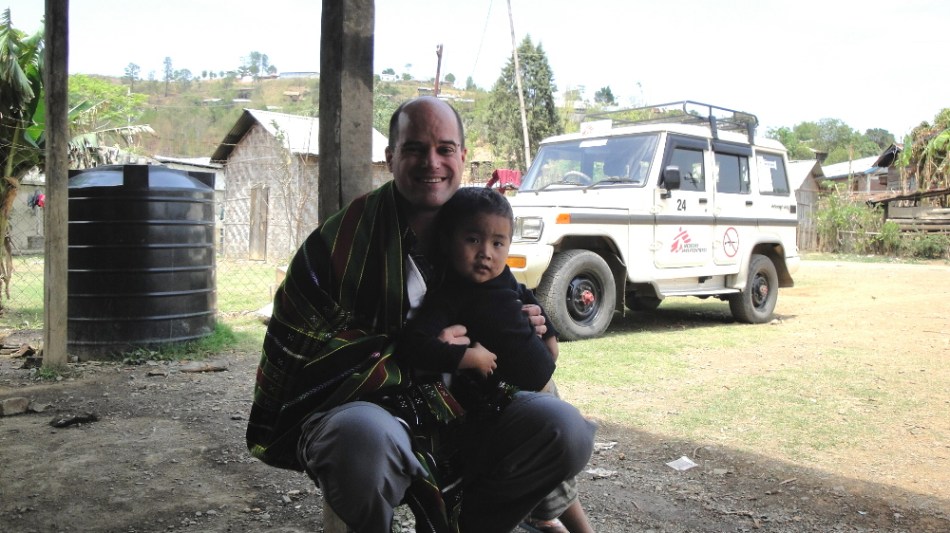
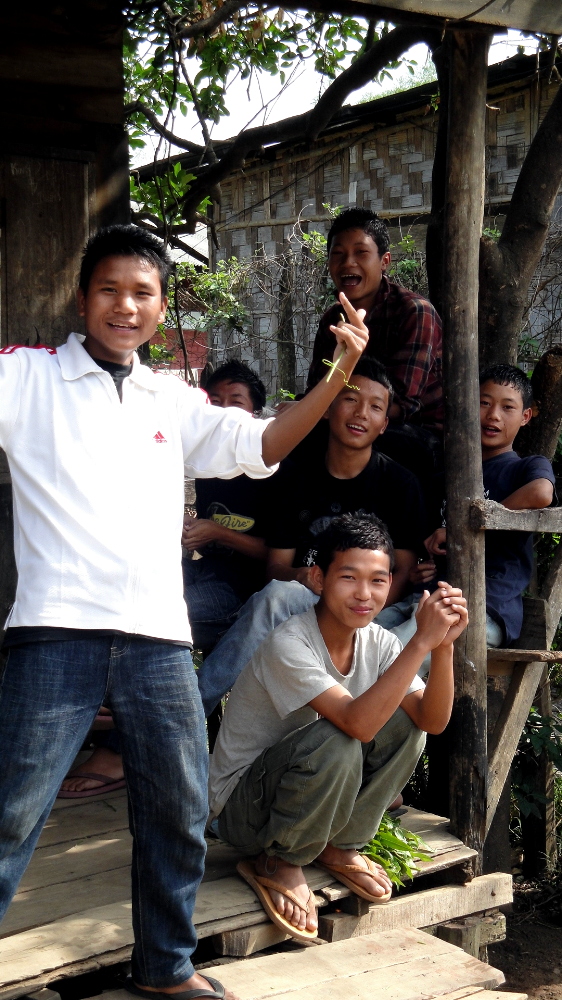
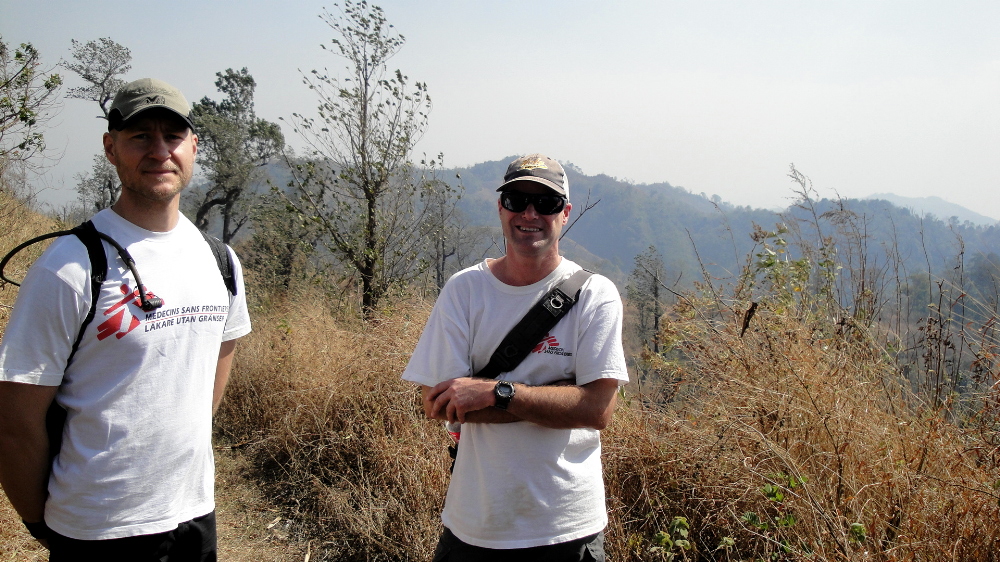
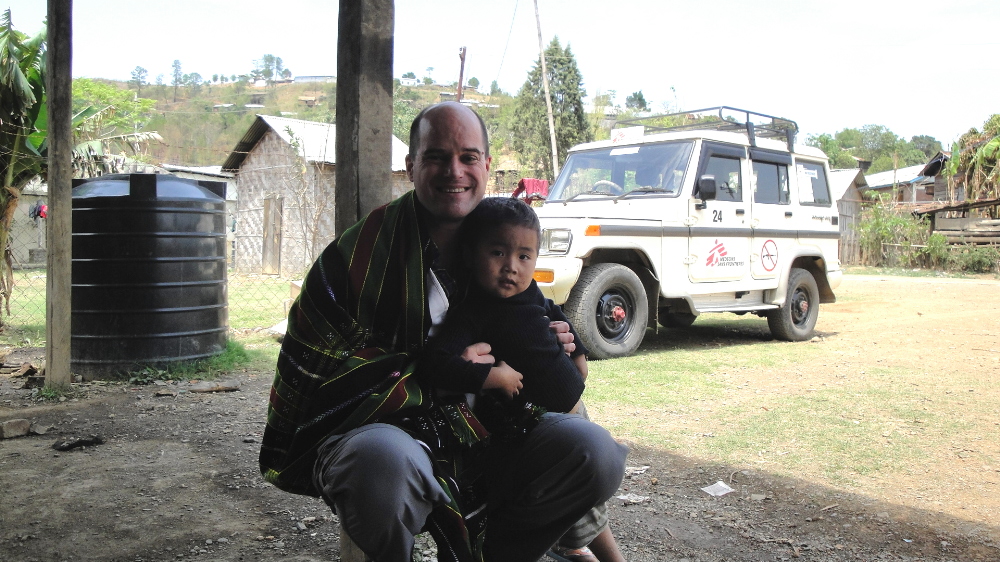
Though I left Manipur nearly three months ago (!!) and have been back in the US nearly two months, somehow I simply haven’t gotten to sorting these photos, settling on a new blog host, and deciding what and how to show you all. Believe it or not, I’ve eliminated well over half the photos from posting. I’m afraid that I’m still asking you to look at a LOT of photos, but I find Manipur, its people and places, so endlessly photogenic and interesting. If you’ve followed so much world, so little time for while, then you know I have a basic rule that this blog is about my experiences as a person and not really about the work I do in the places I go with MSF. However, in the case of these photos I’ve decided to include more photos taken on the job, or taken of me at the job, than I normally would. I’m also including, farther down, a whole gallery of faces of colleagues, friends and patients from Manipur. I hope these people don’t mind appearing here, and I hope they and readers all understand that I do this as tribute and thanks to the people, places and communities that have left strong impressions and lasting memories with me. Spending a year in Manipur, I hope, helped me learn more humility: the face of MSF that donor countries normally see is the ‘expatriate,’ best known in the US from characters on the TV shows Will & Grace or ER that do similar work. But in Manipur, perhaps even more than in most MSF projects, it’s really our locally-hired national staff who make possible the work we do. In a region with so many different languages and histories, none of us international staff would get much of anywhere in terms of productive work without relying very heavily on the local ‘national’ staff who are really the backbone of most MSF projects. I’ll have, further down, some shots that are fairly obviously work related; but throughout this section I hope you’ll enjoy the people and scenes of Manipur where I think MSF is doing such good work.

As I write this I’m in a lovely vacation rental in Provincetown, at the tip of Cape Cod. Even here, various folks I’ve chatted with talk with pride of how they support MSF. And well they should be proud — it’s the small donors who make it possible for us to work in places like Manipur. Ask yourself if you’d ever heard of Manipur before I went to work there; and ask yourself how Manipur ranks in the donor-awareness of most citizens of the world compared to, say, Haiti. Haiti certainly has great needs – and indeed MSF has been and remains heavily engaged there both pre- and post-January 2010. But it’s the millions of private donors around the world who allow MSF to look at a small isolated place like Manipur, and decide to try to respond to some unmet medical needs there in a way that both preserves life and restores dignity, and hopefully also helps support the government’s own provision of longer-term solutions than we alone can provide. It’s my strong belief that MSF and all our colleagues and donors should be proud of the work we do in Manipur. I’m off my high-horse – enjoy the pics.
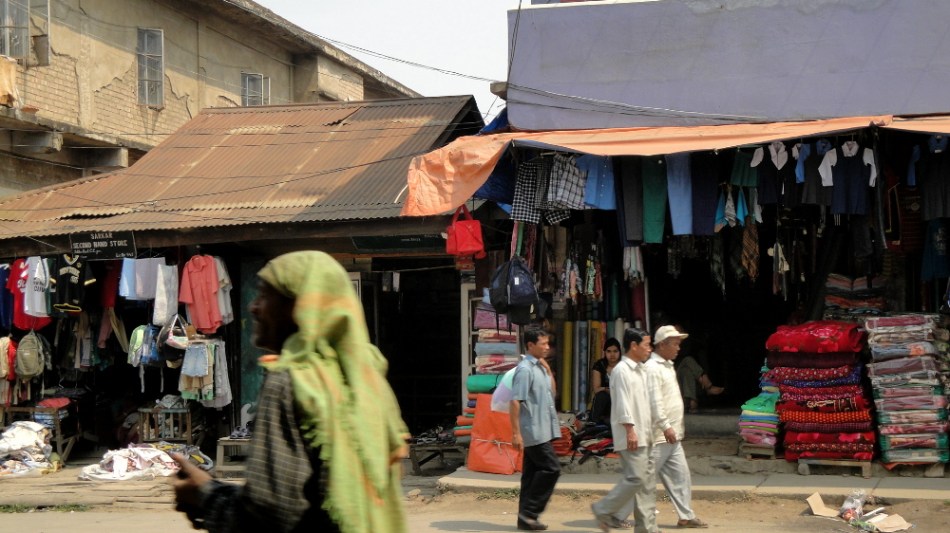
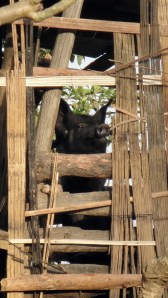
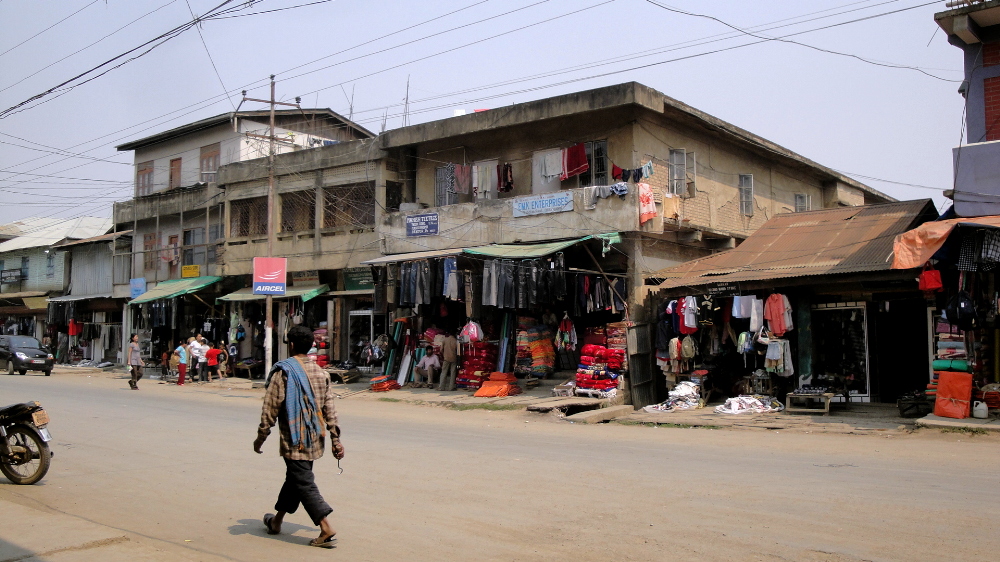
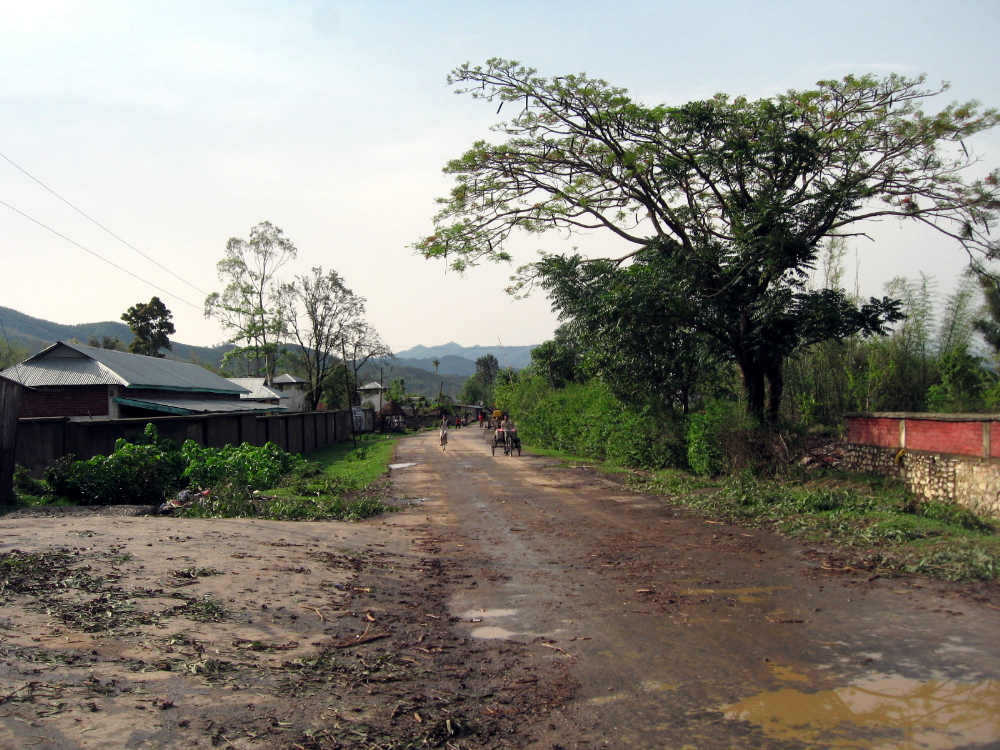
…immediately above, and for a while below, are scenes from the main town parts of Churachandpur; yes, including the pig trying to get out of his sty, which was more in a neighborhood just behind where our main house and office were located.
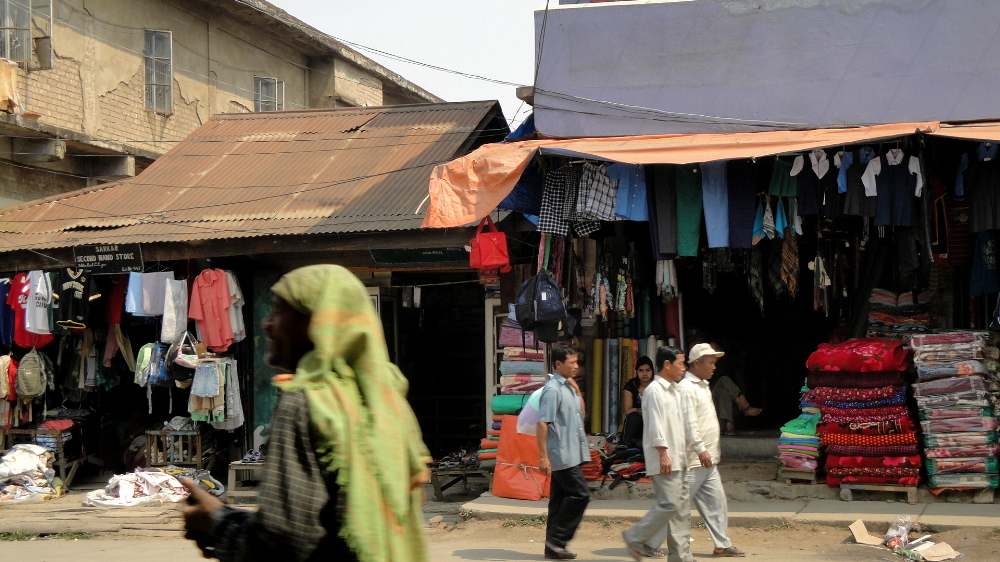
…from fairly fancy houses and shops, to streetfront shops and pigstys, CCpur’s got it all…
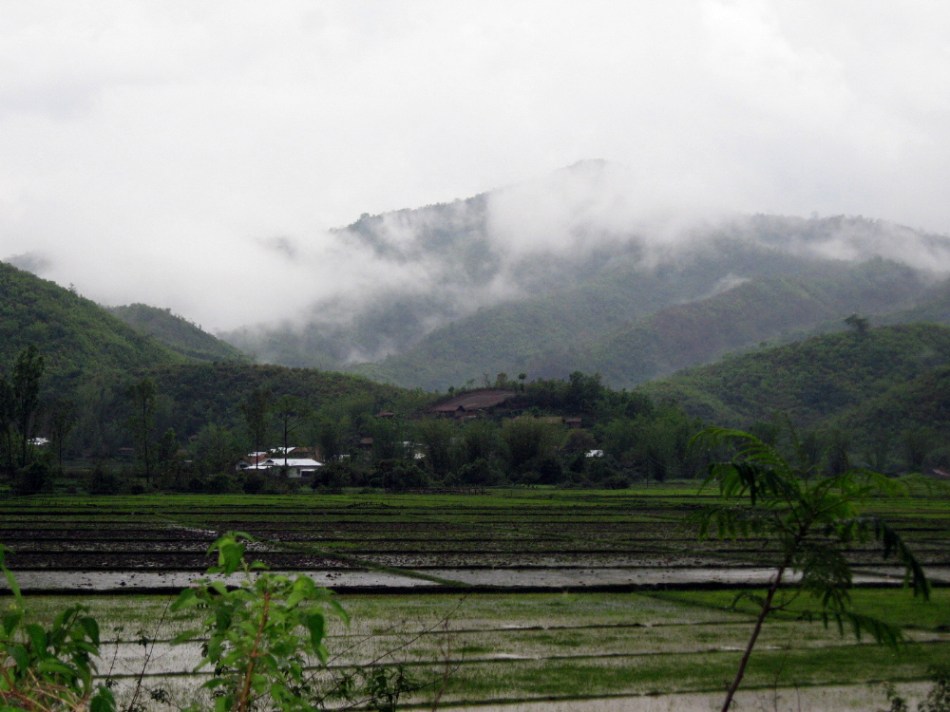
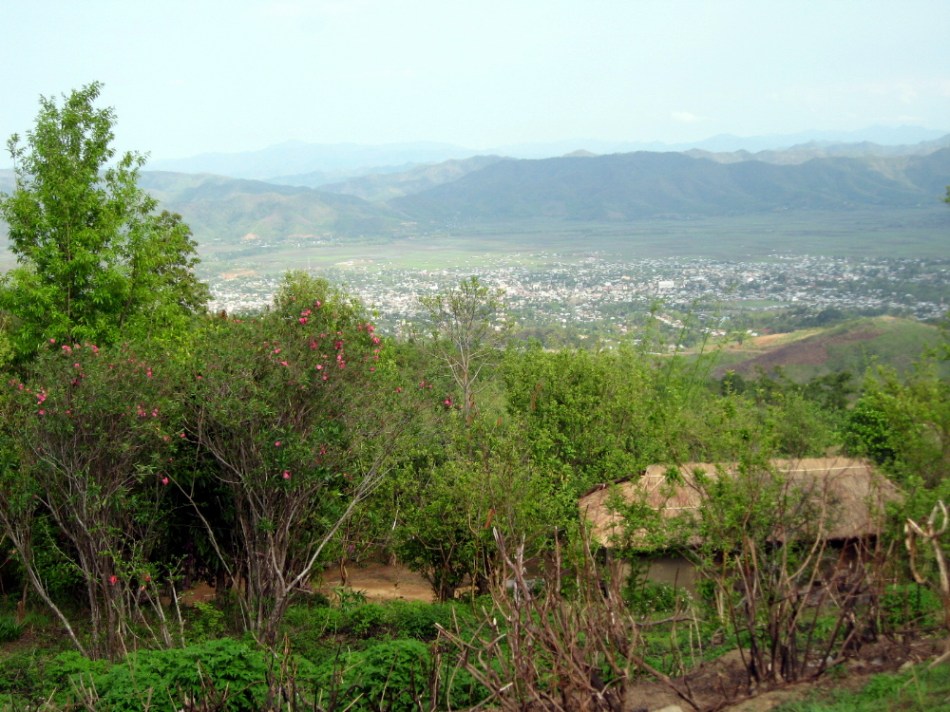
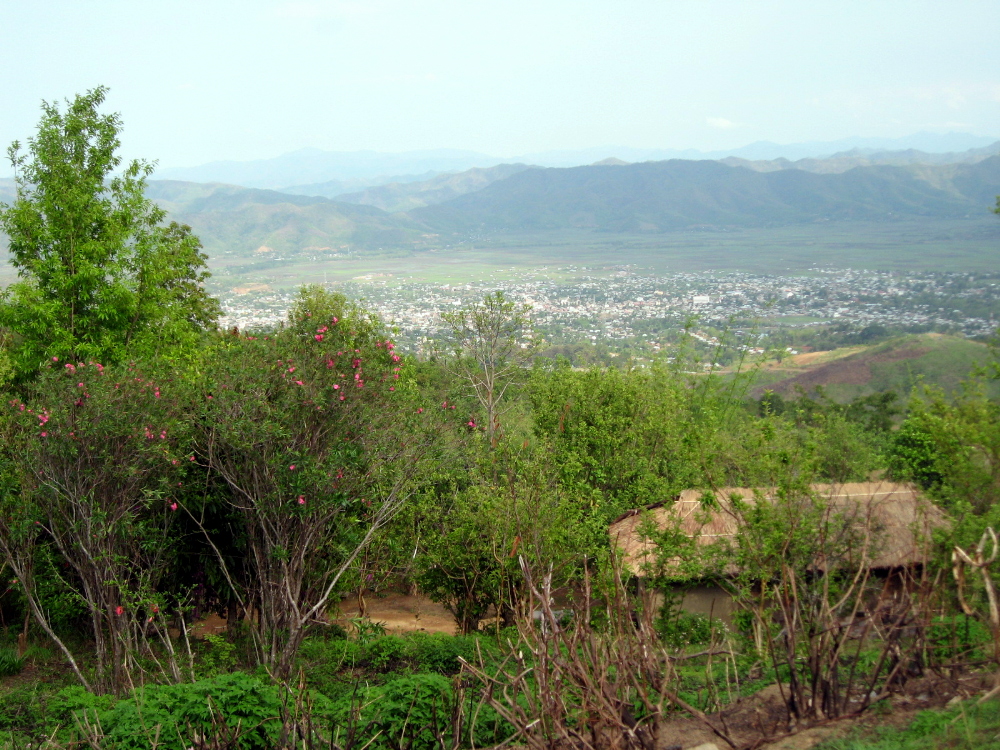
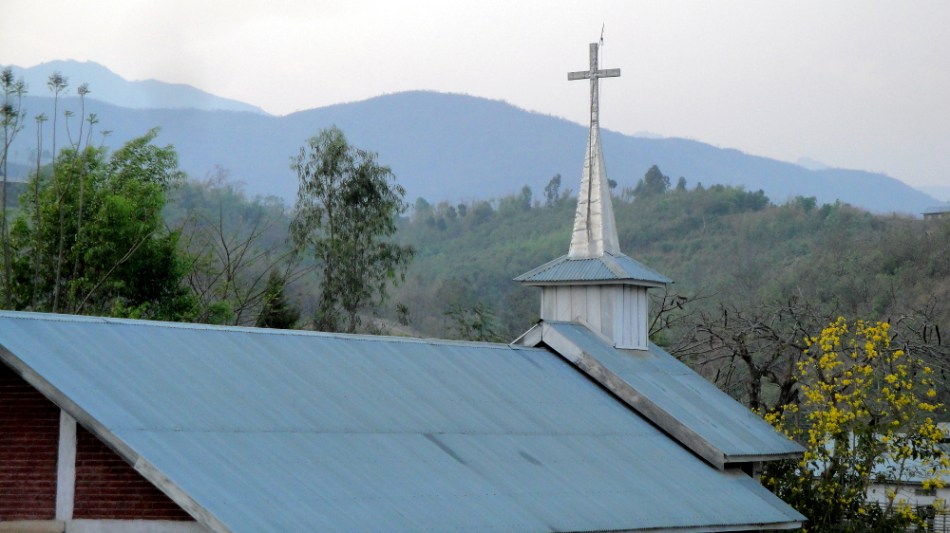
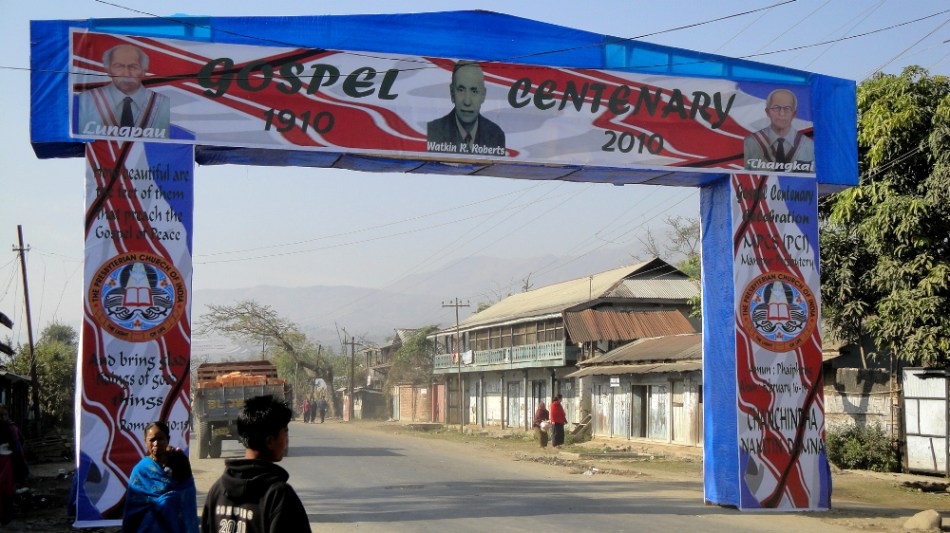
Below is the view from our house, more precisely the view from the bathroom I used most days to shower and brush my teeth and so on. Not a bad view, huh? Quick review & explanation for those who don’t know: maybe 1/3 of Manipur’s total population is made up of people belonging to various hill tribes such as Gangte, Kuki, Miso, Naga, Paite, Vaiphei, Zou etc. (More than 40 recognized minorities make up the 2-1/2 million residents of Manipur.) Nearly all of the hill tribal folks were converted to Christianity by missionaries from the US and UK in the early 20th century – indeed, below you’ll see a festive arch commemorating the ‘gospel centenary,’ i.e. 100 years since those first missionaries introduced Christianity to that part of Manipur. Since we lived, and primarily worked, in Churachandpur and other hill tribal areas, we saw a lot of churches — and they make an interesting visual against the lovely mountains. The majority population in Manipur are the mainly valley-dwelling Meitei or Manipuris, who’ve been living in this little valley for something like 2000 years and have a long history of art and culture of which they are quite proud. The Meitei are about 80% (so I’ve been told) Hindu these days, having largely converted when a king led them to do so in the 18th century (I think); the remaining 20% or so mostly adhere to the Meitei or Manipuri indigenous religion, which existed before the conversion to Hinduism. There are some churches in the valley, but I don’t think many Meitei are Christian.
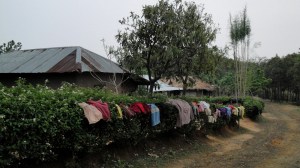
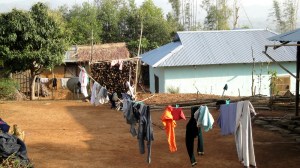
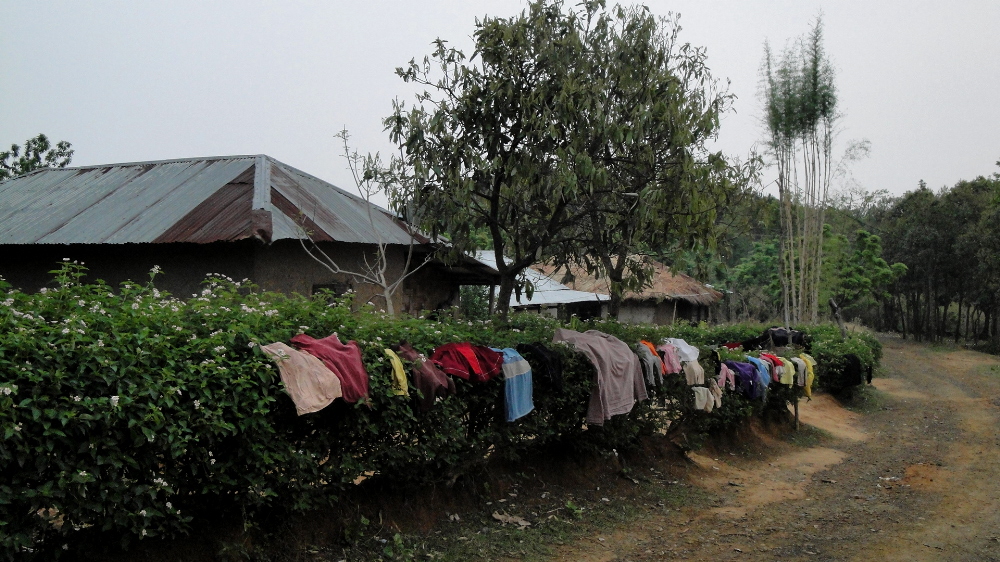
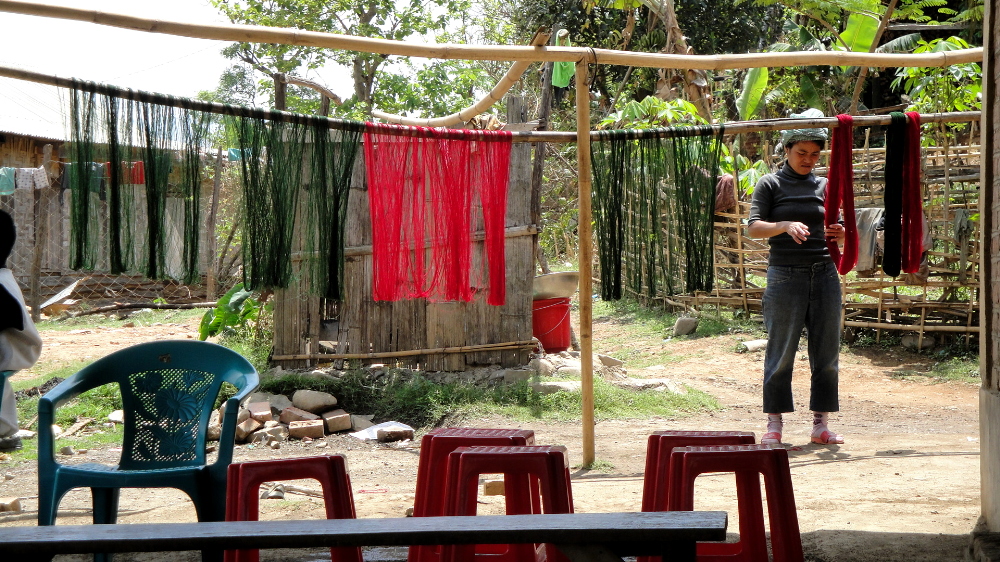
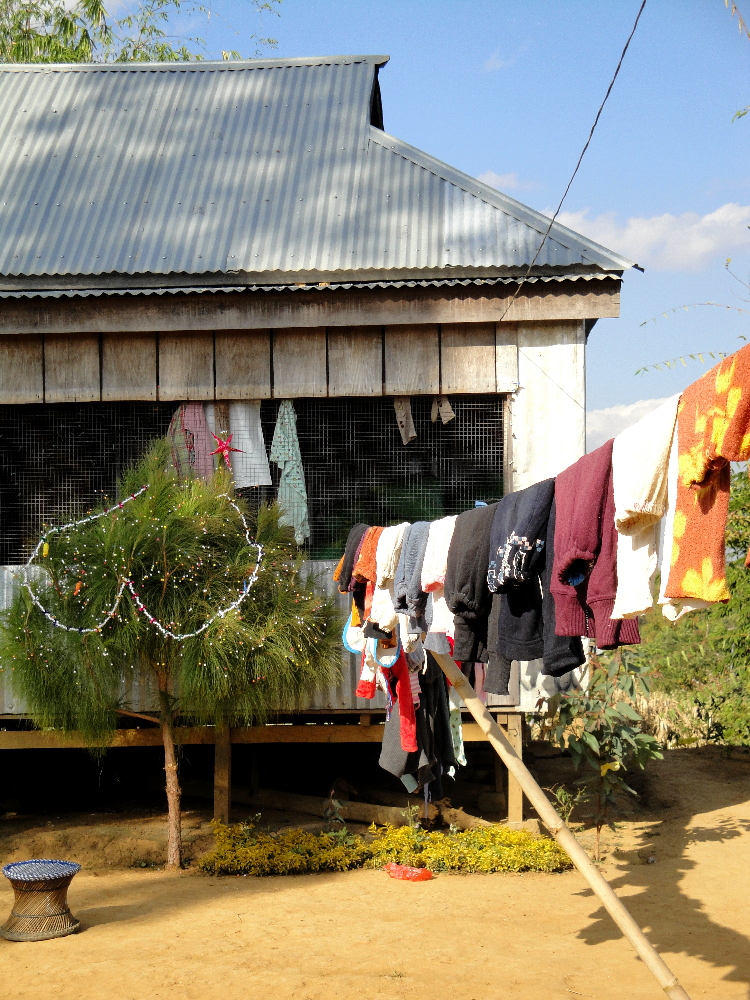
I seem inevitably to end up with many shots of clothes hung out to dry. Mostly it’s because there are always clothes hung out to dry somewhere; it’s also because clothes are colorful and interesting in a photo. It also helps me remind me of what we Americans should remember more: our problems with resources and oil in the gulf are of our own making. And the wars we fight are of our own making, because we greedily overconsume the world’s resources and then find we must fight wars to defend our access to those resources, and place our troops in places where they’re not welcome, just to defend our access to as many cars and clothes dryers as each of us feels we need. Yes, our decisions do have consequences, and yes, it’s very possible to live a happy and rich life without all the SUV’s and clothes dryers. Or oil in the gulf – for which don’t blame BP, look at your own consumption and wonder why companies do what they do and why congress gives companies so many free passes…

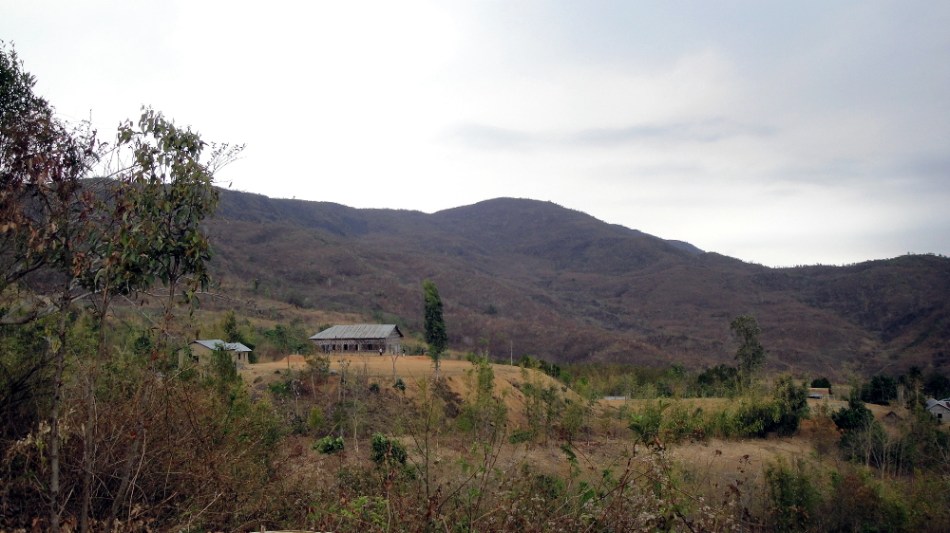
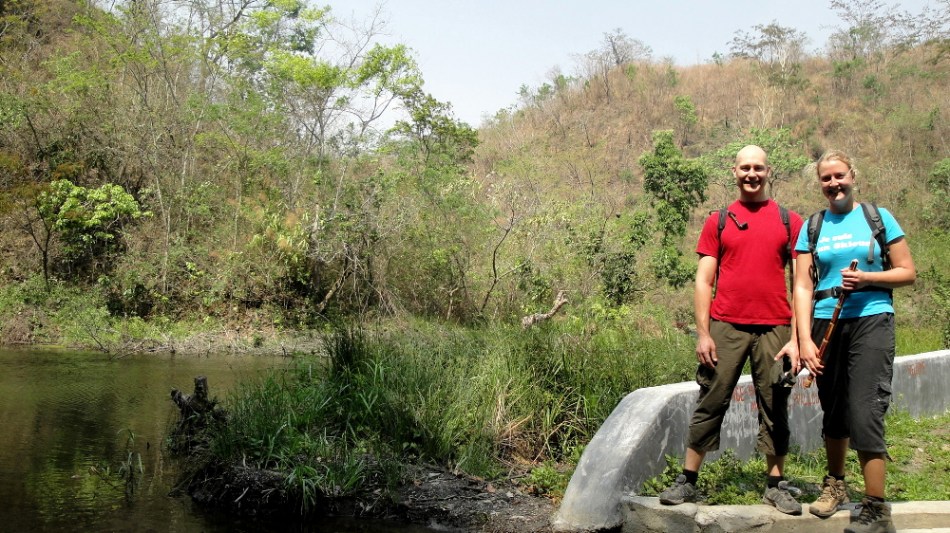
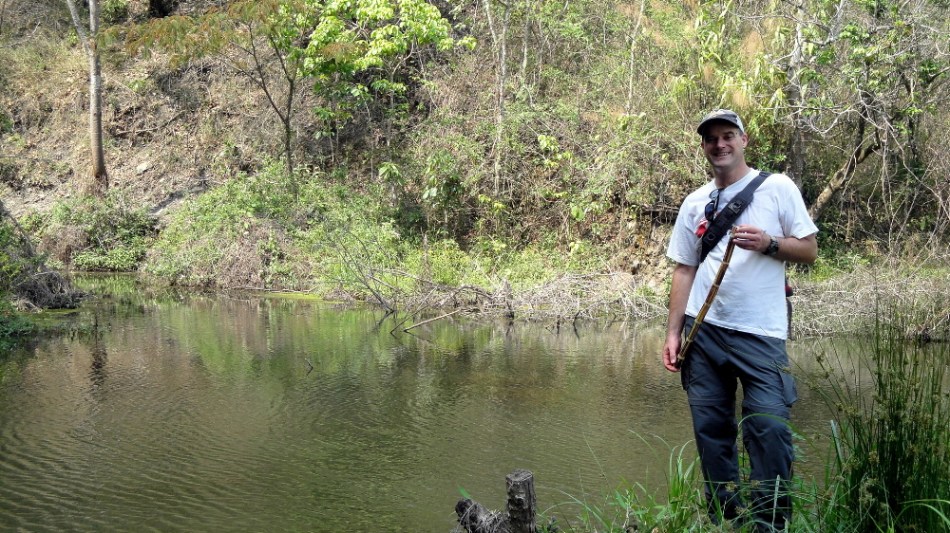
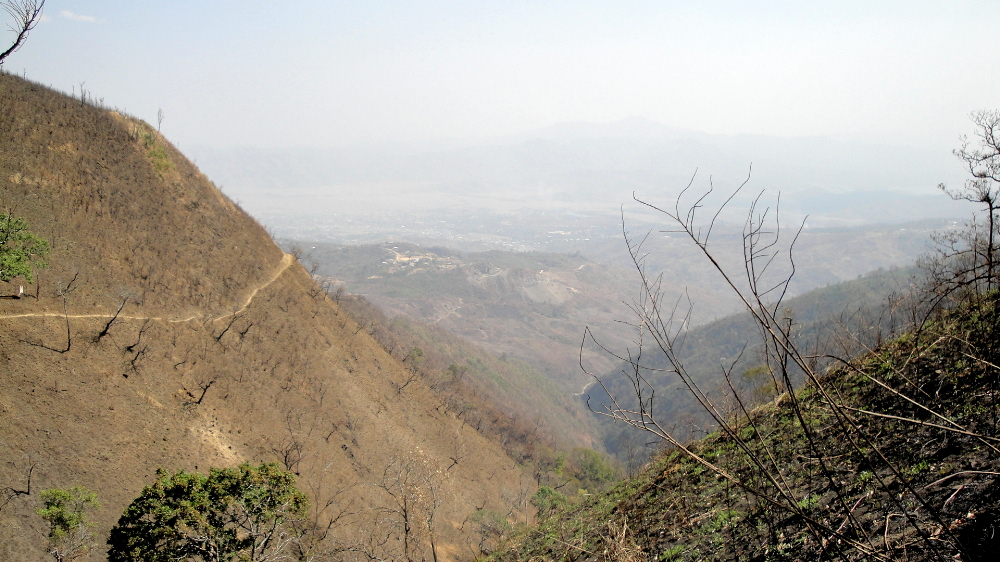
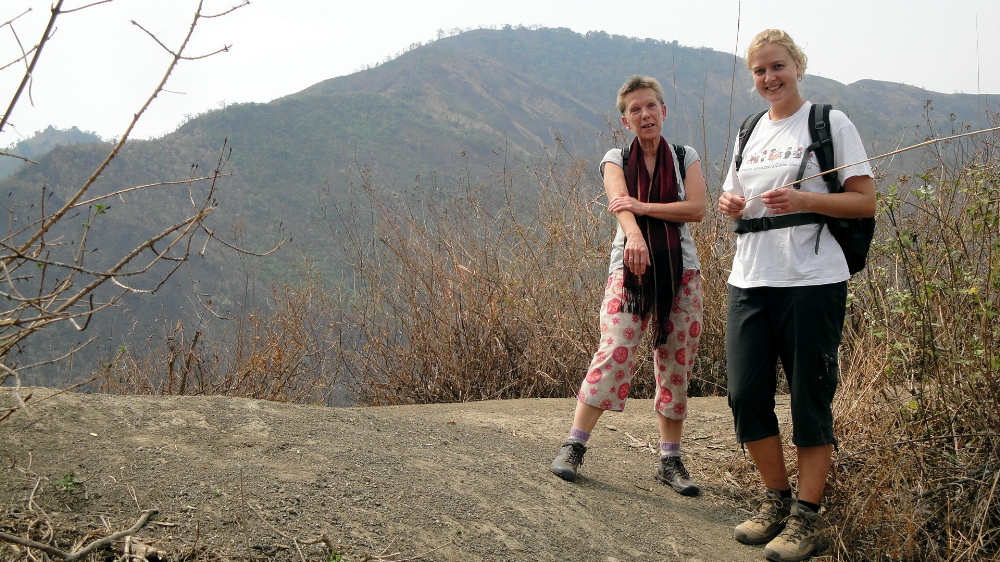
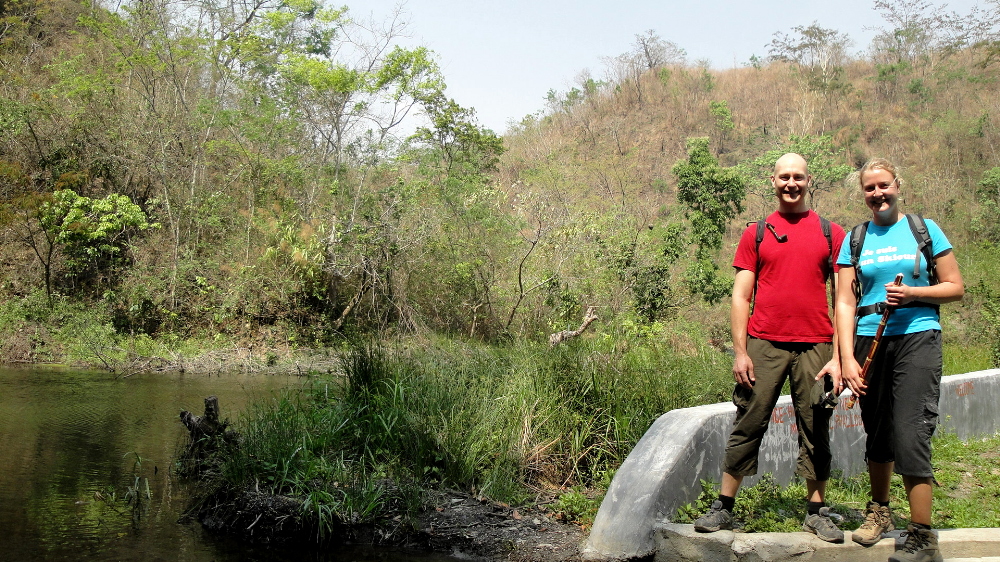
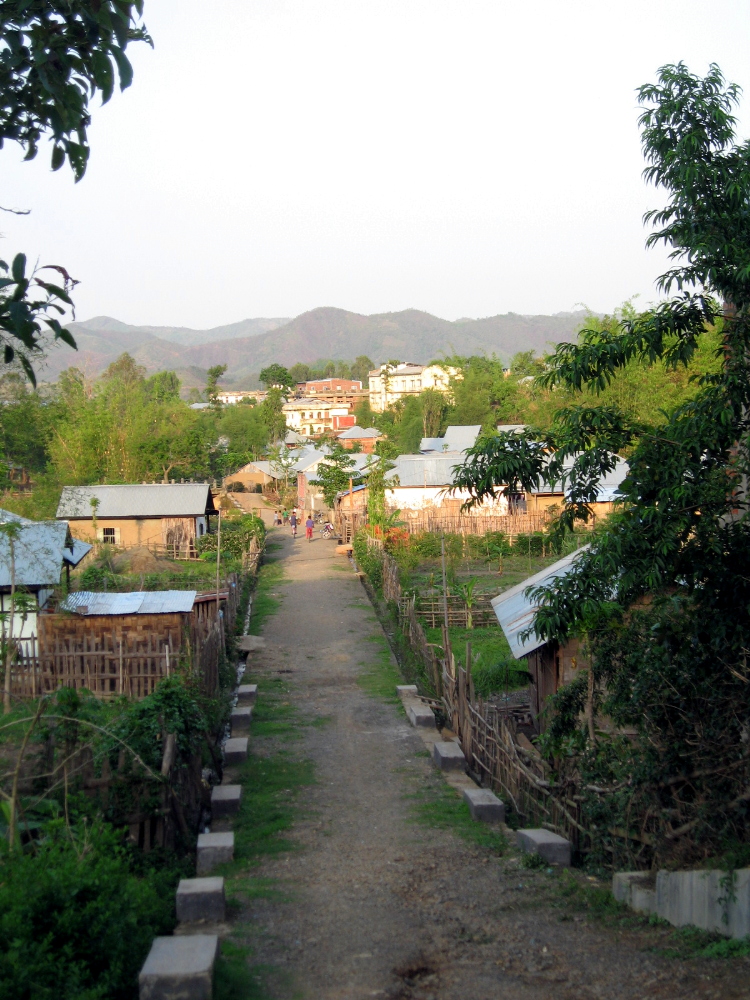
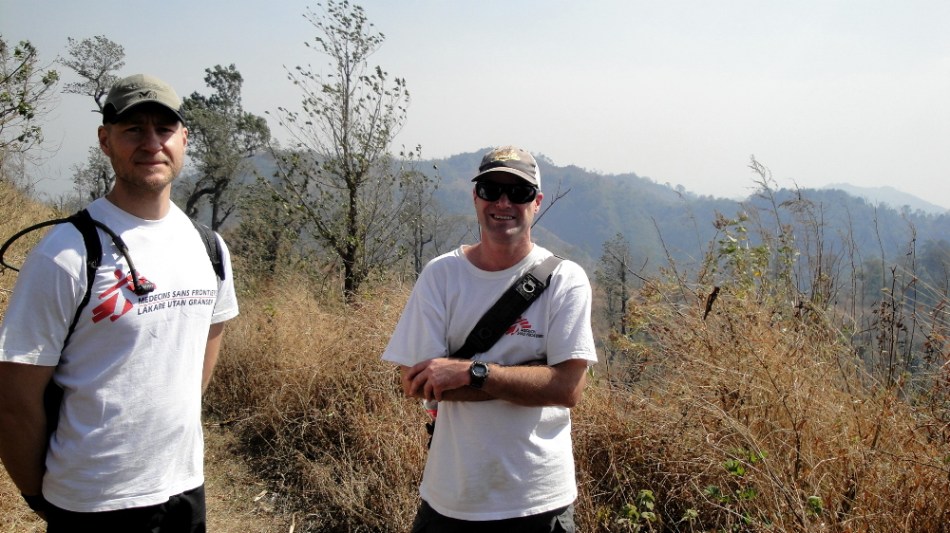
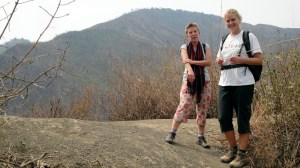
On a lighter note: below are some shots from the longest weekend hike that Par, Fiona and I did during my time: up and over a few large hills and around the trail you can see below. Also a shot of Par and me on the walk. This was, obviously, late in the dry season. Quite different from the verdant look during the rains, huh? BTW, in case clarification is necessary: we weird foreigners used these trails for recreation; for locals they’re how to get your produce to market and do your shopping trips.

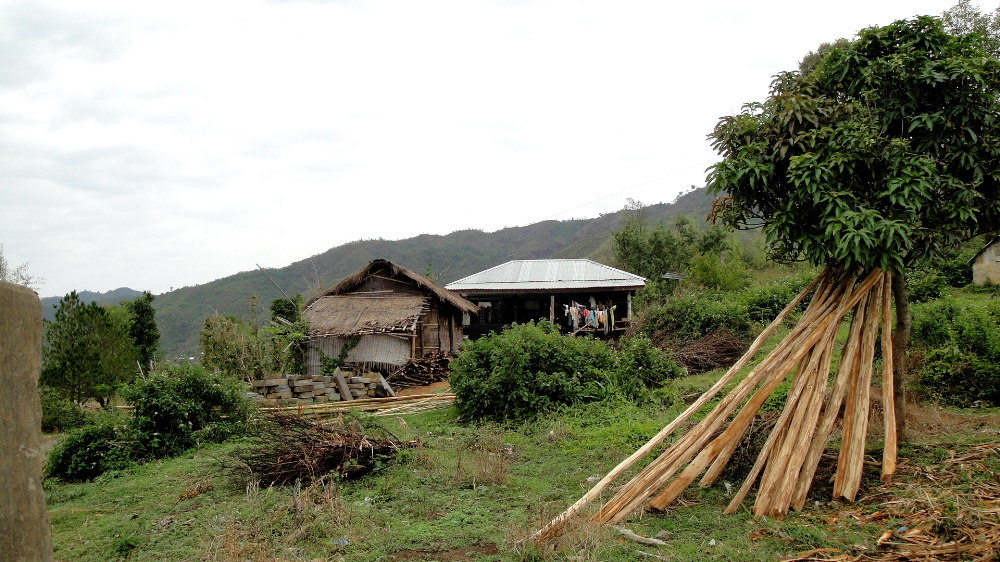
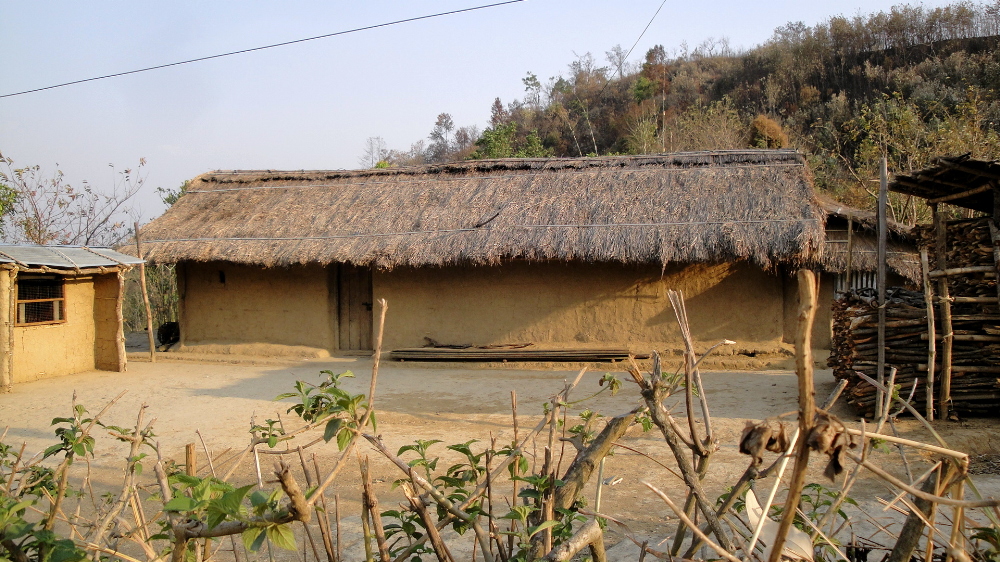
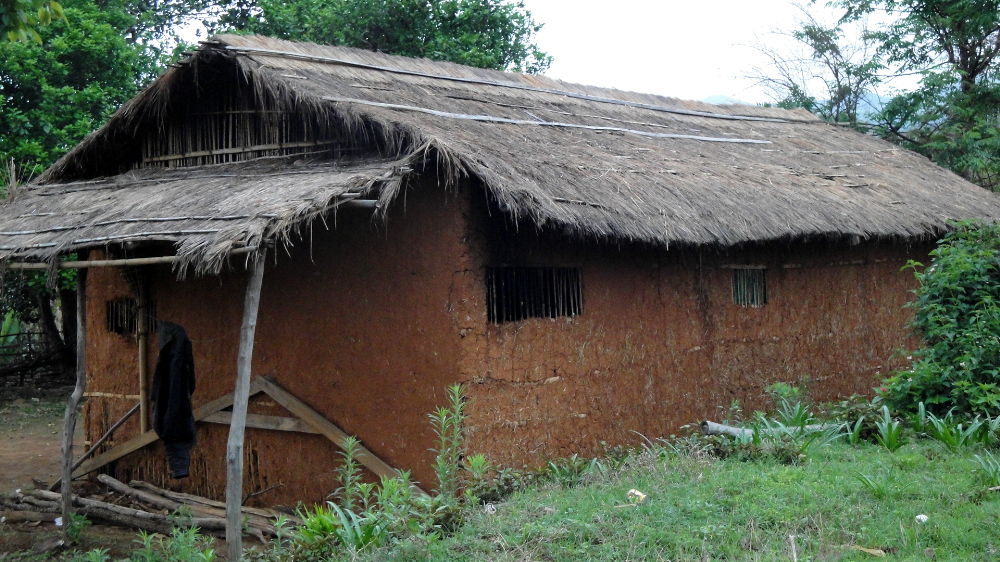
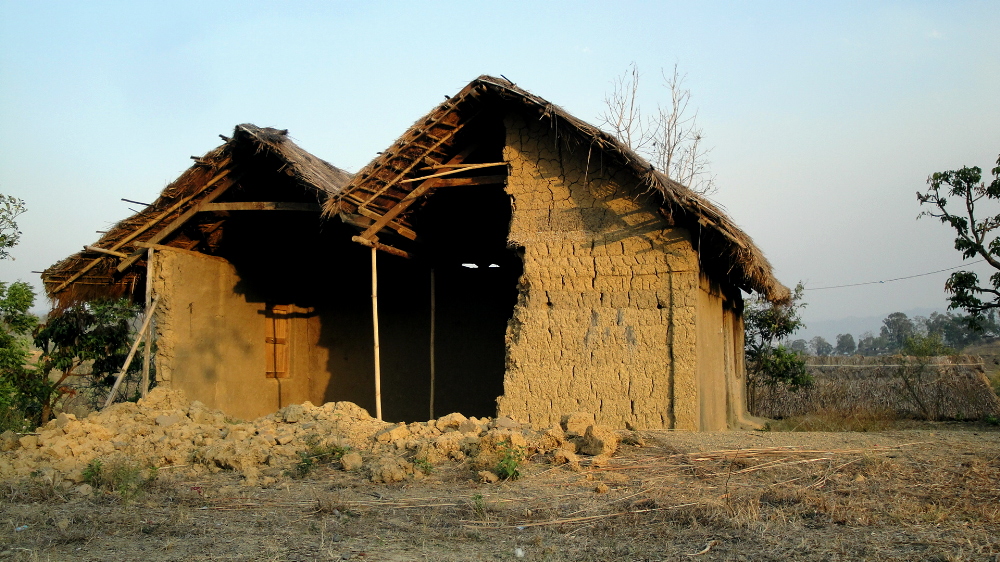
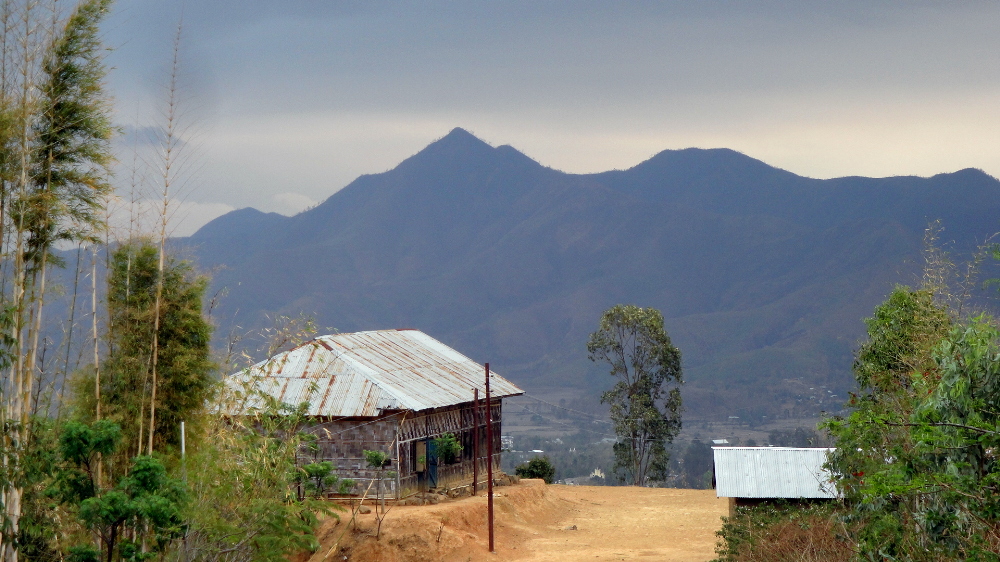
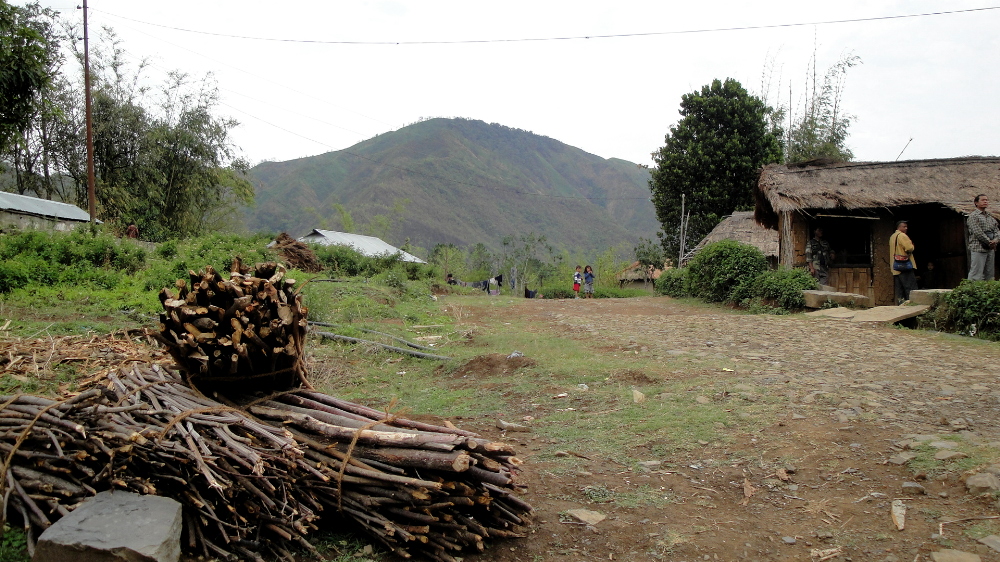
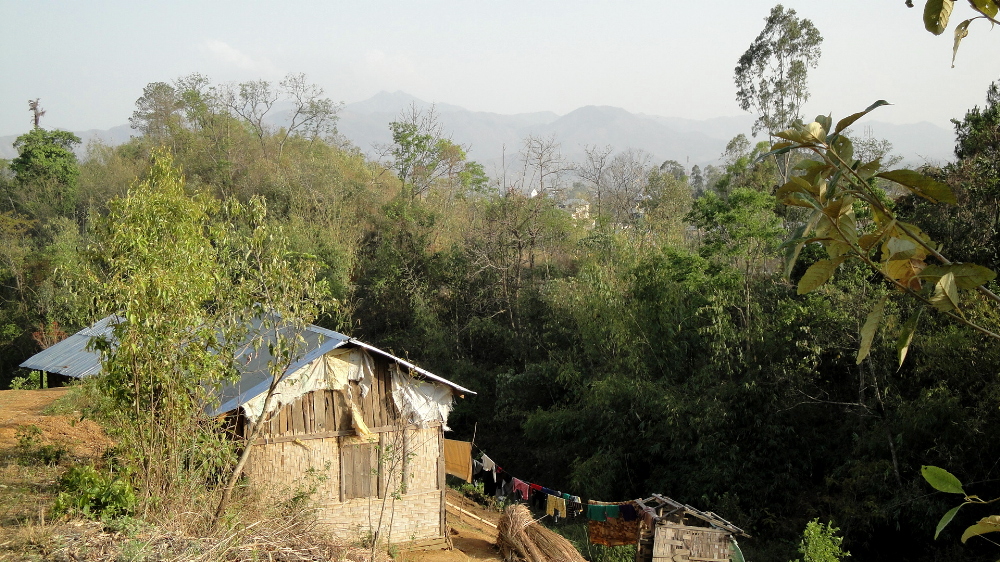
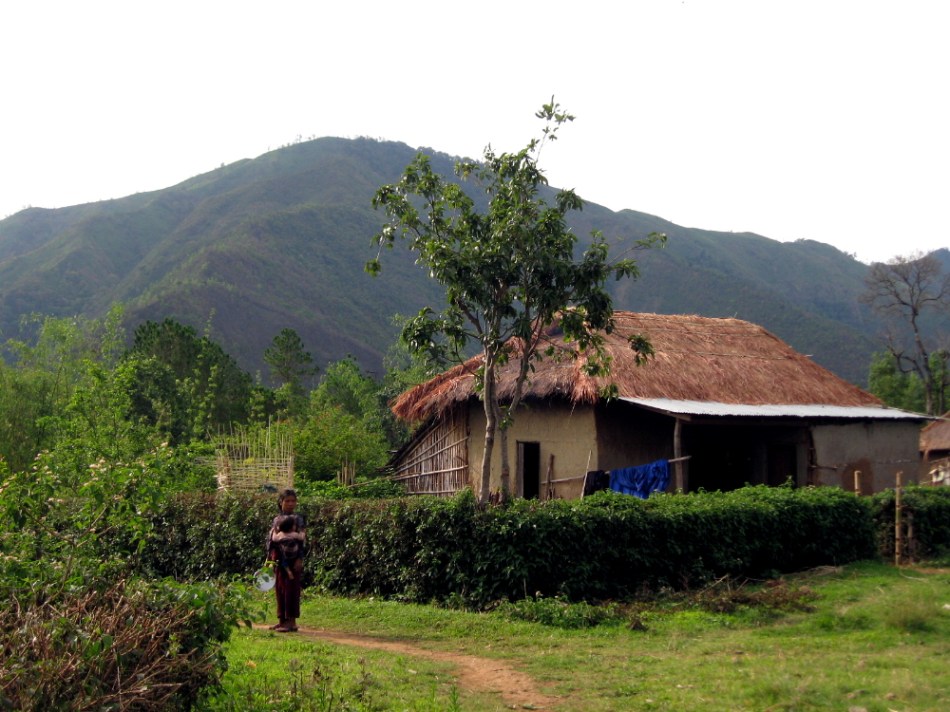
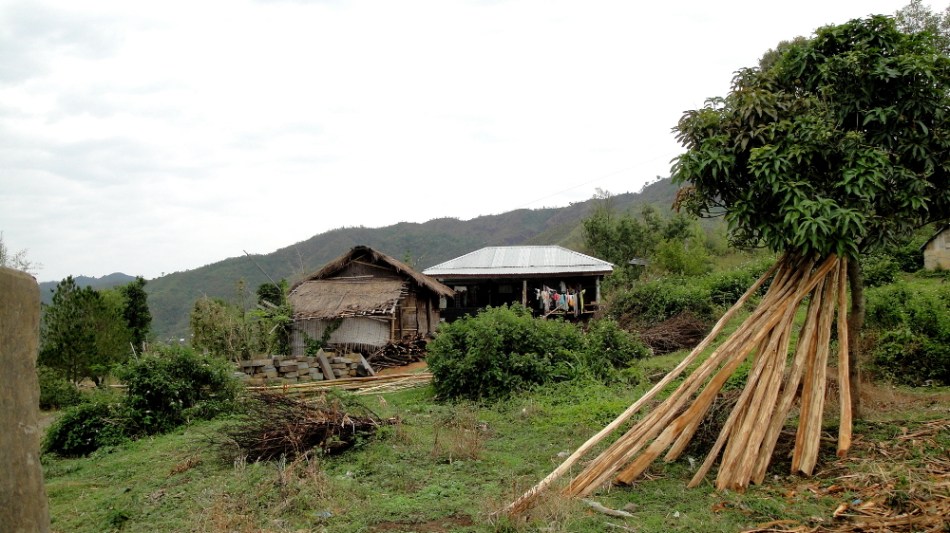
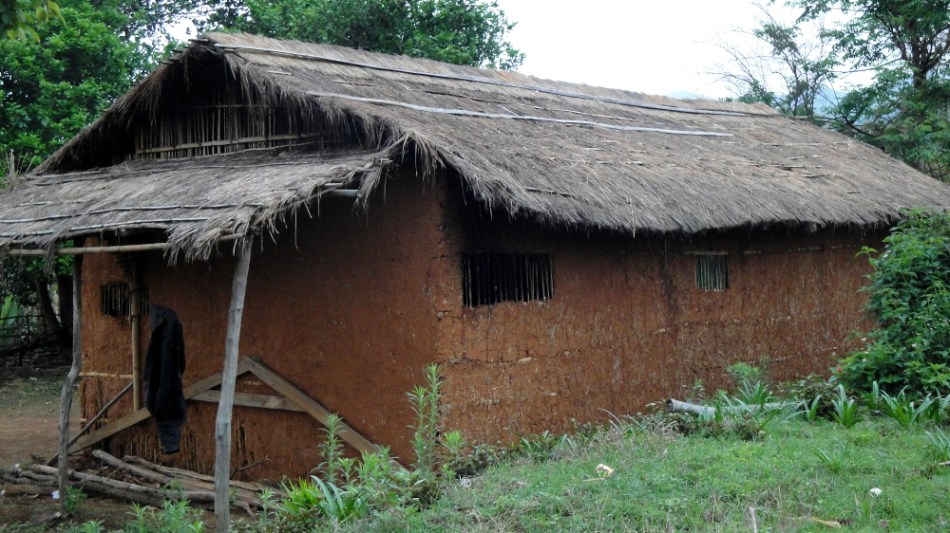
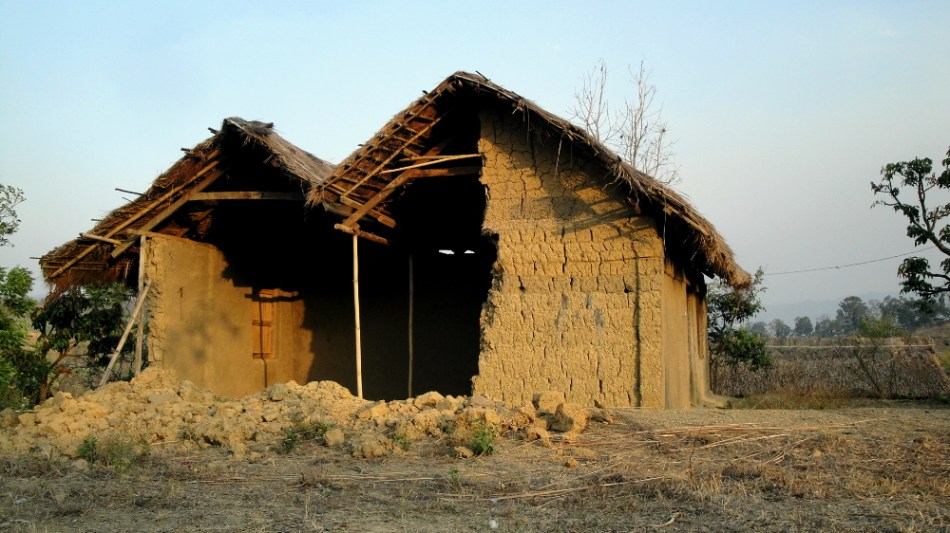
Several friends commented on photos of the architecture in Manipur. Above is an excellent example of a good-looking completely traditional hill compound — thatched-reed or rush roof, construction of planks and mud and reeds. This compound shows great civic pride and good upkeep – it’s swept, the wood is neatly stacked, the roof rushes are new and fresh-looking — it’s all really lovely, isn’t it? Our new house in Sugnu, which I was fortunate to spend a few nights in before leaving, is of similar construction but painted a bright blue and with a (bloody loud in rain, but longer-lasting) tin roof; you’ll see it below. I can attest that these houses, while picturesque, are not so comfortable or weather-sound as brick or stone structures; it’s maybe like a midpoint between camping and a solid house with a basement. In any case: below are some examples of houses that haven’t been quite so well maintained, or that finally succumbed to the elements.
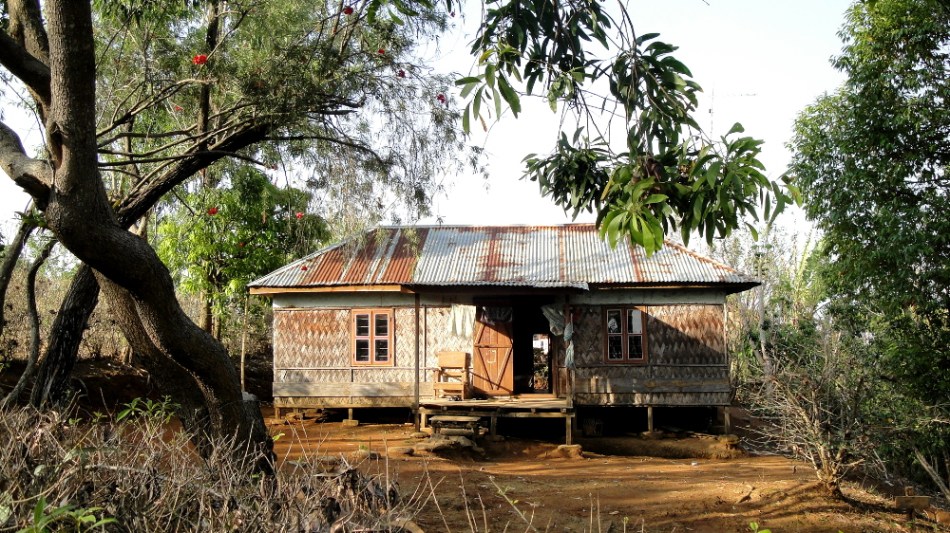
This one is woven bamboo with a tin roof. I think it’s got a gorgeous location and is a very atmospheric house.

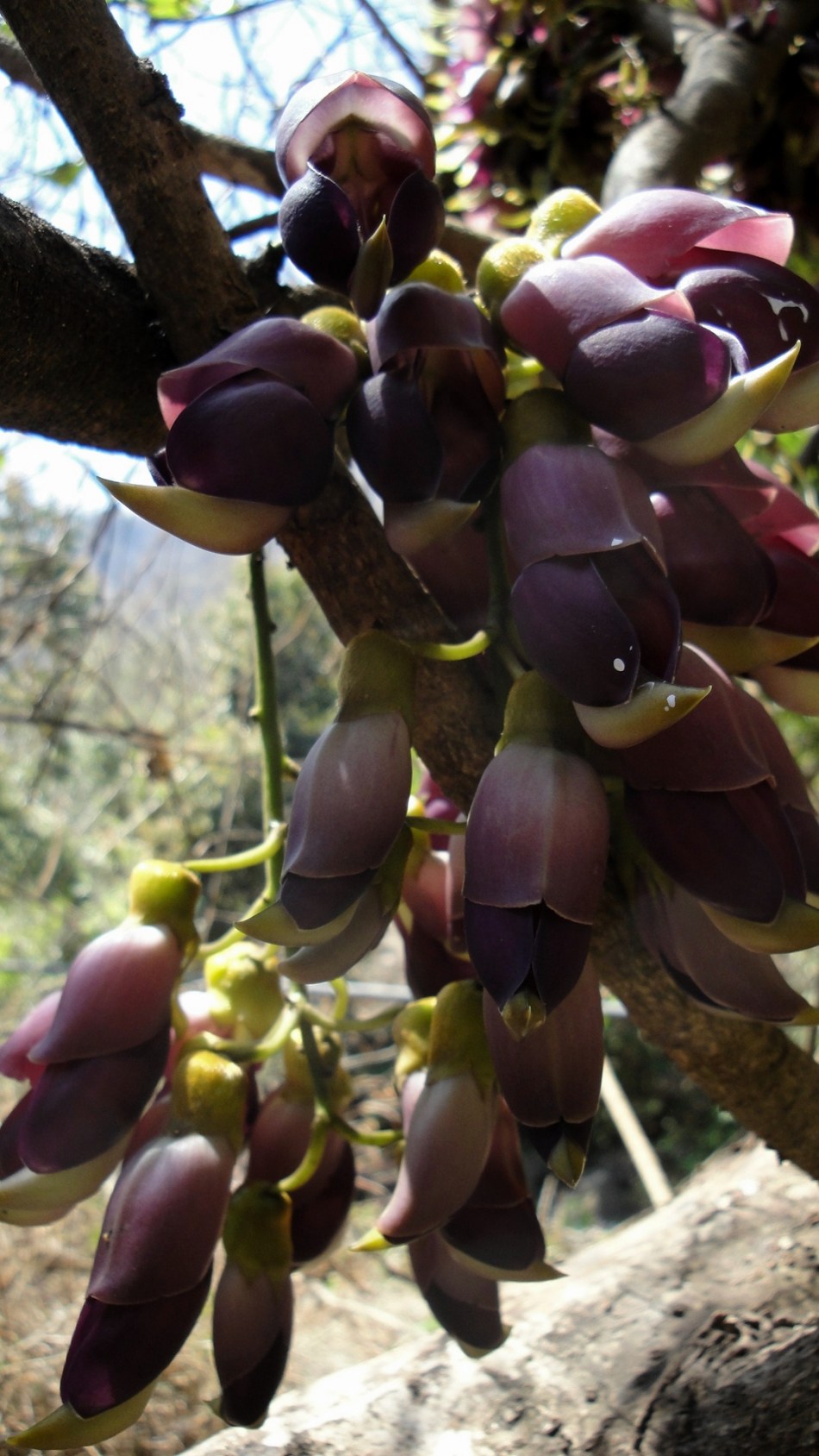
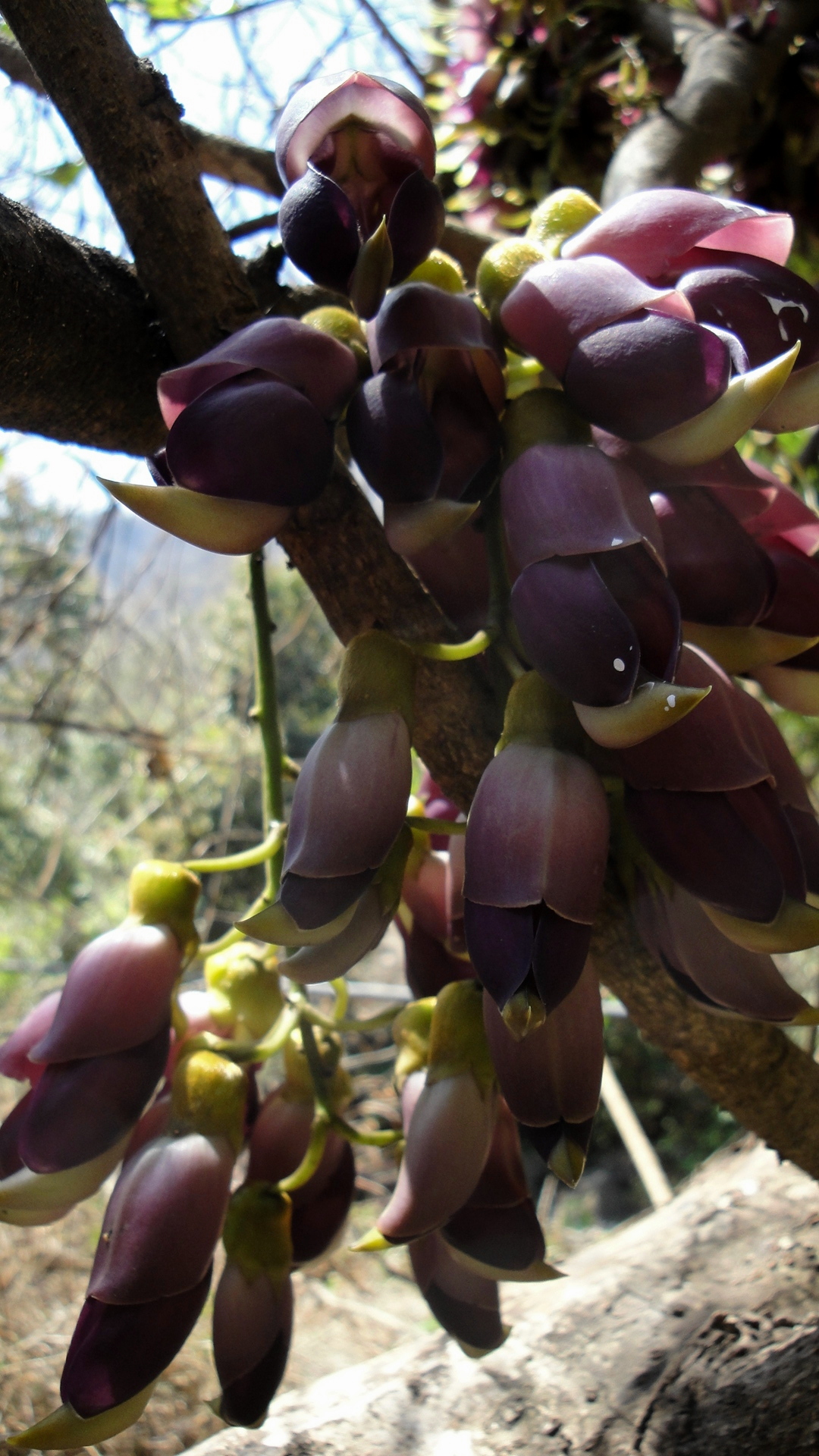
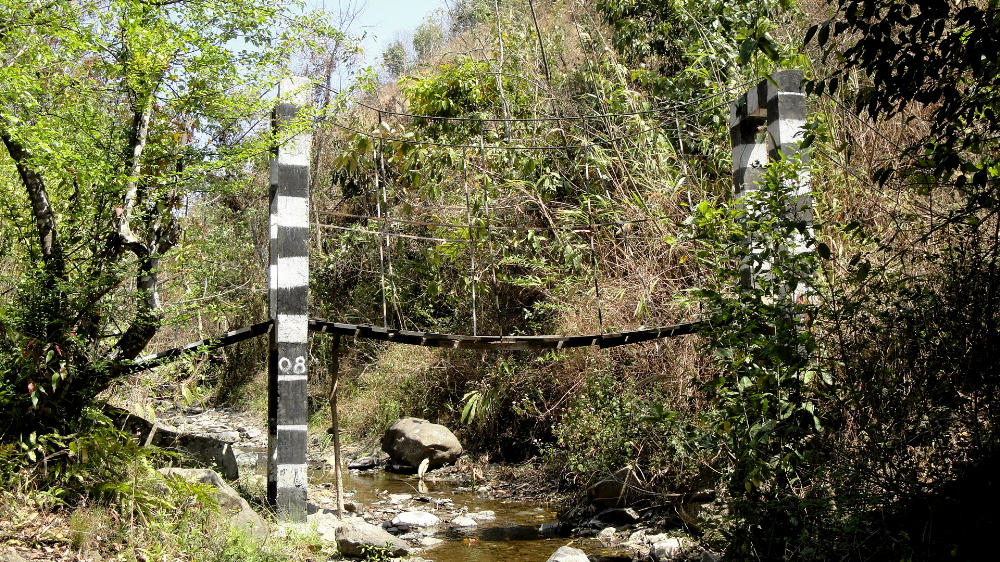
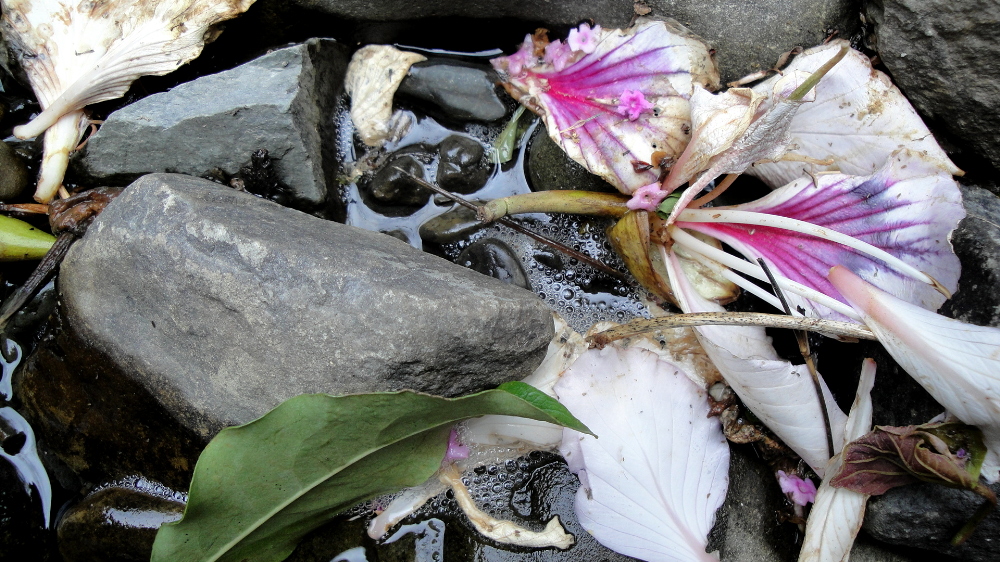
The foot bridge and the deep-purple orchids are both from one of our favorite hike resting spots, by a little creek in a valley between two ridges that are both lovely and dramatic. The orchids are standing in for any number of other stunning orchids and other flowers I saw but didn’t photograph during my time…especially these bluey-lilac orchids that were hanging enchantingly from a number of trees sometime around October, but I never happened to have a camera handy any time I saw them.
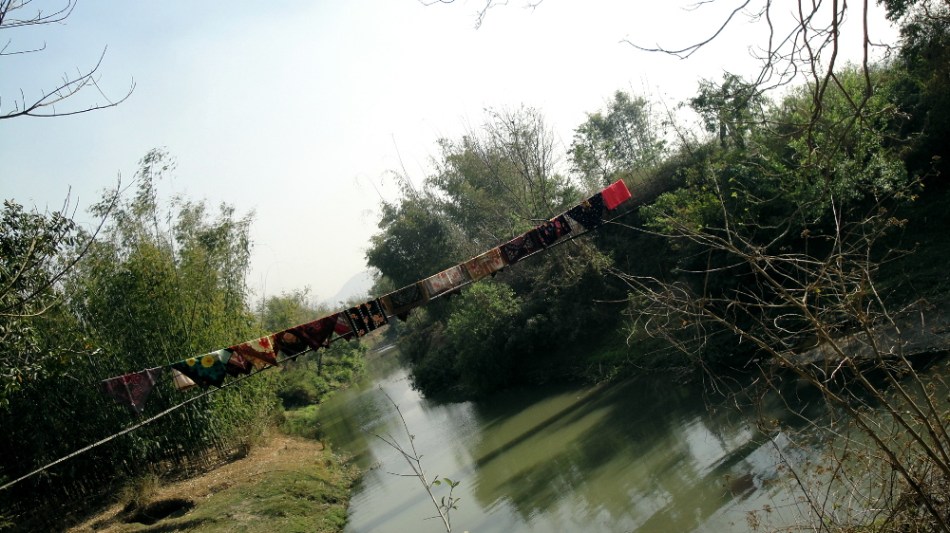
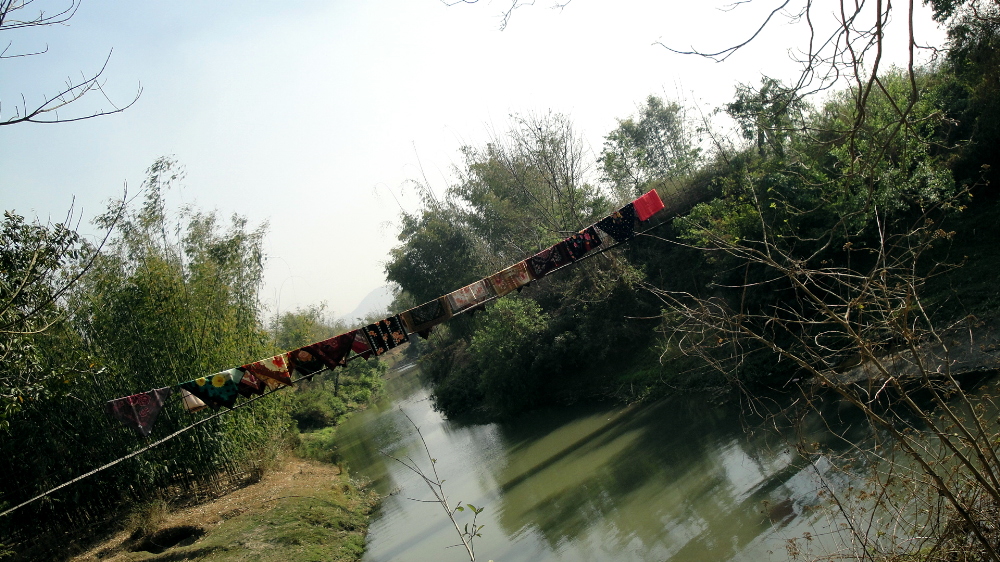
Blankets, hung out to air and dry on a footbridge at the edge of CCpur town.
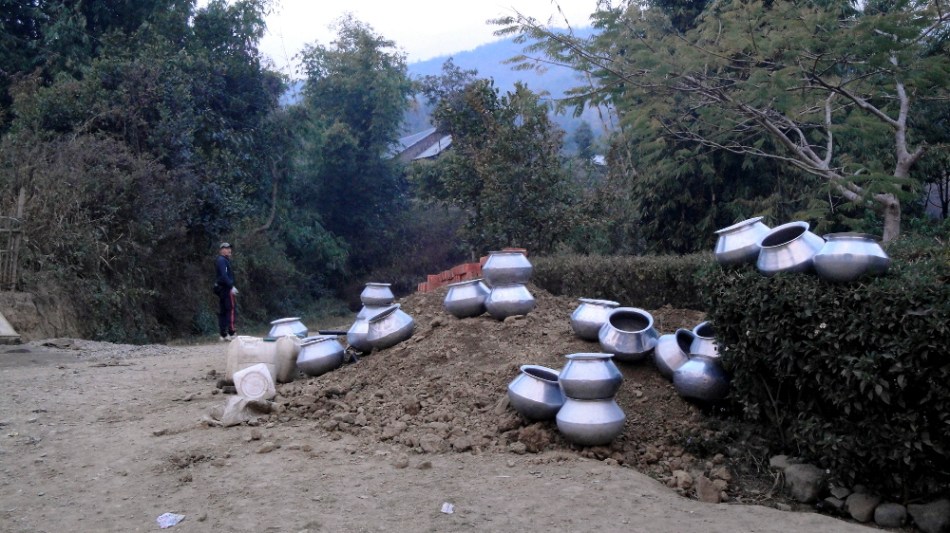
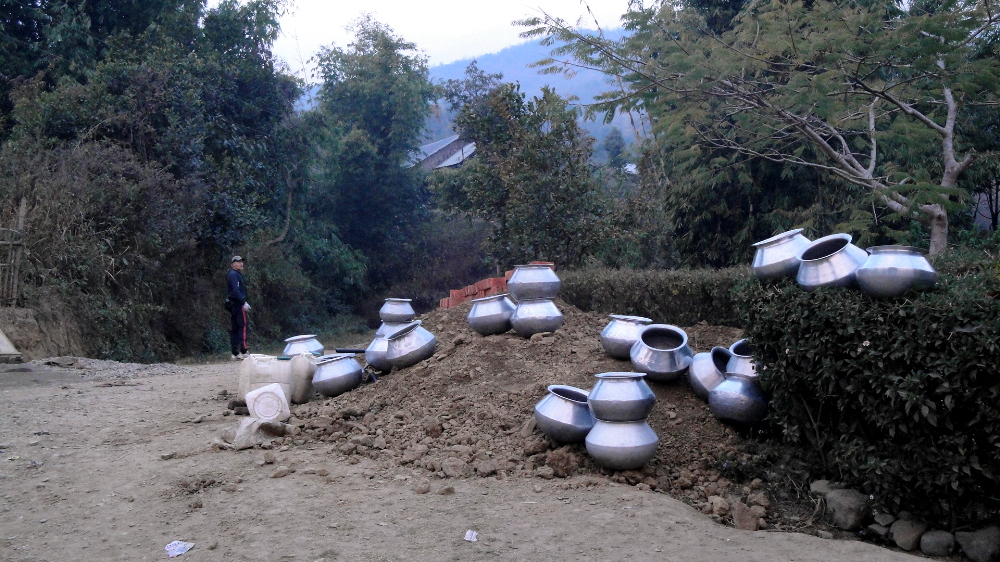
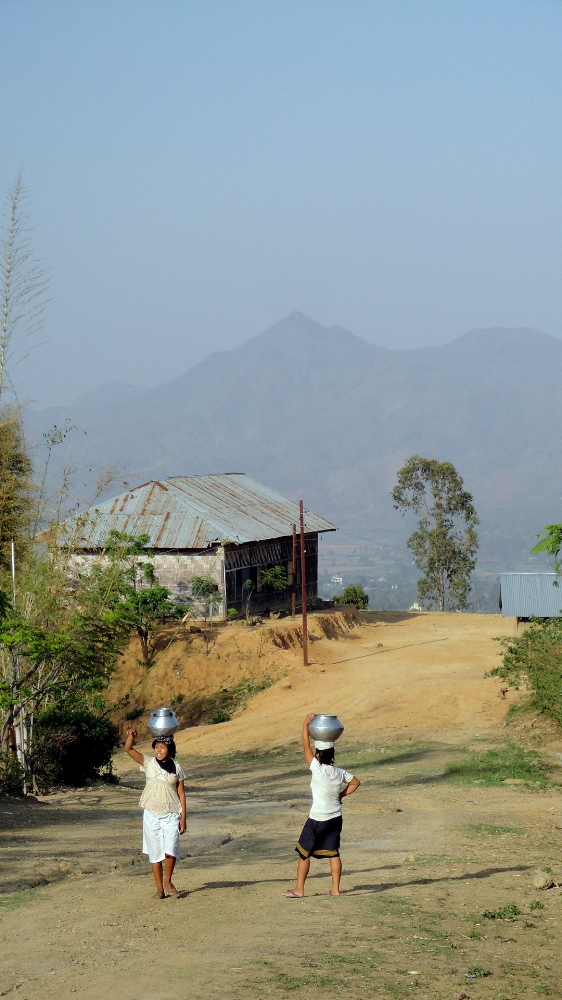
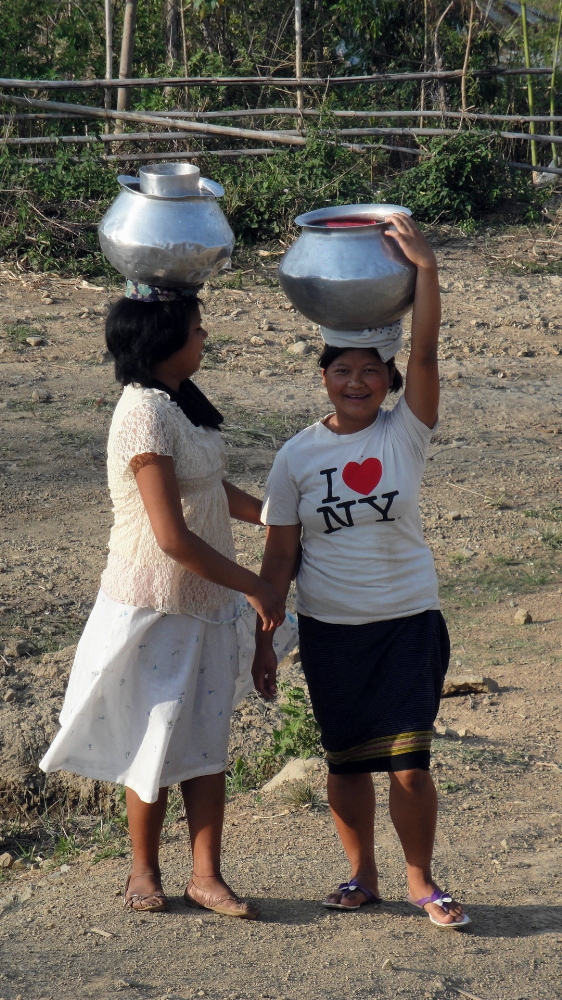
Above: while Par waits for me to catch up on one of our morning ‘hill and valley’ (our favorite route, really) runs, I took this photo of all the water ewers piled up by the village’s water spigot, waiting for the morning water run by all the locals fetching their washing and cooking water. Below, two locals doing just that…both likely wearing second-hand clothing that’s come from the US, but one more obviously so.


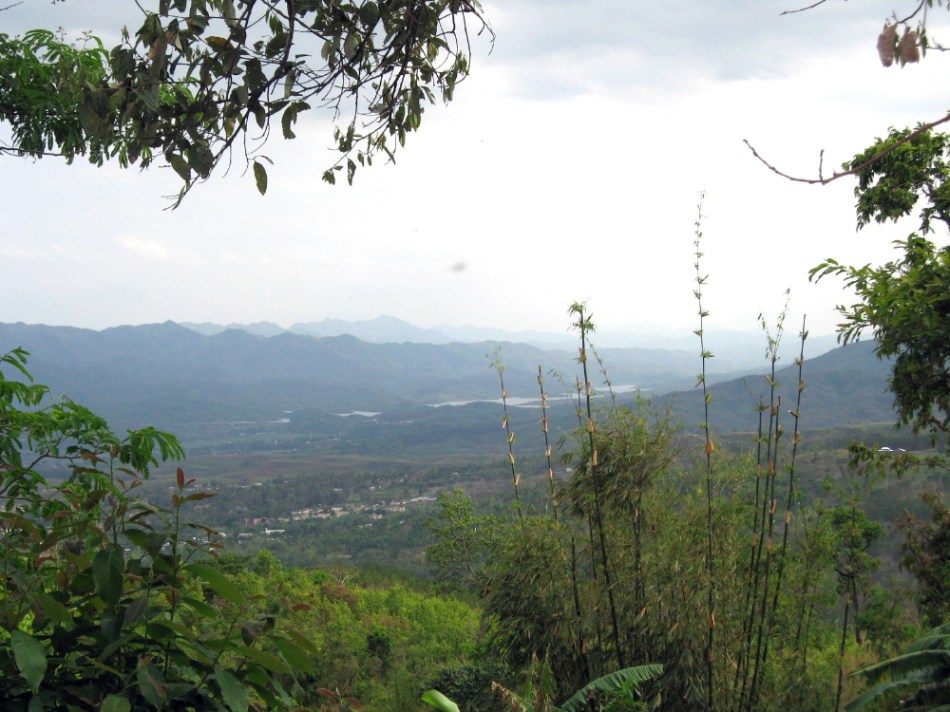
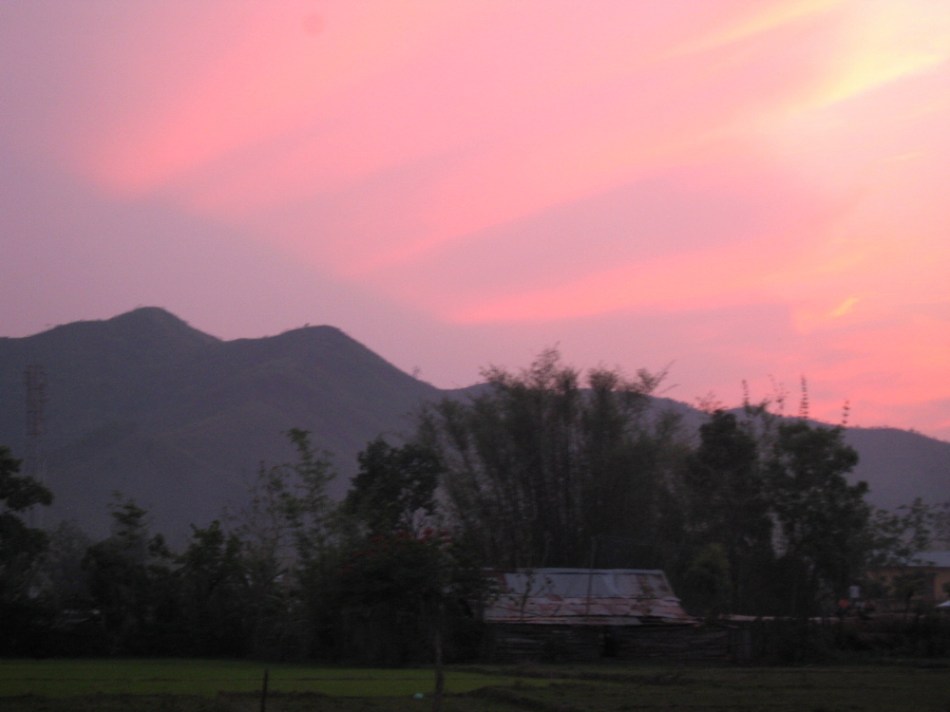
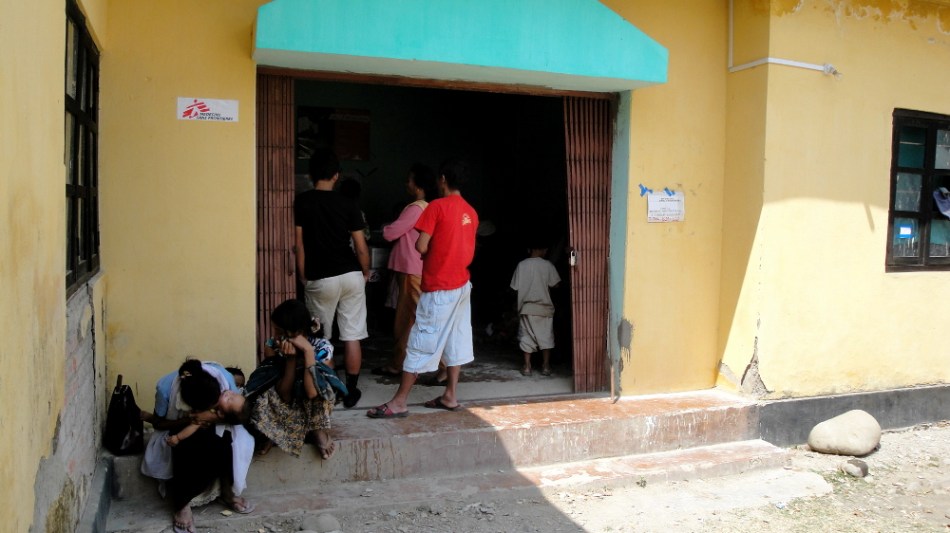
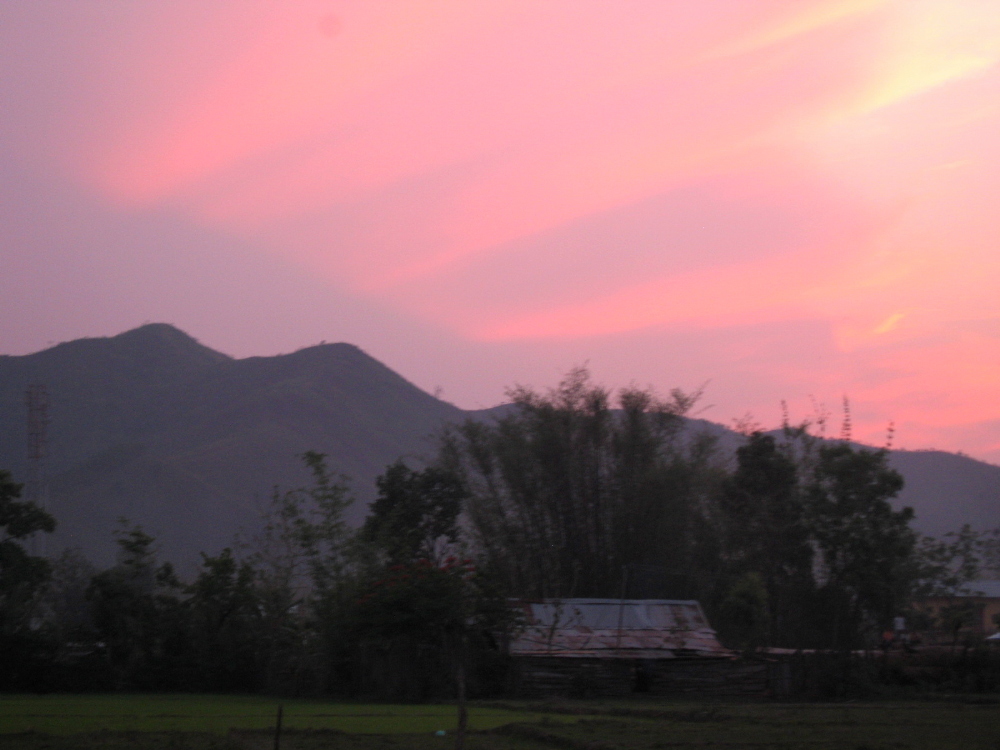
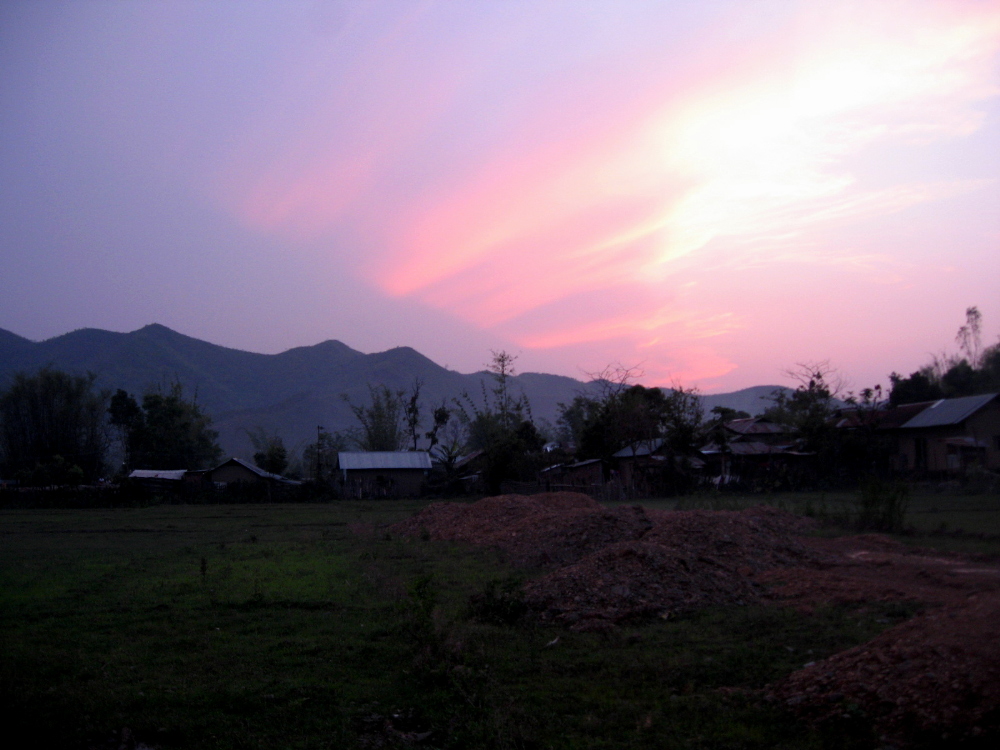
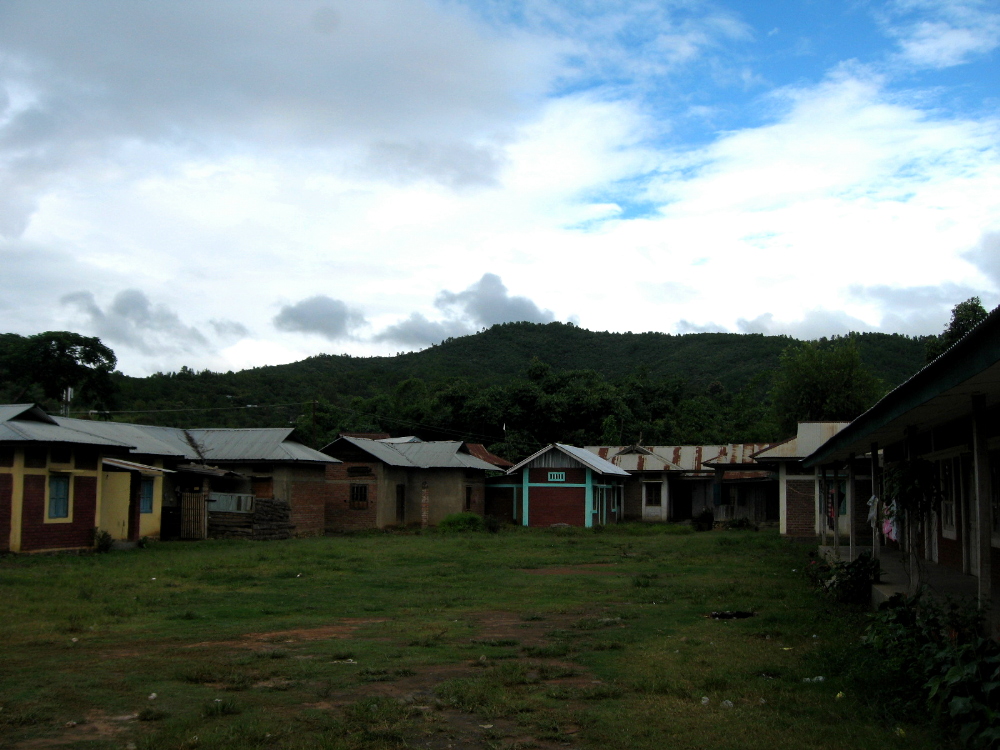
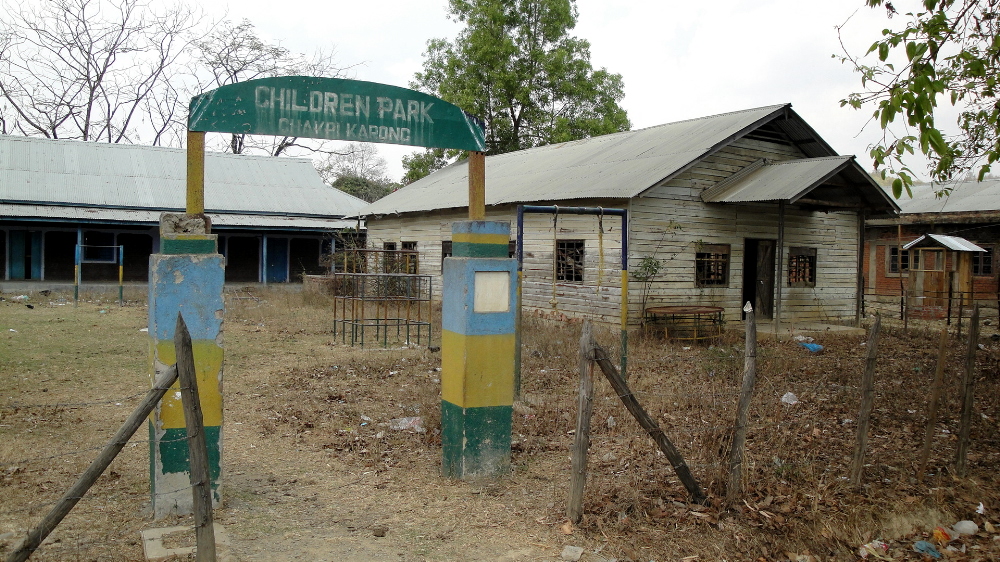
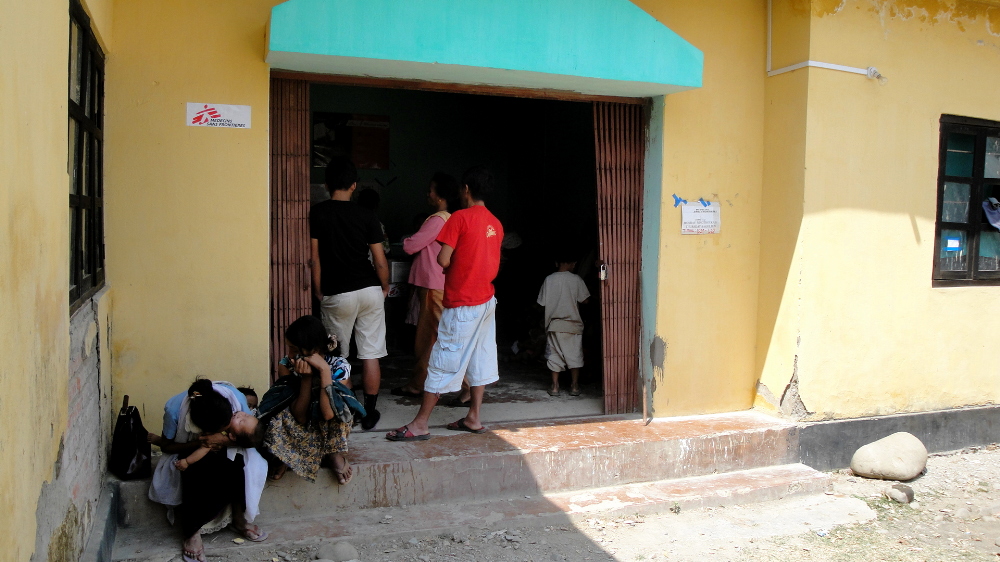
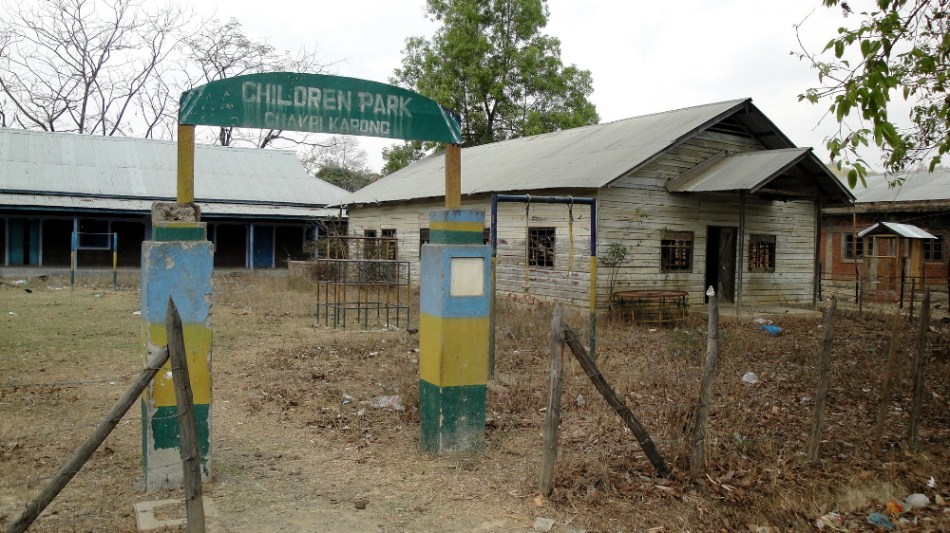
Up above is a photo I like because it shows how steep some of the terrain where folks do their farming is. Immediately above is another shot of the almost-scary sunset on the last night I spent in Sugnu, the new town where we were starting to work just as I was leaving. And below are a few shots more directly related to work. Just below is the clinic compound at Chakpikarong, a more remote town than CCpur where we started work shortly after I arrived; it, like many other health structures in the area, was not open and fully staffed with any regularity, and part of what we try to do is provide a regular schedule so that residents of remote villages (people were walking sometimes many hours to get to us) would know they could come to us reliably and get care. We also try to work in collaboration with staff  (medical, lab, etc.) assigned by the health department in order to support overall greater provision of care. Below this next shot, you’ll see a ‘Children’s Park’ in also in Chakpikarong, which I put in just by way of saying that it’s not only health structures that have been a bit abandoned and unmaintained during the years when various conflicts have so strongly affected life in Manipur. But as I said above, I think this is an area of which most of the world remains unaware; it’s certainly an area where no other INGO’s, so far s I know, have any regular on the ground presence. Another reason I’m proud of the work we do there. 🙂
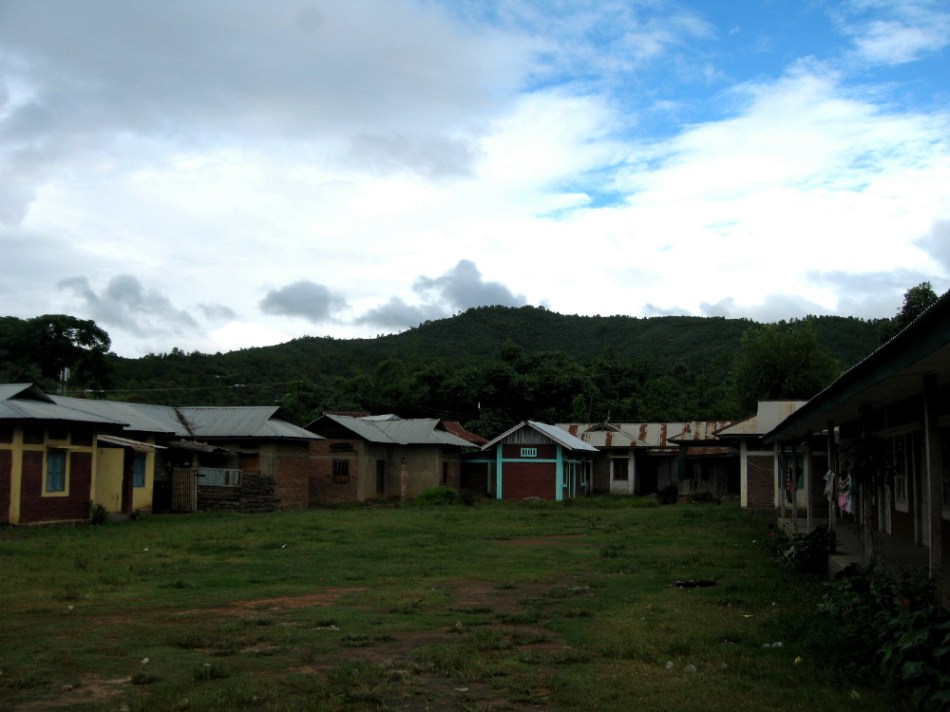
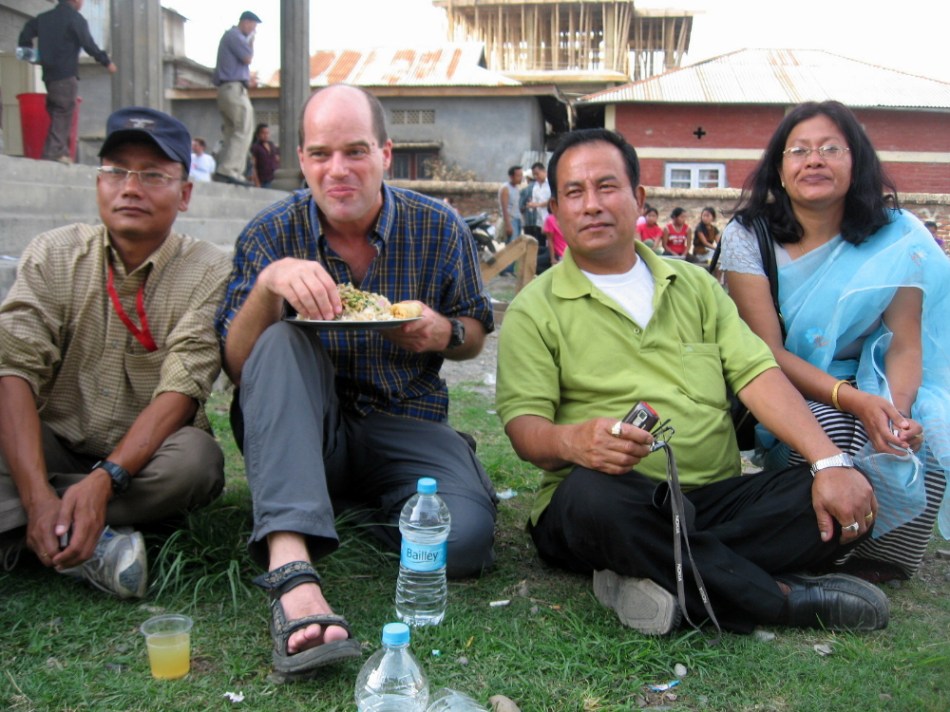
Immediately above: first day we occupied our new house/office in Sugnu (it rained, heavily) and hired staff to watch the compound, clean/cook, and help us get acquainted with our new neighborhood and its various communities. A lot of people showed up, as you see, and it was quite a full day! Below, appropriately as the last shot in this set, me eating with some of our local colleagues at my farewell party.
Colleagues, Patients & Friends in Manipur


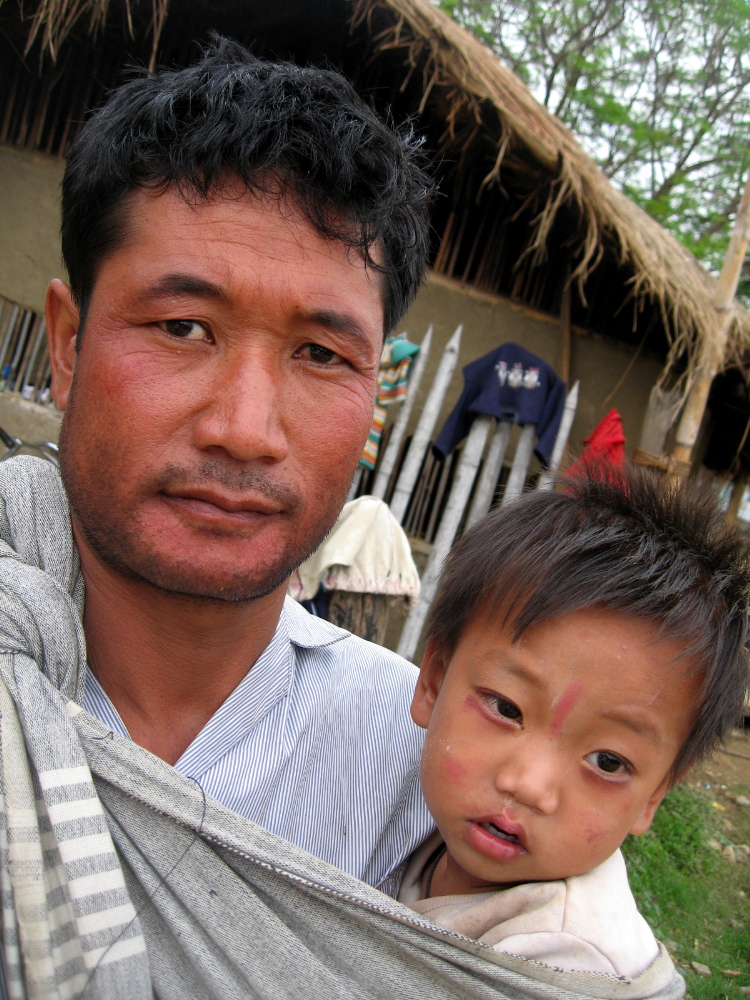
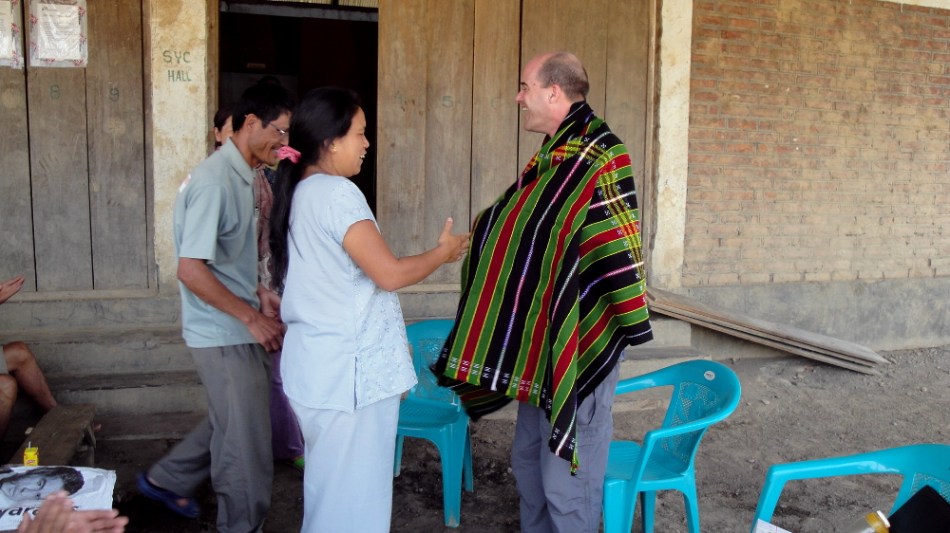
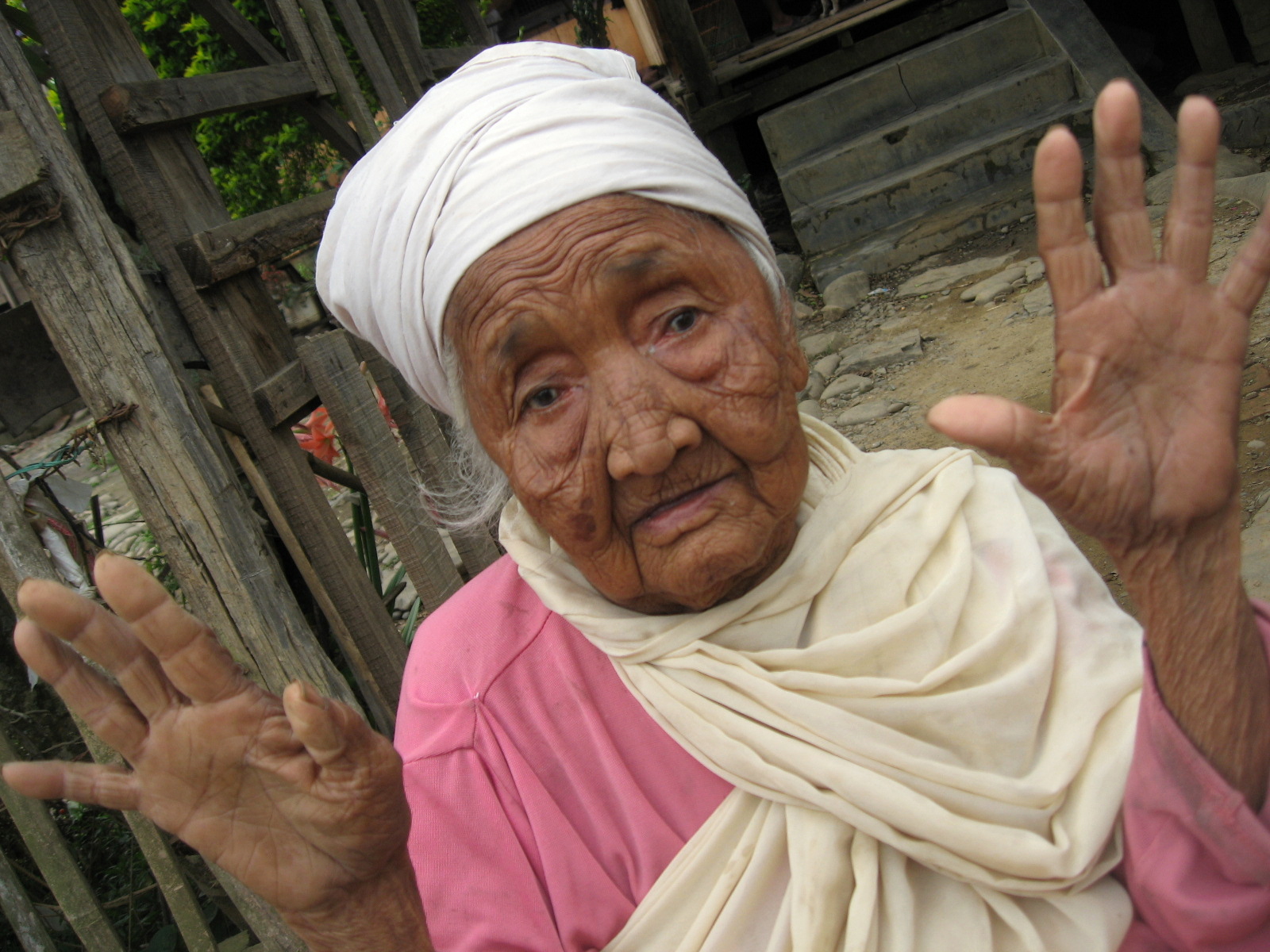
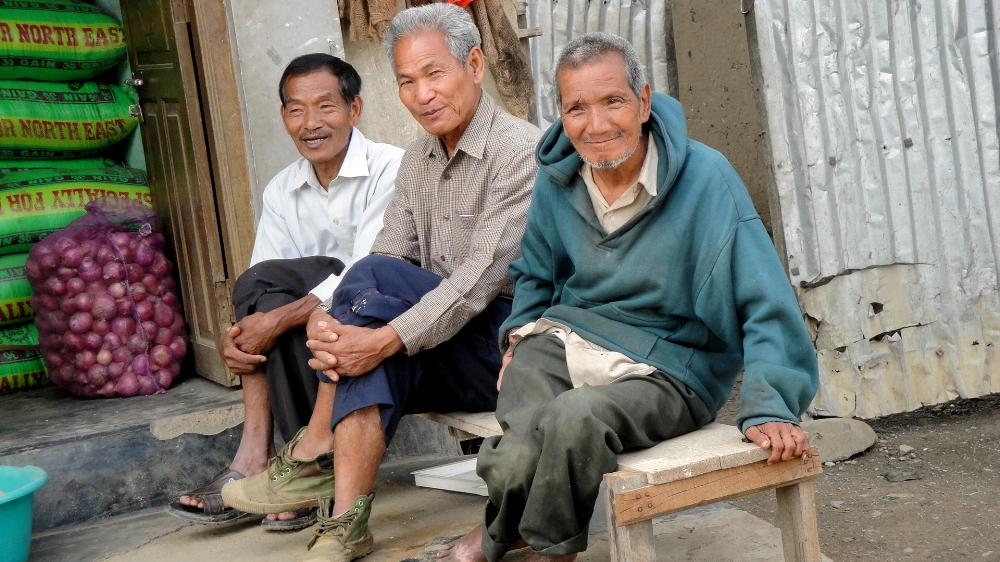
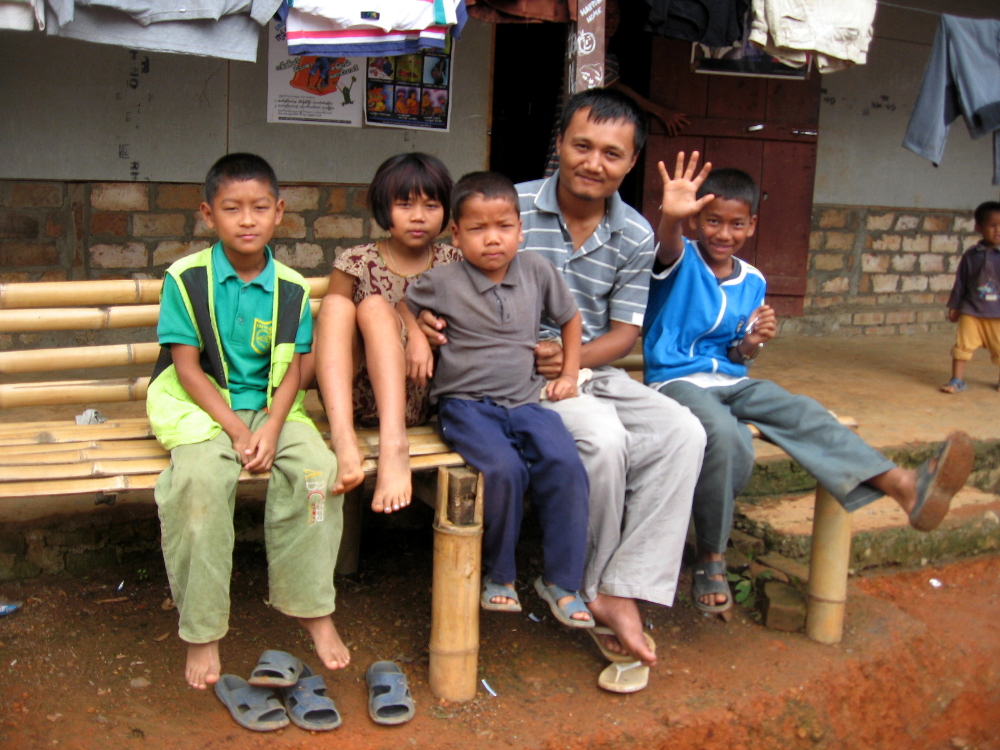
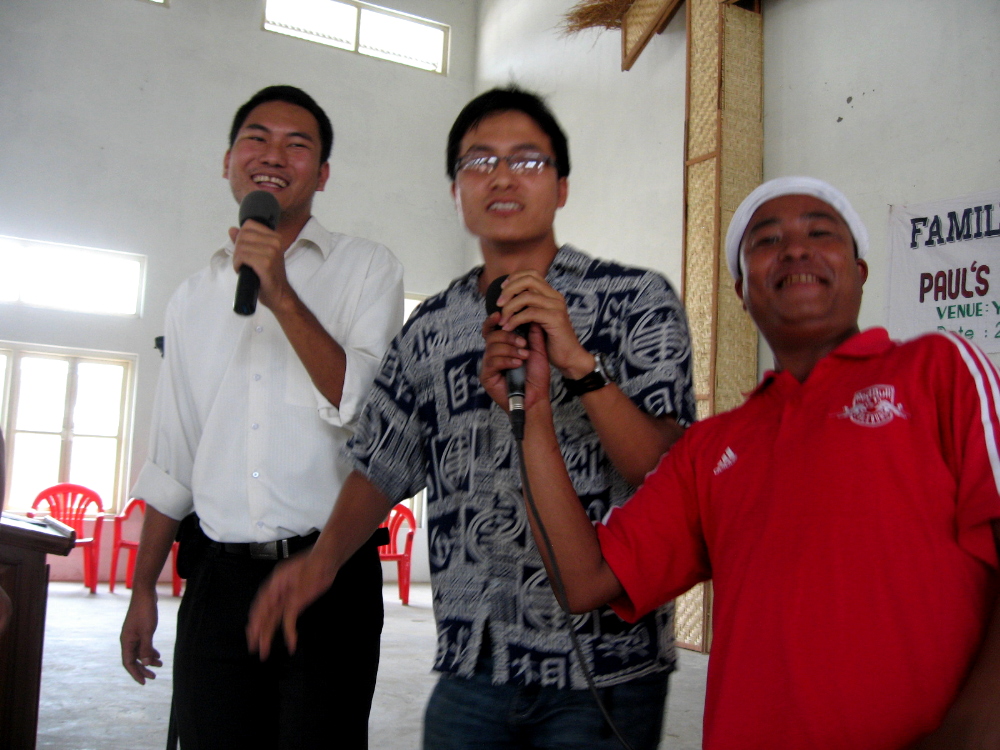
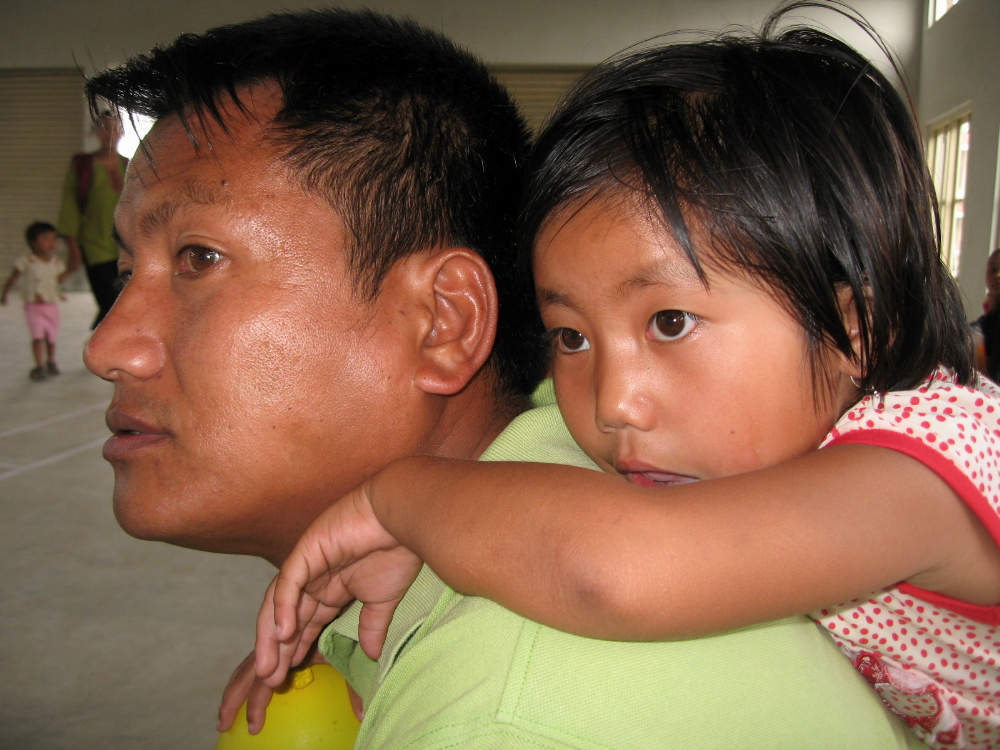
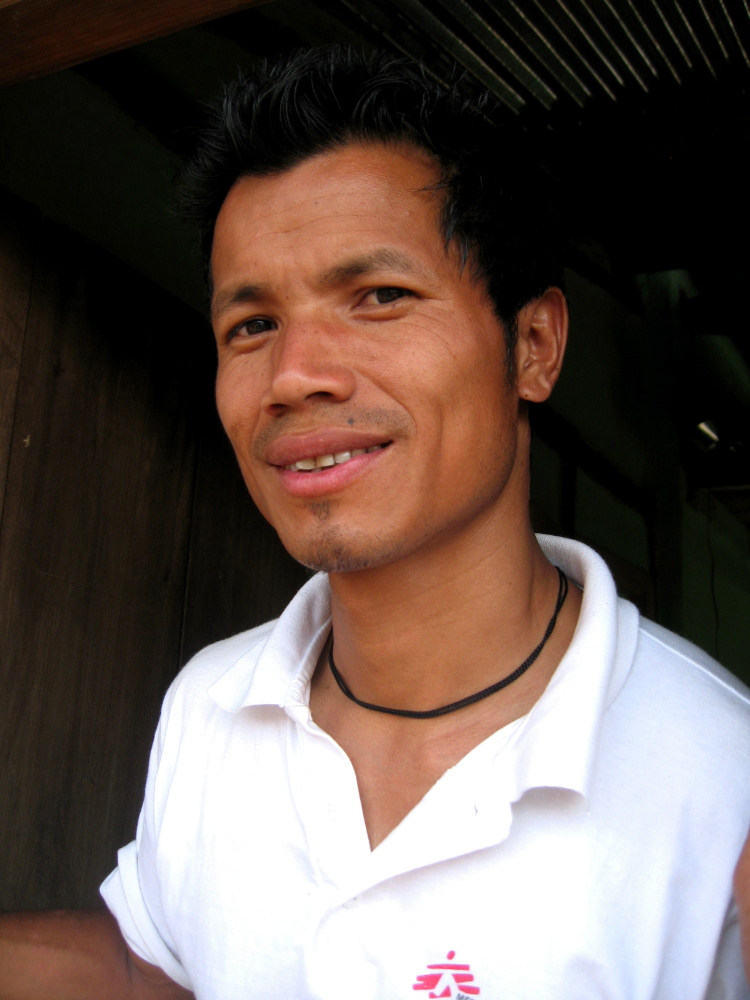
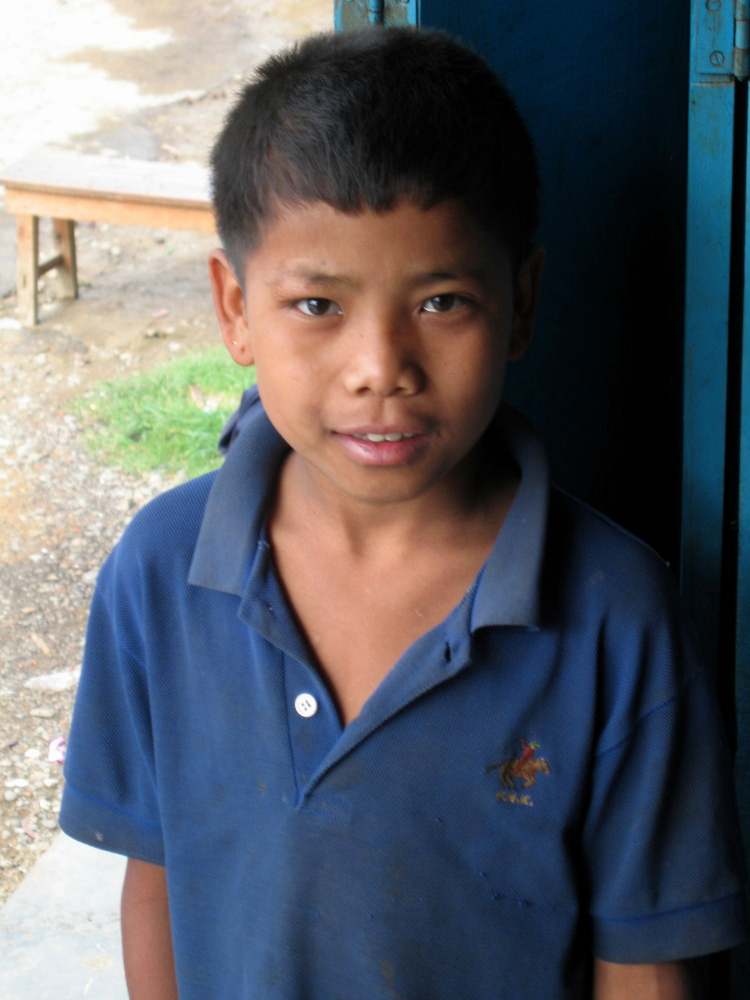
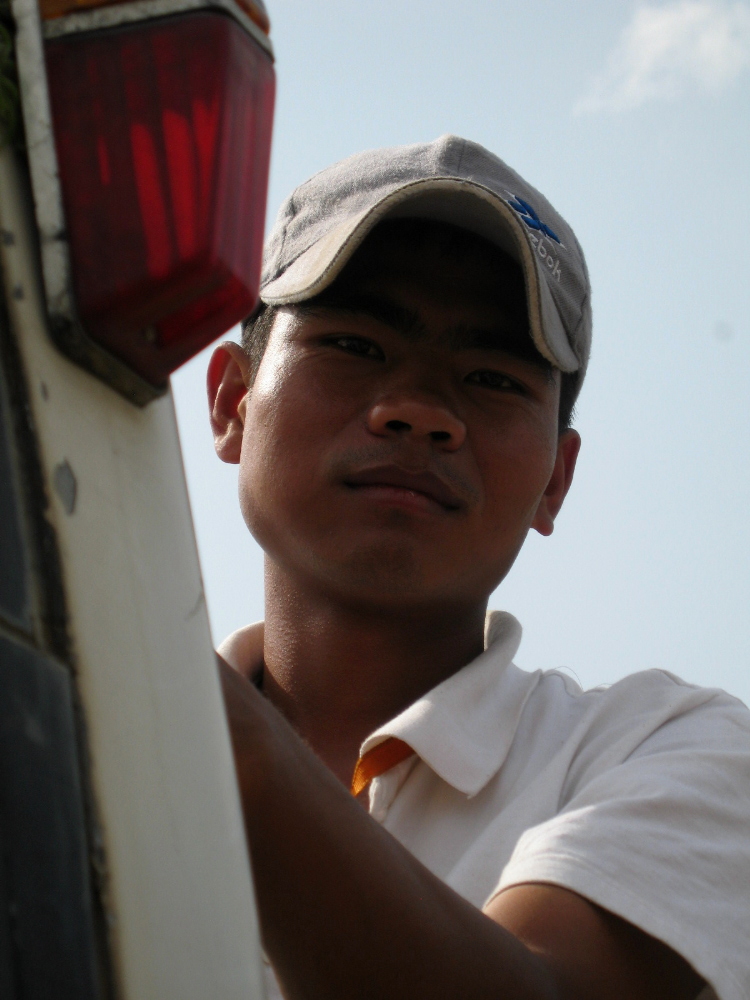
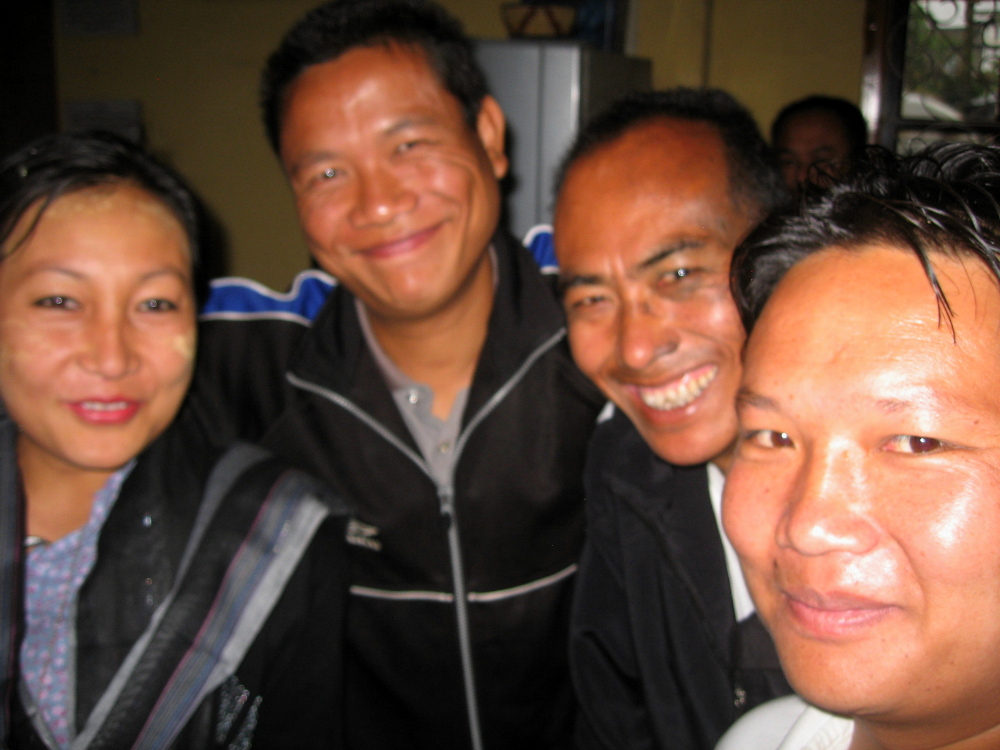
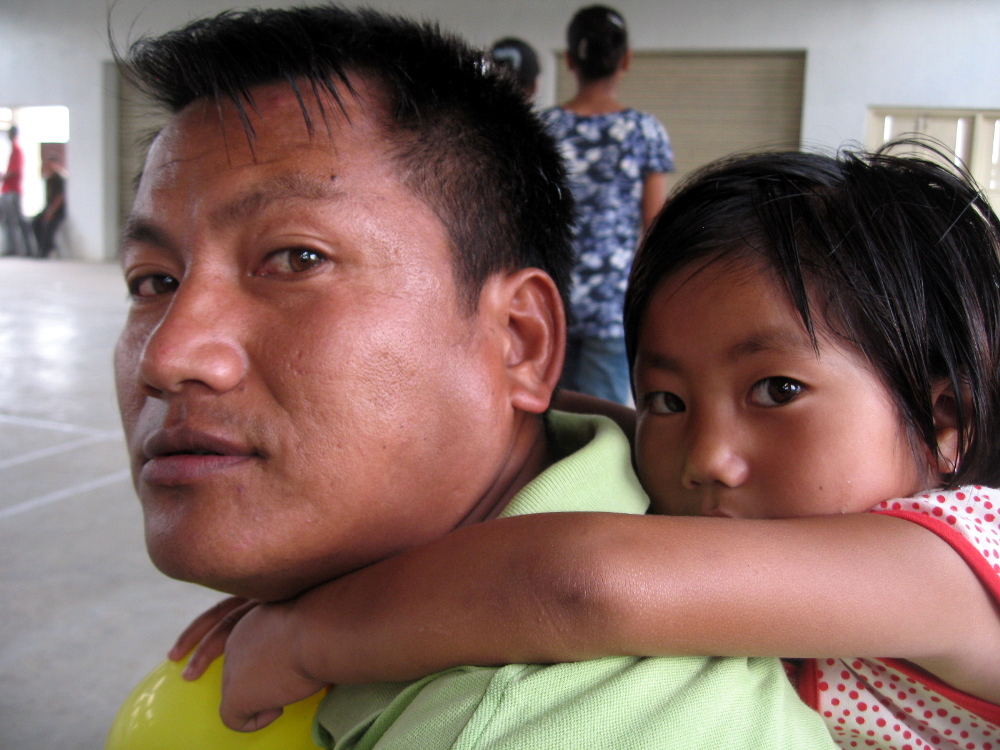
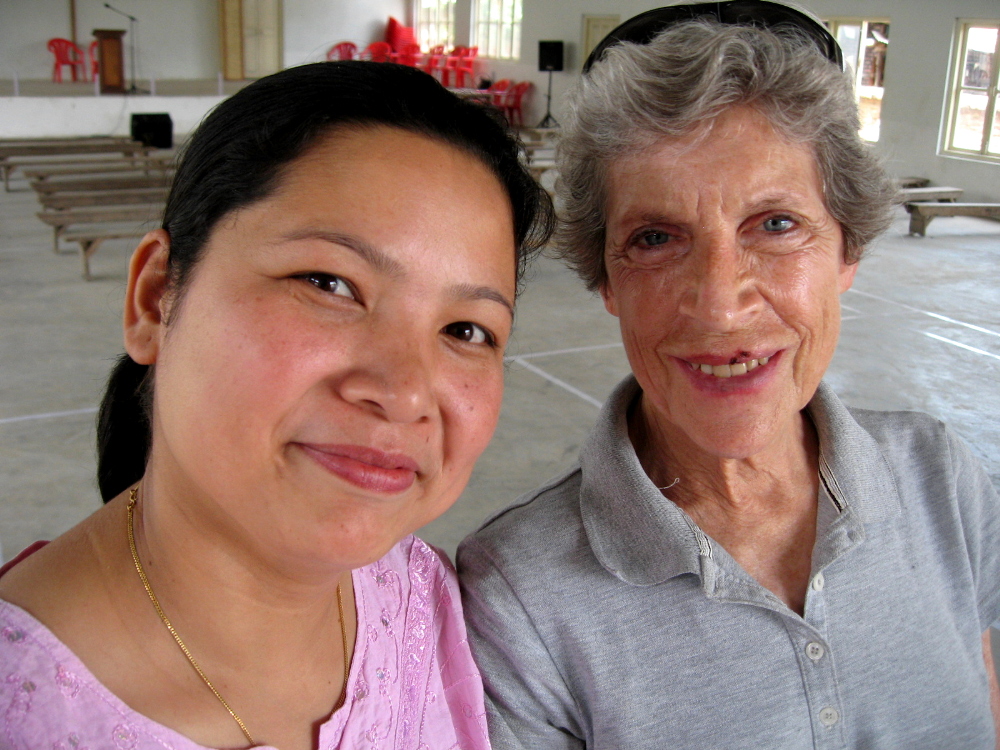
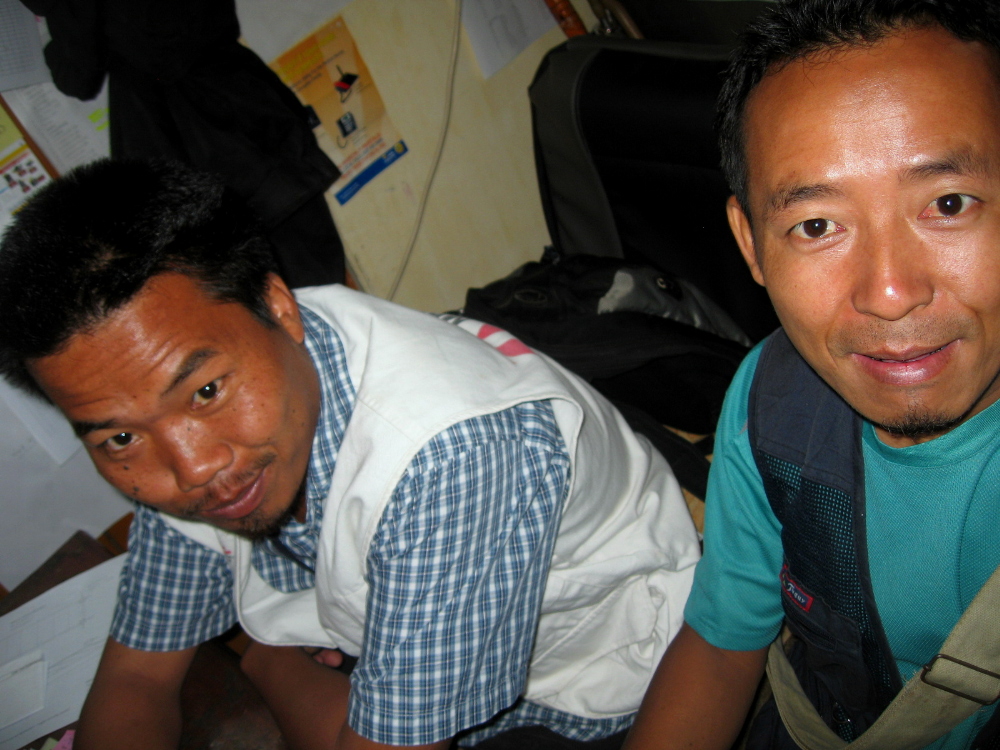
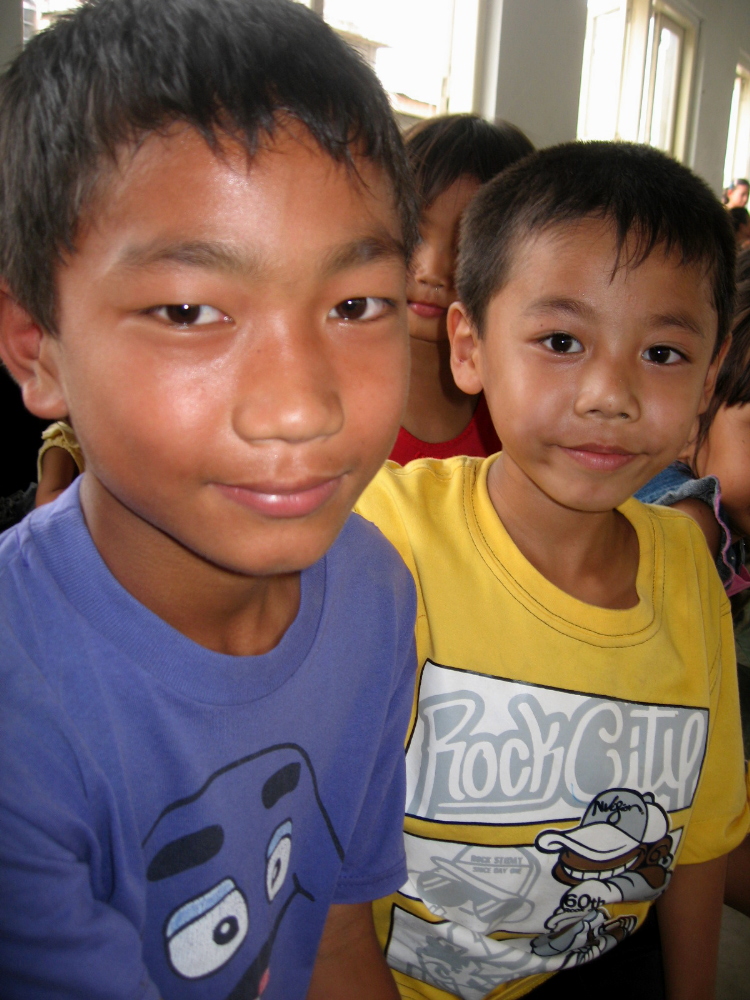
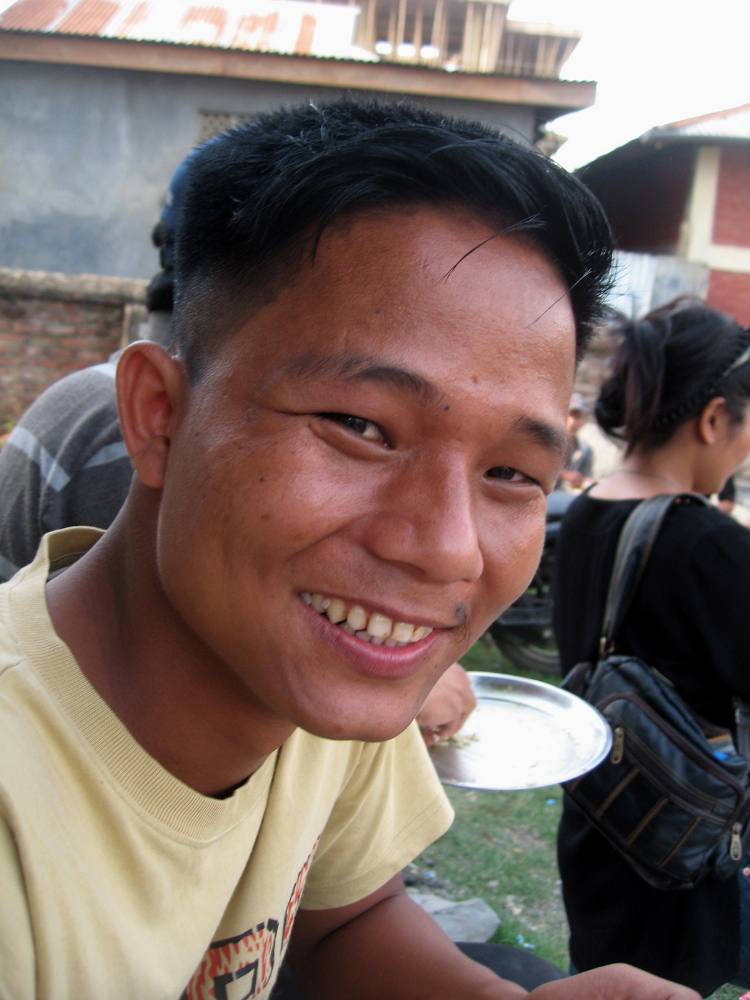
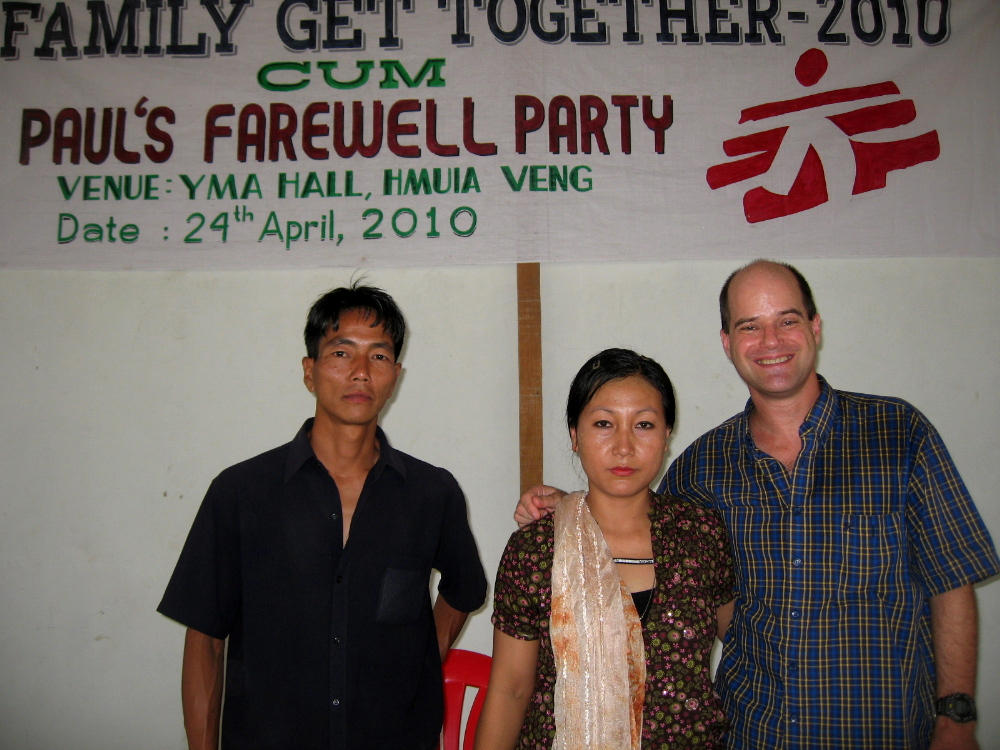
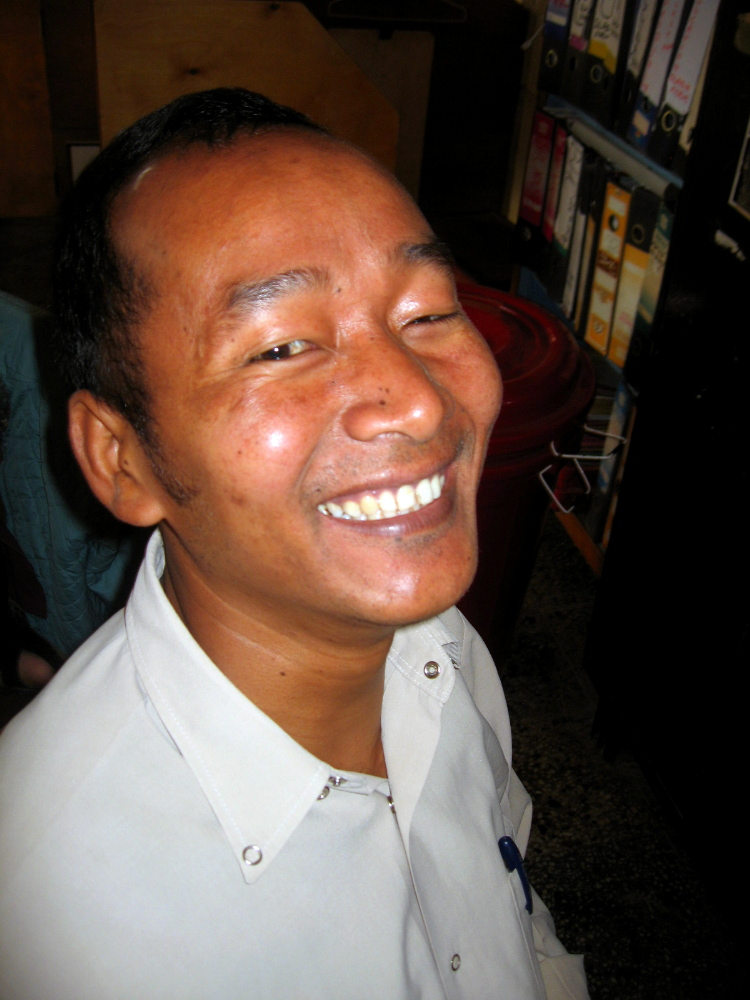
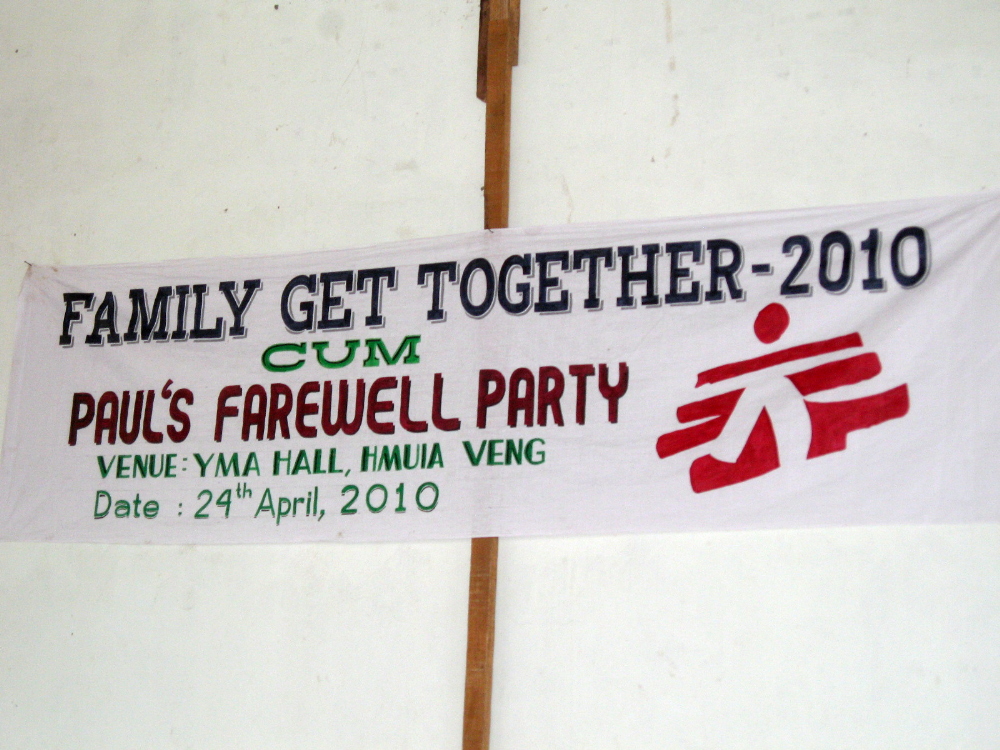
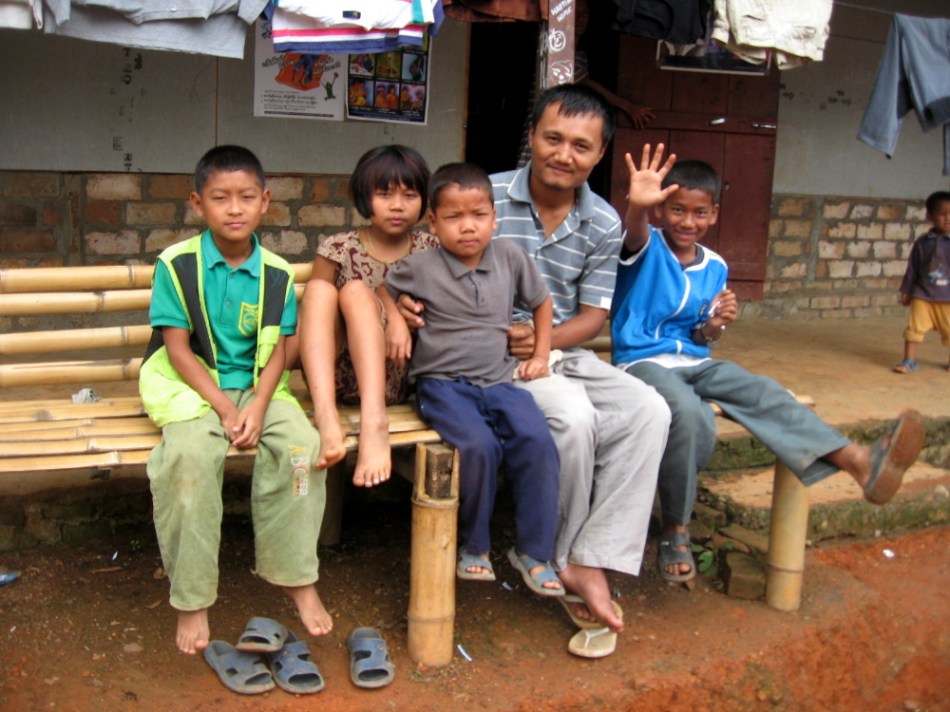
In the posts above, you’ve already seen many of the people who made my life in Manipur so rewarding — colleagues both national and international, patients and their families, neighbors and residents of the town we lived in and the town we worked in, and so on. For me the most humbling part of working with MSF in an area like Manipur is the welcome that MSF and our staff (both national and international) receive in the small towns and villages where we work. Most of the photos in this section were taken during the final couple weeks of my time in Manipur – in final visits to the clinics where we worked, during the handover with my replacement, and during my farewell party (that’s some colleagues singing at the farewell party which was also a family get-together, above). These big photos, and the gallery of images below, are a final thank you and ode to some of the many people I worked with and around during my months in Manipur.


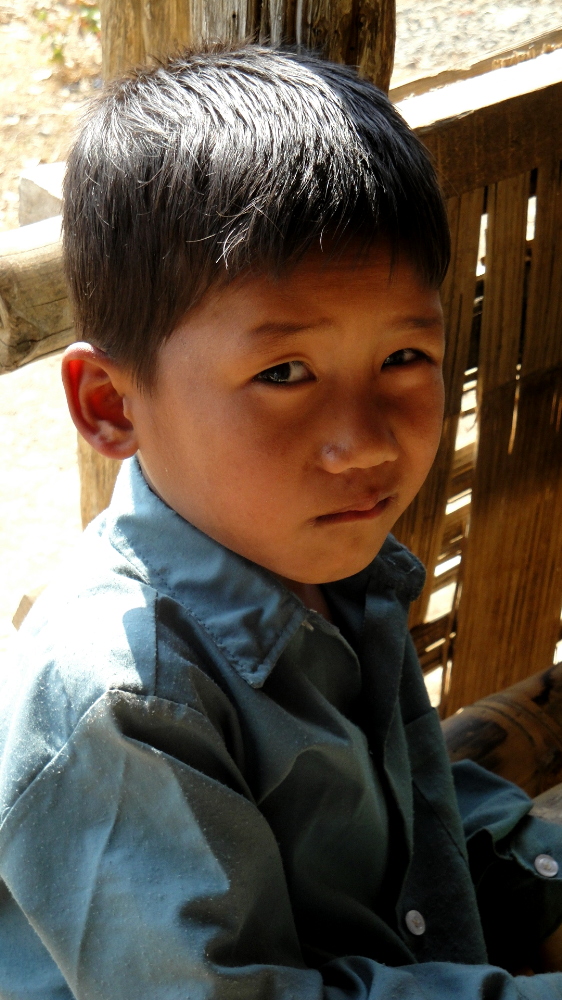
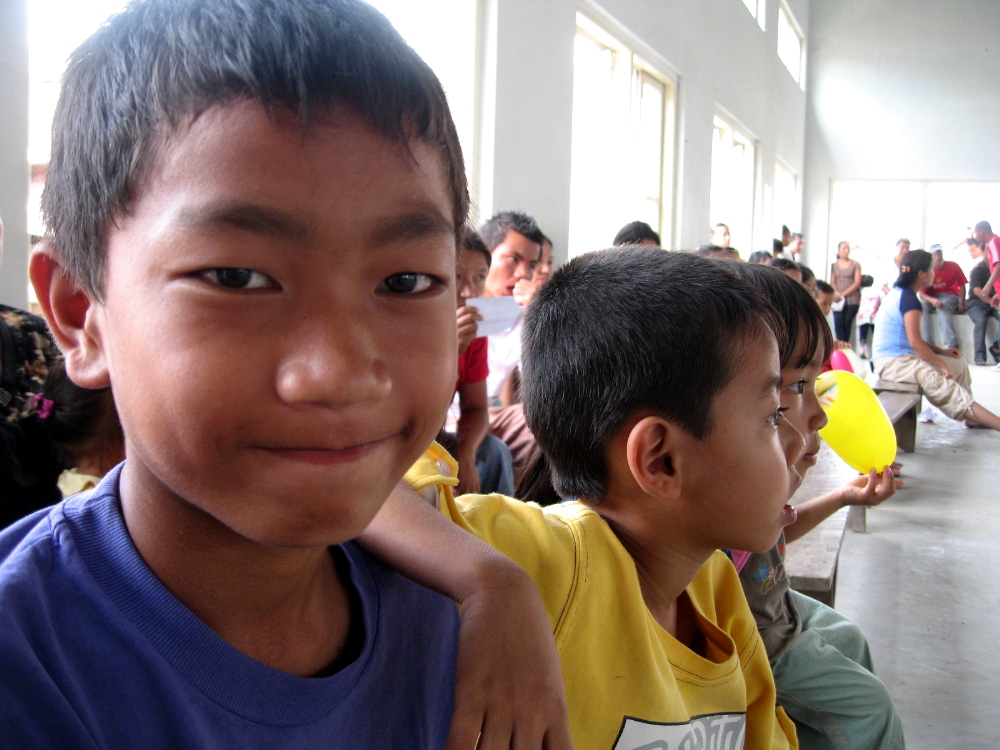
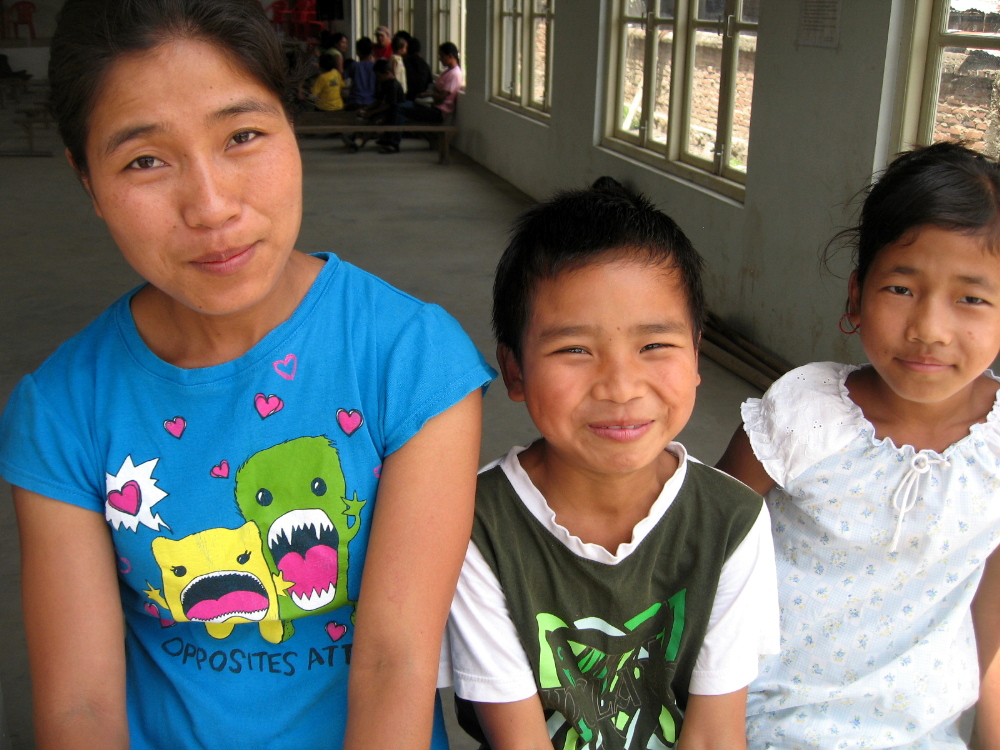
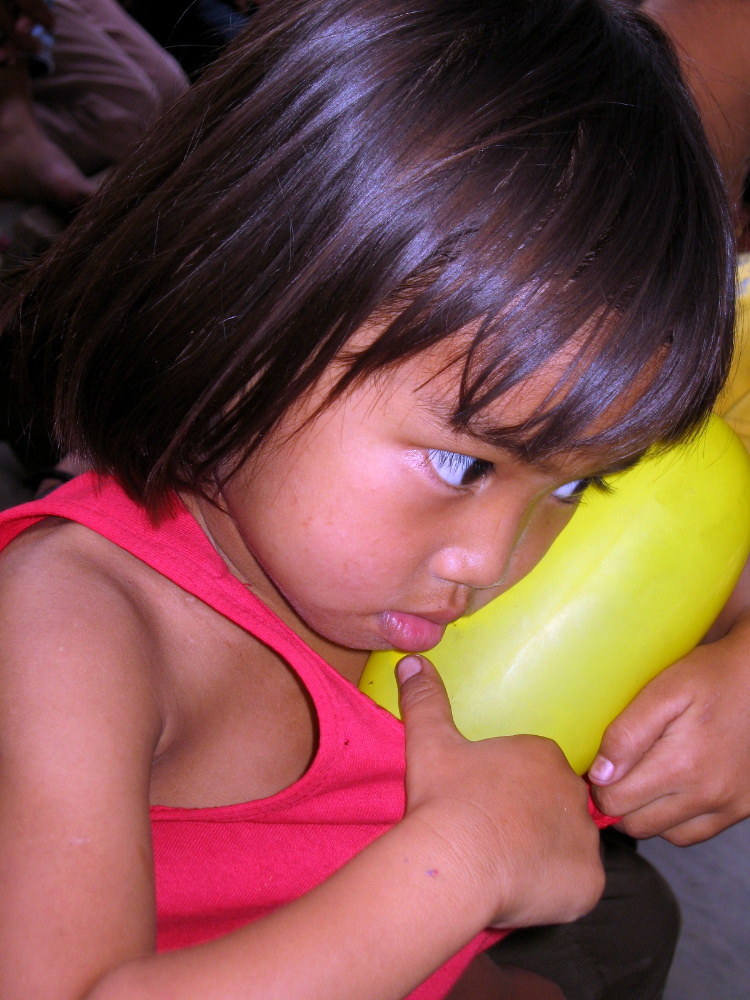
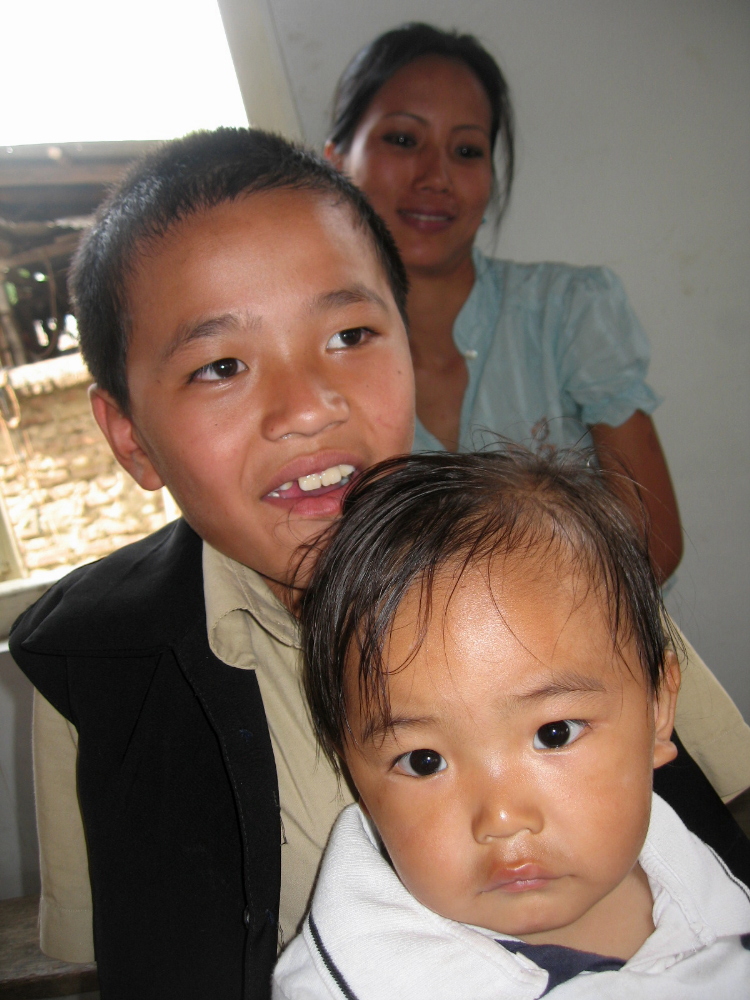
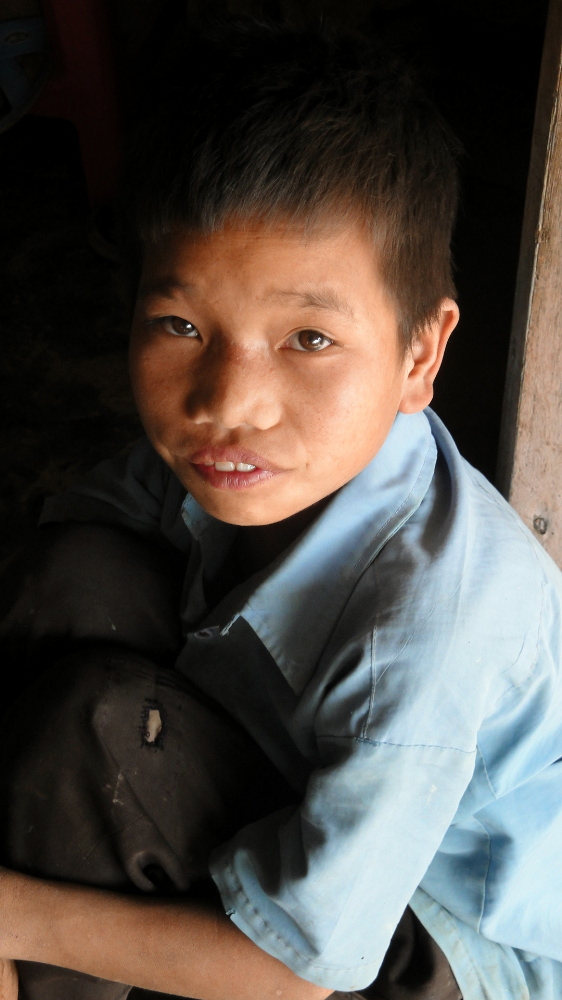
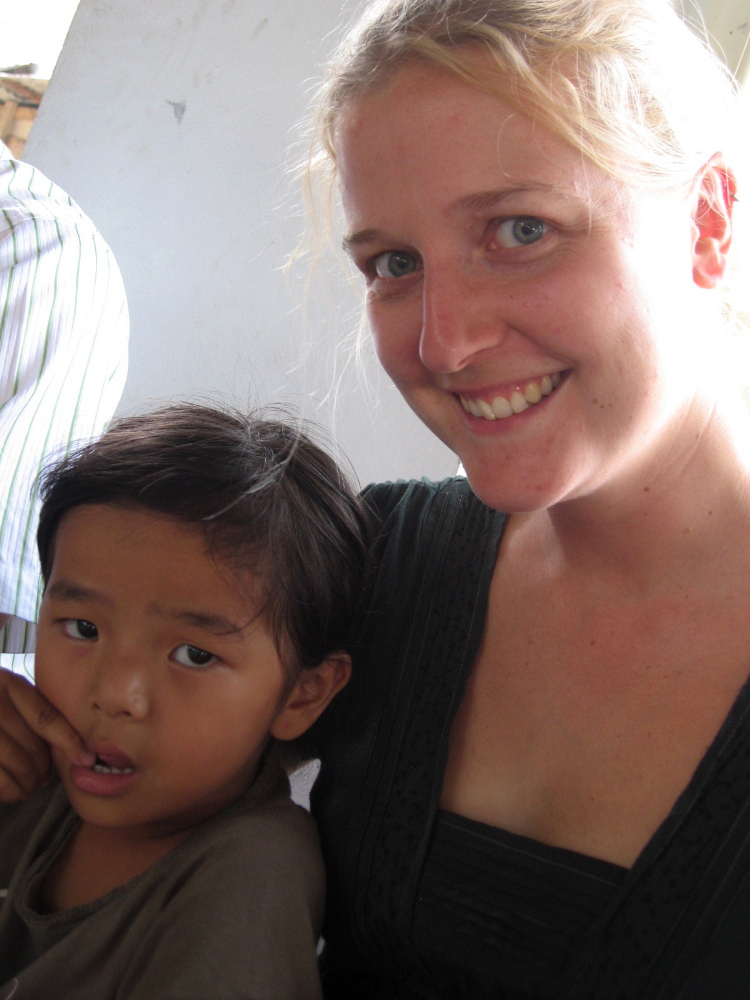
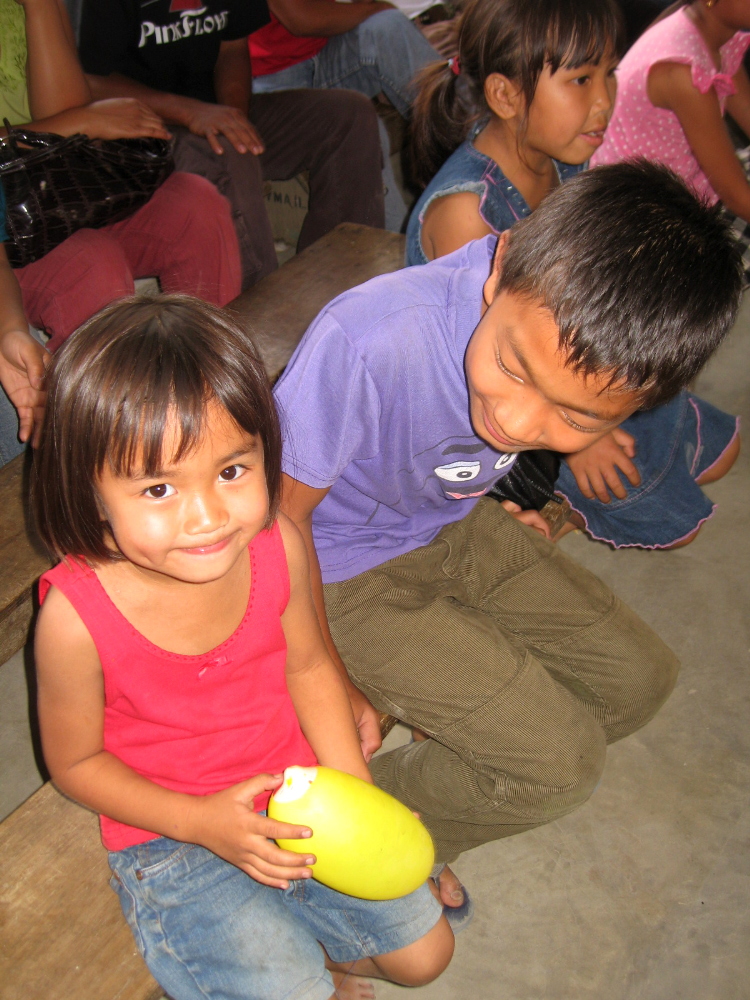
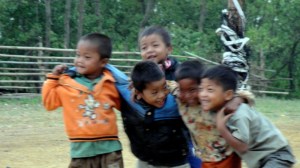
This young patient at one of our clinics started out dubious about this weird balding guy who wanted to take his picture…

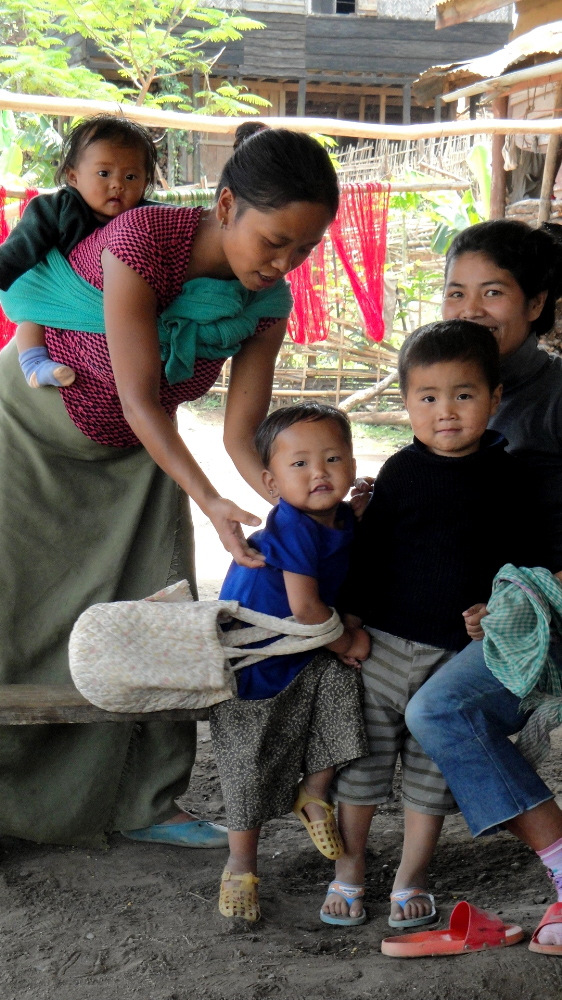
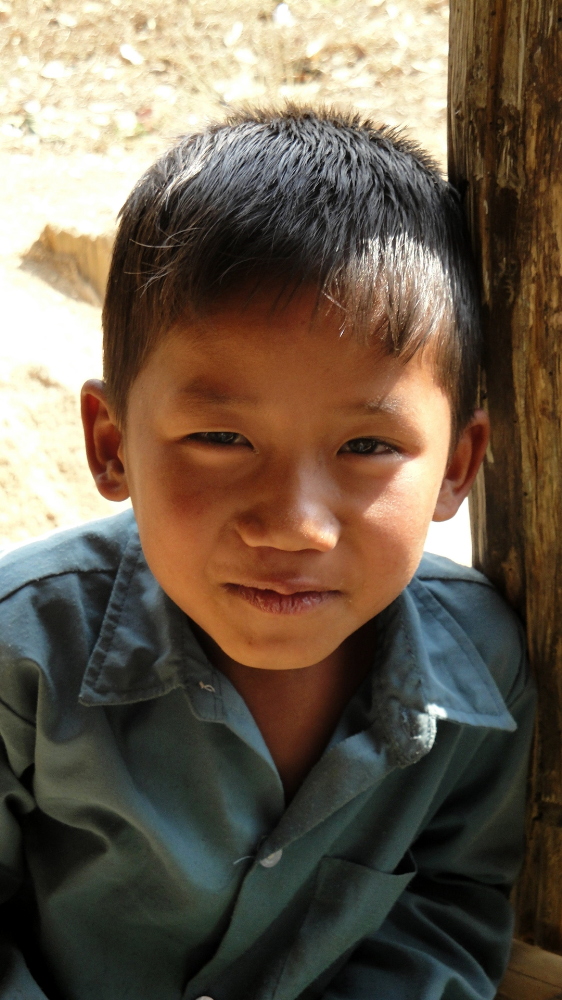
…but with encouragement from me and some of the mom’s sitting around (their shown below), he started to warm up…

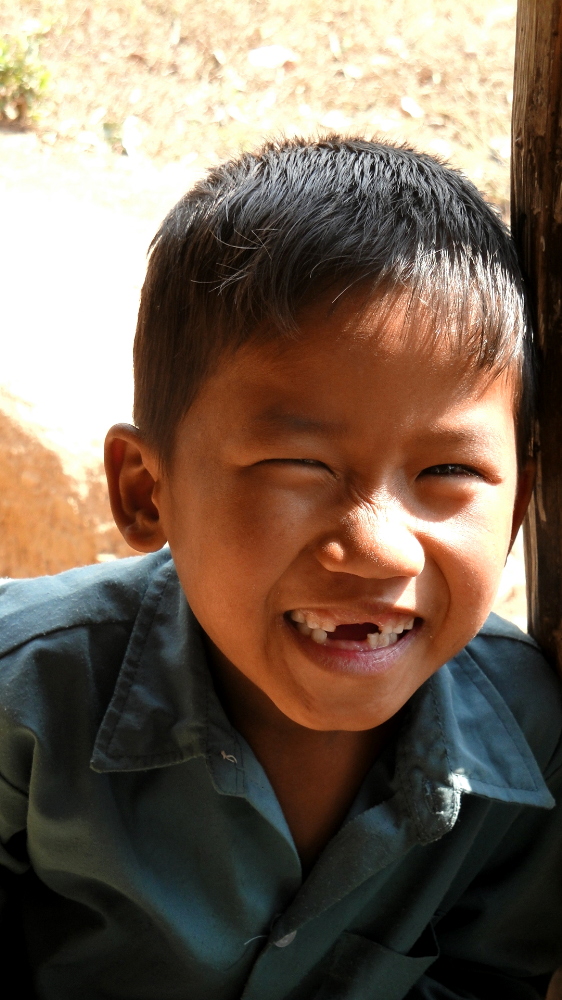
…and finally let loose. 🙂
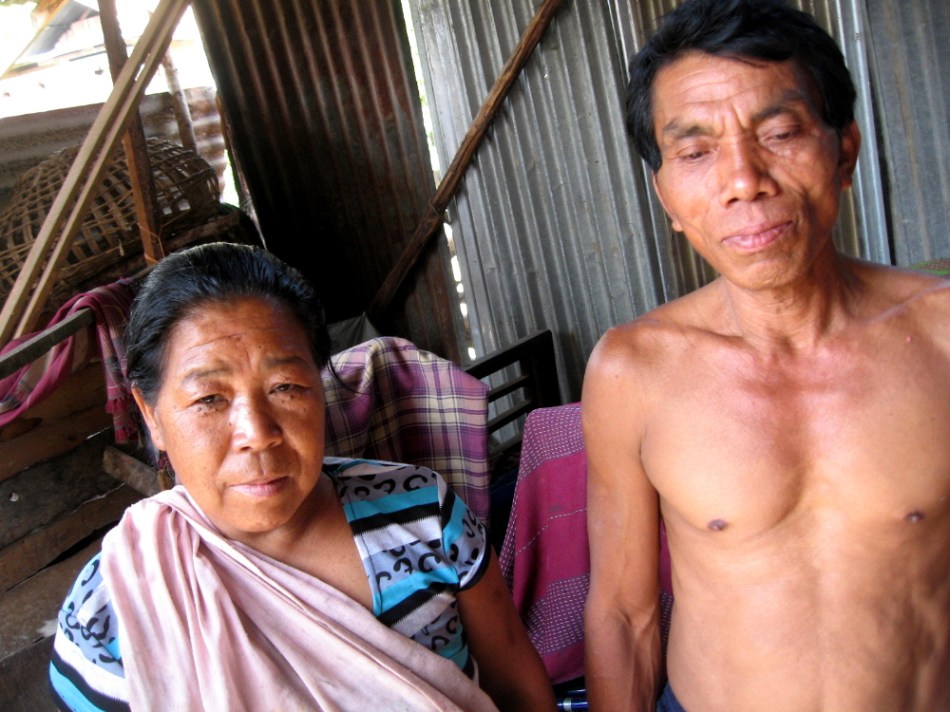
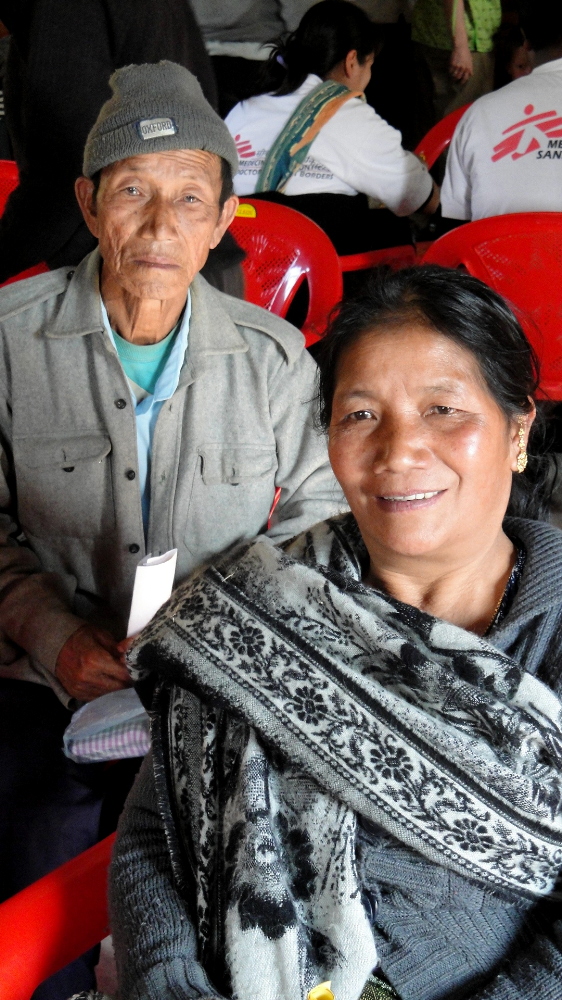
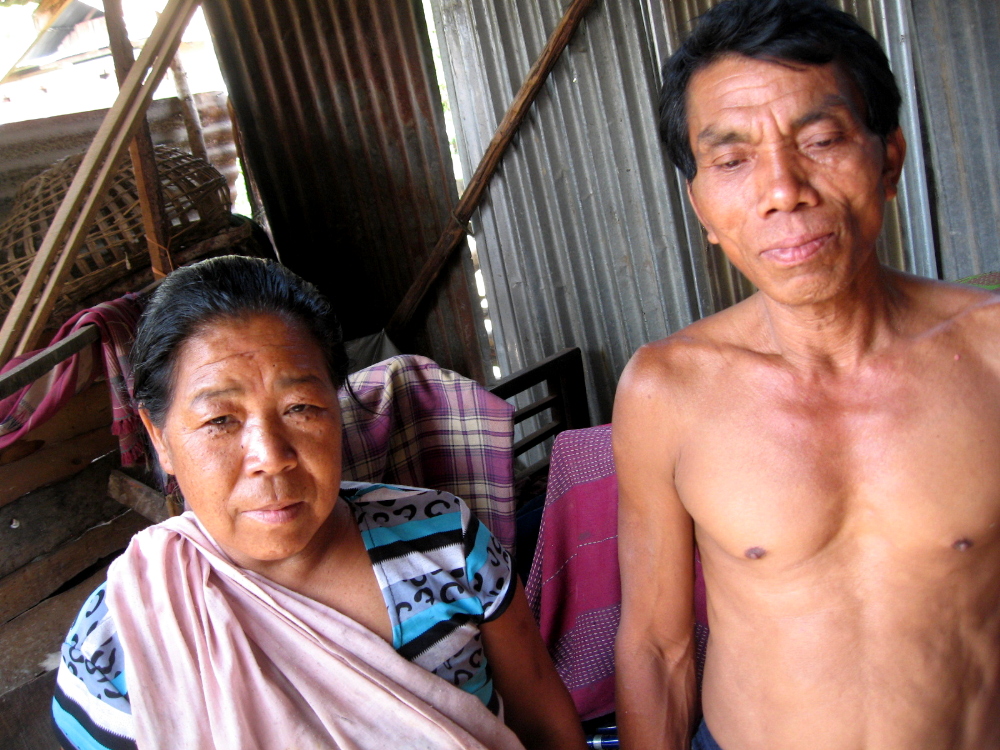
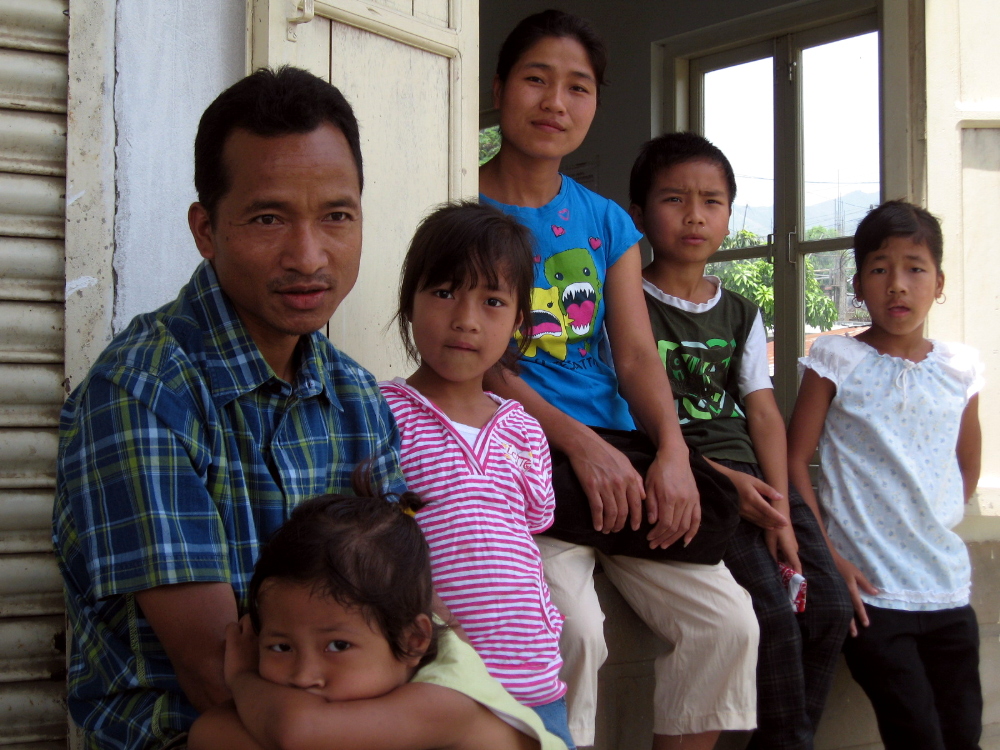
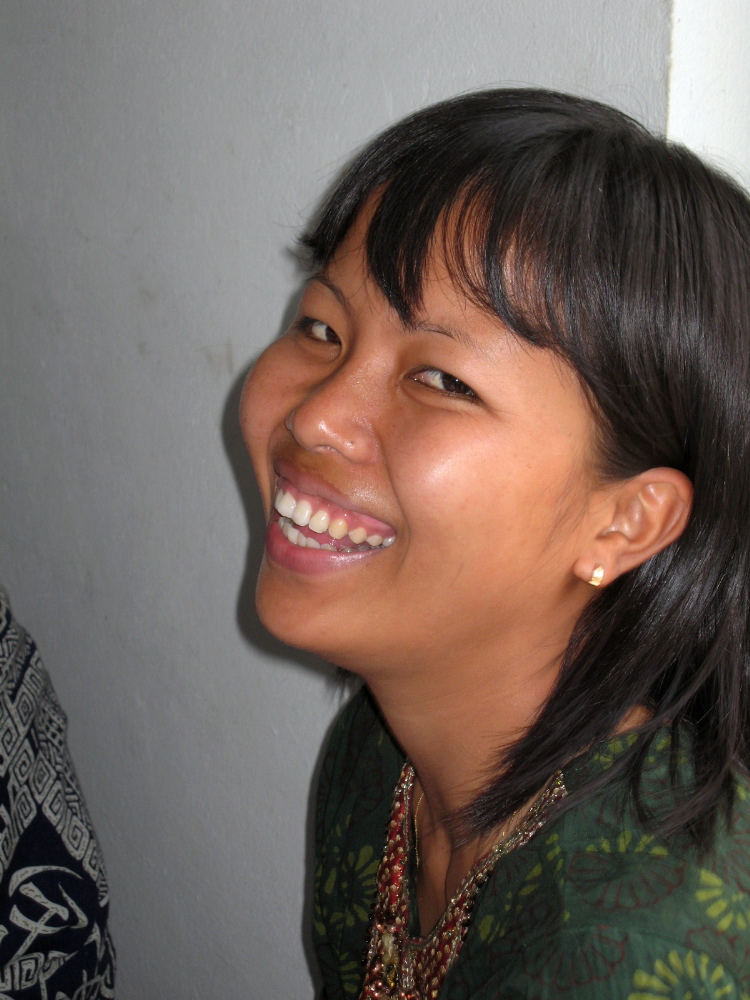
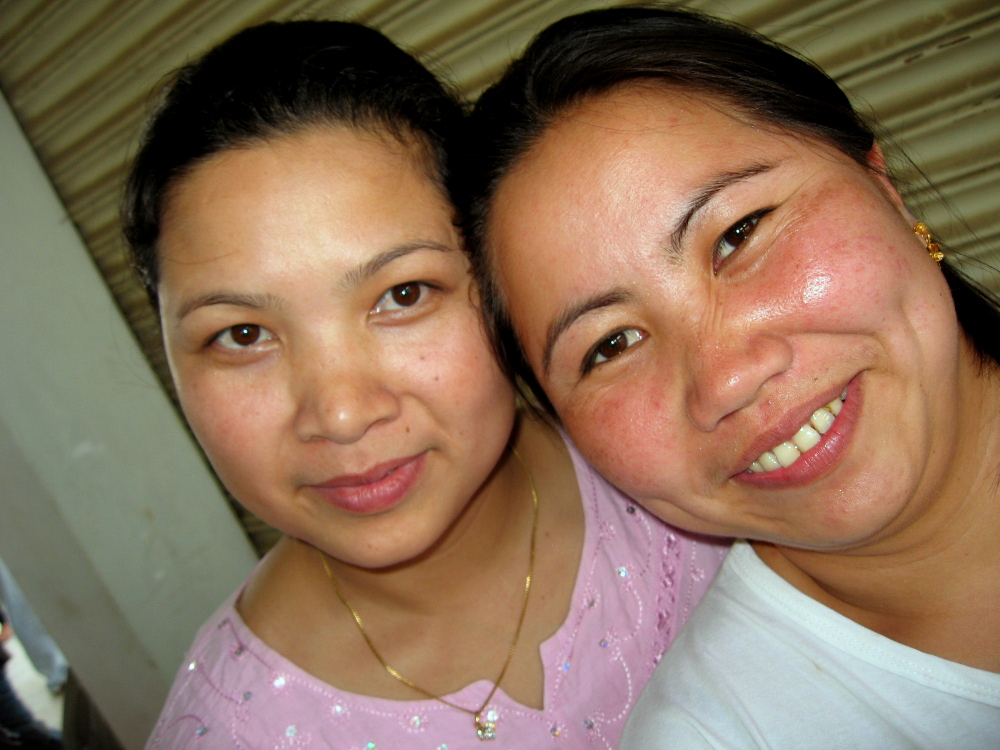
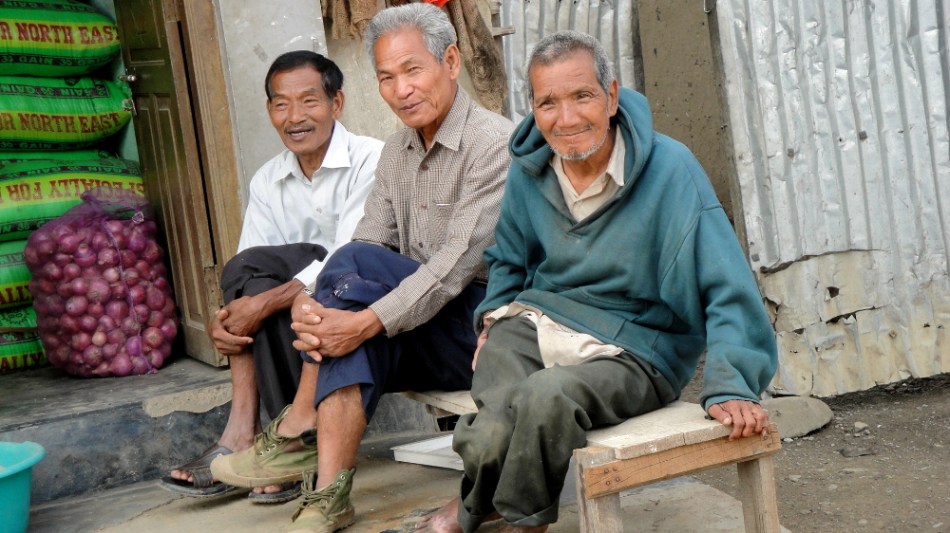
Below are the smiling adults who encouraged him. One of them might be his Mom but I’m not sure.

Magna Cum Confusion & Humor

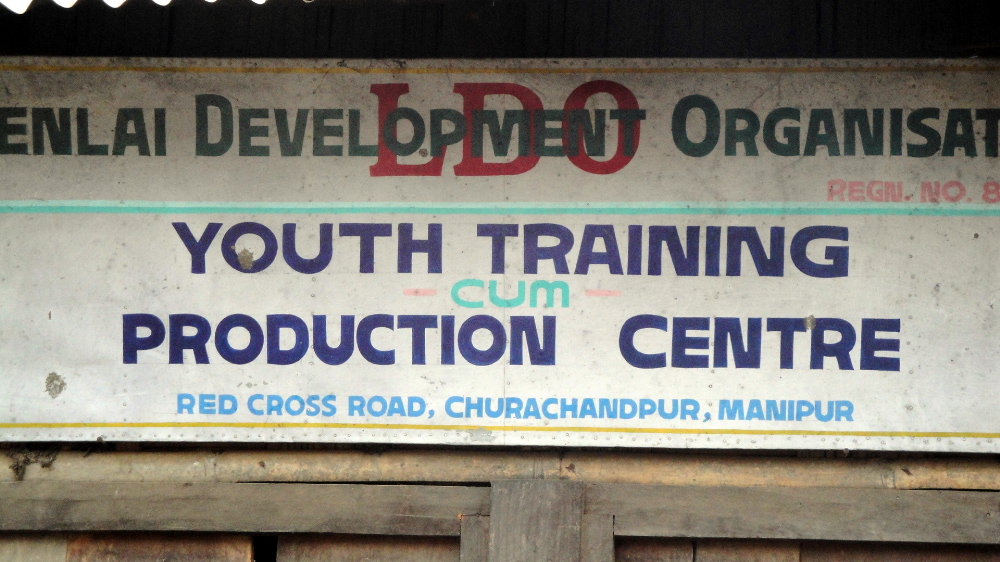
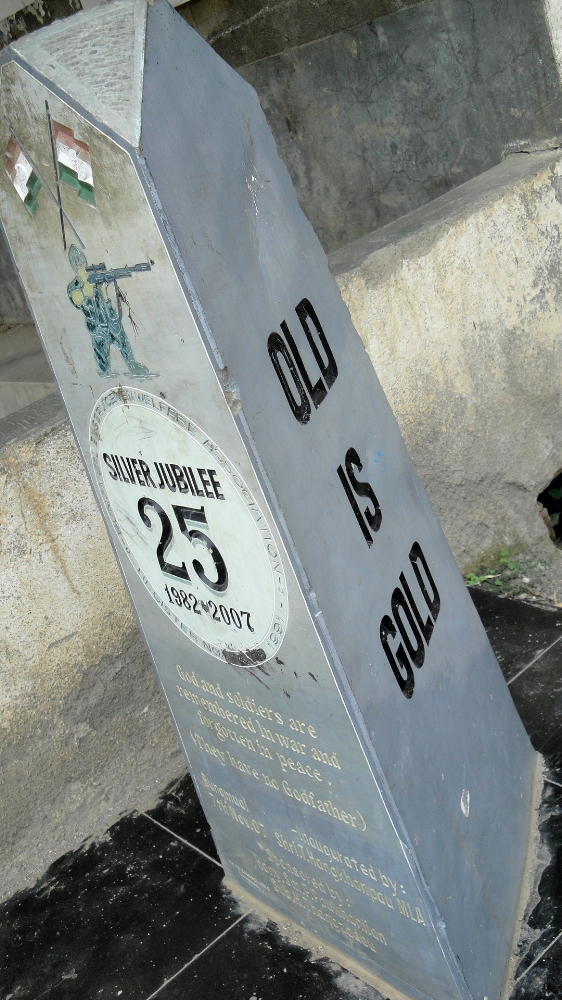
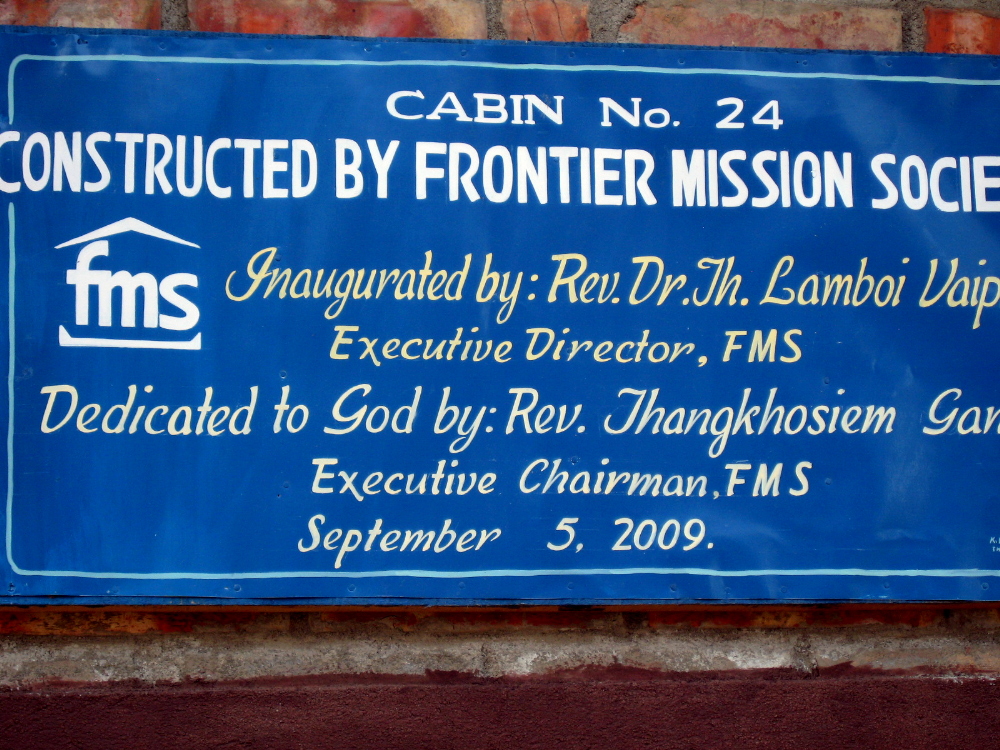
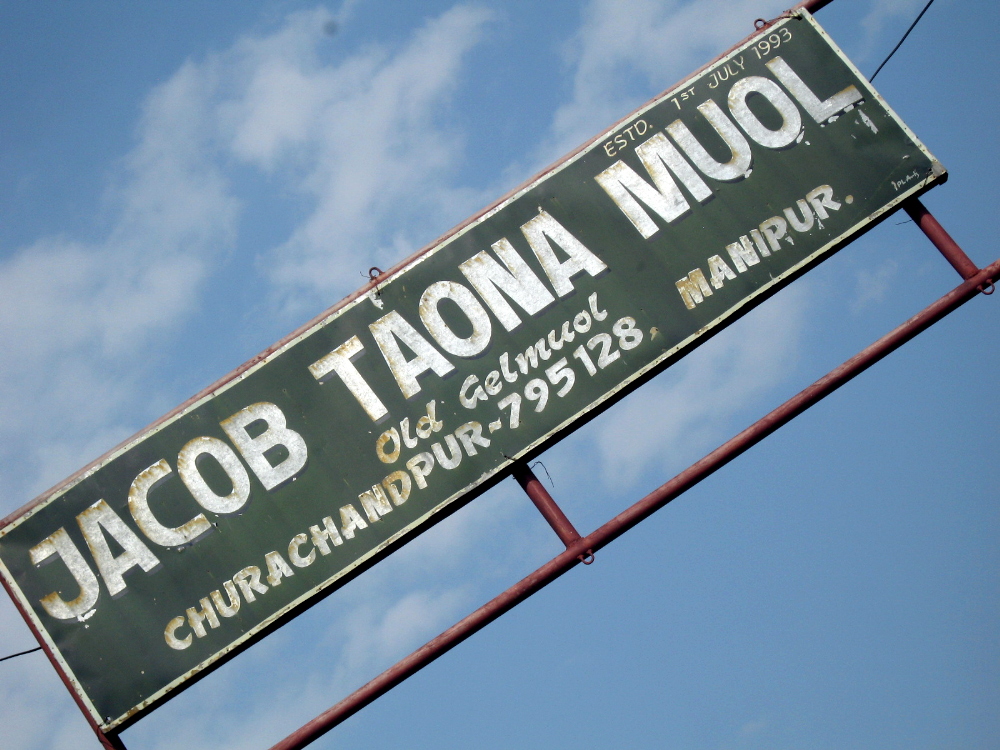
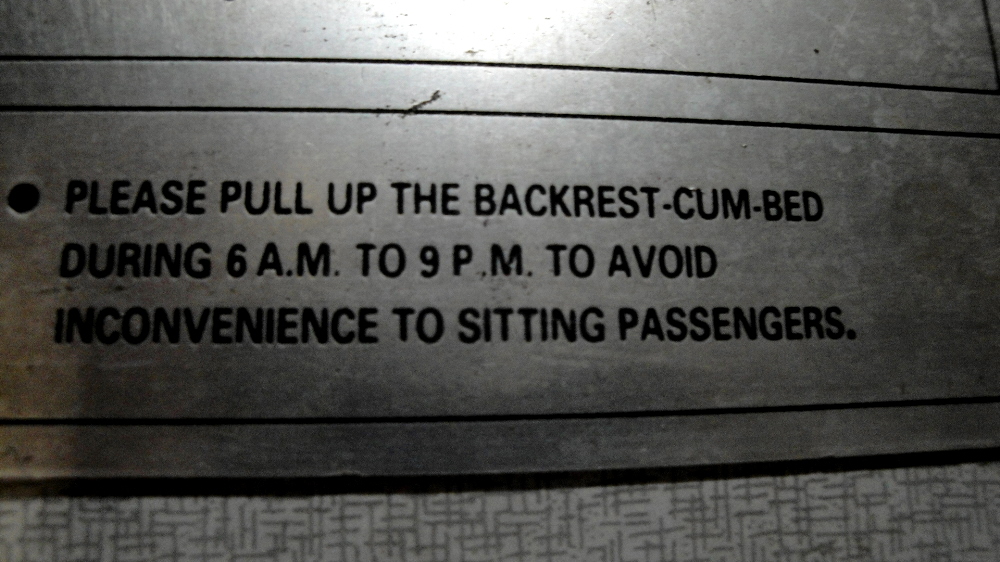
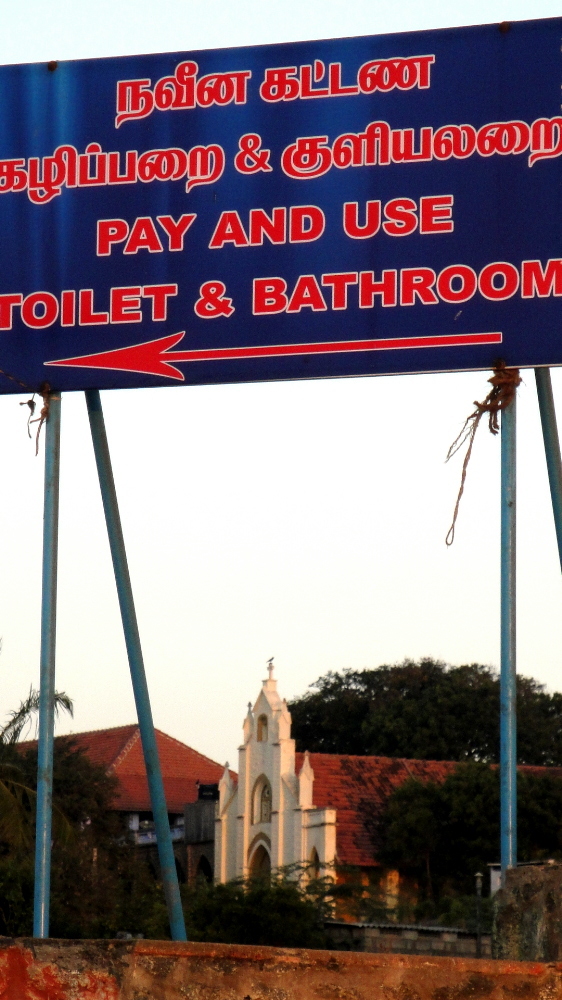
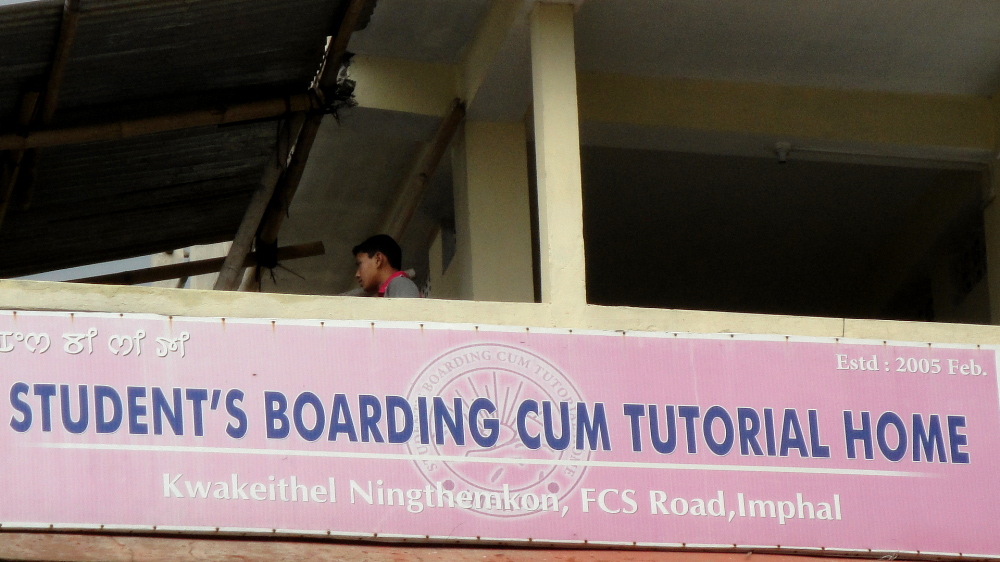
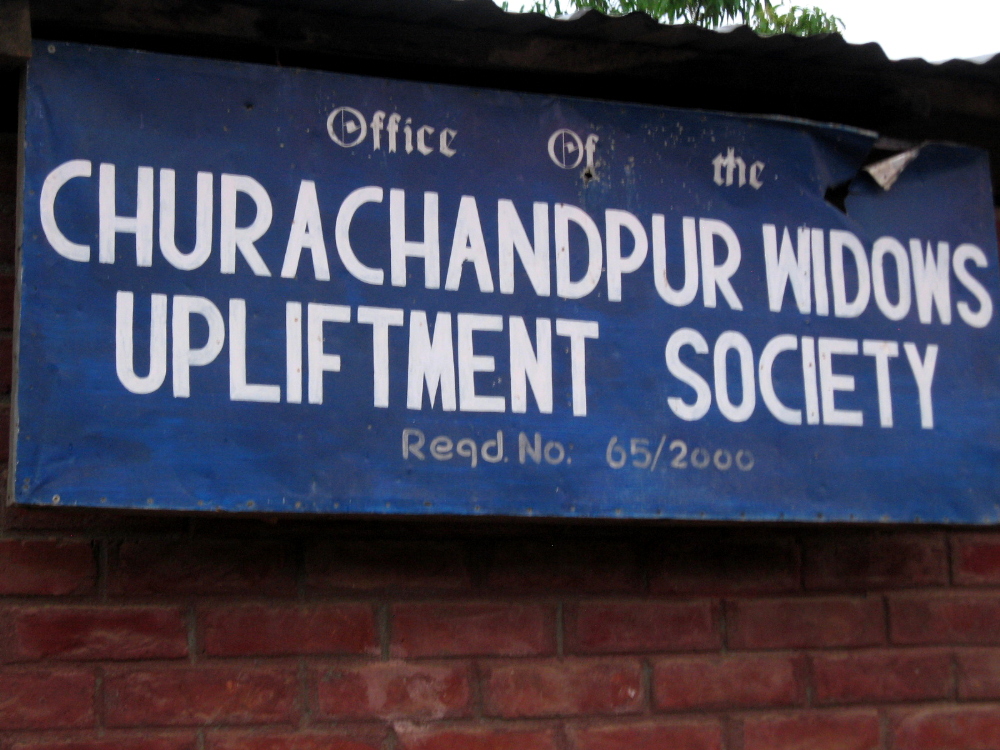
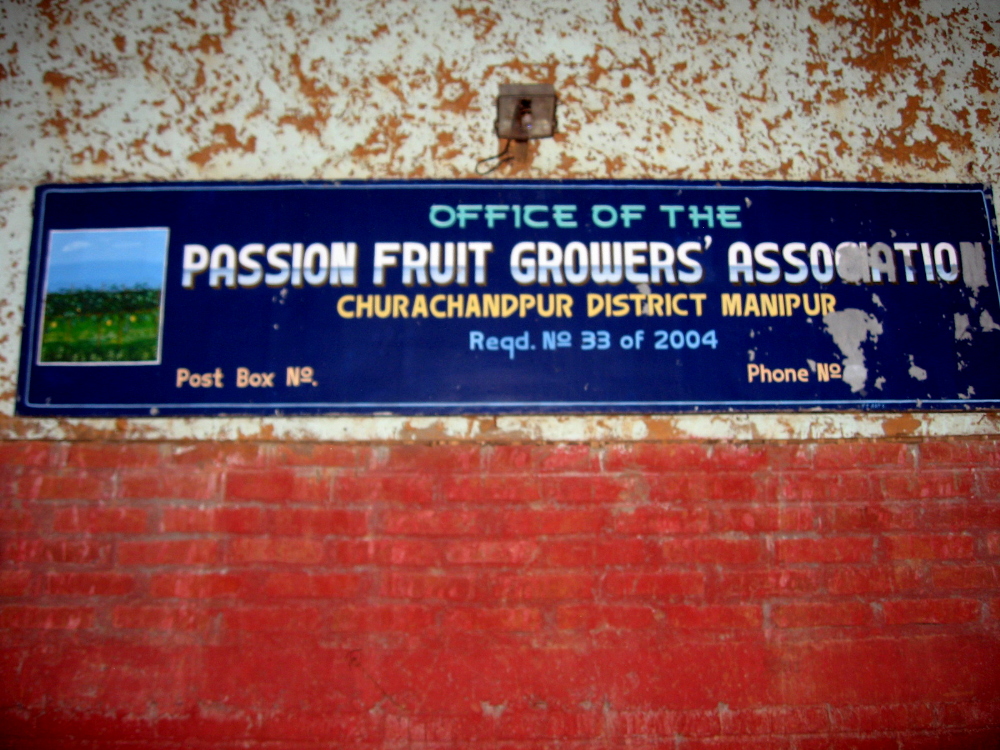
Since beginning this MSF phase of my life, I’ve lived & worked in three regions which the British ruled as colonies for some period of time. Along with that British colonial history comes a greater familiarity with English among at least more educated people. English is a good lingua franca in Nigeria, whose people speak hundreds of tribal languages in their homes and families.  I think English is actually a bit less widespread in India because there are superpower regional languages like Hindi, Tamil, Bengali, etc. which are spoken by very large numbers of people. But India certainly has a group of highly-educated citizens whose English is often far more refined than mine. Then there are the unique forms English takes as it adapts to local needs and usages – I recall an article in Nigeria’s Punch newspaper about how unusual Nigerian English was becoming; so unusual that the editorial writer feared it was moving out of the mainstream of global English and becoming nearly incomprehensible to other English speakers. I don’t think Indian English runs that risk…but I did find some things to enjoy and to have a chuckle about. Or simply some very nice uses of the language. Herewith are some of my favorite signs and monuments, with a strong emphasis on the Indian penchant for using the latinate cum as a junction between two different parts of one whole. I and my colleagues sometimes found these signs rather humorous.
…and, directly across the street in the the center of Churachandpur Town:

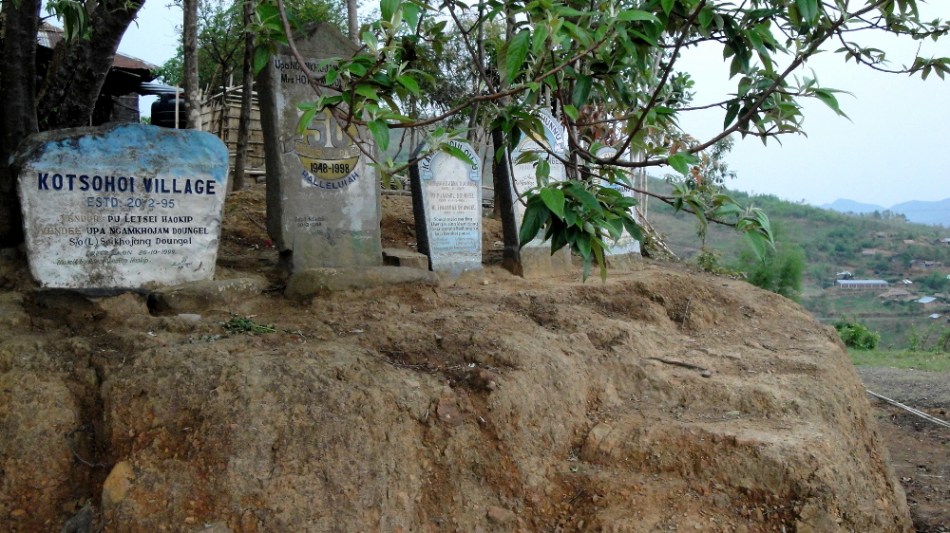
I don’t want this post to disintegrate into a bad joke – though indeed Fiona & Marja & I got some great laughs out of the signs just above, and some others that you’ll see. The parts of Manipur that I frequented were big on commemorations and memorials, many of which were nicely made. At left and right are two stone memorials commemorating important anniveraries in local history. I’m hoping that these will all lay out, when finally up on screen, more or less as I’d been hoping. We’ll see – learning a new blog host is hard!

Seeing Sweden – The Old Country

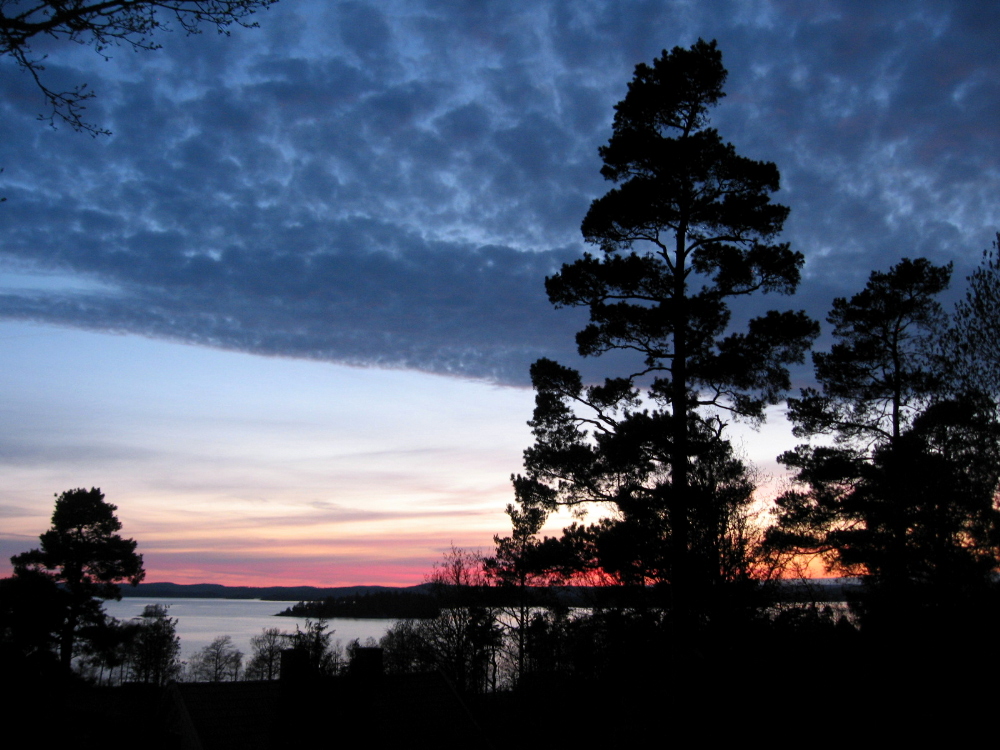
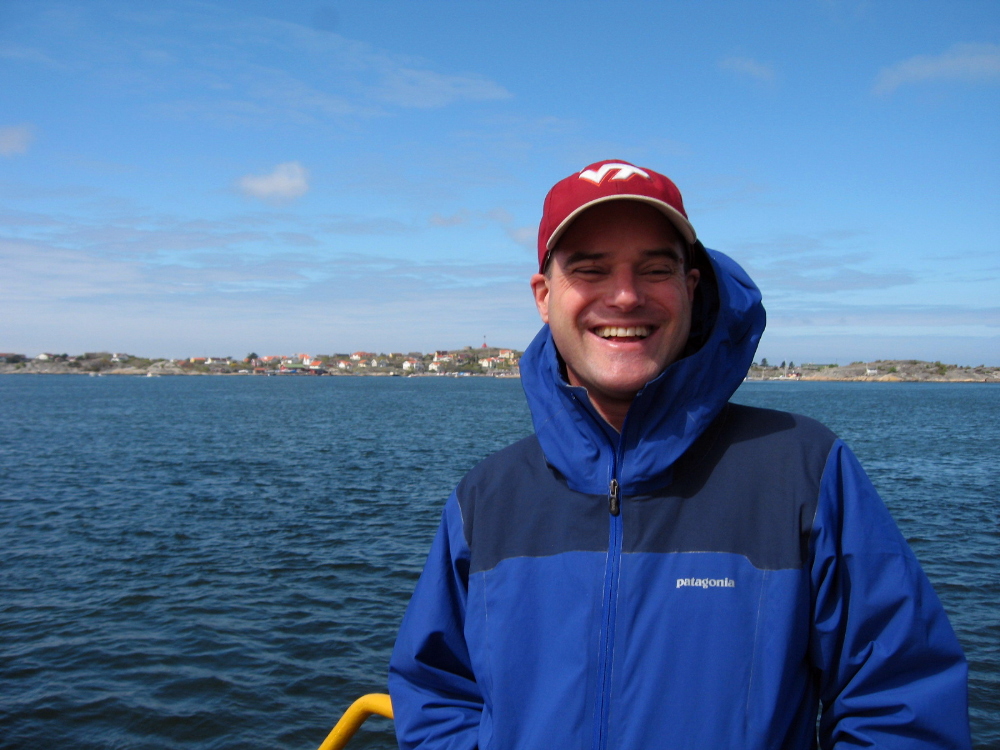
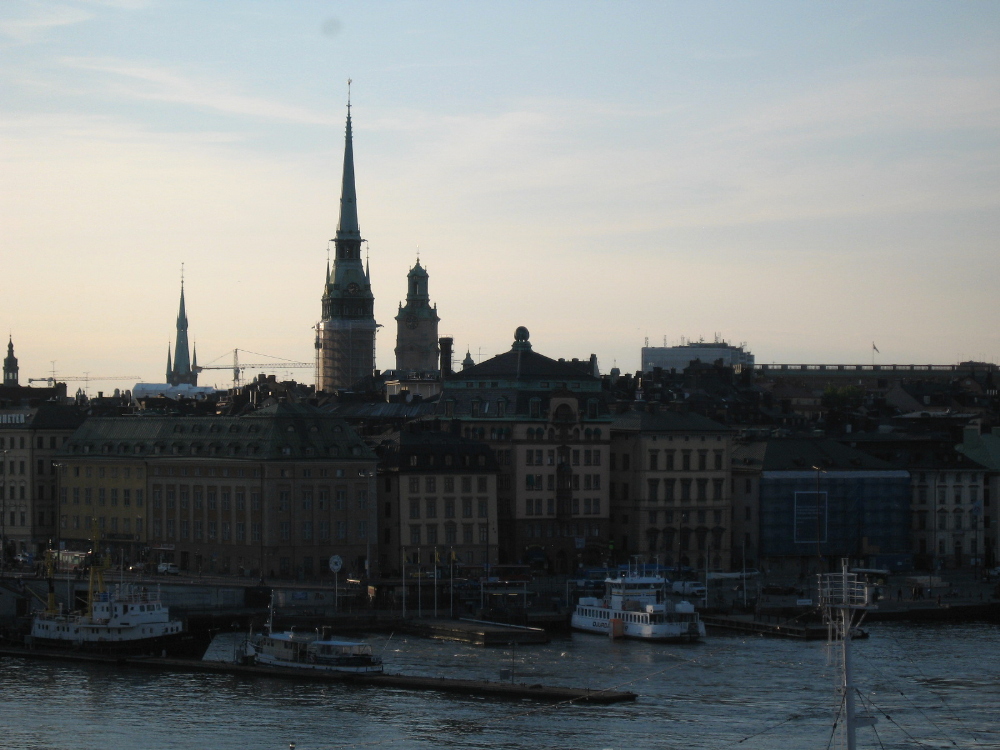
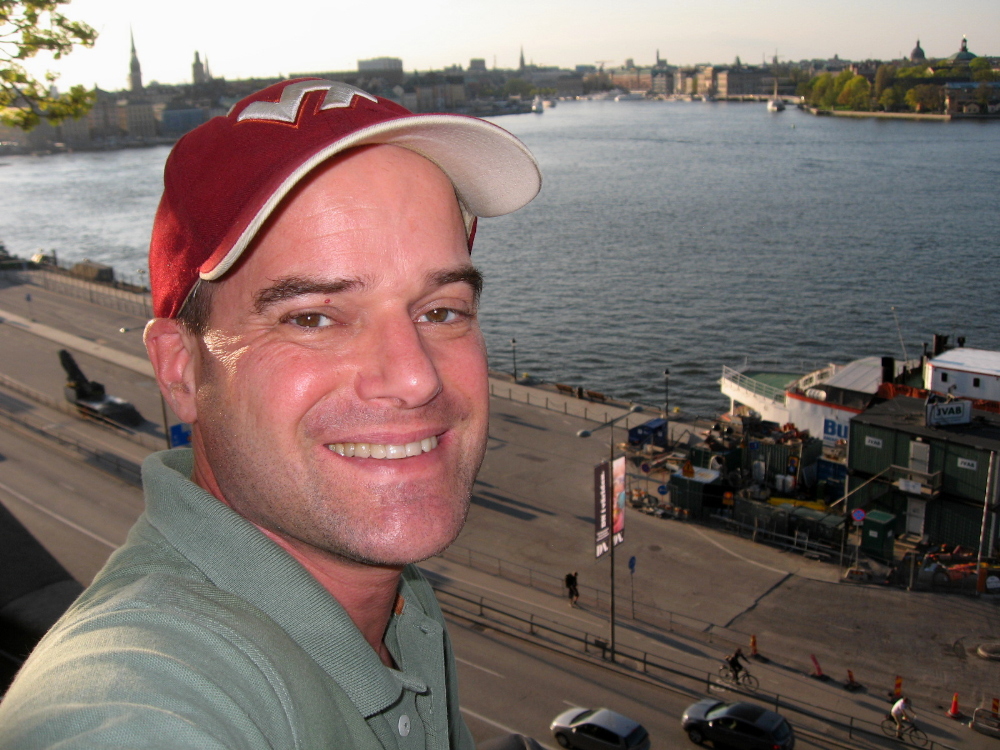
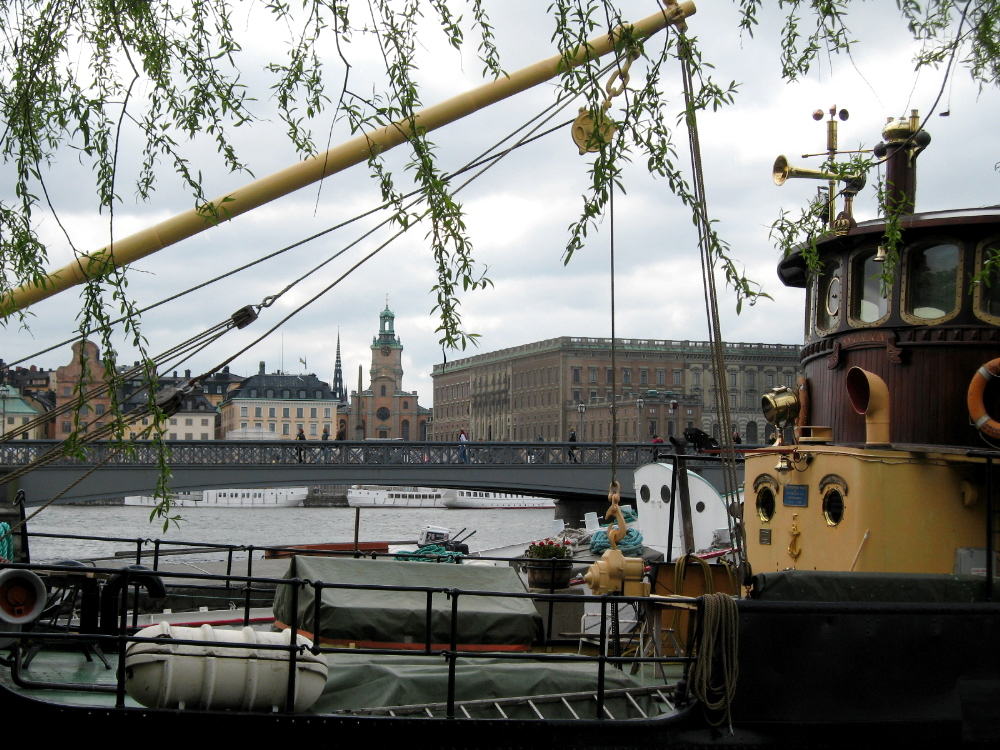
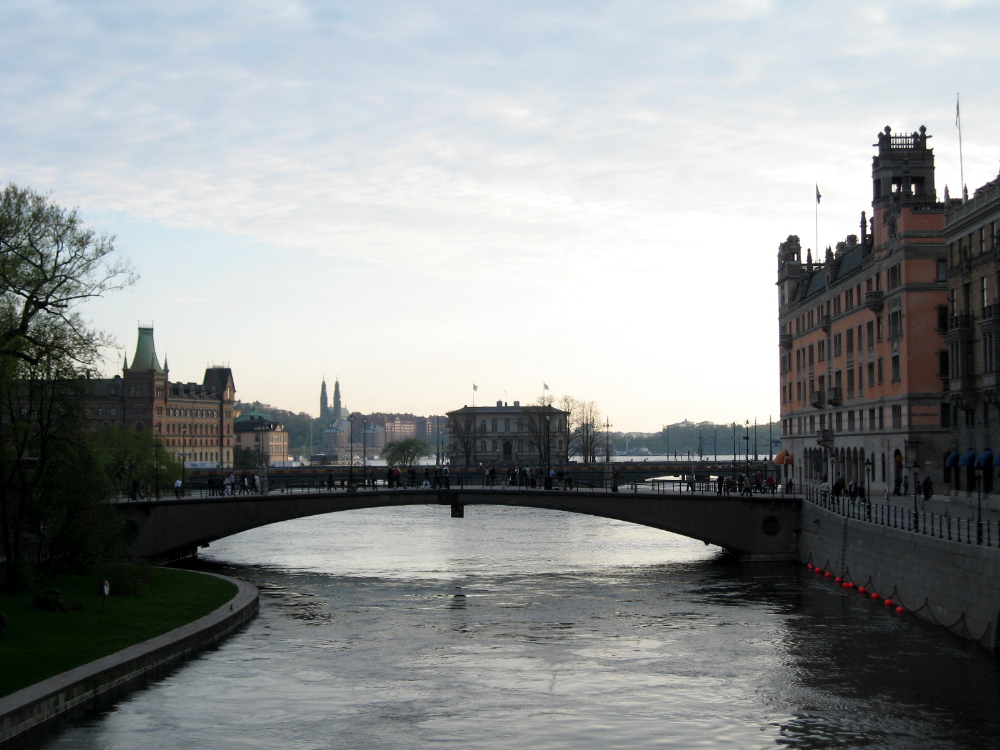
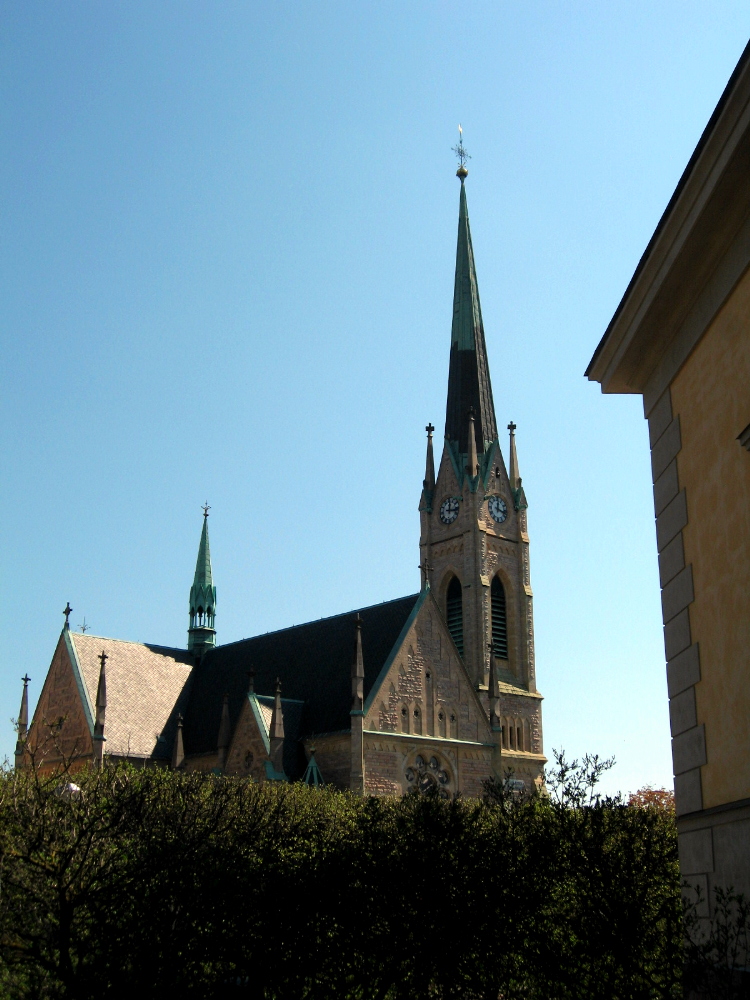
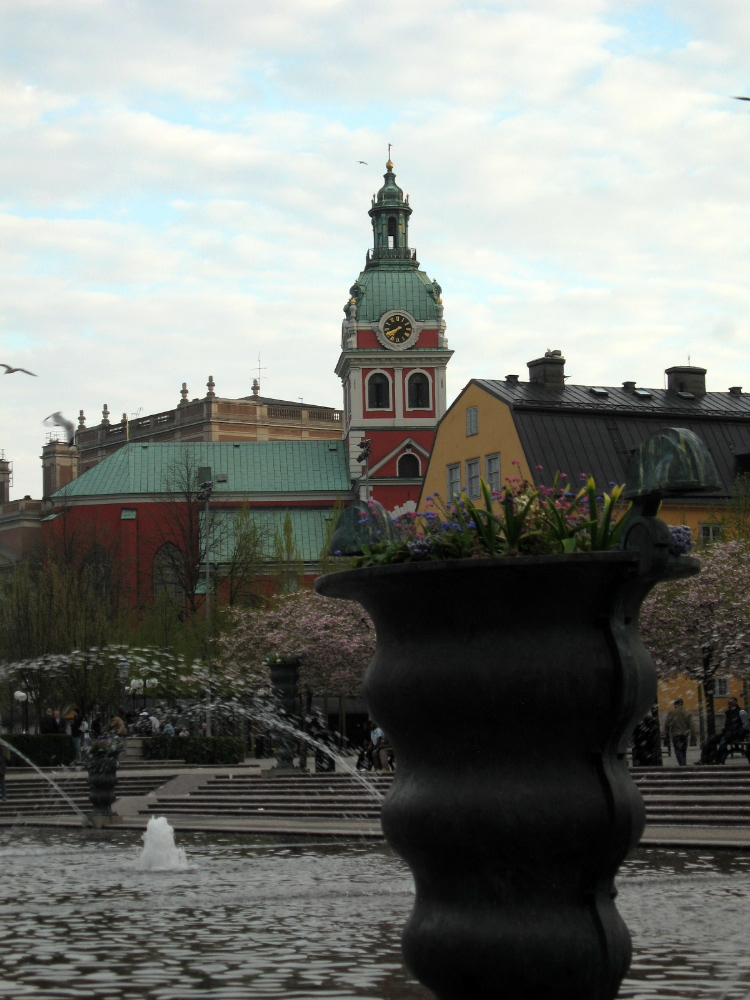
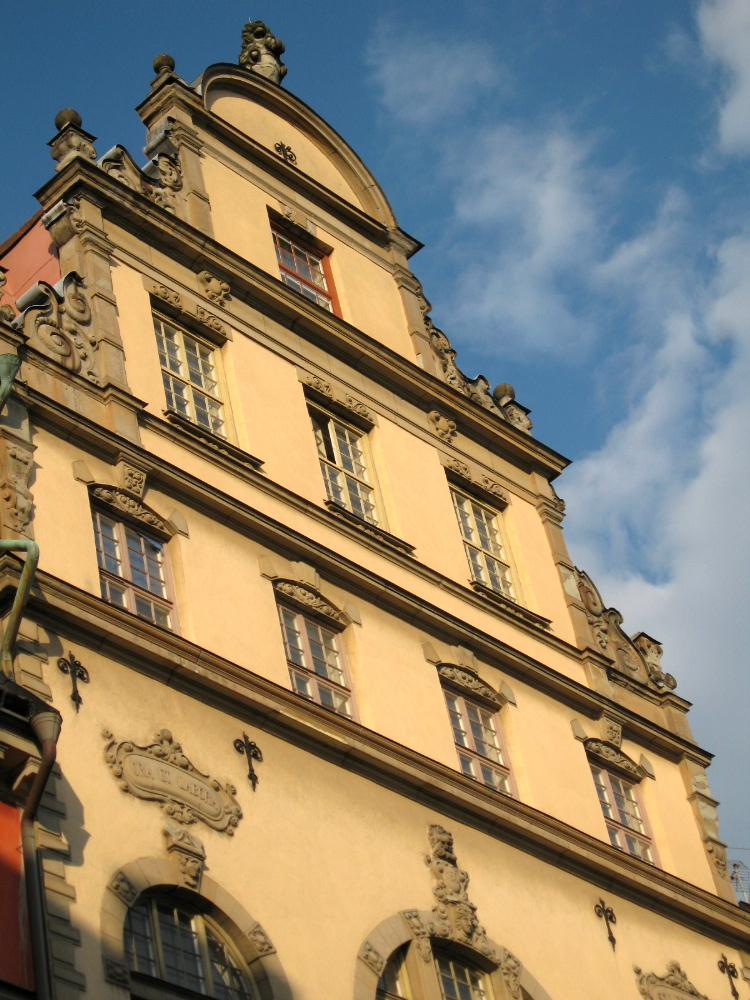
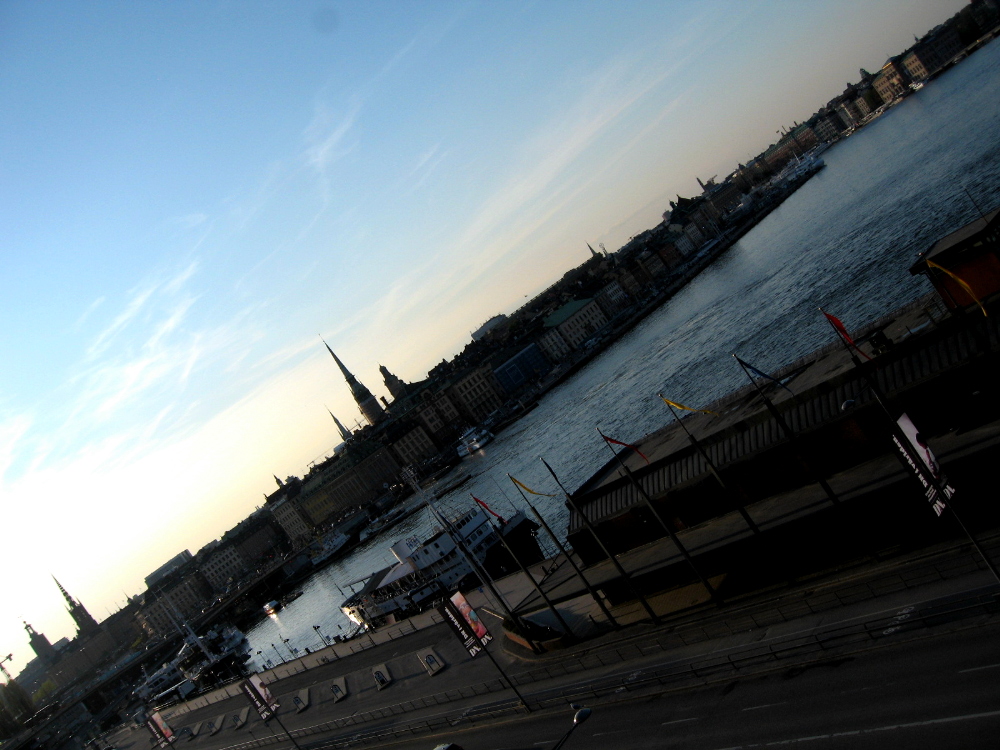
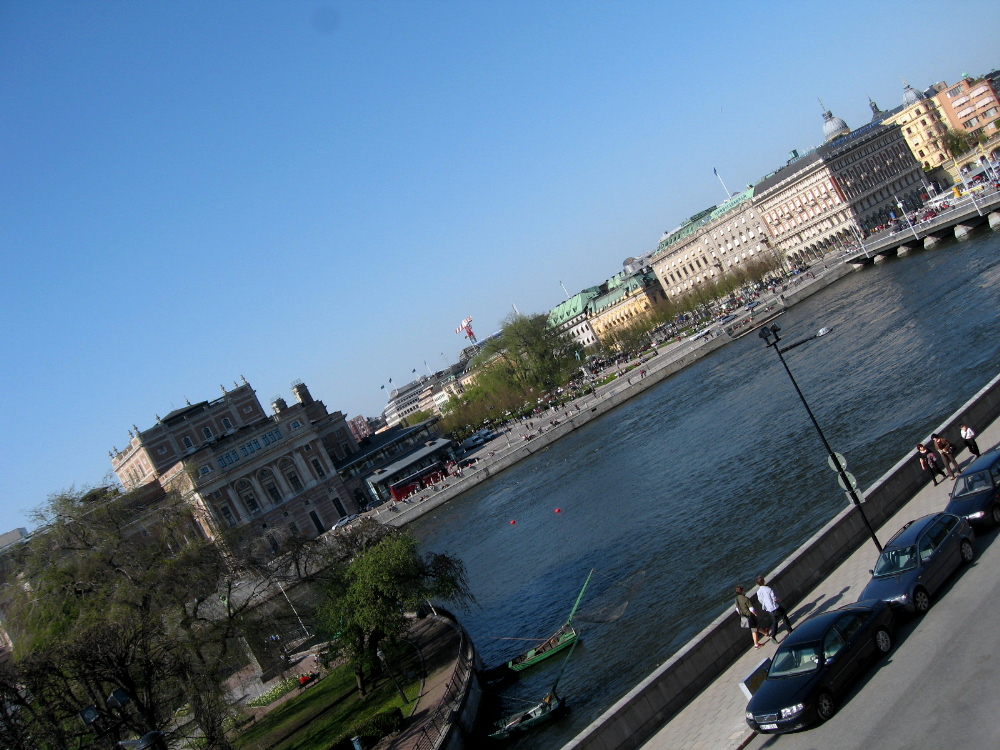
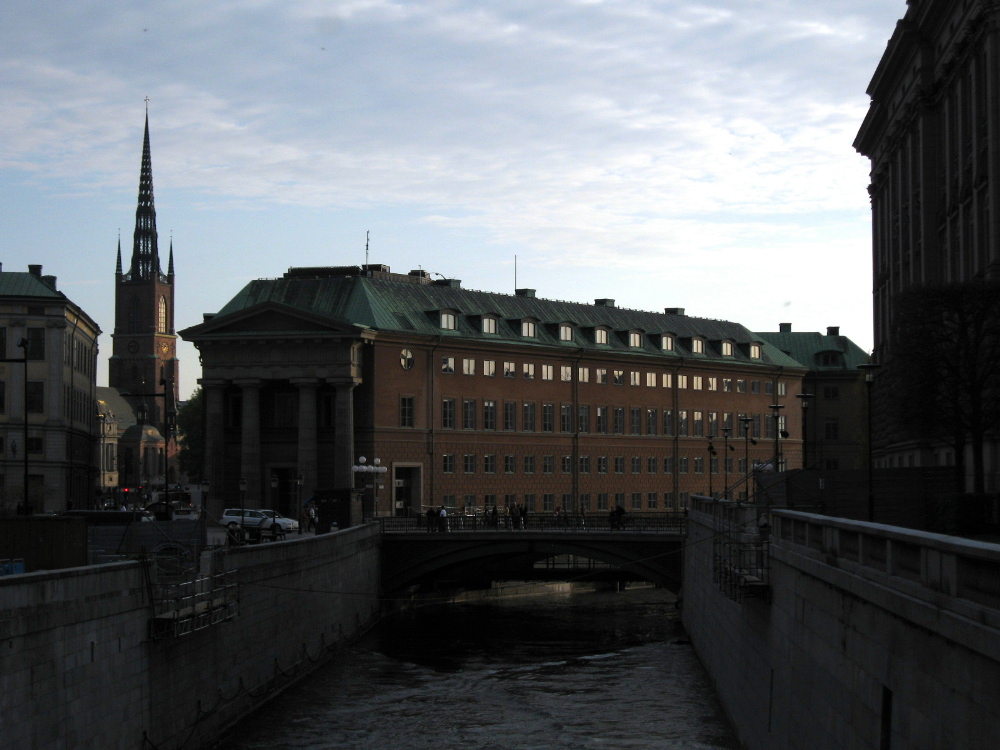
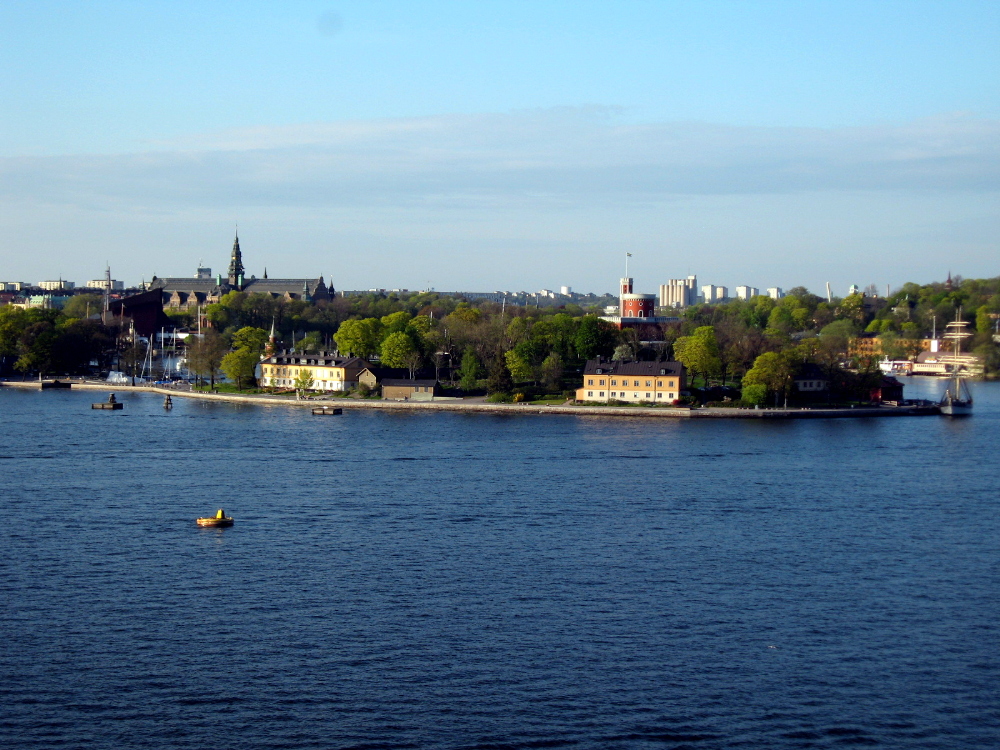
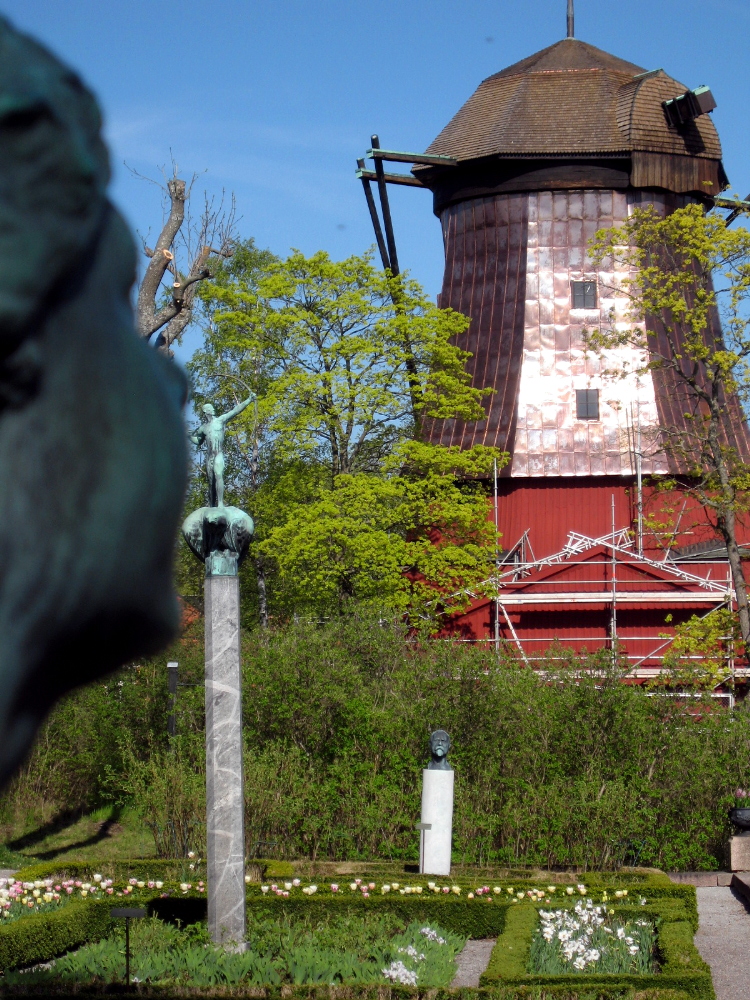
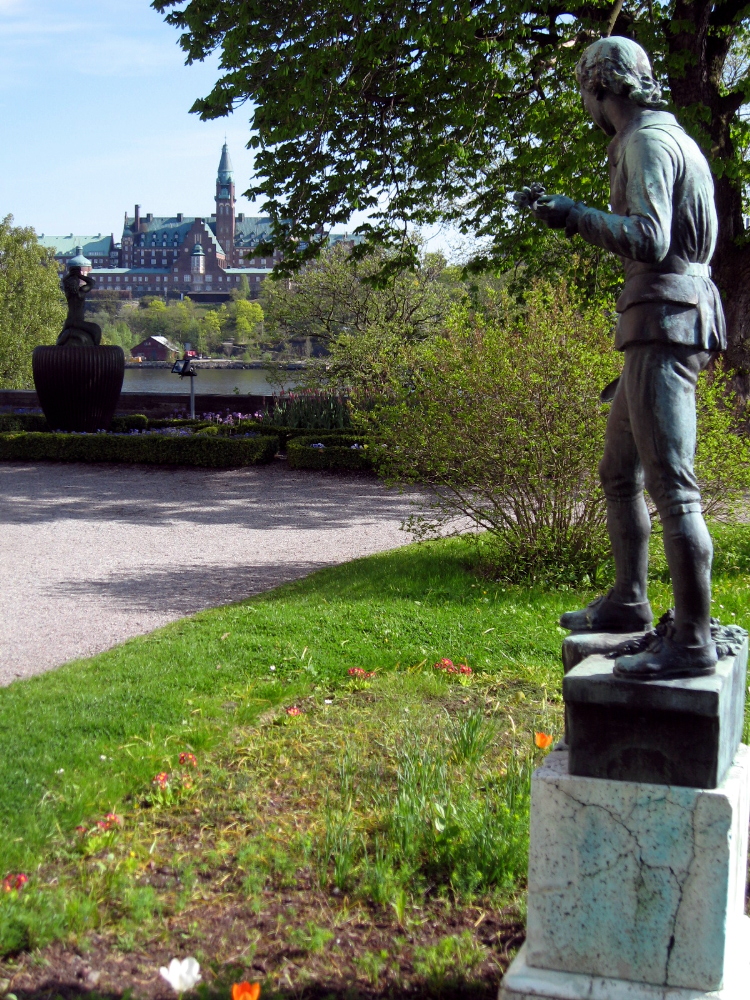
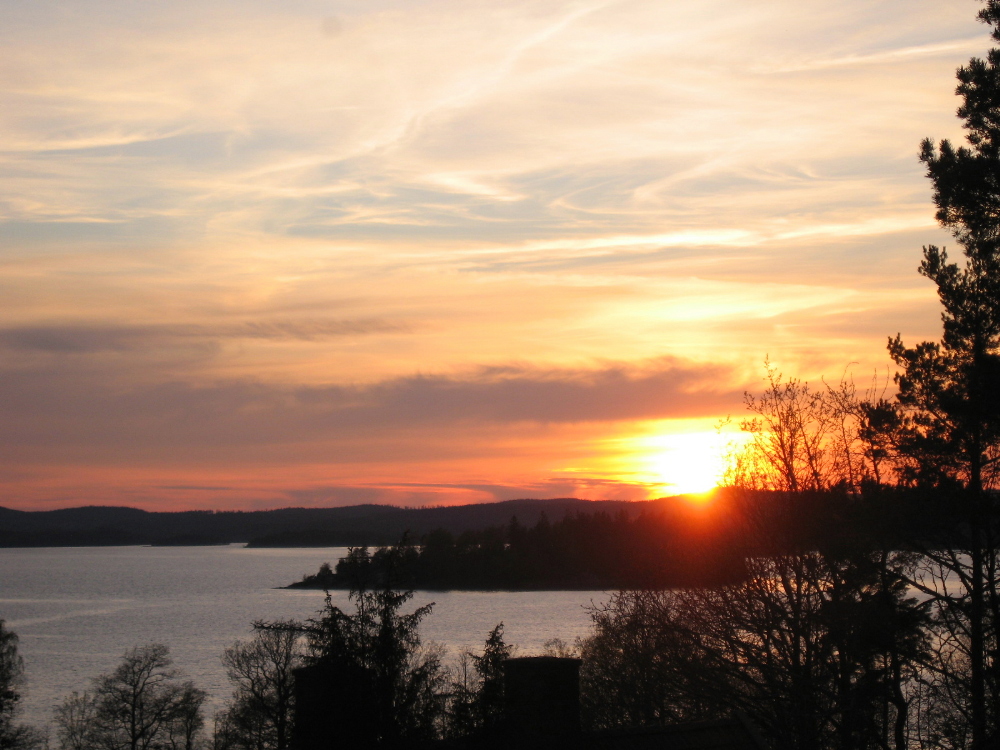
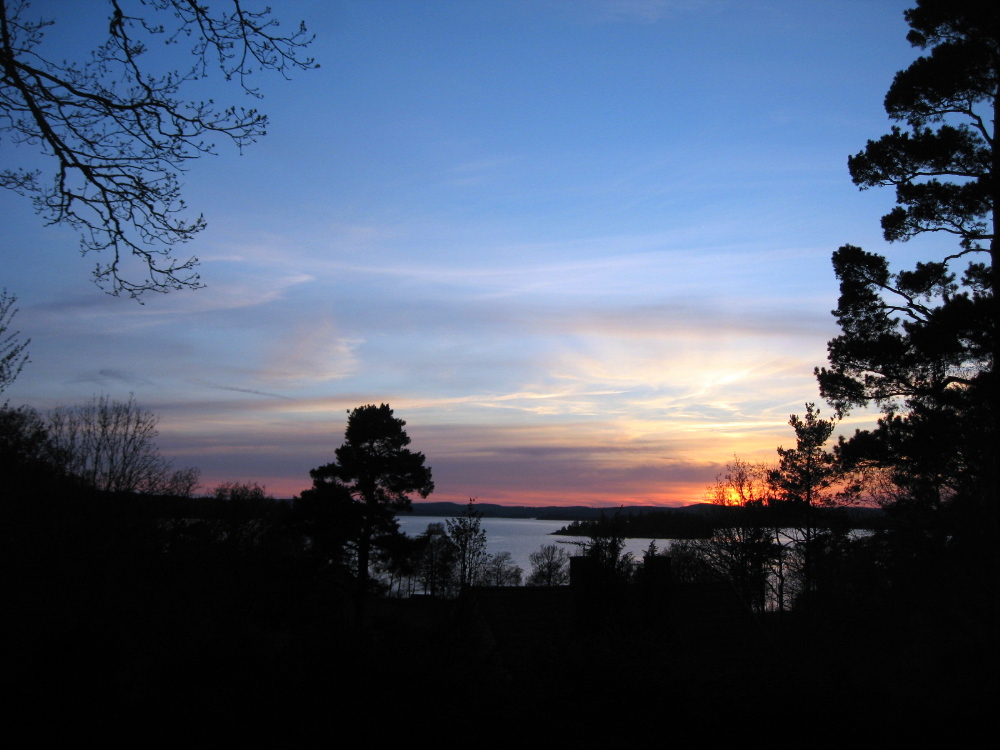
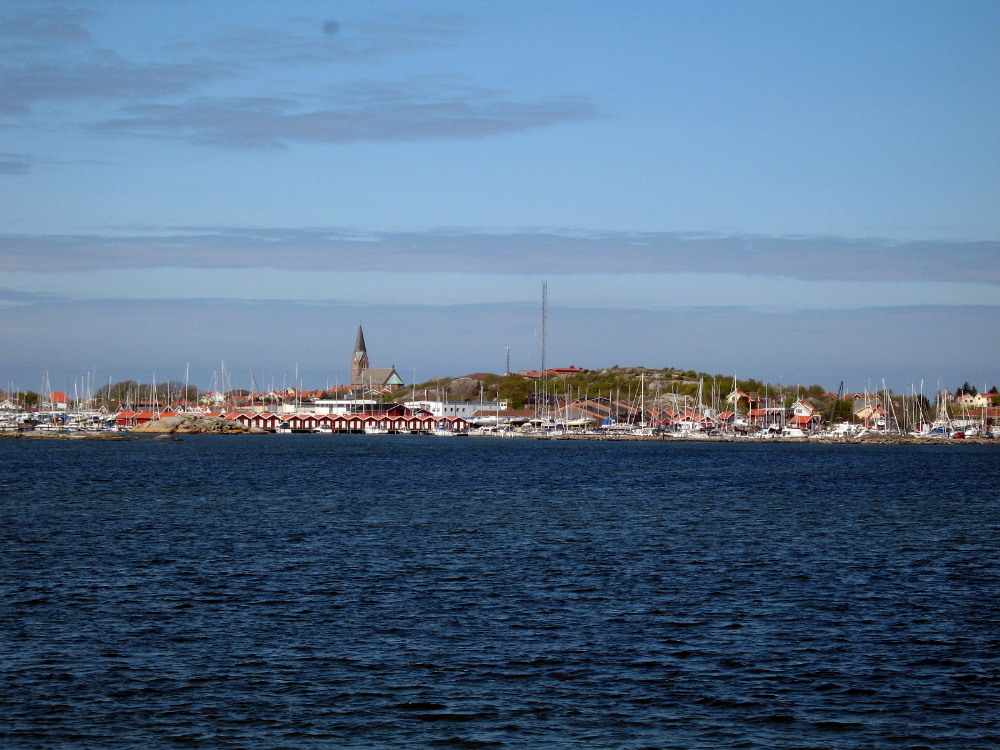
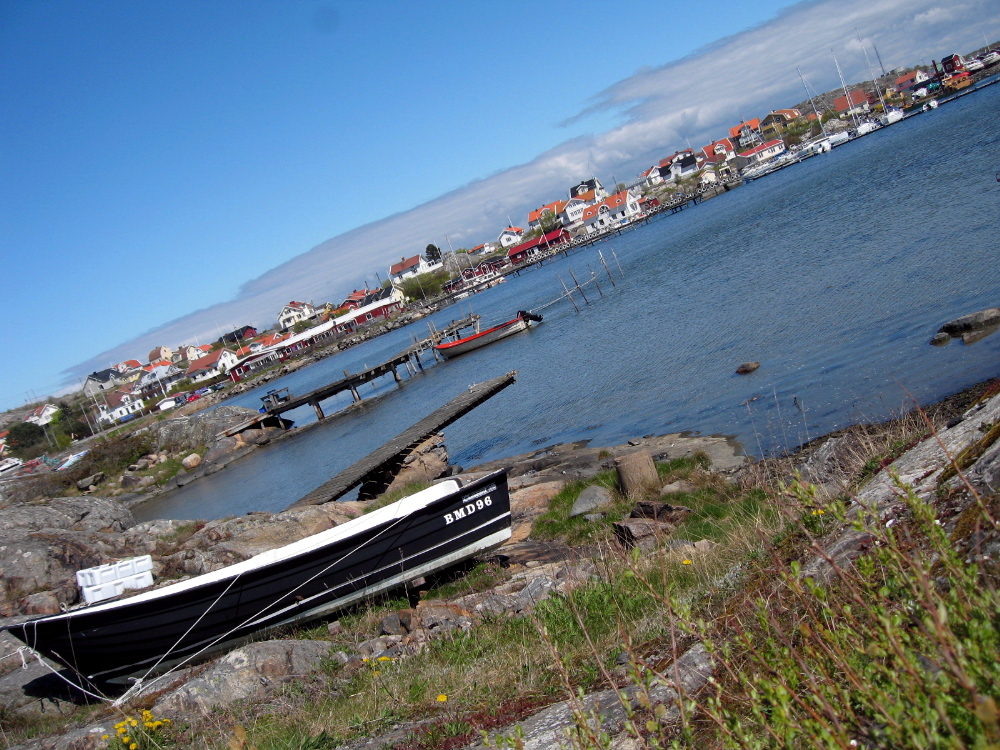
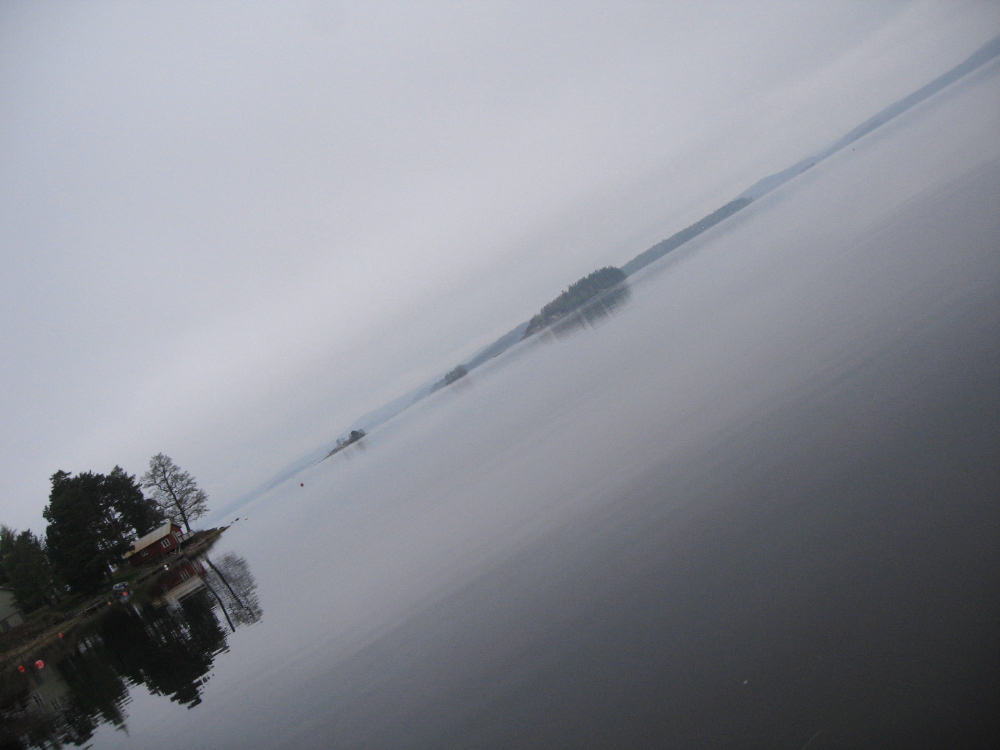
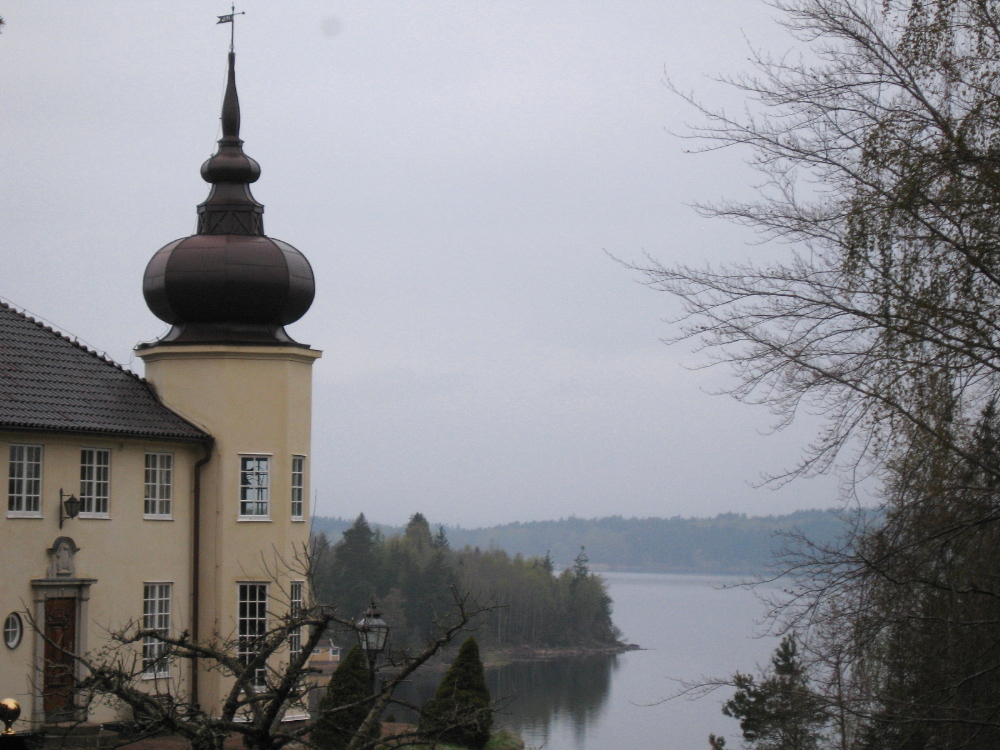
I left India in early May, and spent most of the month exploring and visiting friends and family in Germany, Sweden & Denmark. Above & below are some of my very favorite images from the wonderful week I spent in Stockholm & Gothenburg. Despite having actual relatives in Sweden, I’d never yet been there. I began with several lovely days en famille with one of my cousins and her kids & husband at their cottage on a hillside overlooking a truly gorgeous lake in the country outside Gothenburg. I also met/saw other cousins and toured Gothenburg a bit, as well as seeing some of the lovely archipelago of islands off the coast of Gothenburg, on one of which my cousin’s daughter goes to school. After that I spent a few days on my own exploring stunning Stockholm. Above & below, the country-looking shots above are all from around Gothenburg, and the city-looking ones are all around Stockholm. More explanations as we move along…and as I as I learn what I can and can’t do with this new blog host…

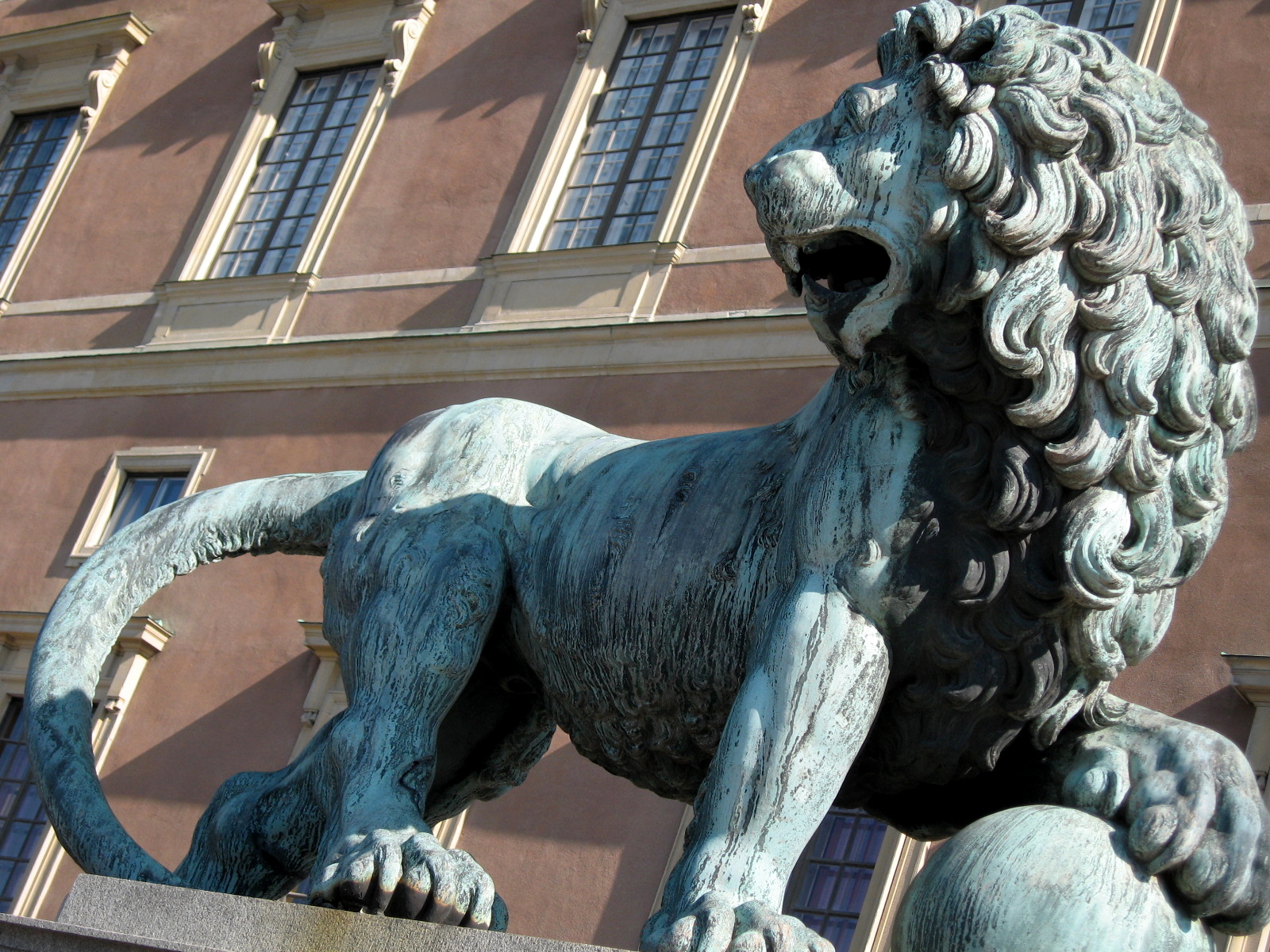
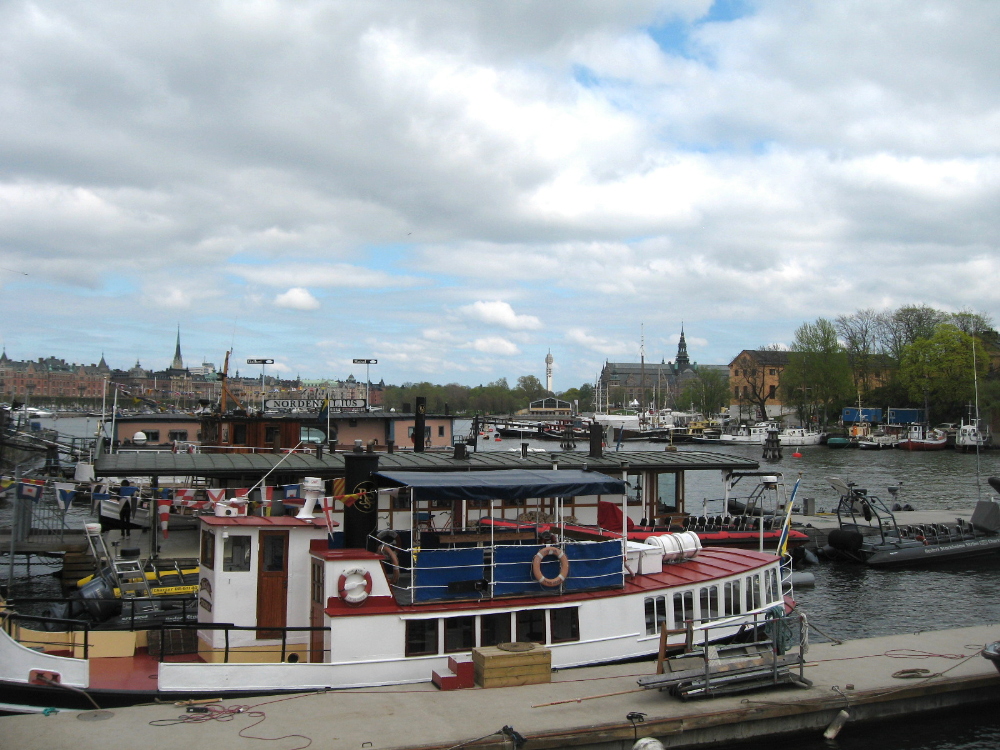
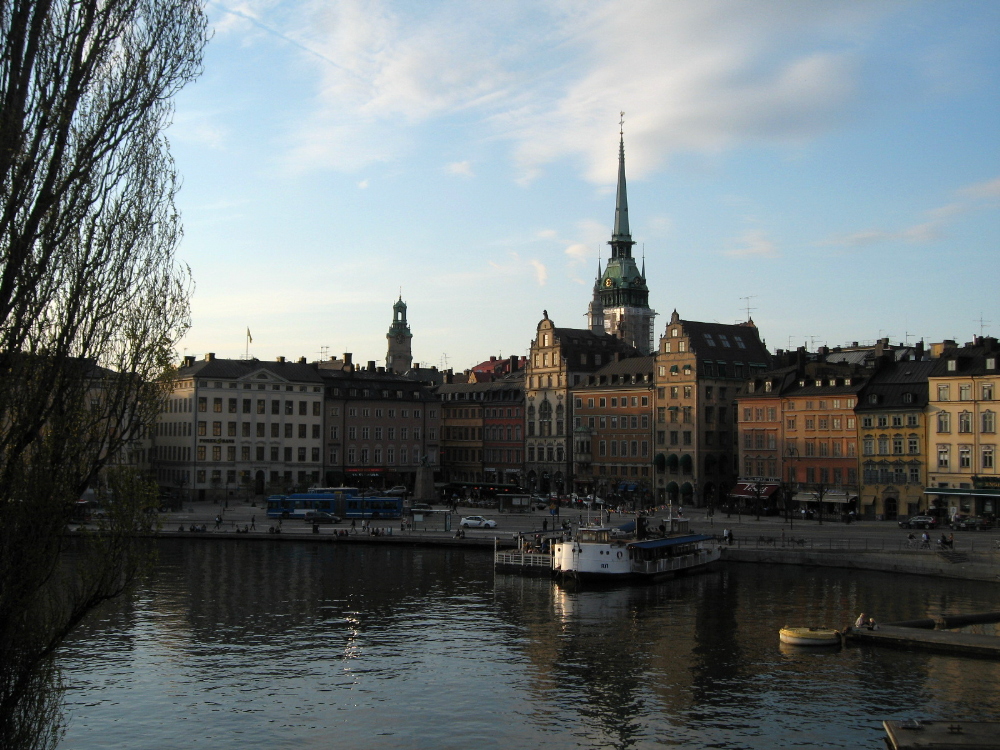
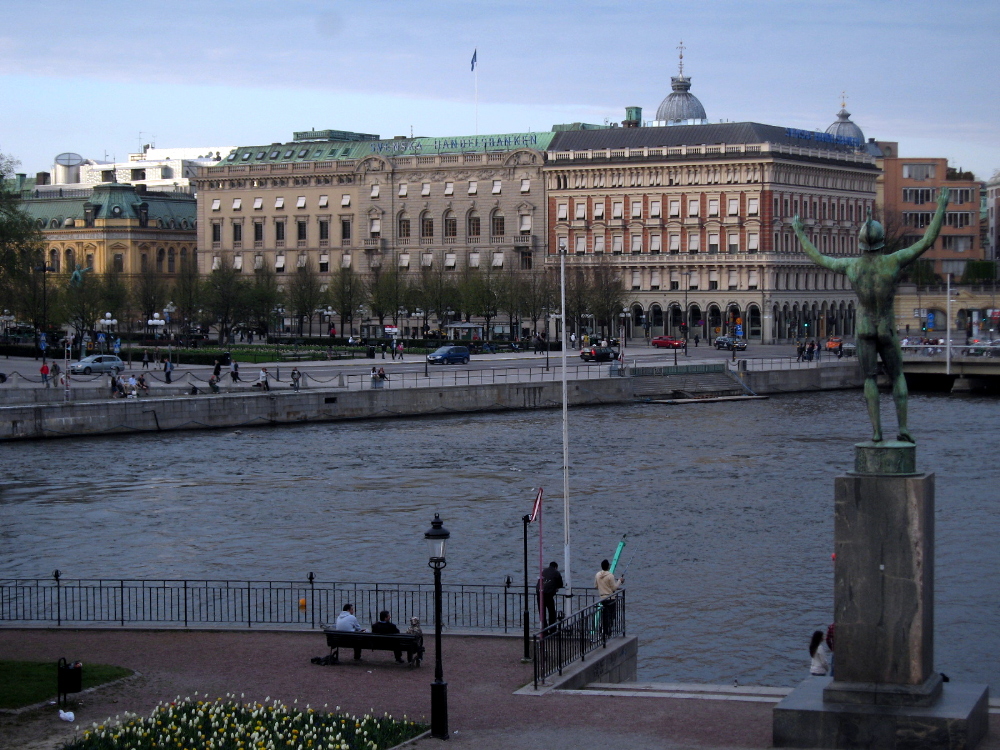
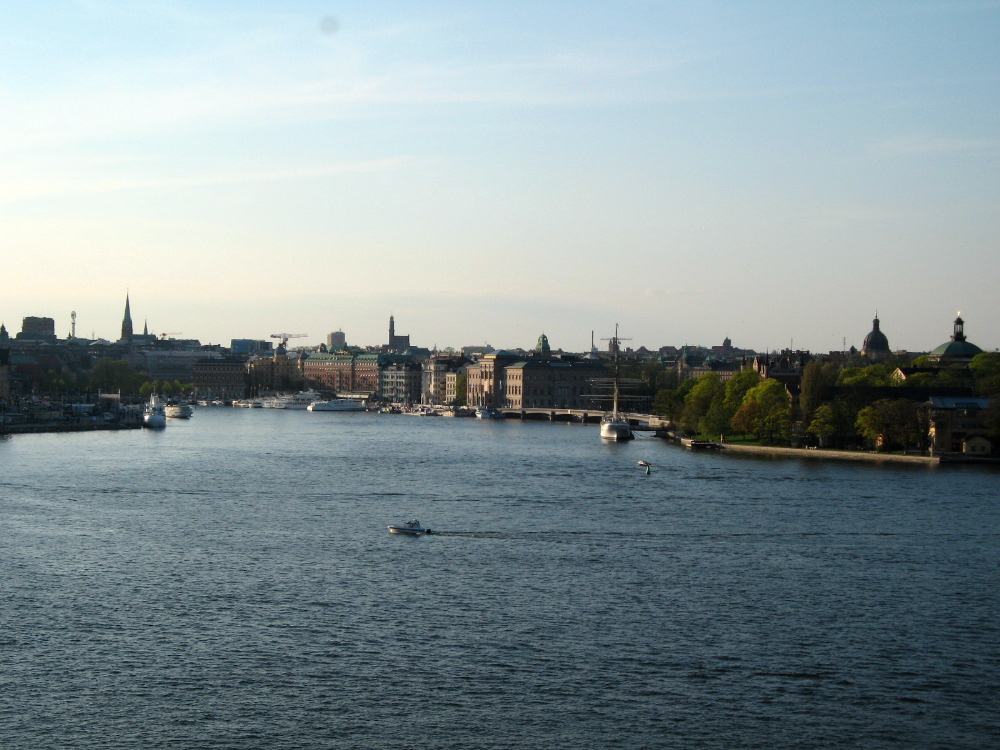
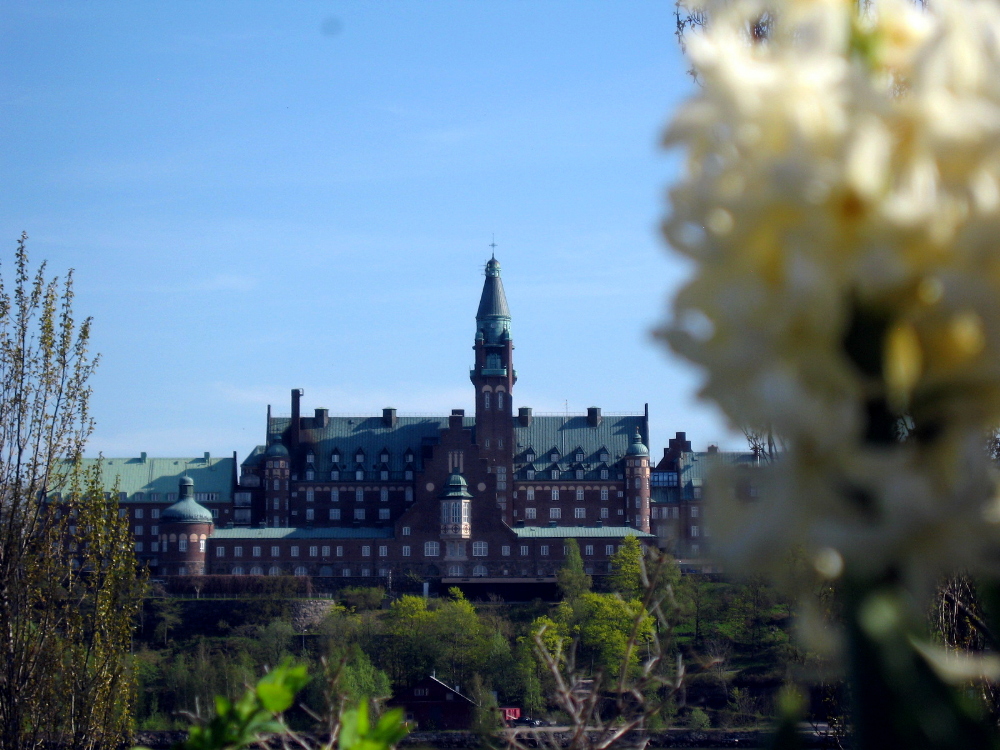
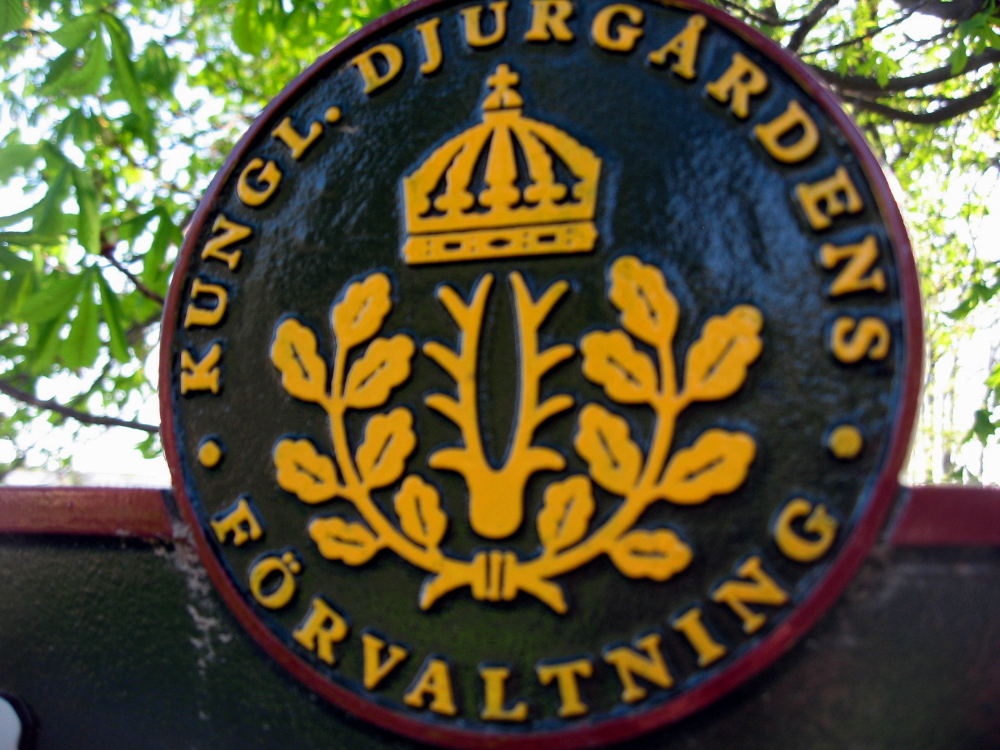
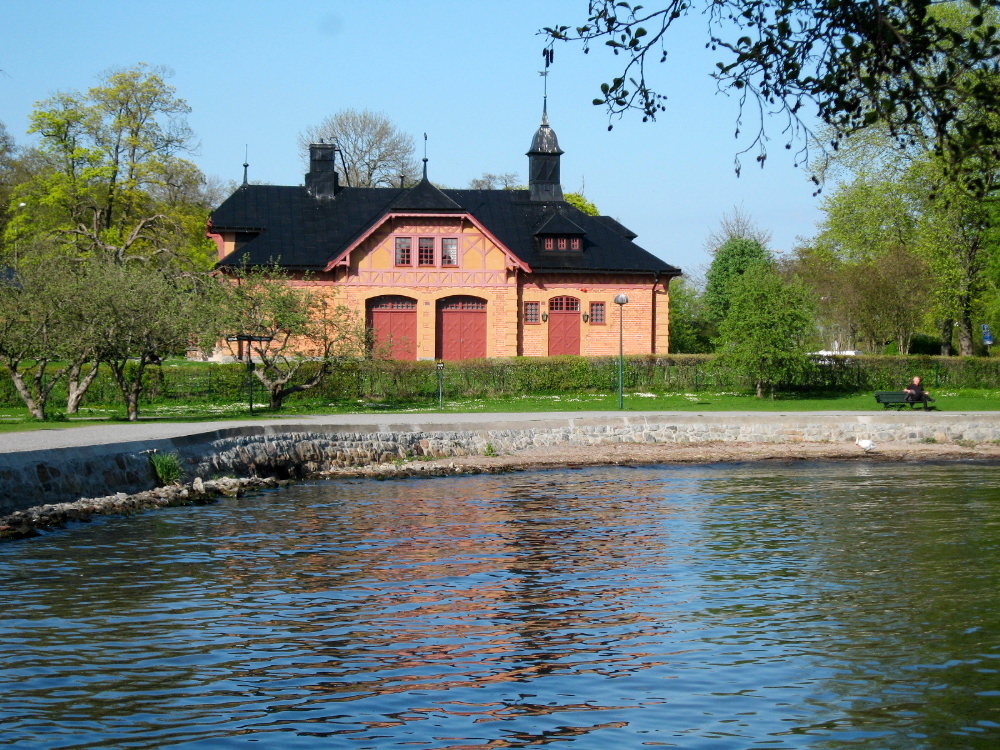
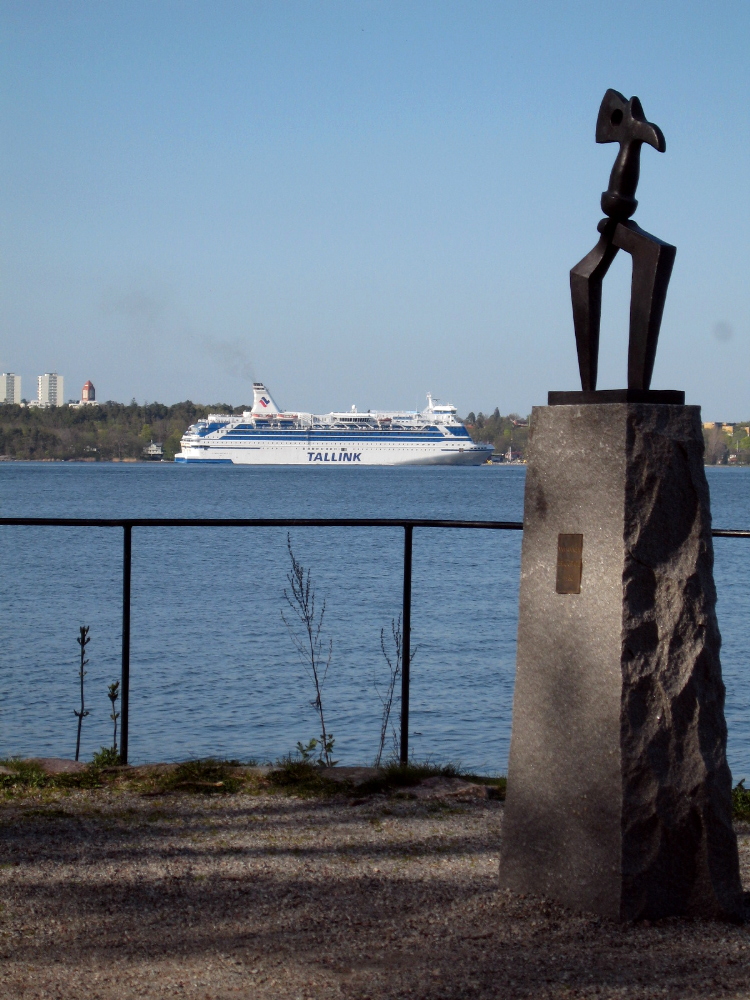
Stockholm is an impressive and gorgeous city laid out on islands, a few isthmuses, and various peninsulas surrounded by lakes and rivers and harbors which all connect up at some point through twisty channels with the northern Baltic sea – witness my photos with a few of the cruise ships that ply the various northern & eastern Baltic routes. There’s an island old town complete with large royal palace (whence the impressive bronze lion you saw above) and cobblestone streets, a really lovely harbor dotted with islands and a well-organized city with parks on hills and lovely streets in all directions. When I was there in mid-May, the days were long and most were spectactularly sunny — even this early in the year, the sky was not dark until after 23:00 and already getting light again at 03:00. Wow! My most memorable day was a wander around Djurgarden, a long and green royal hunting park on an island in Stockholm’s extensive harbor. Aside from being a hunting park, it seems to also have several private homes and I found myself envying the folks lucky enough to live on this gorgeous green oasis surrounded by the city.  This next set of shots are all from Djurgarden, including outdoor sculpture both at the actual museum situated on the island, and dotted around the island in many other locations…just because they could, I guess. 🙂


…I’m not sure what these guys are, but they were wandering around the Djurgarden and I found them both interesting and somewhat intimidating.

Next up, more shots from Gothenburg and the archipelago — islands with names like Ockero, which when spelled correctly has umlauts over both O’s, but my keyboard doesn’t allow that. I’m belatedly thanking Cecilia, Lars, Sara & Alexander for being such great hosts, and Johanna & Charles & Erika for coming out to spend time with me also. While the city of Gothenburg isn’t quite so spectacular as the city of Stockholm, it’s got a great feel to it, the surrounding countryside is gorgeous, and the archipelago sits like a string of jewels in the clean blue seas of the Kattegat — which is the name of that stetch of water between Jutland and Sweden which connects the Baltic Sea with the North Sea (who knew?).

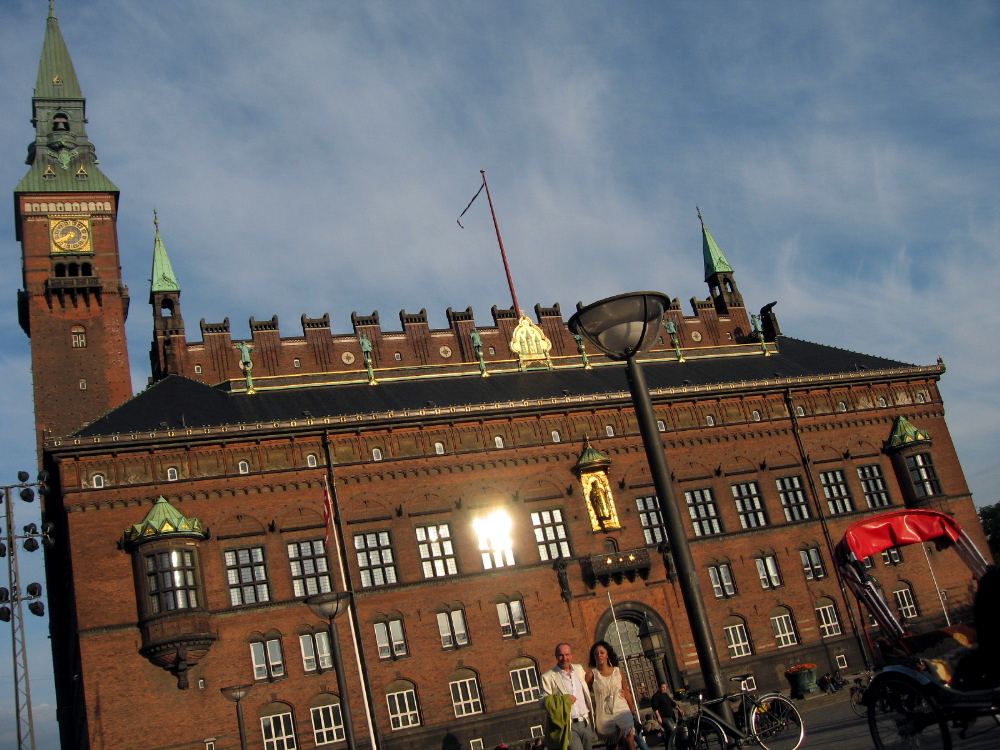
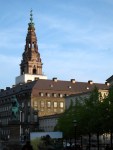
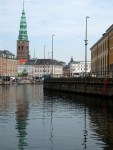
In Denmark’s Capital

ok, everyone – so much world, so little time has moved. consider this the change of address notice. the changes blogger had made affected my last posts from kerala so extremely that i simply decided i had to try something new, and a few friends have told me wordpress is well worth a try.

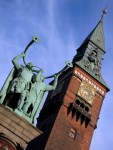
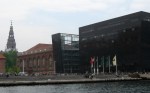
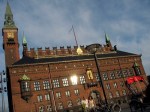
this post is both a test of some new ways of displaying photos on my blog, and a record of what i consider the least visually interesting set of photos from my post-manipur travels. once i get caught up, there will be posts with far more photos from the final months in manipur, plus some lovely shots of my time in sweden after i returned to europe. but for now, enjoy this gallery of thumbnails from copenhagen, and know that you can click on any individual photo to learn what it is, and to see it in full size. feedback is very welcome. thanks!

India’s Tip – Kanyakumari & Padmanabaphuram

Editor’s note: my blog host has become stupid and made it impossible to blog as I’ve been doing for more than five years. This has made three of the four posts I put up for Kerala invisible to most readers. I’m fixing this now by acting like I posted some of them in different months, later. I’ll fix this more permanently, some time soon I hope, by changing the host of my blog. Suggestions on this topic are most welcome. For now, look at the “previous posts” listing on the right-hand side of the main page, and scan past posts, in order from top to bottom, or you may miss things… Sorry!

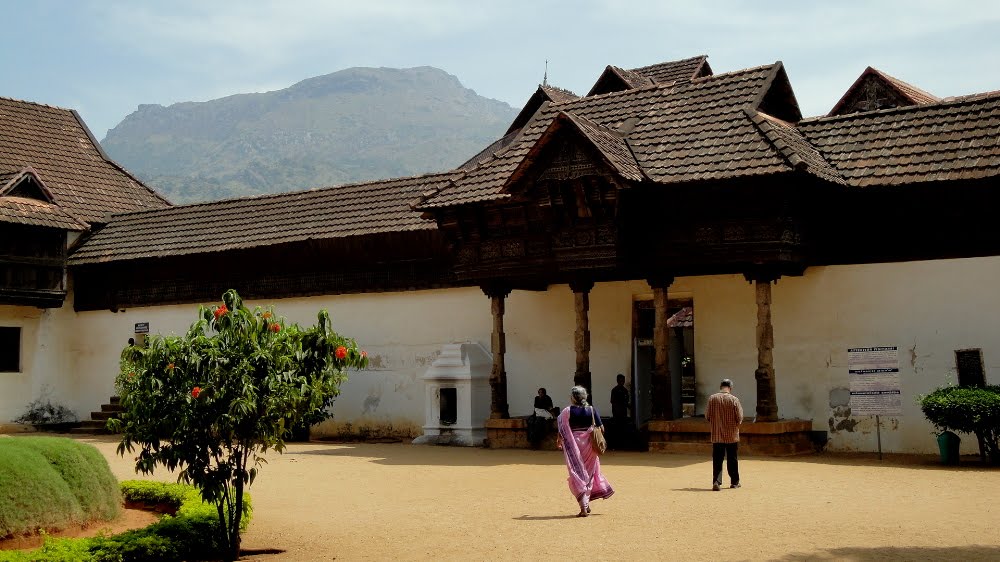
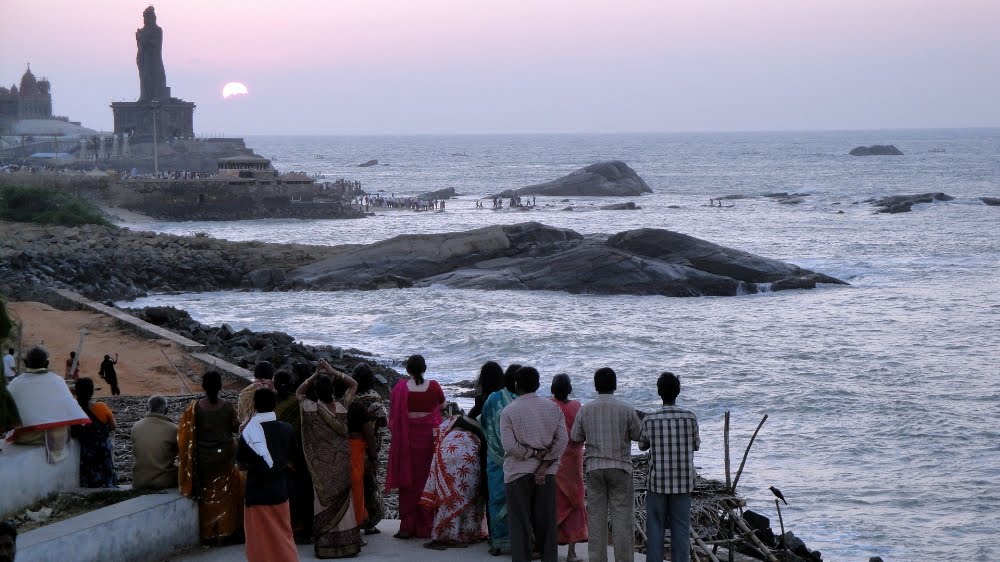
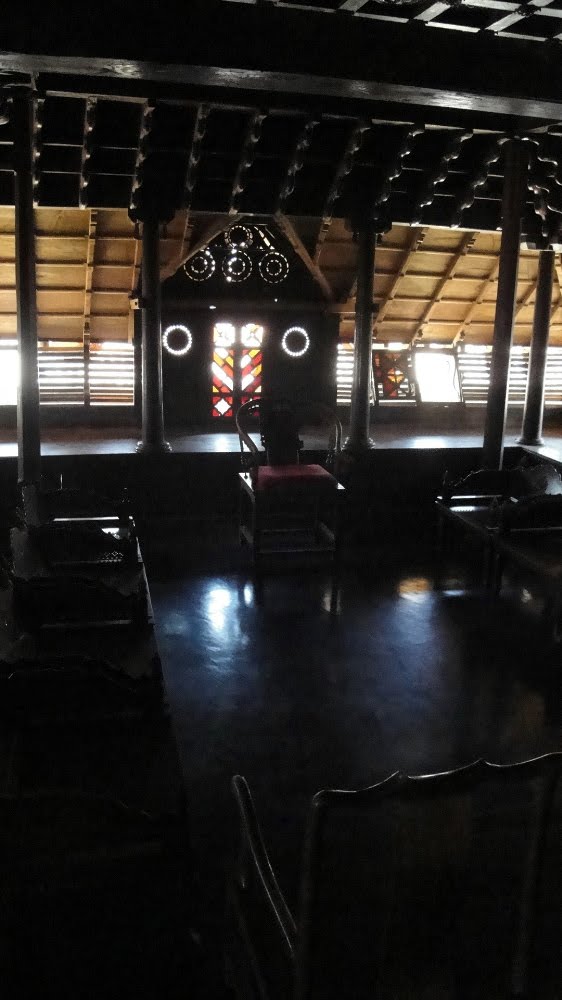
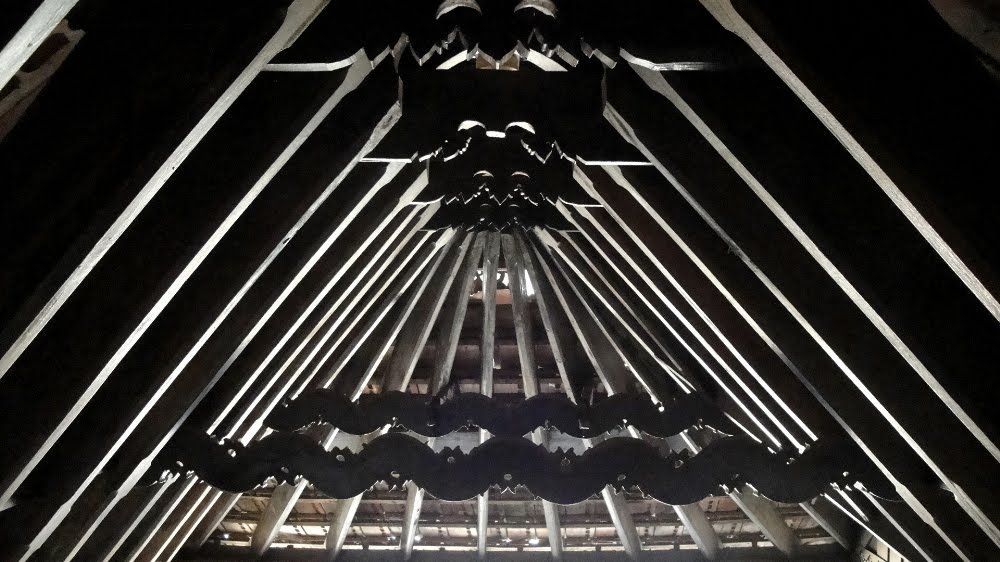
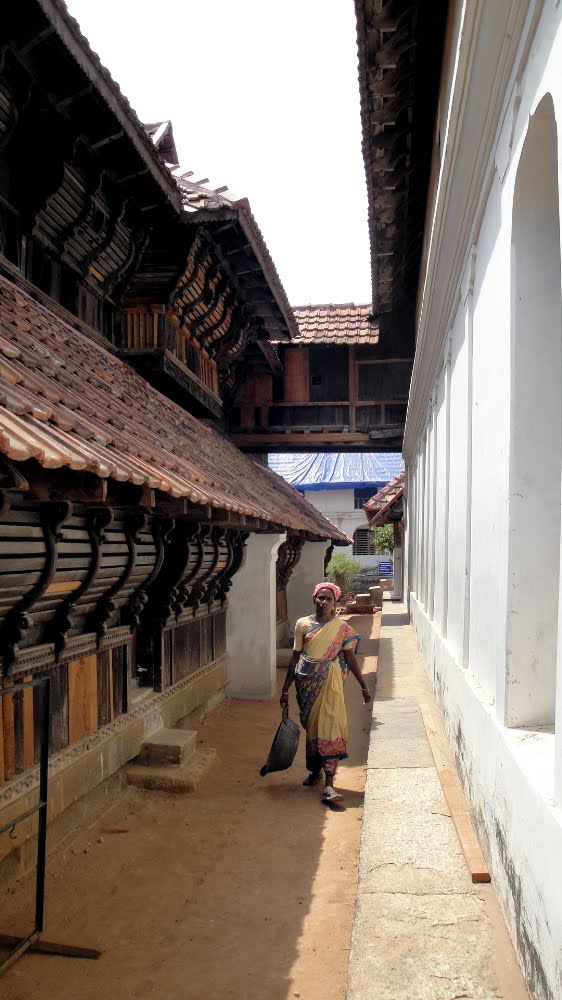
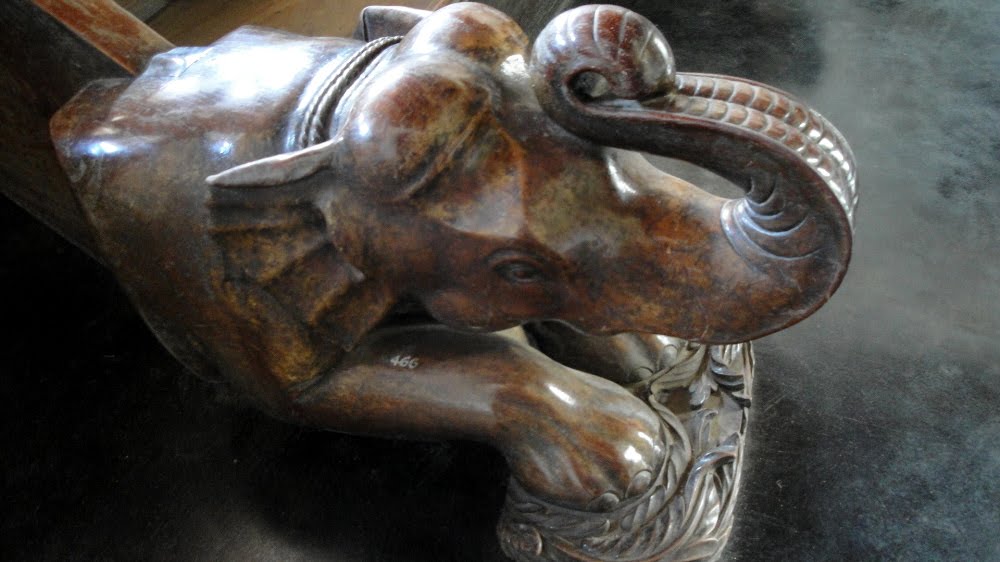
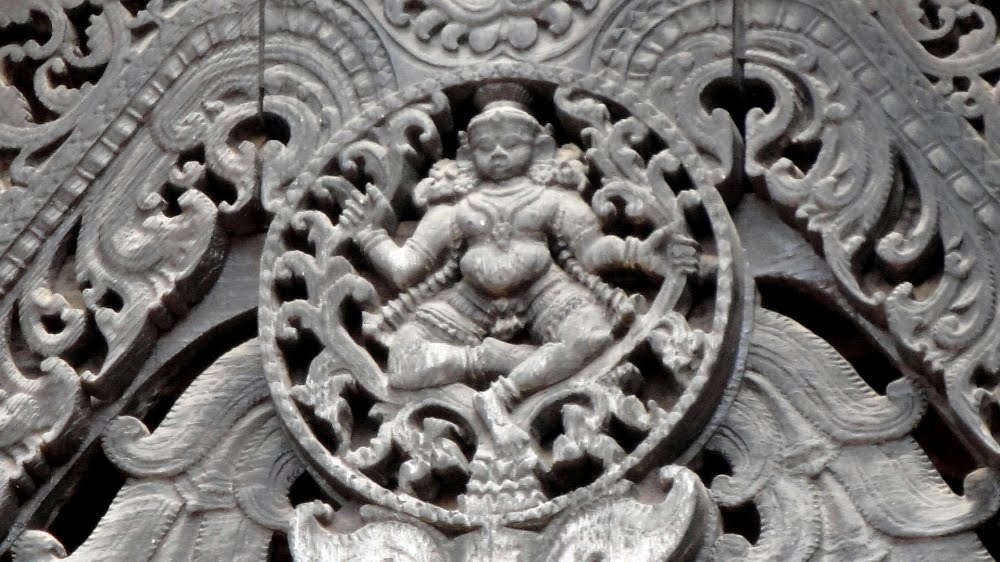
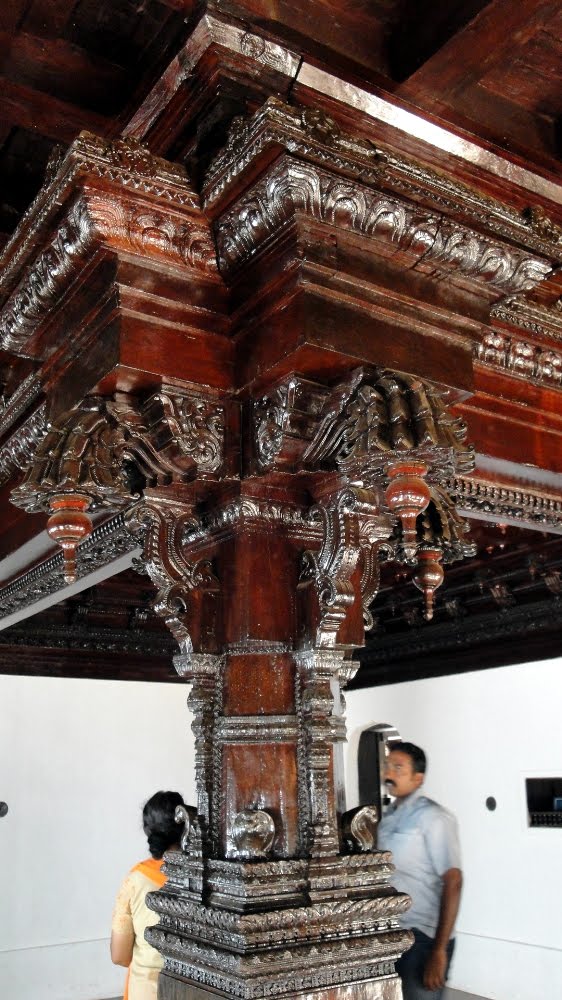
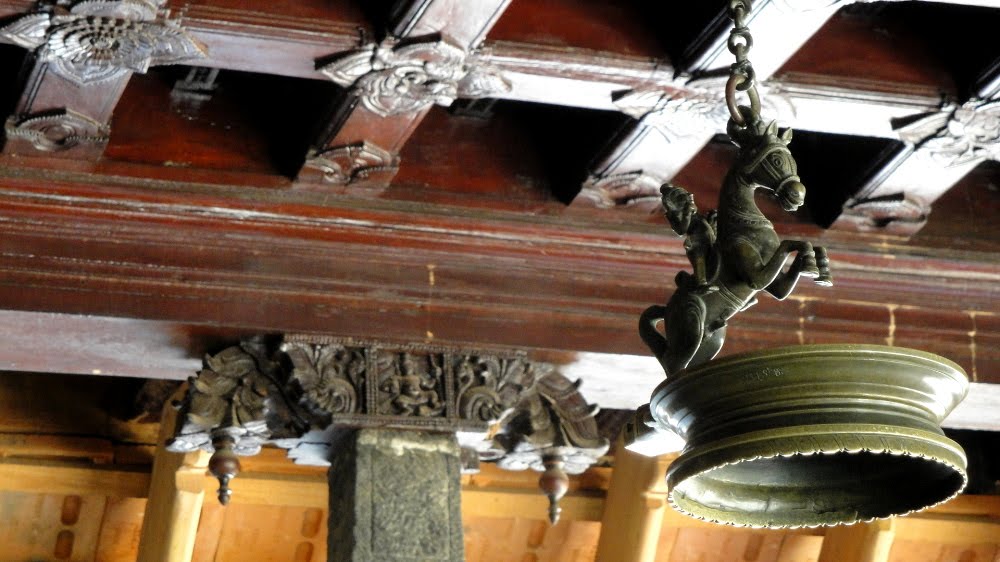
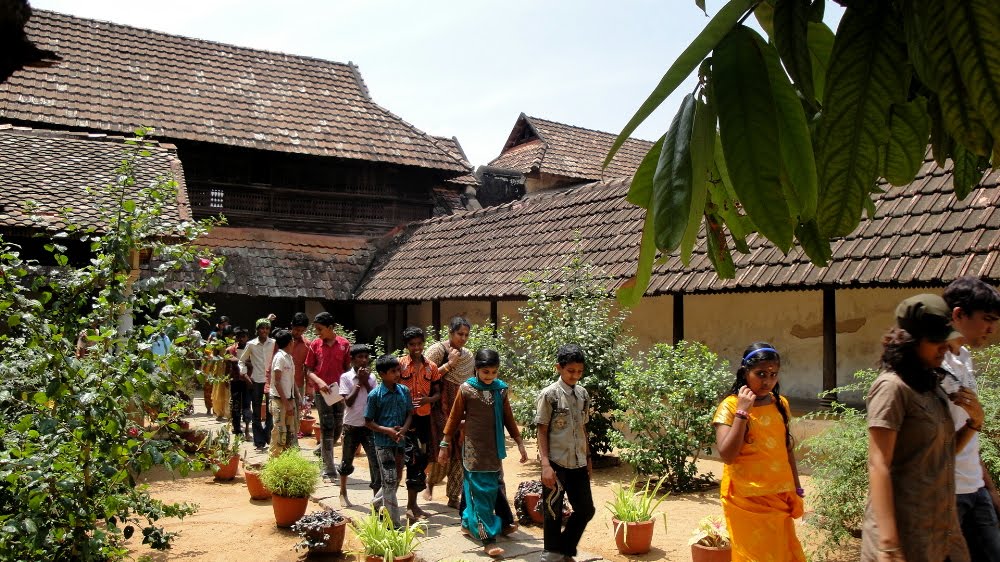
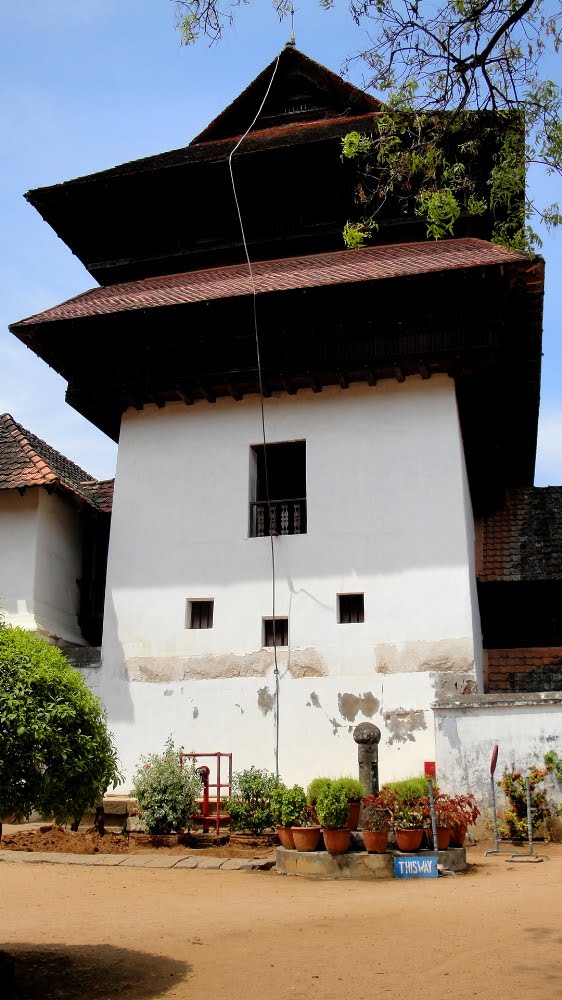
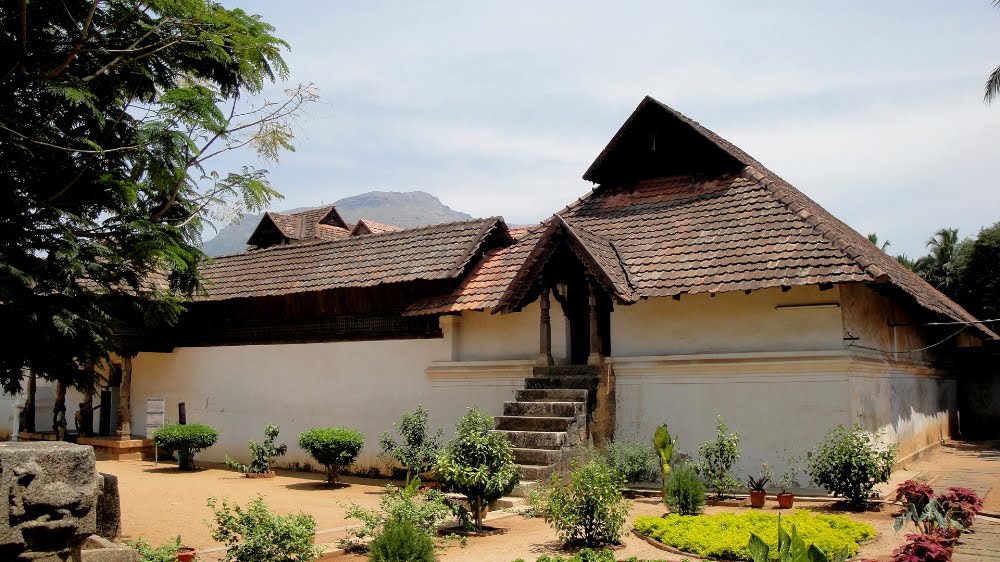
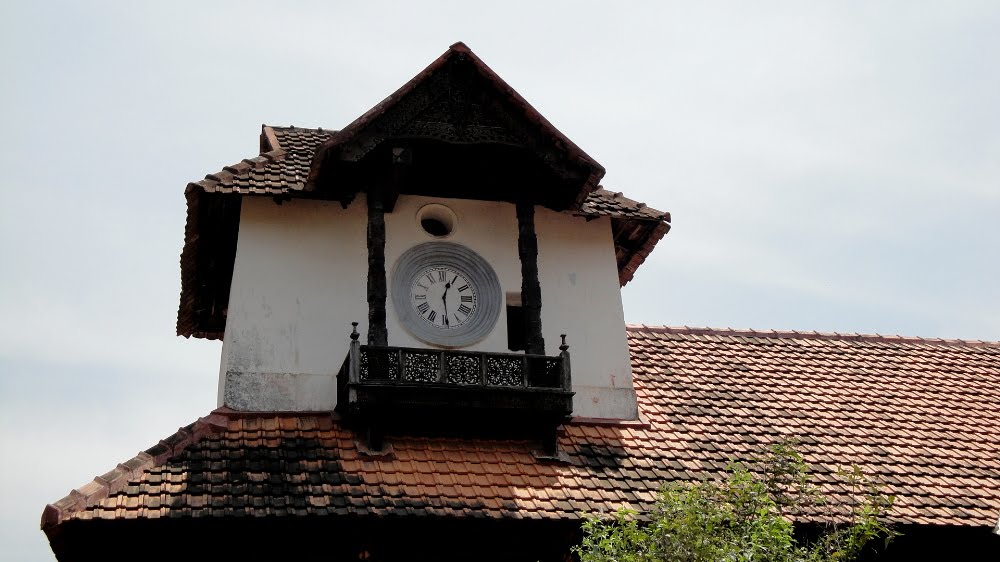
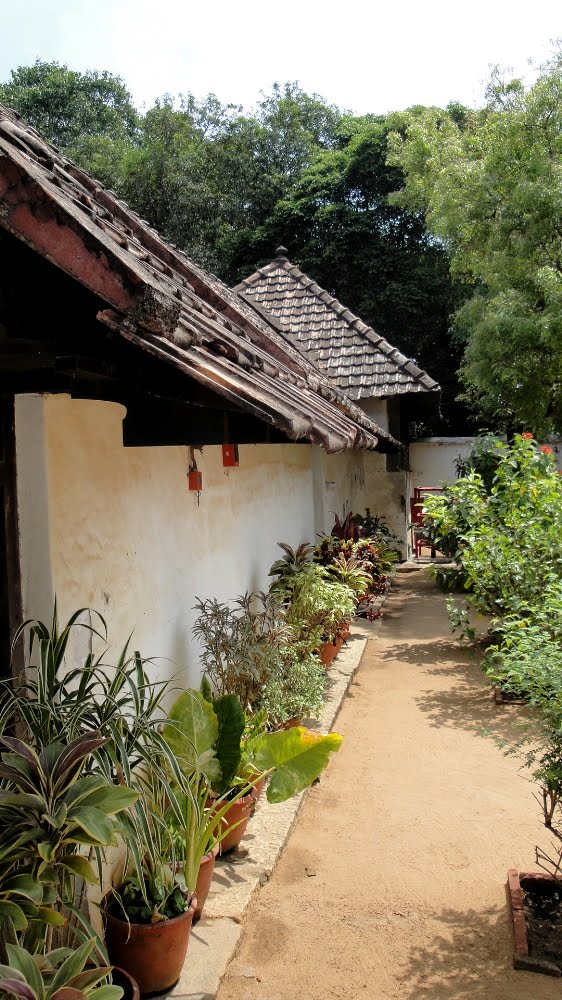
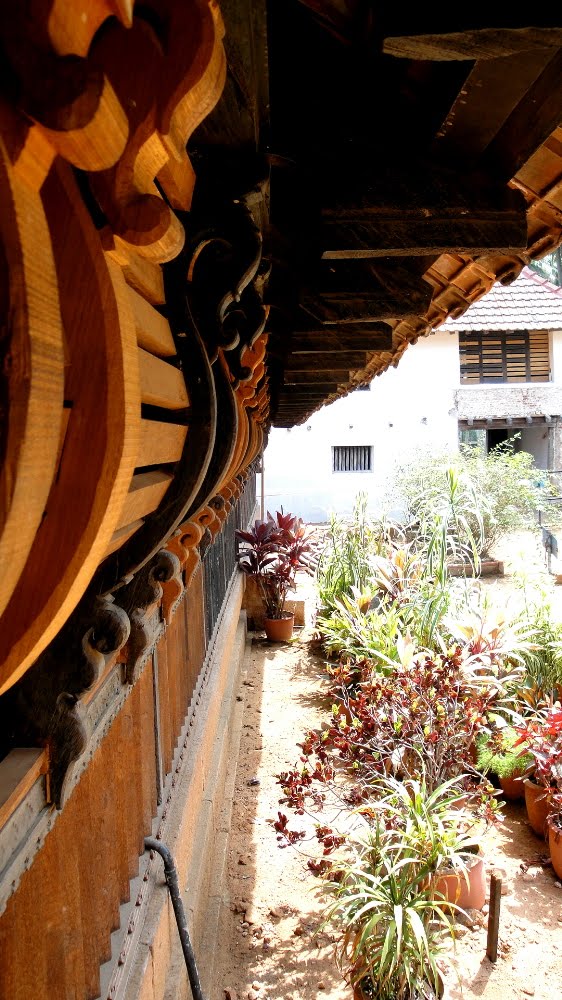
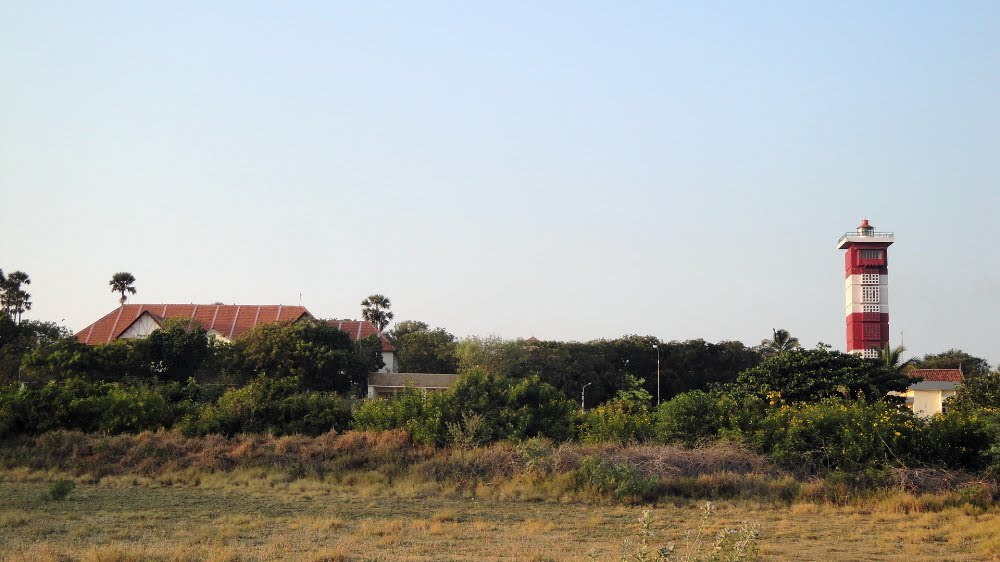
Padmanabaphuram Palace, above and farther below, was home to the kings of Travancore, straddling modern-day southern Kerala and bits of Tamil Nadu. It’s the most exquisite example of traditional Keralan architecture still standing. Below, and then even further below, are shots of sunrise and sunset at Kanyakumari at India’s southernmost tip.


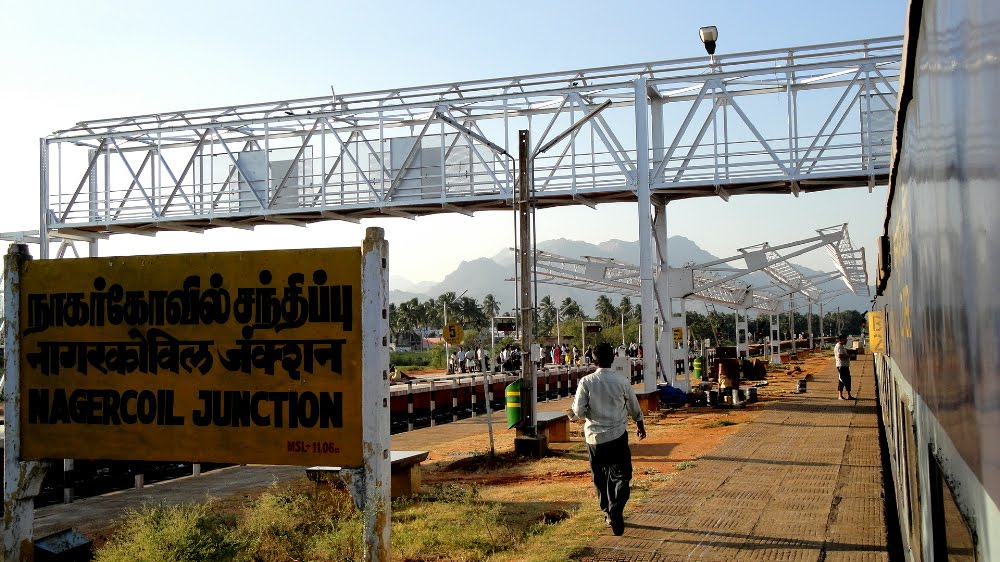
Open doors between train cars could be a dangerous enticement. Ever an adrenaline junkie, I’m tempted most on the bridges suspended over a wide, shallow river with banks of deep red soil: so tempting to make the leap and join all those kids down below playing and bathing, adults doing their ablutions and women washing laundry. Barring that, simply to sit in the doorway, hand wrapped around the nearest fixed object and to lean my head into the onrushing wind like a dog on the highway to scan the red-dirt villages, coconut & banana groves, trails full of kids on bikes and adults carrying loads on their heads or backs, is far more enticing than the dark and cool of my 3rd A/C coach seat through that other door to my right. But at least this way I’ve a retreat for when the heat overtakes me or the rushing wind dries my eyes…or when we’re stopped in station and the urine stench from those who couldn’t wait for the long station-stop to end before responding to nature’s call overwhelms my tender nostrils.

The four-hour journey from Varkala south to Kanyakumari takes me through Thiruvanatapuram, Kerala’s second city & seat of government, and past the tourist haven of Kovalam to its south, onward to India’s tip where three oceans meet: Arabian Sea, Indian Ocean & Bay of Bengal; waters especially holy to Hindu devotees of the virgin goddess Kumari. I’ve been in flatlands since I landed at Kochi a week earlier – much of the backwaters is below sea level, prone to flooding when the monsoon is heavy and vibrantly, endlessly green even now, several months into the dry season. As tthe rain follows the continent’s curve eastward to join the subcontinent’s east coast curving down to the narrow tip, I notice that our inward, eastward curve brings the southern reaches of the Ghats, mountains whose name I’ve read but never before seen, within range of my curious and questing eye. Strangely, after the verdant aqueous landscapes I’ve been surrounded by for weeks, my firs view of these southern outposts of the Ghats calls me back to the desert of southern New Mexico and the Organ Mountains between Las Cruces and Alamogordo, so named because their sculpted vertical rock faces are reminiscent of an organ’s pipes.


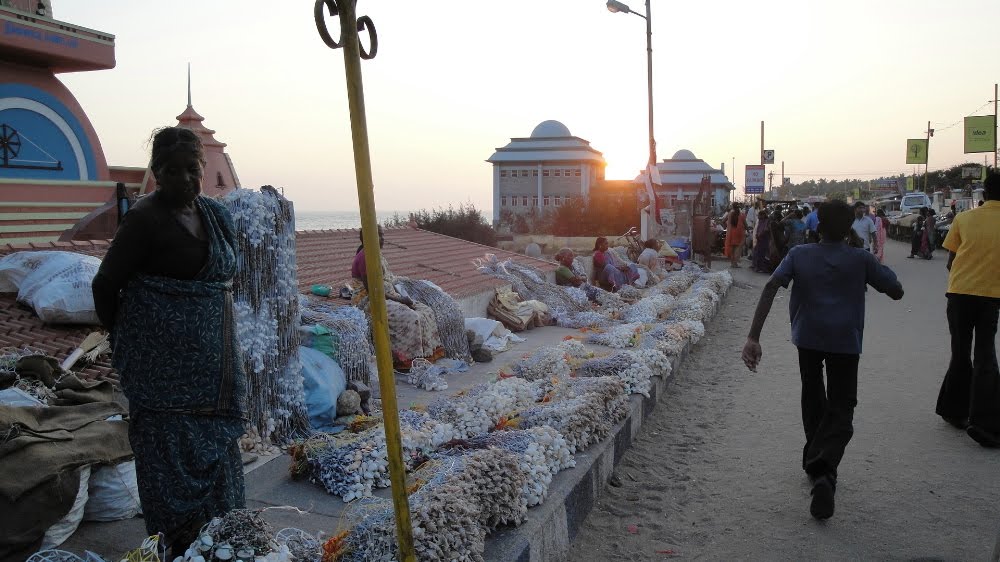
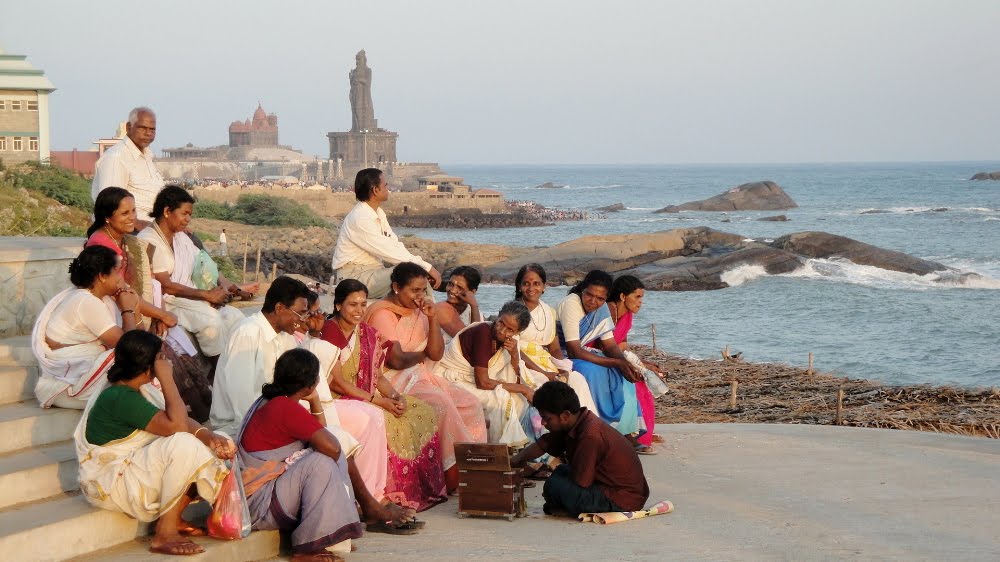
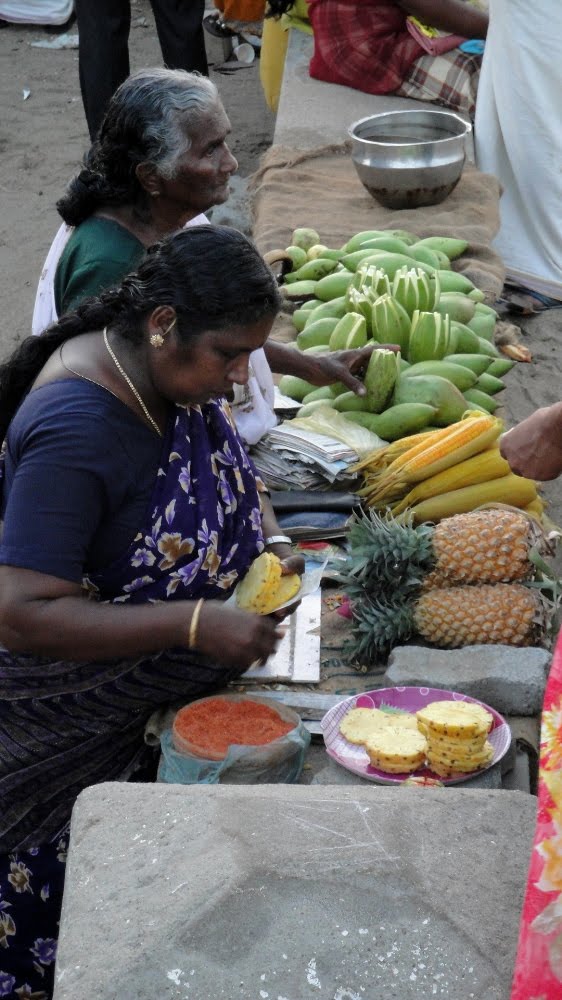
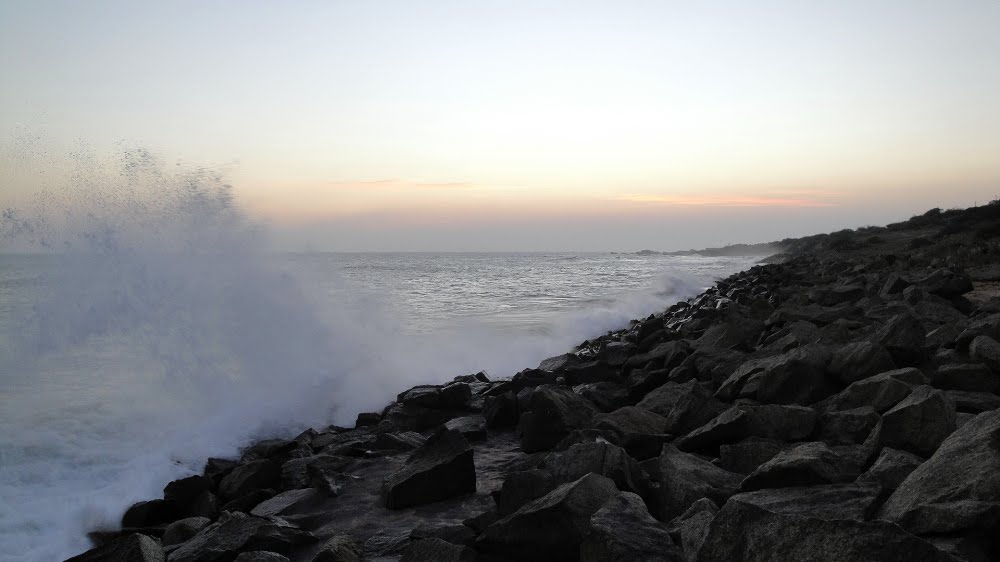
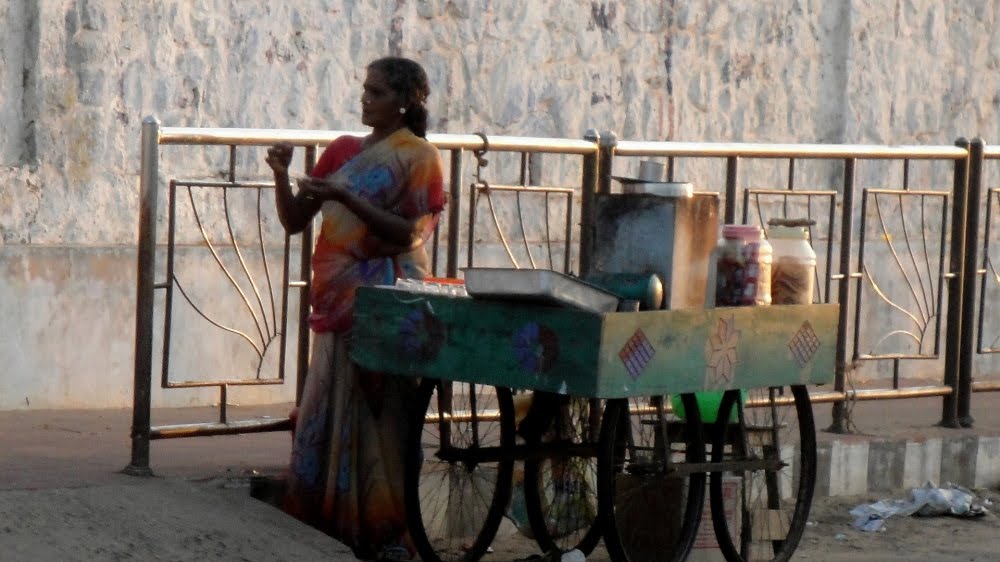
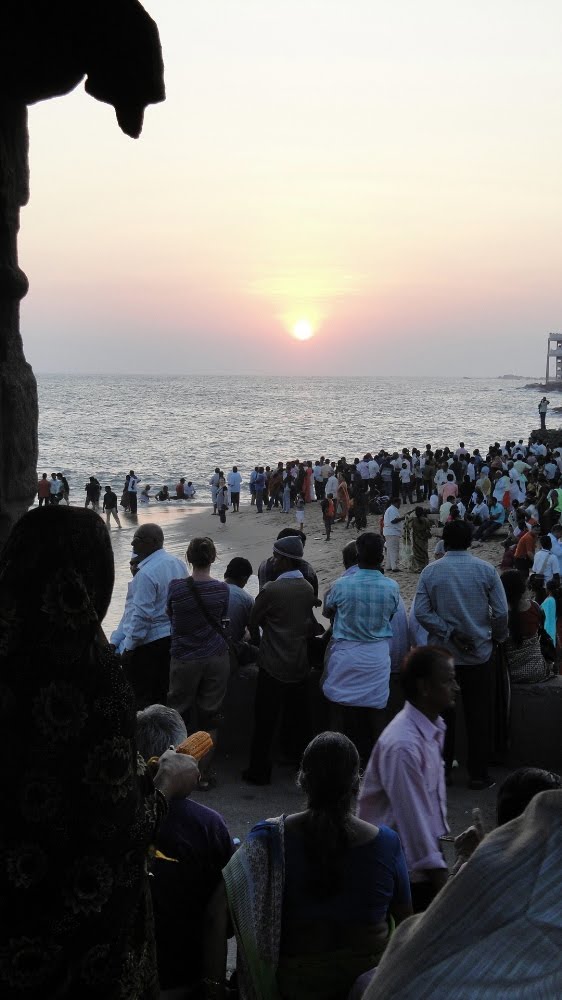
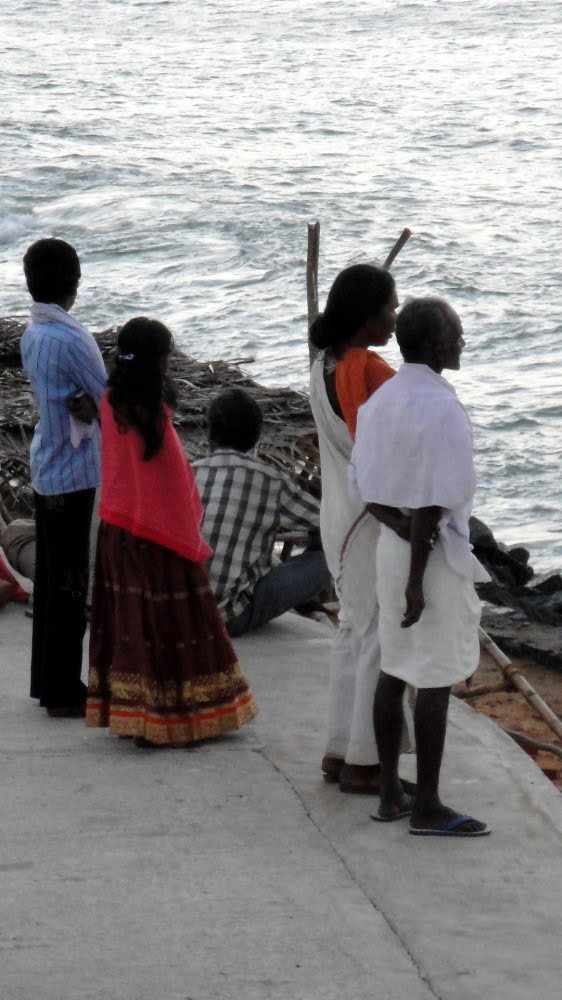
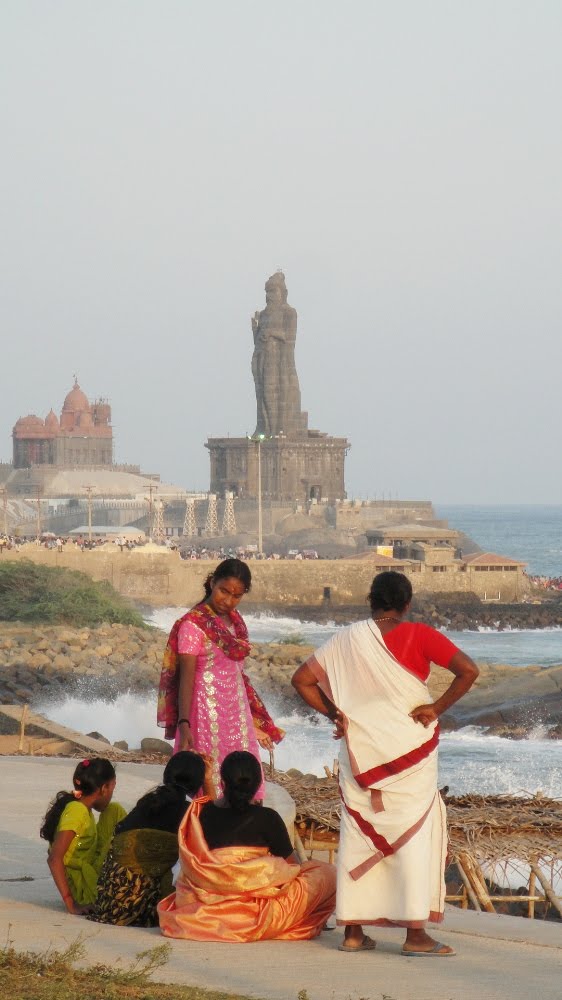
The British, in their wisdom, decided that Kanyakumari – like many Indian locations – needed a name easier for their palates and brains to keep track of. So they called it Cape Comorin. Personally I find Kanyakumari far more flavorful, and it carries with it the name of the virgin goddess Kumari who did her penance here in order to marry Shiva (I’m fairly sure he’s another avatar of Krishna, but who could possibly keep track of all these deities and their avatars?), only to be told by the powers-that-be that she should remain virginal ‘in order to save the world,’ so saith my guidebook. Interesting notion, that. In any case: Kanyakumari is a gorgeously situated little town where the east coast and west coast of India meet in a tip pointing south, where three oceans come together and create water even more special than most rivers and seacoasts in India. Thus come the pilgrims to bathe at sunrise and sunset, thus come the sick and lame in hopes of cure; thus come the groups of schoolkids to scream with joy at the sun’s rise and set each day. The atmosphere at sunrise and sunset here, each day, is a combination fourth-of-july, carnival, and Indian temple, all to the accompaniment of pounding waves, vendors hocking tea or decorated seashells or chile-spiced pineapple slices.

These particular schoolgirls were quite determined to impress the sun, their teachers, or perhaps the schoolboys clumped in their own groups with the conviction and determination of their screams in honor of the rising sun.


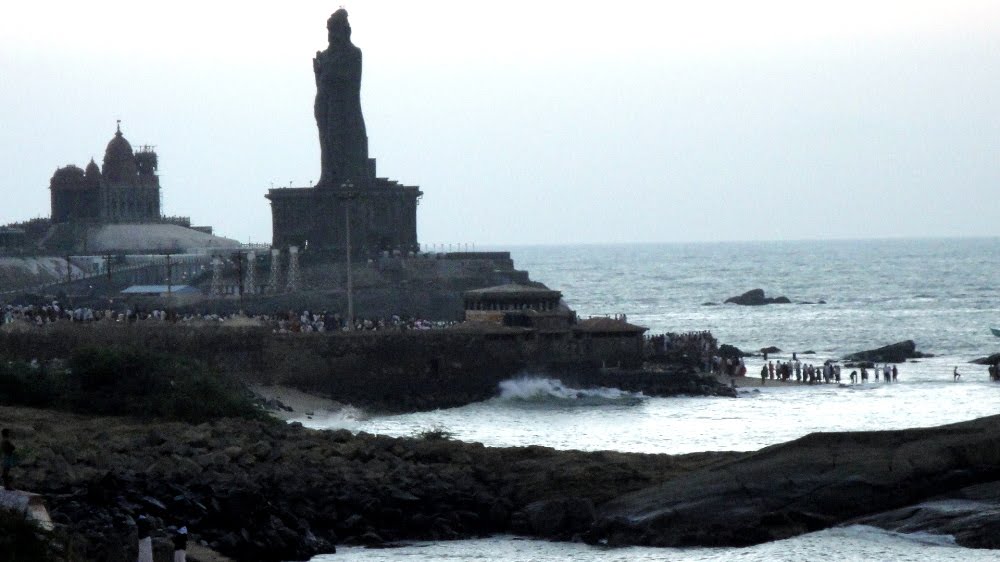
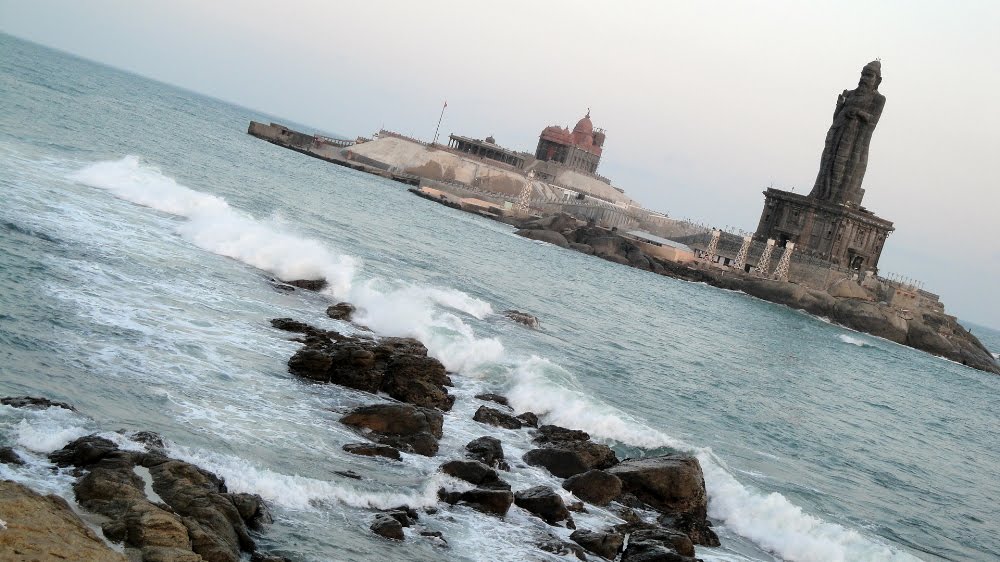
The big statue represents Tiruvalluvar, apparently one of the great Tamil poets. To the left is the temple to Kumari (I think), and somewhere in there is a memorial to Mahatma Gandhi, where his ashes were kept after death until immersion. I was lazy by this point in my vacation so I only really got out to see the sun go up and down, and didn’t do much else.