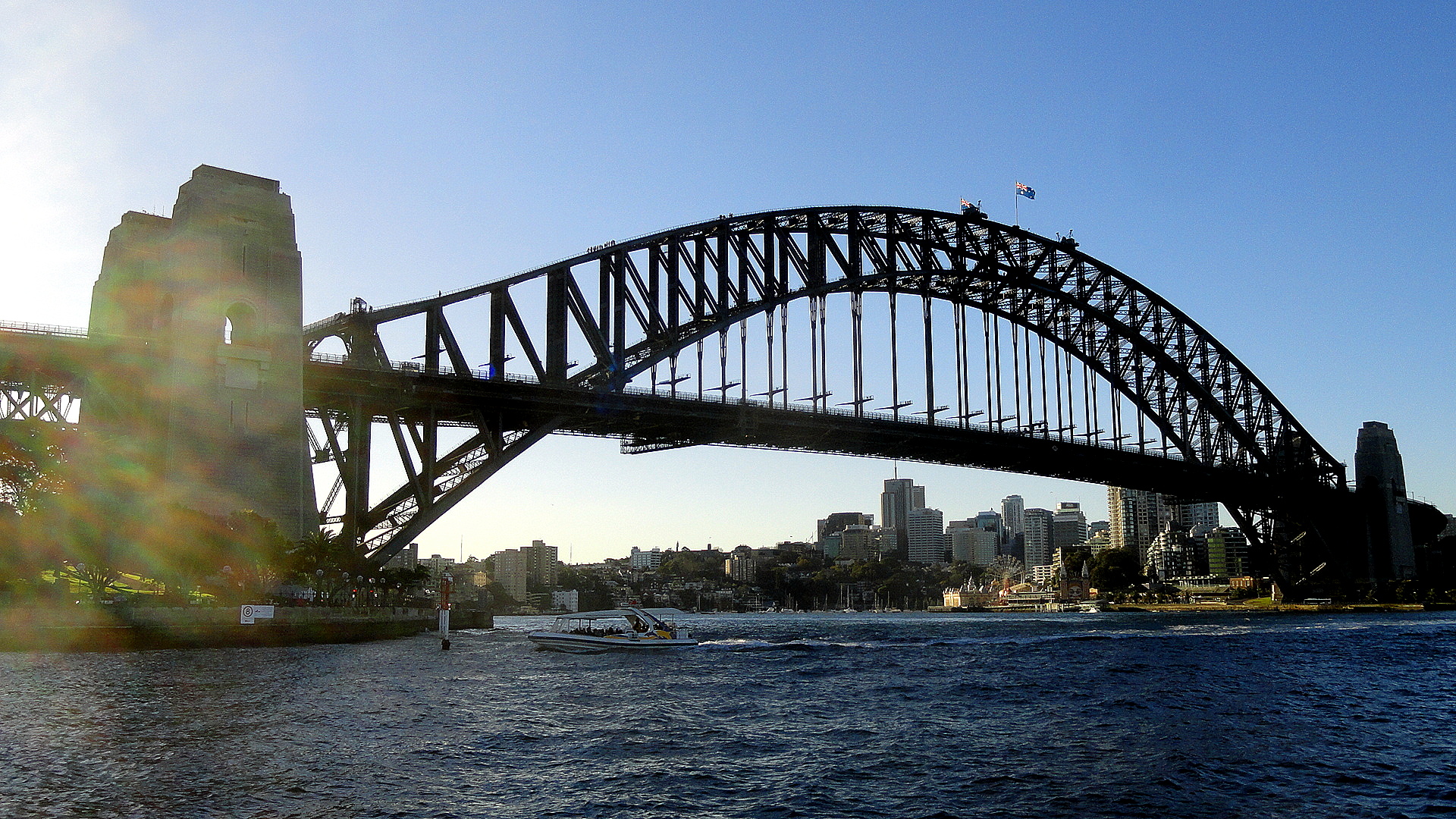
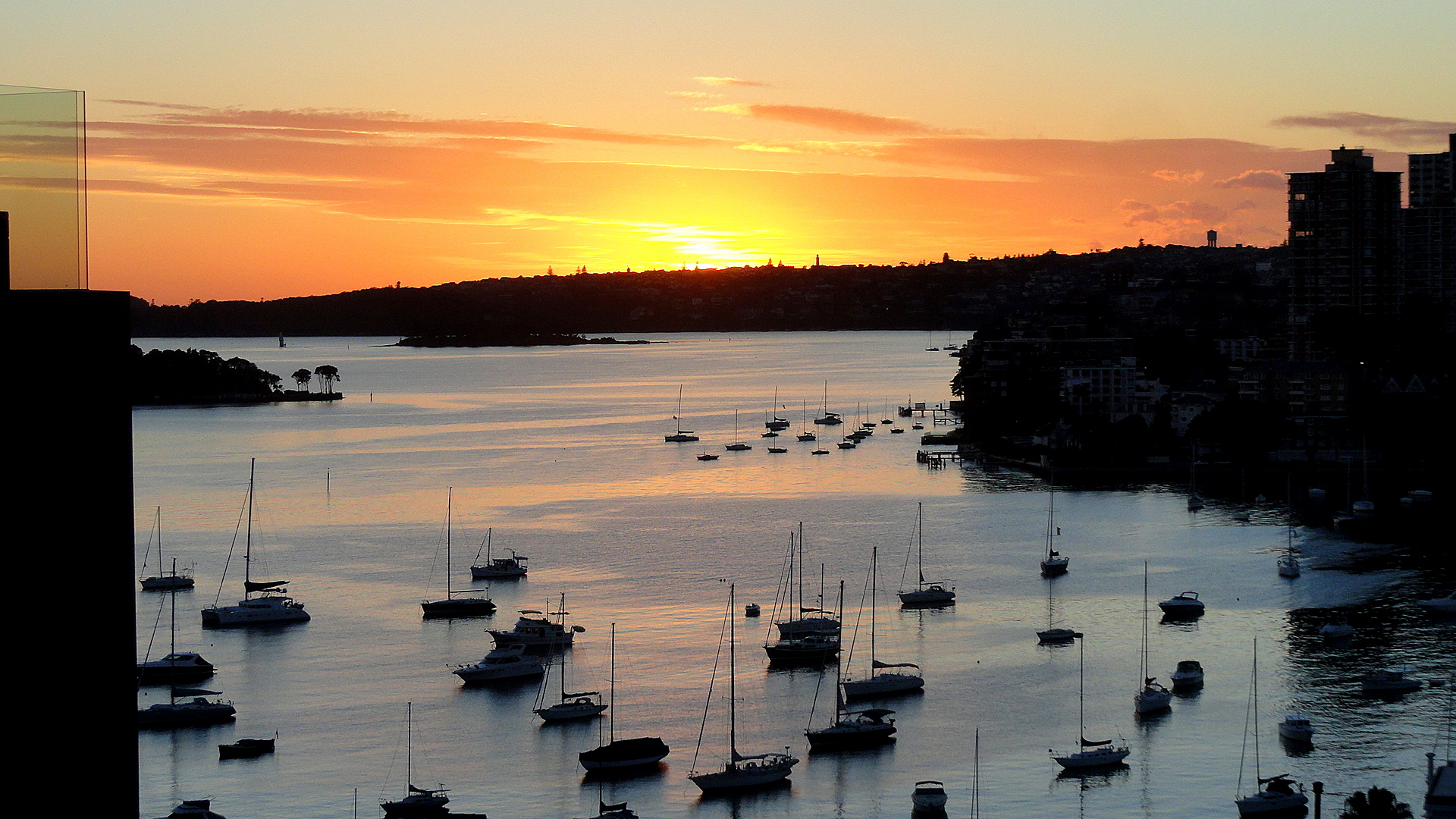
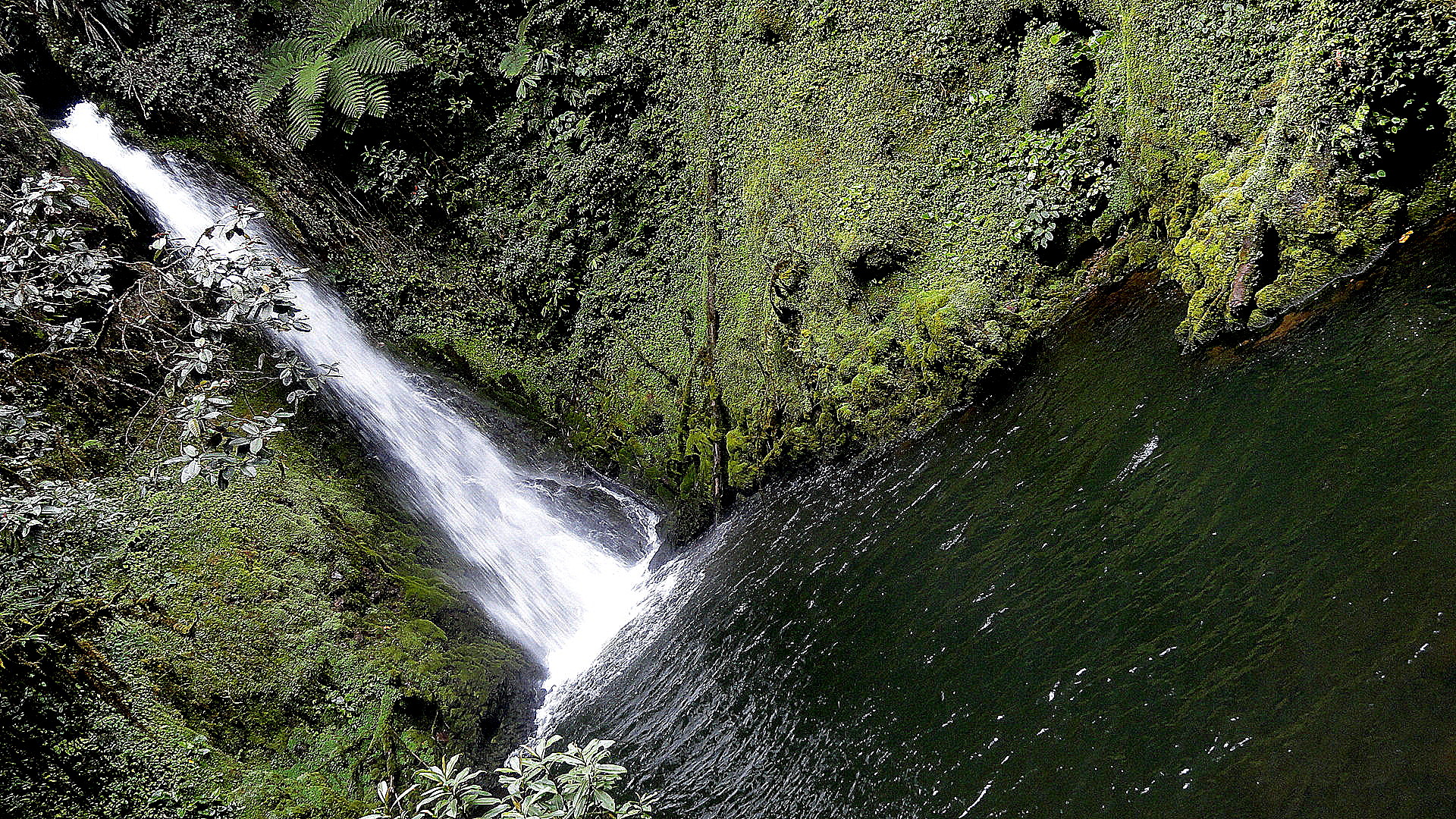
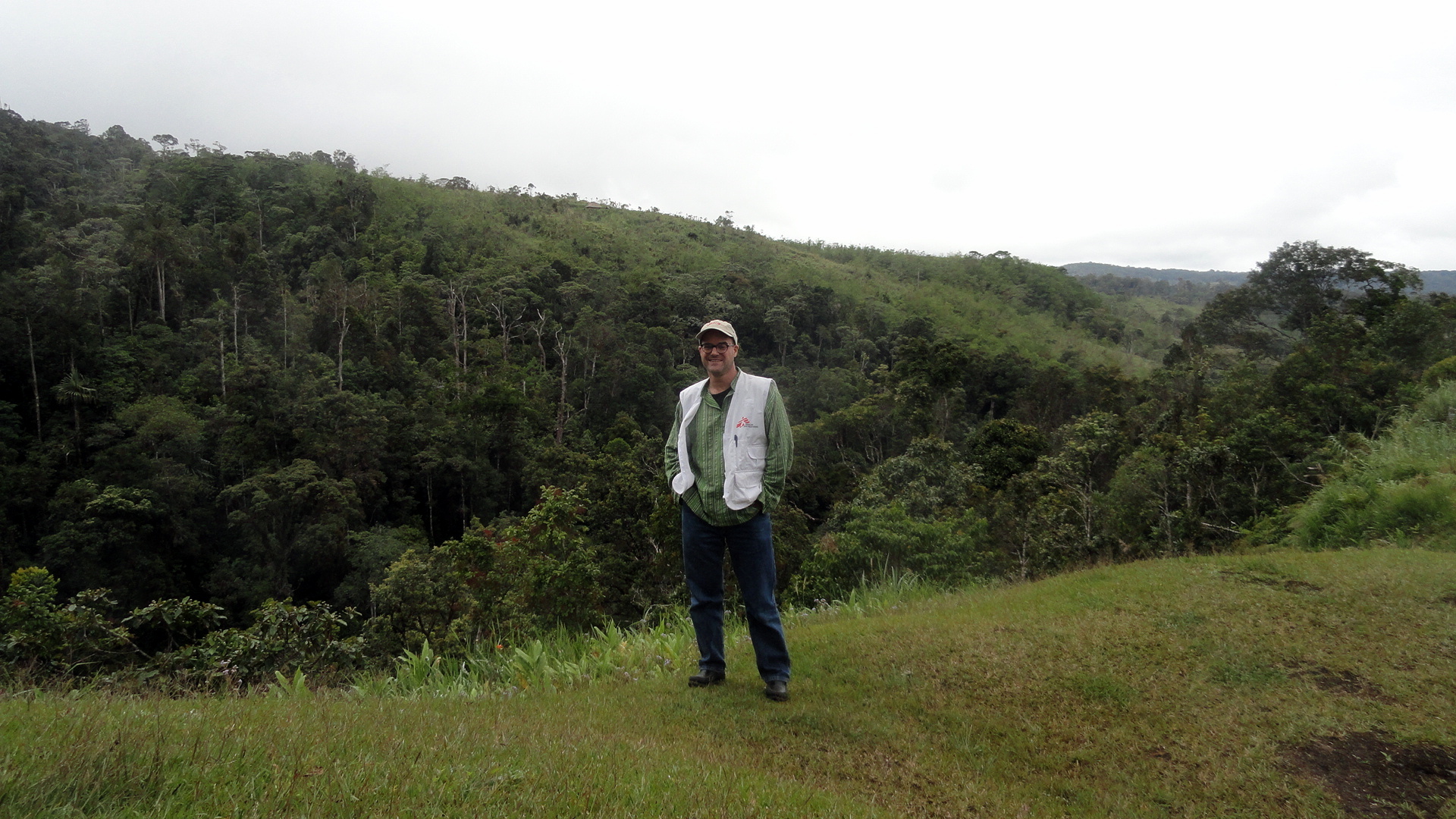
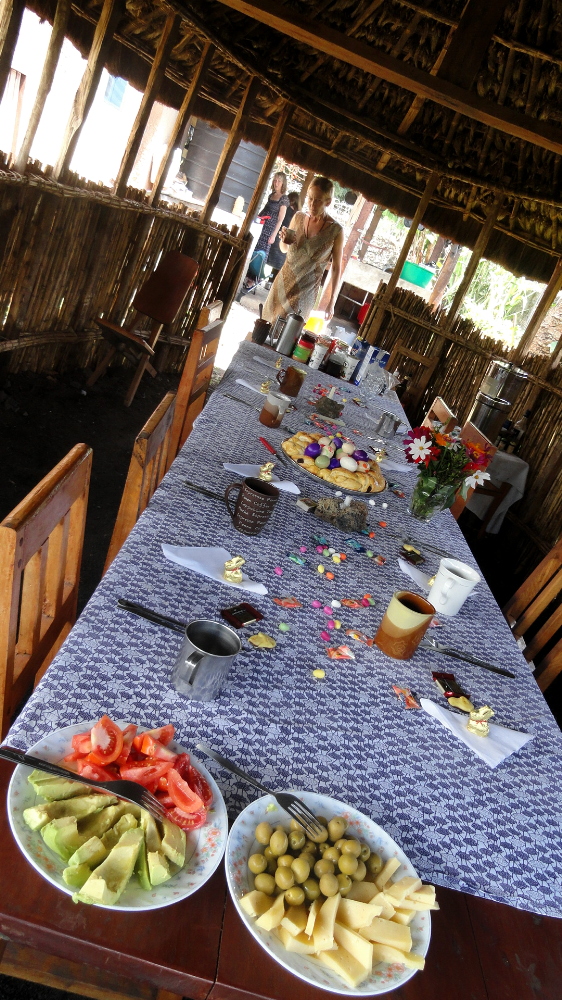
 Christmas morning, my brother Steve reading the newspaper while I try to share the last wildly varied batch of 2011 photos before it becomes 2012. Croissants are doing their final rising over in the oven here at my mother’s house. This is my second winter holiday season at ‘home’ or with family since 2004 (since then, in order: China, Sri Lanka, Nigeria, NYC, India, Congo…no wonder I get confused sometimes). Perhaps the smell of croissants baking will prompt Mom to rise and then we can satisfy my older brother’s curiosity about what might be under the lovely Christmas tree off to my right. Last year at this time I’d been in my new home of Mweso for about two weeks and was celebrating these holidays with new colleagues in a beautiful new location and a great new job.
 I wrote the last blog entry my final morning on the island of Lamu, in Kenya – early August. Then I returned for about eight final weeks of challenging and productive work in Mweso, did the fastest debriefing and return to the US that I’ve ever done — left Mweso on 30 September, Goma on 2 October after a full day of meetings there, debriefed in Amsterdam on the 3rd afternoon and 4th morning…and did a short presentation about Mweso and MSF’s work to a group of NYC high school students on the afternoon of the 5th. Since then I’ve spent: a wonderfully relaxing five weeks getting my head together and biking along the coast a lot in LA; the thanksgiving holiday with Steve, our mother, and our uncle and aunt in Pittsburgh; and the past four weeks with my mother here in the NYC suburbs. What I’d like to share with you all are photos I took during all that time – last weeks in my Mweso home and our outreach sites around the zone, plus images from lovely outings in my various US homes. Between assignments, I really am an unemployed homeless person but I’m blessed with lots of generous friends and families who welcome me to share their homes here.
 Returning to the US was a bigger shock than usual this time – spending my first few nights with my friends near Columbus Circle, I’d stare out their windows at the towers of midtown Manhattan and the bustle of traffic on the street, and wonder if I was really still in the same world. I know I am, but the shock of transition and change can be so overwhelming at times. As usual I’ve taken full advantage of so many luxuries, from Thai food and midnight bike rides through quiet, safe , good streets to concerts and plays with lots of friends. Email conversations have just begun between me and MSF about where I’ll go next, and when. I’ll be in SF for most of January and some of February and then tentatively plan a cross-country trip to visit friends and relatives scattered through the nation’s mid-section…but as always the plans remain open to amendment based on evolving news about possible future assignments… More on that if and when appropriate.
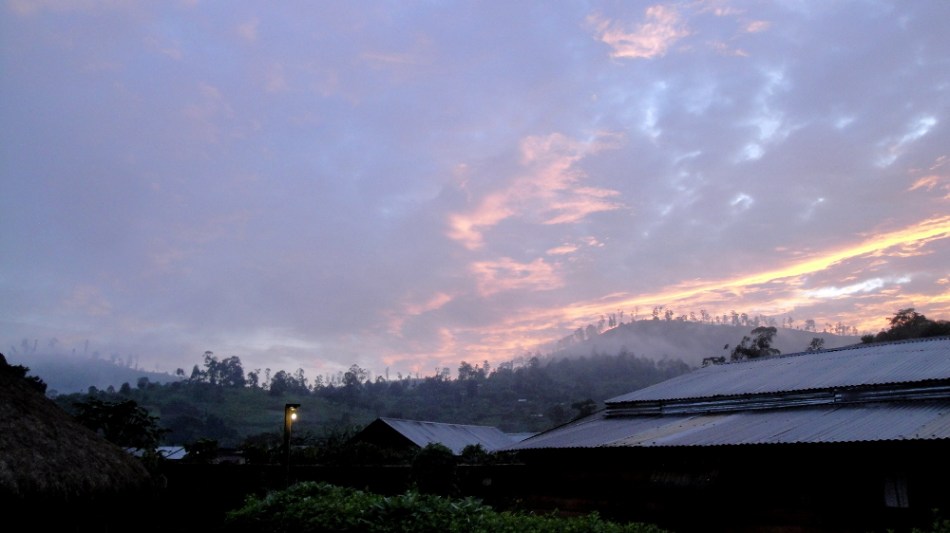
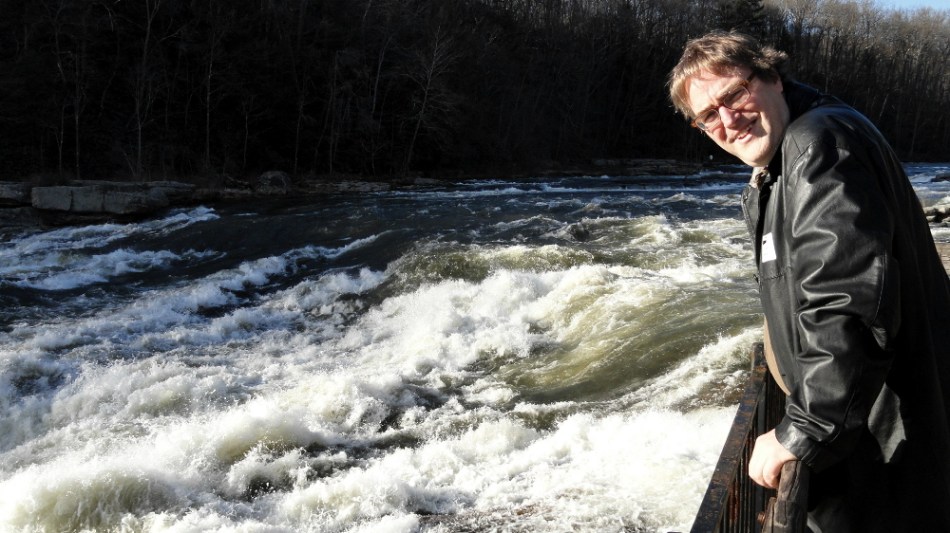
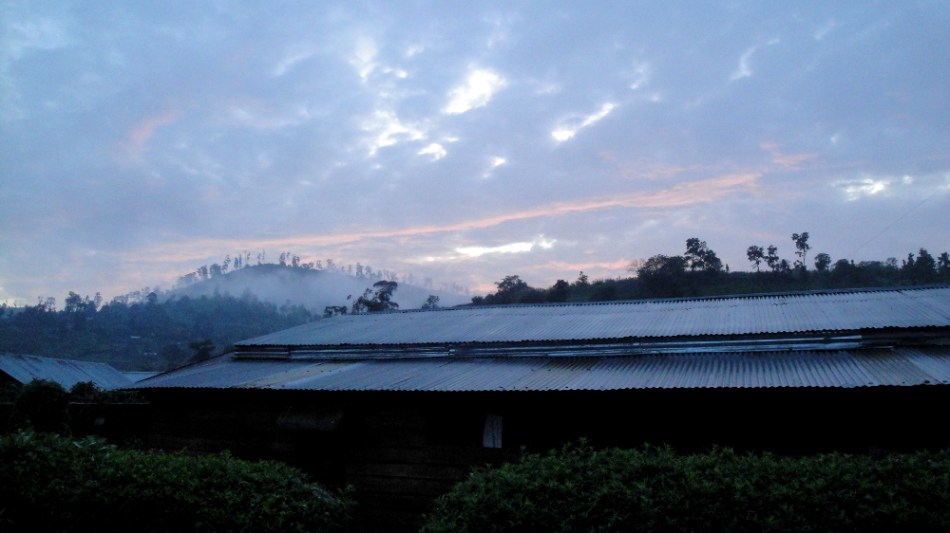
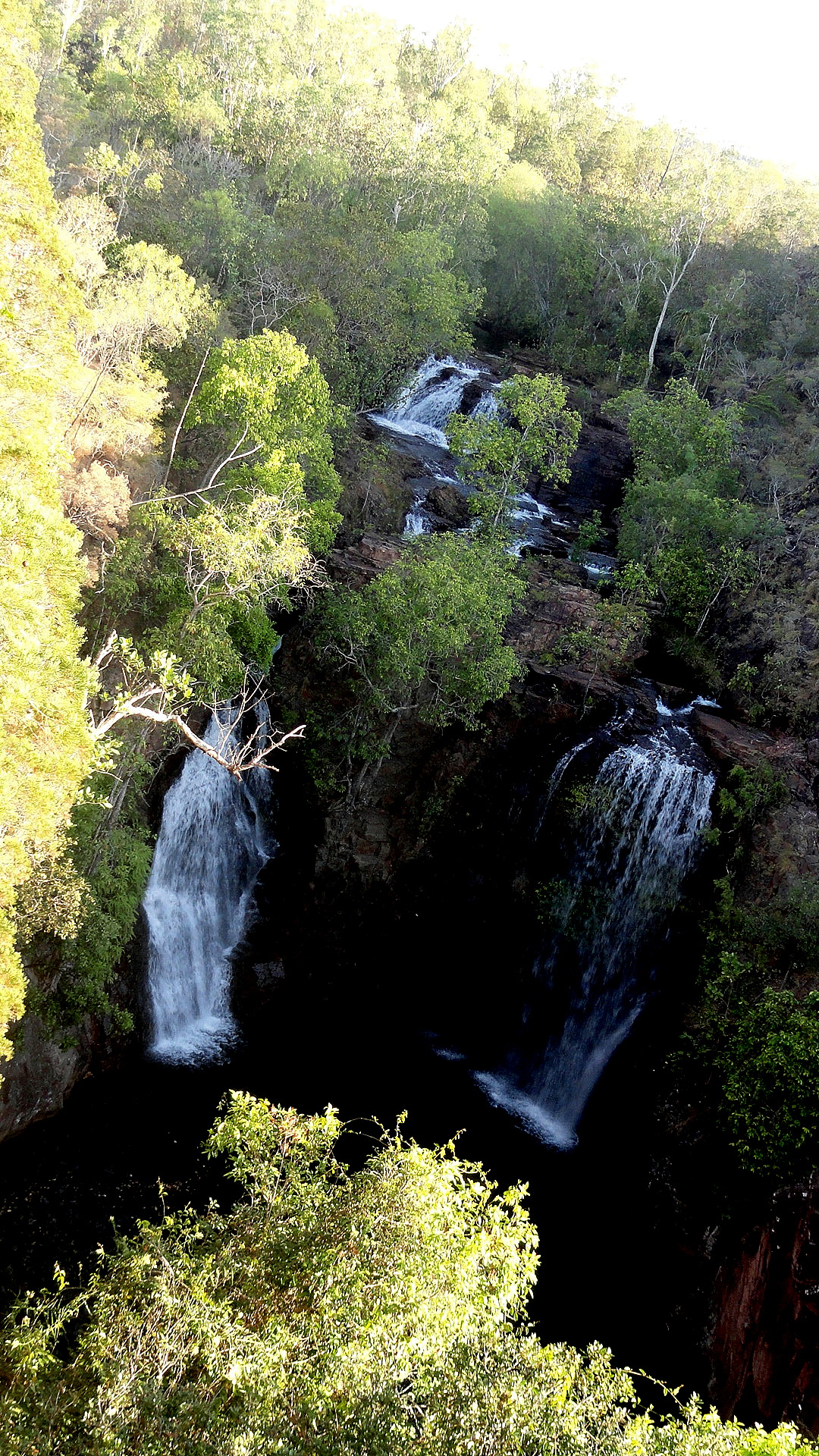
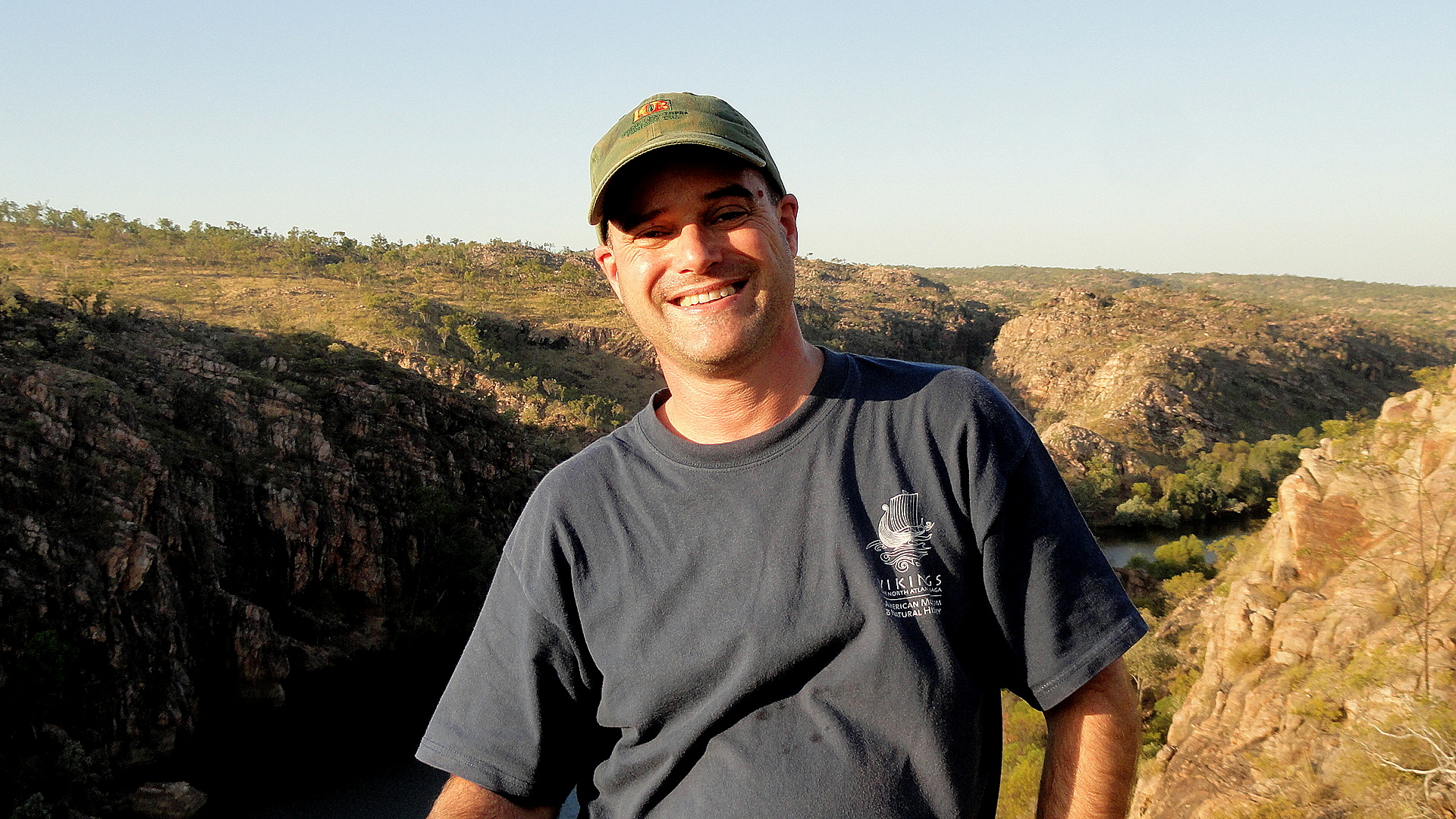
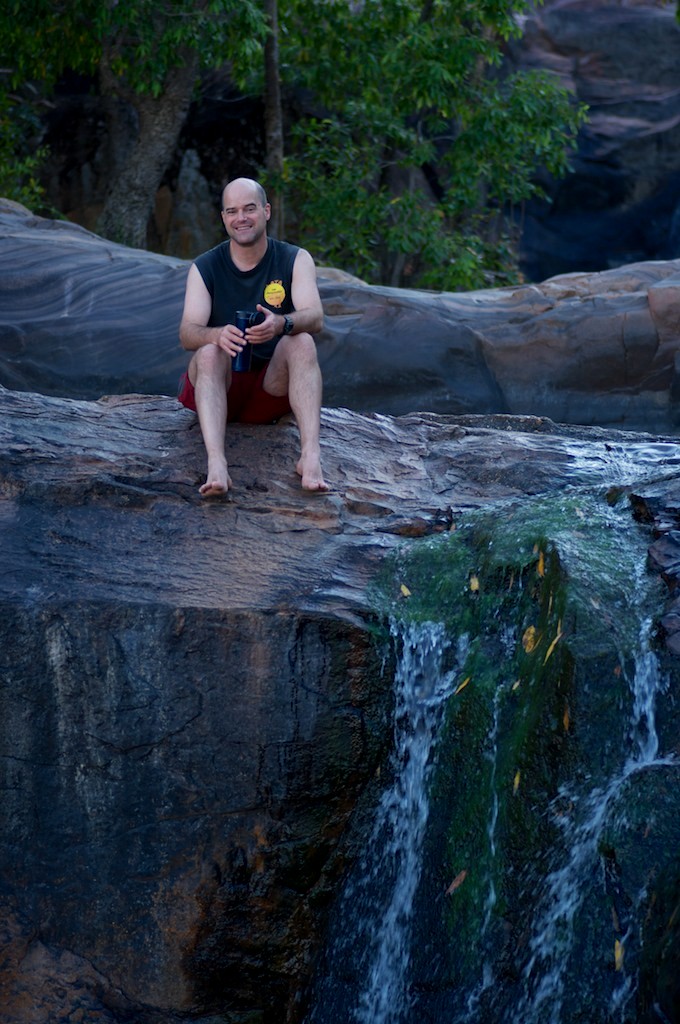
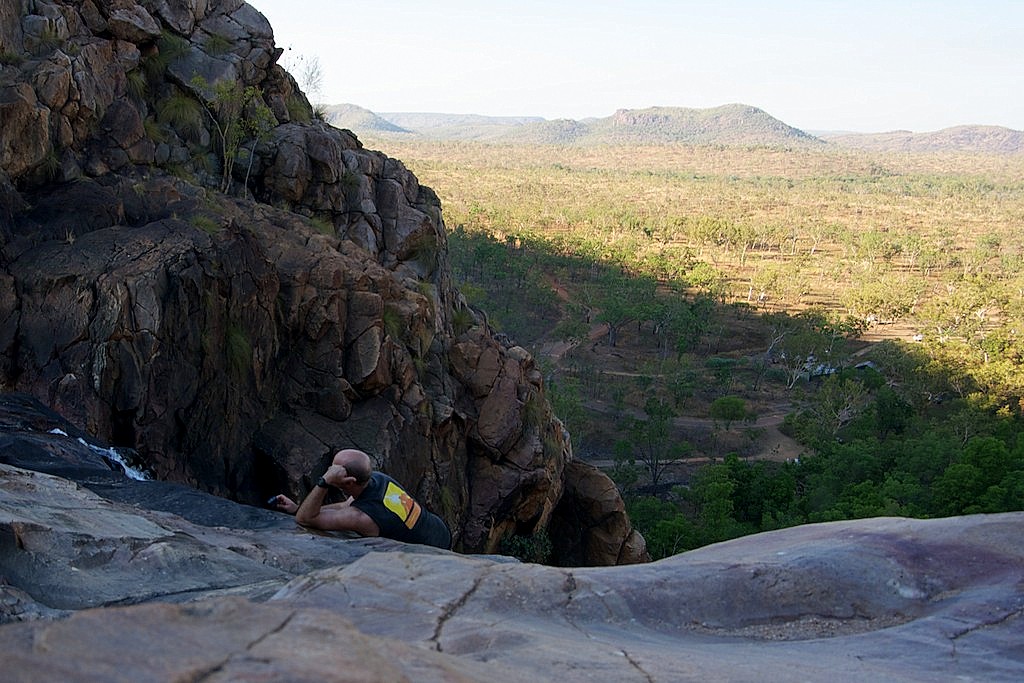
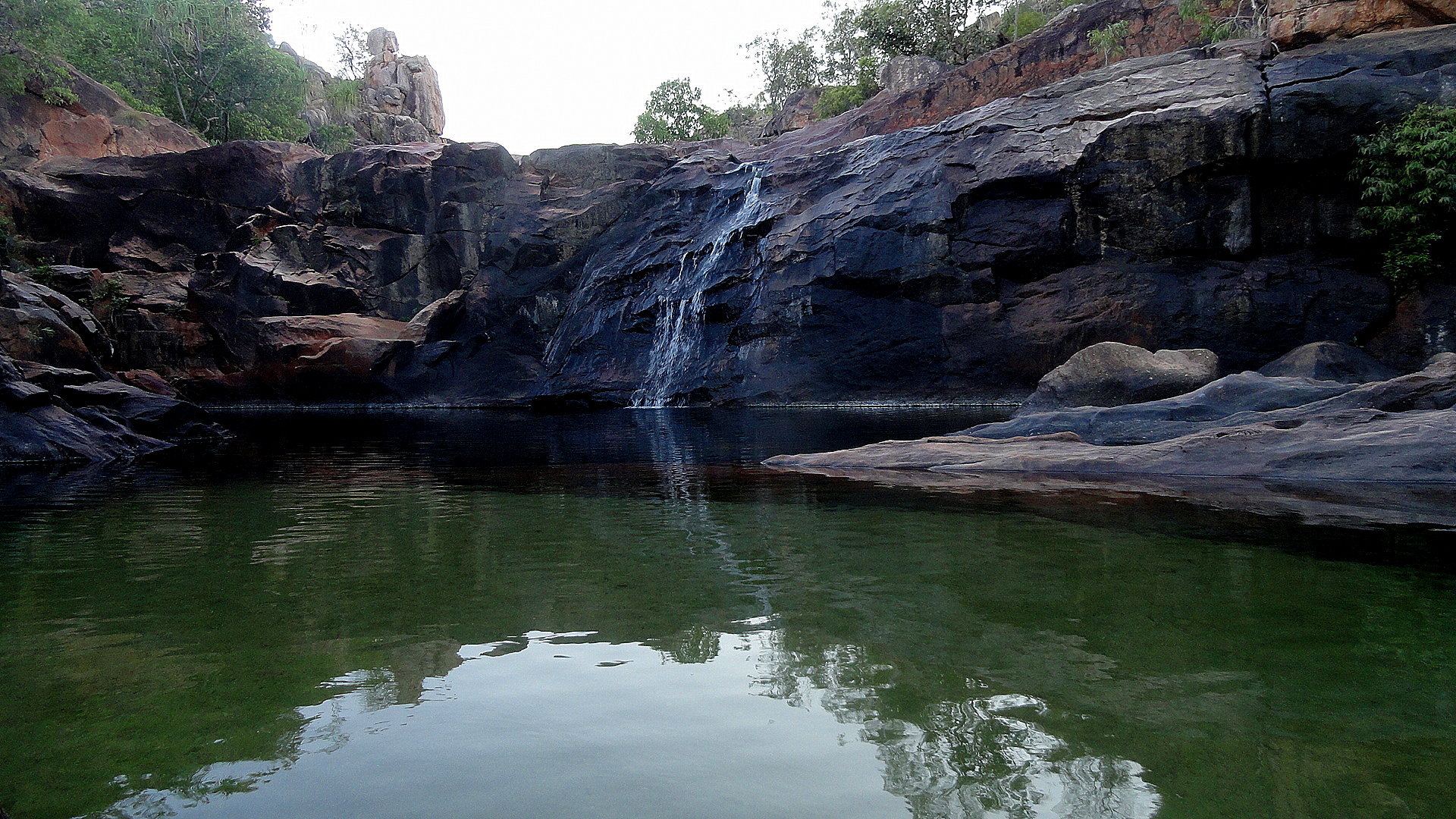
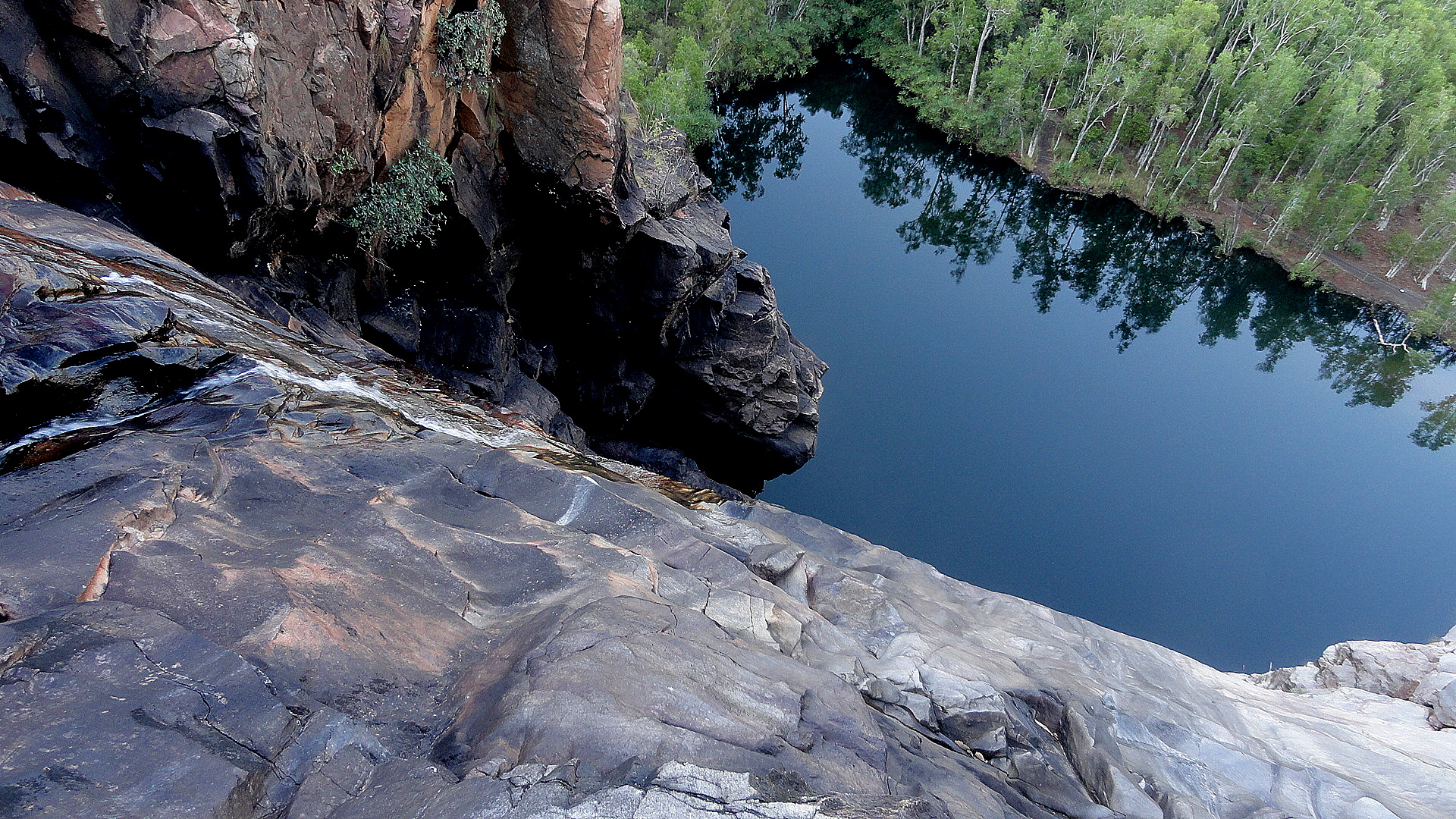
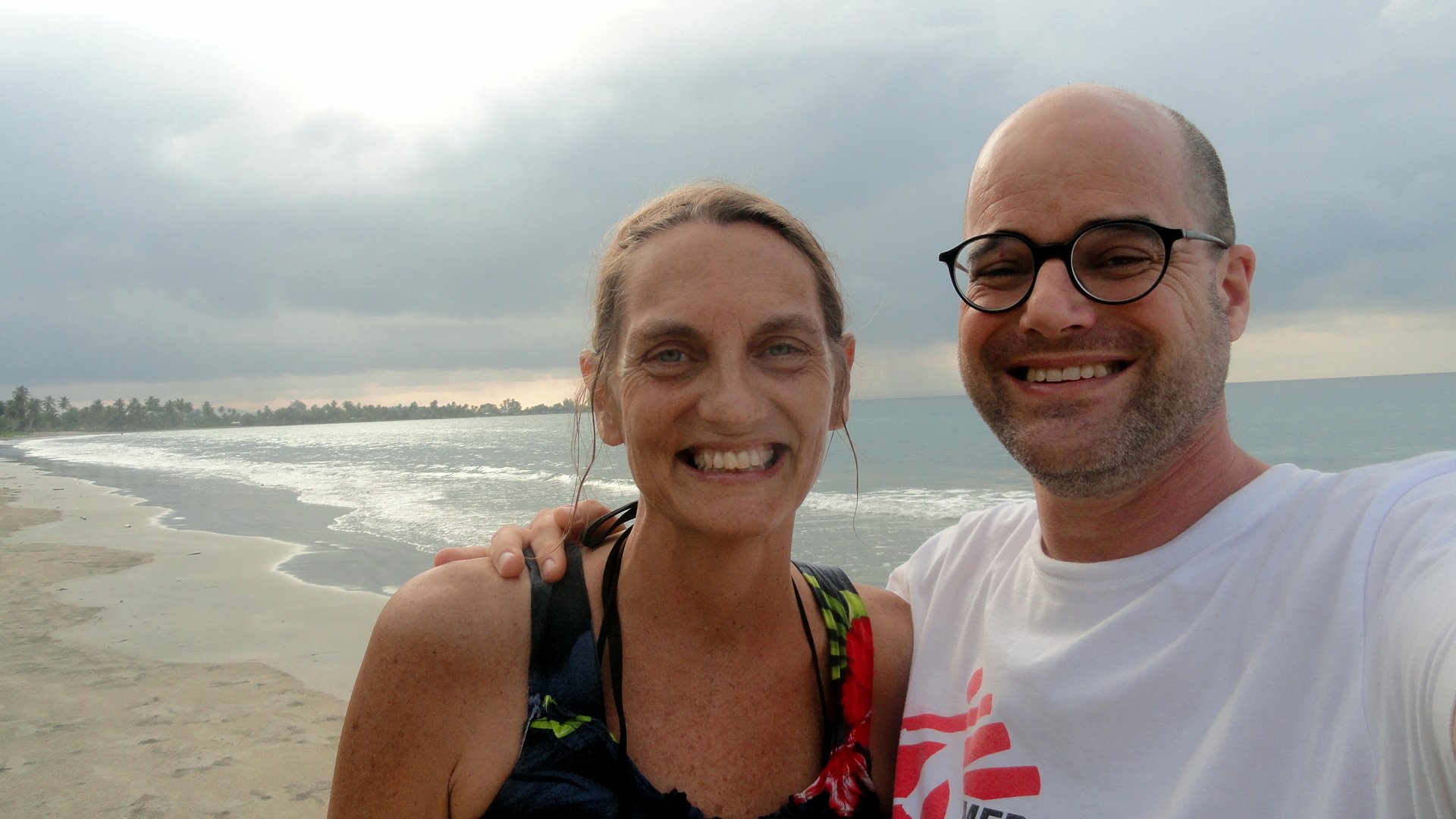
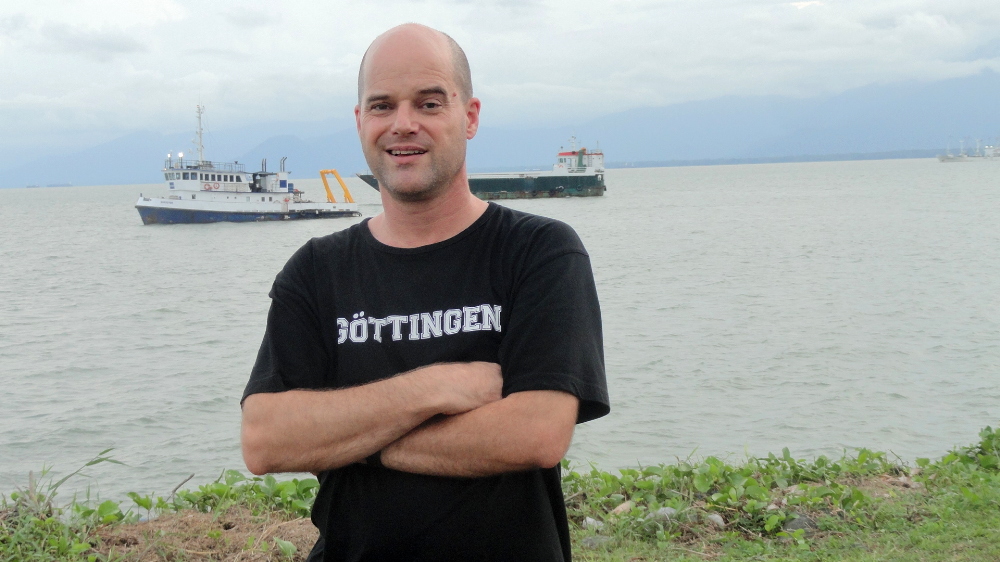
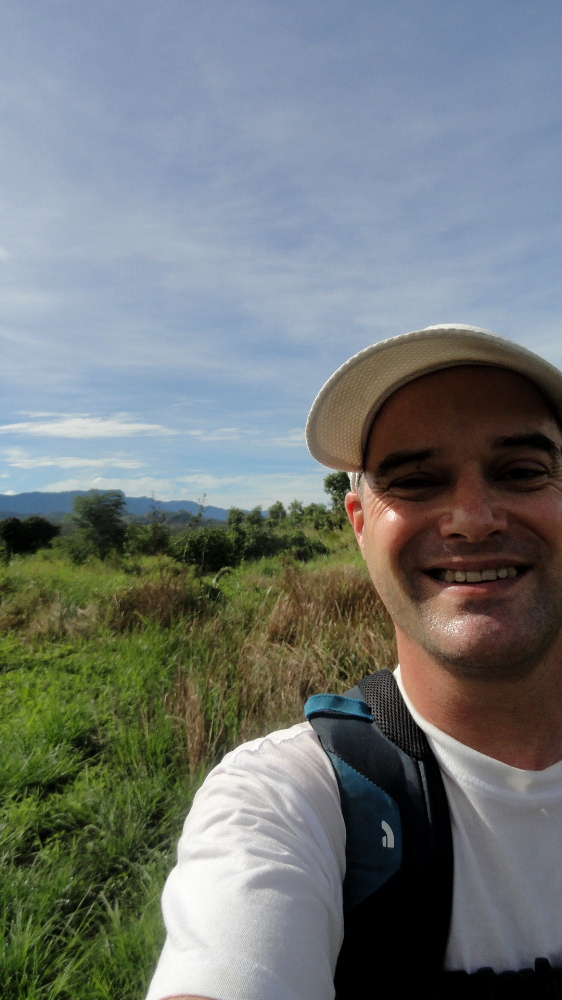
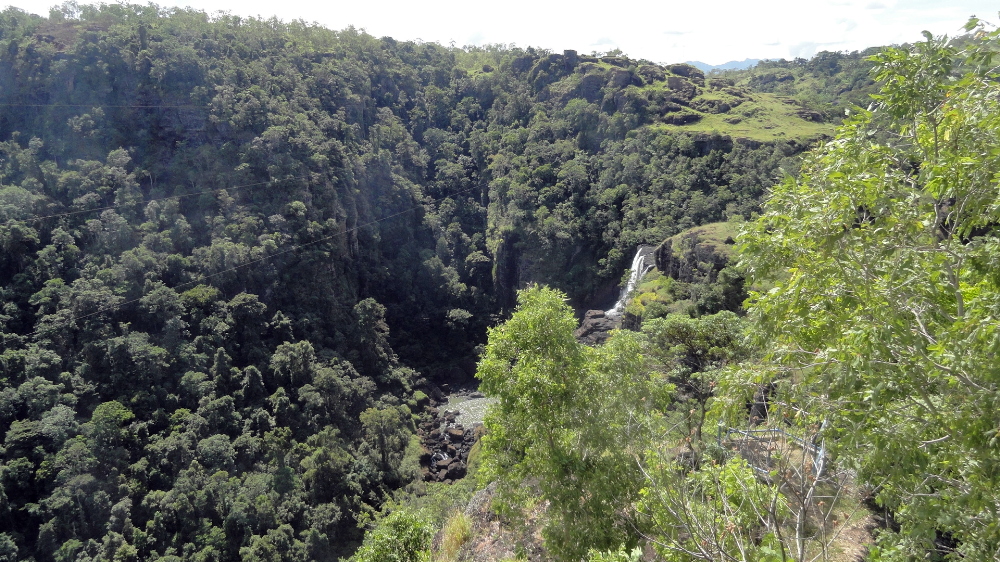
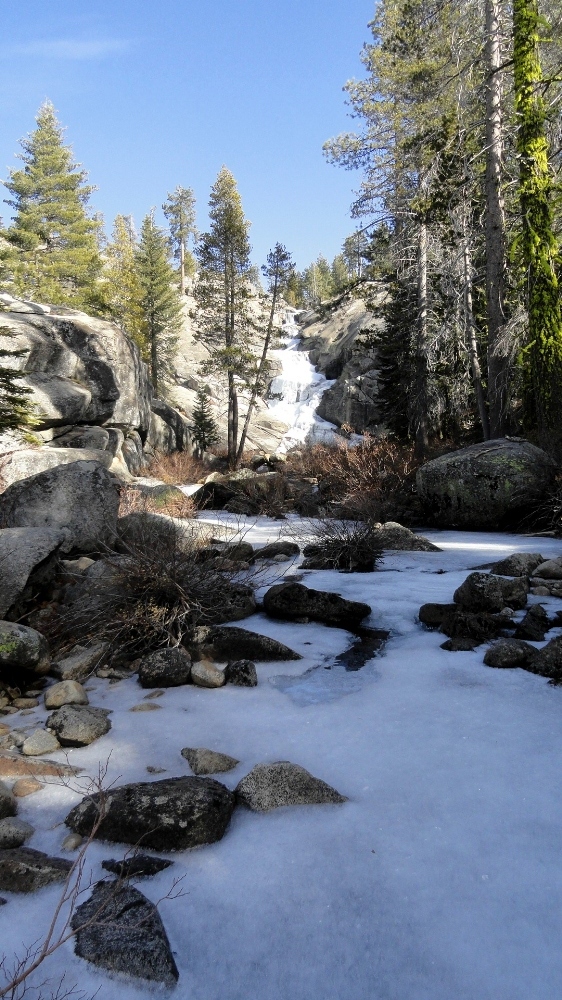
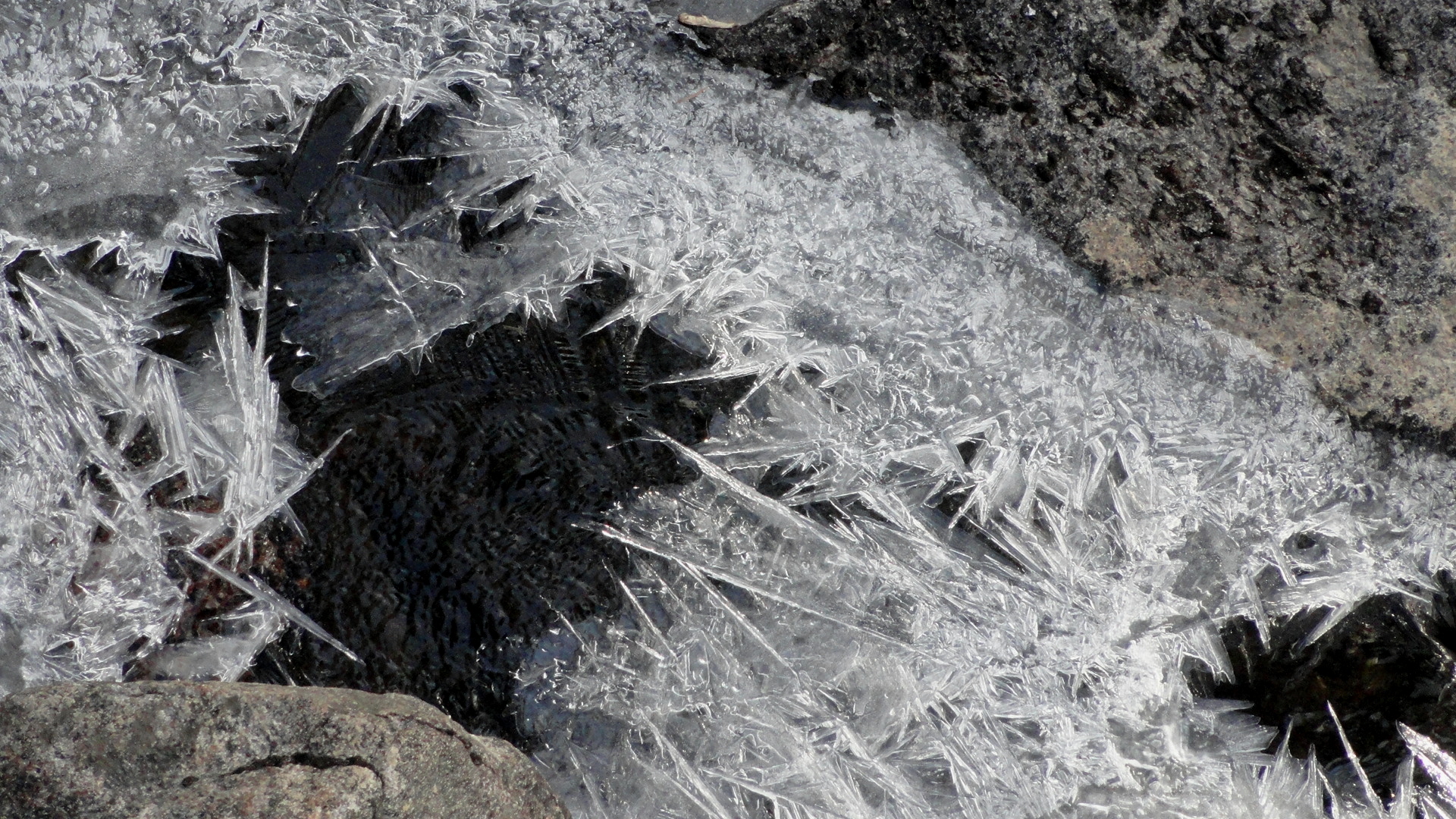
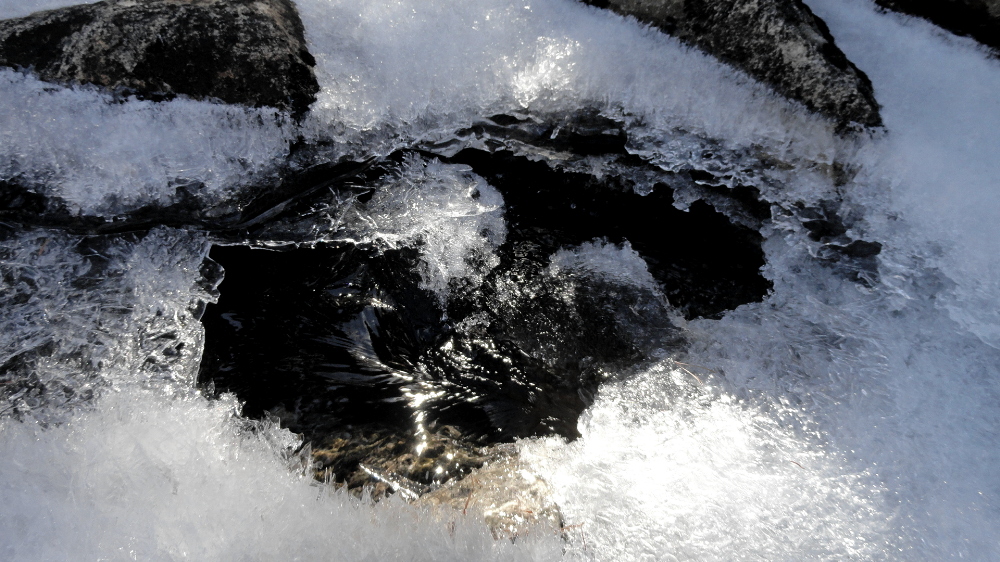
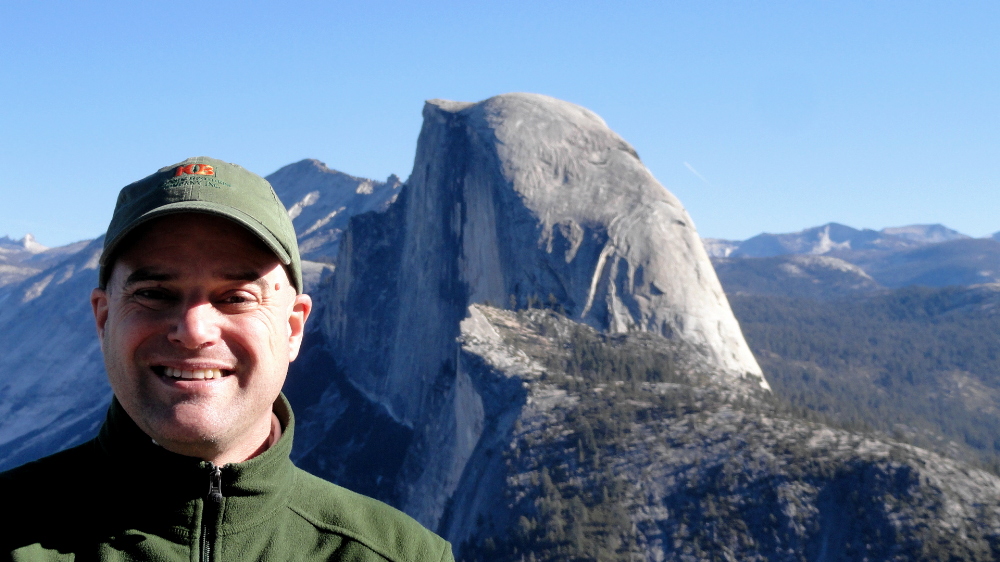
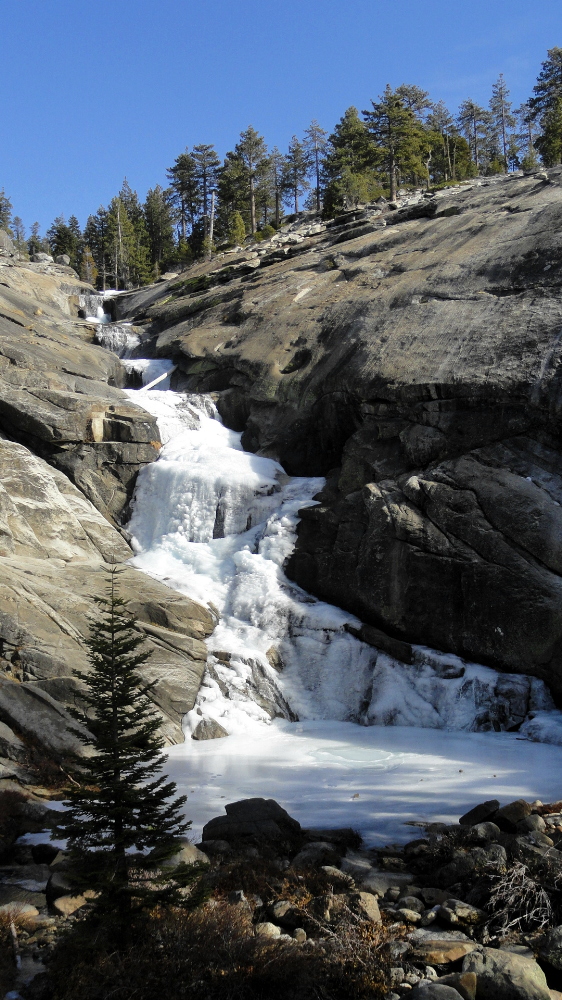
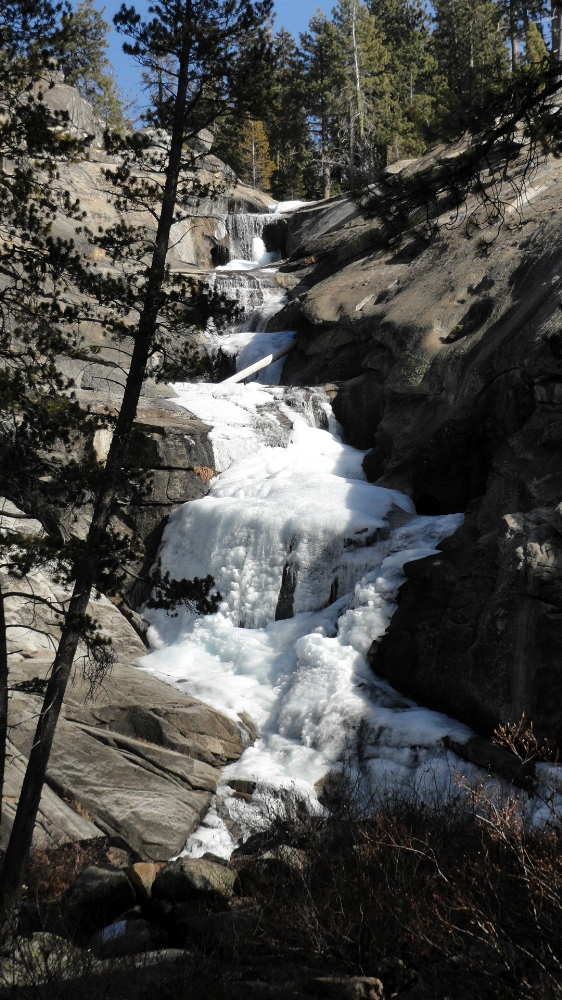
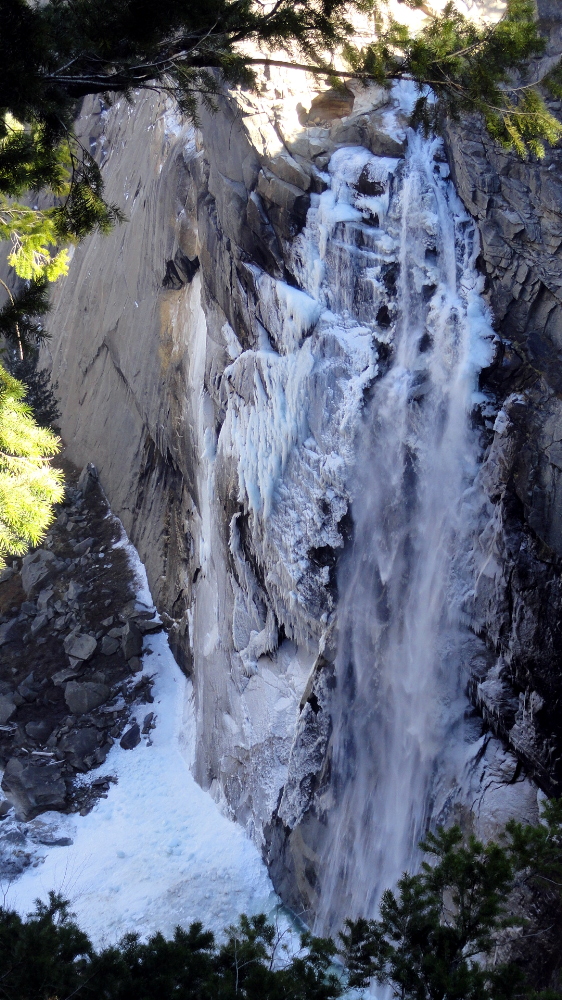
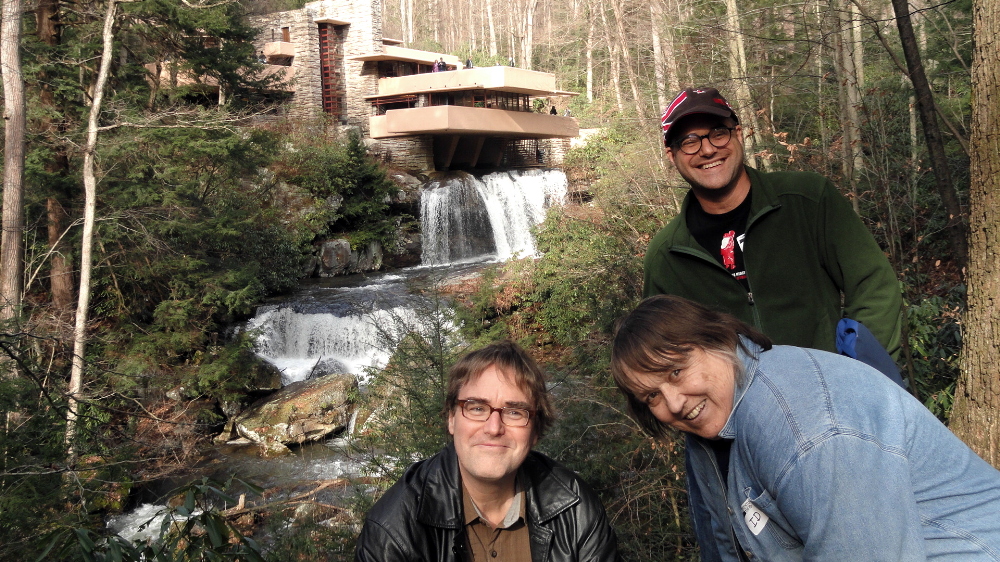
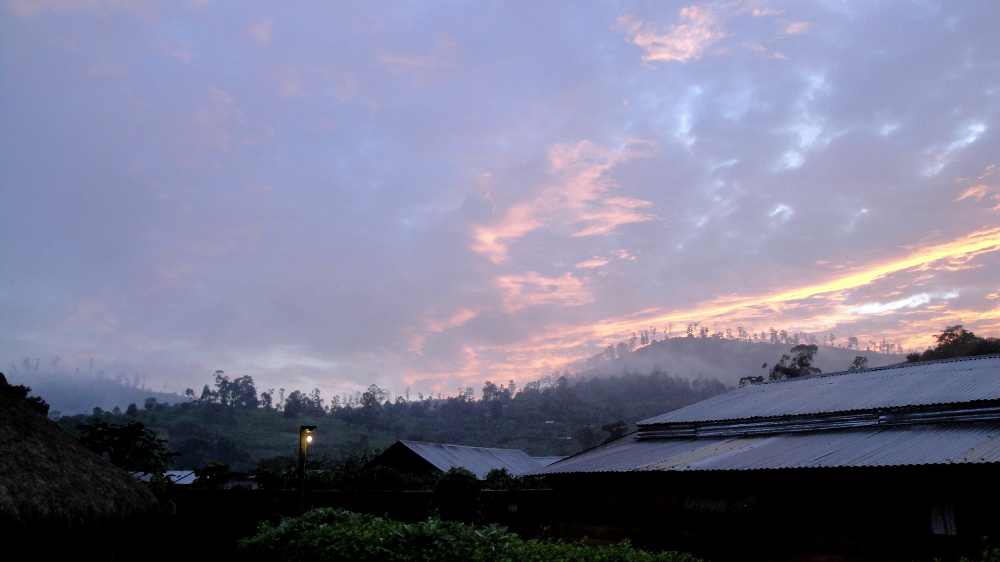
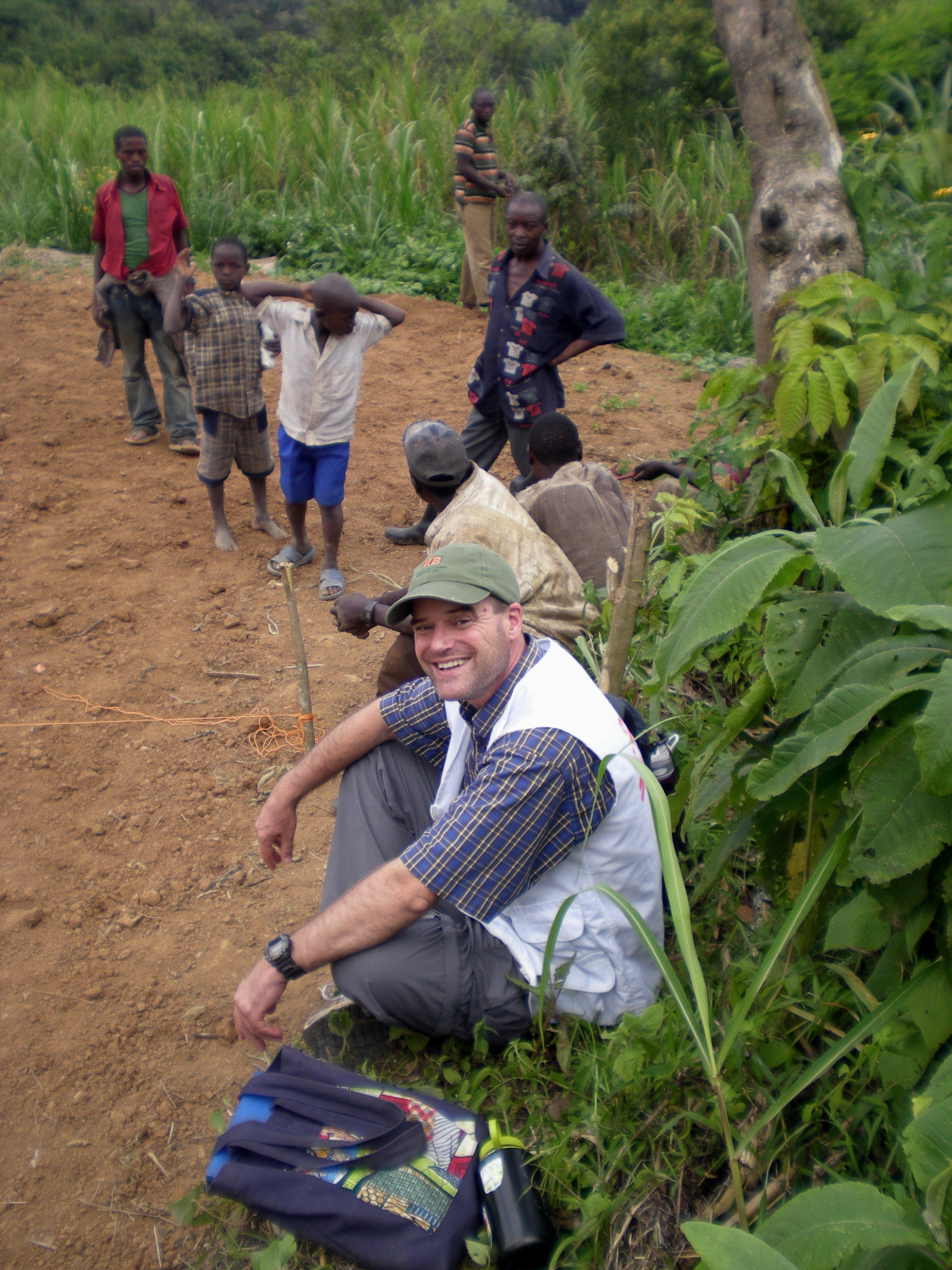
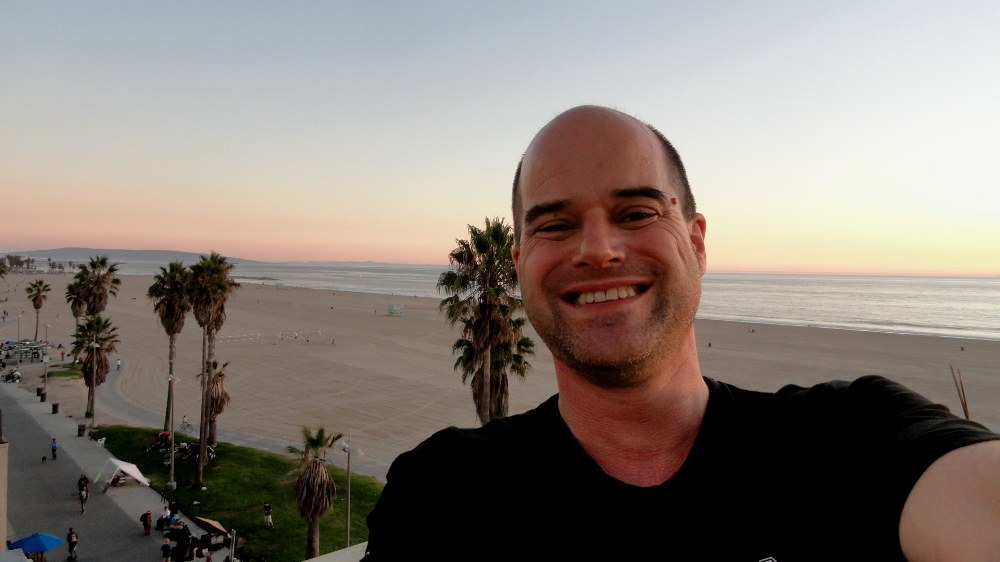
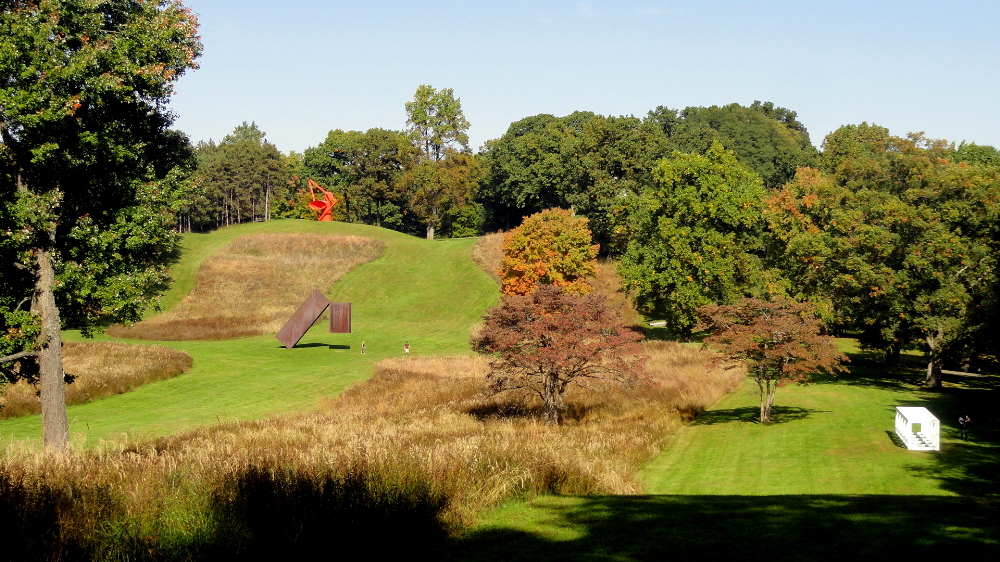
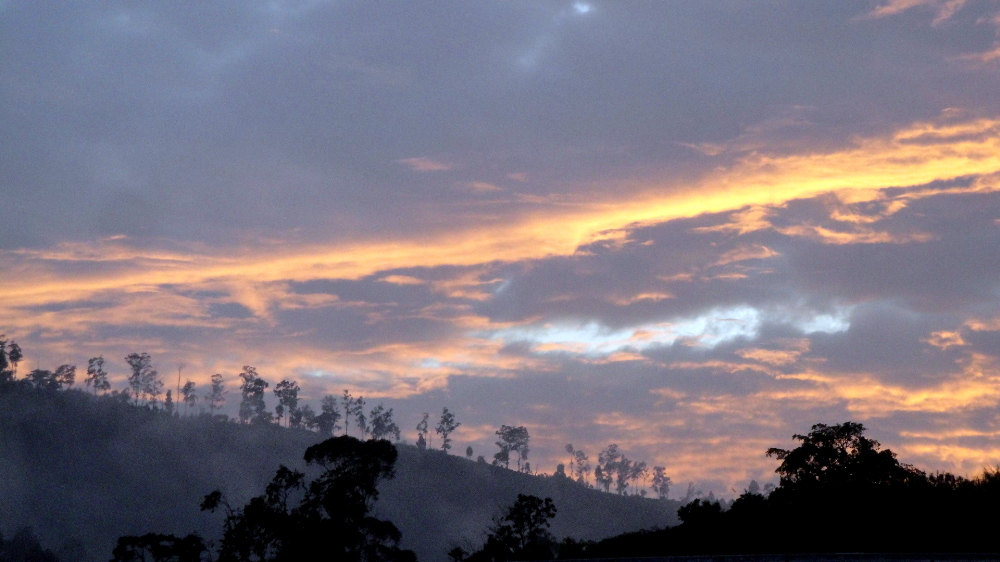
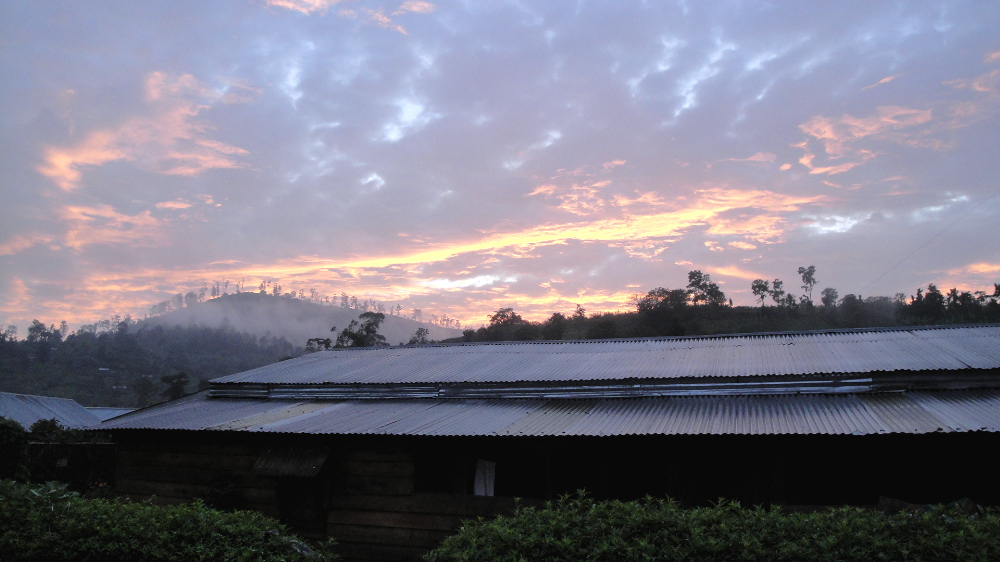
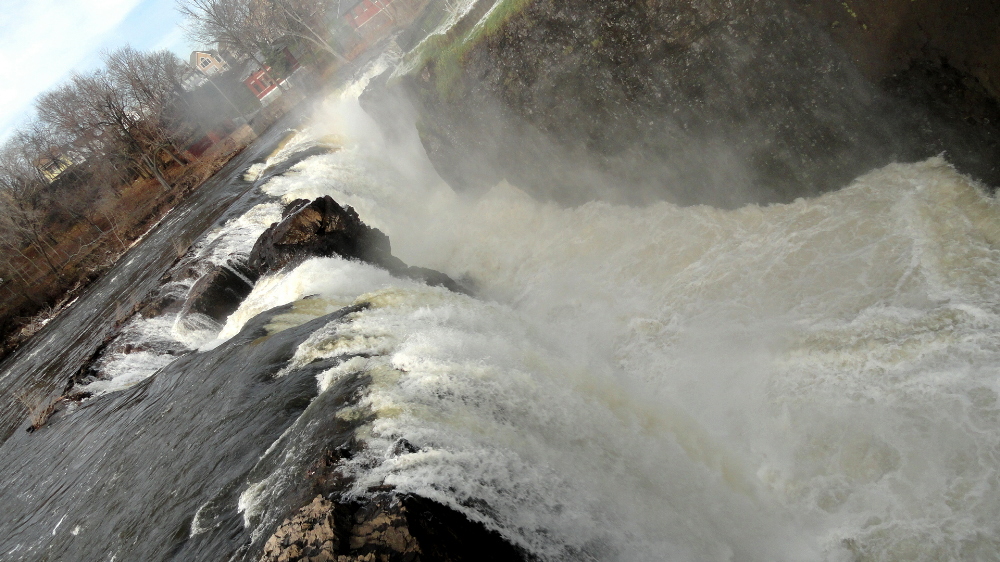
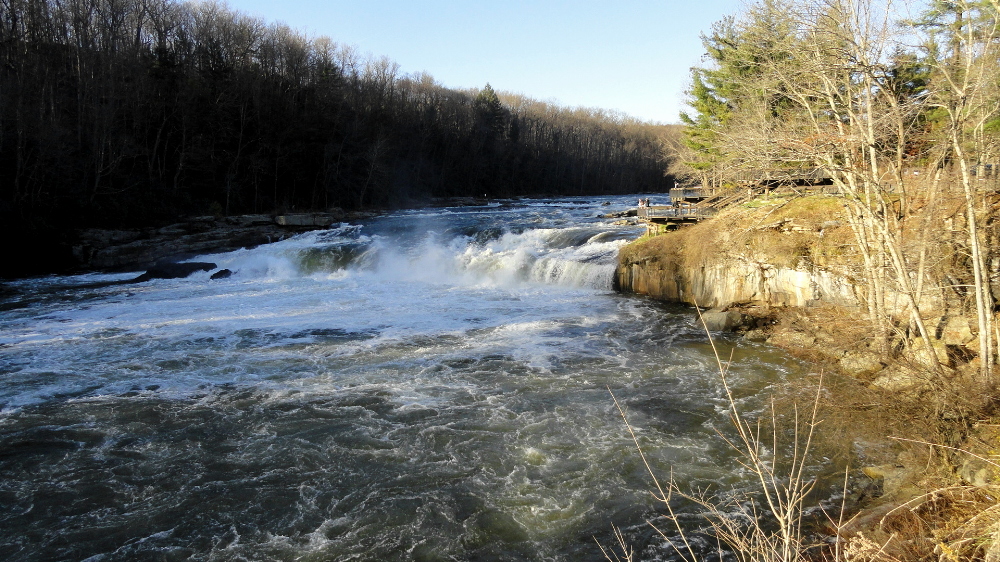
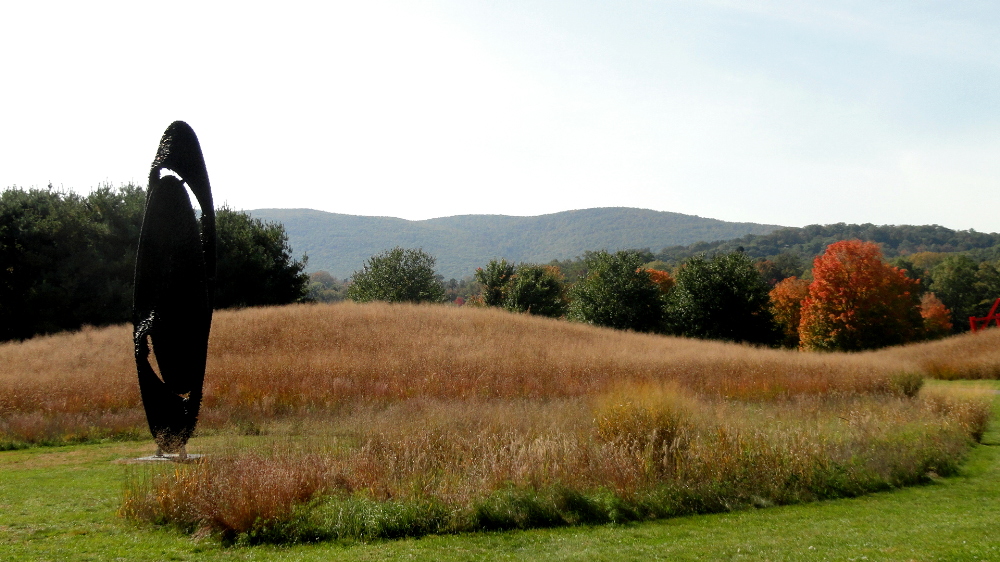
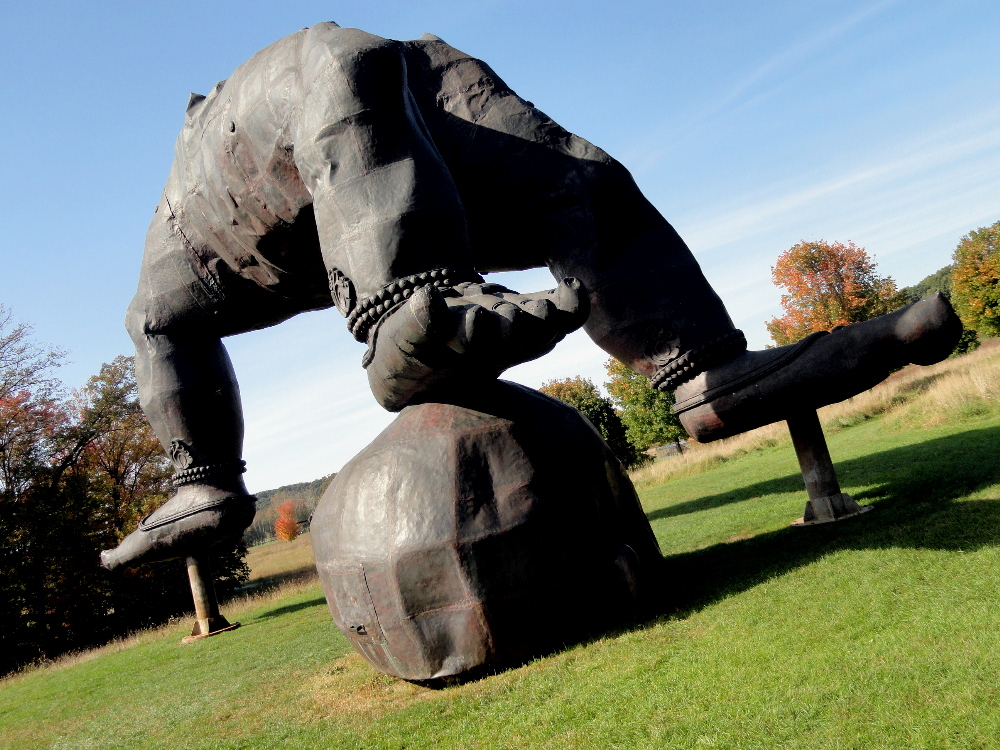
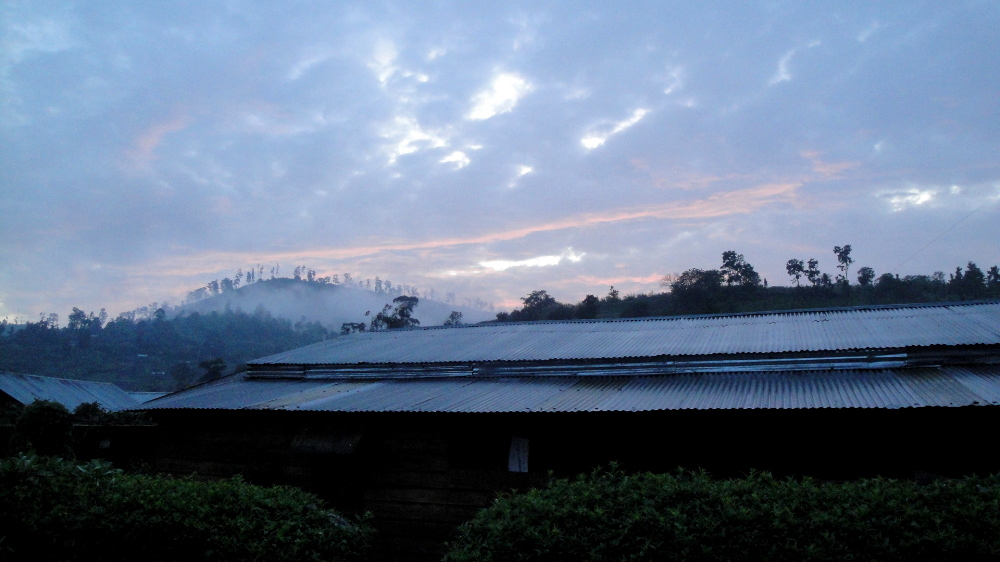
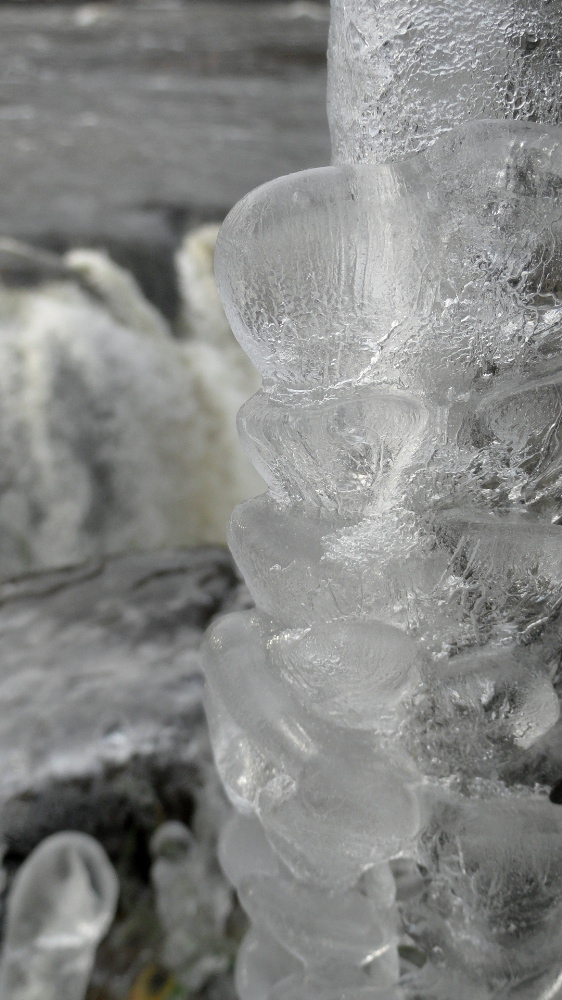
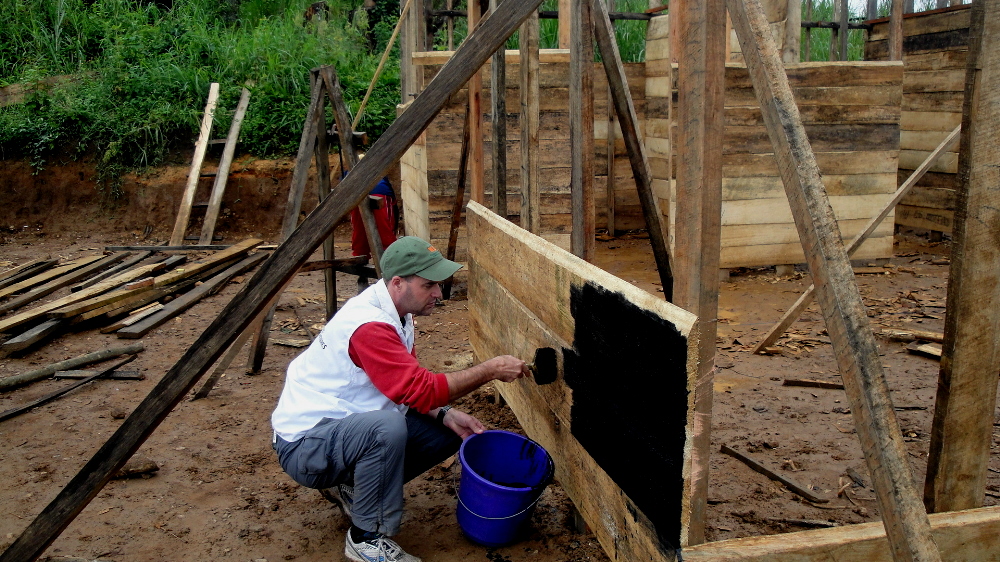
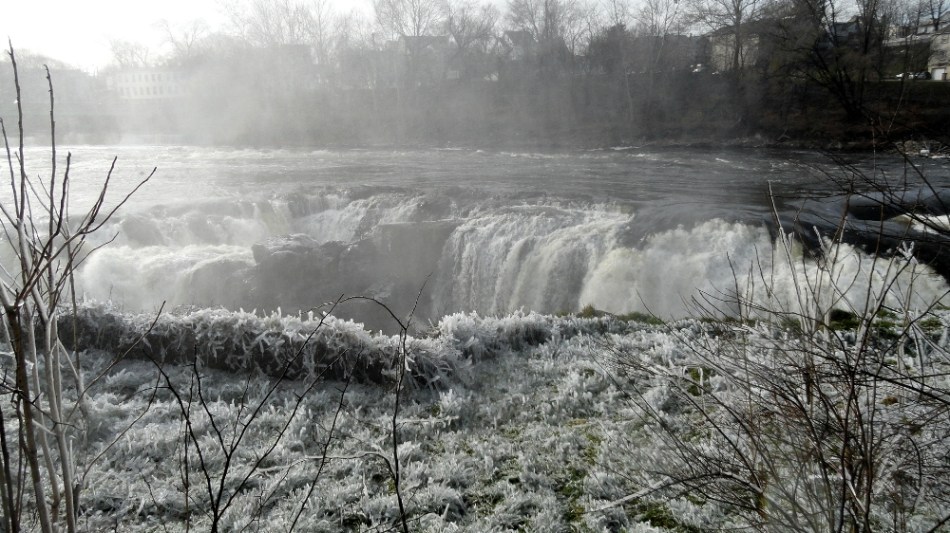
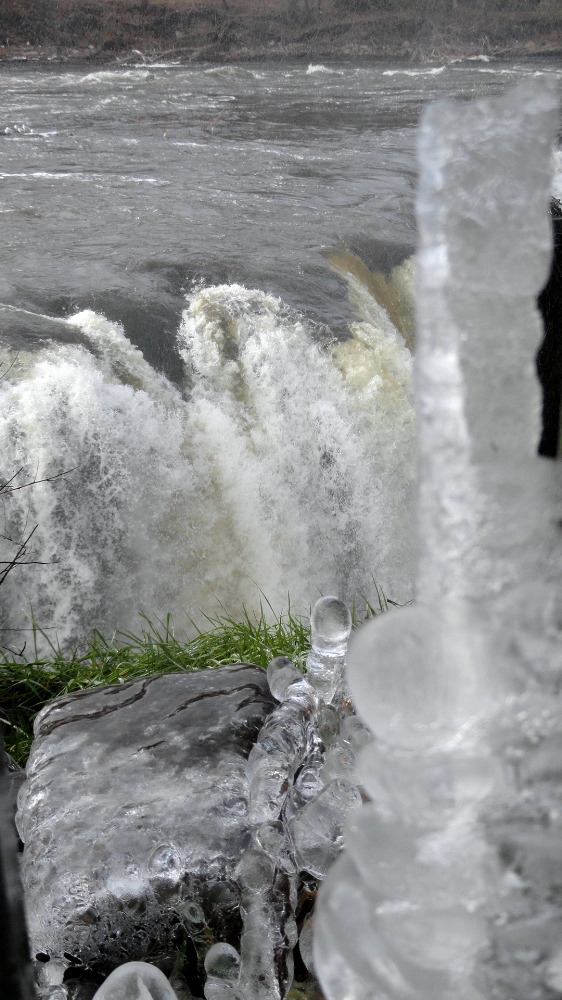
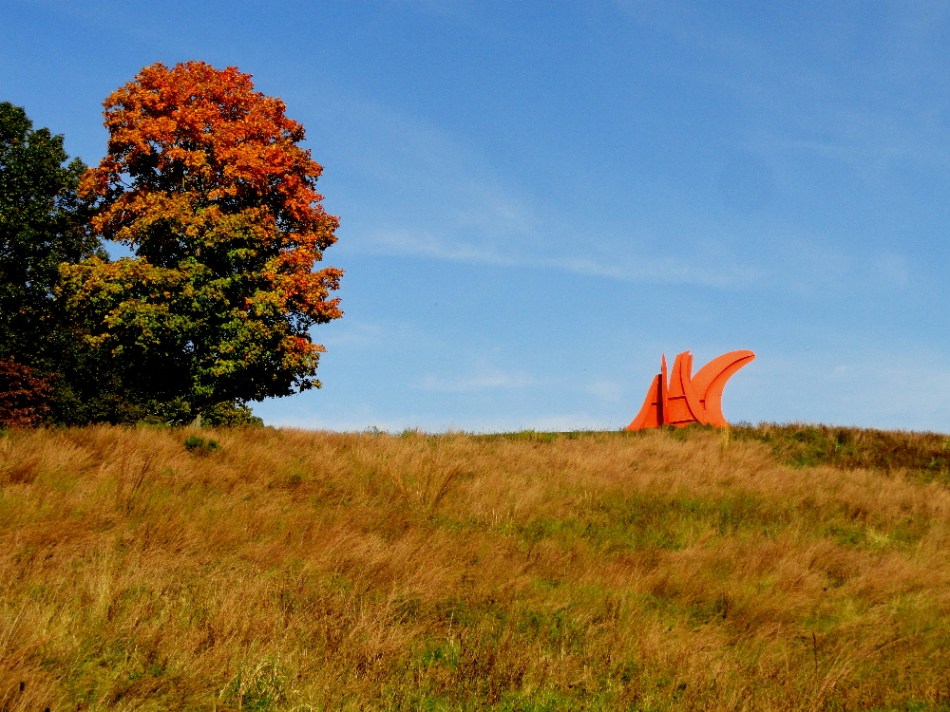
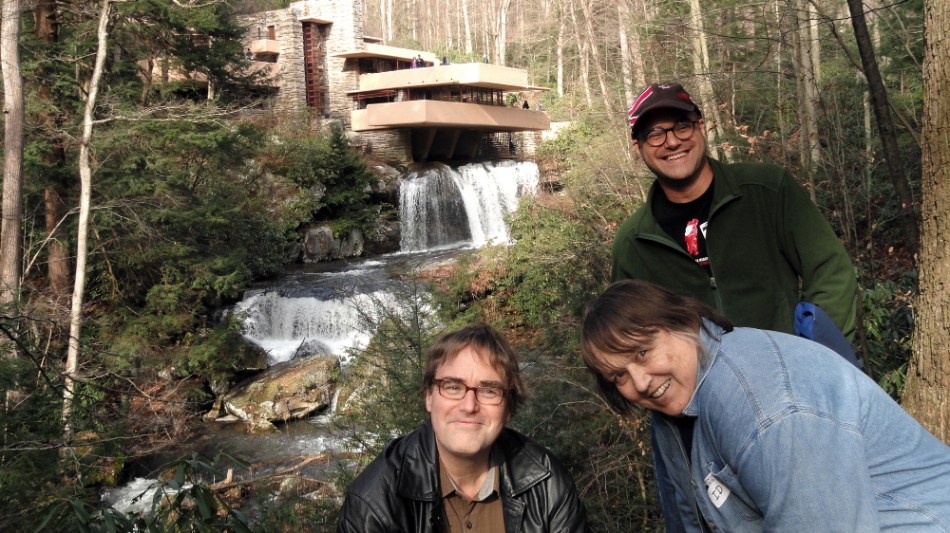
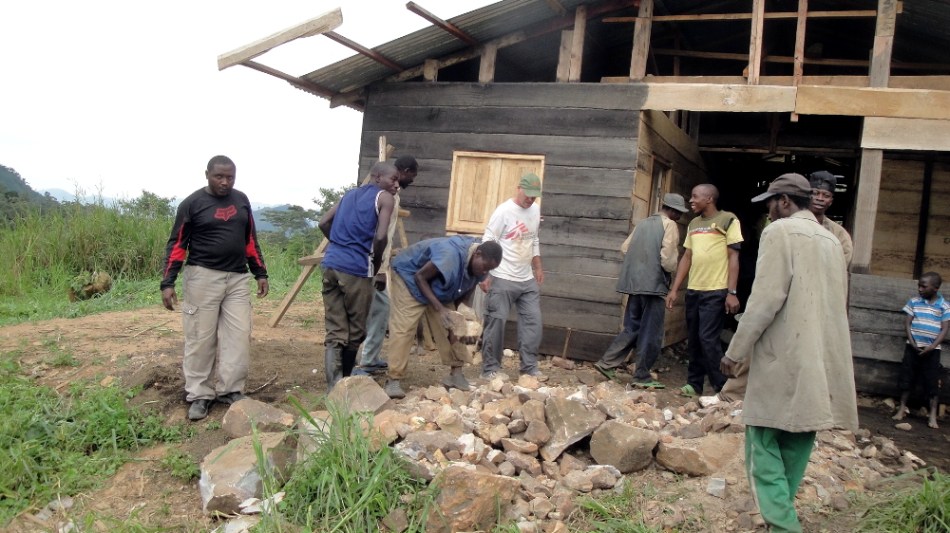
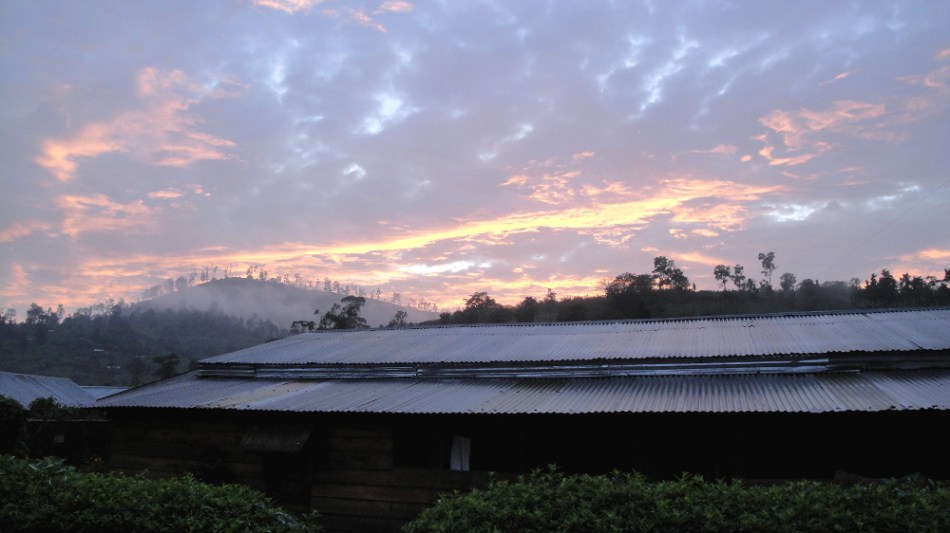
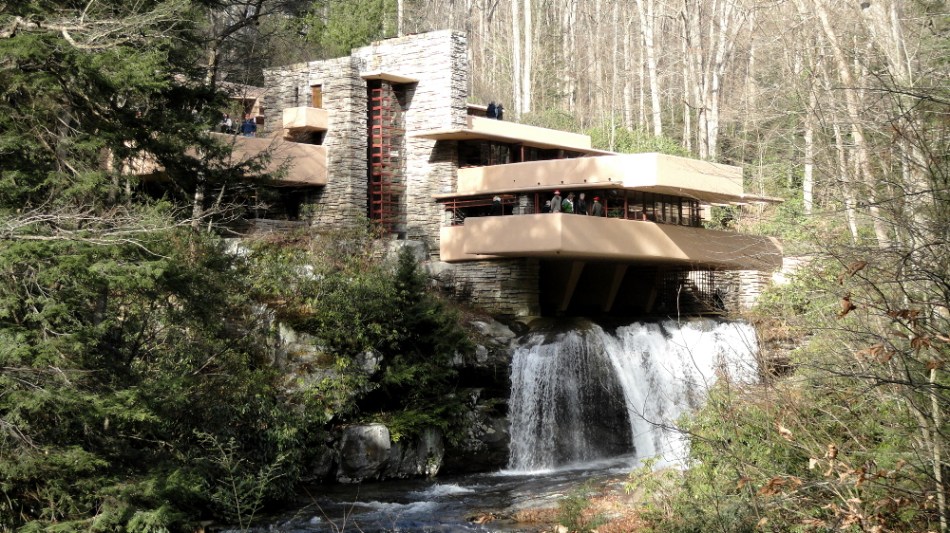
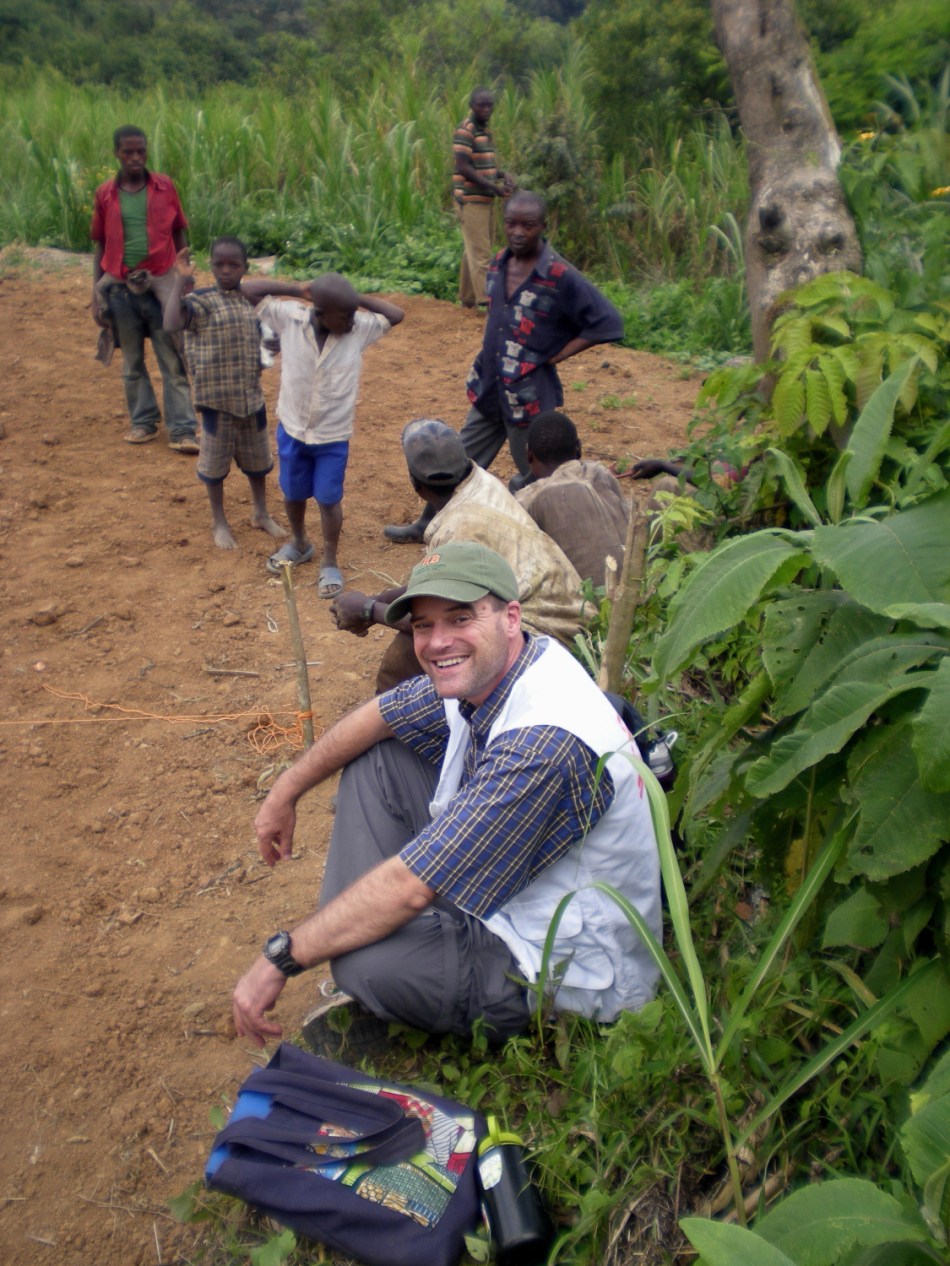 ..Above: me in June, on day one of construction of the health post in the beautiful mountain-top village of Ihula, something that we & the village & the BCZ can and should be rightly proud of. Above that, Mweso sunrise a few days before I left in September; Steve, Mom & me at Fallingwater late November; Calder on a hillside at Storm King early October; and two views of the Great Falls in early December. Below, a self-pic the evening I got back to LA.
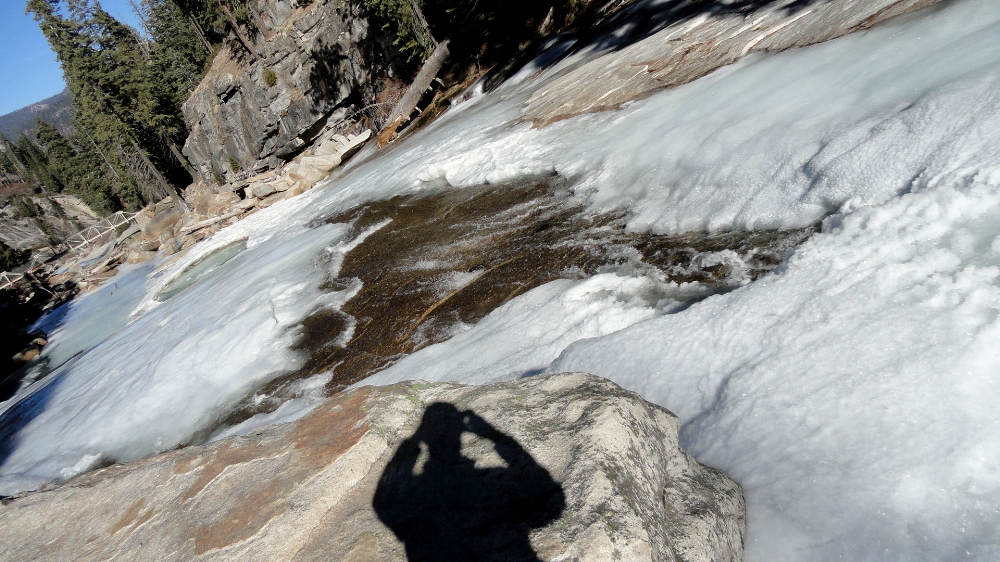
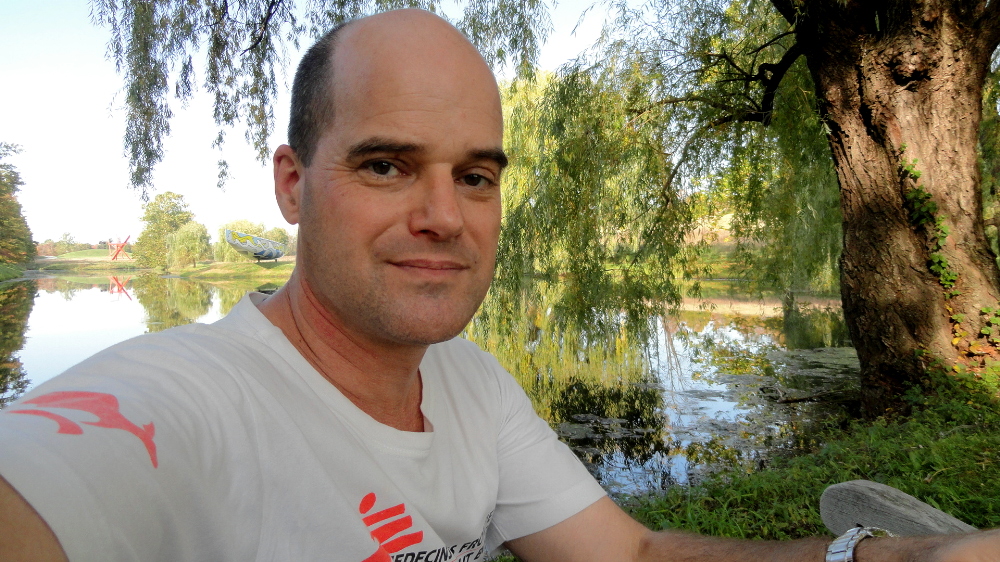
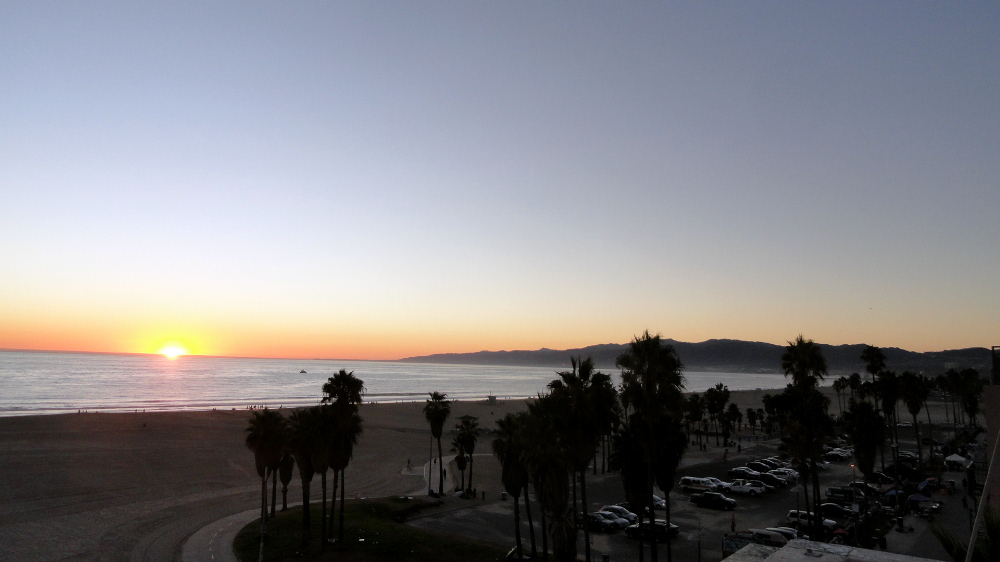
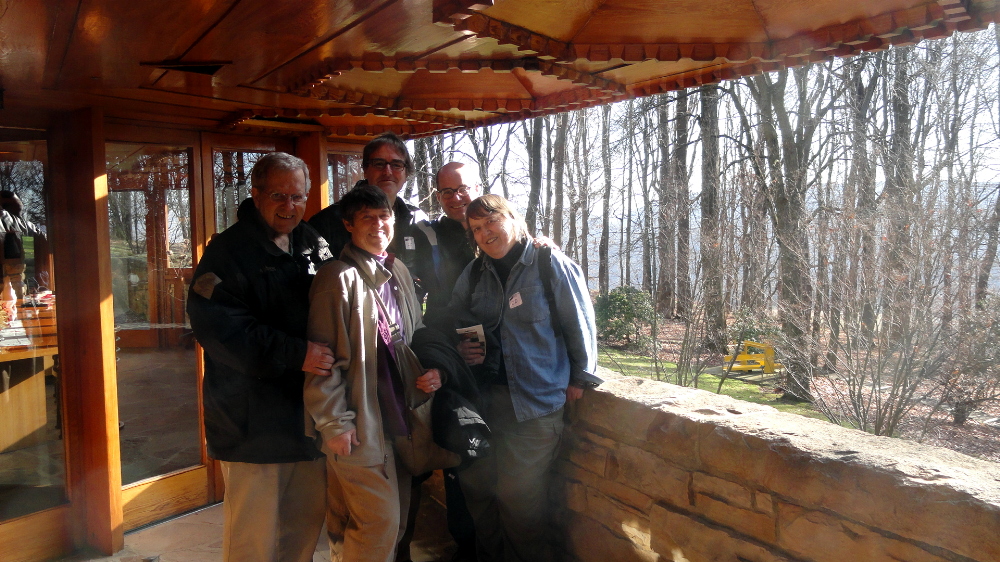
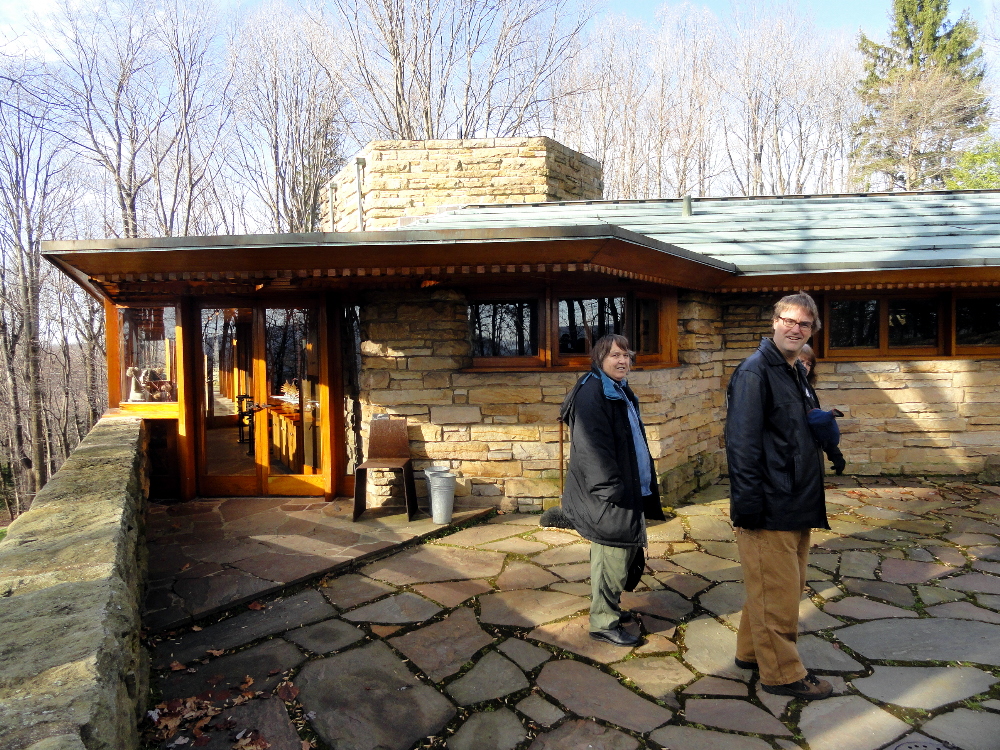
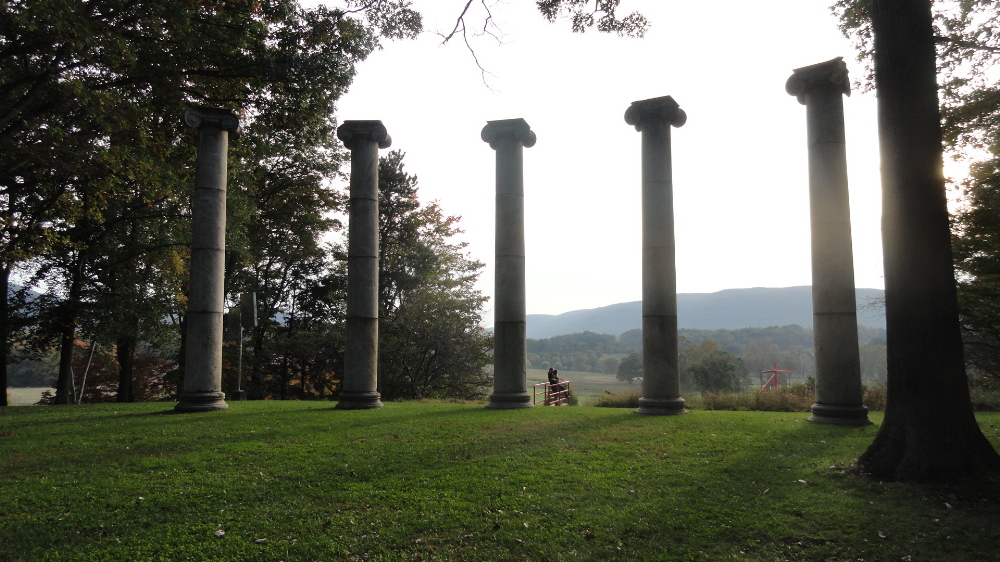
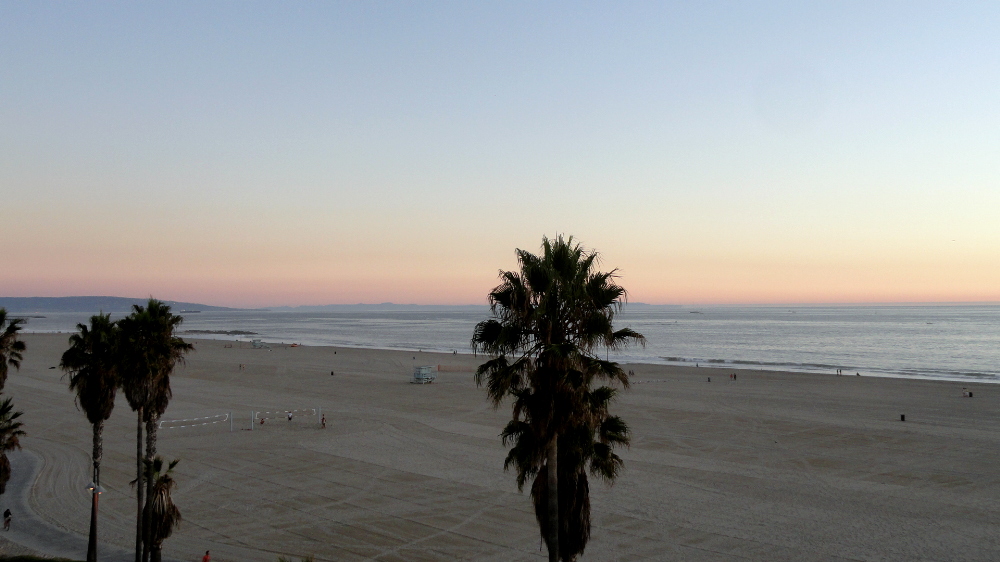
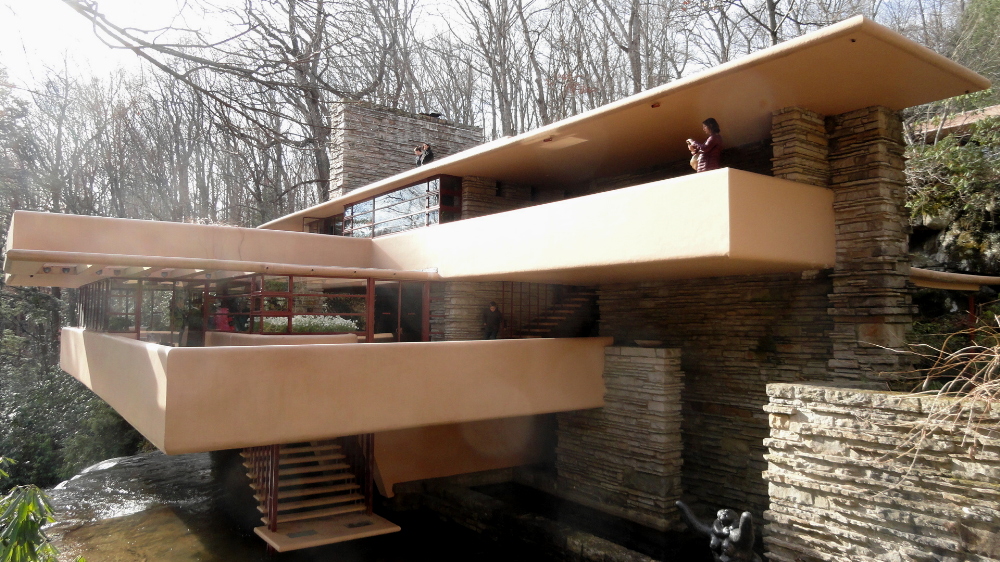
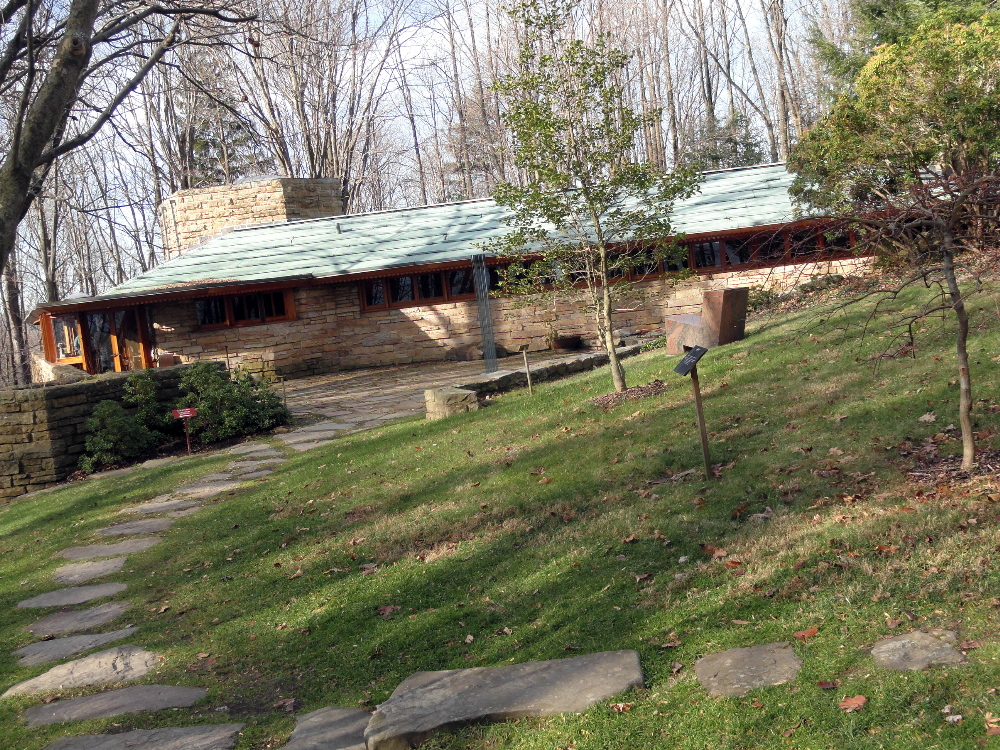
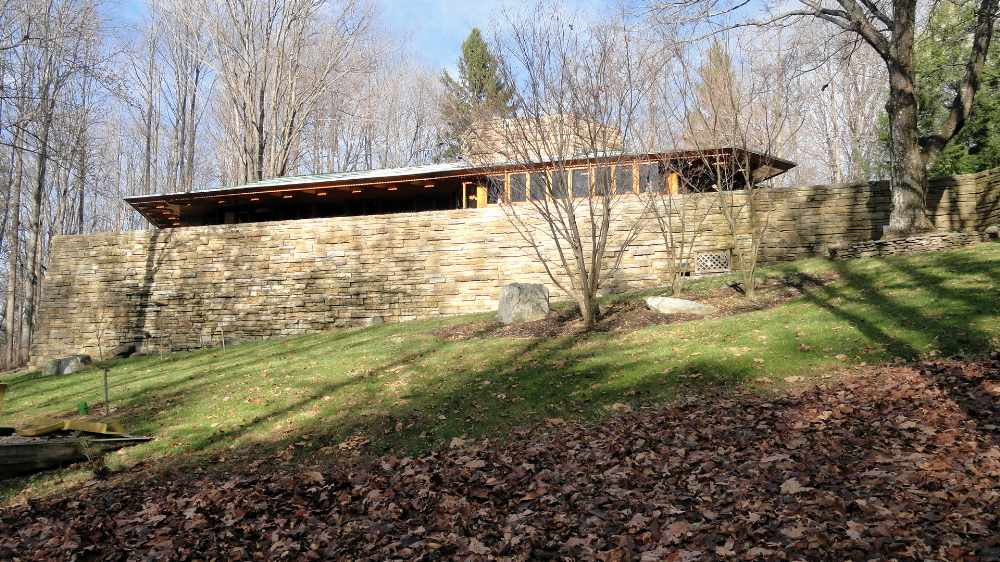
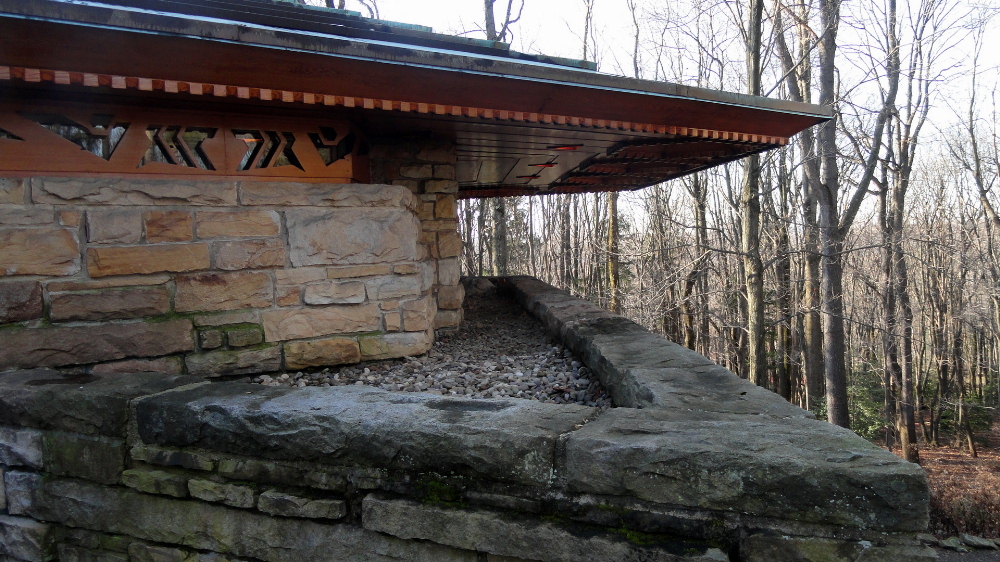
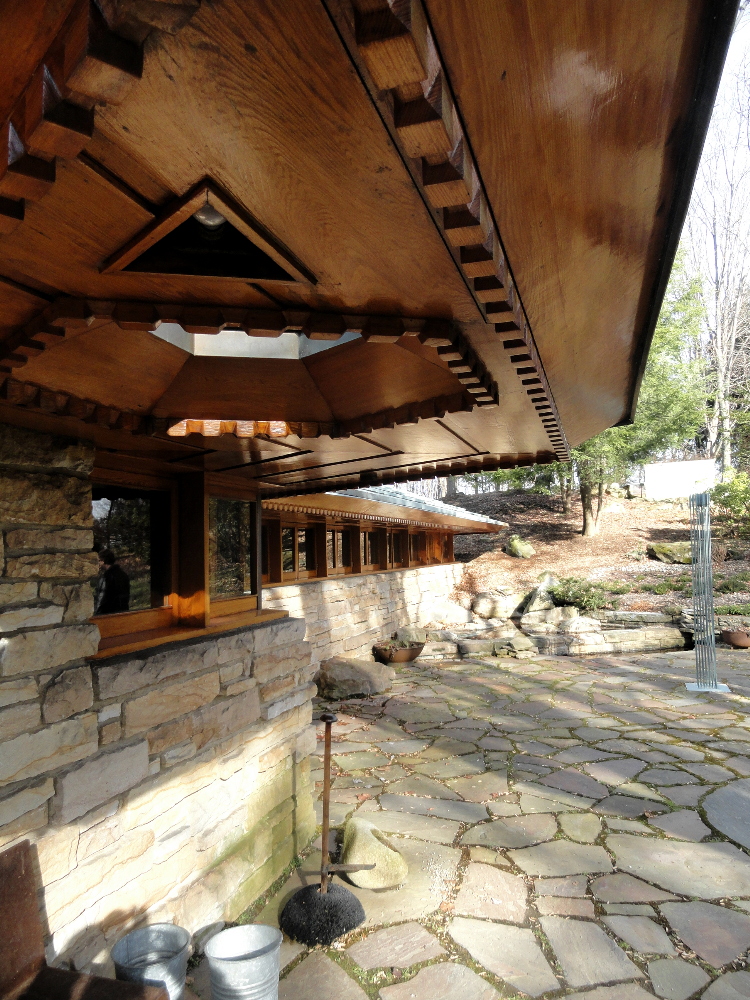
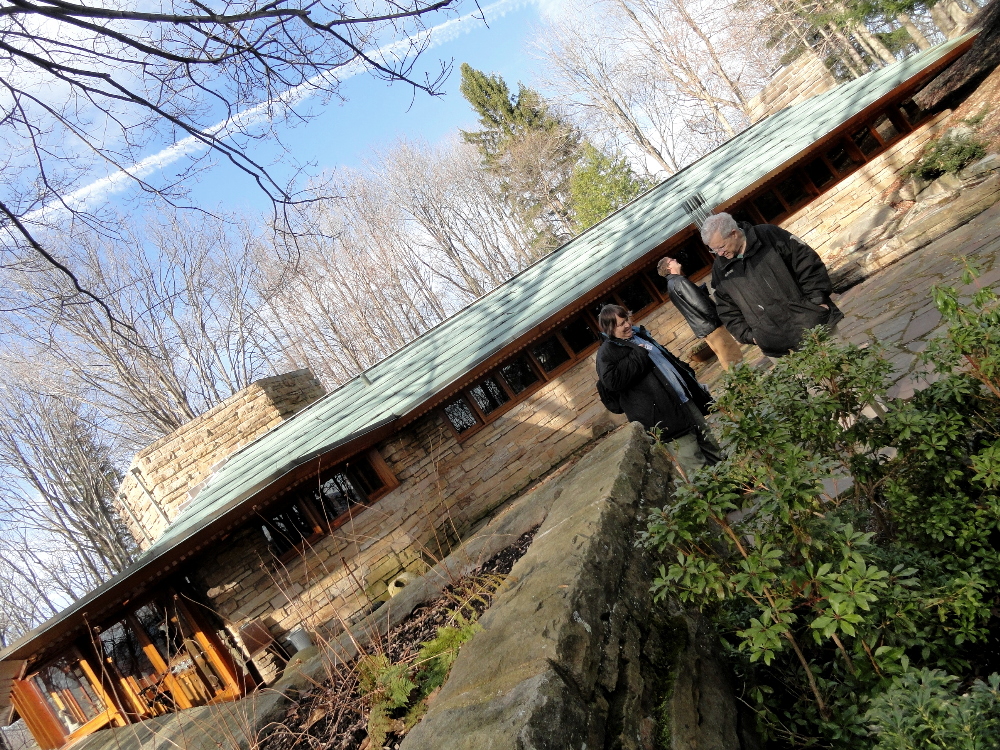
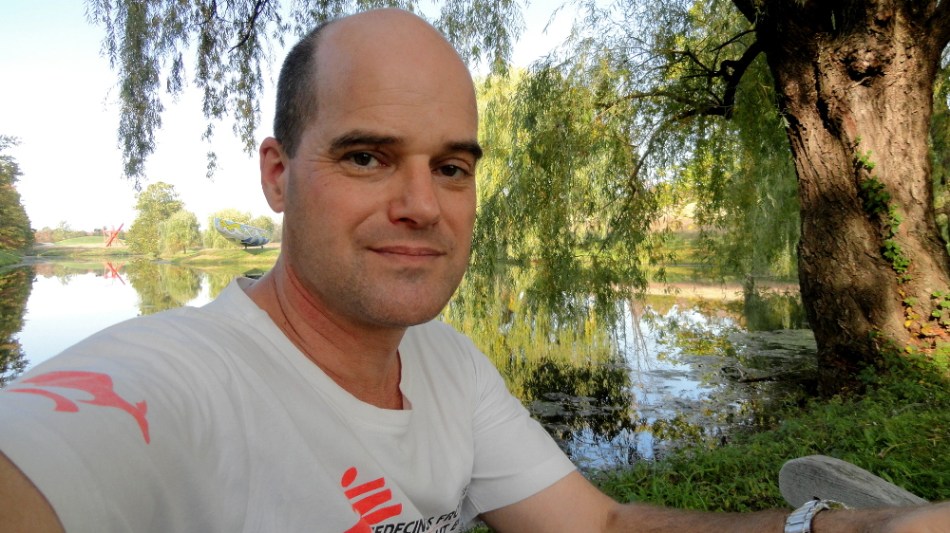
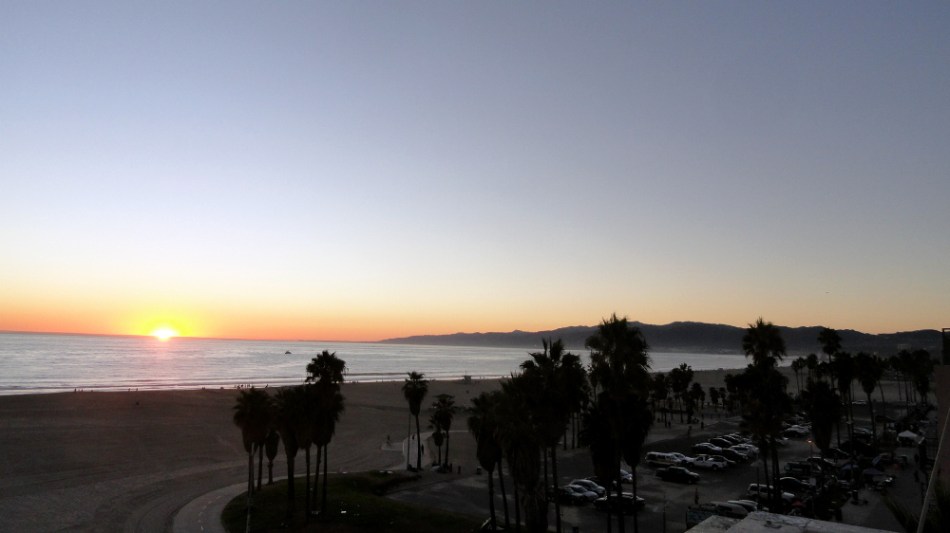
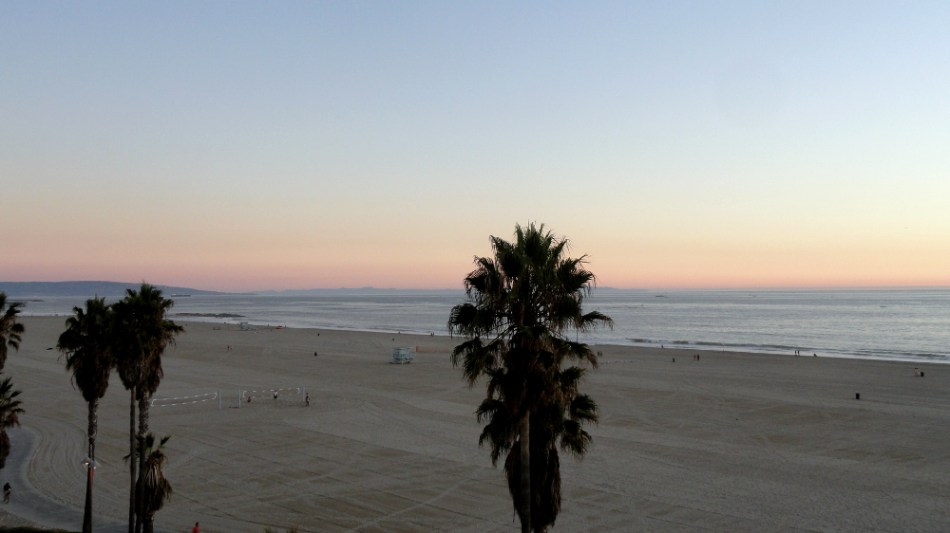
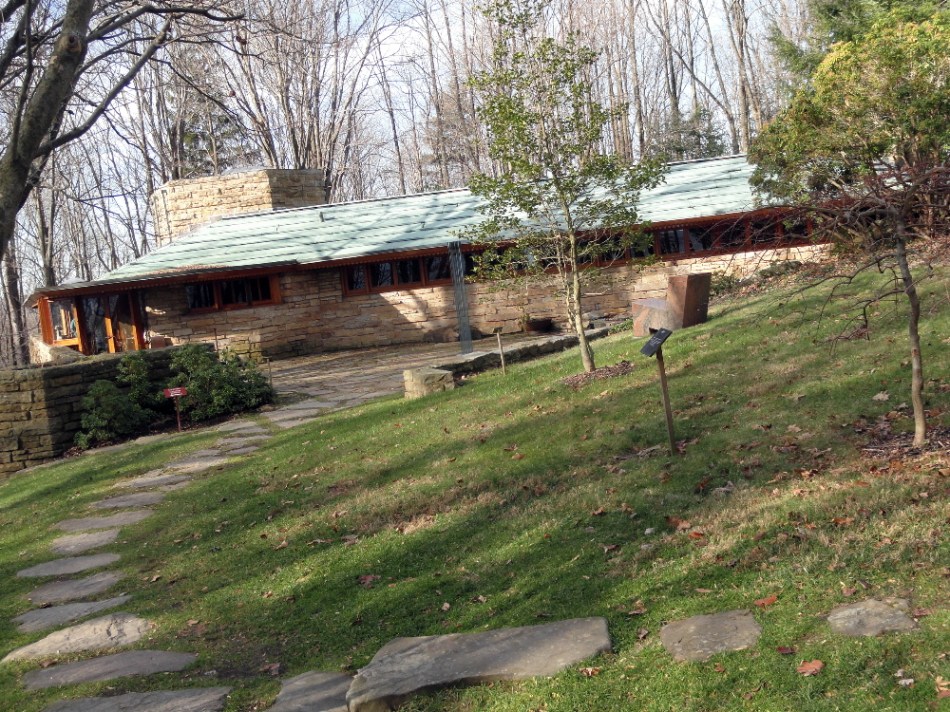
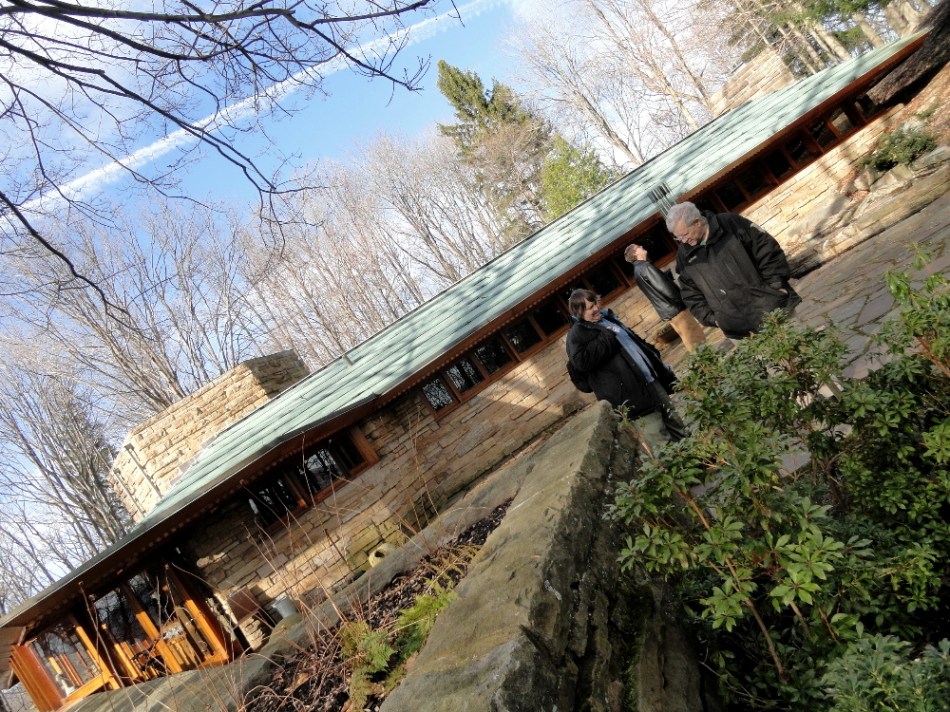
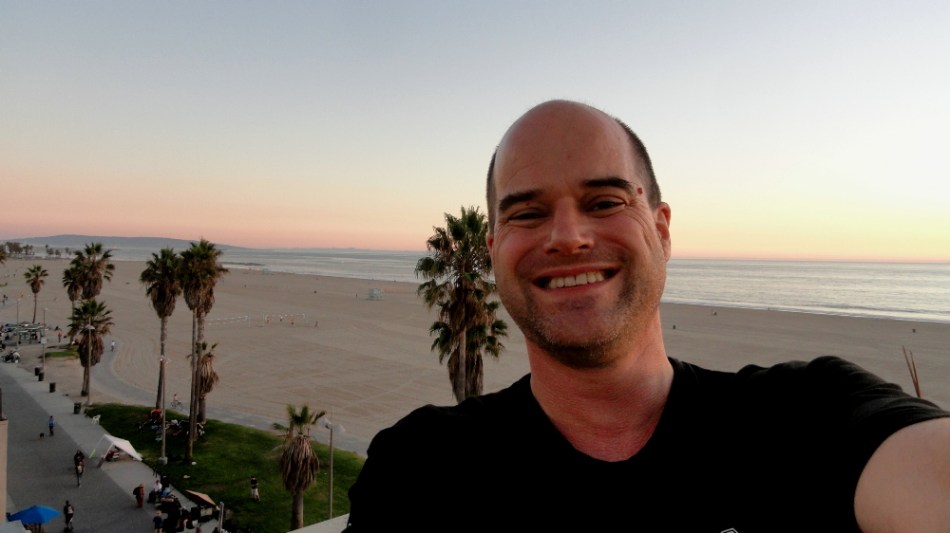 I don’t want to write much now – I’ve said it all before and I hope the photos are interesting enough on their own. What I’m throwing up here are are photos of the following which occurred in the order listed: a trip Mom and I took in early October to Storm King Sculpture Park in New York State; a few Venice sunsets; a trip with Steve, Mom, and Aunt Judy & Uncle Bill to two Frank Lloyd Wright-designed houses outside Pittsburgh – one being Fallingwater, arguably his most famous creation and the other being Kentuck Knob which also has a sculpture garden on its grounds; and some wintertime views of the Great Falls in Paterson, NJ in early December, which we visited to give Sam a different image of NJ…perhaps they’ll do the same for you. 🙂 I’m organizing the photos based on variety and visual pleasure for me, and hopefully a sense for some of you of why I sometimes find simple questions hard to answer – when you consider that all of these photos were taken between mid-August and mid-December in places that felt at the time, at least to some extent, like home to me. A bit lower down, I will include in italic some text that I wrote on about my third morning back in the US when my nerves will still a bit raw at how totally different everything is here than where I’d been living so very recently. Since it’s sat unfinished for 12+ weeks and I’m now in a very different space, I’m not going to bother completing it… I hope the photos may tell you things I can’t find the words for now. May 2012 bring more peace, more health, happiness and stability to us all, known and unknown, all the rich, beautiful, conflicted & organic mess that is modern homo sapiens and our green home world.
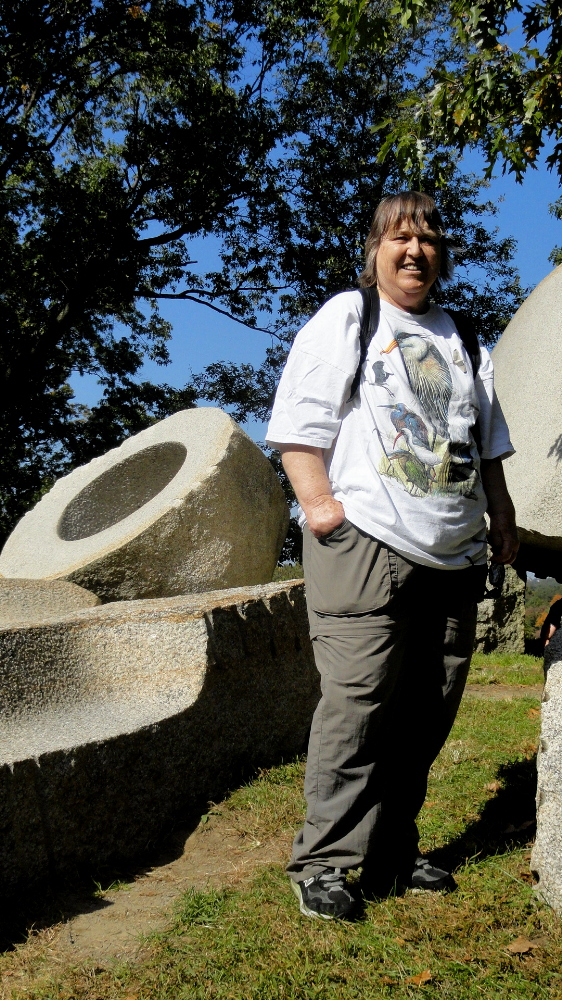
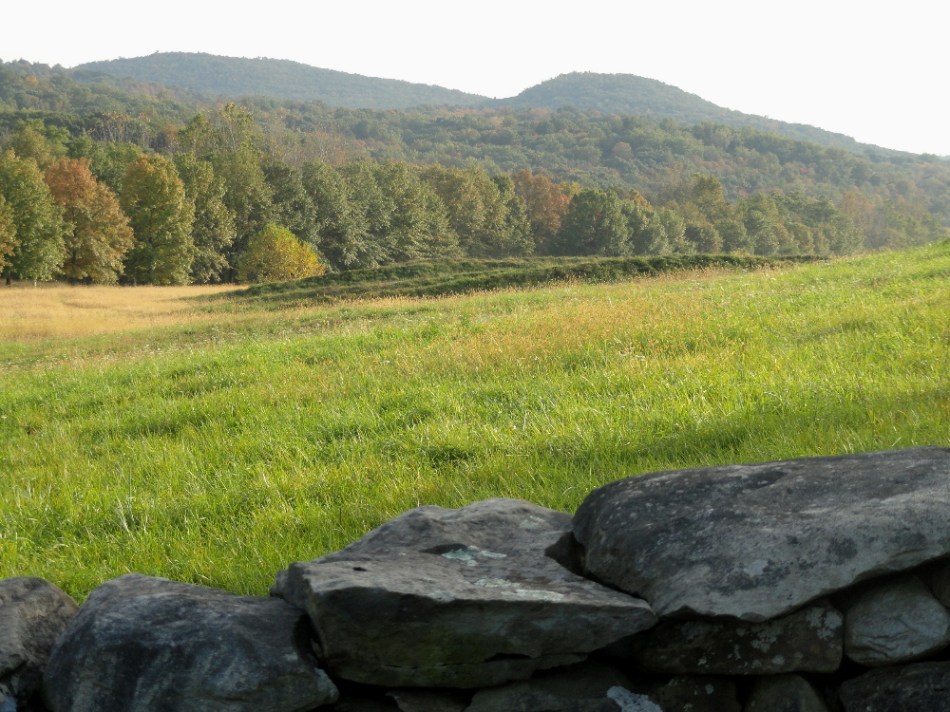
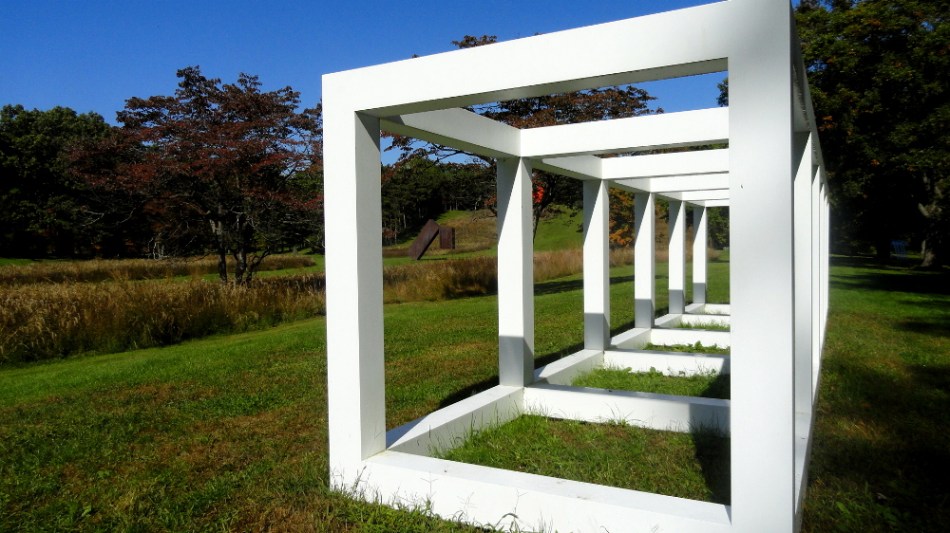
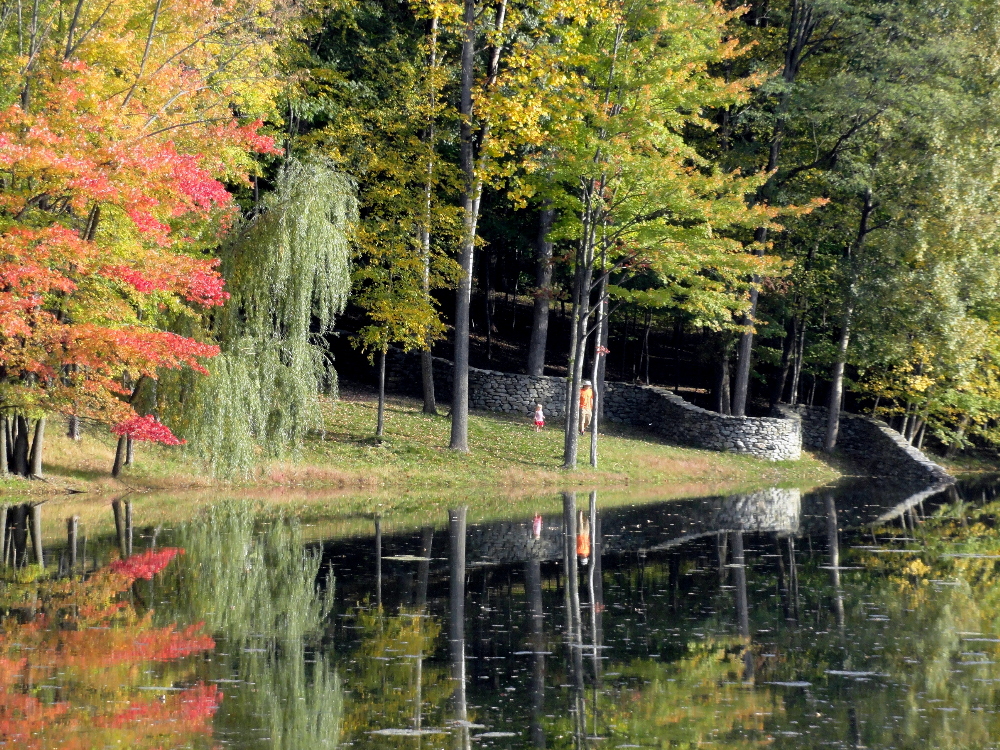
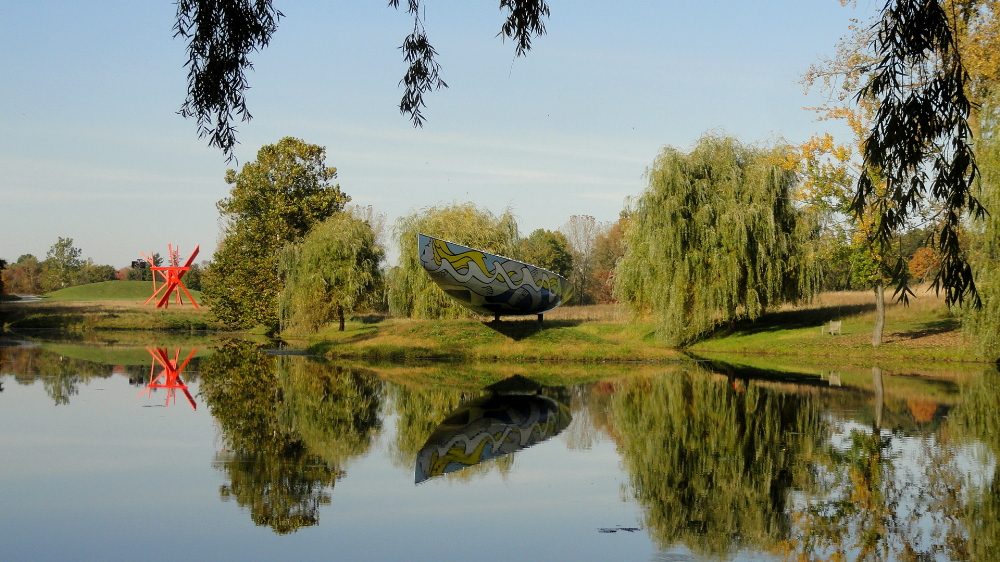
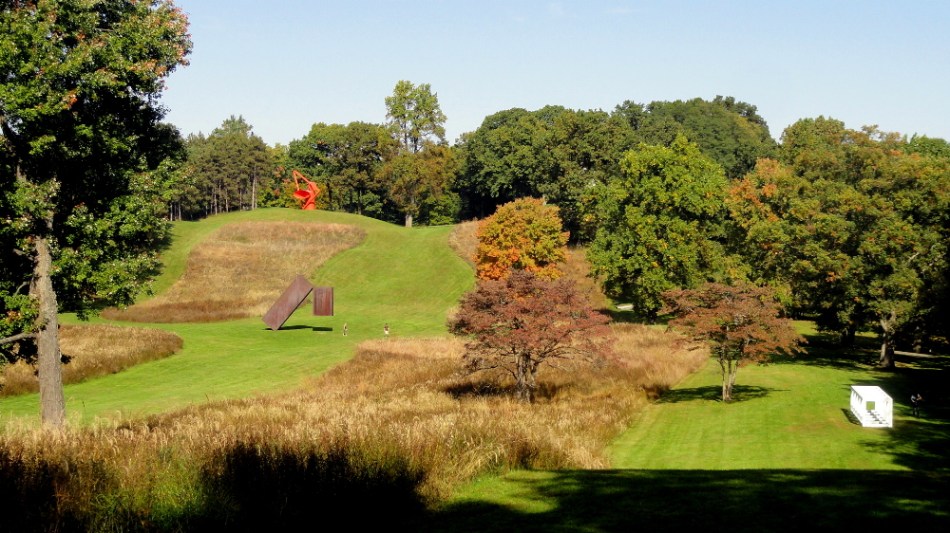 All the autumnal photos of beautiful grounds on a sunny day with sculpture in foreground or background were taken on … October 10 … at Storm King, one of my mother’s and my very favorite places in the NY metro area. I’ve been visiting Storm King since the late 1980s any chance I get and am always happy I’ve gone; this day felt unusually blessed because the weather was so lovely and walking around the grounds cleared my head so well and reminded me some of the things to which I have access here, that I can’t see when I’m working normally.
 And here’s the text I started in October and never finished: Early autumn in New York rather than early spring in the high country of North Kivu. (Late September = early spring south of the equator, technically…) Quite the change of location and cultural milieu to take in. As I write this I’m watching the sky grow lighter off to the east, as the nighttime lights of New York City’s skyscrapers slowly wink out and the deep blood-red-orange of sun’s earliest warning lightens to pale peach and the upper sky goes from black to pale blue. Soon the ball of the sun will blaze out and make it uncomfortable in this lovely window seat overlooking central park and the skyline. I’ve been fortunate to take advantage of good friends’ hospitality here in Manhattan, which coupled with three jet-lagged early mornings and three stunningly clear, sunny early autumn New York days have combined to give me three of the best-ever sunrises I’ve seen in New York. Quite the welcome home, really. Pity I didn’t think to bring my camera, but just trust me that the views of central park, skyline and sunrise make this an amazing window seat.
 Which is just as well because it all adds up to helping remind me I’m not in Mweso any more. And I’m not really even sure quite what or how to say about that. Since I’ve put so little about Mweso on my blog, I feel a need to give it more air time, so to speak. It hardly seems right that the past ten months of my life were based in this place where I and my colleagues (both international staff and national staff) all worked hard, week in and week out, to do some very good work (if I may say so), and of which I’ve barely put anything up on the blog. Some of my friends have seen emails with more detail about my life and work in Mweso, but since this is always a personal blog and since my life in Mweso was 95% about work, there didn’t seem much to say about life in Mweso.
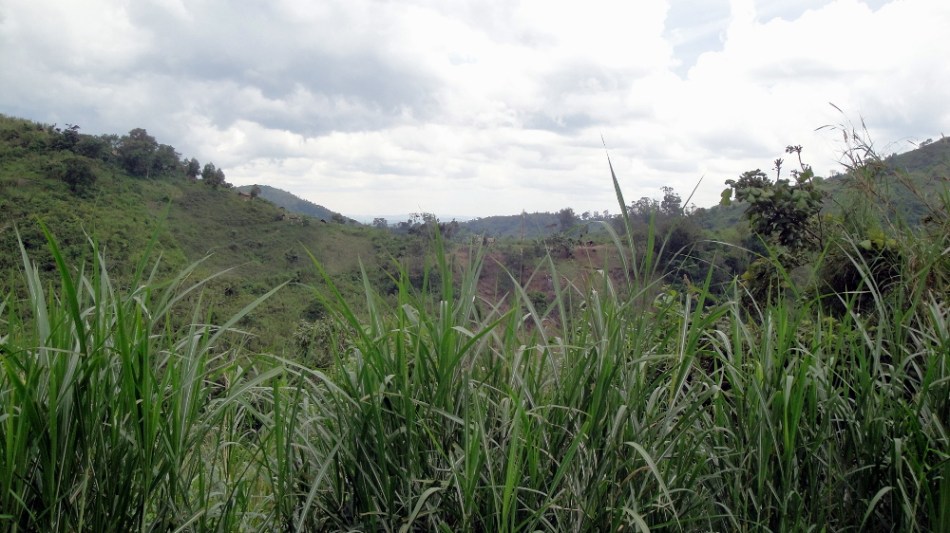
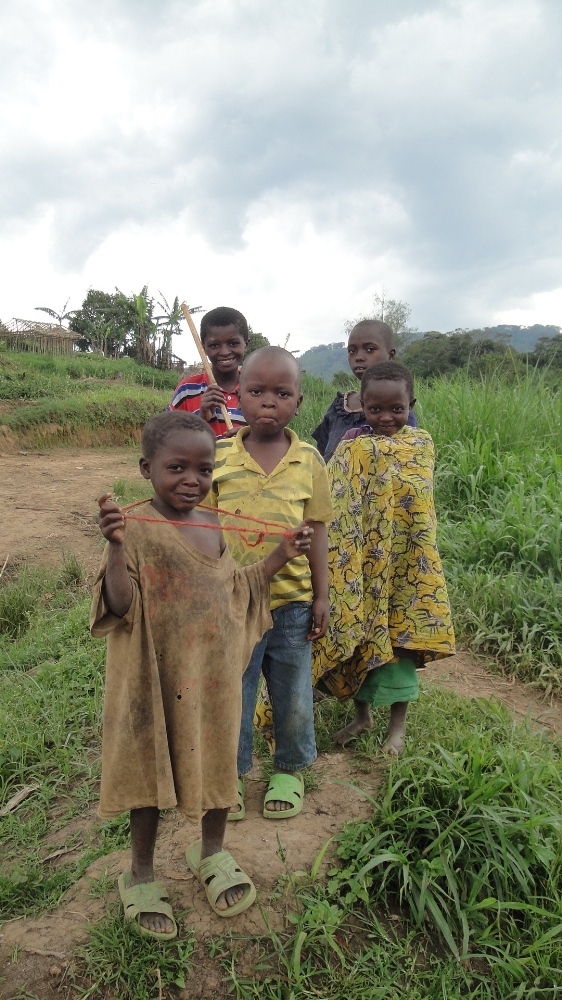
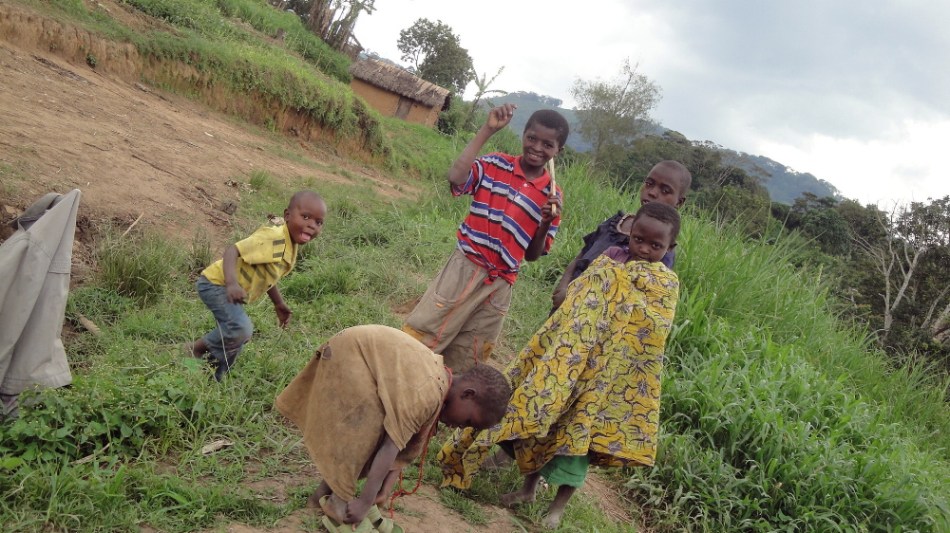
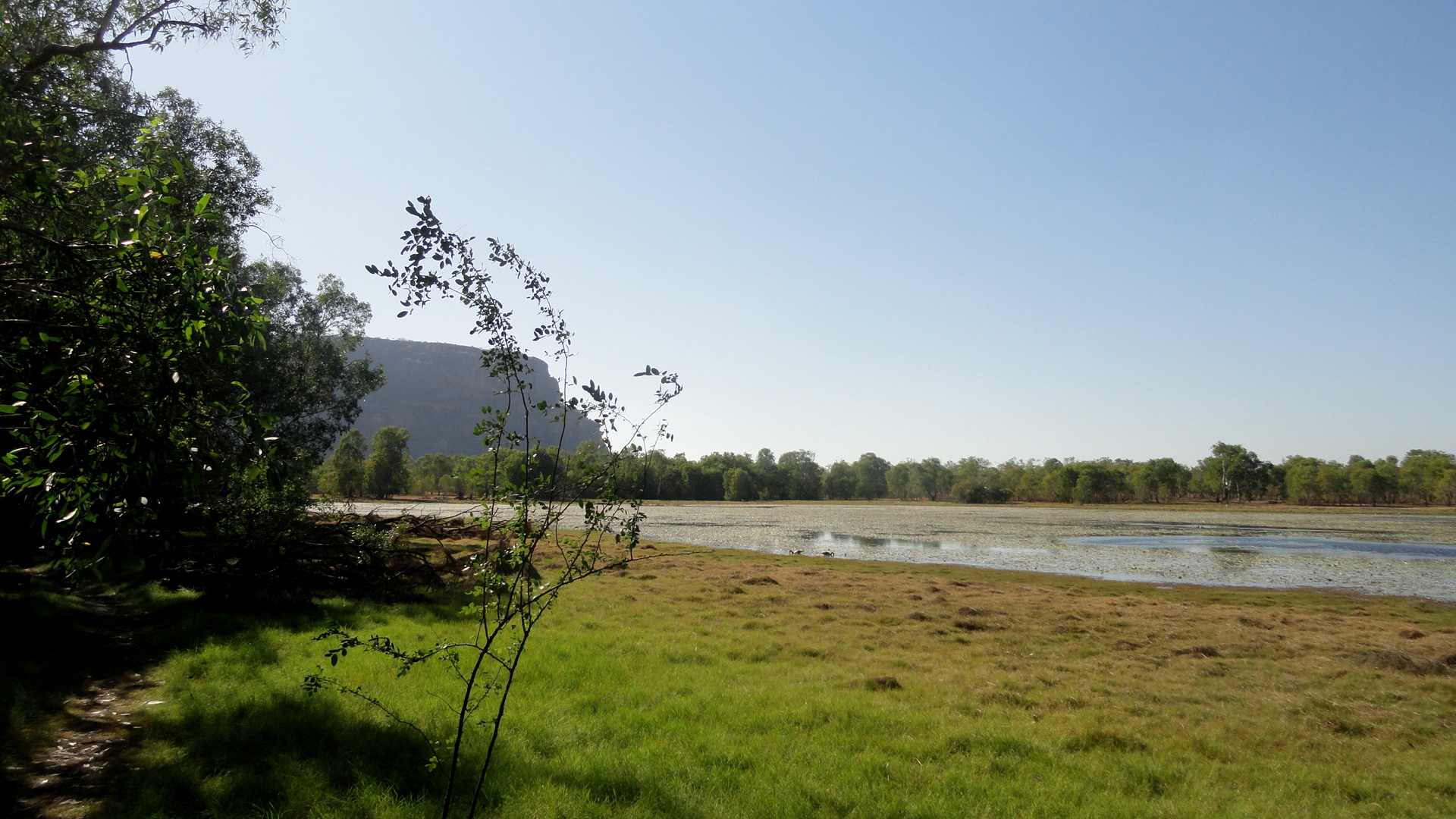
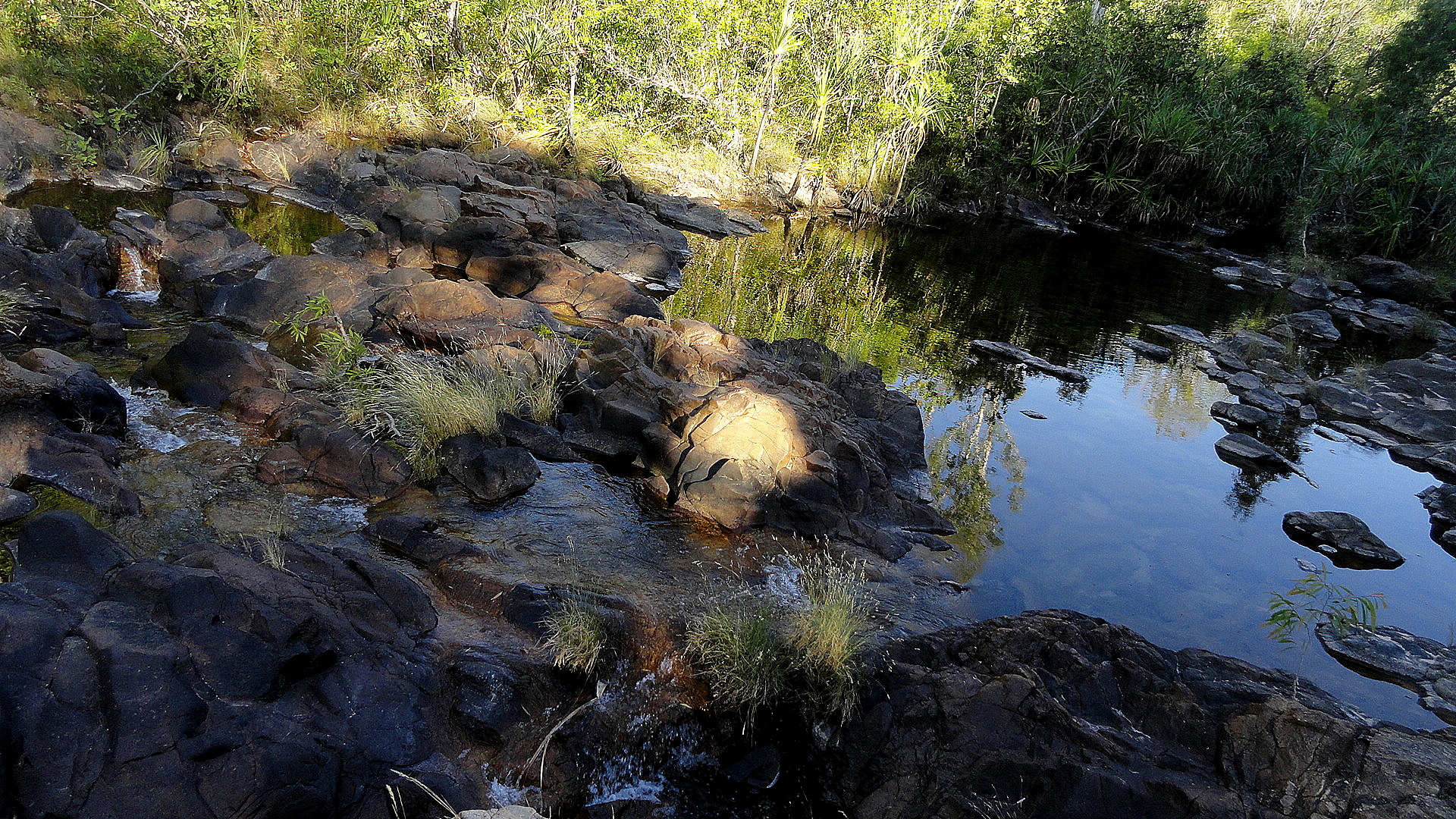
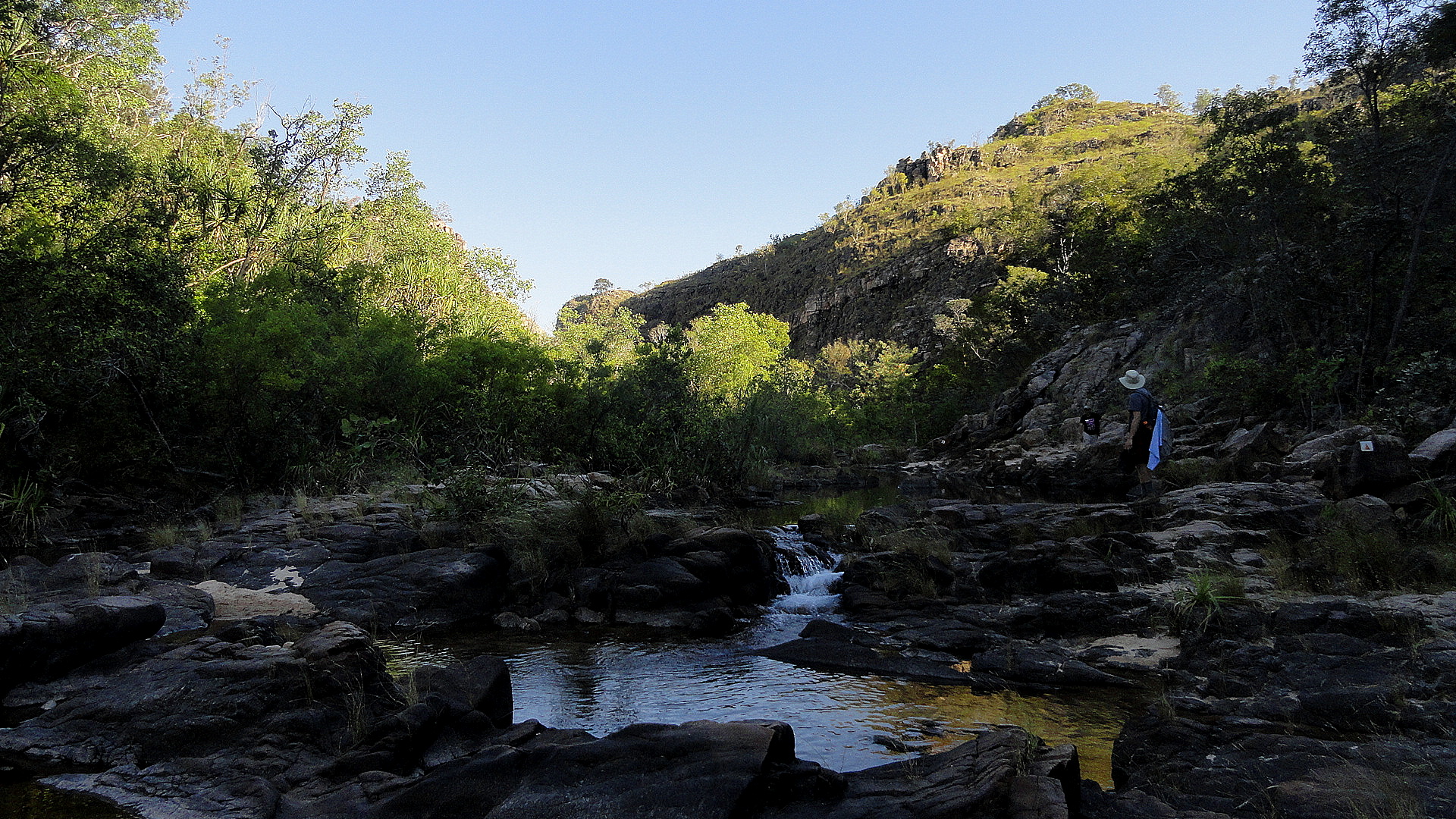
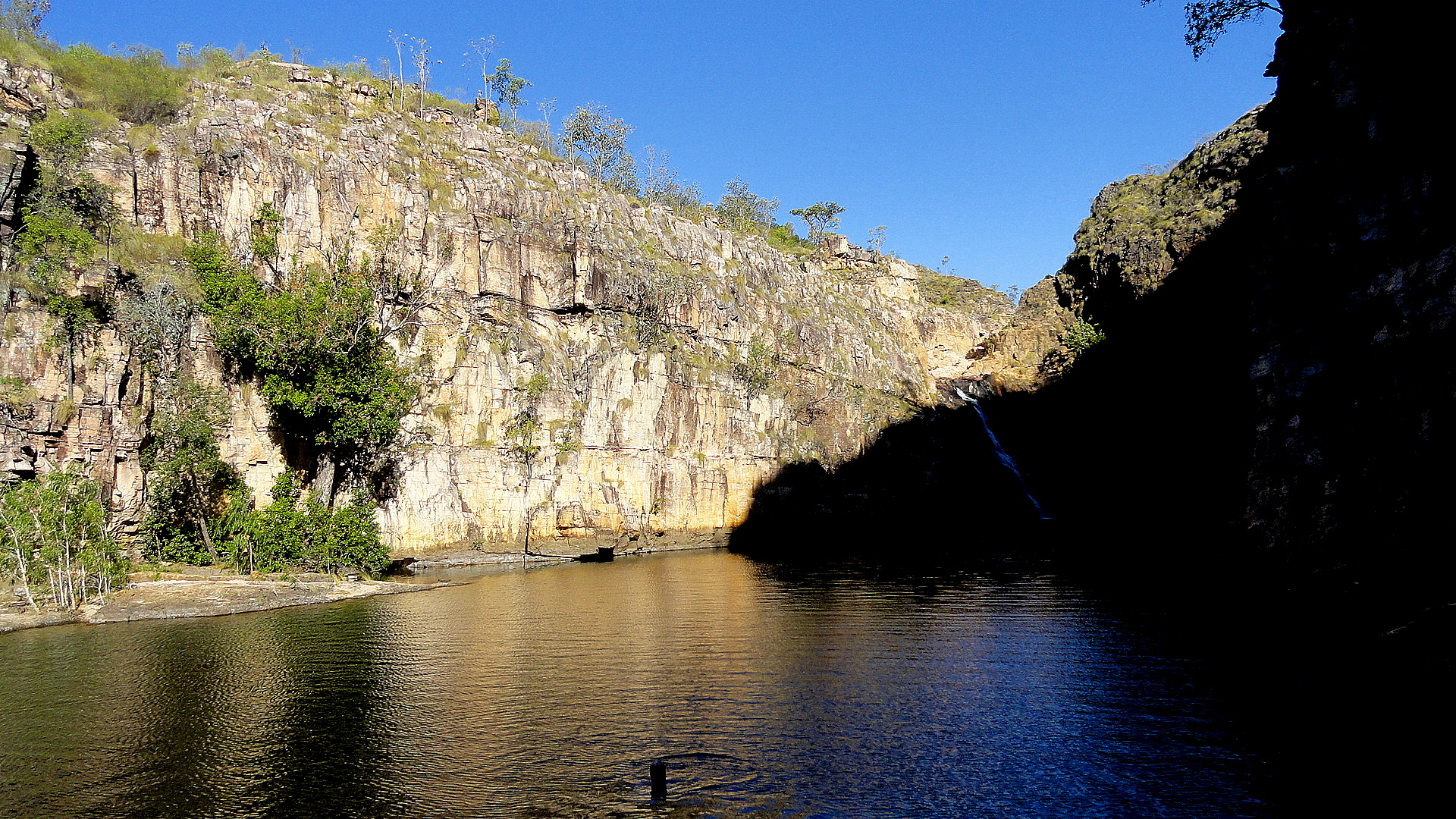
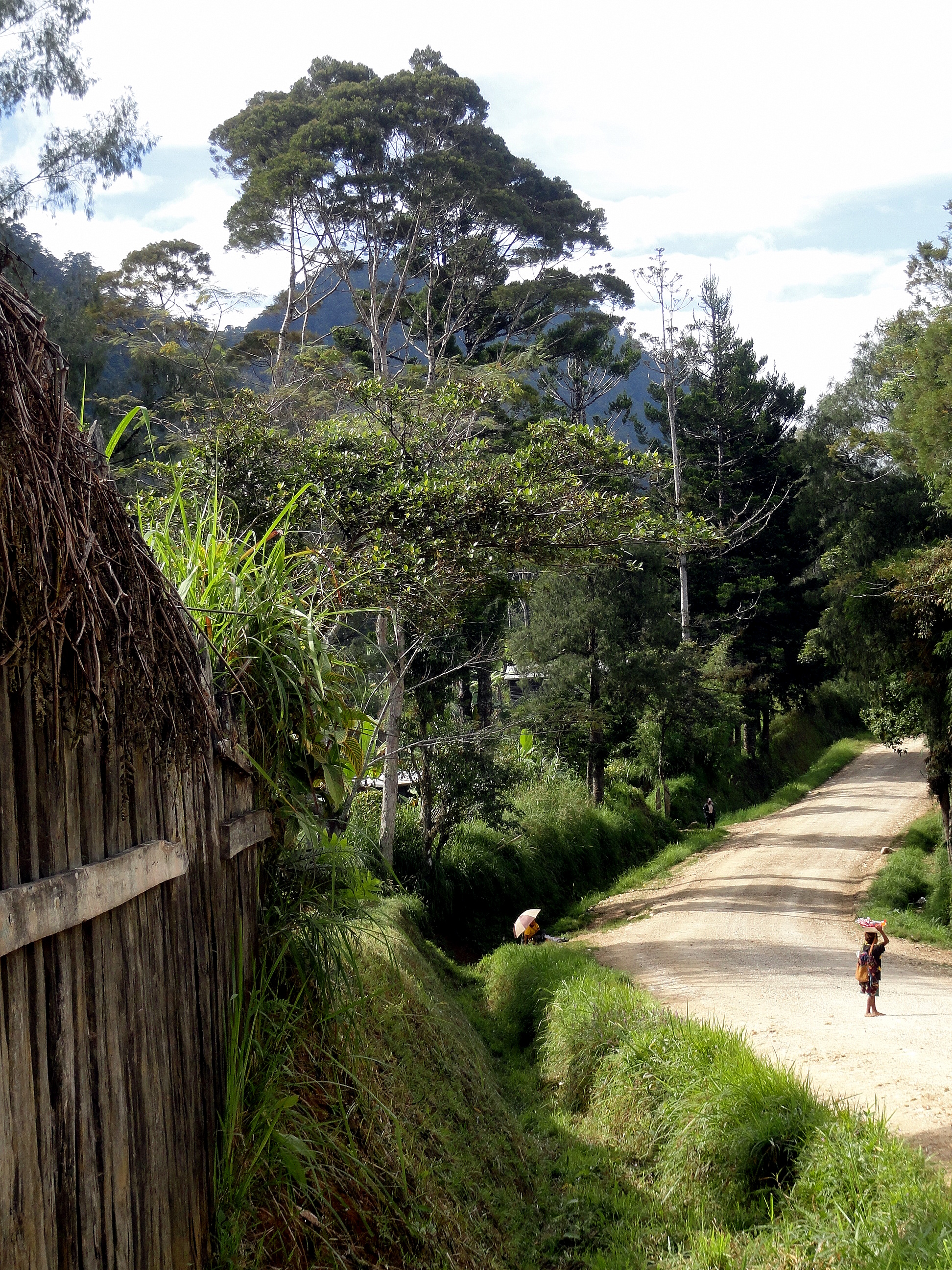
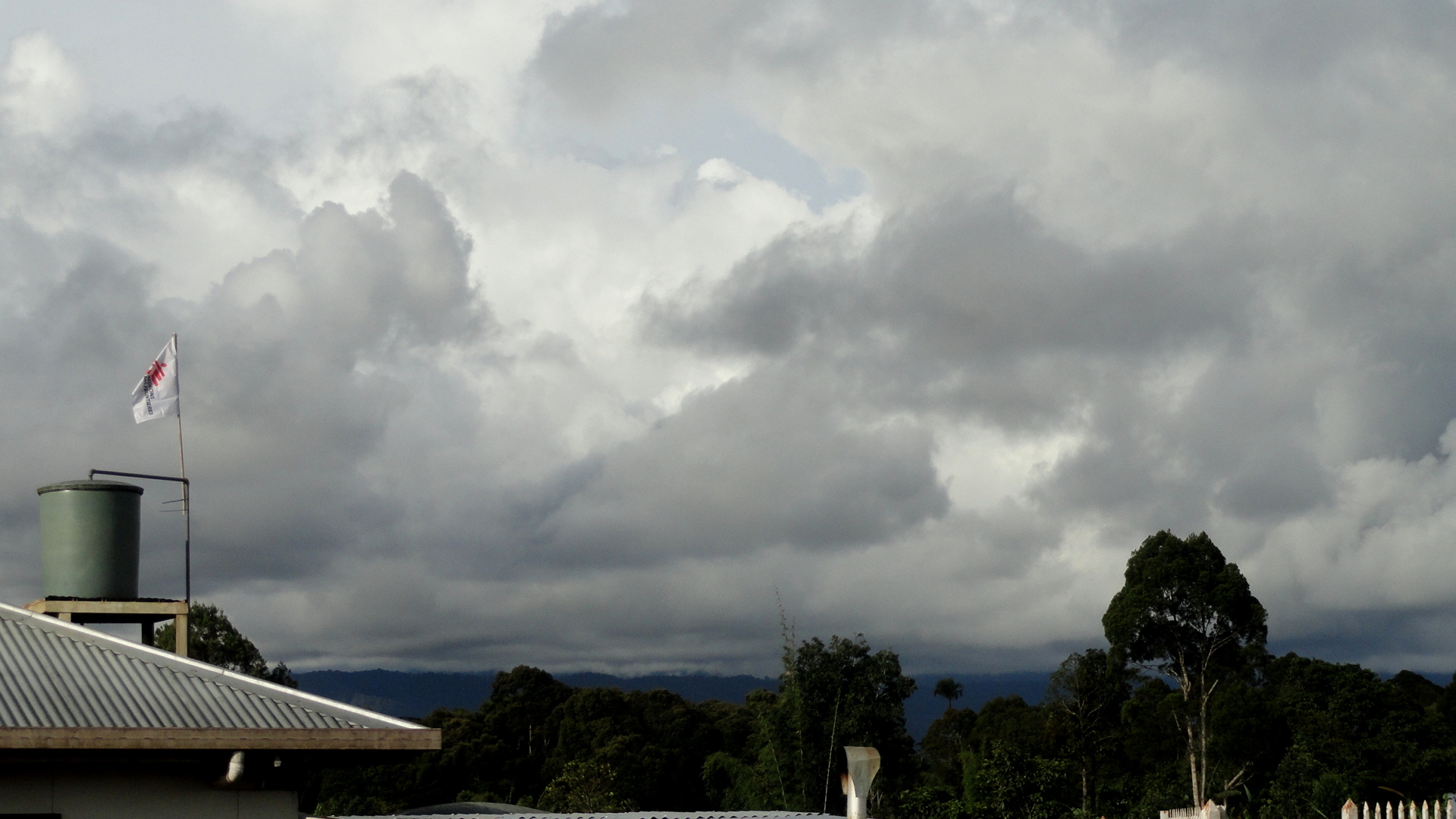
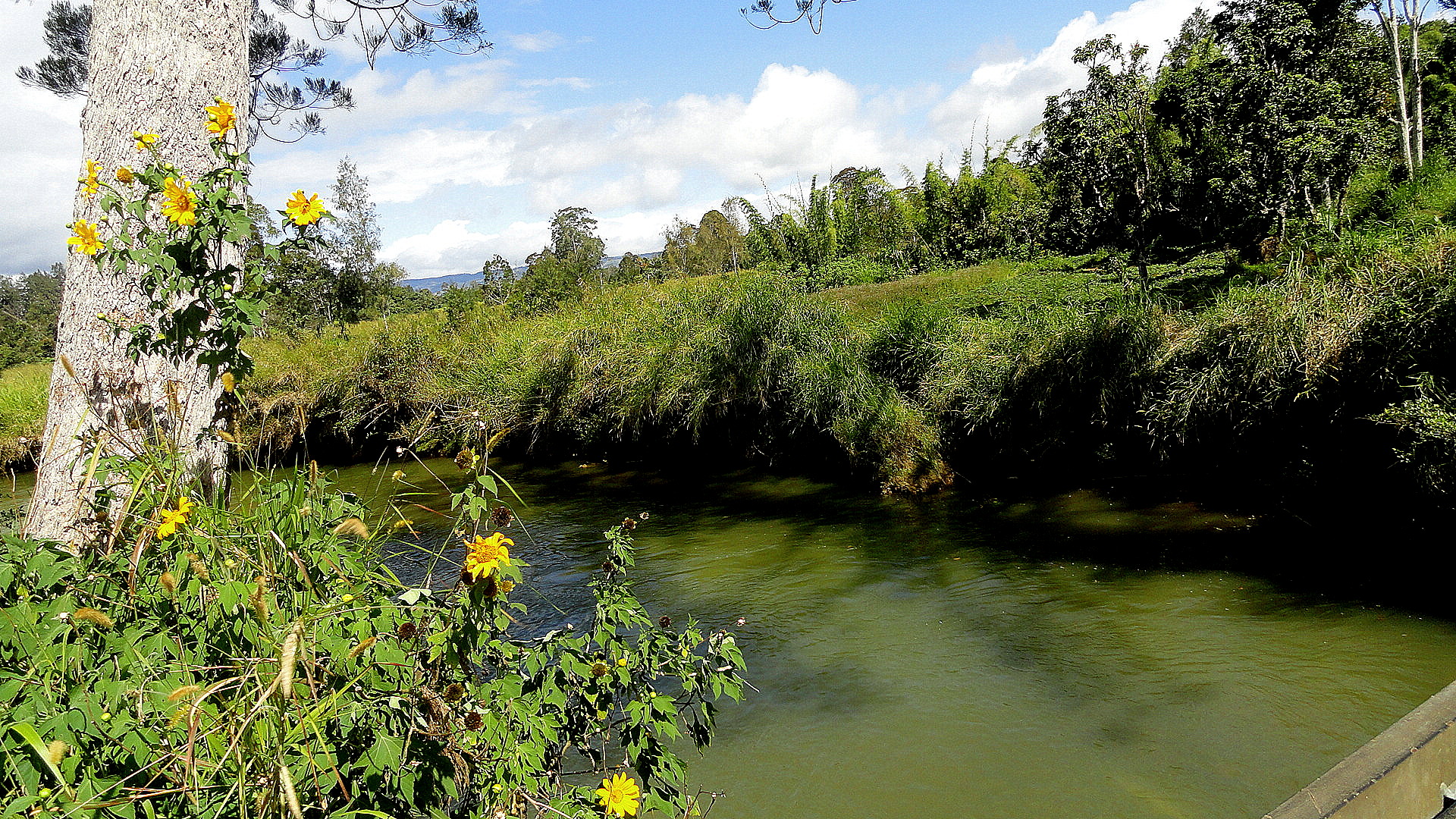
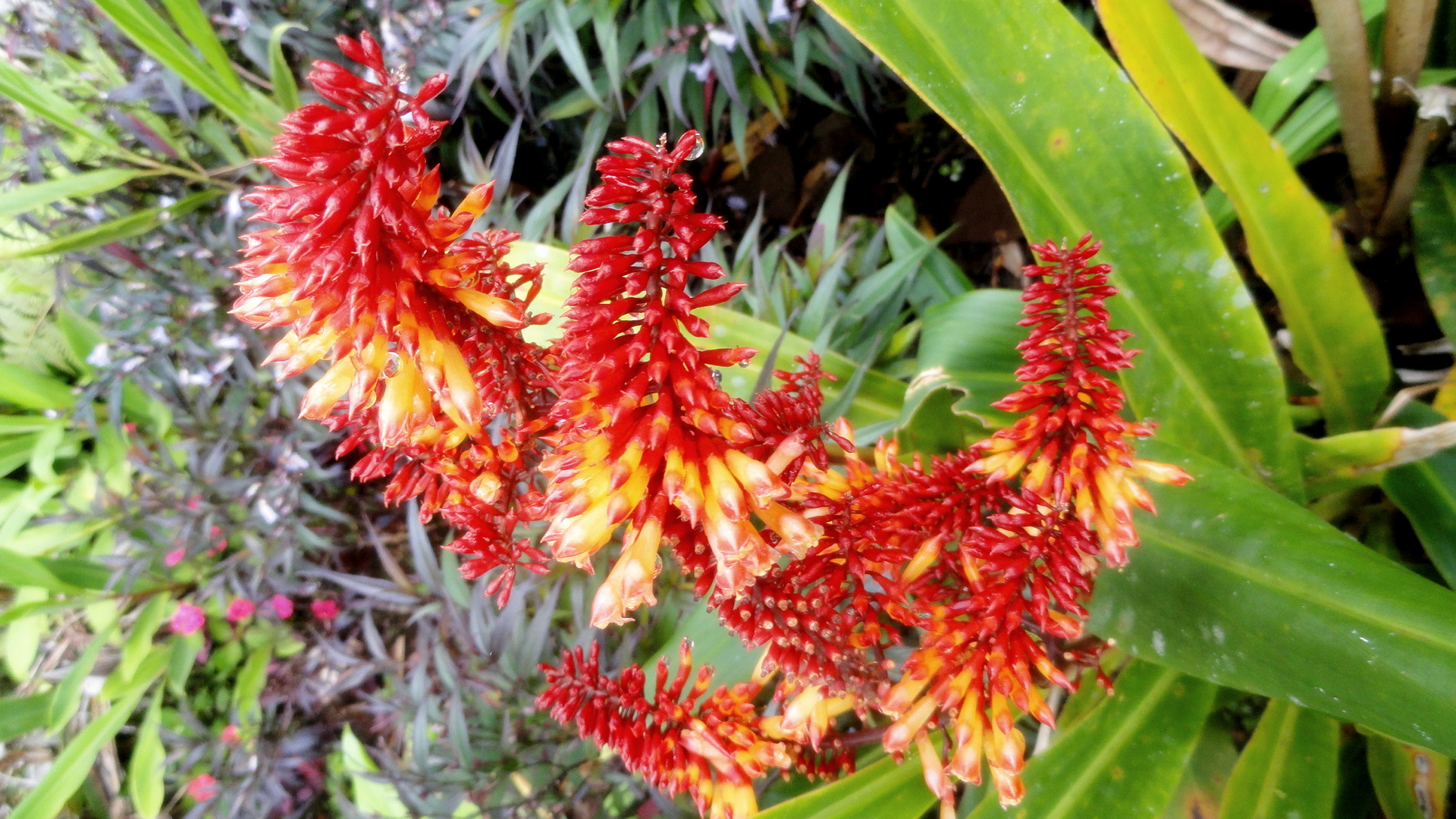
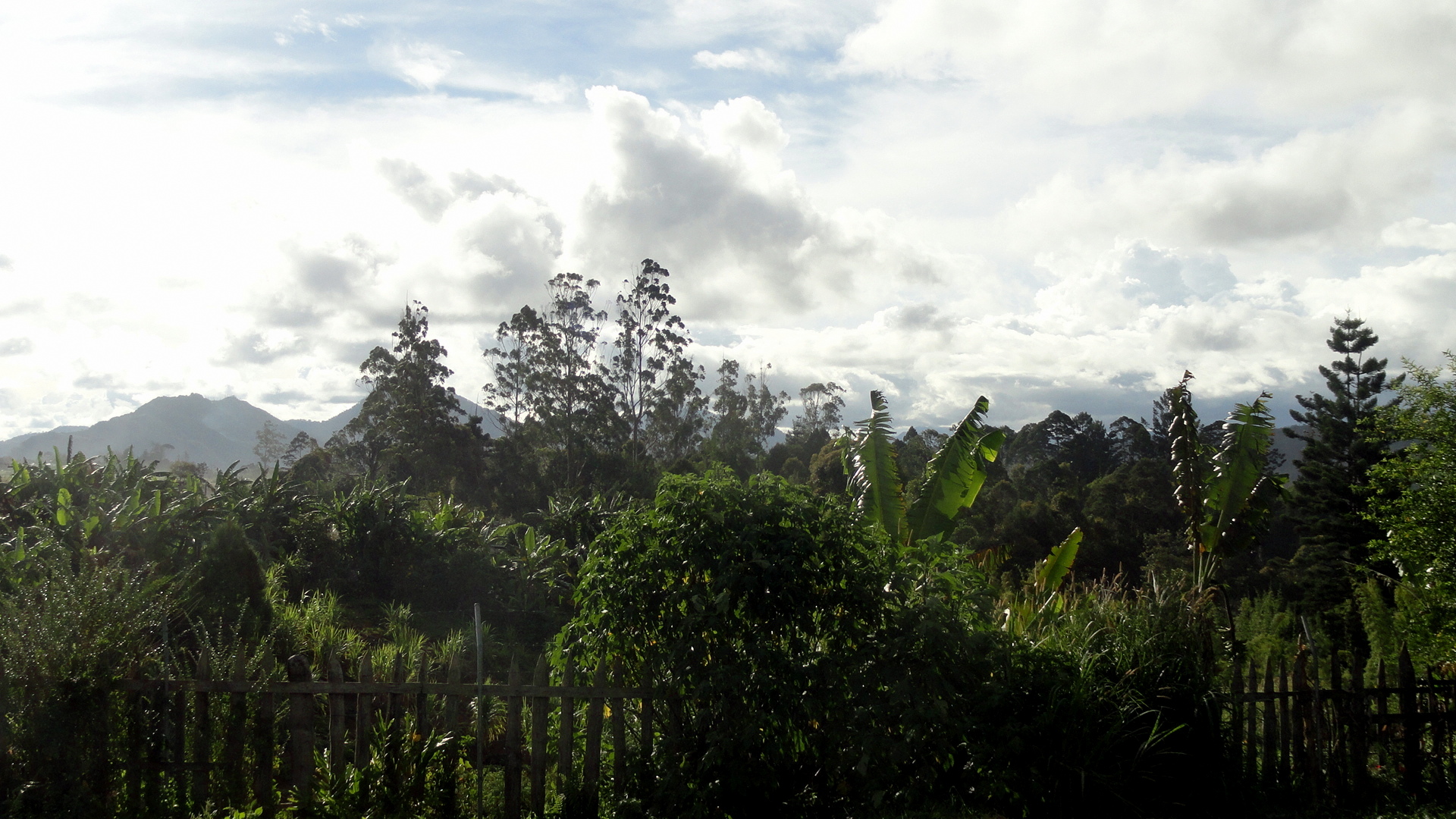
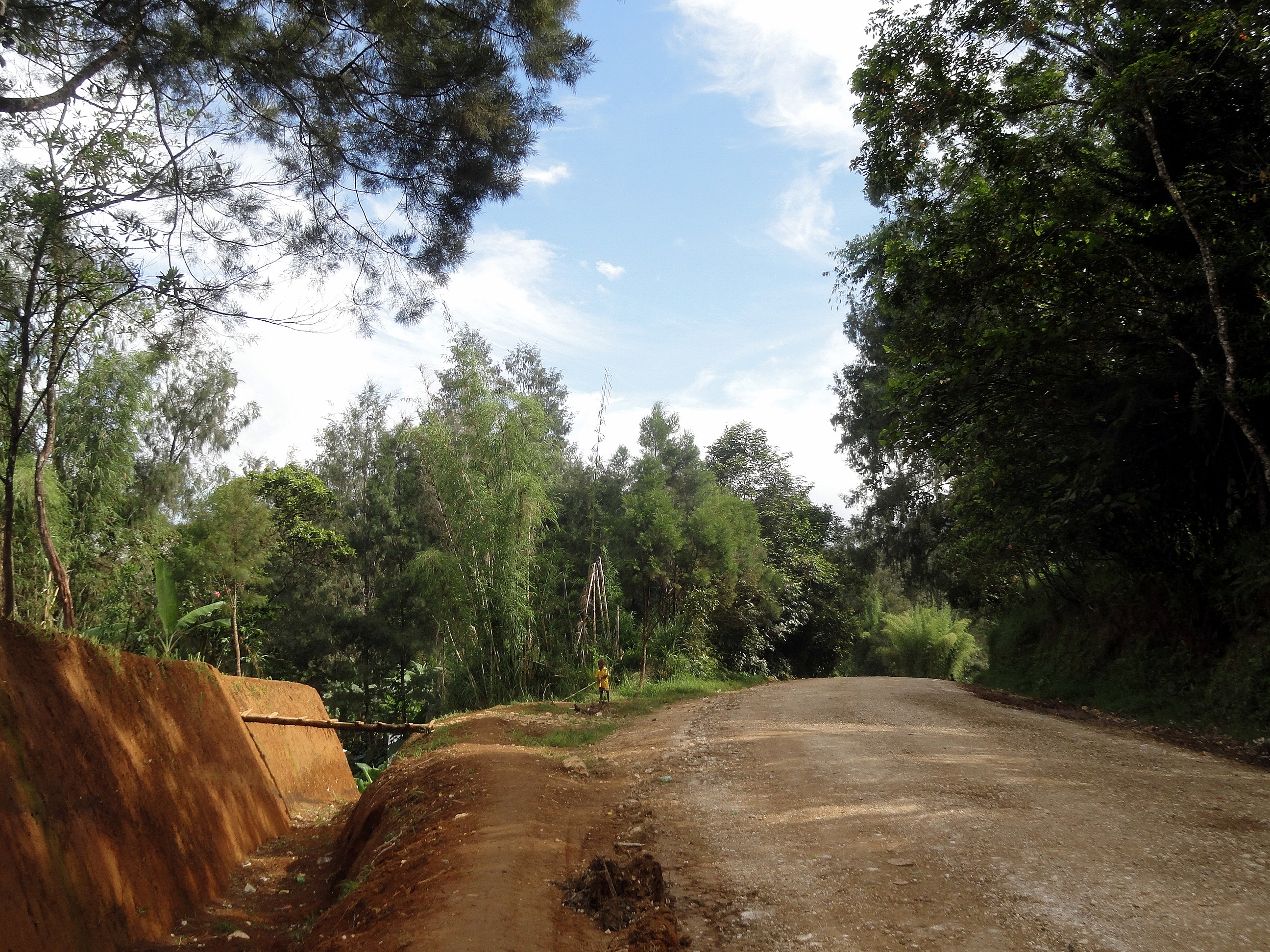
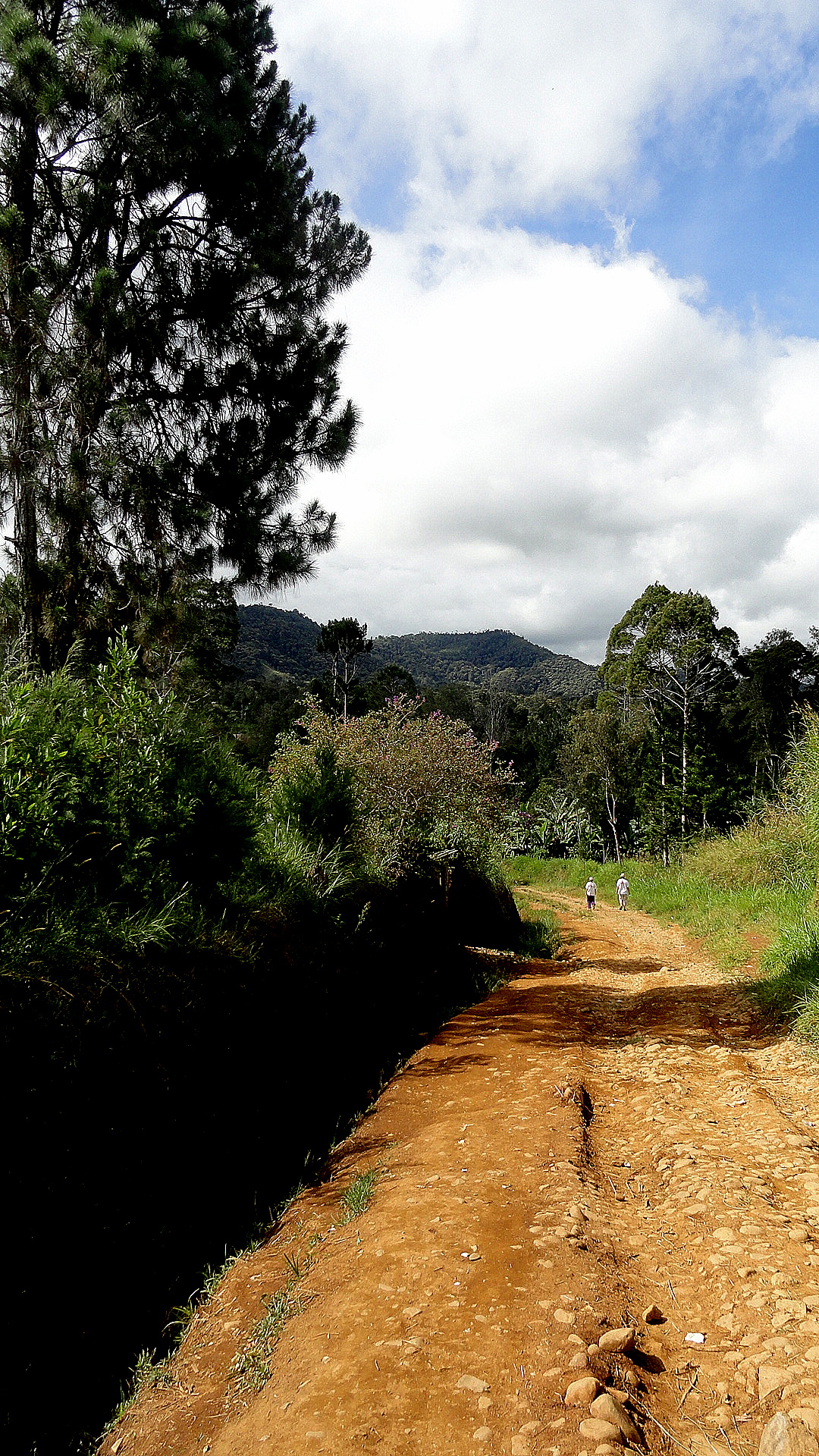
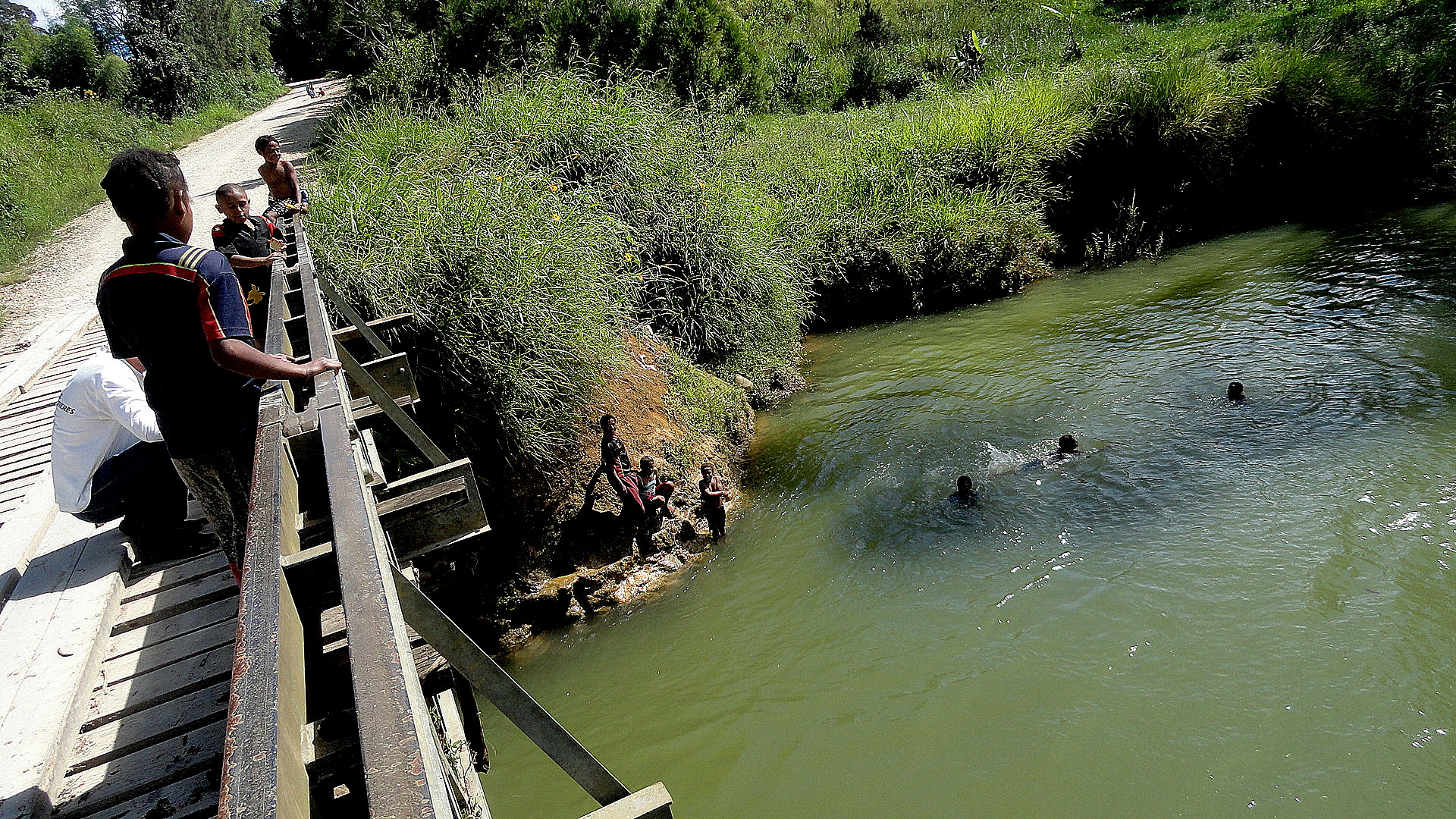
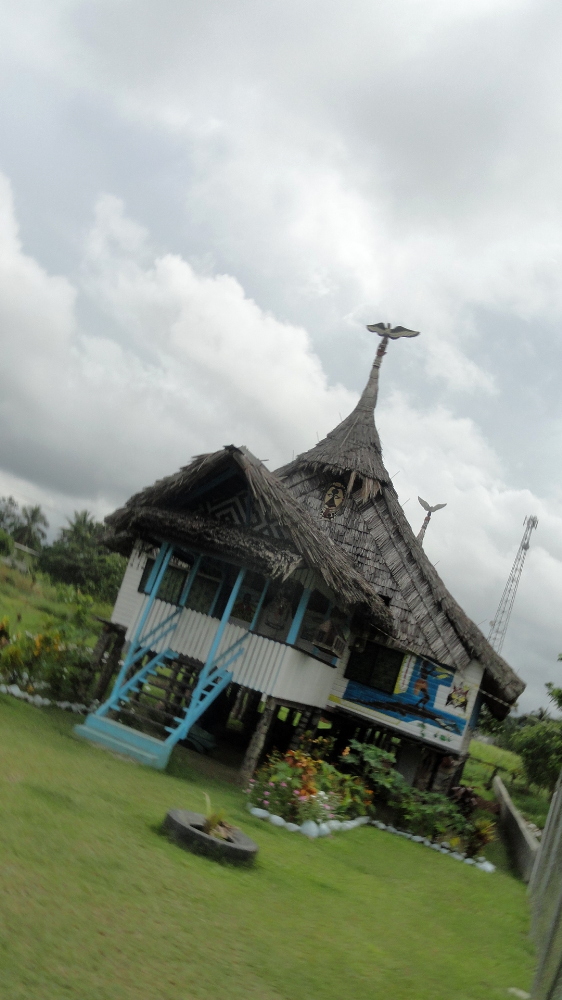
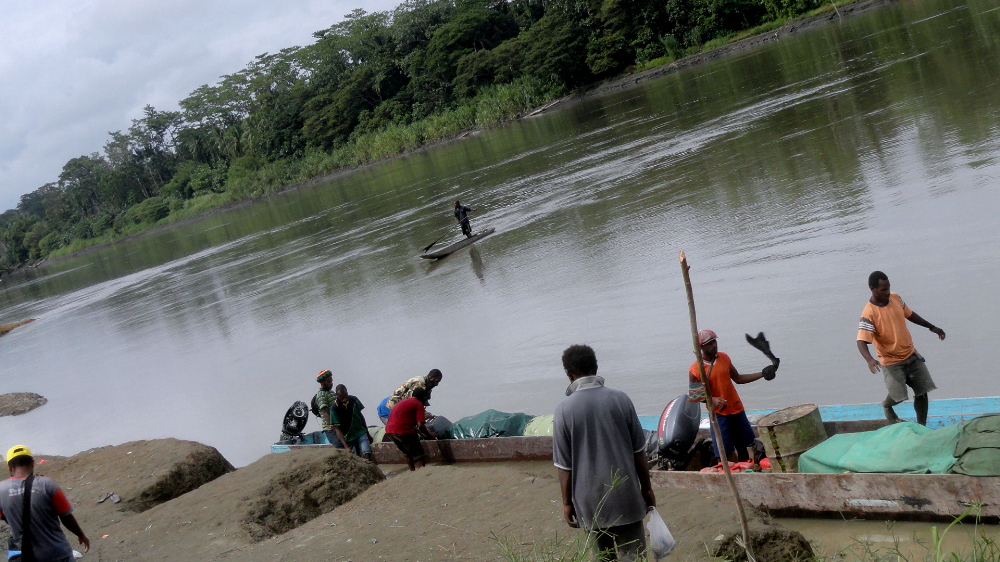
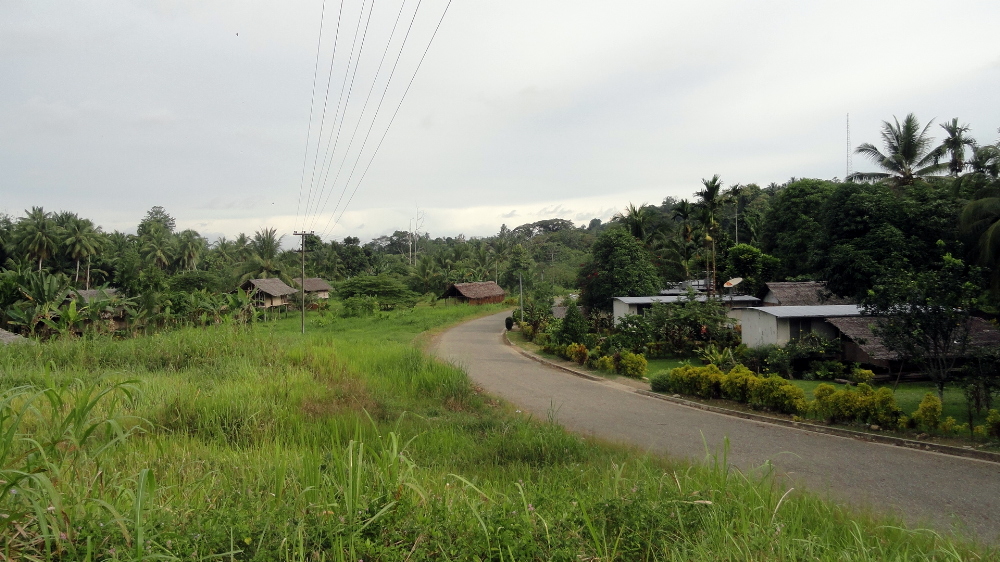
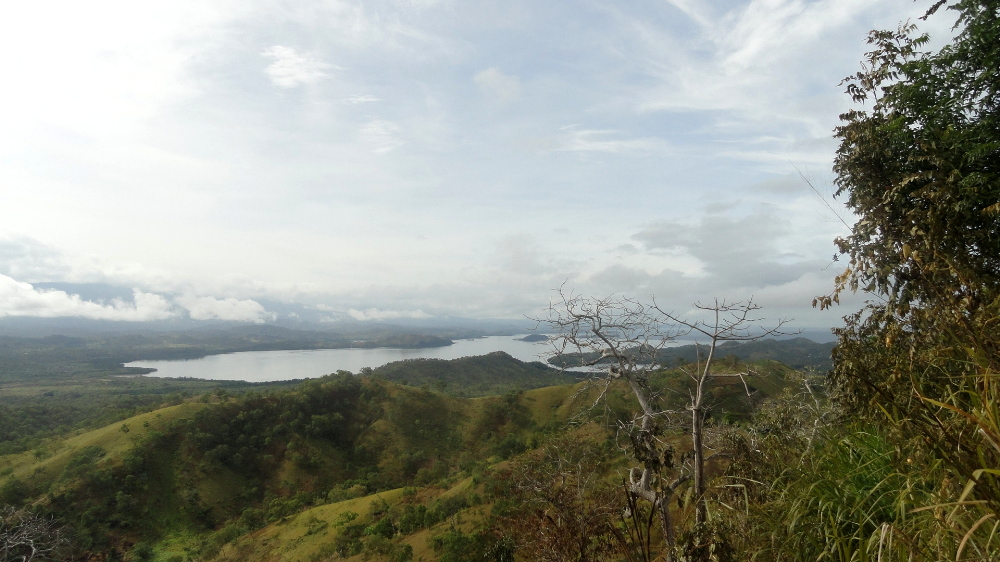
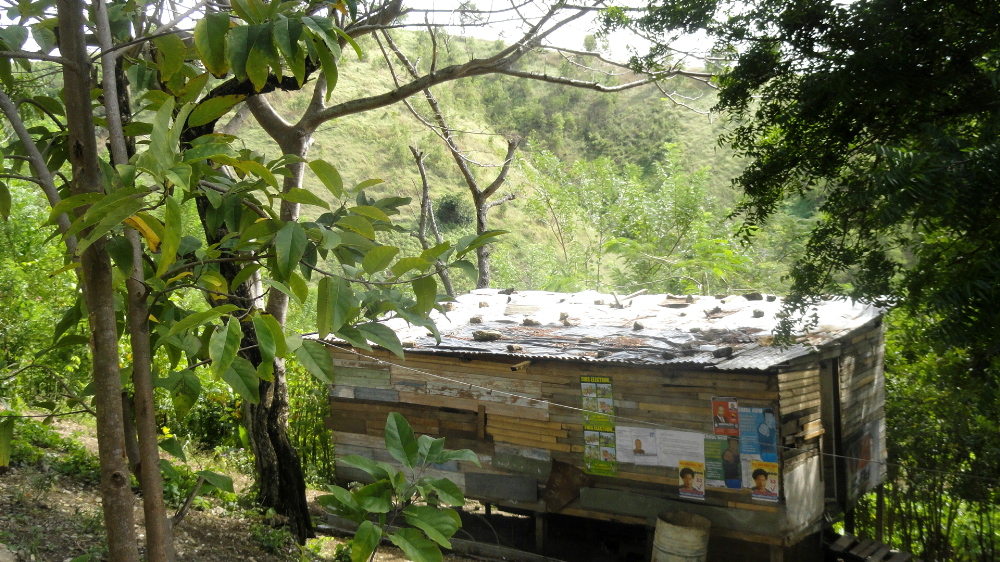
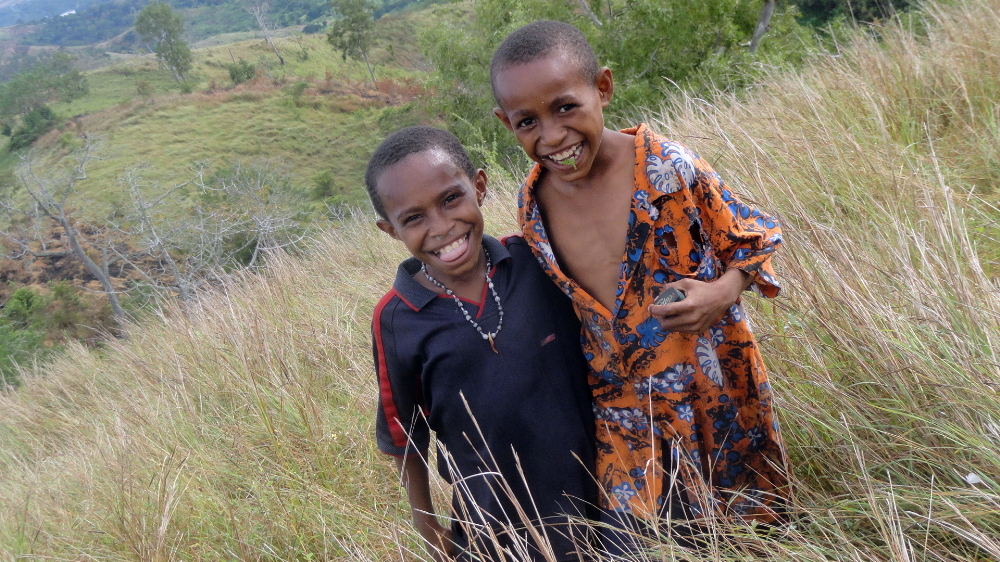
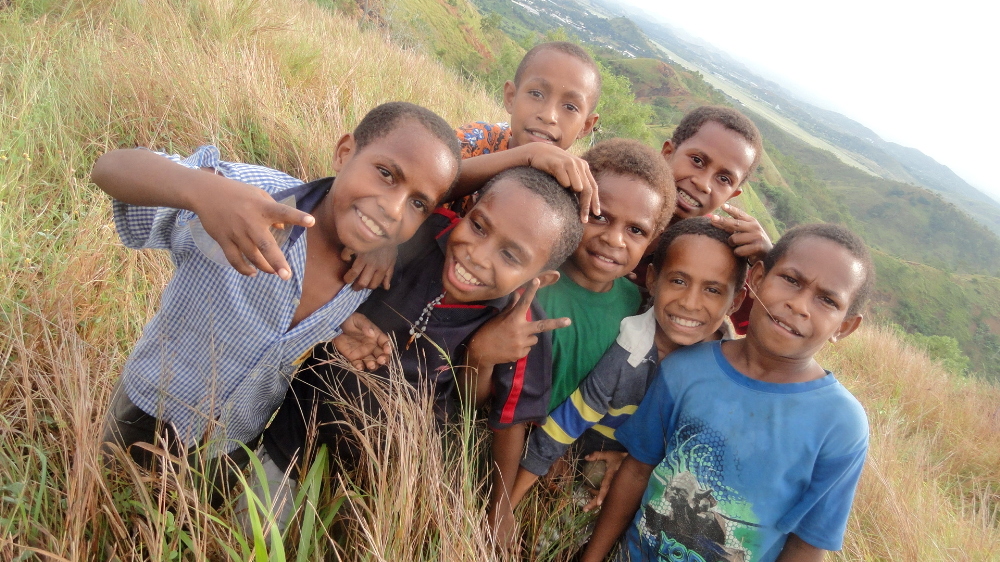
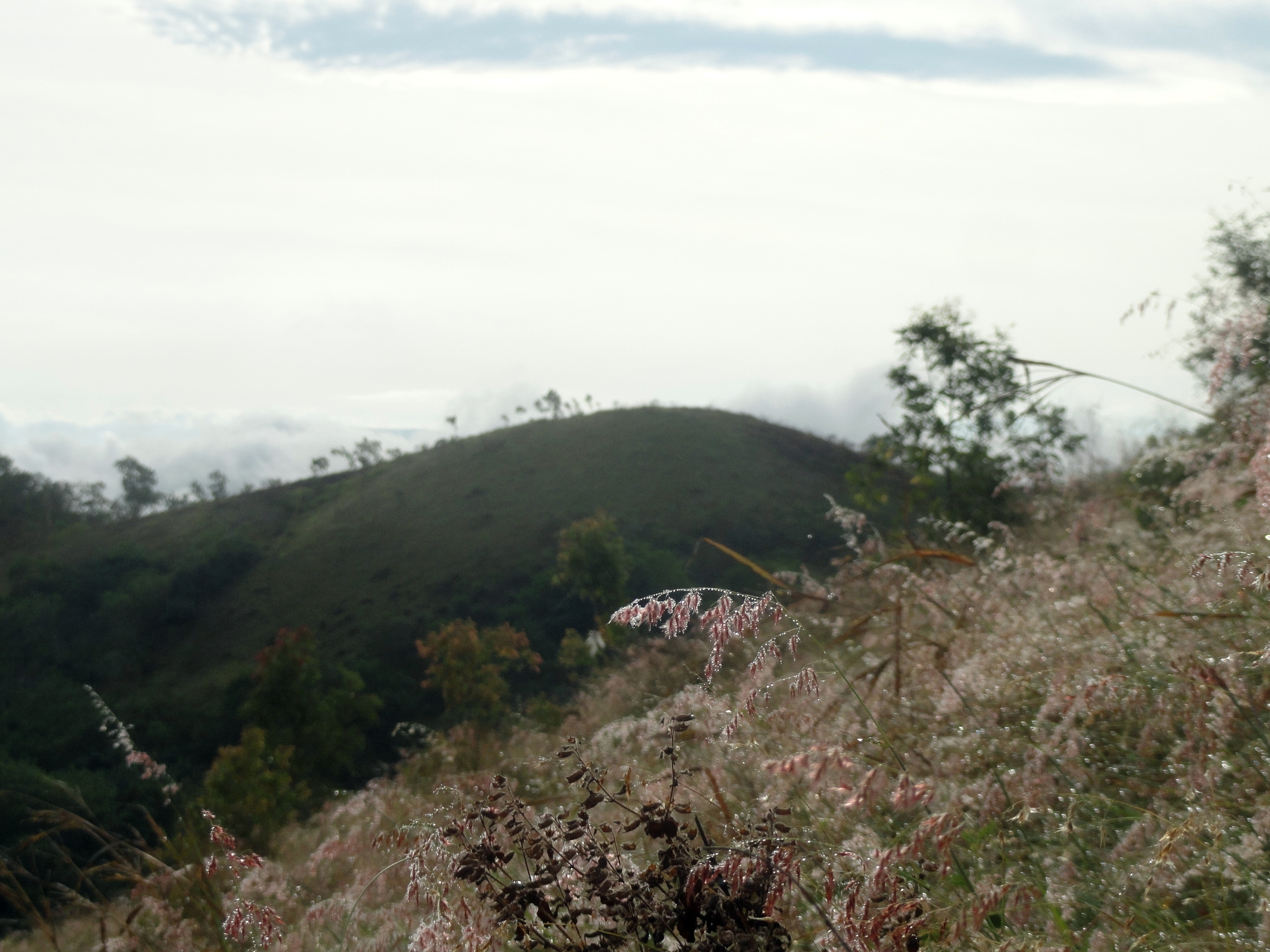
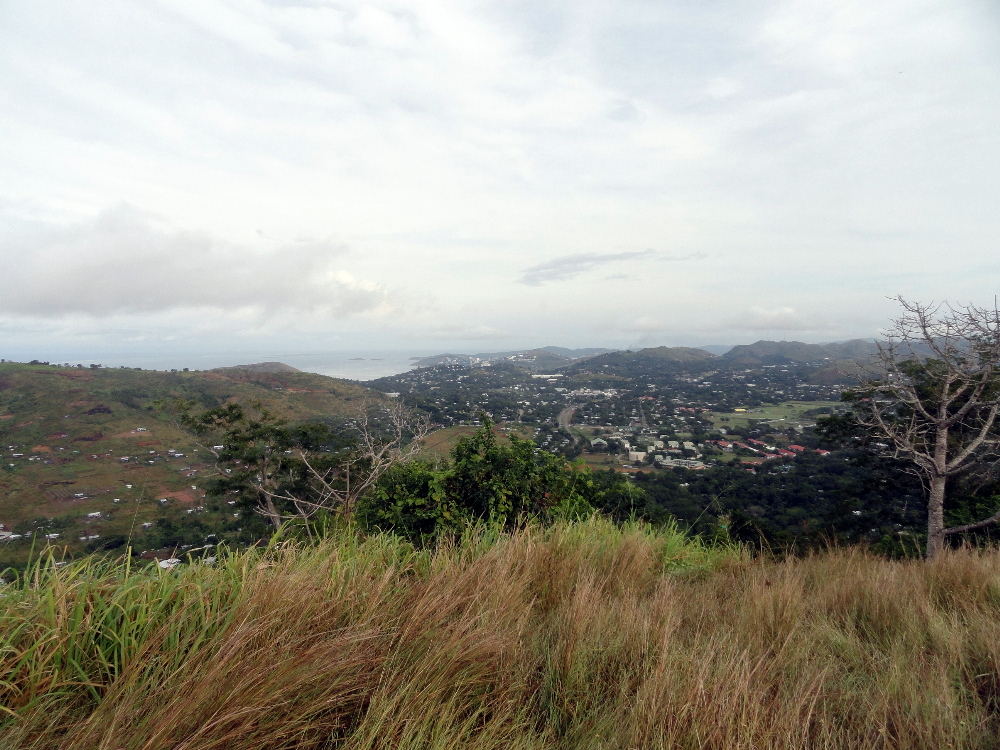
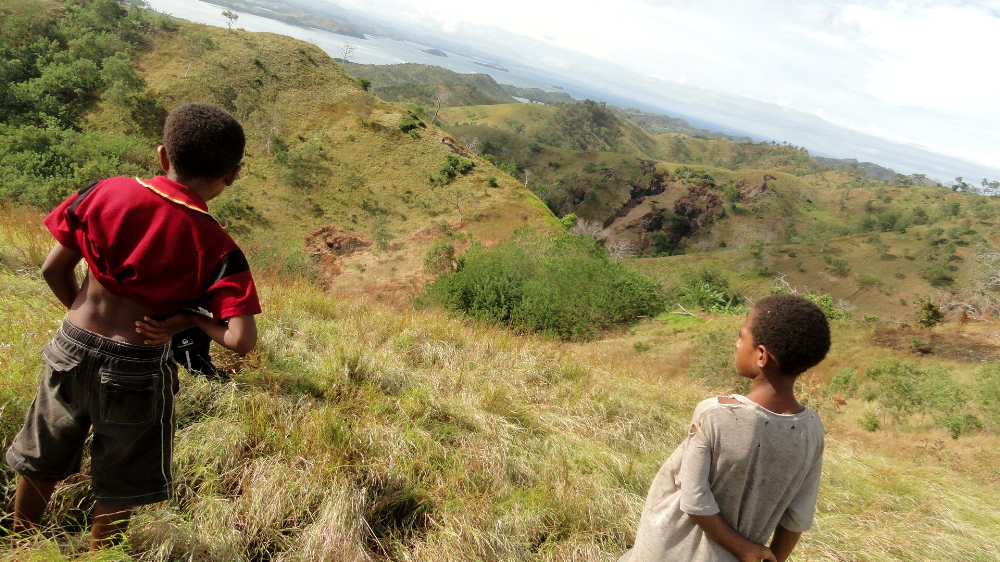
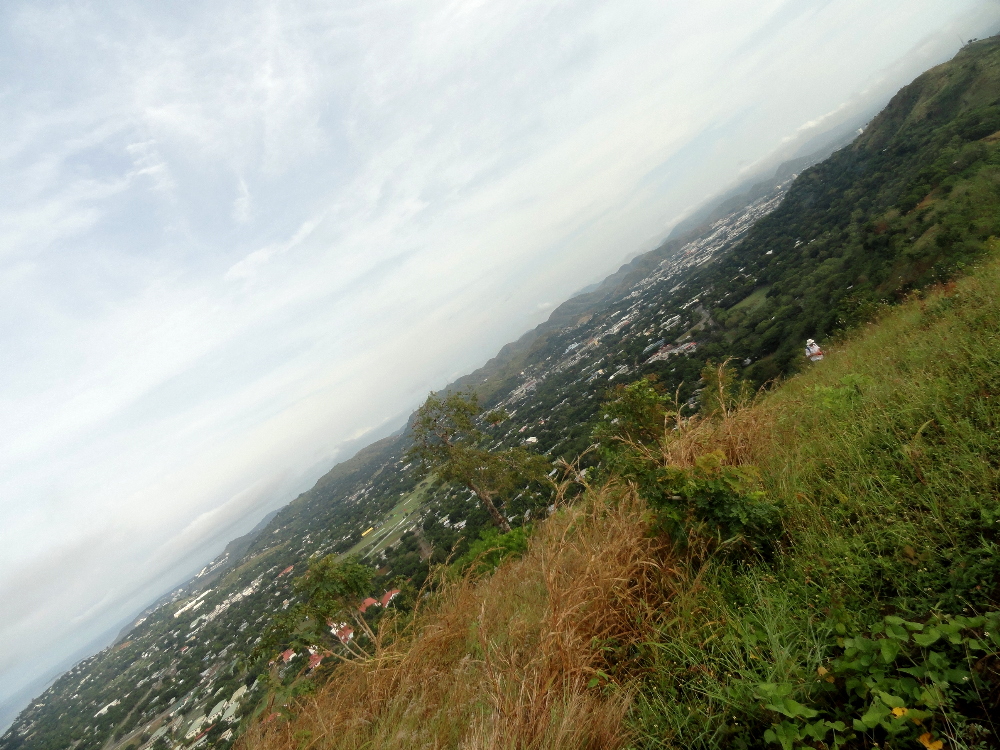
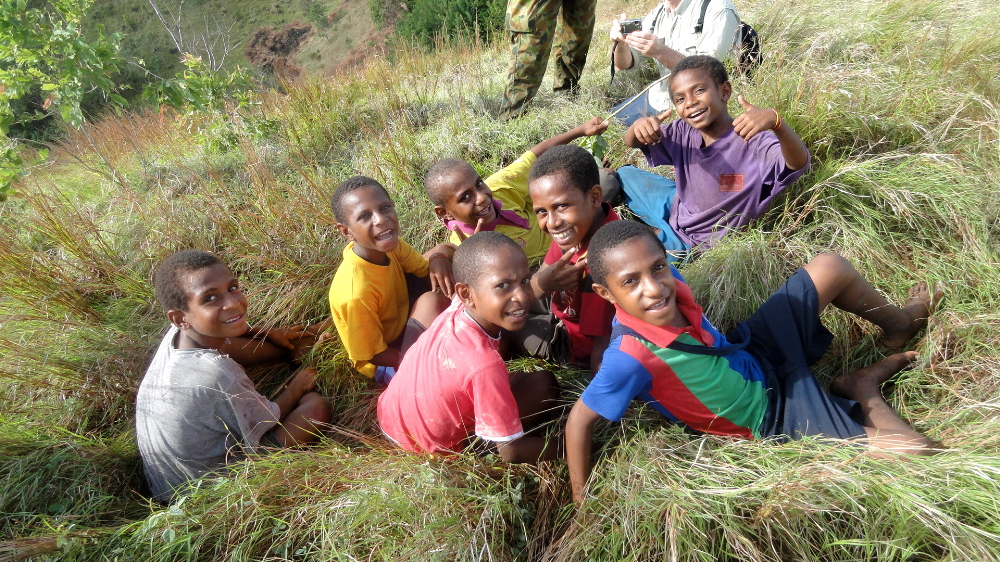
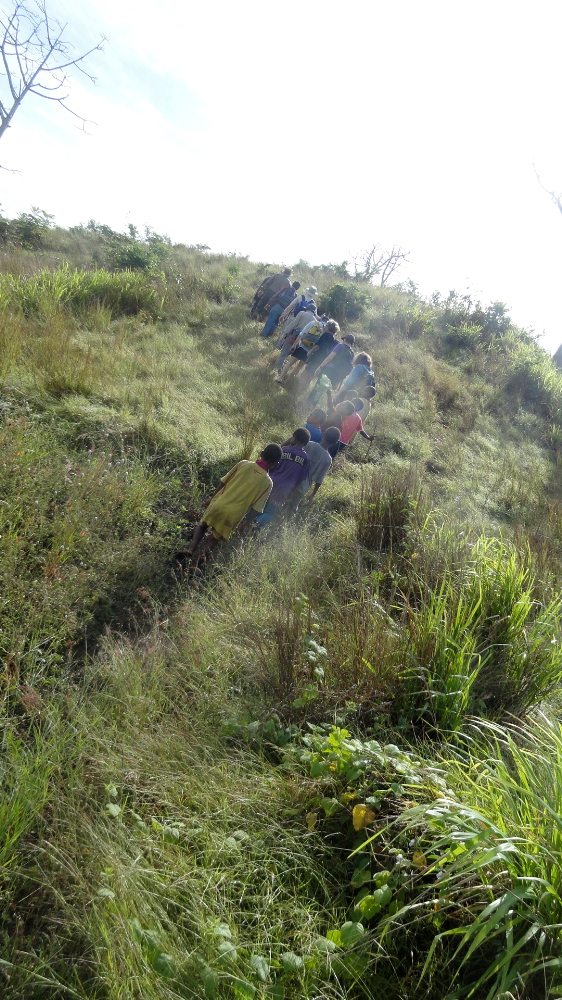
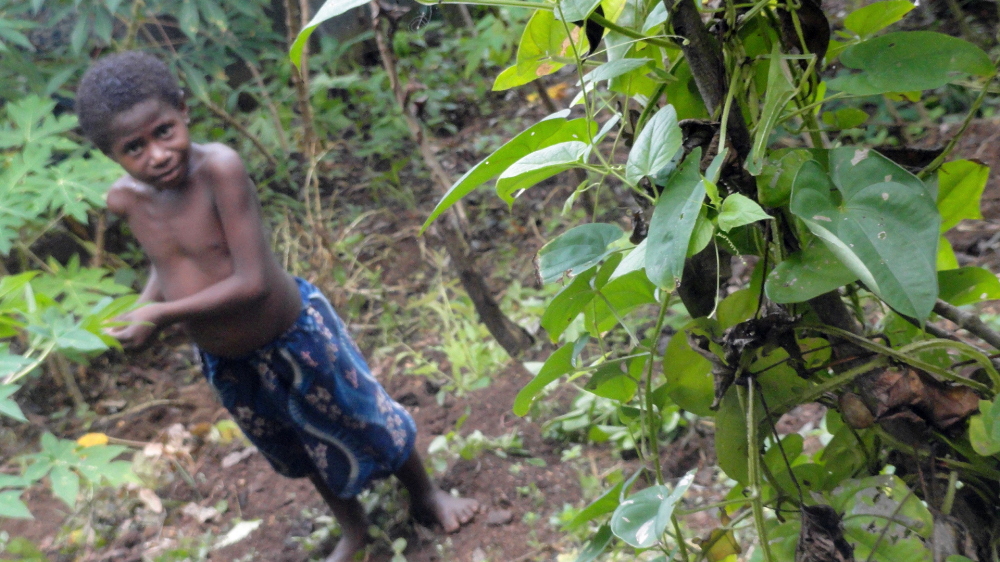
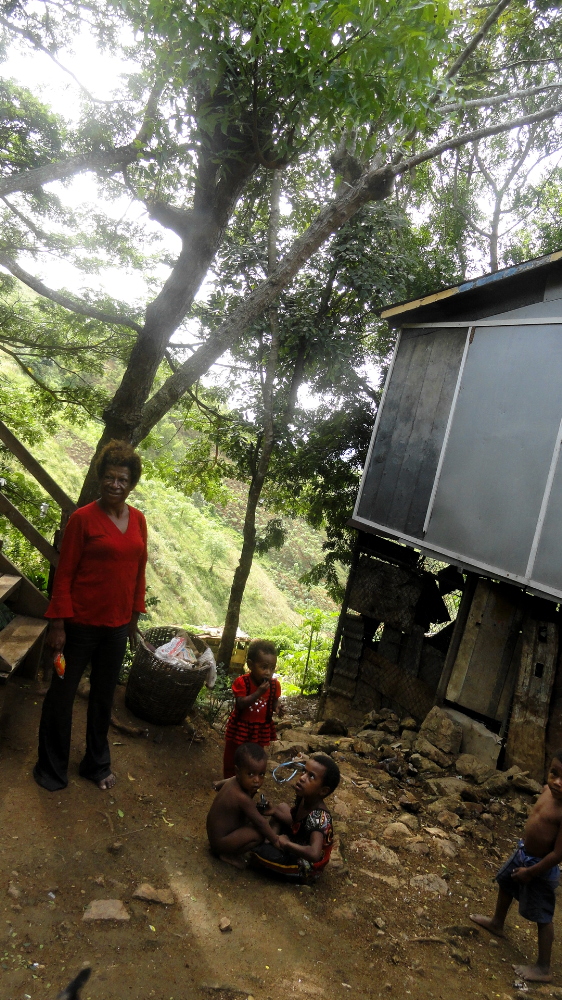
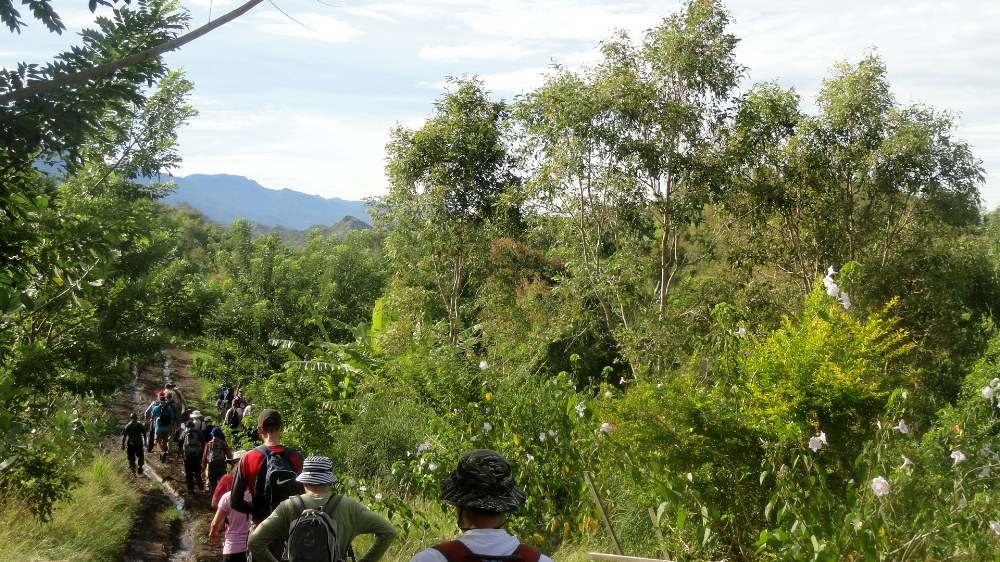
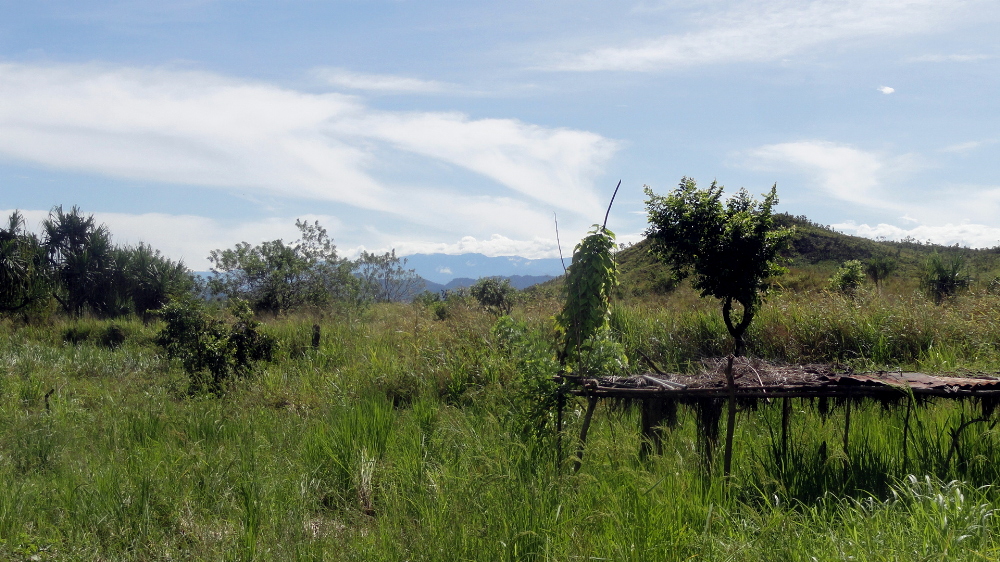
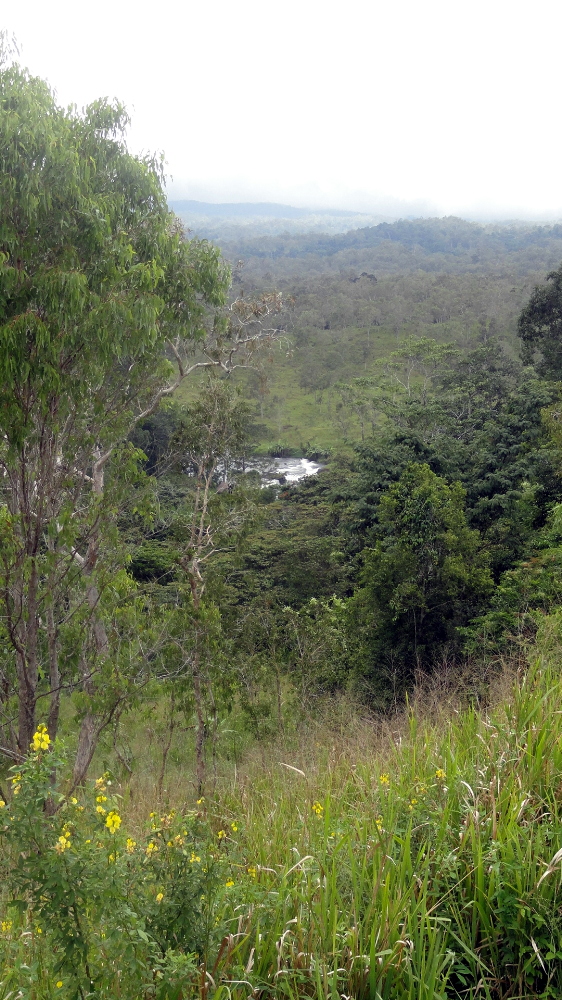
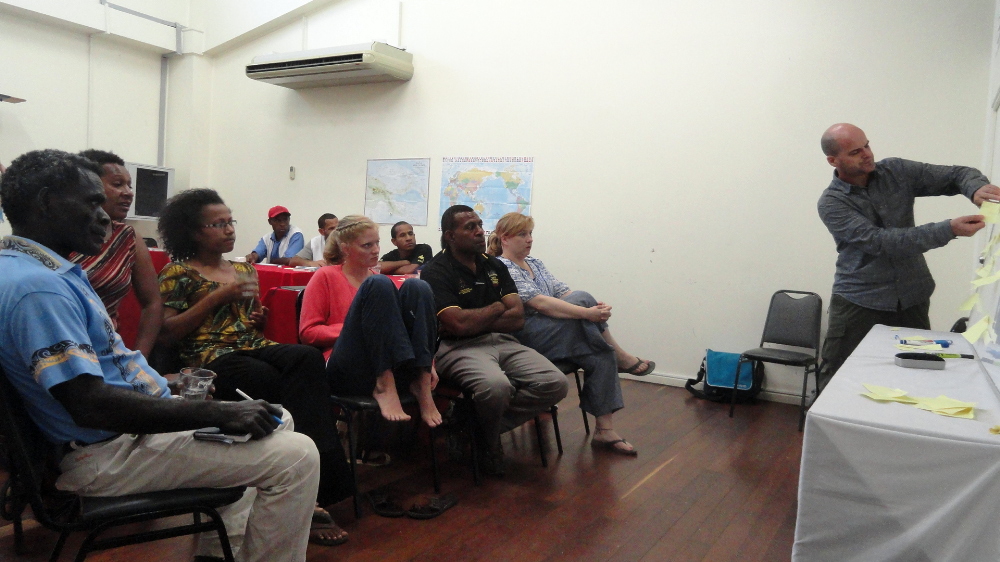
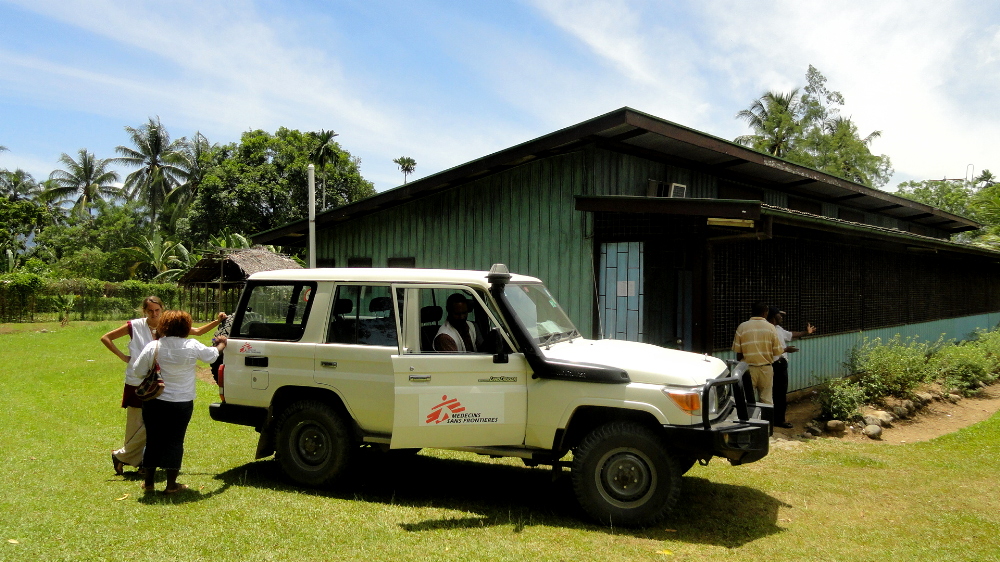
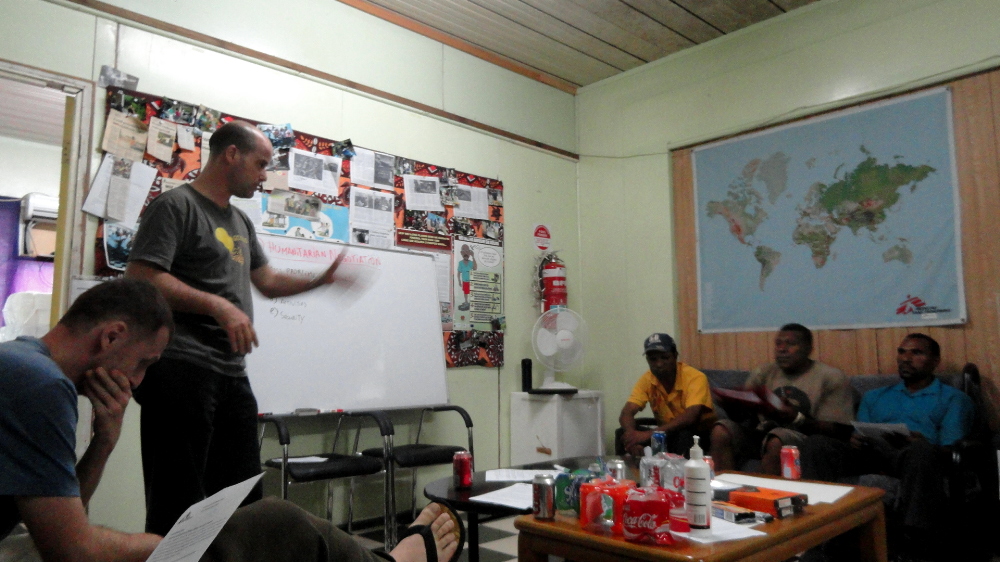
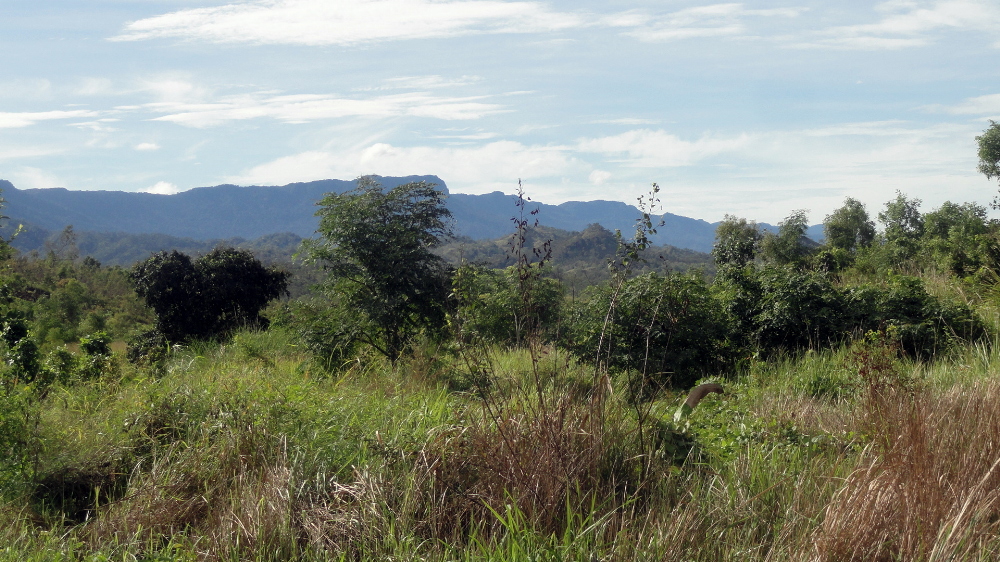
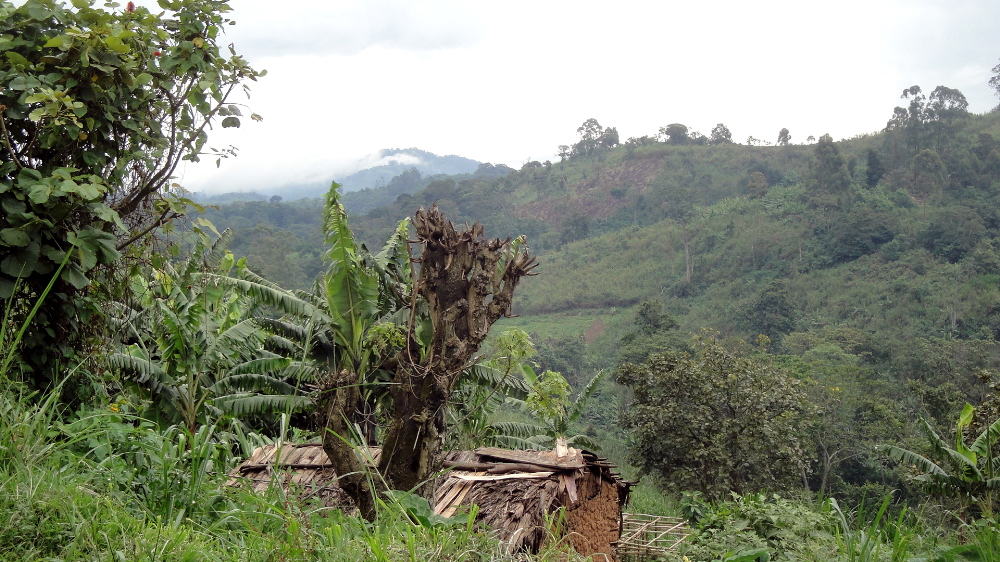
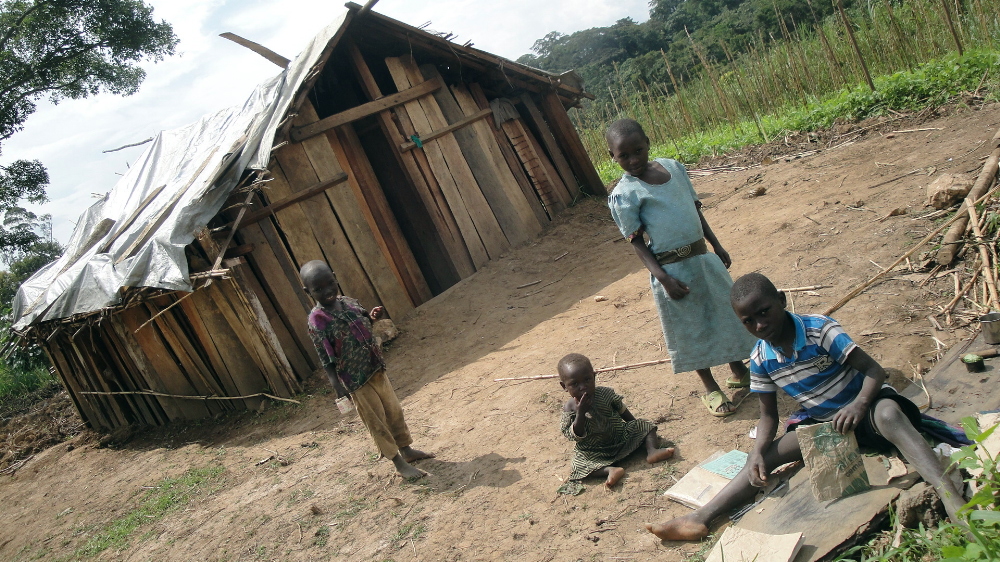
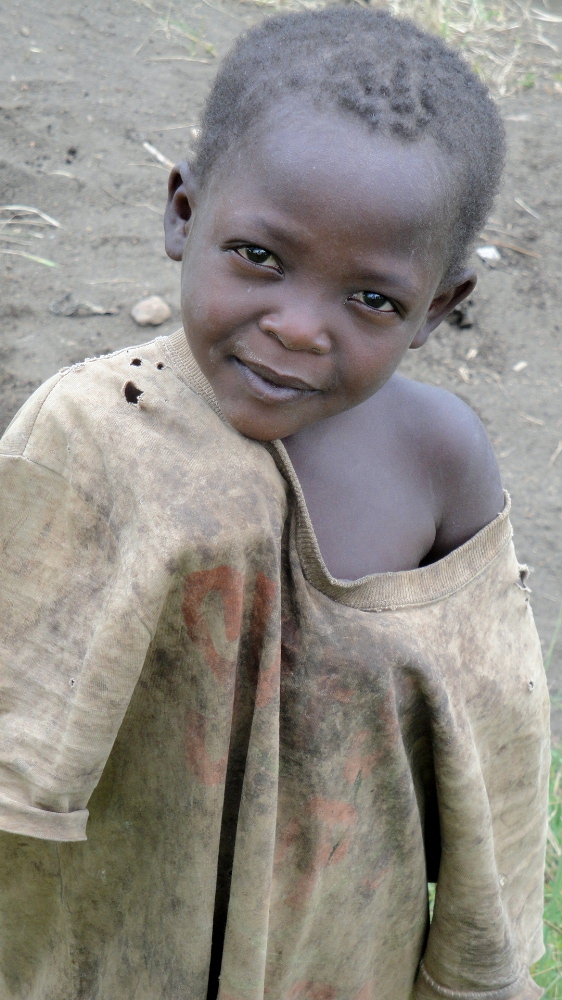
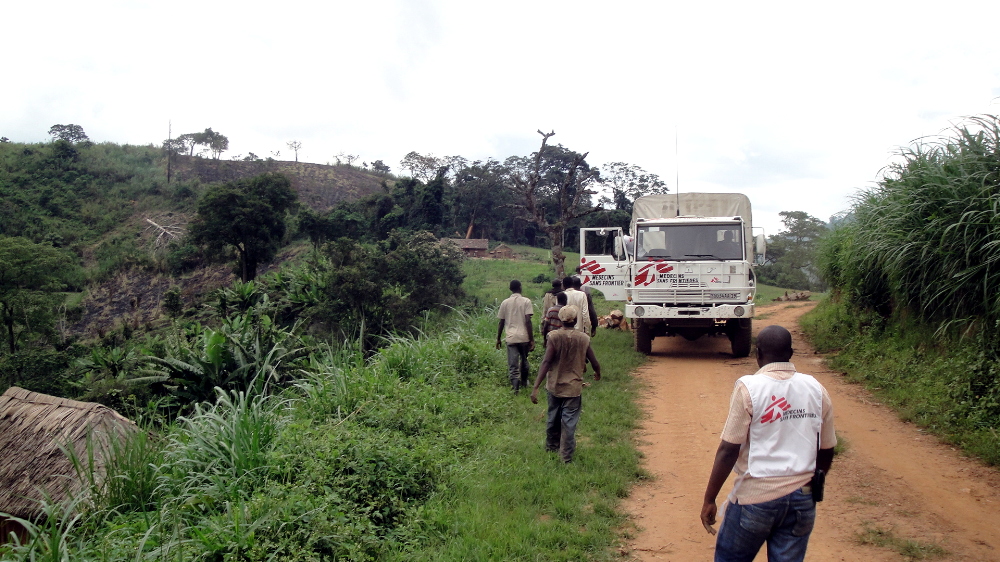
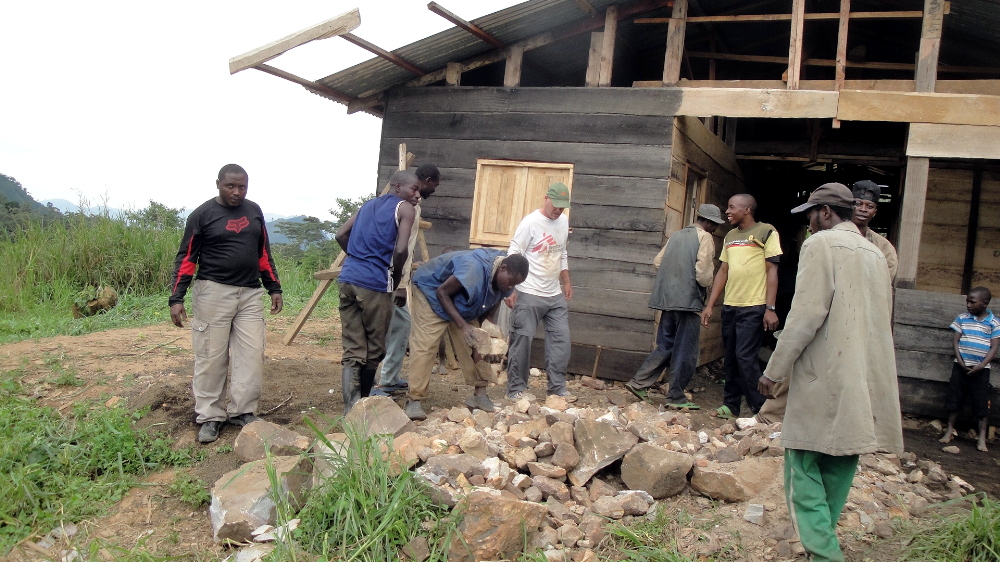
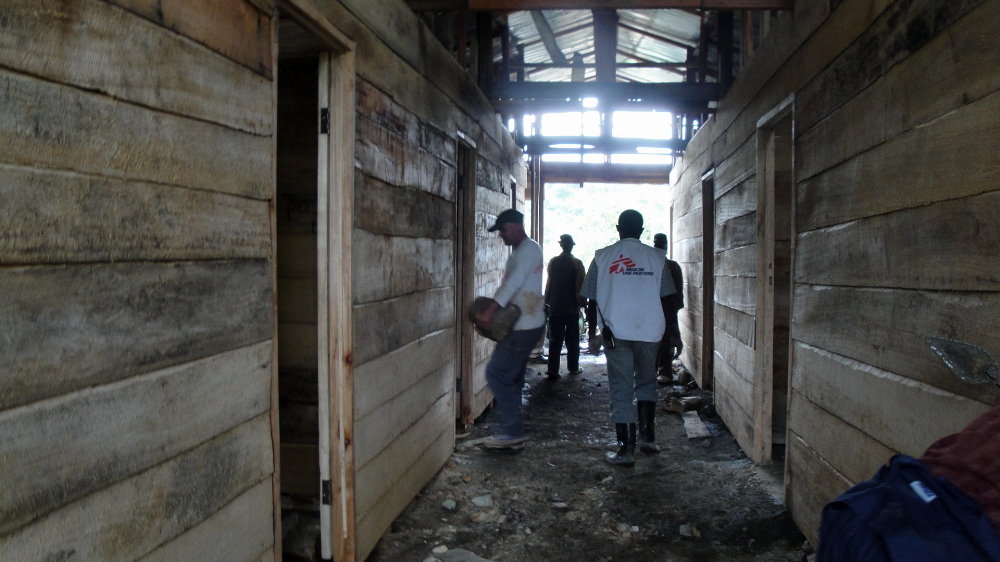
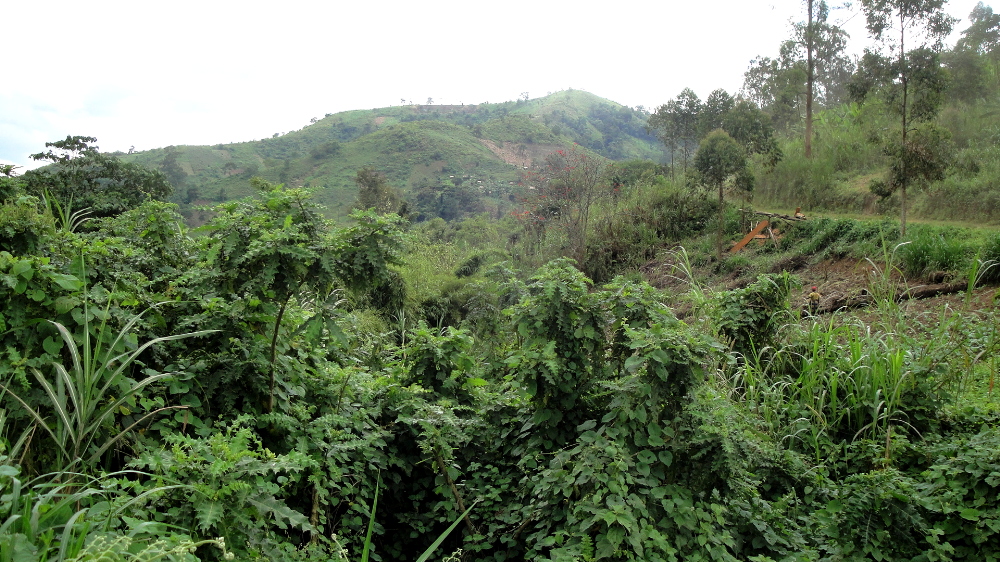
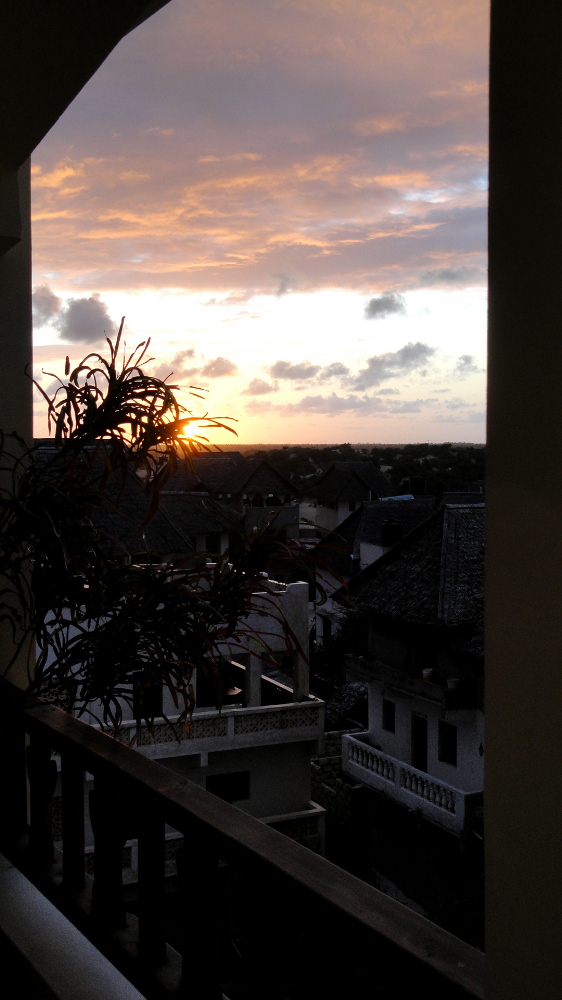
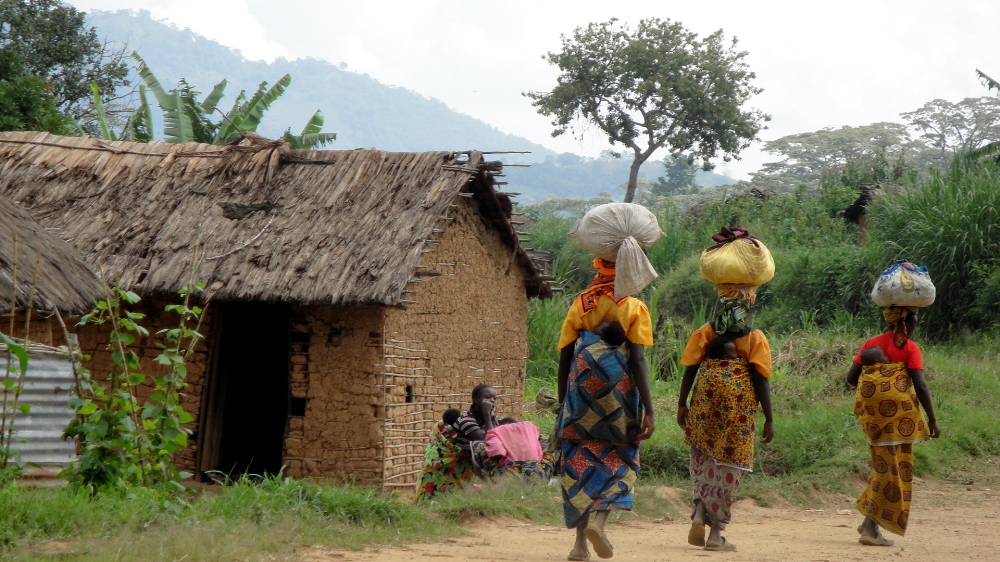
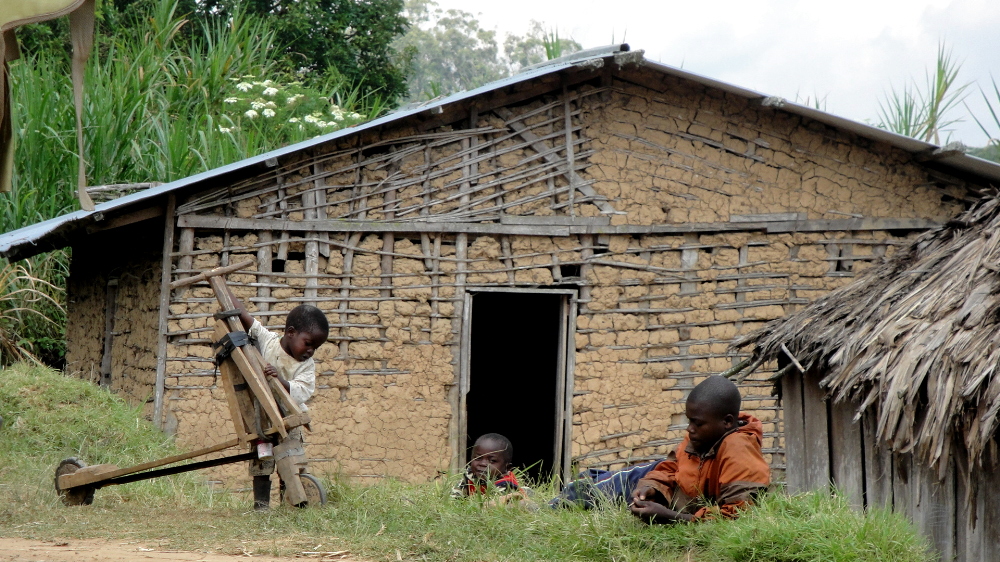
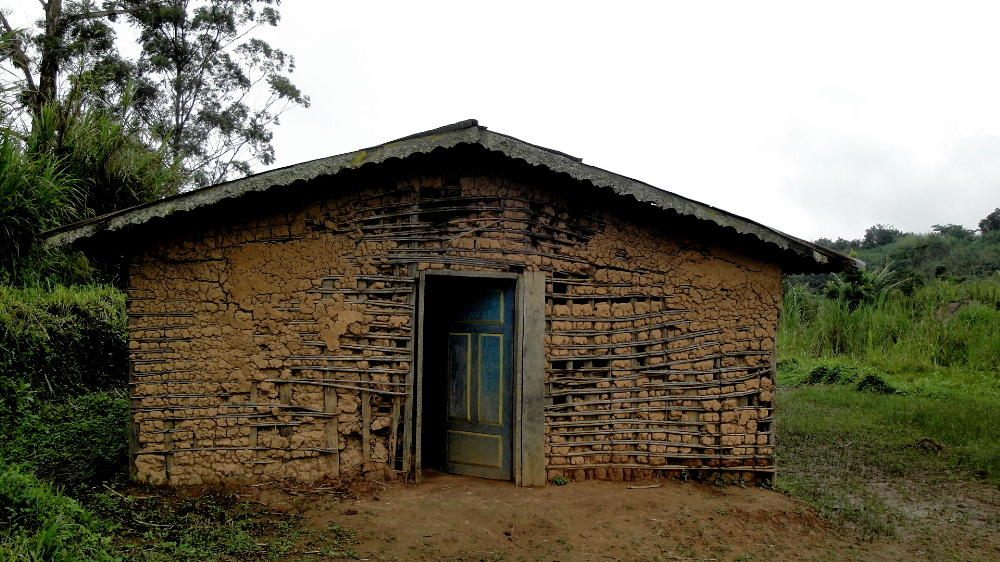
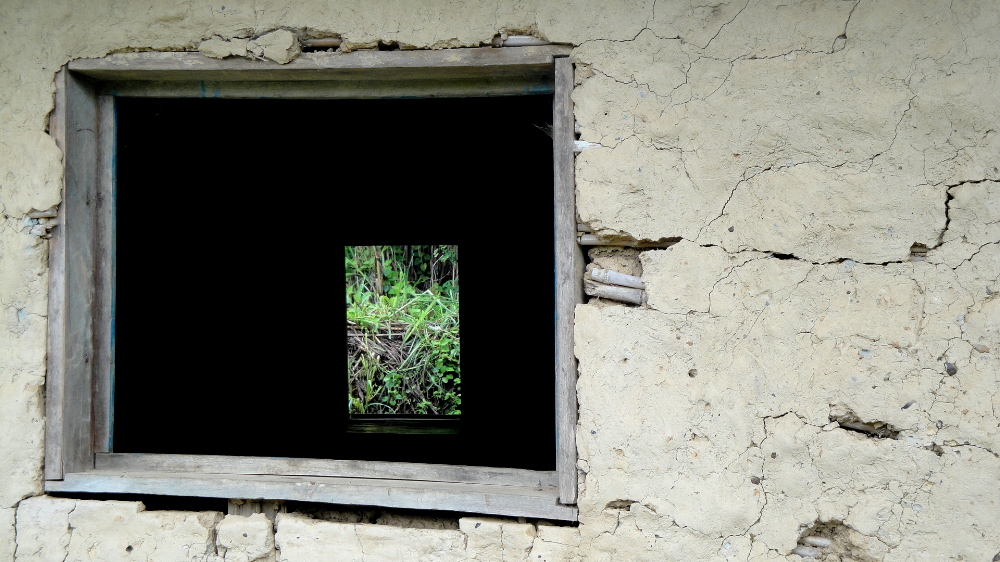
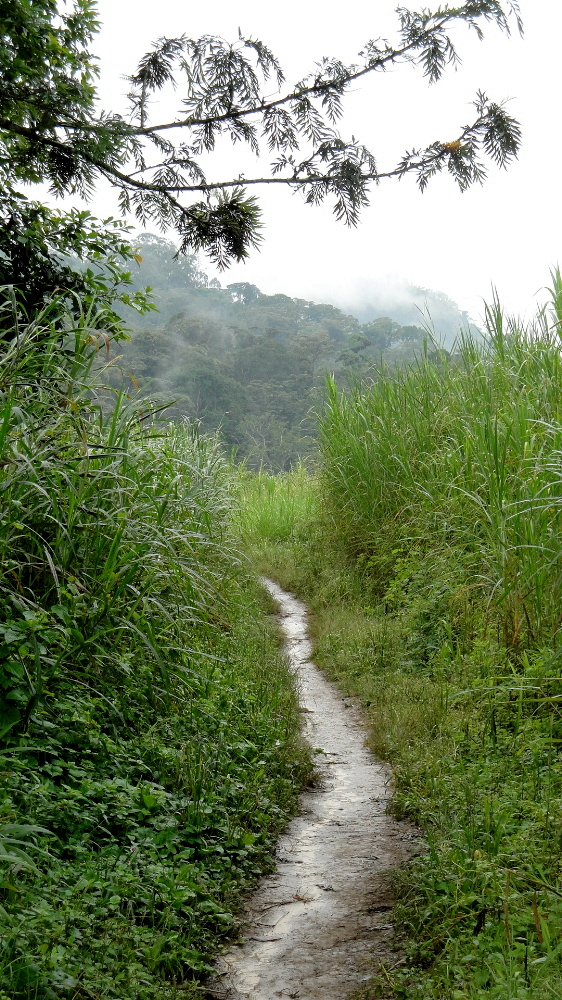
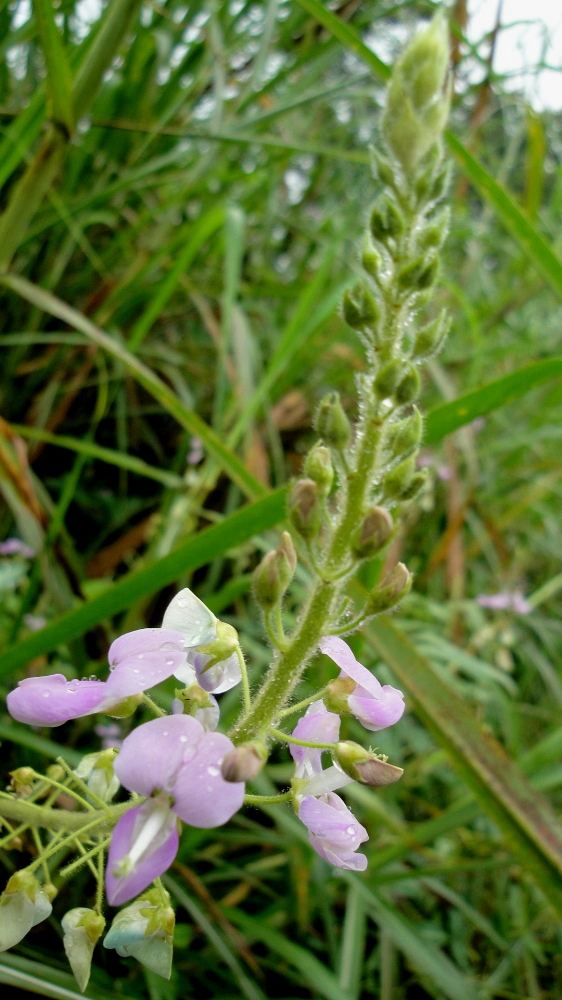
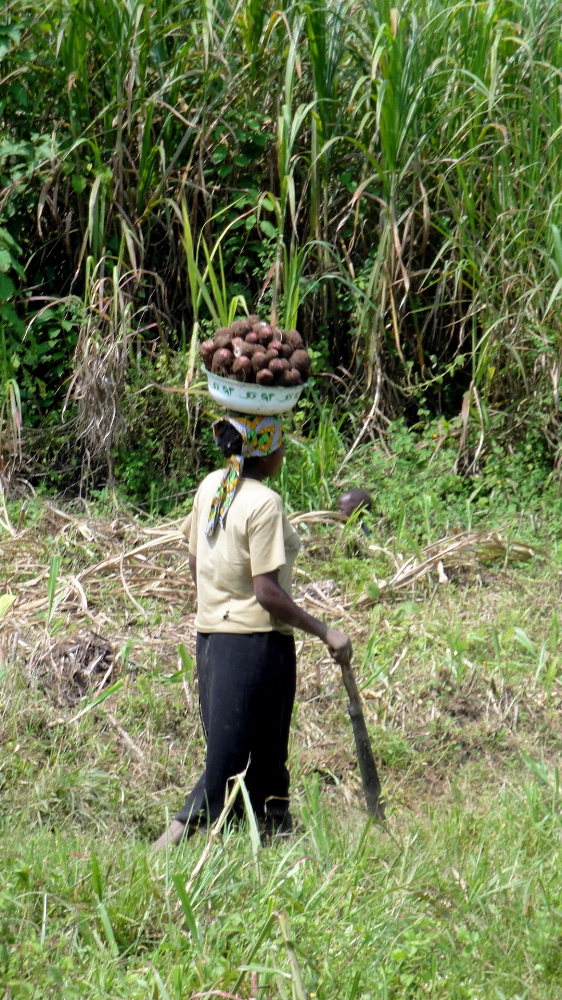
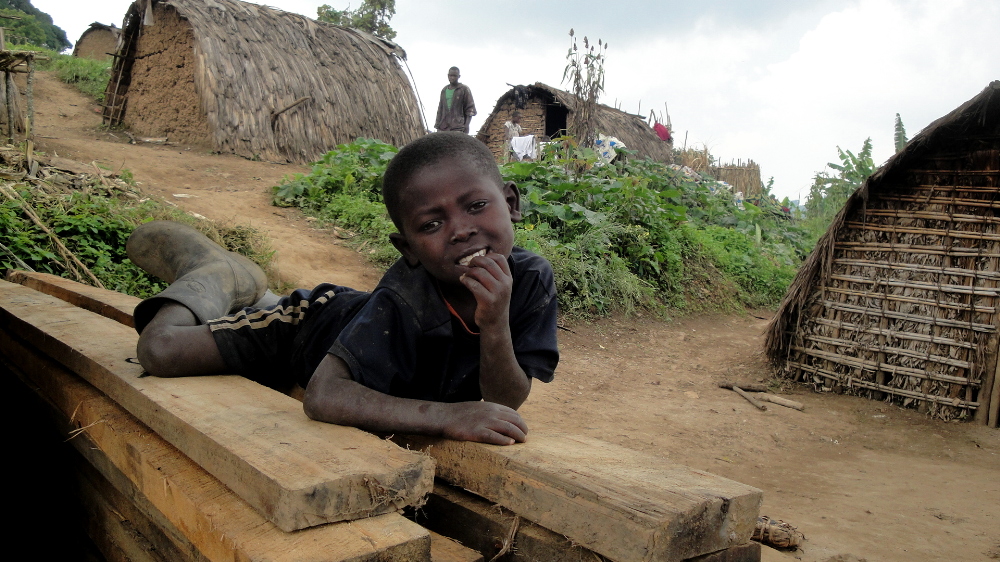
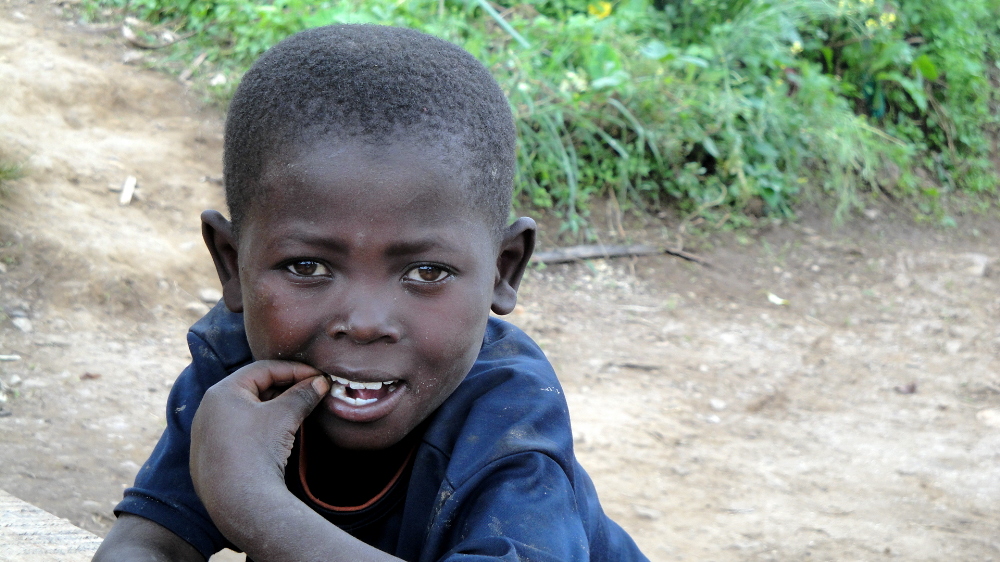
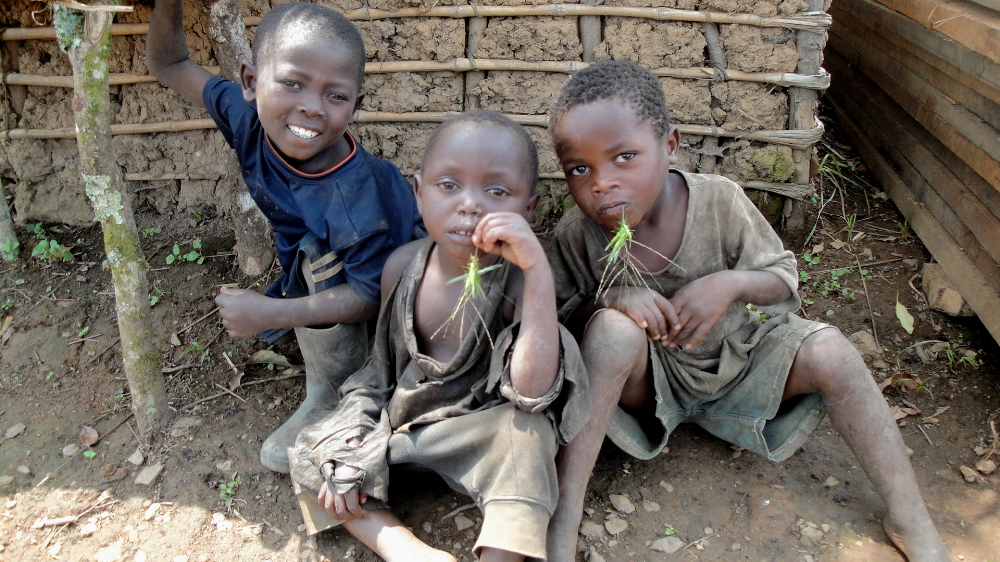
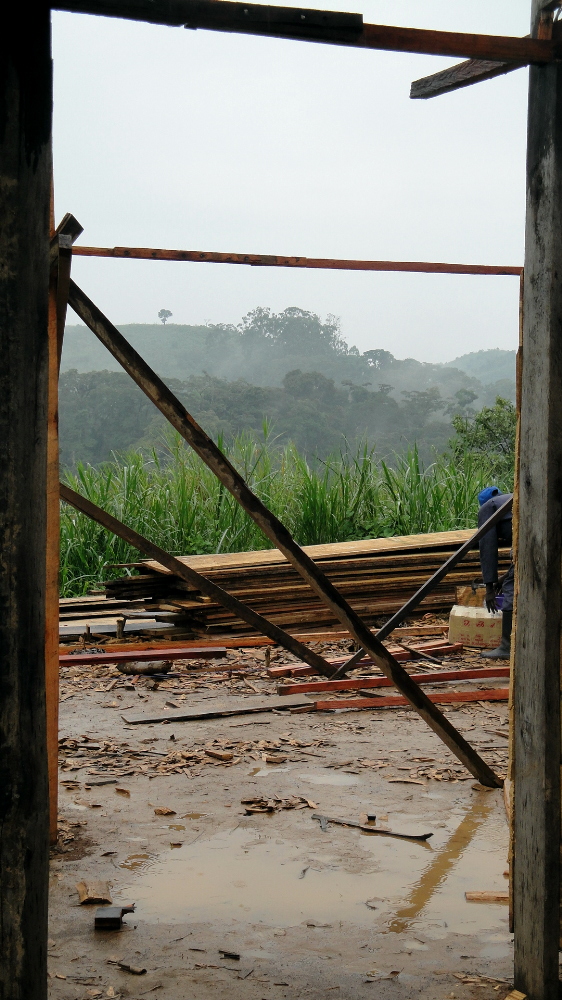
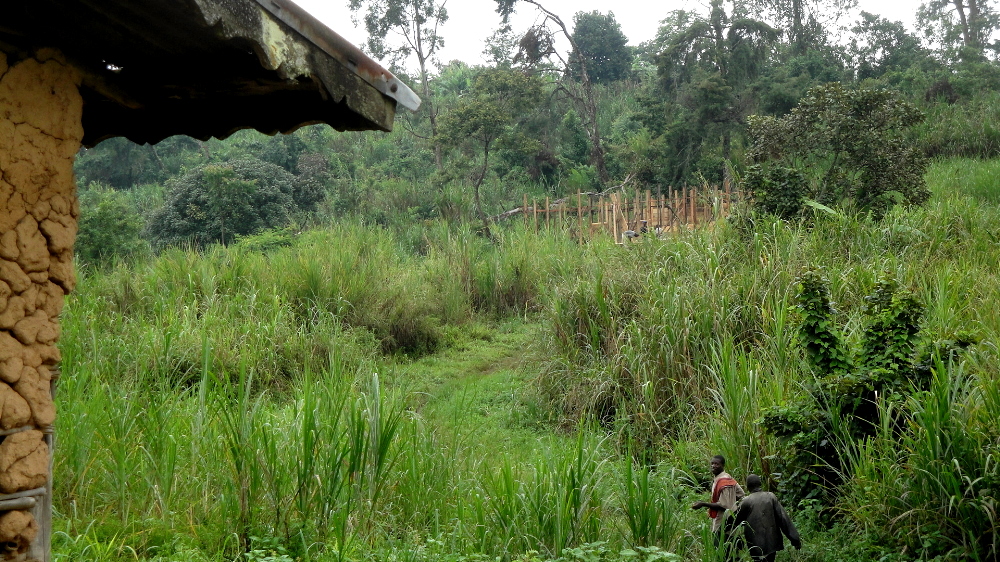
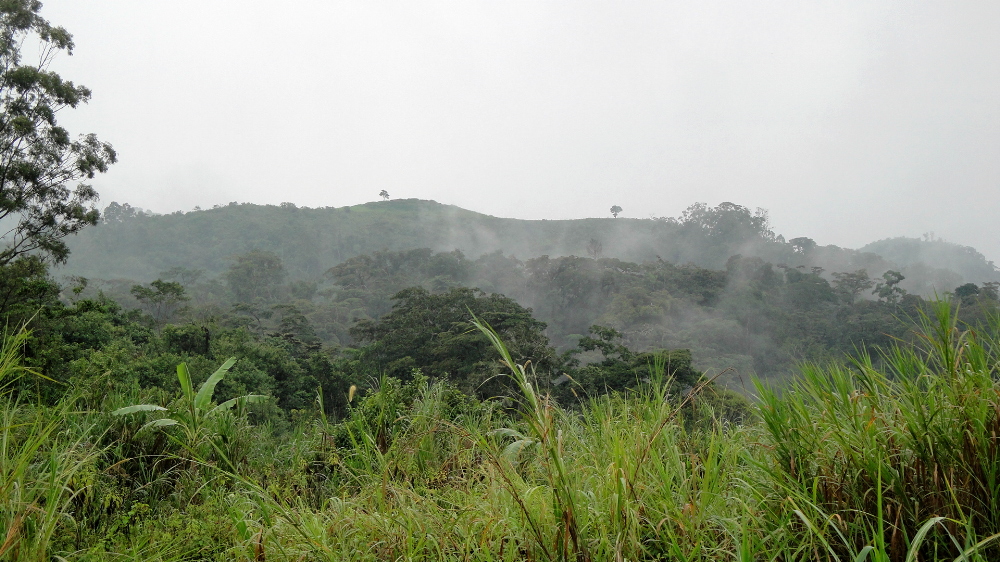
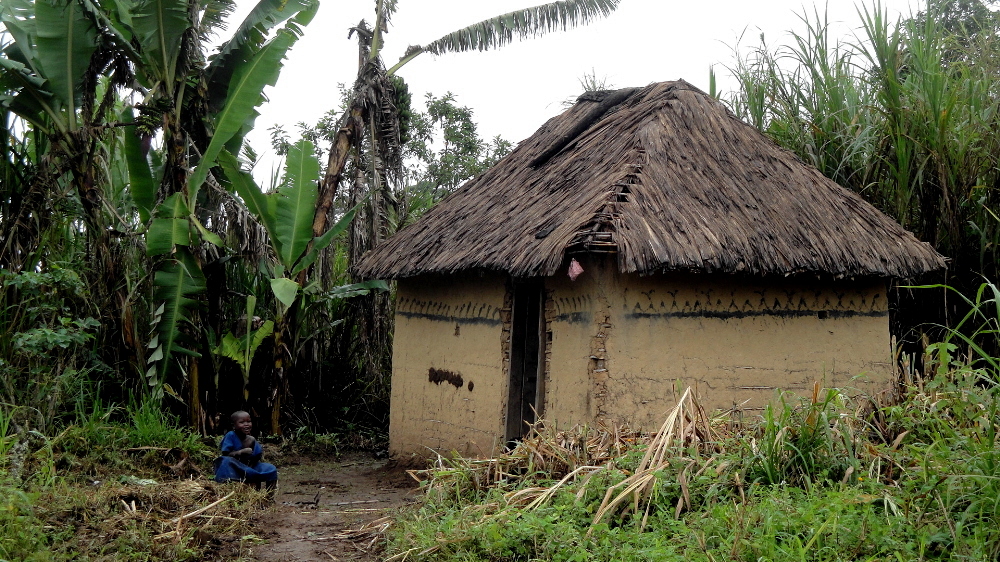
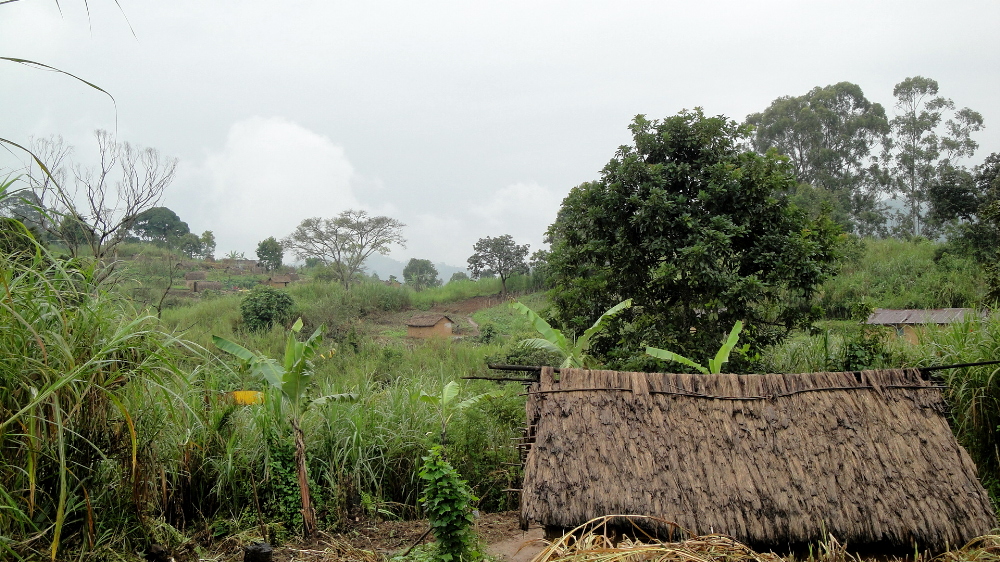
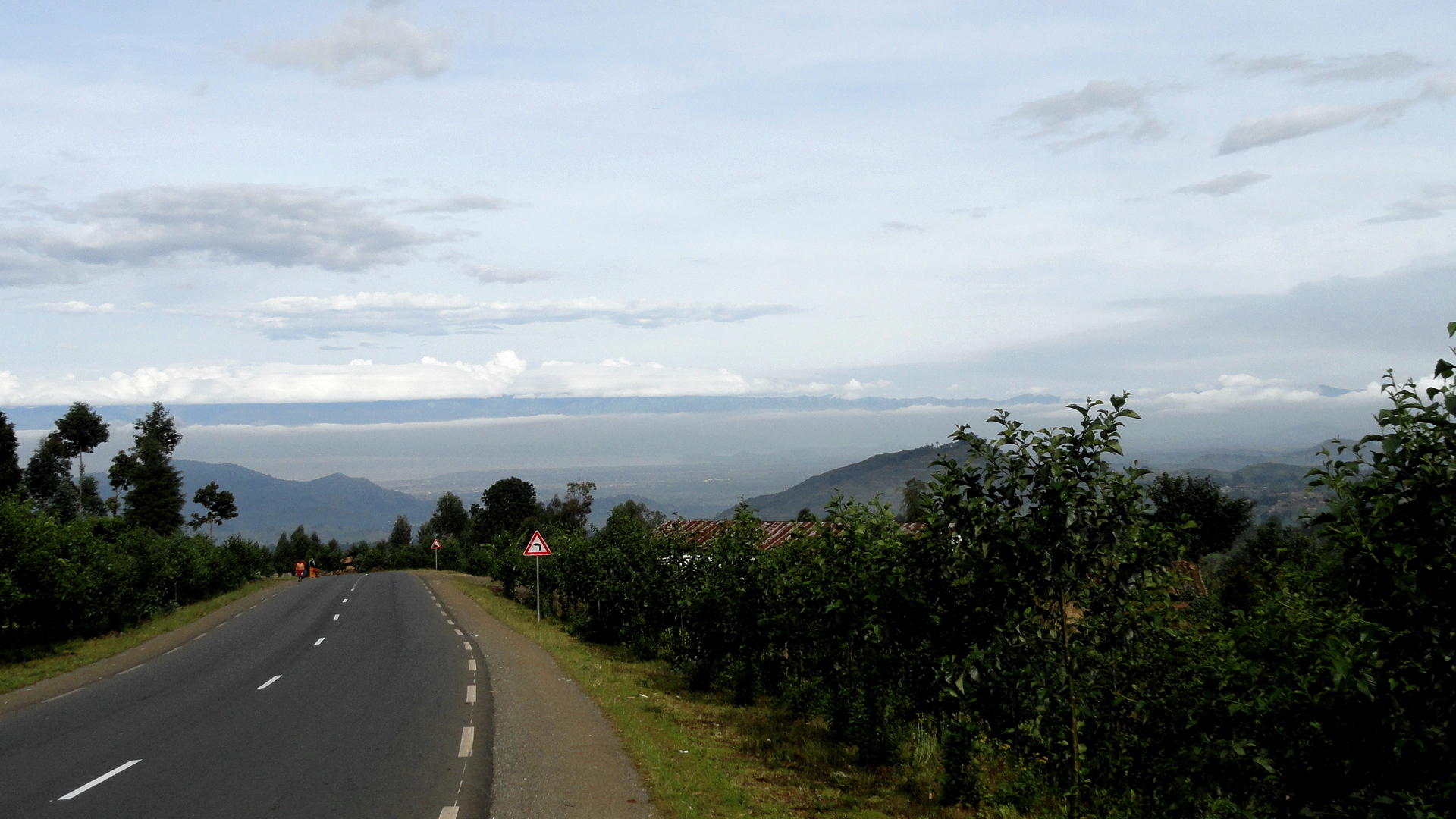
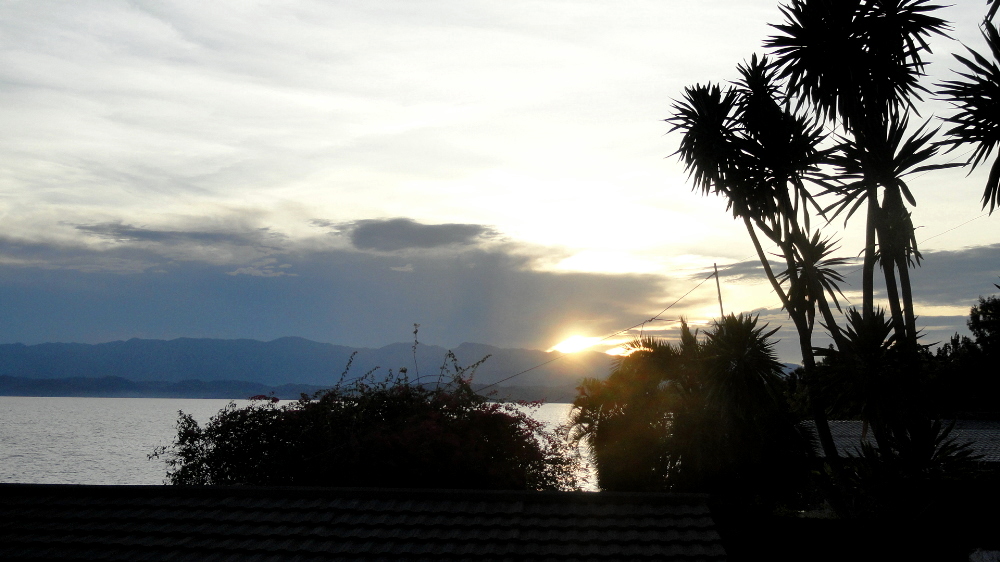
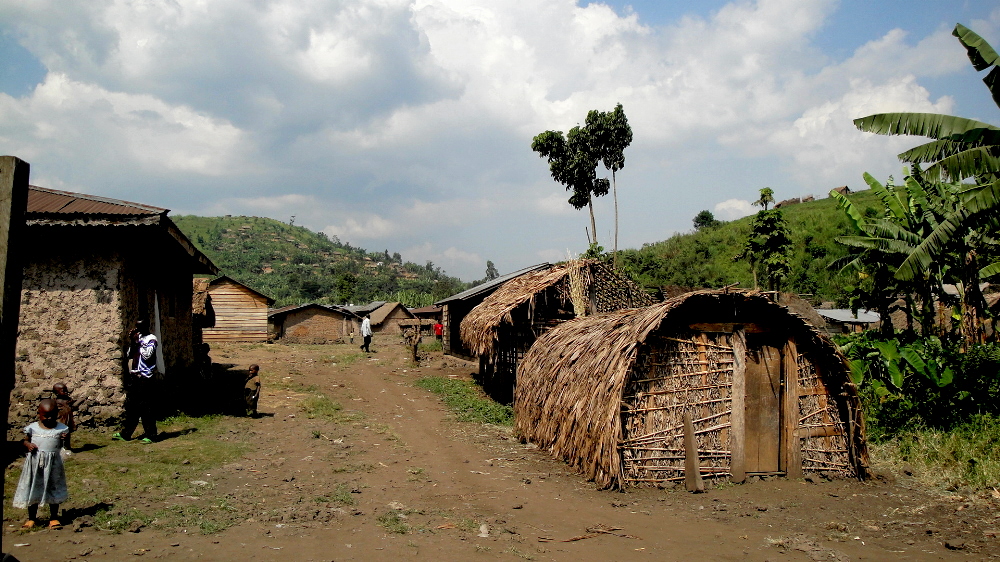
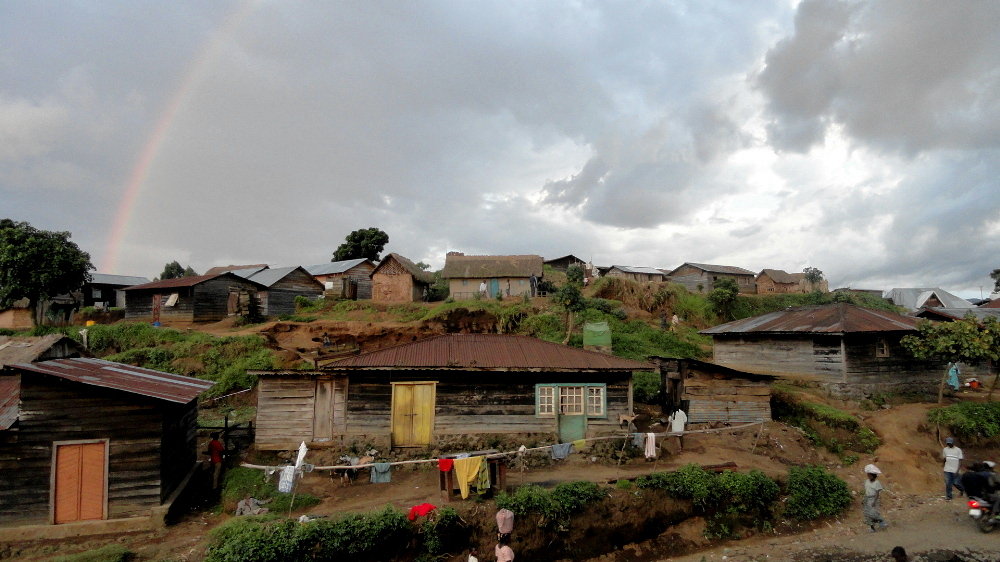
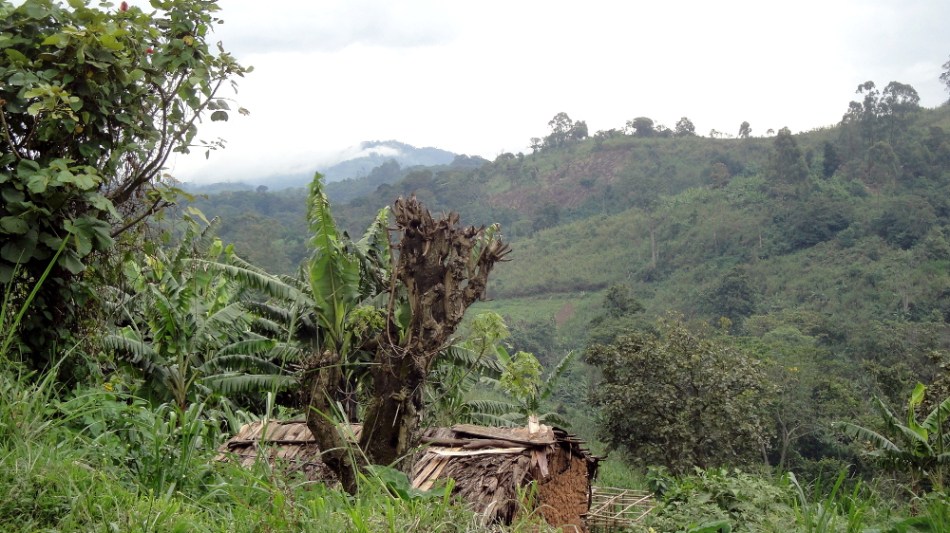
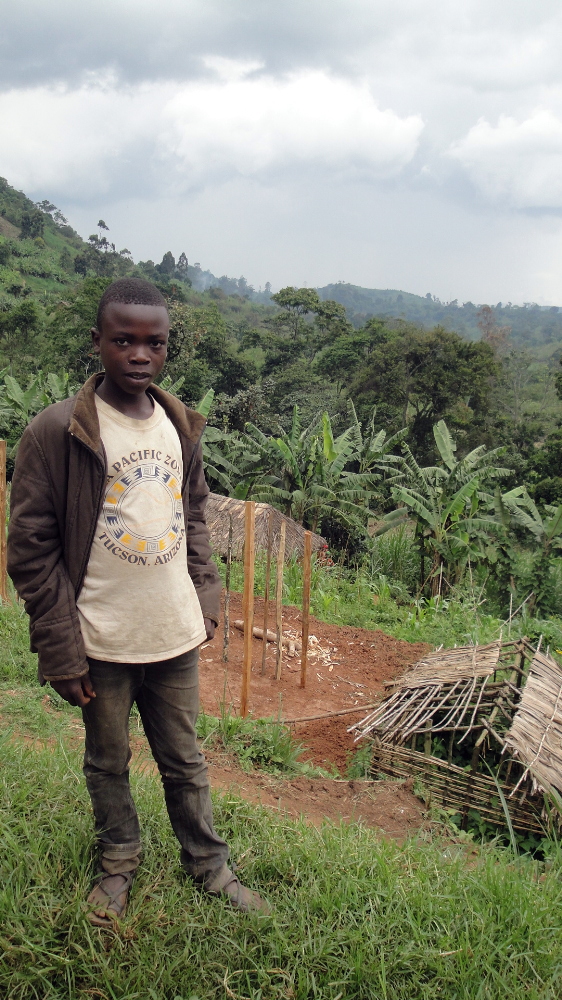
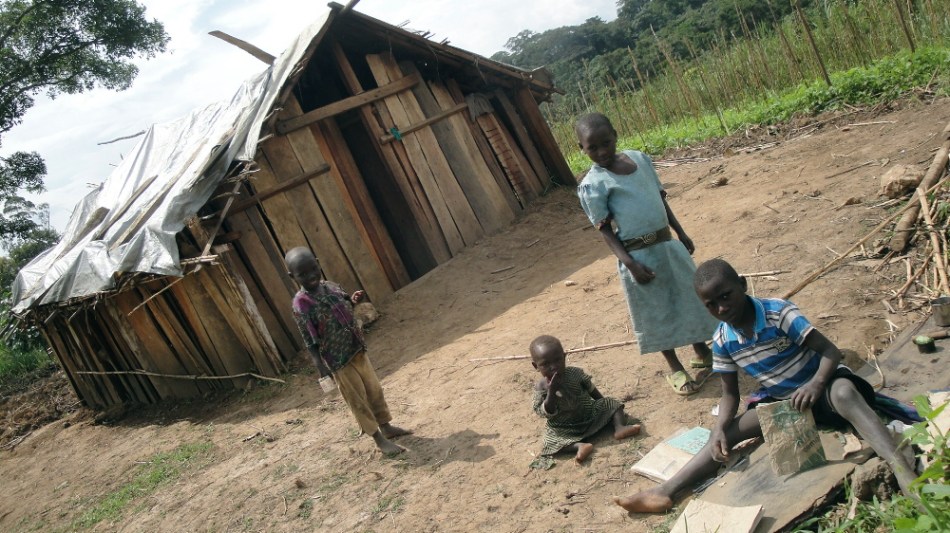
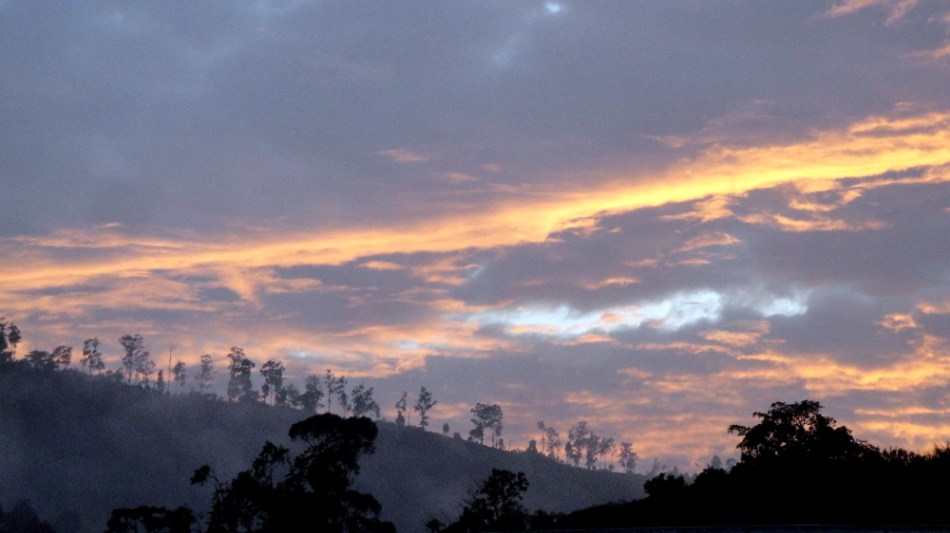
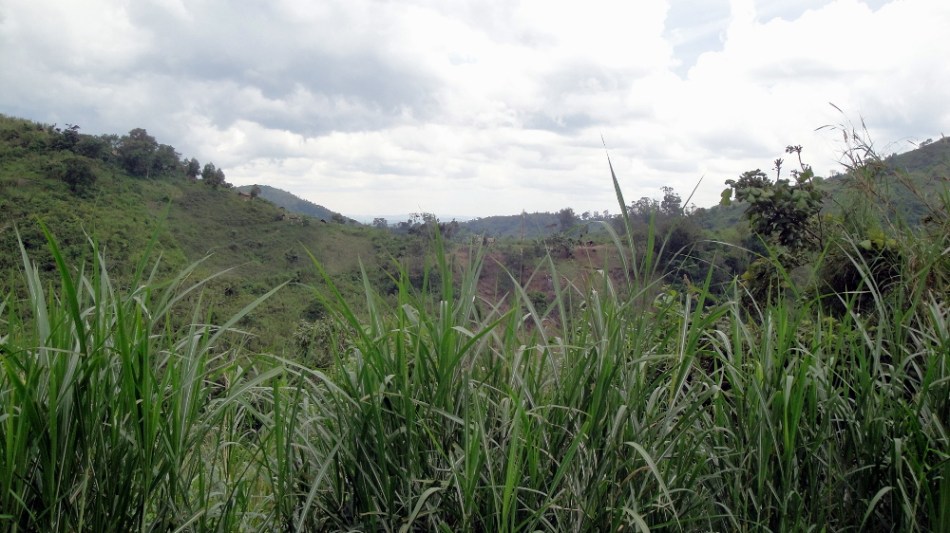
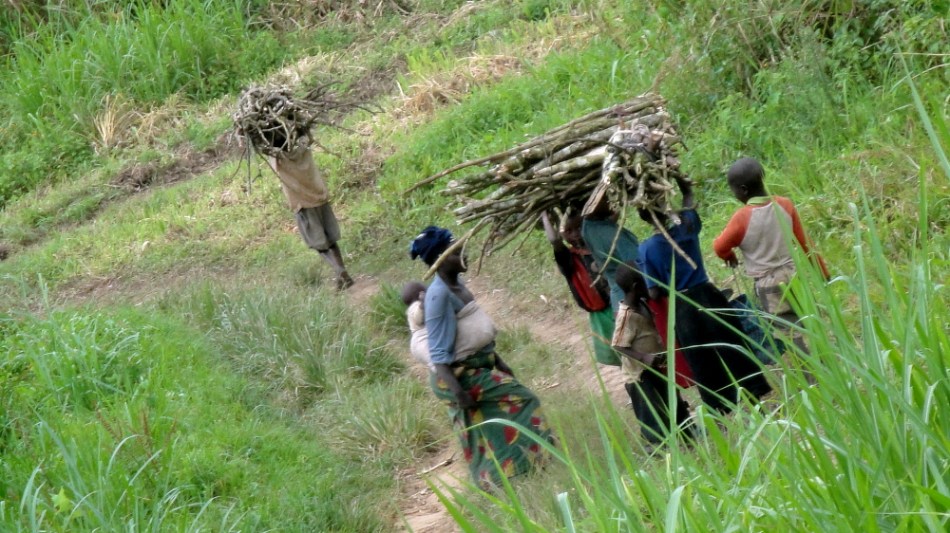
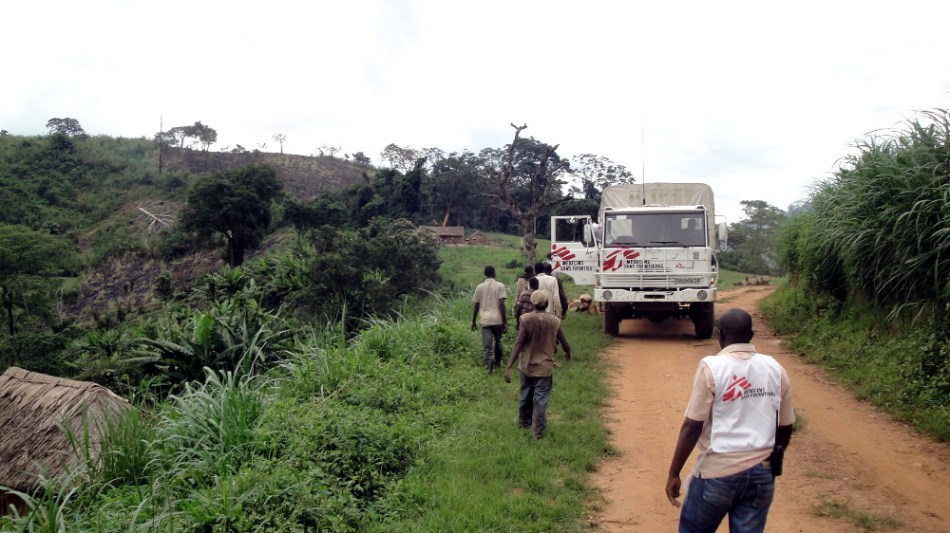
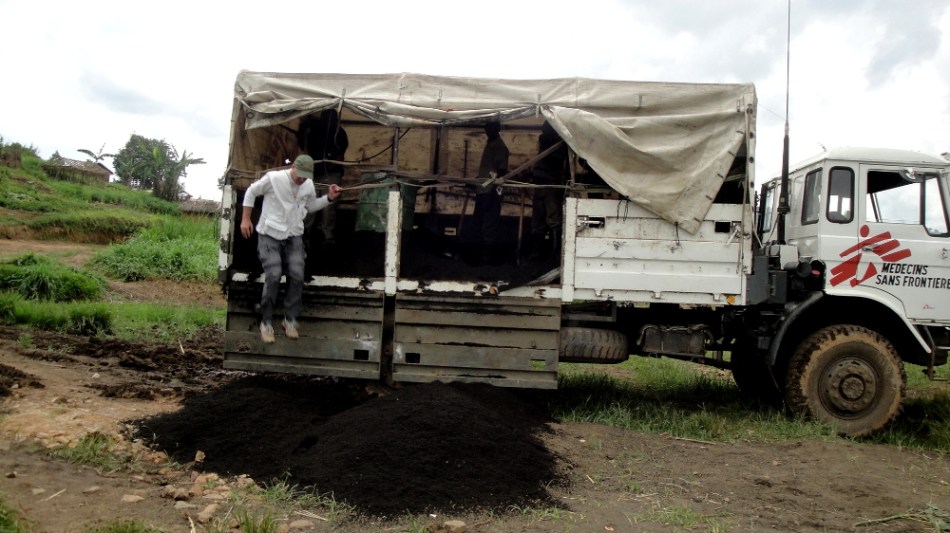
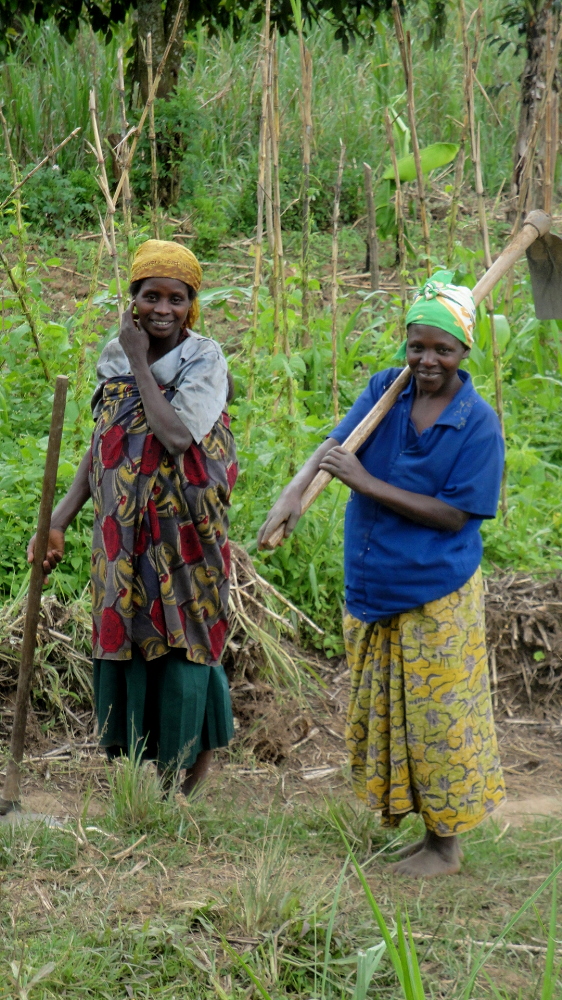
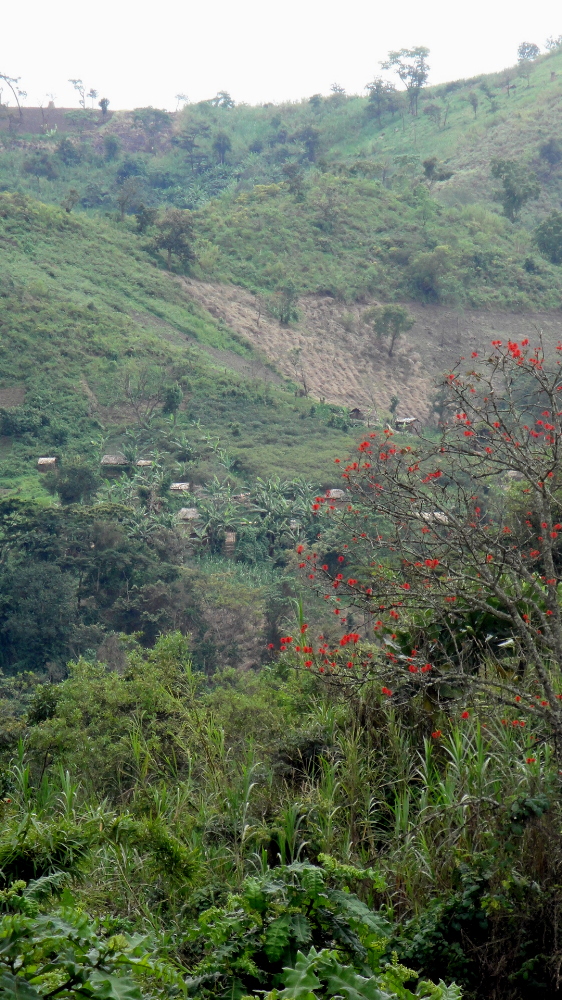 Most of these photos from DRC were taken during several different days I spent high in the hills at and near the town of Ihula, where we ran a mobile clinic 1x/week, when I arrived there a year ago, and where we worked during my time to construct a new health post which would then make quality care available, with our support, every day of the week to the folks up here who’d otherwise walk many hours – often across front lines – to get to health care. The sunrise shots sprinkled around were taken from our expat home & base-office one morning before my departure.
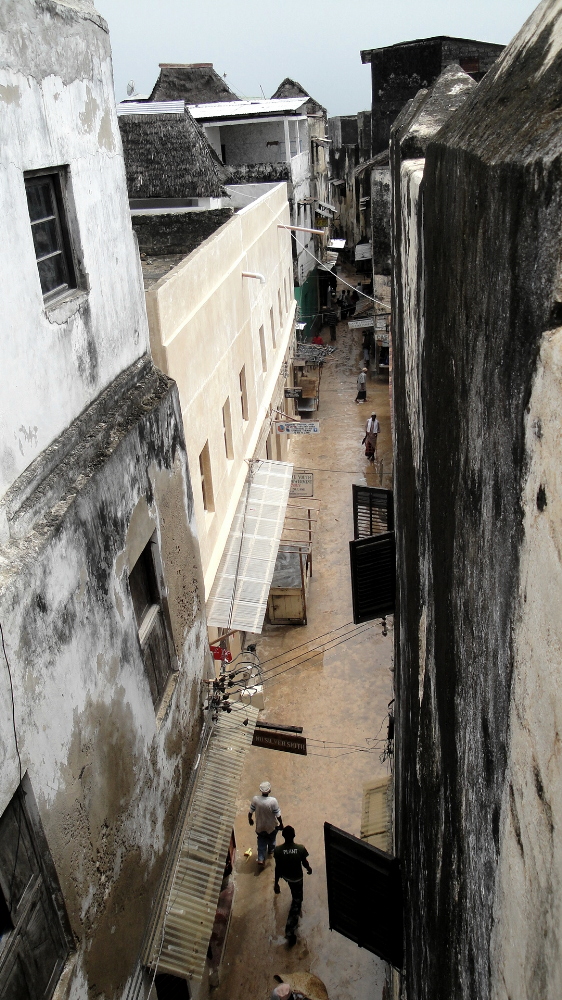
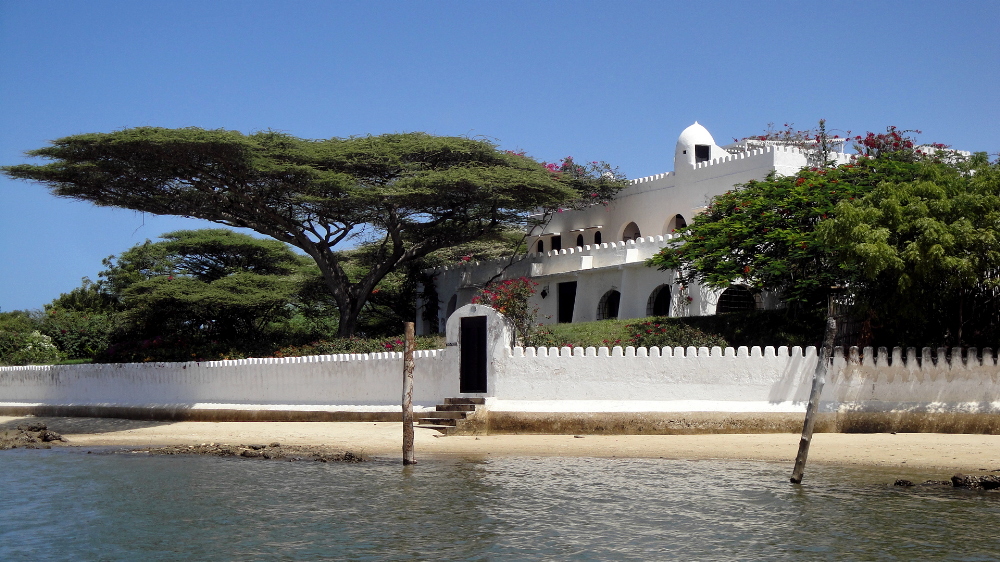
 And so what you see are mostly photos of Lamu and London for the past ten months. Sure, both are great places that I was delighted to visit on my vacations from Mweso. But what have my last ten months been about, really – trust me, it was not dominated by the waves on the beach or great dance and theater in London. (Oh by the way, the sun is about halfway above the horizon over around Queens now; a livid pinkish-orange ball that I can already no longer look at. When I look at the two entries here in which I did show photos of North Kivu and say a bit about it, I think I did a fairly decent job of talking about how we live and what I was doing there, more or less.
 My first day back in the US, I spoke to a group of high-school students here in NYC about MSF, our work, my work, and so on. One student asked about common misconceptions and I responded about over-romanticizing, or over-dramatizing, what we do or how we live. (And that’s where I ended in October. Not gonna finish those thoughts now. You probably get it. Lower down there are actually some pics of me at work, hauling rocks and shoveling sand for the foundation of the new health post.)
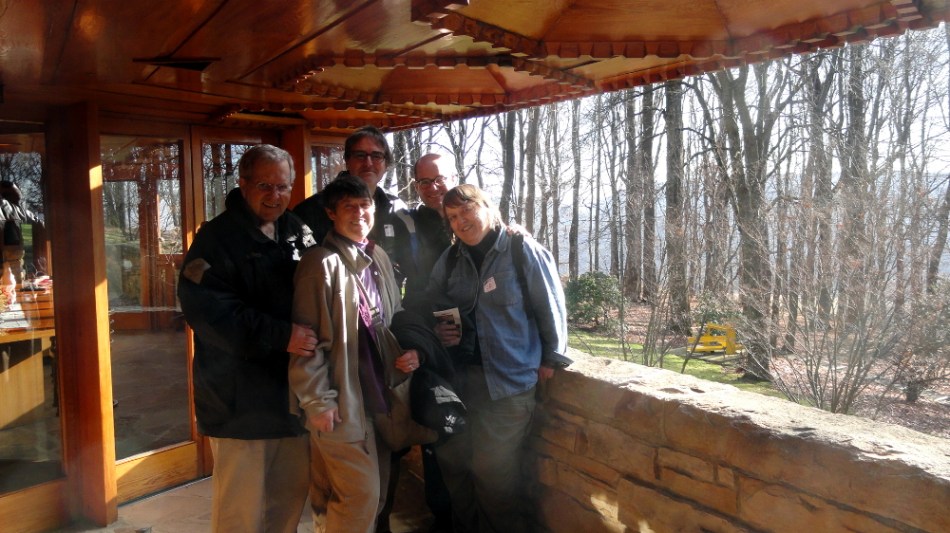

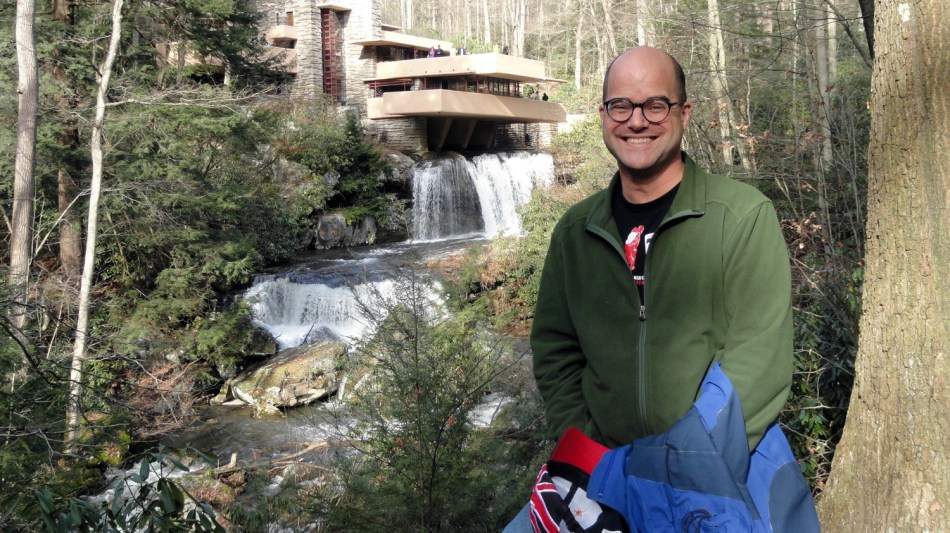
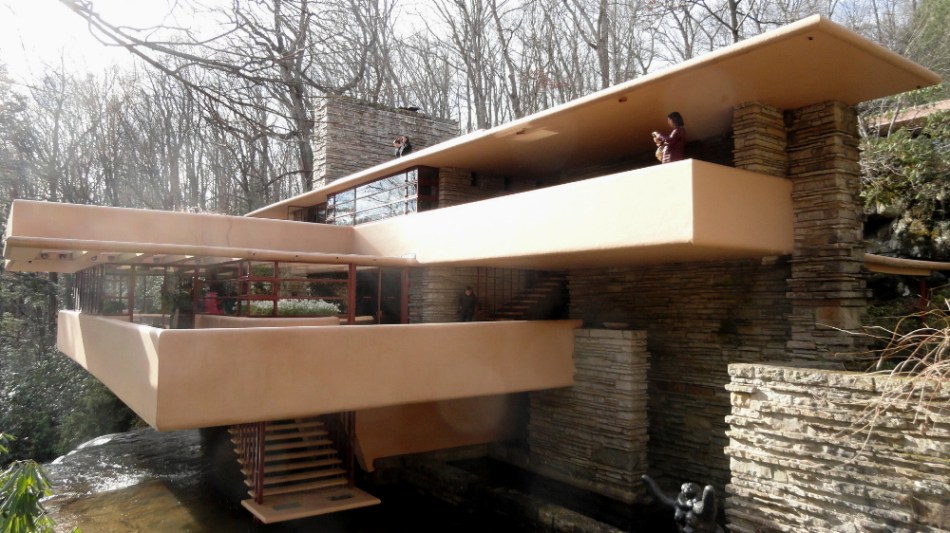
Above, Fallingwater; below, Kentuck Knob. Fallingwater: a magnificent house constructed on/in/over a waterfall – truly spectacular. Kentuck: so much less dramatic, but so much more like home: I would LOVE to live in Kentuck Knob, and would feel comfortable and happy all the time, I suspect. I think Fallingwater would make me feel constantly overwhelmed by its own magnificence – it doesn’t feel homely to me. 🙂


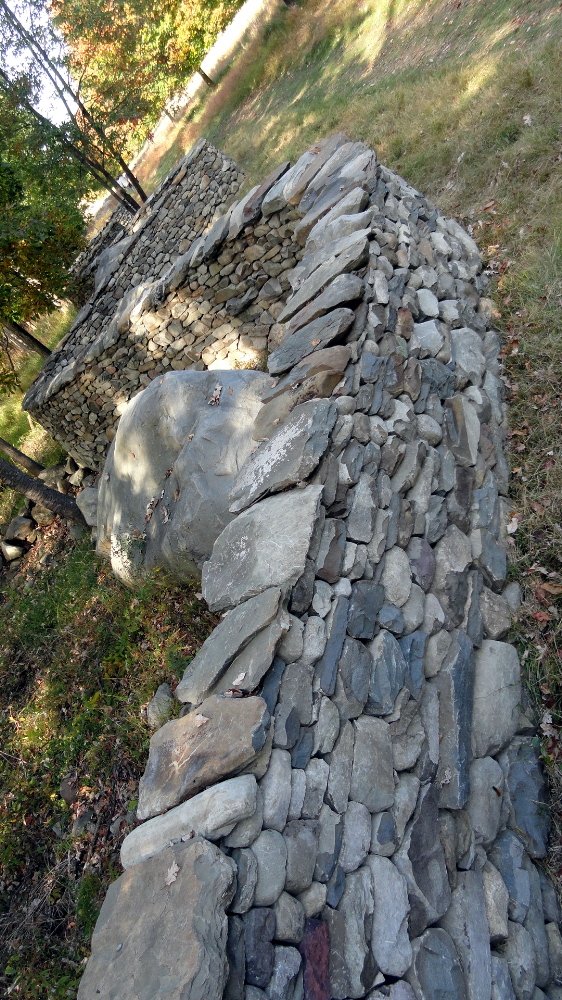


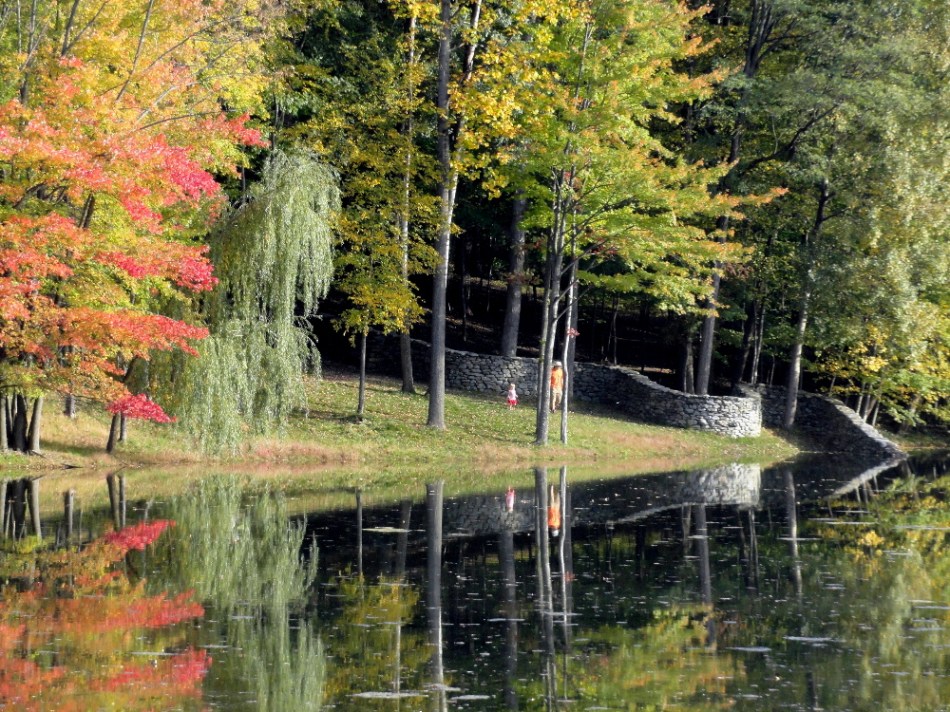




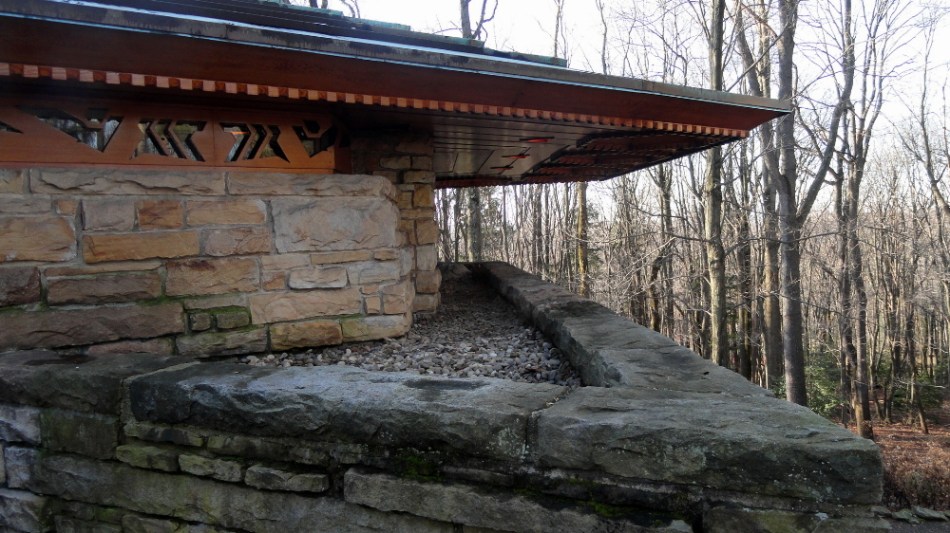

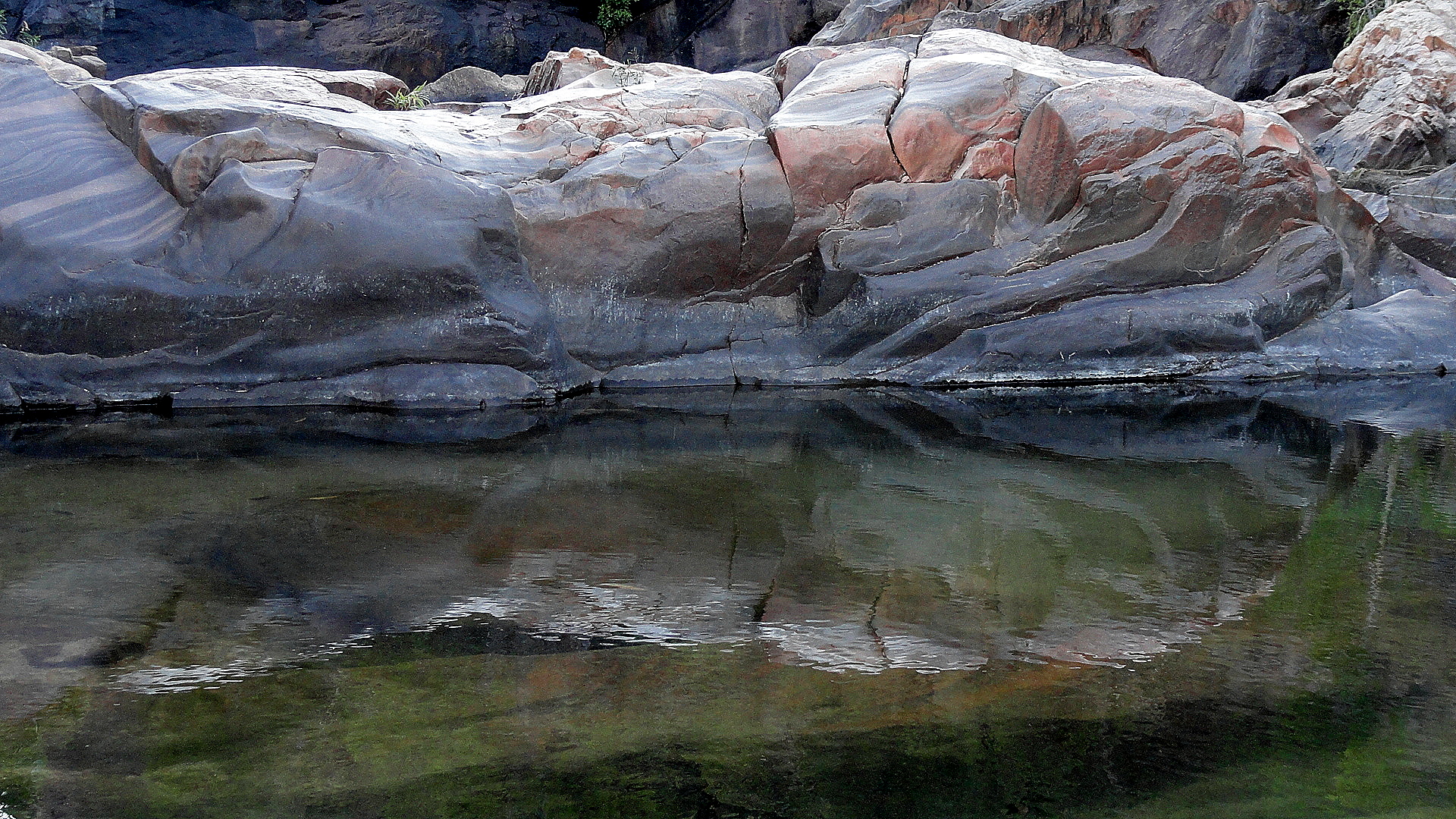
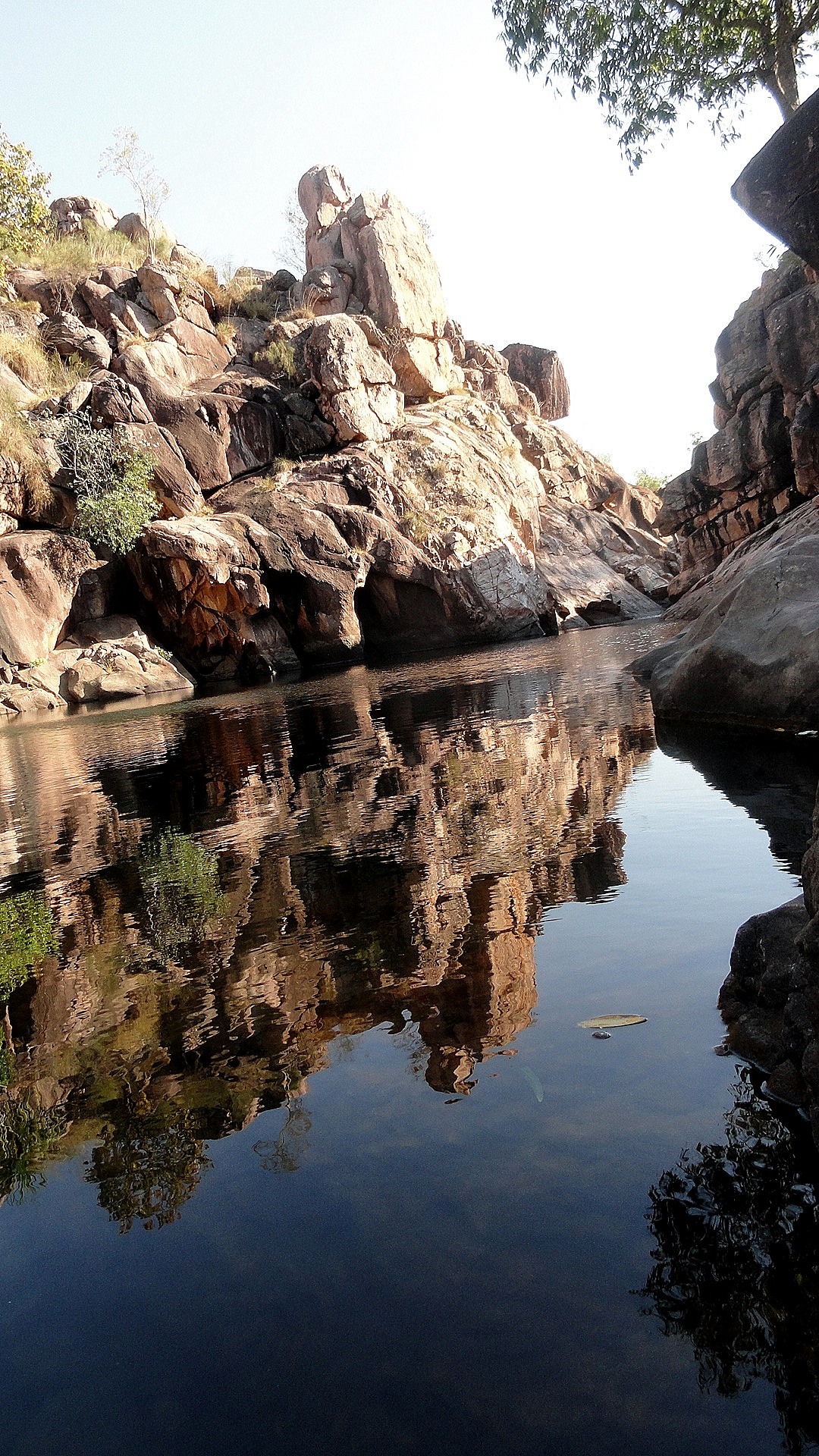
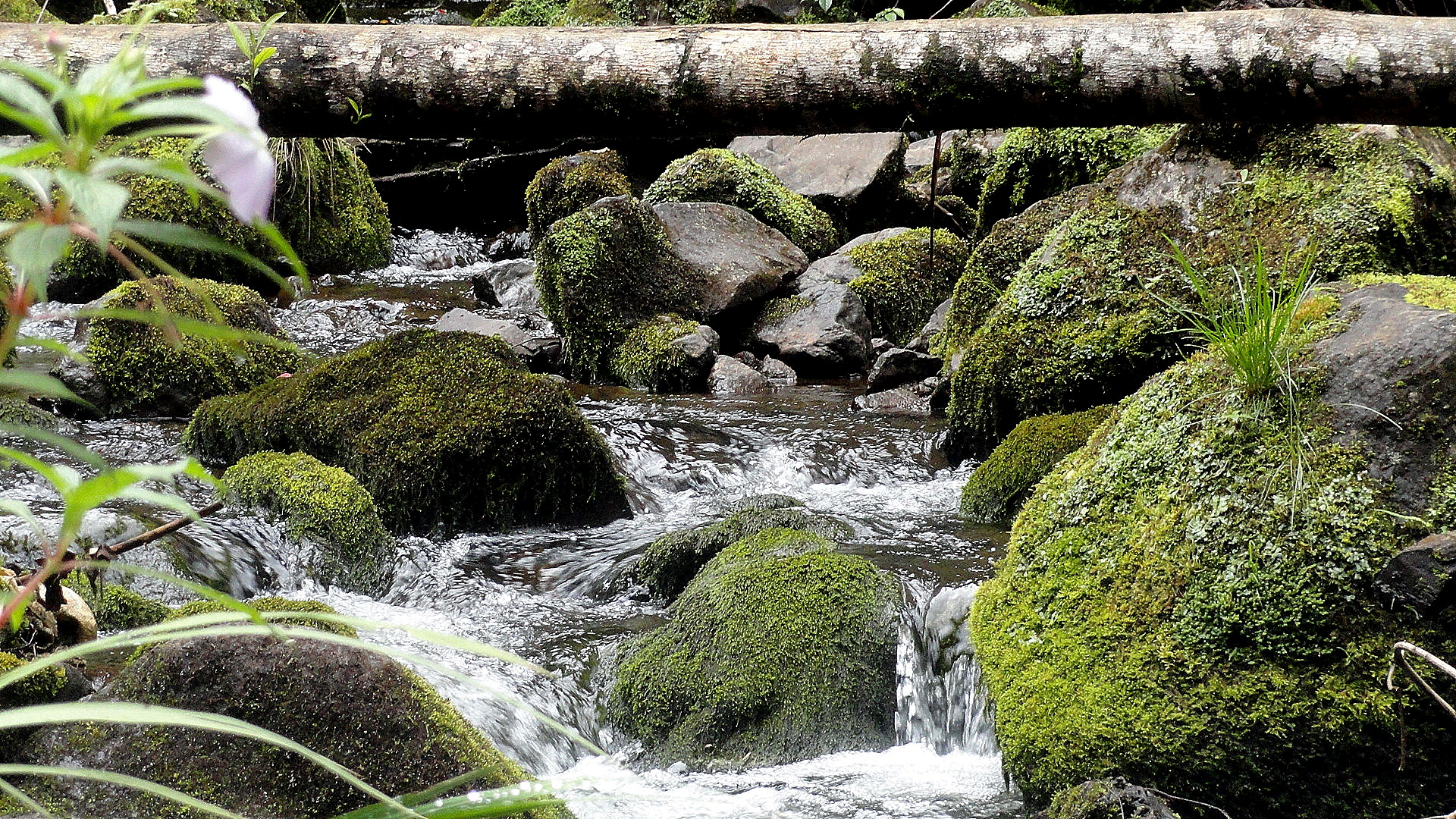
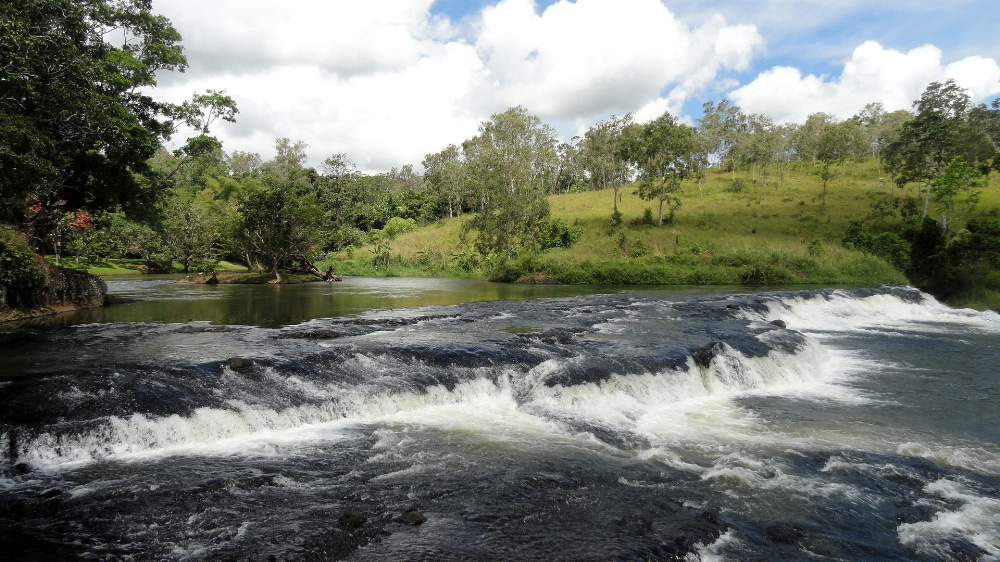
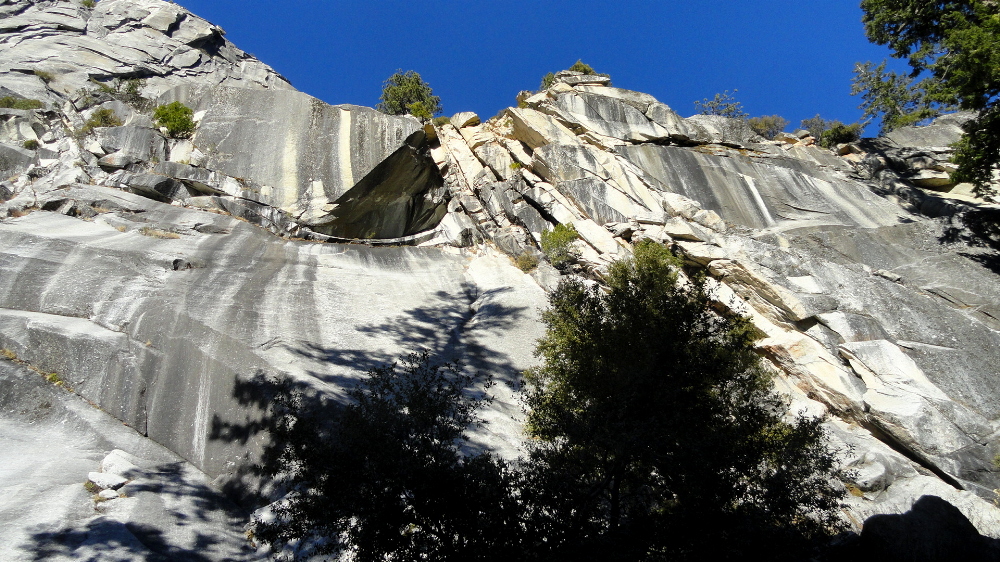
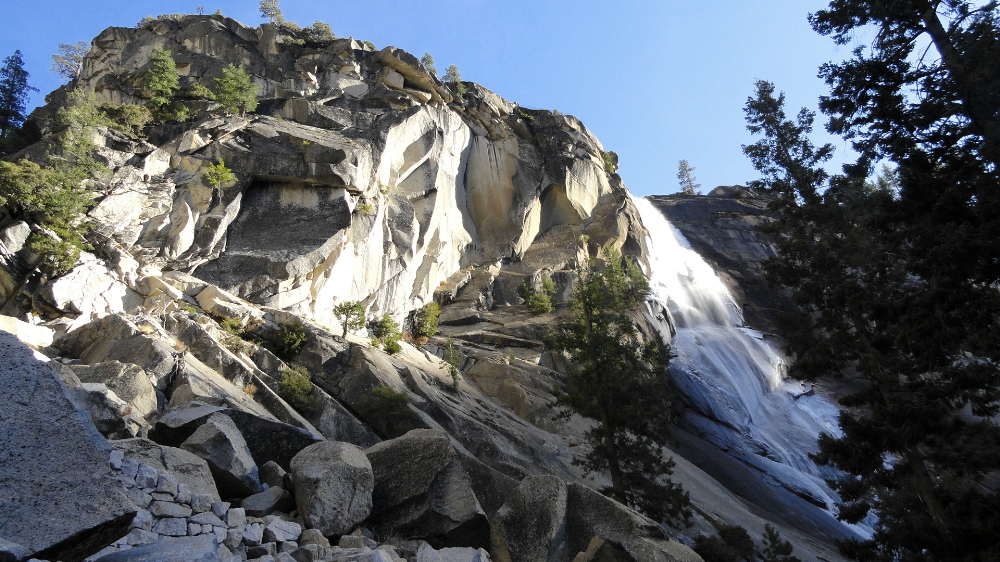
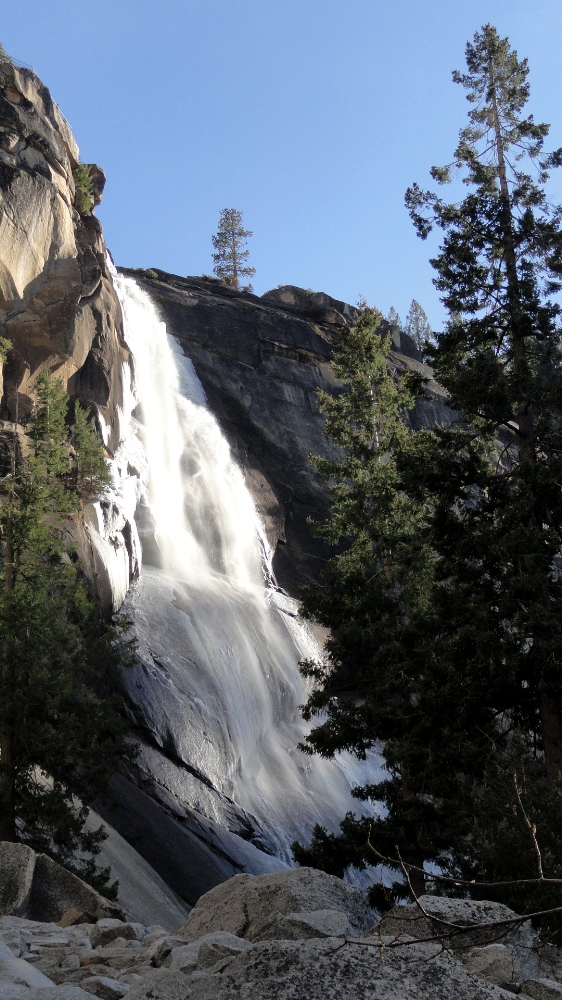
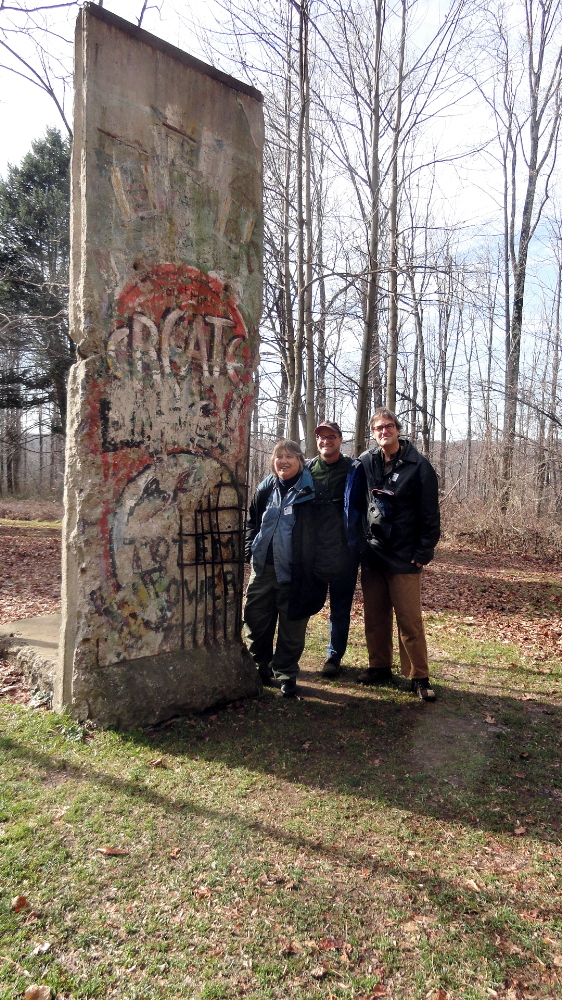 Mom, Paul & Steve at a Berlin-Wall segment installed in the sculpture garden at Kentuck Knob, which also contains some Andy Goldsworthy stone work, cousin to the two twisty curvy stone walls you’ve been seeing in photos from Storm King. If you don’t know Andy Goldsworthy, find a place to see his installations – photos can’t do them justice; they are site pieces best seen in person. Stones, water, walls are themes in these photos – from hauling stones for the foundation at Ihula, to Goldsworthy’s playful stone walls; from the huge stone support wall on the downslope side of Kentuck Knob to the waterfalls at Fallingwater, the Passaic River in Paterson, or at Ohiopyle on the Youghigheny River downstream from Fallingwater, below.