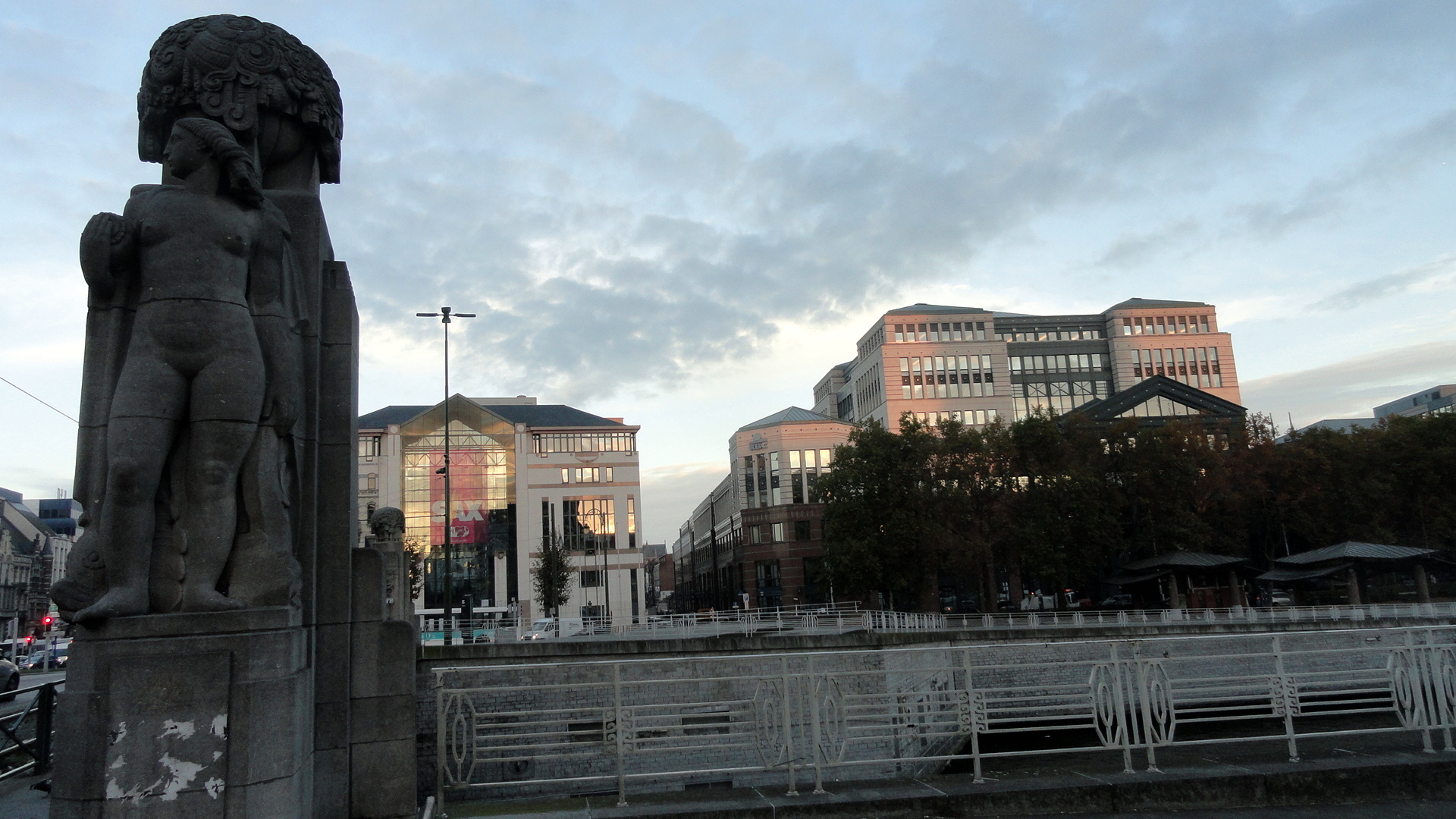
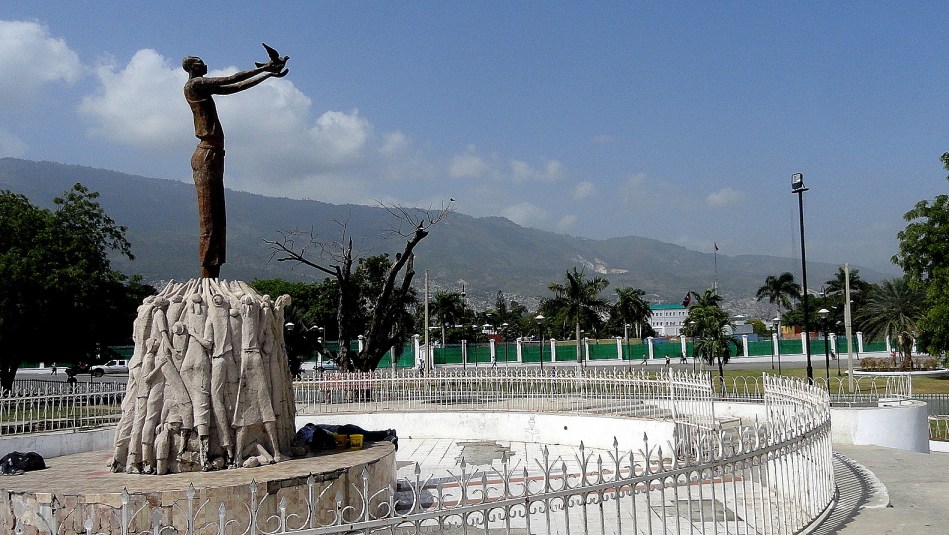
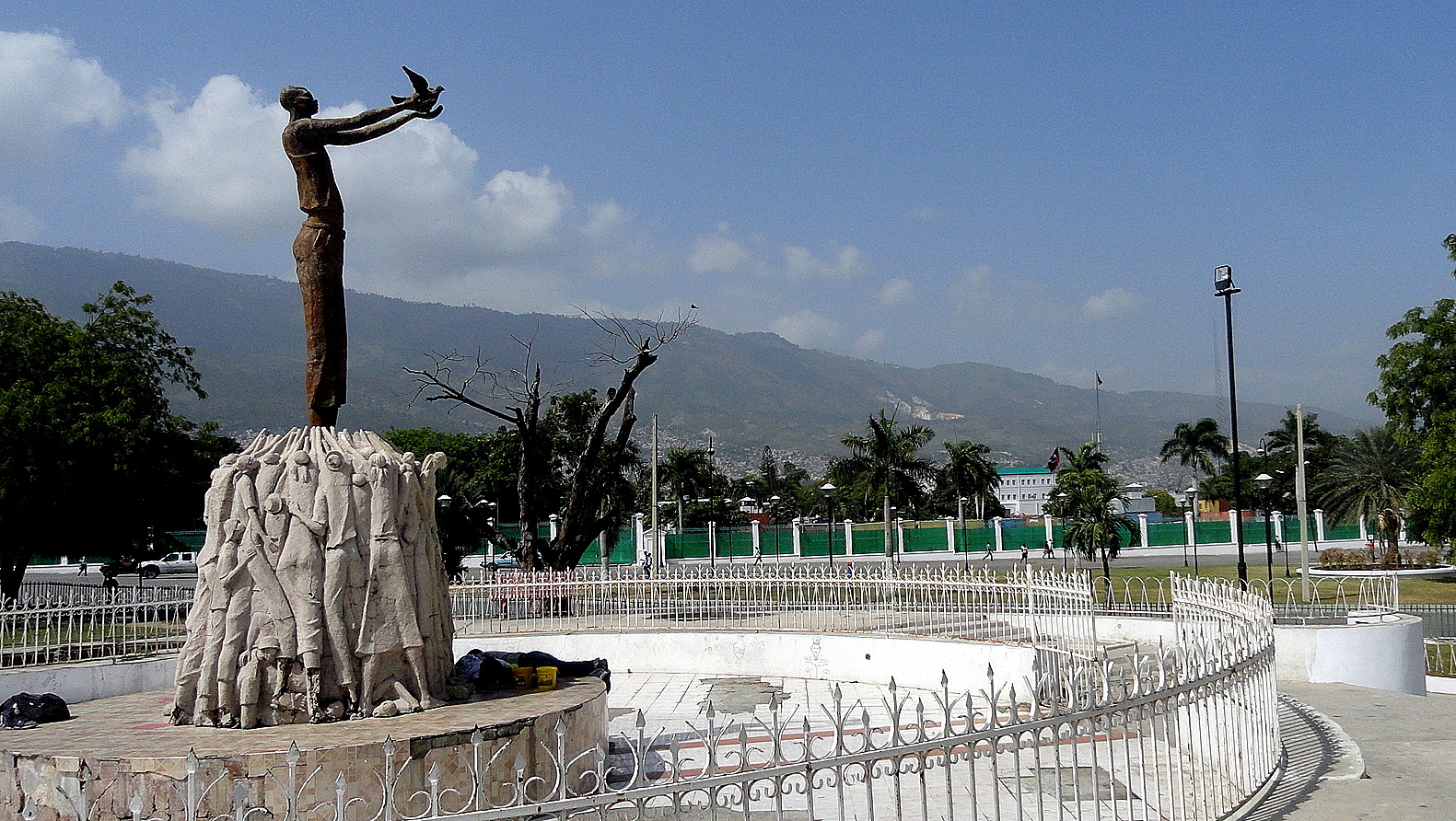
 Napoleon Bonaparte wrote the following, in his memoirs from St. Helena: J’ai a me reprocher une tentative sur cette colonie, lors du consulat; c’était une grande faute que de vouloir la soumettre par la force; je devais me contenter de la gouverner par l’intermédiaire de Toussaint. (Thanks to Madison Smartt Bell in whose magnificent historical-fiction trilogy on the Haitian revolution I found that.) He’s basically saying that he made a big mistake trying to reconquer the self-liberated former slaves of this colony, instead of being content to rule the colony through their leader. I took the photos in this entry during a weekend morning exploring the heart of downtown Port-au-Prince, which is well-stocked with monuments to this country’s absolutely astounding history. So I’ll just give a quick and highly selective review of that history and ask a what-if or two.
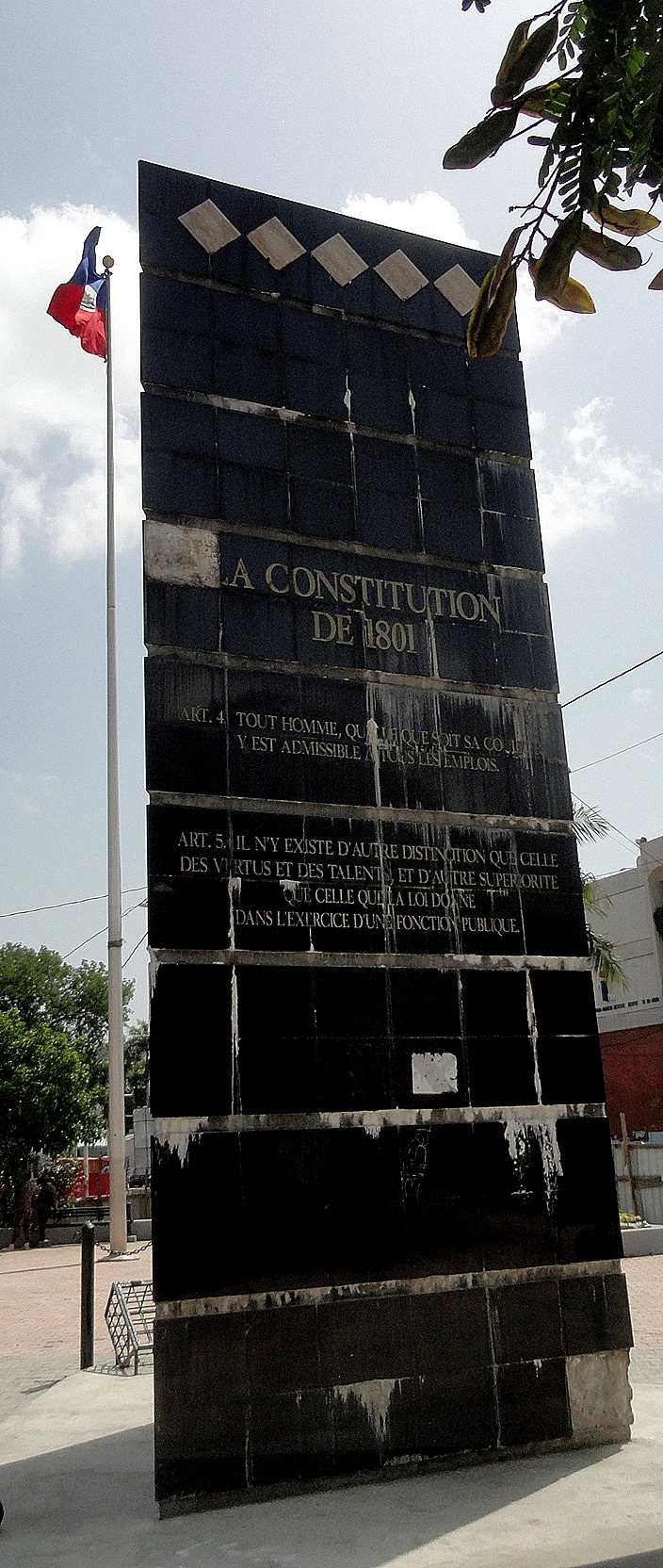
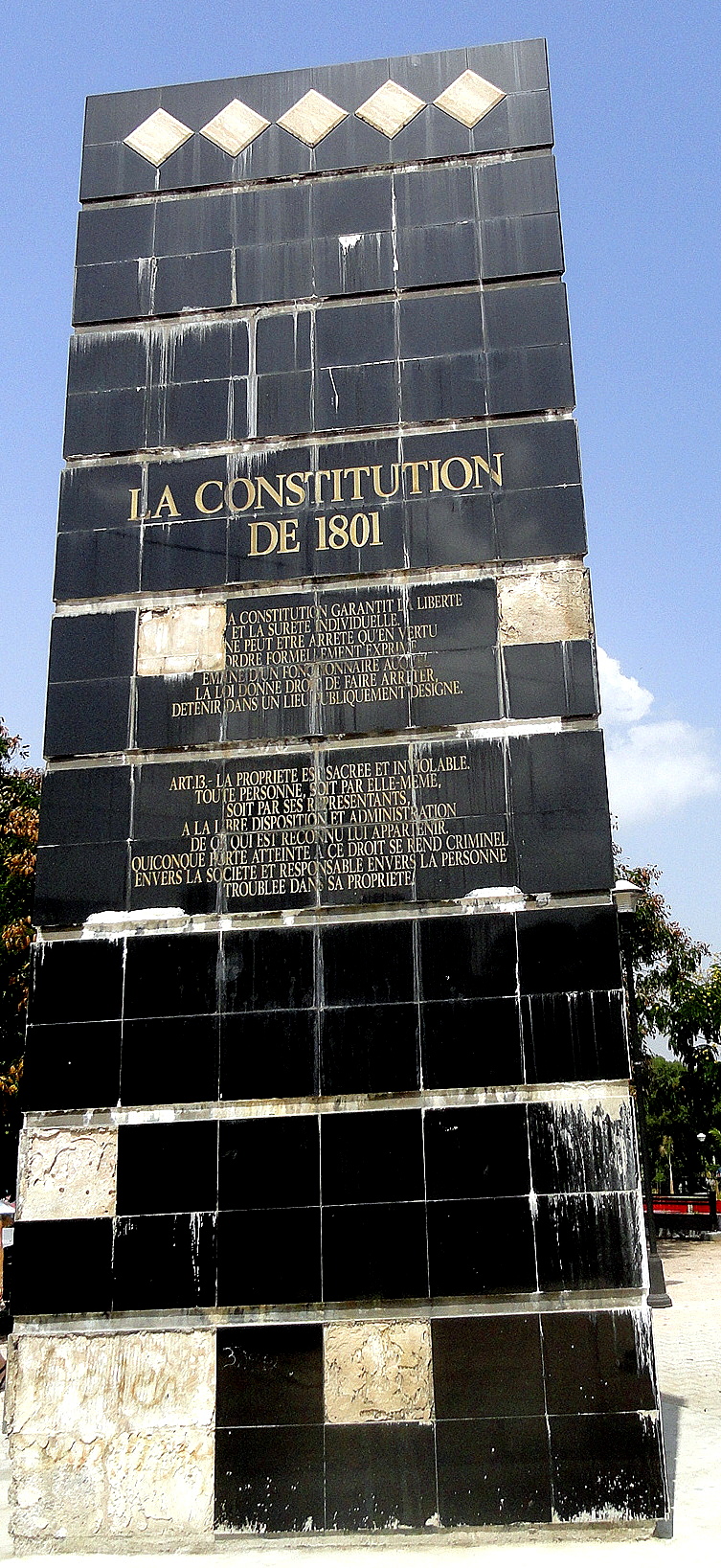
Imagine that a man born into slavery, and without formal education, rises to a point where he organizes and leads a slave revolt which fights off the Spanish and British, restoring control of Hispaniola (the whole island, at one point) to the French Republic. Toussaint Louverture, spurred by Napoleon’s statement that the colony would need some new laws, then drafts a constitution which leaves the colony basically part of France but with a lot of home rule (some quotes are seen below in the three tall photos); and Napoleon basically responds by sending out a massive fleet, betraying and arresting Toussaint so he dies in prison in France…and then the former slaves of Saint Domingue get really mad, and with the help of yellow fever and the leadership of Dessalines and a few other key formerly-slave generals manage to permanently push the French out of the island, thereby defeating one of the world’s most powerful nations.


 You could be forgiven for thinking such an interesting story would be widely known in the world. You might think the great democratic powers of the day – France and the U.S., eh? – would have welcomed this new republic & bastion of freedom, and developed warm ties of trade and friendship with it. (Especially if you consider that it was Napoleon’s grinding defeat here which forced him to sell the Louisiana territories to the US, step one of our gradual expansion to the Pacific.) You’d be wrong – France ran naval blockades and always threatened invasion until they forced the Haitians to buy themselves free with crippling debts that they were still paying well into the 1900s. (Thought experiment: what if Britain had done the same to us??) The US – with an economy in the south that depended on slave labor and continued to abduct people from West Africa and ship them across the ocean in chains for many more decades – didn’t choose to recognize Haiti’s independence until 1860. (Thought experiment: what if my own ancestors had crossed the ocean in chains and been sold in chains upon landing, rather than being given a homestead of redistributed formerly-Native American lands on the great plains?)
This country has an absolutely amazing history and I find it shocking, if sadly predictable, that its important place in history has rarely been appreciated beyond its shores. It has seemed to me since the 1980s that lots of people outside Haiti are free with opinions about what the country should or shouldn’t do, what’s right or wrong with its government or economic system, etc. – and I really wonder how many of those people with those opinions have taken time to think about (let alone interact respectfully with) the people of Haiti, their history, and their own desires as one of the earliest self-created nations in this hemisphere. Though it’s been shattered by the earthquake and battered by violent changes of government many times in recent decades, Port-au-Prince remains a great place to ponder this country’s rich history…and to hope for a brighter and more prosperous future with, might I add, a bit more external respect shown for this country and its people.

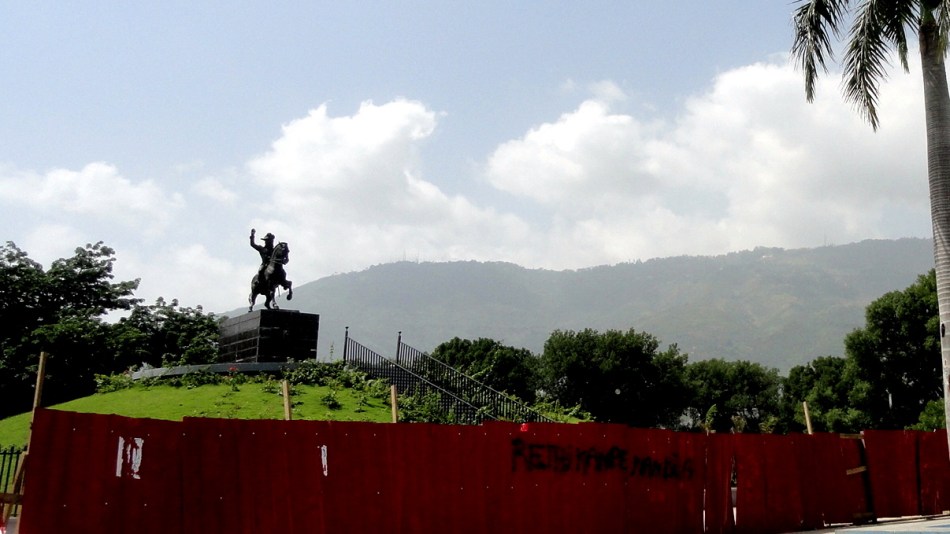
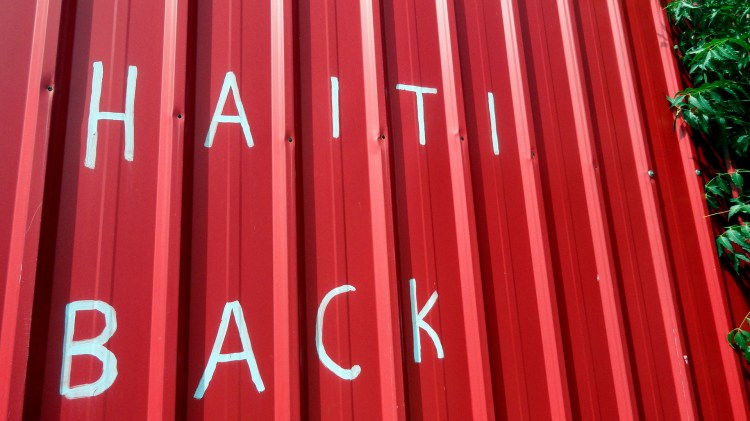
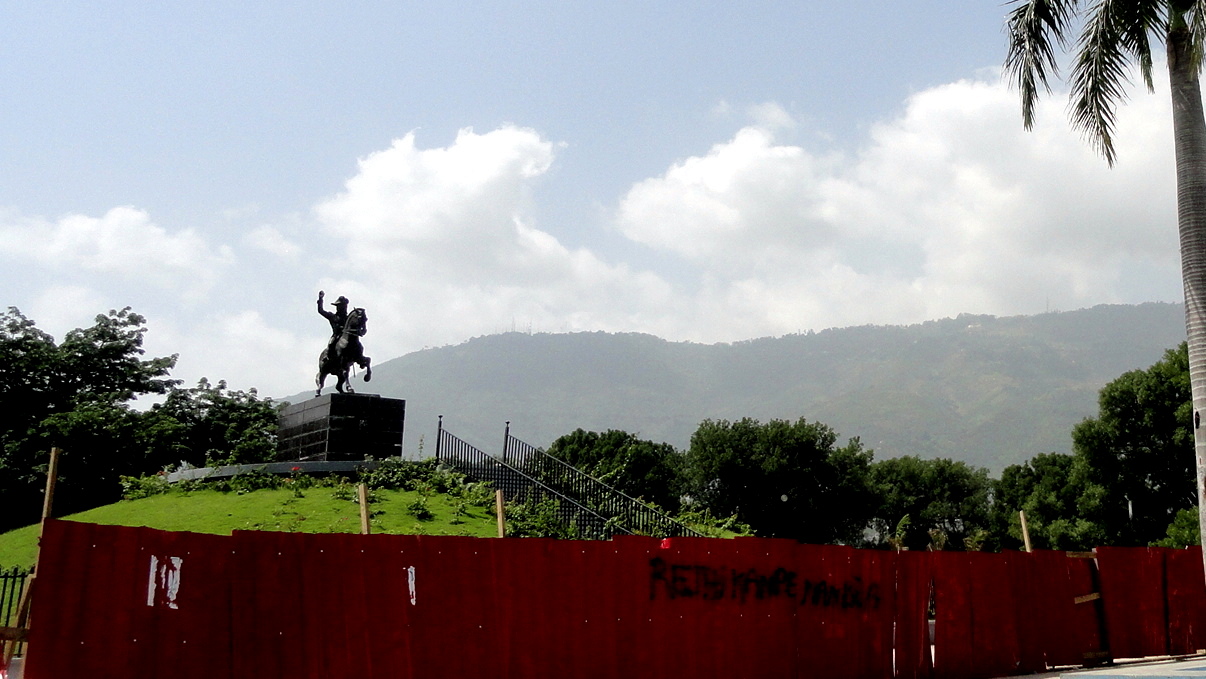
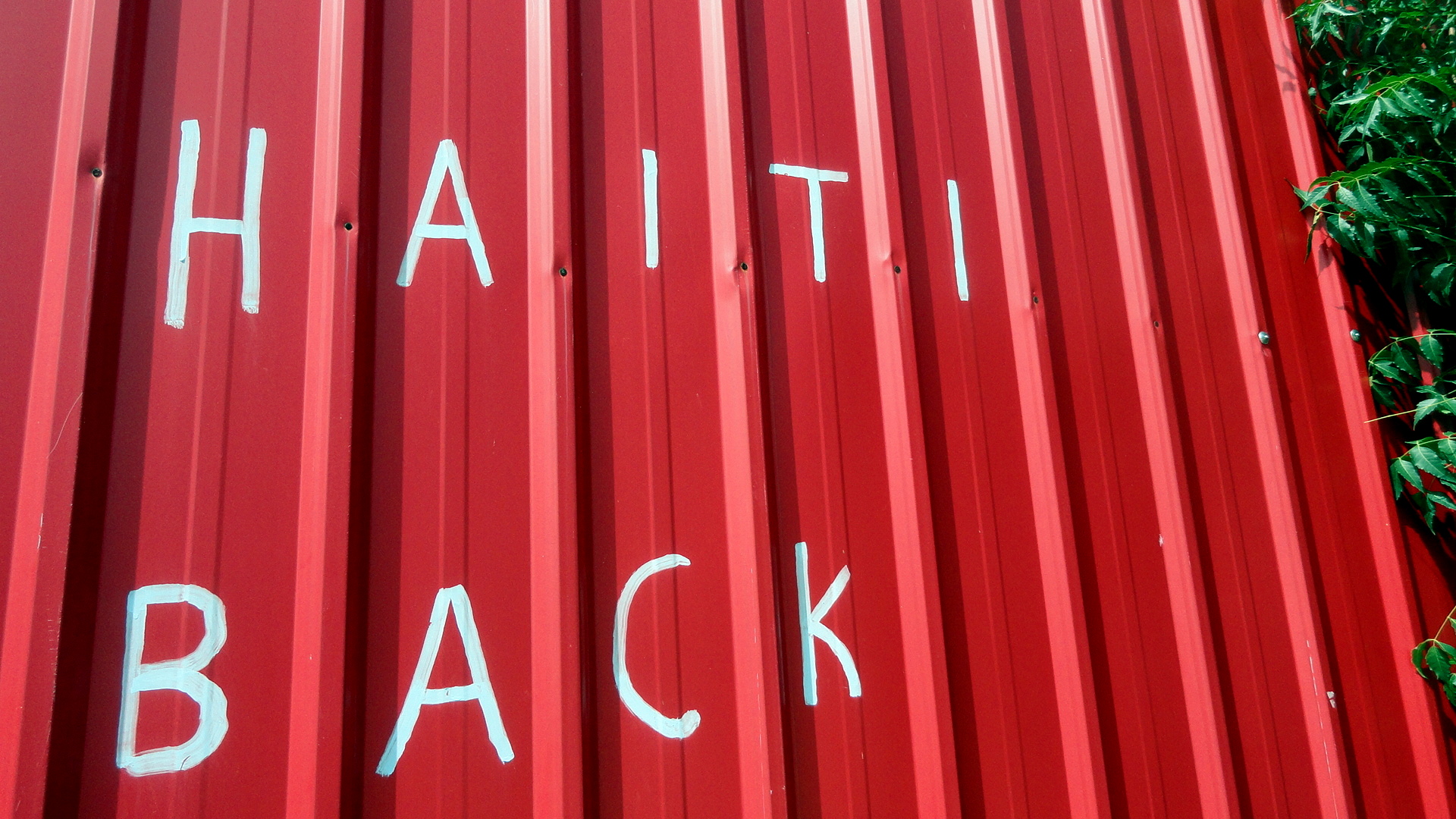
…immediately above is the monument to Dessalines. As you can tell, much of downtown is still under reconstruction but I’m told the pace seems to be picking up. Below is the eternal flame (to honor, I think, the original self-liberating revolutionary ex-slaves), with the new court house next to it; the big statue of the man blowing the conch shell in the Unknown Maroon – maroons being slaves who’d run away to the mountains during colonial times. Further down is a tap-tap with colorful paintings against sexual and domestic violence (which showed up at the opening to our new SGBV clinic), and the lovely old medical school building, which I guess either survived the quake or has been restored more rapidly than many others. The graffiti, I believe, expresses the hope that Haiti’s coming back into its strength again.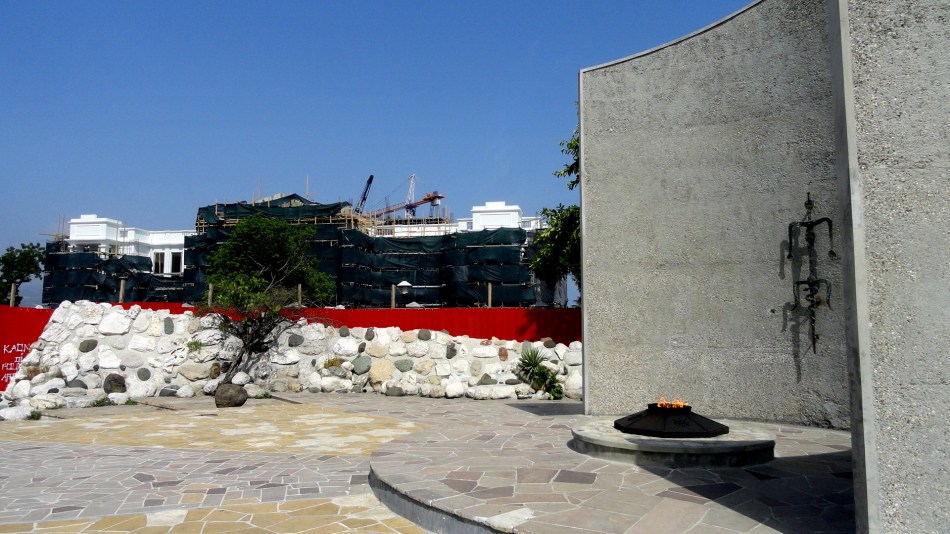



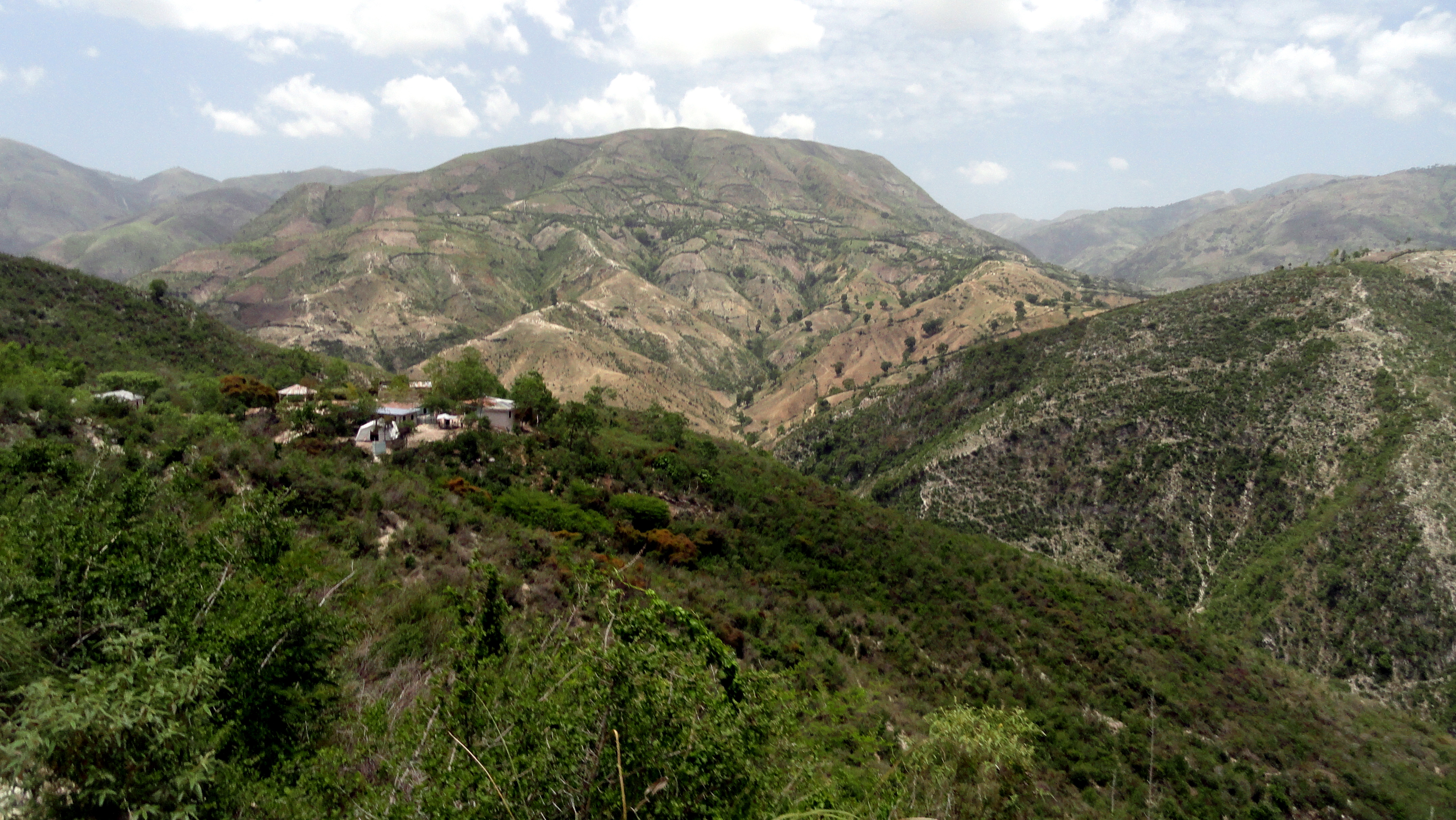
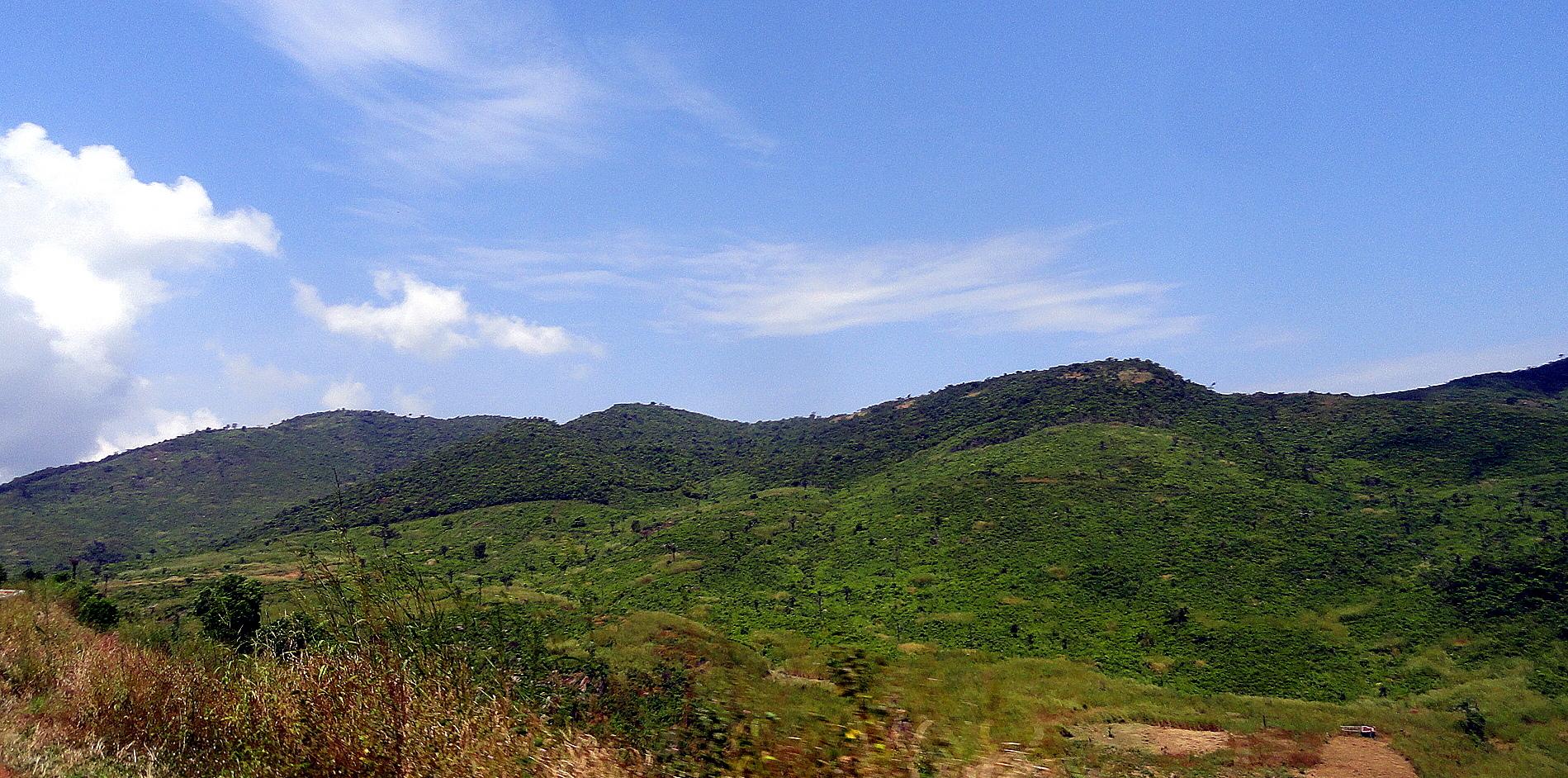
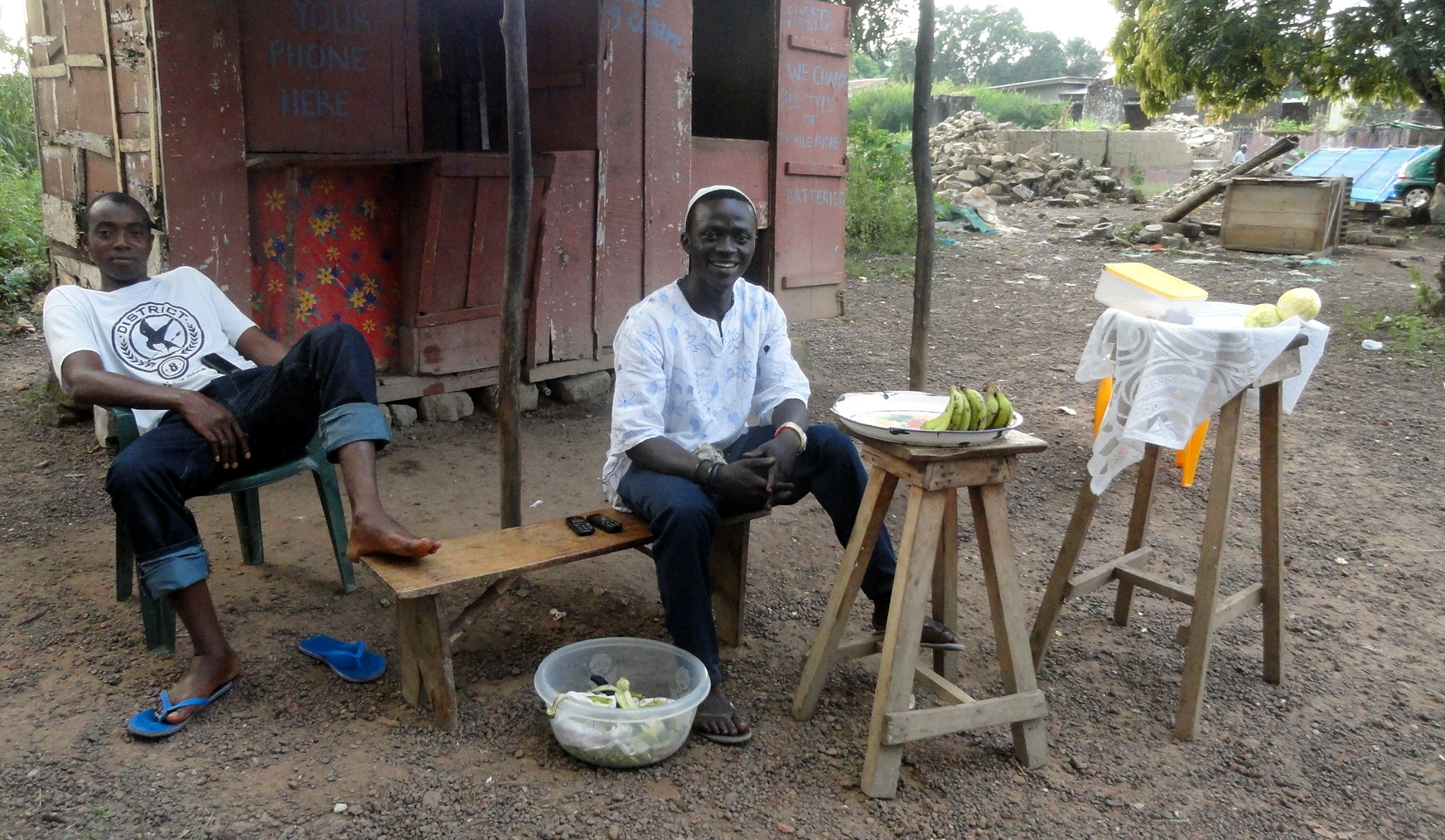
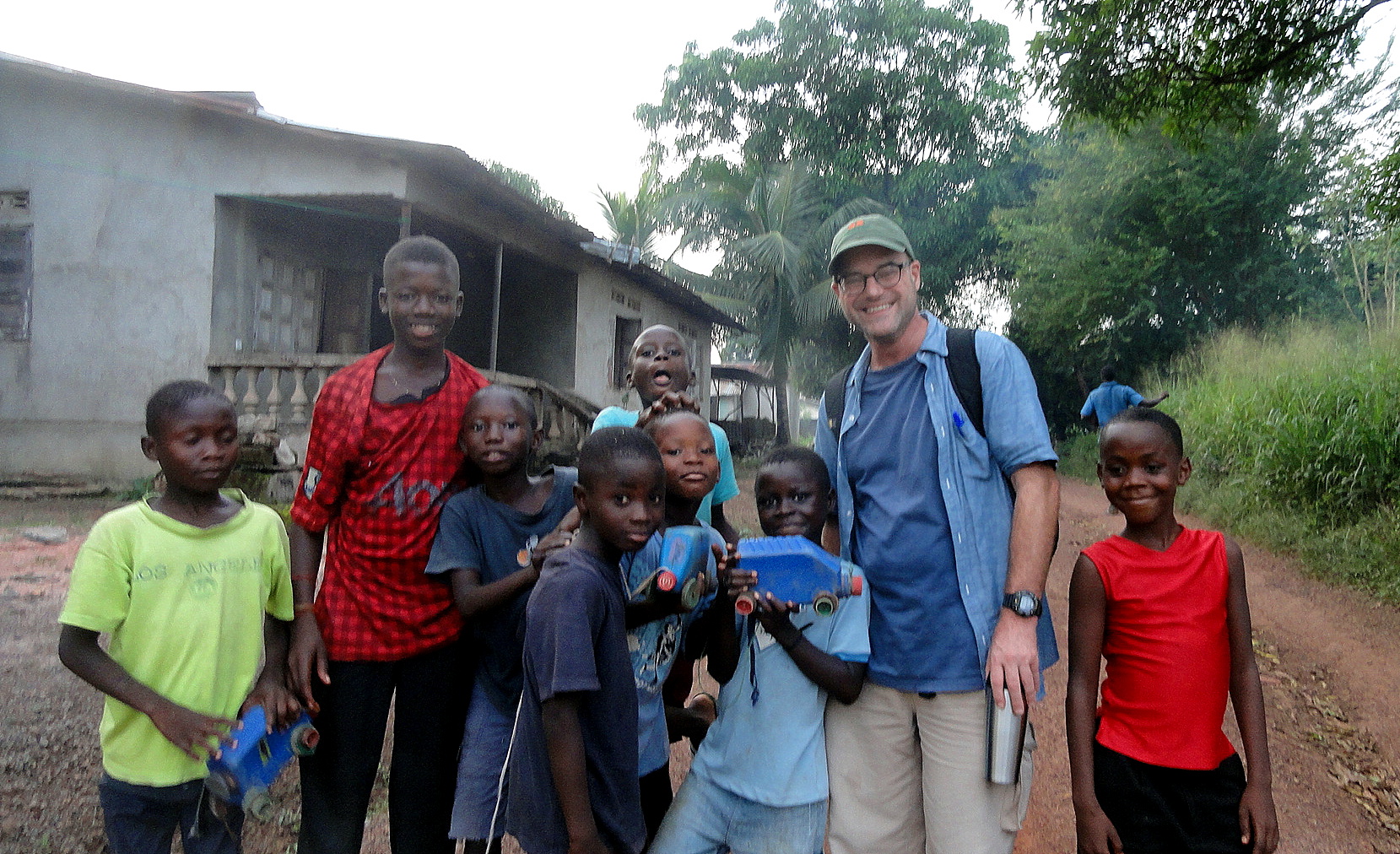
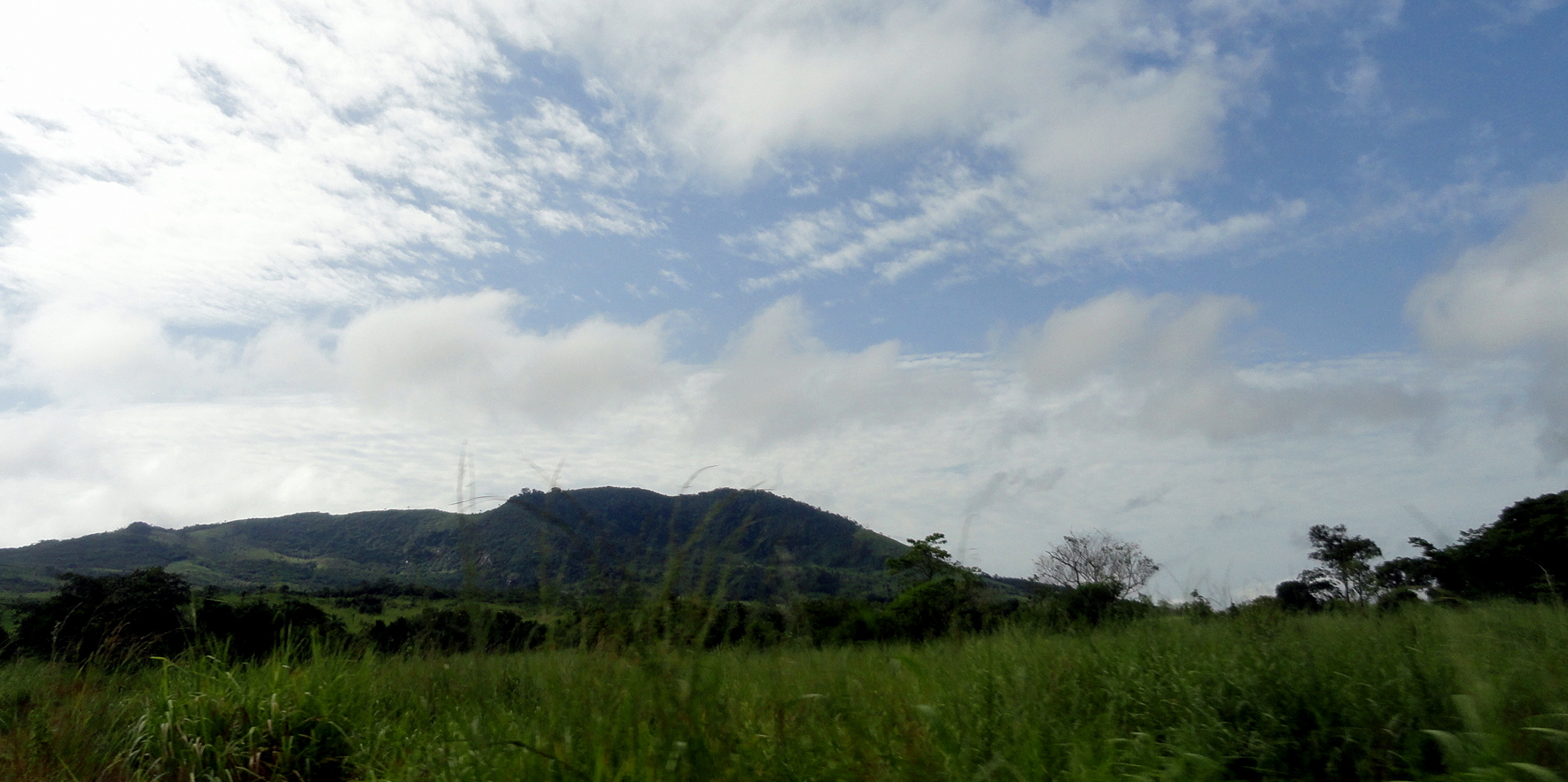
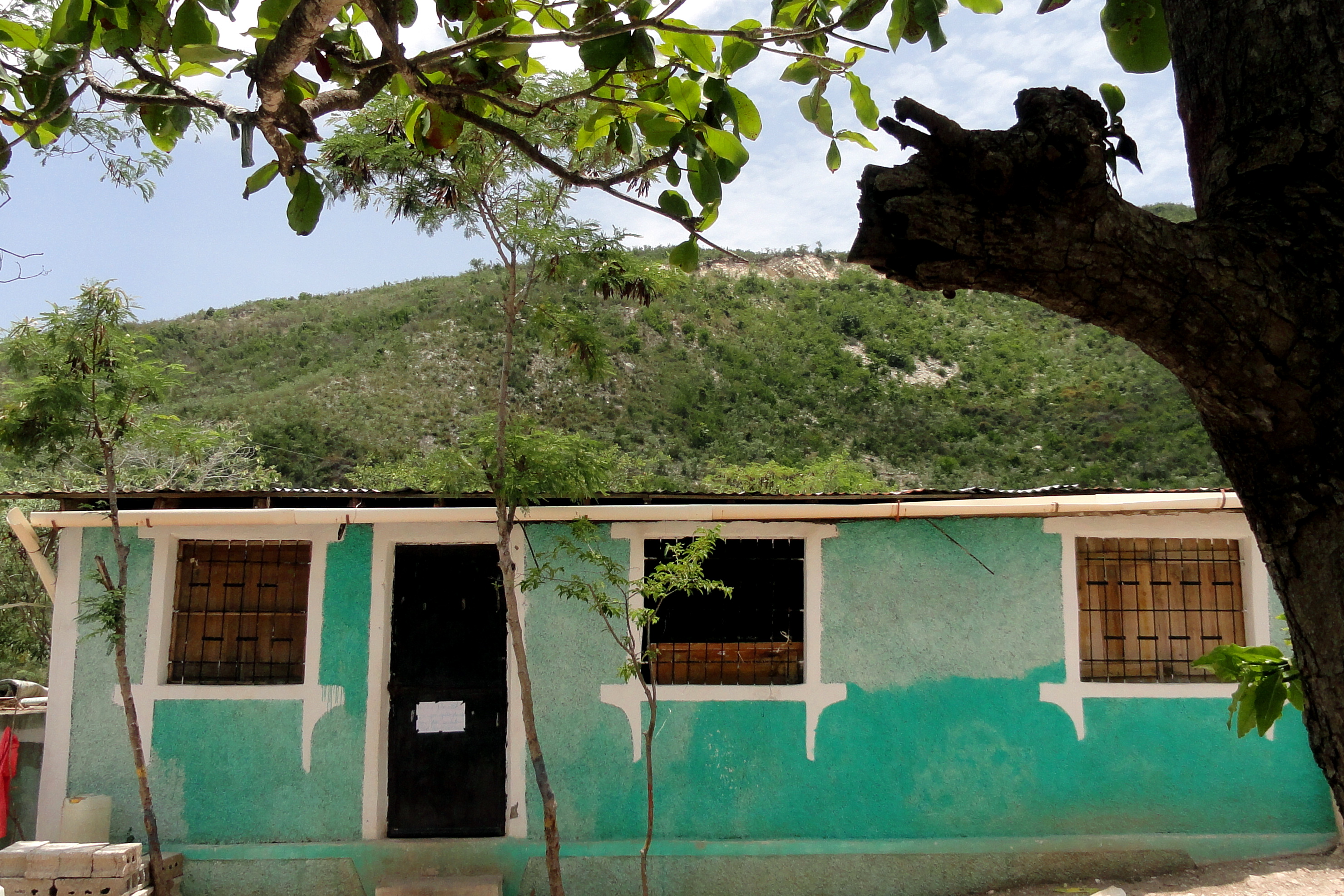
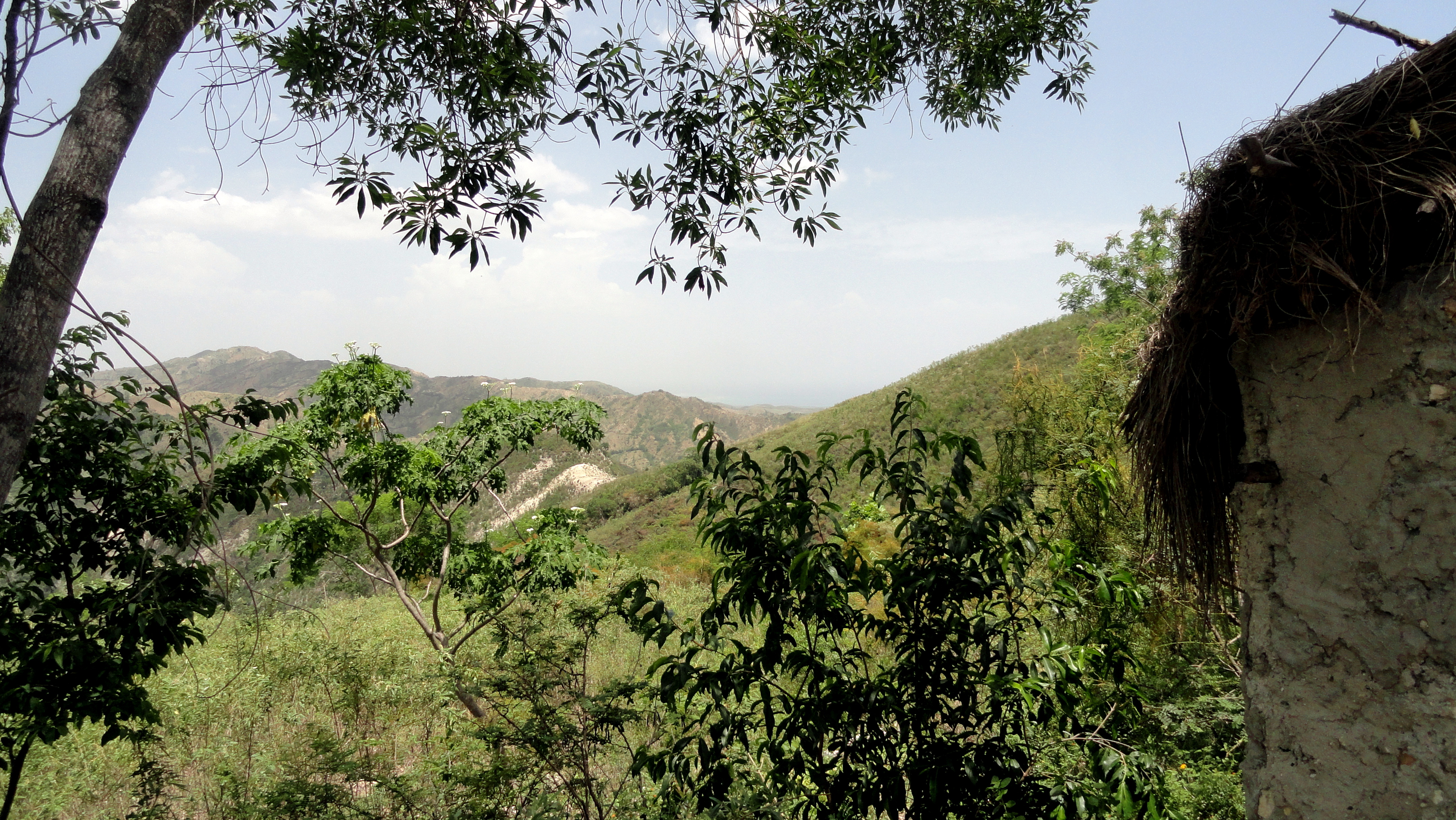
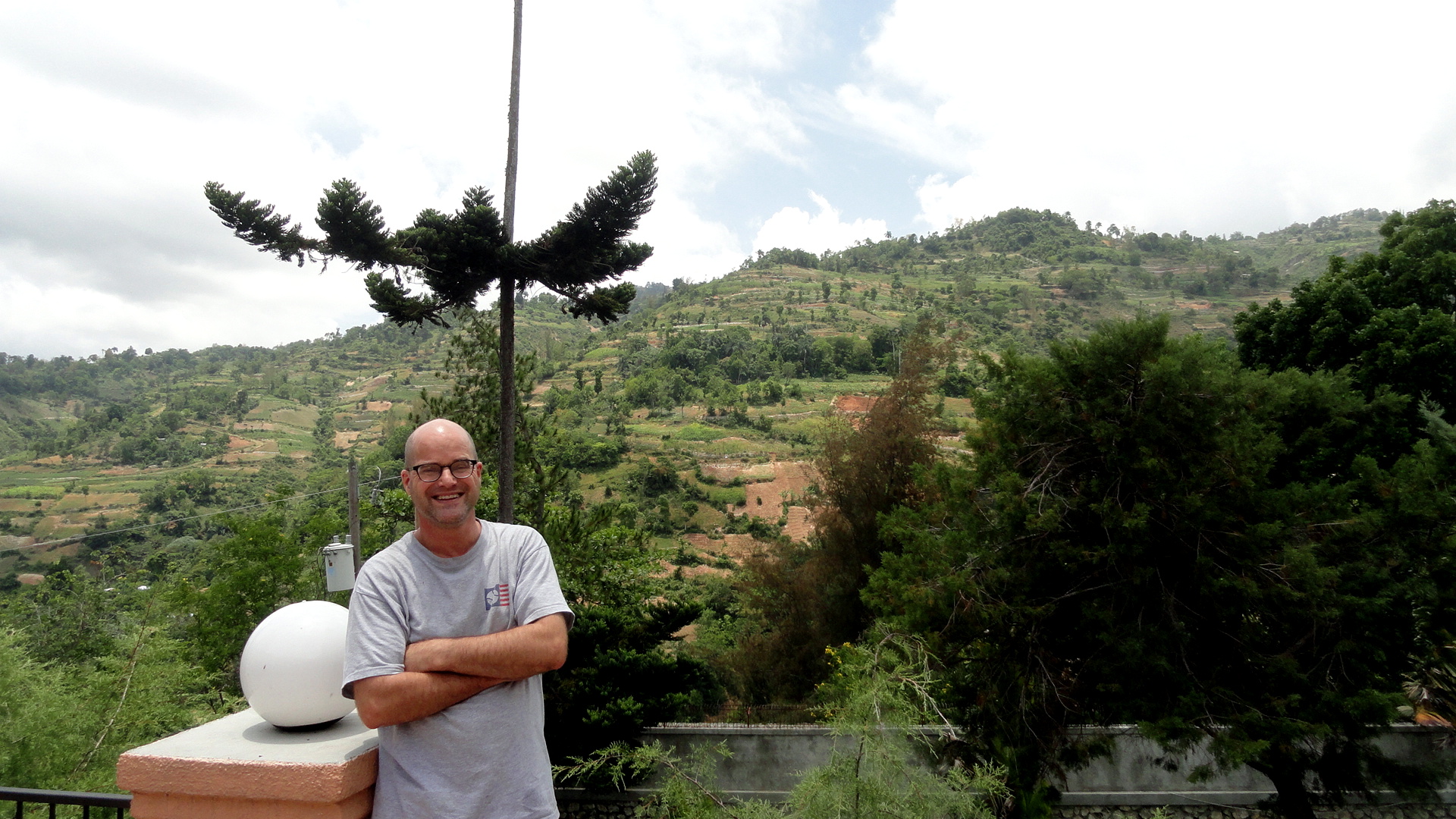
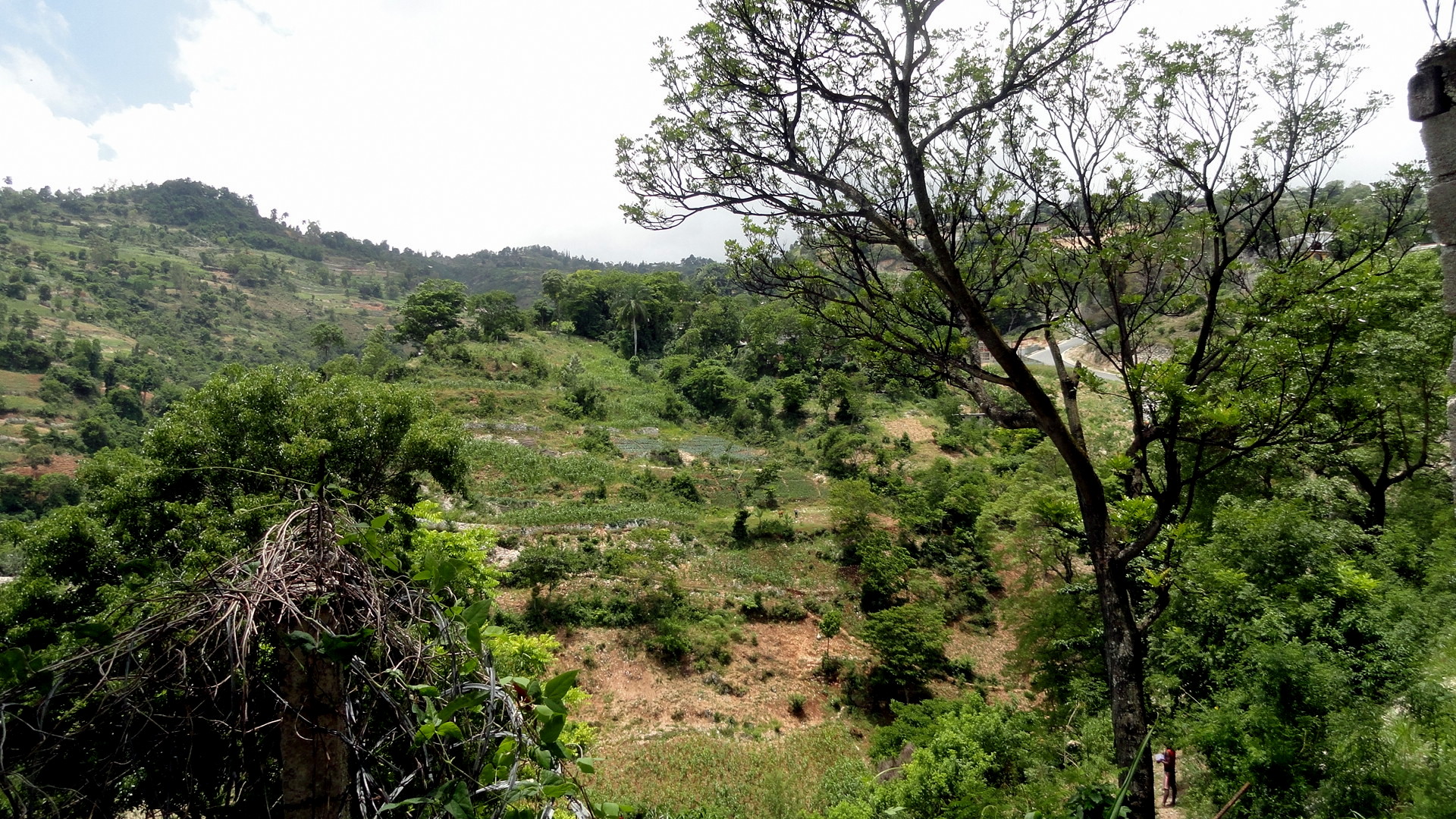
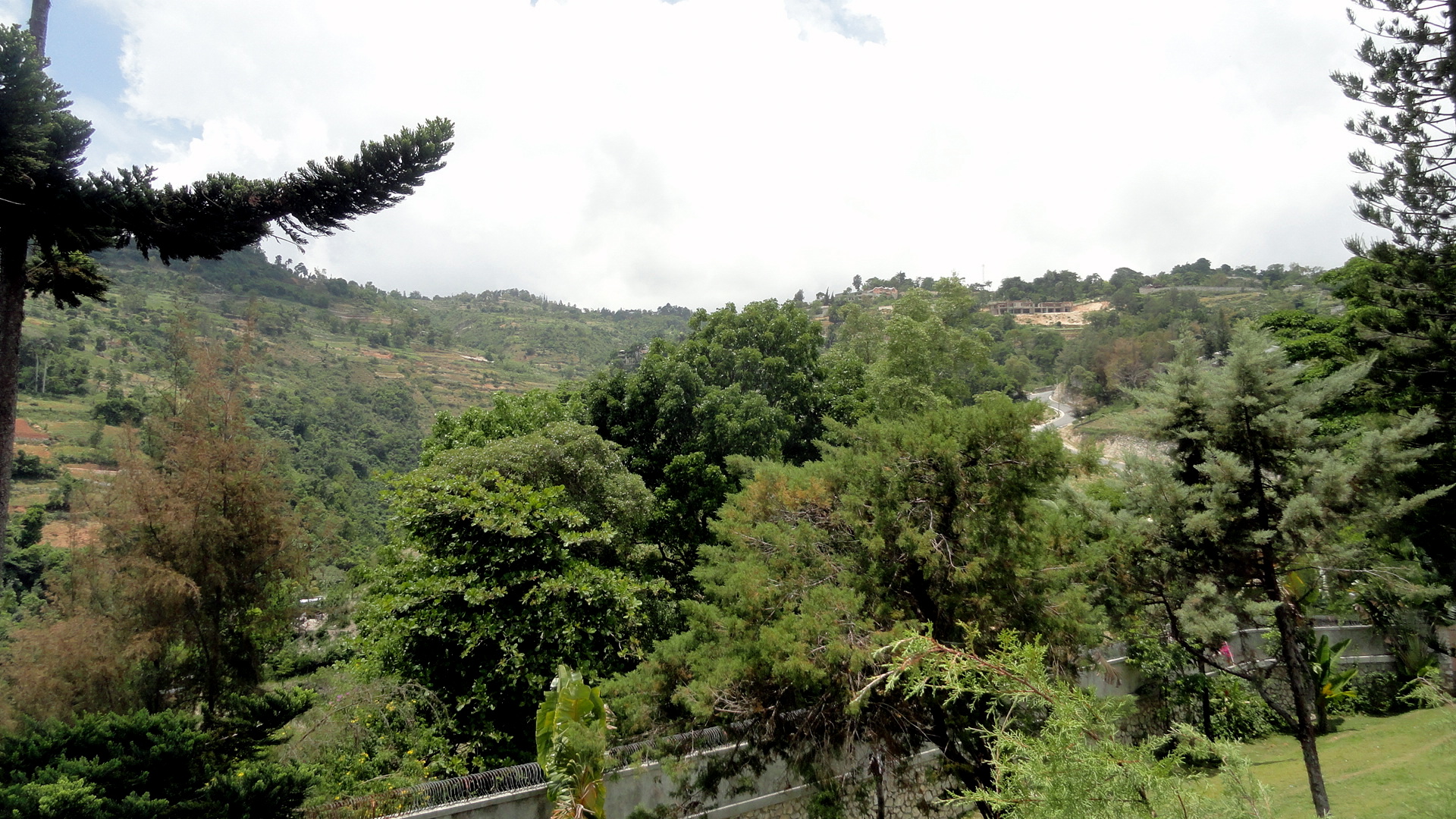
 Arcahaie is a small city on the coast north of PaP, and the first place outside metropolitan PaP that I’ve been so far. This was a work trip, with the team to visit some of the locations where we’ve been supporting oral rehydration points for cholera patients (creating a spot where very sick people can get rehydrated fast, after traveling often quite long distances from even further into the hills you see here on bumpy roads by foot, motorcycle or animal of some sort). The idea is for the staff of these points to get patients well enough to be out of danger and then transfer them to a facility with full care until they’re really well. Anyhoo, though, since this is a personal not a work blog, and since this was the first view I got of those many mountains beyond mountains for which Haiti’s become so well known by so many who’ve never been here, I took my camera and made some photos. And yes, the hills are as sadly deforested as I’ve read…and yes, it was as hot as it looks. (It was brutal.) Still and all, great to get out and about, and the local neighbors we ran into were friendly and interested. One of the kids above took a few selfies and enjoyed looking in the screen after.
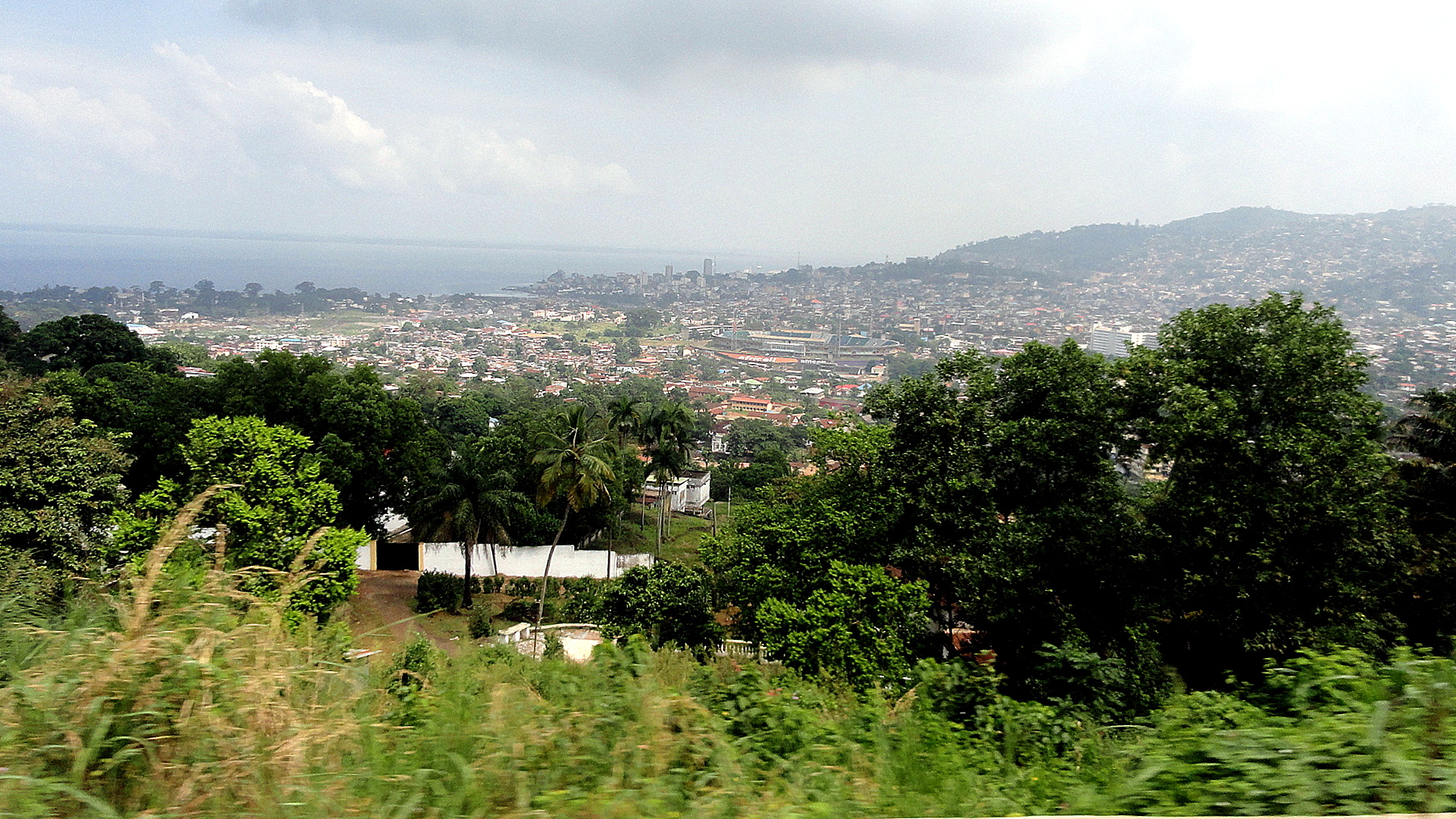
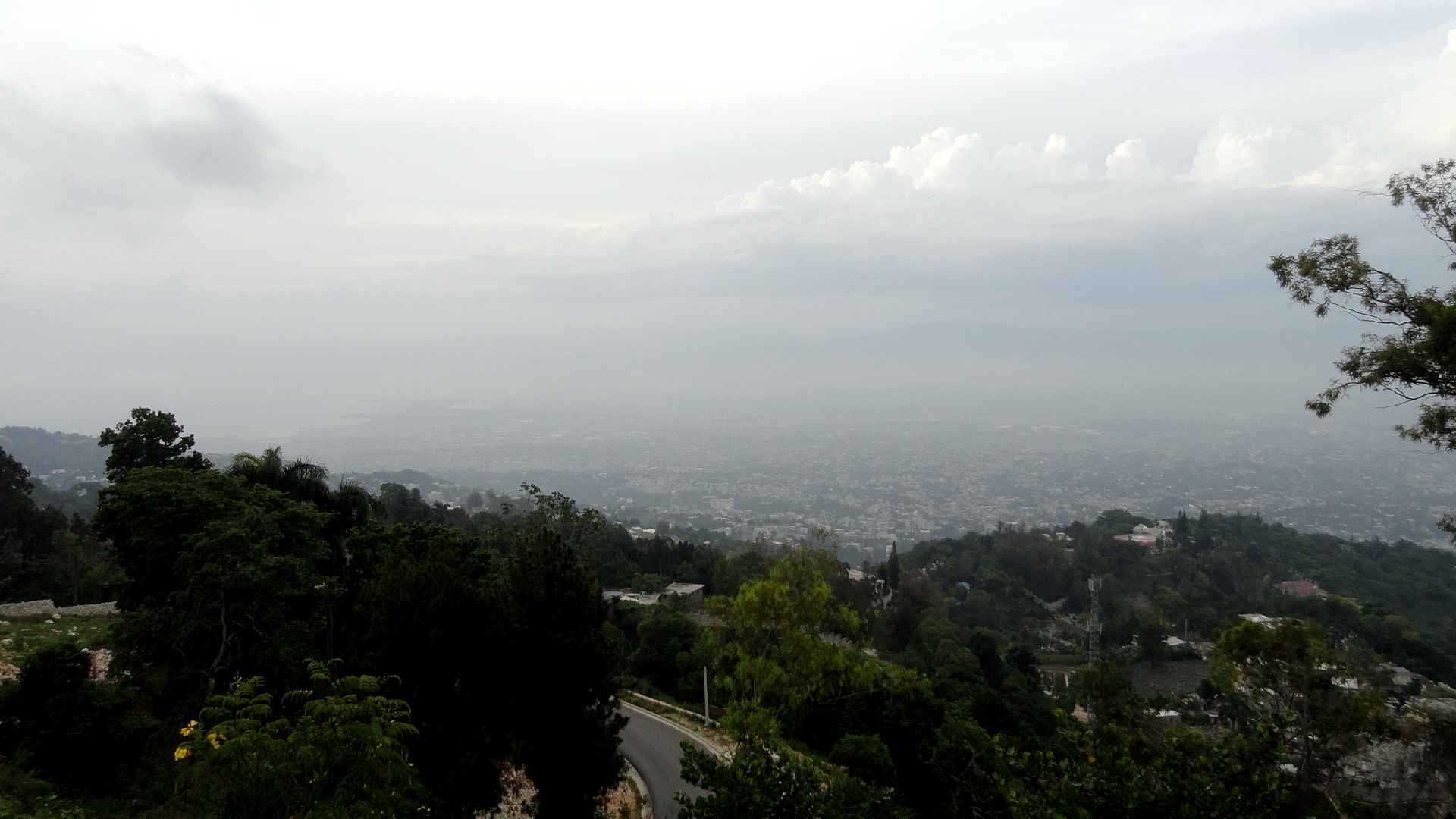
 The shot below, and two in the gallery of circles further down, are the only ones in this set from Port au Prince rather than Arcahaie: if you enlarge the shot below, and look closely, you’ll see that there’s a city below and behind the trees & the lovely red flame tree. I drive past this every day on my way to work — that’s the main part of the city of PaP as seen from Montagne Noir which lies directly to the south. I waited and waited and waited for a clearer day, but it’s been hazy and humid most of the time and I worried we’d lose the bright color of the flame tree which makes it so beautiful. Further down are a close up, and a bigger shot, of plants growing from one of the stone retaining & protective walls which surround so many compounds around Montagne Noir.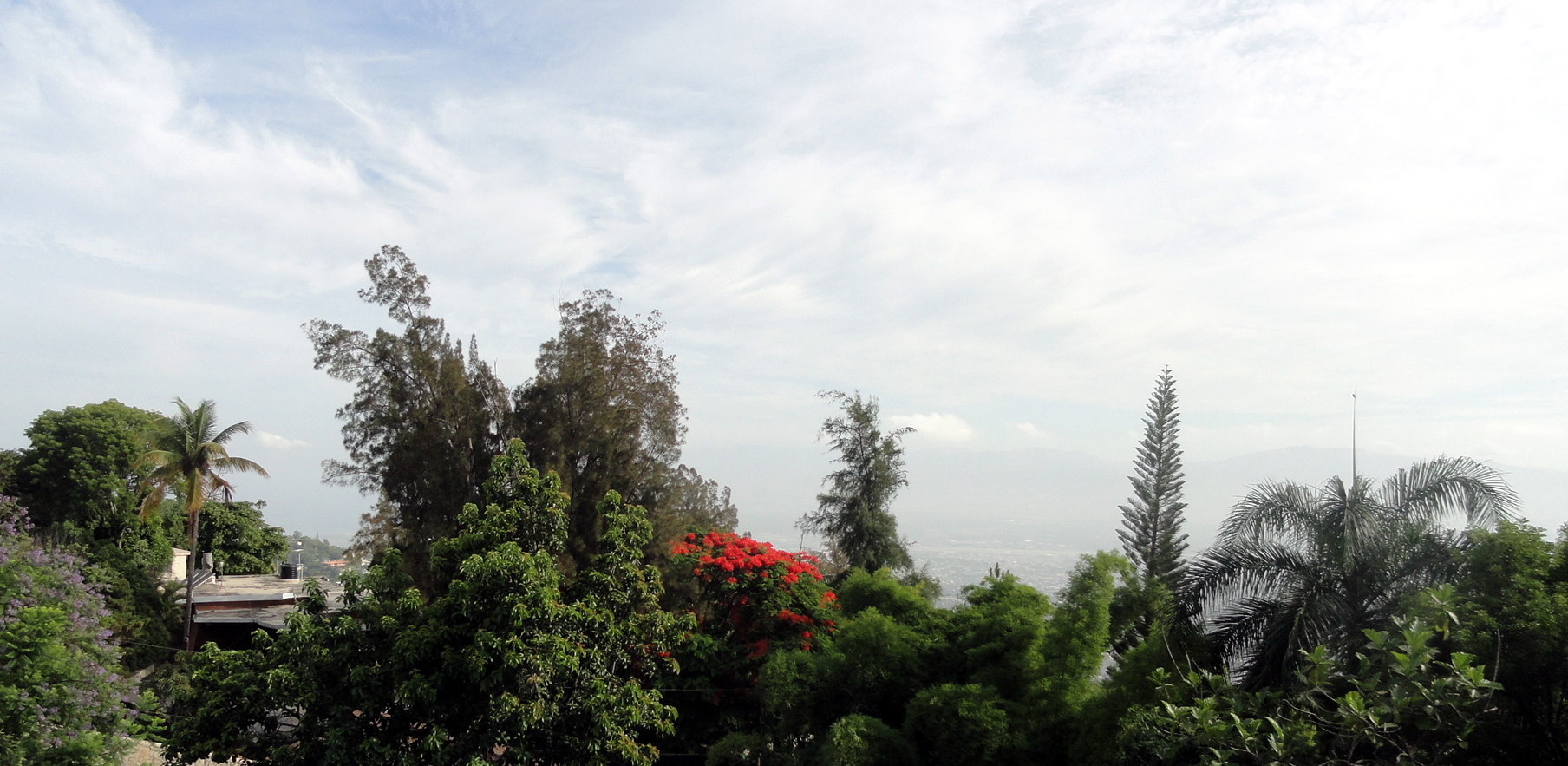


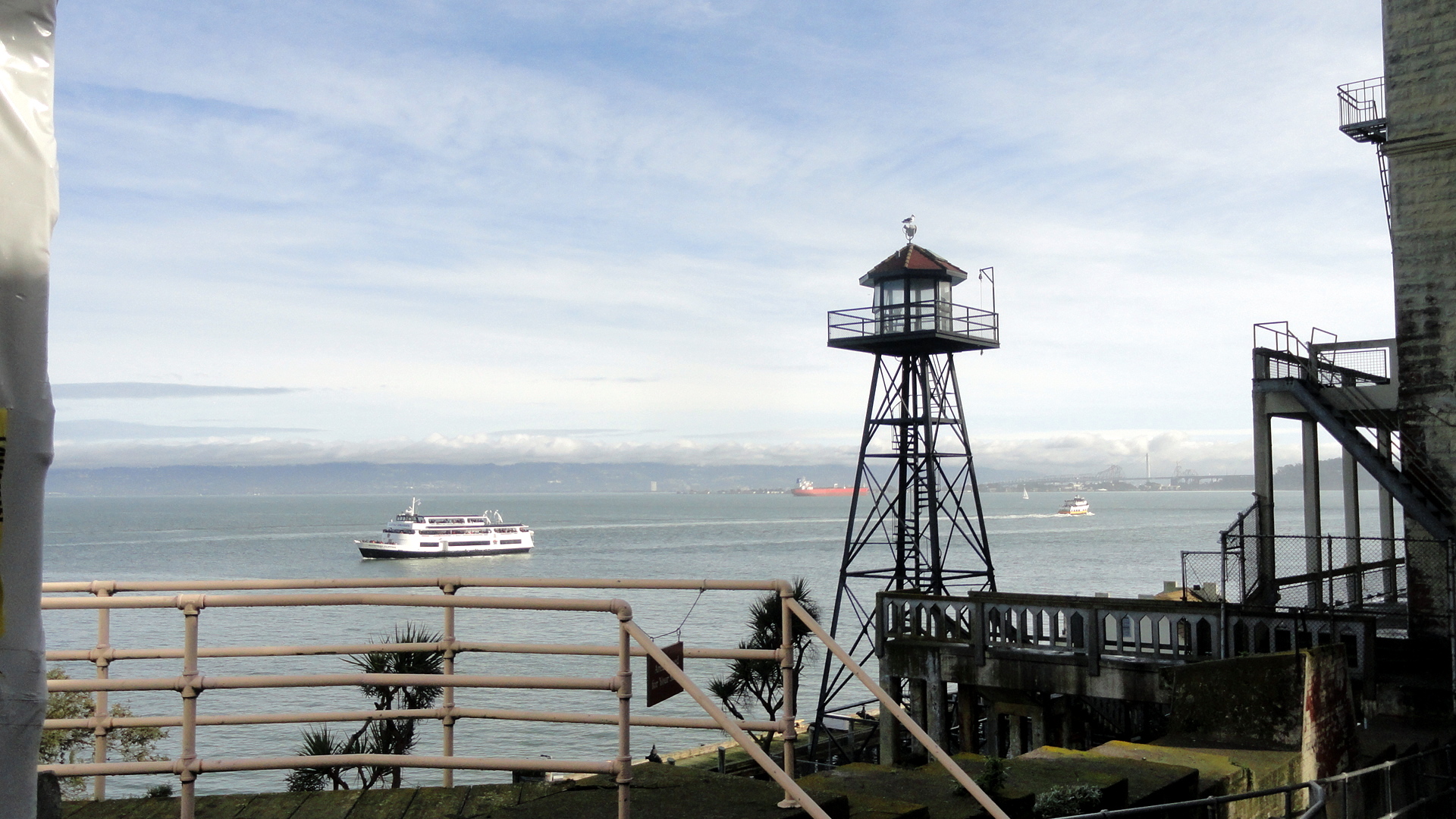
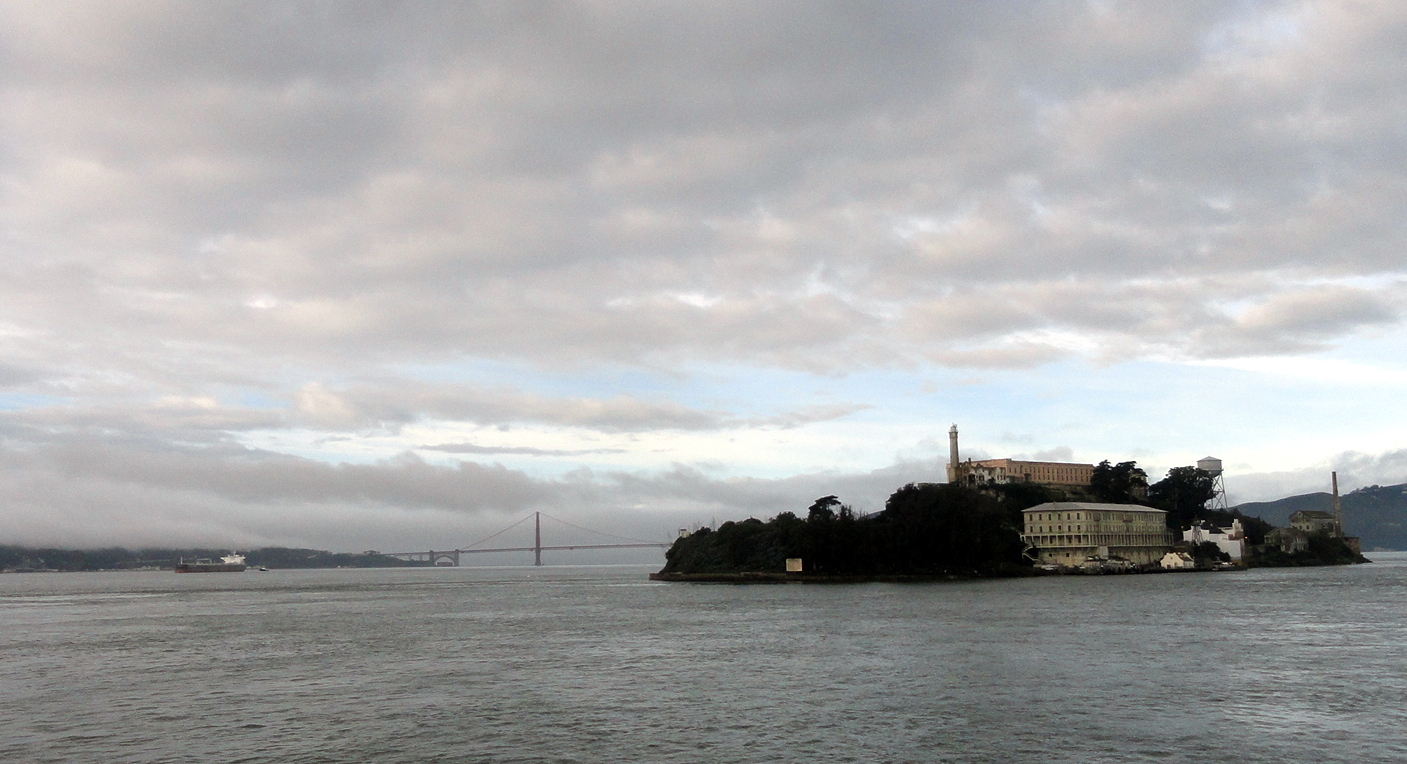
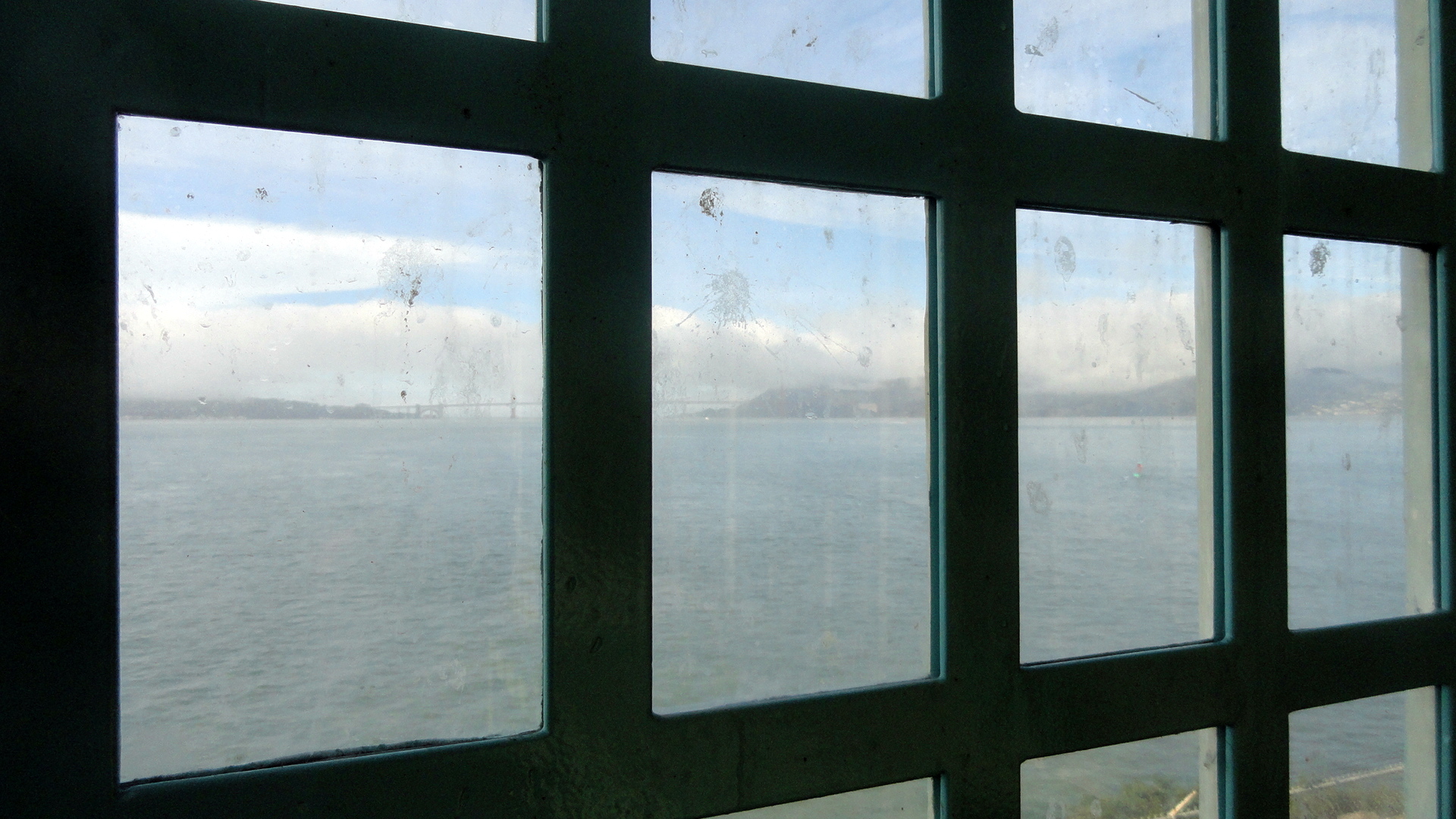
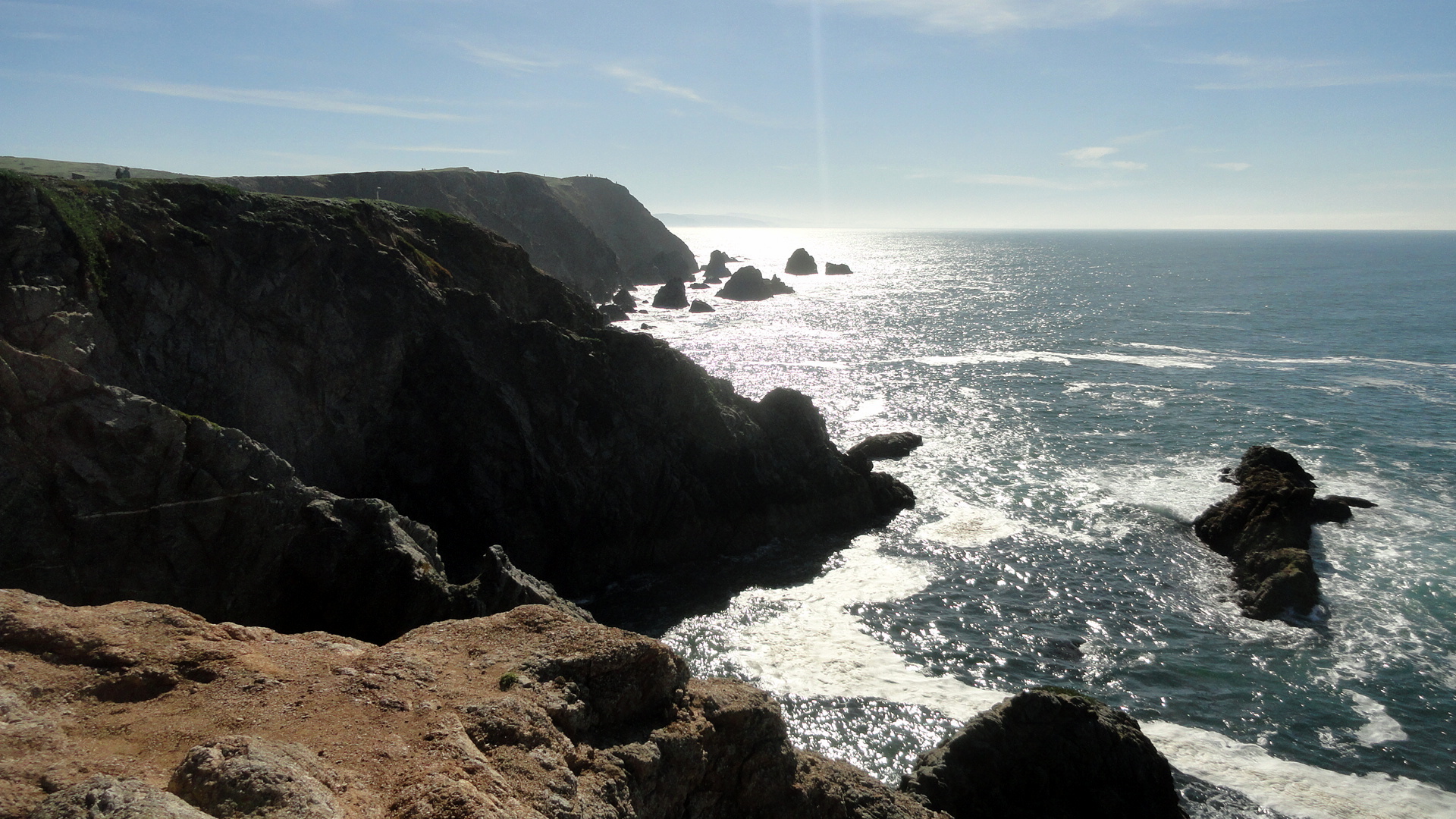
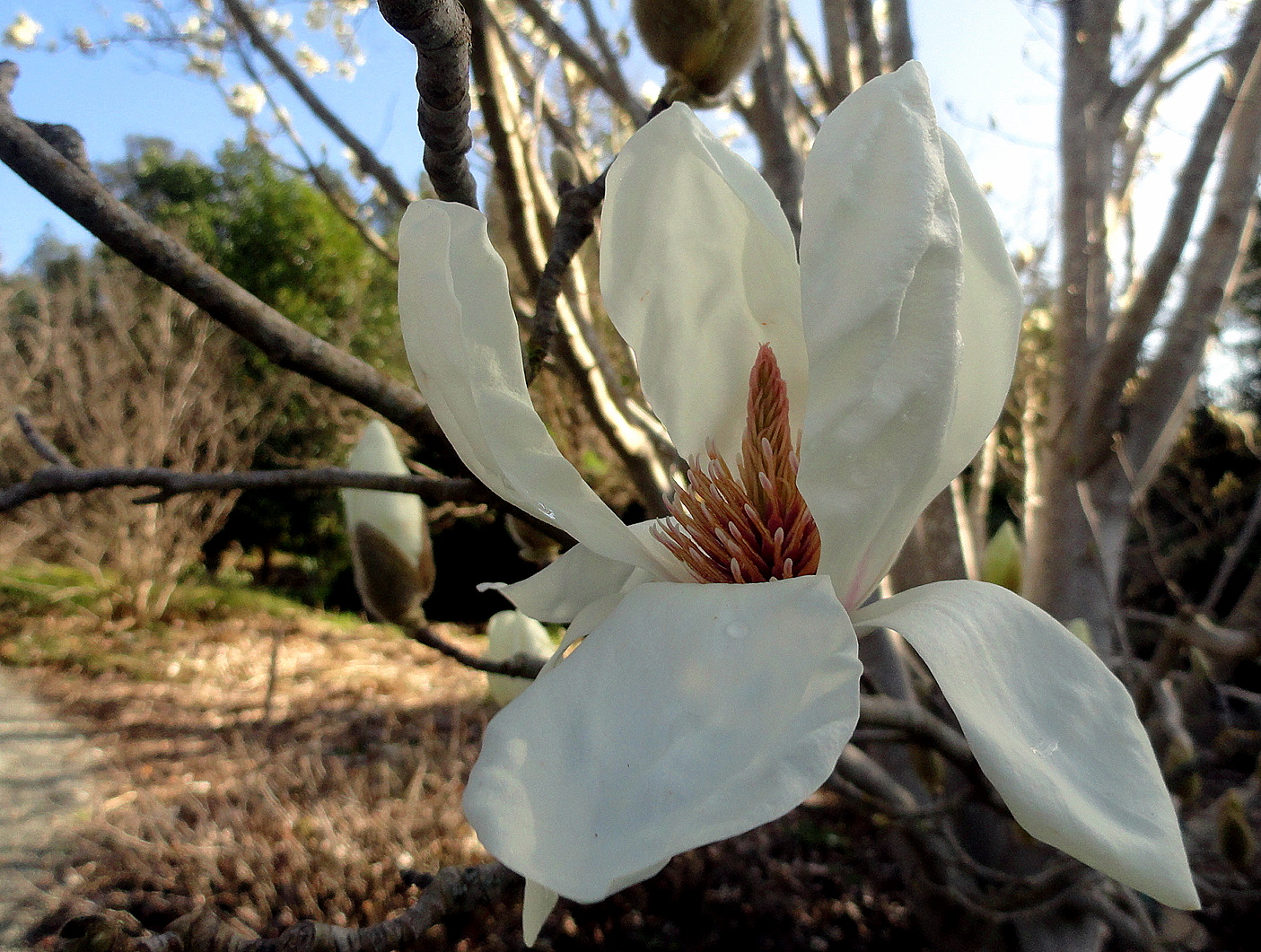
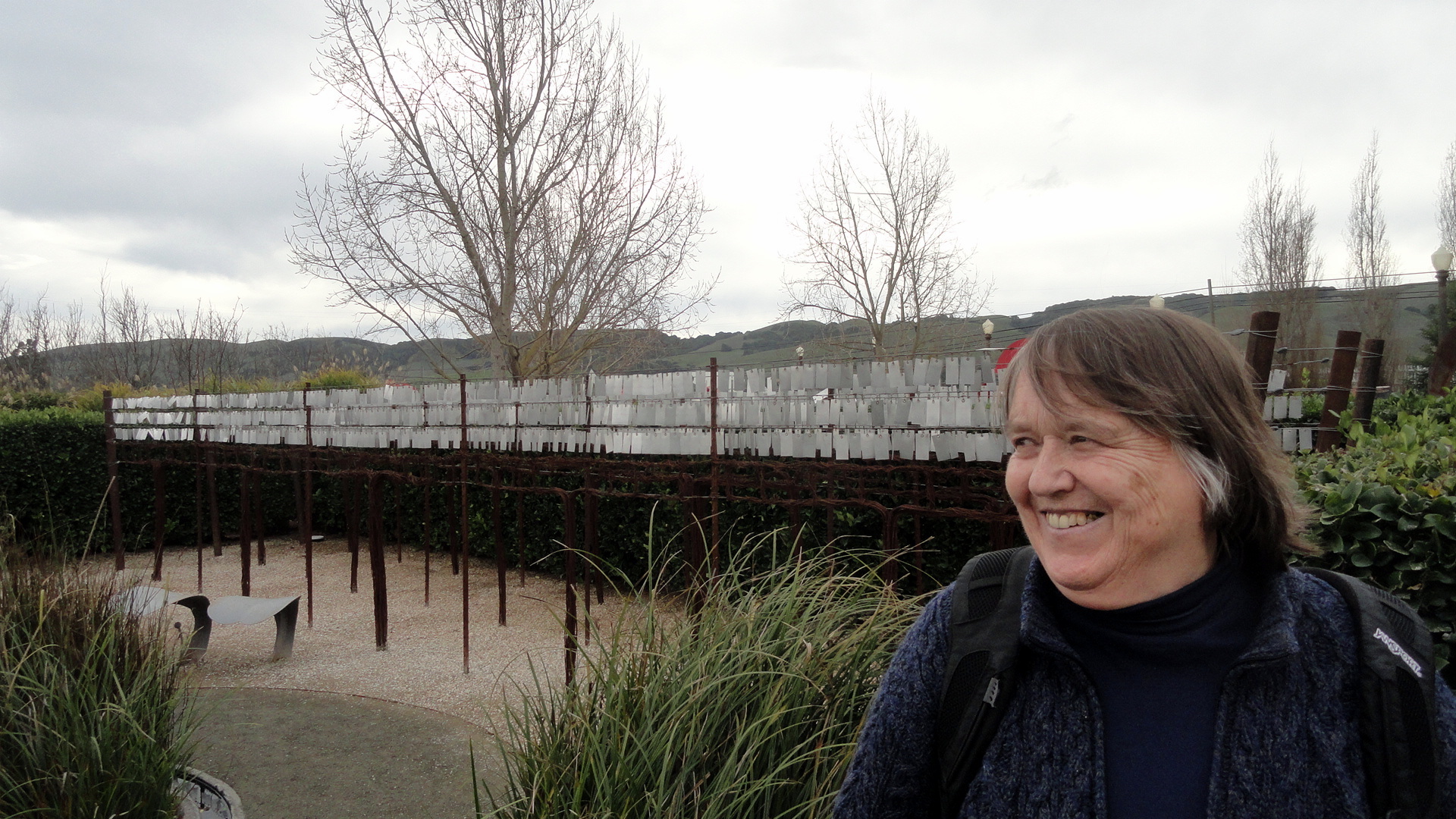
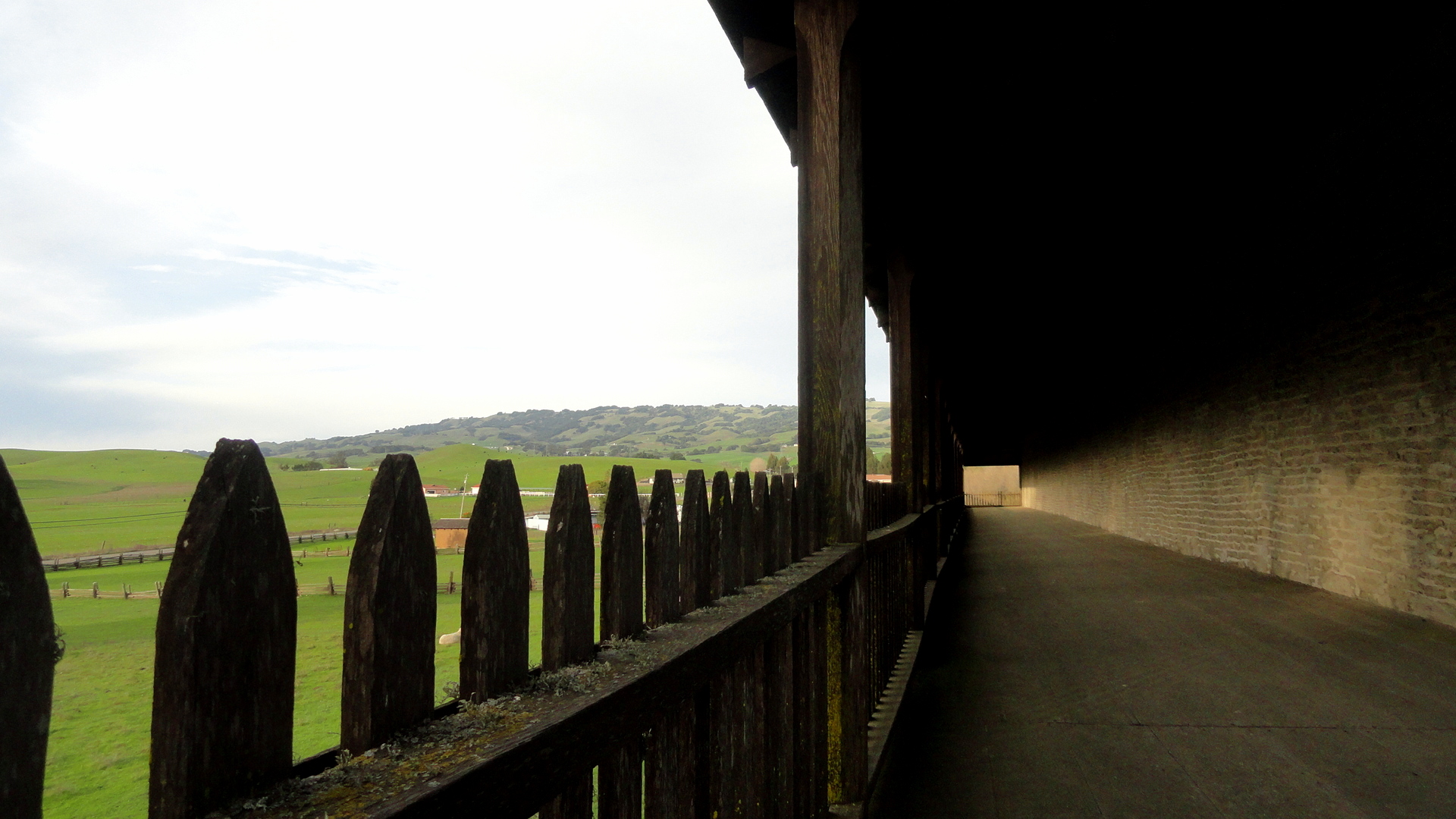
 …plus a few remnants from a series one might call ‘airports of the world.’ smw, slt has not gotten out and about with the camera much these past weeks, but I did realize there was a small cache of photos from some boat trips on the bay, and some hikes in Marin and Sonoma counties, that had not yet been posted. Since I get a bit homesick sometimes when I’m so far away, I’m putting these up so that I have an easy way to scan over them from time to time and remind myself what home looks like. Maybe some of you will enjoy it as well. All the photos have descriptive file names that show up if you hover over them or open them separately, I think. In the slide show below, you’ll see a panorama which goes from the Bay Bridge on the left (east), across the full waterfront of northern SF, to the Golden Gate Bridge & Marin Headlands on the right (west). Further down you’ll see some hiking shots from the trails in Tennessee Valley (Marin county), and Annadel State Park & Hood Mountain Regional Park (Sonoma County). In one of them you’ll see frost on the ground in the shadowy foreground: that was Christmas day last year – ah, how I long for frost on a hot afternoon here in Port au Prince! At the end are some photos of me and friends – at Wolf House in Jack London State Historic Park (Sonoma County) … and, well, me looking as lost as I felt, with some colleagues in Casablanca airport on my way home from Sierra Leone, last December. Our flight out of Freetown had been at some crazy hour like 2 am or 3 am or something, so we took the ferry over to the airport at 10pm or so, and snoozed in the waiting area and then flew for three hours to Casablanca to land at something like 8 in the morning. Oy, airports in which we have waited listlessly: might be a future series, what do you think?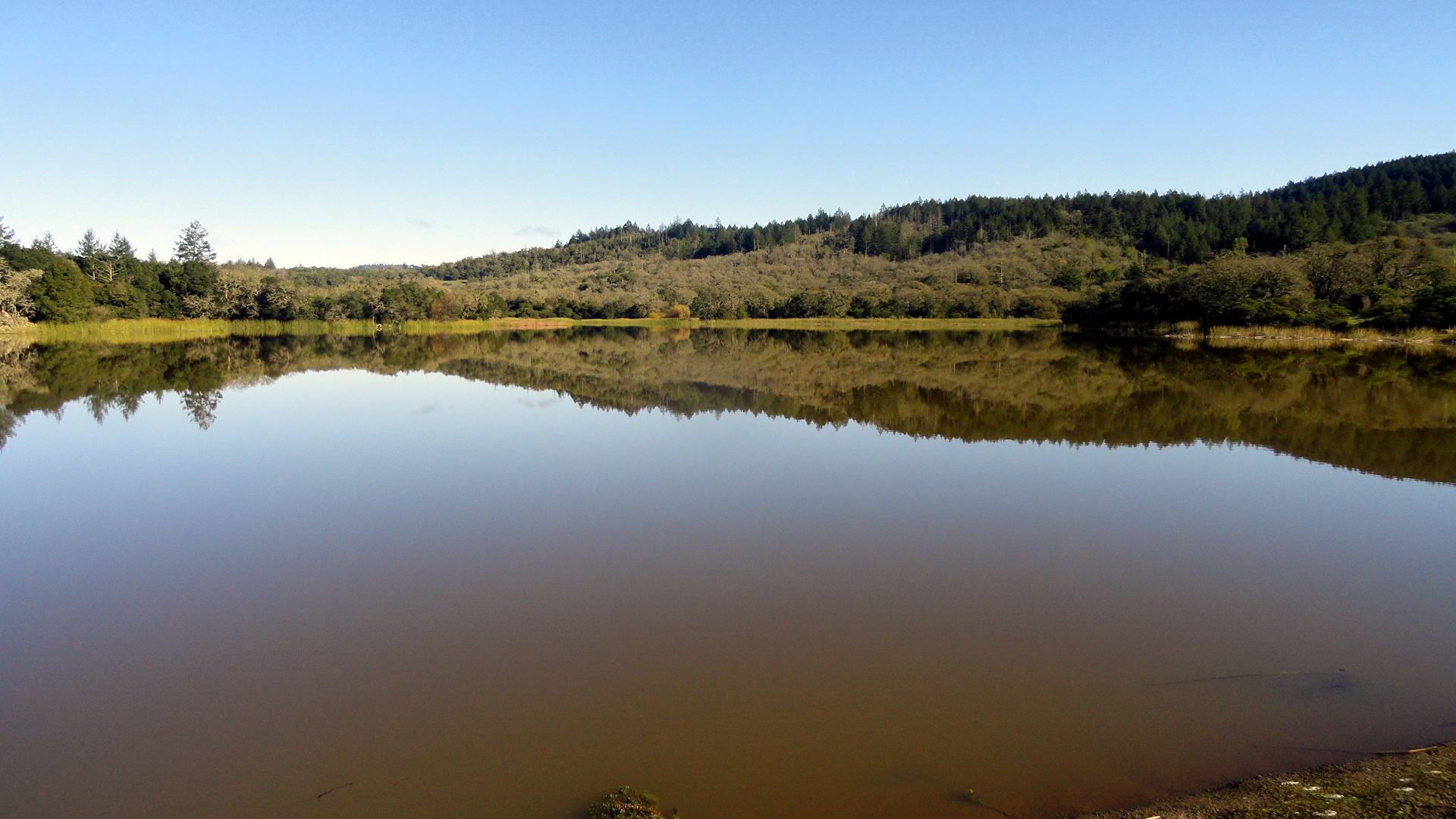














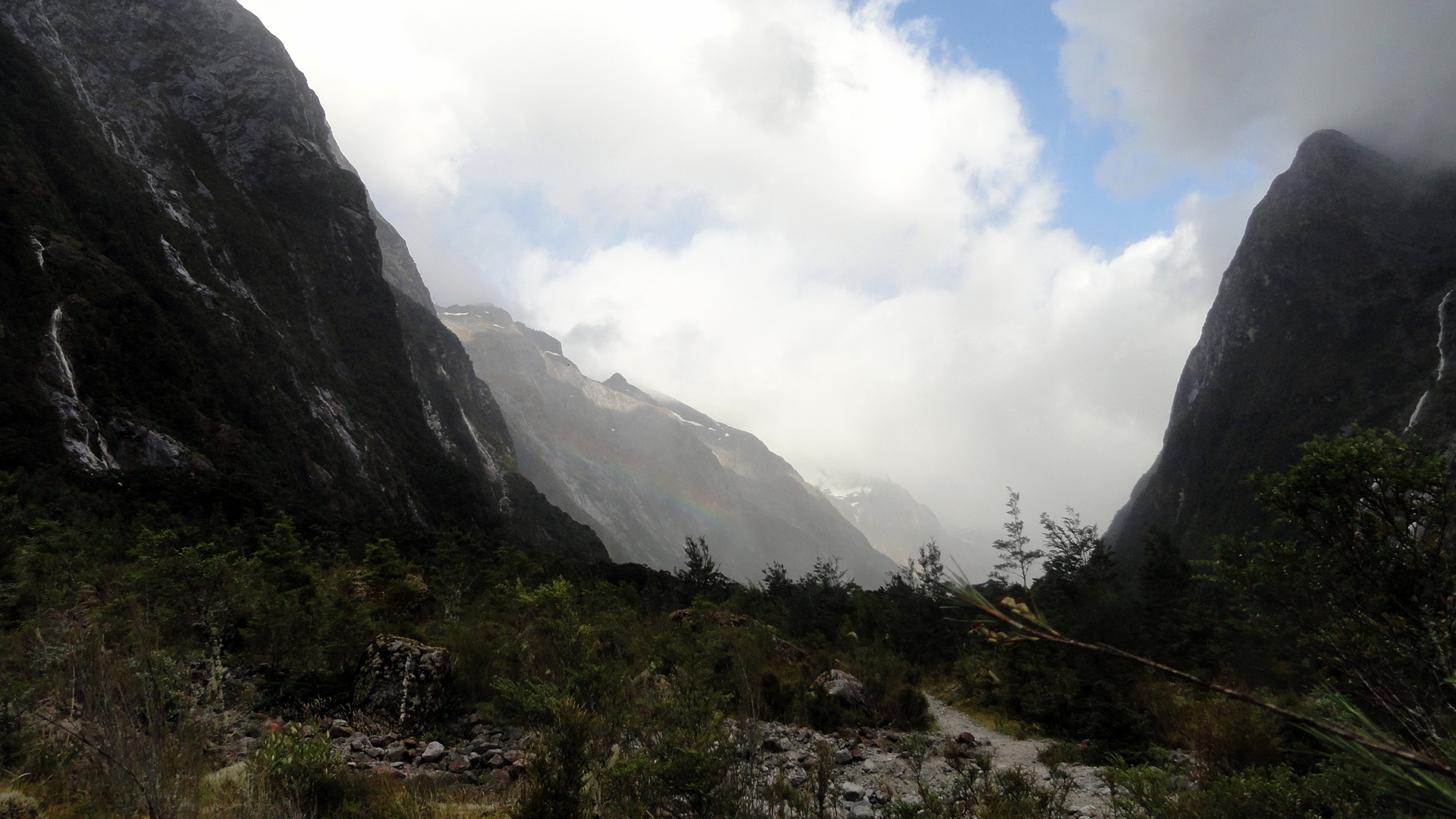
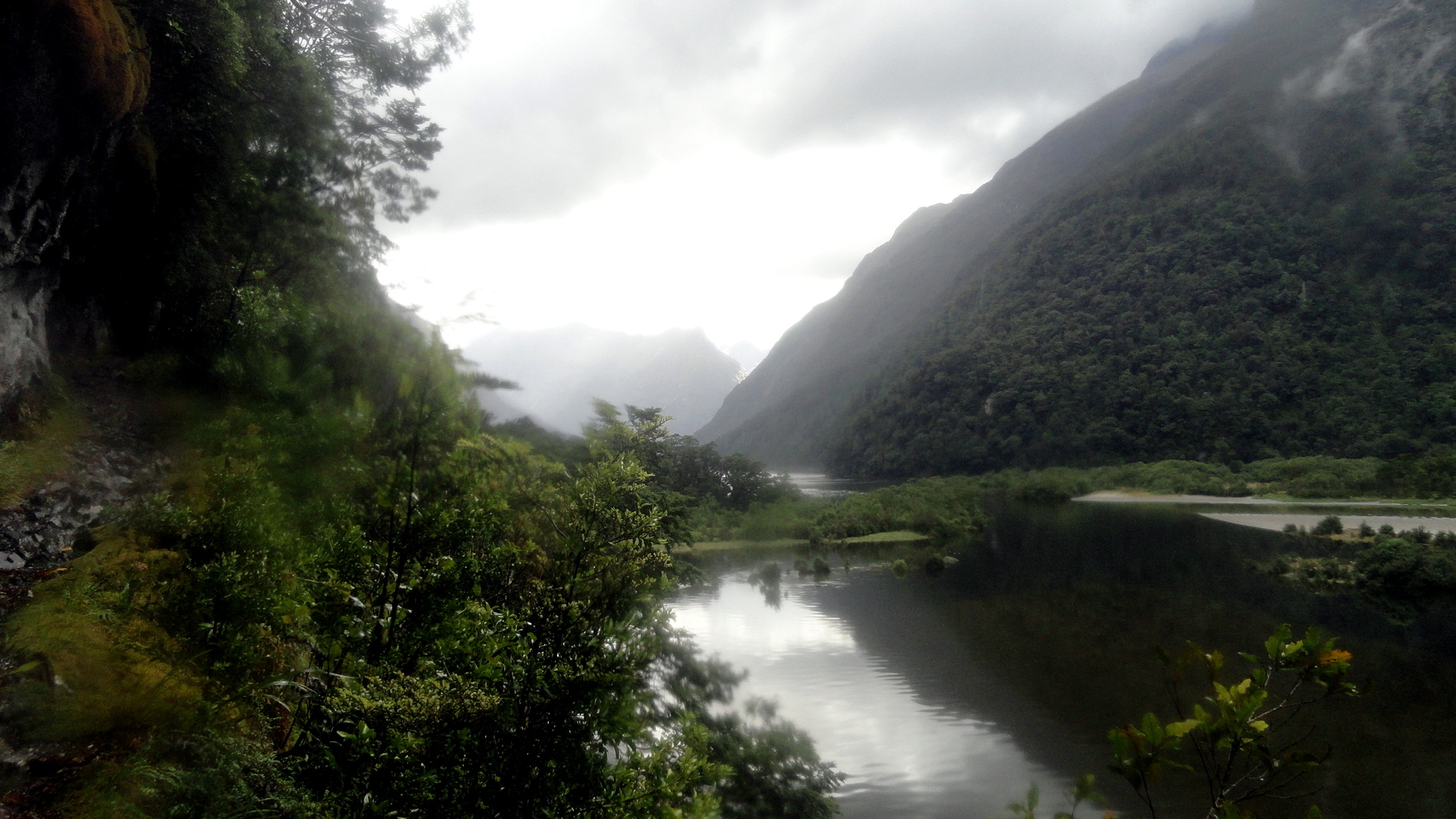


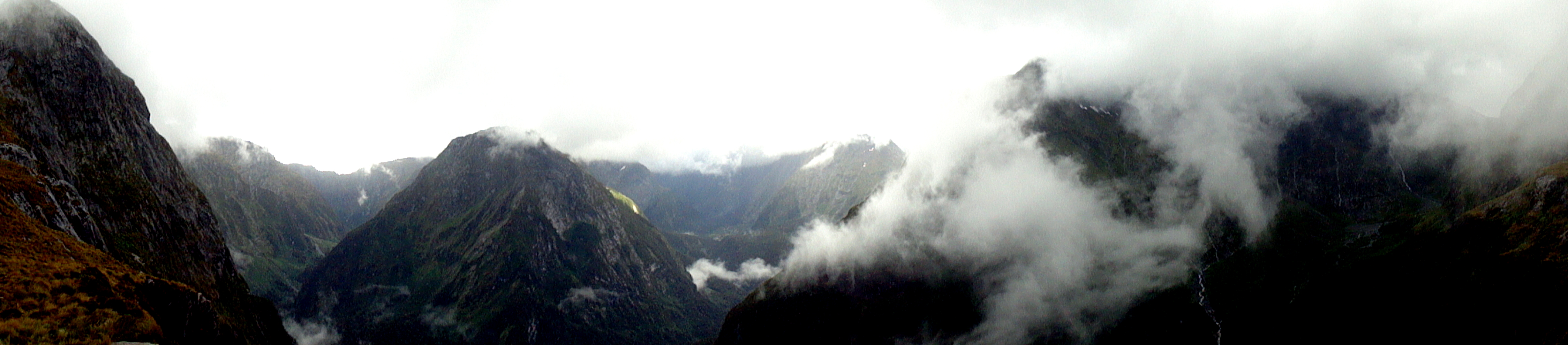
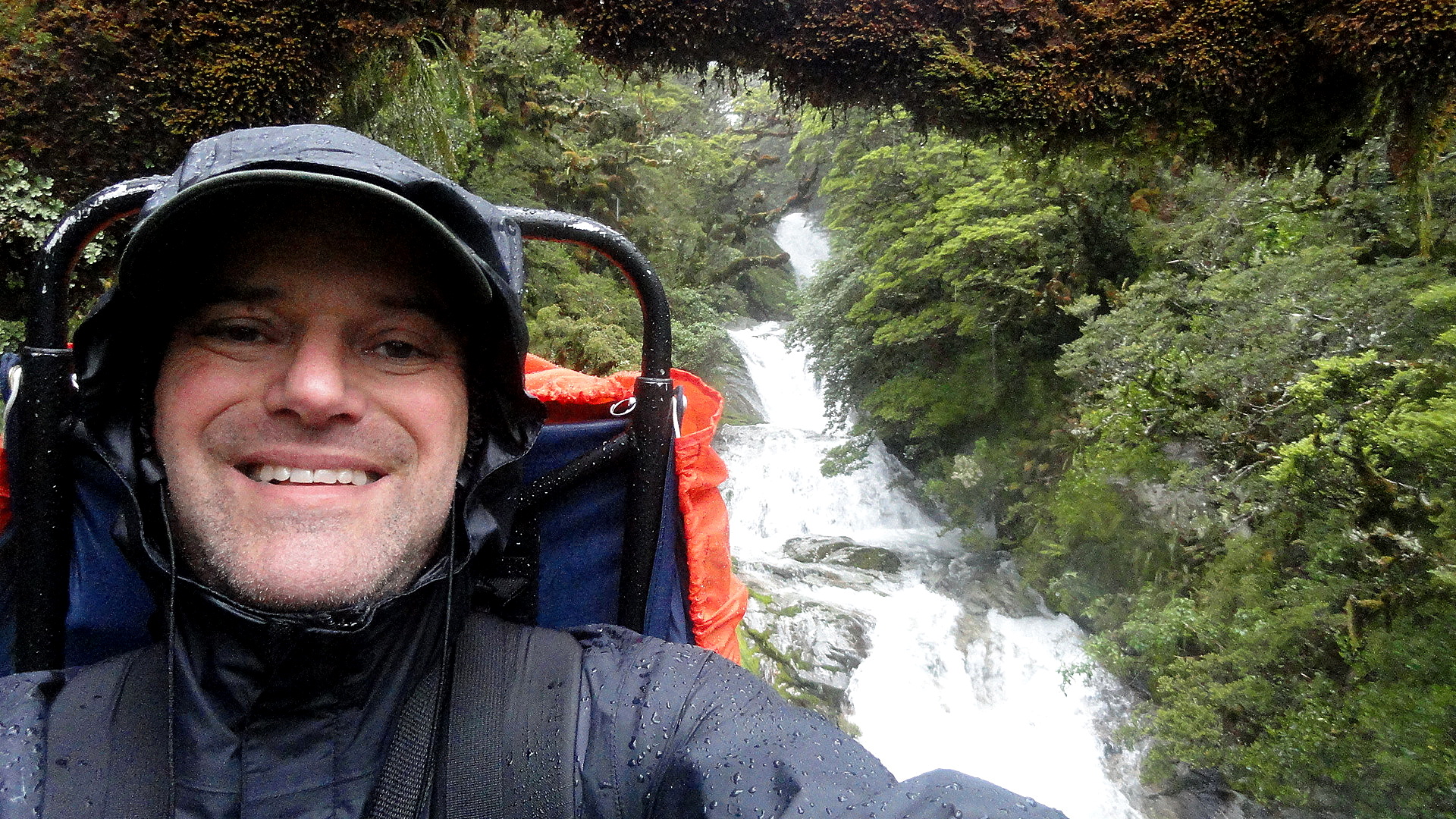

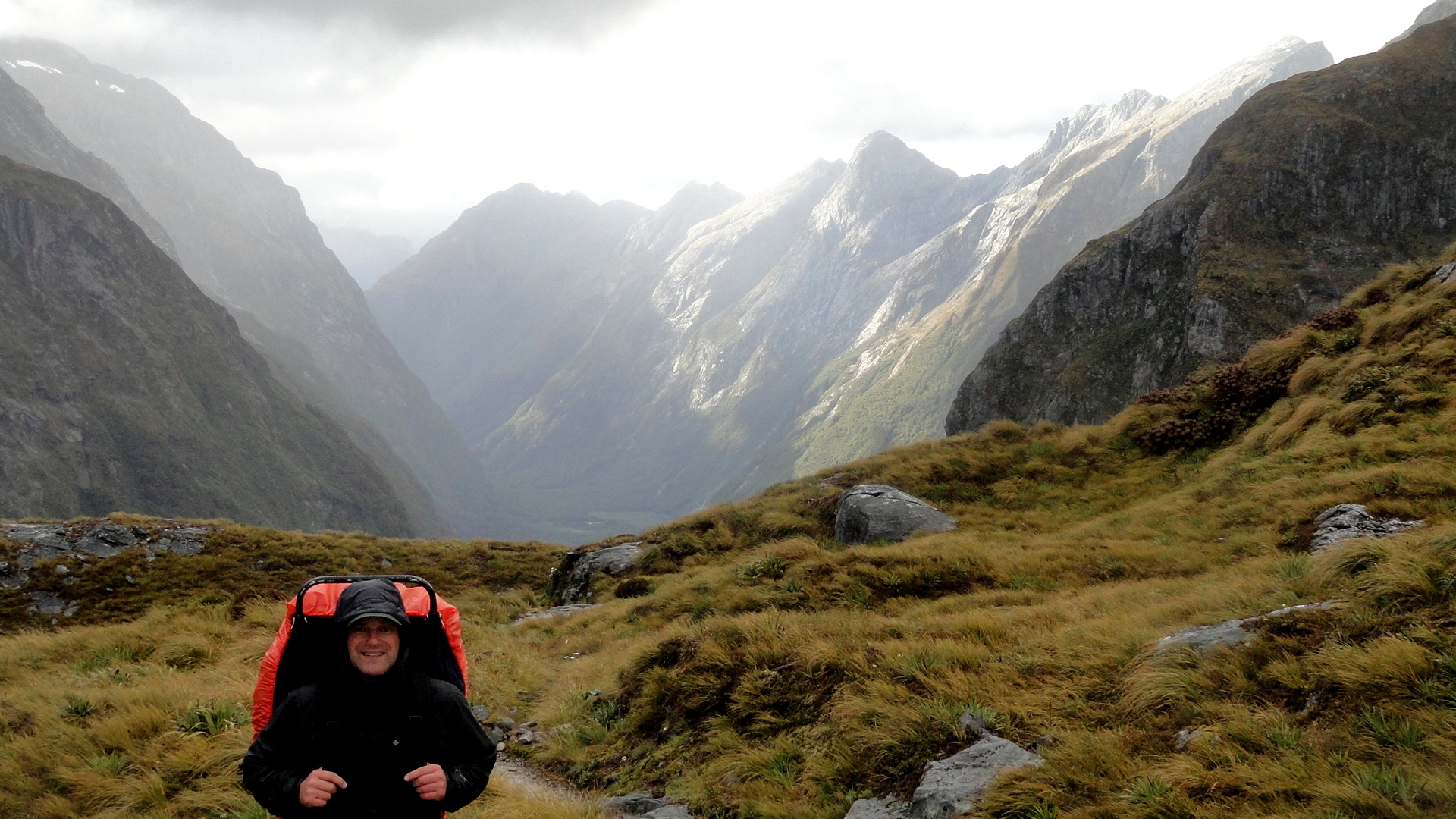


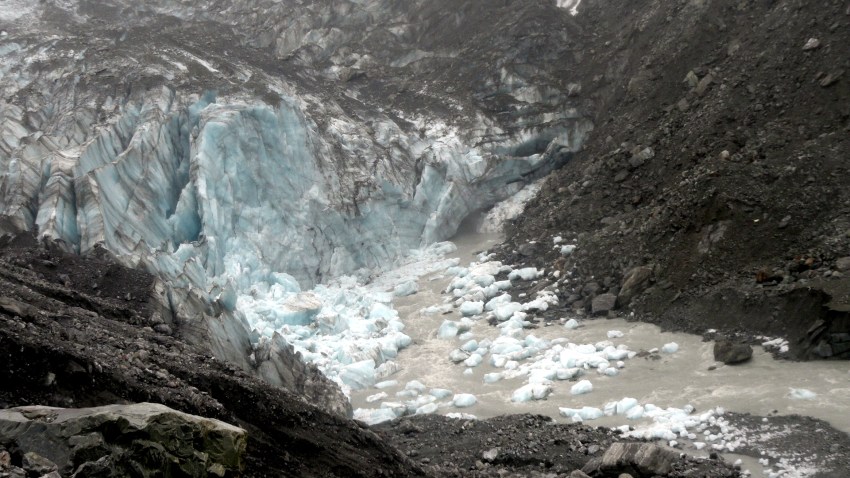
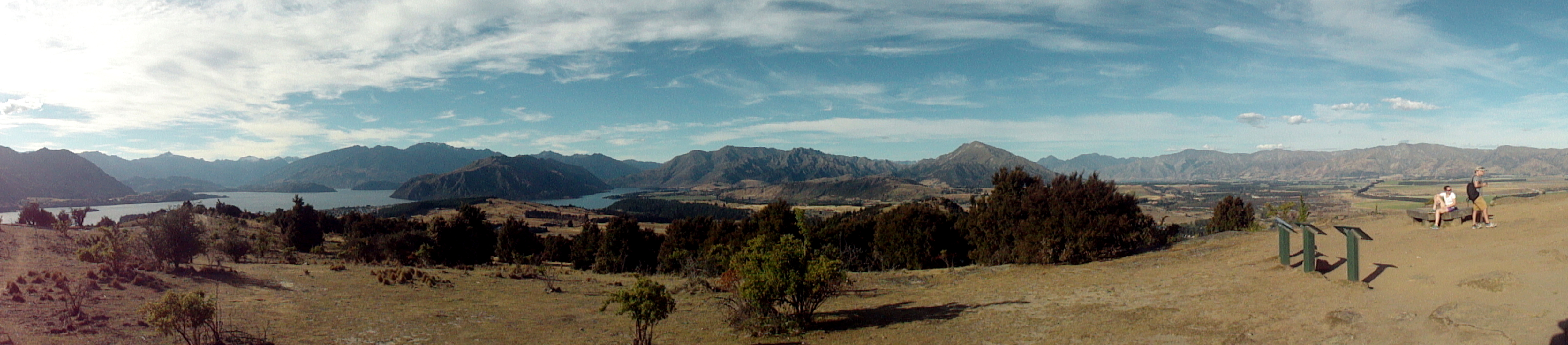
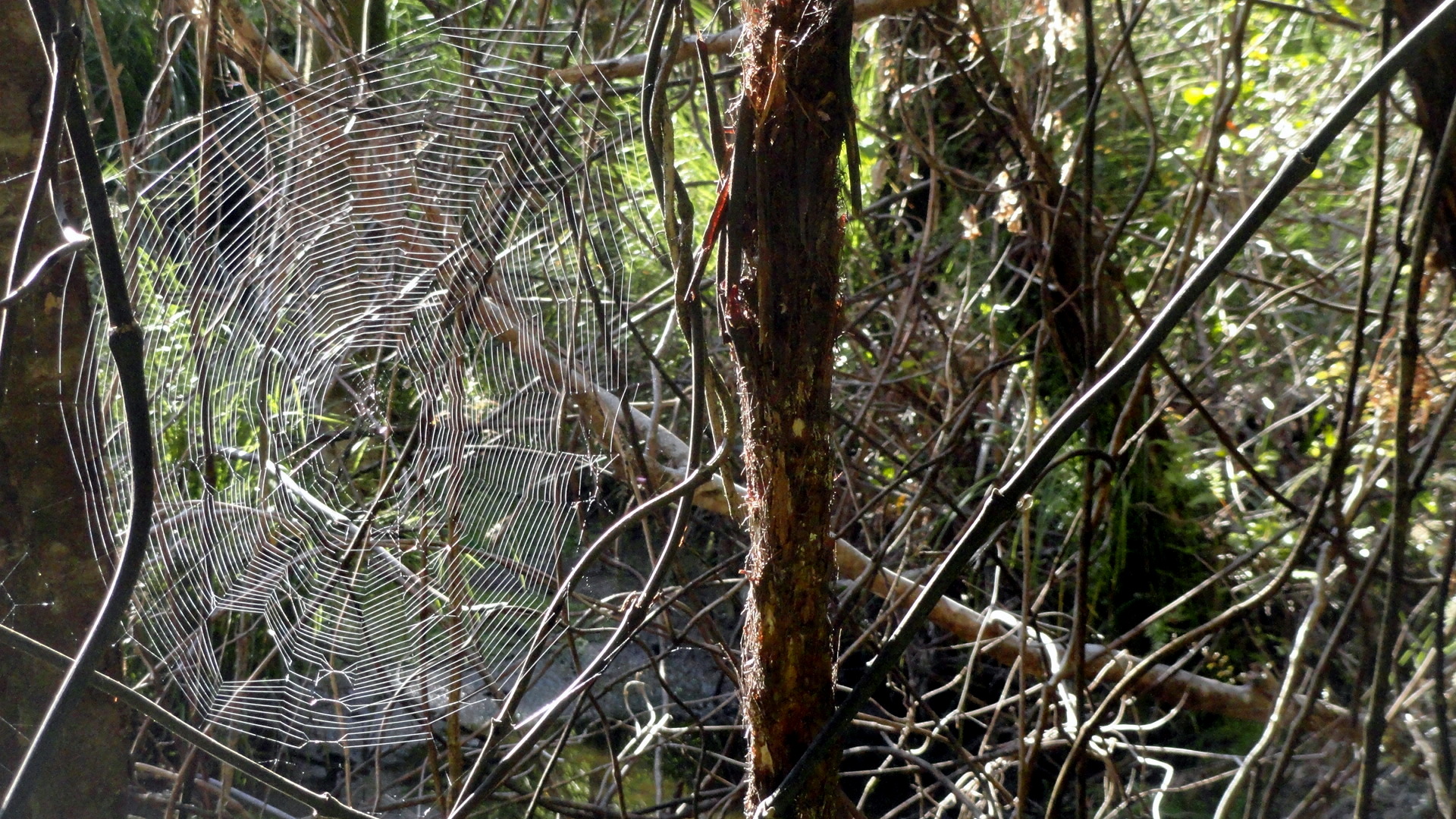
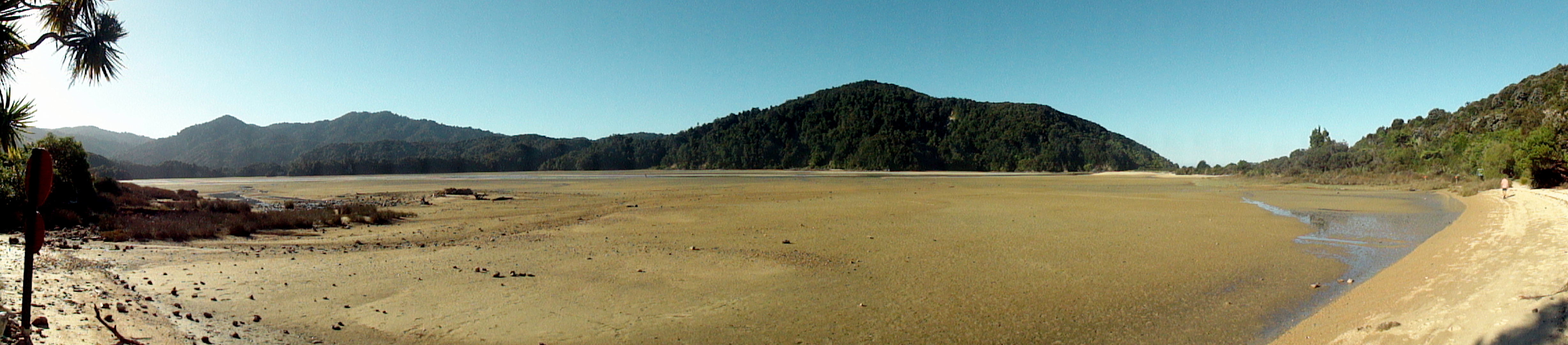
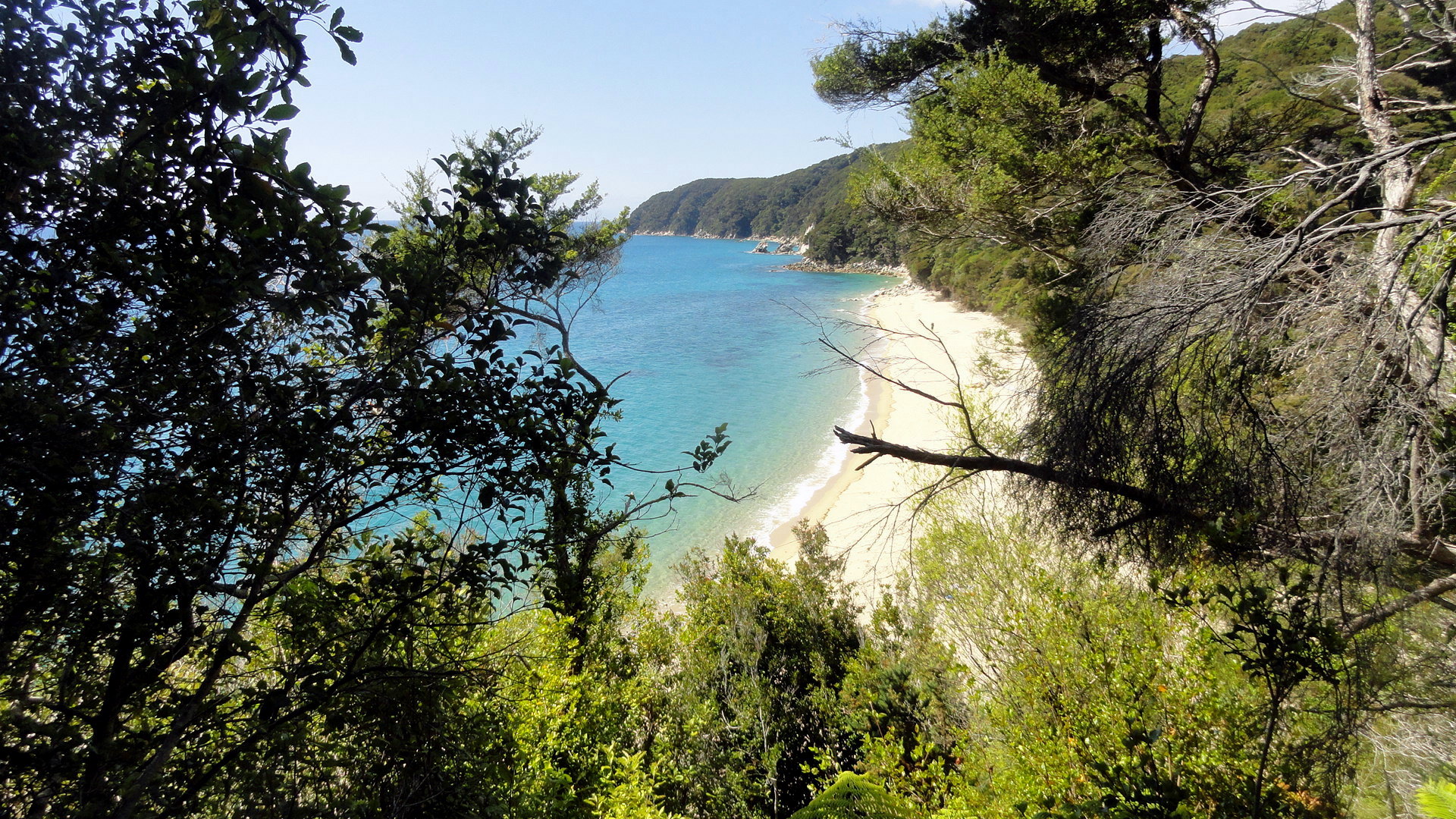
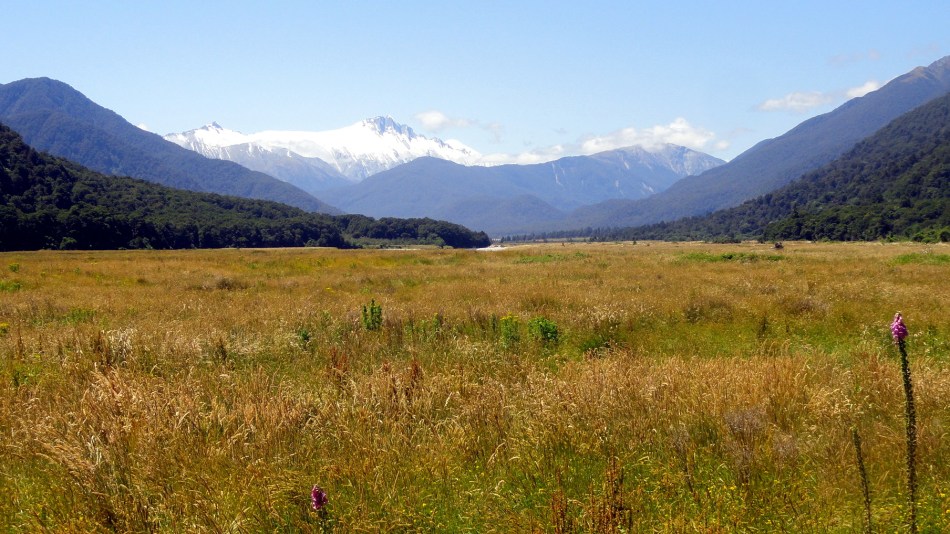 …must mean we’re on the wild southwestern coast of NZ! In this entry you’ll see photos from both Franz Josef & Fox Glaciers, as well as shots from the temperate rain forest to which these glaciers descend at their lowest, warmest level where they’re melting all too rapidly these days, what with holes in the ozone layer and global warming more generally. There are also views from the Haast Highway along the south coast, and up and over the Haast Pass alongside Mt Aspiring National Park into the town of Wanaka. They all have names that identify them. To put this in some perspective, think of the last entry (or scroll down to it) and understand that we did a fairly substantial last-morning hike along the nearly-tropical-seeming Abel Tasman Coast track, grabbed a water-taxi back to Motueka, hopped in the car and stopped for some berries and dinner along the drive south, then spent the night a short walk downriver from the ice cave at Franz Josef Glacier just below. It’s really quite unreal and surreal at the glaciers because, despite significant melt and receding up their canyons to higher ground, they still descend to the level where rich dense temperate rain forest grows and unusual-sounding birds call, and it just feels utterly other-worldly. Certainly this close to sea level, this far downhill from their main bodies, neither of these will stand out if side-by-side with other, bigger glaciers you might have seen…but the clear way they’ve affected the landscape and the simple fact that a short walk away one is enveloped in dense temperate rainforest is pretty amazing.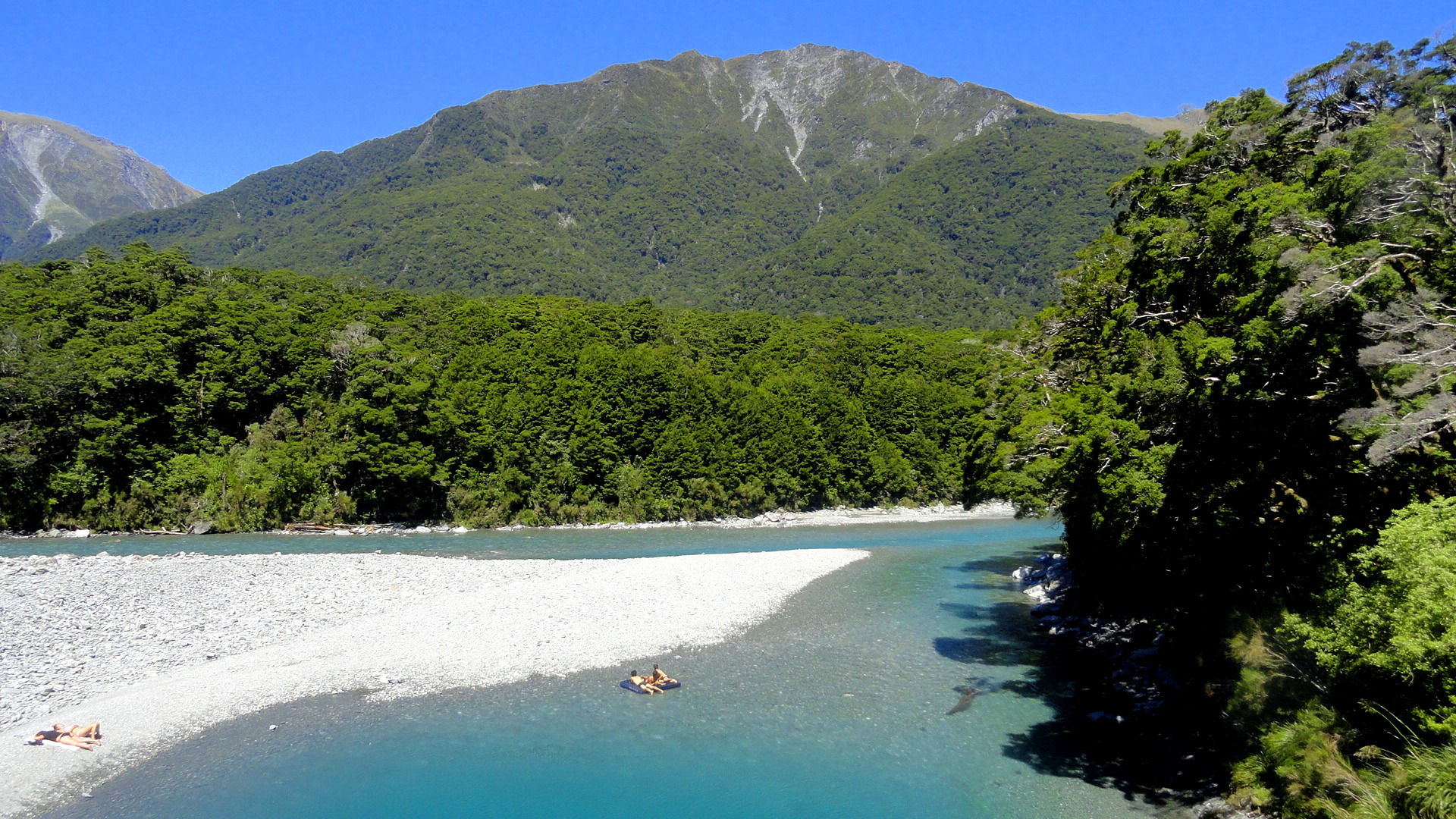



















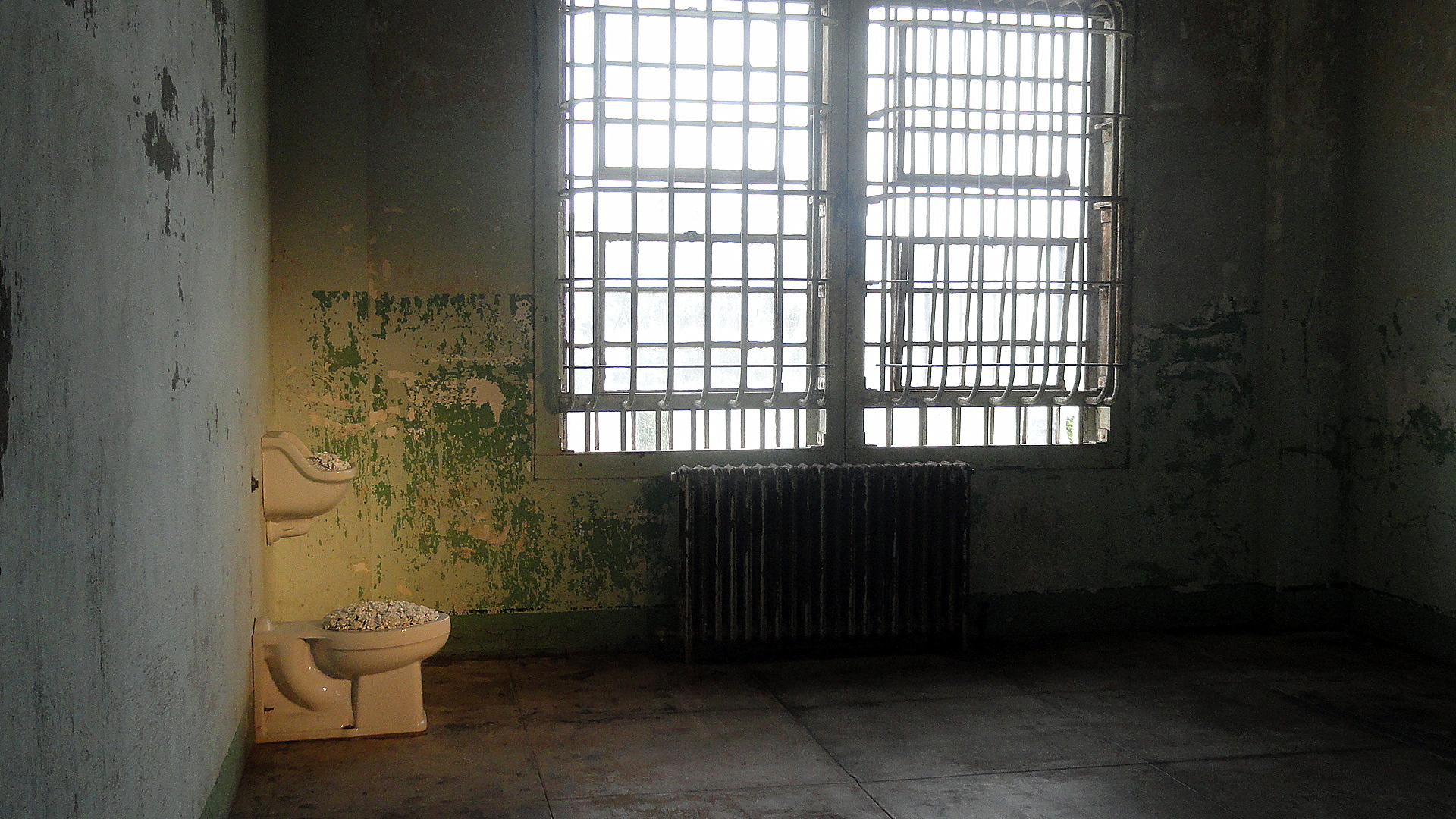
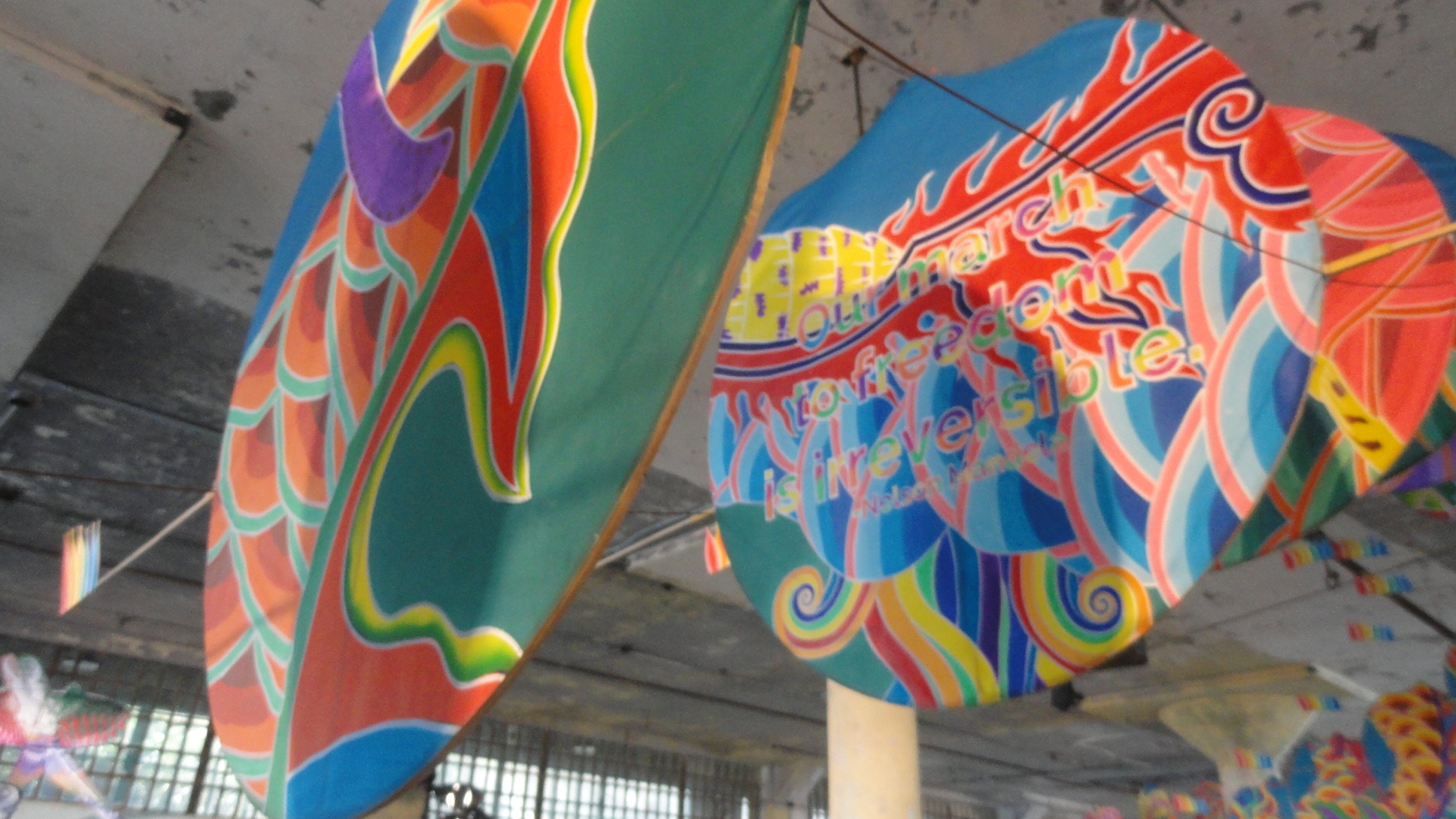
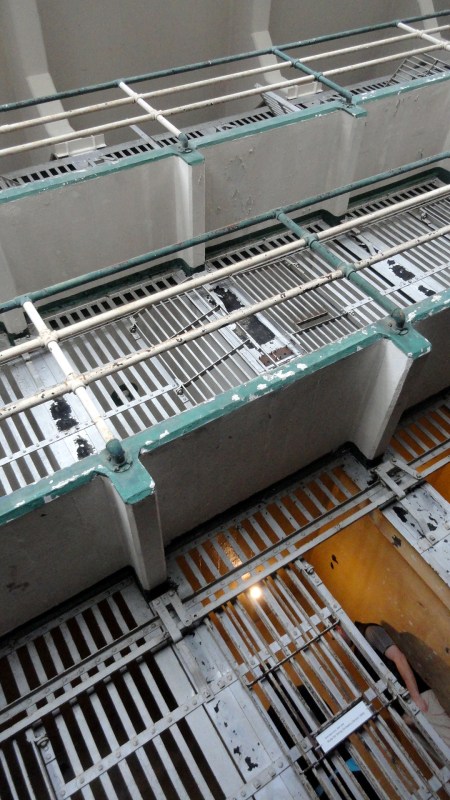 he exhibit-installation had many parts. The one called “blossom,” of which there’s an example above, was installed in the hospital ward. It made me think of the hundred-flowers campaign, and also of the buddhist tradition that the lotus flower derives some of its spiritual power from the fact that it represents beauty arising from the muck. In another part of the main prison ward were many audio segments, each playing inside an individual cell and each representing music or speeches from people and groups imprisoned for their ideas or art. That’s hard to capture in film – but the shot to (I hope) the right, showing the three tiers of cells, and the photo of text from one of Martin Luther King’s later speeches are both from that section. The dragon kite is from a segment called “With Wind,” and if you look at some of the photos closely you will see quotes from people imprisoned or threatened with prison for their ideas.