Latest

Colonial Calabar


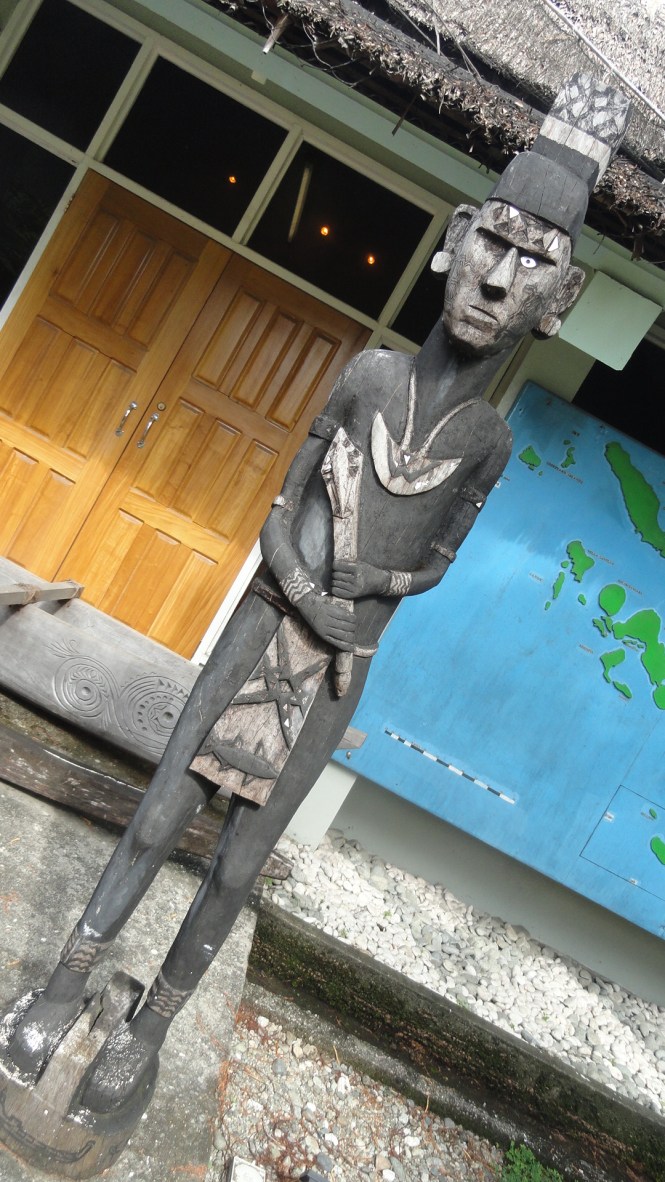
Colonial buildings are another highlight
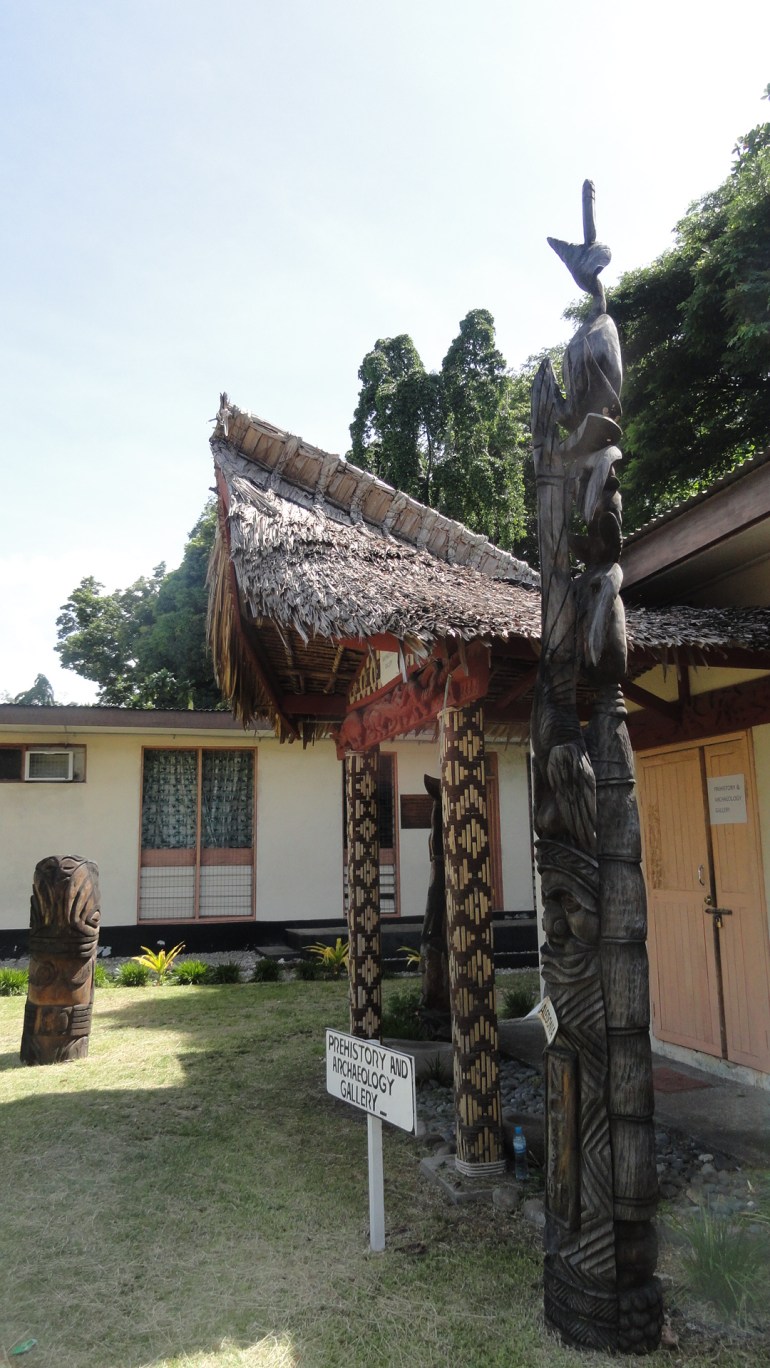
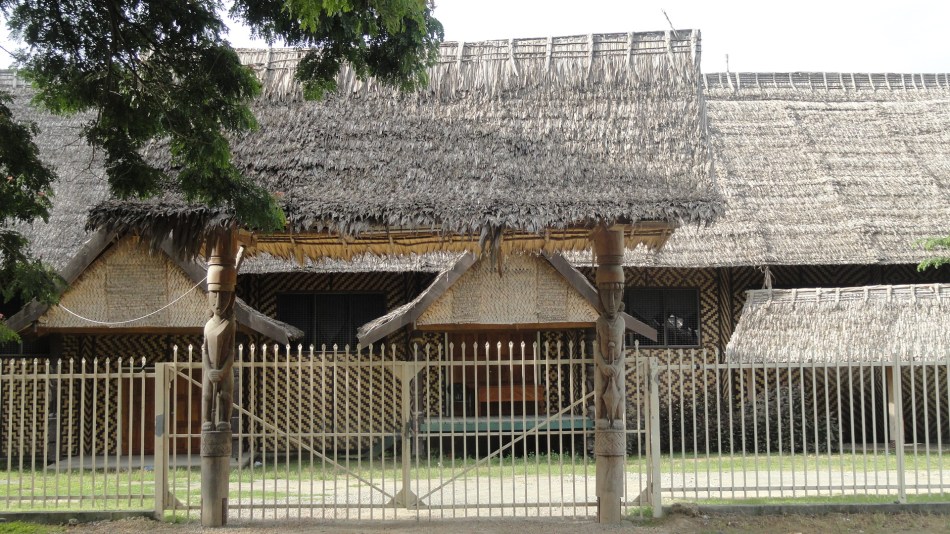
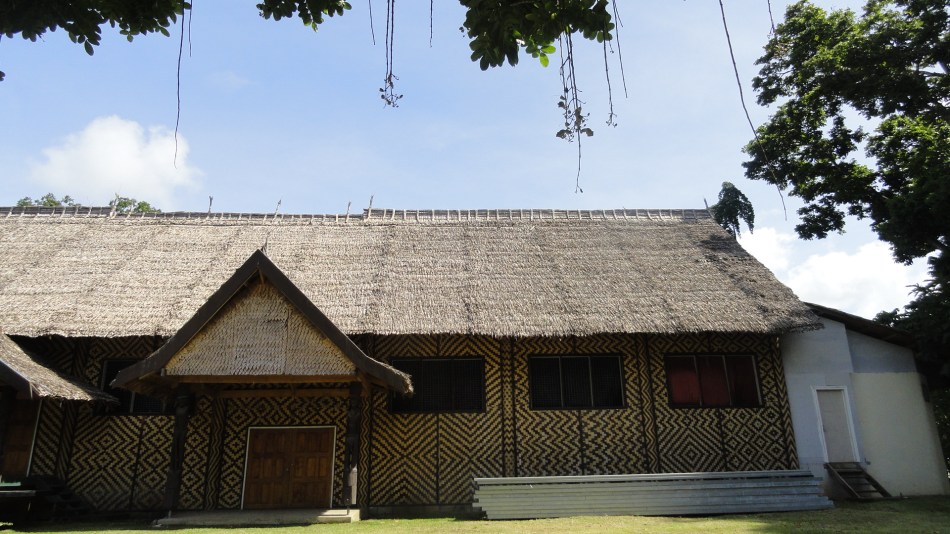
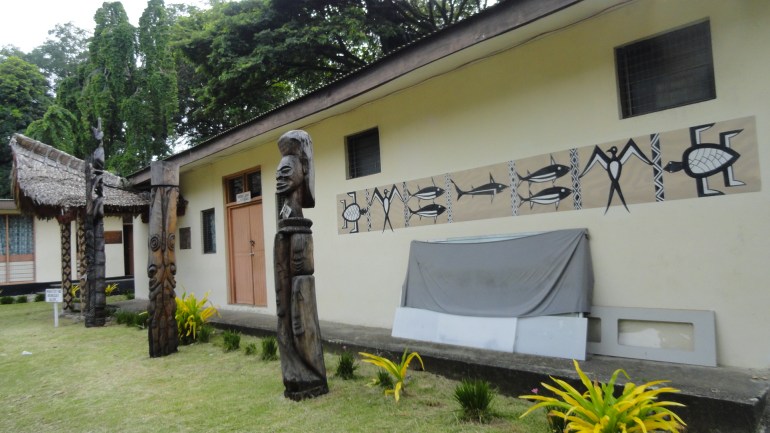
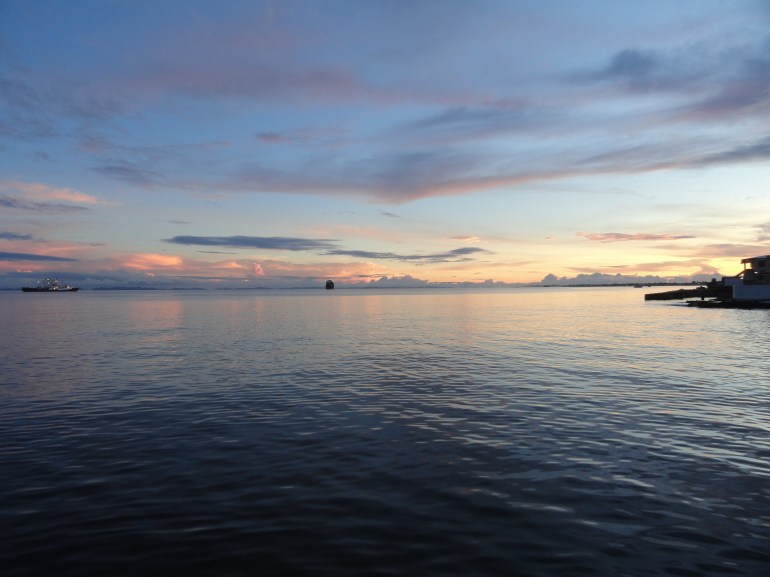
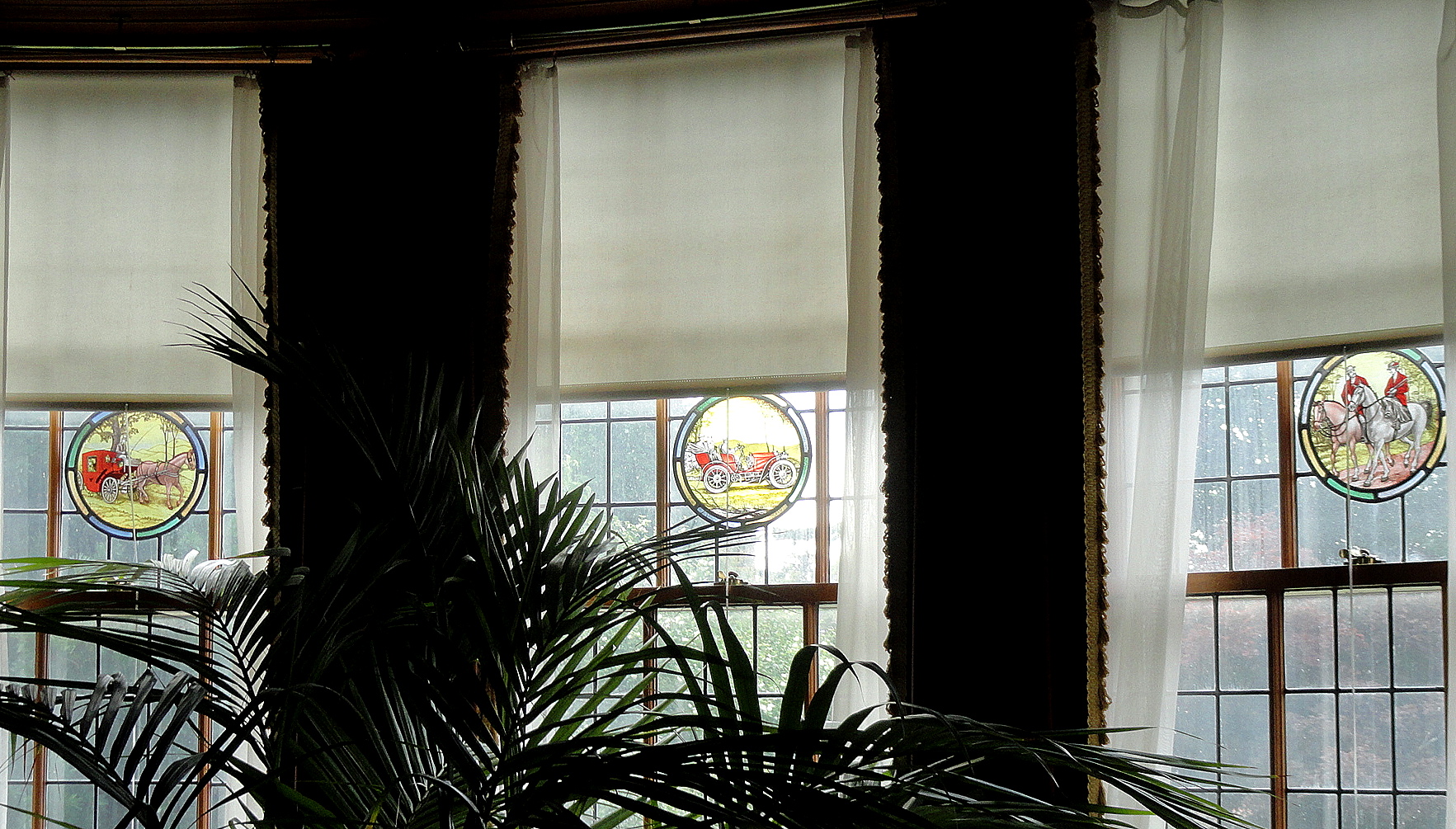
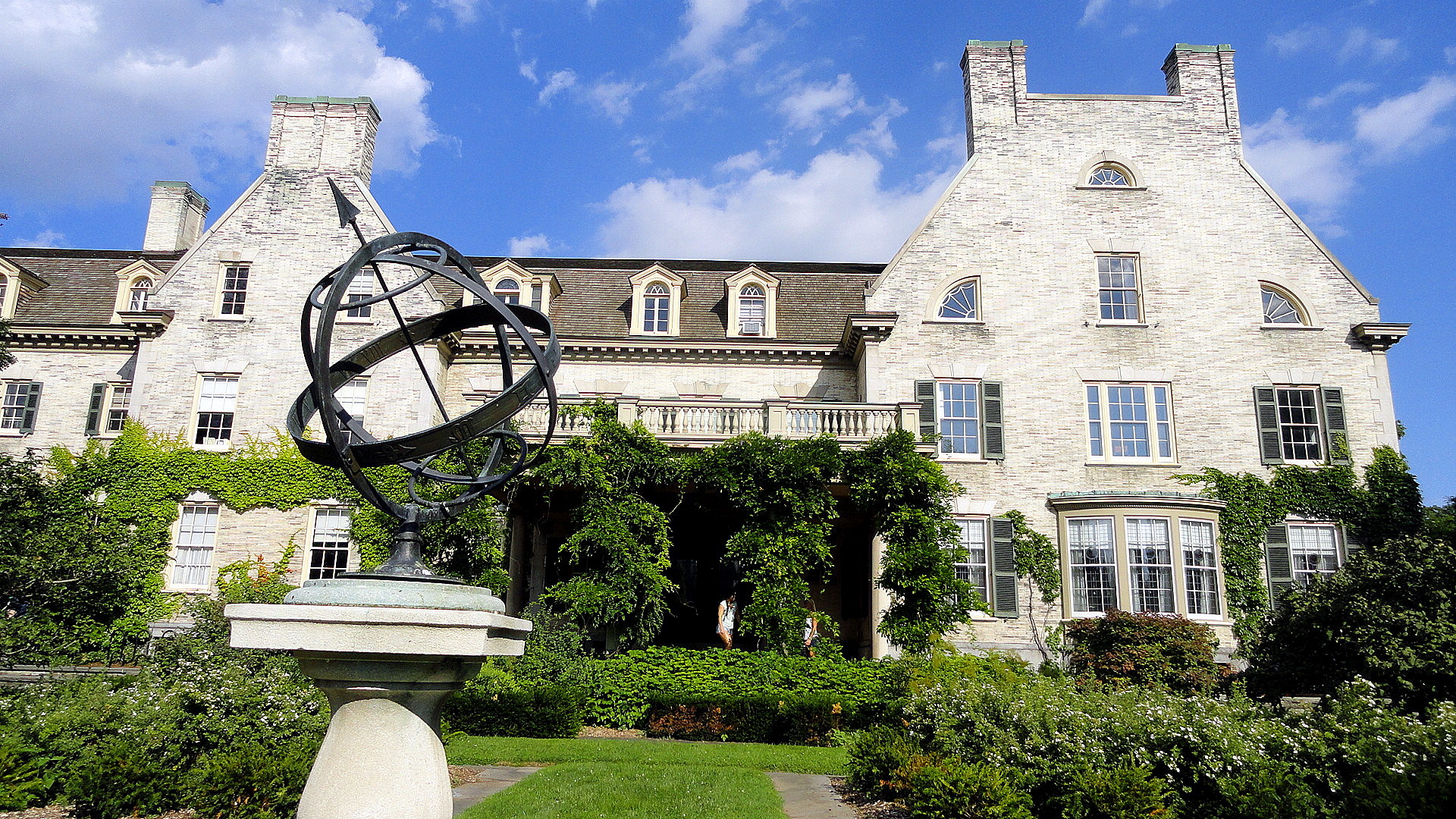
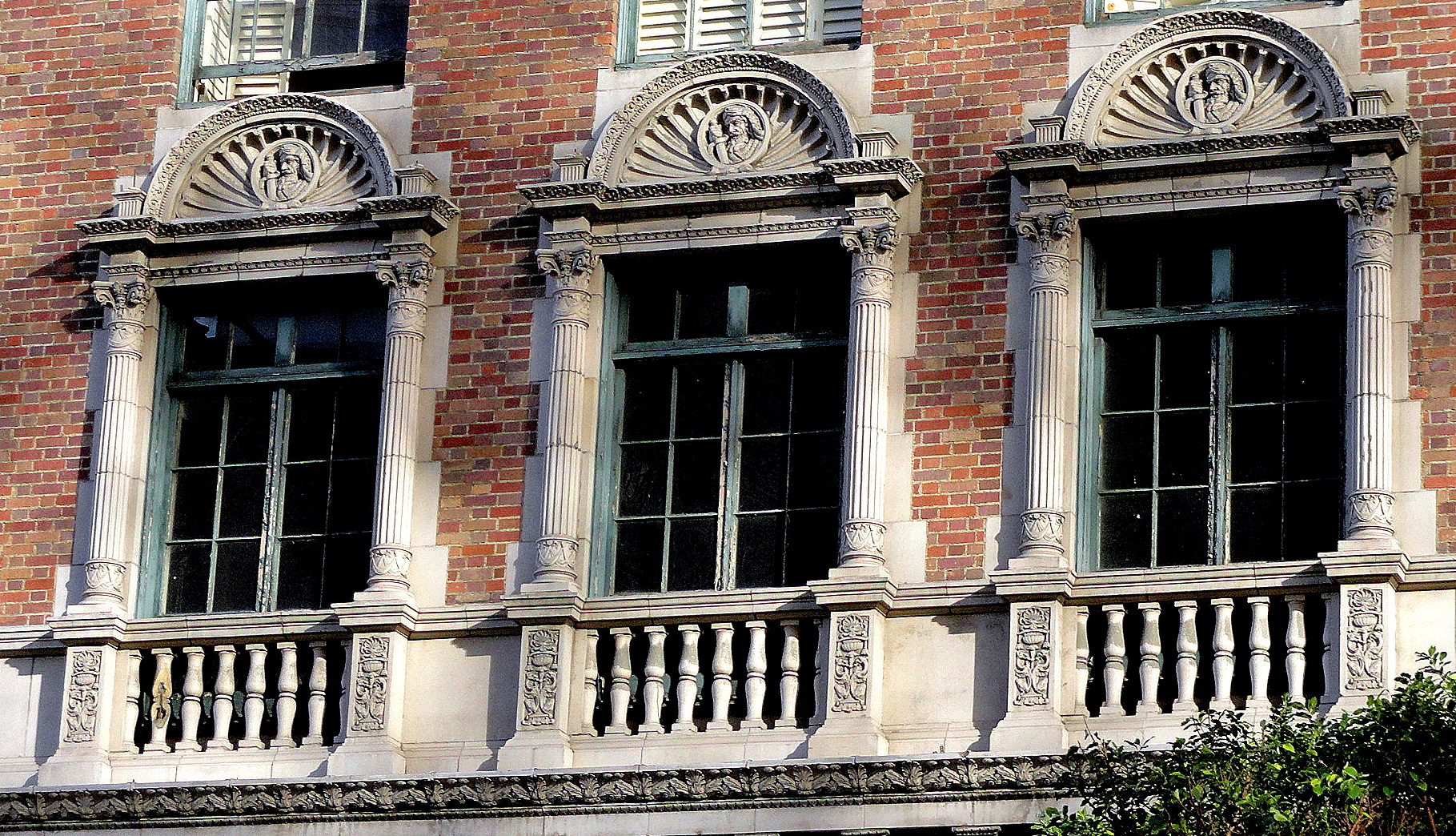
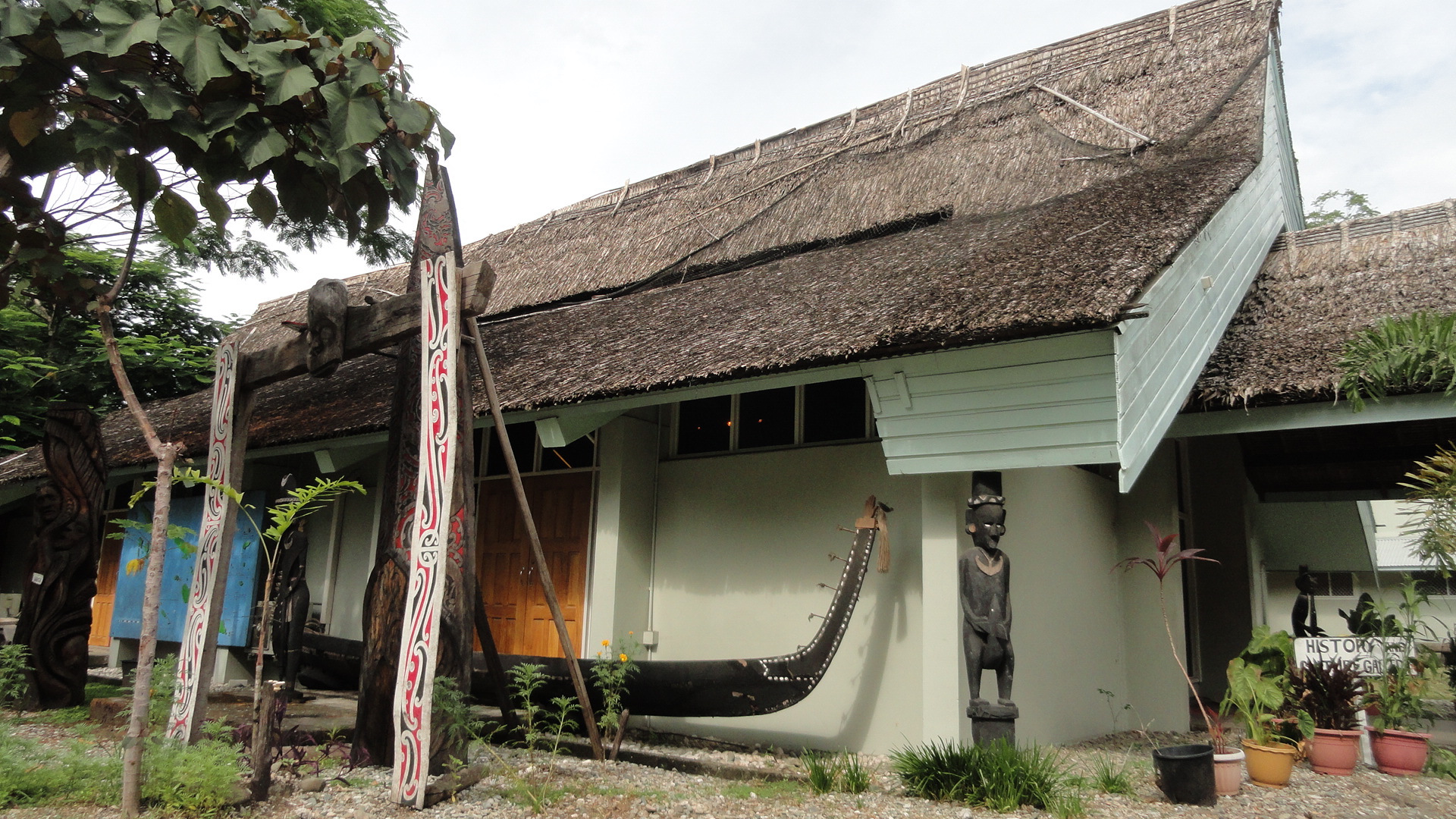
of Calabar — from the lovely house above (palace in fact, as noted in the sign to your right) — to the stone church across the street from it. Or the museum below, housed in one of the finest colonial buildings in town.

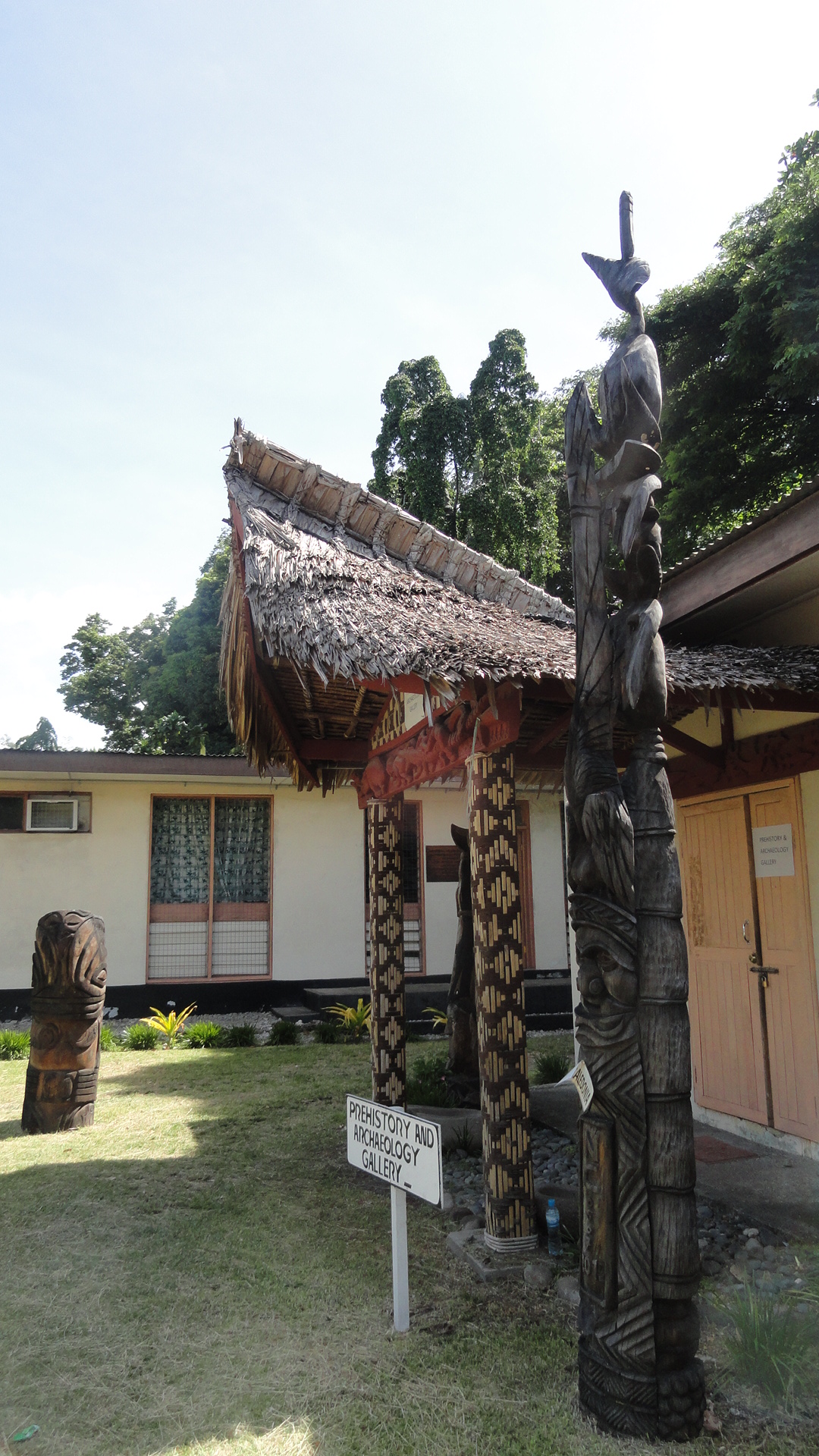
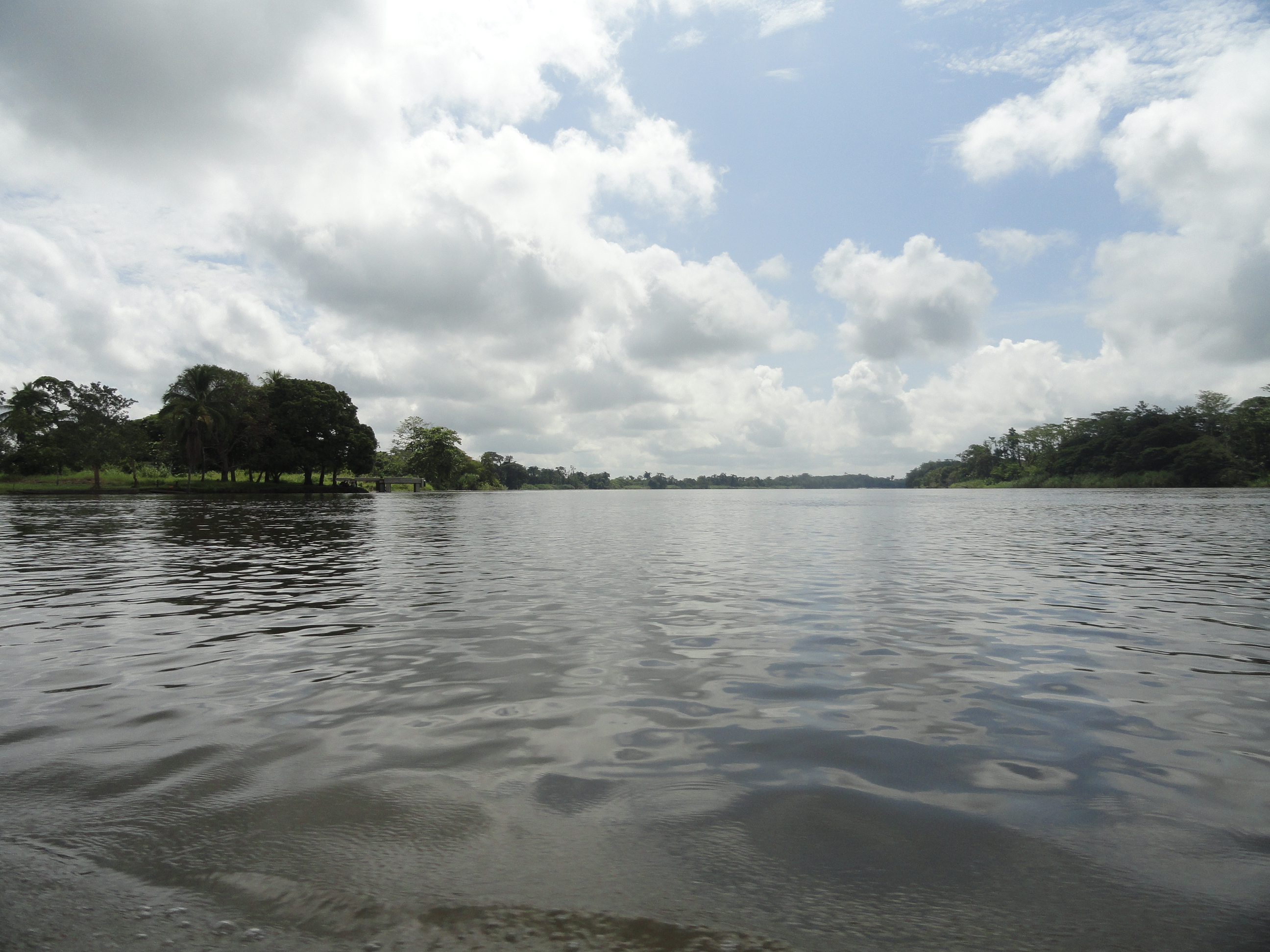
The Calabar Museum is praised by Lonely Planet as far and away the best museum in Calabar. It really is an excellent and interesting place full of documents and stories from the days when Europeans first decided this was a great place to buy slaves; then, as noted in the sign at right, when the British abolished the slave trade and started actively policing the high seas against slavers, the chiefs and businessmen of Calabar shifted to the palm-oil trade, from which the whole Niger Delta region thrived for many, many long decades. The whole museum is housed in the old British colonial governor’s house high on a bluff above the Cross River, and it’s very easy to imagine the governor and his staff or family sitting up here watching the boats ply their trade on the river below. LP recommends taking a torch (flashlight) since the power’s usually not running; I got a good half-hour in the darkened museum, reading by torchlight, until someone figure out I wasn’t supposed to be there without power and kicked me out. Oh well.

Primates in Calabar

A fantastic highlight of Calabar is the two small primate-related NGOs based there. Pandrillus, aka the Drill Ranch, was the first to start up – founded in the early 80s by an American woman named Liza with whom I had the pleasure of watching the drill monkeys (above) and chimpanzees (below) pace their compounds and – in the case of the chimps – frolic in the water. (Shortly after I wandered into the compound, which is tucked away on a back street in a residential part of town, Liza decided the heat was getting to the chimps, and out came the hose; and yes, I did get to hold it and spray this girl above for a while — for all the world it felt just like holding the hose on a hot summer day for a frontyard full of kids in the midwest — they’d take turns running into and out of the water and screeching happily. I ask you: where else would one get to spray a chimp with water on a hot summer…well, February…day?)

Anyhoo: long story short: Cross River State, of which Calabar is the capital, is home to some of Nigeria’s little remaining forest and wild habitat in which monkeys and other wildlife can pursue their lives as they always have. Sadly, many of them get shot for the bush-meat trade; Pandrillus and Cercopan, the other NGO, take in the monkeys orphaned by the bush-meat trade, and sometimes reclaim monkeys who’ve been shipped around the country or the world as pets. Pandrillus specializes in Drills, a pretty large monkey and close relative of the better-known Mandrill, which live only in a narrow band of Nigeria and Cameroon, and on a nearby island in Equatorial Guinea. Cercopan focuses on a few species of smaller monkeys, several of which I’ve captured in action below. Both have offices and small enclosures for newly-received primates in town, and a larger facility north in the forests, where they run larger groups and, I think, try to prepare some to return to the wild — though having been orphaned at a young age, and/or chained to a perch in a hotel lobby here or a barbershop there, many of these primates wouldn’t really thrive in the wilds any more, and so stay indefinitely — and breed. Both organizations have had success at captive breeding, which is great since the Drills and at least one of the species at Cercopan are quite endangered and live in habitat that is under constant threat. (The most endangerd at Cercopan, I believe, is limited to a narrow band of habitat between the Cross and Niger rivers in Nigeria. I’m here to tell you there’s not a ton of undisturbed habitat left in this particular zone!)


Not sure if this is a mom and her kid, or just two friends; one thing I saw very frequently during the hour or so I spent just staring at these fabulously un-stressed-out looking creatures was the frequetly with which one of them will collapse in front of another for a grooming session. The other will then quite obligingly start picking through fur and – one assumes – removing grubs and burrs and other debris acquired while roaming the…cage.

Power Holding Company of Nigeria is also known by two other titles I know of: Please Hold Candles Now, or Power Has Collapsed in Nigeria. I couldn’t pass up the chance to capture its logo for my scrapbook.
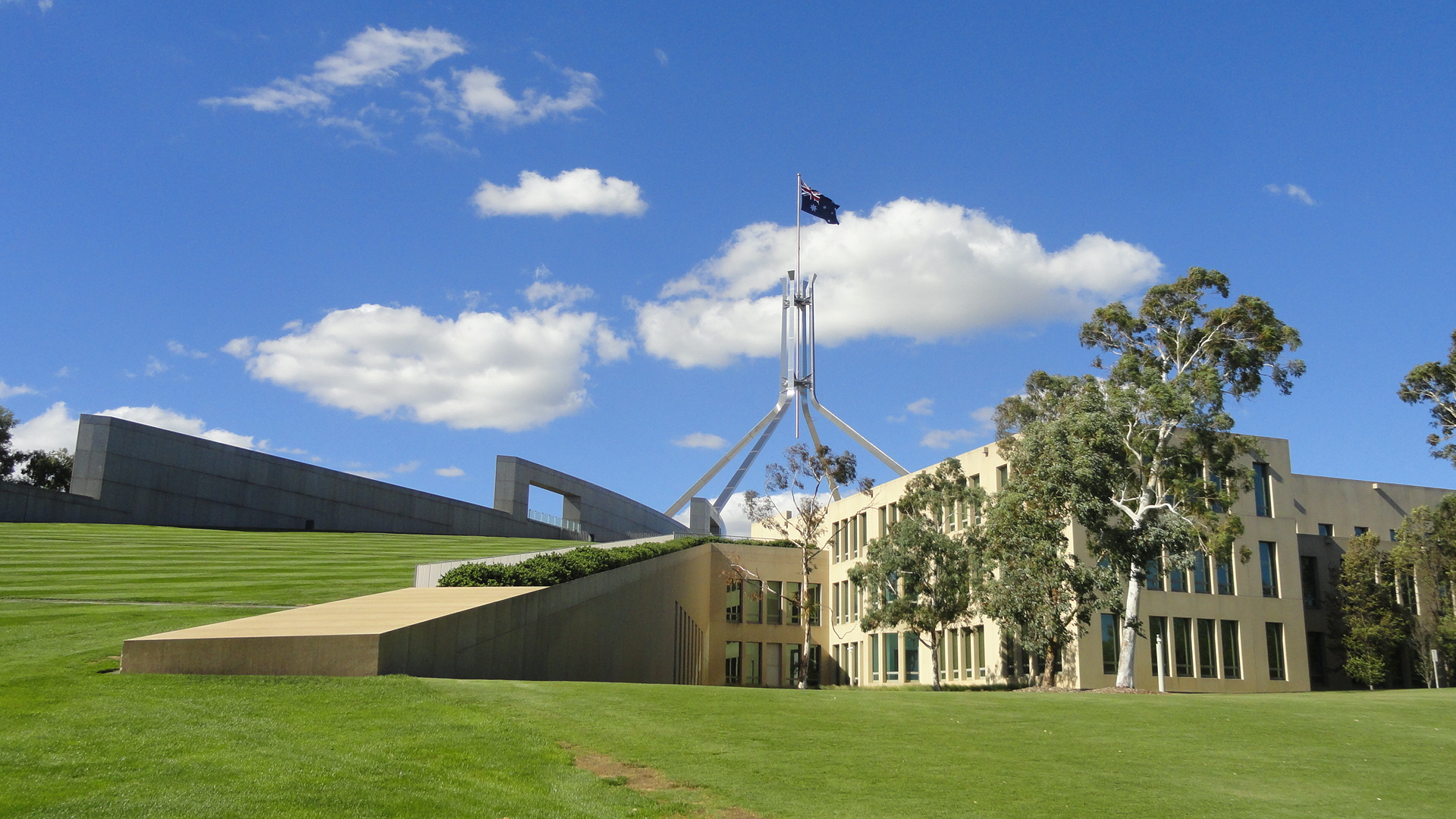
This flag, as you’ve noticed, quite captivated me — it’s visible from so many parts of town, and provides a unifying central image as one wanders the streets and paths of Calabar, something I was so delighted to be able to do that I ignored the sweat drenching my shirt and walked endlessly. Herewith a few more shots of contemporary Calabar.


The first time I saw — in Port Harcourt — a book vendor balancing a stack of books nearly as tall as himself on his own head, I was most impressed. Now I’ve become as accustomed to that as I am to the traffic here. The tree, above, is a bus stop — desintaitons all indicated on the sign to the left of the tree.


Just north of Calabar along the Cross River, surrounded by rubber plantations, is a development called Tinapa – which is trying hard to be “Africa’s premiere business resort and destination,” or something of the sort. It was hypothetically opened a year ago or so, but it seems the shops still aren’t selling anything because, according to one article I’ve read, they haven’t settled the import and selling permits yet. This may be code for “they haven’t bribed the right people yet,” but it’s hard to know. Tinapa also wants to become an important site for Nollywood — Africa’s largest film industry is based in Nigeria. Hence the gorilla on the round dome.

The Road to Calabar

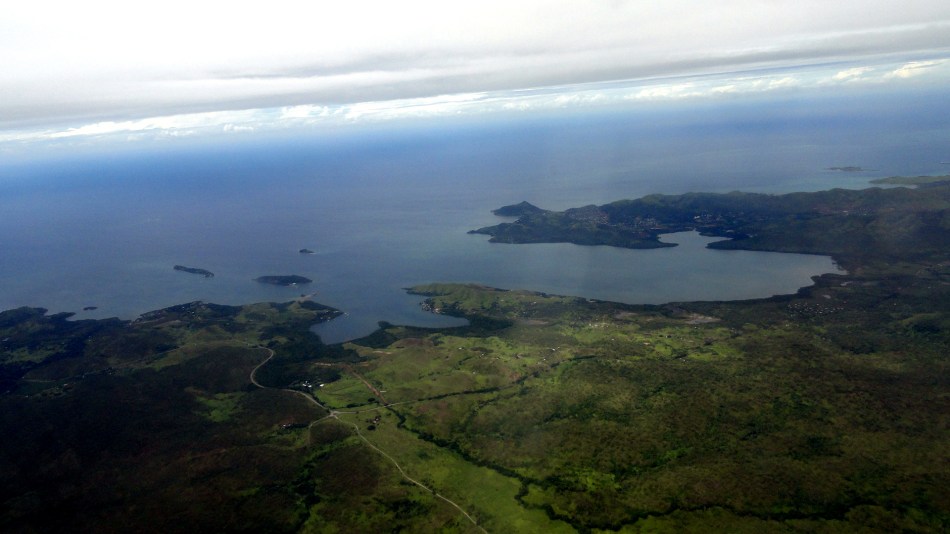
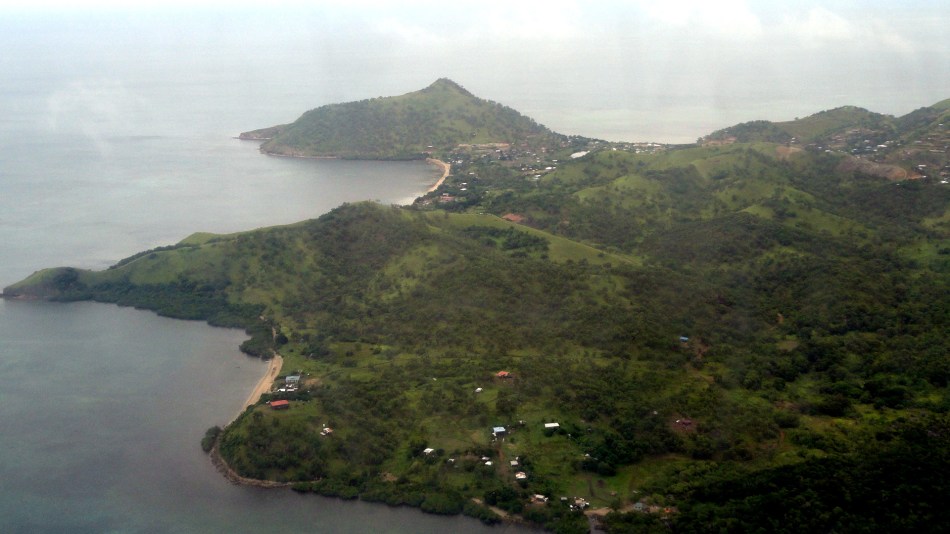
One of the joys of spending a weekend in Calabar is the chance to actually see a little bit of the rest of Nigeria. Working six days in the hospital, and being pretty limited in terms of social and outing options on the seventh day, we tend to wear grooves in the road between the house, the hospital, and the one or two restaurants and bars where we spend almost all our time. Heading toward Calabar, after about two hours you get into a gorgeous green stretch of road in a state called Akwa Ibom, and from that point right down into Calabar the road really gave my eyes some much-needed relief from the hardscapes of Port Harcourt.


Hill, Dale, Family, Sculpture & The Year That Was

So just like that, another year has managed to slide by. This life I’m living has many odd consequences, one of which is the telescoping of life (the period between date A and date B goes by so rapidly!) which, in my oft-befuddled brain, occurs simultaneously with a high level of intensity that makes me feel, often, as though I’ve lived a few lifetimes in a few months. So yes, as I enjoy the relative dry coolness of Port Harcourt’s first legitimate harmattan day (google it [copy/paste – spelling is important to get the right entry]: you’ll learn something new about Africa, weather patterns, and even South America!) in our living room on a late pre-Christmas Saturday afternoon, it feels very much as though 2007 has slid by ‘just like that.’ Everyone else is still at the hospital, but Paul slipped out early to run some errands (one of my functions is team cohesion and esprit de corps, so I’ve arranged some fresh croissants as a surprise treat for our Xmas breakfast, and done a few other things I hope will aid team life over the coming holidays) and now I get to ponder the year I’ve lived. Given my internet connection here in PH, this entry is going to double as the end-of-year holiday note to those of you who would ordinarily get such an item delivered to your own personal email box. And for those lucky few who grew accustomed to the occasional postcard out of Sri Lanka, China, or other points in the past years…know that this has not yet appeared possible in Nigeria, but know also that my thoughts are very much with you this holiday season. You know who you are! 🙂


‘But what are we looking at?’ you may be wondering. OK, I will tell you: the photos above and below were taken at Yorkshire Dales National Park, which is north of Leeds where Steve was teaching this autumn. He and I took the train up after seeing Mom off on her train to Kings Cross, whence she found her way (ably assisted by fabulous Tracy, for which thanks again, my dear) to LHR for the flight across the ol’ pond; after wandering the Dales a bit, we headed back to Skipton for a canal-side lunch — pix of Skipton duly appended, below, after which a few more of the Dales. I remain sad that I was unable to join the larger family gathering to celebrate Thanksgiving at the beer & cider festival, but happy that I caught at least the tail-end of Mom’s visit, and saw Steve a bit of Yorkshire also.

…for those of you who don’t know, that’s Steve, my older-but-not-oldest brother, looking like a well-known Rodin sculpture (sans chin in hand) out on the Dales.

At this time last year, I was finding my way back to health in Colombo after a most unwelcome visit from dengue fever. With that nastiness largely behind me, I rang in the new year with Mom and Steve in Bangkok before boarding an early flight for Cambodia, where Steve and I caught the first sunset of the new year from the top of Phnom Bakheng (cf archives: Feburary 2007). Thus began my first four-continent year, in the course of which I actually managed to spend time with Steve and Mom on three continents. That’s something I’m both grateful for and proud of: that at this point in my life, I’m able to spend quality time with my mother and at least (so far only) one of my brothers in such lovely, enjoyable, historic and educational spots as Angkor Wat, Bangkok, Phuket, Paris and the Yorkshire Sculpture Park.
In 2007 I’ve also begun to feel more in touch with my own mortality. For the first time since the early 1990s, I lost a close friend of my own generation when Sigrid passed away this spring. Perhaps this, coming not long before I myself turned 45 and admitted that my body simply no longer qualifies as young by any measuring stick, has found me putting things more in perspective. And I like the perspective. Two more odd dualities of my current life – ‘oh no!’ they groan, it’s another Paul philosophy entry – are: 1) At the same time as I’m really owning up to my own mortality in new ways, I’m also constantly humbled and kept young by everything I’m learning and all the remarkably committed and competent people I run into again and again in MSF projects other parts of my life; and 2) By leaving my known world of LA and SF behind three years ago, I’ve come closer to many of my family and friends, even if I see them less frequently day in and day out.

It has much to do with quality vs. quantity, I believe: I may talk to Mom less on the phone or see her less frequently, but when we do get together it’s focused and dedicated: 10 days in Paris, two weeks in Southeast Asia, a lovely 36 hours in the Yorkshire Dales –and during all that time I didn’t have work to worry about work. (The sad part to the last one is that I missed Chuck, Jill, Bill & Judy by only a few days…but operational realities are what they are. And I certainly do hope one day I’ll get to share some of the rest of the world with Chuck and Jill, at least!) The same applies to everyone else – were I still working a day job in LA, I’d not have had those glorious months to dedicate to the many far-flung friends who graced my life in 2007 whether by inviting me to your homes, allowing me to share a special birthday celebration with dozens of friends & family members, by sharing movies, plays, concerts and meals with me, or by overwhelming me with generosity at Ojai or elsewhere.

It’s probably the most remarkable year I’ve had yet (lacking perfect recall on the first year of my life, I can’t say whether being born and learning to breathe for myself compared), between the challenging and interesting work it began with in Sri Lanka, and ends with in Nigeria; the European sojourn from late March through early May, graced by such lovely time with friends from London to Zurich, Hamburg to Paris; and the US road trip and summer vacation. I have my moments of loneliness and exasperation in the field, when the expats turn over and I need to get used to a whole new set of people and a new mix of personalities; or when I just wish, to quote the song… “if it’s not asking too much, please send me someone to love.” But the pluses certainly have outweighed the minuses since I started on this path, and I remain tickled that I get to walk it.

After the heat, humidity, concrete-jungleness, and dreadful air pollution of my temporary home in Port Harcourt, the clean green windiness and visible nature (however affected by milennia of agriculture) of Yorkshire felt like a balm to my tired spirit.

That’s really more than enough to say in one entry, is it not? I shall quit while I’m ahead, or at least not too terribly far behind. I’m sending out my thoughts, my wishes, my good energy and lots of love to my family and friends who have been amazingly steady sources of comfort, support, and encouragement these last several years. I am eager to share more details of my Nigerian life & work with you, one on one, whenever this chapter closes next spring. ‘Til then, smile and be nice to folks you’ve never met or don’t even like much, try a new act of kindness or generosity any chance you get, and (if it’s legal) make sure you’re registered to vote in the US (and please please do not simply assume that Hillary’s the candidate: give them all a good solid look before you pull that lever). So long for 2007 from smw, slt.

Yorkshire Sculpture Park

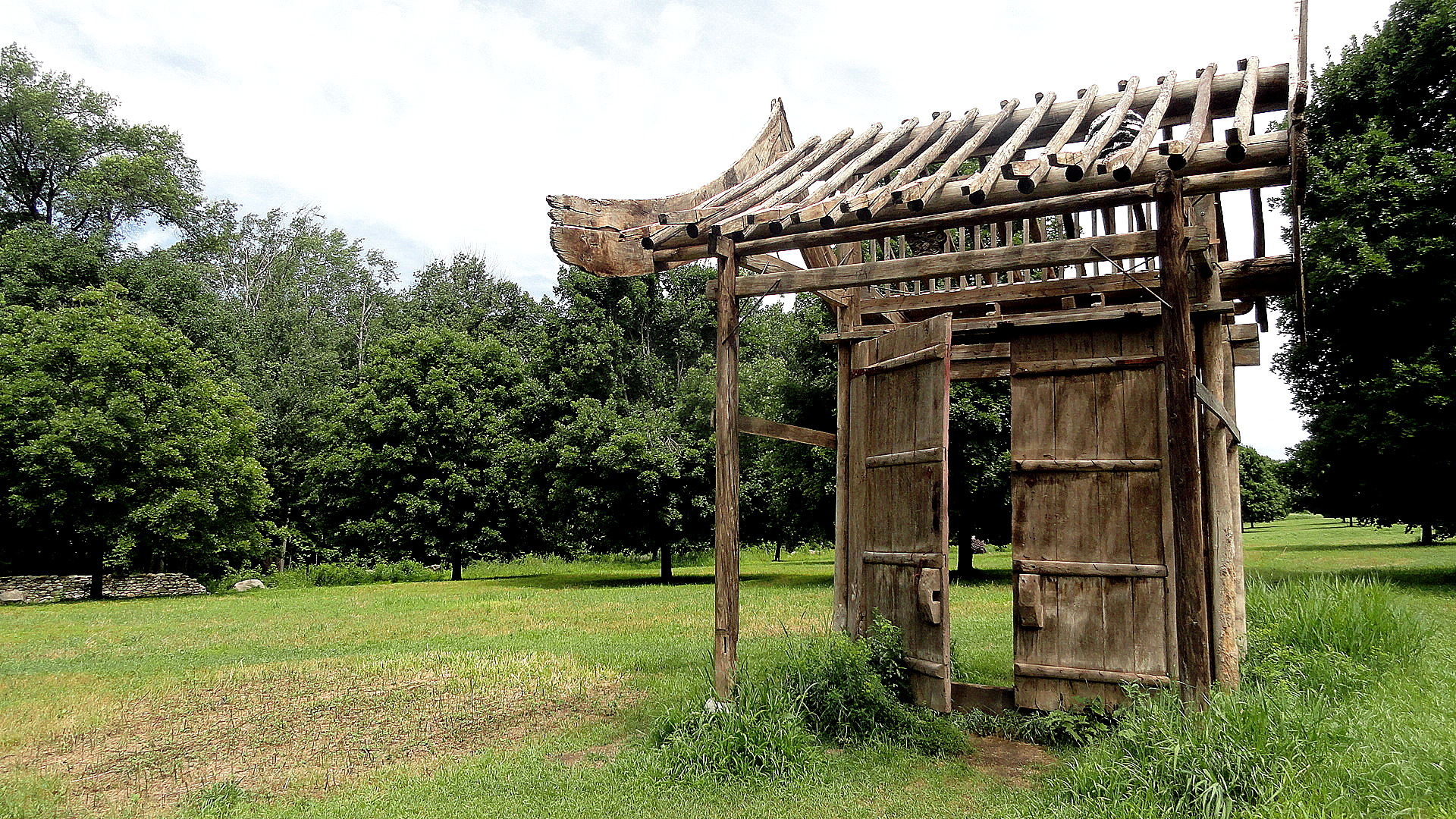
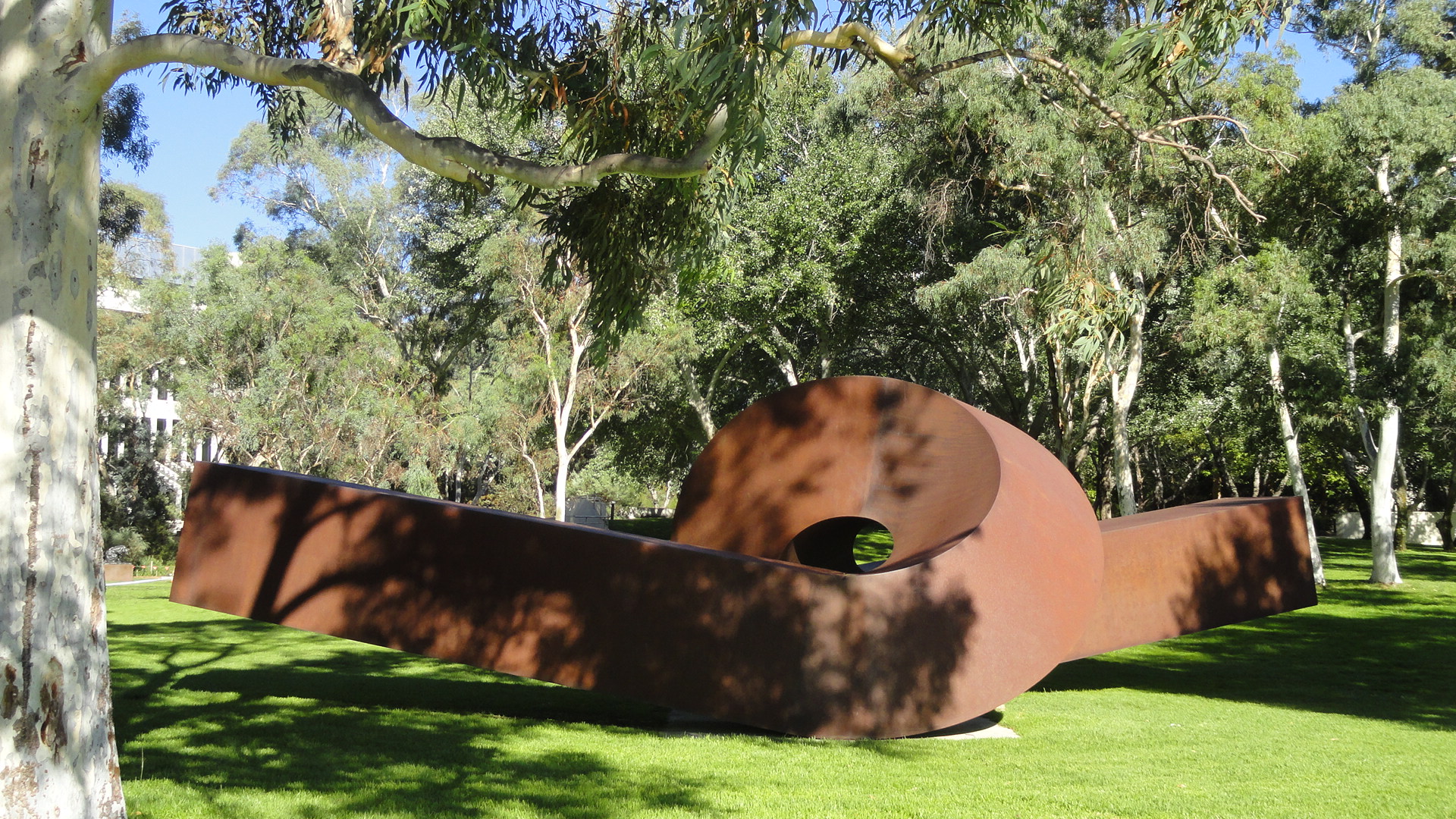
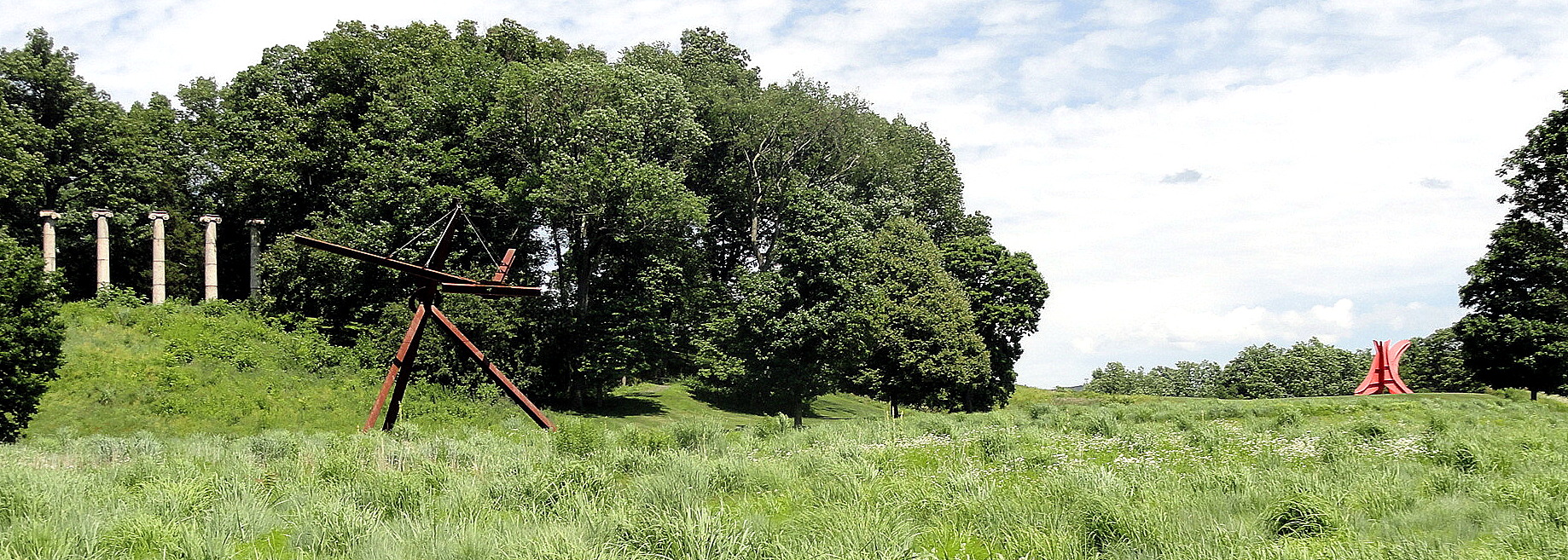
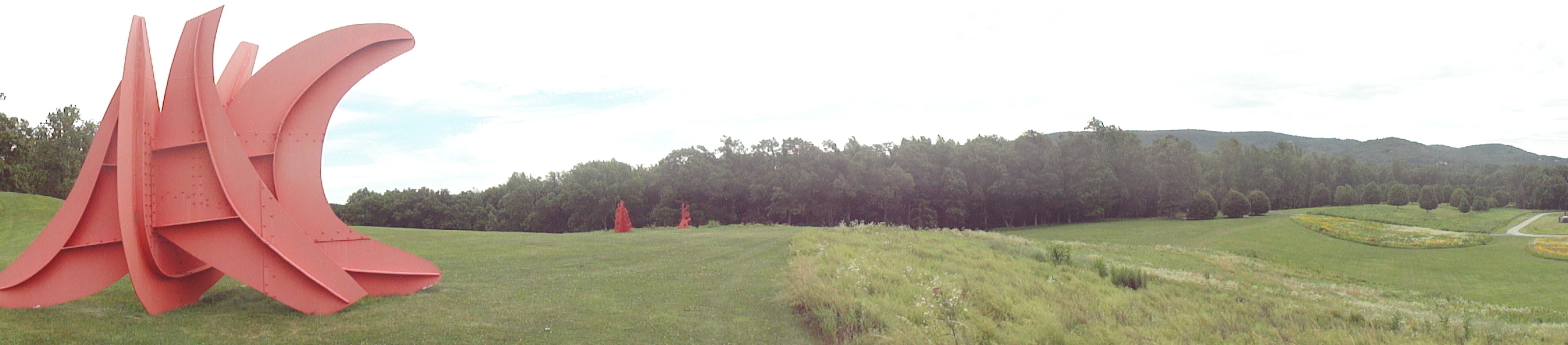
On the Yorkshire dales outside Westfield is an absolutely lovely sculpture park which occupies many acres and includes a number of delightful indoor galleries and – in contrast to Storm King, to my & Mom’s great joy following an afternoon wandering the wet and wooly hills – a cozy cafeteria. Henry Moore, creator of the sculpture above, grew up in this landscape, which over the years has been much shaped by human agricultural interests, most often of the four-footed variety seen here. I’d never before enjoyed sculpture while keeping one eye on my path for sheep pies. 🙂

The Yorkshire dales were, after all, home to the Brontes, so it’s such dramatic, lovely, and often dark and rainy landscapes that shaped the imaginations from which sprang Jane Eyre & Wuthering Heights.

This Season by the Thames

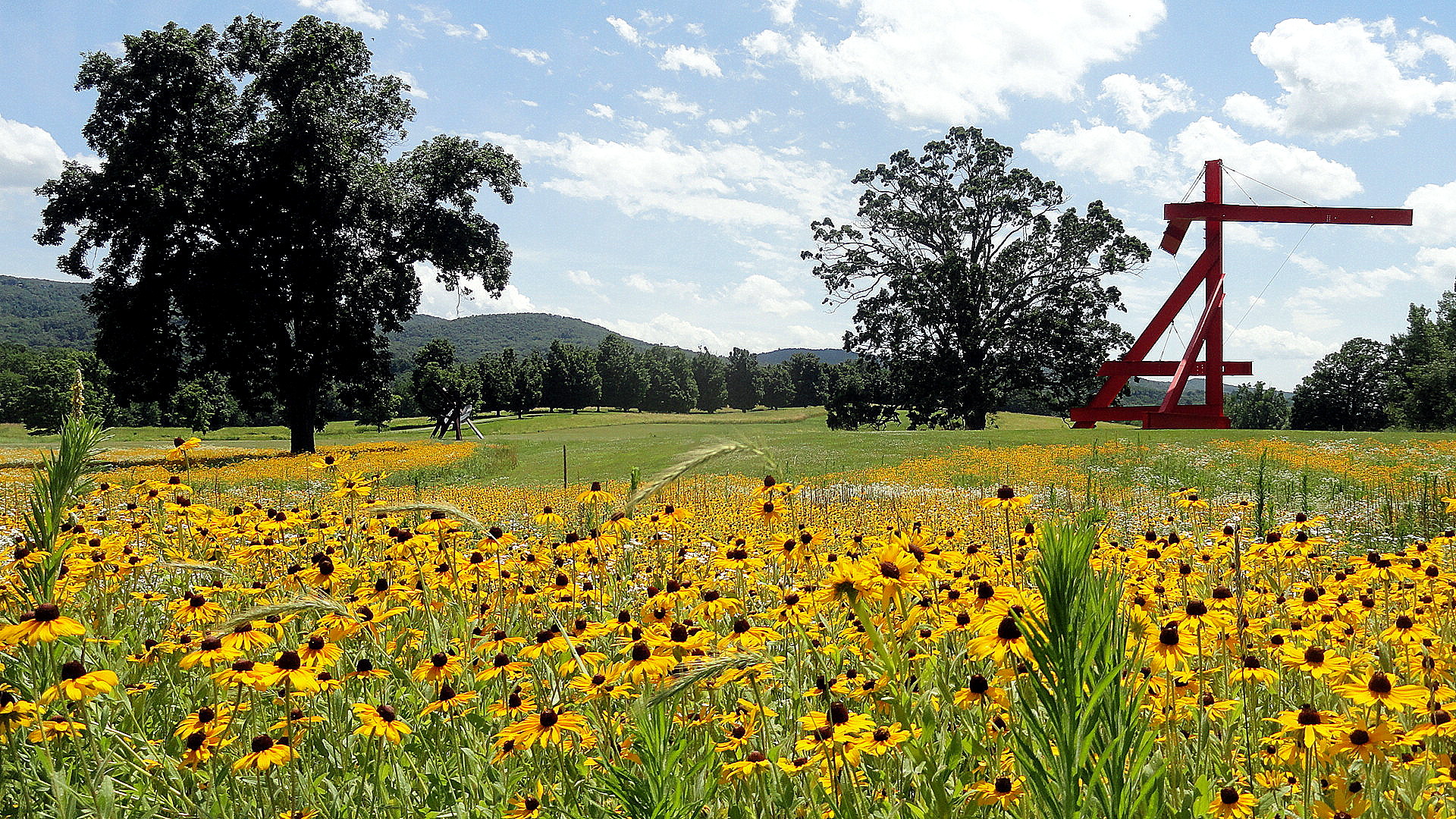
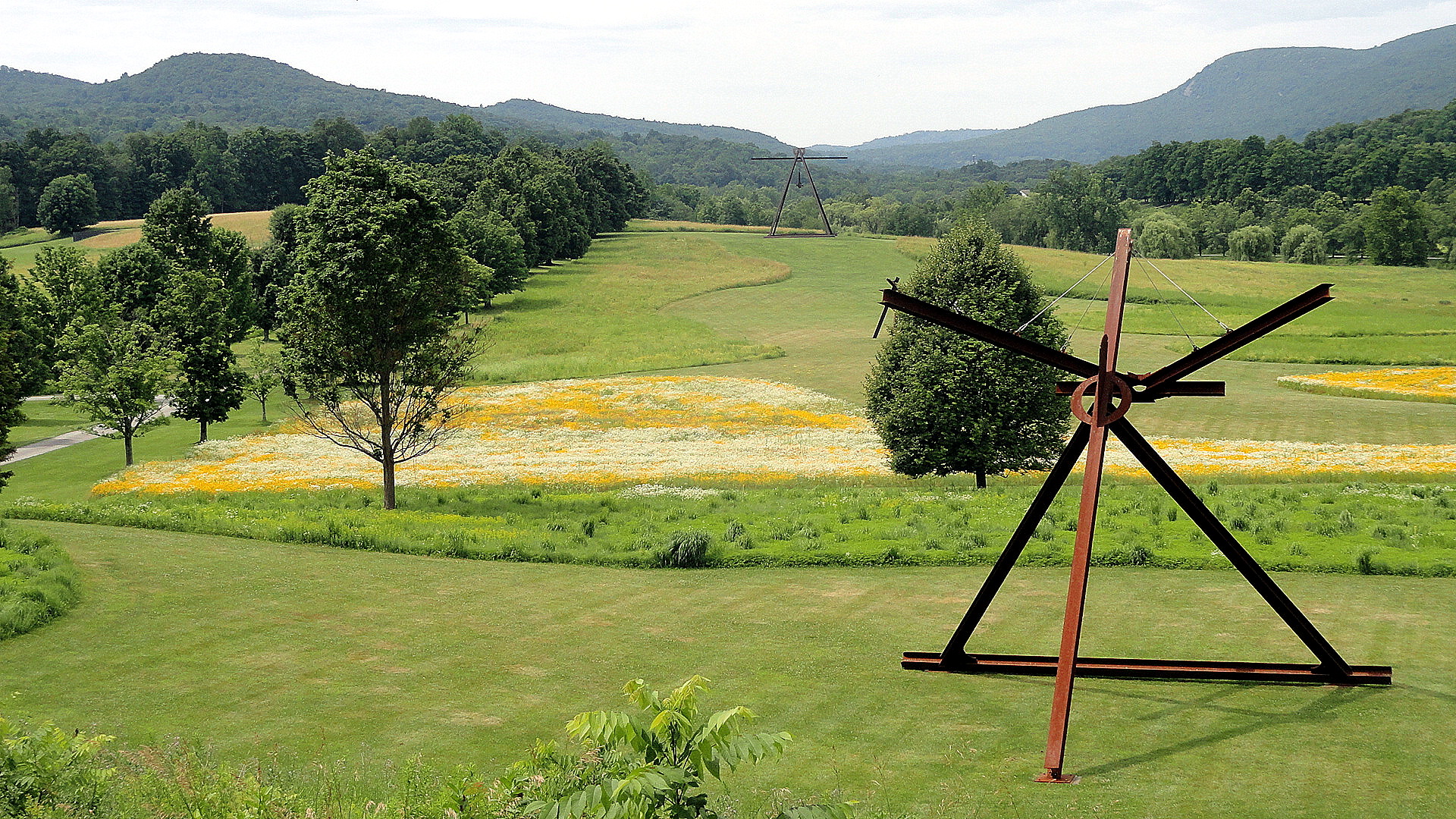
The Tate Modern has a great Louise Bourgeois exhibit (would you have spent a day in London to see it, if you’d known, Mom?) which spans the length and breadth (broader than I, who’d only seen her later sculptures at Storm King, really appreciated) of her inspiring career. This spider, commissioned (who knew? not I!) for the opening of the Tate Modern, was almost the only overlap between this and the smaller, more limited exhibit that Mom & I took in at Storm King on…another rainy sculpture park day last May!

I don’t know since when the symbols of the season outside the National Gallery on Trafalgar Square have been multi-religious, but I was delighted to note the Menorah. Can anyone enlighten me on the meaning (or lack thereof) of the multi-colored thing at the top left? Is it Chrismachanukwaanzaka, or just modern art?)

I truly do tend to get choked up when I think about WWII and what London, and Britain as a whole, had to handle once France and the rest of Europe had been invaded, and before the US had finally entered the war. It seems Norway has not forgotten its gratitude to Londoners for holding out as long as they did; every year the embassy of tiny Norway sponsors concerts at the church of St. Martin-in-the-Fields (lovely concert, this year), and the citizens of Oslo donate a tree to thank the citizens of London. How I wish gratitude, for example to France for making our revolution possible, were a more dominant note in the American citizen’s international-relations vocabulary…

Back on the Home Front

After my fabulous vacation in England, I returned via the overnight flight to Abuja, where I sat around the terminal for a couple hours while waiting for my connection down to Owerri. I could tell immediately that the drier winter weather had blown in, and it felt rather nice. In this sunrise shot from the Abuja airport, note the striped painting on the curbs – this is really a sweet thing I’ve noticed in several cities: green & white striped curbs (the national colors). It’s rather nice, don’t you think?


…and below are a few shots of me and various colleagues taken around the hospital compound during October & November. The final shot is an overview of the closest market to our hospital. In fact, a portion of the hospital is visible in the background but you have to know what you’re looking for…

Where Happiness Resides


My most dedicated reader, fellow blogger and all-round conscience Ondrej has told me that he’s ‘eagerly watching the blog for new posts,’ so I’ve decided to pen a rambling entry that tries to capture a few wee slices of life here. Warning: it gets philosophical, and it ain’t short. But it’s what I got: with movements restricted, work hours long, and PHC not even Colombo, let alone Angkor Wat, I’m trying to make the most of the limited visual and thematic material I have here, and still keep y’all a bit informed about ma vie à Port Harcourt.

I realize that my non-MSF friends will never see the Port Harcourt I know and work in. I acknowledge also, with some sadness, that some (most?) of my non-MSF friends probably agree with Peter’s assessment that I have come to live and work in ‘the heart of darkness.’ My desire to convey some of what I’m living here for my friends and family faces many challenges. We have a general policy against taking photos outside the house or hospital — generally too many police, military, possible militants or gangs/cults with weapons around who wouldn’t want their photos taken, a general desire not to draw attention to ourselves or offend anyone, etc. (There’s a story about some expats who tried to take a photo of the MSF vehicle on the street one time, and ended up down at the police station for a short while until one of my predecessors came to rescue them and say nice words to the officer in charge. It functions as an effective cautionary tale.) A far greater challenge than the no-photo detail is the fact that I’m busy and my life is fairly full: and, as is common with us human animals, I’m already taking the realities of my life here rather for granted, after less than nine weeks. This means I sometimes don’t notice all the newness in my life, until we get a new surgeon like Matt, who just arrived from NYC for eight weeks after never being off the continent of North America before, and whose fresh eyes remind that, indeed, I’m no longer in Kansas.

My first weeks were characterized by an almost-giddy happiness that reminded me of the joy I felt while wandering the streets of NYC on lunchbreaks from my first job out of college. I had such a vivid delight in the fact that people whose intellects and purposes I respected were expecting, yes, needing me to return to the office from my lunch break so that I could answer their phones and make their photocopies that my heart sang with the joy of feeling wanted and useful. ‘Whatever,’ you’re thinking. Had they not been my emotions, were it someone else’s heart who’d experienced it, I too might find it peculiar. But the experience was there nonetheless, and I must admit that I had similar feelings in my first weeks here: almost an existential ‘Wow, it seems I actually can do this job, there actually is good work for me to do here, and my presence is worthwhile. Cool!’ After all, however much the last two years introduced me to MSF, I was still fairly in the dark about what I’d really be doing and what life would really be like once I got here to Port Harcourt: new continent, completely new type of project, and new role as Field Coordinator.While it may appear false modesty, the fact is that — proud though I admit I am of my multilingualism and a few other skills such as my croissants and breakfast breads — I generally assume I’m a rather ordinary person with rather ordinary skills. That what I can do, pretty much anyone else can also do. At least if they apply themselves. It took living with someone for several years to ascertain that things I could do, he could not do. Of the corollary – that things others can do, I can’t do – I’ve always been painfully aware: it still hurts that I can’t play piano, take to the stage as a modern-dance heart-throb, or identify which elements are burning in a distant star by the color of its light through a telescope. Being a non-musical college student grunt at an Oberlin College which (even in the early 1980s, when admission rates were getting dangerously high) boasted more musical talent than an average evening at Carnegie Hall, along with an assortment of non-musical intellects and personalities that have gone on to shining careers in the arts, literature, science, politics and all the other fields of human endeavor simply reinforced my core sense of my own general averageness. Of which, let it be said, I was not at all ashamed — average is great; where would the world be without it?

As I hinted during one of the late-summer entries, one thing about many Americans’ reaction to my current career path that disturbs me is the tendency to heroicize what I’m doing. More broadly, Americans’ post-9/11 tendency to heroicize anyone who sets about accomplishing their chosen or assigned jobs with integrity, honor and generosity towards their fellow humans greatly disturbs me. If everyone who behaves with honor and integrity is to be a hero, then either the currency of heroism has been sadly devalued or — more to the point, I fear — the currency of averageness has been dragged into the gutter. Returning to my original point about Port Harcourt: I’m here to do a job, and my first weeks were illuminated by my pleasure at discovering that I was up to the task. I don’t usually take this for granted, certainly about any new situation into which I’m putting myself.

The giddy phase – we’ll call it ‘chapter one: the honeymoon’ – ended around the time I posted my last entries. Many readers might have noted a certain snippiness and whinyness about such trifles (existentially speaking) as bandwidth and performance of internet connections. There ensued a phase (‘chapter two: teenage tantrums’?) in which my moods swung widely, with the general trend being towards frustration and impatience. These are my usual faults so it was not unexpected, but I was disappointed in myself nonetheless. After all, where was the gratitude at a life which made it possible for me to have fried plantain with delicious lentil stew while pondering how best to inform our neighbors and target populations of the medical services we are here to provide?

The good news is that I appear now to have emerged into a new, more grounded (and not in the teenage “you’re grounded!” sense) phase. I’m more able to accept that which I can’t change (in keeping with my standard policy of not going into any great detail about my work life, let’s simply stipulate that there have been some staffing situations, actually lack-of-staffing situations, which have left a bit to be desired), and find much joy in focusing on those areas where I can have an impact, on that which I can change. And it’s fun!

As you’d expect from a job which, in its office part, takes up six full days a week, finding my groove at work is helping find my groove in that which passes for my ‘outside life’ here. And, let it be said, whenever I’m in Port Harcourt I’m essentially on duty: I’m someone who carries around two mobile phones permanently so as to be easily reachable – how sad is that?Specifically, this means I’m jogging some mornings, doing more yoga, pulling out 哈利泼特与魔法石 (for those of you whose computers lack the Chinese character set: that’s Harry Potter & The Philosopher’s Stone) and giving the Chinese-reading muscles in my brain a bit of a workout, etc. etc. Things that give me a bit more sense of wholeness and balance in body and mind, and leave me with some outlets outside work – which can get intense at times.

Feeling happy and balanced in life allows one to see more of the beauty in one’s surroundings. I’ve pointed out in prior posts that PHC has fallen a long way since the days when it was dubbed the Garden City, but it does have its charms. Chief among these are the people — the books I studied, the people I spoke with before coming here, all painted the same pictures: this is one vibrant, alive, energetic nation full of fascinating, engaged, lively, friendly and outgoing people. Most of my colleagues at work are a true pleasure to work with. Many of the people on the streets are friendly and outgoing. Yes, militants regularly kidnap oil-business exaptriates and feed them excellent food while waiting for the ransom money to be handed over so the hostages can be released. Yes, sometimes the food isn’t that good and the hostages are killed while being kidnapped or mistreated while being held. But as I’ve said before, the streets of New York can be mighty dangerous at any given moment of day or night, for the wrong person in the wrong place or time. So it’s all about balance.

And speaking of balance, I’m still in love with all the things folks carry on their heads. Just the other day while doing some reading on one of the balconies at the hospital, I noticed one of our kitchen staff (with an 80-bed hospital, we naturally have a kitchen staff) carrying a tray full of dirty dishes (all plastic) back to the kitchen from the wards on top of her head. I may camp out on said balcony some day, camera in hand, in hopes of capturing this image for posterity.

Then there are the street vendors. In New York a guy sets up a virtual-restaurant of a falafel stand, complete with wheels, deep-fryers, generator and refrigerator sections — and we call him a street vendor. HAH! At Garrison Junction, one of the main intersections in town through which we often pass on the commute to or from work, there are virtual mini-marts of human ingenuity both moving and stationary — and all pretty much free of hardware. We start some 30 to 50 meters back from the light: at least a dozen, often two or three dozen, vendors hawking bottles of soft drinks, packages of fried plantain chips, bags of lemons and oranges, and mobile phone cards. They run between the cars holding out their wares, and when someone reaches out a hand they’re prepared to run along beside the car as it starts moving again while finishing the exchange. More than once, I’ve seen a banknote simply thrown to the wind as the car speeds too fast for the vendor to keep up, and then seen a vendor have to track the bill as it swirls through car tires until there’s another holdup or red light so he can dive down in relative safety and recover his pay. With hundreds of vehicles all of which view lane-marking lines as road art rather than directives to be obeyed, and a few major streets all coming together at this point, you can imagine the number of times I’ve seen near-catastrophe. It’s my fervent hope that they’ll always remain near, and never become real catastrophes. We see enough victims of trauma at the hospital; I don’t need to see any more when away from the hospital.

After the literal on-street running vendors, we get the more established vendors. These folks set themselves up mainly in the median strip (‘central reservation,’ they call it in England and perhaps here, I think) — which is a quite narrow little island of concrete past which the diesel-smoke-belching used cars with their CH, F, D and NL stickers all roar. (At first it bewildered me, how many European cars seem to be taking a vacation in the tropics – until I figured out that these are all used cars sold – stolen? – in Europe and brought to Nigeria for the used-car market.) Here on the narrow strip of concrete you have guys with boxes of noodle soups, watches, handkerchiefs, underwear and other sundries for sale. It’s really all quite enterprising and impressive, though my heart goes out to their poor lungs: truly, the air in PHC is scary. My friends keep saying you’re worried about…fear not for me, dear friends: fear for my lungs! 🙂

Though it’s a bit unfair in an entry that mostly about how I’m loving Nigeria and my job here, I simply must throw in another little slice-of-life vignette from recent weeks here in the Niger Delta. Since the political and development situation of the Niger Delta is a source of ongoing conflict and tension for Nigeria, the nation’s senate decided to convene a five-day meeting here in Port Harcourt, which is the largest city in the Delta. They were here to understand first-hand what’s happening and why. To take the temperature of the citizens, to see the man on the streets and so forth. As one of the largest zones of mangrove swamp in the world, and the largest river delta in Africa (yes, I do believe it’s larger than the Nile delta), there are huge areas of swampy mangrovy territory where people traditionally lived and fished, and where they now live and don’t so much fish since oil spills have killed a lot of the fish and made farming a lot more difficult, or at least that’s how I understand it. It’s in these areas, called ‘the creeks’ or ‘the riverine communities’ that the deepest anger about the delta’s development and economic state lies, and also where the greatest poverty is, it seems. It’s also where the armed groups tend to hang out since it’s easiest to hide there. It’s also where most of the oil comes from. Read: the creeks are a fascinating, troubled and dangerous place. The Senate decided it was going to do a few trips into the creeks. Before they went, the Senate president put out an official warning to the militants: please don’t kidnap us while we’re in the creeks, he said. Why should they not kidnap him? Because the senate had no money allocated in its budget for ransom money.

…and speaking of unfair, I just couldn’t resist including this photo. 🙂
But perhaps my greatest joy here is the names. This is a deeply religious nation. Centuries ago, Islam crossed the Sahara and took root in what are now the northern regions of Nigeria. In the late 19th century, British mercantile adventurers took greater control of southern and coastal Nigeria than they had previously exercised from the mostly-offshore forts whence they controlled their portion of the slave trade (at least until Britain outlawed slaving, long before America’s civil war). Nigeria’s south, particularly the Niger Delta region, had remained a stubbornly independent and autonomous bastion of small tribal and clan leaders and kings who followed a traditional way of life based on farming, hunting and fishing that had been in existence for milennia, most likely, more or less unchanged. A few greedy Brits decided to put an end to all of that in order to corner the market on palm oil, which had many uses for industry and commerce, and which this region produced in abundance.
As always, with British capitalists and colonists came British missionaries. In recent decades, West Africa and Africa as a whole have become fertile territory for a wide range of pentecostalist and born-again Christian denominations and sects, but in the early years I think it was mostly Church of England. This is all a long way of saying that down here, Christianity is dominant, and they take it seriously. And they reflect it in their given names. I’ve never, ever lived anywhere with such fabulous names. I’ve never dreamed that names could even BE so fabulous! Blessing, Comfort, Patience and Lucky are fairly common. Godswill and Goodluck often appear in the newspapers or among job applicants. Recently I saw a fun name for the very first time: Godknows. As in other parts of West Africa, many folks are named after the day of the week on which they were born — so we have Sunday, Monday and Tuesday every so often.
But my favorite so far, truly my favorite, is Happiness. With Happiness comes a story. Our friend and colleague Devika was leaving PHC after six months as our expat ward doctor, and returning Oz. Several Nigerian staff colleagues wanted to throw her a party at our house (great dance space in the courtyard/parking area in front of the house – see pics attached) and planned to provide the beer, Maltina and sound system. I agreed to kick in with groundnuts (you may know them as peanuts) and digestive biscuits, etc. Groundnuts in Nigeria often come in bottles — not jars, but tall bottles like wine bottles. (Cf. figure at left.) My favorites come from a company called “Annointed Fingers G’Nuts.” Not sure about the image it calls up, but what poetry for a name, huh? For this occasion, another colleague had pointed out that the street vendors down the block from our house sell peanuts, either wrapped up tight in little dime-bags of plastic wrap or by the bottle, less expensively than our corner store.
So I trooped over and asked the ten-year-old sitting on the cinder block by the box of peanuts if she had any bottles. Sad eyes: no. How much for the dime-bags? 10 naira. I counted them out: about 24 of them, so about US$2 for the bunch. I said I’d take them all. HAPPY EYES! Enormous smile! It was late on a Saturday afternoon, and this meant, with all her merchandise sold, she’d get to go home and play, or at least not have to hang around and work. We asked if she’d be around tomorrow, maybe with more peanuts, so we could buy more for the party. Maybe. We asked her name: Happiness. Walking back to the house, I imagined the mindset in her proud parents’ heads when they first held her and chose to name her Happiness. The next day, Rachael and I went to the corner to see if the was there again. She was not. Result: we walked around a bit, asking the other vendors if they knew where we might find Happiness. 🙂

How could you NOT love a place like this?!

Slices of (Real?) Life

OK, peeps: these are they: the first thought-out blog entries from Nigeria. Nearly a week in the making, nearly that much in the posting…amazing, huh? Enjoy! Lord only knows when I’ll muster the patience to try so many uploads again… As you’ll maybe be able to tell, it was all written nearly a week ago, and I’ve been back in PHC for a while now. So happy to get back to my fabulous project and excellent colleagues. 🙂

It’s roughly 3:00 on a quiet and lazy Sunday afternoon, October 14th to be quite precise. I’m sitting alone in the living room of the MSF expat house in the suburbs of Abuja, listening to some music and pondering the meaning of life and other imponderables. (The music, I feel moderately embarrassed to admit, is The Return of the King soundtrack…but after that I’ve got some jazz and some blues cued up.) A mere two hours ago I gave up any hope of uploading all the photos I’d hoped to post on here – all the nice photos I broke up my jog yesterday morning to take, that jog and those photos that spurred the rambling philosophical exegesis you shall find below under the heading “Aspirational Abuja.”

That’s the Hilton in question.

Why did we have to break off our upload? Wherefore uploadus interruptus, you ask? so much world, so little time ran out of time – did I name my blog well or what? So many photos, so little bandwidth – even on what the Hilton’s ‘business center’ advertised as dsl broadband! Without an internet cable, we found ourselves (split personalities: another benefit to the African lifestyle – buy one, get several more for free!) unable to connect to the net in the room even if we’d chosen to pay the $25 fee for 24 hours of in-room access. The additional $5 to buy the cable was just over the top: being able to post then and there was simply not worth it, when added to the slings and arrows of the (otherwise comfortable and generally acceptable) Hilton’s highway-robbery room rates and fees. (Examples, you require? My best negotiating skills, honed over two tough years in the hardscrabble Middle Kingdom, gleaned me only a $150-per-night standard room right next to the cleaners’ storage room in which, it seemed, they enjoyed many conversations over the course of the day. When the hotel room offered neither filtered water nor even a comp’d bottle or two of water to get me rehydrated sans amoebas, I splurged on the $3.00, 750-ml bottle {yes: $3 for less than a quart of water}, figuring I’d find a store on the premises to stock up on bigger bottles at a better price later. NOT! Elsewhere in the hotel, the same bottles could be found for the reasonable fee of $3.50! And nowhere was a full liter, let alone 1.5 liter bottle to be found. H-i-g-h-w-a-y r-o-b-b-e-r-y. Can I afford it, yes. But it’s the principal, darn it! Nigeria is expensive, but get real.)

But getting back to our frayed narrative thread: we were talking about interrupted uploads. We later attempted to pull off plan B: write the notes offline, store them to a USB key, and then log on for one quick hour of highly-efficient uploading of photos, etc. And rest assured, it has been the experience of this smw, slt correspondent that one hour can be more than sufficient for a highly enjoyable and successful uploading session. An hour has more than sufficed for the planned volume, in our experience – experience gleaned on three continents, no less!
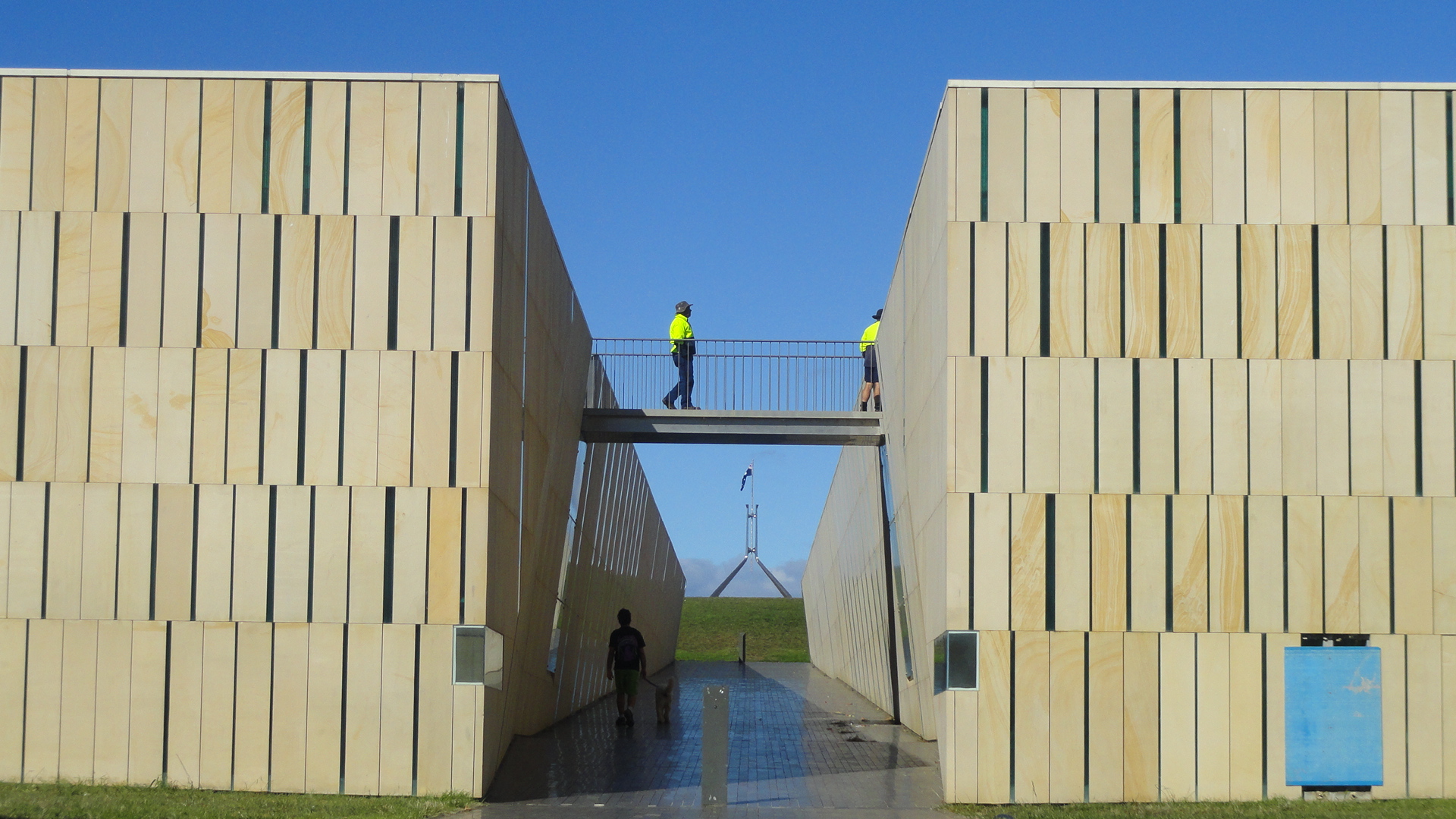
I’m pretty sure that’s Aso Rock, after which the presidential house in named in common parlance here; the tall concrete thing in the background before the mountain is probably the house of parliament. Don’t ask me why, in a city where I was allowed to run or walk freely, I did not walk closer to inspect. I have no answer other than laziness.

But said gleaning had not yet taken place in Africa, and yes, it seems Africa still is something else altogether at least when it comes to communications and the internet. Had it been only the slow connection, I’d still have gotten deeper into the upload than I did. But nooooooo. The working hypothesis du moment is that the computer in the ‘business center’ at which I had set up shop didn’t like my USB key. While it accepted the photos you see below under the headings “Frustrated in Abuja” and “Mile Three Market, Port Harcourt,” multiple attempts to transfer the photos from my laptop to the ‘business center’ desktop came to naught – despite a complete erasure and reformatting of said USB key followed by reloading of selected critical photos, all while the clock ticked away on my 40-cent per minute block of internet time.

The upside? I get some extra time to vent my spleen in this extra text that no one will ever read. (Haha! comment on that, if you dare!) The downside? Now I can only cross my fingers and hope it’s not the key itself. Hope that this text I’ve taken such pains to make at least moderately entertaining won’t itself vanish down the sinkhole of corrupted filedom. Hope that whenever I next find myself in front of a computer with something that passes for an internet connection – which, most likely, will be Wednesday when I get back to PHC and our lovely dialup wifi connection that might, just might, be the source of the frequent crashes we experience on our computers – I shall find not only those selfsame photos, but also this very text, intact for posting onto our beloved smw, slt blog site so you all can chuckle over the foibles of an expat lost in the communications wilderness that is Nigeria. Hope: a good word, a lovely notion, and purrrrrfect segue to our next heading…
Love ya, mean it.

Aspirational Abuja

Abuja is the Nigeria’s capital. It is neither Nigeria’s most important (population, business, international connections, etc.) city, nor its best-known city; both of those honors belong to Lagos, the “metropolis of Africa.” An article in some American newspaper talked about how many Lagosians refer to Lagos at “the New York City of Africa.” From all I’ve heard, Lagos is big, brash, loud, full of life and energy, business and crime, reality and potential. Lagos was also the capital of the Federal Republic of Nigeria until some time in the 1990s, when Abuja was deemed complete enough for the government to relocate itself here.

Abuja, I think, is rather like the idea of Nigerian nationhood: as much an aspiration as a reality. The dominant view when one enters the city from the west – where the airport is; also, it happens, where both MSF’s office and its expat residence are located – is of two large and dramatic religious structures: the National Mosque, and the National Christian Center. These two elegant and dramatic buildings, situated in line with each other on the central axis through what will (one hopes) some day be downtown Abuja, strike me as quite emblematic of that which is Nigeria, that which is Abuja. As much aspiration as reality, they seem to say that these two great monotheistic religions do – or is it can? or might? or should? – cohabit peacefully in this nation. As these photos will attest, though, Abuja is a city very much under construction, very much still in planning. One could imagine signs saying “pardon our dust while we reconstruct the national nerve centre and create a symbolic capital with which all our multidudinous ethnicities, tribes and regions can feel comfortable, of which they can all be proud.”

The highlight, so far, of the two days I’ve now spent on my R&R weekend here in Abuja was the jog I was free to take around town yesterday morning, from which all of these photos of Abuja come. While my life in Port Harcourt is very rewarding on the professional level – I enjoy my colleagues both national and expatriate very much, I find the work both challenging and rewarding, and I am relieved and proud to see that I’ve regained my MSF sea-legs quite rapidly after a summer of sloth in LA – it does become a bit constraining on the personal front. We work six day weeks, our movements are pretty limited so as to reduce risk of being in the wrong place at the wrong time, and even without those restrictions it’s not like there’s really a lot to see and do in Port Harcourt – though were the situation different, I ca imagine it would be great fun to kayak or canoe around the creeks and mangroves south of the city proper. That being a total pipe dream, we longer-term expats get every sixth weekend or so off for total R&R. We can check into a hotel in town for a two-day weekend, or head to Abuja, or one or two other stable and relaxing places around Nigeria. This time I chose Abuja, so I can spend some time after the weekend in our coordination office up here, to which I had only the briefest introduction on my arrival in early September.